DNA recovered from a 5,000-year-old megalithic tomb in France shows that the people buried before and after a major population collapse were genetically unrelated, suggesting that an entire community was replaced following a devastating crisis.
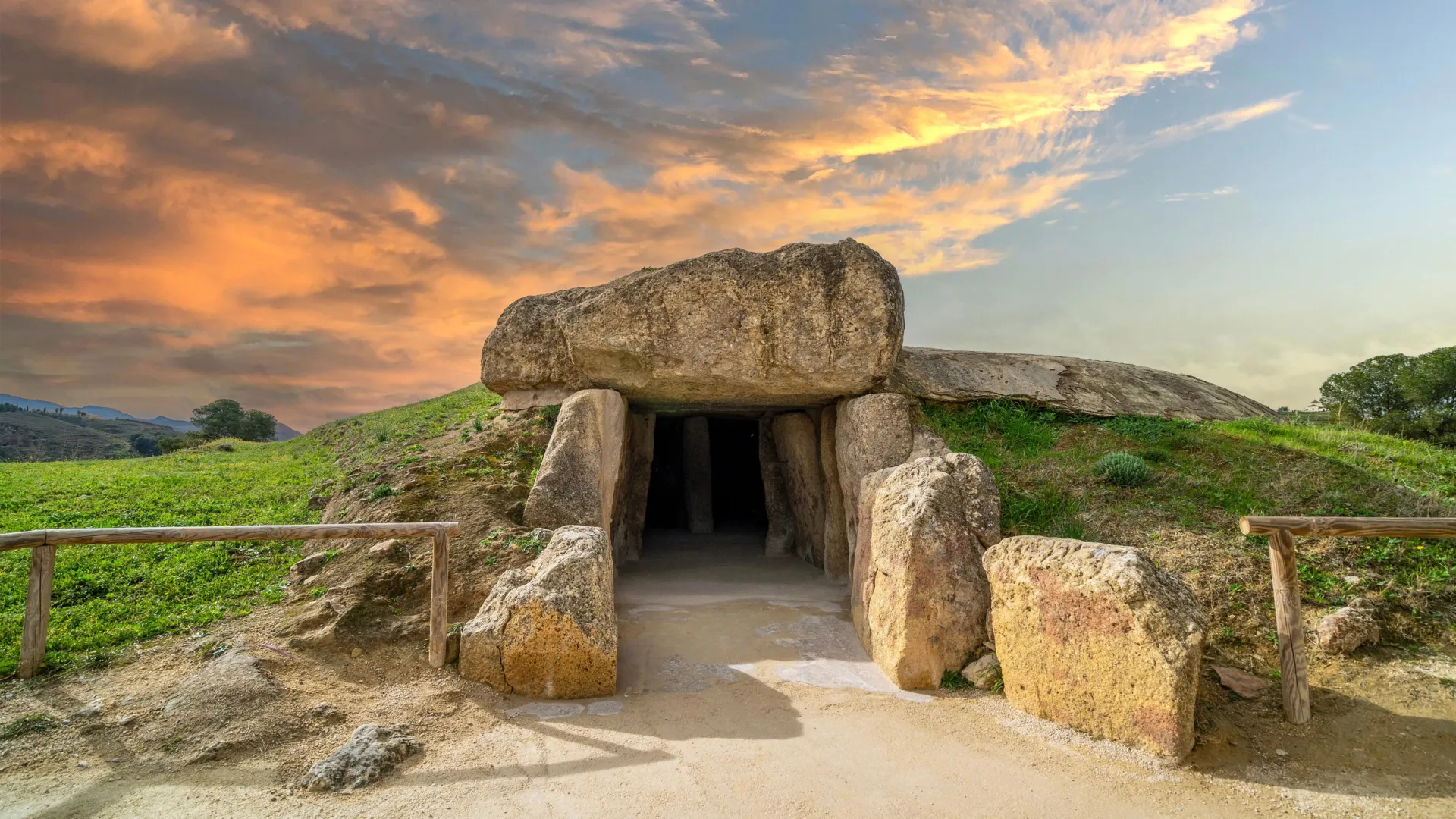
Researchers analysed the remains of 132 individuals buried in a large megalithic tomb near Bury, located about 50 kilometres north of Paris.
The study, published in the journal Nature Ecology & Evolution, found that the tomb was used during two distinct periods separated by a dramatic population decline around 3000 BC.
The findings provide evidence that the communities responsible for building some of Europe’s iconic megalithic structures experienced a major disruption during the Stone Age.
DNA analysis showed that the individuals buried before the collapse had no close genetic connection to those buried afterward, indicating that the original population was largely replaced by new groups who arrived later.
The discovery challenges previous assumptions about the continuity of ancient European societies and suggests that large-scale changes occurred during a period when farming communities across the continent were undergoing major transformations.
Scientists believe the population replacement may have been linked to a combination of factors, including environmental changes, social instability, disease, or other pressures that affected communities living in prehistoric Europe.
However, the exact cause of the collapse remains unclear and continues to be investigated.
Beyond revealing population movements, the study also highlights changes in cultural practices.
The disappearance of the original communities coincided with the decline of certain social traditions associated with megalith construction, suggesting that the arrival of new populations may have brought different ways of organising society and honouring the dead.
The researchers say the ancient tomb offers a rare window into a turning point in European prehistory, showing how migration and population changes shaped the continent long before written records existed.
The findings add to growing evidence that prehistoric Europe was far more dynamic than previously believed, with communities rising, disappearing, and being replaced through waves of migration and social change.
Leave a Reply