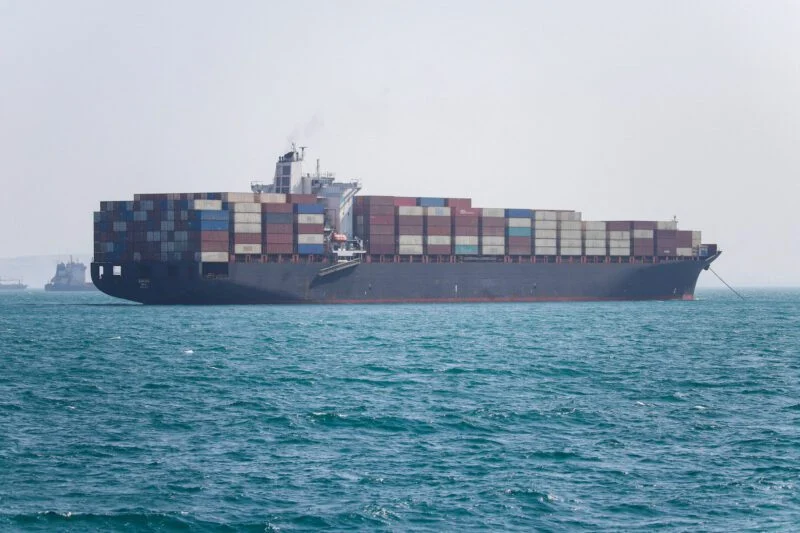
Data from ship tracking company Kpler showed that only six vessels passed through the strategic waterway on Sunday, a sharp decline from normal traffic levels.
The slowdown comes as ship operators and energy companies closely monitor the deteriorating security situation in the Gulf following fresh U.S. strikes on Iranian targets and Iran’s response.
The Strait of Hormuz connects the Persian Gulf to the Gulf of Oman and the Arabian Sea. It serves as a critical route for global energy supplies, with about one fifth of the world’s oil and a significant share of liquefied natural gas (LNG) exports passing through the narrow waterway.
According to Reuters, many commercial vessels are taking extra precautions while navigating the area. Some ships have switched off their Automatic Identification System (AIS) transponders to reduce the risk of being tracked, while others have delayed or adjusted their voyages because of growing safety concerns.
“The market is taking a very cautious approach,” Richard Bronze, head of geopolitics at Energy Aspects, told Reuters, noting that shipping companies are closely assessing the risks before sending vessels through the region.
Among the few ships that continued through the strait were the very large crude carrier Humanity, carrying around two million barrels of Iranian crude oil, and the tanker Capetan Andreas, transporting approximately 500,000 barrels of refined petroleum products from Kuwait.
No liquefied natural gas carriers were reported to have entered the Strait of Hormuz over the weekend, reflecting the caution being exercised by gas exporters and shipping firms as tensions persist.
The latest disruption follows a renewed escalation between Washington and Tehran that has increased fears of attacks on commercial shipping.
Although Iran has claimed it closed the Strait of Hormuz, U.S. President Donald Trump said the waterway remains open. “It’s open,” Trump told reporters, while acknowledging that tensions in the region remain high.
The decline in shipping traffic has renewed concerns about global energy markets. Any prolonged disruption to movement through the Strait of Hormuz could affect oil and gas supplies, drive up shipping costs, and push international energy prices higher.
As geopolitical tensions continue to unfold, governments, shipping companies and energy traders are expected to keep a close watch on developments in the Gulf, where any further escalation could have far-reaching consequences for global trade and energy security.
Leave a Reply