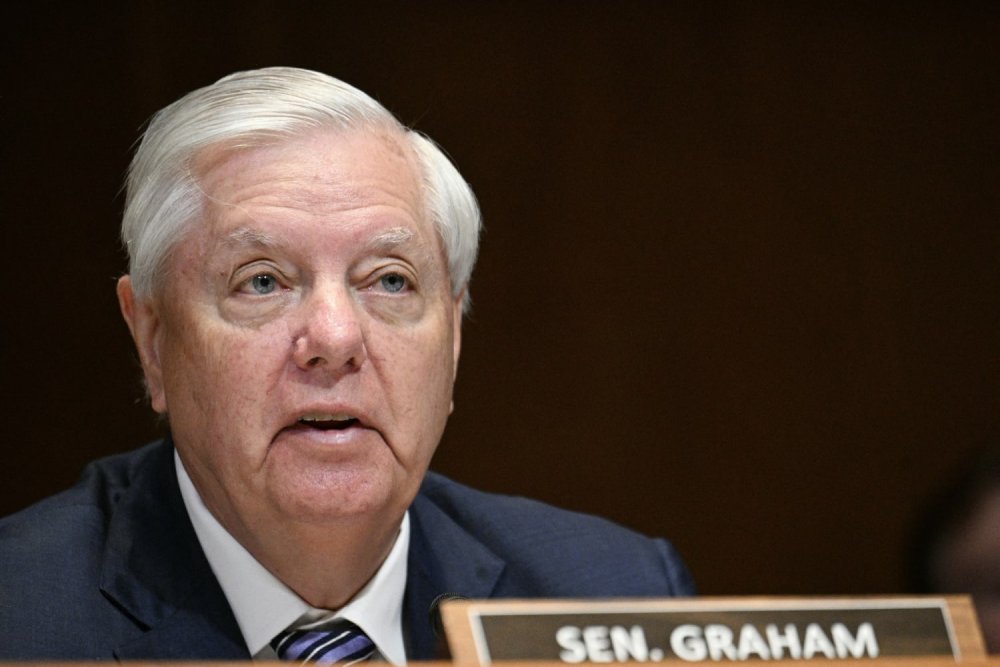
Graham’s office confirmed his death early Sunday, saying the senator died Saturday night “from a brief and sudden illness.”
“Senator Graham’s family appreciates prayers at this time and asks for privacy during this incredibly difficult period,” his office said in a statement.
President Donald Trump led tributes to Graham, describing him as “one of the greatest people and Senators I have ever known” and a “true American Patriot.”
Graham, who represented South Carolina in the U.S. Senate since 2003, was one of the most recognised figures in the chamber and served as chairman of the Senate Budget Committee. He was also a leading Republican voice on defence and international affairs, particularly issues involving Ukraine, Iran and America’s role in global security.
In Africa’s Great Lakes region, Graham became known for his public comments on the conflict in eastern DR Congo, where he argued that lasting peace required political engagement, dialogue between the opposing sides, and addressing the root causes of the conflict.
In December 2025, he welcomed AFC/M23’s decision to withdraw from the strategic town of Uvira in South Kivu, as part of a confidence-building step toward advancing the Doha peace process and achieving a lasting solution to the conflict.
However, he expressed concern over reports that AFC/M23 forces were being attacked as they withdrew from the city.
“I am pleased to see reports of M23 troops withdrawing from Uvira in the Democratic Republic of the Congo. However, I am disheartened to hear these withdrawing troops are being attacked,” Graham said in a post on X at the time.
He argued that negotiations between the opposing sides were essential and aligned with President Donald Trump’s vision of bringing lasting peace and economic development to the Great Lakes region.
Graham had engaged with regional security issues for more than a decade. In 2013, he was part of a bipartisan delegation of six U.S. senators that visited the Great Lakes region to assess the conflict between M23 rebels and government forces in eastern DR Congo.
During the visit, Graham said the presence of United Nations forces was important but stressed that the region’s challenges could not ultimately be solved by the UN alone.
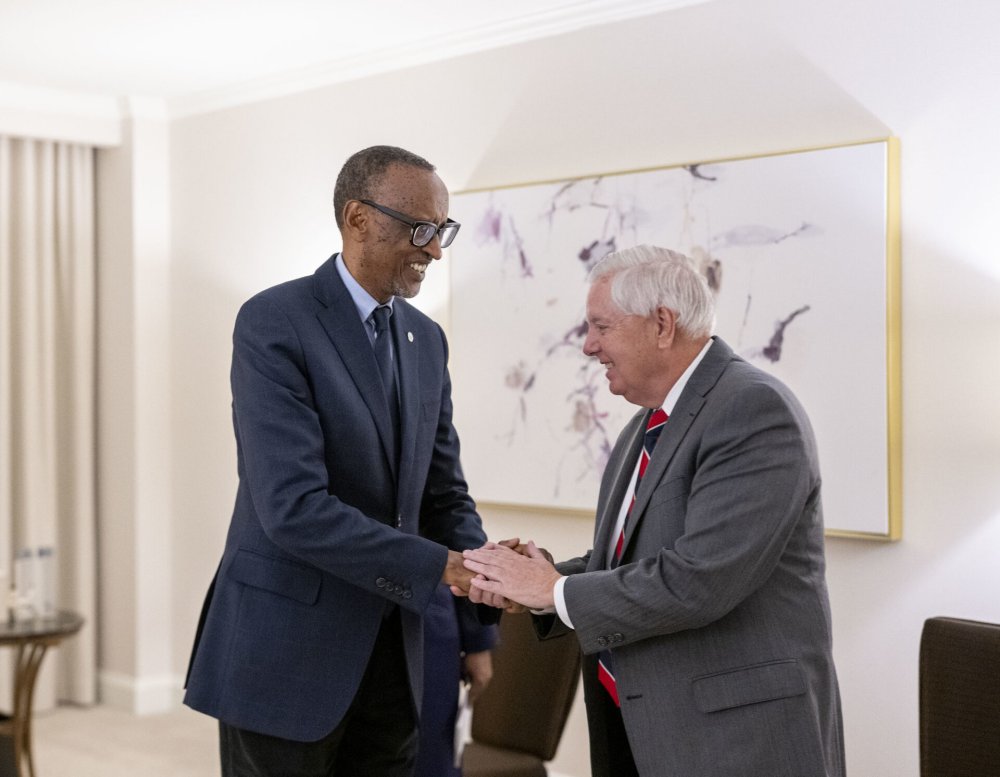
On December 3, 2025, Graham also met with President Paul Kagame, with their discussions centred on strengthening Rwanda-U.S. cooperation in strategic areas including conservation, security and economic partnerships.
Beyond his engagement with the Great Lakes region, Graham was fresh off a trip to Kyiv, Ukraine, where he met President Volodymyr Zelenskyy on Friday to discuss Ukraine’s urgent air defence needs and efforts to increase pressure on Russia.
Israeli Prime Minister Benjamin Netanyahu also paid tribute to Graham, saying he understood that “the security of Israel and America are inseparable,” while Senate Majority Leader John Thune described him as a strong advocate for the United States and freedom around the world.
Graham’s political career spanned more than three decades. Before joining the Senate, he served in the U.S. House of Representatives from 1995 to 2003 and previously served in the U.S. Air Force, Air Force Reserve and South Carolina Air National Guard, retiring as a colonel in 2015.
He first won his Senate seat in 2002, succeeding longtime South Carolina senator Strom Thurmond, and went on to become one of the Republican Party’s most influential voices on foreign policy.
South Carolina Governor Henry McMaster is expected to appoint a replacement to serve until a special election is held to fill Graham’s seat.
Leave a Reply