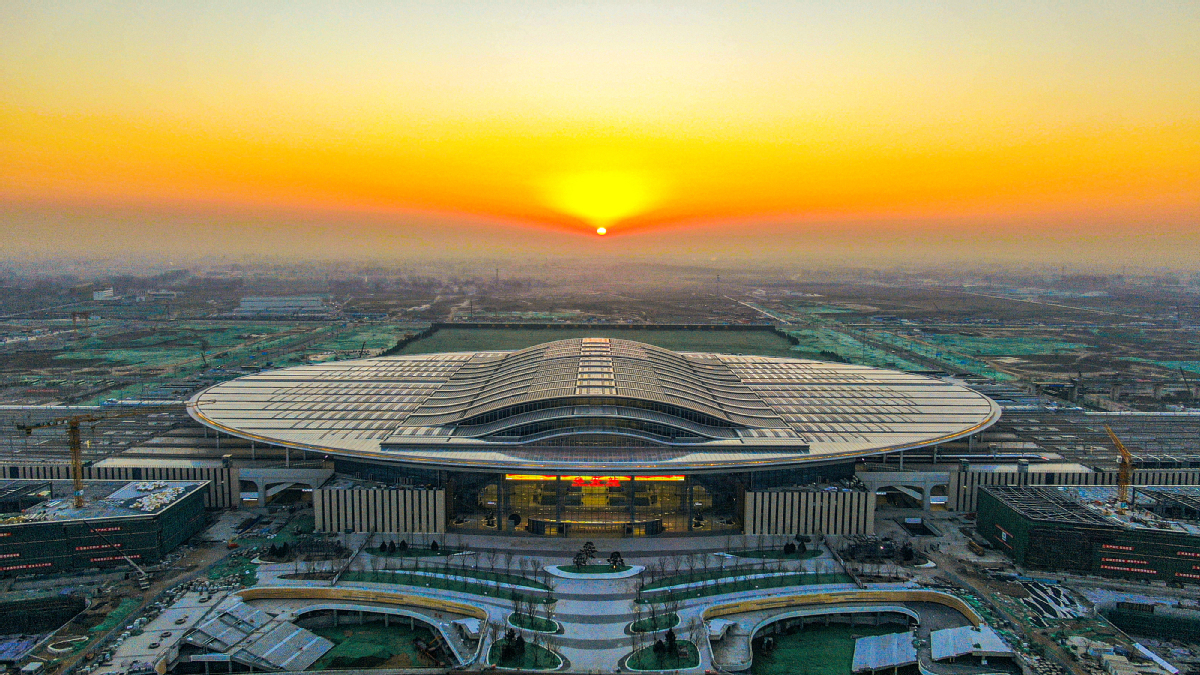
That was President Xi Jinping’s instruction for Xiong’an, then mostly villages and fields about 100 kilometres southwest of Beijing.
On February 23, 2017, Xi studied a map in an open field. China established Xiong’an New Area in Hebei on April 1, 2017. For nearly two years, authorities say hardly a brick or tile was laid while planners mapped its future.
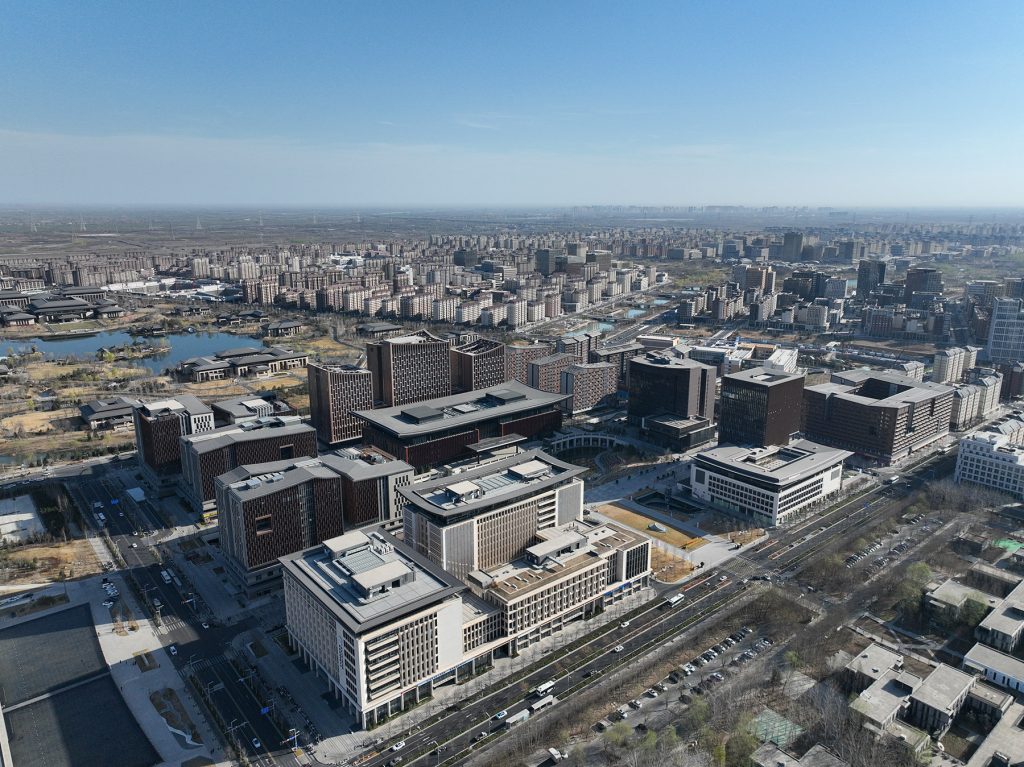
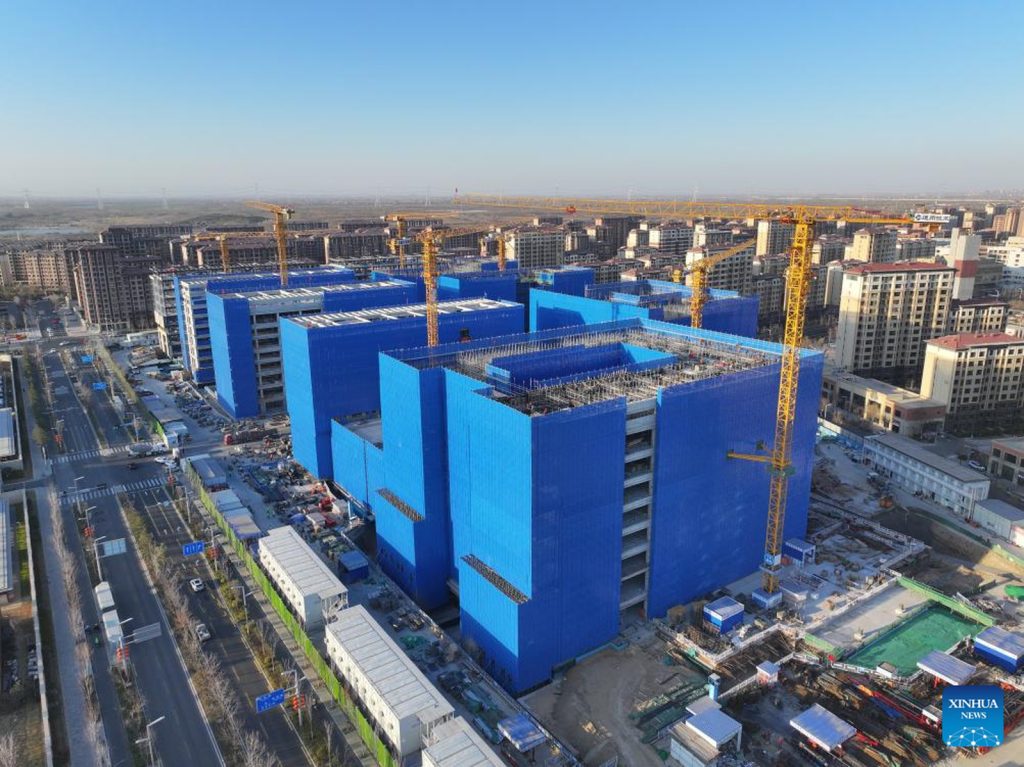
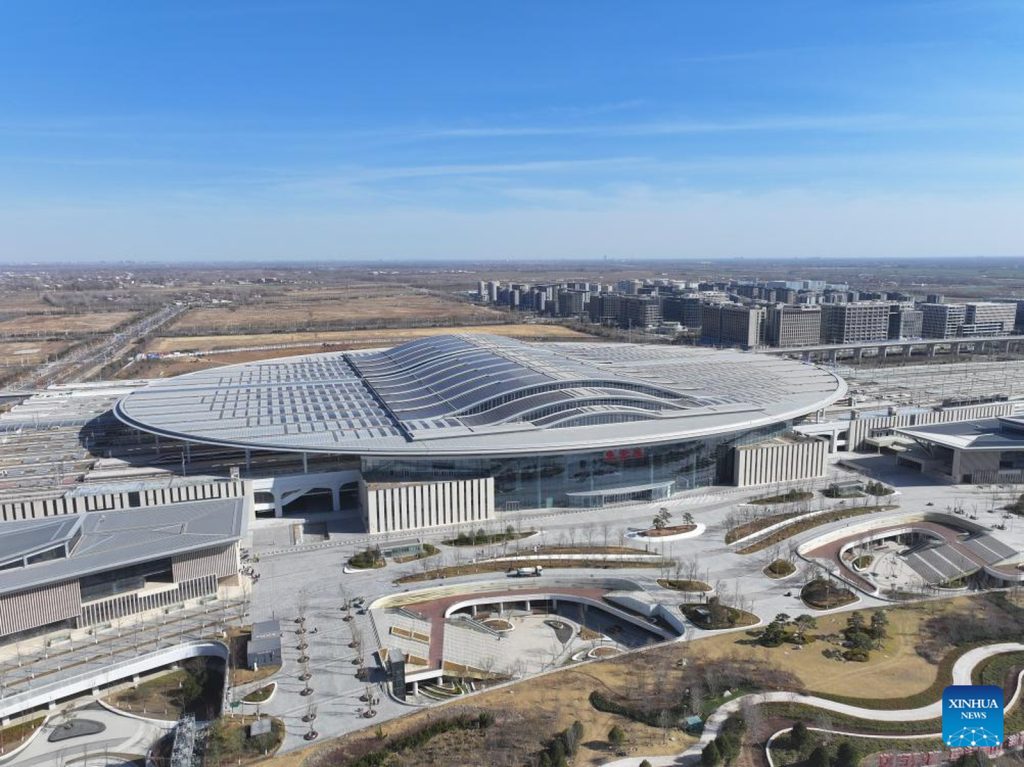
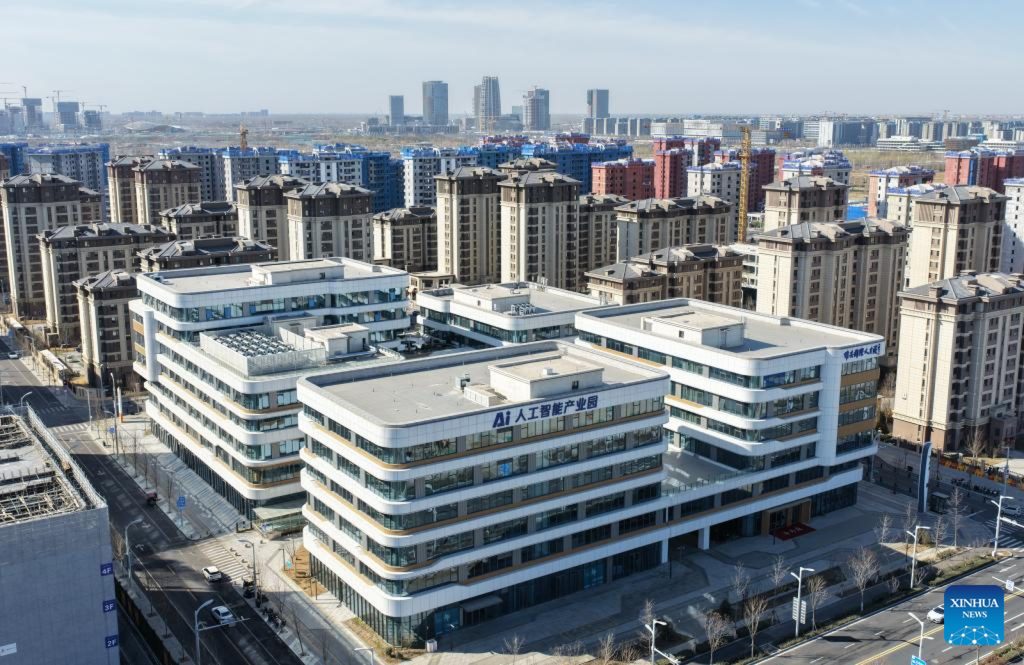
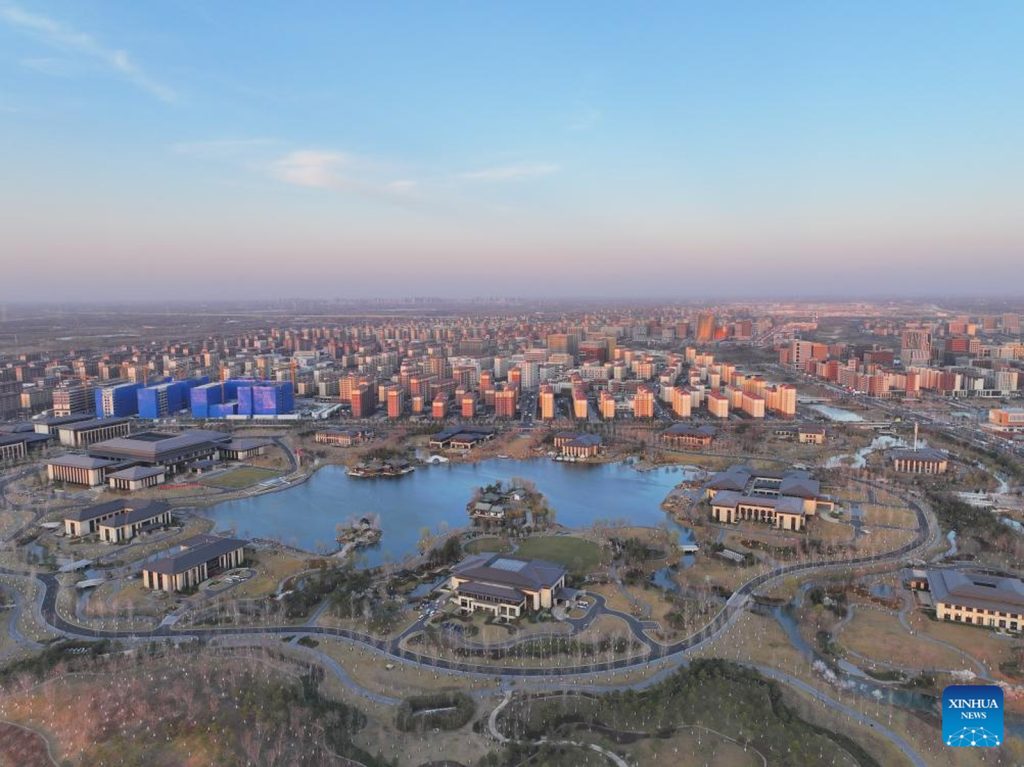
Nine years later, around 215 square kilometres have been developed: 5,345 buildings, 58.59 million square metres of floor space and about 831 kilometres of municipal roads entering construction.
Investment has exceeded 1 trillion yuan (about Rwf222.20 trillion), with annual investment above 200 billion yuan (Rwf44.44 trillion) during the 14th Five-Year Plan period. But another city is taking shape underground.
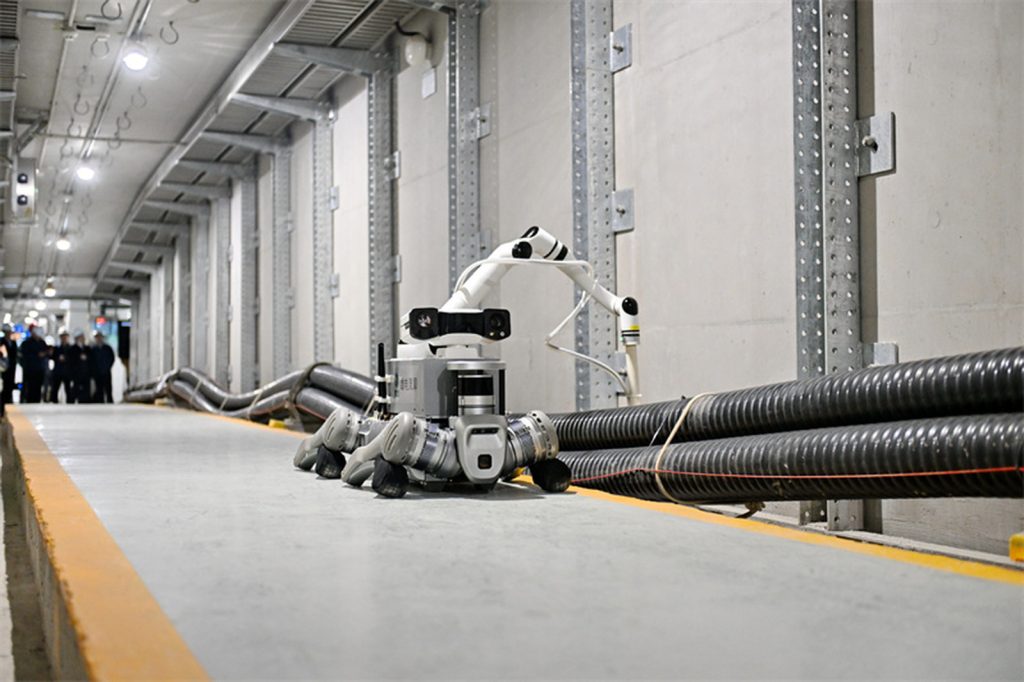
Beneath Xiong’an’s streets and building developments, another layer is taking shape: parking, transport facilities, commercial spaces, energy infrastructure and utility corridors.
By the end of 2025, construction had begun on 22.67 million square metres of underground space. On one level, that equals 22.67 square kilometres.
Imagine approximately 3,175 standard football pitches side by side, or floor space for 226,700 apartments of 100 square metres each. These comparisons show its scale, not plans for underground homes.
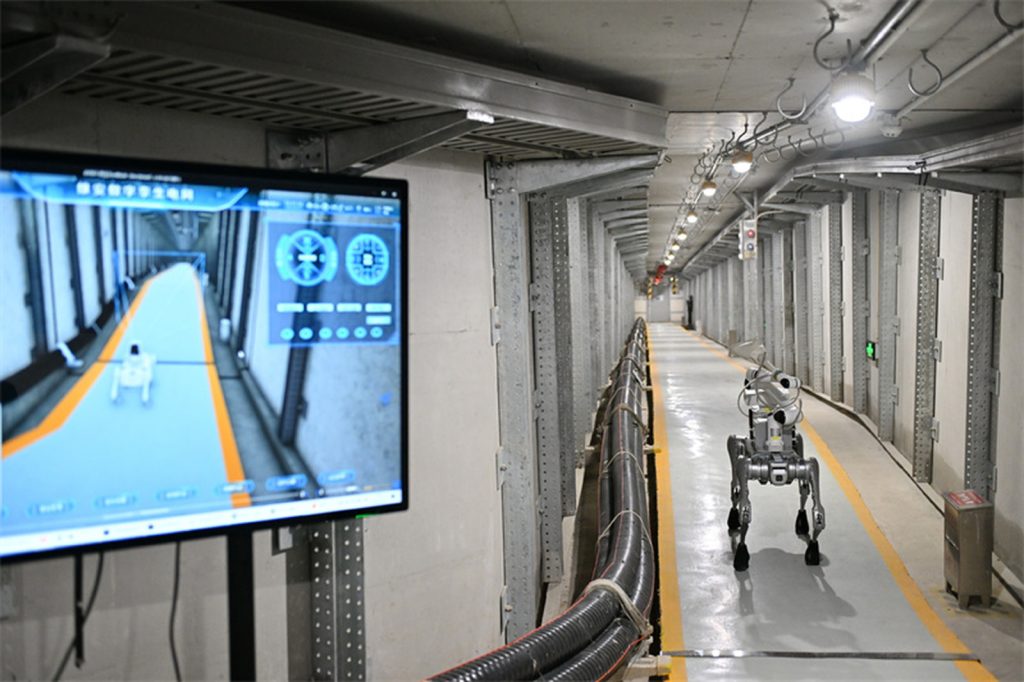
More than 1,000 kilometres of utility pipelines already occupy underground corridors, bringing services together and reducing repeated road excavation.
This is the idea behind “three Xiong’ans”: above ground, underground and in the cloud.
During his May 10, 2023 inspection, Xi called for better underground development and integrated transport to build a “city of the future” free of urban maladies.
A global stage
Xiong’an hosted the Global Governance Forum from October 23–25, 2026. Nearly 400 representatives from more than 90 countries, alongside international and regional organisations including the United Nations, attended its opening.
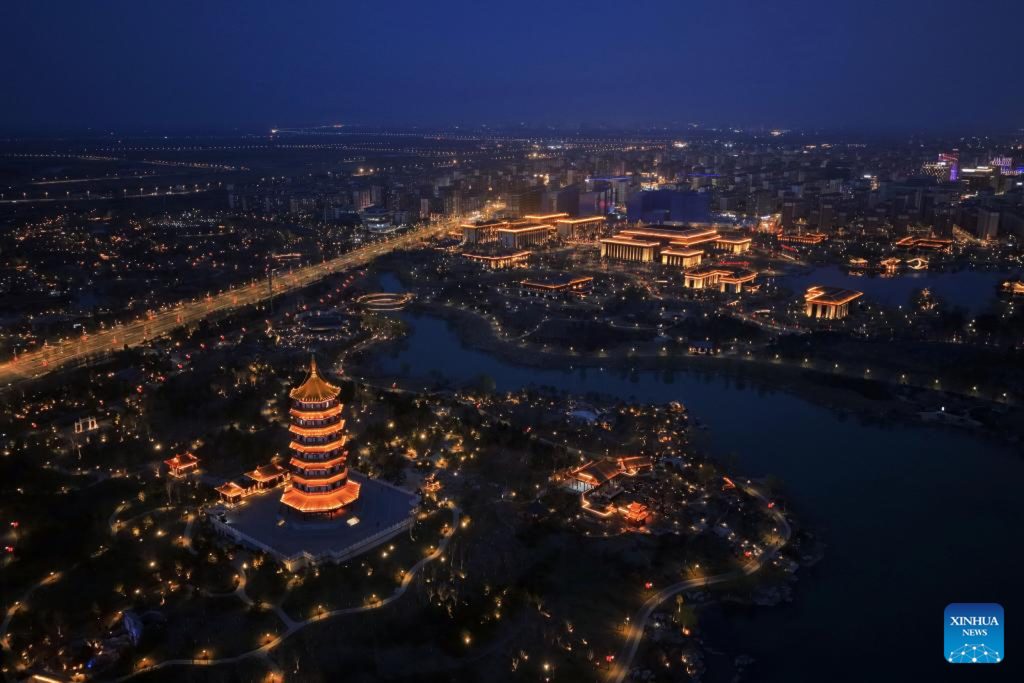
“In just nine years, Xiong’an has risen from the ground, and undergone a magnificent transformation,” Foreign Minister Wang Yi said. “A city of the future is unfolding before our eyes.”
He called it a project of “millennial significance”, adding: “With the blueprint drawn, now we must build the future with concrete action.”
The wider plan covers approximately 2,000 square kilometres, accommodating 2 million to 2.5 million people, compared with about 1.41 million today.
The Beijing connection takes about 50 minutes by intercity railway. Another rapid line targets approximately 30 minutes to Beijing Daxing International Airport.
A four-vertical, three-horizontal expressway network is complete; a four-vertical, two-horizontal high-speed railway network is developing.
Of 829 kilometres of municipal roads started during the 14th Five-Year Plan period, 567 kilometres were operational.
More than 4,000 Beijing-origin enterprises and over 400 branches of centrally administered state-owned enterprises have arrived. Since 2023, these include 146 second- and third-tier subsidiaries.
Four universities and two hospitals are under construction. China Satellite Network Group, Sinochem and China Huaneng headquarters already operate there.
Artificial intelligence, aerospace information, new materials, energy, digital technology and fintech support its economic ambitions. Xiong’an has 669 high-tech enterprises; GDP growth averaged 17.1% annually during the 14th Five-Year Plan period.
People, nature and data
Over nine years, about 169,000 relocated residents have been resettled, with around 62,600 housing units completed.
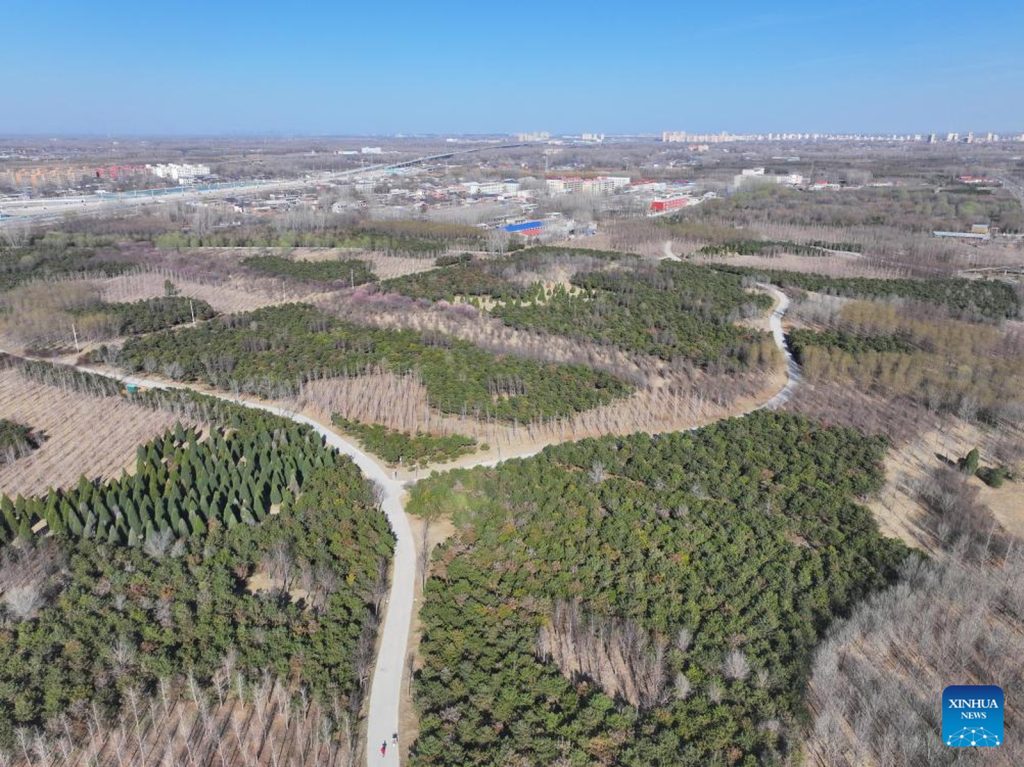
Since 2017, the Millennium Forest programme has added approximately 32,200 hectares of forest, bringing cumulative green area to around 49,533 hectares.
Forest coverage rose from 11% to 35.1%. Plans place residents within three kilometres of forest, one kilometre of a green belt and 300 metres of a park.
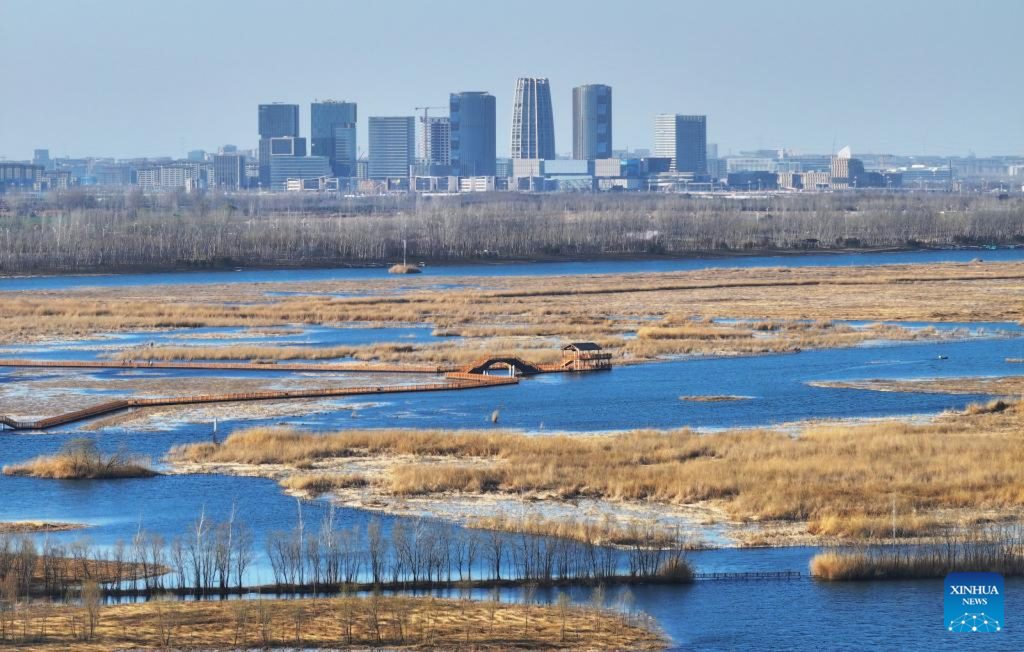
At Baiyangdian, authorities report dredging 32 square kilometres, removing over 27 million cubic metres of sediment, clearing 212 kilometres of waterways, removing over 300 kilometres of embankment barriers and reconnecting 143 water bodies.
Another 74 square kilometres has returned from farmland to wetland. Embankment works total 328 kilometres.
Digital systems support infrastructure management. In March 2026, Xiong’an issued its first three-dimensional underground-space property certificate, recognising usable layers beyond conventional two-dimensional mapping.
It has also integrated 278 Beijing-Xiong’an government-service scenarios, with 209 qualifications and professional credentials recognised across both areas.
Kigali’s planning challenge
Rwanda’s population reached over 14 million, increasing by 2.7 million over ten years. Density rose from 415 people per square kilometre in 2012 to 503 in 2022.
Urbanisation increased from 16.5% to 27.9%, reaching 3.7 million urban residents.
Kigali had 1,745,555 residents in 2022, including 1.52 million in urban areas. NISR projects approximately 2.6 million by 2032: about 854,445 additional residents, nearly 49% growth.
That means infrastructure must prepare for almost 855,000 more people needing water, electricity, transport, schools, hospitals and homes.
Nearly 500 hectares of Kigali wetlands are being rehabilitated. Projects could benefit 220,500 people, create 7,500 jobs and avoid between $45 million and $90 million in flood damage.
For Kigali, Musanze, Huye, Rubavu and Muhanga, the lesson is practical: reserve infrastructure space before development occupies it.
Electricity, telecommunications, water, gas, heating and drainage can share corridors instead of separate trenches. Imagine repairing a water pipe without digging up the road above it.
For Kigali, coordinating services before construction could reduce disruption and costly repairs. Protecting wetlands and green spaces also preserves room for essential public services as neighbourhoods grow.
Coordinate utilities before paving roads. Protect future transport routes. Build drainage into neighbourhood plans. Provide jobs and services alongside housing.
Kigali need not reproduce Xiong’an’s 22.67 million square metres underground. But its projected population demands decisions today that leave room for tomorrow.

Leave a Reply