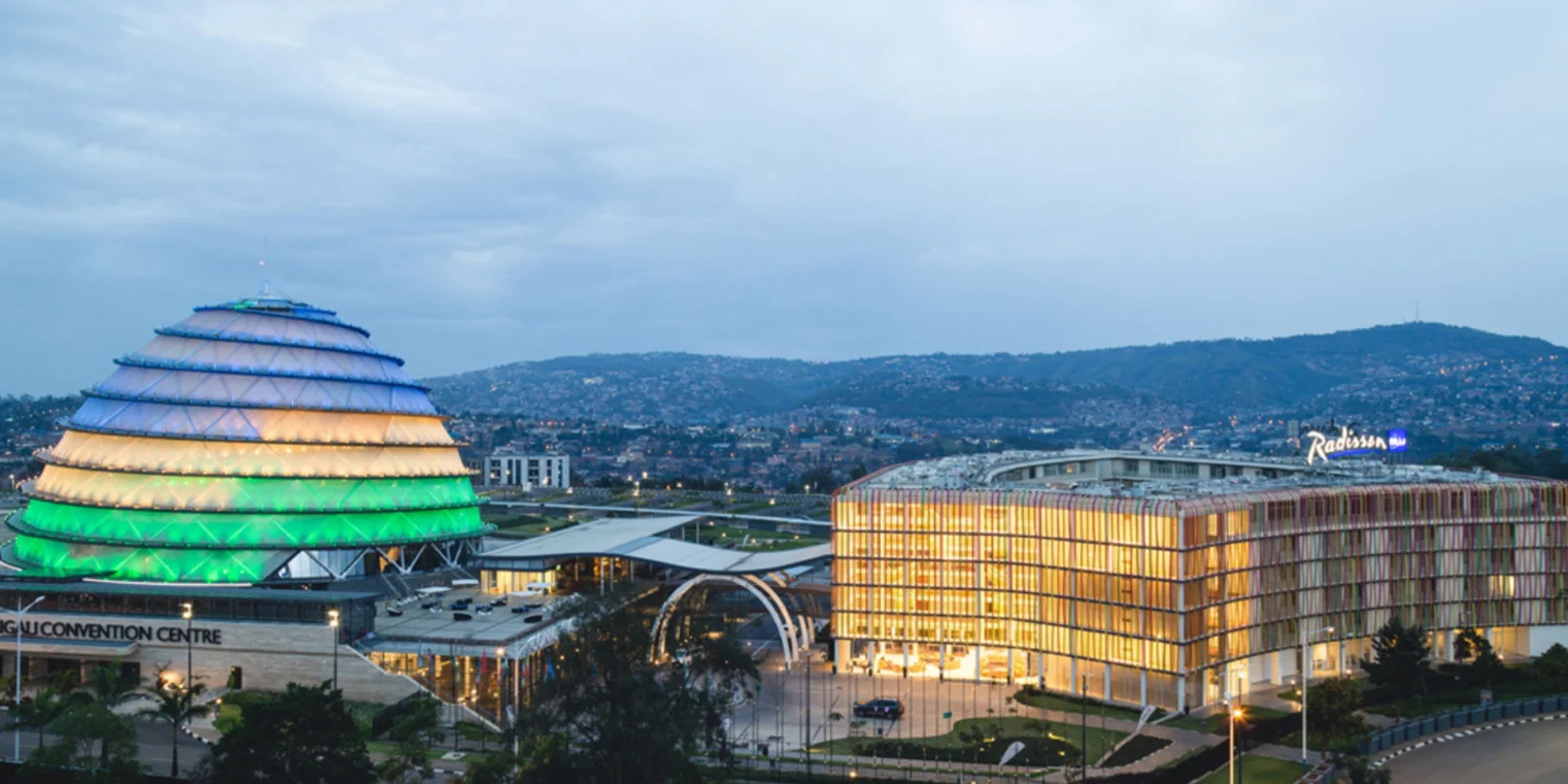
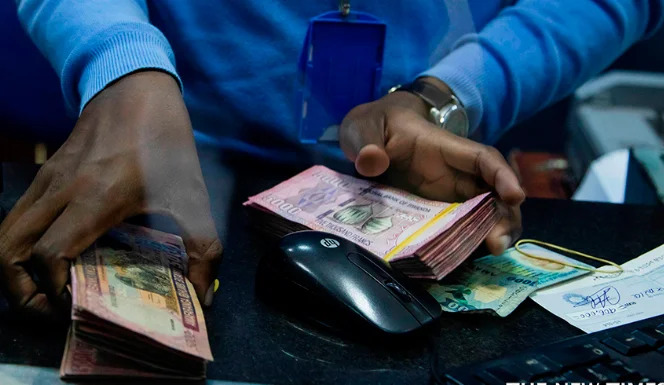
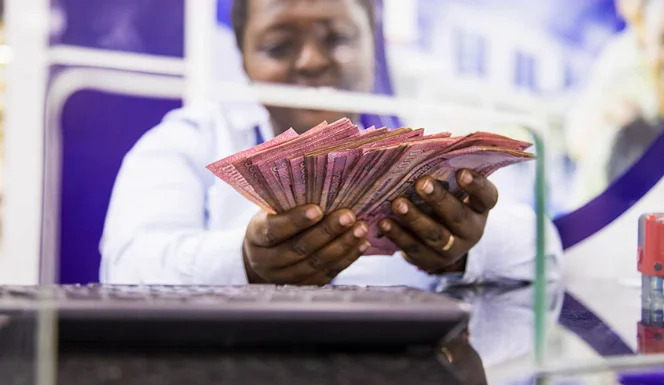
The Ministry of Finance and Economic Planning welcomed the ranking, describing it as recognition of Rwanda’s efforts to communicate its fiscal and debt position clearly to international investors.
Rwanda was one of only four countries added to the IIF assessment this year, alongside Ivory Coast, the Republic of Congo, and Senegal. Despite being new to the survey, Rwanda was singled out by the IIF as an example of best practice, specifically for maintaining reciprocal links between the websites of its Investor Relations Office, Debt Management Office, Central Bank, and Ministry of Finance, a criterion in which Rwanda was the only country cited across the entire 57-country sample.
Rwanda’s score also outperforms several countries with longer-established investor relations programmes, including Kenya, whose programme has run since 2020, and South Africa, whose programme dates back to 2011. Rwanda’s own sovereign investor relations programme, housed within the Ministry of Finance and Economic Planning, was launched only in 2025.
The country’s strongest showing came in ESG data and policy dissemination, where it scored 3.88 out of 4, among the highest in the entire survey and on par with Türkiye, Indonesia, and Egypt.
Globally, no country achieved a perfect score. The Philippines led the 2026 rankings with 49.3 points, followed by Türkiye and Brazil (48.3 each), Hungary (47.8), Uruguay (47.4), and Indonesia (47.1). Rwanda’s score of 43.4 places it 14th out of the 57 countries assessed worldwide, ahead of established emerging-market issuers such as Chile, Egypt, Poland, and Russia, and within striking distance of the top ten.
According to MINECOFIN’s March 2026 Public Debt Statistical Bulletin, which reflects audited data up to end-December 2025, Rwanda’s total Public and Publicly Guaranteed (PPG) debt stood at 73.6 percent of GDP, down from 74.5 percent in December 2024. The IIF report cites disclosure of debt composition and debt service obligations as core criteria in its transparency scoring, alongside investor outreach and forward-looking policy information.
The IIF assessment, now in its 21st year, evaluates sovereign investor relations and debt transparency practices across 23 criteria, grouped into three components: a headline Investor Relations Country Score, a Debt Transparency Score, and an ESG Data and Policy Dissemination Score. The 2026 edition covered 57 emerging markets and developing economies.
According to the report, countries with stronger investor relations practices tend to secure more stable sovereign credit ratings and lower borrowing costs over time, which the IIF terms the “transparency dividend.” The report notes that participants in this year’s survey averaged a score of 40.5, compared to 25.4 for non-participants, underscoring the value the IIF places on direct engagement with the assessment process.
Regionally, Sub-Saharan Africa recorded one of the lowest median scores among the world’s regions but was one of only two regions, alongside the Middle East and North Africa, to post an improvement relative to 2025, even as Emerging Europe and Latin America saw median scores decline.
Rwanda’s debut score places it ahead of regional peers including Kenya (42.79), Ivory Coast (41.71), Egypt (42.21), Morocco (38.75), Ghana (37.13), and Nigeria (33.63).
The Ministry of Finance and Economic Planning said the ranking signals to global investors that Rwanda is a reliable and transparent sovereign borrower, a distinction it described as a competitive advantage at a time when international capital is becoming increasingly selective.
The Ministry of Finance and Economic Planning welcomed the ranking, describing it as recognition of Rwanda’s efforts to communicate its fiscal and debt position clearly to international investors.
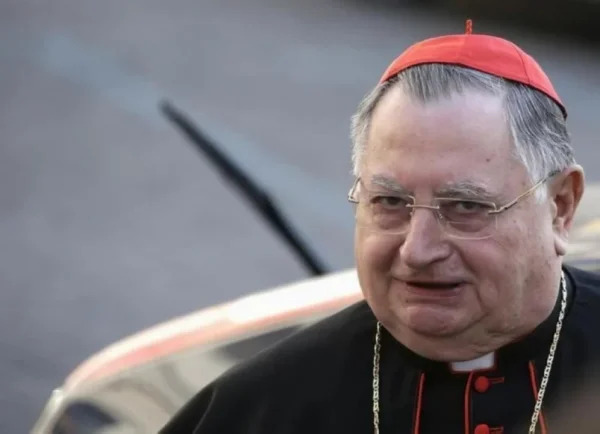
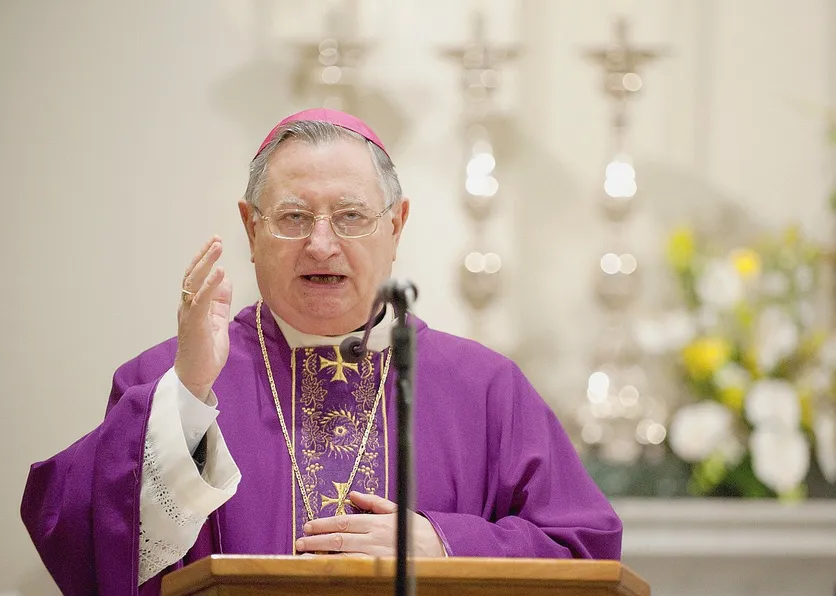
Giuseppe Bertello, who served as the Pope’s envoy to Rwanda from 1991 to 1995, wrote to André Louis, then Secretary General of the Christian Democratic International (IDC) in Belgium, asking the organization to cooperate with the MRND and help it promote what he described as genuine democracy.
In his February 17, 1992 letter, Bertello argued that the MRND was undergoing change and that its younger members deserved support to prepare them for public service.
“As a priest from a family with many members involved in the Christian Democratic International, I would be pleased to see the IDC cooperate with the new MRND in helping it establish genuine democracy and distance itself from the outdated mentality and practices of the former single-party system,” he wrote.
“Otherwise, it risks losing all credibility, which would be deeply regrettable because there are young leaders within the party who deserve support so they can use their talents in the service of the nation. They would benefit from such support.”
Bertello’s appeal came during a defining period in Rwanda’s history. In 1991, President Juvénal Habyarimana accepted the introduction of multiparty politics after growing domestic and international pressure. The move ended the MRND’s status as the country’s only legal political party.
However, the political transition unfolded alongside a war that had begun in October 1990, when the Rwanda Patriotic Army (RPA) launched an armed struggle against Habyarimana’s government. At the same time, peace negotiations were taking place in Arusha, Tanzania, eventually leading to the signing of the Arusha Peace Accords on August 4, 1993.
As new parties emerged, Rwanda’s political landscape became increasingly complex. The MDR, originally founded by Grégoire Kayibanda in 1959, was revived, while parties including the CDR, PL and PSD were also established. The period was marked by intense political competition, but also by the persistence of ethnic divisions that had shaped Rwanda’s politics for decades.
The MRND and CDR, in particular, promoted political positions that were associated with ethnic and regional identity, while extremist elements within the political establishment intensified anti-Tutsi propaganda as the war continued.
During the same period, many young people were recruited into the military to support Habyarimana’s government in its fight against the RPA. The political environment became increasingly polarized, with discrimination and exclusion influencing state institutions and public life.
An IDC document published on February 2, 1992, examining the situation in Rwanda, discussed a statement issued by the Catholic Bishops’ Conference on December 1, 1991, which criticized the government’s handling of the political crisis.
The document argued that the bishops’ criticism was misplaced and pointed to another statement that it said reflected support for the government’s reform process.
“It is only natural that the major reforms being undertaken by the government should receive the support of both the Catholic and Protestant churches. Few expected this to happen,” it stated.
The IDC, which had maintained close ties with Habyarimana’s government, believed that peace could only be achieved if those who had launched the war were defeated. It also expected the MRND to maintain a dominant position in future elections, projecting that the party could win at least 70 percent of parliamentary seats, while opposition parties would secure between 20 and 30 percent.
Bertello’s tenure in Rwanda ended in 1995, after the genocide against the Tutsi in which more than one million people were killed and the collapse of the political order that had existed during his diplomatic mission.
His 1992 letter remains a reflection of how some international actors viewed Rwanda’s political transformation in the years before the genocide and the challenges of interpreting the country’s rapidly changing political landscape at the time.
Giuseppe Bertello, who served as the Pope’s envoy to Rwanda from 1991 to 1995, wrote to André Louis, then Secretary General of the Christian Democratic International (IDC) in Belgium, asking the organization to cooperate with the MRND and help it promote what he described as genuine democracy.
A total of 2011 confirmed cases, including 754 deaths, were reported, according to the latest report released by the country’s health authorities on Tuesday.
The announcement came as the WHO warned earlier in the day that undetected transmission, community deaths and rapid geographic expansion threatened to keep the response behind the epidemic curve.
Chikwe Ihekweazu, executive director of the WHO Health Emergencies Programme, said the current outbreak, caused by the Bundibugyo Ebola virus, was growing faster than any Ebola outbreak.
The outbreak, declared in mid-May, has spread to five provinces and is already the third-largest Ebola outbreak ever recorded, according to the WHO.
Fastest growth
“We’ve seen the fastest growth in a single month since the outbreak started and of all the Ebola outbreaks that we have managed,” said Ihekweazu.
“This is a fire,” he said, describing the epidemic that is being fuelled in its core areas while simultaneously spreading outward.
The outbreak appears to be entering a “new phase” characterized by progressive geographic expansion beyond its original epicentre in the Ituri province, said a weekly situation report by the WHO regional office for Africa released Tuesday.
The outbreak has newly spread to two more provinces, namely Tshopo and Haut-Uele, increasing the complexity of the response and elevating the risk of further national and cross-border spread, the report said.
DRC health authorities said on Tuesday that the emergence of new cases in Haut-Uele, which has so far reported 14 cases, including 13 deaths, indicated a further geographical spread, requiring an immediate strengthening of surveillance, diagnostic capacity and operational preparedness.
The detection of cases in Kisangani, a city of more than 1.6 million people and a major transport hub linking east and west of the country, highlighted the risk of wider transmission along key transport corridors, including the Congo River, the UN Office for the Coordination of Humanitarian Affairs warned on Tuesday.
Hidden transmission
Despite improvements in laboratory capacity and contact monitoring, around 80 percent of newly confirmed patients were not previously listed as contacts of known cases, which means they were emerging from “unknown chains of transmission,” Ihekweazu said.
As of Monday, 12,430 contacts of confirmed cases have been under surveillance, with the follow-up rate at 67.4 percent, health authorities said, well below the recommended operational target of 95 percent.
The mortality pattern points to the same delays. During the reporting period, 205 confirmed deaths were recorded, nearly 68 percent of which occurred outside treatment facilities, indicating that delayed presentation for care continues to contribute substantially to mortality, said the WHO report.
The current outbreak is caused by the Bundibugyo Ebola virus, for which there is no approved vaccine or specific treatment, unlike the better-known Zaire species.
On Tuesday, a first clinical trial was launched to assess whether the antiviral obeldesivir can prevent Bundibugyo Ebola infection after exposure.
The trial is being conducted in the DRC and Uganda and aims to enroll nearly 1,000 adults and children aged over 12, said the WHO. Eligible participants must have had direct contact with a confirmed patient, an infected body or a contaminated needle within the previous five days. Recruitment will continue in line with the evolution of the outbreak.
A separate WHO-backed trial, PARTNERS, was launched in the DRC on July 2 to evaluate treatments for patients already infected, as the trial is assessing the monoclonal antibody MBP134 and the antiviral remdesivir, individually and in combination.
Wider crisis
The Ebola response is unfolding against the backdrop of a much broader humanitarian emergency in eastern DRC, where armed violence, mass displacement, food insecurity and multiple disease outbreaks are competing for already limited resources.
Treatment capacity is under mounting strain. As of Monday, 753 patients were in isolation or hospitalization, while Ebola treatment and care facilities were operating at an average of 87.4 percent occupancy nationwide and at or near full capacity in several high-transmission areas, said authorities.
The response has been further complicated by insecurity, attacks on health workers and facilities, community mistrust, patients leaving treatment centers before completing care, and protests by frontline responders over working conditions and unpaid allowances.
A total of 114 health workers had been infected, and 36 had died, authorities said, underscoring persistent gaps in infection prevention and control at health facilities.
Ihekweazu said reducing resistance and preventing further attacks would require greater transparency, the early involvement of community leaders and clear assurances that patients would not be isolated and abandoned.
Beyond the treatment centers, the outbreak is spreading through provinces already deeply affected by conflict and displacement. UN humanitarian figures showed that the DRC had hosted about 5.8 million internally displaced people by the end of March, including some 923,000 in Ituri and 1.2 million in North Kivu, the two provinces bearing the heaviest burden of Ebola transmission. Around 307,000 people had been newly displaced nationwide since the beginning of the year.
The outbreak is also competing for attention and resources with other major public health emergencies. During the first 26 weeks of 2026, the country reported about 32,100 cholera cases, 99,200 measles cases and 22,800 mpox cases, according to UN humanitarian data released on Tuesday.
Despite the pace of transmission, Ihekweazu urged governments and international partners not to become resigned to the outbreak.
“We need the world to come together, not just out of charity or out of support for the DRC, but in our own enlightened best interest,” he said. “The more we do right now, the better placed we will be in the future.”
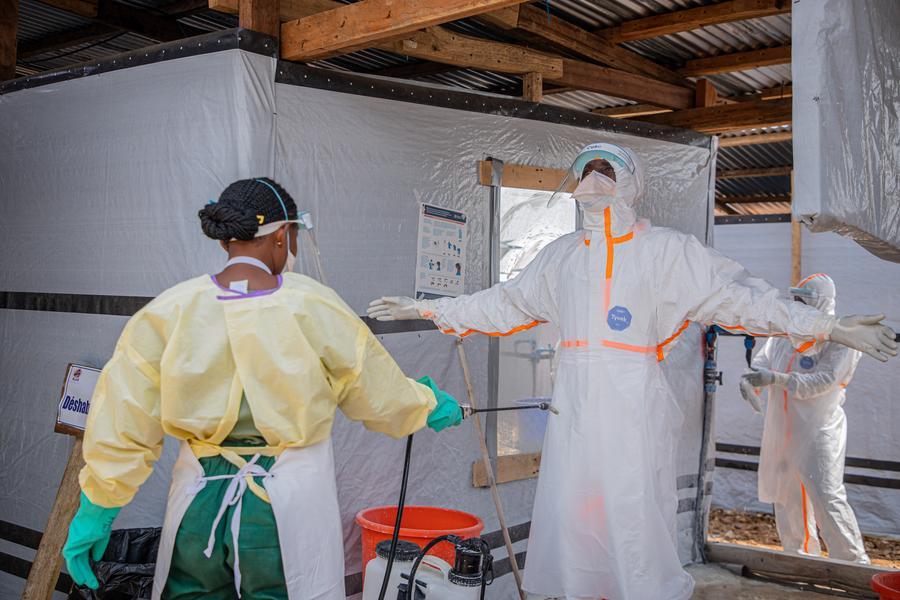
Medical workers carry out disinfection work at an Ebola treatment center in Bunia, the capital of Ituri Province in the Democratic Republic of the Congo, July 6, 2026. (Xinhua) Medical workers bury a deceased person in accordance with epidemic prevention protocols in Bunia, the capital of Ituri Province in the Democratic Republic of the Congo, July 9, 2026. (Xinhua)
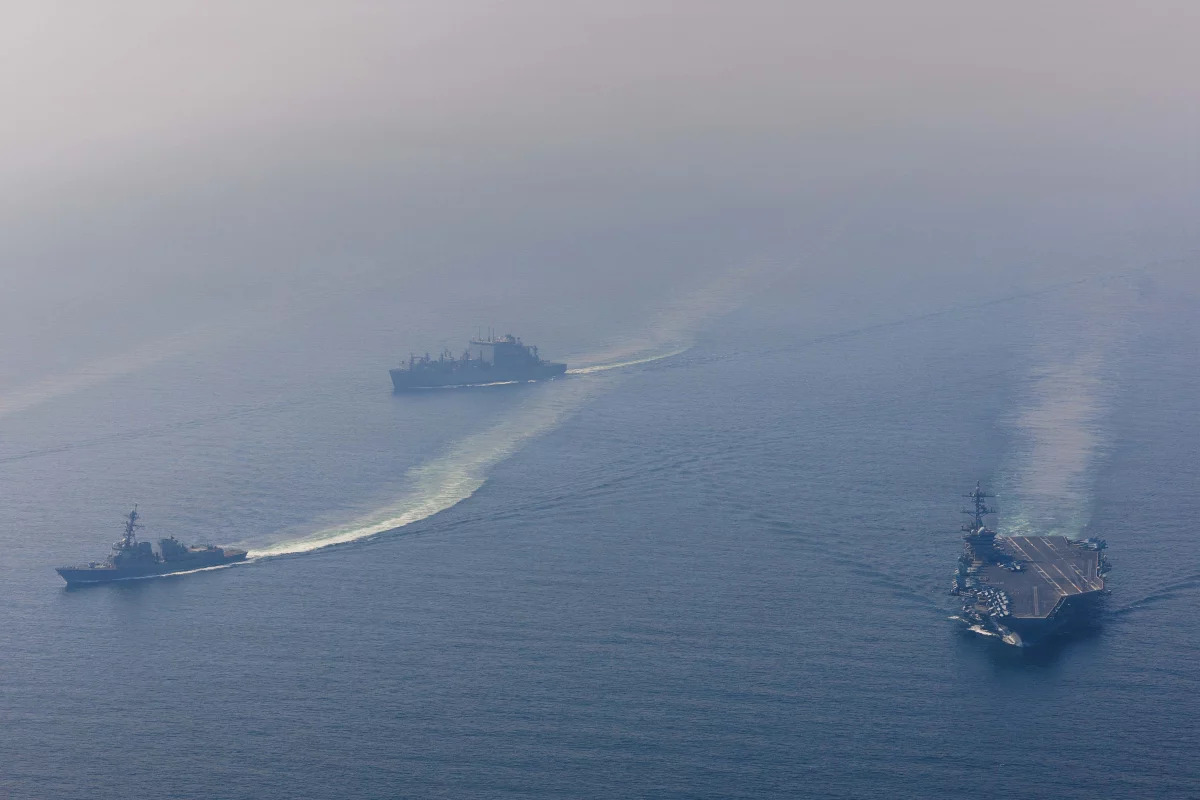
“U.S. forces resumed the naval blockade against vessels transiting to and from Iranian ports and coastal areas today at 4 p.m. Eastern Time,” the U.S. Central Command said in a statement posted on social media platform X.
“There are currently more than 20 U.S. Navy warships and hundreds of military aircraft operating across the Middle East. American forces remain vigilant, lethal, and ready,” it said.
The U.S. forces carried out an additional round of strikes against Iranian targets, an hour before resuming the blockade in the strait, according to the U.S. Central Command.
Earlier on Tuesday, U.S. President Donald Trump said the Strait of Hormuz was open to all ship traffic except for Iran, while the naval blockade will continue.
“We will therefore have a FULL Blockade, but only on Ships coming to and from Iranian ports, or carrying anything have to do with Iranian cargo,” he said in a post on Truth Social.
Fresh U.S. airstrikes and Iranian retaliation have in recent days plunged Washington and Tehran back into open conflict less than a month after they signed a 14-point memorandum of understanding (MoU) aimed at ending the war and paving the way for broader negotiations.
Both sides now accuse the other of violating the agreement first. While neither has formally declared the MoU void, the latest escalation has cast doubt over whether diplomacy can survive another round of fighting.
The U.S. military on Tuesday announced the resumption of the blockade in the Strait of Hormuz.
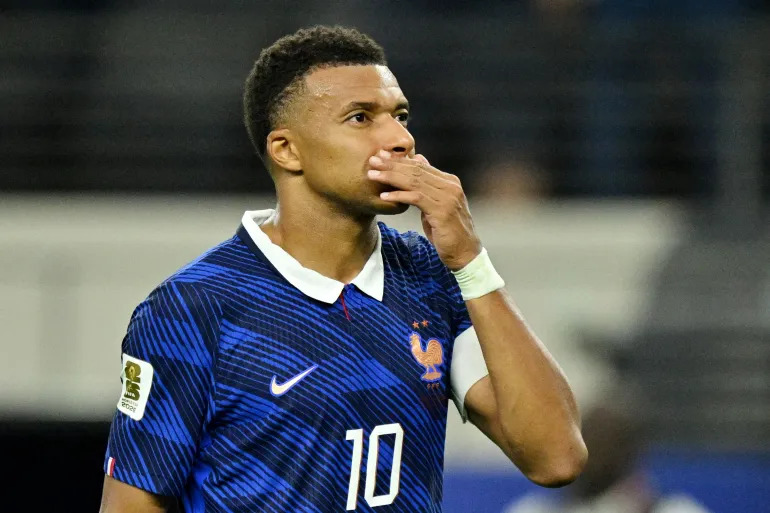
The reigning European champions booked their place in Sunday’s final in Arlington, Texas, where they will face either England or Argentina, while France must now turn their attention to the third-place playoff.
Didier Deschamps’ side entered the semifinal full of confidence after impressive knockout victories over Morocco, Sweden and Paraguay. Led by captain Kylian Mbappé, France were among the favourites to lift the trophy after another impressive World Cup campaign. However, they found Spain’s disciplined defence difficult to break down as the European champions controlled the contest from start to finish.
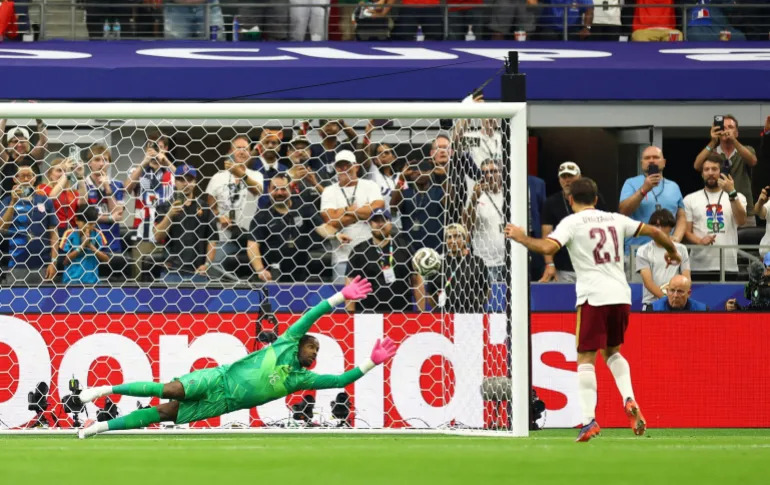
Spain took the lead midway through the first half after Salvadoran referee Ivan Barton awarded a penalty for a foul by France left-back Lucas Digne on teenage winger Lamine Yamal. Mikel Oyarzabal calmly converted the spot kick, beating goalkeeper Mike Maignan to score his fifth goal of the tournament.
France’s problems deepened shortly afterward when defender William Saliba was forced off with a recurrence of a lower back injury, disrupting an already difficult evening for Deschamps’ men.
Les Bleus struggled to create meaningful opportunities throughout the opening half, failing to register a shot on target as Spain dominated possession and dictated the tempo.
Seeking a response after the break, Deschamps introduced Desire Doue in an attempt to inject more attacking energy. But just moments later, Spain doubled their advantage with an excellent team move.
Dani Olmo combined neatly with Pedro Porro, who collected the return pass before calmly slotting the ball past Maignan to make it 2-0 and put Spain firmly in control.
Trailing by two goals, Deschamps introduced Theo Hernandez and Rayan Cherki in search of a comeback. Mbappé, who had inspired France throughout the tournament, was kept largely quiet by Spain’s well-organized defense and was unable to produce the moment of brilliance his side desperately needed.
Spain continued to defend resolutely, frustrating France’s star-studded attack. The European champions have now conceded just one goal throughout the tournament while combining defensive discipline with the creativity of players such as Yamal and Olmo.
The victory sends Spain into their first World Cup final since lifting the trophy in South Africa in 2010. They are now one win away from becoming the first champions of the expanded 48-team FIFA World Cup.
For France, the defeat ends their bid for a third World Cup title and denies Mbappé the opportunity to lead Les Bleus into a third consecutive World Cup final. The Real Madrid forward had once again been central to France’s impressive run, but he and fellow attacking stars Ousmane Dembélé and Michael Olise were effectively neutralised by Spain’s disciplined defensive display.
The defeat also marks the end of Didier Deschamps’ World Cup journey as France coach after 14 years in charge. Despite being eliminated from title contention, Les Bleus will remain in the tournament to contest Saturday’s third-place playoff against the loser of the second semifinal between England and Argentina. The winner of that match will claim the bronze medal.
Speaking after the match, Spain defender Pedro Porro described reaching the final as “a dream come true.”
“We knew that to get close to the final we needed to have the ball. We knew that countering their strengths was key, and we did that. So we’re really happy.”
Speaking after the match, Mbappe didn’t hide his frustration at France’s performance in the game.
“I don’t think we played the match we wanted to play – whether tactically, technically, or in terms of our overall performance level,” Mbappe told French broadcaster M6.
“And when you don’t do what you’re supposed to do in a World Cup semifinal, you don’t win.
“Our goal was to press them high up the pitch to prevent them from settling into that slow, controlled rhythm – because when it comes to controlling the game, they are better than us. We failed to do that,” the Real Madrid star added.
While France’s hopes of lifting the trophy are over, Mbappé and his teammates will still have one final opportunity to end their campaign on a positive note in the third-place playoff. The match will also mark France’s final World Cup appearance under Deschamps before a new era is expected to begin, with Zinedine Zidane widely tipped to succeed him as head coach.
Spain, meanwhile, will now focus on Sunday’s final, where they will attempt to win their second World Cup title and their first since 2010.
Pedro Porro scores Spain’s second goal.Oyarzabal scores from the penalty spot. Mbappé looks dejected after France’s 2-0 defeat to Spain.
Both sides now accuse the other of violating the agreement first. While neither has formally declared the MoU void, the latest escalation has cast doubt over whether diplomacy can survive another round of fighting.
Has the MoU collapsed?
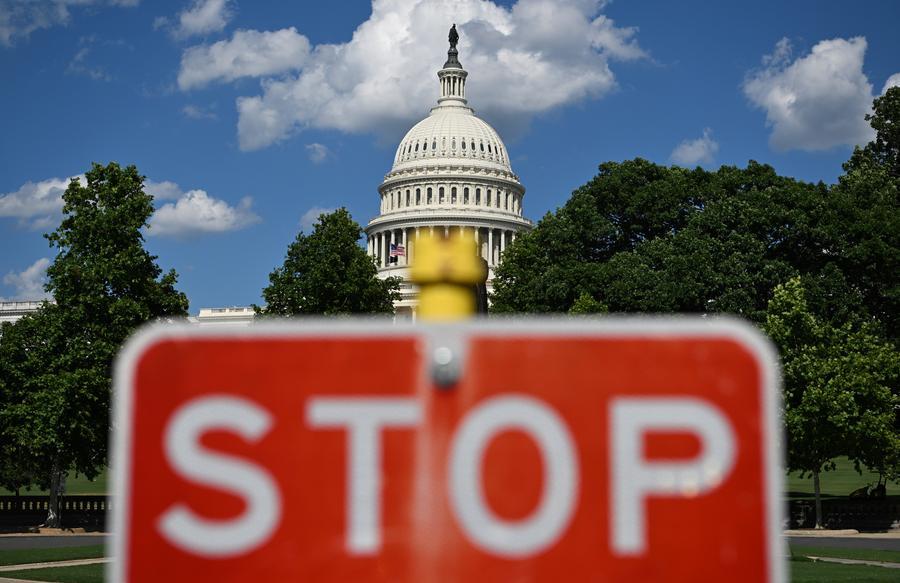
The clearest signal yet came from U.S. President Donald Trump, who formally notified Congress in a letter dated Friday that military operations against Iran had resumed under his direction.
In a letter to lawmakers, Trump described the strikes on Iran that began on July 7 as “military action consistent with my responsibility to protect Americans and United States’ interests both at home and abroad.” This notification starts a new 60-day period during which the Trump administration can conduct military operations in the region without congressional approval.
On Monday, Trump said on Truth Social that the United States was “reinstating the Iranian blockade, so named because it is only stopping Iran’s ships or customers from entering or leaving,” and proposed charging a 20 percent fee on cargo transiting the Strait of Hormuz.
However, Tehran insists it is not the side that abandoned the agreement.
Iranian Foreign Ministry spokesman Esmaeil Baghaei said on Monday that the MoU had entered a “crisis phase” because Washington had continuously violated its obligations. He said Iran would follow a principle of “commitment for commitment” and warned that if the United States continues breaching the deal, Iran would no longer see any reason to fulfill its own obligations.
Can diplomacy revive?
Before the latest escalation, the two sides had been using regional mediators to preserve the fragile agreement.
According to Axios, Washington demanded that Iran publicly reaffirm that the Strait of Hormuz remained open and “stop firing on commercial ships,” arguing that Tehran had violated the MoU.
Trump also said last week that the United States had agreed to continue talks with Iran, although he simultaneously declared that the ceasefire was “over.”
Iran denied requesting new negotiations but indicated it remained willing to engage through regional intermediaries, including Qatar, according to Qatar’s Al Jazeera television.
The fighting has nevertheless intensified. The U.S. Central Command (CENTCOM) said its latest wave of strikes against Iran concluded late Monday after strikes on military targets across Iran, including Bushehr, Chah Bahar, Jask, Konarak, Abu Musa, and Bandar Abbas, to “further degrade Iran’s ability to attack commercial shipping.”
Iran has continued missile and drone attacks on U.S. positions and regional targets, including Oman, Bahrain, Jordan and Kuwait.
The Islamic Revolution Guard Corps (IRGC) said Tuesday that it has launched missile and drone attacks on the U.S. Fifth Fleet based in Bahrain. “The retaliatory operation continues,” the statement said.
Who controls Hormuz?
The Strait of Hormuz has once again become the main flashpoint.
Early Sunday, Iran’s IRGC announced that the Strait of Hormuz would remain closed “until further notice” and until “the end of U.S. interference in this region.”
The U.S.-led Joint Maritime Information Center and the U.S. Naval Forces Central Command said Sunday that the southern route remains operational despite Iranian claims, adding that “U.S. forces are prepared to maintain freedom of navigation and safeguard lawful commerce.”
On Monday, CENTCOM announced that it would resume blockading maritime traffic entering and leaving Iranian ports beginning at 4 p.m. ET (2000 GMT) Tuesday.
Baghaei said Sunday that arrangements for the future administration of maritime traffic in the Strait of Hormuz must be made through consultations with Oman.
Those competing visions directly contradict one of the MoU’s central provisions, which envisioned the lifting of the U.S. naval blockade while Iran ensured safe passage for international shipping.
For now, the memorandum has not been formally abandoned. But with military operations expanding, the agreement appears to be surviving more on paper than in practice.
Fresh U.S. airstrikes and Iranian retaliation have plunged Washington and Tehran back into open conflict less than a month after they signed a 14-point memorandum of understanding (MoU) aimed at ending the war and paving the way for broader negotiations.
The summit, which began on July 10, 2016, brought together African leaders in Kigali, with high-level meetings scheduled for July 17 and 18. About 35 presidents had confirmed their participation.
However, as Rwanda prepared to welcome the continent’s leaders, it found itself at the centre of a diplomatic storm involving debates from The Hague in the Netherlands, Khartoum in Sudan and Kigali.
At the heart of the controversy was one question: Would Rwanda arrest Sudanese President Omar al-Bashir and hand him over to the International Criminal Court (ICC)?
Bashir had been invited to the AU Summit as the leader of a member state.
At the same time, he had been wanted by the ICC for seven years over allegations of war crimes, crimes against humanity and genocide-related charges linked to the conflict in Sudan’s Darfur region.
On July 14, 2016, just days before the summit, the Rwandan government confirmed that it had received a request from the ICC asking it to arrest Bashir if he entered the country.
Bashir’s international legal troubles
Omar Hassan Ahmad al-Bashir, a former military officer, seized power in Sudan in 1989 after overthrowing Prime Minister Sadiq al-Mahdi’s government. He became president in 1993 and remained in power until he was removed in 2019.
His name became widely associated with international justice proceedings following the outbreak of conflict in Darfur in 2003.
On July 14, 2008, ICC prosecutors accused Bashir of playing a role in a campaign targeting the Fur, Masalit and Zaghawa communities through killings, sexual violence and forced displacement.
The ICC issued its first arrest warrant against him on March 4, 2009, containing charges of crimes against humanity, including murder, extermination, forcible transfer, torture and rape. He was also accused of war crimes, including attacks against civilians and pillaging.
At the time, judges said there was insufficient evidence to charge him with genocide.
A second arrest warrant was issued on July 12, 2010, adding three genocide charges. Bashir became the first sitting head of state to be wanted by the ICC.
Although Sudan was not a signatory to the Rome Statute that established the ICC and did not recognize the court’s jurisdiction, the UN Security Council had referred the Darfur situation to the ICC.
From then on, every foreign trip by Bashir became a potential diplomatic challenge for the countries he visited.
South Africa’s failed attempt to detain Bashir
The pressure on Rwanda was intensified by events in South Africa a year earlier.
In June 2015, Bashir travelled to South Africa to attend an AU summit. South Africa was a signatory to the Rome Statute, meaning it had an obligation to arrest individuals wanted by the ICC who entered its territory.
A South African court ordered that Bashir should not leave the country while it considered whether he should be arrested and transferred to The Hague.
However, Bashir’s aircraft later departed and returned him to Khartoum after the South African government allowed him to leave, despite the court order.
The incident triggered international criticism. The ICC and human rights groups accused South Africa of failing to meet its obligations, while some African leaders argued that Bashir enjoyed immunity as a sitting head of state attending an AU meeting.
This raised concerns over whether Rwanda would face a similar situation when hosting the 2016 AU Summit.
Kagame sets Rwanda’s position
Before the ICC sent its request, President Paul Kagame had already indicated that Bashir would be welcomed if invited by the AU.
Speaking to journalists on May 13, 2016, Kagame said Rwanda would receive any leader invited by the continental organisation.
He stressed that Rwanda, as the host country, had a responsibility to welcome AU invitees and noted that Rwanda was not party to the Rome Statute.
Rwanda rejects ICC request
On July 14, 2016, then Foreign Affairs Minister Louise Mushikiwabo revealed that the ICC had formally requested Rwanda to arrest Bashir two days earlier.
She said Rwanda did not have the legal authority to detain him and that all leaders invited by the AU would be welcomed and protected.
Mushikiwabo added that Rwanda was not bound by the ICC request because it had not signed the Rome Statute.
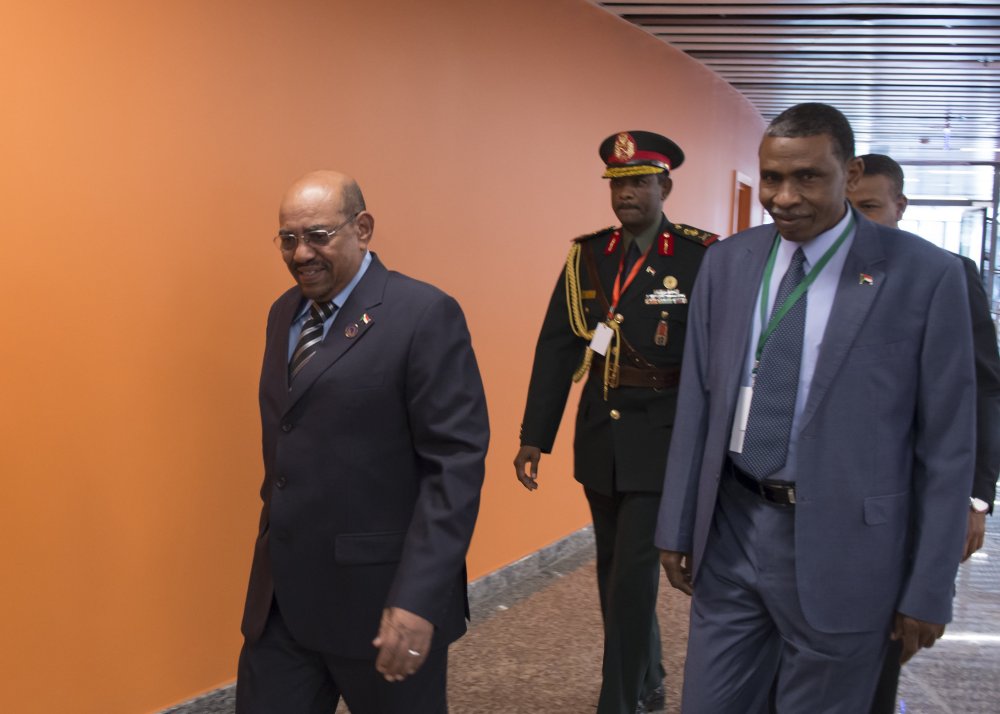
Following Rwanda’s position, Bashir arrived in Kigali on Saturday, July 16, 2016, where he was received by then Minister of Internal Security Sheikh Musa Fazil Harerimana.
Mushikiwabo said Rwanda did not support impunity but believed that the ICC’s operations had become influenced by politics.
She argued that African leaders attending AU activities should be granted immunity while serving in office, citing AU positions submitted to the UN Security Council.
She also questioned why, after years of ICC operations, most individuals prosecuted by the court were Africans.
Bashir was eventually removed from power on April 11, 2019, following months of protests that began in December 2018 over rising living costs, poverty and his three-decade rule.
The military overthrew him, detained him and later placed him in Kober Prison in Khartoum.
His removal ended one of Africa’s longest presidential tenures and marked a new chapter in Sudan’s turbulent political history.
Sudanese President Omar al-Bashir during his visit to Kigali to attend the African Union Summit.
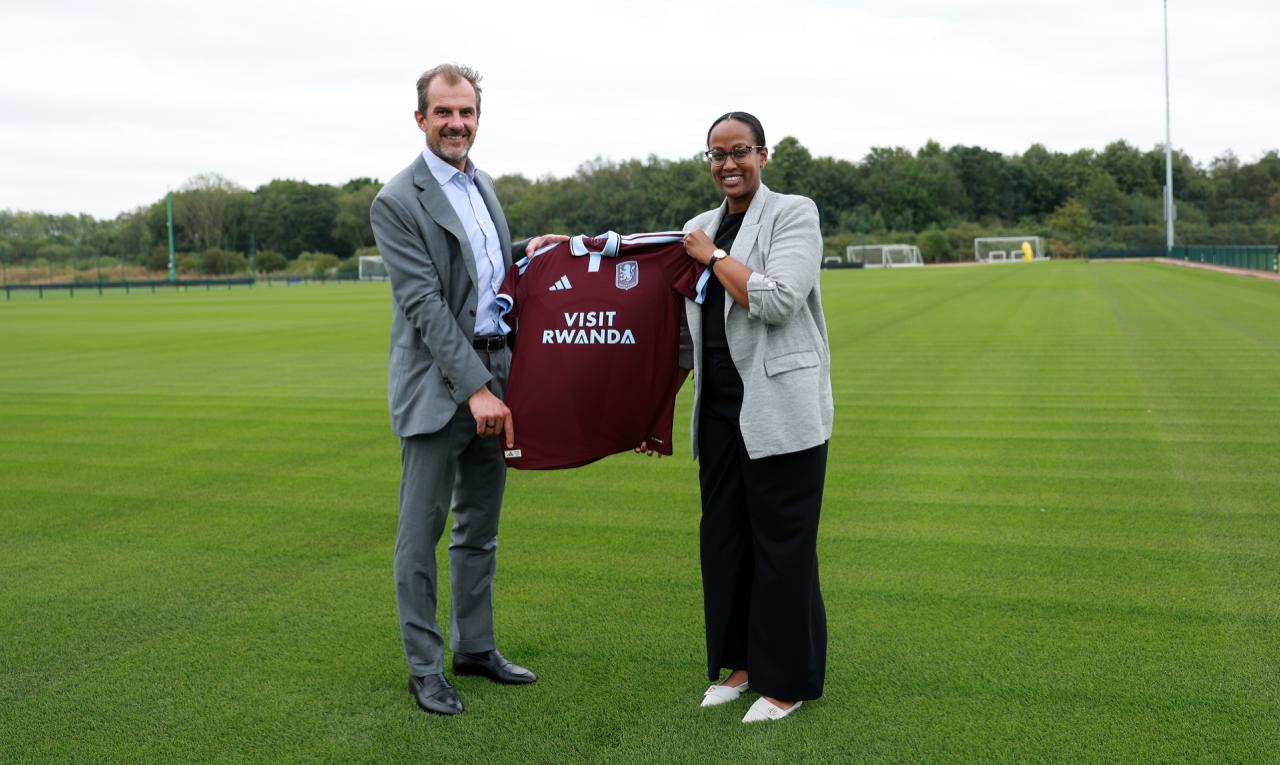
The agreement, announced on Tuesday, July 14, 2026, also names Visit Rwanda as Aston Villa’s exclusive Official Tourism Partner and Official Coffee Provider, extending Rwanda’s use of elite sport as a platform to market the country to international audiences.
Under the partnership, the Visit Rwanda brand will appear on the playing shirts of Aston Villa’s men’s, women’s and youth teams in all competitions, including the Premier League and European tournaments. The agreement also includes branding at Villa Park, international marketing campaigns, digital content and fan engagement activities designed to showcase Rwanda’s tourism attractions, hospitality sector, investment opportunities and conference industry.
The collaboration brings together Rwanda, popularly known as the “Land of a Thousand Hills,” and Birmingham, historically referred to as the “City of a Thousand Trades,” with both parties describing the partnership as one built on shared values of enterprise, innovation and ambition.
Beyond commercial branding, the partnership will include football development programmes, coach education, academy exchanges, charitable initiatives and leadership programmes in Rwanda. Scholarships and professional development opportunities for talented Rwandans will also form part of the agreement as Rwanda continues to position sport as a driver of economic growth and skills development.
Janet Karemera, Chief Executive Officer of the Rwanda Convention Bureau (RCB), said the sponsorship reflects Rwanda’s ambition to reach global audiences through one of the world’s most influential sporting platforms.
“This sponsorship is a powerful expression of Rwanda’s ambition to engage global audiences through one of the world’s most influential platforms and position our country as a destination to visit, invest and do business,” Karemera said.
She noted that the agreement builds on eight years of Visit Rwanda’s engagement in the United Kingdom, one of Rwanda’s key tourism source markets, and is expected to help expand the country’s reach across Europe and beyond.
“Through this partnership, we aim to deepen the connection with those already considering travel to Rwanda, whether for tourism, investment or business events, while contributing to the long-term growth and development of the football ecosystem in Rwanda,” she added.
Aston Villa President of Business Operations Francesco Calvo welcomed the partnership, describing it as another step in the club’s growing international footprint.
“This is a very exciting partnership for Aston Villa Football Club and a symbol of the club’s continuing expansion and growth into international markets,” Calvo said.
“There is a great range and depth of opportunities for collaboration, learning and innovation and we are looking forward to working with Visit Rwanda to deliver meaningful activities through tourism, investment and sporting development.”
The Aston Villa agreement further expands Visit Rwanda’s sports sponsorship portfolio, which already includes partnerships with French champions Paris Saint-Germain, Spanish club Atlético de Madrid, the Basketball Africa League, NBA franchise the Los Angeles Clippers and NFL team the Los Angeles Rams.
The announcement comes as Rwanda continues to post strong economic growth. According to figures released by the Rwanda Development Board, the country’s economy expanded by 9.4 percent in 2025, while tourism and conference activities generated a record $685 million in revenues, supported by 1.49 million visitors.
Rwanda has set ambitious targets to increase annual tourism revenues to $1.1 billion and double private investment to $4.6 billion by 2029. Officials say the Aston Villa partnership will support those goals by leveraging football’s global appeal to attract visitors, investors and business opportunities while promoting sports development in Rwanda.
Aston Villa has partnered with Visit Rwanda, with the country’s tourism brand set to appear on the front of the English club’s shirt as part of a new sponsorship agreement.
The investment was disclosed by the Nyungwe Management Company (NMC), which manages the park under African Parks, during a stakeholders’ meeting held on July 9, 2026.
The meeting brought together representatives from the judiciary, law enforcement agencies, security institutions and local government officials from Nyaruguru District to review progress in the park’s conservation and management.
According to NMC, more than $20 million (over Rwf30 billion) has been invested since African Parks assumed management of Nyungwe in 2020 under a 20-year agreement with the Government of Rwanda.
A long journey of conservation
Nyungwe’s conservation history dates back to 1933, when Belgium designated the forest as a protected reserve during the colonial period.
Despite its protected status, illegal mining for gold and widespread poaching continued for decades, leading to the disappearance of species such as elephants and buffaloes from the forest.
Management of the forest was later transferred to the former Office of Tourism and National Parks (ORTPN) in 1987.
During the 1994 Genocide against the Tutsi and its aftermath, the forest suffered significant degradation as refugees crossed through it into the Democratic Republic of Congo. Between 1997 and 2000, severe wildfires destroyed approximately 12 percent of the forest.
Recognizing its ecological importance, the Government of Rwanda upgraded Nyungwe to national park status in 2005, strengthening its protection. In 2020, management was entrusted to African Parks, an international conservation organization specializing in protected area management.
UNESCO recognition and major investments
The park’s manager Protais Niyigaba said it has recorded significant achievements over the past five years, including being inscribed on the UNESCO World Heritage List in 2023.
He said the listing served as international recognition of Nyungwe’s outstanding ecological value and Rwanda’s efforts to preserve the forest.
“The UNESCO inscription was like passing an international examination that confirmed the exceptional value of this forest and demonstrated the country’s strong commitment to protecting it,” he said.
Niyigaba noted that the more than $20 million invested has supported conservation, tourism infrastructure, staffing and community development.
The number of permanent employees has increased from 153 to 354, while more than 300 additional workers are regularly employed in conservation and park maintenance activities.
Stronger partnerships with surrounding communities
NMC said relations between the park and neighboring communities have continued to improve, with positive community engagement rising from 75 percent in 2022 to 83 percent today.
More than 100 former poachers now work alongside conservation teams to help protect the park.
In addition, 34 community cooperatives have received grants totaling more than $539,000 (nearly Rwf800 million) to support income-generating activities. According to NMC, many of these cooperatives have nearly tripled their revenues.
Supported projects include mushroom farming, cultural handicrafts, fish farming, small livestock rearing and community-based tourism, while local residents are also employed in park maintenance and restoration activities.
Niyigaba said a major ecosystem restoration project valued at Rwf10 billion is expected to create employment for more than 1,500 people as damaged sections of the park are rehabilitated.
Moving toward financial self-sufficiency
The park is also making steady progress toward financial sustainability.
According to NMC, Nyungwe generated only 4 percent of its operating budget internally when African Parks took over. By 2025, that figure had risen to 48 percent, with the goal of becoming fully self-financing within the next decade.
To support this objective, significant investments have been made in tourism infrastructure.
These include construction of the park’s first permanent headquarters at Gisakura, replacing rented offices, as well as recreational facilities including a gymnasium.
The park has also opened its zipline attraction and the Munazi Lodge, located in the heart of Nyungwe, to enhance visitor experiences while generating additional revenue.
“We continue investing in revenue-generating activities so that the park can eventually operate without relying on donor support. That is the overall objective behind these investments,” Niyigaba said.
Tourism continues to grow
Tourism performance has improved significantly despite disruptions caused by regional disease outbreaks such as Marburg and Ebola, which temporarily affected international travel.
According to NMC, tourism revenue increased eightfold between 2021 and 2025, while annual visitor numbers rose from more than 17,000 to around 29,000, including a growing number of Rwandan tourists.
Among the 24 protected areas managed by African Parks across 13 African countries, Rwanda’s parks attract the highest visitor numbers, with Akagera National Park ranking first and Nyungwe National Park second.
One of Africa’s richest rainforests
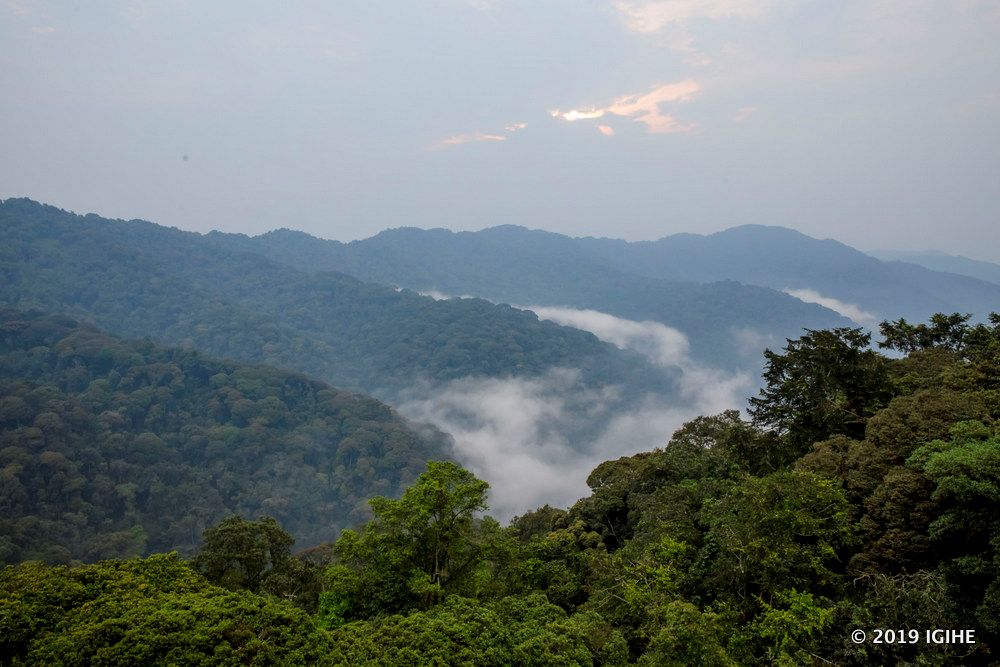
Covering 1,019 square kilometres, Nyungwe National Park is one of Africa’s oldest and most biodiverse montane rainforests.
The park is home to 13 species of primates, more than 300 bird species, and over 1,000 plant species, making it one of Rwanda’s premier ecotourism destinations.
Beyond its biodiversity, Nyungwe plays a vital environmental role as Rwanda’s largest water catchment, supplying nearly 70 percent of the country’s freshwater resources. It is also regarded as one of the sources of the River Nile, further underscoring its regional ecological significance.
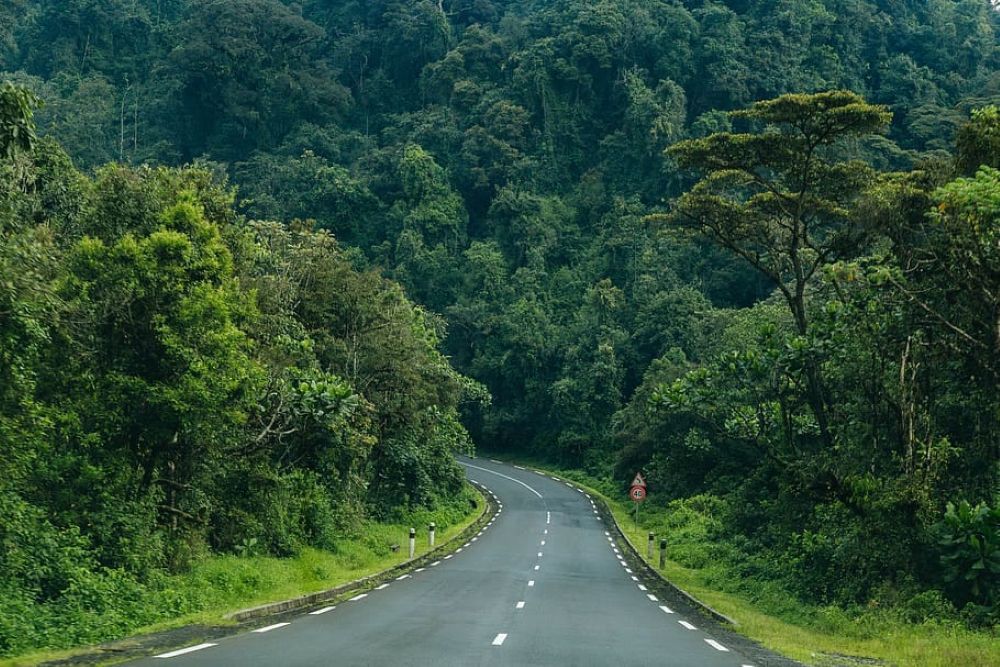
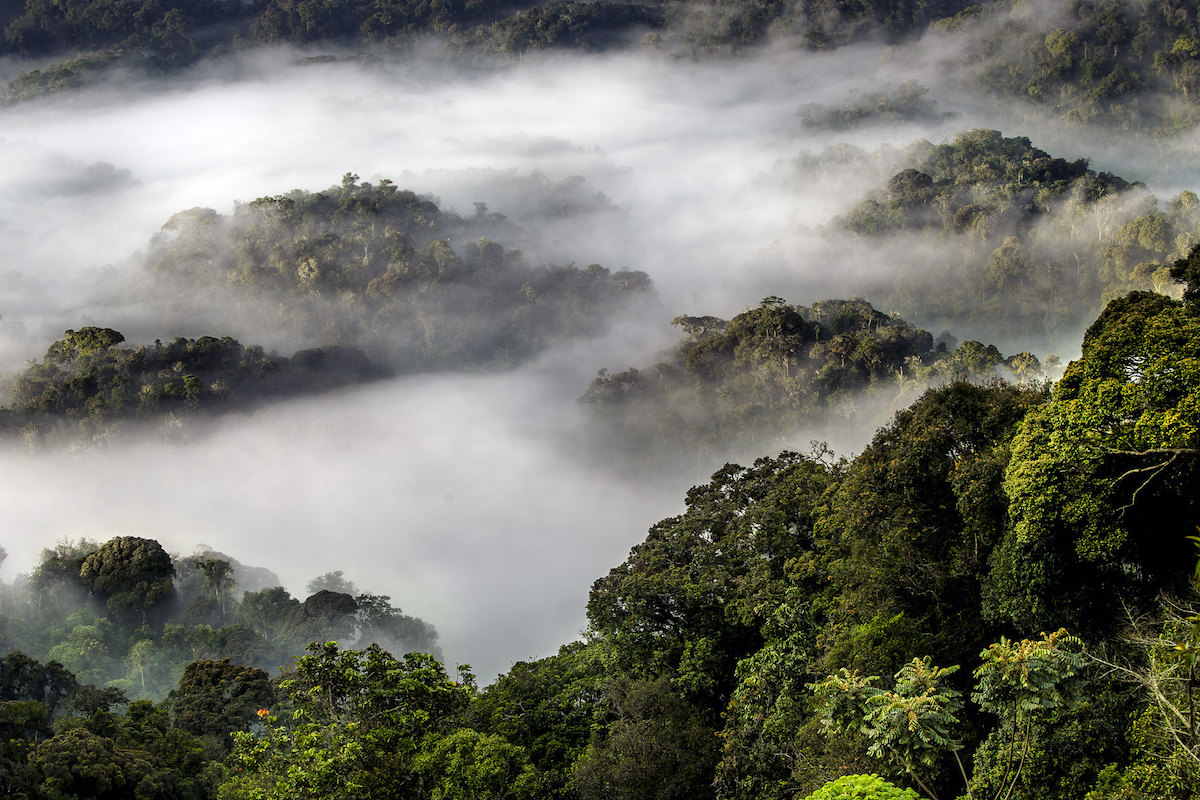
Nyungwe National Park has received more than Rwf30 billion in investment over the past five years, strengthening conservation, tourism infrastructure and community development.The park is home to 13 species of primates. The continued development of Nyungwe National Park is helping protect one of Africa’s richest rainforests while creating new opportunities for surrounding communities.Over the past five years, Nyungwe National Park has recorded significant progress in conservation, tourism and community engagement through investments exceeding Rwf30 billion.
The budget comes as government institutions begin implementing their performance commitments for the 2026/27 financial year. To finance these national priorities, authorities are leaning heavily on domestic revenues. The Rwanda Revenue Authority, led by Commissioner General Ronald Niwenshuti, has set a target of collecting Rwf 4.6 trillion in domestic taxes, while local government taxes are expected to generate Rwf 165.9 billion.
For ordinary Rwandans, the new fiscal year brings several notable changes to the prices of everyday goods and services due to shifting VAT rules, digital taxation measures, and tighter tax enforcement.
Here is a breakdown of how the new budget affects your wallet.
VAT exemption phase-outs on fuel, phones, and tech
For more than 15 years, petroleum products, mobile phones, and other ICT equipment enjoyed VAT exemptions in Rwanda. Under the government’s medium-term revenue strategy, these exemptions officially ended. Consequently, these products now attract the standard 18% Value Added Tax (VAT).
Because VAT is ultimately paid by the consumer, this tax is directly reflected in retail prices. For example, a smartphone or laptop that previously cost Rwf 250,000 may now cost upwards of Rwf 300,000 once VAT and distribution costs are factored in. While the tax on petroleum products feeds into overall transport and distribution costs, the government deployed a subsidy of Rwf 47.7 billion between March and June 2026 to help cushion retail fuel prices and prevent a sharper spike in transport fares.
Online purchases and digital services attract 18% VAT
Under Ministerial Order No. 004/26/10/TC, signed in April 2026, VAT is now officially charged on goods and services bought online, regardless of whether the seller is local or foreign. Foreign platforms selling to Rwandan consumers are legally required to register for VAT in Rwanda or appoint a local representative.
This new rule broadly affects online film and entertainment streaming subscriptions, software downloads, application purchases, cloud storage, and goods ordered from foreign online marketplaces. It also covers distance learning, virtual conferences, and online training programs, unless they are specifically exempt under existing educational laws. If foreign digital companies fail to comply with these rules, local financial institutions are mandated to withhold the 18% VAT during payment processing.
Foreign digital platforms pay a 1.5% digital services tax
On top of VAT, foreign digital companies operating in Rwanda will pay a 1.5% Digital Services Tax (DST) on the local revenues they generate. While this tax is charged directly to the multinational corporations, history shows that platforms frequently pass these operational tax costs down to the final consumer.
Gradual airtime tax increase continues
The excise duty on telecommunications, which includes airtime and mobile data bundles, continues its legislated, step-by-step climb toward 15% by 2027. This fiscal year brings another incremental step, meaning phone calls and data plans will cost slightly more.
Stricter VAT exemptions for local manufacturers
Until recently, industrial machinery and raw materials enjoyed automatic VAT exemptions. Under the April 2026 ministerial order, this tax break is no longer automatic. To qualify, manufacturing, assembling, or mining companies must be registered in Rwanda, demonstrate a direct link between the requested exemptions and their operations, maintain clean records, and prove that the value added to raw materials is at least 30%. If local factories face higher upfront costs, some of that pressure may trickle down to the retail prices of locally made goods.
Motorists: road maintenance levies and annual fees
Motorists face a structured series of levies to maintain the country’s road networks. First, petrol and diesel are subject to a 15% road maintenance levy based on the imported CIF (Cost, Insurance, and Freight) value. Additionally, the strategic fuel storage levy remains active, standing at Rwf 50 per litre, which is an increase from the historical Rwf 32.73.
Vehicle owners must also pay a fixed annual road use charge depending on the class of vehicle. Under this fee structure, passenger cars and Jeeps are charged Rwf 50,000 per year, while pick-ups, microbuses, minibuses, and buses pay Rwf 100,000. Larger transport vehicles face higher rates, with trucks and small trailers paying Rwf 120,000, and large trailers paying Rwf 150,000.
Retained 2025 excise and tourism taxes
Taxes introduced during the previous fiscal year remain in full force. This includes the 3% tourism accommodation levy on hotel and lodging stays, as well as the 0.2% environmental levy on imported goods packaged in plastic materials.
Imported hybrid cars continue to be taxed based on their age, with vehicles under 3 years old taxed at 5%, those aged 3 to 8 years taxed at 10%, and those older than 8 years taxed at 15%. Only hybrid vehicles fully assembled in Rwanda are exempt from this excise tax.
As a small relief, the highly discussed 15% tax on bank and mobile money transaction fees has been deferred and will not take effect until July 1, 2027. Additionally, fully electric vehicles (EVs) remain completely VAT-free until June 30, 2028.
Tighter EBM enforcement and consumer rewards
A major portion of the government’s revenue strategy relies on narrowing the tax gap through better collection rather than creating entirely new taxes. The RRA is heavily enforcing Electronic Billing Machine (EBM) compliance.
To incentivize tax compliance, the RRA continues its Tengamara na TVA program, which has registered over 1 million consumers. Under this initiative, shoppers who request an EBM receipt can receive a 10% cash reward linked to the VAT shown on their receipts. Furthermore, the government is planning reforms to the EBM system that will allow customers to initiate the receipt-generation process themselves, with the seller simply approving it.
Where your money goes
The Rwf 7.8 trillion budget, presented to Parliament by the Minister of Finance and Economic Planning, Yusuf Murangwa, is split into two major spending categories. Recurrent expenditure takes up Rwf 4.8 trillion, or 61.3% of the budget, which covers public sector salaries, administrative running costs, and public service operations. The remaining Rwf 3 trillion, representing 38.7% of the budget, is allocated to development expenditure to fund key infrastructure and development programs.
When looked at through strategic pillars, the economic transformation pillar receives the largest share of the budget at 62.9%, which is equivalent to Rwf 4.9 trillion. This funds agricultural inputs, fertilizer subsidies, electricity grid expansion, and key infrastructure, including Rwf 474.2 billion for the New Kigali International Airport in Bugesera. Meanwhile, the social welfare pillar receives 22%, or Rwf 1.8 trillion, to fund health services, education infrastructure, and community social protection safety nets. The remaining 15.1%, or Rwf 1.2 trillion, is allocated to the governance pillar to cover national security, public administration, and judicial services.
Ultimately, the 2026/27 budget is a delicate balancing act. While everyday digital services, fuel, and imports will cost slightly more, the government is betting that stronger tax compliance and robust domestic revenue collection will successfully fund major projects to drive Rwanda’s long-term economic growth.
For ordinary Rwandans, the new fiscal year brings several notable changes to the prices of everyday goods and services due to shifting VAT rules, digital taxation measures, and tighter tax enforcement.