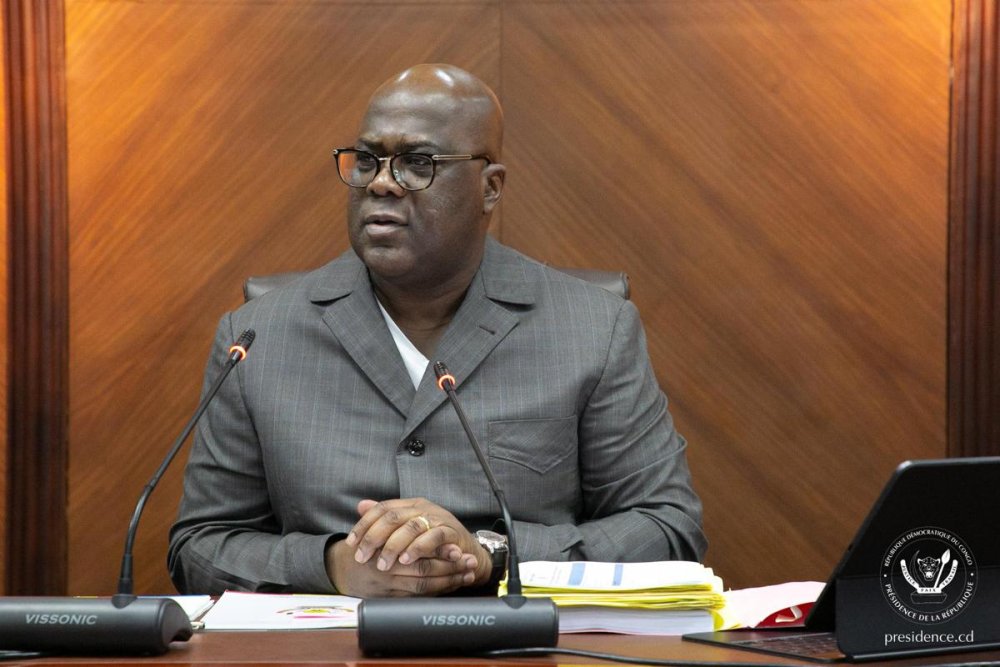
Earlier reports from Congolese sources suggested an attempted intrusion at the hotel, with government spokesperson Patrick Muyaya asserting that assailants who allegedly targeted Nyakeru were neutralized by presidential security.
Rumors from DRC side quickly circulated in media and social circles linking the incident to external actors, including Rwanda, though these claims remain unverified.
In a statement released on Wednesday, the embassy clarified that reports of an attempted intrusion were misleading and misrepresented the actual events.
The statement explained that an unarmed member of a Rwandan VIP security detail “inadvertently encountered security agents of a DRC delegation in a hotel hallway accessible to all guests,” as both delegations were staying at the same hotel.
The embassy added that the Rwandan security member was “briefly restrained from accessing the elevator by the DRC security agents, which was inappropriate and wrong behavior in a common area,” but emphasized that the situation “was eventually resolved without further escalation.”
“Following this incident, the Rwandan party made a decision to change hotels, but were harassed and filmed by unknown persons as they checked out and departed. Despite this provocation, the Rwandan team was restrained and professional at all times, and carefully avoided any confrontation,” the statement reads.
“There has been gross misrepresentation of what transpired, including blatant dishonesty by the DRC Minister of Information in a press conference last night. These contemptible lies should be disregarded and condemned,” the embassy added.
Nyakeru has traveled to the United States for an official visit.
“We’re saying goodbye to the Sora app,” the Sora team said in a statement posted on the social platform X.
The team thanked users who had created and shared content on the platform, saying “what you made with Sora mattered” and acknowledging that the decision would be disappointing to many in its user community.
Sora, launched as a standalone app in September 2025, has been positioned as one of OpenAI’s major products in generative video.
OpenAI’s help-center materials as recently as March showed ongoing updates to Sora’s features, including editing tools and support for the newer Sora experience, suggesting that the shutdown represents a sharp shift in the company’s product direction.
In December 2025, OpenAI and The Walt Disney Company announced a three-year licensing agreement and a 1 billion-U.S.-dollar investment from Disney. Media outlets reported that the arrangement will no longer move forward following Sora’s shutdown.
“As the nascent AI field advances rapidly, we respect OpenAI’s decision to exit the video generation business and to shift its priorities elsewhere,” Disney said in a statement Tuesday, adding that it would “continue to engage with AI platforms to find new ways to meet fans where they are.”
Sora had launched as a standalone app in September 2025
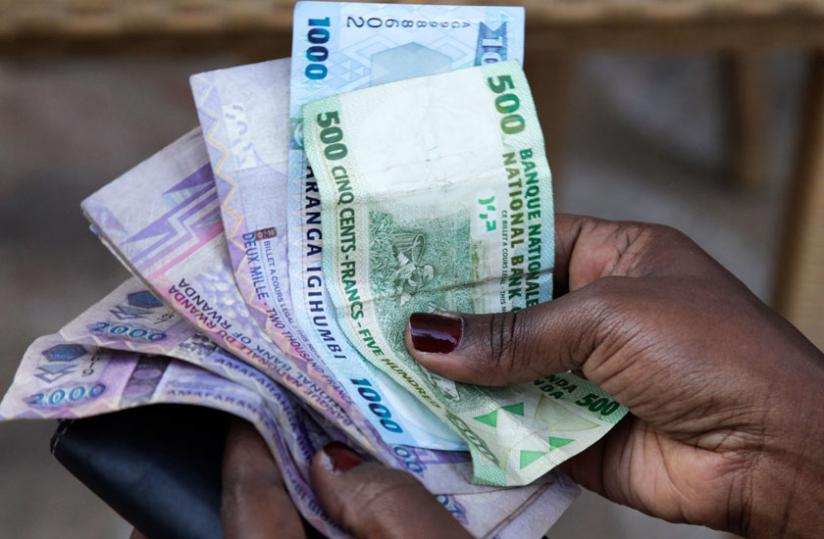
In a public notice issued on March 24, 2026, the Central Bank Governor Soraya Hakuziyaremye said the move follows Presidential Order nº11/01 of February 27, 2026, which authorised the withdrawal of specific banknote series. The order was published in the Official Gazette on March 2, 2026, marking the start of the transition period.
The affected denominations include Rwf 500 notes issued on July 1, 2004 and January 1, 2013; Rwf 1,000 notes issued on July 1, 2004 and May 1, 2015; Rwf 2,000 notes issued on October 31, 2007; as well as Rwf 5,000 notes issued on April 1, 2004 and February 1, 2009.
According to the announcement, these banknotes will officially lose their legal tender status on March 2, 2027.
“After this period, these banknotes will no longer be accepted as a means of payment,” said the central bank boss.
Holders of the affected notes have been advised to exchange them within set timelines. From March 2, 2026, to November 1, 2026, the banknotes can be exchanged at commercial banks and Umwalimu SACCO branches across the country. After this period, they will only be exchangeable at the headquarters of the National Bank of Rwanda in Kiyovu, Kigali, and its branches until March 1, 2027.
In a statement issued on Tuesday, March 24, the company clarified that it has no intention of ceasing its operations in Rwanda and urged stakeholders, customers, and the general public to disregard the circulating reports.
“The media reports about Volkswagen disinvesting or leaving Rwanda are incorrect and unfounded,” the company stated, reaffirming its continued presence in the country.
The automaker further announced that, effective April 1, 2026, Volkswagen Mobility Solutions Rwanda will relocate to new and larger premises in the Special Economic Zone, signalling continued investment in its local operations.
Volkswagen Group Africa emphasised that it will maintain and expand its business activities in Rwanda, which include mobility services, vehicle assembly, vehicle retail, and after-sales services.
The company also outlined its broader strategy to strengthen its presence in the country by building a regional team to drive its mobility services across Africa.
Reaffirming its long-term outlook, Volkswagen Group Africa said it remains committed to delivering world-class automotive products and services in Rwanda.
Volkswagen Group Africa operates a vehicle assembly plant in Kigali, Rwanda, opened in 2018 in partnership with CFAO Mobility to promote local manufacturing and reduce reliance on used car imports. The plant specialises in assembling models like the Polo, Passat, and Teramont, with a capacity of roughly 5,000 cars per year.
President Paul Kagame inaugurated a Volkswagen assembly plant in Rwanda back in 2018.
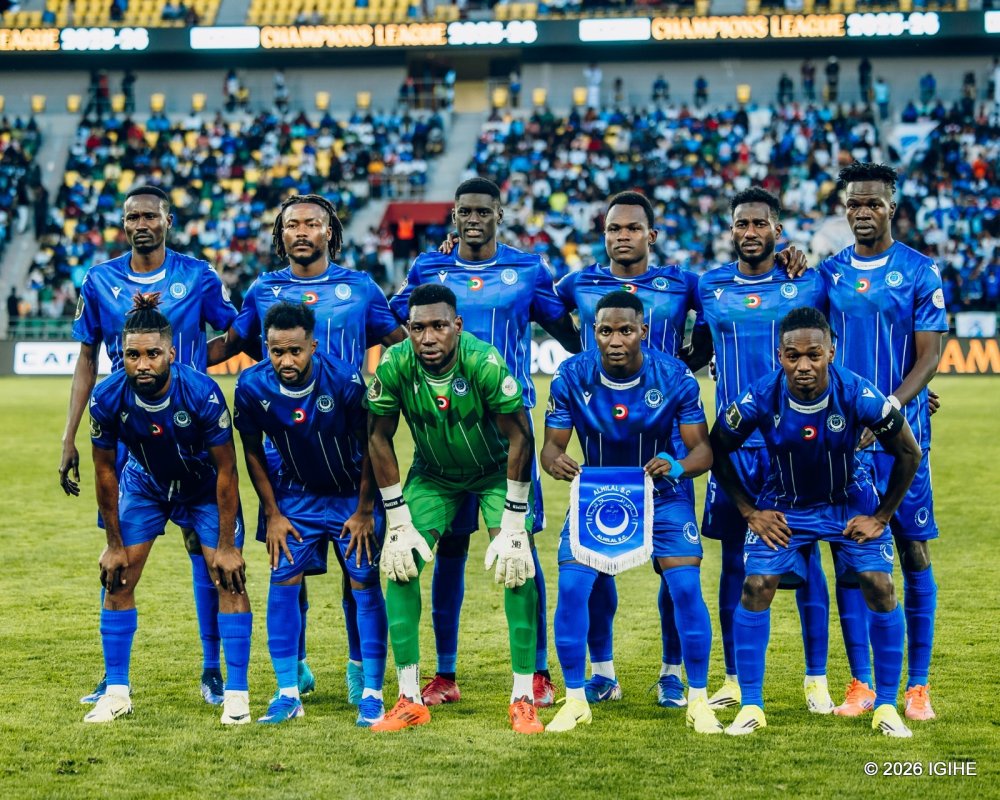
The Sudanese club was knocked out after losing 1–0 in the second leg played on Sunday, March 24, 2026, at Amahoro Stadium, resulting in a 2–1 aggregate defeat. The club has been playing its “home” matches at the Amahoro Stadium in Kigali due to the ongoing civil war in Sudan.
In a strongly worded complaint, Al Hilal accused both the central referee and the Video Assistant Referee (VAR) official of responsibility for the loss, alleging bias in favour of their opponents.
“Al Hilal Club has sent a protest to CAF against the refereeing team of its match against RS Berkane. The club considers that the main referee and the VAR official were responsible for the defeat due to bias in favour of the opponent,” the statement reads.
The club further questioned the competence of the officiating team, stating that it had previously requested the appointment of experienced, qualified and credible referees to handle high-stakes matches, in order to safeguard the integrity of competition and respect teams’ preparations.
According to the complaint, those concerns were not addressed, with Al Hilal arguing that a referee lacking sufficient experience was instead appointed. The club also accused the VAR official of being complicit, describing the decisions made during the match as “catastrophic” and directly influencing the outcome.
Al Hilal supported its protest with video evidence highlighting what it described as major refereeing errors. These include a controversial incident in which a penalty was awarded against its defender following a VAR review. The club maintains that the footage shows the opposing attacker raising his foot onto the defender, causing injury and forcing the Al Hilal player off the pitch, yet the referee still awarded what it termed a non-existent penalty.
The club also raised concerns over the application of VAR, arguing that its use in the incident violated Article 5 of the protocol, which states that VAR should not be applied once play has restarted. It further criticised the amount of stoppage time added, saying it did not reflect the actual time lost during reviews and interruptions.
Al Hilal additionally expressed frustration over what it described as CAF’s continued disregard of its previous complaints regarding refereeing, warning that such inaction risks enabling unfair decisions.
Based on its submission and the accompanying video evidence, the club has called for an immediate investigation, urging CAF to take action to protect the integrity of the competition and ensure justice is served.
Al Hilal SC was eliminated from the CAF Champions League quarterfinals. In a strongly worded complaint, Al Hilal accused both the central referee and the Video Assistant Referee (VAR) official of responsibility for the loss, alleging bias in favour of their opponents.Al-Hilal SC defender Saeed Ahmed was taken off on a stretcher after his challenge in the penalty area resulted in a penalty.Al Hilal SC does not accept the penalty decision.
The research, led by Dr. Loretta Dorstyn and senior author Professor Sharad Kumar, reveals that Caspase‑2 plays an important role in protecting the liver against damage.
The team found that without this enzyme, the liver cells of mice began to exhibit an abnormal buildup of genetic material, leading to enlarged liver cells and increased inflammation. Over time, these changes resulted in liver damage and an increased risk of cancer.
The study, which was published in the journal Science Advances, highlighted that while blocking Caspase‑2 may seem like an effective strategy for treating fatty liver disease in the short term, it could contribute to chronic inflammation, fibrosis, and liver cancer as people age.
This new insight is crucial because it shows that inhibiting Caspase‑2 can inadvertently increase susceptibility to these serious conditions.
Dr. Dorstyn explained that liver cells have extra copies of genetic material that help the liver cope with stress. The study showed that without Caspase‑2, these cells are more likely to become damaged.
The researchers observed that the mice lacking this enzyme developed signs of hepatitis‑like disease, including scarring and oxidative damage, and were significantly more likely to develop liver tumors.
The University of Adelaide team warns that while the inhibition of Caspase‑2 was once seen as a promising therapeutic approach, this new evidence suggests the potential risks may outweigh the benefits, especially for long‑term health.
A promising fatty liver treatment may raise cancer risk.
Among those who reportedly traveled to Kinshasa is Jean-Luc Habyarimana, the son of former Rwandan president Juvénal Habyarimana.
According to sources, President Félix Tshisekedi took a particular interest in him, viewing him as someone who could be easily leveraged. Tshisekedi is said to have considered appointing him as a figurehead leader of a restructured coalition of Rwandan opposition groups.
Reports suggest that this coalition could include members of the FDLR, a group designated as a terrorist organization, along with other Rwandans in exile, including former politicians and military figures such as Kayumba Nyamwasa.
Intelligence sources in both the DRC and France indicate that Tshisekedi’s interest in Jean-Luc is not solely based on his family background. Instead, they point to his public visibility and perceived vulnerability, suggesting he may be easier to influence and mobilize.
Jean-Luc Habyarimana has no known political party affiliation and has not held any leadership position. However, sources claim Tshisekedi sees him as someone who could be used in propaganda efforts targeting the Rwandan government, particularly if provided with financial support.
Historical context also plays a role. Following the death of President Habyarimana in 1994, his family fled to what was then Zaïre, where they were received by Mobutu Sese Seko, who ruled the country from 1971 to 1997 before it became the DRC.
Reports indicate that Mobutu showed particular attention to Jean-Luc, even portraying him as a heroic figure and allegedly granting him financial support worth USD5,000.
The family later relocated to Gabon, where then-President Omar Bongo is also said to have provided additional financial assistance equivalent to USD3,000 before Jean-Luc moved to France.
Despite this reported financial backing, Jean-Luc’s economic situation is said to have remained unstable. Sources describe a pattern of spending without long-term planning, leading to financial difficulties. He reportedly had a relationship in Gabon and fathered two children, but the relationship ended amid financial strain.
Currently, Jean-Luc and his children are said to live with his mother, Agathe Kanziga Habyarimana, rather than in their own residence.
Observers suggest that Tshisekedi may view Jean-Luc’s circumstances as an opportunity, providing him with financial support in exchange for his involvement in anti-government activities, effectively positioning him as a symbolic figure rather than an established political actor.
Intelligence analysts further argue that Tshisekedi may see Jean-Luc as a way to amplify propaganda efforts by drawing on the historical legacy of the Habyarimana name. However, they caution that such a strategy would depend heavily on continued financial backing.
On the other hand, reports from Kinshasa indicate that the plan may already be encountering difficulties. Officials within the DRC government suggest that although Jean-Luc received funds intended for mobilization and anti-Rwanda campaigns, his tangible output has been limited, reportedly extending little beyond the creation of a media platform known as Xtrafrica Media Group.
Sources indicate that President Félix Tshisekedi took a particular interest in Jean Luc Habyarimana, viewing him as someone who could be easily leveragedJean-Luc Habyarimana, the son of former Rwandan president Juvénal Habyarimana is among individuals who have been travelling to Kinshasa in an anti-Rwanda mobilization.
This research involved a type of computing hardware known as neuromorphic computers, which are built to imitate how the human brain processes information.
Scientists have now shown that these machines can successfully solve partial differential equations (PDEs), a class of problems that are foundational to physics simulations, weather forecasting, fluid dynamics, and engineering tasks.
Until now, solving these equations typically required massive supercomputers that use enormous amounts of energy.
In contrast, the brain‑inspired systems demonstrated similar capabilities while using only a fraction of the power, suggesting a path toward far more energy‑efficient computing for scientific research and national security applications.
Researchers Bradley H. Theilman and James B. Aimone developed a new algorithm that allows this neuromorphic hardware to tackle such advanced calculations.
According to the team, the structure of this algorithm reflects how the brain might perform complex computations naturally, offering insight into both computing and brain function.
The study also highlights that these findings could greatly impact efforts to build the next generation of low‑energy computational systems.
If further developed, brain‑inspired computing could provide powerful alternatives to current systems used in high‑performance research, all while reducing electrical power demands.
Brain inspired machines are better at math than expected.
The two-day summit, hosted by The European House-Ambrosetti, brought together global leaders, private sector players and investors to champion climate finance, environmental stewardship and a just transition.
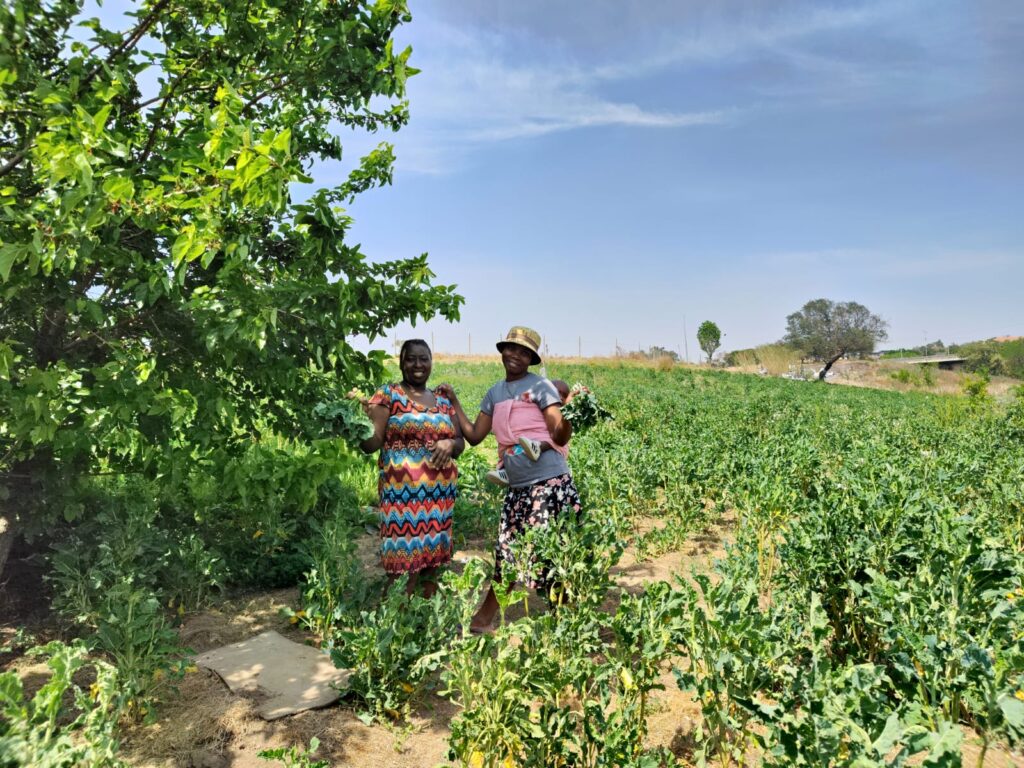
Kenya’s Cabinet Secretary in the Ministry of Agriculture and Livestock Development Mutahi Kagwe warned that failure to finance climate-smart agriculture in Africa could trigger far-reaching consequences for global food systems.
Kagwe said that climate change is already dismantling traditional agricultural systems across Kenya, with extreme weather patterns now defining the country’s reality.
“Climate shocks are no longer future risks. They are present disruptions. If agriculture in Africa fails, global food systems will feel the shock,” he warned.
The summit aims to catalyze a global discussion on the crucial role of industry in building a climate-resilient Africa.
Through a series of plenary sessions and panels, participants, including more than 150 CEOs, institutional leaders and influential stakeholders from Africa and beyond, will have the opportunity to examine best practices, innovations and policies needed to mitigate the impacts of climate change on the African continent.
Kagwe said that Kenya’s heavy reliance on rain-fed agriculture, which accounts for 98 percent of farming, leaves millions exposed to climate variability.
He said the consequences have already been severe, including five failed rainy seasons between 2020 and 2023, 4.4 million people pushed into food insecurity, and the loss of over 2.5 million livestock.
“Even in 2026, the crisis persists. While some regions face deadly floods, others are battling drought and extreme heat, with over two million Kenyans currently in need of emergency food and livestock support,” Kagwe said.
But beyond the statistics, Kagwe said that Africa must no longer be sidelined in climate decision-making or subjected to externally designed solutions.
“There is no one-size-fits-all solution. Climate change is a lived experience for our farmers. The answers must come from the ground, not from boardrooms in Brussels, New York or Paris,” he said.
The summit called on international investors to finance climate-smart agriculture to boost food security on the continent.
“Leo passed away peacefully after a long battle with cancer,” OnlyFans said on Monday, March 23, adding that his family has asked for privacy during this difficult time.
Radvinsky acquired Fenix International Limited, the company that owns and operates OnlyFans, in 2018 and served as its majority shareholder and director. Under his leadership, the subscription‑based platform grew into a globally used site that gave creators a way to earn directly from subscribers, especially during and after the pandemic years.
Before focusing on OnlyFans, Radvinsky built his early career in online businesses and later ran a venture capital fund called Leo, which invested in technology companies. Though he kept a low public profile, his influence on the creator economy and online content distribution was significant, helping shape how digital creators connect with audiences worldwide.
His passing marks the end of an important chapter in the company’s history, and questions remain about the future leadership and direction of OnlyFans without its key figure at the helm.
Leonid Radvinsky, the billionaire owner of OnlyFans, has died at the age of 43 following a prolonged battle with cancer.