Following missile strikes and joint operations by Iran and allied resistance groups that damaged U.S. military infrastructure in West Asia, some surviving U.S. personnel have taken refuge in hotels in regional countries, including Bahrain and the UAE, said the report.
The hotels and civilian places used by the U.S. military personnel are not limited to those in Bahrain and the UAE, the informed sources were quoted as saying. And substitute bases and places sheltering foreign forces have also been detected in other regional states.
The U.S. Marines have been transferred to Djibouti’s international airport and deployed to the region, said the report.
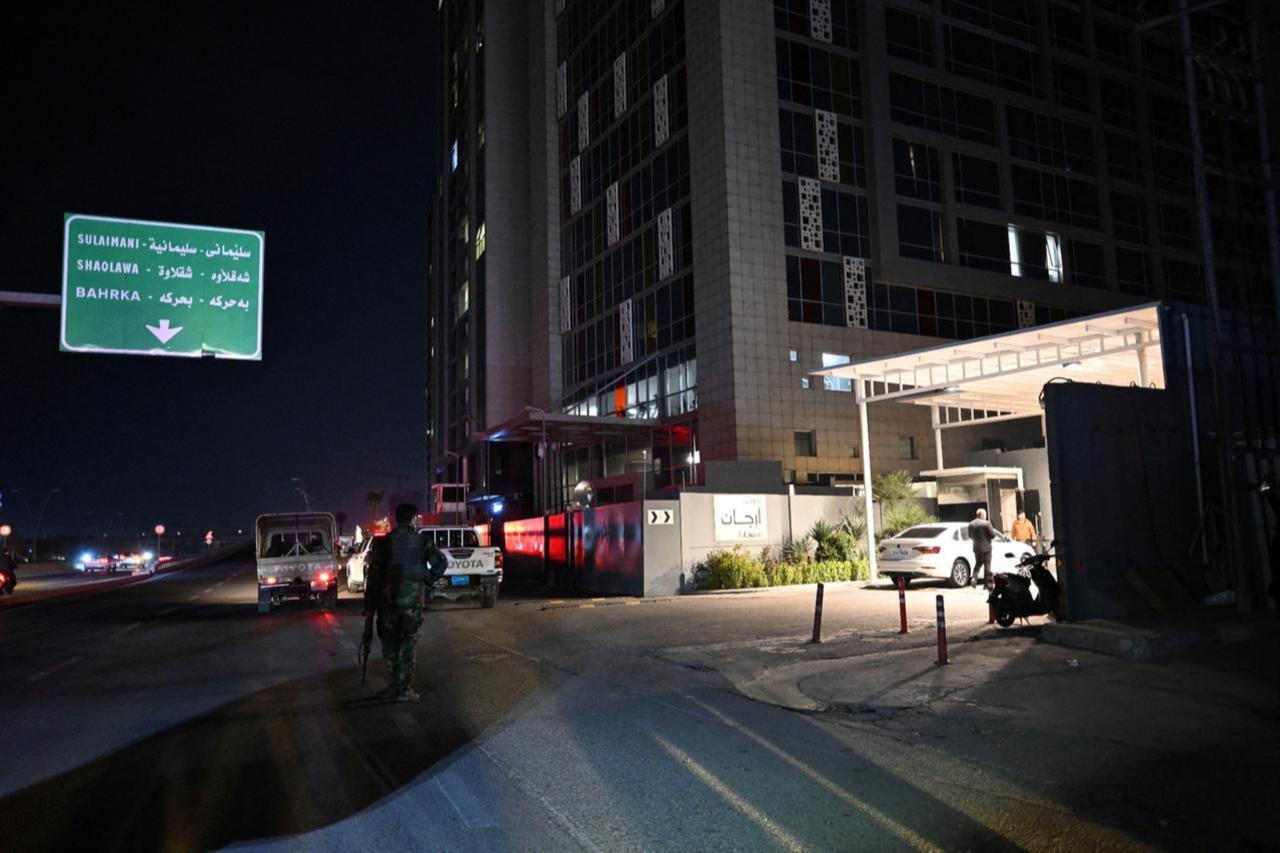
Security inspect outside the Erbil Arjaan by Rotana hotel, in Erbil, northern Iraq, March 6, 2026. (AFP Photo)
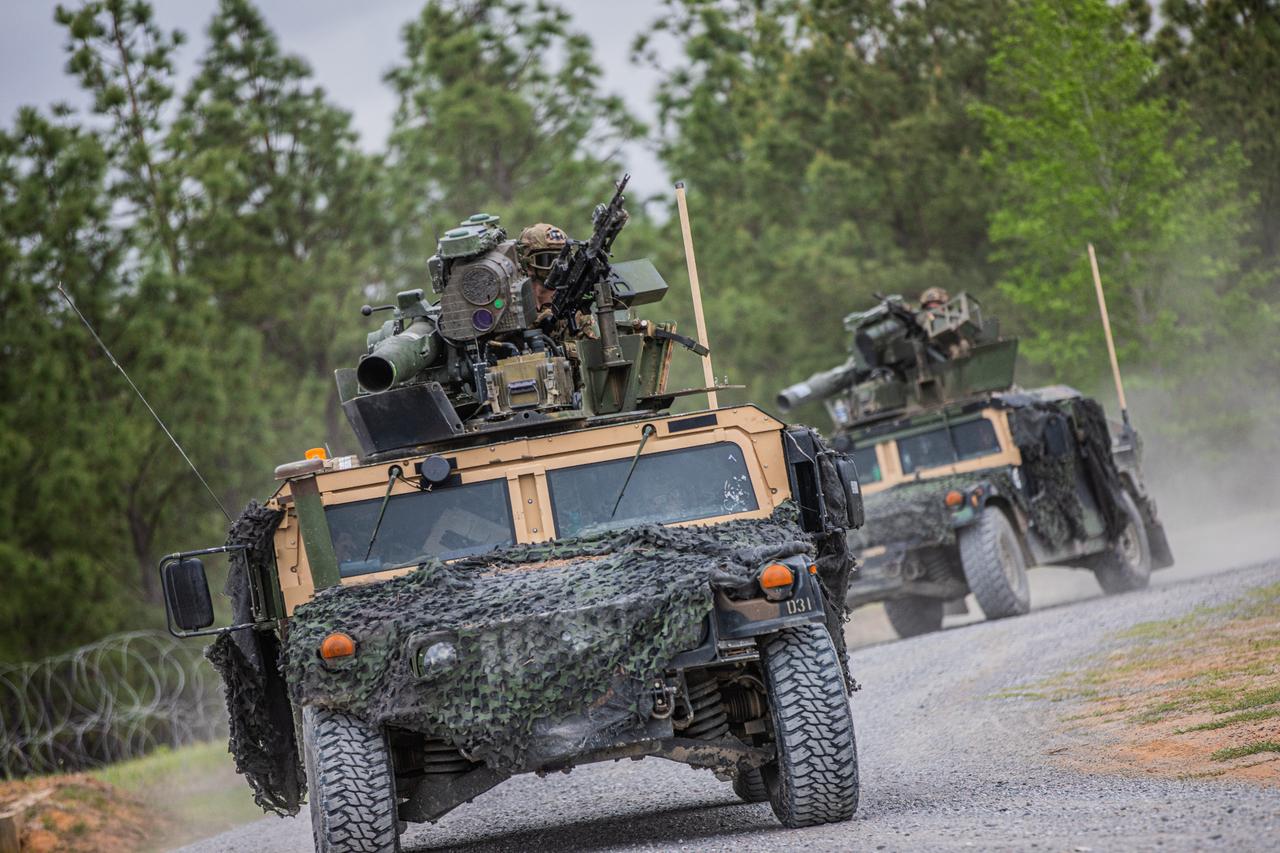
The force, likely to include infantry and armored vehicles, would be added to the roughly 5,000 Marines and thousands of paratroopers from the 82nd Airborne Division already ordered to the region, said the report, citing Department of Defense officials.
It is unclear exactly where the forces will be deployed in the Middle East, but they are expected to be within striking distance of Iran and its Kharg Island, a crucial oil export hub, the report added.
“All announcements regarding troop deployments will come from the Department of War. As we have said, President Trump always has all military options at his disposal,” Anna Kelly, deputy White House press secretary, was quoted as saying.
Trump said earlier on Thursday that he would pause planned strikes on Iranian energy facilities for 10 more days, until April 6 at 8 p.m. Eastern Time, claiming that talks between the two sides were “going very well.”
Iran has publicly rejected a 15-point peace plan proposed by the White House but is privately considering meeting with unspecified U.S. negotiators in Pakistan in the coming days, said a report from The New York Times.
The United States and Israel launched massive attacks on Iran on Feb. 28, disrupting global shipping, driving up oil prices and shaking the global economy.
Reports indicate that Pentagon is considering deploying up to 10,000 additional ground troops to the Middle East
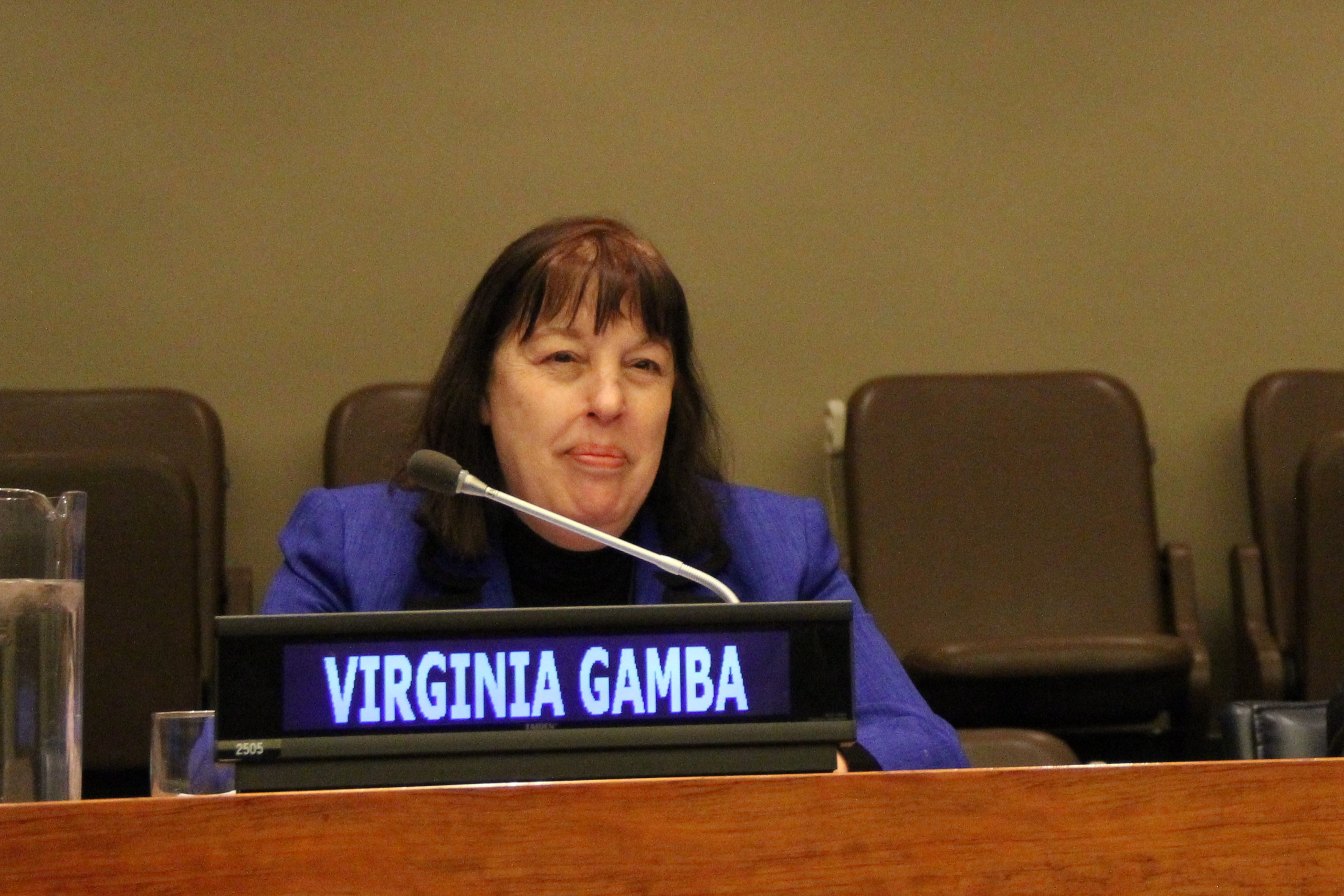
The Maldives has notified the president of the UNGA and the president of the Security Council of its decision to withdraw its nomination of Gamba, according to a note to correspondents issued by the spokesperson of the Office of the President of the UNGA.
With the withdrawal, there are four candidates for the next UN secretary-general: former Chilean President Michelle Bachelet, originally nominated by Chile, Brazil and Mexico; Rafael Grossi, the current director general of the International Atomic Energy Agency, nominated by Argentina; Macky Sall, former president of Senegal, nominated by Burundi; and Rebeca Grynspan, economist and former vice president of Costa Rica, nominated by Costa Rica.
According to documents posted on the website of the United Nations on Thursday, Chile has withdrawn its nomination of Bachelet, but she will remain as a candidate nominated by Brazil and Mexico.
Antonio Guterres, the current and ninth secretary-general of the United Nations, took office in January 2017. The next UN secretary-general will take over the role from Jan. 1, 2027.
At the spring, Niyonambaza Rachel Aisha, a representative of the women, remembers how different life used to be.
“In our daily lives, many things have changed. Before, we did not have clean water,” she says.
For more than two decades, cooperation between the Government of Rwanda and the Government of Japan, implemented through the Japan International Cooperation Agency (JICA), has quietly transformed rural water services. Behind each functioning water point are people like Rachel.
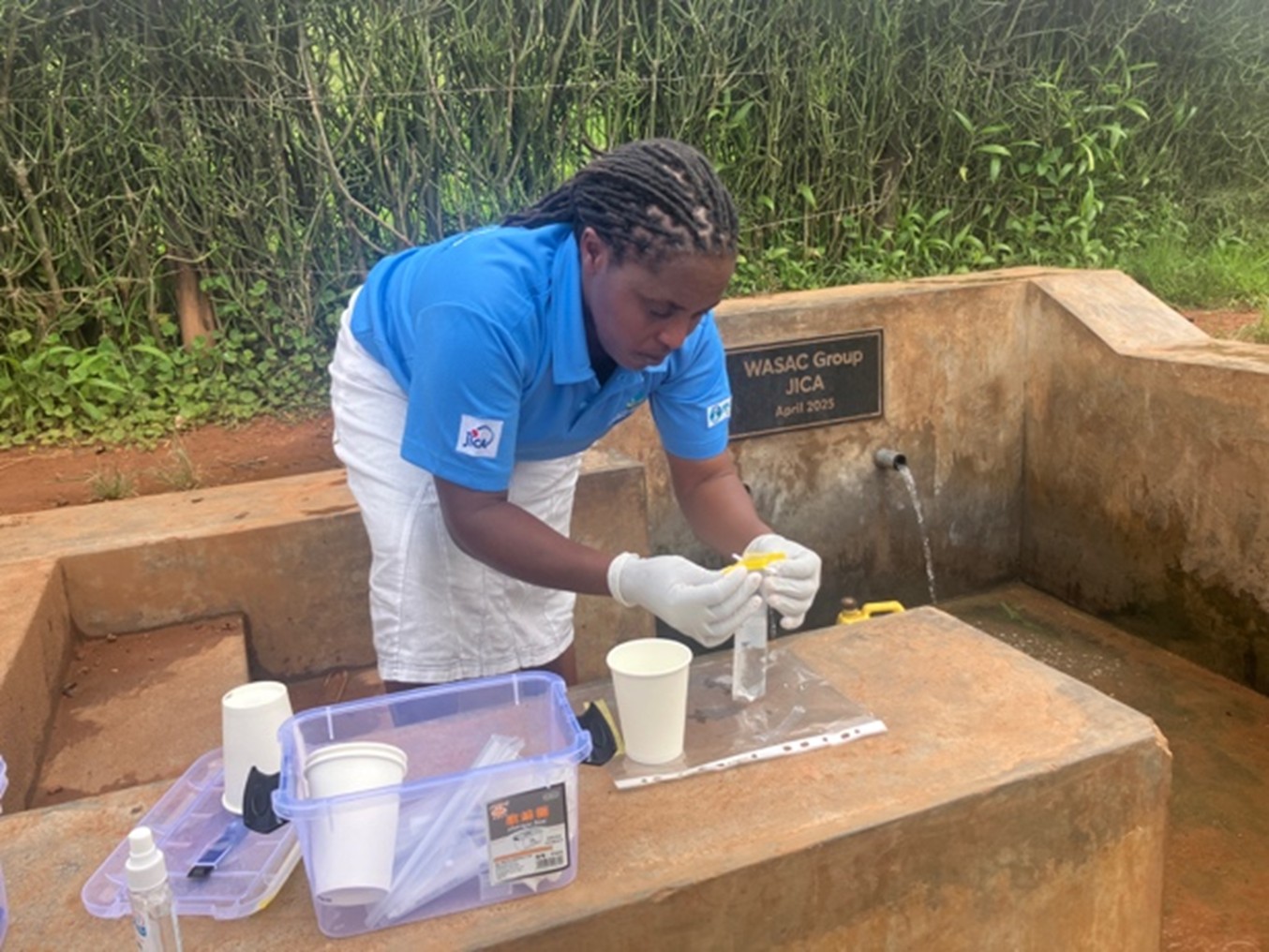
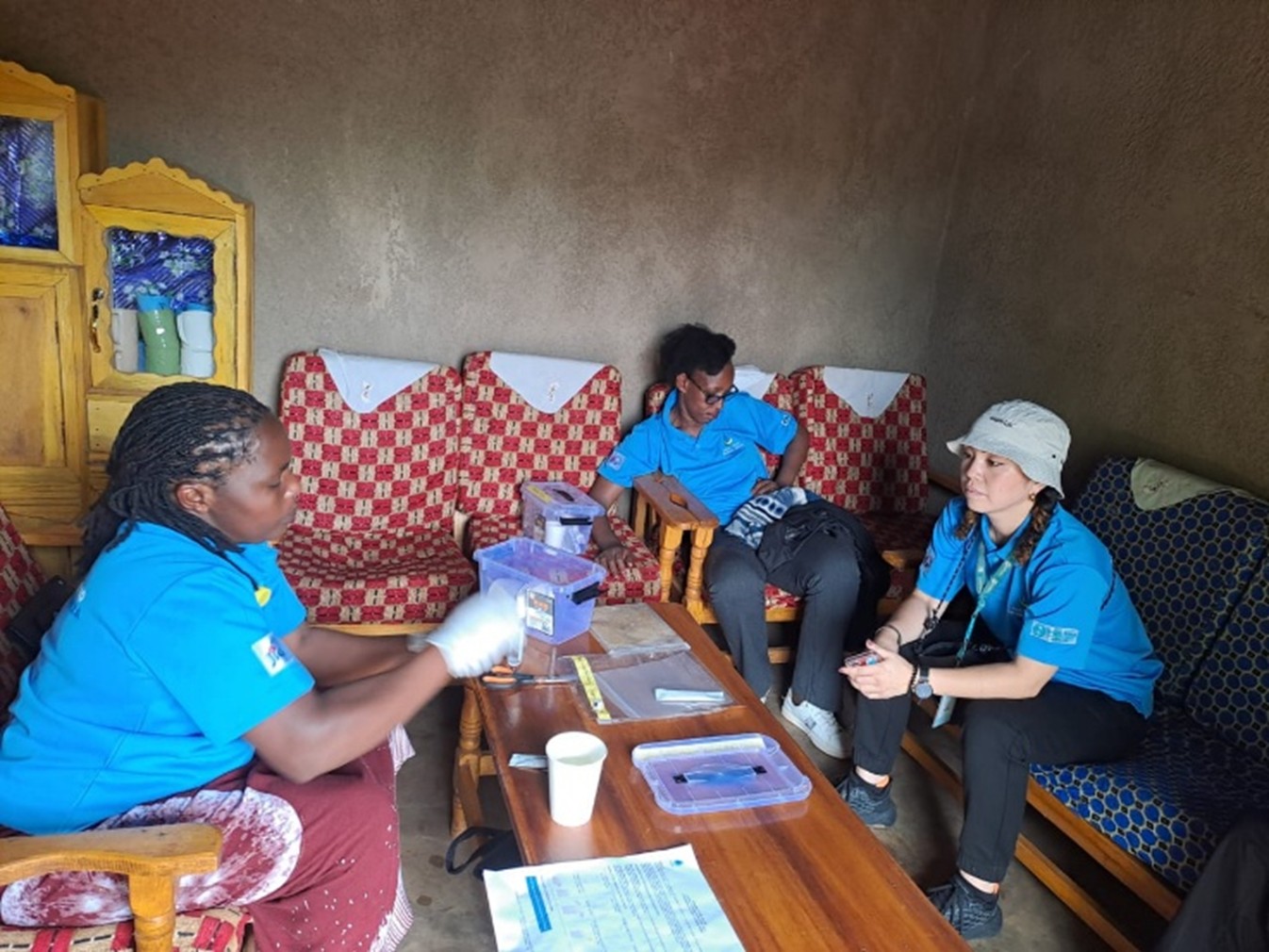
A community environmental health officer conducts an E. coli test at the household level for Kampambara Spring, Kazo Sector, Ngoma District, on February 23, 2026.
Before the rehabilitation of Kagezi spring under the “Project for Rural Water Supply Services and Infrastructure Management Development (RWASOM2)” in October 2024, fetching water was a daily struggle.
“The water was dirty and contained worms. Many in our community fell ill from unsafe water,” Rachel recalls.
Today, the spring is capped, channeled, and protected. Clear water now flows through a tap onto a clean concrete platform. The improvement is visible, but its deeper impact is measured in health and dignity.
“When you have clean water, you have good health. Now children go to school and study well because they are healthy,” Rachel says.
Seeing the transformation, Rachel and her community have committed themselves to protecting the spring. Every Saturday, they clean the area and ensure it remains safe.
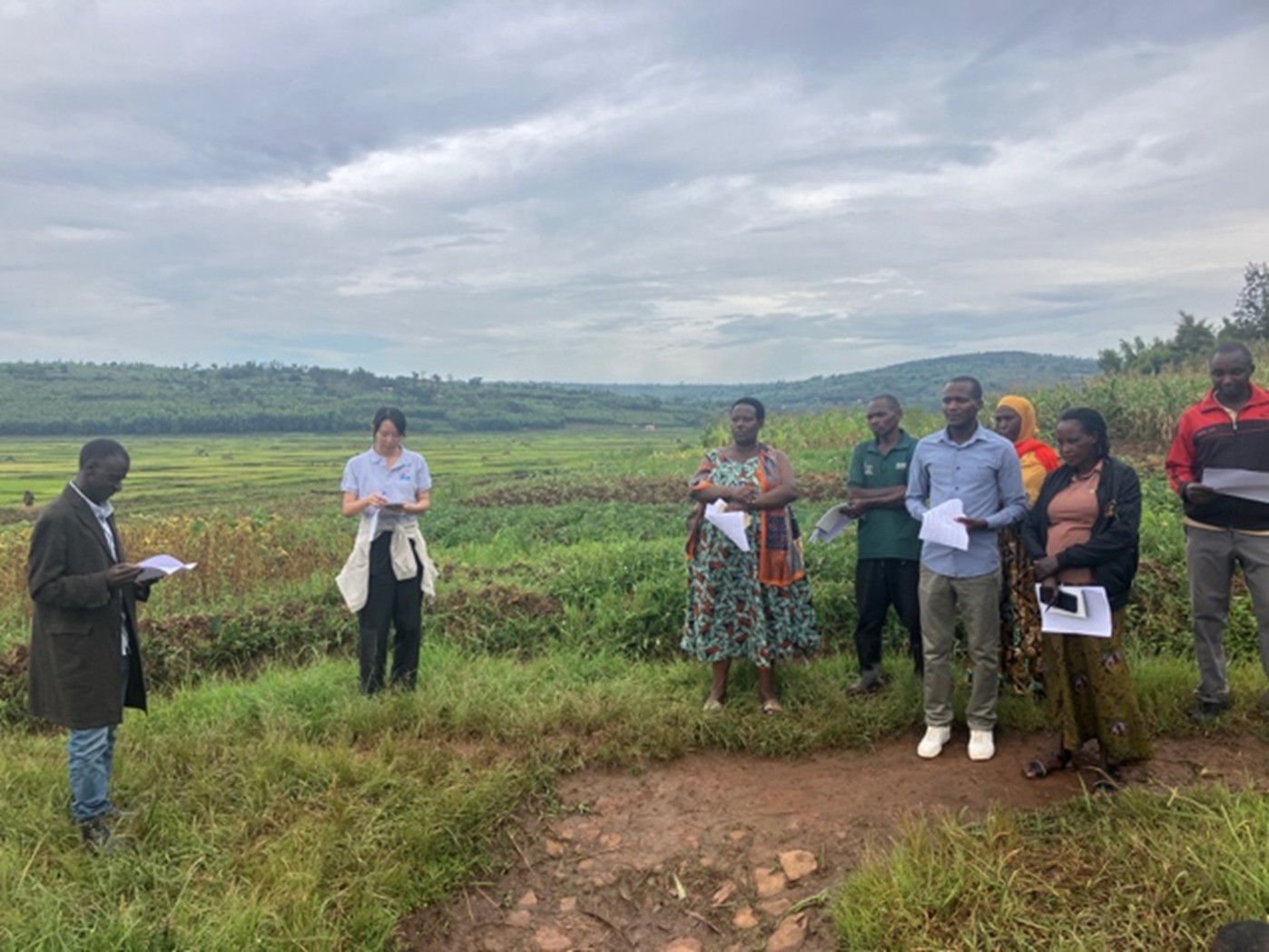
Transect walk during the workshop on CWSP monitoring for Rwamatabaro Spring in Rubona Sector, Rwamagana District, on February 5, 2026.
Building systems, strengthening communities
At the national level, rural water management is coordinated by the Water and Sanitation Corporation (WASAC). For Vincent de Paul Mugwaneza, Director of Water Supply at WASAC Development, the partnership with JICA has been both technical and transformative.
“Our projects with JICA are designed to address existing challenges. Before implementation, we ensure they align with national water strategies and are likely to deliver real, measurable impact,” he explains.
JICA’s long-standing cooperation has gone beyond infrastructure development; it has helped build a stronger and more sustainable ecosystem for water supply management by strengthening management structure, training private operators, and providing district teams with tools for planning, monitoring, and maintenance.
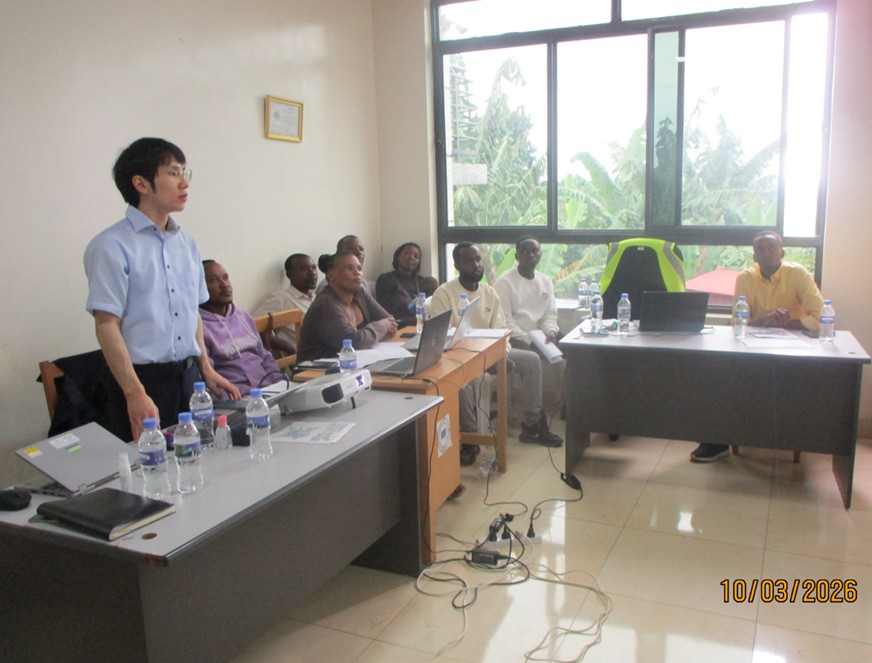
Business development training for sustainable water management for staff of AYATEKE Star Company Ltd (PO-Gatsibo), 10–12 March 2026.
RWASOM’s JICA expert Satoshi Ishida notes that sustainability depends less on construction and more on post-project management.
“Private operators manage rural pipelines and contribute a royalty fee equivalent to 10% of their revenue to WASAC, which funds major repairs and facility renewal plans,” he says.
The project improved how private operators plan repairs, shifting them from reactive to preventive management. Ishida adds that mapping facilities with GIS helps operators prioritise investments and promotes a culture of preventive maintenance.
Measurable improvements have followed. “We track functioning versus non-functioning systems and citizen complaints. These indicators provide a clear picture of progress,” Mugwaneza explains.
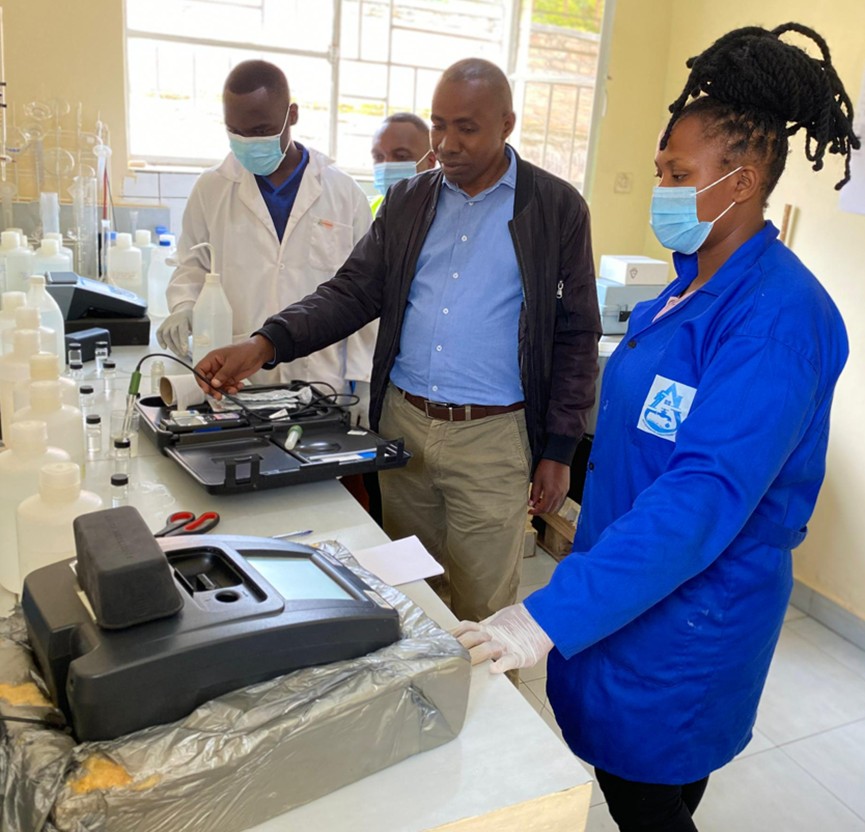
Refresher training for staff of Waterways Creation Ltd and Patto Water Ltd on conducting water quality testing for physico-chemical parameters, February 13, 2026.
On the ground, district officers ensure that systems continue to run. In Eastern Province, Nderabakura Jean Claude, District WATSAN Officer, monitors water points across wide rural areas.
“We must know how many water points we have, which are functioning, and why some are not,” he explains.
Training supported by JICA has expanded the district’s technical capacity. Officers now develop expansion plans using GIS and QGIS, design pipelines on paper, and calculate realistic budgets. Ishida notes that embedding skills in WASAC, districts, and communities ensures that knowledge is institutionalised rather than reliant on external experts.
Water quality monitoring is also essential. “We test chemical and biological parameters, check chlorine levels, ensure pH balance, and supervise cleaning of storage tanks,” Jean Claude says.
The impact is clear: waterborne diseases have decreased, even in health facilities.
Protecting gains
Despite progress, challenges remain. In some rural areas, vandalism and illegal connections threaten infrastructure, particularly during dry seasons. JICA has introduced digital monitoring and mapping tools to help operators respond quickly.
“Mapping water systems and sharing operational reports online allows rapid identification of failures,” Ishida explains.
“Some cut pipes for mud bricks or industries,” Jean Claude notes, adding that security patrols and community sensitisation have reduced incidents.
Yet even amid constraints, the principle of community ownership remains central.
Staff of Waterways Creation Ltd measuring residual free chlorine in Ngoma District, February 10, 2026.
To strengthen that ownership, JICA volunteers are rooted in the community and dedicated to protecting water sources. Over the past two decades, 61 JICA volunteers in water and sanitation have been placed in rural districts, supporting daily operations, data management, maintenance training, and hygiene promotion. Before these interventions, many boreholes with handpumps were not functioning.
“The government’s development policy emphasises citizen participation,” Jean Claude says. “When citizens request infrastructure and see it delivered, they appreciate it. They recognise its value and become more willing to protect and maintain it.”
Rachel embodies that spirit. At Kagezi Spring, they do not wait for breakdowns. They clean drainage channels, check for cracks, and keep watch.
“Now we have been given water, and we also have the responsibility to protect it,” she says firmly. “No one is allowed to damage it.”
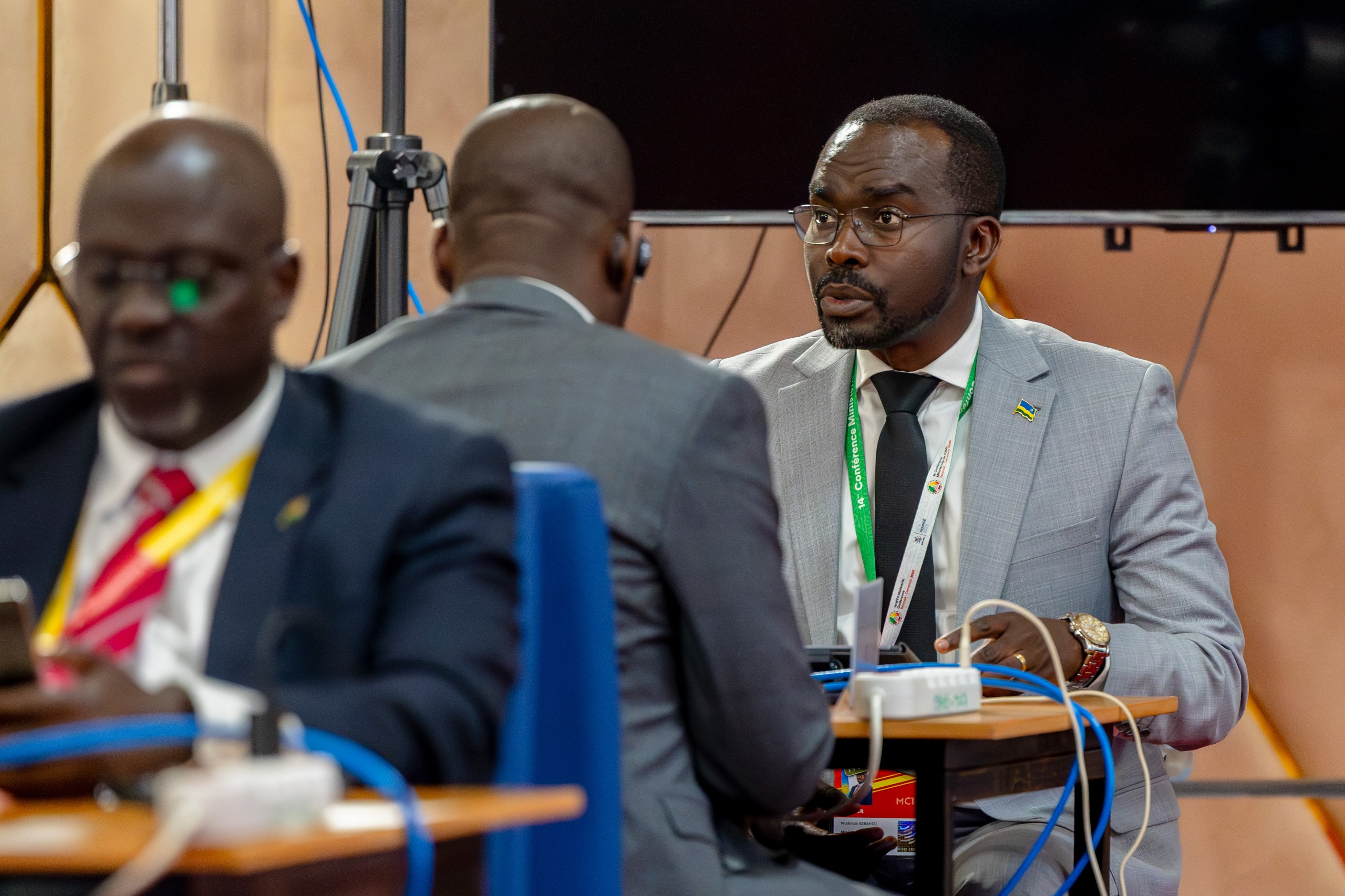
Speaking at the WTO Ministerial Conference, Rwanda’s Minister of Trade and Industry, Prudence Sebahizi, emphasized the challenges facing global trade and their impact on smaller economies.
“This Ministerial takes place at a critical moment for the multilateral trading system,” he said, citing geopolitical tensions, climate challenges, and supply chain disruptions affecting global markets.
He noted that these challenges have particularly significant implications for developing countries and Least Developed Countries.
Rwanda used the platform to advocate for reforms that prioritize development and ensure equitable participation in global trade.
“WTO reform must remain development-centred, ensuring that the interests and capacities of developing countries and Least Developed Countries are fully reflected,” Sebahizi said.
He added that reforms should strengthen the WTO’s key functions while maintaining inclusiveness and consensus-based decision-making.
A major concern raised by Rwanda was the weakening of the dispute settlement system, which the country described as essential for fairness and predictability.
“A fully functioning and accessible dispute settlement system remains a cornerstone of the multilateral trading system,” he said.
Rwanda also emphasized the importance of Special and Differential Treatment and Aid for Trade in helping developing countries overcome structural challenges, improve infrastructure, and participate more effectively in global trade.
The minister highlighted agriculture as a key priority, calling for progress in negotiations to address long-standing imbalances in global agricultural trade.
“Progress remains critical to addressing long-standing imbalances in global agricultural trade and ensuring food security,” he said.
Rwanda also expressed support for discussions on emerging areas such as digital trade and investment facilitation. “We support continued engagement on electronic commerce, while ensuring that discussions take into account the development needs and digital capacities of developing countries,” Sebahizi said.
He added that initiatives aimed at improving the investment climate could contribute to sustainable development, particularly for developing countries.
As the conference continues, Rwanda urged WTO members to deliver concrete outcomes that restore confidence in the system.
“Let us use this Ministerial Conference to reaffirm our shared commitment to a fair, inclusive, and development-oriented multilateral trading system,” Sebahizi said.
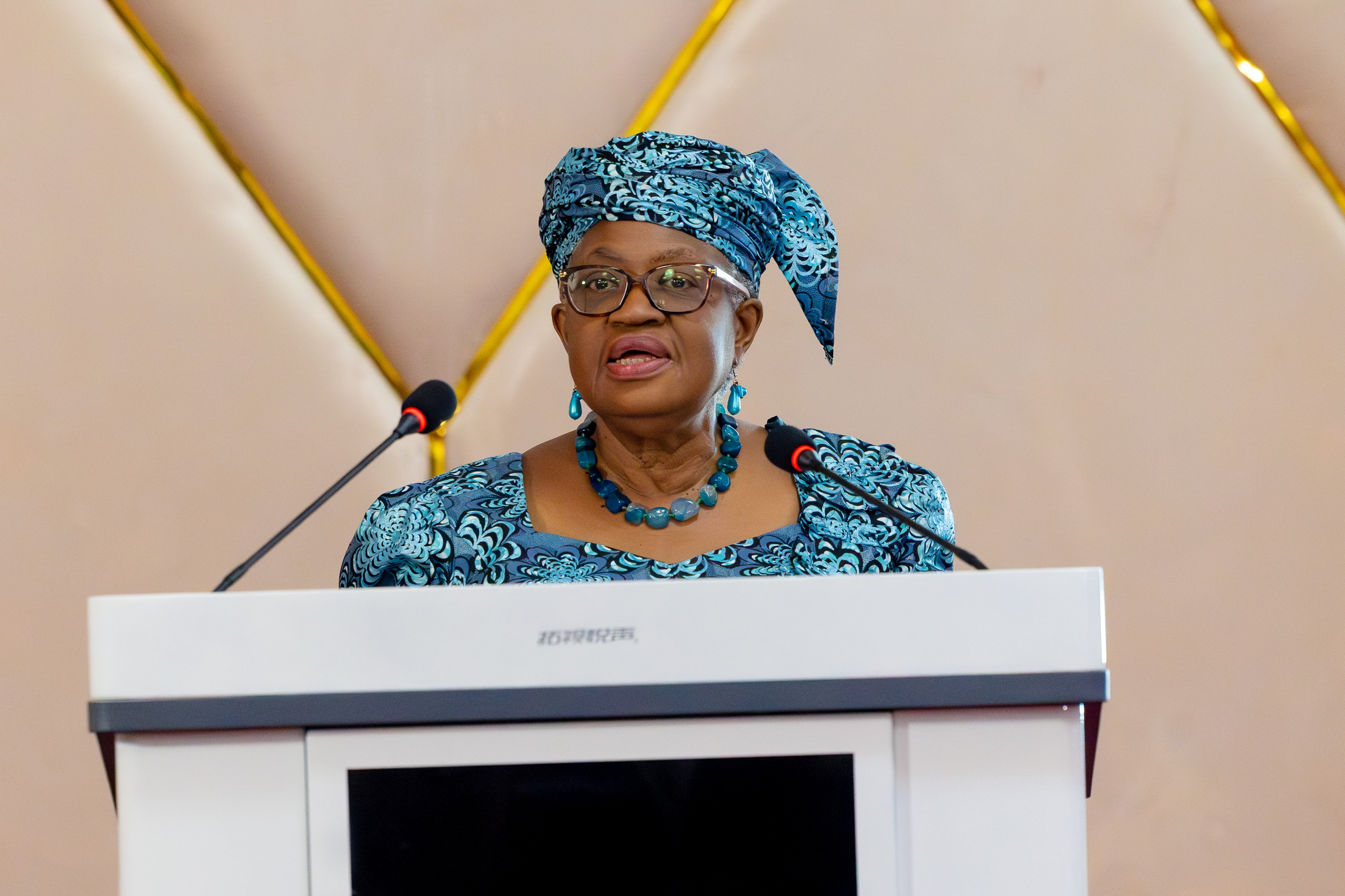
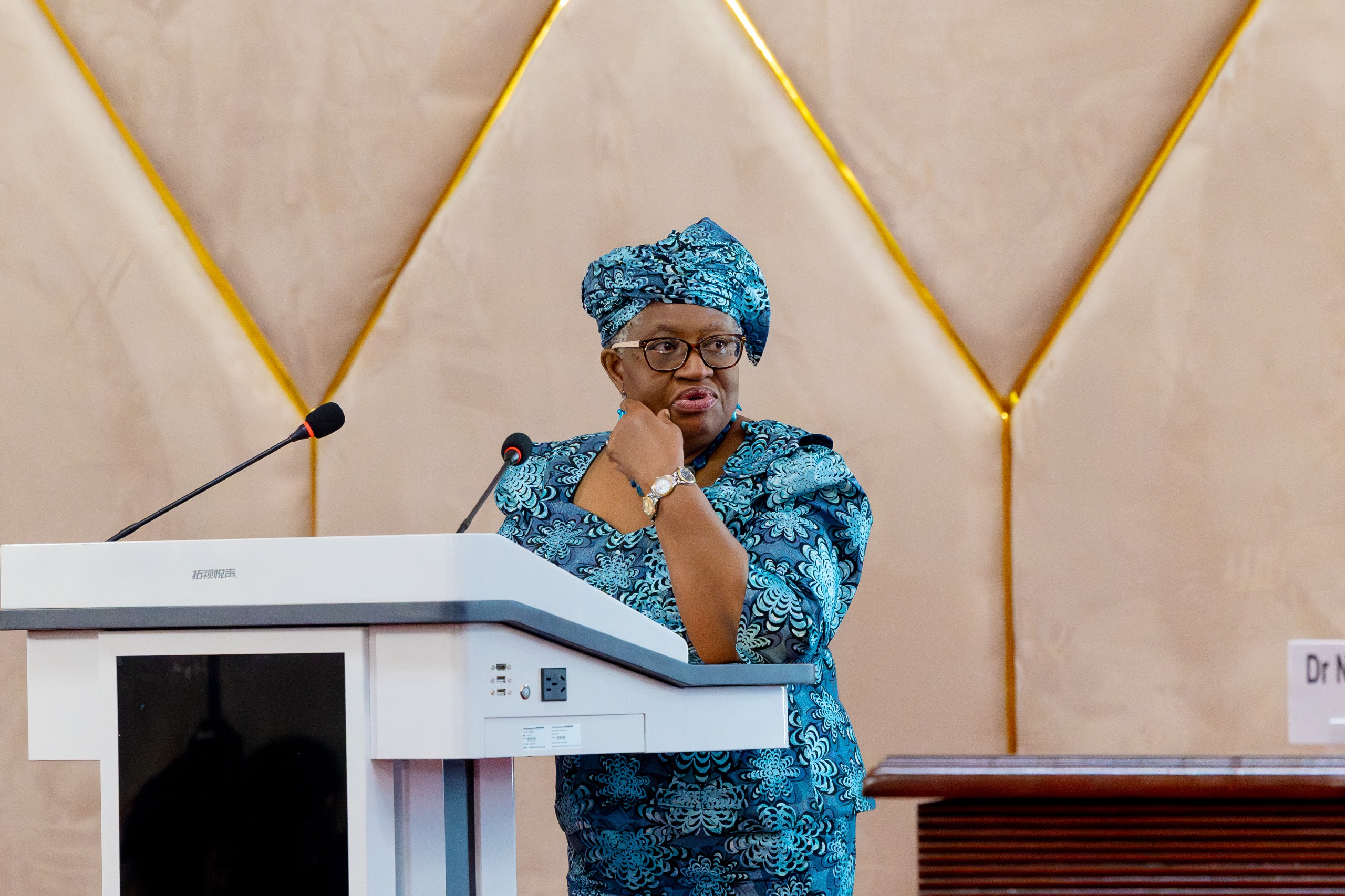
The Director-General of the World Trade Organization, Ngozi Okonjo-Iweala, warned that the global trading system is at a turning point.
“The world order and multilateral system we used to know has irrevocably changed. We will not get it back… we must look to the future,” she said, urging WTO members to take decisive steps to adapt the system to new economic realities and ensure it continues to deliver for all.
Rwanda’s Minister of Trade and Industry, Prudence Sebahizi has called for development-driven WTO reforms, stressing the need for a fair and inclusive global trading system.
Opening the 14th WTO Ministerial Conference in Yaoundé, Ngozi Okonjo-Iweala delivered a stark message about the future of global trade.
“The world order and multilateral system we used to know has irrevocably changed. We will not get it back… we must look to the future,” she told ministers and delegates.
She said the current disruptions from geopolitical tensions to climate pressures are not temporary shocks, but part of a broader transformation shaping the global economy.
The WTO chief also outlined a cautious outlook for global trade, noting that growth is expected to slow significantly in the coming year.
“For 2026, our economists are forecasting slower growth… reflecting geopolitics, energy prices, and policy uncertainty,” she said.
According to WTO projections, goods trade growth is set to decline from 4.6% in 2025 to 1.9% in 2026, with risks of dropping further to 1.4% if high oil prices persist. Services trade is expected to grow by 4.8%, though this could fall to 4.1% if disruptions in transport and travel continue.
Despite these pressures, she stressed that the system remains resilient.
“Our latest analysis shows that around 72% of global goods trade still remains on WTO terms… providing global trade with a stable core,” she noted.
Okonjo-Iweala also highlighted growing structural challenges within the WTO, particularly a lack of transparency among members.
“Lack of transparency leads to a lack of trust, and that breeds suspicions of unfairness and anti-competitive behaviour,” she warned.
She noted that only 64 members had submitted subsidy notifications, undermining confidence in the system and contributing to delays in reform.
At the same time, she pointed to the growing role of technology in global trade, noting that digitally delivered services reached $5.26 trillion, accounting for about 15% of global trade, while AI-related products contributed significantly to recent growth.
She urged ministers to use the conference to push forward reforms and restore trust in the system.
“We cannot forever complain and then miss the opportunity to fix the problems,” she said, calling for stronger political will among member states.
During the meeting, Rwanda called for a more balanced and development-driven global trading system, warning that without meaningful reforms, smaller economies risk being left behind.
“WTO reform must remain development-centred, ensuring that the interests and capacities of developing countries and Least Developed Countries are fully reflected,” said Rwanda’s Minister of Trade and Industry, Prudence Sebahizi, urging members to translate ongoing reforms into tangible gains, particularly in agriculture, digital trade and access to a fair dispute resolution system.
WTO Director-General Ngozi Okonjo-Iweala delivering remarks at the 14th WTO Ministerial Conference in Yaoundé.
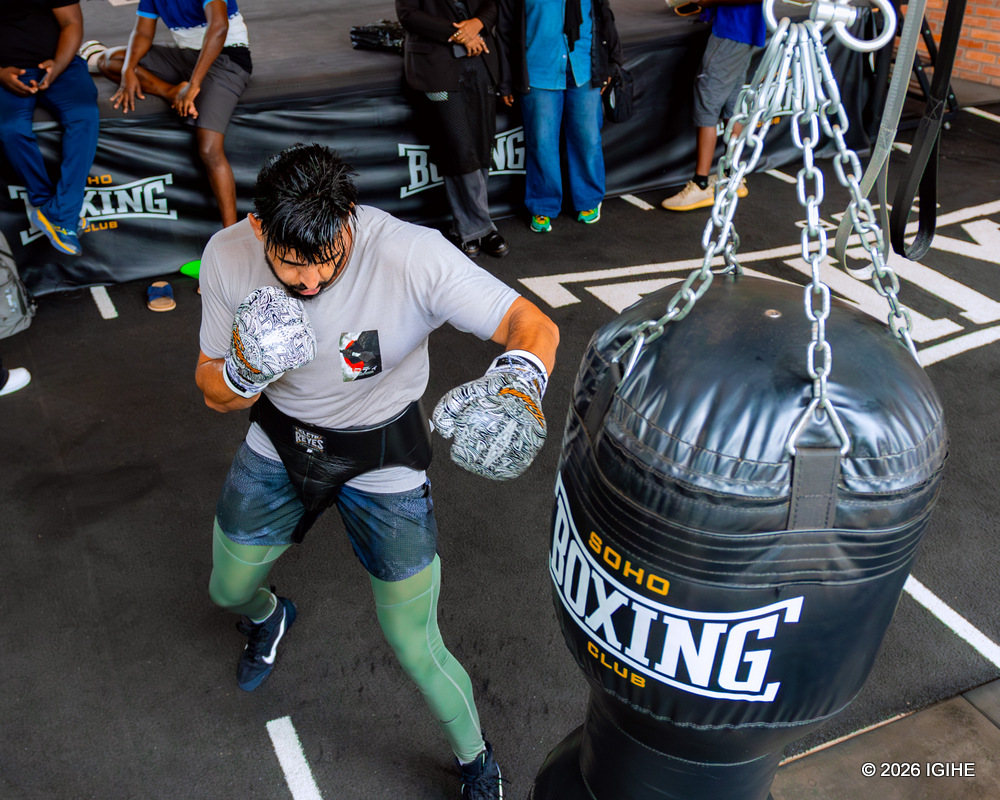
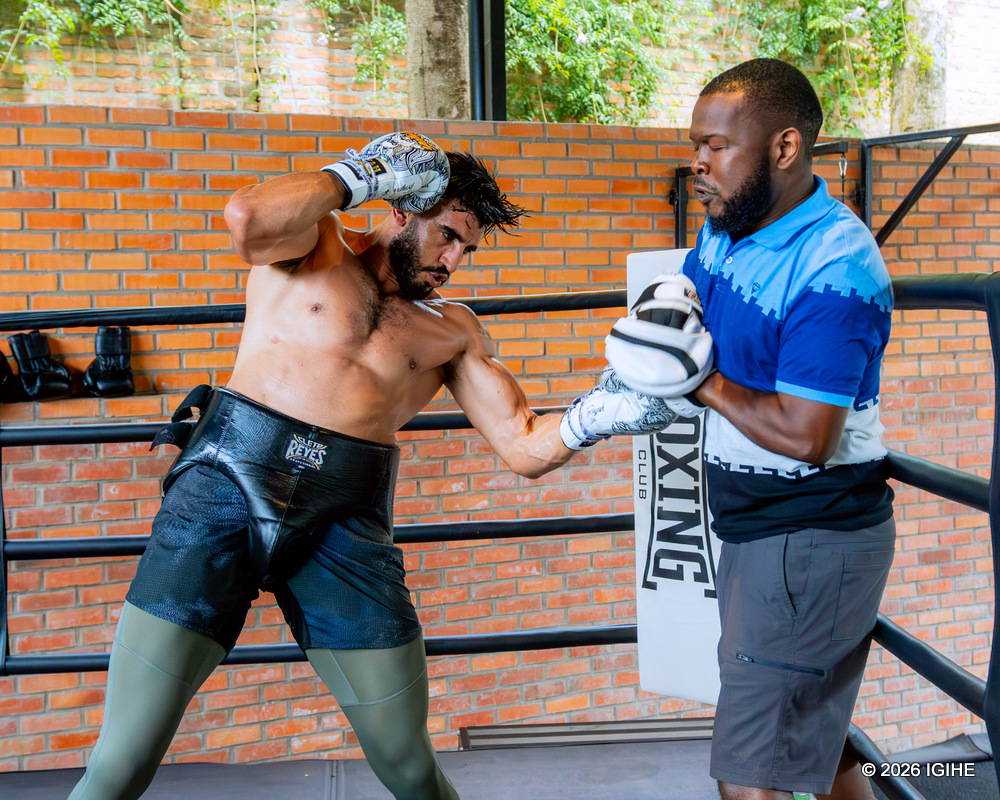
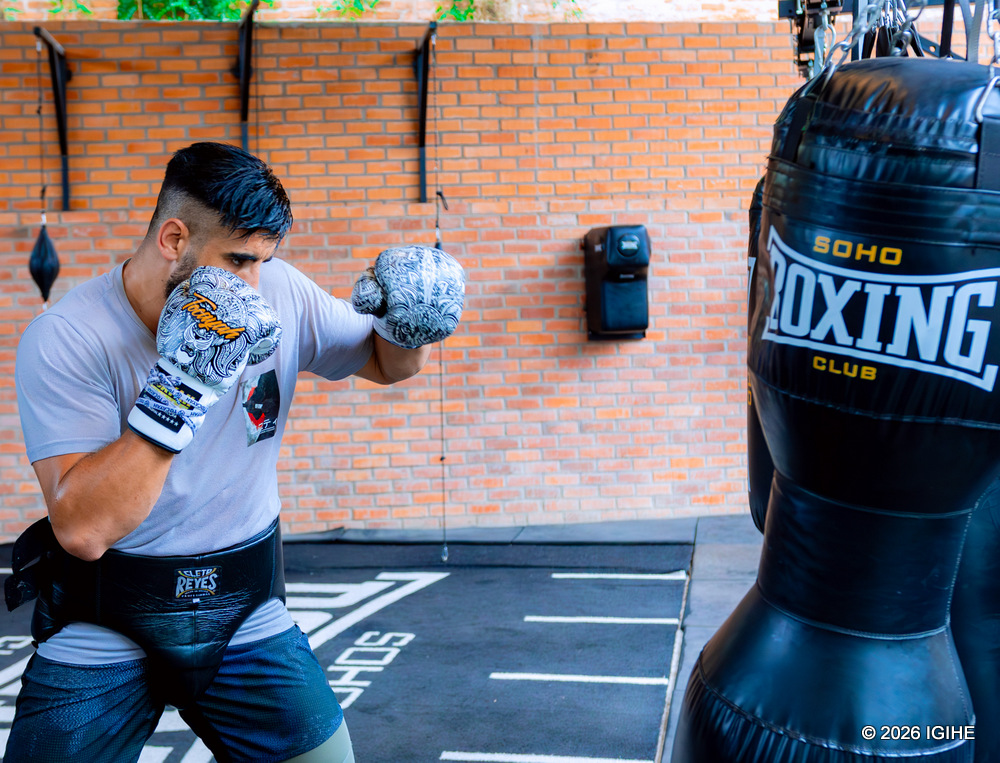
Fighters from across Africa, including Nigeria, Algeria, Uganda, Tanzania, DRC, Gabon, and more, have arrived in Rwanda, with many experiencing the country for the first time. Their reactions have been overwhelmingly positive, with many praising Kigali as a welcoming, well-organized, and beautiful destination for training and competition.
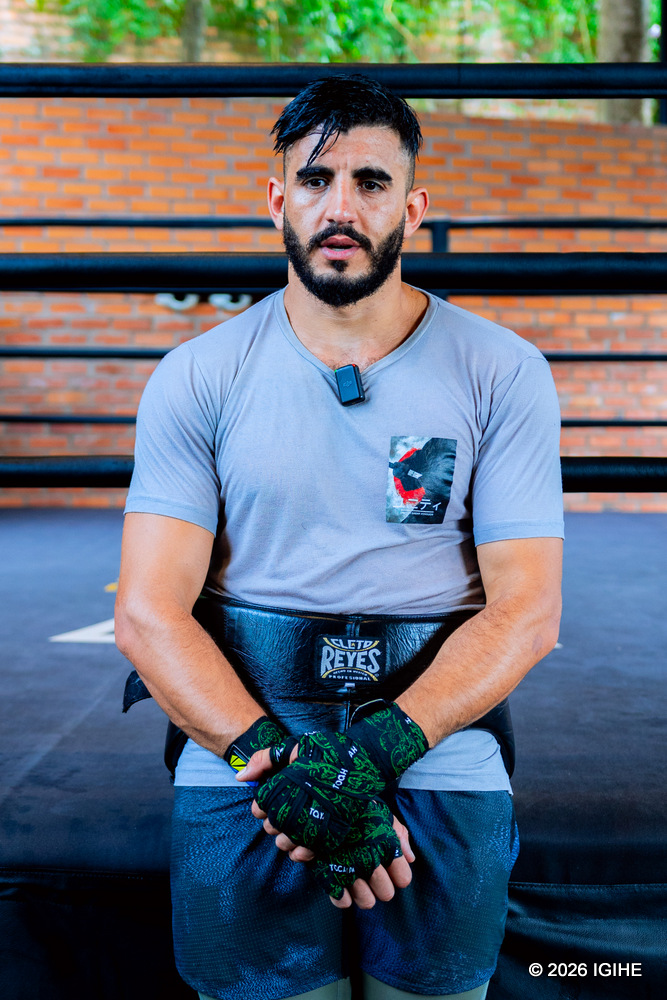
In an exclusive interview with IGIHE, Lamrani Abderrazeek, the Algerian cruiserweight, shared his excitement about his first visit to Rwanda. Having passed through Dubai before arriving in Kigali.
“This is my first time in Rwanda, and I really like it. The people here are nice. Everything is easy. Everything is straight. The weather is amazing. It’s the best place to visit. It’s the best place to do your camp, and it’s the best place to fight.”
Abderrazeek’s words reflect the sentiments of many international athletes who have praised Rwanda’s clean environment, modern gyms, and friendly atmosphere.
Lamrani Abderrazeek shared his excitement about his first visit to Rwanda.
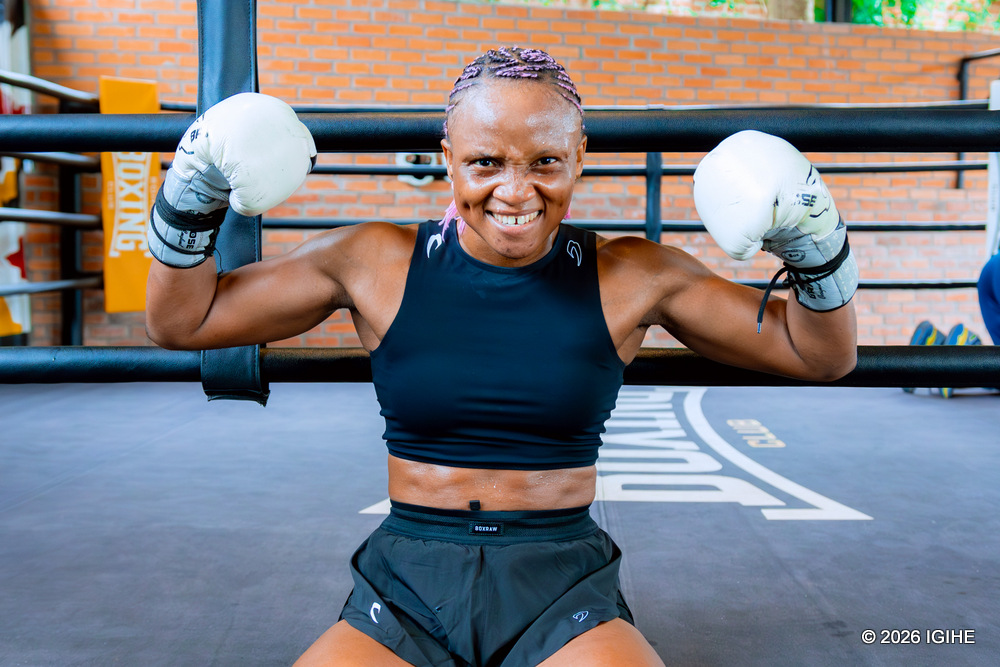
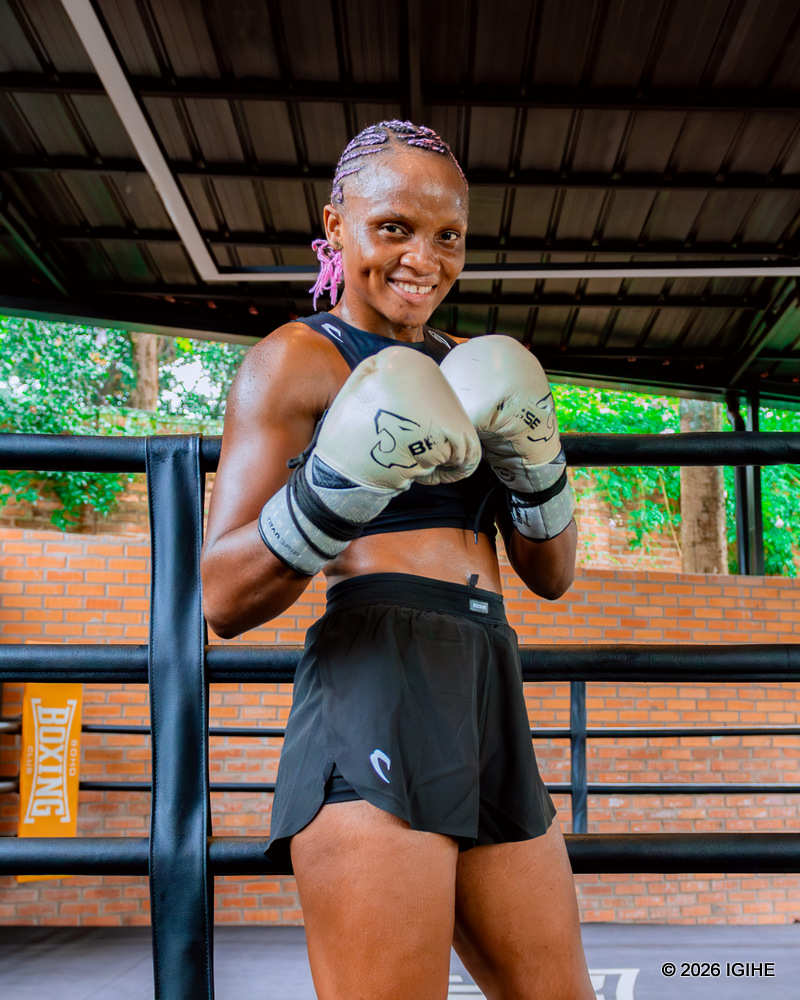
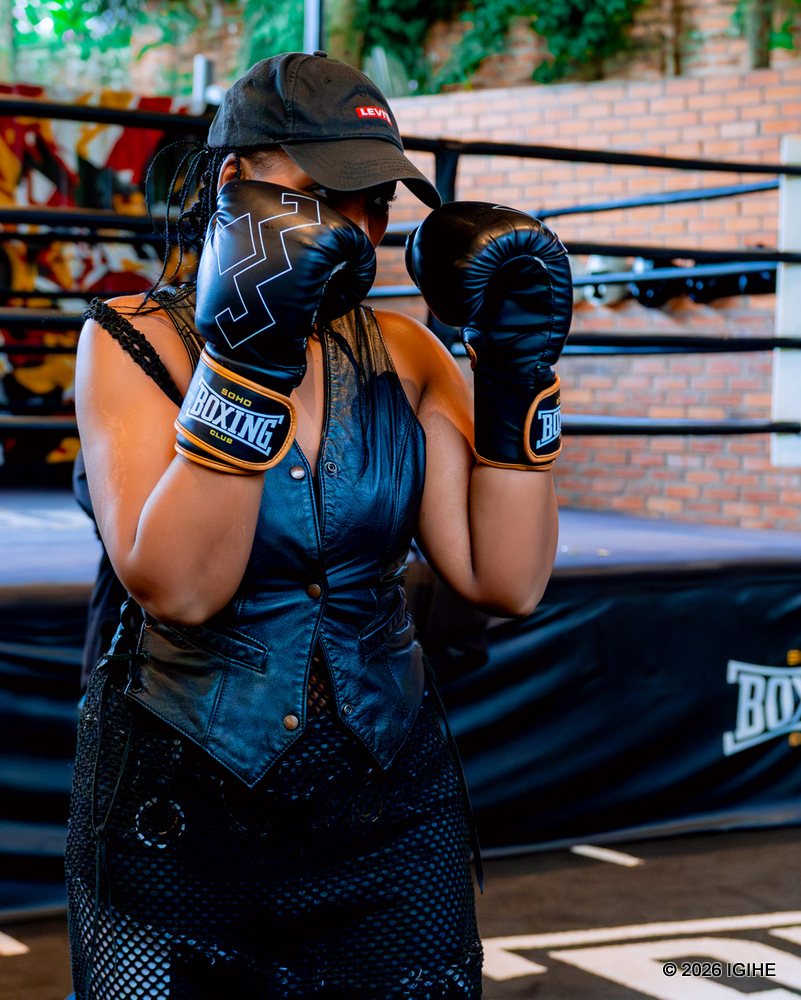
Nene Joy Ojo, the Nigerian female boxer making waves on the card, also called on her fellow Nigerians and supporters to show up in force:
“If you’re here, come support your girl. Get your ticket from KCC Roundabout on the 28th of this month.”
Ojo’s message highlights the growing visibility of women’s boxing at Kigali Fight Night, which will feature several high-profile female matchups.
Nene Joy Ojo highlighted the growing visibility of women’s boxing at Kigali Fight Night.
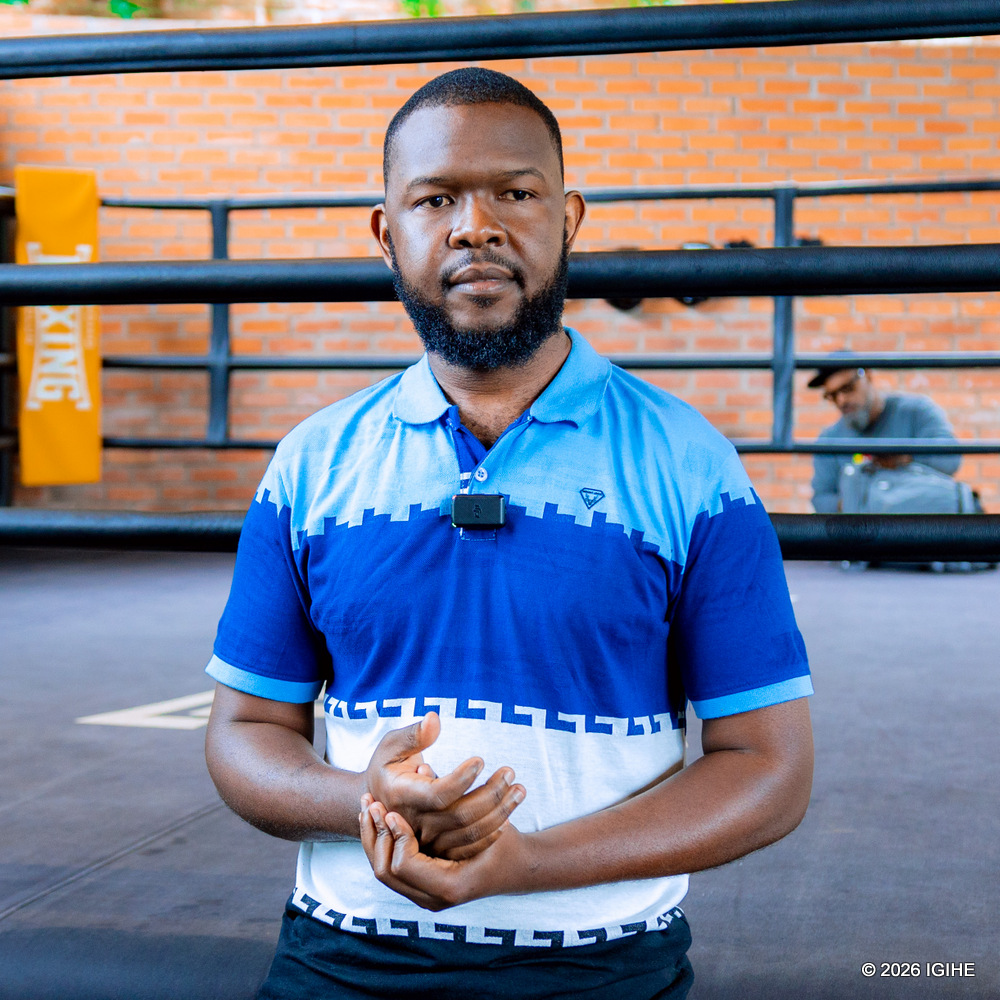
The excitement is shared by matchmaker Khaled, who hails from both Uganda and Dubai. He sees Kigali Fight Night as a landmark moment for African boxing.
“I’m excited to be in Rwanda simply because it’s a beautiful country, first of all, and yeah, it is a fresh market for boxing, especially pro boxing… Silverback says it is redefining African boxing. So we’re doing a great job, like putting fighters together and stuff like that.”
He added that the matchmaking for the event is strong, with international fighters on the card, and urged fans, “Definitely everybody has to come and watch.”
One fighter expressed pure confidence ahead of the main card:
“Fight night is on the 28th of this month. I’m ready. I’m ready to conquer. My opponent will have to be ready for me.”
Matchmaker Khaled, from Uganda and Dubai, sees Kigali Fight Night as a pivotal moment for African boxing.
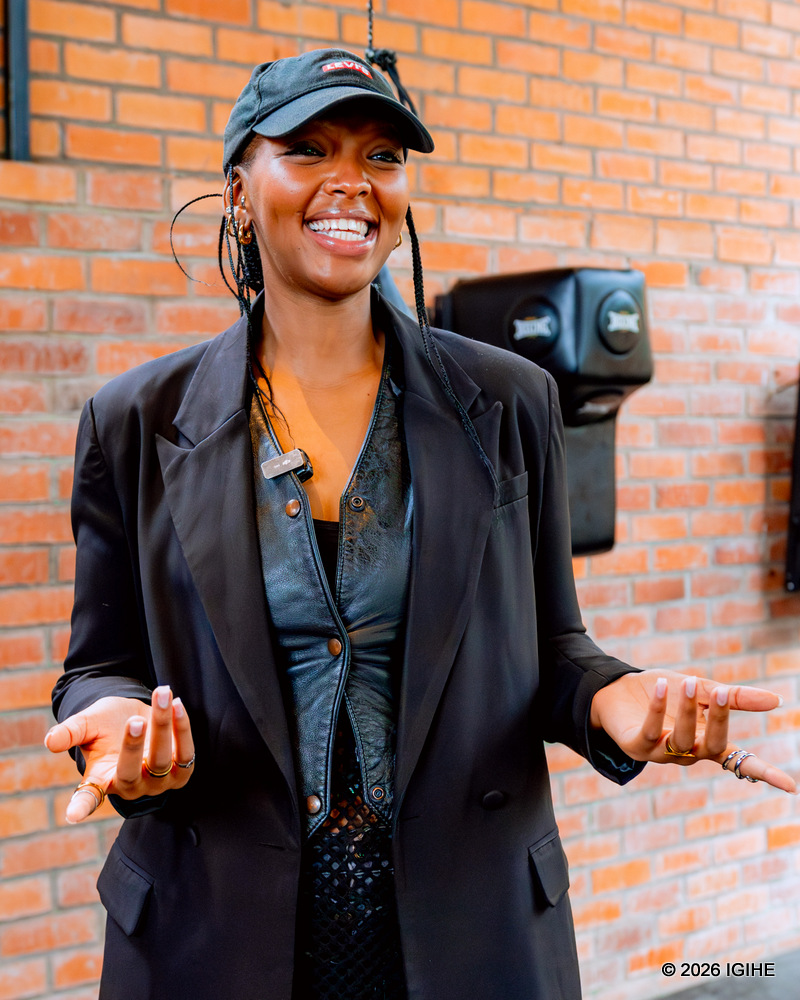
Returning as the official ring announcer and MC, Rocky Try shared her pride in the event’s growth:
“Honestly, I was also the ring speaker last year, and being there is just electric. You can see the fighters’ real sportsmanship, their talent, and their hunger. This time, it’s going to be even bigger.”
Rocky emphasized the cultural significance of bringing professional boxing to Rwanda, especially with strong female participation both in the ring and behind the scenes:
“My pride for the Kigali Fight Night is the fact that we’re bringing the boxing culture to Rwanda… We have female athletes, we have male athletes, we have the young ones… Having something so new in Rwanda is exciting.”
To women still hesitant about boxing, she offered powerful encouragement:
“Do you know what? Let me speak to you. I started boxing at a time in my life when I had a lot of anger. But as I trained, it wasn’t about the anger anymore; it became about discipline. So, just do it. It’s like free therapy, you just pay a little more than a therapist.”
Kigali Fight Night 2026 promises to be a major milestone in Rwanda’s boxing culture, shining a spotlight on the continent’s rising boxing talent and highlighting Rwanda’s growing significance as a host for major sporting events.
Returning as the official ring announcer and MC, Rocky Try expressed her pride in Kigali Fight Night’s growth.
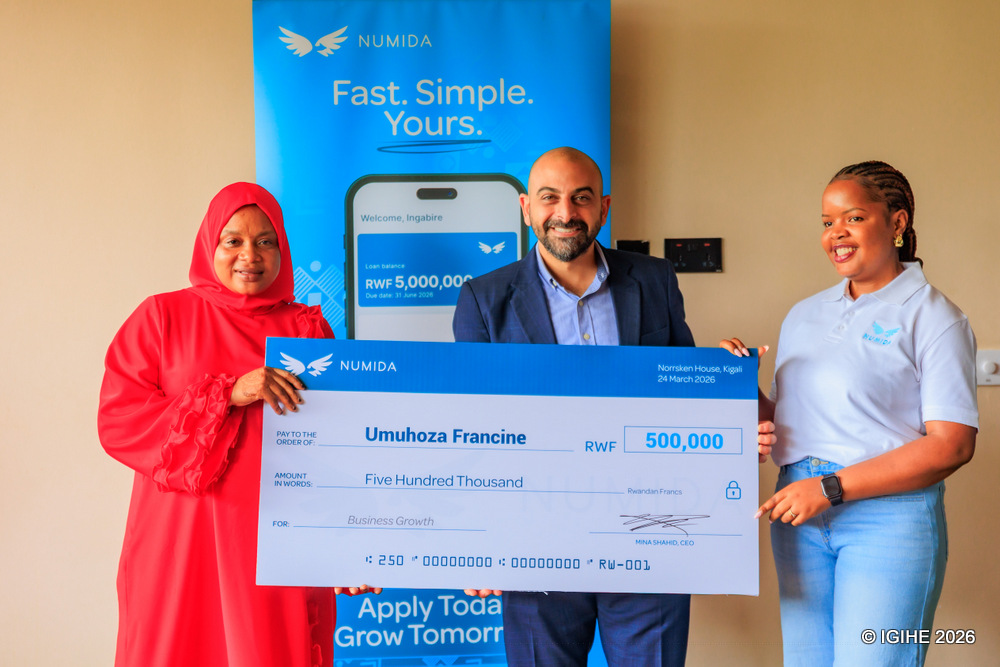
The company aims to assist those with small businesses who have previously struggled to obtain loans from traditional financial institutions.
The official launch event took place in Kigali on March 24, 2026. Small business owners who previously found it difficult to access loans from banks are now able to apply for loans via a digital platform without having to leave their locations.
Using Numida’s mobile app, applicants can fill out the required forms and receive loans ranging from 800,000 Rwandan Francs(Rwf) to Rwf12 million. The approval process takes less than 24 hours.
To qualify for the loan, applicants need to have a smartphone to download the Numida app, provide their national ID, a photo, and have a business that has been operating for at least six months in Rwanda.
They must also have the necessary registration documents from the Rwanda Development Board (RDB) proving ownership.
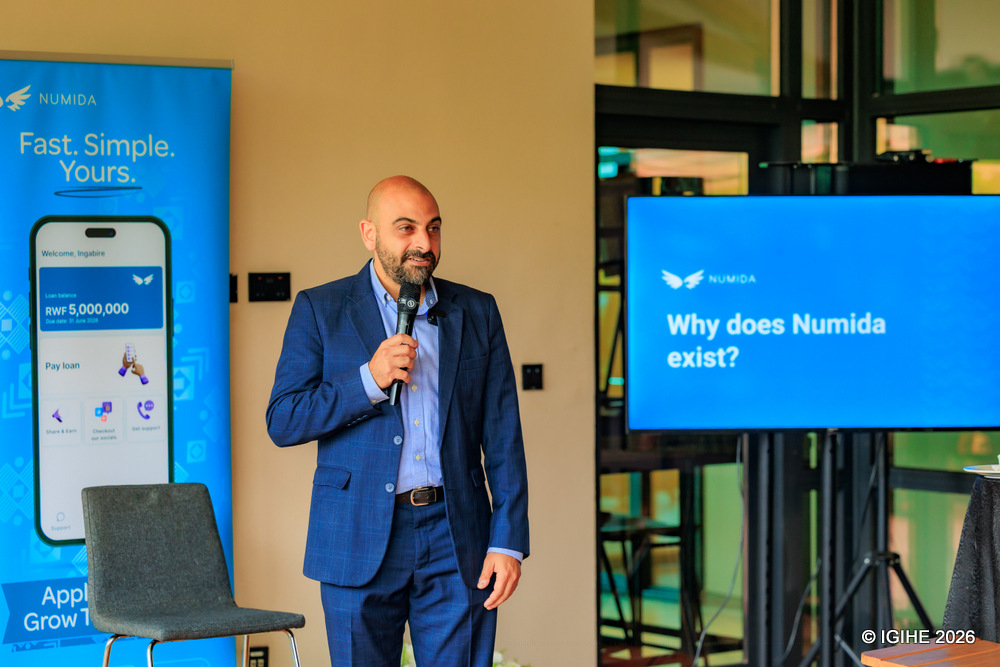
Mina Shahid, the CEO of Numida, stated that the loan process for small business owners is part of a broader initiative to align with Rwanda’s Vision 2050, which aims to speed up development and ensure financial services are accessible to all.
He said, “Our company’s goal aligns with Rwanda’s Vision 2050, to ensure everyone has easy access to financial services. Numida’s mission is to make the dreams of one million people across Africa come true.”
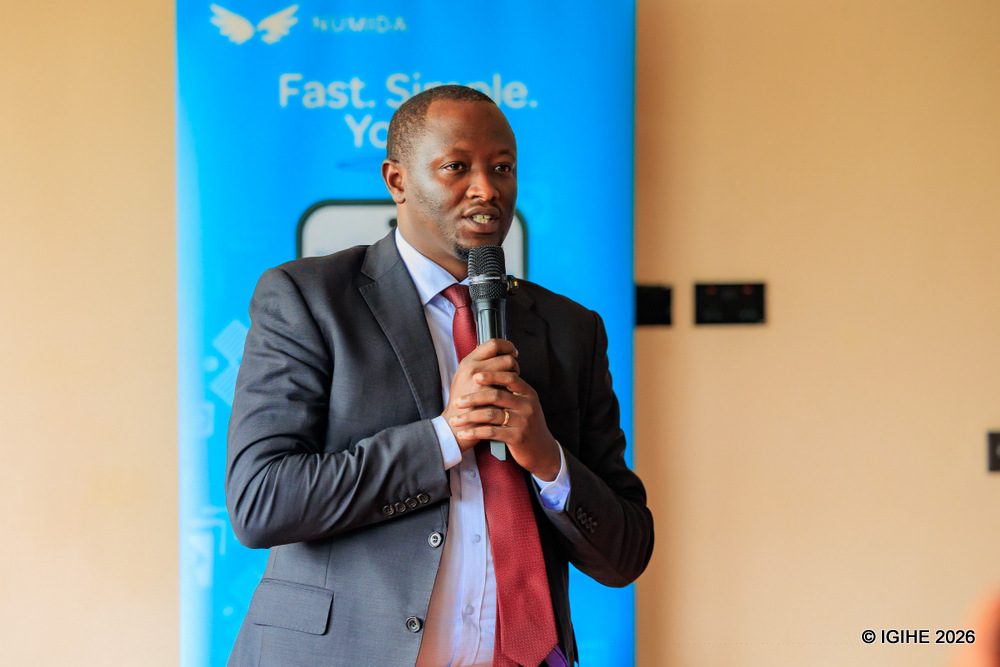
James Rwagasana, Manager of Supervision of Non-Deposit Taking Lending Financial Institutions at the National Bank of Rwanda (BNR), reassured potential clients of Numida’s legitimacy.
He emphasized that the company is fully licensed by BNR and does not require deposits for the loans.
“This new institution is authorized by the National Bank of Rwanda and operates legally. It is part of the national strategy to increase access to financial services, especially loans, so that Rwandans can grow their businesses,” Rwagasana explained.
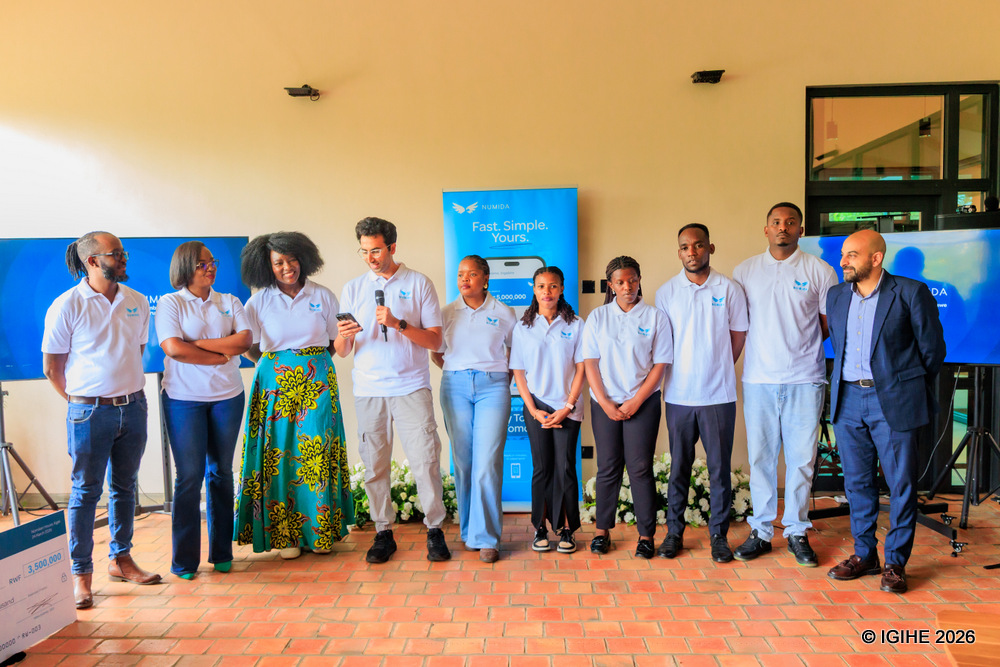
One of the beneficiaries, Teddy Nishimwe, a Rwandan entrepreneur, received a loan of Rwf3.5 million from Numida. She confirmed that the process was simple and quick, and the loan would help her expand her business.
Since its launch in Rwanda in March 2026, Numida has already disbursed over Rwf120 million in loans to 150 Rwandans using its digital platform.
Numida has been operating in Uganda since 2017 and in Kenya since 2023. The company has provided over $150 million in loans to support the growth of more than 100,000 businesses across these three countries. The goal is to have disbursed loans to 5,000 businesses in Rwanda by the end of 2026.
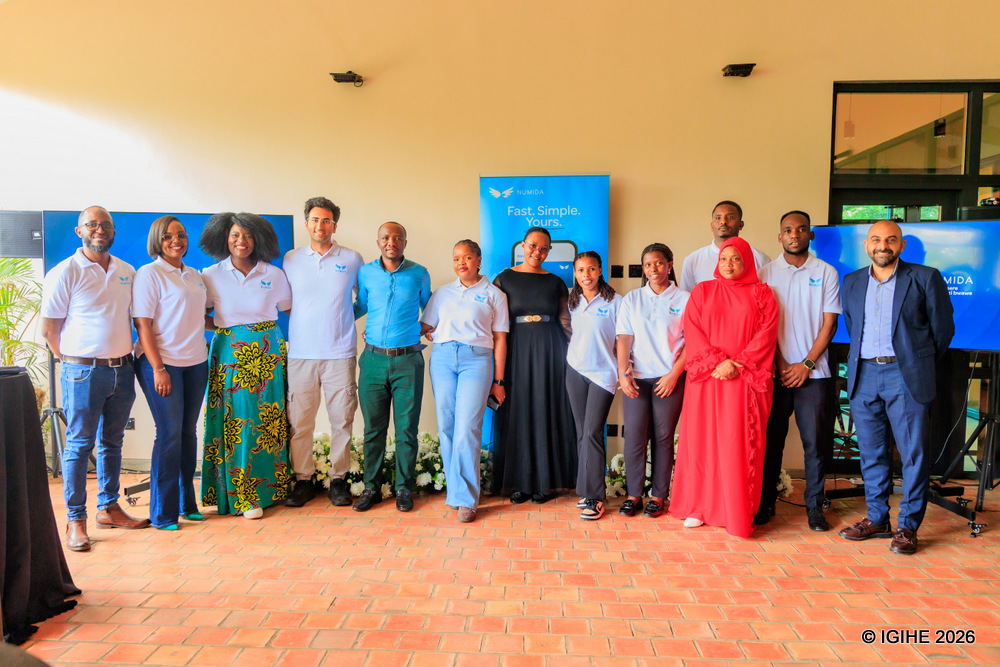
Numida’s CEO, Mina Shahid, emphasized that the company will help small businesses in Rwanda grow and expand.Numida aims to have granted loans to at least 5,000 business owners in Rwanda by the end of 2026.Numida is committed to bridging the gap in loan distribution in Rwanda.James Rwagasana, Manager of Supervision of Non-Deposit Taking Lending Financial Institutions at the National Bank of Rwanda (BNR), reassured potential clients of Numida’s legitimacy. At the launch event, some attendees received the loans they had applied for.Jean Marie Vianney Bana was also granted a loan he requested from Numida.Numida is also committted to supporting women-owned businesses in Rwanda.
The report shows that the employment-to-population ratio increased to 55.9% in 2025, up from 53.5% in 2024, signalling a growing capacity of the economy to absorb workers. About 4.77 million Rwandans were employed during the year.
This growth comes alongside an expansion of the labour force, which reached 5.4 million people, out of a working-age population of approximately 8.5 million.
Unemployment declines as more jobs are created
The survey indicates that unemployment fell to 12.4% in 2025, down from 14.9% the previous year, continuing a downward trend from pre-COVID-19 levels of around 15%.
This means that roughly one in eight people in the labour force was unemployed, reflecting improved job creation and labour market recovery.
Employment gains were recorded across both men and women, with the employment rate increasing by 1.4 percentage points among males and 3.1 percentage points among females. However, disparities remain, with men still more likely to be employed than women.
Services sector drives job growth
The report highlights a gradual structural shift in Rwanda’s economy, with the services sector emerging as the largest employer, accounting for 44.4% of total employment in 2025, up from 42.9% in 2024.
Agriculture remains a major source of jobs, employing 39.1% of the workforce, while the industry sector accounted for 16.5%, showing little change.
Sectors such as wholesale and retail trade, transport, manufacturing, and hospitality recorded notable increases in employment, reflecting expanding economic activity beyond traditional agriculture.
More people entering the labour market
The labour force participation rate rose slightly to 63.8%, indicating that more Rwandans are either working or actively seeking employment.
At the same time, about 3.1 million people remained outside the labour force, many of whom are engaged in subsistence agriculture, studying, or not actively seeking jobs.
Despite the overall improvement in employment outcomes, the report highlights areas where further gains can be made, particularly in expanding opportunities for youth and women. Youth unemployment stood at 14.7%, slightly above the national average, while female unemployment was estimated at 14.2% compared to 10.8% among men.
These figures suggest that targeted interventions, including skills development, entrepreneurship support and improved job matching, could help unlock additional employment potential, especially as more young people enter the labour market.
Encouragingly, the survey shows a continued upward trend in incomes, with the average monthly salary increasing to Rwf 82,996 in 2025, up from Rwf 73,948 in 2024.
While differences across sectors remain, the overall rise in earnings reflects improving economic activity and growing opportunities, particularly in higher-paying sectors such as services and industry.
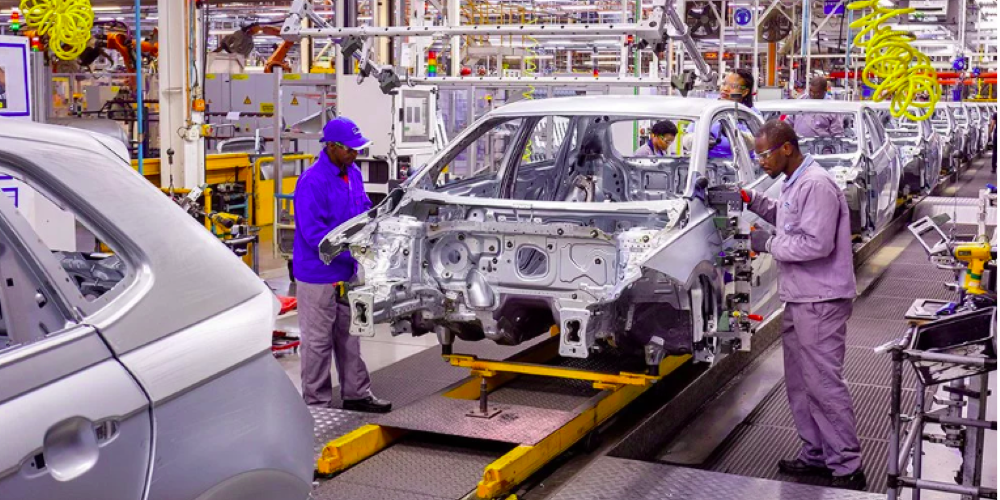
Technicians at the Volkswagen assembly plant in the Kigali Special Economic Zone meticulously assemble a vehicle. A new labour force report shows that the employment-to-population ratio increased to 55.9% in 2025, up from 53.5% in 2024, signalling a growing capacity of the economy to absorb workers.
Ivana Lisette Ortiz, 35, appeared briefly on Wednesday at Los Angeles Superior Court wearing yellow prison attire. Through her attorney, she entered a plea of not guilty to 14 charges, including one count of attempted murder and 10 felony counts of assault with a semiautomatic firearm.
Judge Theresa McGonigle denied a request to reduce Ortiz’s $1.875 million (approximately Rwf 2.7 billion) bail and ruled that she cannot work as a licensed speech therapist in California while the case is pending. If convicted on all charges, Ortiz faces a maximum sentence of life in prison.
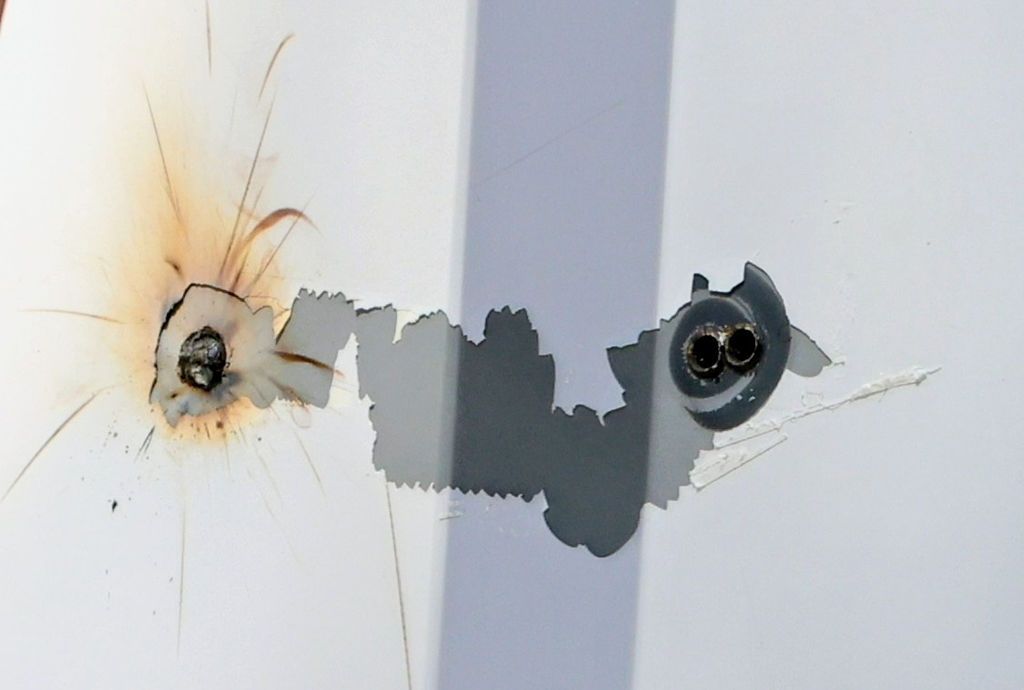
Prosecutors said Ortiz drove to the Beverly Crest neighborhood home on Sunday, March 8, and fired approximately 20 rounds. At the time, Rihanna and her partner A$AP Rocky were in a trailer on the property, while their three children, Rihanna’s mother, and staff members were inside the main house. No one was injured.
Deputy District Attorney Alexander Bott described the incident in court as “the kind of conduct that easily could have resulted in numerous homicides.”
Authorities said Ortiz fled the scene but was arrested a short time later in Los Angeles, found in a car with a rifle, extra ammunition, and a wig she had intended to use as a disguise.
Ortiz’s lawyer, deputy public defender Derek Ray Dillman, spoke on her behalf as she appeared behind glass in the custody area. She also waived her right to a speedy preliminary hearing, the next stage where evidence is reviewed to determine whether a trial is warranted.
Public records show Ortiz has been a licensed speech pathologist for more than a decade.
Rihanna, a nine-time Grammy winner with hits including We Found Love, Umbrella, and Diamonds, is also the founder of the make-up brand Fenty Beauty.
Bullet holes are seen as workers repair the exterior of Rihanna’s Beverly Hills home on March 17, 2026 in Los Angeles.