He succeeded Keir Starmer, who earlier tendered his resignation to the king.
Burnham later delivered his first speech as prime minister outside 10 Downing Street. Noting that he was the seventh British prime minister since 2016, he acknowledged that politicians had “not been good enough” and pledged to do better, while promising “a new political model and a new economic model.”
“We will take power out of here and carry it into every postcode in the land,” he said, pledging to reindustrialize Britain and bring essential services under stronger public control.
Burnham previously served as culture secretary, health secretary and mayor of Greater Manchester. After unsuccessful bids for the Labour leadership in 2010 and 2015, he returned to the House of Commons by winning the Macclesfield by-election on June 19 and was elected Labour leader on July 17.
Labour suffered heavy losses in local elections in May, prompting growing calls within the party for Starmer to step down. On June 22, Starmer announced that he would resign as Labour leader and step down as prime minister once a successor had been chosen.
British media said Burnham faces major challenges, including weak economic growth, strained public services, a high cost of living and an increasingly fragmented political landscape.
King Charles welcomes Andy Burnham, left, during an audience at Buckingham Palace in London on Monday, where he invited the leader of the Labour Party to become prime minister and form a new government.
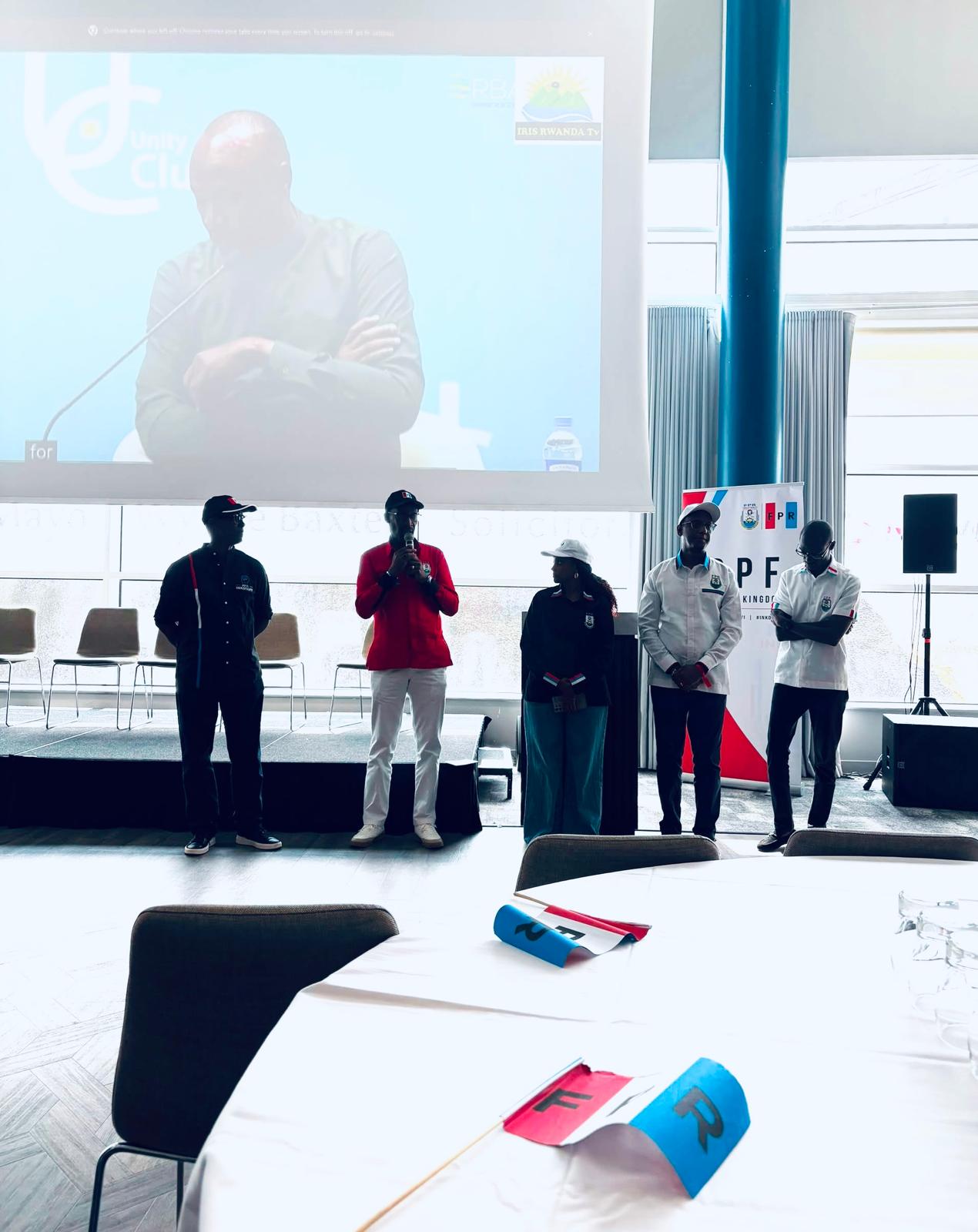
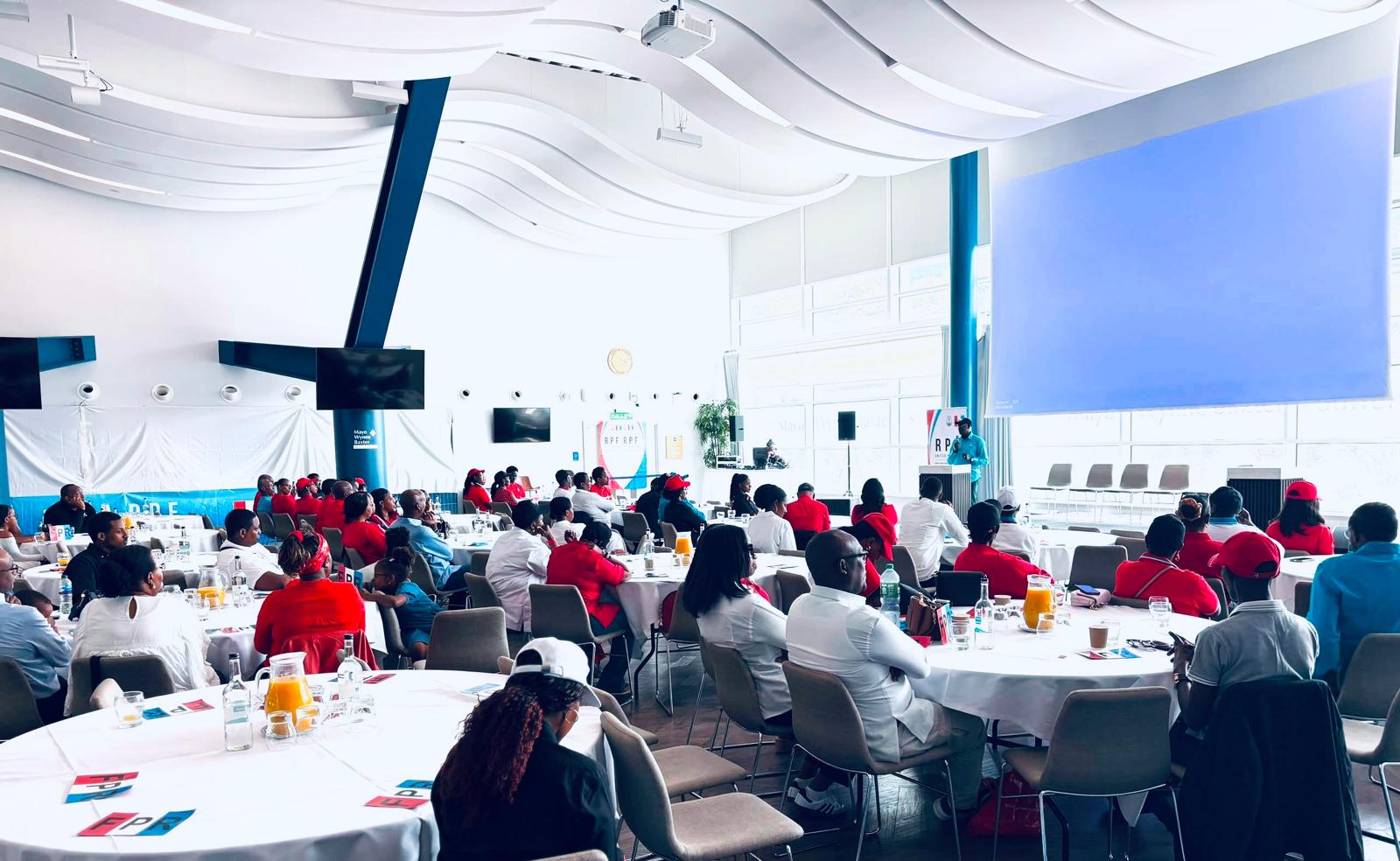
The gathering brought together RPF-Inkotanyi members from all walks of life within the Rwandan community in the UK, including professionals, entrepreneurs, students and some of the pioneers who helped establish the RPF structure in the United Kingdom. It also attracted many young Rwandans who were either born in Rwanda or in the UK and raised in Britain.
Several young participants shared their experiences of growing up in the United Kingdom while maintaining a strong connection with Rwanda. They spoke proudly about their Rwandan identity, cultural heritage and their determination to contribute to the country’s future.
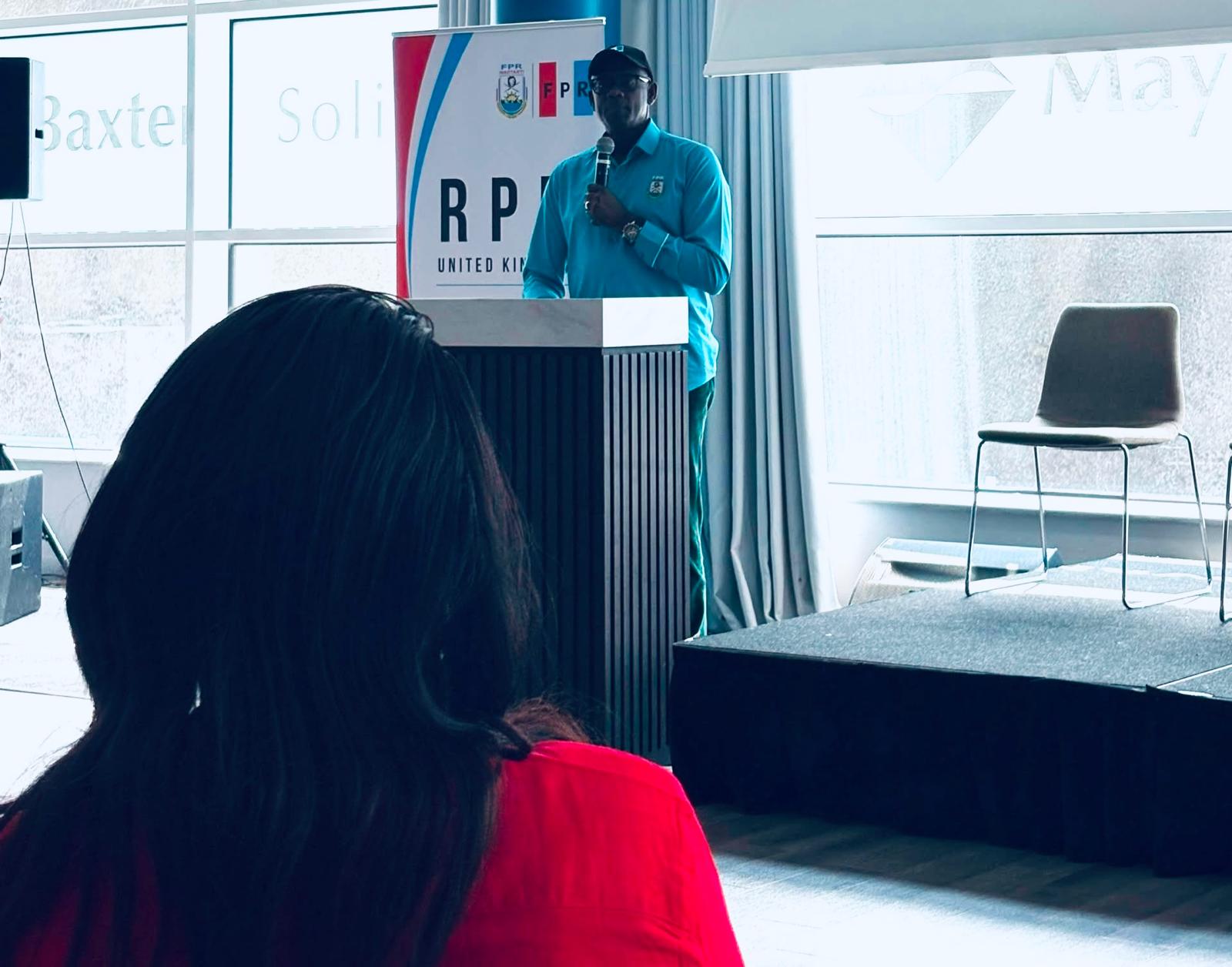
RPF UK Chairperson Egide Ruhashya praised the strong turnout and the spirit that characterized the gathering.
“This gathering demonstrated the strength, unity and commitment of Rwandans across the United Kingdom. It was particularly encouraging to see different generations coming together to reflect on our history, celebrate Rwanda’s progress and discuss how each of us can contribute to the country’s continued development. Our young people have an important responsibility as the leaders of tomorrow,” he said.
Rwanda’s High Commissioner to the United Kingdom, Johnston Busingye, who also attended the event, said Rwanda’s transformation has been built on the values of unity, accountability, equal opportunity and a shared commitment to national development.
“Rwanda’s transformation has been built on unity, accountability, equal opportunity and a shared commitment to national development. Rwandans living abroad remain an important part of this journey. By preserving our values, investing in the next generation and contributing their knowledge and experience, the Rwandan community in the United Kingdom can continue to play a meaningful role in building the Rwanda we want,” he said.
The programme also featured an expert presentation examining Rwanda’s current opportunities and challenges. Speakers emphasized the important role of the Rwandan diaspora in supporting nation-building, promoting investment and contributing to the country’s continued development.
Participants also discussed Rwanda’s culture and values, stressing the importance of preserving them and passing them on to younger and future generations.
The gathering provided an opportunity to reflect on the history of the RPF-Inkotanyi and Rwanda’s liberation struggle, paying tribute to the men and women whose sacrifices laid the foundation for unity, peace and national renewal.
Participants also reviewed Rwanda’s achievements under the leadership of the RPF-Inkotanyi over the past 32 years, highlighting progress in governance, socio-economic development, national unity and institution building.
Key priorities discussed during the event included strengthening the unity of all Rwandans, promoting equal opportunities, ensuring accountability across institutions, advancing self-reliance and maintaining an ambitious vision for Rwanda’s future.
Special attention was given to the role of young people as the country’s future leaders. Speakers encouraged young Rwandans in the diaspora to embrace leadership, remain closely connected to their heritage and use their knowledge, skills and experience to contribute to Rwanda’s continued development.
The gathering concluded in an atmosphere of enthusiasm, pride and strong unity, with participants proudly wearing RPF-Inkotanyi colours and insignia while reaffirming their commitment to contributing to Rwanda’s development from wherever they live, work or study in the United Kingdom.
The gathering brought together RPF-Inkotanyi members from all walks of life within the Rwandan community in the UK.Rwanda’s High Commissioner to the United Kingdom, Johnston Busingye, said Rwanda’s transformation has been built on the values of unity, accountability, equal opportunity and a shared commitment to national development.The gathering provided an opportunity to reflect on the history of the RPF-Inkotanyi and Rwanda’s liberation struggle, paying tribute to the men and women whose sacrifices laid the foundation for unity, peace and national renewal.Participants also discussed Rwanda’s culture and values, stressing the importance of preserving them and passing them on to younger and future generations.
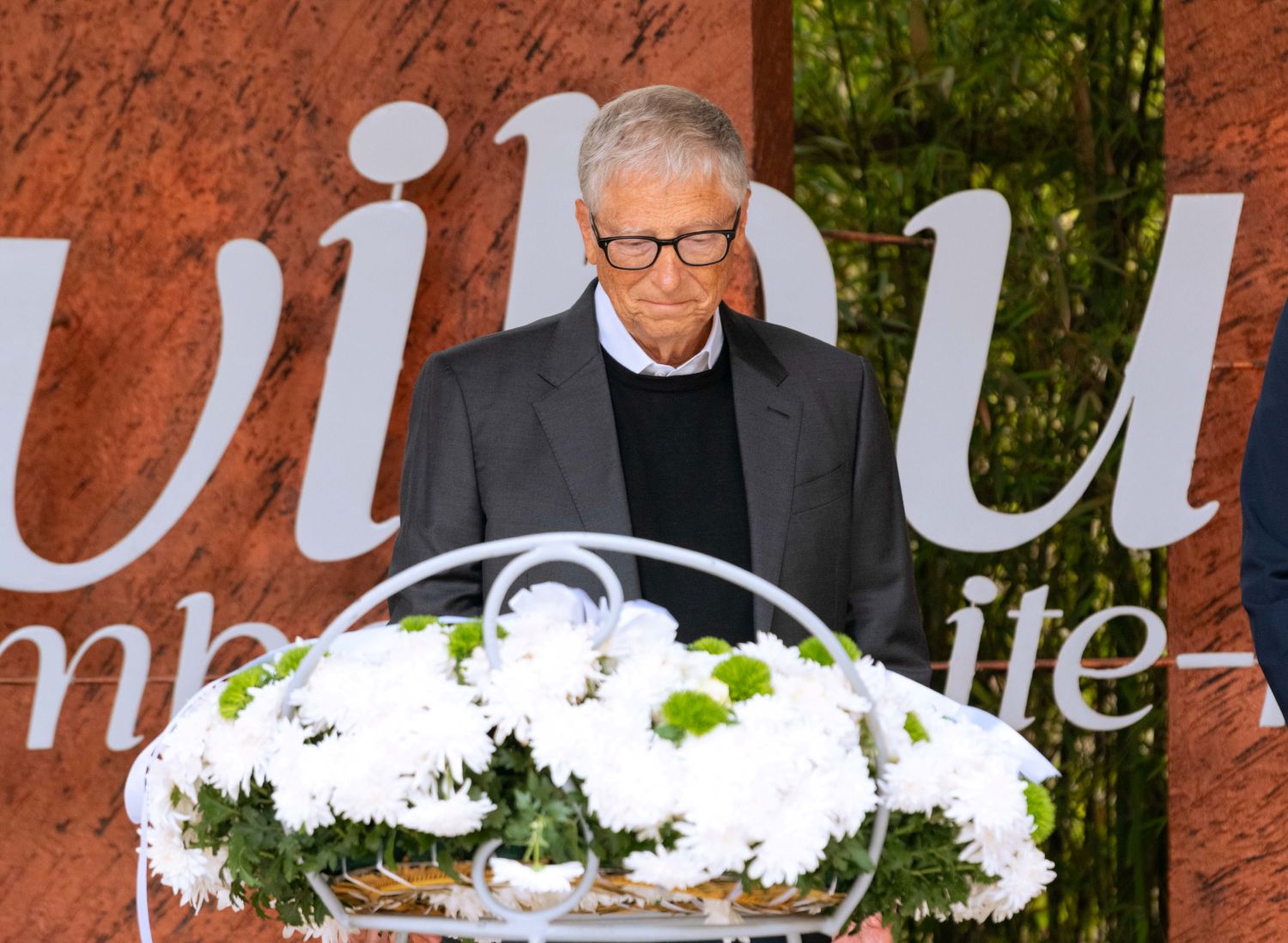
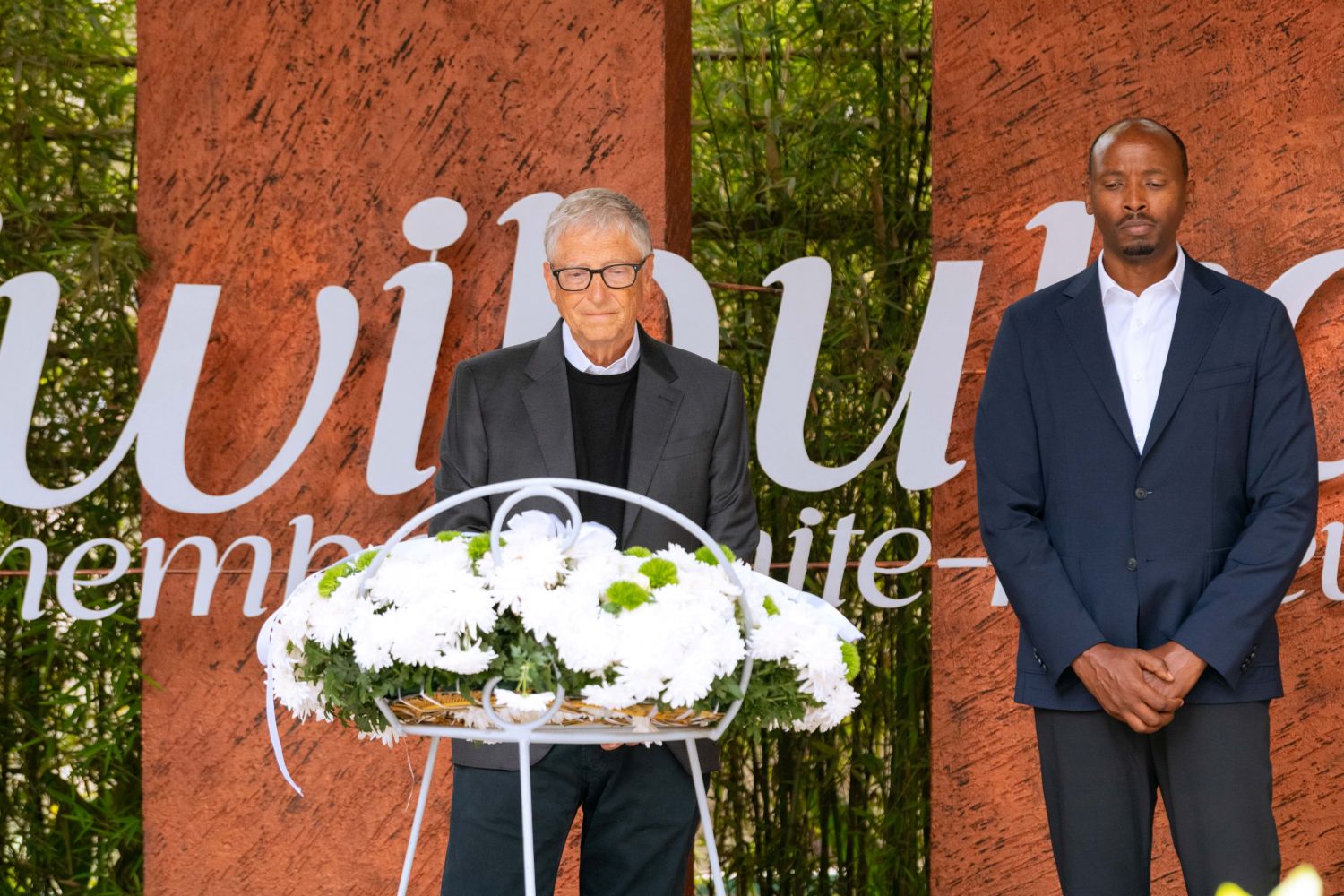
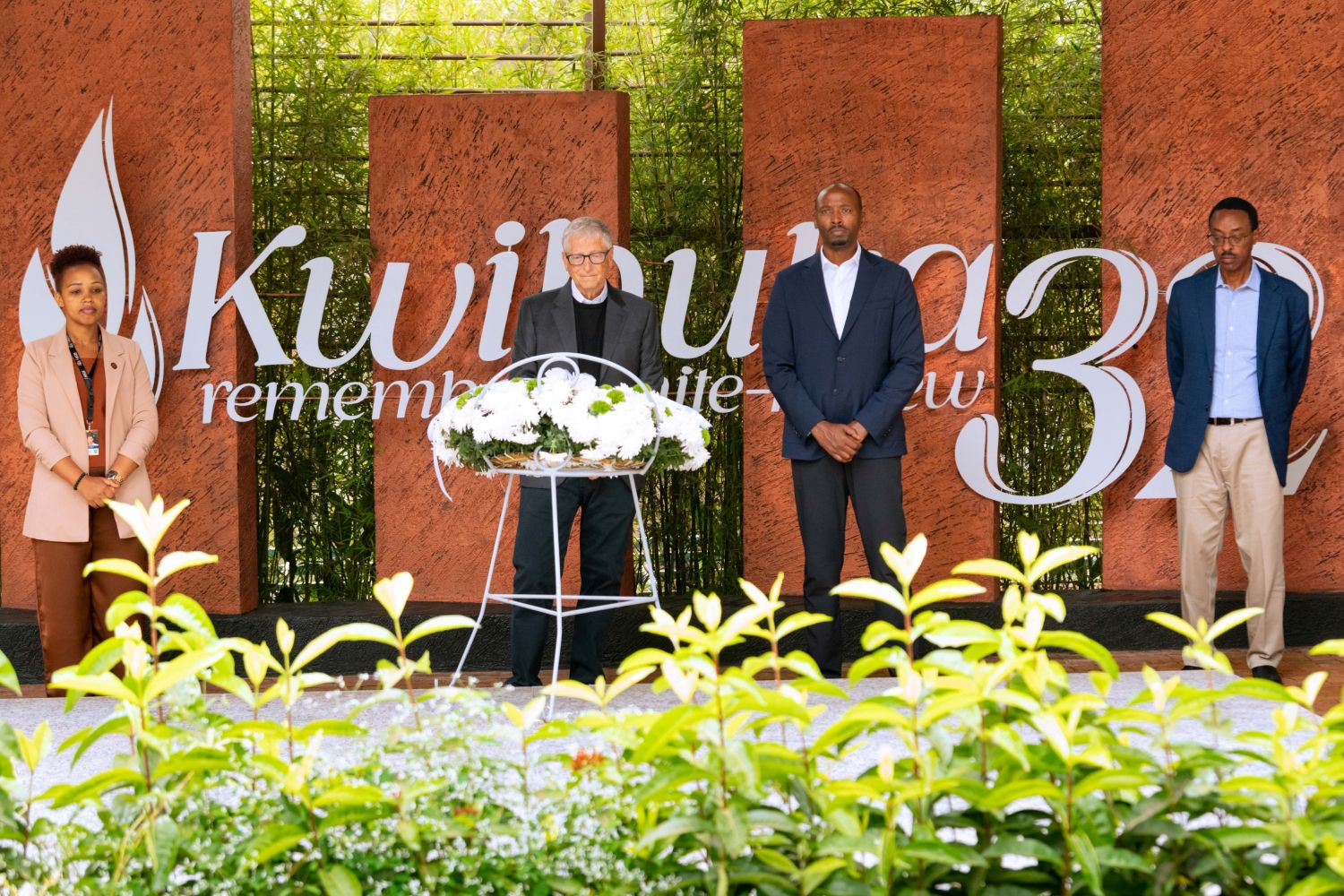
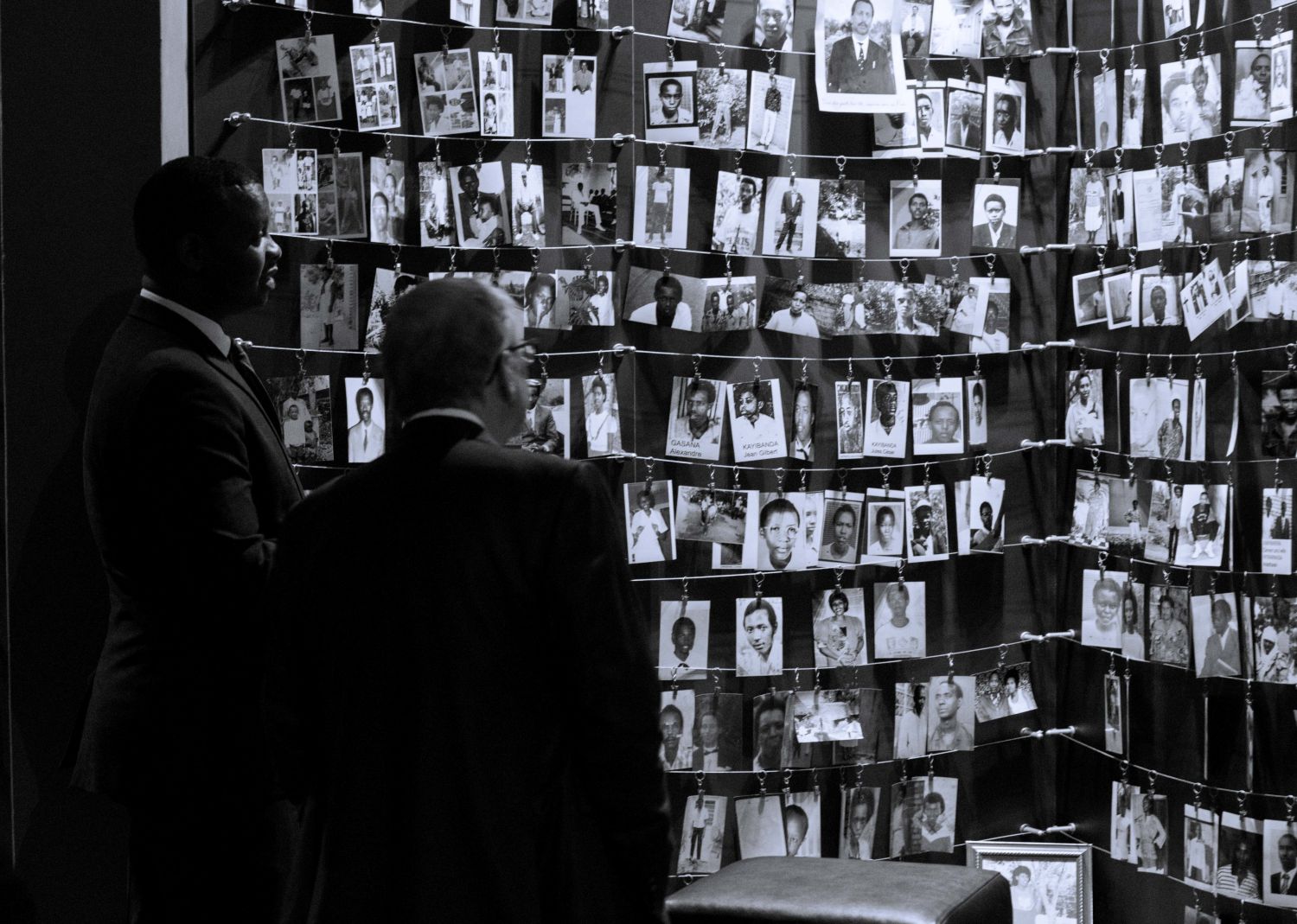
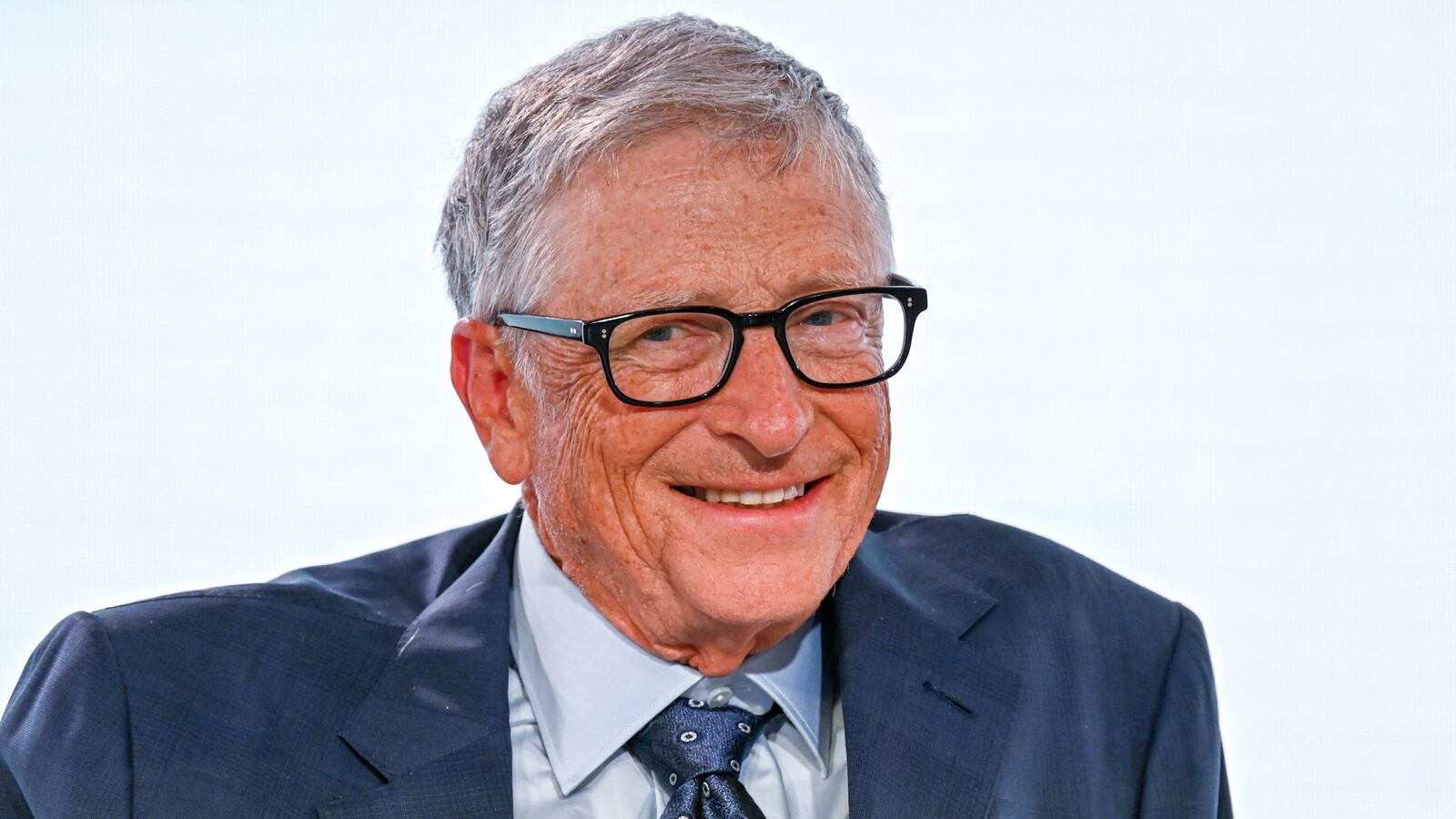
At the memorial, the founder of Microsoft laid a wreath at the final resting place of more than 250,000 victims buried at the site, taking time to honour their memory and reflect on one of the darkest chapters in Rwanda’s history.
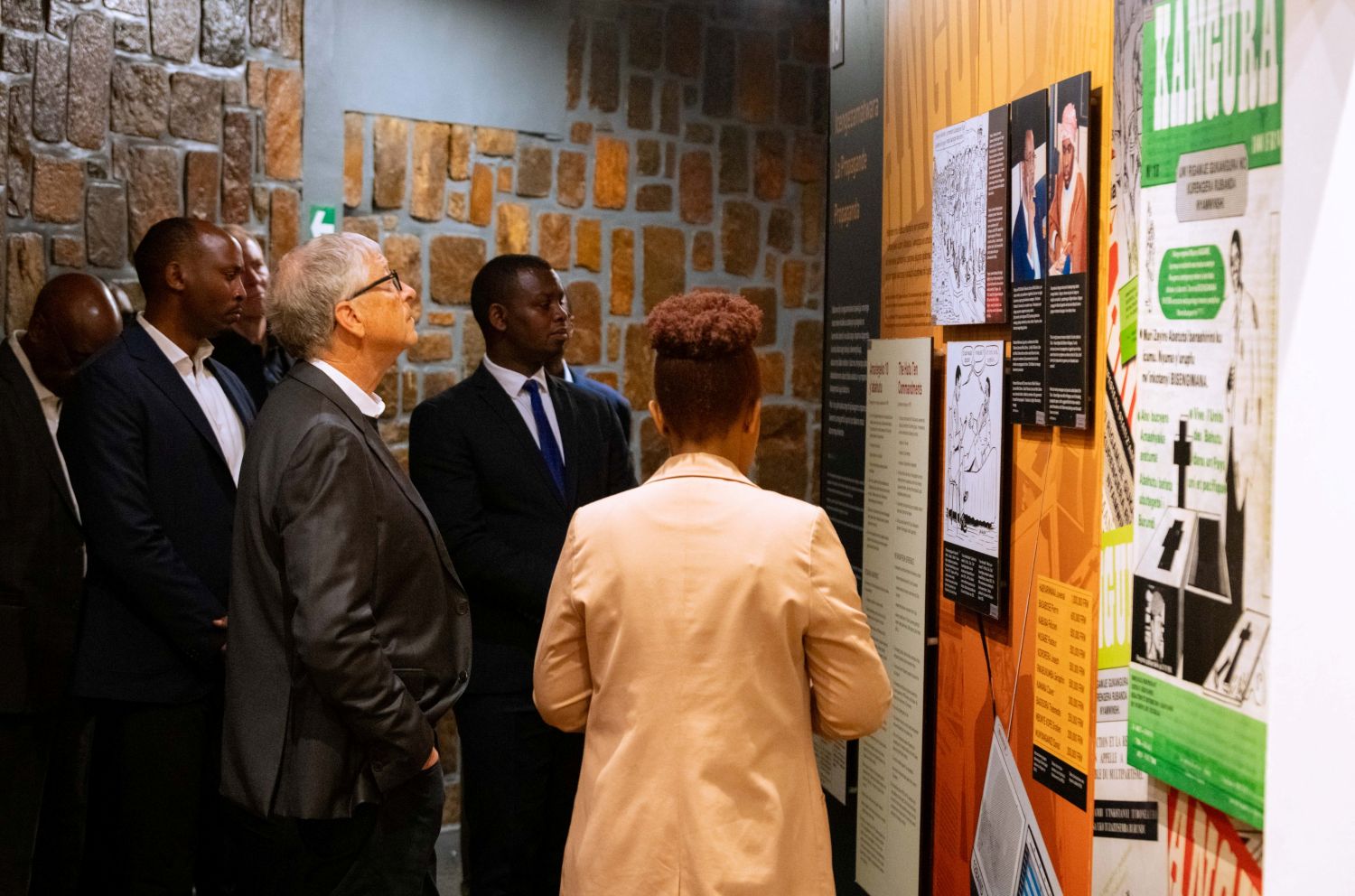
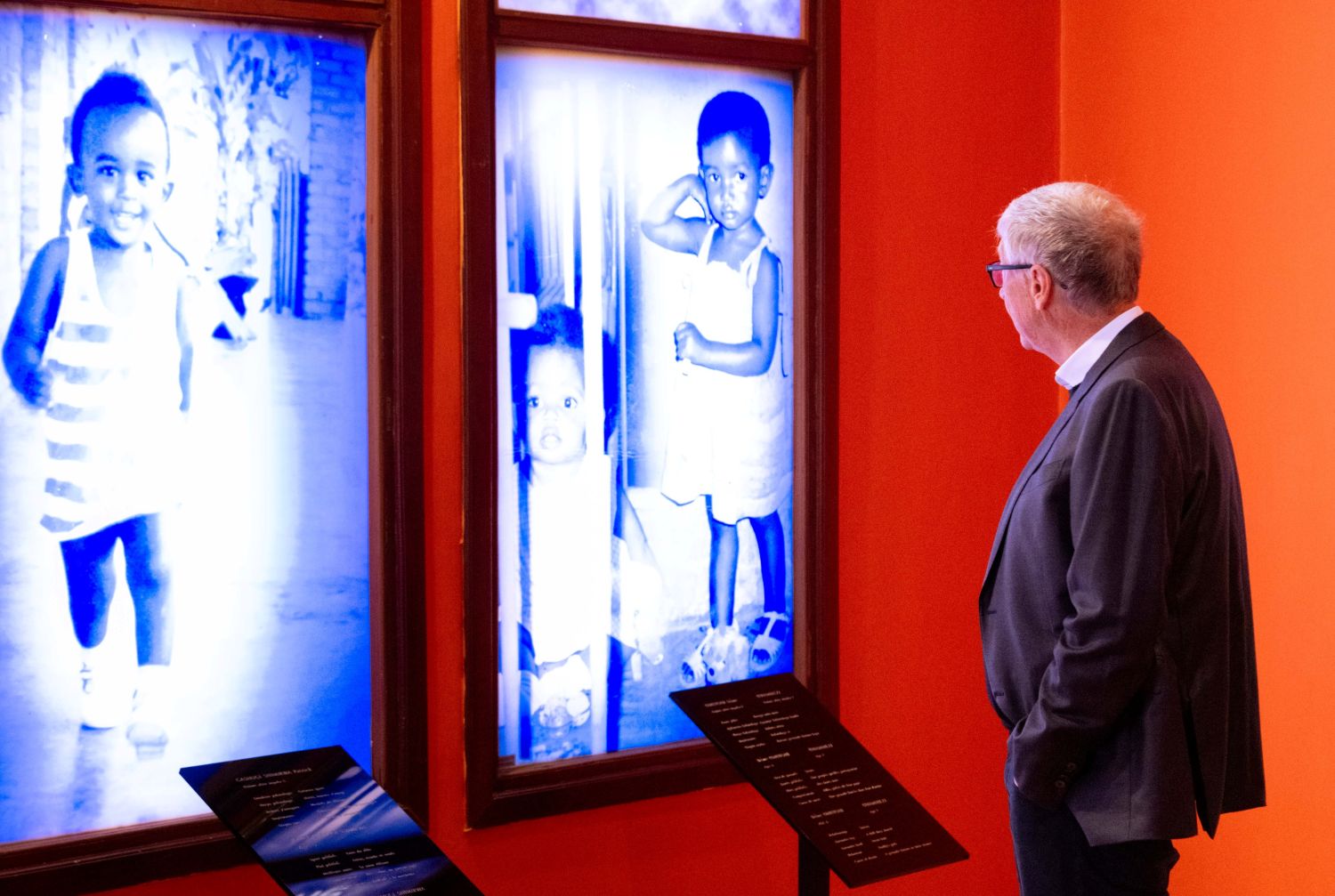
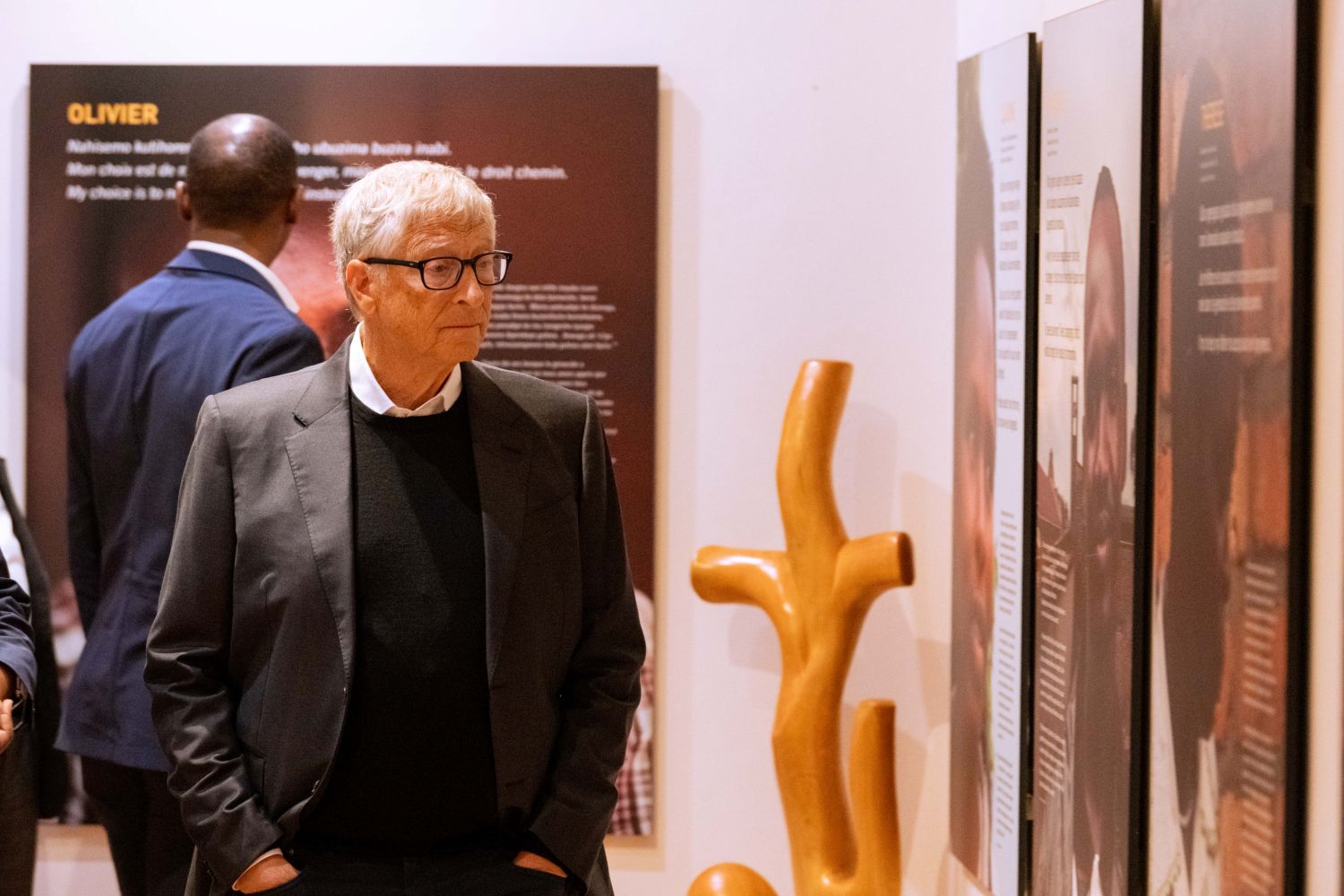
According to the Kigali Genocide Memorial, Gates also toured the memorial’s permanent exhibitions, where he learned about the planning and execution of the Genocide against the Tutsi, its devastating human impact, and Rwanda’s remarkable journey of recovery, reconciliation, and rebuilding over the past three decades.
“Today, we welcomed Mr. Bill Gates to the Kigali Genocide Memorial, where he paid his respects to the victims of the Genocide against the Tutsi with a wreath-laying at the burial place,” the memorial management said in a statement shared on X.
“During his visit, Mr. Gates toured the memorial exhibits and reflected on the history, impact, and lasting consequences of the Genocide, as well as Rwanda’s remarkable journey of recovery and rebuilding,” it added.
The visit to the memorial comes as Gates continues a multi-day visit to Rwanda aimed at learning more about the country’s progress in health, agriculture, and digital public infrastructure.
Earlier during his stay, Gates visited the TKMD syringe manufacturing plant in Rwamagana District, a facility helping expand Africa’s capacity to locally produce essential medical supplies. He is also expected to visit Mwulire Health Centre and meet with community health workers to gain firsthand insight into Rwanda’s primary healthcare system.
Ahead of his visit, Gates praised Rwanda’s development trajectory, attributing the country’s progress to sustained investments in people, strong institutions, and effective service delivery.
He highlighted Rwanda’s significant improvements in health outcomes since 2000, including an 80 percent reduction in under-five mortality and an 85 percent decline in maternal deaths related to pregnancy and childbirth.
The Gates Foundation has partnered with Rwanda for more than two decades, supporting initiatives to strengthen healthcare systems, agricultural development, and innovation.
Earlier this year, Rwanda became the first beneficiary of the Horizon1000 initiative, a $50 million artificial intelligence programme launched by the Gates Foundation and OpenAI to help African countries harness AI to improve healthcare delivery.
Gates has said he hopes his visit will provide an opportunity to engage with government leaders, researchers, innovators, frontline health workers, and communities to better understand Rwanda’s approach to development and the use of technology to improve lives.
His visit to the Kigali Genocide Memorial adds a solemn moment to his engagements in the country, paying respect to the victims while acknowledging Rwanda’s resilience and transformation in the decades since the Genocide against the Tutsi.
American tech billionaire Bill Gates visited the Kigali Genocide Memorial on Monday.He paid tribute to the victims of the 1994 Genocide against the Tutsi during his ongoing visit to Rwanda.At the memorial, the founder of Microsoft laid a wreath at the final resting place of more than 250,000 victims buried at the site.He learned about the planning and execution of the Genocide against the Tutsi, its devastating human impact, and Rwanda’s remarkable journey of recovery, reconciliation, and rebuilding over the past three decades.The visit to the memorial comes as Gates continues a multi-day visit to Rwanda aimed at learning more about the country’s progress in health, agriculture, and digital public infrastructure.
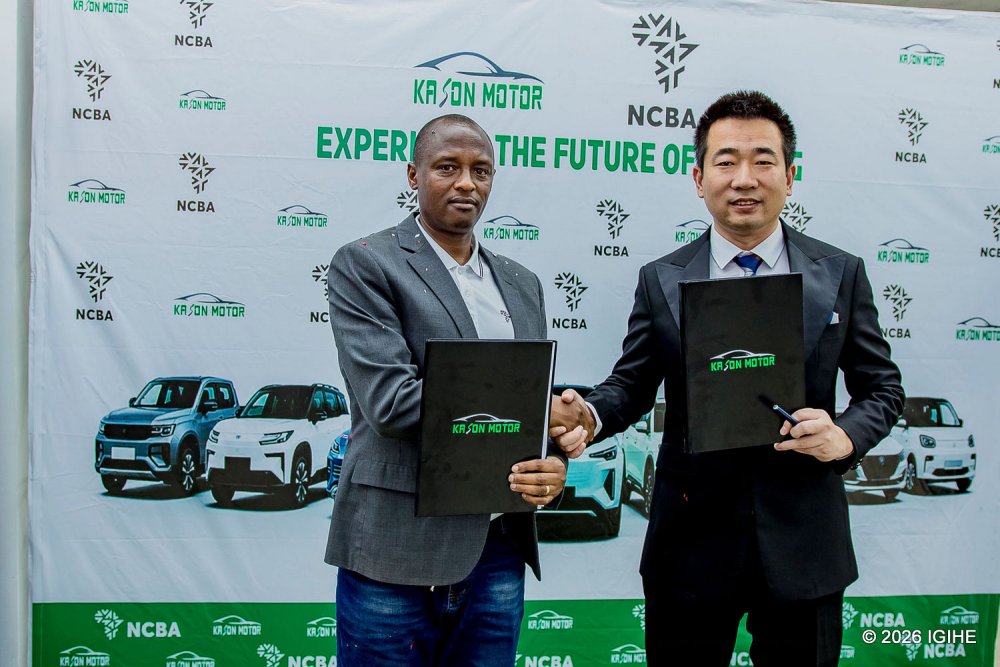
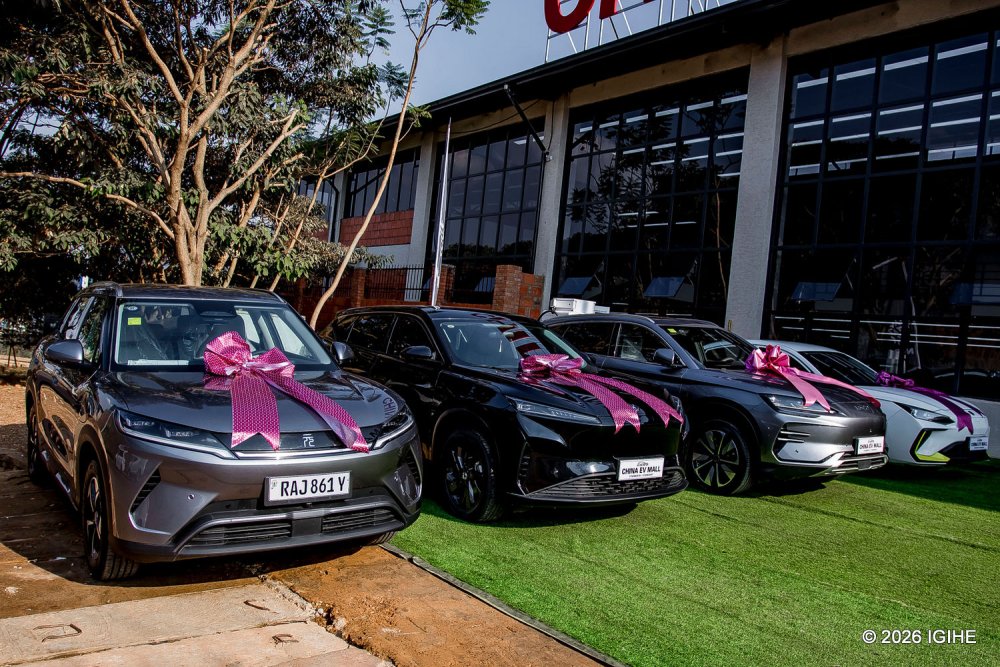
The partnership agreement, signed on July 17, 2026, is designed to make EV ownership more accessible to individuals, businesses, transport operators, taxi drivers, bus operators and truck owners by offering affordable financing packages.
Speaking after the signing ceremony, NCBA Bank Rwanda’s Head of Retail Banking and Branch Network, Sam Gatari, said the partnership reflects the bank’s commitment to supporting green mobility while enabling more Rwandans to own electric vehicles.
“This partnership goes beyond business because our goal is to help people achieve their dreams, whether they need a vehicle for family use, work or business. By choosing electric vehicles, they are also contributing to reducing carbon emissions and protecting the environment,” he said.
Gatari noted that NCBA Rwanda continues to develop innovative financing solutions that make it easier for individuals, companies and transport service providers to switch to electric mobility.
Kason Motors Chief Executive Officer Daniel Wang Bing welcomed the partnership, describing it as an important step toward accelerating the adoption of sustainable transportation in Rwanda.
He said electric vehicles not only help reduce carbon emissions but also lower operating costs compared to conventional petrol and diesel-powered vehicles.
“Electric vehicles do not only help reduce carbon emissions, but they also lower daily transportation expenses, allowing people to manage their resources more efficiently,” Wang said.
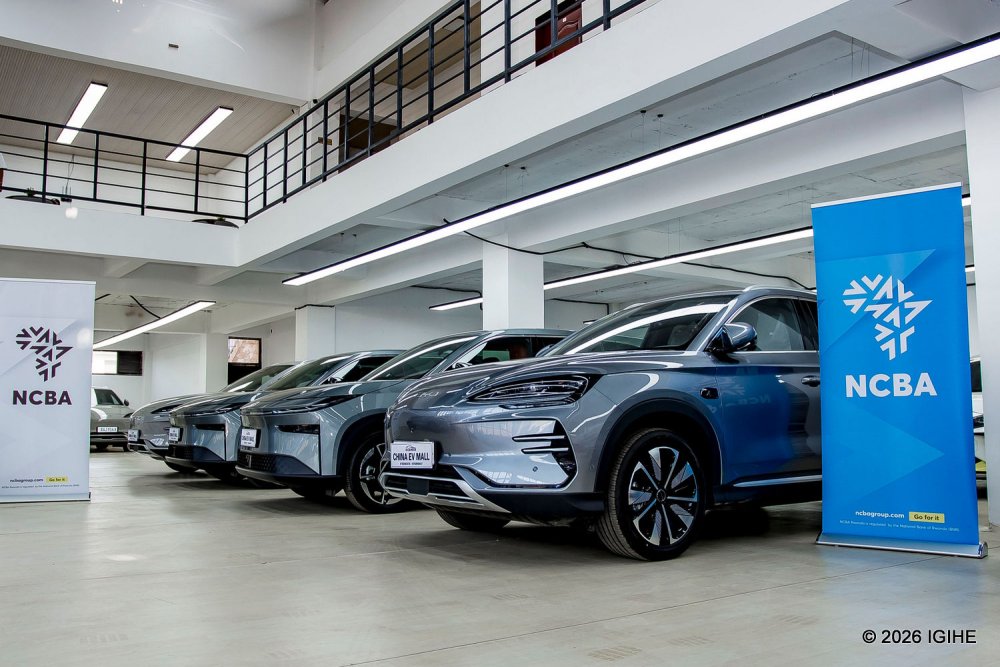
Under the partnership, customers purchasing electric vehicles through NCBA Rwanda’s financing programme will benefit from end-to-end support, including vehicle acquisition, maintenance and repair services provided by Kason Motors through its modern service facilities and trained technicians.
The financed vehicles will also be insured by MUA Insurance, providing customers with added financial protection and peace of mind.
The agreement builds on NCBA Rwanda’s broader efforts to support the country’s growing electric mobility ecosystem. The bank has previously partnered with Longtai Group, another electric vehicle dealer, to finance EV purchases.
Through that collaboration, NCBA Rwanda has already helped more than 100 customers acquire electric vehicles, contributing to Rwanda’s ambition of accelerating the adoption of low-emission transport.
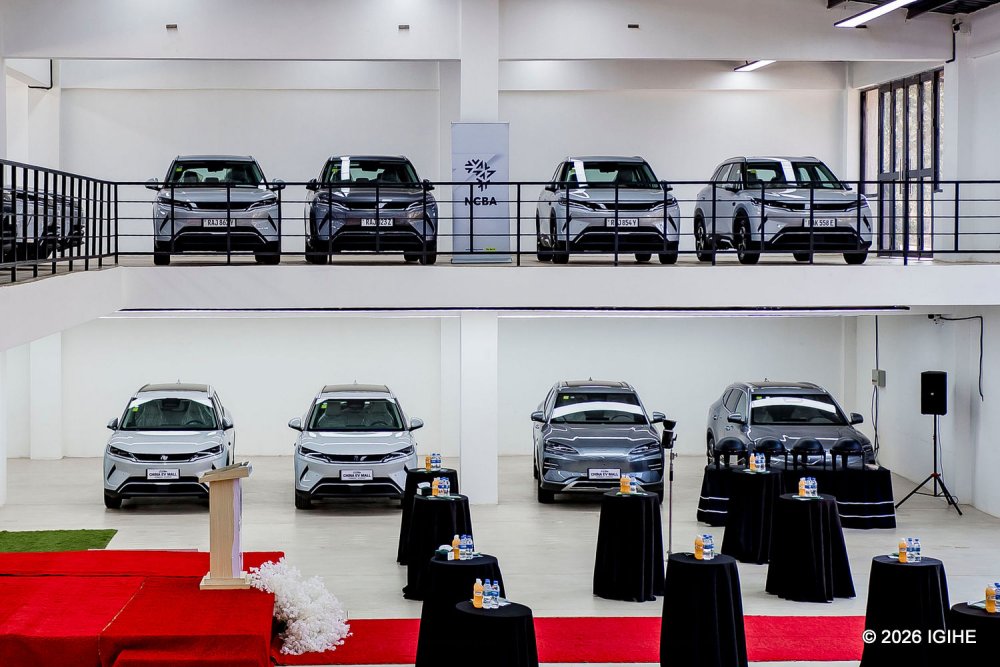
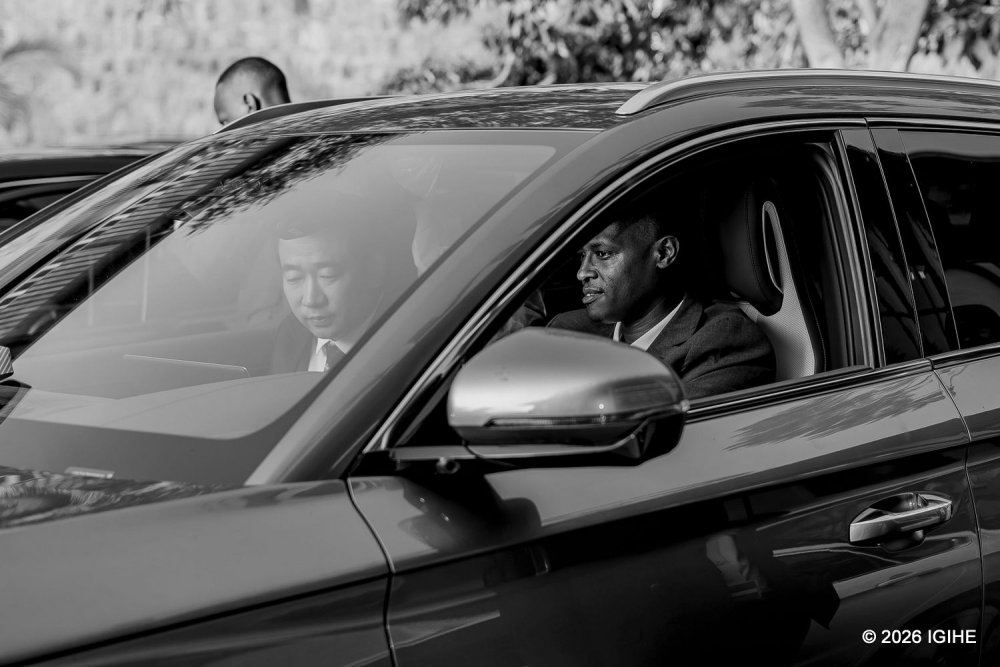
NCBA Rwanda has helped more than 100 Rwandans own electric vehicles.Kason Motors exclusively sells electric vehicles.NCBA Rwanda and Kason Motors have partnered to make environmentally friendly vehicles more accessible to Rwandans.The partnership agreement was signed on July 17, 2026.Kason Motors sells different types of electric vehicles.NCBA Bank Rwanda’s Head of Retail Banking and Branch Network, Sam Gatari, inspecting an electric vehicle.Kason Motors Chief Executive Officer Daniel Wang Bing welcomed the partnership, describing it as an important step toward accelerating the adoption of sustainable transportation in Rwanda.
Kason Motors Chief Executive Officer Daniel Wang Bing said electric vehicles not only help reduce carbon emissions but also lower operating costs compared to conventional petrol and diesel-powered vehicles.NCBA Bank Rwanda’s Head of Retail Banking and Branch Network, Sam Gatari, said the partnership reflects the bank’s commitment to supporting green mobility while enabling more Rwandans to own electric vehicles.
Gates began his engagements by visiting a syringe manufacturing plant in Rwamagana District, one of the facilities supporting efforts to increase Africa’s capacity to produce essential medical supplies locally.
During his visit, IGIHE has learnt, Gates is also expected to tour Mwulire Health Centre and meet with a community health worker to gain insights into how Rwanda’s healthcare system delivers services from the grassroots level.
The visit is a personal one for Gates, who has kept a relatively low-profile approach during his engagements. People who have interacted with him described him as approachable despite his global influence.
His schedule includes meetings with different stakeholders, including an engagement at a hotel in Rwamagana.
The facilities and initiatives he is visiting are among areas supported by the Gates Foundation, where he serves as Co-Chair.
The TKMD syringe manufacturing plant, located in Mwulire Industrial Park, Rwamagana, was inaugurated in April 2025. It started operations with the capacity to produce between 600,000 and one million syringes daily.
The factory employs 110 people, with women accounting for about 80 percent of its workforce. Before being distributed, the syringes undergo quality checks to ensure they meet international standards.
The first batch produced by the plant was purchased by UNICEF and supplied to countries including Ethiopia, Burundi, the Democratic Republic of Congo and Mozambique.
According to CNBC Africa, TKMD has produced more than 22 million syringes since 2024 and secured a UNICEF contract to manufacture an additional 150 million units. Local production is expected to reduce delivery times to countries across East, Central and Southern Africa by up to 90 percent.
Gates has previously highlighted the importance of strengthening local manufacturing capacity, particularly after the COVID-19 pandemic exposed vulnerabilities in global supply chains for vaccines, medicines and other essential health products.
He said African countries’ difficulties in accessing critical medical supplies during the pandemic showed the risks of relying heavily on distant manufacturers.
Ahead of his visit, Gates told CNBC Africa that Rwanda’s progress has been driven by long-term investments in people, strong institutions and effective delivery of services rather than a single innovation.
He pointed to major improvements in health outcomes since 2000, where the number of Rwandan children dying before the age of five has declined by 80 percent, while deaths among women from complications related to pregnancy and childbirth have fallen by 85 percent.
According to Gates, these gains have been supported by investments in primary healthcare, community health workers and institutions such as the Rwanda Biomedical Center.
The visit comes months after Rwanda was selected as the first beneficiary of Horizon1000, a $50 million (about Rwf 72 billion) artificial intelligence health initiative launched by the Gates Foundation and OpenAI to support African countries in using AI to strengthen healthcare delivery.
The initiative, announced in January 2026, aims to help deploy AI tools across 1,000 primary healthcare clinics and surrounding communities by 2028, with a focus on improving access to quality care and supporting healthcare workers.
Rwanda was selected partly because of its investments in digital health and innovation, including the establishment of an AI health hub and the launch of an AI-powered Health Intelligence Center.
During his interview, Gates said AI has the potential to address some of Africa’s biggest challenges, including health worker shortages and limited healthcare infrastructure.
He stressed that the technology should support, rather than replace, healthcare workers by helping them make better decisions and improve service delivery.
The American philanthropist said he was looking forward to meeting government leaders, frontline health workers, innovators, researchers and students to better understand Rwanda’s approach to using technology and partnerships to improve lives.
For more than two decades, the Gates Foundation has partnered with Rwanda and other African countries to support efforts aimed at strengthening health systems and advancing development priorities.
“I’m looking forward to the conversations ahead, and to learning more from the people and institutions helping shape Africa’s future,” Gates said.
American billionaire Bill Gates is in Rwanda to learn more about the country’s progress.
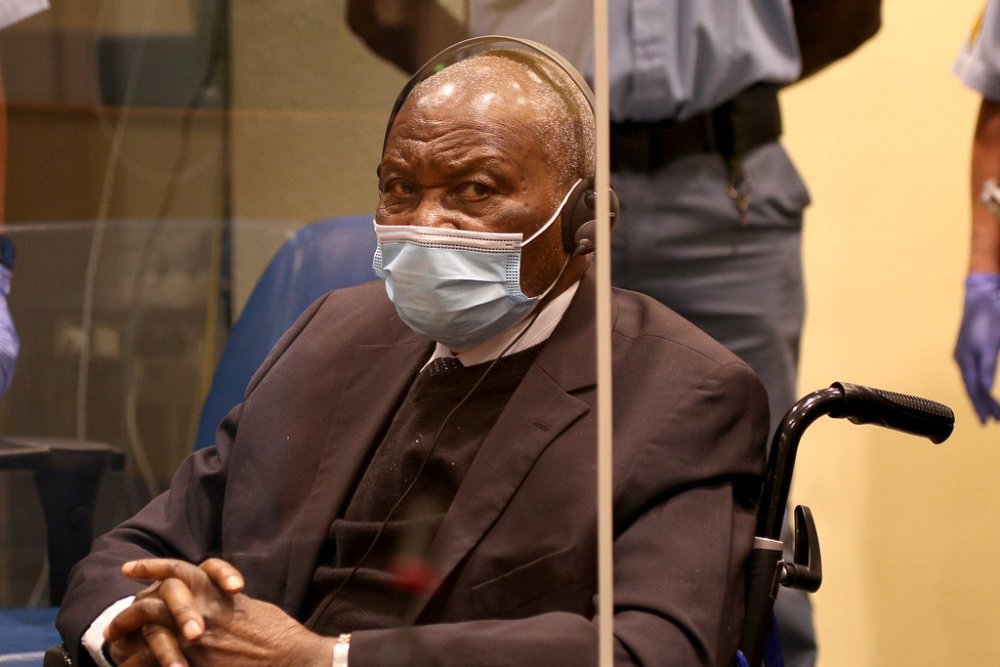
The inquiry, conducted by IRMCT Judge Alphons Orie and submitted to the Mechanism’s President, found that Kabuga received at least the same standard of healthcare available in the Netherlands, with his medical condition closely monitored and managed by medical and nursing staff throughout his detention.
Kabuga, who was indicted by the International Criminal Tribunal for Rwanda (ICTR) in 1997, was arrested in France on May 16, 2020, after more than two decades as a fugitive. He was among the individuals accused of bearing significant responsibility for the Genocide against the Tutsi and faced charges including genocide, direct and public incitement to commit genocide, conspiracy to commit genocide, and crimes against humanity.
Following his arrest, Kabuga was transferred on October 26, 2020, to the Hague branch of the IRMCT, where he remained detained while facing trial proceedings.
The inquiry report states that Kabuga’s health was closely monitored from the time of his transfer. Medical assessments identified several health conditions, including vision and hearing impairment, hypertension, type 2 diabetes, osteoporosis, and other age-related ailments. He received treatment, regular medical assessments, and support from medical specialists.
In March 2023, independent medical experts concluded that Kabuga met the clinical criteria for dementia. The report noted that his mental and physical condition gradually deteriorated, requiring increased medical attention and assistance with daily activities.
As his condition worsened, staff adjusted his care arrangements. Medical reports indicated that employees were instructed to approach him quietly and without haste, while measures were introduced to support his mobility, hygiene, communication, and general wellbeing.
Kabuga’s proceedings before the IRMCT began in September 2022. In June 2023, the Trial Chamber found that he was unfit to meaningfully participate in his trial and unlikely to regain the ability to do so. The proceedings were later stayed indefinitely in September 2023.
The inquiry states that Kabuga continued receiving medical care, including regular monitoring of his diabetes, blood pressure, kidney function, cardiovascular condition, and mental health. He was also treated by external medical specialists and was transferred to civilian hospitals on several occasions when serious medical issues arose.
In July 2024, Kabuga was transferred to a specialised section of the Judicial Centre for Somatic Care (JCvSZ), a prison hospital unit designed for elderly detainees with significant medical and nursing needs. There, he received nursing support with daily activities, including assistance with hygiene and food and fluid intake.
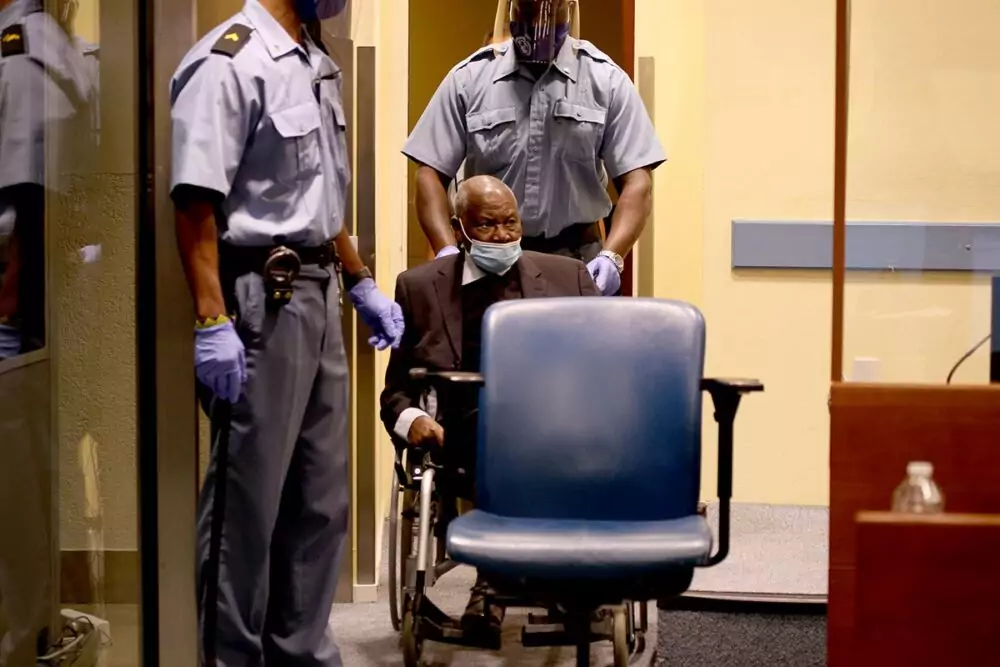
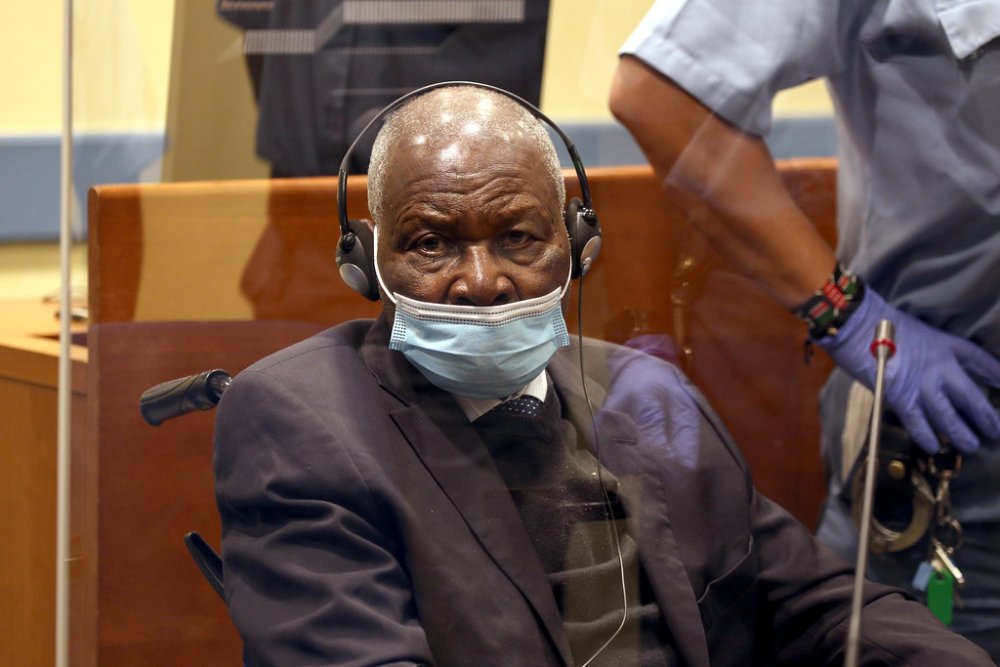
By 2025, Kabuga’s mobility had significantly declined. After several falls and a reduction in his ability to stand and walk with assistance, he was transported in a wheelchair. He was provided with a reclining wheelchair, while a large soft mat was placed beside his bed to reduce the risk of injury from falls.
The inquiry also noted that his cell contained equipment to support his care, including devices to assist with movement between his bed and wheelchair, visual aids to facilitate communication, and a private bathroom with a shower and toilet.
In September 2025, a 24-hour alarm system was activated in his cell after several falls, allowing staff to respond quickly if he required assistance. His hygiene, skincare, medication, and other medical needs continued to be monitored.
Judge Orie’s assessment concluded that the medical and nursing care provided to Kabuga was adequate and that staff at the UN Detention Unit and JCvSZ acted professionally while managing the needs of an elderly detainee with multiple health conditions.
The inquiry also noted that Kabuga’s daughter and his defence lawyer, Emmanuel Altit, did not raise concerns about the medical treatment and care he received while in the Mechanism’s custody. His lawyer stated that Kabuga’s physical and mental health had been managed in a professional and effective manner.
Kabuga died on May 16, 2026, at the JCvSZ while in the custody of the UN Detention Unit. A forensic physician concluded that he died of natural causes, likely cardiac or intracranial, with no indication of unnatural causes.
Twelve days after his death, his remains were transferred from the Netherlands at the instruction of his family, and buried in Waterloo, Belgium.
Kabuga Félicien should was provided with equipment to help him move to and from his bed more easily.Kabuga had been assigned a personal caregiver responsible for his hygiene and monitoring his health on a daily basis.On May 16, Kabuga died while still in temporary detention and was buried in Belgium in June.
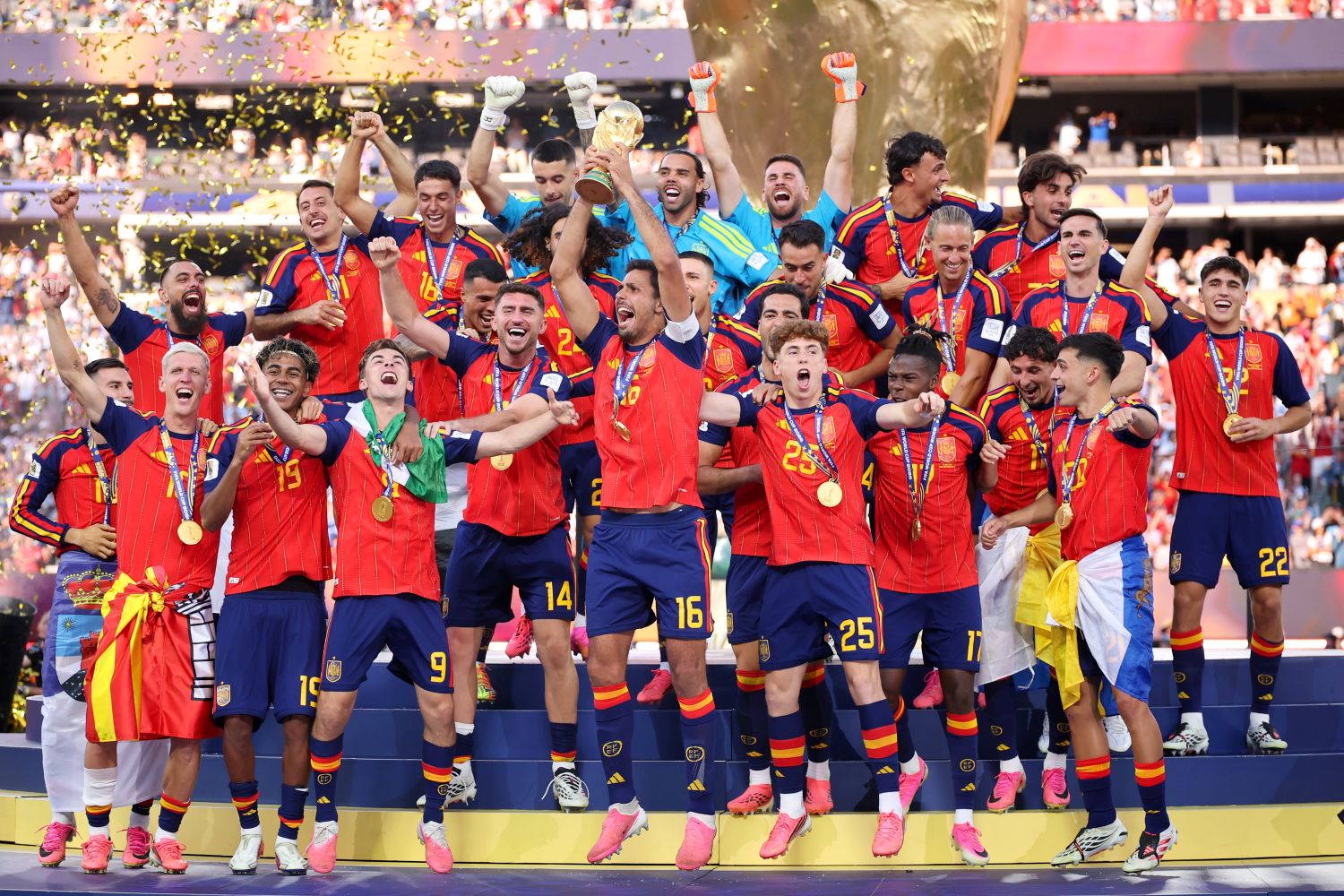
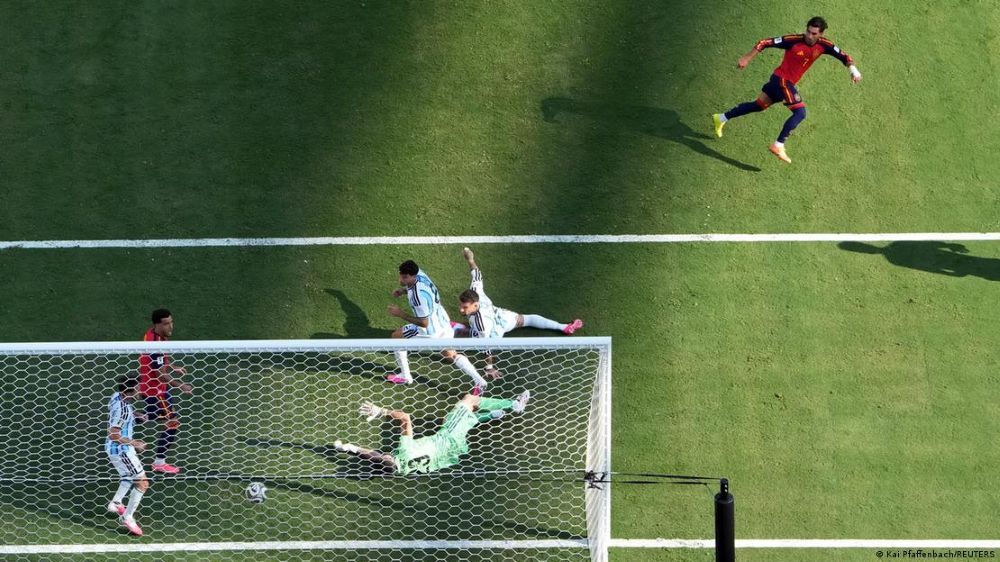
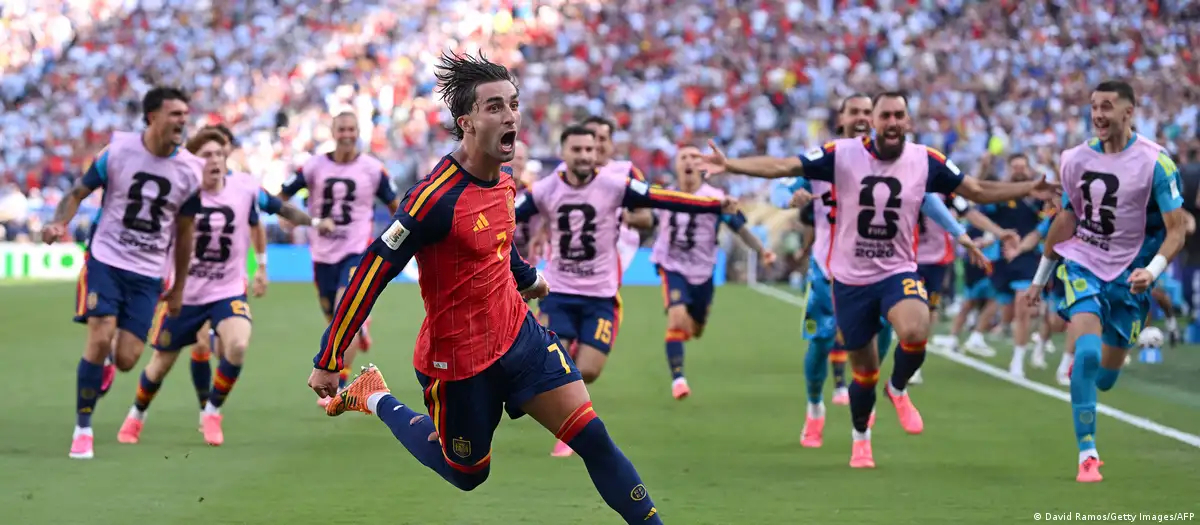
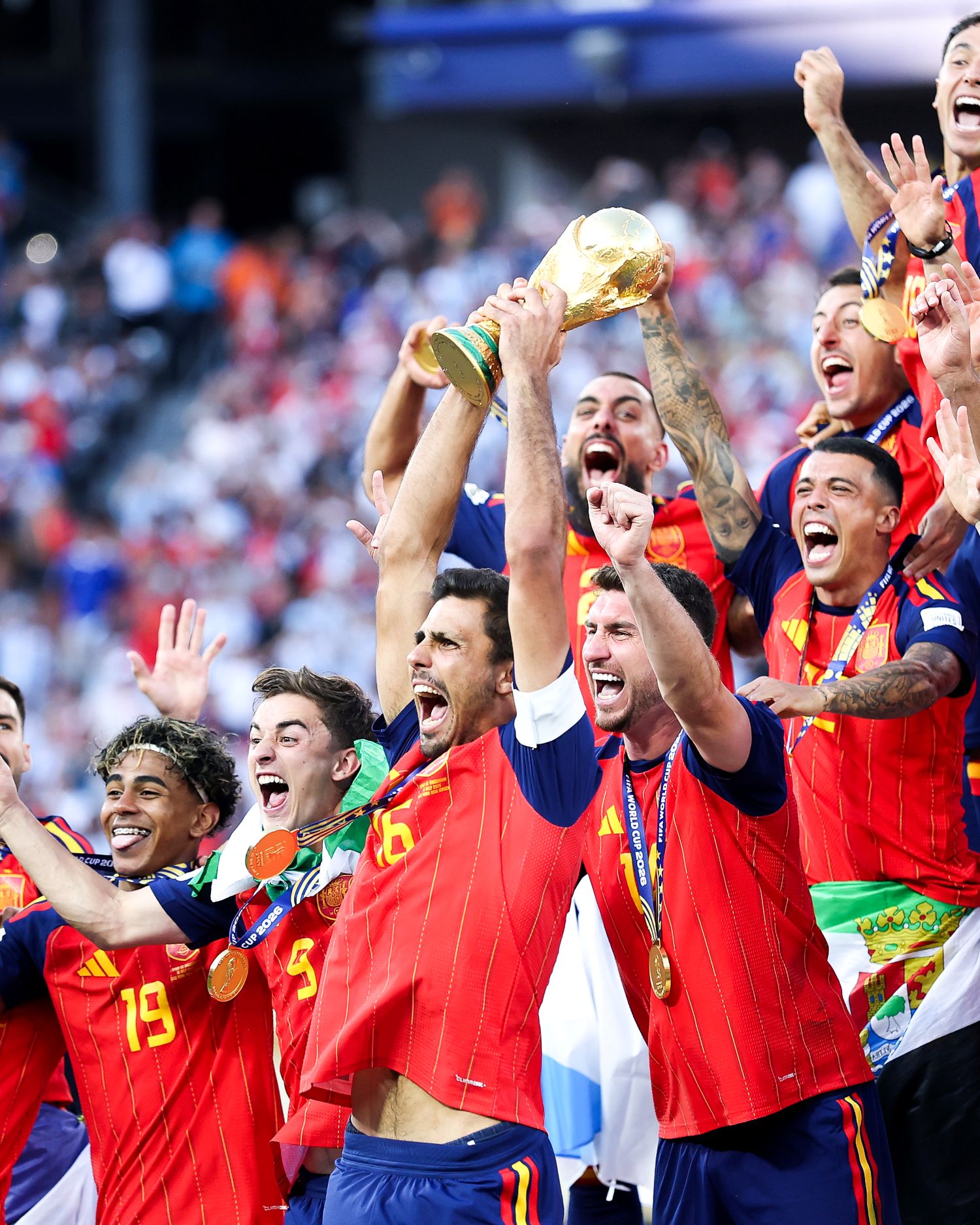
Torres, who came off the bench, produced the decisive moment in the 106th minute, pouncing on a loose ball inside the penalty area before firing a left-footed shot beneath the crossbar to hand Spain their second World Cup crown, 16 years after their maiden triumph in South Africa in 2010.
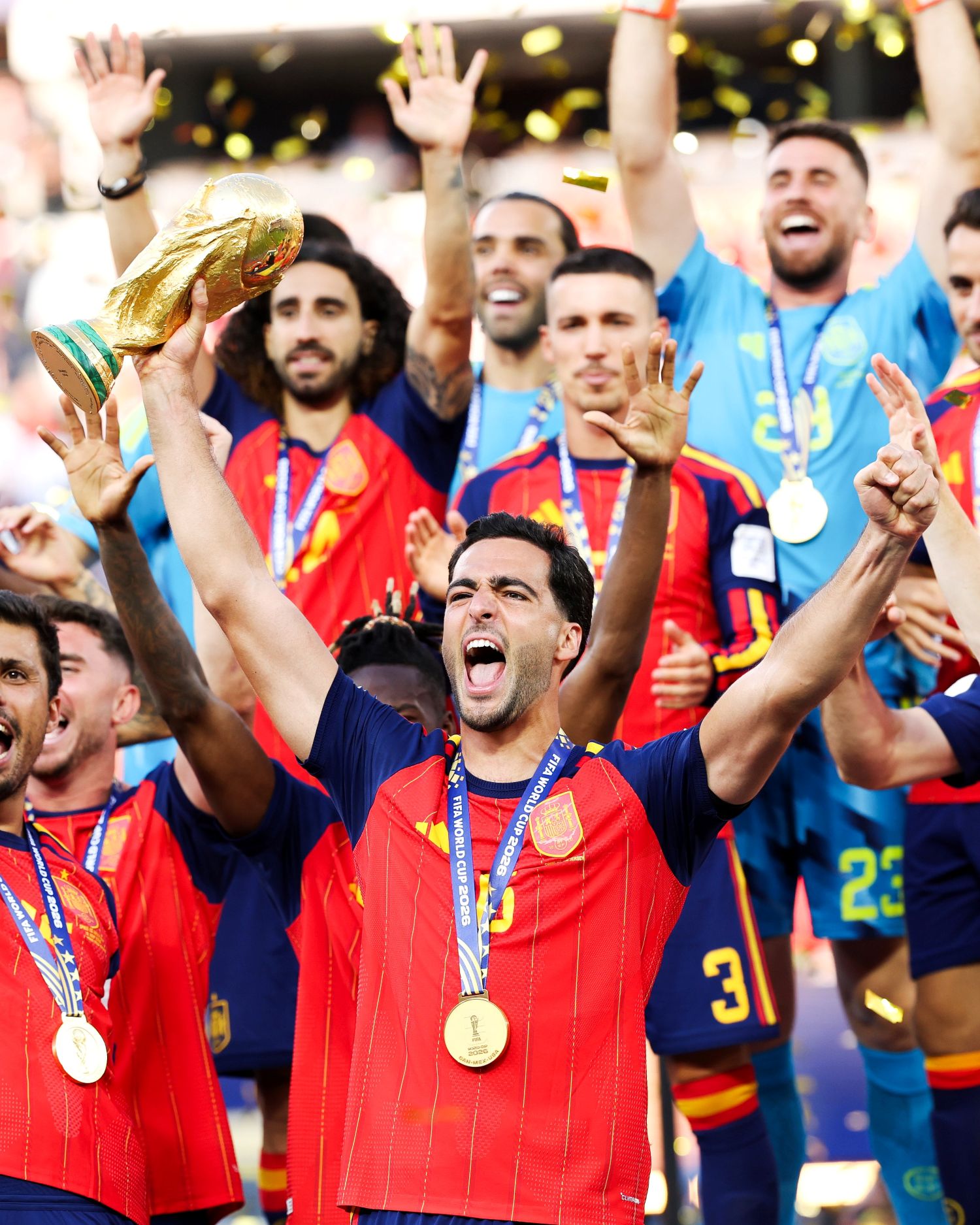
The victory crowned a dominant campaign for Luis de la Fuente’s side, which conceded just one goal in eight matches, setting a World Cup record for the fewest goals allowed by a champion. Spain also became the first nation to simultaneously hold both the men’s and women’s FIFA World Cup titles following the women’s triumph in 2023.
Despite the narrow scoreline, Spain controlled the final from start to finish.
The European champions monopolised possession, registered the game’s opening 20 shots and forced Argentina goalkeeper Emiliano Martínez into a series of outstanding saves to keep his side in the contest. Argentina failed to register a shot until the second half of extra time as Lionel Scaloni’s men struggled to threaten Spain’s organised defence.
Martínez’s heroics repeatedly frustrated Spain, but there was little he could do when Torres reacted quickest to a bouncing ball inside the area to finally break the deadlock.
“It was a goal scored by 47 million people,” Torres said after the match, referring to Spain’s population.
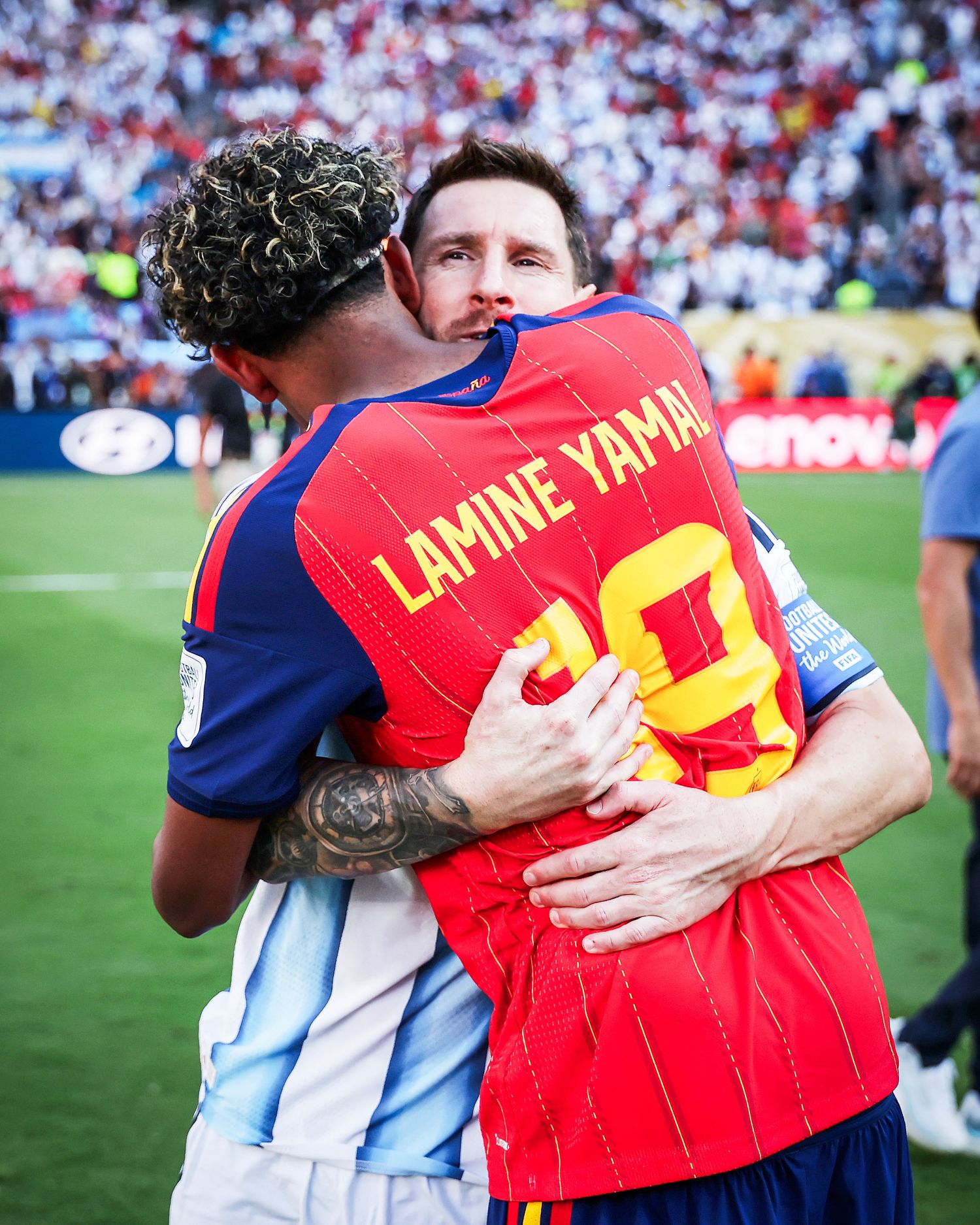
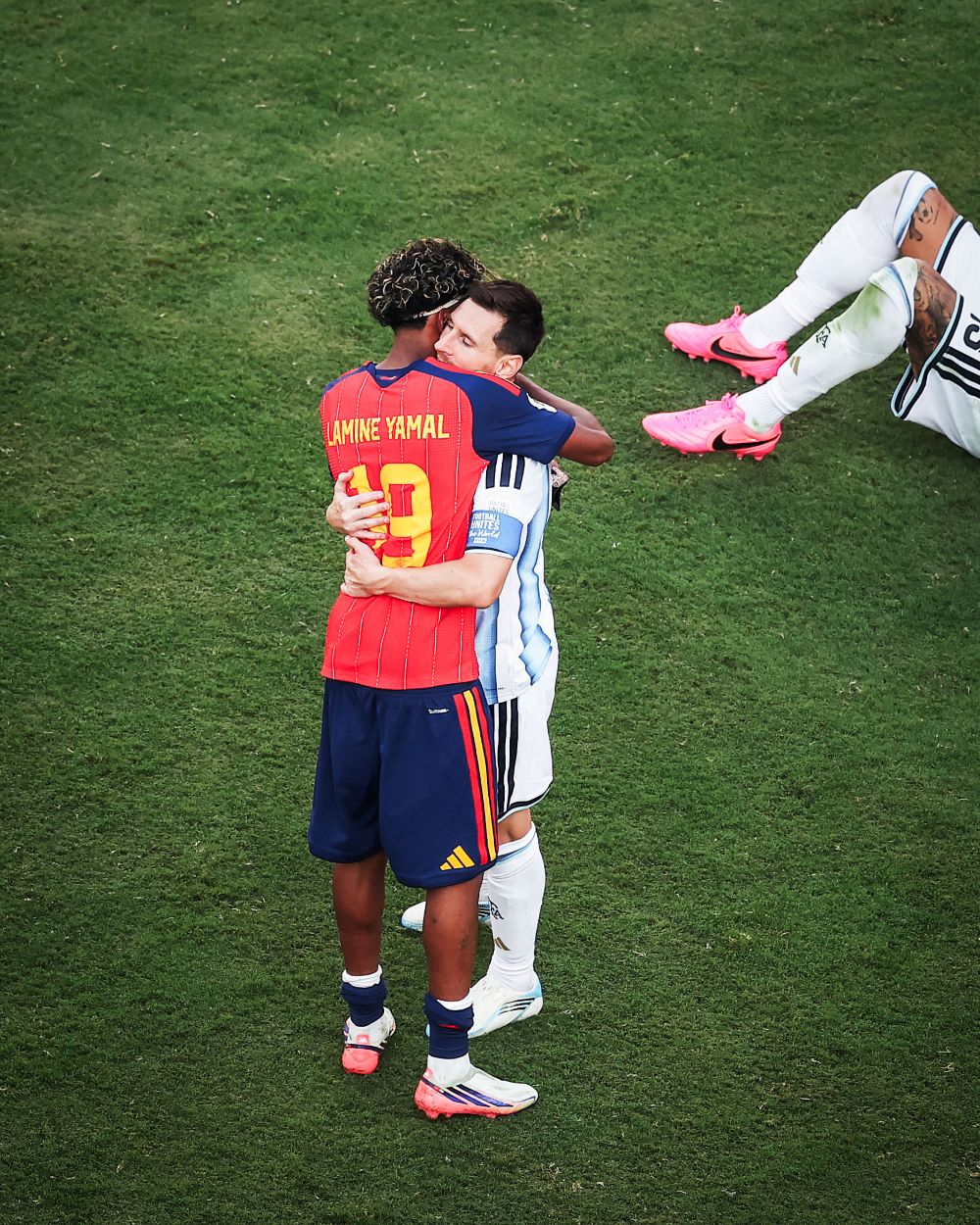
For Messi, the defeat marked a painful conclusion to what could be his World Cup career.
The 39-year-old, who guided Argentina to the 2022 title, was left in tears after receiving his runners-up medal.
Argentina’s hopes were further dented in stoppage time of the second half when midfielder Enzo Fernández received a second yellow card for a reckless challenge, forcing the defending champions to play the remainder of the contest with 10 men.
Spain’s victory also saw head coach Luis de la Fuente, aged 65, become the oldest coach to win the FIFA World Cup.
“We are world champions,” de la Fuente said. “It was together we reached this stage.”
The final concluded the first-ever 48-team FIFA World Cup, hosted across the United States, Canada and Mexico. The expanded tournament produced more than 300 goals, although Spain’s disciplined defensive displays ensured they conceded just once on their way to lifting football’s biggest prize.
Individual honours also reflected Spain’s impressive tournament. Midfielder Rodri won the Golden Ball as the competition’s best player, while goalkeeper Unai Simón claimed the Golden Glove. France’s Kylian Mbappé finished as the Golden Boot winner with 10 goals, and Spain defender Pau Cubarsí received the Best Young Player award.
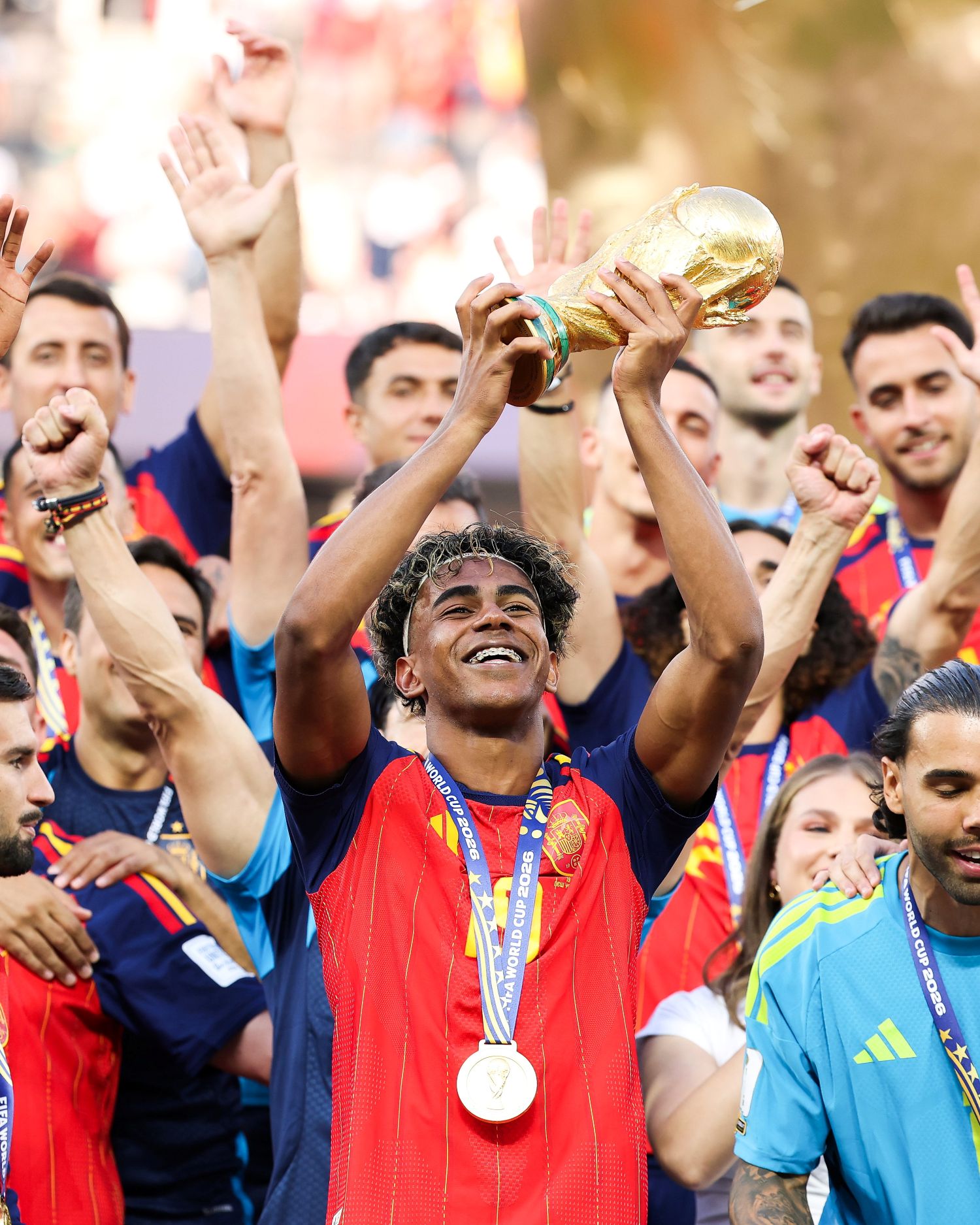
Ferran Torres, on as a substitute, scored the winner for Spain.Ferran Torres celebrates after scoring the winner for Spain.The victory crowned a dominant campaign for Luis de la Fuente’s side, which conceded just one goal in eight matches.Spain denied Lionel Messi a second consecutive title in what is widely expected to be his final appearance at the tournament.Lamine Yamal consoles Leo Messi after Spain beat Argentina in the World Cup final.
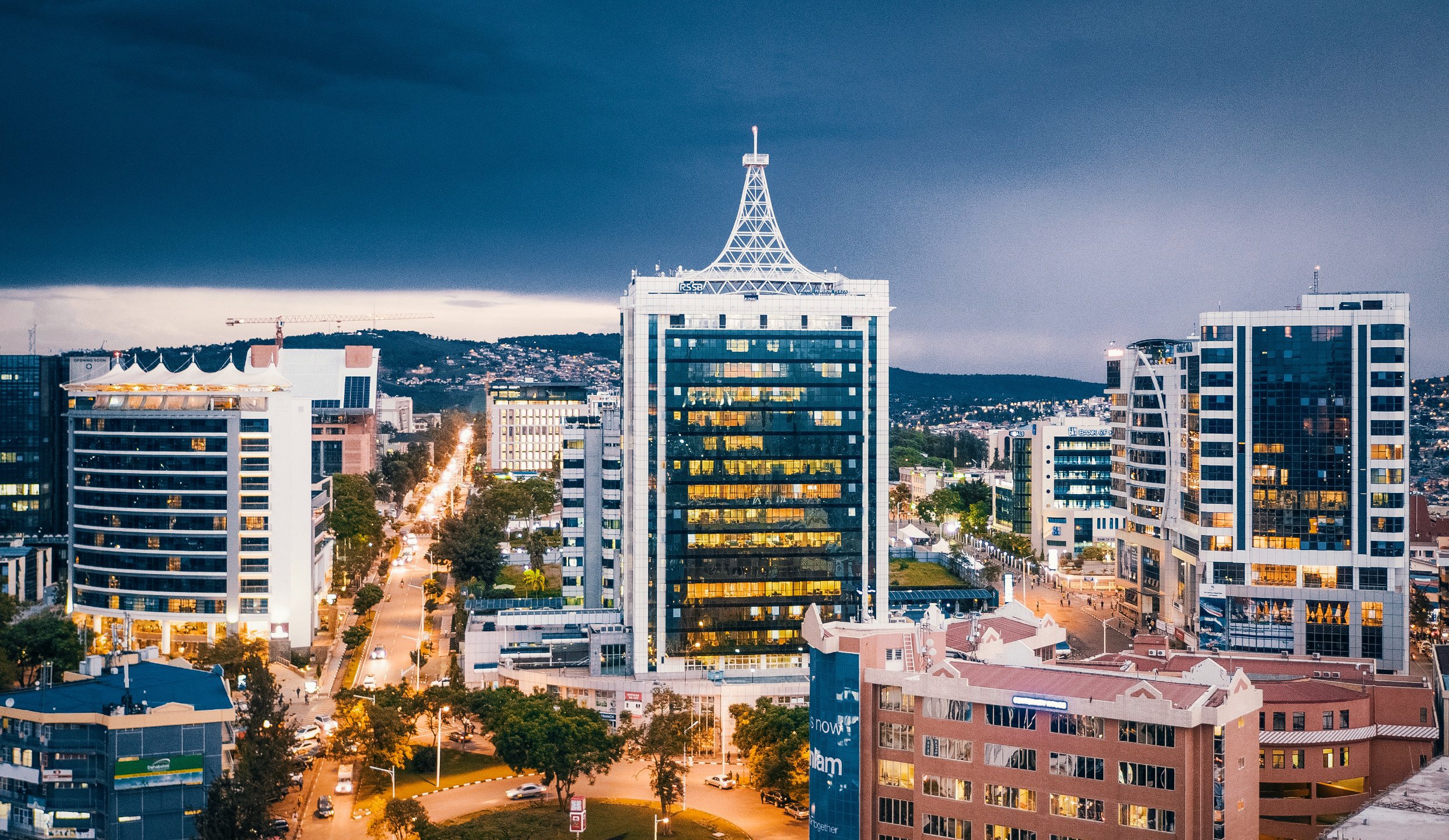
Yet, within the global Meetings, Incentives, Conferences, and Exhibitions (MICE) landscape, a persistent glass ceiling exists for regional standouts. Dominating continental rankings is one thing; competing directly with global heavyweights like Tokyo, Berlin, Dubai, and Copenhagen for rotating world congresses is another entirely.
Kigali’s admission as the 14th member of the BestCities Global Alliance, and the very first from East Africa this month, fundamentally changes that dynamic. The milestone represents less of a celebratory badge and more of a structural leap forward for Rwanda’s long-term tourism and macroeconomic goals.
The economic backing
This structural ambition is already backed by powerful economic momentum. According to the Rwanda Development Board’s (RDB) latest reporting, the country’s MICE subsector generated $94.7 million (about Rwf 139 billion) in revenue in 2025, marking an 11.8% increase from the $84.8 million recorded the previous year.
Driven by the country’s welcoming visa-on-arrival policy and top-tier venue infrastructure, Rwanda successfully hosted 165 international and regional events that drew 61,888 delegates to the capital, a 17.3% surge in delegate attendance year-on-year. These figures underscore that MICE is no longer just a luxury branding exercise for Kigali, but a primary engine driving high-value tourism receipts, which reached a record $685 million overall in 2025.
For the past six consecutive years, Kigali has securely held its ground as Africa’s second-ranked destination for international association meetings.
Entering the closed-door multi-city bidding pipeline
The most immediate, practical advantage of joining BestCities is access to a collaborative bidding ecosystem. Large international associations rarely return to the same continent, let alone the same city, in consecutive years. Instead, their mega-conventions rotate systematically across global regions.
Historically, the Rwanda Convention Bureau (RCB) had to track, pitch, and bid for these global events in isolation. Inside the alliance, Kigali joins a unified peer-to-peer network.
When a global association rotates its conference out of a member city like Dublin or Houston, those bureaus actively share data, client preferences, and operational specifications with fellow alliance members like Kigali.
This multi-city referral system gives Rwanda an inside track on long-term event pipelines years before a formal request for proposals (RFP) is ever made public.
Validation by association decision-makers
For major international medical, scientific, and technical associations, choosing an event destination requires confidence in a city’s ability to deliver world-class experiences. Meeting planners seek strong assurances around venue technology, safety, local vendor expertise, and data security.
By meeting the alliance’s rigorous entry criteria, Kigali has demonstrated that its conference ecosystem aligns with globally recognised standards. BestCities membership reinforces the city’s position alongside leading destinations such as Copenhagen and Vancouver, giving international planners added confidence in Kigali’s capacity to host high-level events.
Acceleration of the national knowledge economy
Rwanda’s MICE strategy has always aimed for an impact deeper than just boosting hospitality revenue or hotel occupancy rates. The ultimate goal is to anchor international events to priority sectors of the domestic economy, such as health, fintech, climate finance, and agriculture.
BestCities heavily champions the “Madrid Challenge,” an industry framework focused on the “legacy and impact” of business events. Membership means Kigali will work alongside global peers to ensure that major incoming events, like the ICCA Congress in 2027 and the World Nephrology Congress in 2029, leave a permanent footprint on the ground.
This structural focus ensures that international delegates don’t just stay within the convention center zone, but actively exchange expertise with local university faculties, domestic tech startups, and regional policy minds.
Upskilling the local supply chain
To maintain active status within BestCities, a destination must consistently pass stringent quality audits. This requirement creates a positive pressure cooker for Rwanda’s domestic MICE supply chain.
Over the coming years, local professional conference organizers (PCOs), catering firms, production crews, and transport providers will need to continuously align with the alliance’s benchmarked practices. The exchange of institutional expertise with the world’s most sophisticated convention bureaus will directly upskill local hospitality workers, ensuring that international service delivery remains consistent across every tier of the city’s tourism network.
As Janet Karemera, CEO of the Rwanda Convention Bureau, noted, the membership reflects Kigali’s long-term ambition to strengthen its global presence. By joining one of the MICE industry’s most exclusive networks, Rwanda has further enhanced its competitive edge.
“Through this platform, we aim to further enhance our visibility, exchange expertise, and continue elevating Kigali as a competitive destination for global business events,” she remarked.
The focus now shifts from demonstrating Kigali’s readiness for the global stage to delivering the world-class, high-impact events expected of a destination among the world’s leading business event cities.
Rwanda’s MICE subsector generated $94.7 million (about Rwf 139 billion) in revenue in 2025, marking an 11.8% increase from the $84.8 million recorded the previous year.
While the World Cup trophy remains the ultimate prize, the battle for the tournament’s highest individual scoring honour has added another layer of intrigue to the showpiece event.
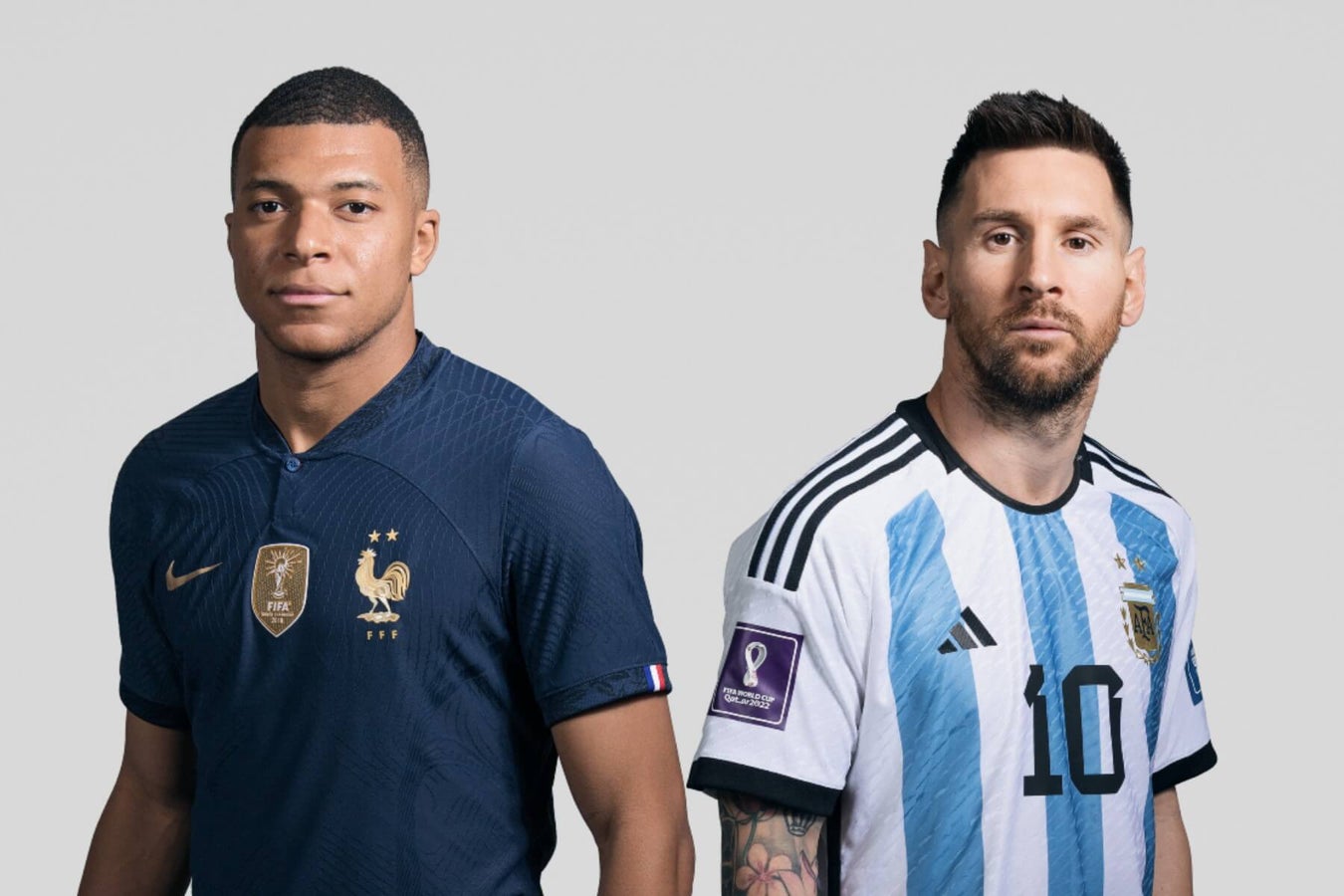
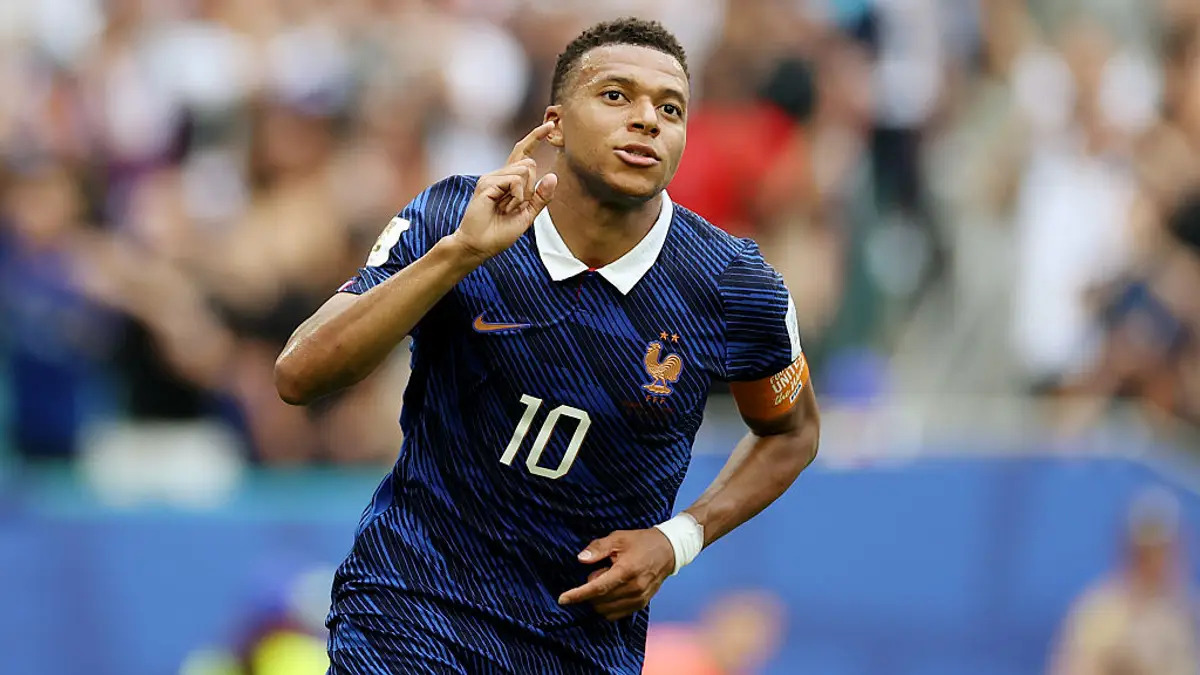
Mbappe put himself firmly in control of the race after scoring twice in France’s thrilling 6-4 defeat to England in Saturday’s third-place play-off. The brace lifted the French forward to 10 goals for the tournament, making him the clear favourite to retain the Golden Boot.
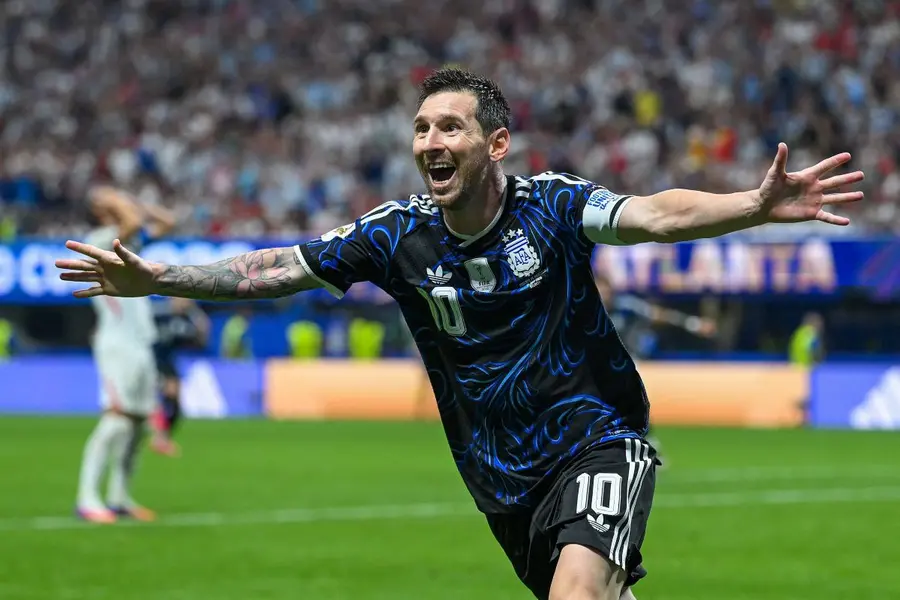
Only Messi, who has eight goals heading into the final, can still catch him.
The Argentina captain and Mbappe are level on the first tiebreaker with four assists each, but Mbappe currently holds the advantage if the goals remain close.
Under FIFA’s rules, the Golden Boot is awarded to the player with the most goals. If players finish level, the winner is determined first by assists, before minutes played serve as the final tiebreaker.
Messi has played 712 minutes compared to Mbappe’s 769, meaning he would only retain the minutes-played advantage if he does not exceed 57 minutes on the pitch in the final.
As a result, the Argentine icon will need a special performance to snatch the award from his long-time rival. He must score at least three goals, score twice before being substituted within 57 minutes, or score twice while also registering an assist to overtake Mbappe.
Should Messi fail to meet those scenarios, Mbappe will become the first player to win back-to-back World Cup Golden Boots.
The battle between the two global superstars extends beyond this tournament.
Mbappe’s brace against England lifted his World Cup career tally to 22 goals.
Mbappe’s double against England took his World Cup career tally to 22 goals, moving him one ahead of Messi in the race to become the competition’s all-time leading scorer.
His 10-goal haul is also the highest by any player at a men’s World Cup this century. The last player to reach double figures in a single edition was Germany’s Gerd Muller, who scored 10 goals at the 1970 tournament.
Only a select group of football legends have scored eight or more goals at a single World Cup, placing Mbappe alongside names such as Just Fontaine, Sandor Kocsis, Ademir, Eusebio, Guillermo Stabile and Ronaldo.
The Golden Boot standings heading into the final are led by Mbappe with 10 goals and four assists, followed by Messi with eight goals and four assists. England midfielder Jude Bellingham sits third with seven goals and one assist after scoring in the third-place play-off, edging Norway’s Erling Haaland, who also has seven goals but no assists.
France’s Ousmane Dembele and England captain Harry Kane have six goals apiece, while Spain’s Mikel Oyarzabal remains an outside contender with five goals ahead of the final.
For Messi, Sunday’s showdown with Spain offers one final opportunity to add another remarkable chapter to his illustrious World Cup career. For Mbappe, the wait begins as he watches to see whether his remarkable tournament will end with another Golden Boot.
Only Messi, who has eight goals, can still catch Mbappe.
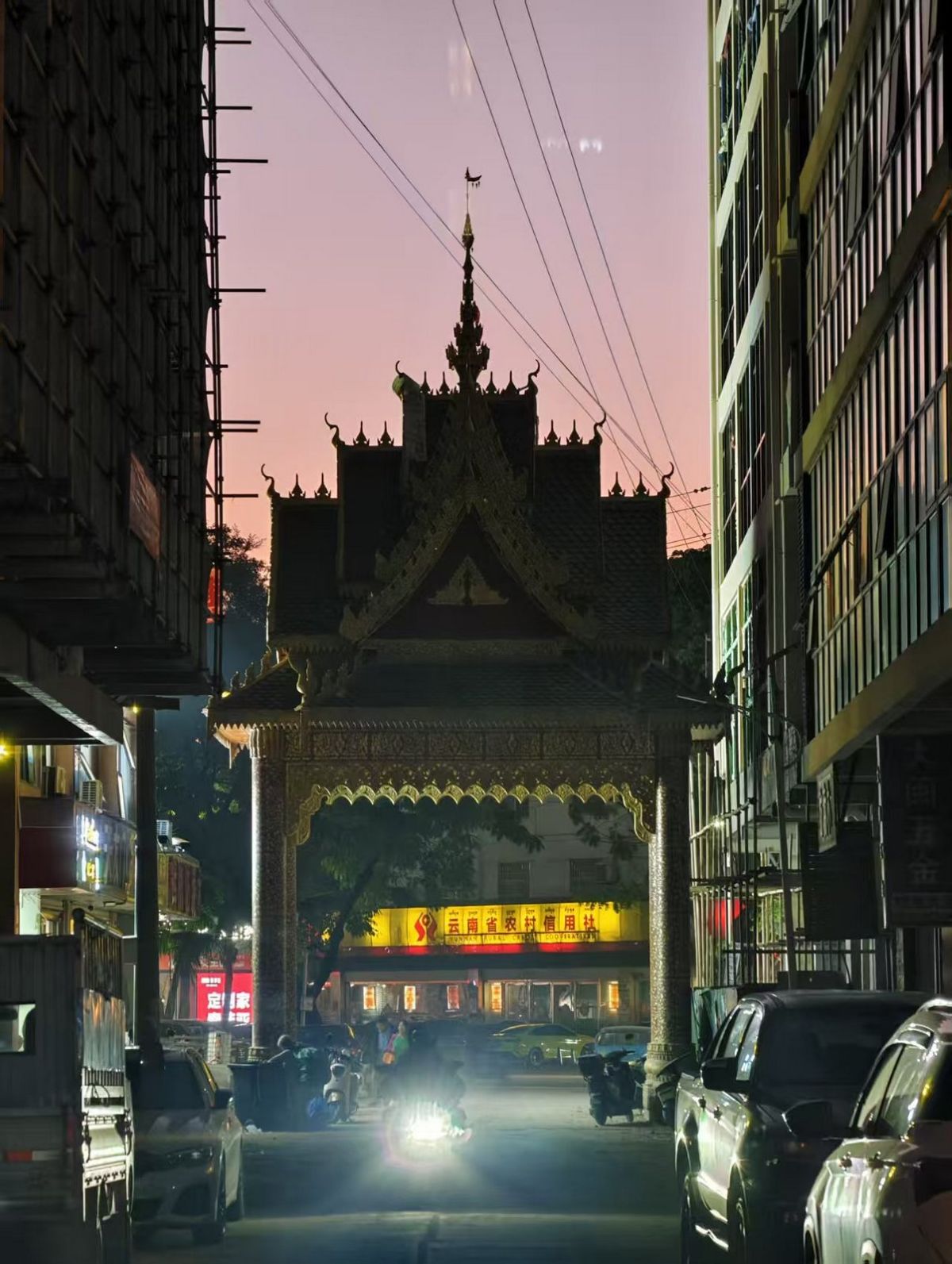
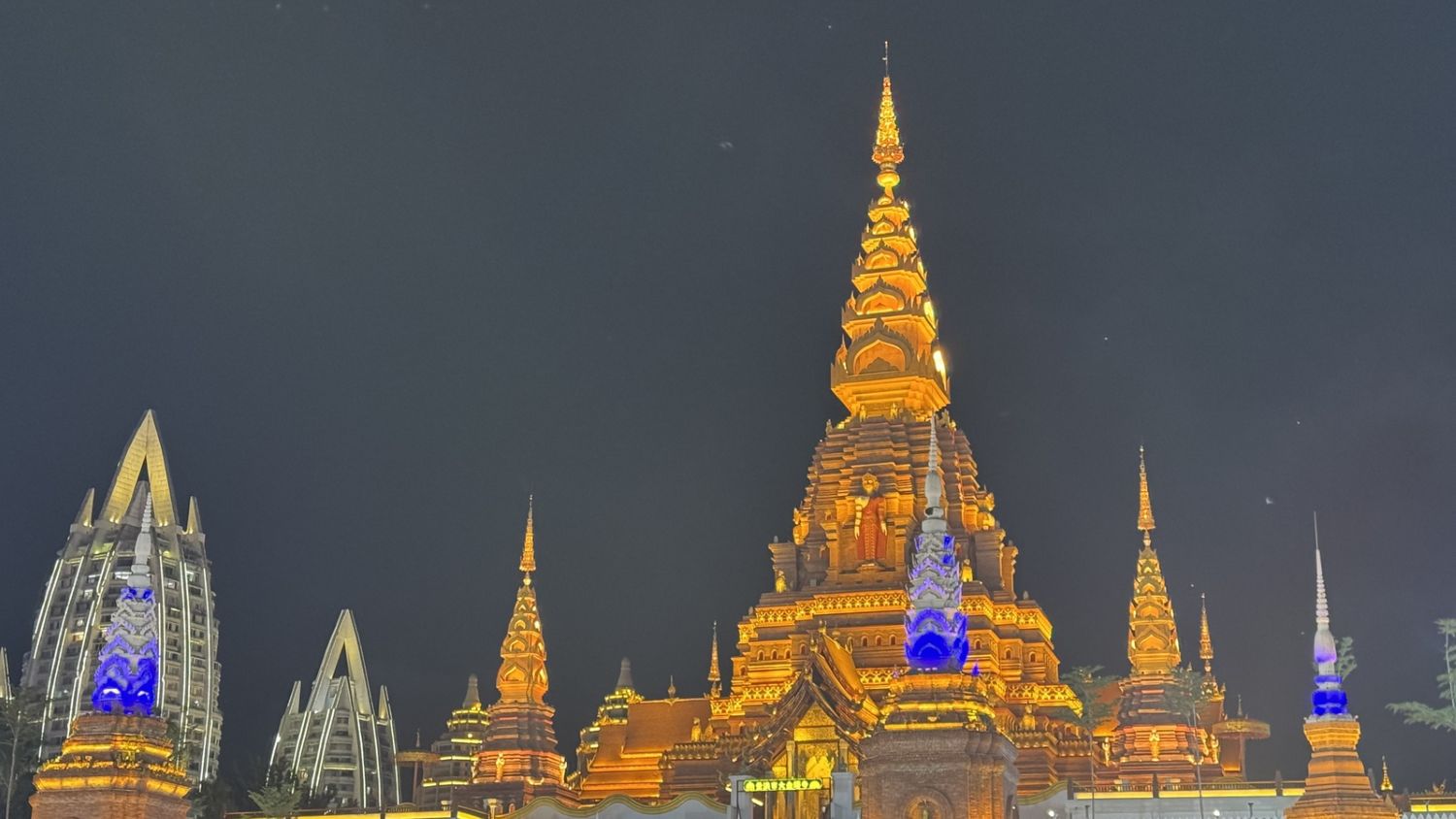
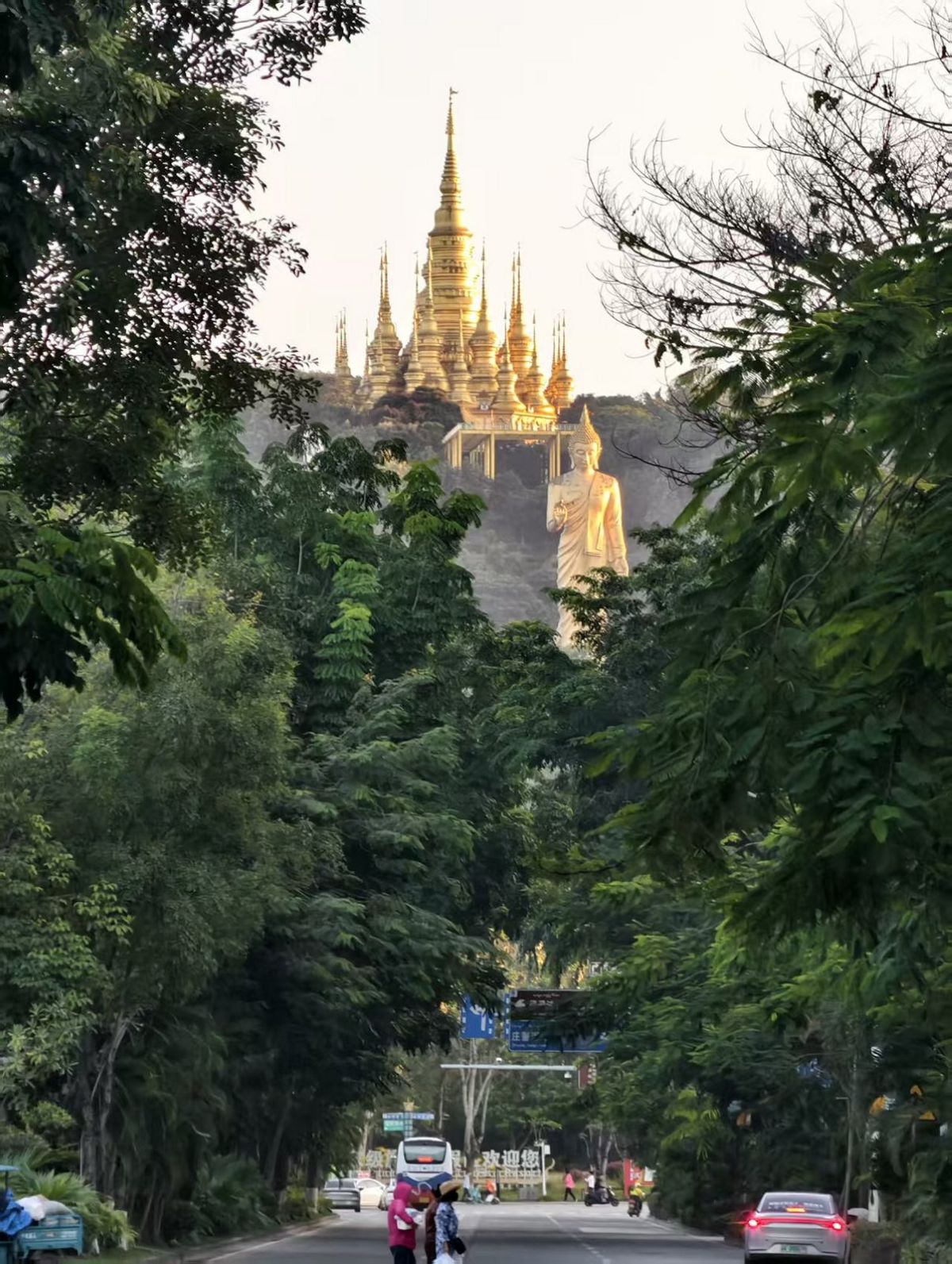
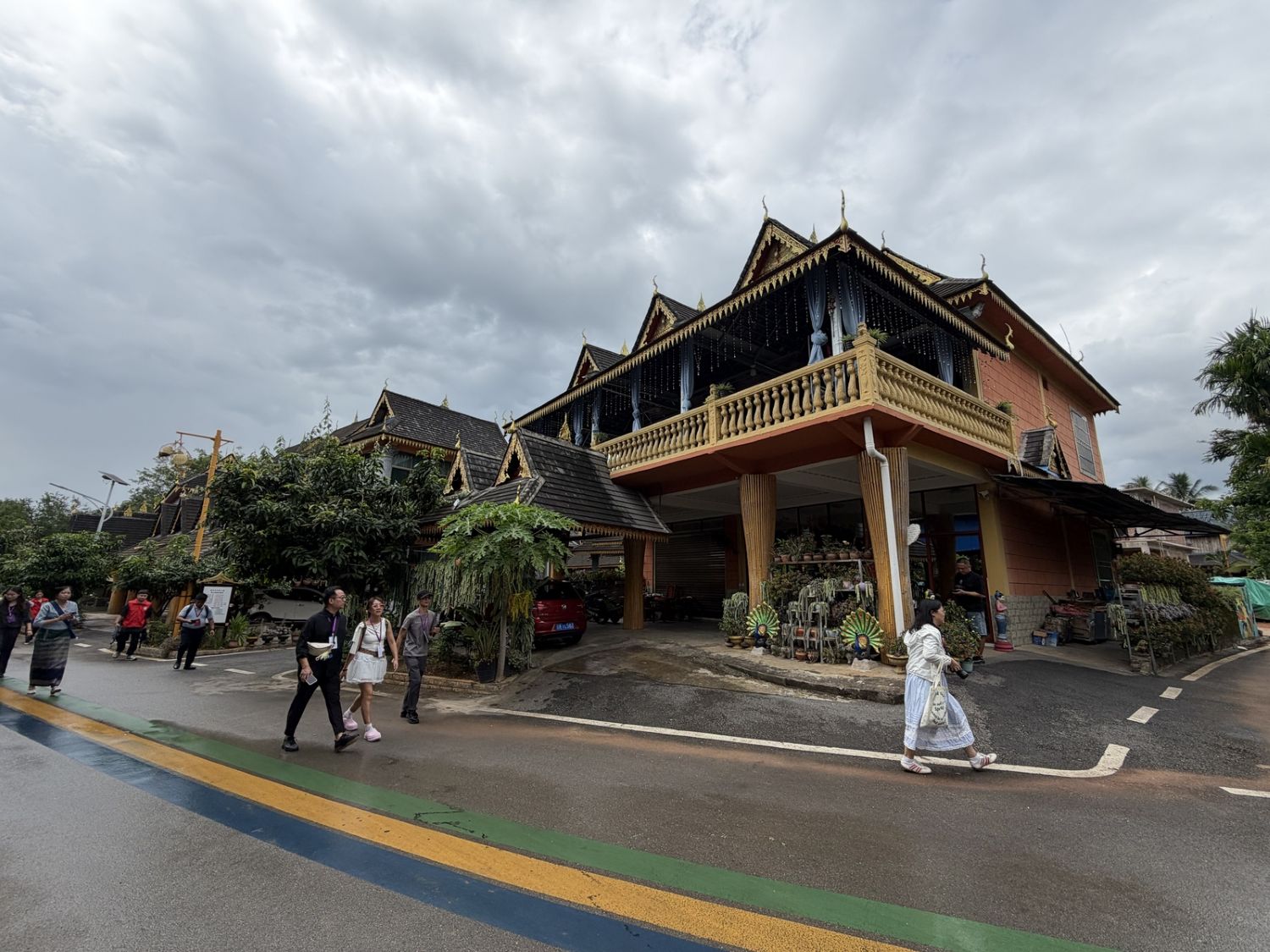
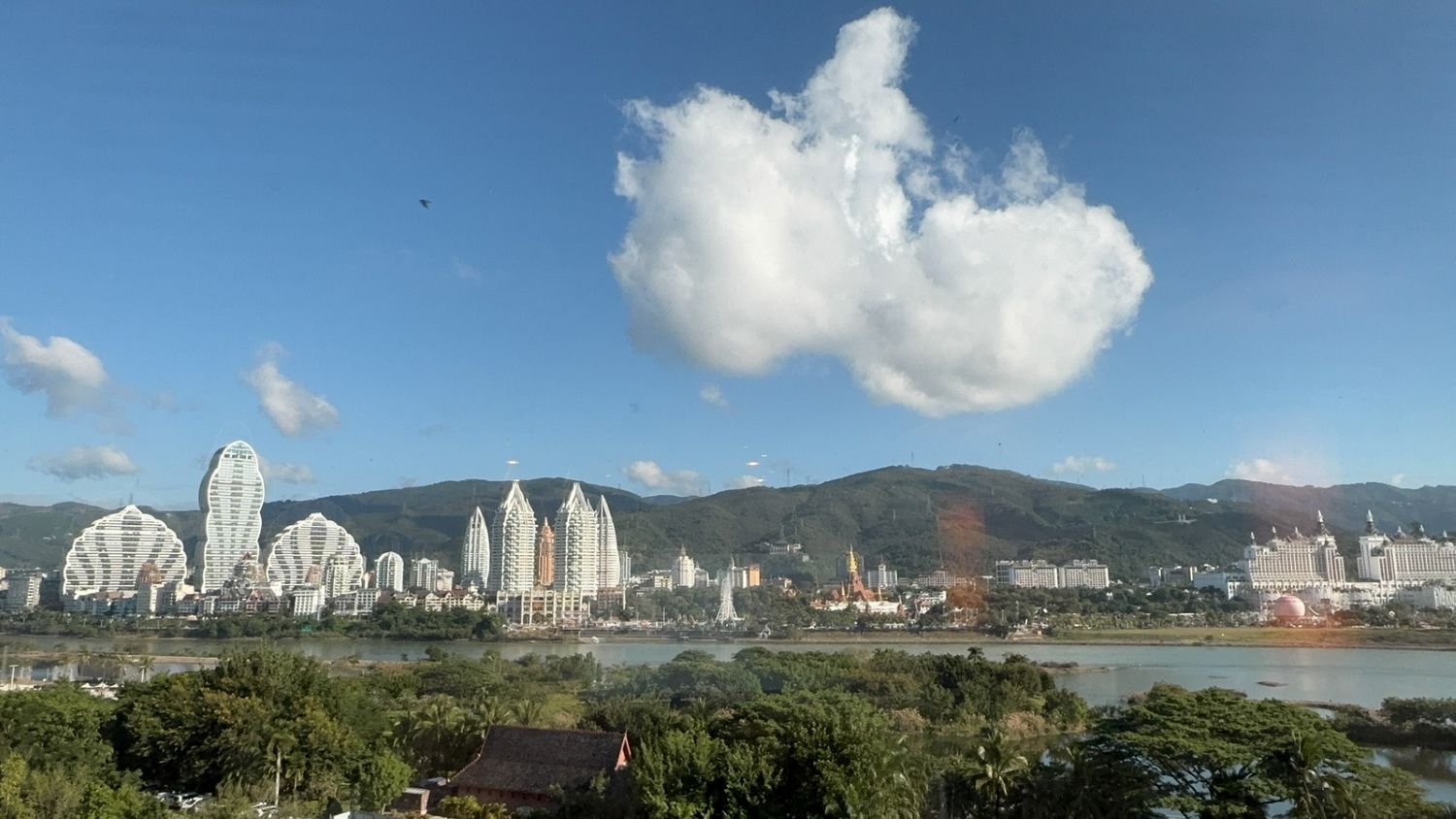
This is Xishuangbanna, a tropical oasis in southern Yunnan that is a totally different world to the rest of the country. I flew from Beijing at the start of summer, expecting the usual hot and humid weather. Instead, I found a frontier where the neon lights of modern China seamlessly merge with ancient, misty rainforests that stretch on for miles.
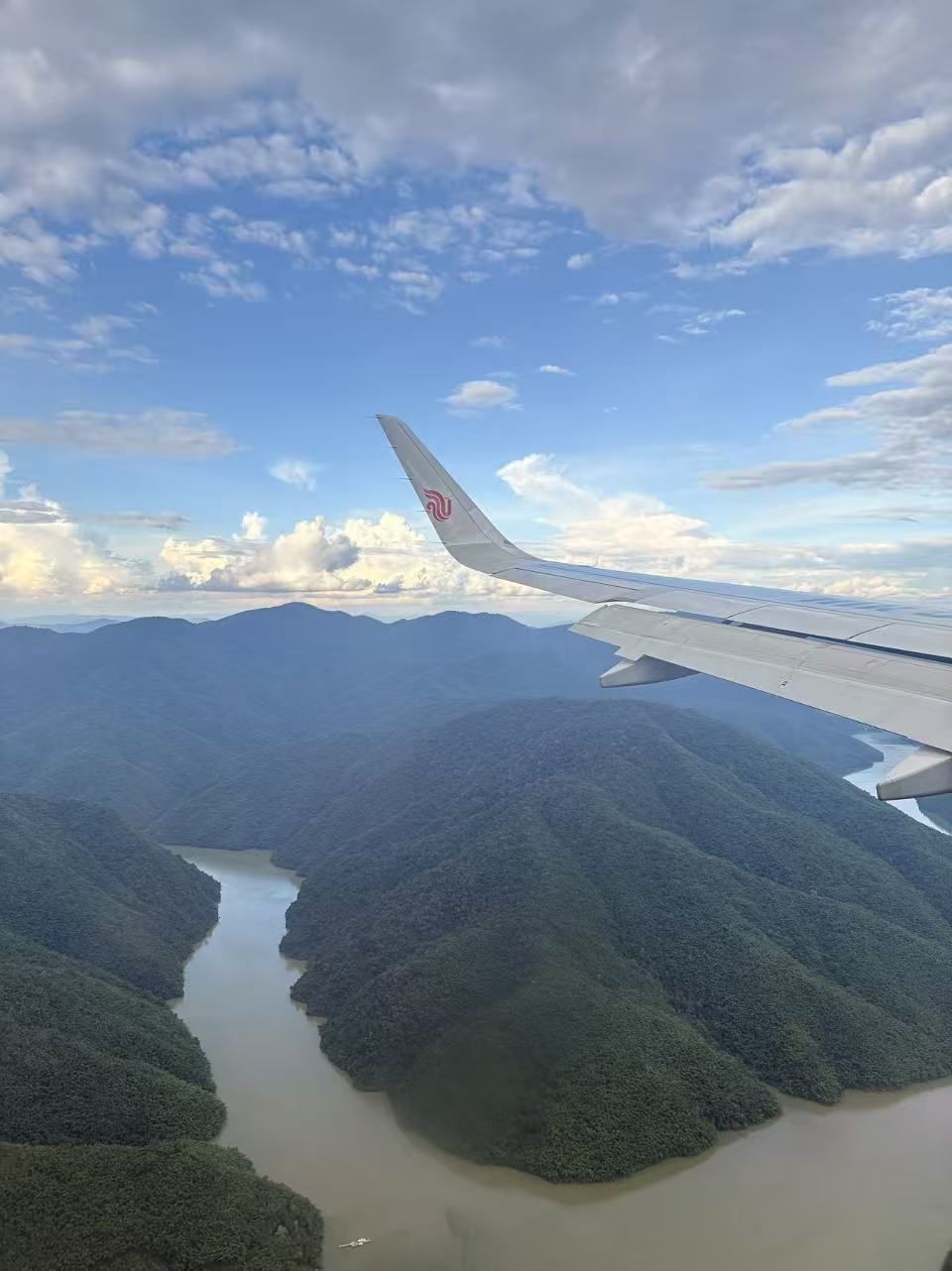
The view from the plane as it descended into the airport showed a lot of tropical-looking mountains rolling with lush green in every direction. From up high, it looked familiar, and I could have sworn we were heading back to the Virunga Mountains in Rwanda, my motherland.
Lush tropical mountains that instantly bring the Virunga Mountains of Rwanda to mind.
As I left the plane, I was relieved to find that the weather was cool and fresh – the exact opposite of the sweltering summer weather that I had left behind in Beijing.
To truly understand this borderline paradise, you have to look at the staggering geographical realities that isolate and define it. The straight-line aerial distance from Beijing to Jinghong, the capital of Xishuangbanna, is approximately 2,200 kilometers.
If you were to take the newly opened China-Laos high-speed railway, that journey stretches to roughly 2,600 kilometers from Beijing South Station, and driving via the highways pushes it past 2,700 kilometers.
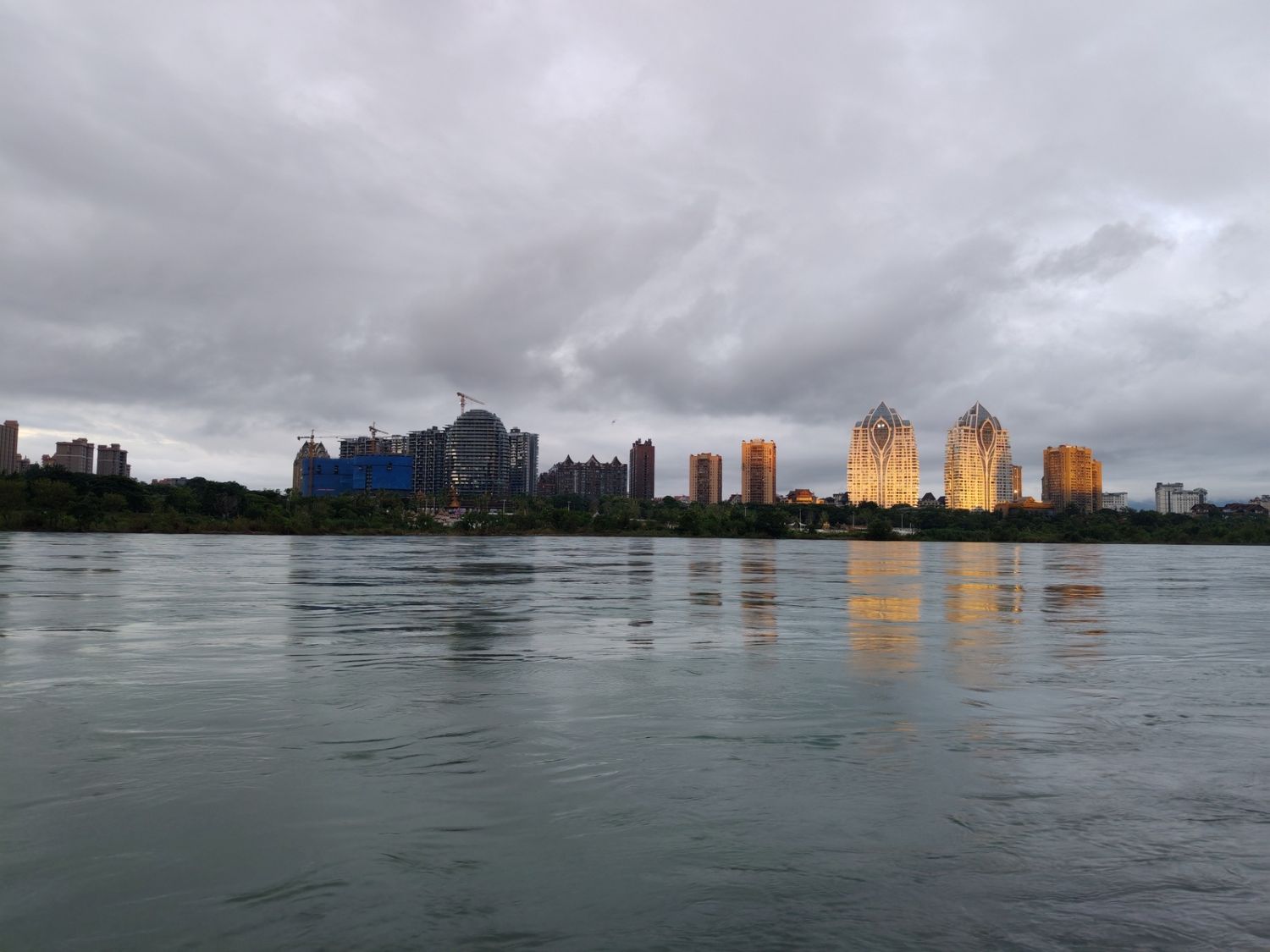
According to the 2020 Seventh National Census, the permanent resident population of the prefecture sits at 1,301,407 people, with the urban center of Jinghong housing about 642,000 of them.
The indigenous Dai ethnic group numbers approximately 330,000, making up about a quarter of the total population, sharing the region with Han, Hani, Yi, and Lahu communities.
The indigenous Dai people have inhabited these Mekong watersheds for over 2,000 years.
What truly shapes this land, however, is its severe vertical altitude gradient and its geopolitical edges. The prefecture shares 966 kilometers of international boundaries.
There is a 288-kilometer southwest border with Myanmar’s Shan State, featuring crossings like the Daluo-Muse port. To the southeast, a 677-kilometer border meets Laos through Luang Namtha and Oudomxay provinces.
The terrain itself plunges to just 477 meters above sea level in the Lancang River valley near Laos, and spikes to 2,429 meters at the summit of Mount Huazhu.
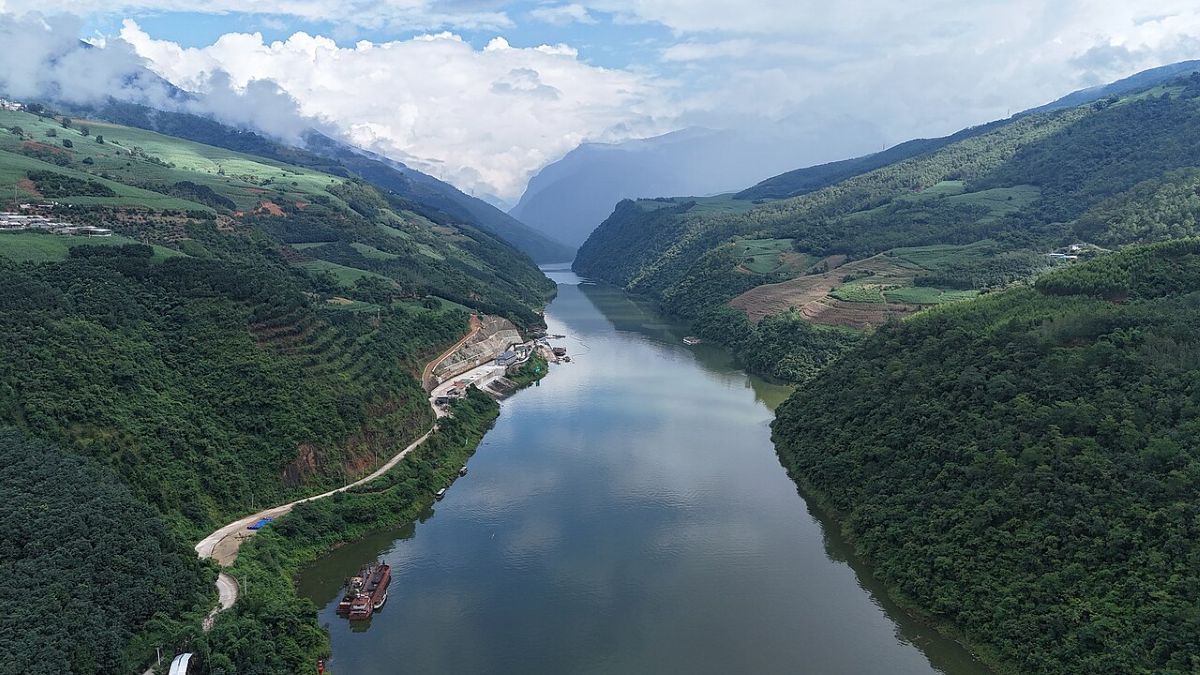
The Lancang River winds through the valley before flowing into Southeast Asia.
Because Xishuangbanna sits at a tropical latitude, altitude entirely overrides latitude in dictating the seasons. At low altitudes under 800 meters, there is a tropical monsoon climate with an annual average of 21.9 degrees Celsius.
There is no winter here, only a wet season from May to October that dumps up to 1,600 millimeters of rain, and a dry, cooler season from November to April. Conversely, high altitudes over 1,500 meters experience a subtropical highland climate with annual averages dropping to 17 degrees.
During the sweltering wet season, these highlands serve as a natural refuge, dropping temperatures by several degrees and triggering vertical migrations for wildlife.
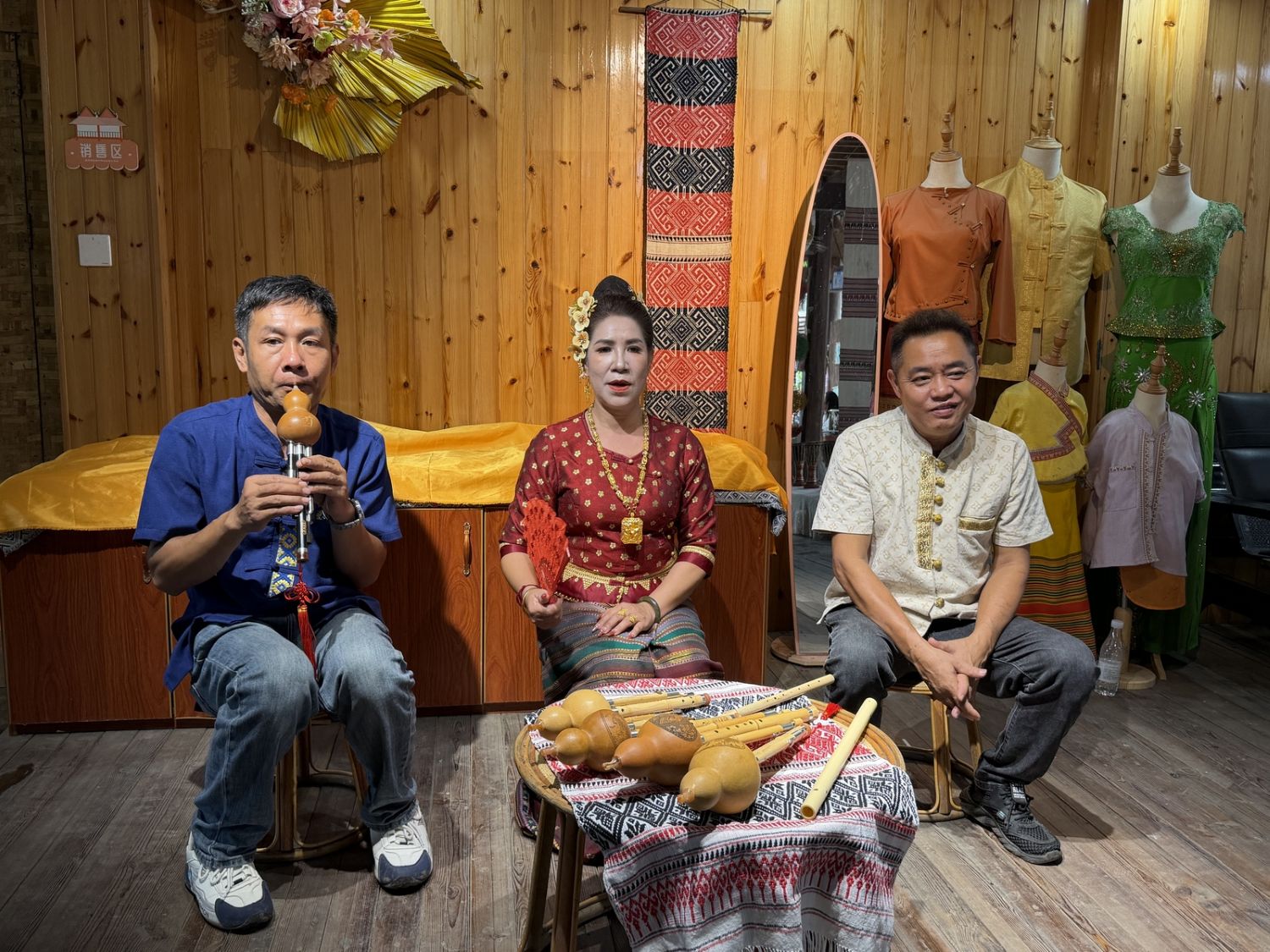
The soul of this region belongs to the Dai people, whose ancestors migrated from the upper Yangtze basin southward into the Mekong watersheds over 2,000 years ago.
By the eighth century, they established the independent kingdom of Mengle, pledging tributary allegiance to Chinese empires while maintaining autonomy until the Ming and Qing dynasties integrated them as a native chieftain domain. Their language, Tai Lue, belongs to the Southwestern Tai branch of the Kra-Dai language family.
It is a linguistic bridge to Southeast Asia, sharing 75 to 80 percent lexical similarity with Lao, and is closely related to Northern Thai Lanna. It also shares up to 65 percent cognate vocabulary with Central Thai and 60 percent with Shan.
The written script, derived from Old Mon-Burmese through Theravada Buddhism, features a distinct, rounded calligraphy utilizing six tones compared to standard Thai’s five.
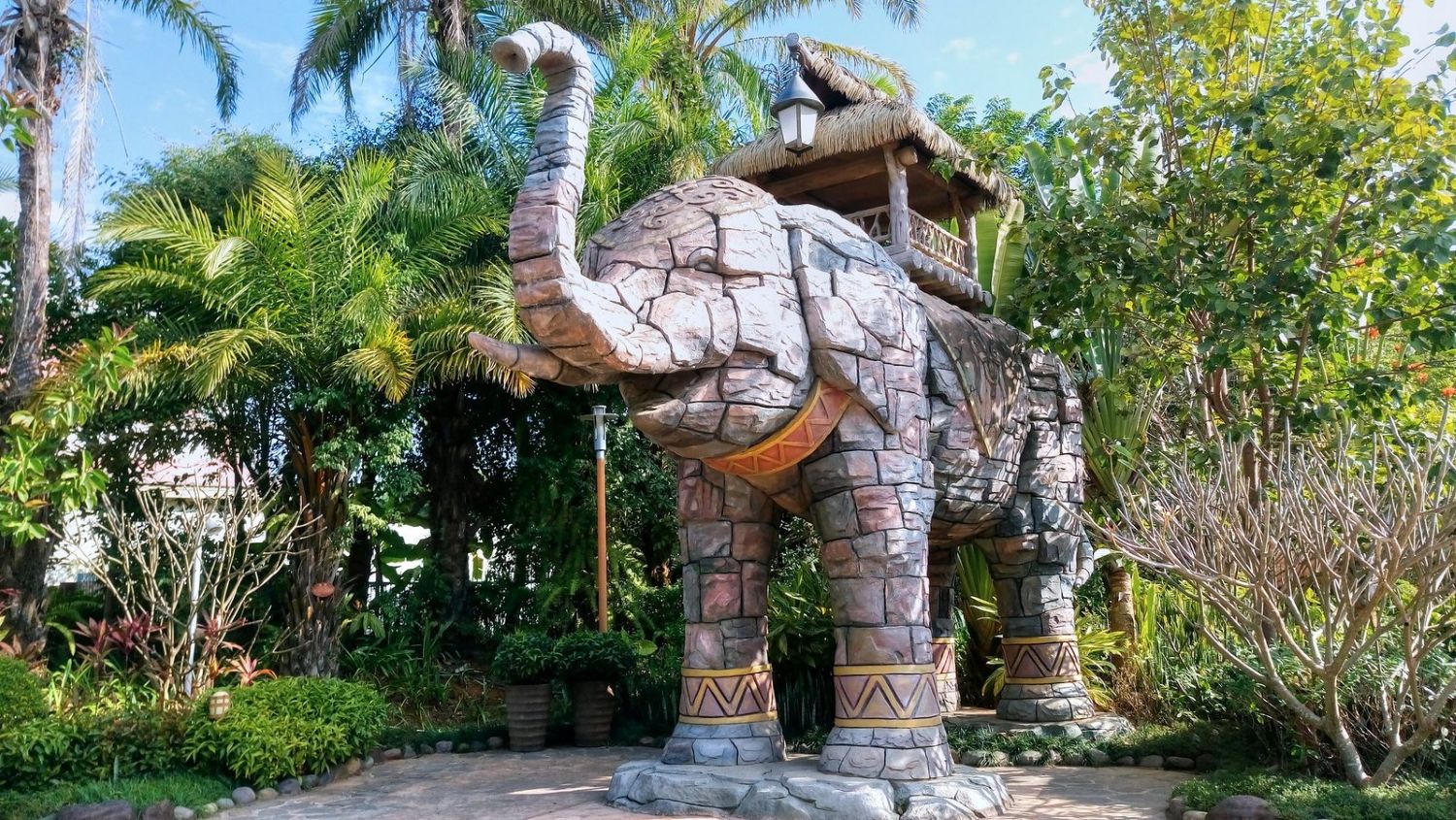
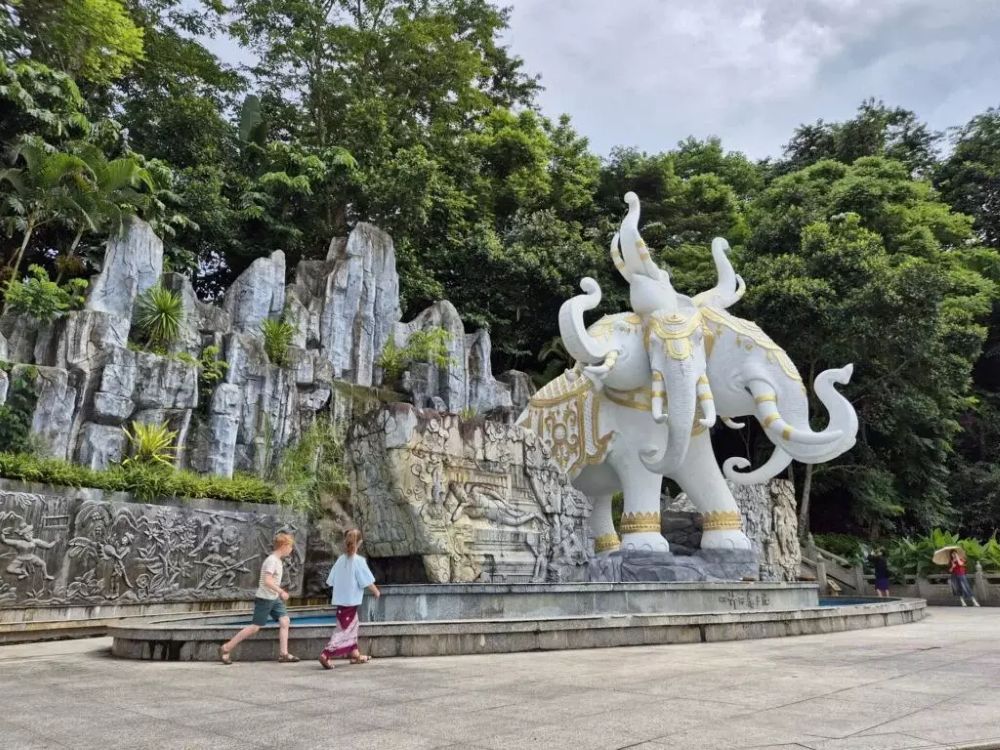
After collecting my bags at the airport, the drive to the hotel took around 30 minutes, during which I saw a lot of elephant sculptures. It was then that I really understood what an Elephant city I was in and that the history of Elephants in this place was even greater than what I had read on my travels so far.
Historically, Wild Asian elephants roamed in massive herds of thousands of individuals throughout the region of what is now the elephant city. The Dai people believed the elephants were the royalty of their gods. They were captured and used in wars against the Burmese and later the Khmer from neighboring countries. For centuries, the strongest elephants were used to pull the largest teak logs, some weighing up to 1.5 metric tons, until the late 1980s.
Others were used in annual ritual performances held in the middle of April as part of the city’s famous Water-Splashing Festival.
The Dai traditional laws in respect of elephants were, for the Dai, no different than those for the taking of human life. Payment for taking an elephant was made in the same way as for a human, in the form of a silver ingot of equivalent weight to that of the animal killed. This was paid to the village headman. Such were the views of the Dai towards elephants for at least centuries prior to the 1940s, when this was written down by the anthropologist.
The decline of the population of wild Asian elephants in Yunnan was triggered by habitat fragmentation due to large-scale development of rubber plantations. The area of rubber plantations increased dramatically to over 250,000 ha by 2005, while the elephant population crashed to a low of 150 animals in the 1990s.
A new census of Asian elephants in the wild has been conducted in the area by conservationists, and it has revealed that there are between 283 and 300 elephants roaming the province of Yunnan.
Binding this entire ecosystem together is the Lancang River, known globally as the Mekong. It flows through Xishuangbanna for 188 kilometers, acting as the only river that exits China through this prefecture and draining its entire territory.
This massive waterway geologically and culturally connects the valleys to Laos, Myanmar, Thailand, Cambodia, and Vietnam.
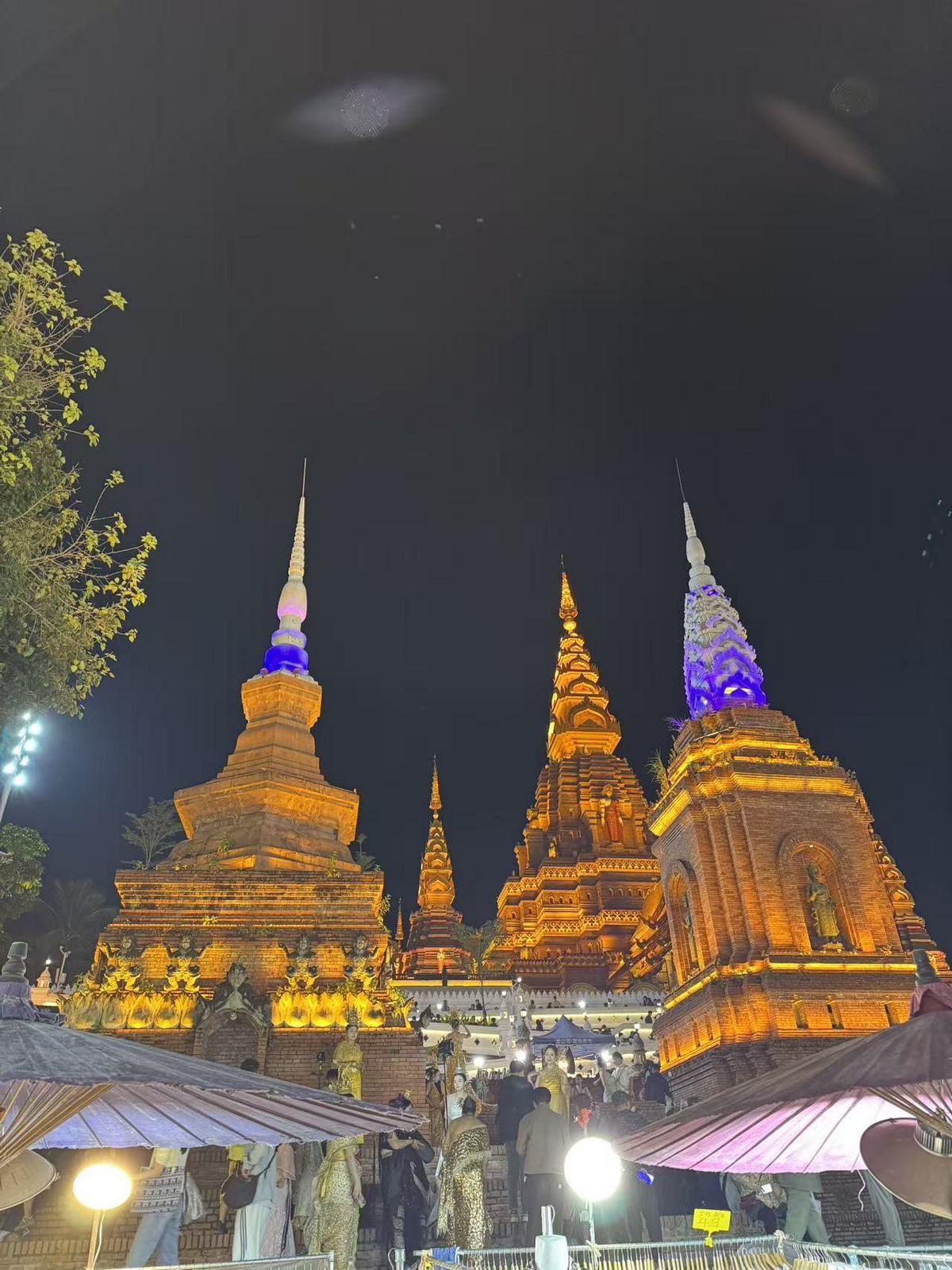
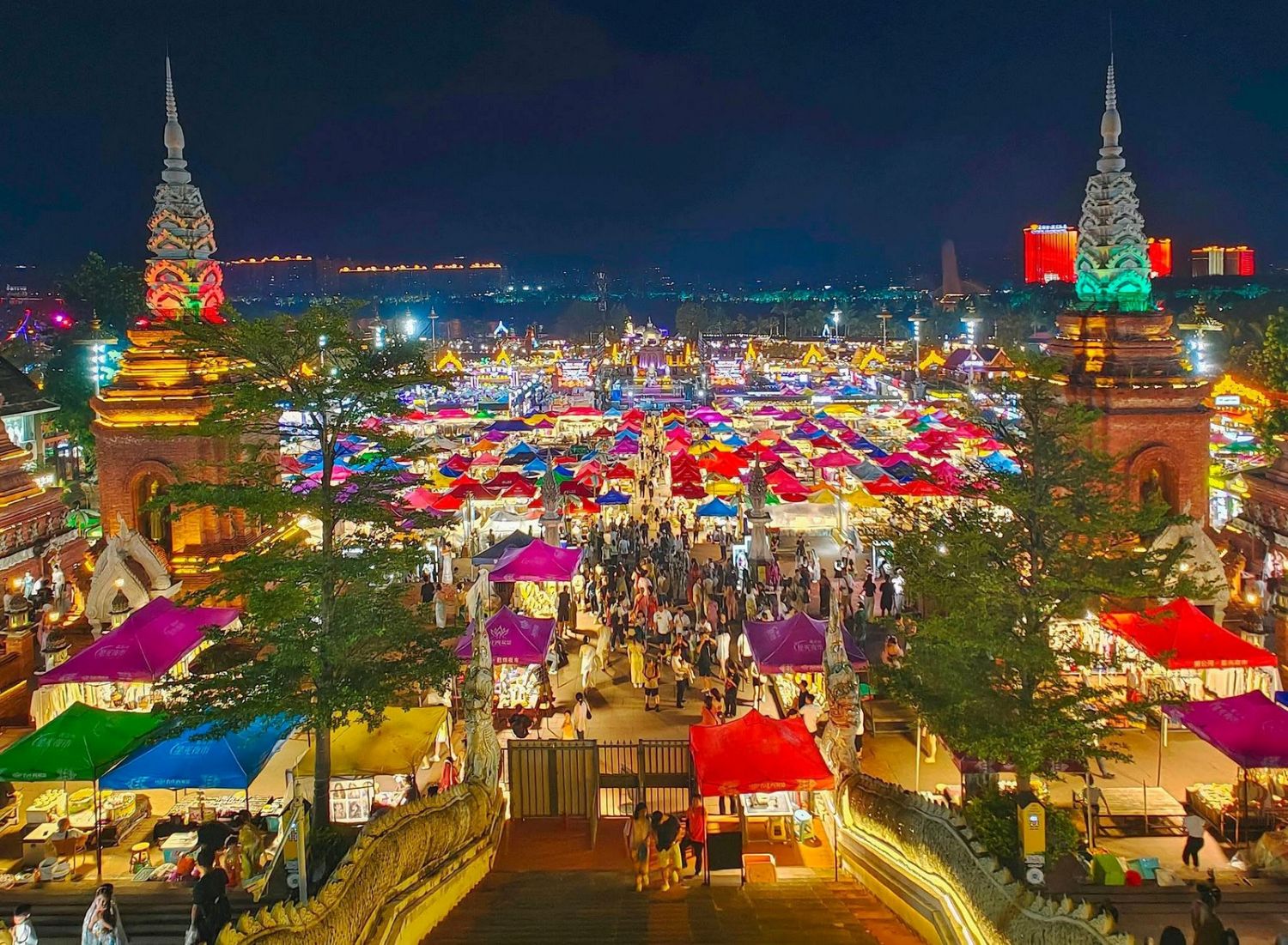
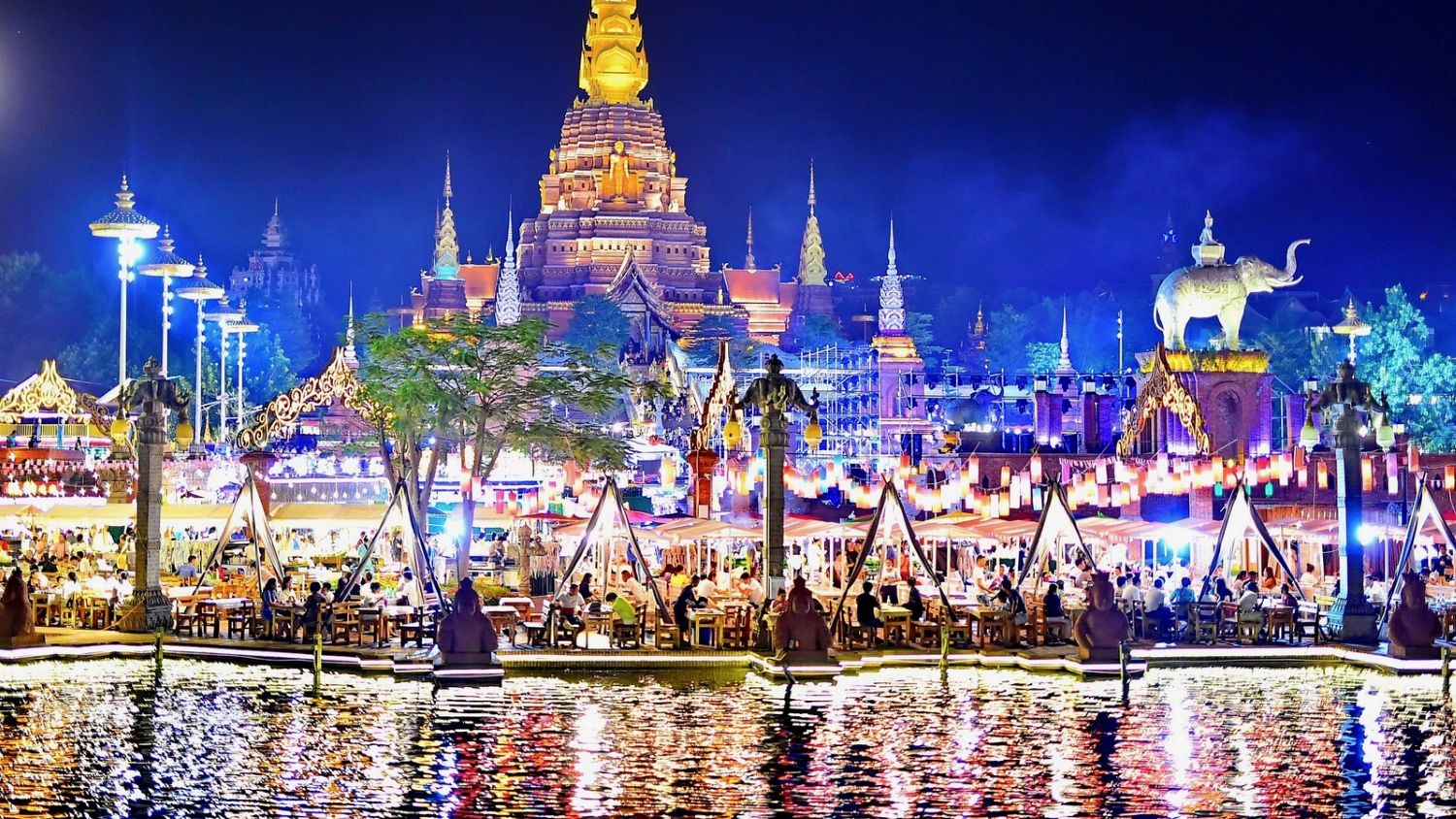
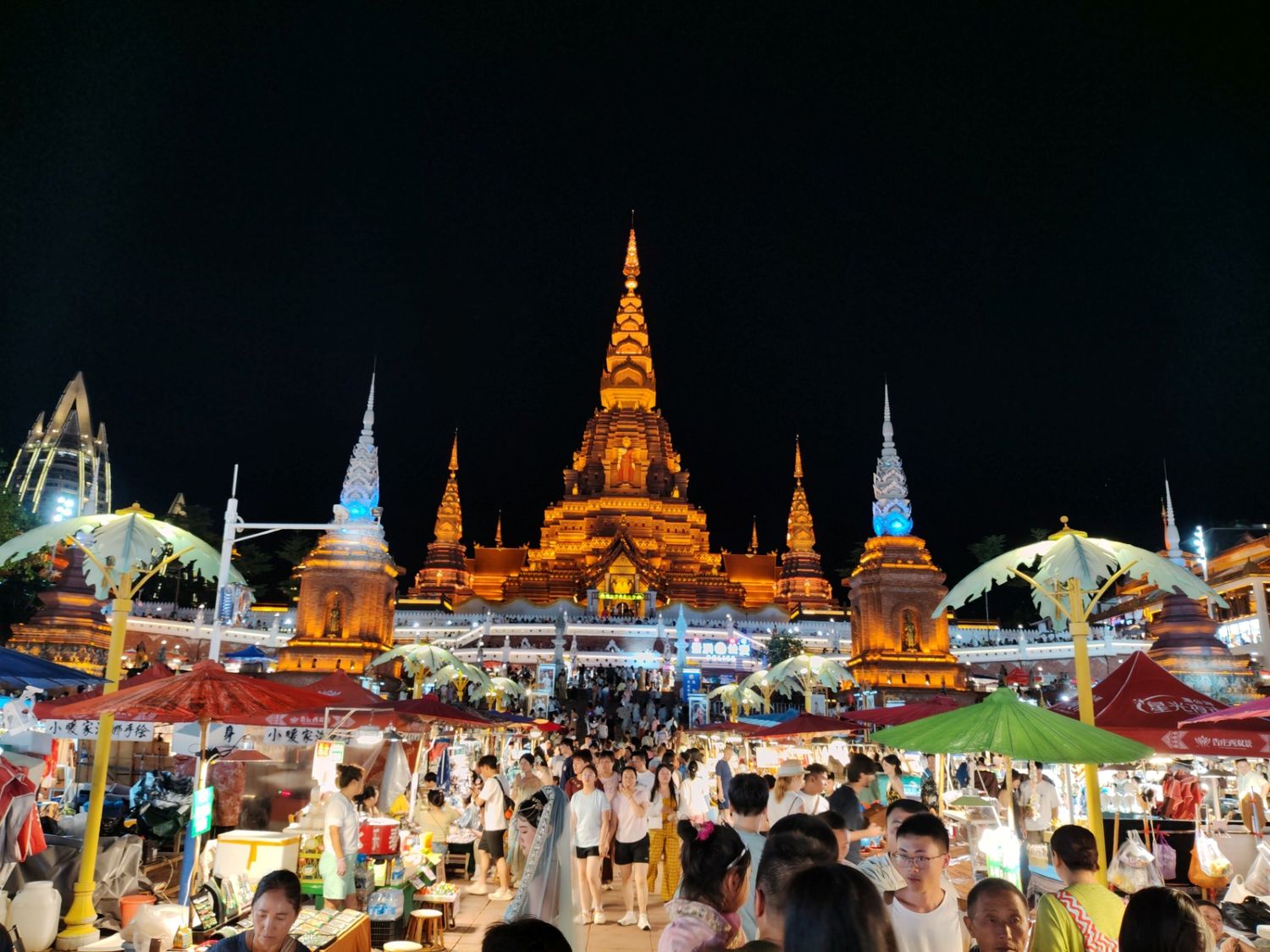
That evening, I experienced the ultimate fusion of this ancient river heritage and modern vibrancy at Gaozhuang Xishuangjing, the famous Starlight Night Market. Located right along the Lancang River in Jinghong, I had never seen anything like it in my entire life.
It felt exactly like stepping into the bustling, ancient marketplaces seen in that old Jesus movie we have all watched, except this was exploding with thousands of colorful conical parasol lights. The sheer scale was breathtaking.
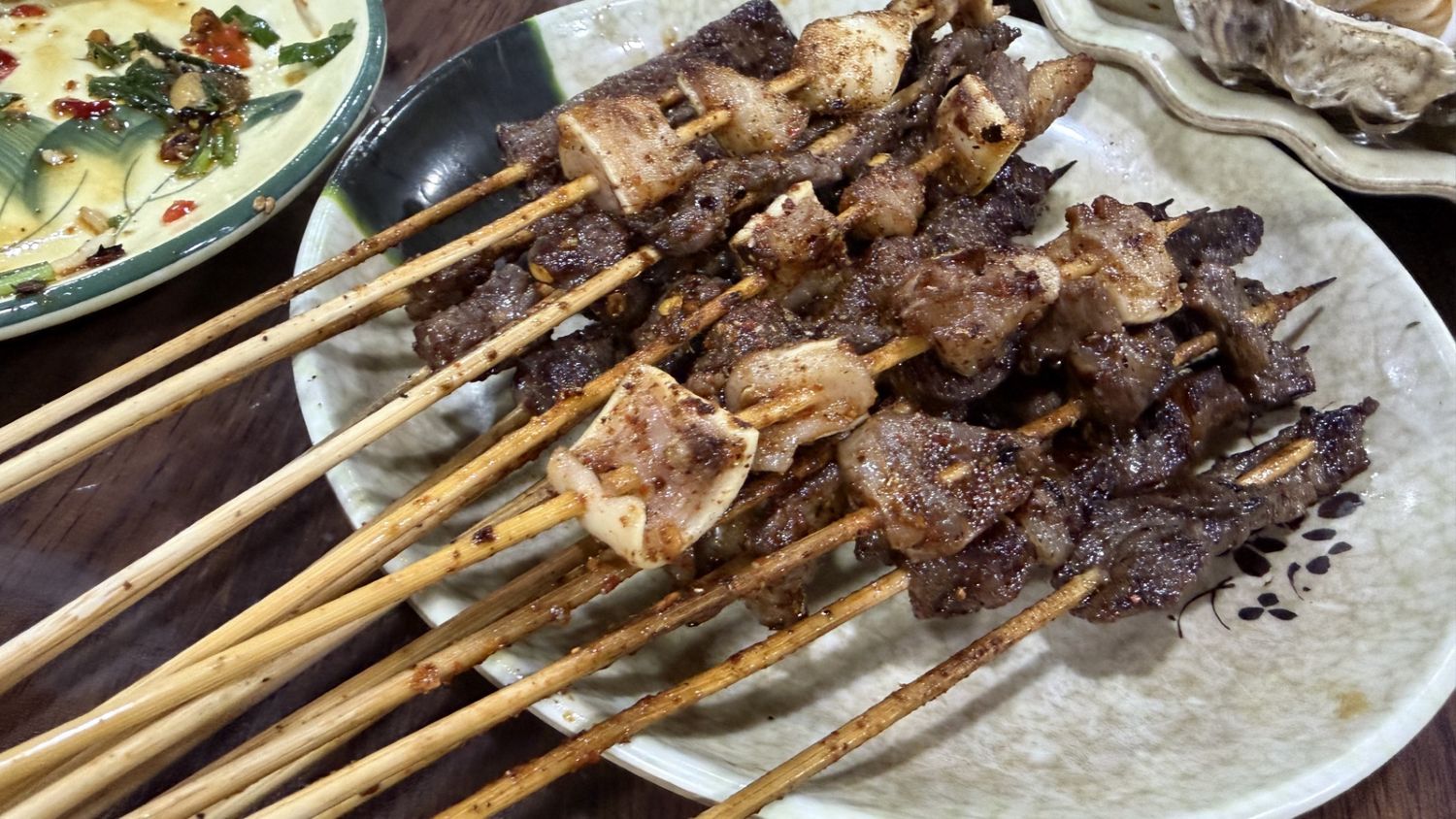
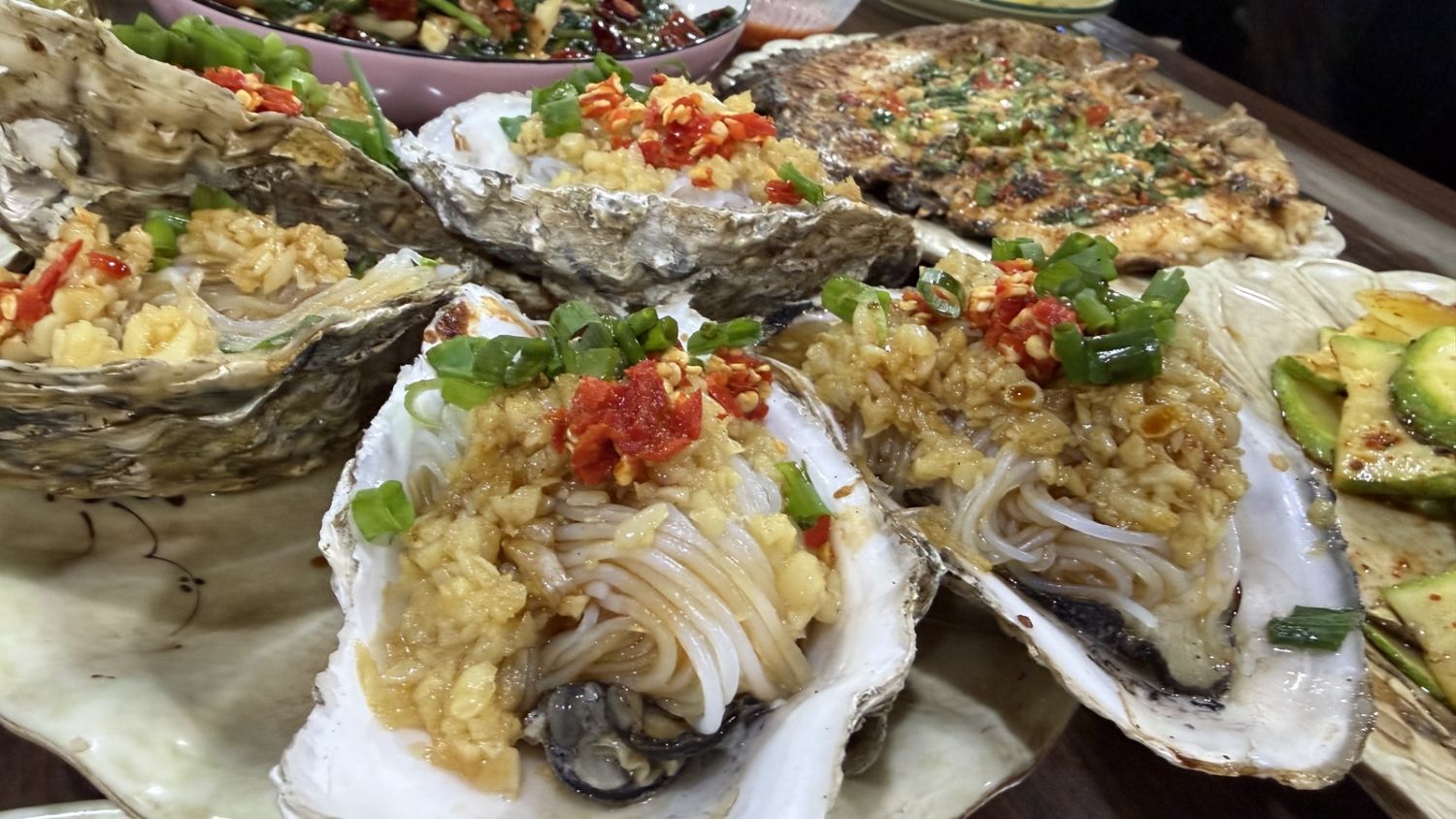
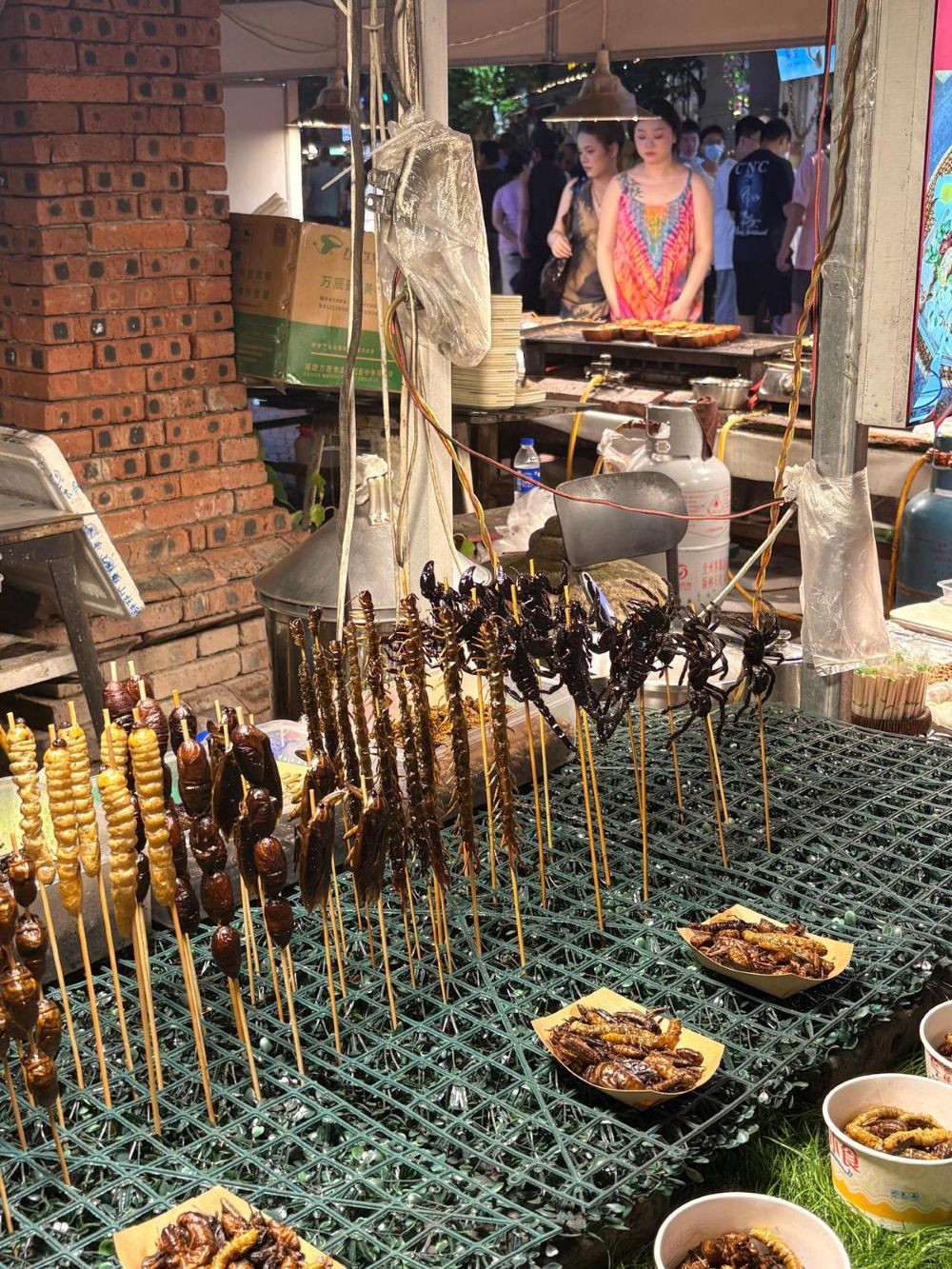
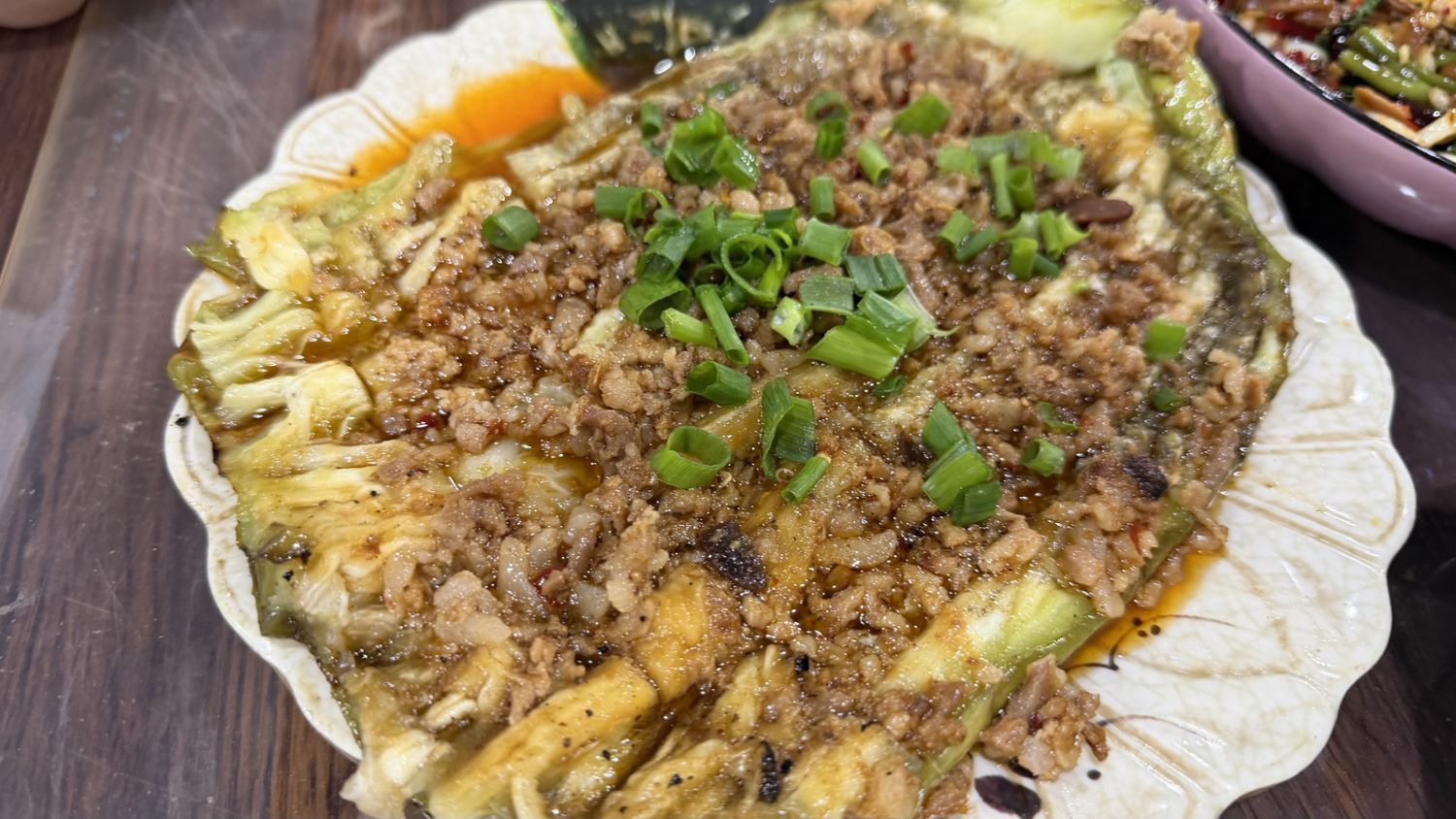
Everywhere I looked, content creators were recording the electric atmosphere, weaving between stalls selling intricate Dai silverware, silk, and souvenirs. The real star was the street food. I found myself surrounded by the aromas of grilled luosifen snails, bamboo-wrapped sticky rice, and exotic insects sizzling on open grills.
Adventurous street food stalls offering a perfectly crispy variety of exotic local meat.
With a musical fountain show playing in the background and the river bridge lighting up the night sky, it was an intoxicating blend of ancient tradition linked up to future technology. You simply would not ever wish to leave this place.
The next day, I ventured into the high altitudes to visit Nannuo Mountain, an absolute pilgrimage site for tea lovers. This is one of the oldest and most famous mountains for growing Pu’er tea, home to ancient tea trees that have stood for over 800 years.
Misty tea terraces cover Nannuo Mountain, an ancient pilgrimage site for tea lovers.
My day involved hiking through misty tea terraces and visiting the traditional Hani ethnic minority villages, who are the traditional tea growers of the region. Sitting in a local tea farmer’s wooden hut, sampling raw, earthy Pu’er right at the source, was a grounding experience.
Yet, what completely shocked me was looking out and seeing modern flats built right into the mountain landscape. You would never imagine such urban prosperity existing in harmony with ancient high-mountain farming. The people here are so prosperous and genuinely amazing.
Xishuangbanna demands multiple visits to see everything it holds. You absolutely must visit the Menglun Tropical Botanical Garden, the crown jewel run by the Chinese Academy of Sciences.
Spanning over 1,100 hectares, it is divided into a public West Garden filled with ornamental aquatic plants and dancing grass, and a reserved East Garden featuring a pristine tropical rainforest canopy where you can easily spend half a day marveling at over 13,000 plant species.
Then there is Wild Elephant Valley, the only place in China to reliably observe wild Asian elephants. Walking along its 1.3-kilometer elevated skywalk through the rainforest canopy allows you to watch them bathe and forage, alongside educational performance shows featuring a semi-domesticated herd of 16 retired elephants.
Elephant sculptures line the streets, serving as a reminder of the ancient kingdom.
For ultimate adventurers, the Wangtianshu Sky Tree Scenic Area in Mengla County features a rare tropical tree soaring 80 meters high. The Corridor of the Sky, a dizzying suspension bridge and spiral staircase, lets you climb right into the treetops for a bird-eye view of the ocean-like rainforest.
If you are ready to pack your bags and write your own story, timing your visit is crucial. Because the rainy season from May to October is heavily humid and wet, the absolute perfect time to visit is from November to April when the weather is cooler and much drier.
When you do go, make sure to pack bright-colored clothes, as the lush, endless greenery makes for the most amazing photographs. And above all else, in this wild, beautiful frontier, always remember to carry strong insect repellent.
Where towering skyscrapers and ancient mountains coexist in absolute perfect harmony.Thousands of colorful conical parasols light up the Gaozhuang Xishuangjing night market.The illuminated river bridge and musical fountain create a magical nighttime backdrop.Jinghong pulses with an electric energy you simply will not find anywhere else.Jinghong city center, home to a large portion of the prefecture’s permanent residents.Content creators film the electric atmosphere of the bustling Lancang riverfront bazaar.An awe-inspiring cityscape that completely redefines what a Chinese frontier looks like.A vibrant array of street food includes grilled luosifen and bamboo-wrapped sticky rice.