The study, led by researchers from City St George’s, University of London, suggests that doctors may improve treatment outcomes by switching between different therapies while tumors are still responding, rather than waiting until the disease returns.
The findings, published in the journal Genetics, are based on mathematical models that examine how cancer cells evolve during treatment. Researchers say cancer behaves similarly to other evolving systems, where cells that develop survival advantages can eventually dominate when exposed to pressure from medicines.
Dr. Robert Noble, a researcher from the Department of Mathematics at City St George’s, explained that cancer often returns because some cells survive the first round of treatment and develop resistance.
“Although tumors may at first shrink under therapy, in many cases they eventually regrow. These relapses stem from a small number of cancer cells that have gained mutations making the cells resistant to the treatment,” he said.
The researchers compared the current approach, where doctors usually continue treatment until the cancer stops responding, with a new strategy that involves switching treatments while the tumor is weakened.
They described the approach as “kicking it while it’s down,” meaning doctors could attack cancer at a stage when it is already vulnerable before resistant cells become strong enough to cause another relapse.
Using computer simulations, the team found that planned changes between different treatments could be more effective than waiting for resistance to appear. The models showed that a combination of three or more therapies used in a carefully timed sequence could have greater potential, especially when treating larger tumors.
“Our models predict that this new approach will generally outperform the standard of care. A sequence of two treatments, even if optimally timed, is likely to succeed only in relatively small tumors. But we have reason to hope that switching between three or more treatments, following the same principle, could eliminate larger tumors,” Dr. Noble said.
The researchers explained that the strategy is based on evolutionary principles, which have already been used in other areas such as managing antibiotic resistance and improving predictions of seasonal influenza strains.
However, scientists cautioned that the findings are still at an early stage. The study was based on mathematical modelling and computer simulations, meaning the approach must undergo further laboratory studies and clinical trials before it can become part of routine cancer treatment.
Several early-stage clinical trials are already investigating similar ideas in cancers including soft tissue cancer, prostate cancer, and breast cancer. Researchers hope that continued studies could lead to treatments that stay ahead of cancer’s ability to evolve.
If successful, the approach could help doctors extend the effectiveness of existing cancer medicines, delay disease relapse, and improve outcomes for patients without relying only on the development of new drugs.
Scientists propose new strategy to prevent cancer from becoming drug-resistant
The Egmont Group is a global network of Financial Intelligence Units (FIUs) dedicated to strengthening international cooperation in combating money laundering, terrorist financing and other financial crimes. Through secure communication channels and trusted frameworks for FIU-to-FIU collaboration, the Group enables the timely exchange of actionable financial intelligence across jurisdictions.
Rwanda’s admission marks the culmination of more than three years of rigorous assessment, institutional reforms and sustained national commitment to strengthening its Anti-Money Laundering, Countering the Financing of Terrorism and Countering Proliferation Financing (AML/CFT/CPF) regime.
More than a national achievement, Egmont membership signifies Rwanda’s commitment to collective international action against increasingly complex and transnational financial crimes. It reinforces the country’s growing reputation as a credible and trusted partner in promoting financial integrity, transparency and global security.
Why Egmont membership matters
Membership positions FIC-Rwanda within a global network of FIUs, enabling secure, real-time exchange of financial intelligence and strengthening international cooperation in investigating and disrupting money laundering, terrorist financing, tax crimes, drug trafficking, human trafficking, illegal mining and other illicit financial activities.
The membership also provides access to specialised training, technical assistance, peer learning and international best practices, further enhancing institutional capacity to detect, investigate and respond to financial crimes.
Beyond the Financial Intelligence Centre, Egmont membership strengthens Rwanda’s international standing by reinforcing confidence among investors, development partners and the global financial community, while supporting the country’s efforts to maintain a resilient, transparent and secure financial system.
A stronger Rwanda, a stronger global financial system
As financial crime becomes increasingly sophisticated and borderless, Rwanda’s admission into the Egmont Group demonstrates the country’s readiness to work alongside the international community in safeguarding the integrity of the global financial system. Through enhanced cooperation, intelligence sharing and adherence to international standards, Rwanda is well positioned to contribute meaningfully to the global fight against illicit financial flows while advancing sustainable economic development and financial security.
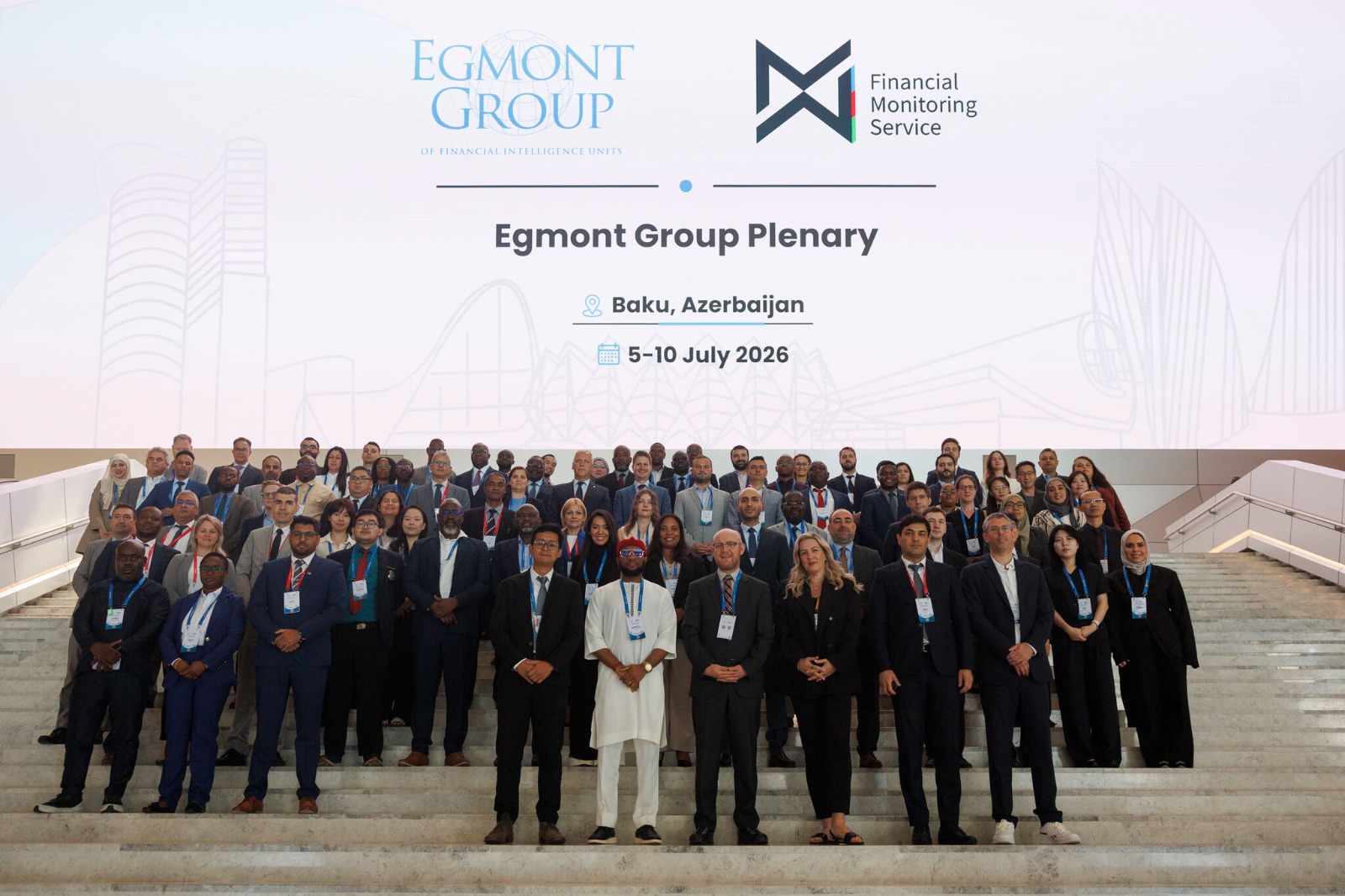
FIC was admitted to the global network on July 8, 2026, during the 32nd Egmont Group Plenary held in Baku, Azerbaijan, from July 5 to 10, marking a major milestone in Rwanda’s efforts to strengthen the integrity of its financial system.
The report, covering calendar year 2025, provides the company’s first comprehensive account of its environmental, social and economic footprint and establishes a baseline against which future progress will be measured. As it expands across the continent, Spiro projects that its electric mobility ecosystem will help avoid approximately 700,000 tonnes of CO₂ emissions annually by 2030.
The report comes as African countries, including Rwanda, continue to accelerate the transition to electric mobility in a bid to cut emissions, reduce fuel costs and build cleaner transport systems.
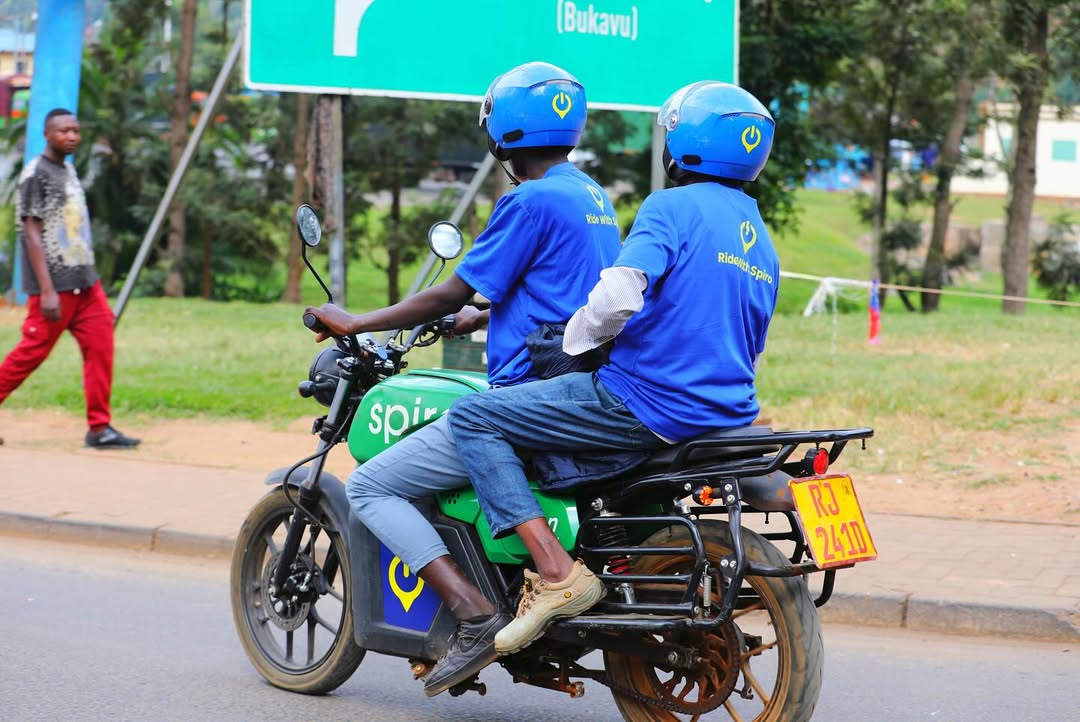
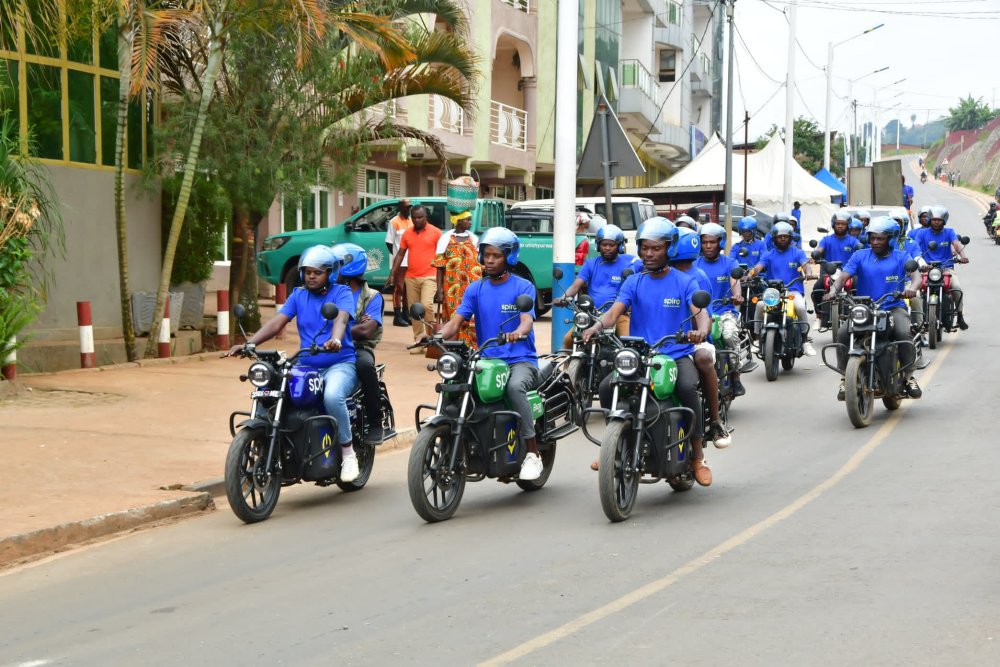
Spiro now operates more than 100,000 electric motorcycles across Africa, supported by more than 2,500 battery-swapping stations and over 30 million battery swaps completed to date, making it the continent’s largest electric two-wheeler and battery-swapping network.
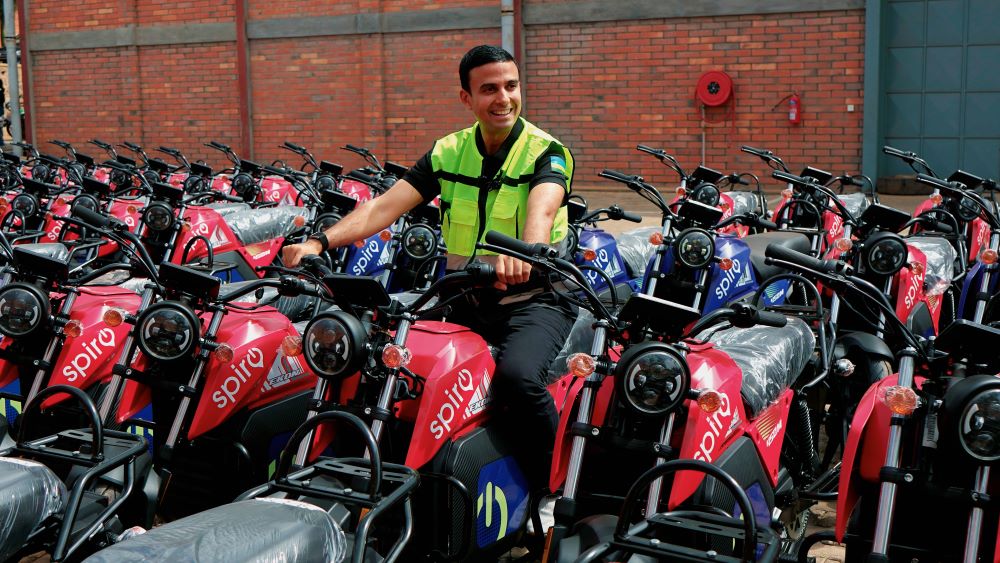
Rwanda remains Spiro’s largest market among its six African operations, with 22,000 electric motorcycles on the road and more than 600 battery-swapping stations, ahead of Uganda, which has 16,000 motorcycles and more than 300 stations, and Kenya, with 14,000 motorcycles and over 300 stations. The company also operates one of its four vehicle assembly facilities in Rwanda, alongside plants in Uganda, Kenya and Nigeria.
Spiro operates more than 600 battery-swapping stations in Rwanda.
Highlighting the significance of the report, Imtinen Hamlaoui, Head of ESG and Sustainability at Spiro, said the company has completed its first end-to-end greenhouse gas inventory covering Scope 1, Scope 2 and Scope 3 emissions across its operations and value chain.
“By establishing our first comprehensive ESG baseline, including Scope 1, 2 and 3 emissions, we are creating the foundations needed to track progress, set measurable targets and strengthen transparency as Spiro continues to scale across Africa,” she said.
“Sustainability is not a standalone initiative. It is integrated into how we operate, innovate and create long-term value.”
To further reduce its environmental footprint, Spiro is evaluating the deployment of 80-125 kVA on-site solar installations at selected battery-swapping stations to reduce dependence on national grids. The company also reported that smart energy management initiatives at its assembly facilities have already delivered an estimated 15-25% reduction in energy consumption.
Beyond climate goals, the report highlights Spiro’s investment in skills
development. Through the Spiro Academy, the company trained more than 4,000 people across Africa in 2025 in areas including electric vehicle maintenance, battery management and technical operations. The company also cited Africa’s first women electric motorcycle assembly line as part of its efforts to promote workforce inclusion and local industrial growth.
According to Spiro’s management, their motorcycles reduce riders’ operating costs by 70-80% compared with petrol-powered alternatives.
On the economic front, Spiro affirmed that commercial riders using Spiro motorcycles reduce their operating costs by 70-80% compared with petrol-powered alternatives, while benefiting from lower maintenance costs and reduced exposure to fuel price volatility.
Group Chief Executive Officer Anant Badjatya said sustainability will continue to shape the company’s expansion strategy across the continent.
“This report reflects how far Spiro has come, not only in terms of growth, but in our ability to measure and improve our impact. As we expand across Africa, sustainability will remain a core business driver, shaping how we invest, manufacture, innovate and partner for the long term,” he said.
Rwanda’s operations employed 51 permanent staff and supported a further 1,147 workers during 2025, contributing to Spiro’s group-wide workforce of 6,298 employees. The company said it continues to work closely with the Government of Rwanda in supporting the country’s shift from petrol-powered motorcycles to electric mobility.
During the year, Spiro also received several industry recognitions, including the E-Mobility Award from Brands & Beyond, AA Kenya’s EV Champion of the Year award, and recognition in Uganda for innovation in electric mobility. The company was also named a finalist for the Milken-Motsepe Prize in AI & Manufacturing for its work in localising and automating vehicle assembly across Uganda, Kenya, Rwanda and Nigeria.
Reflecting on the company’s long-term vision, founder Gagan Gupta said sustainability has been embedded in Spiro’s mission from the outset.
“Having grown up in India, I have witnessed firsthand the impact of vehicle emissions on public health and urban environments. At Spiro, our responsibility as founders is not only to scale innovation, but to ensure that the systems we build endure economically, socially and environmentally for generations to come,” he said.
Reflecting on Spiro’s long-term vision, founder Gagan Gupta said sustainability has been embedded in Spiro’s mission from the outset.
The sustainability report was developed with reference to the Global Reporting Initiative’s sustainability standards and will serve as the foundation for Spiro’s annual sustainability disclosures. The company is also registered on the Science Based Targets initiative platform as it works to align its emissions reduction pathway with internationally recognised climate benchmarks.
The report marks Spiro’s first comprehensive public assessment of its environmental, social and economic performance and establishes the benchmark against which the company says it will measure its progress as it continues expanding electric mobility across Africa.
The ruling upheld the verdict delivered on October 30, 2024, following an appeal trial that lasted for more than a month, from June 8 to July 18, 2026.
For the appeal proceedings, Rwamucyo was represented by a new team of seven lawyers. Among them was Jean-Baptiste Harelimana, a Rwandan lawyer who told the court that he had attended the Petit Séminaire de Butare during his secondary education.
The crimes for which Rwamucyo was convicted were committed in four communes of the former Butare Prefecture: Ngoma, Gishamvu, Ndora and Huye. At the time, he was Director of the Centre Universitaire de Santé Publique (CUSP) at the former National University of Rwanda (UNR) and was also serving as acting head of the Butare Health Region(Région sanitaire).
Unprecedented incidents during the trial
In an interview with IGIHE, André Martin Karongozi, one of the lawyers representing the civil parties, said the trial was marked by a number of unusual incidents targeting survivors of the 1994 Genocide against the Tutsi, as well as the RPF-Inkotanyi.
According to him, the first major incident occurred on the day the first genocide survivors, who had travelled from Rwanda specifically to testify before the court, took the stand.
As the first witness—a survivor represented by lawyer Karongozi—had just recounted her experience during the three months of the 1994 Genocide against the Tutsi and was awaiting questioning by the court and the parties, two people seated among Rwamucyo’s relatives and supporters suddenly stood up. Waving flags, one of them wearing a black face mask, they shouted slogans targeting President Paul Kagame.
French gendarmes immediately intervened and removed the protesters from the courtroom. The presiding judge ordered a suspension of the hearing to restore calm, allow security officers to assess the situation, and ensure the witness could continue testifying under appropriate conditions. The individuals involved were identified, and photos were taken for further investigation.
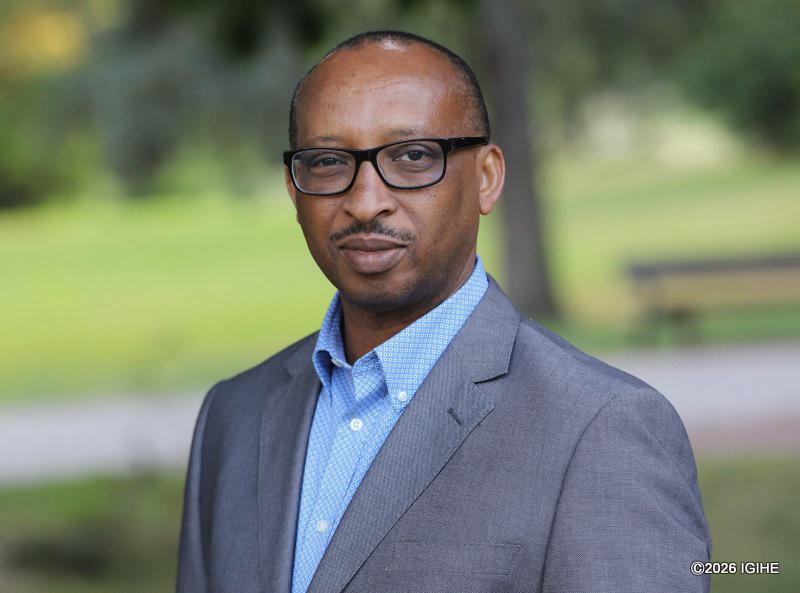
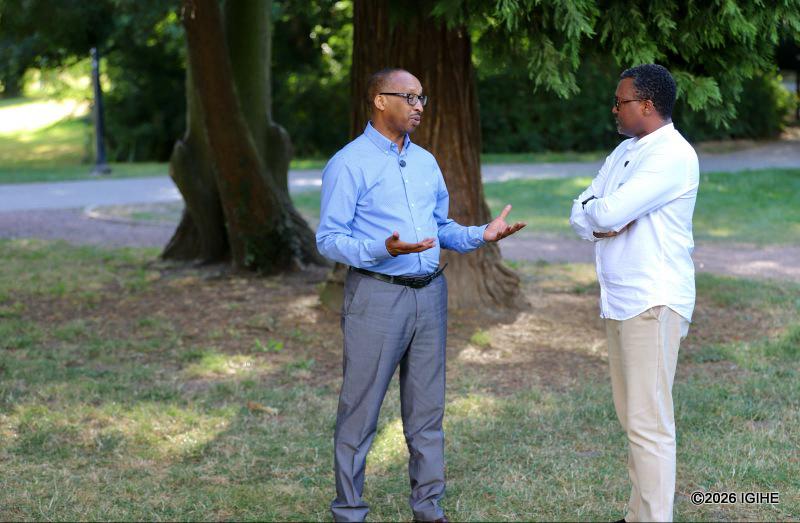
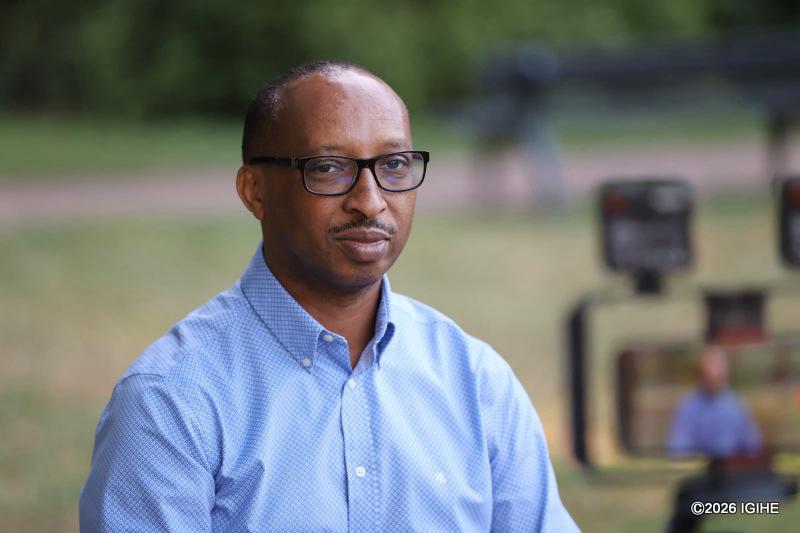
Lawyer André-Martin Karongozi during an interview with IGIHE’s Karirima A. Ngarambe. He said Rwamucyo ‘s trial was marked by unusual incidents targeting survivors of the 1994 Genocide against the Tutsi, as well as the RPF-Inkotanyi.
A traumatic experience for survivors
The lawyer said the disruption deeply traumatized the witness as well as several genocide survivors present in the courtroom.
The witness was unable to sleep throughout the night following the testimony. The next morning, his condition deteriorated to the point that an ambulance had to be called. After receiving medical attention, she was later able to go back to Rwanda.
According to Lawyer Karongozi, the fact that such an incident occurred on the very first day survivors testified suggests that it had been planned in advance.
A social media disinformation campaign
The lawyer also alleged that Rwamucyo’s supporters published very often distorted accounts of the court proceedings on social media in an effort to discredit the lawyers representing the civil parties as well as the Advocate General( prosecutor).
Toward the end of the trial, false claims began circulating that the lawyer had secretly met with Eugène Rwamucyo and had, moreover, distanced himself from the RPF-Inkotanyi.
According to him, these allegations were entirely fabricated.
Other lawyers were also targeted, including Richard Gisagara, lawyer Michel Laval, representative of the Collectif des Parties Civiles pour le Rwanda (CPCR), and the Advocate General.
Karongozi told IGIHE that Rwamucyo’s supporters published distorted daily accounts of the court proceedings on social media in an effort to discredit the lawyers representing the civil parties as well as the Advocate General.
Large-scale mobilization of Rwamucyo’s supporters
The lawyer said information circulating during the proceedings indicated that Rwamucyo’s supporters had planned to bring nearly 200 sympathizers to the courthouse in an attempt to exert pressure on the court. As a result, from July 16, judicial authorities significantly reinforced security measures around the courthouse.
Unprecedented support for a genocide convict
According to Karongozi, a lawyer who has represented civil parties before the assize courts since 2005, Eugène Rwamucyo is the first Rwandan prosecuted over the 1994 Genocide against the Tutsi to receive such a large show of support inside French or Belgian courtrooms.
He was told that some of those supporters may themselves have participated in the genocide.
He also noted that Rwamucyo called several witnesses known for denying or distorting the Genocide against the Tutsi including:
Patrick Mbeko, author of some writings about Rwanda whose statements were rejected during the hearing by one of Rwamucyo’s lawyers;
The former Commander of the Rwandan Gendarmerie, General Augustin Ndindiliyimana, who dared to say that the speech of April 19, 1994 in Butare by Théodore Sindikubwabo was positive;
Hervé Deguine, whose views align with those expressed by Pierre Péan in his book Noires fureurs, blancs menteurs): Tutsi are born liars, and the Hutu who hang out with them are tainted by it.
The Paris Court of Assizes recently upheld the conviction of Dr. Eugène Rwamucyo for complicity in genocide and crimes against humanity, confirming his 27-year prison sentence.
A different defense strategy on appeal
Finally, Lawyer Karongozi observed that Rwamucyo adopted a different approach during the appeal from the one he had taken during his first trial.
Having remained in custody since his 2024 conviction despite appealing the verdict, Rwamucyo spoke before the court about the hardships of prison life, even explaining that he once had to clean his prison cell soiled by the previous inmate.
According to the lawyer, this was part of a strategy aimed at gaining the court’s sympathy. On several occasions, Rwamucyo said he bowed in memory of the victims of the genocide and acknowledged the suffering of survivors, hoping to be cleared of all charges or to get a reduced sentence.
However, the lawyer argued that these statements failed to convince the court. In his view, despite expressing sympathy for the victims, Rwamucyo never changed his fundamental position. Instead, he continued to endorse the ideology of Parmehutu and the Coalition pour la Défense de la République (CDR), claiming that Tutsi victims had been killed by fellow Tutsi under the direction of the RPF-Inkotanyi and that the RPF was responsible for the massacres.
For Karongozi, these statements demonstrated that the accused had never abandoned a genocide denial narrative, which helps explain why the Paris Court of Assizes upheld both his conviction and his 27-year prison sentence.
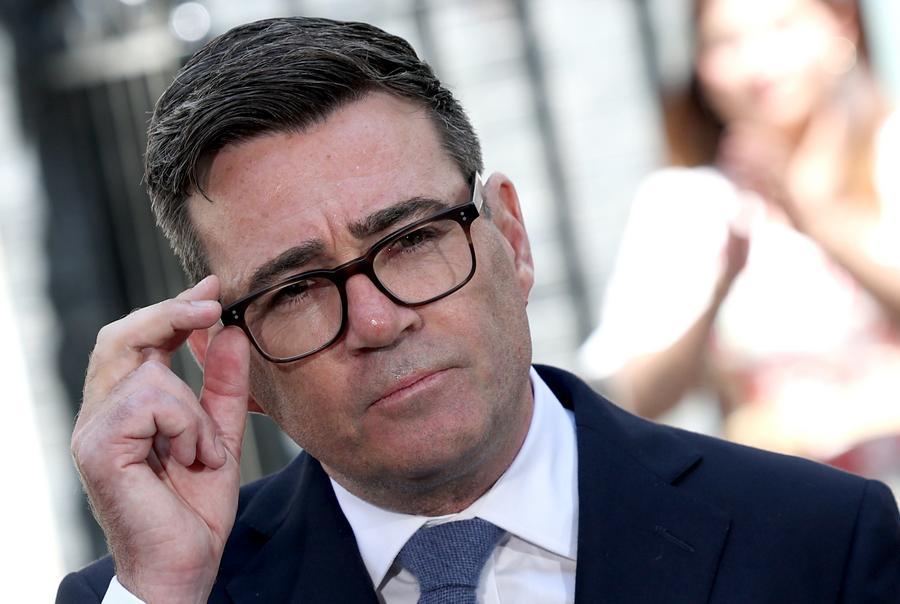
Burnham said his government will devolve more power to cities and regions, revive industry, strengthen public control over essential services and work with businesses to promote regional growth. The agenda draws heavily on the model he developed as mayor of Greater Manchester.
However, analysts said his decision to appoint experienced and relatively cautious figures to key economic and security posts indicates an effort to reassure financial markets, contain divisions within the ruling Labour Party and avoid an abrupt break with the previous government.
British scholar Martin Jacques told Xinhua that Burnham was probably “the best choice available,” citing his record as mayor of Greater Manchester.
Jacques said Burnham appeared determined to move away from the economic approach associated with former prime ministers Margaret Thatcher and Tony Blair and break with neoliberalism. However, Burnham has said little about foreign policy, making his positions on major international issues difficult to assess, Jacques said.
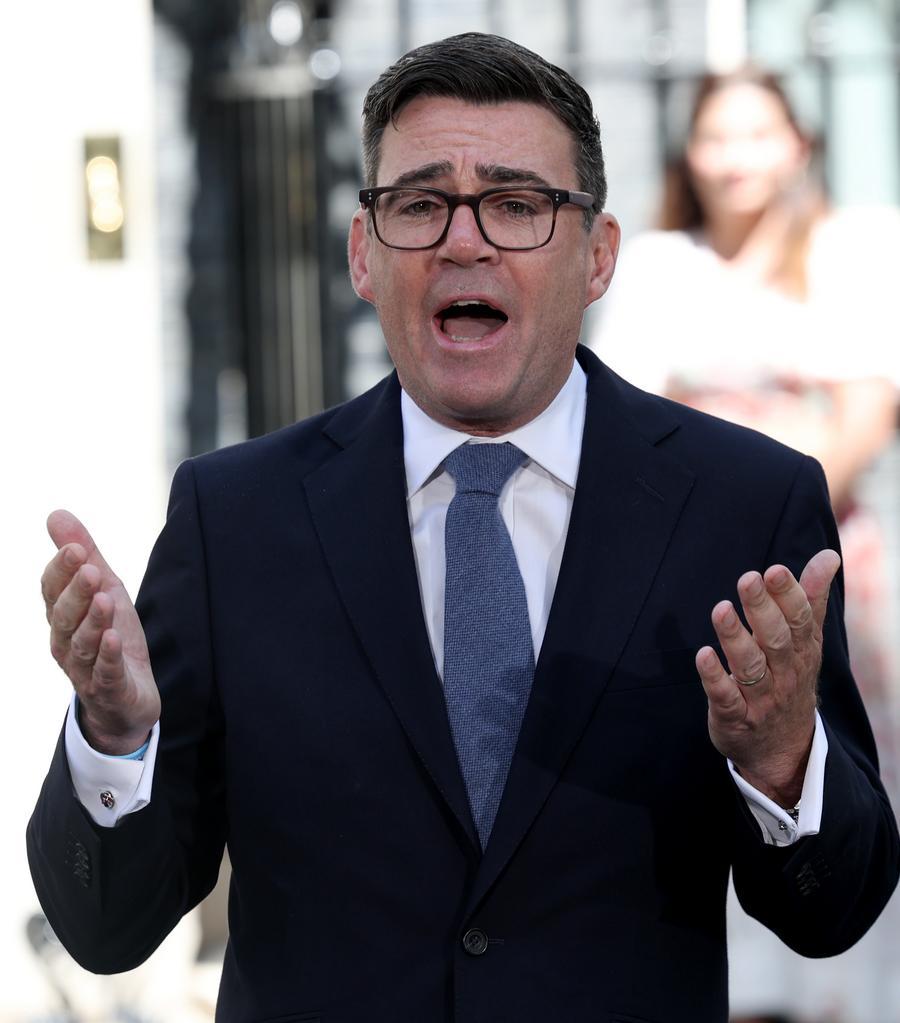
Andy Burnham delivers his first speech as British prime minister outside 10 Downing Street in London, Britain, July 20, 2026.
From Manchester to Downing Street
In his first speech outside 10 Downing Street, Burnham noted that he was Britain’s seventh prime minister since 2016 and acknowledged that politicians had “not been good enough.”
He pledged to make his premiership a “circuit breaker for Britain” and deliver “the biggest changes in the last 40 years” through “a new political model and a new economic model.”
Burnham said policies pursued since the 1980s had concentrated political power in London, weakened industrial regions and left many communities unable to reverse long-term decline.
He said his government would transfer more authority to local areas, strengthen public control over essential services and use public procurement to support British industry. A 10-year national plan is expected later this year.
The program draws heavily on Burnham’s experience in Greater Manchester, where local authorities have gained greater influence over transport, housing and economic development.
Before taking office, Burnham proposed establishing a “No. 10 North” office in Manchester to help coordinate the transfer of power from Whitehall to cities and regions.
His first instruction as prime minister was to launch a national drive to end long-term rough sleeping. He also said the government would introduce measures to ease living costs, with bus fares, energy bills, housing and youth employment among the priorities.
Rain Newton-Smith, chief executive of the Confederation of British Industry, said Burnham had demonstrated in Greater Manchester that he could work with businesses to strengthen communities and support growth.
“It’s a way of working he will now need to replicate nationwide, while maintaining fiscal credibility, investor confidence and delivery discipline,” she said.
Newton-Smith added that measures to ease household living costs should be accompanied by policies to reduce business costs and encourage investment.
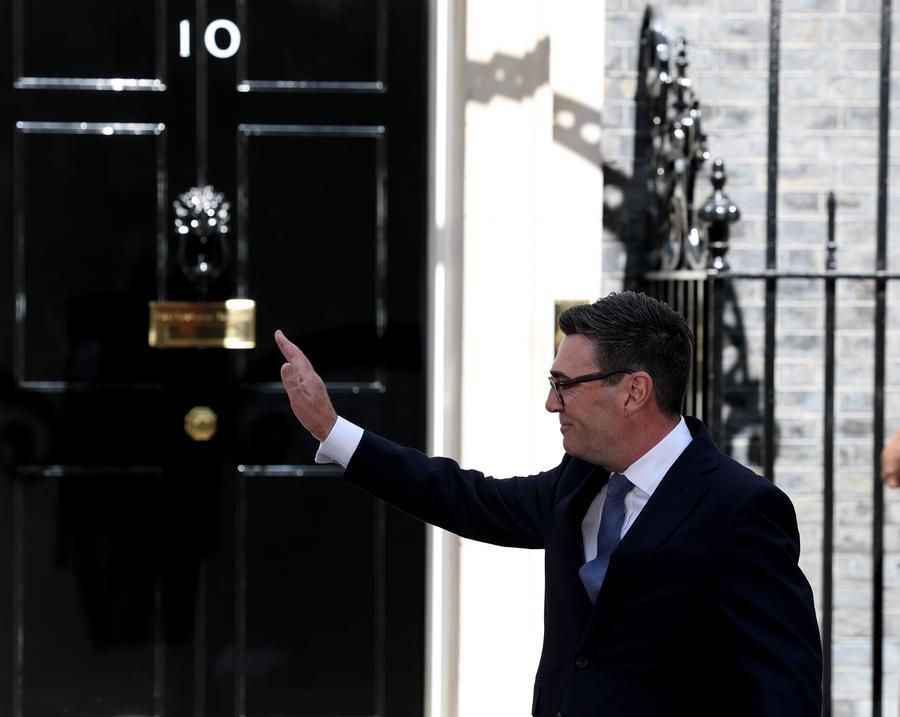
Andy Burnham waves to the crowd outside 10 Downing Street in London, Britain, July 20, 2026.
Change under pressure
Burnham appointed former Defense Secretary John Healey as chancellor of the exchequer, an unexpected choice for a government promising higher public investment and stronger public services.
Ed Miliband became foreign secretary, Wes Streeting was appointed defense secretary, and Louise Haigh, a close Burnham ally, took a senior role in the Cabinet Office. Several figures closely associated with former Prime Minister Keir Starmer left the government, while other experienced ministers remained.
The Financial Times described Healey as a steady figure with ties to both business and trade unions. A former junior Treasury minister, Healey faces the challenge of funding Burnham’s domestic agenda while addressing a multibillion-pound shortfall in the defense budget.
The appointments point to a more social democratic direction, tempered by Burnham’s commitment to retain existing fiscal rules and avoid unsettling financial markets.
Jonathan Reynolds was appointed to oversee business, trade, science and innovation. Kanishka Narayan became minister for artificial intelligence and will attend Cabinet meetings, giving the issue a more prominent role in economic and industrial policy.
Whether the government can translate those changes into tangible results remains the key test.
Jonathan Tonge, a professor of politics at the University of Liverpool, said Burnham entered Downing Street with considerable goodwill, but “the economic facts have not changed.”
High spending on welfare and pensions, together with public debt and interest payments, would limit Burnham’s room for maneuver and could shorten the government’s political honeymoon, Tonge said.
Steven Lynch, director of international trade at the British Chambers of Commerce, said Burnham’s emphasis on devolution and reindustrialization would raise expectations that government policies deliver more investment, exports and jobs across Britain.
Neil Carberry, chief executive of the Recruitment and Employment Confederation, warned that business support would fade without concrete action. He said recent policies had increased costs and discouraged hiring, and urged the government to reduce barriers to employment and private investment.
“The government cannot solve all the problems we face, but it can create an environment that enables the private sector to play a much bigger role,” Carberry said.
Among the international works showcased was Al-Atlal, a dance production presented on July 18 that explored the impact of conflict while highlighting themes of peace, unity and cultural diversity.
Created by acclaimed choreographer Orly Portal, the production combined movement, music and storytelling to reflect on conflict, reconciliation and hope. Inspired by the legendary Egyptian singer Umm Kulthum’s iconic song Al-Atlal (“The Ruins”), the work transforms a story of lost love into a broader reflection on the human search for peace.
Turning a story of conflict into a call for peace
In an exclusive interview with IGIHE, Portal explained that the production gained additional significance as violence unfolded in Israel during its creation.
She said that rather than allowing conflict to define the narrative, she chose to use dance as a language of peace.
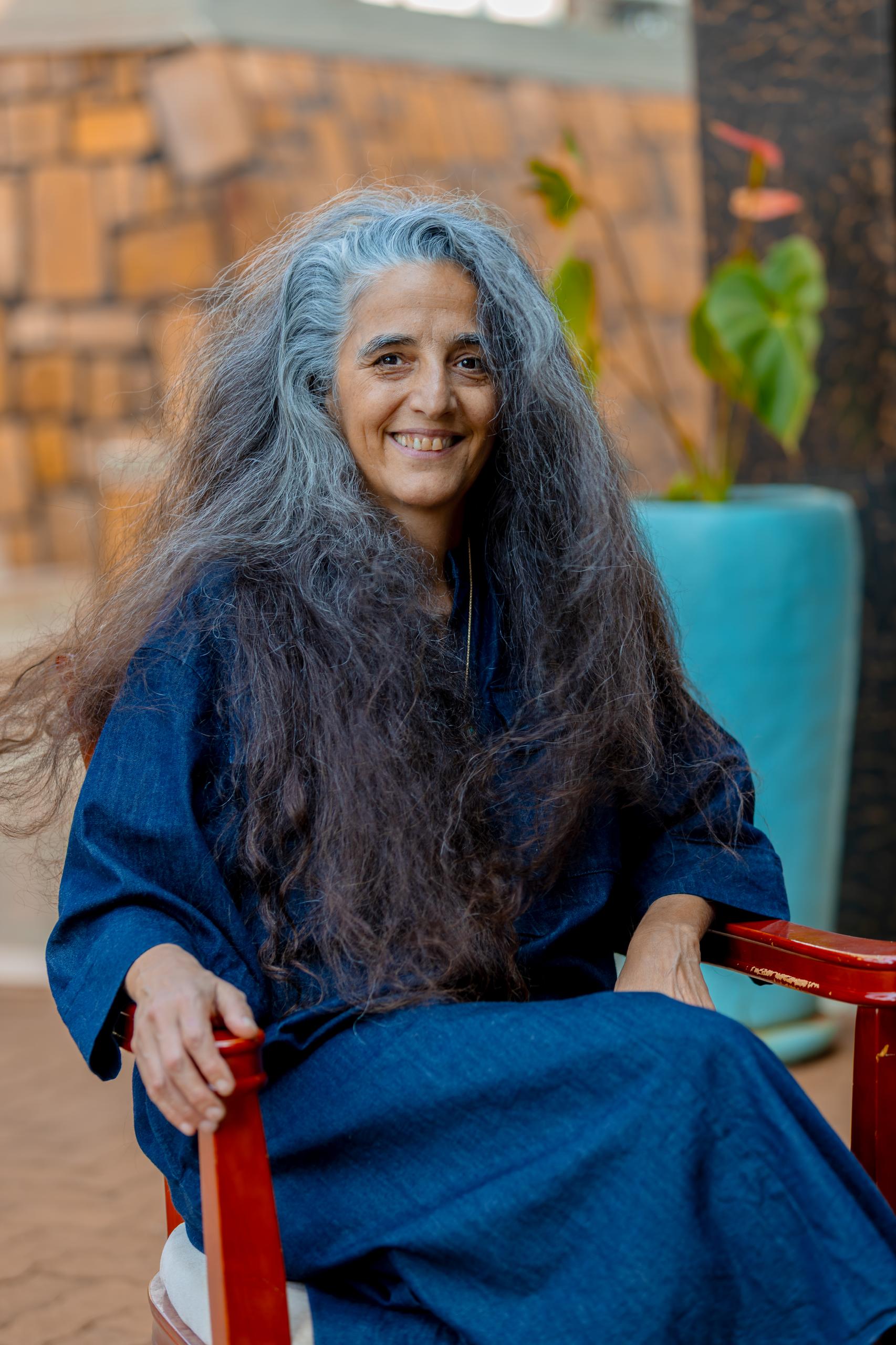
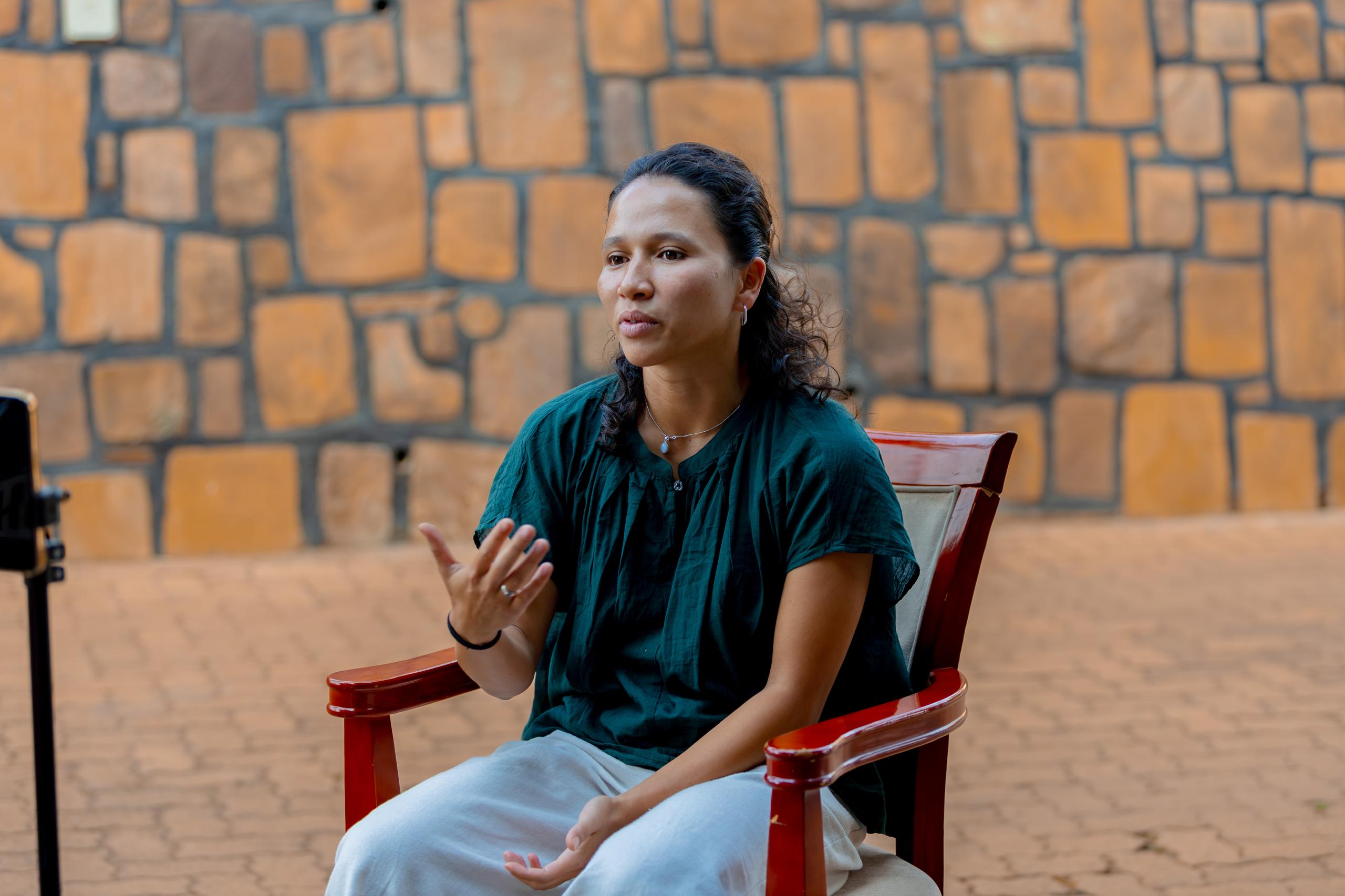
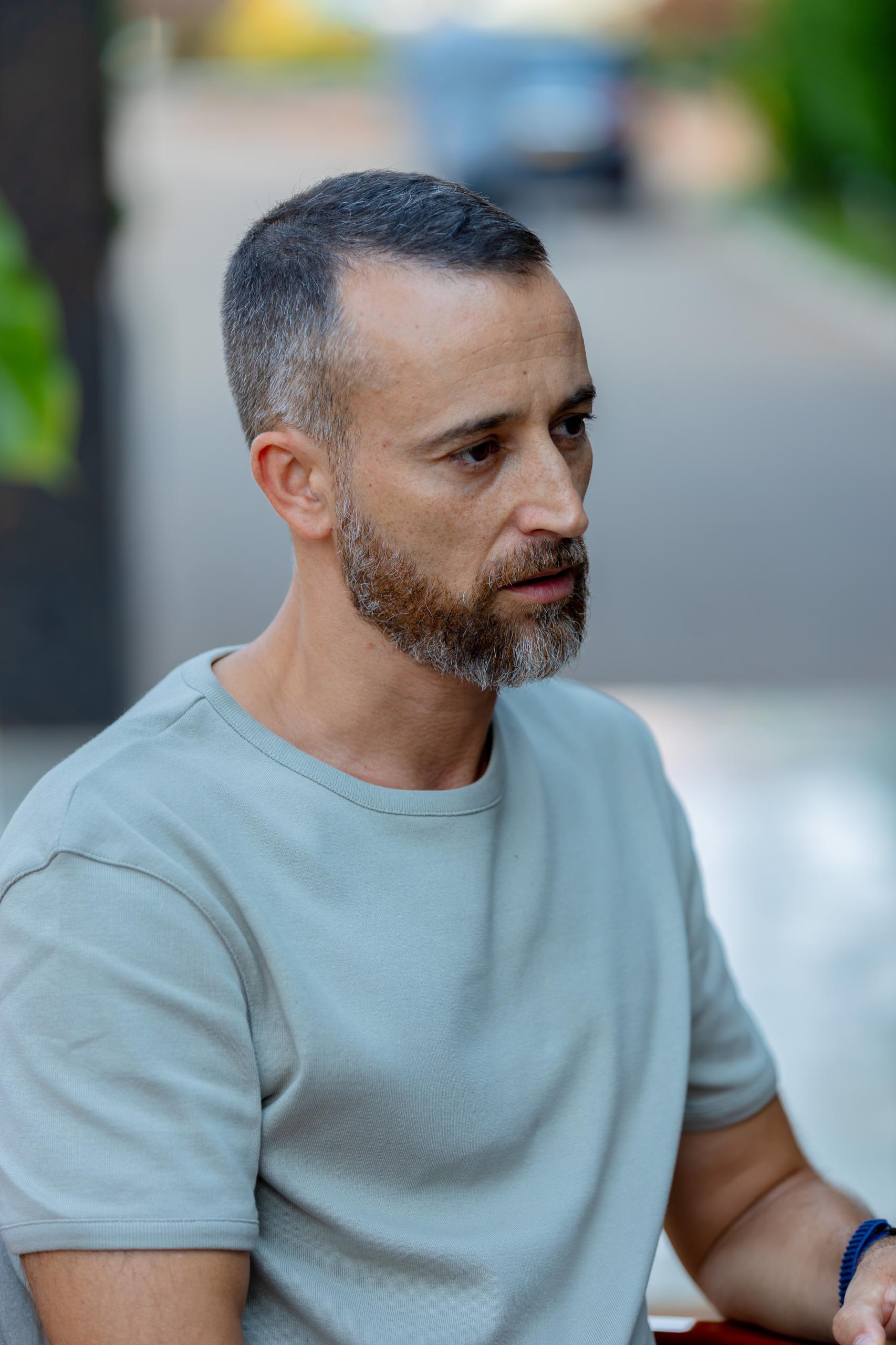
“The biggest message is to stop the war and spread love,” Portal said. “We gave a voice to both Arabs and Jews because we want people to listen to their hearts and remember that we are all one, no matter where we come from or what culture we belong to.”
She noted that the performance deliberately blends Arabic and Hebrew, reflecting both the shared history of the two peoples and her own Moroccan Jewish heritage.
Through music and movement, Al-Atlal encourages audiences to see differences not as barriers but as opportunities for understanding.
Artists praise Rwanda’s culture
Portal said bringing the production to Rwanda was a memorable experience. Invited by the Ubumuntu Arts Festival after festival founder Hope Azeda watched the performance in Israel, she described Kigali as a place where she immediately felt welcomed.
“It is my first time in Rwanda, and I feel at home,” she said. “The people are joyful, generous and beautiful. I also see beauty within the people, and the artists and dancers here are truly amazing.”
Besides performing, Portal led a dance workshop for local artists, which she described as one of the most rewarding workshops she has ever conducted.
She was particularly impressed by Rwanda’s rich dance traditions and encouraged young African performers to embrace and preserve their cultural heritage.
“What you have is a treasure,” she said. “Explore new styles, but never forget your roots. Keep your groove because it is something the rest of the world can learn from.”
Israeli choreographer Orly Portal says Al-Atlal uses dance as a powerful call for peace, unity and cultural understanding.
For Lalel Pillora, one of the dancers in the production, the visit to Rwanda left a lasting impression. She said the warmth of the people and the country’s vibrant dance culture made the experience unforgettable.
“Our smiles never disappeared during our first night here,” Pillora said. “The traditions, the groove and the cultural dances are something very special that you don’t often see in the modern world.”
She hopes audiences who watch Al-Atlal leave with a greater appreciation of humanity’s shared experiences.
“We all live in the same world,” she said. “Even though we come from different countries and cultures, we share many of the same emotions and challenges. I hope people leave believing in peace and love.”
One of the most emotional moments for Pillora comes during a scene where the performers sing together while opening their jackets.
“In that moment, I feel like I’m shouting for peace and love,” she said. “I feel completely connected with the audience.”
She also encouraged aspiring dancers to trust their natural abilities rather than constantly doubting themselves.
“You already have it inside you,” she said. “Keep learning, but also believe in your roots because they are enough.”
Lalel Pillora says performing in Rwanda was an unforgettable experience that celebrated culture, connection and peace.
Fellow performer Daniel Costa described participating in the Ubumuntu Arts Festival as one of the most meaningful experiences of his career.
Originally from Portugal and now based in Israel, Costa said every day in Rwanda brought new encounters that made the visit deeply fulfilling.
“It’s a lifetime experience,” he said. “Everything we experienced here was rich, profound and full of heart.”
Asked to describe Al-Atlal in a single sentence, Costa called it “the sweatiest, most profound prayer and protest for a better world.”
He explained that every performance demands intense physical and emotional commitment, but the dancers are sustained by the purpose behind the work rather than by endurance alone.
Costa believes artists have a responsibility to challenge society and encourage reflection, especially during times of conflict.
“Art is often seen only as entertainment,” he said. “But art also exists to raise questions. We may not have the power to change governments, but we do have the responsibility to make people think and ask whether we can do better.”
He also praised the Ubumuntu Arts Festival for making its performances freely accessible to the public, saying it demonstrates the importance of ensuring art remains available to everyone.
As the festival came to an end, all three artists shared a common message with young dancers across Africa: remain curious, stay humble, work hard and never lose touch with your cultural identity.
For Portal, preserving tradition is essential to artistic growth. For Pillora, confidence begins with believing in oneself. For Costa, perseverance is what keeps creativity alive despite the challenges artists face around the world.
“It’s difficult everywhere to be an artist,” Costa said. “But if this is your passion, keep creating, stay humble and find ways to continue. The world always needs art.”
Through Al-Atlal, the performers reminded audiences that while dance may not end conflict on its own, it has the power to inspire dialogue, build empathy and bring people together across cultures.
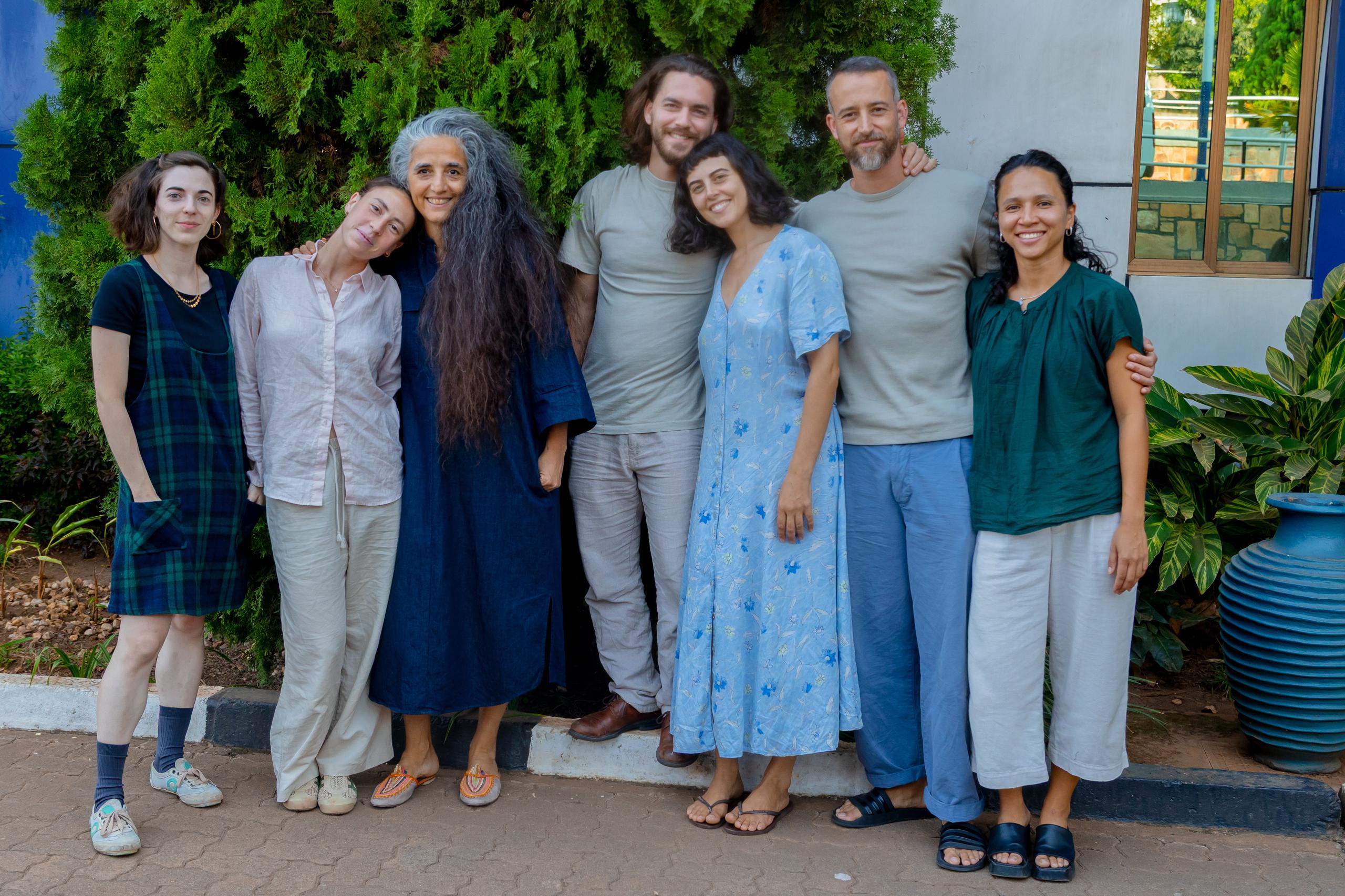
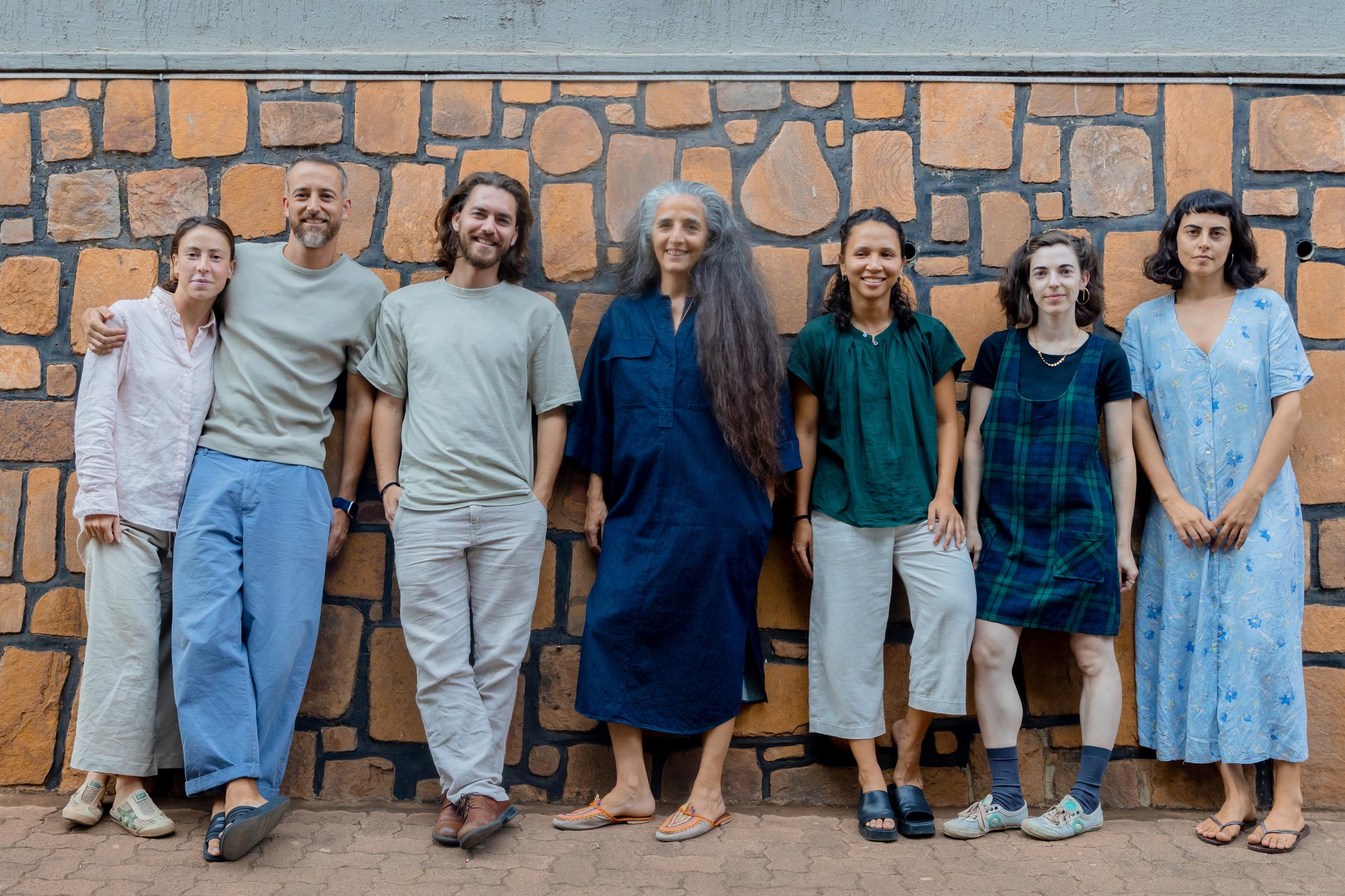
Daniel Costa believes dance is more than entertainment, describing Al-Atlal as a powerful prayer and protest for peace.The Al-Atlal performers during their visit to Kigali for the Ubumuntu Arts Festival, where they shared a powerful message of peace through contemporary dance.The performers of Al-Atlal believe dance can bring people together across cultures and inspire conversations about peace and humanity.The Al-Atlal performers say art has the power to transcend borders and unite people through shared human experiences.
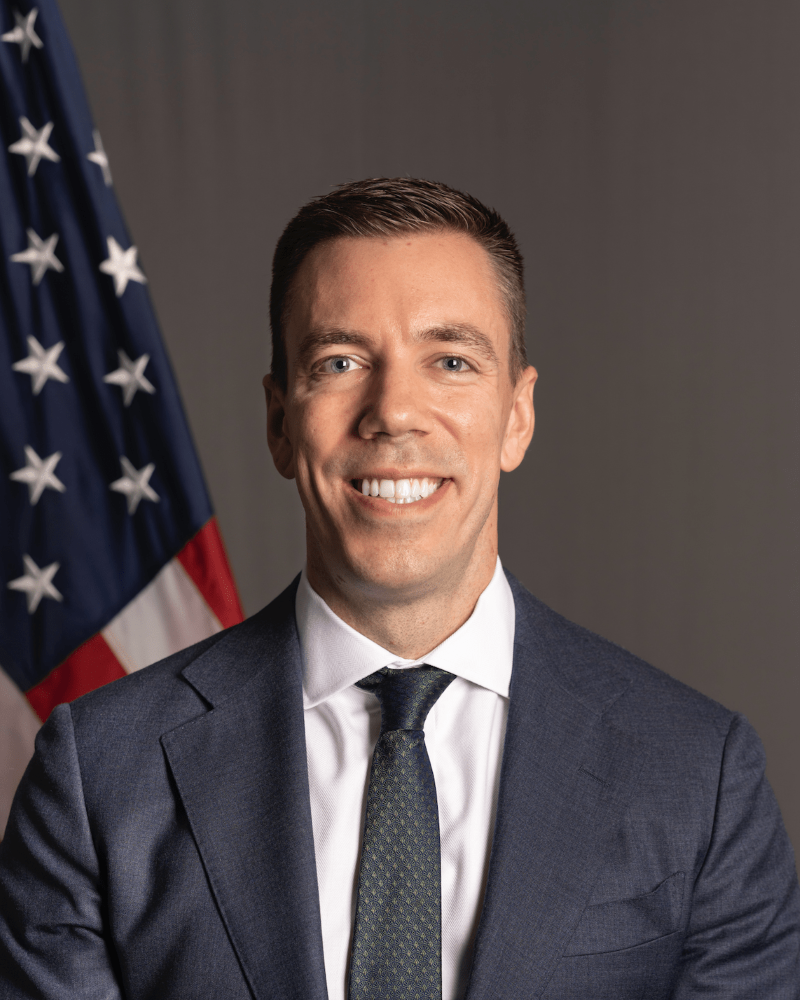
According to a statement dated July 21, 2026, released by the White House, Checker was among several nominees whose names were submitted to the Senate for confirmation.
The nominee brings experience in US foreign policy, national security and Africa affairs.
He recently served as Deputy Assistant Secretary for Southern Africa and Foreign Assistance at the US Department of State’s Bureau of African Affairs from June 1 to July 18, 2026.
Before that, he served as the Senior Bureau Official leading the Bureau of African Affairs from January to June 2026.
Prior to joining the State Department, Checker served as Deputy Executive Secretary for the National Security Council under President Donald Trump.
Between 2014 and 2025, he worked at the Central Intelligence Agency (CIA), where he covered conflicts in the greater Middle East and the Horn of Africa, as well as assignments in the Office of Congressional Affairs.
In 2023, he served as a national security fellow in the office of US Senator Bill Hagerty of Tennessee.
Checker holds a bachelor’s degree in history and political science from the University of Wisconsin and a master’s degree in Security Studies from Georgetown University.
If confirmed by the US Senate, Checker will succeed Eric Kneedler, who concluded his tour of duty as US Ambassador to Rwanda early 2026.
Kneedler formally assumed the ambassadorial role on October 18, 2023, after presenting his letters of credence to President Paul Kagame at Urugwiro Village.
He had succeeded Peter H. Vrooman, who served as US Ambassador to Rwanda before him.
During his time in Kigali, Kneedler engaged with Rwandan authorities on strengthening bilateral relations between Rwanda and the United States, including cooperation in areas such as health, development, security and economic partnerships.
Checker’s nomination comes as Rwanda and the United States continue diplomatic engagement spanning more than six decades, with cooperation covering trade and investment, public health, development initiatives and regional security.
Nicholas Checker has been nominated by President Donald Trump as the next US Ambassador to Rwanda, pending confirmation by the US Senate.
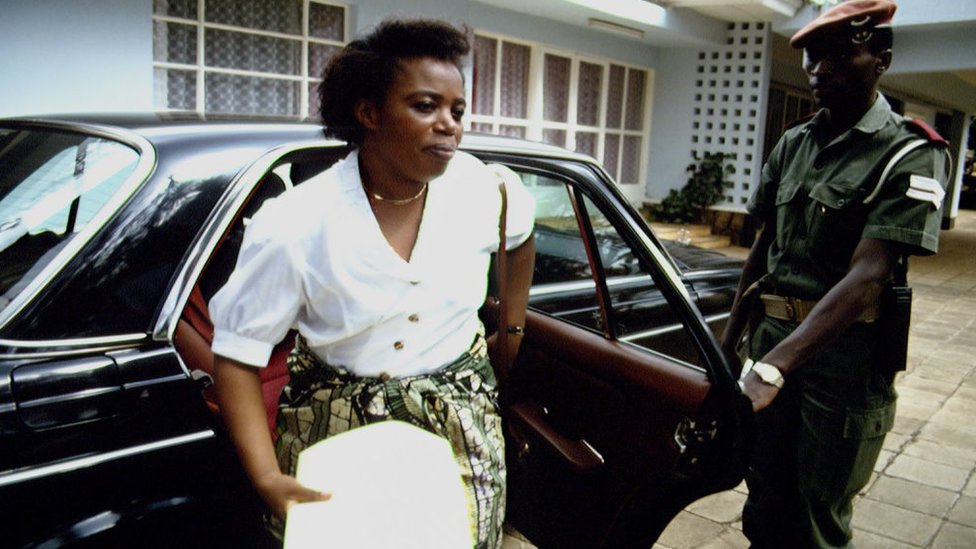
Uwilingiyimana, who was serving as Prime Minister at the time, was among several politicians targeted in the early hours of the genocide as extremist forces moved to eliminate opponents and moderate voices.
In September 2004, a protected witness told the International Criminal Tribunal for Rwanda (ICTR) in Arusha that a list of politicians to be killed had been prepared by individuals close to the Habyarimana family and senior figures within the former regime. Those named included Uwilingiyimana, Landouald Ndasingwa, Frédéric Nzamurambaho and others.
According to the witness, the list was prepared by Habyarimana’s wife, Agathe Kanziga, their daughter Jeanne, Protais Zigiranyirazo, and Major Protais Mpiranya.
The witness said Mpiranya was later instructed to send members of the presidential guard to carry out the killings.
A classified report by the United States Central Intelligence Agency (CIA) indicates that Uwilingiyimana attempted to seek refuge at the residence of the Deputy Chief of Mission at the US Embassy in Rwanda, but was forced to flee after hearing gunfire near her home.
On the morning of April 7, 1994, US Ambassador to Rwanda David Paul Rawson said Uwilingiyimana tried to reach the headquarters of the United Nations Development Programme (UNDP) for safety. However, presidential guards intercepted her and killed her.
Weeks later, on April 27, 1994, Matthieu Ngirumpatse, then Secretary-General of the National Revolutionary Movement for Development (NRMD) ruling party, and Justin Mugenzi, who served as Minister of Trade, addressed journalists during a press conference where Ngirumpatse spoke about the circumstances surrounding Uwilingiyimana’s death.
Ngirumpatse claimed that former government forces had accused Uwilingiyimana of planning to overthrow President Habyarimana shortly before his death.
“Two days earlier, the Prime Minister had summoned some senior military officers and told them about her plan to overthrow the President,” he said.
However, Uwilingiyimana’s supporters and survivors of the genocide have rejected such accusations, describing them as part of the propaganda used by extremist officials to justify the killing of political opponents.
The daughters of Dr. Emmanuel Akingeneye, Habyarimana’s personal physician, later told Belgian investigators that when they took their father’s body to the mortuary at Kanombe Hospital, the hospital’s Director General, Dr. Laurent Baransaritse, ordered that Uwilingiyimana’s body be placed in a separate room.
They also told investigators that they heard Jean-Luc Habyarimana, the former president’s son, saying he wanted to shoot Uwilingiyimana’s body. However, based on the information available to them, they said he did not carry out the threat.
Uwilingiyimana became Rwanda’s Prime Minister on July 18, 1993, after previously serving as Minister of Education. She joined the government as a member of the opposition MDR party, which was critical of Habyarimana’s administration.
During her time as Education Minister, she challenged the ethnic-based quota system that had limited access to education for many qualified Tutsi students. The reform angered hardliners within MRND.
Ngirumpatse used false claims linking Agathe Uwilingiyimana to a coup plot to vilify her after her assassination.
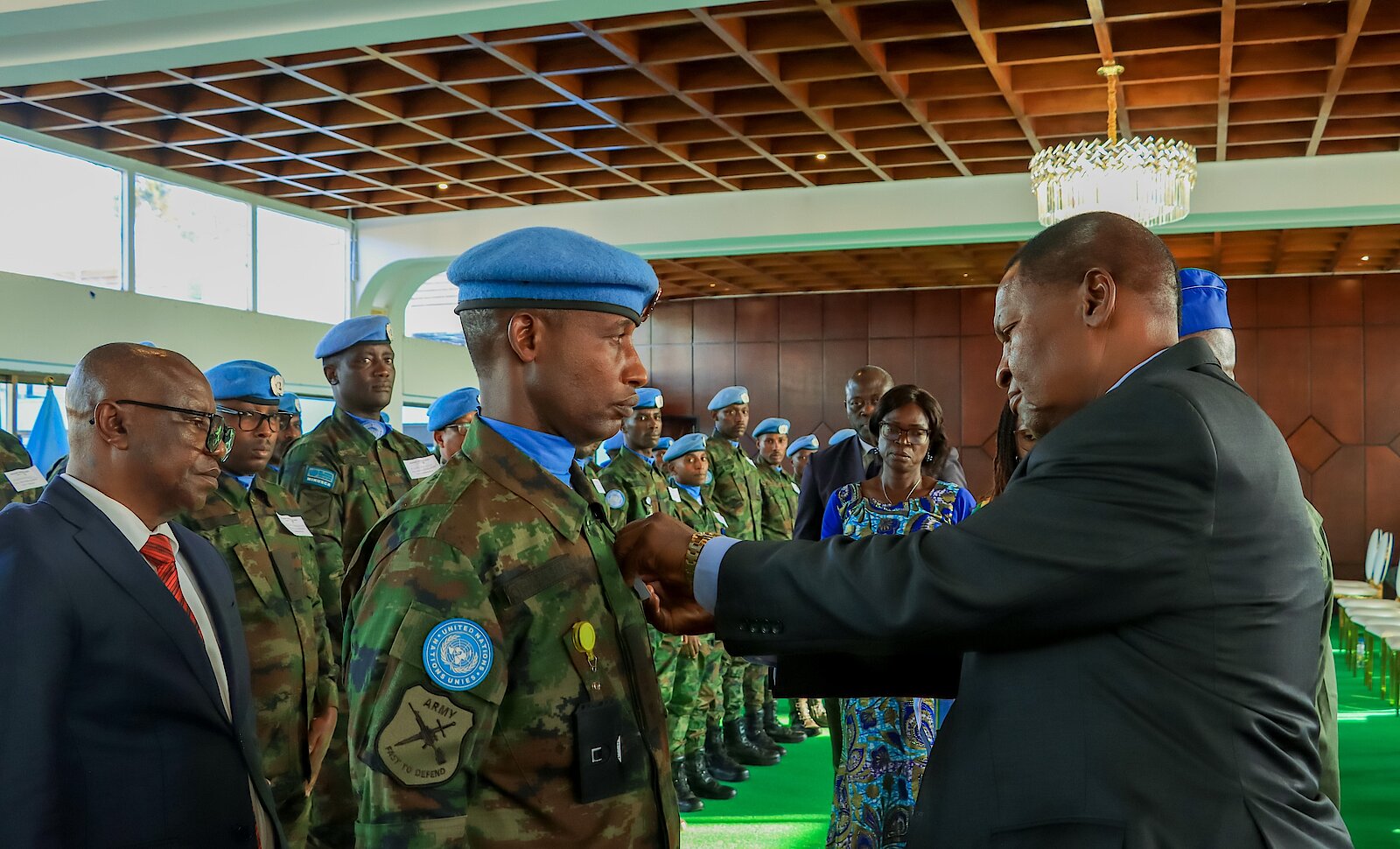
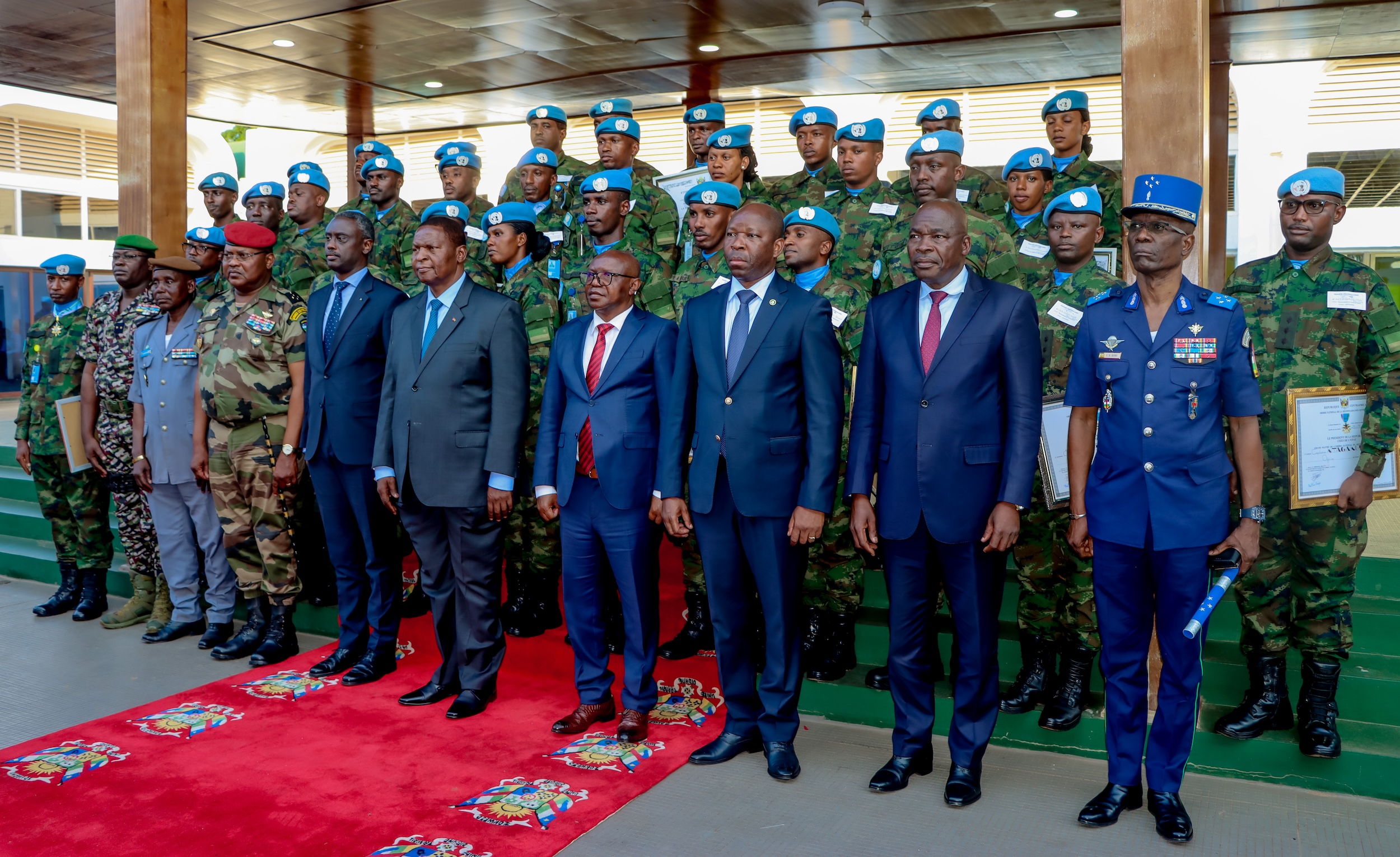
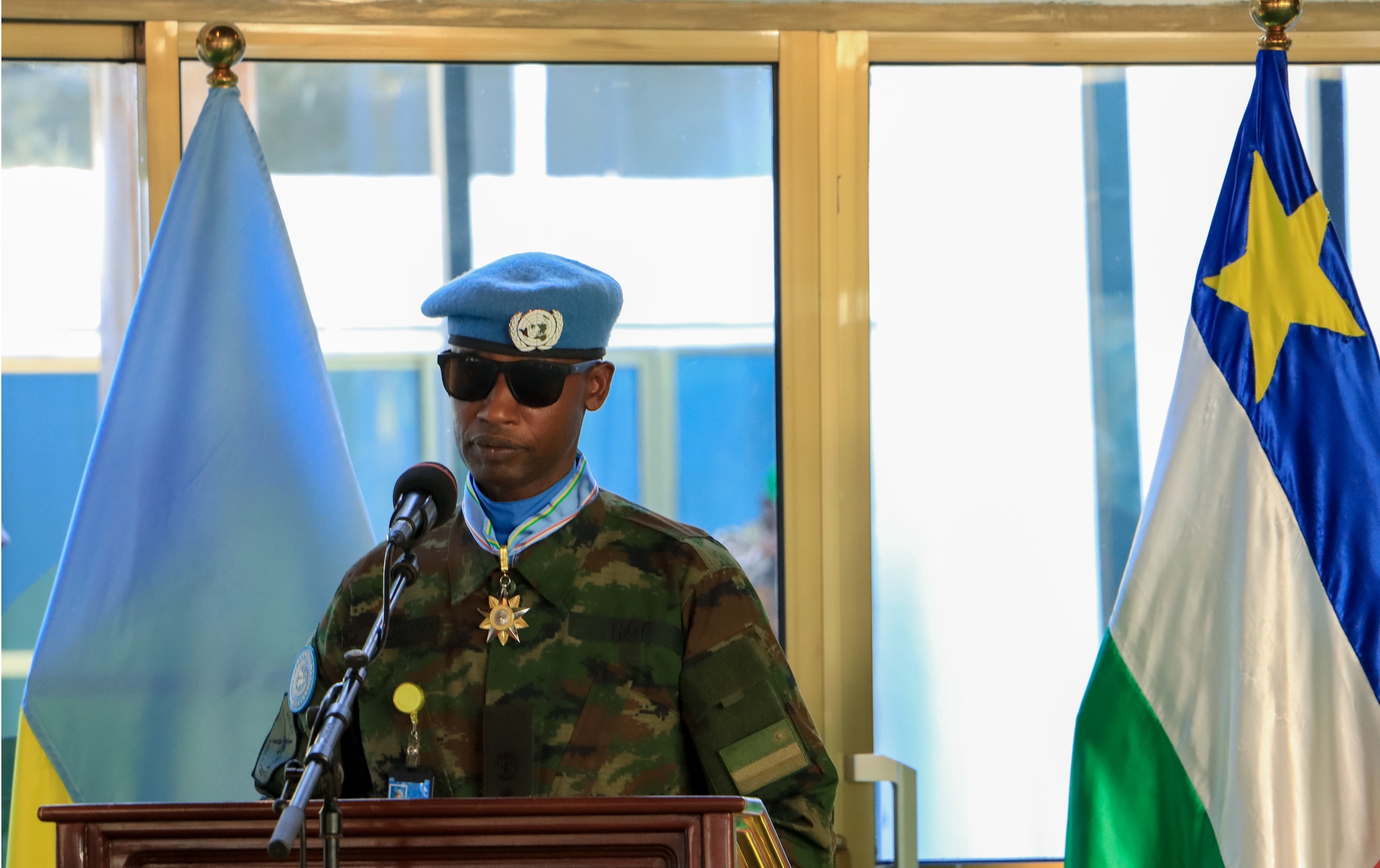
The ceremony took place on Tuesday, July 21, 2026, at the Presidential Palace in Bangui.
The medal was presented in recognition of the contingent’s dedication, steadfast professionalism, and exemplary service during peace support operations in the Central African Republic (CAR), where they played a key role in protecting civilians and promoting peace, security, and stability.
The Commanding Officer of RWANBATT-15, Lt Col Paul Gasasira, expressed his appreciation to the President of the Central African Republic for the continued support extended to the contingent in carrying out its mandate.
He also praised the professionalism, discipline, and resilience shown by RWANBATT -15 personnel throughout their deployment.
The ceremony was attended by senior officials from the Government of the Central African Republic, the Ambassador of the Republic of Rwanda to the Central African Republic, Olivier Kayumba, senior military officials, and members of the Rwandan community residing in the Central African Republic.
Rwanda has been contributing to United Nations peacekeeping efforts in the Central African Republic since 2014 through the United Nations Multidimensional Integrated Stabilization Mission in the Central African Republic (MINUSCA).
The mission is aimed at supporting the restoration of peace, security, and stability in the country.
Rwandan peacekeepers serving under MINUSCA have been awarded the Presidential Medal of Appreciation by CAR President Faustin Archange Touadéra in recognition of their dedication to protecting civilians and promoting peace.Senior government officials, military leaders, Rwanda’s Ambassador to the Central African Republic Olivier Kayumba, and members of the Rwandan community attended the medal award ceremony at the Presidential Palace in Bangui.The Commanding Officer of RWANBATT-15, Lt Col Paul Gasasira, has praised the professionalism, discipline and resilience demonstrated by Rwandan peacekeepers throughout their deployment in the Central African Republic.President Faustin Archange Touadéra has commended the dedication and exemplary service of RWANBATT-15 during its year-long deployment under the UN peacekeeping mission in the Central African Republic.
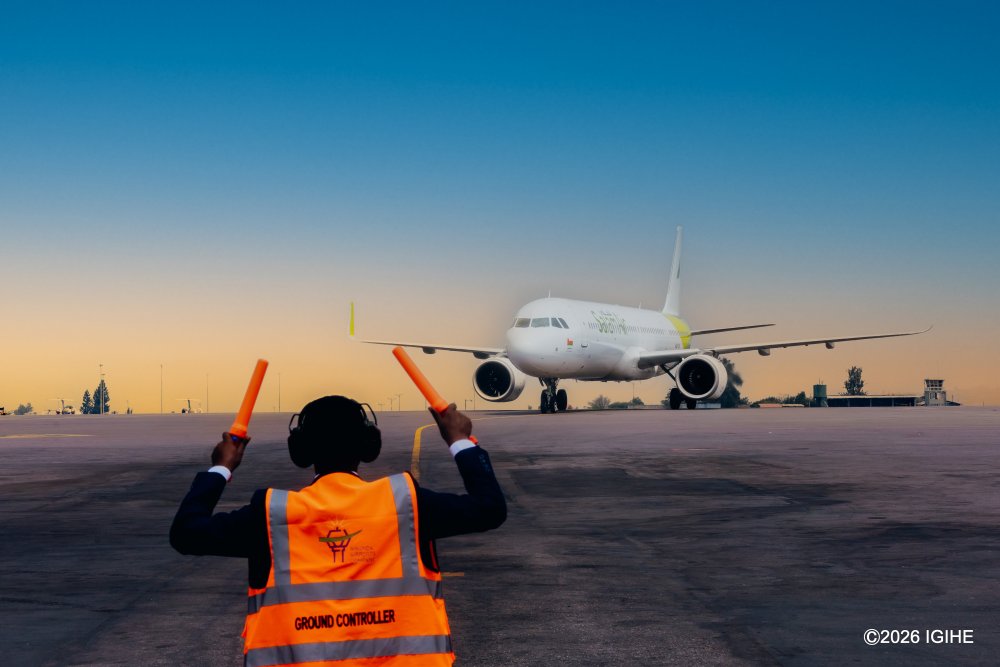
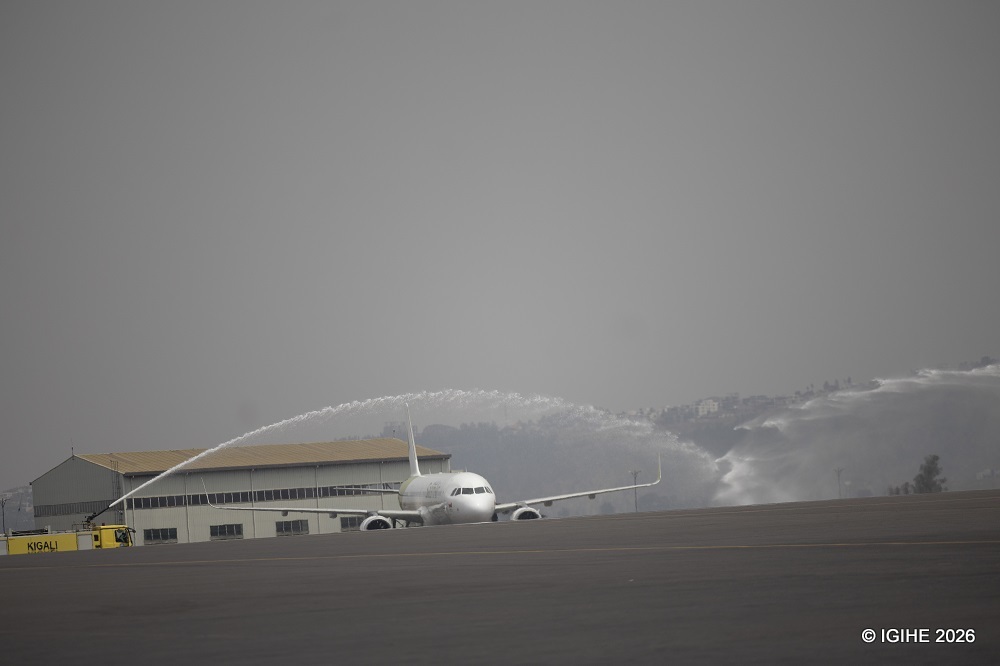
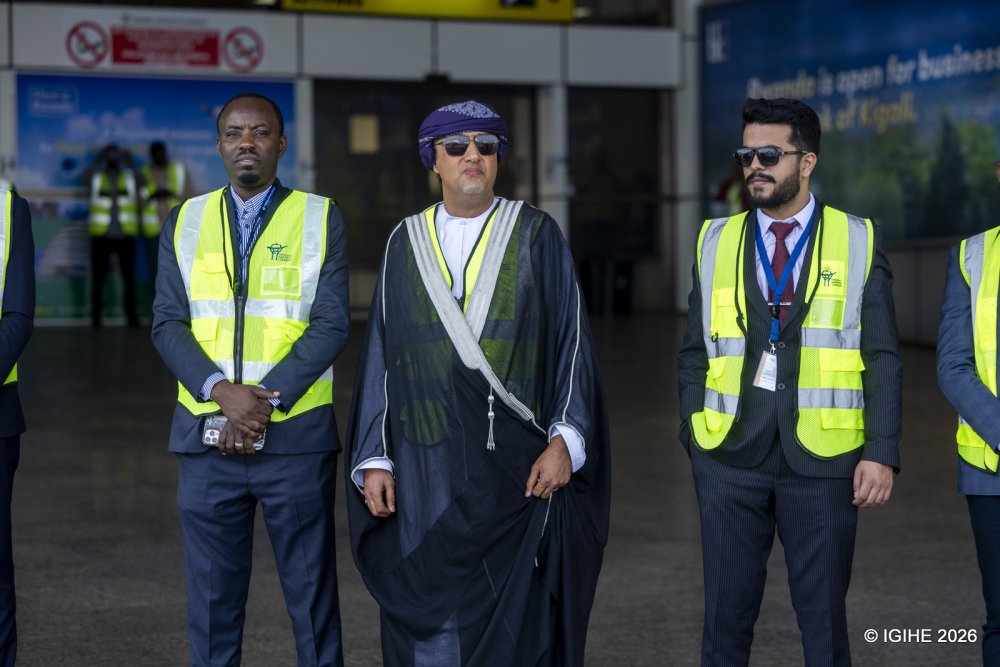
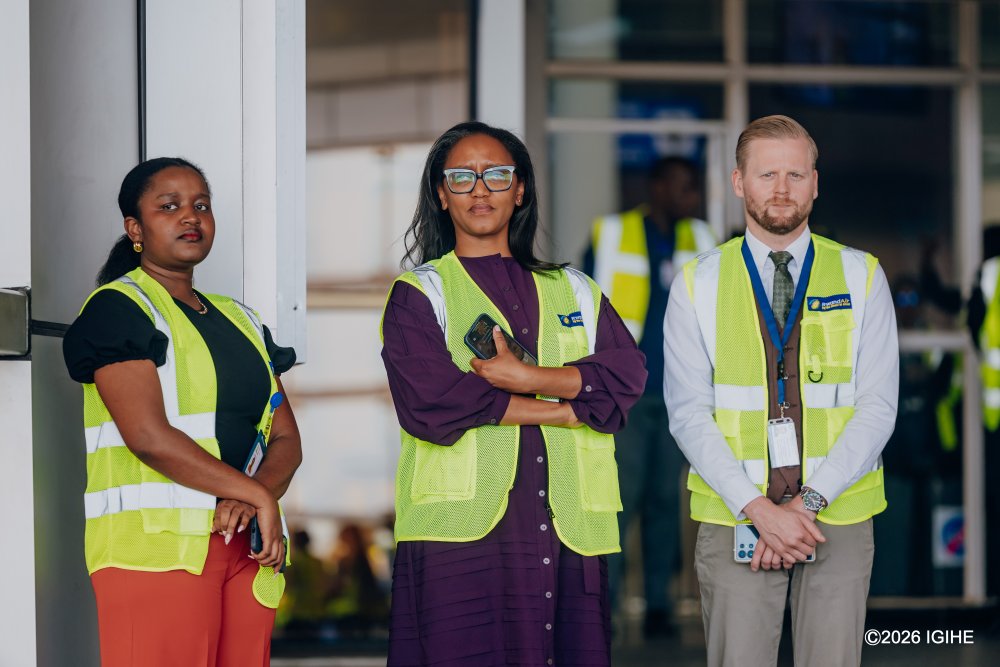
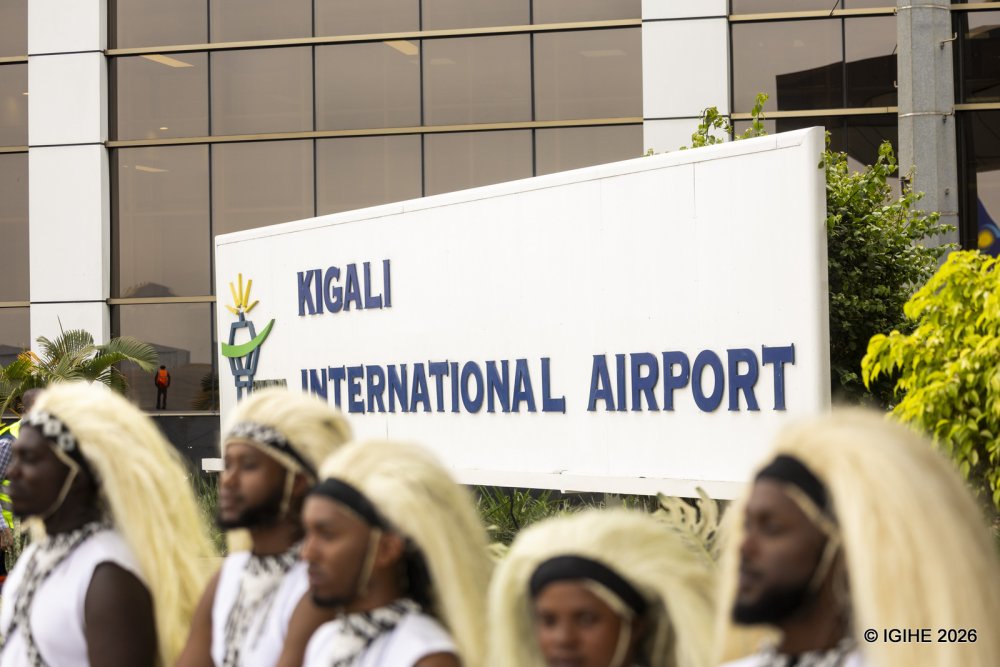
The airline’s inaugural flight landed at Kigali International Airport on Tuesday, July 21, following a launch ceremony at Muscat International Airport attended by senior officials from SalamAir, Oman Airports, the Civil Aviation Authority of Oman, the Embassy of Rwanda in Oman, and aviation and tourism stakeholders.
SalamAir will operate two weekly flights between Muscat and Kigali, every Monday and Thursday, offering passengers an affordable direct connection and onward access to destinations across the Middle East, Asia, Africa and Europe.
In a statement, the airline described Kigali as one of East Africa’s fastest-growing destinations, noting its thriving tourism industry, expanding business environment and strategic location as a regional gateway.
“The new direct service strengthens connectivity between Oman and Rwanda while creating new opportunities for tourism, trade, investment, and cultural exchange,” SalamAir said.
Rwanda’s Ambassador to Oman, CG Dan Munyuza, said the new route marks an important milestone in strengthening relations between the two countries.
“This new route will support the growing movement of travellers, businesses, and goods between our two countries, while creating further opportunities for tourism, trade, and investment,” he said.
Munyuza also noted that should RwandAir decide to launch flights to Oman in the future, it would receive the necessary support to begin operations.
SalamAir Chief Executive Officer Adrian Hamilton-Manns said the Kigali route forms part of the airline’s strategy to expand into high-potential markets.
“Rwanda is a dynamic destination with significant opportunities, and we are proud to establish this direct link, which will further strengthen the relationship between our two countries while supporting Oman’s tourism ambitions and the objectives of Oman Vision 2040,” he said.
Rwanda’s Minister of State for Infrastructure, Col. Claudien Bizimungu, said the new service is expected to increase visitor arrivals from the Middle East, facilitate business travel and reduce travel costs for Rwandans, particularly traders and other travellers who previously relied on multiple connecting flights.
The Muscat-Kigali route is expected to further strengthen the growing partnership between Rwanda and Oman while expanding Rwanda’s international air connectivity.
The airline’s inaugural flight landed at Kigali International Airport on Tuesday, July 21.The flight received a symbolic water salute.SalamAir will operate two weekly flights between Muscat and Kigali, every Monday and Thursday.