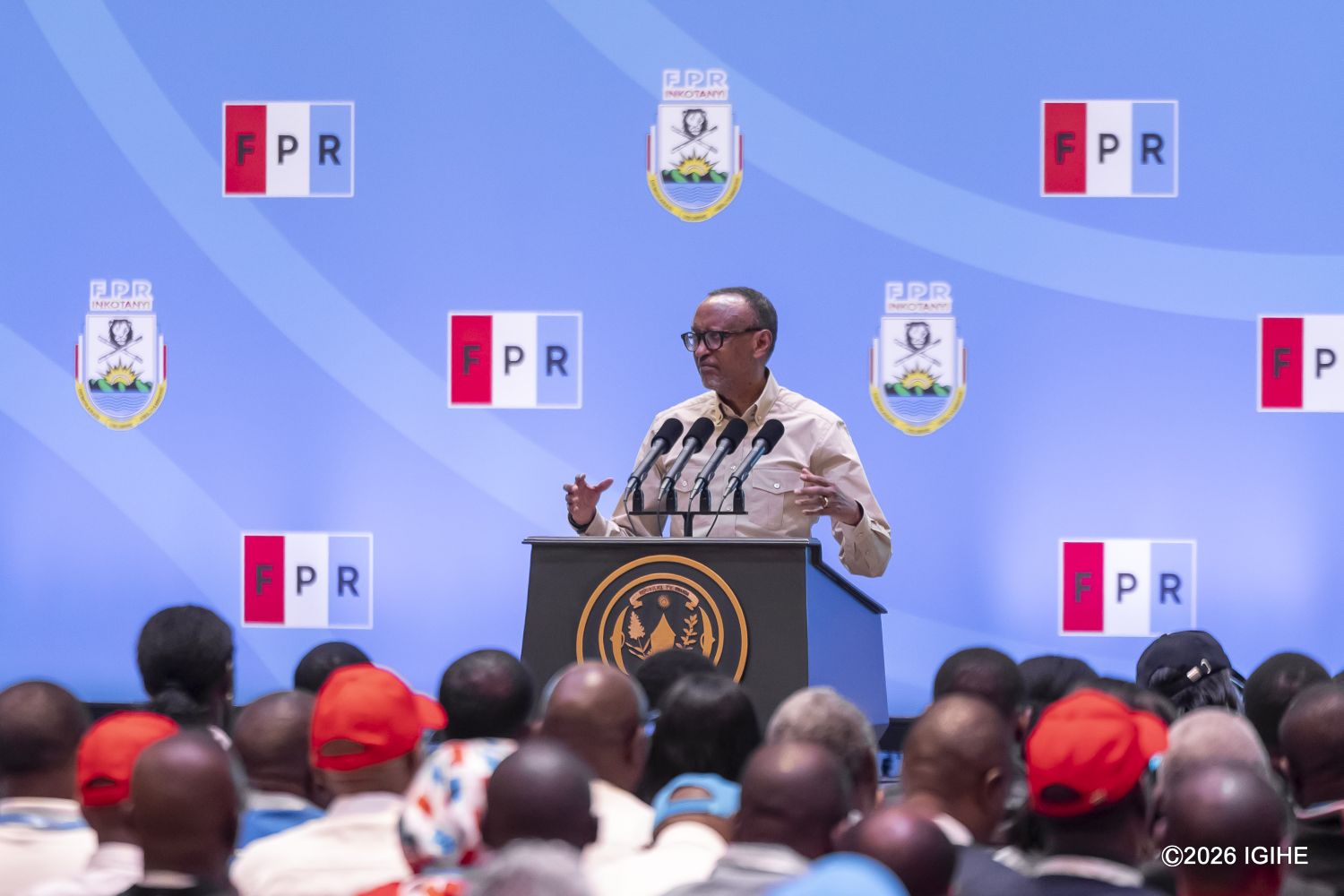
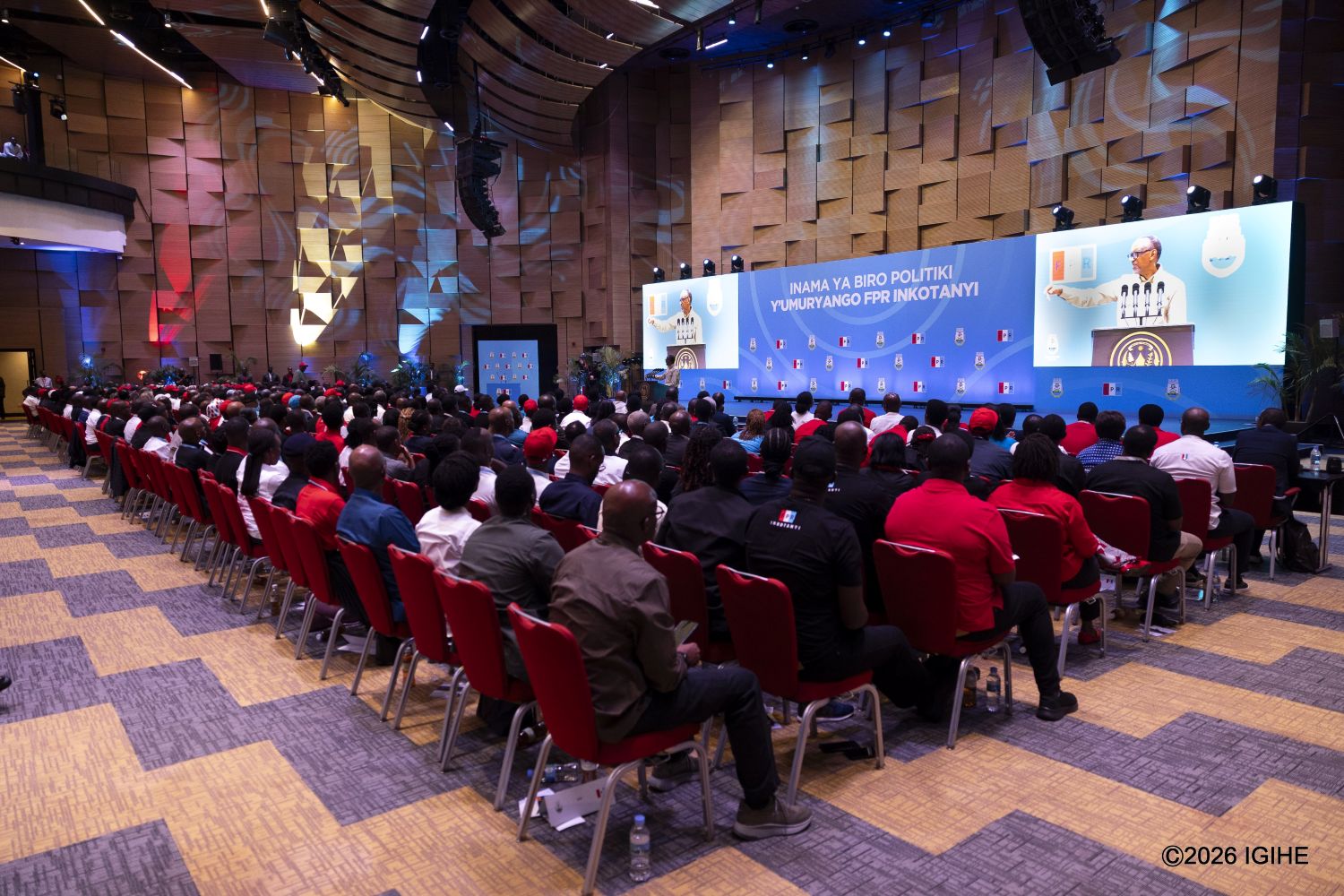
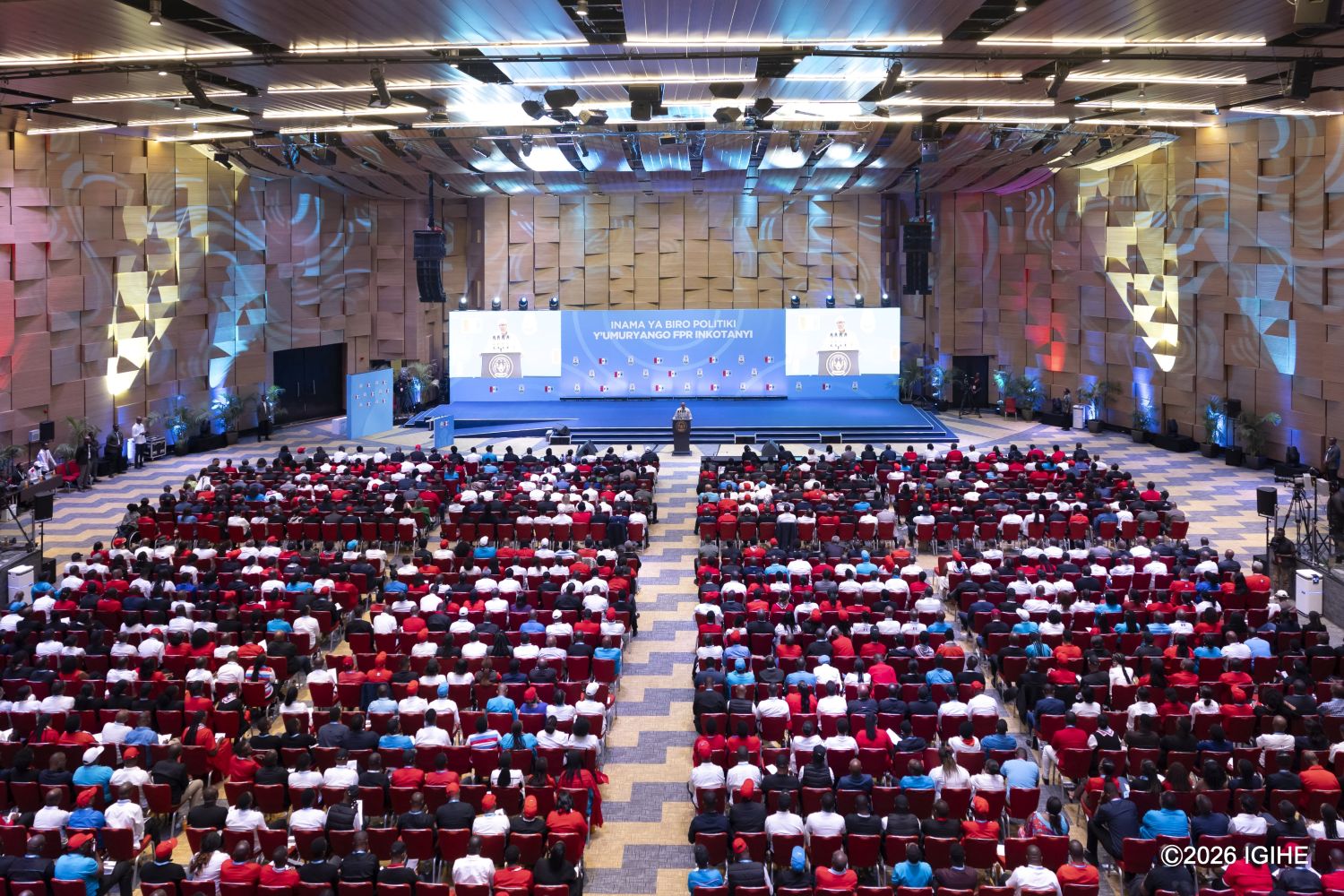
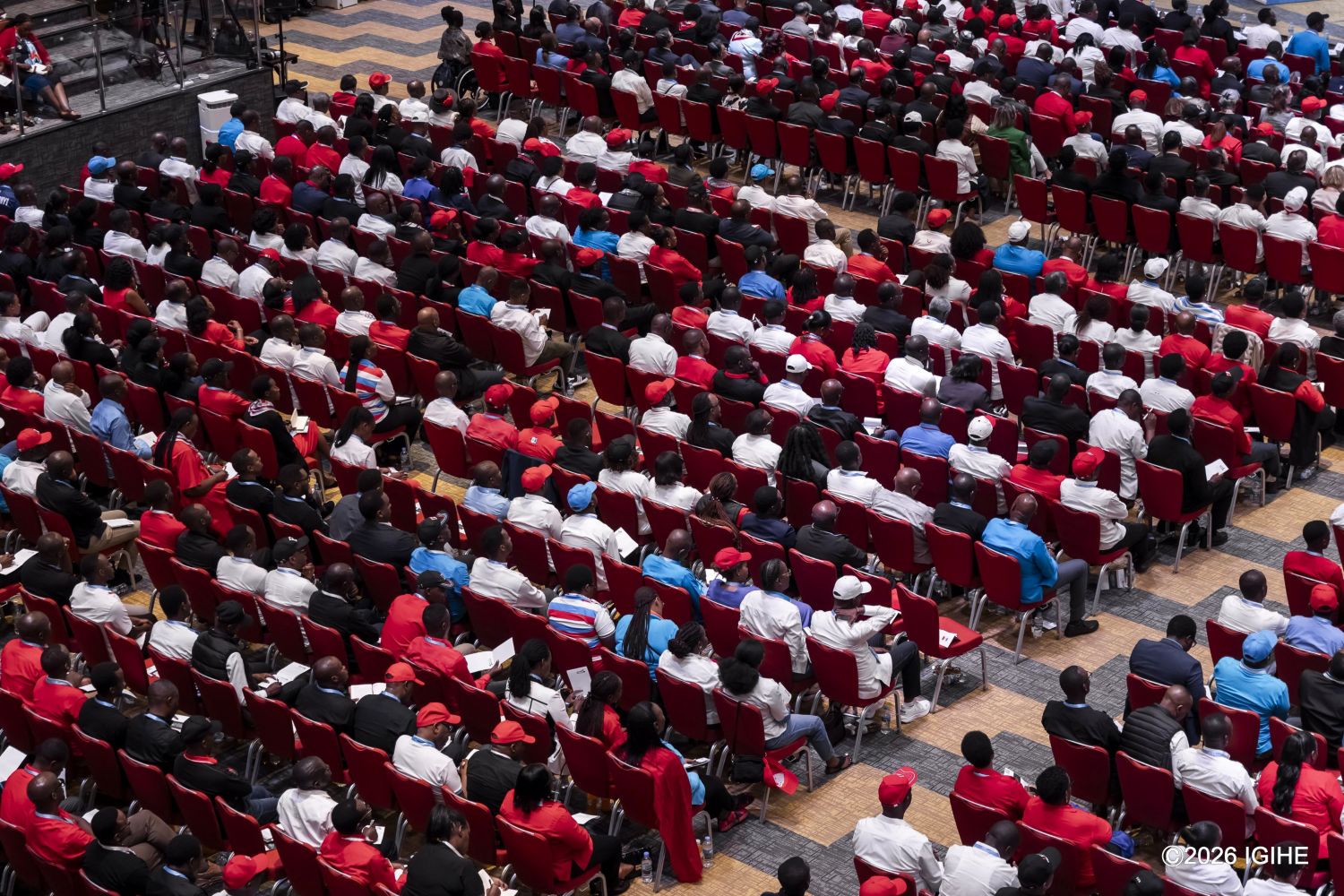
Kagame, who was then the Vice Chairman of the Rwanda Patriotic Front (RPF) and a commander in the liberation struggle, shared the account on Friday, July 17, during an RPF Political Bureau meeting attended by more than 2,000 participants, including RPF members, government officials, diplomats and representatives of political parties.
He said the RPF leadership had initially advised him against travelling to Paris in September 1991 because of security concerns, as fighting between the RPF and the then-government forces was ongoing.
Despite the risks, Kagame insisted on making the trip, arguing that refusing to attend the talks would reinforce the perception that the RPF was only interested in fighting rather than seeking a peaceful solution.
“I insisted. I said I’m going, because if we don’t show up, they will think we are just there fighting, and we don’t want to meet,” Kagame recalled.
During the visit, Kagame met Paul Dijoud, then a senior French foreign affairs official, whom he said repeatedly urged the RPF to stop fighting.
Kagame said he tried to explain that the RPF had taken up arms because of decades of persecution, discrimination and the denial of refugees’ right to return to Rwanda.
According to Kagame, the discussion became increasingly tense before Dijoud made a remark that he initially struggled to understand.
“He said, ‘You must stop fighting, because even if you take Kigali, you will not find your people,’” Kagame recalled.
“At first I couldn’t understand what it meant. But it actually meant they would be killed.”
As the meeting ended, Kagame said Dijoud made a sarcastic remark in the corridor, telling him he hoped to meet him again “when you are the commander of the new army of Rwanda.” Kagame said he replied that if that happened, he would do a good job of it.
Kagame said that after the 1994 Genocide against the Tutsi, in which more than one million people were killed, he concluded that the statement had foreshadowed what was to come.
“Connecting that with the history, with what happened eventually, I could not but conclude that was the meaning. They were privy to what was going on,” he said.
Detention overnight
President Kagame also recounted how, after the meetings, he and two colleagues, Dr. Ndahiro and Tom Byabagamba, were arrested in the middle of the night by armed plainclothes officers while staying at a hotel in Paris.
He said they were taken to a detention facility, where they were questioned about the people they had met during the visit.
Kagame recalled refusing to undergo a polygraph test and rejecting food offered to him while in custody. The three were released later that day before Kagame left France via Brussels.
The President said the experience has remained vivid in his memory, particularly in light of what unfolded in Rwanda less than three years later.
He made the remarks while reflecting on the historical roots of the Genocide against the Tutsi and longstanding efforts by some international actors to ignore or downplay threats against Rwandans.
Kagame also linked the episode to Rwanda’s current security concerns, arguing that warnings about threats posed by the FDLR and attacks against Banyamulenge communities in eastern Democratic Republic of Congo have similarly been dismissed by sections of the international community.
He drew a parallel between Dijoud’s warning and more recent remarks by regional actors dismissing concerns raised over killings in the Minembwe area of eastern DRC, saying both carried the same underlying message: that the fate of a targeted population was “none of your business.”
“It’s like, shut up, it’s none of your business,” Kagame said. “If it is not my concern, maybe it should be yours. Why are you not concerned?”
The President also delivered a strong message to those he said expect Rwanda to remain silent in the face of such threats.
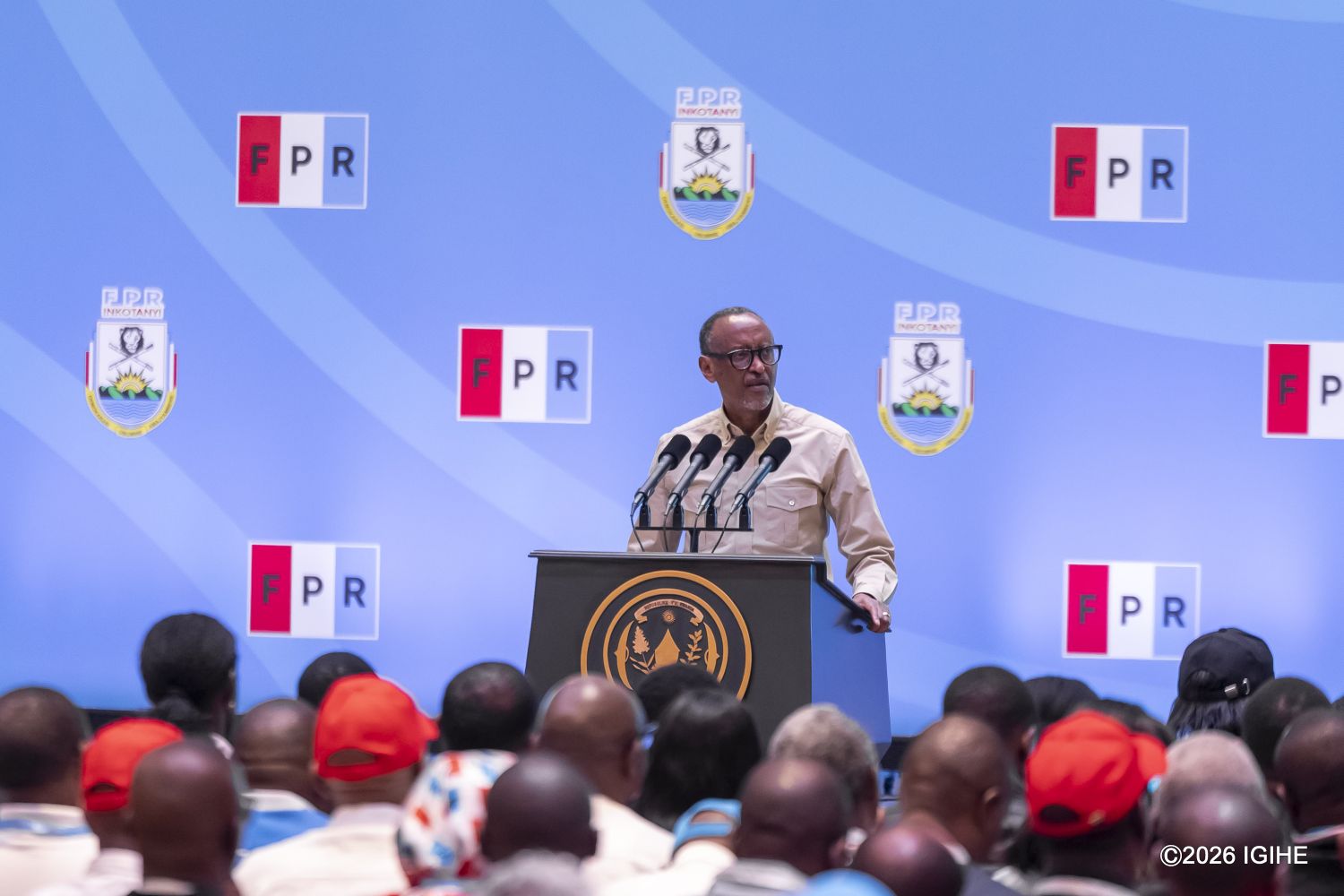
“Making people shut up, just shut up, I think it’s going to be probably more difficult than people think,” Kagame said, adding that he would continue speaking out against existential threats to Rwanda and vulnerable communities in the region.
“I will only shut up when I’m dead. That is the only way to make me shut up,” he declared, arguing that silence in the face of threats would amount to abandoning the responsibility to protect people’s lives.

Leave a Reply