He made the remarks in an interview with Rwanda Broadcasting Agency (RBA) after the Paris Criminal Court in France upheld Dr. Eugène Rwamucyo’s conviction for genocide and crimes against humanity, affirming the 27-year prison sentence imposed at his initial trial.
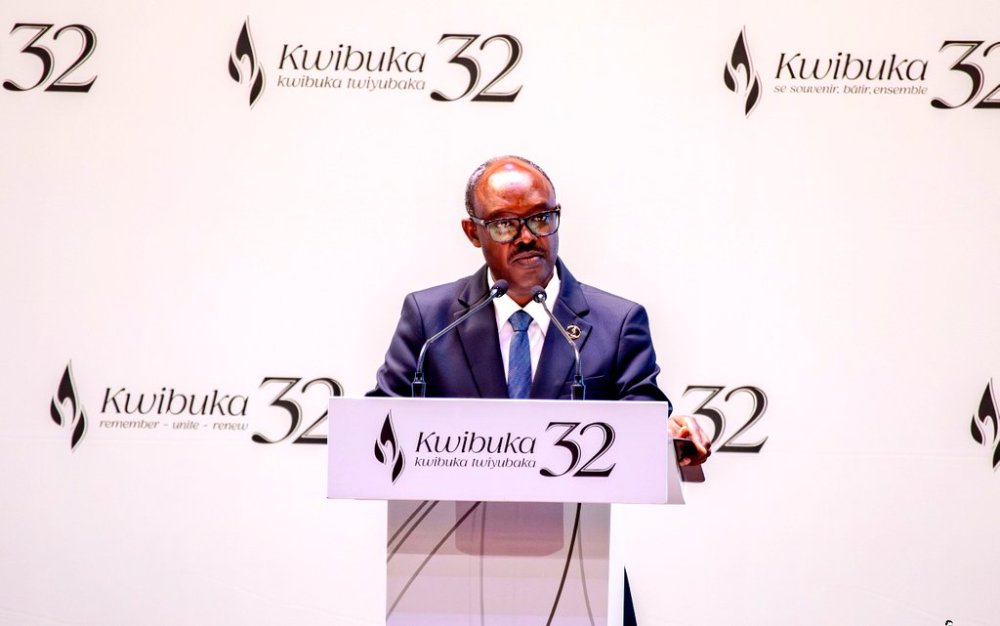
Dr. Gakwenzire, who heads the umbrella association of Genocide survivors in Rwanda, described the judgment as a significant step toward accountability but said it represents only limited progress given the number of genocide suspects who continue to evade justice while living abroad.
His comments come as figures released by Rwanda’s Ministry of Justice in June 2026 show that, of the 1,199 arrest requests Rwanda has submitted to foreign jurisdictions for individuals suspected of participating in the 1994 Genocide against the Tutsi, only 63 have so far been brought before the courts.
He said the continued delays in prosecuting genocide suspects are particularly painful as witnesses, survivors, and suspects themselves continue to die.
“Witnesses are dying, genocide survivors who have waited for justice are dying, and those who committed these crimes are also dying, often without ever being held accountable. They pass away while still being regarded as people who committed no crime,” he said.
“There remains a huge gap. Judicial institutions at both the national and international levels must work together to find ways of closing it.”
Dr. Gakwenzire further noted that several known genocide fugitives remain active in the Great Lakes region, with some having entered politics while others have been integrated into national armed forces, allowing them to continue posing a security threat to Rwanda.
He called on the African Union to take a more proactive role in addressing the issue through African-led solutions, while urging continued diplomatic engagement with countries beyond the continent that continue to host genocide suspects.
“We need African institutions to play their part in finding African solutions. At the same time, advocacy should continue with countries farther away, but action is especially needed in our own region where these suspects remain,” he said.
Dr. Gakwenzire also called for the establishment of additional international judicial mechanisms to accelerate accountability, arguing that the pace of delivering justice for victims of the Genocide against the Tutsi remains too slow.
“What we ask of the international community is to establish dedicated mechanisms, including special courts, to prosecute those responsible for genocide. We must find a way to recover the time that has already been lost,” he added.
Leave a Reply