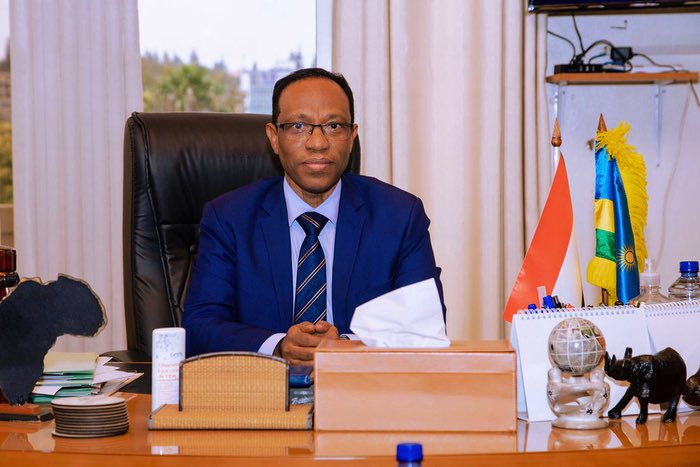
The ambassador disclosed the figures while speaking to IGIHE on the sidelines of Umuganda, Rwanda’s monthly community service, held in Jabana Sector of Gasabo District last Saturday, where more than 150 Sudanese nationals joined local residents in community work.
Dafalla said the growing investment portfolio reflects the Sudanese community’s confidence in Rwanda’s business environment and its desire to contribute to the country’s socio-economic development.
“Our total investment here is more than $25 million,” he said. “Real estate is one of the biggest sectors. We have five companies developing apartments, villas and houses. It is a very promising sector.”
He added that Sudanese investors have also established a strong presence in education, including two schools and a medical university with more than 1,000 medical students, alongside investments in medical services.
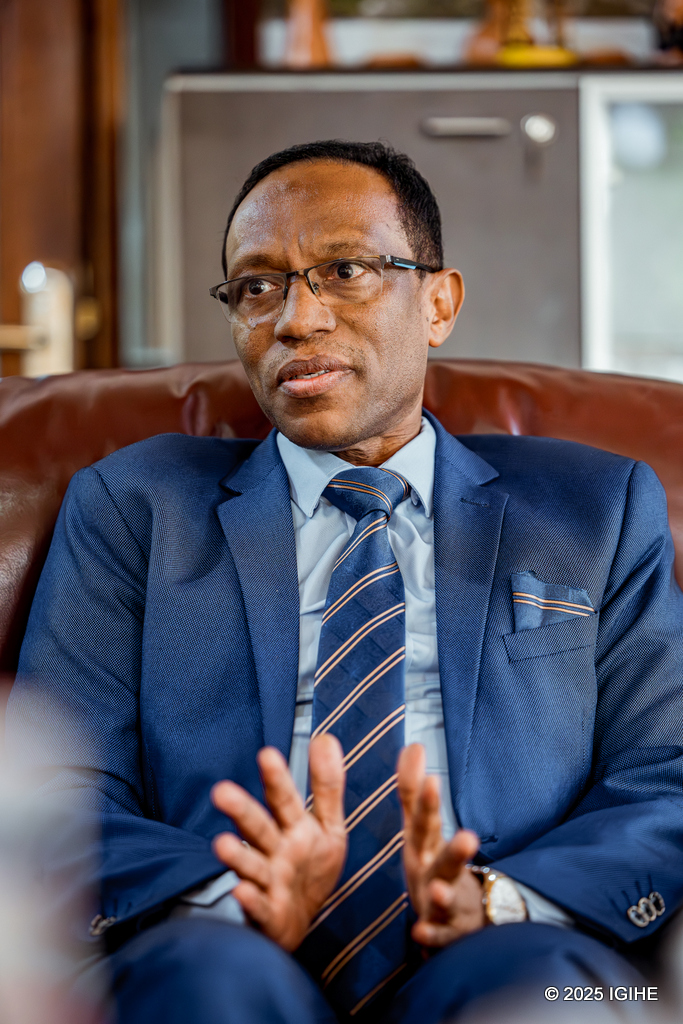
Beyond education and real estate, Sudanese businesses are active in agriculture, poultry farming, oil and gas, and other commercial activities.
“We have Sudanese agriculturalists with different farms. There are three or four companies in poultry, and some companies are already exporting cash crops,” he said.
According to the ambassador, Sudanese entrepreneurs are increasingly looking at Rwanda’s real estate market while also exploring opportunities in agriculture, particularly the export of coffee, tea and other cash crops.
“Rwanda is famous for its agribusiness, especially coffee and tea, which are among the best quality in the world,” he said, noting that Sudan is the sixth-largest importer of Rwandan coffee and tea and that both countries have room to expand agricultural trade.
Dafalla also revealed that Sudanese investments in Jabana alone are valued at about $4 million, mainly in the oil and gas sector.
The ambassador said the investments are being driven by a growing Sudanese community in Rwanda, which he estimated at around 5,000 people, including about 4,000 students enrolled in six universities. Others work in healthcare, business and other professional fields.
He noted that Sudanese doctors serve in hospitals and clinics across Rwanda, while business owners operate shops in Kigali and have also introduced Sudanese cuisine through about 15 restaurants.
“We are contributing to cultural diversity,” he said. “We are part of this culture and are adding beauty to the cultural scene in Rwanda.”
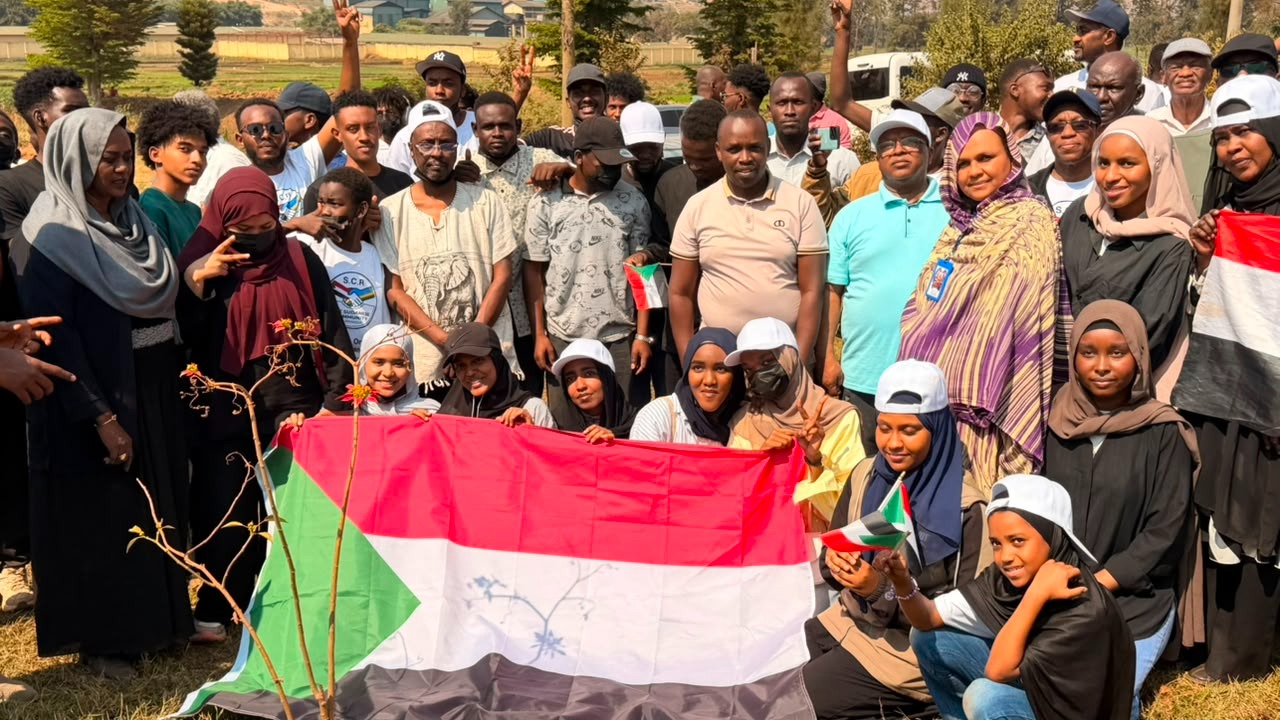
Umuganda offers lessons for Sudan
Dafalla said the Sudanese Embassy organised the participation of more than 150 Sudanese nationals in Umuganda to expose them to one of Rwanda’s most celebrated homegrown initiatives.
He described Umuganda as an expression of African values centred on collective responsibility and community development, adding that the Sudanese community would take the lessons learned from the initiative back home and promote similar practices within their communities.
“We came to learn from Rwanda’s good practices and deepen our understanding of Rwandan culture,” he said. “Our youth especially want to learn from this so that when they finish their studies and return home, they can reflect these good practices in the Sudanese community.”
During the exercise, the embassy donated 100 construction and cleaning tools to support community activities in Jabana.
The ambassador emphasised that the Sudanese community considers itself an integral part of Rwandan society.
“We are not aliens; we are African brothers and sisters,” he said. “We are here to participate, contribute positively and learn from Rwanda’s good practices.”
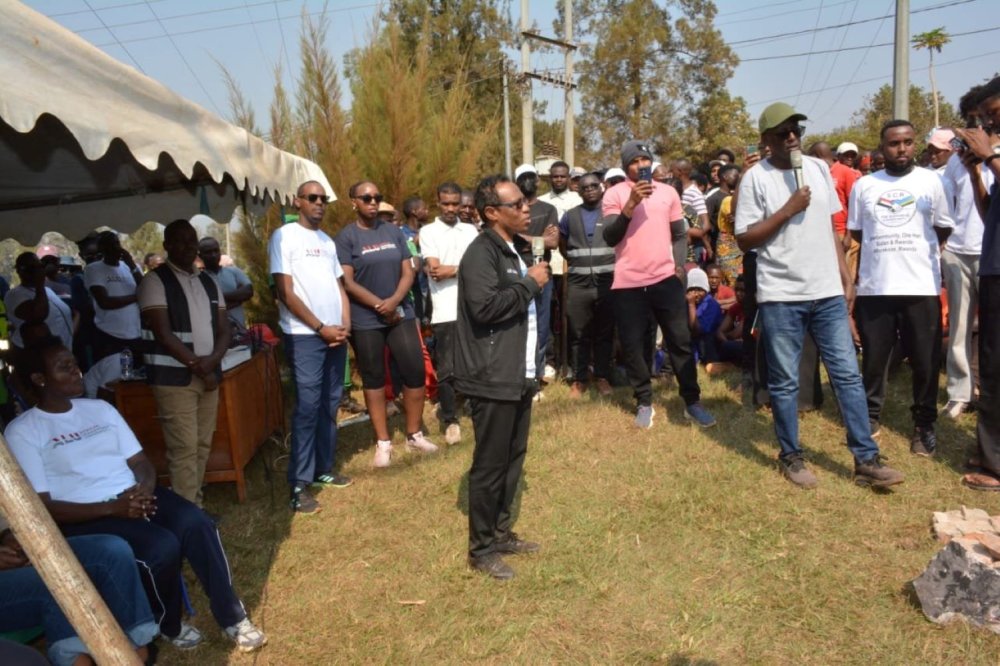
Embassy addresses student misconduct
The ambassador also addressed recent reports involving misconduct by some Sudanese students, describing the incidents as isolated and unrepresentative of the wider community.
He said the embassy has intensified engagement with students through campus visits, meetings with university leaders and collaboration with student associations to encourage respect for Rwandan laws and peaceful coexistence.
“When you have 4,000 students and there are only a few reported cases, the proportion is not alarming, but it is still a concern for us,” he said. “We are working hard to ensure it is not repeated.”
He urged Sudanese students to respect Rwanda’s laws, cooperate with law enforcement authorities and act as ambassadors of goodwill between the two countries.
“My message is that we should pay back respectfully to the Rwandan community,” he said. “Take the good practices from Rwanda back to Sudan. You are cultural bridges between our two African sister countries.”
Leave a Reply