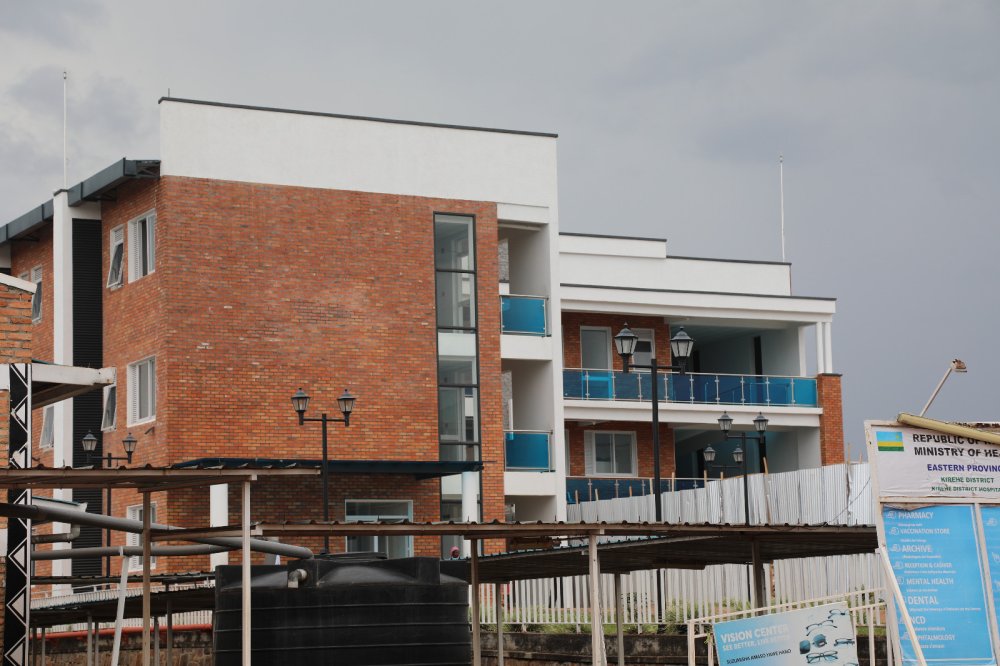
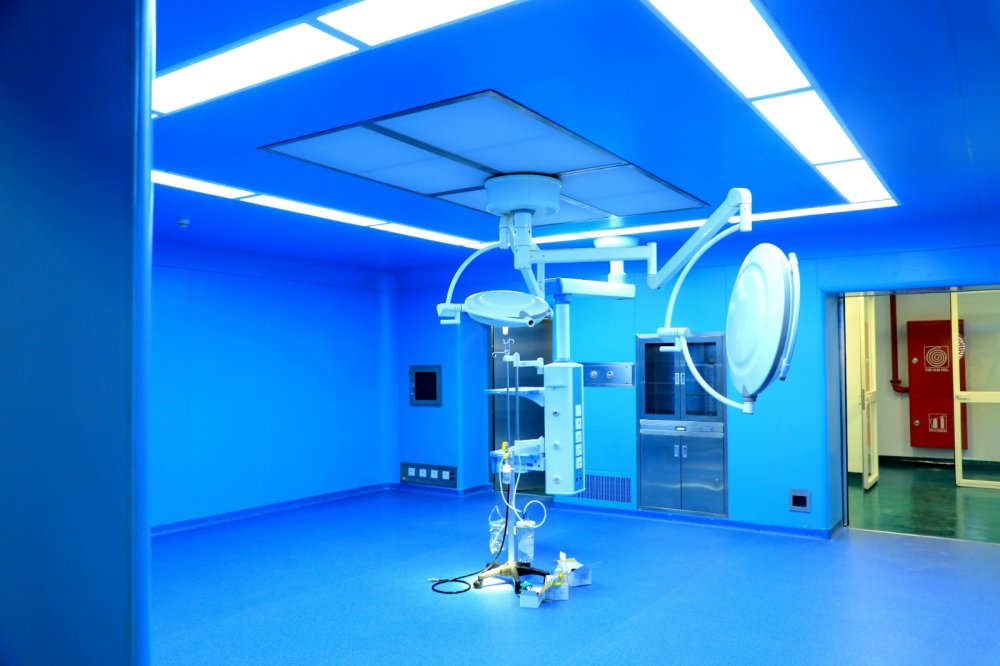
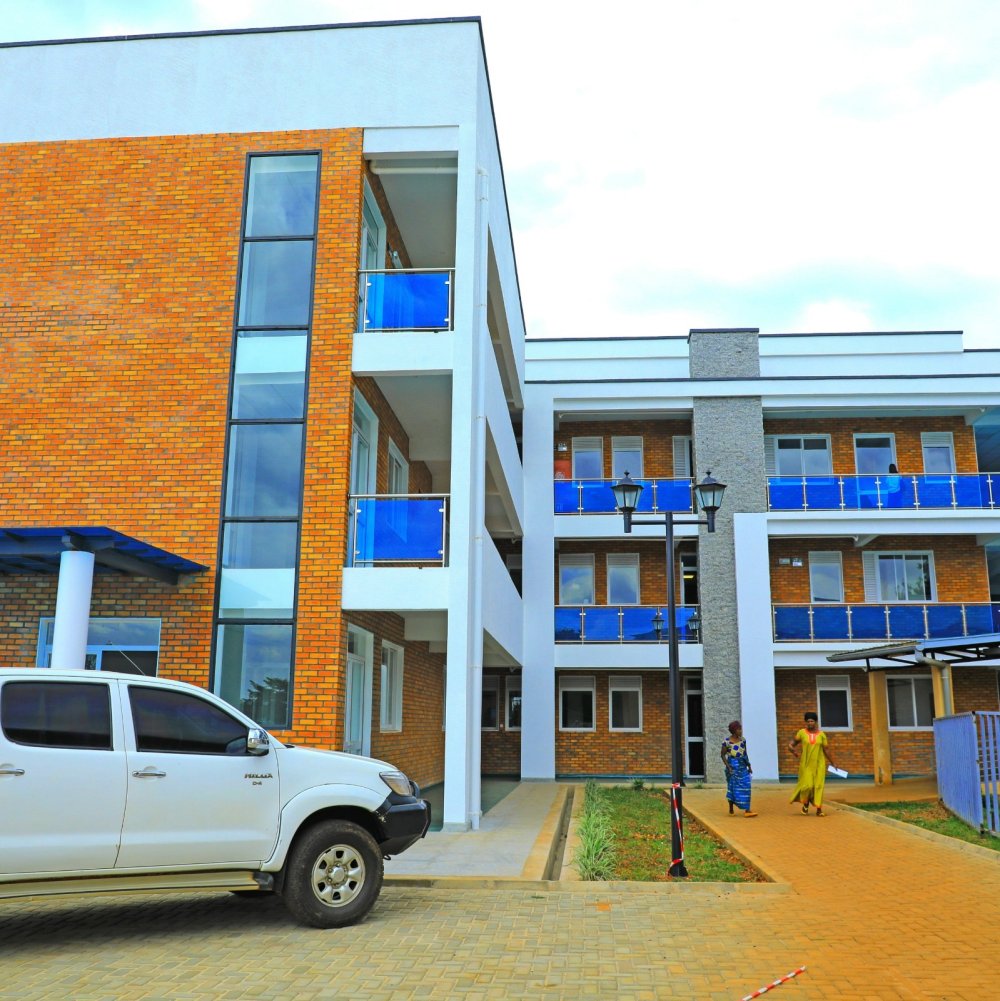
The facility was constructed at a cost of Rwf 2.4 billion and equipped with medical installations valued at Rwf 682 million. The funding was provided through the Jyambere project under the Ministry of Emergency Management (MINEMA).
The three-storey building includes four operating theatres on the ground floor, a second floor designated for general patient care, and a top floor dedicated to pediatric treatment.
Dr. Casmir Muhire, the Deputy Director General of Kirehe Hospital, explained that the new building was highly needed, as many patients previously had to be sent to other hospitals for surgery.
“Previously, we treated patients but had to send those who needed surgery to other hospitals. Those without financial means were often delayed. Now, with this new building, patients can receive all services here, and we no longer have to refer them to other hospitals unless it’s absolutely necessary,” he said.
“We are pleased to have this modern facility, which has significantly reduced the need for Kirehe residents to seek services elsewhere,” Dr. Muhire added.
Asifiwe Angelique, a resident of Gatore Sector, shared her experience of giving birth at the hospital. She recounted that she initially gave birth in a small, poorly ventilated room, which left her worried about possible complications.
“Now, we are very happy that the place where mothers give birth is much larger and more comfortable than before. In the past, we gave birth in cramped spaces. The new birthing area is spacious, has an in-house toilet, and a shower, so mothers do not need to go outside,” she said.
Uwizeyimana Julienne, from Mpanga Sector in Ntaruka Cell, Nyagasozi Village, also praised the improvements. She recalled that, previously, the delivery area was located on the ground floor, in an area that was somewhat embarrassing. She expressed her happiness with the changes made at Kirehe Hospital.
The Mayor of Kirehe District, Rangira Bruno, highlighted that the construction of the new multi-story building was part of the Jyambere project’s contribution to the hospital. He added that the new building has helped alleviate overcrowding in the delivery rooms and other hospital areas.
He explained, “Previously, there was significant overcrowding in the delivery rooms, with about 50% of our patients coming from the Mahama Refugee Camp. This new facility has helped reduce congestion and improved the delivery of services.”
Kirehe Hospital serves approximately 500,000 residents across 19 health centers, including two health centers located in the Mahama Refugee Camp.
The new building constructed at Kirehe Hospital is expected to help provide surgical servicesThe building is equipped with modern equipment
Over the three-day engagement, the 7th Proximity Commanders’ meeting delegations reviewed matters arising since the previous (6th) session held from September 30 to October 2, 2025 in Kabale, Uganda, including progress on agreed-upon border-security initiatives, responses to illegal cross-border movements, human trafficking, illicit trade, livestock theft, smuggling of illicit brews, fraud and impersonation along the border.
The meeting reaffirmed the strong collaboration between the two forces through continuous dialogue and coordinated efforts for border security and regional stability. Participants also underscored the need to expand proximity meeting activities to include local communities through Civil-Military Cooperation (CIMIC) initiatives, environmental protection programmes, and joint military exercises.
Speaking on behalf of the RDF leadership, Maj Gen Ruki Karusisi, the 5 RDF Division Commander, commended the spirit of openness, professionalism, and mutual respect that characterized the deliberations.
He noted that the constructive engagements reaffirmed the shared commitment to sustaining peace, stability, and trust along the common border. He emphasized that as commanders, they reaffirm close coordination, information sharing and the joint address of emerging challenges.
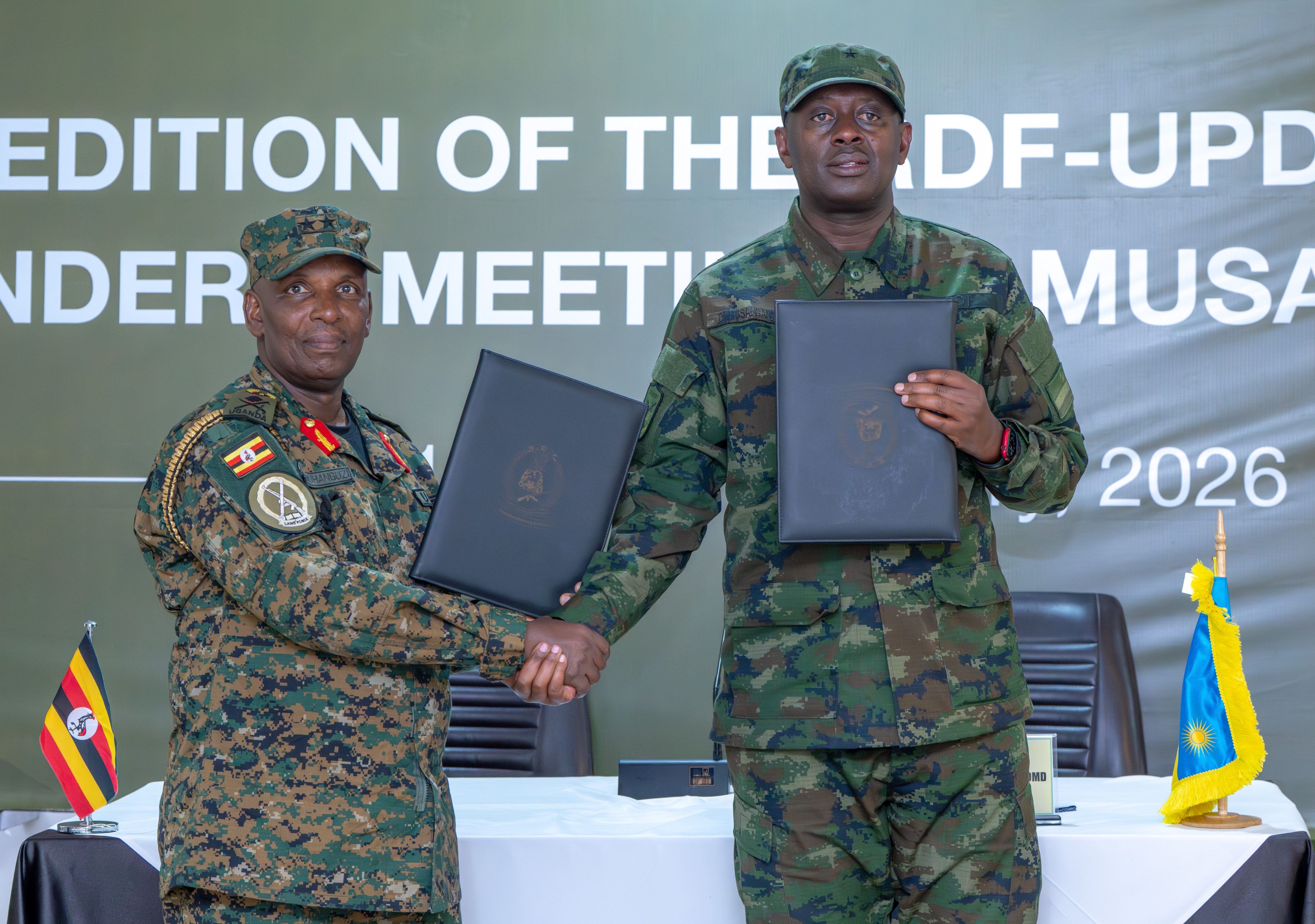
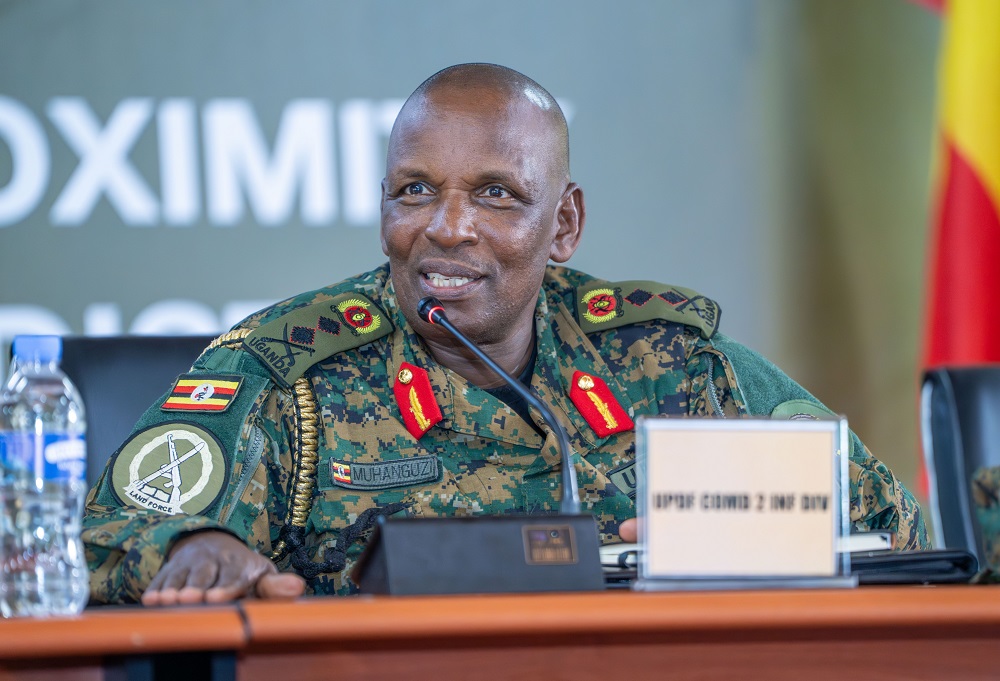
Maj Gen Paul Muhanguzi, the 2 UPDF Infantry Division Commander, reaffirmed the commitment of the Uganda People’s Defence Force to implement resolutions from the 7th Proximity Commanders’ Meeting and remain responsive to emerging border issues. He expressed appreciation for the strategic guidance and support provided by the leadership of both countries in strengthening bilateral cooperation.
The next Proximity Commanders’ Meeting is proposed to take place in June 2026 in Uganda.
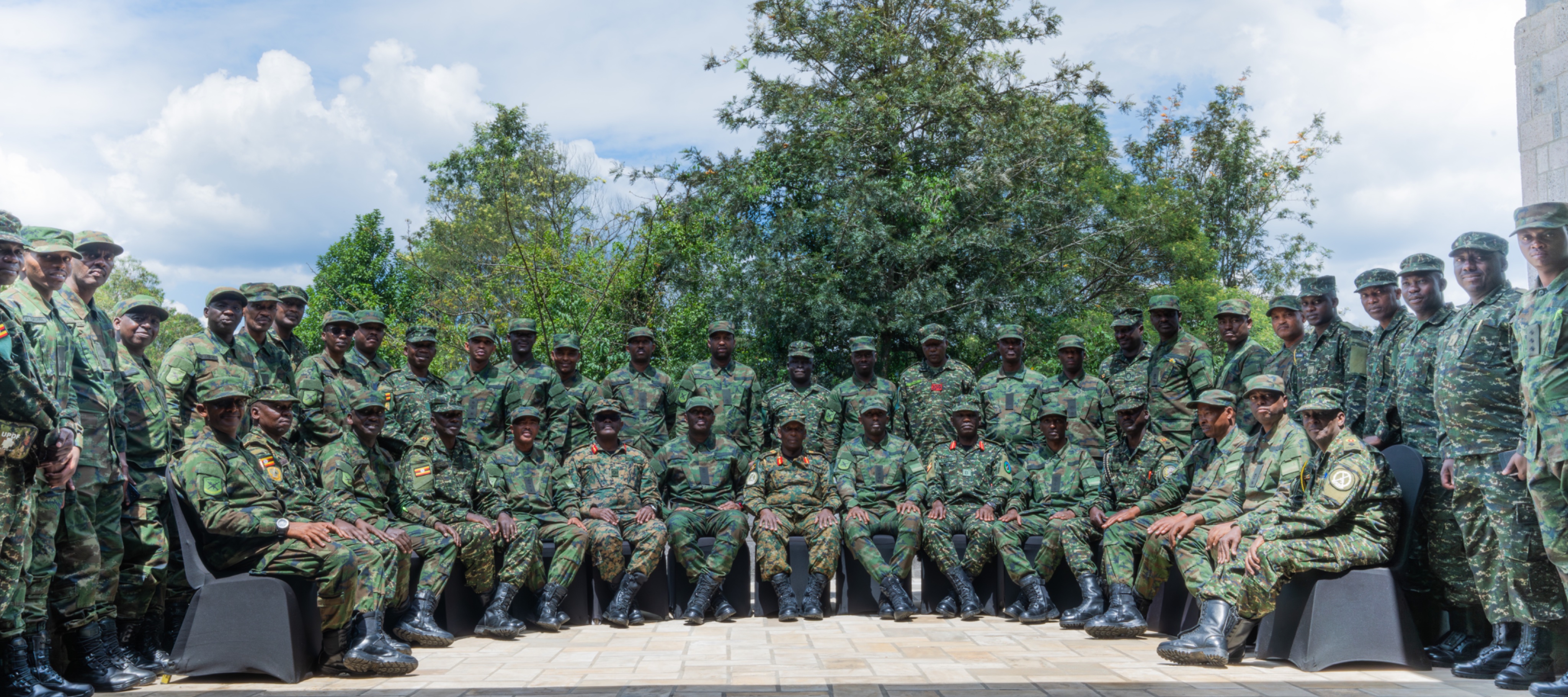
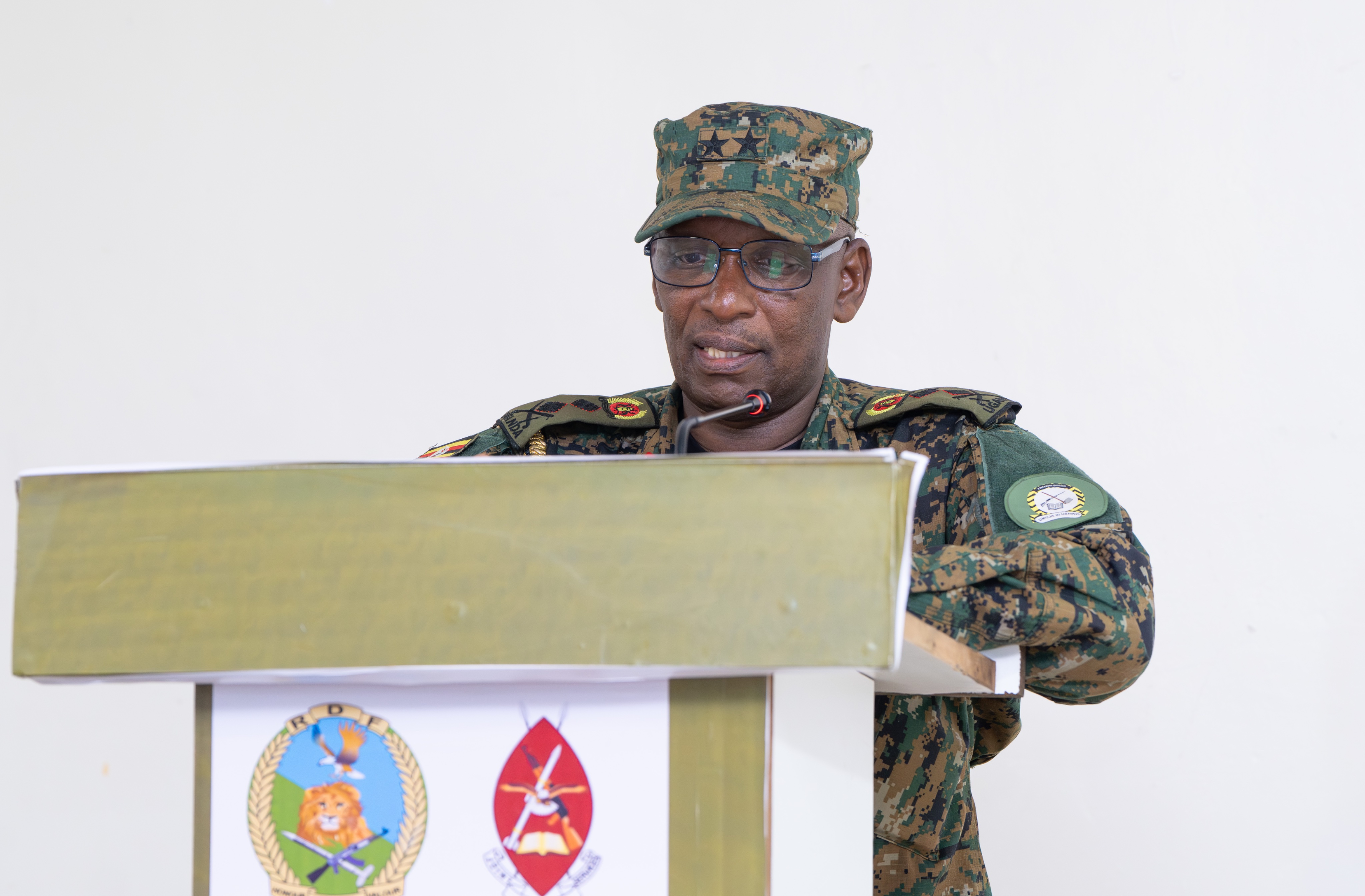
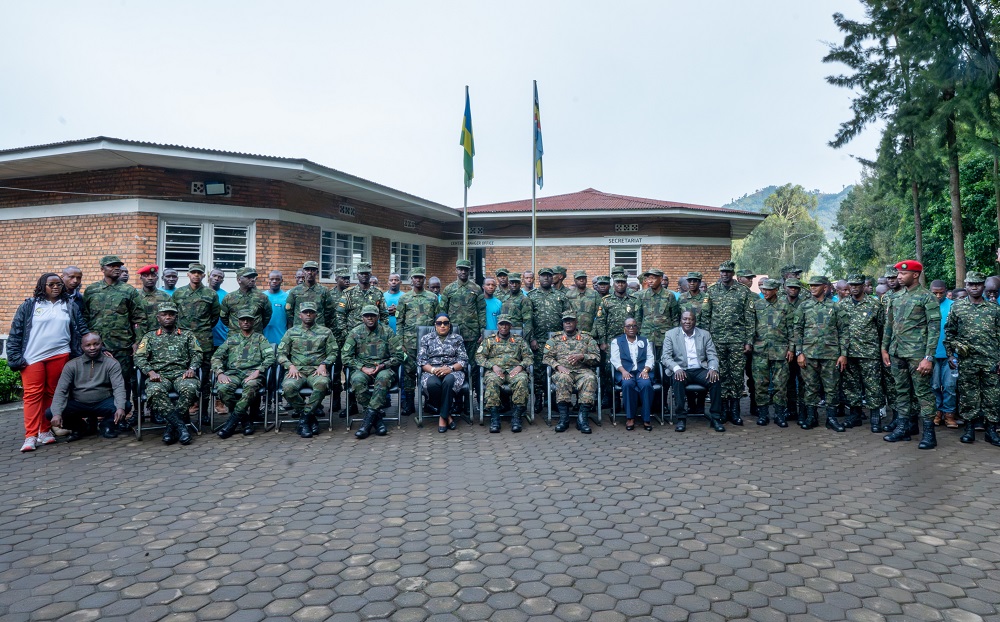
Participants of the meeting in a group photoMaj Gen Ruki Karusisi, the 5 RDF Division Commander, commended the fruitful deliberations of the meeting. The meeting reaffirmed the strong collaboration between the two forces through continuous dialogue and coordinated effortsMaj Gen Paul Muhanguzi, the 2 UPDF Infantry Division Commander, reaffirmed the commitment of the Uganda People’s Defence Force to implement resolutions from the meeting.
“I can tell you and reiterate yet again that we are very concerned about the heightened rhetoric we’re seeing around the region, by the heightened military activities, war games, or just increased military naval presence in the region,” Dujarric said at a daily briefing in response to a question posed by Xinhua about a letter the Iranian permanent mission sent to the UN chief and the president of the Security Council on Thursday.
“And we encourage both the United States and the Islamic Republic of Iran to continue to engage in diplomacy in order to settle the differences,” he said.
In the letter, Iran’s UN ambassador Amir Saeid Iravani said the country will respond “decisively and proportionately” to any military aggression, exercising its right to self-defense under the UN Charter, and urged the Security Council and the UN secretary-general to “act without delay, before it is too late.”
According to Dujarric, the letter has gone to the Security Council and to the General Assembly, as requested by Iran’s permanent mission to the United Nations.
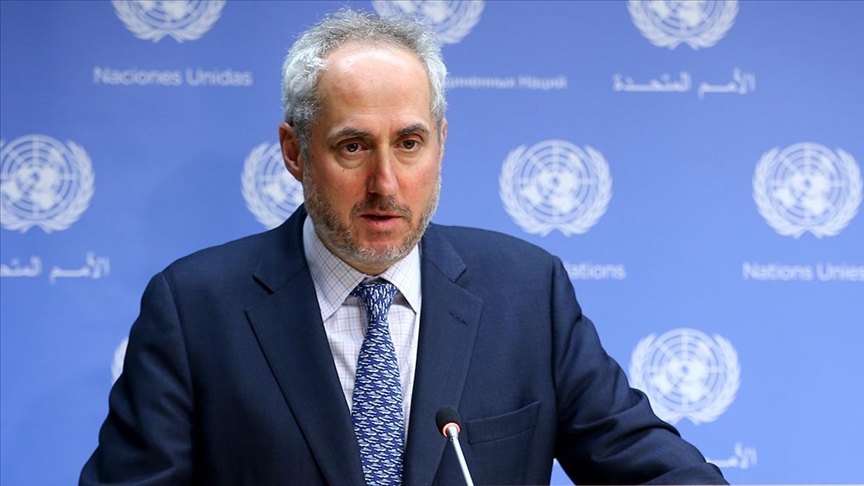
Stephane Dujarric, spokesperson for the UN secretary-general
The move will come upon the police concluding investigation around him, according to media report.
Andrew was arrested on suspicion of misconduct in public office on Thursday, but was released after hours in custody.
The move came amid renewed scrutiny over his past association with the dead American financier and convicted sex offender Jeffrey Epstein.
“Following the further release of millions of court documents relating to Jeffrey Epstein by the United States Department of Justice, we are aware of the suggestion that London airports may have been used to facilitate human trafficking and sexual exploitation,” the Metropolitan Police said in a statement issued on Friday, adding that the investigation is ongoing.
King Charles III said on Thursday that “the law must take its course,” and the police had his “full and wholehearted support and co-operation.”
Mountbatten-Windsor was stripped of his royal and military titles last October and moved out of Royal Lodge. He has since been referred to as Andrew Mountbatten-Windsor and relocated to “alternative private accommodation.”
Britain’s Andrew Mountbatten-Windsor, formerly known as Prince Andrew, at Magdalene Church in Sandringham on December 25, 2023. Photo AFP
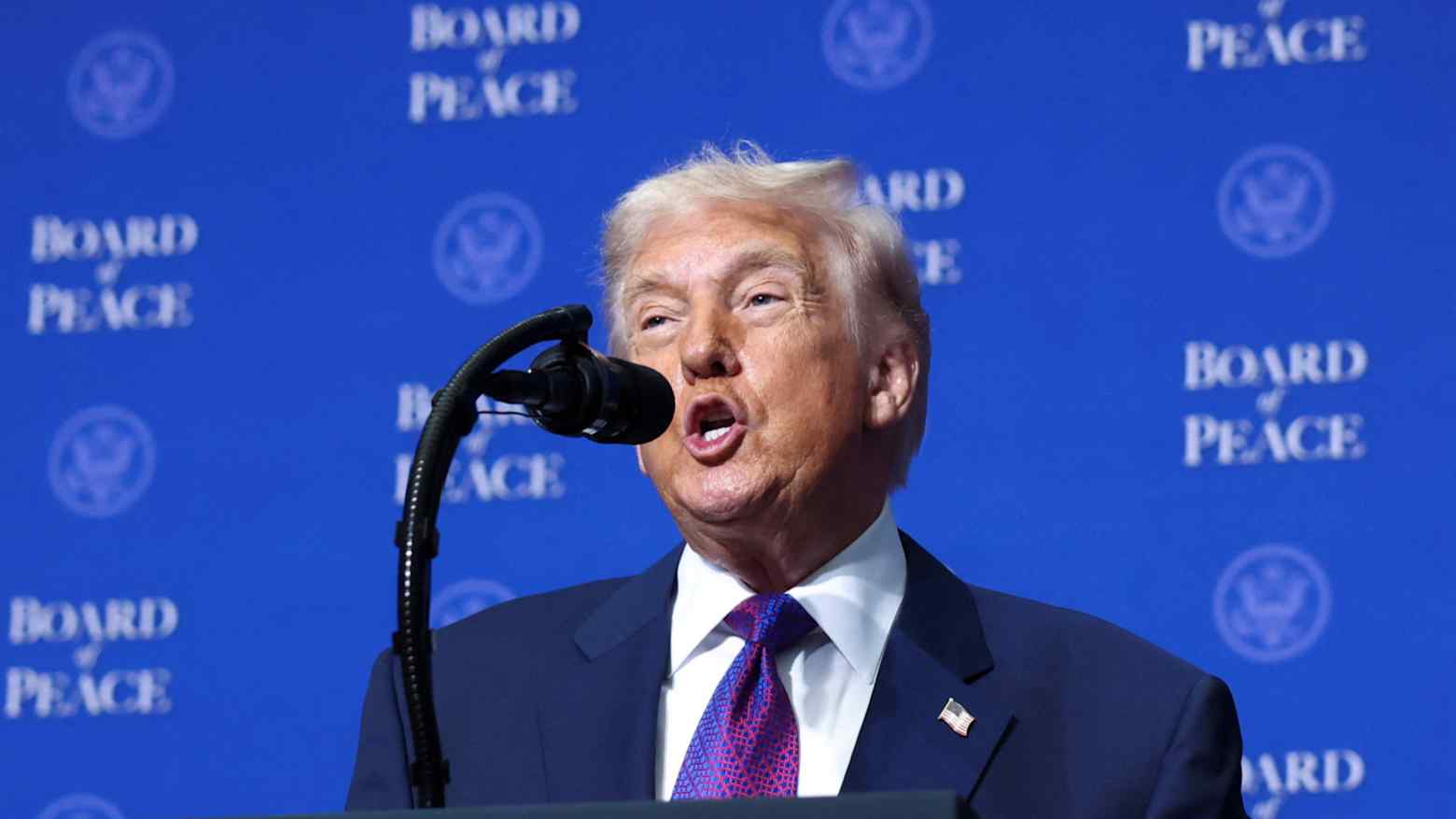
The U.S. Supreme Court ruled on February 20, 2026 that President Donald Trump exceeded his constitutional powers when he imposed sweeping tariffs using the International Emergency Economic Powers Act (IEEPA).
The court’s 6–3 decision rejected Trump’s expansive view that the president could unilaterally impose broad tariffs under emergency economic powers without specific congressional authorization.
Chief Justice John Roberts wrote the majority opinion, joined by a mix of conservative and liberal justices, holding that IEEPA does not grant the president open-ended authority to regulate imports through tariffs.
By limiting the president’s ability to act without explicit approval from Congress, the ruling serves as a major check on executive power particularly in economic and trade policy and injects uncertainty into future administration actions.
The decision could have far‑reaching financial effects. Economists estimate that more than $175 billion in U.S. tariff collections could be subject to refunds because the tariffs were struck down as unlawful, affecting trade partners and U.S. importers alike.
Trump reacted angrily to the court’s decision, criticizing the justices including two whom he originally appointed and vowing to pursue alternative legal avenues for imposing tariffs. Despite his remarks, legal experts say any new approach would likely be slower and require greater justification and involvement from Congress.
The ruling arrives as the U.S. approaches midterm elections, a period when legal and political constraints on federal power can have significant national impact. By affirming that Congress, not the president alone, holds the ultimate authority over major trade policies, the Supreme Court has reaffirmed a central constitutional principle: that executive power has defined limits under the law.
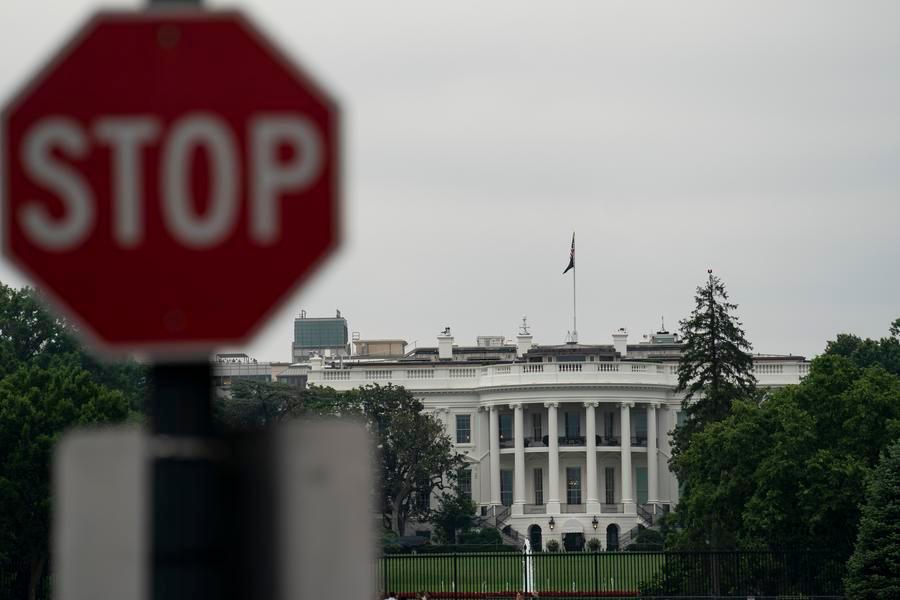
Photo taken on June 22, 2022 shows the White House and a stop sign in Washington, D.C., the United States.
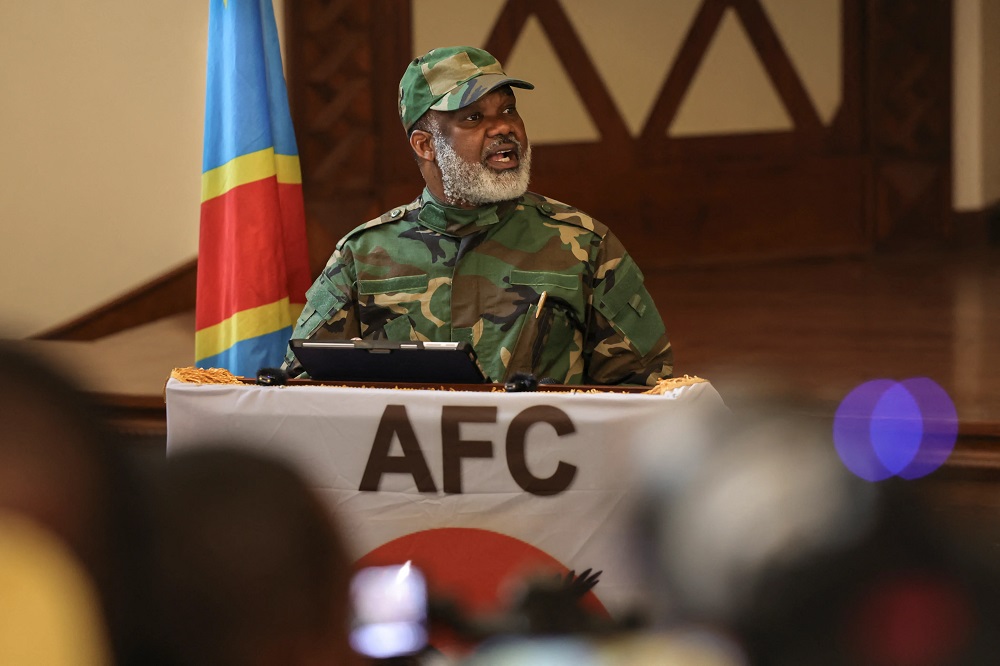
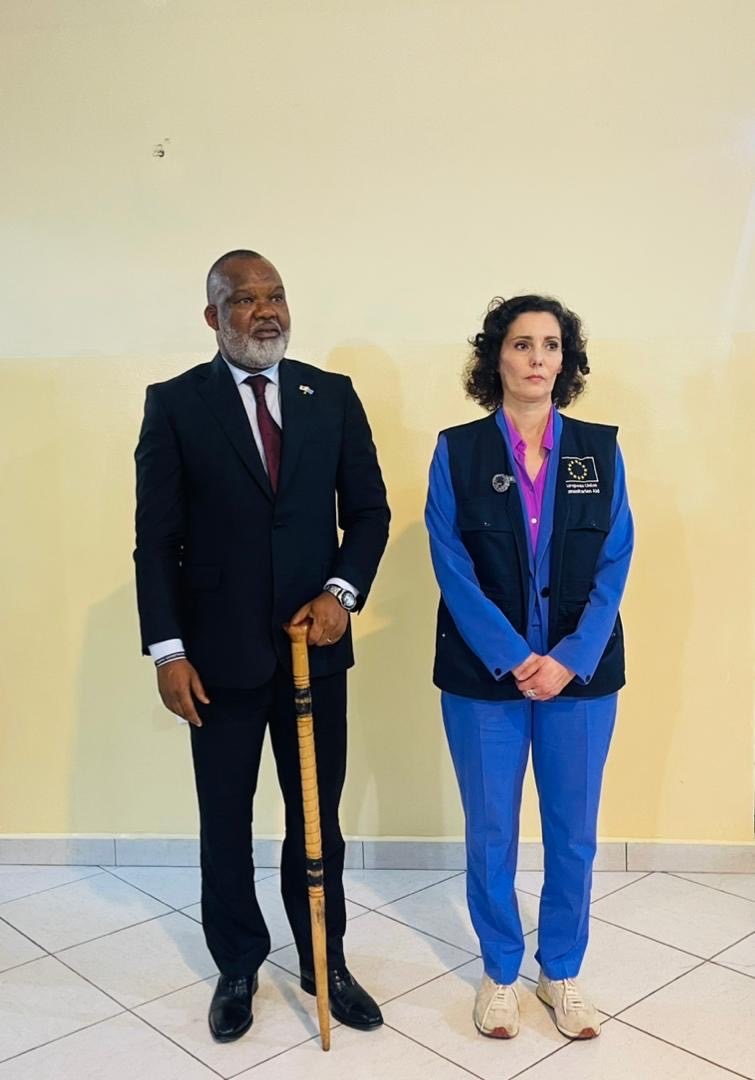
Coalition leader Corneille Nangaa Yobeluo made the announcement after meeting Hadja Lahbib, the European Union Commissioner for Crisis Management, who visited Goma on February 20, 2026.
“We have 41 minors formerly associated with FARDC and Wazalendo captured in Goma. Today we decided to release them,” Nangaa said. He added that about 100 women linked to FARDC and Wazalendo captured in Rumangabo would also be freed.
He further stated that 230 FARDC soldiers receiving treatment at Katindo Military Barracks will be released “to demonstrate our commitment to peace.”
In April 2025, 1,359 Congolese soldiers and police who had taken refuge at bases of the UN peacekeeping mission MONUSCO near Goma were transferred to Kinshasa following negotiations between AFC/M23 and the International Committee of the Red Cross.
Nangaa said the coalition prioritizes political dialogue as the path to peace but warned it would continue to defend itself if the government of the Democratic Republic of the Congo pursues further fighting.
Corneille Nangaa announced that AFC/M23 will free several individuals linked to the DRC government.Nangaa revealed the decision after holding discussions with Hadja Lahbib.
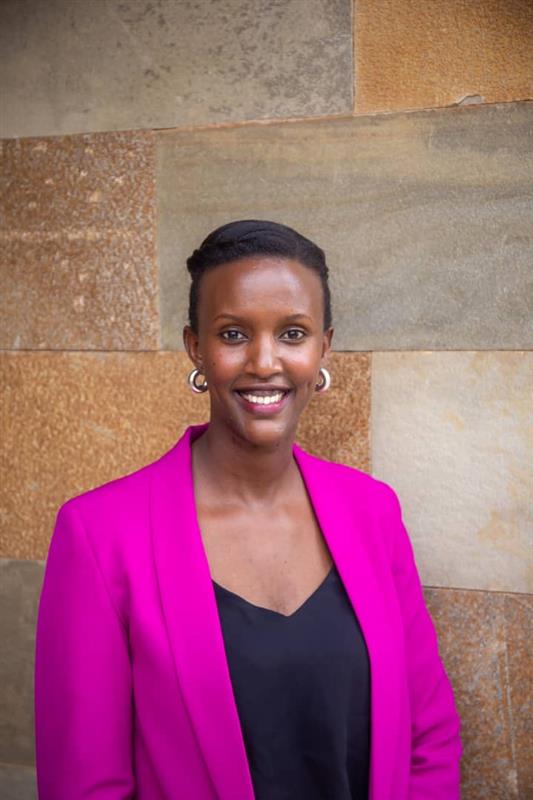
In an interview, Ishyo Foods’ founder, Sharon Akanyana, credited this remarkable growth to data and digitalisation.
Akanyana founded her company in 2017 as a way to produce affordable yoghurt, especially for young children like her own. Although the original plan was to focus on yoghurt, challenges with equipment delayed the production for months.
“When we faced issues with equipment, we pivoted and said, ‘Let’s make jam,’” she recalls, describing a move that kept her idea alive. The first batches were supplied to a neighbourhood supermarket in Kibagabaga, a neighbourhood in Kigali, as the supermarket had agreed to give the product a chance.
One shelf led to several more; they acquired their S Mark from Rwanda Standards Board (RSB) and got their equipment from customs, and they began making yoghurts. Those small wins built the momentum that prompted a shift in focus towards scaling production and improving standards.
The team upgraded to a modest facility, documented its procedures on paper, and treated quality as proof of progress. Once shelf space was secured, the focus shifted from whether the product could sell to how the start-up could evolve into a scale-up.
That question revealed a major information gap. “We realised there was a lot of data we needed. We asked ourselves: how will we know we’re making losses? How will we know we’re making profits? How will we know how many customers we have? How will we know which customers we haven’t served in the past week?” Akanyana explains.
“Milk might be ready while the cups were missing, or a store could drop from four deliveries a month to two without anyone noticing. The solution was a shift from manual processes to digital systems, designed around the everyday decisions that kept the business running.”
Ishyo Foods later became one of the Rwandan micro, small and medium-sized enterprises (MSMEs) selected to be part of a cohort of businesses supported through the Rwanda Economy Digitalisation (RED) Programme. The RED Programme is implemented by a partnership between the Mastercard Foundation, the Ministry of ICT and Innovation and Cenfri.
The programme provided Ishyo Foods with the support to move from manual processes to digital transformation. “We used to use Excel sheets for our sales, but it was a semi-digital system. There is not much you can do with it”, she says. With the right support, finance moved first, adopting QuickBooks. QuickBooks stabilises invoicing, and sales visibility followed.
That shift helped form a simple customer-relationship rhythm across about 300 supermarkets. Operations and inventory then began a migration to Odoo, an online software application that will be used company-wide for the management of business processes.
“We are starting to learn how to use Odoo,” she explains, “because an integrated view of stock, procurement, and production planning helps reconcile minimum order quantities with supplier lead times before shortages appear.”
After digitalising their processes, the company started recording service improvement. The company treated each signal as data, which led to recipe refinements, re-sequenced routes, and tighter contact schedules that protected relationships while volumes rose. “Data is our oxygen,” she says. “When you have no data, then there is no growth. How will you know you’re making losses? How will you know you’re making profits? How will you know how many customers you have? So data is essential. Data is everything.”
Results followed the discipline. “In 2023 and 2024, we grew our sales by more than 100%,” she reports. Production climbed from using 200 litres of milk per week to 1,000 litres.”
The team grew with the workload. “Full-time about 28, and part-time about 27,” she notes in response to a question about the size of the team. The customer base widened in step. “We have 300 customers now.” The narrative lines up with the numbers. Better delivery cadence, fewer stockouts, and earlier procurement tend to raise throughput and reduce waste when demand is present.
Context matters, and she is explicit about Rwanda’s ecosystem. “Rwanda is the best place for businesses, startups,” Akanyana says, pointing to advisory networks, grants, affordable loans, and selected tax relief on imports.
Akanyana is equally direct about the internal responsibility that sustains growth. “When you have no data, then there is no growth,” she says. “Tools require consistent input. Teams need training and time. Suppliers can miss deadlines. Cash cycles can tighten even when dashboards are accurate. These are constraints to manage with routine, review, and prompt action.”
The method is simple to state and demanding to practice. Define the facts that matter for tomorrow’s deliveries, capture them without fail today, and make decisions while they can still change outcomes.
Eight years after a kitchen trial became a company, the results are visible on shelves across Kigali. The engine behind those shelves is a founder who chose to turn listening into a system and records into dashboards that guide the next move.
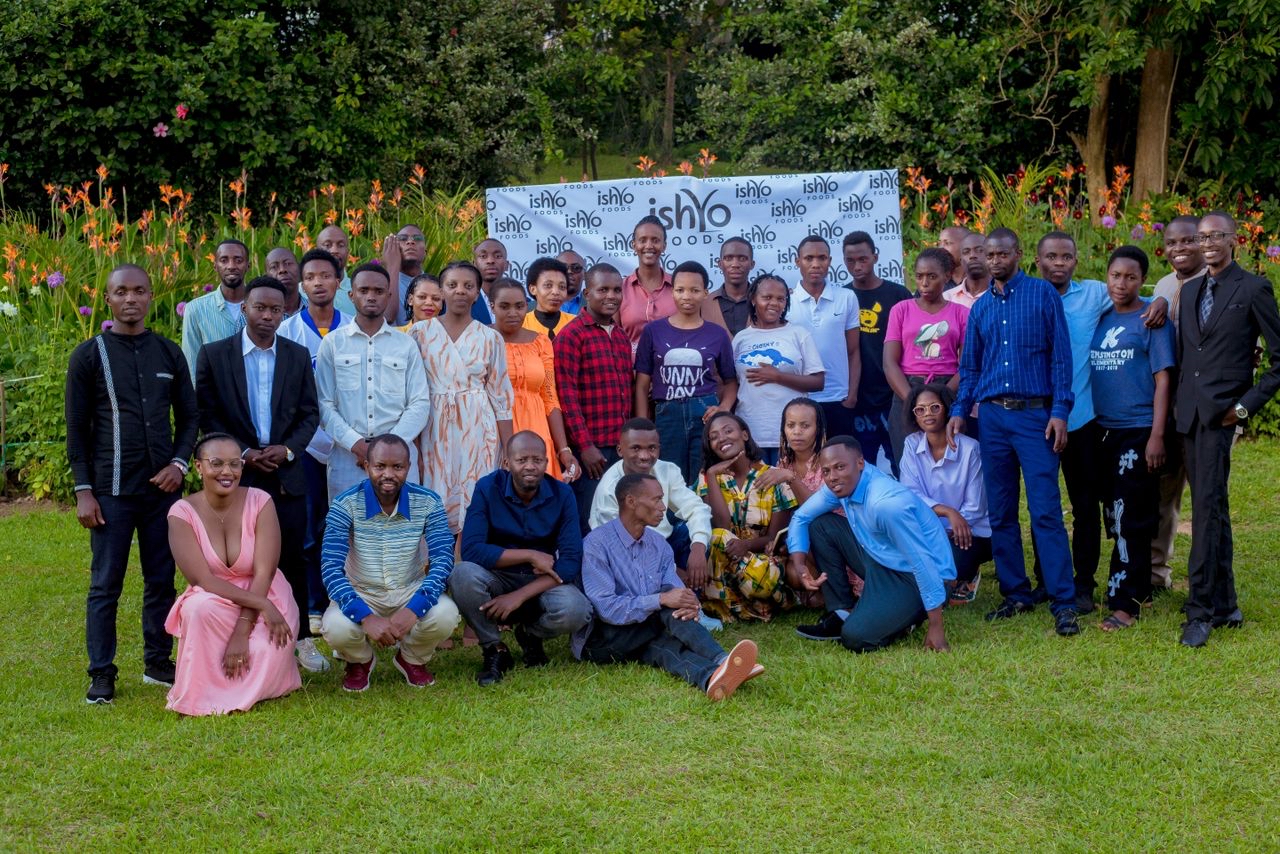
The company has expanded its team from a single employee to 28 full-time staff. Sharon Akanyana founded Ishyo Foods in 2017. The company has grown from producing jam to making yoghurt.Acquisition of new equipment helped the company to expand operations.
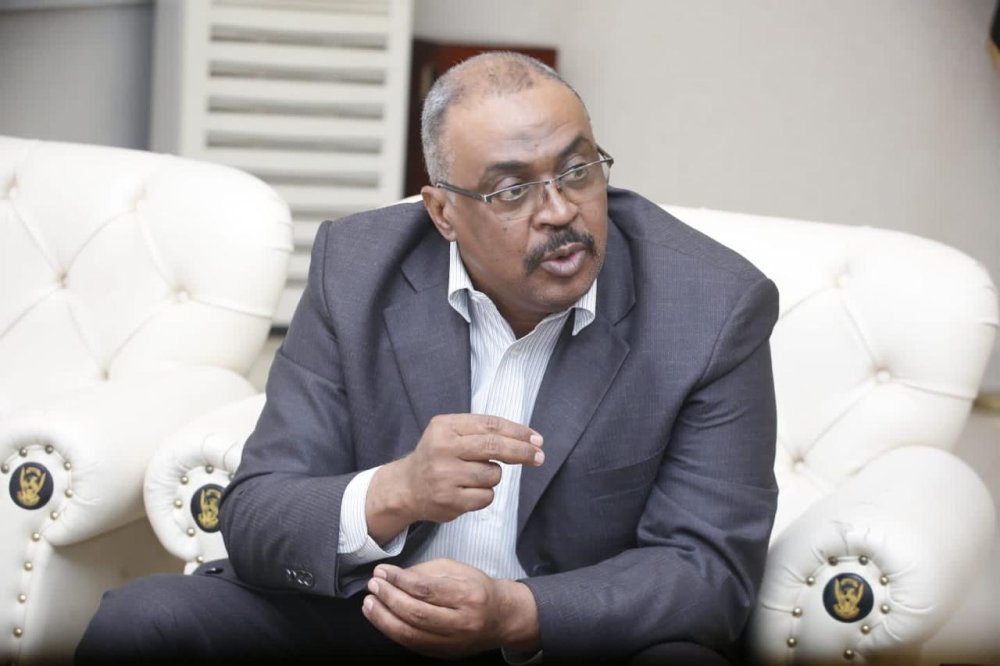
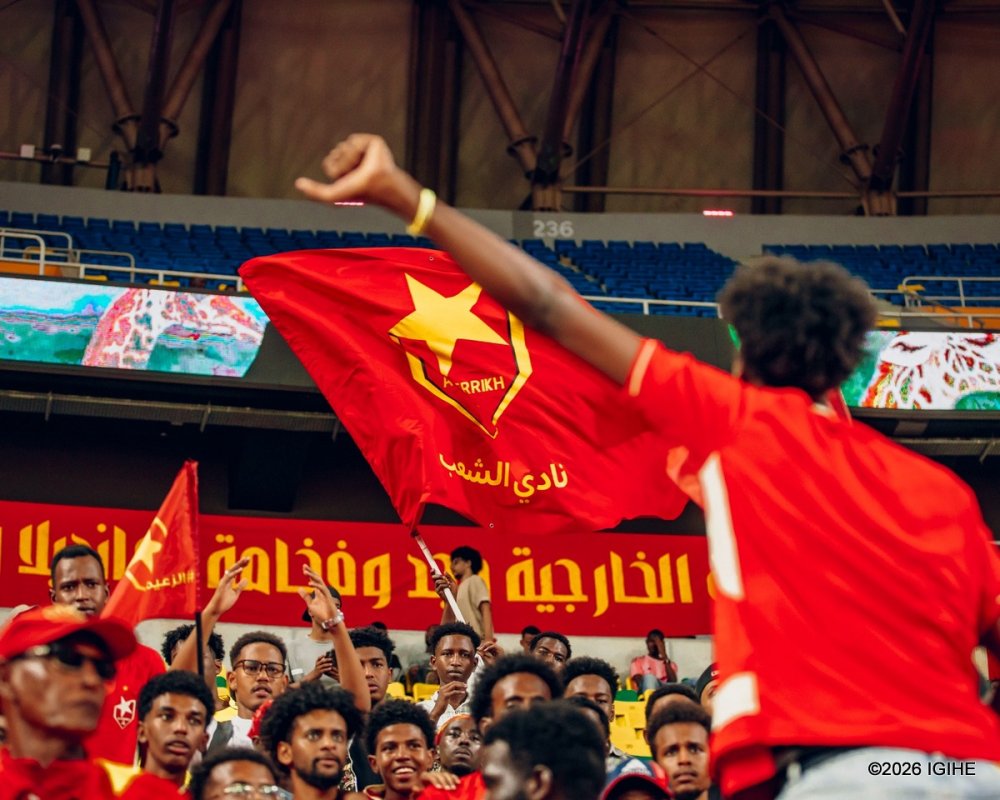
Mohamed Musa Al Kando, a board member of Al-Merrikh, thanked the Rwandan government and people for their support in a statement released on Friday.
“Thanks to the government and nation of Rwanda for welcoming our two big teams and, before that, welcoming the Sudanese people during this hard time of war.”
Al-Merrikh and fellow Sudanese club Al-Hilal SC were cleared to participate in the 2025/26 Rwanda Premier League in November last year, following the suspension of the Sudan Premier League in April 2023, which prompted the clubs to seek temporary relocation.
The clubs have received support from the Rwanda Football Federation and the league organizers, helping them integrate smoothly into the competition.
“I was very happy when I arrived in Kigali just two days before the big derby and we won,” Al Kando said, reflecting on their recent success.
Al-Merrikh plans to build stronger ties with local clubs through collaboration and experience sharing, and the board is also considering establishing a Merrikh Academy in Rwanda in the near future.
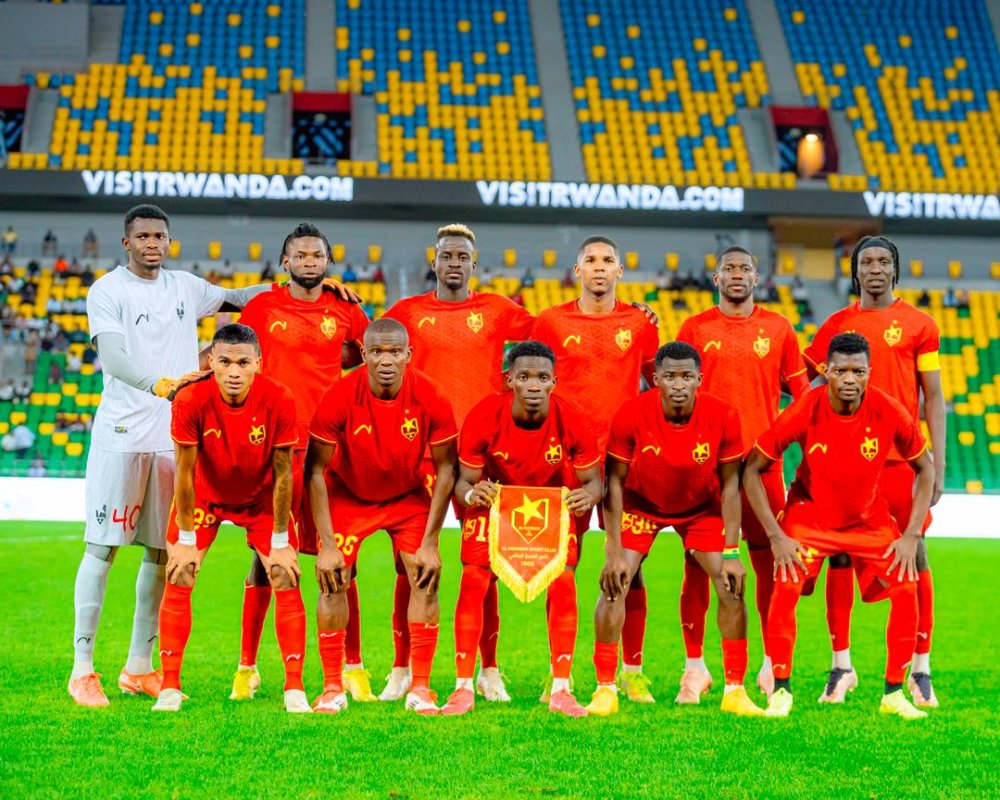
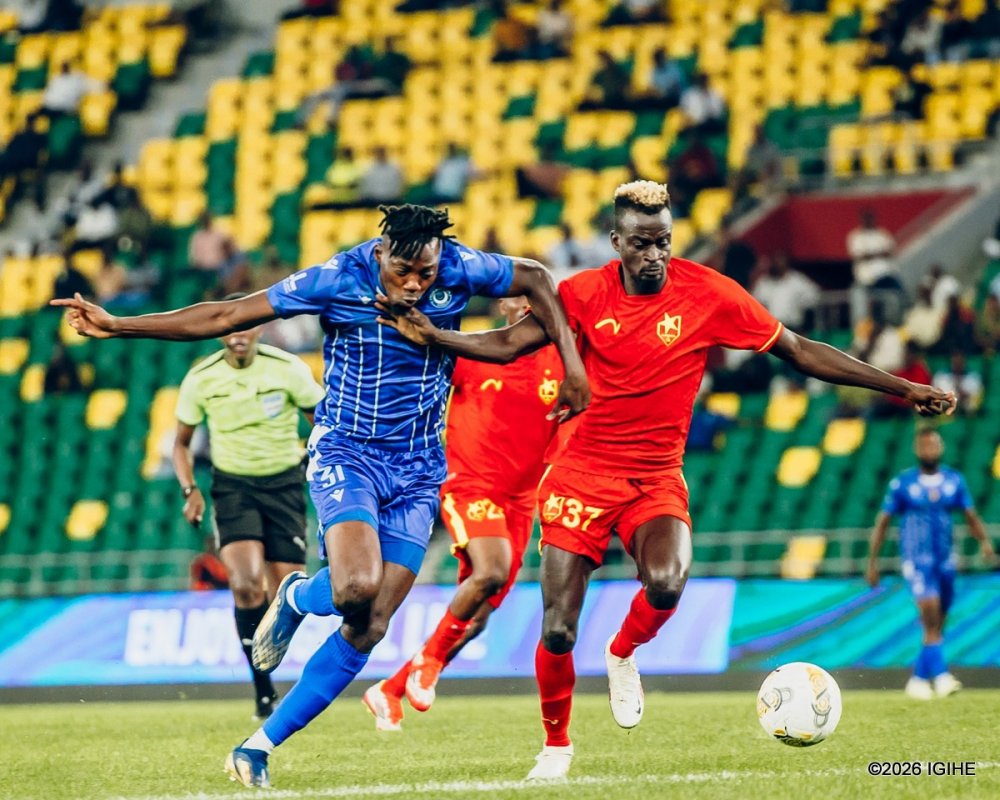
Currently, Al-Merrikh sits third in the Rwanda Premier League with 37 points, just one point behind Al-Hilal and APR FC, following a 2-1 victory over rivals Al-Hilal SC at Stade Amahoro on Tuesday, February 17, 2026.
Al-Merrikh SC has been playing in the Rwanda Premier League since November 2025. In their most recent match, Al-Merrikh SC beat Al-Hilal SC 2-1 in the derby.Sudanese nationals in Rwanda often turn out to support their teams.
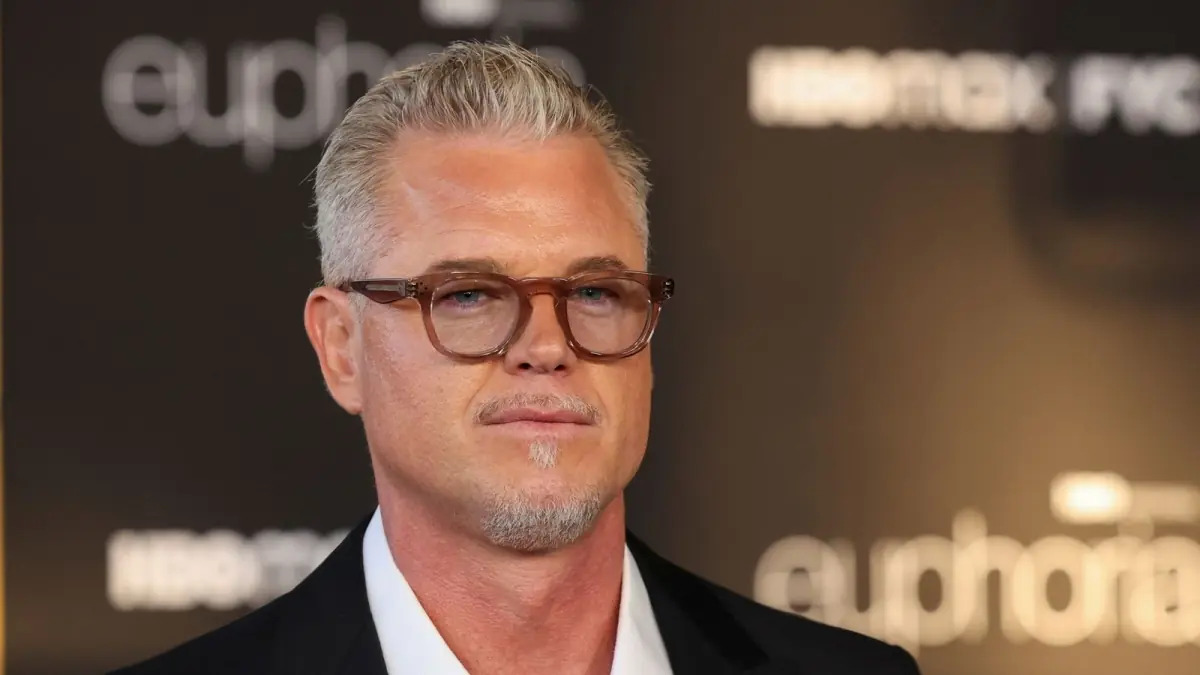
His family confirmed he passed away on Thursday, describing his final months as a courageous fight marked by advocacy and dedication to raising awareness of the disease.
Dane publicly revealed his ALS diagnosis in April 2025 and spent the months that followed using his platform to support patients and research.
Family statements highlighted his determination to make a difference, noting that he focused on fundraising and bringing public attention to ALS, the most common form of motor neurone disease. In recognition of his efforts, Dane was named “Advocate of the Year” by the ALS Network in late 2025.
Born with a versatile talent for television and film, Dane first gained widespread recognition for his portrayal of Dr. Mark Sloan, affectionately nicknamed “McSteamy”, on the long-running medical drama Grey’s Anatomy. Introduced in Season 2, he became a fan favorite, appearing in 139 episodes, and left a lasting mark on pop culture.
He later drew acclaim for his darker, complex role as Cal Jacobs on the hit teen series Euphoria, continuing through the show’s second season and filming scenes for its upcoming third season. Dane also starred as Captain Tom Chandler on the post-apocalyptic action series The Last Ship from 2014 to 2018.
His other work included recurring television roles in Charmed and Gideon’s Crossing, early appearances in The Wonder Years, Roseanne, and Saved by the Bell, as well as film roles in X-Men: The Last Stand, Marley & Me, Valentine’s Day, Burlesque, and Bad Boys: Ride or Die.
Tributes have poured in from co-stars and colleagues, who remembered Dane as a warm, humorous, and intelligent presence on set. Many praised his dedication to ALS advocacy, noting his final months were defined by generosity and purpose.
Dane is survived by his wife and two daughters, Billie and Georgia, whom his family described as the center of his world. His memoir, scheduled for release later this year, will offer a closer look at his life, career, and enduring efforts to make a difference for those affected by ALS.
Dane publicly revealed his ALS diagnosis in April 2025 and spent the months that followed using his platform to support patients and research.
He emphasised that both countries are members of the East African Community (EAC) and, as such, should not harbour forces hostile to one another.
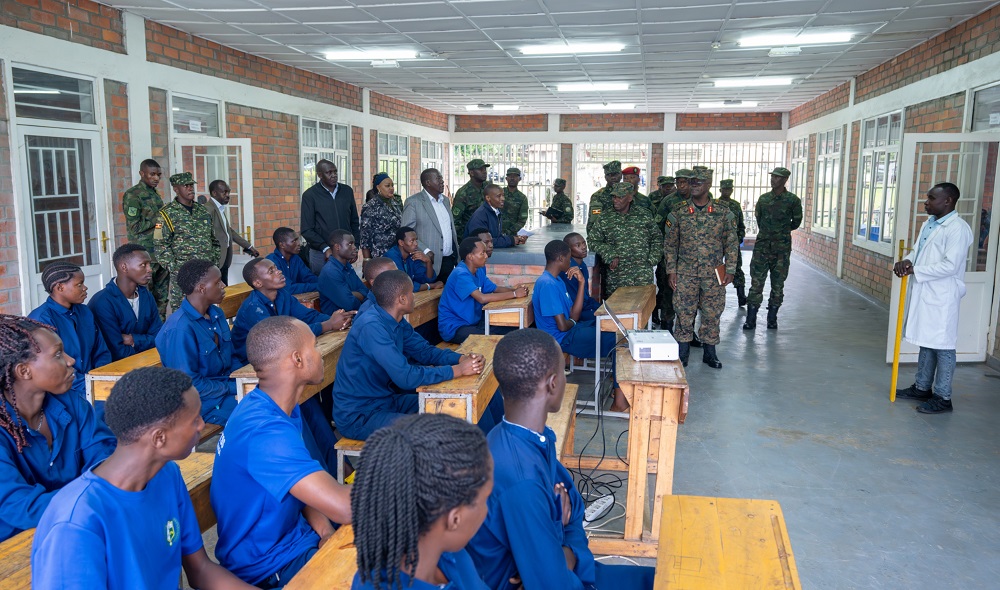
Major General Muhanguzi made the remarks on February 19, 2026, while leading a delegation of Ugandan soldiers on a visit to Rwanda. The delegation toured the National Commission for Demobilization and Reintegration (RDRC) center in Mutobo, located in Musanze District.
The visit aimed to familiarise Ugandan officers with Rwanda’s demobilisation and reintegration programs, which support the transition of former combatants, including members of the Democratic Forces for the Liberation of Rwanda (FDLR) and their families, back into civilian life.
Many of these former fighters had been operating from eastern DRC, where members of the militia group responsible for the 1994 Genocide against the Tutsi sought refuge after their defeat by the Rwanda Patriotic Army (RPA).
Speaking during the visit, Maj Gen Muhanguzi stressed that regional cooperation requires member states to prevent armed groups from operating within their borders.
“Rwanda should never have enemies originating from Uganda, and likewise, no enemy should be allowed to come from Rwanda to Uganda. However, we want Congo to ensure that it does not harbour enemies that attack both Uganda and Rwanda,” he said.
Maj Gen Muhanguzi praised former FDLR fighters who have chosen to return to Rwanda, saying many still have the capacity to contribute to national development alongside other citizens.
“A country is not built by one individual; it is built by all its people,” he added. “I also commend President Kagame for his leadership of Rwanda, and you, too, should come to understand the truth and return to your home.”
According to the RDRC, since 2001, a total of 12,602 former combatants have been reintegrated into civilian life. However, testimonies from returnees indicate that a number of former fighters, particularly from the FDLR, remain in hiding in the forests of eastern DRC.
Soldiers from Uganda’s Commander of the 2nd UPDF Infantry Division visited the Mutobo Centre.The delegation toured the National Commission for Demobilization and Reintegration (RDRC) center in Mutobo, located in Musanze District.