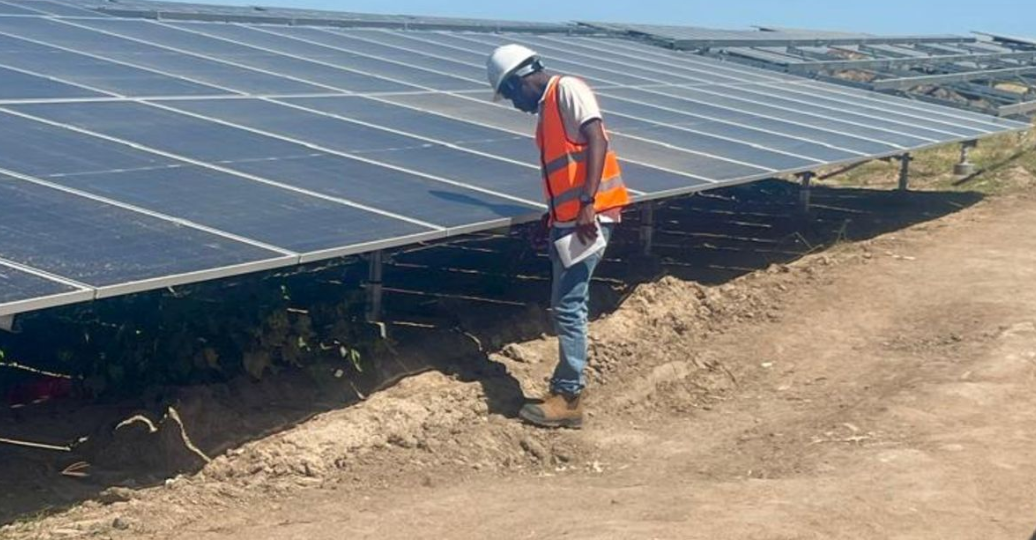
Tanzania has completed its first large-scale solar power project in Kishapu District of the northwestern Shinyanga region, marking a milestone in the country’s energy transformation agenda, the Ministry of Energy said in a statement on Sunday.
According to the statement, Lazaro Twange, managing director of the Tanzania Electric Supply Company Limited, said during a site inspection on Saturday that the project reflects the government’s commitment to expanding access to reliable electricity nationwide.
Twange described the project as a new chapter in the country’s history, saying it is the first solar project of such magnitude since independence. He said electricity has already been generated at the site, with 50 megawatts set to be connected to the national grid by March 1.
Kishapu District Commissioner Peter Masindi said the solar plant is a catalyst for local economic growth, particularly benefiting youth engaged in mining and agriculture.
Mariana Mrosso, acting manager of the power generation plant, said the facility would enhance the stability of the national grid and improve electricity supply, especially across the Lake Zone regions.
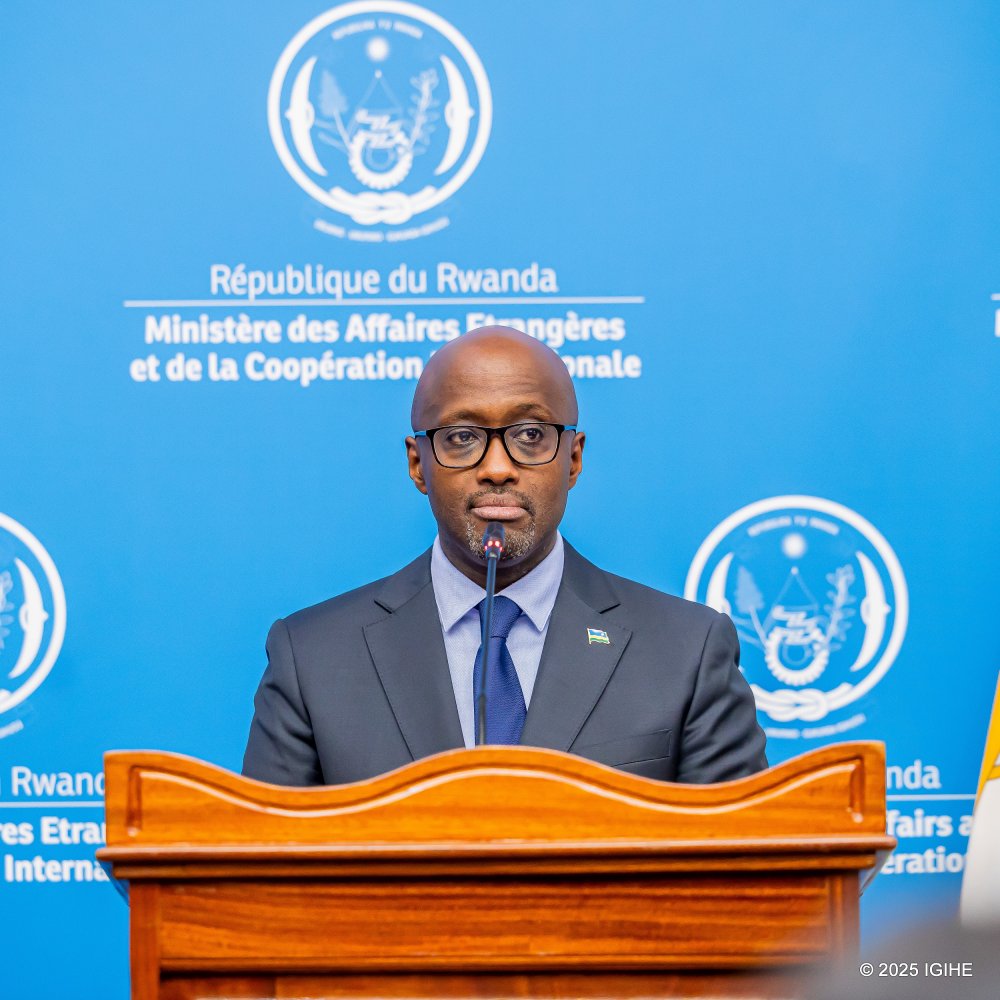
The minister was responding to Congolese government spokesperson Patrick Muyaya, who had downplayed the threat posed by the militia group formed by the perpetrators of the 1994 Genocide against the Tutsi who fled to the DRC.
Muyaya had questioned whether members of the FDLR could still pose a threat 32 years later, calling the group an “eternal pretext” in regional tensions.
Responding in detail, Nduhungirehe rejected that argument outright.
“The misleading propaganda of the Congolese government on the issue of the genocidal FDLR nevertheless has its limits,” the minister wrote.
He recalled that on March 21, 2024, during the first ministerial meeting under the Luanda Process, then DRC Foreign Minister Christophe Lutundula had committed to presenting a “plan for the neutralisation of the FDLR.”
“In the final communiqué of that meeting, it was even specified that ‘consequently’ to the neutralisation of the FDLR, Rwanda would lift its defensive measures,” Nduhungirehe stated.
However, he pointed to what he called a sudden reversal only days later.
“We were surprised to hear, two days later in a press conference in Kinshasa, the same Christophe Lutundula claim that the FDLR did not exist,” he said.
The minister also cited a planned 2024 operation by the Congolese armed forces (FARDC), coordinated with the United States and aimed at targeting FDLR positions, describing it as a total failure.
“This military operation was a total failure, for the simple reason that a FARDC general had informed his FDLR friends in advance,” Nduhungirehe stated, adding that the development had angered international partners.
Despite that setback, he noted that military and intelligence experts from Rwanda, the DRC and mediator Angola later adopted a Concept of Operations (CONOPS) in Luanda on October 31, 2024, focused on neutralising the FDLR.
According to Nduhungirehe, the CONOPS became a key pillar of subsequent peace understandings.
“The neutralisation of the FDLR is therefore a central element of the Washington Agreements and for a lasting peace in eastern DRC,” he wrote.
But he questioned Kinshasa’s commitment, noting that coordination meetings between FARDC and FDLR commanders took place on the very day the CONOPS was endorsed.
“This demonstrates the lack of political will in Kinshasa on the FDLR issue,” he argued.
Addressing Muyaya’s assertion that the group’s age diminishes its relevance, Nduhungirehe dismissed the reasoning as flawed.
“This eternal argument about the age of FDLR members is one of the most absurd and ridiculous there is,” he said, adding that the group “regularly recruits new members on the basis of its genocidal ideology.”
Muyaya had claimed that the real drivers of instability in eastern DRC are natural resources, including gold and coltan, rather than the FDLR.
Earlier this month, President Paul Kagame dismissed claims that Rwanda was targeting DRC minerals, insisting that the country’s concerns were primarily about security and the FDLR’s genocidal ideology.
“If we were in Congo for minerals, we would be a hundred times richer than we are now […] the threats coming from Congo related to our security have materialised several times. You just don’t want to see it, you don’t want to hear it,” he stated during the 20th edition of Umushyikirano, Rwanda’s National Dialogue Council.
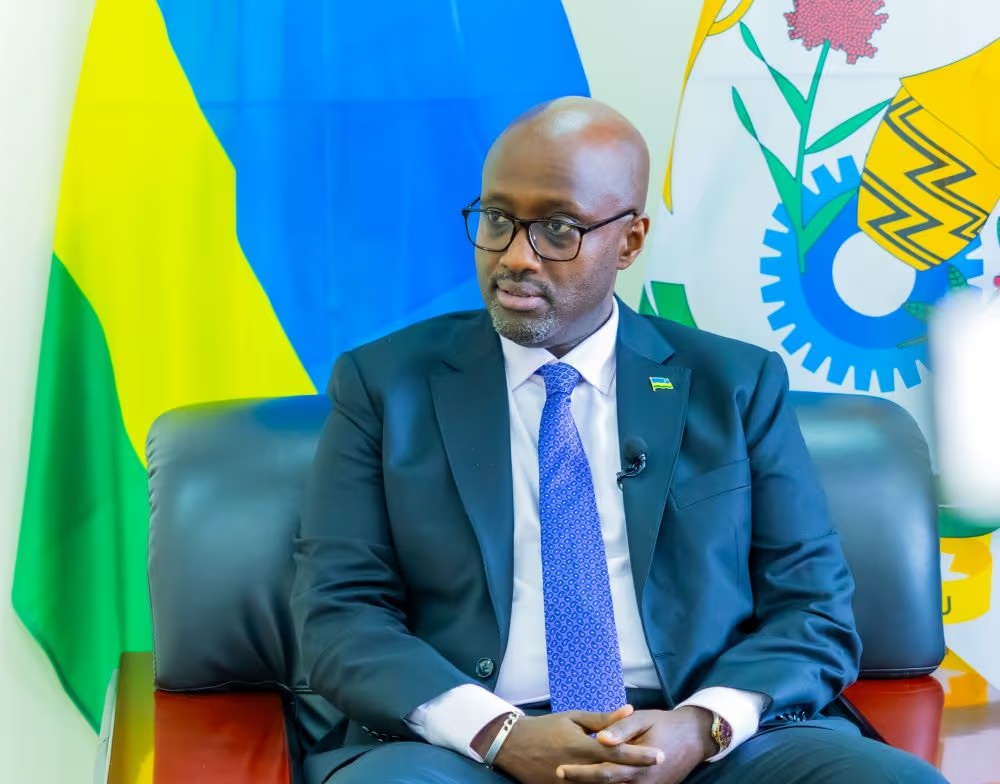
Minister Nduhungirehe slammed Patrick Muyaya over the DRC government’s repeated contradictions on the FDLR.
State Minister in the Ministry of Sports, Rwego Ngarambe, was also among the officials present.
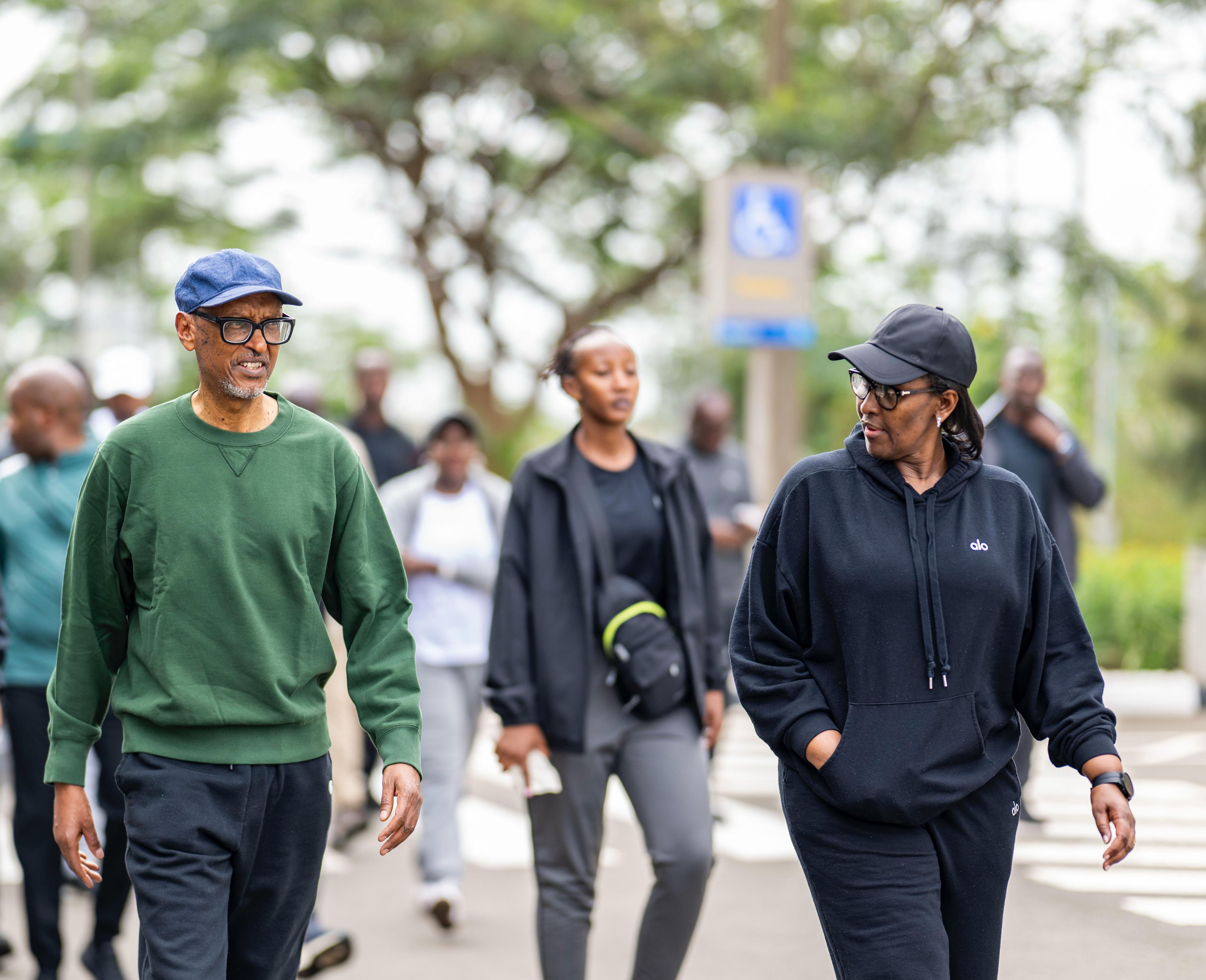
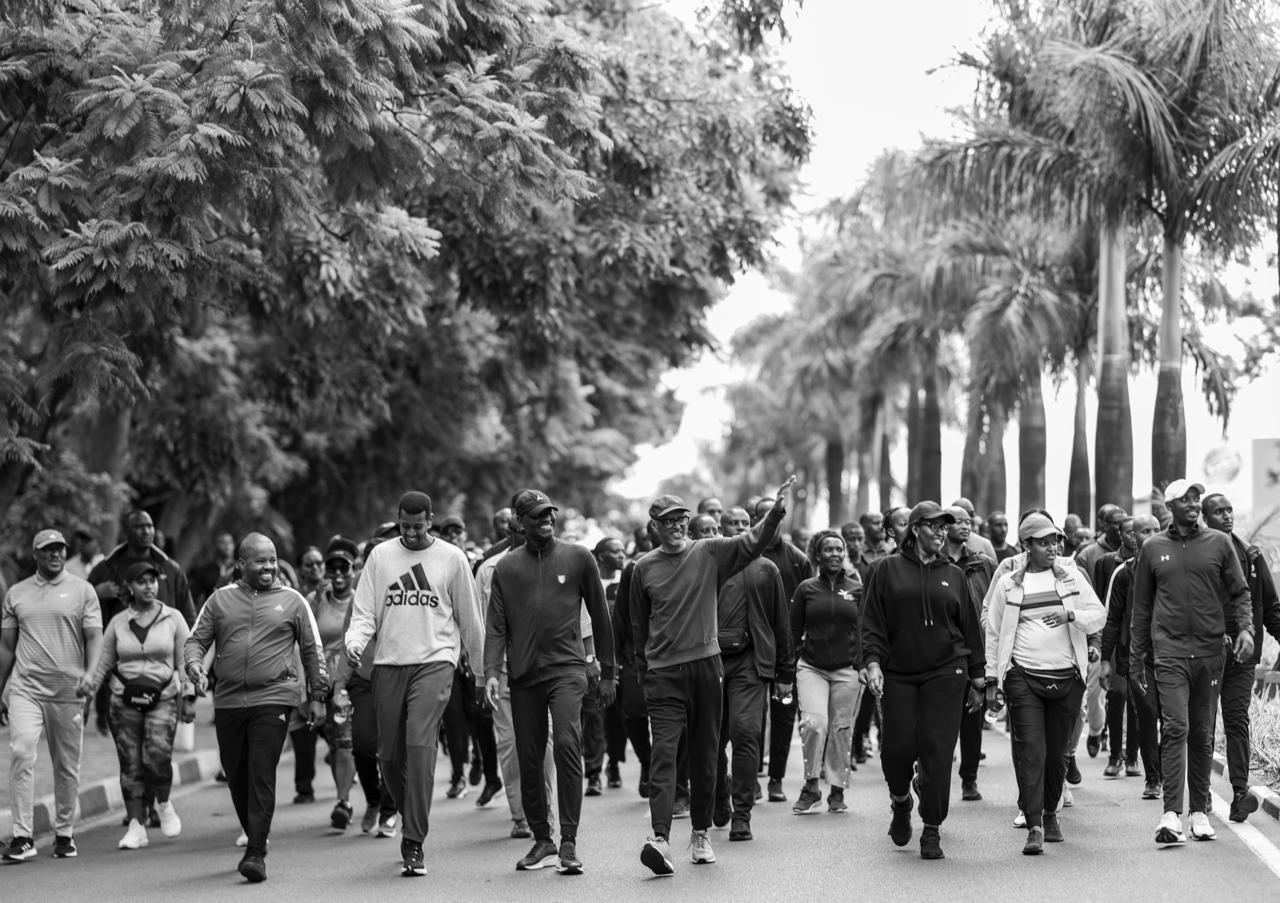
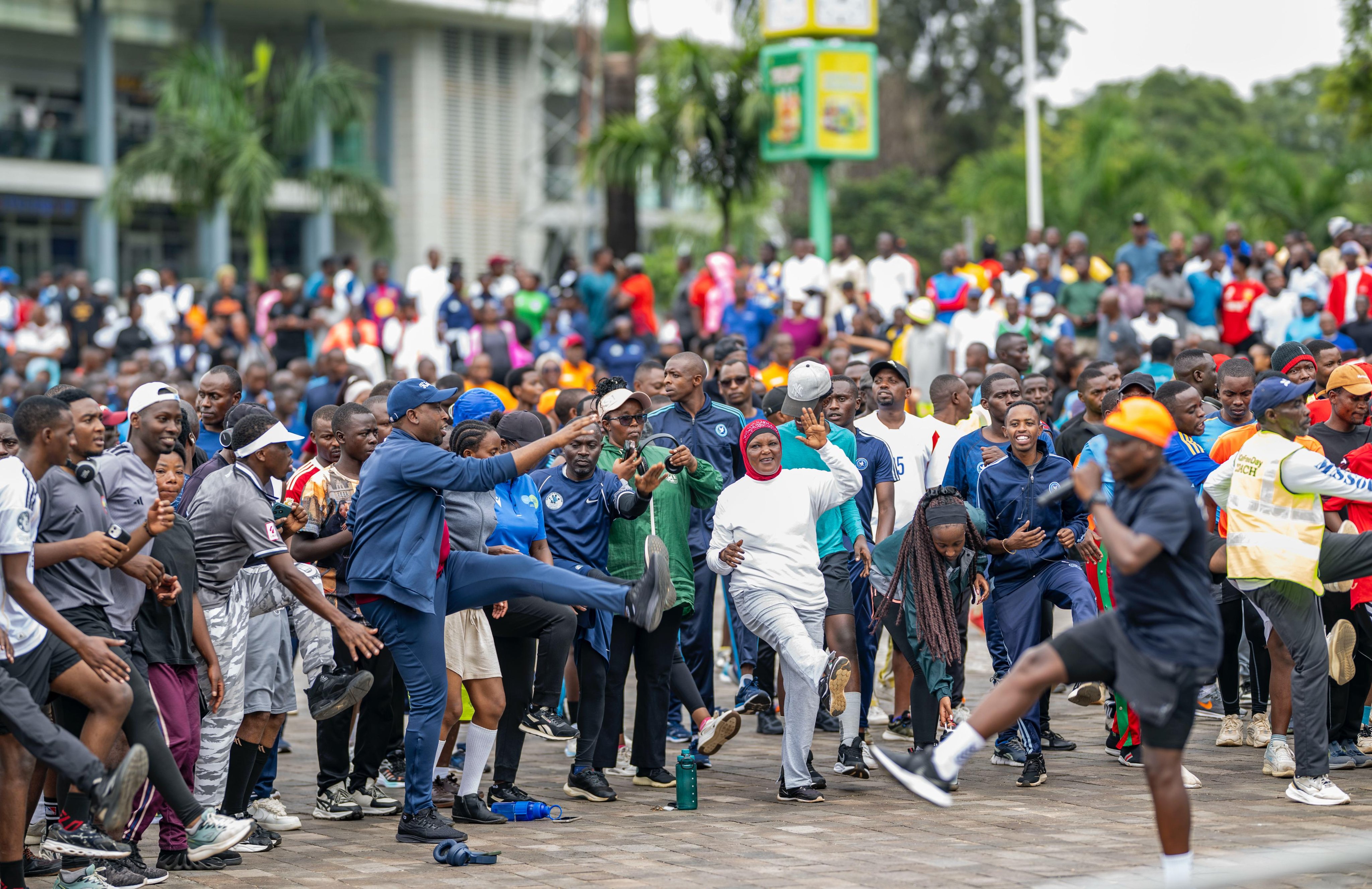
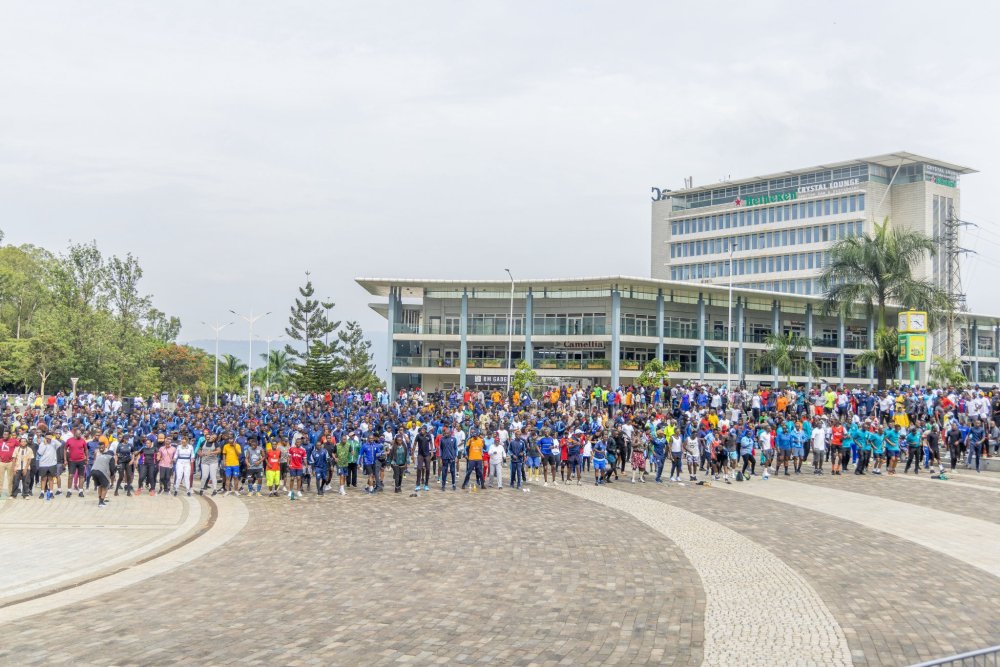
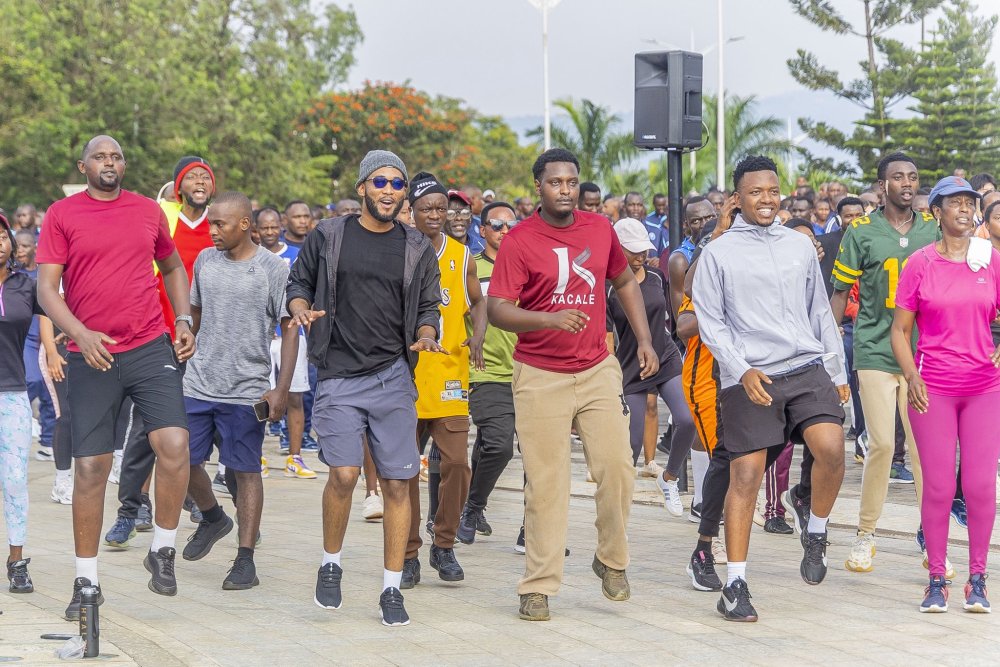
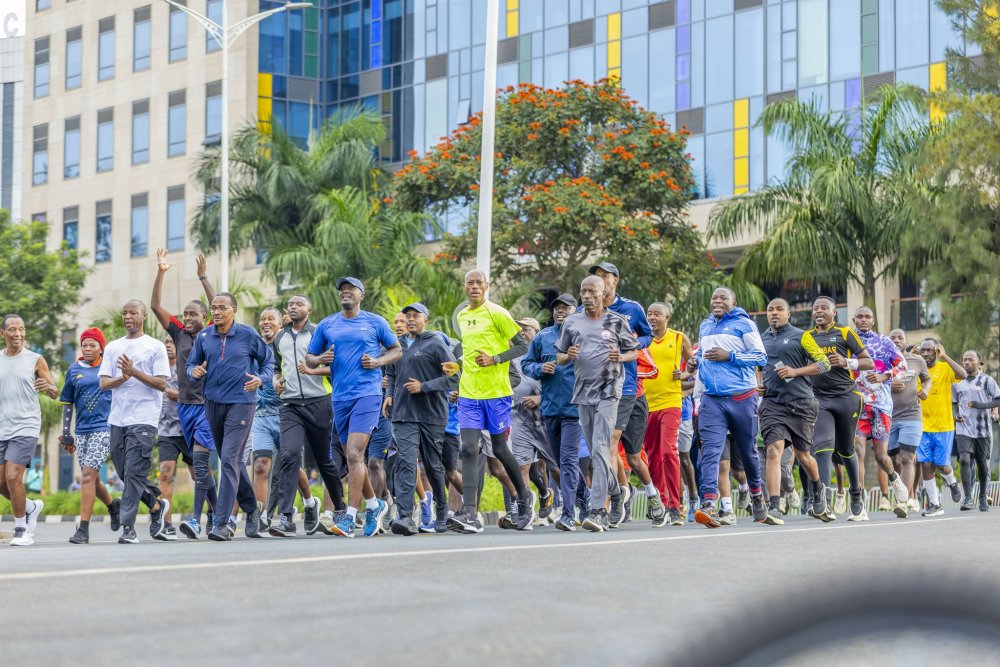
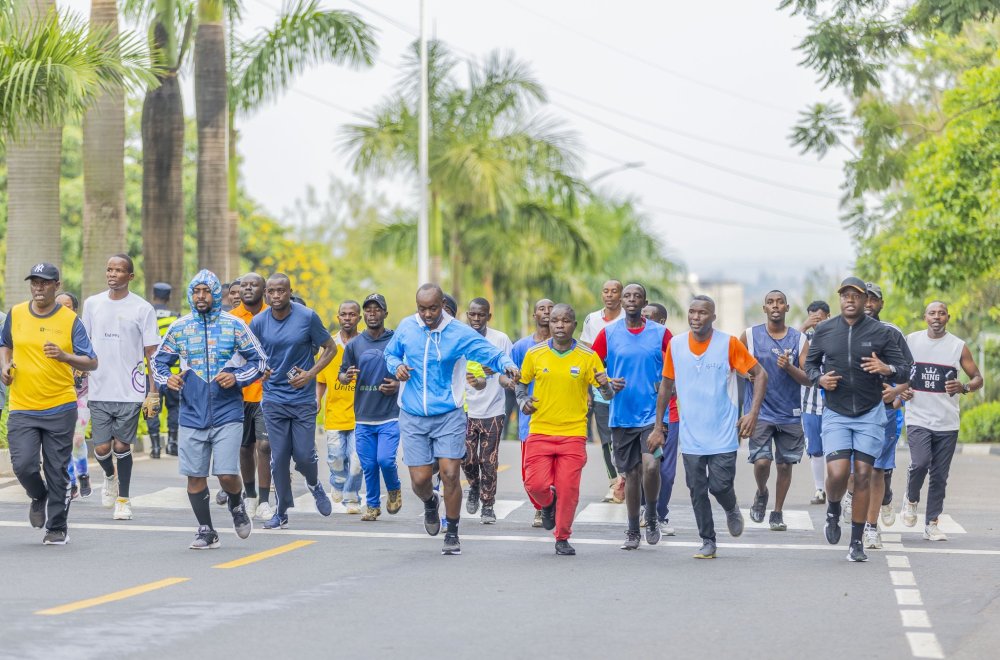
During the event, several streets across Kigali were closed to cars and motorcycles from 7:00 a.m. to 10:00 a.m., allowing thousands of residents to engage in walking, cycling, and other recreational activities such as street tennis and three-on-three basketball.
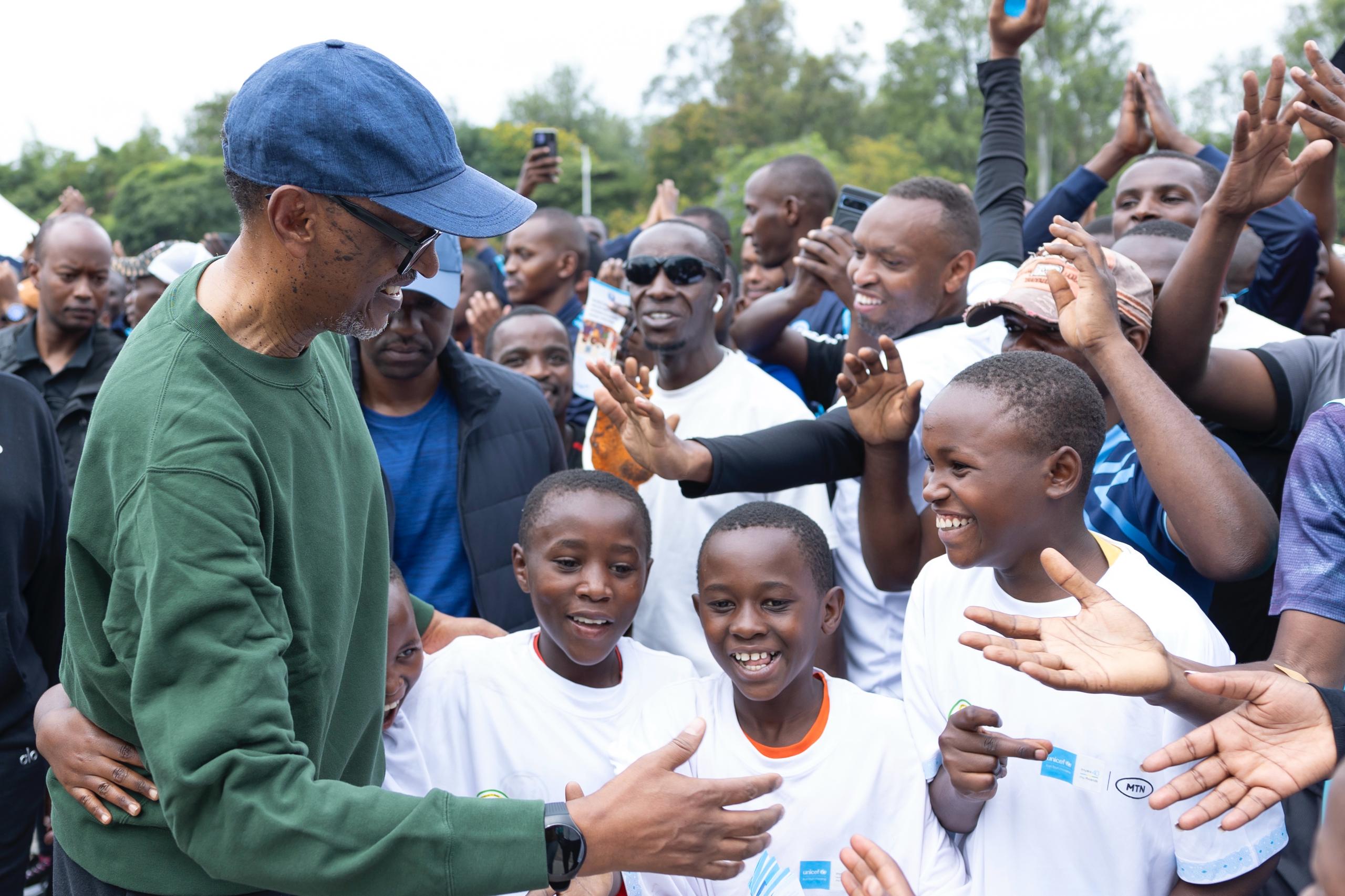
President Kagame took the opportunity to engage with participants, including children, who joined the event in support of wellness, community, and an active lifestyle.
Launched in May 2016, Car Free Day aims to promote healthy lifestyles among Kigali residents while also raising awareness about disease prevention. Participants are sometimes offered free health screenings and advice during the event.
Although the initiative, held twice a month, started in Kigali, it has since grown into a broader tradition, with other provinces adopting similar activities.
The City of Kigali highlights that Car Free Day also contributes to environmental conservation, as temporarily reducing vehicle traffic lowers harmful emissions and improves air quality.
Various state officials accompanied President Kagame and First Lady Jeannette Kagame.President Kagame took the opportunity to engage with participants, including children, who joined the event in support of wellness, community, and an active lifestyle.The event is organised twice a month in support of wellness, community, and an active lifestyle.Participants were guided on practical ways to incorporate physical exercise into their daily routines with ease. Comedians Fally Mercy and Umushumba were among the participants in the public sports event.
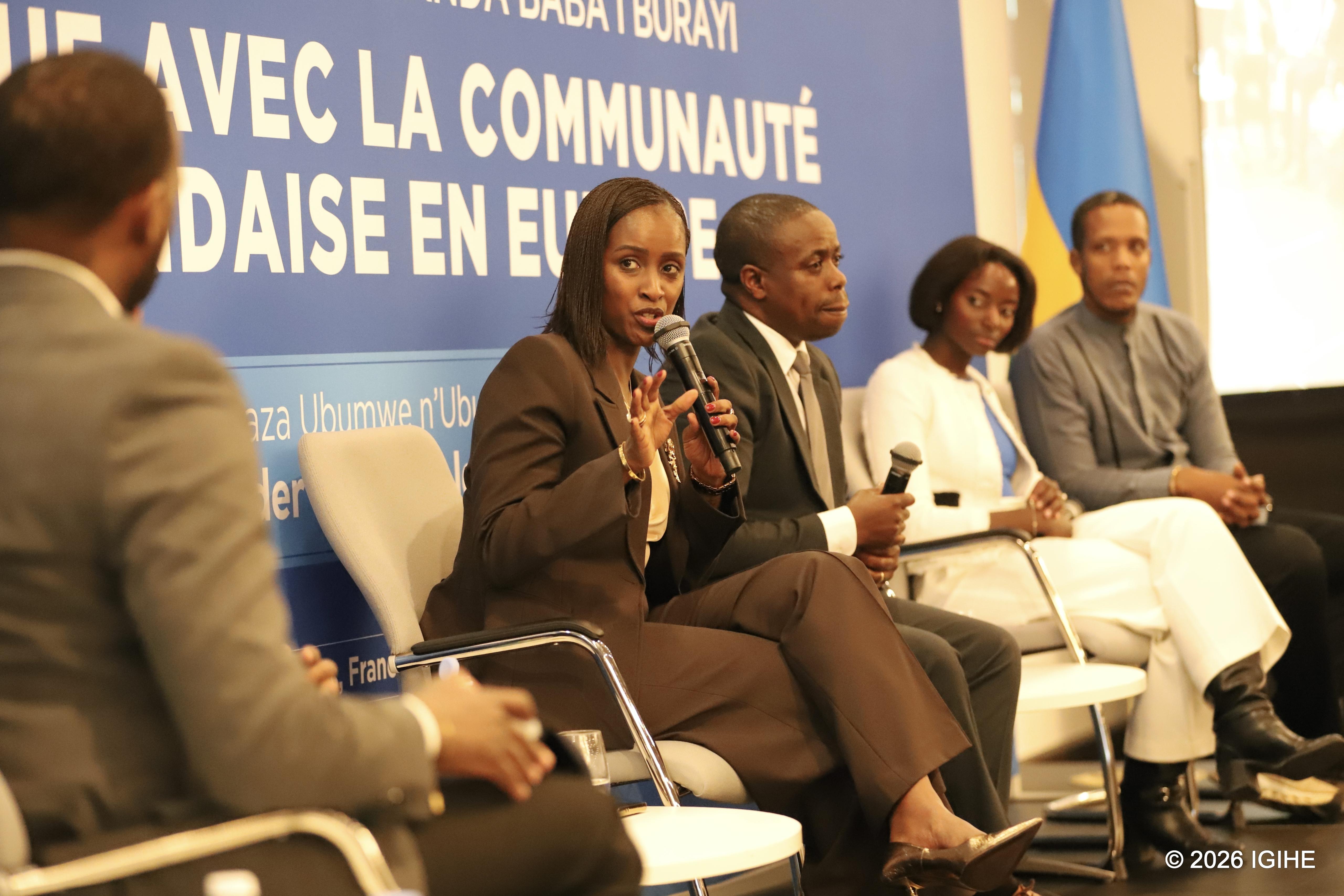
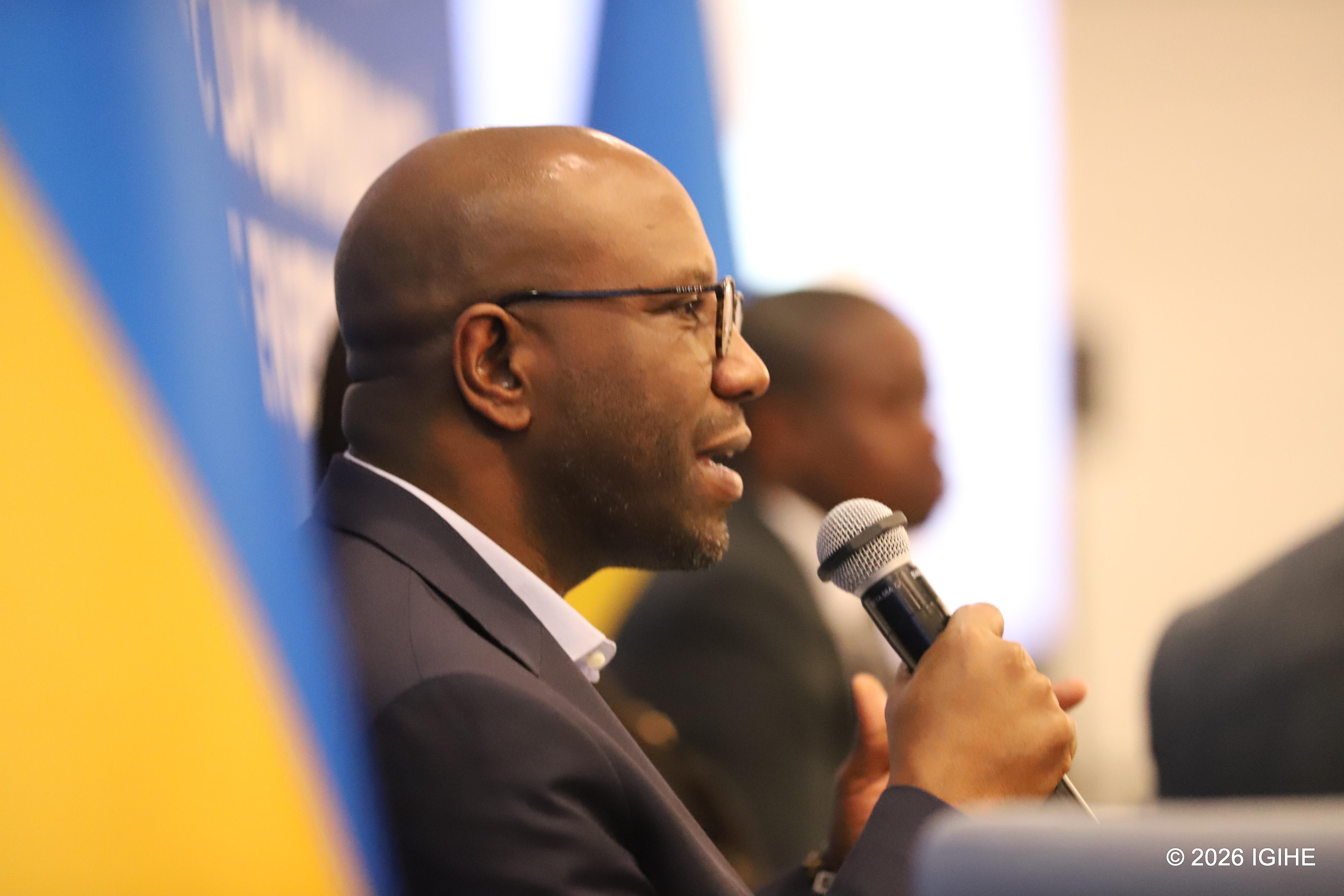
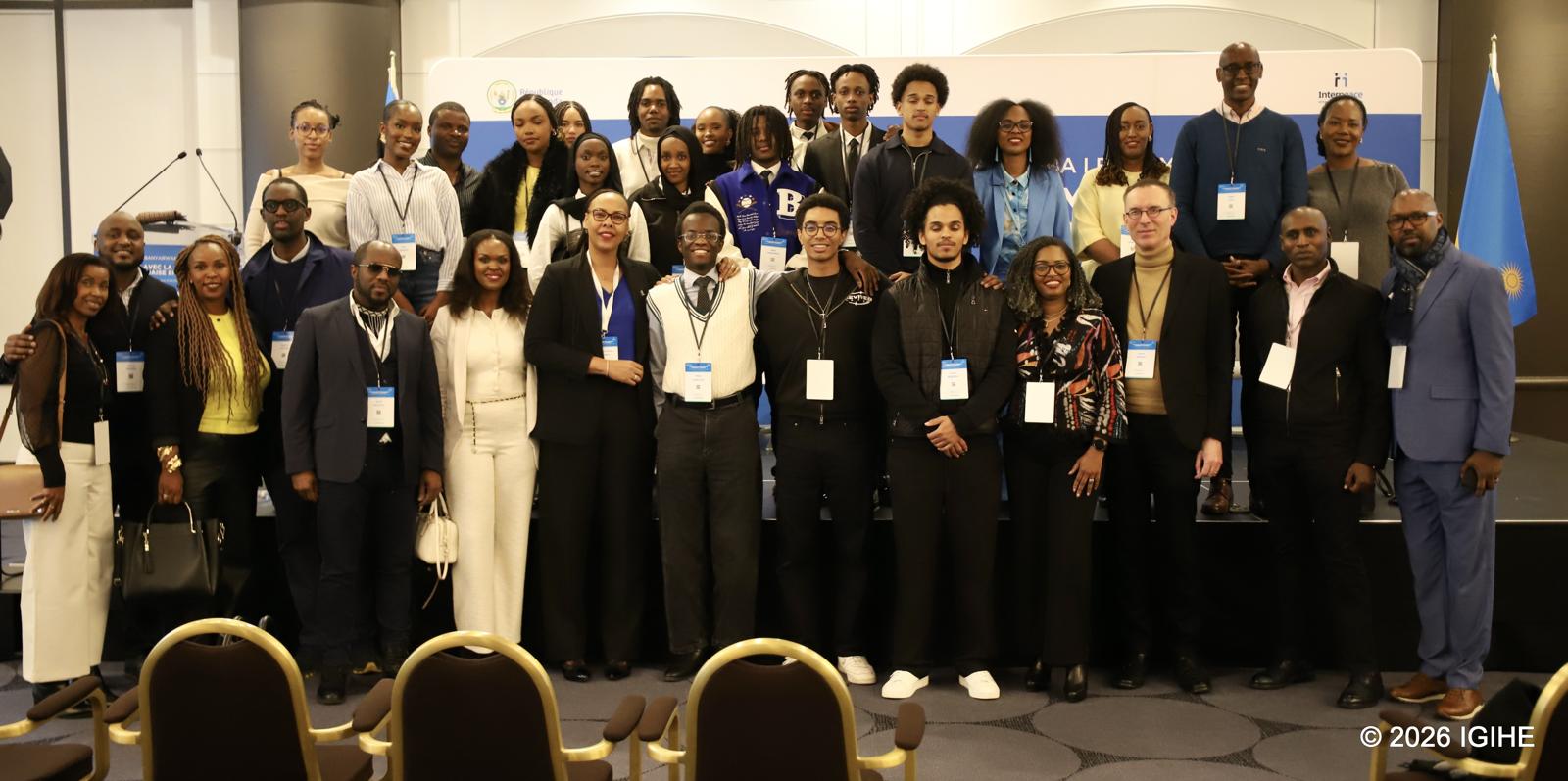
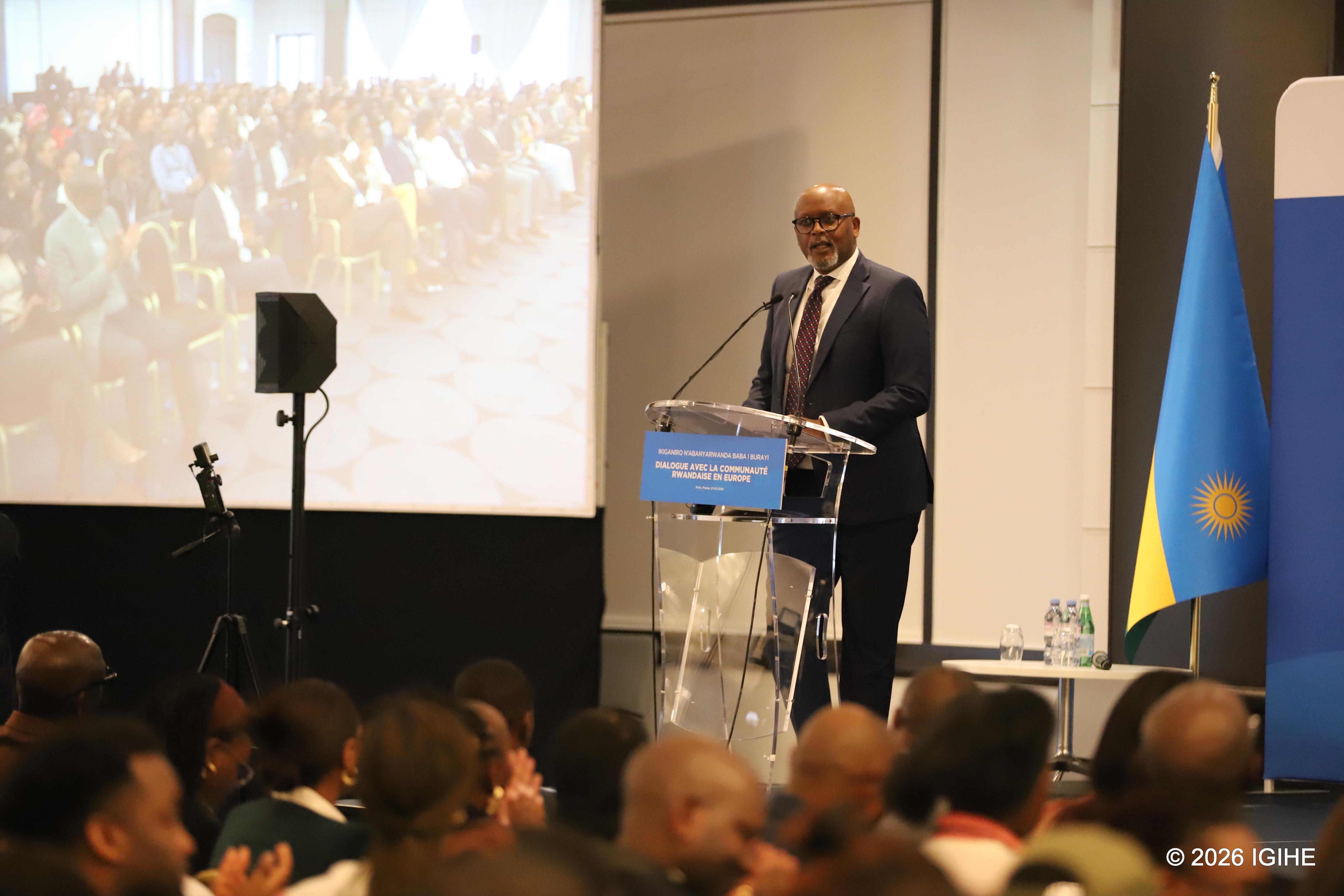
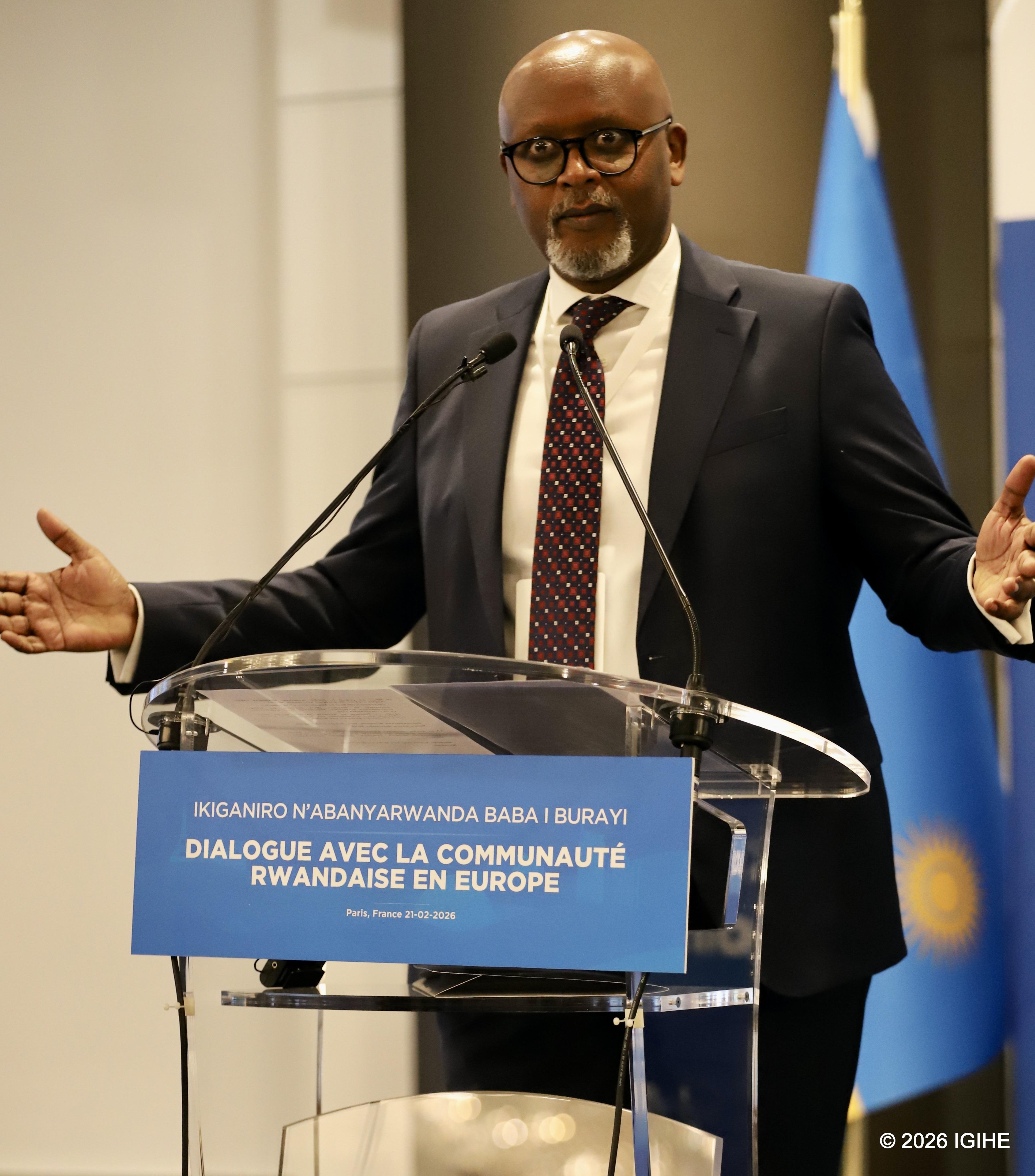
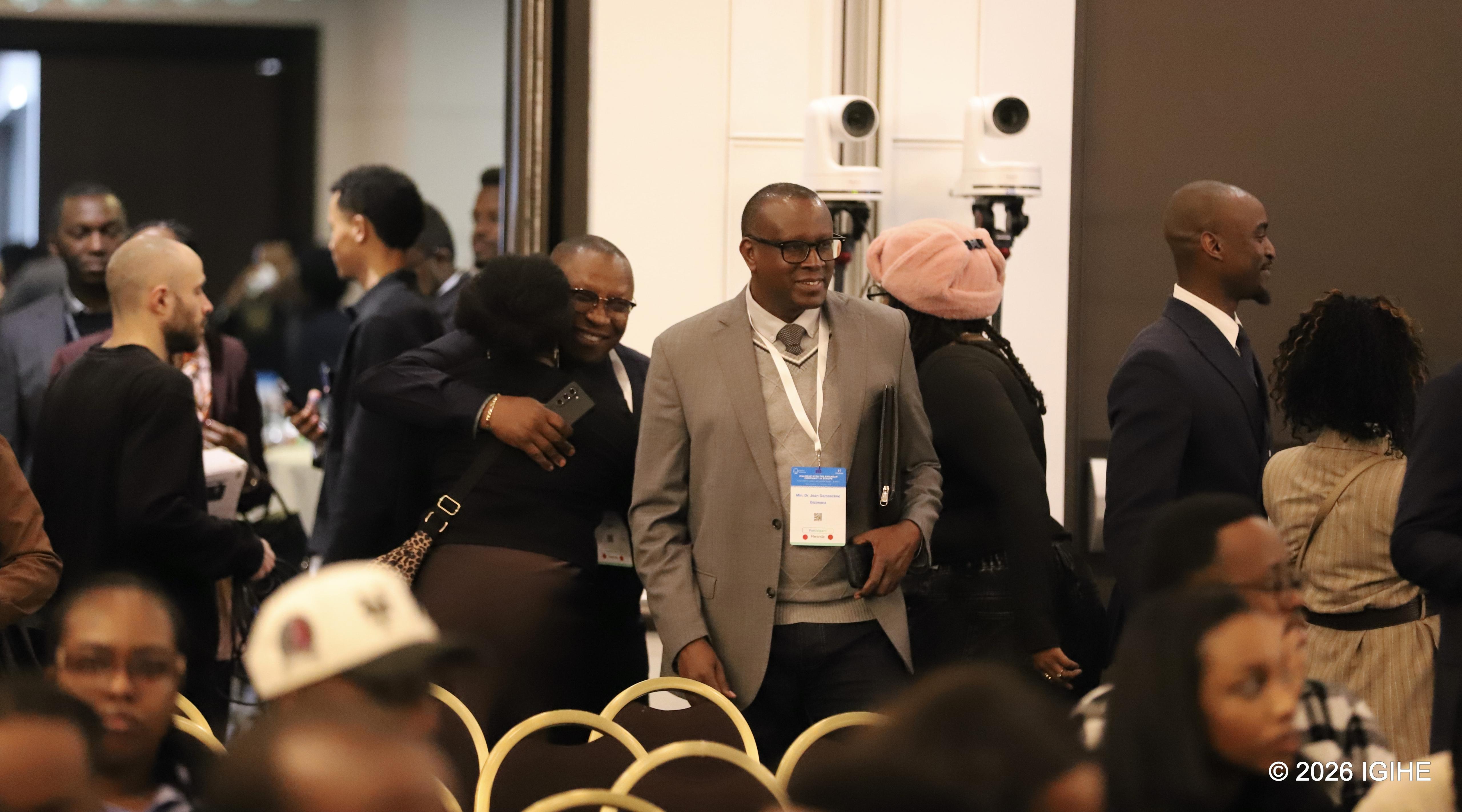
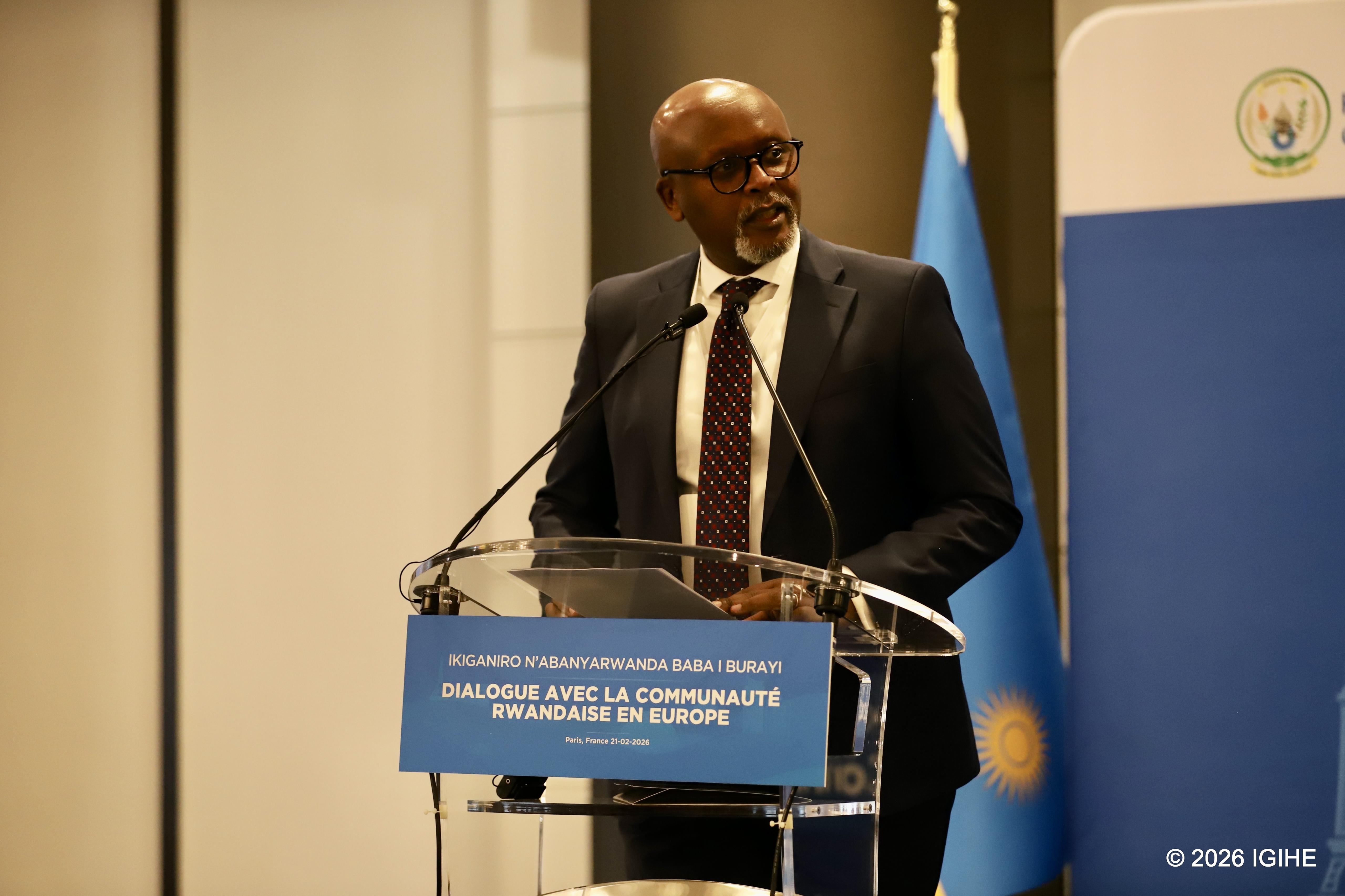
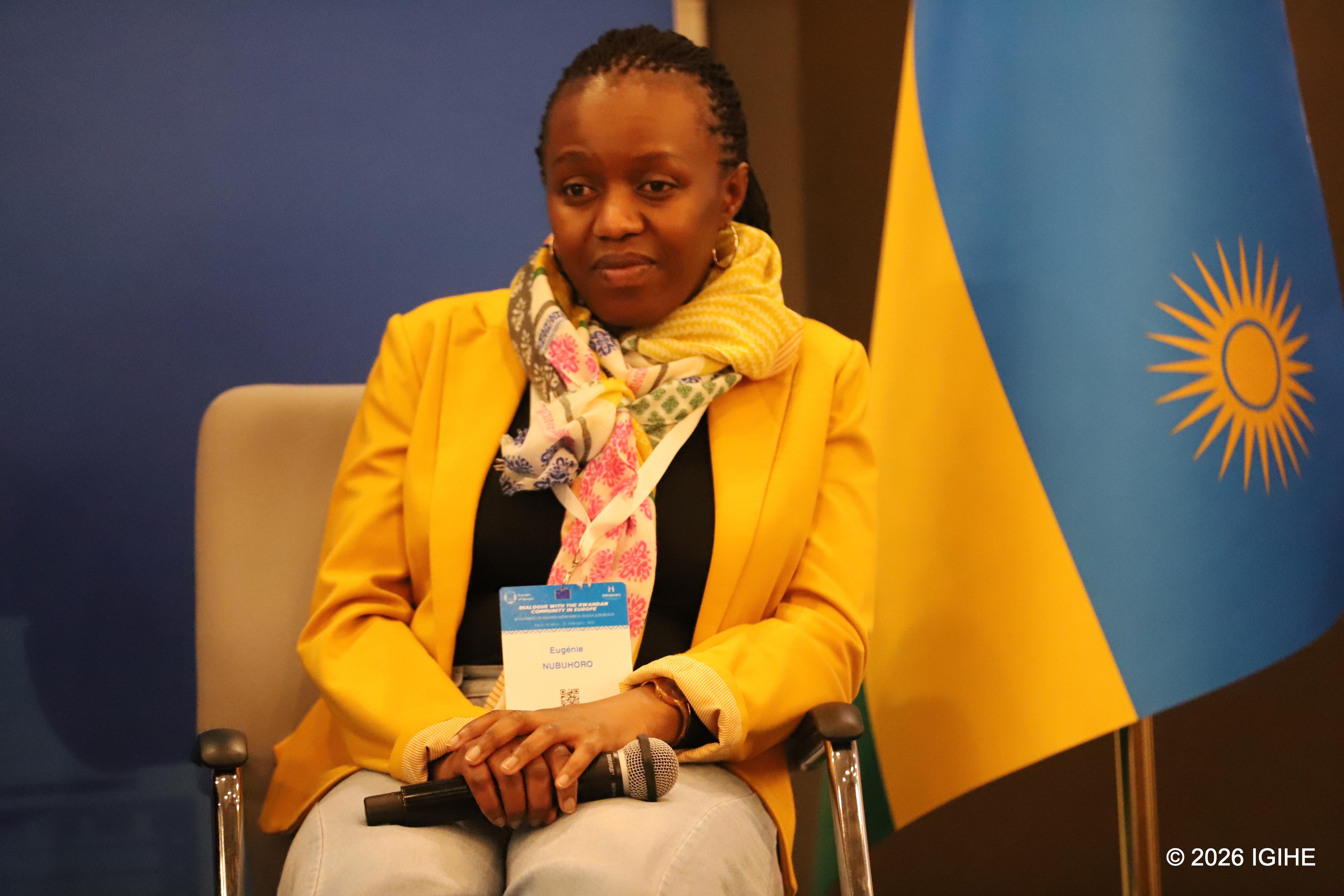
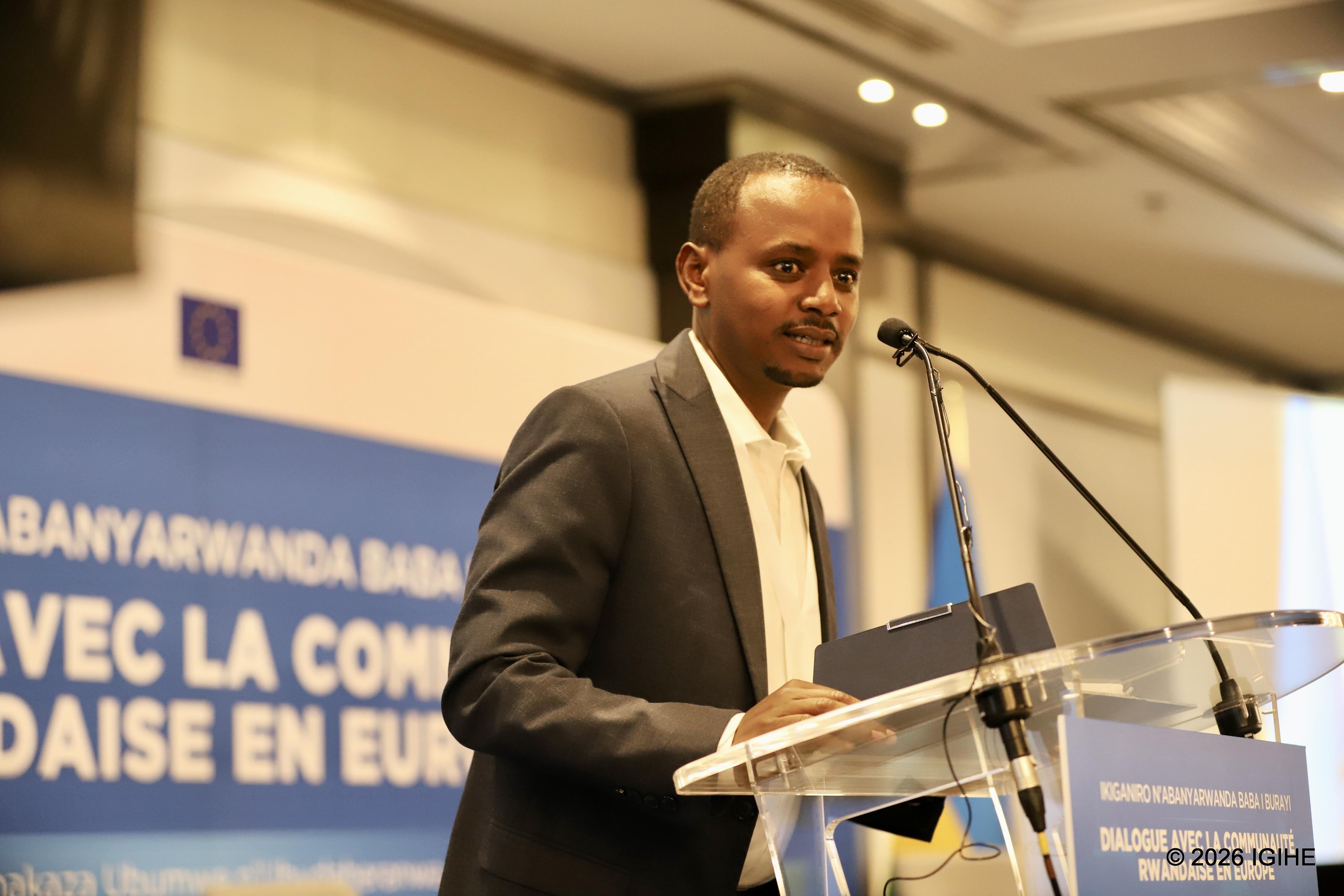
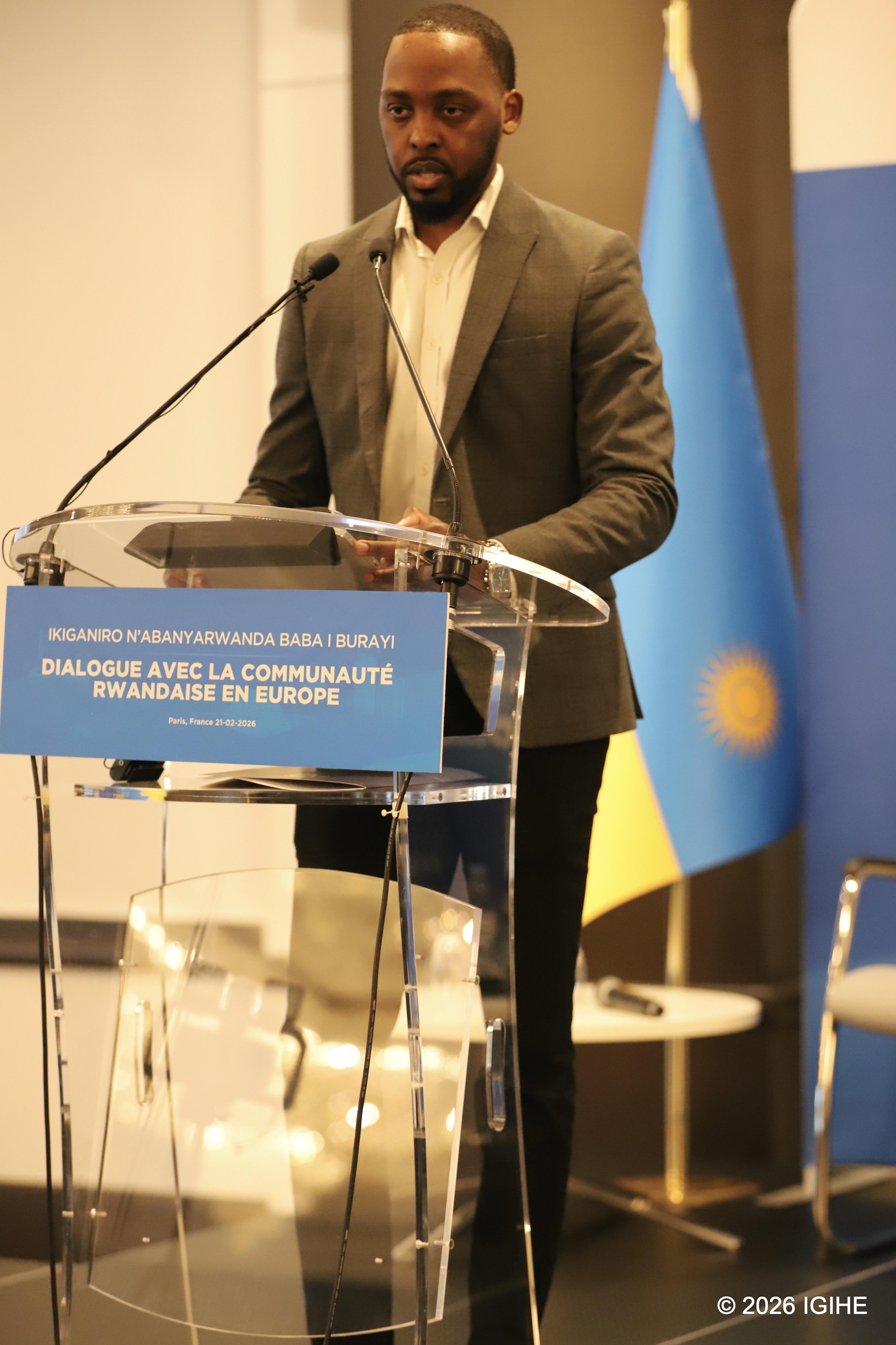
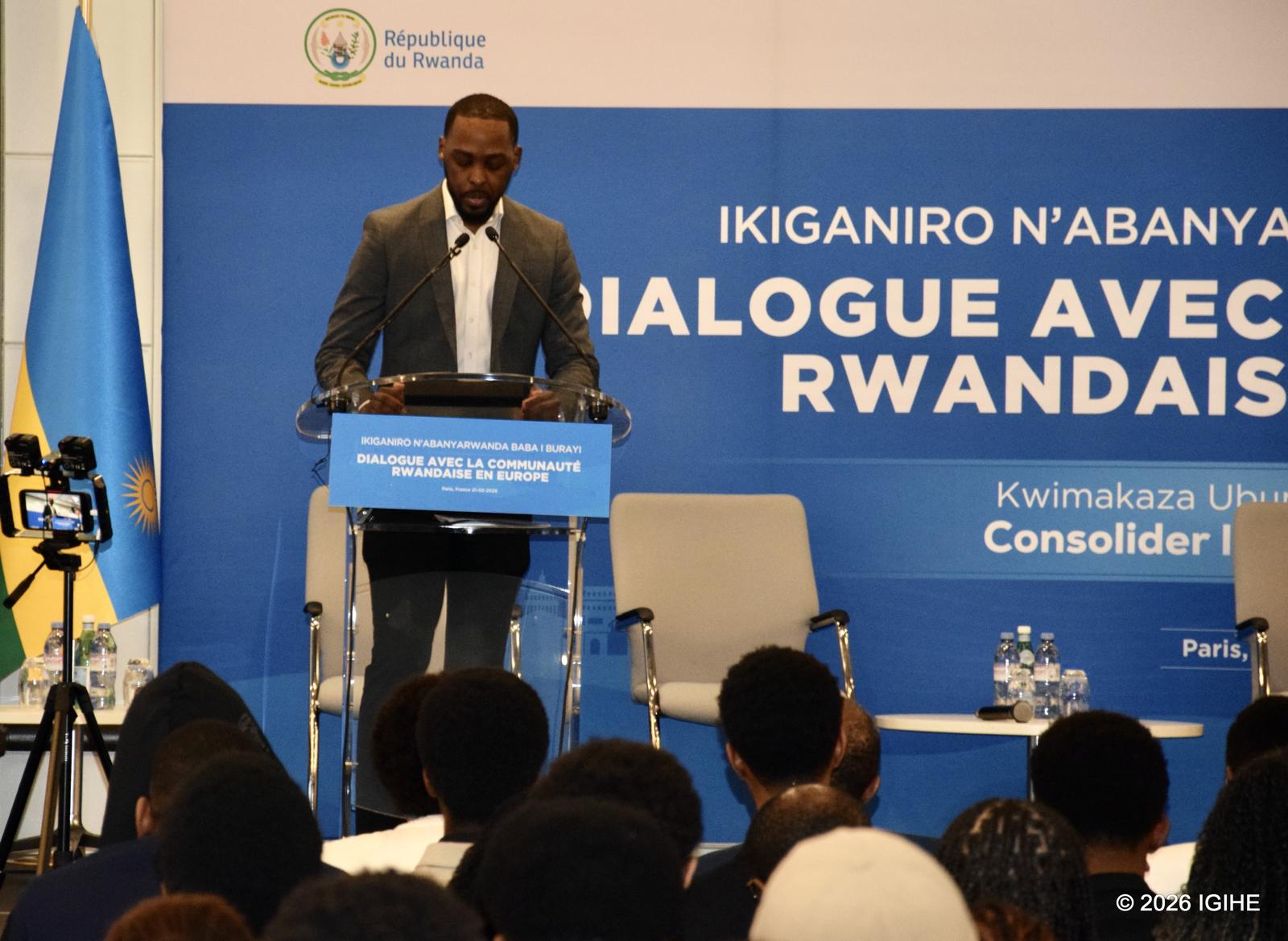
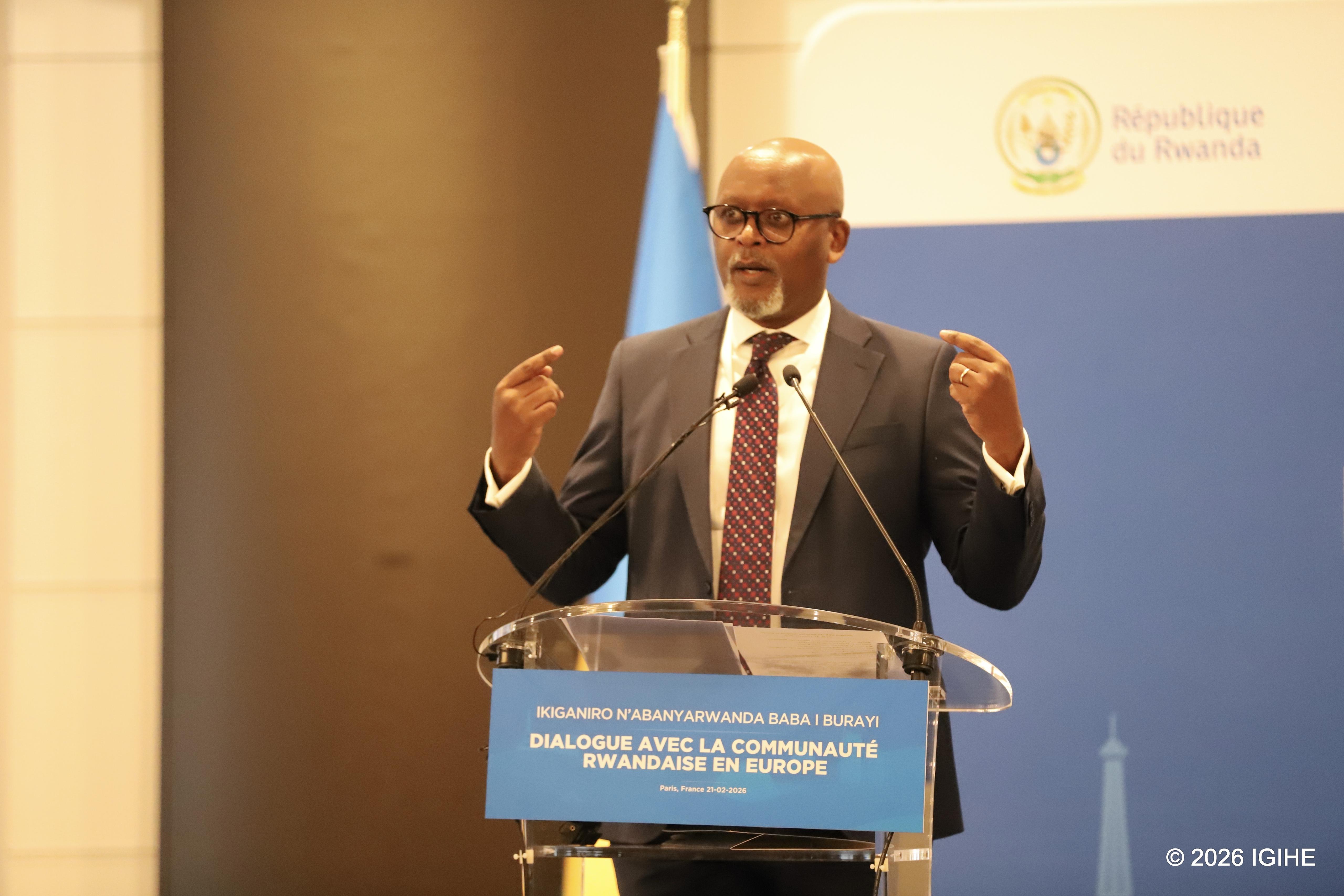
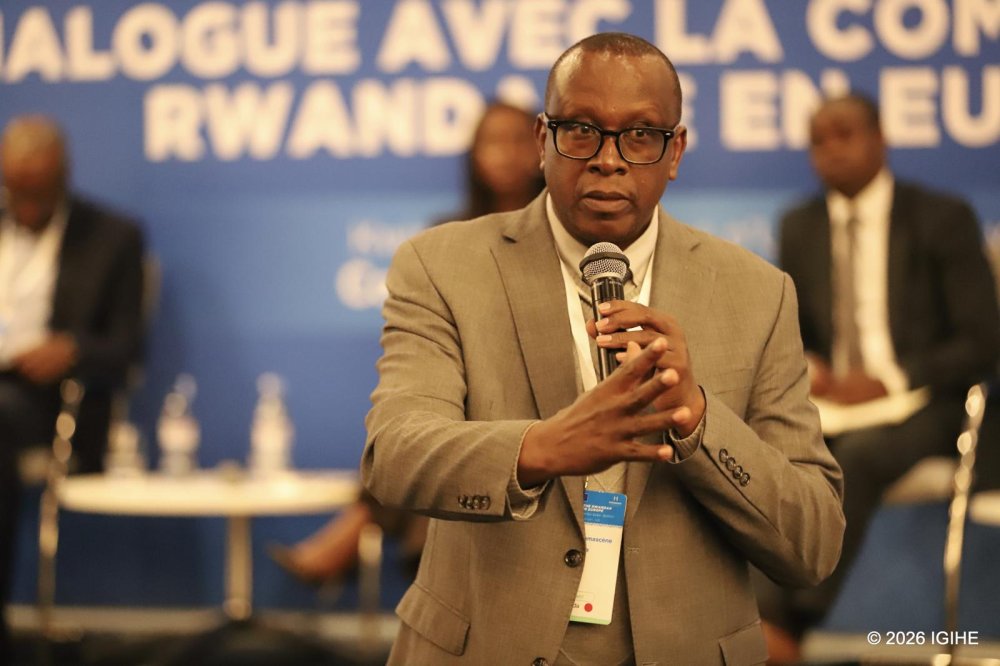
Speaking at the event, Rwanda’s Minister of National Unity and Civic Engagement, Dr. Jean-Damascène Bizimana, delivered a strong message directed to younger generations: preserve the language, understand history, and strengthen ties with the motherland.
Through testimonies, discussions, and collective reflections, the meeting emerged as a valuable platform for intergenerational dialogue and transmission.
Kinyarwanda language, a foundation of unity
From the outset of his remarks, the speaker chose to speak in French, accompanied by interpretation into Kinyarwanda to ensure inclusivity among participants. A summary was also provided for those not fully fluent in either language.
This linguistic choice became the starting point for a clear call to action: encouraging the learning of Kinyarwanda within the diaspora. “We are fortunate to share a single national language that facilitates communication and strengthens our identity,” he emphasized, urging Rwandan communities abroad to develop local initiatives for cultural and linguistic transmission.
Youth at the heart of discussions
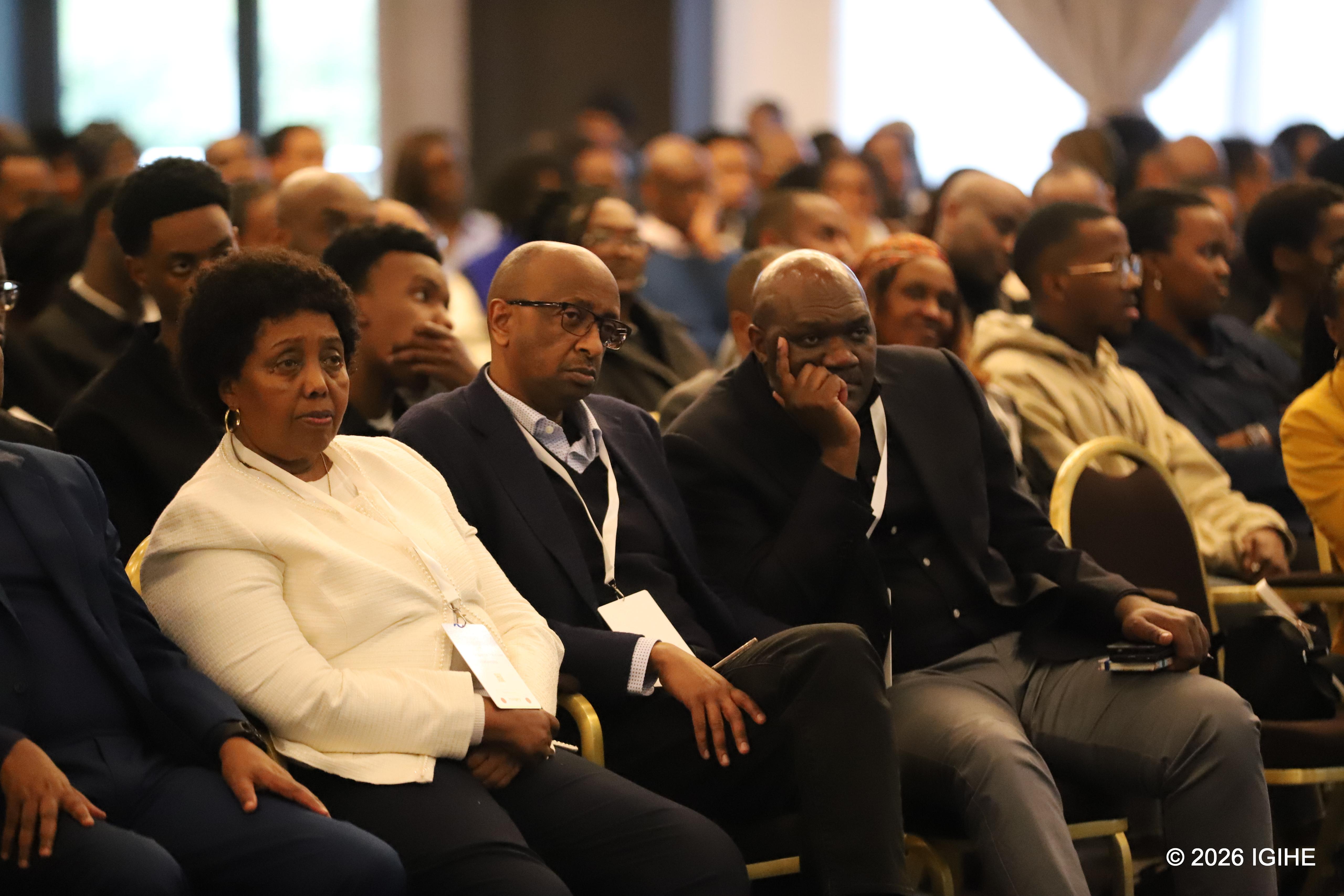
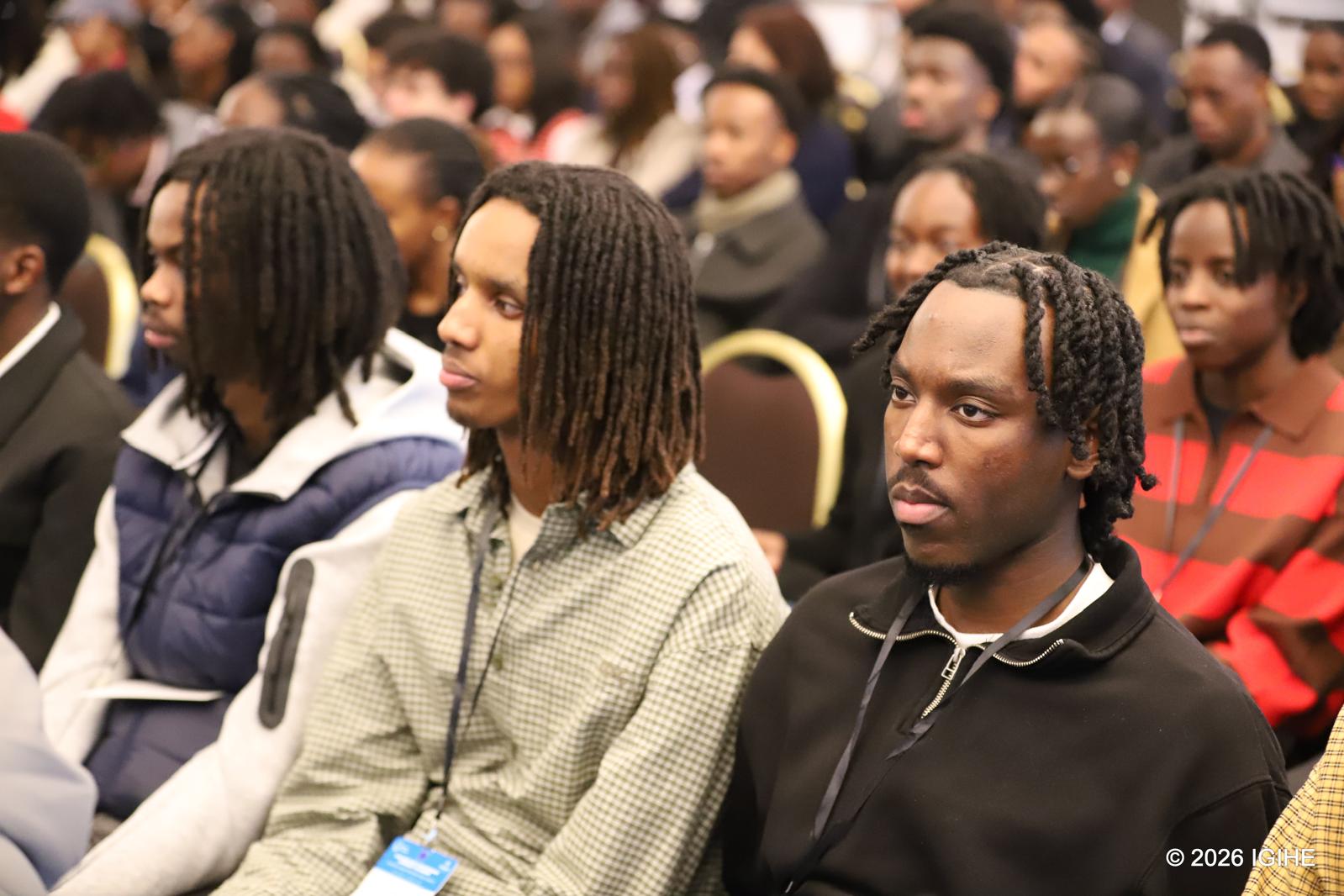
The strong presence of young people born or raised in the diaspora was a defining feature of the gathering. For the delegation from Rwanda, this reality represents a source of optimism. Although geographically distant from the country, these young individuals remain an essential link in cultural and national continuity.
The event also responded to a request expressed by diaspora youth eager to engage directly with representatives from Rwanda in order to better understand the country’s contemporary realities and share their aspirations.
Understanding history to build the future
Discussions also explored memory and historical issues, recalling Rwanda’s complex past and the profound human consequences of the 1994 Genocide against the Tutsi.
Within this context, the speaker stressed the importance of critical inquiry among younger generations, particularly in response to the wide range of narratives circulating on social media. The objective, he explained, is not to impose a particular perspective but to promote informed understanding grounded in facts, testimonies, and direct exchanges.
Dialogue and sharing experiences
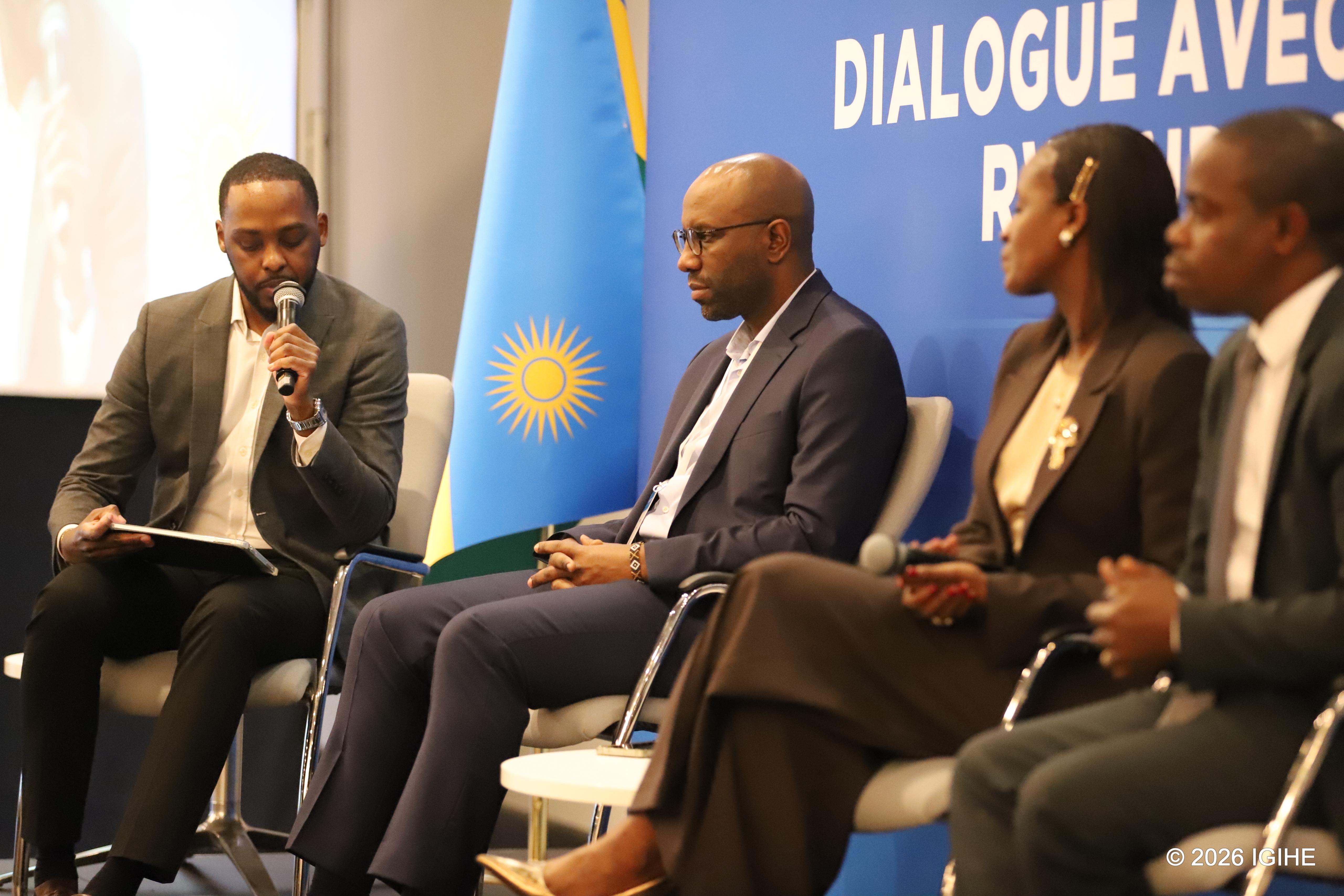
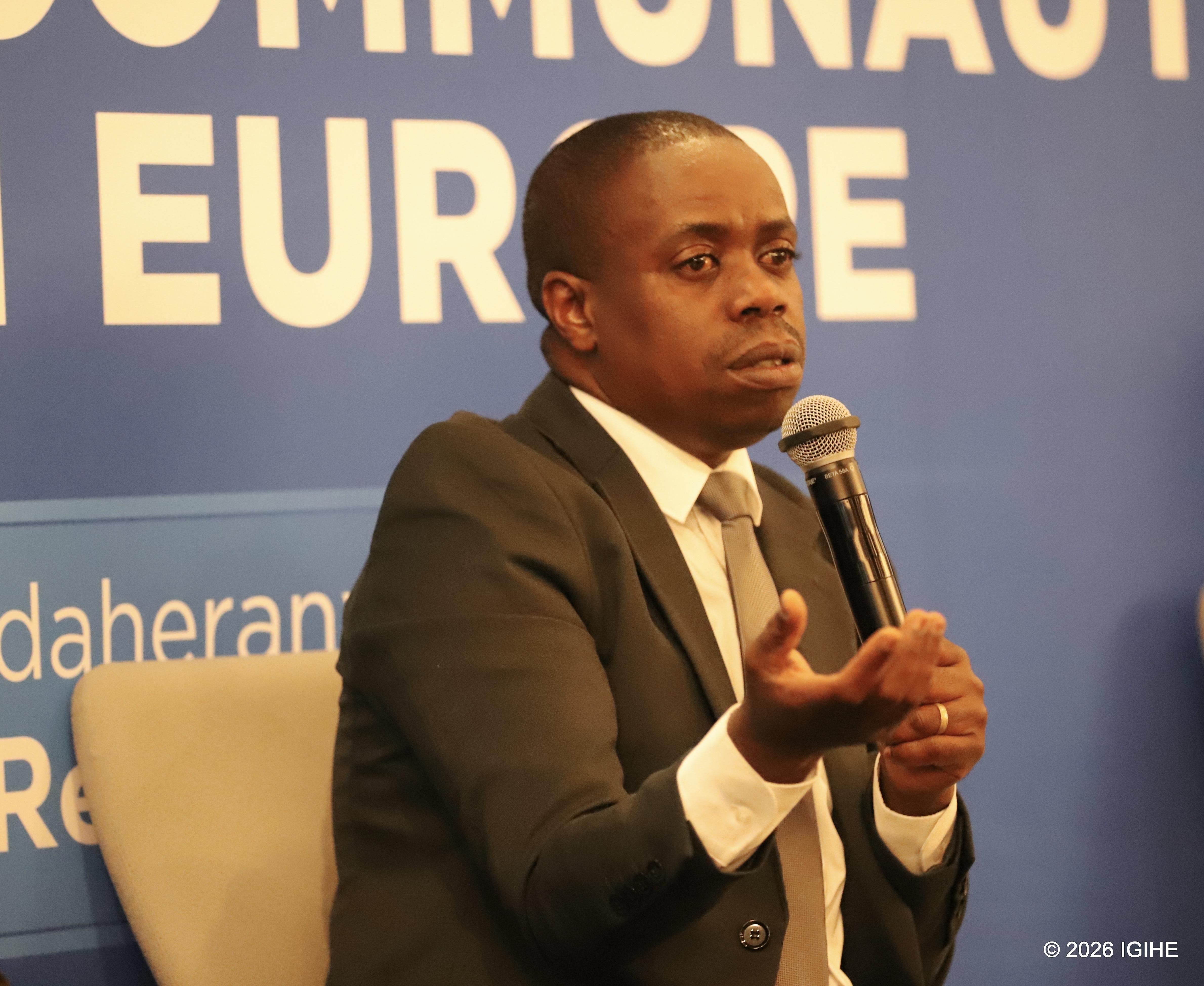
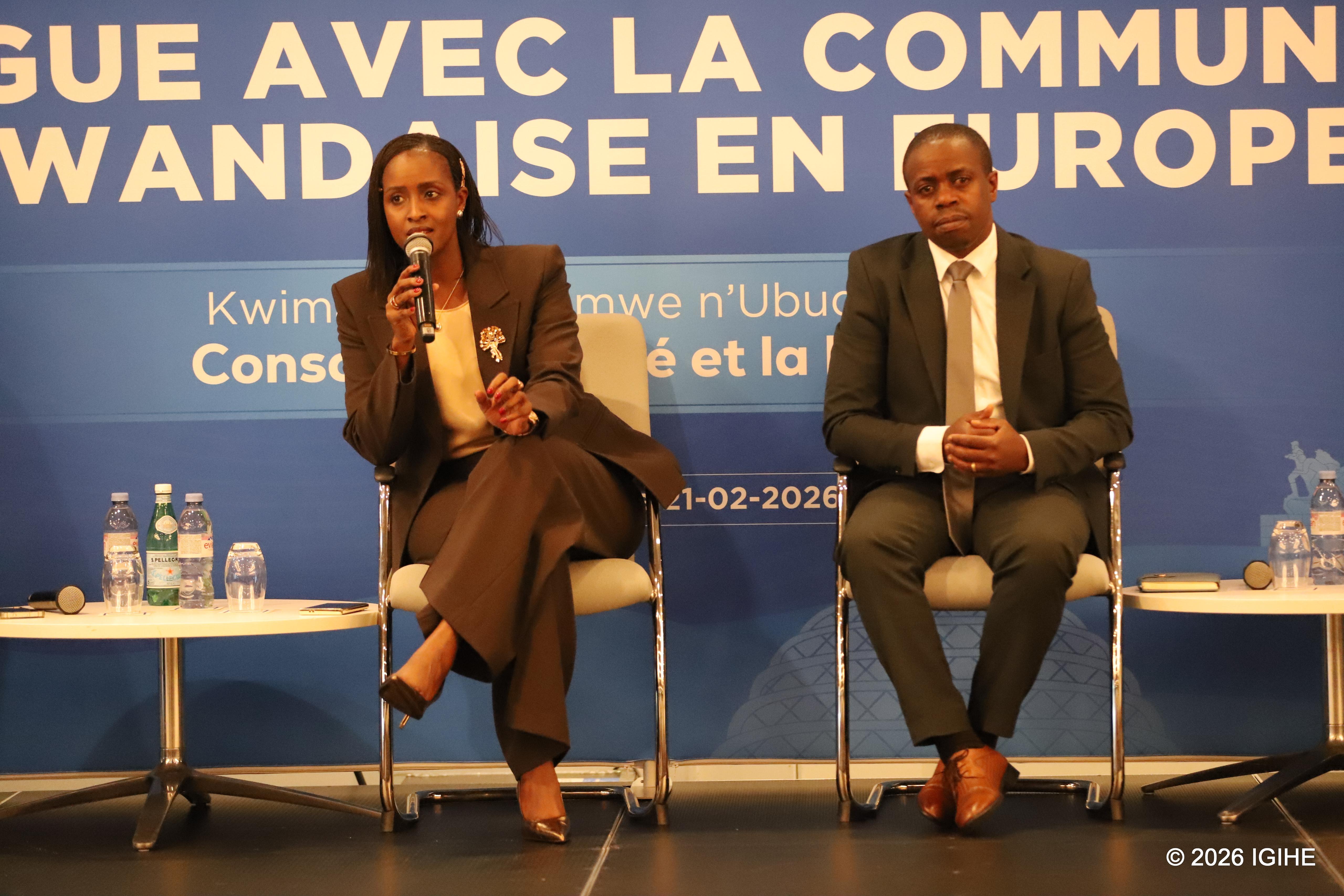
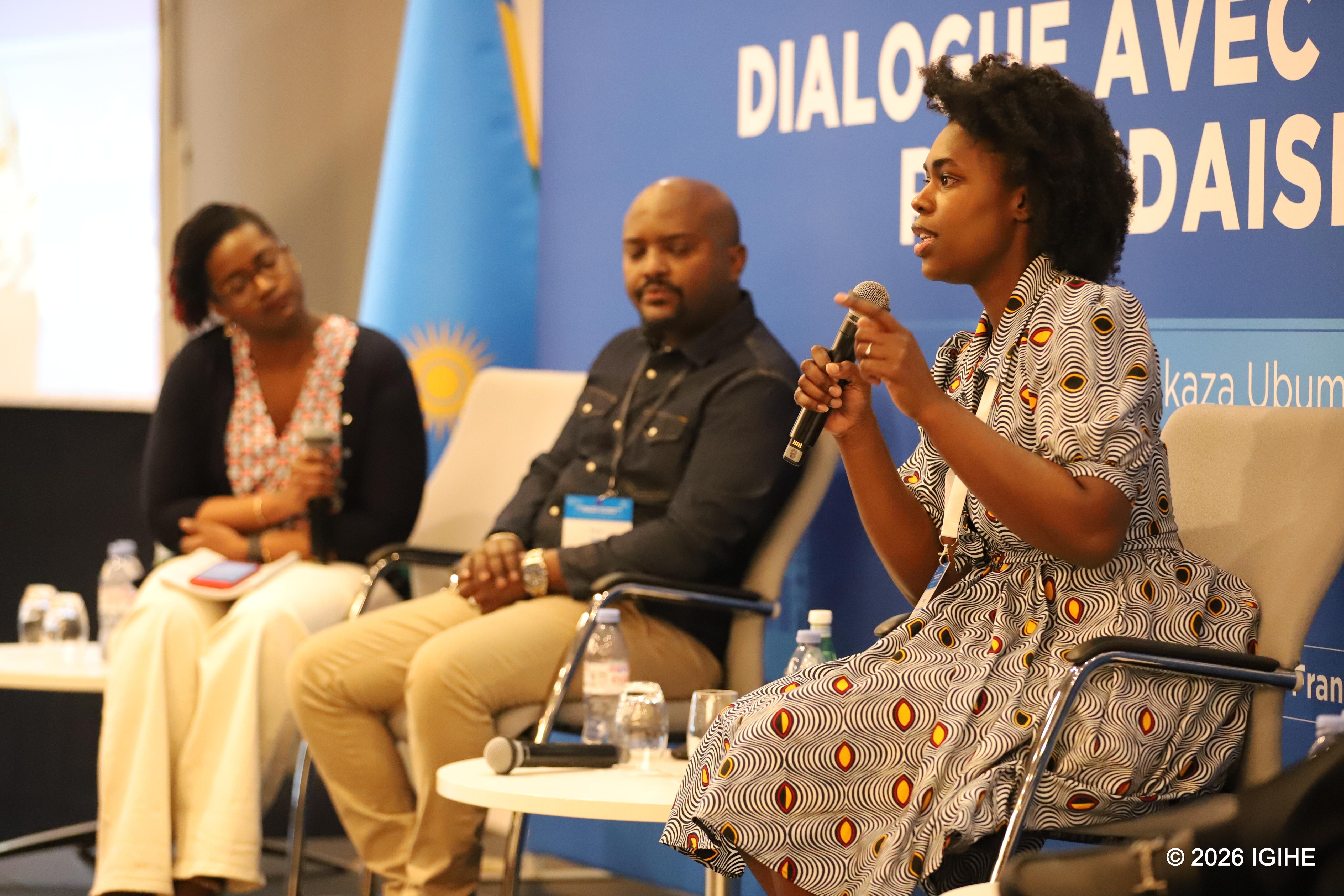
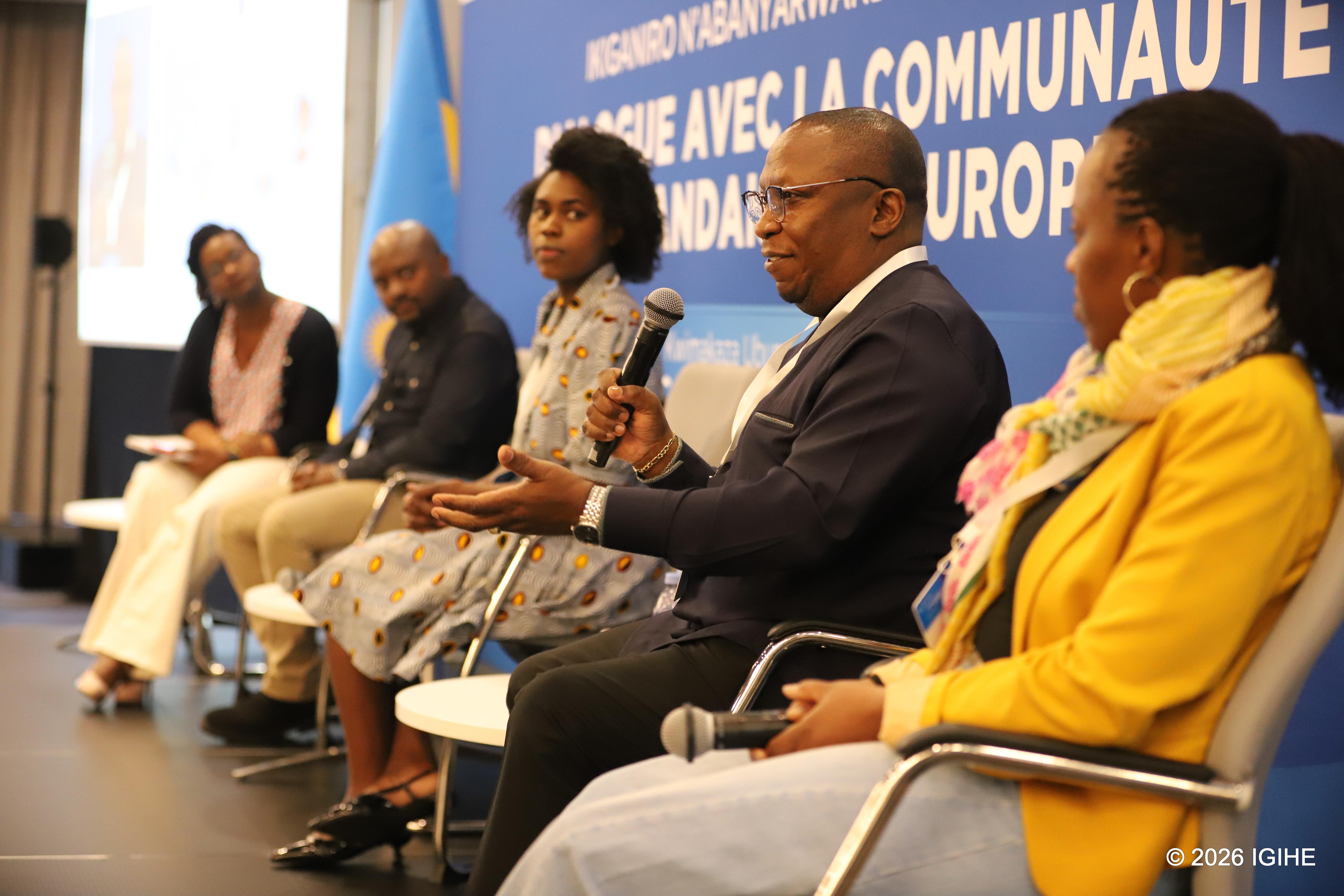
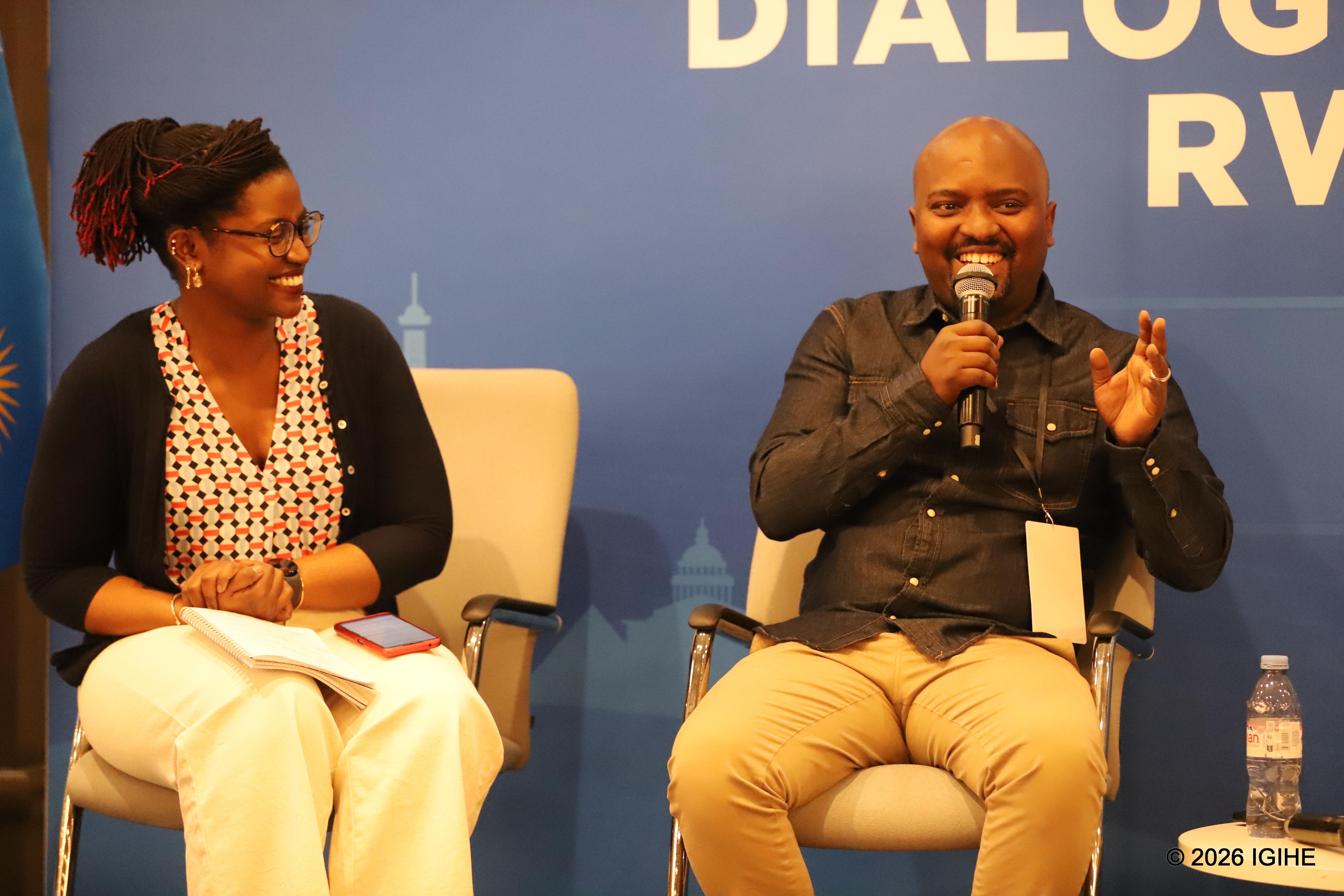
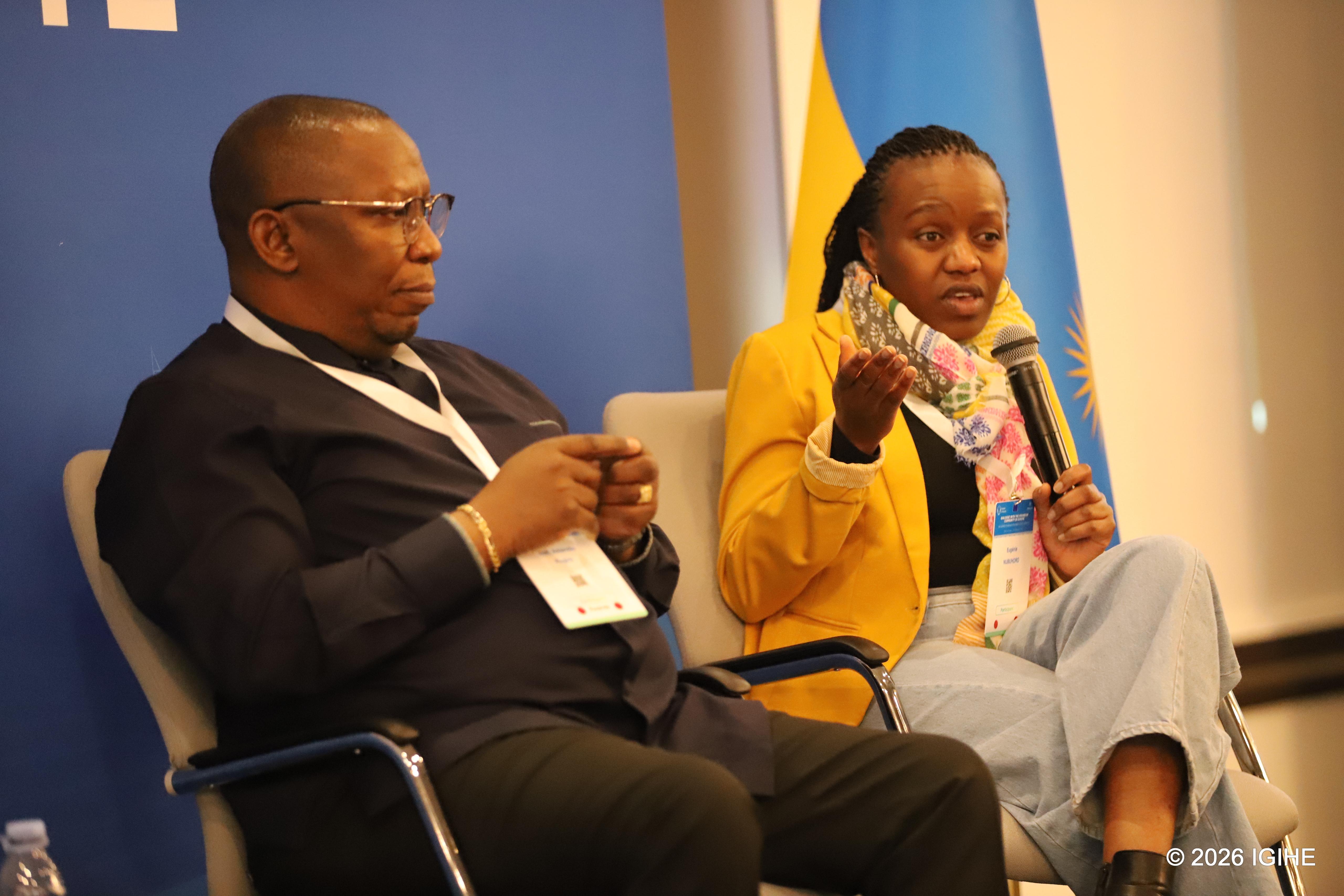
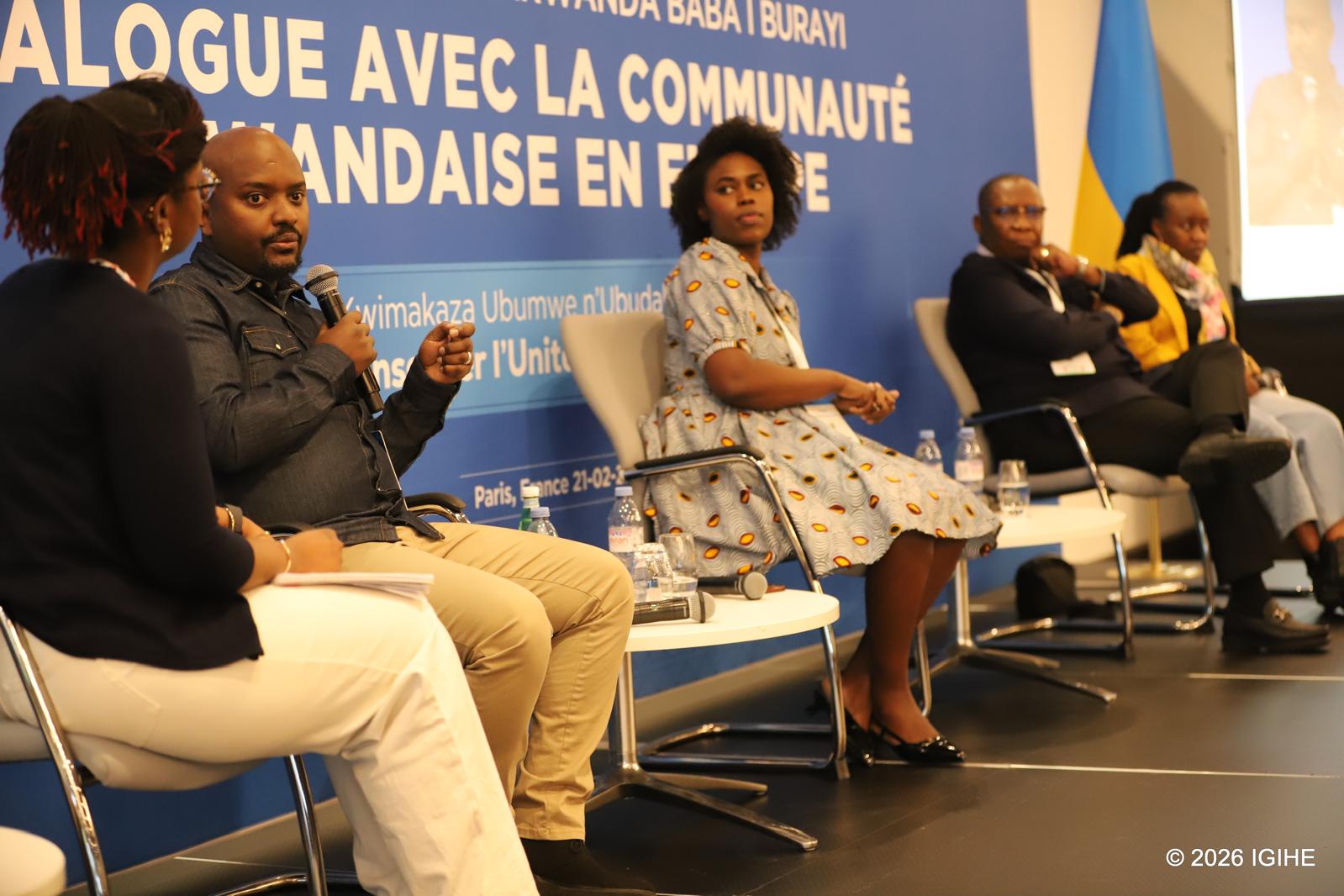
One of the gathering’s key strengths lay in the diversity of speakers. Panelists from varied professional backgrounds and life experiences shared stories closely aligned with those of many diaspora youth.
This practical approach aimed to provide concrete responses to questions surrounding identity, belonging, opportunities, and the different ways individuals can engage while living abroad.
Maintaining ties with the motherland
Beyond historical reflections, the meeting highlighted Rwanda’s transformations over recent decades and the opportunities available to the diaspora, particularly in economic, cultural, and social initiatives.
The central message to young participants was clear and motivating: geographical distance should not be a barrier to engagement. Communication technologies, travel, and cooperation programs now offer multiple pathways to maintain active connections with the country.
A call for unity and transmission
In closing, the remarks turned toward the future, encouraging young Rwandans abroad to take pride in their identity and contribute, in their own ways, to Rwanda’s global presence.
Learning the language, understanding history, and participating in community initiatives were presented as key drivers for strengthening unity and intergenerational solidarity.
Marked by fraternity and dialogue, the gathering illustrates a shared determination to deepen ties between Rwanda and its diaspora, underpinned by a common conviction: unity remains the cornerstone of a peaceful and hopeful collective future.
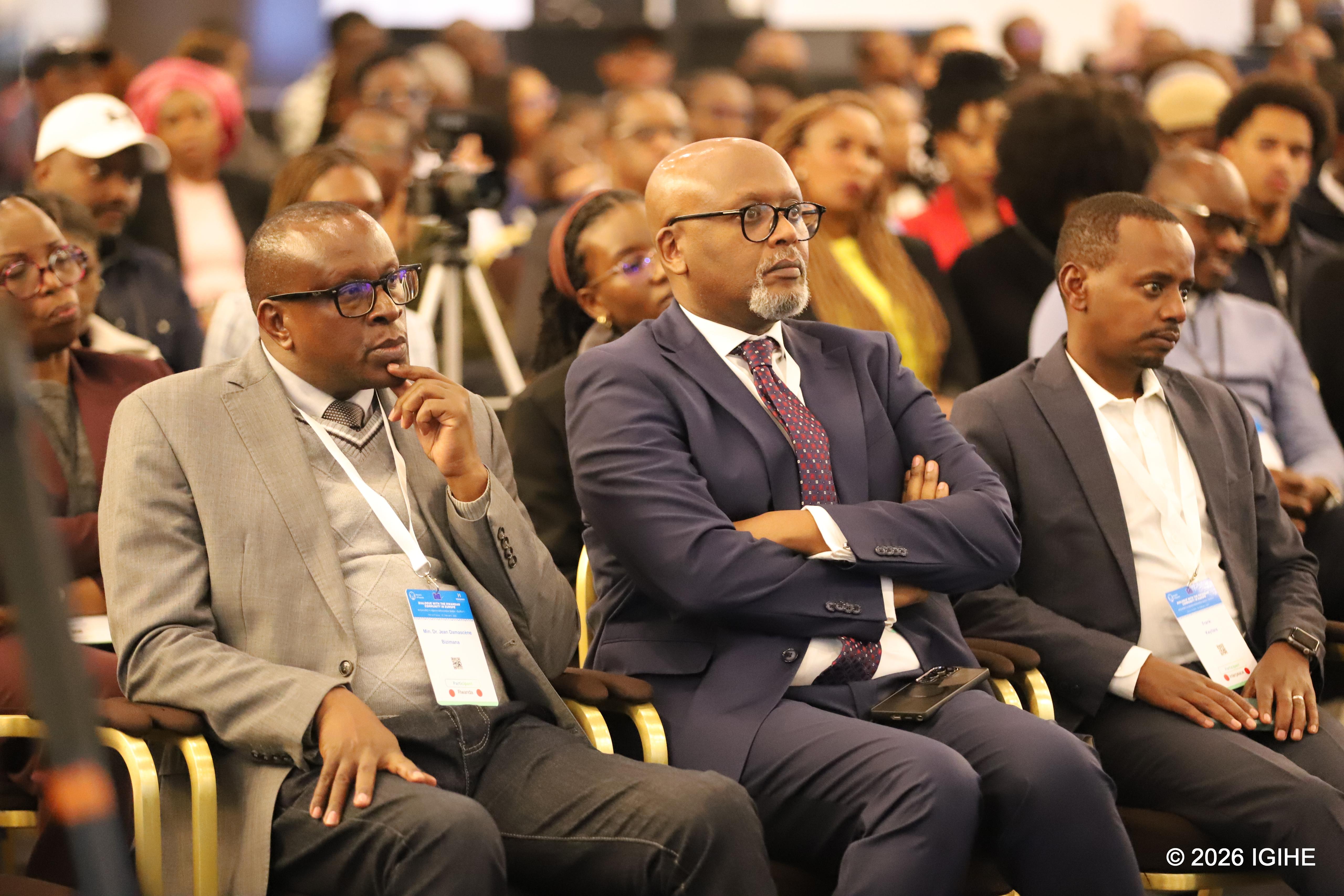
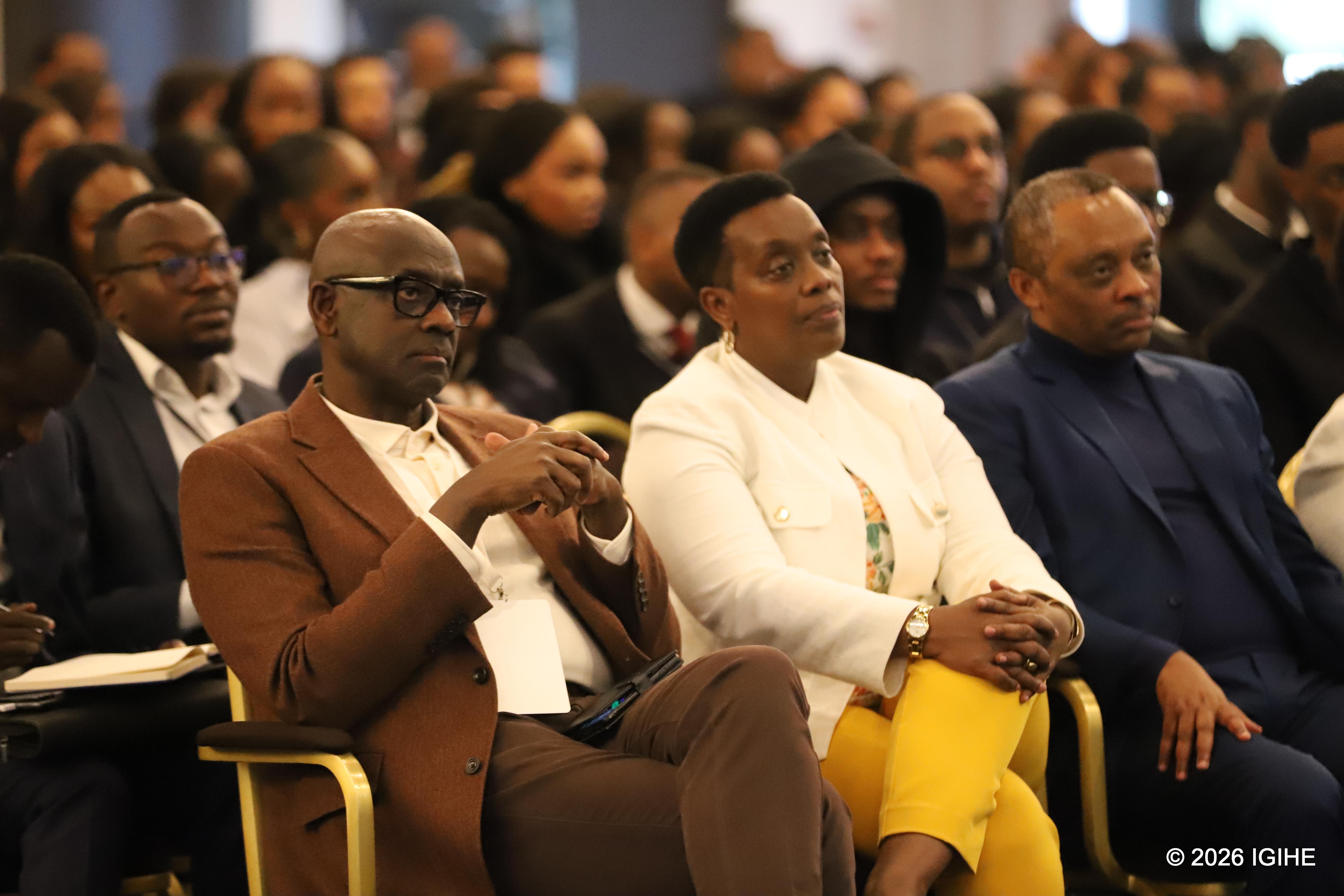
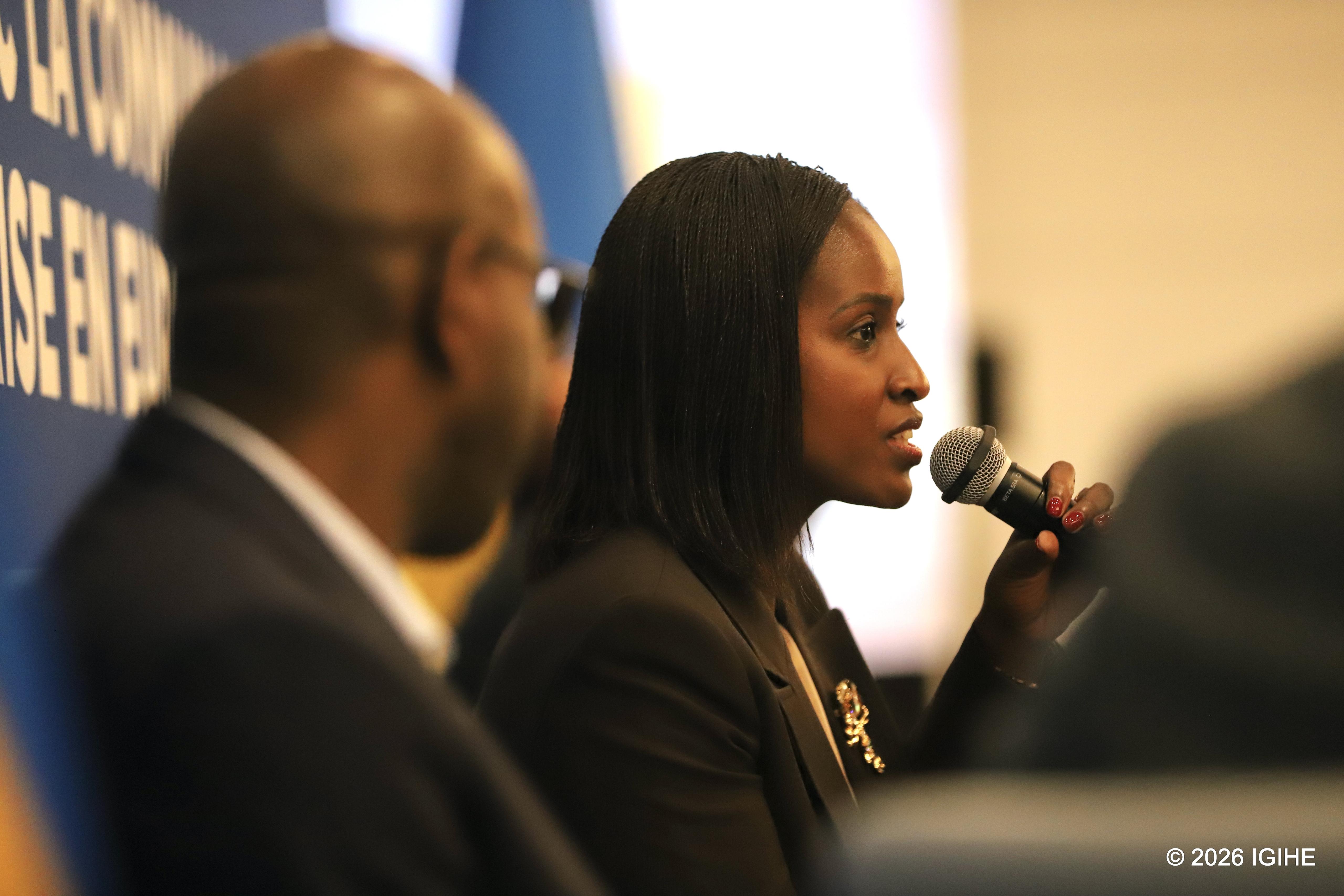
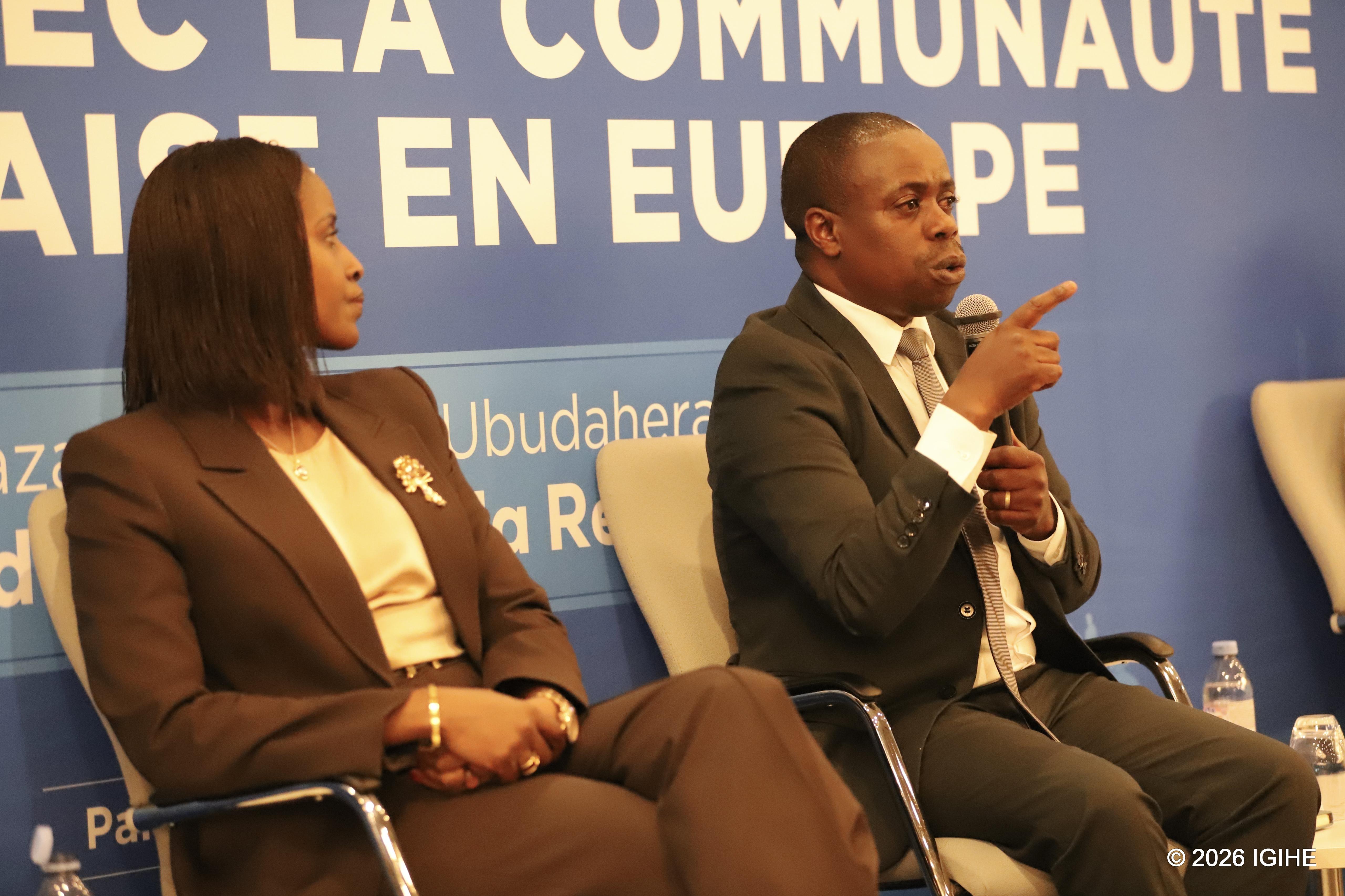
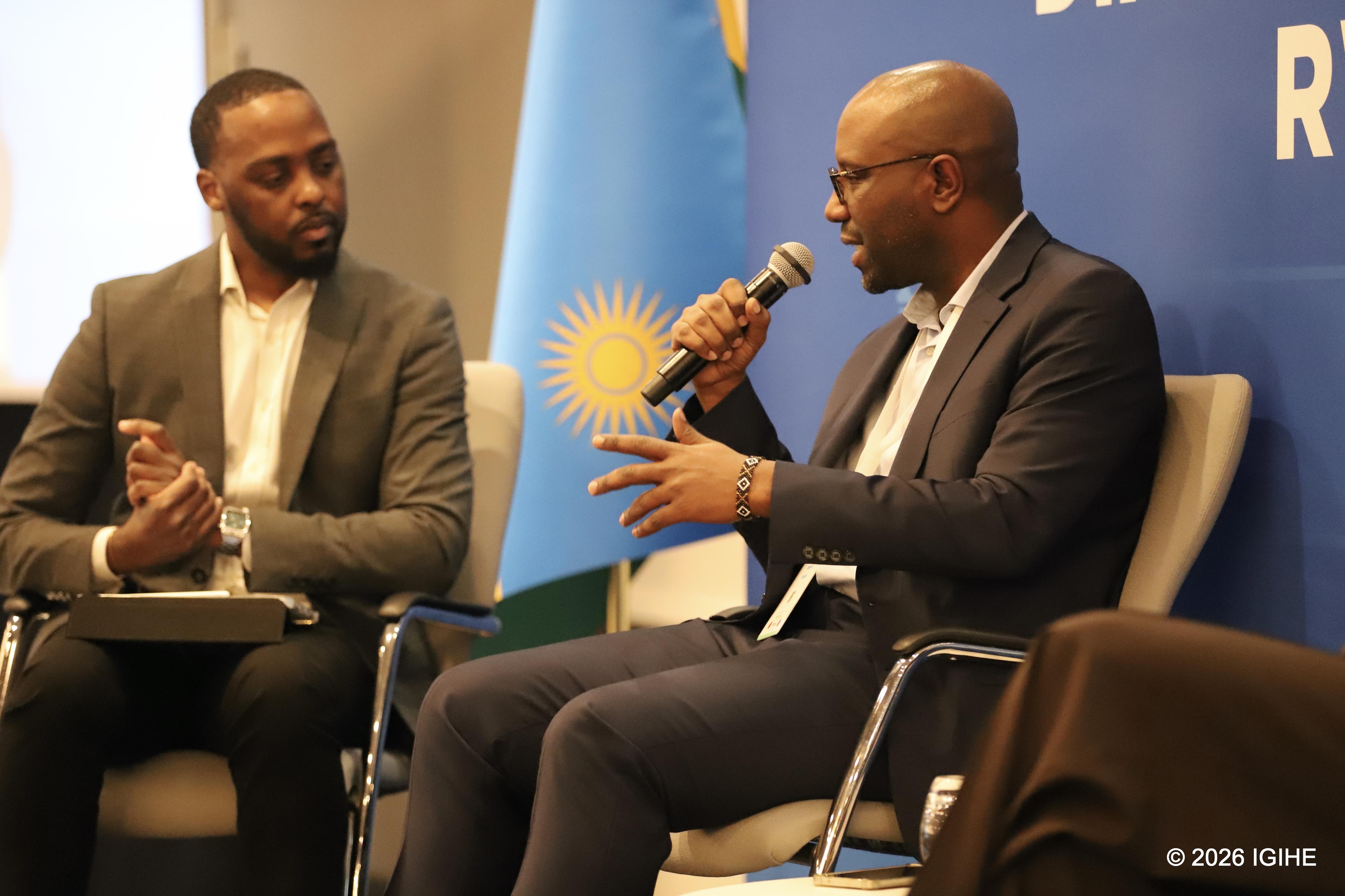
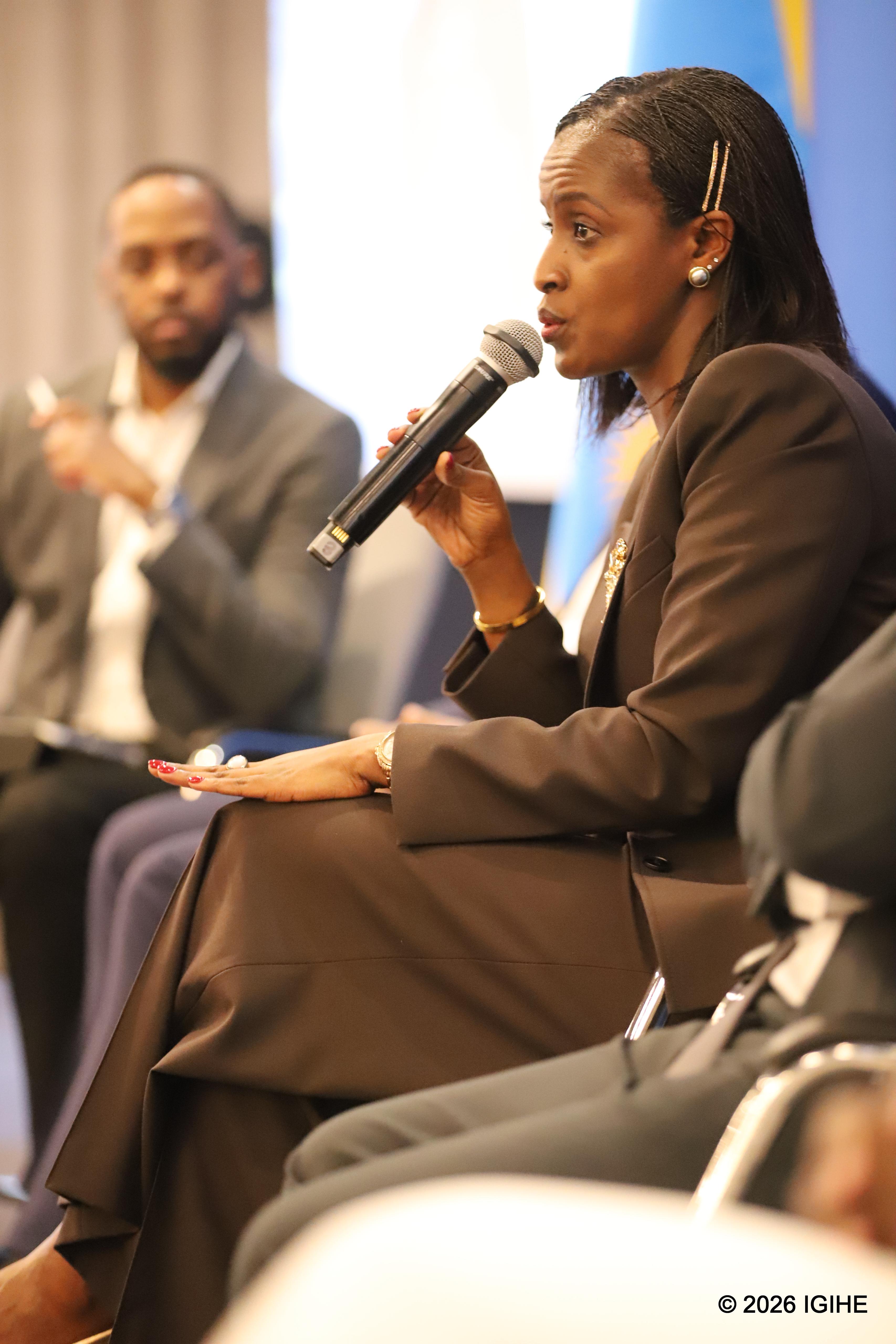
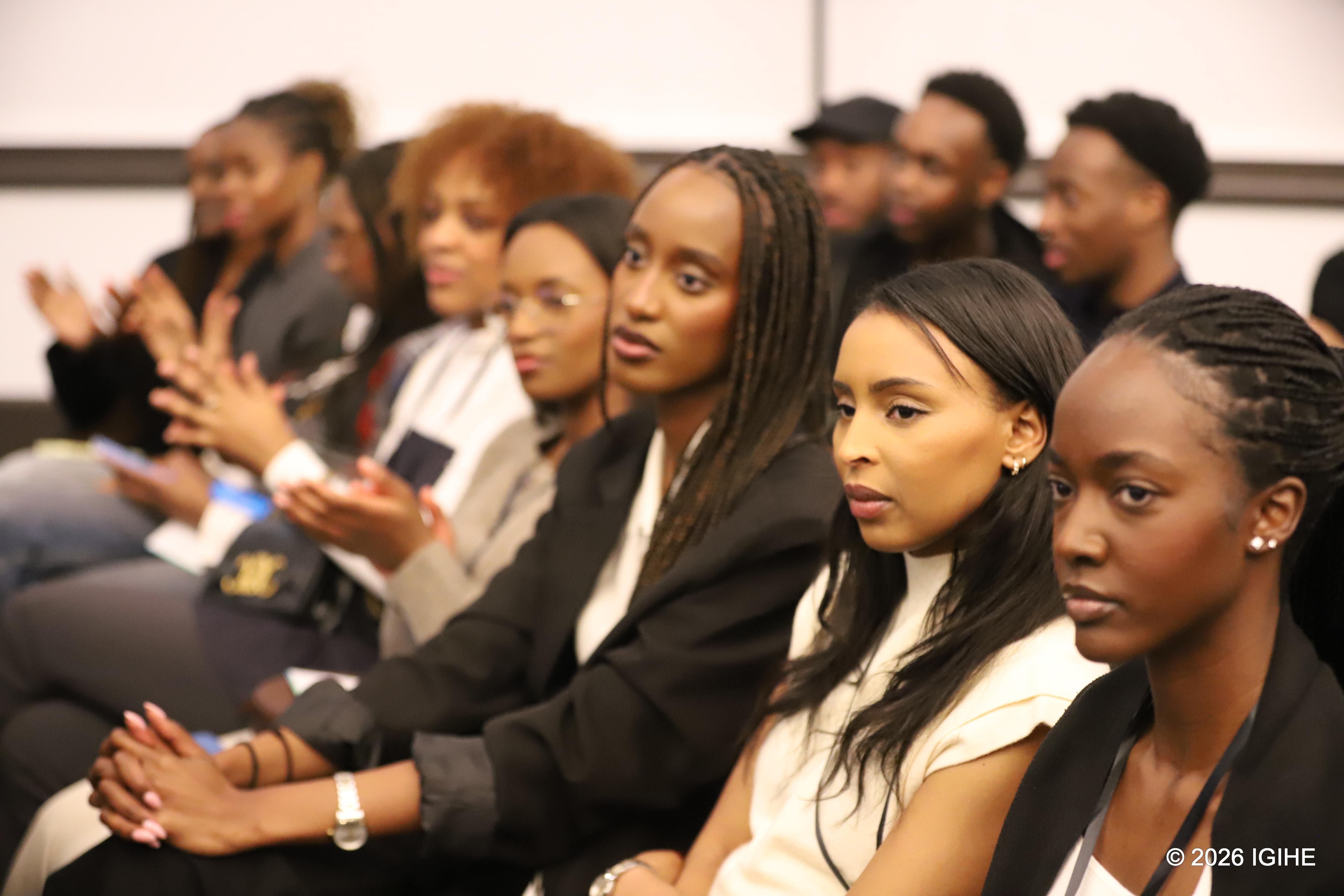
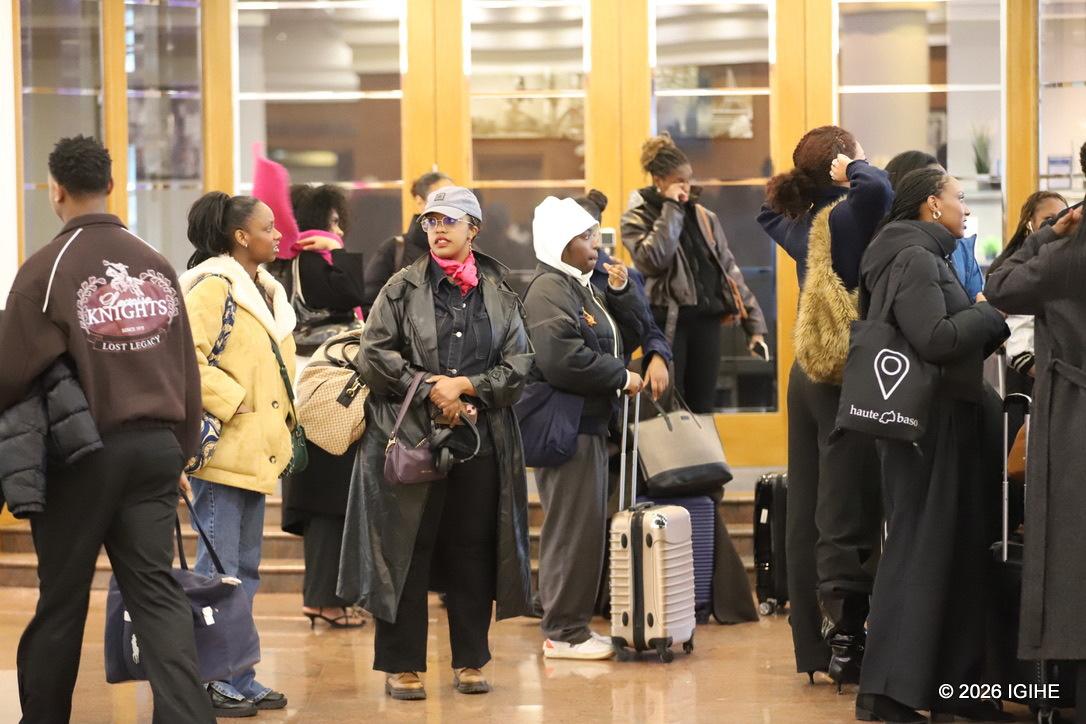
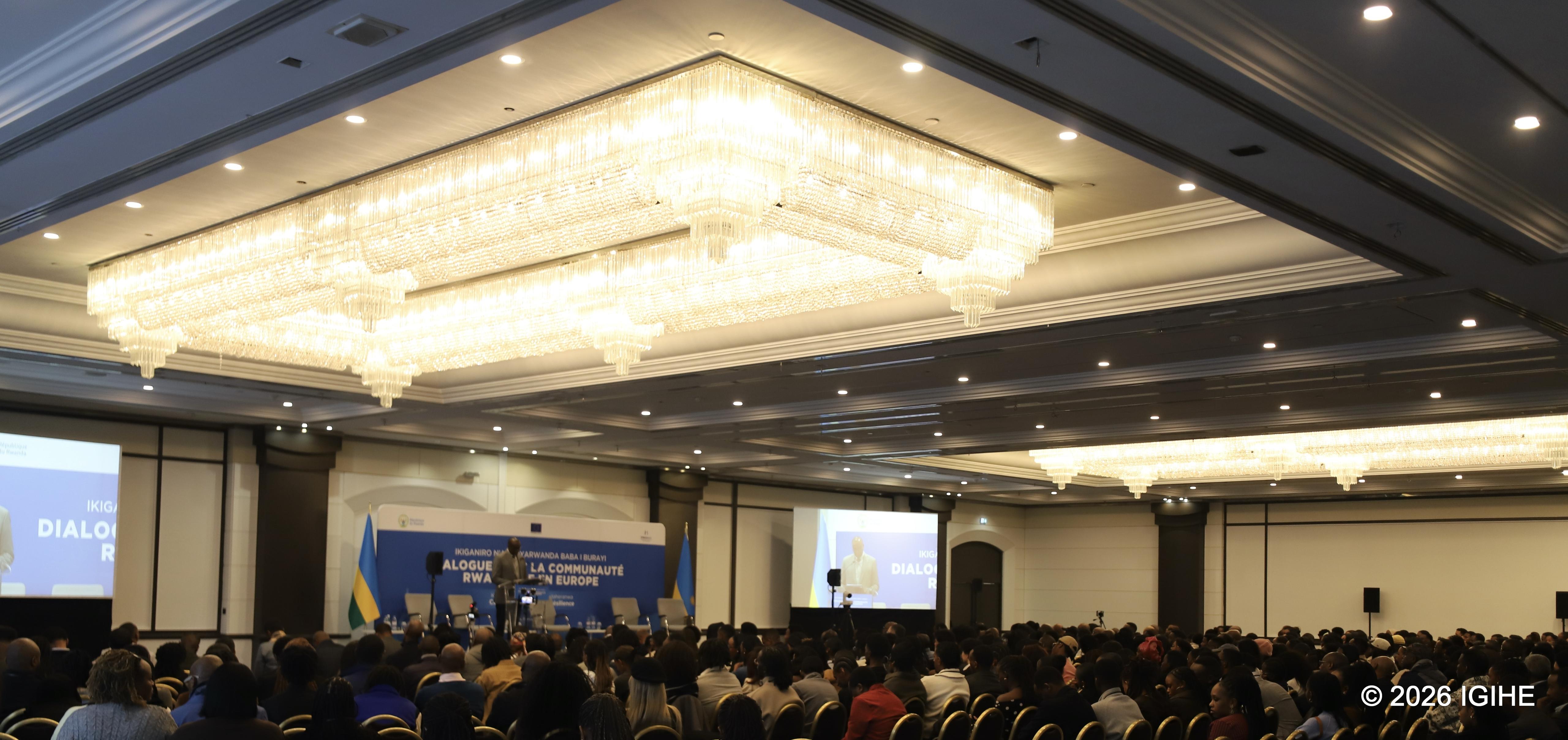
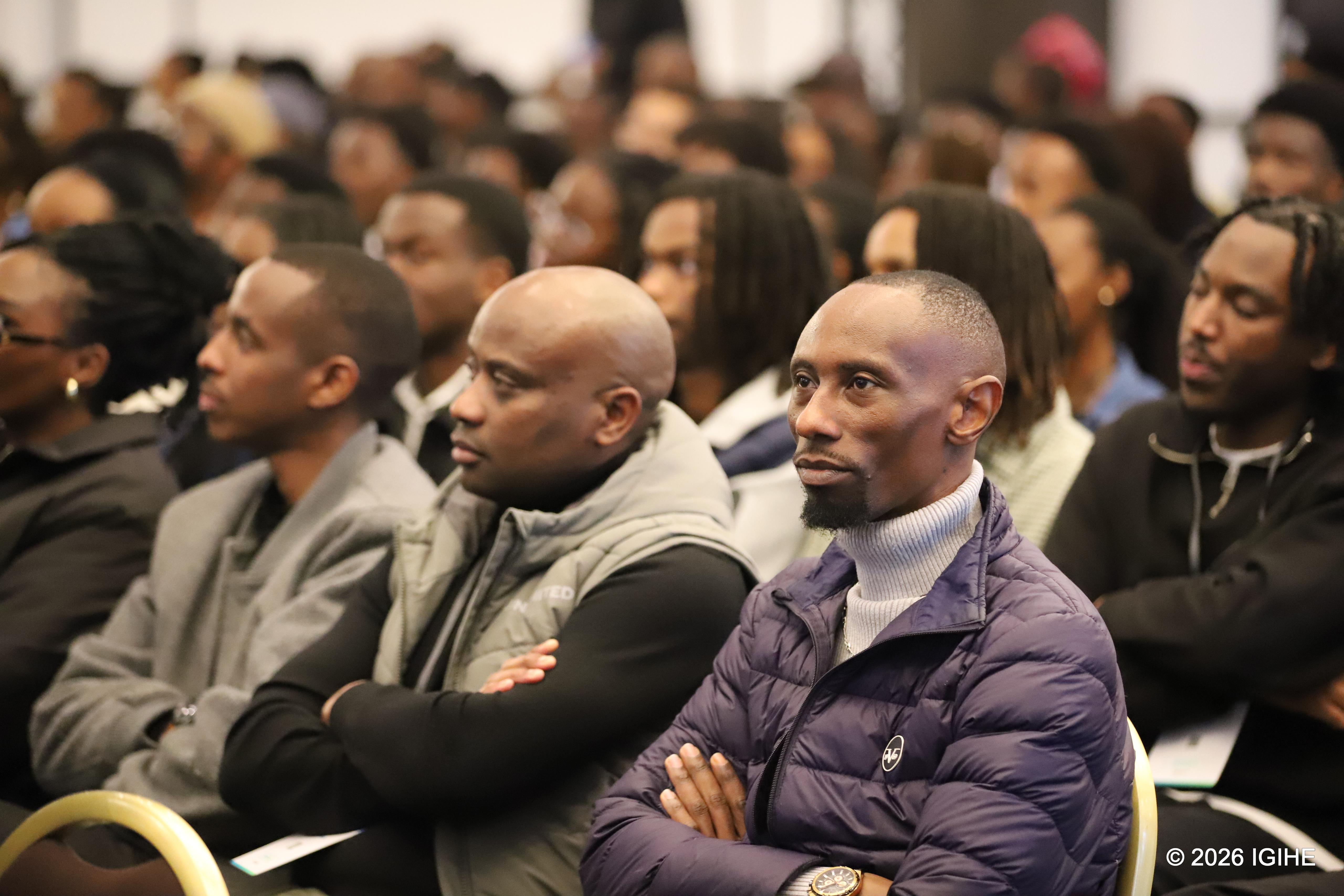
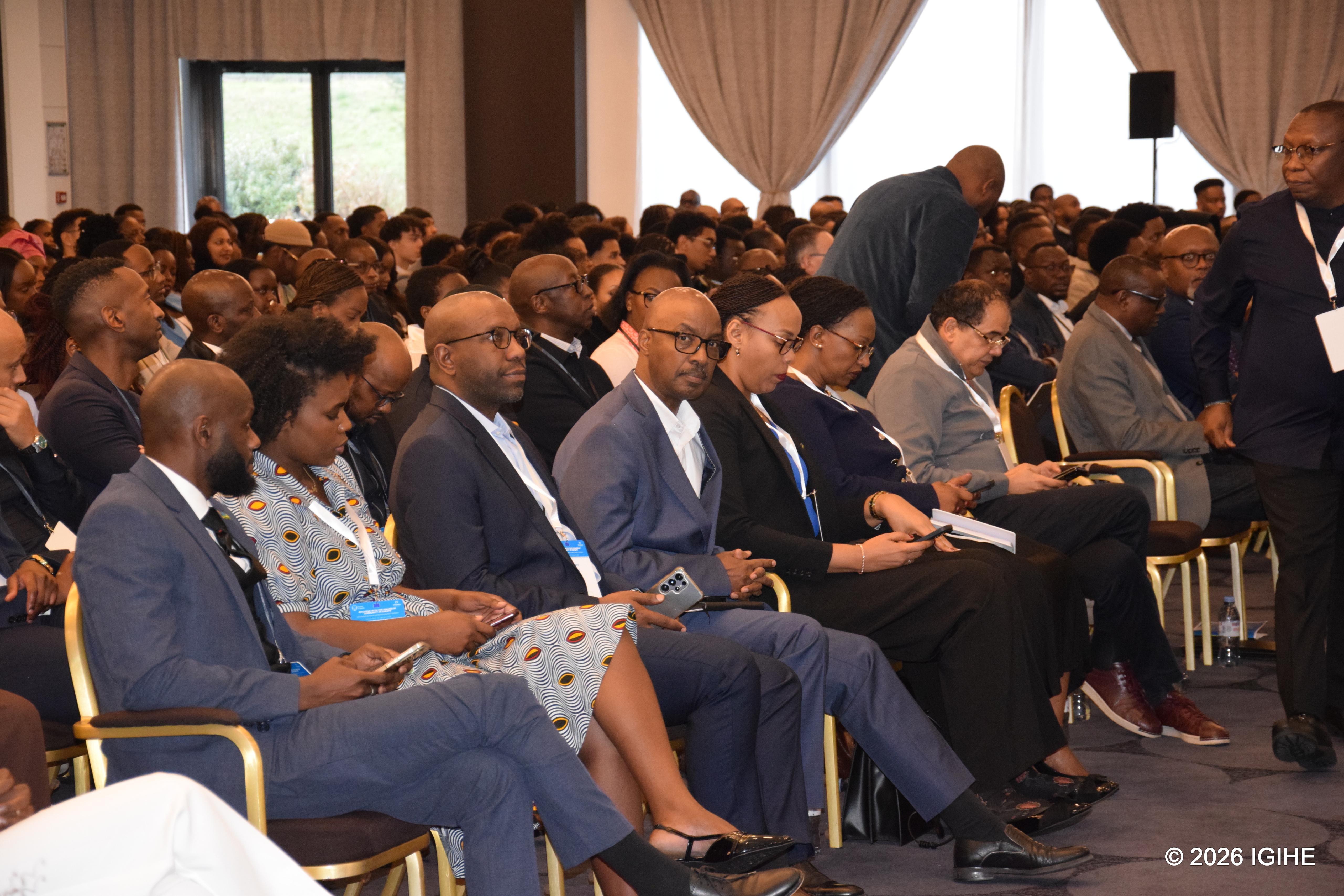
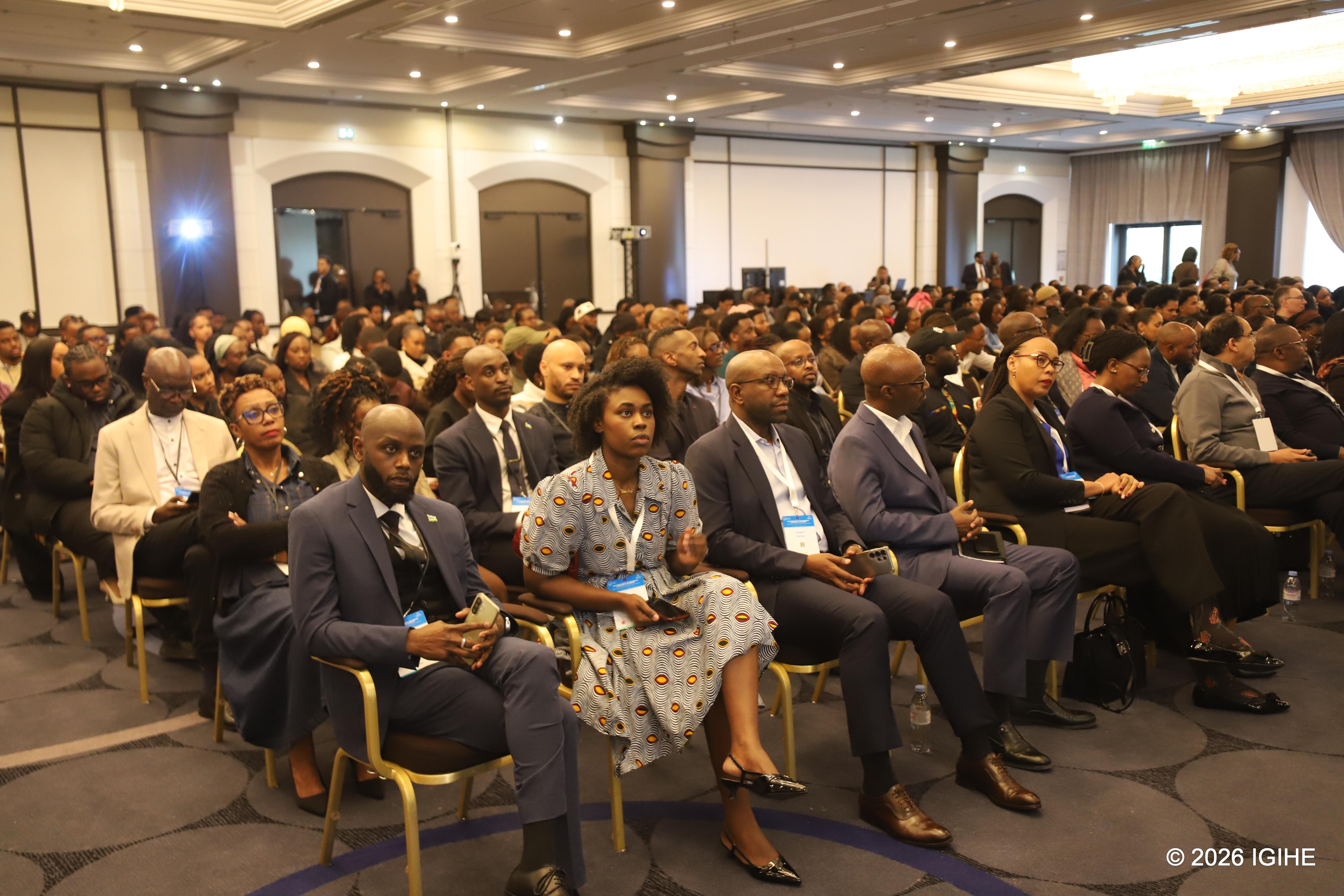
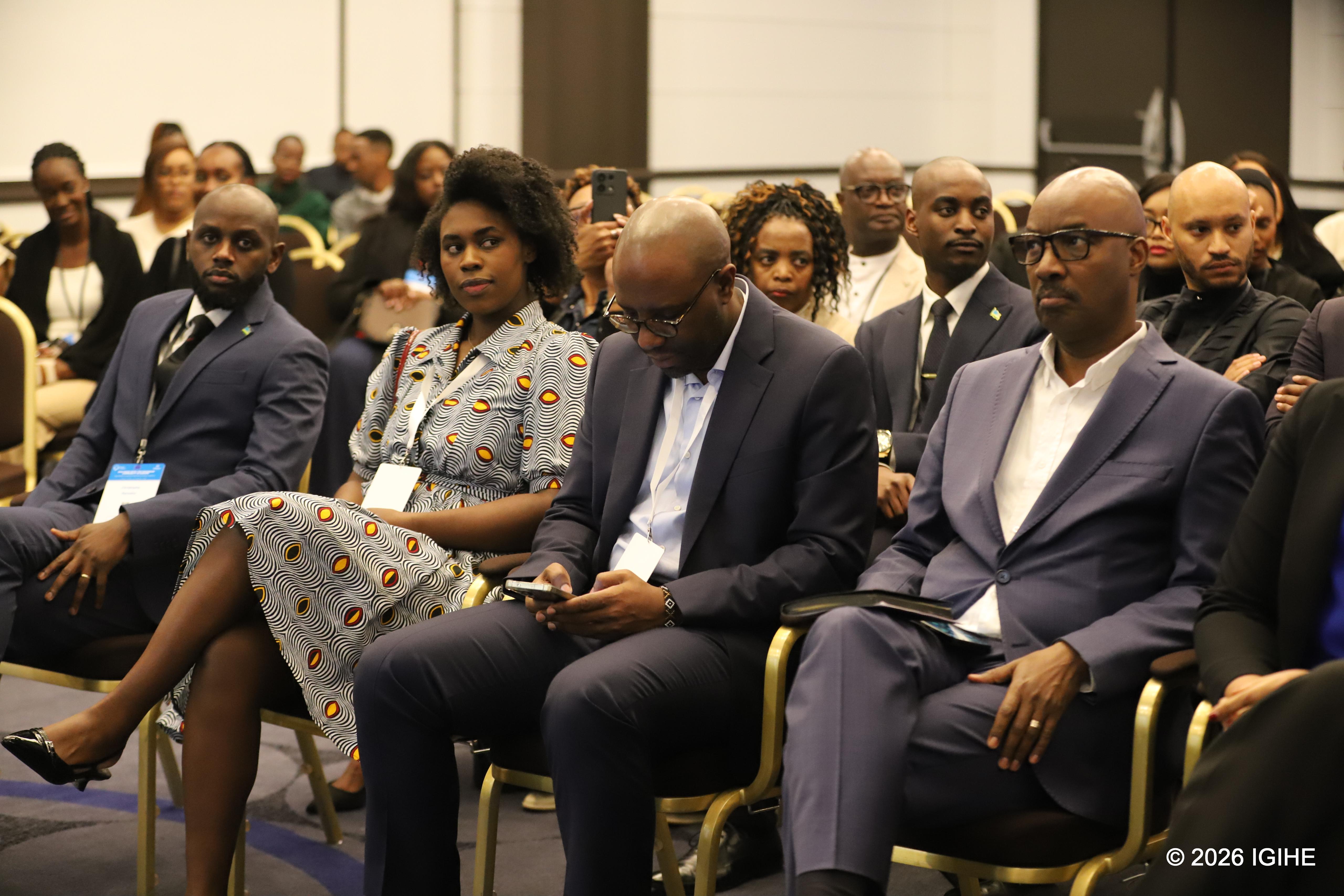
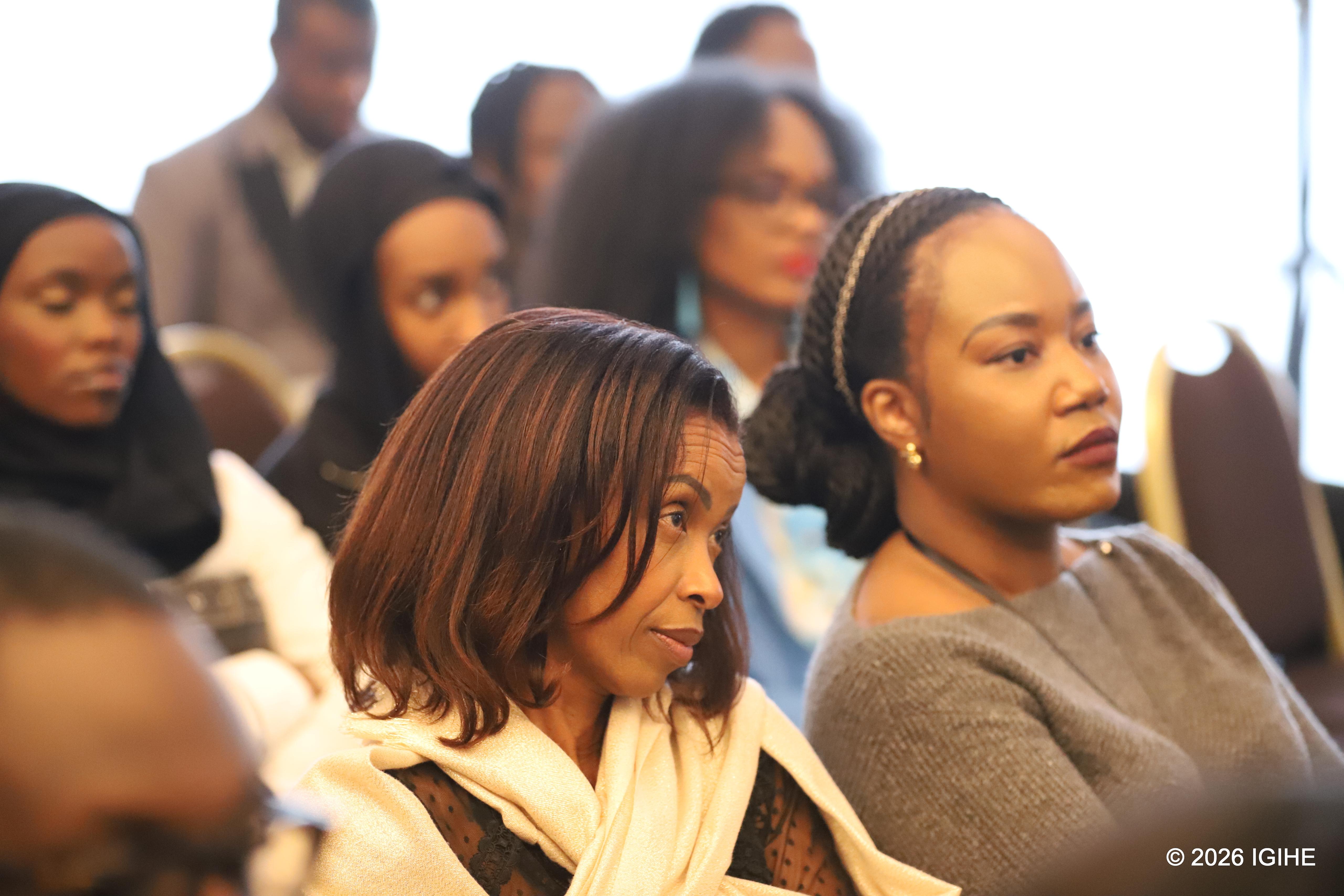
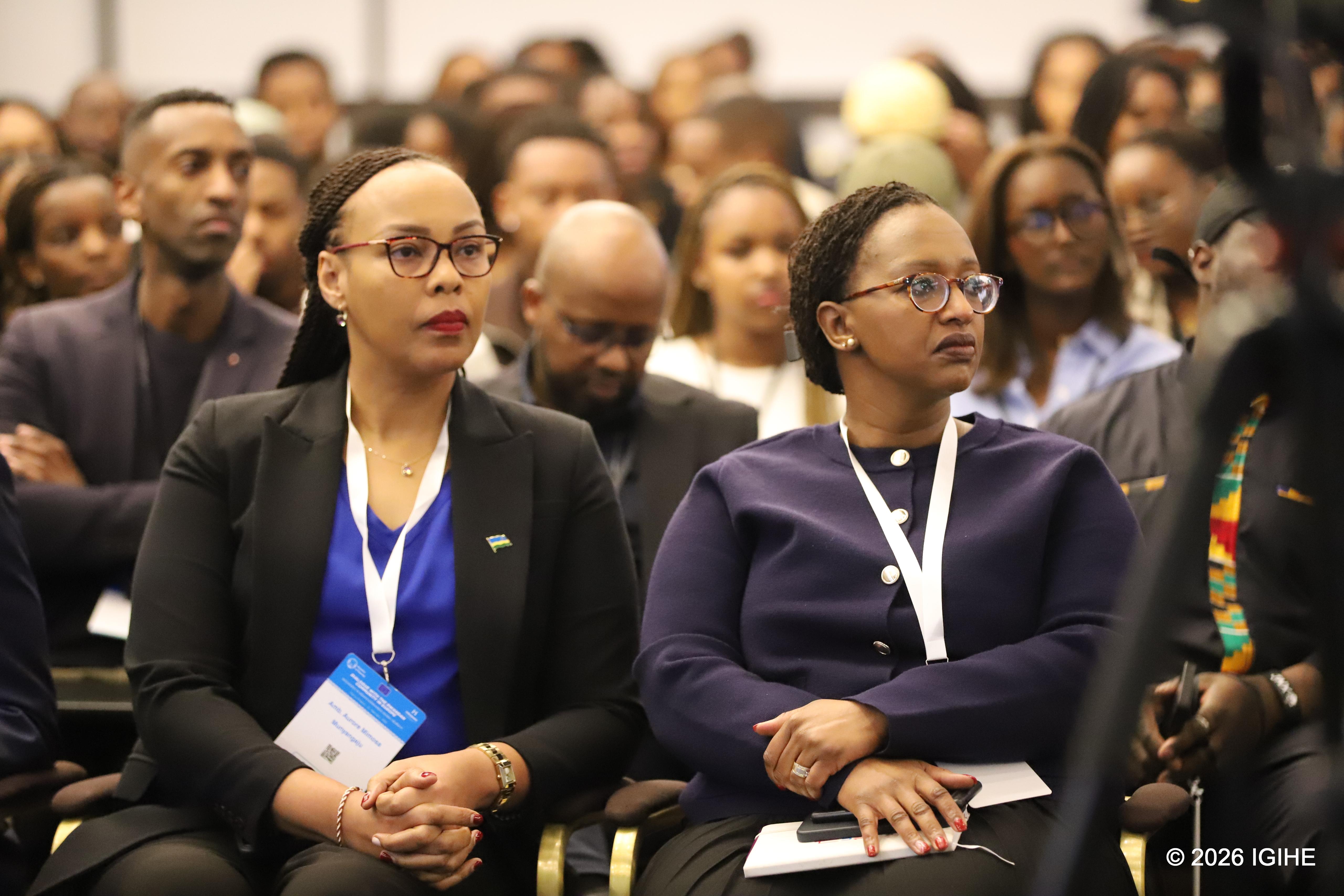
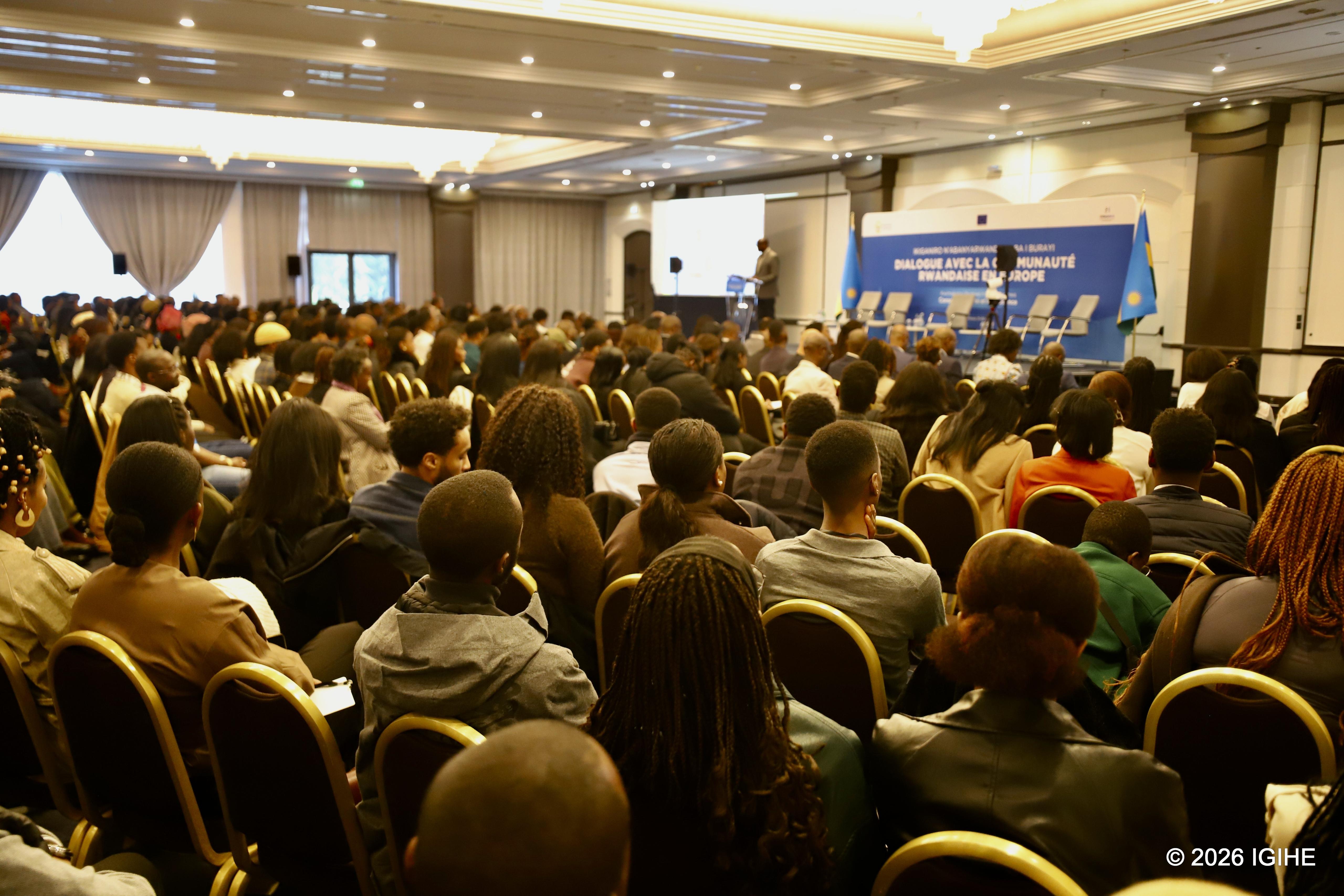
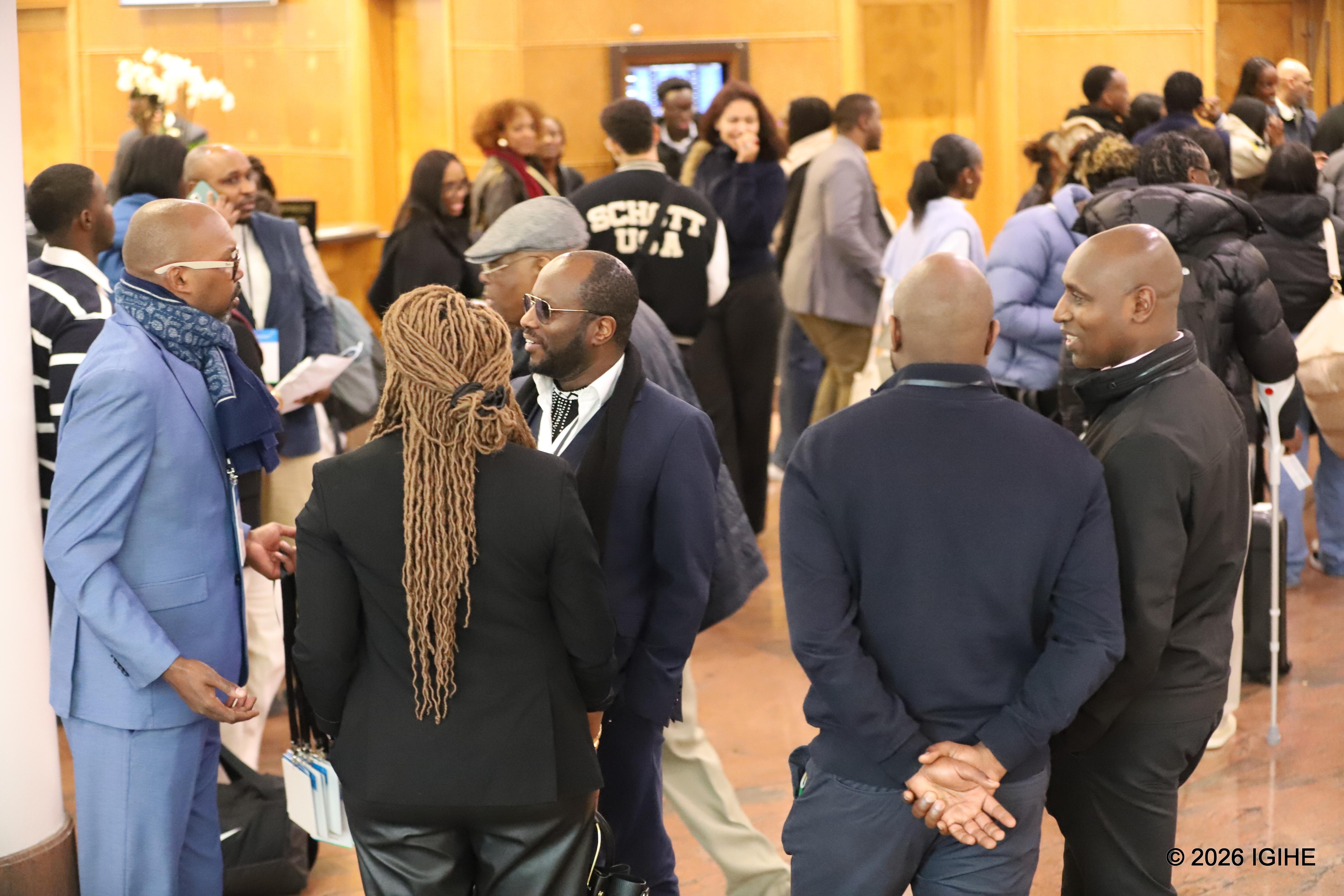
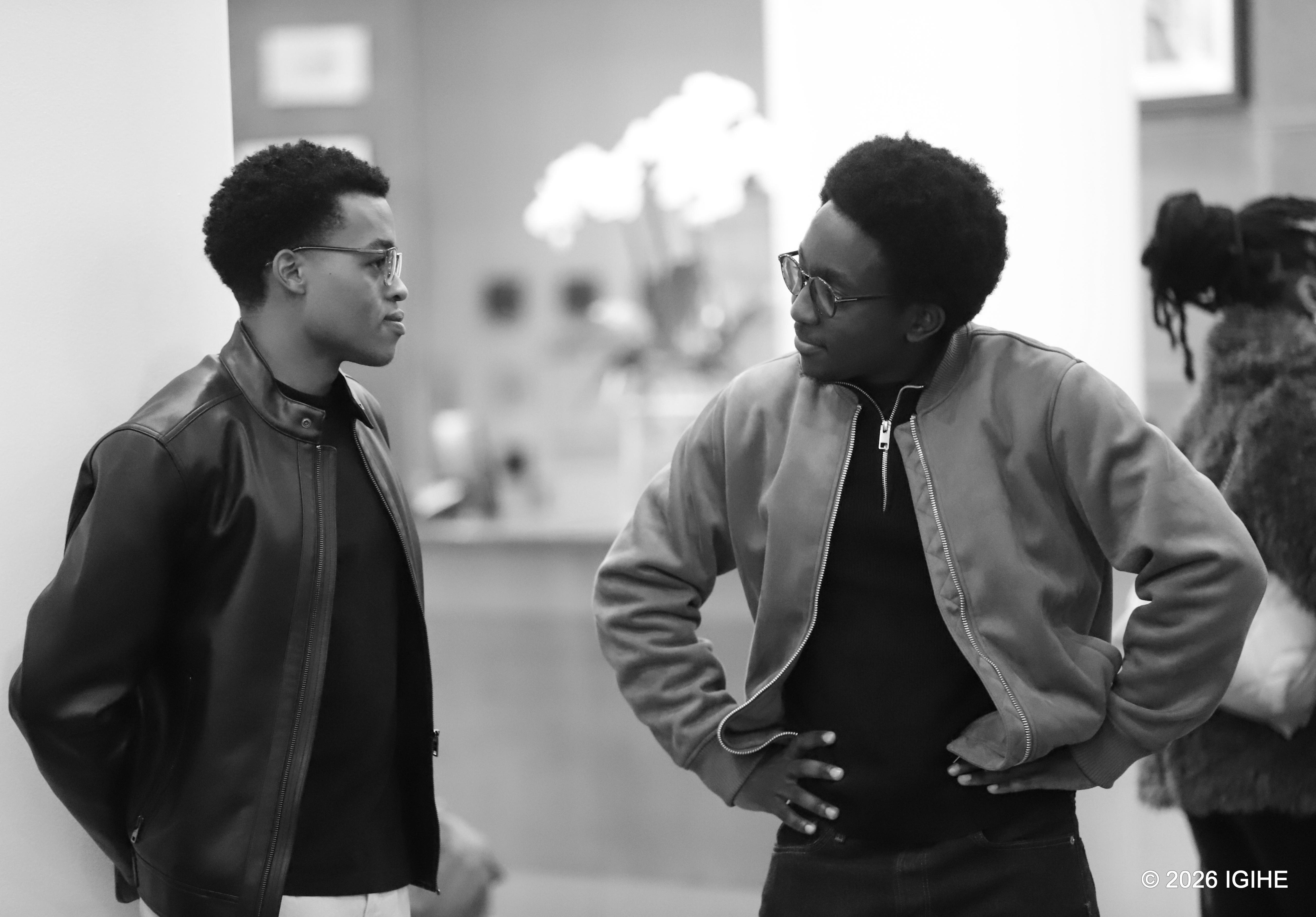
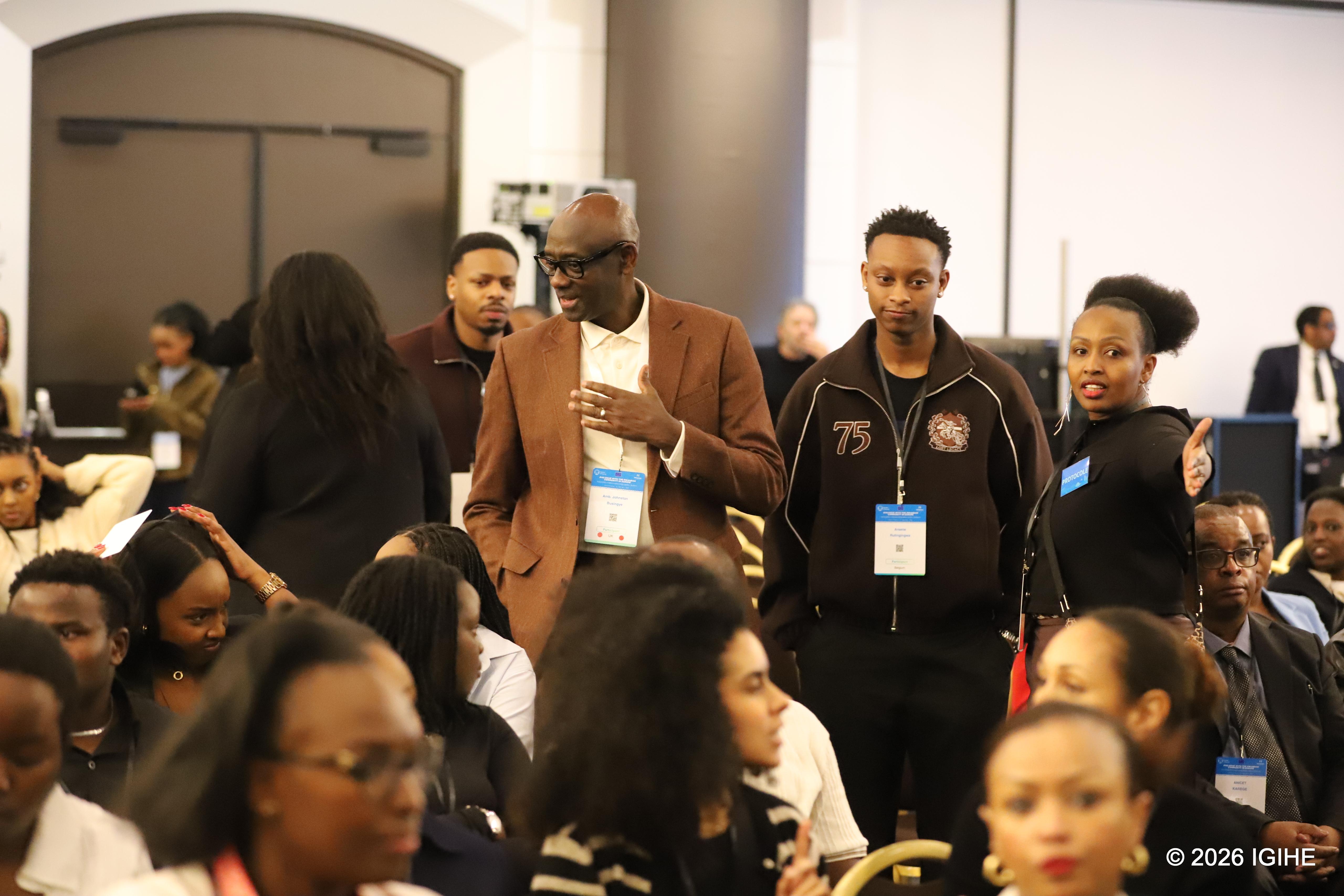
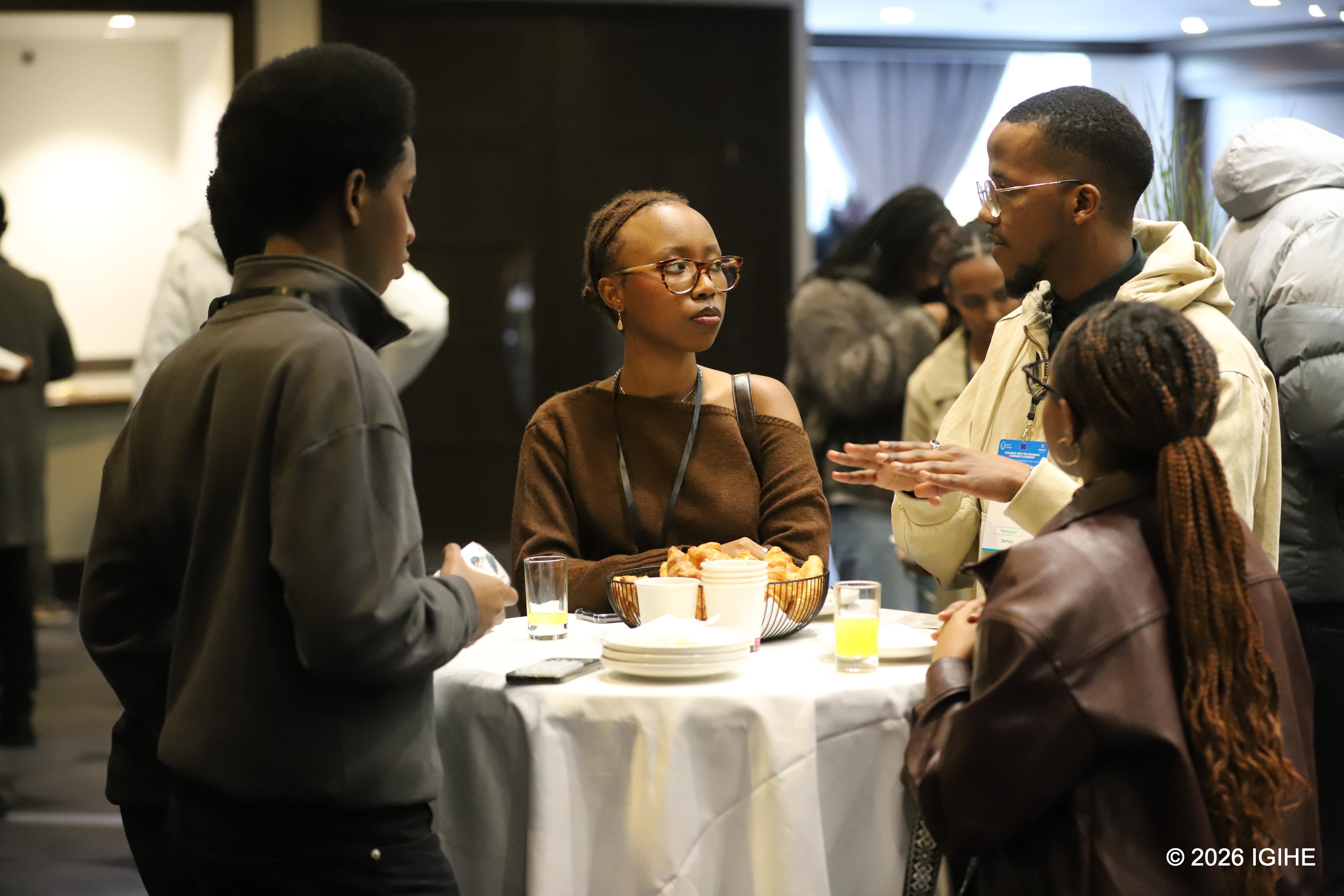
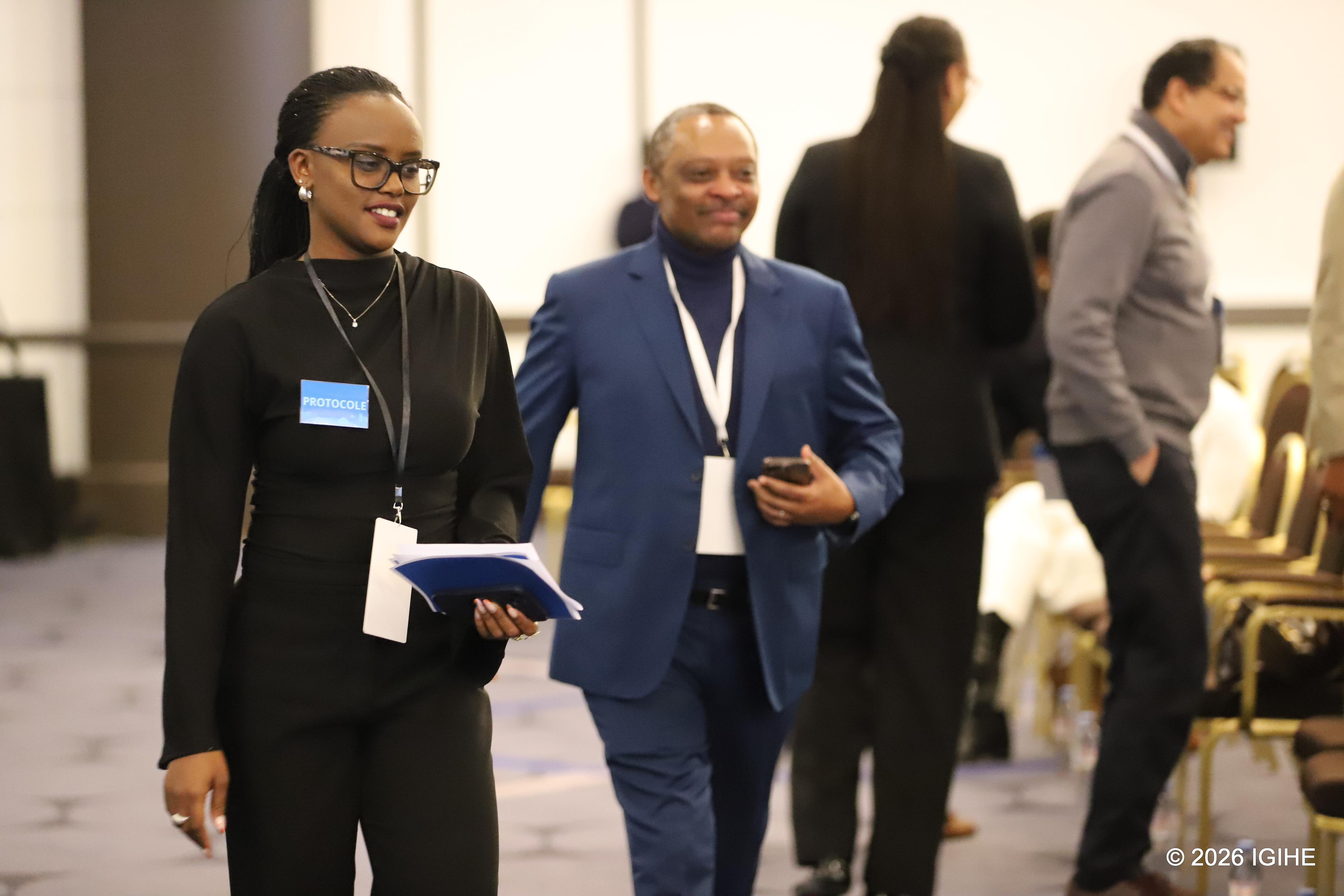
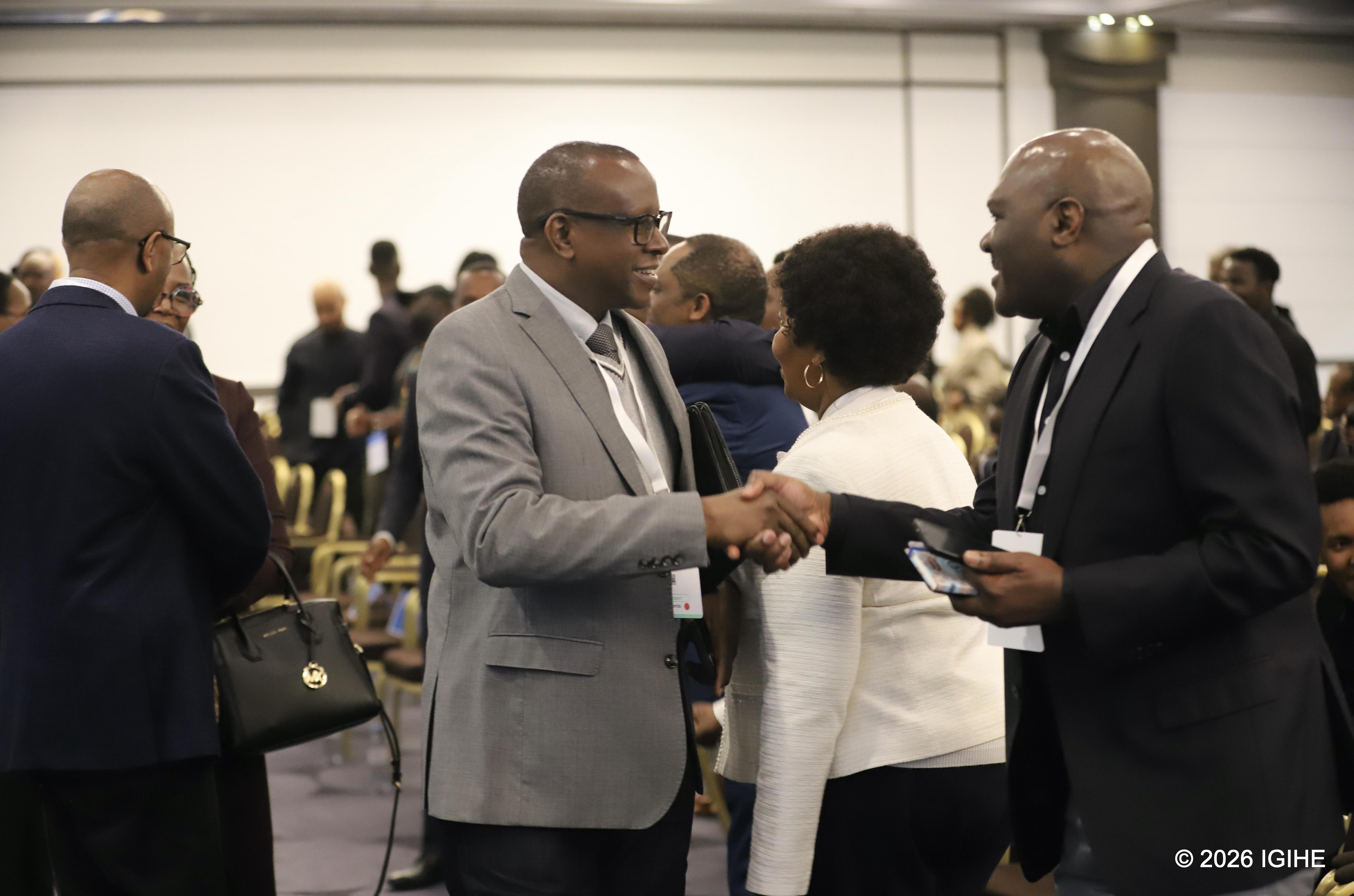
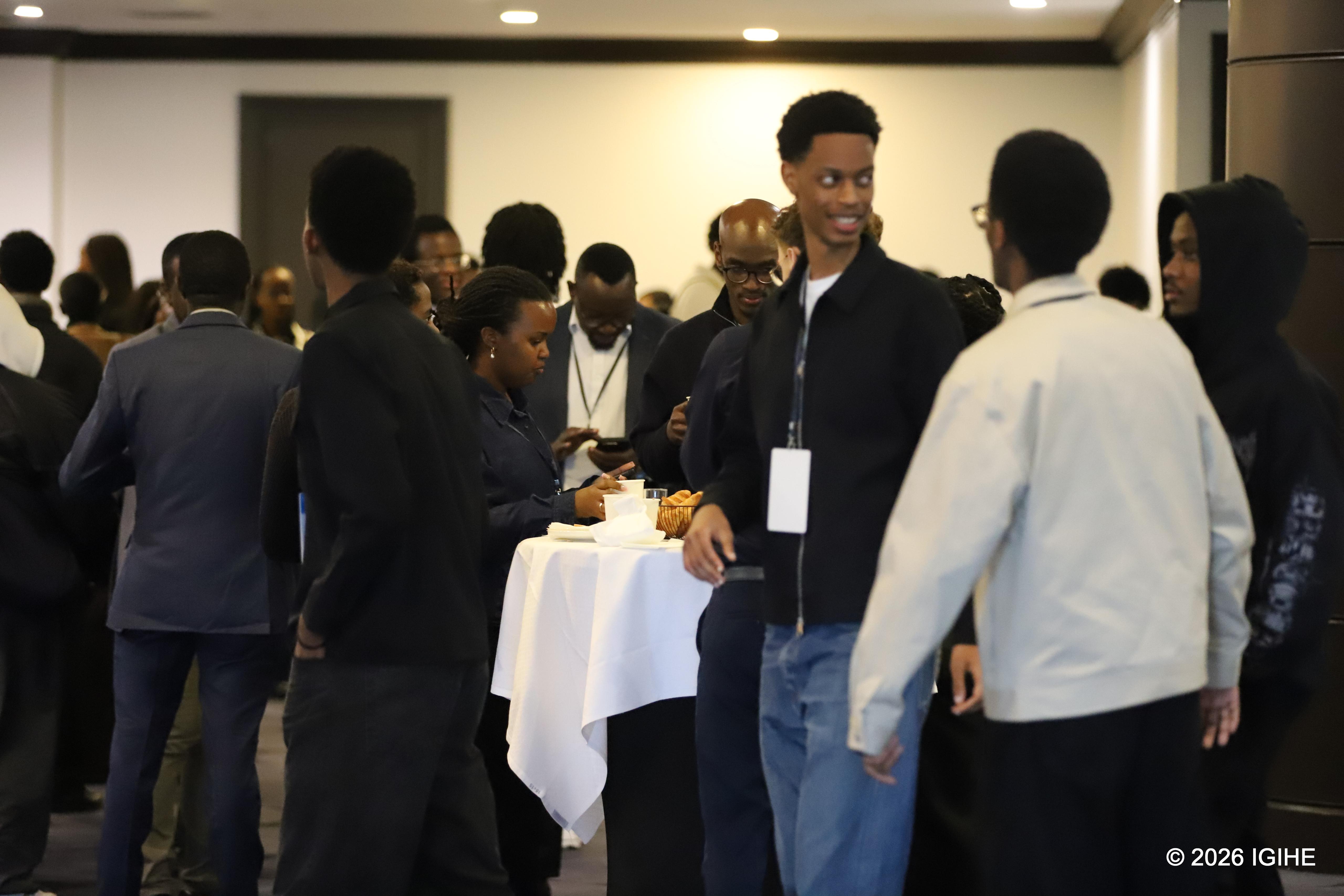
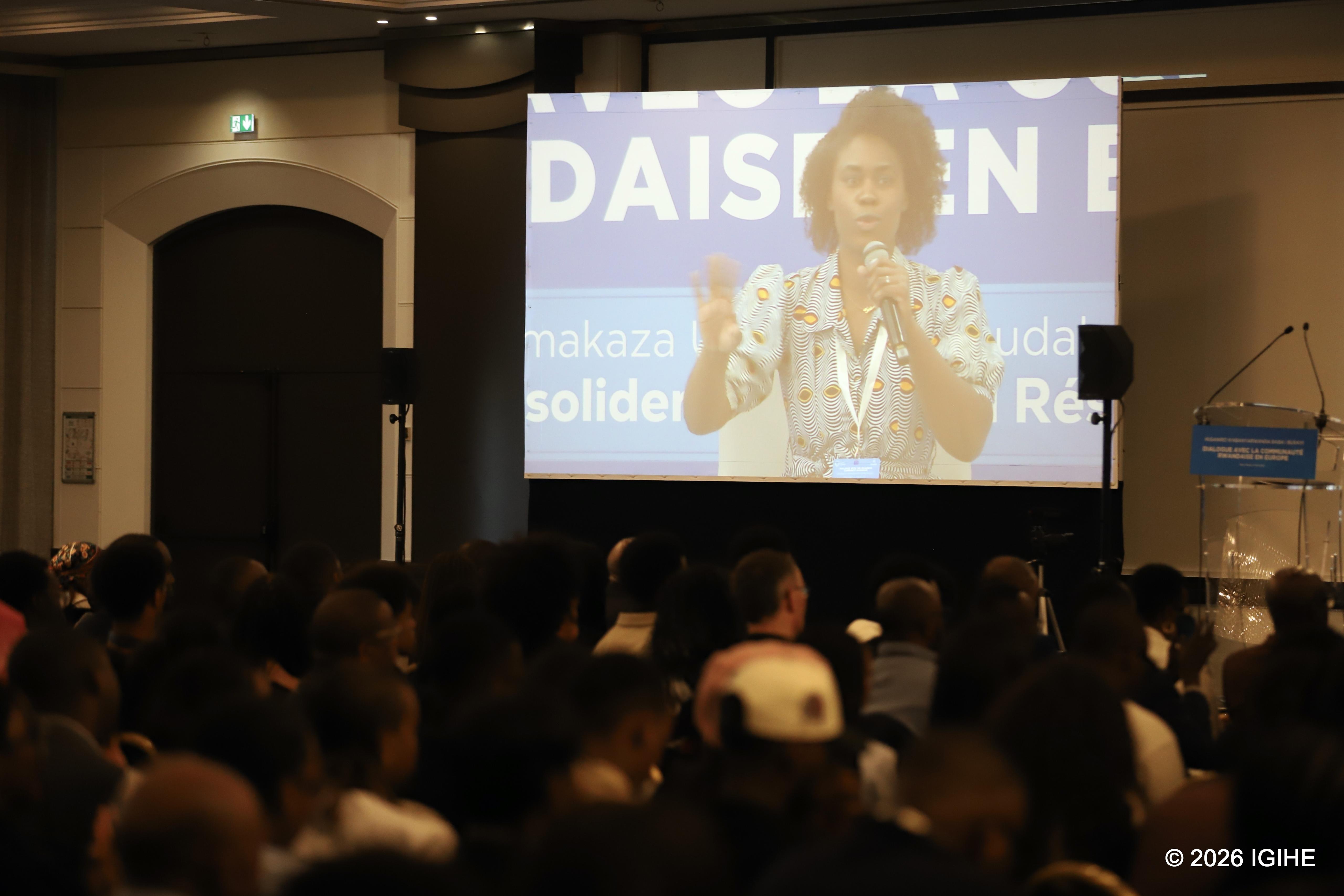
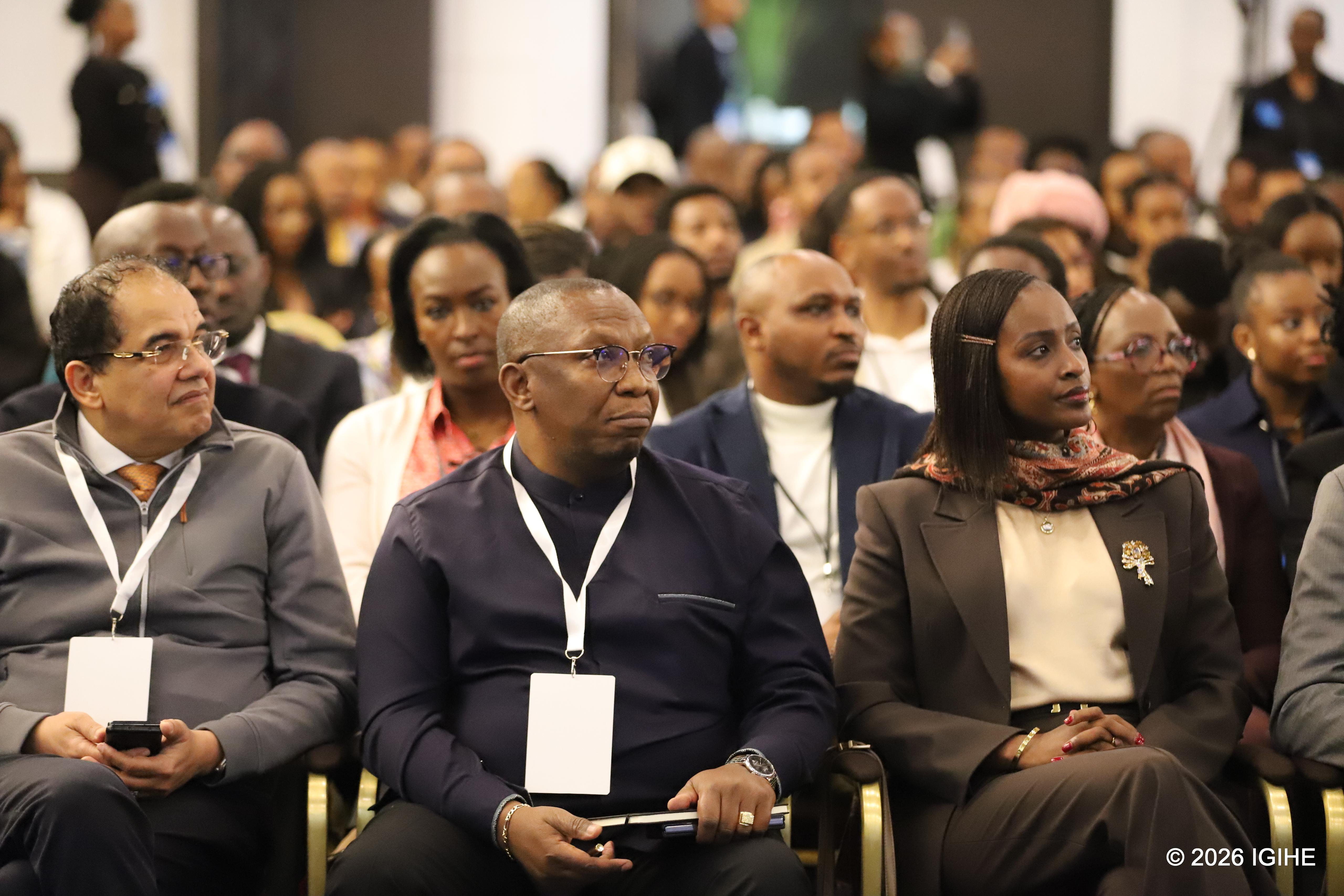
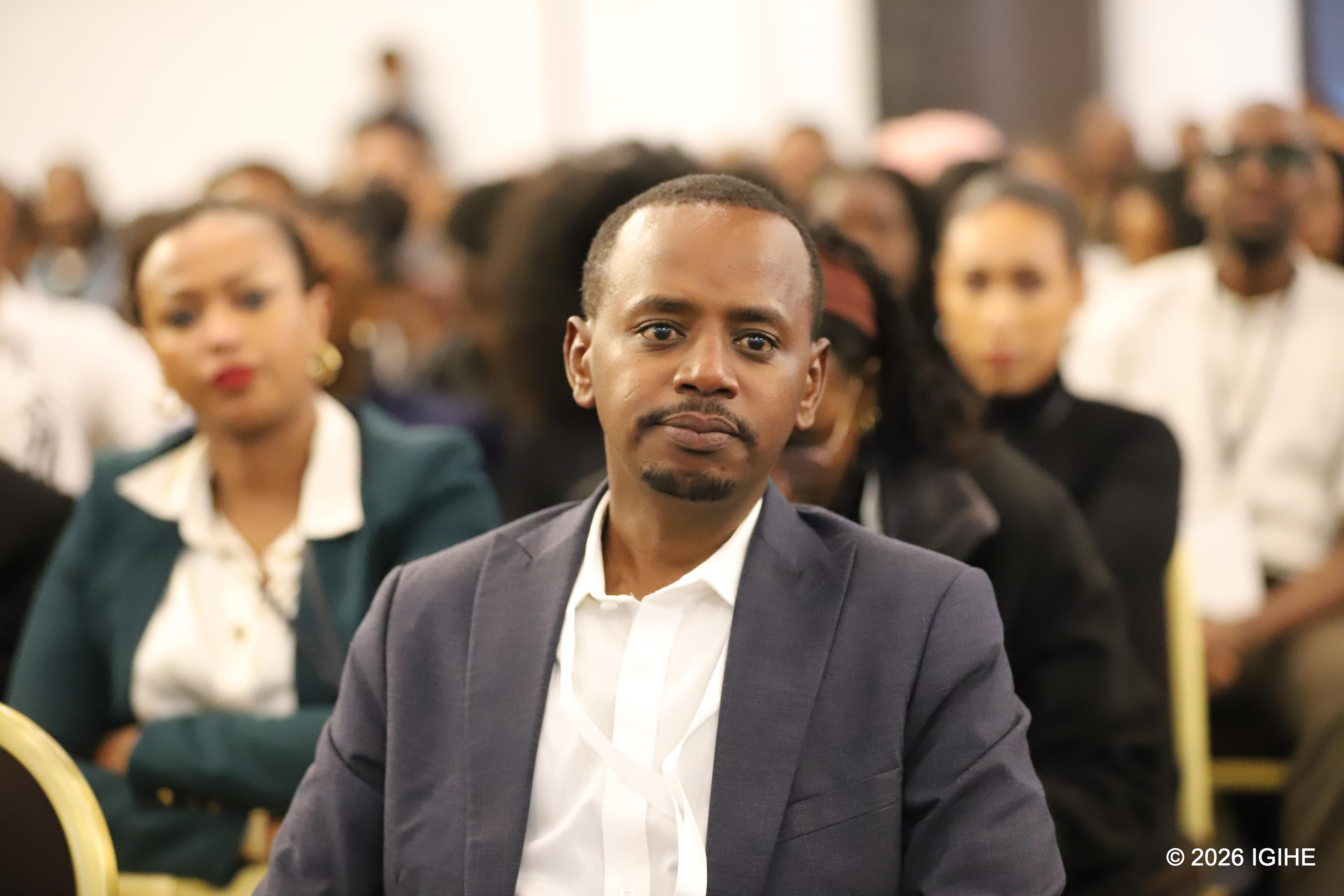
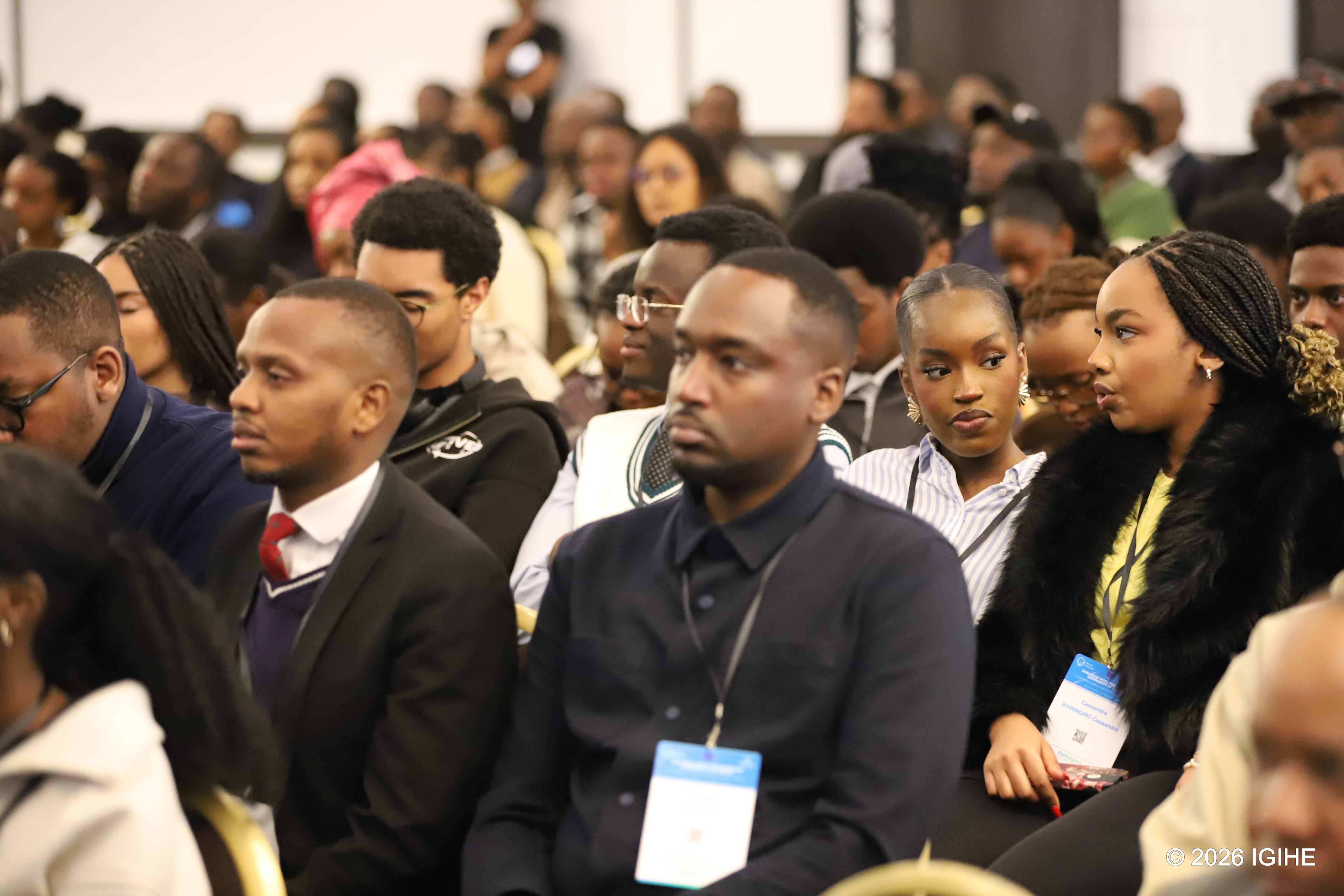
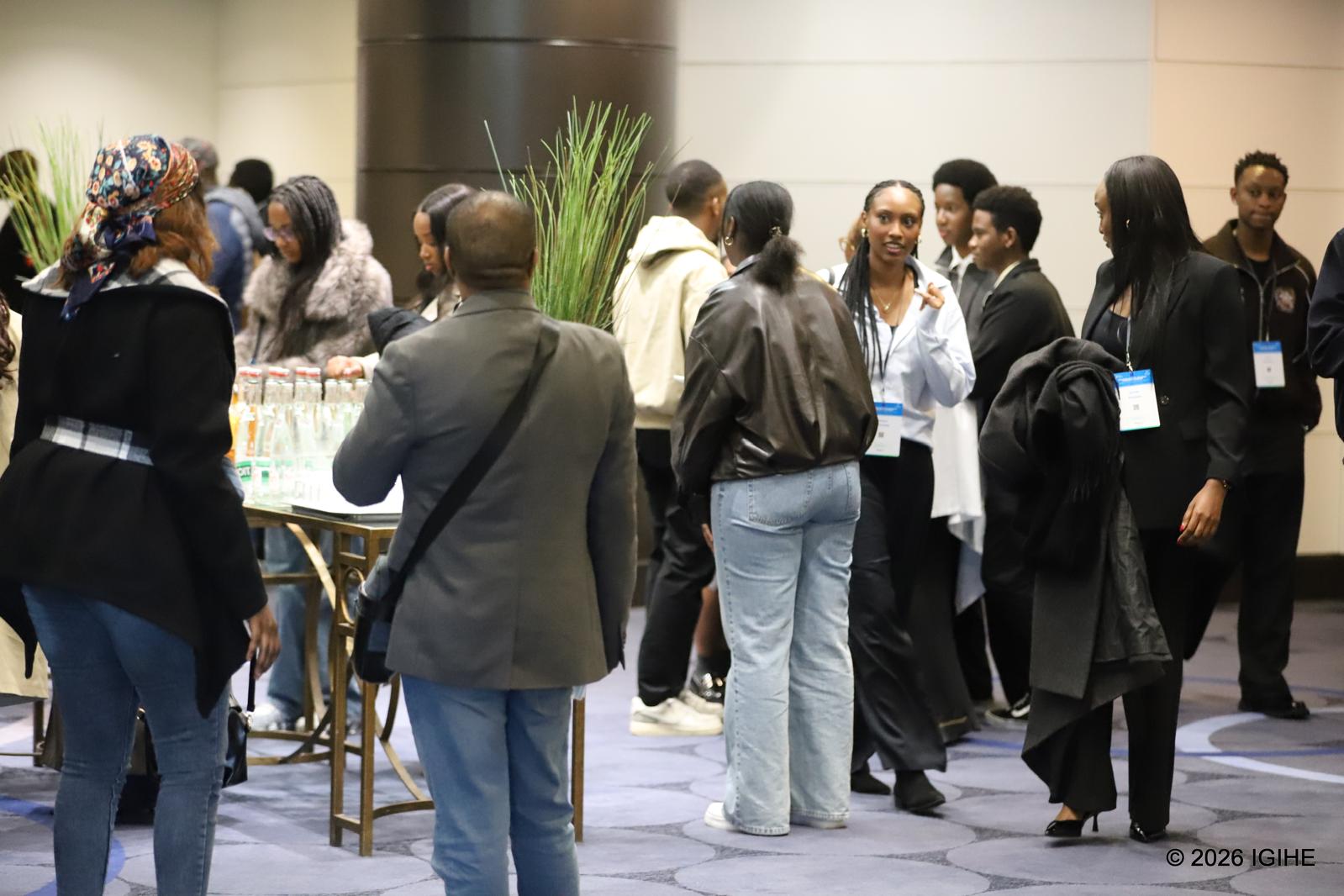
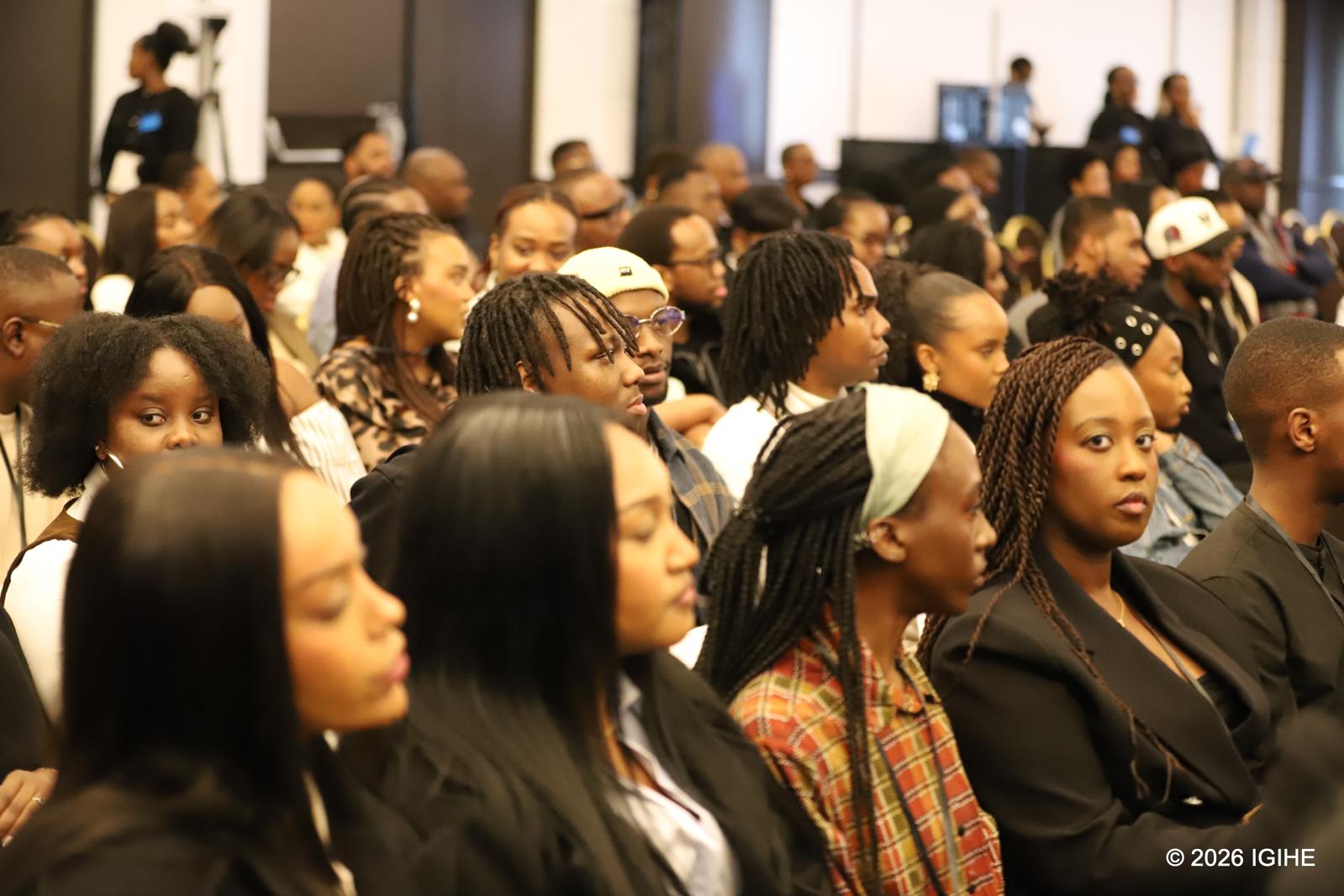
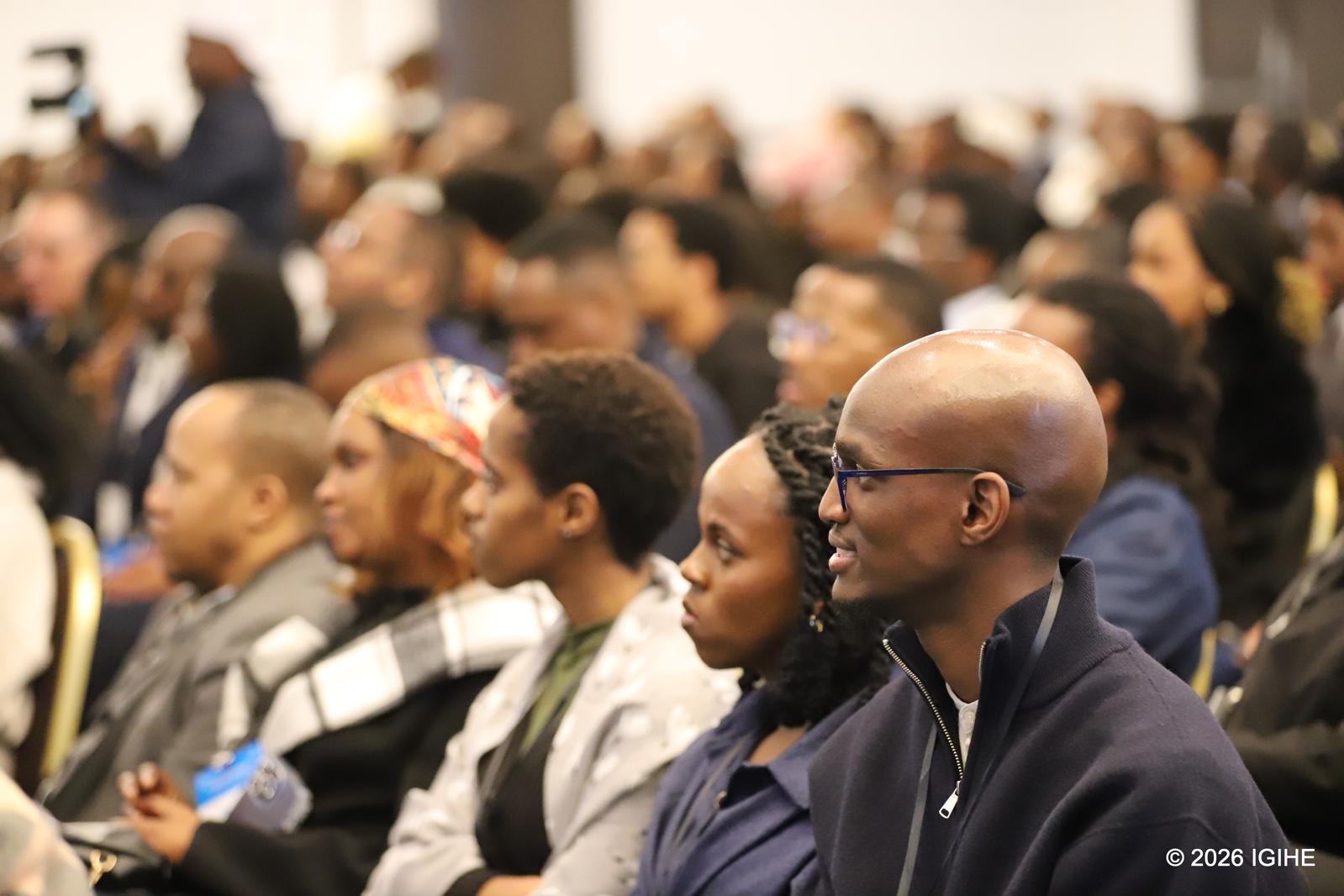
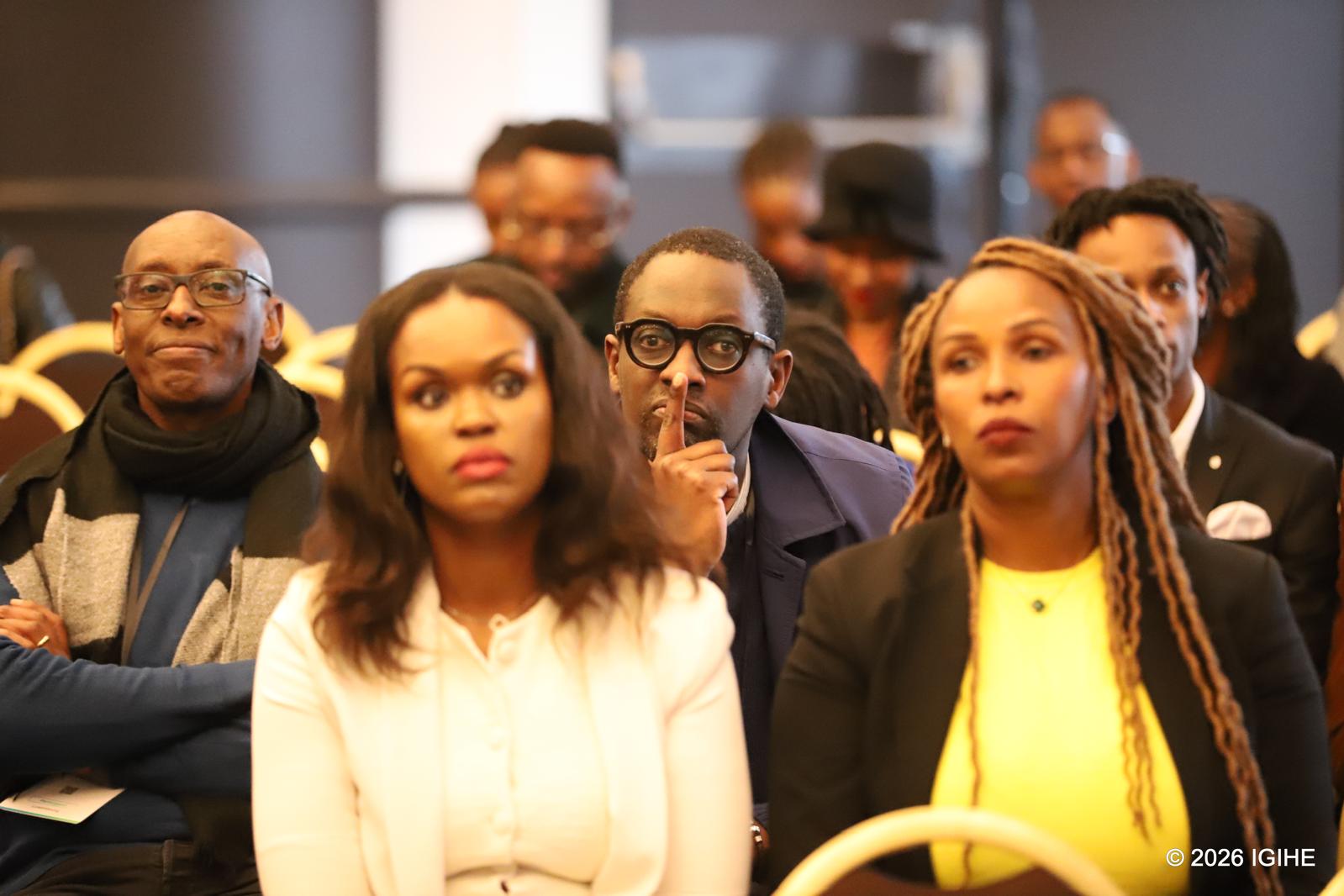
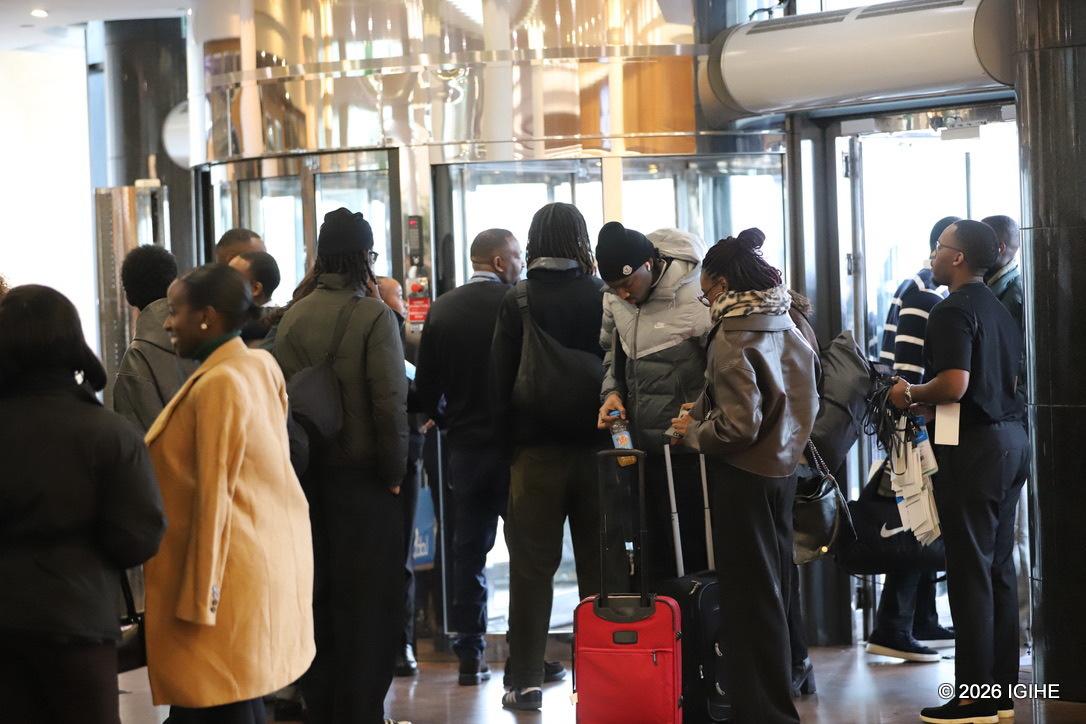
He delivered the message while addressing over 500 Rwandans living in Europe during an interaction focused on strengthening national unity and resilience among the diaspora, particularly young people born or raised outside Rwanda.
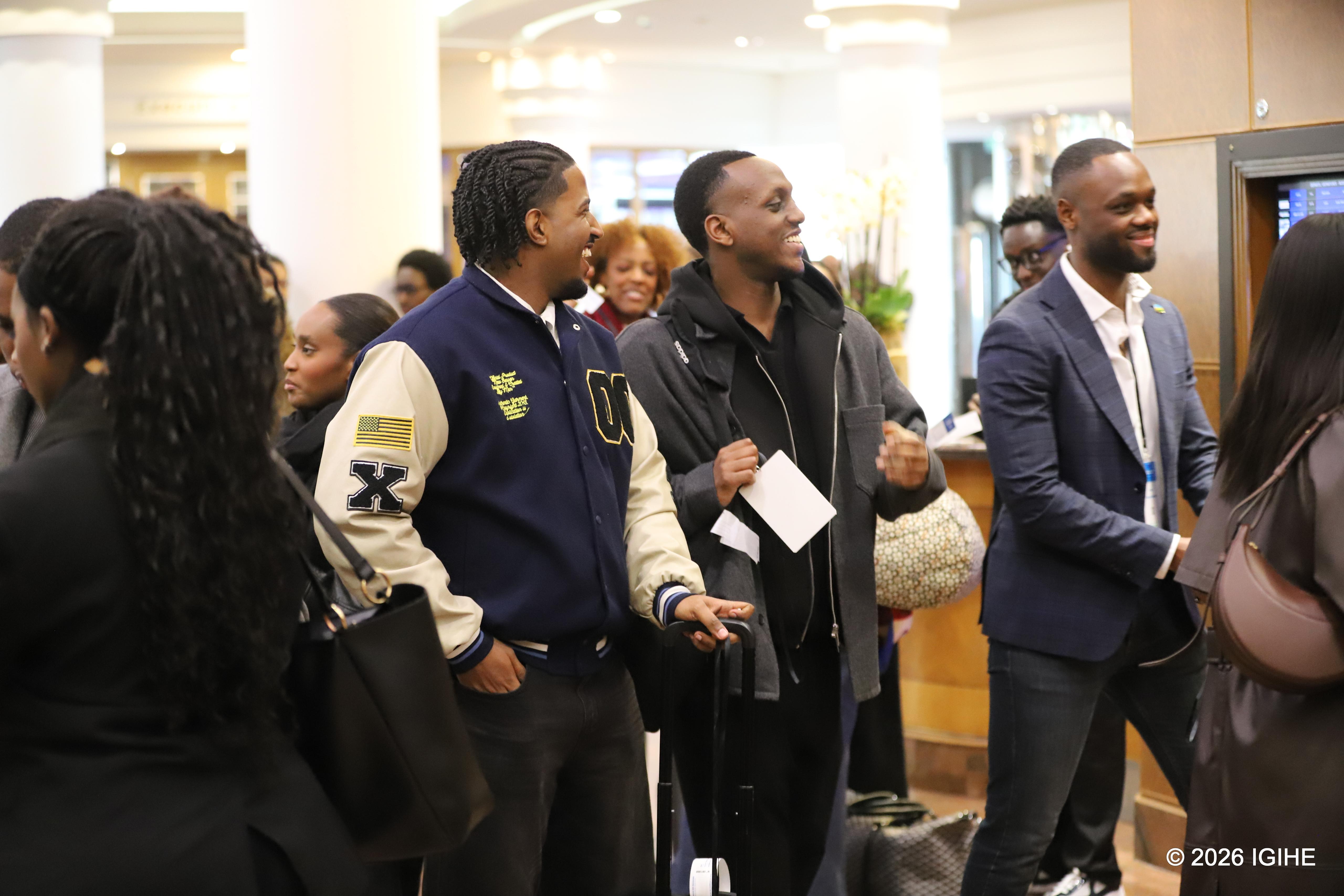
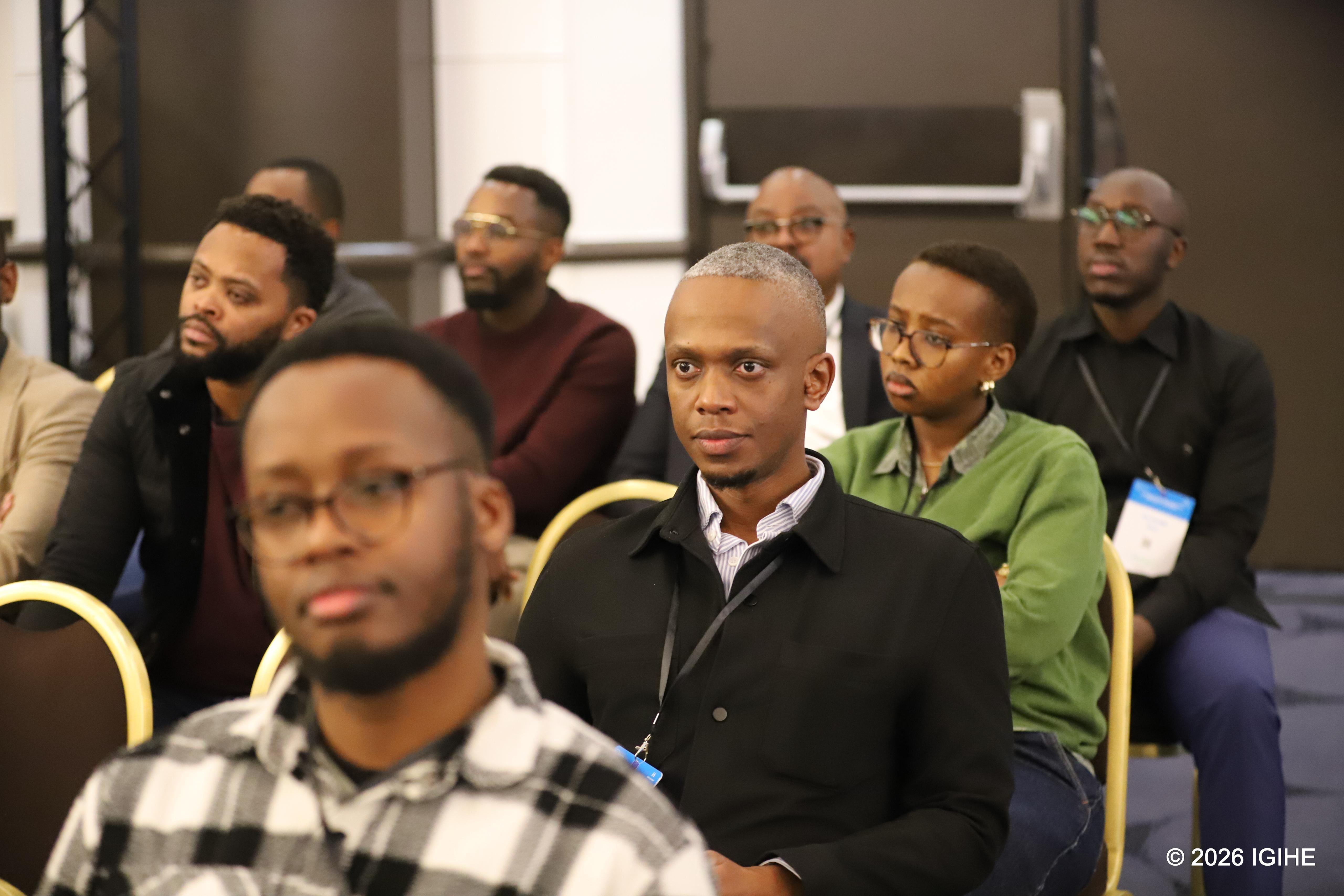
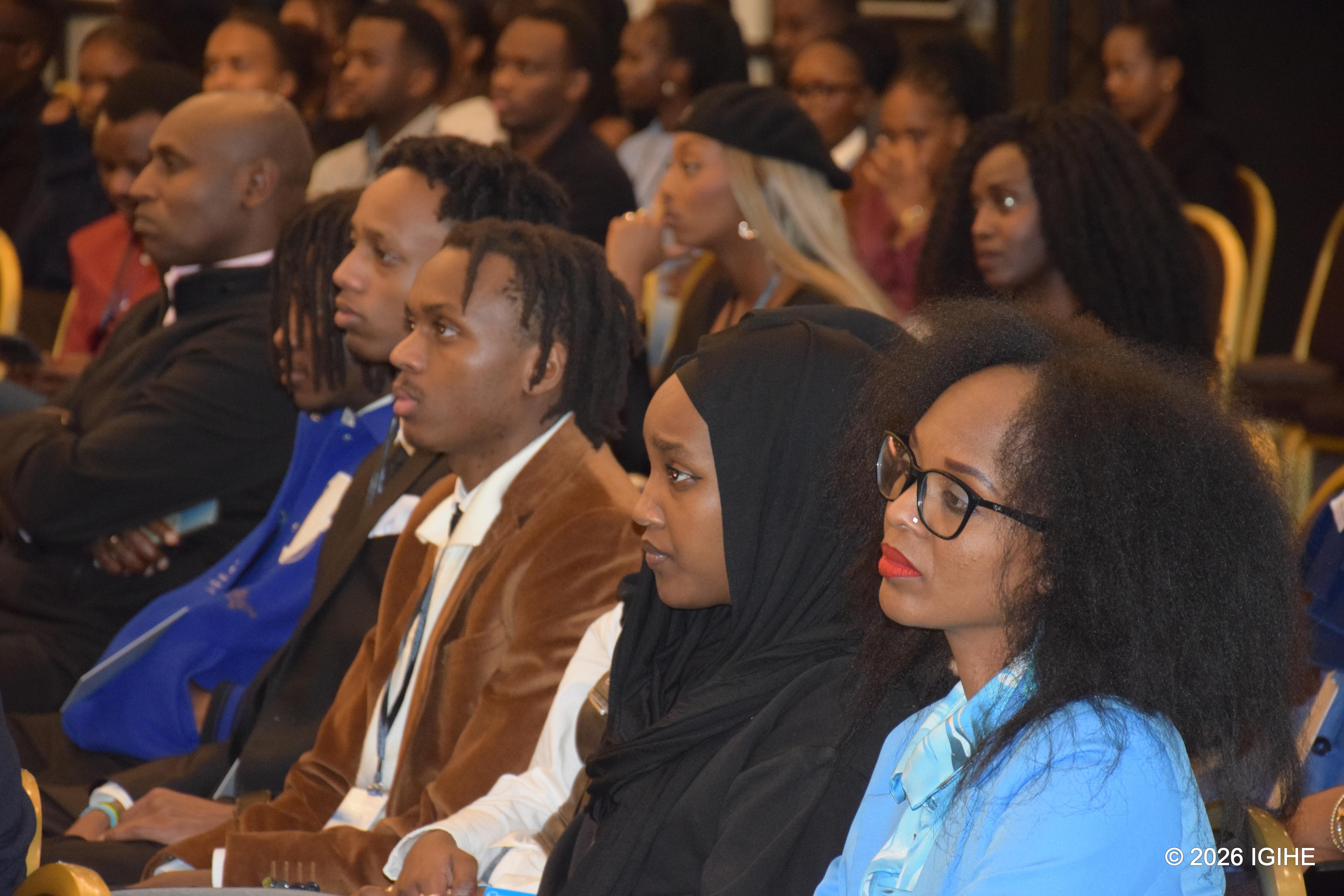
The youth, eager to better understand Rwanda’s history, progress, and future direction, constituted the majority of attendees.
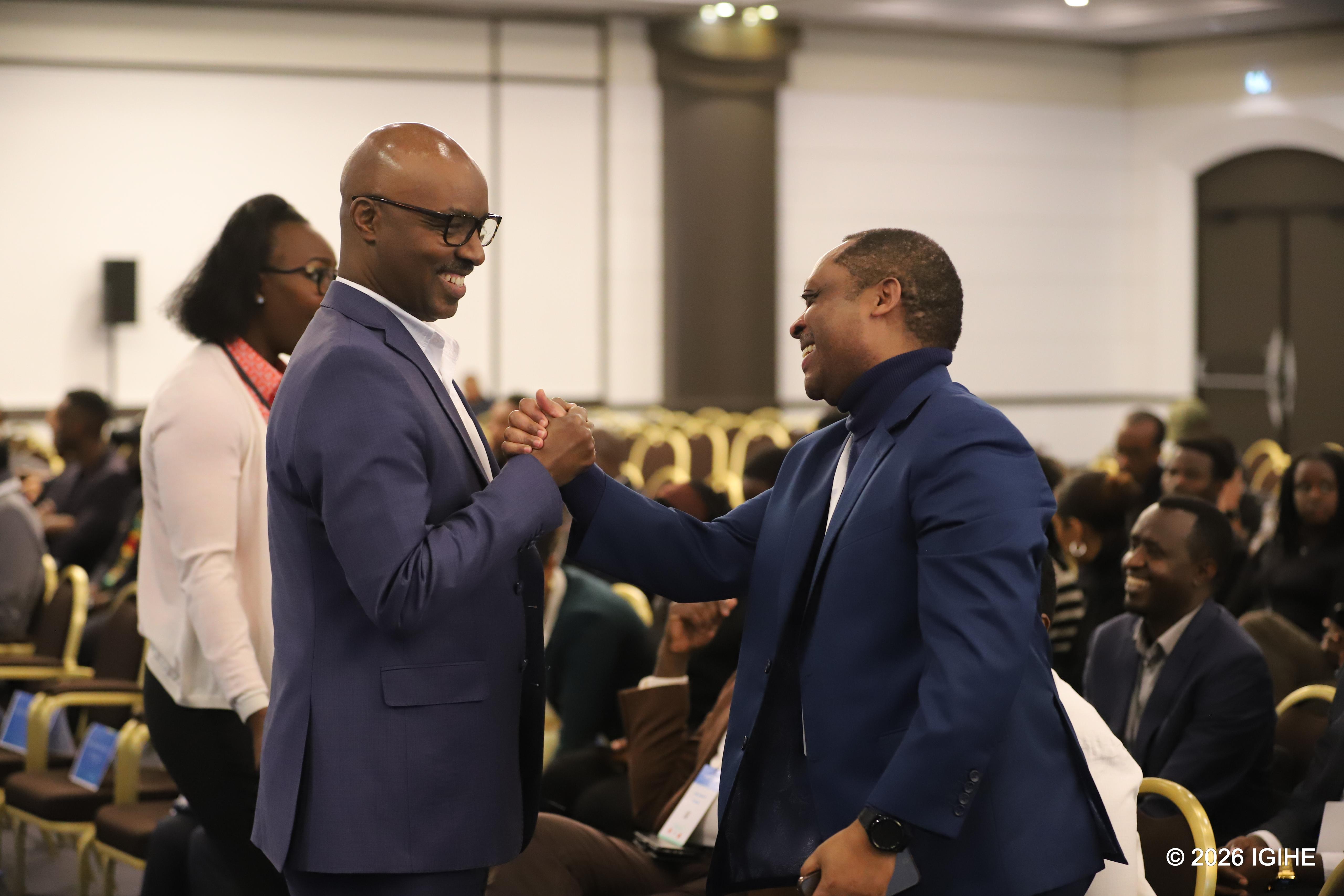
Speaking at the event held in France, Dr. Bizimana thanked participants for attending the gathering, describing it as a moment that brought Rwandans together through their shared love for their homeland.
Acknowledging the diversity of language among participants, he encouraged them to learn Kinyarwanda, describing it as a unique national asset that strengthens unity and communication. He urged diaspora communities to organize cultural and language initiatives wherever they live to help preserve national identity across generations.
The minister said the engagement responded to a long-standing request from diaspora members seeking direct dialogue with government representatives. The initiative was discussed and endorsed during the 19th National Umushyikirano Council held in Kigali in January 2024, where diaspora delegates also participated.
Dr. Bizimana emphasized that the discussions were meant to provide practical insights based on real experiences rather than abstract theory, enabling participants to better understand Rwanda’s trajectory and make informed, patriotic choices about their connection to the country.
Reflecting on Rwanda’s history, he highlighted the country’s recovery from the 1994 Genocide against the Tutsi and the subsequent rebuilding of national unity, governance, and social cohesion. He warned against misinformation circulating on social media, saying false narratives continue to confuse some members of the diaspora, particularly those who did not grow up in Rwanda.
He urged young people not to inherit hatred or denial rooted in the past, stressing that acknowledging truth is essential for lasting reconciliation and unity. “Distance should not disconnect you from reality,” he said, encouraging diaspora youth to rely on verified information and remain engaged with developments in Rwanda.
The minister also outlined key milestones in Rwanda’s post-genocide reconstruction, including policies promoting equal rights for all citizens, national reconciliation efforts, reintegration programs for former combatants, and justice processes that helped rebuild social trust.
Addressing the youth directly, Dr. Bizimana described them as “the strength and the future of the nation,” urging them to take pride in their identity, maintain close ties with Rwanda, and contribute to the country’s development.
He concluded by emphasizing unity as the foundational value guiding Rwanda’s progress, calling on all Rwandans, wherever they live, to uphold the commitment of “Never Again” through shared responsibility and national cohesion.
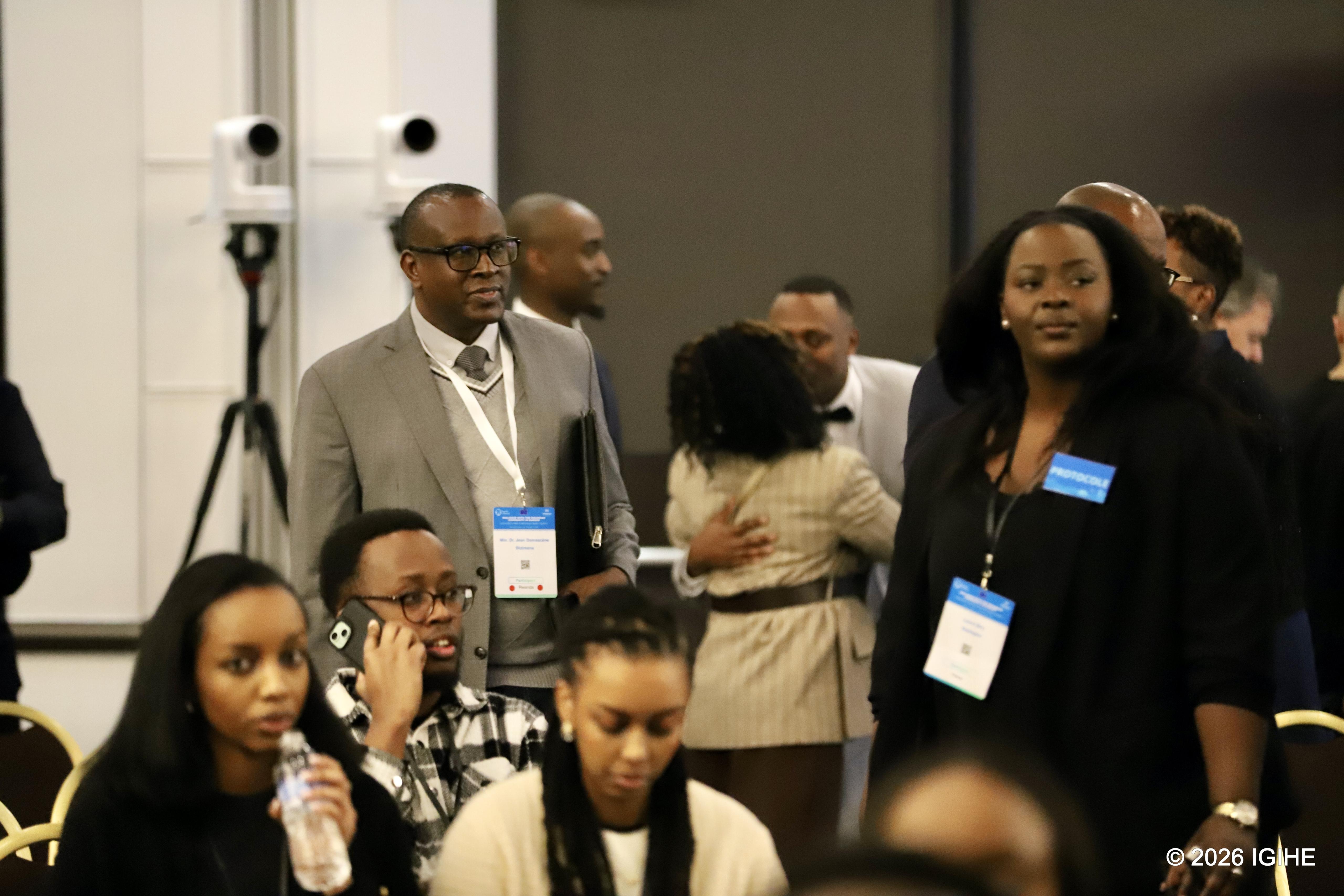
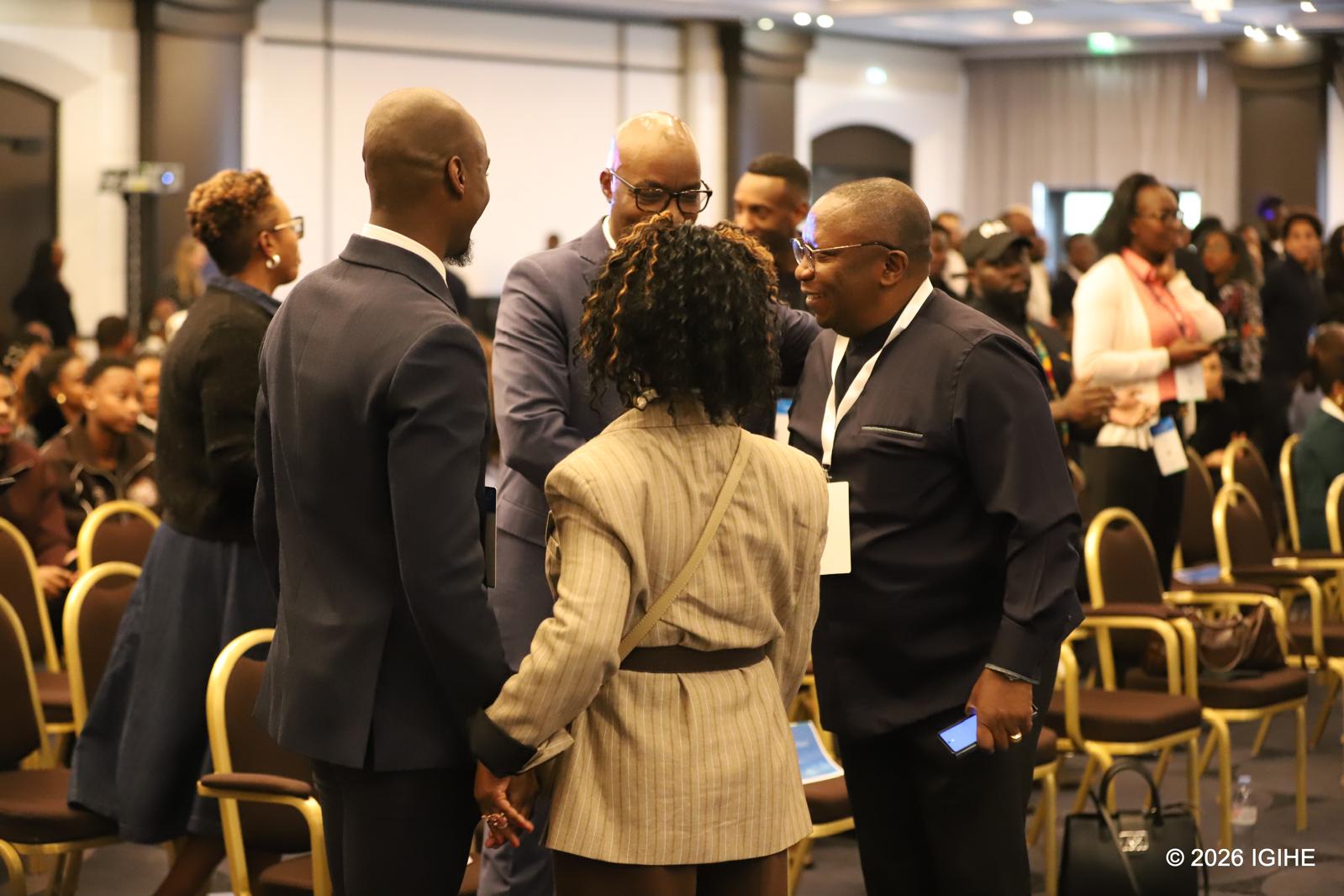
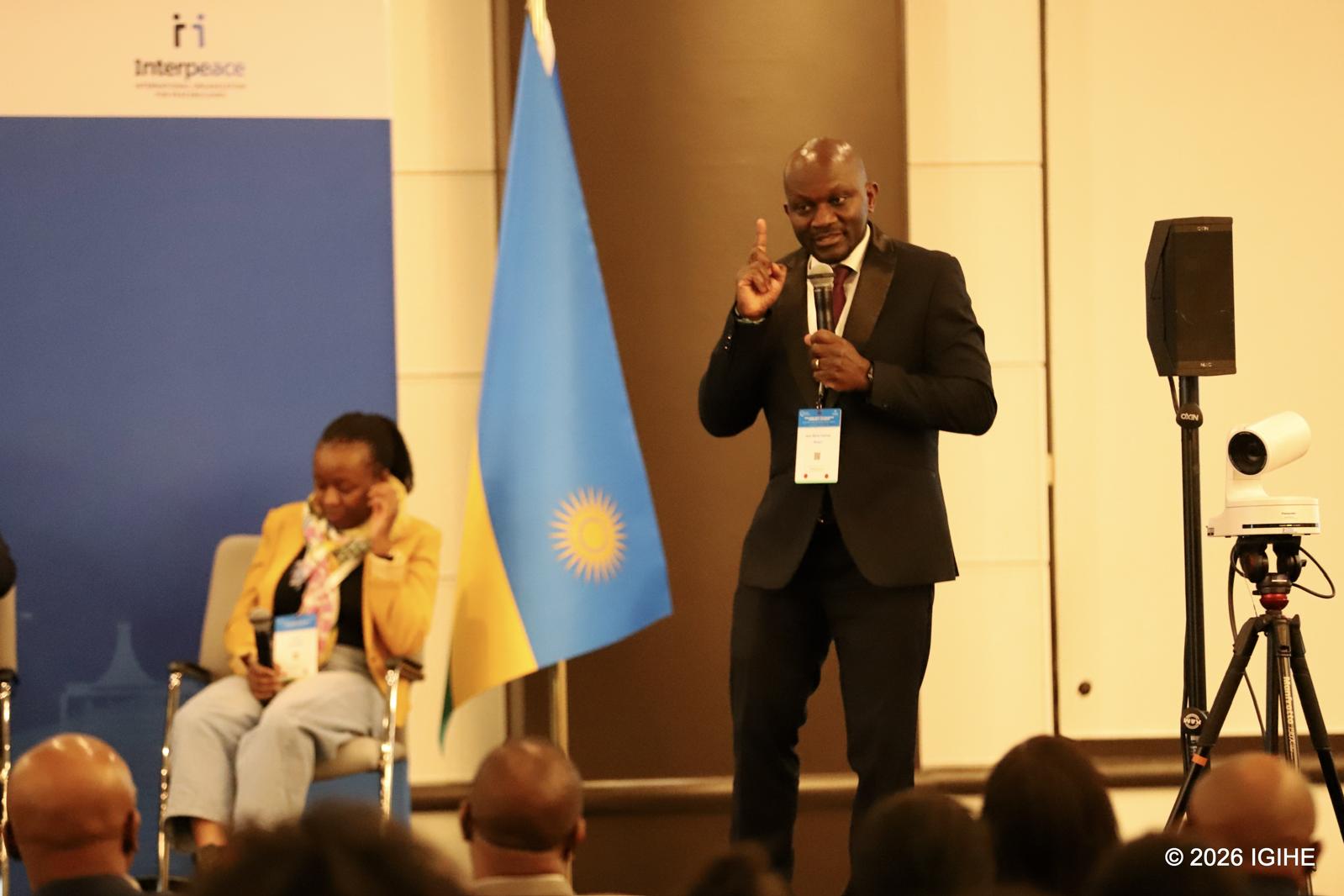
Rwanda’s Minister of National Unity and Civic Engagement, Dr. Jean-Damascène Bizimana interacting with Rwandans living in Europe on Saturday, February 21, 2025.
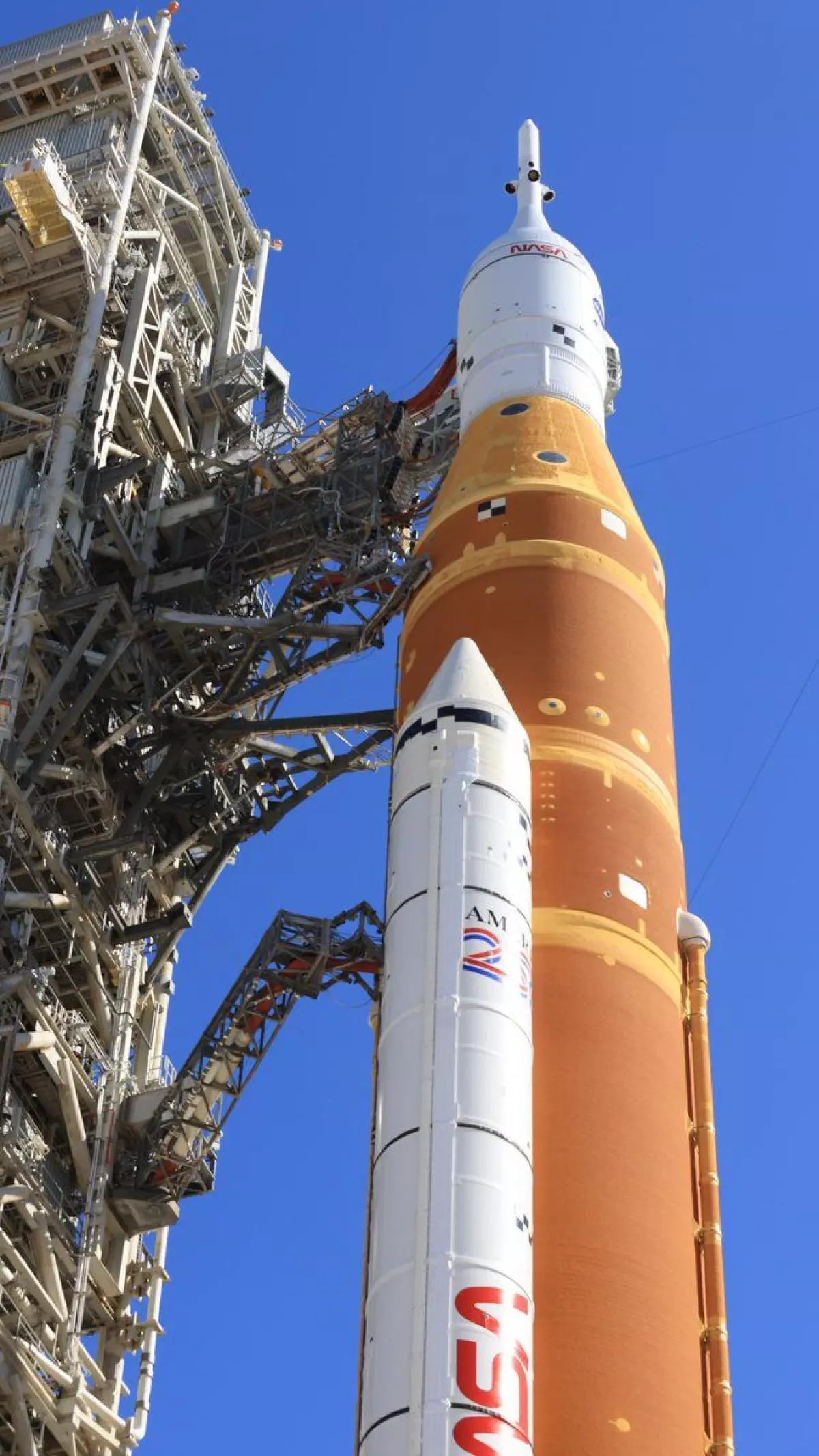
NASA Administrator Jared Isaacman said the problem may involve a faulty filter, valve, or connection plate.
“The only way to inspect and repair the affected area is to roll the 98-meter (322-foot) Space Launch System rocket back to its hangar at Kennedy Space Center,” he said, adding that the March window is no longer feasible.
Artemis II will carry four astronauts, three Americans, Reid Wiseman, Victor Glover, and Christina Koch, and Canadian Jeremy Hansen, on a journey around the Moon and back. The crew will orbit the Moon’s far side, a region never visible from Earth, testing spacecraft systems critical for future lunar exploration.
The mission is a key precursor to Artemis III, NASA’s planned Moon landing, currently scheduled for 2028. Artemis II would also mark humanity’s farthest journey into space since the Apollo program ended in 1972.
The Artemis program has faced multiple delays, including previous hydrogen fuel leaks and postponed rehearsals. A recent wet dress rehearsal, conducted under real fueling conditions, had cleared the mission for a potential March launch before the helium system issue emerged.
The setback comes amid growing international competition in lunar exploration, with China planning a crewed Moon landing by 2030 and uncrewed missions starting in 2026. Despite the delay, NASA says Artemis II remains critical for testing systems and operations needed for sustainable lunar missions and eventual crewed Mars exploration.
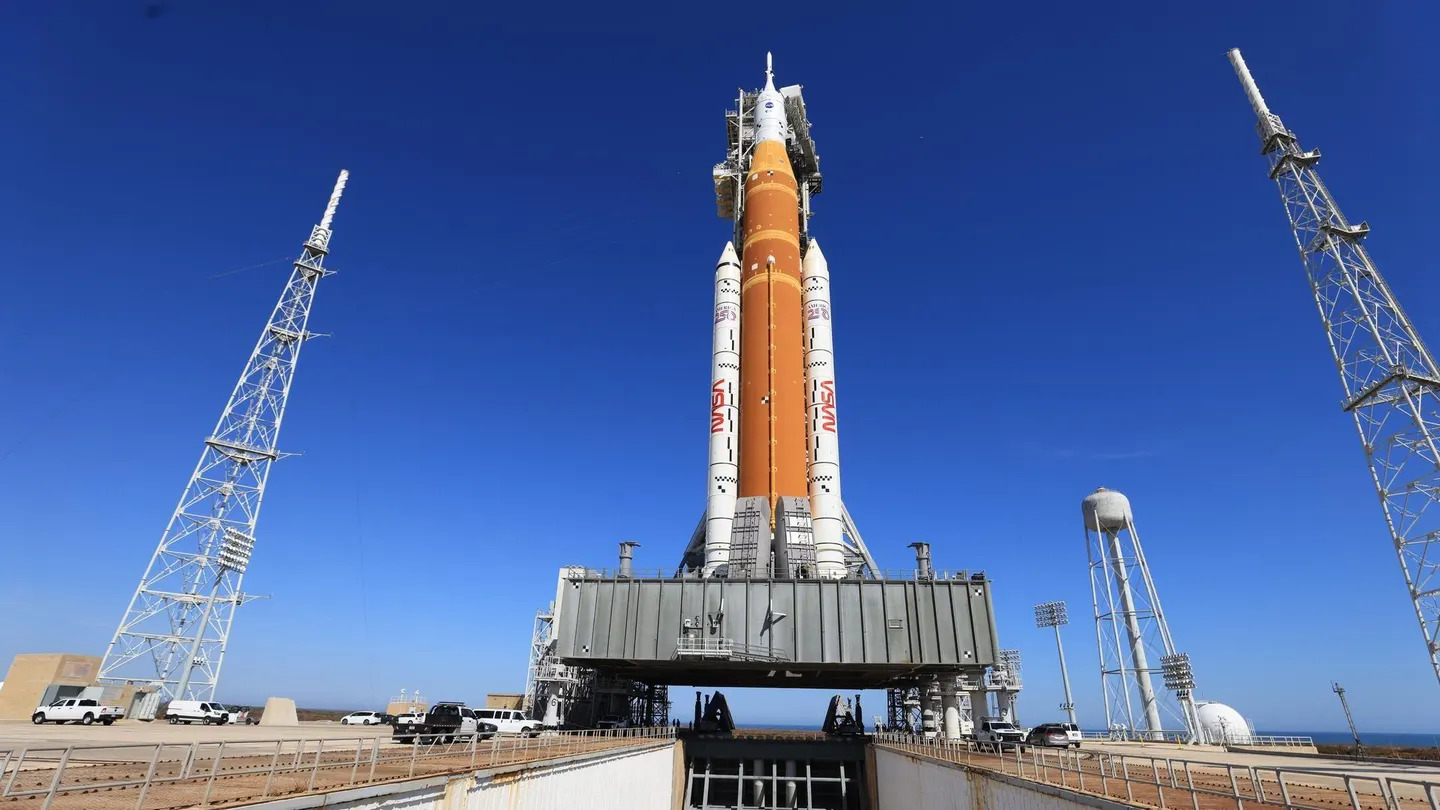
NASA’s moon rocket sits on the pad at Kennedy Space Center in Florida.
“I, as President of the United States of America, will be, effective immediately, raising the 10% Worldwide Tariff on Countries, many of which have been ‘ripping’ the U.S. off for decades, without retribution (until I came along!), to the fully allowed, and legally tested, 15% level,” Trump wrote in a social media post on Saturday.
He added that during the next short number of months, his administration will “determine and issue the new and legally permissible Tariffs, which will continue our extraordinarily successful process of Making America Great Again – GREATER THAN EVER BEFORE!!!”
U.S. Supreme Court ruled Friday morning in a 6-3 vote that Trump’s tariff policy under the International Emergency Economic Powers Act was illegal.
Infuriated by the ruling, Trump signed an order imposing a 10 percent tariff on imports from all countries hours later.
US President Donald Trump has used tariffs against both friends and adversaries since returning to office.
In Rwanda, the industry is also evolving. Beyond mass-market beverages, a growing niche of premium and ultra-luxury products is carving out space in the country’s hospitality and fine-dining sector, reflecting shifting consumption patterns and rising purchasing power among certain segments of the population.
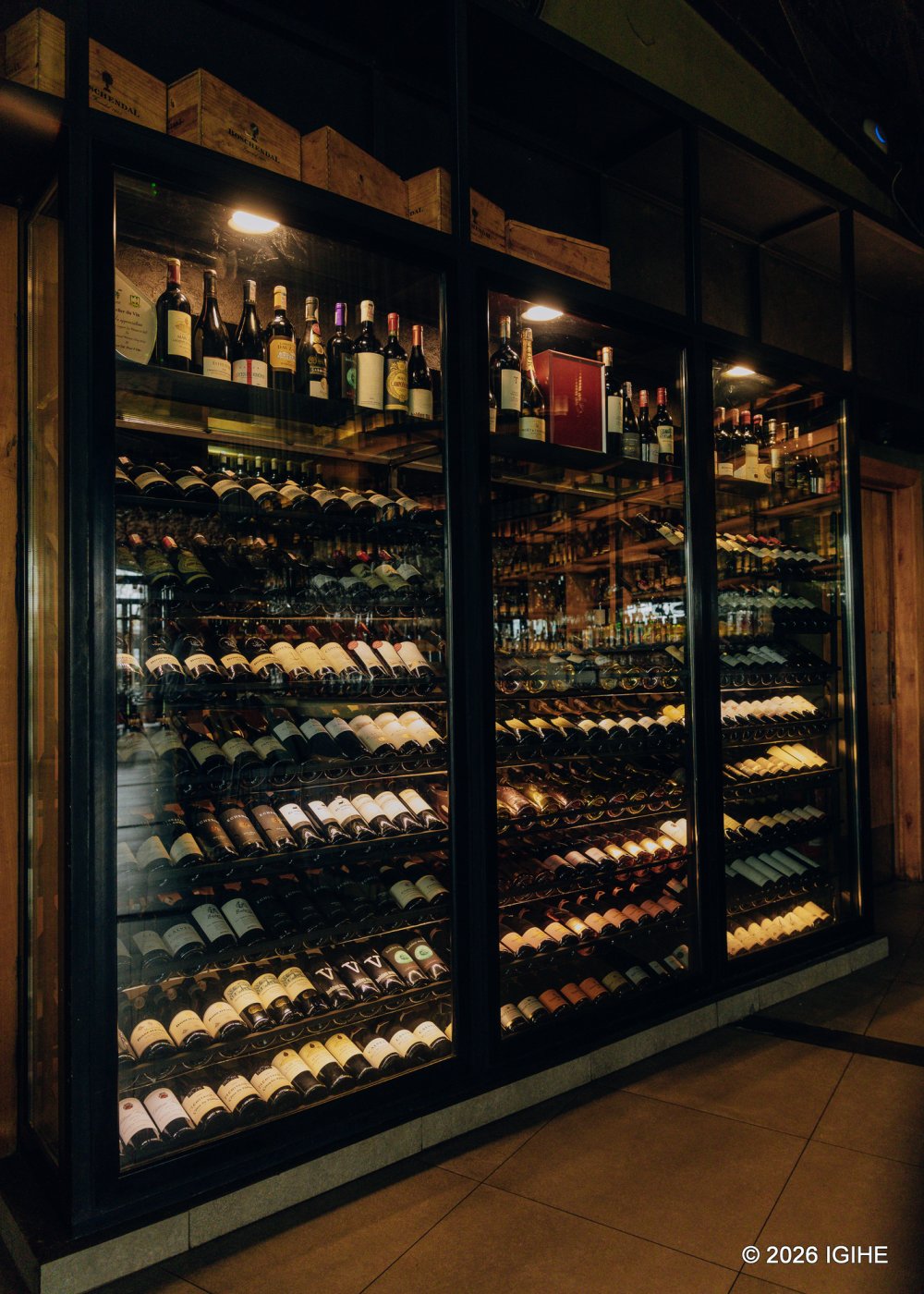
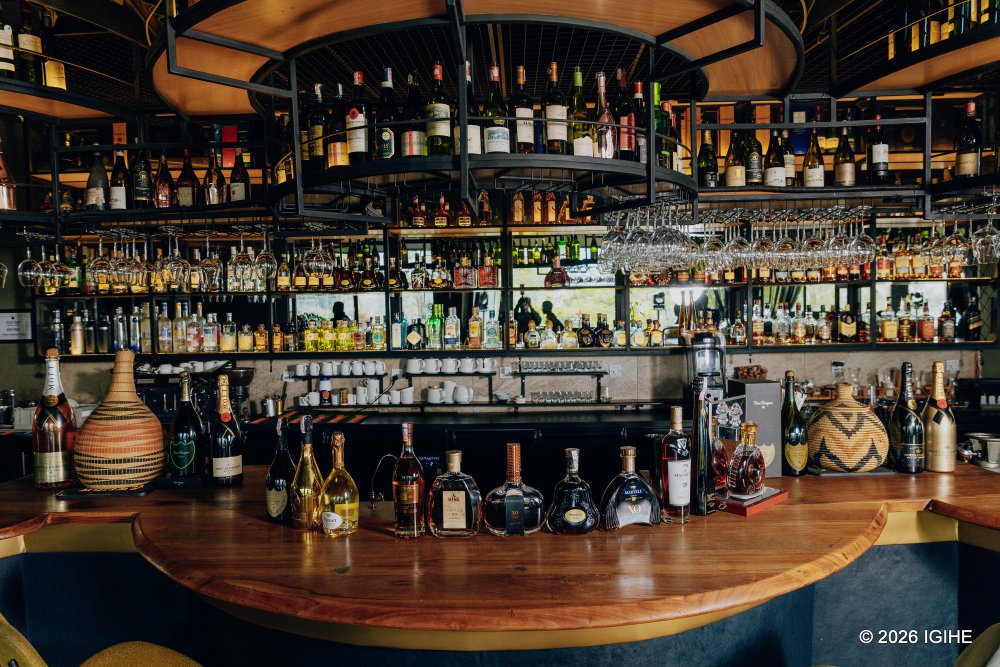
A recent visit to Atelier du Vin, a high-end restaurant operating under Akagera Trading, a subsidiary of Akagera Motors, offered insight into the scale of this emerging luxury market.
A bottle worth Rwf 5.5 million
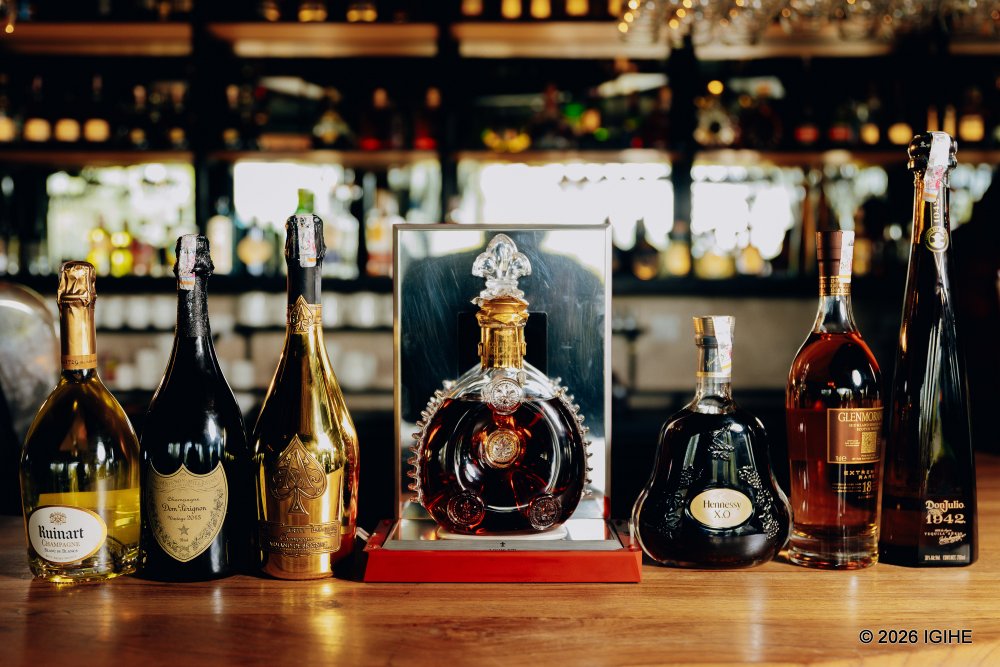
Among the most striking offerings is Louis XIII de Rémy Martin, a luxury cognac first created in 1874 and crafted from a blend of approximately 1,200 eaux-de-vie aged between 40 and 100 years. At the Kigali establishment, a single bottle retails for Rwf 5.5 million, making it one of the most expensive alcoholic beverages publicly available in the country.
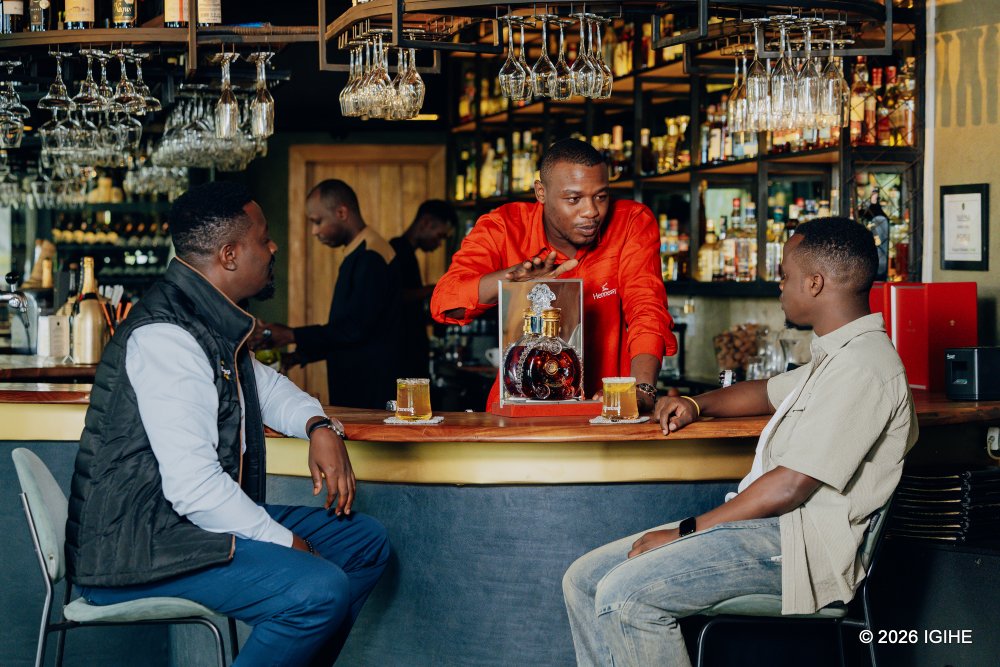
Louis XIII de Rémy Martin retails for Rwf 5.5 million.
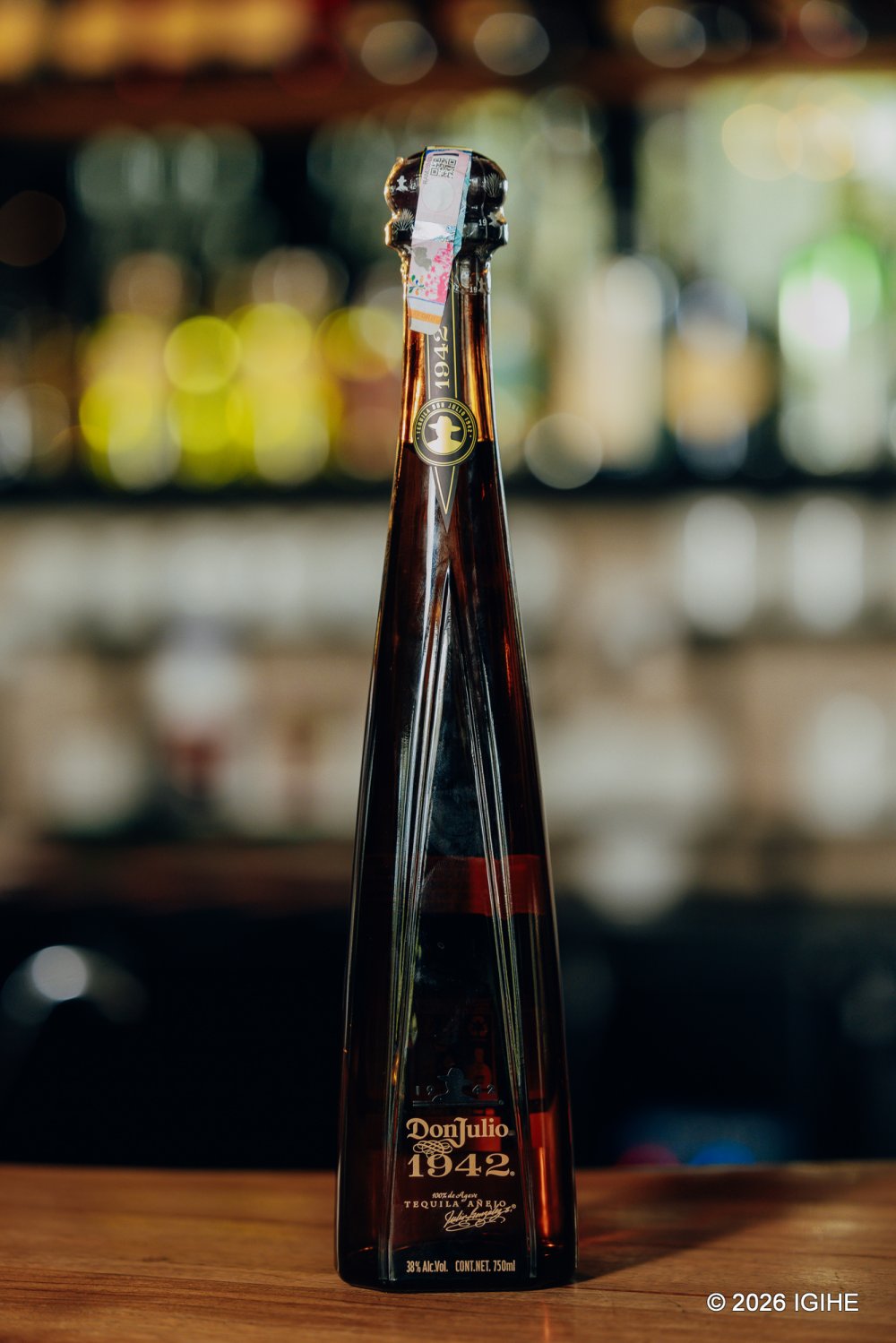
In addition to Louis XIII, the restaurant’s premium catalogue features several other high-end labels. These include Don Julio 1942, retailing at Rwf 1.2 million; Armand de Brignac, popularly known as Ace of Spades, priced at Rwf 650,000; Hennessy X.O at Rwf 600,000; and Dom Pérignon Vintage 2013, which sells for Rwf 540,000 per bottle.
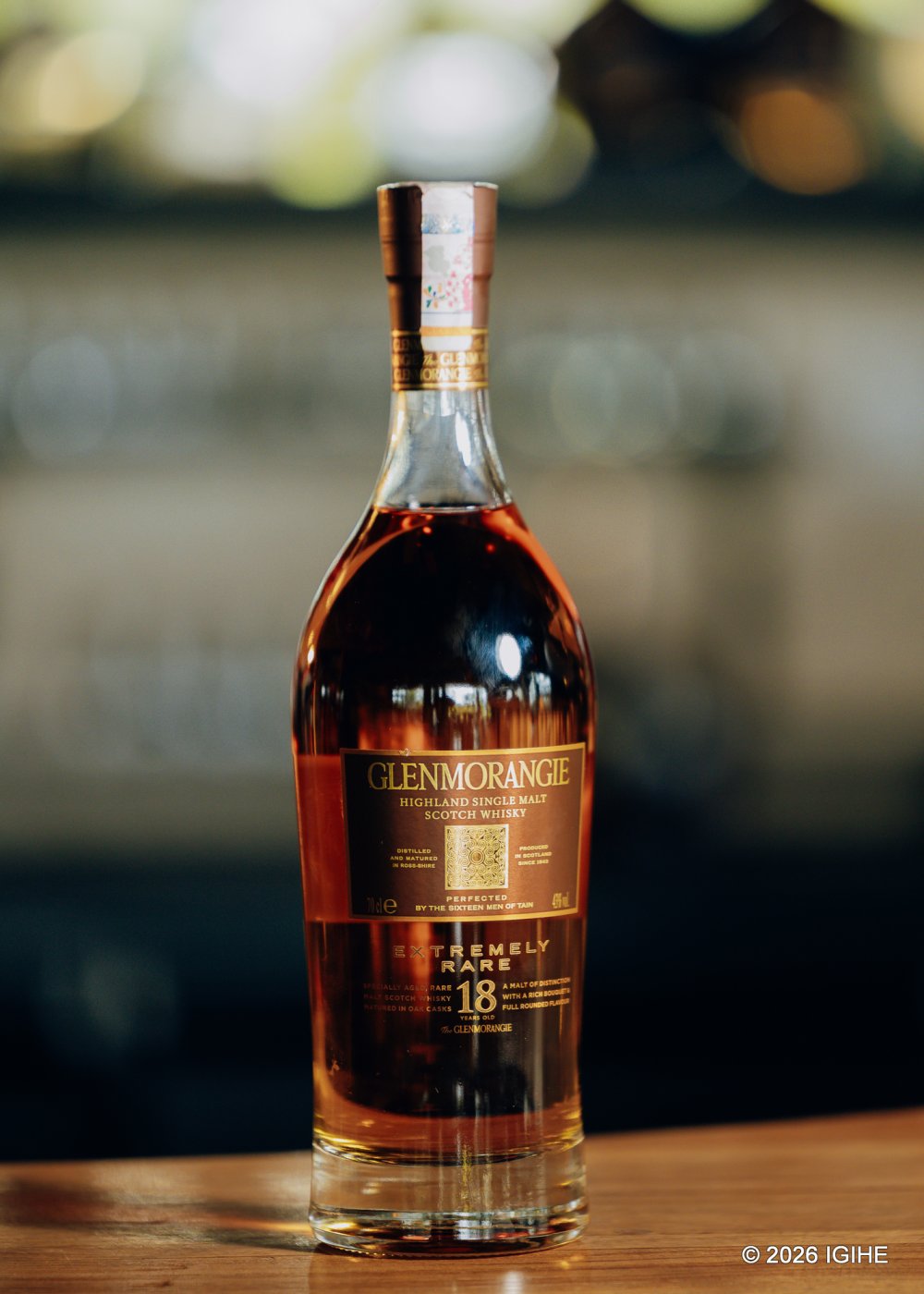
Other high-end selections such as Ruinart 1729 and Glenmorangie 18 retail at Rwf 315,000 per bottle.
The 1942 edition of Don Julio is priced at Rwf 1.2 million.This Armand de Brignac, famously called Ace of Spades, sells for Rwf 650,000.
A niche but active market
According to Richard Ahadi, Head of Sales and Marketing at Akagera Trading, demand for these products remains consistent throughout the year.
“These premium beverages generate more than Rwf 100 million annually,” Ahadi said. “Between 50% and 60% of the purchases are made by Rwandans. On average, we sell between 120 and 180 bottles per year.”
Richard (left) disagrees with those who claim that Rwandans live modest lives.
While the company distributes to regional markets including the Democratic Republic of the Congo, Burundi and Uganda, Ahadi noted that approximately 80% of its business is conducted within Rwanda.
“Our largest market is domestic,” he said, pointing to steady local demand for luxury imports.
The company also imports limited-edition releases produced in small quantities worldwide. Certain editions of Dom Pérignon P2 (2002), for example, are limited to fewer than 500 bottles annually worldwide, with only a handful allocated to Rwanda. Similarly, limited releases of Hennessy Paradis are capped globally at around 150 bottles per edition, with fewer than two dozen reaching the Rwandan market.
“These limited editions usually launch in April and typically retail between Rwf 10 million and Rwf 12 million,” Ahadi explained, noting that buyers include high-net-worth individuals, private companies, and international visitors.
Taxation and pricing dynamics
Industry observers attribute the high retail prices in Rwanda largely to excise duties and import-related costs.
In 2023, the Government of Rwanda revised aspects of its tax framework as part of broader domestic revenue mobilization reforms. The Rwanda Revenue Authority (RRA) states that excise duty rates vary depending on alcohol content, product category and sourcing of raw materials.
Beer, wine, liqueur, whisky and other spirits are generally taxed at 40%. Beverages with higher alcohol content may attract rates between 60% and 65%, depending on whether inputs are locally sourced. Premium wines and high-value spirits may be subject to excise duties of up to 70% per litre under specific valuation thresholds.
When combined with import costs, insurance, freight and distributor margins, these tax structures significantly influence final retail prices.
A bottle of Hennessy X.O goes for Rwf 600,000.This 2013 Dom Pérignon Vintage sells for Rwf 540,000.A bottle of Ruinart 1729 Champagne goes for Rwf 350,000.This Glenmorangie 18 goes for Rwf 315,000.A selection of high-end drinks found in Rwanda.
Opening in theaters this weekend, How to Make a Killing brings a fresh twist to the classic comedy-thriller genre. The film follows a charming yet scheming man, played by Glen Powell, who devises a plan to eliminate his wealthy relatives and secure his inheritance. Packed with sharp humor, clever twists, and edge-of-your-seat suspense, this film delivers an engaging mix of comedy and thriller elements. It is perfect for those who love dark humor with a side of suspense.
2. Kokuho
Now playing in theaters, Kokuho is a powerful Japanese drama that tells the deeply moving story of a teenager who, after the loss of his father, seeks refuge in a kabuki theater. The film’s poignant narrative, coupled with its stunning visuals, makes it a standout piece. Nominated for an Oscar for Best Makeup and Hairstyling, Kokuho blends tradition with heart, offering a visually striking and emotionally rich experience. Ideal for viewers seeking a deeply emotional journey that touches on grief and personal growth.
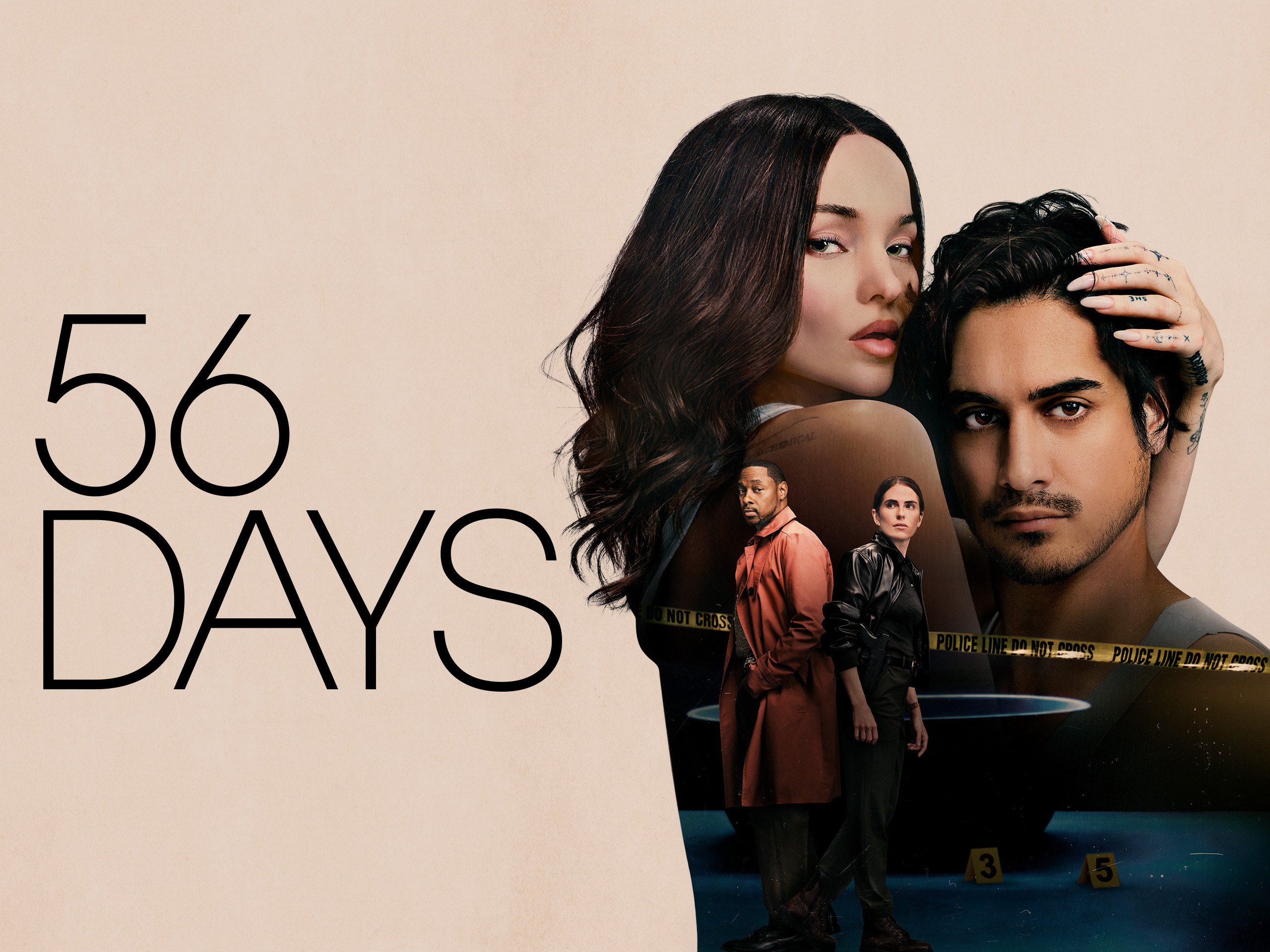
3. 56 Days
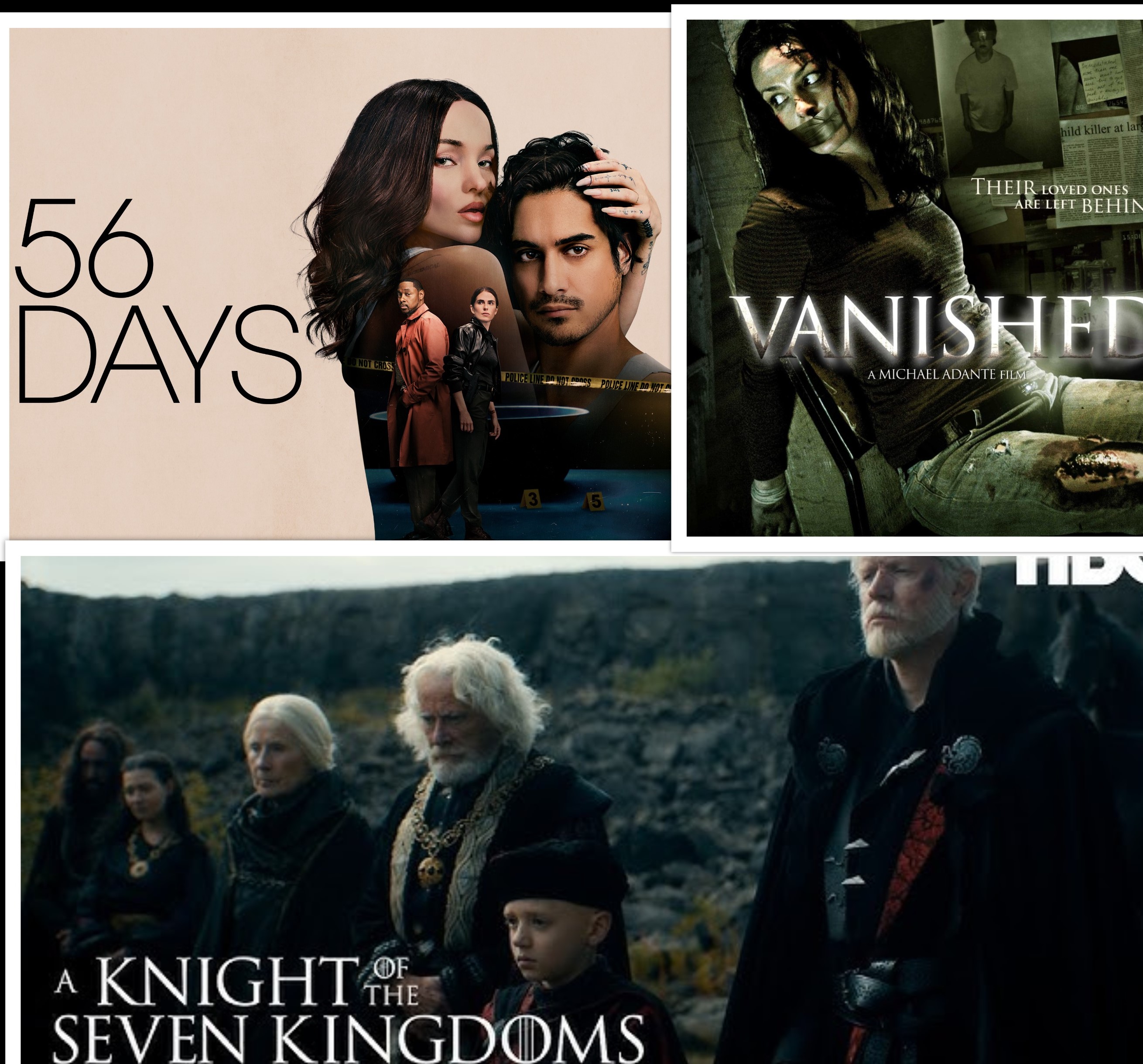
Streaming on Prime Video, 56 Days is a gripping romantic mystery that weaves between two timelines as it unravels the secrets of a relationship that ends in a suspicious death. The movie keeps the audience guessing with its intricate plot and unexpected twists. If you love films that combine romance with elements of thriller and mystery, 56 Days is perfect for a weekend binge-watch. It’s an engaging story that explores the complexities of relationships and trust.
4. Shoresy (Season Five)
Fans of the beloved Canadian comedy series Letterkenny will want to check out Shoresy on Hulu. This spinoff series, now in its fifth season, mixes humor and ice hockey antics, delivering witty character interactions, hilarious one-liners, and over-the-top sports shenanigans. If you’re in the mood for something lighthearted with a fun mix of sports comedy and fast-paced banter, Shoresy offers just that. A perfect choice for a feel-good and funny viewing experience.
5. EPiC: Elvis Presley in Concert
For music lovers and fans of Elvis Presley, this limited theatrical release offers a rare and intimate look at the King of Rock ‘n’ Roll’s live performances in Las Vegas. Featuring rare archival footage, EPiC: Elvis Presley in Concert brings the vibrant energy of Elvis’s live shows back to the big screen. A must-watch for anyone who appreciates music history or wants to experience the magic of one of the most iconic entertainers of all time.
6. Strip Law
Available on Netflix, Strip Law is an animated comedy that pairs a straight-laced lawyer with a flashy Vegas magician, leading to a series of quirky and hilarious misadventures. The film’s unique premise and vibrant animation make it a fun choice for fans of lighthearted, offbeat comedy. With its playful narrative and clever humor, Strip Law offers a great escape into an entertaining and visually appealing world.
7. A Knight of the Seven Kingdoms (Season Finale)
Stream the season finale of A Knight of the Seven Kingdoms on HBO Max for a lighter adventure set in the Game of Thrones universe. Combining fantasy, action, and comedic moments, this series follows the journey of knights and adventurers through a world of magic and danger. Whether you’re a die-hard GoT fan or just love a good fantasy tale, this show offers something for everyone. Don’t miss the action-packed season finale for a satisfying conclusion to this magical adventure.
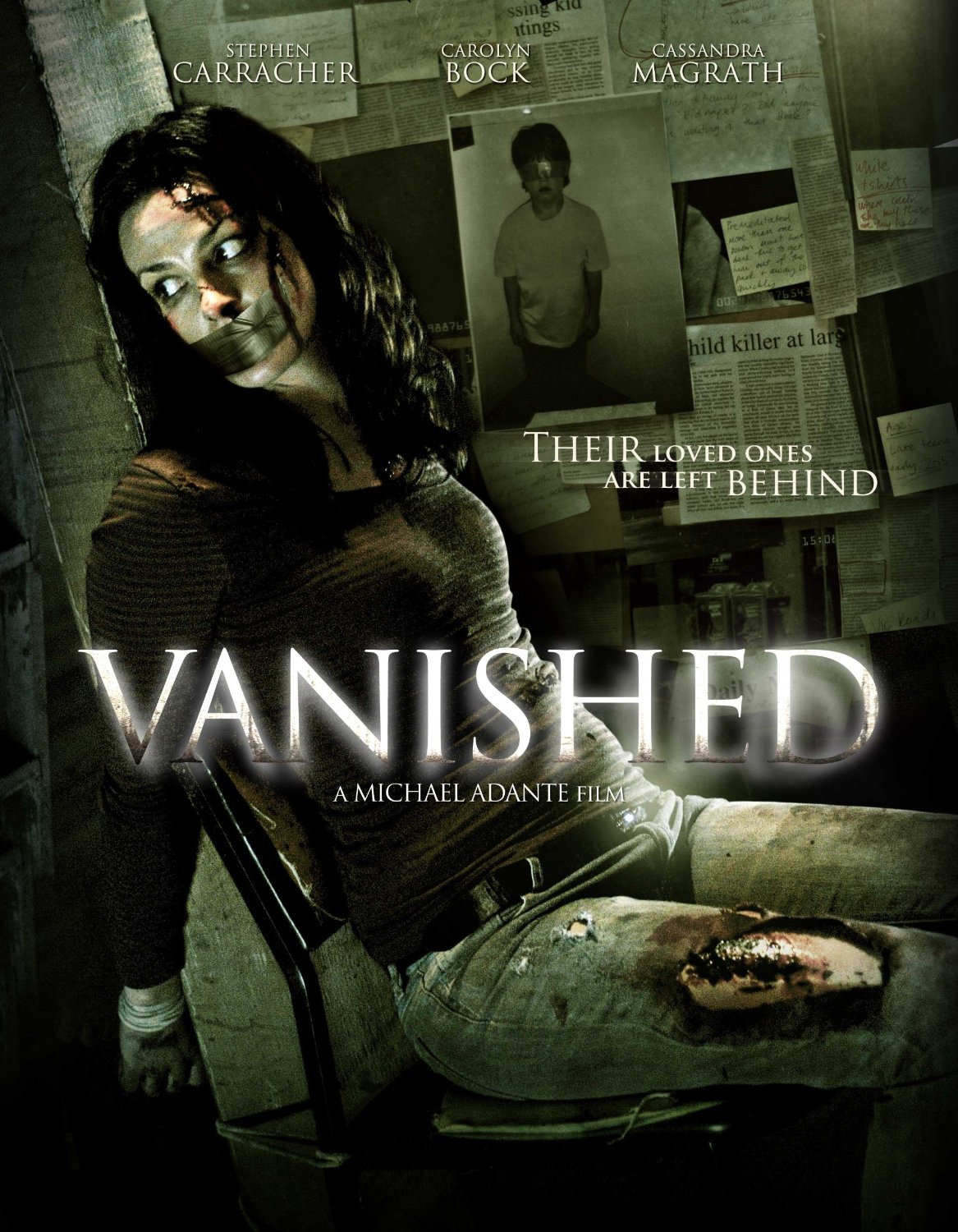
8. Vanished
If you’re craving an intense thriller, look no further than Vanished, streaming on MGM+. This four-episode series delves into international intrigue, mystery, and suspense as it follows the disappearance of several high-profile individuals. The show’s tightly woven plot, unpredictable twists, and high stakes will keep you on the edge of your seat from start to finish. A perfect pick for viewers who enjoy fast-paced, gripping drama with a touch of mystery.
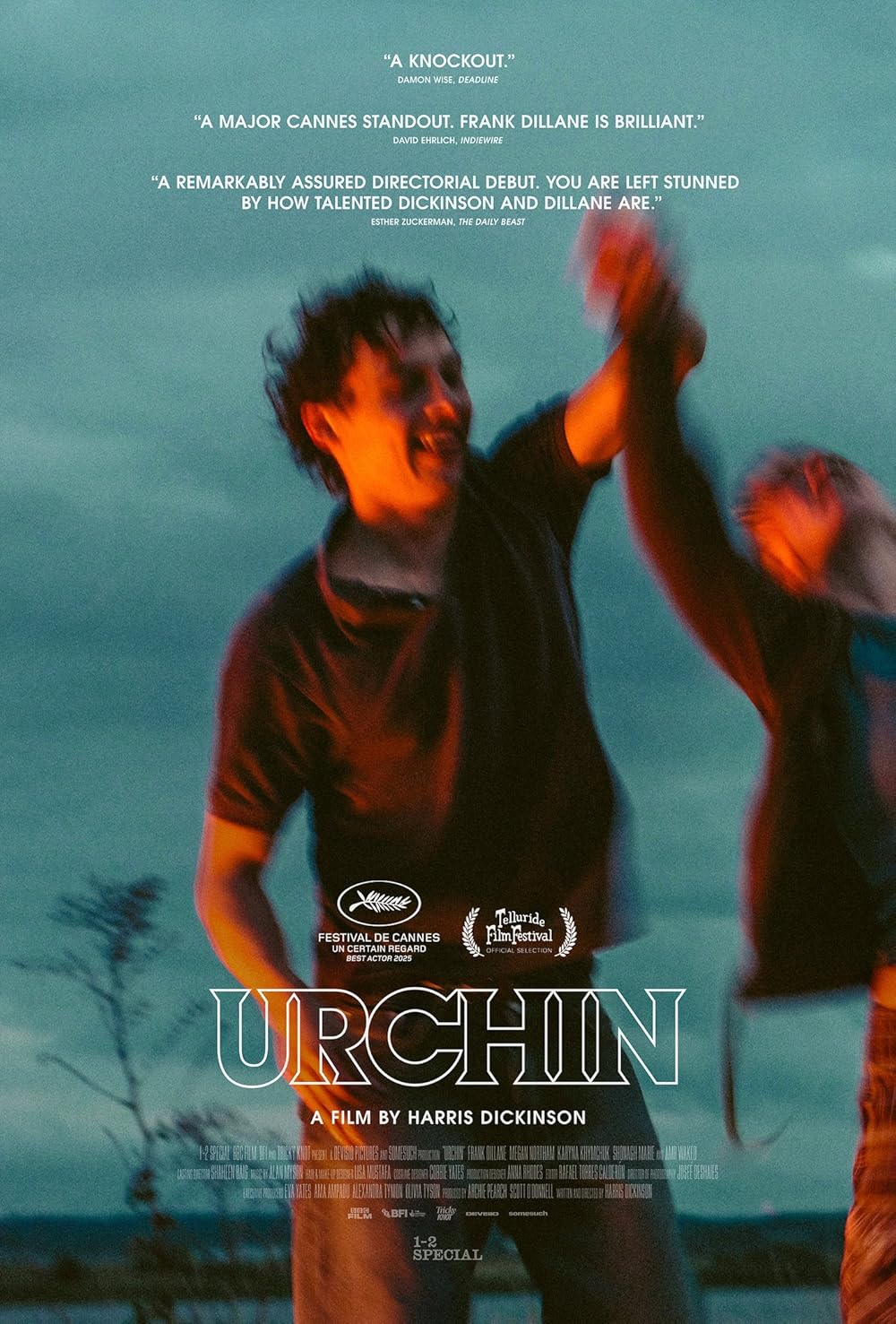
9. Urchin
Streaming on Hulu, Urchin is a gritty drama that explores the harsh realities of life on the streets, tackling themes of poverty, addiction, and survival. The movie offers a powerful central performance and is an emotional rollercoaster that will resonate deeply with audiences. If you appreciate films that delve into the human condition and offer raw, thought-provoking narratives, Urchin is a compelling choice that provides a window into resilience and hope amidst adversity.
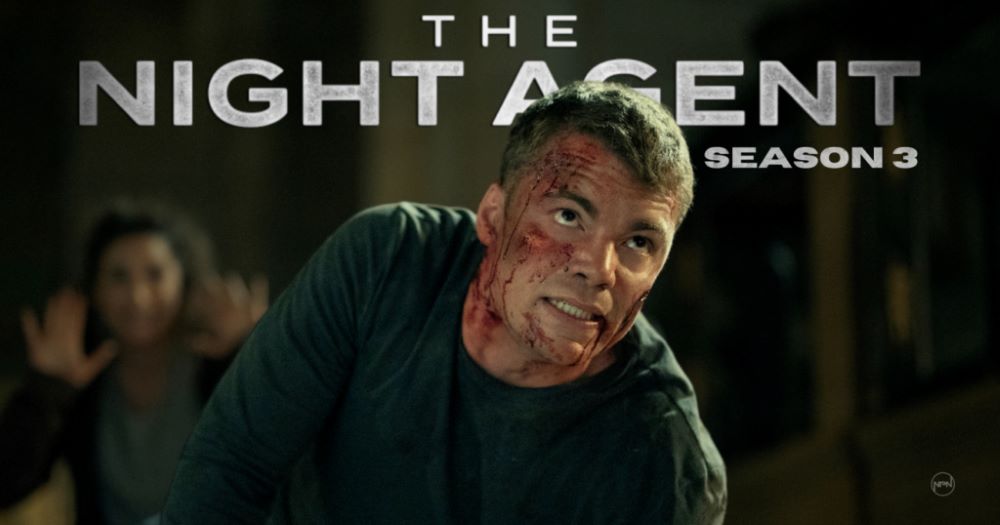
10. The Night Agent (Season Three)
Returning to Netflix for its third season, The Night Agent continues to deliver gripping action and intense suspense. Following a young FBI agent thrust into a conspiracy that reaches the highest levels of government, the series combines high-octane action with political intrigue. With new conspiracies and fresh mysteries, this season promises even more twists and turns, making it a must-watch for fans of spy thrillers and edge-of-your-seat suspense.
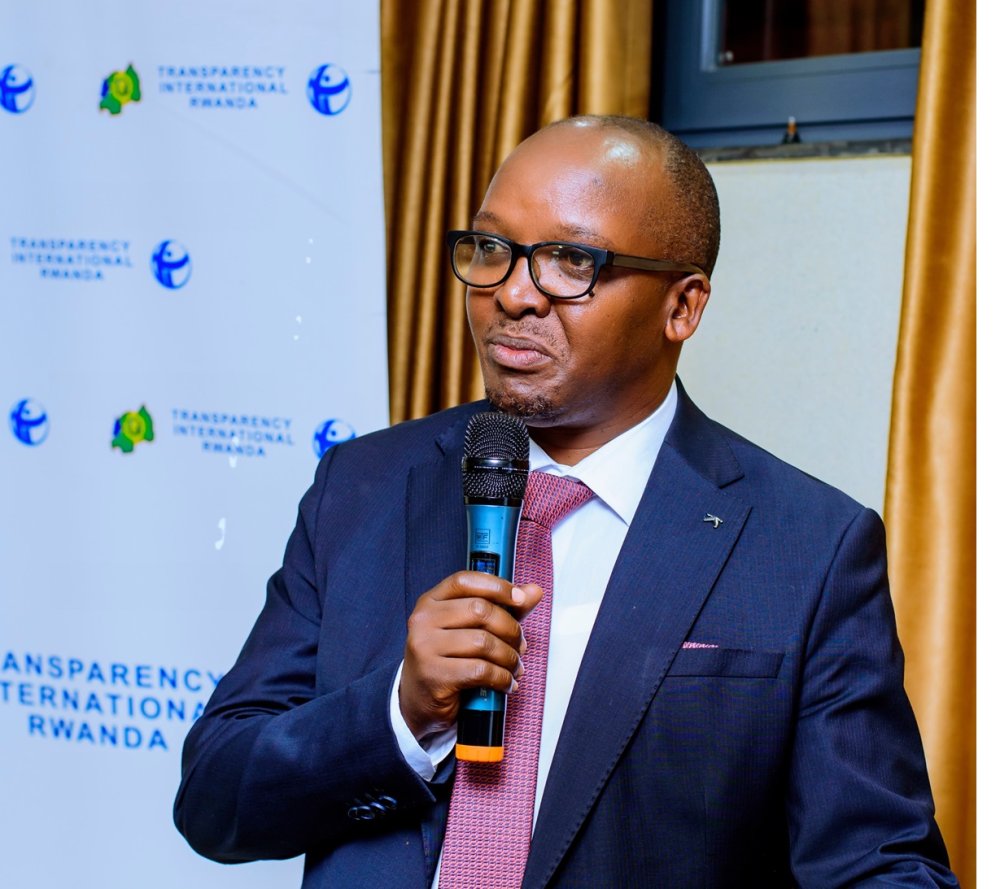
In a statement released on February 20, 2026, TI Rwanda said Sayinzoga was elected alongside other Board members during the organization’s General Assembly held on February 15, 2026.
Sayinzoga previously served as First Vice Chairperson of the Board of TI Rwanda since 2015. He has long been involved with the organization, having been a member of its Advisory Council until 2025 before becoming Vice Chairperson, a position to which he was re-elected in 2021.
A professional engineer and certified valuer, Sayinzoga also heads the Elections Commission of the Institute of Real Property Valuers in Rwanda (IRPV). He previously worked with UNICEF as head of a construction-related project between 2013 and 2015.
He also served as Project Manager of the One Dollar Campaign from 2009 to 2012 and has worked with the private sector as well as the United Nations Development Programme (UNDP).
Sayinzoga succeeds Ingabire Marie Immaculée, who died on October 9, 2025, following an illness. She had led TI Rwanda since 2015 and was among the 20 founding members of the organization in 2004.
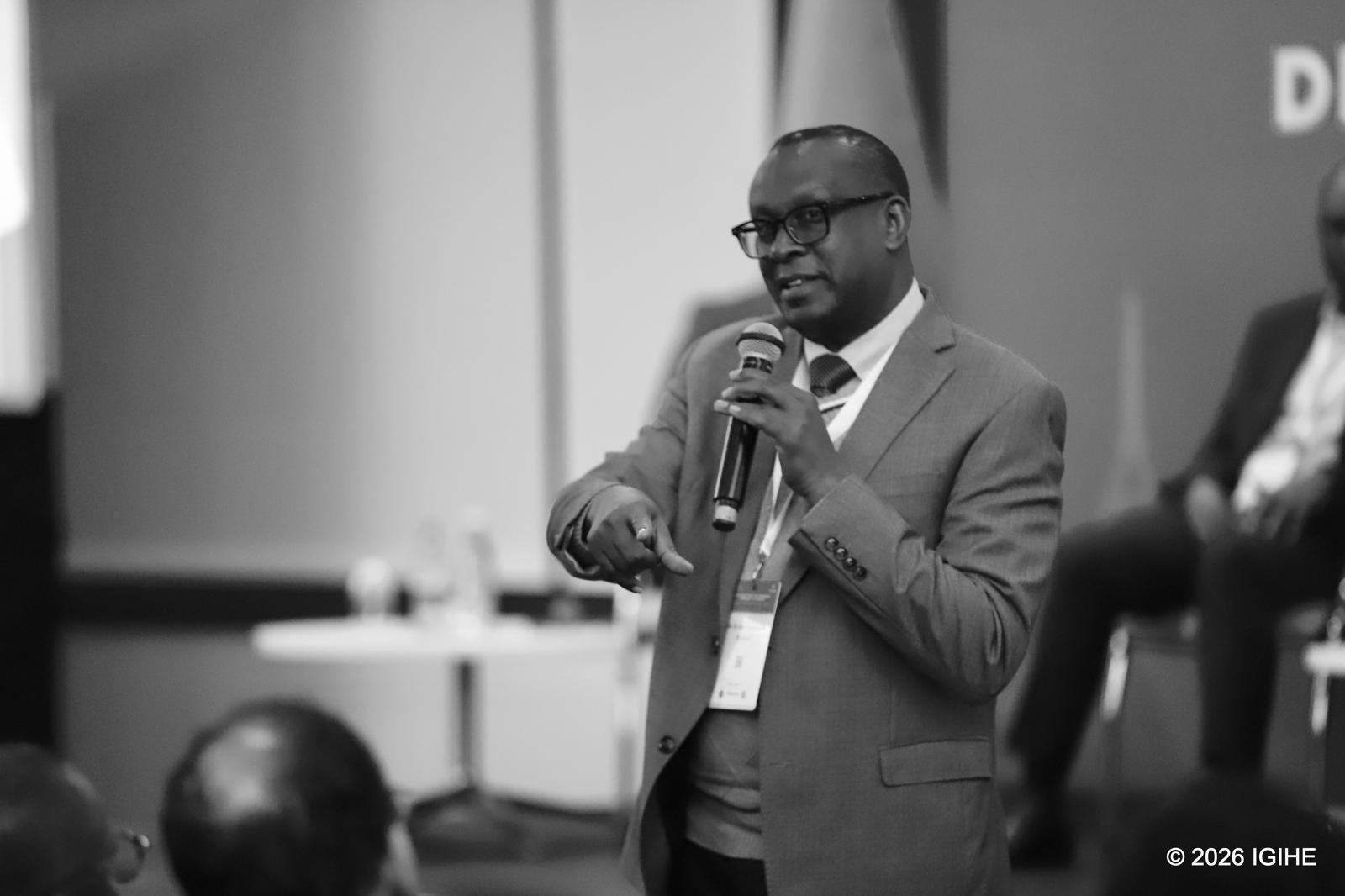
Engineer Sayinzoga Nkongoli Appolinaire has been elected Chairperson of Transparency International Rwanda.