According to a public notice dated October 14, 2025 and signed by NLA Director General and Chief Registrar of Land Titles, Marie Grâce Nishimwe, the decision aligns with the government’s ongoing efforts to enhance the efficiency, transparency, and accessibility of land services nationwide.
The NLA noted that significant progress has been made through the decentralisation of land services, which are now accessible at national, provincial, district, and sector levels. Licensed private notaries with the necessary competences are also authorised to handle land transactions, including the transfer of land rights.
“Since land services are now available near everyone, it is no longer necessary for people who live in a different area from where their land is located to appoint someone through a power of attorney for land rights transfer,” the statement reads in part.
The authority explained that the temporary suspension seeks to address a growing number of fraud cases involving falsified powers of attorney, which have been used to facilitate illegal transfers of land ownership.
The suspension will remain in force until the electronic notary system (e-notary), currently being developed by the Ministry of Justice, is officially launched and becomes operational.
However, in exceptional circumstances where an individual is genuinely unable to appear in person, the matter may be submitted for review through the Office of the Registrar of Land Titles in the respective province or through the NLA headquarters in Kigali.
The Authority clarified that the suspension applies only to powers of attorney issued within Rwanda. Those issued outside the country will continue to be accepted, provided they meet all legal and procedural requirements.
The NLA reaffirmed its commitment to safeguarding landowners’ rights and ensuring the integrity of land transactions through more secure and transparent digital systems.
The event, organized by the Rwanda Development Board (RDB) in partnership with the Embassy of Rwanda in Germany and the Tourism Chamber, followed successful engagements in Utrecht (Netherlands).
It aimed to connect Rwandan tour operators with European travel professionals and promote new, tailor-made packages for the German market.
In his remarks, Ambassador Igor César described Rwanda, the Land of a Thousand Hills, as a destination where nature, culture, and innovation meet.
He highlighted the country’s rich landscapes stretching from Nyungwe and Volcanoes to Akagera and Gishwati-Mukura National Parks, offering experiences from gorilla trekking and rainforest hikes to savanna safaris and urban exploration in Kigali.
Sustainability was a key theme. Amb. César emphasized Rwanda’s success in wildlife conservation, including the reintroduction of lions and rhinos, which has transformed Akagera National Park into a “Big Five” destination.
He also underscored the Tourism Revenue Sharing Program, through which over Frw 18.1 billion has funded more than 1,190 community projects around national parks, ensuring tourism directly benefits local communities.
Speaking to tour operators and agents, Amb. César described them as “storytellers” who shape travelers’ choices and invited them to integrate Rwanda into their itineraries.
With Germany among Rwanda’s top ten tourism source markets, the roadshow reaffirmed Rwanda’s commitment to sustainable partnerships and to positioning itself as one of Africa’s most compelling and responsible destinations.
President Kagame sent the condolences through a message shared on X. “On behalf of the people of Rwanda and on my own behalf, I extend my deepest condolences to the family of the Rt. Hon. Raila Odinga, to my brother President William Ruto, and to the people of Kenya on the passing of Rt. Hon. Raila Odinga,” he posted.
The Head of State also eulogised Raila Odinga as a lifelong dedicated public servant whose steadfast commitment to democracy, justice, and unity in Kenya and across Africa will be remembered for generations to come.
“We stand in solidarity with the government and people of Kenya during this time of national mourning,” he added.
Although Raila Odinga had been at odds with President William Ruto’s administration for some time, the two joined hands in early 2024 when the Kenyan government pledged to support Raila’s candidacy for the position of Chairperson of the African Union Commission (AUC).
In March 2024, Raila visited Rwanda, where he met with President Kagame. Shortly afterward, the Government of Rwanda publicly announced its support for his bid.
While Raila did not win the AUC election, his contribution to Africa’s development remains significant.
From 2018 to 2023, he served as the AU High Representative for Infrastructure Development in Africa, a role that advanced major projects across the continent.
Raila Odinga passed away in India on October 15, 2025, following cardiac arrest. In honor of his legacy, President William Ruto declared a seven-day period of national mourning across Kenya.
The competition scheduled for Saturday, October 18, 2025, will take place at Kigali Golf Resorts & Villas. This year’s edition has attracted around 200 registered golfers, including 120 Rwandans.
BPR Bank’s Chief Operating Officer, Godfrey Kariuki Kamau, said the bank remains committed to contributing to community development through sports, particularly golf.
“Our continued involvement demonstrates the positive impact it has on Rwandans, especially among sports enthusiasts,” he said.
“Best performers will earn the opportunity to compete against players from other East African countries, which also helps strengthen regional ties,” added Kamau.
The Head of Golf at Kigali Golf Resorts & Villas, Rama Donneur, praised BPR Bank’s role in popularizing the sport in Rwanda.
“We appreciate BPR for bringing this tournament to Rwanda. It is one of the events that has helped promote golf locally and marks an important step in attracting international-level competitions,” he said.
“These tournaments also give Rwandan golfers visibility across Africa. We are proud that our own player, Celestin Nsanzuwera, ranks among the continent’s best,” added Rama.
The BPR-KCB East Africa Golf Tour will feature several categories, including men, women, seniors, and a special category for tournament organizers.
Winners from the Kigali leg will advance to the grand finale in Nairobi, Kenya, in December 2025, where they will compete against top players from Kenya, Uganda, Tanzania, and Burundi.
The winning team at the regional final will receive a cash prize of one million Kenyan shillings, equivalent to approximately 11.2 million Rwandan francs.
Rwanda’s previous representatives in the regional finals included Nganga Barnabas Kariuki, Olwit Anthony Robert, Murekatete Alphonsine, and Mukisa Benjamin, who all performed impressively and helped raise the country’s golfing profile in the region.
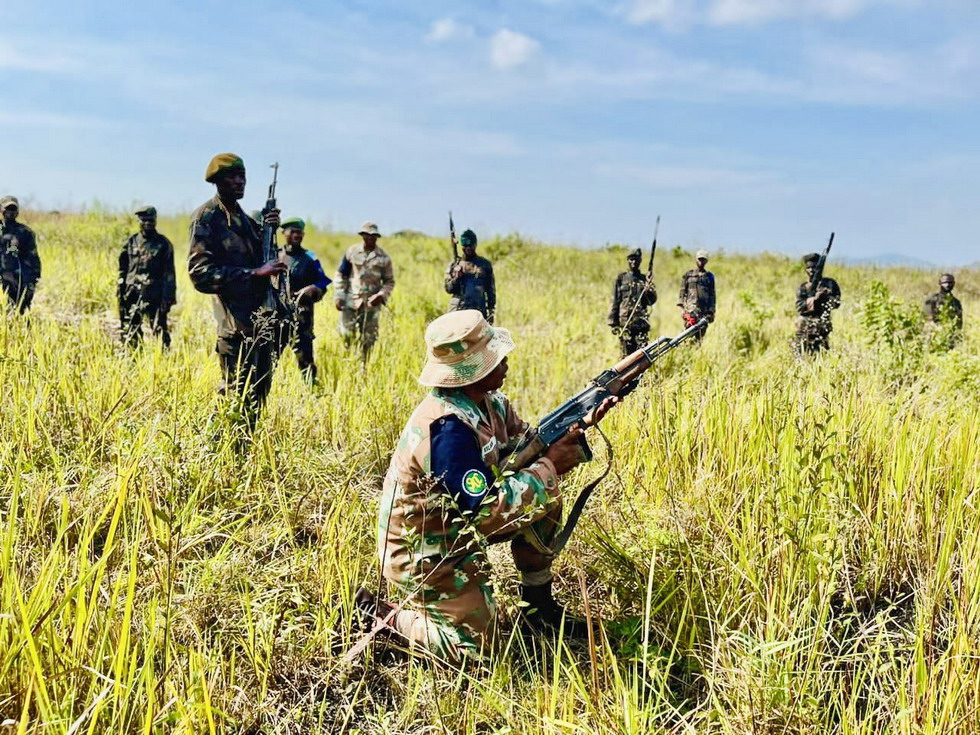
Just three days after the war began on October 1, 1990, France deployed around 300 elite troops to Rwanda under the pretext of protecting French citizens and ensuring the safety of foreign nationals. In reality, the troops had been sent to rescue Habyarimana’s regime.
This French intervention was codenamed “Operation Noroît”, and the number of soldiers was later increased to around 800, according to Michel Goya, a former French Army colonel, in his analysis “Penser les opérations. Retour sur l’opération ‘Noroît’ au Rwanda (1990-1993)”.
{{France’s long record of foreign military operations}}
The deployment of French troops to Rwanda was part of a broader pattern of foreign military interventions abroad, known in France as “Opérations Extérieures” (OPEX). These operations have stretched across continents for decades.
Before Rwanda, French troops had intervened in Kolwezi, Zaire (now DR Congo) in 1978. Other OPEX missions included Operation Atlante in 1954 in Indochina (present-day Vietnam, Laos, and Cambodia); joint NATO missions in Bosnia-Herzegovina, Kosovo, and Afghanistan during the 1990s and 2000s; and deployments in the Middle East, Iraq, and the United Arab Emirates.
Today, roughly 30,000 French soldiers serve abroad, according to France’s embassy in the United States.
{{Africa as France’s long-standing military backyard}}
Reports indicate that France has intervened militarily 31 times in Africa since 1963. France has conducted numerous military operations under OPEX, treating the continent as a traditional sphere of influence.
These include Operation Épervier in Chad (1986–2014), Operation Licorne in Côte d’Ivoire (2001), Operation Artémis in Ituri, DR Congo (2003), and Kolwezi (1978).
Later operations included Serval and Barkhane in Mali, with the latter also extending into Burkina Faso and Niger. Others, like Operation Manta in Chad, Sabre in Niger and Burkina Faso, and deployments in Mauritania, Gabon, Djibouti, Senegal, and the Central African Republic, reinforced France’s deep military footprint across Africa.
{{France’s silence on Operation Noroît }}
Despite its extensive record of military missions abroad, France does not officially list Operation Noroît among its recognized OPEX operations, nor does it like to discuss it publicly.
While addressing diplomats and representatives of international organizations working in Rwanda, together with officials from the Ministry of National Unity in 2022, the then French Ambassador to Rwanda, Antoine Anfré, noted that many people tend to focus on Operation Turquoise, which took place in June 1994 during the Genocide against teh Tutsi, while overlooking Operation Noroît of 1990.
At that time, he explained that through Operation Noroît, France had helped Habyarimana’s army repel the first offensive launched by the Rwandan Patriotic Army (RPA), an attack in which Major General Fred Rwigema was killed.
He also hinted at the possibility that French pilots might have operated the helicopters used by the Rwandan Armed Forces (FAR) during the fighting.
Referring specifically to the helicopters Habyarimana used in the battle against the RPA, Anfré remarked, “You would want to know who was actually flying them.”
France’s decision to send troops to Rwanda under the pretext of protecting civilians and facilitating humanitarian assistance, while those same soldiers went on to work directly with the FAR in combat operations, remains an embarrassment for the European nation.
The discomfort is even deeper because some of the French trainers also instructed the Interahamwe militias, who were later involved in the secution of the Genocide against the Tutsi.
{{A failed mission that ended in shame}}
Operation Noroît lasted about three years, ending in 1993 without achieving its stated goals.
The subsequent Operation Turquoise during Genocide against the Tutsi in June 1994, publicly presented as a humanitarian mission to protect civilians, also became controversial.
Instead of saving lives, French troops were accused of siding with FAR and fighting against the RPA, which was then working to stop the genocide.
Furthermore, France was implicated in aiding the escape of members of the genocidal government and shielding some from accountability, helping them flee to Zaire and even Europe.
These actions have left France with a lasting sense of shame and denial over its role in Rwanda.
As Colonel (Rtd) Michel Goya noted in his conclusion, France ultimately decided that Operation Noroît would not appear on the official list of French overseas military operations.
The Commission’s Chairperson, Providence Umurungi, attributed the decline to several key measures, including policies that encourage non-judicial conflict resolution such as mediation, the release of prisoners on provisional freedom, and plea-bargaining where suspects admit their guilt in exchange for lighter sentences.
She made the disclosure on October 15, 2025, while presenting the NCHR’s 2024/2025 annual report and the 2025/2026 action plan to members of Parliament.
Umurungi further noted that by the end of August 2025, the overcrowding rate had fallen even lower to 103.6%, showing a continuing downward trend compared to previous years.
“This year, we have observed positive changes that need to be supported. During inspections conducted in March and April, overcrowding stood at 110%, but by the time we finalized this report, it had decreased by another 7%,” she said.
The Commission carried out inspections on human rights observance in 14 prisons, rehabilitation camps for inmates serving community service, 112 RIB detention centers, 29 primary rehabilitation centers, three rehabilitation centers, nine elderly care centers, three homes from Impinganzima (hostels built for Genocide widows), and five mental health facilities.
“It’s something to appreciate,” Umurungi remarked. “The reduction is due to the renovation of some prisons, the release of many inmates, and the positive impact of mediation programs. While it’s still early, we’re seeing promising results that show such initiatives can yield strong outcomes if sustained.”
The Judiciary’s annual report also supported these findings, revealing that in 2024/2025, the number of cases resolved through mediation rose by 32%, from 2,395 in 2023/2024 to 3,166 in 2024/2025.
Similarly, cases settled through plea bargaining reached 11,846, up from 9,851 the previous year, an increase of 20%.
However, Umurungi noted that despite these improvements, challenges remain in some prisons that still operate in outdated facilities, including Bugesera, Muhanga, Ngoma, and Rusizi prisons.
She also said that specialized rooms for prisoners suffering from contagious diseases have been established in several facilities to improve healthcare conditions.
Regarding the right to health, the Commission confirmed that medical services are available in prisons and that inmates requiring advanced care are referred to hospitals as needed.
On the issue of torture, Umurungi emphasized that no cases of torture or inhumane treatment were recorded in Rwandan prisons during the 2024/2025 fiscal year.
Nevertheless, the Commission observed that some prisons, notably Huye and Rusizi, still face higher levels of overcrowding.
The Commission also inspected RIB detention facilities, where 5,927 detainees were being held, including 602 women, 211 boys, and 18 girls.
The most congested stations were Gicumbi, Kabarondo, Gacurabwenge, Nyamata, Nyagatare, Kigabiro Kirehe, Kimironko, Rusororo, Nyarubuye, and Kirehe.
Citing the UN World Meteorological Organization (WMO) Greenhouse Gas Bulletin released Wednesday, Stephane Dujarric, spokesperson for UN Secretary-General Antonio Guterres, told a daily briefing that continued emissions of CO2 from human activities and an upsurge from wildfires, as well as reduced CO2 absorption by “sinks” such as land ecosystems and the ocean, were responsible for the rising CO2 levels in the atmosphere.
According to the report, concentrations of methane and nitrous oxide, which are the second and third most important long-lived greenhouse gases related to human activities, have also risen to record levels, he said.
WMO Deputy Secretary-General Ko Barrett warned that the heat trapped by CO2 and other greenhouse gases is turbocharging the climate and leading to more extreme weather, and stressed that reducing emissions is therefore essential not just for the climate but also for economic security and community well-being, said the spokesperson.
Held under the global theme “Hand in Hand for Better Foods and a Better Future,” this year’s celebration also marks the 80th anniversary of the Food and Agriculture Organization of the United Nations (FAO), a milestone that underscores the urgency of building sustainable, inclusive, and resilient food systems to achieve Zero Hunger (SDG 2).
The celebration will be held on October 24, 2025 in Nyamagabe District, Southern Rwanda.
“As Rwanda advances toward becoming a middle-income, food-secure nation, FAO remains a trusted partner to the Government, working hand in hand to transform agriculture into a powerful driver of inclusive economic growth.
“Through the Hand-in-Hand Initiative, FAO continues to connect data, partners, and investments to ensure that no one is left behind in Rwanda’s journey toward a sustainable, resilient, and prosperous future,” said Nomathemba Mhlanga, FAO representative in Rwanda.
Rwanda has made commendable strides in improving food security and nutrition through increased productivity, expanded irrigation, and investments in market access. The Strategic Plan for Agriculture Transformation (PSTA5) positions agriculture as a cornerstone for achieving food and nutrition security.
It calls for a shift from subsistence farming to market-oriented, nutrition-sensitive, and climate-resilient agriculture. This transformation recognizes that improving dietary diversity and access to safe, nutritious foods begins in the field, with farmers empowered to produce high-value, nutrient-rich crops and livestock products.
“Through supporting smallholder farmers, home grown school meals, and investments in youth employment, we see how practical actions help communities to tackle poverty, food insecurity, and stunting, and enable them to join Rwanda’s development vision. Together, we can ensure every child has the nutrition they need to learn and thrive,” said Andrea Bagnoli, Country Director and Representative, WFP.
With the visionary leadership of Rwanda, working hand in hand, FAO, WFP, and IFAD are deepening their collective support to the government and partners to accelerate the transformation of agrifood systems. Building on complementary strengths, FAO is expanding its Hand-in-Hand Initiative to harness geospatial data, agribusiness intelligence, investment matchmaking, promoting inclusive value chains and territorial development.
WFP is promoting resilience and human capital by linking more than 130,000 smallholder farmers to markets, advocating for climate-resilient practices, advancing home-grown school feeding initiatives, and supporting shock-responsive social protection and nutrition systems.
Meanwhile, IFAD is scaling up rural finance and private-sector engagement, supporting investments in irrigation, livestock development, climate-smart productivity, post-harvest systems, and youth- and women-led enterprises.
“Transforming food systems requires bold investments and strategic partnerships,” said Dagmawi Habte-Selassie, IFAD Country Director and Representative for Rwanda. “To unlock the full potential of rural economies, we must prioritize investments that mitigate risks for all stakeholders, including the private sector. With the right incentives and a supportive policy environment, private sector can drive efficiency, scale up innovation, create decent jobs, and build resilient, sustainable value chains.”
Speaking on behalf of the Rome-Based Agencies, Dr Ozonnia Ojielo, UN Resident Coordinator, stated that, “On behalf of the Rome-Based Agencies, I wish to commend Rwanda for its unwavering commitment to achieving Zero Hunger and advancing the Sustainable Development Goals through bold and transformative action in the agriculture sector. Guided by the Strategic Plan for Agriculture Transformation (PSTA5), Rwanda continues to demonstrate exceptional leadership in building a modern, market-driven, and nutrition-sensitive agricultural system.
“The United Nations, through its Rome-Based Agencies, stands firmly with the Government of Rwanda in driving climate adaptation, empowering youth and women in agrifood systems, and advancing national nutrition outcomes. Together with all partners, we are determined to sustain the momentum toward realizing Rwanda’s vision of an inclusive, resilient, and prosperous agricultural transformation”
Rome-based agencies are aligning their efforts to deliver a tangible impact, empowering rural communities, driving sustainable growth, and ensuring that no one is left behind in the journey toward Zero Hunger.
The Rome-based agencies urge all stakeholders, including development partners, civil society, the private sector, and communities, to collaborate for a food-secure future where every Rwandan has access to safe, nutritious, and affordable food.
{{About FAO}}
The Food and Agriculture Organization (FAO) is a United Nations specialized agency that leads international efforts to end hunger, improve nutrition, and achieve food security.
Founded in 1945, it is an intergovernmental organization with 194 member countries and the European Union, and its headquarters are in Rome, Italy.
FAO’s work includes providing technical assistance to governments, coordinating activities to improve agriculture, forestry, and fisheries, and intervening in humanitarian emergencies to rehabilitate agricultural systems.
{{About WFP}}
The United Nations World Food Programme is the world’s largest humanitarian organization, saving lives in emergencies and using food assistance to build a pathway to peace, stability, and prosperity for people recovering from conflict, disasters, and the impacts of climate change.
{{About IFAD}}
IFAD is an international financial institution, and a United Nations specialized agency. Based in Rome – the United Nations food and agriculture hub – IFAD invests in rural people, empowering them to reduce poverty, increase food security, improve nutrition, and strengthen resilience.
Since 1978, IFAD has provided more than US$25 billion in grants and low-interest loans to fund projects in developing countries.
In his remarks to the UN General Assembly on the UN80 Initiative, Guterres said: “Now is the time for bold, systemic change, building on the Humanitarian Reset: to deliver faster, at lower cost and with greater reliability to the millions of people whose lives depend on us in moments of crisis.”
With this goal in mind, the UN chief said, the United Nations has established a New Humanitarian Compact between UN humanitarian agencies — a six-point blueprint to deliver better, restore trust in multilateral action and maximize the impact of every dollar.
“The Compact will bring the UN system together in a new Collaborative Humanitarian Diplomacy Initiative — fostering coordinated negotiation and unified messaging, so that we speak and act as one for those in greatest need,” he said.
Guterres highlighted the measures to be taken, including cutting coordination bureaucracy by simplifying humanitarian response plans, meetings and structures; integrating the supply chains of the principal humanitarian agencies, enabling more cost-effective procurement, pooled freight and shared logistics at global and country levels; and proposing to scale up the use of common services, from office space to fleets and security arrangements.
“Everything that is specific of the activity of an agency should be developed by the agency, but everything that is common should be done together with a larger increase of efficiency and a meaningful reduction of costs,” he said.
Guterres added that the United Nations will strengthen its joint capacities to leverage data for faster, earlier, more targeted and dignified action, and align responsibilities to reduce programmatic overlaps in the fields of food, mobility, beneficiary data, health and nutrition.
In his speech, Guterres also said that to implement the UN80 Initiative, the United Nations has identified targeted efficiencies and cost reductions of over 15 percent in the proposed 2026 regular budget, and about 19 percent in posts. “The purpose is clear: to reduce duplication, strengthen quality and safeguard mandate delivery while responding to Member States’ call for greater efficiency.”
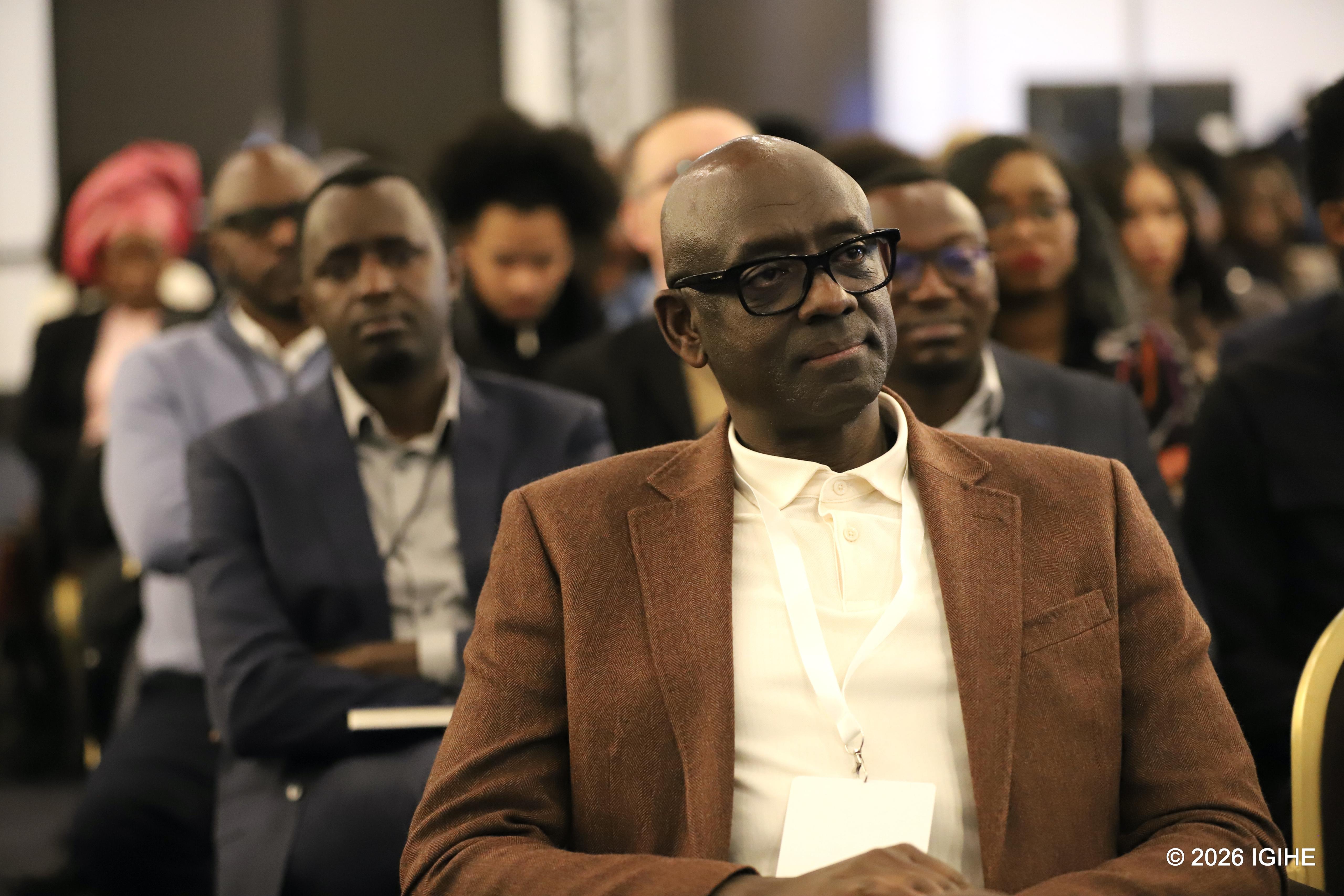
The United Nations has appealed for more than 45.3 billion U.S. dollars for its global humanitarian needs in 2025, but only 21 percent, or 9.6 billion dollars, had been received as of the end of September, a staggering decrease of over 40 percent compared to the same time last year, a UN spokesperson said Tuesday.
This represents a 22.5 percent increase compared to the previous year. Together, they account for 67.4 percent of all regulated financial assets, meaning the banking sector controls roughly two-thirds of the country’s financial system and remains central to Rwanda’s financial stability and growth.
At the core of this expansion are Rwanda’s nine commercial banks: I&M Bank Rwanda Plc, Bank of Kigali Plc, BPR Bank Rwanda Plc, GT Bank Plc, Ecobank Rwanda Plc, Access Bank Rwanda Plc, Equity Bank Rwanda Plc, BOA Rwanda Plc, and NCBA Rwanda Plc. Combined, they manage assets valued at Frw 7.7 trillion.
Their growth has been driven by strong lending activity and solid deposit mobilisation, reflecting a buoyant domestic economy. Customer deposits rose by 27.7 percent to Frw 6.1 trillion, providing a stable funding base for lending. Using these funds, banks expanded their net loans to customers by 17.8 percent, reaching Frw 4.8 trillion.
This sustained credit flow is supporting households and businesses in key sectors such as construction, trade, manufacturing, transport, and hospitality, helping to fuel economic activity across the country.
Rwanda’s banks have also strengthened their financial foundations. Liquidity positions improved significantly, with cash holdings up by 48.1 percent, balances in other banks rising by 39.8 percent, and reserves at the National Bank of Rwanda increasing by 30.4 percent. These indicators point to improved resilience and the ability to withstand potential financial shocks.
The sector’s capital position is also stronger. Total shareholders’ funds rose by 36.1 percent to FRW 1.8 trillion, driven by a 73.1 percent increase in reserves and a 21.6 percent rise in profits, which reached Frw 161 billion. This capital growth enhances lending capacity and provides an important buffer against possible economic disruptions.
While commercial banks dominate in size, specialised institutions continue to play a critical role. The Cooperative Bank, ZIGAMA CSS, manages Frw 1.1 trillion in assets and supports community-based financial services.
The Rwanda Development Bank (BRD) also expanded its balance sheet to Frw 902.6 billion as it focuses on financing large-scale and long-term investment projects. Together, these institutions complement the commercial banks’ activities and contribute to a more inclusive financial ecosystem.
{{Lower borrowing costs boost credit
}}
The banking sector is also benefiting from improved monetary conditions. Following recent reductions in the Central Bank Rate, the weighted average lending rate dropped by 37 basis points to 15.93 percent, making credit more affordable for businesses and households. This has encouraged borrowing and stimulated investment across multiple sectors.
Rwanda’s banking industry is therefore not only expanding in size but also building greater financial strength. With strong deposit growth, rising loan portfolios, and a solid capital base, the sector is well-positioned to support the country’s ongoing economic transformation. These 11 institutions are shaping Rwanda’s financial landscape and powering its ambition for sustained and inclusive growth.