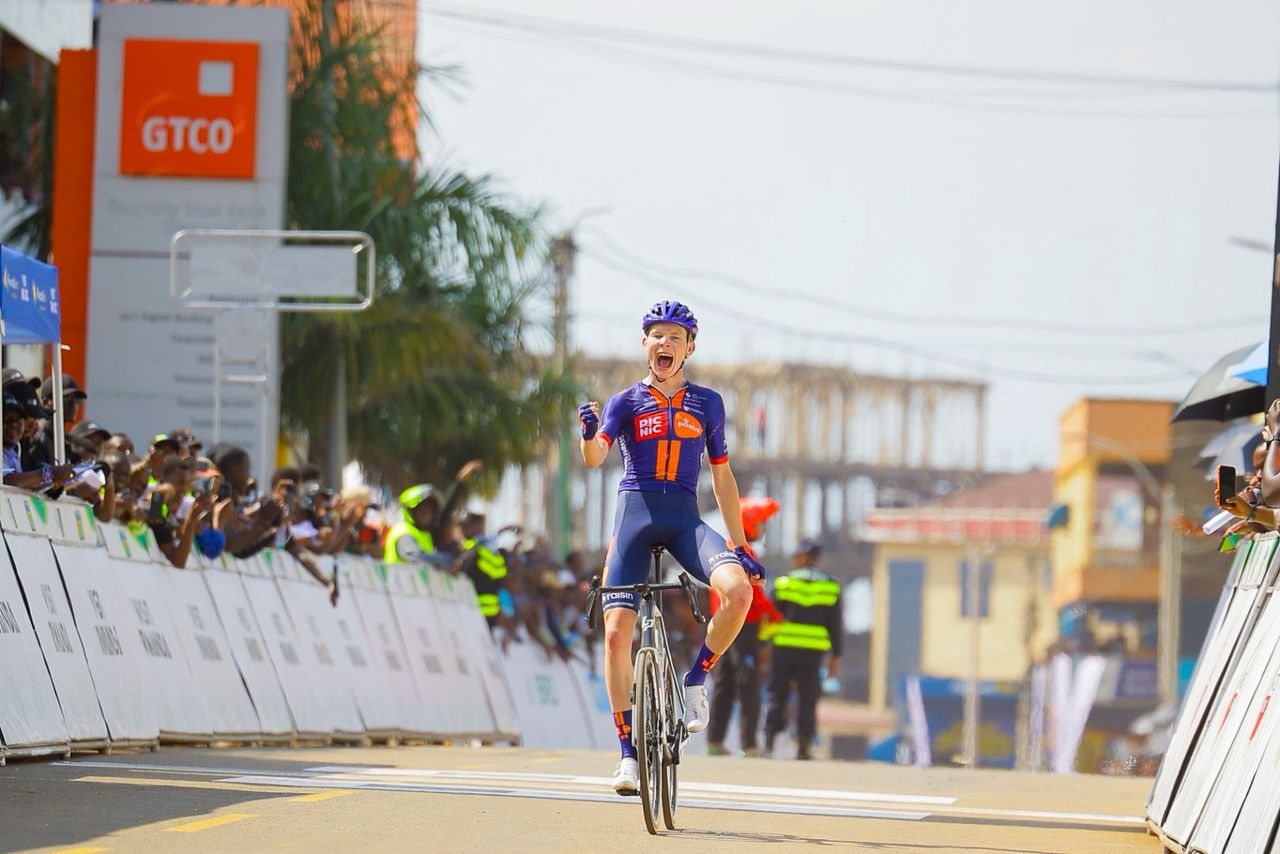
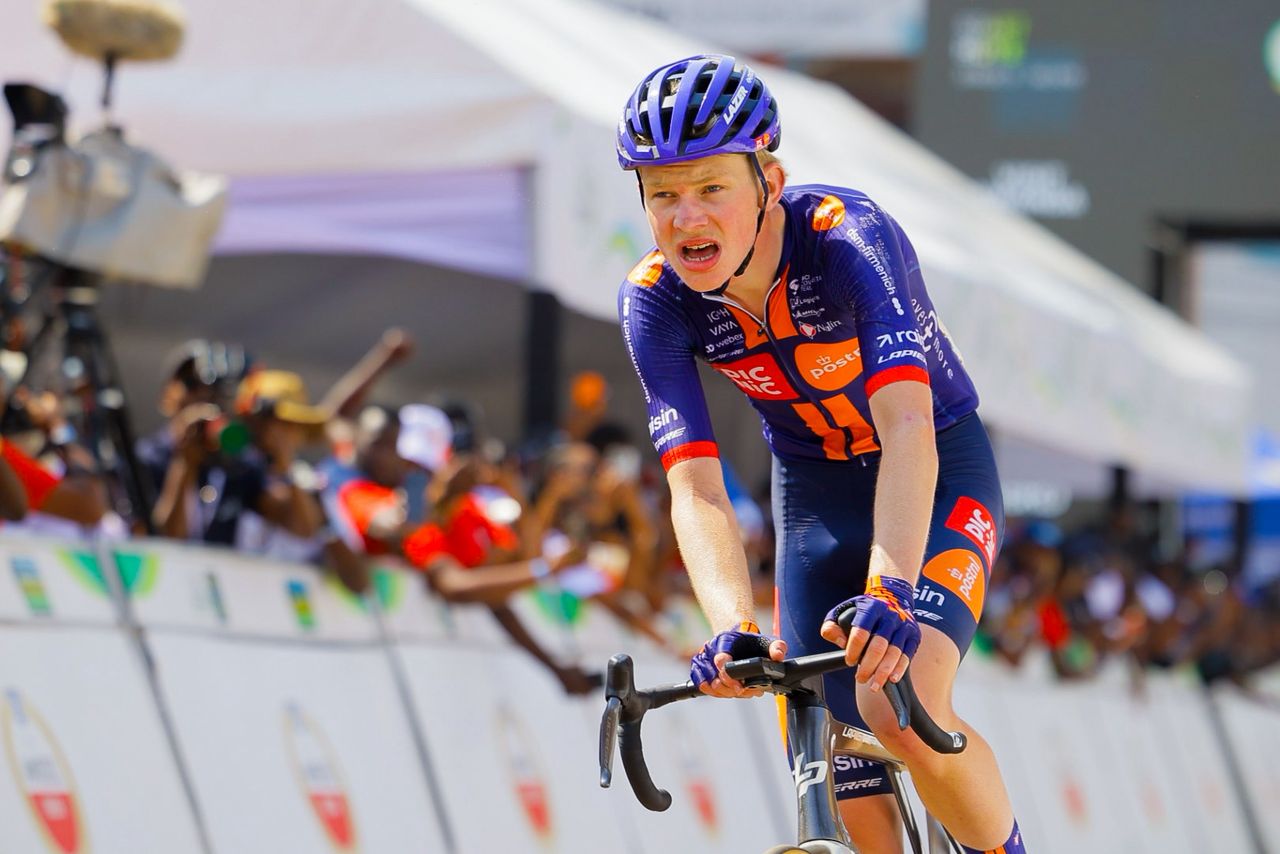
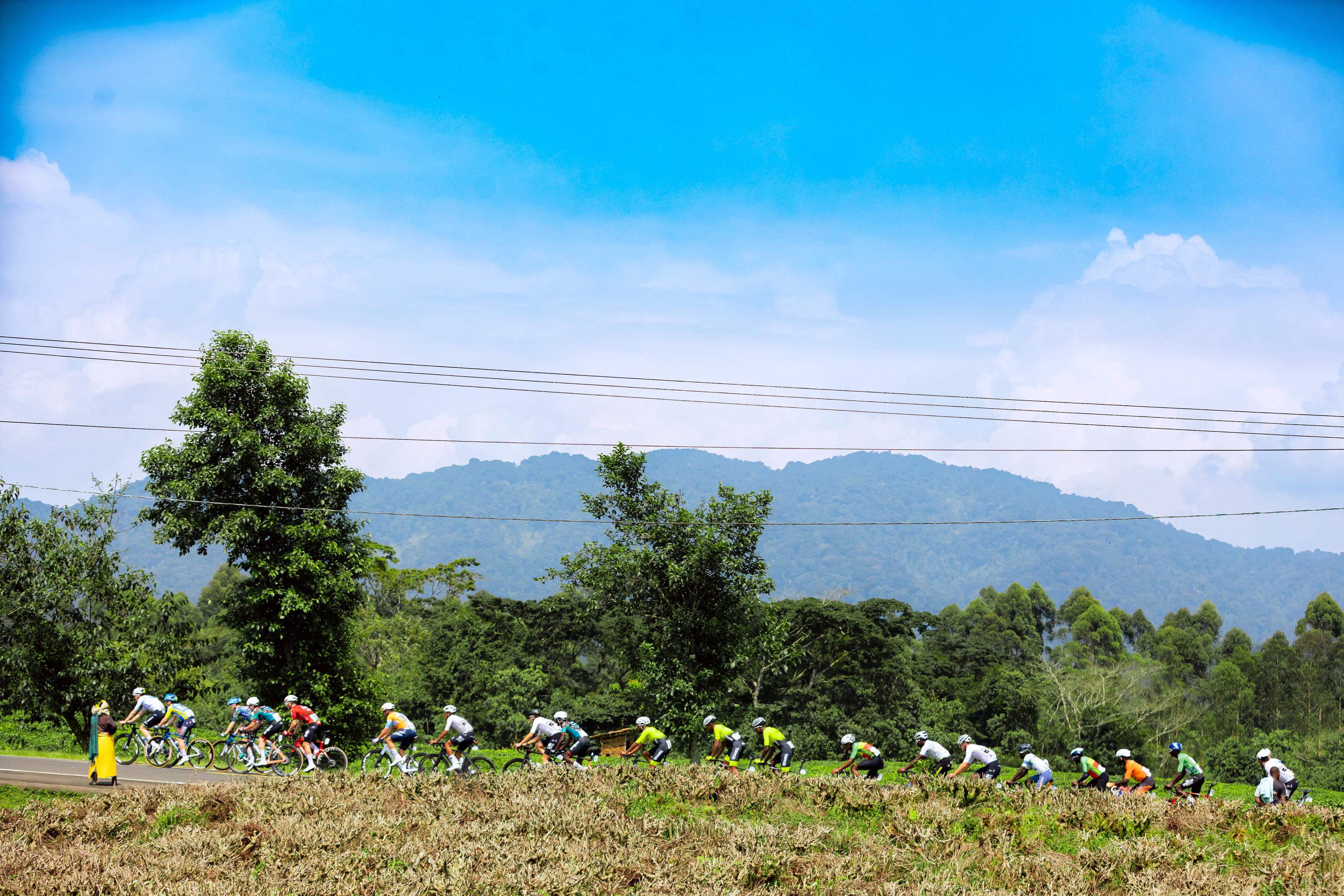
The 20-year-old, who also won a yellow jersey, made his decisive move with just three kilometers remaining, breaking clear from the peloton and holding off the chasing riders to cross the line solo. At the 1 km mark, he had a lead of 45 seconds, which had slightly narrowed to 35 seconds, while Pau Marti, in the yellow jersey, struggled to maintain pace in the chasing group.
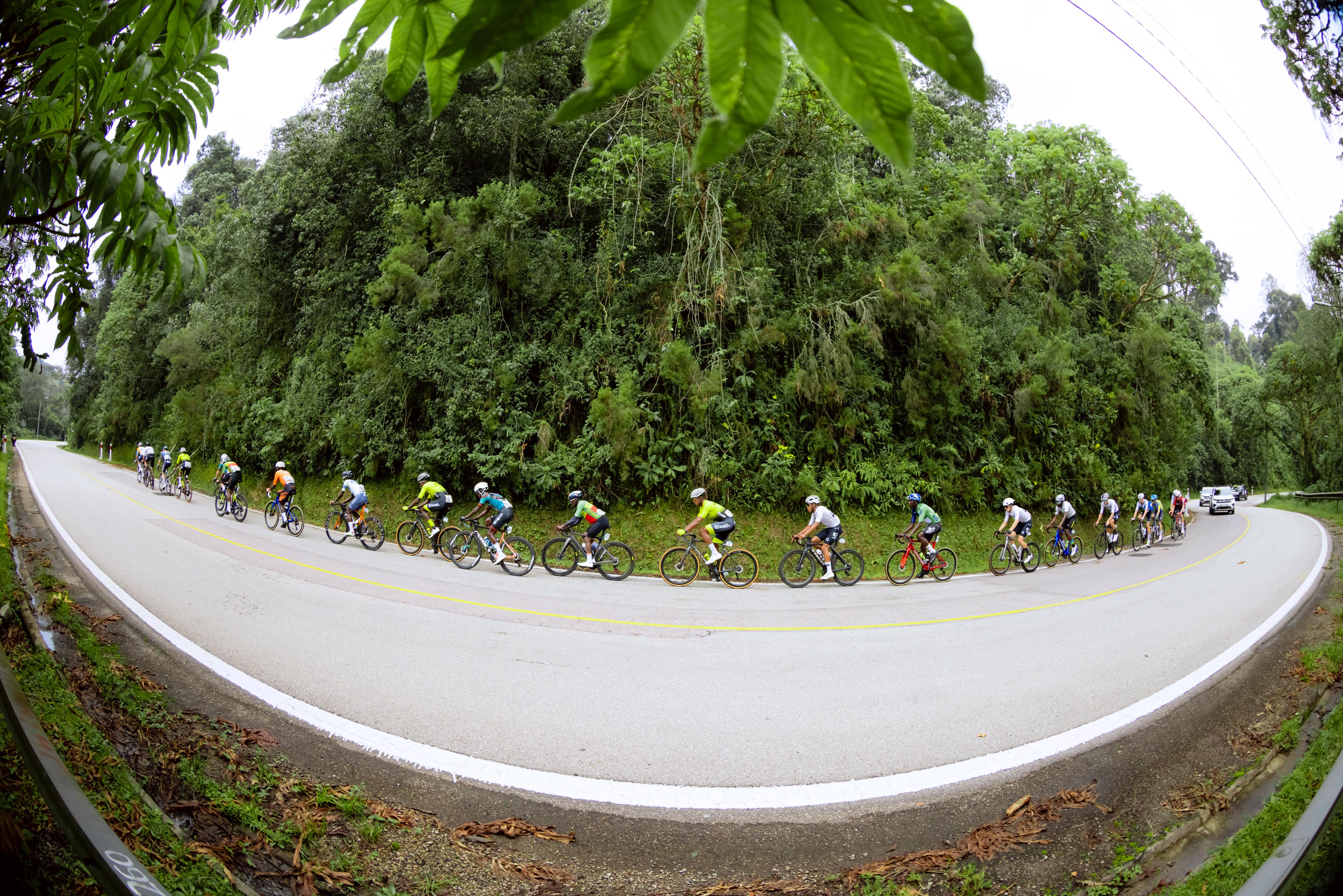
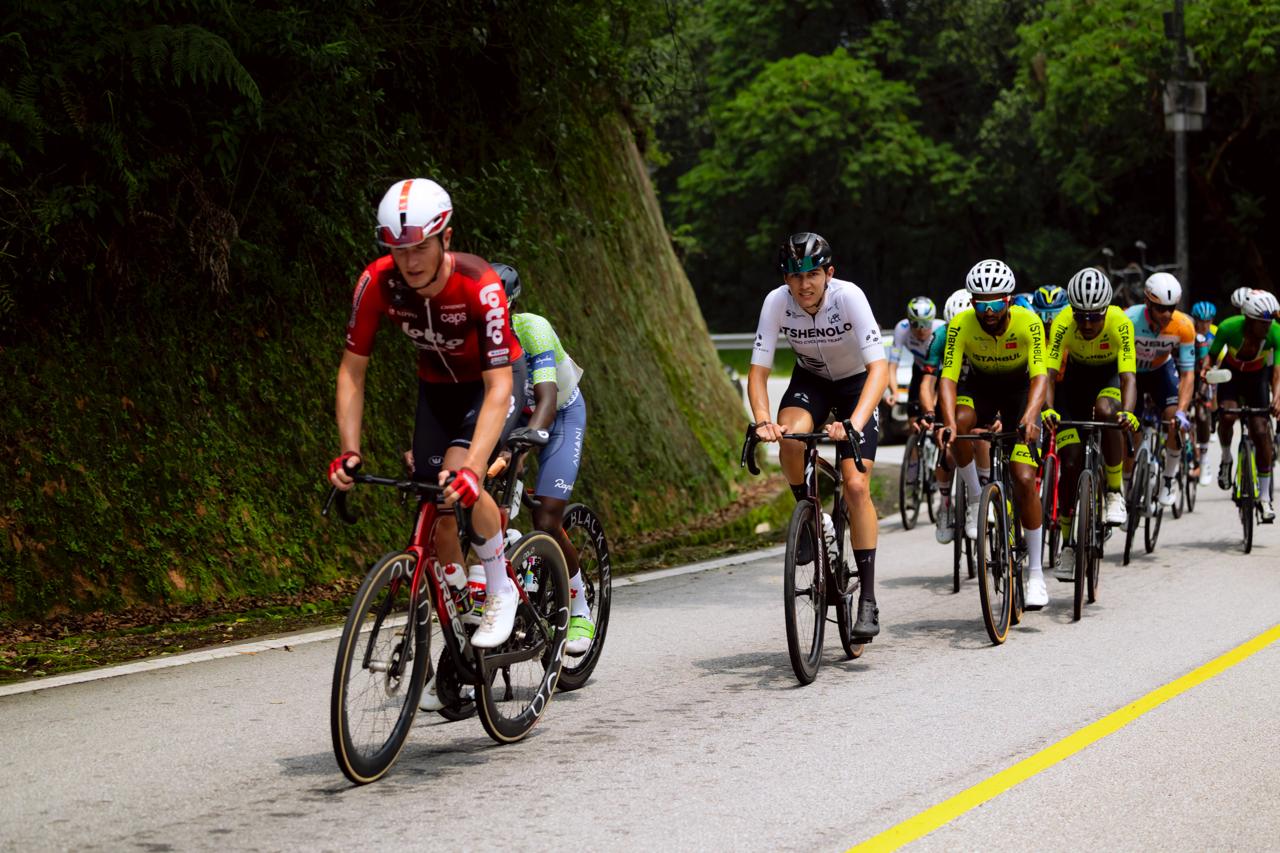
Earlier in the stage, the front group of 12 riders had established a 50-second gap over the peloton, featuring riders such as Ribeiro, Mulugeta, Mulubrhan, Aman, Vanhuffel, and Marti. Zomermaand also claimed the final climbing points at Bushenge Hill (km 127), edging past Mulubrhan and Vanhuffel. Solo breakaway attempts by Eritrea’s Nahom Araya earlier in the stage added drama, but the chasing group gradually reeled him back, including Duarte Marivoet of Lotto – Groupe Wanty.
Rwanda’s top rider
Rwanda’s own Samuel Niyonkuru of Team Amani finished 10th, emerging as the highest-placed Rwandan on Stage 3. Tackling the hilly 145 km course with determination, Niyonkuru stayed with the leading group for most of the stage, fending off the chasing pack to secure a top-ten finish.
Stage 3 Results (Elite – Top 10)
Jurgen Zomermaand (Development Team Picnic PostNL) – 3:44:53
Lucas Van Gils (Lotto – Groupe Wanty) – +20.36s
Matteo Vanhuffel (Development Team Picnic PostNL) – +20.50s
Jose Said Cisneros Diaz De Leon (Soudal Quick-Step Devo Team) – +28.22s
Yafiet Mulugeta (Eritrea) – +28.43s
Henrique Da Silva Avancini (Localiza Meoo / Swift Pro Cycling) – +28.93s
Oliver Mattheis (Bike Aid) – +29.09s
Awet Aman (Istanbul Team) – +29.27s
Samuel Niyonkuru (Team Amani) – +43.81s
The race continues on Wednesday, February 25, with Stage 4 starting in Karongi at 12:00 and concluding in Rubavu over a 127.2 km route.
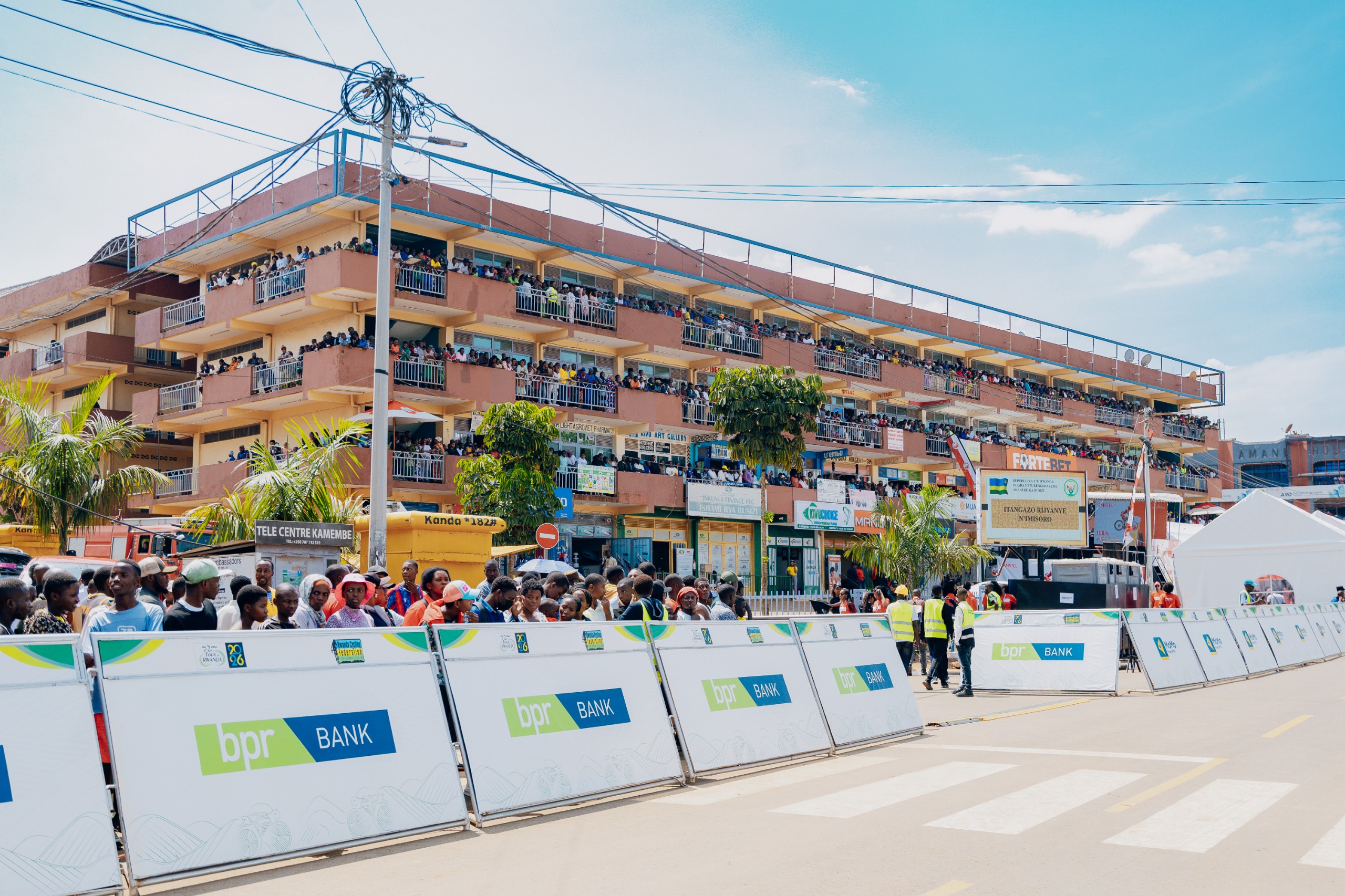
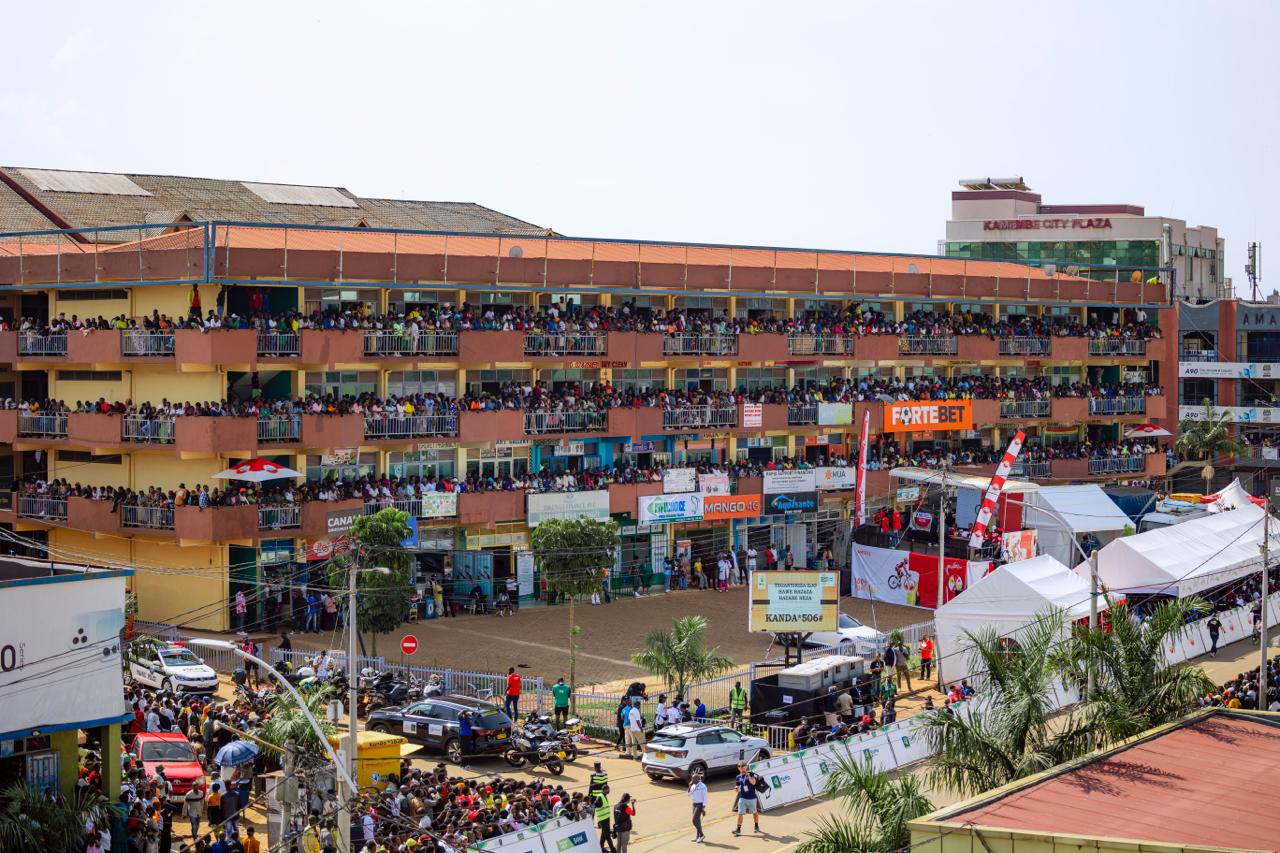
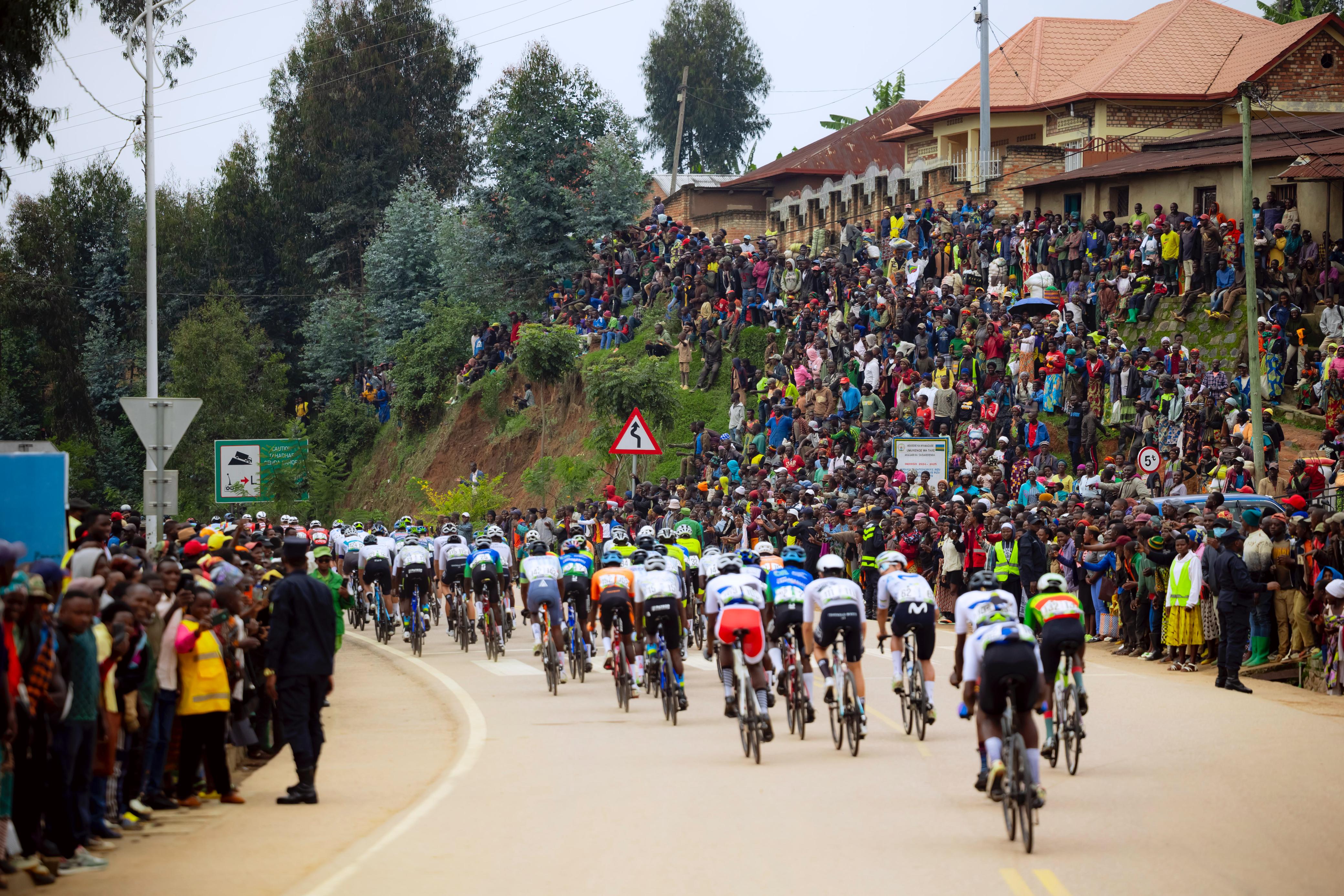
Zomermaand made his decisive move with just three kilometers remaining, breaking clear from the peloton and holding off the chasing riders to cross the line solo.Locals turned up along the road and on top of their buildings to witness the race.Stage 3 of the Tour du Rwanda stretched from Huye to Rusizi, covering 145.3 km of challenging terrain.
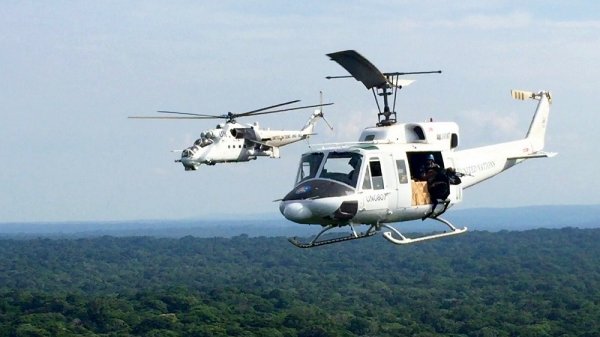
In a statement released on Tuesday, MONUSCO said the assessment mission, running from February 23 to 27, follows consultations with Democratic Republic of the Congo President Félix Tshisekedi, who also serves as chairperson of the ICGLR.
The statement noted that the deployment is a preparatory step toward operationalising the agreed ceasefire architecture. The team is evaluating access, security, logistics, and engagement requirements to ensure that future monitoring and verification efforts are credible, safe, and operationally feasible.
The initiative comes amid sustained diplomatic efforts to stabilise eastern DRC. In October 2025, the DRC government and the AFC/M23 rebel alliance signed the Doha Framework for Comprehensive Peace Agreement in Doha, establishing a joint monitoring and verification mechanism to investigate and prevent ceasefire violations. Observers from the United States, the African Union and Qatar are also part of that mechanism.
MONUSCO recalled that under UN Security Council Resolution 2808 (2025), the mission is authorised to support the implementation of a permanent ceasefire. This includes backing the Ceasefire Oversight and Verification Mechanism as well as the Expanded Joint Verification Mechanism Plus (EJVM+), created following the Doha agreement.
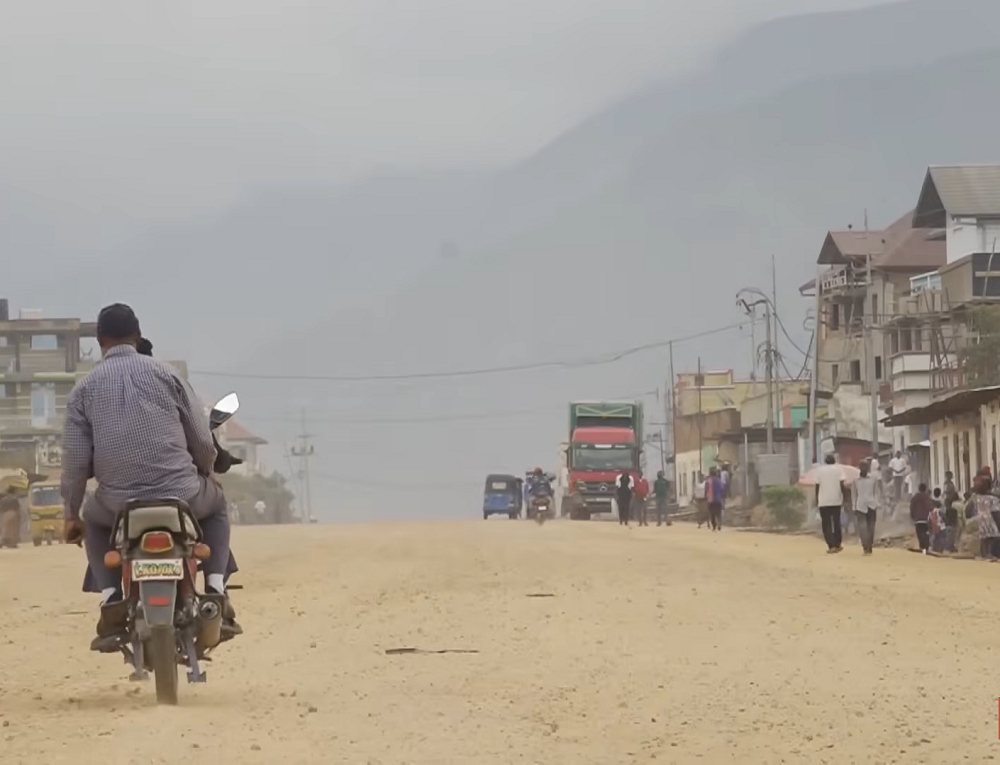
During their stay in and around Uvira, the joint team will assess political, security, logistical and socio-environmental conditions to inform comprehensive planning for a future deployment.
“Effective ceasefire monitoring is intended to reduce violence and create the necessary space for a durable political solution,” said Vivian van de Perre, Special Representative of the UN Secretary-General in the DRC and Head of MONUSCO ad interim.
She noted that, unlike in North Kivu and Ituri, MONUSCO’s mandate in South Kivu is limited to ceasefire monitoring and does not include Protection of Civilians responsibilities under Resolution 2808 (2025).
The mission emphasised that the current deployment is exploratory in nature. The scale and configuration of any subsequent ceasefire monitoring presence will depend on agreed parameters, security guarantees and operational requirements.
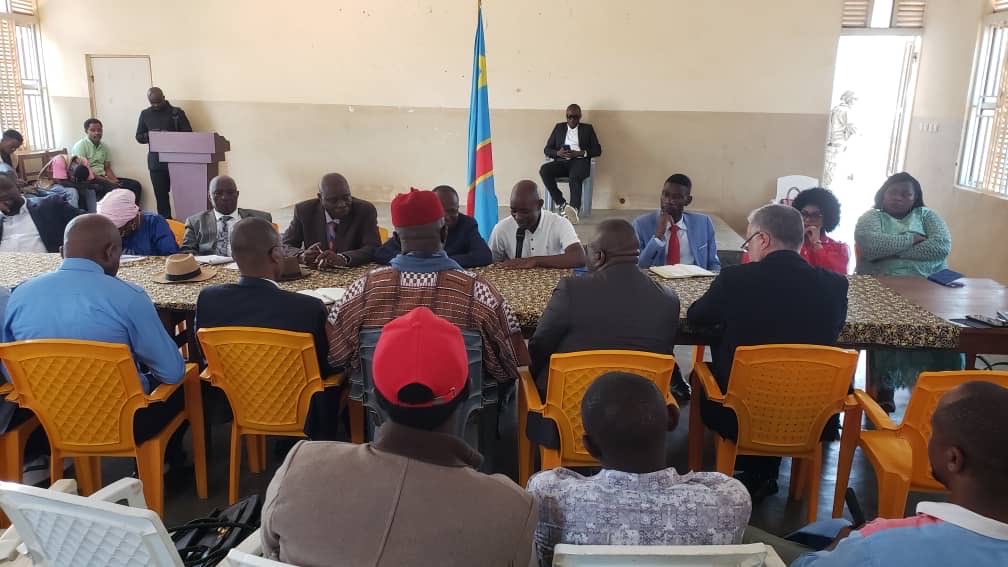
ICGLR Executive Secretary Dr. Mbita Luwabeha said regional cooperation remains key to lasting stability. “The Great Lakes region has vast potential for peace and prosperity. By uniting and cooperating, we can tackle challenges and create a brighter future for everyone,” he said.
Repeated ceasefire violations and ongoing hostilities have hampered efforts to stabilise the region, and it remains to be seen if the latest attempt to implement a lasting truce will succeed.
During their stay in and around Uvira, the joint team will assess political, security, logistical and socio-environmental conditions to inform comprehensive planning for a future deployment. The assessment mission runs from February 23 to 27.The team is evaluating access, security, logistics, and engagement requirements to ensure that future monitoring and verification efforts are credible, safe, and operationally feasible.
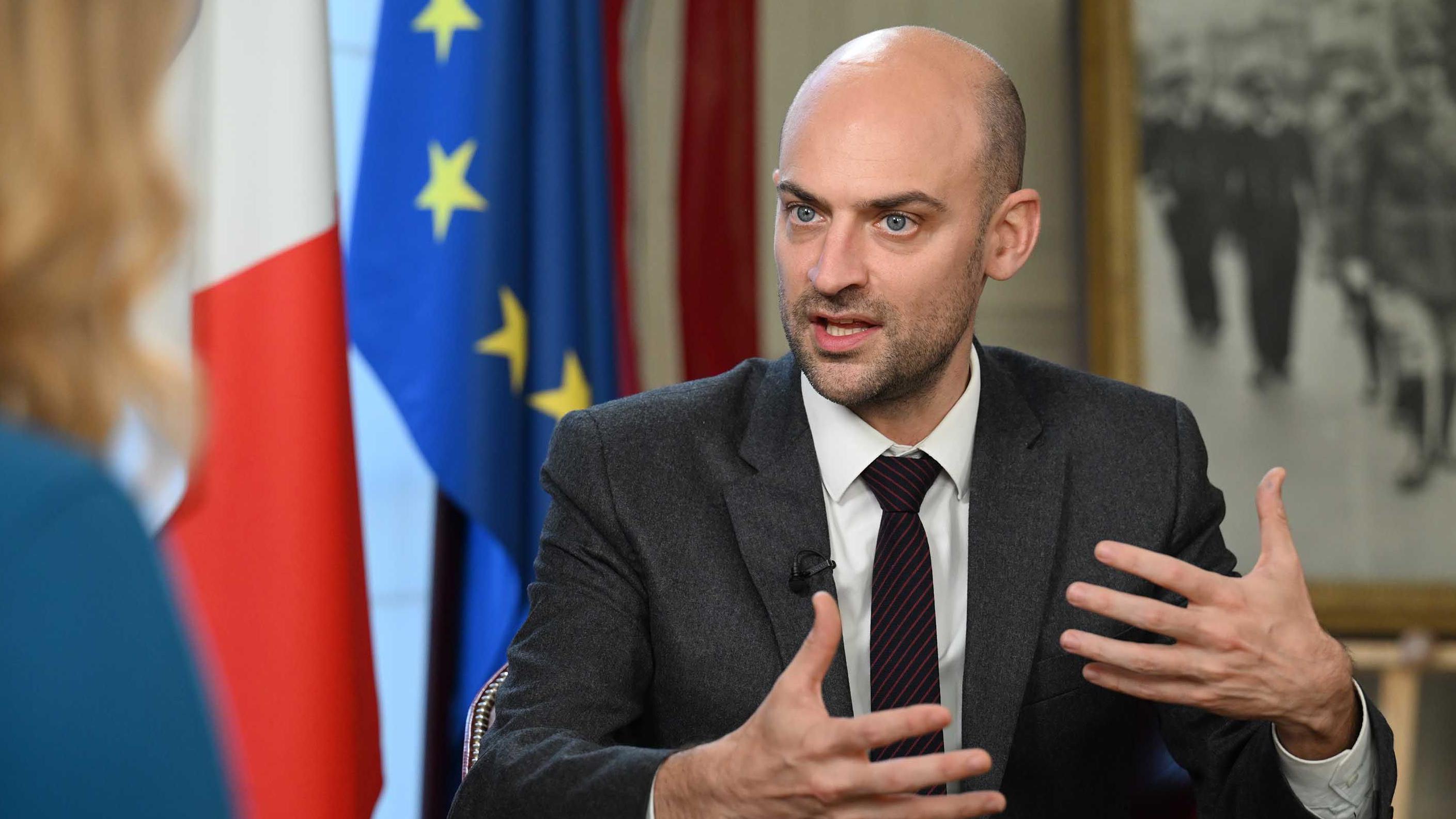
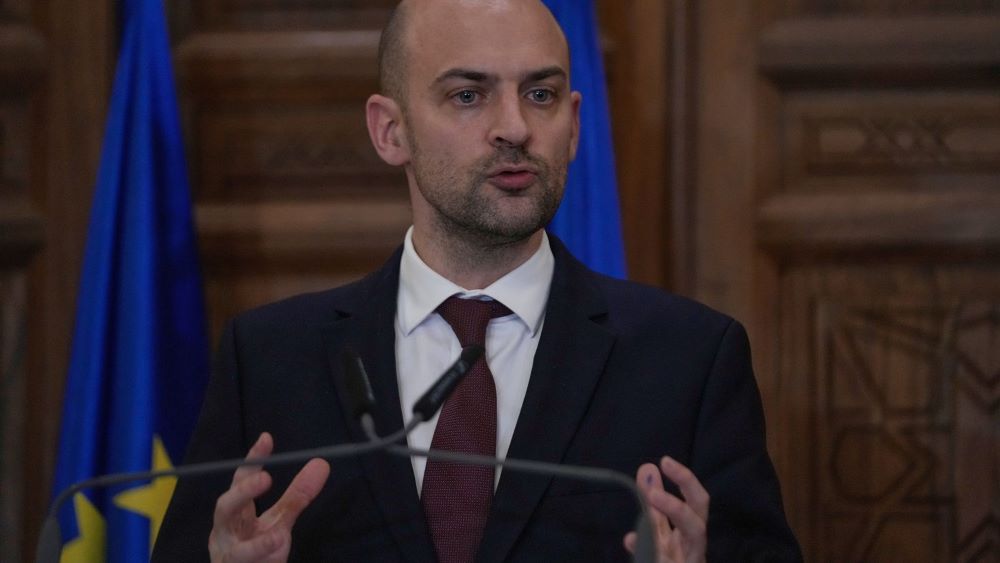
French Foreign Minister Jean-Noel Barrot on Tuesday voiced unsatisfaction after U.S. Ambassador to France Charles Kushner failed to attend a summons by the French Foreign Ministry, saying diplomatic representatives must respect established protocol.
Speaking to French media France Info, Barrot said that when one has the honor of representing one’s country in France, one need to respect diplomatic customs and responds to summonses from the foreign ministry.
Barrot described the ambassador’s absence “a surprise,” pointing to Kushner’s “personal responsibility” in the matter. He noted that summoning an ambassador when explanations are required is a routine diplomatic practice.
“This in no way affects the relationship between France and the United States,” Barrot said. “However, it will naturally affect his ability to carry out his mission in our country.”
The French minister reiterated that France does not accept foreign interference in its domestic political debate and said the purpose of the summons was to seek clarification.
The summons followed statements by the U.S. embassy on social media about the death of Quentin Deranque, a French far-right activist, which French authorities viewed as inappropriate.
On Friday, the U.S. Embassy said on X account that “violent left-wing extremism is on the rise, and its role in Quentin Deranque’s death demonstrates the threat it poses to public safety.”
On Monday, France restricted Kushner’s access to senior government officials after he failed to attend a summons from the French Foreign Ministry.
According to French media reports, Deranque was seriously injured during a clash between rival radical groups at a conference in Lyon on Feb. 12. The event was organized by a member of the hard-left party La France Insoumise (LFI). Deranque later died from his injuries.
French Foreign Minister Jean-Noel Barrot on Tuesday voiced unsatisfaction after U.S. Ambassador to France Charles Kushner failed to attend a summons by the French Foreign Ministry
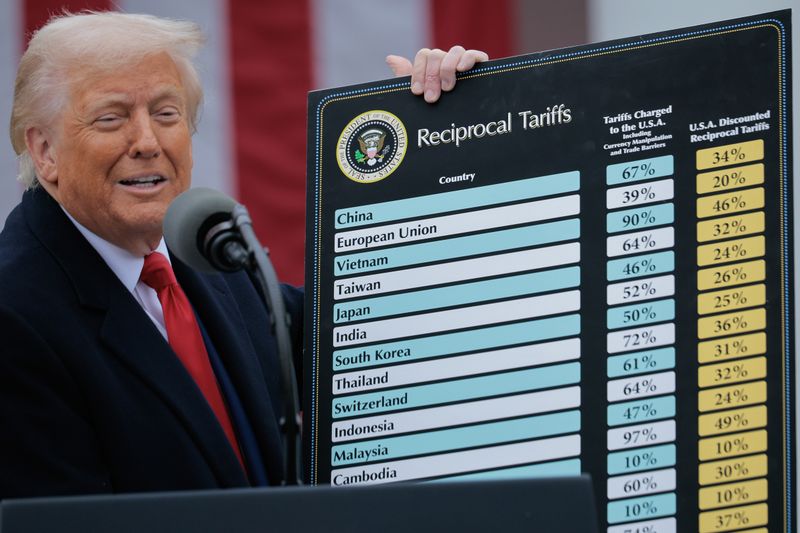
The latest guidance involves additional ad valorem duties covered by seven executive orders signed from Feb. 1, 2025 to Aug. 6, 2025, according to a bulletin issued by the U.S. CBP on Feb. 22.
The U.S. Supreme Court ruled last Friday that U.S. President Donald Trump’s sweeping tariffs under IEEPA meant for use in national emergencies were illegal, officially striking down the global tariffs introduced since April.
“In light of recent events, the additional ad valorem duties imposed pursuant to IEEPA shall no longer be in effect and, as soon as practicable, shall no longer be collected,” the executive order said.
Trump authorized all executive departments and agencies to immediately take appropriate steps to terminate the collection of the additional ad valorem duties imposed under the IEEPA.
CBP has collected as much as 175 billion U.S. dollars in duties pursuant to the IEEPA, according to an estimate by Penn-Wharton Budget Model.
Meanwhile, the Trump administration is scheduled to impose an additional 15 percent tariff on imported goods from all countries starting Tuesday, according to a White House proclamation and one of Trump’s social media posts on Saturday.
Section 122 of the Trade Act of 1974 allows the president to impose duties of up to 15 percent for up to 150 days on any and all countries to address “large and serious” balance of payments issues. After 150 days, Congress would need to approve their extension.
The pilot, co-pilot and two vendors were killed when the aircraft struck a market stall at 9:09 a.m. local time (0539 GMT), said the report.
Four ambulances were immediately dispatched to the scene, Fars quoted Ali Nasiri, head of the provincial emergency medical services organization, as saying.
Mansour Shishehforoush, director general of Isfahan’s crisis management department, told the official news agency IRNA that a technical failure caused the incident.
“This is a setback and a message we did not want to send today, but the work continues,” Kallas told a news conference after talks in Brussels, adding that she also decided to cap the size of the Russian Mission in the EU at 40 people.
Hungarian Minister of Foreign Affairs and Trade Peter Szijjarto said on Monday that Budapest has made clear in the meeting that it will not support or approve the planned sanctions package, and will also block an EU proposal to provide Ukraine with a 90-billion-euro (106-billion-U.S. dollar) loan.
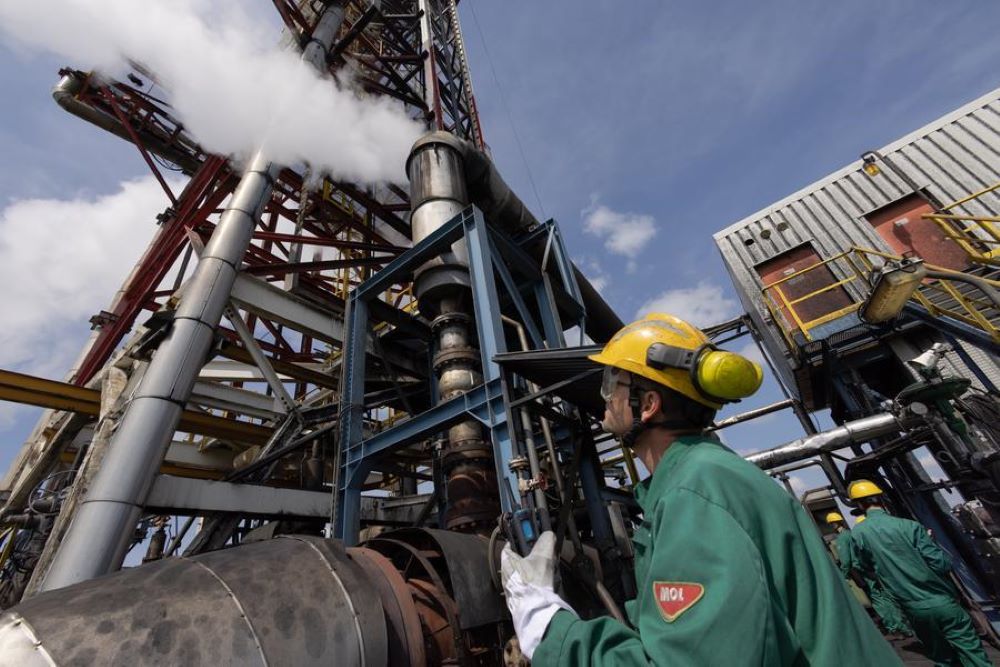
Szijjarto said Hungary will not support any EU decision that benefits Ukraine as long as Kyiv continues to halt oil deliveries to Hungary via the Druzhba pipeline.
The Druzhba pipeline, which transports Russian oil to Central Europe via Ukraine, has faced repeated disruptions since last year amid the ongoing conflict between Russia and Ukraine. Hungary has stated that although there are currently “no practical or technical obstacles,” Ukraine has decided not to restart crude deliveries.
The ICC said the hearing will last four days. During Monday’s session, the Prosecution, the Defence, and the Legal Representatives of Victims delivered oral submissions, outlining their arguments on whether the case should proceed to trial.
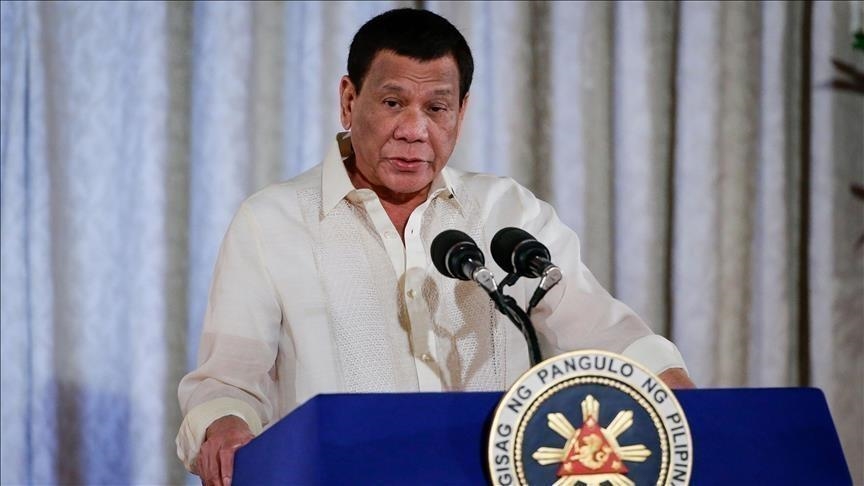
Duterte faces three counts of crimes against humanity. The purpose of the hearing is to determine whether there is sufficient evidence to establish substantial grounds to believe that he committed the crimes charged. If one or more charges are confirmed, the case will be transferred to a Trial Chamber for the next phase of proceedings. The court is expected to issue its decision within 60 days after the conclusion of the hearing.
The 80-year-old Duterte did not attend the hearing in The Hague. Although the judges found him fit to participate in the proceedings, they separately granted a defence request to excuse his personal attendance at the hearing.
Earlier, his legal team had requested an indefinite adjournment of proceedings, including the confirmation hearing, arguing that he was unfit to participate. In response, ICC Pre-Trial Chamber I appointed three independent medical experts to examine his condition and received their reports on Dec. 5, 2025. On Jan. 26, 2026, the Chamber concluded that, based on the medical assessments, Duterte “is able to exercise his procedural rights and is therefore fit to take part in the pre-trial proceedings.”
Duterte served as president of the Philippines from 2016 to 2022. He was arrested and transferred to ICC custody in March 2025 under a warrant linked to his controversial anti-drug campaign, a move he has challenged. His initial appearance before ICC Pre-Trial Chamber I took place on March 14, 2025, and on Nov. 28, 2025, the court rejected an appeal seeking his release on grounds of age and declining health.
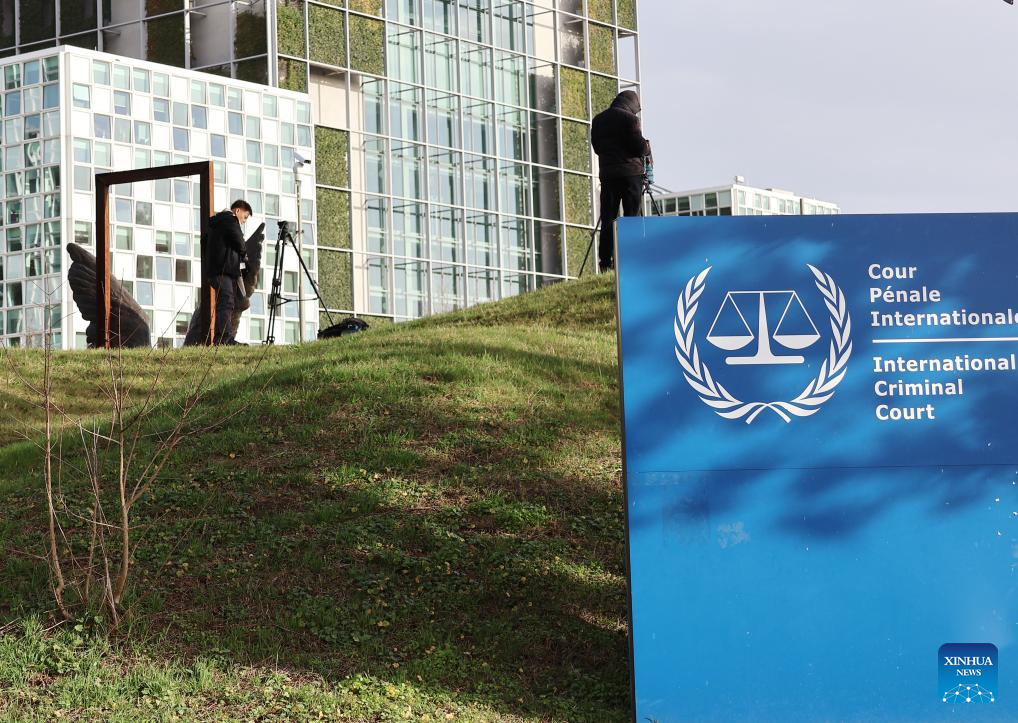
Cameramen work outside of the International Criminal Court in The Hague, the Netherlands, on Feb. 23, 2026.
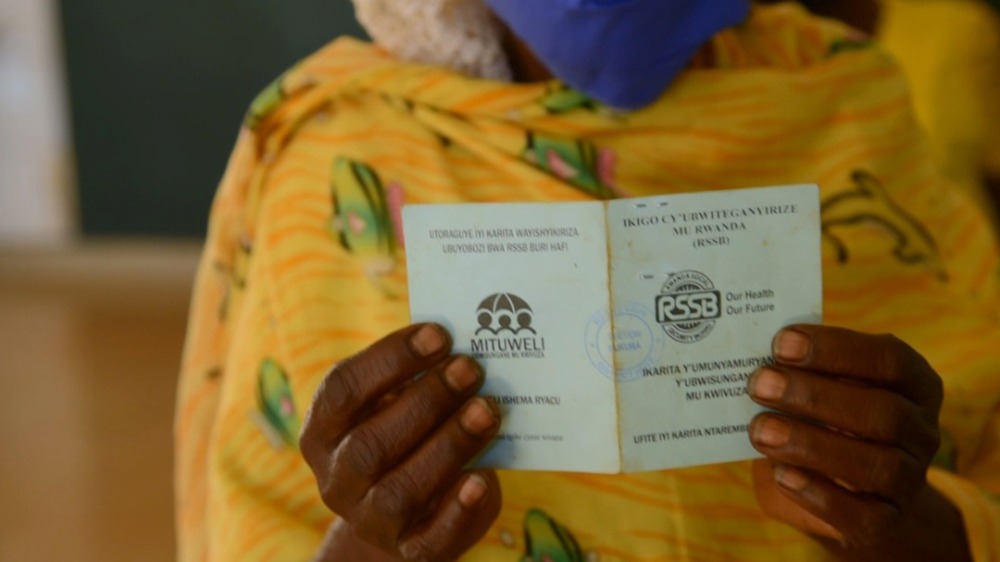
Under the revised structure, individuals in the first level are required to contribute Rwf4,000 annually, an amount fully covered by the Government. Those in the second level of social registry pay Rwf3,000 per year, supplemented by a Rwf1,000 government contribution. Members in the third, fourth and fifth categories contribute Rwf 5,000, Rwf8,000 and Rwf20,000 respectively per person per year.
The Order also maintains a co-payment system for services received through Mutuelle de Santé. Beneficiaries pay Rwf200 when receiving care at health centers and primary clinics, and 10 percent of treatment costs at hospital level. However, individuals classified as indigent are exempt from these co-payments.
The Prime Minister’s Order issued on February 16, broadens the range of contributors supporting the scheme. Banking institutions and general insurance providers have now joined the list of entities required to support Mutuelle de Santé financially. The order, published on February 23, 2026, had earlier been reviewed and approved by Cabinet on January 17, 2025.
The order confirms that funding for the scheme comes from multiple sources, including the Government, employees in both public and private sectors, health insurers, telecommunications companies, petrol and gas oil trade companies, general insurance providers and banks. Direct government support amounts to Rwf 6 billion annually from the national budget, in addition to targeted subsidies for people in the first and second levels of the social registry.
Further public contributions are drawn from a range of regulatory and service-related revenues. Half of the fees collected for the registration of pharmaceutical products, medical devices and food products are channeled into the scheme through the Rwanda Food and Drugs Authority.
Revenue from vehicle mechanisation inspection and a share of traffic fines collected by the Rwanda National Police also support the system, alongside penalties imposed on traders dealing in substandard goods. Additional funding is generated through parking fees collected by the City of Kigali, a share of tourism revenue, and charges applied to vehicle and motorcycle ownership transfers.
Employee participation remains a central component of the financing model. Workers in both public and private sectors contribute 0.5 percent of their net salary, which employers deduct and remit monthly to the Mutuelle de Santé fund.
Health insurance providers operating in Rwanda contribute five percent of their annual premiums, while telecommunications companies provide three percent of their yearly turnover. General insurance companies contribute five percent of annual pre-tax profits, and banking institutions contribute two percent of their annual profit before tax.
Institutions are required to transfer their contributions within 30 days following the close of their financial year. Where audits reveal underpayment, the concerned entity must settle the outstanding amount and may face an administrative fine equivalent to 200 percent of the unpaid contribution.
Together, the revised contribution levels and expanded funding base are intended to strengthen the sustainability of Rwanda’s community-based health insurance system.
Rwanda has revised contribution levels for community-based health insurance, Mutuelle de Santé, under a Prime Minister’s Order dated 16 February 2026.
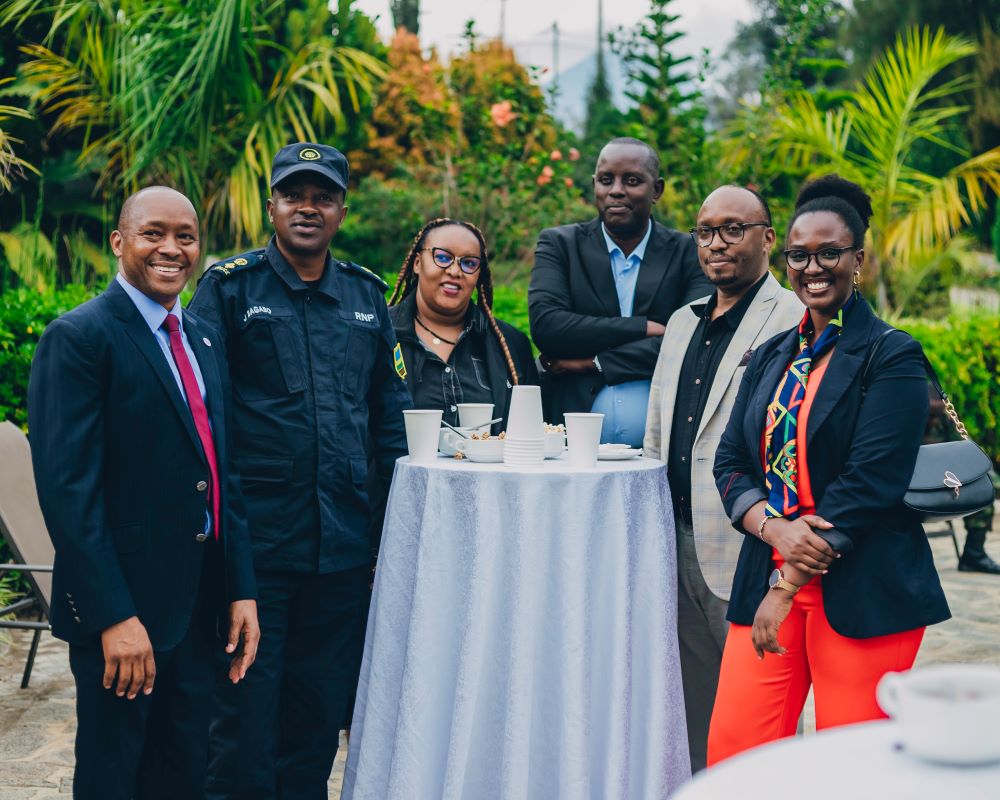
The commitment was underscored during a high-level customer engagement forum hosted by NCBA in Musanze, which brought together senior government officials, provincial leadership, business owners, investors, faith leaders, and entrepreneurs from across the Northern Province.
Held at Grotta Resort, the engagement served both as a platform for dialogue and a reaffirmation of partnership as Musanze continues to emerge as one of Rwanda’s most dynamic growth centers.
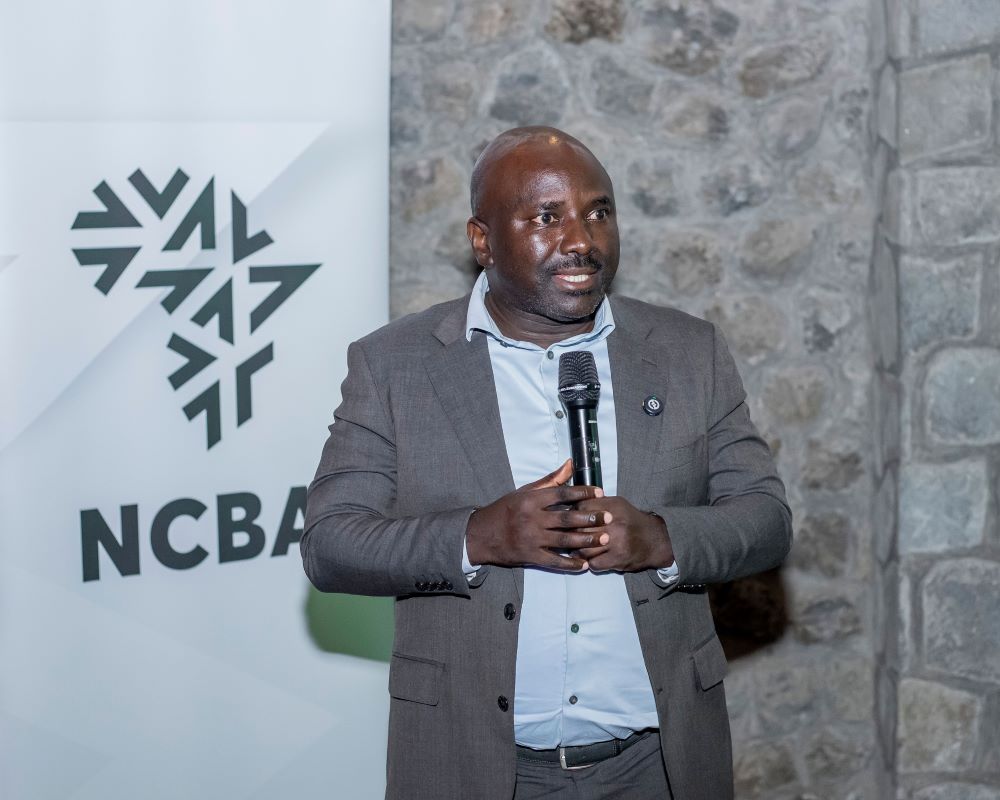
The Governor of the Northern Province, Maurice Mugabowagahunde, graced the event and expressed appreciation for NCBA’s continued collaboration.
“In Musanze, we are proud to be the heart of the country’s tourism economy, but we have even bolder ambitions to become a commercial hub that attracts investment in real estate, trade, and hospitality. Partnering with NCBA will enable entrepreneurs to invest in new infrastructure while supporting implementation of our master plan, ultimately driving economic growth across the region,” he noted.
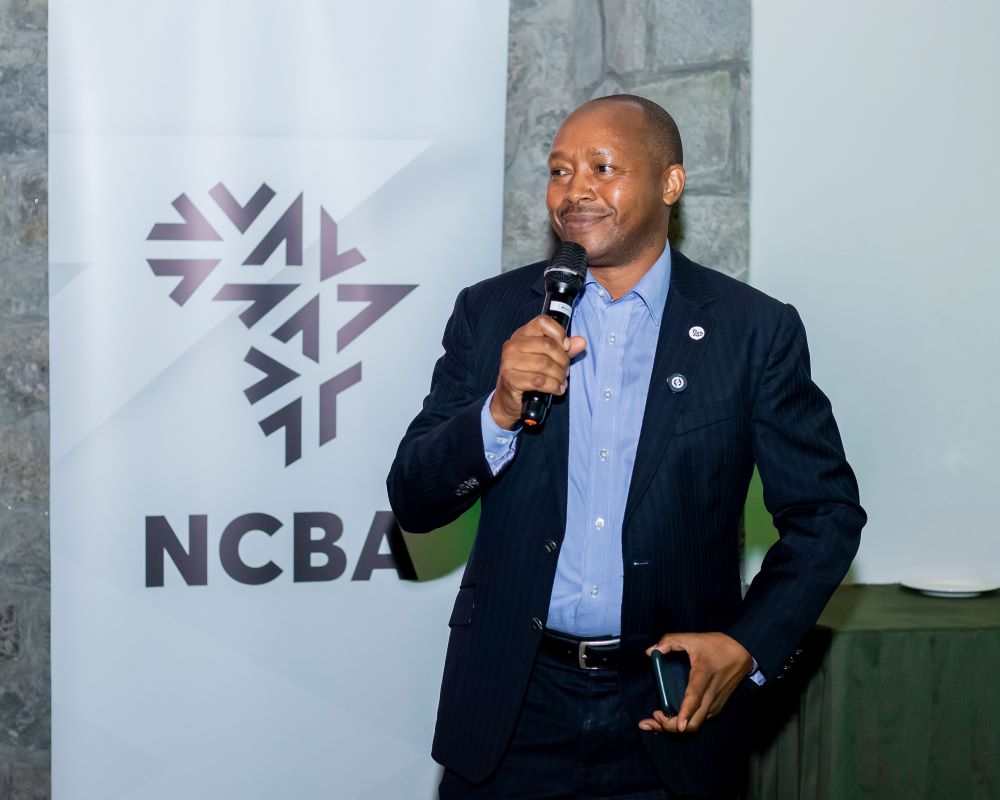
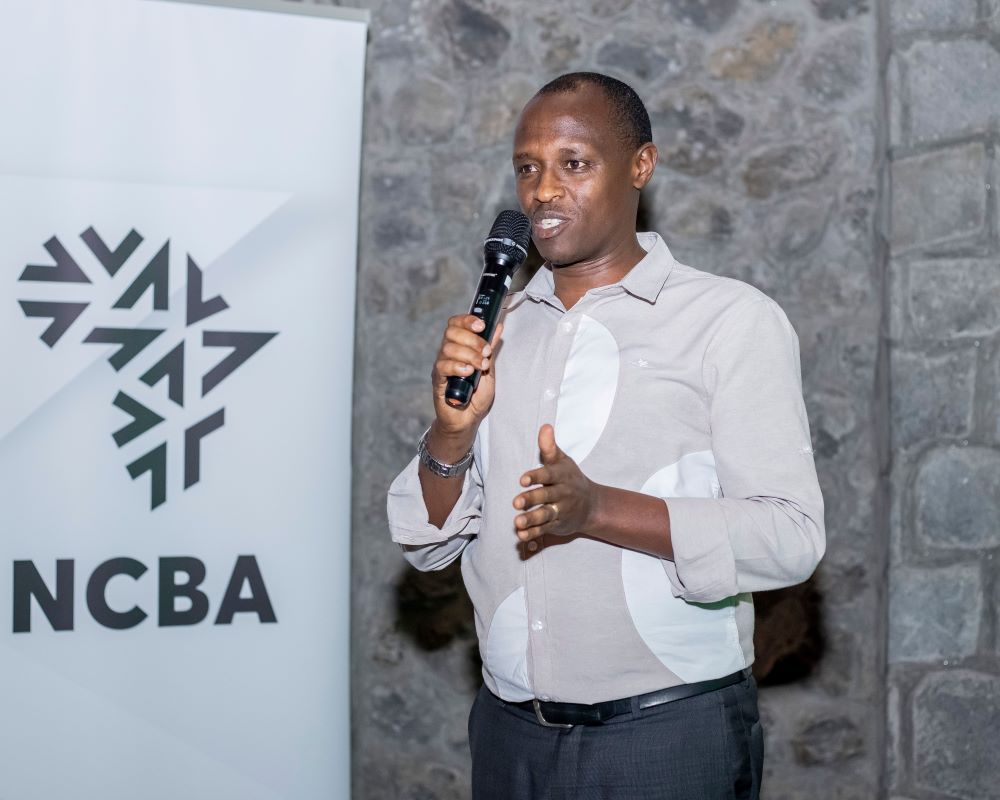
Addressing stakeholders during the engagement, Maurice Toroitich, Managing Director of NCBA Bank Rwanda, emphasized the bank’s role in aligning financing solutions with regional development priorities.
“NCBA’s role is to align financing solutions with Musanze’s development ambitions. We are here to reaffirm our readiness to support Musanze in scaling both rapidly and responsibly while contributing to Rwanda’s broader economic vision,” he said.
Within three years of operations in Musanze, NCBA has deepened relationships with customers and local institutions. The bank currently finances developers investing in hospitality infrastructure, SMEs expanding operations, contractors driving construction activity, and entrepreneurs building businesses that sustain the local economy.
Musanze’s growth reflects Rwanda’s broader national vision of balanced regional development, where secondary cities evolve into sustainable economic centers supported by investment, infrastructure, and enterprise.
As the city’s skyline continues to rise, and its economic potential expands, NCBA reiterated its commitment to working alongside government, investors, and communities to ensure the city’s growth remains structured, inclusive, and sustainable. The evening concluded with renewed partnership among stakeholders united by a shared vision for Musanze’s continued progress.
Connecting Musanze to regional opportunity
As part of a regional banking group operating across five African markets and serving over 60 million customers, NCBA encouraged entrepreneurs in Musanze to extend their ambitions beyond geographic boundaries.
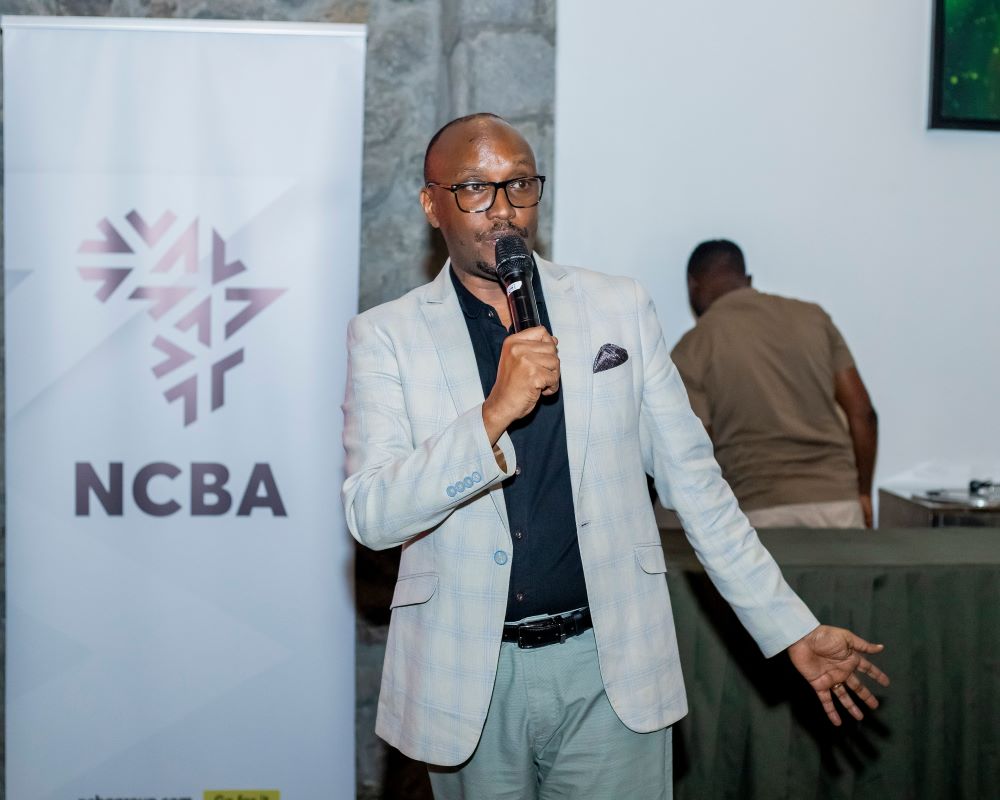
The Bank’s Head of Business, Samuel Nkubito, highlighted NCBA’s strengthened regional trade and advisory capabilities, positioning Musanze-based enterprises to access cross-border trade opportunities and investment linkages across East and West Africa.
The engagement also provided an opportunity for NCBA leadership to reassure clients of ongoing investments aimed at improving service delivery and digital banking performance.
As businesses increasingly rely on digital transactions and real-time liquidity management, the bank confirmed that enhanced mobile and corporate internet banking platforms will soon be introduced to strengthen reliability, efficiency, and overall customer experience.
The open forum allowed customers to directly share feedback with senior leadership, reinforcing transparency, trust, and relationships built since the establishment of the Musanze branch. Mobile Money–to–Bank integration remains a strategic priority, particularly for SMEs and traders whose daily operations depend on seamless digital payments. NCBA confirmed continued collaboration with ecosystem partners to improve performance and stability across these critical transaction channels.
NCBA Bank Rwanda is a subsidiary of NCBA Group, a regional banking group providing a broad range of financial products and services to corporate, institutional, SME, and consumer banking customers.
NCBA Group operates 115 branches across five countries; Kenya, Uganda, Tanzania, Rwanda, and Côte d’Ivoire, serving over 60 million customers and ranking among Africa’s largest banking groups by customer numbers.
In Rwanda, NCBA operates branches in Kigali, Musanze, Nyagatare, Rubavu, Kayonza, and Rusizi. Through its partnership with MTN Mobile Money Rwanda Ltd on MoKash, NCBA has reached over 6 million customers, making it the country’s largest retail digital bank and a key catalyst for financial inclusion.
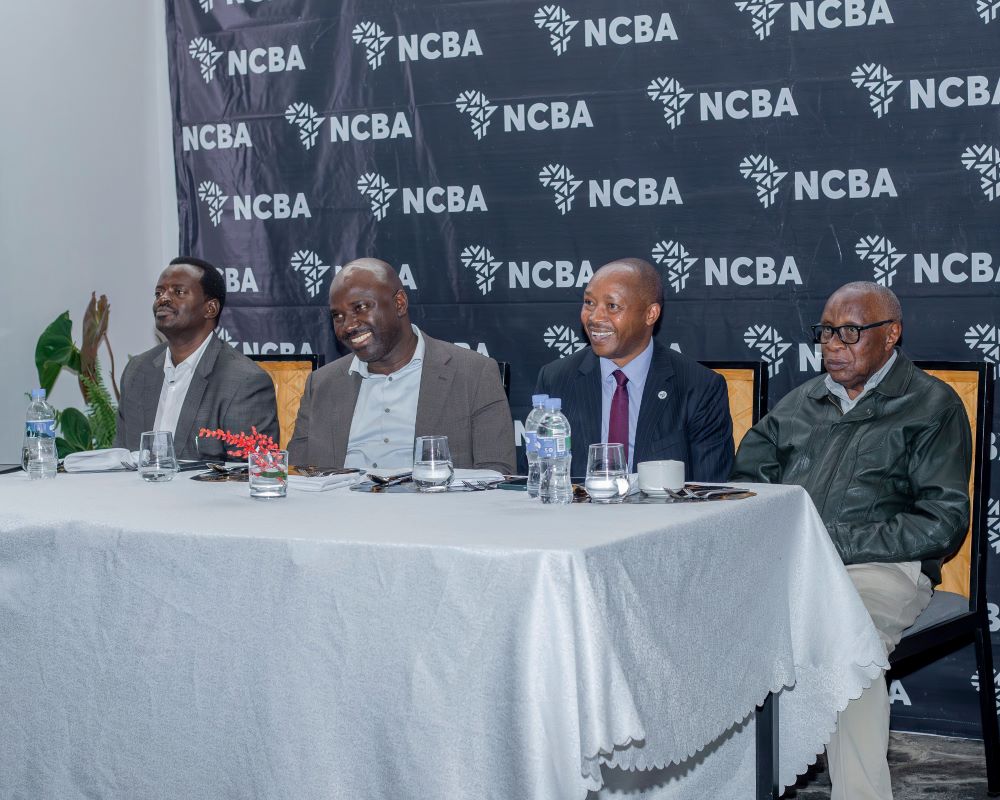
Maurice Toroitich, Managing Director of NCBA Bank Rwanda, emphasized the bank’s role in aligning financing solutions with regional development priorities. The engagement also provided an opportunity for NCBA leadership to reassure clients of ongoing investments.The open forum allowed customers to directly share feedback with senior leadership.The Bank’s Head of Business, Samuel Nkubito, highlighted NCBA’s strengthened regional trade and advisory capabilities.The Governor of the Northern Province, Maurice Mugabowagahunde, graced the event and expressed appreciation for NCBA’s continued collaboration.
With the midterm elections approaching later this year, Trump is using this high‑profile speech as an opportunity to defend his record and rally support from Americans who remain sceptical about the direction of the country.
Domestically, Trump’s approval ratings have slipped as inflation and cost‑of‑living concerns continue to trouble many households. Recent data shows the U.S. economy has slowed more than expected, and the public is worried about job security and everyday expenses, forcing the president to try to reassure voters that his policies are working.
At the same time, a Supreme Court decision invalidating his global tariff program has undercut one of his signature economic strategies, and the impasse over immigration enforcement has led to parts of the Department of Homeland Security being temporarily shut down.
Internationally, the Trump administration is confronting rising tensions, particularly with Iran, where U.S. military assets have been repositioned amid ongoing nuclear disputes and regional instability. These foreign affairs challenges add to the pressure on Trump to present a confident and persuasive vision of U.S. leadership to both domestic and global audiences.
White House aides and Republican strategists see the State of the Union as a critical moment to shift the narrative, encouraging Trump to focus on economic gains such as stock market performance and tax cuts, even as polls show mixed public confidence in those outcomes. Trump is also expected to highlight his administration’s border policies, including deportation and enforcement efforts, despite controversy around these issues.
The address is expected to be lengthy and somewhat unscripted, a style Trump has used before giving him room to cover a wide range of topics and reinforce his message to voters ahead of the November elections. However, his administration’s troubles from economic discontent to geopolitical uncertainty will likely shape how the speech is received and influence the broader political climate in the months to come.
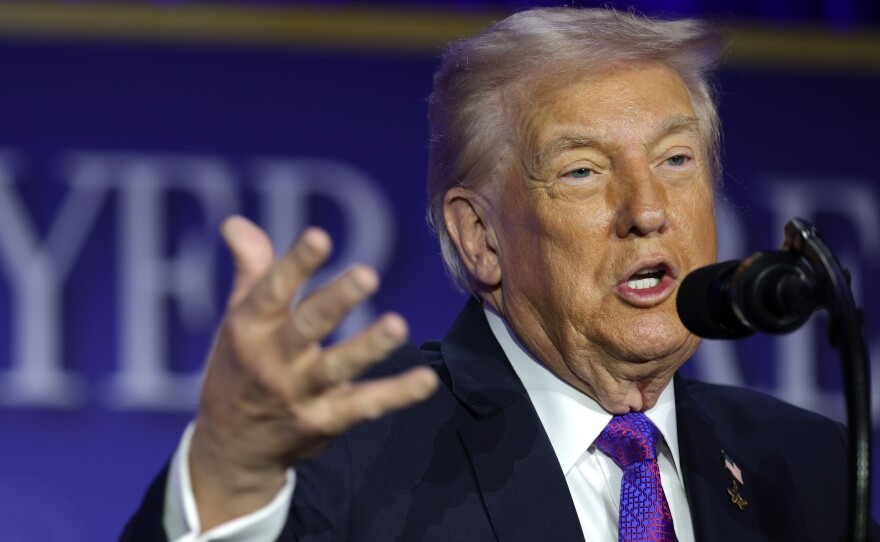
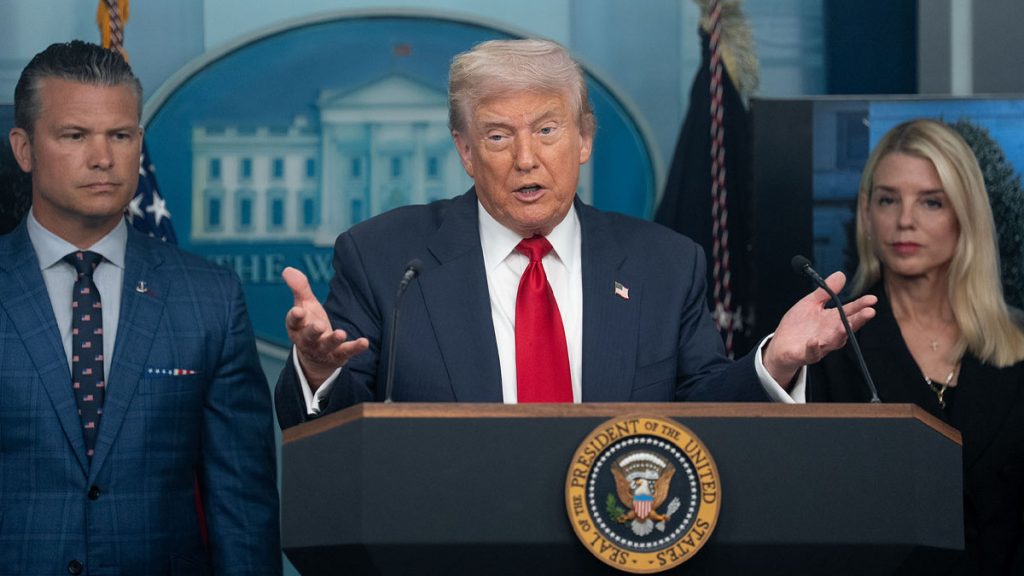
Trump prepares to address the nation at a critical moment, with economic challenges and political tensions shaping his upcoming State of the Union speech.