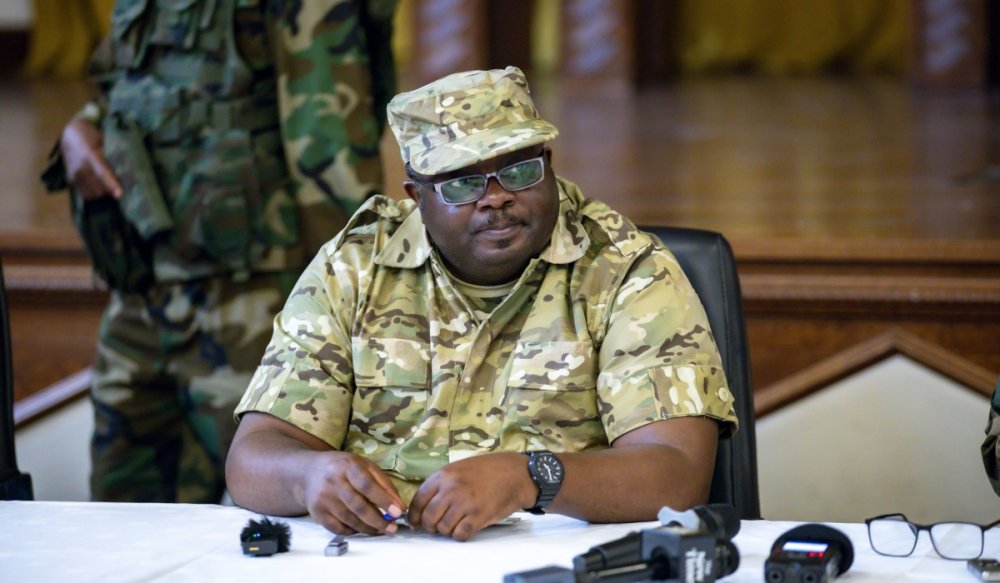
The AFC/M23 movement has strongly criticised the international community for remaining silent as the government of the Democratic Republic of Congo (DRC) launched a large-scale offensive, causing civilian casualties and mass displacement.
According to Lawrence Kanyuka, spokesperson for AFC/M23, the attacks on Wednesday, February 25, 2026, marked a “new threshold of violence” by the Kinshasa regime.
The DRC military reportedly used armed drones and heavy artillery to strike densely populated areas as well as M23 positions, in what Kanyuka described as blatant violations of international humanitarian law.
The strikes were recorded throughout the morning and early afternoon, beginning at 9:00 AM in Rutigita, Minembwe, continuing at 10:30 AM in Kitazungura, Kalehe territory, and culminating at 12:00 PM in Rugezi and surrounding areas of Minembwe.
“These deadly aggressions are causing human casualties, mass displacement of civilian populations, and fueling an extreme humanitarian crisis,” Kanyuka said, highlighting the severity of the situation for local communities.
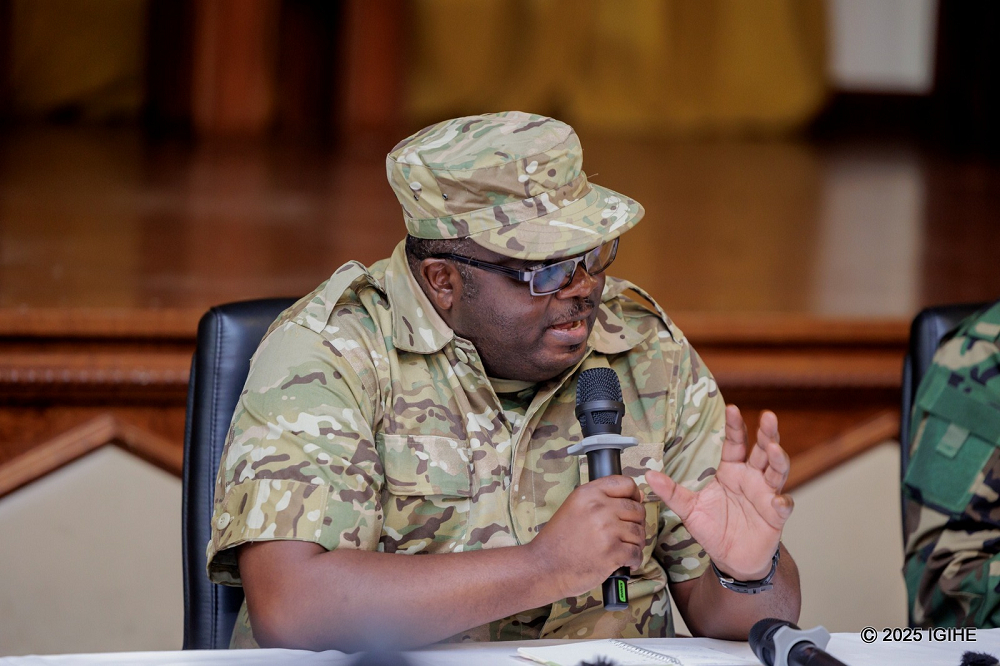
Bertrand Bisimwa, deputy coordinator of AFC/M23, emphasised that the offensive reflects a deliberate choice by the DRC government to pursue military escalation, violating ceasefire agreements. He also criticised the international community for failing to act:
“We cannot help but express our deep concern over the absence, at this stage, of any clear and visible initiative aimed at bringing an immediate halt to this government offensive. There has been no public reprimand, no condemnation… no discernible action seems to have been taken to prevent the risk of escalation,” Bisimwa stated.
He added, “This silence contrasts with the swift reactions observed when our movement is forced to exercise its legitimate right to self-defence in the face of direct attacks.”
The offensive marks a continuation of rising tensions in the region despite peace efforts by mediators such as Qatar and existing ceasefire commitments.
Bertrand Bisimwa, deputy coordinator of AFC/M23, emphasised that the offensive reflects a deliberate choice by the DRC government to pursue military escalation, violating ceasefire agreements.
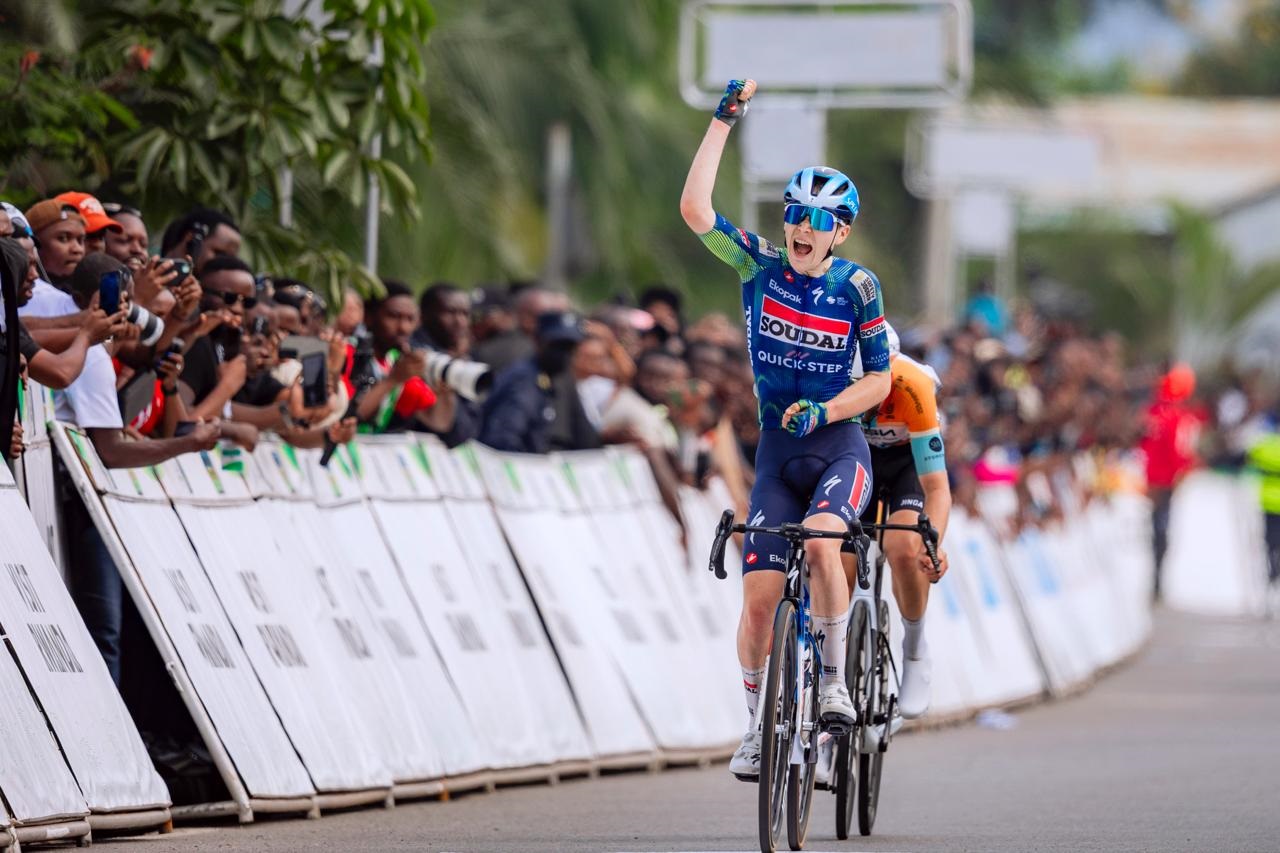
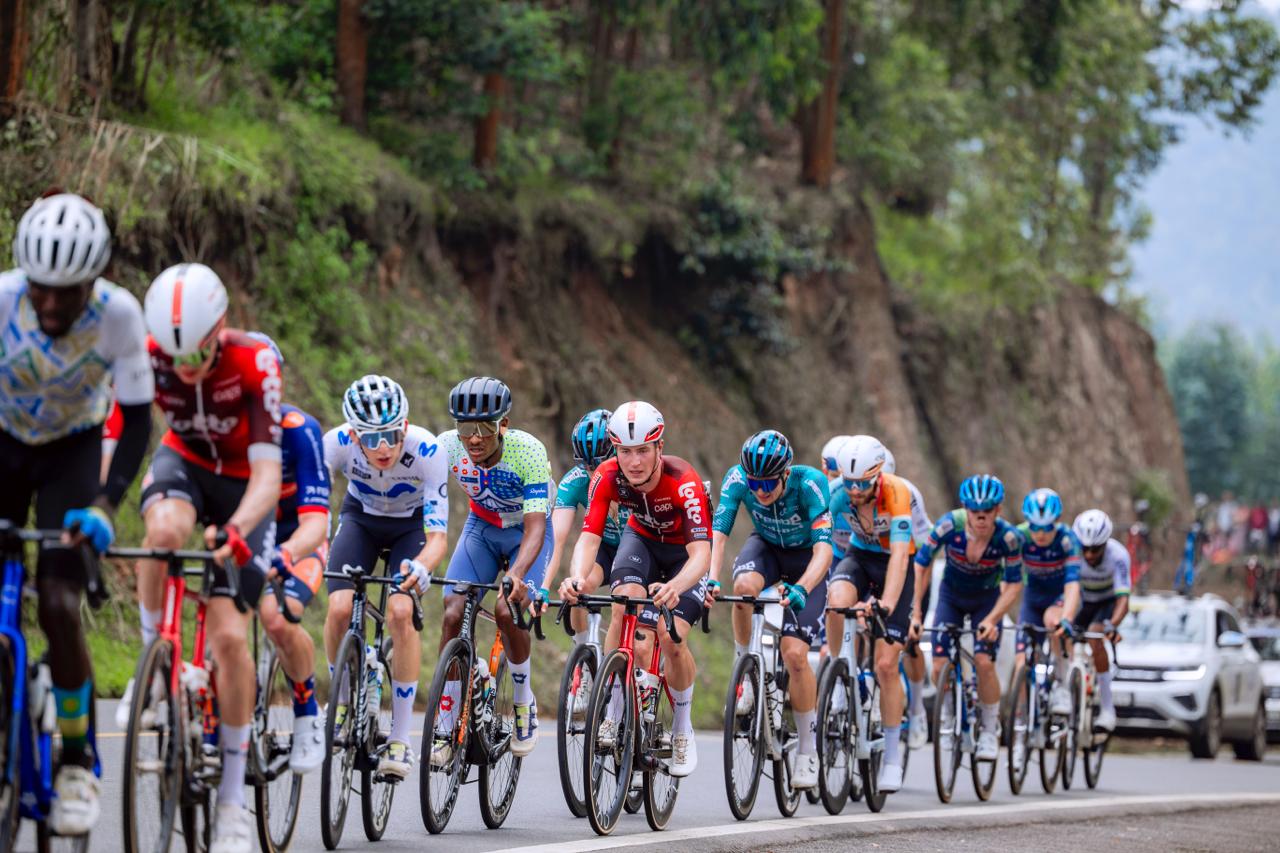
Riding for Soudal Quick-Step Devo Team, the 20-year-old showed composure and power in the closing meters to edge out Kretschy of NSN Development Team, capping off one of the most exciting stages of this year’s race.
Rambo climb proves decisive
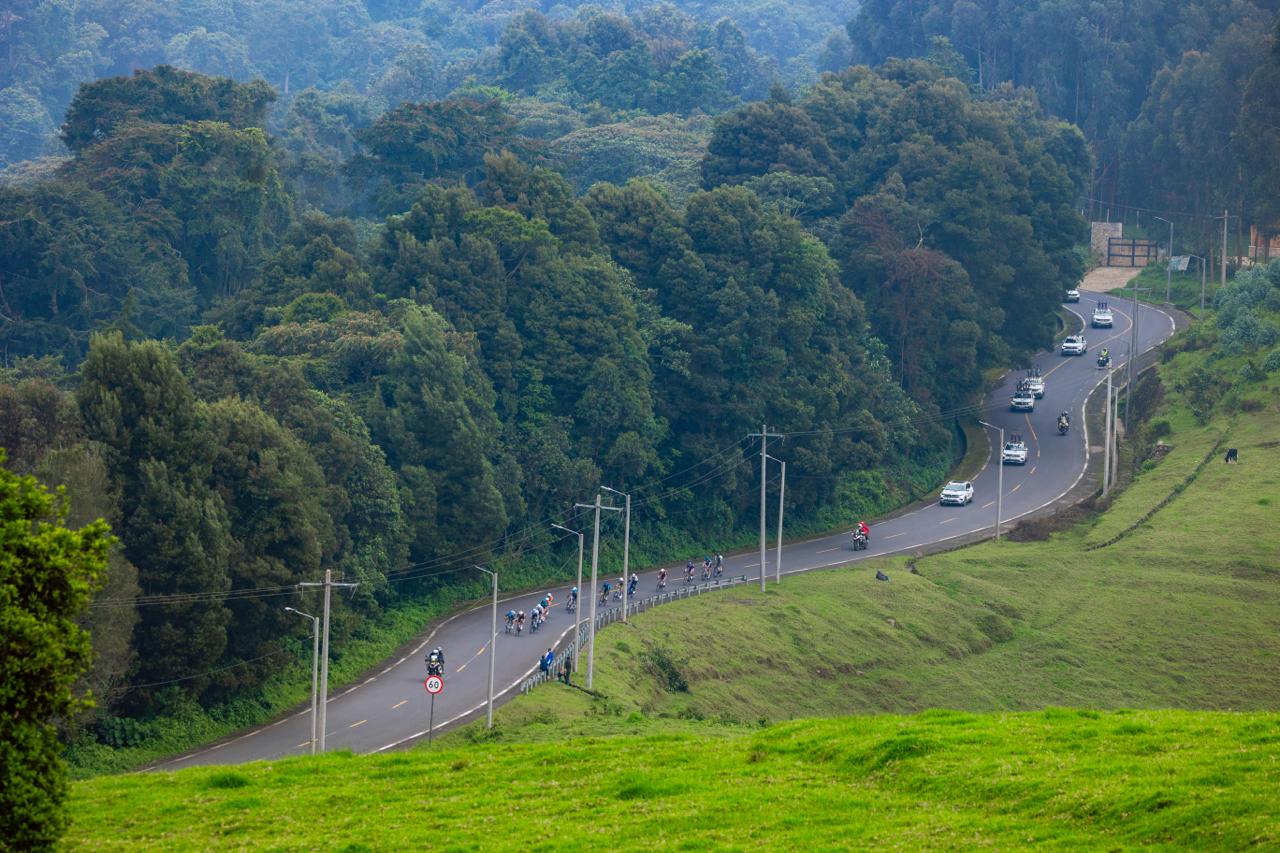
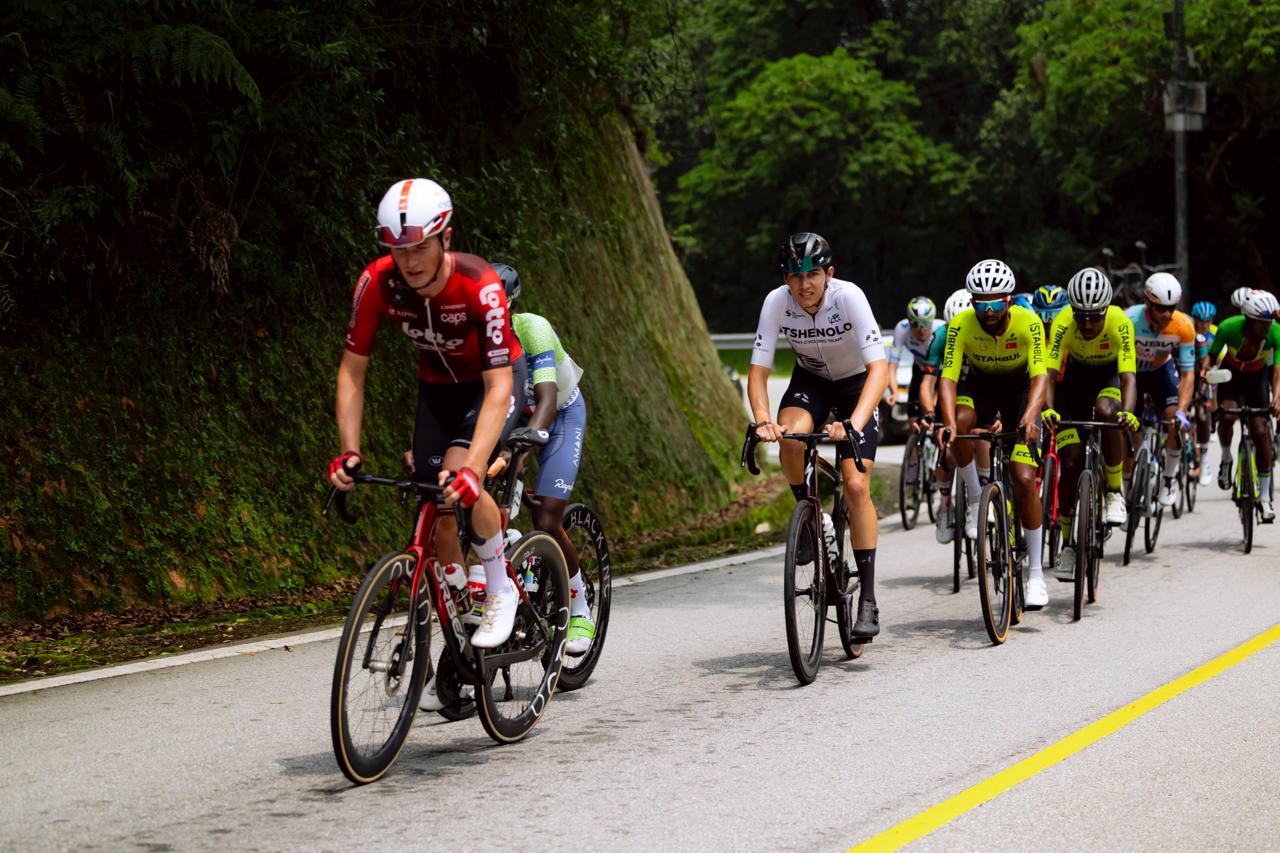
The pivotal moment came on the Rambo climb at kilometre 111, a three-kilometre ascent positioned within the final 15 kilometres of the stage. De Clercq surged to take maximum mountain points ahead of Kretschy and Mauro Cuylits, tightening the battle at the front.
Matthijs De Clercq showed composure and power in the closing meters to edge out Kretschy of NSN Development Team.
With 20 kilometres remaining, De Clercq, Kretschy and Cuylits held a slender 20-second advantage over their nearest rivals, while the peloton trailed by five minutes and 30 seconds. Attacks soon began within the leading trio as each rider sensed an opportunity to break clear.
By the final 10 kilometres, De Clercq and Kretschy had distanced Cuylits by 50 seconds, with the chasing group sitting 1 minute and 40 seconds behind. The two leaders worked together before launching into a head-to-head sprint that saw the Belgian narrowly prevail on the line.
Kretschy takes the yellow jersey
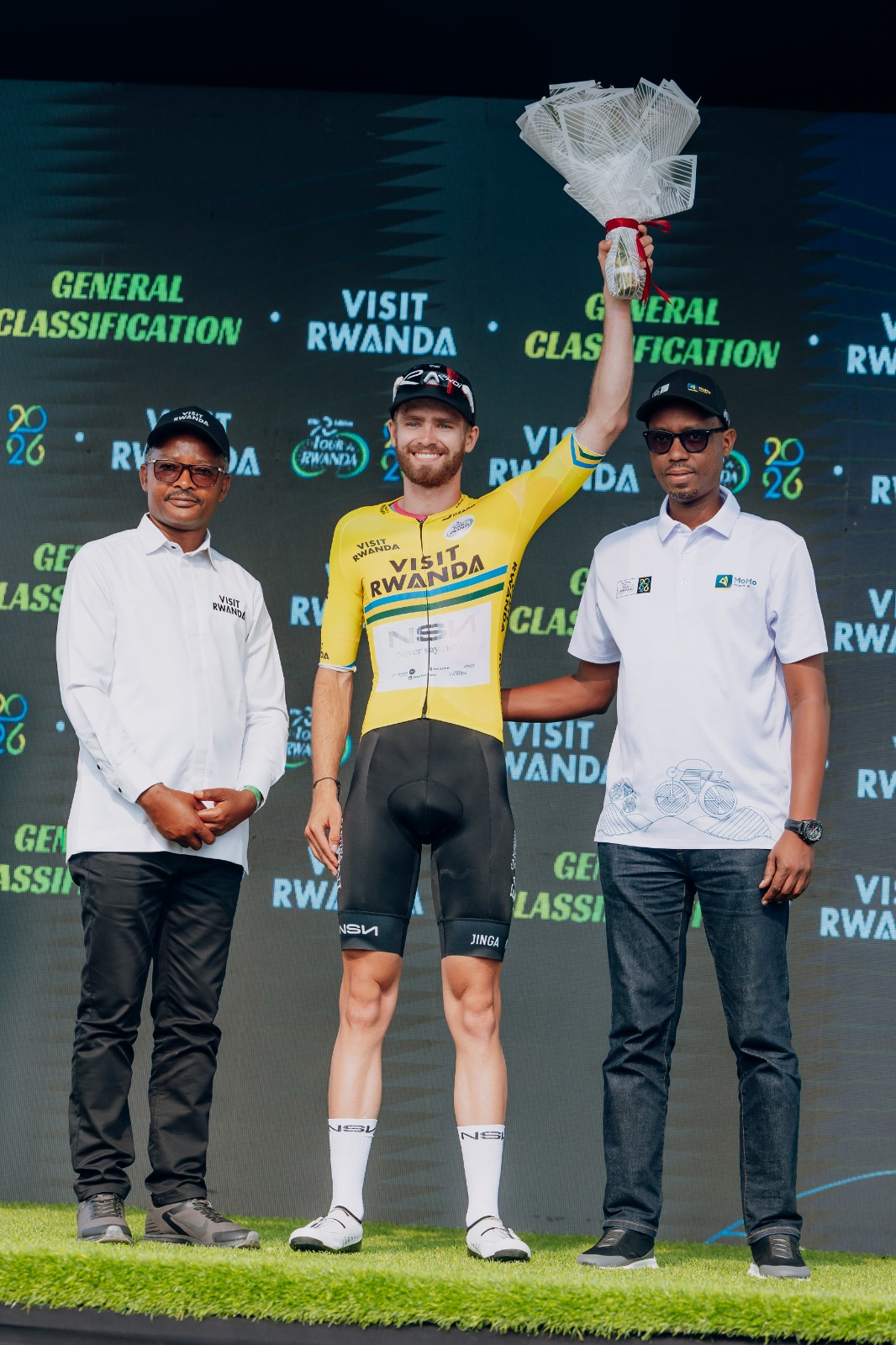
Despite finishing second on the stage, Kretschy moved into the overall race lead and donned the coveted yellow jersey. Thanks to the time bonuses and the gap to the previous leader, Zomermaand, Kretschy successfully reclaimed the yellow for the NSN Development Team.
Kretschy moved into the overall race lead and donned the coveted yellow jersey.
The 23-year-old German becomes the fourth rider to wear yellow in four days, highlighting not only his strong performance today but also the strategic depth of his team.
Stage 4 top 10 results
Matthijs De Clercq (Soudal Quick-Step Devo Team) – 3:05:55
Moritz Kretschy (NSN Development Team) – 3:05:55
Luke Finlay Tarling (NSN Development Team) – +2:15
Jacob Bush (Development Team Picnic PostNL) – +2:15
Johannes Adamietz (Rembe | Rad-Net) – +2:15
Duarte Marivoet Scholiers (Lotto – Groupe Wanty) – +2:15
Merhawi Kudus (Eritrea) – +2:15
Sebastian Castro Castro (Movistar Team Academy) – +2:
Stage 5 awaits
The Tour du Rwanda continues on Thursday, February 26, with Stage 5 set for an 82-kilometre circuit in Rubavu. Riders will tackle a nine-kilometre loop nine times, starting at 3:00 PM, promising another tactical showdown as Kretschy defends the yellow jersey and De Clercq looks to build on his breakthrough victory.
After four stages, the race for overall glory remains wide open, and Rubavu has already delivered a thriller.
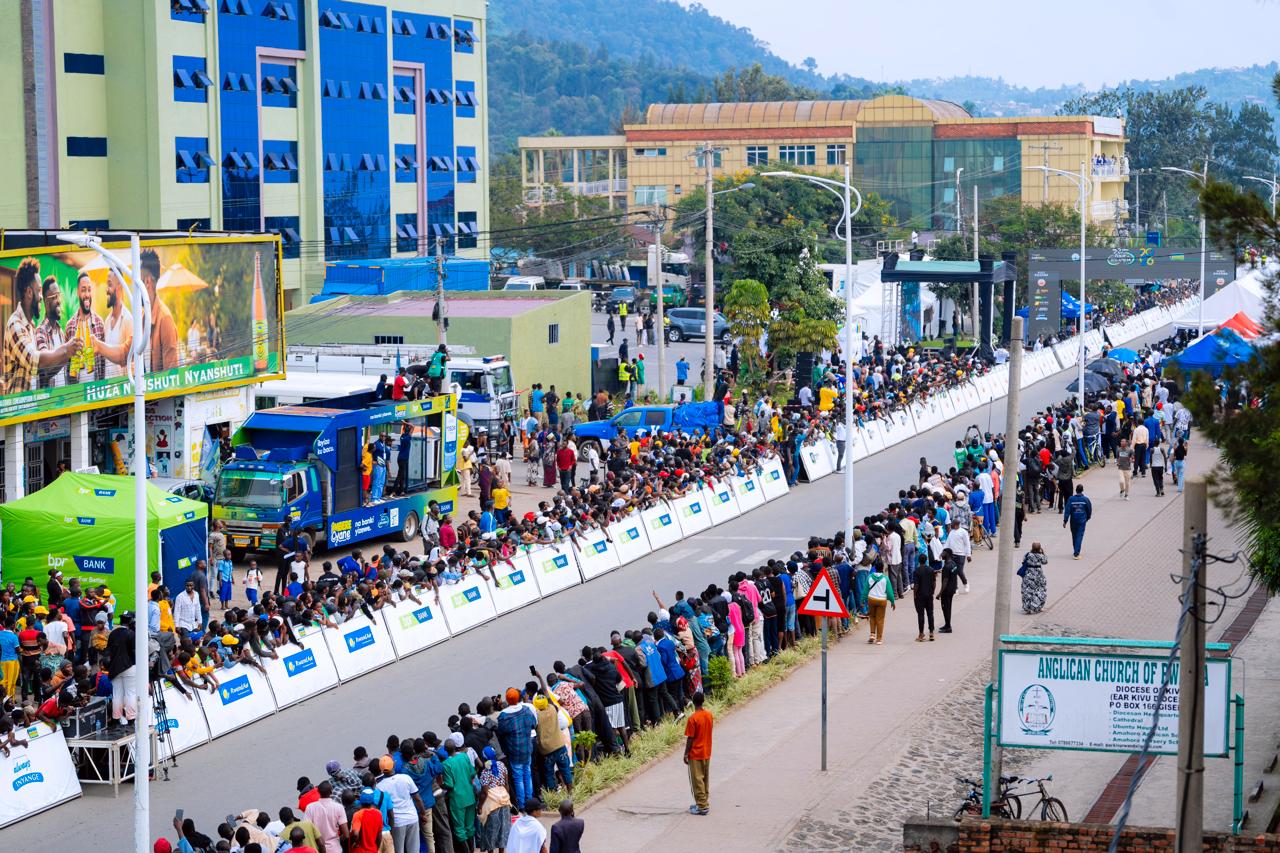
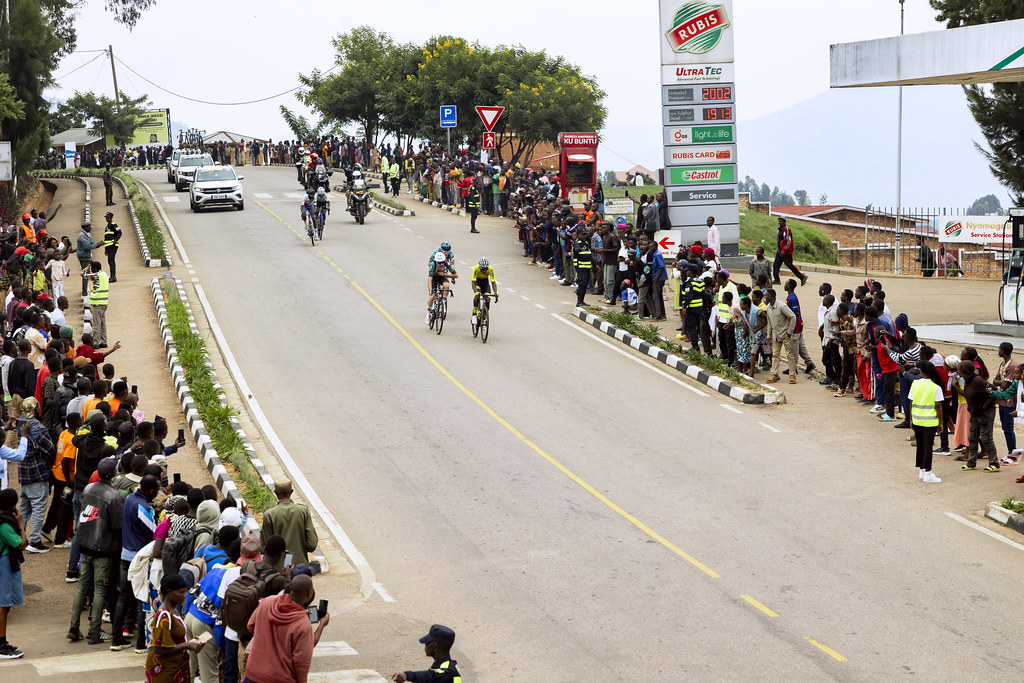
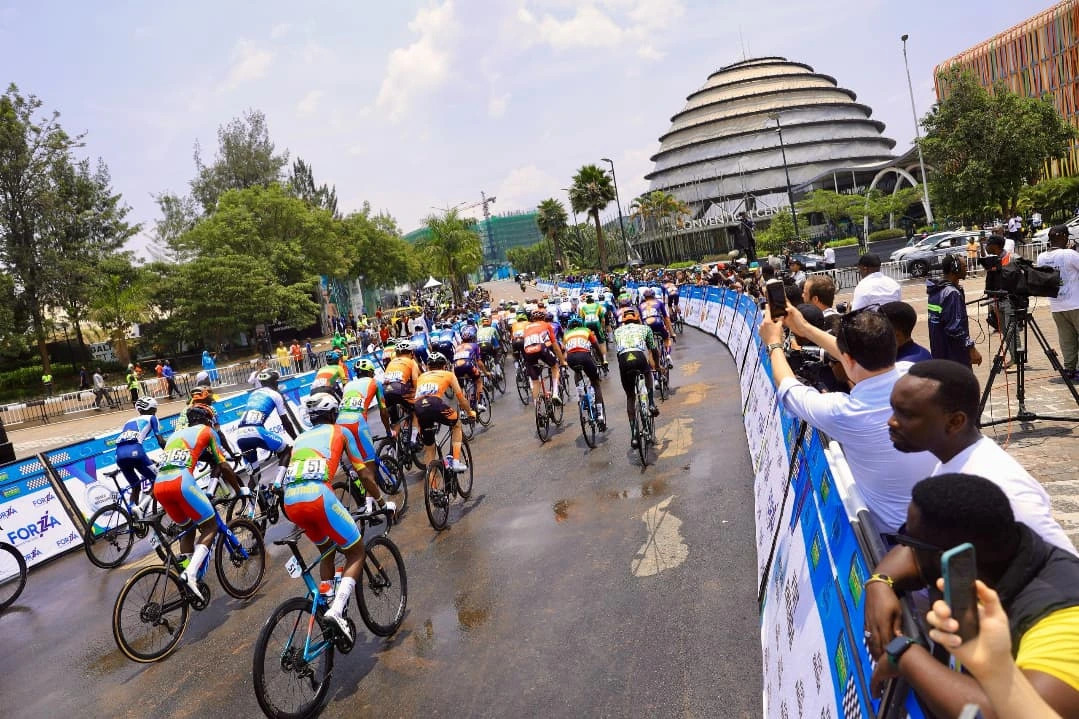
Riders covered 127.2 km from Karongi to Rubavu, ending in a thrilling sprint finish. Locals turned up in large numbers along the road to cheer the riders.
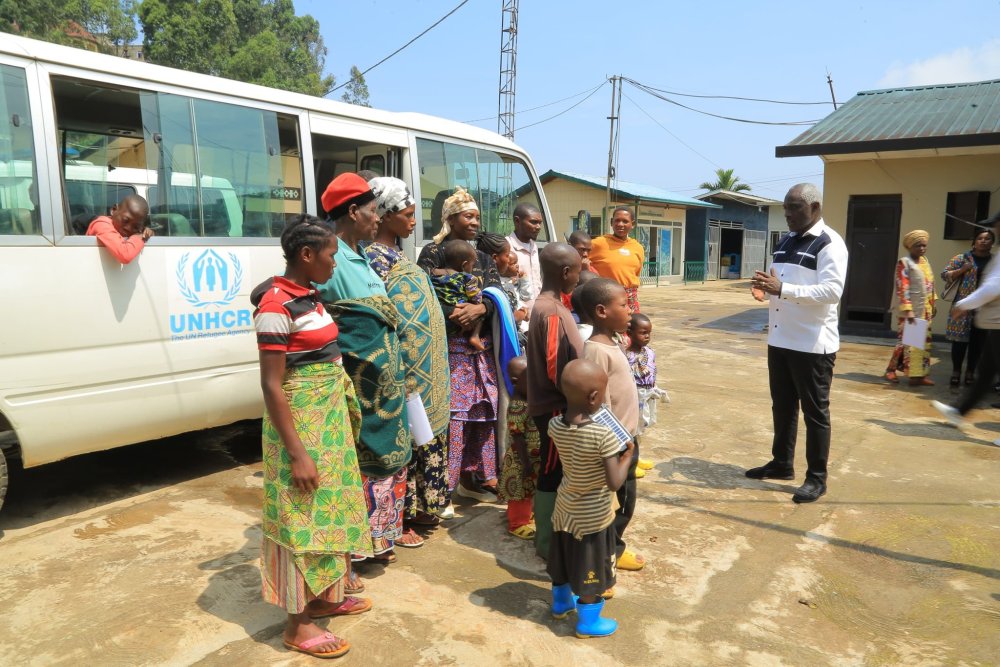
The group arrived through the Rusizi I Border Post on February 24, 2026, marking the second group repatriated from the DRC this year.
Speaking to RBA, the returnees said years spent in displacement severely disrupted their lives, particularly access to education for their children. One returnee said the family had spent years constantly moving to escape insecurity, leaving children unable to attend school.
Another said life in the DRC was marked by persistent conflict and instability, preventing children from accessing education. He explained that a relative who had returned earlier encouraged them to come back after describing Rwanda as peaceful and secure.
Upon arrival, the returnees expressed gratitude for the warm reception and the stability they found in their home country. They were welcomed by officials from Rusizi District, representatives of the United Nations High Commissioner for Refugees (UNHCR), and security officials.
Rusizi District Mayor Phanuel Sindayiheba described their return as a positive step toward rebuilding their lives and contributing to national development. He said their decision to return also reflects a break from divisive ideologies and encouraged others still abroad to consider coming home by learning about the country’s progress and stability.
The group of 22 returnees includes two men, four women, and 16 children. They were taken to the Nyarushishi transit center, where they will stay before being reunited with their families.
The group arrived through the Rusizi I Border Post on February 24, 2026
The Tour du Rwanda 2026 is currently rolling across the “Land of a Thousand Hills”, and while on paper it’s a UCI 2.1 cycling race, to anyone standing on the roadside, it feels more like a national carnival.
Now in its 18th edition as an international event, the Tour has grown from a local race into one of Africa’s premier cycling competitions. Following the massive success of the historic 2025 World Championships held right here in Rwanda, this year’s Tour feels like a victory lap for an entire continent.
Here is why this race is so much more than just a bike ride.
1. The “Mur de Kigali” is our colosseum
In European cycling, fans talk about the cobbled climbs of Flanders. In Rwanda, the Mur de Kigali demands the same awe. This steep, cobblestone climb winds through the lively streets of Nyamirambo, where the energy of the crowd meets the grit of the riders.
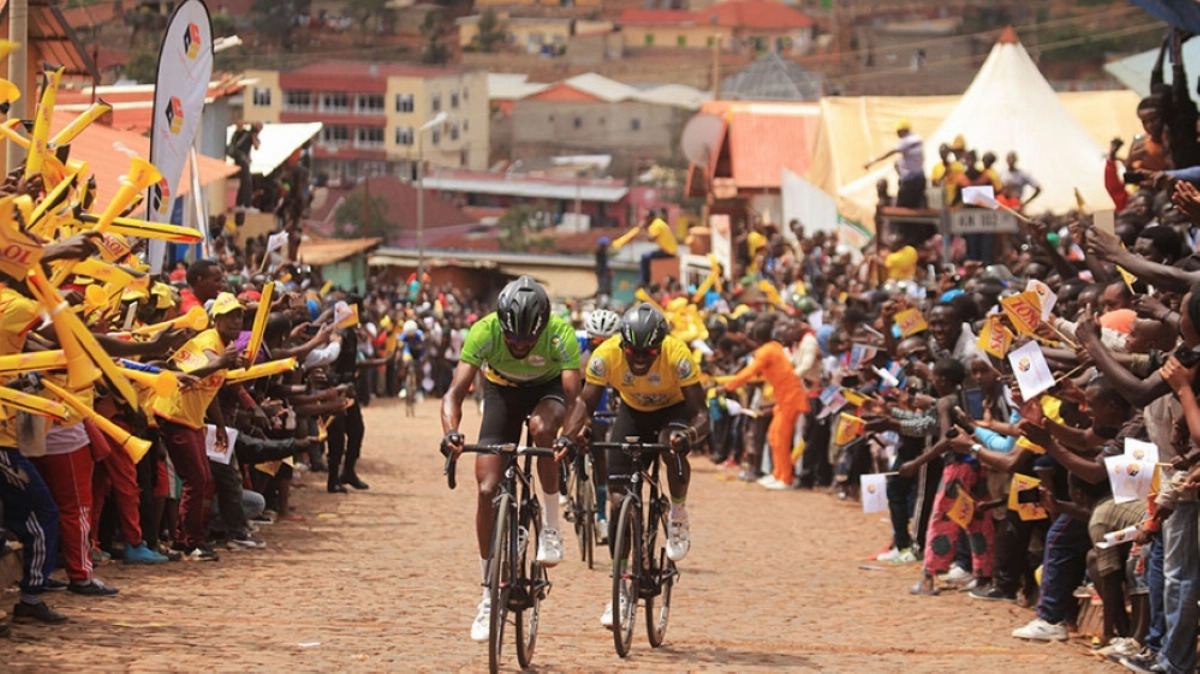
Tour du Rwanda 2017: Joseph Areruya and Eritrean Eyob Metkel climb the Mur de Kigali, the legendary cobblestone climb, one of the toughest challenges awaiting global cycling stars.
Streets packed with cheering spectators transform each pedal stroke into a test of endurance, courage, and sheer will. When a Rwandan rider leads up “The Wall,” the roar of the crowd echoes across the surrounding hills.
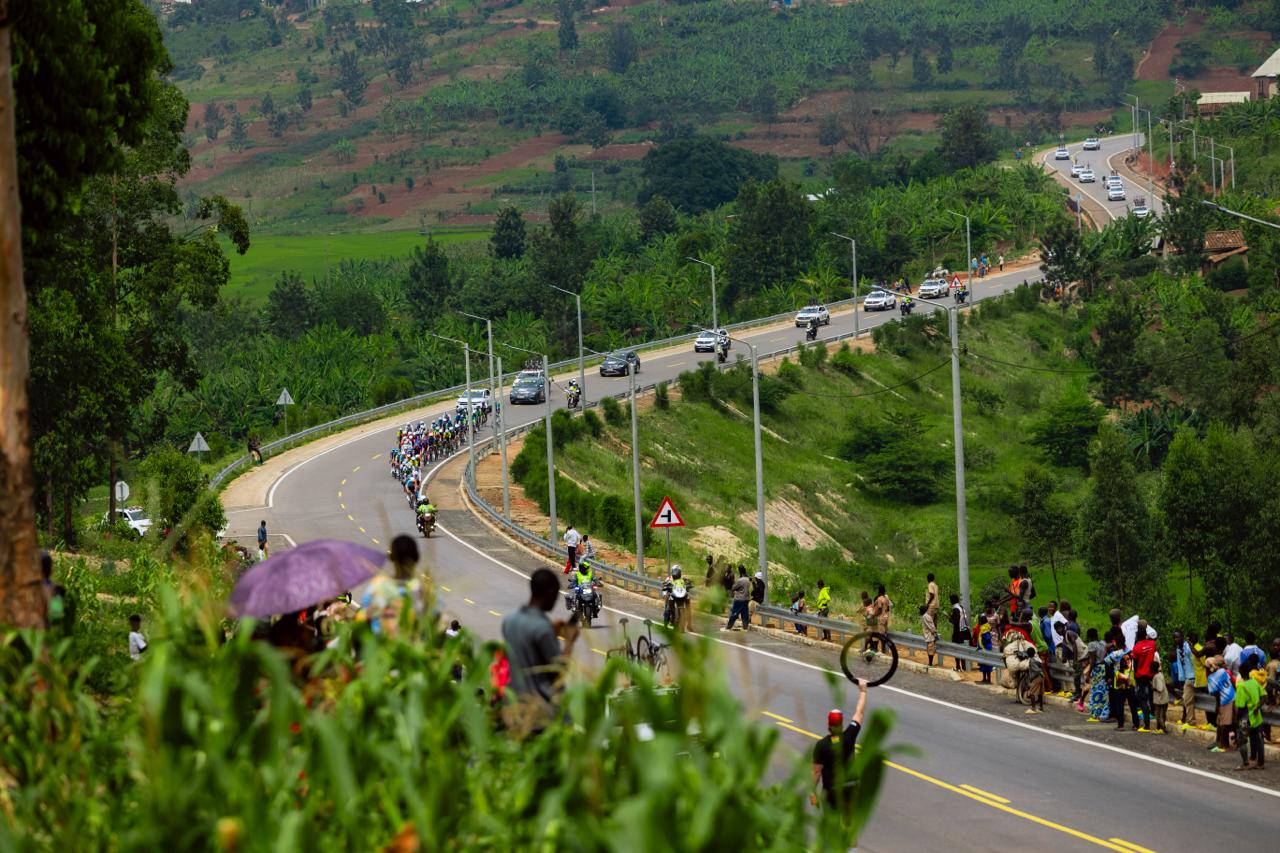
Thousands of fans line the streets, standing along sidewalks, slopes, and open areas near the climb. You’ll see grandmothers cheering next to teenagers, all drawn together by the sight of elite athletes powering up a 12% incline.
When the peloton powers up the Mur de Kigali, the cheers ripple across the surrounding hills, filling the neighborhood with energy and excitement. Fans clap, wave, and call out encouragement as riders tackle the steep climb, making the moment feel like a shared celebration of effort and endurance.
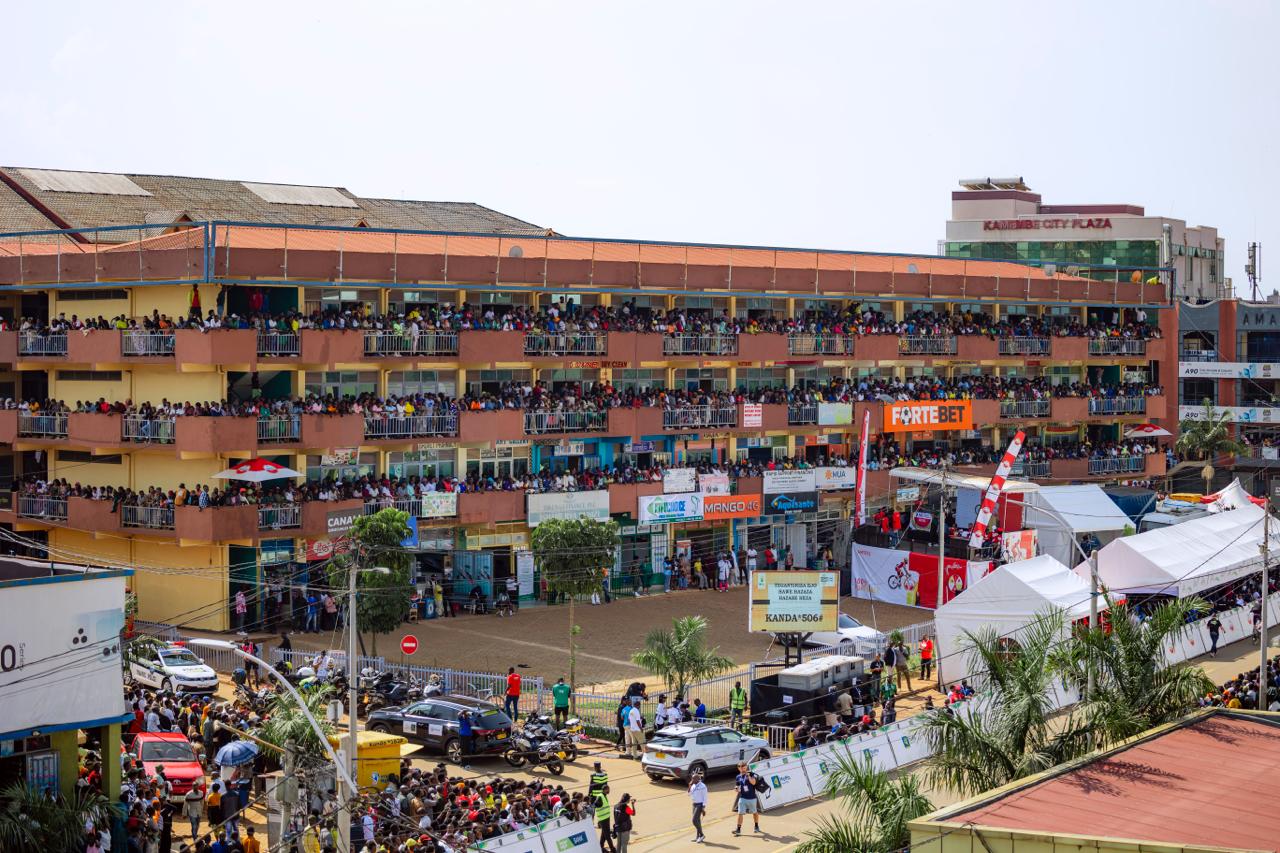
It has become a norm for locals to turn up along the road and on top of their buildings to witness the race.
2. A “stadium” without walls
Most sports require a ticket and a seat. The Tour du Rwanda requires a front porch and a pair of lungs.
Because the 2026 route stretches across nearly 1,000 kilometres of the country, from the rolling highlands of northern Rwanda to the palm-fringed shores of Lake Kivu, it brings the spectacle to the people. It’s estimated that over 2 million people line the roads.
Crowds gather to cheer on the elite riders.
For a few minutes, every village becomes the centre of the world. Rural farmers and urban residents alike watch the same drama unfold as the peloton passes by, united in the excitement of the race.
3. Cycling is part of life in Rwanda
To understand why Rwandans love this race, you have to look at the “abanyonzi” taxi-velo riders. In Rwanda, the bicycle isn’t just for fitness; it’s a lifeline.
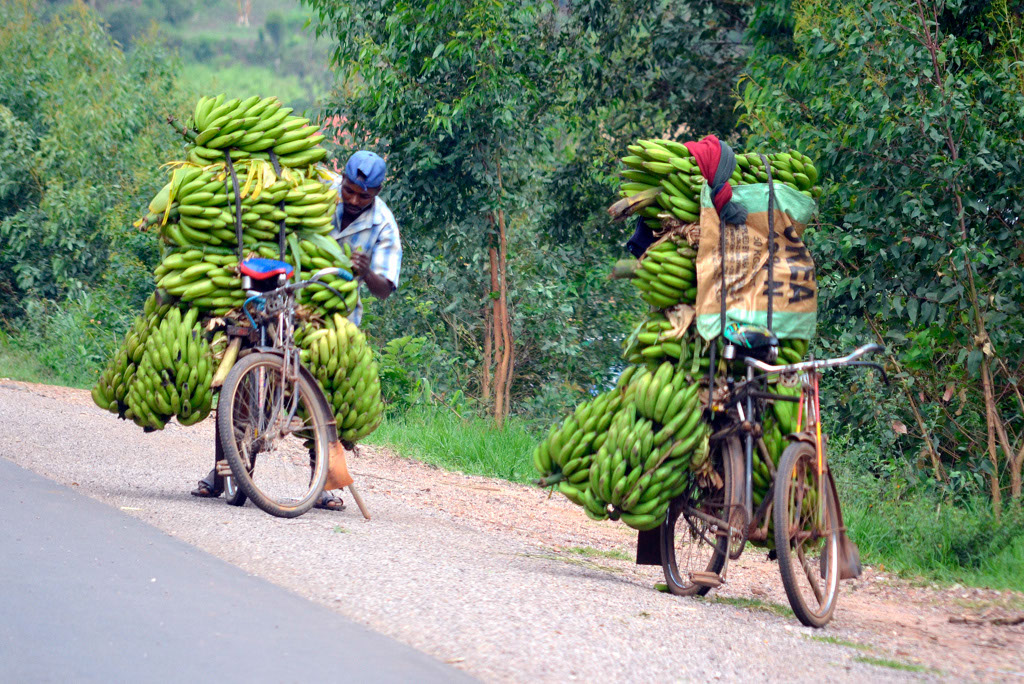
Bicycles are common in rural Rwandan villages and are often used to transport farm produce like green bananas.
Every day, thousands of Rwandans use bikes to transport massive loads of ibitoke (green bananas), heavy milk jugs, or charcoal across impossible inclines. There is a deep, cultural respect for anyone who can conquer a hill on two wheels.
When locals watch a pro athlete fly up a mountain that they usually struggle to climb with a load of crops, there is an instant, visceral connection. It’s a celebration of the hustle that defines Rwandan rural life.
4. A high-def tour of the “new Rwanda”
The Tour is arguably Rwanda’s most effective “business card” to the world. As the cameras follow the peloton, the world sees not just sweat; but also the results of a nation’s transformation.
Tour du Rwanda showcases Rwanda’s incredible transformation to the world.
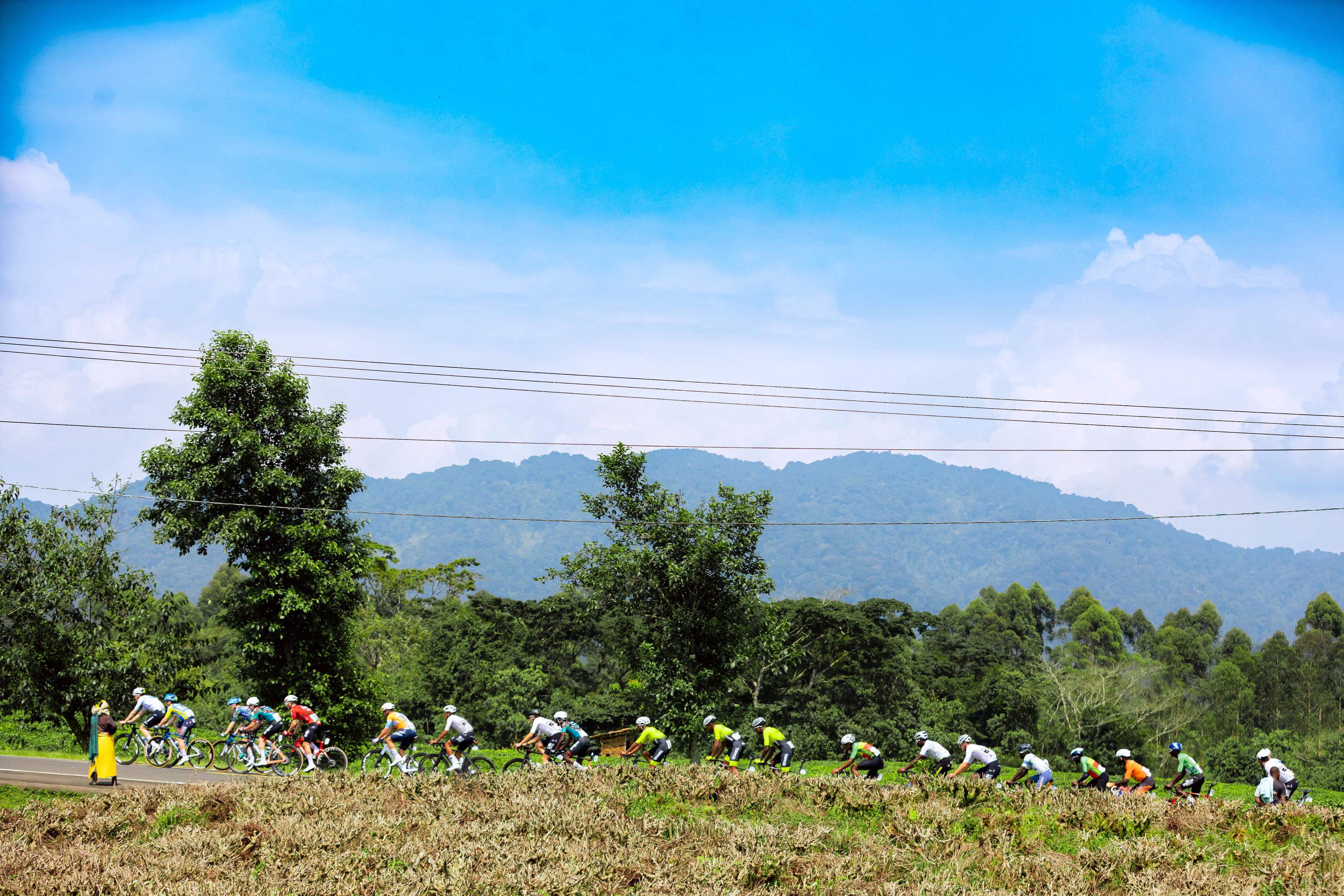
The 2026 footage showcases the pristine, plastic-free streets of Kigali, the lush green tea plantations of the West, and the world-class infrastructure that makes this the safest and cleanest cycling environment in Africa. It’s a source of immense national pride, a way for Rwandans to say, “This is who we are now.”
6. The “Africa’s turn” momentum
For decades, professional cycling was a closed-off European club. The Tour du Rwanda changed that narrative. As the premier stage for African talent, this race is where the next global stars, like Samuel Niyonkuru or Henok Mulubrhan, prove they belong on the world stage.
In the wake of the 2025 UCI World Championships, the 2026 Tour feels like the start of a new era. It’s no longer about hosting a race; it’s about owning the sport. For every kid on the side of the road in Rubavu or Gicumbi watching the peloton fly by, that bike represents a path to the world stage.
The 18th edition of this international cycling race, which tours across Rwanda, is scheduled to conclude on March 1, 2026. As an official sponsor, Amstel awards the winner of each stage.
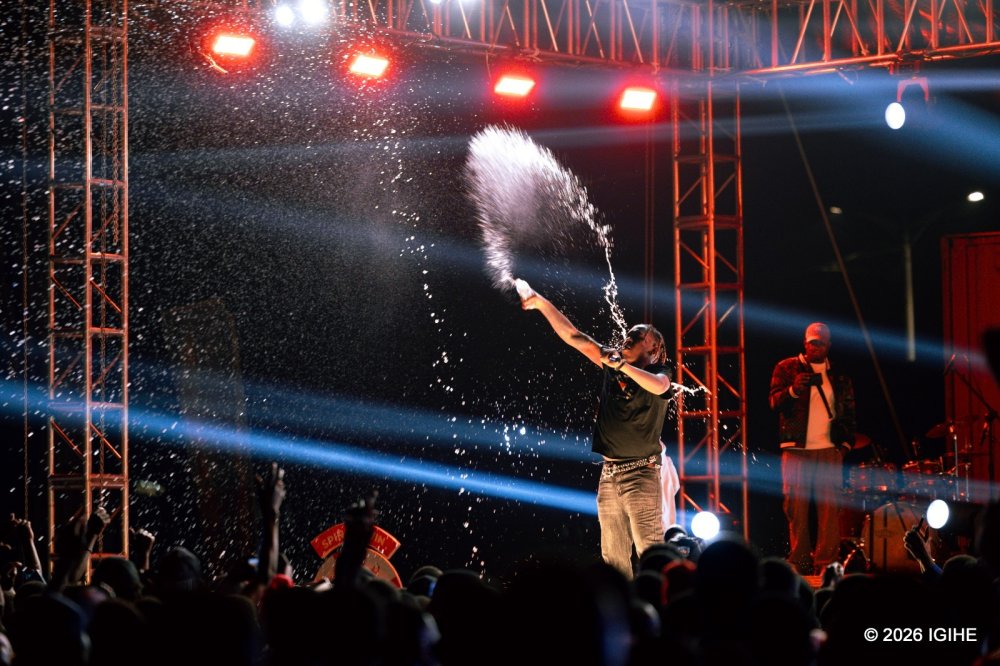
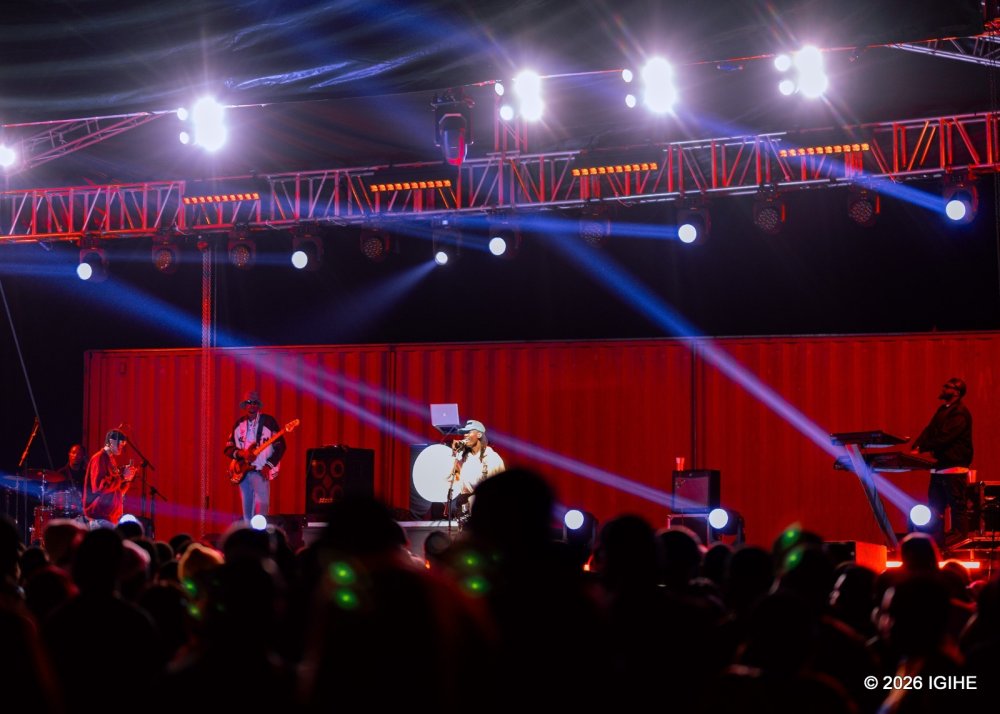
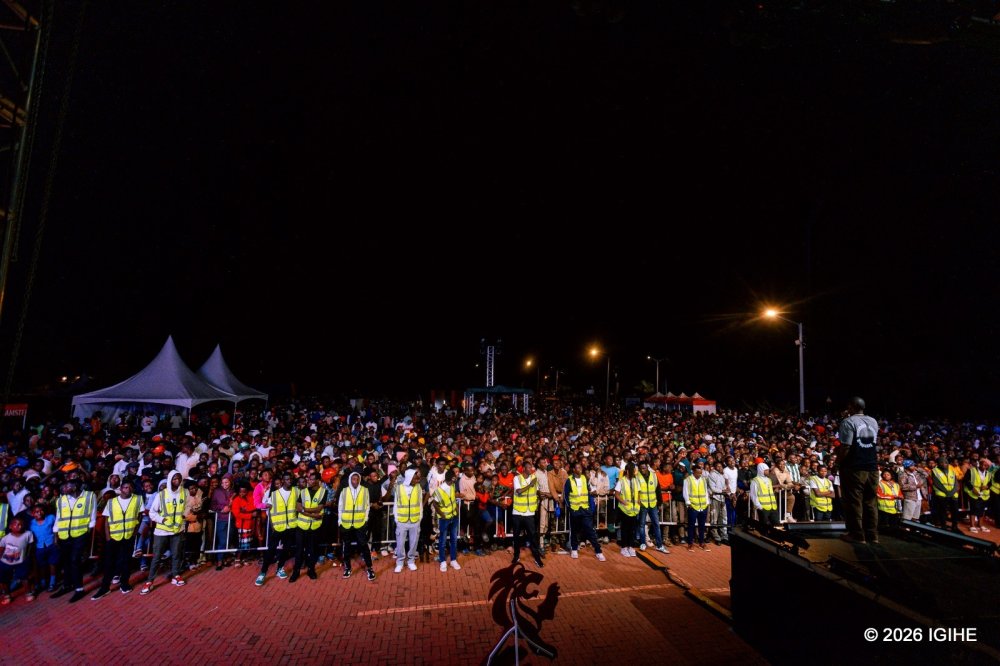
Following each stage, Amstel also hosts entertainment events as part of the Tour du Rwanda Festival, which kicked off in Huye and will continue in Rubavu, Musanze, and Kigali.
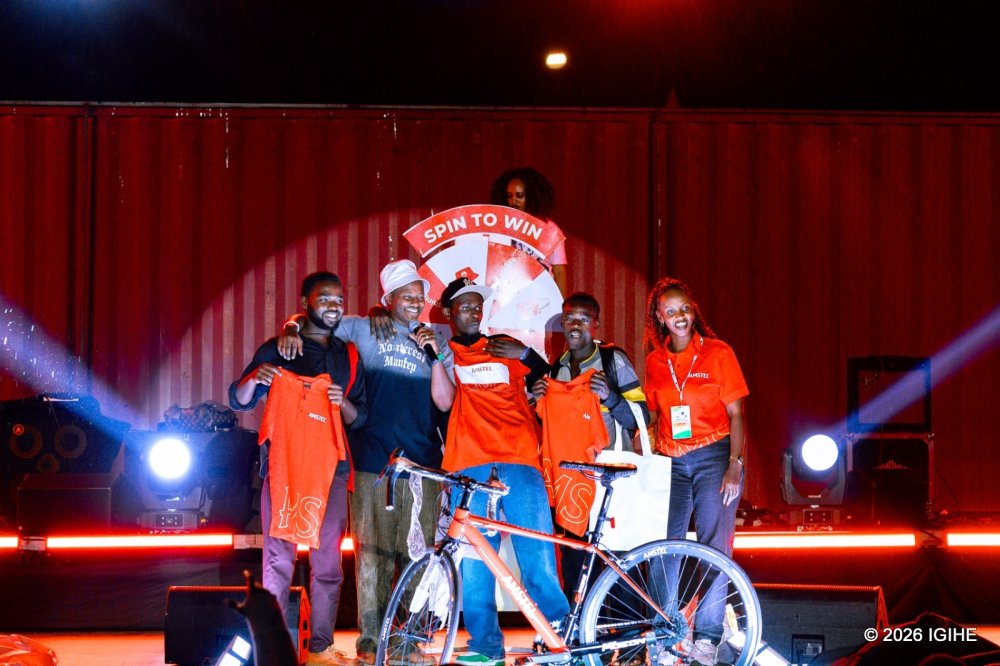
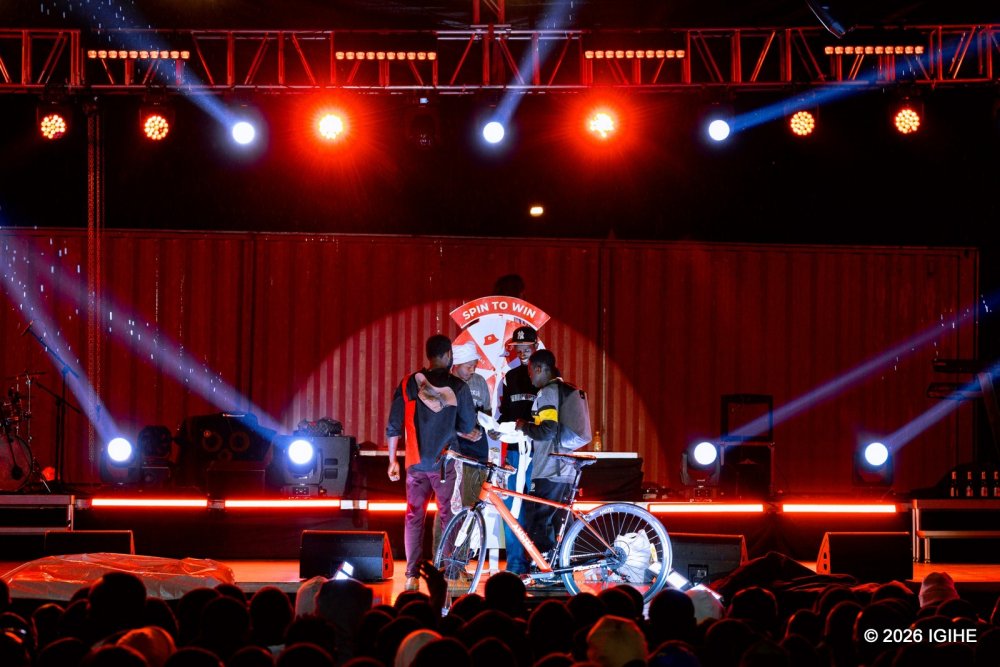
Prizes are awarded to winners of various competitions, including E-Cycling challenge. At the Huye event, the top performer in E-Cycling received a bicycle, while other participants were given additional prizes.
This year, Amstel has also organized a ‘social ride’ for amateur riders and cycling fans. The event is scheduled for February 26, 2026, in Rubavu and will conclude in Kigali on March 1, 2026. The top two performers in the social ride will each take home a bicycle.
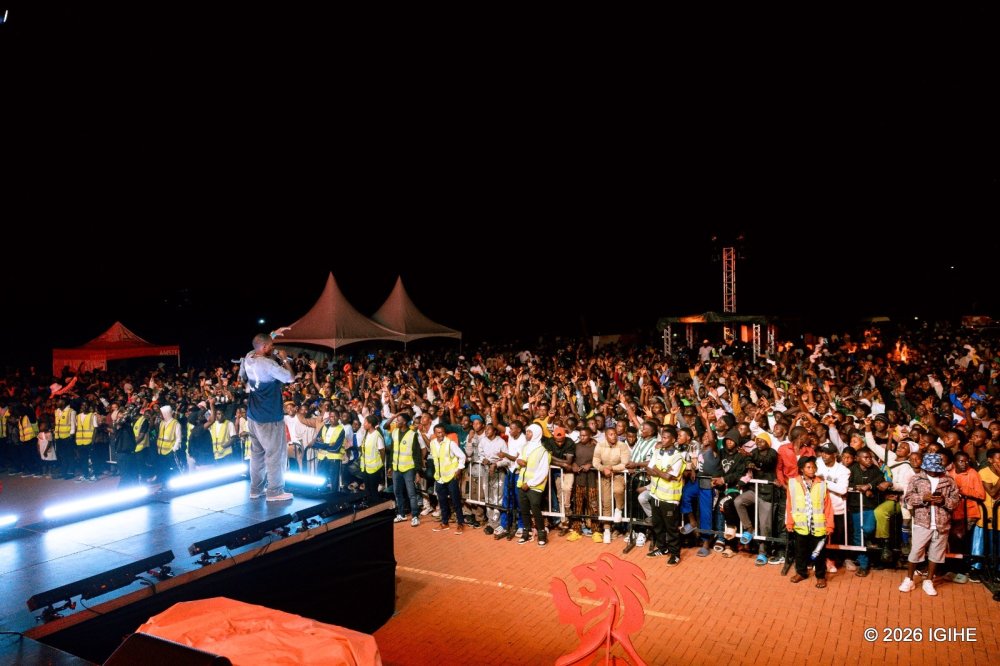
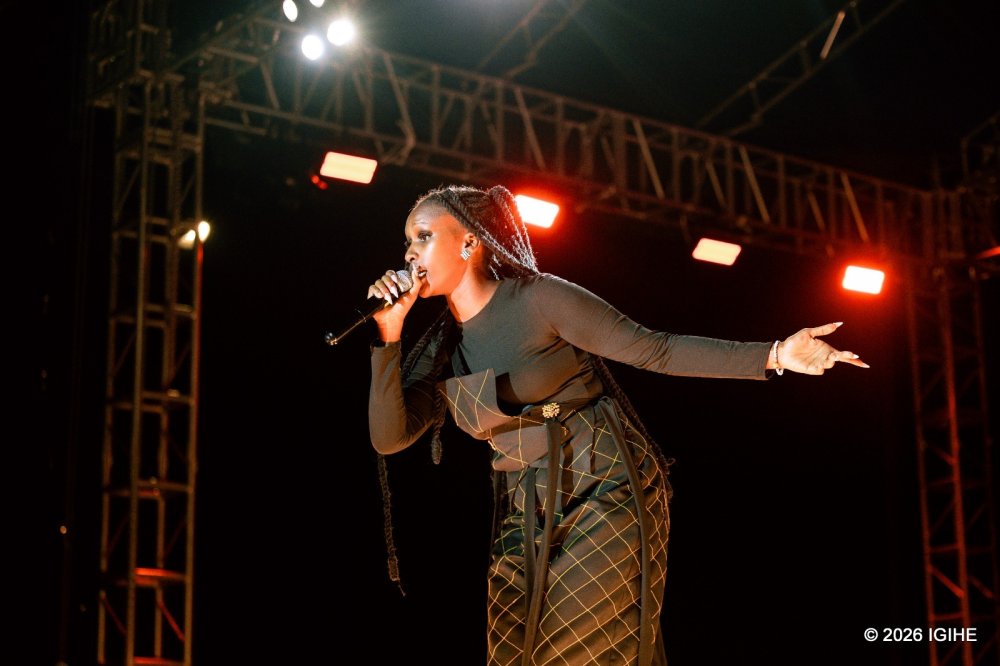
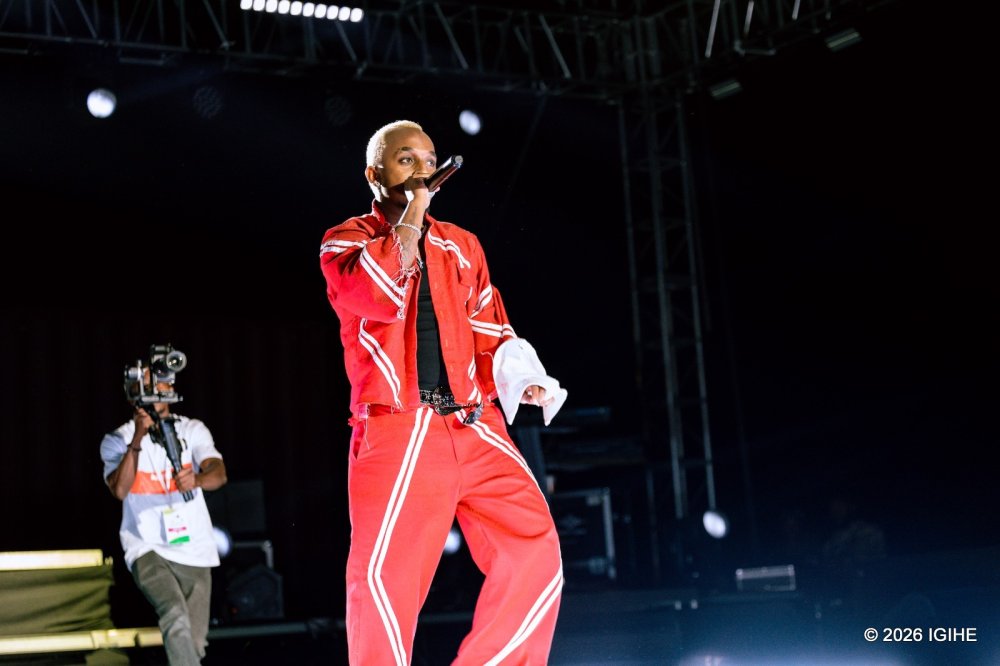
Huye residents turned out in large numbers for the concert.Bwiza thrilled the audience with her performance.Kenny Sol kept the crowd entertained throughout the event.Amstel customers receive prizes during the cycling race.Bushali delighted fans with an energetic performance.Amstel, a key Tour du Rwanda partner, spreads joy wherever the race goes.The Amstel concert in Huye captivated the audience.At the Huye event, the E-Cycling champion was awarded a bicycle.
According to the seventh Demographic and Health Survey (DHS 7) conducted in 2025, the rate of teenage pregnancies increased from 5% in 2020 to 8% in 2025, signaling a worrying trend. The study focused on girls aged 15 to 19, including those who gave birth before reaching adulthood over the past five years.
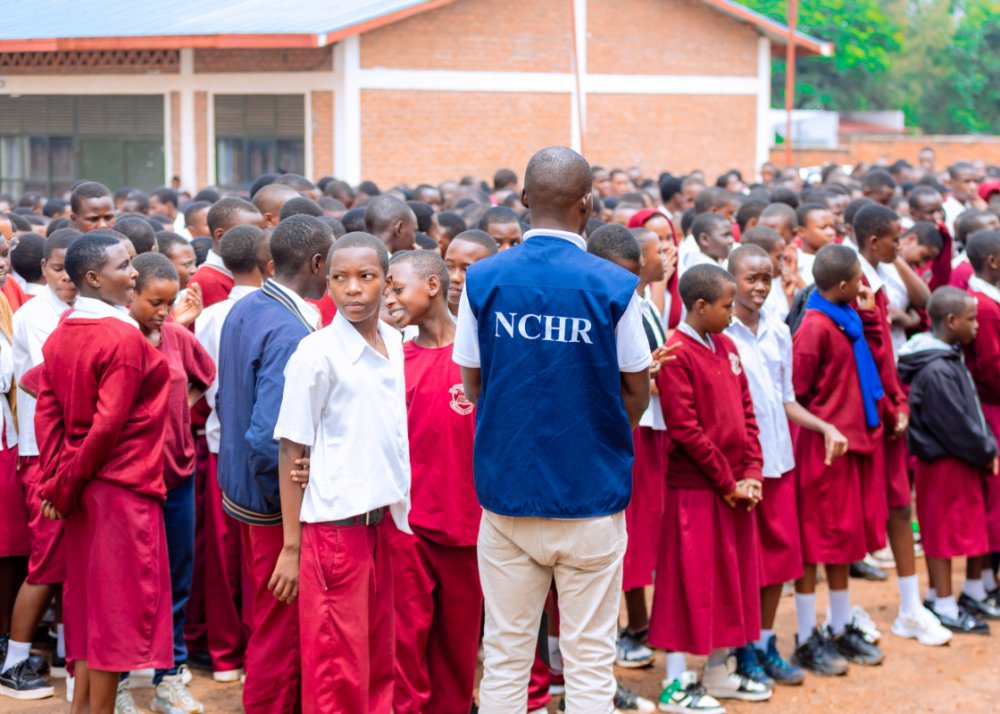
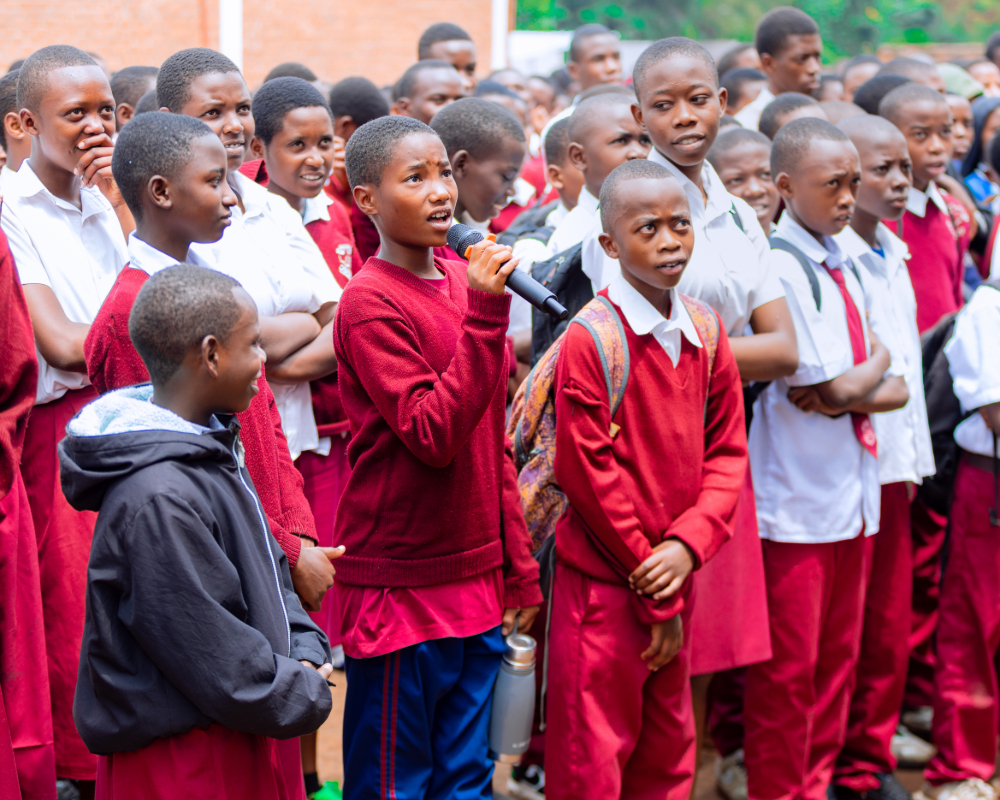
With support from the Office of the United Nations High Commissioner for Human Rights (OHCHR), the Commission organized this campaign in secondary schools across nine districts: Nyabihu, Ngororero, Rutsiro, Kamonyi, Huye, Gakenke, Nyarugenge, Gasabo, and Kicukiro. Students are being educated on children’s rights and on the role young people can play in preventing and addressing this issue.
The Chairperson of the National Commission of Human Rights, Providence Umurungi, noted that several factors contribute to the rise in teenage pregnancies, including poverty, family conflicts, alcohol and drug abuse, risky behaviors, and limited access to information on reproductive health.
She emphasized that teenage pregnancies remain a major violation of girls’ rights in Rwanda, often leading to school dropout and jeopardizing their future prospects.
“Raising awareness among young people about their rights through schools is one of the key pathways to permanently eradicate this problem,” she said.
Students have welcomed the initiative. Mbabazi Hirwa Aklat, a second-year secondary school student, shared: “What I learned from these sessions is how to say ‘no’ when someone tries to pressure me into having sex. I also realized the importance of avoiding risky behavior that can lead to an unplanned pregnancy.”
The Commission indicated that the campaign will soon be extended to higher learning institutions and universities to broaden youth engagement.
Data from the Ministry of Gender and Family Planning show that 22,454 teenage girls were sexually abused and became pregnant in 2024. Trends reveal a generally rising pattern: 19,701 cases in 2020, 23,111 in 2021, 24,472 in 2022, followed by a slight decline to 22,055 in 2023.
Despite the slight drop in 2023, authorities note that the overall number of teenage pregnancies remains high, with many identified cases involving girls who carry pregnancies to term. The Commission’s school visits represent a strategic response aimed at safeguarding children’s rights and building a better-informed and more responsible generation.
Students were given the opportunity to ask questions on issues related to their rights.Students at GS Camp Kigali followed the message delivered by the National Commission for Human Rights on how to avoid unintended pregnancies.A school awareness campaign was organized to educate students on children’s rights and their role in preventing and addressing teenage pregnancies.The Chairperson of the National Commission for Human Rights, Umurungi Providence, urged female students to be cautious and to know how to refuse anyone trying to pressure them into sexual activity.
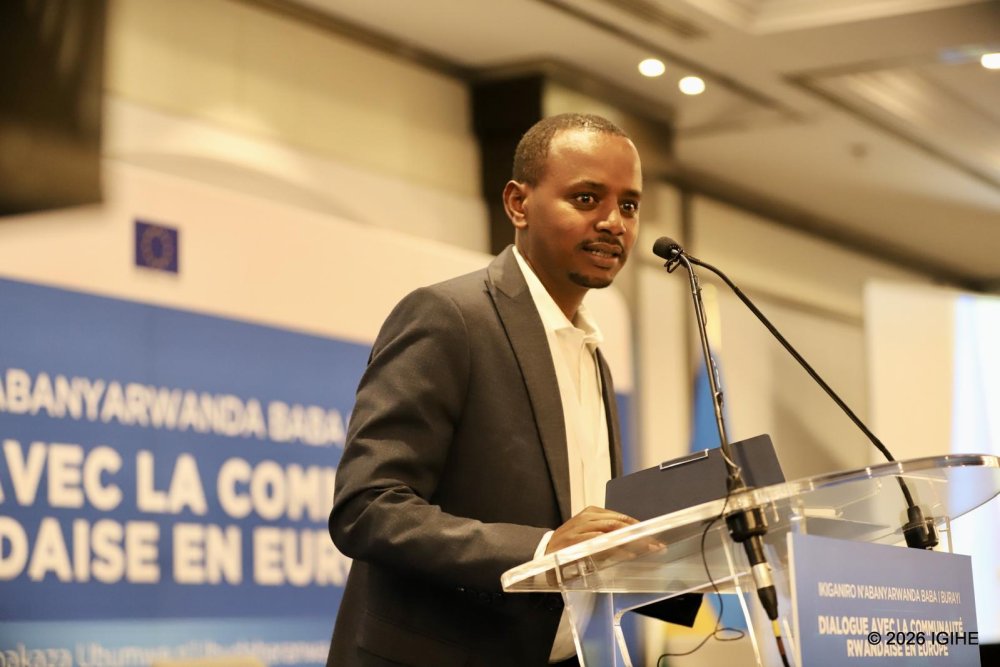
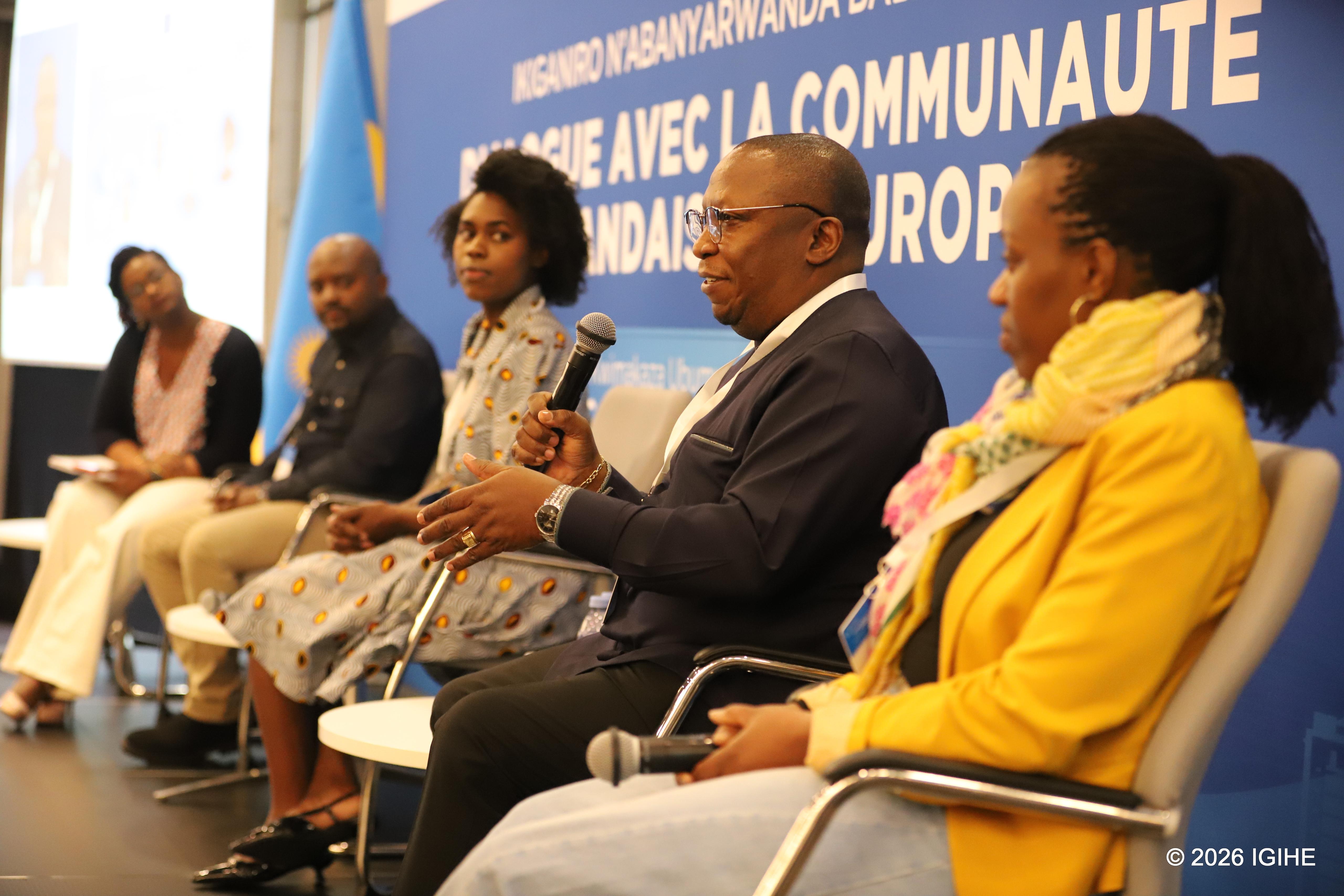
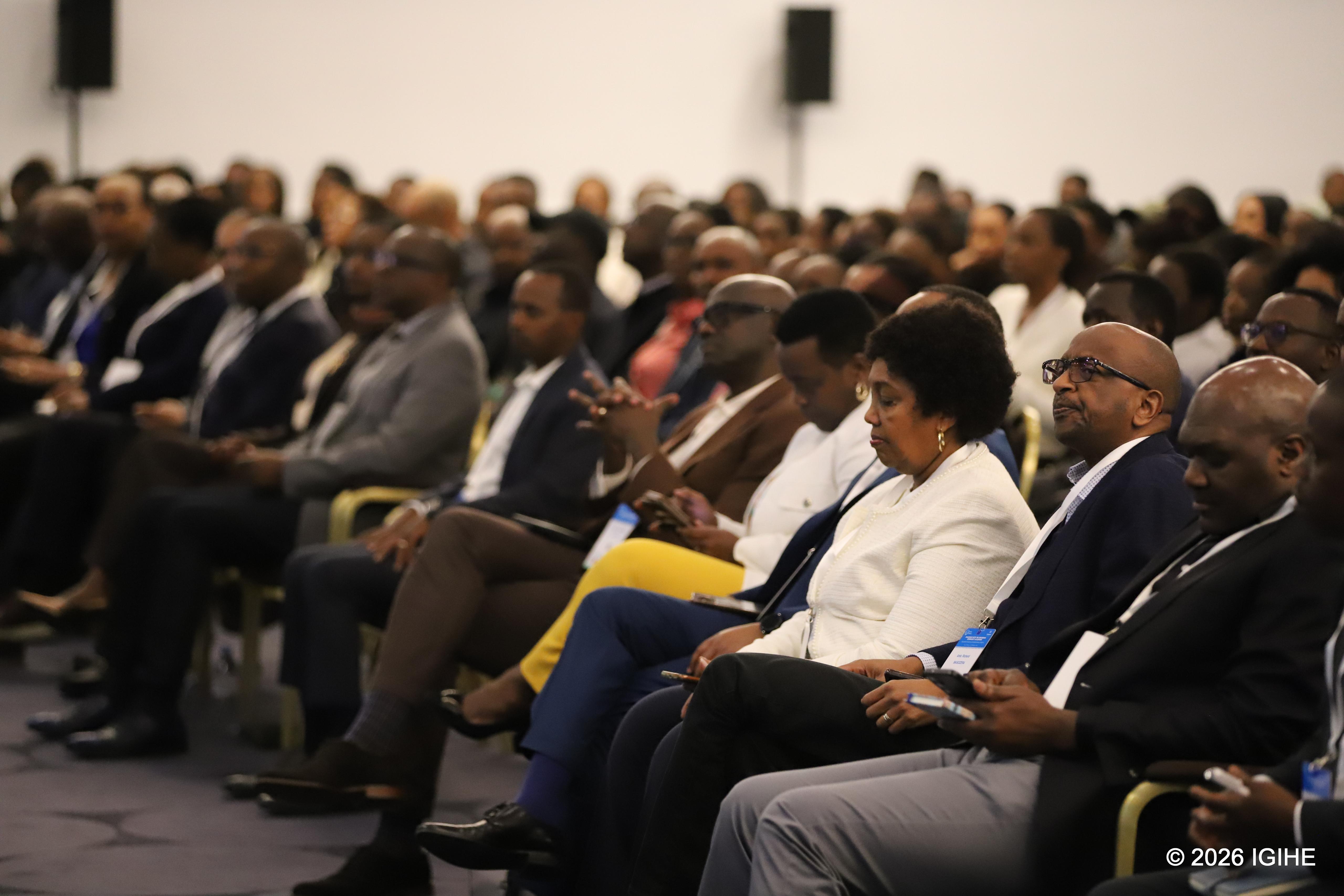
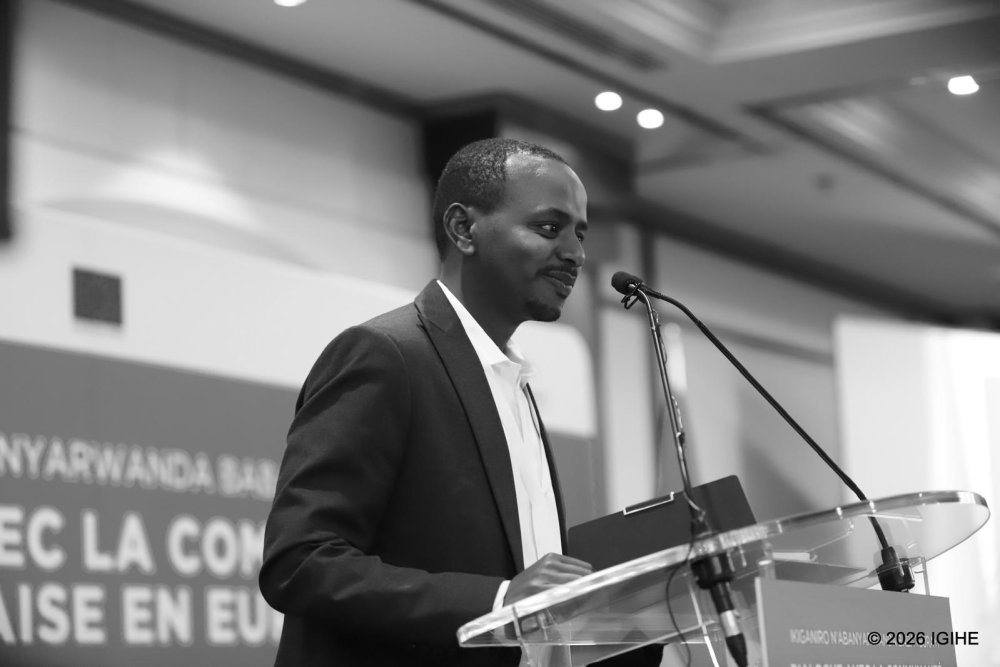
Among the speakers, Frank Kayitare, representing Interpeace, emphasized the importance of addressing legacies of the past with clarity and inclusiveness in order to reinforce community cohesion and resilience.
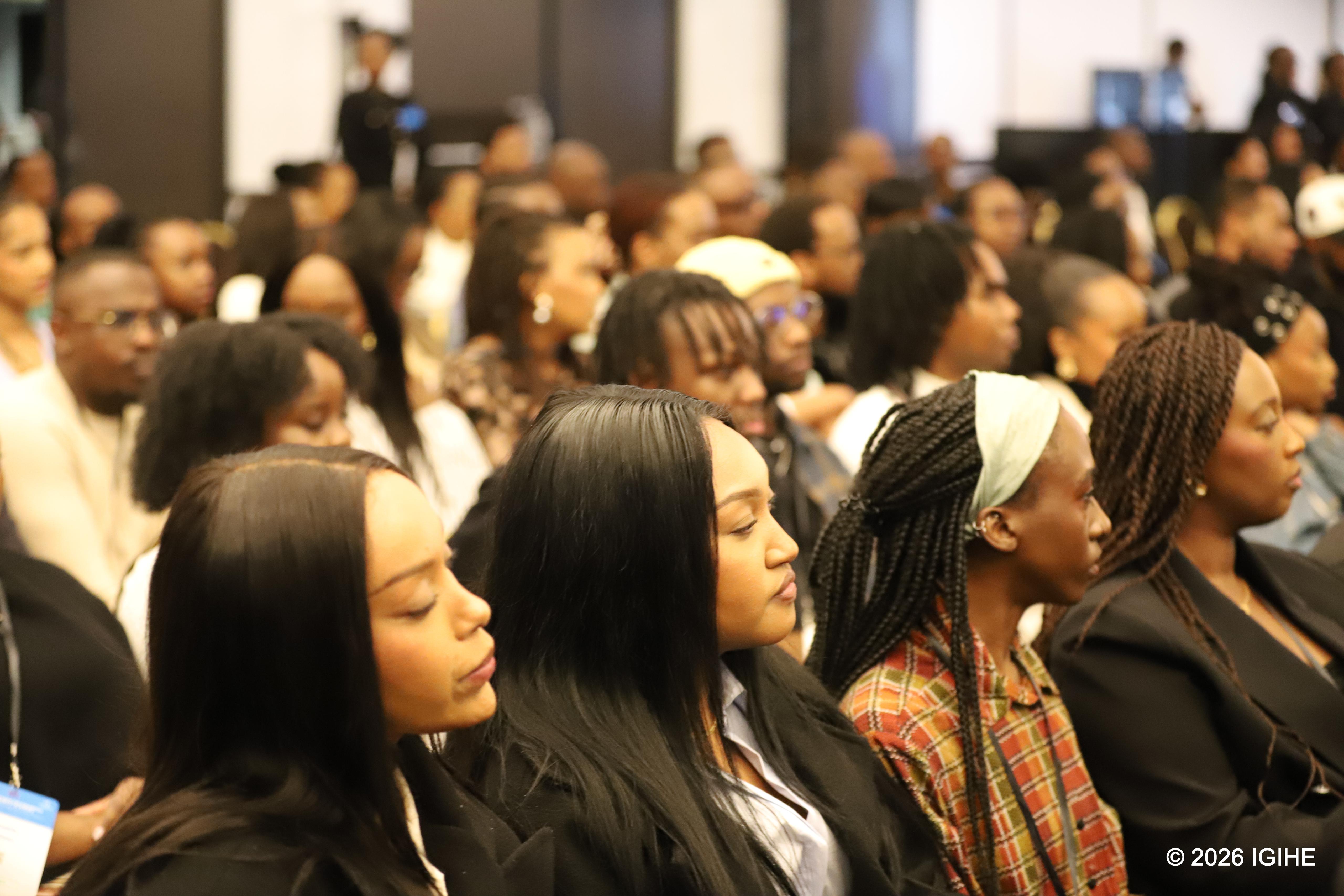
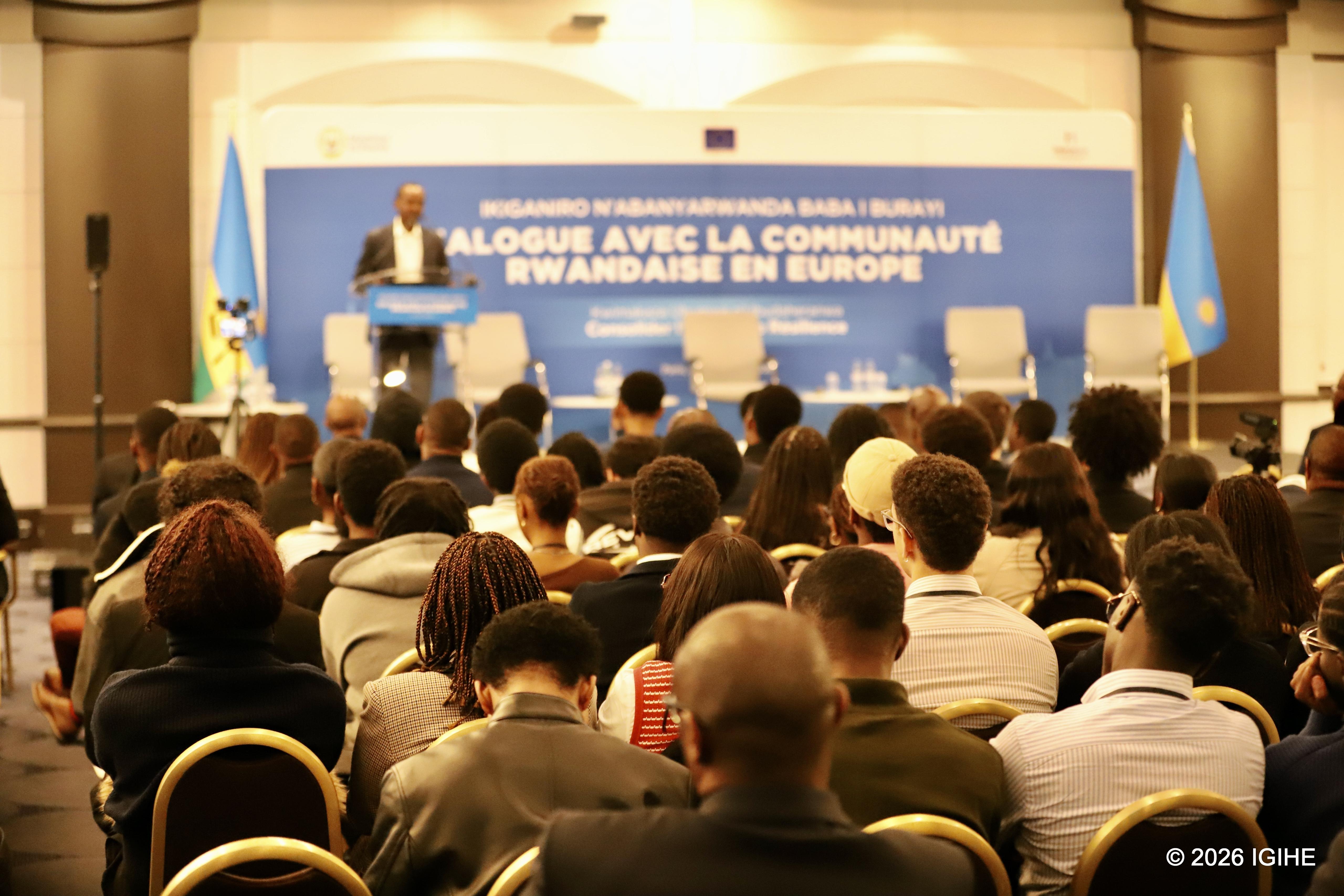
Speaking before an audience of youth and adults from various European countries, he highlighted the complexity surrounding the transmission of genocide legacies, such as trauma and hate ideology.
In his remarks, he explained that the concept of the intergenerational transmission of genocide legacies reflects a broad and often invisible reality.
According to him, what passes from one generation to the next can take multiple forms, ranging from trauma and silence to guilt, shame, and mistrust. These legacies, he noted, are transmitted both consciously and unconsciously, shaping individual and collective trajectories.
In response to this reality, Interpeace prioritizes the creation of safe spaces that foster dialogue between generations. Such forums enable participants to share their experiences, listen to others, and build mutual understanding in an environment grounded in respect and trust.
For the organizers, this approach represents a key pathway toward preventing memory divides and encouraging a more reconciled engagement with history.
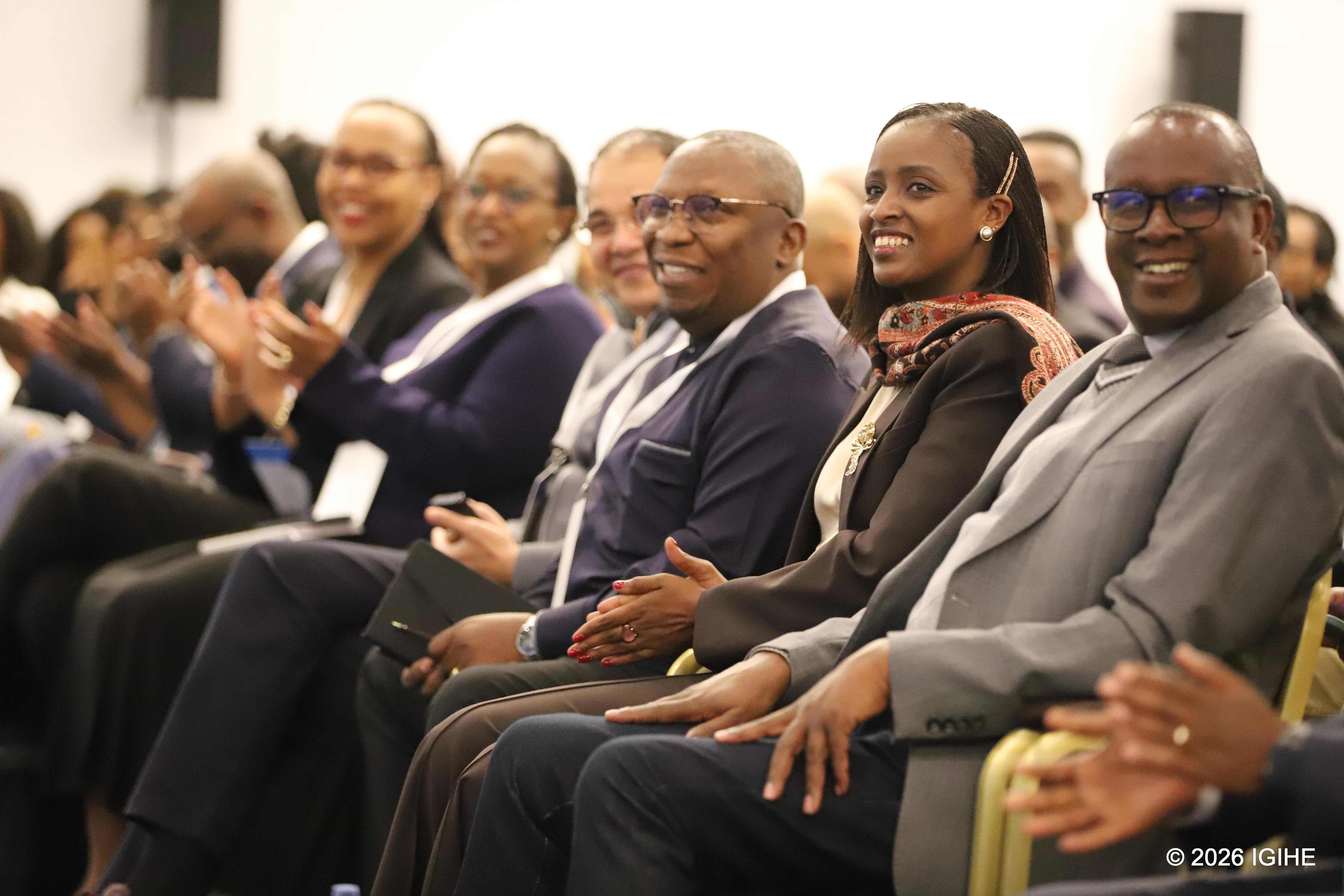
Beyond the formal interventions, the event was enriched by personal testimonies, informal discussions, and cultural moments that strengthened the sense of belonging to a community shaped by diverse journeys yet united by shared memory.
Several participants welcomed an initiative that offers younger generations an opportunity to ask questions, engage with different narratives, and participate in a constructive process of transmission.
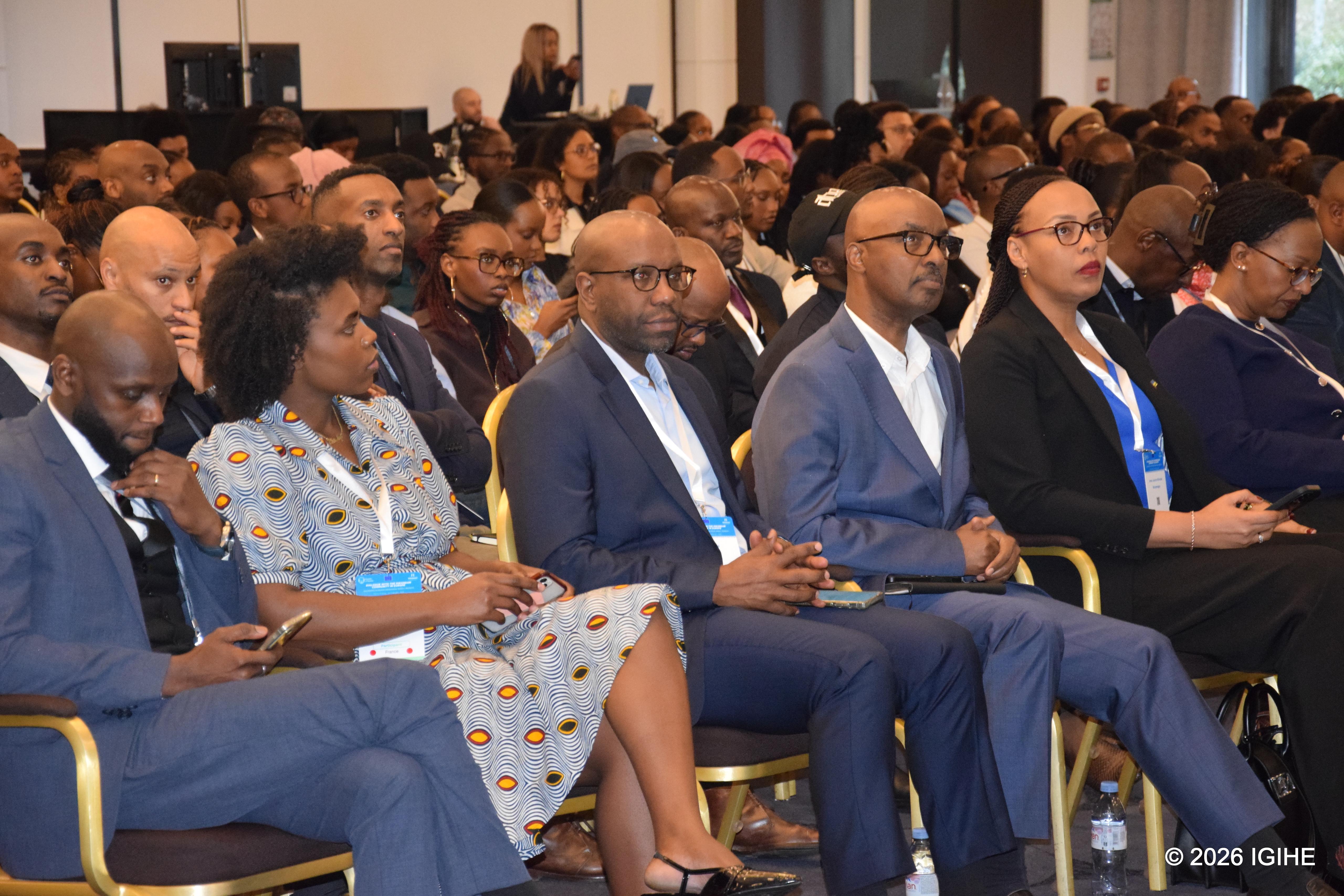
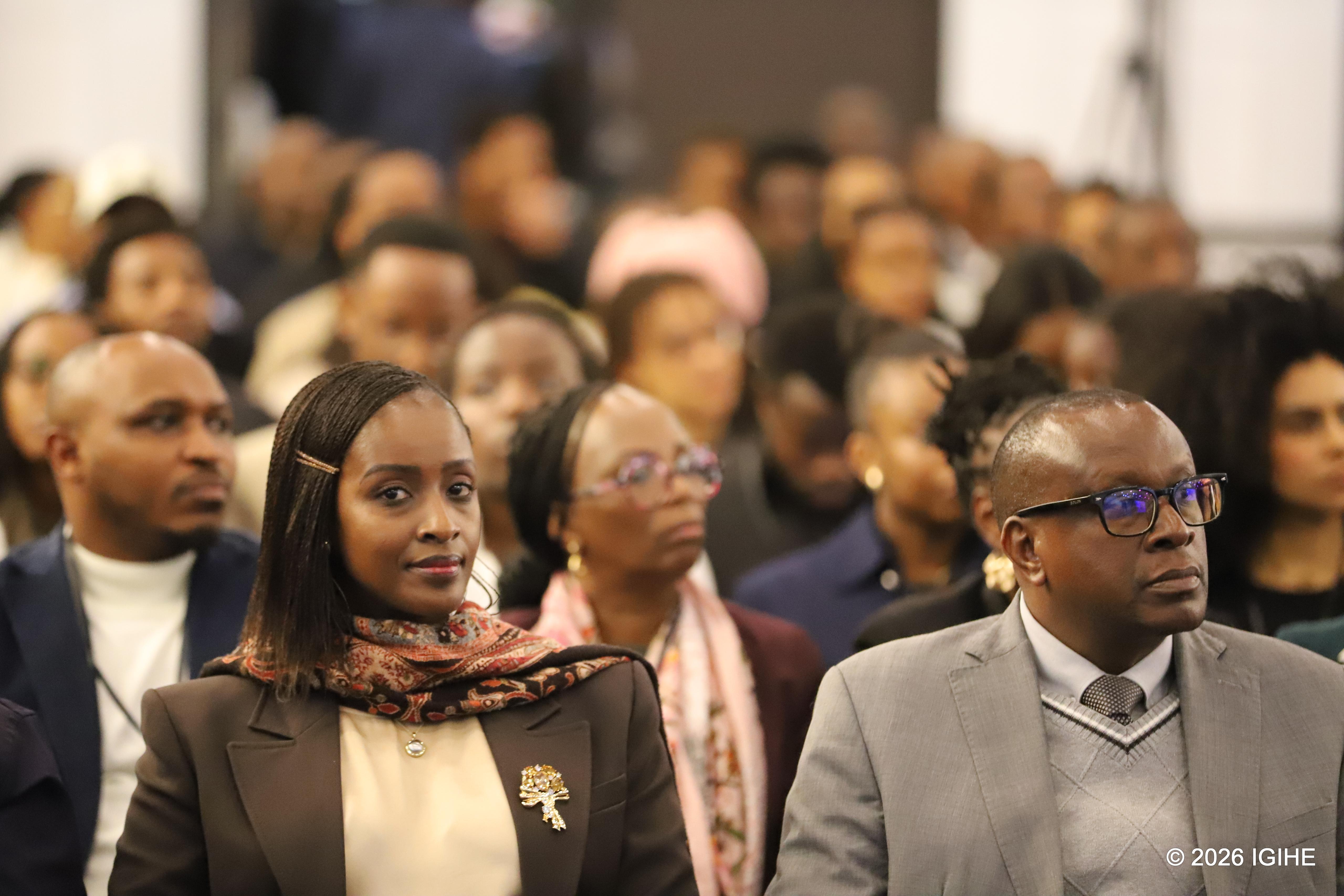
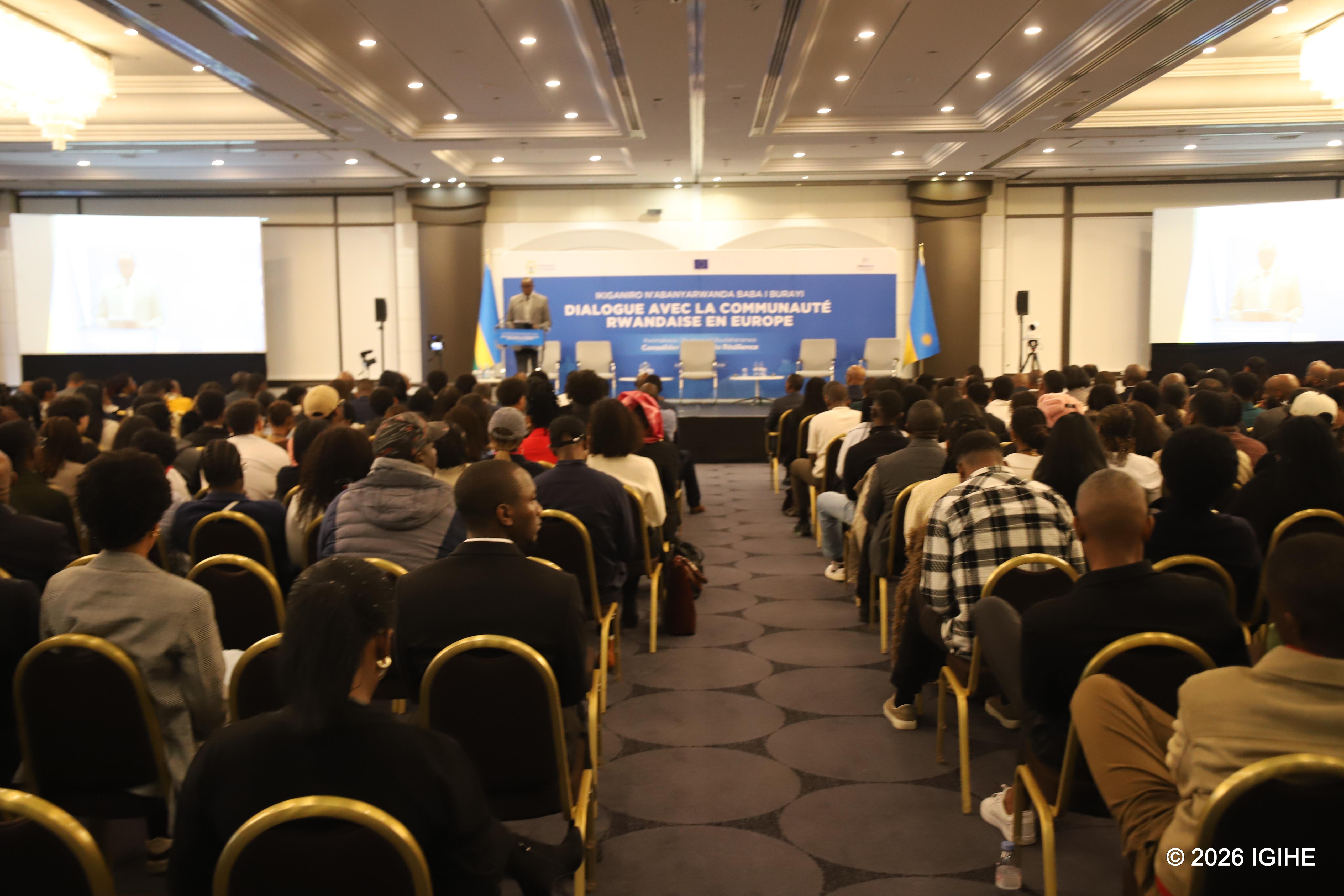
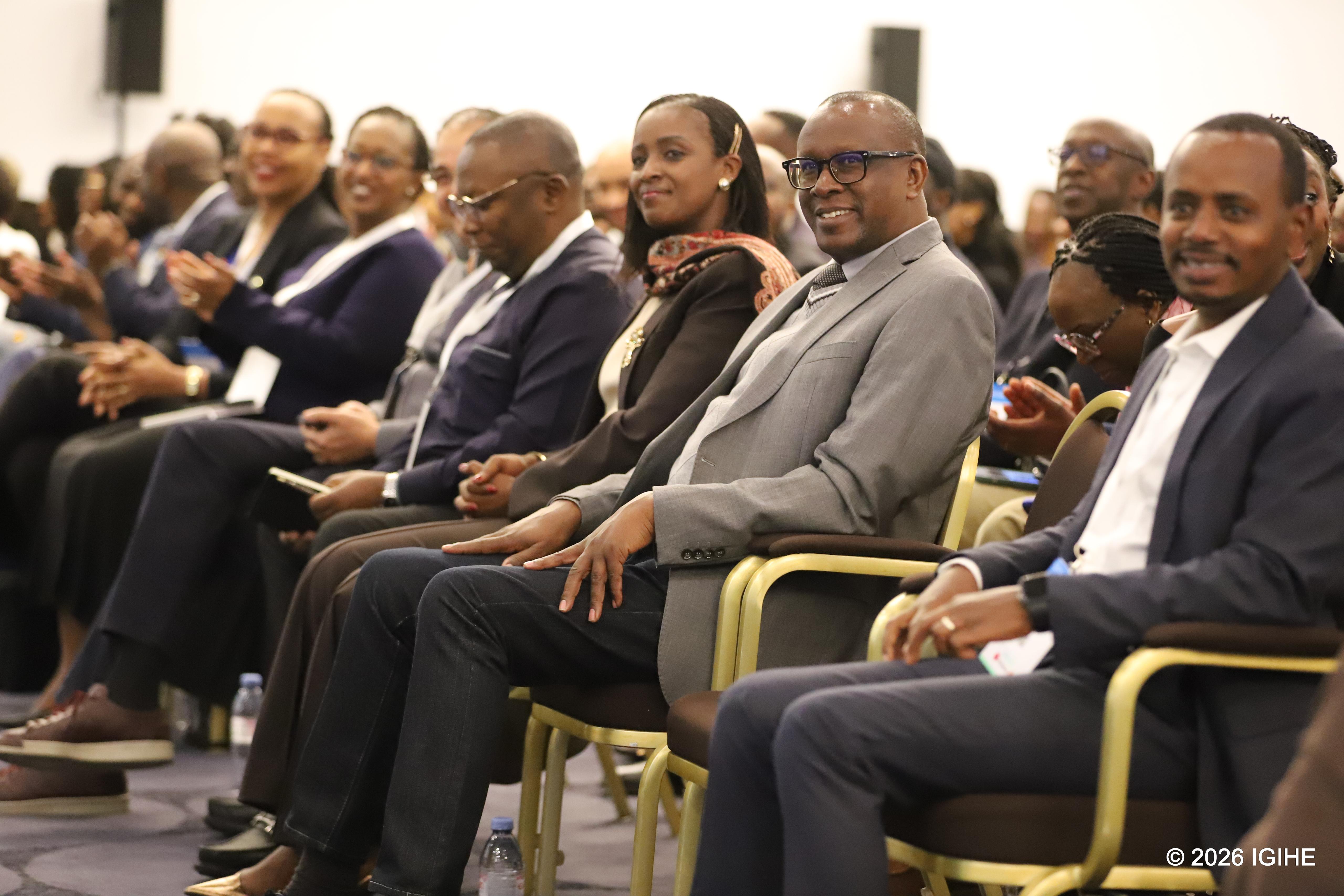
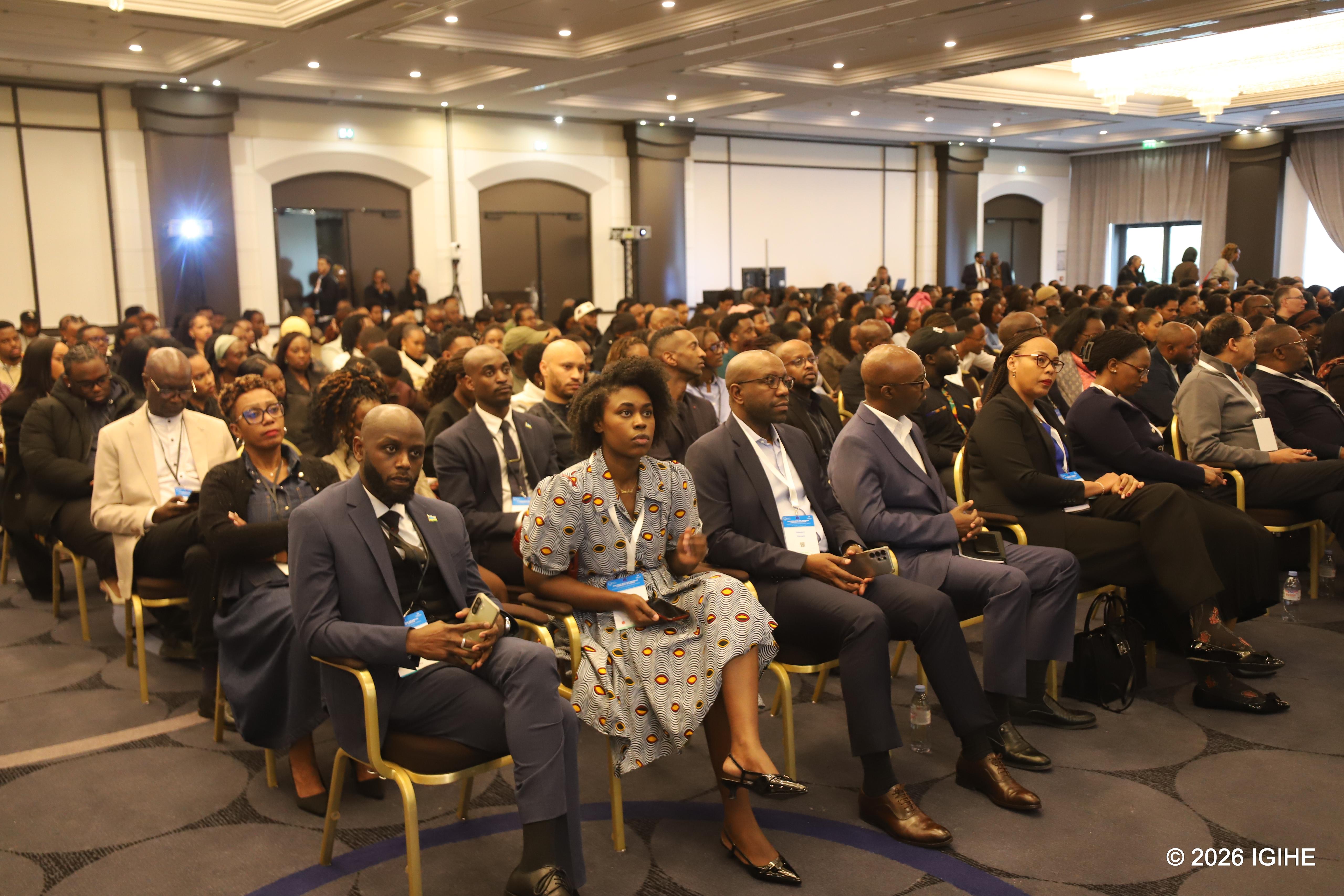
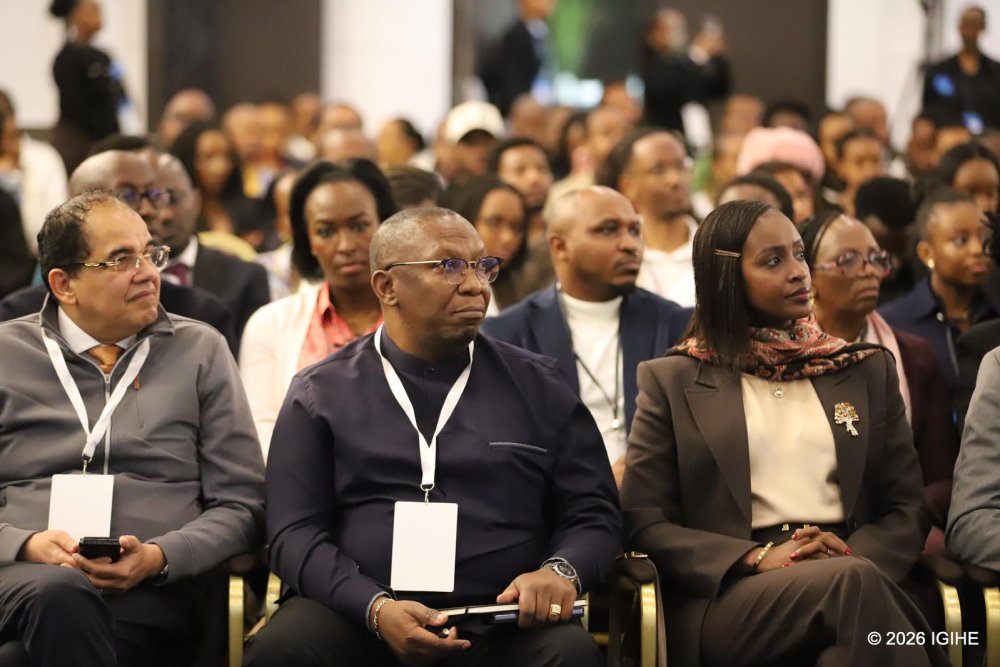
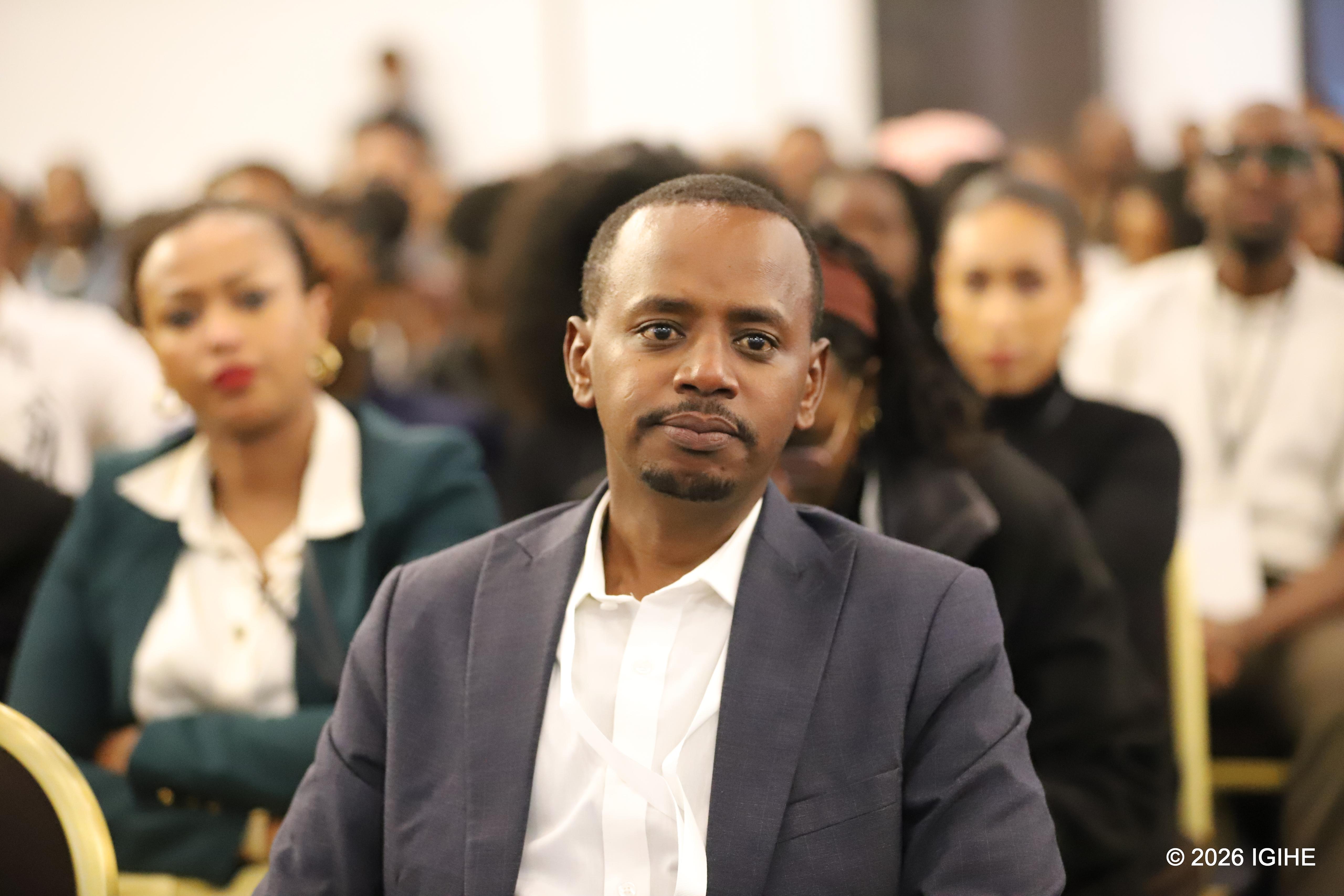
Speaking before an audience of youth and adults from various European countries, Kayitare highlighted the complexity surrounding the transmission of genocide legacies, such as trauma and hate ideology.The event held in Paris brought together over 500 Rwandans from across Europe for a sociocultural dialogue. Frank Kayitare, representing Interpeace, was among speakers.
NCBA underscored this commitment during a customer engagement forum in Rubavu attended by local government leaders, business owners, cross-border traders, logistics operators, and entrepreneurs.
The forum created space for practical discussion on the realities of running businesses in a border economy; working capital pressures, currency flows, digital payments, supply chain delays, and the need for financing that matches the speed of opportunity.
Rubavu’s identity is distinct. Where other cities are built primarily around domestic markets, Rubavu is built around movement of goods, people, and demand. It is Rwanda’s western doorway into the Great Lakes region, and a city whose economic pulse is driven by cross-border trade with the Democratic Republic of Congo. But Rubavu is changing.
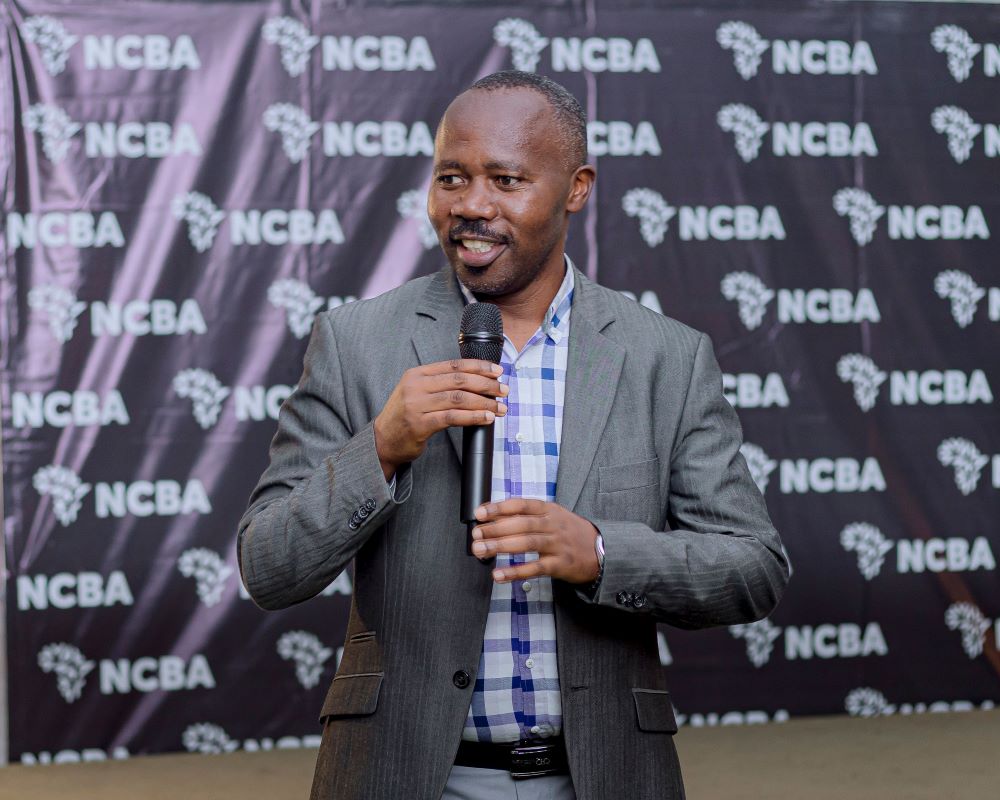
“We are excited to collaborate with NCBA as we enter Rubavu’s next chapter of growth which is about shifting from a border town to a regional trade hub,” said Rubavu Mayor Mulindwa Prosper.
During the event, NCBA committed to supporting investors and enterprises in the district and held direct talks with manufacturers, processors, warehouse operators, distributors, and SMEs.
In his remarks, NCBA Rwanda’s Managing Director Maurice Toroitich agreed with the Mayor’s sentiments. “With our physical and digital presence across East Africa, NCBA is the right bank to enable entrepreneurs to scale trade beyond the traditional routes. We are present in Kigali, Kampala, Busia, Eldoret, Nairobi and all the way to Mombasa and that’s the same on the Dar-es-Salaam route. “So, for cross-border trade, import and export we can provide you with one experience wherever you are. We also have capabilities to connect you across Africa and the world,” he noted.
Re-anchoring growth on industry and urban redevelopment
The vice mayor in charge of economic development Nzabonimpa Deogratias also thanked NCBA for coming in at a critical time and taking initiative to collaborate with the area’s traders and industrialists.
“Rubavu is entering a different era,” Nzabonimpa said. “Trade will always be our strength, but industry is its multiplier. We are currently developing Rugerero Industrial Park which is a platform for value addition, jobs, and businesses that can scale beyond the district.” he said.
“We thank NCBA for its bold decision to drive multi-sectoral investments in Rubavu and invite our entrepreneurs to take these opportunities seriously. During our next forum, we will be taking stock of the commitments we make today,” he added.
Rubavu is not just growing, it is reorganizing. The city’s urban redesign signals an intent to modernize infrastructure, strengthen city planning, improve commercial order, and attract a new class of investment into hospitality, retail, and real estate development.
NCBA affirmed its commitment to backing this transition by supporting businesses and developers aligned with Rubavu’s masterplan, through financing for property development.
As Rubavu upgrades its physical form, the private sector must upgrade its capacity. That requires capital that is fit for purpose and financial partners like NCBA.
NCBA’s message in Rubavu was clear: this is not a transactional relationship, it is a long-term commitment to a city whose economy is strategic to Rwanda’s growth.
NCBA Bank Rwanda is a subsidiary of NCBA Group, a regional banking group providing a broad range of financial products and services to corporate, institutional, SME, and consumer banking customers. NCBA Group operates 115 branches in five countries ; Kenya, Uganda, Tanzania, Rwanda, and Ivory Coast, serving over 60 million customers and ranking as the largest banking group in Africa by customer numbers.
In Rwanda, NCBA operates branches in Kigali, Musanze, Nyagatare, Rubavu, Kayonza, and Rusizi. Through its partnership with MTN Mobile Money Rwanda Ltd on MoKash, NCBA has attracted over 5 million customers, making it the country’s largest retail digital bank and a central catalyst for financial inclusion.
Rubavu Mayor Mulindwa Prosper expressed delight at collaborating with NCBA as the district enters the next chapter of growth.NCBA Rwanda’s Managing Director Maurice Toroitich speaking at the event.
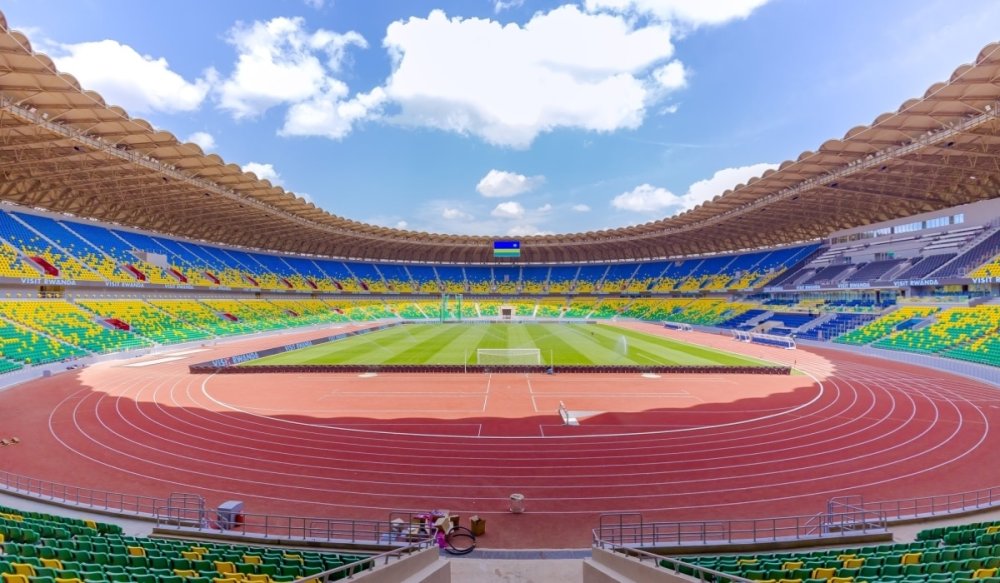
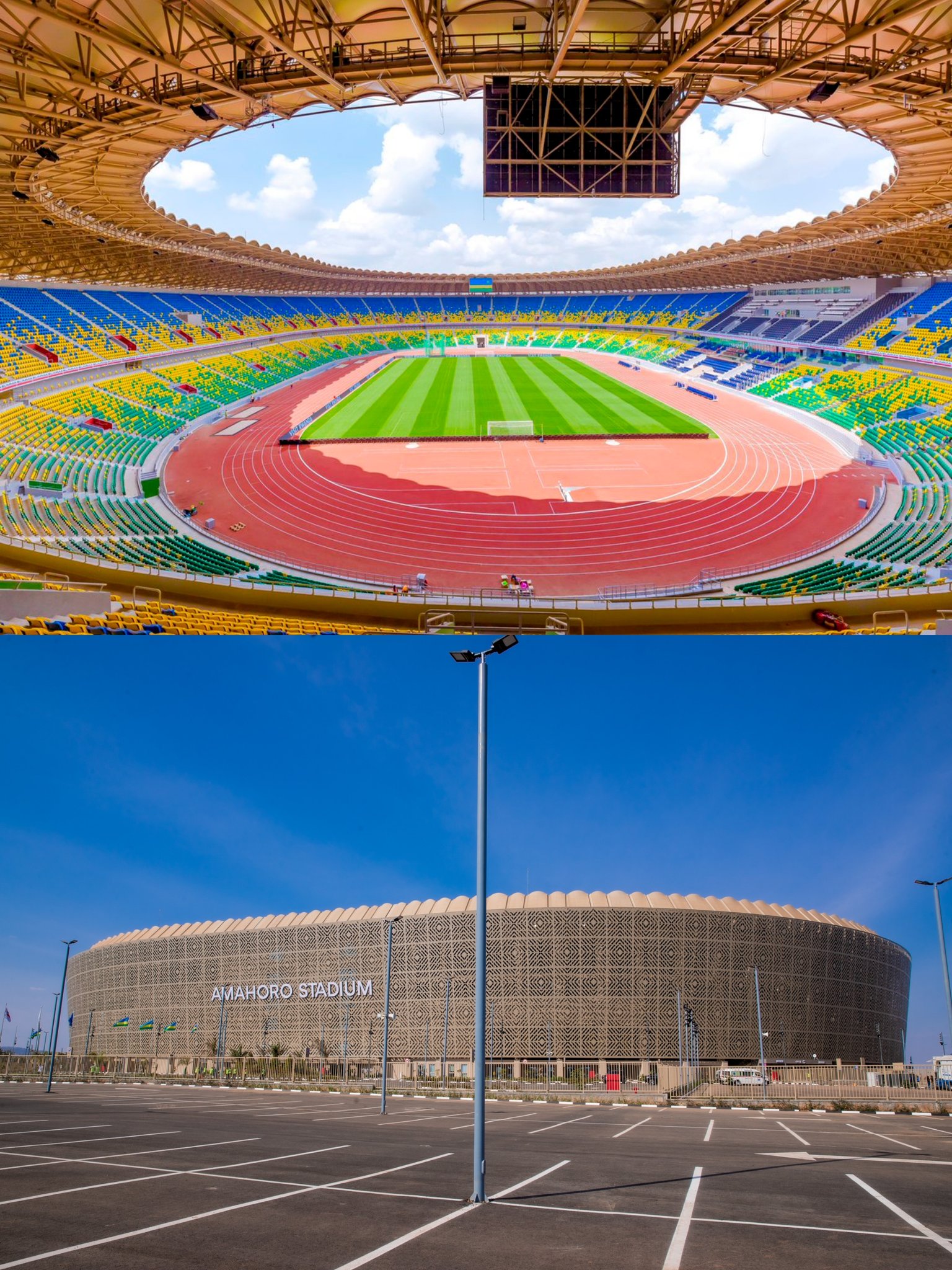
Jules Karangwa, Chief Executive Officer (CEO) of the Rwanda Premier League, explained that the closure is the reason for several changes in scheduled matches.
“The stadium is being prepared for FIFA Series matches,” Karangwa told RBA. “After the recent match between Kiyovu Sports and APR FC, it was closed for maintenance. It is expected to reopen after March 2026.”
He added, “We have looked into alternatives, but in order to meet FIFA’s standards for the tournament, the stadium must remain closed. We will continue to organize matches at other venues in the meantime.”
Amahoro Stadium was originally set to host the match between Rayon Sports and Al Hilal SC. The fixture has now been moved to Kigali Pelé Stadium and will take place on Wednesday, February 25, 2026.
During the FIFA Series 2026, starting on March 26, Amahoro Stadium will host Group A matches, featuring Estonia, Grenada, Kenya, and Rwanda. Group B matches, including Aruba, Liechtenstein, Tanzania, and Macau, will be played at Kigali Pelé Stadium.
Amahoro Stadium was originally set to host the match between Rayon Sports and Al Hilal SC. The fixture has now been moved to Kigali Pelé Stadium and will take place on Wednesday, February 25, 2026.
The funding supports farmer training, capacity building, and modern production techniques aimed at strengthening food security and raising farm incomes.
The progress was highlighted during a consultative meeting that brought together SAIP-supported farmers from Huye District on February 24, 2026. The meeting focused on exchanging experience and identifying practical ways to further increase yields.
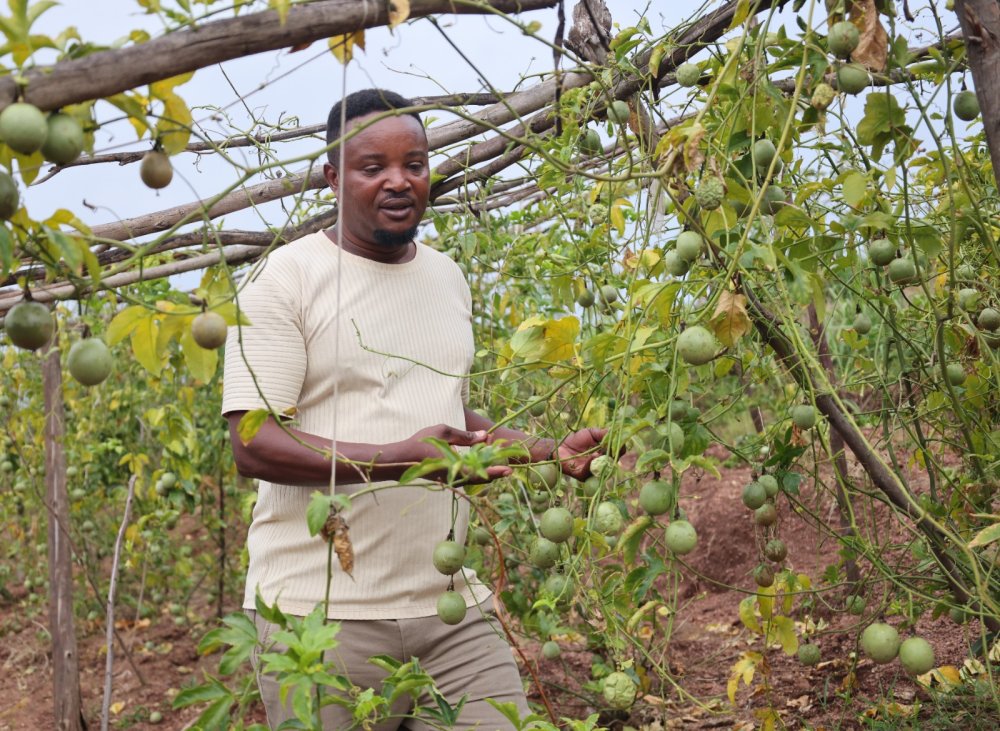
Launched in 2024, SAIP II operates in 20 districts across Rwanda. Among beneficiaries is farmer Darius Havugarurema, who grows fruits on more than five hectares. Before receiving SAIP training, the land had largely remained idle, producing only once every seven years.
With project support, he received over 7,000 fruit seedlings, including tomato trees, passion fruit, and avocado, along with a diesel-powered irrigation system and more than 800 meters of piping. The investment totaled nearly Rwf 40 million, half of which was subsidized by the project. He said the transformation allowed him to fully commit to commercial farming, with initial harvests generating between Rwf 6 and 7 million.
Support has also extended to agro-processing. Entrepreneur Mutabaruka Théophile, who operates a rice processing plant in Sovu Industrial Zone in Huye District, said SAIP backing helped expand his operations.
He has since established a Rwf 650-million-animal feed factory, receiving Rwf 140 million in project support. The facility is expected to process six tons per hour.
He noted that by-products from rice processing that were previously discarded will now be converted into livestock feed, while strengthened links with maize and soybean farmers supported by SAIP will ensure a steady supply of raw materials.
Farmer cooperatives have also benefited. The Tuzamurane Cooperative, which grows maize, beans, and vegetables in Ruvungirana Marshland in Ruhashya Sector, received training that reached all members.
Cooperative leaders say new practices, such as planting protective vegetation along roadsides to prevent flooding, have improved resilience while creating additional income sources.
Members were also equipped with harvesting tents that allowed them to gather and protect crops from post-harvest losses.
SAIP Project Coordinator at RAB-SPIU, Mutabaruka Ezra, said the initiative aims to expand sustainable agriculture by improving irrigation, particularly small-scale irrigation, while strengthening post-harvest handling, storage, and market access.
Beyond field production, the project is supporting broader agricultural infrastructure, including the construction of eight storage facilities, cold rooms and cold trucks for transport of fruits and vegetables, construction of more than 200 greenhouses, and modern farming machinery, investments expected to deliver long-term gains in food production.
Overall, SAIP II represents a $20 million investment, with irrigation alone accounting for $5.7 million.
Darius Havugarurema grows fruits on more than five hectares.