To address these challenges, the Government of Rwanda, in partnership with the World Bank, launched the Volcanoes Community Resilience Project (VCRP). The initiative aims to protect vulnerable areas and prevent disasters from undermining local livelihoods.
Valued at more than $300 million (approximately Rwf 435.6 billion), the project is structured around four key components: flood prevention, expansion of the national park, land restoration, and public awareness and capacity building. Together, these efforts seek to improve living conditions for communities in the region.
Flood prevention and environmental restoration
To mitigate flooding, monitoring equipment is being installed along rivers and waterways in the Vunga corridor. About 15 hydrological stations have already been set up to measure water levels, flow speed, and volume — work led by the Rwanda Water Resources Board.
Land restoration activities are being implemented by the Rwanda Environment Management Authority. These include tree planting, construction of radical terraces on steep hillsides, and training for farmers on effective water management in agricultural fields.
The project plans to establish nurseries and carry out afforestation across 1,177 hectares, promote agroforestry on 10,388 hectares, where more than 86,000 trees have already been planted, and restore 2,955 hectares of degraded forest.
Radical terraces will be developed on 12,740 hectares, with 87 hectares already completed. Contour bank terraces are planned for 81,376 hectares, of which 47 hectares have been implemented so far.
In addition, 10,000 household water tanks will be distributed, where 140 have already been provided, alongside 10,000 cows under the Girinka program, with 40 cows delivered to date.
Expansion of Volcanoes National Park
A major component of the project is the expansion of Volcanoes National Park, which alone is expected to cost about $230 million.
Currently covering about 16,000 hectares, the park will expand by 3,740 hectares — a 23% increase — to reduce human-wildlife conflict and strengthen conservation.
The expansion will require the relocation of residents living within and near the new park boundaries. Business owners such as hotel operators will be compensated or supported to operate eco-friendly forest lodges that comply with park conservation standards, including reforestation requirements and strict environmental guidelines.
As part of the first phase, a “Smart Green Village” will be constructed to house 510 families affected by relocation.
Resettled residents are also receiving training in modern agriculture through the Kinigi Horticulture Hub, which includes greenhouses covering 1,250 square meters. Initial crops include pepper, tomatoes, and cucumbers, selected for their strong market demand and profitability. The hub is projected to generate Rwf 45 million annually, with operating costs estimated at Rwf 11 million.
Project scope and implementation
Launched in 2023, the five-year VCRP is scheduled to run until 2028. It is being implemented in disaster-prone districts including Musanze, Burera, Rubavu, Nyabihu, Ngororero, Rutsiro, Gakenke, and Muhanga.
The project is being carried out through collaboration among several national institutions, including the Rwanda Environment Management Authority, Rwanda Water Resources Board, Meteo Rwanda, and the Rwanda Development Board.
Residents to be resettled are receiving training in modern agriculture through the Kinigi Horticulture Hub, which includes greenhouses covering 1,250 square meters.
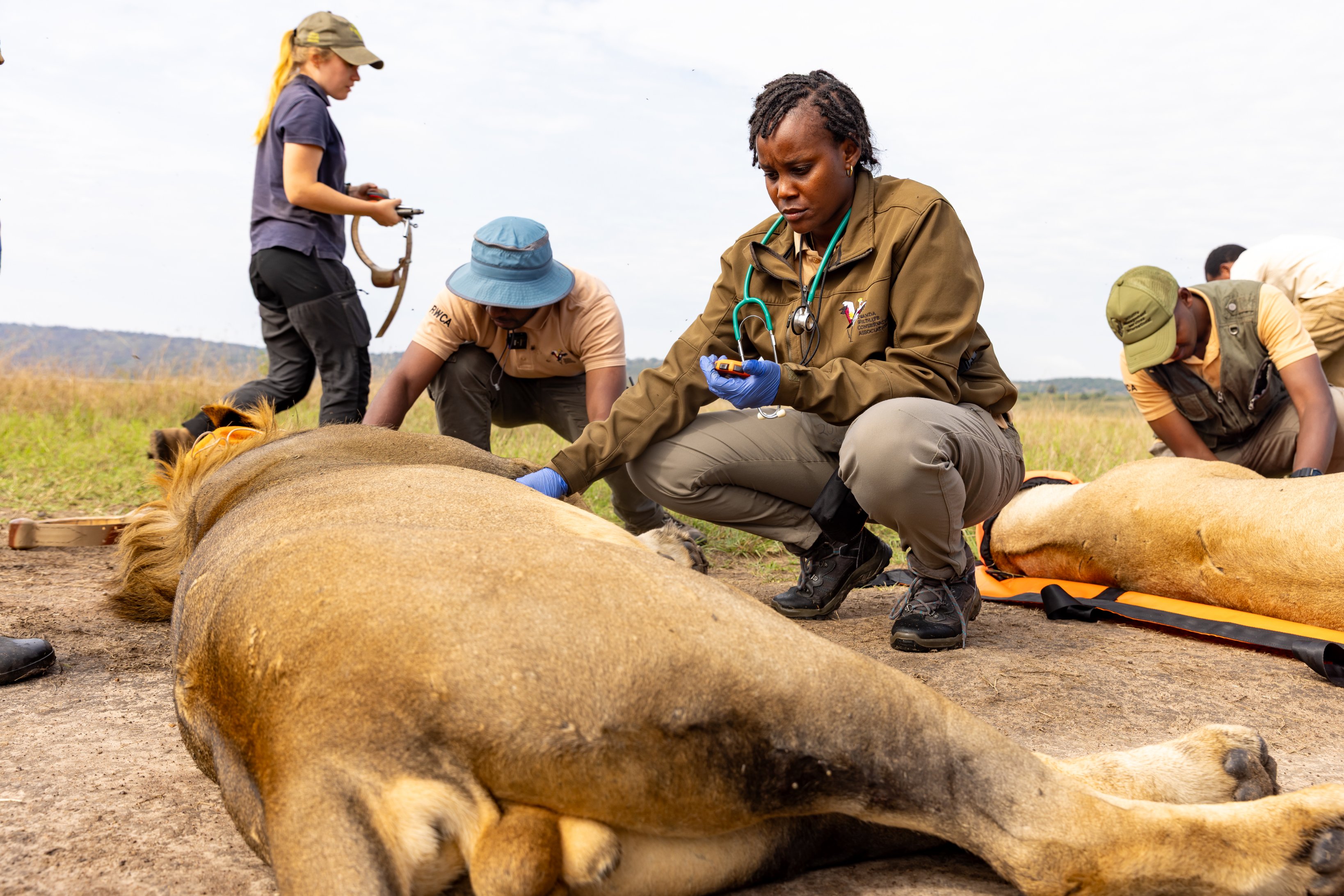
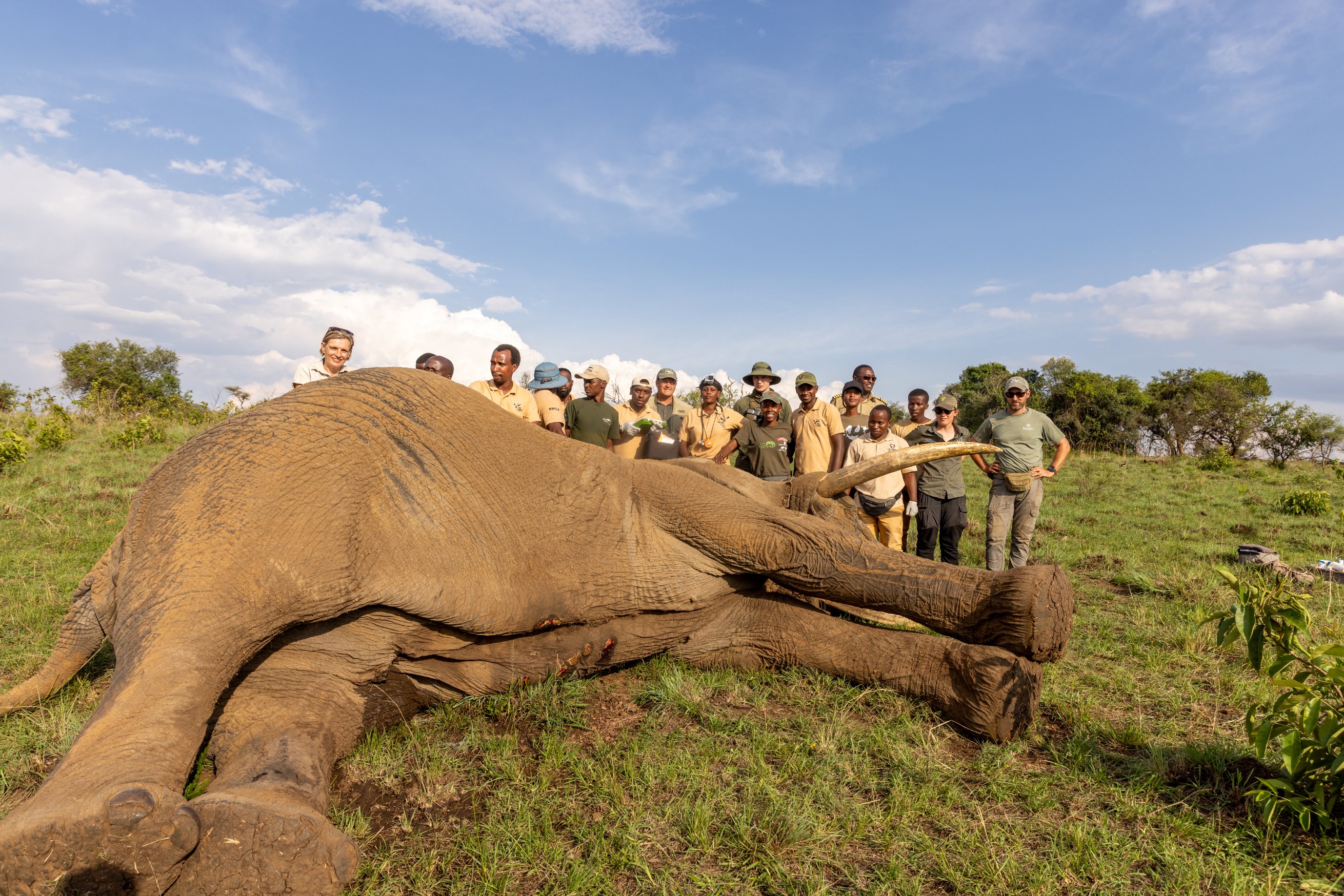
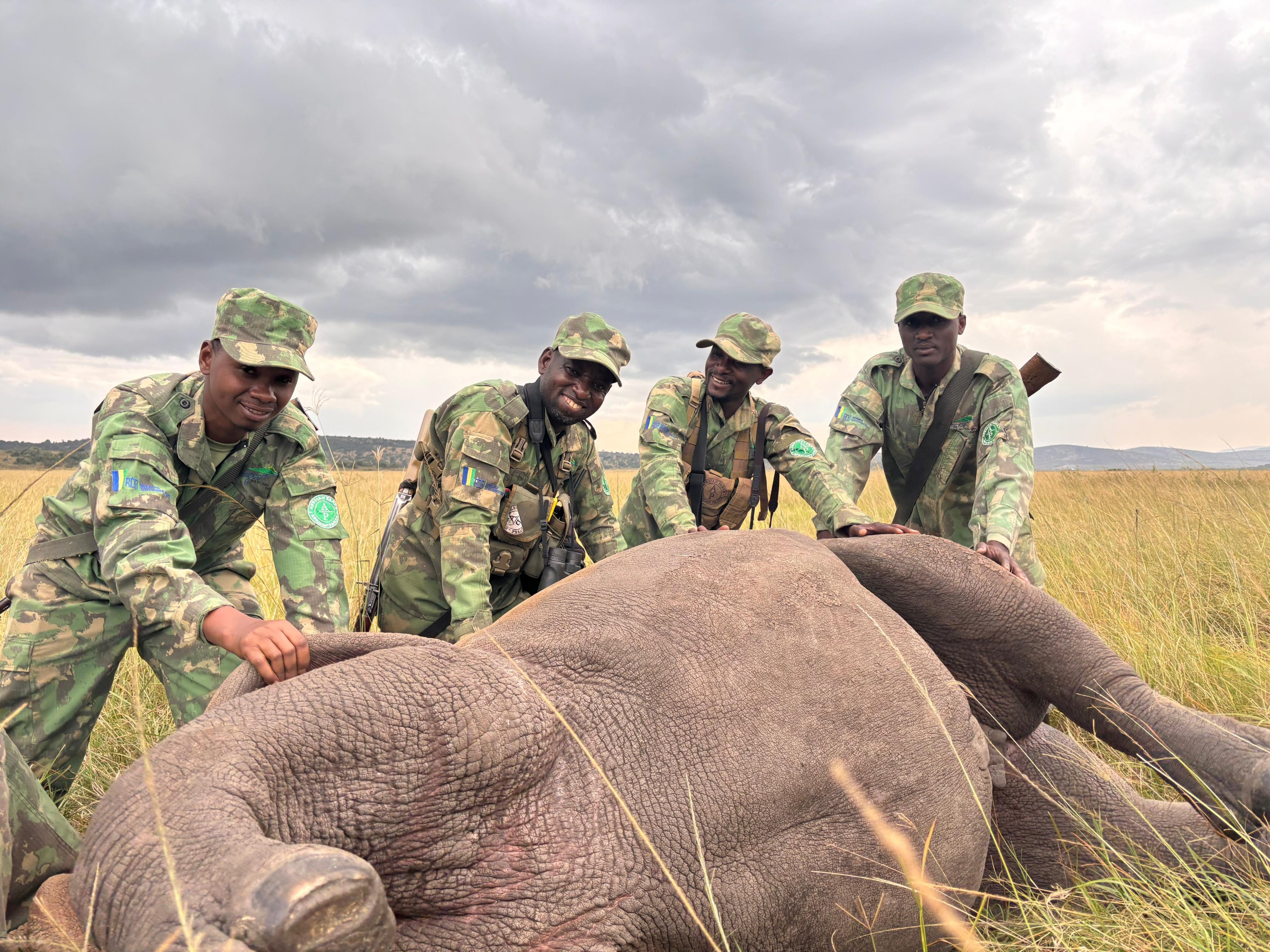
In a statement released on Thursday, the park’s management also disclosed that conservation teams successfully fitted GPS collars to three lions and one elephant in February 2026, to enhance real-time monitoring of animal movements.
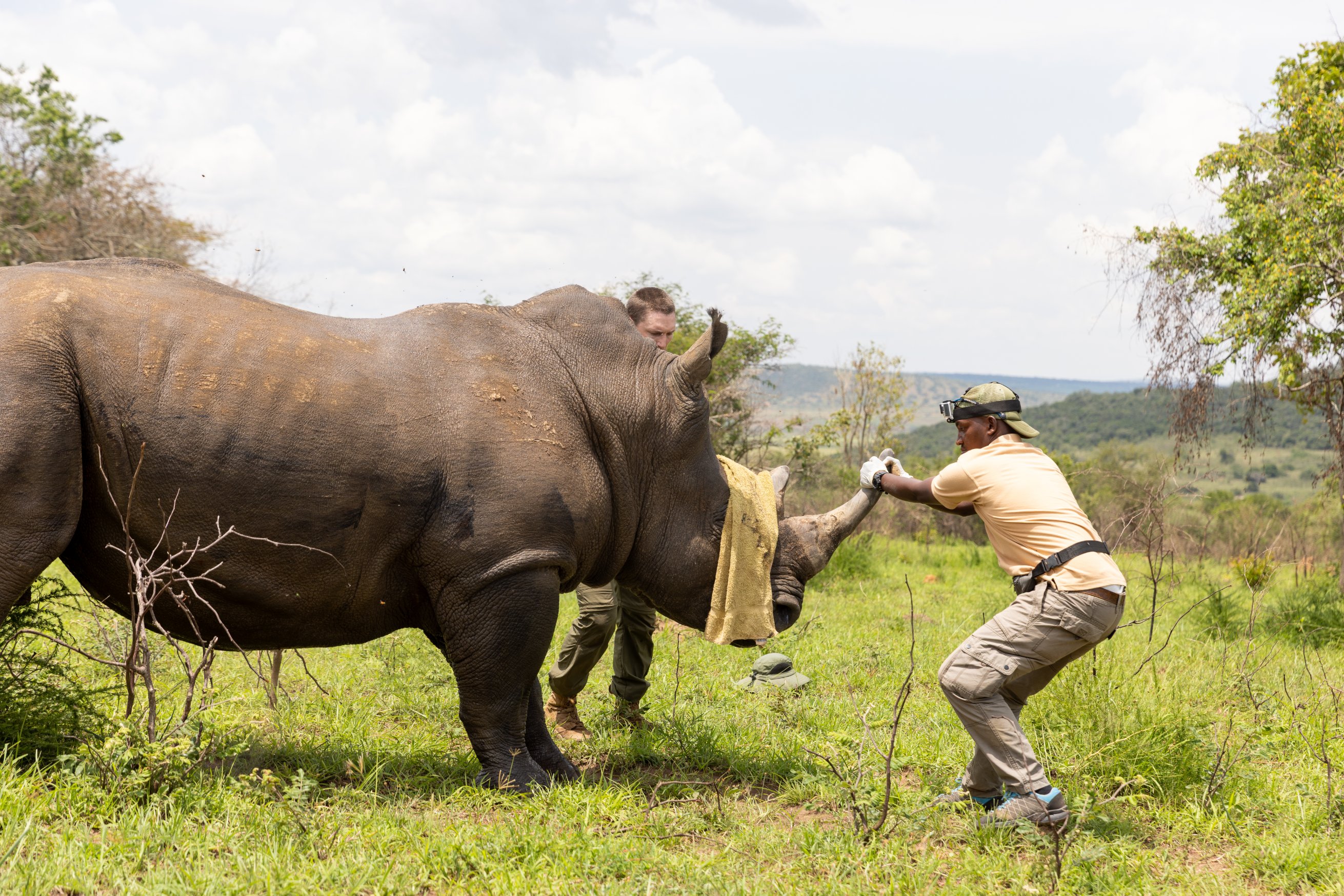
Seventeen white rhinos and eight black rhinos were also fitted with in-horn VHF transmitters to strengthen protection and tracking. During the same operation, eight black rhinos were safely darted, an achievement that surpassed last year’s total of seven.
The park acknowledged the contribution of Dr. Richard Harvey of Wildscapes Vets, as well as its Conservation & Research, Field Operations, and Law Enforcement teams, and the Rwanda Wildlife Conservation Association for their professionalism in this exercise.
Why contraception for lions
Speaking with IGIHE, park officials explained that animals such as lions live within clearly defined boundaries and cannot easily migrate beyond the protected area.
“A wetland between Rwanda and Tanzania, together with a river that forms a natural border between the two countries, further restricts wildlife movement and dispersal. In such enclosed conditions, when predator populations reproduce successfully in a confined space, careful management is required to maintain ecological balance,” reads a statement shared with IGIHE.
The park explained that in small enclosed protected areas, lions have a significant impact on prey populations.
When lion numbers grow rapidly, prey species may decline, which is why reproduction is managed over longer intervals.
“This can also alter vegetation patterns depending on whether grazing animals decrease or increase in certain areas. Some species may disappear from the ecosystem. Lions themselves may eventually face food shortages, and human-wildlife conflicts near park boundaries could increase.”
Excess lions in enclosed parks cannot naturally relocate elsewhere. Each cub born affects the balance of the ecosystem. “The objective is not to stop reproduction entirely, but to mimic natural processes that regulate population growth in the wild. Veterinary-administered contraception can delay the age at first birth in females and extend intervals between litters, gradually slowing population growth,” adds the statement.
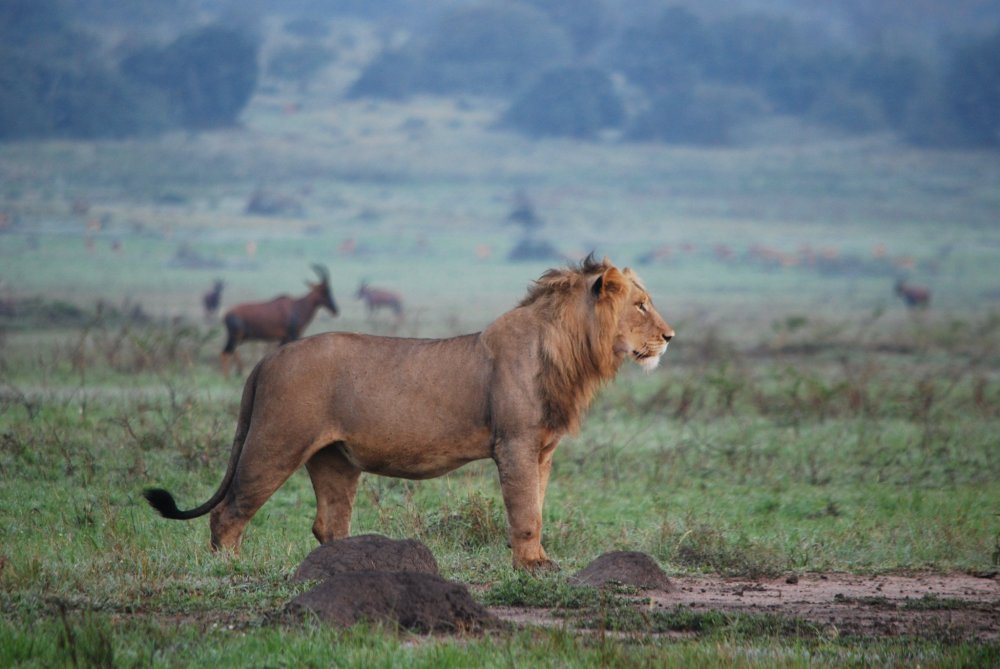
The lion population in the park has now reached about 70 individuals. In 2015, the Government of Rwanda reintroduced seven lions, including five females, as part of efforts to restore the species in the park.
Established in 1934, the park covers 1,120 square kilometers and is home to some of the world’s most iconic wildlife, including lions, leopards, elephants, rhinos, and buffalo. Data from African Parks, which manages the park, shows that in 2025 visitor numbers rose to 59,538, generating $5.06 million in revenue.
Of those visitors, 51,769 were paying guests, an 8% increase compared to 2024. Rwandan citizens accounted for 47% of visitors, international tourists for 47%, and foreign residents living in Rwanda for 6%.
The lion population in the park has now reached 70 individuals.Akagera National Park has placed five lionesses under contraception.Seventeen white rhinos and eight black rhinos were also fitted with in-horn VHF transmitters to strengthen protection and tracking.Akagera National Park’s management also disclosed that conservation teams successfully fitted GPS collars to three lions and one elephant.The exercise was conducted in February 2026.
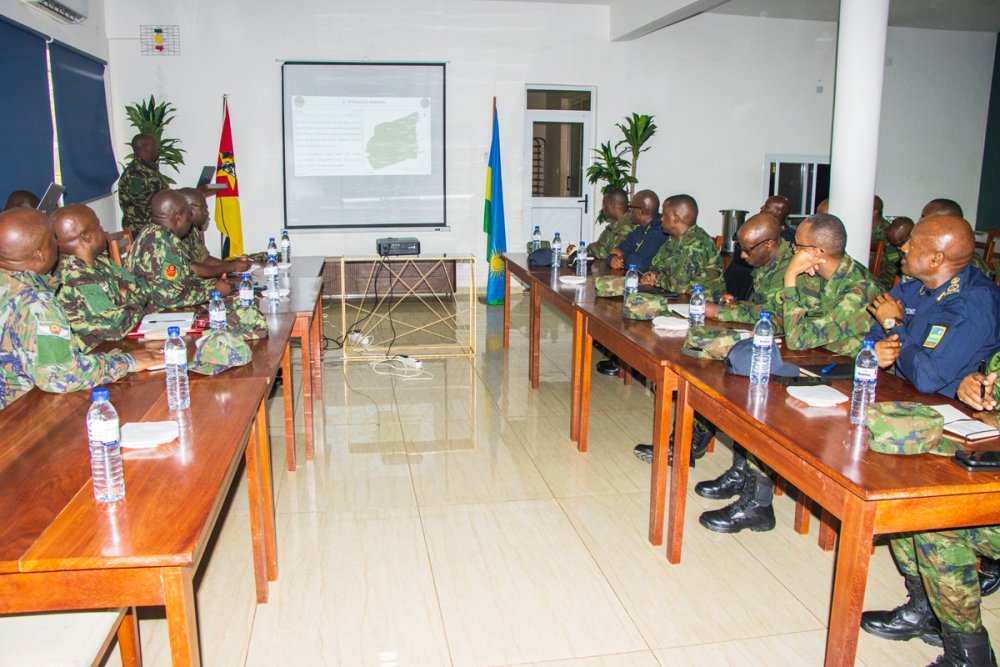
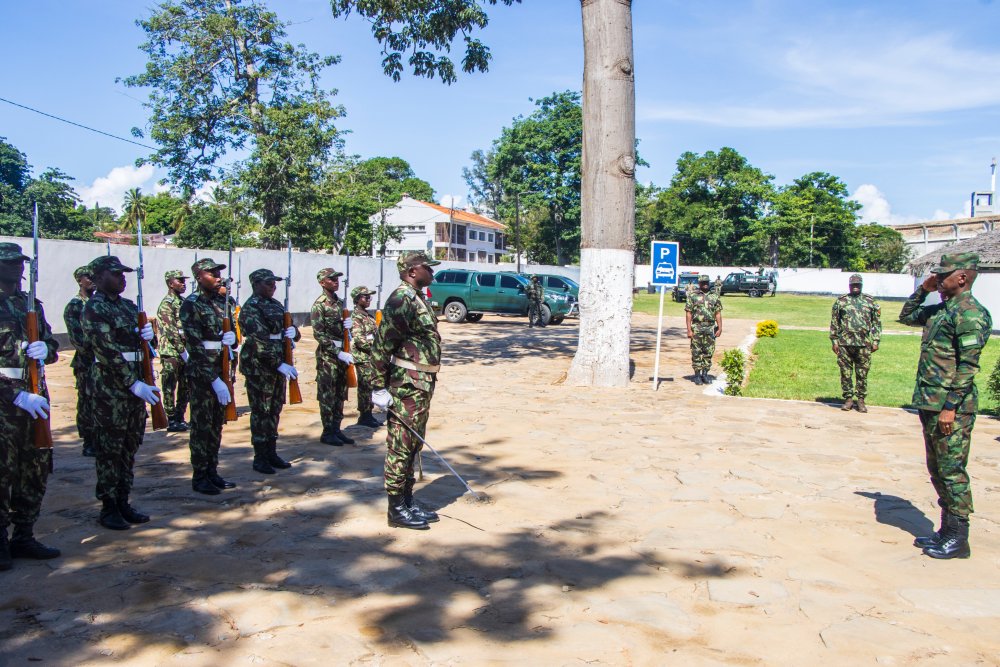
While in the coastal city of Pemba, the delegation held a meeting with the Army Commander of the Mozambican Armed Forces (FADM), Major General André Rafael Mahunguane.
The discussions focused on jointly assessing the prevailing security situation in Cabo Delgado and reviewing future operational plans. Both the Rwandan and Mozambican forces reaffirmed their commitment to close cooperation and to working collaboratively towards achieving their shared operational objectives.
The delegation also paid a courtesy visit to the Governor of Cabo Delgado Province, Valige Tauabo. During the engagement, members received a comprehensive briefing on the current security situation in the province.
Discussions centred on ongoing joint operations conducted by the Rwanda Security Forces and Mozambican forces to counter terrorism, as well as on strategies to further strengthen security efforts across the province.
Major General Nyakarundi commended the strong partnership between the Rwandan and Mozambican security forces, noting that their resilience and dedication have significantly contributed to the restoration of peace and stability in Cabo Delgado. He reaffirmed Rwanda’s continued commitment to supporting initiatives aimed at maintaining normalcy throughout the province.
Major General Mahunguane expressed appreciation for the contribution of the Rwanda Security Forces in combating Islamic State-linked terrorists, underscoring the positive impact of the bilateral partnership. Both sides reiterated their shared commitment to promoting peace, stability, and lasting security for the people of Mozambique and the wider region.
Governor Tauabo conveyed gratitude for the steadfast role played by the Rwanda Security Forces in restoring security across the province, as well as for their support in enhancing community welfare through various civil–military cooperation initiatives.
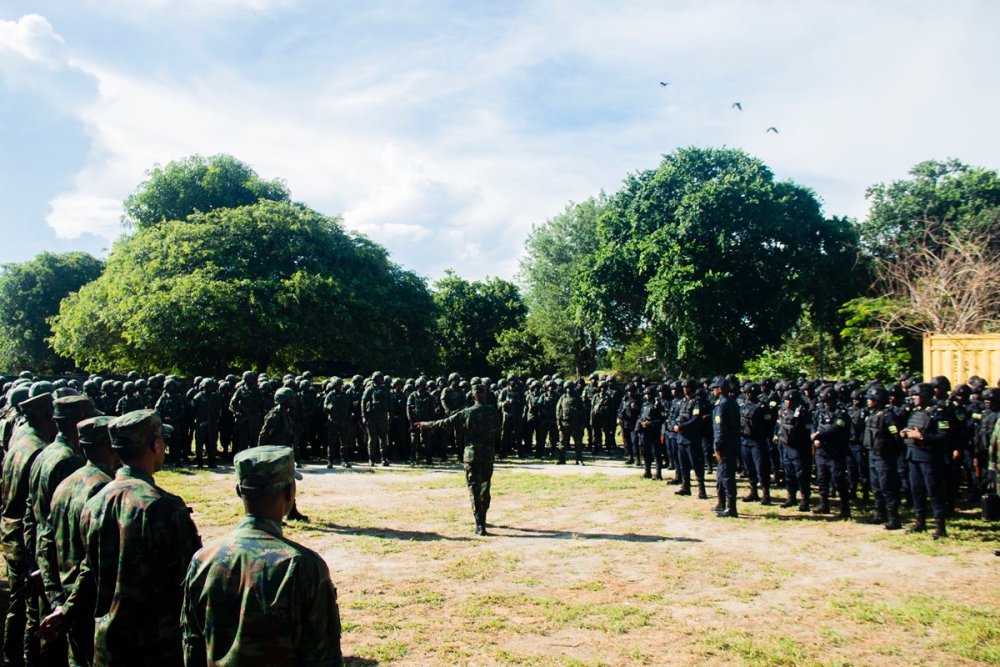
Later in the evening, the ACOS visited Mocímboa da Praia, the headquarters of the Rwanda Security Forces in Cabo Delgado.
Addressing RSF troops comprising RDF and Police personnel, he delivered a message of appreciation from the Commander-in-Chief of the RDF and President of Rwanda, Paul Kagame, commending them for their courage and dedication.
The ACOS urged the troops to remain vigilant, emphasizing that discipline remains fundamental to the success of their mission, which aims to support Mozambican state authority through combat operations and security sector reform initiatives.
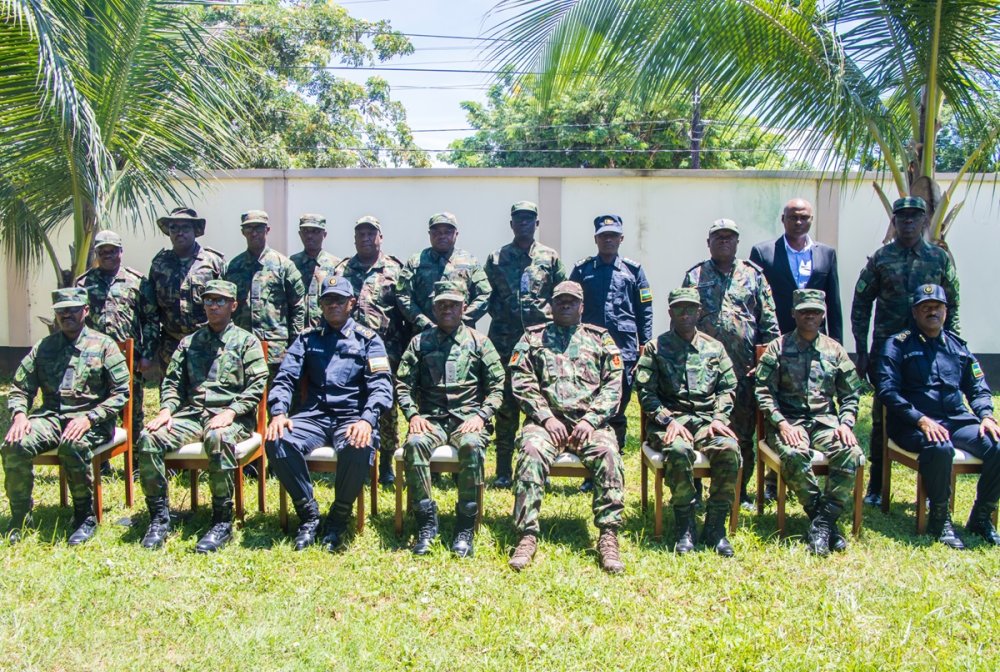
The ACOS also visited Mocímboa da Praia, the headquarters of the Rwanda Security Forces in Cabo Delgado. While in the coastal city of Pemba, Maj Gen Nyakarundi and his delegation held a meeting with the Army Commander of the Mozambican Armed Forces (FADM), Major General André Rafael Mahunguane. Major General Vincent Nyakarundi, began his official visit to Cabo Delgado Province in Mozambique on Thursday.Maj Gen Nyakarundi with his delegation in a group photo with Mozambican counterparts.
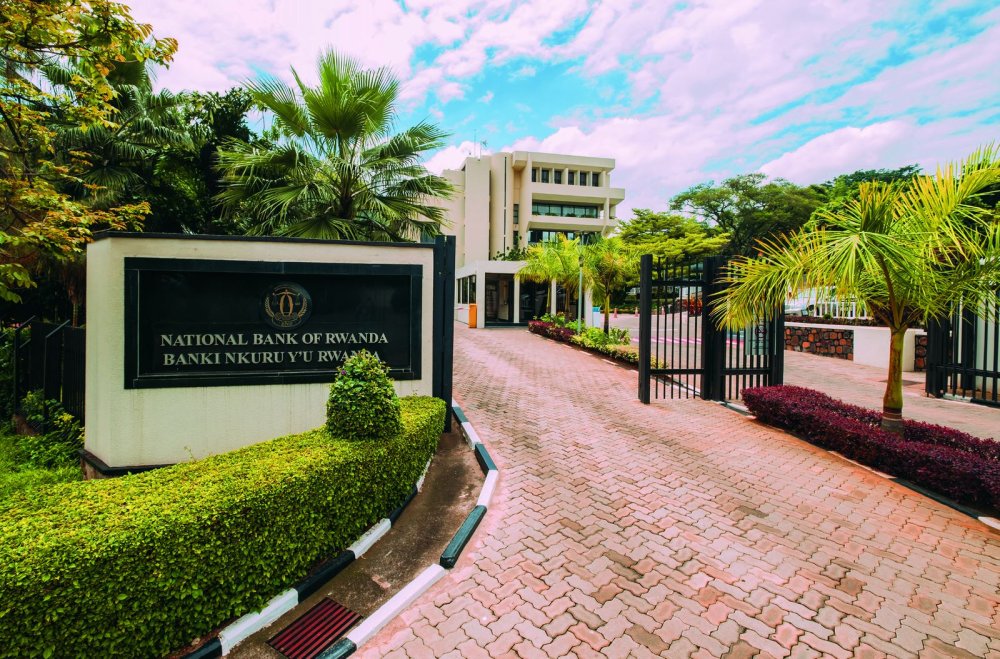
This marks a significant step in Rwanda’s broader effort to build a more digital, resilient and inclusive financial system.
The test was conducted in collaboration with commercial banks, payment service providers, financial technology innovators, and various public institutions. According to BNR, the ‘proof of concept’ ran for five months, from May to October 2025.
In a statement, the central bank said the proof of concept phase demonstrated meaningful progress toward a technology-driven financial ecosystem that is accessible to all.
The phase showed that Rwanda’s e-FRW could support fast and secure payments, promote financial innovation, and strengthen the country’s transition toward a cashless and digitally driven economy.
BNR noted that the exercise generated practical insights into the technological infrastructure required to operate the digital currency, user experience considerations, risk management approaches, and key legal and regulatory priorities. A detailed report on the findings is available on the central bank’s website.
Next phase
A broader 12-month pilot phase is planned next. This stage will involve selected groups of diverse users across Kigali, a secondary city, and selected rural areas.
The expansion will prioritize financial inclusion by testing simple channels such as USSD and low-cost devices.
Real-life transactions will be tested in controlled environments in partnership with merchants and other stakeholders.
The program will also involve collaboration with domestic and international institutions to examine interoperability between different payment systems and explore potential cross-border use cases.
BNR stressed that the pilot will be conducted under strict data protection standards and strong cybersecurity safeguards, in close coordination with financial institutions and public authorities. The central bank emphasized that no final decision has yet been made regarding the official issuance of the e-FRW.
“Any decision to introduce CBDC in Rwanda will be informed by evidence gathered from the pilot phase on the outcomes of the expanded pilot, stakeholders feedback, and broader policy and regulatory considerations,” BNR stated.
CBDC as a complementary option to Mobile Money
Ingrid Cyuzuzo, the Manager in charge of Financial Sector Development and Innovation at the National Bank of Rwanda, recently explained that if introduced domestically, the CBDC would hold the same monetary value as existing national currency while expanding digital payment options.
As Rwanda continues to lead in Mobile Money adoption, she said the CBDC could enhance digital payment efficiency and expand use cases, including transactions that currently exceed Mobile Money capabilities.
What a CBDC means
A CBDC is a digital form of currency issued by a country’s central bank. Like physical cash—banknotes and coins—it represents sovereign money, but in digital form. Some models are designed to function even in low-connectivity environments.
BNR believes the introduction of a digital currency could attract new payment innovations to Rwanda’s financial market and simplify money transfers across different regions of the world.
Globally, countries such as Bahamas, Jamaica, and Nigeria have already adopted CBDCs, while more than 130 others are developing or piloting similar systems as part of broader efforts to modernize domestic and international payment ecosystems.
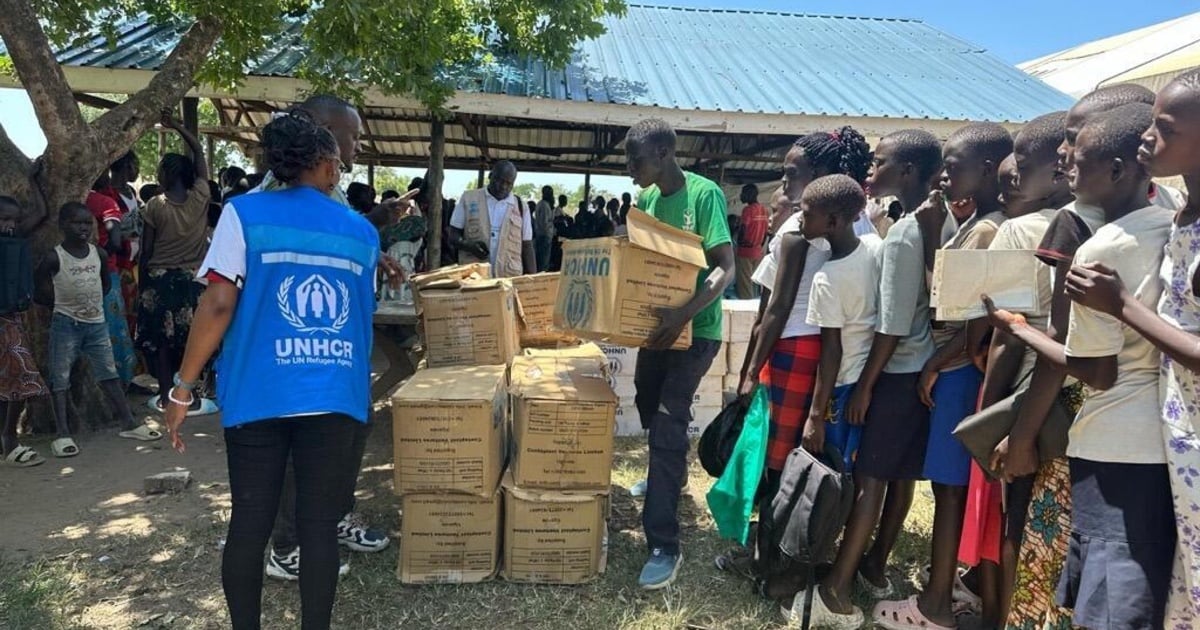
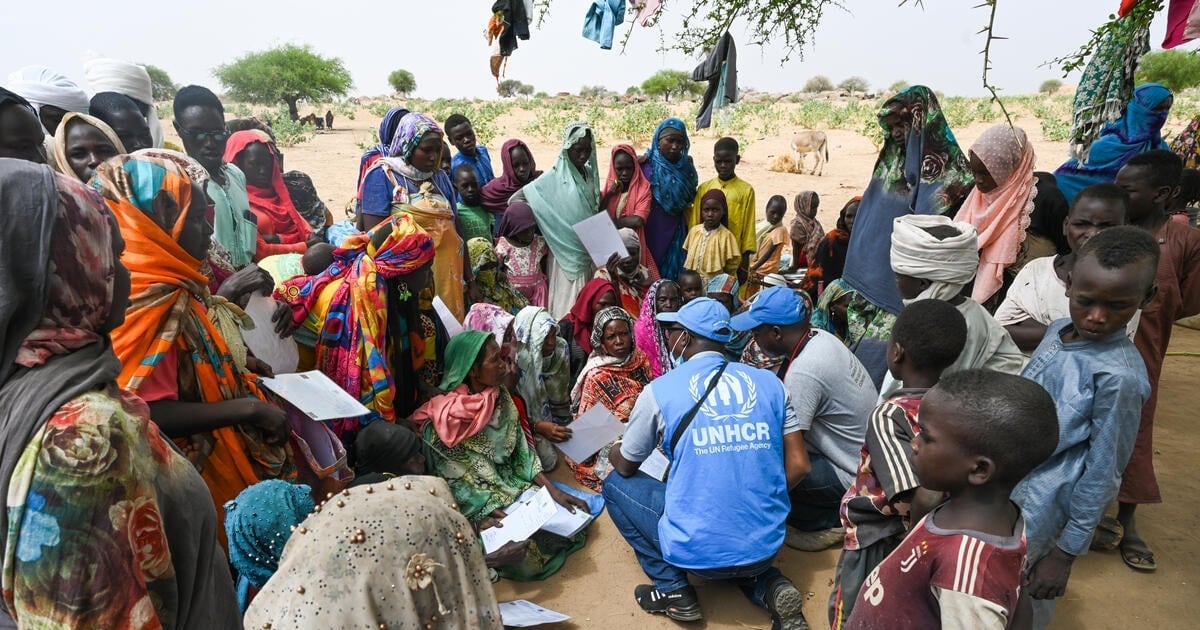
The United Nations High Commissioner for Refugees (UNHCR) said the total figure includes 610,268 registered refugees and 3,442 asylum-seekers.
“The vast majority, 94 percent or 576,672 individuals, are Sudanese refugees, followed by 14,677 or 2 percent from the Democratic Republic of the Congo, 6,599 from Ethiopia, 5,605 from the Central African Republic, 5,165 from Eritrea, and 1,550 from other nationalities,” the UNHCR said in its latest report released in Juba, the capital of South Sudan.
It said the South Sudanese government continues to grant prima facie refugee status to those fleeing Sudan in response to the ongoing conflict.
According to the UNHCR, 49 percent of the refugee population are females aged 0-59, while women and children combined account for 75 percent of the total.
The agency said Ethiopians and Eritreans each account for 37 percent of the total, forming the two largest groups of asylum seeker population, followed by Burundians with 9 percent, Ugandans with 7 percent, and 9 percent other nationalities.
South Sudan remains at the center of one of the region’s largest displacement crises, with more than 2.3 million South Sudanese living as refugees in the DRC, Ethiopia, Kenya, Uganda, and Sudan, the UNHCR said.
WBD announced on Thursday that its Board of Directors, following consultation with its independent financial and legal advisors, has determined that the previously disclosed proposal from Paramount Skydance constitutes a “Company Superior Proposal” as defined in WBD’s merger agreement with Netflix.
As disclosed by WBD on Tuesday, Paramount Skydance’s proposal includes a purchase price of 31.00 U.S. dollars per WBD share in cash, plus a daily ticking fee equal to 0.25 dollars per share per quarter beginning after Sept. 30, 2026, as well as a 7 billion dollars regulatory termination fee payable by Paramount Skydance in the event the transaction does not close due to regulatory matters.
Paramount Skydance’s latest bid values WBD at about 111 billion dollars. Netflix, the world’s largest streaming company by subscriber count, then announced it is pulling out of the contest.
“The transaction we negotiated would have created shareholder value with a clear path to regulatory approval. However, we’ve always been disciplined, and at the price required to match Paramount Skydance’s latest offer, the deal is no longer financially attractive, so we are declining to match the Paramount Skydance bid,” Netflix said in a statement in response from co-CEOs Ted Sarandos and Greg Peters.
Netflix sent shockwaves through Hollywood on Dec. 5 by announcing an 82.7 billion-dollar agreement to acquire WBD. Paramount Skydance has since launched a hostile bid, placing the merger at the center of a widening national debate.
Unlike the deal with Netflix, which covered WBD’s film studio and streaming service and would spin off its cable division into a new publicly traded company, Paramount Skydance’s offer is for the entirety of WBD.
Experts warned that although the indirect talks have achieved “significant” and “good progress” as Iran mediator Oman reported, the fundamental rift between Tehran and Washington remains unbridgeable, keeping the risk of military confrontation dangerously high.
Good progress on table, but no handshake yet
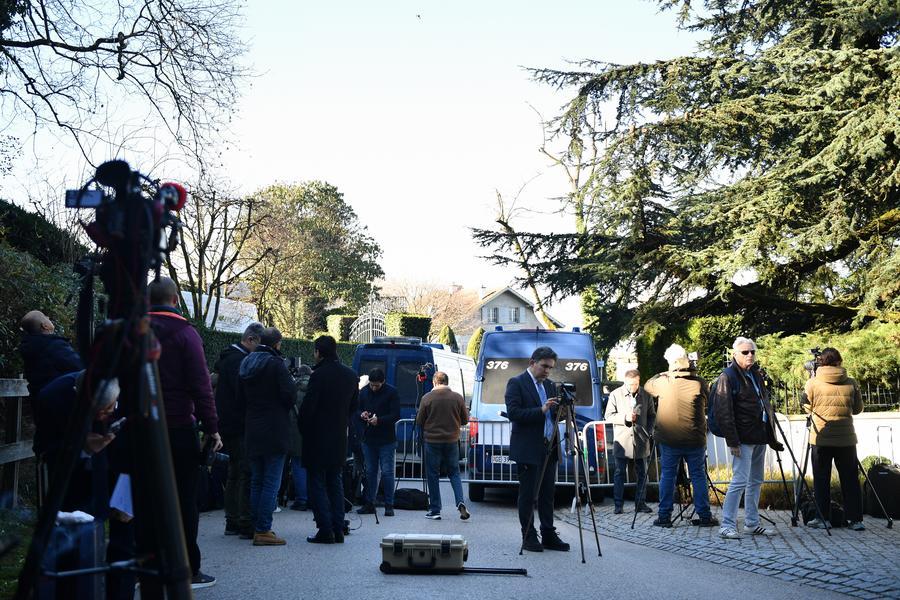
The Geneva talks, headed respectively by Iran’s Foreign Minister Seyed Abbas Araghchi and U.S. president’s special envoy Steve Witkoff, and mediated by Oman, were held on Thursday with both sides presenting what Iranian Foreign Ministry spokesman Esmaeil Baghaei called “very important and practical proposals” on the nuclear file and sanctions relief.
According to Iran’s official news agency IRNA, after three hours of intensive negotiations, delegations from both sides took a break for “internal consultations” before resuming their talks later in the day. The IRNA said the second stage lasted two hours.
Araghchi said good progress was achieved with Washington in the talks, and the two sides agreed to begin technical reviews in Vienna next Monday.
He added that it was also decided that the Iranian and U.S. delegations would hold the fourth round of talks very soon, perhaps in less than a week.
Following the first stage of the talks, Oman’s Foreign Ministry described the atmosphere as demonstrating “unprecedented openness to new and creative ideas and solutions.”
A report by The Wall Street Journal, citing U.S. officials, said Washington is demanding that Iran accept a deal with no expiration date, setting tough terms including shutting down Iran’s three main nuclear facilities of Fordow, Natanz and Isfahan, and transferring all remaining enriched uranium to the United States.
The United States is offering only limited sanctions relief at the outset of any agreement, with the possibility of further easing if Iran complies over time, said the report.
Meanwhile, Iran’s state-run IRIB TV reported that the Iranian delegation has completely rejected transferring Iran’s enriched uranium abroad in the indirect talks, and is also insistent on the termination of U.S. sanctions against the country.
Ali Shamkhani, a senior advisor to Iran’s Supreme Leader Ali Khamenei, posted on social media platform X that if the main issue is Iran not making nuclear weapons, “an immediate agreement is within reach,” citing a religious decree against such weapons. Tehran has been firm in securing its right to enrichment on its own soil.
Palestinian political analyst Samer Anabtawi told Xinhua that the Iranian move to prepare a draft agreement shows its “clear seriousness” in the negotiation process.
“But Washington’s acceptance of it remains another matter linked to broader political calculations,” Anabtawi noted.
Akram Atallah, a Gaza-based analyst, told Xinhua that Israel, though not at the table, is “the most influential actor” shaping the “dynamics” of the talks.
“It plays a significant role in preventing the negotiations from reaching a meaningful outcome,” Atallah said, adding, “many of the conditions being raised in this diplomatic process are, in essence, Israeli conditions reflected in American demands.”
Dual-track strategy
“What is currently happening can be described as a ‘finger-biting’ phase, in which each side is flexing its military and political muscle in an attempt to impose its negotiating terms,” Anabtawi noted.
Both Washington and Tehran are pursuing a dual-track strategy: negotiating while visibly preparing for possible conflict. The United States has amassed two aircraft carrier strike groups, over 150 combat aircraft, including F-35 stealth fighters, and has reinforced its bases in Jordan and Israel. It has also evacuated non-essential staff from its embassy in Beirut.
U.S. President Donald Trump has warned of “phase two” if such indirect talks fail, and The New York Times reported he is considering initial limited strikes to pressure Tehran at the negotiation table, which could later turn into a far larger campaign.
Iran, for its part, conducted live-fire drills in the Strait of Hormuz last week, temporarily closing the strategic waterway in a show of its ability to disrupt global oil shipments. Tehran has repeatedly stressed readiness to retaliate forcefully against any attack.
Mohammed Nader al-Omari, a Syrian writer and researcher specializing in crisis and conflict management, described the scale of the U.S. mobilization as “not routine” and sending “a clear signal that military options are being prepared.” Another Syrian analyst, Sinan Hassan, called it “coercive diplomacy,” by “applying pressure through military signaling while keeping negotiations alive.”
Yet Amer Sabaileh, a Jordanian political analyst, argued that the size and nature of the buildup suggest Washington is not merely posturing.
“The military preparations and reinforcements the United States is carrying out in the region suggest that the possibility of war and U.S. strikes against Iran is highly likely,” Sabaileh said.
Meanwhile, Charbel Barakat, international editor at Kuwait’s Al-Jarida newspaper, noted Iran’s tactical flexibility, as Tehran has signaled willingness to cap enrichment at 3.67 percent, accept an international consortium for fuel supply, and place its 60-percent stockpile under continuous monitoring of the International Atomic Energy Agency, all while keeping the missile program and regional allies off the table.
“This flexibility does not mean a willingness to alter its strategic doctrine,” Mohamed Mohsen Abo El-Nour, head of the Arab Forum for Analyzing Iranian Policies and an expert on Iranian affairs, told Xinhua.
Ahed Ferwana, a Gaza-based analyst, observed that the U.S. military moves “exert significant pressure on Iran” and are meant to push Tehran toward compromise. But he cautioned that if Washington rejects Iran’s proposals, “tensions are likely to continue or even escalate.”
Possible technical understanding amid persistent core conflict
Despite the tactical maneuvers, experts agreed that the core conflict is far from resolved. Iran’s red lines, including its right to a civilian nuclear program, its missile deterrent, and its regional influence, are seen as non-negotiable.
In the eyes of Atallah, U.S. objectives may extend to altering Iran’s domestic trajectory, possibly through regime change, which is a “maximalist” goal Tehran would never accept.
El-Nour pointed out that Washington’s goal “goes beyond the narrow nuclear file to recalibrating the security environment surrounding Iran.”
Amid heated debate on whether a full-scale war will break out between the two sides, Omani analyst Khalfan al-Touqi cautioned that any conflict would be far more destructive than the 12-day war in June last year. “The strikes will not be limited, as some expect, but will be far more dangerous, with dire consequences not just for Iran, but for the entire region.”
Still, some experts believe in a possible interim outcome, with both sides reaching a technical understanding, which could reduce imminent confrontation.
“Both sides are aware of the high cost of military escalation and therefore prefer managing tensions through negotiation,” said Abdulaziz Alshaabani, researcher at Al Riyadh Center for Political and Strategic Studies, noting that a full-scale explosion “remains a less probable outcome.”
For al-Omari, Trump now faces a narrowing set of choices. On one hand, he is under pressure from Washington hawks not to accept terms that could be portrayed as a watered-down version of the earlier nuclear deal signed in 2015.
On the other hand, military action carries its own dangers, he noted. “There are serious fears about the consequences of war and the scale of losses U.S. forces could suffer if Iran absorbs the first strike and is able to respond.”
Thair Abu Ras, director of Palestinian Programs at the Van Leer Jerusalem Institute, questioned whether Washington is truly prepared to pull the trigger.
Washington “is not politically prepared and lacks sufficient legal grounds, and most of its regional allies do not appear to be keen on a war of this nature,” Ras said.
Still, he acknowledged that after such a massive buildup, Trump faces “two main options: either launching a strike or extracting an agreement that is presented to the American public as an achievement.”
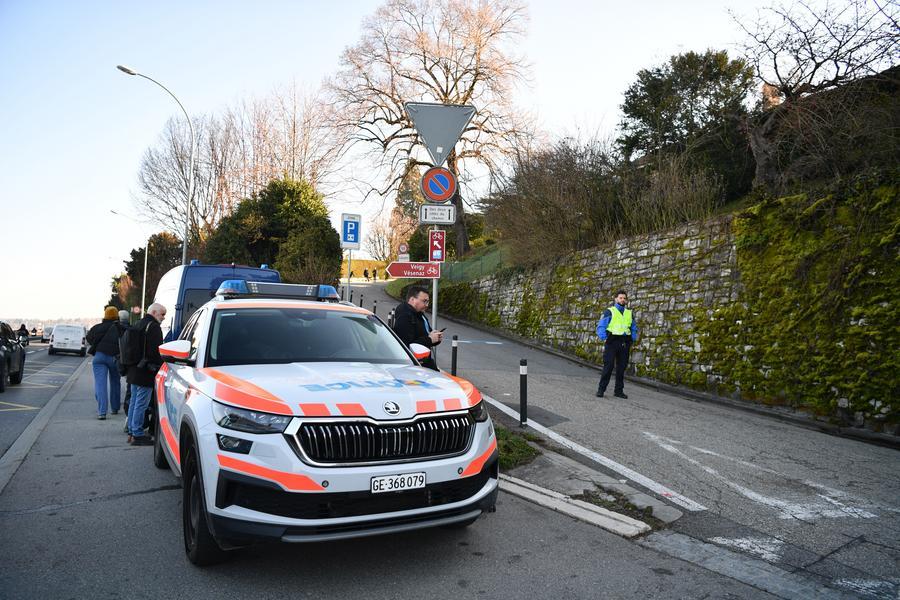
A police car is seen near the Omani ambassador’s residence in Geneva, Switzerland, Feb. 26, 2026. (Xinhua/Lian Yi)
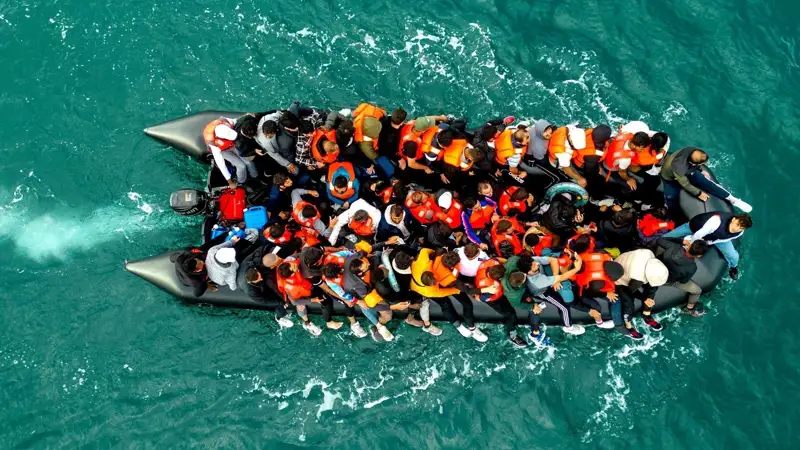
Speaking to reporters at a daily briefing, Stephane Dujarric, spokesperson for the UN secretary-general, said that according to the IOM, sea crossings remained among the deadliest routes, with at least 2,185 people dead or gone missing in the Mediterranean, and 1,214 recorded on the Western Africa/Atlantic route toward the Canary Islands.
Despite year-on-year declines, the real toll is likely much higher, Dujarric said.
The spokesperson said that IOM figures showed the number of deaths in 2025 was lower than the nearly 9,200 deaths recorded in 2024.
Over 7,600 people died or went missing on migration routes worldwide in 2025:
The withdrawal was due to the prevailing conditions in Palestine, Baerbock said in a letter to all permanent representatives and permanent observers to the United Nations.
In accordance with the established regional rotation, the president of the 81st UNGA session will be elected from the Asia Pacific Group.
Following Mansour’s withdrawal, two candidates remain in the race for the post — Md. Touhid Hossain of Bangladesh and Andreas S. Kakouris of Cyprus.
According to a note sent to reporters on Thursday, Baerbock will convene informal dialogues with the candidates in May and an election will be held on June 2.
Riyad Mansour, the Palestinian “permanent observer” to the United Nations, speaks at the U.N. Security Council meeting on the situation in the Middle East on Oct. 9, 2024. Credit: Eskinder Debebe/U.N. Photo.
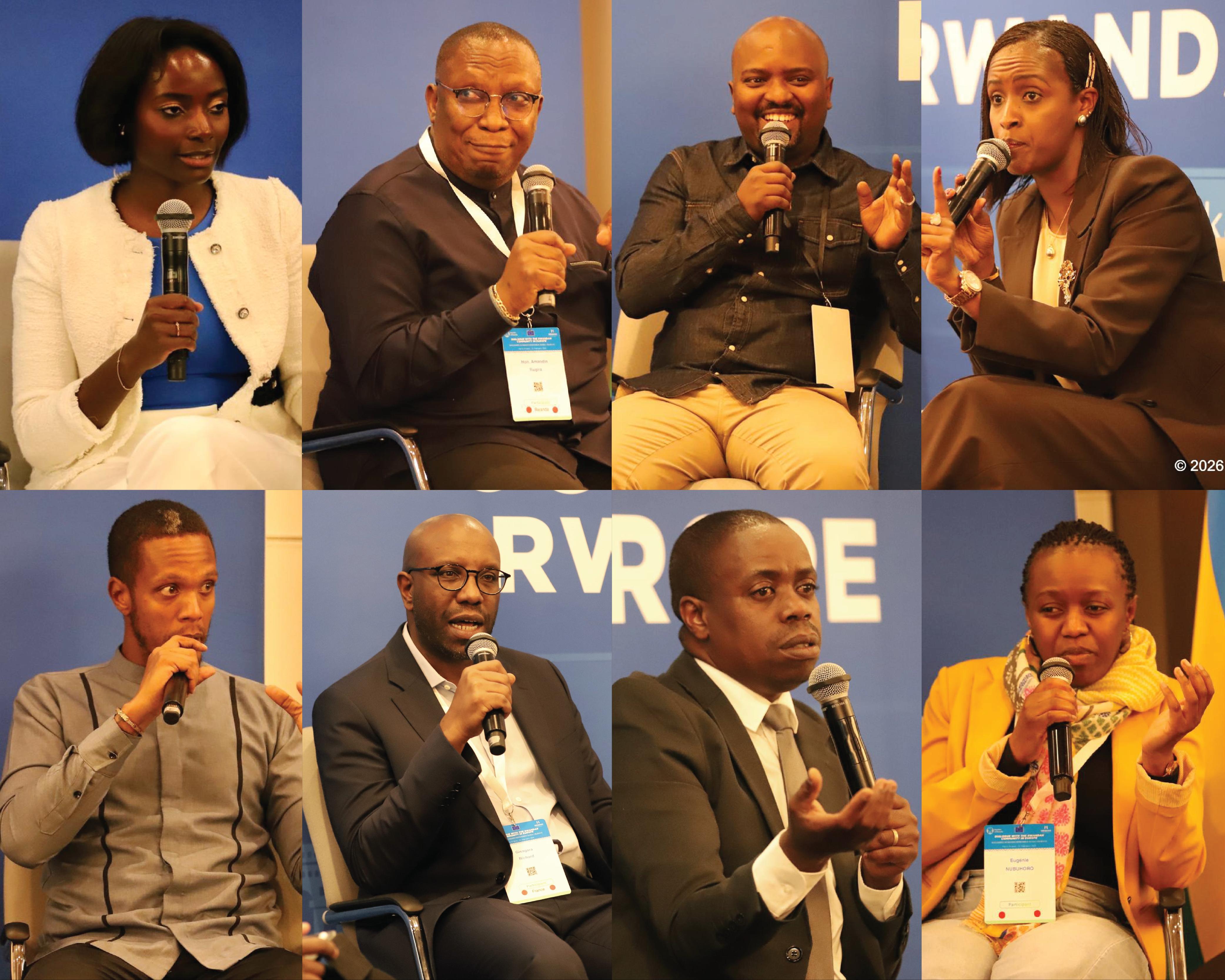
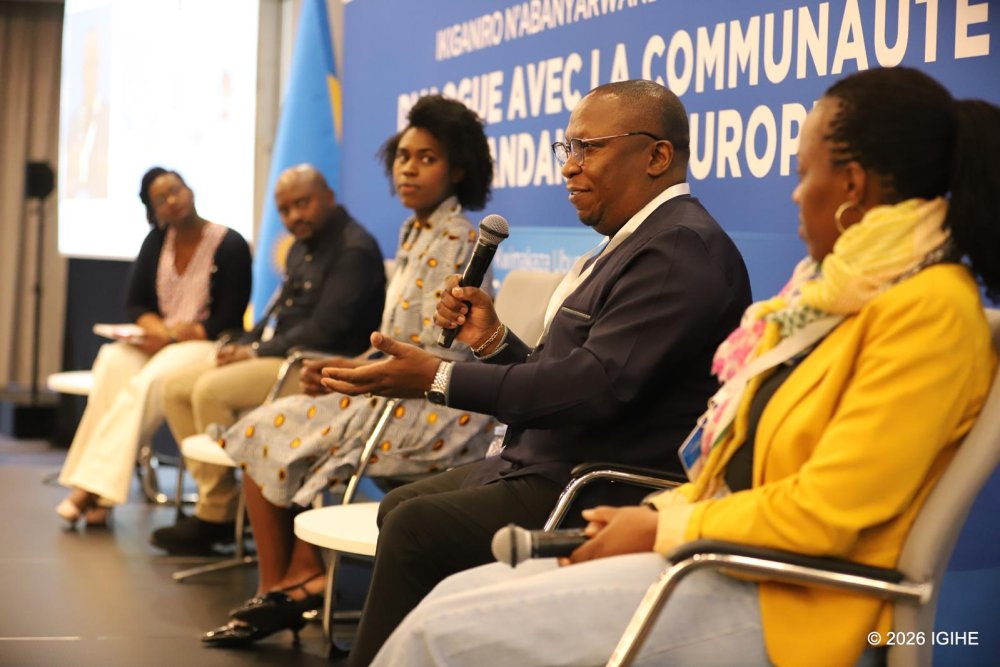
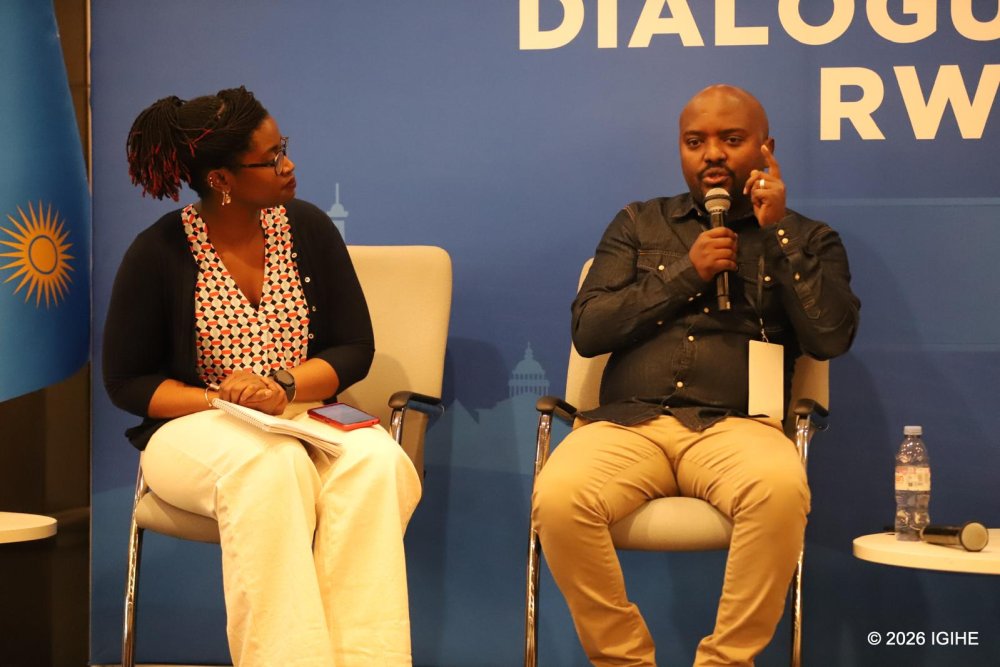
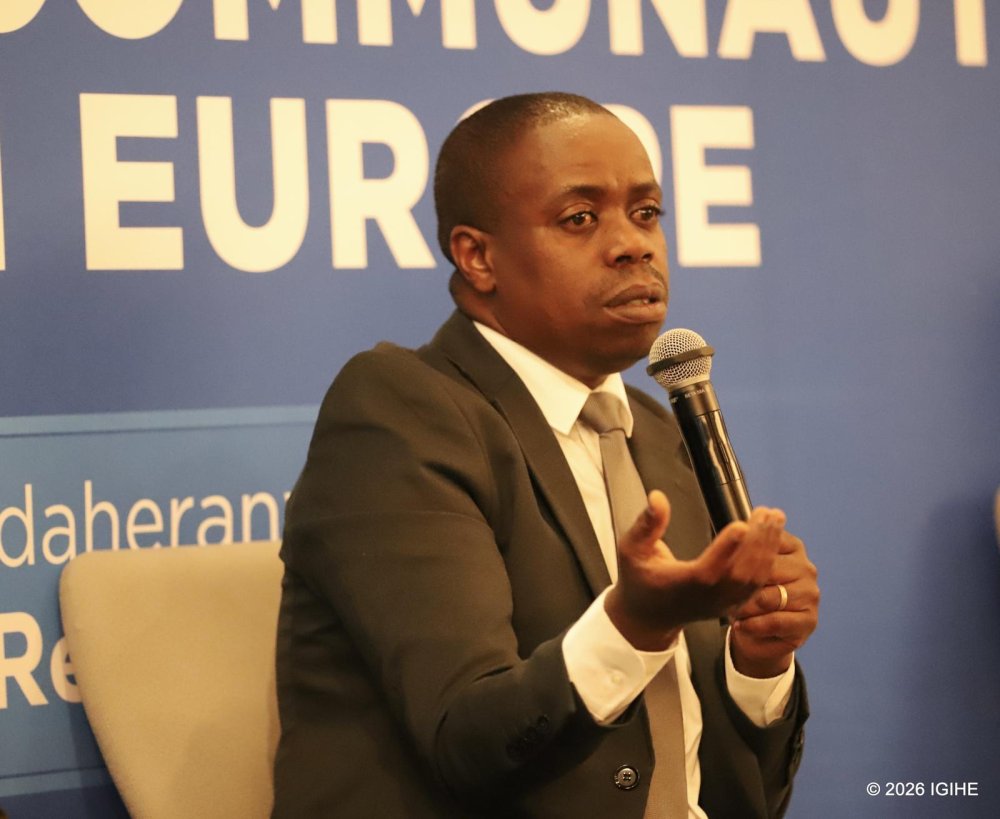
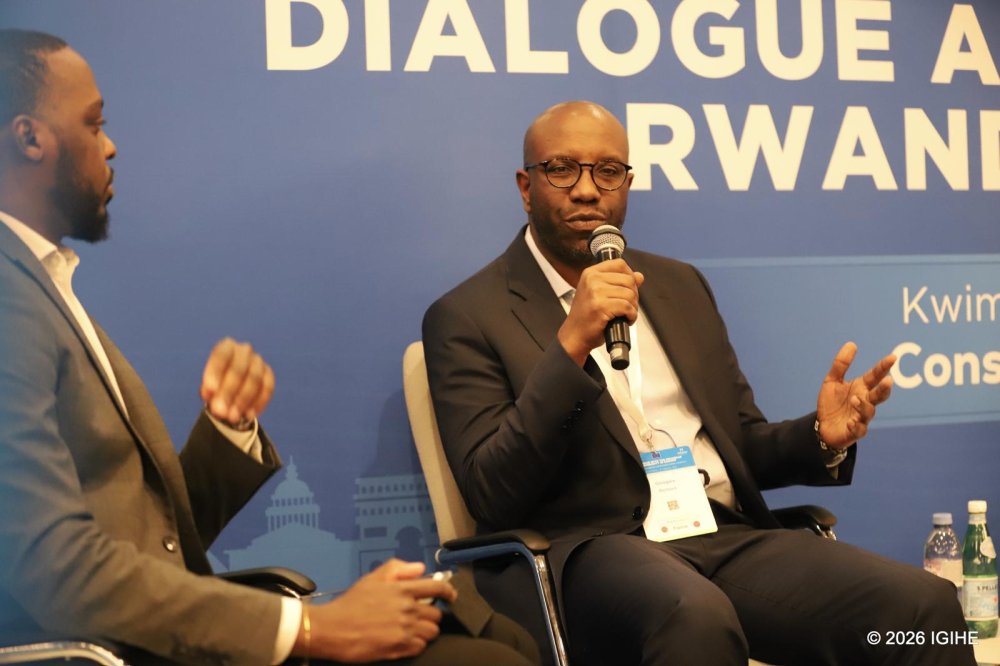
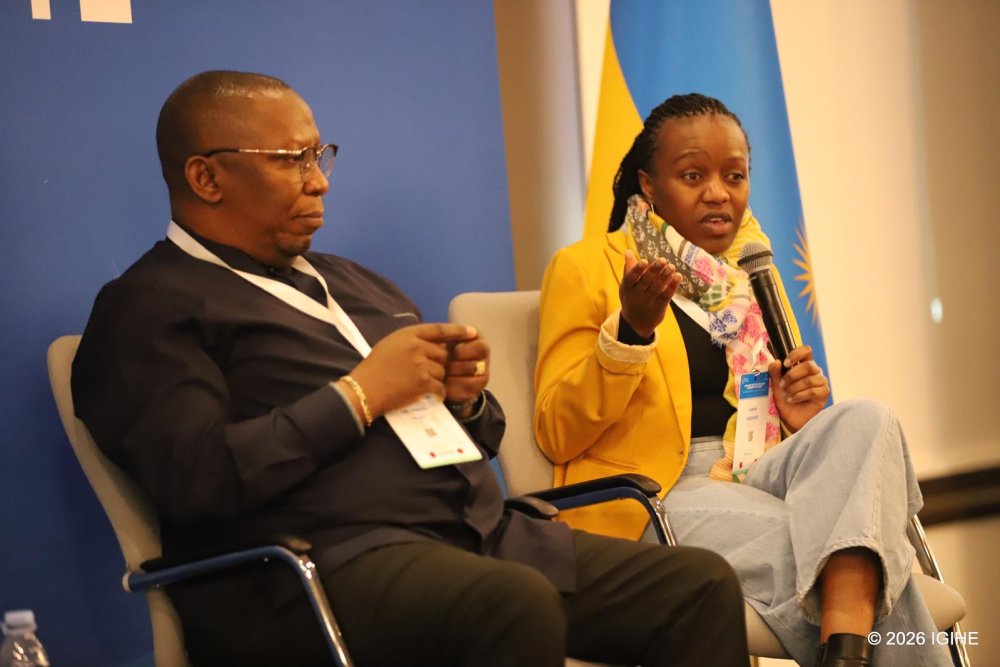
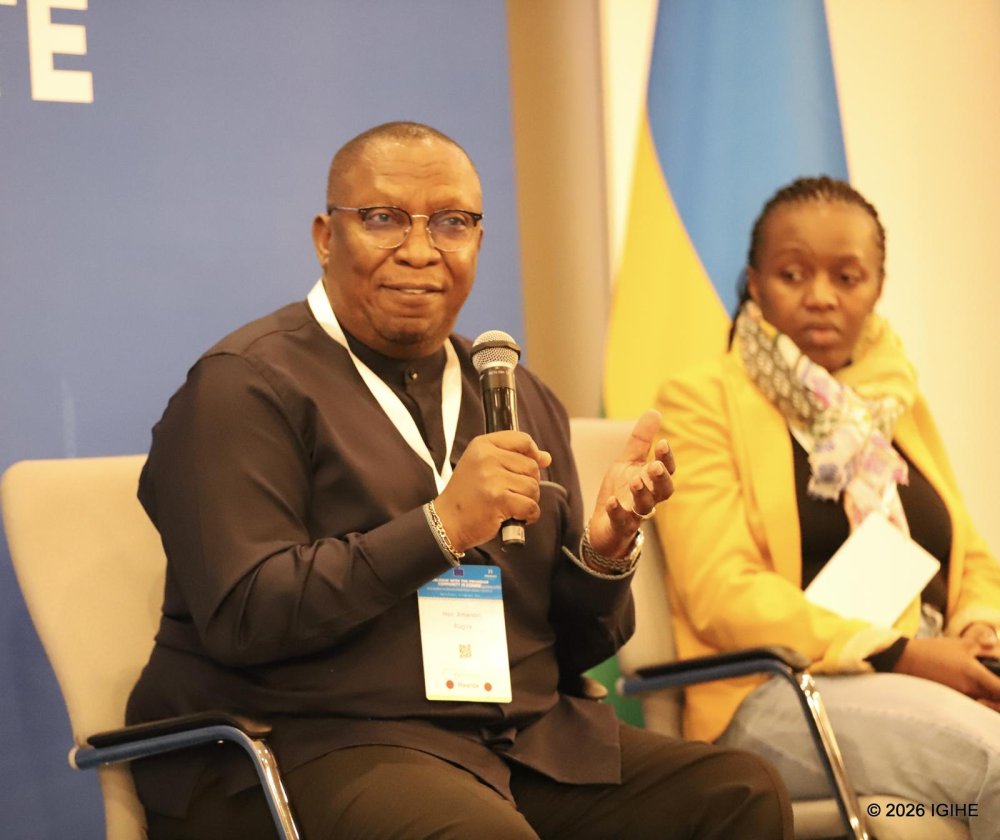
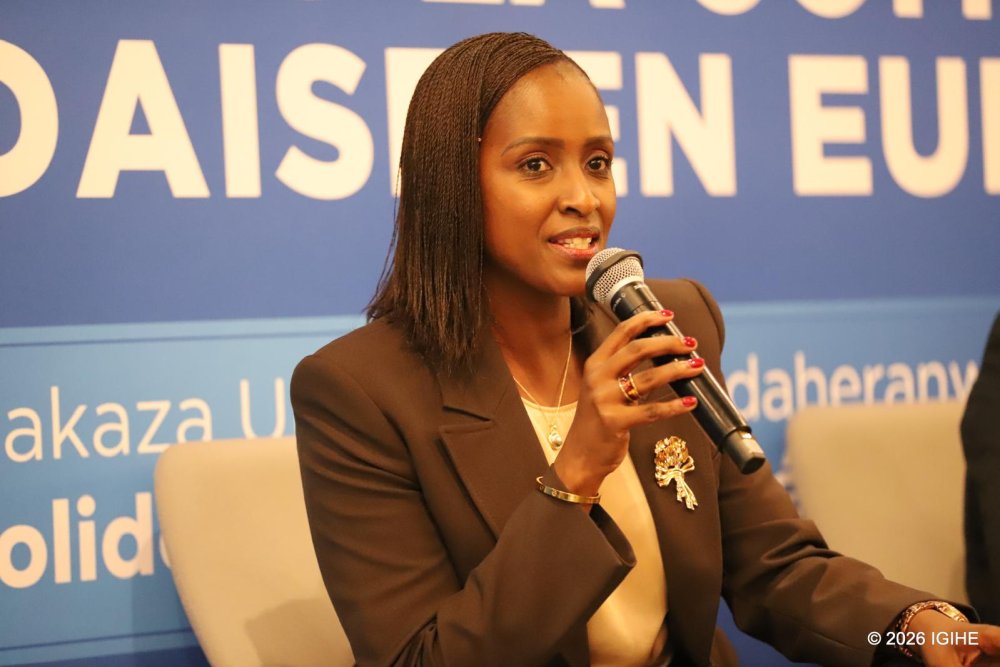
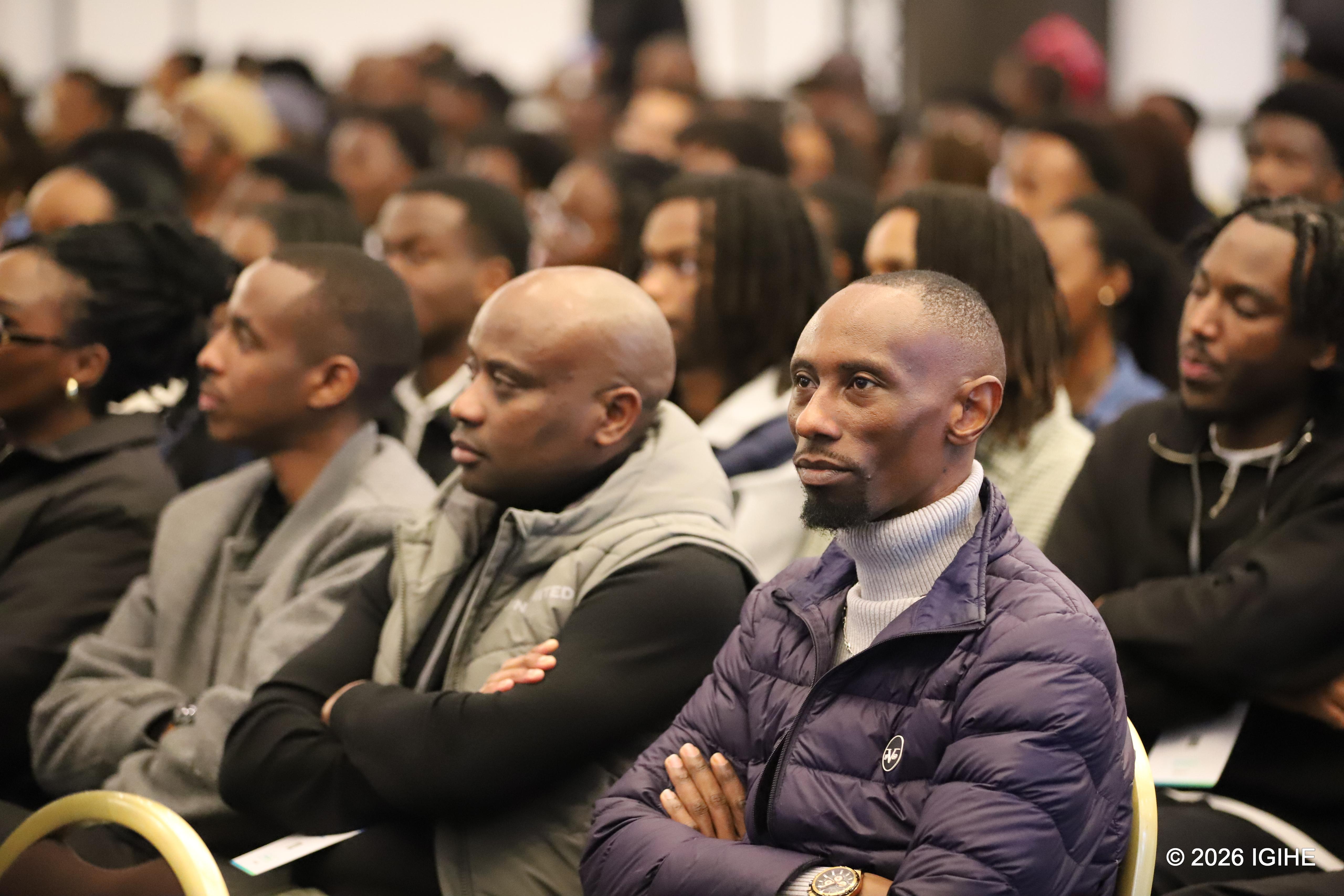
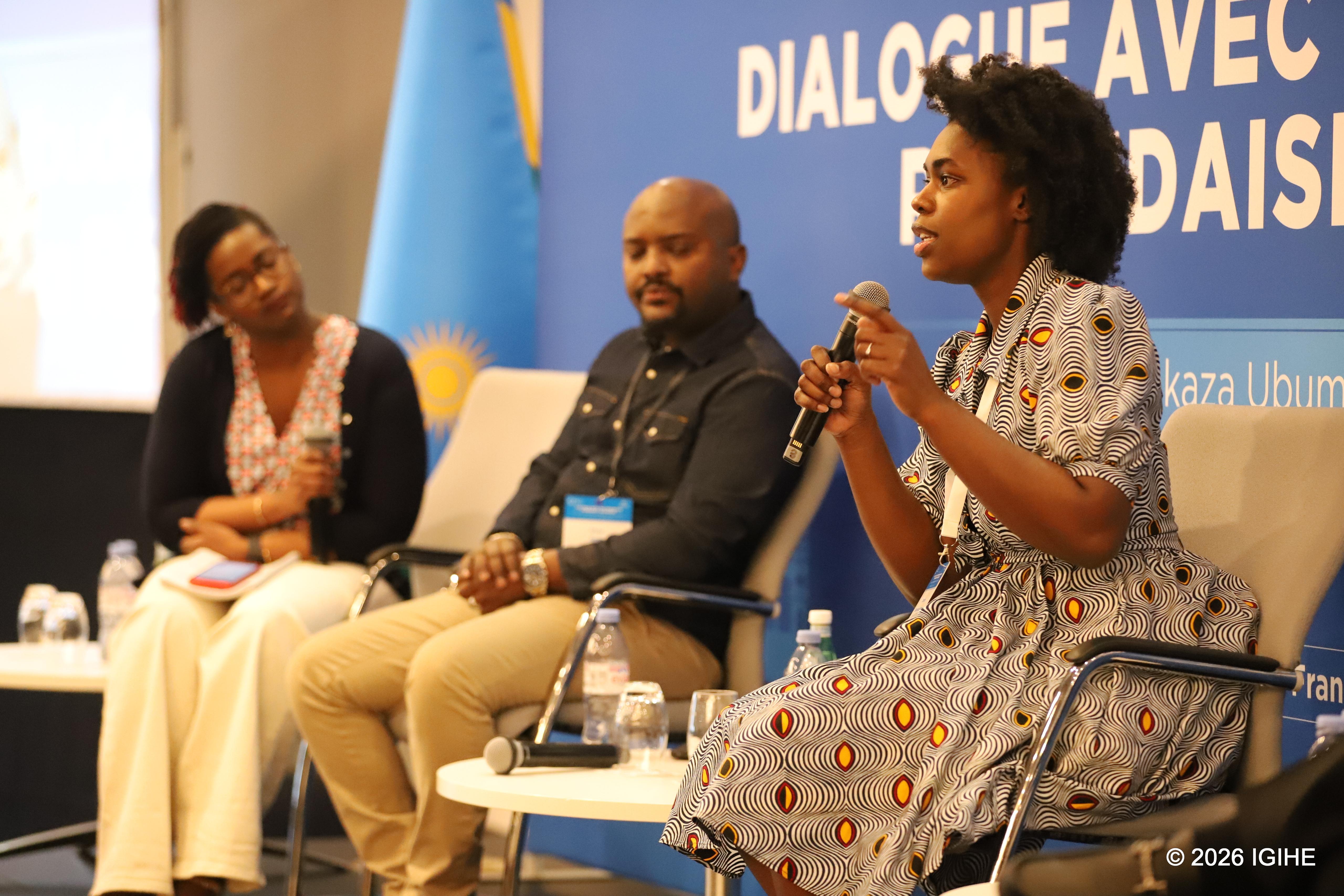
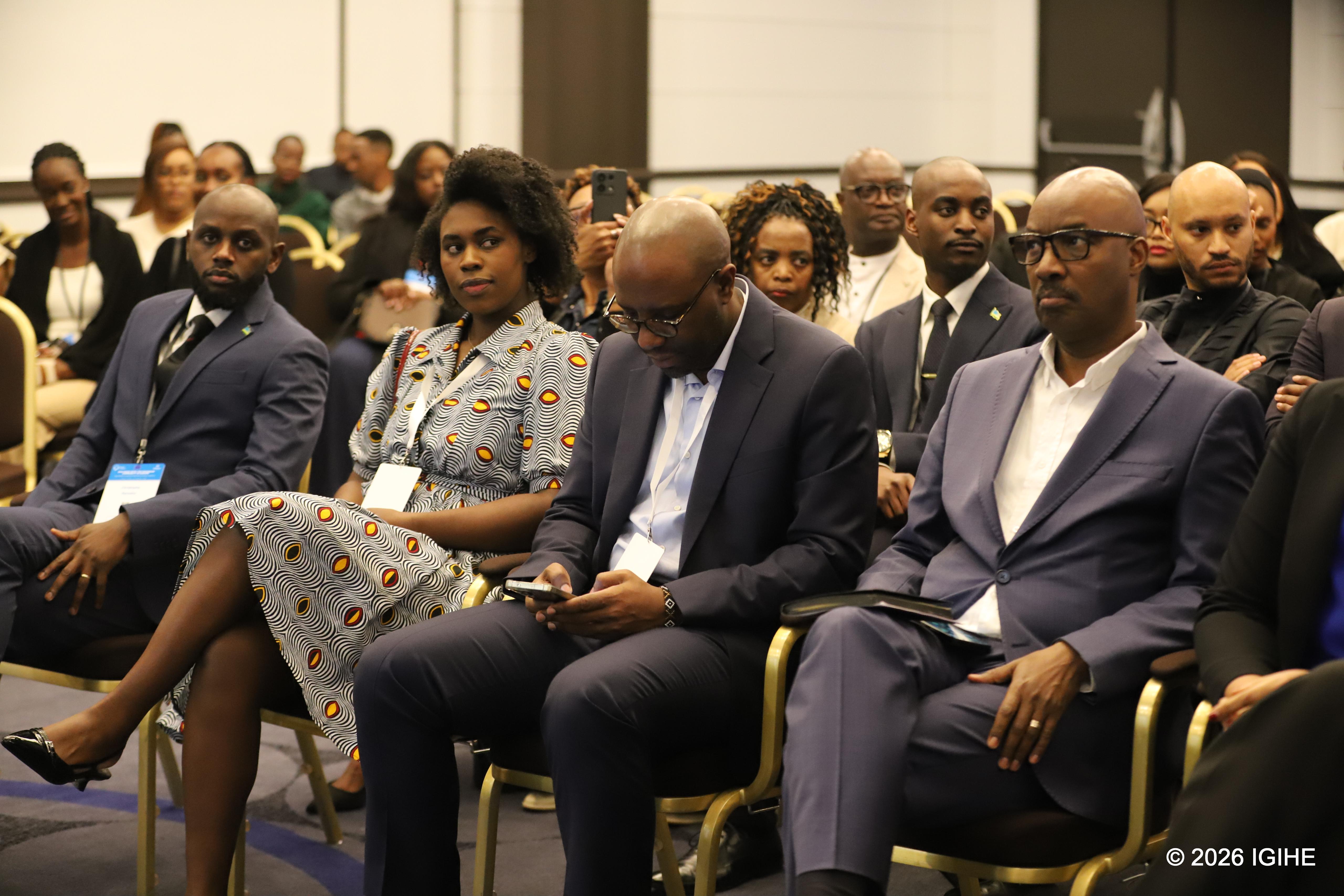
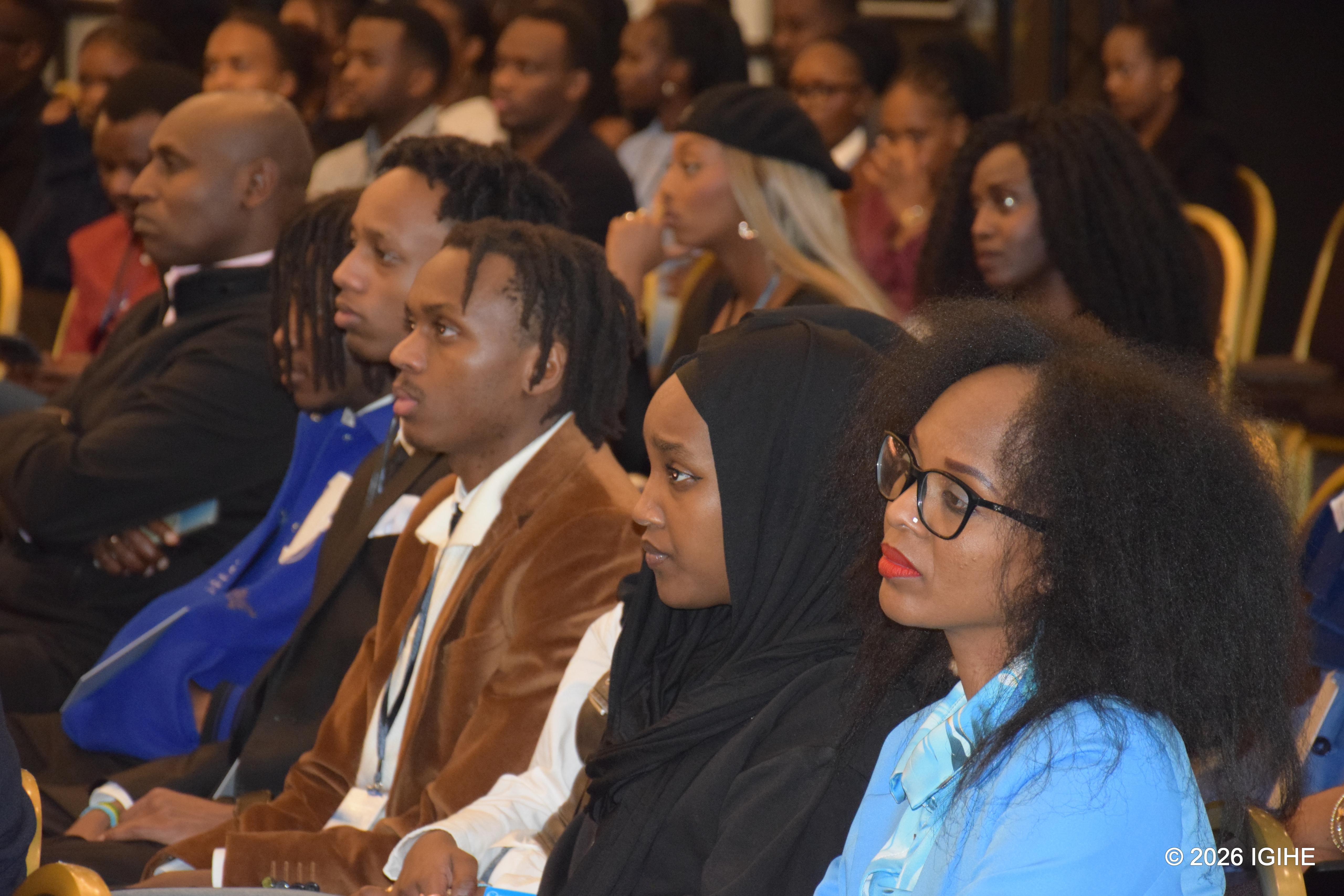
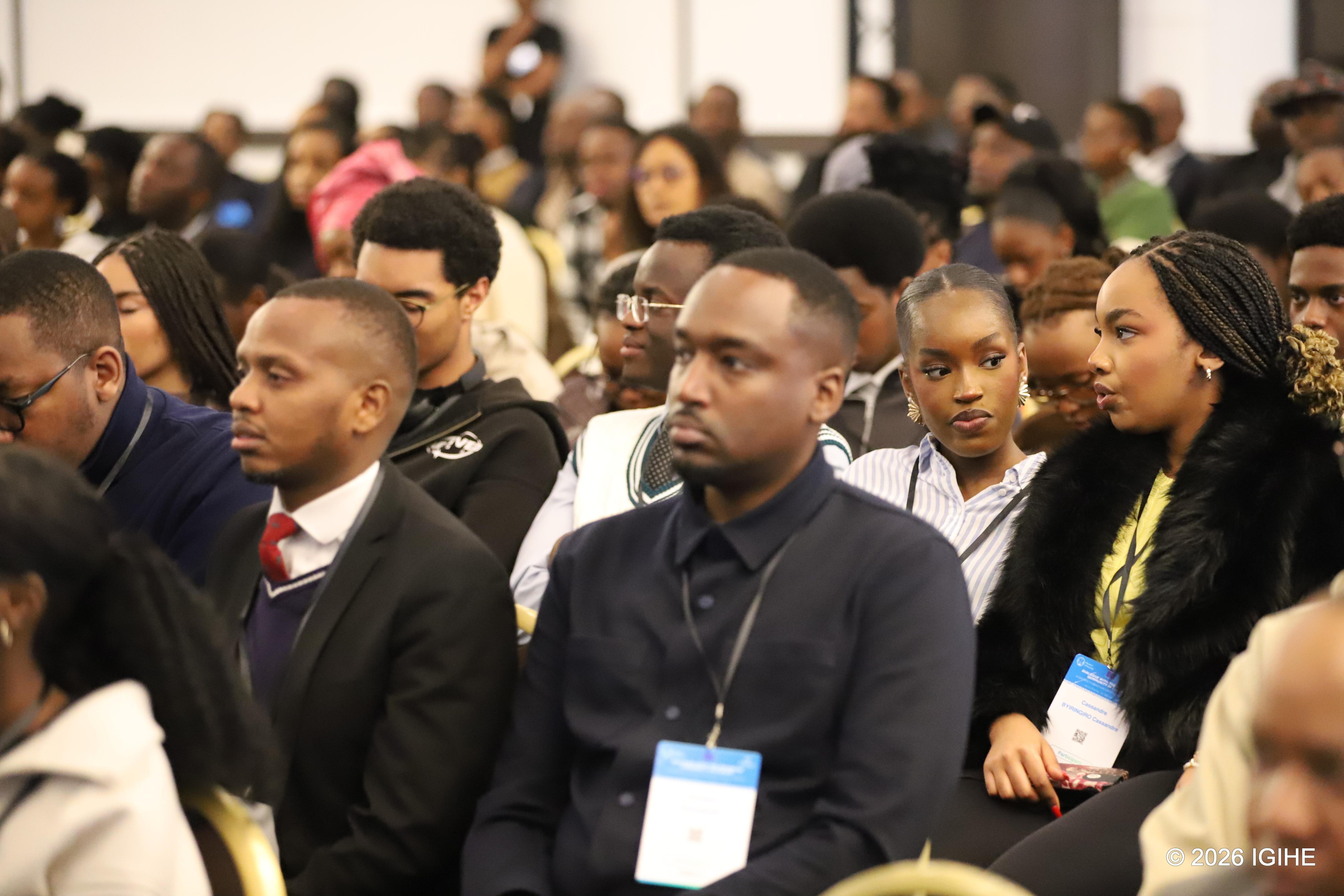
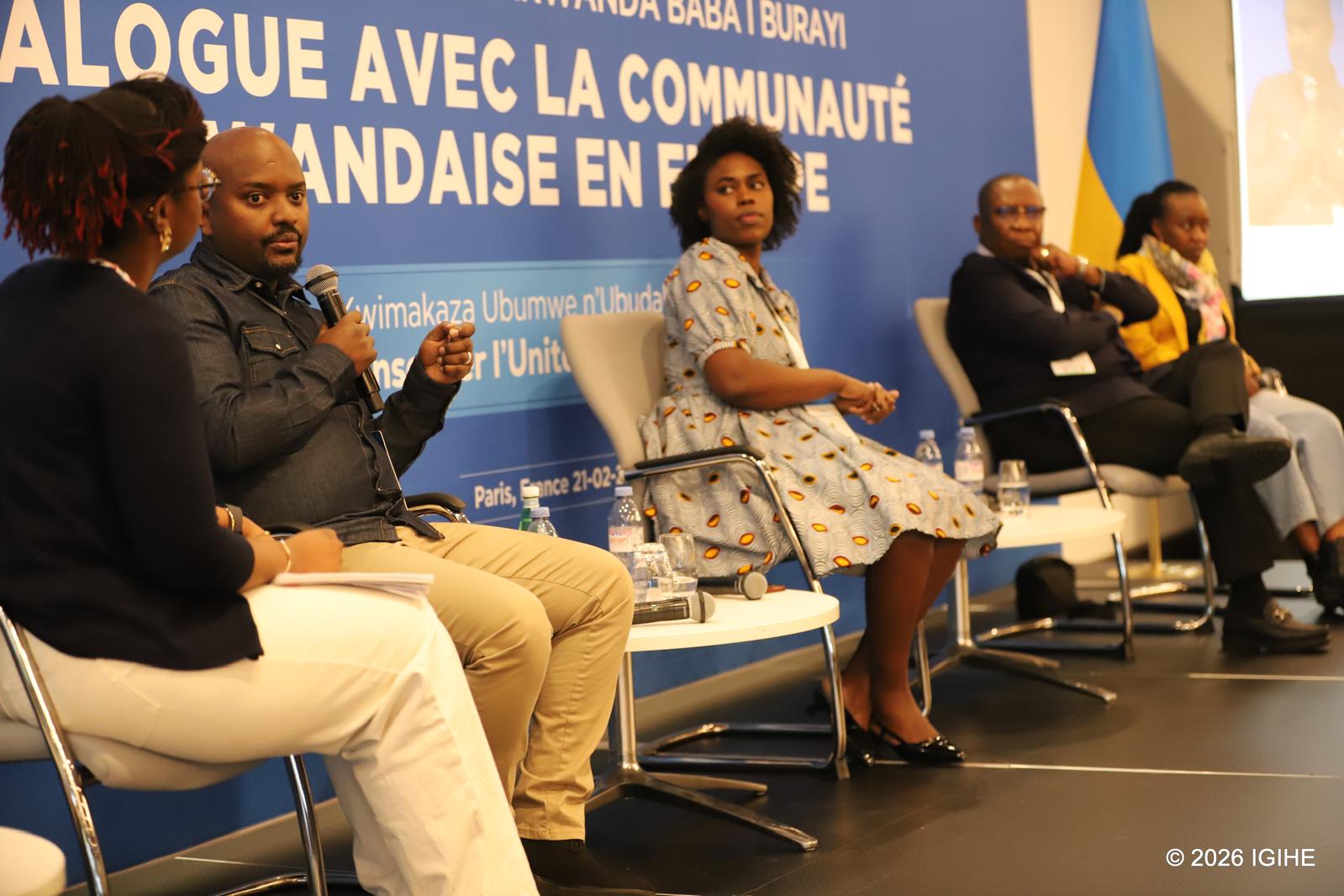
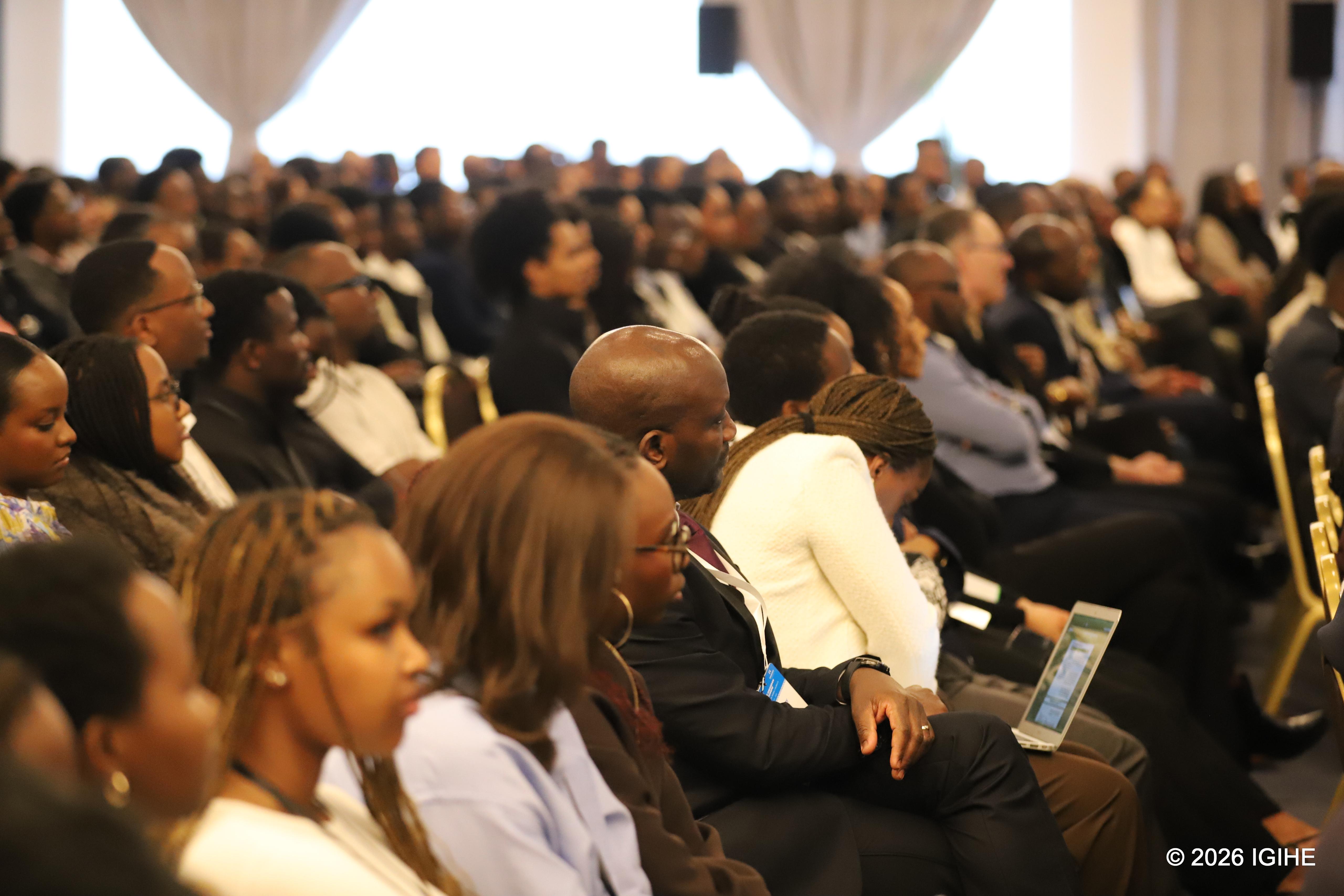
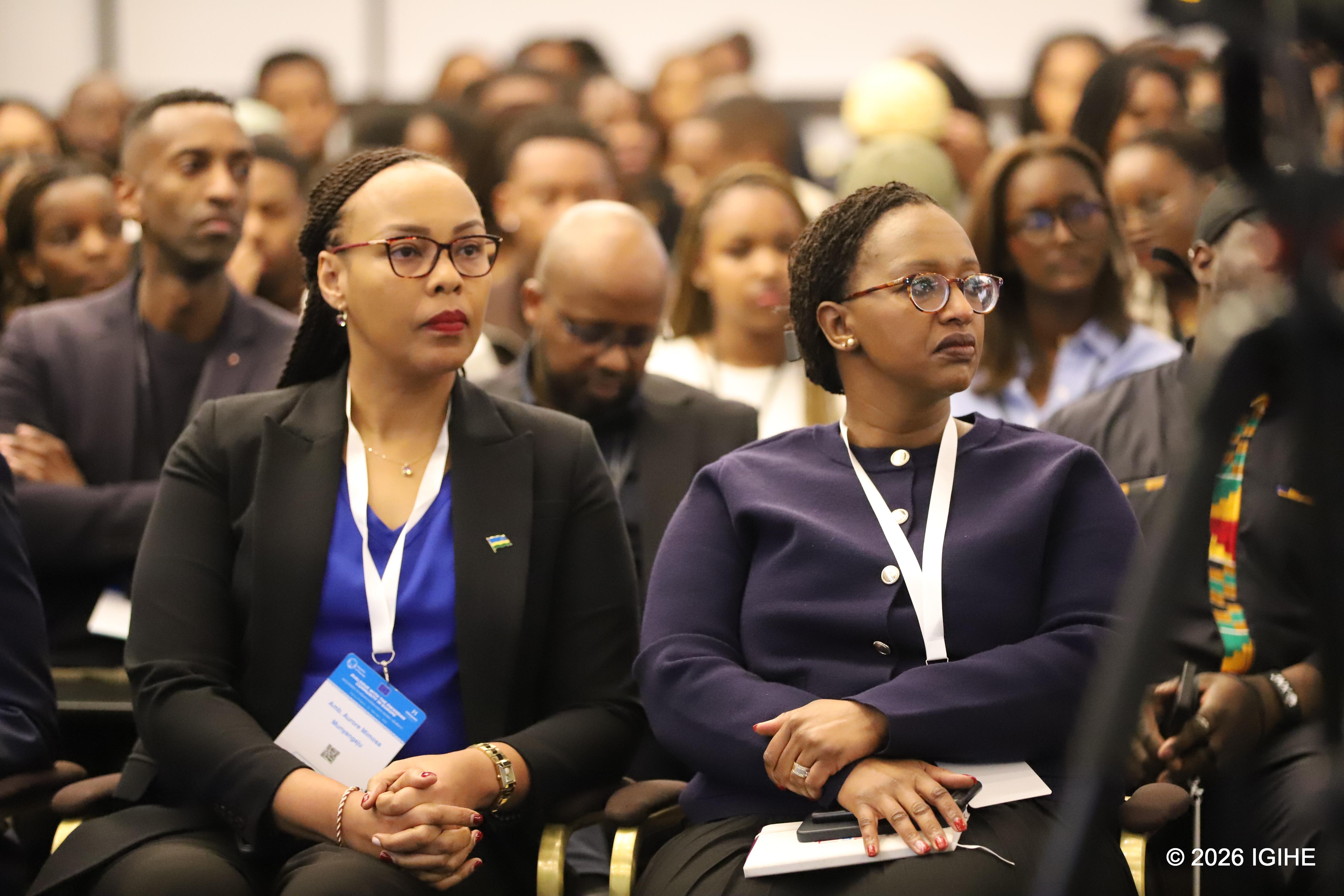
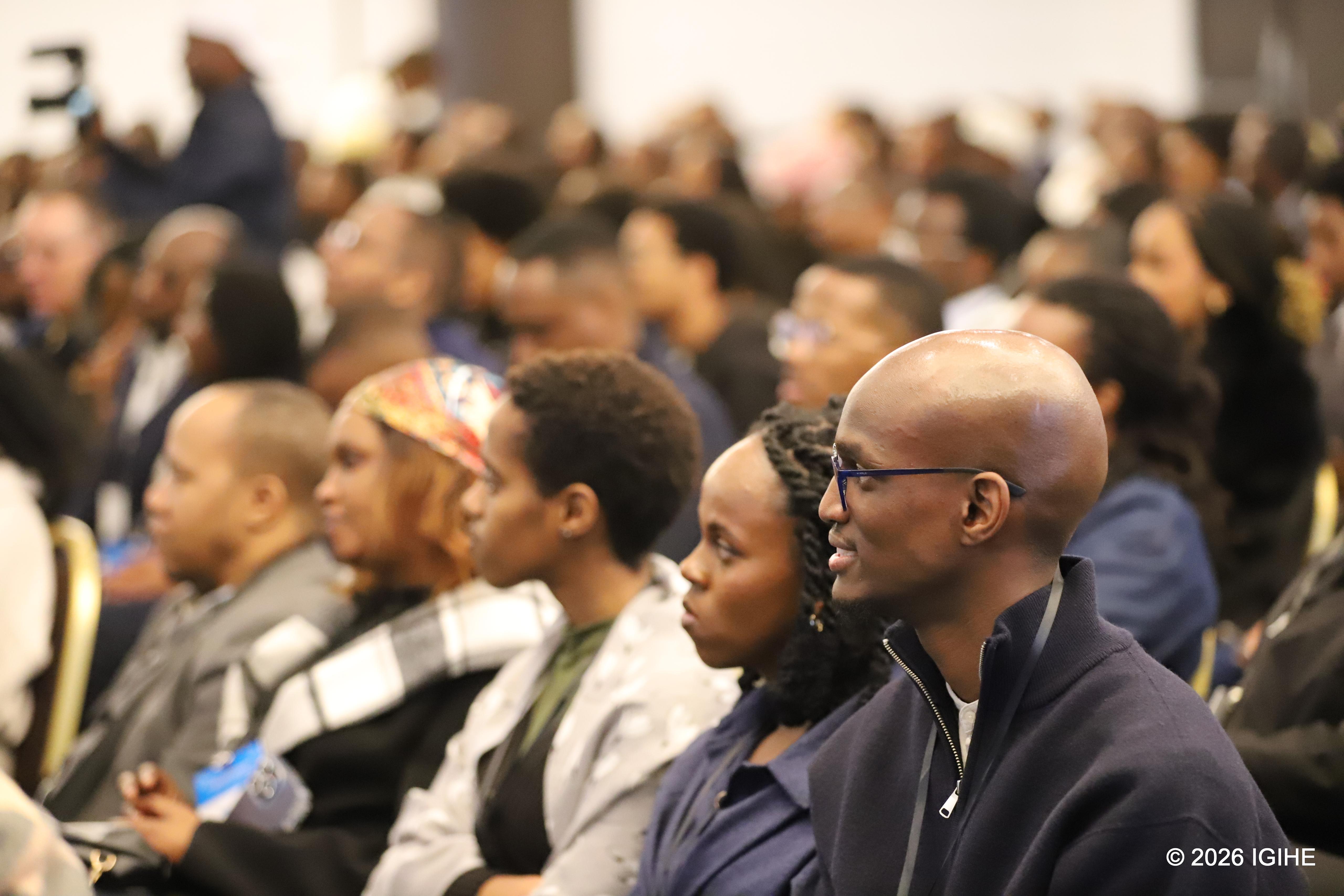
Young people and adults from several countries shared experiences and personal stories, creating a space where memory, identity, and intergenerational transmission took center stage.
Personal journeys and inheritances
Senator Amandin Rugira delivered a moving account of his family and professional journey. Raised in a household that rejected tribalism, he said his parents instilled values of love, respect, and integrity that later guided his career as an economist and public official.
He recalled that defending such principles under the regime of Juvénal Habyarimana came at a heavy cost, making him and his family targets during the 1994 Genocide against the Tutsi.
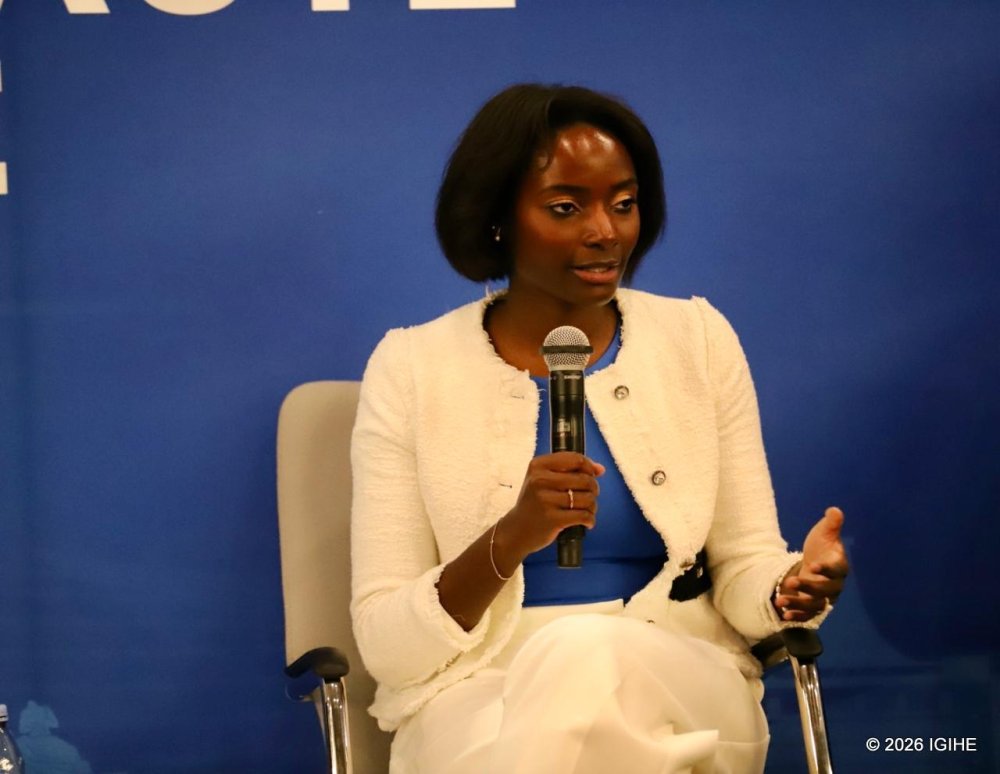
The Minister of Sports Nelly Mukazayire spoke about the complexity of her own identity. The daughter of a woman convicted for genocide crimes and a Tutsi father, she learned of her mother’s involvement only two years after the events.
As Mukazayire explained, she chose not to be defined by her family’s past but to build her life on responsibility, dignity, and hope. She encouraged young people to own their choices, know their history, and speak the truth with courage, while urging parents to maintain open dialogue with their children.
She illustrated this approach with a powerful moment when her daughter, at age 12, asked whether she should love or hate her imprisoned grandmother. Faced with the question, she and her husband chose transparency, convinced that truth shared within a framework of trust is essential to identity formation and reconciliation.
Nubuhoro Eugénie also shared her experience as the child of a parent involved in the genocide. Raised in exile amid hatred toward Tutsi, she questioned the narratives she had inherited and sought the truth through the Ministry of National Unity and Civic Engagement before returning to Rwanda in August 2025 after 31 years abroad.
Her story underscored the importance of rejecting wrongdoing, even within one’s own family, and passing on truth to future generations.
Youth and social media as tools for truth
Gatete Olivier discussed the role of social media and how young Rwandans living or raised in Europe can use digital platforms to access reliable information. He explained that he initially feared speaking publicly against misinformation about Rwanda, but later launched YouTube programs and created his own channel to counter false narratives. His experience shows how social media can become a powerful vehicle for truth and civic engagement.
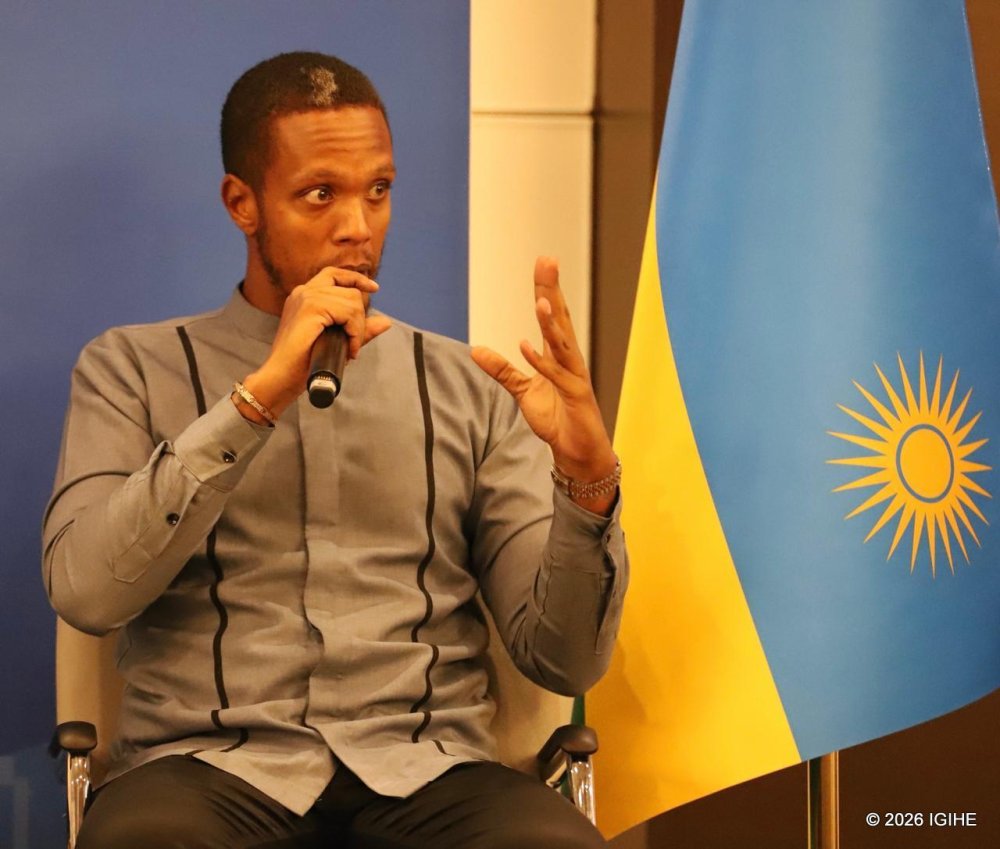
In the same spirit, Bryon Mutijima described his active use of online platforms to promote verified information and respectful dialogue. He noted that many young people now rely primarily on digital spaces for news, and that sharing factual content and personal experience can spark reflection and constructive discussion.
Drawing on his entrepreneurial work in Rwanda, he encouraged diaspora youth to explore investment and business opportunities, stressing the importance of preparation, institutional support, and on-the-ground visits to understand market realities.
Barebe Niringiyimana, who lives in Sweden, spoke about growing up in a family that portrayed Rwanda negatively and warned he could be killed if he returned. Seeking clarity, he contacted Rwanda’s embassy office for the Nordic countries, which helped him reconsider. Despite lingering fears, he traveled to Rwanda and encountered a reality very different from what he had been told. After deciding to return last month, he began developing a project in the country—an experience he says opened new perspectives.
Exchanges with the Minister of National Unity and Civic Engagement, Jean Damascène Bizimana highlighted the importance of such initiatives and the role young people can play in strengthening unity and resilience.
Memory, justice, and critical awareness
Other interventions emphasized justice, remembrance, and critical thinking. Lawyer Richard Gisagara spoke about his involvement in trials of genocide suspects in France since 2014, stressing the need for continued vigilance as time reduces the number of witnesses and defendants.
Testimonies from Jean de Dieu Uwizeye and other diaspora youth showed how inherited narratives and propaganda still shape perceptions, underscoring the importance of engaging directly with Rwanda to form an informed understanding of history.
The dialogue concluded with a shared conviction; when memory is approached with responsibility and empathy, it can become a driver of collective resilience.
The gathering reflected the determination of a diverse yet united diaspora to contribute to Rwanda’s future by transmitting truth and strengthening intergenerational cohesion.
The Rwandan diaspora in Europe recently gathered in Paris for a sociocultural dialogue. After years of misinformation, Barebe Niringiyimana returned to Rwanda and launched a promising project.Bryon Mutijima encouraged diaspora youth to use social media to share the truth and take advantage of entrepreneurial opportunities in Rwanda. Gatete Olivier spoke about the role of social media and how young Rwandans living or raised in Europe can use it to access reliable information.Jean de Dieu Uwizeye and young diaspora members highlighted the importance of visiting Rwanda to form one’s own understanding of history, countering propaganda and inherited narratives.Lawyer Richard Gisagara emphasized the importance of justice and memory in genocide trials and urged Rwandans to stay engaged. Nubuhoro Eugénie also shared her experience as the child of a parent involved in the genocide. Raised in exile with hatred toward the Tutsi, she questioned her parents’ accounts and sought the truth from the Ministry of Unity and ReconciliationSenator Amandin Rugira gave testimony about his family and professional journey.Minister Nelly Mukazayire shared the complex story of her own identity