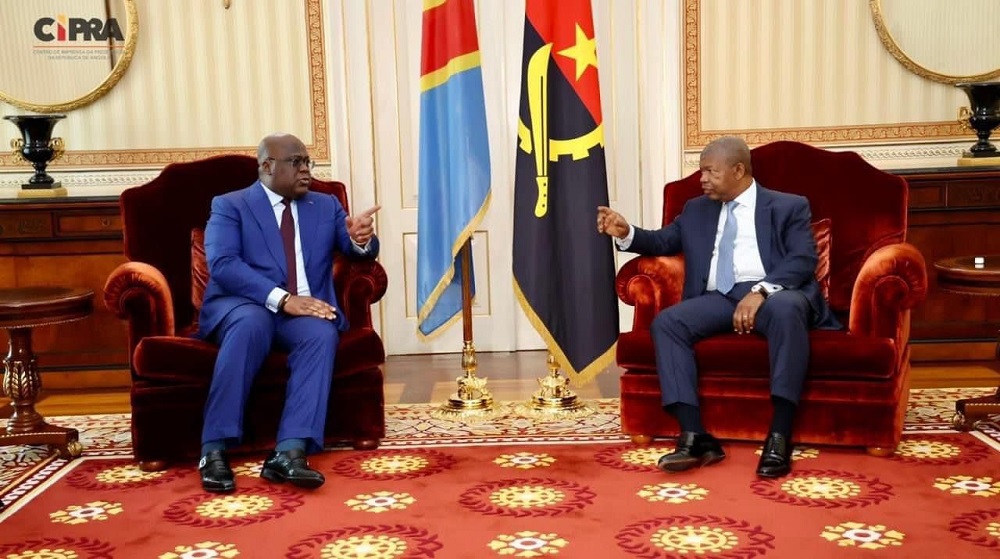
Angolan President João Lourenço, the former Chairperson of the African Union (AU), reportedly advised Congolese President Félix Tshisekedi that achieving lasting peace in the DRC would require engaging in dialogue with all Congolese stakeholders willing to participate, including armed opposition groups fighting against the government.
Lourenço proposed that Angola facilitate and oversee the talks in order to guarantee the safety and confidence of all participants. He suggested that the discussions be held either in Luanda or another neutral location outside Kinshasa.
In January 2026, Lourenço met with representatives of the Catholic Church and the Anglican Church from the DRC, alongside other political and social actors expected to participate in the dialogue.
Following the consultations, he prepared a report summarizing their proposals and recommendations.
Later that month, Angola’s Minister of Foreign Affairs, Tete António, traveled to Kinshasa to deliver the report to President Tshisekedi and brief him on the outcome of the consultations held with various Congolese stakeholders.
The issue remained largely out of public discussion until May 14, when Tshisekedi sent a six-member delegation to Angola to formally present his response to Lourenço’s January report.
According to the message delivered by the Congolese delegation, Tshisekedi rejected the proposal to hold the national dialogue outside the DRC.
He insisted that the talks should be organized, managed, and led exclusively by Congolese state institutions and take place in Kinshasa.
Tshisekedi further stated that Angola’s role should be limited to engaging with Congolese individuals or groups unwilling to travel to Kinshasa due to security concerns, before forwarding their views and recommendations to the Congolese government.
The Catholic Church, the Anglican Church, and opposition groups in the DRC have consistently argued that no Congolese stakeholder should be excluded from the dialogue process. They have specifically called for the participation of the AFC/M23 coalition, which is currently engaged in armed conflict with Congolese government forces.
However, the Congolese government strongly opposed that proposal. Government spokesperson Patrick Muyaya stated that individuals who have taken up arms and are “killing Congolese citizens” should not be included in political negotiations, but instead should face justice for their actions.
Religious leaders involved in the initiative emphasized that the dialogue should focus on the root causes of Congo’s recurring crises since independence, particularly issues related to security, governance, economic development, social welfare, and national unity.
According to reports, representatives of the Congolese government informed President Lourenço that Tshisekedi does not support the dialogue framework proposed by the Catholic and Anglican Churches and instead prefers a different approach to the process.
Leave a Reply