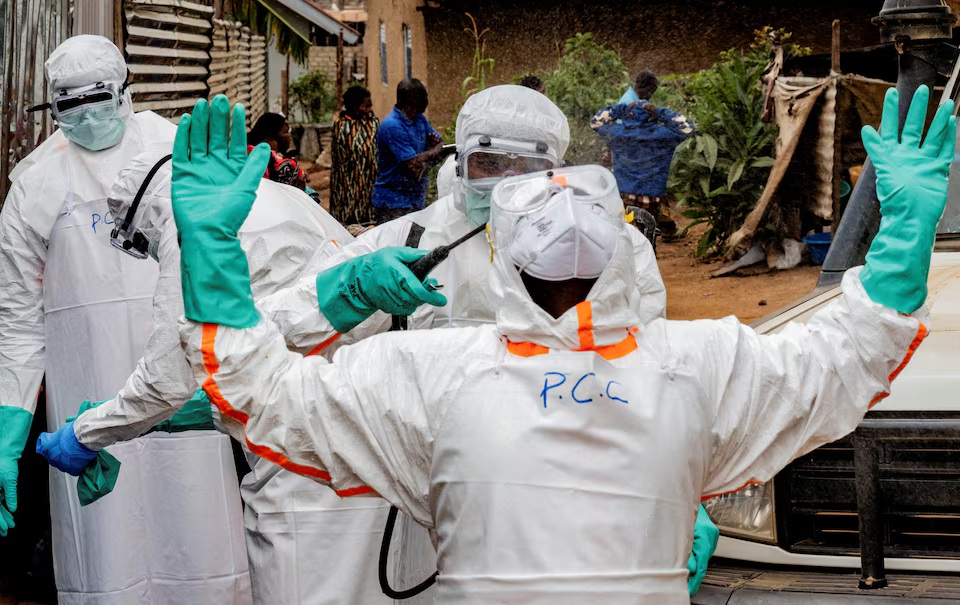
Two men in their 20s were reported infected in the Wapinda health zone, one of whom has died. The report did not specify the source of infection.
As of Friday, the country had recorded 9,415 confirmed cases, including 4,536 deaths, since the outbreak began in May, representing a case fatality rate of 48.2 percent.
The eastern province of Ituri remains the epicenter, accounting for more than 73 percent of all confirmed cases nationwide, followed by neighboring North Kivu Province. The outbreak has now affected 66 health zones across eight provinces.
Other affected provinces are Haut-Uele, Tshopo, South Kivu, Bas-Uele, and South Ubangi.
The Ebola outbreak declared in May has become the largest and deadliest ever recorded in the DRC and the second-largest Ebola outbreak globally, after the 2014-2016 West Africa epidemic.
As of Friday, the country had recorded 9,415 confirmed cases, including 4,536 deaths, since the outbreak began in May, representing a case fatality rate of 48.2 percent.
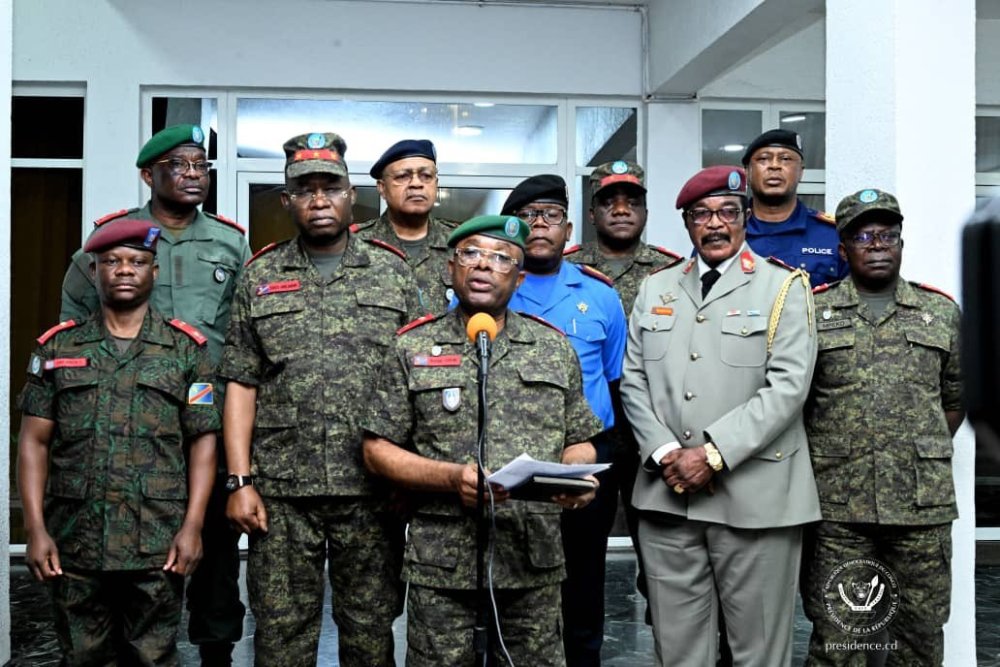
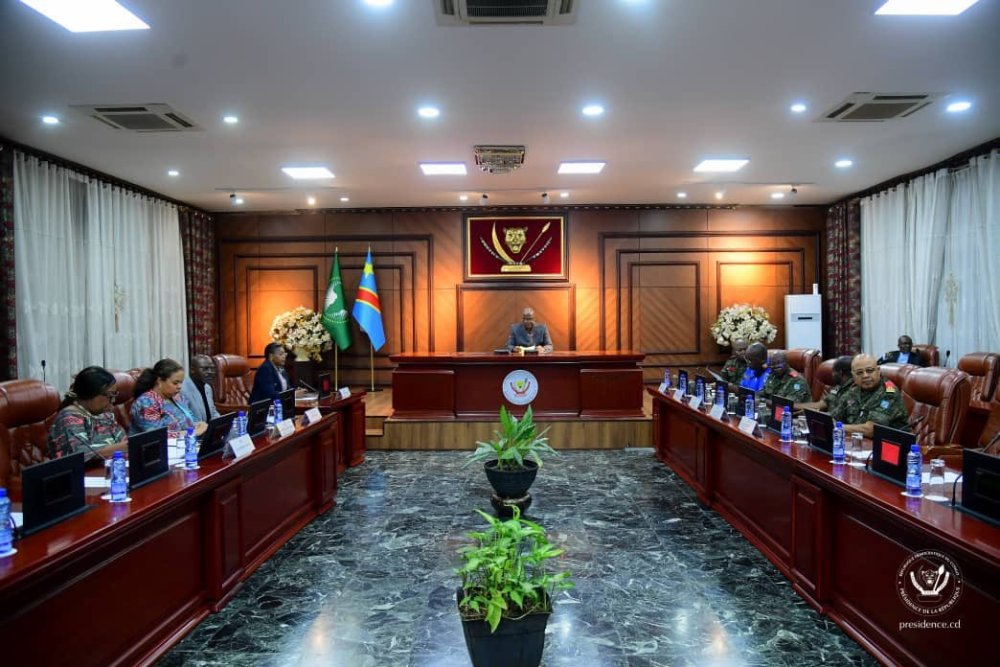
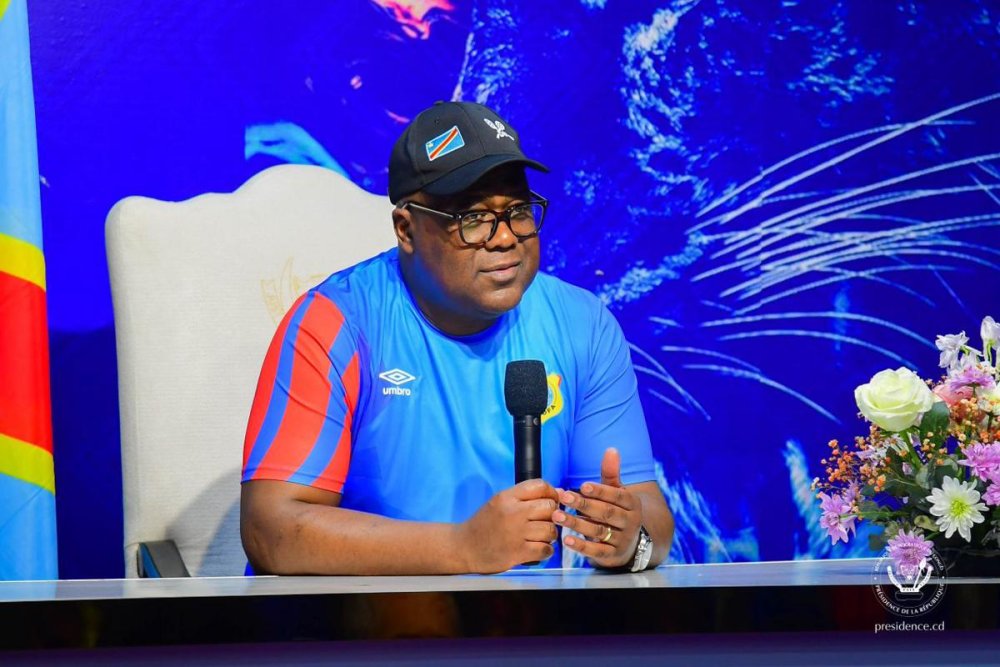
The meeting of the High Council of Defence was held at the presidential offices in Kinshasa on October 14, 2026. It brought together the Prime Minister, the Ministers of Defence and Foreign Affairs, the Deputy Minister of Interior Security, and senior military and security officials.
FARDC Chief of Staff Lt Gen Jules Banza Mwilambwe briefed the meeting on military operations across the country, with particular attention to eastern DRC, where fighting continues.
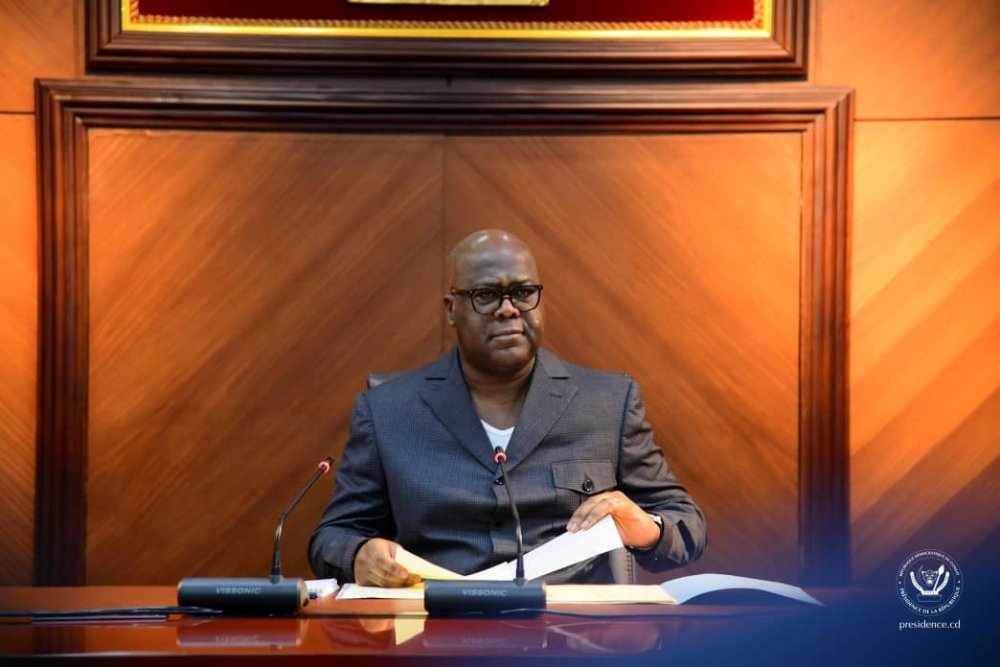
Following the briefing, Tshisekedi, who is commander-in-chief of the armed forces and police, instructed security agencies to step up efforts to defend the country’s sovereignty and protect civilians and their property.
FARDC spokesperson Maj Gen Sylvain Ekenge Bomusa said the directives were intended to reinforce the security forces’ efforts to fulfil their mandate.
“The Commander-in-Chief gave the armed forces and security agencies clear and firm instructions to ensure they effectively fulfil their responsibilities of defending national sovereignty and protecting civilians and their property,” Ekenge said.
He added that the priority was to translate the directives into tangible results on the battlefield, particularly in eastern DRC, where civilians continue to face the consequences of insecurity.
The meeting came two days after Kabila was announced as the leader of the Front pour la Refondation de la Nation (FRN), a new political and military movement established in Goma on October 12, 2026, to replace the Alliance Fleuve Congo (AFC), which had been active for nearly three years.
FRN includes several prominent figures who previously held senior positions within the AFC/M23 coalition, including Corneille Nangaa and Bertrand Bisimwa. Maj Gen Sultani Makenga continues to lead its military wing.
The coalition, which accuses Tshisekedi’s government of poor governance and marginalisation of Kinyarwanda-speaking communities, controls large swathes of territory in eastern DRC, including the major cities of Goma and Bukavu, the provincial capitals of North and South Kivu, respectively.
The meeting brought together the Prime Minister, the Ministers of Defence and Foreign Affairs, the Deputy Minister of Interior Security, and senior military and security officials.The meeting of the High Council of Defence was held at the presidential offices in Kinshasa on October 14, 2026.
The searches were conducted at several locations in Brussels and across municipalities in the Belgian regions of Flanders and Wallonia.
Belgium’s Office of the Prosecutor General confirmed that the searches were linked to an investigation launched in July 2025 following complaints filed by non-governmental organisations.
In a statement issued on October 14, the prosecutor’s office said the investigation concerns allegations of embezzlement involving public assets in the DRC.
The complainants, represented by lawyers including Bernard Maingain, allege that members of Tshisekedi’s family, including his younger brother, Christian Tshisekedi, have for years been involved in the alleged theft of mineral resources in the former Katanga Province.
An employee of a mining company described the situation last year, alleging that the region’s resources were being exploited without sufficient local investment.
“Since 2019, things have become much worse. Katanga has become the Tshisekedi family’s cash box. You extract resources from these provinces, particularly Lualaba, yet you invest nothing there,” the employee said.
According to Belgian newspaper La Libre, more than 10 police officers took part in searches at the President’s residence and properties belonging to members of his family.
Belgian authorities have not released detailed information about all those targeted by the investigation or confirmed whether any arrests have been made.
Tshisekedi’s home among several searched in Belgium, prosecutor confirms.
The health ministry said on Wednesday that the second patient had already been in quarantine when he developed symptoms on Tuesday, including fever, fatigue and joint pains. He was immediately isolated after falling ill.
“Both cases are linked, and there is no evidence of spread in the wider community,” the ministry said, urging Kenyans to remain calm but vigilant.
The development comes as authorities continue tracing people who may have been exposed to the first patient, a Kenyan man who had been living in the Democratic Republic of Congo (DRC).
The man travelled by road through Uganda before flying to Nairobi on October 3. A relative picked him up from the airport and took him to hospital, where he was diagnosed with Ebola shortly after admission.
His illness raised concerns about gaps in regional screening systems, as he travelled across borders without being detected.
According to the health ministry, authorities have located 113 of the 128 people identified as contacts of the first patient. Of these, 108 are in quarantine in Kenya, while five are outside the country. Health authorities in the countries concerned have been notified, and efforts to locate the remaining 15 contacts are continuing.
Officials are also assessing people who may have come into contact with the second patient since he developed symptoms, including healthcare workers and staff at the quarantine facility.
“This is the response working as designed,” the ministry said, adding that it would share updates on the patient’s progress.
Kenya has strengthened screening measures at Jomo Kenyatta International Airport in Nairobi, introducing a dedicated screening gate for passengers arriving from the DRC and other countries potentially linked to the outbreak.
The current outbreak in the DRC, declared in May, is caused by the Bundibugyo strain of Ebola. There are currently no approved vaccines or treatments for this strain, although trials are underway.
Ebola spreads through direct contact with the bodily fluids of infected people. Its incubation period ranges from two to 21 days, making contact tracing and early isolation critical to containing transmission.
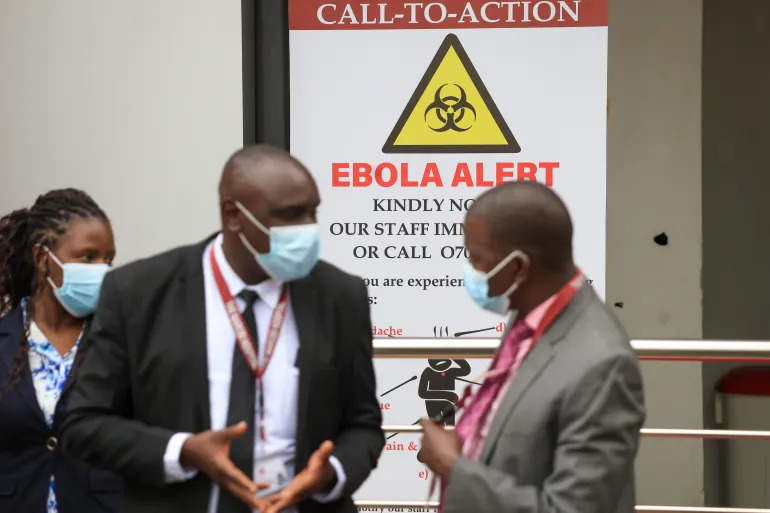
Health workers and officials stand outside an Ebola isolation facility at The Nairobi Hospital in Kenya on October 7, 2026,
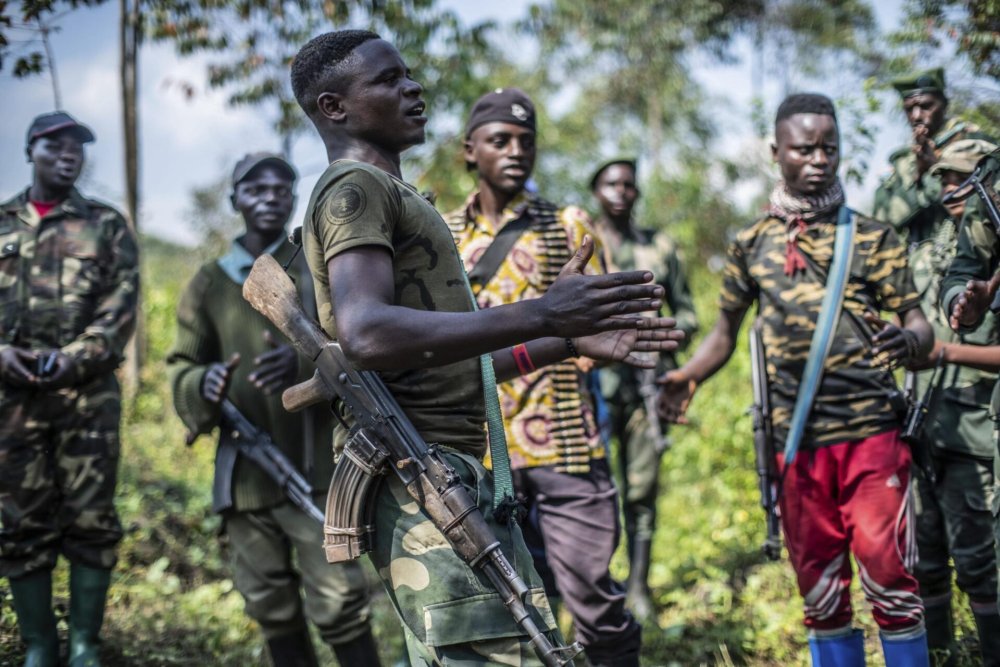
In a statement issued on Saturday, October 10, 2026, AFC/M23 spokesperson Lawrence Kanyuka said the coalition forces included the Congolese army (FARDC), the Democratic Forces for the Liberation of Rwanda (FDLR), Mai-Mai militias, foreign mercenaries and members of the Burundi National Defence Force.
“This military escalation is particularly concerning in the Minembwe region, where attacks continue with increased intensity,” Kanyuka stated.
Kanyuka said the forces intensified drone attacks on Point Zéro and surrounding areas in Minembwe at around 10 p.m. on Friday, October 9.
He added that another attack using kamikaze drones targeted Rugezi and neighbouring areas in the early hours of Saturday, October 10, at around 1 a.m.
According to Kanyuka, the repeated attacks on populated areas had resulted in deaths, forced civilians to flee their homes and worsened an already severe humanitarian situation.
AFC/M23, which operates in the area alongside the MRDP Twirwaneho armed group, did not provide figures for the reported deaths, injuries or displacement.
Point Zéro was among the areas controlled by AFC/M23 and Twirwaneho targeted in the attacks.
The patient had lived in the DRC for seven years and fell ill about a month before travelling to Kenya, Health Minister Aden Duale said Tuesday.
The patient was treated at several hospitals in the DRC before travelling by road to Kampala, Uganda. From Kampala, he boarded Jambojet flight 8523 and arrived in Nairobi on October 3.
Duale said the patient underwent routine health screening at Jomo Kenyatta International Airport (JKIA) before being taken by a relative and a friend to Nairobi Hospital.
He was initially isolated in the hospital’s emergency room before being transferred to an isolation facility in the East Wing, which had been used during the Covid-19 pandemic.
Medical tests were conducted after doctors identified symptoms consistent with viral haemorrhagic fever.
The patient presented with fever, intense fatigue, weakness, muscle pain, painful swallowing, sore throat and bleeding under the skin at the injection site.
“Doctors suspected a viral haemorrhagic fever based on his symptoms and travel history and collected samples for testing. The sample tested positive for Ebola Bundibugyo virus,” Duale said.
Kenya’s Minister of Health Aden Duale speaks during a press conference on the first case of Ebola in the country, in Nairobi, Kenya, October 6, 2026.
Despite receiving supportive treatment, the patient died at 11:30 pm on Monday.
His burial is planned for Tuesday under public health protocols intended to prevent further transmission.
Kenyan health authorities have identified 28 people who had contact with the patient, including relatives and healthcare workers. They are also tracing 23 passengers and four crew members who were on the Jambojet flight from Kampala to Nairobi.
Duale said arrangements had been made to quarantine people considered to be at risk as authorities step up efforts to contain the disease.
Kenya’s confirmation comes as the DRC continues to battle an outbreak of the Bundibugyo strain of Ebola, which was declared in May. As of October 2, the DRC had reported 8,442 confirmed cases and 4,080 deaths, making it the country’s largest Ebola outbreak on record.
Uganda also reported cases linked to the outbreak earlier this year, including two deaths, but was declared Ebola-free in August.
The Bundibugyo virus is a relatively rare strain of Ebola. The disease can cause fever, vomiting, diarrhoea and, in severe cases, bleeding.
Kenyan authorities have maintained heightened surveillance since the outbreak was declared in the DRC.
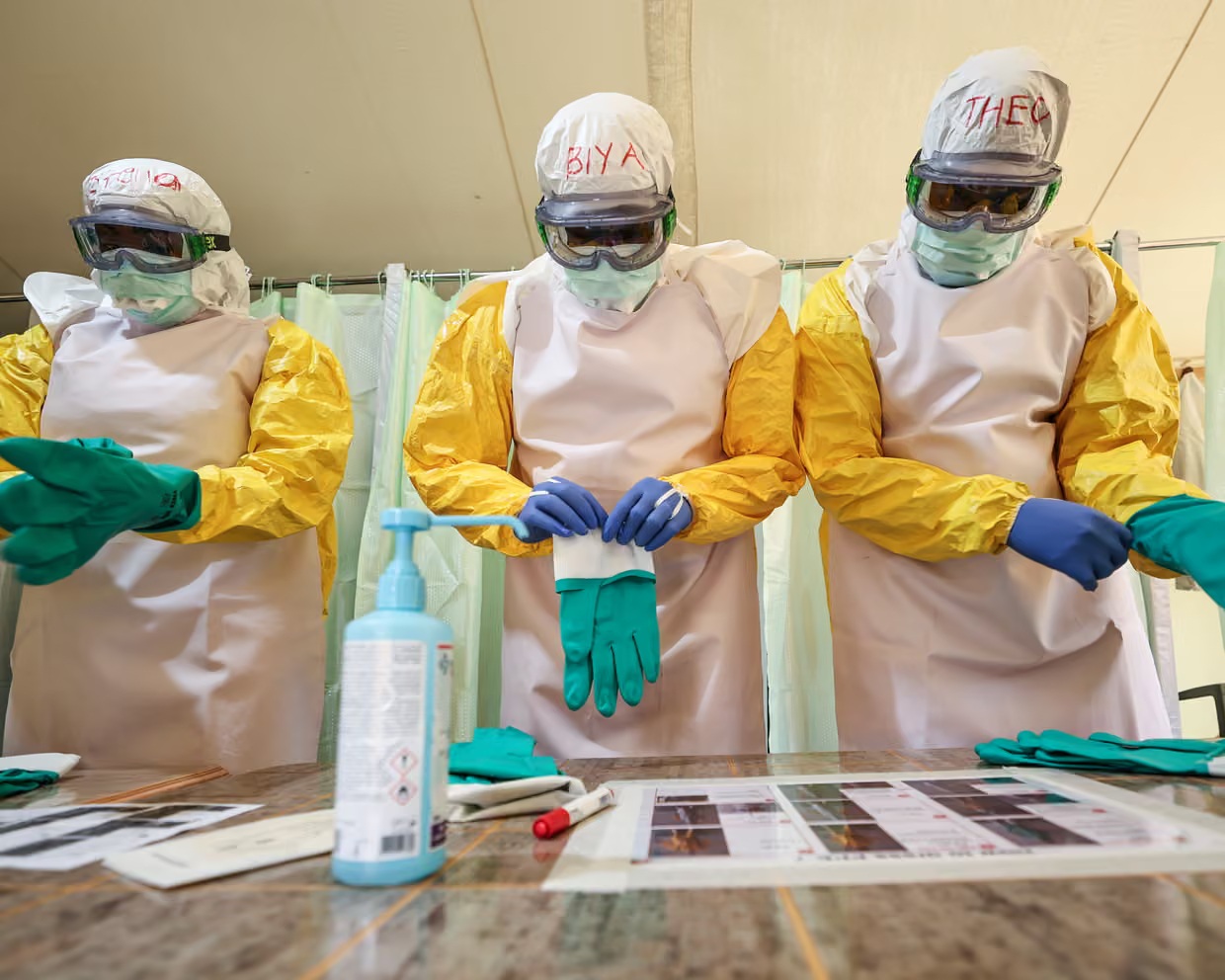
Volunteer health workers at an Ebola emergency response training session conducted by Médecins Sans Frontières in Ongata Rongai, Kenya, in August.
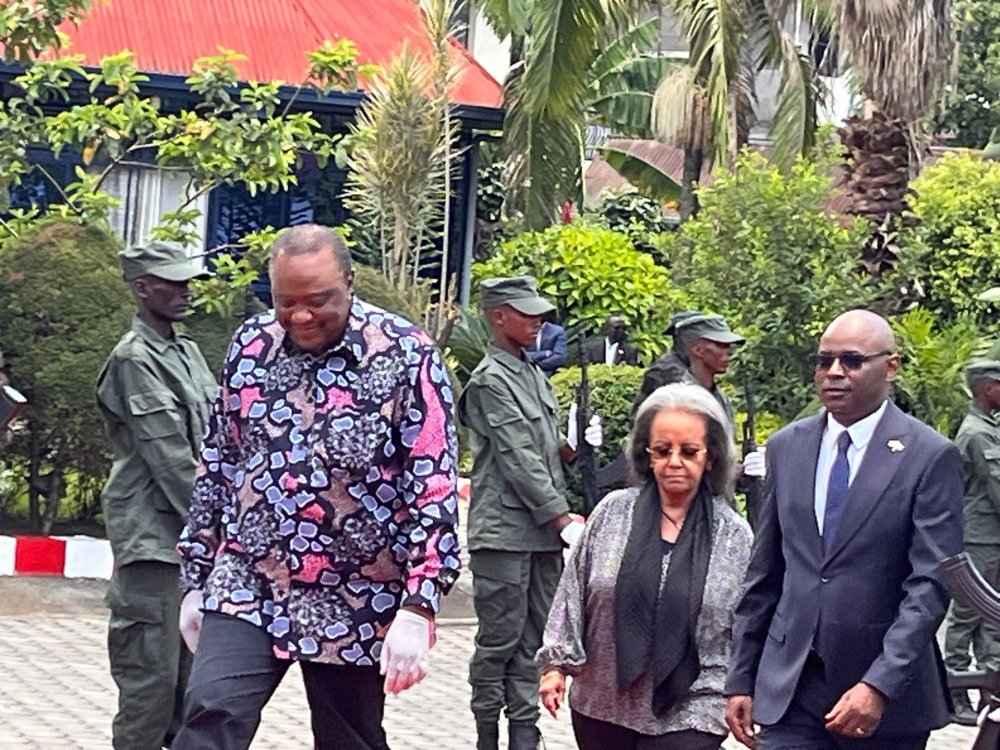
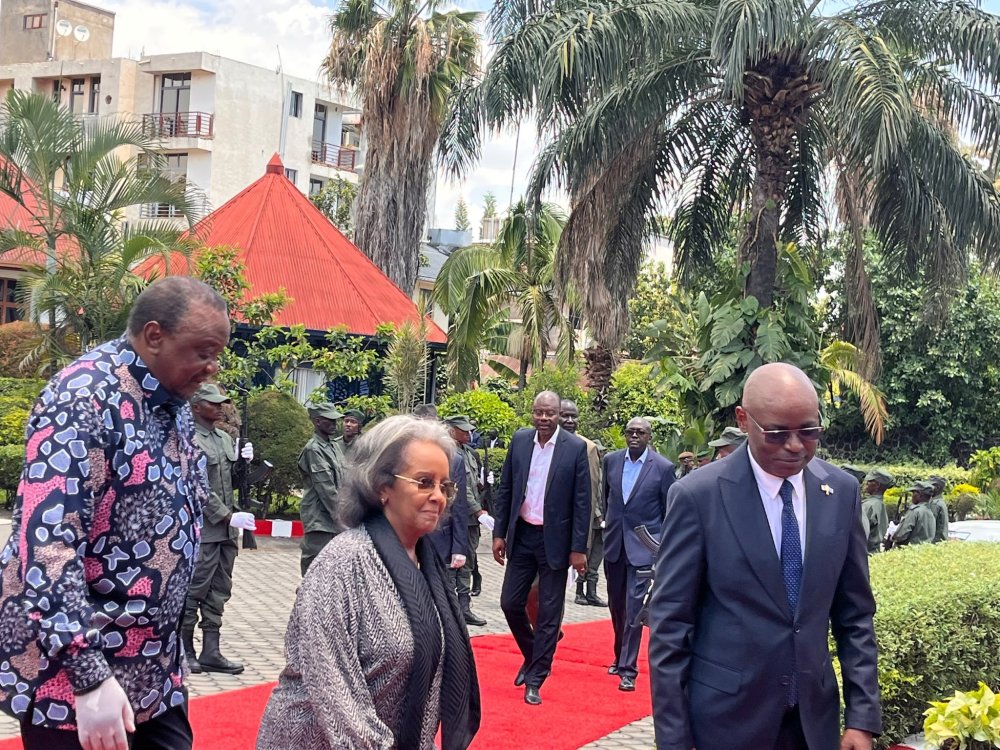
The delegation includes former Kenyan President Uhuru Kenyatta, former Botswana President Mokgweetsi Masisi and former Ethiopian President Sahle-Work Zewde.
Kenyatta, Masisi and Sahle-Work are part of the African Union mediation team seeking to help find a peaceful solution to the conflict in eastern DR Congo.
Former Nigerian President Olusegun Obasanjo, who chairs the panel, and former Central African Republic President Catherine Samba-Panza did not attend the talks.
The talks with AFC/M23 leaders are expected to focus on progress in the peace process and prospects for finding a political resolution to the conflict in eastern DR Congo.
The delegation is also expected to discuss the security situation in the region and measures taken so far to restore peace.
Manzi Willy, the vice governor of North Kivu Province appointed by AFC/M23, welcomed the delegation in a post on X.
“Welcome to the land of peace. Welcome to clean and secured Goma. Welcome to the land with vision and purpose,” he wrote.
The visit is part of efforts by the African Union facilitators to assess progress in the search for peace in eastern DR Congo.
Kenyatta is familiar with the conflict, having previously led the Nairobi talks aimed at bringing together the Congolese government and armed groups operating in eastern DR Congo.
The Nairobi process, however, failed to produce a lasting agreement amid disagreements between Kinshasa and the armed groups involved.
The delegation includes former Kenyan President Uhuru Kenyatta, former Botswana President Mokgweetsi Masisi and former Ethiopian President Sahle-Work Zewde.
The report by UN Secretary-General Antonio Guterres on the UN mission in DR Congo (MONUSCO) documented at least 44 human rights abuses and protection incidents attributed to the FDLR between June 19 and September 18. The incidents affected 89 victims, including 15 victims of summary executions.
The abuses were concentrated in Rutshuru territory in North Kivu province, with additional incidents recorded in Masisi, Nyiragongo and Walikale territories.
“FDLR abuses of the civilian population remained concentrated in Rutshuru territory, but also Masisi, Nyiragongo and Walikale, primarily consisting of armed robbery, extortion, targeted killing and forced disappearances of community leaders and alleged collaborators,” the report said.
The UN also documented forced recruitment, conflict-related violence and kidnapping among abuses linked to the group.
The FDLR was formed by remnants of forces responsible for the 1994 Genocide against the Tutsi in Rwanda. Its members fled to then Zaire after the defeat of the genocidal forces and have maintained a presence in eastern DR Congo for three decades.
The latest findings come despite commitments made by DR Congo to neutralise the genocidal force, as outlined in the Washington Accords for Peace and Prosperity, signed by Presidents Paul Kagame and Félix Tshisekedi on December 4, 2025.
Rwanda has rejected a new voluntary dissolution protocol proposed by DR Congo for dealing with the FDLR. Rwanda maintains that the FDLR remains an active security threat and must be effectively and verifiably neutralised.
The new report also documented clashes between the FDLR and Wazalendo-affiliated armed groups in North Kivu. Fighting in Masisi and Walikale intensified in August and September, increasing risks for civilians.
Guterres also raised concern over the increased use of drones and indiscriminate strikes by state and non-state actors in several parts of eastern DR Congo.
He said the resumption of regular meetings under the Washington process and an agreed sequenced road map between Rwanda and DR Congo provided a basis for progress.
The UN chief urged the parties to maintain their engagement and implement their commitments, including obligations under international humanitarian and human rights law.
The FDLR militia group continued to commit serious abuses against civilians in eastern Democratic Republic of Congo (DR Congo), including killings, forced disappearances and extortion, according to a new United Nations report.
The soldiers were accused of fleeing fighting involving the DRC armed forces (FARDC) and fighters from AFC/M23, RED Tabara and Twirwaneho.
They were among 112 soldiers tried in a case whose verdict was delivered on Friday, October 2, 2026.
The court sentenced another 54 soldiers to five years in prison, while 10 others were sentenced to six months for disobeying orders.
The remaining 21 soldiers were acquitted.
Six female soldiers were among those convicted of cowardice in the face of the enemy or disobeying orders.
The public trial began on September 15, 2026, at the Military Court in Uvira.
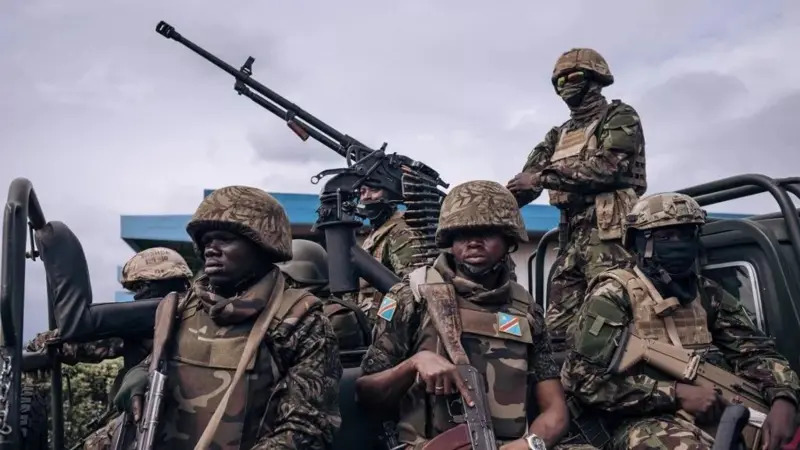
FARDC soldiers during a past patrol. A military court in Uvira, South Kivu province, has sentenced 27 of their colleagues to death after finding them guilty of cowardice in the face of the enemy.
His coronation follows weeks of uncertainty over who would succeed King Oyo Nyimba Kabamba Iguru Rukidi IV, who died in August.
Kijanangoma, 56, is a cousin of Oyo Nyimba. He took the royal name Edward Rukidi Nyabongo I during a ceremony held in Fort Portal on September 29, 2026. A 21-member council from the royal Babiito clan selected him as the new king.
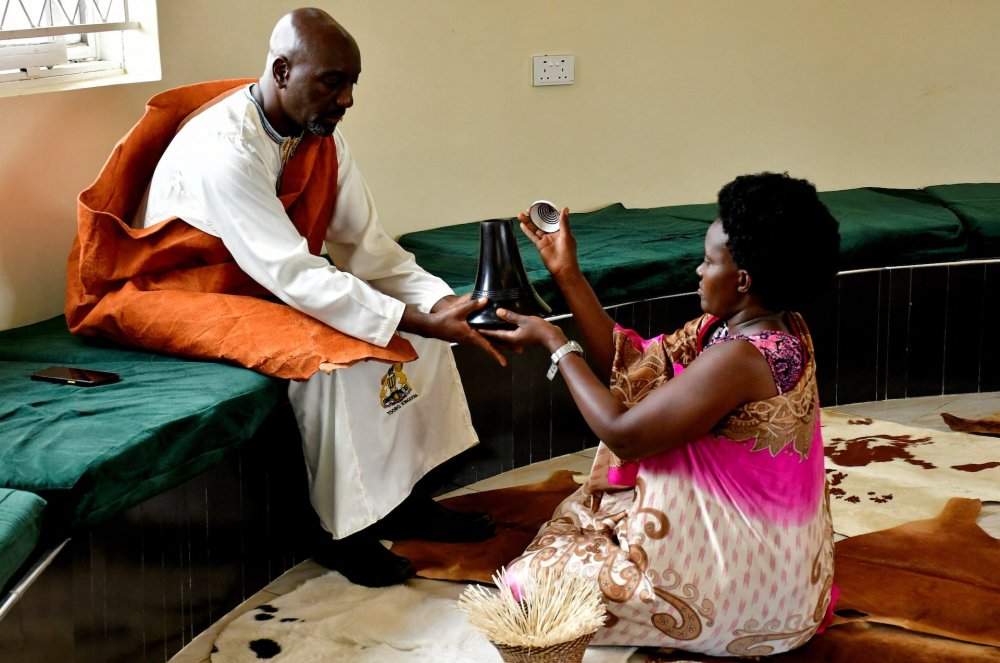
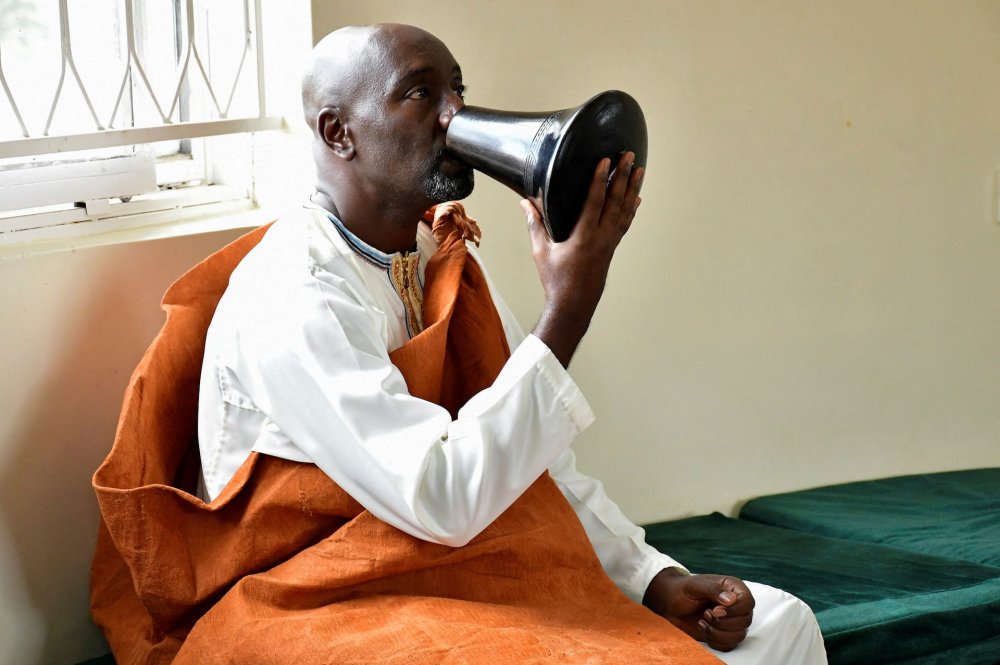
The coronation featured traditional rituals, including the slaughter of a bull and the spilling of chicken blood. Nyabongo I also walked from midnight to 3 a.m. to Karuziika Palace, where he took part in a traditional contest for the crown.
Kijanangoma first became known as a journalist at Uganda Broadcasting Corporation (UBC), where former colleagues described him as humble and approachable.
He later joined Rwanda Television, where he worked as an English-language news anchor.
His coronation comes following the death of Oyo Nyimba, who died on August 27, 2026, in the United States while receiving treatment for cancer. He was 34.
Oyo was buried on September 12 at the royal cemetery in Karambi, Fort Portal.
He ascended the Tooro throne in 1995 at the age of three following the death of his father. His young age and images of him wearing royal attire and a crown attracted international attention.
Oyo’s mother, Best Kemigisa, and his sister, Princess Ruth Komuntale, have said he left behind a young son and that a document indicates the child was designated as his successor.
Oyo had never married and no child of his was publicly known before his death. The child in question became known publicly only after his death.
Kijanangoma has taken the royal name Edward Rukidi Nyabongo I following his coronation in Fort Portal.Edward Rukidi Kijanangoma has been crowned the 13th King of Tooro in Uganda.