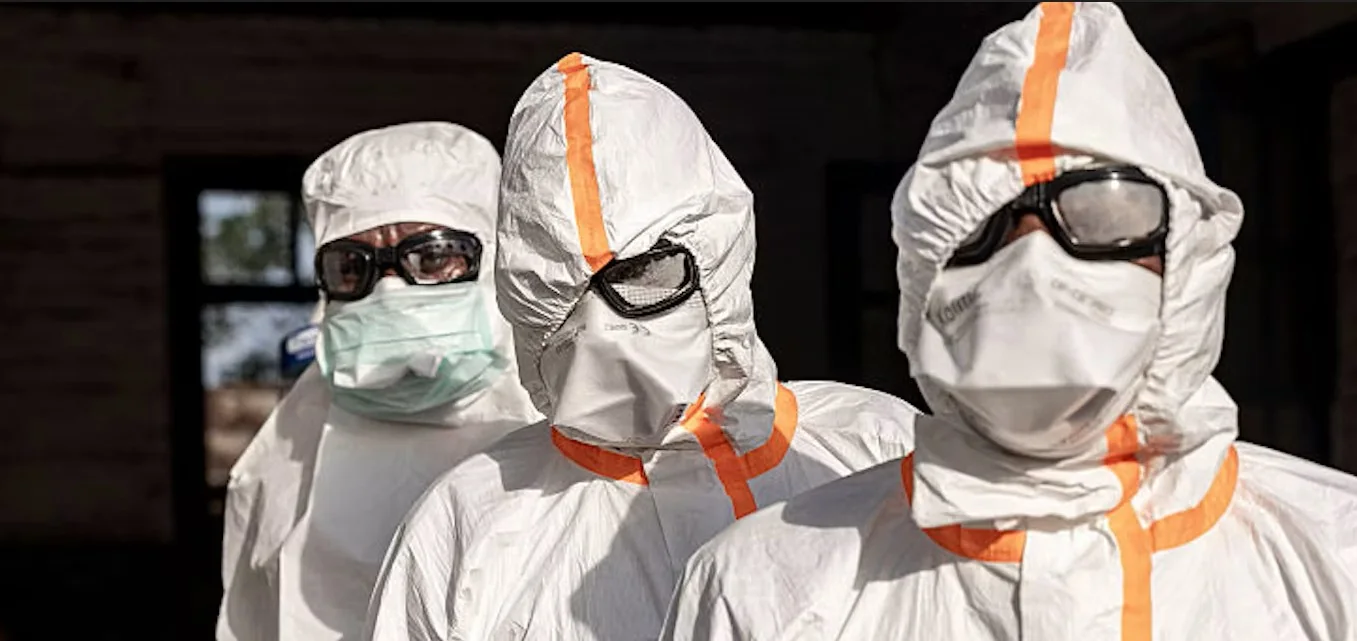
Figures contained in a report by the Ebola response team released on September 25 show that 56 new cases were recorded on September 24, down from 70 the previous day. This represents a 20% decline, although health authorities say challenges remain in containing the outbreak.
The decline was most notable in North Kivu, where new cases fell from 31 to 17 in 24 hours. In Ituri, however, cases increased from 31 to 35. The province accounts for 76.4% of all recorded infections. Haut-Uélé recorded three new cases, while Bas-Uélé reported one.
The report said 2,001 people have recovered, including 35 who were discharged on September 24, while 848 others remain in isolation. Of the 62 health zones that have recorded at least one case, 56 across six provinces still have active cases.
Despite the decline in new infections, many people continue to die outside Ebola treatment facilities. Of the 34 deaths recorded in the 24-hour period, 23 occurred in communities, including nine in Mandima, Ituri, and seven in Beni, North Kivu. Beni also recorded 12 of the 17 new cases reported in North Kivu.
Contact tracing has also declined, with coverage falling from 83.4% to 79.2% in one day. In Tshopo, the rate has dropped to 34.8%, raising concerns that some infections may not be detected early.
The Ebola response is also facing shortages of supplies, delays in vaccination and inadequate treatment facilities. In North Kivu, 114 patients are still being treated in facilities that do not meet required standards. In Bunia, 135 people were vaccinated within 24 hours, against a daily target of 300.
Health authorities have called for increased surveillance along the DRC-South Sudan border and greater preparedness in provinces along the Congo River to prevent further spread of the outbreak.
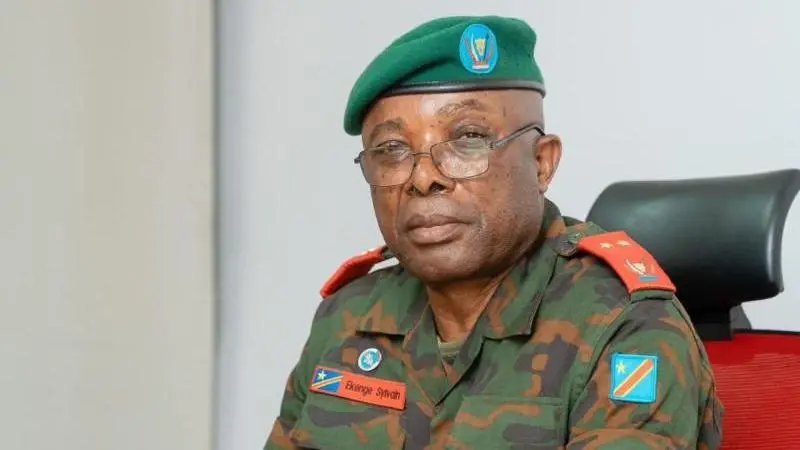
Ekenge’s return became public on September 25 when he signed an FARDC statement announcing the deaths of two senior military justice officials in a plane crash in Kenge, Kwango Province. The statement identified him as the army’s spokesperson.
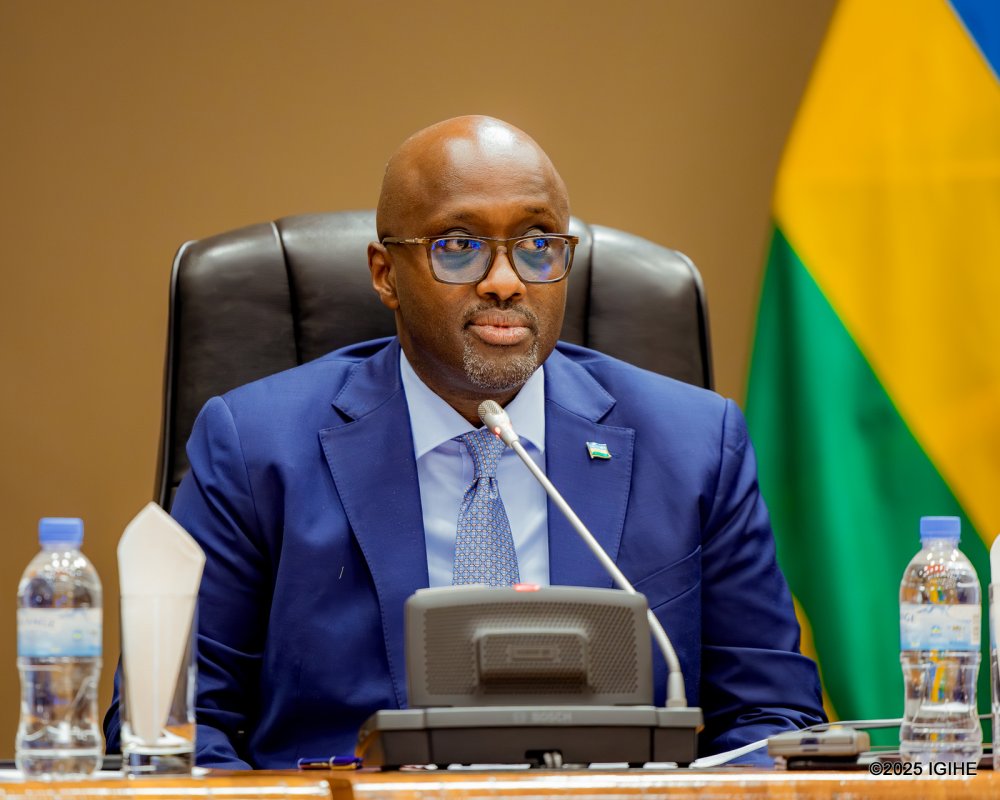
In a post on X, Nduhungirehe described the reinstatement as “troubling and indecent,” arguing that it was evidence that hate speech against Congolese Tutsis and “genocidal ideology” in the DRC were not limited to isolated individuals within the military or government.
He said the development instead suggested that such rhetoric was being embraced as state policy.
Nduhungirehe also questioned the manner in which Ekenge’s return was announced, saying it was made public almost quietly through a statement signed by Ekenge concerning the Kenge plane crash.
The minister recalled remarks Ekenge made on state broadcaster RTNC on December 27, 2025, in which the military spokesman warned Congolese men to be careful when marrying Tutsi women. Ekenge had claimed that Tutsi women could bring male relatives into their marital homes to father their children, which he linked to the preservation of the Tutsi “race.”
The remarks prompted criticism and led to Ekenge’s suspension from his position as FARDC spokesperson on December 29, 2025. FARDC leadership subsequently distanced itself from the comments, saying they did not represent the position of the military or government.
During his absence, Lieutenant Colonel Mak Hazukay Mongba served as acting FARDC spokesperson.
Ekenge’s signature on the September 25 statement is the first publicly documented indication of his return to the role. Congolese media reports have noted that no separate official act lifting his suspension had been made public at the time of his return.
In his post, Nduhungirehe also referred to Ekenge’s 2025 remarks as echoing the “Ten Commandments of the Hutu,” published in 1990 by Hassan Ngeze, who was later convicted by the International Criminal Tribunal for Rwanda.
Rwanda’s Foreign Affairs Minister Olivier Nduhungirehe has questioned the reinstatement of Maj Gen Sylvain Ekenge as FARDC spokesperson, nine months after his suspension over remarks about Tutsi women.Ekenge’s return became public on September 25 when he signed an FARDC statement announcing the deaths of two senior military justice officials in a plane crash in Kenge, Kwango Province.
Overall, 1,823 people have recovered, while another 930 remain in isolation or are receiving treatment in hospitals, where they are being monitored by health authorities.
Response efforts are currently underway across seven provinces of the DRC, covering 62 health zones.
Health authorities are continuing to strengthen measures aimed at preventing the virus from spreading to other parts of the country.
In the 24 hours preceding the release of the figures, no new health zone had reported an Ebola outbreak, while 25 patients had recovered.
Although no new health zone was affected during that 24-hour period, the number of infections and deaths continues to highlight the severity of the outbreak and the challenges facing health authorities in containing the virus.
Among the measures being intensified is the expansion of Ebola vaccination campaigns, particularly in Tshopo and Bas-Uélé provinces, in an effort to reduce the risk of further transmission.
Health authorities are also continuing to monitor people who have been in contact with Ebola patients.
The latest figures show that the contact-tracing rate has surpassed 87 percent.
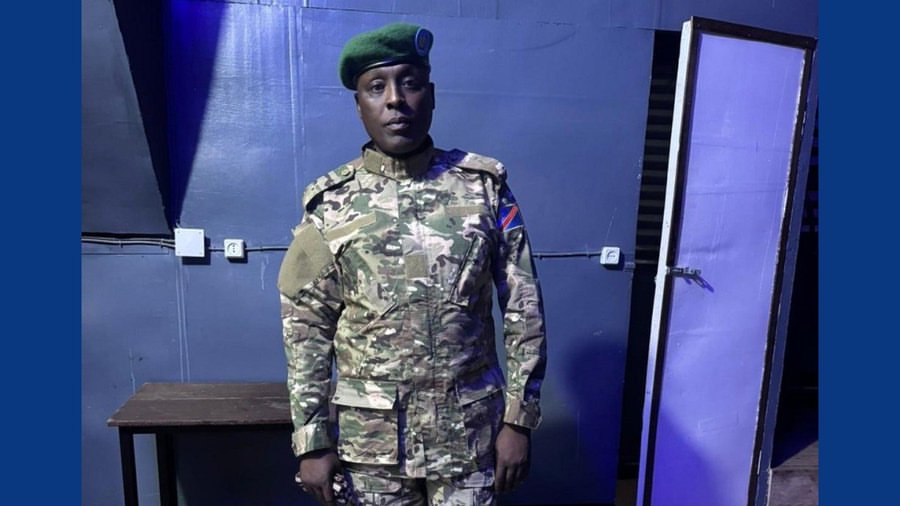
Col Fidèle Rugabo, an officer with Twirwaneho, said that at around 3 a.m. on September 18, 2026, forces of the DRC, Burundi, FDLR, P5 and Wazalendo attacked civilians in Mukoko and Nyaruhinga.
He explained that the enemy from the direction of Mukoko attacked civilians at 3 a.m. and the enemy was being hit hard. ” Col. Rugabo said.
Col Rugabo further claimed that at around 6 a.m., forces supporting the DRC government attacked the Gipimo area in the direction of Kabanju.
The reported attacks follow several days of offensives by forces aligned with the DRC government in areas controlled by Twirwaneho and AFC/M23, including Minembwe, Kalehe and Masisi.
Twirwaneho and AFC/M23 strongly condemned the attacks.
Col Rugabo said MRDP Twirwaneho repelled attacks by the coalition of DRC government forces.
In a post on X on Tuesday, September 15, AFC/M23 spokesperson Lawrence Kanyuka said the attacks took place in the morning, resulting in deaths and forcing civilians to flee their homes in search of safety.
He said the first attack was launched at around 8:30 a.m., followed by another at 9:30 a.m. in the Ntekomiko and Kareta areas of Masisi.
Kanyuka added that at around 11:30 a.m., DRC government forces launched another attack in the Point-Zéro area using ground troops.
“Currently, AFC/M23 forces continue to protect and defend civilians,” he wrote.
The accusations come despite an agreement by the two sides to observe a ceasefire and establish a joint mechanism to monitor compliance with the truce.
AFC/M23 spokesperson Lawrence Kanyuka said the attacks took place in the morning, resulting in deaths and forcing civilians to flee their homes in search of safety.
A government report covering the epidemiological situation as of Sunday said 7,258 confirmed cases had been recorded in seven provinces, including 3,510 deaths and 1,726 recoveries.
A total of 905 patients were in isolation or hospitalized, while the overall fatality rate stood at 48.4 percent.
The outbreak has affected 62 health zones across seven provinces — Ituri, North Kivu, South Kivu, Haut-Uele, Bas-Uele, Tshopo and Sud-Ubangi. Sustained transmission continued in Ituri, North Kivu and Haut-Uele, while sporadic cases were reported in Tshopo and Bas-Uele.
The overall epidemic curve was trending downward as the peak appeared to have been reached around mid-August, said Dieudonne Mwamba Kazadi, head of the National Institute of Public Health, after a strategic coordination meeting in Kinshasa on Monday.
However, he cautioned that the decline was uneven across the country, with some provinces, particularly North Kivu, still reporting increases in cases.
Declared in May, the current outbreak has become the largest and deadliest Ebola epidemic in the DRC’s history and the second-largest globally, behind the 2014-2016 epidemic in West Africa.
The outbreak has affected 62 health zones across seven provinces in DRC.
The disclosure appears in Anthropic’s September 2026 threat intelligence report, “Detecting and countering misuse of AI,” which the company published on September 10, 2026, documenting cases of AI misuse it disrupted between December 2025 and August 2026.
According to the report, the network operated 70 fake news websites, built to look like independent local newsrooms, each paired with matching X accounts and amplified by more than 250 inauthentic commenting accounts, many using AI-generated profile photos.
Anthropic traced the operation to LKM Company, a France-based digital advertising agency, and said it used Claude to both write original articles and rewrite real news stories from legitimate journalists into politically slanted versions tailored to different national audiences.
The network published at least 8,913 articles in about 20 languages, targeting audiences across six continents, according to the report.
A concentrated push on the DRC-Rwanda conflict
Within that global network, the DRC received outsized attention. Anthropic’s investigators found 318 articles specifically focused on the Democratic Republic of Congo, the largest country-specific cluster of content identified in the entire operation. The stories, the report says, “typically supported the DRC government’s stance,” with a specific focus on regional mineral deals and tensions with Rwanda.
The DRC-focused page became the network’s most-shared and most-popular property during its early weeks, and the majority of fake follower accounts acquired in that period were tied to DRC audiences, according to Anthropic. An X account presenting itself as a Congolese civilian “digital army” was also observed following several of the network’s accounts.
Anthropic pinpointed September 11, 2025, as a clear signal of coordinated activity: multiple sites in the network published nearly identical articles about the DRC-Rwanda conflict within three minutes of each other, with the tone adjusted for different regional audiences while distribution was coordinated simultaneously across the network’s X accounts.
Anthropic, while linking the network to an “influence-as-a-service” model, said it had banned the accounts associated with the network and developed new detection measures based on the operation’s behavioural signatures to identify similar activity in the future.
Kigali has long rejected the Kinshasa narrative
The findings land against the backdrop of a conflict in which Rwanda has repeatedly and publicly rejected the characterisation of itself as the aggressor or as a beneficiary of Congolese mineral wealth, the same narrative elements the fake network was found to be amplifying.
In a February 3, 2025, interview with CNN’s Larry Madowo, at the height of the fighting between the Congolese army and AFC/M23 rebels, President Paul Kagame said the war in eastern DRC “was not started by Rwanda; it was started by the DRC.” He argued that the M23 rebels fighting in the region are Congolese, not Rwandans, and are “fighting for their rights” after years of persecution and failed negotiations with Kinshasa.
He linked Rwanda’s tension with DRC to Kinshasa’s continued tolerance of the Democratic Forces for the Liberation of Rwanda (FDLR), a militia group formed by individuals involved in the 1994 Genocide against the Tutsi, which operates freely in the DRC with government support.
Kagame also dismissed accusations, frequently made by Congolese officials and echoed in some international reporting, that Rwanda profits from DRC’s mineral resources.
“I invite you to come and see where we mine coltan,” he told CNN, arguing that Rwanda has its own mineral deposits and does not depend on Congolese resources.
A year later, on February 5, 2026, during the opening of the 20th Umushyikirano National Dialogue Council in Kigali, the President maintained that such claims were illogical and deliberately ignored the real drivers of insecurity in the region.
“The war in DRC was not started by Rwanda. It began somewhere else, not in Rwanda,” he said. “The real issue Rwanda faces involves the Interahamwe, who are tied to the ideology of genocide and continue to plot, saying, ‘We are coming to finish what we started.’”
“Creating problems and blaming Rwanda is all that the international community does to Rwanda,” he added. “They treat Tshisekedi [President Felix Tshisekedi] as a spoiled child. There is no single blame that goes to the people who created this problem.”
The disclosure appears in Anthropic’s September 2026 threat intelligence report, “Detecting and countering misuse of AI,” which the company published on September 10, 2026, documenting cases of AI misuse it disrupted between December 2025 and August 2026.
As of Sept. 10, health authorities had recorded 7,022 confirmed cases and 3,398 deaths, putting the case fatality rate at 48.4 percent. A total of 1,671 patients have recovered.
The outbreak has now affected 62 health zones across seven provinces. Sud-Ubangi became the latest affected province after a case was confirmed there, local authorities said Thursday. The patient, a 23-year-old man with a travel history from South Kivu province, was reported dead.
Sud-Ubangi does not border any of the six provinces where confirmed Ebola cases had previously been reported, namely, Ituri, North Kivu, South Kivu, Haut-Uele, Tshopo and Bas-Uele.
The current outbreak, declared in May, has become the largest and deadliest Ebola epidemic in the DRC’s history and the second-largest globally, behind the 2014-2016 epidemic in West Africa.
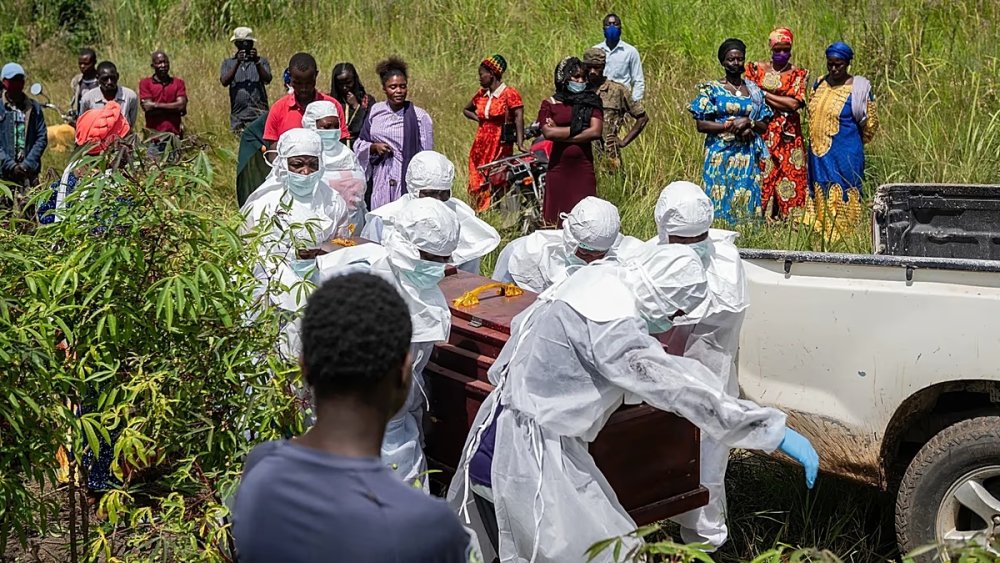
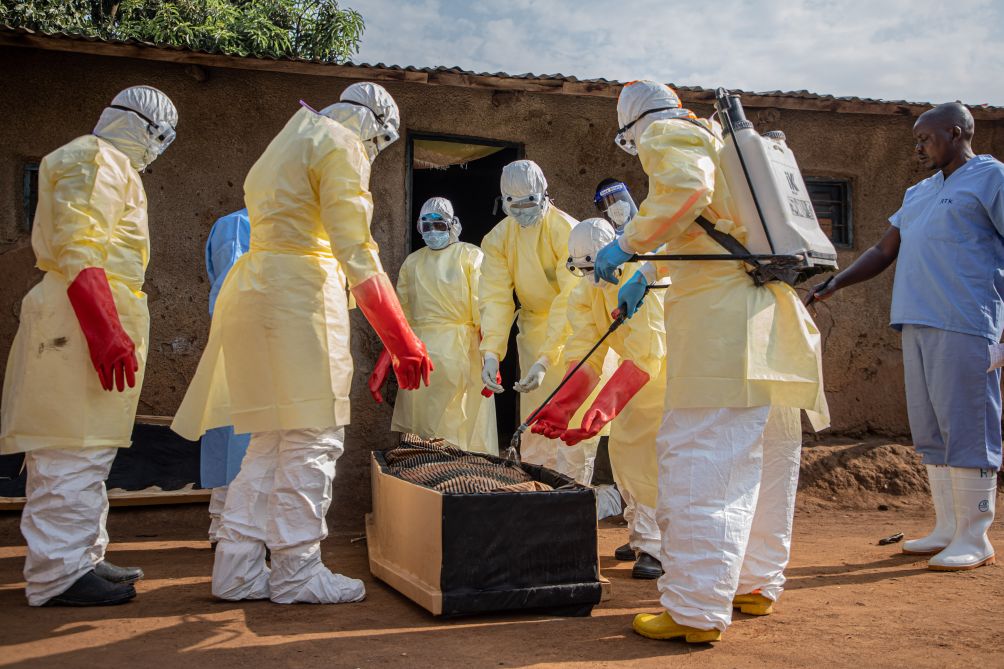
Medical workers carry out disinfection before burying a person who died of Ebola in Bunia, Ituri Province, the Democratic Republic of the Congo, July 9, 2026. (Xinhua)
In a statement issued on September 8, State House said the government would conduct an “orderly regularisation exercise” over the next 90 days to allow affected foreign nationals to comply with the law.
The exercise will be coordinated by relevant government agencies in consultation with the embassies concerned.
“At the conclusion of the 90-day regularisation period, immigration, work-permit, registration and licensing requirements will be enforced firmly and strictly in accordance with the law and due process,” State House Spokesperson Hussein Mohamed said.
The announcement comes after days of uncertainty among foreign traders, particularly Burundians living in Kenya, following concerns that Ruto’s directive targeting foreign participation in small-scale businesses could force them to shut down their operations or leave the country.
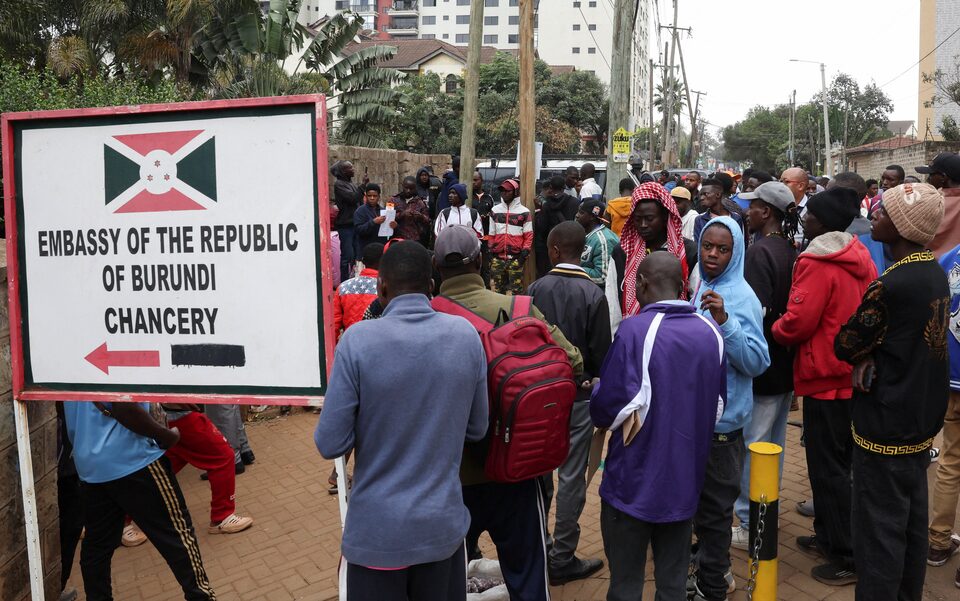
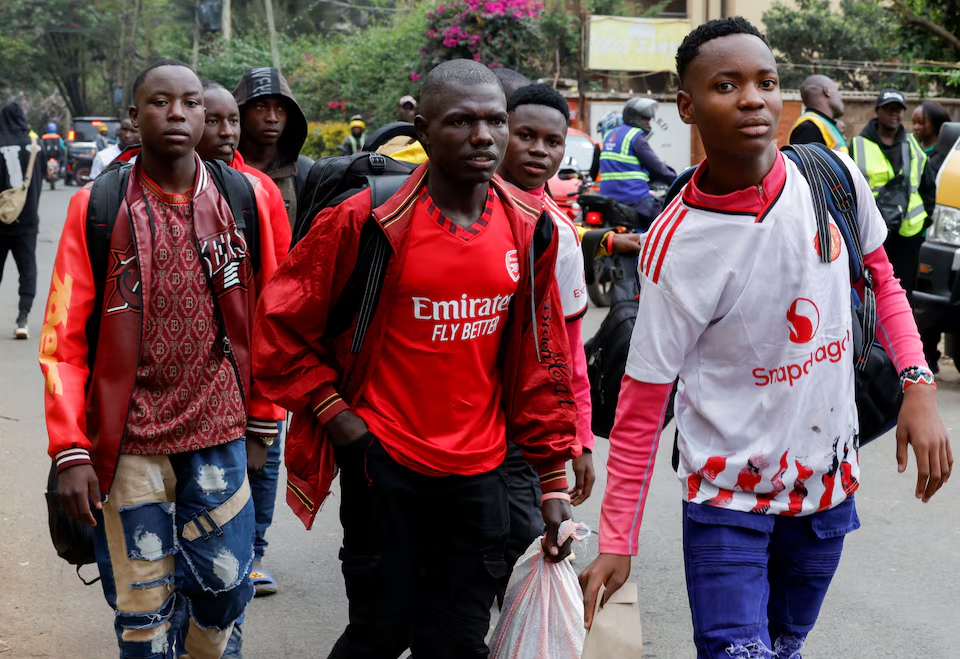
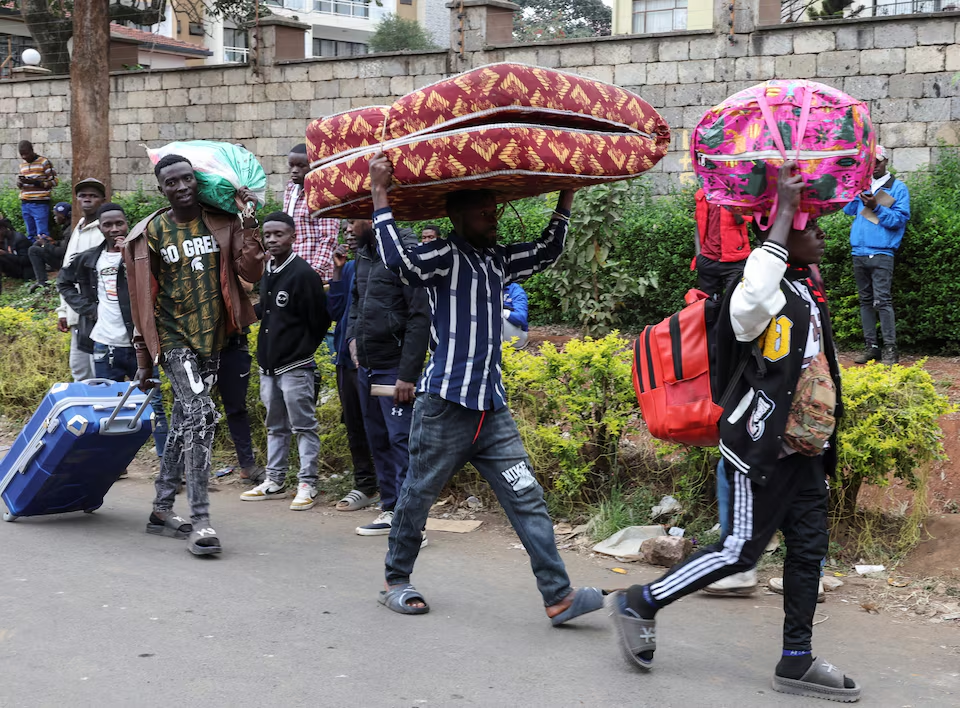
Long queues were reported outside Burundi’s embassy in Nairobi on Monday as some Burundian nationals sought emergency travel documents amid uncertainty over their future in Kenya. Some were also seen trying to secure transport back home.
The Kenyan government has, however, sought to reassure foreign nationals that there is no blanket ban on foreign traders.
State House said Ruto had received representations from Kenyan traders over the growing participation of foreign nationals in small-scale businesses and informal trade, and the impact this was having on Kenyans who depend on such activities for their livelihoods.
The President subsequently directed that the Local Content Bill, 2025, currently before Parliament, be expanded to establish a clear framework governing participation in small-scale trade and enterprise.
Under the proposed framework, some categories of economic activity could be reserved for Kenyan citizens, while foreign nationals legally entitled to work, invest or conduct business in Kenya would continue to receive protection.
“Kenya will protect economic opportunities for its citizens, especially within the micro and small-enterprise sector, while remaining open to lawful foreign investment, enterprise and employment,” Mohamed said.
The government stressed the two objectives were complementary and would be pursued in line with Kenya’s Constitution, laws and international obligations.
It also warned against harassment or attacks targeting foreign nationals and their businesses, saying the enforcement and interpretation of the law remained the responsibility of authorised State agencies.
“No individual or group has the authority to harass, intimidate, threaten or interfere with foreign nationals or their businesses,” the statement said, warning that those engaging in such conduct would face action under the law.
The clarification follows reports of growing anxiety among Burundians and other East African nationals living in Kenya, with concerns that hostility towards foreign traders could escalate into xenophobic attacks similar to those witnessed in South Africa.
Burundi’s Foreign Affairs Minister Edouard Bizimana had raised concerns over reports of harassment and warned that continued hate speech against Burundians could have wider consequences.
A senior Kenyan foreign affairs official, Korir Sing’oei, also apologised to Burundian nationals who had faced harassment, saying the President’s directive had been misunderstood.
The Kenyan government has now said the 90-day regularisation period will be administered fairly, consistently and without discrimination, while reaffirming the country’s commitment to the East African Community, regional integration and the free movement of people, labour, services and capital within applicable legal frameworks.
The government is also expected to use the period to clarify which categories of small-scale businesses could eventually be reserved for Kenyan citizens under the proposed legislative framework.
Long queues were reported outside Burundi’s embassy in Nairobi on Monday as some Burundian nationals sought emergency travel documents amid uncertainty over their future in Kenya.
“We’re still early to say that we’re controlling the whole outbreak,” Africa CDC official Wessam Mankoula told an online press briefing, noting that the outbreak “is still evolving.”
According to the latest government situation report published Thursday, the DRC had recorded 6,250 confirmed cases and 3,039 deaths as of Sept. 1, with a case fatality rate of 48.6 percent. A total of 1,439 patients have recovered. The outbreak has affected 60 health zones across six provinces.
Four health zones have interrupted transmission after reporting no new cases for more than 42 days, while another five are in “control phase”, which have gone between 21 and 42 days without a new case. Transmission, however, remains active in 51 health zones, Mankoula said.
“For the last two weeks, we are seeing a decline in the number of cases; we are almost at the plateau phase,” Mankoula said, cautioning that “it’s very early to say we have sustained decline in this outbreak.”
Mankoula said the plateau could reflect stronger surveillance, earlier case detection, active case finding, infection prevention and control measures, and improved case management. “Hopefully, when we’re following now the third week, we continue with this plateau, then we start seeing a decrease,” he said.
But he cautioned against drawing conclusions too soon. “We saw this plateau previously in June, then later on it’s followed by an increase. This is why we are cautiously interpreting those data,” Mankoula said.
The current outbreak, declared in May, has since become the country’s largest and deadliest Ebola epidemic on record and the second-largest globally, behind the 2014-2016 epidemic in West Africa.
Mankoula also noted that while Uganda recently declared its own Ebola outbreak over, the continued active transmission in DRC’s eastern provinces bordering Uganda poses a persistent cross-border risk.
He stressed that strong surveillance systems must remain in place at points of entry and along border communities to detect any potential spillover cases early and prevent a new wave of cross-border transmission.
“This outbreak is still evolving,” Mankoula said. “Incremental measures are no longer effective. This is the time for scaling up all different responses to control the situation on the ground.”
Africa CDC Director-General Jean Kaseya said Wednesday that Ebola in the DRC “remains extremely serious and continues to spread.” “Despite the considerable efforts of the (DRC) government and partners, we are not yet where we need to be,” said Kaseya.
With no approved vaccine or treatment specifically targeting Bundibugyo virus, the cause of the current outbreak, the international community is turning to experimental and repurposed medical tools.
As for vaccines, the Ervebo vaccine, the licensed shot against the Zaire ebolavirus, is currently being evaluated for cross-protection against the current Bundibugyo strain through an effectiveness study in the field.
Meanwhile, under protocol-governed compassionate use, which allows the use of unapproved or partially studied vaccines in an outbreak setting, vaccinations for frontline healthcare workers and at-risk populations began on Aug. 27.
As of Sept. 1, a total of 1,124 healthcare workers and frontline workers had been vaccinated, said Mankoula.
“So we think that very soon we’ll be able to provide more detail and a precise answer regarding the level of cross-protection using the Ervebo vaccine,” said Placide Mbala Kingebeni, Africa CDC’s director for research, clinical trials and innovation at the briefing, noting that Ervebo’s efficacy against the Bundibugyo ebolavirus has not been demonstrated yet.
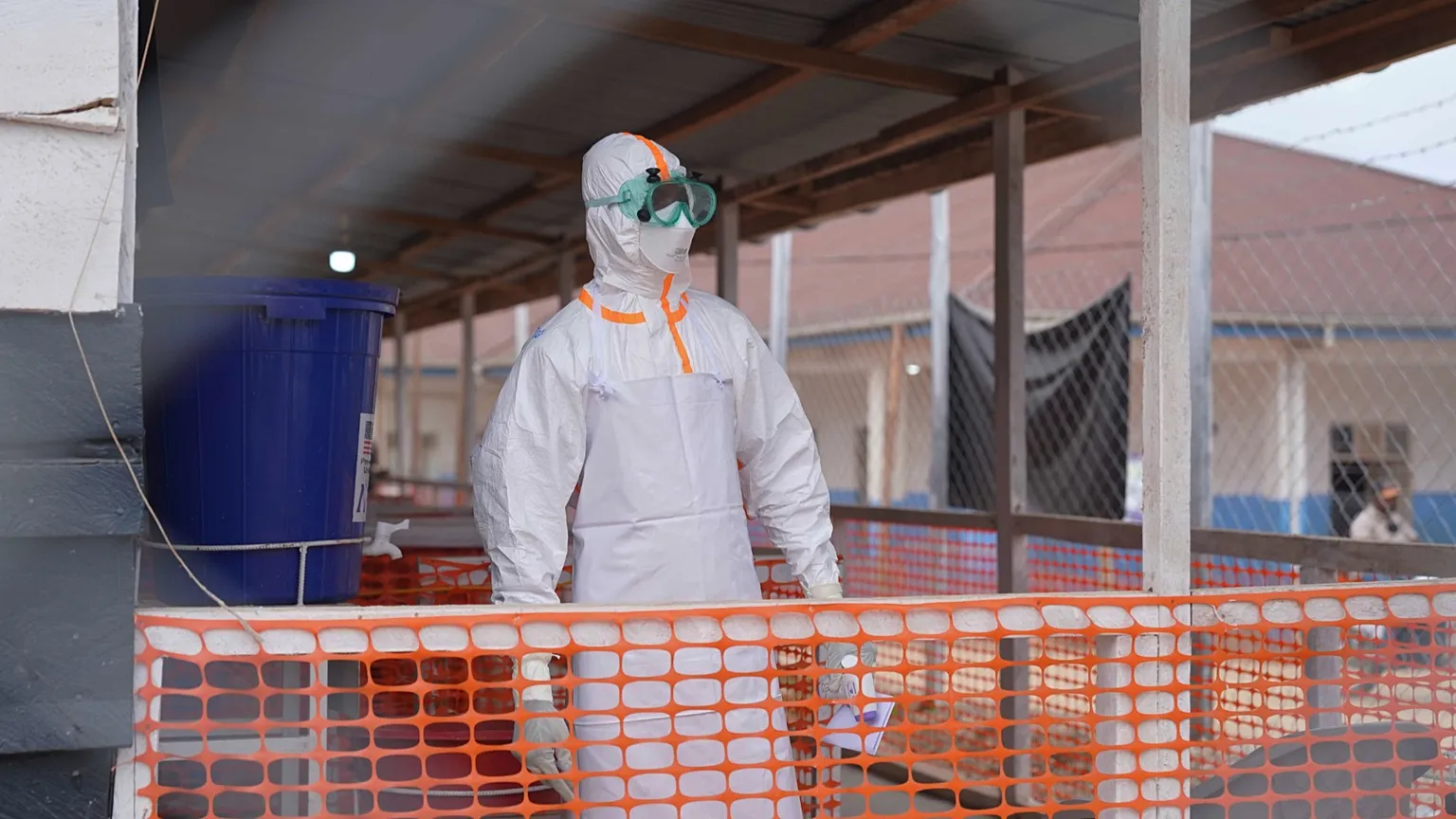
Workers in protective equipment during the Ebola outbreak response in Ituri province, eastern Democratic Republic of Congo, 2026.