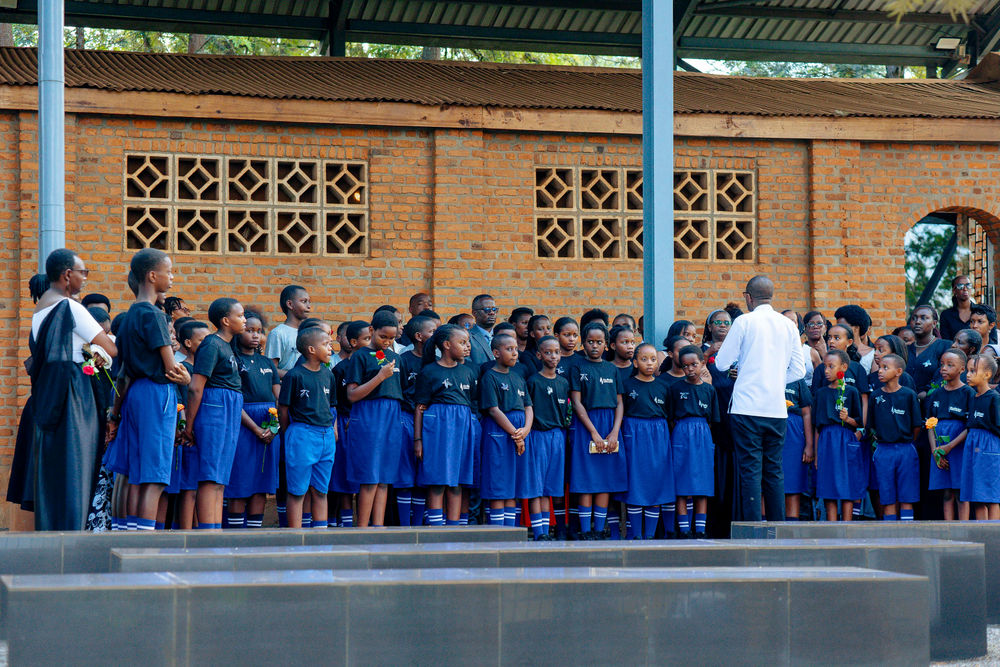
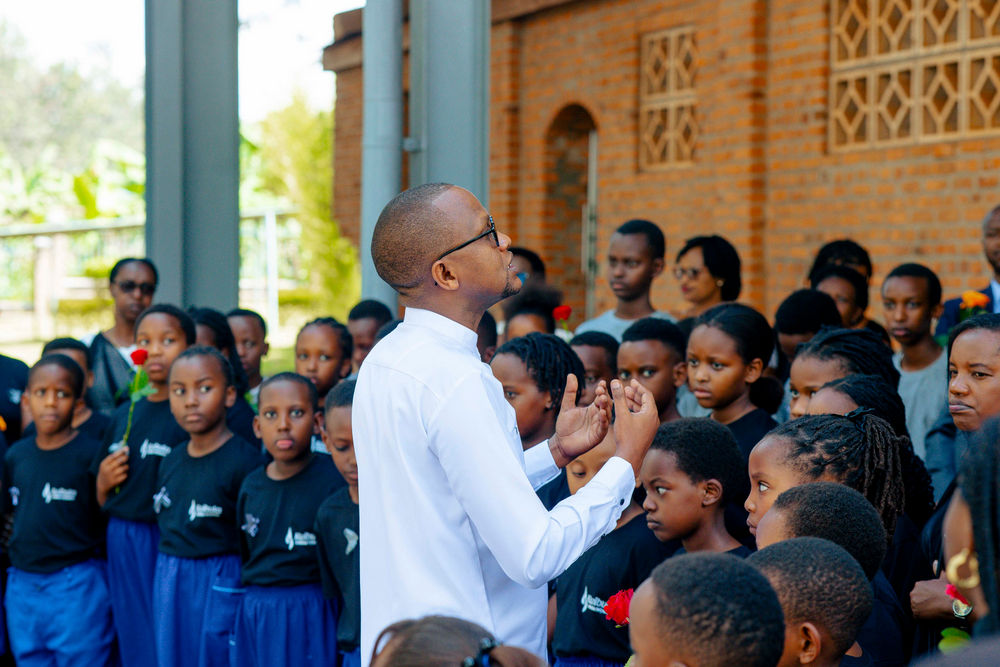
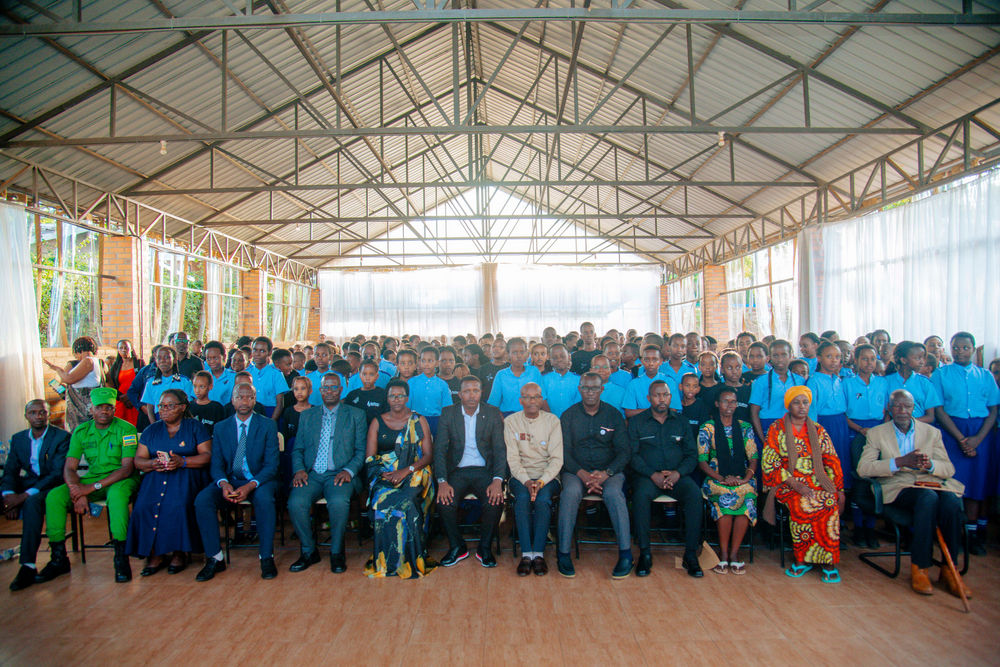
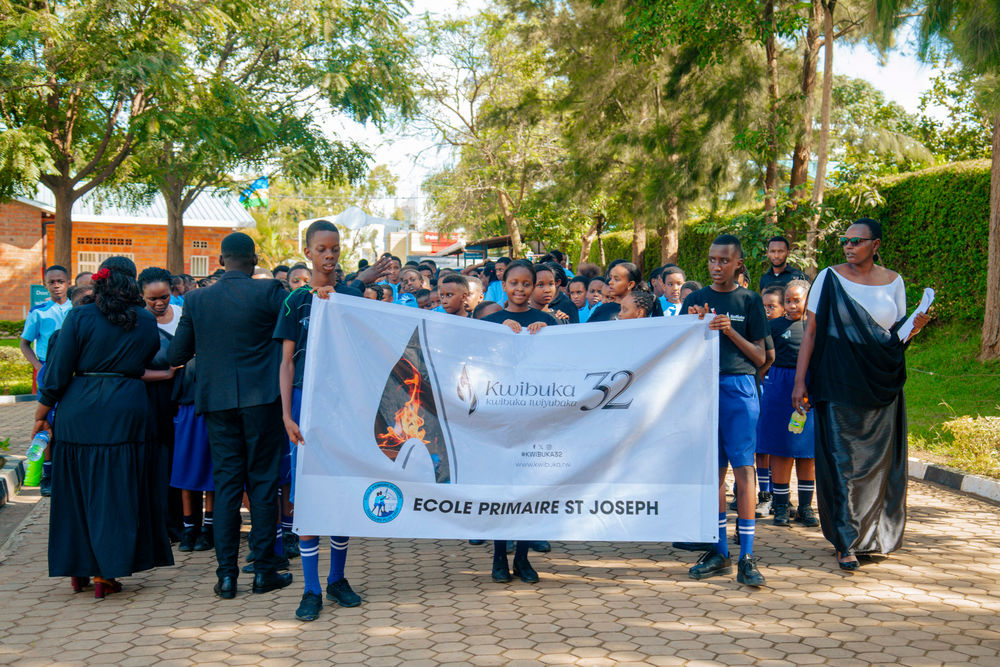
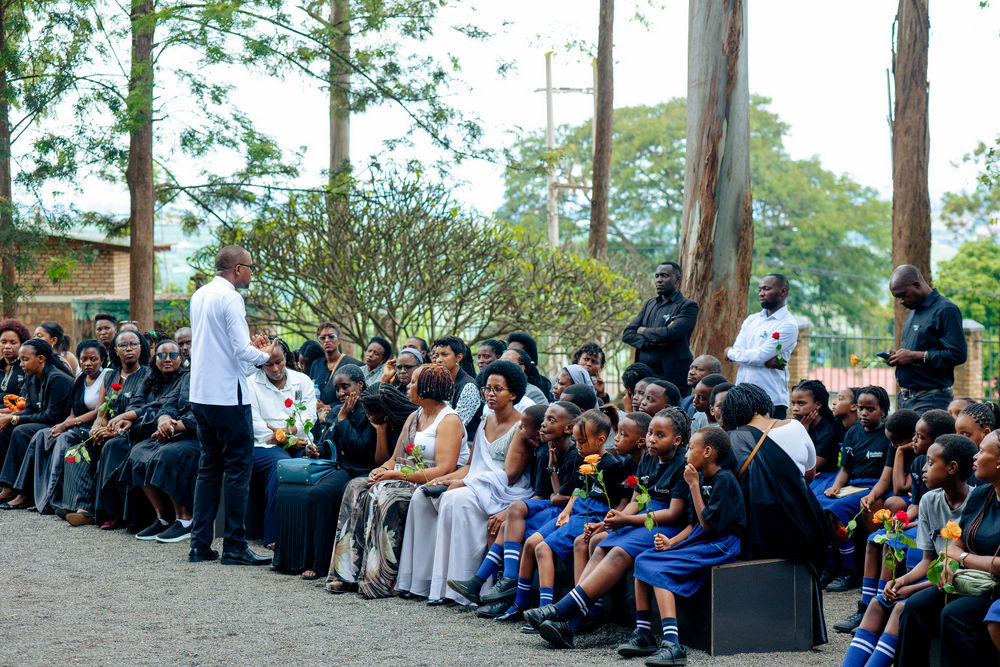
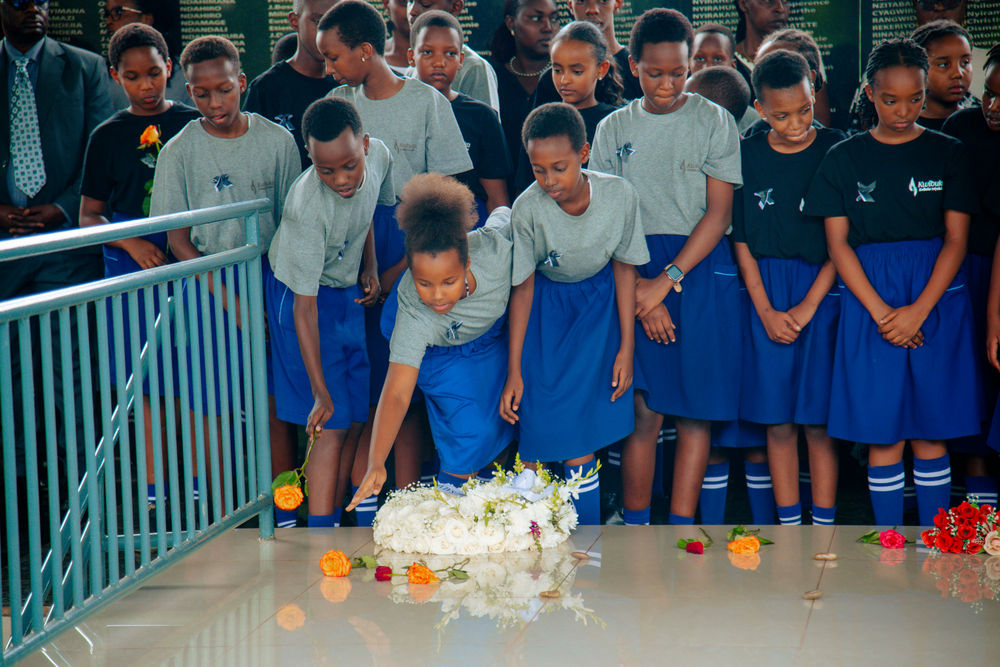
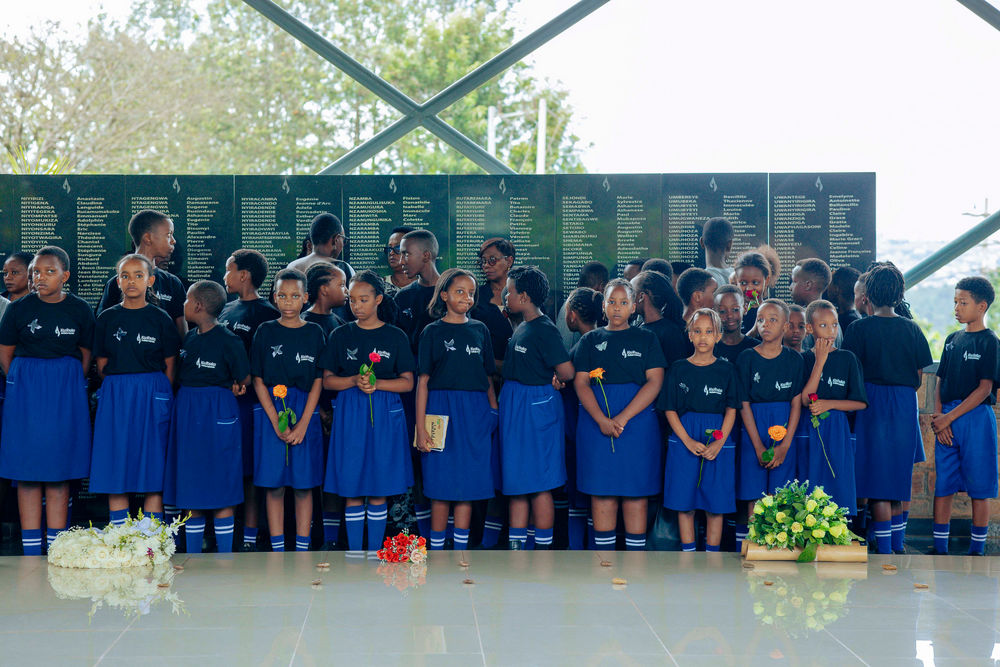
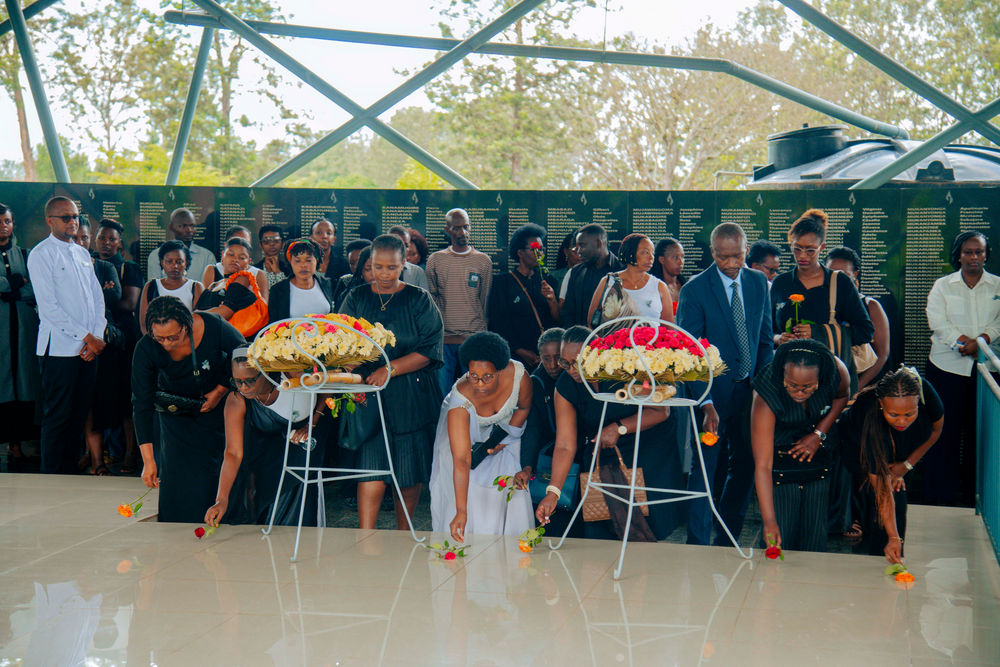
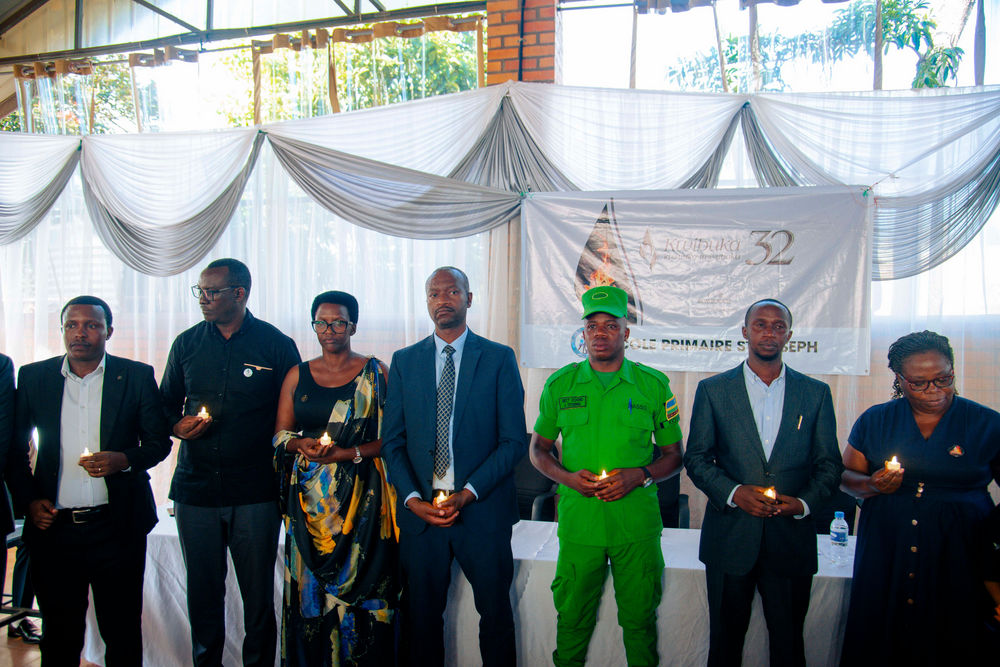
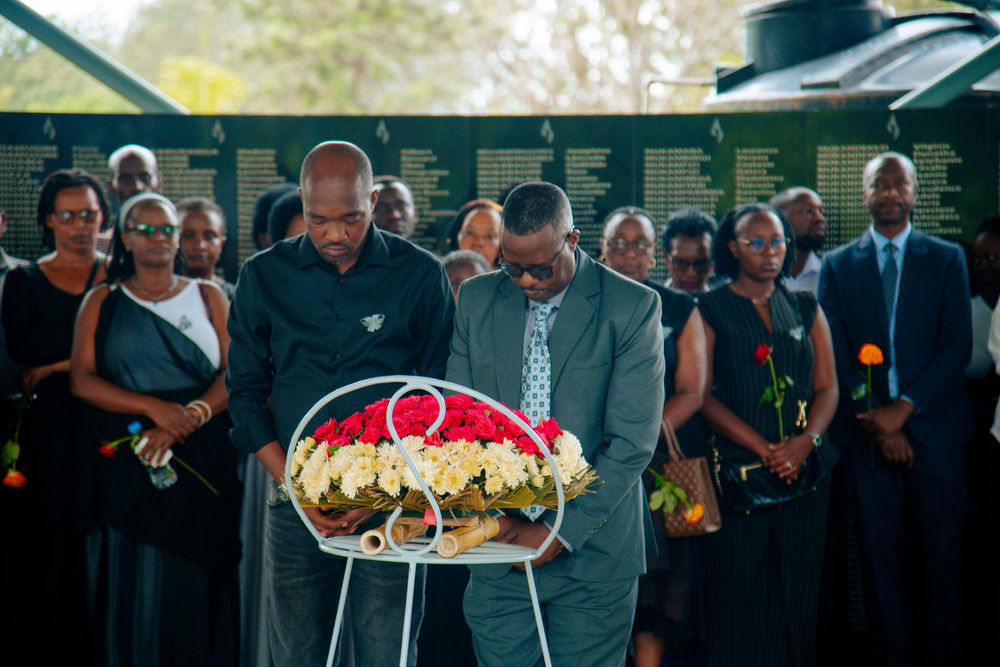
The commemoration event took place on May 15, 2026, beginning with a visit to the Ntarama Genocide Memorial in Bugesera District, where participants were briefed on the history of the site and shown some of the evidence and remains linked to the Genocide against the Tutsi.
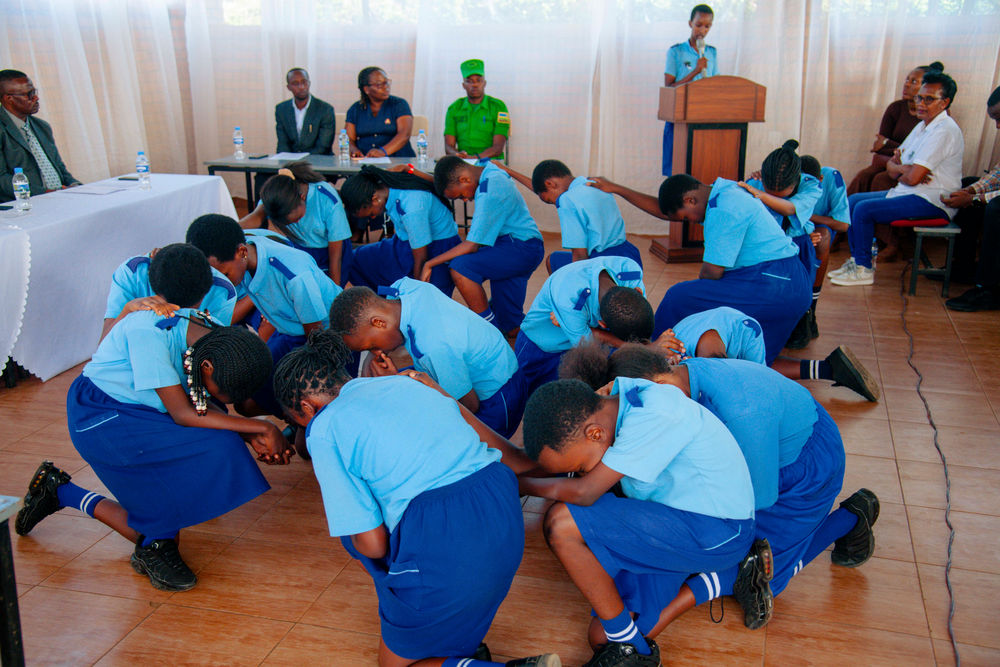
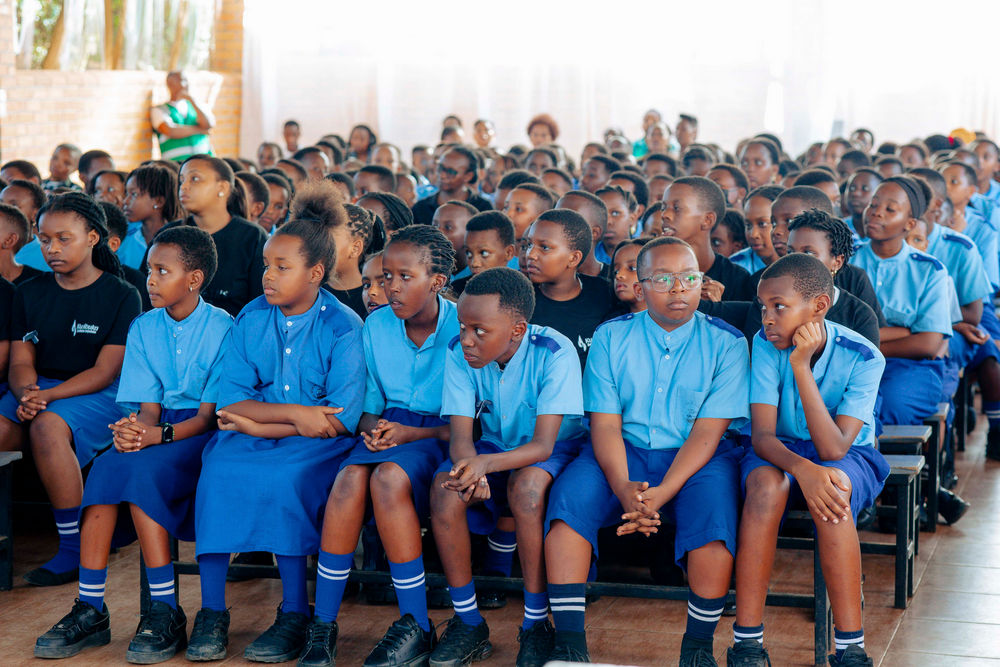
The headteacher of E.P St Joseph, Jean Pierre Nteziyaremye, said it is important for children to begin learning about history from an early age.
“We know they are still young, but there are certain lessons we can begin teaching them. As they grow older, we continue explaining the history according to their level of understanding so that they grow up knowing the truth and are protected from people who may seek to mislead them,” he said.
Cyprien Nkurunziza, president of IBUKA in Niboye Sector, said teaching children about the Genocide is increasingly important in an era where misinformation can easily spread through different channels.
“Children and young people today are very different from those who grew up before the Genocide, when information mainly came from limited sources.
Today, information comes from many different platforms, and without proper guidance, a child may struggle to distinguish truth from falsehood or even identify those spreading harmful ideologies,” he said.
Dr. Enock Nisingizwe of East African University said commemoration serves both as a process of healing for survivors and an opportunity to shape future generations with positive values.
“Children as young as those we see here are already being exposed to genocide ideology. It is therefore our responsibility to teach them love, tolerance, resilience, and patriotism. Education should not only focus on science; we also want to build a capable and morally responsible generation,” he said.
A parent with children enrolled at E.P Joseph Kicukiro, Venuste Uwizeyimana, said efforts to instill genocide ideology in children are unlikely to succeed when schools and parents work together to provide children with the truth.
“We closely follow up on our children and regularly engage parents on how to continue giving them proper values and education. Even if someone held such harmful beliefs, they would not succeed in passing them on to children who are being raised with the right information,” he said.
The Executive Secretary of Niboye Sector noted that commemorating the Genocide against the Tutsi is not an activity reserved for adults alone, but one that concerns all generations, including children.
During the event, the school also extended support to three survivors of the 1994 Genocide against the Tutsi, providing them with Rwf 1.5 million to help them start income-generating projects.

Leave a Reply