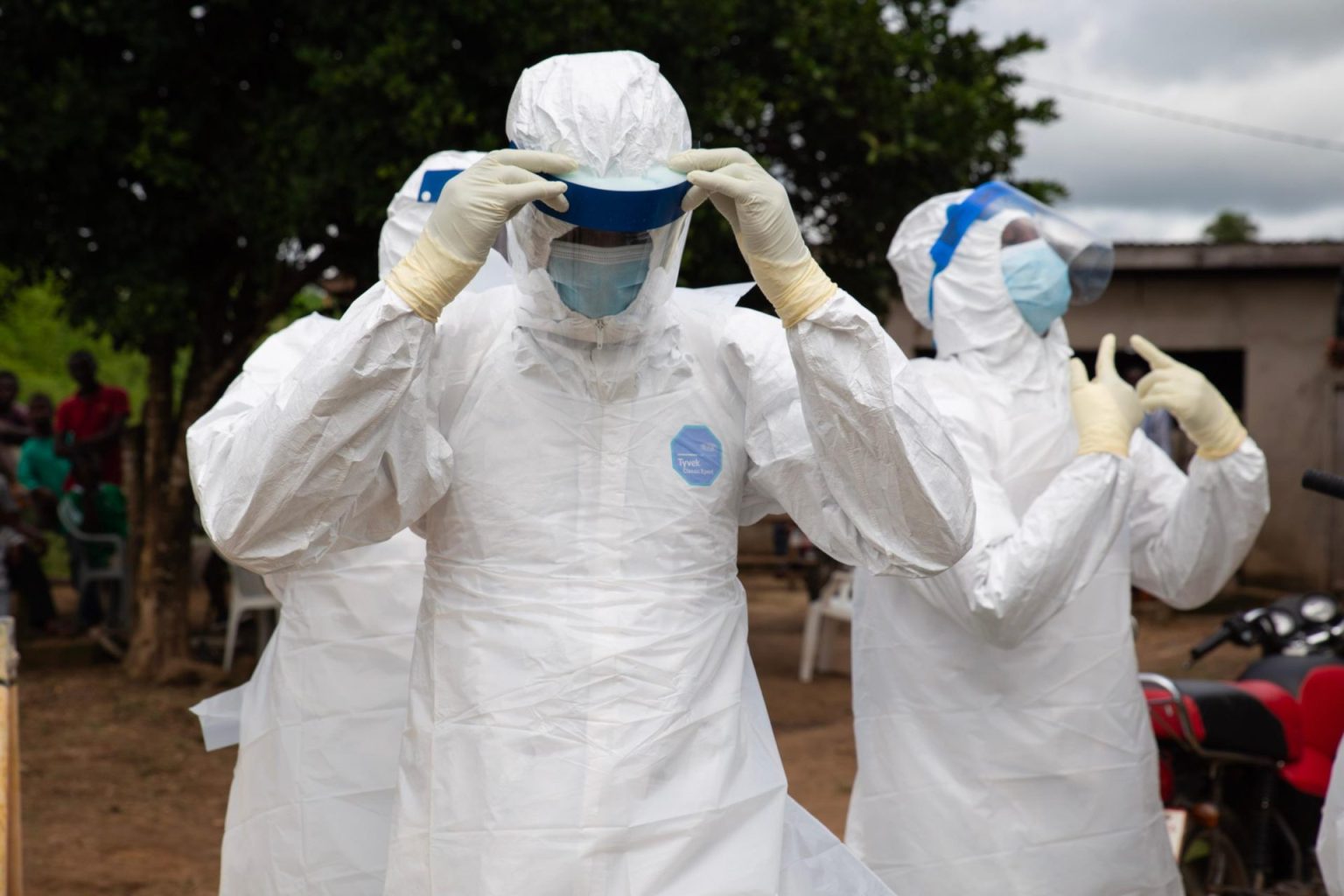
In a statement issued under the International Health Regulations (2005) on Sunday, WHO Director-General said the outbreak, caused by the Bundibugyo virus strain of Ebola, meets the threshold of a global public health emergency but does not qualify as a pandemic emergency.
The decision follows the detection of confirmed Ebola cases in eastern DRC, Uganda’s capital Kampala, and Kinshasa, raising concerns about cross-border transmission and the spread of the disease into densely populated urban centres.
As of May 16, authorities in the DRC had reported eight laboratory-confirmed Ebola cases, 246 suspected cases and 80 suspected deaths in Ituri Province, particularly in the health zones of Bunia, Rwampara and Mongbwalu.
In Uganda, two laboratory-confirmed cases, including one death, were recorded in Kampala on May 15 and 16 among individuals who had travelled from the DRC. WHO said the two cases had no apparent epidemiological link to each other, heightening concerns over undetected chains of transmission.
Another confirmed case was also reported in Kinshasa involving a person returning from Ituri Province.
WHO warned that the true number of infections could be significantly higher than currently reported, pointing to unusual clusters of deaths with symptoms consistent with Ebola across several areas in Ituri and North Kivu provinces.
The agency also expressed concern over infections among healthcare workers, with at least four deaths reported in medical settings suspected to be linked to viral haemorrhagic fever, suggesting possible transmission within health facilities and gaps in infection prevention measures.
According to WHO, several factors are increasing the risk of wider spread, including insecurity in eastern DRC, ongoing humanitarian crises, high levels of population movement, and the presence of informal healthcare facilities.
Unlike the Zaire strain of Ebola, there are currently no approved vaccines or specific treatments for the Bundibugyo virus strain, further complicating response efforts.
WHO noted that international spread has already been documented through confirmed imported cases in Uganda and warned that neighbouring countries sharing borders with the DRC remain at high risk because of trade and population mobility.
“Neighbouring countries sharing land borders with the Democratic Republic of the Congo are considered at high risk for further spread due to population mobility, trade and travel linkages, and ongoing epidemiological uncertainty,” WHO warned.
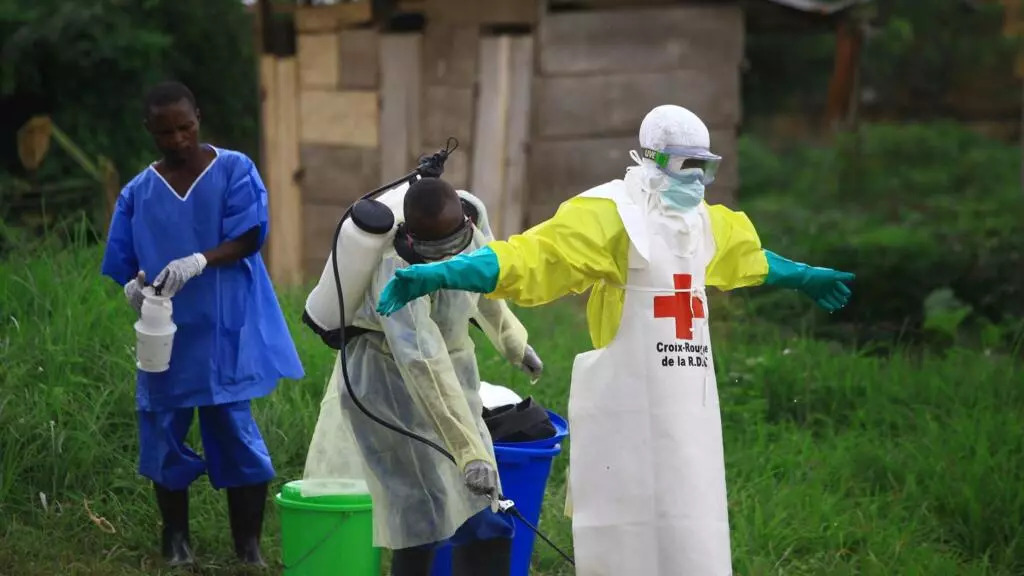
The UN health agency called for urgent international coordination to strengthen surveillance, contact tracing, laboratory testing, infection prevention, and case management.
It also urged affected countries to activate emergency response mechanisms, strengthen community engagement, improve border screening, and establish specialised treatment centres near outbreak hotspots.
Countries neighbouring affected areas have been urged to intensify preparedness measures, including active surveillance, rapid response capacity, laboratory readiness, and public awareness campaigns.
The outbreak has already prompted Rwanda to close several border crossings with the DRC in Rubavu District as authorities move to prevent the disease from entering the country. The closure, which took effect on Sunday morning, May 17, affects the Petite Barrière, Grande Barrière, and Kabuhanga border posts.
Leave a Reply