Sharing the news on social media, M. Iréné revealed that the wedding ceremony is scheduled to take place on August 15, 2026.
Details surrounding the wedding remain limited, although sources close to the couple indicate that the ceremony is expected to be a private event attended by a select number of invited guests.
M. Iréné is a well-known journalist and content creator who previously worked for several media houses, including Isango Star and Isibo TV. He currently manages his own YouTube channel known as “MIE.”
In addition to journalism, he has also worked closely with several Rwandan musicians, including Niyo Bosco and gospel duo Vestine & Dorcas, among others, helping support and promote their careers.
Recently, M. Iréné ventured into the film industry with the release of his movie titled “Isereri,” which has become one of the most-viewed productions on YouTube in recent weeks.
The film features notable actors and actresses including Aisha Inkindi, Nyabitanga Nicole, and several other popular performers.
A few days ago, M. Iréné traveled to visit his fiancée.M. Iréné has officially proposed to Nishimwe Liliane as the couple prepares for their wedding.M. Iréné and Nishimwe Liliane are set to tie the knot after officially getting engaged.M. Iréné Officially has announced their Wedding Date.
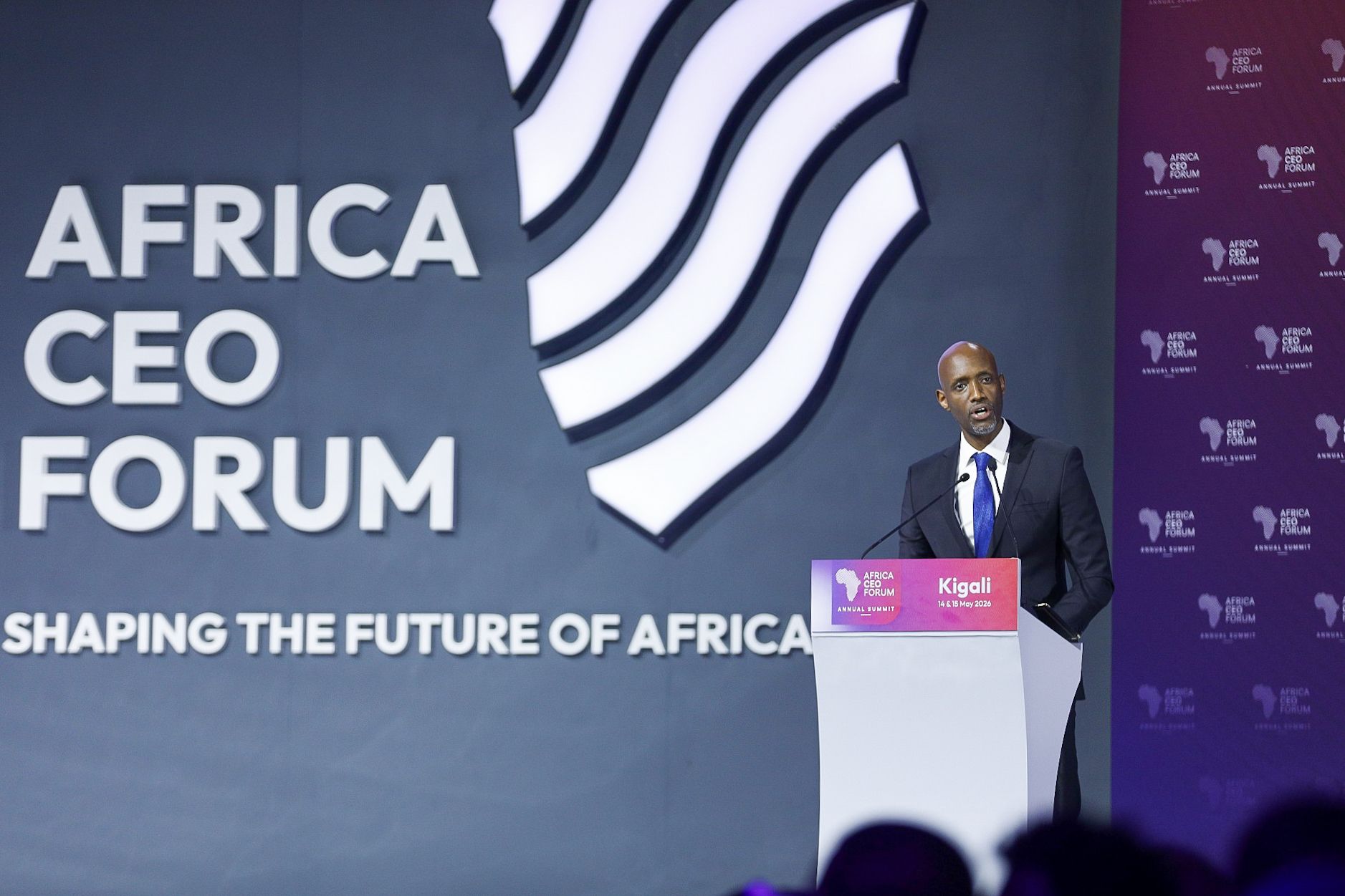
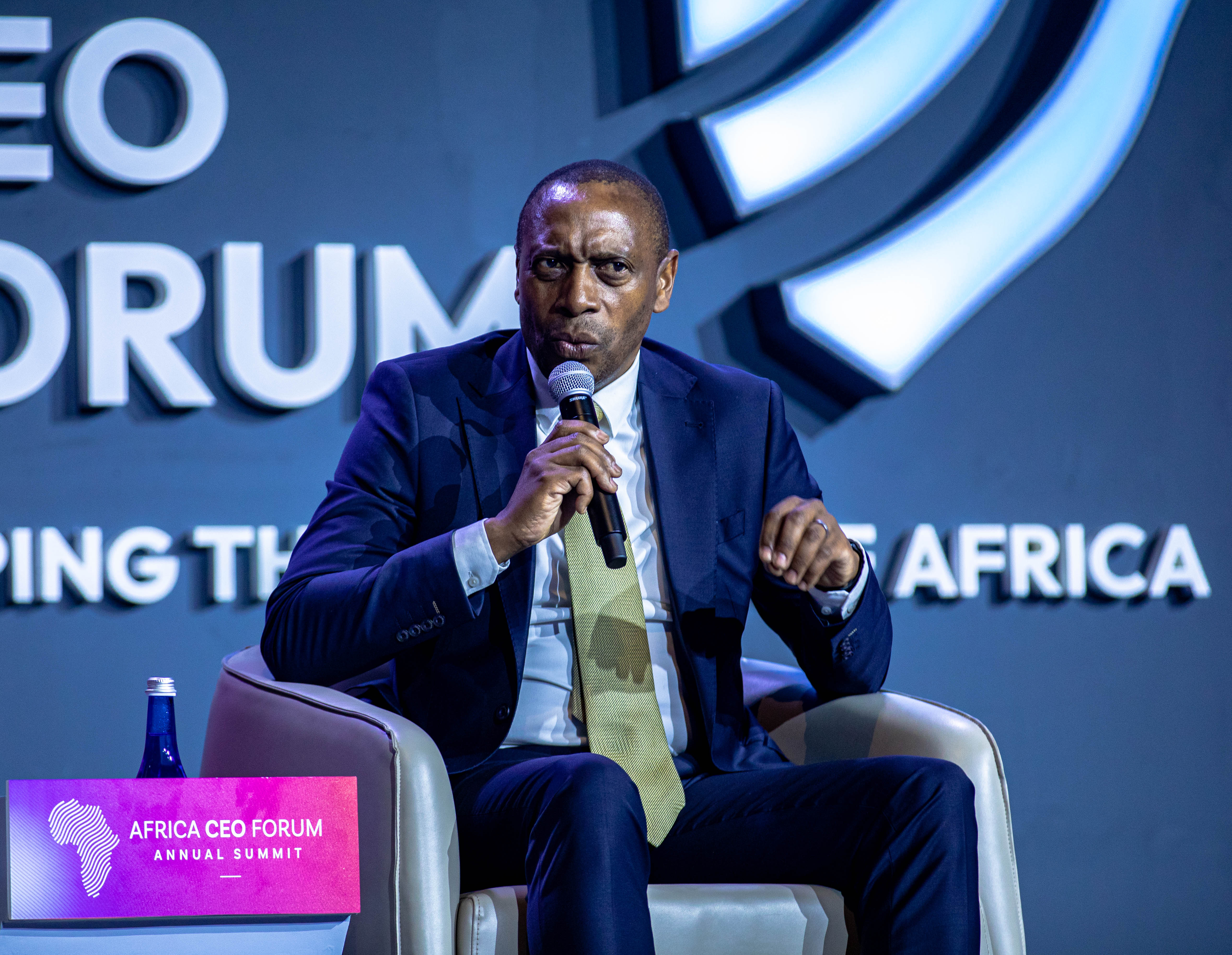
Addressing investors, business leaders, and policymakers on Thursday, the CEO of the Rwanda Development Board (RDB), Jean Guy Afrika, said the changing global economy was pushing investors to prioritise countries capable of delivering stability, speed, and execution.
“We meet at a time when the global economy is changing rapidly,” the RDB CEO said. “Capital is more selective, financing is more expensive, supply chains are being reorganised, and technology is transforming every sector.”
The remarks framed Rwanda’s investment strategy around reliability rather than market size, with the country presenting itself as a platform for companies seeking to expand across East and Central Africa.
The session was part of the annual forum, which gathered more than 2800 delegates.
Afrika said Rwanda’s economic model had been shaped by its geography and history. Being landlocked and located roughly 1,400 kilometres from the nearest seaport pushed the country to invest heavily in logistics, aviation, connectivity, and services.
Meanwhile, the need to rebuild trust and institutions after the 1994 Genocide against the Tutsi turned institutional credibility into what officials describe as one of Rwanda’s strongest competitive advantages.
“For investors, Rwanda should therefore be seen not only as a domestic market alone, but as a base from which companies can serve the East African Community, COMESA, the Great Lakes region, and the broader African market being shaped by the African Continental Free Trade Area,” the CEO said.
A key message throughout the session was that “governance is infrastructure,” with the RDB arguing that predictable institutions and coordinated government systems are essential to turning investment commitments into operational projects.
RDB highlighted its One Stop Centre, which brings together 24 agencies and offers more than 400 services to investors through a centralised platform aimed at reducing bureaucracy and improving efficiency.
The agency also pointed to recent economic indicators to demonstrate Rwanda’s growth momentum. Rwanda’s economy expanded by 9.4 percent in 2025, while foreign private capital inflows reached $1.1 billion in 2024, marking a 23.9 percent increase year-on-year. Investment commitments reached $2.62 billion in 2025 across sectors including manufacturing, agro-processing, mining, and real estate.
The CEO said Rwanda is now entering what he described as a new phase of growth under Vision 2050 and the second National Strategy for Transformation (NST2), with enterprise, exports, innovation, productivity, and private capital placed at the centre of the country’s economic agenda.
The RDB CEO Jean Guy Afrika said Rwanda’s economic model had been shaped by its geography and history.
He outlined several priority sectors where Rwanda is actively seeking strategic investors capable of building supply chains, creating jobs, transferring skills, and expanding regional exports.
In agro-industry, Rwanda is prioritising processing and value addition to move beyond raw commodity exports. Opportunities highlighted included cold-chain infrastructure, food packaging, agro-processing plants, and export-ready supply chains designed to connect Rwandan products to regional and international markets.
In health and life sciences, Afrika said Rwanda is building a stronger pharmaceutical and medical manufacturing ecosystem. He referenced the achievement of WHO Maturity Level 3 certification by the Rwanda Food and Drugs Authority, which strengthens the country’s regulatory credibility in health manufacturing and pharmaceuticals.
He also pointed to BioNTech’s first commercial-scale mRNA vaccine initiative in Africa as evidence of Rwanda’s ambition to position itself as a regional hub for biotechnology and advanced medical manufacturing.
Logistics and aviation featured prominently in the presentation, with Rwanda describing itself as an emerging gateway into East and Central Africa.
The RDB boss highlighted the development of the new Kigali International Airport project, as one of the country’s flagship infrastructure investments. Once completed, the airport is expected to increase Rwanda’s passenger handling capacity eightfold, from the current one million passengers annually to eight million.
Officials say the airport will play a critical role in strengthening cargo transport, trade connectivity, tourism, and Rwanda’s ambition to become a regional aviation and logistics hub linking African markets with global supply chains.
The mining sector was also presented as a strategic growth area. Rwanda recorded $869.7 million in mineral exports in 2025, while the sector supported more than 92,000 jobs.
Afrika said Rwanda is now focusing on increasing value addition in mining through local mineral processing, traceability systems, and downstream industrial development rather than relying solely on raw mineral exports.
Tourism and MICE, Meetings, Incentives, Conferences and Exhibitions, were highlighted as another pillar of Rwanda’s services-led economy.
According to figures presented during the session, tourism revenues reached $685 million, supported by Rwanda’s continued investment in conference infrastructure, aviation connectivity, hospitality, and high-end tourism experiences.
During the session, Rwanda also signed a series of strategic investment agreements aimed at strengthening industrial development, energy infrastructure, logistics, and tourism.
One of the major agreements involved Egypt’s Elsewedy Electric, which signed a comprehensive Memorandum of Understanding with Rwanda to establish a manufacturing facility producing smart electricity and water meters, electric vehicle chargers, and power transformers.
The partnership will also include the development of a technical university or college focused on industrial and energy skills development, participation in the development and management of Phases I and II of the Kigali Special Economic Zone, and the establishment of a logistics hub intended to reinforce Rwanda’s role as a regional trade and industrial gateway.
In tourism, Rwanda signed another Memorandum of Understanding with Sunrise Resorts & Cruises to develop a new luxury hospitality resort in the country.
The agreement includes sustainability-focused infrastructure such as a solar photovoltaic power plant with battery storage and a dedicated water treatment facility to support the resort’s operations.
The event also marked a strategic restructuring of Amicable Guest Houses Ltd (AGL), a subsidiary of the Rwanda Social Security Board.
Agreements signed between RSSB, Cleo Capital Group Ltd, and The Lux Collective are expected to introduce international hospitality management standards to Rwanda’s hotel sector.
Beyond sector-specific investments, Rwanda also expanded regional cooperation by signing a Memorandum of Understanding with APIEX Benin to strengthen bilateral investment promotion and trade facilitation.
A separate strategic collaboration framework was signed with Busara Advisors to support investment promotion and strategic development initiatives.
Throughout the session, the RDB CEO repeatedly stressed that Rwanda’s value proposition lies not in being Africa’s largest market, but in offering investors stability, institutional coordination, reform-oriented governance, and reliable execution.
“We are not only looking for capital,” Afrika stated. “We are looking for partners who bring technology, operating experience, market access, and long-term commitment.”
The session, part of the annual forum which gathered more than 2,800 delegates, concluded with a direct message to investors seeking stable operating environments in Africa: “Invest in Rwanda, grow from Rwanda, and build with Rwanda.
The programme will be financed through a $200 million loan from the AfDB and a $100 million loan from AIIB, reflecting growing multilateral cooperation in Rwanda’s energy sector.
It will be implemented by the Ministry of Infrastructure through the Rwanda Energy Group (REG), working alongside the Energy Development Corporation Limited (EDCL) and the Energy Utility Corporation.
The second phase builds on the outcomes of the first Results-Based Financing programme, which significantly expanded energy access in Rwanda through off-grid solutions that reached at least 370,000 households.
The earlier phase also enabled 460,000 people to access clean cooking solutions, with the project ultimately improving the livelihoods of more than two million people while supporting job creation across the energy value chain.
The performance-based financing model links disbursements to independently verified results, with a focus on strengthening transmission and distribution networks, improving grid reliability, and expanding both on-grid and off-grid electricity connections.
Officials say the approach has strengthened accountability and delivery systems within Rwanda’s energy sector.
“The results-based approach under RBF I strengthened our implementation systems and accountability,” said Jean Bosco Mugiraneza, Director General for Energy at the Ministry of Infrastructure. “We are building on these lessons to accelerate connections, improve service reliability, and deliver greater impact for households, businesses, and productive users across Rwanda.”
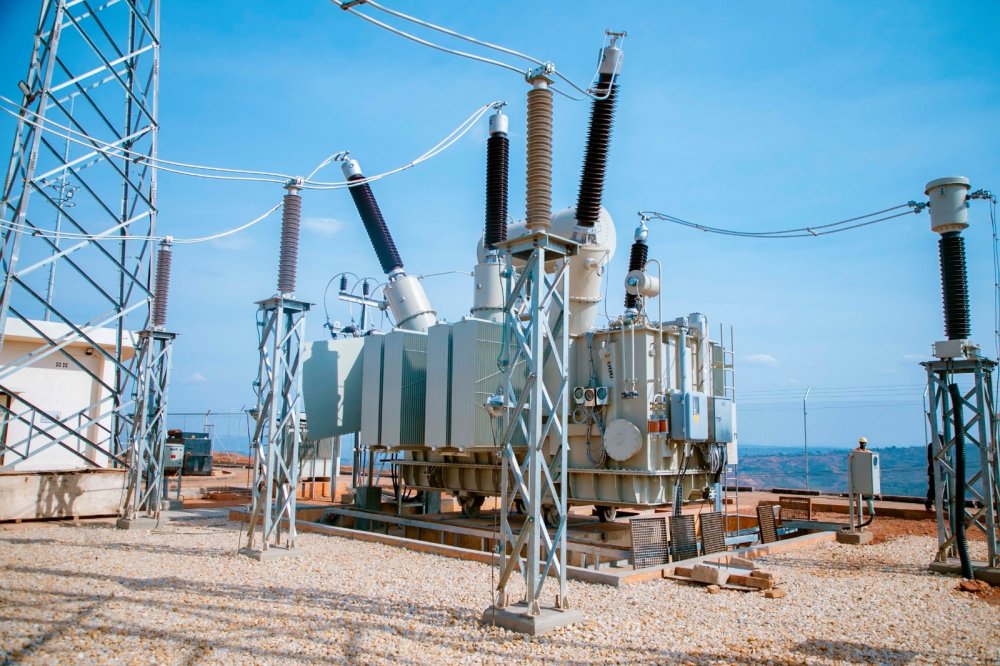
Under RBF II, the programme will support the rehabilitation of four substations and the construction of about 3,855 kilometres of medium and low voltage transmission lines.
It is expected to connect an additional 200,000 households and 850 commercial users to the national grid, while also providing 50,000 new off-grid electricity connections.
The programme will further deliver clean cooking devices to 100,000 households and 310 public institutions, and install street lighting along 200 kilometres of roads in secondary cities.
According to the partners, expanded electrification is expected to reduce the cost of doing business for small and medium-sized enterprises, improve productivity in rural areas, and enhance essential services such as healthcare delivery.
“The Energy Sector Results-Based Financing II programme is a transformative investment that will accelerate Rwanda’s progress toward universal energy access,” said Aïssa Touré Sarr, the AfDB Country Manager for Rwanda. “Through our partnership with AIIB and the Government of Rwanda, we are leveraging co-financing to scale impact while ensuring accountability, efficiency, and tangible results for communities across the country.”
The launch was followed by a high-level technical workshop bringing together government institutions, development partners, and implementing agencies to align procurement processes, financial management systems, environmental and social safeguards, and monitoring and evaluation frameworks.
RBF I and II are part of Rwanda’s broader ambition to achieve universal electricity access by 2030. They also align with the AfDB’s strategic priorities on climate-resilient infrastructure and efforts to bridge the rural-urban infrastructure gap while strengthening resilience to climate shocks.
The programme complements other African Development Bank-supported energy investments in Rwanda, including the Ruzizi III Hydropower Project and the Rwanda Transmission System Reinforcement and Last Mile Connectivity programme.
The project is expected to connect an additional 200,000 households and 850 commercial users to the national grid, while also providing 50,000 new off-grid electricity connections.
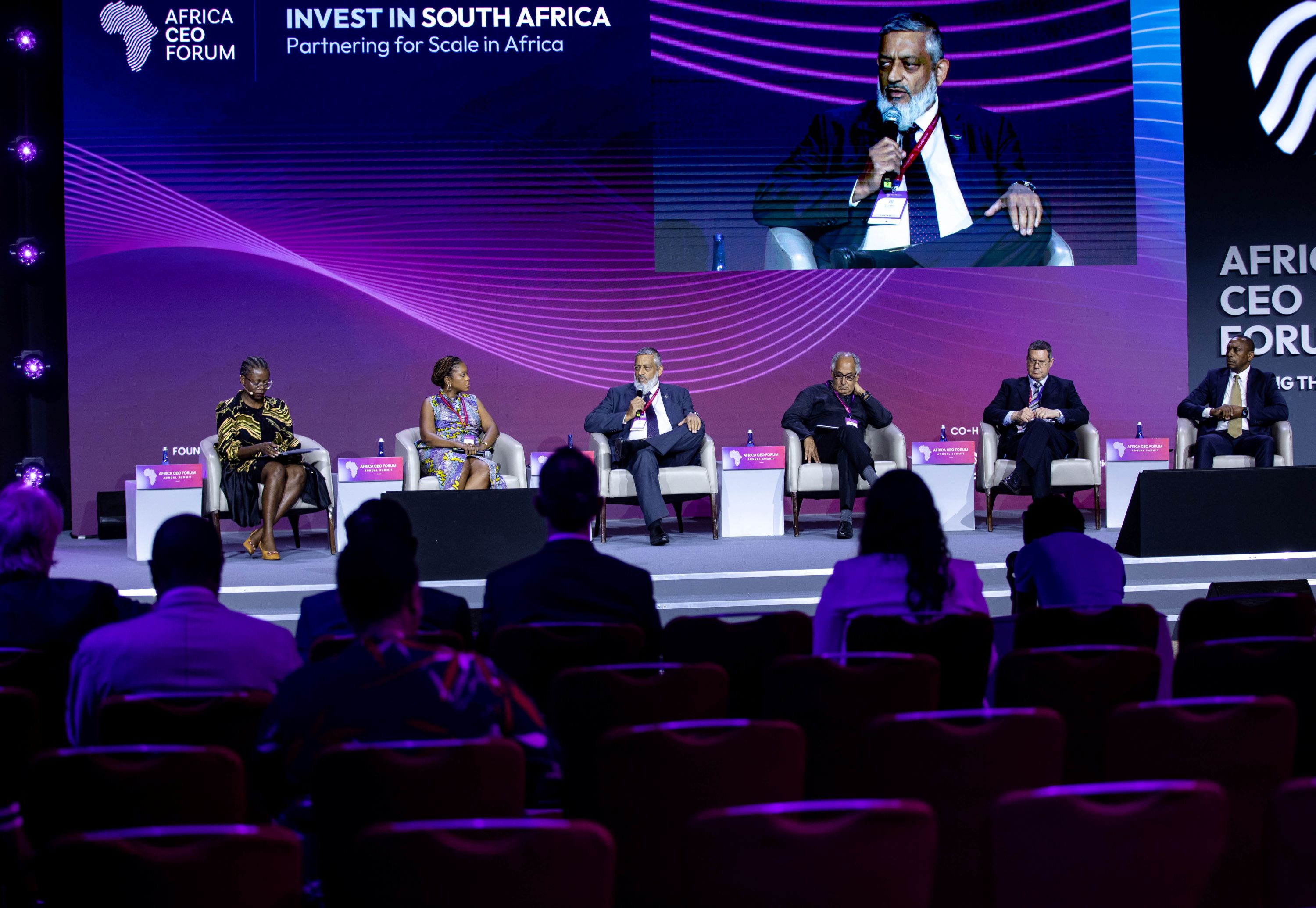
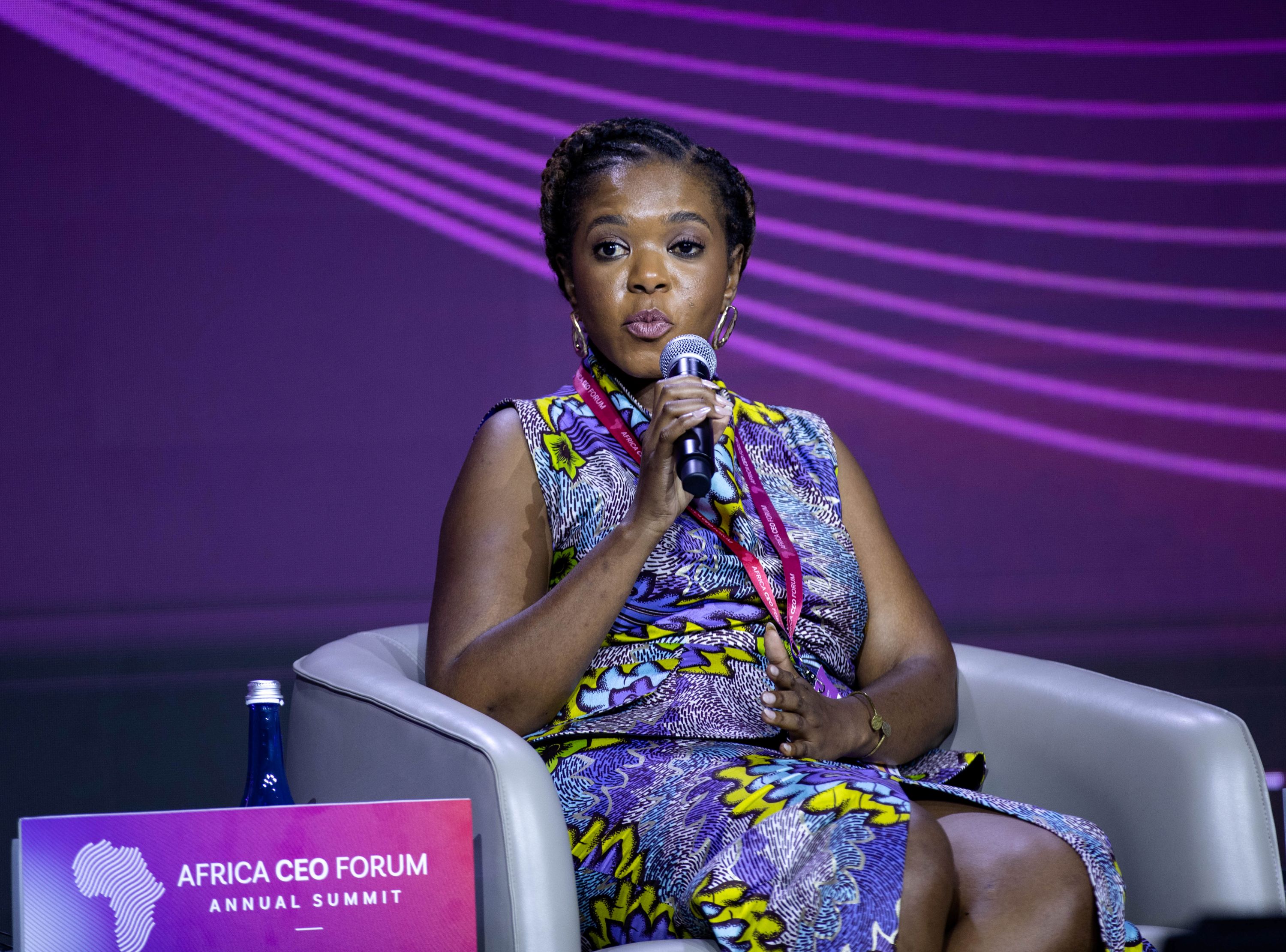
Mmaputhi Rankapole, Chief Marketing Officer of Brand South Africa, told delegates that South Africa is not positioning itself in competition with other African hubs, including Rwanda’s Kigali.
“We’re not trying to outbid Kigali for investment,” she said. “We’re offering ourselves as a platform, the gateway to an economy that connects Africa to the world.”
Mmaputhi Rankapole, Chief Marketing Officer of Brand South Africa, told delegates that South Africa is not positioning itself in competition with other African hubs, including Rwanda’s Kigali.
Through the AfCFTA, South Africa provides access to a combined market of 1.2 billion people and $3.4 trillion in GDP. Rwandan businesses could potentially use South African ports, rail networks, and financial services to reach SADC countries and global markets more efficiently.
South Africa has eight seaports, 144 airports, extensive road and rail infrastructure, and the Johannesburg Stock Exchange, Africa’s largest by market capitalisation. These assets can support companies in raising capital and managing regional supply chains.
Luna Nevhutalu, Head of Institutional Sales for Global Markets at Rand Merchant Bank, noted growing long-term investor interest.
“Investors are really looking to invest on the continent, or in the continent, for the long-term,” she said, citing recent Eurobond issuances involving Azule Energy, Liquid Telecoms, and Sibanye Stillwater.
Luna Nevhutalu, Head of Institutional Sales for Global Markets at Rand Merchant Bank, noted growing long-term investor interest.
In January 2025, Azule Energy (the independent Angolan oil and gas joint venture backed by BP and Eni) priced a massive $1.2 billion international bond (8.125% senior unsecured notes due 2030), proving that deep-pocketed institutional investors remain eager to fund large-scale African infrastructure and energy players with strong balance sheets.
Following this momentum, in April 2026, pan-African digital infrastructure operator Liquid Telecoms closed a comprehensive $660 million debt refinancing round, anchored by a new $300 million Eurobond listed on Euronext Dublin that drew immense international interest and was 2.5 times oversubscribed.
Rounding out this wave of capital, South African precious metals giant Sibanye-Stillwater successfully priced a $500 million senior unsecured notes offering in May 2026. Driven by an upgraded stable outlook from Moody’s, their bookbuild was a resounding success, coming in at over five times oversubscribed by global asset managers as the company optimises its balance sheet for long-term operational growth.
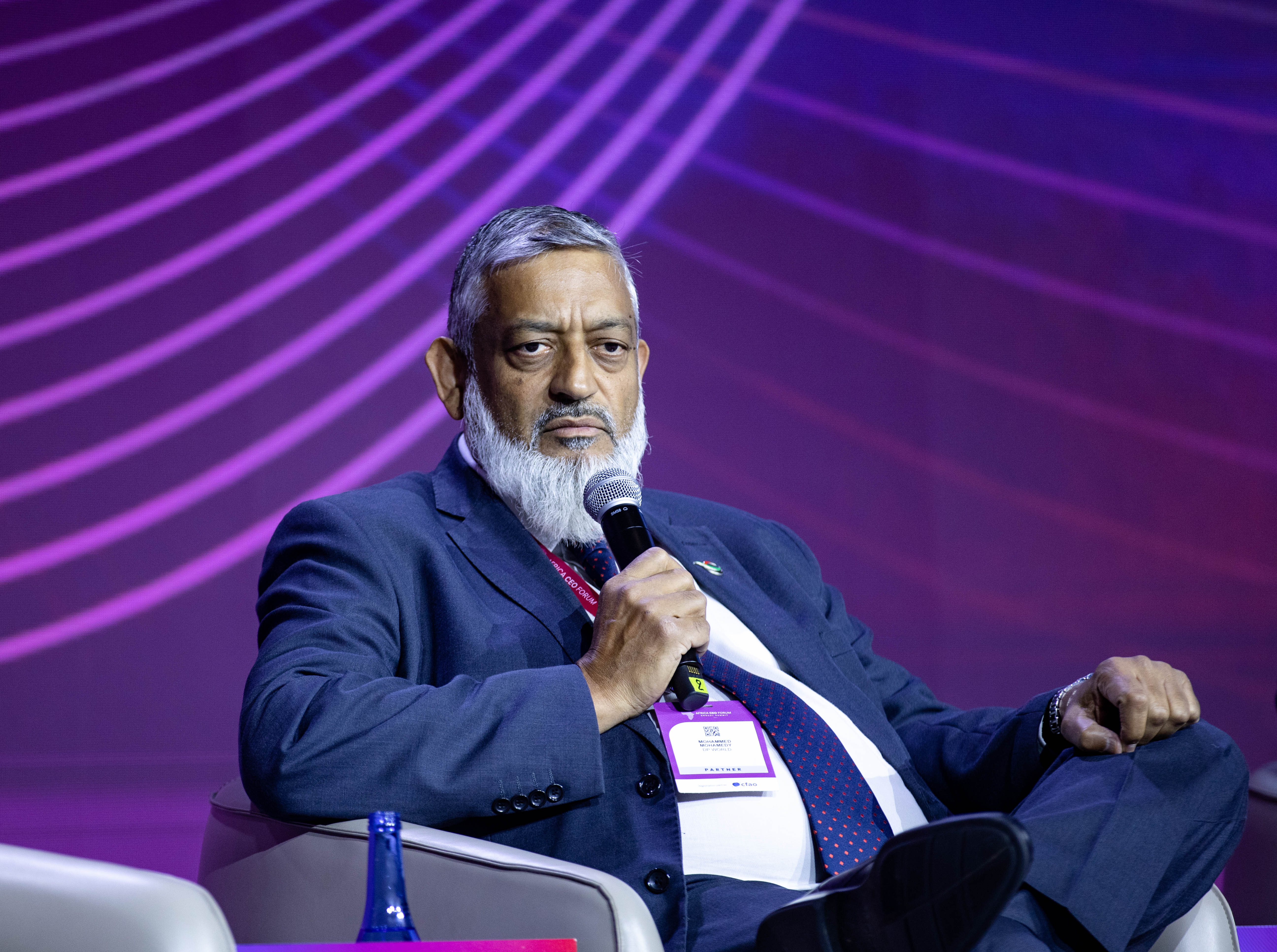
On the logistics side, Mohammed Akoojee, CEO and Managing Director for Africa at DP World, highlighted operational realities. His company’s acquisition of Imperial Logistics handles one million kilometres of road transport daily in South Africa.
He pointed to efficiency gains, noting that at one platform, truck turnaround times had dropped “from anything up to two weeks to about three days.”
On the logistics side, Mohammed Akoojee, CEO and Managing Director for Africa at DP World, highlighted operational realities.
Willem van der Spuy from the South African Department of Trade, Industry and Competition spoke about the country’s Butterfly Strategy, which focuses on diversifying trade.
“If you look at our exports to the continent, about 60 percent of those are value-added,” he said.
This creates potential demand for processed goods and components that manufacturers in Rwanda and other countries could supply.
In energy, Loyiso Tyabashe, Group CEO of Necsa, emphasised the importance of reliable power.
“Energy is a fundamental bedrock for any development, and for any industrialisation,” he said, adding that nuclear technology offers stable baseload power with near-zero carbon emissions and has proven affordable in South Africa. He invited collaboration with countries like Rwanda that are exploring nuclear options.
Loyiso Tyabashe, Group CEO of Necsa, emphasised the importance of reliable power.
The session showed that many businesses already operate across multiple African hubs. With over 400 South African companies active across the continent, combining operations in different markets has become a common approach.
For Rwandan businesses, the discussion at the Kigali forum highlighted practical options to expand reach by leveraging South Africa’s infrastructure and financial systems while building on Rwanda’s strengths in technology, services, and regional connectivity. As AfCFTA implementation progresses, such complementary strategies could support broader growth for companies in both countries.
Luna Nevhutalu, Head of Institutional Sales for Global Markets at Rand Merchant Bank, noted growing long-term investor interest.
The selection places Kigali on SLH’s international luxury map and introduces a new urban hospitality concept in a country best known for high-end safari lodges and mountain retreats.
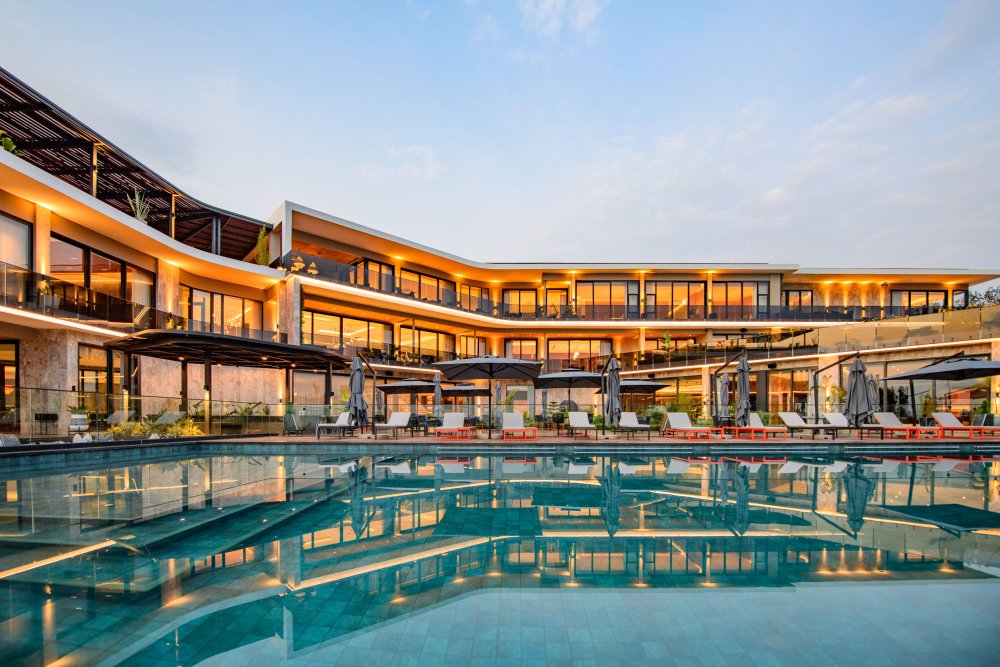
Founded by entrepreneur Sheila Kyarisiima, The Pinnacle Kigali was initially conceived as a private family residence before being redesigned into a boutique luxury hotel. The transformation, according to its founders, was driven by a gap in Kigali’s hospitality market for an urban property that matches the standards of Rwanda’s established luxury tourism offerings.
SLH described the property as an intimate, character-driven retreat that reflects the brand’s focus on independent, design-led hotels rooted in their local environments.
“We are delighted to welcome The Pinnacle Kigali to the SLH portfolio,” said Richard Hyde, Chief Operating Officer of Small Luxury Hotels of the World. He noted that the property represents a milestone opening for 2026 and marks SLH’s first hotel in Kigali.
“The vision brought to life by Sheila Kyarisiima exemplifies the independently minded ethos of SLH, as an intimate, luxurious, characterful escape, deeply rooted in place,” he added.
Kyarisiima said the hotel was designed to redefine luxury hospitality in Kigali by encouraging visitors to experience the city beyond short transit stays linked to safari travel.
“We are honoured to join SLH as its first-ever member in Rwanda,” she said. “Our goal has always been to provide the highest standards of luxury and guest wellbeing, and we look forward to introducing the very best of Rwandan hospitality.”
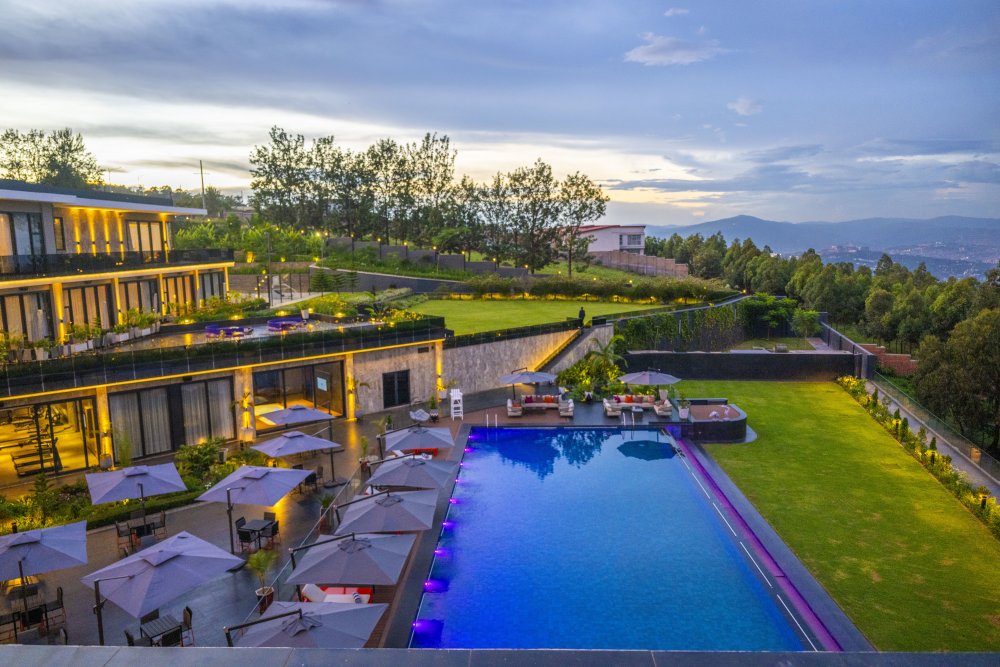
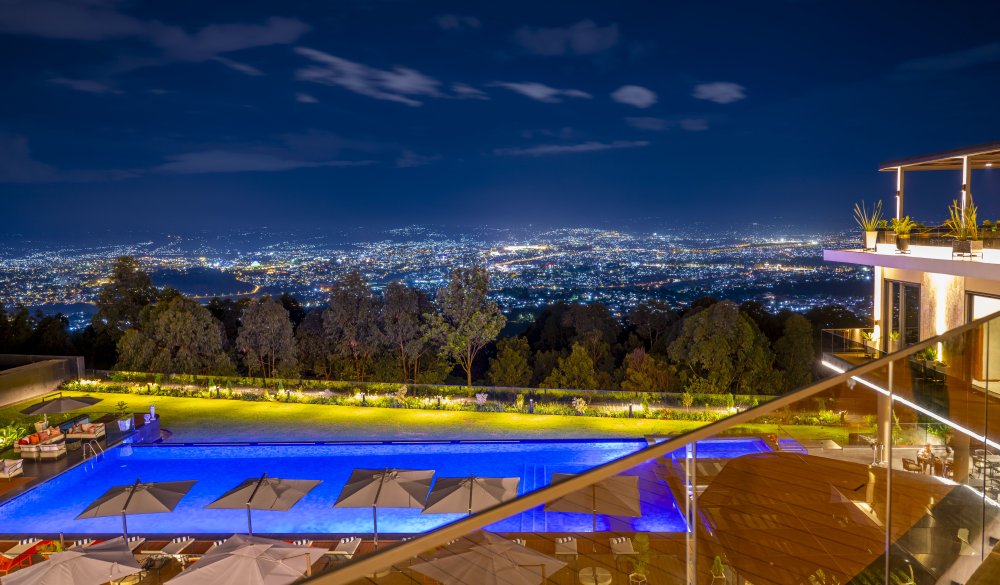
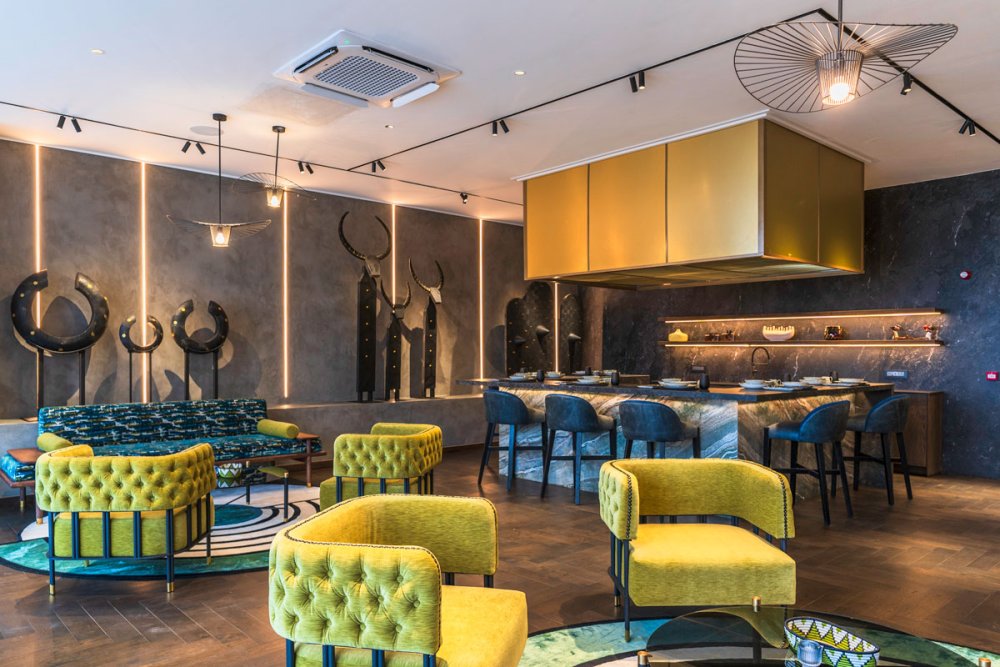
The property features just nine guest rooms, each individually designed with bespoke furnishings, deep soaking bathtubs, smart lighting systems, and curated pan-African artwork. Despite its small size, the hotel offers a wide range of facilities, including a saltwater infinity pool, spa and wellness centre, and a fitness facility.
Guests also have access to a private cinema, bowling alley, games lounge, and library, positioning the hotel as both a leisure and lifestyle destination within the city.
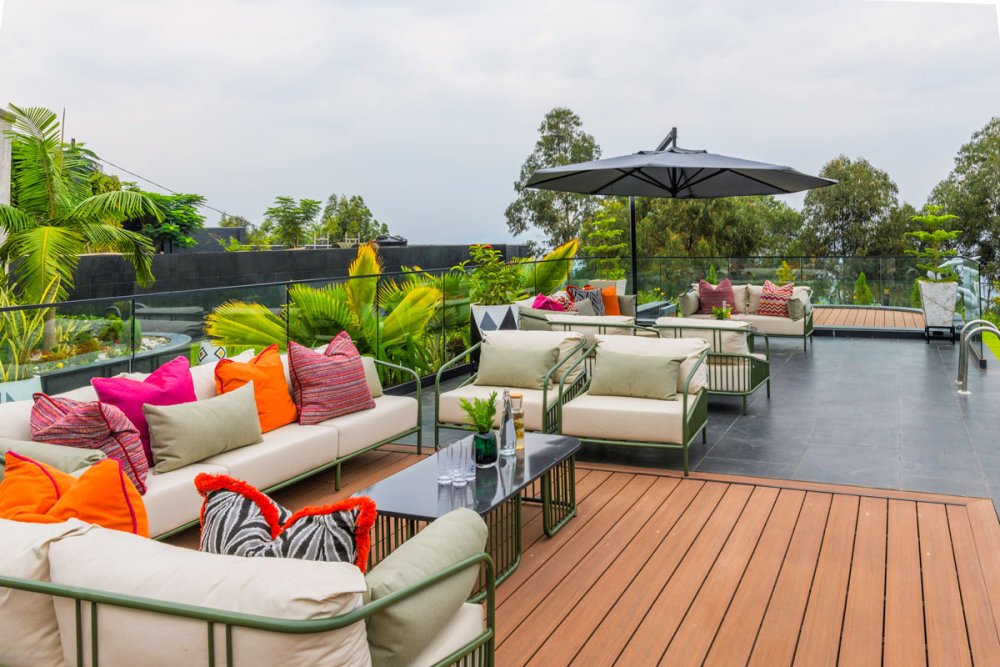
Dining at The Pinnacle Kigali is spread across four venues, led by Ishami Rooftop, which offers Afro-Asian fusion and teppanyaki cuisine with panoramic views of Kigali’s skyline. Other dining concepts draw inspiration from Mediterranean and pan-European cuisine.
The hotel also operates a private members’ lounge designed as a hub for entrepreneurs, creatives, and business leaders, combining social networking with exclusive access to hospitality services.
Beyond its facilities, The Pinnacle Kigali places strong emphasis on curated cultural experiences. Guests can visit key Kigali landmarks including the Kigali Genocide Memorial, Kandt House Museum, Niyo Arts Center, and Kigali Cultural Village, as well as explore local markets and neighbourhoods such as Nyamirambo and Kimironko.
The hotel is also positioning itself as a preferred stopover for travellers heading to Rwanda’s northern gorilla trekking destinations, offering tailored two-night city stays before or after safari experiences.
To support this positioning, guests receive services such as airport VIP meet-and-greet, private transfers, butler service, spa treatments, laundry, and post-trek shoe care, depending on room category.
Small Luxury Hotels of the World is a global community of independently minded luxury travellers and boutique properties across more than 100 countries, focused on character, authenticity, and curated travel experiences.
With The Pinnacle Kigali’s inclusion, Kigali enters a growing network of global boutique destinations, strengthening its profile as an emerging luxury city break alongside its established wildlife tourism appeal.
Prices also reflect the hotel’s luxury standards, with day access starting from $1,545, while overnight stays begin at $3,090.
The Pinnacle Kigali has joined Small Luxury Hotels of the World, strengthening Kigali’s growing profile as an emerging luxury city destination in Africa.Rwanda’s luxury hospitality sector has reached a new milestone as The Pinnacle Kigali joins Small Luxury Hotels of the World.With just nine guest rooms, a private cinema, rooftop dining, spa facilities, and curated cultural experiences, The Pinnacle Kigali is seeking to redefine luxury city hospitality in Rwanda.Prices at The Pinnacle Kigali reflect its ultra-luxury positioning, with day access starting at $1,545 and overnight stays beginning at $3,090.The Pinnacle Kigali has been added to the Small Luxury Hotels of the World portfolio, marking Rwanda’s first entry into the global network of more than 700 independent luxury hotels.Beyond luxury accommodation, The Pinnacle Kigali offers curated cultural experiences, panoramic rooftop dining, wellness facilities, and exclusive city experiences as it positions Kigali as a high-end urban tourism destination.
The discovery results from a collaboration between University College London, Mahasarakham University, Suranaree University of Technology, and Thailand’s Sirindhorn Museum.
Fossils were first unearthed near a pond in Chaiyaphum province about ten years ago, but it took extensive study to fully describe the bones and confirm the species. The fossils include vertebrae, ribs, pelvis fragments, and leg bones, which helped researchers estimate the dinosaur’s size.
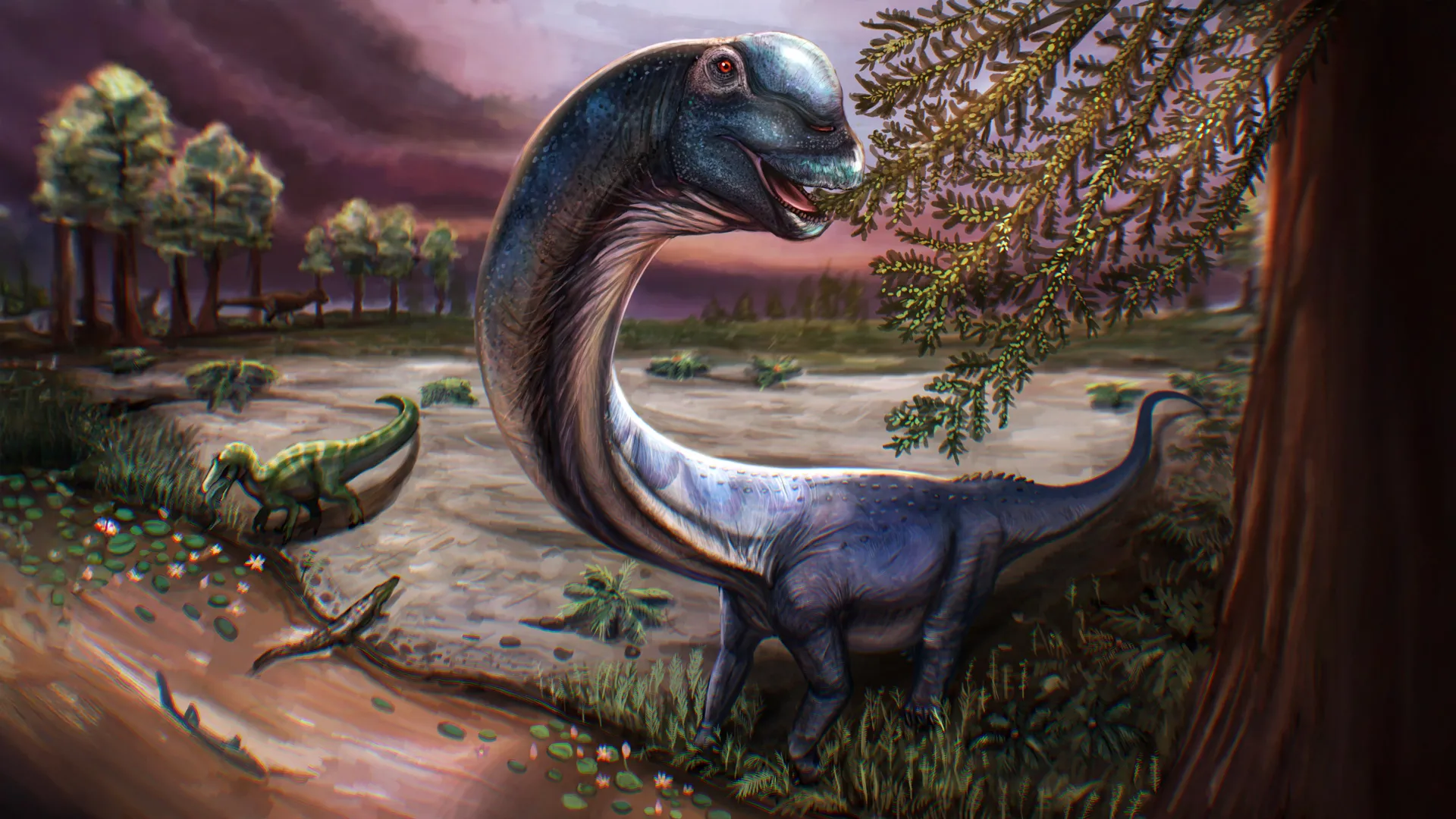
Measurements indicate that Nagatitan measured approximately 27 meters (nearly 90 feet) in length and weighed around 27 tonnes, roughly equivalent to nine adult Asian elephants. One of its front leg bones alone was nearly 1.8 meters long, illustrating the incredible scale of this sauropod.
Belonging to the sauropod group, which includes long-necked giants like Diplodocus, Nagatitan lived during the Early Cretaceous period, around 100–120 million years ago.
During that era, northeastern Thailand featured dry to semi-dry landscapes with rivers and rich vegetation that could support such enormous herbivores.
The dinosaur’s name reflects both local and global influences: “Naga” references a mythical Southeast Asian serpent, “Titan” evokes the legendary giants of Greek mythology, and “chaiyaphumensis” honors the province of discovery. Nagatitan is now the 14th officially named dinosaur species in Thailand.
Researchers suggest that Nagatitan might be the “last titan” of Southeast Asia, representing the final wave of giant sauropods before rising seas altered habitats and made survival challenging for such massive land animals.
Its fossils come from some of the youngest dinosaur-bearing rocks in Thailand, highlighting its significance in understanding the end of the sauropod era in this region.
Nagatitan’s discovery also points to a rich prehistoric ecosystem that included smaller herbivores, fierce predators like spinosaurids, and flying reptiles such as pterosaurs.
Scientists say the find underscores the growing strength of paleontological research in Thailand, with many more fossil remains awaiting study. This discovery not only fills important gaps in the fossil record but also promises further exciting revelations about Southeast Asia’s prehistoric past.
Researchers confirmed Nagatitan chaiyaphumensis as Southeast Asia’s largest dinosaur.
Sheikha Fatima affirmed the humanitarian approach of the Founding Father, the late Sheikh Zayed bin Sultan Al Nahyan, and his commitment to the values of giving and development.
This is a hallmark of the UAE community and is carried forward by President Sheikh Mohamed bin Zayed Al Nahyan, whose inspiring vision for development, prosperity, and the preservation of heritage drives the country’s aid ecosystem. An integral part of that vision is the preservation of Arab heritage and Islamic culture.
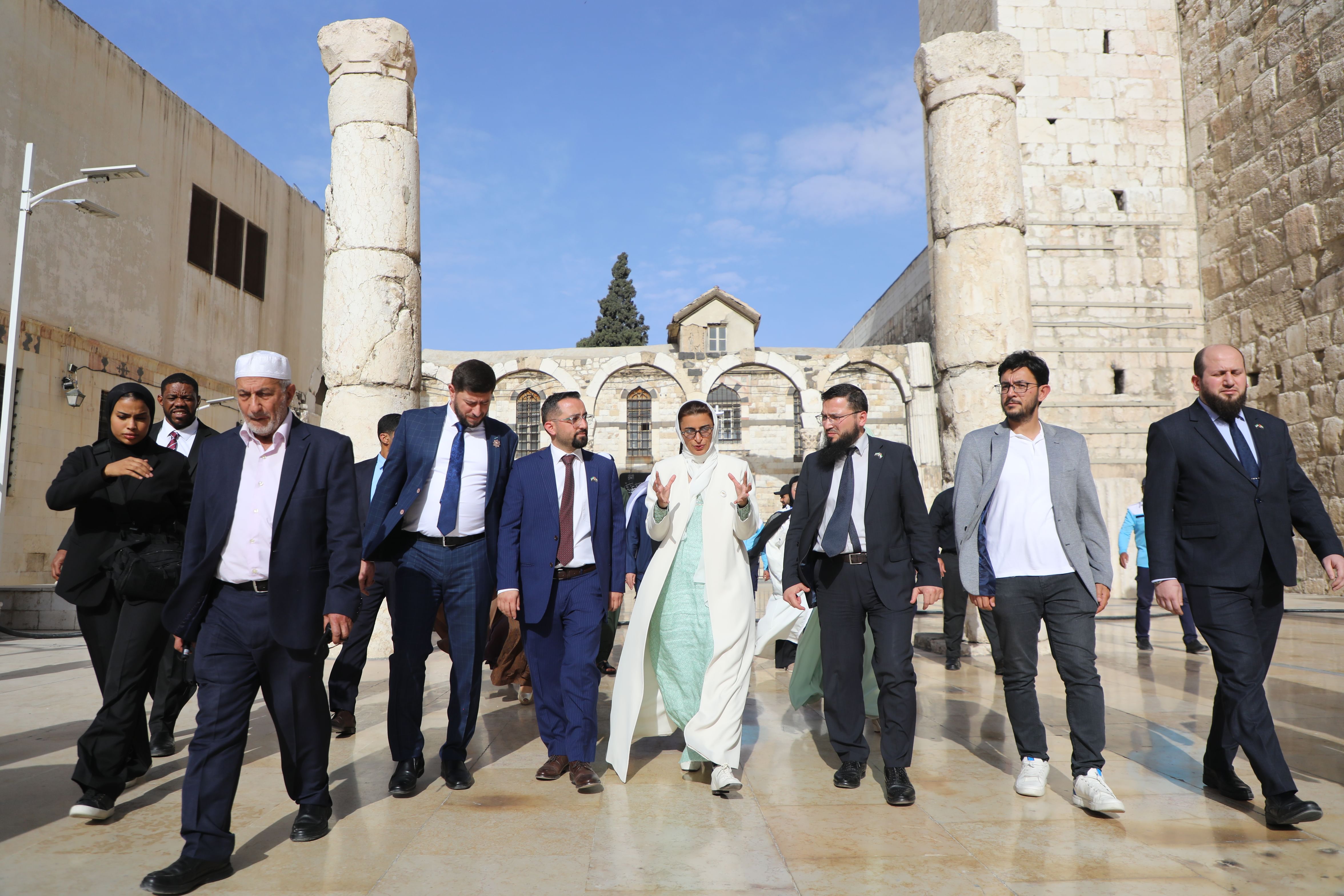
The UAE announcement of restoration of the Umayyad Mosque came during a visit by Noura bint Mohammed Al Kaabi, Minister of State, to the Umayyad Mosque in Damascus, Syria.
Al Kaabi stated, “Syria occupies a unique place at the heart of Arab and Islamic civilisation, and the Umayyad Mosque is one of its most prominent historical landmarks and enduring cultural symbols. The UAE’s announcement of the restoration of this mosque, with the generous support of H.H. Sheikha Fatima bint Mubarak, the ‘Mother of the Nation,’ reflects the importance of our shared heritage and culture, and the UAE’s unwavering support for the Syrian people.”
She emphasised the UAE’s commitment to preserving history and heritage, which is evident in the launch of cultural initiatives aimed at safeguarding Arab and Islamic heritage on the one hand, and rehabilitating cultural heritage in the Arab region on the other. This is part of the UAE’s leading global role and its distinguished record in cultural diplomacy and humanitarian work.
She explained that the initiative to restore the Umayyad Mosque in Damascus will include the structural and architectural rehabilitation of the mosque, as well as the broader revitalisation of the surrounding historical area, in a manner that aligns with the Syrian identity and the economic, cultural, and social fabric of the country.
UAE is set to restore Umayyad Mosque in Damascus with support from Sheikha Fatima
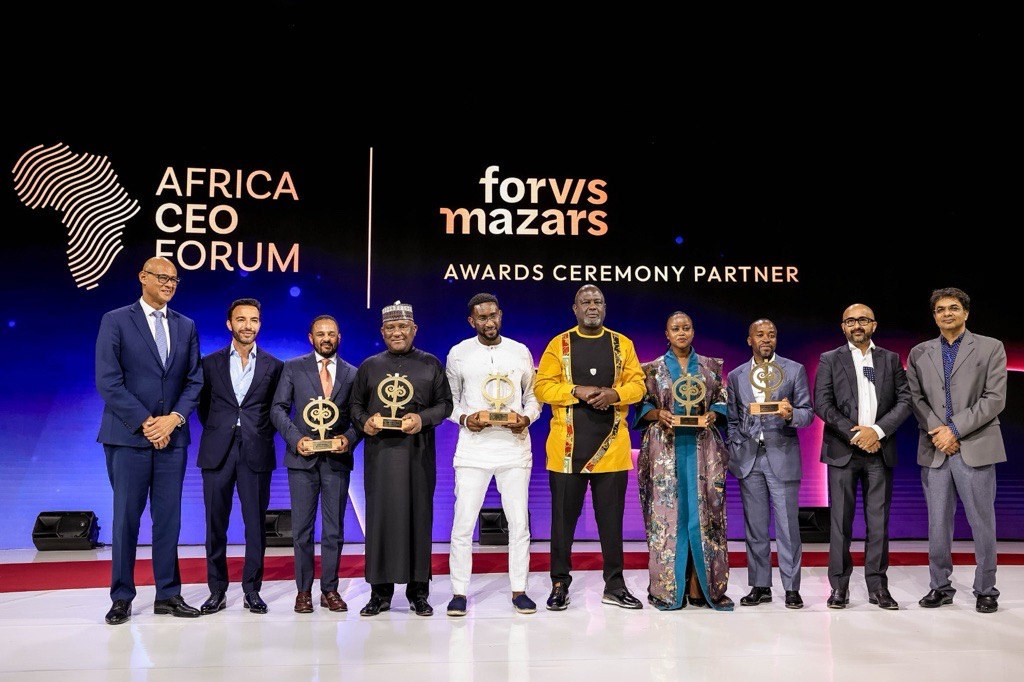
Held during the Forum’s Gala Dinner in partnership with Forvis Mazars, the awards honoured organisations and executives whose leadership, innovation and impact are helping reshape Africa’s economic landscape.
Spiro received the “Local Impact Champion” award for its rapid expansion in Africa’s electric mobility sector and its contribution to sustainable transportation solutions across the continent.
The company, regarded as Africa’s leading electric mobility firm, raised a record USD 150 million between late 2025 and early 2026.
Spiro currently operates more than 80,000 electric motorbikes and over 2,500 battery swapping stations, while surpassing 30 million battery swaps to date.
Its operations span several African countries, with assembly plants in Rwanda, Uganda, Kenya and Nigeria, supporting its ambition to manufacture electric bikes in Africa for African and global markets.
Spiro was recognised alongside other major continental players across different sectors.
Cassava Technologies won the “Pan-African Champion” award for its role in advancing digital transformation through an integrated ecosystem that includes artificial intelligence, cloud services, cybersecurity, fintech and data centres operating across 94 countries.
Ecobank received the “Gender Leader” award for its efforts to advance women’s inclusion across its workforce and through its Ellevate programme, which has facilitated USD 780 million in financing for women-led businesses.
The “Family Business” award went to East African Holding, one of Ethiopia’s oldest industrial groups, recognised for its multi-billion-dollar industrial expansion projects, including the Lemi Industrial Park.
Meanwhile, Cauridor earned the “Disrupter of the Year” award for building a cross-border payments platform operating in 36 African countries and surpassing USD 1 billion in annual transaction volume in 2025.
The “CEO of the Year” award was presented to Abdul Samad Rabiu, founder of BUA Group and one of Nigeria’s leading industrialists. His businesses, including BUA Foods and BUA Cement, recorded significant growth in 2025 while his ASR Africa foundation continues to support development initiatives across the continent.
Speaking during the awards ceremony, Abdou Diop, Country Leader of Forvis Mazars in Morocco and Member of the Group Governing Board, said the awards celebrate African enterprises that continue to demonstrate resilience and innovation despite global economic challenges.
“Forvis Mazars is proud to support the trailblazers shaping Africa’s future. Through these awards, we celebrate high-performing African enterprises distinguished by their excellence, resilience, and ability to transform complexity into opportunity,” he said.
Founded in 2012, the Africa CEO Forum has become one of the continent’s leading platforms bringing together business executives, investors, policymakers and heads of state to discuss Africa’s economic future and private sector growth.
Held during the Forum’s Gala Dinner in partnership with Forvis Mazars, the awards honoured organisations and executives whose leadership, innovation and impact are helping reshape Africa’s economic landscape.
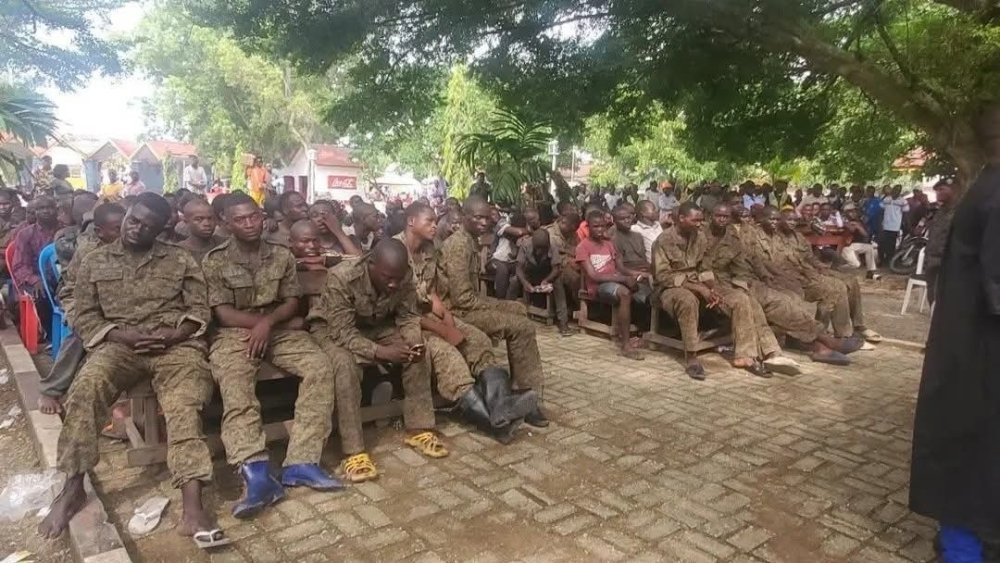
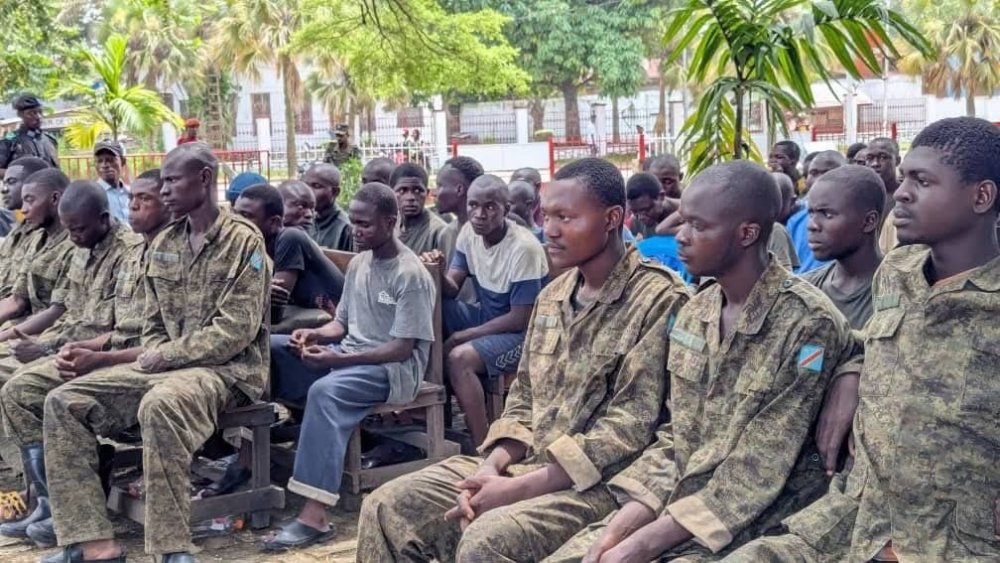
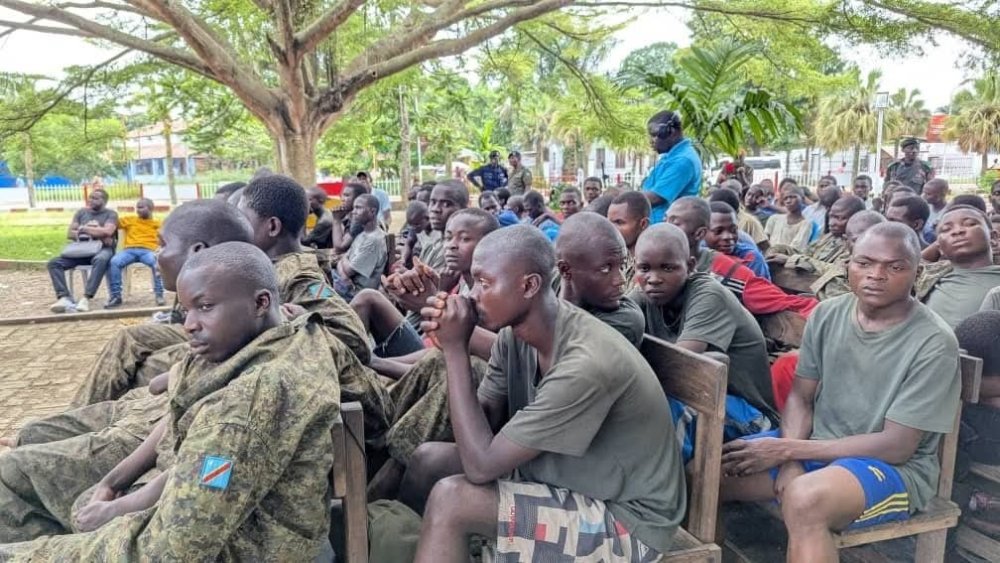
The convicted individuals were part of a group of 84 soldiers arrested in Pinga, located in Walikale Territory in North Kivu Province.
They were accused of refusing to continue fighting against AFC/M23 rebels and of defying their military commanders.
According to the military prosecution, the soldiers abandoned the frontlines in February 2026 and demanded payment of outstanding bonuses, salaries, and food supplies before agreeing to resume combat operations.
Prosecutors further stated that the soldiers later fired gunshots into the air during protests, an act the court considered a serious breach of military discipline and national security regulations.
However, defense lawyer Patience Yengonane argued that the soldiers’ actions were driven by frustration and neglect, claiming that the government had failed to provide them with the support and basic necessities they had been promised.
On May 15, 2026, the Kisangani Military Court found 58 soldiers guilty of violating military orders and sentenced them to three years in prison.
Sixteen others were acquitted after the court determined that there was insufficient evidence to support the charges against them.
The court also ordered fresh investigations into 10 additional soldiers accused of offenses related to abandoning weapons. Their cases will be heard at a later stage, depending on the findings of military prosecutors.
The ruling comes amid growing scrutiny of military discipline within the Congolese armed forces, particularly in areas affected by ongoing conflict involving AFC/M23 rebels.
Prior to the verdict, many observers had expected the accused soldiers to face the death penalty, similar to other military personnel convicted of comparable offenses since early 2024.
Following the ruling, Yengonane welcomed the decision, saying the prison sentences provide an opportunity to appeal and seek further acquittals.
“Receiving prison sentences instead of the death penalty is an important outcome because a death sentence would have closed every possibility,” Yengonane said. “This decision gives us the chance to appeal quickly and continue fighting for the acquittal of others.”
Military prosecutors had requested the death penalty for all the accused soldiers, arguing that their actions posed a serious threat to national security and undermined military operations in eastern Congo.
Out of the 84 soldiers tried in Kisangani, 58 were convicted of refusing to fight against AFC/M23 rebels.
The convicted soldiers were sentenced to three years in prison, a decision their lawyer said he plans to appeal.Ten soldiers were neither convicted nor acquitted, after the court ordered further investigations into allegations related to abandoning weapons.
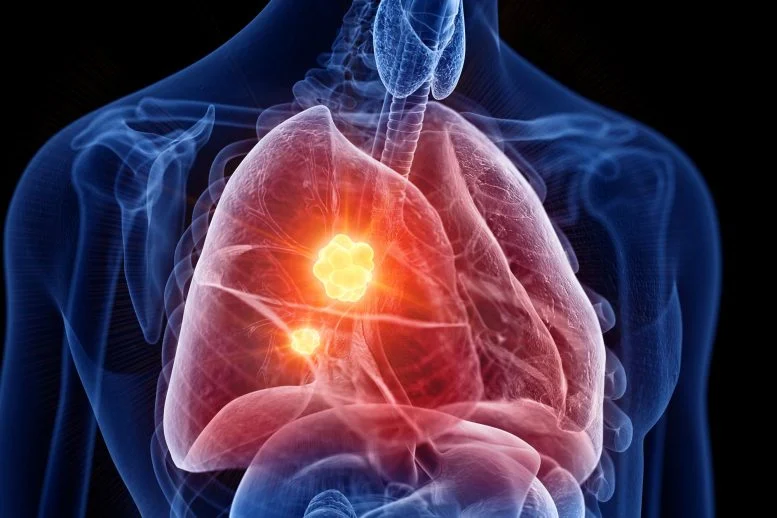
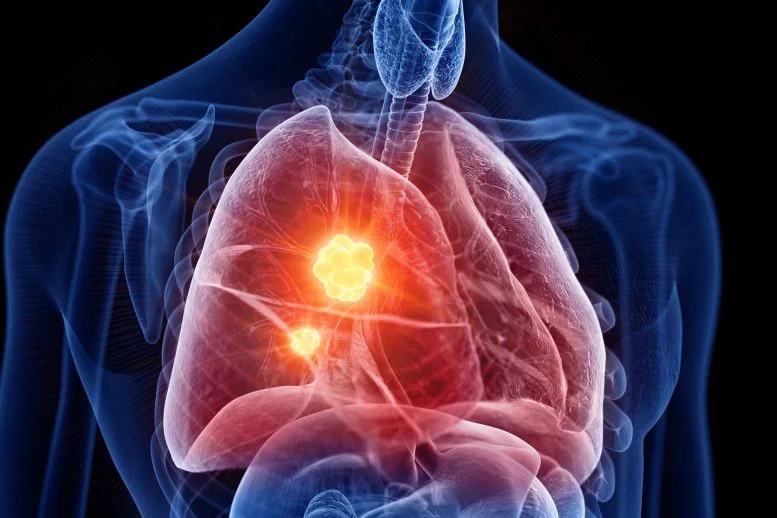
While tobacco smoke’s link to lung cancer is well established, scientists are now paying closer attention to the effects of marijuana smoke on lung health.
Marijuana smoke contains many of the same harmful chemicals as tobacco, including carcinogens and compounds that irritate lung tissue. These substances may contribute to inflammation, DNA damage, and, over time, the development of cancerous cells.
Researchers at the Keck School of Medicine of USC and other institutions have examined data suggesting that heavy, long-term marijuana use could increase the likelihood of developing both small cell lung cancer and non-small cell lung cancer.
One of the main questions remains: how much marijuana use poses a risk? According to Dr. Brooks Udelsman, a thoracic surgeon involved in the study, occasional or moderate use is unlikely to carry significant risk for most individuals.
However, daily or heavy users may accumulate lung damage over time, increasing the risk of chronic inflammation and malignant growths. This distinction is critical as the popularity of marijuana grows among both young adults and older populations.
Different methods of consumption also play a role. While vaping avoids combustion, it is not risk-free. Preliminary studies suggest that vaping can cause inflammatory lung conditions, which may indirectly contribute to cancer risk.
Similarly, edibles bypass the lungs entirely, but they do not mitigate other potential health risks associated with cannabis, such as cardiovascular effects or cognitive impact.
Researchers are also exploring whether secondhand marijuana smoke could affect nonusers. Early evidence indicates that inhaling smoke from any source exposes the lungs to fine particles and carcinogens, though more research is needed to determine its true impact on lung cancer risk.
While these findings are significant, experts emphasize that current data are still limited. Long-term, large-scale studies are required to clarify the relationship between marijuana use and lung cancer risk.
Meanwhile, healthcare professionals advise moderation, awareness, and open discussion about potential risks with patients who use cannabis regularly.
New research has shed light on a possible connection between heavy marijuana smoking and several types of cancer.