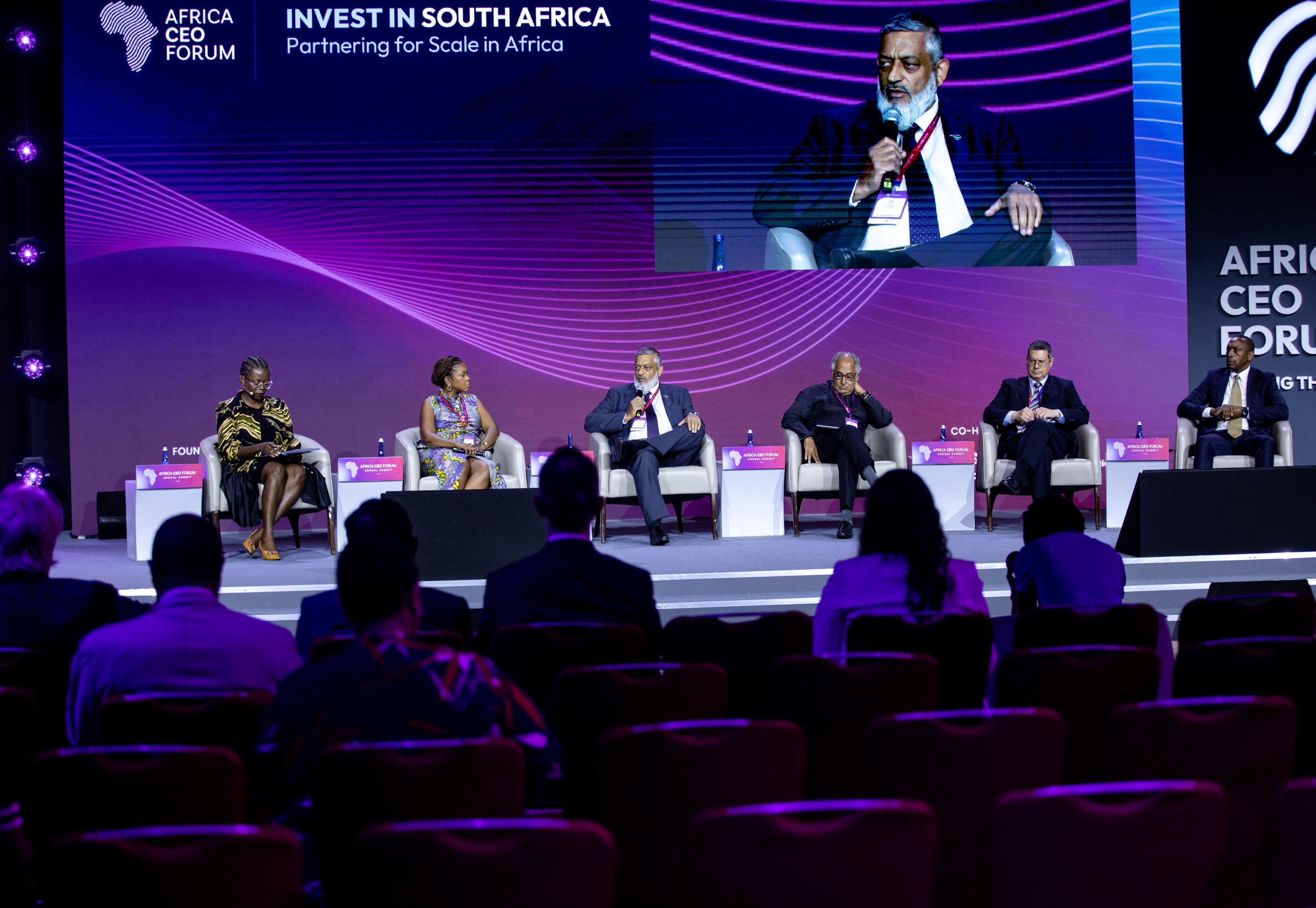
Mmaputhi Rankapole, Chief Marketing Officer of Brand South Africa, told delegates that South Africa is not positioning itself in competition with other African hubs, including Rwanda’s Kigali.
“We’re not trying to outbid Kigali for investment,” she said. “We’re offering ourselves as a platform, the gateway to an economy that connects Africa to the world.”

Through the AfCFTA, South Africa provides access to a combined market of 1.2 billion people and $3.4 trillion in GDP. Rwandan businesses could potentially use South African ports, rail networks, and financial services to reach SADC countries and global markets more efficiently.
South Africa has eight seaports, 144 airports, extensive road and rail infrastructure, and the Johannesburg Stock Exchange, Africa’s largest by market capitalisation. These assets can support companies in raising capital and managing regional supply chains.
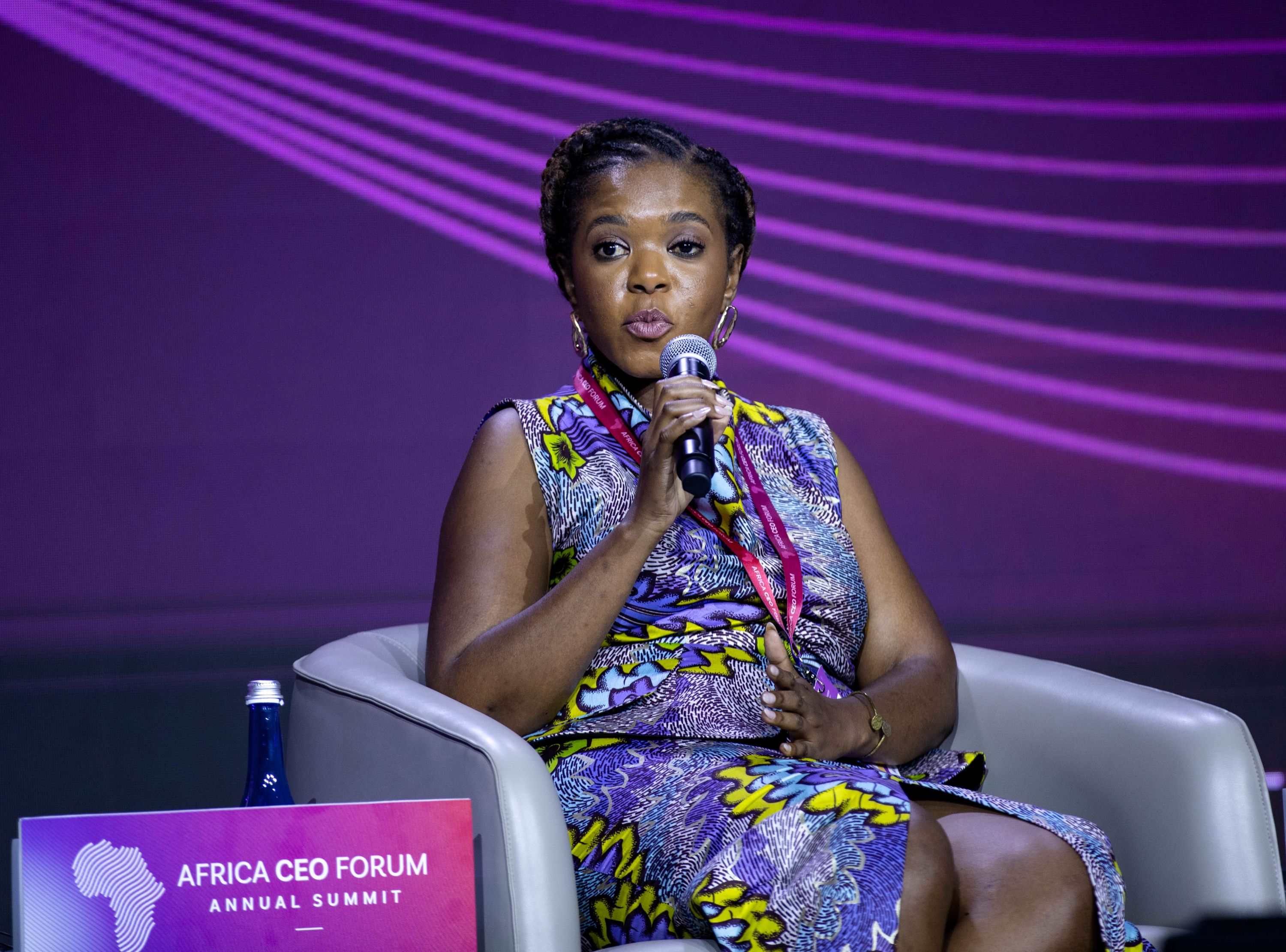
Luna Nevhutalu, Head of Institutional Sales for Global Markets at Rand Merchant Bank, noted growing long-term investor interest.
“Investors are really looking to invest on the continent, or in the continent, for the long-term,” she said, citing recent Eurobond issuances involving Azule Energy, Liquid Telecoms, and Sibanye Stillwater.

In January 2025, Azule Energy (the independent Angolan oil and gas joint venture backed by BP and Eni) priced a massive $1.2 billion international bond (8.125% senior unsecured notes due 2030), proving that deep-pocketed institutional investors remain eager to fund large-scale African infrastructure and energy players with strong balance sheets.
Following this momentum, in April 2026, pan-African digital infrastructure operator Liquid Telecoms closed a comprehensive $660 million debt refinancing round, anchored by a new $300 million Eurobond listed on Euronext Dublin that drew immense international interest and was 2.5 times oversubscribed.
Rounding out this wave of capital, South African precious metals giant Sibanye-Stillwater successfully priced a $500 million senior unsecured notes offering in May 2026. Driven by an upgraded stable outlook from Moody’s, their bookbuild was a resounding success, coming in at over five times oversubscribed by global asset managers as the company optimises its balance sheet for long-term operational growth.
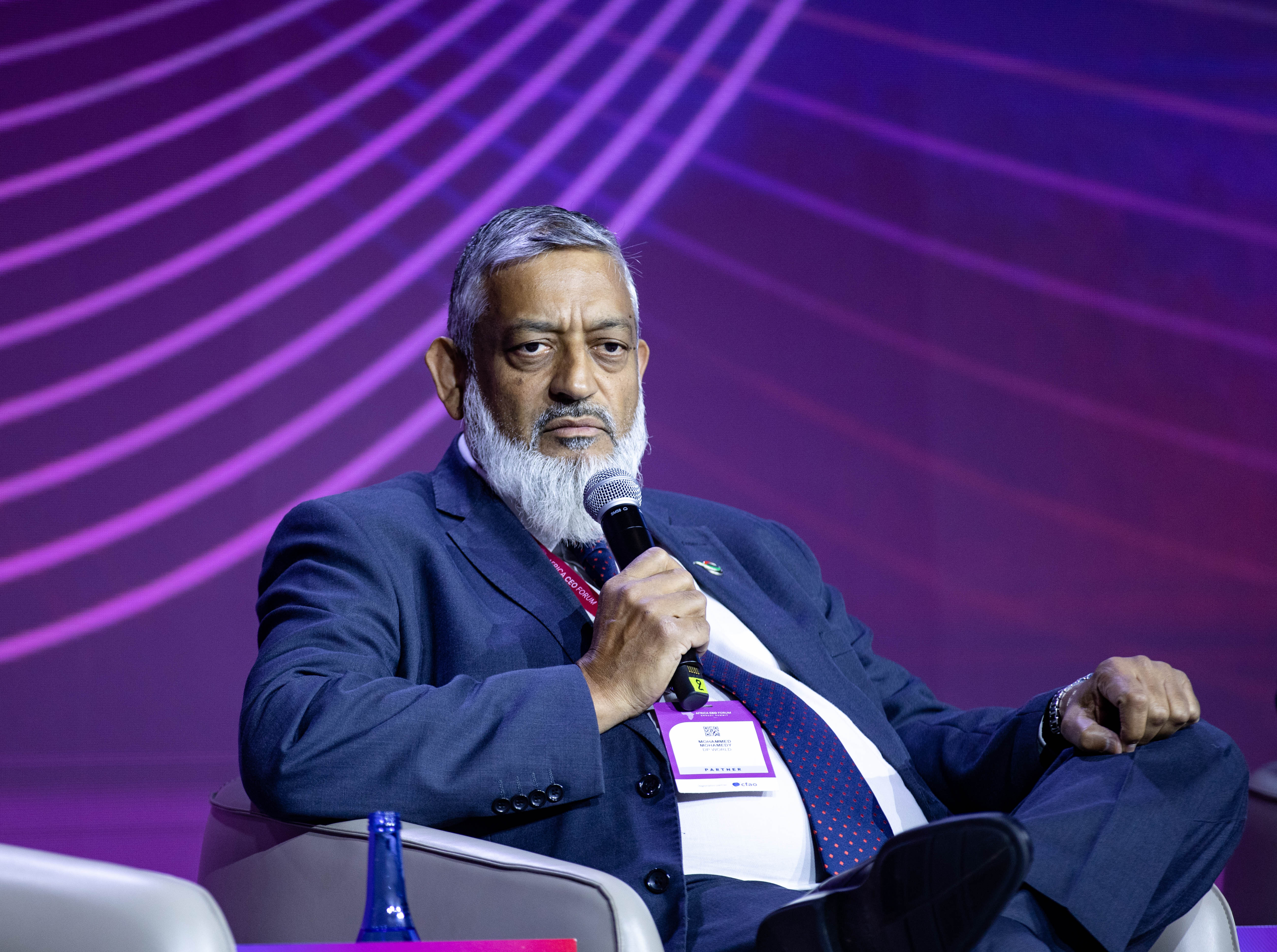
On the logistics side, Mohammed Akoojee, CEO and Managing Director for Africa at DP World, highlighted operational realities. His company’s acquisition of Imperial Logistics handles one million kilometres of road transport daily in South Africa.
He pointed to efficiency gains, noting that at one platform, truck turnaround times had dropped “from anything up to two weeks to about three days.”
Willem van der Spuy from the South African Department of Trade, Industry and Competition spoke about the country’s Butterfly Strategy, which focuses on diversifying trade.
“If you look at our exports to the continent, about 60 percent of those are value-added,” he said.
This creates potential demand for processed goods and components that manufacturers in Rwanda and other countries could supply.
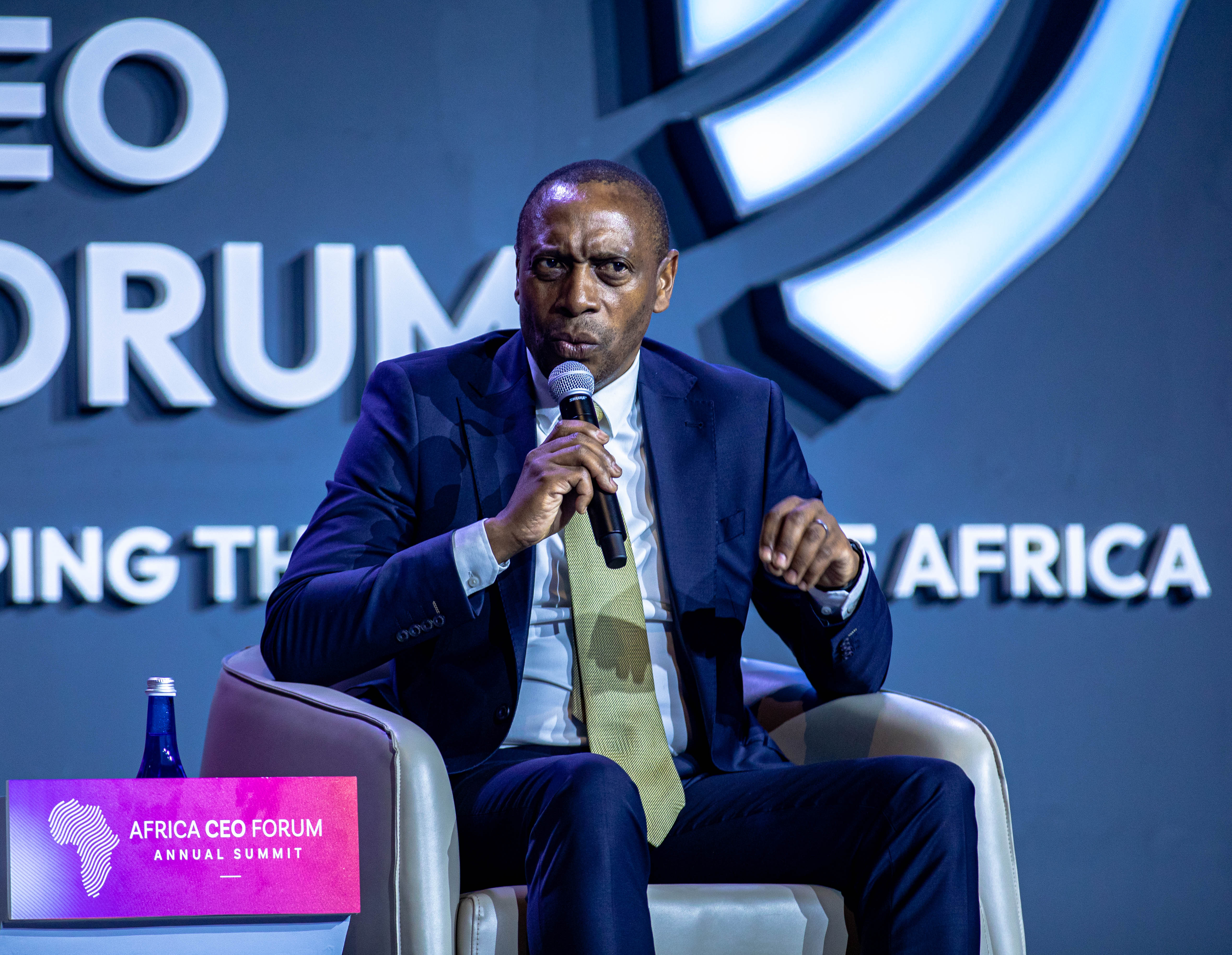
In energy, Loyiso Tyabashe, Group CEO of Necsa, emphasised the importance of reliable power.
“Energy is a fundamental bedrock for any development, and for any industrialisation,” he said, adding that nuclear technology offers stable baseload power with near-zero carbon emissions and has proven affordable in South Africa. He invited collaboration with countries like Rwanda that are exploring nuclear options.
The session showed that many businesses already operate across multiple African hubs. With over 400 South African companies active across the continent, combining operations in different markets has become a common approach.
For Rwandan businesses, the discussion at the Kigali forum highlighted practical options to expand reach by leveraging South Africa’s infrastructure and financial systems while building on Rwanda’s strengths in technology, services, and regional connectivity. As AfCFTA implementation progresses, such complementary strategies could support broader growth for companies in both countries.
Leave a Reply