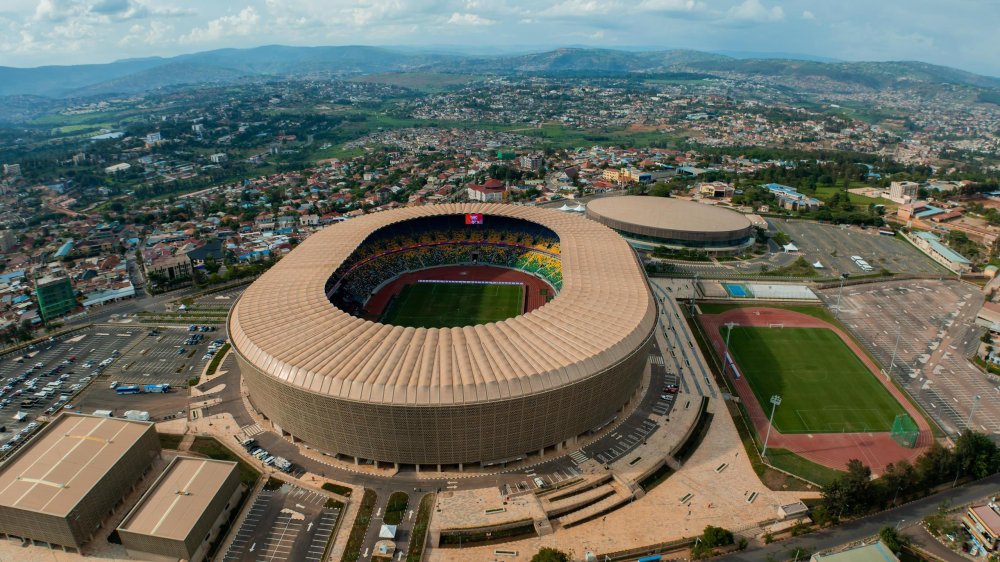
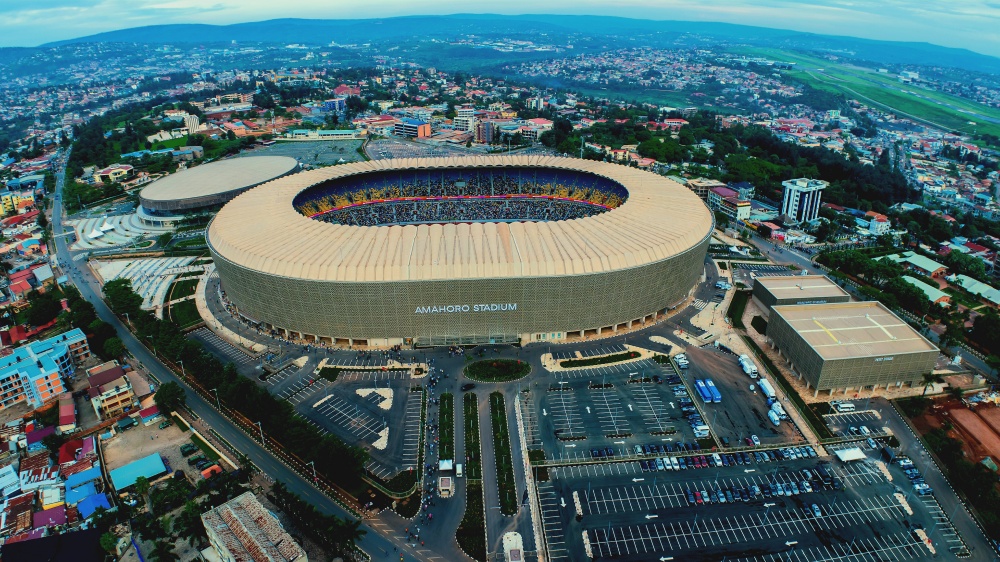
Amahoro Stadium, which was reopened in 2024 after a major renovation costing more than $160 million, has a seating capacity of 45,000 people. BK Arena, completed in 2019 at a cost of $104 million, can host up to 10,000 spectators.
The two venues have become central to Rwanda’s ambition of positioning itself as a destination for international conferences, sports and entertainment events. They have hosted major events including the FIFA Congress, the Basketball Africa League, Move Afrika and Giants of Africa.
However, despite their growing importance, event organizers and members of the public have repeatedly raised concerns over what they describe as expensive rental fees and restrictive operational requirements.
In an interview with IGIHE, John Ntigengwa, the Country Director of QA Venue Solutions which managed both facilities, addressed the concerns and defended the company’s management approach.
Ntigengwa explained that QA Venue Solutions operates the facilities under an agreement with the Government of Rwanda, with responsibilities that include maintaining the venues and ensuring they generate revenue.
He said one of the biggest challenges remains the fact that many people still cannot afford to use the facilities.
According to him, operating and maintaining such large infrastructures comes at a high cost, making it impossible to lower prices beyond a certain level.
“For BK Arena, the average base price over the last five years has been around Rwf5 million,” he explained, noting that this amount only covers the minimum operational requirements for an event.
He added that the actual daily operational cost for events at BK Arena reaches about Rwf9 million before additional expenses such as security, protocol staff and cleaning services are included.
Regarding Amahoro Stadium, Ntigengwa revealed that the initial minimum operational fee had been estimated at Rwf16 million.
However, after discussions with stakeholders including the Rwanda Premier League, the base price was reduced to around Rwf3 million in an effort to make the stadium more accessible, especially for football clubs.
He said the company is also seeking more partnerships, particularly with advertisers and sponsors, to further reduce operational costs and make the venues more affordable.
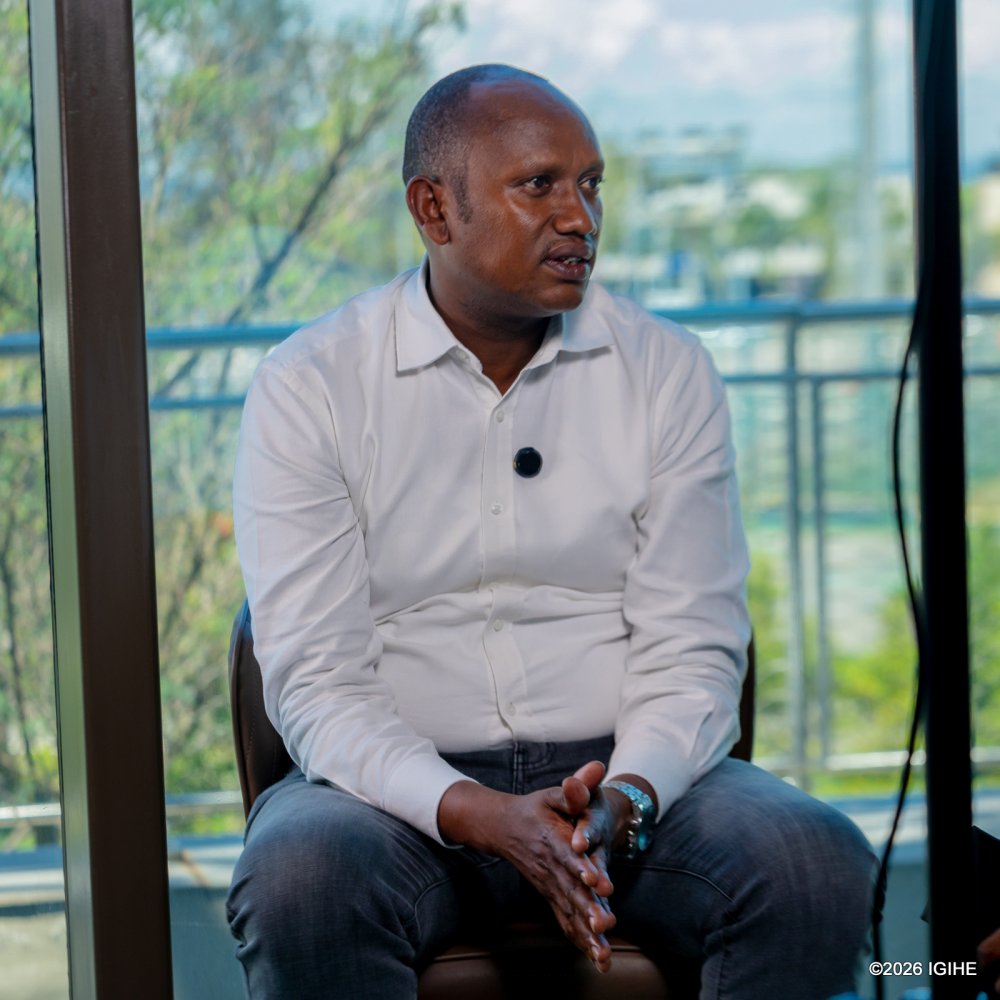
Addressing complaints that BK Arena is more expensive than Amahoro Stadium, Ntigengwa argued that when all operational costs are considered, the expenses are nearly similar.
He also explained that most event organizers rely heavily on sponsorships because the local market alone is often not sufficient to cover the costs of staging large events.
Another issue frequently raised by organizers concerns the requirement to use venue-approved protocol staff, security teams and, in some cases, sound equipment providers.
Ntigengwa said those policies are primarily aimed at ensuring professionalism and safety.
He explained that protocol and security personnel assigned to the venues receive specialized training and are familiar with the infrastructure, making it risky to allow untrained teams to manage crowds in the facilities.
On technical equipment, he said the company only requires service providers who meet specific professional standards, especially for complex installations such as suspended lighting and sound systems.
However, he denied claims that QA Venue Solutions works exclusively with one supplier, saying organizers with smaller technical needs are sometimes allowed to work with their preferred providers.
The company also responded to complaints from event promoters who accuse the venue management of generating additional revenue from food and beverage sales during events without sharing profits.
Ntigengwa said food and drinks sold at the venues must meet strict safety and quality standards, which is why the company limits who can operate inside the facilities.
He added that the company intentionally keeps rental fees below actual operational costs and compensates through other revenue streams such as concessions and commercial activities inside the venues.
“If an event at BK Arena costs us at least Rwf9 million to operate but we charge the organizer Rwf5 million, it does not mean we are choosing to make losses,” he said. “We look for other ways to generate revenue while keeping the venue accessible.”
On VIP suites at BK Arena, Ntigengwa explained that out of the 14 available suites, organizers typically receive only two because the others are reserved for clients who lease them on annual contracts.
He also addressed criticism over ticketing fees, where organizers have complained about a 15 percent deduction on ticket sales.
According to him, QA Venue Solutions only takes 3 percent, while ticketing service providers receive 12 percent, with the remaining amount going to the event organizer.
Despite the criticisms, Ntigengwa said the company remains open to dialogue and welcomes suggestions from clients and partners on how operations can be improved.
“We encourage people not to rely only on rumors that these venues are too expensive,” he said. “Anyone interested in using them should come and discuss their project with us because every case is different.”
He also acknowledged that attracting international artists remains costly, although the company hopes to organize at least two major concerts annually at BK Arena and one at Amahoro Stadium.
Ntigengwa dismissed reports suggesting that negotiations to host major artists such as Chris Brown and Burna Boy for a grand Amahoro Stadium inauguration concert had been finalized, saying discussions remain at an early stage.
He nevertheless confirmed preparations are progressing for the upcoming concert by UB40 featuring Ali Campbell scheduled for June 9, 2026, at BK Arena.
Ntigengwa also praised King James after tickets for the artist’s concert reportedly sold out within three days, describing it as proof of the musician’s strong fan base and hinting that discussions for a second day show were ongoing.
Leave a Reply