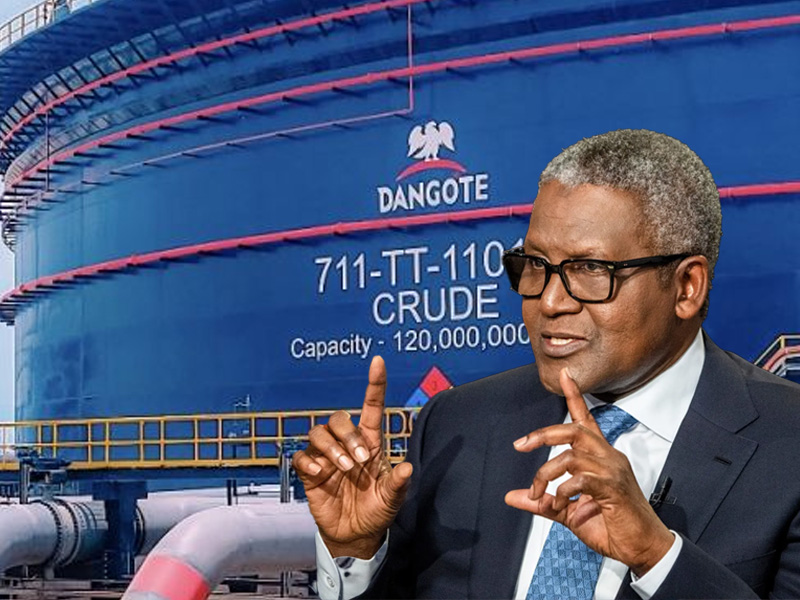
According to a report by the Financial Times, Dangote said he is leaning towards Kenya’s coastal city of Mombasa for the proposed 650,000-barrel-a-day refinery, citing its strategic maritime advantages.
“I’m leaning more towards Mombasa because Mombasa has a much larger, deeper port,” Dangote said in an interview cited by the publication.
The Nigerian billionaire also pointed to Kenya’s market size and consumption levels as key factors influencing his preference, comparing the country favourably to neighbouring Tanzania, which had also been floated as a potential host.
“Kenyans consume more. It’s a bigger economy,” he said, adding that the final decision would depend on political backing from regional leaders. “The ball is in the hands of President Ruto. Whatever President Ruto says is what I’ll do.”
Regional race for refinery hub
The remarks come amid growing debate in East Africa over where to establish a joint regional refinery, a project aimed at reducing reliance on imported fuel and strengthening energy security.
Last month, Kenyan President William Ruto revealed that East African countries were discussing plans for a shared refinery at the Tanzanian port of Tanga, modelled on Dangote’s landmark Nigerian refinery. The proposal, unveiled during the Africa We Build Summit in Nairobi, envisions processing crude oil from the Democratic Republic of Congo, Kenya, South Sudan and Uganda.
Ruto also outlined plans for an interconnected infrastructure system, including a pipeline linking Tanga to Mombasa and jointly owned regional energy infrastructure with Uganda.
The issue briefly came back into focus during President Ruto’s state visit to Dar es Salaam on May 4, 2026, when President Samia Suluhu expressed concern over the way the earlier announcement had been handled, saying she was not aware of the Tanga plans, creating a light but noticeable moment of diplomatic unease between the two East African neighbours.
Dangote’s potential investment comes at a time when East Africa continues to rely entirely on imported refined petroleum products, primarily from the Middle East. This dependence has left the region exposed to global supply disruptions and price volatility, particularly during geopolitical tensions such as the U.S.-Israeli conflict involving Iran.
The Nigerian industrialist said he is ready to replicate the scale of his Lagos-based refinery in East Africa, provided there is sufficient government support and regional coordination.
At a recent infrastructure summit in Nairobi, he reiterated his willingness to invest in the region, signalling that his decision would ultimately depend on policy alignment and political commitment from host governments.
If realised, the proposed refinery would mark one of the largest private energy investments in Africa and could significantly alter fuel supply dynamics across the continent’s fastest-growing economic region.
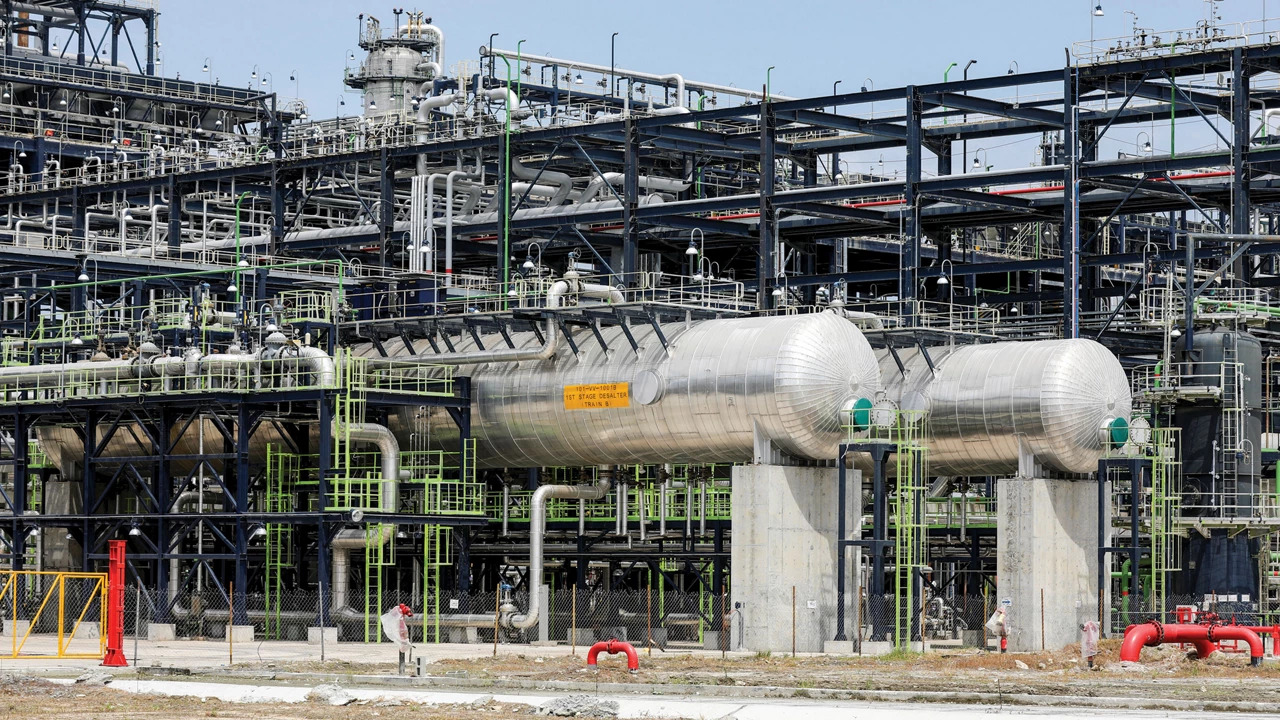
The Dangote Industries refinery on the outskirts of Lagos, Nigeria, shown here in 2023, is the largest in Africa. Africa’s richest man, Aliko Dangote, is considering Kenya as the preferred location for a massive oil refinery project in East Africa.
Nearly five years after the original Spanish series ended in 2021, the streaming giant has officially hinted at a continuation of La Casa de Papel, sparking speculation about what form the next chapter will take.
New teaser reignites the franchise
Ahead of the release of Berlin Season 2, titled Berlín y la dama del armiño (Berlin and the Lady with an Ermine), set to premiere globally on May 15, Netflix dropped a teaser titled “The World of ‘Money Heist’ Continues.”
The trailer revisits key moments from the original series, including the Royal Mint and Bank of Spain heists, while teasing that the story is far from finished. A dramatic message in the teaser states that after money, gold, and treasure, “the revolution isn’t over yet,” hinting at new heist-driven adventures.
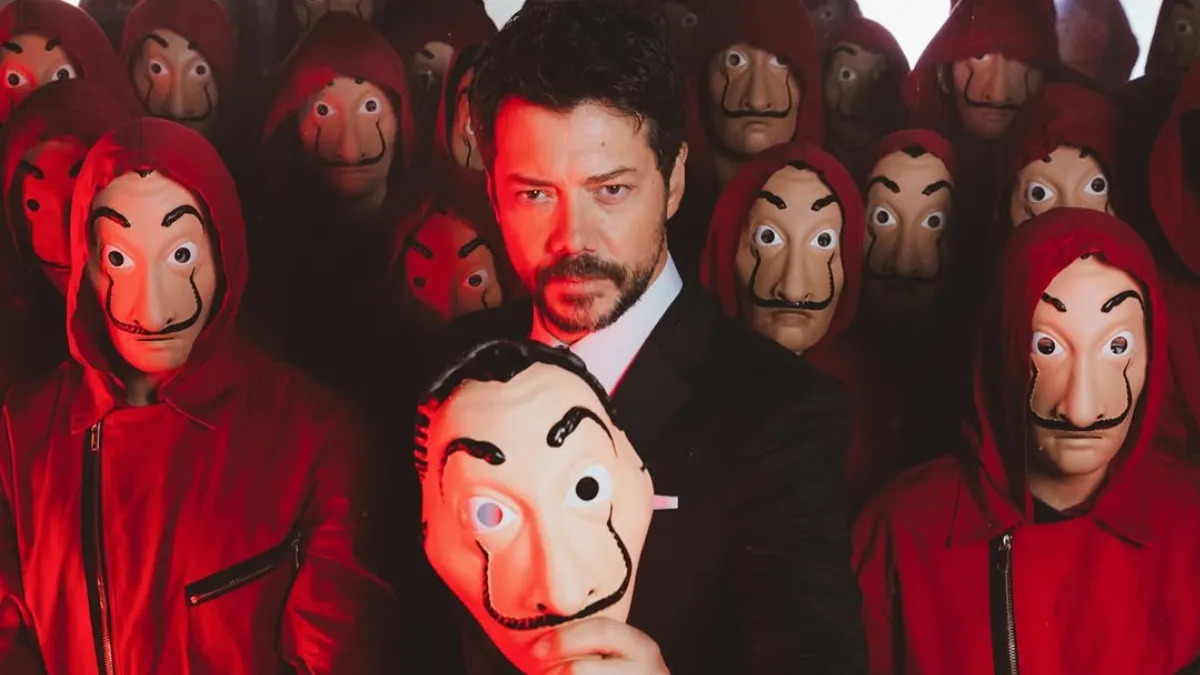
Familiar elements such as red jumpsuits, Dalí masks, and the anthem “Bella Ciao” feature prominently, reinforcing the show’s rebellious identity.
“Bella Ciao continues to echo”
The announcement was also shared on Money Heist’s official social media pages, featuring red-and-black visuals of masked figures, money, and gold. The caption declared that “Bella Ciao continues to echo” and that the universe of La Casa de Papel continues to expand.
Netflix took the reveal further with a large-scale event in Seville, Spain, on May 9. Thousands of fans gathered along the Guadalquivir River to witness a boat filled with performers dressed in red jumpsuits and Dalí masks sailing past as “Bella Ciao” played.
The spectacle confirmed to fans that the Money Heist story will continue beyond Berlin Season 2, reinforcing Netflix’s tradition of theatrical, high-impact marketing for the franchise.
What comes next?
While Netflix has confirmed the expansion of the universe, it has not revealed whether the next chapter will be a spin-off, a continuation of the original story, or a new heist entirely. Possibilities remain open, including further stories involving existing characters or new global spin-offs.
Created by Álex Pina, Money Heist remains one of Netflix’s most successful non-English series, turning its red jumpsuits, Dalí masks, and anthem “Bella Ciao” into global cultural symbols.
Nearly five years after the original Spanish series ended in 2021, Netflix has officially hinted at a continuation of La Casa de Papel, sparking speculation about what form the next chapter will take.
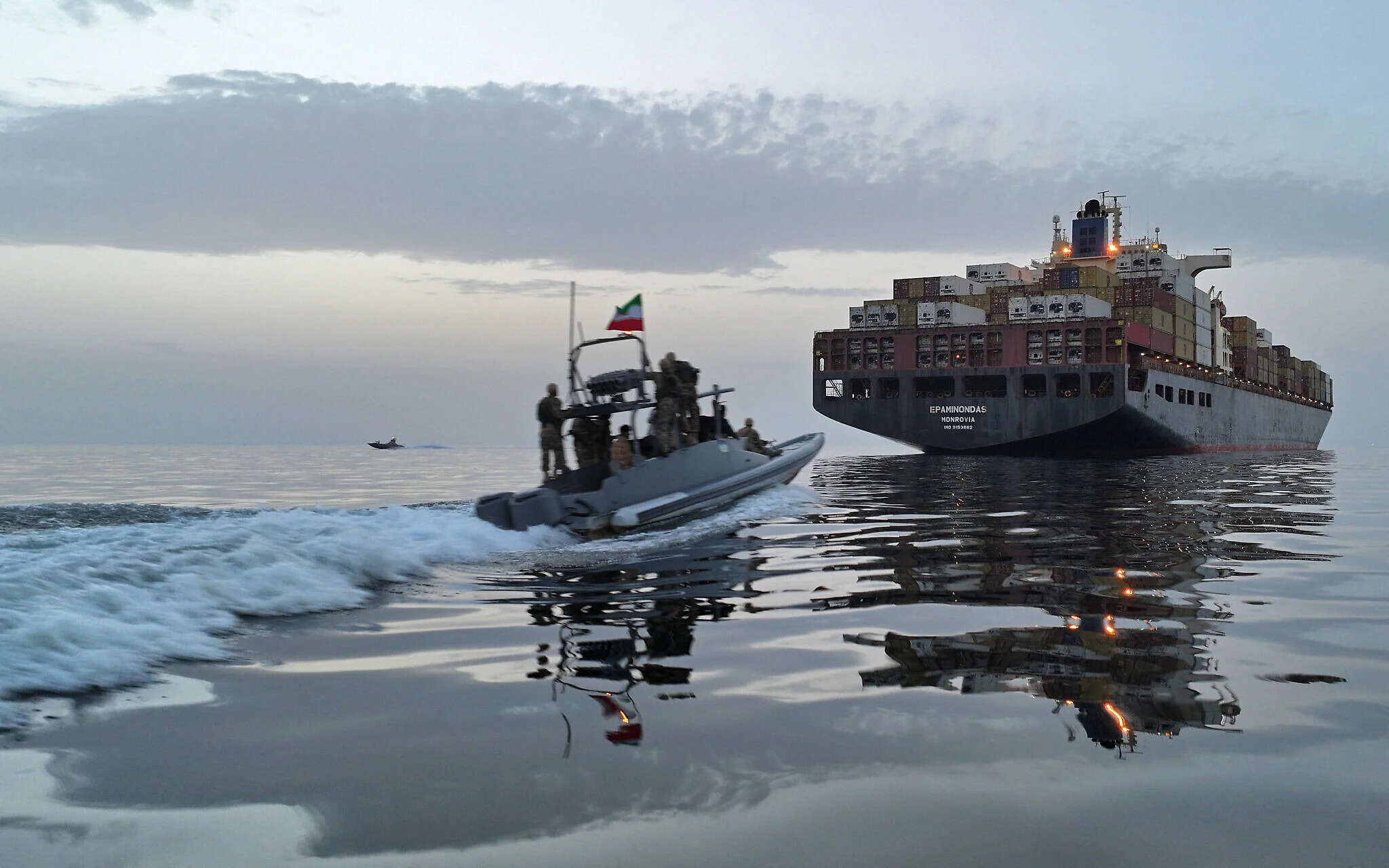
The remarks were released in a post on social media platform X, following sporadic clashes that erupted between Iran and the United States in and around the Strait of Hormuz on Thursday and Friday.
Iran tightened control over the Strait of Hormuz beginning February 28, when it barred passage for vessels belonging to or affiliated with Israel and the United States after the two countries launched joint strikes on Iranian territory.
The United States has also imposed a naval blockade on the strait, preventing ships to and from Iranian ports from transiting the waterway. The U.S. military has attacked several Iranian ships and oil tankers over the past days.
In another post on X, the IRGC’s Aerospace Division said that its missiles and drones have locked onto U.S. targets in the region and ships of the “aggressive enemy.”
“We are awaiting the order to fire,” it added.
Iran tightened control over the Strait of Hormuz beginning February 28, when it barred passage for vessels belonging to or affiliated with Israel and the United States after the two countries launched joint strikes on Iranian territory.
According to the latest Consumer Price Index (CPI) report from the National Institute of Statistics of Rwanda (NISR), the urban index, a key benchmark for monetary policy, saw a 4.7% increase in just one month.
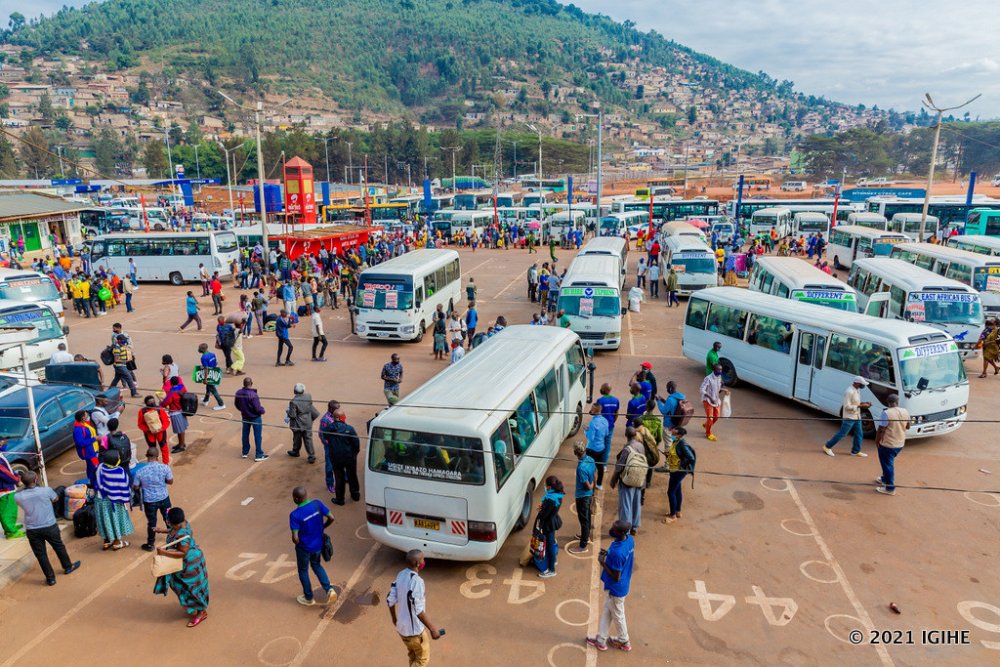
The sharp rise can be attributed to a 23.7% annual jump in transport costs. In April alone, transport prices climbed by 15.1%, reflecting the immediate impact of global fuel price volatility.
The broader energy sector felt the heaviest blow as the specific Energy Index, which tracks fuel and electricity directly, skyrocketed by 47.9% on an annual basis and rose 18.0% within the month of April. These increases have been compounded by a 21.3% rise in costs for housing, water, electricity, and gas.
Beyond energy, several other sectors recorded substantial price hikes. Healthcare saw a staggering 70.0% annual increase. Prices for restaurants and hotels rose by 18.5%, while alcoholic beverages and tobacco recorded a 17.1% increase.
In the food and non-alcoholic beverages category, prices increased by 5.8% annually, with specific staples such as meat rising by 12.2% and bread and cereals increasing by 10.0%. Notably, the price of locally produced goods rose by 13.6% annually, outpacing the 11.4% increase for imported goods.
Core inflation, which excludes volatile fresh products and energy, stood at 12.5%, suggesting that inflationary pressures are becoming embedded in the wider economy. The annual average inflation rate for the last twelve months was recorded at 8.2%.
In rural areas, the annual inflation rate reached 10.6%, with a significant monthly increase of 6.8%. Nationally, the Overall Rwanda Index rose to 11.5% compared to April 2025.
The NISR calculates the CPI by monitoring the prices of 1,622 products across Rwanda. To ensure accuracy, the institute collects over 29,482 price entries in urban centres and 10,744 in rural areas every month from markets, shops, hospitals, and schools.
The Urban CPI remains the primary reference for the National Bank of Rwanda (BNR) in assessing economic stability and guiding monetary policy decisions.
The sharp rise can be attributed to a 23.7% annual jump in transport costs. In April alone, transport prices climbed by 15.1%, reflecting the immediate impact of global fuel price volatility.
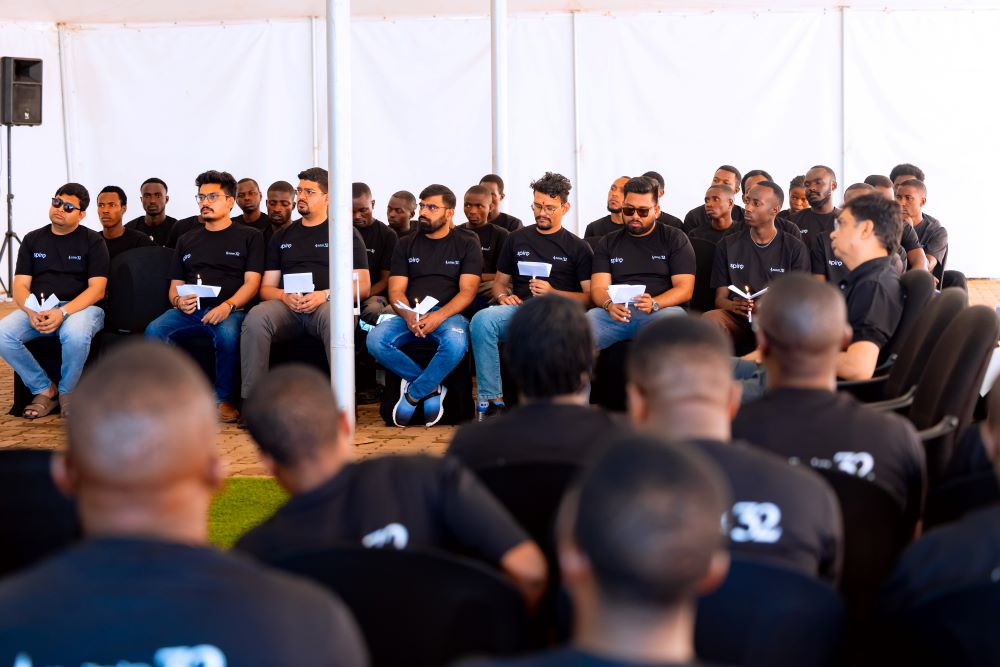
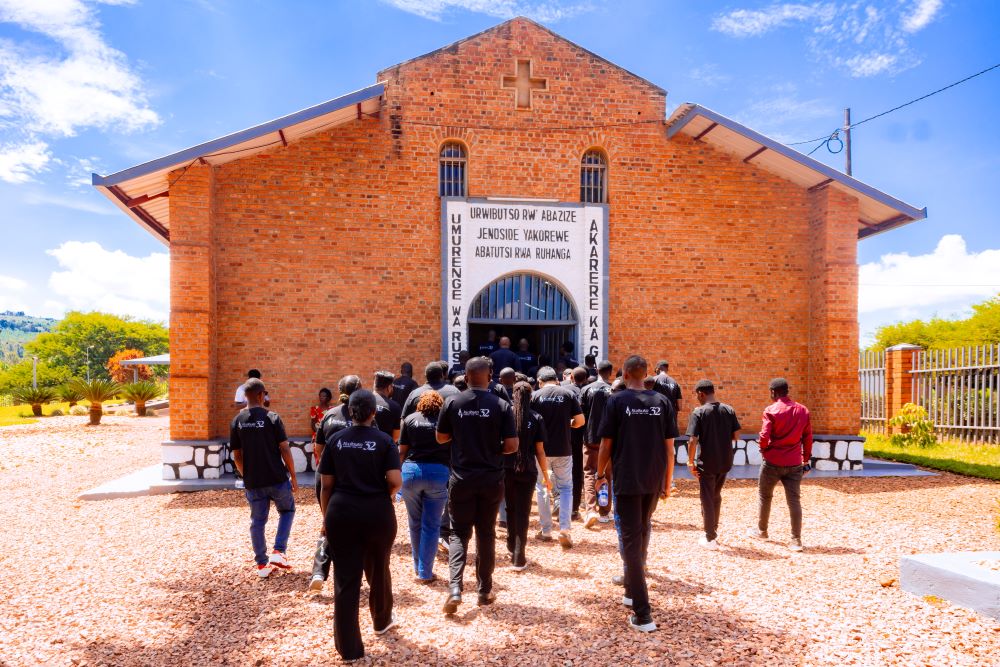
The visit took place on May 8, 2026, during which the staff were given detailed accounts of how the Genocide against the Tutsi was planned and executed under the former regime, as well as the country’s journey toward recovery and rebuilding.
They also laid wreaths at the mass graves where more than 37,890 victims of the Genocide against the Tutsi are buried at the Ruhanga Memorial site.
The Managing Director of Spiro Rwanda, Amit Chawla, said that although he is not Rwandan, the atrocities committed during the genocide deeply touched him. He praised the Government of National Unity, particularly the Inkotanyi, as well as the resilience and humanity demonstrated by Rwandans.
“When I look at the hard work, love and humanity that characterize the Rwandans we work with every day, and the continued progress of Rwanda, it clearly shows that you chose not to remain prisoners of history. Other countries can truly learn from your example,” he said.
Chawla encouraged young people to continue preserving the country’s history and strengthening unity to ensure such tragedies never happen again.
Karambizi Oleg Olivier, an official from Rwanda’s Ministry of National Unity and Civic Engagement responsible for strategies against genocide denial and minimization, commended Spiro Rwanda employees for supporting genocide survivors. He urged especially the youth to develop a deeper understanding of Rwanda’s history so they can help educate others.
“It is your responsibility to know Rwanda’s history because, although the Genocide was stopped by the Inkotanyi, its ideology continues to spread even today,” he said.
“Young people must stand against those who continue to spread genocide ideology, particularly through social media platforms such as Facebook, X, YouTube and others. This should become part of your values and patriotism.”
Karambizi noted that many young people killed during the Genocide against the Tutsi had dreams and ambitions they never had the opportunity to fulfill. He cautioned the youth against being influenced by individuals who use social media to downplay or deny the genocide.
As part of the visit, Spiro Rwanda’s management also provided support to the Ruhanga Genocide Memorial and assisted genocide survivors by renovating two homes.
Staff members of Spiro Rwanda laid flowers at Ruhanga Genocide Memorial in honor of victims of the 1994 Genocide against the Tutsi.Spiro Rwanda Managing Director Amit Chawla praised Rwanda’s resilience and unity during a visit to the Ruhanga Genocide Memorial.Karambizi Oleg Olivier, an official from Rwanda’s Ministry of National Unity and Civic Engagement commended Spiro Rwanda employees for supporting genocide survivors. Spiro Rwanda employees visited the Ruhanga Genocide Memorial, where they learned about Rwanda’s history and journey of recovery.Spiro Rwanda staff visited the memorial and reaffirmed commitment to uphold history.
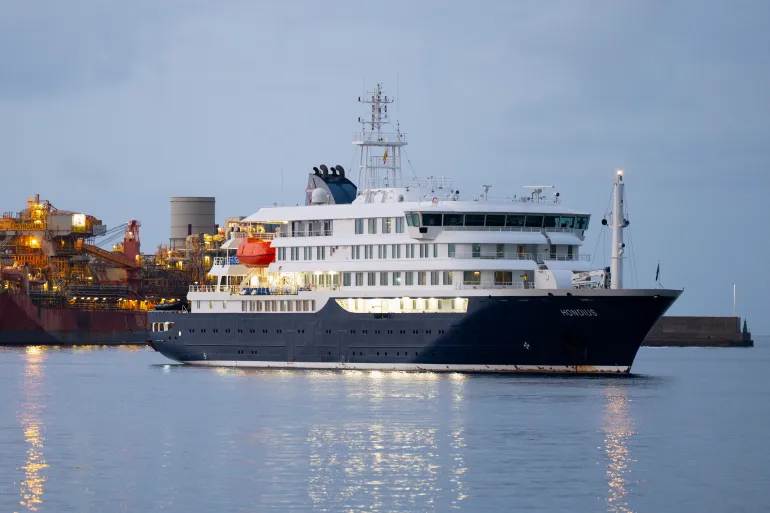
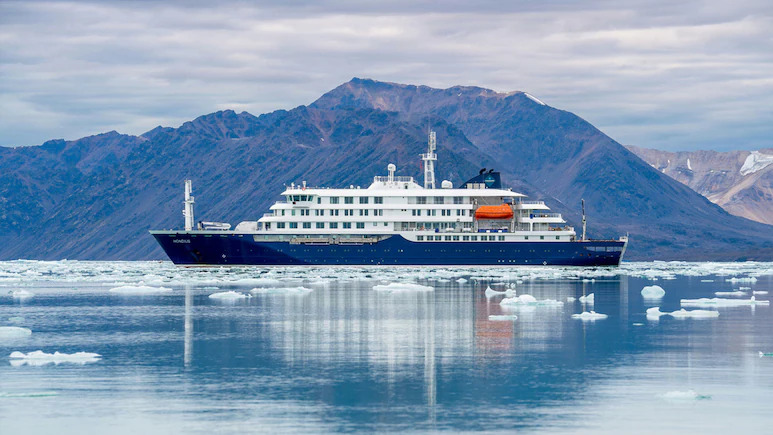
The Dutch-flagged MV Hondius reached waters near the Port of Granadilla early on Sunday, escorted by a Spanish Civil Guard vessel, according to maritime tracking data. The ship had departed from Cape Verde on Wednesday after the World Health Organisation (WHO) and the European Union requested Spain take charge of managing the evacuation.
Health authorities confirmed the outbreak has so far been linked to at least eight illnesses on board, including three deaths, a Dutch couple and a German national. Six cases have been confirmed as hantavirus infections, with two additional suspected cases under investigation, according to the WHO.
The Dutch-flagged hantavirus-stricken cruise ship MV Hondius arrives at the industrial port of Granadilla de Abona on the island of Tenerife in Spain’s Canary Islands.
Hantavirus is typically transmitted through contact with infected rodents or their droppings, though rare person-to-person transmission has been reported in limited circumstances. European public health officials have classified all passengers as high-risk contacts as a precaution.
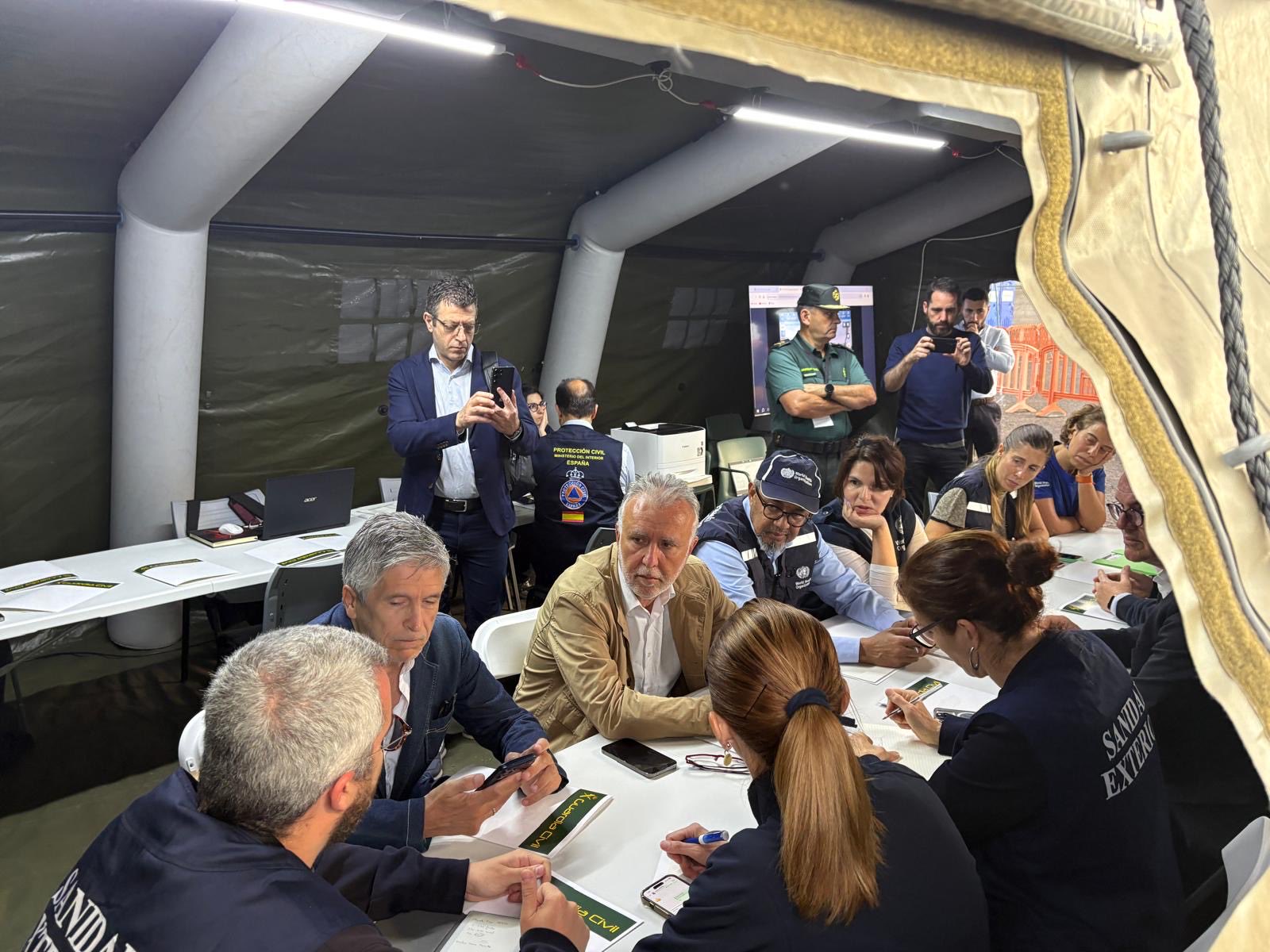
Spanish authorities said medical teams boarded the vessel on Sunday morning to test passengers and crew before disembarkation begins. Evacuations are expected to start between 7:30am and 8:30am local time, with Spanish nationals leaving first, followed by other nationalities in staged groups.
Passengers will be transferred from the ship in small boats to shore, where sealed buses will take them to Tenerife’s main airport, roughly 10 minutes away. From there, they will board flights arranged by their respective governments.
WHO Director-General Tedros Adhanom Ghebreyesus travelled to Tenerife to coordinate the response alongside Spanish ministers.
Several countries, including the United States, Germany, France, Belgium, Ireland, and the Netherlands, are sending aircraft for repatriation. The ship’s 147 passengers will undergo further medical monitoring upon return, with some facing quarantine or extended observation periods depending on national protocols.
In Spain, fourteen nationals will be transported to a military hospital for isolation and testing, while 17 American passengers will be taken to the University of Nebraska Medical Center’s National Quarantine Unit. Two Dutch passengers will be among the second group to disembark.
WHO Director-General Tedros Adhanom Ghebreyesus travelled to Tenerife to coordinate the response alongside Spanish ministers. In an open letter, he reassured residents, stressing: “This is not another Covid,” while officials emphasised that the risk to the wider public remains low.
Despite the scale of the operation, daily life in Granadilla appeared largely unaffected on Sunday morning, with residents continuing routine activities as emergency teams prepared nearby.
After evacuation, the MV Hondius is expected to sail to Rotterdam, where it will undergo full disinfection. Meanwhile, health authorities across multiple countries continue tracing potential contacts linked to passengers who had already disembarked during the voyage, which began in Argentina in early April.
The Dutch-flagged hantavirus-stricken cruise ship MV Hondius arrives at the industrial port of Granadilla de Abona on the island of Tenerife in Spain’s Canary Islands.
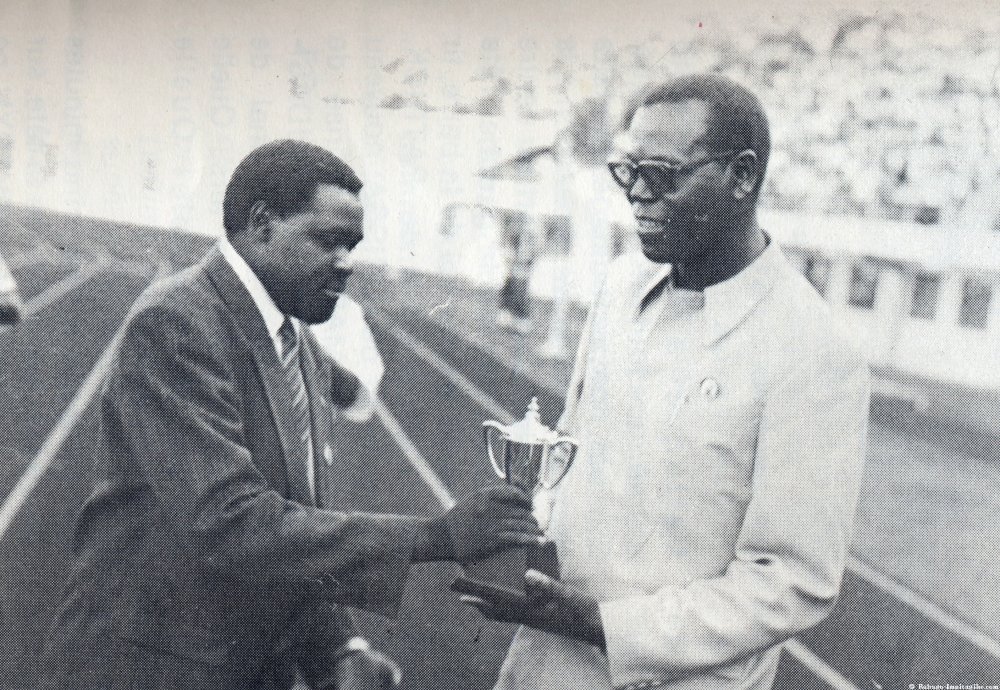
The document was written by Lt. Col. Charles Uwihoreye, a former officer in Habyarimana’s presidential security apparatus who also served as commander of the military gendarmerie in Ruhengeri Prefecture.
In the letter dated June 24, 1994, Uwihoreye wrote to Col. René Galinié, who served as military adviser at the French Embassy in Kigali between 1988 and 1991, detailing killings taking place across Rwanda.
The letter remained undisclosed for years before Galinié handed it in 2022 to historian Prof. Vincent Duclert, who chaired the French commission investigating France’s role and support for the Rwandan government between 1990 and 1994.
French newspaper Le Monde published the document on May 7, 2026, after Galinié authorised its release to journalists through Prof. Duclert.
In the letter, Uwihoreye describes how soldiers from Habyarimana’s presidential guard under the command of Major Mugemana killed Tutsi civilians in the communes of Kinigi and Kigombe in Ruhengeri on January 22, 1991. He also recounts how members of his own family were subsequently targeted.
The officer further notes that massacres of Tutsis in Bugesera and other regions, including Kibilira, were carried out by Interahamwe militias operating under the supervision of presidential guard units and with the backing of senior government officials.
According to Uwihoreye, the government at the time prioritised the elimination of political opponents over developing a military strategy against the RPA, relying instead on informal directives issued through the Presidency.
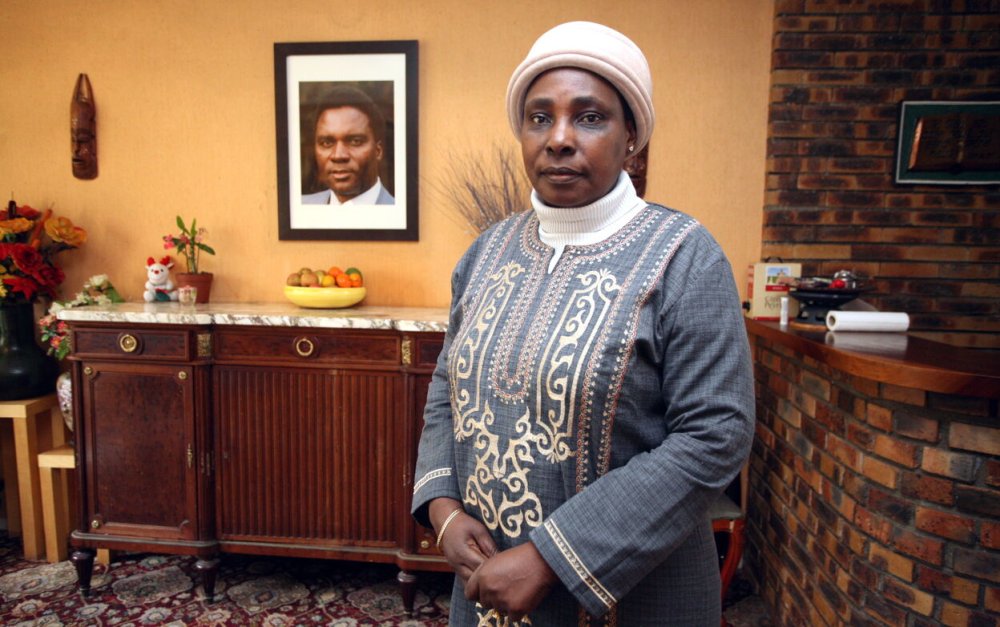
He states that orders to target Tutsi civilians originated from members of the Akazu, also referred to as the “Réseau Zéro”, a powerful network composed of Habyarimana, his wife Agathe Kanziga, and close family associates.
Uwihoreye wrote that officials across political, military, and economic institutions were expected to comply with directives issued by the Akazu. He noted, however, that then-Minister of Defence James Gasana opposed the system and ultimately resigned.
The letter identifies Habyarimana as the leading figure within the Akazu, followed by Agathe Kanziga. Protais Zigiranyirazo, Kanziga’s brother, widely known as “Monsieur Z” and a former prefect of Ruhengeri, is identified as the third-ranking member.
Prof. Duclert said Uwihoreye had served the Habyarimana government loyally before being imprisoned in 1991 on accusations of treason, allegations he said were based solely on the officer’s Tutsi identity.
Duclert also said Uwihoreye trusted Galinié because the French officer had intervened on his behalf, helping secure his release and reinstatement.
“Charles Uwihoreye served Habyarimana’s government faithfully before being imprisoned in 1991 because, as a Tutsi, he was considered a traitor,” Duclert said.
“He was later released thanks to René Galinié’s intervention and returned to his duties. Galinié considered him a reliable source and someone with deep knowledge of the Habyarimana government.”
A separate document from the French external intelligence agency (DGSE), dated September 22, 1994, also identified Habyarimana, Kanziga, and Zigiranyirazo as leading figures within the Akazu and described its members as “Hutu extremists” opposed to democratic reforms.
That intelligence report, published by Mediapart and Radio France in February 2019, further alleged that several military officers protected by Kanziga and Zigiranyirazo, while directing attacks against Tutsi civilians, became known as the “Colonels de Madame.”
Among those named were Col. Elie Sagatwa, Kanziga’s brother; Séraphin Rwabukumba, another relative of Kanziga; and Charles Nzabagerageza, a cousin of Habyarimana and former prefect of Ruhengeri.
Others identified as members of the Akazu included Col. Théoneste Bagosora, a senior official in the Ministry of Defense; Lt. Col. Anatole Nsengiyumva, head of military intelligence; Lt. Col. Nkundiye, former commander of the presidential guard; Capt. Pascal Simbikangwa; former Justice Minister Matayo Ngirumpatse; RTLM executive Ferdinand Nahimana; Lt. Col. Tharcisse Renzaho; Emmanuel Bagambiki; Col. Laurent Serubuga; and Col. Pierre Célestin Rwagafilita.
During investigations into Kanziga in France, Col. Galinié told investigating judges Stéphanie Tacheau and Carole Vujasinovic that Kanziga was indeed part of the Akazu, although she sought to avoid public association with the group.
Uwihoreye’s letter was never introduced as evidence in court proceedings. However, it may now become part of renewed efforts to examine Kanziga’s role in the planning and implementation of the 1994 Genocide against the Tutsi.
This week, the Paris Court of Appeal ruled that the investigation into Kanziga should be reopened.
The decision, issued on Wednesday, May 6, 2026, overturned a previous ruling by investigative judges on August 21, 2025, which had ordered the closure of the case due to what they described as insufficient evidence linking Kanziga to the crimes.
The document was written by Lt. Col. Charles Uwihoreye, a former officer in Habyarimana’s presidential security apparatus who also served as commander of the military gendarmerie in Ruhengeri Prefecture.Lt. Col. Charles Uwihoreye (right) stated that orders to kill Tutsi civilians originated from the Akazu.
Uwihoreye’s letter was never introduced as evidence in court proceedings. However, it may now become part of renewed efforts to examine Kanziga’s role in the planning and implementation of the 1994 Genocide against the Tutsi.
“We classify everybody on board as what we call a high-risk contact,” Maria Van Kerkhove, WHO’s director of epidemic and pandemic preparedness and prevention, told a media briefing.
She noted that currently “nobody on board has any symptoms,” but recommended “active monitoring and follow-up of all the passengers and crew who disembark for a 42-day period.”
However, she stressed that the risk to the public and people in the Canary Islands, where the MV Hondius is expected to dock on Sunday, remains “low.”
According to a WHO Disease Outbreak News update on Saturday, severe respiratory illness was first reported on the cruise ship on 2 May. At the time, there were 147 passengers and crew members onboard, while 34 others had already disembarked. All WHO’s contact points in concerned countries have been informed and are supporting international contact tracing.
As of 8 May, eight symptomatic cases have been reported, including three deaths. Six cases are laboratory-confirmed as Andes virus (ANDV) hantavirus infections.
The WHO urged the countries involved to continue public health coordination, including contact tracing, case management, infection prevention and transparent communication.
Early symptoms of hantavirus infection include headache, dizziness, chills, fever, myalgia, and gastrointestinal problems, such as nausea, vomiting, diarrhoea, and abdominal pain, according to the WHO.
Given that pre-symptomatic transmission in past ADNV outbreaks cannot be entirely ruled out, WHO also recommends self-monitoring, medical evaluation and mask-wearing for low-risk contacts if symptoms occur.
The World Health Organization (WHO) said on Saturday that all people aboard a cruise ship affected by a hantavirus outbreak should be considered “high-risk” contacts and actively monitored for 42 days.
On May 6, 2026, Tshisekedi told journalists in Kinshasa that Congolese citizens were examining the Constitution to determine whether amendments were necessary. He also stated that if the conflict in eastern Democratic Republic of the Congo continues until 2028, elections may not be held.
“If we fail to stop this war, unfortunately we may not be able to organize elections in 2028,” Tshisekedi said. “But it would not be because I refused to organize them. The capacity exists, we could do it, but we cannot organize elections without North Kivu and South Kivu.”
The Congolese president also questioned whether the current Constitution should remain unchanged, while rejecting claims that constitutional reform was linked to ambitions for a third term in office.
“What is so special about this Constitution? Should we leave it as it is? What prevents us from reviewing it?” Tshisekedi said. “One thing we should not do is connect this to a third term. I do not want a third term, but if the people ask me to lead for a third term, I would accept.”
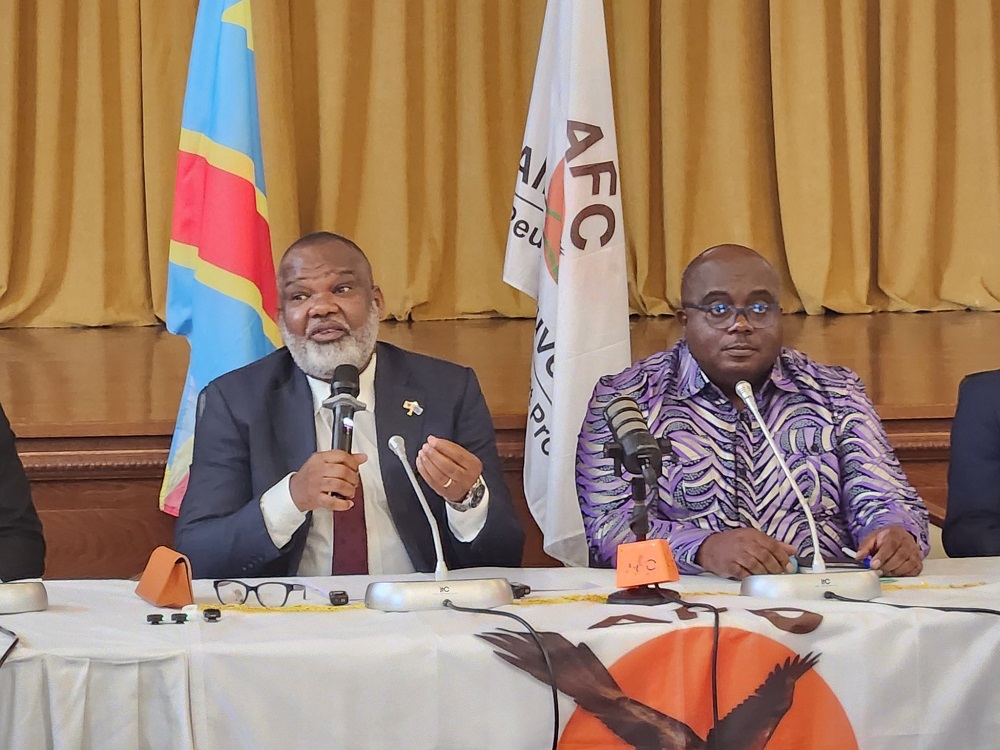
Speaking during a press conference in Goma on May 8, Nangaa criticized Tshisekedi, who recently apologized to Congolese citizens for failing to carry out the war against Rwanda that he had promised during the final stages of his 2023 presidential campaign.
Tshisekedi had said he was misled into believing that the Congolese army was strong, only to later discover that it had been infiltrated by enemies. He linked this to the growing number of arrests and prosecutions involving military officers accused of betraying the country.
Nangaa suggested that Tshisekedi’s departure from office could come sooner than expected.
“Do not be surprised if he leaves in the coming days. He will go,” Nangaa said. “And do not be surprised to hear him say, ‘I did not know I was president.’ He will say, ‘I did not know it was my responsibility to guarantee Congo’s security or to do this or that.’”
The AFC/M23 leader argued that efforts to amend the Constitution would fail and called on Congolese citizens from different sectors to unite behind the alliance in order to block Tshisekedi’s plans.
“He wants to change the Constitution. If he is capable, let him try,” Nangaa said. “But as far as we are concerned, and I speak on behalf of AFC/M23, the time is now. This press conference allows Congolese people to understand our objective. AFC/M23 calls on all politicians and all citizens to support the struggle to protect the DRC.”
Nangaa further stated that AFC/M23 seeks support from Congolese living in Kinshasa, those in exile, and even some members of the ruling Union Sacrée coalition, claiming that certain figures within the alliance are already holding secret talks with AFC/M23.
Corneille Nangaa, the leader of the AFC/M23 alliance, has declared that President Félix Tshisekedi has limited time left in office
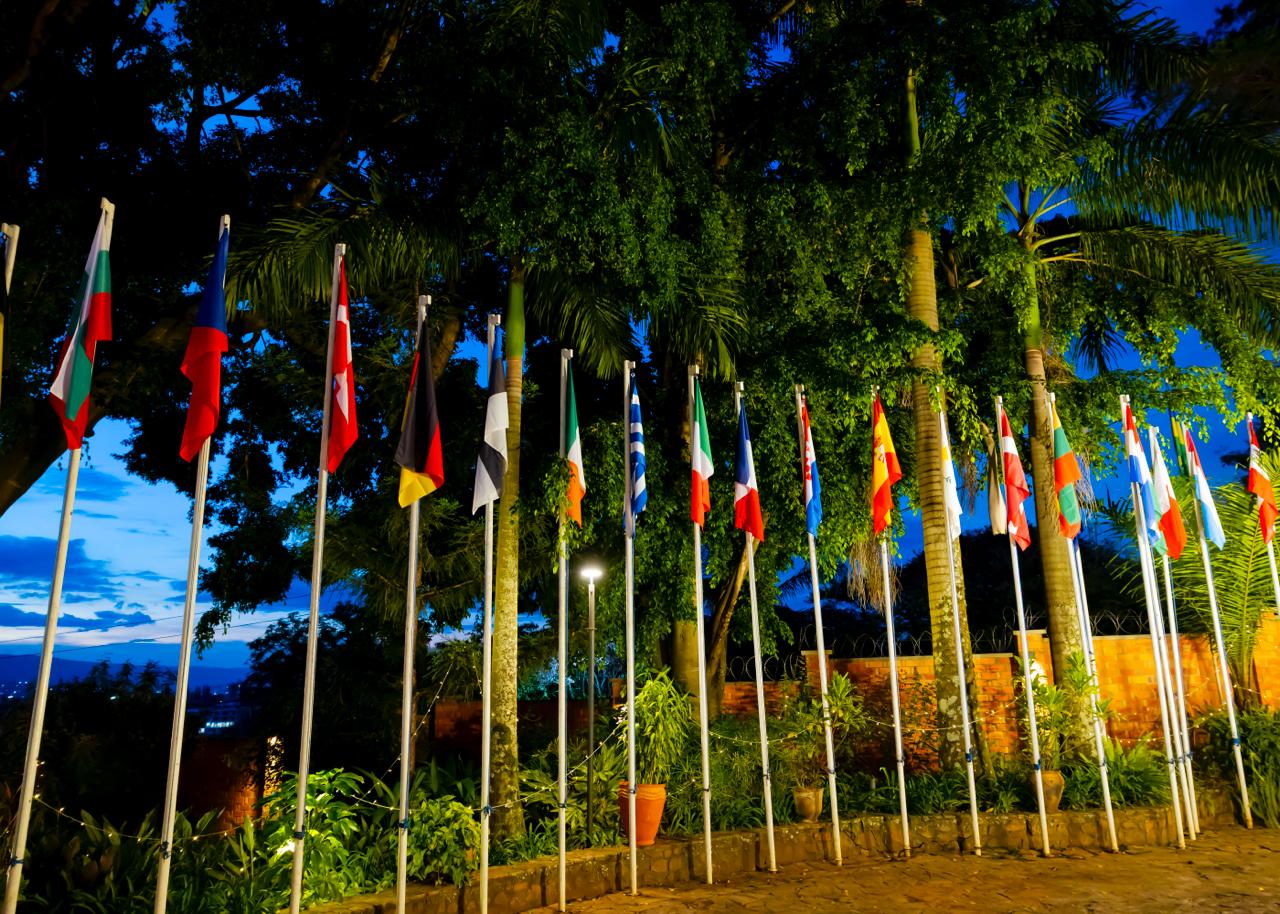
Europe Day, celebrated annually on May 9, commemorates the Schuman Declaration of 1950, widely considered the foundation of the modern European Union. Proposed by then French Foreign Minister Robert Schuman in the aftermath of World War II, the declaration called for European countries to jointly manage coal and steel production, industries central to war-making at the time, in order to make future conflict between historic rivals “materially impossible.”
The declaration laid the foundation for what would later become the European Union, a bloc built around peace, economic cooperation, shared prosperity, and political integration. This year’s celebrations marked 76 years since the declaration and highlighted how those founding ideals continue to shape the EU’s partnerships around the world, including with Rwanda.
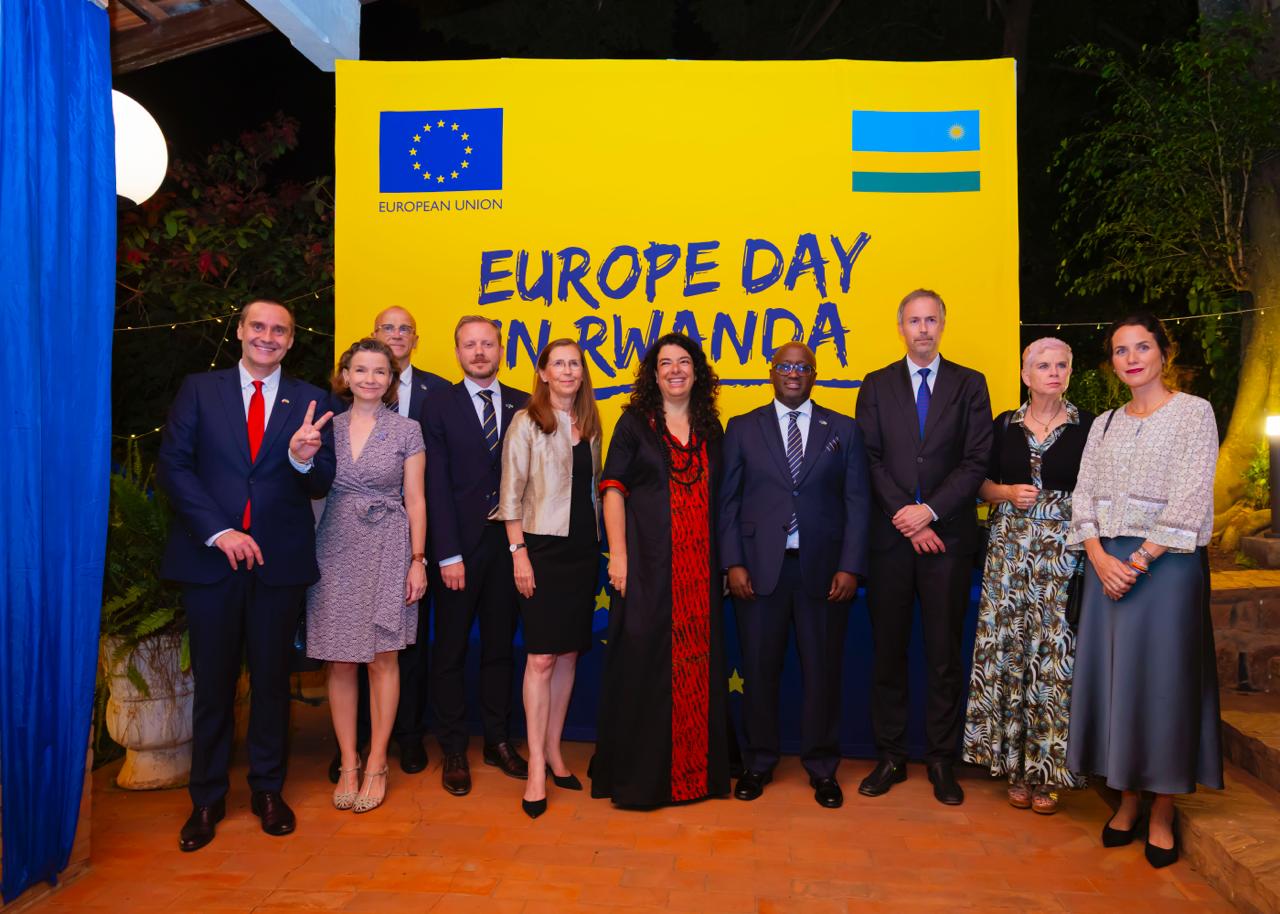
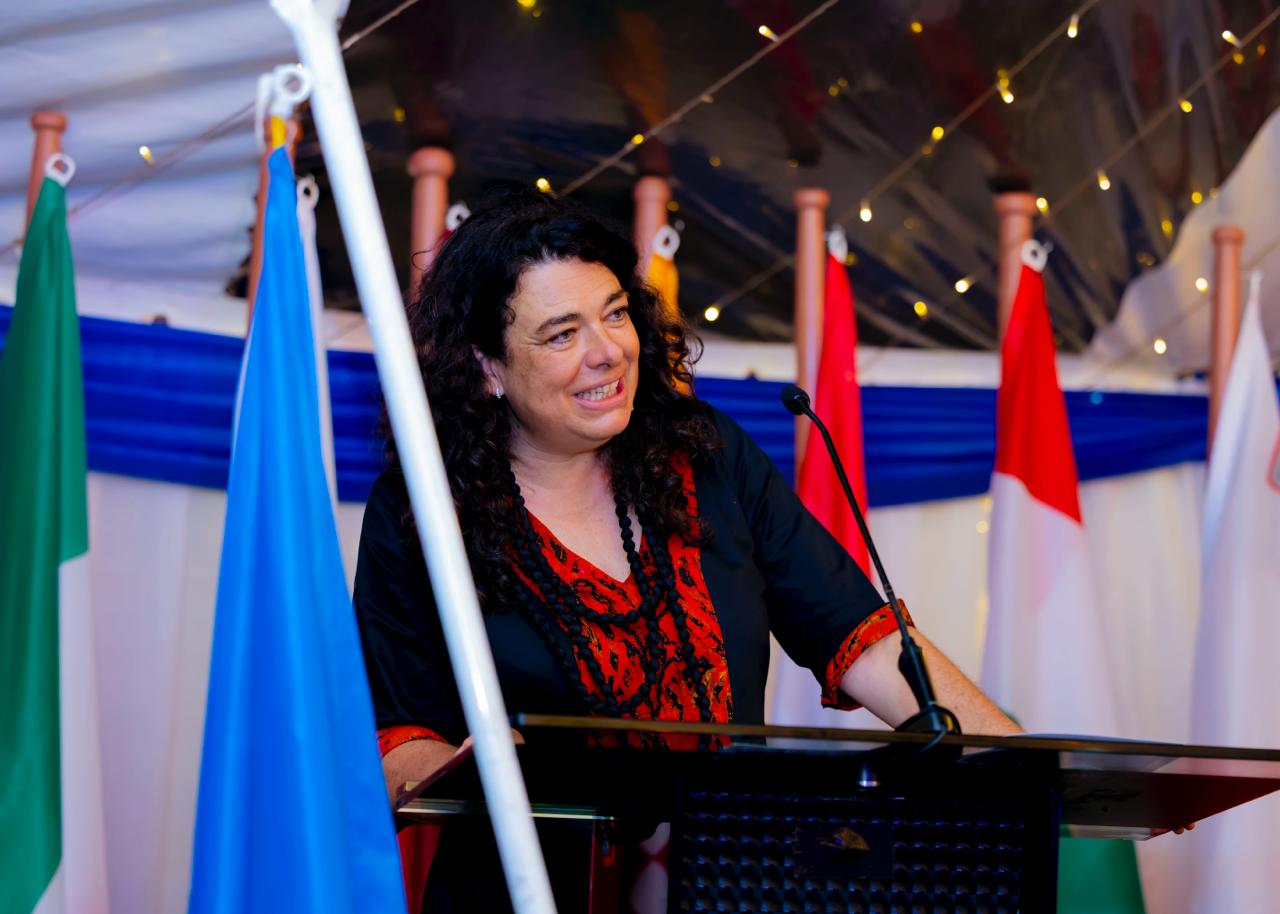
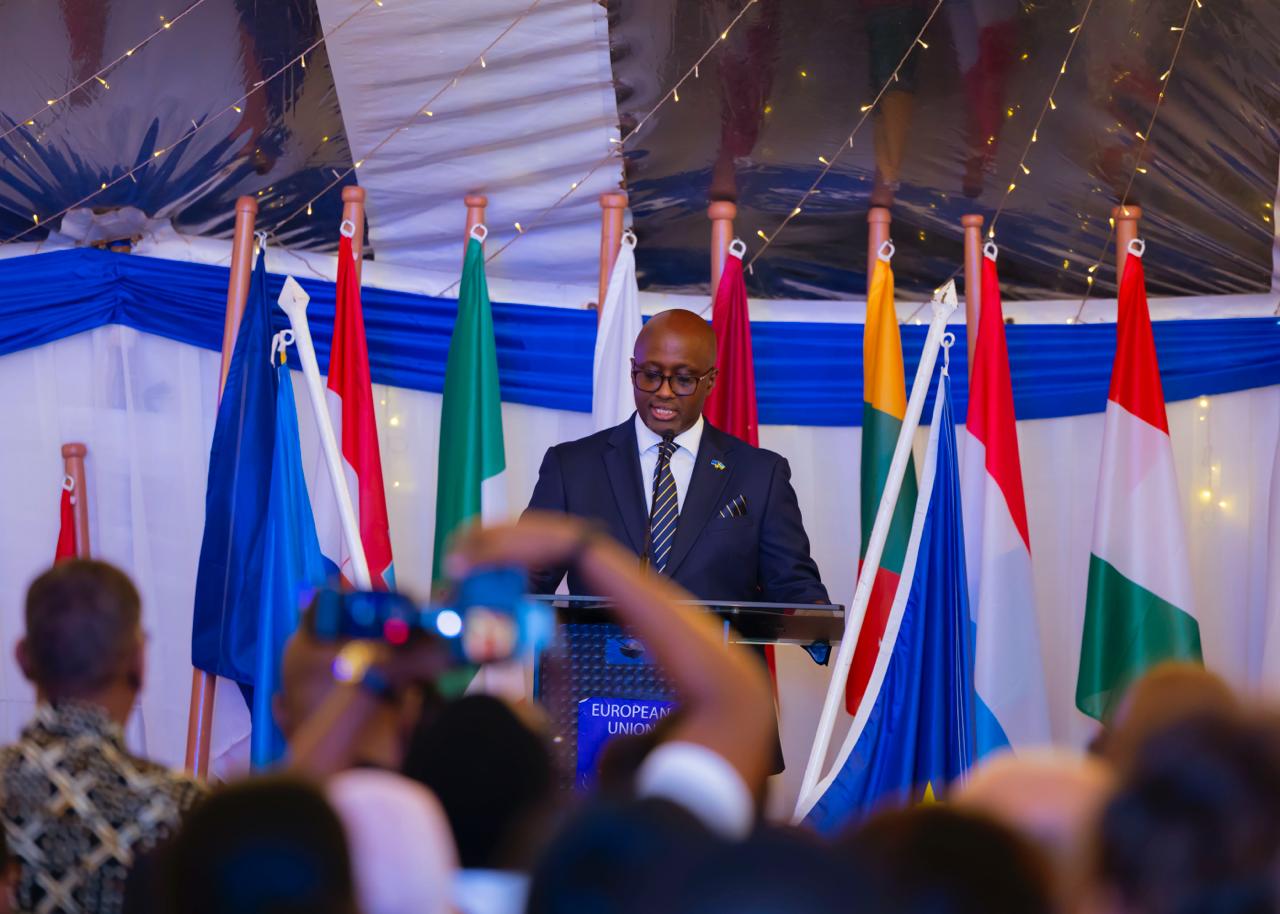
The event, hosted by Ambassador Belén Calvo Uyarra at her residence in Kigali, reflected on the expanding political, economic, and development cooperation between Rwanda and the European Union.
The event highlighted the expanding political, economic, and development cooperation between Rwanda and the European Union.
Addressing guests, the envoy described the Schuman Declaration as “a project for peace and shared prosperity,” noting that its founding principles remain relevant amid rising geopolitical tensions and global uncertainty.
“In a world of international disorder and coercive power politics, the EU stands strong for peace and prosperity, freedom and democracy, unity and diversity, partnerships and multilateralism,” she said.
The ambassador used the occasion, her final Europe Day celebration in Rwanda before the end of her diplomatic mission, to reflect on four years of EU-Rwanda cooperation, describing the partnership as one built on “continuous open dialogue, respect, consistency and trust.”
She pointed to major achievements under the partnership, including support for Rwanda’s ambition to become a regional hub for vaccine manufacturing, youth employment initiatives, climate-smart agriculture, innovation, and infrastructure investment through the EU’s Global Gateway strategy.
Ambassador Belén Calvo Uyarra used the occasion, her final Europe Day celebration in Rwanda before the end of her diplomatic mission, to reflect on four years of EU-Rwanda cooperation.
According to the ambassador, Team Europe has invested more than €1 billion in Rwanda in recent years across sectors including health technology, smart cities, transport infrastructure, critical minerals, and environmental conservation.
“Global Gateway puts the private sector and investment at the heart of the partnership, aligning with Rwanda’s vision to shift from aid to trade,” she said.
She added that more than 300 European businesses are currently operating in Rwanda, with over €1.4 billion in new European investment recorded over the past four years. Rwanda’s exports to the European Union have also grown by 47 percent since 2019.
Among the flagship projects highlighted was the establishment of an ecosystem for pharmaceutical manufacturing in Rwanda, supported by European investment, including German biotechnology company BioNTech.
“What started during COVID as Rwanda’s ambitious vision to manufacture vaccines has become an attractive ecosystem for quality pharmaceutical investment,” the ambassador noted.
The celebrations also focused on regional peace and security, with the ambassador emphasising the EU’s support for diplomatic efforts aimed at restoring stability in eastern Democratic Republic of Congo and dismantling the FDLR militia group, which was formed by individuals responsible for the 1994 Genocide against the Tutsi in Rwanda.
She welcomed ongoing peace initiatives, including the Doha Framework and African Union mediation efforts, while stressing the need for concrete progress on ceasefire implementation and regional trust-building.
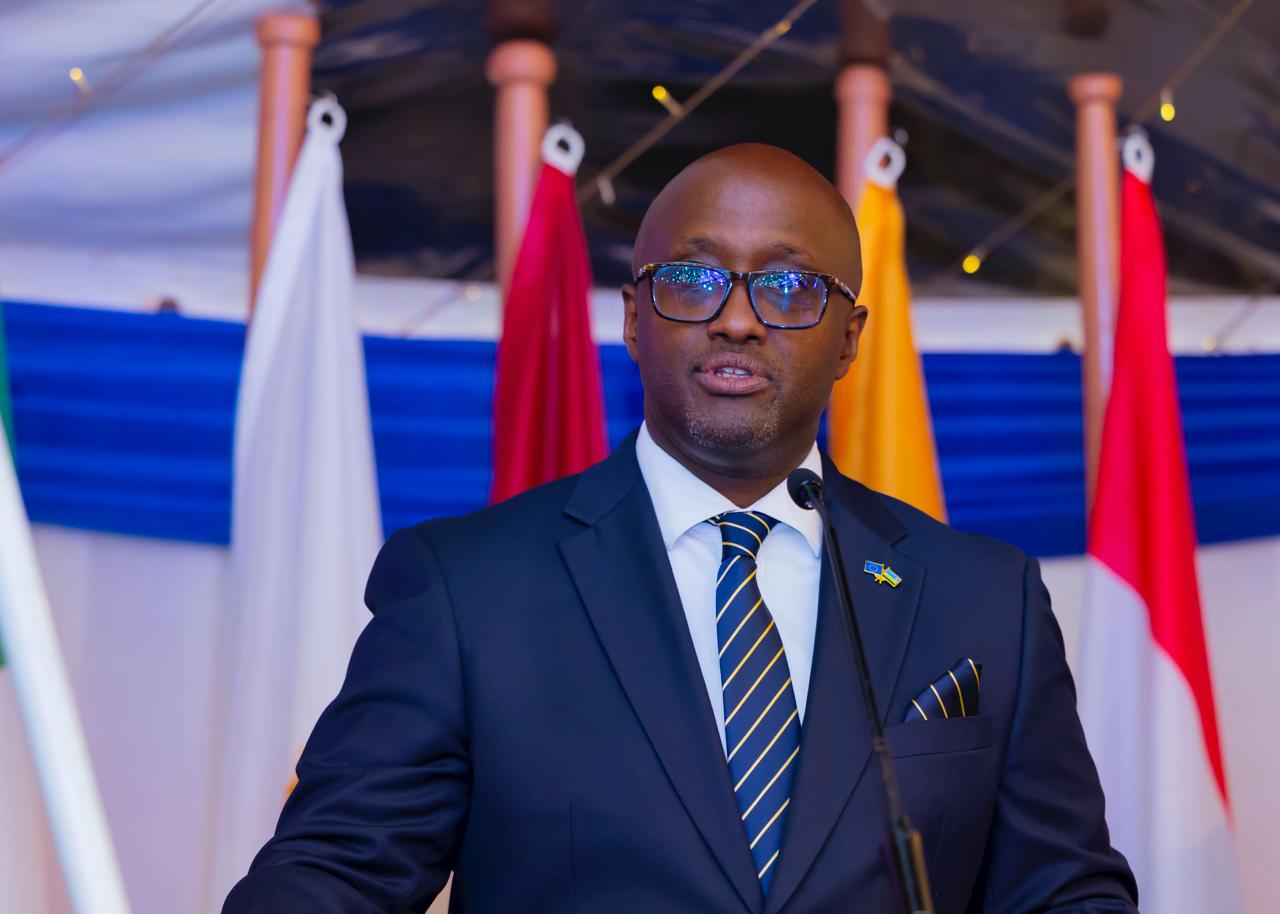
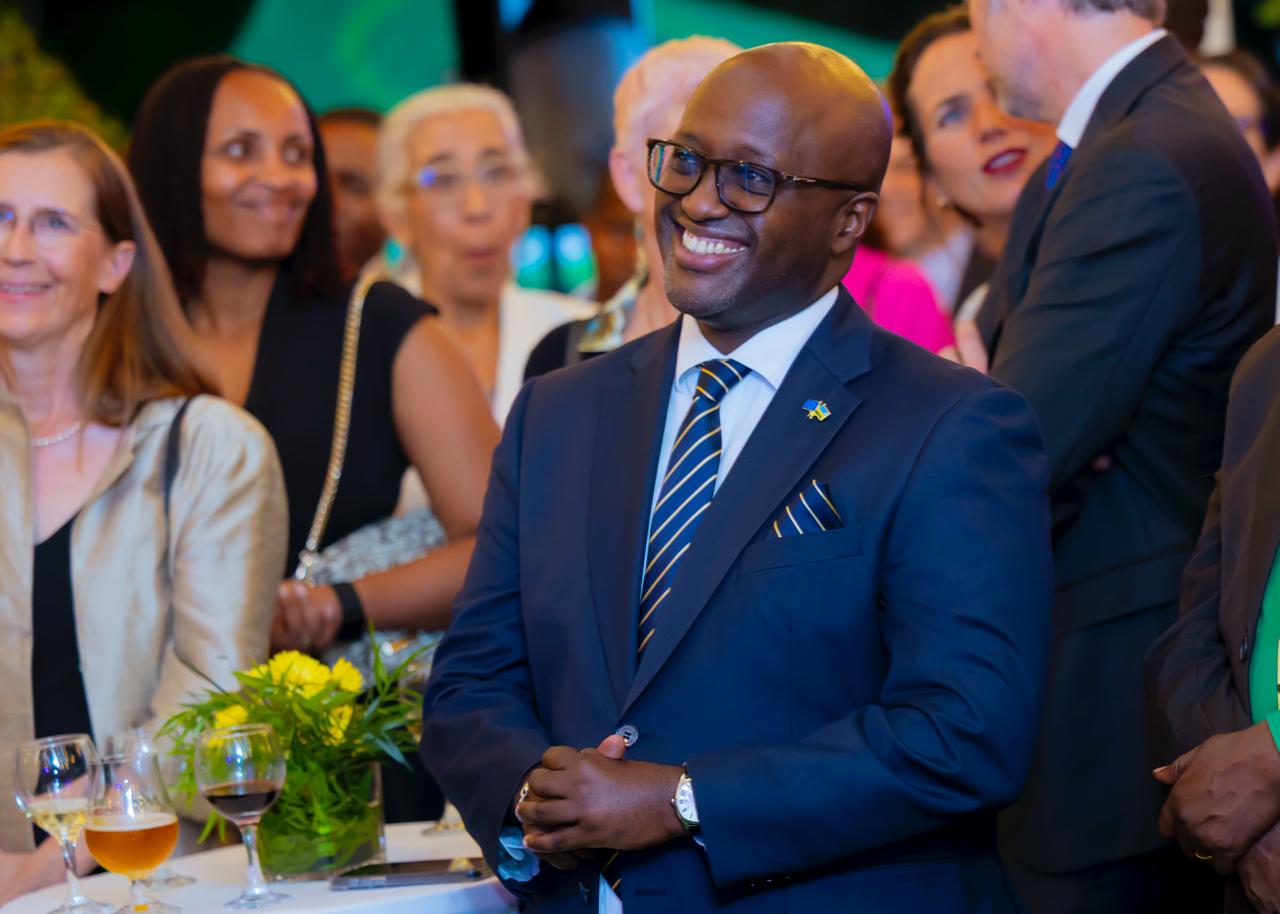
Rwanda’s Minister of Foreign Affairs and International Cooperation, Olivier Nduhungirehe, praised the EU for its continued support to Rwanda’s development agenda and described the partnership as increasingly dynamic and diversified.
“Europe Day offers us a valuable opportunity to celebrate the longstanding and dynamic partnership between Rwanda and the European Union,” he said.
Rwanda’s Minister of Foreign Affairs and International Cooperation, Olivier Nduhungirehe, praised the EU for its continued support to Rwanda’s development agenda and described the partnership as increasingly dynamic and diversified.
Nduhungirehe commended the strengthened cooperation under the Global Gateway strategy and welcomed renewed investment worth €105 million to support Rwanda’s ambitions in vaccine manufacturing and medical innovation.
The vaccine-manufacturing project has been hailed as a major step towards ensuring equitable access to vaccines and strengthening Africa’s capacity to respond to future health emergencies.
Nduhungirehe also reflected on the security dimension of the EU–Rwanda partnership, describing it as a key pillar of bilateral cooperation alongside development and economic engagement.
“The EU has remained a trusted partner of Rwanda throughout our peacekeeping engagements and bilateral interventions around the continent. We hope to continue counting on your support as we get closer to achieving key priorities under the AU’s Silencing the Guns agenda and the UN’s Sustainable Development Goals by 2030,” he added.
The minister also praised Ambassador Belén Calvo Uyarra for her contribution to strengthening political dialogue and expanding cooperation during her tenure in Kigali.
The event celebrated growing people-to-people relations between Rwanda and Europe.
Beyond diplomacy and investment, the event celebrated growing people-to-people relations between Rwanda and Europe through education exchanges, arts, sports, entrepreneurship, and youth innovation initiatives.
The ambassador highlighted programmes such as Hanga Hubs and Aguka, developed in partnership with the Ministries of Youth and ICT as well as United Nations Development Programme (UNDP), which she said contributed to the creation of more than 100,000 jobs over the past two years.
She also announced the creation of a youth sounding board aimed at involving young people more directly in shaping EU policies and partnerships in Rwanda.
“Let us continue working together, uniting in our pursuit of a peaceful and prosperous tomorrow for Rwanda, Europe, Africa, and the world,” the ambassador said as she invoked the philosophy of Ubuntu, which emphasises humanity, interconnectedness, and collective responsibility, focusing on compassion, respect, and community over individual isolation.
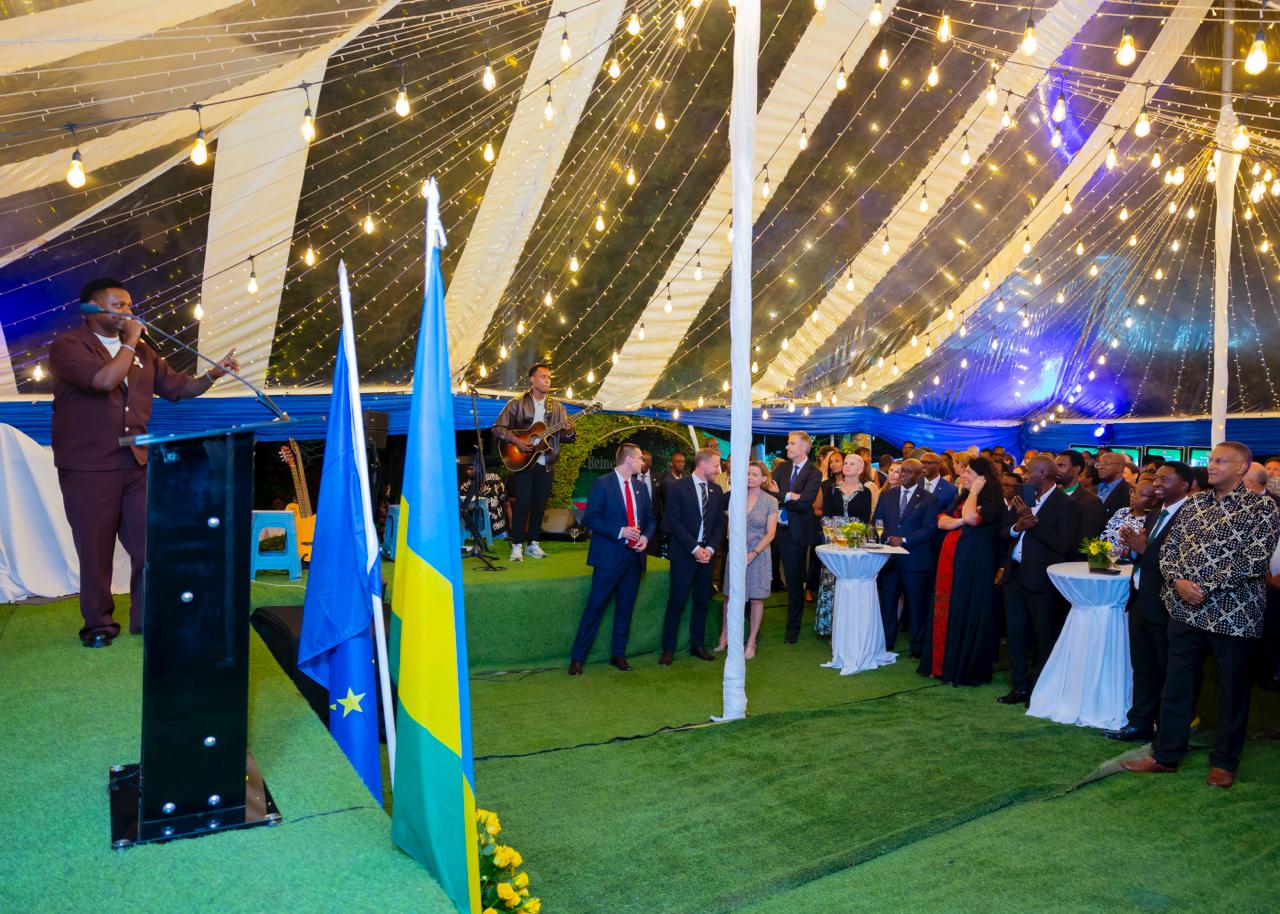
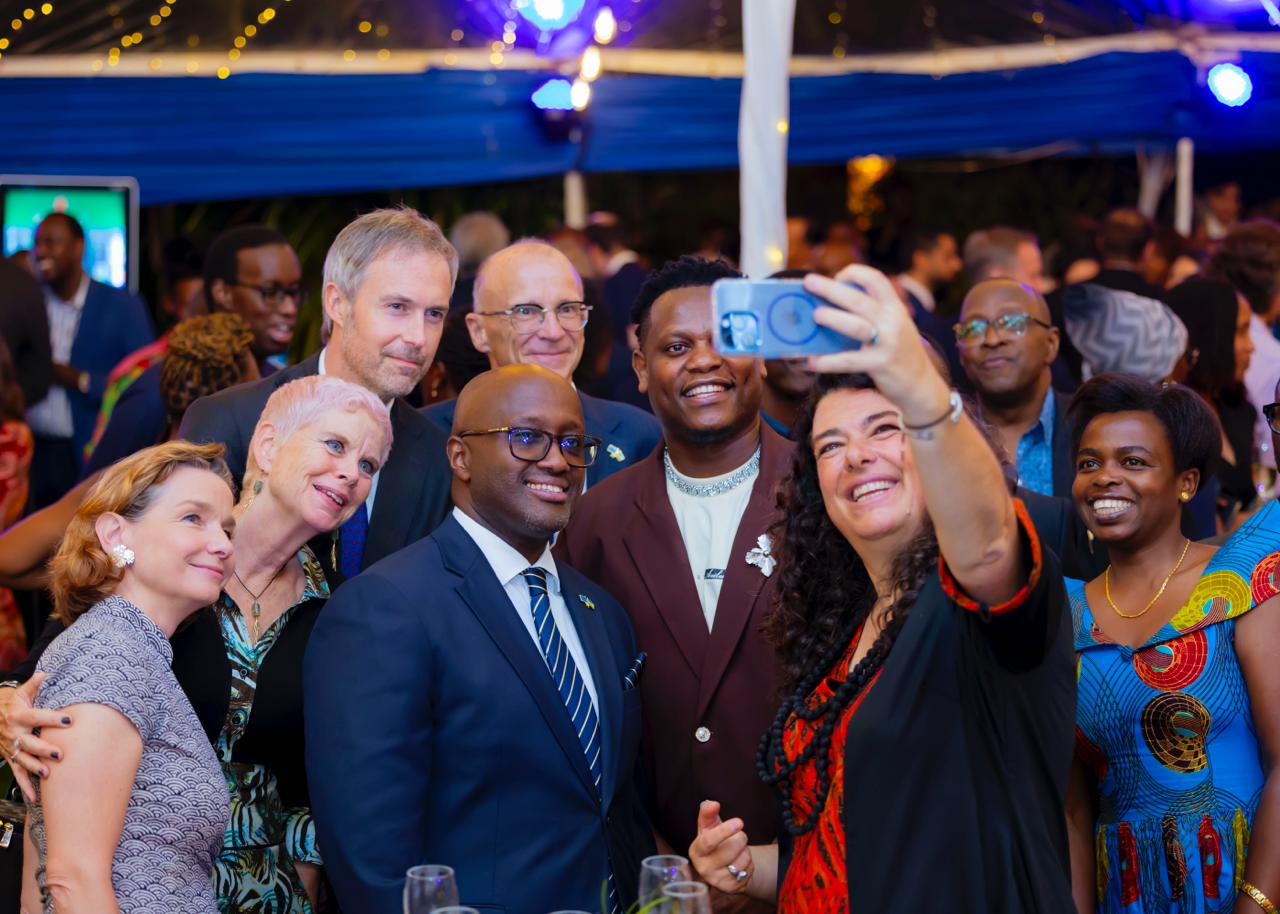
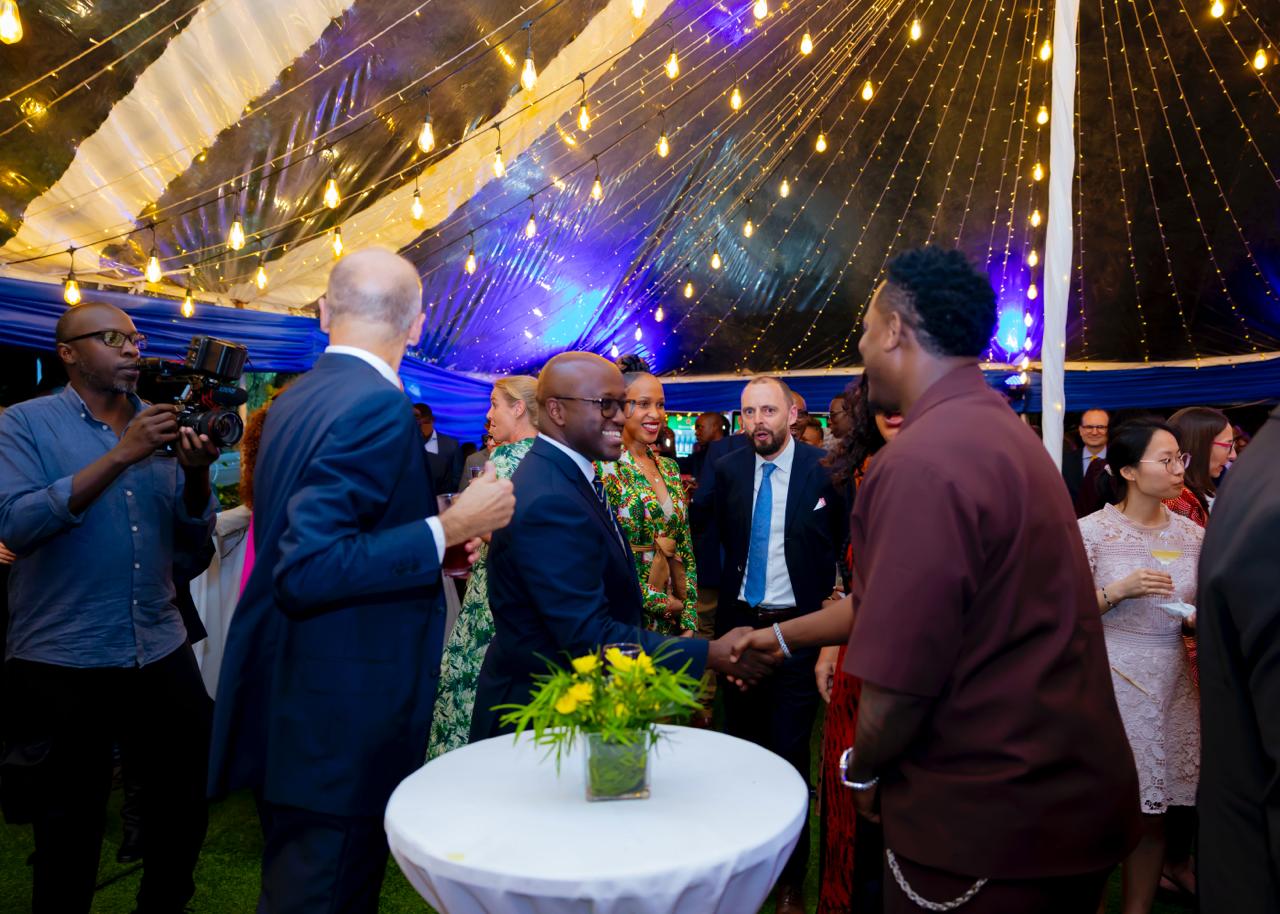
The colourful evening celebration featured performances by bands with a surprise appearance by Bruce Melodie, who has been working with the EU delegation on youth programmes.
Celebrated Rwandan musician Bruce Melodie interacting with VIP guests at the event.Rwanda’s Minister of Foreign Affairs and International Cooperation, Olivier Nduhungirehe, graced the celebration.Nduhungirehe commended the strengthened cooperation under the Global Gateway strategy.Europe Day, celebrated annually on May 9, commemorates the Schuman Declaration of 1950, widely considered the foundation of the modern European Union.