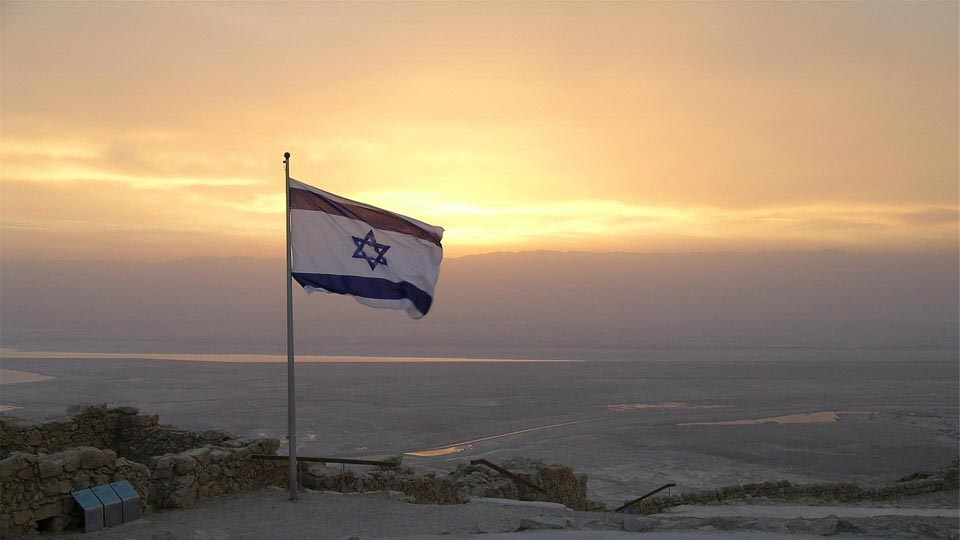
The report said Israel is maintaining a high level of readiness amid the possibility of a near-term U.S. strike on Iran, estimating that if launched, such an operation could develop into a weeks-long campaign.
Officials said U.S. President Donald Trump appears closer to launching a large-scale confrontation in the Middle East, and that Israel is preparing for a scenario in which fighting could break out “possibly within days.”
“We are facing challenging days in relation to Iran,” Boaz Bismuth, chairman of parliament’s Foreign Affairs and Defense Committee, said in the Knesset, adding, “The public is preparing, the authorities are preparing.”
Additionally, a pre-scheduled meeting of Israel’s security cabinet was postponed from Thursday to Sunday, a government official said, amid heightened tensions between Iran and the United States and a U.S. military buildup in the region.
U.S. online outlet Axios reported, citing open-source flight radar data and a U.S. official, that last week Trump sent a second aircraft carrier strike group to the Middle East. More than 50 F-35, F-22, and F-16 fighter jets have moved to the region over the past 24 hours.
Iran and the United States concluded the second round of indirect nuclear talks in Geneva on Tuesday. The negotiations, held at Oman’s embassy in the Swiss city, were mediated by Omani Foreign Minister Sayyid Badr bin Hamad bin Hamood Albusaidi. The first round of the indirect talks took place in the Omani capital Muscat on Feb. 6.
Mozambique is among countries in the Southern African region looking to benchmark with nations like Rwanda, which has successfully rolled out an e-government portal handling over 100 government services, making service delivery to citizens easier, more convenient, and paperless.
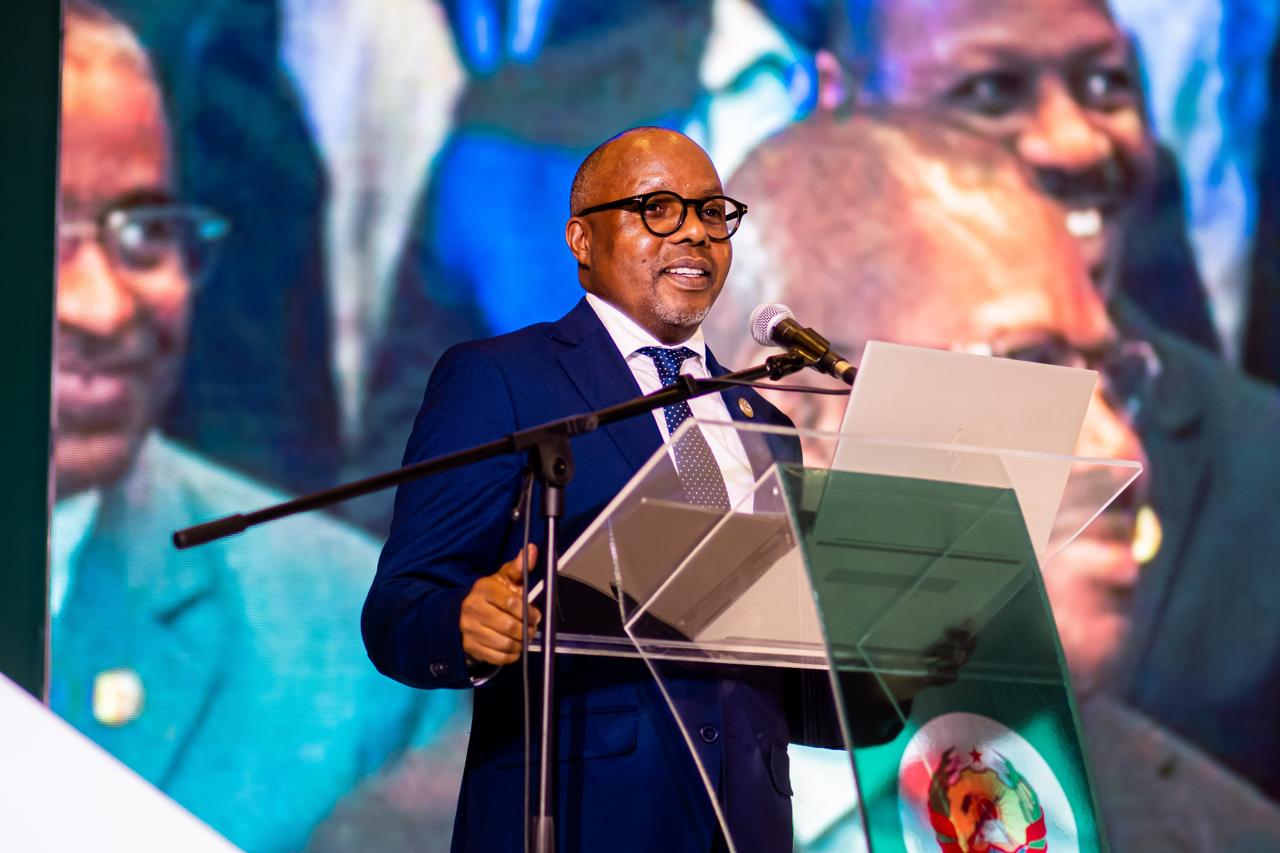
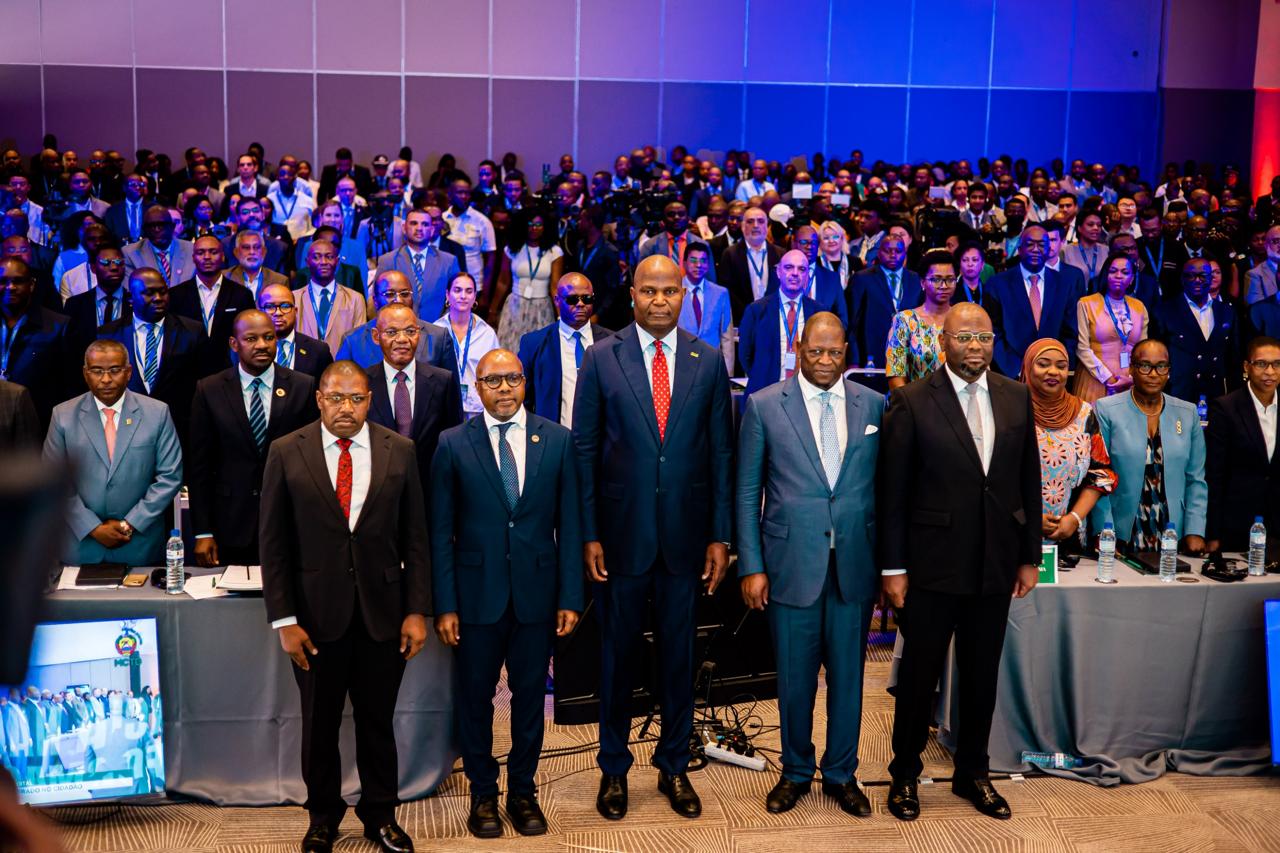
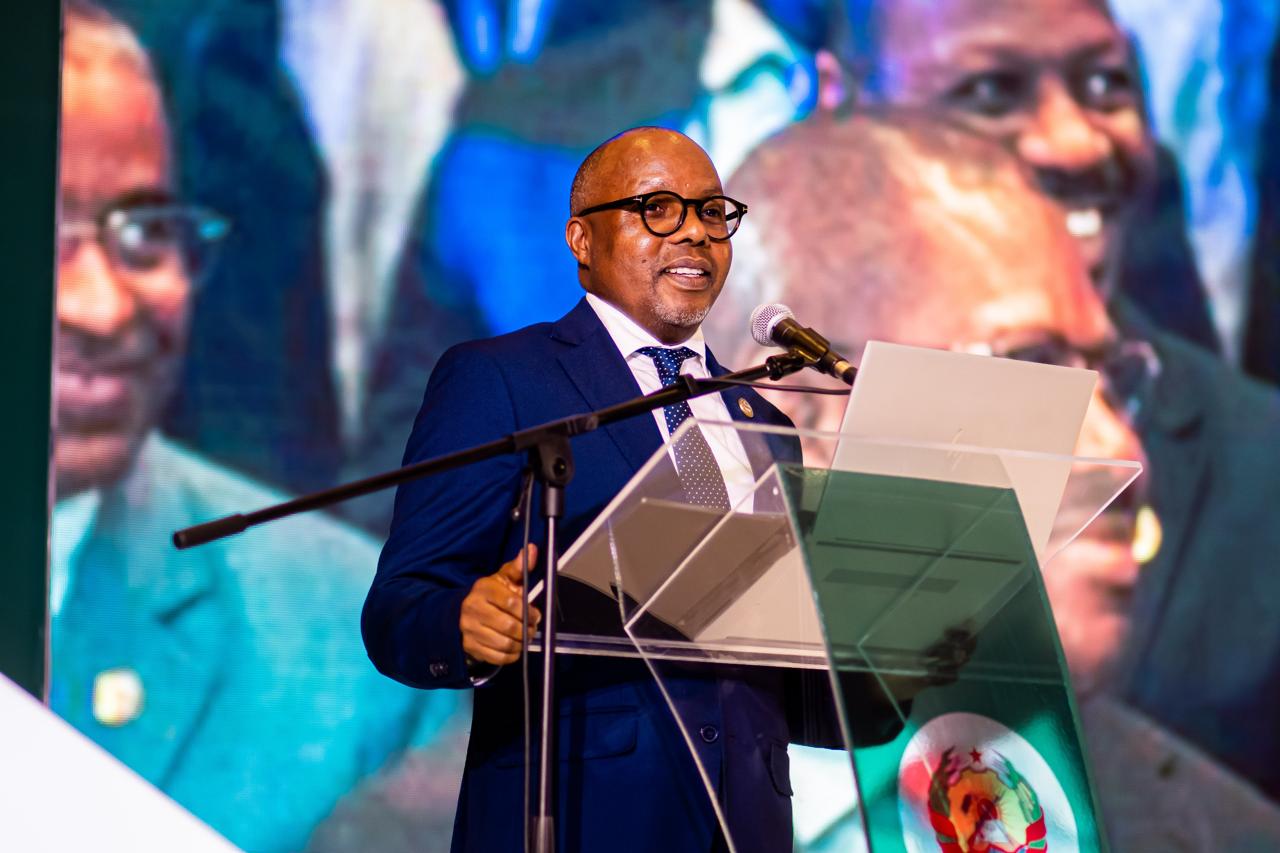
Speaking after the First National Conference on Digital Transformation, Américo Muchanga, Minister of Communications and Digital Transformation, said the government is learning from other countries’ experiences to overcome challenges and deliver high-quality digital services.
“We want to move at the same pace as those ahead, learning from those who have done it already, learning from the challenges they faced and how they overcame them to bring about the same level of services that you can find in those countries,” the minister said.
He acknowledged that the path ahead will not be easy but emphasised that Mozambique is prepared to combine political will, digital infrastructure, and private-sector involvement to make the transformation a reality.
The minister also outlined opportunities for investors and companies, saying, “Mozambique is open for business. All our tenders for digital systems and infrastructure are international. We invite companies in the technology sector to look to Mozambique as a place to invest and deliver the services we need as a nation.”
Mozambique’s digital agenda includes the creation of a Multi-Sector Technical Commission to develop a national roadmap for integrating public services. The government aims to enable citizens and businesses to access services such as identity documentation, licensing, tax payments, and business registration through interoperable platforms and a central Citizen Portal, reducing bureaucratic delays and improving transparency.
Muchanga highlighted the role of technology in disaster management, noting Mozambique’s recent floods and cyclones.
“We are using telecommunication networks to send messages to people in affected areas, and we employ drones to assess damage and locate stranded citizens. Technology has a crucial role in saving lives and building resilient communities,” he said.
As Mozambique advances its digital transformation agenda, the government hopes that partnerships with regional and international technology players will accelerate the rollout of integrated public services, strengthen resilience to natural disasters, and bring the country closer to its goal of building a seamless, citizen-centred digital state.
Mozambique’s President, Daniel Francisco Chapo, has framed digitalisation as a governance reform rather than a purely technological upgrade.
Delivering the verdict on Thursday, Presiding Judge Ji Gwi-yeon said, “The declaration of martial law resulted in enormous social costs, and it is difficult to find any indication that the defendant has expressed remorse for that.”
“As to defendant Yoon Suk Yeol, the crime of insurrection leadership is established,” the judge said. “We sentence Yoon to life imprisonment.”
The ruling by the Seoul Central District Court concluded that Yoon led the events of December 3, 2024. Prosecutors had sought the death penalty for the impeached leader, who was removed from office after declaring martial law.
According to Yonhap News Agency, the court determined that a central element of the case was Yoon’s deployment of military forces to the National Assembly of South Korea in December 2024.
Judges found he intended to disrupt and paralyze parliamentary operations for a significant period, though they rejected claims that he sought to establish a long-term dictatorship.
Throughout the trial, Yoon, 65, denied wrongdoing, insisting he had constitutional authority to impose martial law and that the move was meant to counter obstruction by opposition parties.
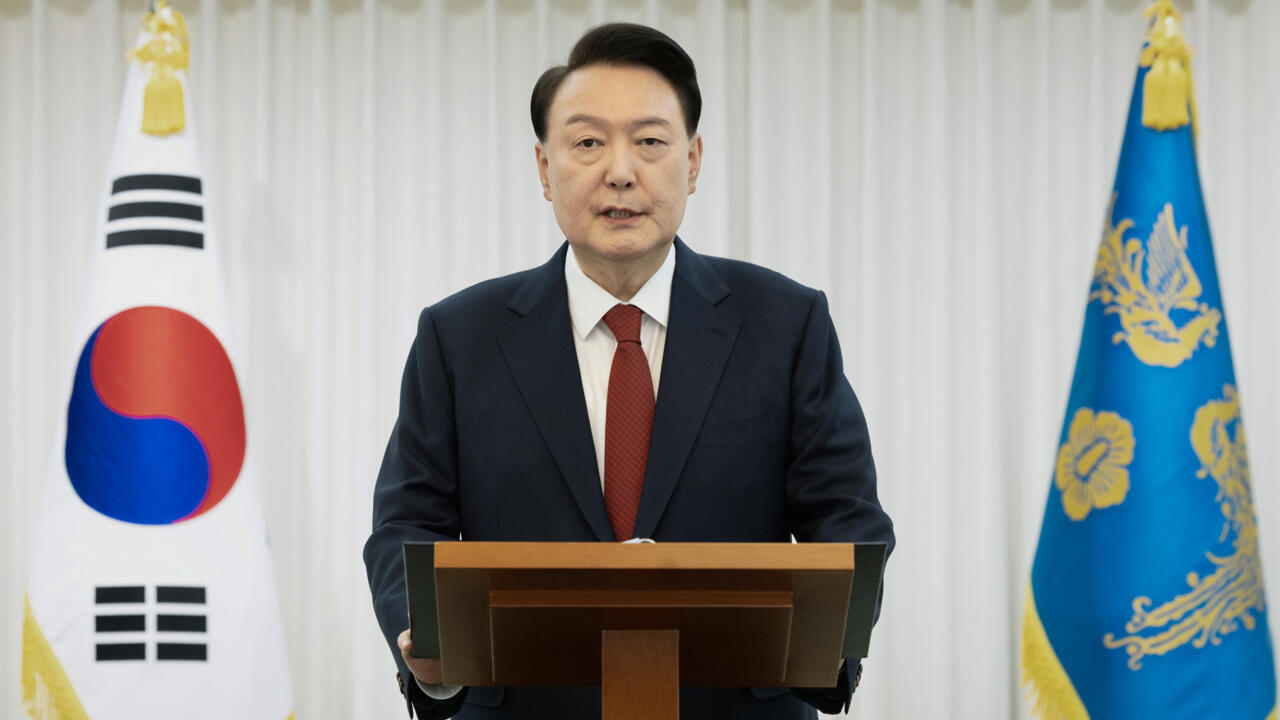
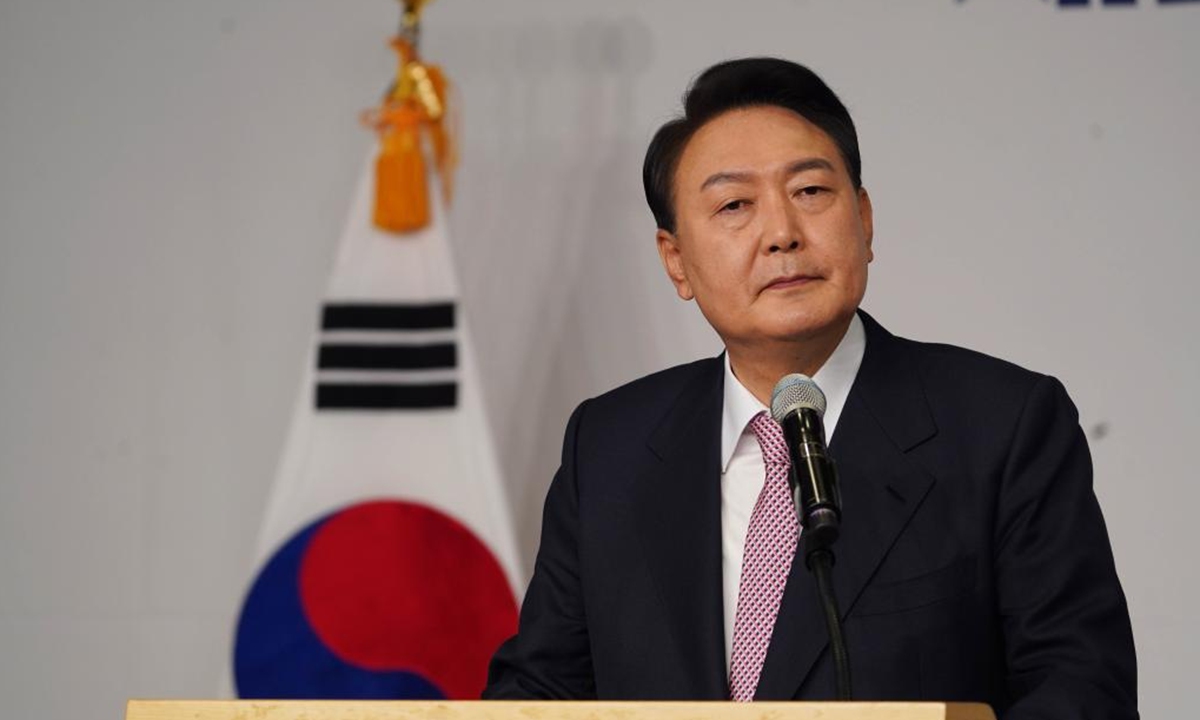
Former South Korean President Yoon Suk Yeol speaking at a past event before his arrest.
According to data from the National Agricultural Export Development Board (NAEB), coffee and tea remained the leading foreign exchange earners during the period under review.
Coffee leads export revenues
Coffee recorded export volumes of 741 metric tons, generating $4,854,267 in revenues, the highest among all product categories. The strong performance underscores Rwanda’s reputation for high-quality speciality coffee in global markets.
Tea followed closely, with 1,097 metric tons exported and revenues amounting to $3,175,927, reinforcing its position as one of the country’s traditional top export commodities.
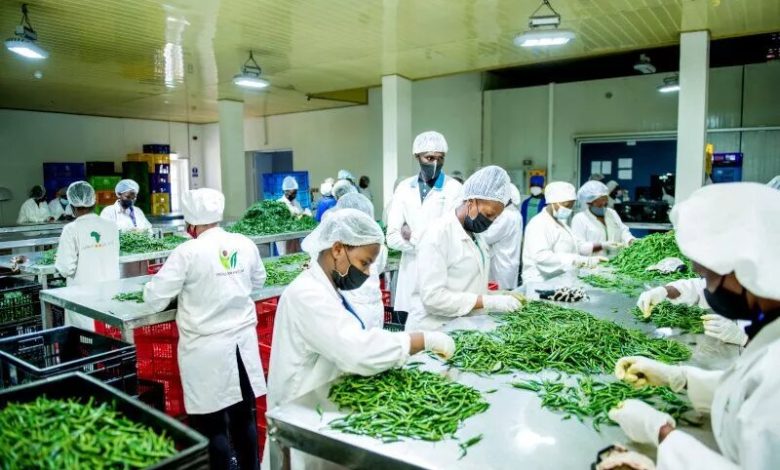
Vegetable exports reached 509 metric tons, generating $485,340. Key destination markets included Great Britain, the Netherlands, the United Arab Emirates, France, China, as well as cross-border and other African countries.
Fruit exports totalled 385 metric tons and earned $286,215. Japan, Great Britain, Vietnam, and regional African markets were among the primary destinations.
Flower exports, though smaller in volume at 44 metric tons, generated a notable $388,241. Major markets included Nigeria, the Netherlands, and the United Kingdom.
Diversified agricultural products accounted for the largest export volume at 6,500 metric tons, bringing in $3,431,876. The main destinations for these products were the United States of America, Oman, India, and cross-border and other African countries.
Animal products also contributed to overall earnings, with 266 metric tons exported and revenues totalling $449,009, largely destined for cross-border and regional African markets.
The export data highlights Rwanda’s expanding footprint across Europe, Asia, the Middle East, North America, and intra-African markets. The diversified export basket demonstrates the country’s ongoing efforts to strengthen agricultural value chains and enhance competitiveness in international trade.
Diversified agricultural products accounted for the largest export volume at 6,500 metric tons, bringing in $3,431,876.
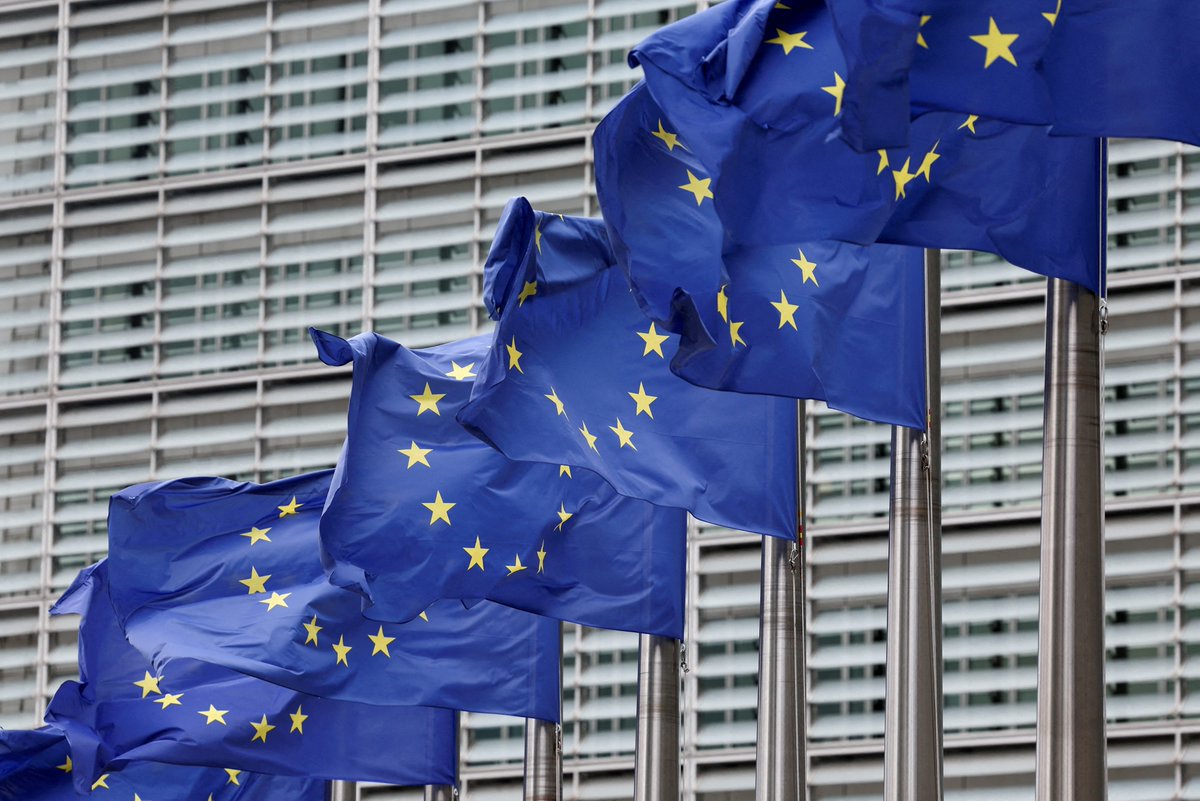
“Following its annual review of restrictive measures in relation to Zimbabwe, the EU has lifted all provisions concerning individuals and entities while extending the arms embargo,” the delegation said in a statement.
According to the European Council, the embargo will remain in force until Feb. 20, 2027.
The bloc imposed sanctions on Zimbabwe in 2002, citing “serious concern” about the situation in the country.
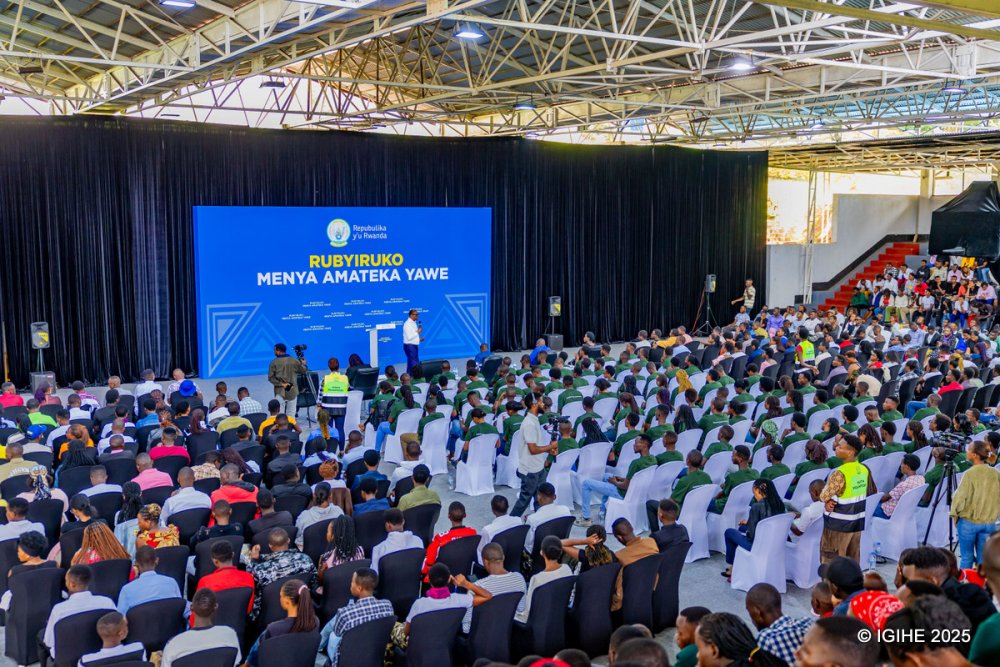
Scheduled for February 21, 2026, in Paris, the event will bring together nearly 500 Rwandans, particularly young people born abroad or those who left Rwanda at a very young age in 1994 during the Genocide against the Tutsi, along with representatives of diaspora associations and community leaders from several European countries.
Designed as a space for exchange, sharing, and information, this dialogue will provide an opportunity to better understand Rwanda’s journey in building national unity, addressing the challenges encountered over the years, and presenting the opportunities available to the diaspora to remain connected to their country of origin.
At the heart of this initiative is the desire to create a welcoming environment where everyone can share their life experiences, their attachment to Rwanda, and the ways in which they keep Rwandan culture alive in Europe. Discussions will focus in particular on identity transmission, the importance of family narratives, the role of youth in preserving cultural reference points, and the contribution of associations to community cohesion.
The day’s program will revolve around keynote speeches, expert panels, the sharing of lived testimonies, and plenary discussions.
Beyond the formal exchanges, this gathering is above all intended as a moment of reunion and sociocultural dialogue, where the Rwandan diaspora can strengthen its ties, value its shared identity, and pass on to younger generations the values of solidarity, respect, and resilience that define the community.
Dr. Jean Damascene Bizimana, Minister of National Unity and Civic Engagement, interacts with youth on Rwandan history at a past event.
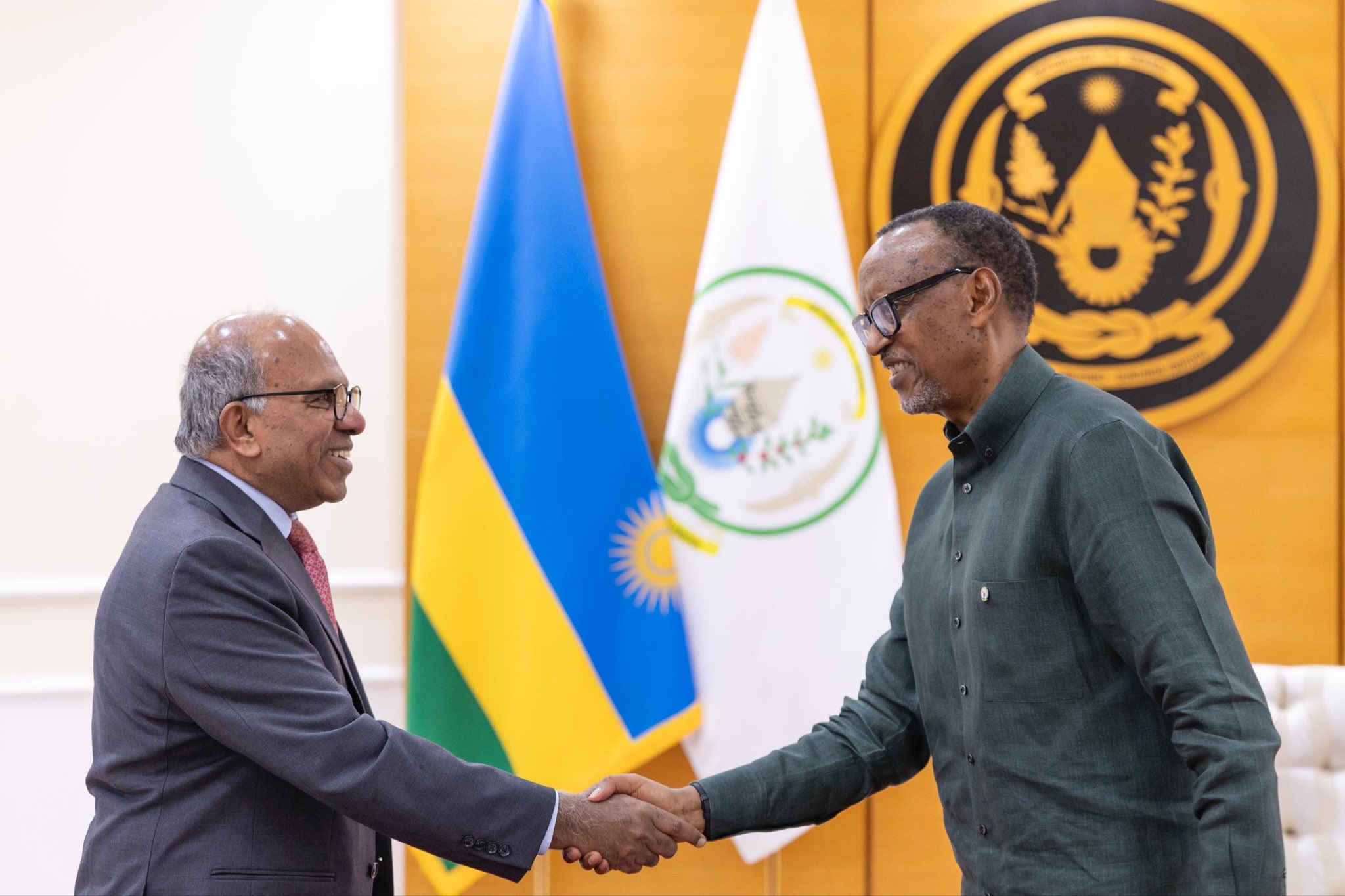
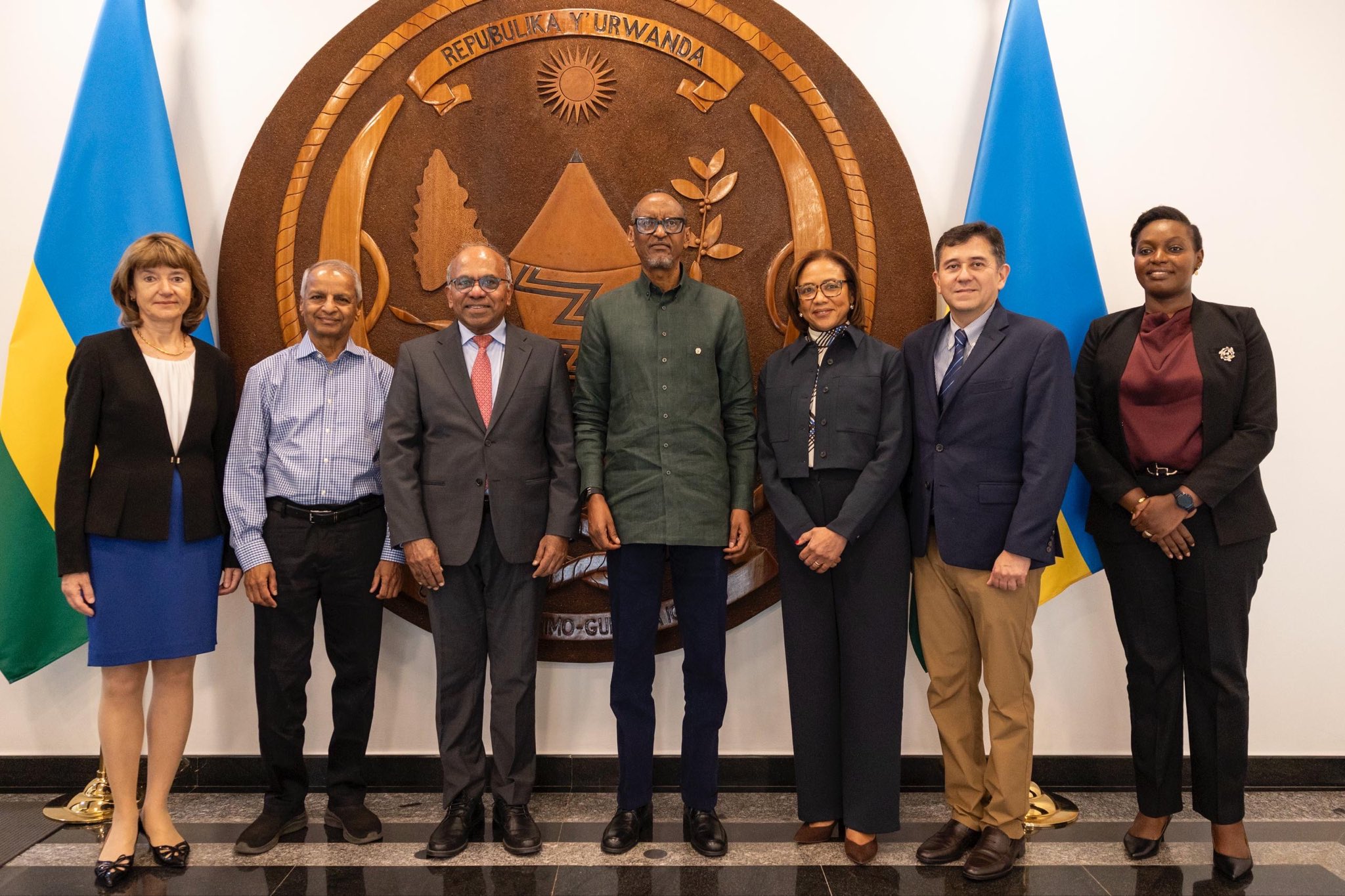
The delegation included Prof. Subra Suresh, Founder and President of the Global Learning Council; Michelle Gyles-McDonnough, Executive Director of the United Nations Institute for Training and Research (UNITAR); Dr. Lee Howell, Executive Director of the Villars Institute; and Dr. Gururaj Deshpande, Co-founder of the Deshpande Foundation.
The conference’s objectives focus on the intersection of education, health, environment, and sustainability. The conference is designed as a practical forum to co-design new learning models, with sessions exploring how artificial intelligence and exponential technologies can be harnessed responsibly to expand access to quality education.
It will also highlight the integration of human health and planetary sustainability into lifelong learning, the alignment of education with the green economy and entrepreneurship, and innovative approaches for governments, NGOs, and the private sector to fund education at scale. Alongside the main conference sessions, an AI hackathon and a student robotics competition will engage young innovators in shaping the future of learning.
Each guest brings a wealth of experience and forward-thinking ideas to the conversation. Prof. Subra Suresh is known for pioneering initiatives in global learning and science policy through the Global Learning Council, while Michelle Gyles-McDonnough drives innovative approaches to UN training, capacity building, and sustainable development education at UNITAR.
On the other hand, Dr. Lee Howell focuses on environmental sustainability and systemic change as Executive Director of the Villars Institute, and Dr. Gururaj Deshpande has championed entrepreneurship and innovative educational initiatives through the Deshpande Foundation.
The delegation included Prof. Subra Suresh, Founder and President of the Global Learning Council; Michelle Gyles-McDonnough, Executive Director of the United Nations Institute for Training and Research (UNITAR); Dr. Lee Howell, Executive Director of the Villars Institute; and Dr. Gururaj Deshpande, Co-founder of the Deshpande Foundation.
Speaking at the country’s First National Conference on Digital Transformation in Maputo last week, President Daniel Francisco Chapo framed digitalisation as a governance reform rather than a purely technological upgrade.
“Countries are not transformed only with physical infrastructure. They are also transformed through digital infrastructure that connects citizens to the State and to opportunity,” he said.
At the heart of the initiative is the creation of a Multi-Sector Technical Commission on Digital Services, tasked with delivering a national roadmap for integrating public digital systems by mid-2026. The Commission will map existing platforms, promote interoperability, eliminate duplication, and define a strategy for a fully connected government.
President Chapo acknowledged that fragmentation across government institutions—such as separate databases and non-communicating systems—creates inefficiencies and administrative burdens.
“There must be no technological islands within the State,” he said.
The reform aims to enable citizens and businesses to access services such as identity documentation, licensing, tax payments, and business registration remotely through interoperable platforms and a central Citizen Portal.
Officials say digital integration could reduce bureaucratic delays, improve transparency, and strengthen Mozambique’s investment climate, a key priority as the country seeks to expand private-sector participation and align with regional digital trade frameworks under the African Continental Free Trade Area (AfCFTA).
Mozambique has already established a dedicated Ministry of Communications and Digital Transformation, consolidating institutional leadership of the digital agenda. The initiative comes amid recent floods affecting several provinces, with President Chapo noting that digital platforms are vital for disaster preparedness, early warning systems, and secure preservation of administrative records.
“Yesterday, independence was measured by control of territory. Today, it is also measured by the ability to govern the digital space,” President Chapo said, framing digital transformation as a pillar of national sovereignty.
The conference also saw the unveiling of a new electronic visa (e-Visa) platform, which allows remote applications and faster processing to streamline entry, boost tourism, and improve the ease of doing business.
Mozambique’s “one-click” ambition reflects a broader effort to learn from successful ICT integration models in Africa, including Rwanda’s Irembo platform and Kenya’s M-Pesa system, which Mozambique has recently adopted to expand access to mobile money.
Last August, President Chapo visited Rwanda, including the Kigali Special Economic Zone, where he explored the country’s industrial, manufacturing, and business infrastructure and held discussions with President Paul Kagame on economic and technological cooperation.
“We want to move at the same pace as those ahead, learning from those who have done it already, understanding the challenges they faced and how they overcame them to bring about the same level of services that can be found in those countries,” said Mozambique’s Américo Muchanga, Minister of Communications and Digital Transformation, adding that tech companies from the region can compete for tenders to help transform the country.
While the digital reform signals strong political commitment, implementation will depend on institutional coordination, infrastructure expansion, digital literacy, and sustained financing. Mozambique’s internet penetration, rural connectivity gaps, and cybersecurity capacity remain structural factors that will influence the pace of transformation.
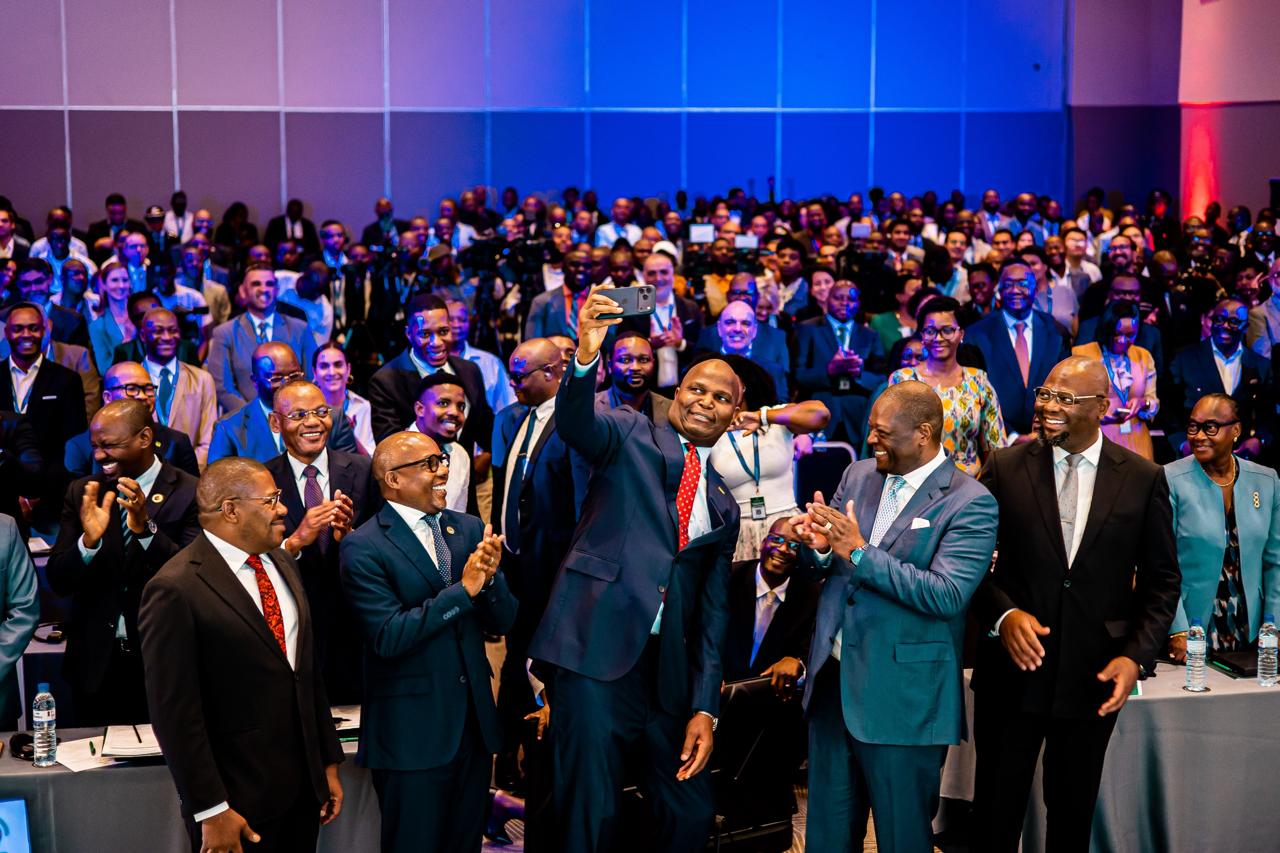
President Daniel Francisco Chapo framed digitalisation as a governance reform rather than a purely technological upgrade.Mozambique’s First National Conference on Digital Transformation was held in Maputo last weekMozambique’s ICT Minister Américo Muchanga addresses the conference.
The race, which will be staged for the 18th time since attaining international status, is scheduled to run from Sunday, February 22 to March 1, 2026. It will traverse various regions of the country and feature 18 teams.
Four Rwandan teams will take part: Team Rwanda (the national team), May Stars, Benediction Banafrica Team and Team Amani. The remaining 14 teams will come from abroad.
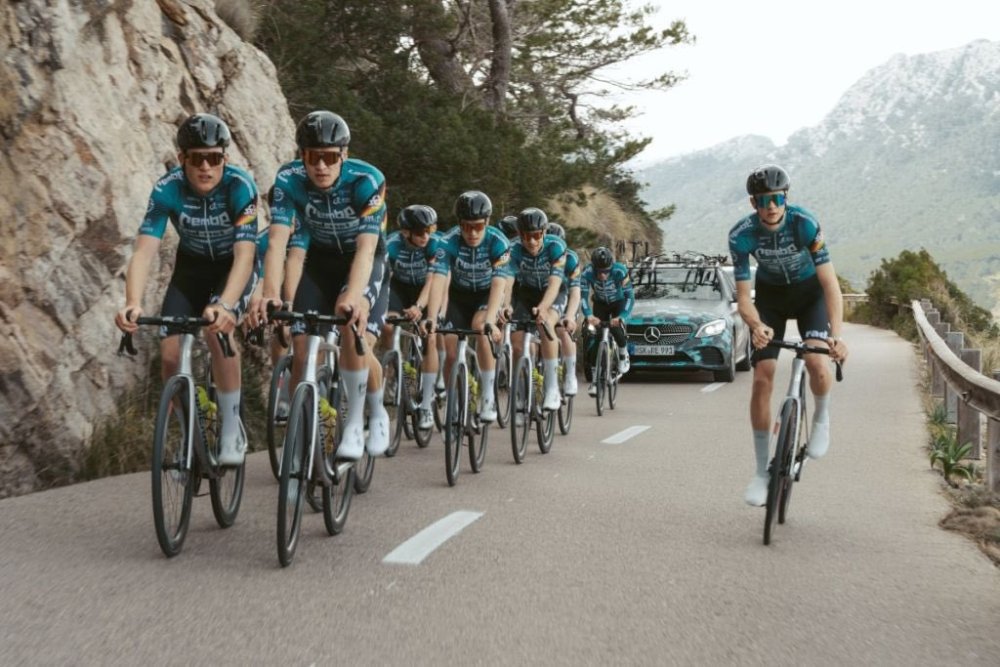
Rembe–Rad-Net Pro Cycling Team touched down in Kigali on Tuesday, February 17, 2026, becoming the first international squad to arrive. On Thursday, February 19, four additional teams are expected: Picnic PostNL of the Netherlands, Lotto Intermarché of Belgium, Soudal Quick-Step of Belgium and Movistar of Spain.
The official team presentation will take place on Saturday, February 21, at 6:00 p.m. at the Kigali Convention Centre. All 18 teams and the 90 riders set to compete will be unveiled during a ceremony open to the public.
UAE Team Emirates Gen-Z, which had initially been listed among the participants, will no longer compete but has since been replaced.
Teams confirmed for Tour du Rwanda 2026
National teams: Rwanda, Eritrea, South Africa and Ethiopia.
Continental teams: Amani, Benediction Banafrica, May Stars, Madar, Rembe–Rad-Net, Localiza Meoo, Bike Aid, Istanbul and Tshenolo Pro.
World Tour development teams: Movistar, NSN, Soudal Quick-Step, Picnic PostNL and Lotto Intermarché.
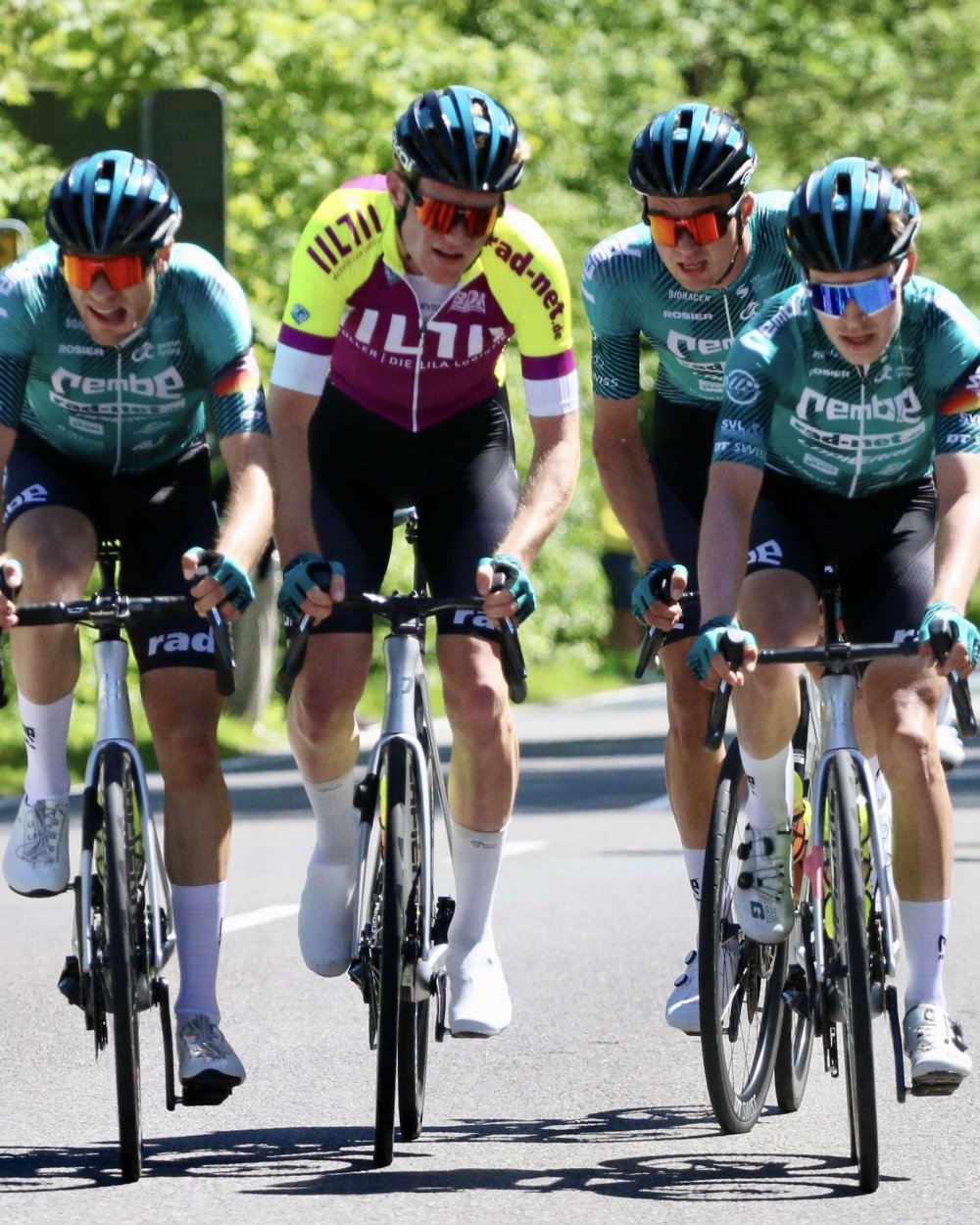
German club Rembe Rat arrived in Kigali on Tuesday ahead of the race which starts on Sunday, February 22.
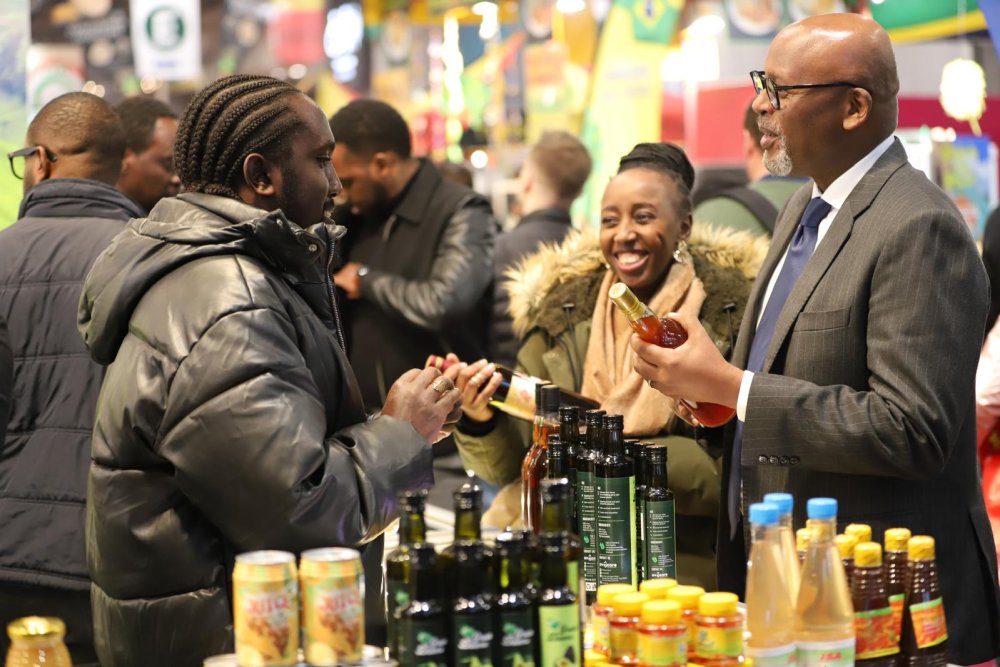
Recognized as a major crossroads for global agriculture, the event brings together professionals, institutions, investors, and visitors from around the world, creating a unique space for dialogue, exchange, and strategic partnerships.
This year again, Rwanda will take part in this major international gathering to showcase its agricultural potential, its expertise, and its ambitions in agro-processing and investment.
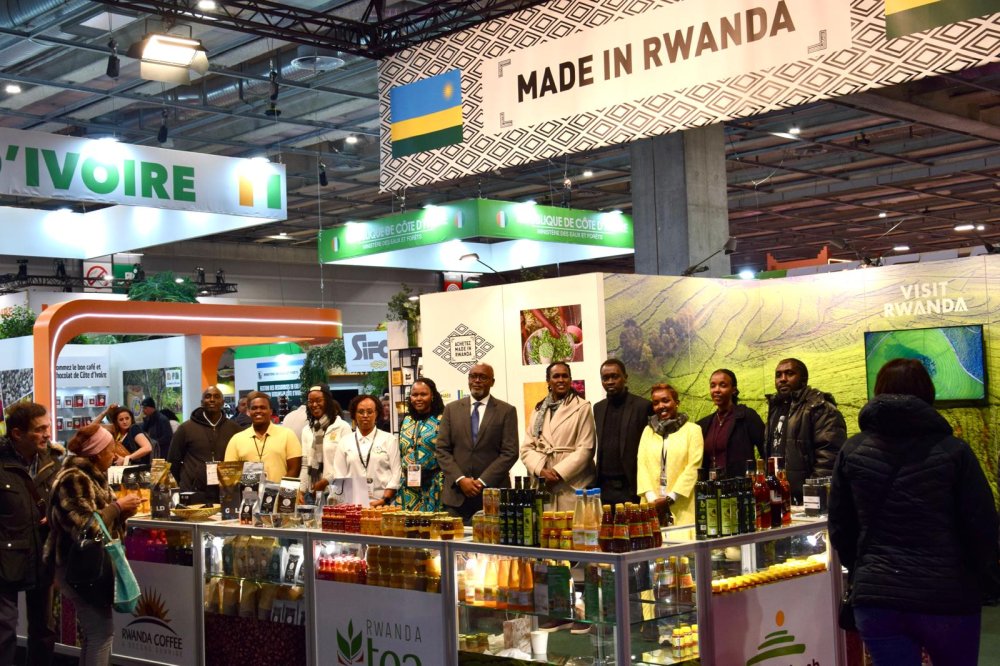
Rwanda’s participants will be led by theNational Agricultural Export Development Board (NAEB), in collaboration with the Embassy of Rwanda in France, alongside fifteen companies and entrepreneurs traveling from Rwanda.
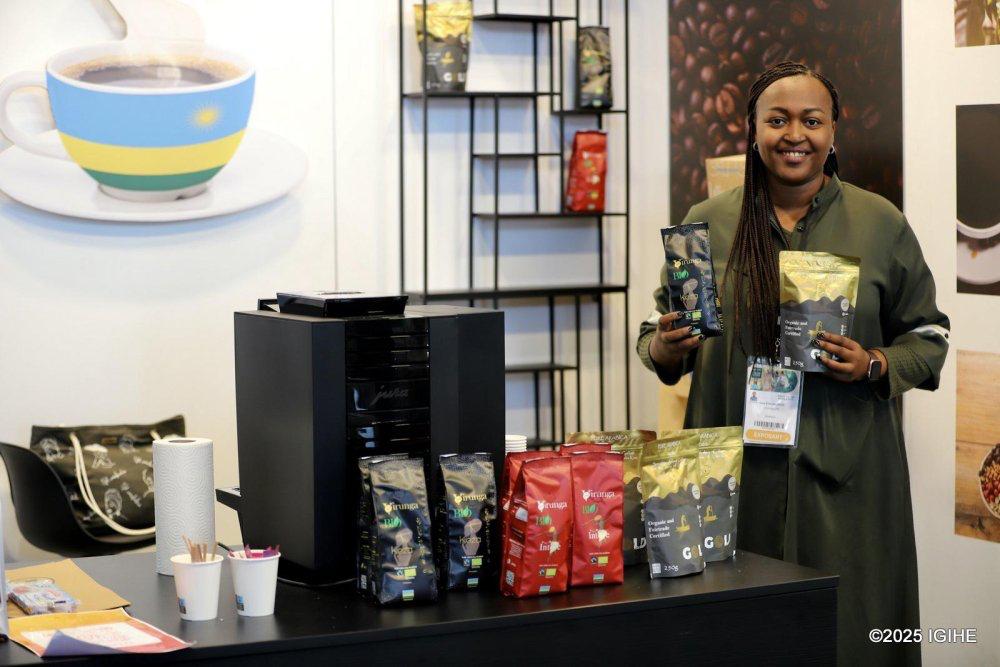
Through this participation, Rwanda will highlight the modernization of its agricultural sector, the quality and diversity of its export products such as coffee, tea, and horticultural products, as well as the growing investment opportunities within its agri-food industry.
The country will also emphasize its commitment to sustainable and resilient agriculture, in line with global challenges related to climate change and food security.
The show continues to serve as a strategic platform for participating countries, offering opportunities to develop commercial partnerships, attract investors, and promote a strong and dynamic national image.
By taking part in this international event from February 21 to March 1, 2026, Rwanda once again affirms its place among the nations contributing to the future of agriculture and strengthening cooperation within the global agricultural community.
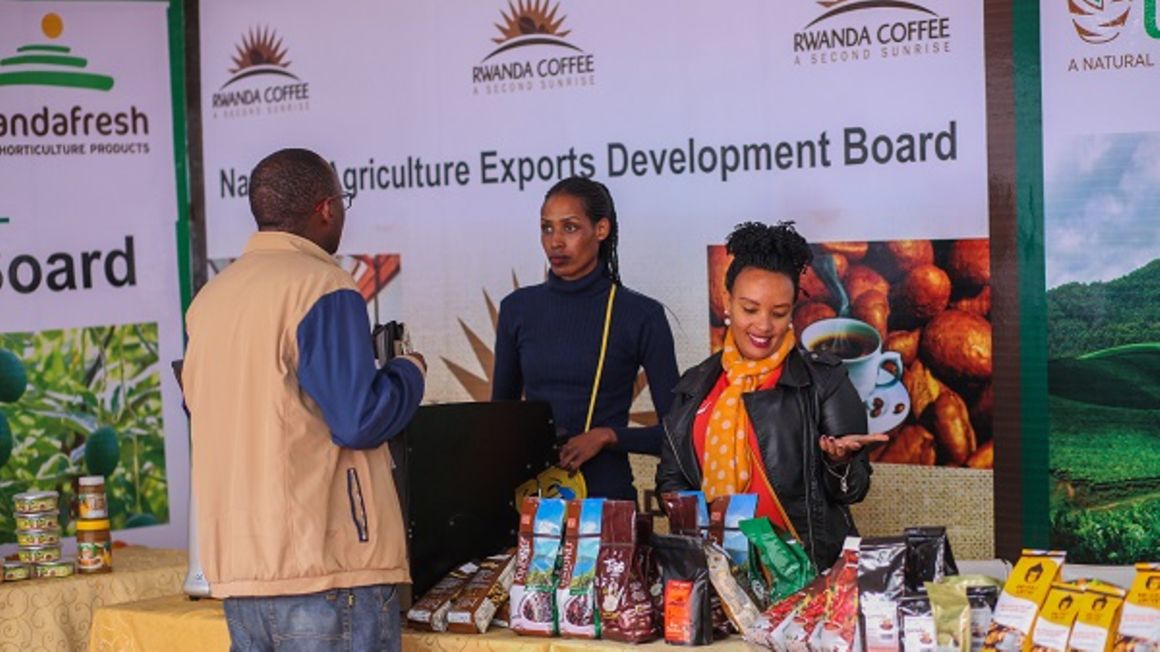
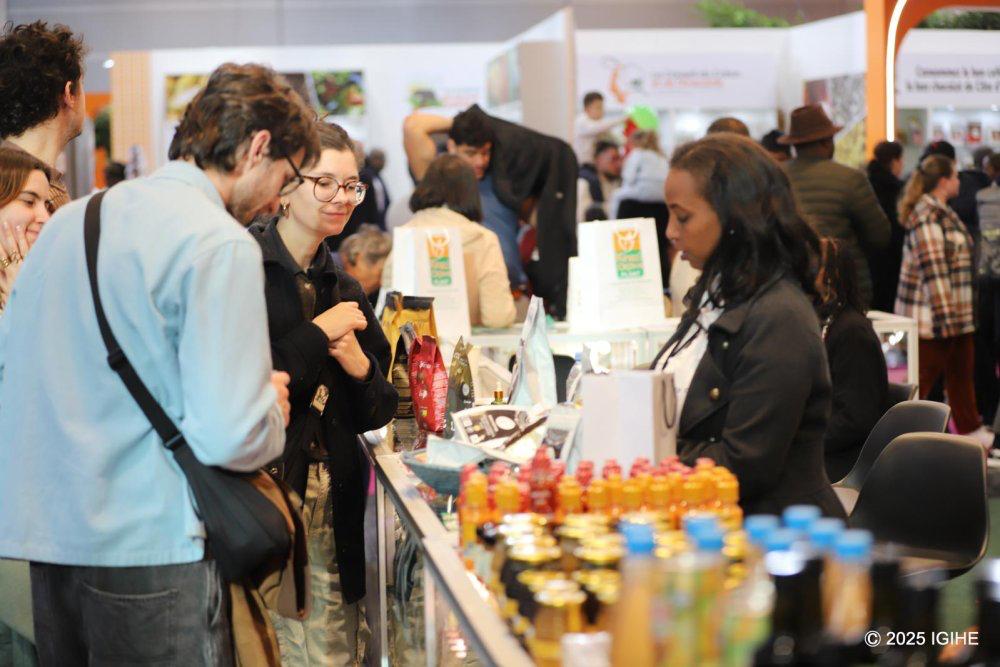
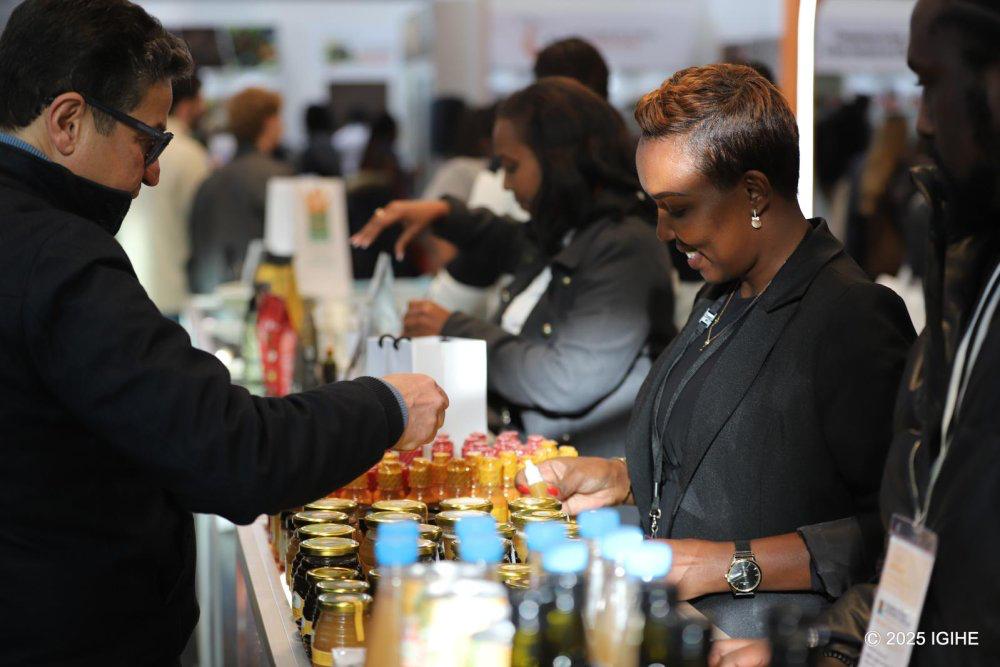
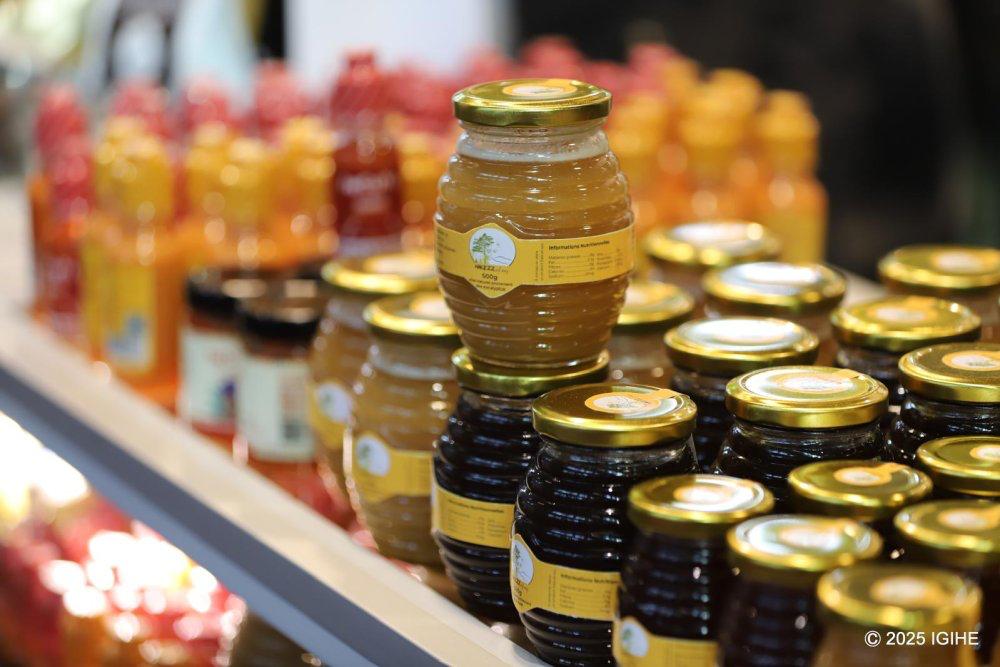
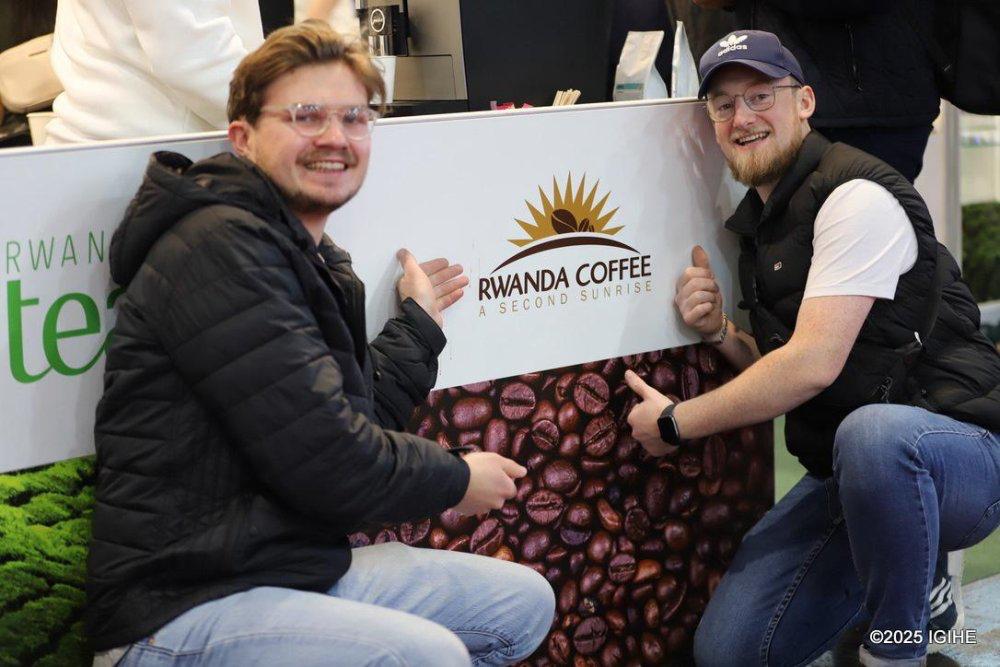
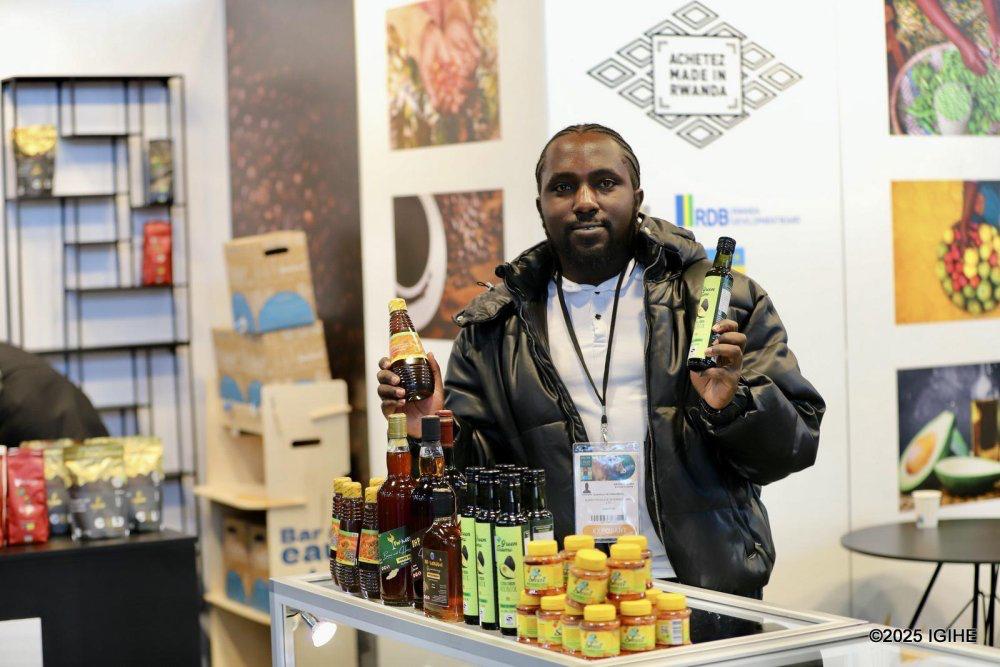
Photos from Rwanda’s participation in the previous edition