Under a May 2026 agreement, Rwandans can now enter Botswana visa-free for up to six months. The arrangement reflects a broader push by both governments to strengthen intra-African mobility and reduce barriers to movement.
The deal is part of a wider package of six bilateral agreements signed in Gaborone during President Paul Kagame’s state visit, witnessed by President Duma Boko.
These agreements cover double taxation avoidance, visa exemptions for diplomatic, official, and national passport holders, air services cooperation, health sector collaboration, economic, trade, and investment partnerships, and institutional cooperation between the Rwanda Development Board and the Botswana Investment and Trade Centre.
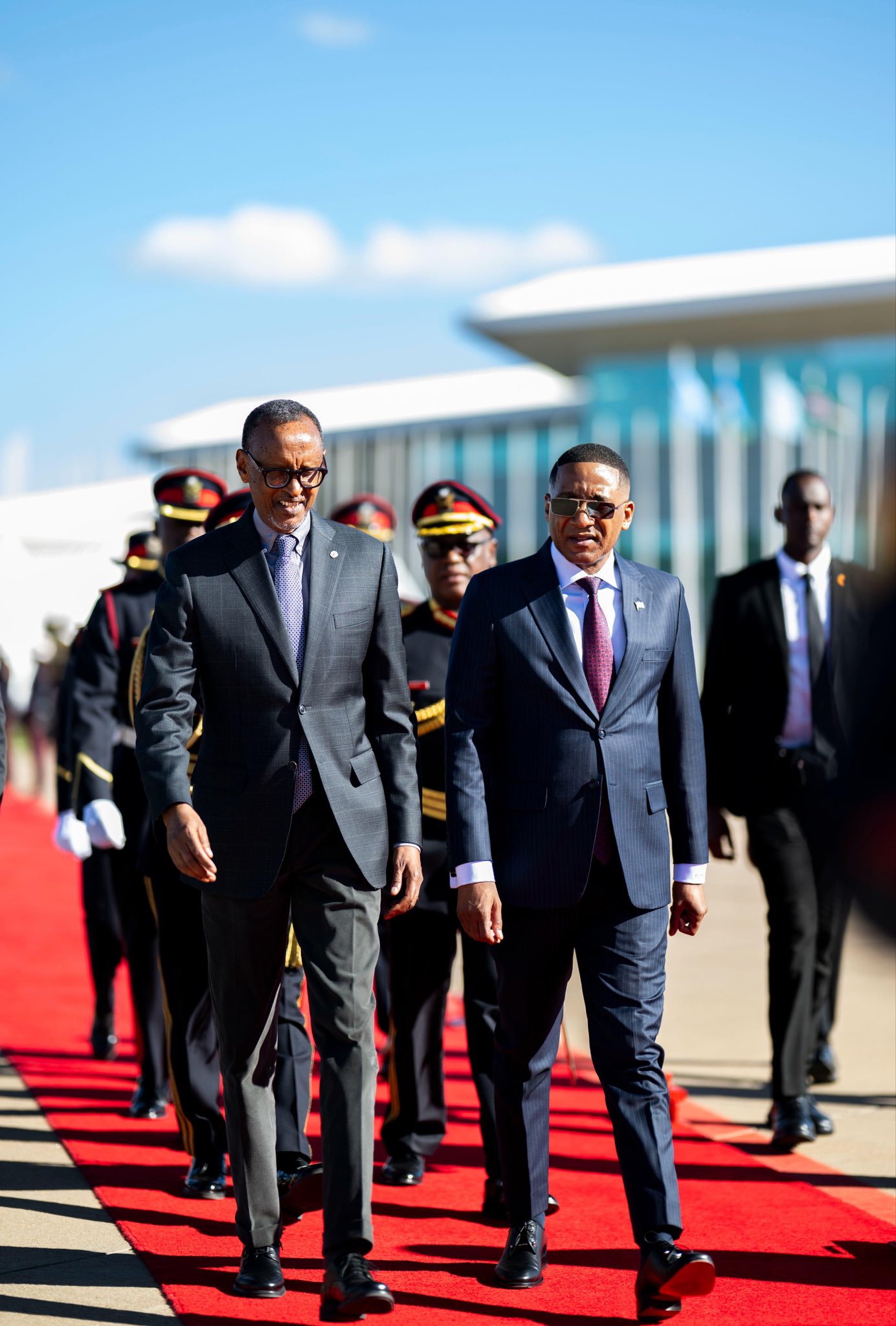
Both leaders emphasised that the partnership must move beyond diplomacy into practical outcomes that improve citizens’ livelihoods, particularly through trade, connectivity, and private sector growth.
Why Botswana matters now
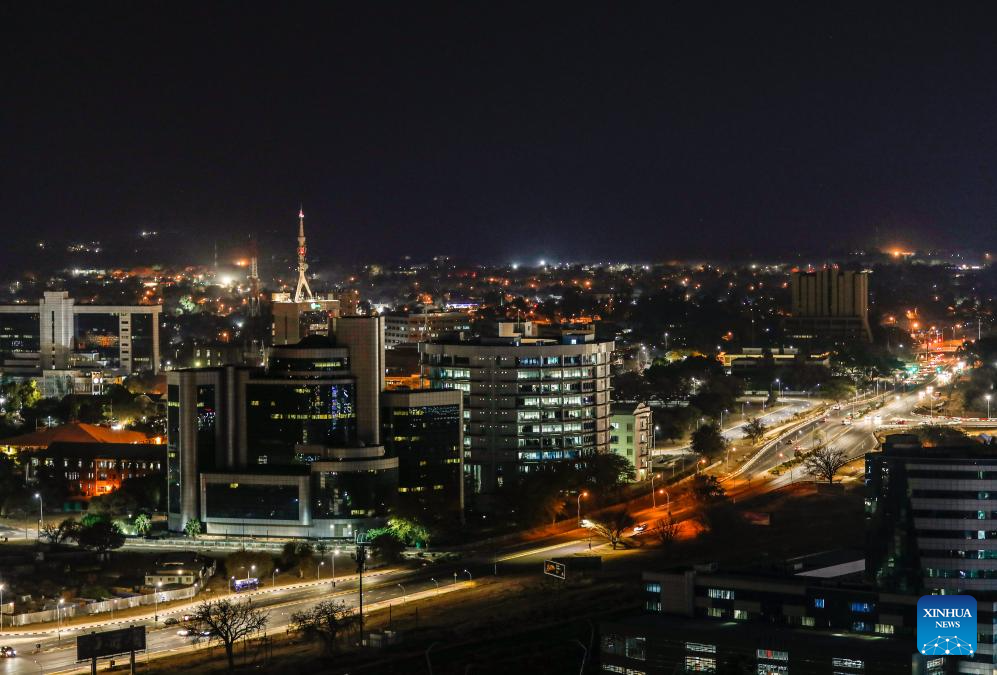
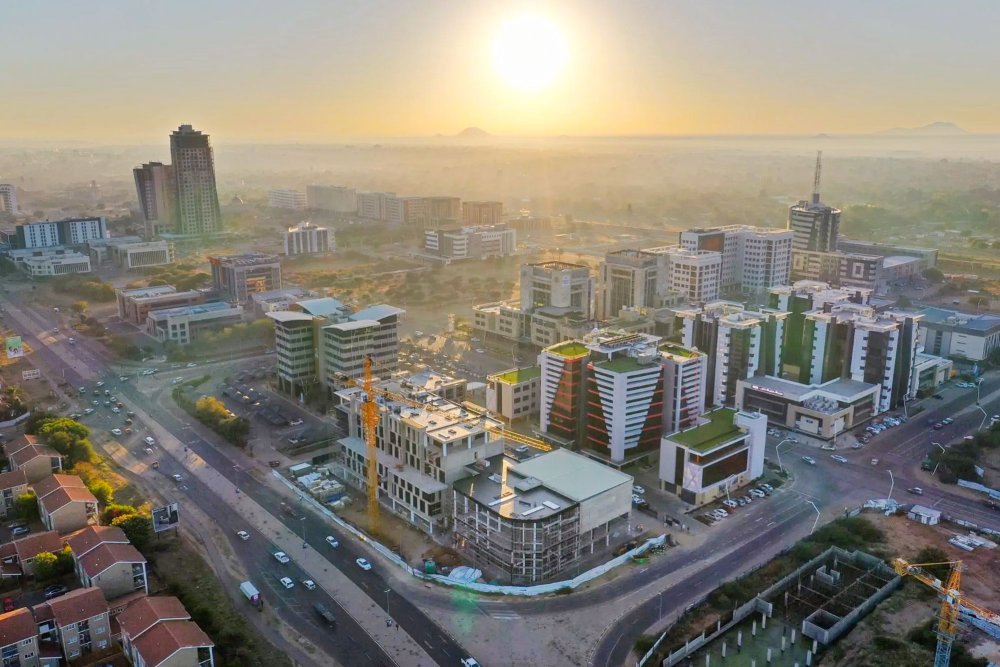
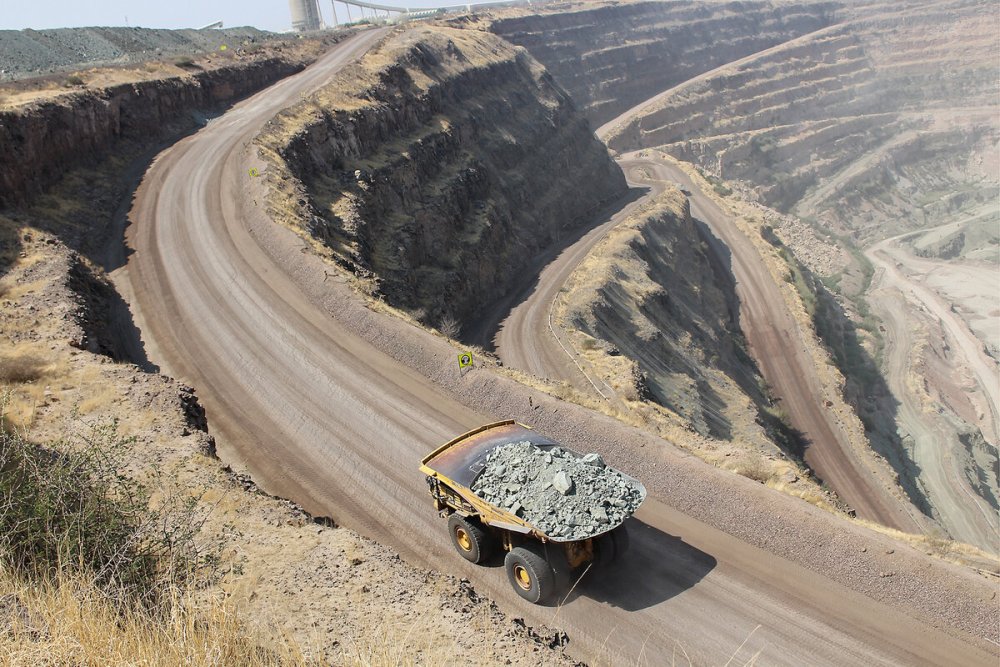
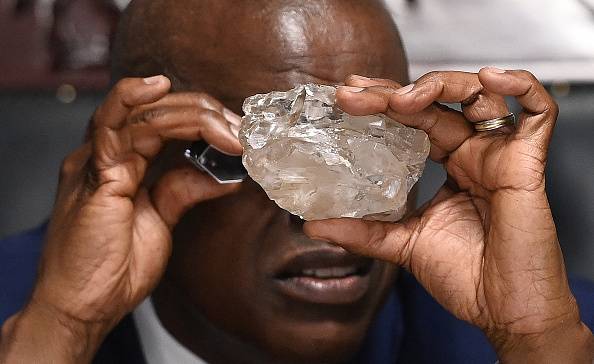
Botswana is often described as one of Africa’s most stable democracies and a model of prudent resource management, particularly in its diamond industry. Much like Kigali, its capital Gaborone City is known for being clean, safe, and steadily modernizing, with a growing tech and services sector.
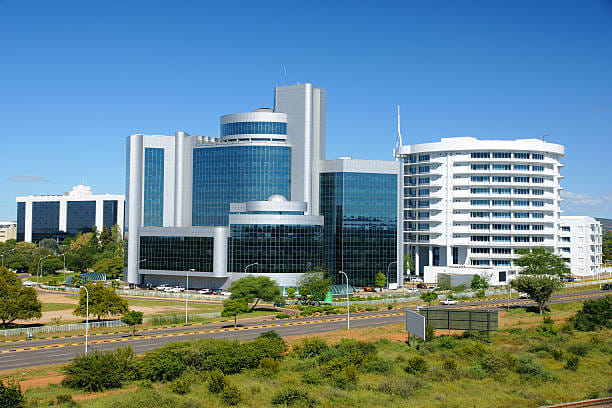
With the new visa waiver, Rwandan travelers can now more easily explore a country that combines high-end eco-tourism with vast, untouched wilderness.
Natural wonders worth exploring
Botswana’s landscapes are among the most striking in Africa, offering experiences that range from wetland safaris to desert plains.
One of the country’s crown jewels is Okavango Delta, a UNESCO World Heritage Site and the world’s largest inland delta, where water flows into the Kalahari Desert rather than the sea. Visitors can glide through waterways in a traditional mokoro canoe, spot elephants, hippos, cheetahs, and endangered rhinos, and experience one of Africa’s most unique wetland ecosystems.
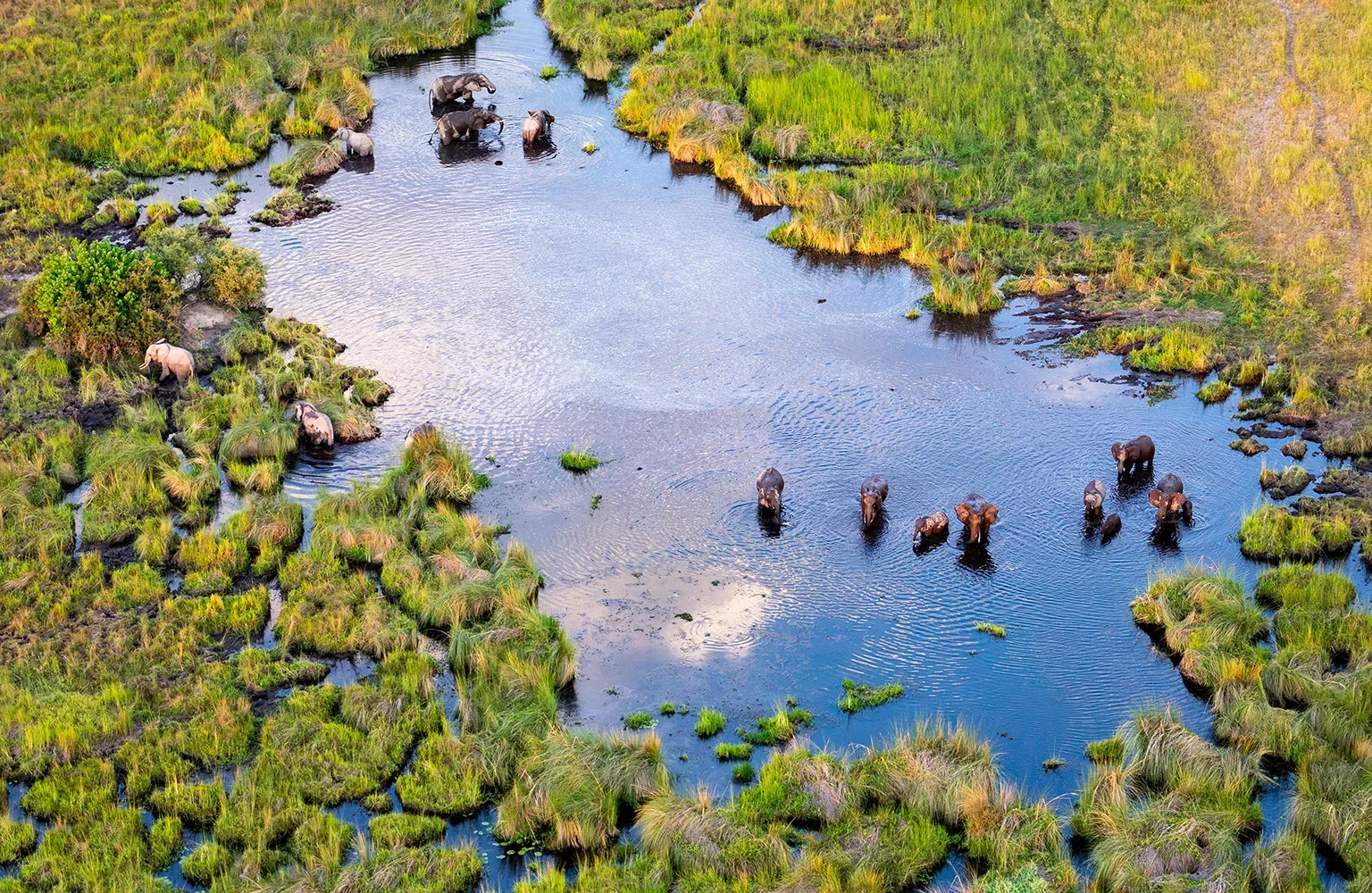
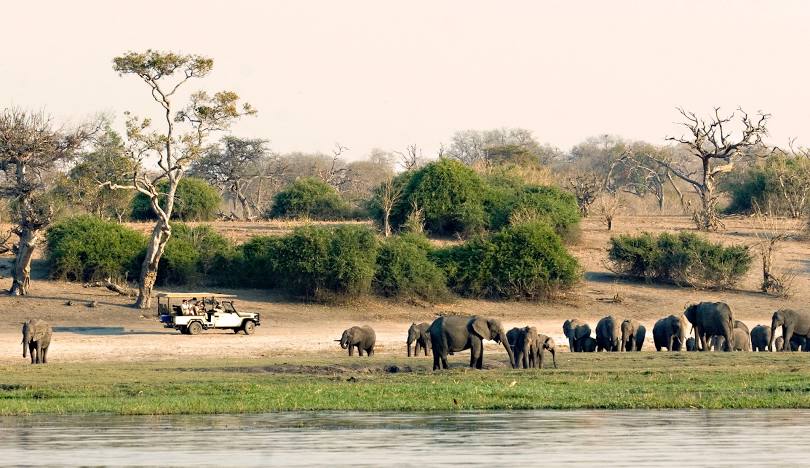
Near Kasane, Chobe National Park is famous for hosting one of the largest elephant populations in the world, estimated at around 130,000. Visitors often experience river safaris along the Chobe River, watching elephants swim and gather along the banks, and the area sits close to the “Four Corners” region where Botswana, Namibia, Zambia, and Zimbabwe meet.
Makgadikgadi Pans National Park offers a surreal, lunar-like environment made of vast salt flats. In the dry season it becomes a brilliant white desert, while in the wet season it transforms into wetlands that attract large zebra and flamingo migrations. It is also one of the best stargazing locations in Africa due to almost zero light pollution.
Known as the “Louvre of the Desert,” Tsodilo Hills contains more than 4,500 ancient rock paintings created by the San people, some of which date back thousands of years, offering a deep historical and spiritual insight into the region’s earliest inhabitants.
Key gateway cities
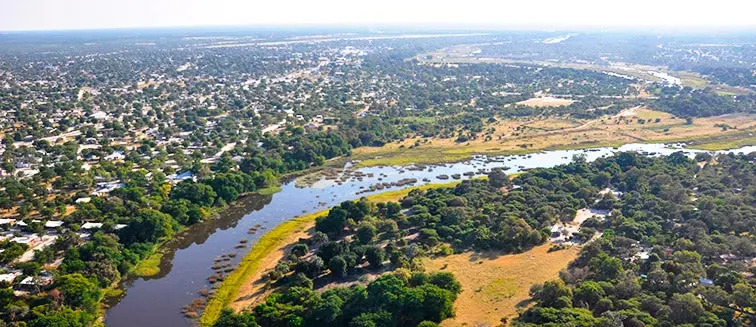
For travellers entering Botswana, two towns often serve as key entry points. Maun is the main launch point for safaris into the Okavango Delta and is widely regarded as the country’s tourism capital. Francistown is one of the oldest urban centres in Botswana and serves as an important commercial hub near the Zimbabwe border.
Culture, people, and everyday life
Botswana’s people, known as Batswana (singular: Motswana), speak Setswana alongside English, which is widely used in government and business. The national currency is the Pula, meaning “rain,” a reflection of how precious water is in this semi-arid country.
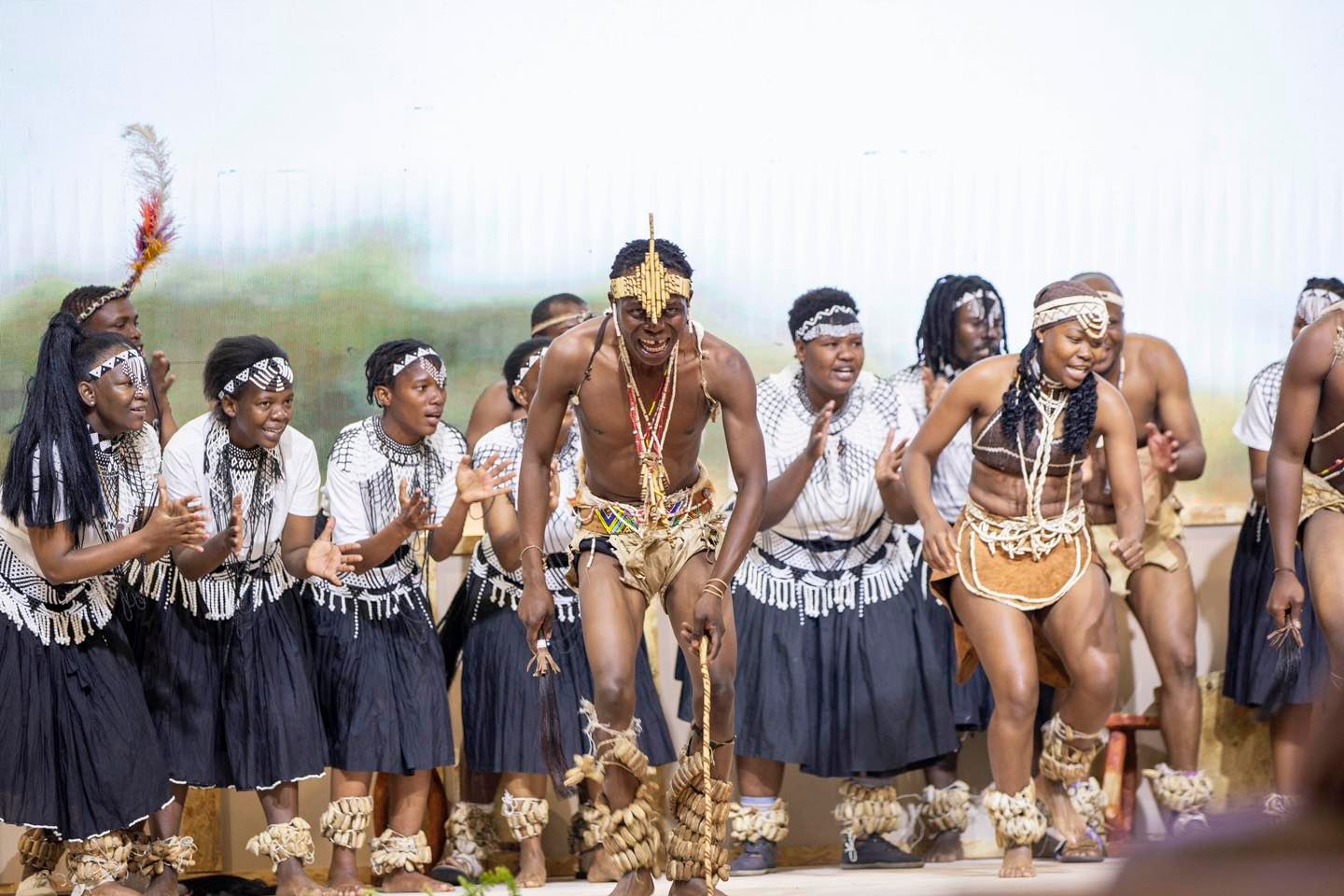
Cuisine includes Seswaa, a traditional meat dish made from beef or goat that is slow-cooked and pounded until tender, often served with bogobe, a thick porridge similar in texture to Rwanda’s traditional staples. Geographically, Botswana is roughly the size of France but has a population of only about 2.4 million people, making it one of the most sparsely populated countries in the world.
A partnership beyond borders
The visa waiver is part of a broader strategic shift between Rwanda and Botswana toward deeper integration. During recent talks in Gaborone, both Presidents emphasized that success will be measured not only in agreements signed but in real improvements in trade, investment flows, air connectivity, and citizens’ mobility.
As Botswana opens its doors wider to Rwandan travelers, it presents a rare combination of wilderness, stability, and cultural depth, offering a new frontier for tourism and exchange in Southern Africa.
Leave a Reply