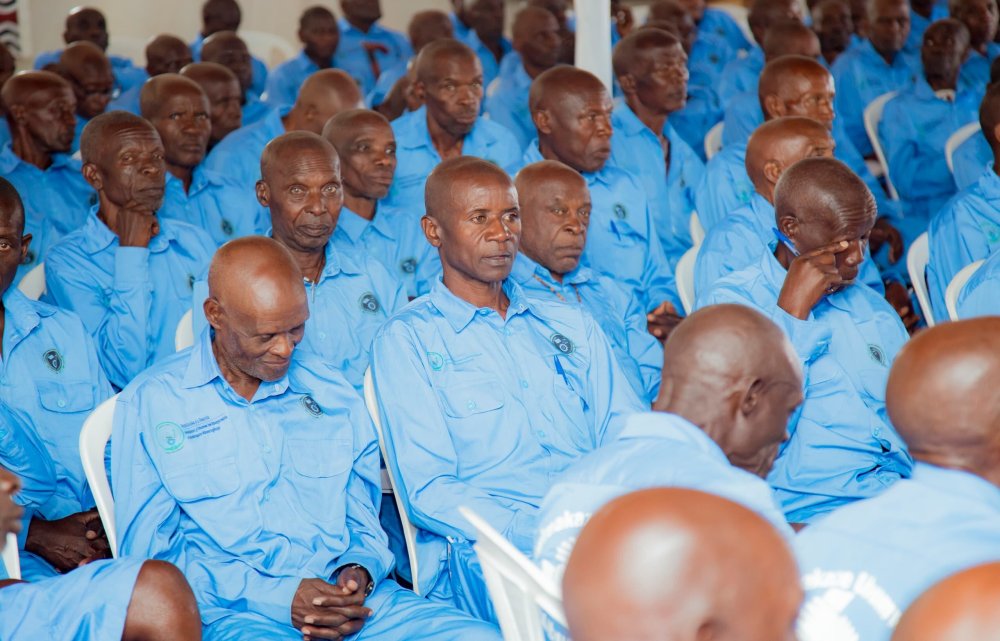
The training, which started on October 5, 2026, will run until December 31 and brings together prisoners from 17 correctional facilities. Half of the participants have spent more than 30 years in prison.
The programme is the 10th cohort of an initiative by the Ministry of National Unity and Civic Engagement (MINUBUMWE), implemented with the Rwanda Correctional Service (RCS) and other partners.
Kayumba Alice Uwera, Executive Director in charge of National Unity and Community Resilience at MINUBUMWE, said the programme prepares prisoners to return to society peacefully and avoid behaviour that could undermine national unity.
She said some may face challenges after release, including stigma, isolation, loss of confidence and strained relationships with their families or those of people they harmed.
Others may still hold genocide ideology, refuse to acknowledge their crimes, seek forgiveness or reveal the location of victims’ remains for dignified burial.
“This is why participants are taught the country’s history, the consequences of the Genocide against the Tutsi, their role in building national unity and resilience, and how they can contribute to the development of their families and the country,” Uwera said.
The training also helps participants understand their responsibilities after release, adjust to changes within their families and rebuild trust.
Uwera urged them to uphold Rwandan identity and live peacefully with their families, neighbours and survivors of the Genocide against the Tutsi.
“Focus on building on the principle of Rwandan identity and living peacefully with those you will find there: your families, neighbours and survivors of the Genocide against the Tutsi, while avoiding reoffending, particularly discrimination and division, as well as genocide ideology,” she said.
RCS Deputy Commissioner General Theos Badege urged the participants to take the training seriously as they prepare to leave prison.
“We ask those benefiting from this training to listen carefully and understand that they are between the correctional facility and the families they are about to rejoin,” Badege said.
He urged them to return to their communities ready to contribute positively and demonstrate behavioural change.
“We do not want to see you again in our records. Start preparing to contribute as much as possible so that people can see that you have changed and have moved away from anything that could lead you back into the correctional system,” he said.
MINUBUMWE said preparing prisoners for release should also involve preparing the families they will return to, to promote peaceful relations and understanding.
By September 2026, 2,103 prisoners had completed the programme through its first nine cohorts. The 10th cohort will bring the total to 2,629 participants.
Leave a Reply