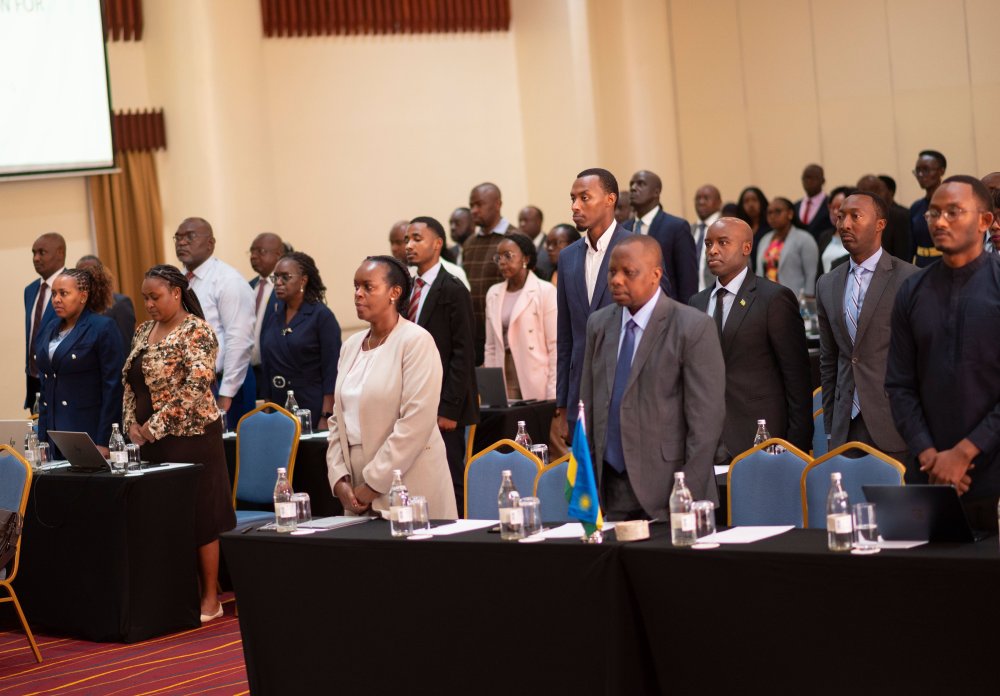
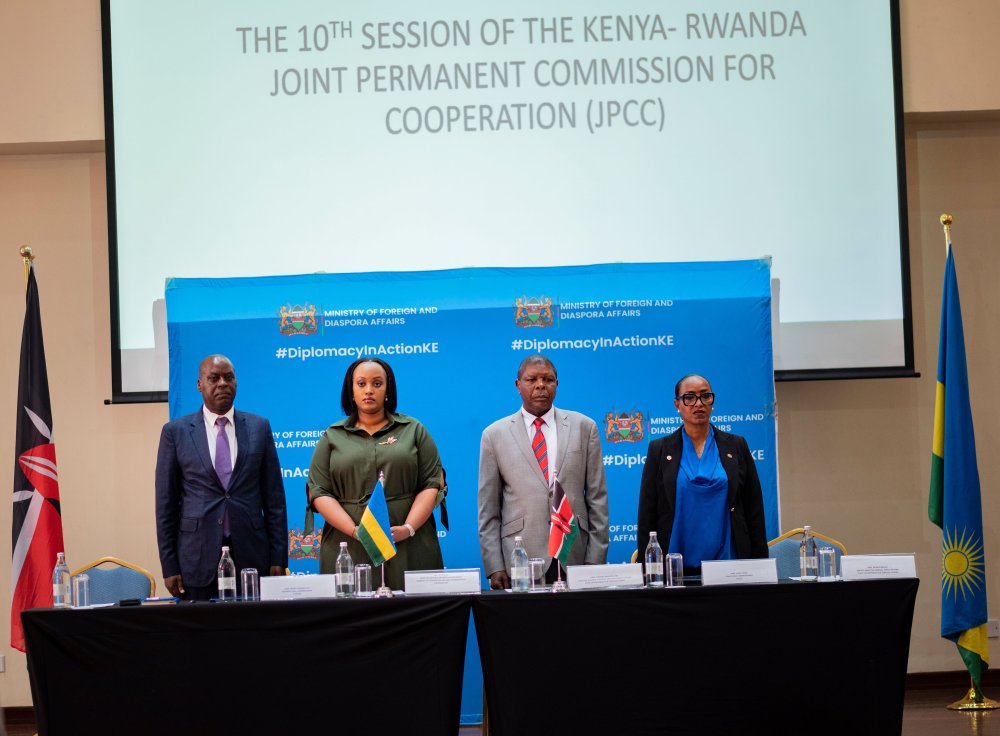
The meeting brought together high-level representatives and high technical teams to review progress since the 9th Session in Kigali in April 2023, assess implementation of existing agreements, address outstanding challenges and identify new areas of collaboration.
The 2023 session produced ten Memorandum of Understanding signed in the presence of Presidents Paul Kagame and William Ruto, who directed that the JPCC meet biennially with annual mid-term reviews.
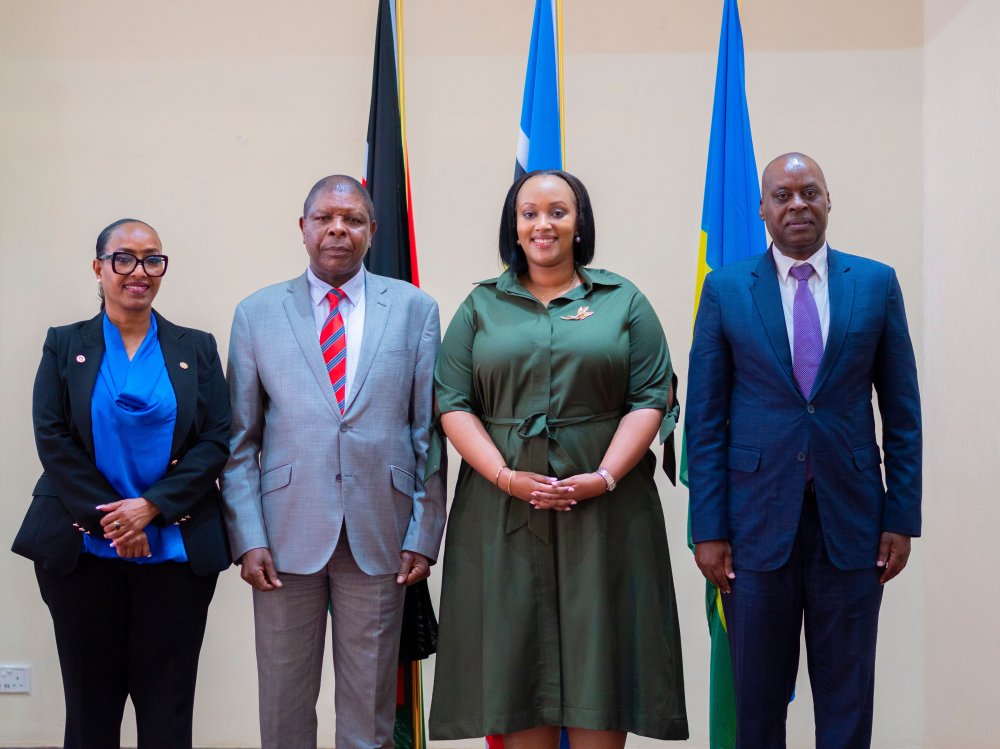
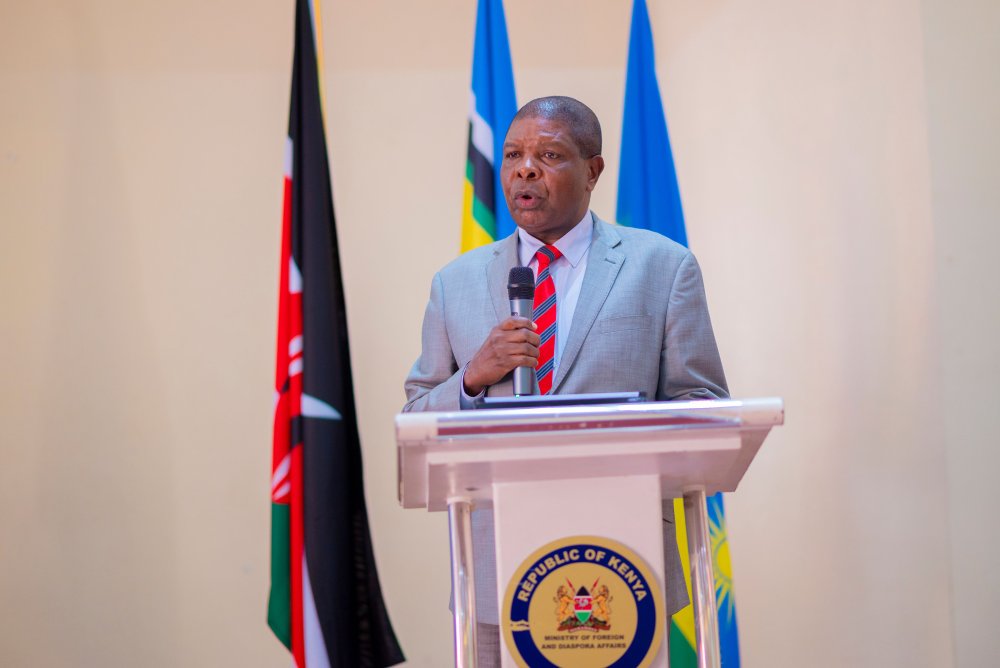
Kenya’s Principal Secretary for Foreign Affairs, Dr. A. Korir Singoei, opened the session by welcoming his Rwandan counterpart, Ambassador Fidelis Mironko, and underscoring the breadth of the relationship.
“Kenya and Rwanda have enjoyed warm and longstanding relations, and over the years our partnership has grown well beyond traditional diplomatic engagement,” he said.
Kenya and Rwanda established diplomatic relations in 1965. Cooperation now spans trade and investment, infrastructure, energy, security, education, agriculture, ICT and institutional capacity building.
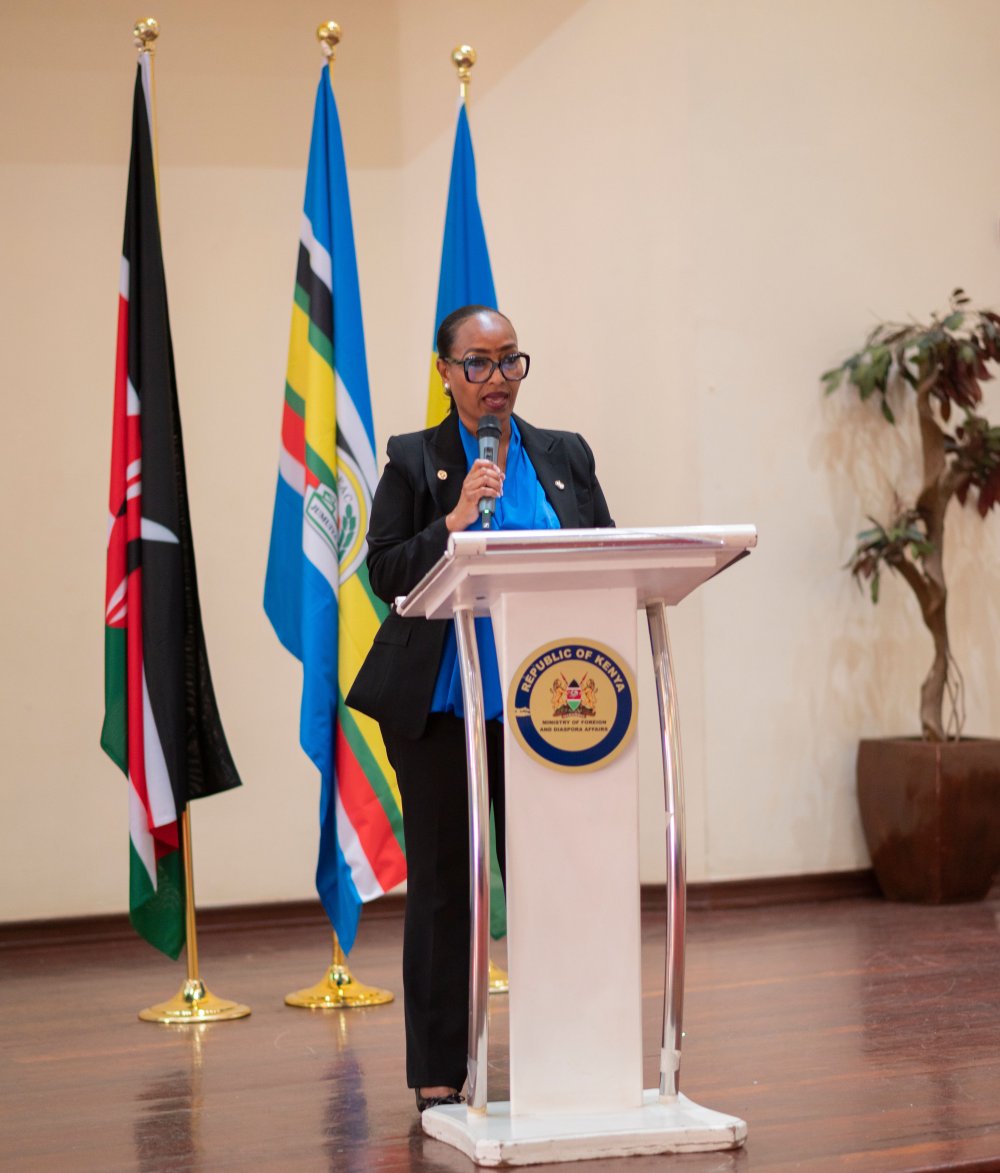
Janet Mwawasi Oben, Kenya’s High Commissioner to Rwanda since 2024, highlighted tangible advances during her tenure.
These include the January 2026 Memorandum of Understanding operationalising the Kenya Ports Authority (KPA) Liaison Office in Kigali, which has improved logistical coordination and trade flows along the Northern Corridor.
That framework delivered results almost immediately. On September 29, 2026 the vessel MT Sea Wolf berthed at Kipevu Oil Terminal 2 in Mombasa with Rwanda’s first consignment of 40,000 metric tonnes of refined petroleum products from Oman.
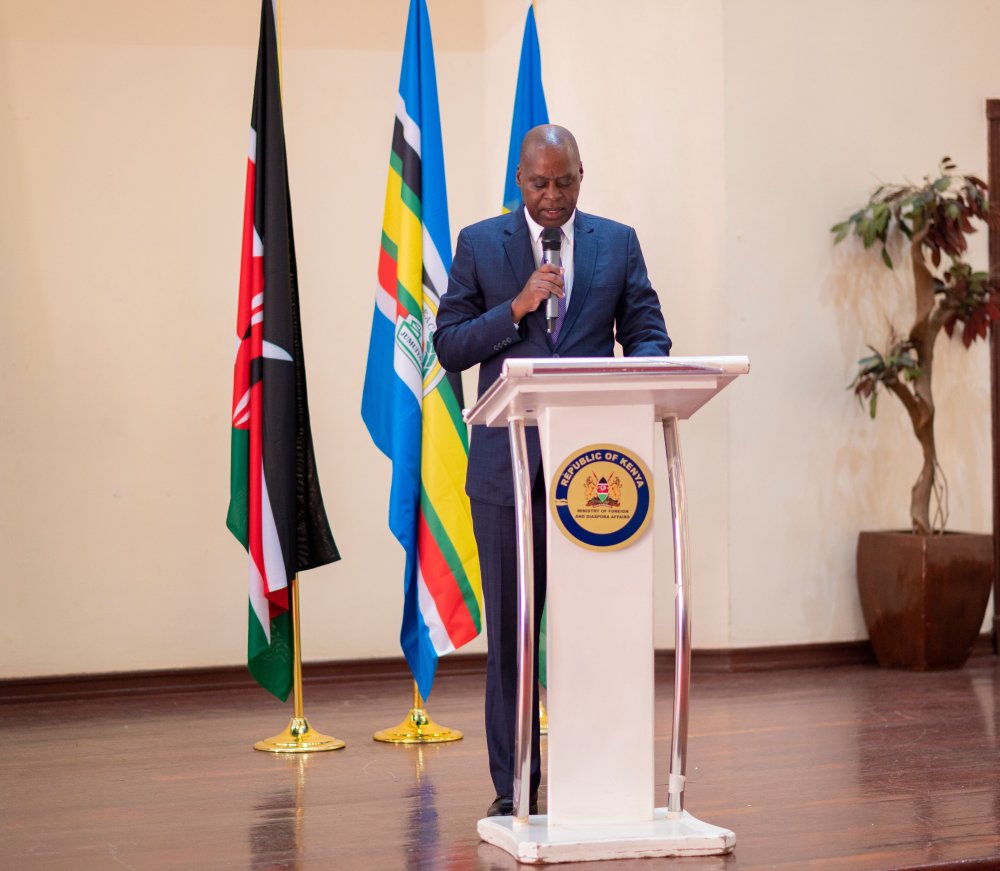
Ernest Rwamucyo, Rwanda’s High Commissioner to Kenya, described the shipment as a concrete demonstration of what partnership can achieve.
“This new route through the Northern Corridor will help strengthen Rwanda’s energy security, make our supply chain more efficient and reduce logistics costs. It also shows what our two countries can achieve when we work together,” Amb. Rwamucyo said.
Both sides also pointed to growing two-way private-sector engagement.
Kenyan institutions including KCB, Equity Bank, NCBA, I&M Bank, Serena Hotels and others maintain a significant footprint in Rwanda across banking, insurance, hospitality, manufacturing and agribusiness.
Rwanda, in turn, has demonstrated confidence in Kenyan infrastructure by acquiring a 1.05 per cent equity stake in the Kenya Pipeline Company through its recent Initial Public Offering and by participating in the launch of major investments such as the Dangote Group project in Lamu.
Kenya has also received land from Rwanda for the construction of a permanent Chancery in Kigali, a gesture both sides described as an important institutional commitment.
An estimated 10,000 Kenyans live and work in Rwanda, roughly 4,000 of them registered with the High Commission and organised under the Association of Kenyans living in Rwanda.
Officials noted that cultural events, diaspora engagement and institutional exchanges including recent collaboration between the Kenya Foreign Service Academy, the Kenya School of Government and Rwandan counterparts continue to deepen mutual understanding.
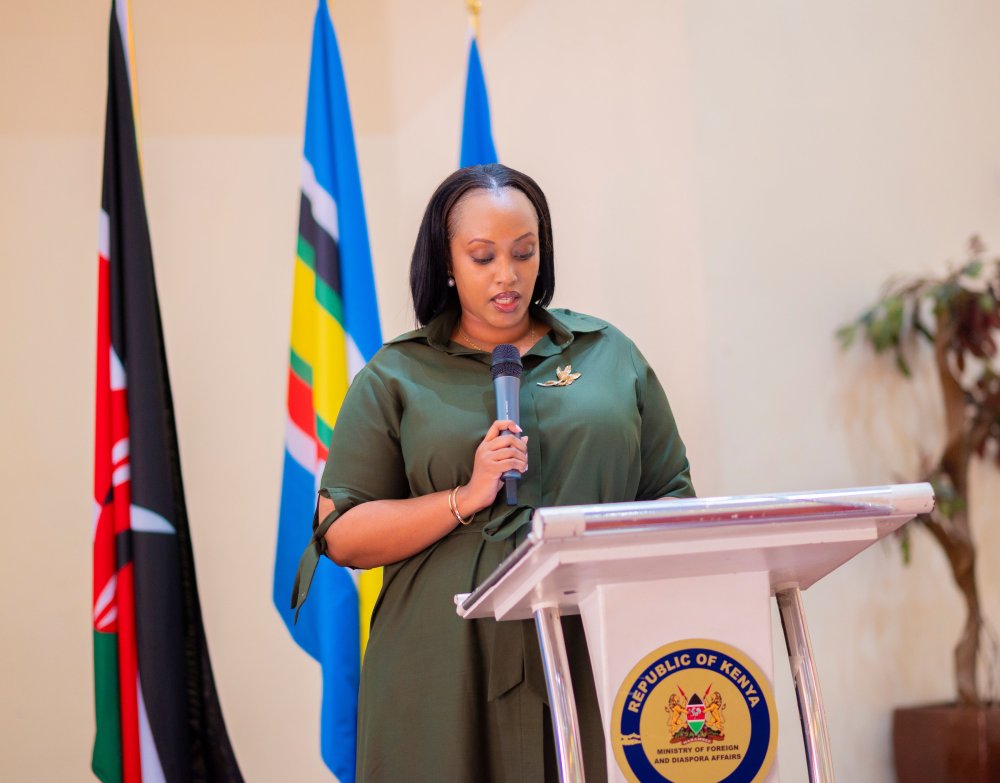
Teta Gisa Rwigema, the Director General responsible for Africa at the Ministry of Foreign Affairs and International Cooperation also called for focus on delivery.
“This 10th JPCC provides us with an important opportunity to move beyond reviewing progress and to ensure that our bilateral commitments translate into tangible outcomes for the people of Rwanda and Kenya,” she noted.
Speakers framed the session as an opportunity to consolidate gains while adapting to a more uncertain international environment.
Leave a Reply