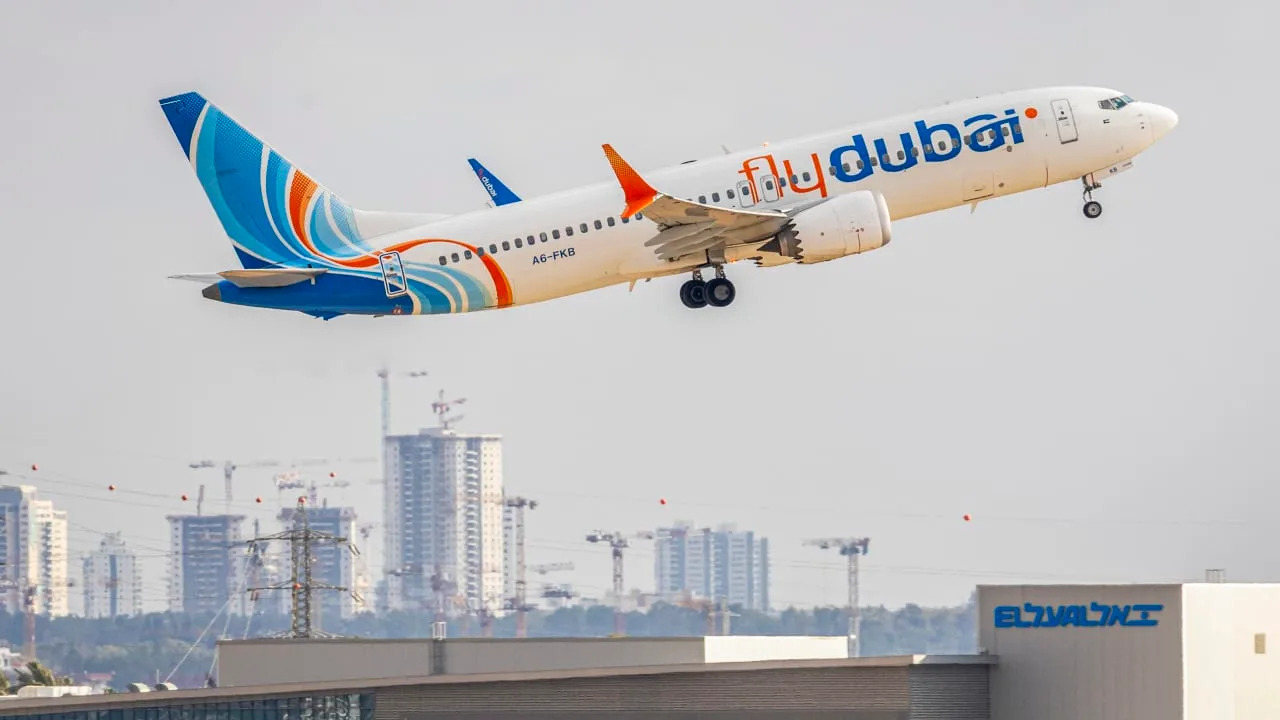
The September 30 incident on Flight FZ1073 began when the co-pilot attacked the captain with an emergency axe while the aircraft was flying from Dubai to Tel Aviv.
The injured captain managed to open the cockpit door, allowing passengers and two off-duty pilots travelling on the aircraft to intervene. The plane then made an emergency landing in Tabuk, Saudi Arabia.
All 172 passengers, mostly Israelis and crew members on board, survived. The captain and co-pilot were taken for medical treatment, with the suspect later transferred to the United Arab Emirates, where he is being questioned as part of the investigation.
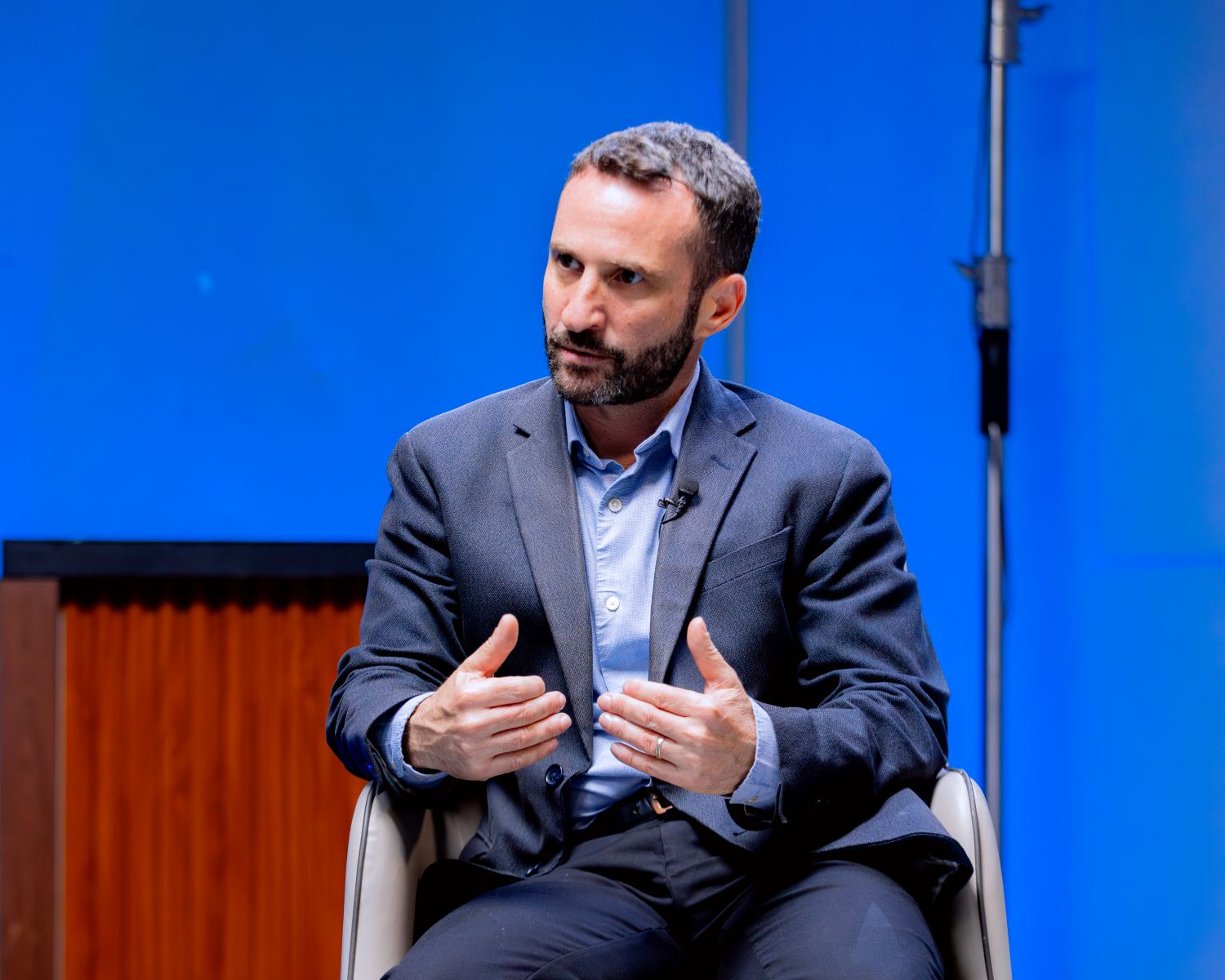
Speaking exclusively to IGIHE, Israel’s Deputy Ambassador to Rwanda, Ron Margalit, said the incident exposed a failure in the implementation of security requirements governing foreign airlines operating flights to Israel.
The aircraft had plunged more than 16,000 feet during the attack before control was restored.
Margalit praised the passengers and crew who intervened, saying their actions prevented what could have been a major disaster.

Israel investigating how Omani pilot cleared security
A central question is how an Omani national was permitted to operate a flight to Israel.
Israel and Oman do not have diplomatic relations, and Israeli authorities have said pilots from countries without diplomatic ties to Israel are subject to restrictions on operating flights to the country. Israeli officials have questioned how the suspect passed the relevant checks.
“There was a failure,” Margalit said, while stressing that the investigation would have to establish where the failure occurred.
The investigation is examining whether responsibility lay with Flydubai, security authorities in the United Arab Emirates or other parts of the system.
The issue has gained further attention as reports have emerged that the suspect had previously worked for Oman Air and had been moved away from flying duties following concerns over his views. Investigators are now examining how that history was handled when he was later employed by Flydubai.
The UAE has formally described the incident as an attempted terrorist attack and is leading the investigation. Authorities are also examining the suspect’s motive and whether he acted alone or had outside support.
Netanyahu orders review of foreign airline security
Israeli Prime Minister Benjamin Netanyahu has since ordered a comprehensive review of security arrangements for foreign civil aviation operating flights to Israel.
Netanyahu instructed National Security Council chief Shmuel Ben Ezra to appoint an examiner to review “all aspects” of security for foreign civil flights to Israel.
The move came after Netanyahu described the suspect as having undergone Islamist radicalisation.
“As time passes, the picture is becoming clearer; the attacker underwent Islamist radicalization. He came to crash the plane with its passengers,” Netanyahu said in a statement on October 2.
He added that Israel was investigating whether the attacker had been sent by someone else.
Netanyahu had earlier described the suspect as suicidal and said investigators were examining whether he had been directed by others.
Margalit said Israel would now ensure that foreign airlines operating to the country comply fully with its security requirements.
He did not call for sanctions against Flydubai, stressing instead the importance of maintaining the air link between Israel and the UAE while ensuring that required security measures are followed.

Passengers and crew credited with saving lives
The captain’s actions and the intervention of passengers and other pilots were critical in preventing the aircraft from being brought down.
Margalit said about six Israeli passengers helped overpower the attacker. One of them, a doctor, also assisted the injured captain.
Two off-duty pilots who were travelling on the aircraft subsequently helped regain control and land the plane safely in Tabuk.
Margalit described the passengers as having acted under extraordinary pressure to protect the other people on board.
Despite the security concerns, Margalit said Israel does not want the incident to damage its relationship with the UAE or disrupt flights between the two countries.
He said Israel wants Emirati airlines to continue operating flights to the country, provided they meet the required security standards.
Wider regional security concerns
The Flydubai incident comes against the backdrop of broader tensions in the Middle East, with Margalit identifying Iran and its regional proxies as major security concerns for Israel.
He said Israel was closely monitoring developments in the Gulf, including the activities of the Houthis in Yemen and threats linked to Iran.
Margalit argued that Iran’s activities represented a wider regional and global security issue rather than a challenge affecting Israel alone.
He also said Israel was closely watching international efforts to prevent Iran from obtaining nuclear weapons.
For Israel, Margalit said, the priority is to prevent another attack on the scale of October 7 and ensure that neighbouring countries cannot acquire capabilities that Israel considers an existential threat.
“We will not allow another 7 October,” he said.
Leave a Reply