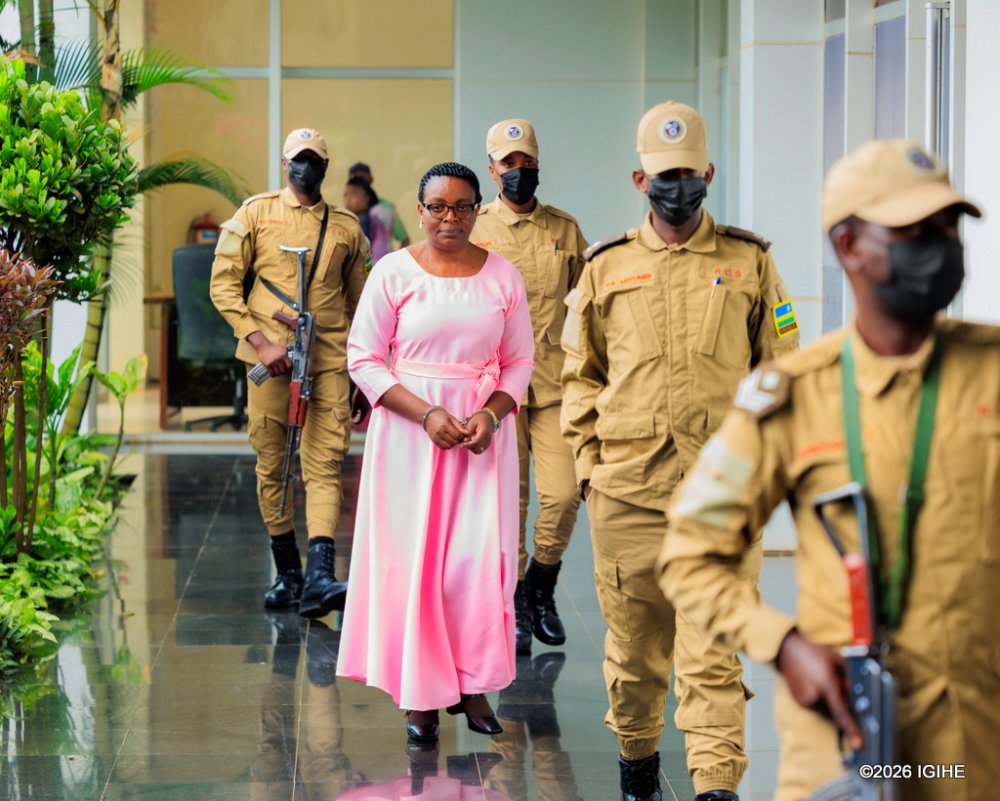
On September 21, the prosecution said witness Gaston Munyabugingo, who previously worked with Ingabire, testified about alleged cooperation between FDU-Inkingi and other groups in a plan to overthrow the Rwandan government.
According to Munyabugingo’s testimony, P5, a coalition led by Kayumba Nyamwasa, had planned to stage a coup during a government leadership retreat held in Gabiro on February 15-16, 2020. Ingabire allegedly planned to organise demonstrations in support of the coup.
The prosecution said Ingabire was allegedly expected to mobilise about 5,000 people to take to the streets and support those who would have overthrown the government.
“In support of that operation, Ingabire Umuhoza Victoire allegedly had the responsibility of mobilising about 5,000 people who would take to the streets to demonstrate and support those who had already overthrown the government,” the prosecution said.
The prosecution further said that Ingabire asked Munyabugingo to accommodate her because she feared for her safety during the planned coup, while Munyabugingo also expressed concerns.
It said Ingabire had planned to move to Gicumbi but abandoned the plan following the arrest of singer Kizito Mihigo in February 2020 as he attempted to flee to Burundi.
After the plan to go to Gicumbi was abandoned, Munyabugingo allegedly hid Ingabire, who was disguised in Muslim clothing and was not wearing her glasses. She was reportedly accompanied by Leonille Gasengayire, a woman she lived with who served as a treasurer.
The prosecution said Munyabugingo also testified that Ingabire was in communication with Charlotte Mukankusi, who was responsible for diplomatic affairs within the Rwanda National Congress (RNC), a group founded by Nyamwasa.
Prosecutors further told the court that a document prepared by the RNC outlining how Rwanda would be governed after the alleged coup was found on Ingabire’s phone.
They said the document was accompanied by a chart containing the names of 79 people, including government and military officials, and allegedly proposed a system of appointments based on ethnic considerations, with Ingabire serving as president. Ingabire calls allegations ‘rumours’
During a hearing on October 1, 2026, Ingabire challenged the allegations, saying the prosecution had failed to demonstrate that the alleged coup ever took place.
She questioned the basis for accusing her of planning a coup based on Munyabugingo’s testimony.
“Did that coup happen? The prosecution has not demonstrated that it happened. If it did not happen, has it shown why it did not happen? People cannot discuss things in WhatsApp groups where people say that the RNC planned a coup, and then the prosecution says it planned a coup,” Ingabire said.
Regarding the allegation that she planned to mobilise 5,000 people to demonstrate in support of the coup, Ingabire questioned whether prosecutors had produced evidence of an agreement between her and the RNC to carry out the alleged operation.
“Have they demonstrated any agreement between me and the RNC to carry out a coup? The prosecution must move away from rumours and things circulating on social media and bring evidence,” she said.
Munyabugingo also testified that Ingabire later changed the purpose of the planned demonstrations to disrupting the Commonwealth Heads of Government Meeting (CHOGM), which was scheduled to take place in Kigali.
Ingabire, however, said her involvement during preparations for CHOGM was limited to hosting a group of foreign participants at her home.
The judge asked whether the visit was simply a social one.
Ingabire said they discussed politics, the Commonwealth and Rwanda’s membership of the organisation. She added that the visitors had helped her politically by contributing to her increased visibility.
Ingabire Victoire has challenged coup allegations, calling them ‘WhatsApp rumours’
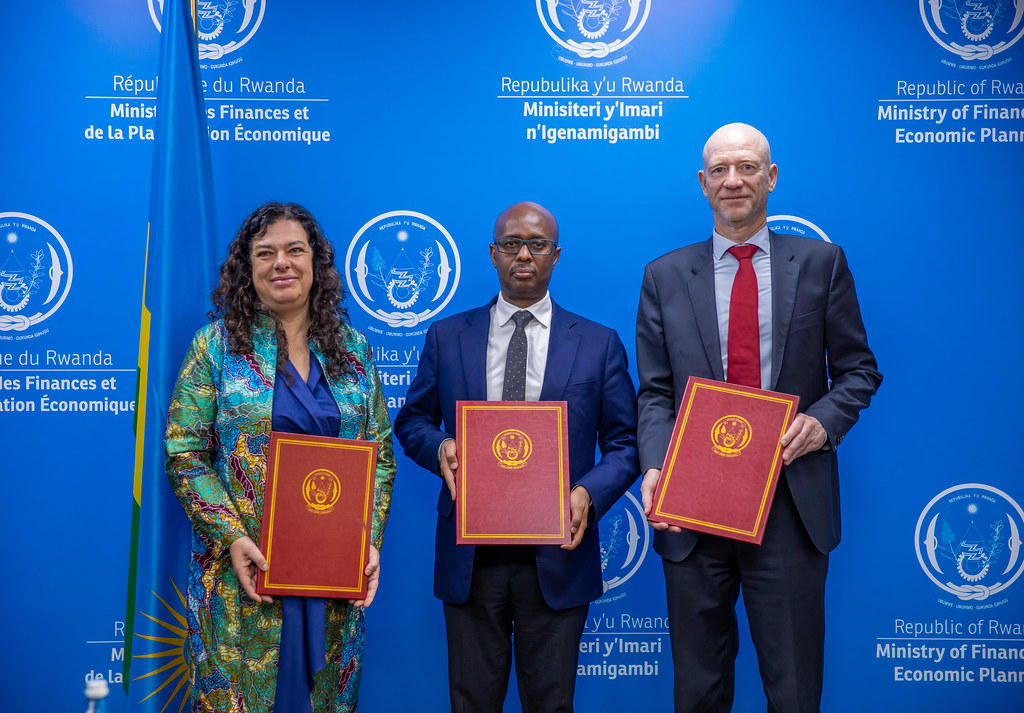
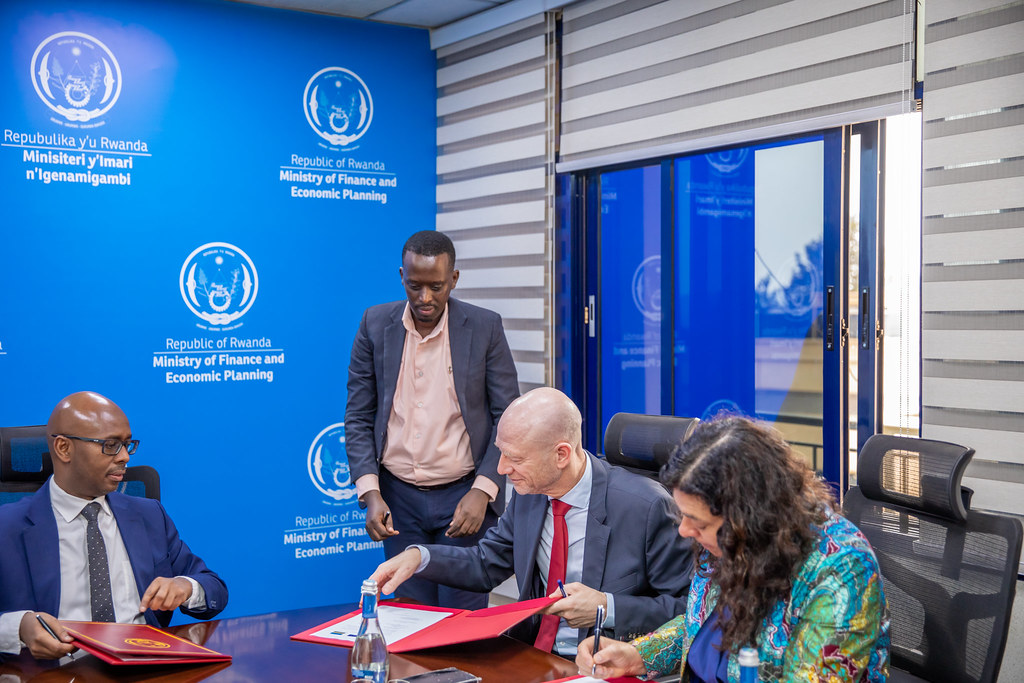
The agreement was signed through the Ministry of Finance and Economic Planning (MINECOFIN) and will support interventions in Gakenke, Burera, Musanze, Nyabihu, Rubavu, Rutsiro, Ngororero and Muhanga districts, benefiting more than 2.3 million people living in areas exposed to climate-related risks, including floods, landslides and soil erosion.
The project will finance activities such as flood risk reduction infrastructure, watershed restoration, landscape rehabilitation, biodiversity conservation and sustainable livelihood programmes for communities in the region.
The VCRP is coordinated by the Ministry of Environment and implemented in partnership with the Rwanda Water Resources Board, Rwanda Meteorology Agency, Rwanda Environment Management Authority (REMA) and the Rwanda Development Board (RDB).
Communities living around Volcanoes National Park and surrounding areas have for years faced challenges linked to floods, landslides and land degradation, which have affected livelihoods, agricultural production and infrastructure.
The €65 million financing adds to broader efforts under the Volcanoes Community Resilience Project, which was launched in 2023 with support from development partners, including the World Bank.
The wider initiative, valued at more than $300 million, aims to reduce climate-related risks, restore degraded landscapes, improve disaster preparedness and strengthen livelihoods in communities surrounding Volcanoes National Park.
The project includes efforts to improve watershed management, restore degraded landscapes and strengthen communities’ ability to cope with climate impacts.
Among the planned interventions are forest restoration, tree planting, sustainable agriculture support and measures to reduce risks from flooding and soil erosion.
The project also supports the conservation of the Volcanoes ecosystem, including efforts linked to the protection and sustainable management of the national park and surrounding landscapes.
The agreement was signed through the Ministry of Finance and Economic Planning (MINECOFIN).Rwanda and EIB have signed a €65 million financing agreement to strengthen climate resilience, biodiversity conservation and livelihoods under the Volcanoes Community Resilience Project.
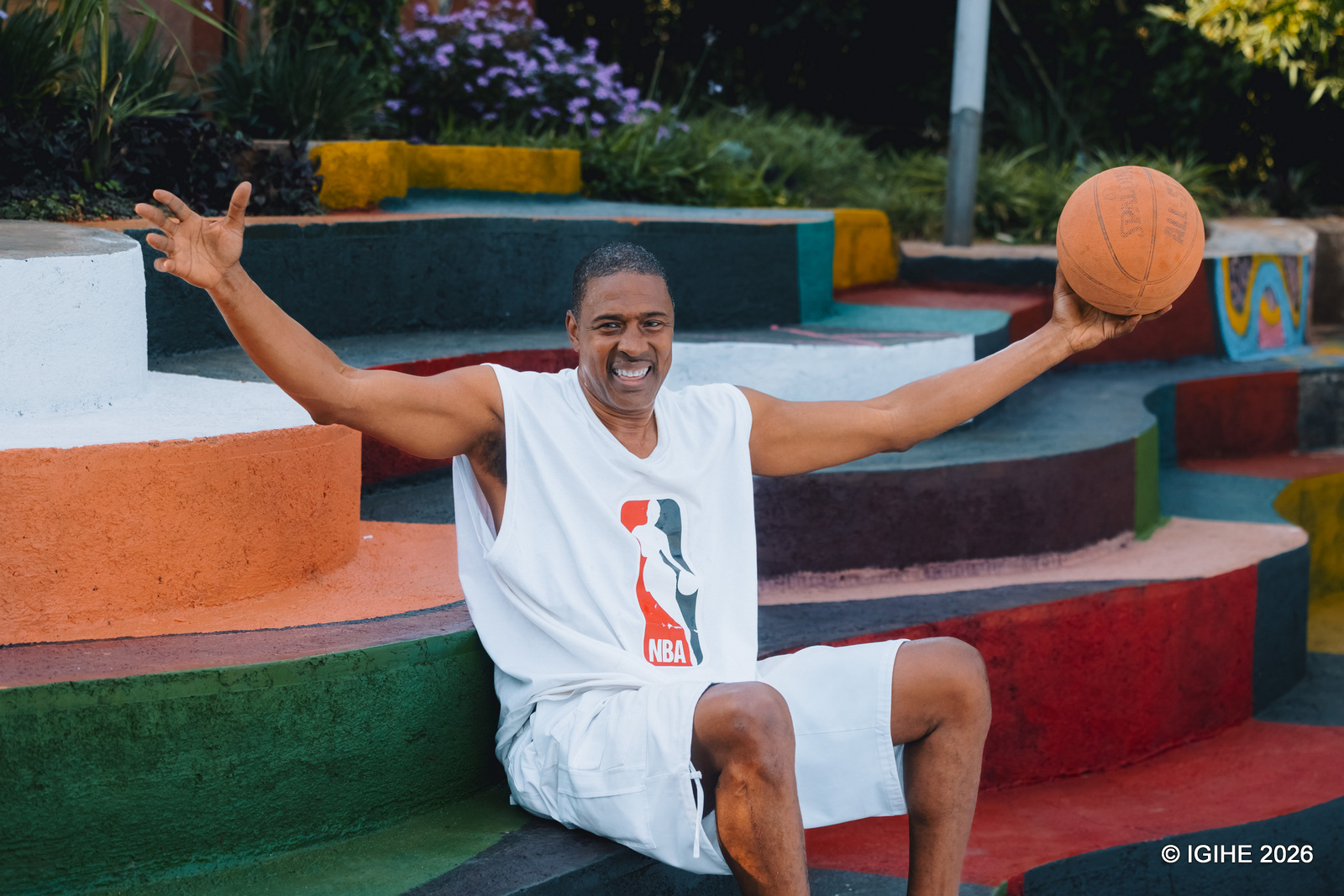
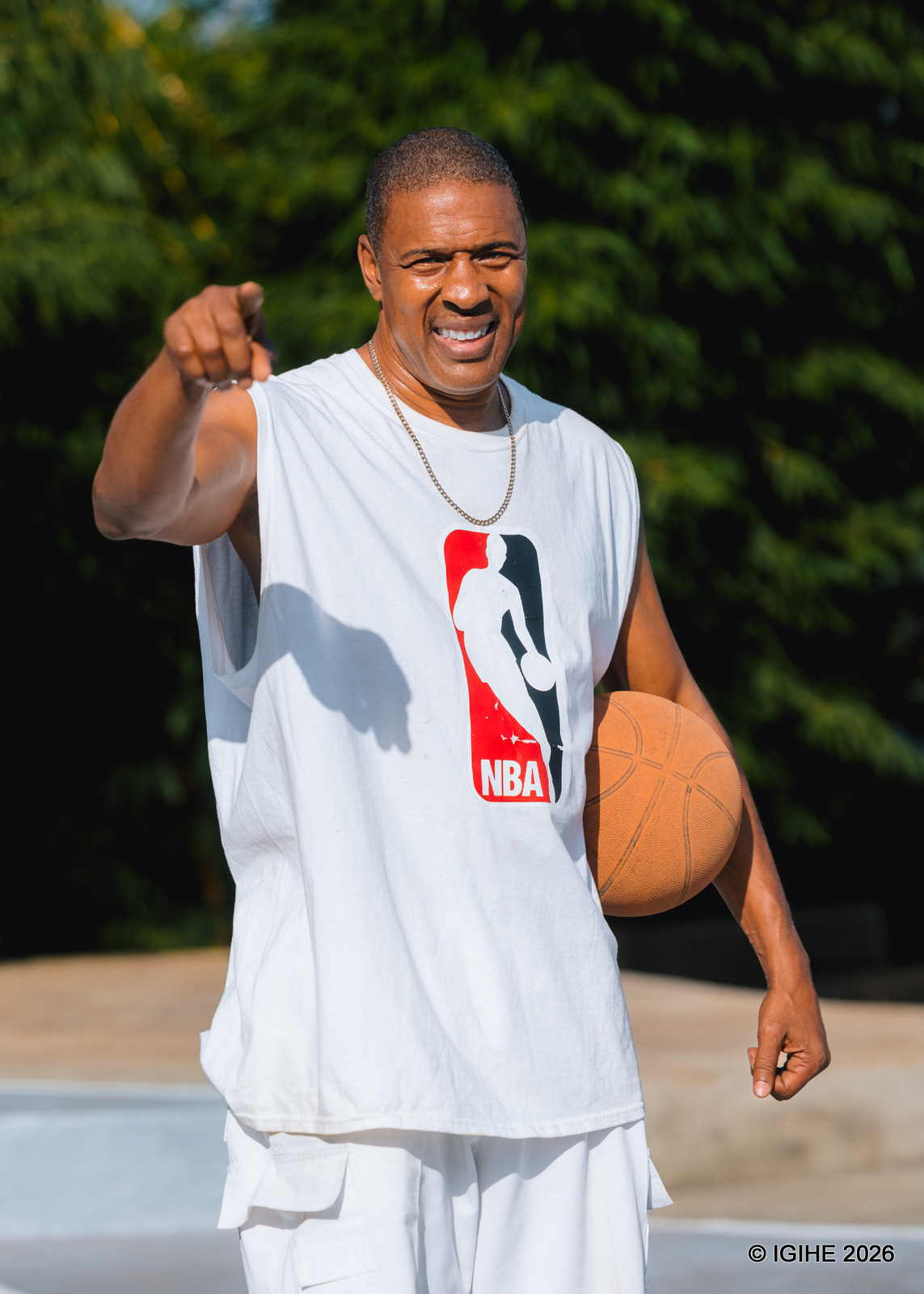
The American-Venezuelan former professional basketball player is now using the platform he built during his career to support children, mentor young athletes and contribute to communities in Rwanda.
Keeling, who was selected by the Dallas Mavericks in the 1985 NBA Draft, spent a short period in the NBA before building an impressive 18-year international career. He played in France, Israel, Venezuela, the Philippines and Colombia, with 12 years of his career spent in Venezuela, where he became a respected figure in the basketball community.
Today, his focus has shifted from competing on the court to changing lives beyond it.
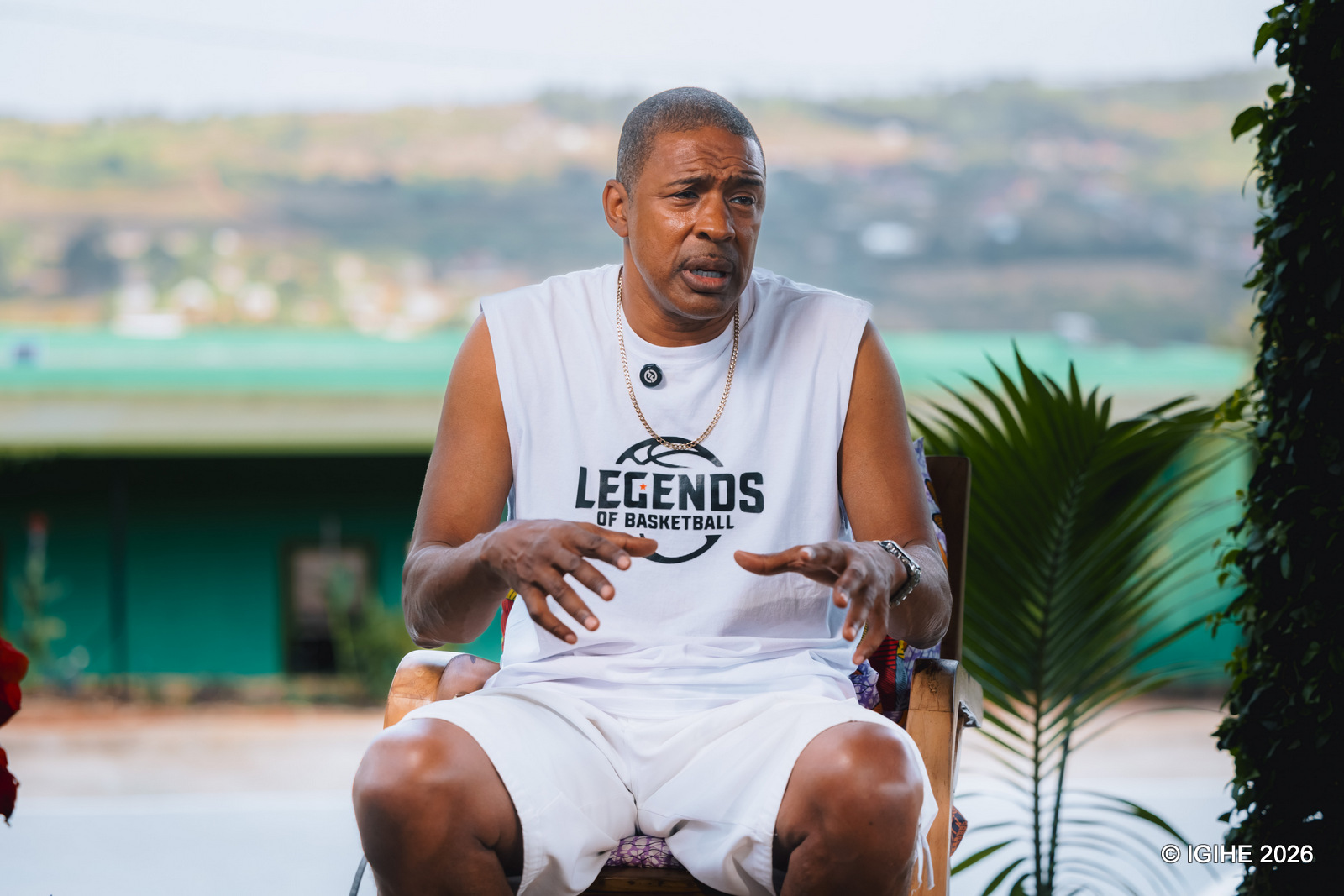
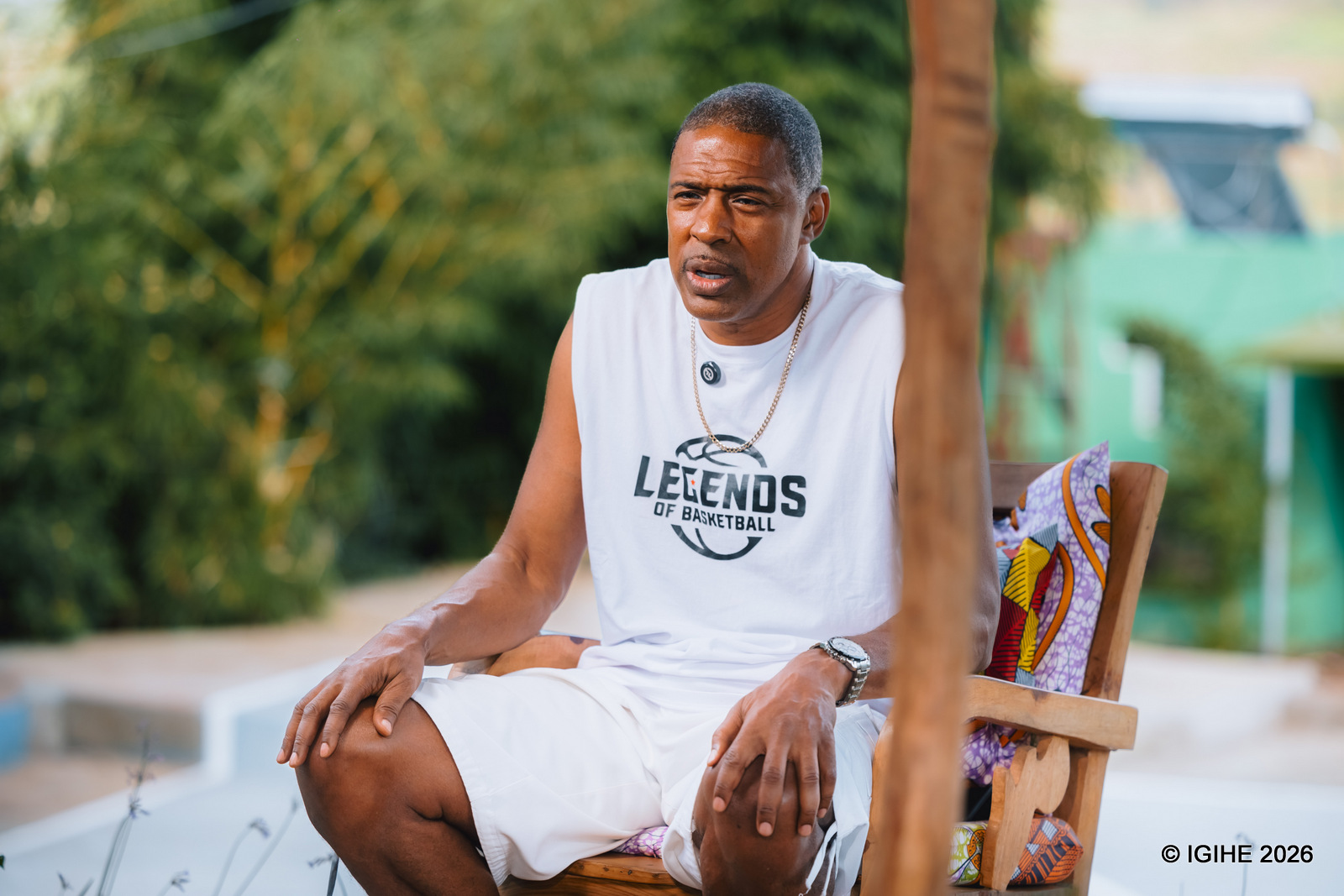
Harold Keeling speaks during an interview about his basketball journey, humanitarian work and why Rwanda has become a place close to his heart.
A basketball court built to create opportunities
During his visits to Rwanda in February 2025, Keeling has worked closely with the Clark family at The Promised Land in Bugesera District, where he has supported children through different community initiatives.
Through his efforts, hundreds of children have received shoes and shirts, while some have also benefited from healthcare support through insurance coverage designed to help them access medical services when needed.
But for Keeling, giving back was not only about providing basic needs. He wanted to create a place where children could discover their talents and experience the same joy that shaped his own childhood.
With support from David Clark, he helped build a basketball court at The Promised Land, giving young people a safe space to play and develop their skills.
“When I was young, I played basketball every day. My mother always had a house or apartment that was right outside of a basketball court. I could look out my window and go out there and play every day,” Keeling said.
He believes access to sports played a major role in his own success.
Growing up, basketball was his main activity after school. His mother encouraged him to first complete his homework, clean his room and finish his responsibilities before going outside to play until the street lights came on.
“That’s how I got good. That’s part of why I made it to the NBA,” he recalled.
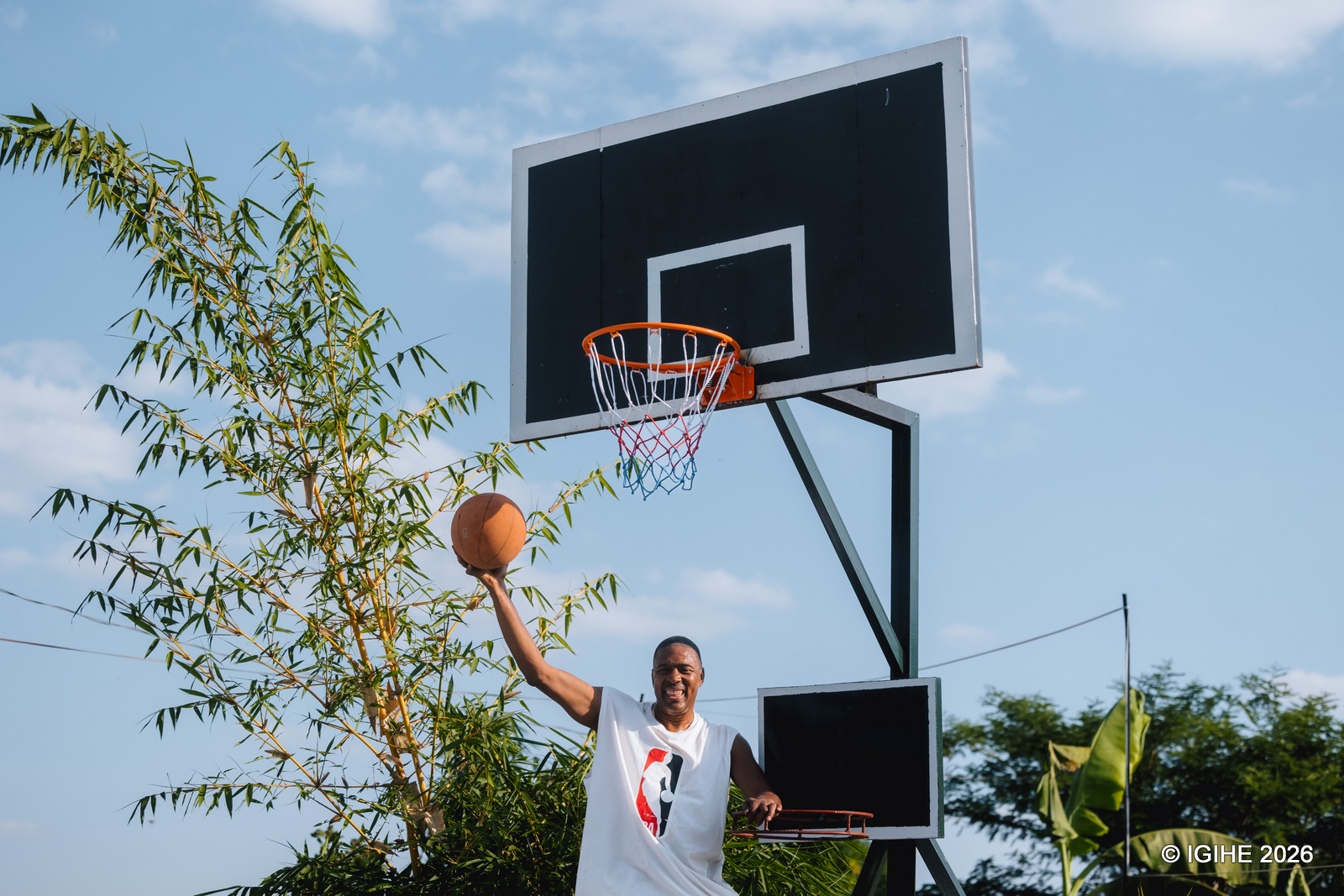
Harold Keeling helped establish a basketball court at The Promised Land, creating a space where children can develop their skills and enjoy the game.
A journey that brought him to Rwanda
Keeling’s connection to Rwanda began through basketball.
He first visited the country after reconnecting with his friend James, head coach of APR Basketball Club. Keeling praised May’s achievements, including leading APR to major success in African basketball competitions.
After discussing the possibility of visiting Rwanda with May and their friend Keevy Dixon, Keeling eventually travelled to the country, where he connected with David Clark and the Clark family, who welcomed him to stay at The Promised Land.
During his time in Rwanda, he attended basketball games in Kigali and later began visiting nearby communities. It was through those visits that he discovered opportunities to support children who needed assistance.
“When I saw that they needed some things, it was an opportunity for me to be able to help them. It really touched my heart,” he said.
Keeling explained that this was his fourth time returning to Rwanda because of the relationships he has built with the children and communities.
“They like me. I like them. I like being with them. We’re happy when we’re together,” he said.
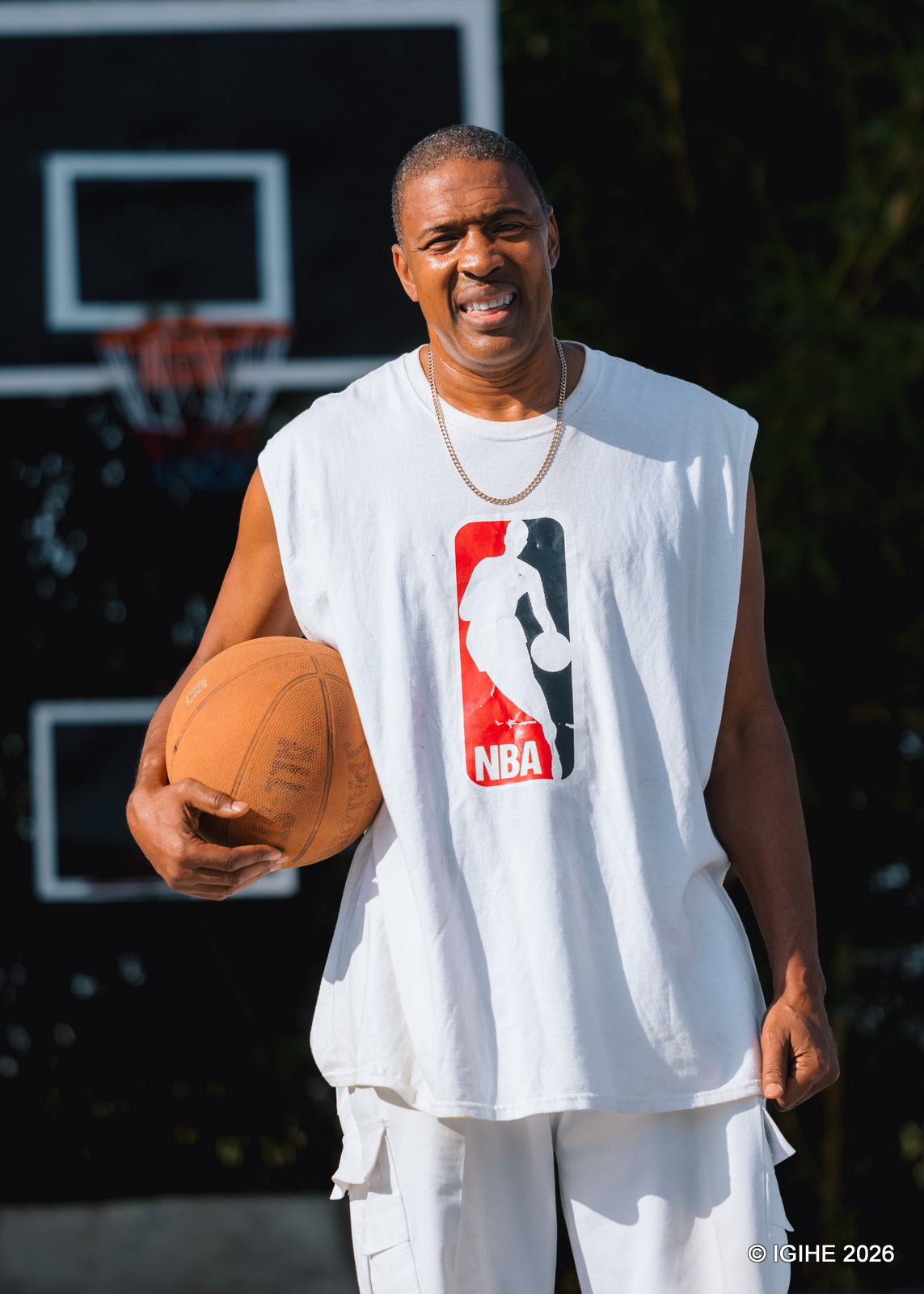
The former professional basketball player has helped organize youth basketball camps in Rwanda, using sport to teach discipline, teamwork and leadership.
Using basketball as a tool for change
For Keeling, basketball has always been more than a sport. He sees it as a tool for discipline, confidence and personal development.
Since arriving in Rwanda, he has organized basketball camps for young players and shared lessons from his own experience as a professional athlete.
He has worked with children at different schools and communities, teaching them basketball skills while encouraging them to believe in themselves.
“I feel blessed that I was put in this position to bless others and that God led me here,” he said.
His humanitarian work has also extended beyond sports.
Through Project Max and Save a Child’s Heart, Keeling became involved in an initiative that brought medical professionals, administrators and technicians to Rwanda to support children requiring medical procedures.
The project was initially planned for Ethiopia, but after discussions with partners, the team eventually came to Rwanda, where they worked with local medical institutions.
Keeling said he was grateful that the opportunity brought him back to a country where he had already developed strong connections.
Keeling says Rwanda’s safety, cleanliness and welcoming people are among the reasons he continues to return and invest his time in local communities.
Why Rwanda feels special to him
Beyond his work with children, Keeling said Rwanda’s safety, cleanliness and people are among the things that have impressed him the most.
He said he feels comfortable moving around the country, including at night, because of the sense of security he experiences.
“The first thing I would name is it’s very safe here. There’s hardly any crime. We walk at nighttime. We don’t worry about anybody stealing us or robbing us,” he said.
Keeling also praised Rwanda’s cleanliness, saying he admires how people protect public spaces and avoid littering.
Another quality he highlighted was the friendliness and unity among Rwandans.
“They’re very nice. They’re very friendly. They work together. I think that’s a wonderful thing,” he said.
The former basketball player also praised Rwanda’s development and said he believes the country continues to create opportunities for people from different backgrounds.
Harold Keeling praised Rwanda’s development, saying the country’s progress has left a lasting impression on him.Harold Keeling describes Rwanda as safer than the United States, citing its low crime rate and peaceful environment.
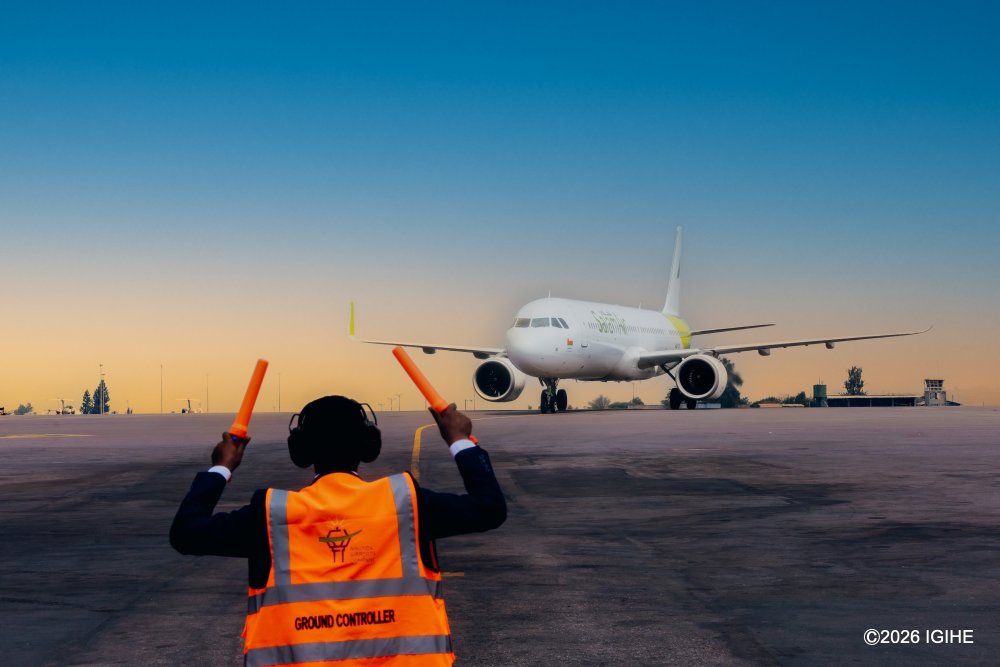
Oman’s low-cost carrier, SalamAir, officially launched its direct flights between Muscat and Kigali, marking the airline’s expansion into the African market. The inaugural flight landed on Tuesday, July 21, 2026, with the route scheduled to operate twice a week.
The new air link has sparked optimism about the benefits it will bring to both nations, from boosting tourism and trade to expanding employment and investment opportunities.
As Rwanda continues positioning itself as a leading tourism destination, the direct connection to Oman is expected to attract more visitors from Oman and neighboring Gulf countries while also providing easier access for African travelers heading to Oman.
The route is also anticipated to stimulate investment. Easier travel will allow Omani investors to explore business opportunities in Rwanda, particularly in sectors where the country has seen significant growth.
For ordinary citizens, the new flights will simplify travel for business, tourism, education, and family visits, making movement between the two countries faster and more affordable.
Employment opportunities for Rwandans
Oman has a population of over 5.3 million, with a significant proportion made up of expatriates. Foreign workers play a vital role in sectors such as construction, healthcare, tourism, transportation, and hospitality.
Rwanda’s Honorary Consul to Oman, Hamood Khalfan Al Busaidi, described the launch of the flights as the realization of a dream he had pursued for more than three decades.
“For me, this is a dream come true. I have represented Rwanda’s interests in Oman for more than 30 years, and I have followed this initiative closely. Today it has become a reality with the support of leaders from both countries.”
Al Busaidi noted that the new air connection could create employment opportunities for qualified Rwandans, as Oman relies heavily on foreign professionals.
“Oman has a relatively small population, while Rwanda has about 14 million people. This creates employment opportunities for educated people in Oman,” he said.
He also highlighted business opportunities for Rwandan exporters, particularly those dealing in agricultural products such as fresh fruits and vegetables.
Conversely, Oman could expand exports to Rwanda in areas including construction materials, natural resources, and other industrial products.
According to Al Busaidi, increased interaction between business communities and government officials from both countries will help identify additional sectors for cooperation and investment.
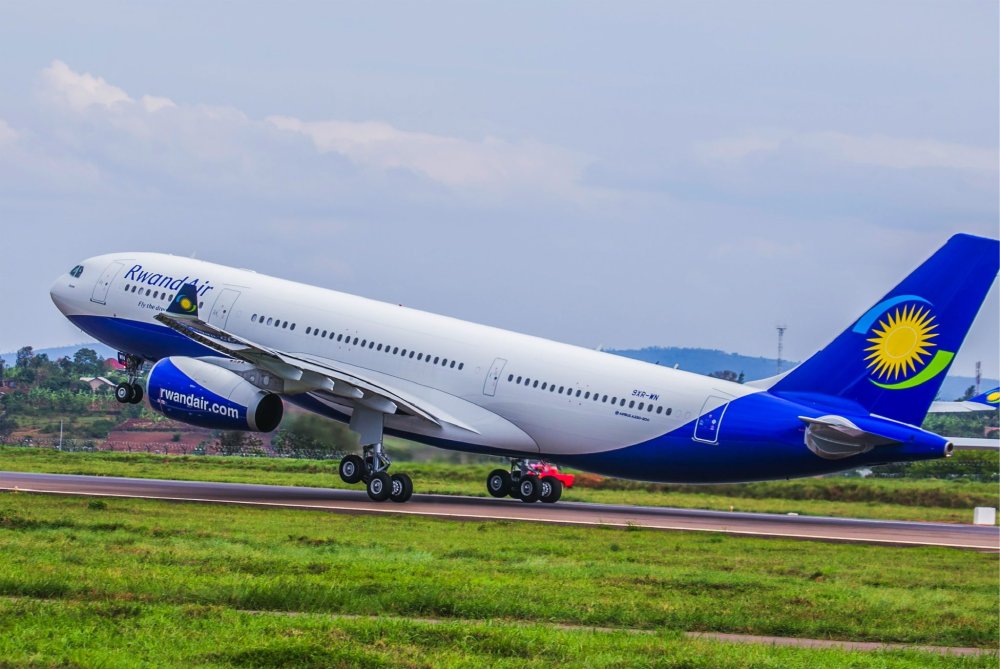
RwandAir could soon launch direct flights to Oman.
A longstanding relationship
Despite regional geopolitical tensions affecting the Strait of Hormuz, through which nearly 20% of the world’s petroleum supplies pass, Rwanda and Oman have maintained strong bilateral relations.
Al Busaidi emphasized that ties between the two countries go back many years, with several Omani families having lived in Rwanda.
He himself was born in Rwanda to an Omani father and a Rwandan mother. Other Omanis were also born or have lived in Rwanda, reflecting the longstanding relationship between the two nations.
The launch of SalamAir’s Muscat–Kigali route is expected to encourage Omani investment in sectors such as transportation, tourism, mining and infrastructure development.
The direct connection will also facilitate tourism in both directions while supporting Oman’s ambition to use Kigali as a gateway to the wider African market.
For Rwanda, the route is expected to improve trade logistics and provide easier access to markets in the Middle East.
Speaking to IGIHE, Senator Murangwa Ndangiza Hadidja, Chairperson of the Senate Standing Committee on Foreign Affairs, Cooperation and Security, welcomed the development, saying the new route would deepen cooperation between the two countries.
“We highly appreciate this opportunity for Rwanda to strengthen its partnership with Oman. The launch of SalamAir flights opens new possibilities for trade, tourism, and employment between our two countries.”
Rwanda’s Minister of State in the Ministry of Infrastructure, Col. Claudien Bizimungu, also said the direct flights would significantly reduce travel costs and inconvenience for passengers who previously had to connect through third countries to reach Oman.
SalamAir’s first flight to Kigali receives a ceremonial water salute upon arrival.
A new destination for RwandAir
During the inauguration of SalamAir’s Muscat–Kigali service, officials also revealed that RwandAir may soon begin operating flights to Oman.
Rwanda’s Ambassador to Oman, Dan Munyuza, who is based in Egypt, said Omani authorities have committed to facilitating all the necessary approvals if RwandAir decides to launch the route.
Minister of State Col. Claudien Bizimungu confirmed that the bilateral air services agreement allows airlines from both countries to operate flights between Kigali and Muscat.
“RwandAir could begin operating this route in the near future because that is Rwanda’s objective. Rather than relying solely on foreign airlines, we want our national carrier to provide Rwandans and international travelers with direct access to the destinations they need. We are investing in these connections to make travel and business more convenient.”
Located on the southeastern coast of the Arabian Peninsula, Oman is a Middle Eastern nation whose capital, Muscat, is the destination served by the newly launched direct flights from Kigali.
The country covers approximately 309,500 square kilometers and had a population of about 5.3 million as of May 2026. Nearly half of its residents are expatriates, making Oman one of the Gulf countries with a large foreign workforce.
Arabic is the country’s official language, while English is widely spoken, particularly in business, tourism, and international trade.
Oman’s currency is the Omani Rial (OMR), one of the world’s strongest currencies. One Omani Rial is worth more than Rwf3,800. The country is ruled by Sultan Haitham bin Tarik.
Oman’s economy was valued at approximately $107 billion in 2024. While oil and natural gas remain the backbone of its economy, the country has been actively pursuing economic diversification by investing in tourism, mining, infrastructure, logistics and ports, and renewable energy.
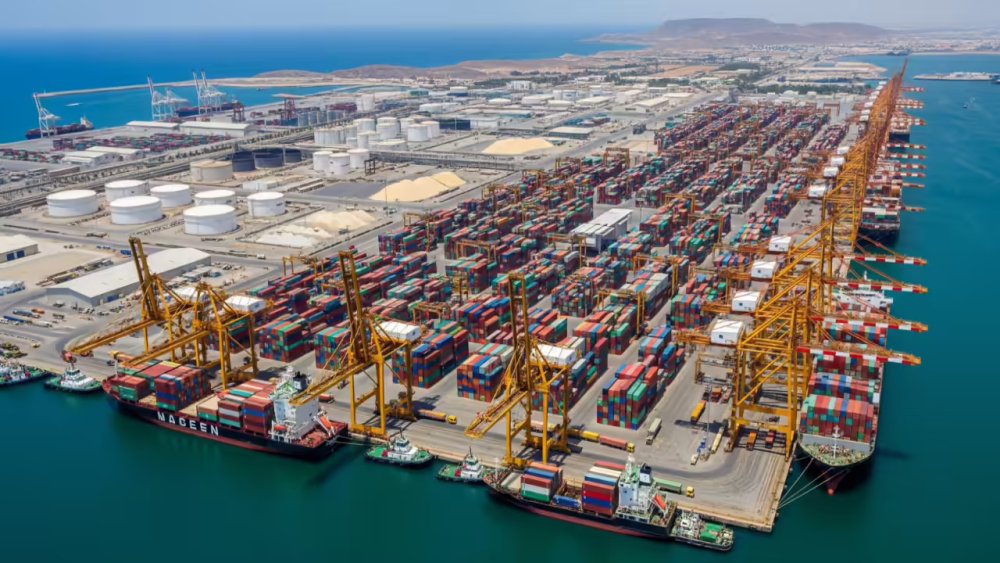
SalamAir’s inaugural flight arrives at Kigali International Airport.Oman is home to some of the region’s most strategically important commercial ports.
The findings, drawn from a nationally representative sample of over 20,000 women and men, show that 50% of men and 18% of women aged 15–49 drank alcohol in the last month, figures that point to a wide and persistent gender gap in drinking habits, even as frequency patterns look broadly similar across the two groups.
Frequency over volume
Most Rwandans who drink do so occasionally rather than heavily. Among those who consumed alcohol, 78% of women and 51% of men drank on just one to five days in the preceding month. Daily or near-daily drinking was reported by 7% of women and 15% of men.
When they did drink, men were more likely than women to have several drinks in one sitting. Among male drinkers, 32% had no more than one drink per session, compared with 48% of female drinkers. At the other end of the scale, 12% of men and 14% of women who drank consumed six or more drinks on a typical drinking day.
Drinking rises sharply with age
The survey shows a clear age gradient for both sexes. Among women, alcohol consumption climbs from 7.5% among 15–19-year-olds to 28.9% among those aged 45–49. Among men, the increase is steeper and comes earlier: from 22.2% among teenagers to over 60% by their early 30s, peaking at 64.8% among men aged 40–44.
Regional and economic divides
Alcohol use varies markedly by province, and the pattern looks different for men and women.
Among women, Northern Province (26.1%) and Southern Province (25.6%) recorded the highest rates of alcohol consumption, more than double the 10.5% recorded in the City of Kigali, the lowest of any province. Western and Eastern Provinces fell in between, at 13.3% and 15.6% respectively.
Among men, the geography shifts, though Northern Province again tops the list, at 59.4%. It is followed by Southern Province (54.1%), Eastern Province (45.7%), Kigali (49.7%), and Western Province, which recorded the lowest male consumption at 45.3%. Notably, Kigali records the lowest alcohol use among women but sits roughly in the middle among men, while Western Province is consistently the lowest- or near-lowest-consuming province for both sexes.
The rural-urban split tells a smaller but still notable story. Rural women were more likely to drink than urban women (20.5% versus 12.7%), while the gap between rural and urban men was minimal (50.9% versus 48.8%), suggesting alcohol use among men is fairly evenly distributed regardless of setting, whereas for women, urban residence appears to correlate with lower consumption, mirroring the wealth pattern seen nationally.
Wealth shapes drinking for both sexes, though the pattern is clearer among women. Women in the poorest wealth quintile were roughly twice as likely to have consumed alcohol in the last month (24.4%) as those in the wealthiest quintile (11.8%). Among men, consumption was also highest in the poorest quintile (59.3%) and lowest among the wealthiest (41.7%), though the decline was less consistent in between, dipping to 49.4–49.5% in the middle quintiles before falling further at the top.
Education shows a similar gradient for women, alcohol use falls steadily from 24.9% among those with no education to 11.5% among those with more than secondary education. Among men, the pattern is less consistent: consumption drops from 62.5% (no education) to 41.3% (secondary), then rises again to 50.3% among the most educated group.
A different picture from tobacco use
The RDHS report notes that alcohol consumption is far more widespread than tobacco use in Rwanda, where just 1% of women and 6% of men aged 15–49 currently smoke or use tobacco products. Tobacco use among men has declined slightly since the previous survey, from 7% in 2019–20 to 6% in 2025.
Unlike tobacco, which is most heavily concentrated among older, less educated and lower-income men, alcohol consumption follows a somewhat similar socioeconomic gradient among women, while showing a less consistent pattern among men.
The report cautions that heavy alcohol intake carries significant health risks, including increased risk of alcoholism, malnutrition, chronic pancreatitis and liver disease, as well as risks to maternal and child health when consumed during pregnancy.
The 2025 RDHS was implemented by the National Institute of Statistics of Rwanda (NISR) in collaboration with Rwanda’s Ministry of Health.
Half of Rwandan men and nearly one in five women aged 15–49 consumed alcohol in the month before they were interviewed for the 2025 Rwanda Demographic and Health Survey (RDHS), according to the survey’s final report released on June 30, 2026.
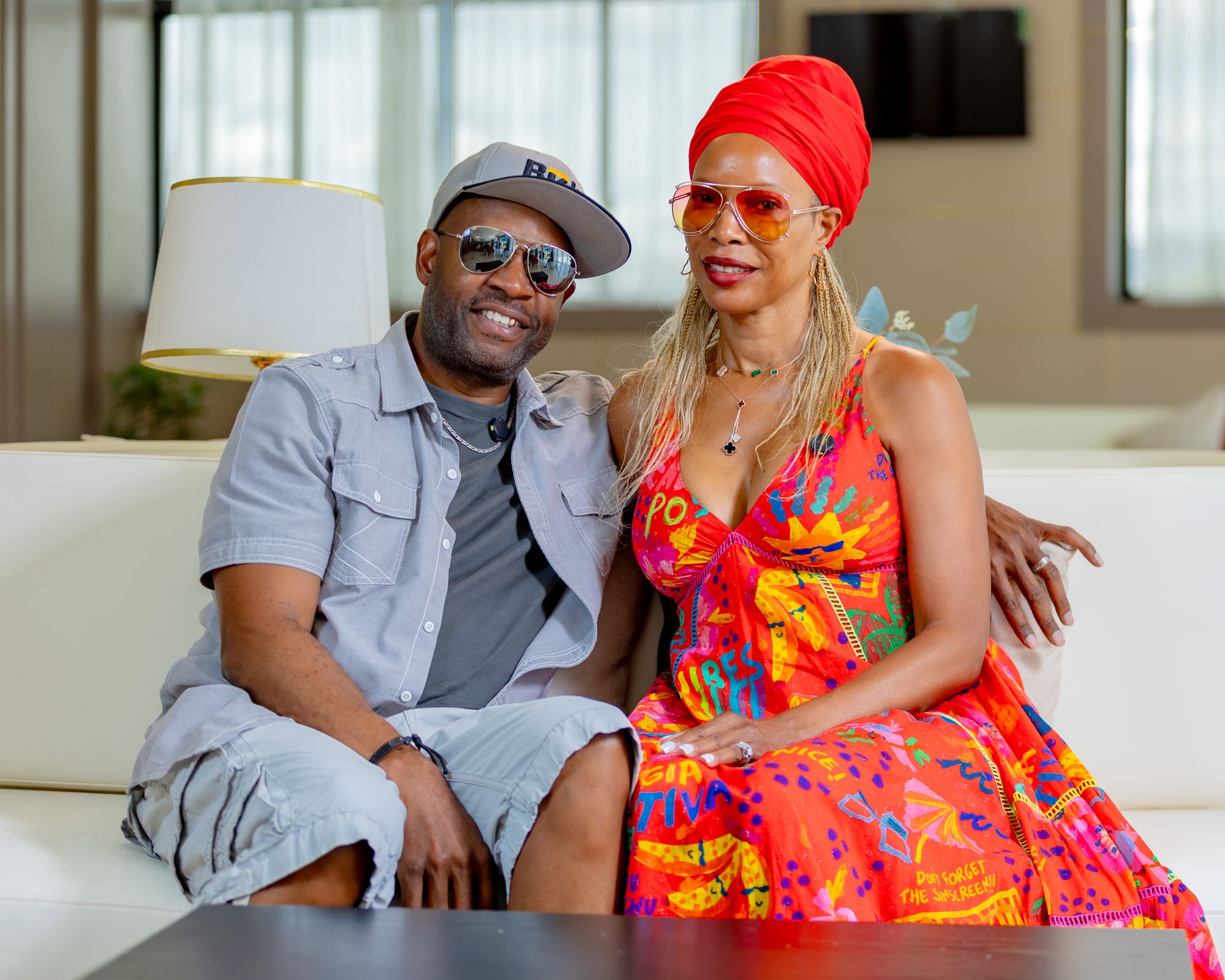
Four years later, the Brooklyn rap legend and his wife, are celebrating their first year as residents of Kigali, a move they say has transformed not only where they live, but how they see the world.
For Dana Dane, a defining figure of hip-hop’s golden era, the journey to Rwanda represents a new chapter in a life already filled with milestones.
Widely regarded as one of the pioneers of 1980s hip-hop, the 60-year-old launched his career alongside childhood friend and fellow rap icon Slick Rick as part of the Kangol Crew before releasing his groundbreaking 1987 debut album Dana Dane with Fame. The album became the first solo rap project by a Brooklyn artist to earn Gold certification, while songs such as Nightmares and Cinderfella Dana Dane cemented his reputation as one of rap’s greatest storytellers.
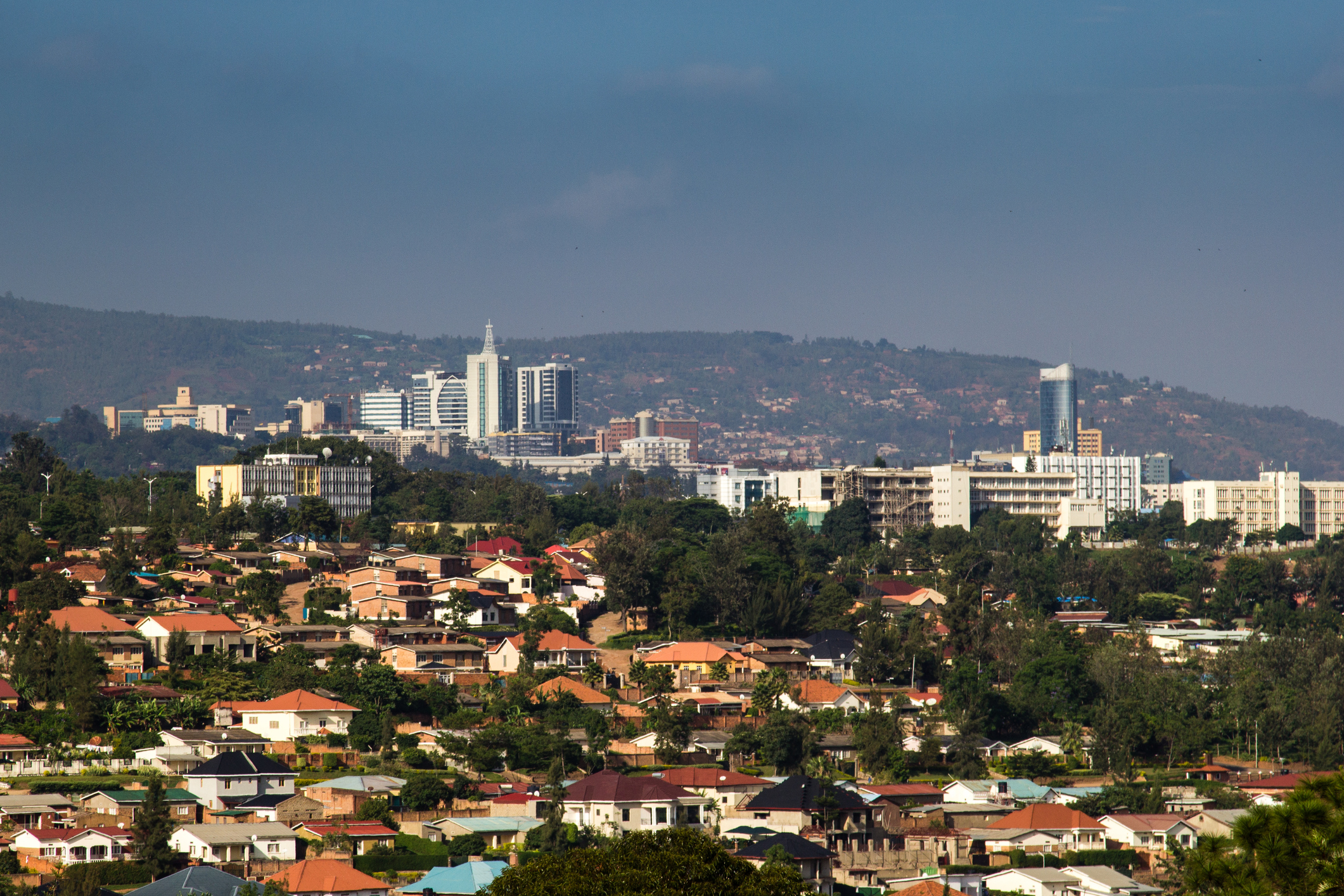
Today, instead of navigating the streets of Brooklyn or Hollywood, the rapper, filmmaker and producer spends much of his time overlooking Kigali’s rolling hills, collaborating with local creatives and imagining what Rwanda’s growing film industry could become.
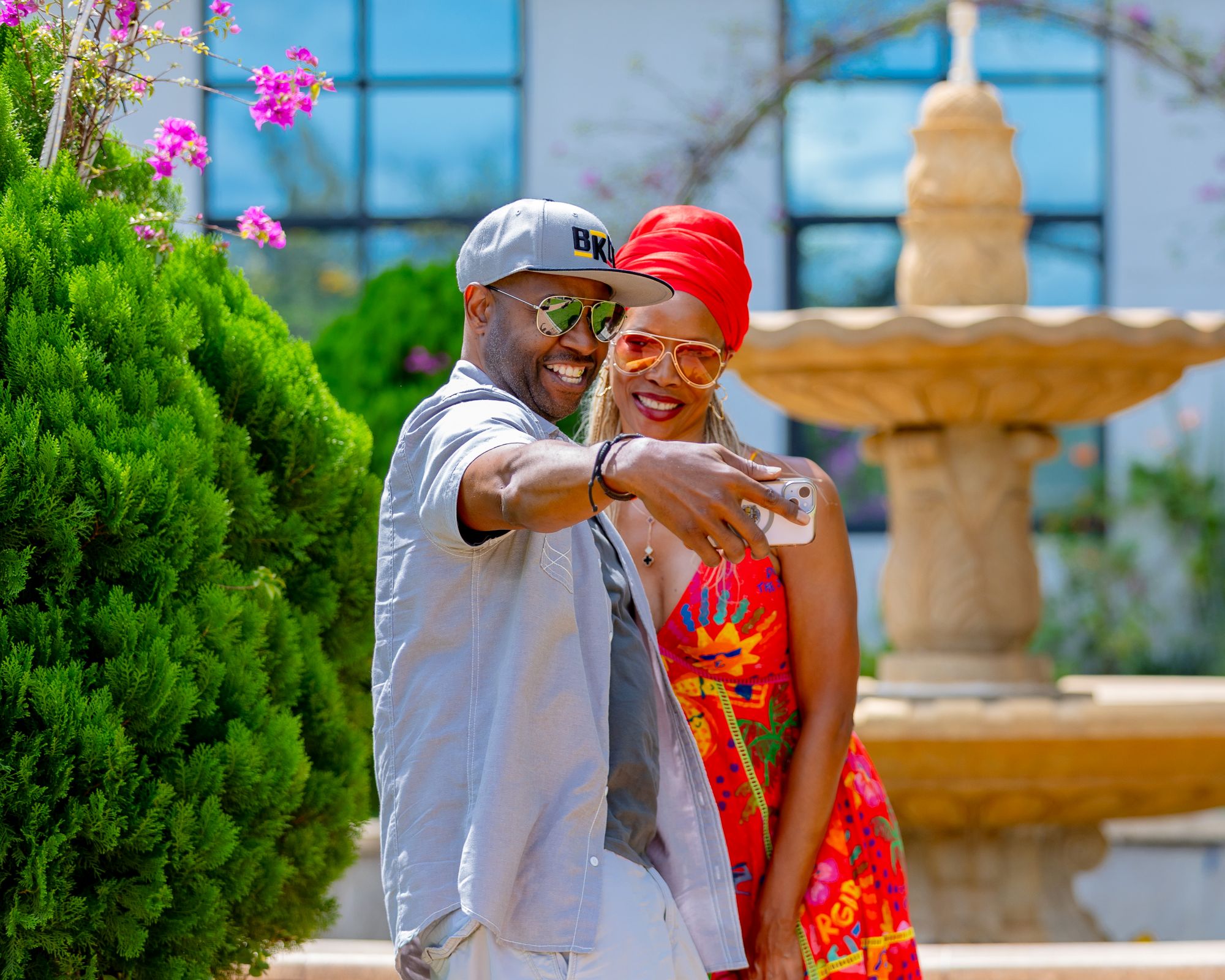
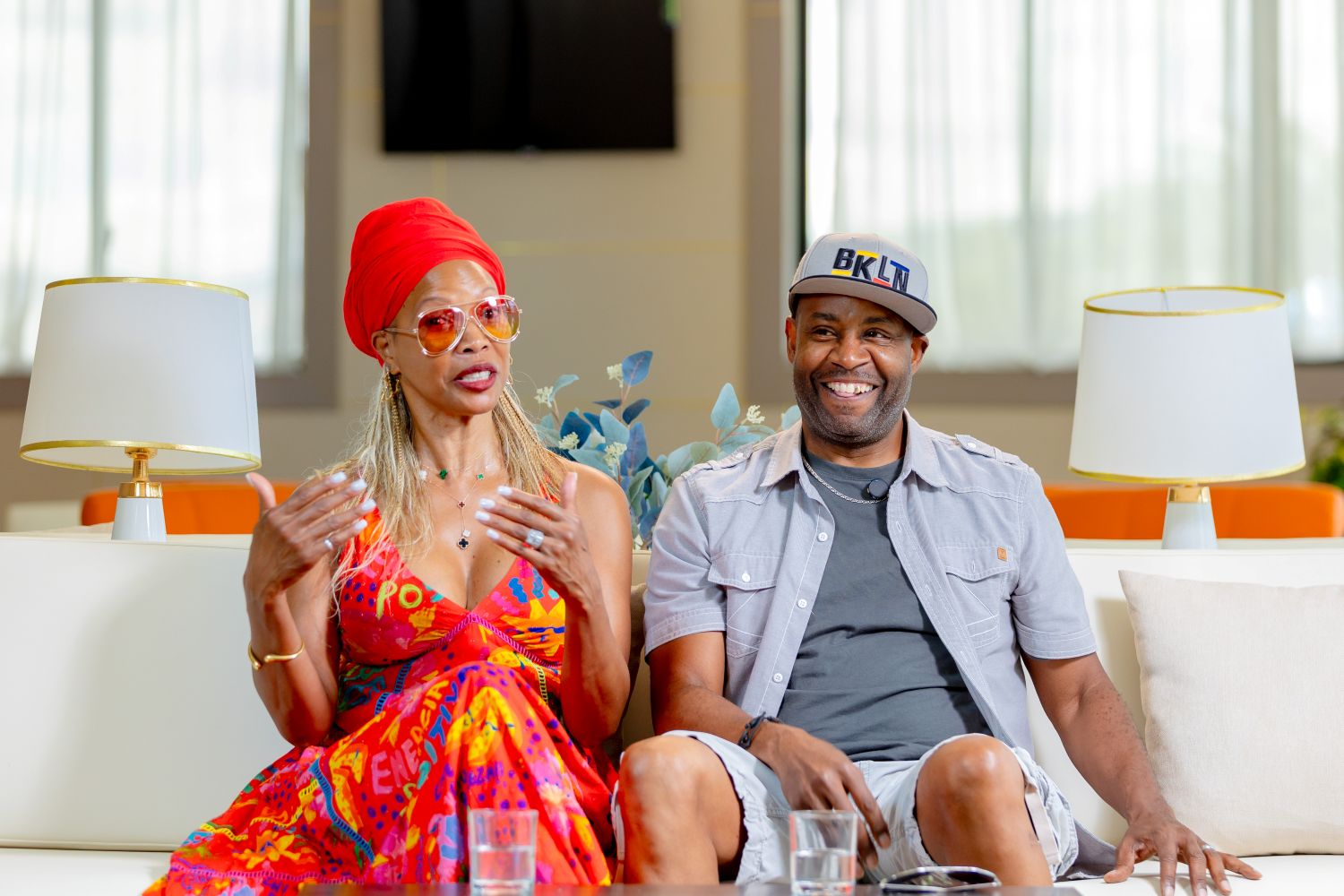
The Brooklyn rap legend and his wife are celebrating their first year as residents of Kigali
A holiday that changed everything
In a recent exclusive interview with IGIHE, the couple revealed that the idea of moving to Africa had long been part of their conversations. Ghana, Kenya and South Africa were all on their list of possibilities. Rwanda wasn’t.
In fact, their first trip here happened almost by chance.
“I saw the gorilla trekking promoted on Instagram,” Dr. Tana recalls. “My husband thought I was crazy.”
Like many first-time visitors from abroad, much of what they knew about Rwanda came from popular culture.
“The only thing we knew about Rwanda was Gorillas in the Mist, Hotel Rwanda and, of course, the 1994 Genocide against the Tutsi,” Dana Dane says.
They arrived with few expectations.
Landing after dark, they travelled straight to Volcanoes National Park before embarking on what they describe as a once-in-a-lifetime gorilla trekking experience.
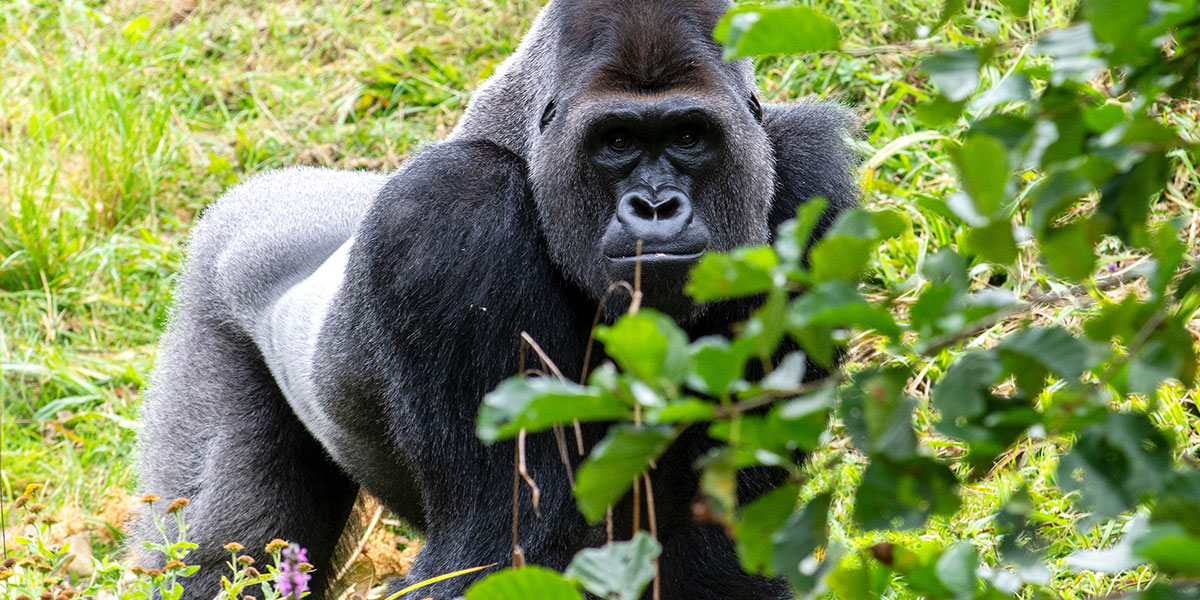
Approximately 604 endangered mountain gorillas reside in the Virunga Massif, which spans Rwanda’s Volcanoes National Park, Uganda, and the Democratic Republic of the Congo.
But it was what happened after that unforgettable encounter that surprised them most.
During a short tour of Kigali before catching their flight home, the couple found themselves captivated by a city they knew almost nothing about.
The clean streets, modern infrastructure, lush greenery and use of technology, including intelligent traffic monitoring systems, challenged many of the assumptions they had carried with them.
“As we got on the plane to leave,” Dr. Tana recalls, “we turned to each other and said we could see ourselves living here one day.”
That conversation happened after only two days in Rwanda.
Kigali, Rwanda’s capital, is widely recognised and consistently ranked as Africa’s cleanest city.
Taking a leap of faith
By early 2025, they decided to stop talking about moving and simply do it.
Their plan was modest.
They would spend three months in Rwanda. If it wasn’t the right fit, they would move on to another African country.
That backup plan never became necessary.
“We’ve visited other countries since we’ve been here,” D. Tana says, “and we keep saying we made the right choice.”
The couple says several factors influenced their decision to leave the United States.
In an exclusive interview with IGIHE, the couple revealed that the idea of moving to Africa had long been part of their conversations. Ghana, Kenya and South Africa were all on their list of possibilities. Rwanda wasn’t.
Dana points to America’s increasingly divisive political climate, while both describe wanting a slower pace of life and a stronger sense of belonging.
“Being here was very calming,” he says. “Being in Africa and just seeing all the people that look like us.”
After taking ancestry tests that traced Dana Dane’s roots to Gabon and Dr. Tana’s to Cameroon, relocating to Africa also carried a deeper personal significance.
One phrase, however, best captures how they describe the emotional difference.
“We felt celebrated and not tolerated.”
While both speak warmly about the United States, they say Rwanda has given them something they had been searching for over many years: a genuine feeling of acceptance.
“No one’s made us feel like we were strangers or foreigners,” Dr. Tana says.
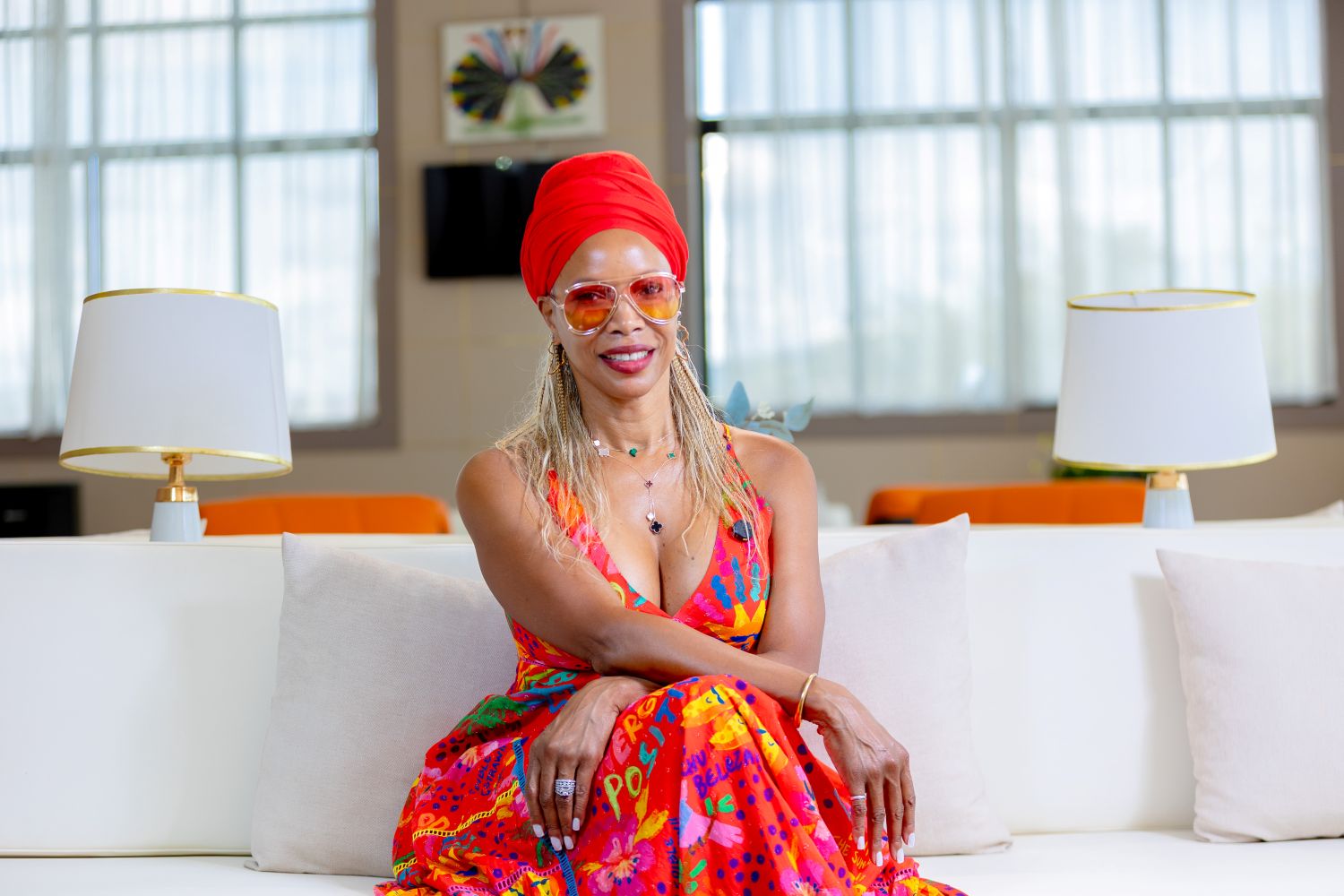
Dr. Tana’s career spans more than three decades in human resources, organisational development and executive coaching.
Breaking misconceptions
Dana Dane believes one of the biggest surprises has been discovering how welcoming Rwanda, and Africa more broadly, has been.
“There’s been a big misconception as Black Americans that Afro Blacks are not welcoming in Africa,” he says.
“Being here, I just want Americans to know that you are welcome in Africa as a Black American.”
That welcoming atmosphere, they say, extended beyond local residents.
They also discovered a thriving community of Black Americans already living in Rwanda, something neither had expected before relocating.
“That has been priceless for our transition,” says Dr. Tana.
Dr. Tana balances consulting work with early mornings at home, often accompanied by their puppy and a steady rhythm of international communication.
Seeing a country with a plan
Beyond the warm reception, the couple says they were impressed by Rwanda’s long-term vision.
Dr. Tana, whose career spans more than three decades in human resources, organisational development and executive coaching, was struck by what she describes as a country with a clear roadmap for the future.
Dana Dane points to Rwanda’s long-term national development strategies as another reason they chose to stay.
“My wife is big on plans,” he notes. “She saw there was a plan in place for the country.”
Watching Rwanda progress toward its vision of becoming a high-income country by 2050 has convinced them they arrived at an exciting moment in the country’s growth.
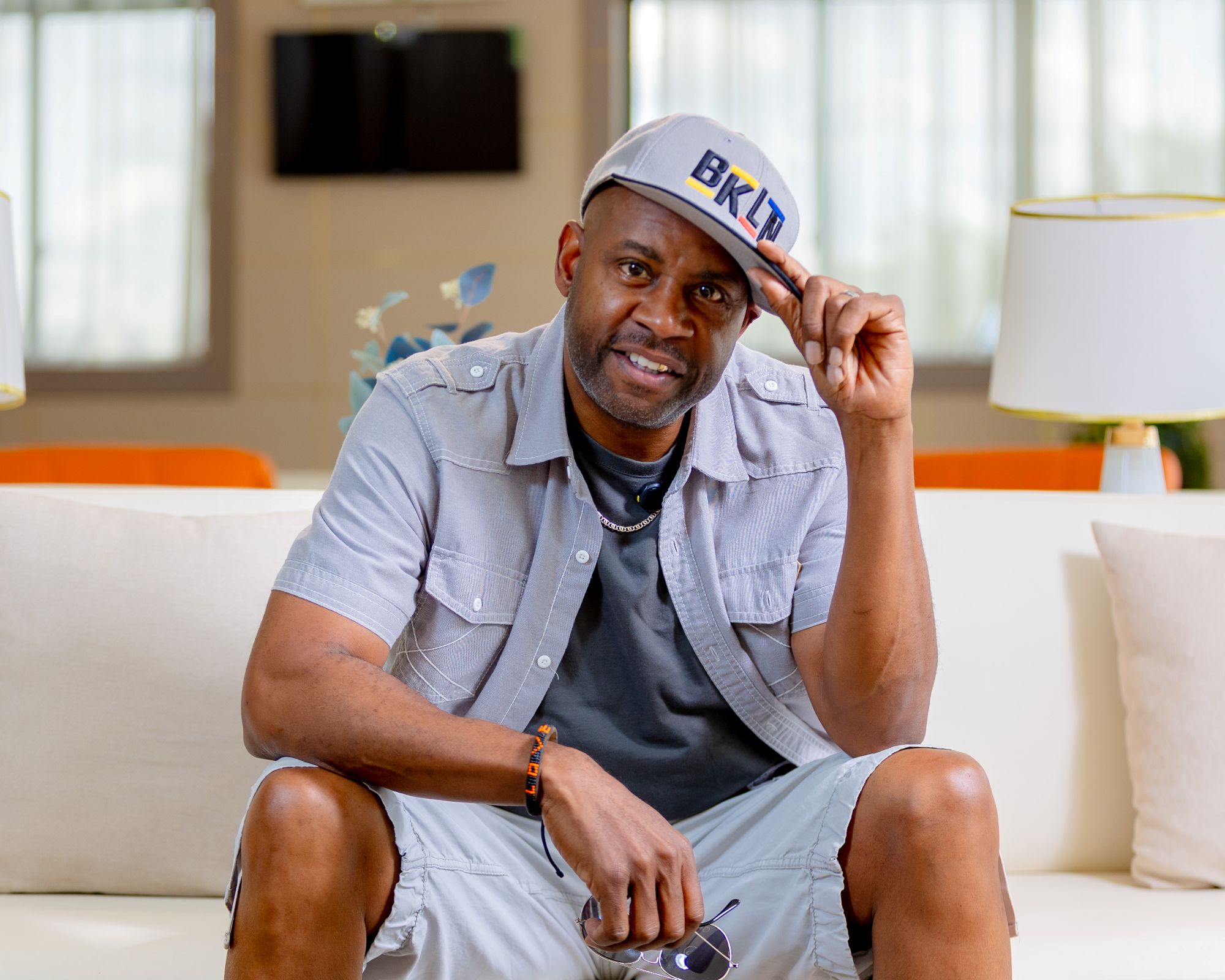
Dana Dane is a Brooklyn-bred storyteller who helped define hip-hop’s golden era in the 1980s.
Creating instead of retiring
Rather than slowing down, Dana Dane says Rwanda has sparked a new wave of creativity.
While continuing to produce films for international audiences, he has immersed himself in Rwanda’s entertainment industry.
He has already begun collaborating with local filmmakers and artists, seeing enormous potential despite the industry’s relatively young stage of development.
“I’ve already partnered with a lot of Rwandan filmmakers and entertainers,” he reveals. “We’re learning from each other and creating something incredible.”
He believes Rwanda has all the ingredients needed to become a major creative hub, provided filmmakers receive greater investment and opportunities to produce feature-length films.
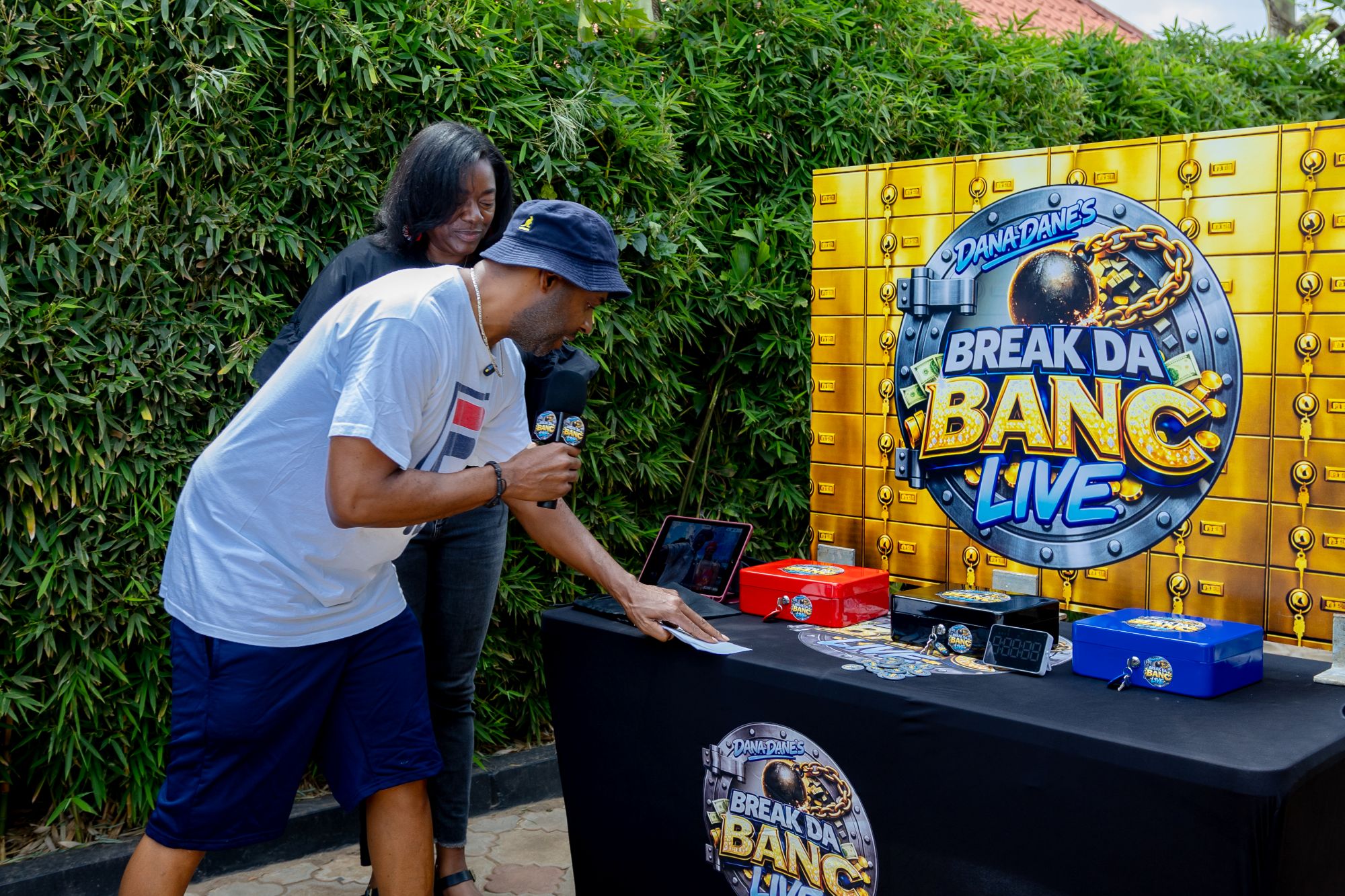
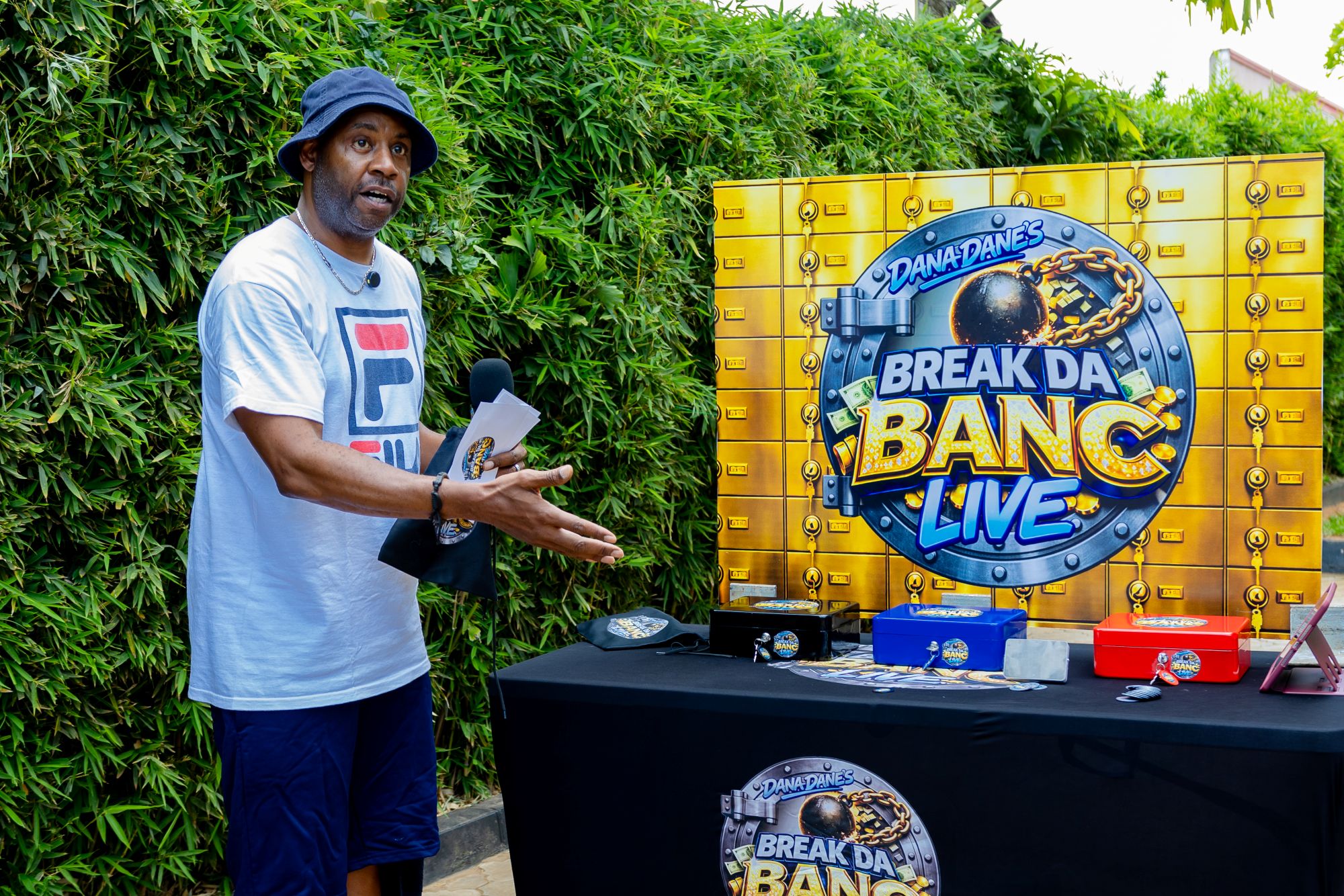
Among his new projects is Break Da Banc Live, a game show he recently started filming on the streets of Rwanda.
He also hopes to collaborate with Rwandan musicians.
Dana Dane recently unveiled a street game show dubbed Break Da Banc Live.
Investing in people
For Dr. Tana, Rwanda’s greatest resource isn’t its scenery or infrastructure. It’s its young people.
Having spent decades developing leaders and organisations, she says she has been inspired by the country’s emerging generation of professionals.
“We’ve met so many very young civil engineers that are building apartment buildings, hotels and homes,” she says.
“They’re younger than our kids.”
She hopes to combine her newly earned law degree with her experience in leadership development, executive coaching and human resources to mentor young professionals while undertaking pro bono work focused on human and civil rights, particularly gender equity.
She is equally inspired by the visibility of women in leadership, with women holding a world-leading 63.8% of seats in Rwanda’s parliament alongside significant representation in the cabinet.
“The things I’ve connected to with Rwandan culture is that women are leaders here,” she remarks, pointing to women’s strong representation in government and business.
Learning, adapting and embracing home
Like any international move, settling into Rwanda came with challenges.
Learning Kinyarwanda remains the biggest one.
Dana Dane made it a priority to master simple expressions such as “Murakoze” (thank you), believing that courtesy creates instant connections.
For Dr. Tana, using Google Translate and embracing mistakes has helped smooth the transition.
“When people see you’re trying,” she says, “they’ll try to meet you there.”
But what stands out most after a year isn’t what felt unfamiliar. It’s what now feels like home.
The couple speaks enthusiastically about Rwanda’s sense of safety, efficient public services, simplified business registration, affordable cost of living and fresh food.
Simple pleasures now define their routine: morning coffee overlooking Kigali’s hills, creative work during the day and evenings spent with friends or attending cultural events.
“I take walks up these beautiful hills. The Thousand Hills give a thousand views,” Dana Dane says.
Looking ahead, neither plans to leave.
Watch the full conversation with hip-hop icon Dana Dane and Dr. Tana as they share how a gorilla trek led to a new life in Rwanda.
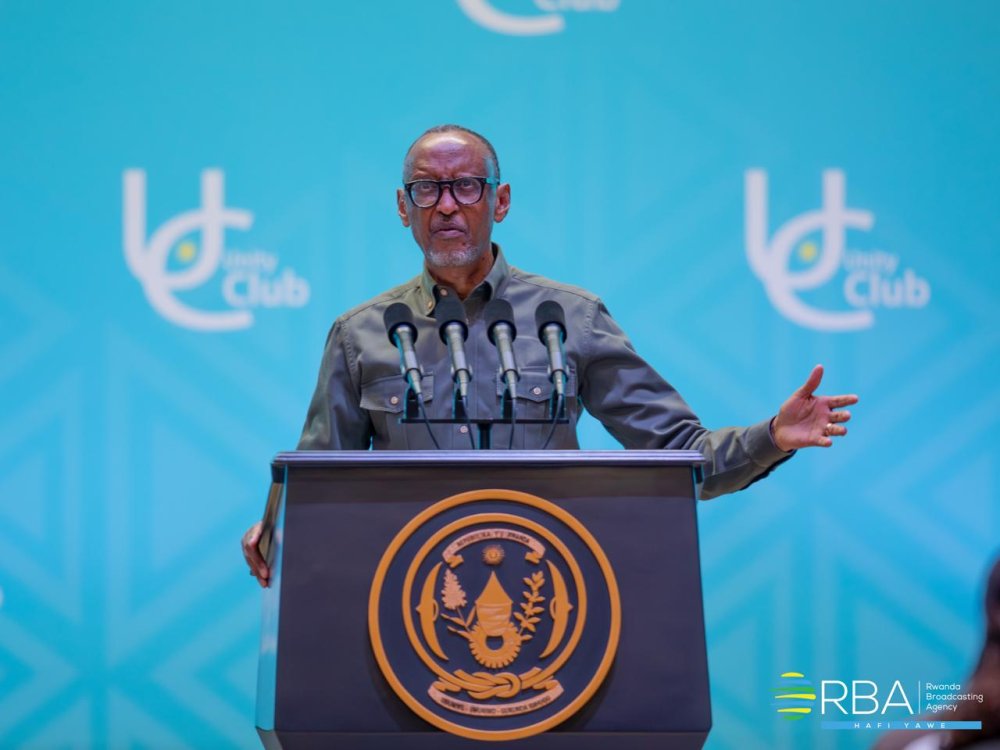
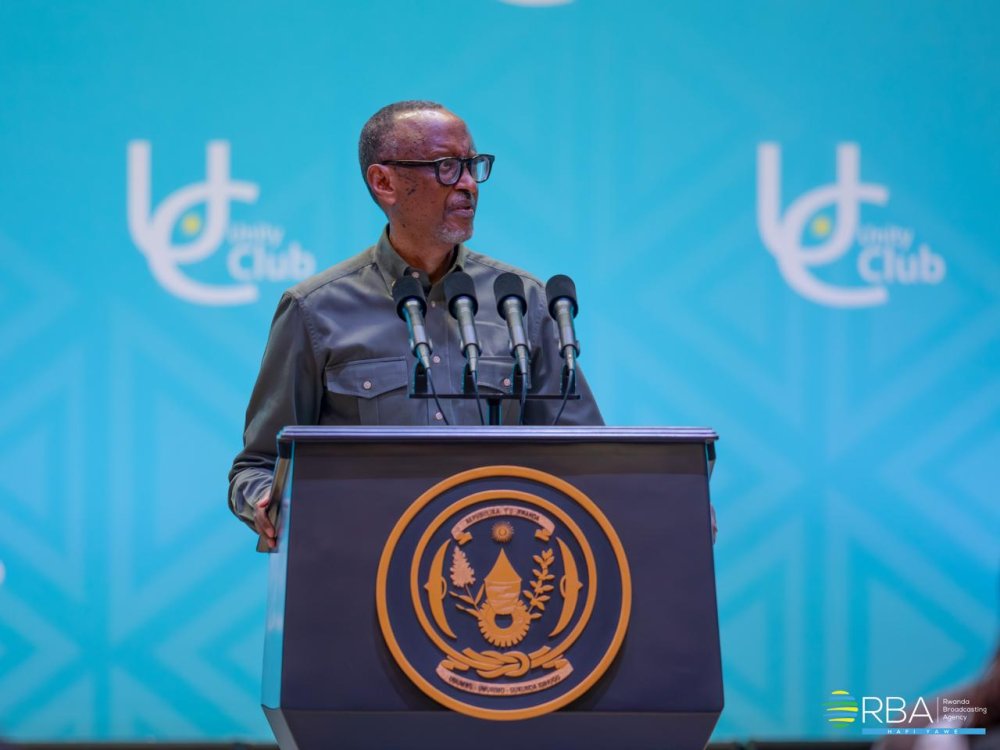
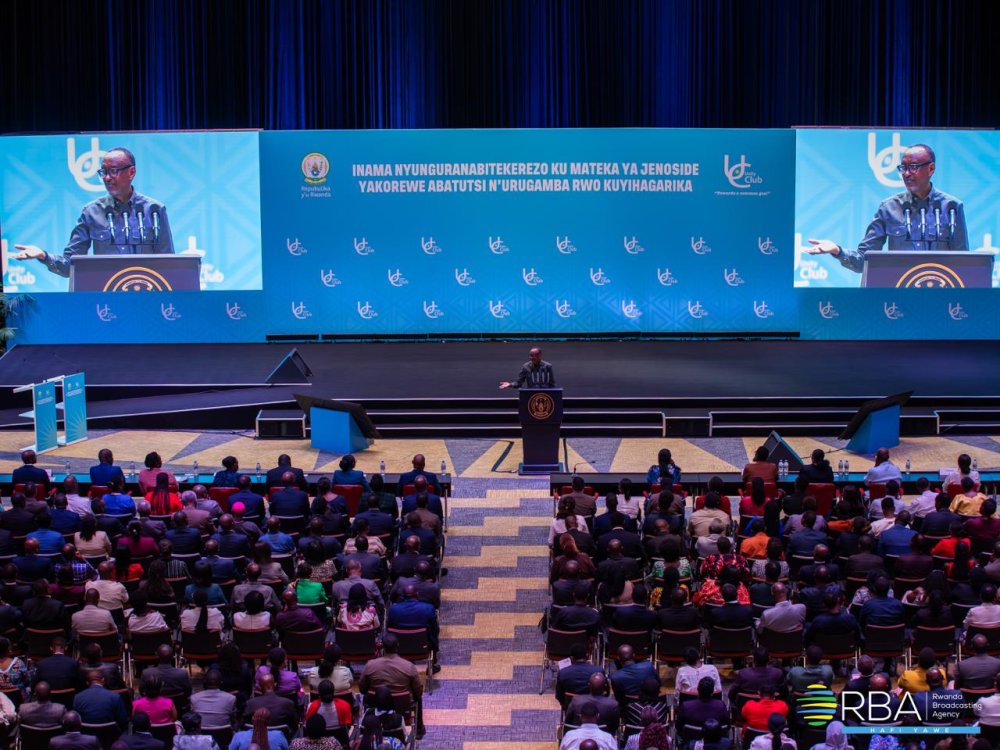
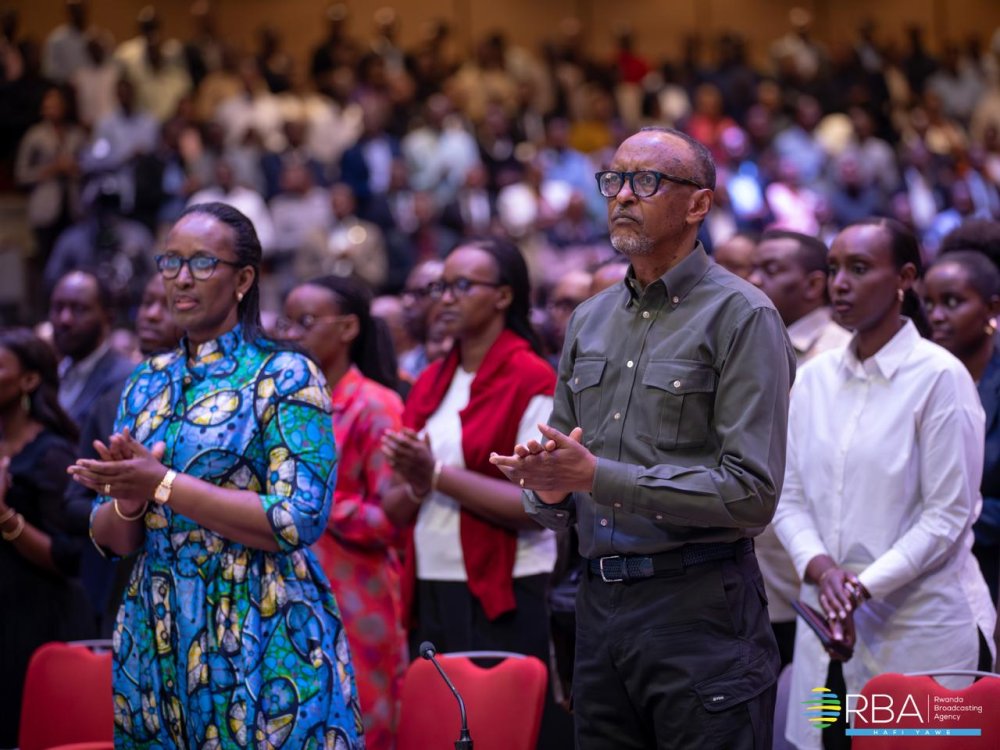
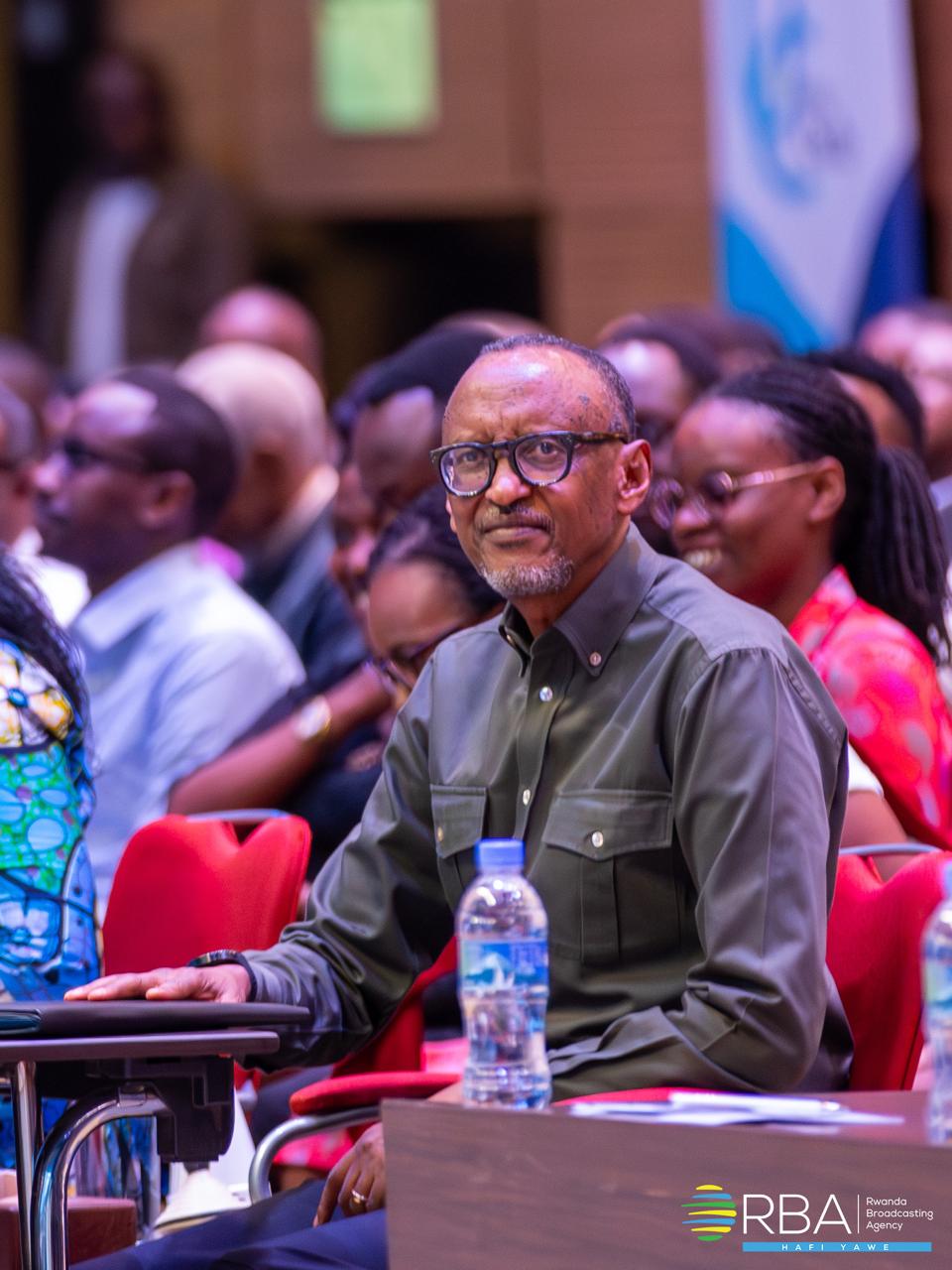
He made the remarks on Saturday at Intare Arena, where he and First Lady Jeannette Kagame joined members of Unity Club and other leaders in a dialogue on the history of the Genocide against the Tutsi and the Liberation War that ended it.
The discussions focused on the events that led to the 1994 Genocide against the Tutsi, the role of those who planned and executed it, and the Liberation War that stopped the genocide and restored the country, paving the way for national recovery and renewed unity among Rwandans.
President Kagame said the history of a country such as Rwanda is often contested because people interpret it through different perspectives shaped by their involvement, interests, or connection to past events.
He noted that historical accounts are sometimes distorted or selectively interpreted, adding that such disagreements are partly understandable given the differing roles and experiences of those involved, as well as interests that may have influenced past actions.
“History of a country like ours and what we went through involves many things that people even distort and turn into something it is not or should not be. There are many debates, which is understandable, and they are justified because how one person understands things is not how another understands them, depending on the role people played or had in them, depending on the interests that may have been involved earlier, even when it later becomes clear that those were not the right interests to guide actions in history.”
President Kagame made the remarks on Saturday at Intare Arena, where he and First Lady Jeannette Kagame joined members of Unity Club and other leaders in a dialogue on the history of the Genocide against the Tutsi and the Liberation War that ended it.
President Kagame said that discussions about history are often complicated by factors such as denial, discomfort, or reluctance to acknowledge responsibility.
“There are many things involved. There is shame as people feel uncomfortable with the role they played or their connection to it, and they do not want to revisit it. That is understandable. But what is more important is trying to go beyond that and work towards gathering everything so it becomes a truth we can base other actions on,” he noted.
The Head of State emphasized that some truths are supported by clear evidence or testimonies, including from individuals acknowledging their own involvement.
“There is also truth that cannot be reversed or reinterpreted because of evidence. Or even evidence where some people admit: ‘This is what happened! What I said about myself is true.’”
President Kagame said that when individuals acknowledge their role, continued debate becomes unnecessary, and attention should shift to lessons that support positive change.
“If the person themselves tells you that, what more debate is there? Instead of arguing, you should take the lesson and use it to achieve what we want. Many of these debates often come from those who, instead of saying ‘What has been said about me is true, and I am ready to start from there and change to become a better person,’ they instead resist it.”
He further noted that some individuals remain resistant to accepted accounts of history and attempt to reshape or reinterpret events, but stressed that the country cannot be held hostage by such positions.
“Many remain stubborn for the reasons I mentioned, which is understandable. But the country cannot be held hostage. Even when a country allows certain things and gives space for people to better understand what they previously misunderstood, that space is given, and it should be given, but it must have limits,” he remarked.
“The country cannot be held hostage by people who want history to be as they wish or to be understood in a way that is not how it truly is. All those debates should have space, research should happen, many things should take place in the search for truth, and they should be given adequate time,” he added.
President Kagame noted that historical accounts are sometimes distorted or selectively interpreted.
President Kagame said Rwanda has already provided sufficient space for discussion, research, and the pursuit of historical truth, but cautioned that such space should not be misused to distort facts or mislead the public.
“And I think over the years that space has been provided or has been available, except if we misuse it. But again, as human beings, we know people have issues.”
He observed that resistance to truth is sometimes driven not by lack of knowledge, but by personal or emotional connections to individuals implicated in historical events, whether through family, friendship, ideology, or shared interests.
“In normal life, a person may say in their heart: ‘They are talking about someone who has a problem, who did bad things,’ but because it is their relative or friend, even when there is evidence, they try to protect that person and deny the truth, and even tell others it is not true.”
President Kagame and First Lady Jeannette Kagame joined members of Unity Club and other leaders in a dialogue on the history of the Genocide against the Tutsi and the Liberation War that ended it.
President Kagame added that in some cases, opposition to truth is motivated by fear that acknowledging certain crimes may have wider implications for those connected to them.
“Some do so because if that crime is acknowledged, even if it comes from testimony, it may eventually circle back to them. So they try to prevent it early. In other words, I have a connection with person X, who is accused of certain things. That connection is not only blood-related; it can also be ideological or based on shared beliefs.”
He further explained that in such situations, individuals may attempt to defend or protect others from accountability in order to avoid broader scrutiny.
“They then fight the truth to protect that person, sometimes a friend or relative, from being held accountable. The aim is to prevent it from spreading and people saying, ‘So you are also involved?’ or even saying that those crimes affect everyone connected to it, and asking, ‘So what about me, do I also accept it?’”
President Kagame noted that a deeper issue arises when denial goes as far as questioning whether crimes occurred at all, or suggesting that victims somehow deserved their fate.
“If it is someone who was killed, it becomes as if you are saying: ‘They deserved to die anyway! Why should they have lived?’ These are things we Rwandans have experienced, and we must find ways and solutions to address them.”
He stressed that Rwanda’s painful history cannot be ignored or bypassed, and that Rwandans have a responsibility to confront it honestly and draw lessons that guide the country’s future.
“Especially when I speak about Rwanda, I am talking about the country I am part of, where I am a Rwandan. There are others for whom this may not mean much; they may choose to live as they are. That is possible elsewhere… But in Rwanda, our country and our history, what we say is: ‘We had a very bad history, but we cannot go around it.’”
He added that while Rwanda’s past was deeply painful, it should not be allowed to define or dictate the country’s present and future.
President Kagame said Rwanda has reached a point of clarity about its values and direction, and that citizens should be prepared to defend them, even at great cost if necessary.
“That is what we should live for, and what we would even die for if necessary,” he affirmed.
The Head of State emphasized that dialogue, explanation, and persuasion have limits, particularly when continued resistance risks dragging the country back into its violent past.
“When you see it is reaching a point where it may take another direction that could return people to the bad history we know, then no! You draw a clear line. Whoever crosses it pays the price. We are not afraid of that at all!”
President Kagame said Rwanda has reached a point of clarity about its values and direction, and that citizens should be prepared to defend them, even at great cost if necessary.
The 60-day agreement is intended to pave the way for broader negotiations toward a permanent ceasefire. Among its 14 key provisions are the cessation of hostilities between the two sides in the Middle East, mutual respect for sovereignty and territorial integrity, the reopening of the Strait of Hormuz, and the reopening of Iranian ports.
Iran is required under the deal to halt nuclear weapons development, while the United States has agreed to ease sanctions and release frozen Iranian funds held in international banks. Washington has also committed to contributing an estimated $300 billion for reconstruction of war-damaged areas.
Following the announcement, global oil prices quickly dropped back to pre-conflict levels. During peak tensions, crude oil had risen to as high as $120 per barrel, but it has since fallen to around $77.69. U.S. crude is trading at approximately $74.90 per barrel.
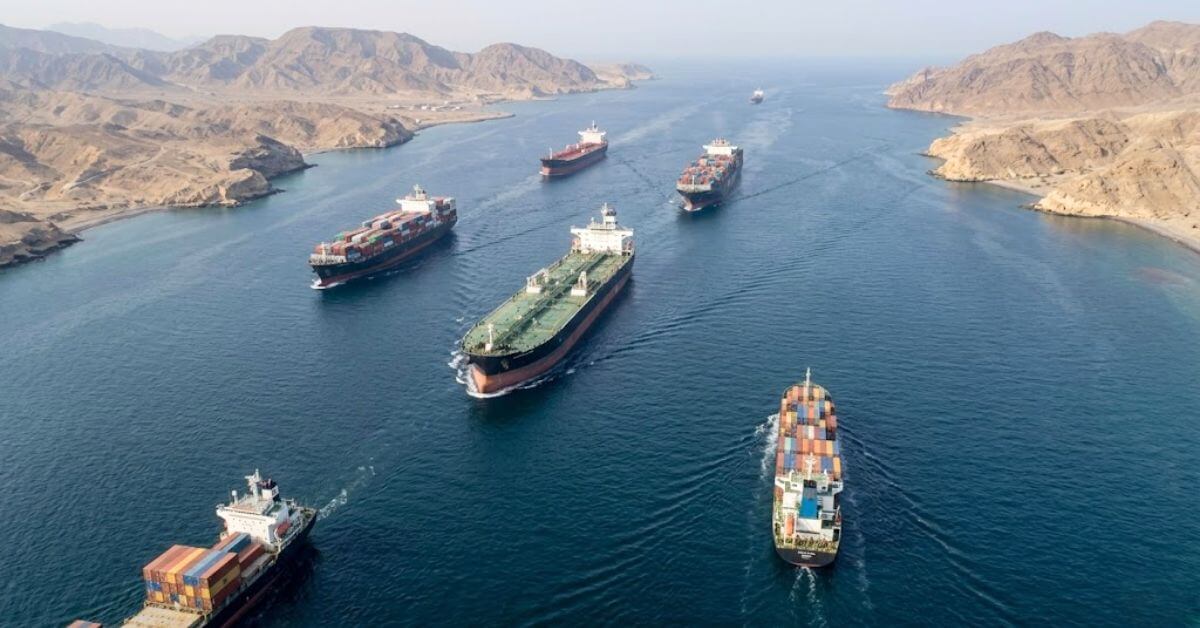
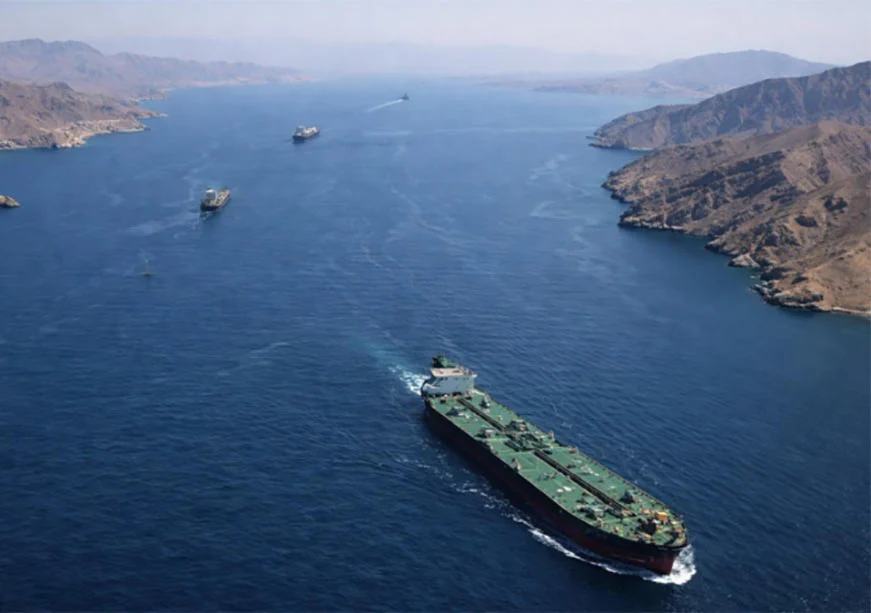
The Strait of Hormuz, through which about 20% of the world’s oil supply passes daily, is a critical route for energy and trade shipments between the Middle East and global markets.
The earlier spike in international oil prices had a direct impact on Rwanda, where fuel prices reached historic highs. On June 5, 2026, a litre of petrol cost 2,938 Rwandan francs, while diesel rose to Rwf 2,927, driven by global market volatility.
Speaking to the media on June 6, Prime Minister Dr. Justin Nsengiyumva said that without government subsidies, a litre of diesel would have cost Rwf 3,581, meaning the state was covering about 18.16% of the cost through subsidies.
U.S. President Donald Trump signed the agreement while attending a G7 meeting in France. Iran also confirmed that President Masoud Pezeshkian signed the document on June 17.
Speaking to the press on June 16, Minister of Finance and Economic Planning Yusuf Murangwa said that while the agreement was welcome news, Rwanda would take a cautious approach.
“So far, we have received good news that there are initial agreements on the war in the Middle East. But our principle is to wait and see. There are two main reasons for this. First, we want to see whether the agreement is actually effected and whether it holds for a long period of time,” he said.
Fuel prices in Rwanda are reviewed every two months, and the country also maintains strategic reserves to cushion against supply shocks.
Shipping routes from ports such as Dubai or Bandar Abbas typically take between six and 12 days to reach Mombasa in Kenya or Dar es Salaam in Tanzania, with additional time required for transport into Rwanda. This means that goods already in transit or stored in warehouses may still reflect earlier, higher prices.
Murangwa noted that even if global conditions normalize immediately, local markets would continue to feel the effects of previous disruptions.
“Second, even if everything were to stabilize today, there would still be a backlog of issues. So, we still expect that we’ll continue to see the effects of the blockage that happened.
“It is not yet clear when this will be resolved. We will have to observe how the global business and supply chain communities manage to unlock the backlog of goods that were stuck in the Gulf,” he said.
The initial agreement also provides for the removal of naval mines and other maritime obstacles in the Strait of Hormuz within 30 days. During this period, shipping volumes are expected to return to pre-conflict levels, with the United States withdrawing naval forces deployed in the area.
The agreement stipulates that commercial shipping should return to normal levels under Iranian supervision.
Rwanda maintains that its fuel reserves have not been affected since the start of the Iran conflict and says it is working to ensure stable supply in the domestic market, along with other essential goods.
According to the National Institute of Statistics of Rwanda, consumer prices increased by 12.9% in May 2026 compared to the same period in 2025.
The Strait of Hormuz is a key route for global oil shipments.
In a communiqué released on Monday, June 8, 2026, the IMF Executive Board approved a 38-month Extended Credit Facility (ECF) arrangement totalling SDR 185.031 million (about US$250 million) and authorised an immediate disbursement of SDR 26.433 million (approximately US$35.7 million).
According to the IMF, the program is designed to help Rwanda navigate tighter global financing conditions while sustaining economic growth, protecting social and development spending, and rebuilding policy buffers.
Rwanda’s economy has continued to demonstrate strong resilience despite a challenging international environment. Economic growth reached 9.4 percent in 2025, significantly exceeding expectations, driven by robust domestic activity and strong export performance, particularly in coffee and mineral exports.
However, inflationary pressures have intensified. Inflation rose to 13.2 percent year-on-year in April 2026, moving above the National Bank of Rwanda’s target range. The IMF attributed much of the pressure to higher global oil and fertilizer prices linked to the ongoing war in the Middle East.
While Rwanda’s external position improved in 2025 and foreign exchange reserves remained healthy at just over four months of import coverage, the IMF warned that the conflict in the Middle East poses significant risks to the country’s outlook. Economic growth is projected to slow to below 6.8 percent in 2026 as higher import costs and financing pressures weigh on the economy.
The IMF-supported program will focus on three key priorities: strengthening macroeconomic policies, managing fiscal and debt risks to preserve sustainable growth, and promoting private sector-led development through improved transparency and oversight of state-owned enterprises.
IMF Deputy Managing Director and Acting Chair Bo Li said Rwanda’s economy had remained resilient despite successive global shocks, reflecting strong policymaking and reform efforts.
“Rwanda’s economy has remained resilient amid successive shocks, reflecting strong reform ownership and agile policymaking,” Li said.
He noted that advancing development goals while rebuilding economic buffers will require a carefully balanced policy approach, including greater exchange rate flexibility and a credible medium-term fiscal consolidation strategy.
The IMF emphasised the importance of strengthening domestic revenue mobilisation, improving public investment management, and enhancing oversight of fiscal risks to maintain Rwanda’s moderate risk of debt distress while protecting social spending.
The Fund also called for a tight and forward-looking monetary policy to address elevated inflation and reinforce confidence in the inflation-targeting framework. Although rapid credit growth warrants close monitoring, the IMF said Rwanda’s financial sector remains stable.
Looking ahead, the IMF stressed that continued structural reforms, including improvements in public investment efficiency and accelerated reforms of state-owned enterprises, will be essential for enhancing economic resilience and fostering stronger private-sector-led growth.
The newly approved ECF arrangement is expected to serve as a key policy anchor for Rwanda as it seeks to manage external shocks, maintain reform momentum, and attract additional financing from development partners.
According to the IMF, the program is designed to help Rwanda navigate tighter global financing conditions while sustaining economic growth, protecting social and development spending, and rebuilding policy buffers.
The debutants delivered a memorable performance to secure a historic title on home soil, overcoming one of the tournament’s most experienced and successful clubs in a closely contested final. The clash was attended by high-ranking dignitaries, including President Paul Kagame.
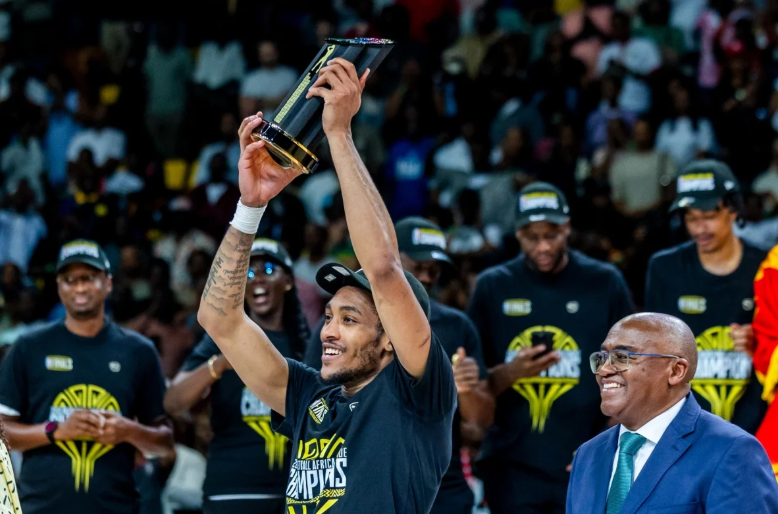
The Tigers become the first Rwandan team to lift the trophy in the tournament’s sixth edition.
American guard Craig Randall II once again proved decisive for the Tigers, leading all scorers with 33 points in a standout display that powered the Rwandan side to victory. His consistency throughout the tournament was rewarded as he was named BAL 2026 Most Valuable Player (MVP), edging out teammate Mangok Mathiang as well as Petro de Luanda duo Childe Dundao and Aboubacar Gakou for the top individual honour.
The final lived up to expectations, with both teams battling intensely in a game that remained competitive until the decisive moments. RSSB Tigers, however, held their nerve in front of a passionate home crowd to complete a remarkable championship run in their first appearance in the competition.
In the third-place playoff earlier on Sunday, Libya’s Al Ahly Ly secured the bronze medal after defeating their Egyptian counterparts, Al Ahly SC, 106–98 at BK Arena. The Benghazi-based side bounced back strongly from their semifinal defeat to Petro de Luanda, with Majok Deng and Charlie Moore combining for 52 points to seal a podium finish.
Petro de Luanda had reached the final after a dramatic semifinal victory over Al Ahly Ly on Thursday, where they overturned a late deficit to win 94–88. That comeback, driven by Lukeny Gonçalves and Childe Dundao, set up what was expected to be another title push for the Angolan champions, who have a strong BAL pedigree, including the 2024 championship and multiple top-four finishes in recent seasons.
However, it was RSSB Tigers who ultimately rose to the occasion, completing a fairytale debut campaign by lifting the BAL trophy and etching their name into the competition’s history.
RSSB Tigers defeated Petro de Luanda 90–88 to win the 2026 BAL title.The Tigers become the first Rwandan team to lift the trophy in the tournament’s sixth edition.The final lived up to expectations, with both teams battling intensely in a game that remained competitive until the decisive moments. American guard Craig Randall II once again proved decisive for the Tigers, leading all scorers with 33 points in a standout display that powered the Rwandan side to victory. His consistency throughout the tournament was rewarded as he was named BAL 2026 Most Valuable Player (MVP).