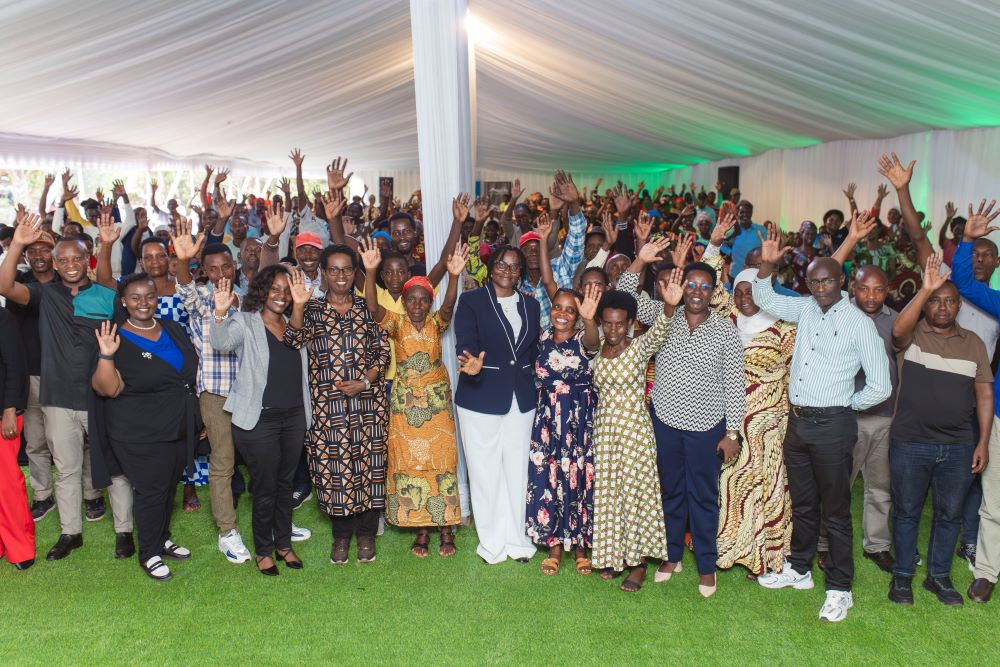
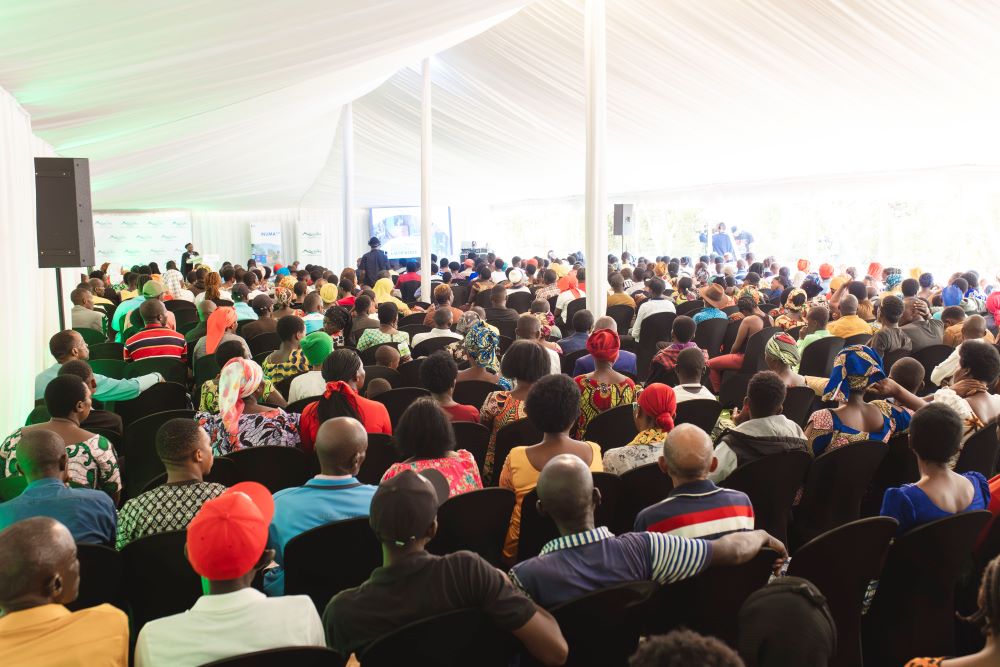
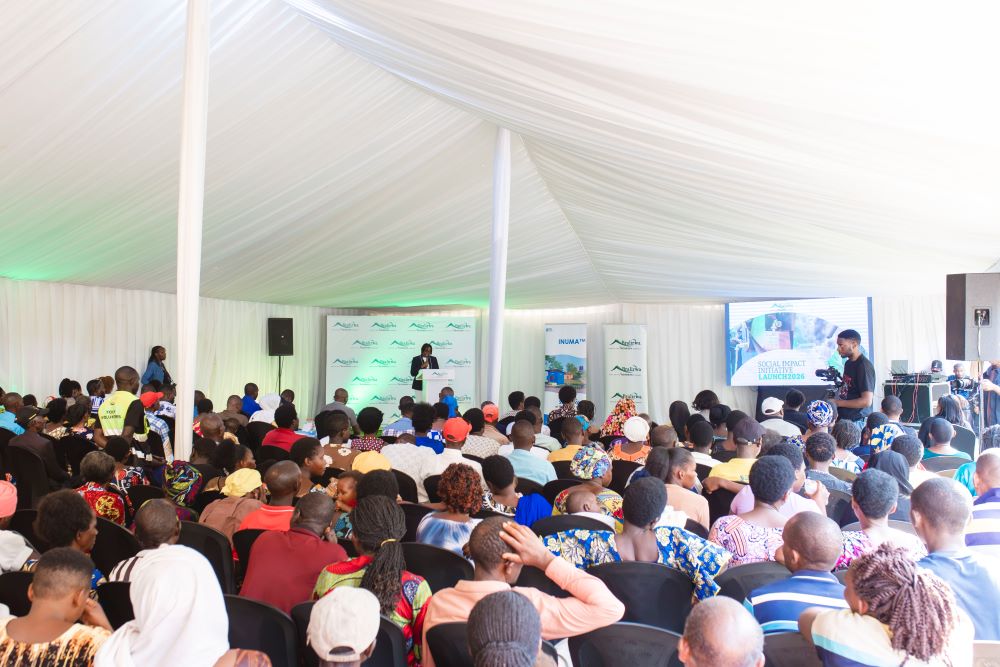
The initiative was officially commissioned on Wednesday, September 16, 2026, in Nyamirambo Sector, Nyarugenge District, during an event that brought together representatives from the City of Kigali, Nyarugenge District, Water Access Rwanda, local leaders, community members, development partners, and beneficiaries.
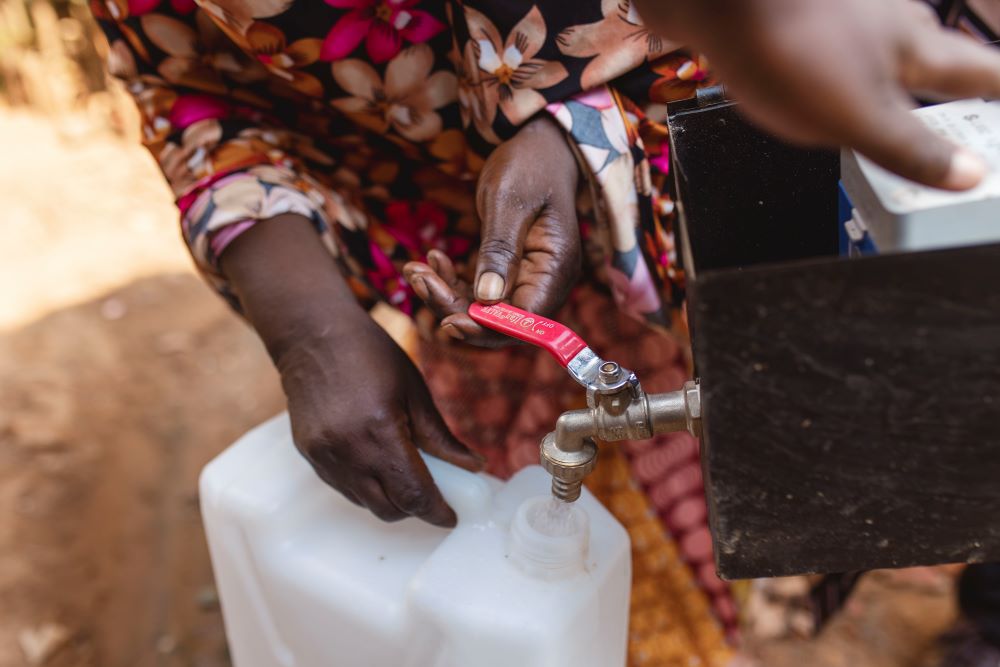
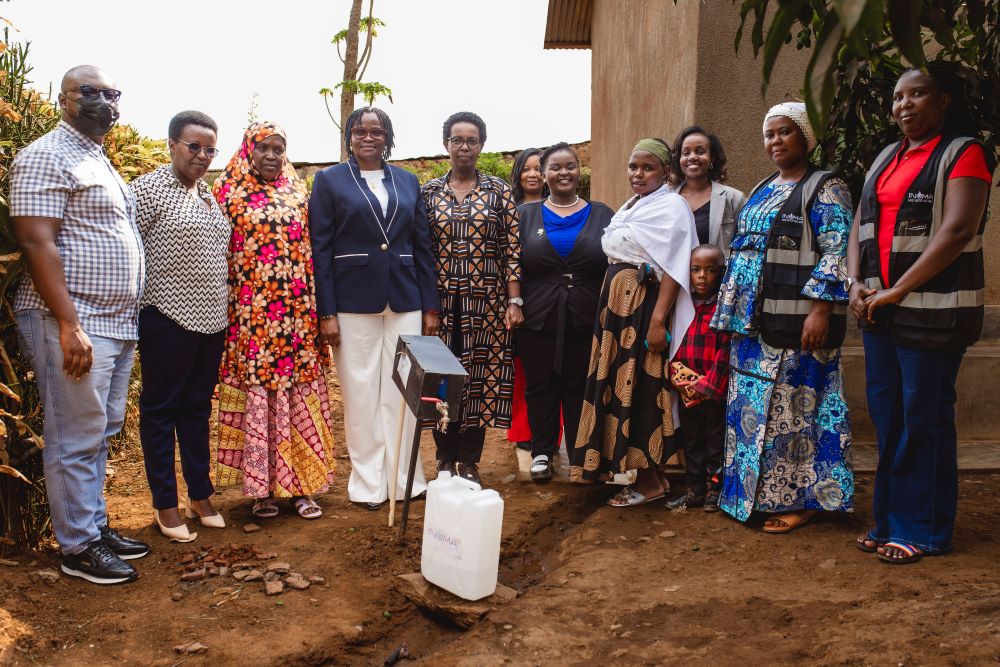
The occasion marked the culmination of a partnership-driven effort to improve access to safe and reliable water for vulnerable households across four sectors of Nyarugenge District: Nyarugenge, Mageragere, Kanyinya and Kigali. Beneficiaries were identified and validated through a collaborative process involving Water Access Rwanda and local authorities to ensure support reached households facing the greatest challenges in accessing clean water.
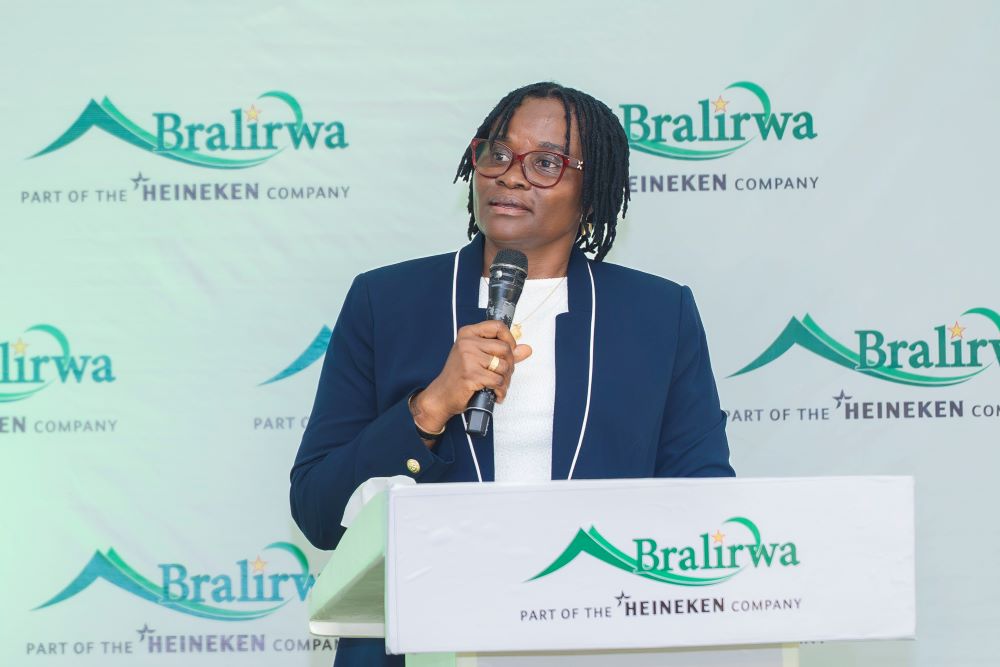
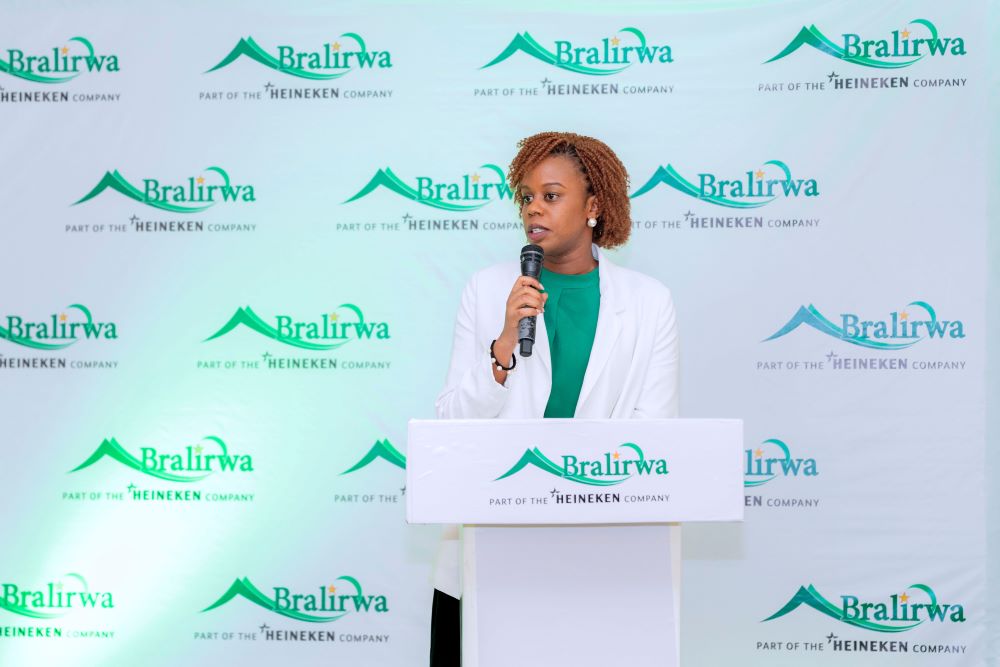
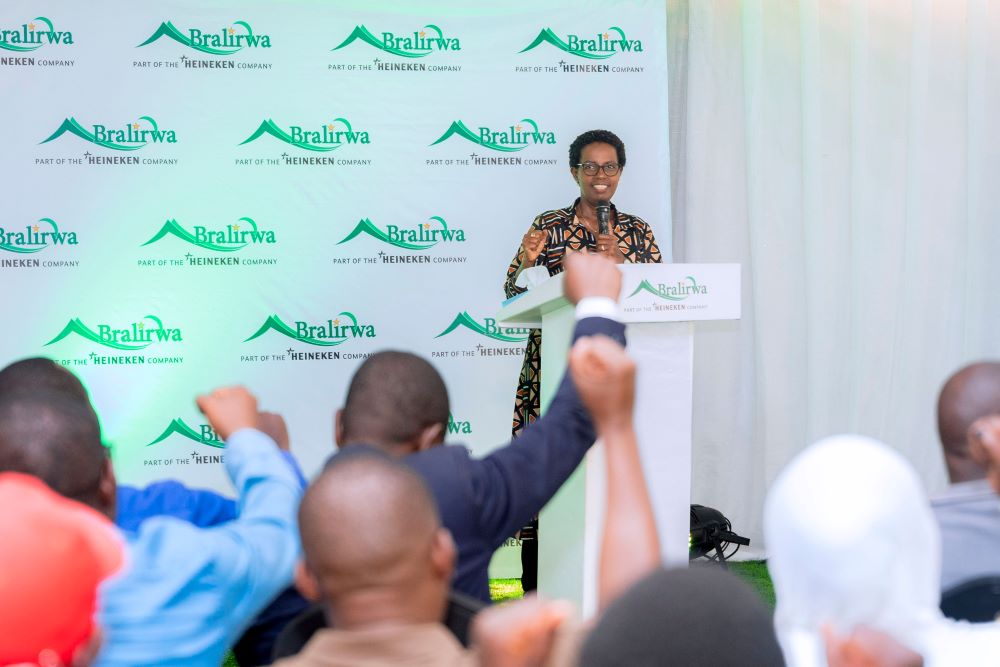
Speaking at the launch event, BRALIRWA Managing Director, Ethel Emma-Uche, said the initiative reflects the company’s commitment to creating lasting impact through its Brew a Better World agenda.
“Social sustainability is one of the key pillars under our Brew a Better World agenda and an integral part of our Evergreen 2030 global strategy. Our ambition is to create lasting impact for people, communities we serve, and the environment through strategic partnerships, under our rallying cry ‘Together We Can’,” she said.
The Managing Director added that meaningful and sustainable progress is achieved when businesses, government institutions, development partners and communities work together to address shared challenges.
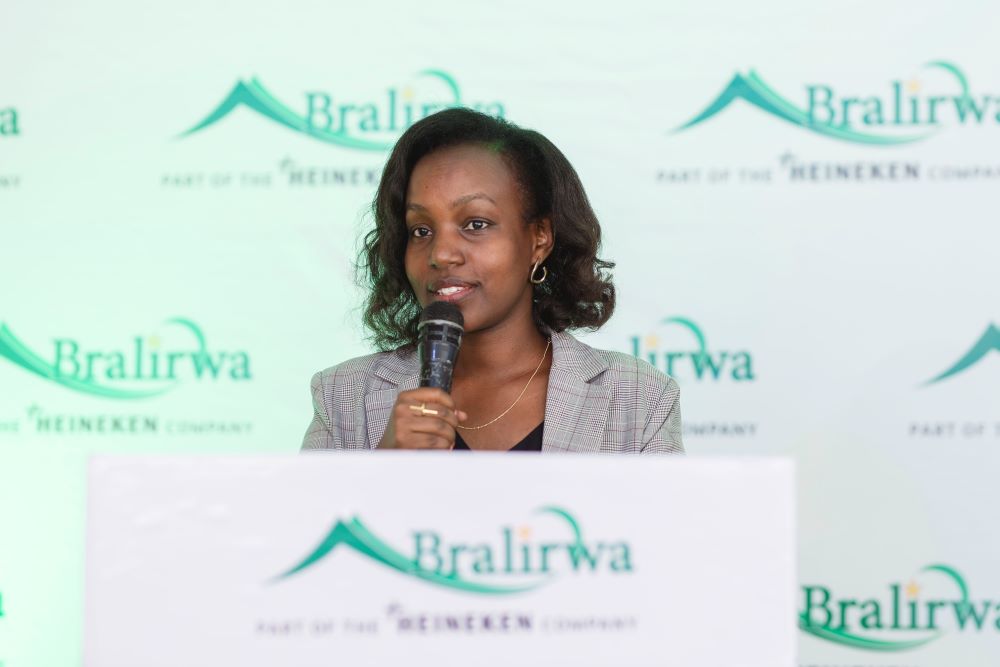
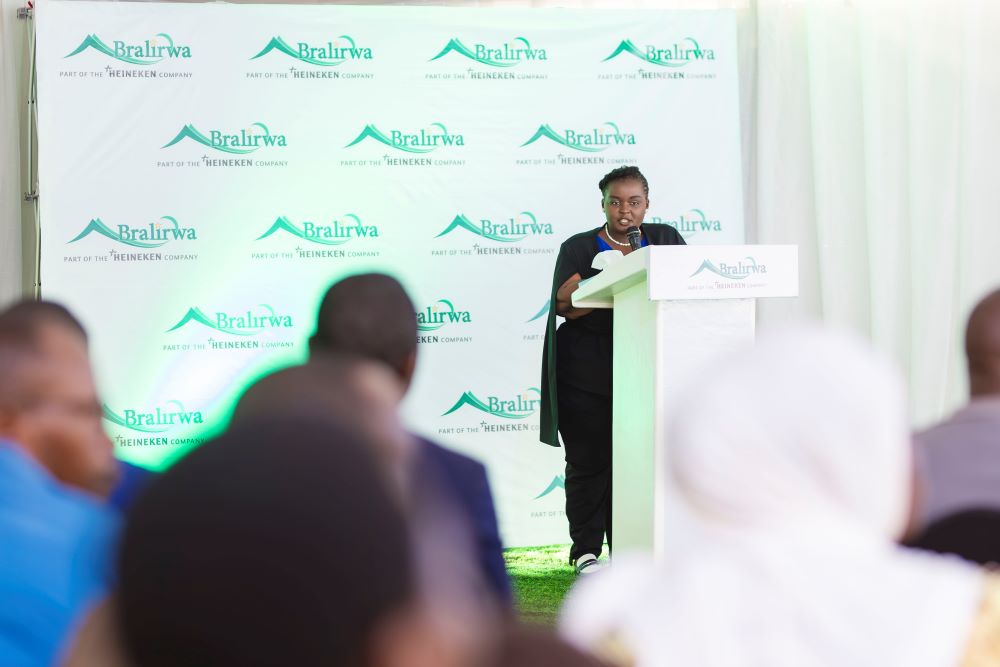
Vice Mayor of the City of Kigali in Charge of Socio-Economic Affairs, Urujeni Martine, who officiated the event, commended BRALIRWA and Water Access Rwanda for investing in solutions that directly improve the lives of vulnerable households. She noted that improved access to safe water will help families save time and effort previously spent fetching water, while contributing to better health, hygiene and living conditions.
The Company aligns its social impact projects to global and national development priorities such as the United Nations Sustainable Development Goals as well as the National Strategy for Transformation (NST2), where access to clean water is key to sustainable development.
The company previously supported 100 young mothers from underserved communities in Gatsibo and Rwamagana District to receive business start-up kits to enhance their economic opportunities in partnership with Empower Rwanda and 250 households in Rwamagana district to have access to safe drinking water through donation of ceramic water filters in partnership with Spouts of Water Rwanda.
BRALIRWA Managing Director Ethel Emma-Uche speaks during the launch of the company’s water access initiative in Nyarugenge.Residents of Nyarugenge expressed excitement as BRALIRWA launched an initiative to improve access to safe and reliable water for more than 200 households.Vice Mayor of the City of Kigali in Charge of Socio-Economic Affairs, Urujeni Martine officiated the event. The new BRALIRWA initiative will enable more than 200 households in Nyarugenge to access safe and reliable water in their homes.More than 200 households in Nyarugenge are set to benefit from BRALIRWA’s new water access initiative.Representatives of BRALIRWA, Water Access Rwanda and local authorities attend the launch of a new water access initiative in Nyarugenge.BRALIRWA Plc and Water Access Rwanda have partnered to improve access to safe and reliable water for more than 200 households in Nyarugenge.The initiative is part of BRALIRWA’s social impact efforts under its Brew a Better World agenda.
The report shows that divorce-related cases remained the most common category of civil cases, rising from 2,674 cases in 2024/25 to 6,799 in 2025/26.
Of the cases recorded in 2025/26, 5,980 were filed at first-instance courts, a figure the Judiciary says corresponds to the number of families that sought divorce at that level. During the first six months of 2026 alone, courts received 3,620 divorce-related cases.
Other major civil cases included disputes over immovable property, with 1,866 cases; breach of contracts and obligations, 1,081; civil registration matters, 815; and disputes involving movable property, 244.
Meanwhile, data from the National Institute of Statistics of Rwanda (NISR) show that 4,479 divorces were registered in civil records in 2025. Of these, 2,629 involved couples who had obtained divorce through the courts and subsequently registered it.
Kigali recorded the highest number of registered divorces at 1,820, followed by the Southern Province with 920, Eastern Province with 820, Northern Province with 520 and Western Province with 339.
NISR said couples who had been married for five to 14 years accounted for the largest share of divorces recorded in 2025.
Lawyer Marie Louise Mukashema recently told IGIHE that common factors behind rising divorce cases include disagreements between spouses, property-related conflicts and lack of honesty. She said families should play a greater role in resolving marital disputes before couples turn to courts.
“Traditionally, when people got married, it was considered a union between two families. When problems arose, instead of taking them to social media or making them public, they were resolved within the family.
“I think the problem today lies within the family, and parents and children have a major role to play in understanding the value of family as children grow up. That is where the solution lies, because people seeking divorce no longer take such matters to their families as they used to in the past,” she said.
Lawyer Maurice Munyentwari said mutually agreed divorces have also increased, with couples often choosing to separate without disclosing the reasons for their decision. In contested cases, he said, common complaints include domestic conflict, harassment, violence and exclusion from family property.
Rwanda’s 2024 law governing persons and family provides for a Family Council to oversee family welfare, protect members’ interests and help resolve family disputes. However, the ministerial order required to establish its composition, responsibilities and operations has not yet been issued.
Rwanda’s courts received 6,799 divorce cases during the 2025/26 judicial year,
The floods struck northern Nepal on August 26 after a glacier collapse triggered a massive torrent of rock, ice, mud and water through Himalayan river systems.
The disaster swept away buildings, roads, bridges and other infrastructure, leaving several communities isolated.
Nepal Police said on Friday that 469 people had been confirmed dead in the disaster.
Nearly 1,000 people remain missing in Nepal and neighbouring Tibet, raising fears that the death toll could increase as rescue teams reach areas that have been difficult to access.
Rescuers are using heavy machinery, helicopters and sniffer dogs to search through the debris in some of the worst affected areas.
However, hopes of finding more survivors are fading as several days have passed since the floods struck.
The disaster has also affected foreign nationals, with many tourists, trekkers and pilgrims among those reported missing.
In Tibet, hundreds of people are also unaccounted for following the floods near the Nepal-China border.
Authorities are facing another major concern as debris has formed a lake along Nepal’s Bhotekoshi River. Rising water levels could cause the lake to burst and trigger another potentially destructive flood.
Authorities are also monitoring another potentially dangerous lake near the border and are working on measures to reduce the risk of further flooding.
Rescue and relief operations are continuing as authorities assess the scale of the destruction and search for those still missing.
Rescue teams search through mud and debris following devastating flash floods in Nepal that have killed 469 people.
The incident occurred on August 25, 2026, in Rubindi Cell, Gataraga Sector, where the six women had gone to excavate soil used to make bricks.
Northern Province Police spokesperson CIP Ignace Ngirabakunzi confirmed the incident to IGIHE.
He said the excavation was being carried out illegally and that the site collapsed while the women were digging.
“The site was being used to illegally excavate soil for making bricks. It collapsed on six women, killing four and seriously injuring two others. It is suspected that they lacked the necessary knowledge of proper excavation and dug improperly, causing it to collapse,” he said.
Authorities and rescue teams arrived at the scene after the incident was reported. The two injured women were taken to Ruhengeri Hospital for treatment.
IGIHE has learned that the owner of the excavation site was arrested shortly after the incident and is currently being held at the Rwanda Investigation Bureau (RIB) station in Busogo.
CIP Ngirabakunzi urged residents to ensure that excavation activities are carried out safely, warning that improper practices can lead to accidents and loss of life.
He also urged residents to avoid illegal excavation activities and called on site owners to comply with regulations governing excavation and obtain the required insurance.
KoraLink sets out to close that gap by working through young people from within the communities themselves. Agents in the programme sell essential health products and bring them closer to the people who need them, while earning an income and building their own livelihoods in the process.
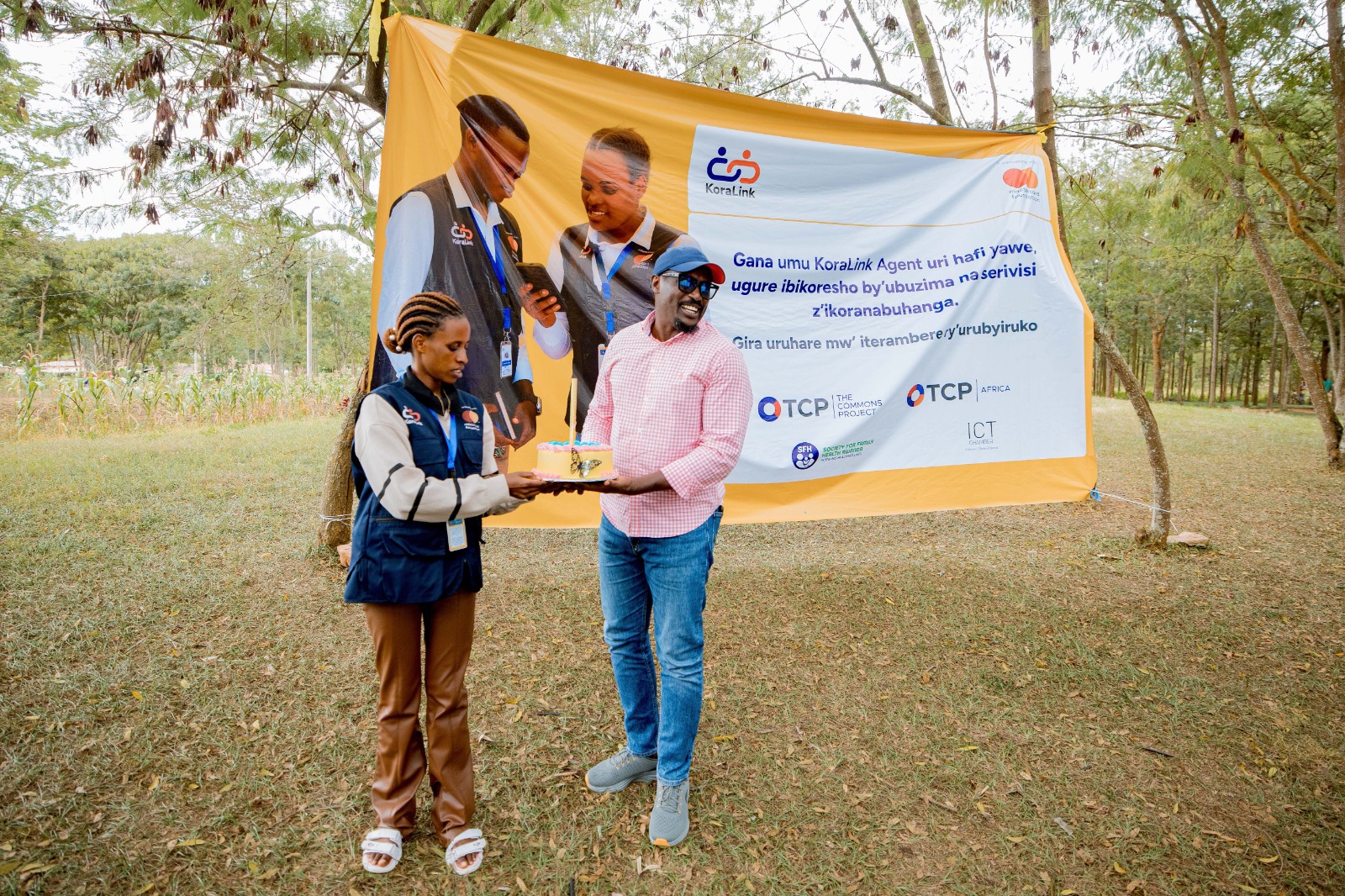
KoraLink is a collaborative partnership between the Mastercard Foundation, The Commons Project Foundation Africa (TCP Africa), Society for Family Health Rwanda (SFH Rwanda) and ICT Chamber. It aims to help financially disadvantaged youth into self-employment while using technology to bring essential health products and services, including malaria prevention, HIV and STI prevention, and hygiene products, closer to the underserved communities where they live. It focuses on people aged 18 to 35, particularly women and those in rural parts of Rwanda.
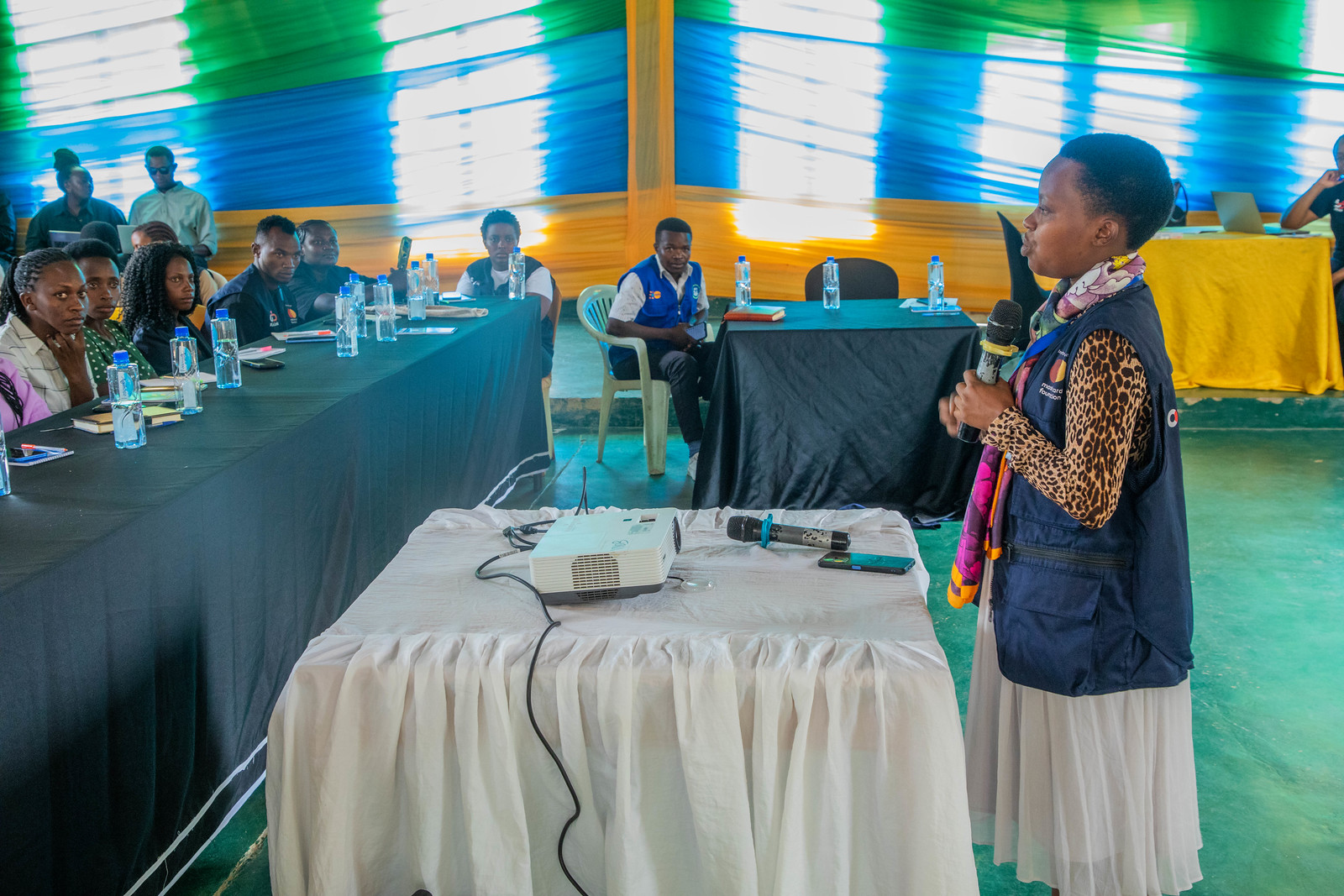
Agents are trained on the product knowledge, on basic business management, and on the programme’s app, the KoraLink Marketplace.
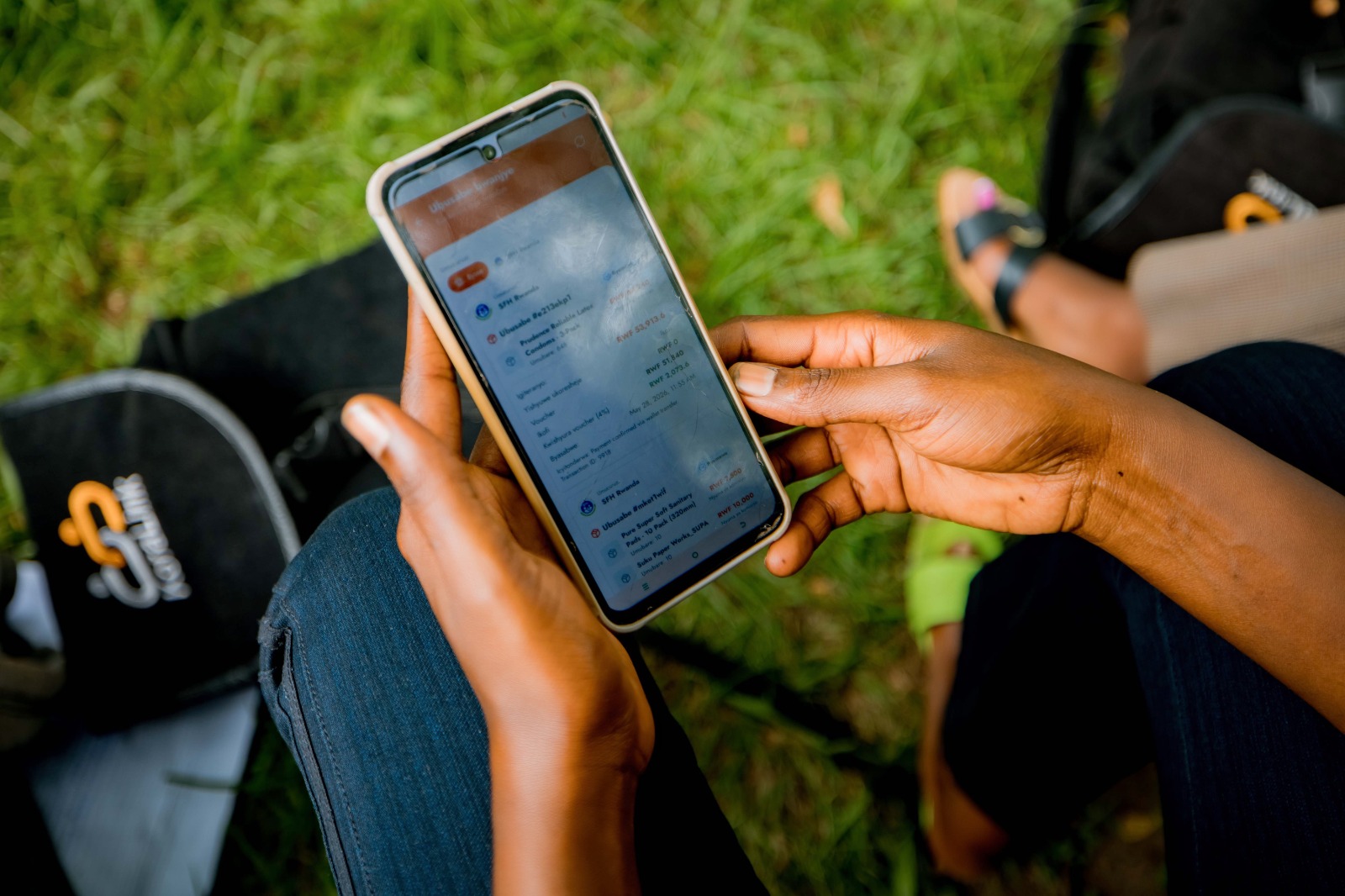
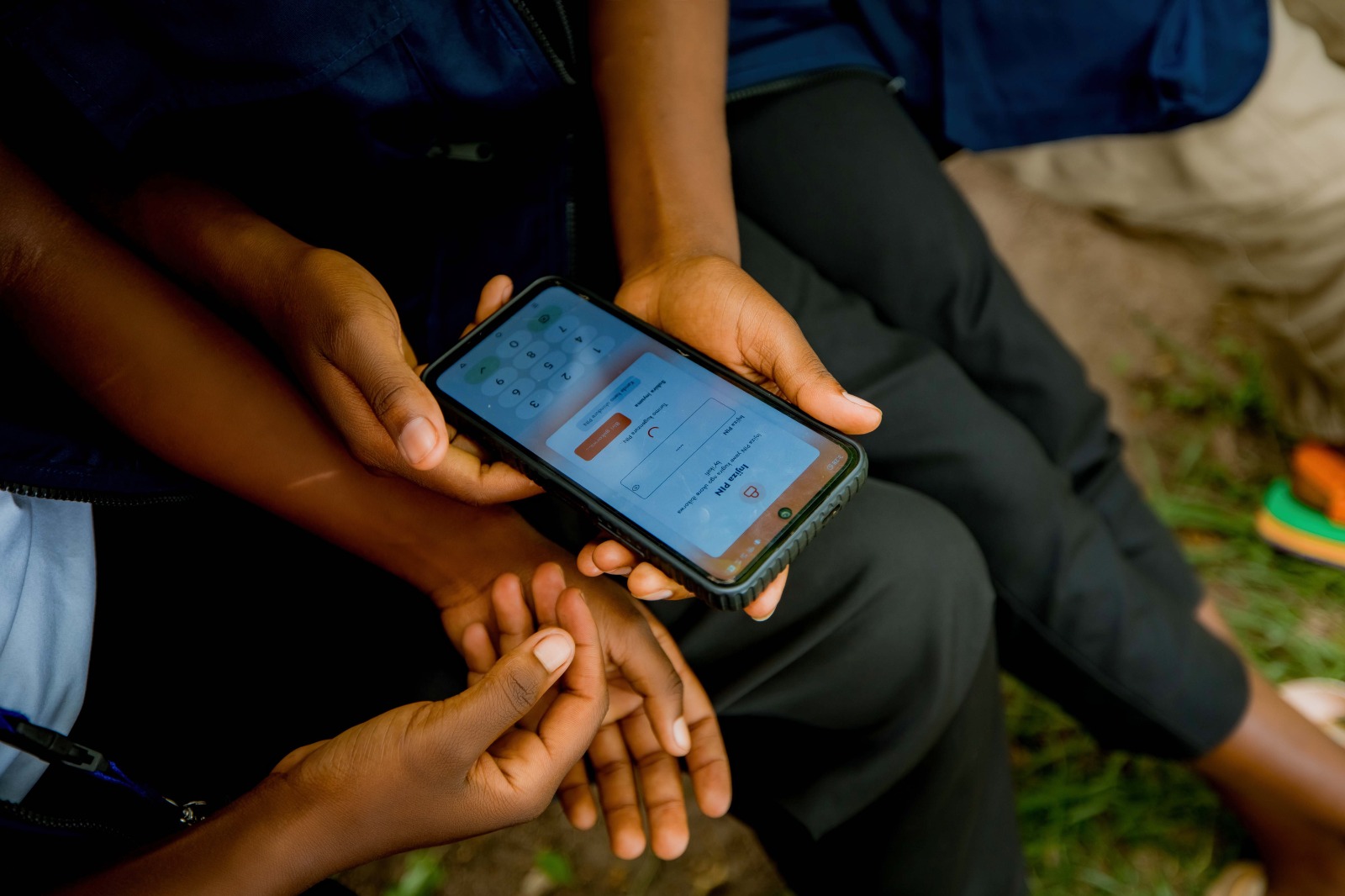
They start with an interest-free investment of Rwf360,000, released in installments and repaid progressively into a sustainability fund that supports new agents as the programme expands. Through the Marketplace, they order stock, track inventory, and manage transactions in a digital wallet designed to encourage saving.
Young people turning opportunities into livelihoods
In Ngarama Sector, Gatsibo District, 27-year-old Bamurere Sylvie says KoraLink gave her a way into business. She heard about it through the Ngarama Sector youth platform, applied, later invited for an interview, was selected, and onboarded. Within her first three months, she says, she had earned Rwf58,000 in profit.
That income gave her the means to think beyond selling. “I have a goal of becoming a livestock farmer. I love keeping livestock, and I want to be a businesswoman, farmer and livestock farmer,” she said.
In Rugarama Sector, Gatsibo District, 26-year-old Niyokwizera Isaac started with a capital of Rwf50,000. He would buy products, sell them, and reinvest the proceeds, building his capital up until he could now order stock worth as much as Rwf200,000. He has also put his profits into nearly a hectare of farmland, buying fertiliser and preparing for the maize season.
For Bamurere and Niyokwizera, the health products are a stepping stone to earn and improve their livelihoods. But the work has a second purpose: reaching people who live far from the markets and services that urban areas take for granted.
Bringing the market closer to the community
In rural areas, agents also have to introduce products people may not be used to, and work against the stigma attached to buying some of them, condoms in particular. Often that means going to where people are.
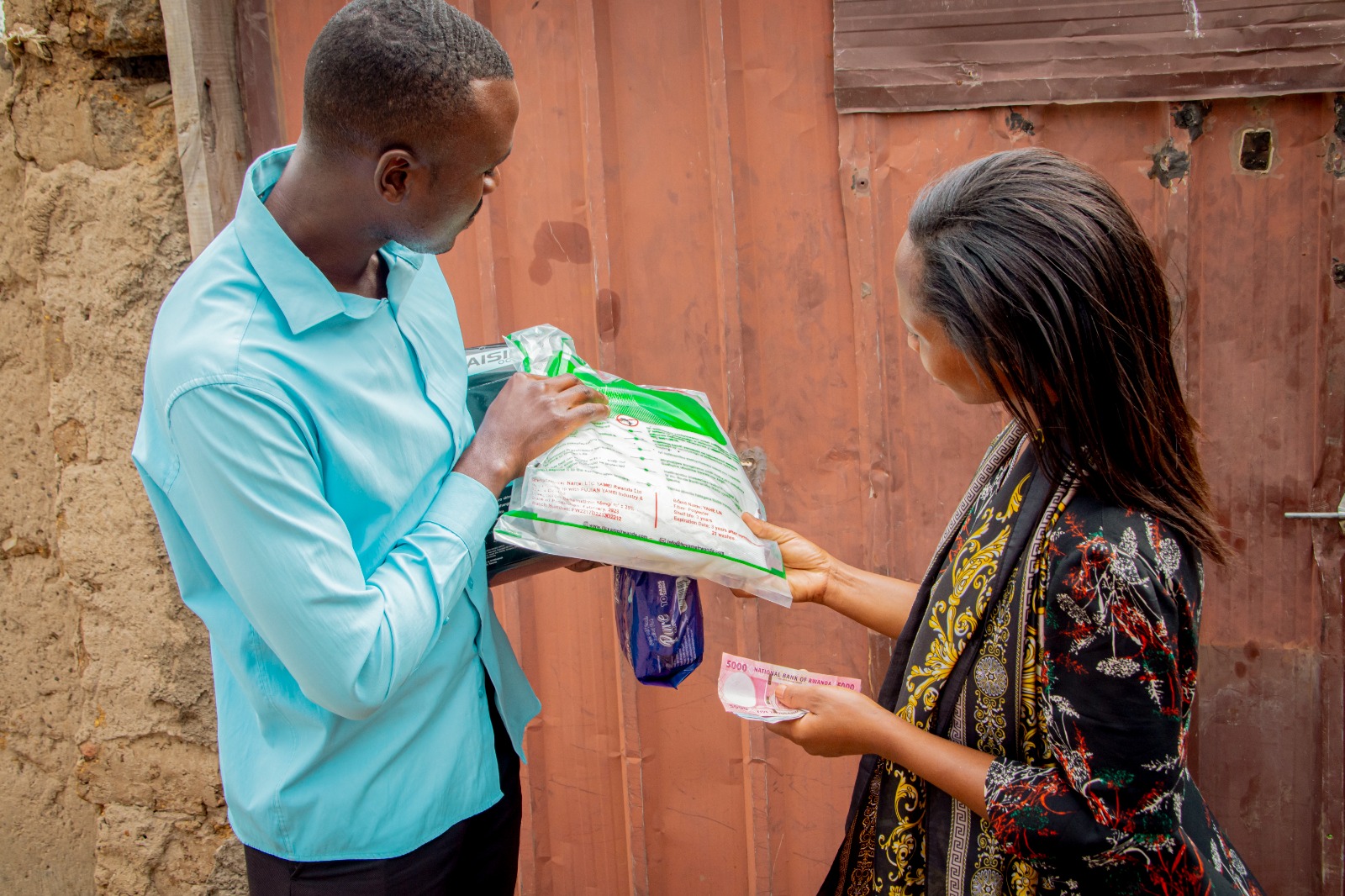
Because many community members are not active on social media, agents go to markets, homes, and other gathering places to explain the products and make them available, so people can get them without waiting for market day or travelling long distances.
Twenty-five-year-old Shakira Mwiza works this way in Rwimiyaga Sector. She began by selling KoraLink products in her neighbourhood, actively engaging community members, with many of them being students at a nearby school who buy sanitary pads from her. She then used the profits to buy a computer for Rwf180,000 and started offering digital services. The Rwimiyaga Sector administration gave her space to work from the sector offices, sparing her rent while keeping her accessible to the community.
Sam Gatunge, Executive Secretary of Rwimiyaga Sector, said the sector will continue work with the agents and to see them reach more people and widen their range of products. “You are helping people access clean water, contributing to the fight against teenage pregnancies and preventing sexually transmitted diseases,” he said.
Getting products where they are needed
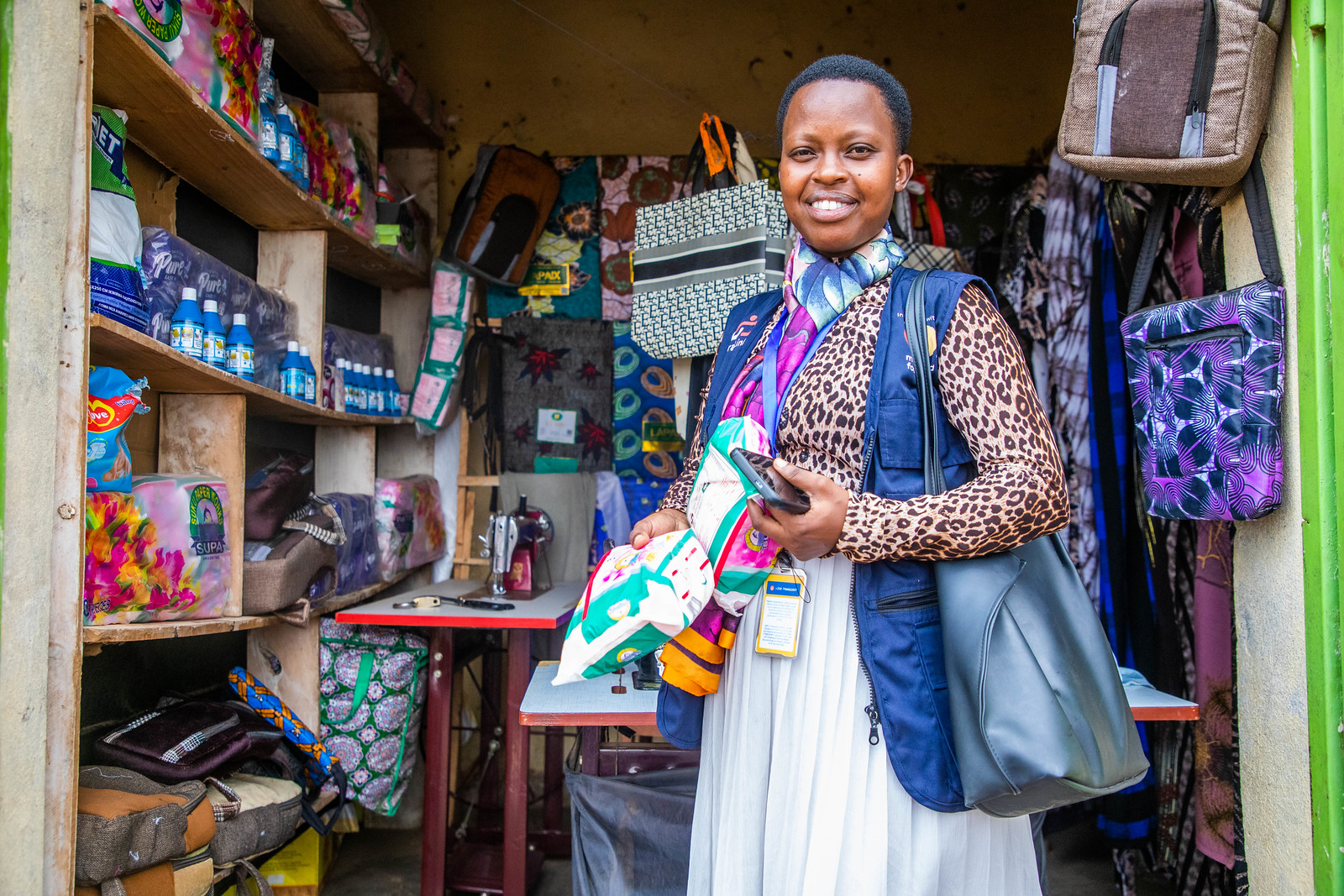
KoraLink’s products include condoms, sanitary pads, water-treatment sachets such as Sur’Eau, and other essentials. For Jeannine Uwiringiyimana, an agent in Nyagatare District, the value of that is clearest for someone with no market nearby. “In some rural areas, major markets where you can find everything may only open once or twice a week. Think of a girl in Nyagatare who needs services like these; how will she access them?” she said.
The harder part, she says, is perception. “Although these products are things people need in their daily lives, it is still difficult because someone who wants condoms may feel embarrassed. Sometimes, we who provide them are also called unpleasant names. But that does not discourage us,” she said.
The same holds for something as ordinary as sanitary pads. In some areas women still travel long distances to buy them, and others would rather buy from a shop than from someone they know. Part of the agents’ work is making these products easy, and comfortable, to get close to home.
Winning community trust
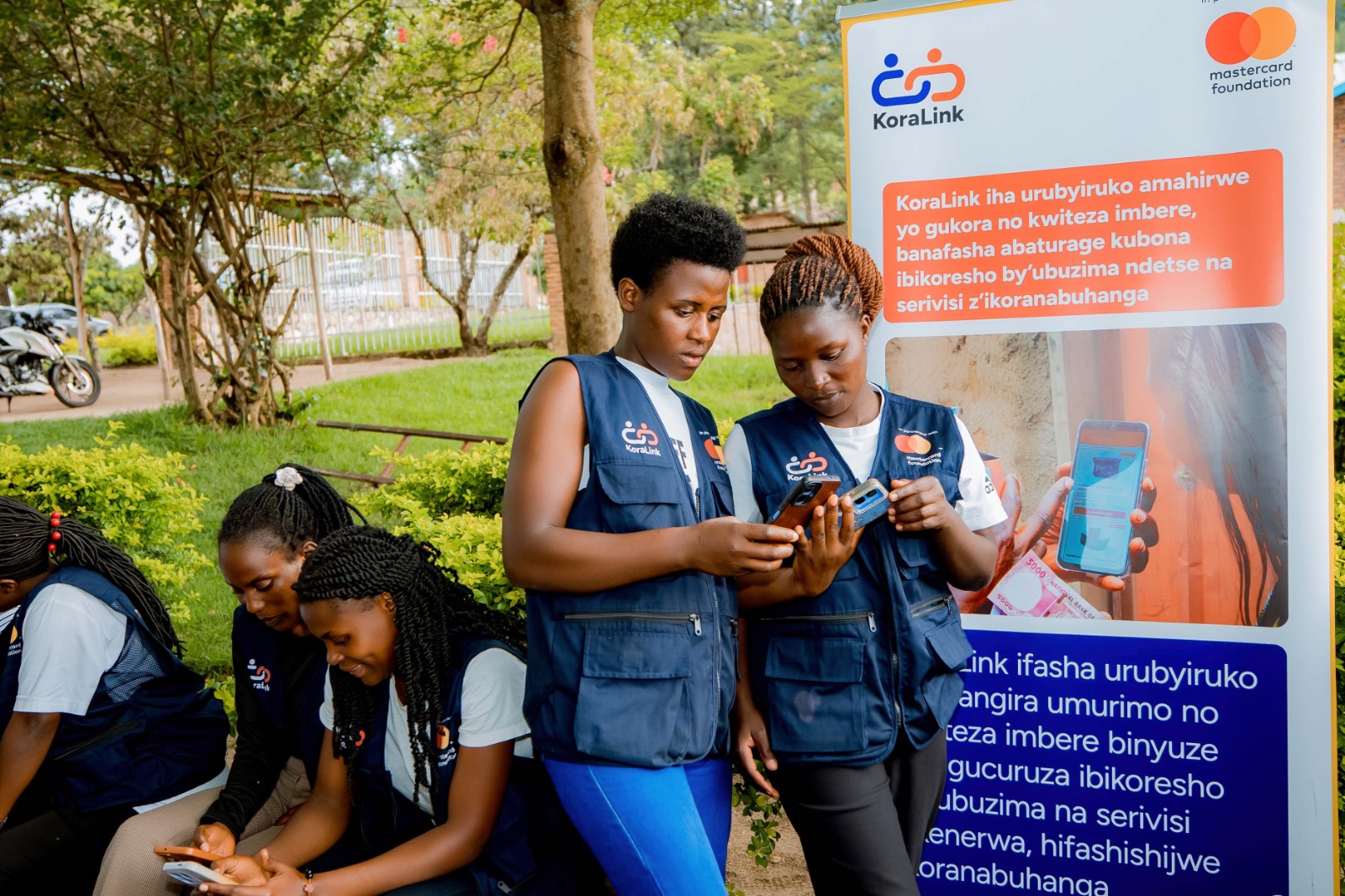
Active agents are issued a programme ID and a branded vest so communities can recognise them. Onboarding also prepares them to explain the products, correct misconceptions, and handle the discomfort that can come with selling health items, condoms especially.
From there, much of the work is agent-led. With local leaders helping to open doors and lend credibility, agents introduce themselves and the programme directly to their communities: through community dialogues (inteko z’abaturage) and umuganda, market-day engagements (umunsi w’isoko), radio shows, and JADF Open Days. The aim is for agents to become known and trusted, so that getting an essential health product becomes a normal part of community life rather than something people feel embarrassed to seek out.
A growing programme
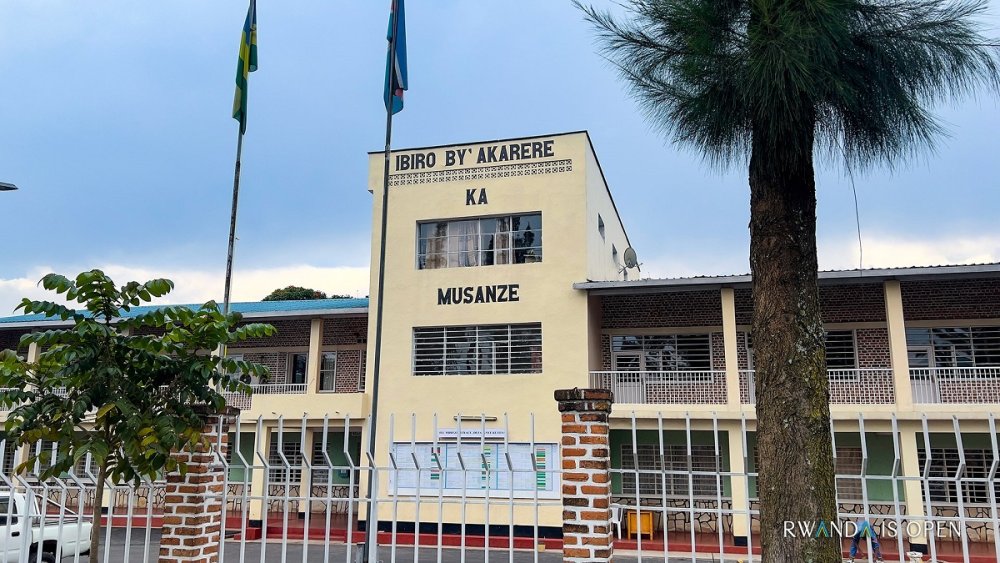
KoraLink began recruitment in Musanze and Nyagatare in August 2025 with about 79 agents. It now runs in 11 districts with 2,278 agents, with ongoing recruitment that aims to reach all 30 Districts in Rwanda. By 2028 the programme expects to contribute to 41,122 direct and indirect jobs, including 11,762 agents, with women making up nearly 80 per cent of them and 70 per cent drawn from rural areas.
Dr. Richard Gakuba, Executive Secretary of TCP Africa, says the programme was built to solve two problems at once. “When we started designing this programme together with our partners, we wanted to address the issue of unemployment for youth but also find a solution to the challenge of getting essential health products to hard to reach communities,” he said.
In the next phase of the implementation, the programme intends to expand into new districts and take on last-mile delivery of a wider product range, while organising agents into savings and investment groups, setting up sector-level KoraLink hubs, and coaching them toward gig work where KoraLink Agents can earn additional income.
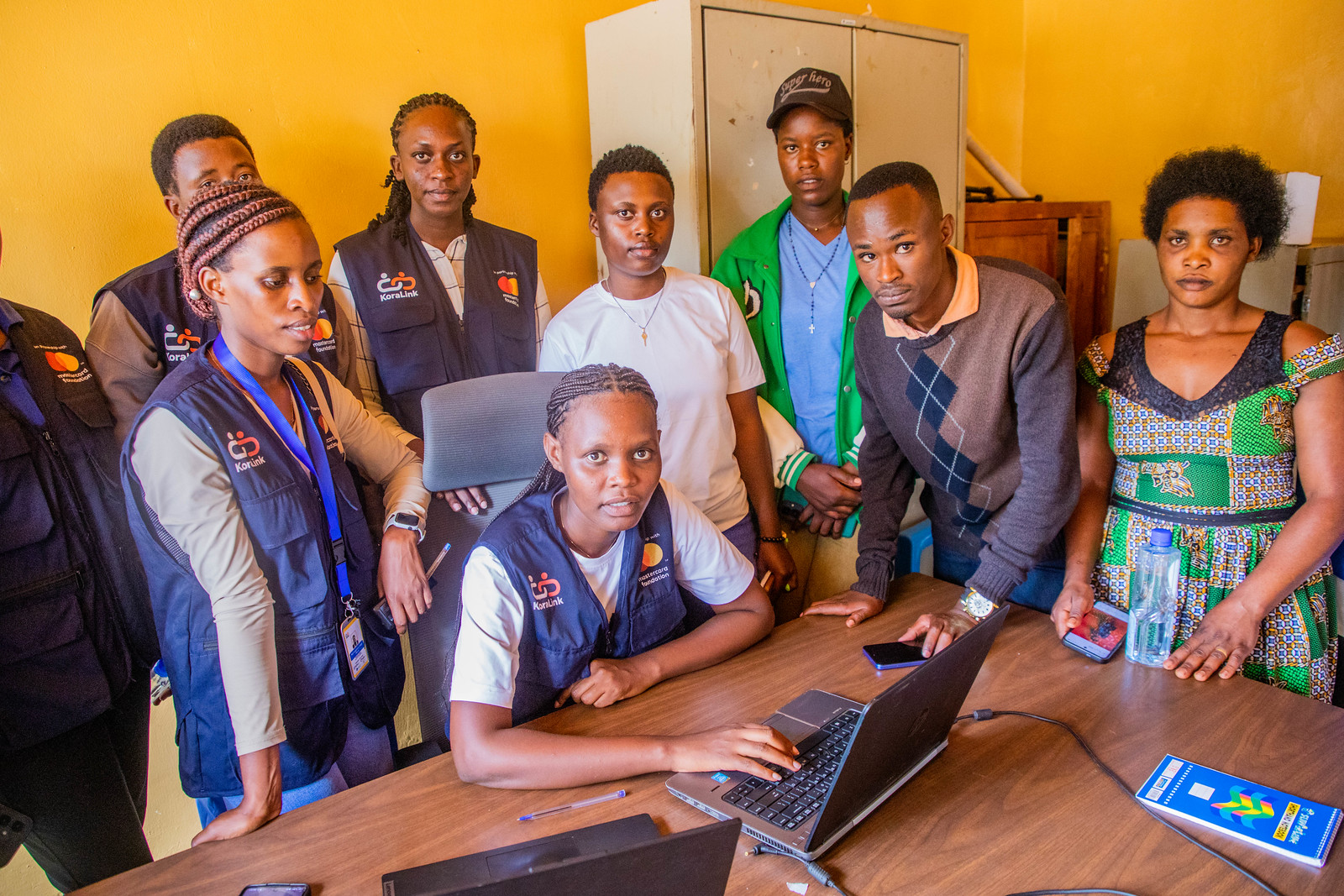
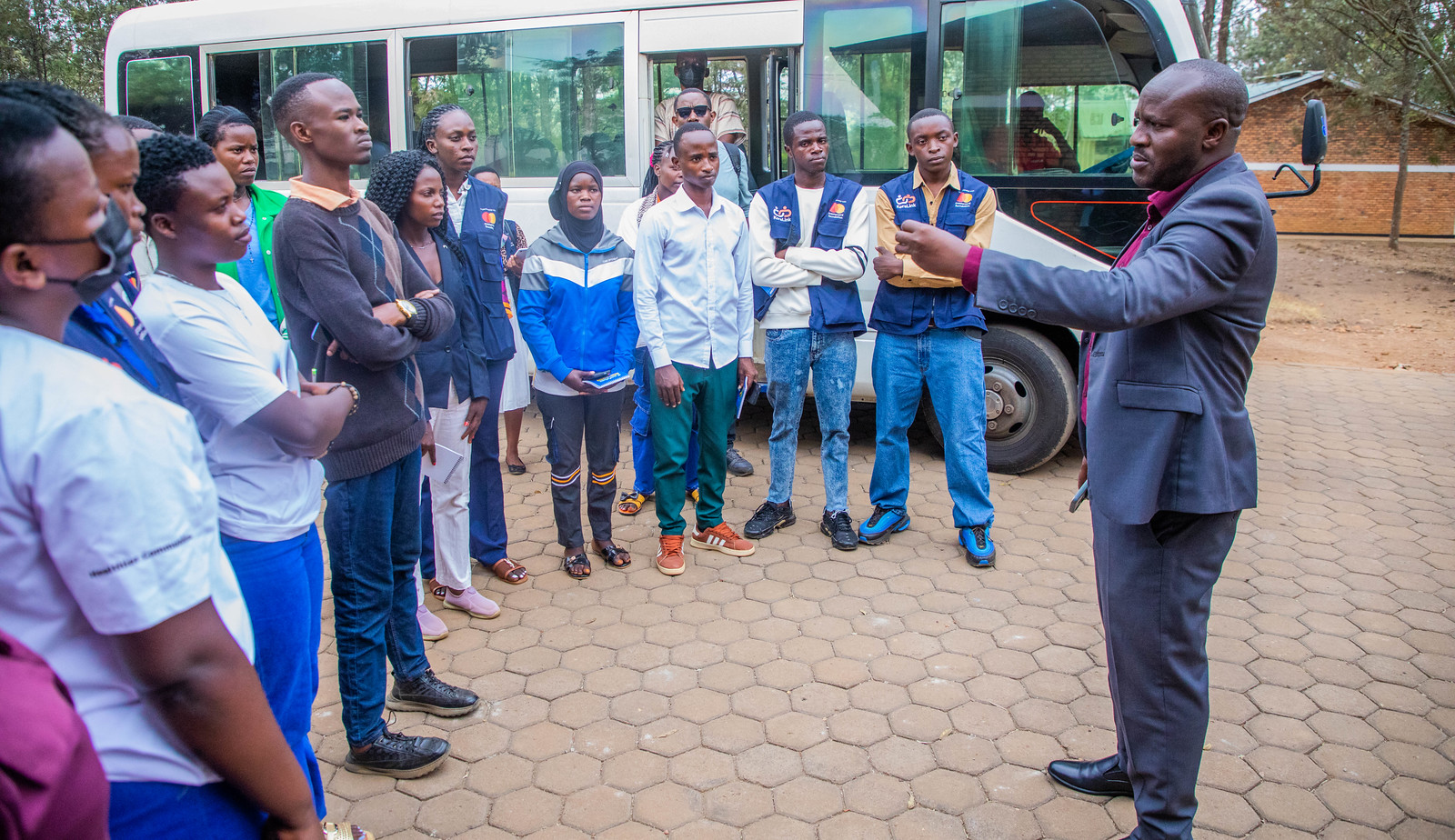
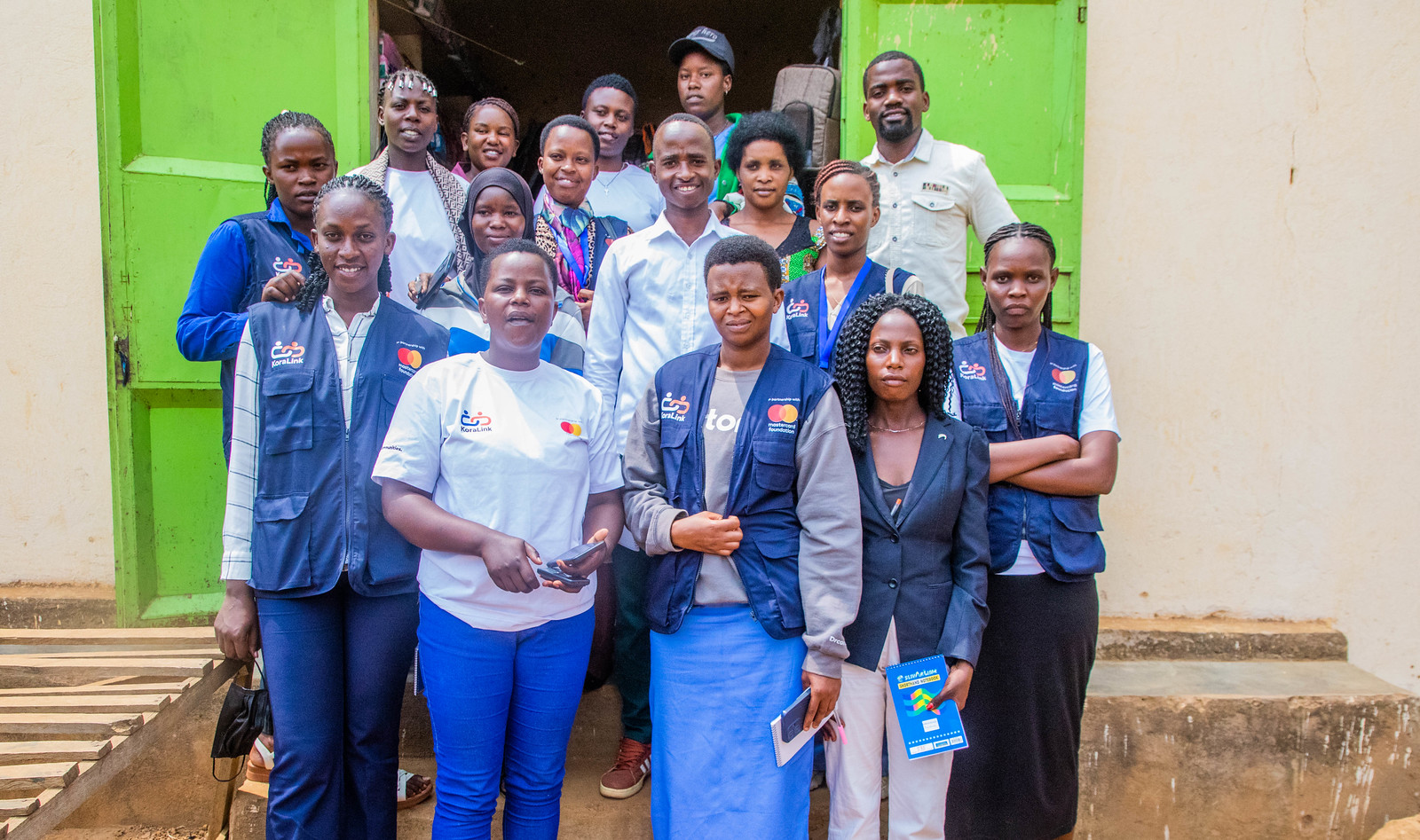
KoraLink agents take health products directly to communities, helping residents access essentials without travelling long distances to major markets.With 2,278 agents now operating across 11 districts, KoraLink is expanding its network of young entrepreneurs bringing essential health products closer to rural communities.Through the KoraLink Marketplace, young agents can order stock, track inventory and manage transactions while serving their communities.KoraLink is creating opportunities for young people to earn an income while helping underserved communities access essential health products.KoraLink agents use community gatherings, markets and other local spaces to introduce residents to products available through the programme.KoraLink agents are helping turn last-mile access to essential health products into an income-generating opportunity for young people.Local engagement is central to KoraLink’s approach, with agents building trust through community dialogues, markets and other public gatherings.KoraLink is creating opportunities for young people to earn an income while helping underserved communities access essential health products.
Of the 81 officials serving on district executive committees, 27 will not return to their current positions after completing the two terms permitted by law.
The group includes eight district mayors, 12 vice mayors in charge of economic development and seven vice mayors in charge of social affairs.
Among the district mayors completing their two terms are Mutabazi Richard of Bugesera, Mbonyumuvunyi Radjab of Rwamagana and Gasana Richard of Gatsibo in the Eastern Province.
In the Southern Province, the outgoing mayors are Rutaburingoga Jerome of Gisagara, Sebutege Ange of Huye, Habarurema Valens of Ruhango and Kayitare Jacqueline of Muhanga.
The Western Province has one mayor completing two terms, Mukandayisenga Antoinette of Nyabihu. In the Northern Province, none of the district mayors has yet completed two terms, with all of them having served their first term.
The Eastern Province has two districts, Kayonza and Nyagatare, currently led on an interim basis. Among vice mayors in charge of economic development, two have completed their two terms, from Ngoma and Bugesera, while those in Kirehe, Rwamagana, Nyagatare and Gatsibo have completed one term.
Three vice mayors in charge of social affairs in the province, from Rwamagana, Nyagatare and Bugesera, have completed two terms, while those in Ngoma, Kirehe and Gatsibo have completed one.
In the Southern Province, the district mayors from Gisagara, Huye, Ruhango and Muhanga have completed two terms, while those from Nyamagabe, Nyaruguru and Kamonyi have completed one. Nyanza District is currently headed by an interim vice mayor.
Seven vice mayors in charge of economic development in the Southern Province have completed two terms, from Gisagara, Nyaruguru, Ruhango, Huye, Kamonyi, Muhanga and Nyanza, while Nyamagabe has one who has completed a single term. Among vice mayors in charge of social affairs, only Huye’s has completed two terms.
In the Western Province, vice mayors in charge of economic development from Nyabihu, Rubavu and Ngororero have completed two terms. Those in charge of social affairs from Nyabihu, Ngororero and Rubavu have also completed two terms.
In the Northern Province, only Gakenke’s vice mayor in charge of economic development has completed two terms, while all vice mayors in charge of social affairs across the province have completed one term.
What will the outgoing mayors be remembered for?
The eight district mayors completing their two terms are among the local government officials likely to leave a significant mark, particularly because many survived periodic leadership changes in which officials deemed to have underperformed were replaced.
Some have been in charge of their districts since 2016, while others took office later, giving them several years to oversee development projects and local government programmes.
Mbonyumuvunyi Radjab, who has led Rwamagana since 2016, will leave office with a record that includes significant improvements in several development indicators.
The Seventh Integrated Household Living Conditions Survey, EICV7, conducted in 2024, showed that the district’s poverty rate had fallen to 23.8%, down 5.7 percentage points from 2017.
He will also be remembered for leading Rwamagana to the top position in the Imihigo performance contracts rankings twice in a row, in 2016/17 and 2017/18. Under his leadership, the district developed an 80.2-hectare industrial park that now hosts 29 operational factories.
Access to clean water reached 93%, while more than 88% of residents had access to electricity. The district also expanded its tarmac road network, with about 30 kilometres in the town, alongside more than 300 hectares of irrigated land.
In neighbouring Gatsibo, Gasana Richard, who has led the district since 2015, will leave office after a tenure marked by investments in water, electricity, health and transport infrastructure. EICV7 put the district’s poverty rate at 18.4% in 2024.
Among the projects associated with his tenure are the Gihengeri water network, the Muhazi water treatment plant and Minago market, developments that helped push clean water access above 80%. Electricity access also surpassed 80%.
The district also rehabilitated Ngarama and Kiziguro hospitals and constructed tarmac roads in Kabarore, Ngarama and Kiziguro, as well as the 35-kilometre Kiramuruzi-Gasange-Muhura road. Bus terminals were also built in Kabarore and Kiramuruzi.
Gatsibo has additionally seen an increase in privately owned hotels, which were previously scarce, while its internationally marketed coffee has become one of the district’s distinctive products.
In Bugesera, Mutabazi Richard, who was elected mayor in 2018, leaves behind one of the more notable improvements in poverty indicators among the outgoing mayors. EICV7 shows that poverty in the district fell from 40.8% in 2017 to 23.7% in 2024, a decline of 17.1 percentage points.
Mutabazi is likely to be remembered for helping revive Bugesera FC and promoting cycling, while the district also benefited from new and upgraded roads connecting Ngoma and Bugesera with Nyanza.
Other projects include the Kanzenze water treatment plant, tarmac roads in Nyamata town, the Smart Bugesera initiative and a modern market in Nyamata.
Further south, Gisagara’s Rutaburingoga Jerome will leave office with the district having recorded a 13.9 percentage-point decline in poverty, from 59.5% in 2017 to 45.6% in 2024, according to EICV7.
During his tenure, Gisagara got its first tarmac road in 2019, connecting Huye to the district headquarters. A gymnasium was completed alongside a football stadium, while the development of wetlands helped residents increase agricultural production. The completion of the peat factory also created employment opportunities for local residents.
In Huye, Sebutege Ange will be remembered in part for efforts to revitalise the district’s urban centre. EICV7 shows that poverty fell from 39.4% in 2017 to 24.2% in 2024, a reduction of 15.3 percentage points.
During his tenure, the area commonly known as the Arab Quarter, which had previously been closed, was reopened and renovated, with several commercial buildings subsequently constructed.
A gymnasium was completed in Mbazi, while several tarmac roads were built across the district. The Rango market was also developed as part of efforts to improve commercial infrastructure.
Ruhango’s Habarurema Valens also leaves office after a significant reduction in poverty. The district’s poverty rate fell from 26.2% in 2017 to 15% in 2024, representing an 11.2 percentage-point decline.
His tenure saw the construction of several tarmac roads, including one running through the area around Yezu Nyirimpuhwe shrine and connecting parts of Ruhango town.
The district also worked to increase production at the Kinazi factory and launched initiatives to promote local tourism and cultural attractions through events such as “Turi mu Ruhango” and “Ruhango Icyeye”.
In Muhanga, Kayitare Jacqueline will be leaving after a period in which poverty fell from 27.4% in 2017 to 15% in 2024, according to EICV7.
Her tenure coincided with the expansion of Muhanga’s commercial and industrial base. The district’s industrial park grew to accommodate several factories, including sugar and cement producers. Several tarmac roads were also constructed around the town, including the road linking Muhanga and Karongi.
Mukandayisenga Antoinette, the only district mayor in the Western Province completing two terms, will also leave office with a number of projects associated with her tenure.
EICV7 shows that Nyabihu’s poverty rate fell by 19.4 percentage points, from 39.6% in 2017 to 20.2% in 2024.
Among the developments are 93 kilometres of tarmac roads in Gishwati, the establishment of Rwanda Coding Academy, the Mukamira milk collection centre and more than 8,000 hectares of progressive terraces aimed at improving agricultural productivity and soil conservation.
All sectors in Nyabihu have also been equipped with health centres, while electricity infrastructure projects have expanded access to power.
Currently, 92% of residents have access to electricity and 87% have access to clean water.
The outgoing mayors’ records, however, are not limited to poverty figures and infrastructure. Their terms have coincided with changes in the way districts deliver services, promote investment, develop urban centres and support local economic activity.
For those who have completed only one five-year term, the story is not yet over. Some may receive another mandate from voters, while others could be replaced, as has happened in previous local government elections.
The next elections will therefore determine not only who takes charge of Rwanda’s 27 districts, but also which of the current leaders will be given the opportunity to continue the work they have started and which will leave public office with their record becoming their lasting legacy.
Muhanga District Mayor Kayitare Jacqueline will be remembered for helping transform the town, with numerous multi-storey commercial buildings constructed during her tenure.Rwamagana District Mayor Mbonyumuvunyi Radjab will be remembered for expanding the town’s tarmac road network.Ruhango District Mayor Habarurema Valens will be remembered for the tarmac roads built around the town during his tenure.Huye District Mayor Ange Sebutege will be remembered for helping revitalise a town that had appeared to be losing momentum.Gatsibo District Mayor Gasana Richard will be remembered for overseeing the construction of several bus terminals and tarmac roads across the district.Bugesera District Mayor Mutabazi Richard will be remembered for his role in advancing the district’s infrastructure and sports development.Gisagara District Mayor Rutaburingoga Jerome will be remembered for overseeing the arrival of tarmac roads in the district during his tenure.Nyabihu District Mayor Mukandayisenga Antoinette helped oversee the development of progressive terraces covering more than 8,000 hectares.
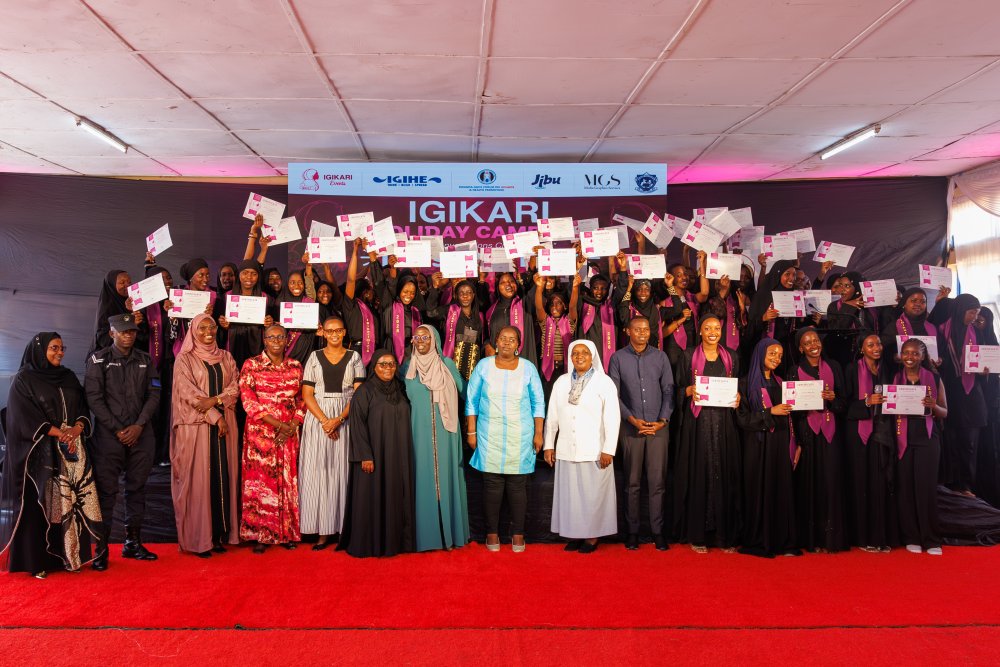
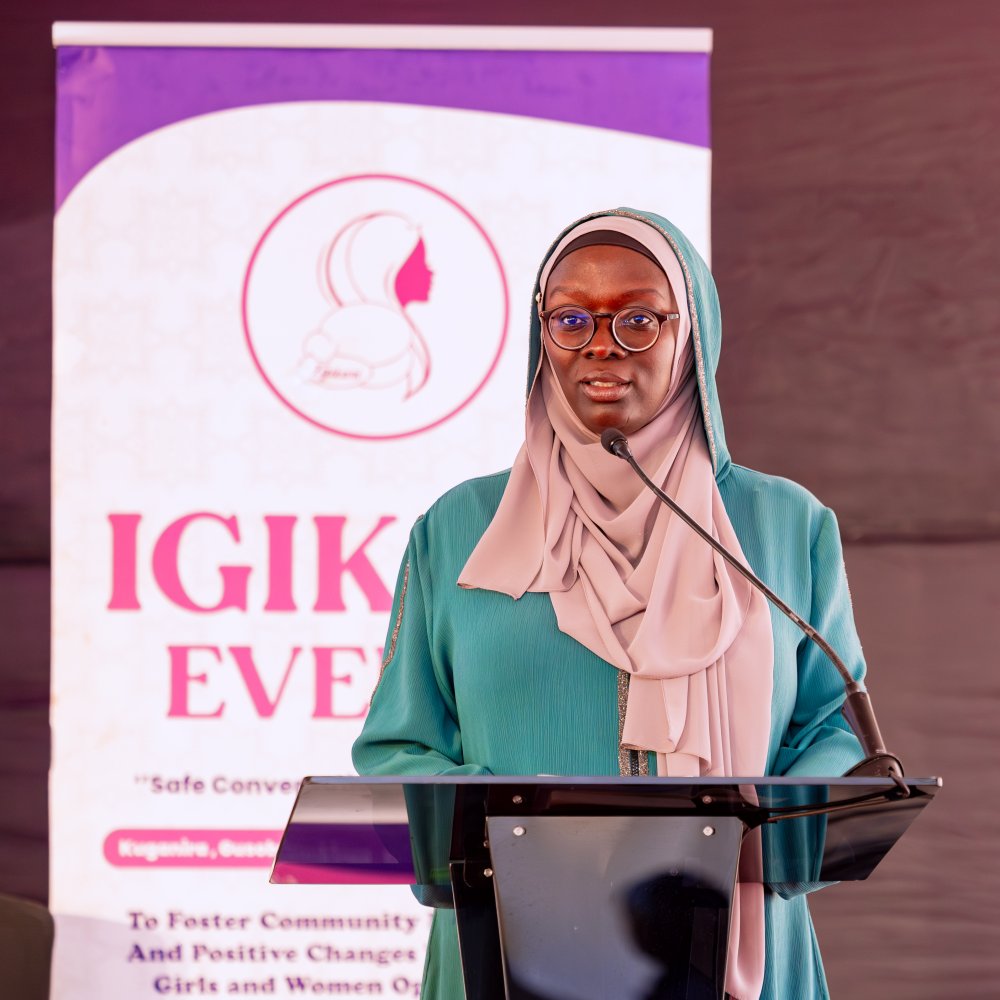
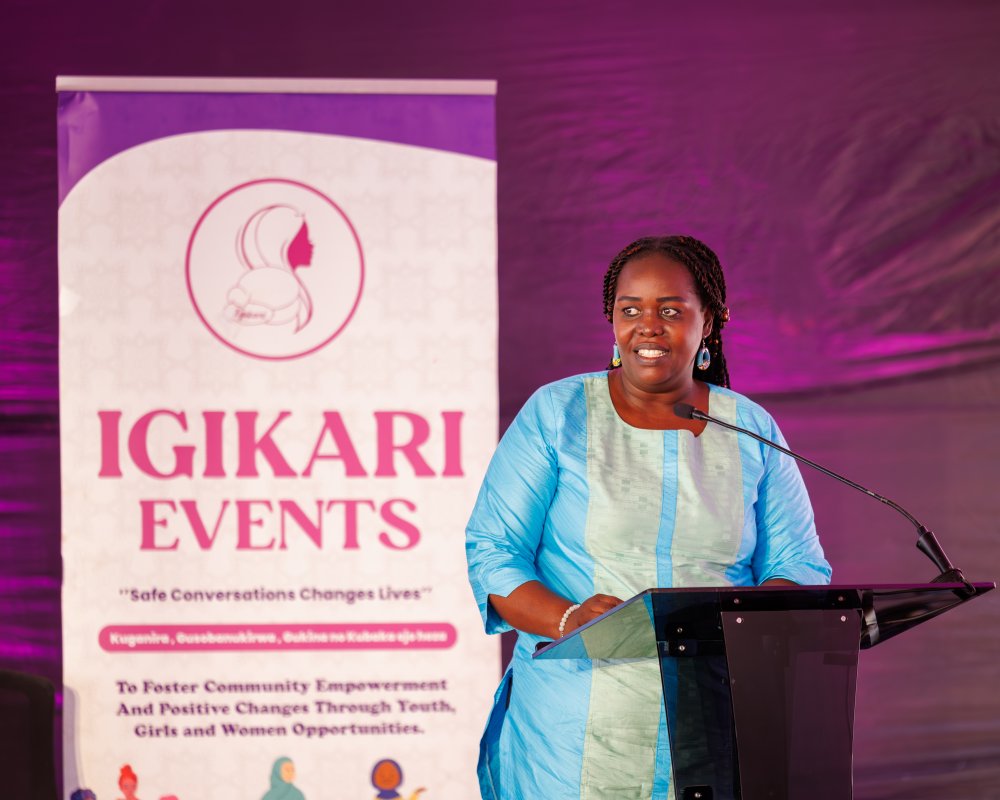
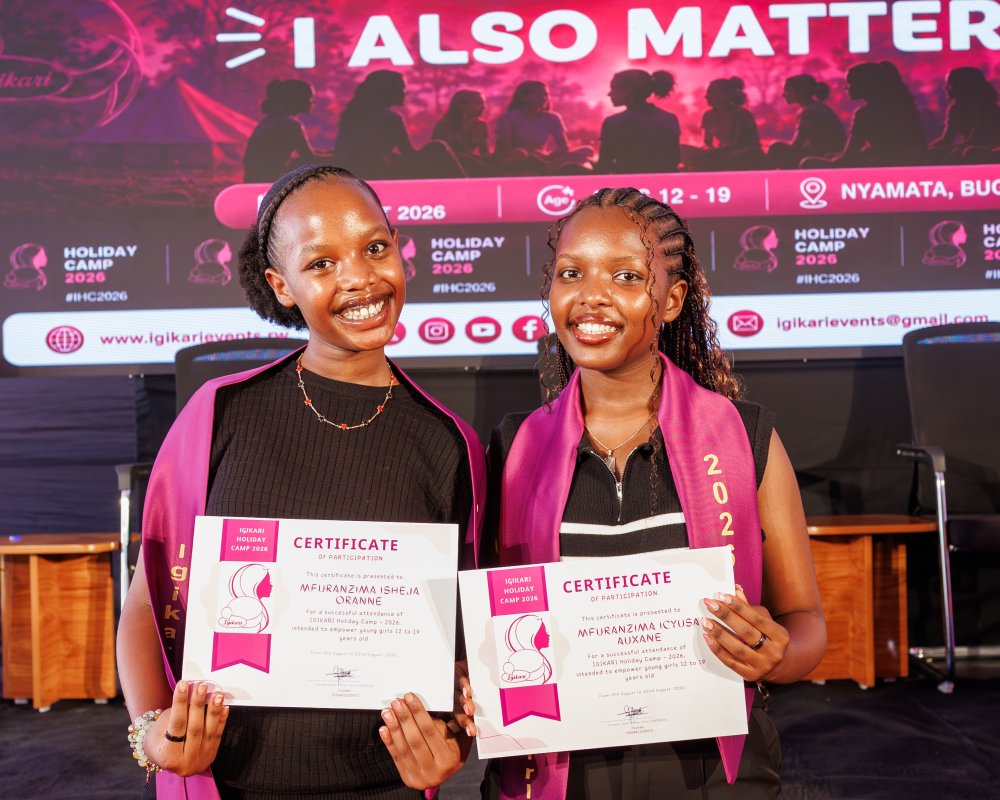
The camp, which concluded on August 22, is an annual programme launched in 2022 by Uwineza Iman Josiane, popularly known as Miss Jojo. The initiative was inspired by an experience she had at a wedding, where she learned that a 20-year-old bride was marrying a man she barely knew after meeting him fewer than three times.
The camp was held at Nyamata High School, where participants received sessions on self-awareness, personal development, reproductive health and mental health.
The girls were also encouraged to be confident and assertive, including knowing when to say “no”. This year’s programme also included lessons on Rwanda’s history, particularly the liberation struggle and efforts to stop the 1994 Genocide against the Tutsi, culminating in an educational visit to the Campaign Against Genocide Museum in Gishushu.
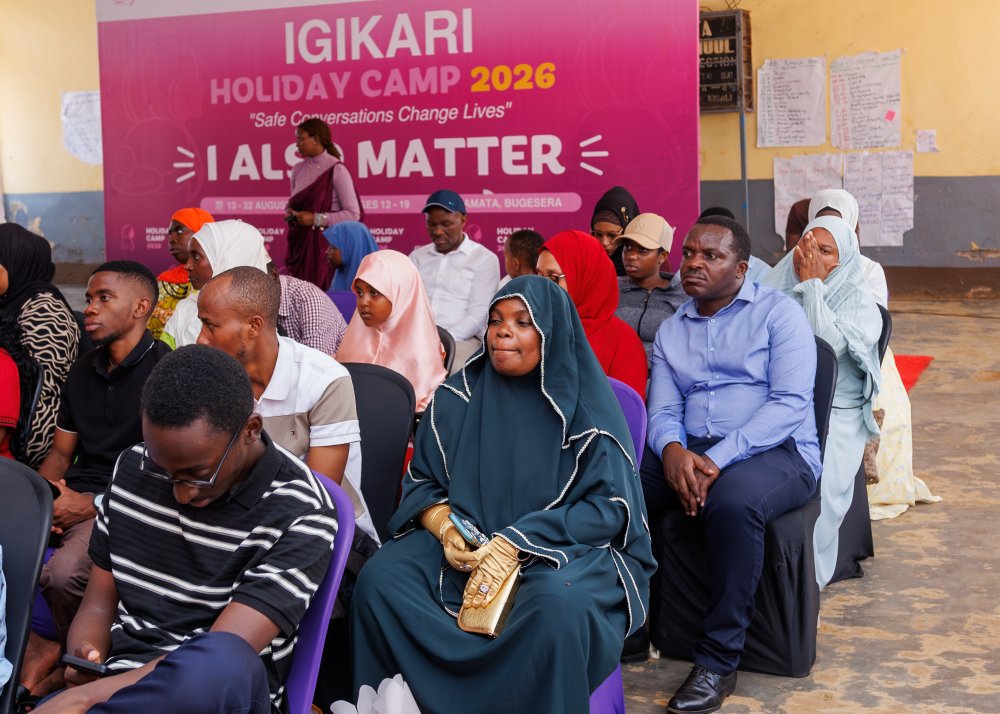
The closing event was attended by the participants’ parents, local government officials, representatives of Imbuto Foundation and the Ministry of Youth, among others.
Miss Jojo thanked parents for trusting the programme and allowing their children to participate, reflecting on the initiative’s journey over the past five years. She said the organisers continue to follow up on participants for at least a year after they complete the camp.
“We continue to engage with them even after the camp, providing ways for them to reach us and following up to see whether they are putting the positive plans they made into practice,” she said.
Miss Jojo commended the 59 girls for completing the 10-day camp, noting that all participants who enrolled at the beginning remained through to the end.
Beyond mentoring the girls, Miss Jojo said the programme also engages parents, creating opportunities for both sides to share information and perspectives that can help them better understand the challenges facing young people.
Yvette Imanishimwe, the Vice Mayor of Bugesera District in charge of Social Affairs and the guest of honour, said initiatives such as Igikari demonstrate the opportunities created by Rwanda’s governance to support the development of girls. She commended First Lady Jeannette Kagame for her continued efforts to promote girls’ education and well-being.
“Igikari Events is an opportunity that we should make the most of to address the challenges facing girls,” she remarked.
Imanishimwe encouraged the participants to take an active role in addressing challenges affecting adolescent girls and to share the lessons they gained from the camp with their peers and communities.
She also urged parents to reflect on their role as role models and ensure they are creating an environment that enables their children to thrive.
The vice mayor called on the girls to uphold good morals and behaviour, avoid drugs and resist social influences that undermine Rwanda’s cultural values. She also encouraged them to speak Kinyarwanda properly and to be mindful of their appearance and dress.
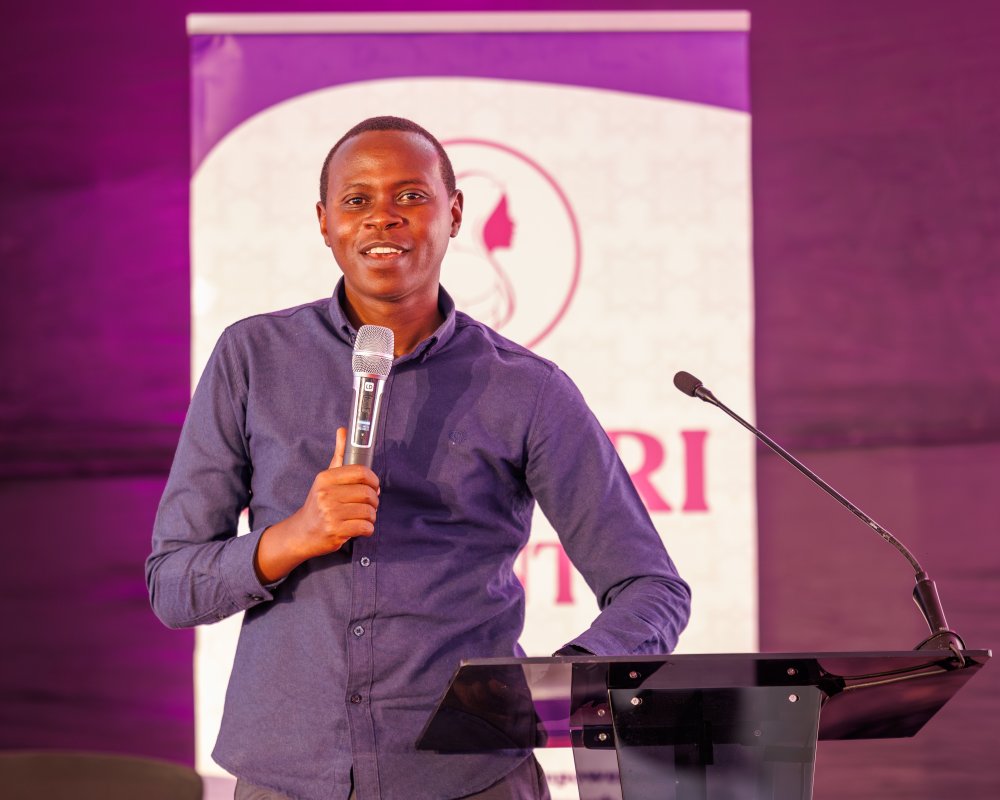
Jean Pierre, an official in charge of youth at the Ministry of Youth and Arts, commended the facilitators and pledged the ministry’s support in addressing challenges facing adolescent girls, including mental health issues and gender-based violence.
He noted concerns over the rise in teenage pregnancies, saying the rate had increased from 5 percent to 8 percent.
Jean Pierre also thanked First Lady Jeannette Kagame for recently inaugurating the Imbuto Hub in Bugesera District, a facility aimed at nurturing talent and supporting youth-focused initiatives.
He encouraged Igikari to work with youth centres across the country and establish partnerships that could help expand the programme and reach more young people.
Parents who attended the closing event praised Miss Jojo and her team for the initiative and pledged their continued support. Some called for the programme to be expanded to reach boys and more children across different parts of the country, saying it provides young people with guidance and helps keep them engaged during school holidays.
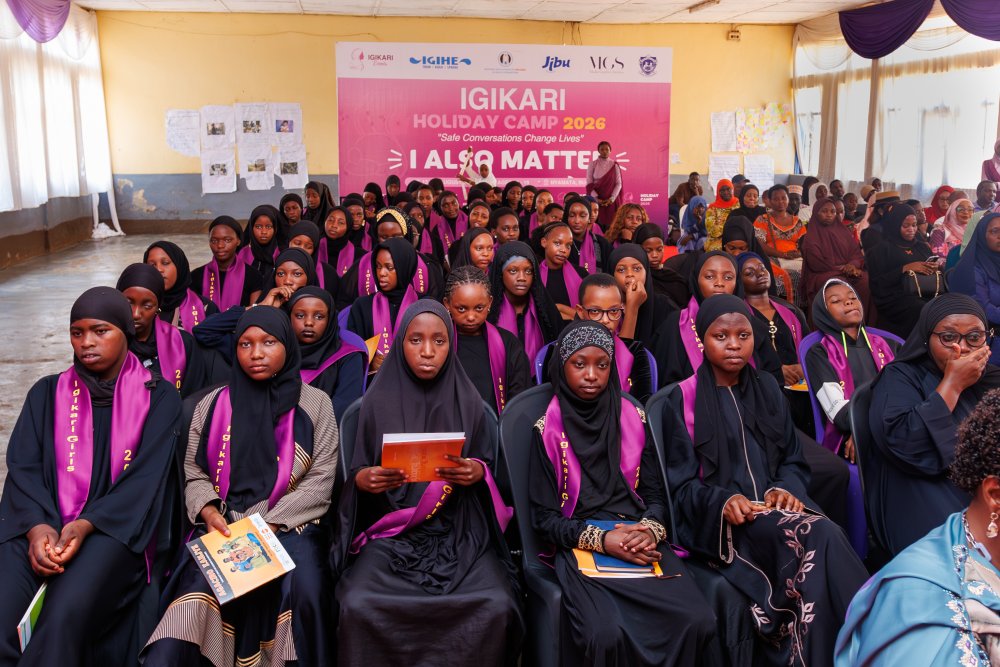
Fifty-nine girls aged between 12 and 19 attended the 10-day programme at Nyamata High School from August 13 to 22, 2026.The closing event was attended by the participants’ parents, local government officials, representatives of Imbuto Foundation and the Ministry of Youth, among others.The camp concluded on a joyful note as the girls celebrated the experience they had shared.Parents joined their daughters to celebrate the conclusion of the two-week Igikari Holiday Camp.The camp was held at Nyamata High School, where participants received sessions on self-awareness, personal development, reproductive health and mental health.
After months of living in fear, deprivation and constant uncertainty, Nkurunziza found a chance to escape. He made his way back to Rwanda, a country he had been told would punish him if he returned.
Instead, he found support and a second chance. He was reintegrated into society, granted citizenship, trained in a vocational skill and supported in developing his talent in music.
His journey is a story of survival, resilience and hope; a story of a child whose childhood was taken away but who later found an opportunity to rebuild his future.
A childhood spent in exile
Nkurunziza was born in the Democratic Republic of Congo in 1997 to Mvuyekure Bernard and Uwiragiye Jeannette, parents who had fled Rwanda during the 1994 Genocide against the Tutsi.
Growing up in exile, Nkurunziza continued his education and dreamed of building a better future. He was a student at Institut Katwe, where he was studying in Senior Four, when his life changed forever.
While in Rutshuru, he and his friend John were abducted by FDLR fighters and taken to Walikale Territory. There, they were brought to an FDLR military camp and informed that they would become soldiers.
However, during the first weeks at the camp, they were not immediately trained in combat. Instead, they were forced to perform tasks that supported the rebel group, including carrying ammunition, transporting property taken from civilians and collecting supplies needed by fighters.
Nkurunziza believes his abduction was also part of an attempt by FDLR to force his father to join the armed group.
According to him, the rebels wanted his father to become a fighter, but he refused because he had a family to support.
“My father was already old, and he told them, ‘No, I have a family to take care of. I do not want to join the army or become part of those activities.’ That is when they decided to use me as a way to force him to join,” Nkurunziza recalled.
The rebels later contacted his family and threatened to kill him if his father refused to join FDLR.
When Nkurunziza managed to communicate with his father, he urged him not to accept the group’s demands, even though he knew the decision could put his own life at risk.
“Be strong, my father. I will follow their rules and do whatever they tell me so that I can protect your life. I have already reached this point. If I die, let me die, but the life I am living here is extremely difficult,” he told his father.
From a rebel camp to a new beginning
After enduring months of hardship under the control of FDLR, Nkurunziza eventually found an opportunity to escape. His journey out of the rebel-controlled forests marked the beginning of a new chapter in his life.
Instead of facing rejection, he received assistance that helped him return to normal life. He was supported through reintegration programmes, acquired skills that helped him become self-reliant and was encouraged to pursue his passion for music.
Today, Nkurunziza’s story stands as a reminder that even after experiencing unimaginable hardship, survivors can find opportunities to rebuild their lives when they receive support and a second chance.
At just 14 years old, Nkurunziza was abducted and forcibly recruited into FDLR, where he was forced into a life of violence and armed activities.
Nkurunziza says that when he arrived at an FDLR camp, he found many other children, both boys and girls. Some were around his age, while others were even younger.
The children were used to carry out various activities for the armed group, including stealing from civilians, transporting supplies, collecting items needed by fighters and participating in violent operations. Some were also forced to bring women and girls who were subjected to sexual violence.
Nkurunziza says that before witnessing such acts himself, he had never believed that such cruelty could exist.
“Before I saw it with my own eyes, I thought such things were impossible. But sometimes you would see young people being sent to bring women and girls, and they would return saying, ‘My commander, we have brought them,’” he recalled.
After three weeks at the camp, Nkurunziza and his friend John began military training that lasted three months. He expected to be taught how to use weapons and become a soldier, but he says much of the training focused on spreading hatred and extremist ideology.
“What surprised me was that I thought I was going to become a strong soldier who would receive serious military training. Instead, we were taught to hate the country, hate Tutsi people and hate the RPF,” he said.
According to Nkurunziza, the recruits were told that Tutsi people and supporters of the Rwanda Patriotic Front (RPF) were their enemies.
They were also told that the 1994 Genocide against the Tutsi had not happened as it was documented and were encouraged to prepare to overthrow the Rwandan government.
The teachings made Nkurunziza question why the group spent so much time spreading hatred instead of preparing them for legitimate military responsibilities.
Forced into combat and mineral exploitation
After completing the training, Nkurunziza was sent on FDLR operations. He was involved in attacks, raids against civilians and missions to extract minerals.
He says it was painful to see senior members of the group sending their own children to schools in cities such as Goma, Beni and Butembo, while abducted children like him were forced into armed activities.
“We would go and steal minerals and bring them, while at the same time hearing that their own children were studying in Goma, Beni and Butembo. We were young children who had been denied the kind of life their children were enjoying,” he said.
Nkurunziza says refusing orders often resulted in severe punishment, including beatings, being suspended in the air as a form of torture, or other forms of abuse.
Whenever he refused to carry out certain orders, such as bringing a woman or performing tasks assigned to him, his commanders would contact his family and threaten to kill him.
“When you live with constant pain and suffering, there comes a time when you become numb to it,” he said.
Despite enduring extreme hardship, Nkurunziza says he continued to persevere because he remained determined to protect his parents and keep them alive.
He explained that he was forced into combat and that much of the indoctrination he received was centred on promoting hatred against Tutsi people.
The man who helped him find a way out
Six months after being taken to an FDLR camp, Nkurunziza met a soldier named Harerimana, who already knew his family.
Harerimana asked him how he had ended up with the armed group. Nkurunziza briefly explained how he had been abducted and the suffering he had endured since being taken into the forest.
Harerimana later asked Nkurunziza’s commander to allow him and his friend John to accompany him and help transport supplies. However, his real intention was to take them away from the camp so he could listen carefully to their story.
After learning what Nkurunziza had gone through, Harerimana advised him not to attempt an escape without careful planning.
“My young brother, be patient and continue enduring this suffering for now. If you try to escape without a proper plan, you will be killed. I will go and tell your parents how they should behave so that they do not end up in the same situation,” Harerimana told him.
As time passed, Nkurunziza opened up to Harerimana about his desire to leave the forest and escape the life he had been forced to live.
“I am already living a life that feels as if I died long ago. I am alive, but it feels like I am already dead. How can I continue living like this?” he asked.
That was when Harerimana began preparing their escape.
He instructed Nkurunziza and John to carefully study the routes used by FDLR fighters during operations, identify the times when security was weakest, count the number of soldiers guarding different areas and look for possible escape paths.
In December 2009, Harerimana finally told them that the time to leave had arrived.
A dangerous escape between life and death
Harerimana once again asked Nkurunziza and John to accompany him on what appeared to be a mission to collect supplies.
After moving far away from the FDLR camp, he asked them to hand over their weapons, but then quickly changed his mind and decided to give them more ammunition instead.
“No, my children, that will not work. The journey ahead will not be easy. Instead, let me give you more ammunition because you still have a difficult task ahead,” he told them.
He gave each of them two magazines of ammunition and showed them the mountain routes they needed to follow.
They began their journey at around 10:00 a.m. and continued walking until night fell.
At around 11:00 p.m. or midnight, they encountered an ambush by armed men. A gunfight broke out, forcing Nkurunziza and John to retreat and hide behind rocks.
They later discovered that FDLR had already realised they had escaped and was trying to prevent them from reaching the positions of the United Nations peacekeeping mission in the Democratic Republic of Congo, MONUSCO.
That night, they survived by taking turns sleeping. One would rest for about 20 minutes while the other remained awake to watch over their surroundings.
At dawn the following day, they saw a MONUSCO base in the distance. However, reaching it meant passing through another heavily guarded position.
This time, Nkurunziza and John decided they had no choice but to move forward.
“We had no other option. We decided to fight our way through, knowing that we would either die or survive,” Nkurunziza recalled.
Although they were still young and wearing oversized, worn-out boots, they gathered their courage and fought to break through the forces surrounding them.
Nkurunziza says that in that moment, he found strength he never knew he had.
“I fought with determination. They used to tell me that I was an Interahamwe, that I was a Hutu, and many other things. But at that moment, none of that mattered. I found a strength that I do not know where God placed inside me,” he said.
They eventually broke through the ambush and ran towards the MONUSCO base.
When they arrived, they raised their hands to show they had surrendered. Their weapons were taken away, and they were received and protected by MONUSCO forces.
A helicopter later transported them to Goma, from where they were taken by boat to Bukavu, a location far from FDLR-controlled areas.
For Nkurunziza, that journey marked the beginning of a new chapter, a move from captivity and fear towards freedom and the possibility of rebuilding his life.
Nkurunziza said he finally reached the MONUSCO base as FDLR fighters were still chasing after him, turning his escape into a race between life and death.
The family tragedy that pushed Nkurunziza to return home
On his second day in Bukavu, Nkurunziza was approached by a former fighter who delivered devastating news: his family had been killed.
The revelation left him overwhelmed with grief.
“I became silent. I reflected and cried. But before I could finish crying, I asked him, ‘Were they all killed?’” Nkurunziza recalled.
He was told that the information available suggested that all members of his family could have lost their lives. At that moment, Nkurunziza began wondering where he could go next.
For years, FDLR had taught him that the Rwanda Patriotic Front (RPF) were enemies, that the Rwanda Defence Force (RDF) killed people, and that Rwanda was not a place where he could find safety.
However, he also knew that staying in the Democratic Republic of Congo exposed him to the possibility of being captured again or losing his life.
He eventually made the decision to travel to the country his parents had always told him was his homeland.
“I told myself, ‘Let me go to the place my parents said I belong to. Let me go there, even if I die there. If I am killed by a Rwandan, then there is nothing else I can do,’” he said.
A Rwanda different from what he had been told
When Nkurunziza arrived at the border in Rusizi District, he was filled with fear.
One of the first things that surprised him was hearing people speak the same language he spoke.
While living with FDLR, he had been taught that his language was “Igihutu”. However, after arriving in Rwanda, he discovered that it was simply Kinyarwanda, the language spoken by Rwandans.
“I heard people speaking like me, yet I had been taught that I spoke Igihutu. They told me, ‘No, this is Kinyarwanda,’” he said.
Nkurunziza expected government officials to receive him with anger and accuse him of being part of FDLR.
Instead, he was welcomed, provided with support and taken to a centre designed to help former combatants return to normal life.
Despite the warm reception, he initially suspected that it was a trick.
He quietly told his friend John:
“Look at this deception. Are they not going to kill us?”
The two were taken to Mutobo Demobilisation and Reintegration Centre, where former fighters receive support to reintegrate into society.
Nkurunziza says it was there that he gradually realised that he was safe.
When he arrived, he was in poor condition, with dirty clothes, overgrown hair, worn-out clothing and damaged shoes.
He was given a haircut, new clothes, shoes and food. Because he was still a child, he was separated from adults and transferred to Nyarubande in Musanze District.
“When I arrived there, I found a life that looked like children living with their own families. It felt as if they were being cared for by their parents. I told myself, ‘I am not going to die. I have found a real parent. Even though I no longer have my own parents, I can still have a future,’” he said.
Learning to live as a Rwandan
At Nyarubande, Nkurunziza began receiving lessons aimed at helping him overcome the hateful ideas that had been instilled in him by FDLR.
He was taught that he was first and foremost a Rwandan and that he should not define himself by ethnic identity, but instead build his life around unity and coexistence.
He received guidance from teachers, trauma counselors and local leaders who supported his recovery and reintegration.
Later, he was issued a Rwandan national identity card.
The Demobilisation and Reintegration Commission gave him an opportunity to choose a profession he wanted to pursue.
He chose to study hospitality in Kayonza District.
Afterwards, those supporting him asked whether he had any talent he wanted to develop. He chose music.
With the support of music trainer Intore Semanza Jean Baptiste, Nkurunziza travelled to Kigali in 2014.
He stayed at a hotel near Sainte Famille, where he was introduced to producer Bob Pro, who helped him record his songs.
He was given the opportunity to produce 12 audio songs and 12 music videos.
“Although I had lost my parents, I had found a parent — a truly good country. I was satisfied,” he said.
Through his music, Nkurunziza wanted to reach young people who were still carrying guns in the forests of the Democratic Republic of Congo and encourage them to abandon violence and return home.
A father, employee and artist
After completing his reintegration programme, Nkurunziza began looking for employment.
Today, he works in the department of marketing at Airtel Rwanda in Musanze District.
He has also built a family of his own and become a father. He continues to pursue music whenever opportunities arise, using it both as a passion and an additional source of income.
Nkurunziza’s story highlights the devastating impact that conflict and extremist ideology can have on children. However, it also demonstrates how rehabilitation, support and opportunities can transform the life of someone who was once deprived of hope.
He says his experience taught him an important lesson: people should not blindly believe everything they are told about a country, a community or a group of people. Instead, they should seek the truth through careful reflection and understanding.
Sharing a message with young people, Nkurunziza said: “Young people, whenever you hear a word or a name such as the RPF, take time to think carefully and understand it.”
He added: “There is one important lesson: we must learn resilience. We must remain strong and never give up.”
For a child born in exile, abducted, forced to carry a gun and taught to hate his own country, resilience eventually came to mean something different: surviving, rebuilding his life and using the second chance he received to ensure that his future would no longer be controlled by war.
Nkurunziza Patrick has recounted his journey from FDLR to rebuilding his life in Rwanda.
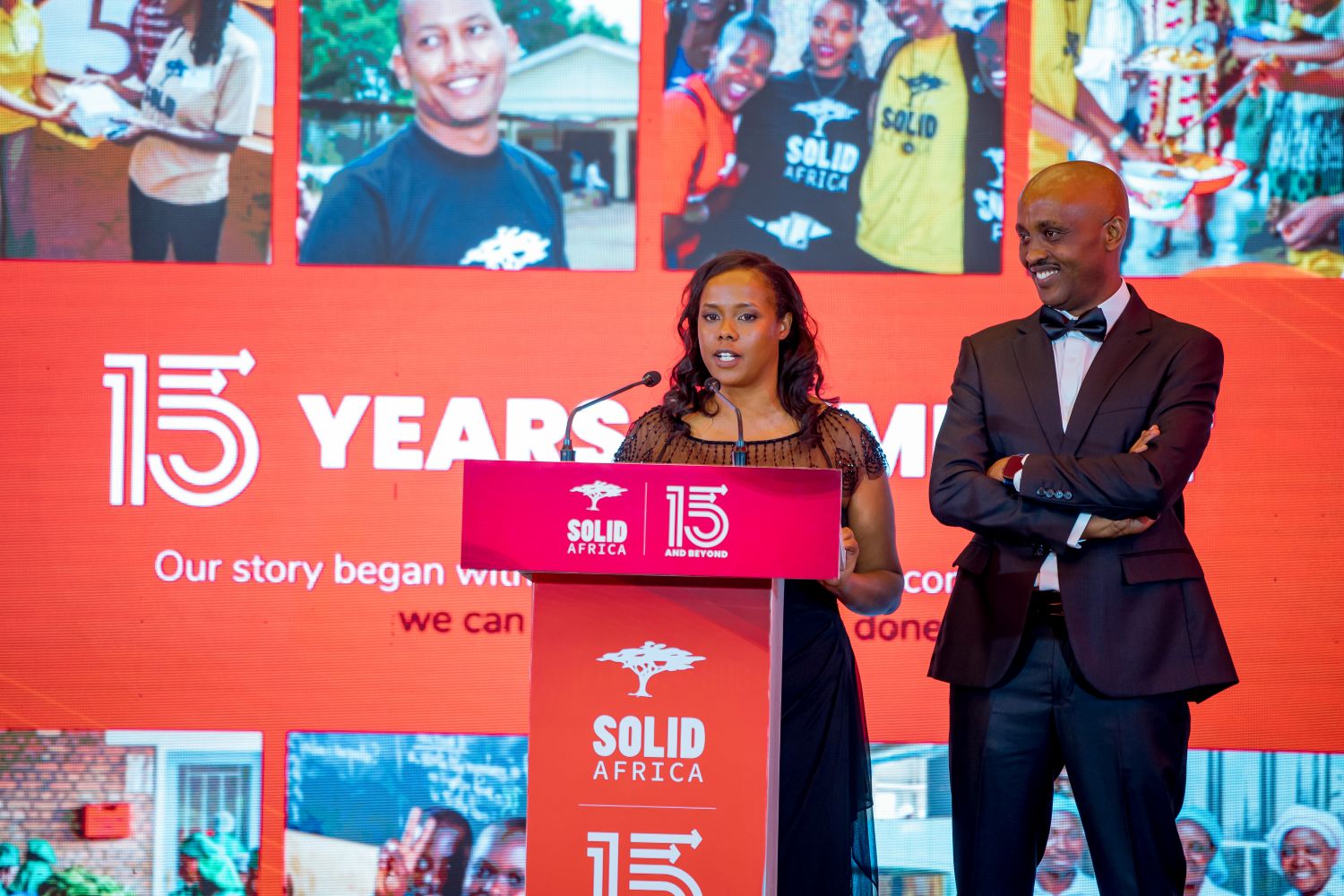
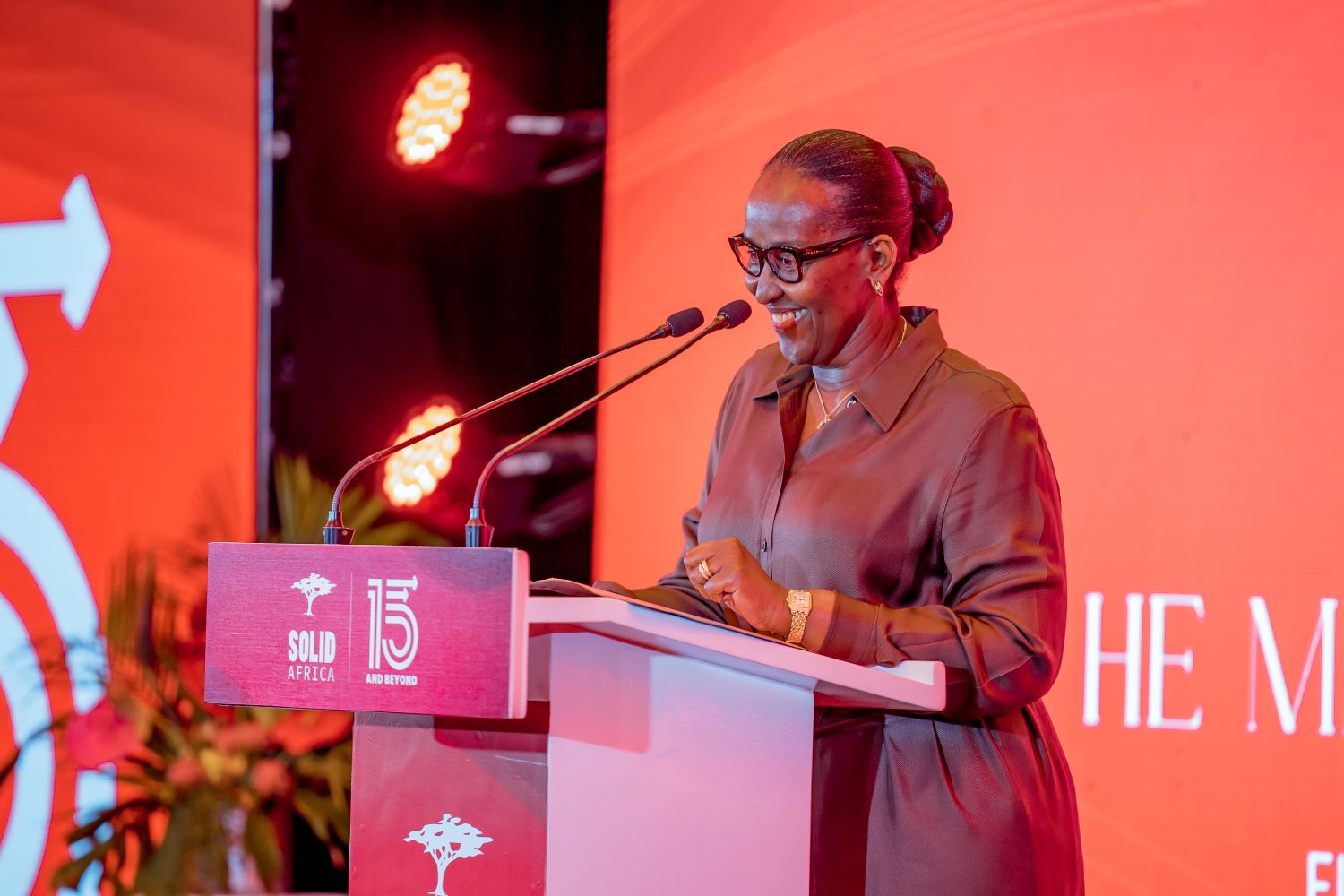
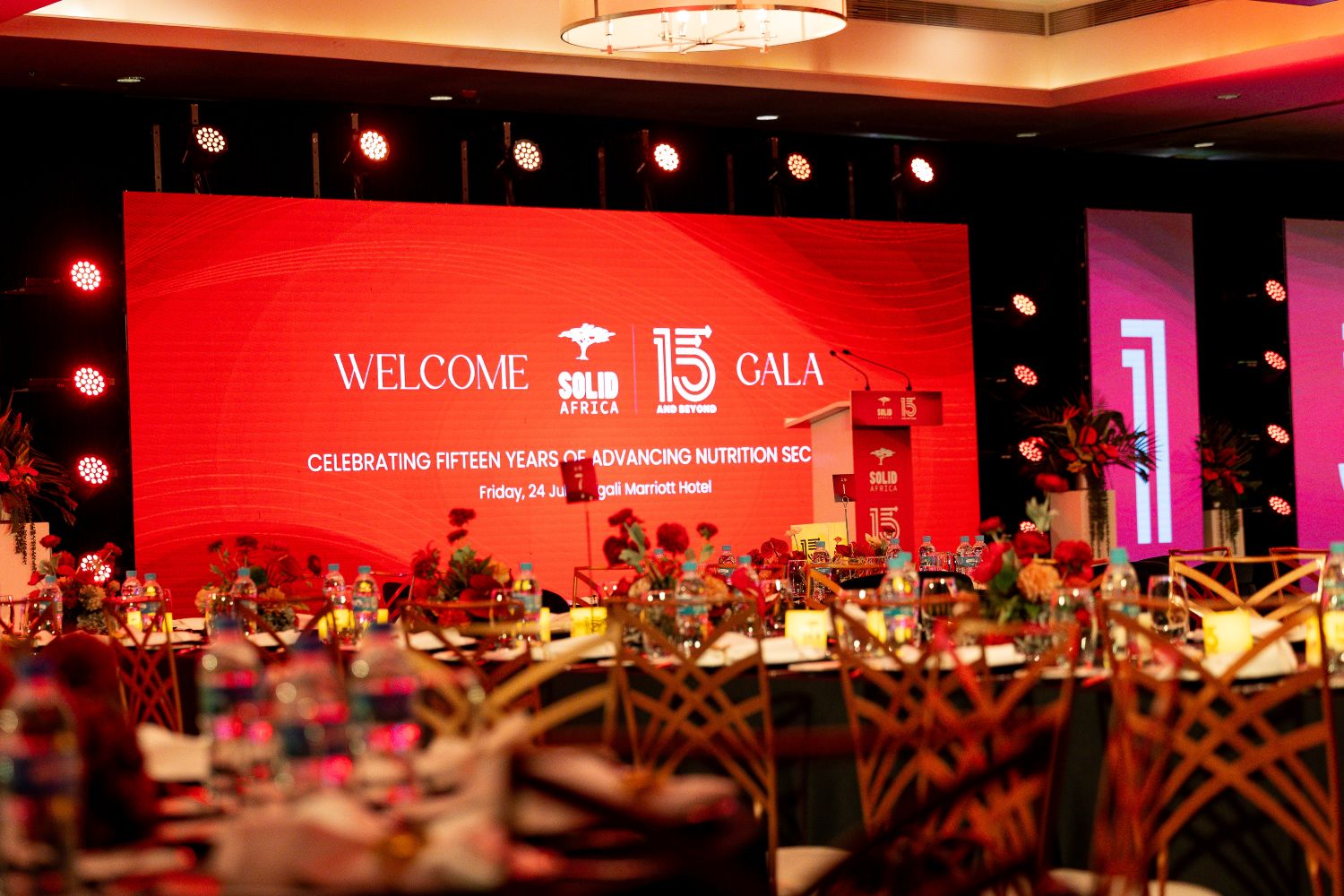
What began as a simple promise to ensure no patient went hungry while receiving treatment has grown into one of Rwanda’s largest nutrition initiatives, serving millions of meals to patients and schoolchildren across the country.
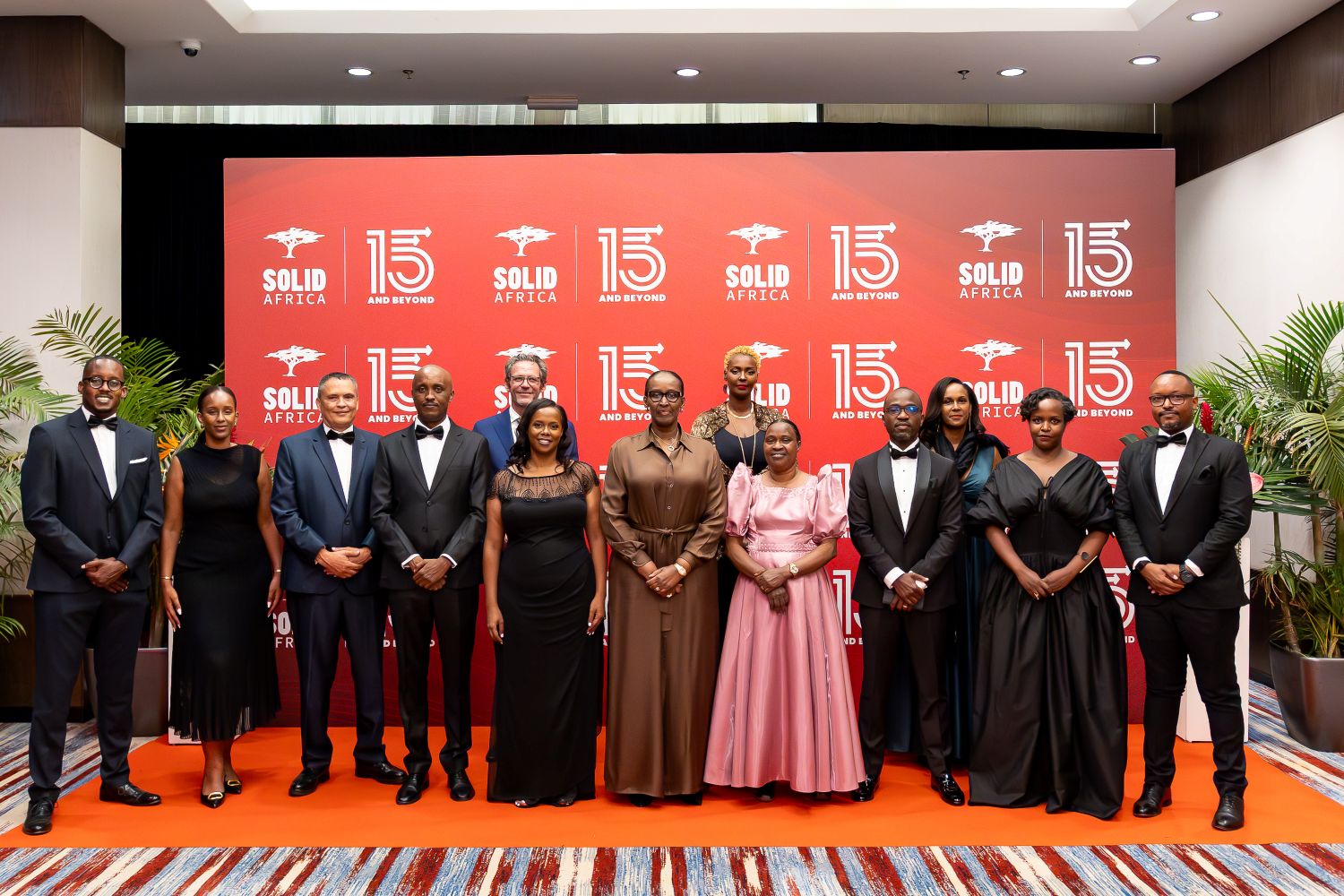
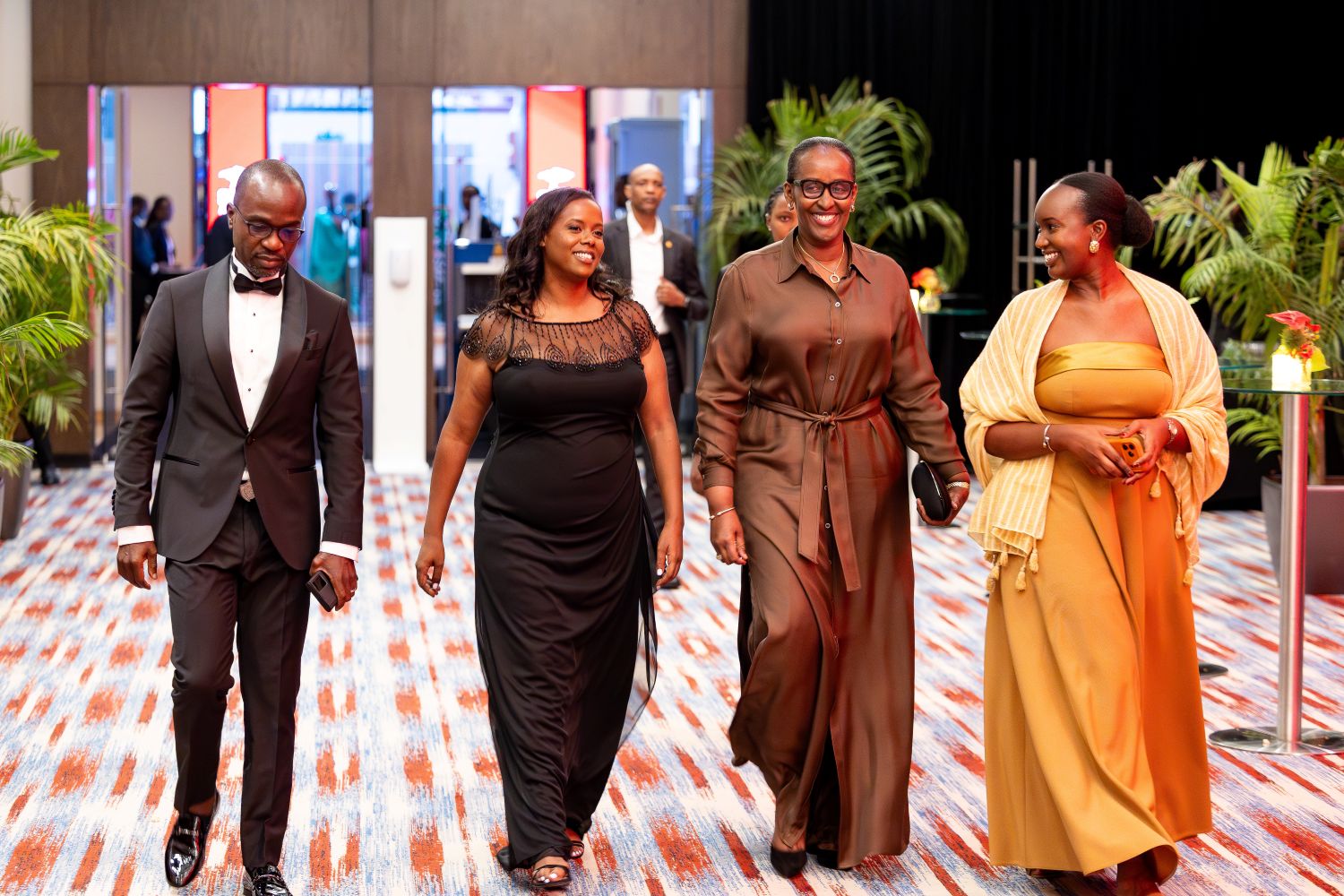
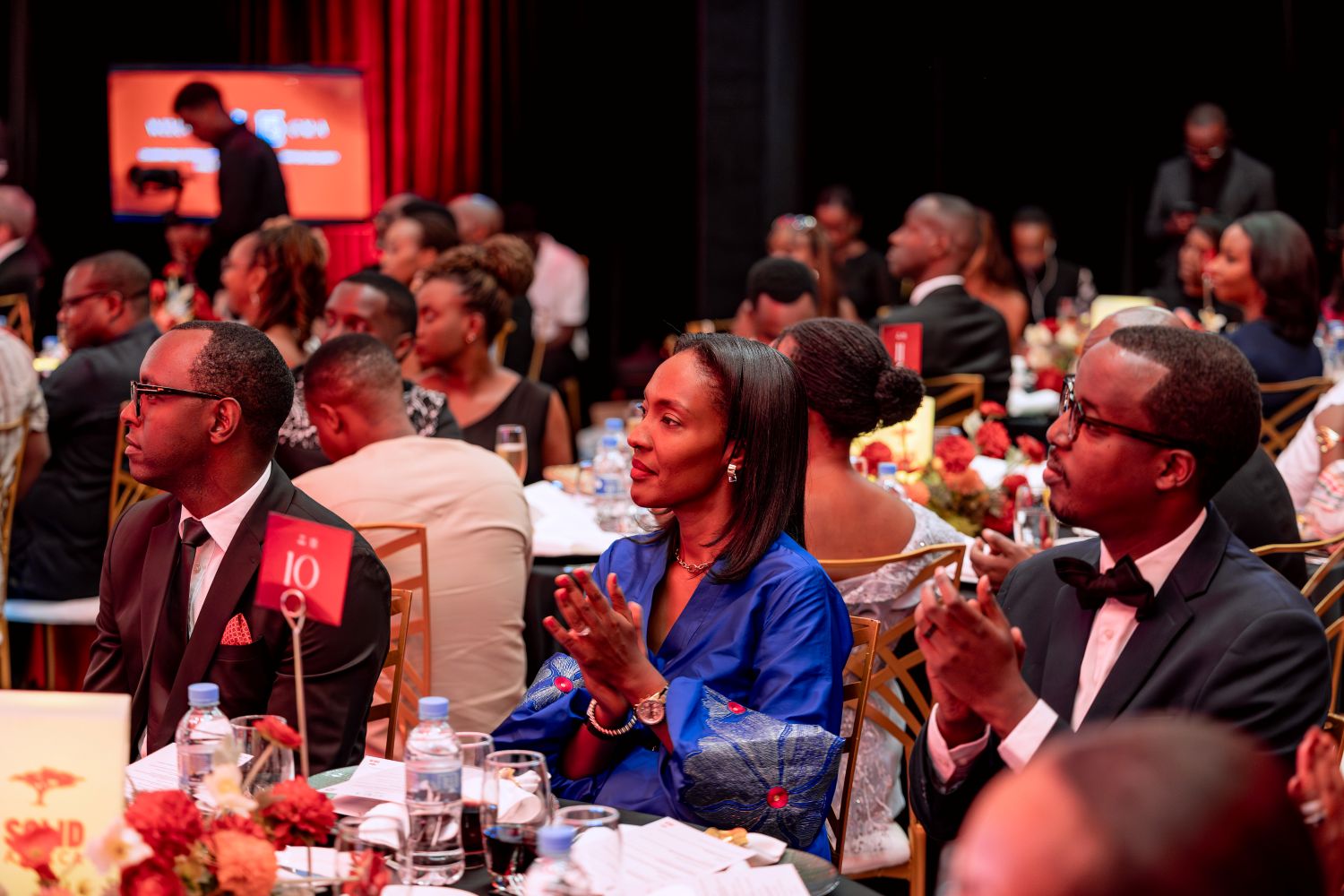
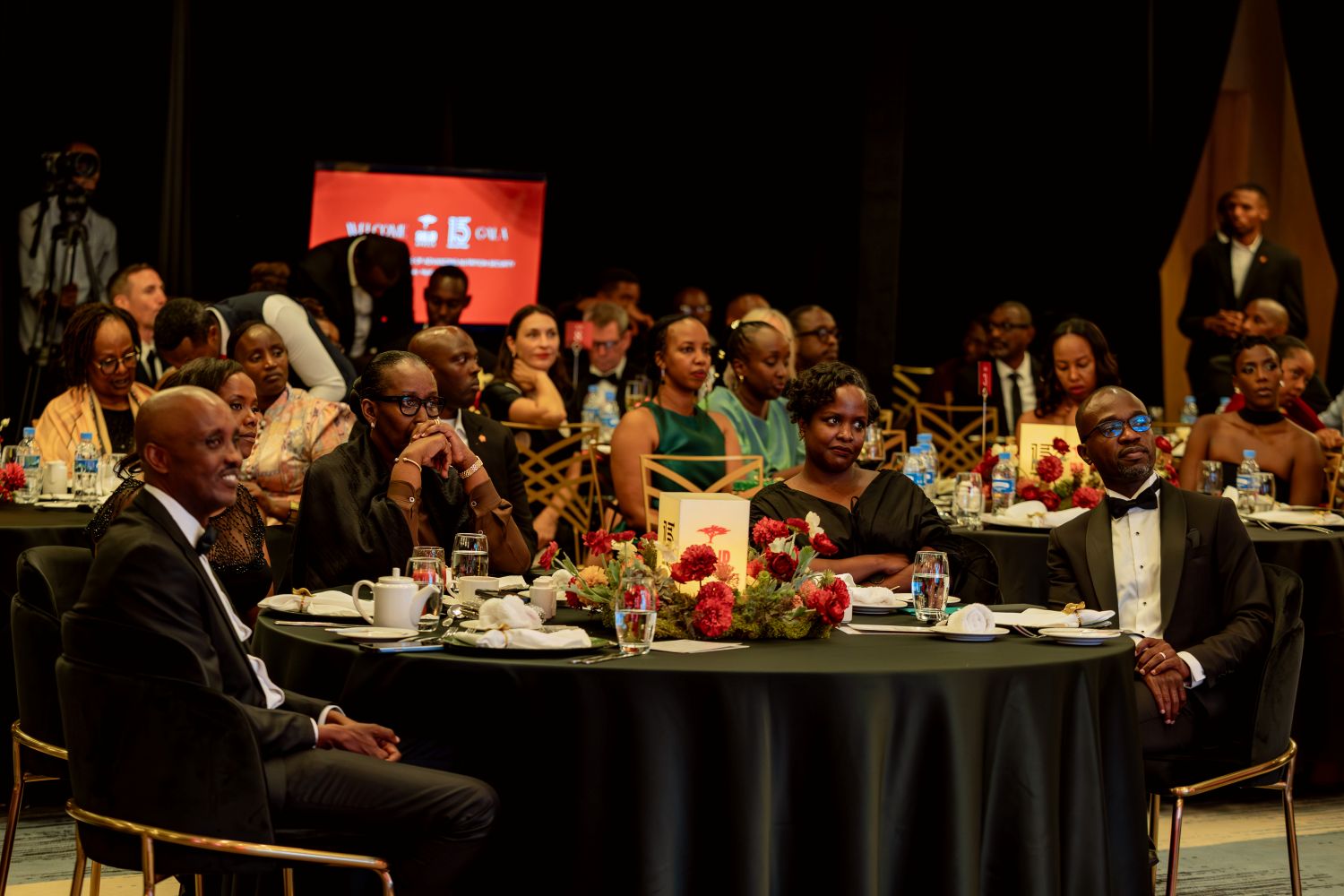
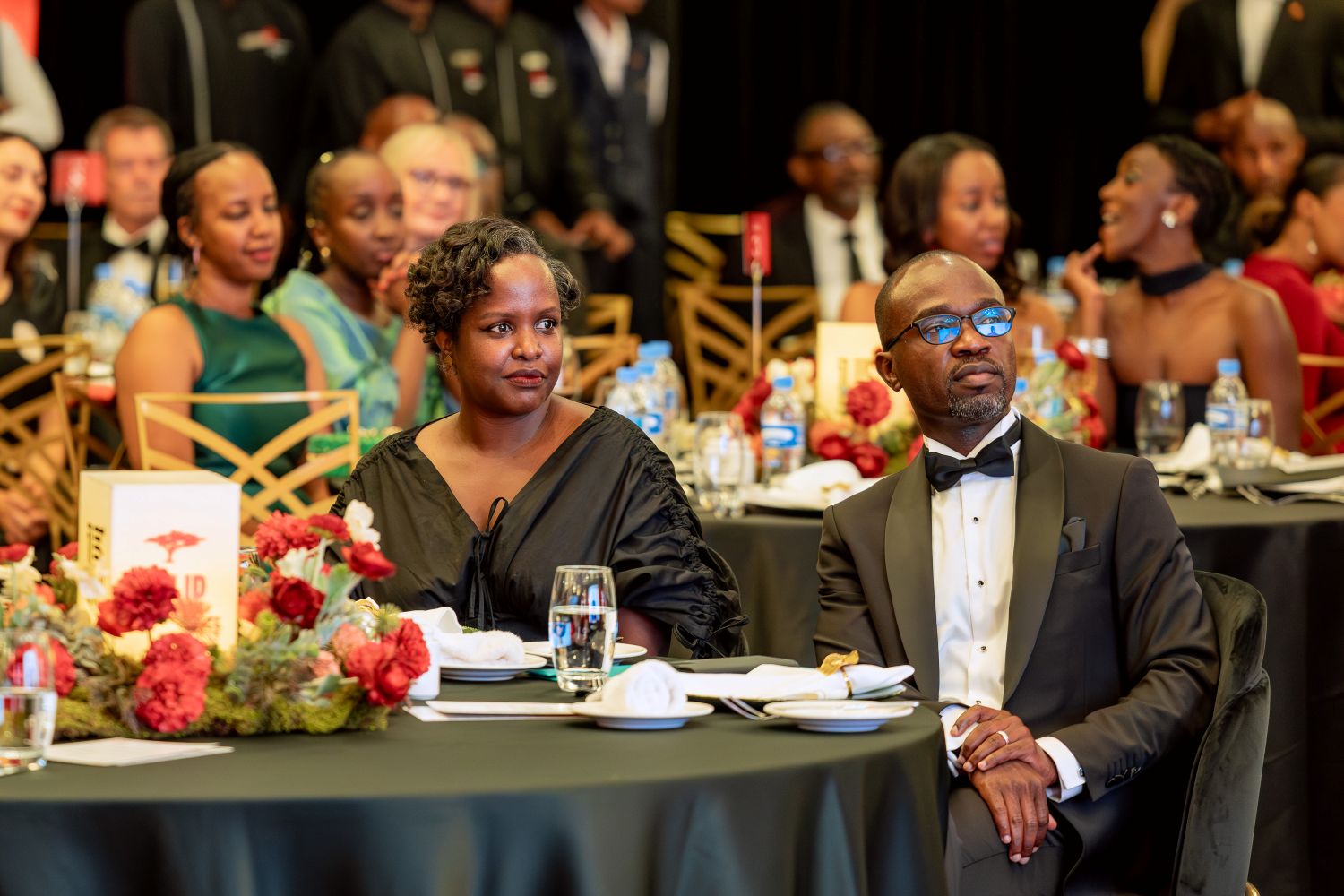
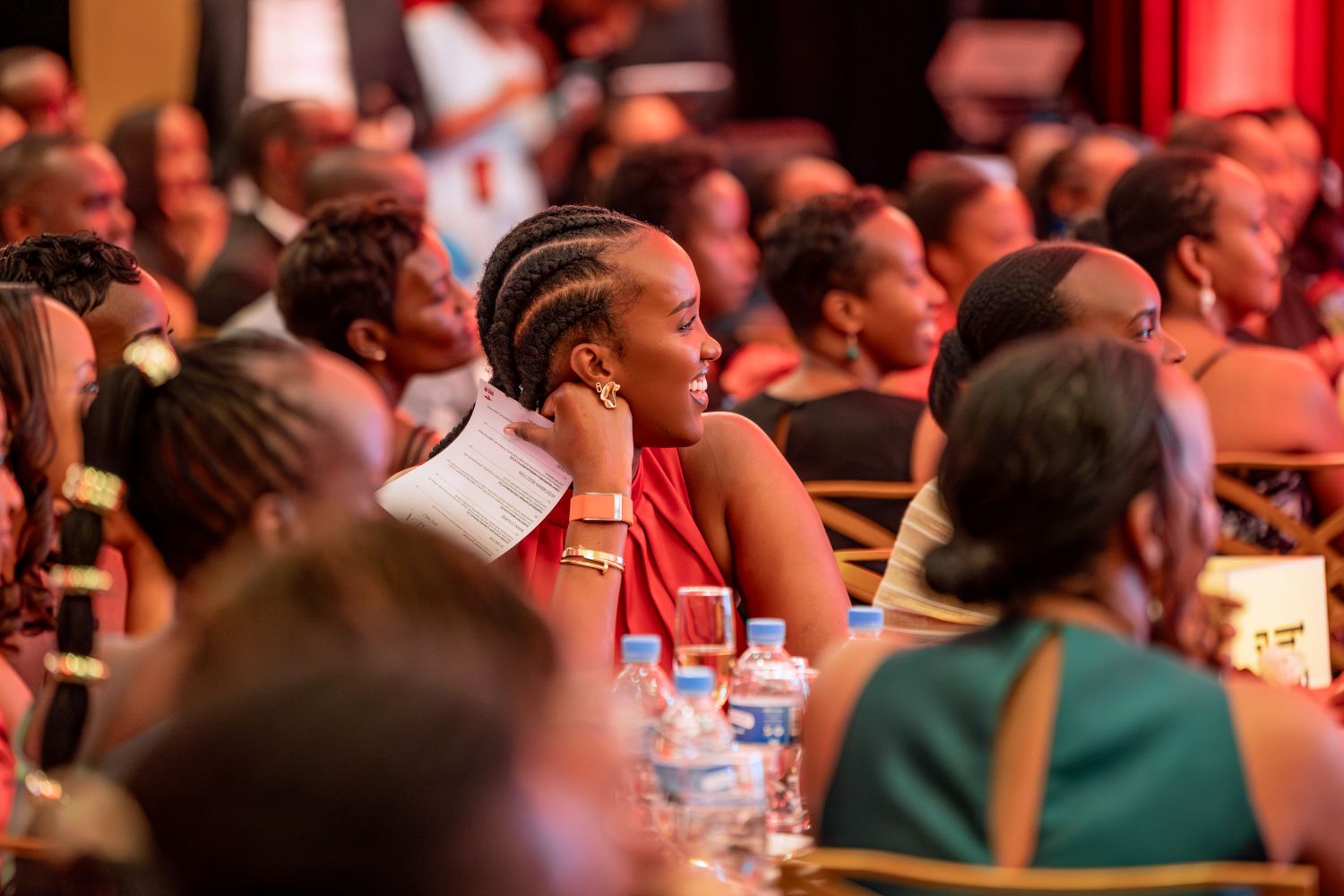
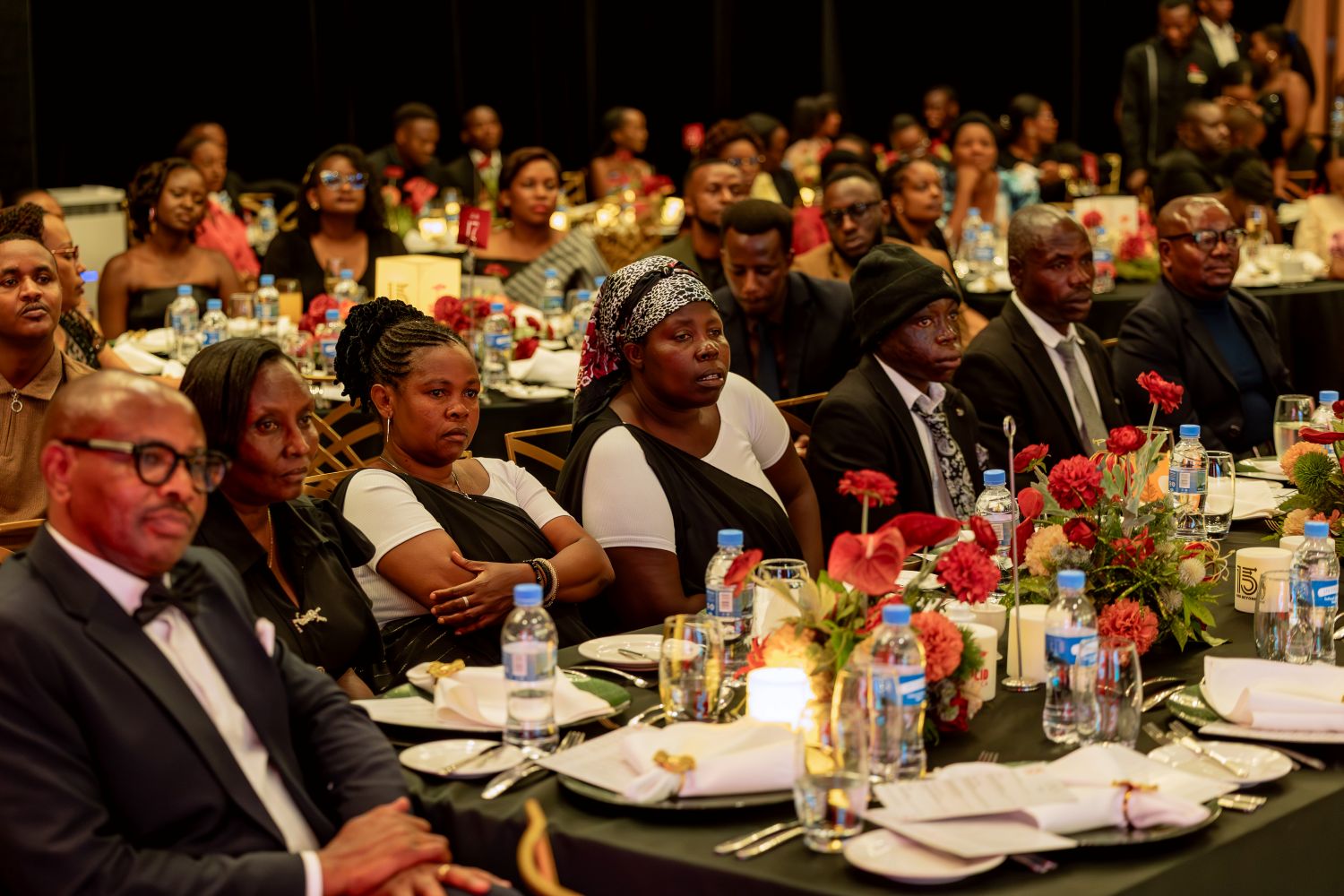
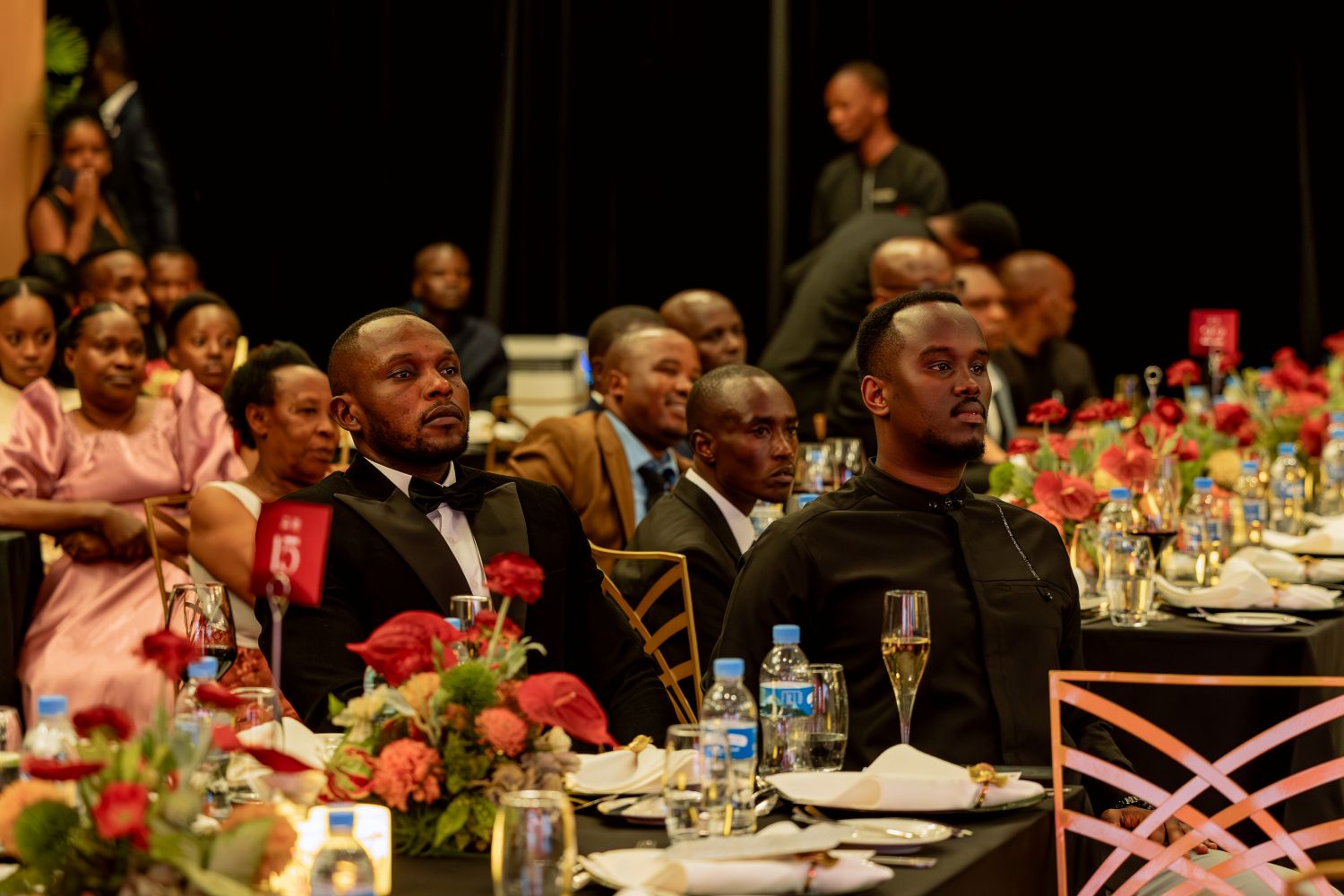
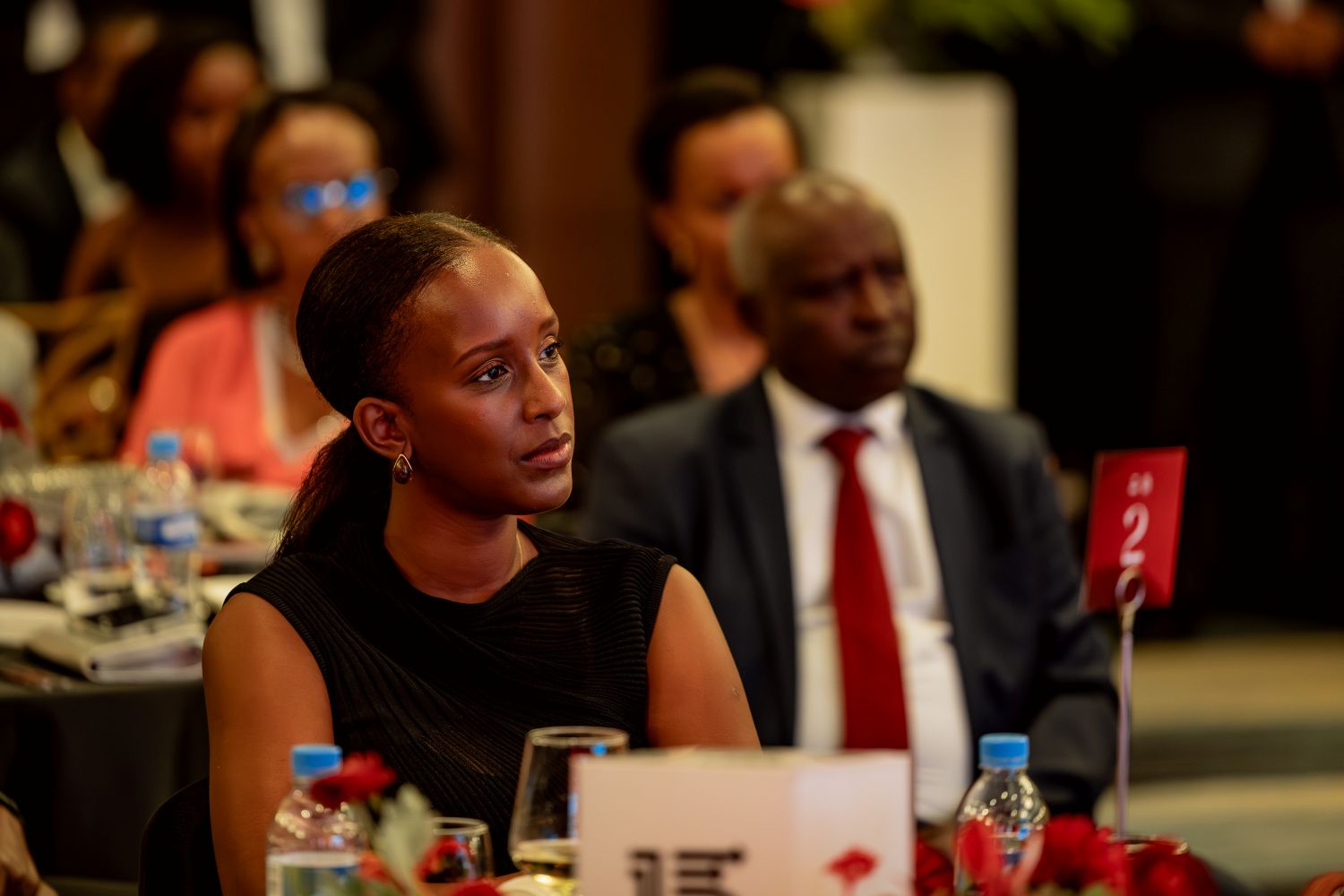
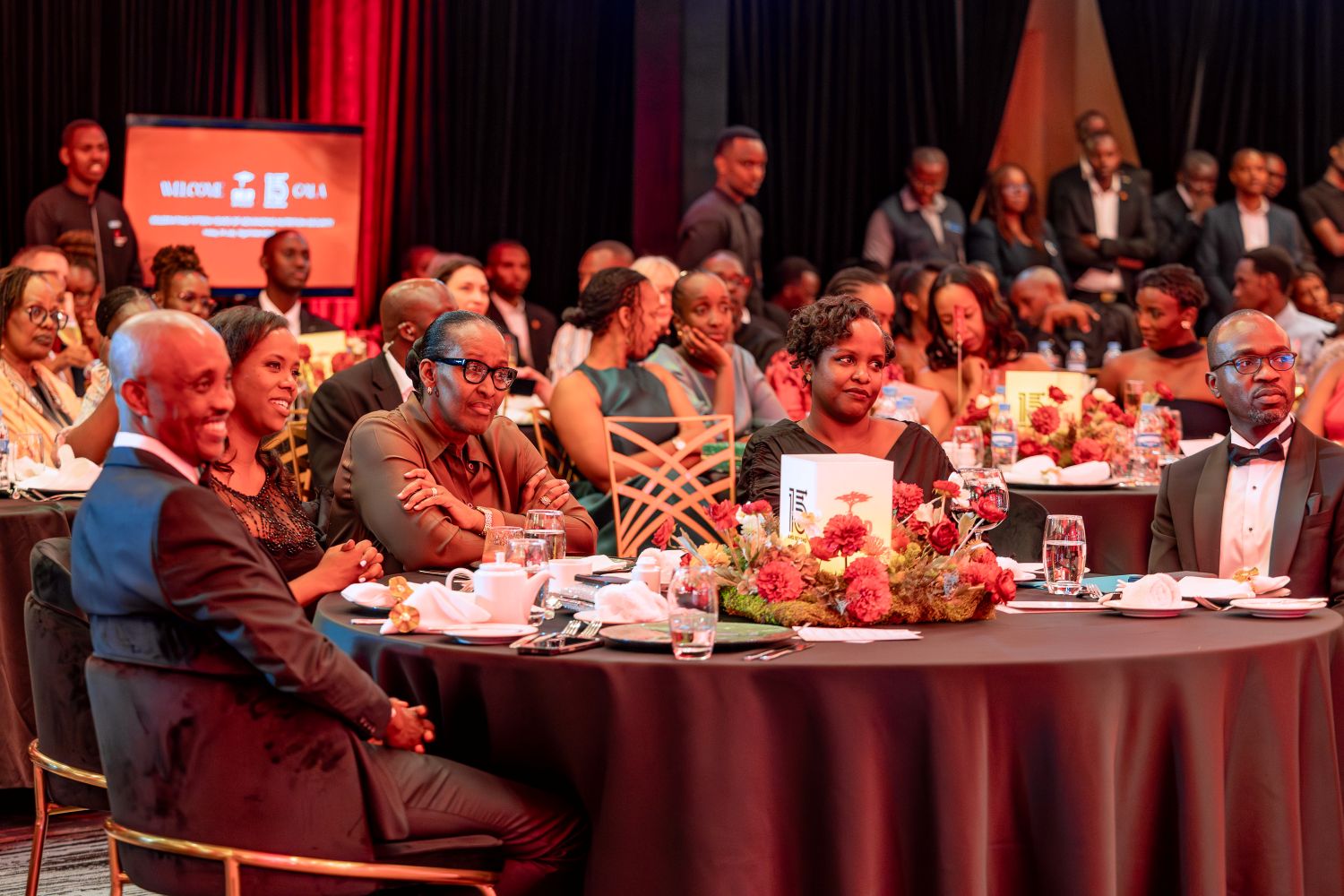
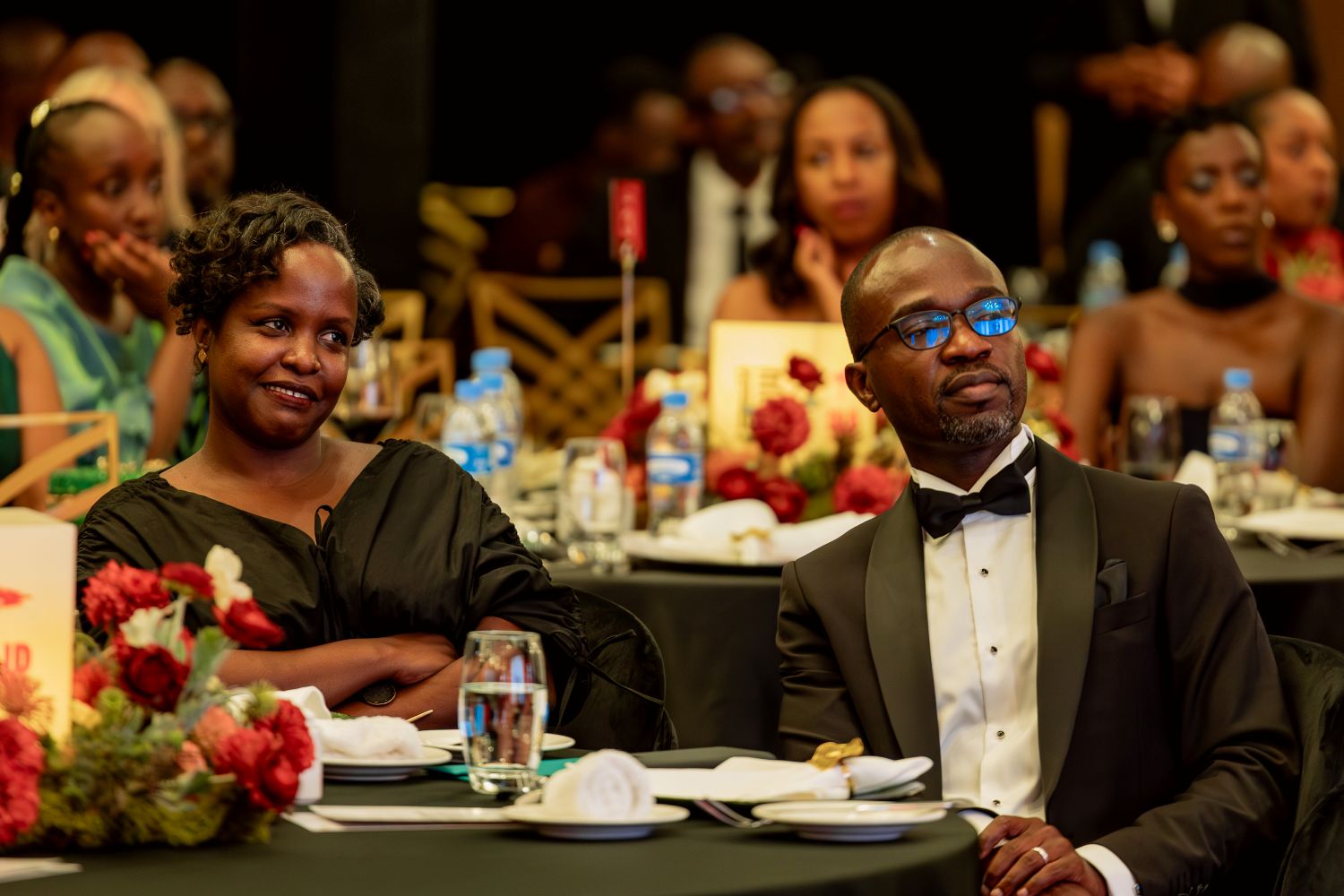
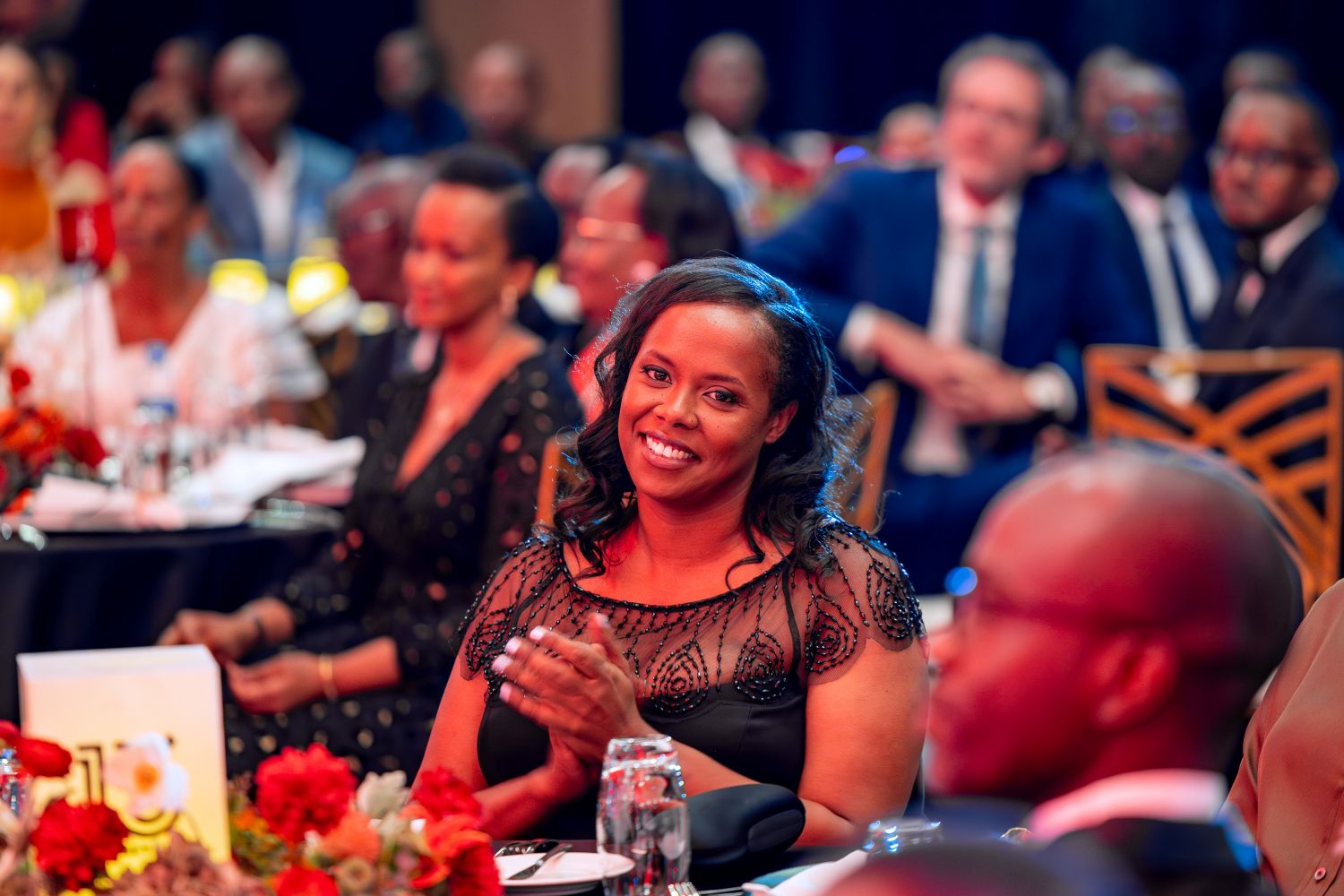
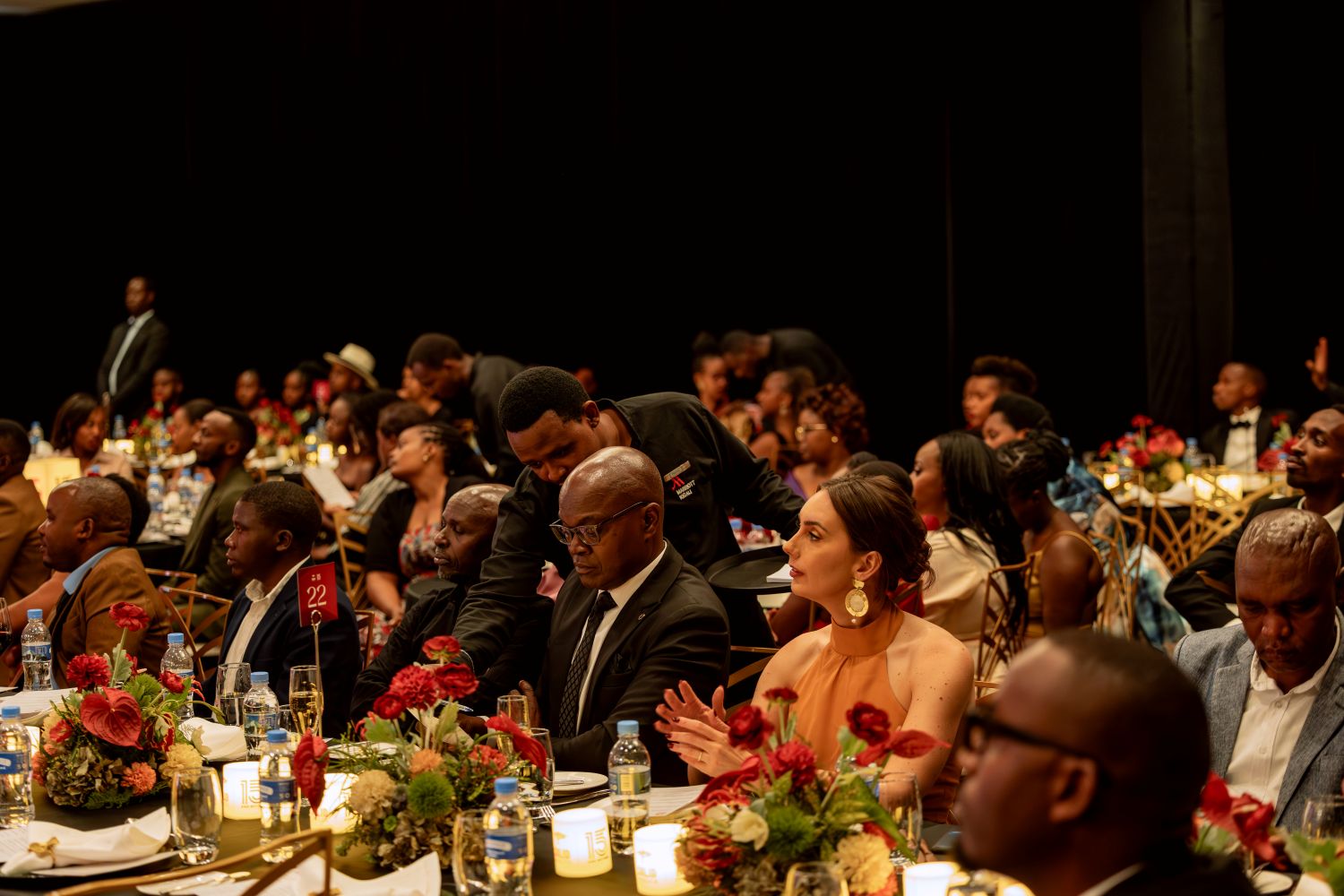
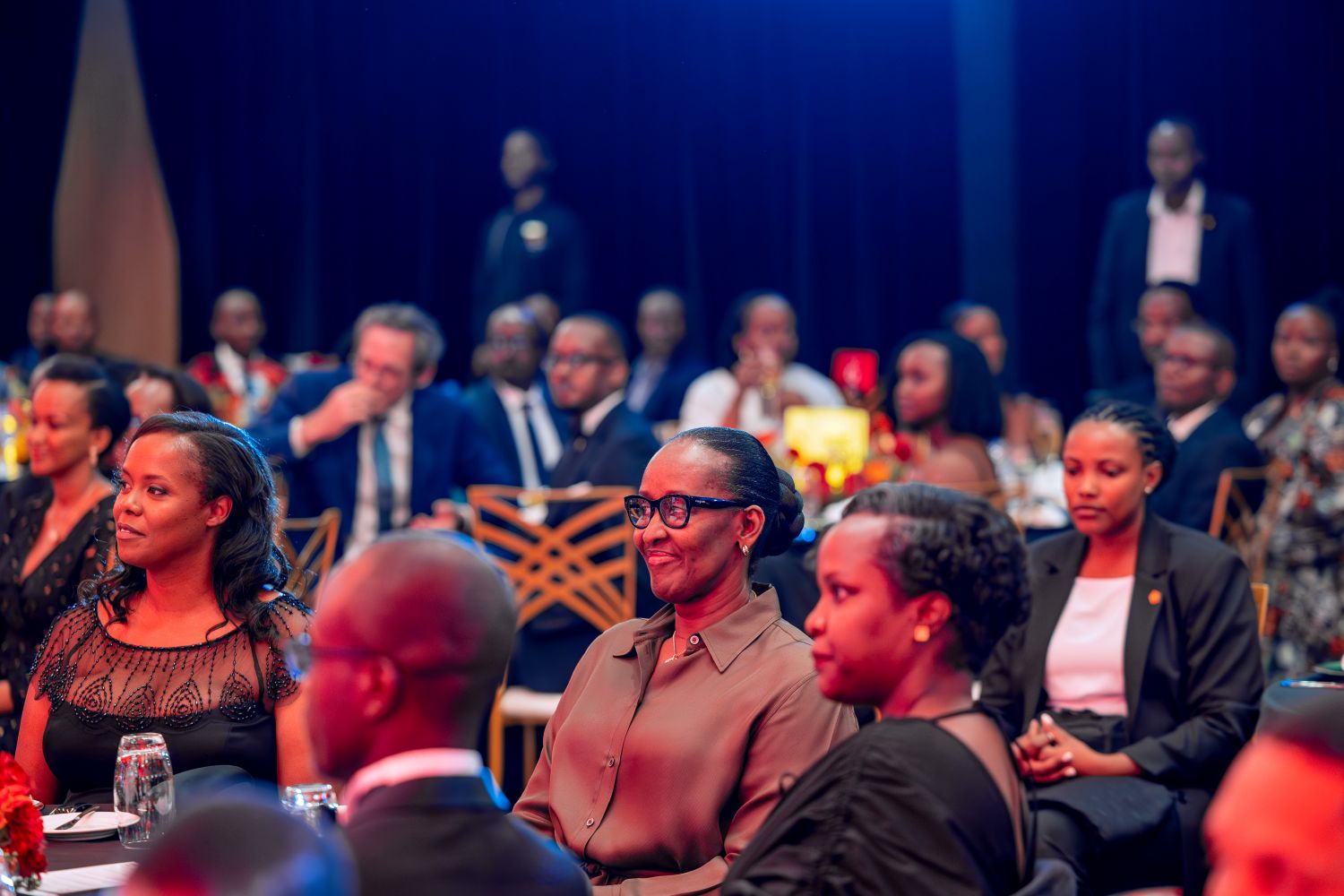
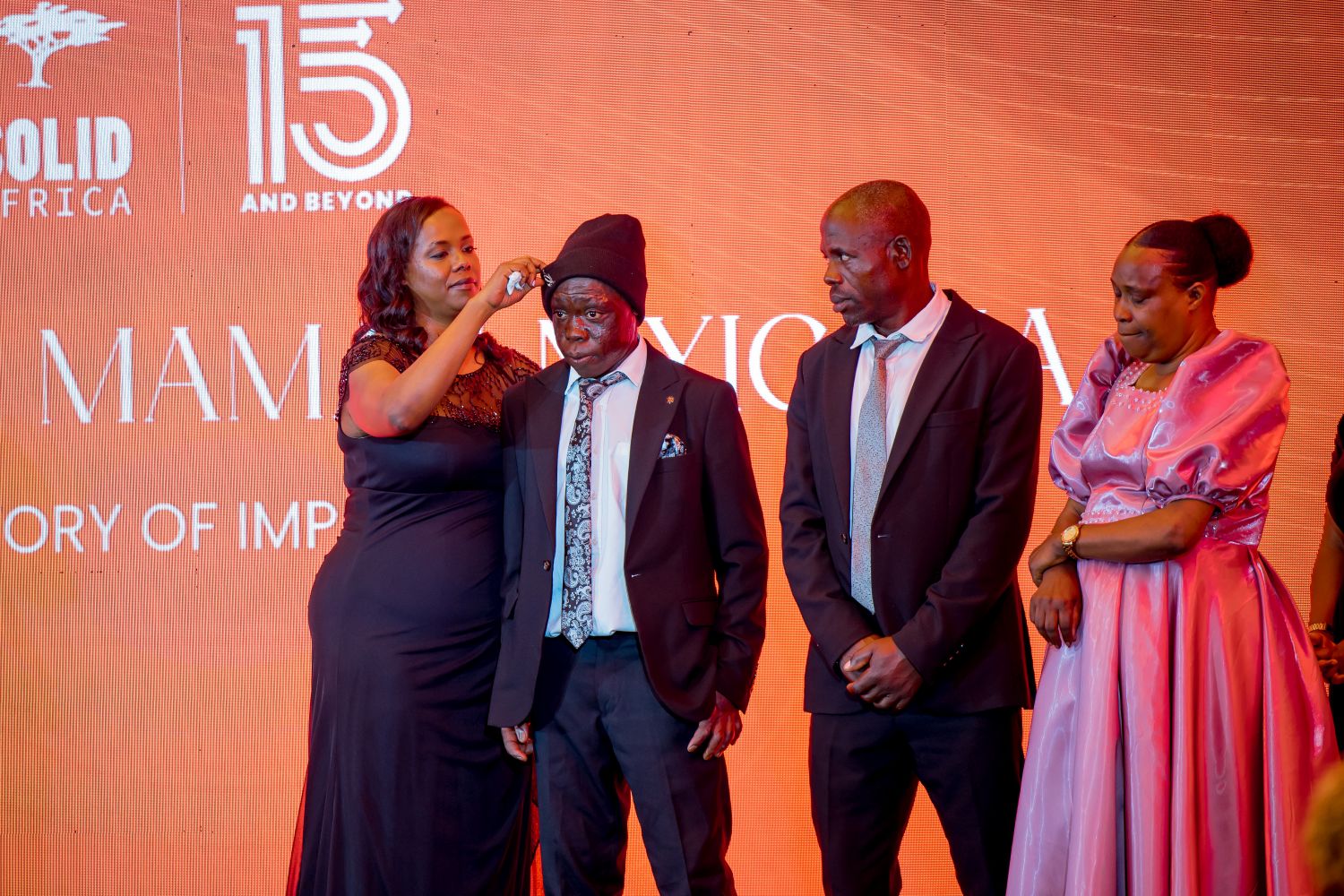
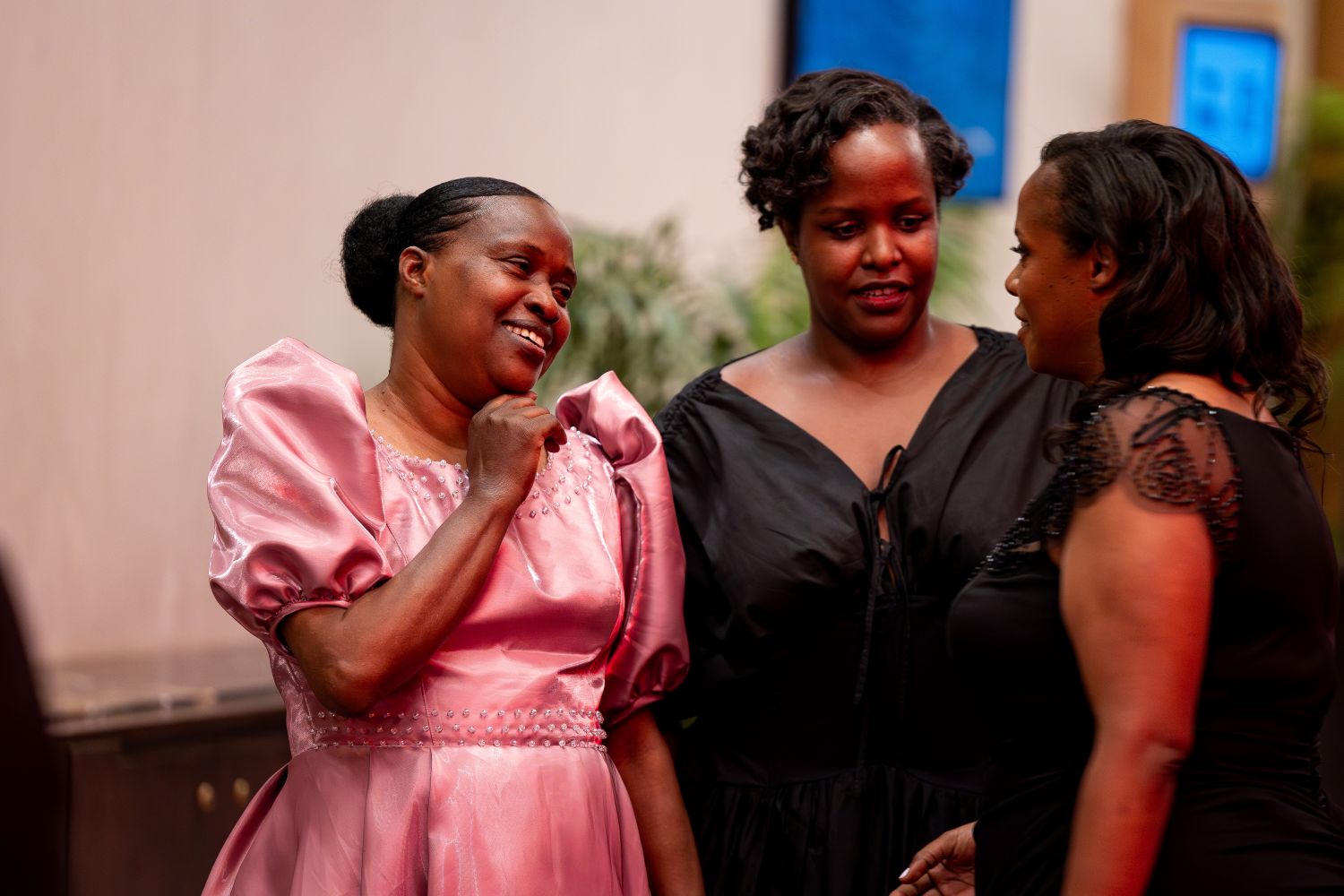
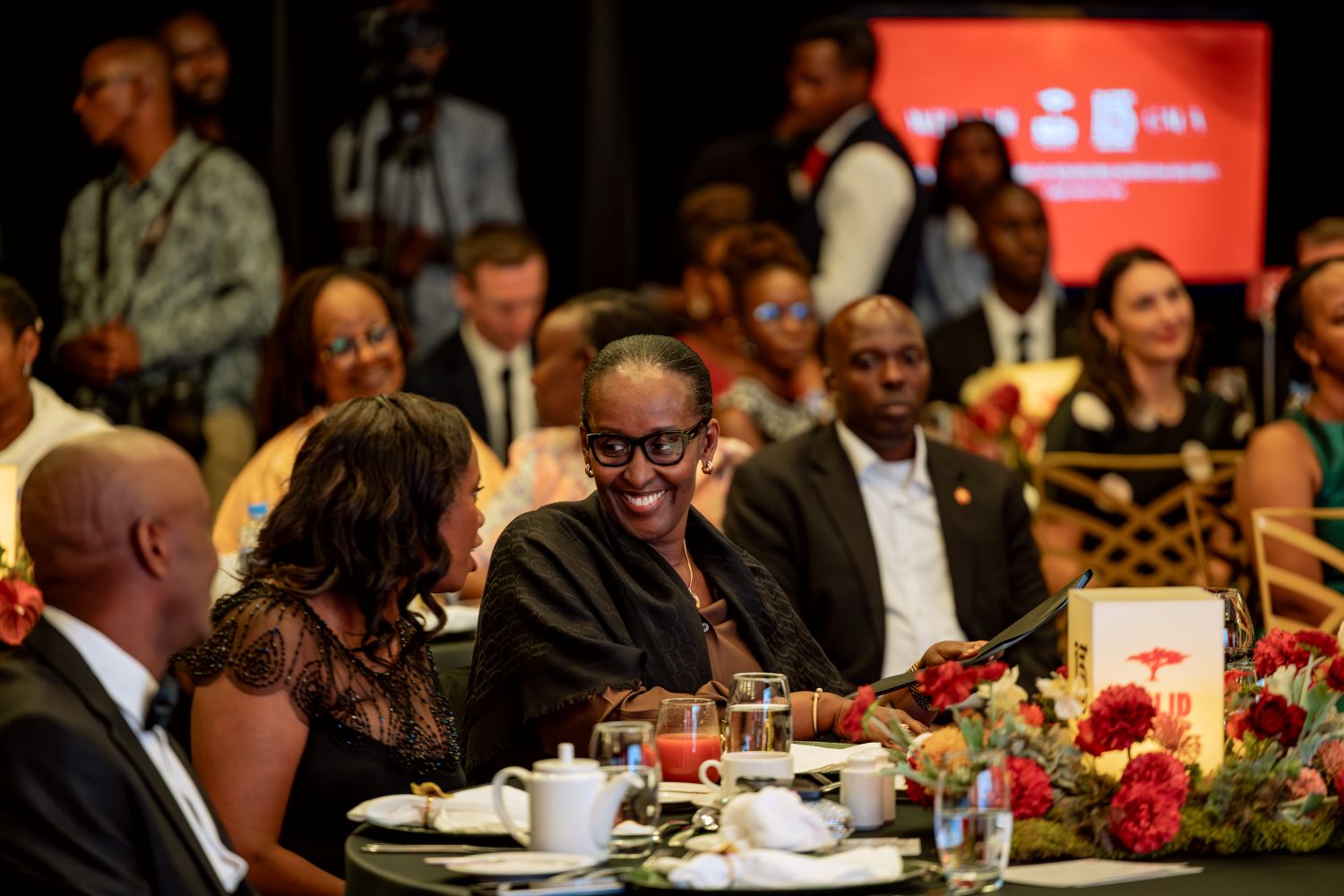
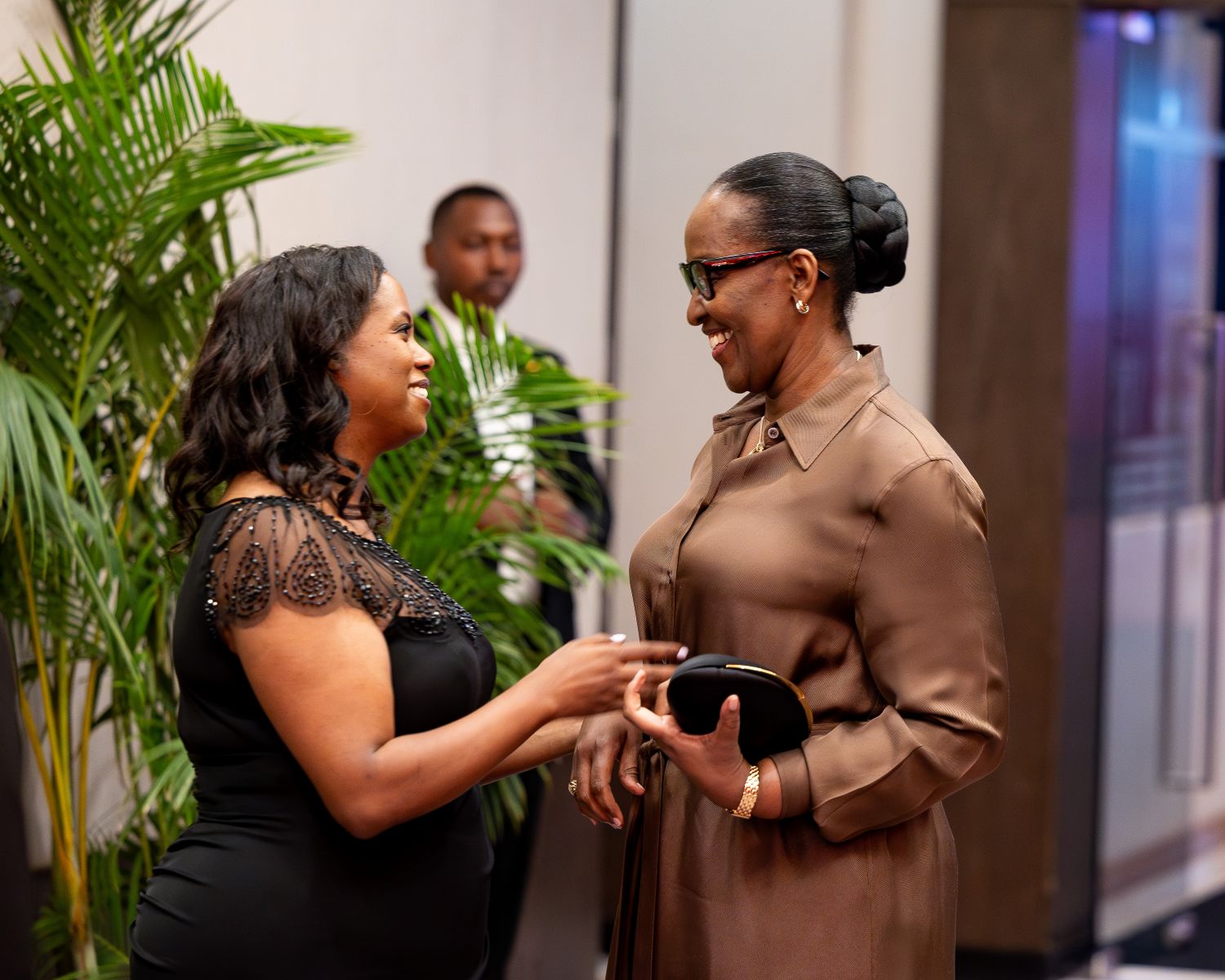
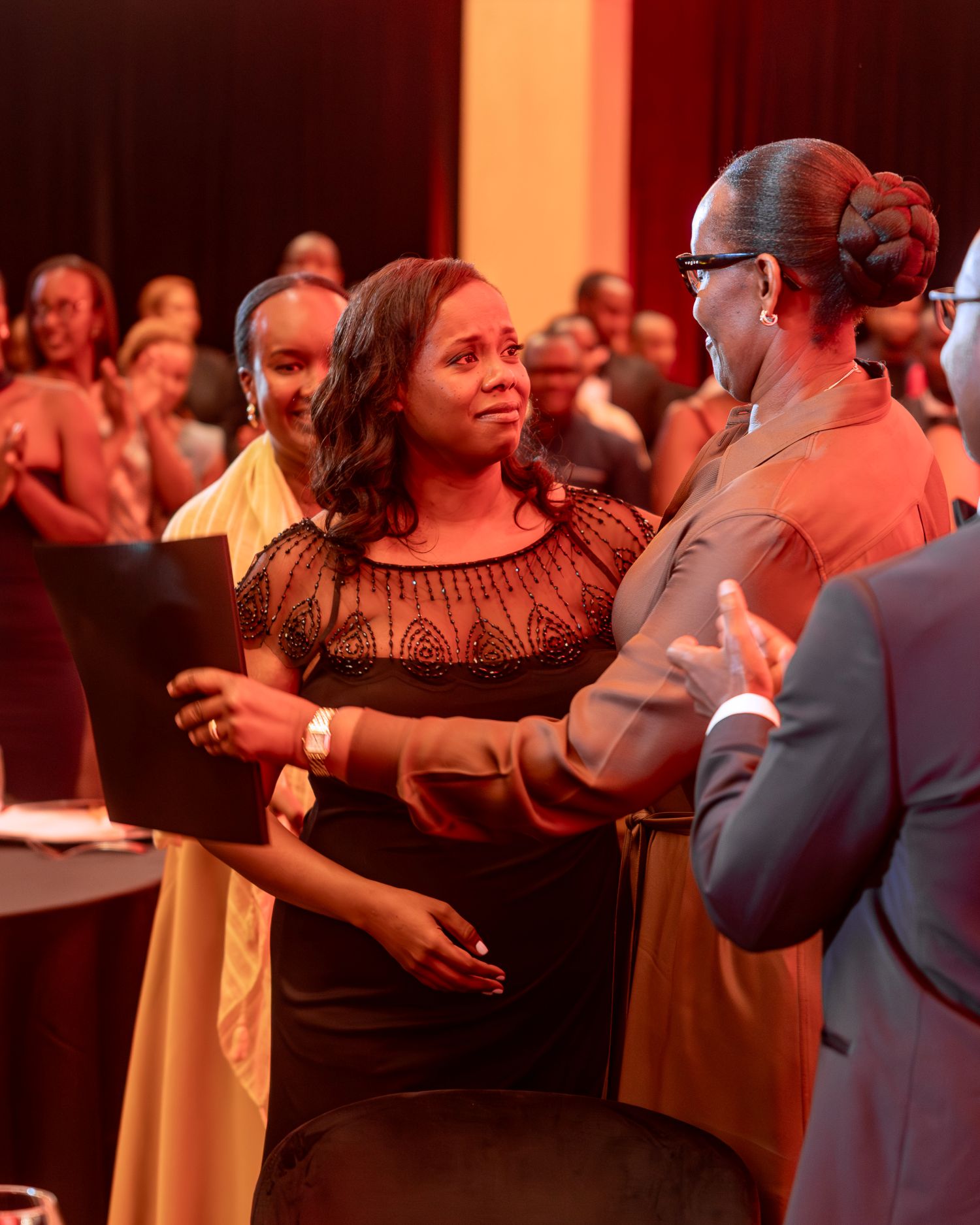
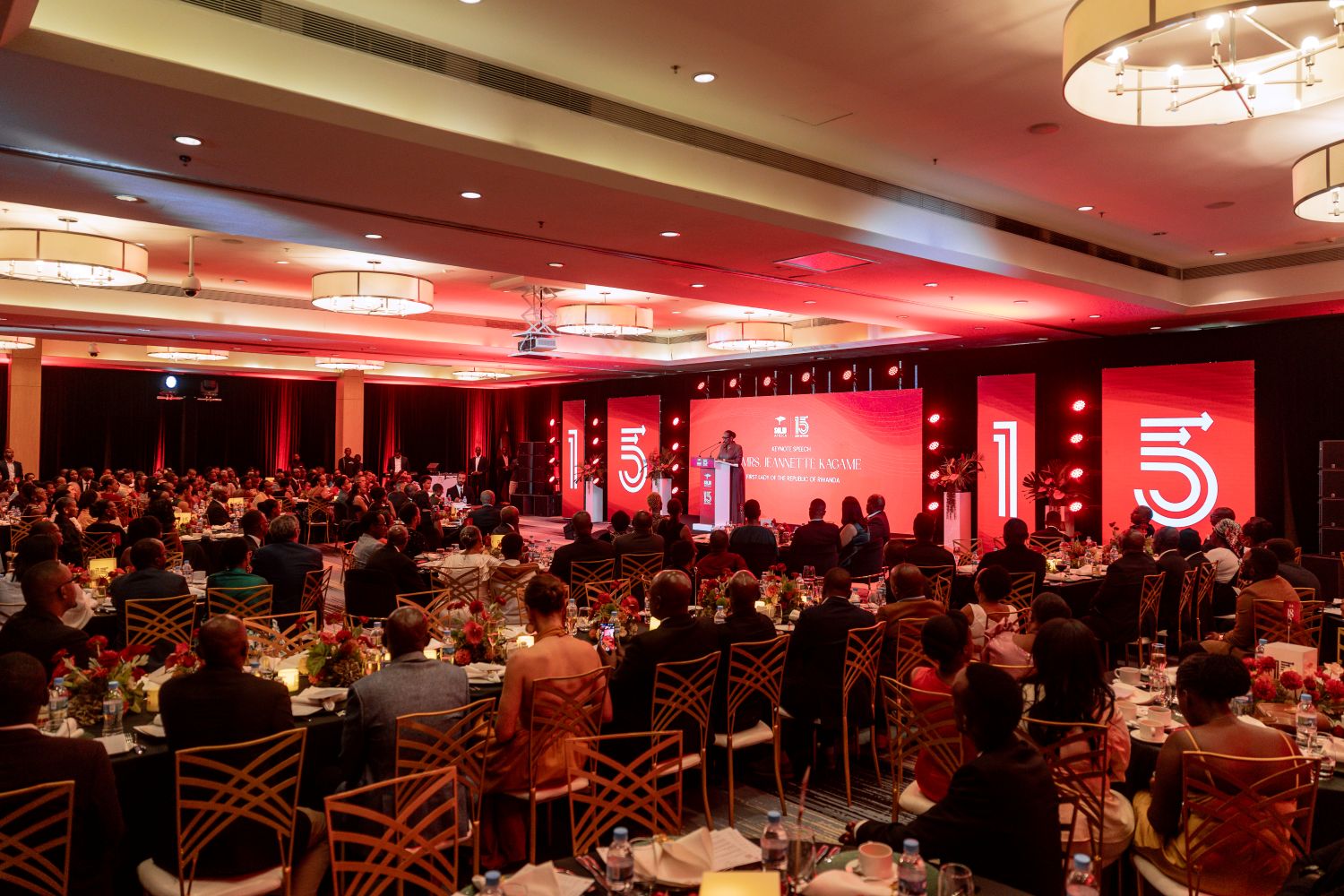
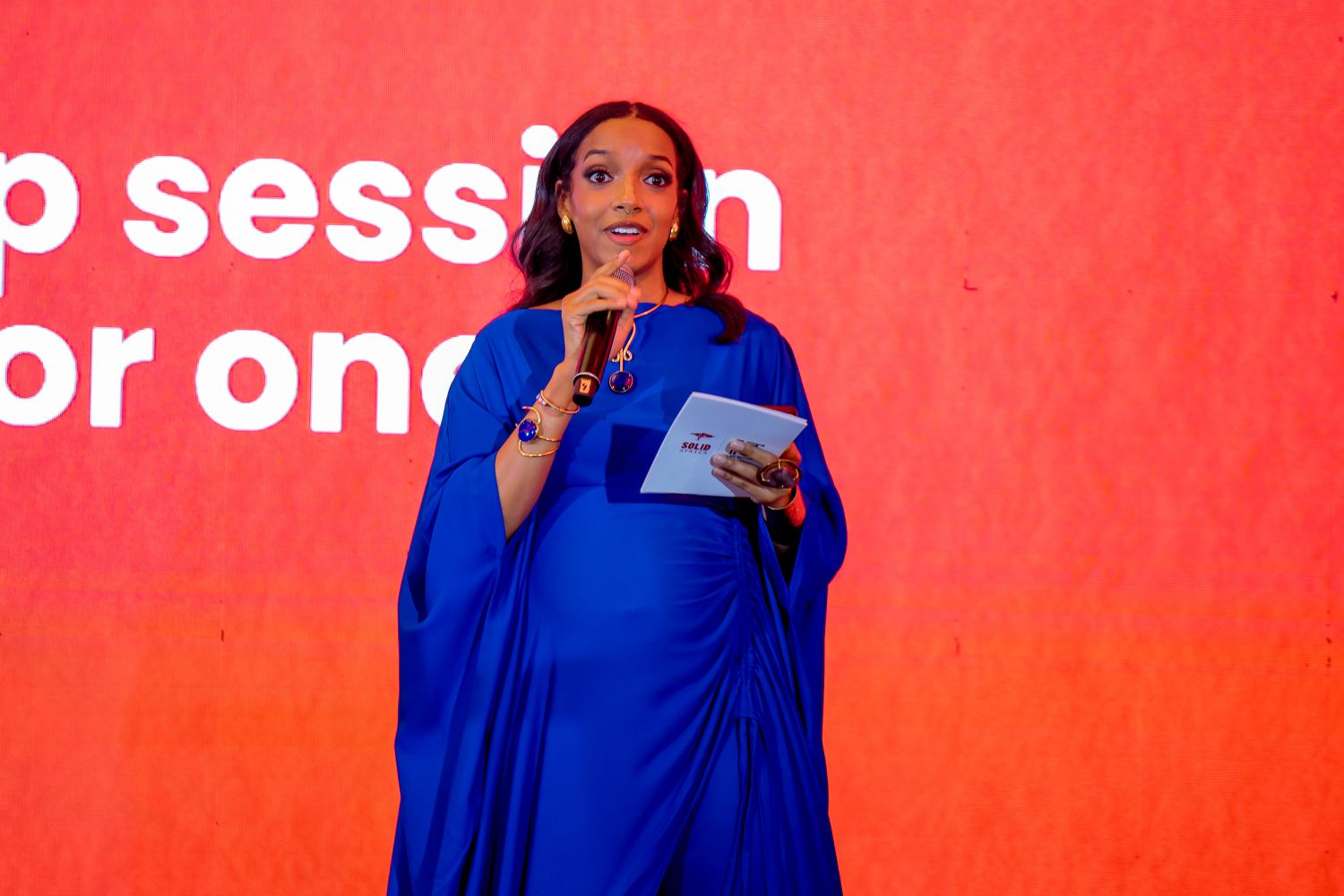
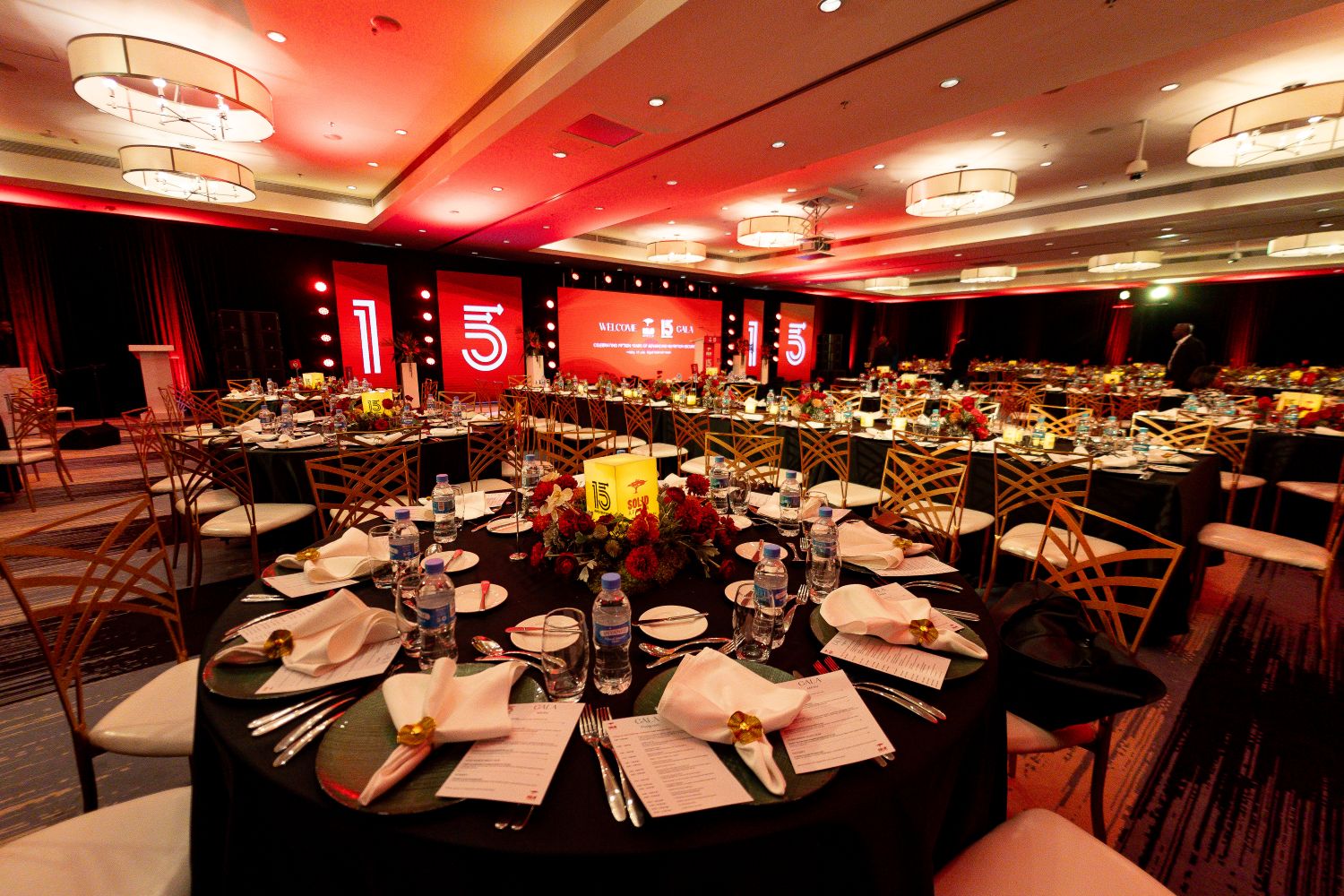
The milestone celebration brought together First Lady Jeannette Kagame, government officials, development partners, beneficiaries, volunteers and supporters to reflect on the organisation’s achievements and outline an ambitious vision for the future.
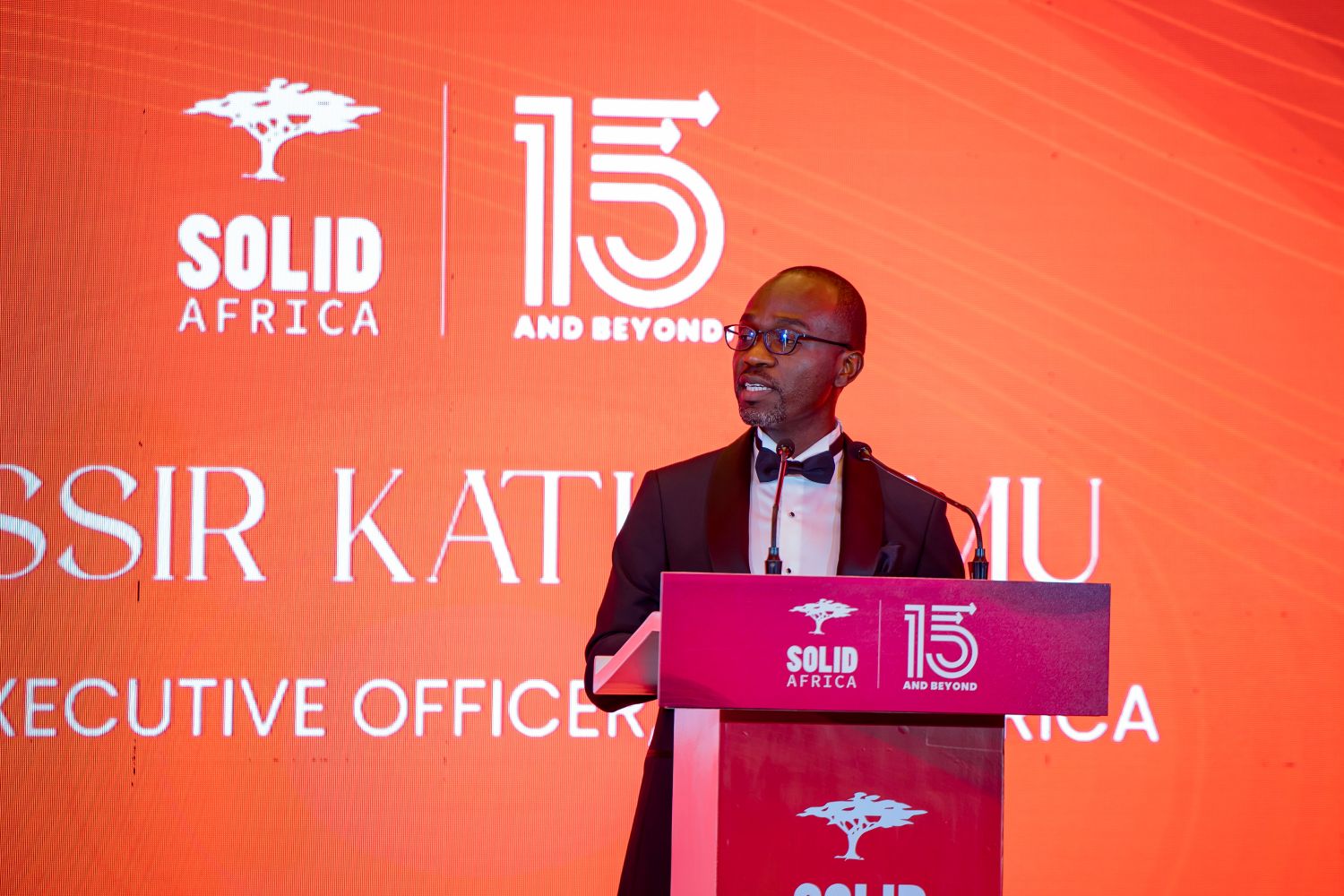
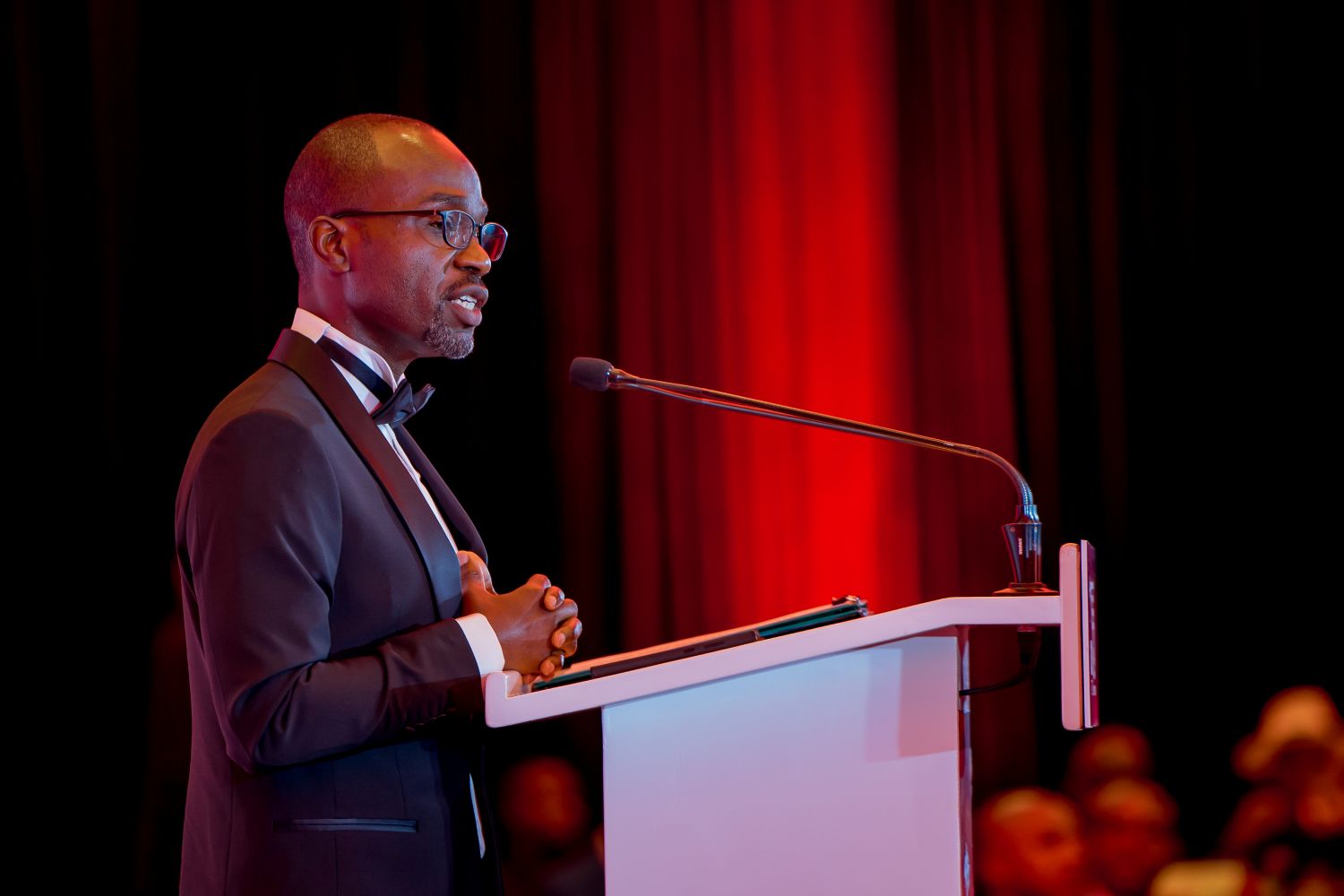
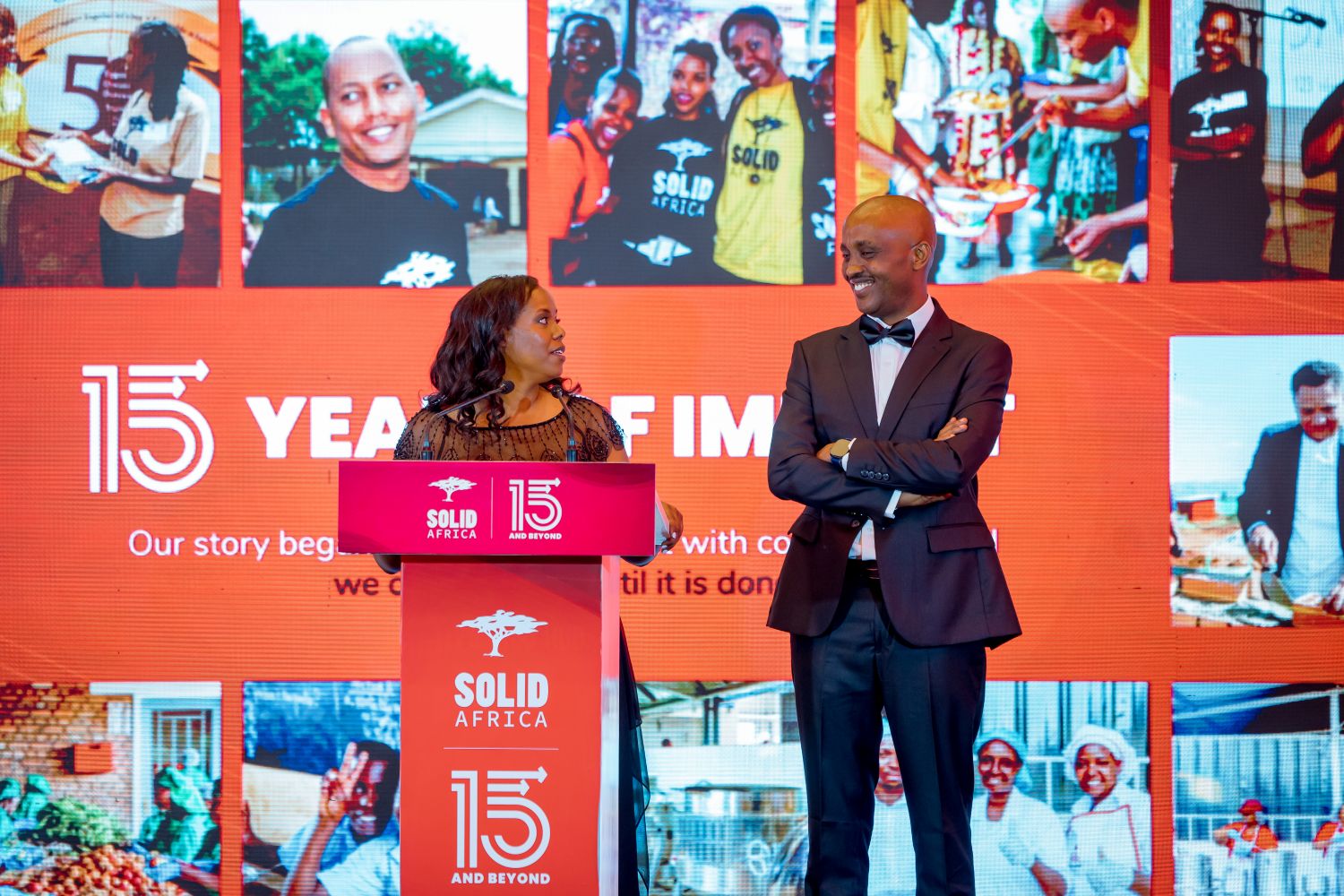
Opening the event, Solid’Africa Chief Executive Officer Nassir Katuramu traced the organisation’s origins to the University Teaching Hospital of Kigali (CHUK), where founder Isabelle Kamariza, together with Mama Zouzou and Ariane Inkesha, began providing meals to patients who had no family to feed them.
“They began with five patients, serving porridge, bread, milk and meals cooked in family kitchens,” Katuramu said. “Five patients and a simple promise that they would never go another day without a meal.”
Solid’Africa CEO Nassir Katuramu revealed that the organisation has delivered more than 12 million meals since its launch in 2010.
Over the years, that promise evolved into a nationwide nutrition programme supported by volunteers, partners and the Government of Rwanda.
According to Katuramu, the organisation has now delivered more than 12 million meals. In 2025 alone, it served 3.2 million meals, supported approximately 130,000 patients and caregivers across six public hospitals, provided nutritious meals to 15,000 students every school day, and connected more than 7,000 smallholder farmers to structured markets through its Farm-to-Plate model.
He noted that Solid’Africa has continued expanding in 2026, with its school feeding programme now reaching nearly 30,000 students across 11 public schools following the launch of its first centralised clean-energy school kitchen in Rwamagana. The organisation has also opened a new hospital kitchen in Remera Rukoma and plans another in Bugesera.
Katuramu said the organisation’s long-term ambition is to help build a national public nutrition system integrated into public institutions rather than remain dependent on charitable support.
Under its roadmap, Solid’Africa aims to reach 255,000 students across 160 schools by 2030 and have medically tailored meals embedded within Rwanda’s universal health coverage by 2035, reaching one million patients annually while creating stable markets for 50,000 smallholder farmers.
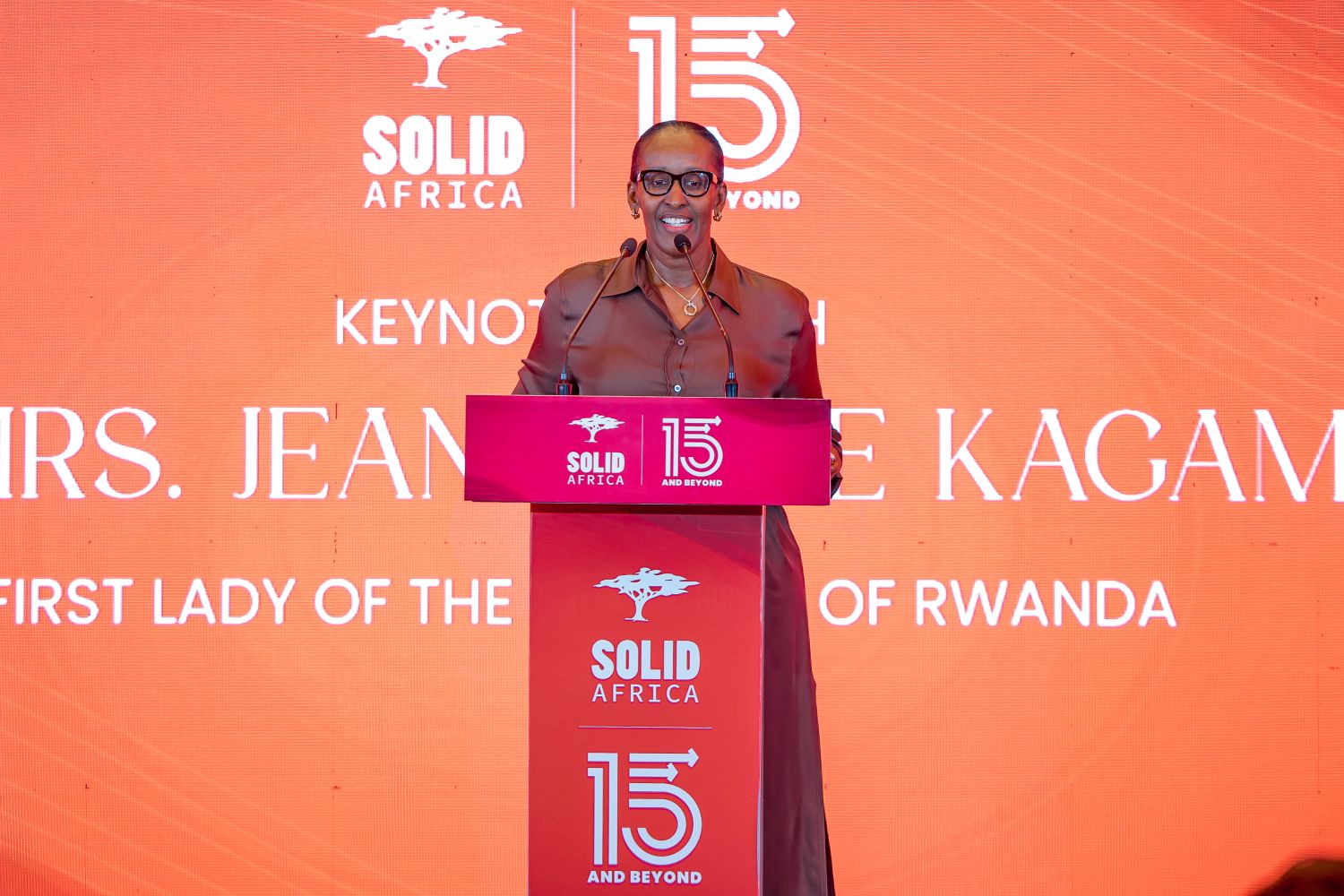
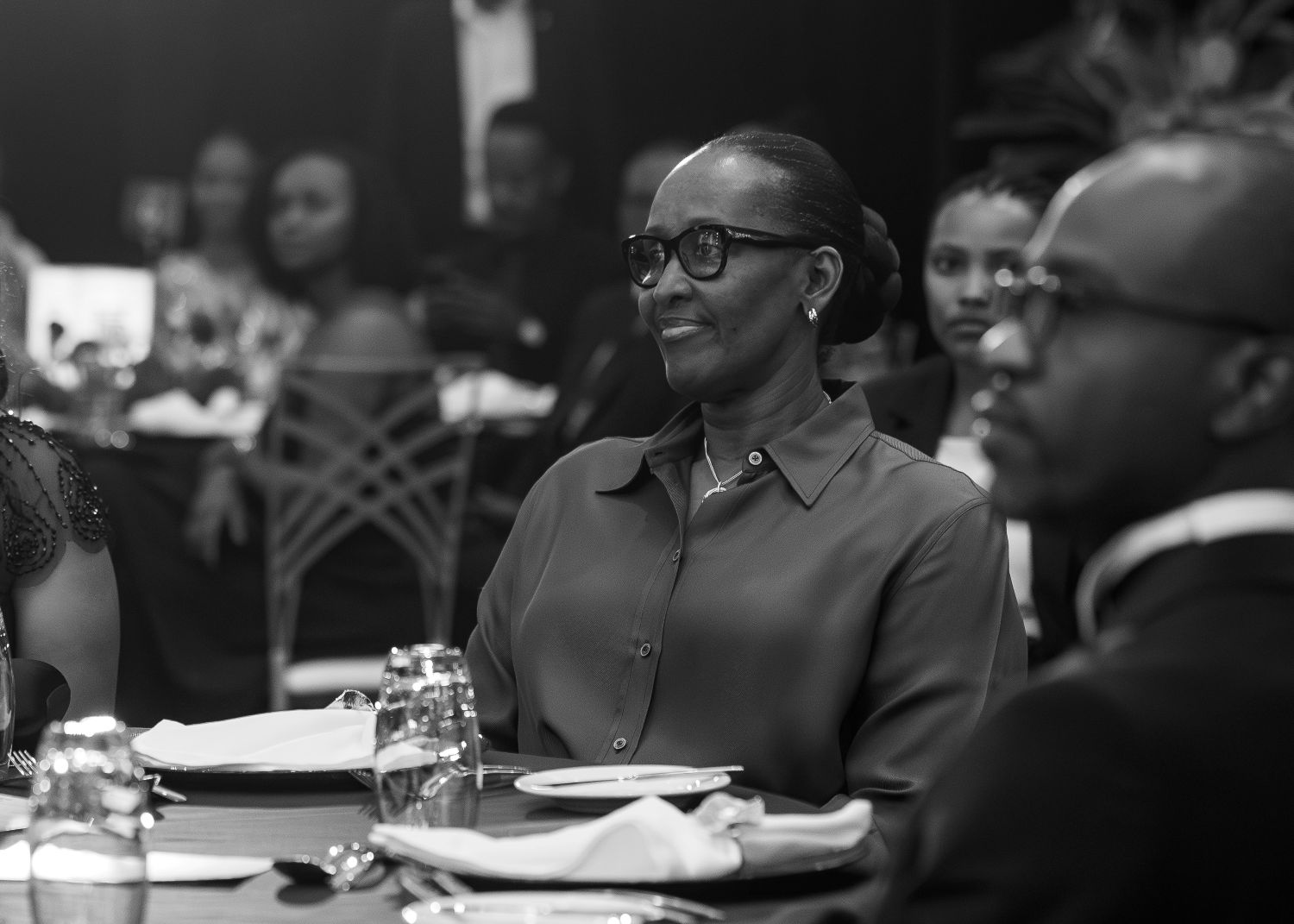
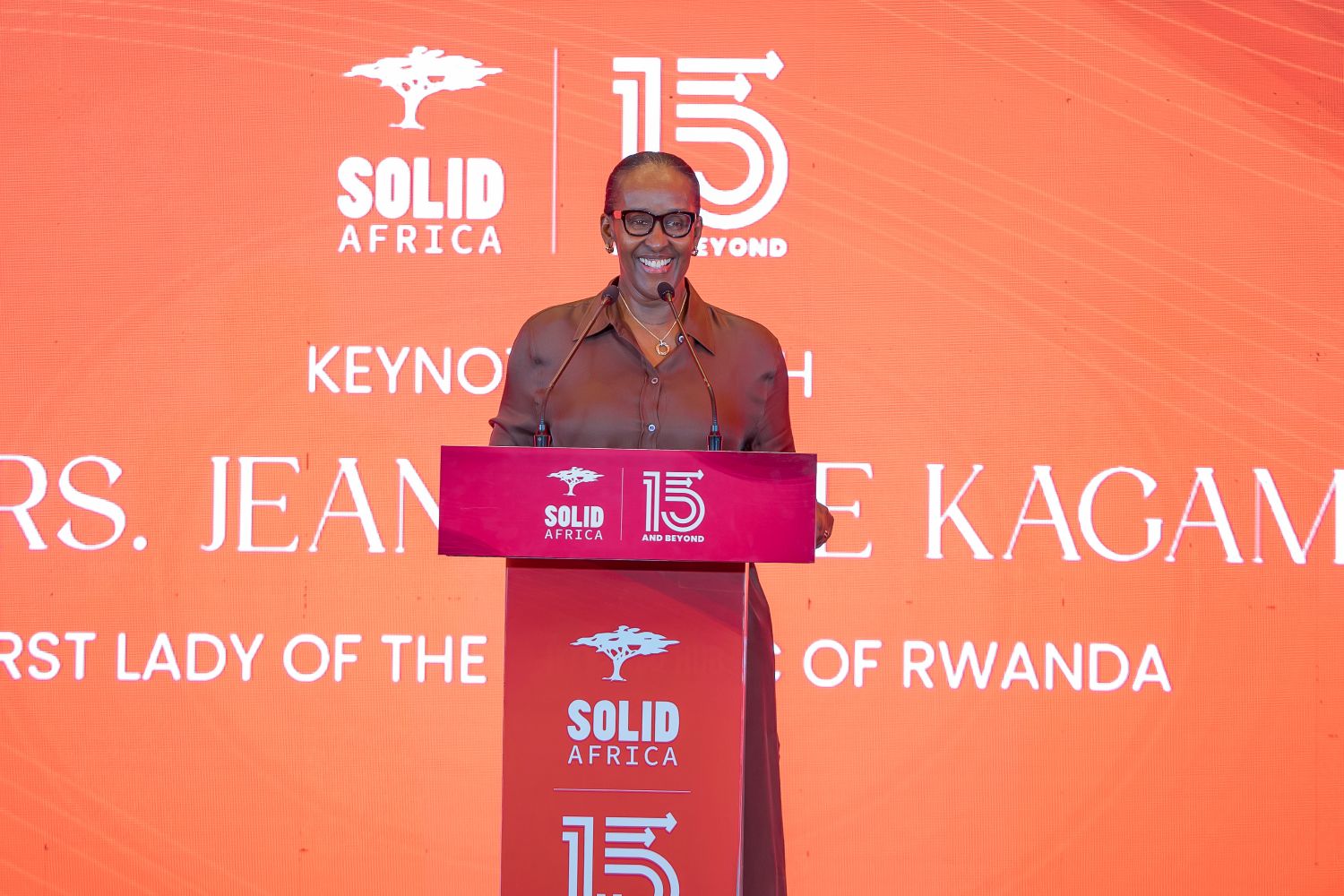
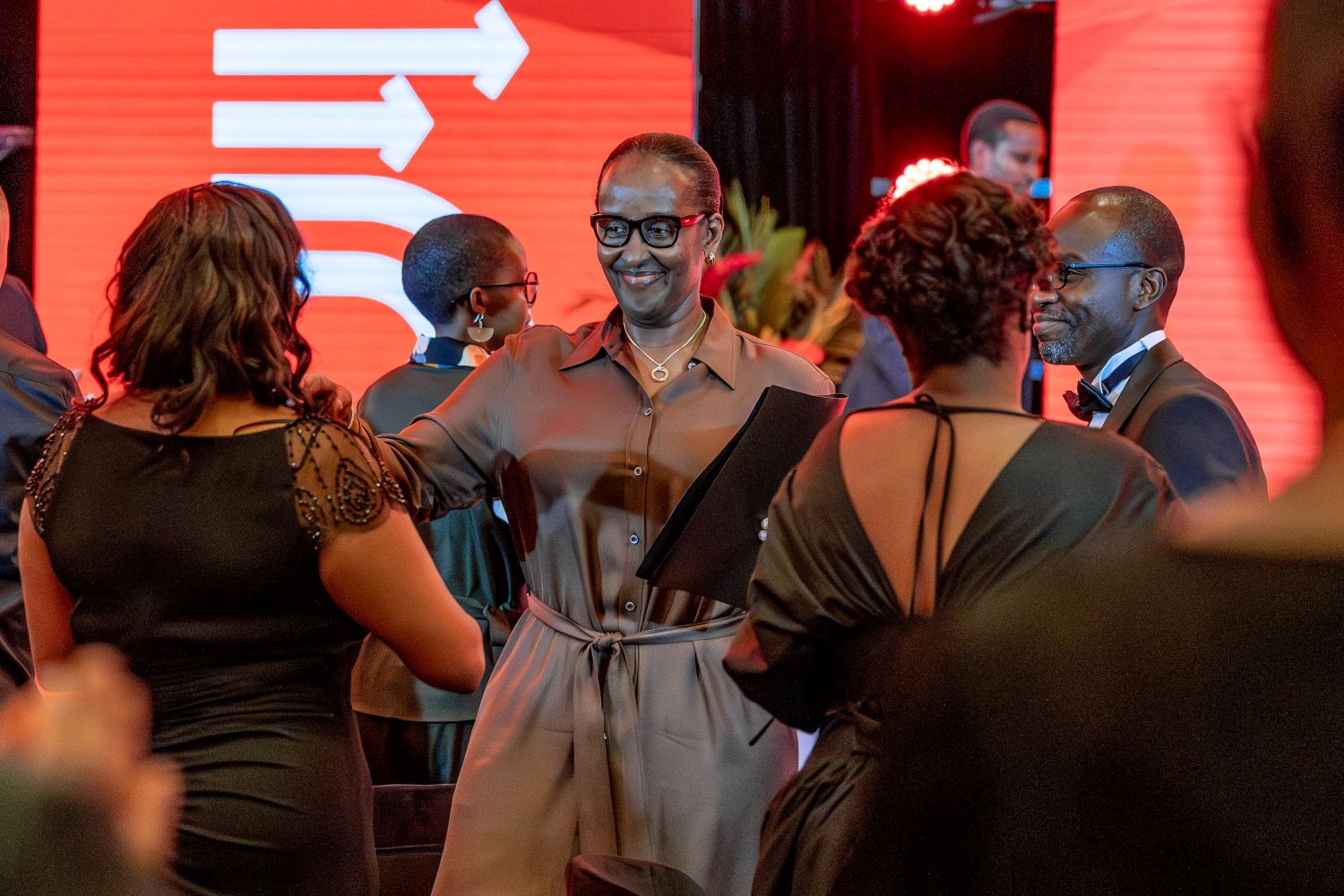
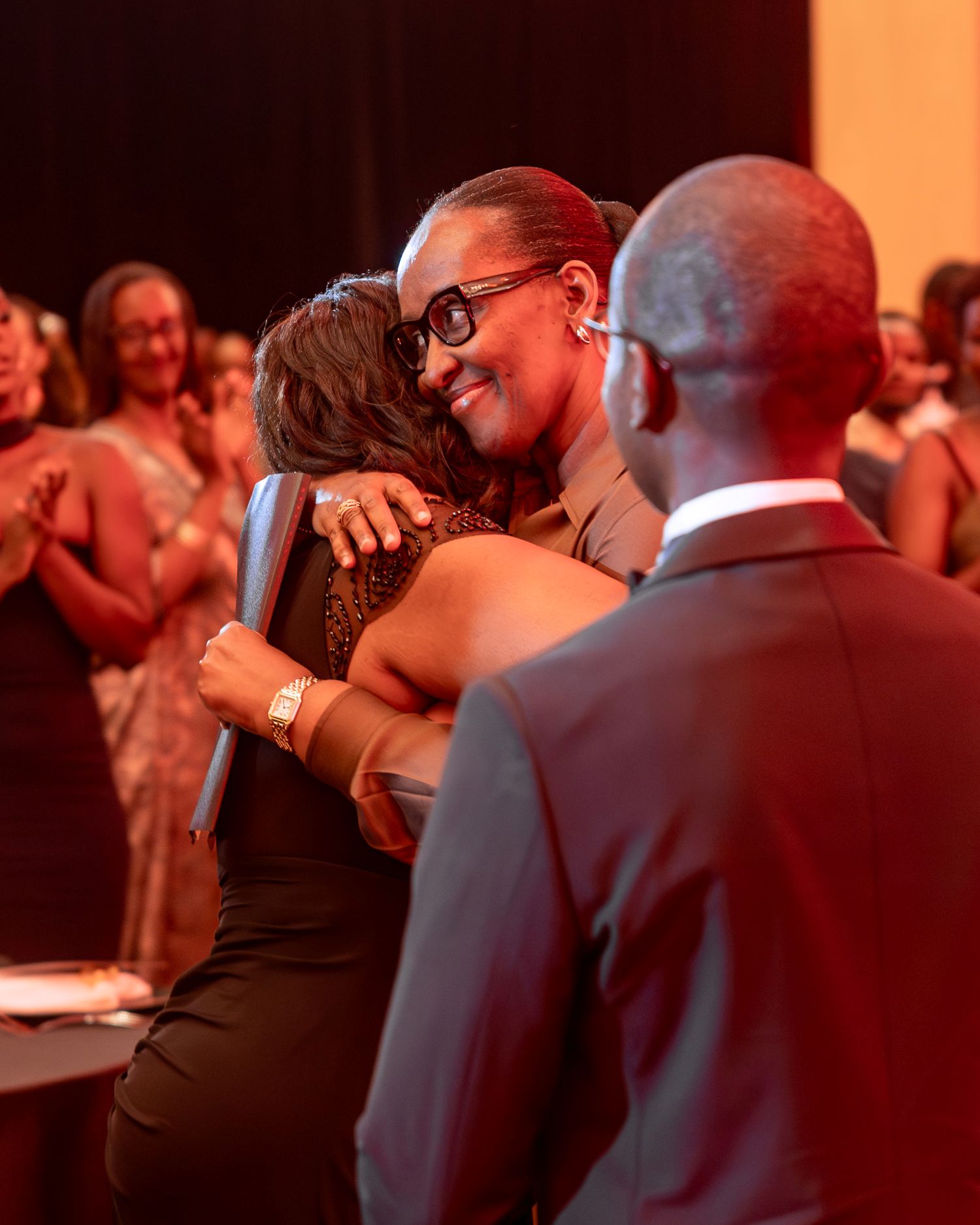
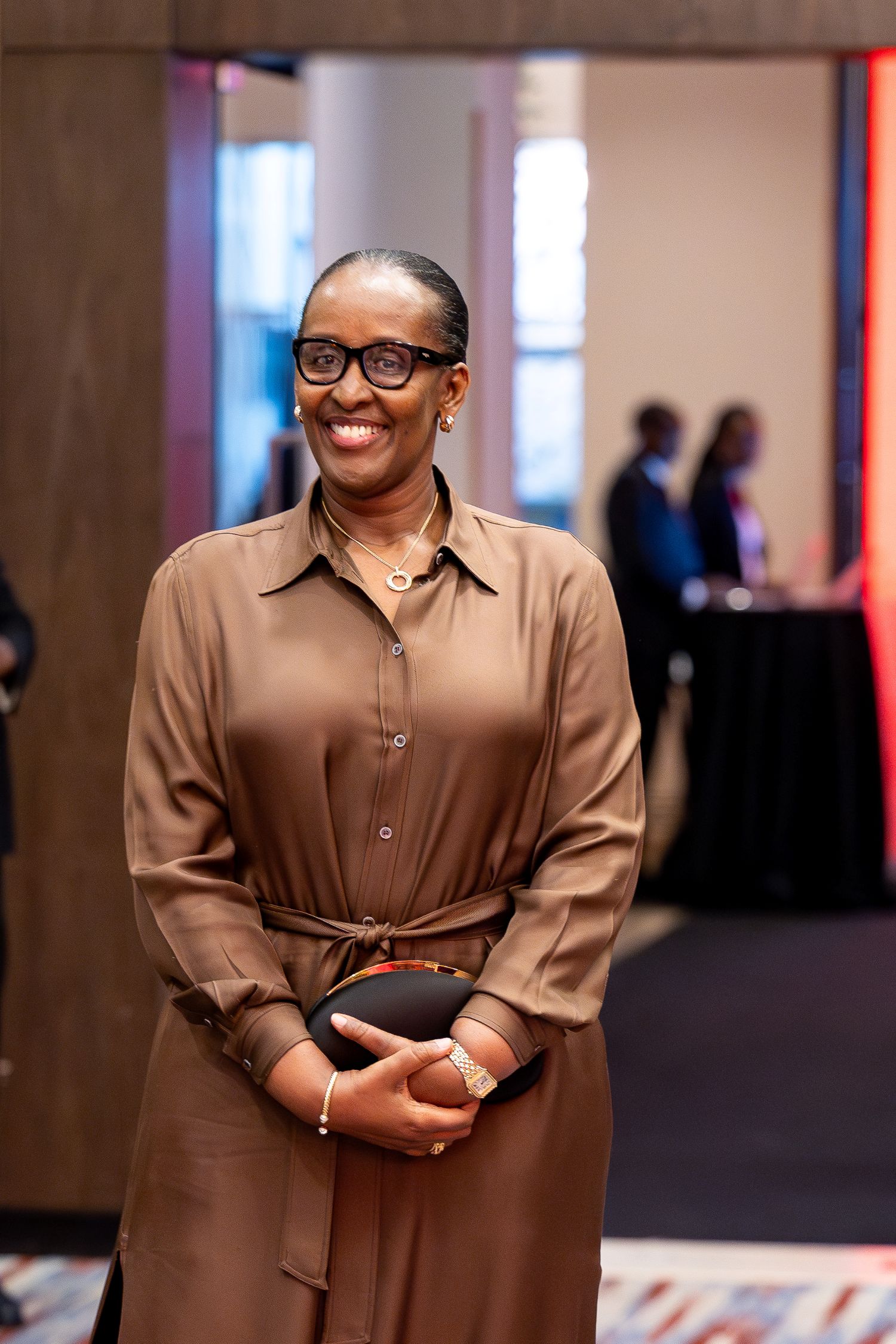
Addressing guests, First Lady and chair of Imbuto Foundation Jeannette Kagame, whose partnership with Solid’Africa since 2014 marked a turning point for the organisation, congratulated Solid’Africa on its 15-year journey, describing the initiative as an example of how compassion can evolve into lasting public service.
First Lady and chair of Imbuto Foundation Jeannette Kagame described Solid’Africa mission as an example of how compassion can evolve into lasting public service.
The initial partnership between the Imbuto Foundation and Solid’Africa focused on building Solid’Africa’s first Mike Stenbock Gemura Kitchen in Rusororo to provide daily nutritious meals to vulnerable patients in public hospitals.
The First Lady praised founder Isabelle Kamariza for responding to a simple but profound challenge: ensuring that no patient remains hungry while receiving medical care.
“What was pure altruism became a thoughtful answer to a quiet need,” the First Lady said, adding that Solid’Africa had transformed “an act of kindness into a service that restores dignity.” She pledged that Imbuto Foundation would continue supporting the organisation’s mission.
“Imbuto Foundation remains by your side as long as there are patients and children to feed, all of which are part and parcel of your mission. May Solid’Africa keep growing with the same energy, the same faith, and the same tenderness that carried you here,” the First Lady remarked.
“We are grateful for your contribution to Rwanda’s story. We believe the best is yet to come,” she added.
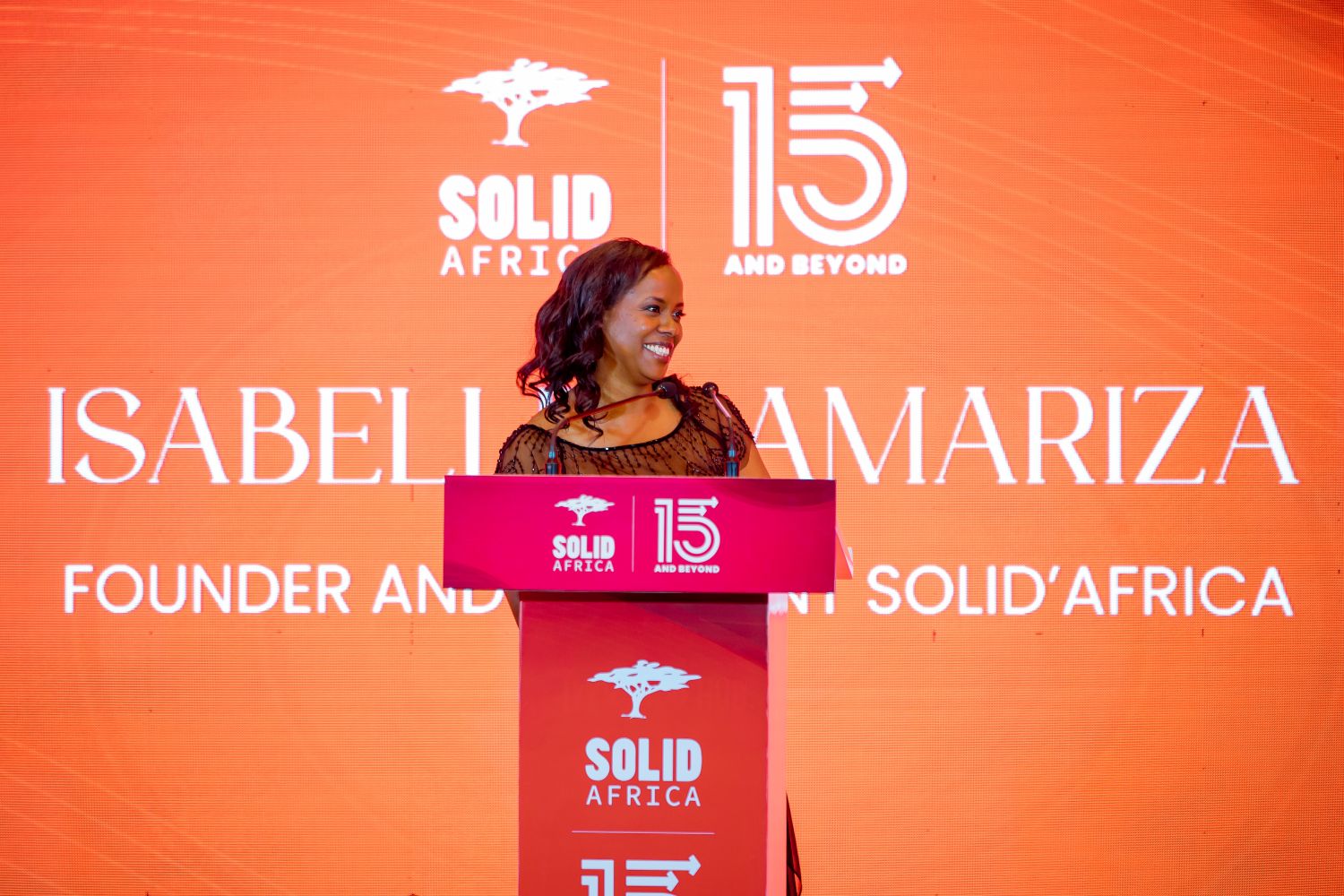
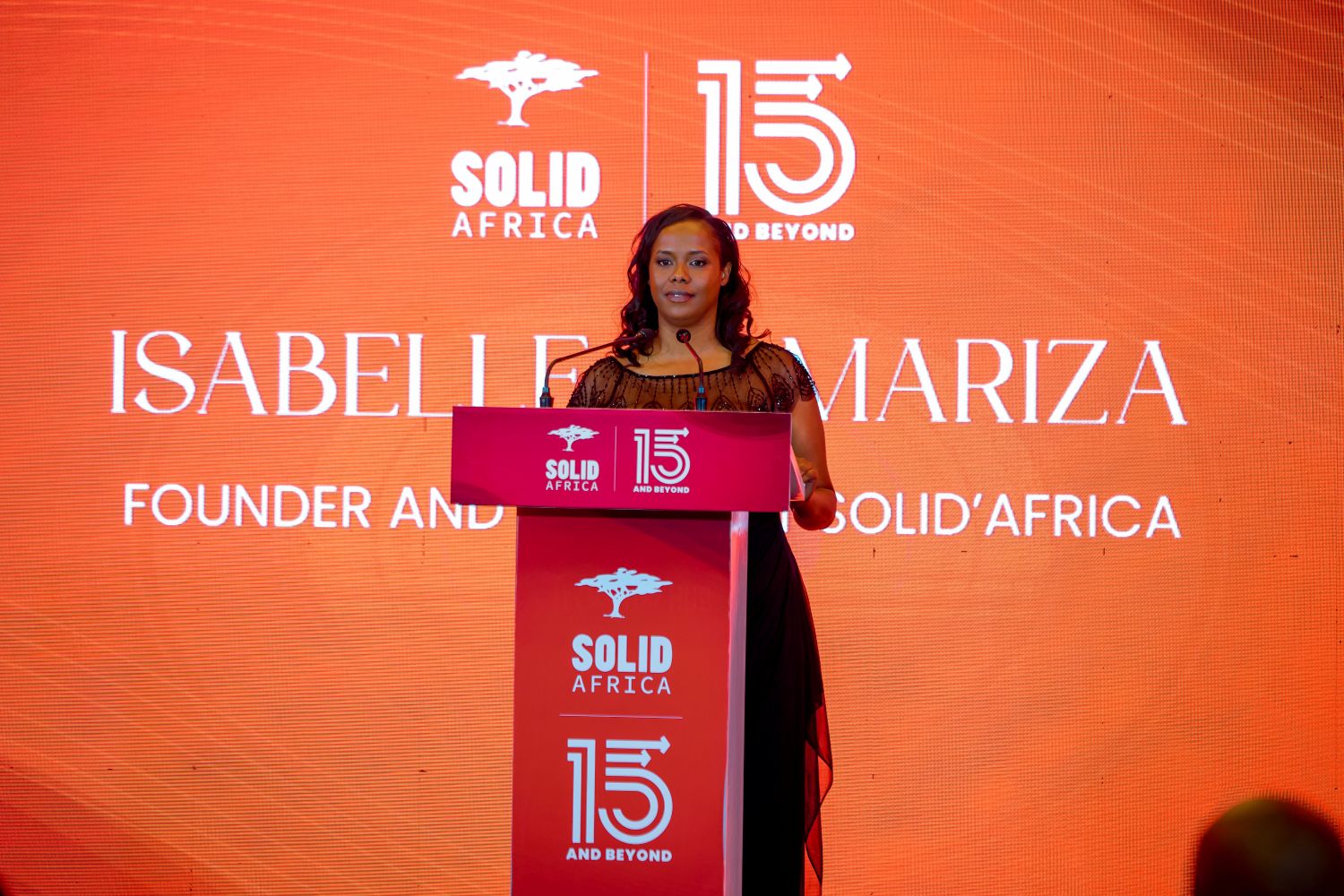
In her remarks, founder and president Isabelle Kamariza said the anniversary was ultimately a celebration of the people who chose to care.
“Solid’Africa was never built by one person,” she said. “It was built, and continues to be built, by people who choose to care.”
Kamariza thanked the Government of Rwanda, Imbuto Foundation, development partners, volunteers and supporters for helping transform a long-held dream of building modern nutrition infrastructure into reality.
Reflecting on the organisation’s growth, Kamariza said its success was driven not by extraordinary resources but by ordinary people making extraordinary choices.
“For many years, almost everything we built was sustained by people here in Rwanda, friends, families, volunteers and communities who gave whatever they could,” she said. “Every contribution mattered. Every person mattered.”
She also thanked the Government of Rwanda, Imbuto Foundation, development partners, volunteers and supporters for helping transform a long-held dream of building modern nutrition infrastructure into reality.
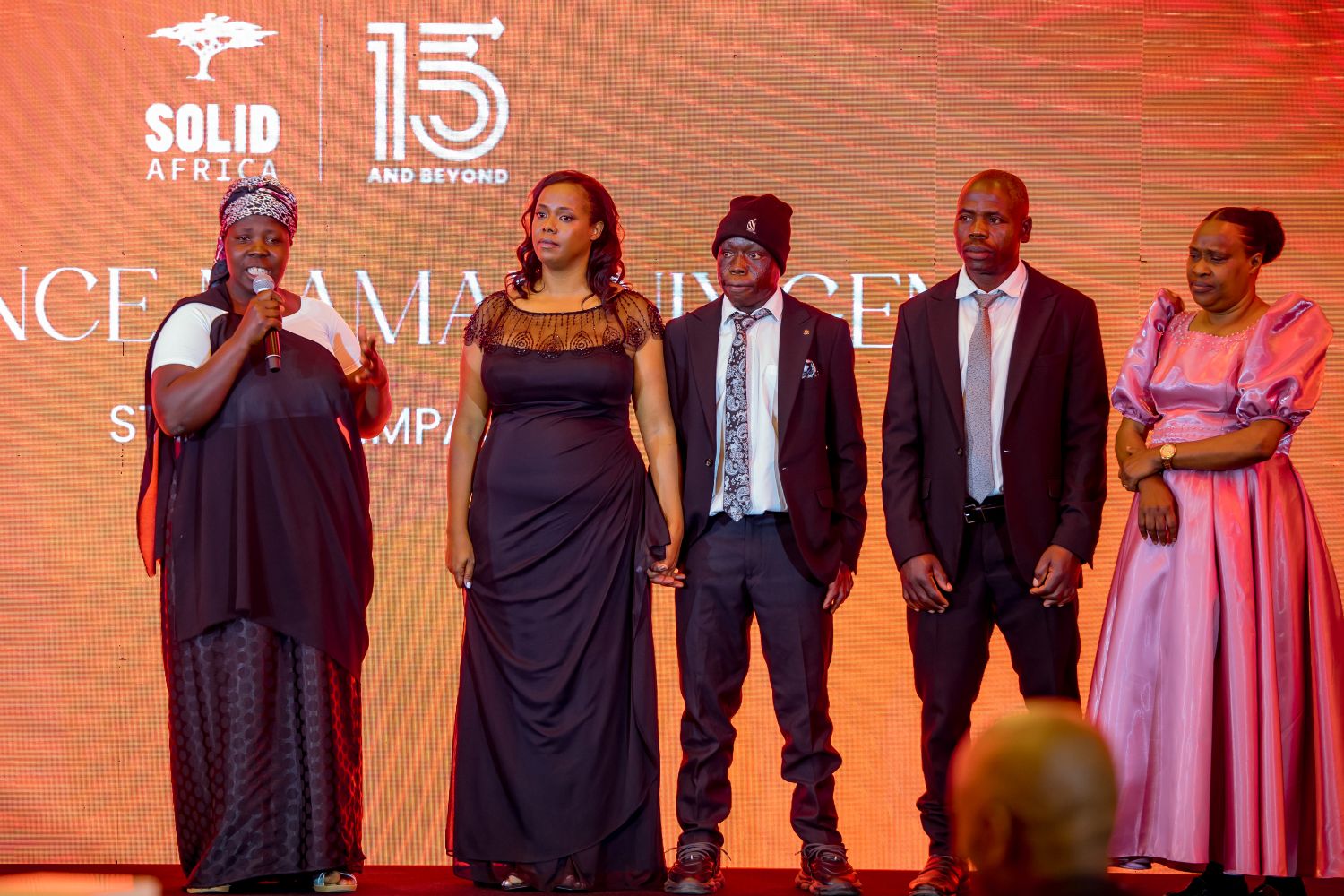
The evening also featured emotional testimonies from beneficiaries whose lives were transformed through Solid’Africa’s support.
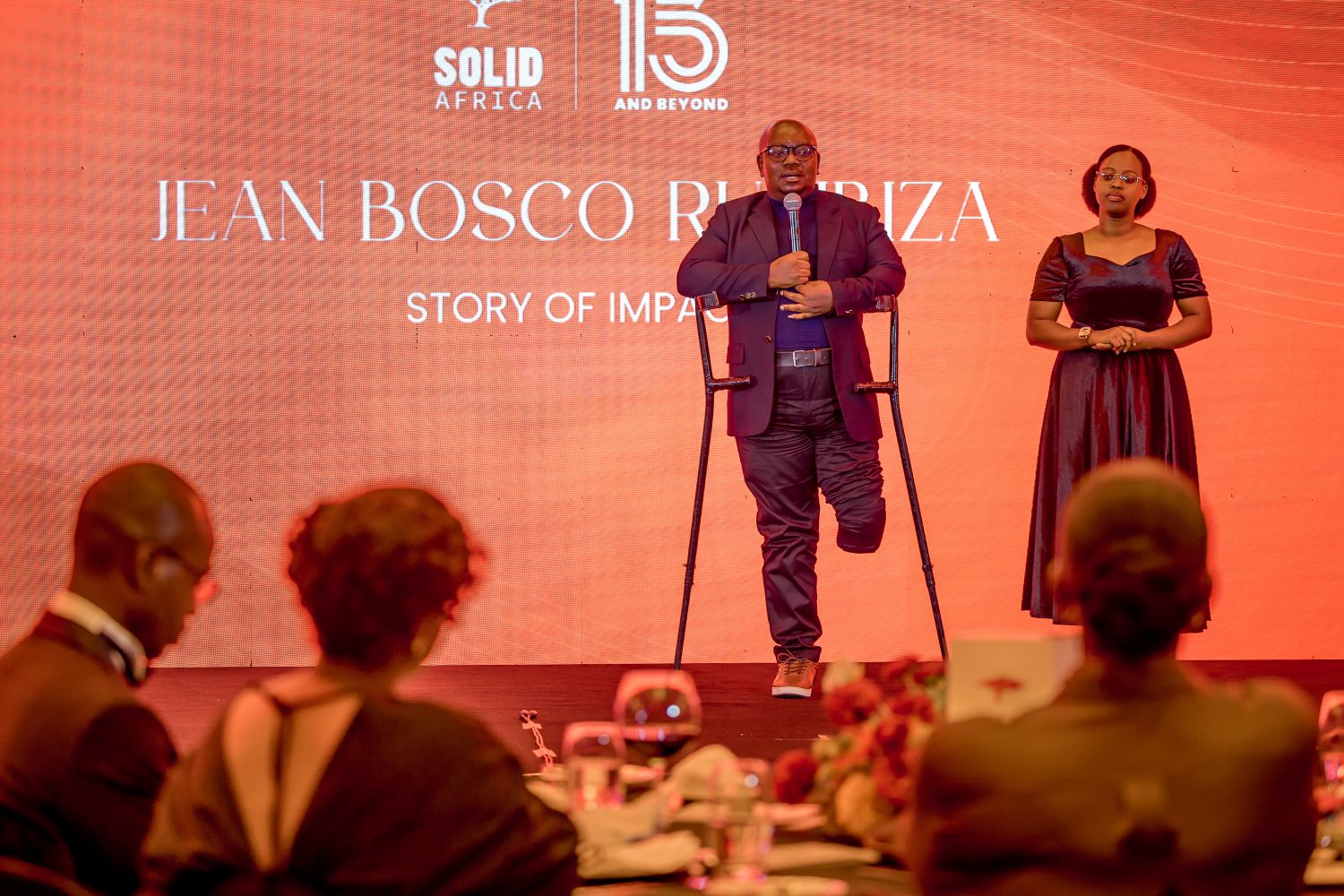
Jean Bosco Ruzibiza, one of the organisation’s earliest beneficiaries, recounted how Mama Zouzou and Isabelle Kamariza supported him during his hospitalisation in 2010, paying medical bills, providing food and remaining by his side even after his recovery.
“What they did for me went far beyond providing assistance; they became my family,” he said. “Even after I was discharged, they never abandoned me. Solid’Africa continued to follow up on my wellbeing and remained by my side as I rebuilt my life.”
Jean Bosco Ruzibiza, one of the organisation’s earliest beneficiaries, gave a moving testimony.
Esperance Niyigena from Rubavu also shared how the organisation stood with her family after two of her sons suffered severe burn injuries, continuing to provide support during treatment in Rwanda, Kenya and Tanzania.
“Unfortunately, we lost my four-month-old son, which was a very painful experience for our family. However, Solid’Africa continued supporting my five-year-old son, who was transferred to Kenya for further treatment. We spent six months there, and they continued helping us throughout the journey, including when we later sought treatment in Tanzania,” she narrated.
Esperance Niyigena shared how the organisation stood with her family after two of her sons suffered severe burn injuries.
Mama Tcha also shared her story, having received long-term support during her son’s treatment, alongside photographer Pascal Shyaka, who began volunteering for Solid’Africa after they supported his family through his brother’s illness.
“My elder brother passed away after three months,” Shyaka recalled tearfully. “It was a painful time, but Solid’Africa became like family to us. As a photographer, capturing their work was the least I could do to show my gratitude for everything they did for my family.”
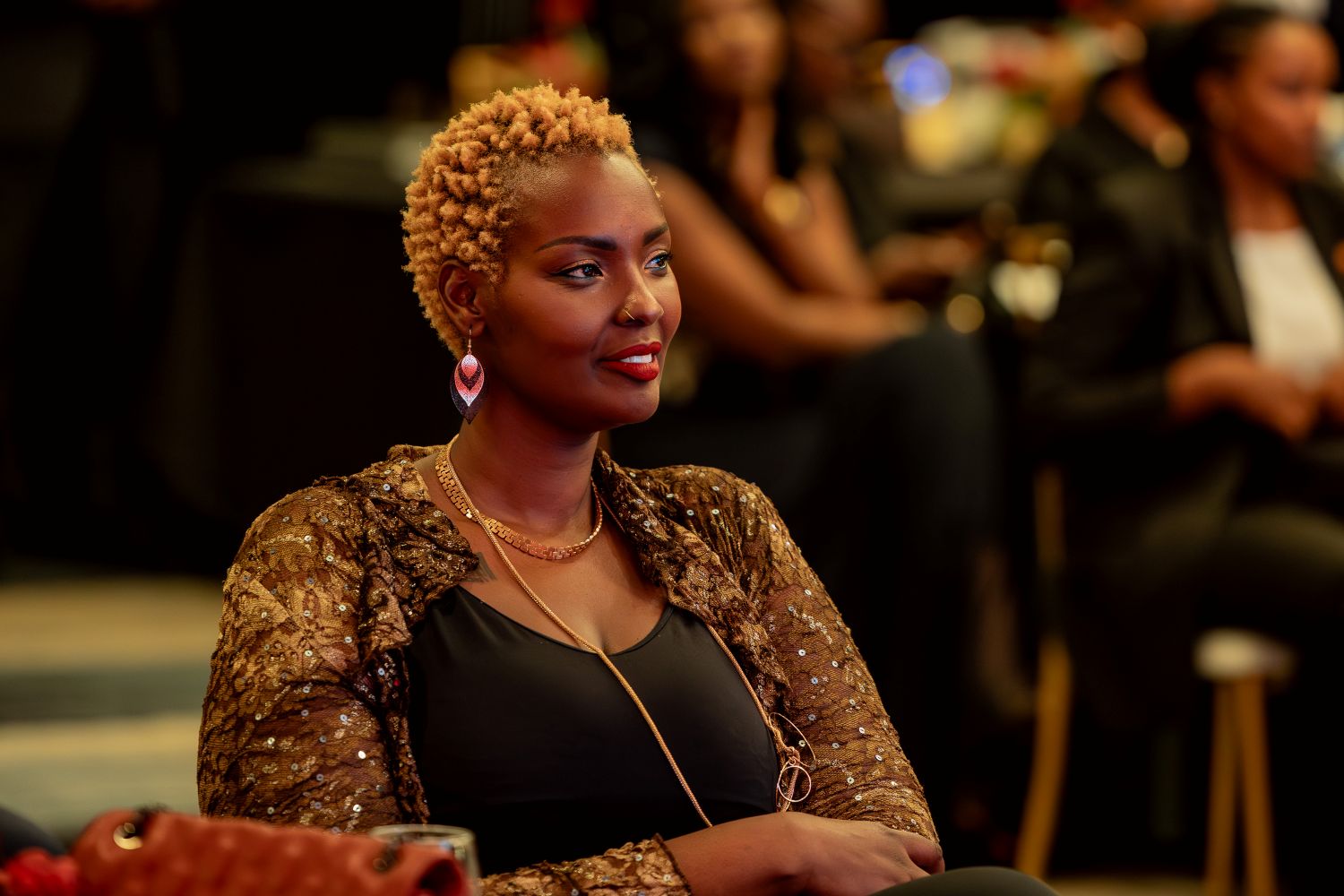
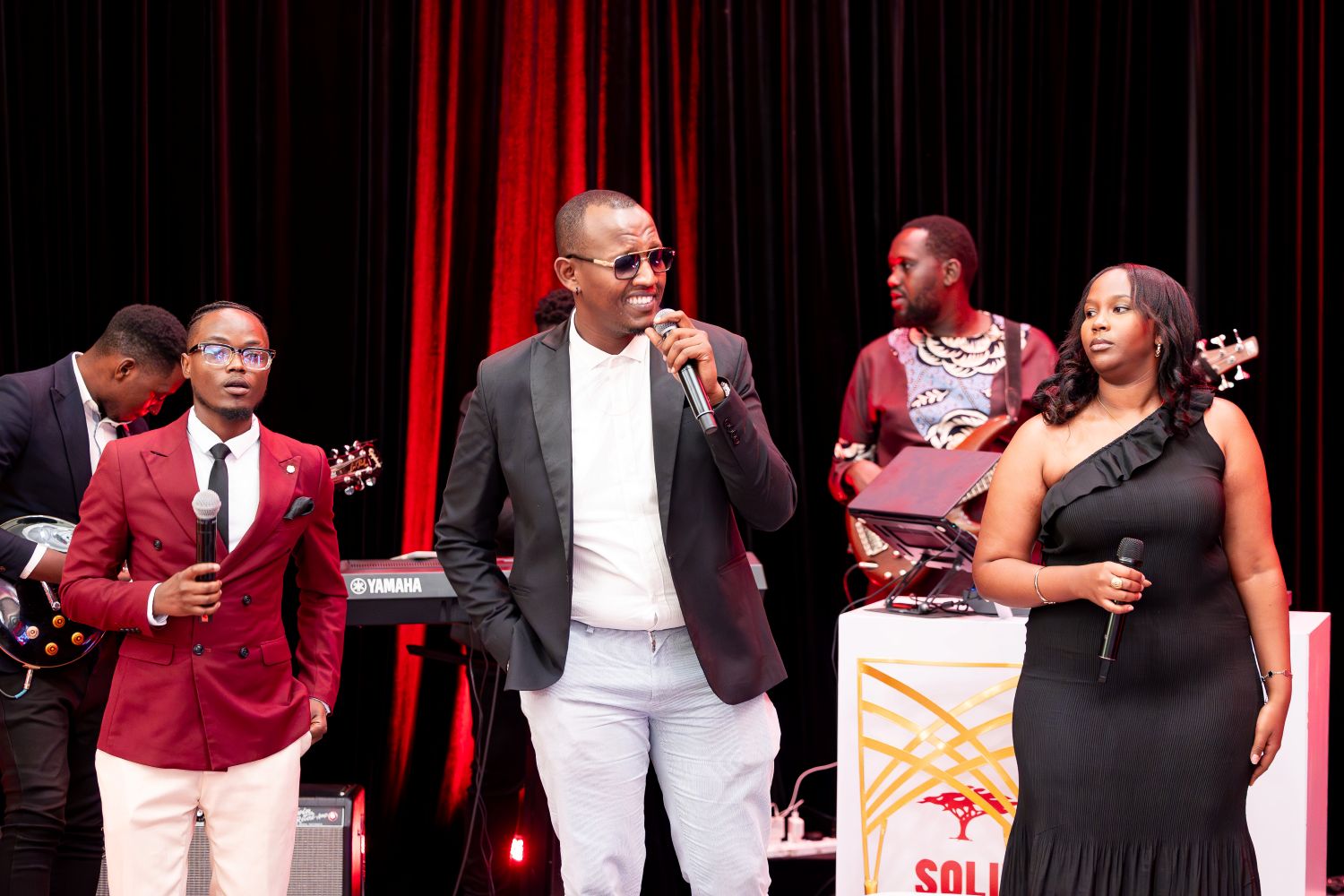
The evening ended on a high note, with live music and a spirited crowd celebrating 15 years of impact. The room was filled with optimism, reflecting a journey that started with five simple meals in a hospital ward and grew into a movement that restores dignity to people in need, feeding thousands across Rwanda every day.
The gala was made possible through the generous support of Solid’Africa partners, including Kigali Marriott Hotel, GoGo Décor, Rwanda Events, Skol, Global Risk Advisors Ltd, BK Foundation, Go-Kabisa, 12 Degrés, Sezibera Construction, Eden Care, Secam, Intore Entertainment, Old Mutual, I&M Bank, Access Bank, Gear and Prime Insurance.
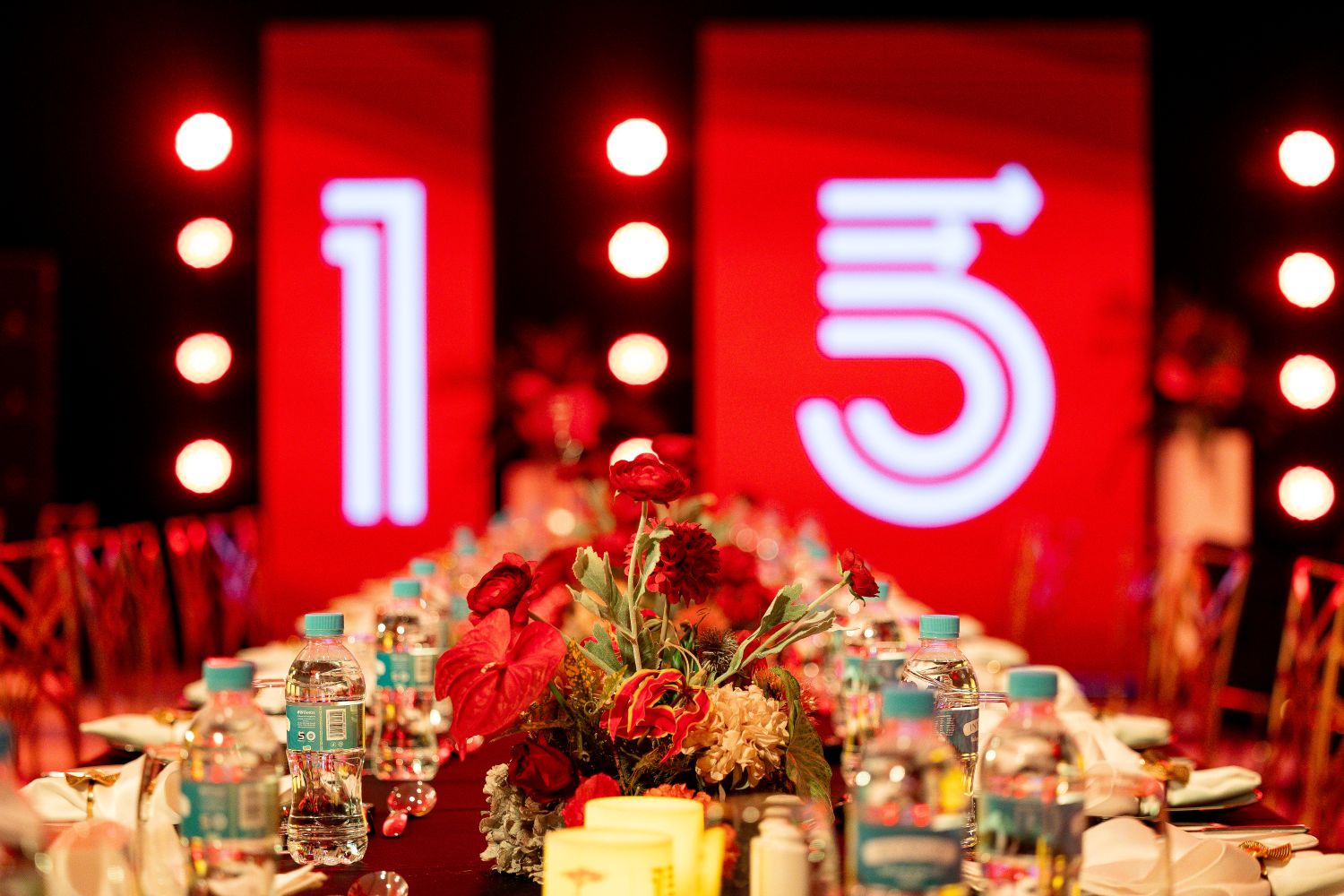
The milestone celebration brought together First Lady Jeannette Kagame, government officials, development partners, beneficiaries, volunteers and supporters .Solid’Africa CEO Nassir Katuramu said the organisation’s long-term ambition is to help build a national public nutrition system integrated into public institutions rather than remain dependent on charitable supportThe First Lady praised founder Isabelle Kamariza for responding to a simple but profound challenge: ensuring that no patient remains hungry while receiving medical care.Founder and president Isabelle Kamariza said the anniversary was ultimately a celebration of the people who chose to care.Kamariza thanked the Government of Rwanda, Imbuto Foundation, development partners, volunteers and supporters for helping transform a long-held dream of building modern nutrition infrastructure into reality.A live band kept guests entertained.
According to BRD, 17,845 people have so far benefited from the programme, which was introduced to make homeownership more accessible for low- and middle-income earners through affordable mortgage financing.
The figures were revealed by Benitha Utuje, BRD’s Gira Iwawe Programme Implementation Officer, during a meeting organised by Copedu Plc that brought together women entrepreneurs, including both existing and prospective clients of the financial institution.
Launched in 2019 with support from the World Bank, the Gira Iwawe programme forms part of Rwanda’s broader strategy to increase access to affordable housing by enabling eligible citizens to purchase homes through long-term loans provided by participating financial institutions.
The programme offers two financing categories based on applicants’ monthly income.
Individuals earning less than Rwf1.2 million per month can access mortgage loans of up to Rwf40 million to purchase a home. The loans are repayable over a period of 20 years at an annual interest rate of 11%.
Meanwhile, those earning between Rwf1.2 million and Rwf1.5 million per month are eligible for loans to purchase homes valued between Rwf40 million and Rwf60 million, with an annual interest rate of 13%.
Speaking at the event, Utuje said BRD has channelled substantial financial resources into the programme since its launch.
“Since 2019, BRD has provided approximately Rwf144 billion to partner banks and financial institutions to help Rwandans purchase homes through the Gira Iwawe programme. As a result, 17,845 people have enrolled and acquired homes through the initiative,” she said.
The programme is implemented through several partner financial institutions, including Bank of Kigali, Bank of Africa, Umwalimu SACCO, NCBA Bank Rwanda, BPR Rwanda, Copedu Plc, and other licensed lenders.
BRD further noted that 81% of the programme’s loans have been disbursed through these partner institutions, reflecting strong collaboration between the development bank and Rwanda’s financial sector in expanding access to affordable housing finance.
The initiative has primarily benefited lower-income households. According to BRD, 84% of beneficiaries earn less than Rwf500,000 per month, underscoring the programme’s focus on making homeownership accessible to families with modest incomes.
The data also shows that 37% of beneficiaries are young people, while 36% are women, highlighting the programme’s contribution to youth empowerment and women’s economic inclusion.
The Gira Iwawe programme supports Rwanda’s ambitious housing development agenda. The government aims to construct at least 150,000 additional affordable housing units as part of its long-term target of expanding the country’s housing stock to 5.5 million homes by 2050.
To support this goal, the government has earmarked 1,100 hectares of land across the country for affordable housing development, including 890 hectares in Kigali, where large-scale residential projects are expected to be undertaken.
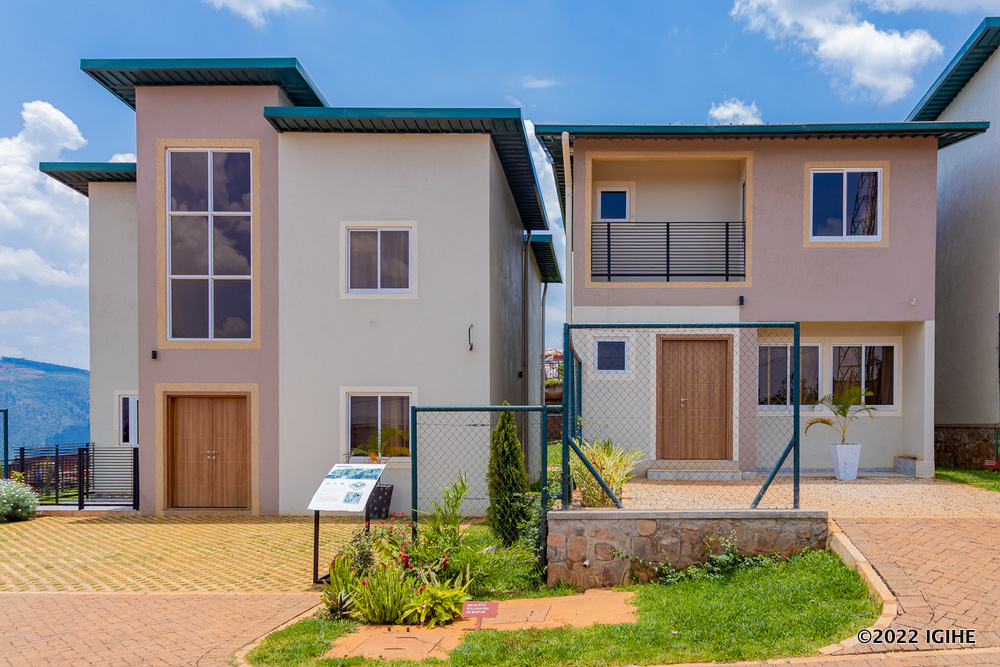
Among the housing developments that have attracted the highest number of buyers through the Gira Iwawe programme is the Bwiza Riverside Estate, where many beneficiaries have purchased homes using the affordable mortgage scheme.