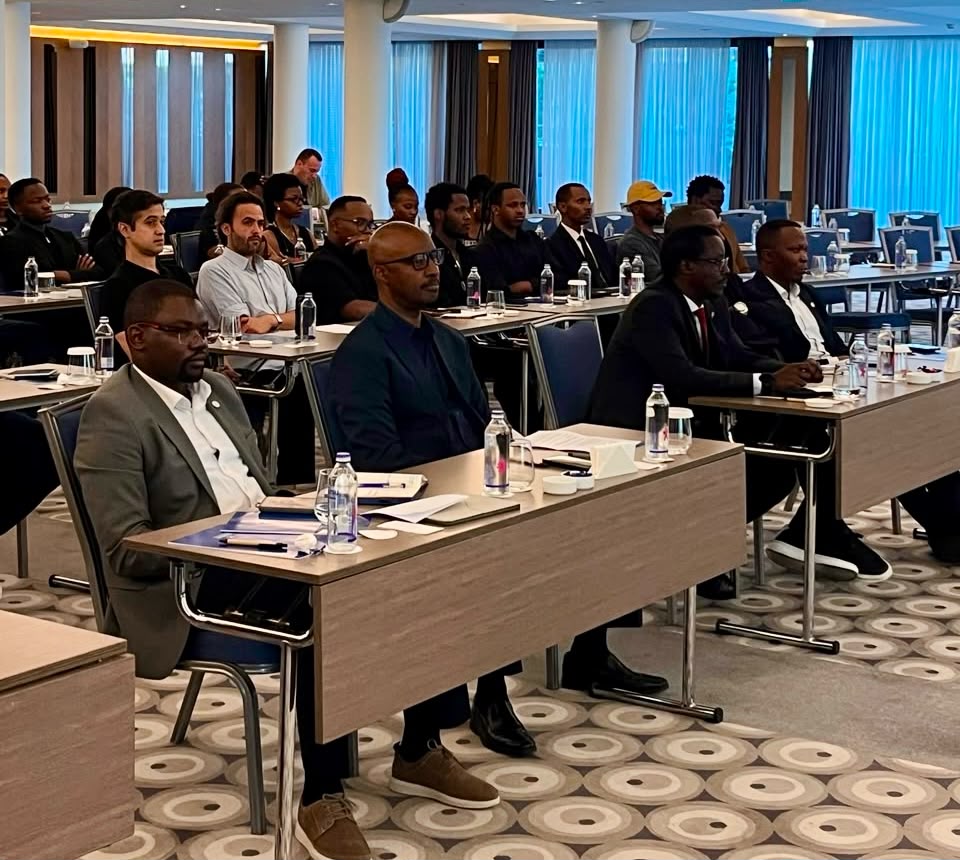
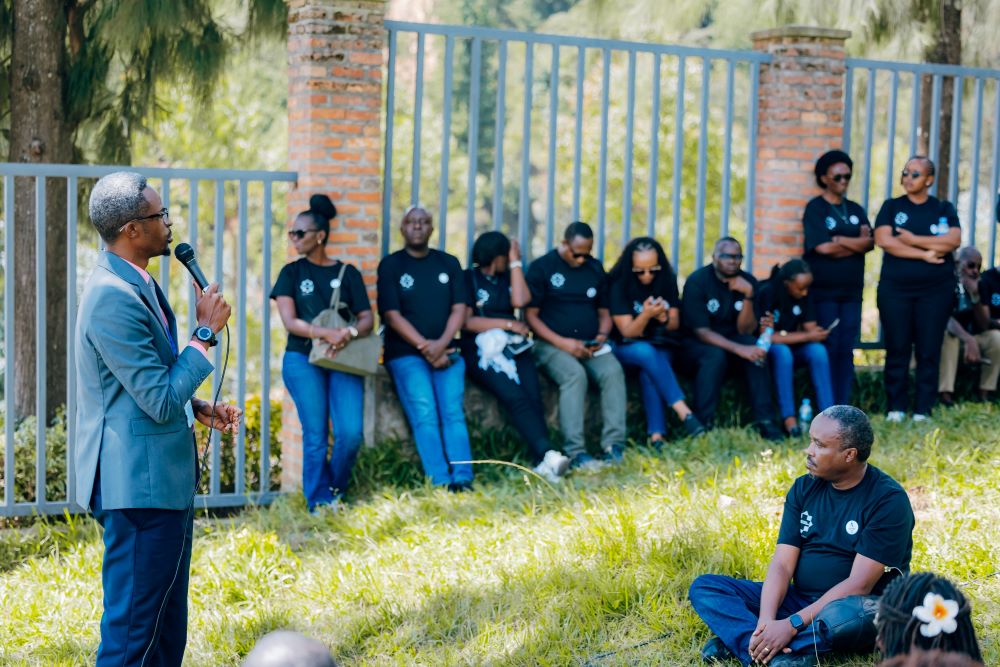
The commitment was announced on June 26, 2026, during the closing of the fourth ANPMN conference, which was held over three days in Kigali under the theme of preventing torture against women and children in places of detention.
The conference brought together experts responsible for implementing international conventions that require countries to establish measures to prevent torture and other forms of cruel, inhuman, or degrading treatment in detention facilities.
Representatives from Rwanda, Morocco, Nigeria, Senegal, South Africa, and Mauritania presented updates on how their respective institutions are using technology to support efforts to prevent torture and related human rights violations.
Participants noted that technology is already being used in different ways, including through social media platforms and other digital communication tools.
However, they stressed the need to further expand and strengthen the use of technology to improve the effectiveness of their work.
Members of ANPMN also agreed to implement the findings of a recent feasibility study exploring the development of a digital system that would support visits to places of detention and enhance the monitoring of compliance with human rights standards.
The proposal received broad support from participating countries. International anti-torture expert Machonova Schellongova Ivana, an expert on the Optional Protocol to the Convention against Torture (OPCAT), welcomed the initiative.
“I really like it. We could launch it within a very short time it is entirely possible,” she said.
Ivana also informed participants that additional projects are being planned to expand the use of technology in communication and coordination among national preventive mechanisms.
“We are planning to strengthen technology-based data collection, establish integrated information management systems, and develop a monitoring framework to address potential risks associated with the internet,” she said.
She explained that these initiatives are expected to be implemented in 2027 as part of efforts to strengthen the effectiveness and coordination of the ANPMN network.
Ivana further revealed that plans are underway to establish a centralized digital platform that will consolidate strategies adopted across different countries, organize and store relevant information, and facilitate the exchange of experiences, best practices, and innovative approaches to preventing torture.
Participants were also informed that a training session will be held on August 11, 2026, to encourage countries in Southern Africa to ratify and implement anti-torture conventions through the effective use of technology.
ANPMN member states discussed the use of technology to prevent tortureIvana said a unified technology-based data collection system will be launched in 2027Rwanda Human Rights Commission Chairperson said hosting ANPMN conference was an honor
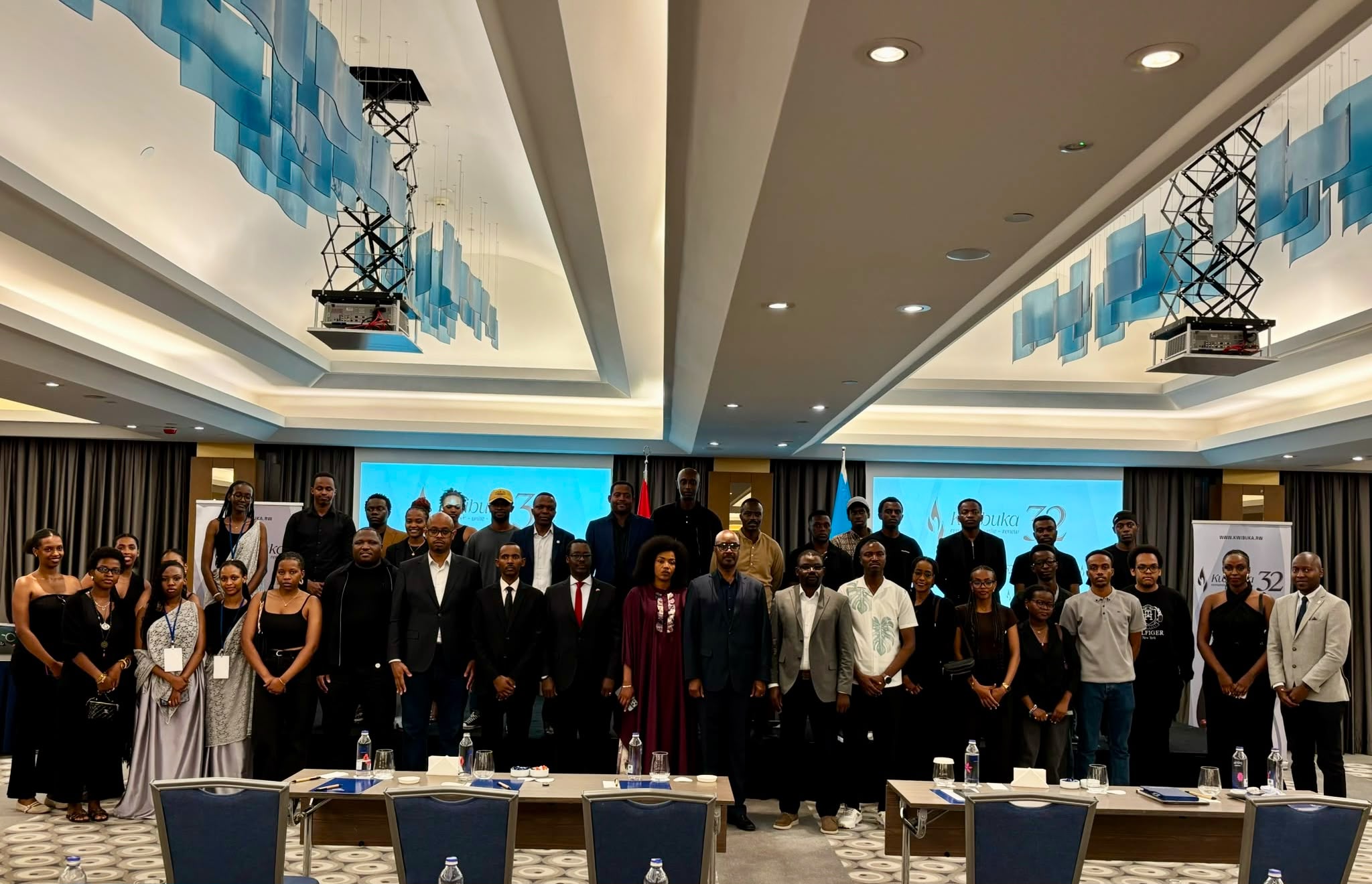
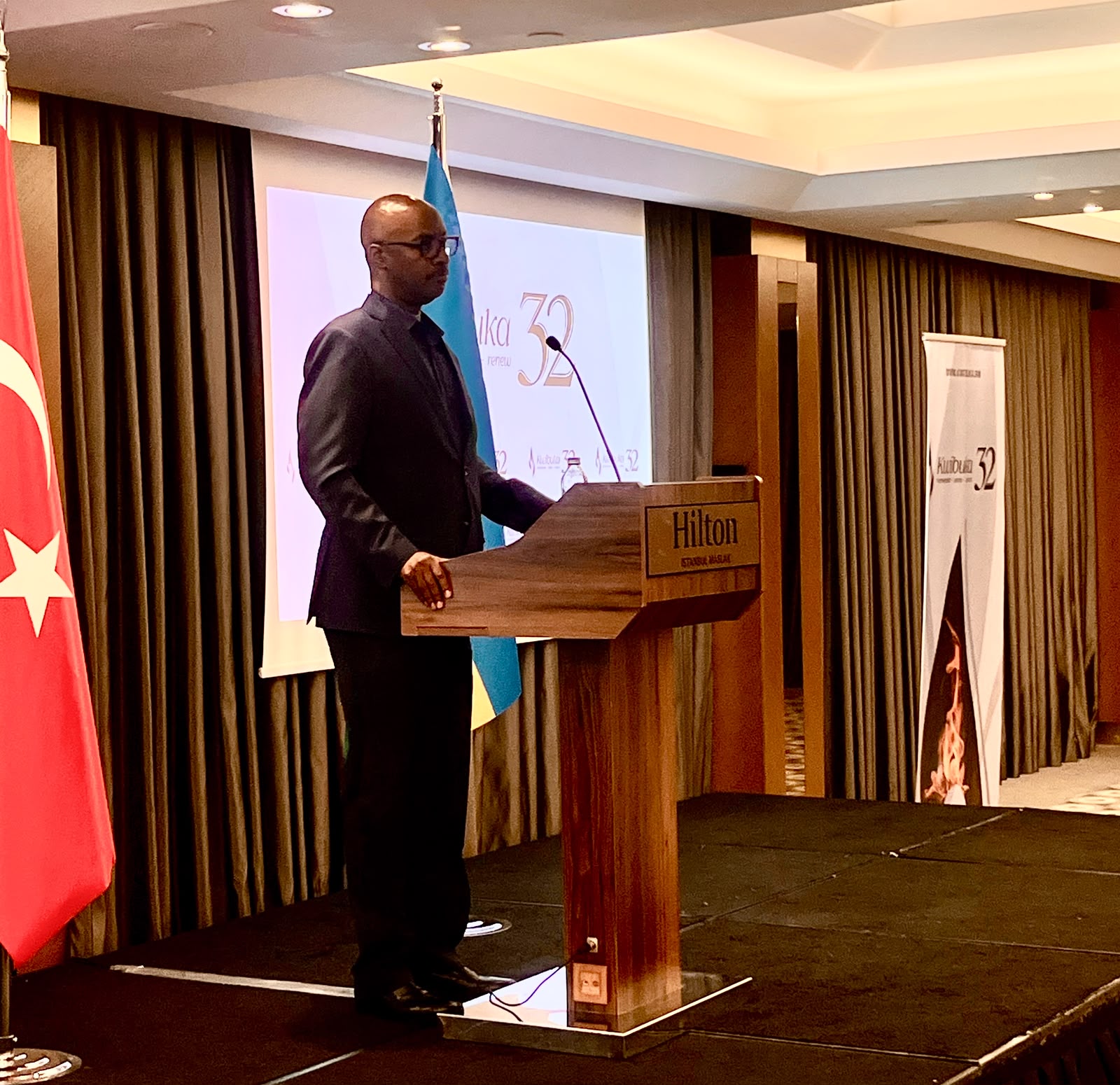
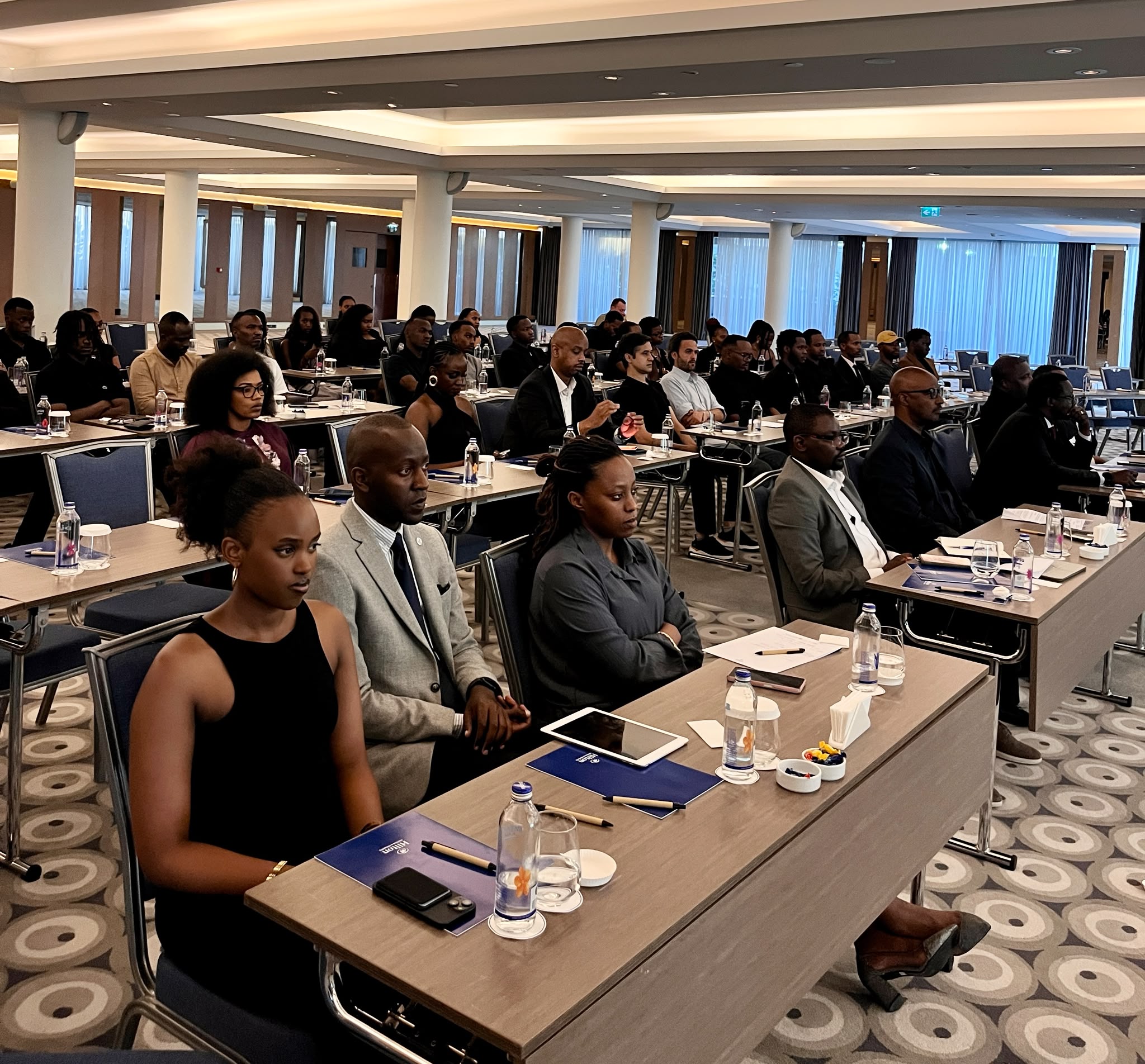
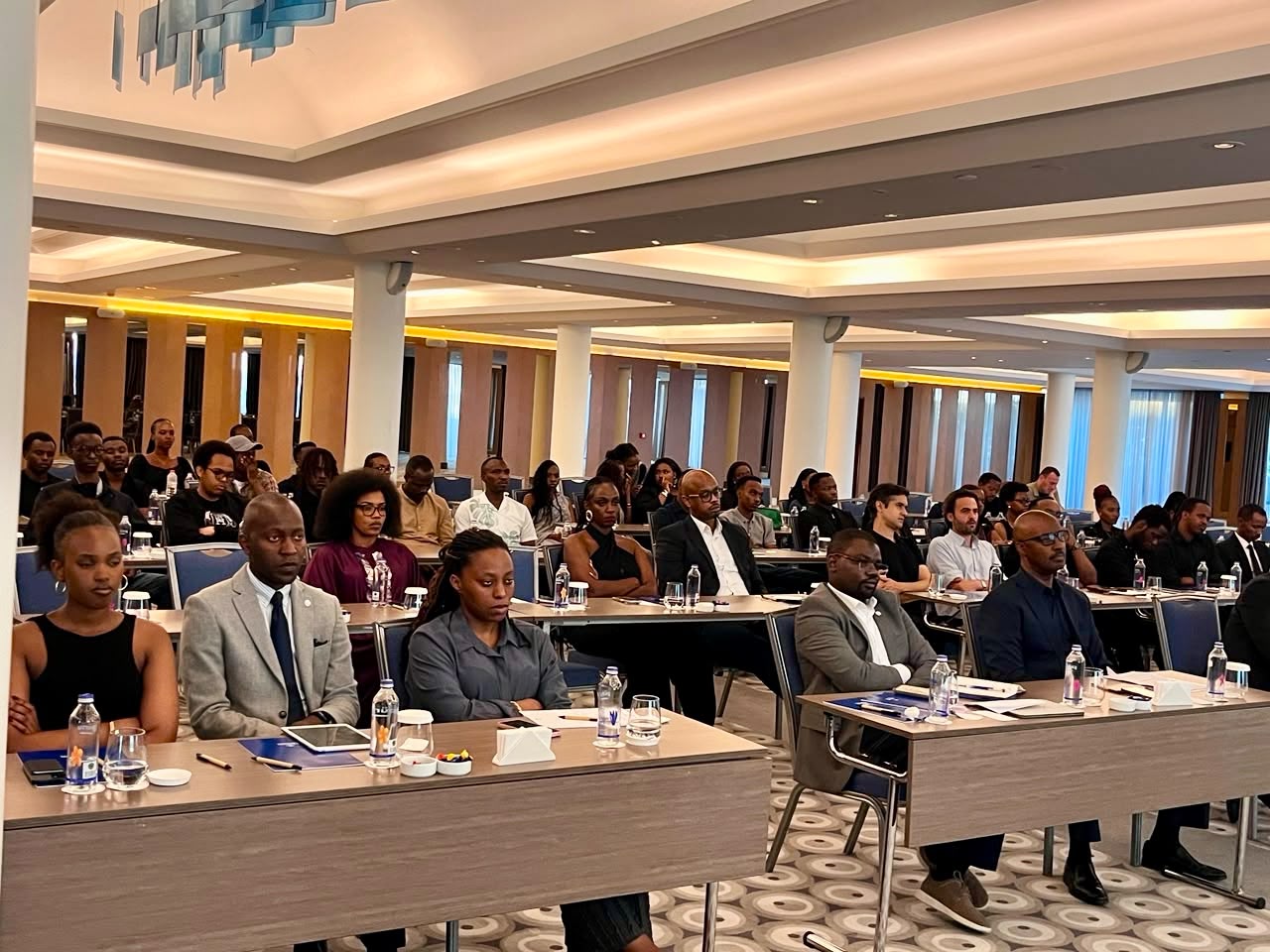
The event took place in Istanbul on June 27, as part of the 100-day commemoration period. Participants reflected on the roots of the Genocide against the Tutsi and discussed the role of young people in ensuring that such atrocities never happen again.
The gathering brought together Rwandans from different professional backgrounds living in Istanbul. It began with welcoming remarks delivered by Nshuti Aime Benjamin, the leader of the Rwandan community in the city.
During an interactive discussion, Rwanda’s Ambassador to Türkiye, Lt Gen (Rtd) Charles Kayonga, spoke about other genocides that have occurred throughout world history and highlighted the unique nature of the Genocide against the Tutsi, its origins, ways to eradicate its ideology, and the critical role of youth in that effort.
Young participants were reminded that the roots of genocide include hatred, ethnic discrimination, injustice, and governance based on exclusionary policies. They were encouraged to understand these issues thoroughly so that they can contribute to combating the remnants of genocidal ideology.
Amb. Kayonga also noted that individuals who oppose Rwanda or seek to deny or trivialize the Genocide against the Tutsi, whether Rwandans or foreigners, are often driven by their own interests rather than concern for Rwanda’s history and suffering.
He urged the youth to actively promote and strengthen national unity at all levels through awareness campaigns against hatred, genocide ideology, genocide denial, and genocide minimization.
In his closing remarks, Amb. Kayonga encouraged young people not to remain bystanders but to use their knowledge, talents, and energy to contribute to Rwanda’s development and to building a society free from genocide ideology.
He further called on them to seek historical truth and deepen their understanding of Rwanda’s past in order to uphold the principle of “Never Again.”
Participants also exchanged views on how genocide ideology had become entrenched within various state institutions, including the former national army, which ultimately played a major role in the execution of the Genocide against the Tutsi.
The discussion further highlighted the dedication, courage, and sacrifices of the Rwanda Patriotic Army (RPA) in stopping the genocide and its contribution to rebuilding the country in the years that followed.
Faustin Rutayisire, the representative of the Rwandan community in Türkiye, thanked all those who attended the commemoration evening.
He noted that their participation reflects a strong desire to understand history and offers hope that unity among Rwandans will help turn “Never Again” into a lived reality, with unity serving as the bond that brings all Rwandans together.
Rwanda’s Ambassador to Türkiye, Lt Gen (Rtd) Charles Kayonga, addresses participants during the commemoration evening in Istanbul.Rwandans living in Istanbul, Türkiye, gather for a commemoration evening marking the 32nd commemoration of the 1994 Genocide against the Tutsi.Participants reflected on Rwanda’s history during a remembrance event held as part of the 100-day commemoration period in Istanbul.
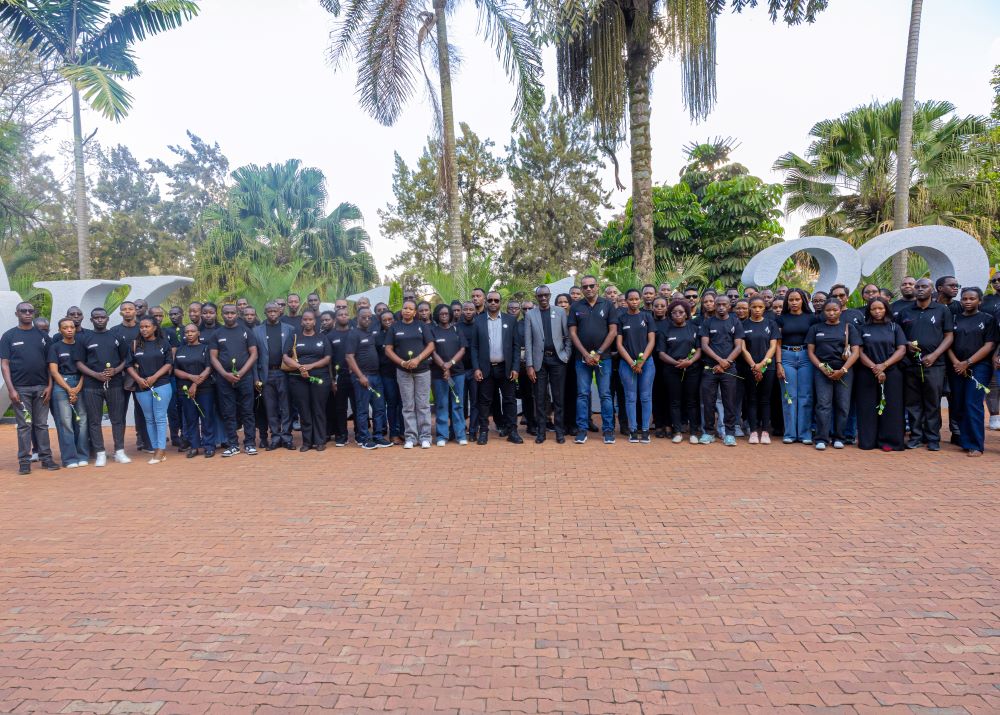
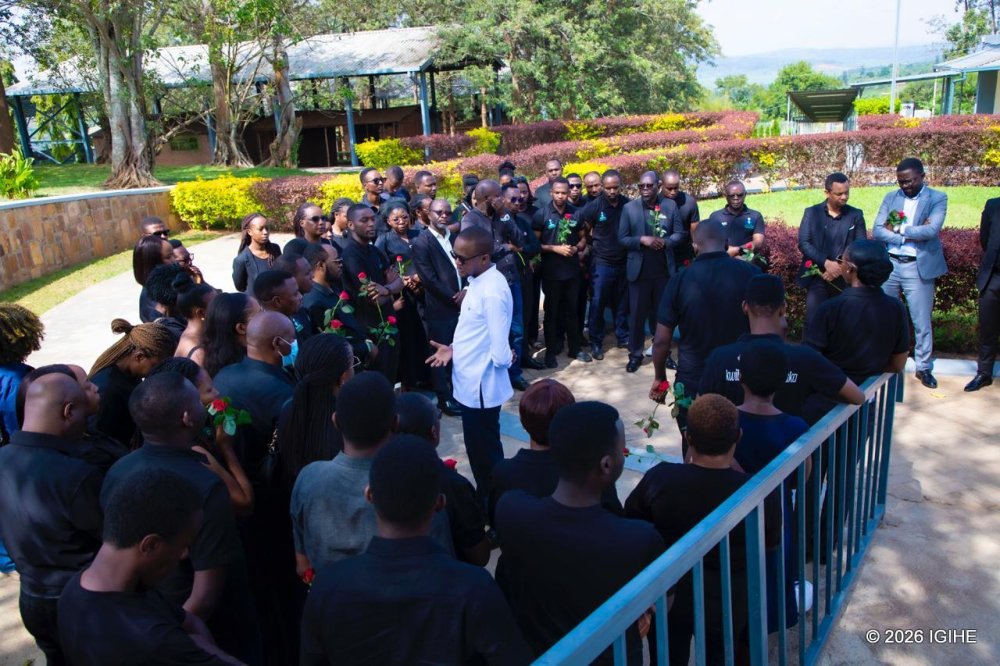
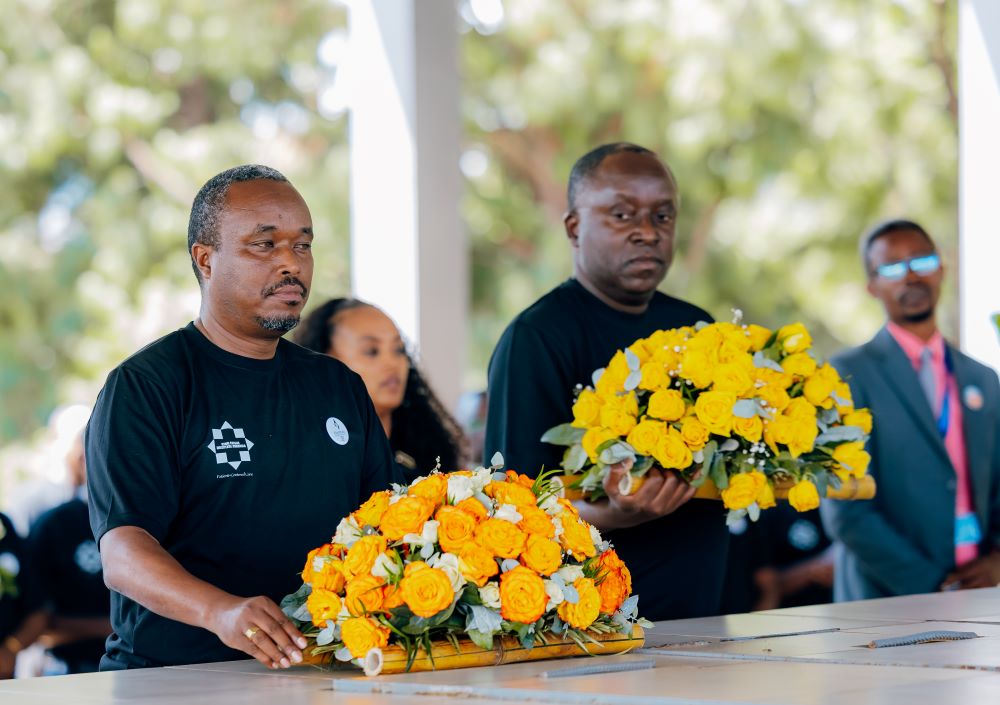
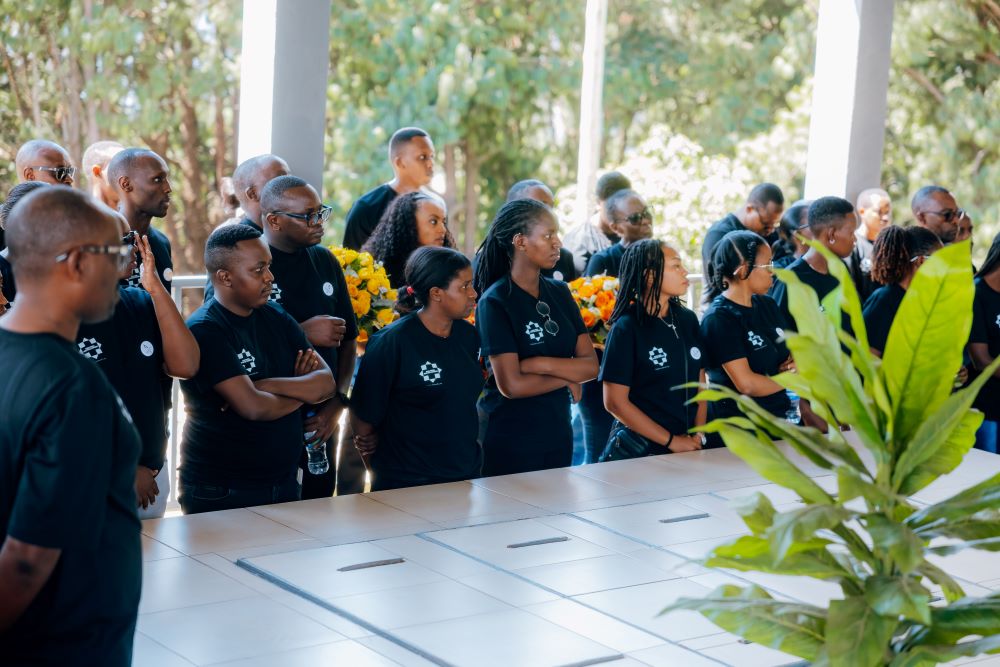
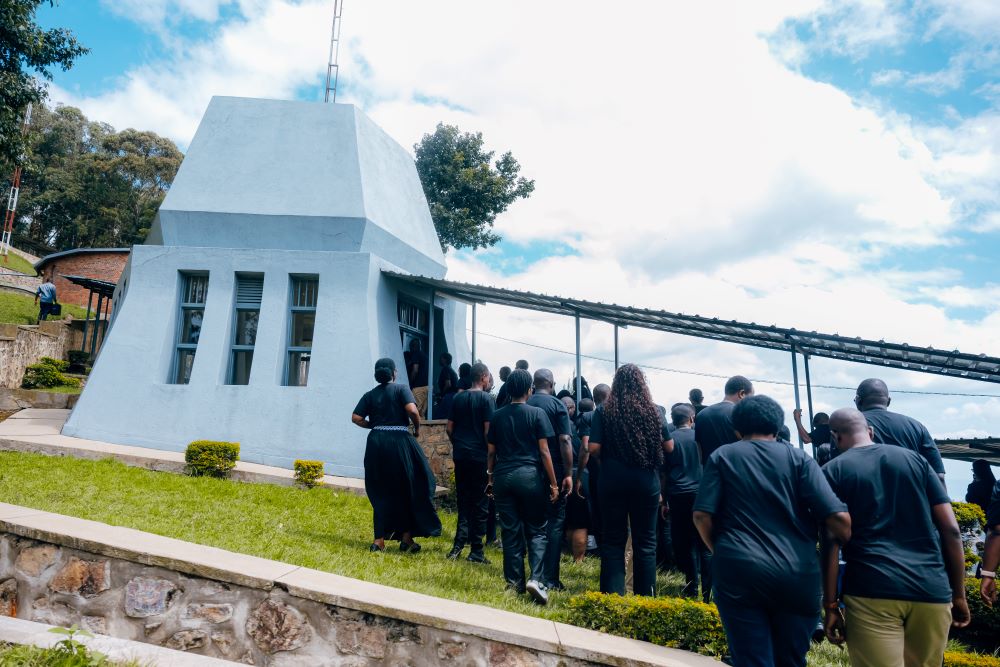
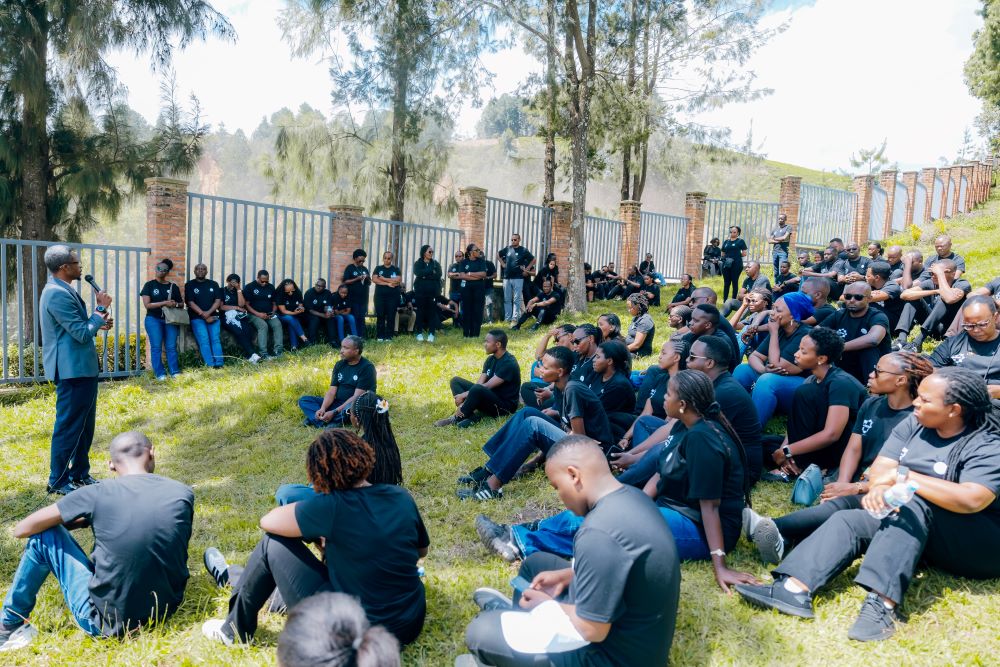
The visit took place on June 26, 2026, where staff members were taken through a detailed account of the 1994 Genocide against the Tutsi, including its historical background, planning, and execution.
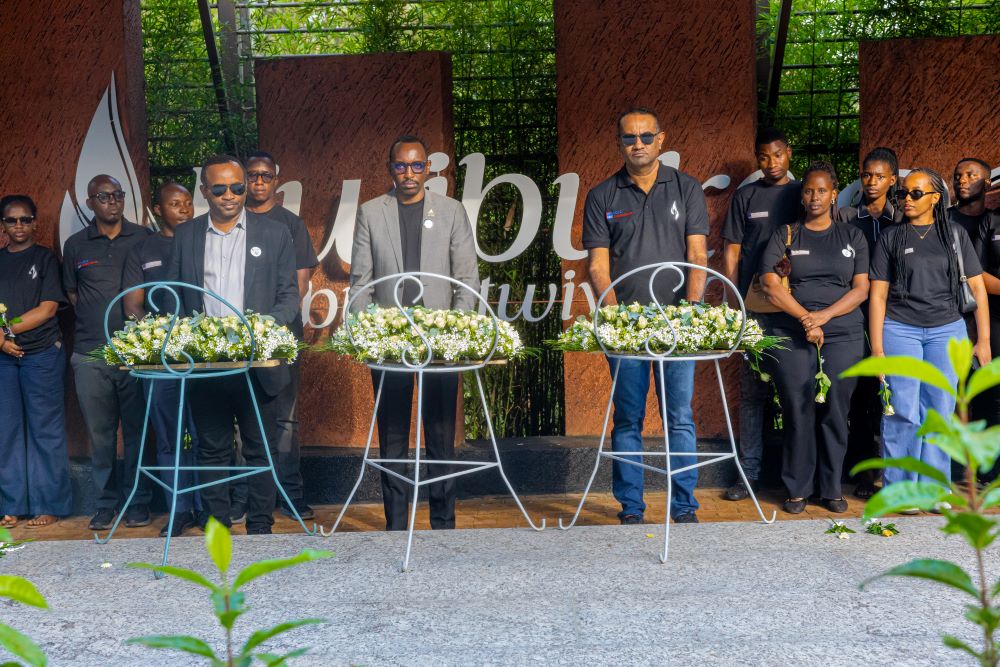
After the briefing, the employees paid their respects by laying wreaths at mass graves where more than 250,000 victims of the Genocide against the Tutsi are laid to rest. The delegation also extended financial support to the memorial as part of efforts to contribute to its preservation.
The Genocide against the Tutsi, which claimed over one million lives in 100 days, was halted by the Rwanda Patriotic Army (RPA).
Speaking at the memorial, Serge Rwigamba, a representative of the Aegis Trust Rwanda and staff member at the Kigali Genocide Memorial, outlined how Genocide ideology was rooted in long-standing discrimination, dehumanisation, and divisive governance policies dating back to 1959.
He emphasised the importance of continuously teaching Rwanda’s history and strengthening efforts to combat divisionism and any form of ideology that threatens national cohesion.
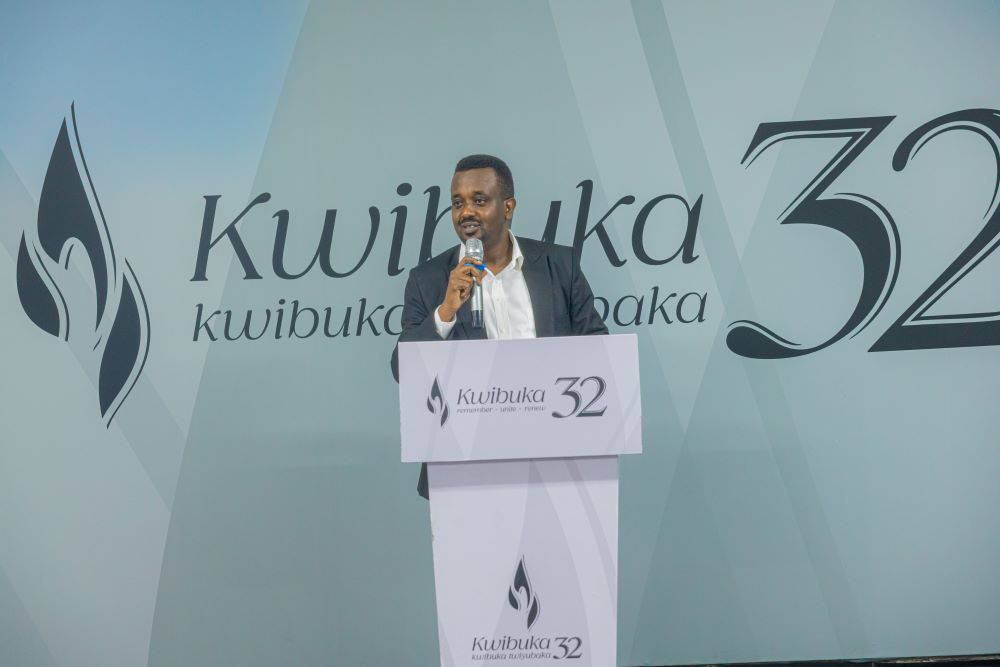
The Chairperson of the Board of Directors of LOLC Unguka Finance, Yves Sangano, said the visit was organised to honour victims of the Genocide against the Tutsi and reaffirm commitment to remembrance.
“We came here to remember and honour the men, women, and children who were killed in the 1994 Genocide against the Tutsi, and to reaffirm that such atrocities must never happen again. Commemoration is a responsibility for every Rwandan and an opportunity to strengthen unity, reconciliation, justice, and development,” he said.
He added that as a financial institution, LOLC Unguka Finance is committed to improving livelihoods through financial services, noting that sustainable development is only possible in an environment of peace, security, and national unity.
“That is why we continue to join fellow Rwandans, especially during the 100-day commemoration period, to preserve and honour our national history,” he added.
Chief Executive Officer Justin Kagishiro noted that understanding Rwanda’s history is a shared responsibility for all citizens, stressing that unity and reconciliation remain central to the wellbeing of Rwandans.
He further observed that commemoration should go beyond a ceremonial exercise, serving instead as an opportunity to deepen understanding of history and ensure it is accurately passed on to future generations.
Formerly known as Unguka Bank, LOLC Unguka Finance PLC is now part of the LOLC Group, headquartered in Sri Lanka. The institution provides a range of financial services, including savings products, loans, money transfers, and related services.
It currently operates 15 branches and two credit centres across Rwanda.
Staff members of LOLC Unguka Finance were urged to stand firm against those spreading Genocide ideology.
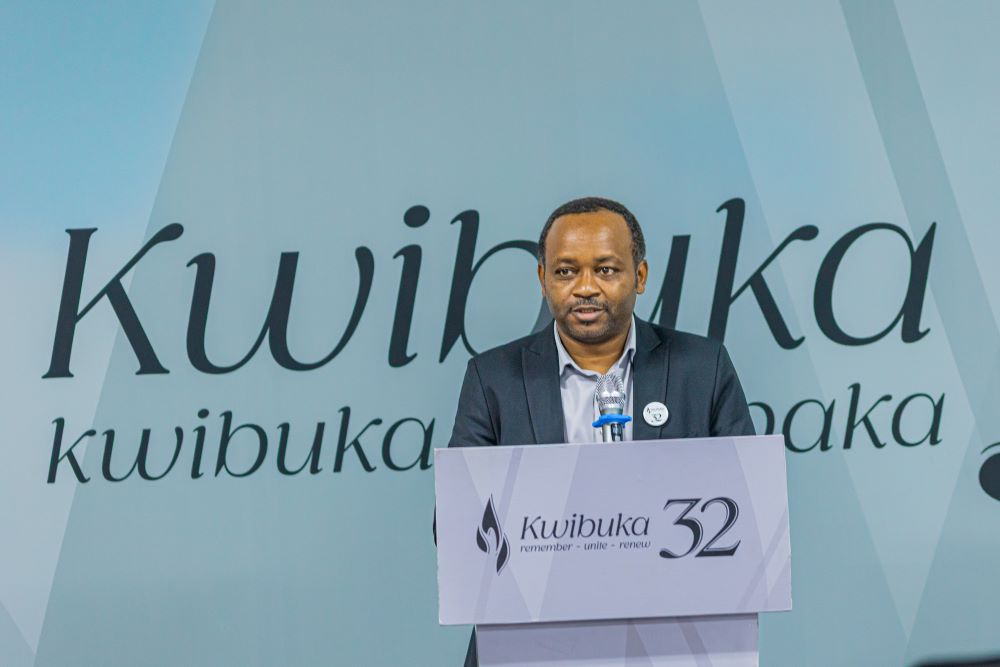
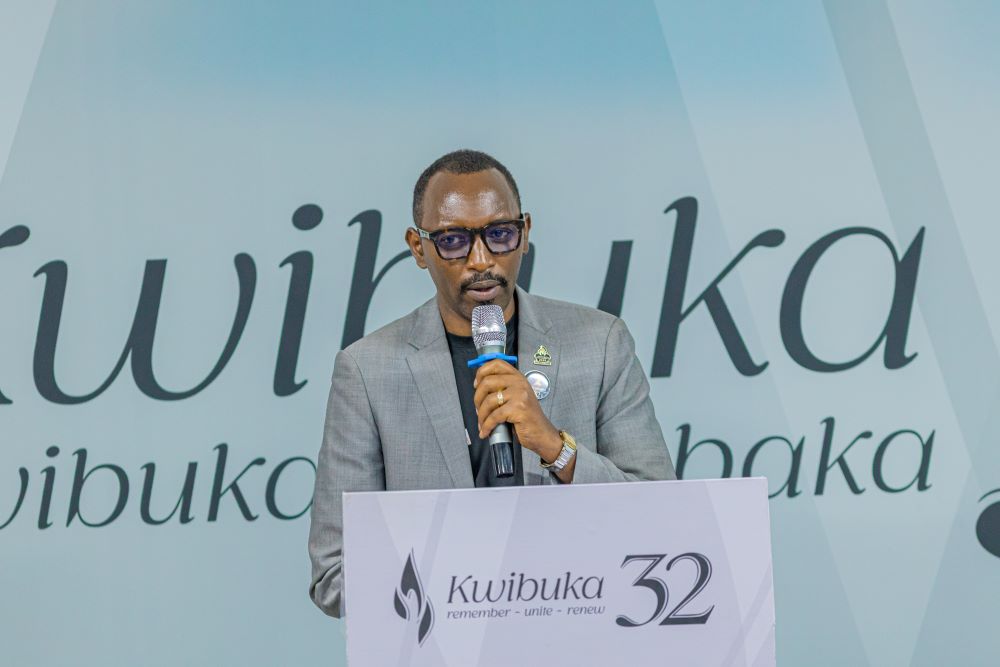
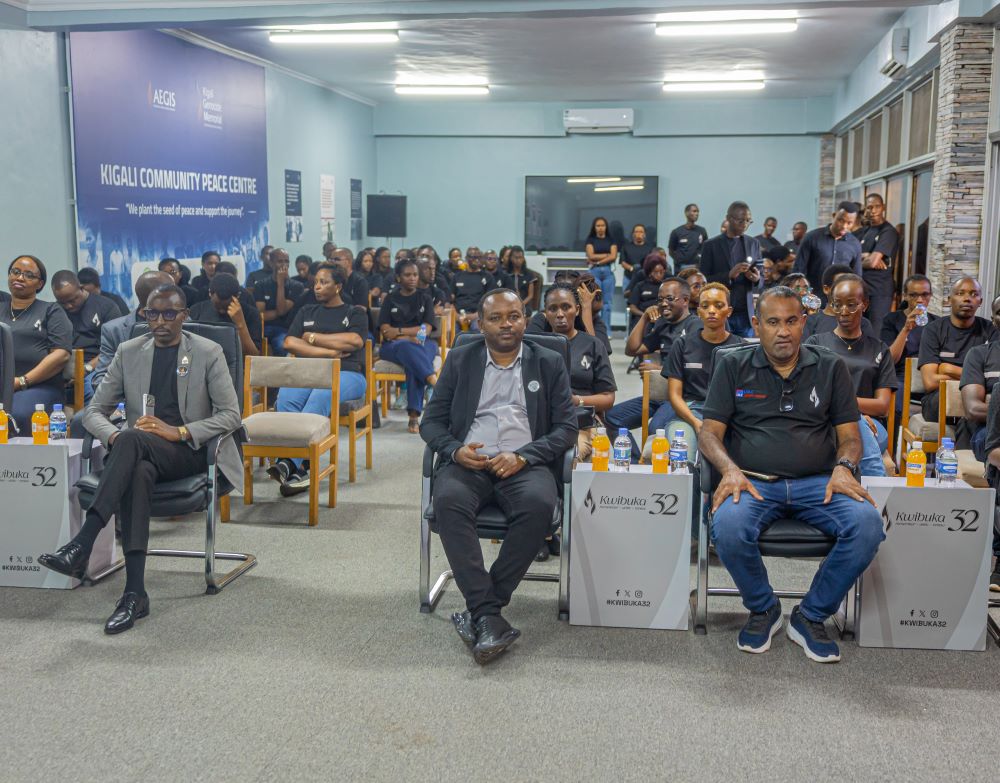
, Serge Rwigamba, a representative of the Aegis Trust Rwanda and staff member at the Kigali Genocide Memorial, outlined how Genocide ideology was rooted in long-standing discrimination, dehumanisation, and divisive governance policies dating back to 1959.The Chairperson of the Board of Directors of LOLC Unguka Finance, Yves Sangano, said the visit was organised to honour victims of the Genocide against the Tutsi and reaffirm commitment to remembrance.Chief Executive Officer Justin Kagishiro noted that understanding Rwanda’s history is a shared responsibility for all citizens, stressing that unity and reconciliation remain central to the wellbeing of Rwandans.The staff were briefed on the history of the Genocide against the Tutsi, including its planning and eventual execution.Staff members of LOLC Unguka Finance visited the Kigali Genocide Memorial in Gisozi on June 26, 2026.
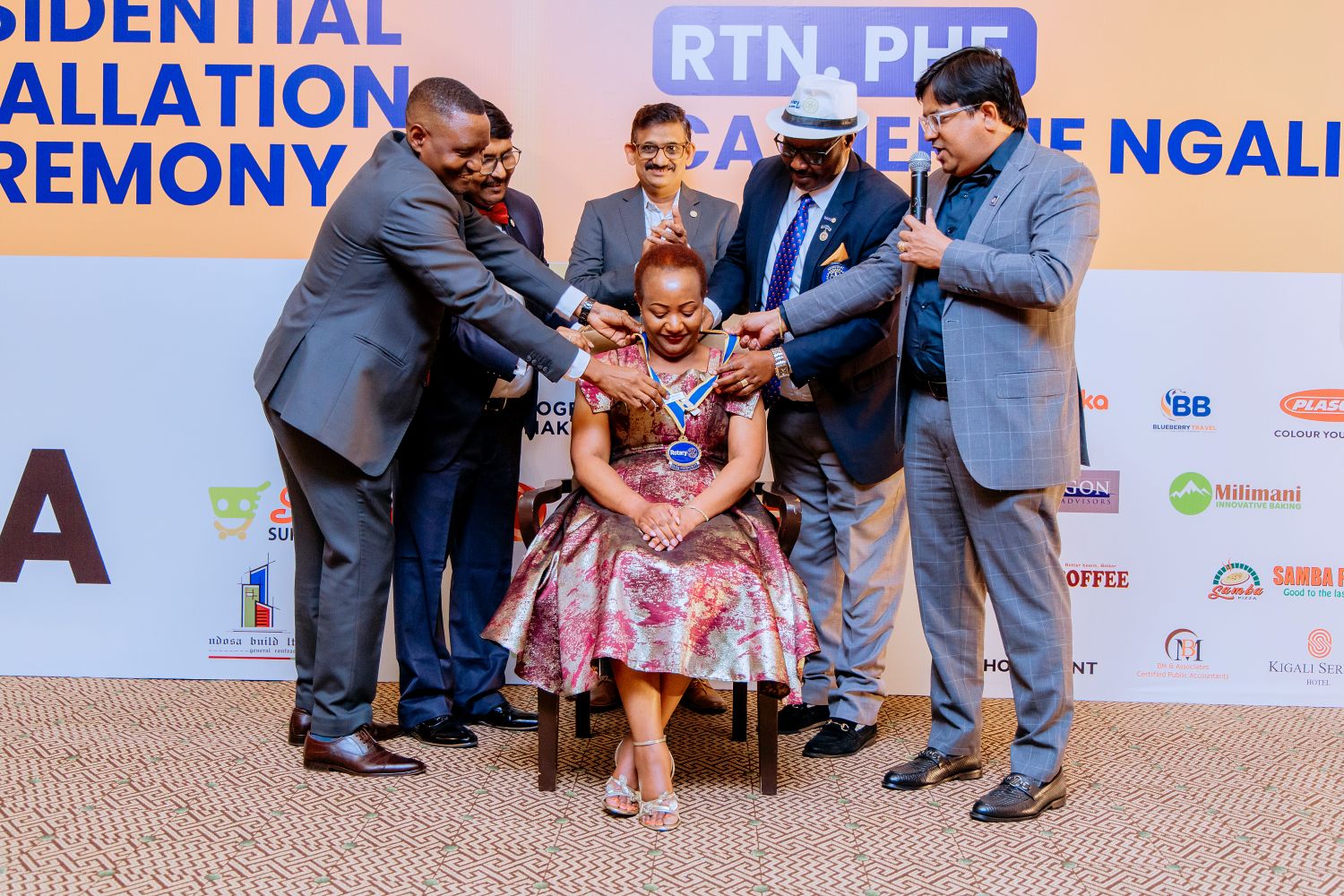
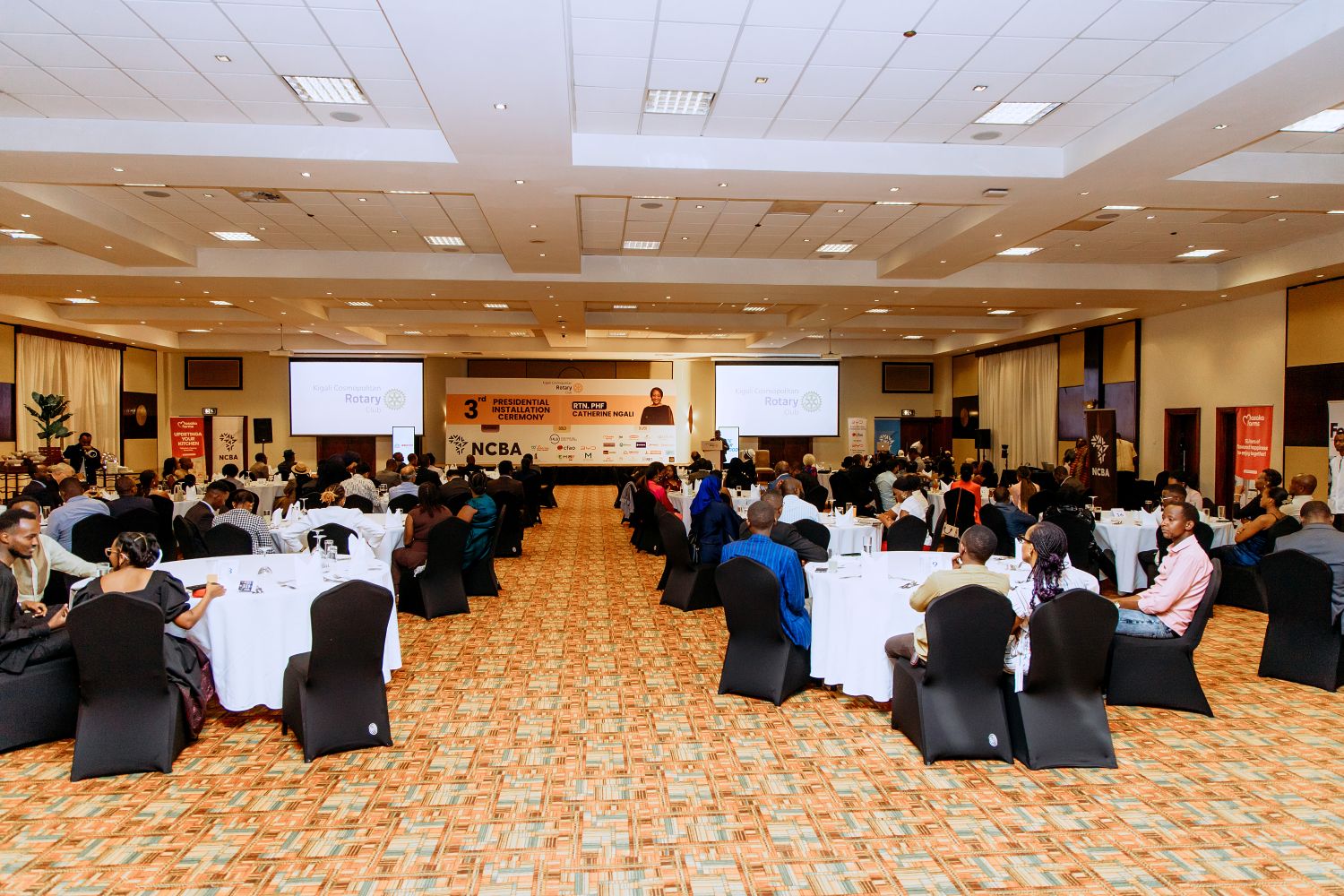
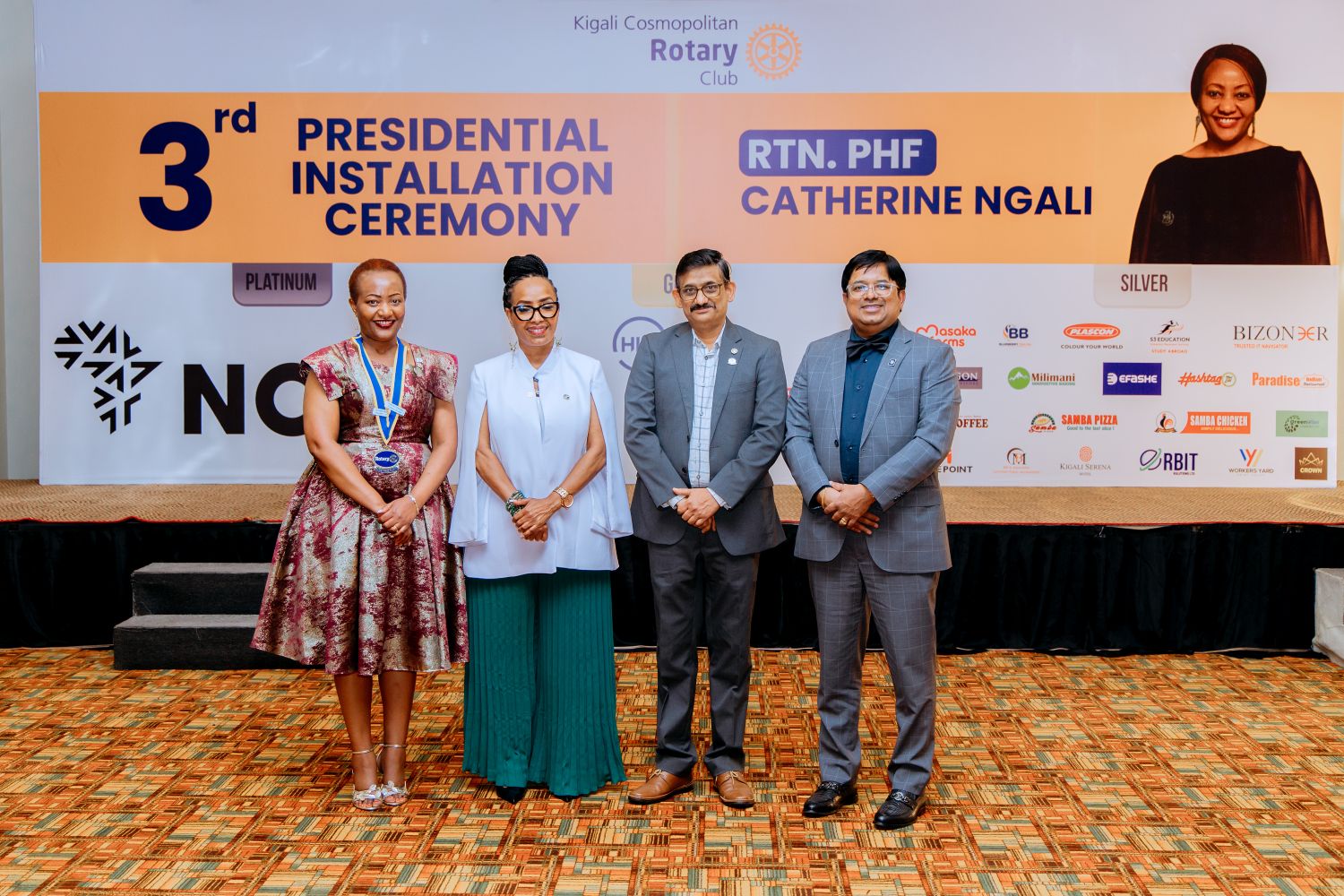
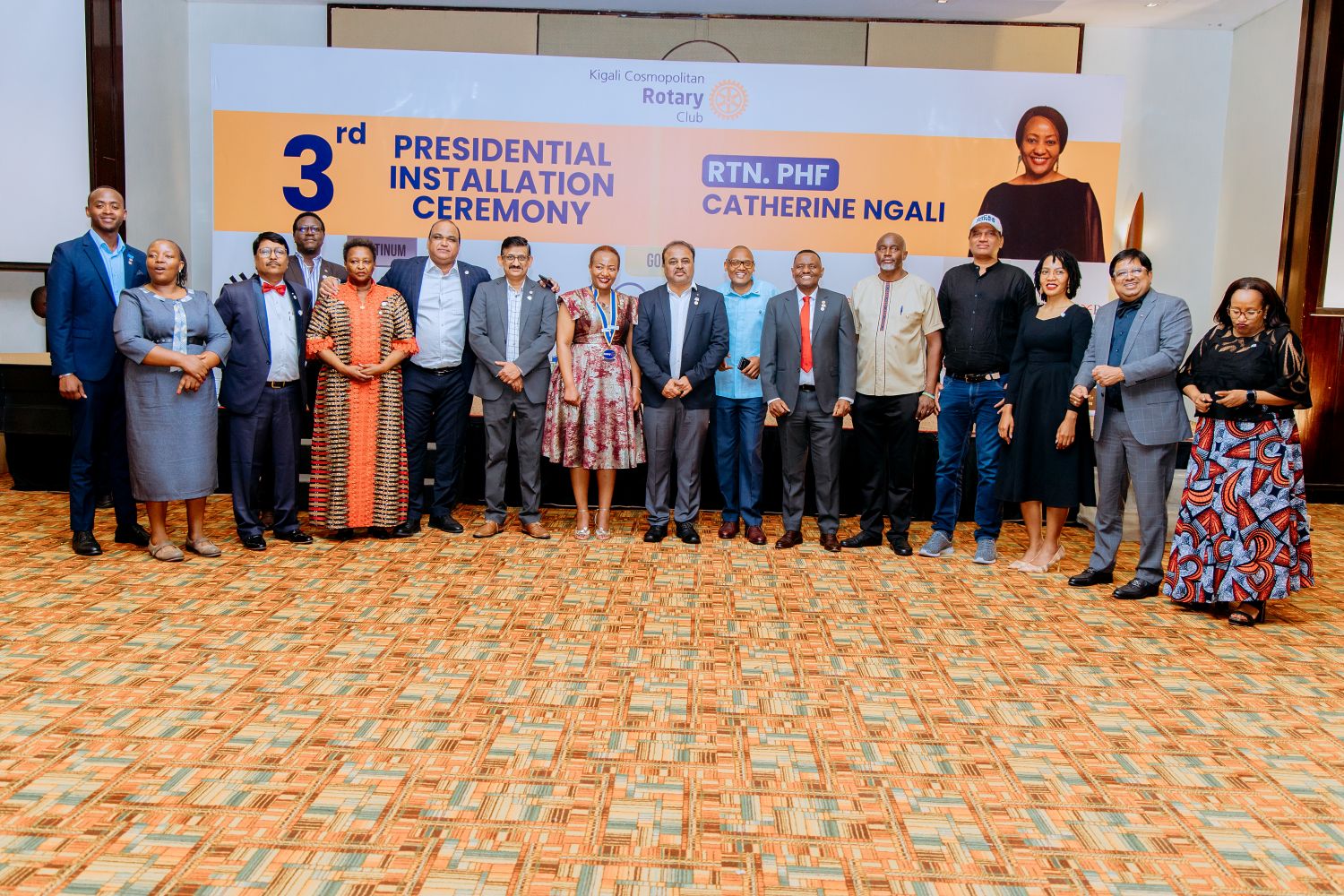
The leadership handover, held at Kigali Serena Hotel on Sunday, celebrated a year of remarkable growth in which the club implemented four global grant projects focused on youth empowerment, inclusive education, health promotion and economic development.
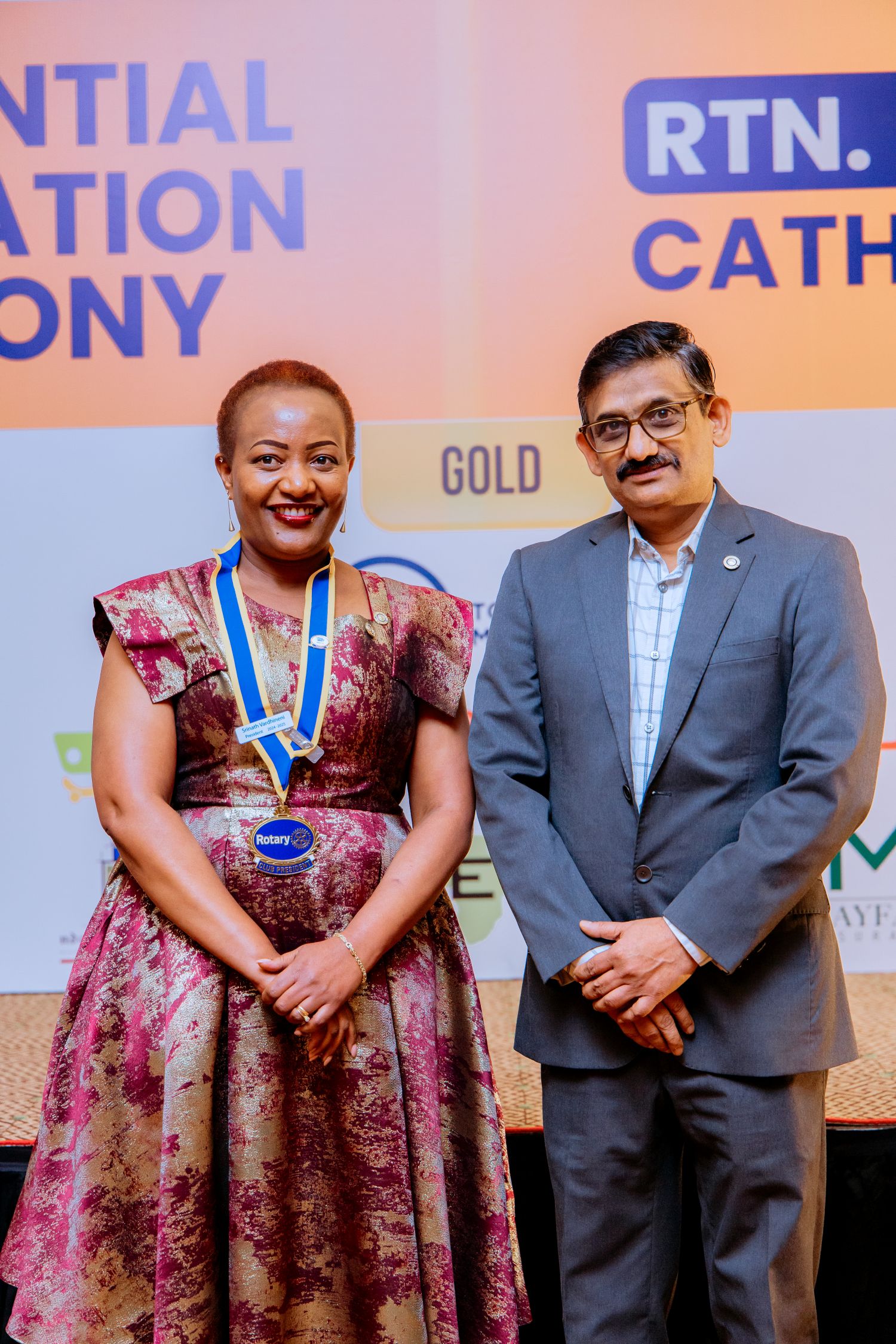
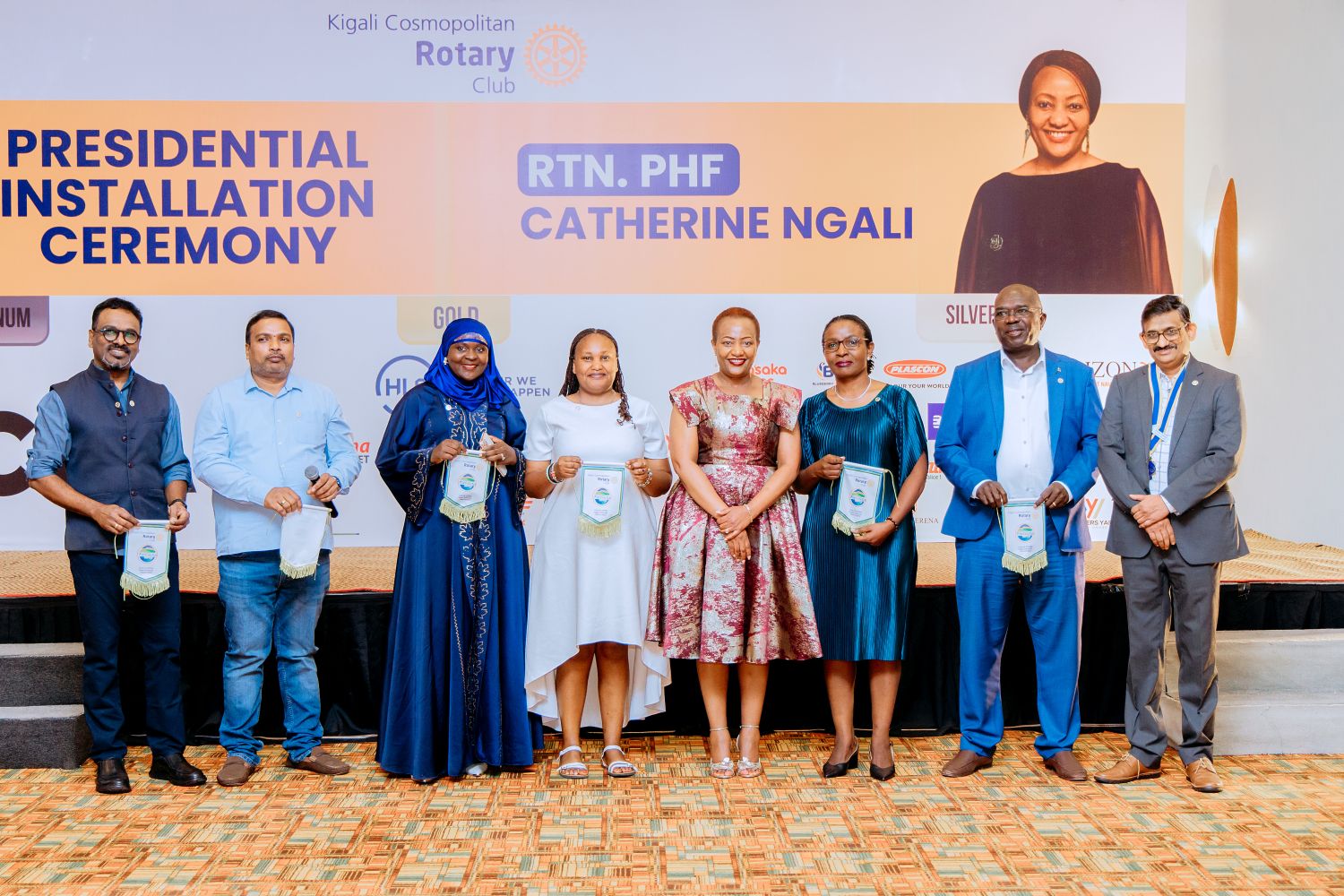
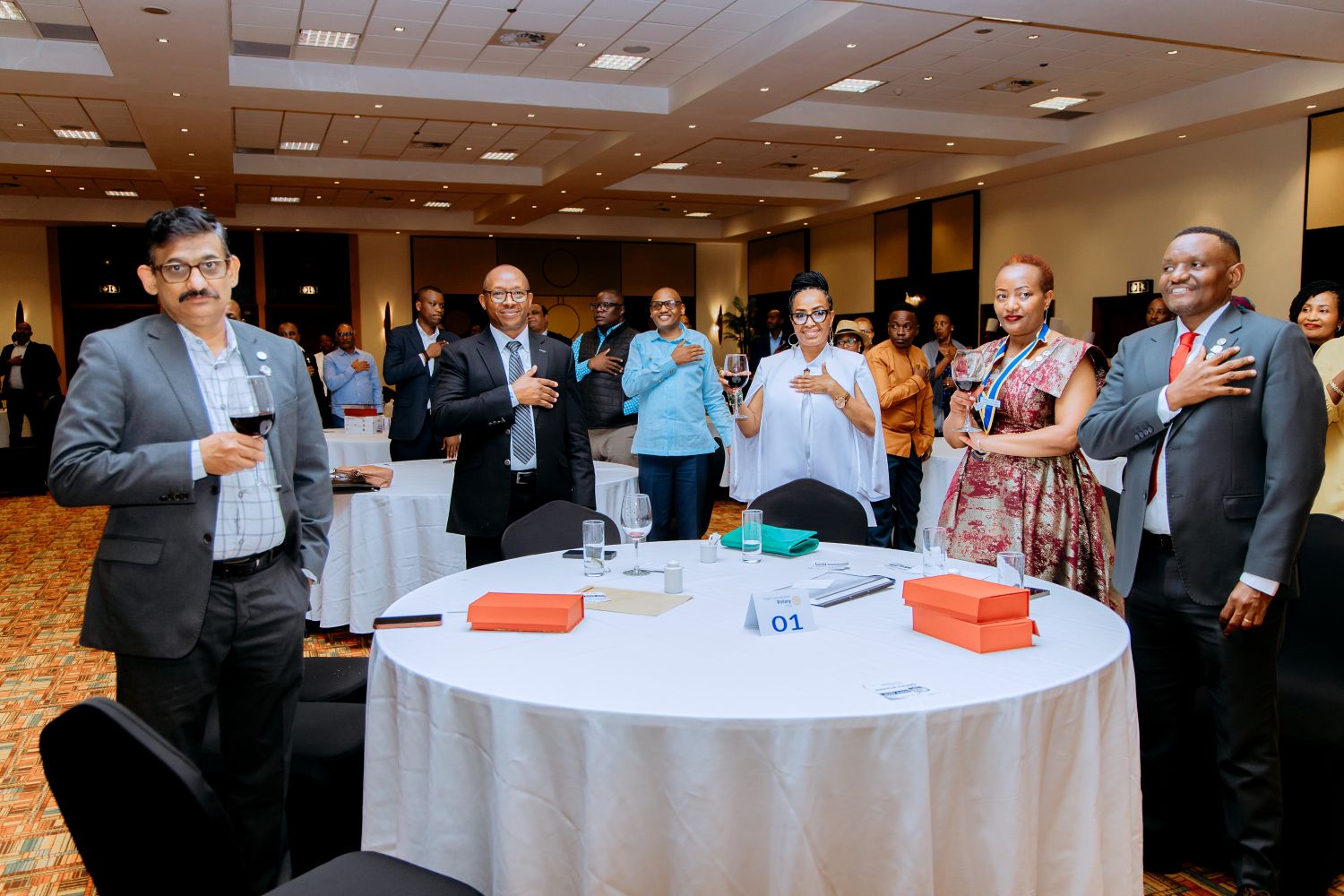
The ceremony brought together diplomats, Rotarians, Rotaractors, development partners, business leaders and friends of Rotary. Kenya’s High Commissioner to Rwanda, Ambassador Janet Mwawasi Oben, was the guest of honour and was recognized as an Honorary Rotarian for her support of Rotary’s humanitarian mission.
Founded in 2024, the Rotary Club of Kigali Cosmopolitan has quickly established itself as an active force in community service. During the past Rotary year, the club completed and secured projects valued at more than $210,000, benefiting vulnerable communities across the country.
Among its flagship initiatives were vocational training programmes in tailoring and fashion design for disadvantaged youth, support for DeafBlind learners and teachers in Rwamagana District, employment-focused skills development programmes, and a nationwide hypertension prevention and non-communicable diseases screening initiative targeting more than 100 primary healthcare facilities across seven districts.
The club also secured funding for water storage and purification infrastructure at Kayonza DeafBlind School, strengthening access to clean water while improving learning conditions for children with disabilities.
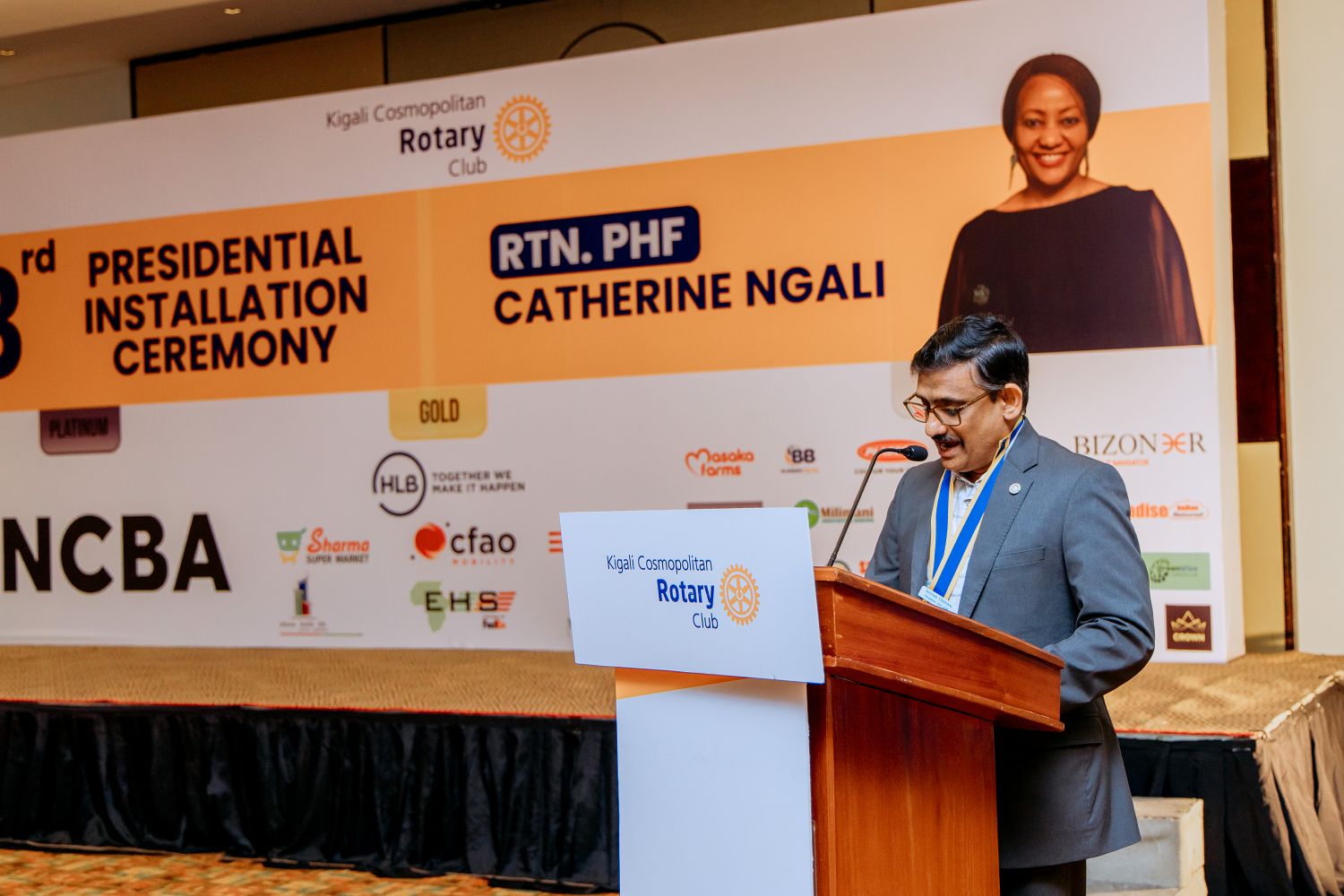
Outgoing president Srinivas Cheruvu said the club’s achievements reflected the power of partnerships and collective action.
He noted that collaboration among members, development partners and supporters had enabled the club to create opportunities for vulnerable communities while delivering tangible improvements in people’s lives.
Beyond community projects, the club also expanded opportunities for youth leadership by chartering four new Rotaract clubs, bringing the total number established by Kigali Cosmopolitan to five.
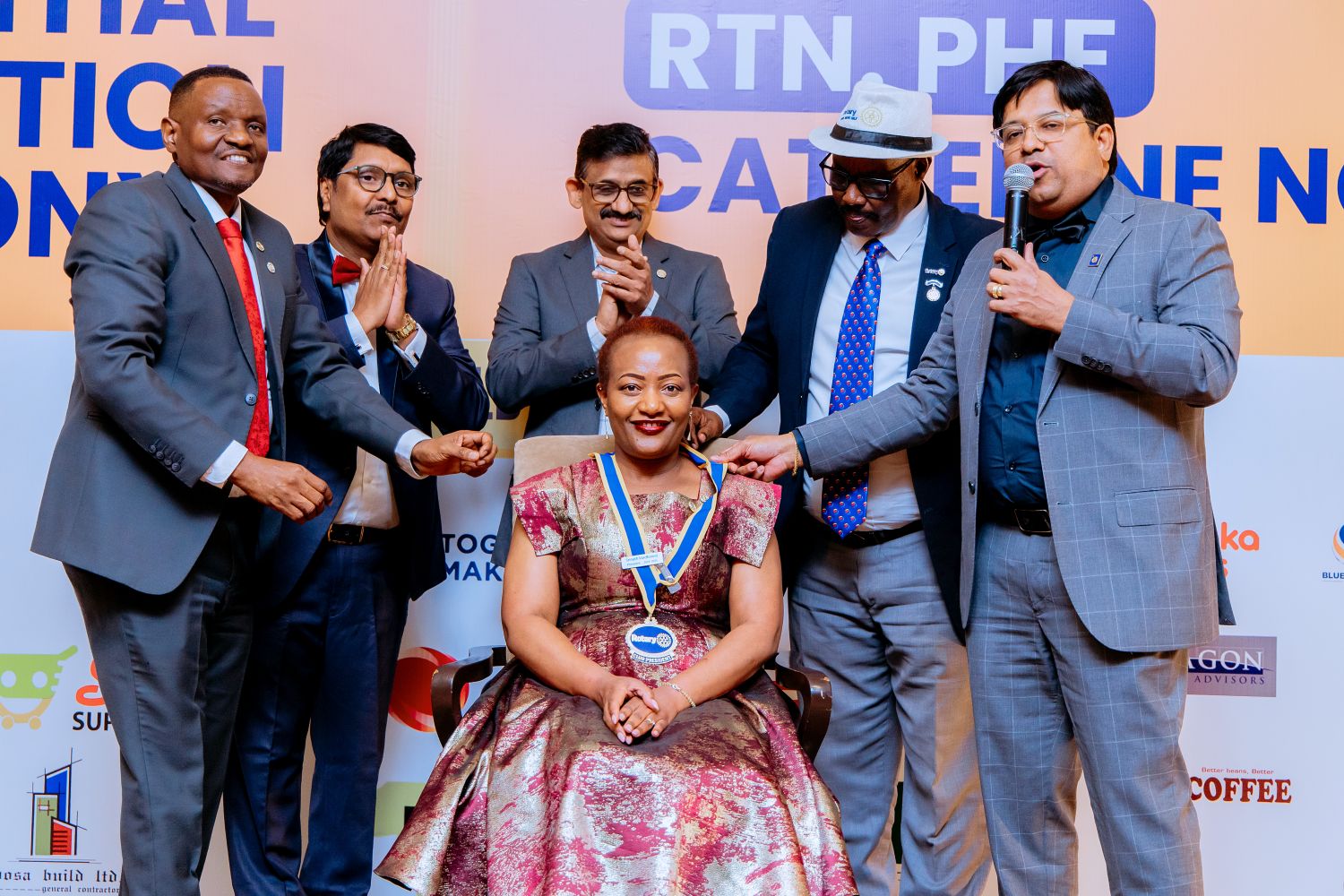
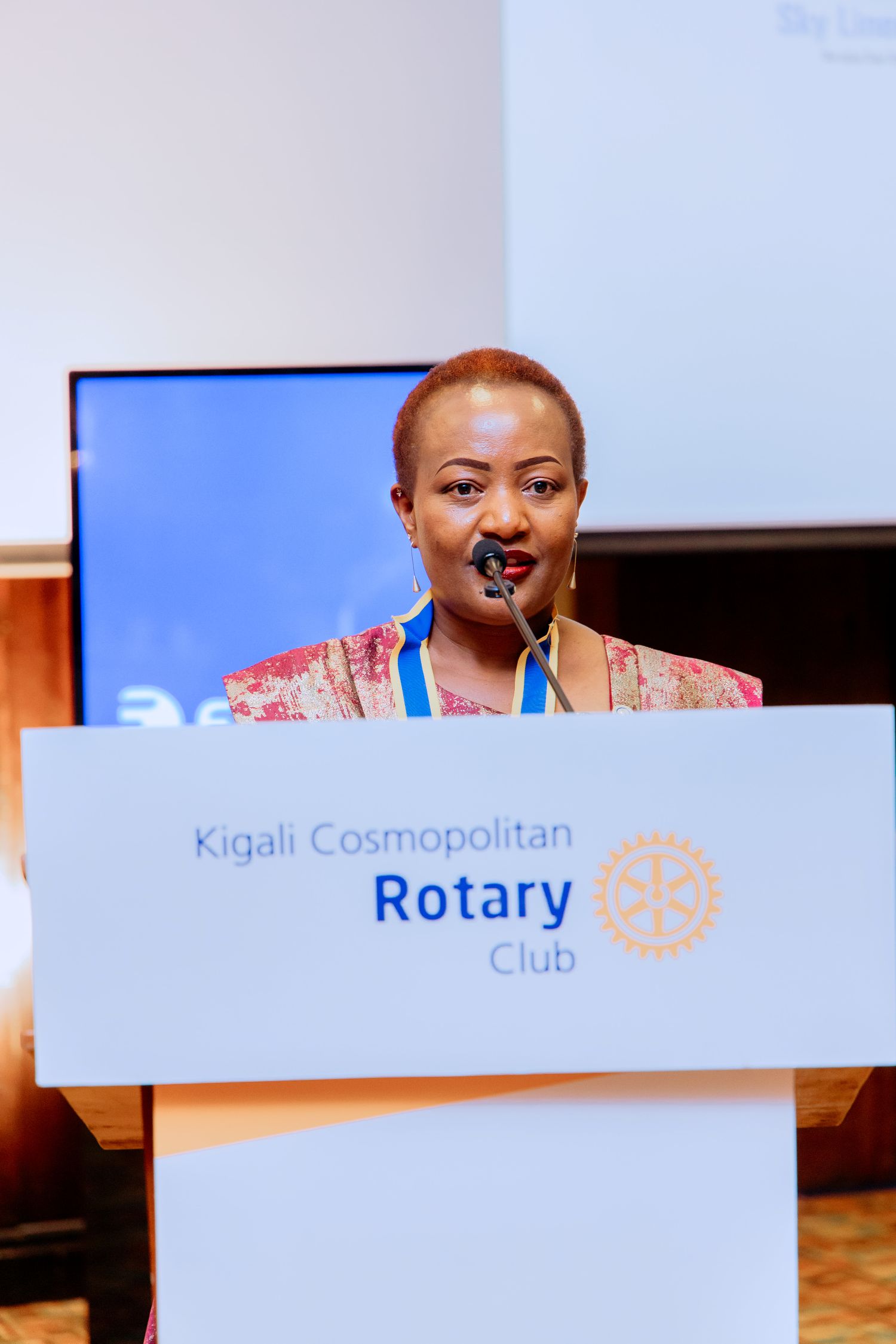
As she assumed office, Ngali pledged to build on the club’s achievements by focusing on sustainable community impact and expanding Rotary’s reach across Rwanda.
She said the club begins the new Rotary year with three major global grant projects already lined up for implementation. These include an employment-based vocational training programme for underprivileged youth in Musha, Rwamagana; a project to improve learning conditions at Kayonza DeafBlind School through assistive technology, teacher training, educational materials and solar power; and a nationwide initiative to strengthen hypertension detection and screening for non-communicable diseases in primary healthcare facilities.
Ngali also outlined priorities for the coming year, including expanding the club’s membership, strengthening collaboration with Rotaract clubs, increasing public awareness of Rotary’s work and launching additional service projects that respond to community needs.
She emphasized that Rotary’s greatest strength lies in people working together to create lasting change, adding that leadership should be measured not only by projects completed during a president’s term but also by the opportunities created for future generations.
The ceremony also recognized individuals whose service has had a lasting impact on society. Veteran educator Florida Nyiranturege received a special community service award in recognition of nearly five decades of teaching and mentoring generations of Rwandan youth. Despite surviving the 1994 Genocide against the Tutsi, she continued dedicating her life to education and community service.
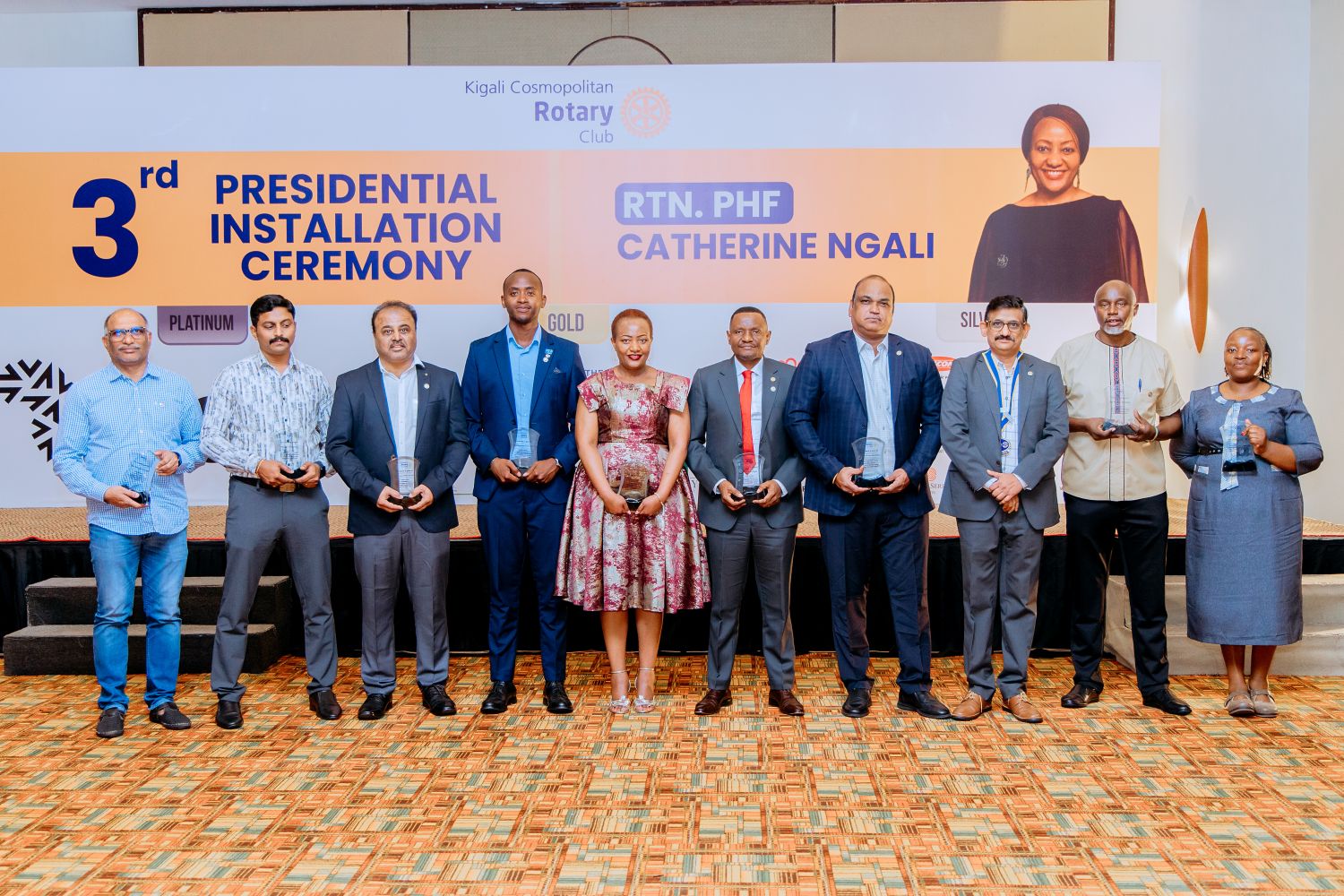
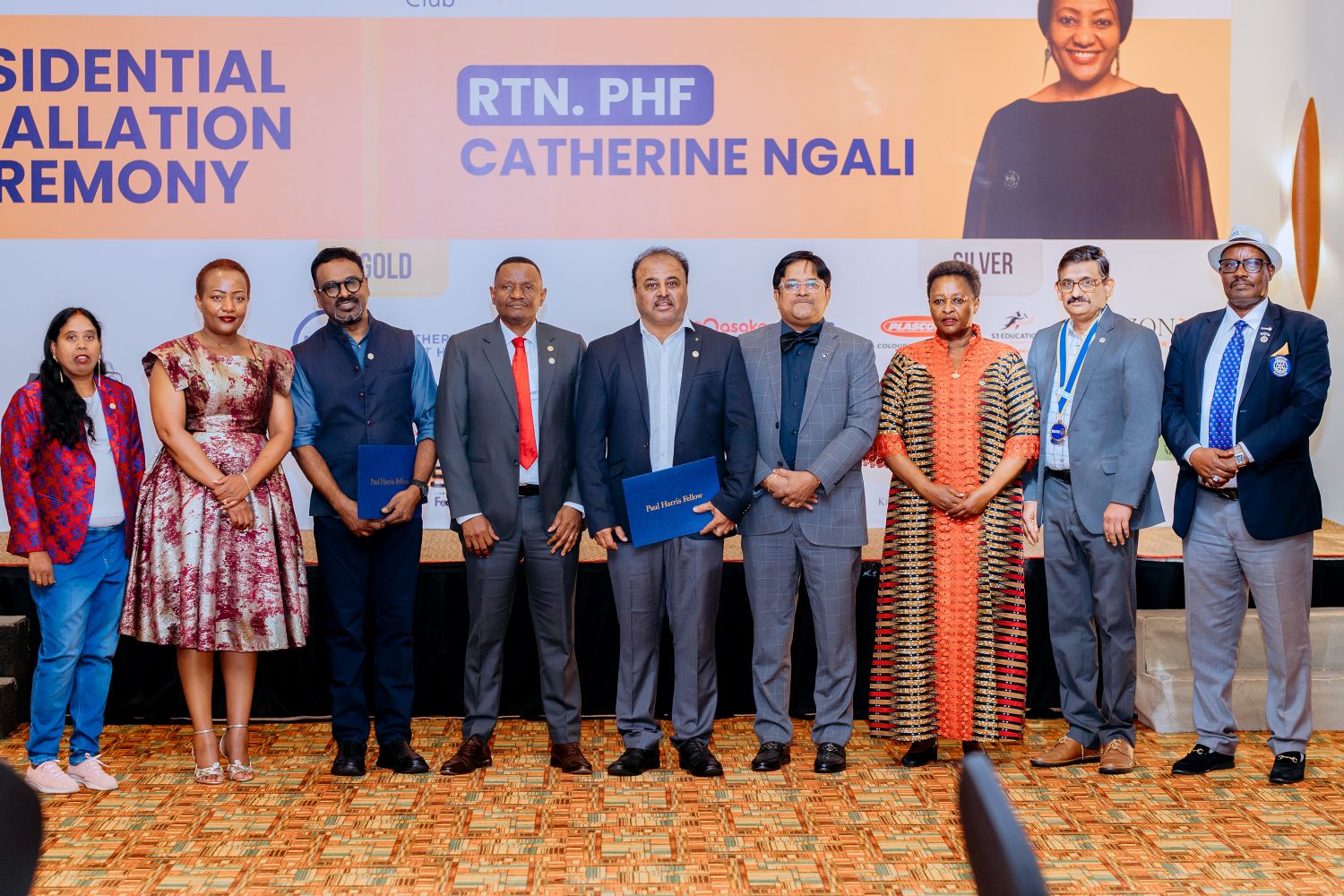
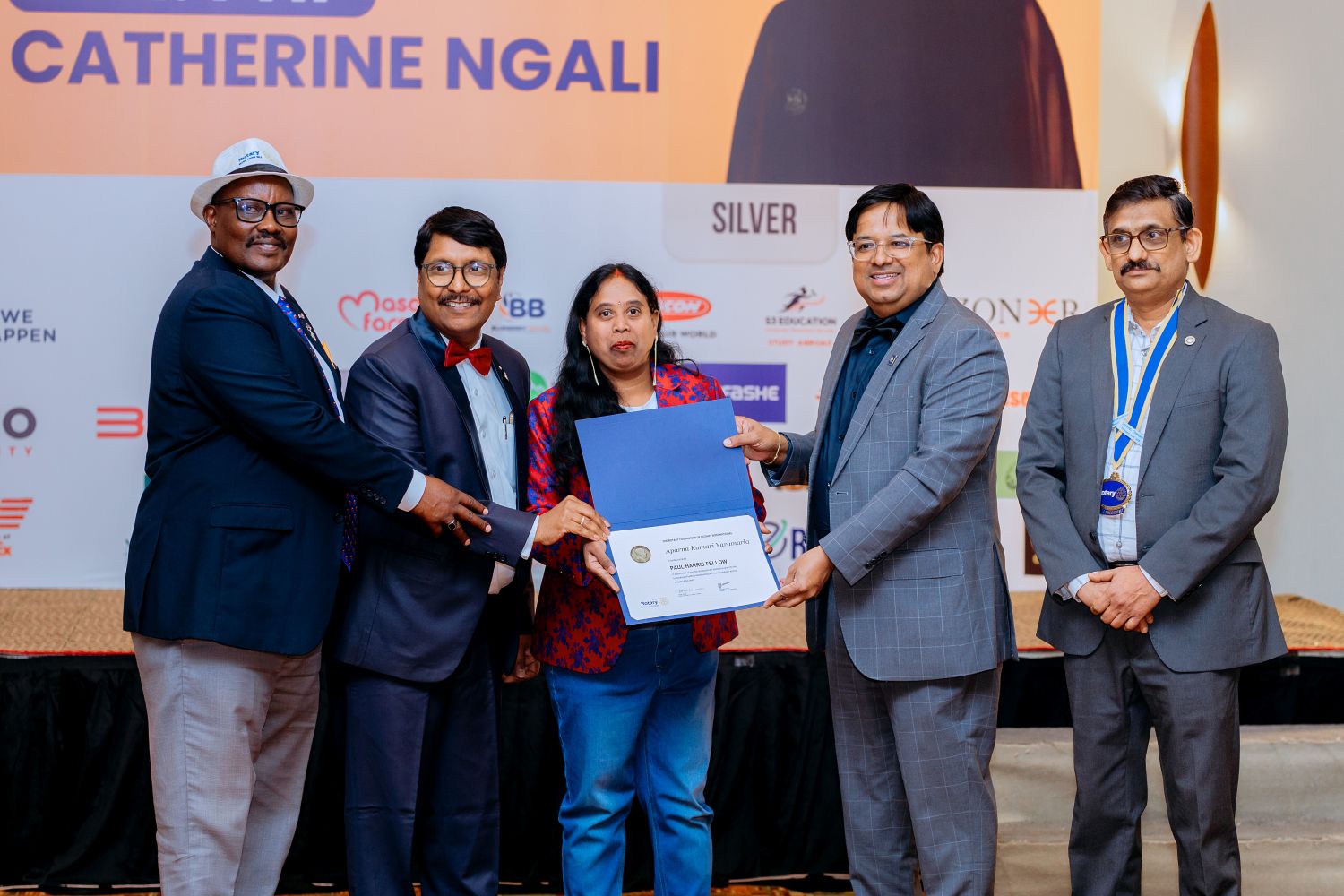
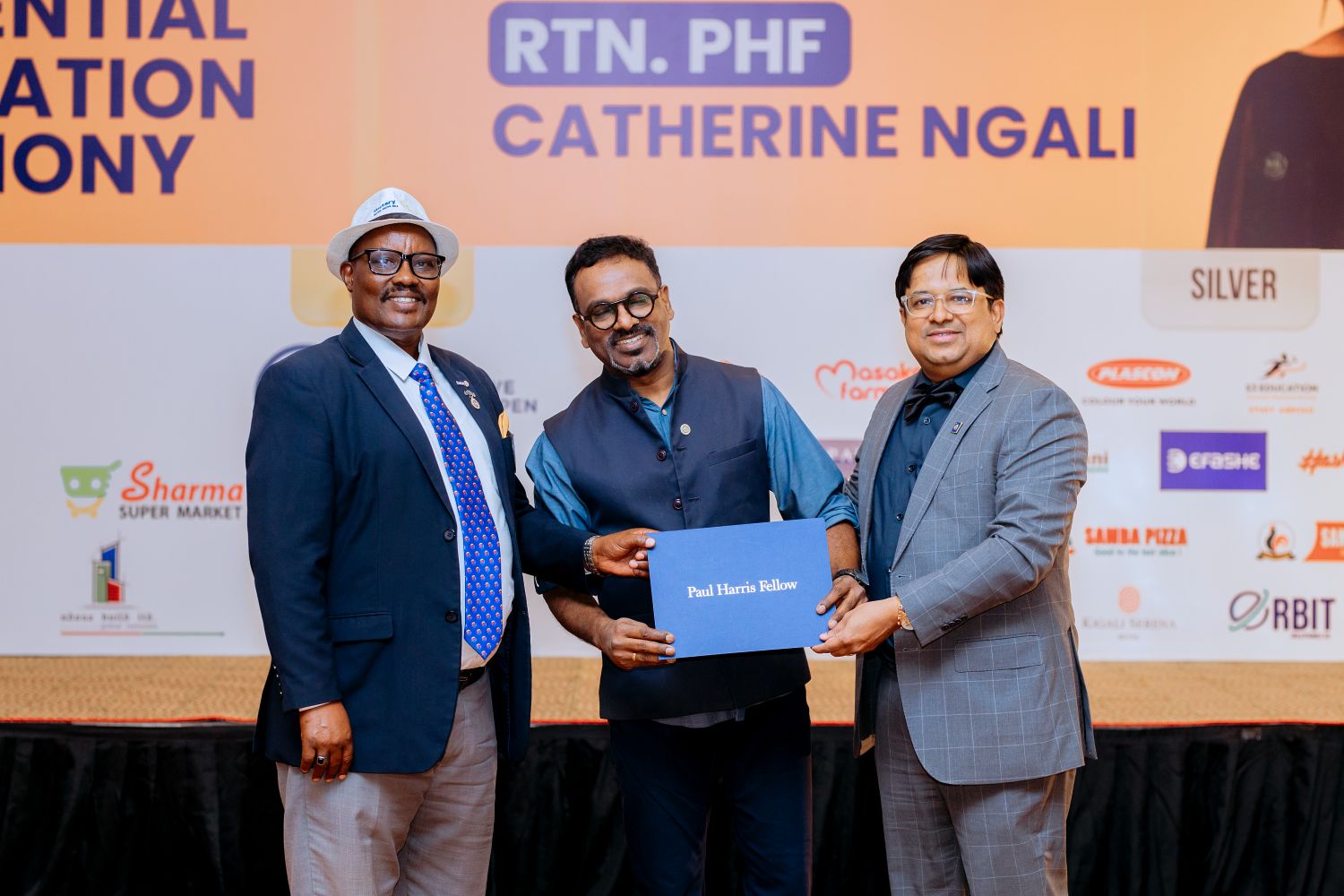
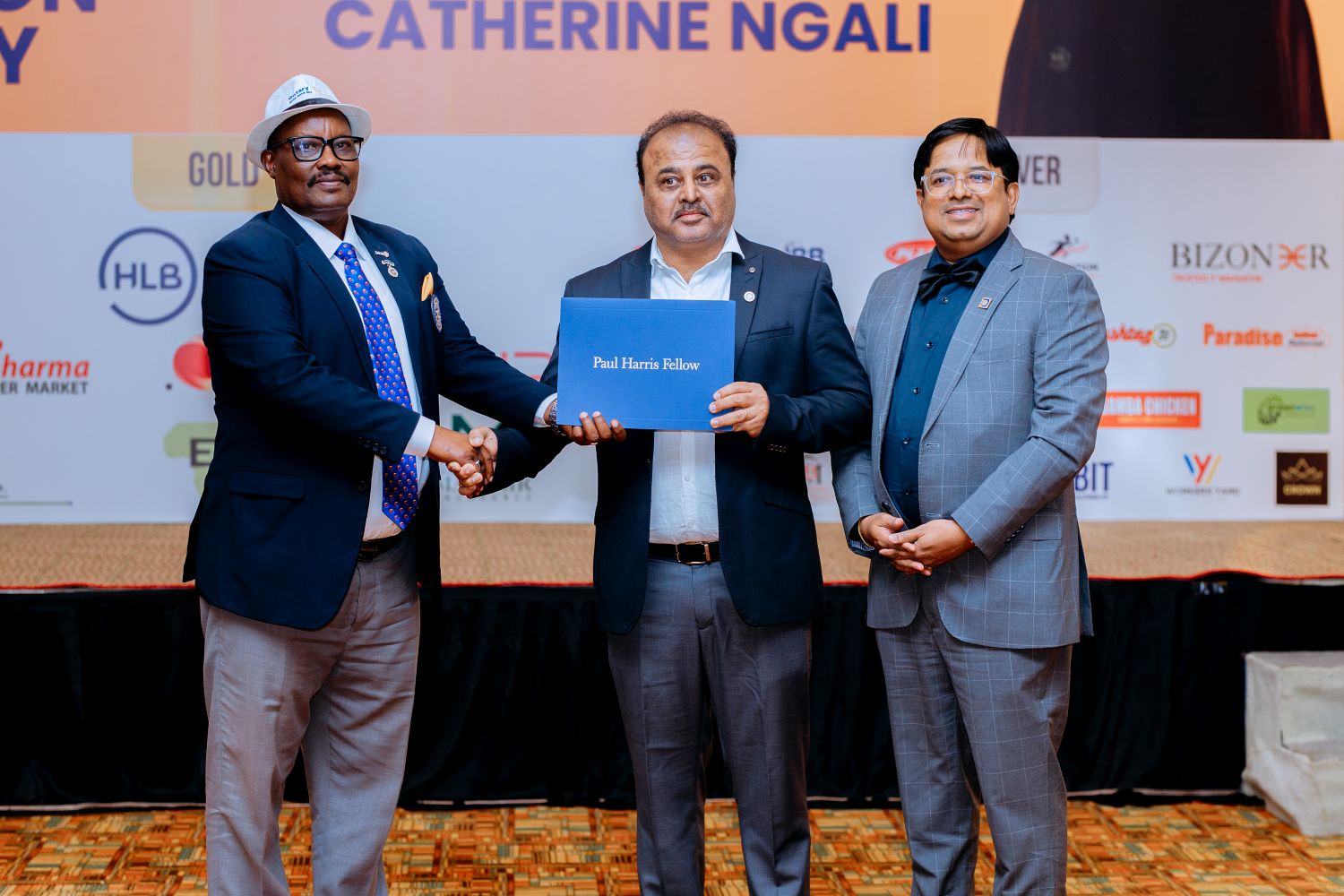
The club’s continued growth was further reflected in the induction of seven new Rotarians, while six other professionals expressed interest in joining the organization. Six members also received Paul Harris Fellow distinctions, one of Rotary’s highest honours for contributions to humanitarian service through The Rotary Foundation.
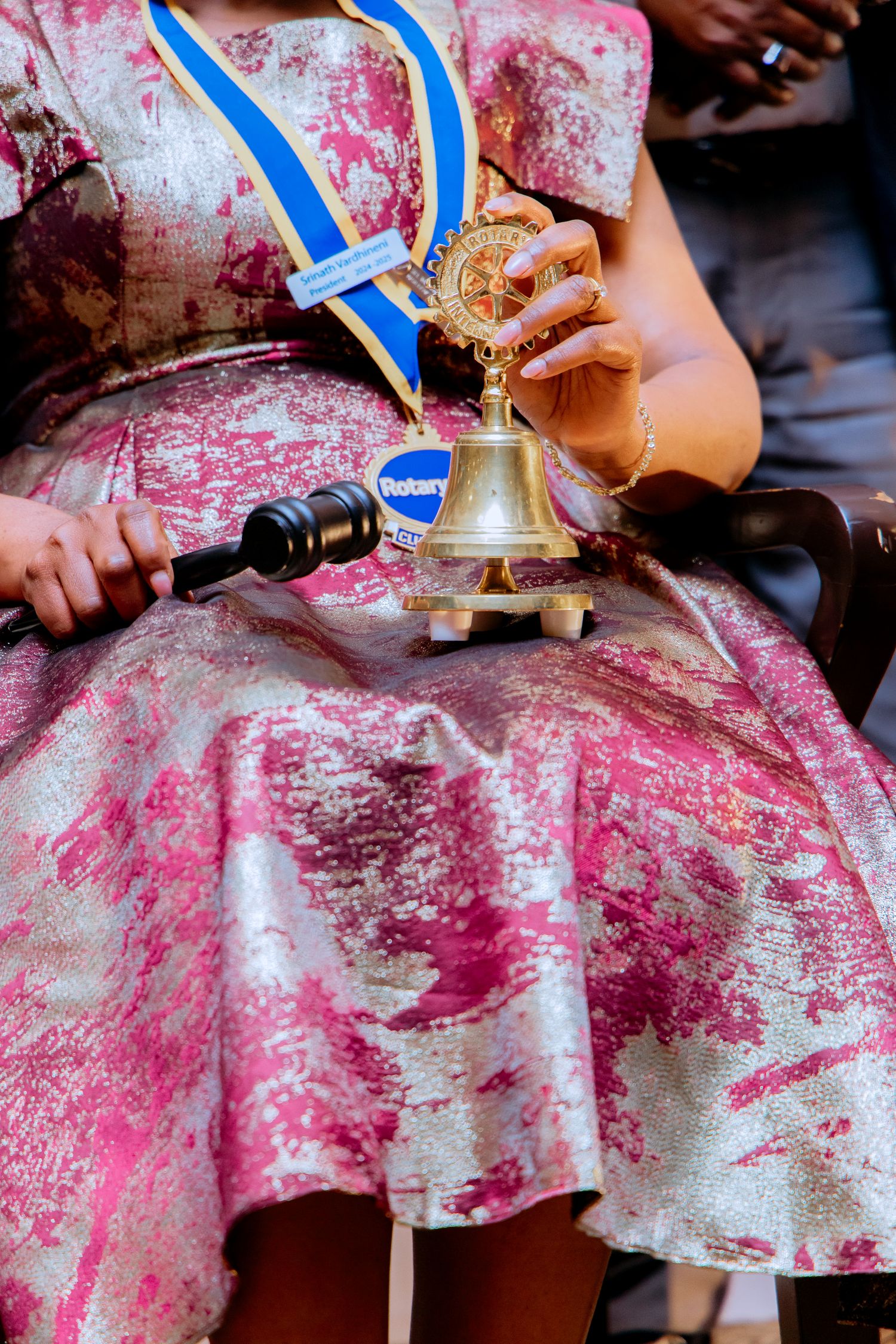
The evening concluded with the symbolic handover of leadership and a renewed commitment to Rotary’s motto, “Service Above Self.” With a strong pipeline of grant-funded initiatives and a growing membership base, the Rotary Club of Kigali Cosmopolitan enters its third year aiming to deepen its impact through sustainable projects that improve lives across Rwanda.
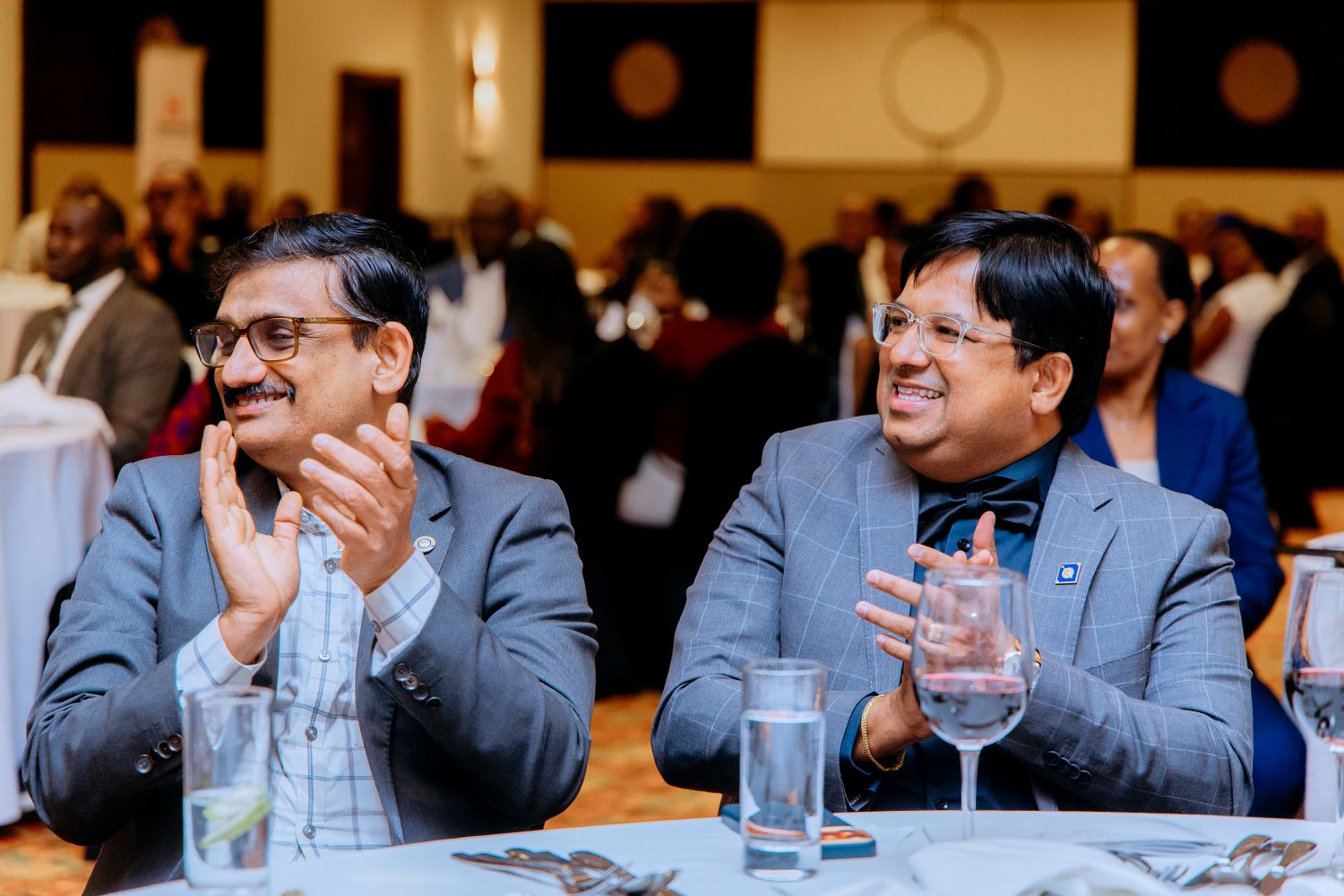
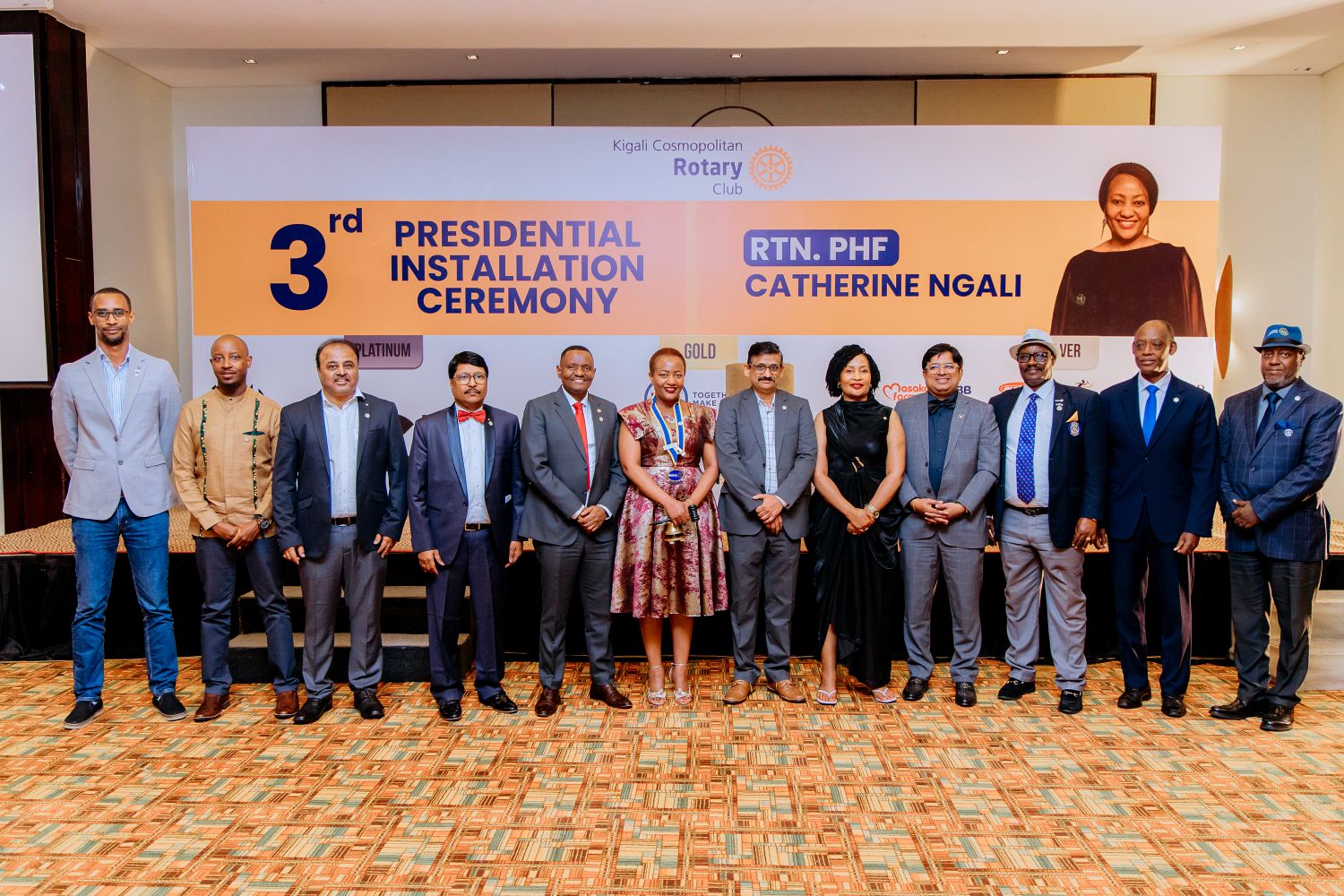
The Rotary Club of Kigali Cosmopolitan installed Catherine Ngali as its new president on Sunday. As she assumed office, Ngali pledged to build on the club’s achievements by focusing on sustainable community impact and expanding Rotary’s reach across Rwanda.The leadership handover, held at Kigali Serena Hotel on Sunday, celebrated a year of remarkable growth in which the club implemented four global grant projects focused on youth empowerment, inclusive education, health promotion and economic development.The ceremony brought together diplomats, Rotarians, Rotaractors, development partners, business leaders and friends of Rotary.The ceremony also recognized individuals whose service has had a lasting impact on society. VKenya’s High Commissioner to Rwanda, Ambassador Janet Mwawasi Oben, was the guest of honour and was recognized as an Honorary Rotarian for her support of Rotary’s humanitarian mission.Founded in 2024, the Rotary Club of Kigali Cosmopolitan has quickly established itself as an active force in community service.
Held under the theme, “Women and Children in Detention: Gender-Responsive and Child-Sensitive NPM Approaches,” the Conference will bring together representatives of National Preventive Mechanisms, National Human Rights Institutions, government agencies, international organizations, development partners, and civil society organizations from across Africa and beyond to discuss strategies for strengthening the protection of women and children deprived of their liberty.
It will focus on strengthening cooperation among African countries, promoting experience-sharing and advancing best practices in preventing torture and degrading treatment in detention facilities.
A key focus of the conference will be the protection of women and children in detention, who are often considered more vulnerable and in need of special safeguards.
Participants are expected to discuss the specific challenges faced by women and children in detention, share lessons from ongoing initiatives, and explore practical approaches to improving their protection and welfare.
NCHR Chairperson Providence Umurungi said the conference will bring together institutions responsible for preventing torture and other forms of abuse in detention settings across the continent.
She noted that the gathering offers an important opportunity to strengthen collaboration and exchange practical experience among participating countries.
The conference will also serve as a platform to improve oversight mechanisms in detention facilities and reinforce joint efforts to eliminate torture and other forms of ill-treatment, in line with international and regional human rights standards.
The conference is expected to produce recommendations aimed at strengthening cooperation among African countries and improving the protection of women and children in detention.
Rwanda has made significant efforts to promote the well-being of prisoners.
The United Nations verified 38,558 grave violations against children in armed conflict in 2025, affecting 24,174 children, with thousands subjected to multiple violations, according to an annual report of the UN secretary-general on children and armed conflict, released on Wednesday.
For the first time in 30 years, government forces were the main perpetrators of grave violations against children in armed conflict, finds the report.
Killing (6,266) and maiming (7,958) remained the most verified violations, with a shocking 34 percent increase in killing compared with 2024, says the report.
The denial of humanitarian access and the recruitment and use of children followed, with 8,322 incidents and 6,607 children affected, respectively.
Children continued to be abducted in high numbers (5,129), often for the purpose of recruitment and use or sexual violence. Rape and other forms of sexual violence continued unabated, with gang rape used as a tactic of war verified in increasing numbers.
Landmines and explosive remnants of war remained a grave challenge to children, as well as impaired social and economic development.
The report notes that the information, which involved only UN-verified cases, does not represent the full scale of violations against children in armed conflict.
The year “2025 was without a doubt one of the darkest chapters for child protection since monitoring began,” said Vanessa Frazier, the UN secretary-general’s special representative for children and armed conflict, in a press release.
“When states, on whom the obligation to protect children falls, instead contribute to their suffering, it signals the deeper erosion of respect for international law. The principles of humanity, distinction, proportionality, and necessity must be restored — without exception,” she added.
A total of 1,667 children were detained in 2025 for their actual or alleged association with parties to conflict. Frazier stressed that these children must be treated as victims, and that detention should be a measure of last resort, and that reintegration should be favored.
This year marks the 30th anniversary of the children and armed conflict mandate from the UN General Assembly.
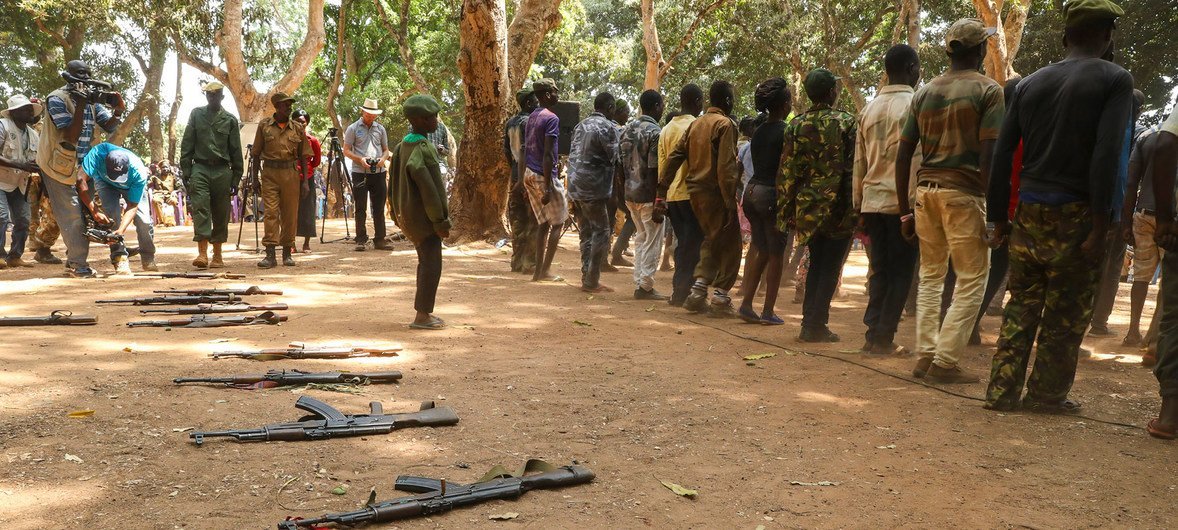
Former child soldiers are released in Yambio in South Sudan in 2018. UNMISS/Isaac Billy
The support was extended on June 5, 2026, as part of activities marking the 32nd commemoration of the Genocide against the Tutsi.
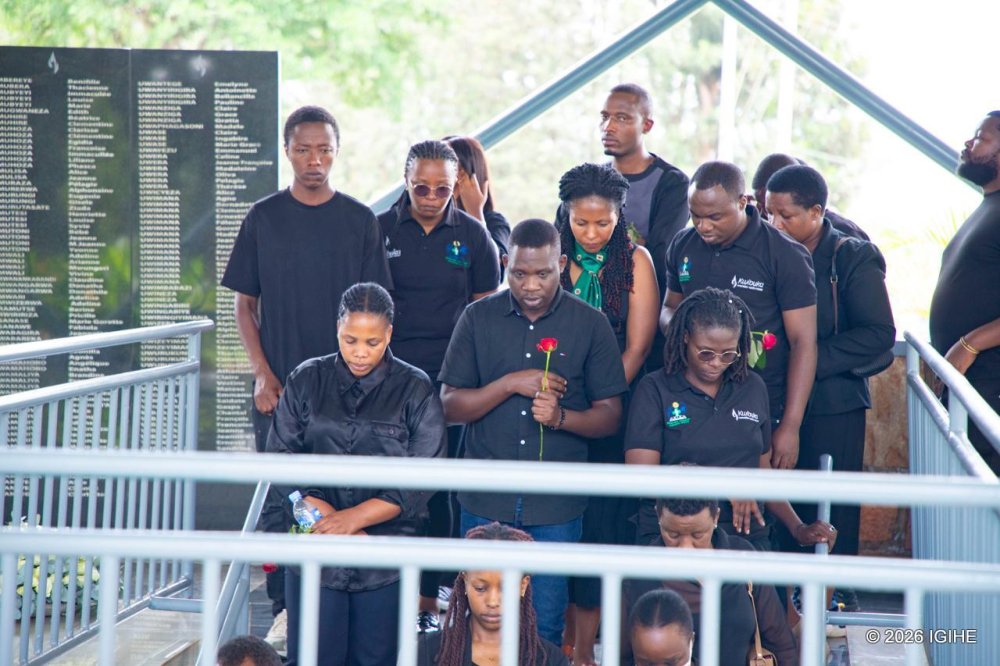
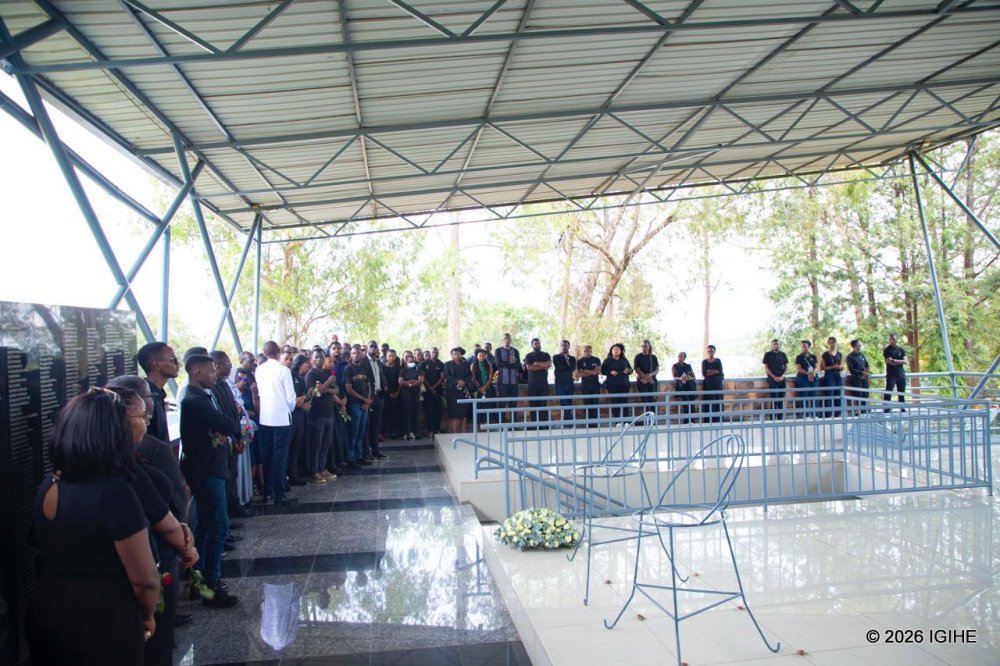
The initiative began with a visit by the hospital’s staff and leadership to the Ntarama Genocide Memorial in Bugesera District, where they were briefed on the history of the genocide in the area and toured a recently opened historical exhibition.
They paid tribute to more than 5,000 victims laid to rest at the memorial and laid wreaths on the graves in their honour.
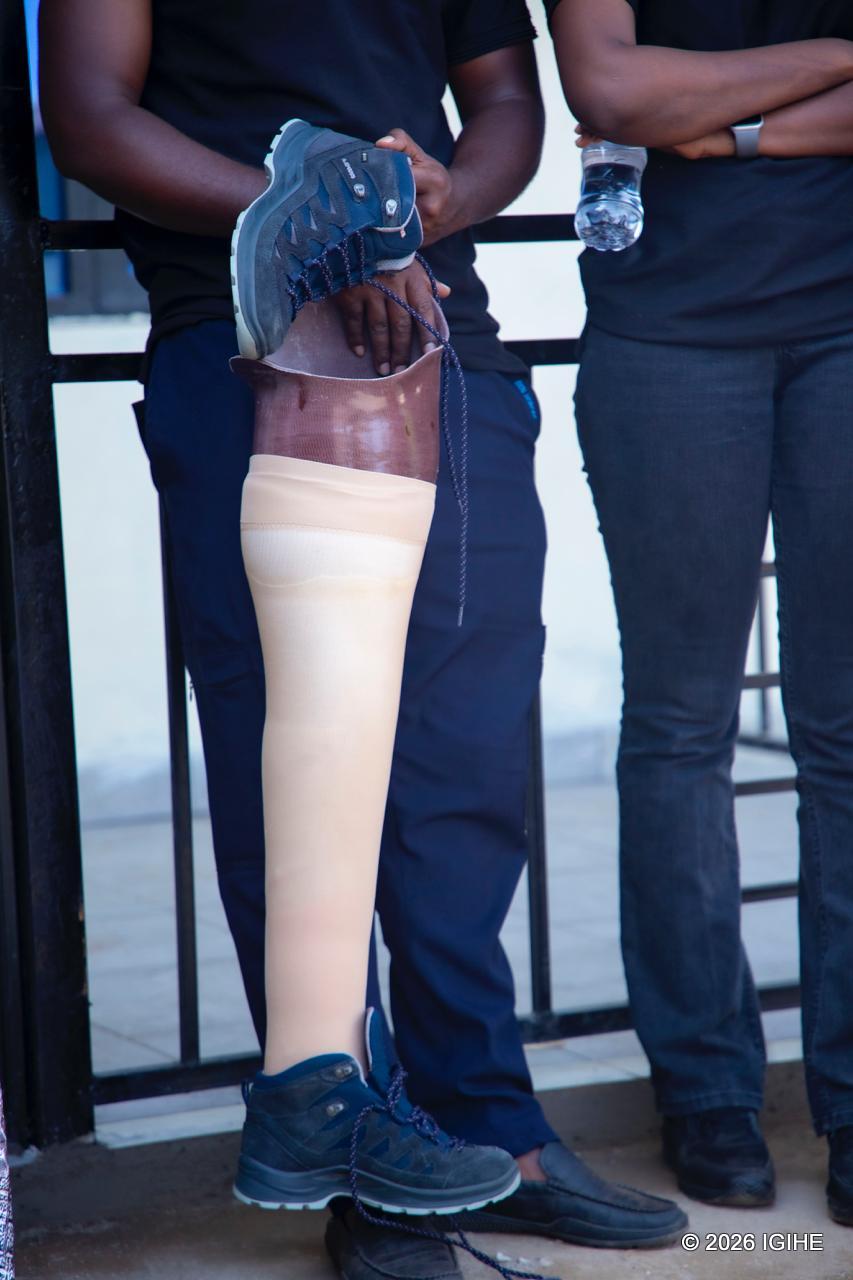
Following the visit, the team travelled to Musabende’s residence, where they handed over a new prosthetic leg valued at Rwf4 million.
They also unveiled a fully renovated house that had previously fallen into severe disrepair and was at risk of collapsing. The home was upgraded to provide safer and more dignified living conditions, and plans are underway to furnish it.
Musabende expressed her gratitude, saying the support had transformed her life after years of hardship. She explained that she had been struggling to live in a deteriorating house because she lacked the financial means to repair it.
“I am very happy,” she said. “I was living in isolation, unable to do much on my own, while watching the house gradually fall apart. The walls had begun separating, and visitors would often tell me to leave the room because it could collapse at any moment. I would simply tell them that if it happened, I would go the same way others had gone before me.”
Musabende said she initially doubted that the promised renovations would materialise, having previously received visitors who documented her situation but never returned with assistance.
“I thought they were making promises that would never be fulfilled,” she said. “But when I saw construction materials arriving, I realised it was really happening.”
She also welcomed the new prosthetic leg, noting that the one she had been using was worn out and missing some parts, while financial constraints had prevented her from replacing it.
The Director General of Inkuru Nziza Hospital, Dr. Mpatswenumugabo Bosco, said supporting survivors of the Genocide against the Tutsi is one of the ways the institution contributes to remembrance and recovery.
“This mother was living in difficult conditions, and we felt compelled to help her secure decent housing so that she can live with dignity,” he said. “As a hospital that specialises in prosthetic and orthotic services, we also decided to provide her with a new prosthetic leg. In a way, it is like extending a helping hand and encouraging her to stand up and move forward.”
Dr. Mpatswenumugabo noted that such initiatives are carried out annually, particularly in Kicukiro District, where the hospital regularly supports Genocide survivors. He added that there are plans to expand the programme to benefit survivors in other parts of the country.
He said the visit to the Ntarama Genocide Memorial was intended to draw lessons from one of the darkest chapters in Rwanda’s history, where people who sought refuge in a church were instead massacred.
“Churches and hospitals are places meant to protect and preserve life, yet those who fled to Ntarama were killed there,” he said. “As a faith-based hospital, this is something we must continue to remember and teach so that such atrocities never happen again.”
Inkuru Nziza Hospital operates under the Inkuru Nziza Church in Rwanda and is known for providing specialised orthopaedic care, rehabilitation services, prosthetics, orthotics and support for people living with disabilities.
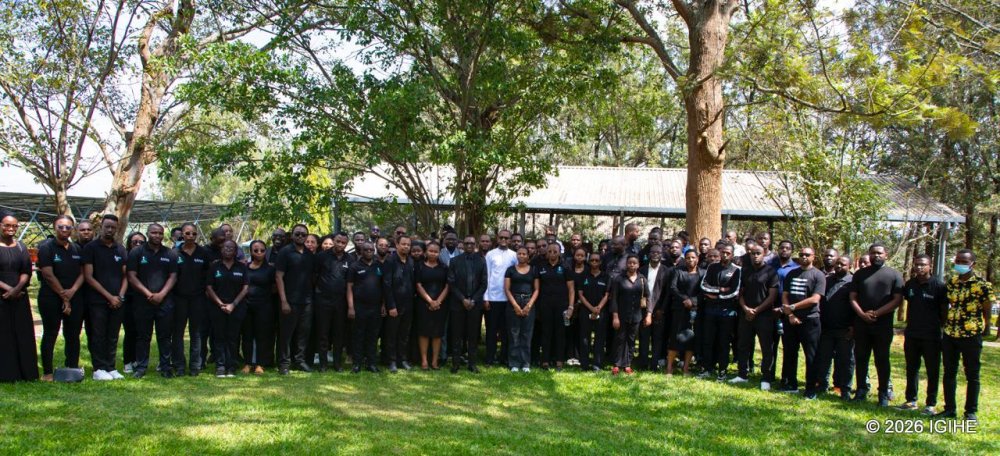
Staff of Inkuru Nziza Hospital handed over a renovated home to a survivor of the Genocide against the Tutsi.Staff of Inkuru Nziza Hospital were briefed on the devastating effects of ethnic discrimination and genocide ideology.Eurélie Musabende spoke about the hardship of living in a house that was on the verge of collapsing due to a lack of resources to repair it.The Managing Director of Inkuru Nziza Hospital, Dr. Mpatswenumugabo Bosco, said supporting Genocide survivors is part of the institution’s commitment to remembrance and rebuilding lives.Eurélie Musabende, a resident of Nyarugunga Sector in Kicukiro District, was left disabled by the Genocide against the Tutsi.The recently opened historical exhibition at the Ntarama Genocide Memorial was visited by staff of Inkuru Nziza Hospital.Staff of Inkuru Nziza Hospital toured various sections of the Ntarama Genocide Memorial.The prosthetic limb provided to Genocide survivor Eurélie Musabende.Staff of Inkuru Nziza Hospital paid tribute to victims of the Genocide against the Tutsi laid to rest at the Ntarama Genocide Memorial.
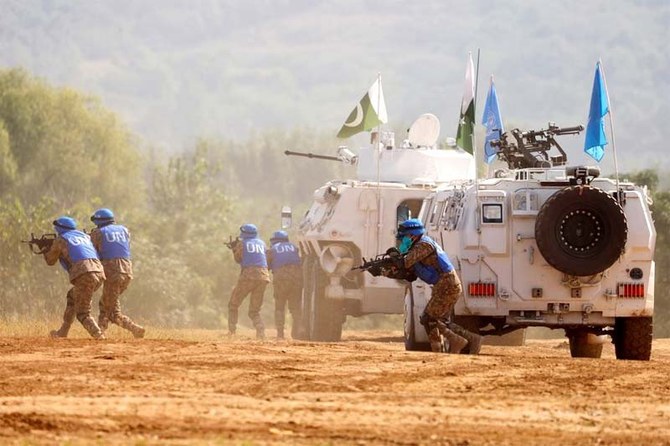
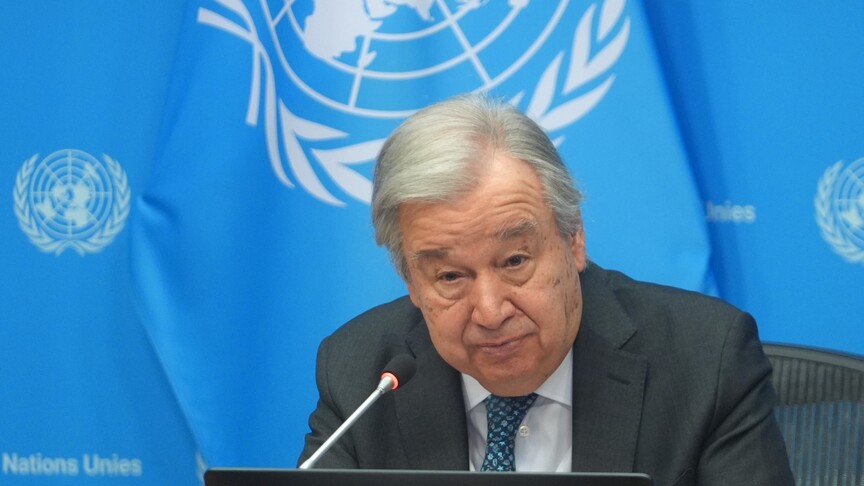
“Across the globe, the UN Blue Helmet is a symbol of hope for communities in their darkest hour,” UN Secretary-General Antonio Guterres said in remarks at the ceremonies to present the Dag Hammarskjöld Medal, the Captain Mbaye Diagne Medal for Exceptional Courage, and the UN Woman Police Officer of the Year and UN Military Gender Advocate of the Year awards, after laying a wreath at the Peacekeepers Memorial on the North Lawn of the UN headquarters in New York.
Underscoring that UN peacekeeping has proven to be one of the international community’s most effective responses to conflict, Guterres said the peacekeepers “are curbing violence, enabling political solutions, supporting elections, delivering humanitarian assistance, clearing landmines, and so much more.”
“They do so in the face of acute danger, displaying levels of bravery and initiative that stir the heart,” said the UN chief, adding that “we pay the highest tribute to their service and sacrifice.”
The secretary-general bestowed the Dag Hammarskjöld Medal on 68 peacekeepers from 33 nations, including 59 killed last year. “They represent the best of humanity — people prepared to risk everything to keep others safe,” he said.
Two peacekeepers were honored for their bravery, receiving the Captain Mbaye Diagne Medal for Exceptional Courage — the late Sergii Prykhodko of Ukraine, and Matias Reyes of Uruguay.
Abhilasha Barak of India, deployed with the UN Interim Force in Lebanon, received the UN Military Gender Advocate of the Year award, and Stephanie Königs of Germany, who served at the UN Mission in South Sudan, received the UN Woman Police Officer of the Year award.
According to the United Nations, currently more than 51,000 civilians, military and police personnel are employed across the globe in 11 UN peacekeeping missions, and over the 78 years since the United Nations began its peacekeeping work, more than 2 million peacekeepers have served in 71 peacekeeping missions on four continents.
The UN General Assembly adopted a resolution in 2003 to designate May 29 as the International Day of UN Peacekeepers.
Guterres said the peacekeepers “are curbing violence, enabling political solutions, supporting elections, delivering humanitarian assistance, clearing landmines, and so much more.”
Event attendees toured the development projects, each of which was designed and implemented by residents of Gatovu IDP model village and Gataraga Sector.
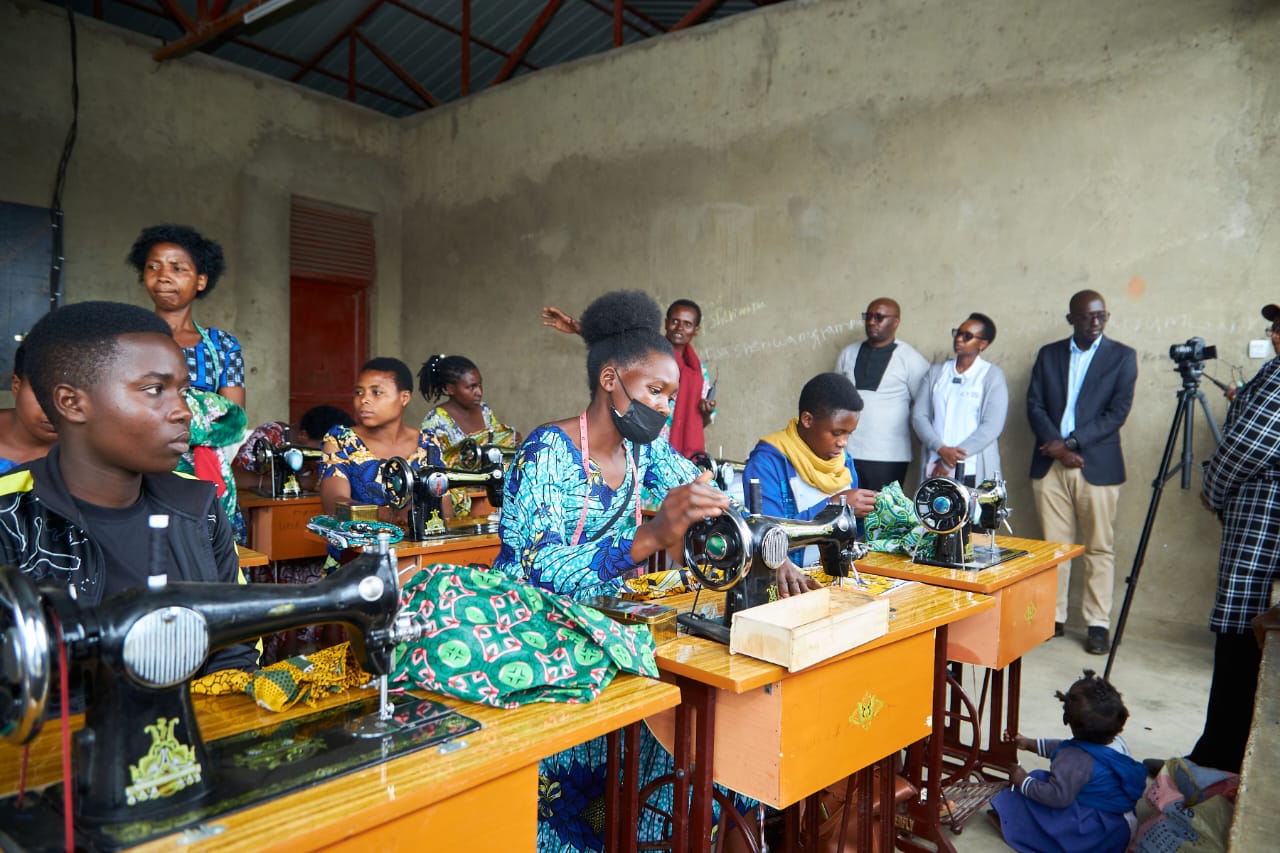
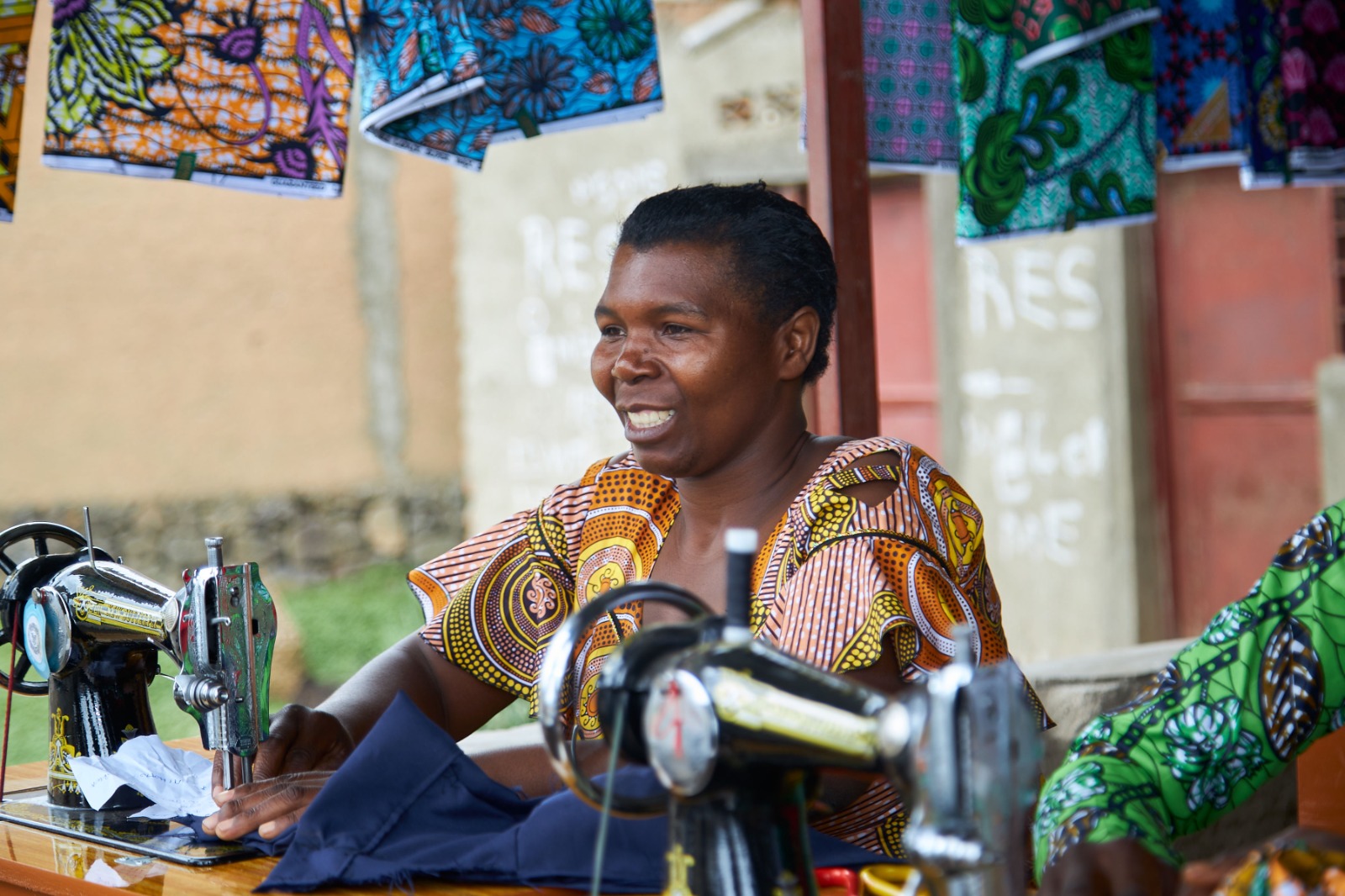
The projects included a computer laboratory, a girls’ hygiene room and a nursing teachers’ room for Groupe Scolaire Gatovu, a volleyball and basketball court at Group Scolaire Ruhehe, latrines for 50 households, businesses in furniture-making, handicraft-making, soap-making, and tailoring, a savings and lending group, a sheep farming project, Irish potato farming, and new market infrastructure for vendors and customers.
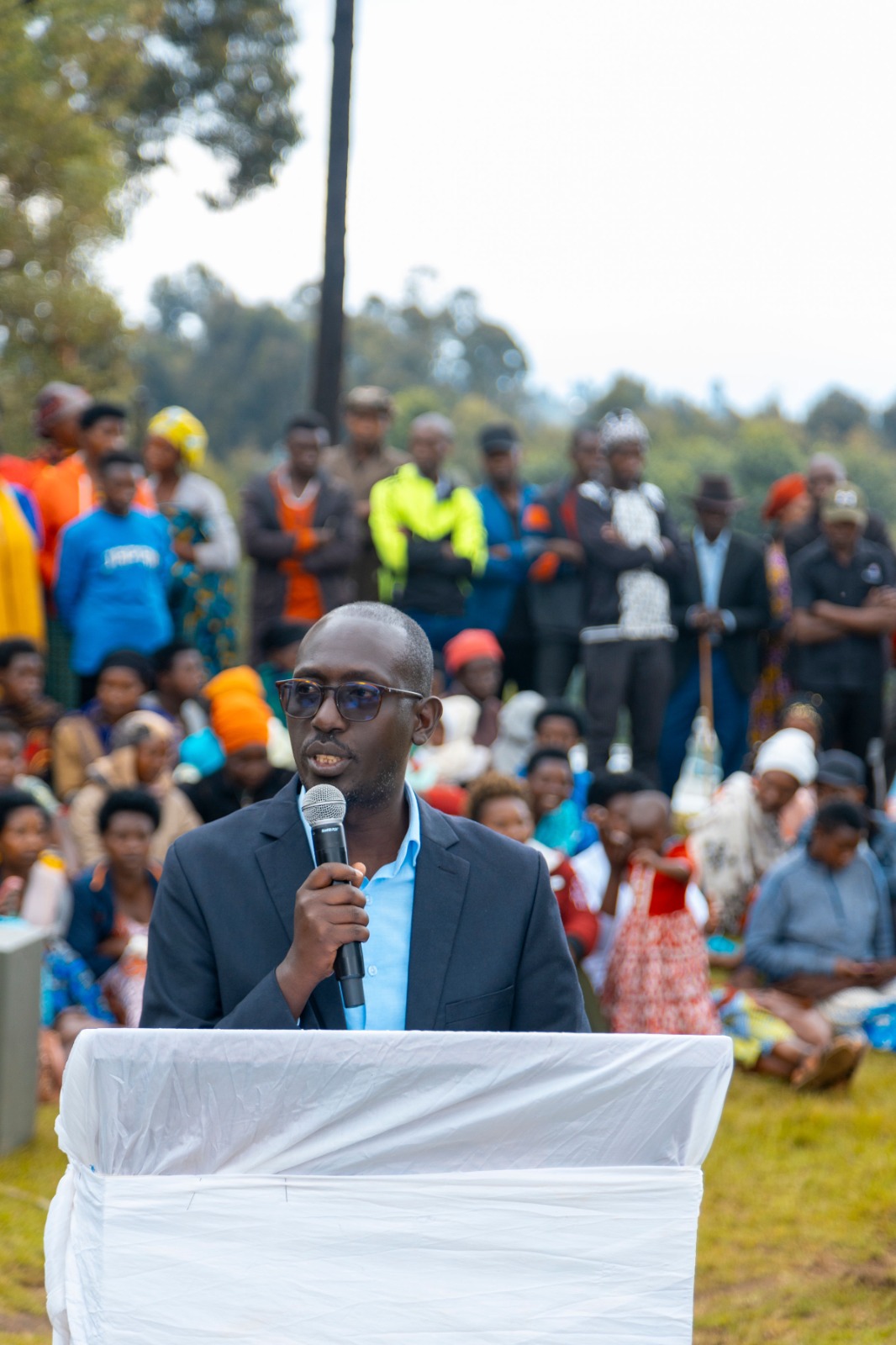
Provincial Executive Secretary for the Northern Province, Pascal Ngendahimana, who presided over the ceremony together with representatives of Musanze District and Gataraga Sector noted that many of these development projects provide ongoing benefits to the whole community.
He said, “For example, when a community group makes furniture to sell, they not only earn themselves income, they also make those products available locally – so residents here do not have to travel far to obtain them.”
Following a memorandum of understanding signed with the Ministry of Local Government (MINALOC), World Connect Rwanda invested Rwf 135,980,665 to launch the 12 projects. Residents of Gatovu IDP model and Gataraga Sector contributed Rwf 88,254,900 in their own cash, labour and other resources as a co-investment into these initiatives.
Executive Director of World Connect Rwanda, Rhoda Kanyesigye, told the attendees, “We do not see communities as beneficiaries of development aid, but as investment partners. This is because our partner communities co-invest with us. And we value their investment enormously; without it, success is not durable.”
In a unique partnership, University of Rwanda students studying rural development and agribusiness were paired with community members in Gataraga Sector and Gatovu IDP model village. The students are supporting the implementation of these development projects with technical guidance, monitoring, and evaluation.
“World Connect Rwanda helped us apply what we learned in class to real life situations, showing us that community work teaches lessons that cannot be fully learned from textbooks,” explained University of Rwanda student Winny Abera.
Since 2012, World Connect Rwanda has invested grant funding in nearly 200 projects that have been designed and led by Rwandan communities, improving health, education, and economic opportunity for over 256,000 Rwandans.
A major focus of World Connect Rwanda for the next 5 years (2026-2030) is to scale up and support 10 IDP model villages, reaching and impacting an additional 100,000 Rwandans. Key partnerships with local government, the private sector, and funding partners will play a great role in this aspiration.
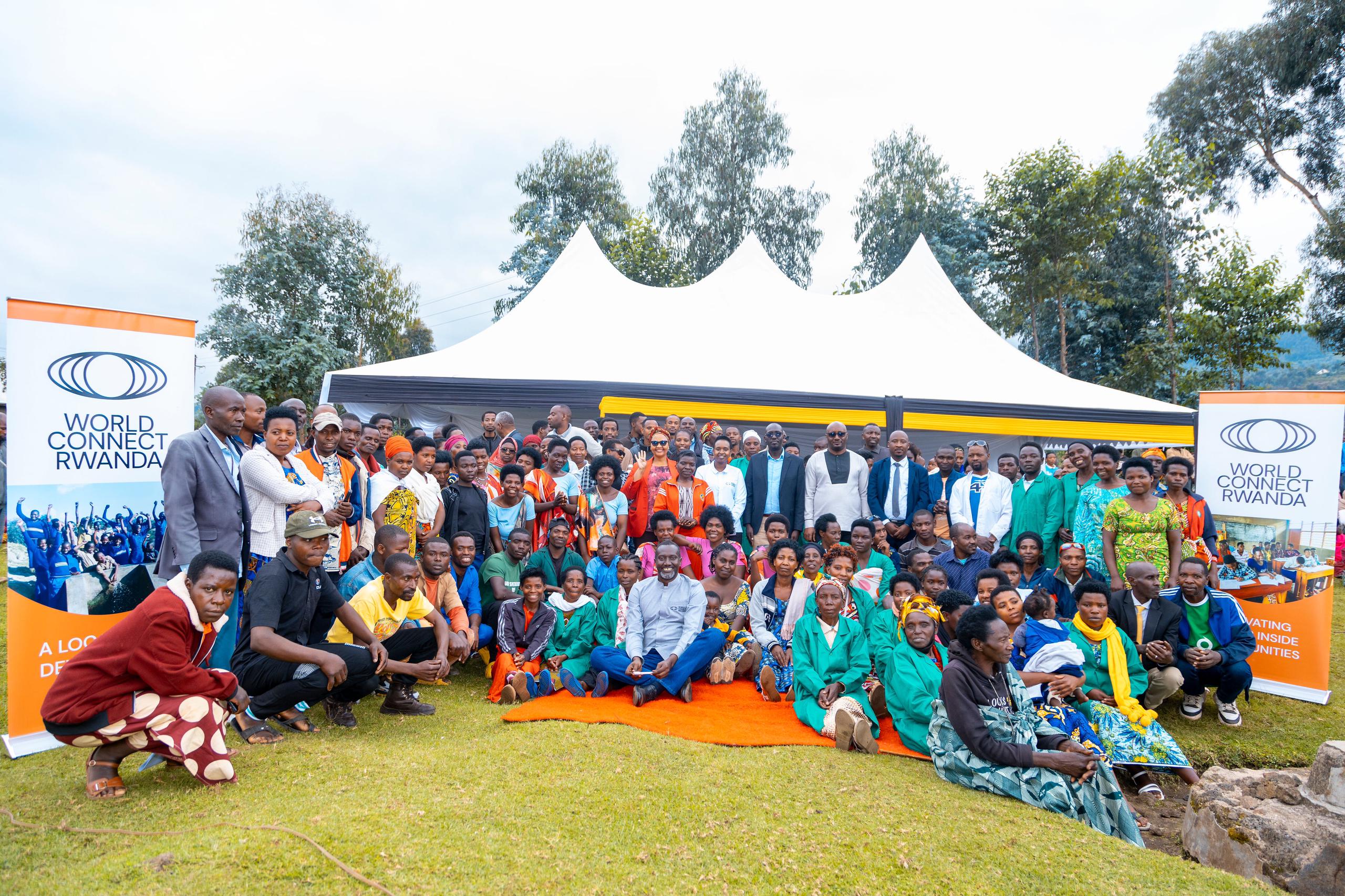
Attendees pose for a group photo with the Northern Province Executive Secretary. Pascaline Nirere, a resident of Gatovu IDP model village, is earning income through the tailoring and fashion design workshop established with funding from World Connect Rwanda. This tailoring and fashion design project at Gatovu IDP model village, was funded by World Connect Rwanda. Provincial Executive Secretary for the Northern Province, Mr. Ngendahimana Pascal, gave keynote remarks at the inauguration, congratulating the work of the communities in Gatovu IDP model village and Gataraga Sector, World Connect Rwanda, and the University of Rwanda.
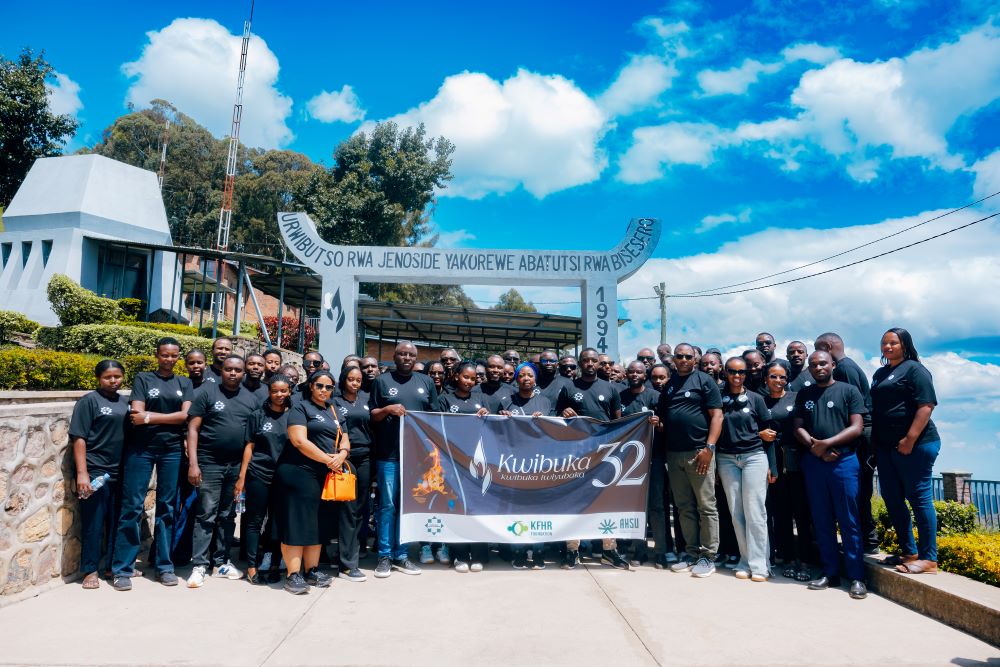
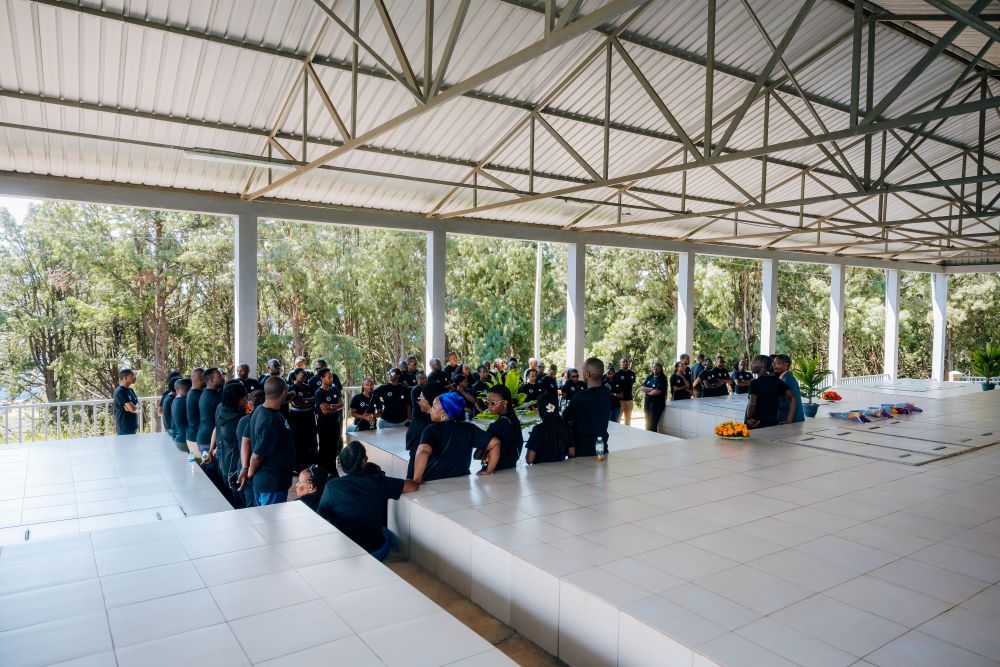
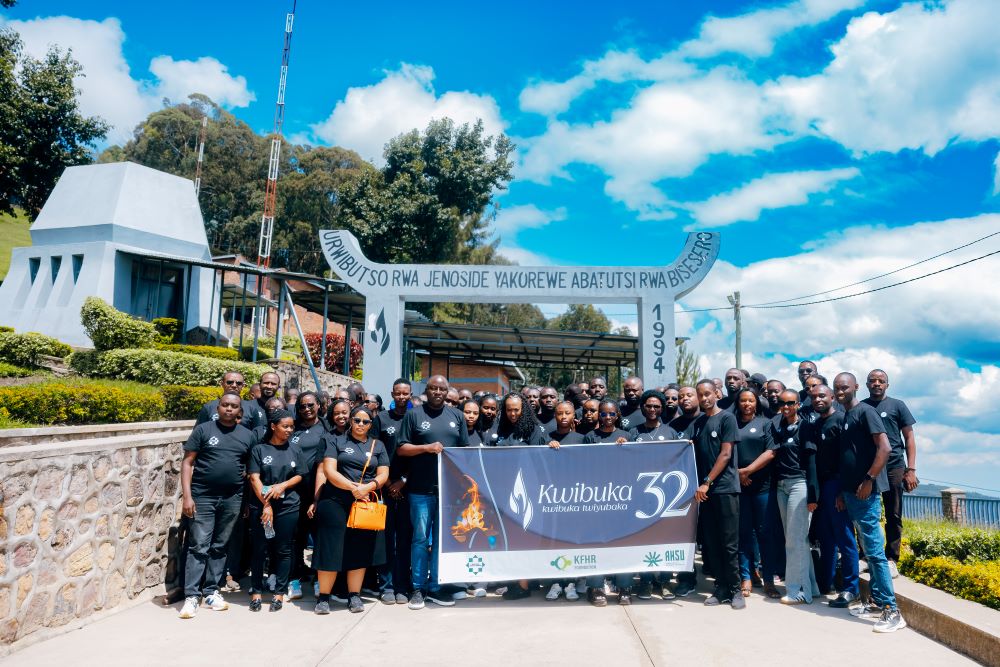
The visit brought together members of the broader King Faisal family of institutions, reflecting a shared commitment to remembrance, unity, and the preservation of Rwanda’s history for future generations.
The visit, organized as part of the ongoing Kwibuka 32 commemoration activities, marked a significant milestone, as employees from the three institutions had jointly participated in a memorial activity of this nature.
The initiative brought together staff members from different generations and professional backgrounds, reinforcing a shared commitment to remembrance, unity, and the prevention of genocide.
While King Faisal Hospital Rwanda has consistently participated in genocide commemoration activities over the years, this year’s visit marked a significant milestone as it brought together staff from KFH, the KFH Foundation, and AHSU, reflecting the shared values that unite the King Faisal family of institutions.
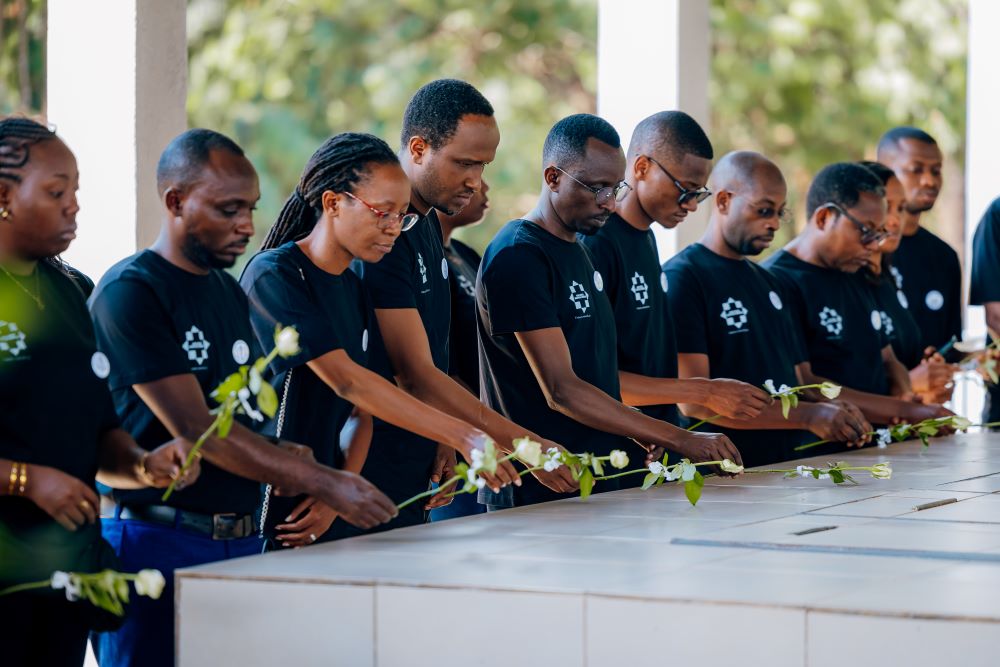
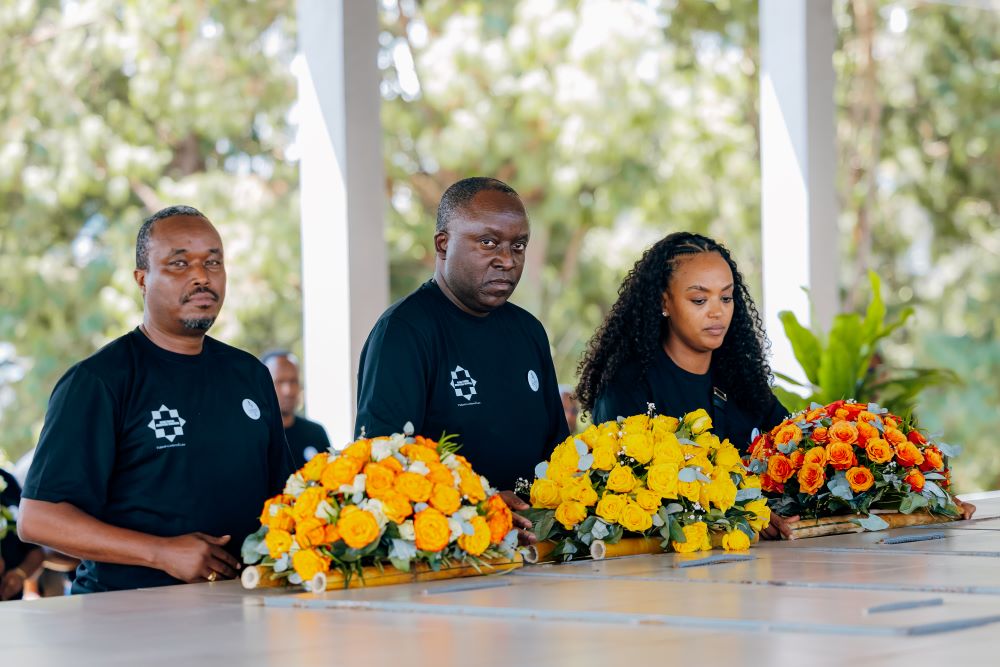
Their participation underscored a collective commitment to remembrance, education, healing, and nation-building while honoring the victims of the 1994 Genocide Against the Tutsi.
Why the visit matters
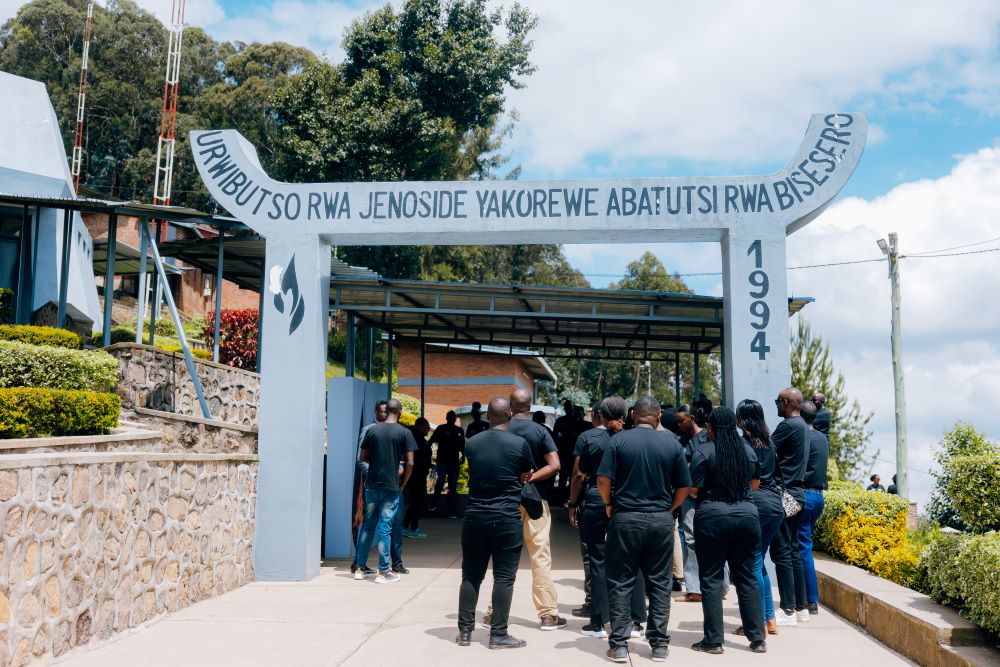
The Bisesero Genocide Memorial Site stands as one of Rwanda’s most important historical landmarks, preserving the memory of thousands of victims who were killed during the 1994 Genocide Against the Tutsi.
It serves not only as a place of mourning and remembrance but also as a center for education and reflection on the devastating consequences of hatred, division, and poor leadership.
During the visit, participants toured various sections of the memorial and historical accounts and engaged in discussions about the importance of preserving collective memory and promoting peace.
Honoring victims and learning from history
Speaking during the visit, King Faisal Hospital Rwanda’s Deputy Chief Executive Officer, Mr. Frederic Ngirabacu, paid tribute to all Rwandans affected by the Genocide Against the Tutsi and expressed appreciation to the Government of Rwanda for preserving memorial sites that safeguard the country’s history for current and future generations.
He emphasized that memorials are more than historical landmarks; they are living testimonies and tangible evidence of what occurred during one of the darkest periods in Rwanda’s history.
“It is important that history is never forgotten,” he said. “Our purpose for coming here is not only to honor the victims but also to ensure that such atrocities never happen again. We have a responsibility to ourselves and to future generations to continue learning, healing, and transmitting these lessons.”
Mr. Ngirabacu also recognized the courage and sacrifice of those who stopped the genocide, noting that the tragedy ended because Rwandans took responsibility and stood against the perpetrators.
“We must not only remember the victims, but also appreciate those who stopped the genocide. We honor both those who are still living and those who have passed away. Peace and freedom do not come by chance or by miracle; they are achieved through courage, sacrifice, and responsible leadership,” he stated.
Lessons on leadership and responsibility
A key message highlighted during the visit was the role leadership plays in shaping society. Participants reflected on how destructive leadership and extremist ideologies contributed to the genocide, while responsible and courageous leadership helped restore peace and rebuild the nation.
The visit served as a reminder that understanding history is essential to preventing future atrocities and fostering values of unity, inclusion, accountability, and respect for human dignity.
The role of youth in preserving memory
Mr. Ngirabacu further stressed the critical role of young people in ensuring that the history and lessons of the Genocide Against the Tutsi remain alive.
He noted that many of the perpetrators and organizers of the genocide were young people who had been influenced by divisive ideologies, while many young people also played a vital role in stopping the killings and rebuilding the country.
“Young people are at the center of both the present and the future of every nation,” he said. “Many of today’s youth were born after the genocide and did not experience it firsthand. It is therefore our responsibility to educate them, share these lessons, and ensure they understand the consequences of hatred and the importance of protecting humanity.”
A shared commitment to ‘Never Again’
The joint visit by KFH, the KFH Foundation, and AHSU demonstrated the institutions’ collective commitment to remembrance, healing, and education.
By coming together at Bisesero, participants reaffirmed their dedication to preserving the memory of the victims, honoring the heroes who stopped the genocide, and promoting a future founded on unity, peace, and responsible citizenship.
As Rwanda continues its journey of remembrance and resilience, such initiatives remain vital in ensuring that the lessons of the past are passed on to future generations and that the pledge of “Never Again” remains a living commitment for all.
Participants toured the Bisesero Genocide Memorial and reflected on lessons from Rwanda’s history. Employees from the King Faisal family of institutions paid tribute to victims of Genocide against the Tutsi during a commemorative visit to Bisesero.The delegation reflected on the importance of preserving collective memory for future generations.The visit served as a reminder of the devastating consequences of hatred and division. The Bisesero memorial visit brought together professionals from different generations and backgrounds.The visit to Bisesero brought together staff from three institutions in a shared act of remembrance and reflection.Staff from King Faisal Hospital Rwanda (KFHR), the King Faisal Hospital Rwanda Foundation (KFHRF), and the African Health Sciences University (AHSU) also laid wreaths at mass graves of the memorial. The joint visit highlighted the King Faisal institutions’ collective pledge of ‘Never Again’.Staff from King Faisal Hospital Rwanda, the KFH Foundation and AHSU have visited Bisesero Genocide Memorial to honor victims of the 1994 Genocide against the Tutsi. Bisesero Genocide Memorial is located in Karongi District. Staff members gathered at Bisesero to reaffirm their commitment to unity, remembrance and peace.The memorial visit formed part of Kwibuka 32 activities aimed at preserving the memory of genocide victims.