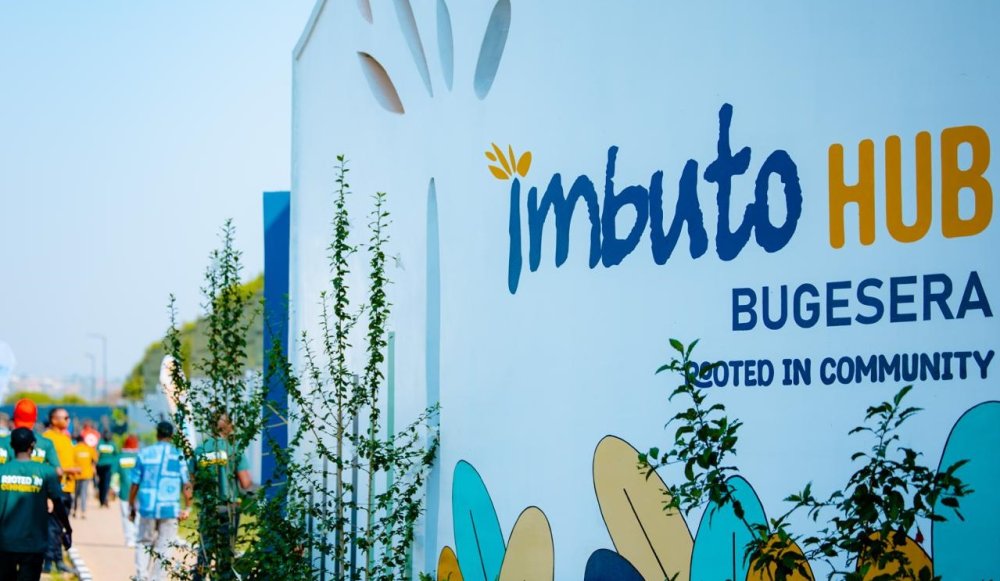
The initiative was unveiled on Friday, July 24, 2026, in Nyamata Sector, Bugesera District, where First Lady Jeannette Kagame inaugurated the first Imbuto Hub.
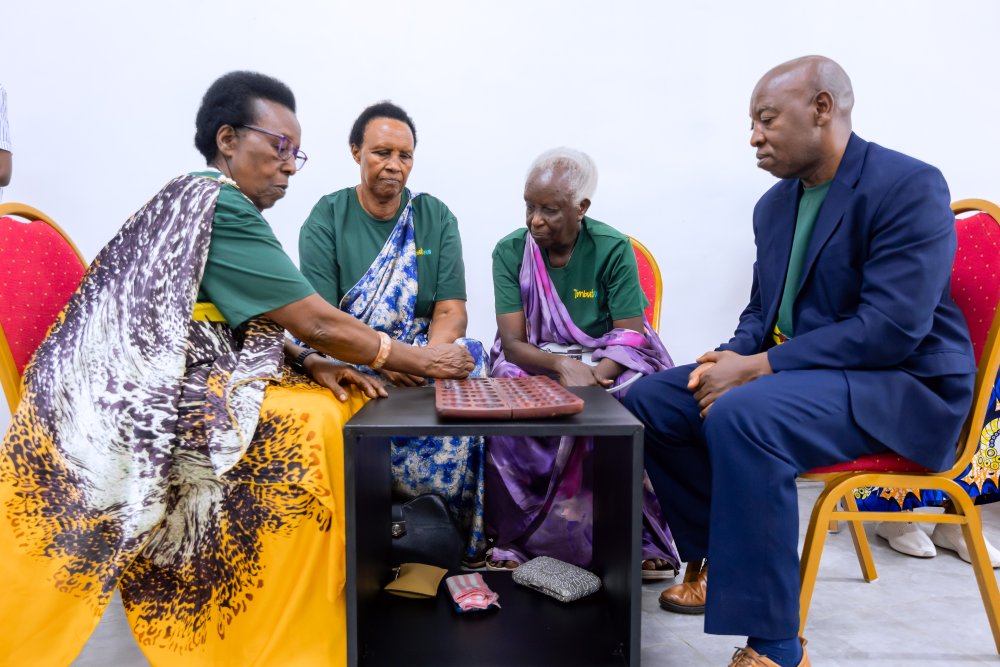
The Bugesera hub will provide a wide range of free services, including counselling on health and wellbeing, sports and recreation, digital skills, vocational training, early childhood care, and other community-focused programmes. The services are designed to benefit children, youth and adults.
Although the programme has begun in Bugesera, Imbuto Foundation plans to expand it to Kicukiro, Rwamagana and Muhanga districts in the next phase.
The foundation also intends to establish at least one Imbuto Hub in every district over the next five years to improve the wellbeing of families across the country.
As part of the initiative, the Kimisagara Youth Centre has already been renovated and equipped to offer the full range of services available at an Imbuto Hub.
The Imbuto Hubs project was conceived as Imbuto Foundation marked its 25th anniversary, representing a new approach to bringing essential services closer to communities.
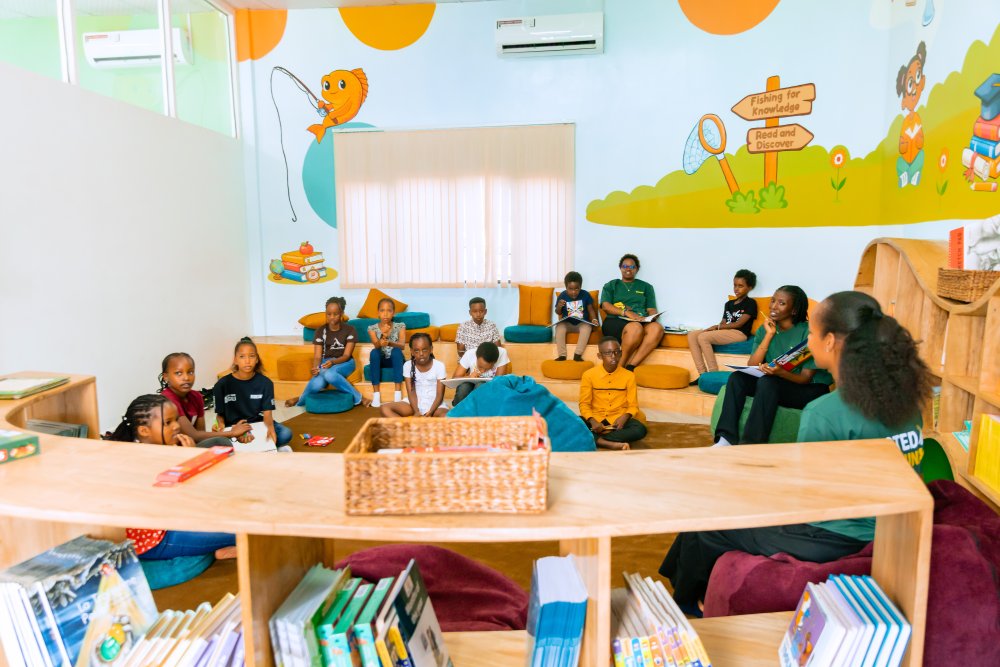
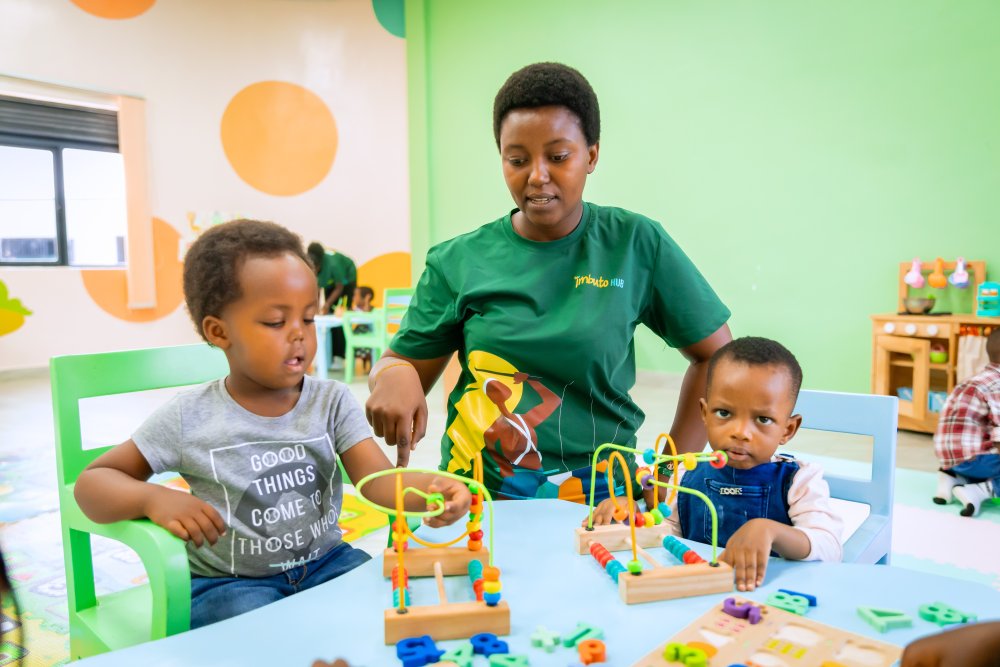
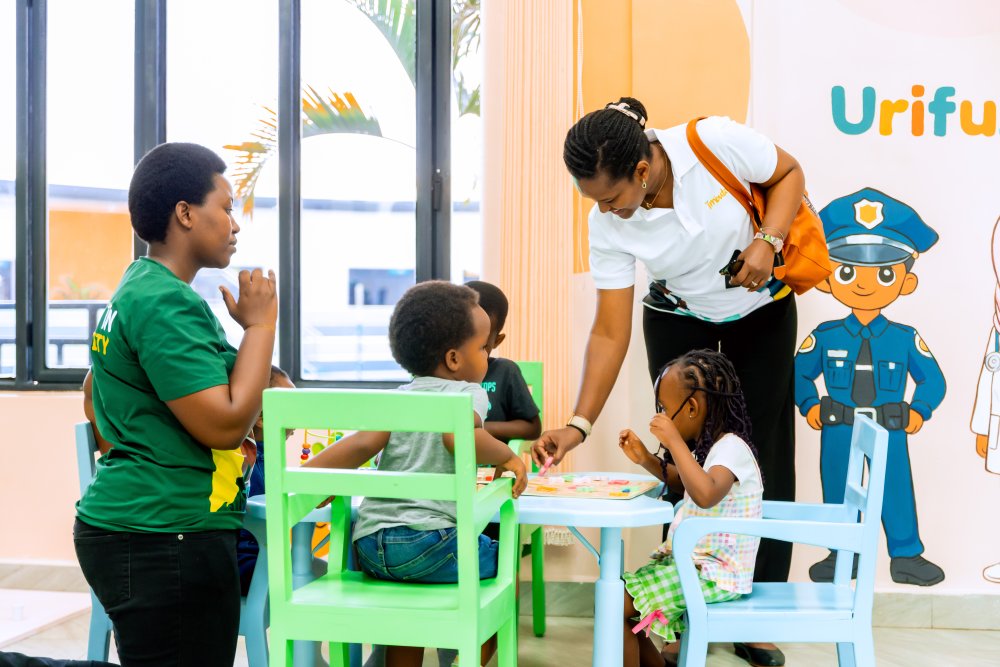
The Bugesera hub features sports facilities, recreational spaces, areas for community engagement, a library, and child-friendly spaces for young children, whether accompanied by parents or on their own.
The hubs will also host business and entrepreneurship advisers, innovation mentors, development partners and accomplished professionals who can inspire and guide young people.
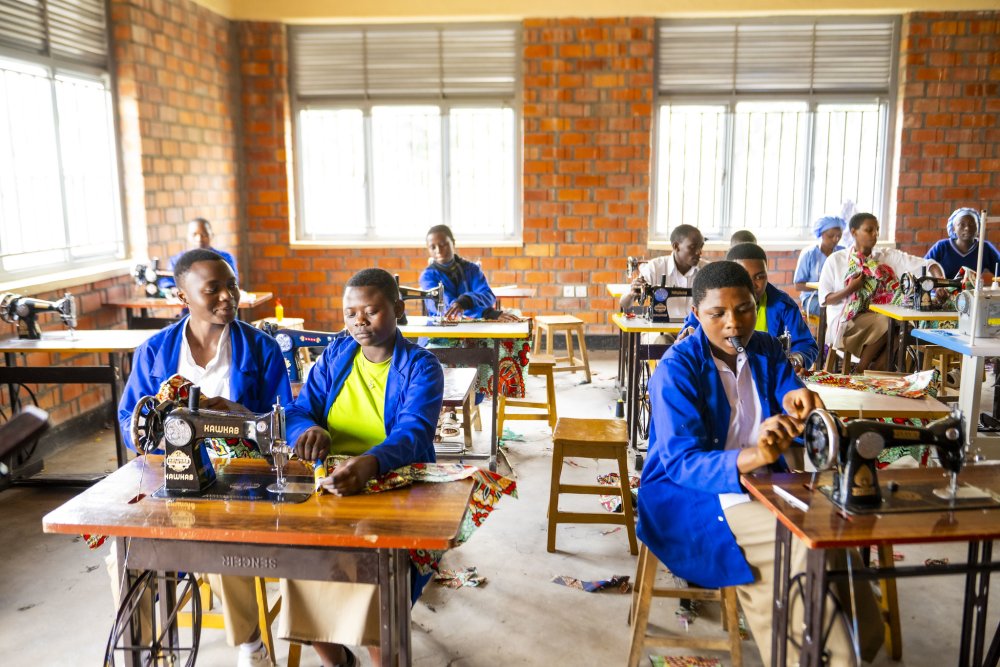
Older youth will have access to vocational training in areas such as tailoring, hairdressing, carpentry, handicrafts, and literacy, among other skills. The specific vocational courses and services offered at each hub will be tailored to the needs of the surrounding community.
Speaking at the launch, Imbuto Foundation Director General Elodie Shami said the establishment of Imbuto Hubs is intended to strengthen families and communities by creating spaces where people can learn, connect and thrive.
She said this will be achieved through sports, recreation, early literacy programmes for children, technology and other community-based activities.
“This is the culture we want to build. It is not just the culture of Imbuto Foundation; it is something that is rooted in the community,” she said.
Shami stressed that the initiative is about more than constructing buildings.
“Buildings alone do not transform the wellbeing of families. It is people and our partners who make that happen. That is the journey we are inviting everyone to join. We are not simply asking for support to build structures; we are asking people to be part of building stronger families and communities,” she said.
Bugesera District Mayor Richard Mutabazi described the project as a major milestone for youth development, talent promotion and good governance.
He said the initiative was developed after assessing the needs of children and young people, resulting in facilities that include sports grounds, recreational spaces and other community services.
“Previously, young people in Bugesera had limited access to sports infrastructure, and the facilities that existed were outdated,” Mutabazi said.
“We are delighted that our youth now have a modern centre that will help them expand their knowledge, foster innovation and prepare them to contribute to the country’s development,” he added.
The newly launched Imbuto Hub in Bugesera will provide free services ranging from health counselling and digital skills training to sports, recreation and vocational education.The Imbuto Hubs initiative was conceived as Imbuto Foundation celebrated its 25th anniversary, introducing a new community-centred approach to family development.The Bugesera Imbuto Hub features modern sports facilities, a library, child-friendly spaces and community learning areas designed to strengthen family wellbeing.Children, youth and adults are expected to benefit from the wide range of free programmes offered through the Imbuto Hub in Bugesera.Imbuto Foundation Director General Elodie Shami says the Imbuto Hubs initiative is designed to strengthen families by creating spaces where communities can learn, connect and thrive.
Among those rescued, 101 were brought back from Cambodia, 58 from Laos, 31 from Myanmar, and 99 from Oman.
Dr. Ugirashebuja made the remarks on July 23, 2026, during a meeting with members of the Rwanda Senate’s Committee on Foreign Affairs, Rwandans’ Unity and Security.
He told senators that Rwanda has ratified several international conventions aimed at combating human trafficking and continues to implement measures outlined in those agreements, although challenges remain.
The government’s efforts include prosecuting individuals involved in trafficking, preventing the crime through public awareness campaigns, protecting victims, and strengthening cooperation among different stakeholders involved in combating human trafficking.
In terms of prosecution, 54 people have been convicted and punished for human trafficking offences in Rwanda over the past three years. Among them, 12 were convicted in 2025, 18 in 2024, and 24 in 2023.
Dr. Ugirashebuja said Rwanda has also continued efforts to rescue and repatriate victims who were trafficked to different countries.
“In this regard, during the 2025/2026 financial year (up to March 2026), the Ministry of Foreign Affairs, in collaboration with the International Organization for Migration (IOM) and other institutions, helped bring back 289 people. These included 101 from Cambodia, 58 from Laos, 31 from Myanmar, and 99 from Oman,” he said.
He added that significant efforts are also being made to prevent trafficking, noting that the Directorate General of Immigration and Emigration (DGIE) has introduced technological systems to help detect and prevent cross-border human trafficking.
According to DGIE, the system contributed to the rescue of 673 people who were at risk of being trafficked last year.
Dr. Ugirashebuja noted that many trafficking victims are often taken to Asian countries, adding that the cross-border nature of the crime makes investigations and prosecution more difficult.
He explained that traffickers can operate from different countries, making it challenging to track them down, while limited expertise among some investigators and other factors also create obstacles.
DGIE also highlighted another major challenge: some individuals who are expected to help fight human trafficking are sometimes involved in the crime themselves.
The agency revealed that 45 children were rescued from Uganda last year after being lured with promises of better opportunities. Each child reportedly paid $8,500 to be taken there, despite the fact that such resources could have been invested in improving their lives at home.
DGIE said one of the most worrying discoveries was that a pastor was allegedly involved in trafficking some of the rescued children and is currently facing legal proceedings.
“There are people we trust and believe could never be involved in such acts, including religious leaders. These are people who advise others, but we discovered that some of them were involved. They were trafficking these young people.
Among the 45 children, we found that pastors, including a husband and wife where the wife is a pastor and the husband is a bishop, were among those who took them. It is difficult to understand that such a business is still involving people whom society trusts and would never suspect,” DGIE said.
The agency also revealed that 28 Rwandan children are currently in South Korea after being taken there by a pastor, and the government is working to bring them back.
DGIE warned that child trafficking has become a growing concern, especially because some rescued victims still request to return to the same environments where they were exploited.
“Child trafficking among Rwandans has become a serious issue. What makes it even more worrying is that some of those we rescue tell us to return their documents because they want to go back to the jobs they found there. Yet these are the same people who were taken there by traffickers in the first place,” the agency said.
DGIE further noted that some Rwandans who have experienced trafficking sometimes go on to deceive others and encourage them to travel under similar arrangements.
The agency also emphasized that although attention is often focused on people trafficked overseas, many victims are also exploited in neighbouring countries, where they face forced labour, sexual exploitation and other forms of abuse.
“This problem is extremely worrying. Our children are dying, our children are being traded like commodities, and they reach places where they lose their dignity. However, through cooperation among different institutions, this problem can be stopped,” DGIE said.
The Chairperson of the Senate Committee on Foreign Affairs, Rwandans’ Unity and Security, Senator Murangwa Ndangiza Hadidja, said addressing human trafficking requires cooperation from all sectors, as well as educating young people to change the belief that opportunities and a better life can only be found abroad.
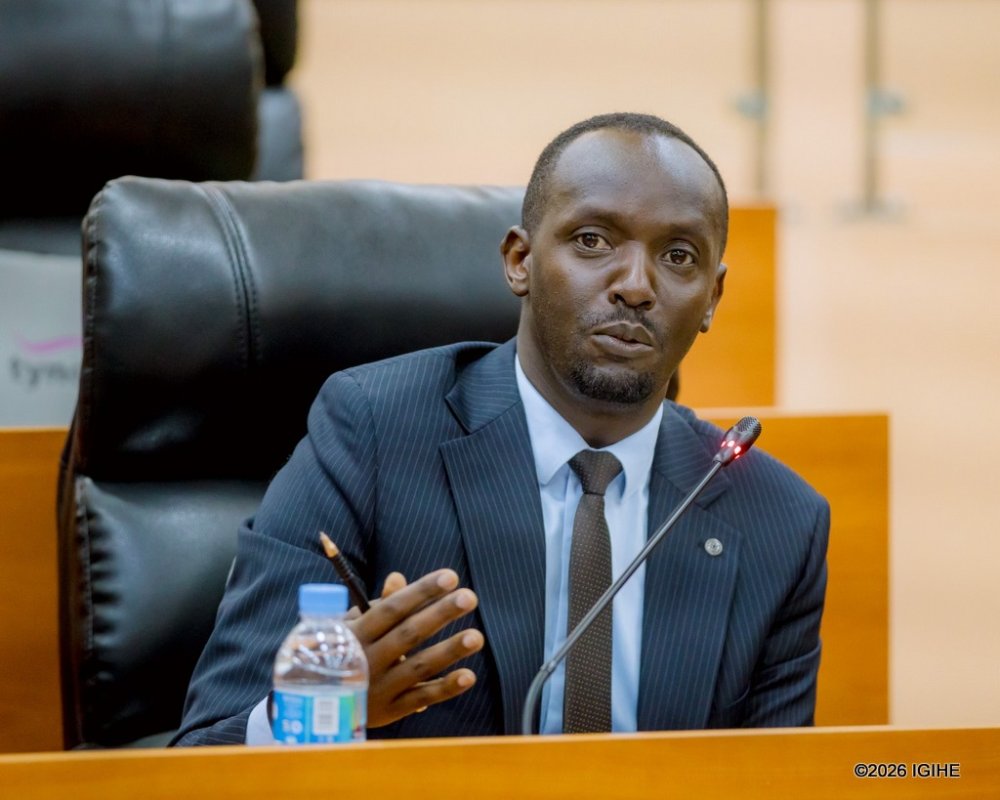
Meanwhile, Uwamahoro Christine, who heads the Human Trafficking Crimes Unit at the Rwanda Investigation Bureau (RIB), said prosecuting traffickers can sometimes be difficult due to a lack of sufficient evidence, victims’ reluctance to provide information, and challenges in accessing electronic devices such as phones and computers used in trafficking activities, which are often seized in other countries.
Senator Dr. Charles Murigande called for stronger awareness campaigns to ensure that everyone understands the dangers of human trafficking. He said people who ignore warnings and fall into trafficking traps should understand that they had been warned about the risks.
“Someone may later say, ‘I was told, I was warned,’ similar to the saying that someone who refuses to listen to advice will learn through hardship. We need stronger awareness campaigns,” he said.
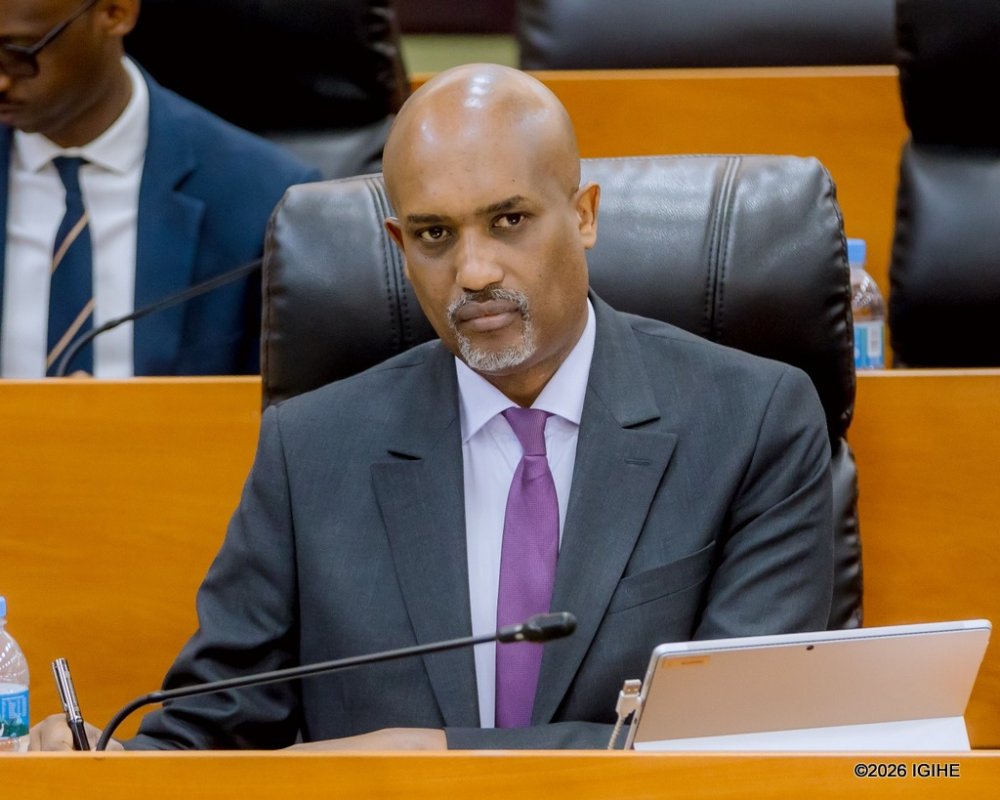
Minister of Justice Dr. Emmanuel Ugirashebuja has expressed concern over the growing threat of human trafficking.
Rwanda considers making human trafficking a crime with no time limit for prosecution
Rwanda is considering classifying human trafficking as a crime that would not be subject to a statute of limitations, allowing perpetrators to face prosecution regardless of how much time has passed since the offence was committed.
Minister of Justice and Attorney General Dr. Emmanuel Ugirashebuja said the proposal is being considered because cases of human trafficking often involve delayed discovery of evidence, which can make it difficult to hold offenders accountable within existing legal deadlines.
He explained that discussions on the matter are still ongoing, but said introducing such a measure would ensure that victims can seek justice whenever crucial evidence becomes available.
“The reason we are considering this is that, in some cases, evidence only emerges after a considerable period of time. A person may have been trafficked, but the crime may only be discovered later when, fortunately, the victim finds a way to report it to the relevant authorities, although this process is often extremely difficult for them,” Dr. Ugirashebuja said.
He added that removing the time limit for prosecuting such cases would strengthen accountability and ensure that offenders do not escape justice simply because evidence took time to emerge.
“When a crime is placed among those that do not expire with time, it means that whenever evidence becomes available, legal action can be taken, the person responsible can be prosecuted, and, if found guilty, punished,” he said.
However, Senator Uwizeyimana Evode said the decision requires careful consideration, warning that expanding the category of crimes without a statute of limitations could have implications for Rwanda’s international cooperation, particularly in areas involving the extradition and transfer of suspects.
He emphasized that while combating human trafficking remains a priority, any legal changes should be carefully assessed to ensure they align with Rwanda’s justice system and international obligations.
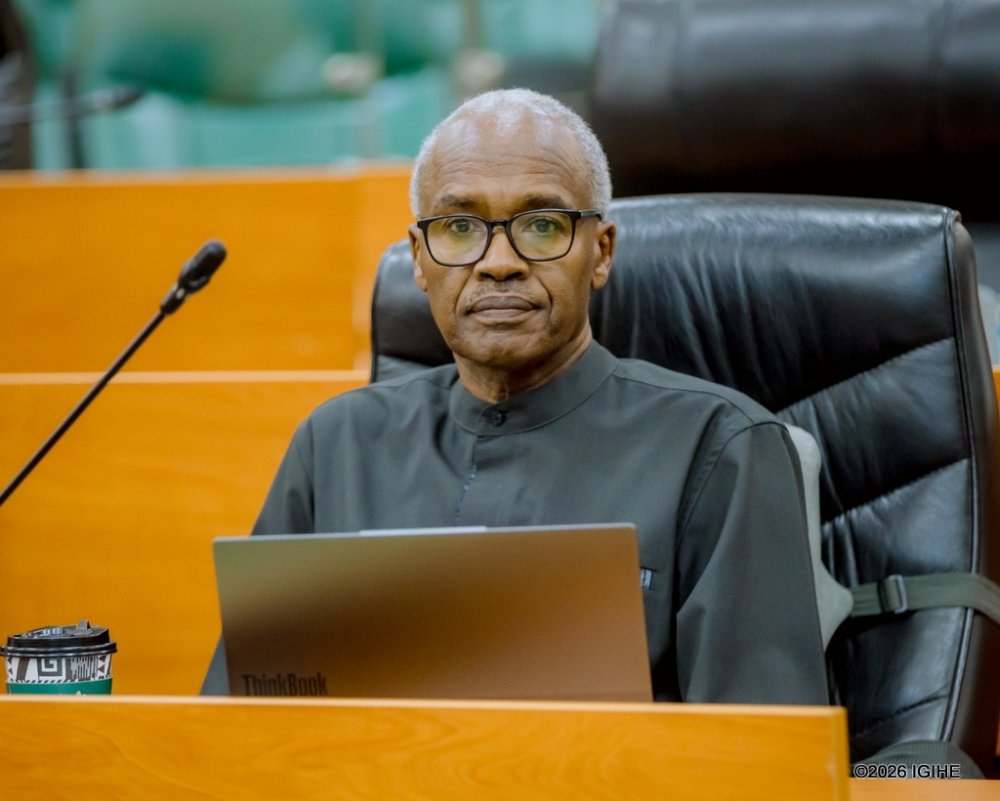
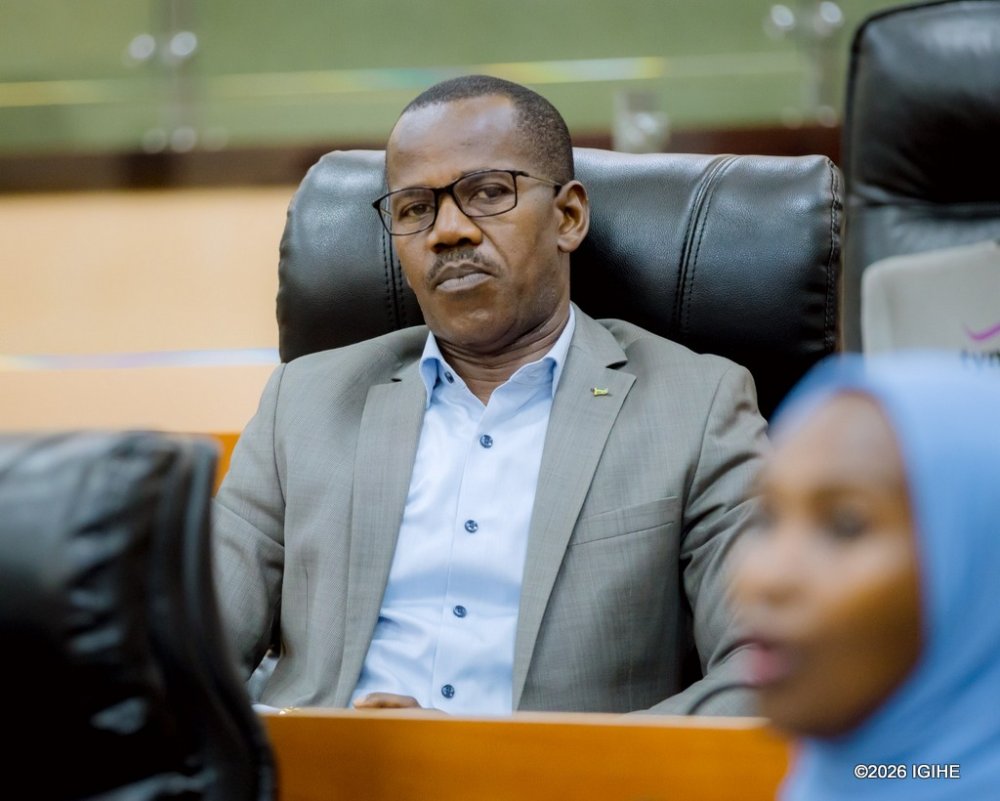
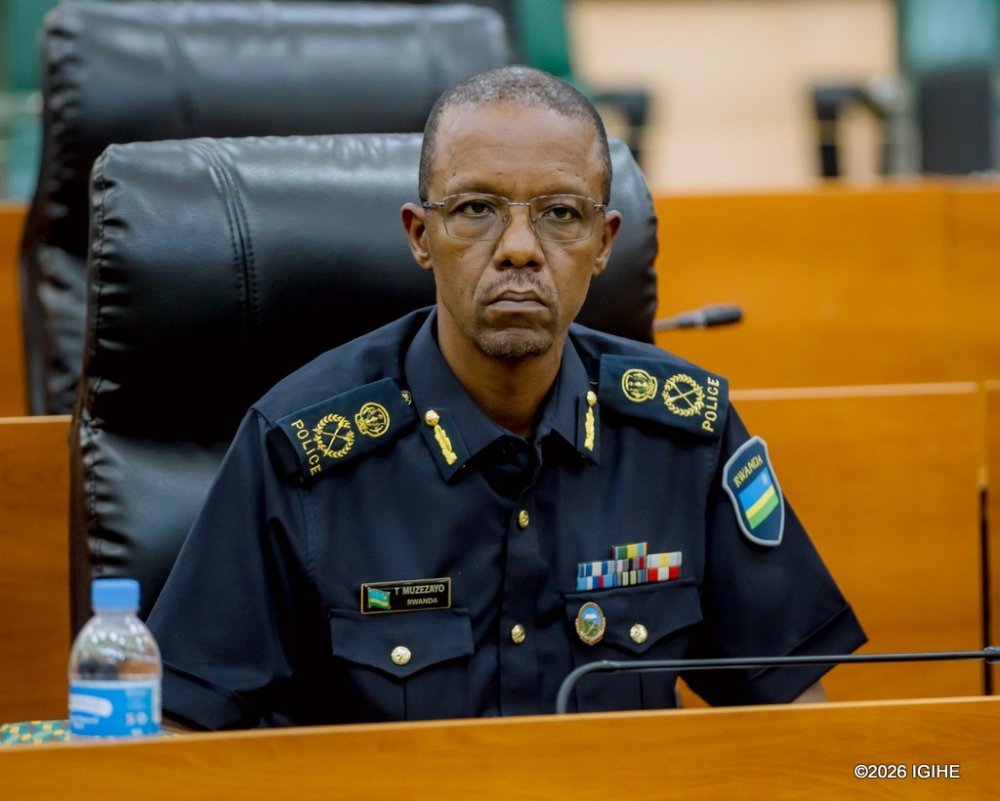
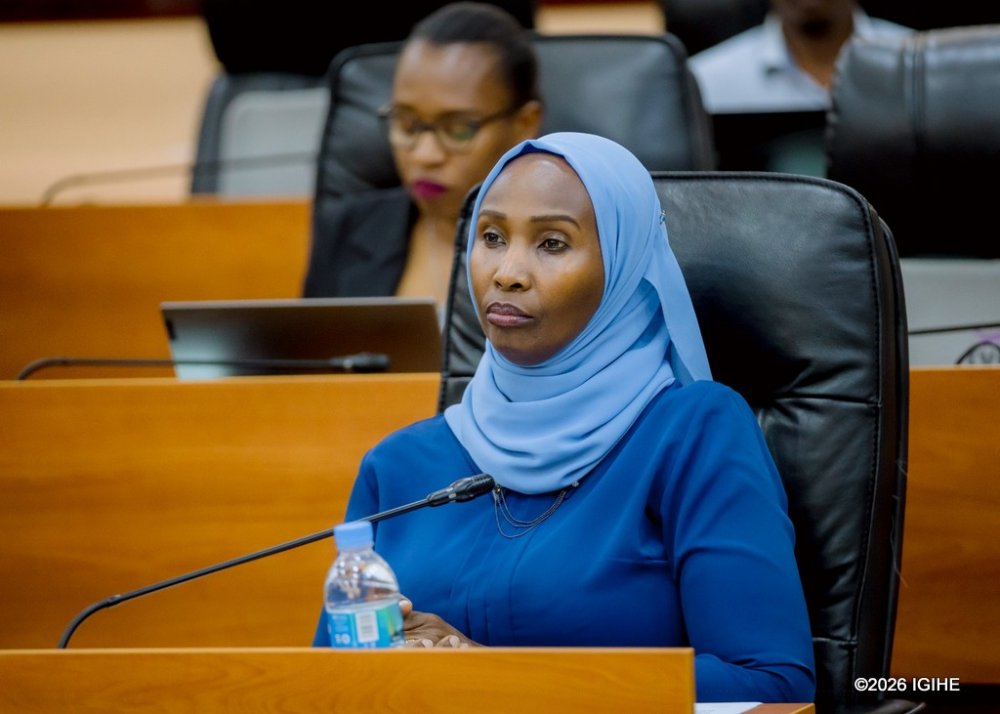
Senator Dr. Charles Murigande called for stronger public awareness campaigns to combat human trafficking.Senator Uwizeyimana Evode called for careful consideration in the proposal to classify human trafficking as a crime that does not expire with time.ACP T. Muzezayo, head of the Police Unit responsible for combating human trafficking and organised crime, called for stronger cooperation in the fight against such crimes.Senator Murangwa Ndangiza Hadidja, Chairperson of the Rwanda Senate Committee on Foreign Affairs, Rwandans’ Unity and Security, called for stronger cooperation among all stakeholders in the fight against human trafficking.Uwamahoro Christine, who heads the Human Trafficking Crimes Unit at the Rwanda Investigation Bureau (RIB), said that bringing human trafficking offenders to justice can sometimes be challenging due to insufficient evidence.
The donation comes shortly after the company launched a new factory in Rubavu with the capacity to produce 15 tonnes of clean fuel pellets per day, strengthening the availability of sustainable cooking fuel while helping reduce greenhouse gas emissions and dependence on traditional fuels.
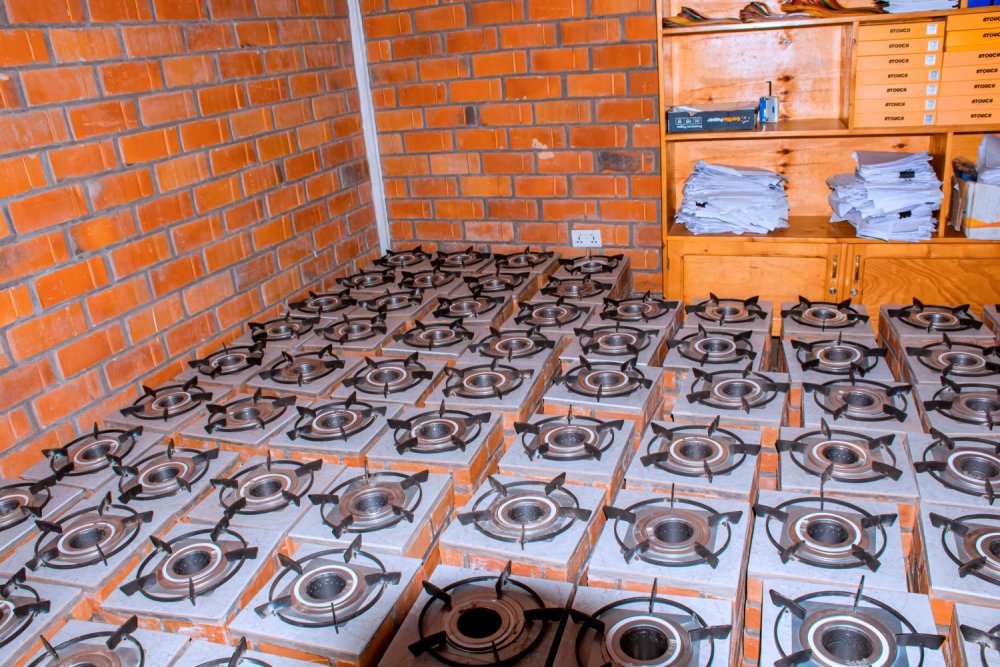
The cookstoves were distributed to 155 families living in the Muhira Model Village in Rugerero Sector during a ceremony held on Thursday, July 16, 2026. The event was attended by BioMassters executives, Rubavu District officials and representatives from various institutions.
Rwanda has continued to make progress in the adoption of clean cooking solutions. According to the Seventh Integrated Household Living Conditions Survey (EICV7), the proportion of households using environmentally friendly cooking fuels increased from 1% in 2017 to 5.4% in 2024.
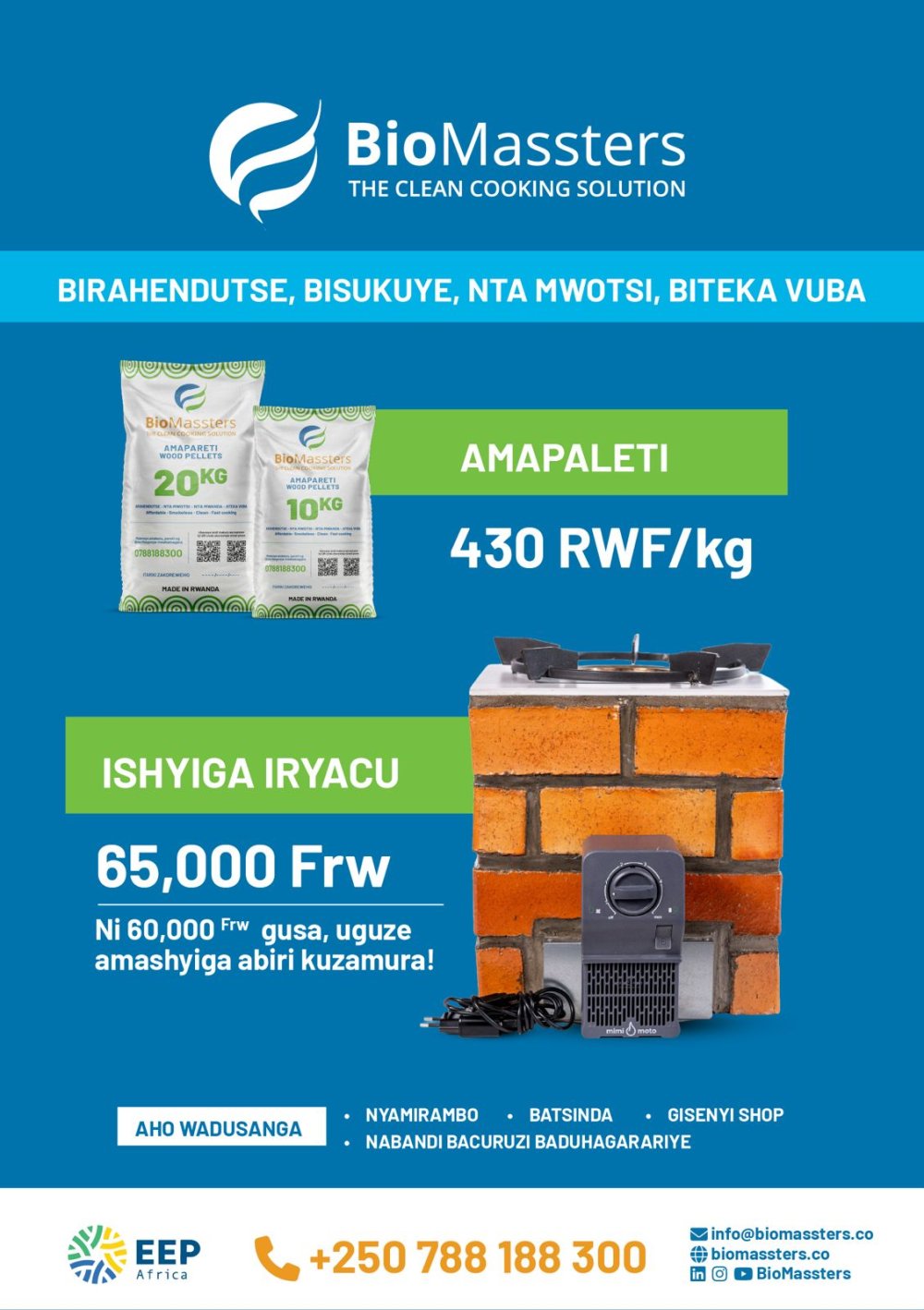
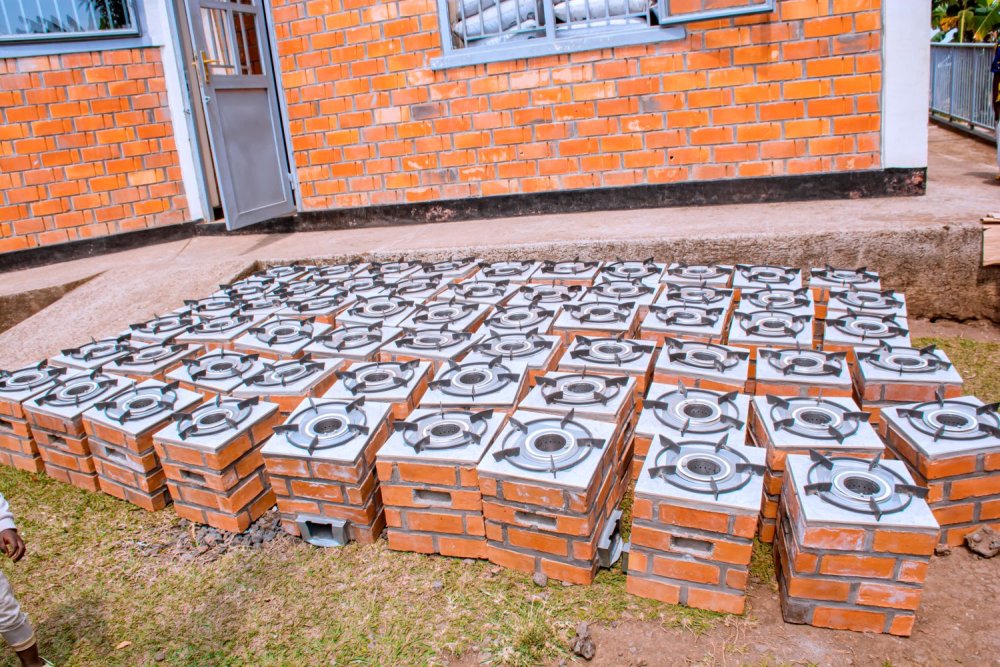
Over the past four years, BioMassters has been manufacturing two types of clean cookstoves: the Iryacu stove, locally produced in Rwanda using bricks, and the InzuChief stove, made from metal.
Both models are designed to be durable, produce minimal smoke and use fuel pellets that cost about 50% less than charcoal, offering households a cleaner and more affordable alternative.
One of the beneficiaries, Valentine Nyirandimubanzi, said the donation would ease the financial burden on families while improving hygiene in their homes.
“These cookstoves will help us save money. We used to spend Rwf700 on a kilogram of charcoal, and it did not last long. A kilogram of pellets costs only Rwf430. We are delighted because these are high quality stoves that many of us would not have been able to afford,” she said.
She added that replacing charcoal with pellets would also help keep their kitchens cleaner, as charcoal often left cooking areas covered in soot.
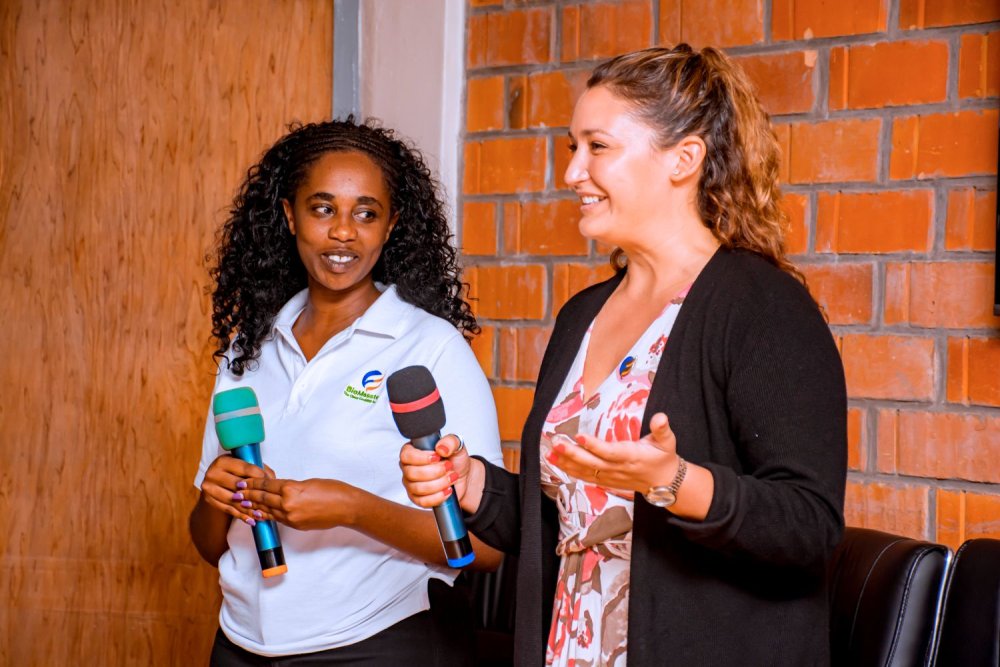
BioMassters Chief Operating Officer Yasmine Karam said the company’s vision is to ensure that more Rwandans have access to modern, affordable and environmentally friendly cooking solutions.
“We started by supporting 125 households in Nyagatare. Today, we are providing clean cookstoves to families in the Muhira Model Village, and our ambition is to reach many more Rwandans. We are expanding our operations across the country so that every household can have the opportunity to own one of these clean cookstoves,” she said.
Karam noted that BioMassters was established in response to the rising cost of conventional cooking fuels, including firewood, charcoal and liquefied petroleum gas (LPG). She explained that the company is committed to keeping the price of its fuel pellets affordable since they are produced from recycled wood and agricultural residues, making clean cooking more accessible to households.
Rubavu District Mayor Prosper Mulindwa said the initiative would help families significantly reduce their cooking fuel expenses while contributing to environmental conservation.
“Charcoal should no longer be used in this model village. These households have received cookstoves that use affordable fuel pellets, which will lower their fuel costs, help keep their homes clean and protect the environment. This single intervention addresses several challenges at once, including the conservation of our forests,” he said.
Mulindwa also called on development partners to continue investing in sustainable initiatives that create lasting benefits and respond to the real needs of communities.
The initiative forms part of broader efforts to accelerate the adoption of clean cooking technologies in Rwanda, reducing pressure on forests, lowering household energy costs and improving public health through cleaner indoor air.
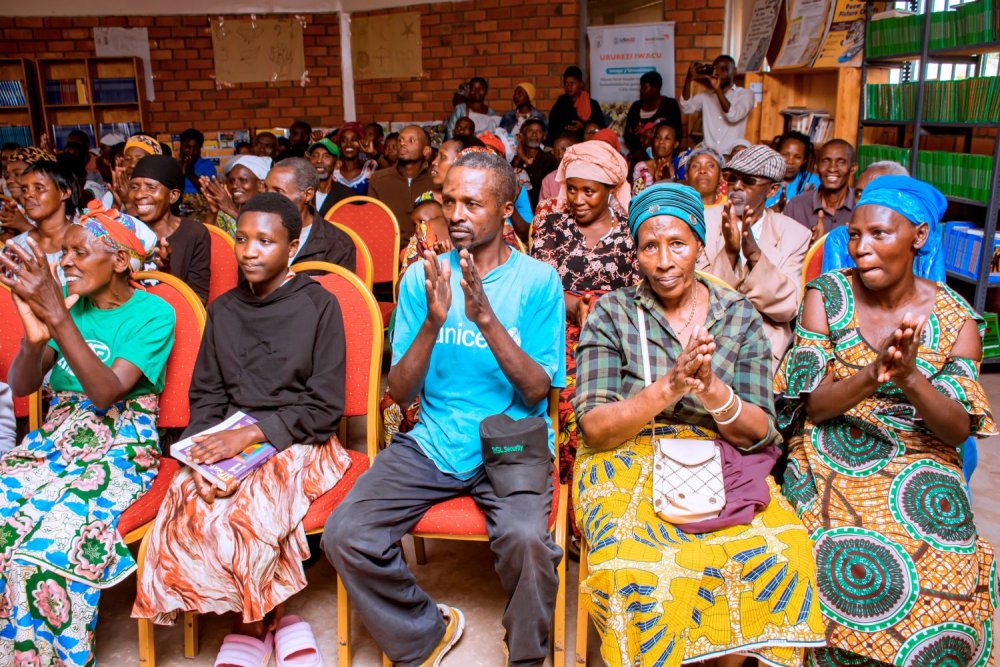
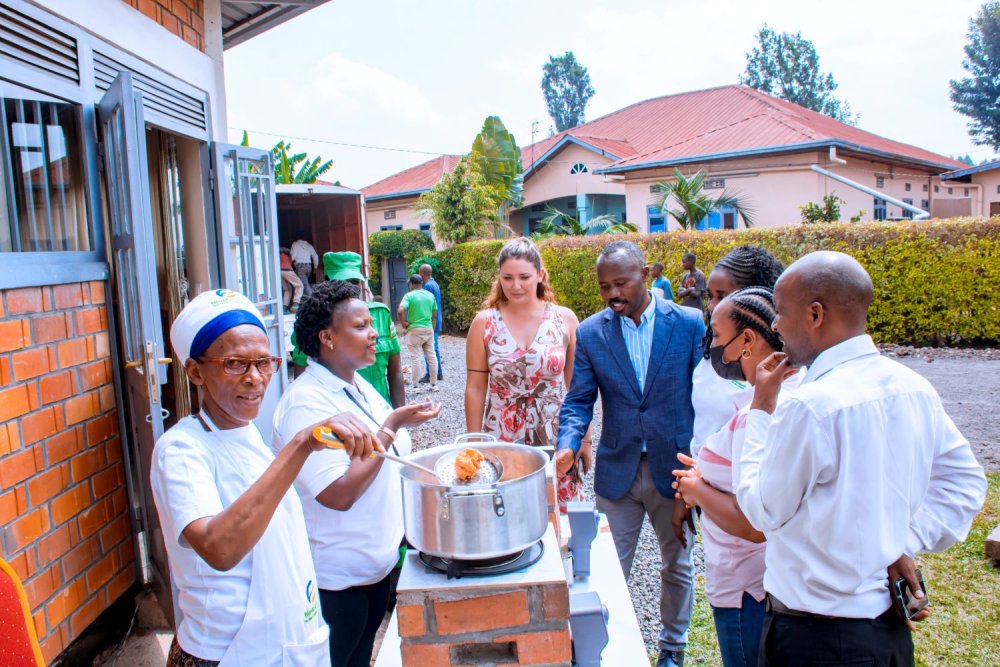
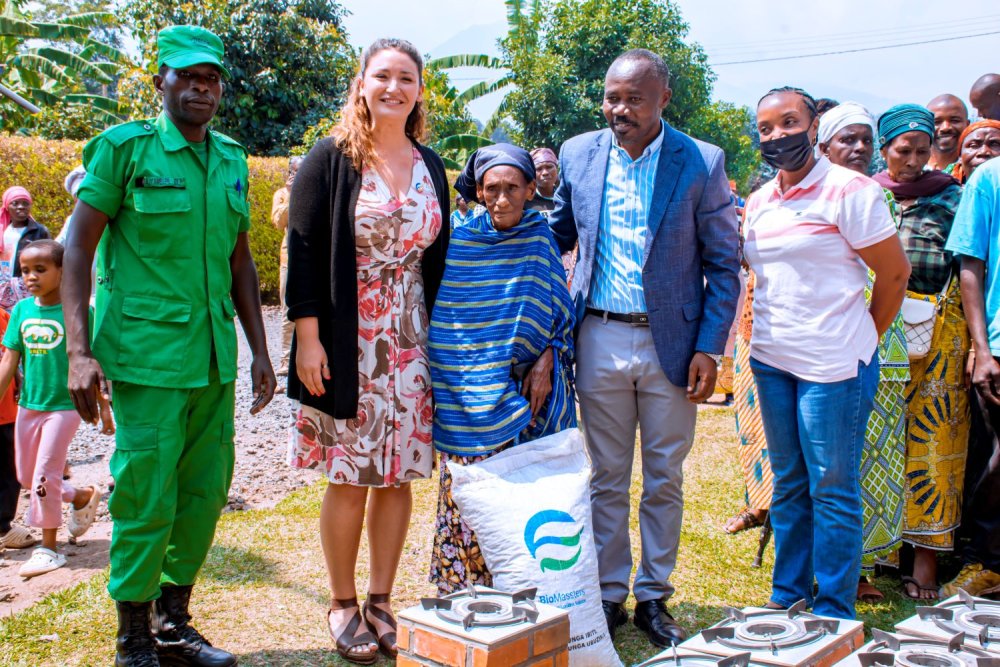
BioMassters clean cookstoves help protect the environment by promoting cleaner and more sustainable cooking.BioMassters staff demonstrated how to use the company’s environmentally friendly cookstoves to residents.These residents were also provided with fuel pellets used in BioMassters cookstoves.BioMassters has donated eco-friendly cookstoves worth over Rwf15 million to Rubavu residents.Families who received cookstoves from BioMassters expressed joy and appreciation.The cookstove donation ceremony was attended by representatives from various institutions.BioMassters cookstoves will help residents improve cleanliness in their homes, beneficiaries say.BioMassters Chief Operating Officer Karam Yasmine interacts with children at the Muhira IDP Model Village.Rubavu District Mayor Prosper Mulindwa urged residents who received the cookstoves to take good care of them.
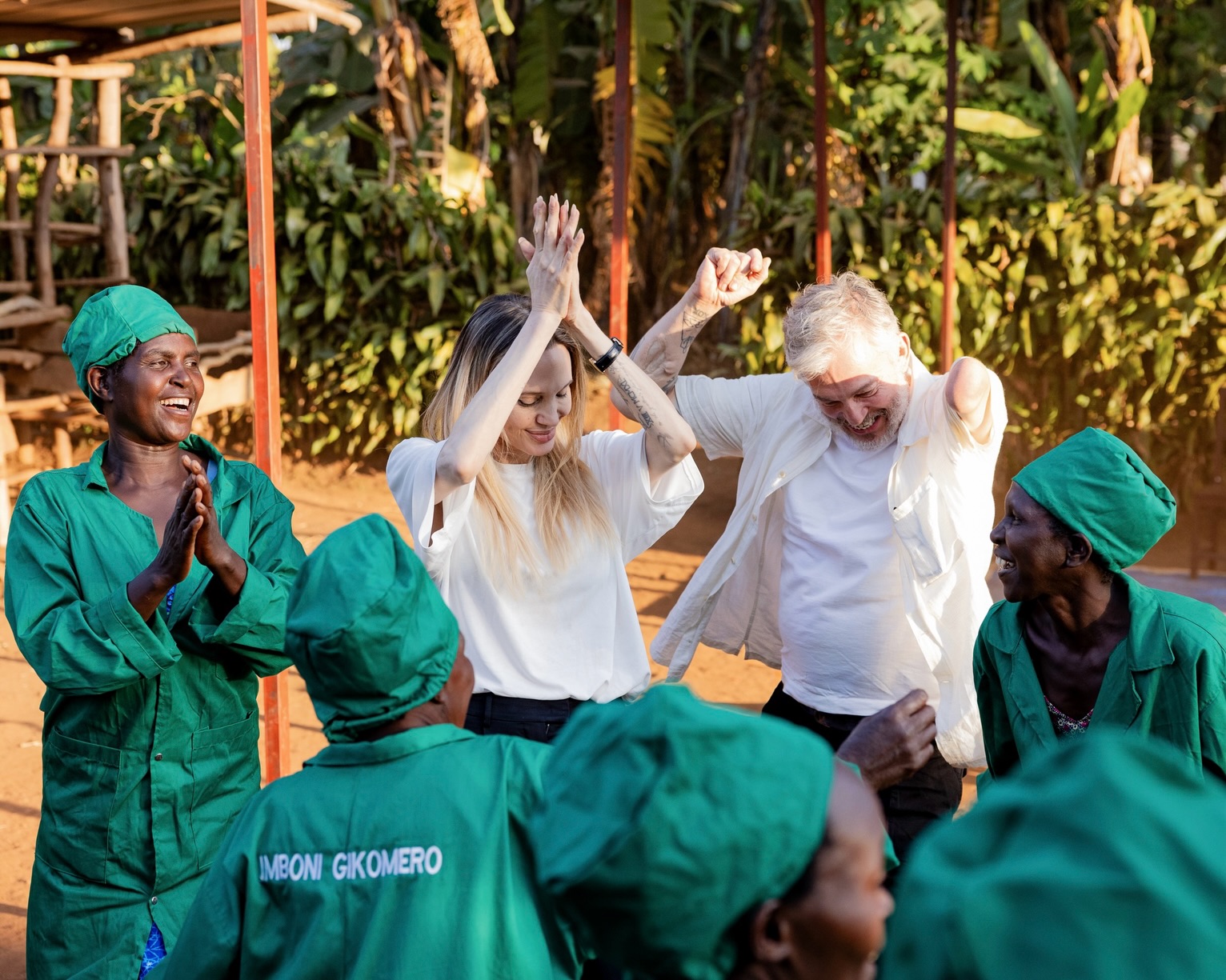
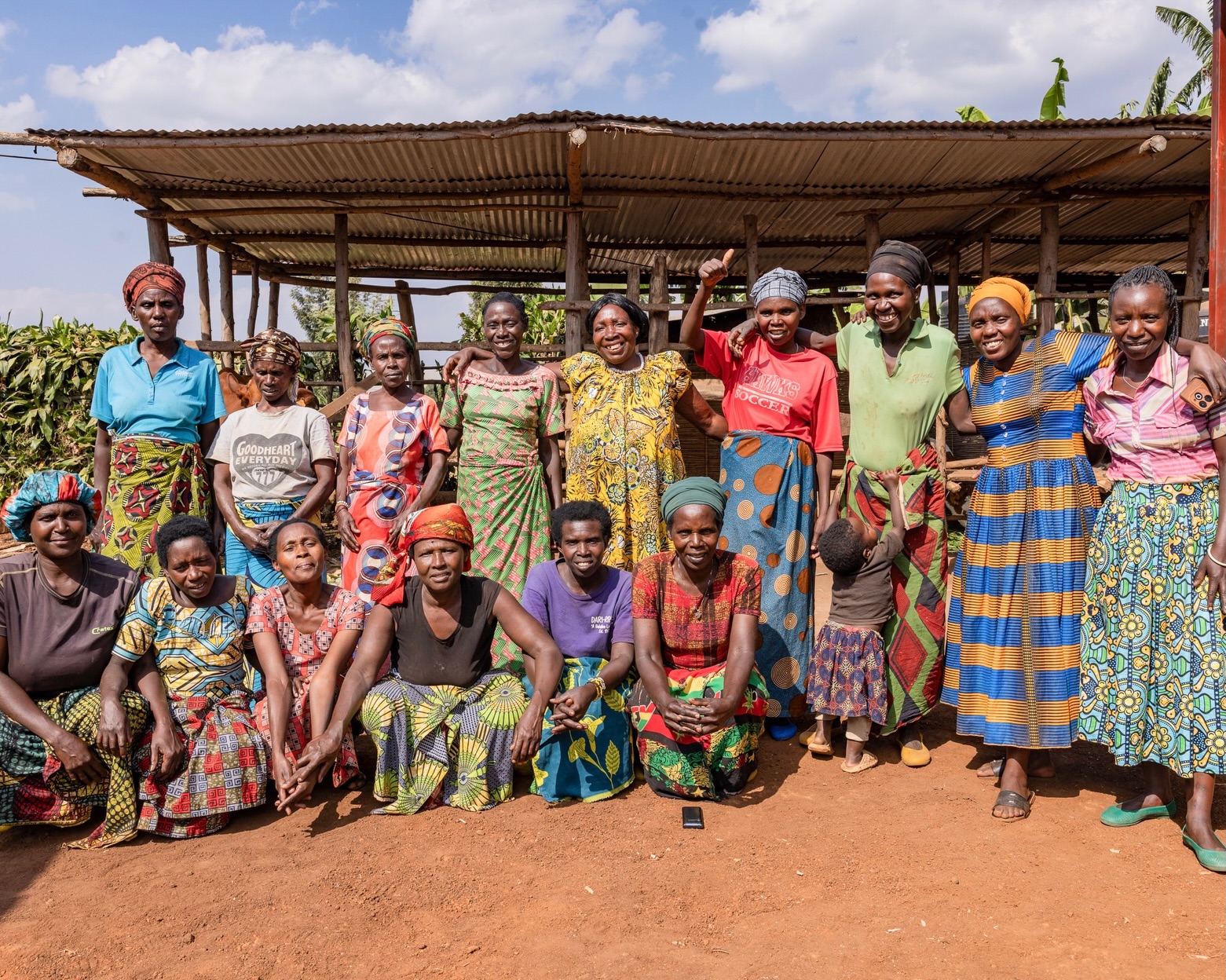
In a post shared on Instagram, the American actress described her visit to the Imboni cooperative in Gikomero, where women collectively run a farm that has become a symbol of recovery, economic empowerment and community-led development.
“I recently visited the Imboni cooperative, a farm in Gikomero, Rwanda, run collectively by the women who work the land, and left deeply inspired by everyone I met there,” Jolie wrote on Thursday.
She noted that many of the cooperative’s members are survivors of the 1994 Genocide against the Tutsi, which claimed more than a million lives and left countless women and families deeply affected.
Jolie explained that for years, the women relied on farming rented swampland to feed their families, often earning less than one dollar a day while facing repeated crop losses caused by heavy rains.
The actress credited the cooperative’s transformation to the work of the Legacy of War Foundation, led by her longtime friend Giles Duley.
The American actress described her visit to the Imboni cooperative in Gikomero, where women collectively run a farm that has become a symbol of recovery, economic empowerment and community-led development.
According to Jolie, the foundation purchases fertile farmland and transfers ownership to survivors of conflict while supporting them to become profitable, climate-smart farmers.
She said the initiative has enabled the women to improve their livelihoods tremendously.
“These women have taken this land and built something incredible. In five years, they’ve gone from laborers to landowners, increasing their income fivefold and sending over 90 of their children back to school,” she said.
Describing the visit as deeply meaningful, Jolie said the experience reinforced her belief in community-driven development.
“It was a deeply meaningful visit, and we’re grateful for the time they spent with us. It was a strong reminder that local leadership is always the best way forward,” she added.
Jolie has spent more than two decades involved in humanitarian work alongside her film career. She previously served as Special Envoy for the United Nations High Commissioner for Refugees (UNHCR), advocating for displaced people, women and children through visits to conflict zones and refugee camps around the world.
Duley, the Chief Executive Officer of the Legacy of War Foundation, is an award-winning photographer, writer, chef and presenter whose work focuses on the long-term humanitarian impact of conflict. Through the foundation, he has championed projects that help communities affected by war rebuild sustainable livelihoods and regain economic independence.
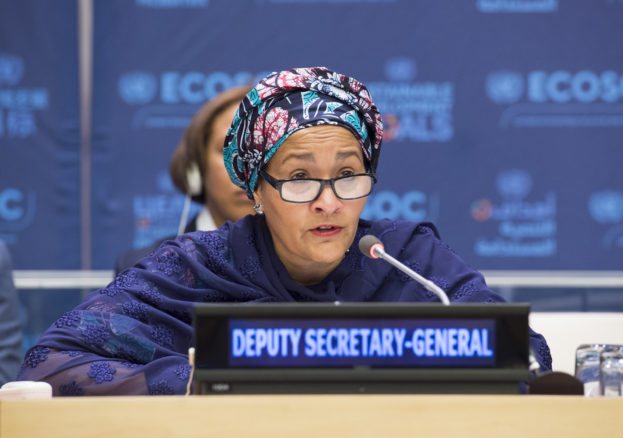
Speaking at the high-level segment of the Economic and Social Council on the “Way forward to 2030,” Mohammed said the 2026 UN Secretary-General’s report on progress toward the Sustainable Development Goals indicates that more than a third of SDG targets are on track or making moderate progress, but progress remains deeply uneven across the goals and among countries.
She said that among the more than one-third of the SDG targets on track or making moderate progress, access to electricity has reached 92 percent of the world’s population, and Internet connectivity has increased from 40 percent in 2015 to 74 percent today.
The SDGs matter, and they are making a difference, said Mohammed. “But our world today is very different from 2015.”
While multiple, intersecting crises — from geopolitical tensions and economic uncertainty to the climate crisis, biodiversity loss, food insecurity, debt distress, and widening inequalities — continue to slow progress across the SDGs and test the ability to deliver, the planet is warming at an alarming pace and violent conflict has reached its highest level in decades, she said.
“These are not isolated challenges,” warned the deputy secretary-general.
“The question before us is not whether the SDGs remain relevant … The question is whether we are prepared to make the choices, mobilize the financing and strengthen the cooperation required to deliver them,” she said, calling for stronger multilateral cooperation, increased investment, and integrated solutions that can advance multiple SDGs simultaneously while strengthening resilience to future shocks.
Describing the upcoming 2027 SDG Summit as a milestone, Mohammed said the summit must be more than “a stocktaking exercise,” and it must be a delivery moment: to sharpen priorities, scale what works and renew political commitment in the final stretch to deliver on the SDGs by 2030.
Mohammed said the 2026 UN Secretary-General’s report on progress toward the Sustainable Development Goals indicates that more than a third of SDG targets are on track
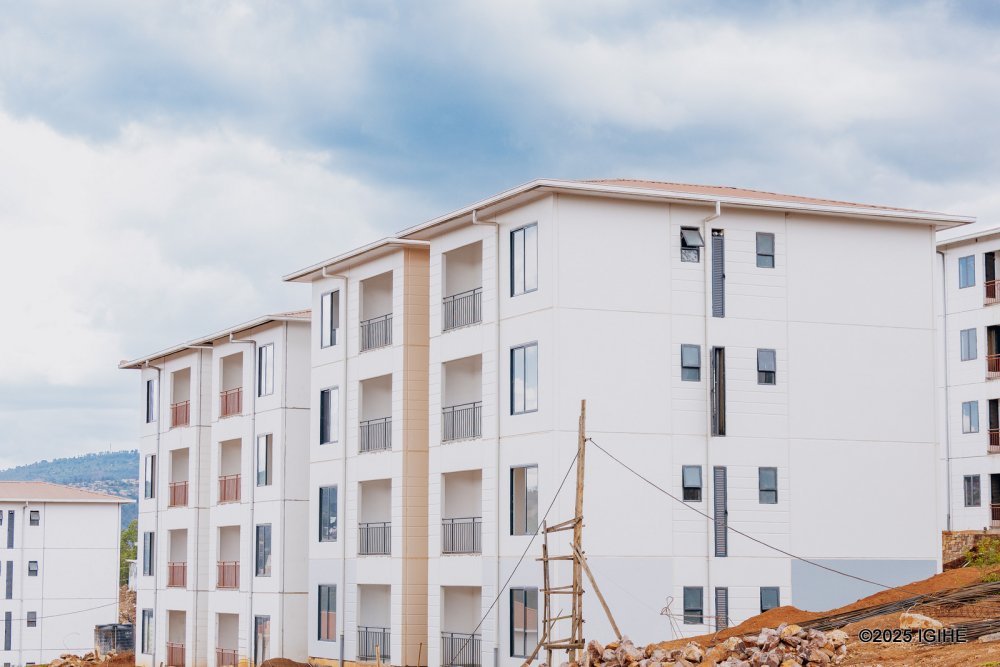
The affordable housing project, located in Kinyinya Sector, Gasabo District, Kigali, is being developed by RSSB and comprises 548 housing units designed for different categories of buyers, including workers, families, Rwandans living abroad and others seeking to own homes.
The development features both apartments and townhouses. The apartment blocks include two- and three-bedroom units, each with two bathrooms, while the townhouses are available in two categories, offering two- and three-bedroom options across two- and three-storey designs.
The estate is also planned to include commercial spaces, a nursery school, sports facilities, including basketball and volleyball courts, as well as landscaped gardens and recreational areas for residents.
The project has, however, faced significant delays since its launch in 2014. A report by the Office of the Auditor General for the financial year ending June 2025 highlighted a 10-year delay in its implementation.
Appearing before Parliament’s Public Accounts Committee (PAC) to respond to concerns raised in the report, Rugemanshuro said several challenges affected progress, forcing RSSB to take on responsibilities beyond its initial mandate.
He cited land compensation as one of the issues that delayed the project, explaining that although such payments were not originally part of RSSB’s responsibilities, the institution eventually intervened to ensure the project moved forward.
“Sometimes we had to work with other government institutions responsible for specific areas to make sure the project was completed,” Rugemanshuro said.
He told lawmakers that construction of the housing units is now 97 percent complete, while infrastructure works stand at 70 percent completion.
“The project is expected to be completed in December 2026. The houses are already at 97 percent completion, while infrastructure has reached 70 percent,” he said.
Infrastructure works include roads, water supply systems, wastewater treatment facilities and street lighting.
So far, 70 percent of the houses have already been sold, with the remaining 30 percent still available on the market.
PAC Chairperson Muhakwa Valens sought clarification on whether the reported 70 percent infrastructure completion covered all key facilities required for residents to occupy the estate, including roads, drainage systems, water facilities and lighting.
“We want to have a complete picture of this project so that we can conclude that the Batsinda issue has been resolved,” Muhakwa said.
Responding to the concerns, Rugemanshuro assured the committee that buyers would be able to move into their homes by January 2027.
“By January 2027, those who have paid for their houses should be living in them. The roads, water reservoirs, street lighting and other facilities should also be completed by then, unless an unforeseen challenge beyond our control occurs,” he said.
The homes are priced from Rwf80 million for a two-bedroom townhouse to Rwf117 million for a three-bedroom townhouse. Apartment units range from Rwf101 million to Rwf111 million.
Heza Estate in Batsinda is set to provide modern housing units alongside community facilities and recreational spaces for future residents.Heza Estate in Kinyinya Sector, Gasabo District, features a mix of apartments and townhouses designed to provide affordable housing options for different categories of buyers.Construction works at Heza Estate include housing units, roads, water facilities and other infrastructure expected to support residents once the project is completed.
A comparison of data from 1992, 2000 and 2025 offers a clear picture of Rwanda’s remarkable transformation.
Across key areas including living standards, healthcare, education and the economy, the figures point to substantial and measurable progress over the past three decades.
Today, Rwandans enjoy a significantly higher life expectancy than they did three decades ago.
Average incomes have increased, while infant and maternal mortality rates have declined sharply.
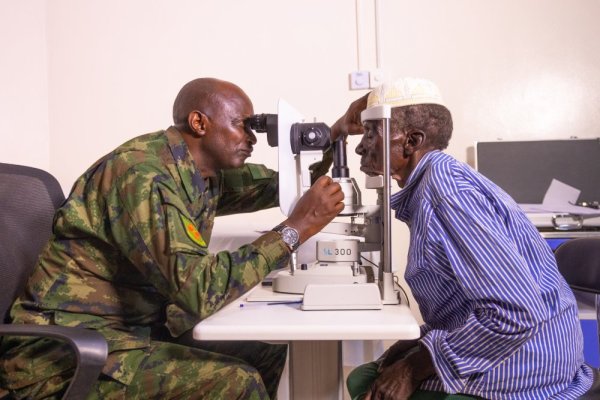
The country’s healthcare system has also undergone a remarkable transformation. Rwanda now provides advanced medical services that were once unavailable, including heart surgery and organ transplantation procedures such as kidney transplants.
These achievements are reflected in successive Demographic and Health Surveys conducted over the years.
This analysis draws on findings from the first survey carried out in 1992, the second conducted in 2000, and the seventh survey published in 2025, all of which illustrate the profound changes in the lives and well-being of Rwandans.
In 1992, Rwanda’s population stood at approximately 7.2 million. At the time, the country ranked among the most densely populated in the world, with an average population density of 270 people per square kilometre. The population was growing at an annual rate of 3.2%.
According to the second Demographic and Health Survey conducted in 2000, although Rwanda had lost more than one million people during the 1994 Genocide against the Tutsi, the country’s population did not decline overall.
Following the end of the genocide, large numbers of Rwandans who had fled the country returned home, contributing to population growth.
As a result, Rwanda’s population had risen to approximately 7.6 million by 2000, with an annual population growth rate of 2.8%.
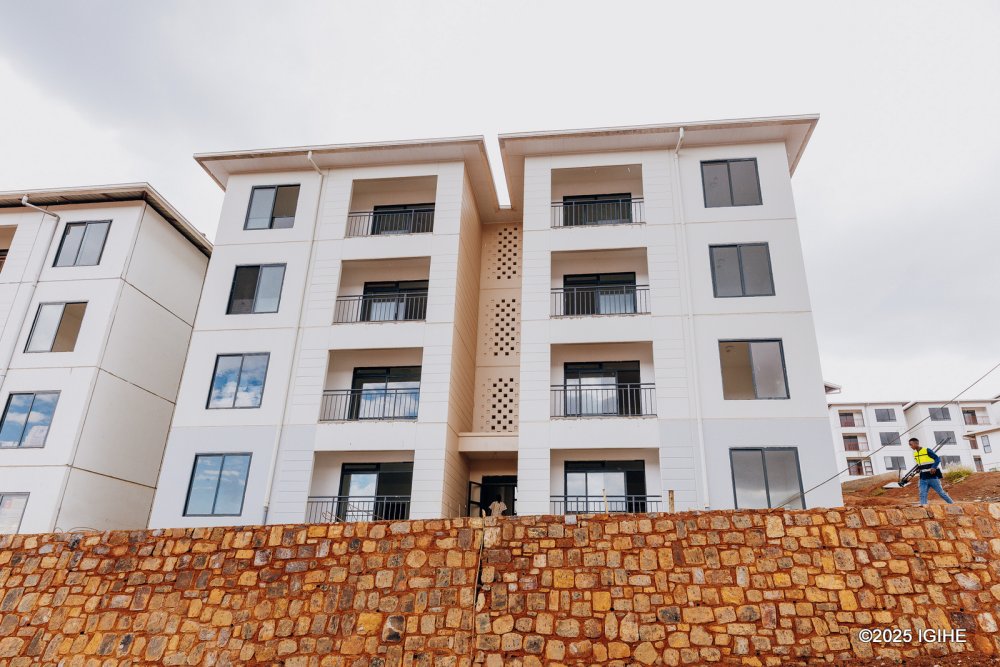
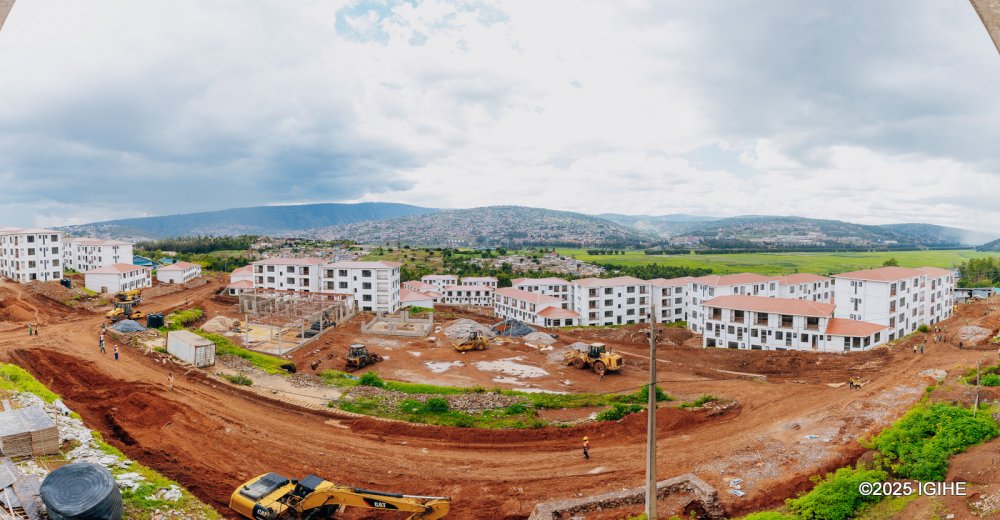
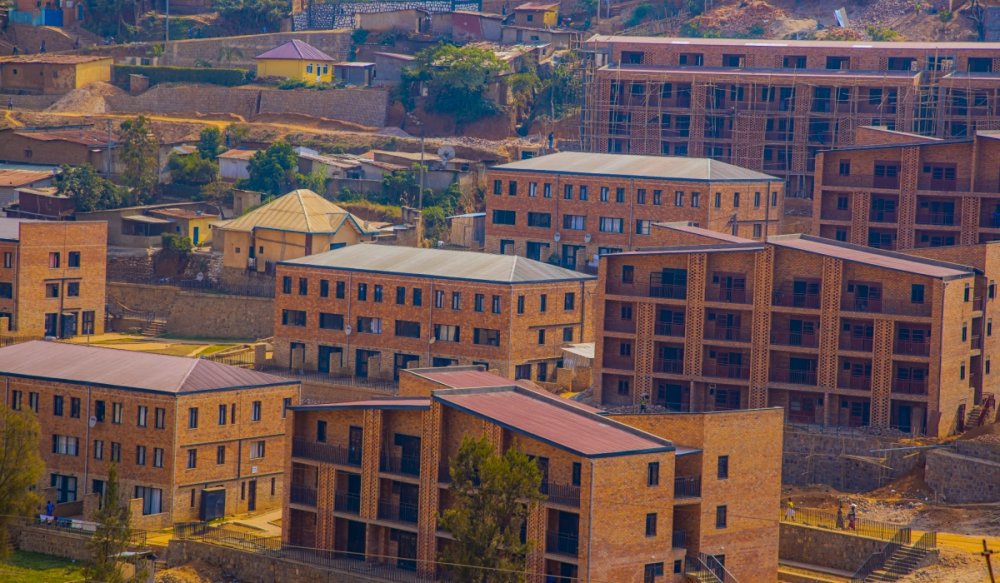
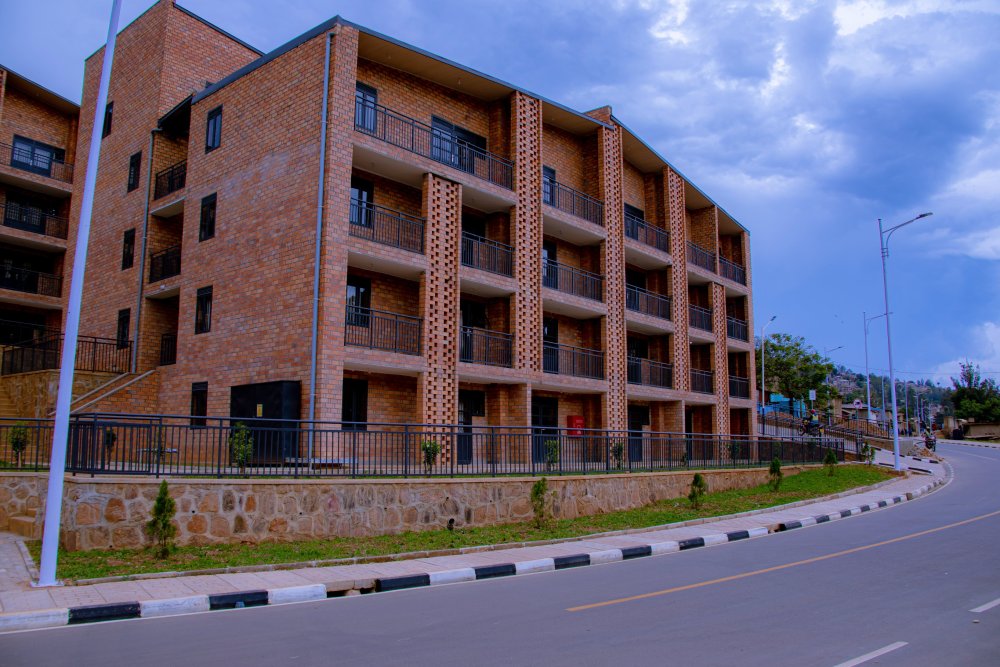
Rwanda’s modern settlement approach promotes sustainable development by protecting land resources, conserving the environment, and creating well-planned communities.
By 2025, the National Institute of Statistics of Rwanda (NISR) reported that the country’s population had reached 14.1 million, up from 13.2 million in 2022. The report also indicated that Rwanda’s population is growing at an annual rate of 2.3%.
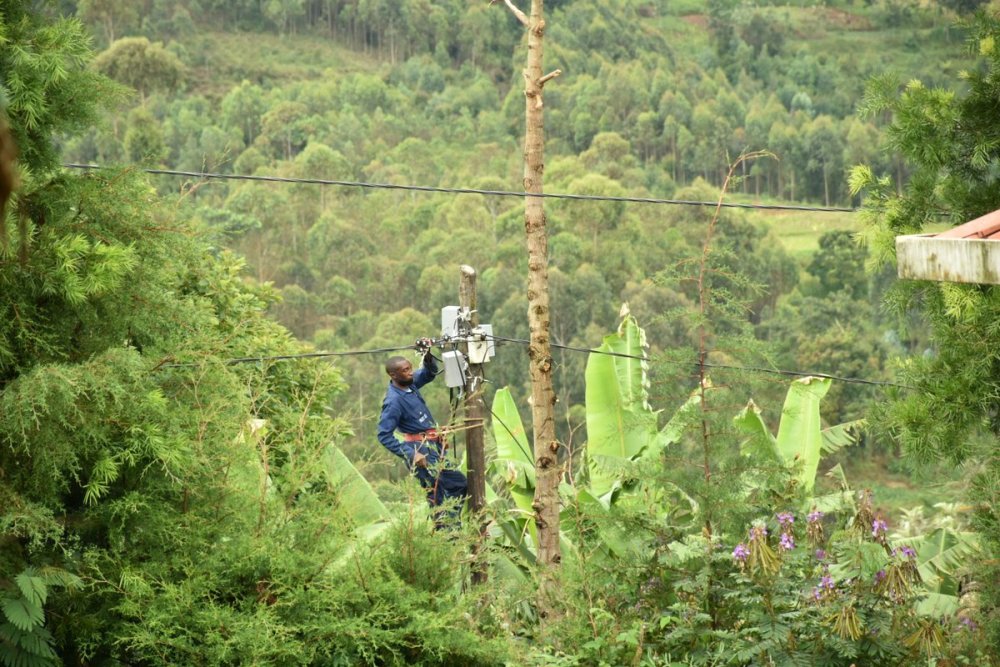
Rwanda has also made remarkable progress in improving living standards. In 1992, only 2.3% of Rwandans had access to electricity.
That figure rose to 6% in 2000 and reached 75% by 2025. Of those with access to electricity today, 54% are connected to the national power grid.
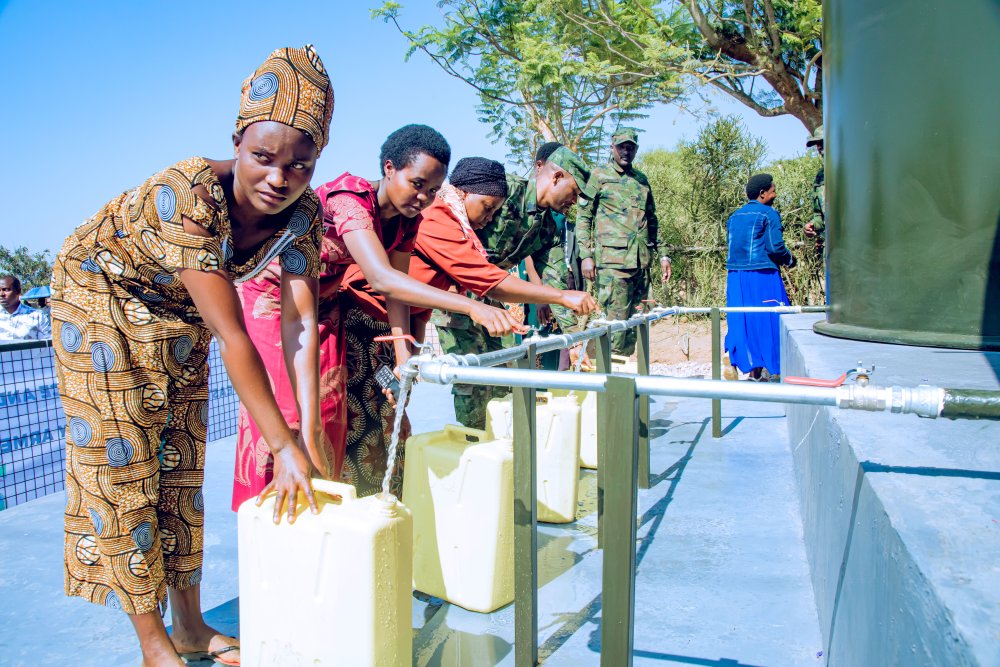
Access to clean water has improved significantly as well. In 1992, only 1.7% of households had piped water inside their homes, while 20.8% relied on public water taps. The rest depended on water from springs, rivers and other natural sources.
By 2000, the proportion of households with piped water at home had increased slightly to 1.9%, while 29.1% of the population accessed water through public taps. Many others still relied on springs, rivers and other water sources.
In 2025, the situation had changed considerably. About 24% of households had piped water in their homes, while 44% accessed clean water through public taps located within a 30-minute round trip from their homes, reflecting improved access to safe drinking water.
The country’s healthcare sector has also undergone a dramatic transformation. In 1992, more than 73% of women gave birth at home, and one in every five babies was delivered without the assistance of a trained health professional.
Home births remained common in 2000, with about 73% of women still delivering outside health facilities. The majority of those who gave birth at home were women aged over 35, accounting for 82% of all home deliveries.
By 2025, institutional deliveries had become the norm. An overwhelming 98% of women gave birth in health facilities, while only 2% delivered outside hospitals or health centres.
Advanced healthcare services have become more accessible to many Rwandans, marking a significant shift from the past.
These improvements have been accompanied by a significant decline in child mortality rates. Before 1992, 150 out of every 1,000 children born in Rwanda died before reaching the age of five.
By 2000, the figure had fallen, although it remained high, with more than 100 children out of every 1,000 dying before their fifth birthday.
Today, the under-five mortality rate in Rwanda has dropped significantly, with approximately 27 children out of every 1,000 live births dying before reaching the age of five.
The country’s health progress is also reflected in the rise in life expectancy. In 1992, Rwandans had an average life expectancy of slightly more than 44 years. This increased to 47 years in 2000 and reached 69.6 years by 2025.
In the education sector, major changes have also been recorded. In 1992, only 25.8% of women aged up to 49 had completed primary education, compared with 56.2% of men in the same age group.
By 2000, the proportion of people who had completed primary education had increased to 72.2%. In 2025, 38% of women and 40% of men under the age of 49 had completed primary education.
Economic conditions have also improved over the past three decades. In 1992, Rwanda’s average income per person was estimated at $270 annually, while 91% of the population depended on agriculture as their main source of livelihood. In 2000, average income stood at around $250 per person per year, with 91% of Rwandans still relying on agriculture.
By 2025, average income per person had increased to approximately $1,040 annually, while the share of the population dependent on agriculture had declined to 65%.
Looking at these figures, it is clear that Rwanda has achieved significant progress over the past 32 years, although the journey of transformation continues.
The country’s ongoing development efforts are reflected in its ambitions under the Second National Strategy for Transformation (NST2) and the long-term aspirations outlined in Vision 2050.
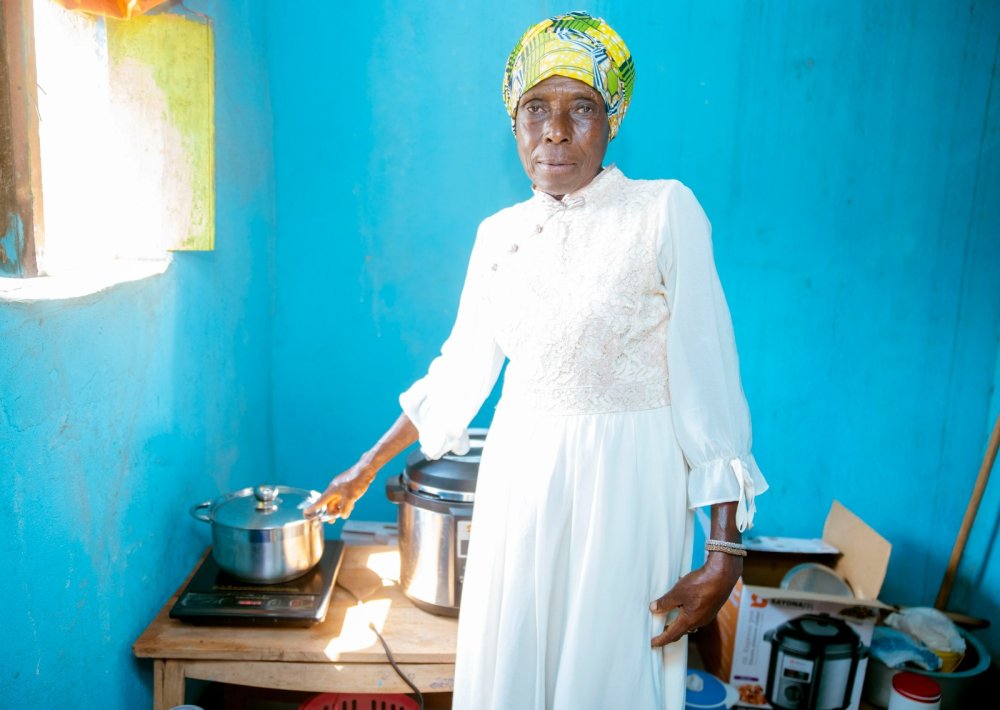
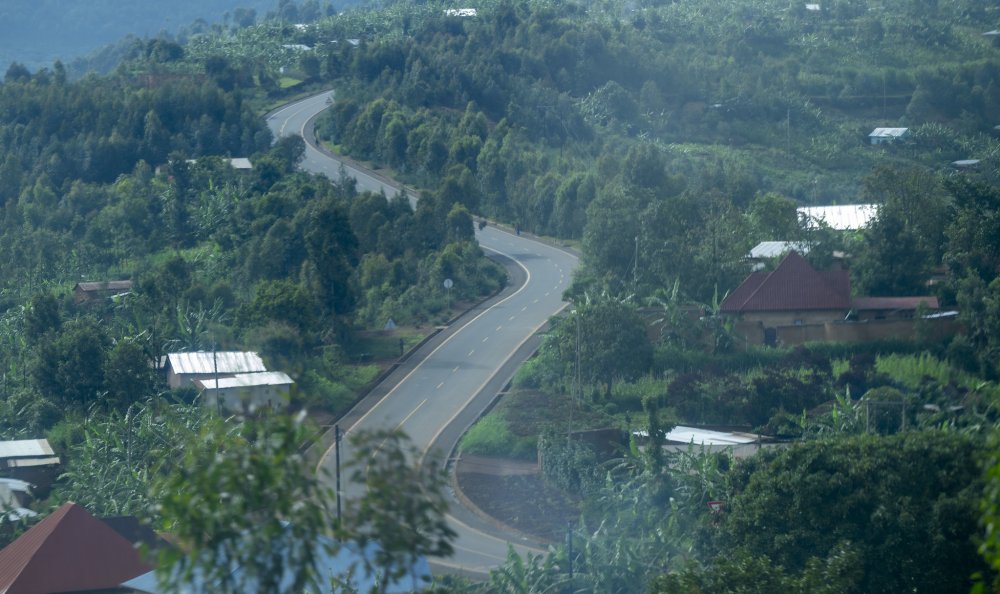
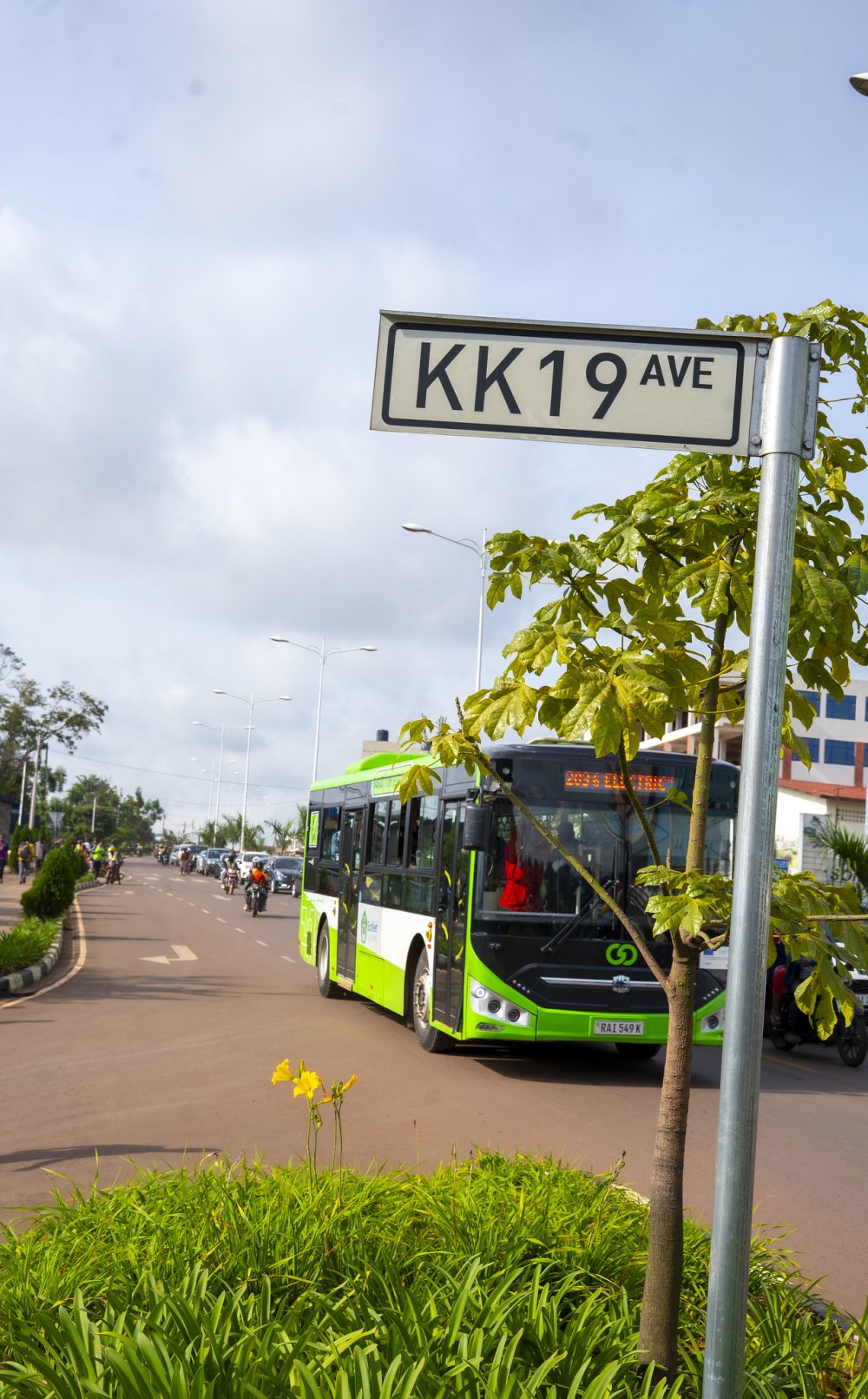
The number of Rwandans living in model villages continues to increase.More than 90% of Rwandans now have access to clean water across the country.The number of Rwandans with access to electricity continues to increase year after year.Rwanda has intensified efforts to increase the use of environmentally friendly energy sources.Rwanda’s transport sector has continued to improve and become more efficient.Education remains a cornerstone in improving citizens’ livelihoods and driving economic growth.
Since the 2030 Agenda for Sustainable Development was adopted in 2015, sustained investment, sound policies and international cooperation have improved the lives of billions of people worldwide with measurable gains across the SDGs, says The Sustainable Development Goals Report 2026.
Nearly 1 billion people gained access to safely managed drinking water and 1.2 billion people to safely managed sanitation. New HIV infections fell by 30 percent between 2015 and 2024, and AIDS-related deaths by 35 percent. Electricity now reaches 92 percent of the world’s population. Internet access has surged from 40 percent to 74 percent. Social protection covers more than half the global population for the first time in history, according to the report.
“Guided by the data in this report, our vision of the 2030 Agenda remains within reach,” said UN Secretary-General Antonio Guterres in the report. “Together, let us make a decisive final push to achieve the Sustainable Development Goals and build a healthy, prosperous future for all.”
Despite the progress, major challenges persist, the report shows.
One in 10 people still lives in extreme poverty. Around 2.3 billion people face moderate or severe food insecurity. More than 150 million children remain stunted. Maternal mortality stands at nearly three times the global target. The number of people affected by climate-related disasters has more than doubled since 2015, according to the report.
Escalating conflicts, climate change, slowing economic growth, rising debt, and a record decline in official development assistance are compounding the shortfall and disproportionately affecting the world’s most vulnerable people, it added.
At the press conference during which the report was released, UN Deputy Secretary-General Amina Mohammed said that the SDGs are sound. “Where they have been backed by political will and resources, they do deliver,” she said, warning of the existence of a deepening crisis in the means of implementation.
She called for three commitments: advancing gender equality as an enabler of every goal, accelerating the transition to renewable energy, and putting peace first by investing in the instruments of development rather than ever-rising military spending.
“None of today’s defining challenges can be solved by countries acting alone. The evidence presented in this report makes one thing unmistakably clear: the Sustainable Development Goals remain achievable if we choose to act together with greater urgency, scale, solidarity and resolve,” said Mohammed. “But that choice must be made now. It must be made with four years to go for a decisive final push to change the trajectory that we are currently on.”
UN Under-Secretary-General for Economic and Social Affairs Li Junhua said the 2030 Agenda recognizes that sustainable development is a shared endeavor, not a zero-sum game.
Recent milestones, such as legally protecting the high seas, or the surge in renewable electricity-generating capacity in developing countries, prove that ambitious, coordinated action delivers, Li said in the report.
“The next four years will test our momentum. The choices we make now regarding financing, global cooperation and collective crisis management will echo for generations,” he said. “The evidence in this report proves the goals we set in 2015 were never beyond us. We must now summon the resolve to finish what we began.”
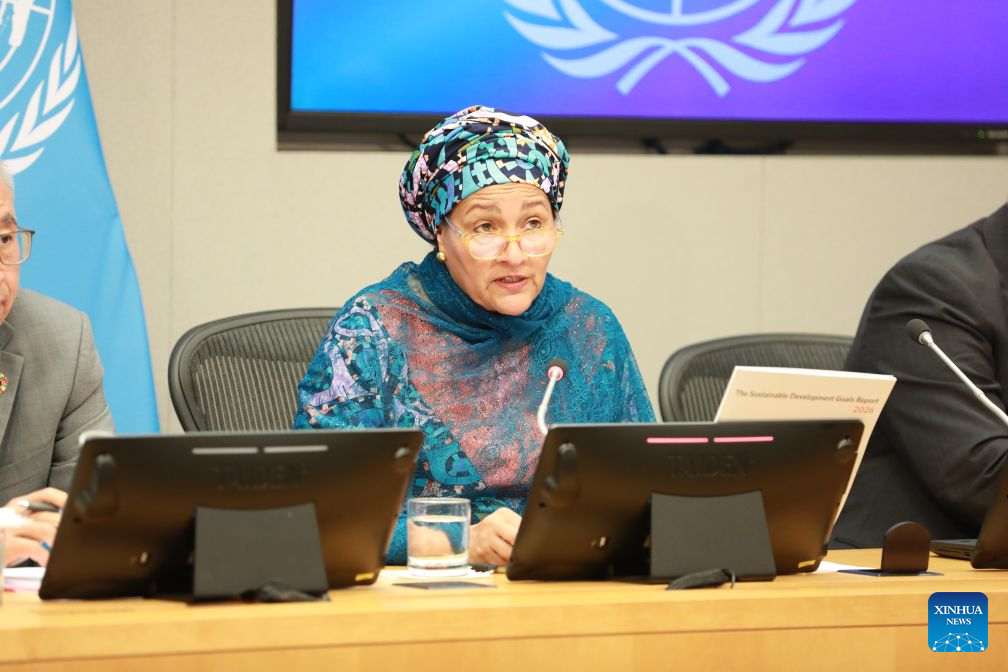
UN Deputy Secretary-General Amina Mohammed speaks at the press briefing to launch The Sustainable Development Goals Report 2026 at the UN headquarters in New York, July 7, 2026. With four years to go, only 36 percent of the assessable targets of the Sustainable Development Goals (SDGs) are on track, with nearly half stalling, and 15 percent have regressed, according to a UN report released Tuesday. (Xinhua/Xie E)
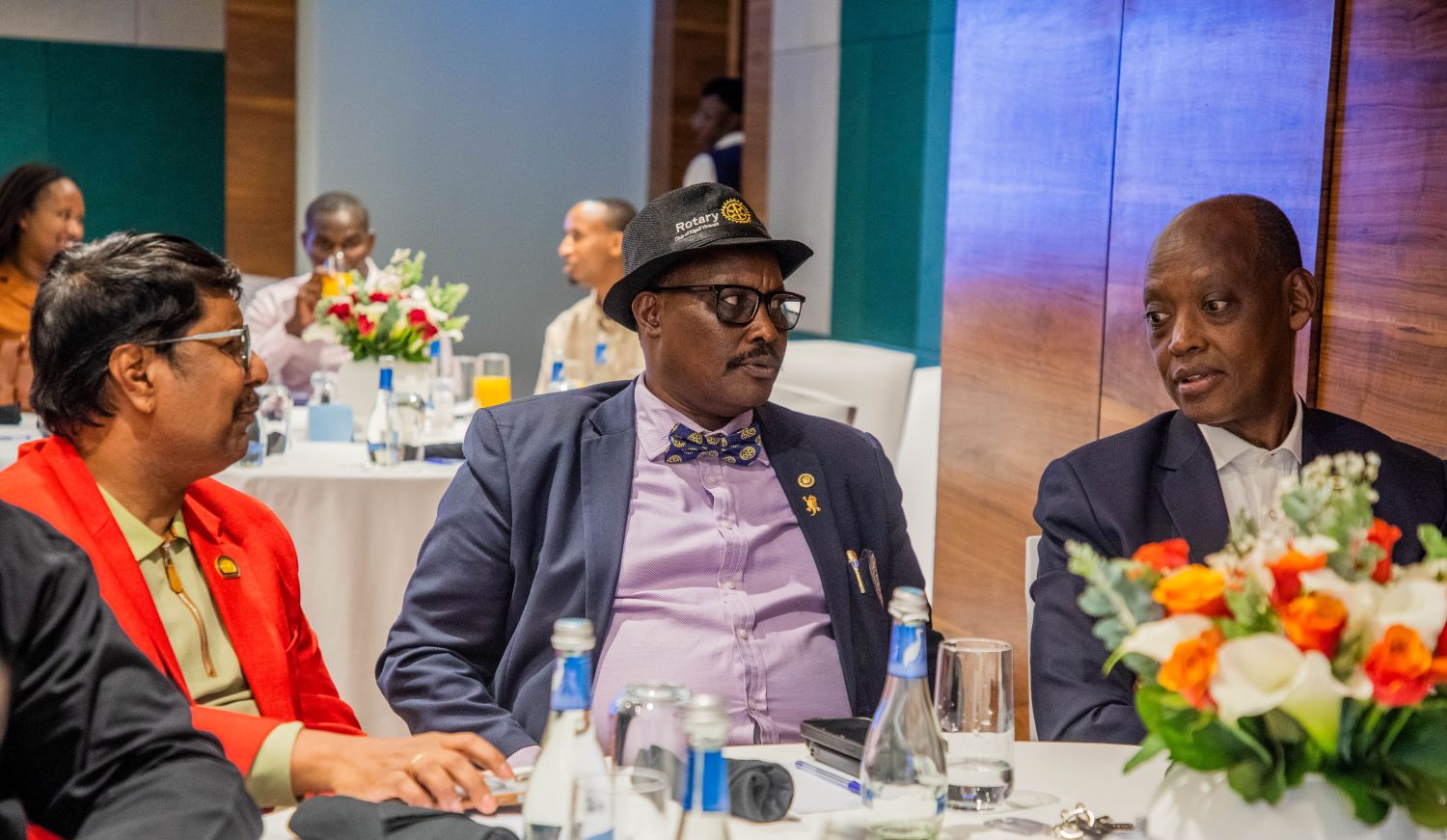
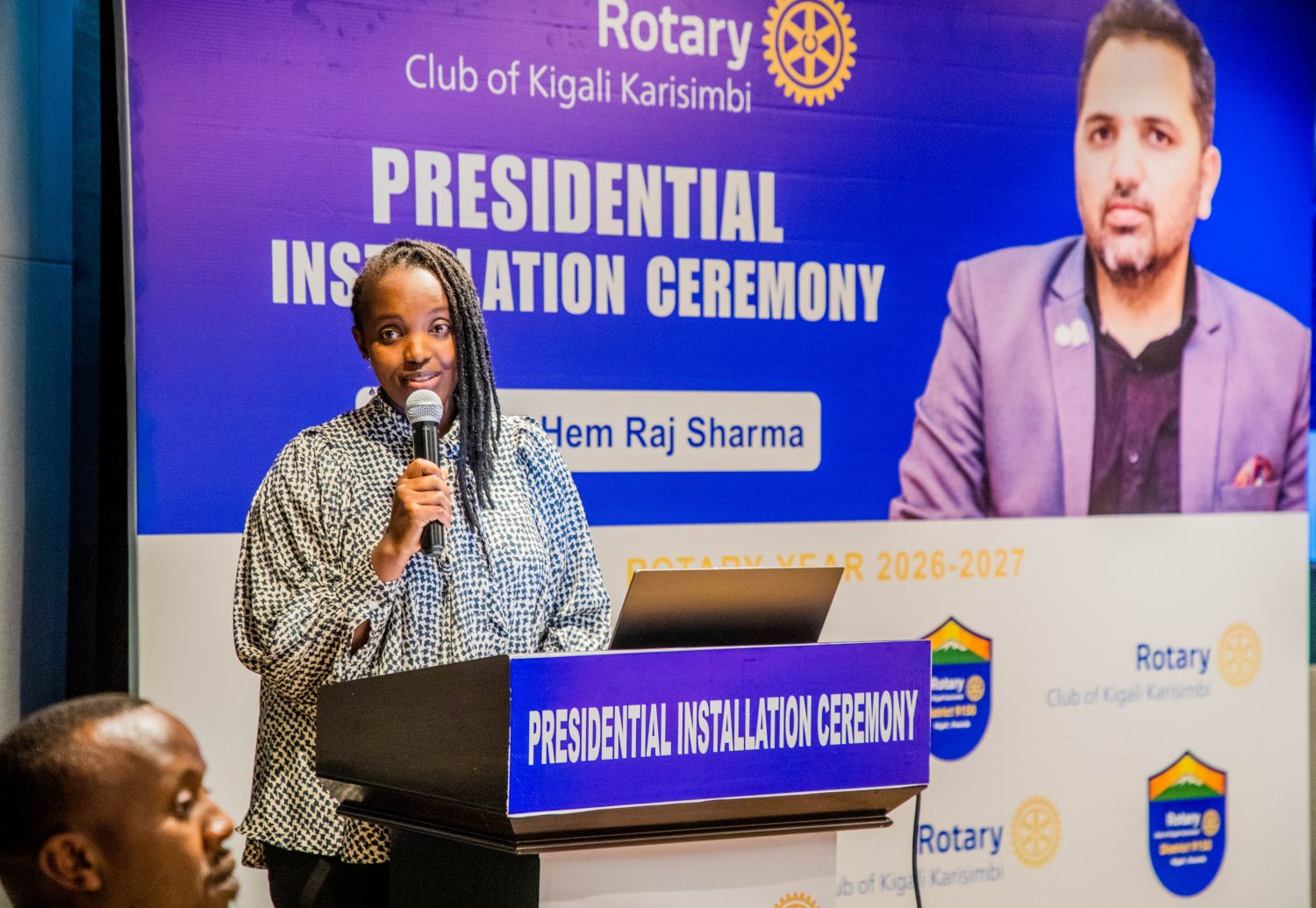
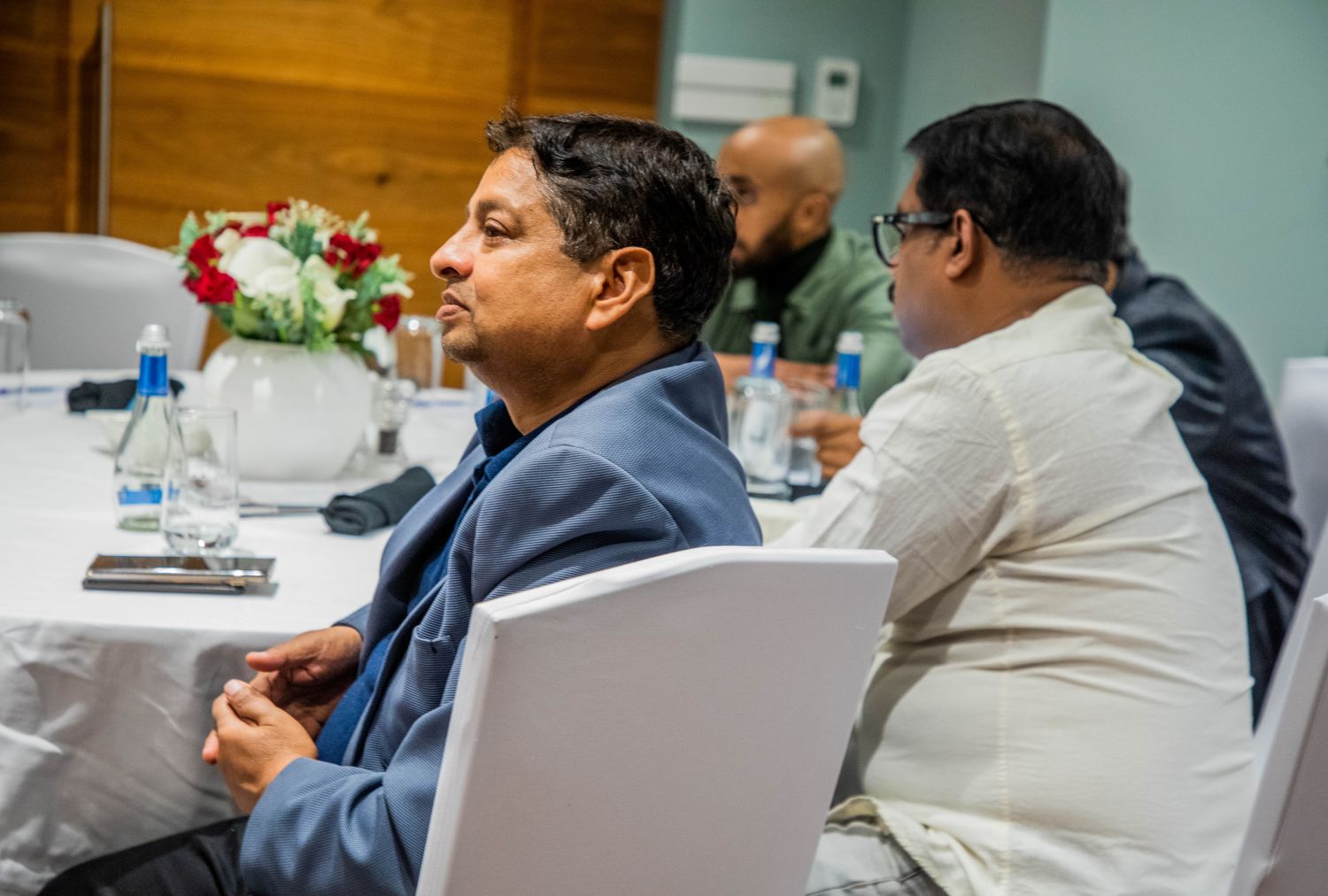
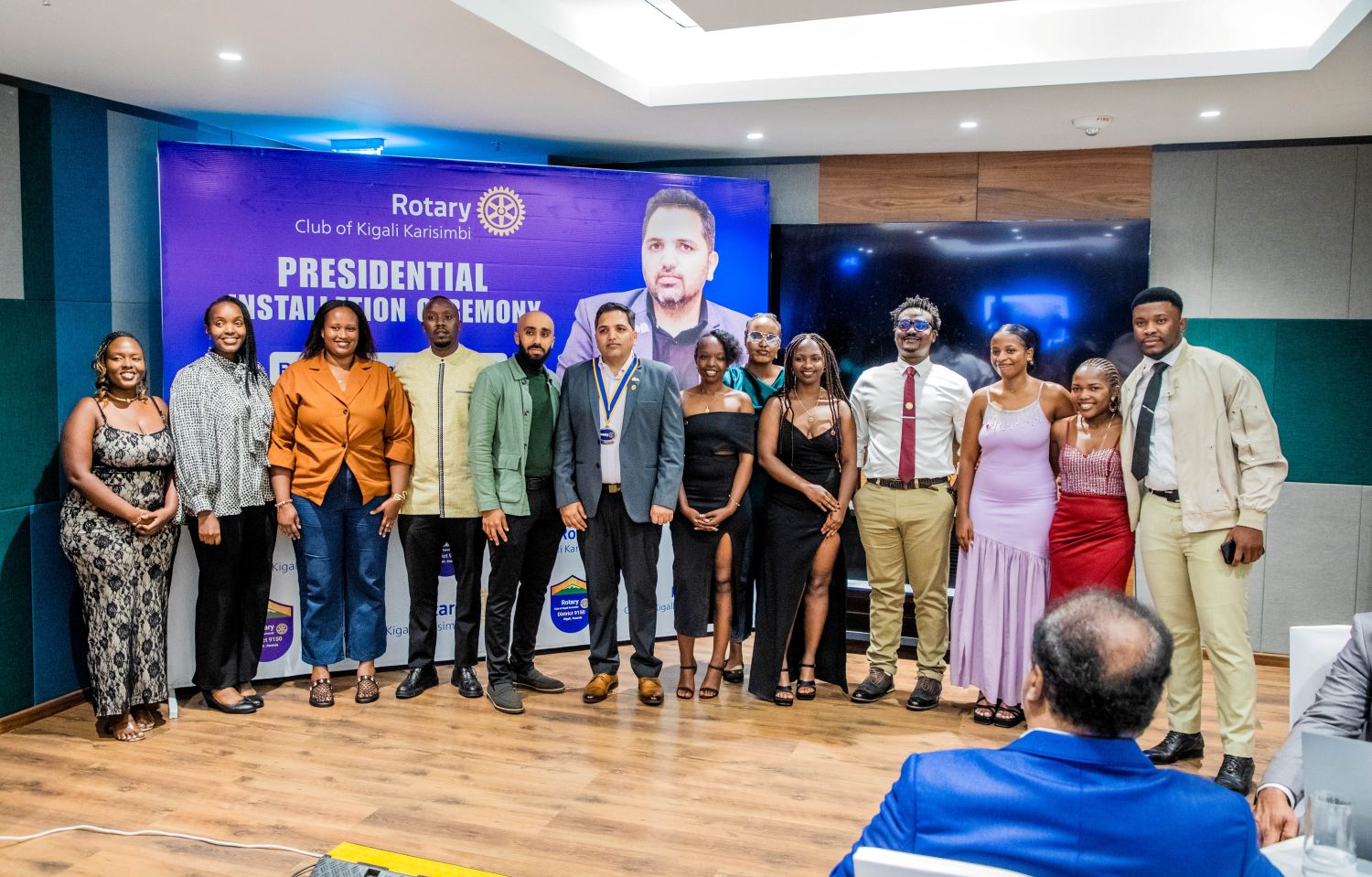
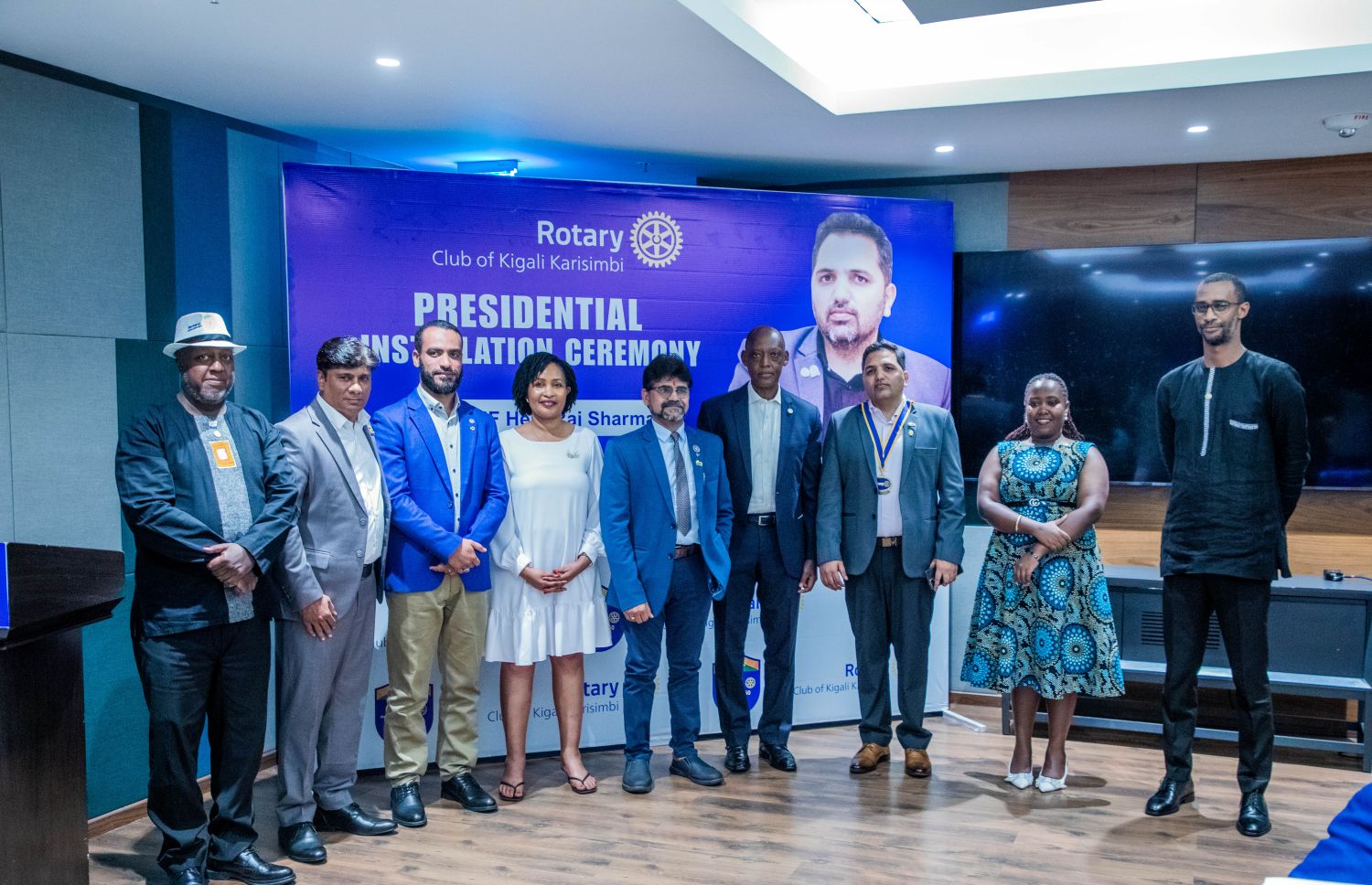
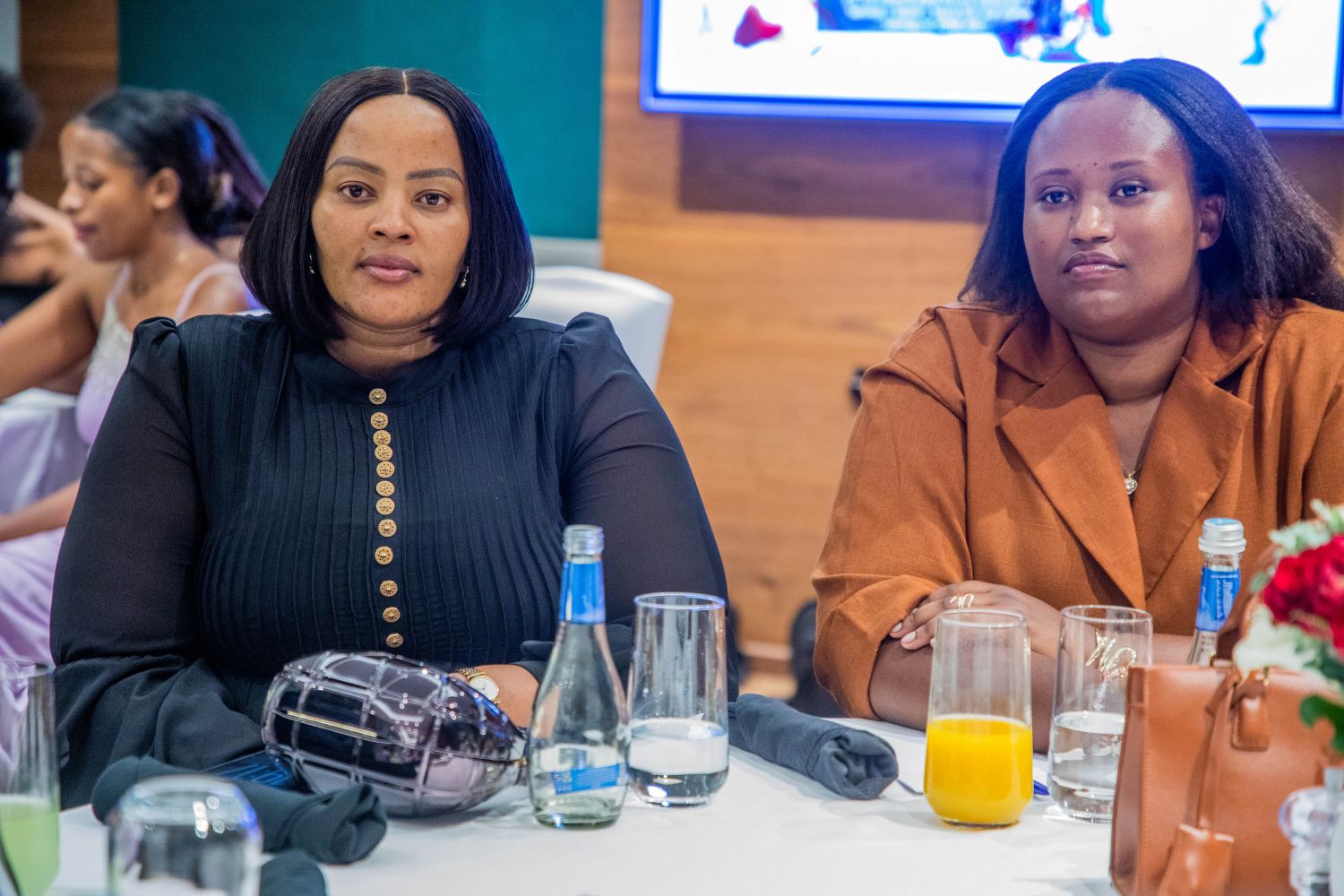
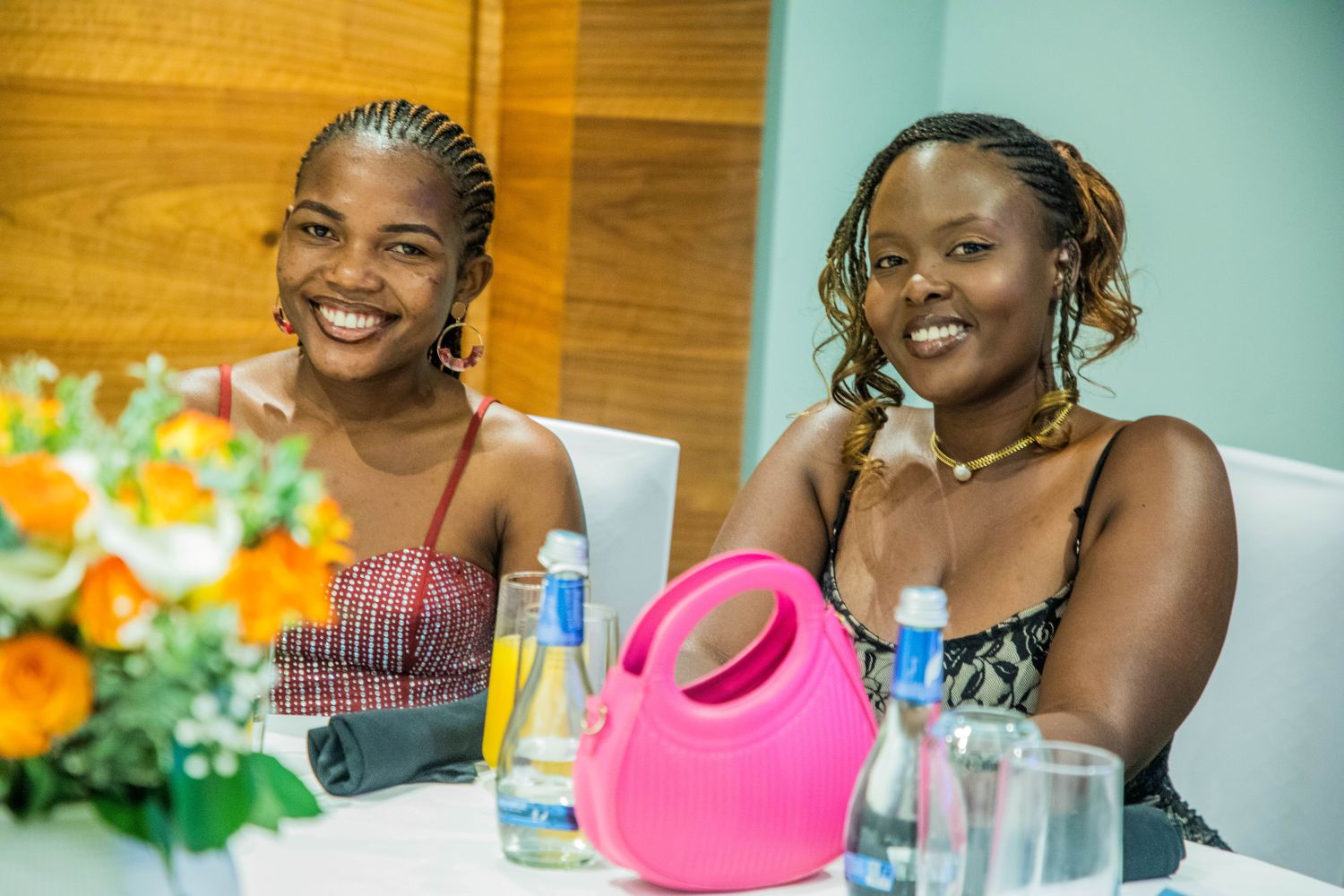
The installation ceremony, held on Sunday, July 5, 2026, at Four Points by Sheraton Kigali, brought together senior Rotary leaders, club members, Rotaractors, Interactors, and friends of Rotary from across the country. The event celebrated the outgoing leadership’s achievements while setting the tone for a new year of service-driven initiatives.
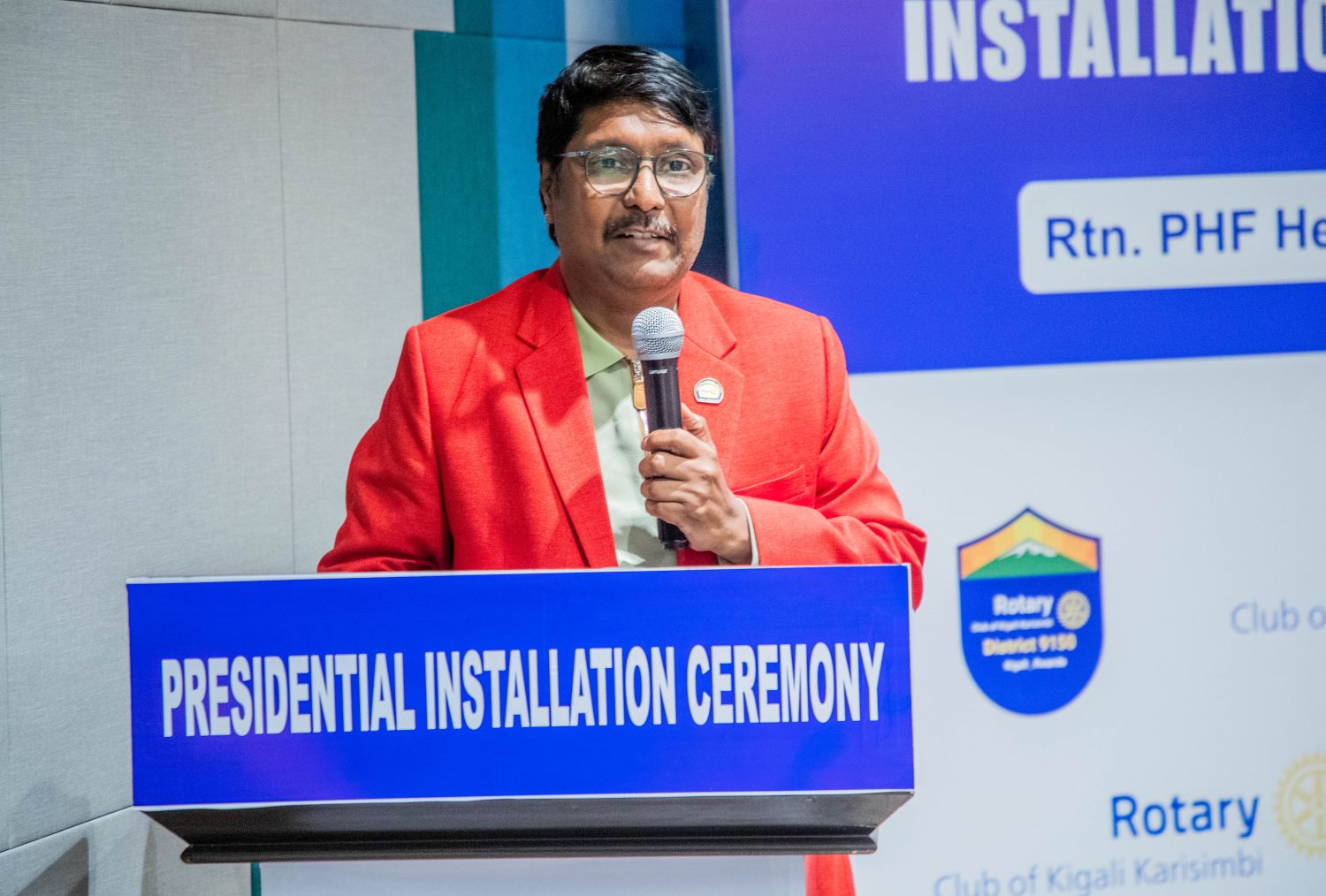
Assistant District Governor (ADG) Rtn. Jwala Vijay Kumar praised Rotary’s sustained impact in Rwanda, highlighting the organisation’s long-standing role in advancing community development across multiple sectors, including education, health, water, and environmental sustainability over the last 60 years. He noted that Rotary’s strength lies in its community-driven approach, which begins with identifying local needs and responding through practical interventions.
“Rotary works because we first listen to communities and understand their real needs. From clean water to education and health, we respond with sustainable solutions that create lasting impact,” he said.
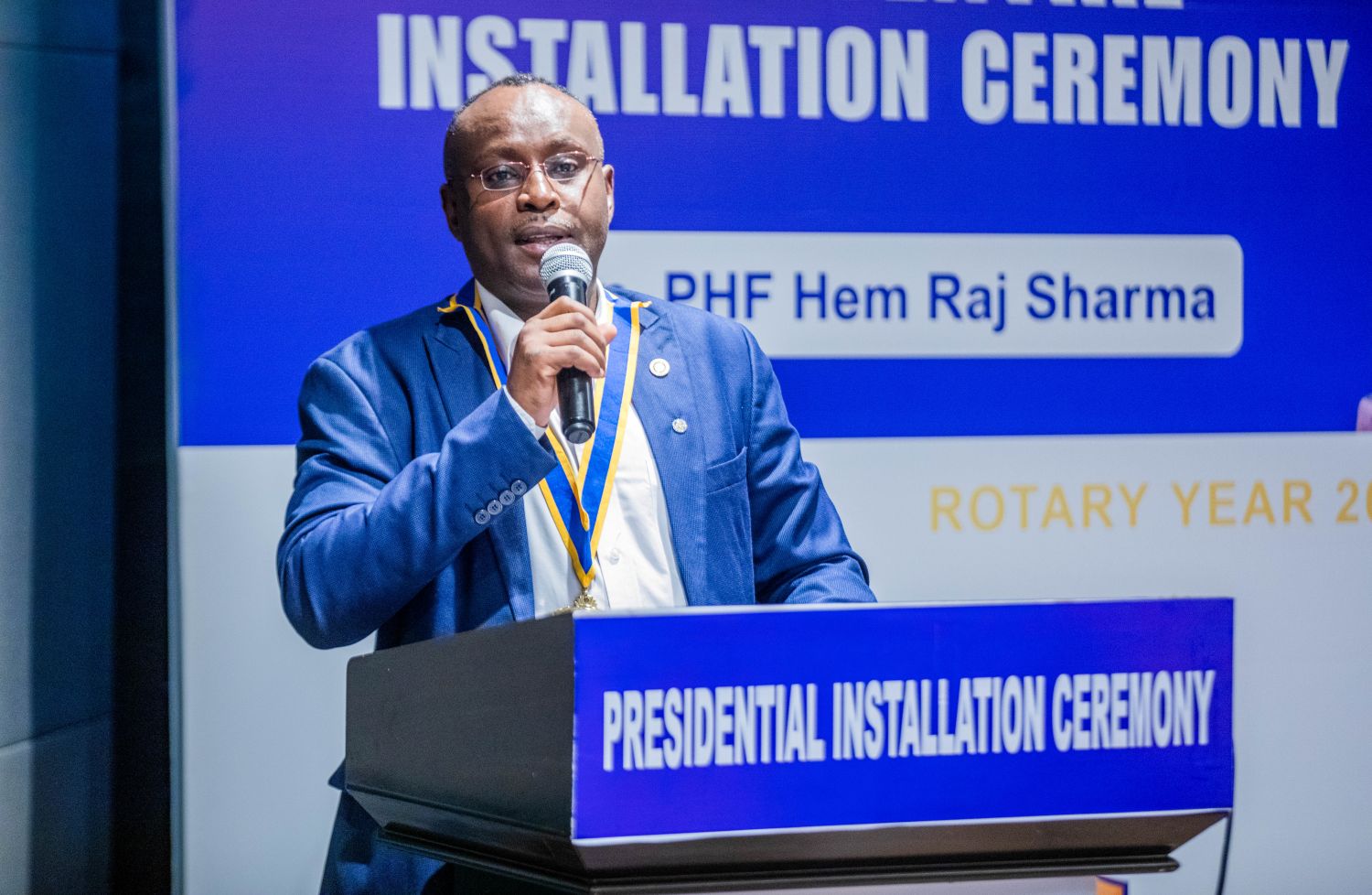
Outgoing club president Rtn. PHF Samuel Nzeki Munyao highlighted a year marked by strategic growth, expanded membership, and increased community impact. He noted that the club successfully implemented its annual goals through a structured five-year strategic plan developed collectively by members.
One of the most significant milestones, he said, was the doubling of club membership during the 2025–2026 Rotary year, driven largely by increased member engagement and participation in leadership roles.
“The moment people feel they are contributing meaningfully, they become more attached to the club and bring others along,” Munyao stated, emphasising the importance of inclusivity in membership growth.
He also pointed to the club’s successful acquisition of a District Grant through The Rotary Foundation, which supported key service projects, alongside increased contributions to the Rotary Annual Fund.
Community projects and impact
Throughout the past year, the Rotary Club of Kigali Karisimbi implemented a series of community-focused initiatives aligned with Rotary’s global areas of focus.
Among the standout activities was a professional logistics and road safety training programme conducted for drivers from both public and private institutions. The initiative aimed to improve defensive driving skills and enhance safety along regional transport corridors.
The club also continued work on infrastructure support in education, including the ongoing rehabilitation of EP Ntungamo Primary School in Muhanga District, reflecting its long-standing commitment to improving learning environments for children in underserved communities.
Environmental sustainability also featured prominently, with members participating in a tree-planting initiative at Rugabano Tea Estate in partnership with Rotaract Rwanda and Silverback Tea Company. The activity was part of broader efforts to promote environmental awareness and climate action.
Munyao noted that the club’s achievements were anchored in teamwork, structured planning, and member participation. He noted that the strategic plan developed during his tenure laid out short-, medium-, and long-term objectives that will continue guiding the club’s work in the coming years.
He expressed confidence in the incoming leadership, citing a strong succession process and collaborative spirit within the club.
New president outlines priorities
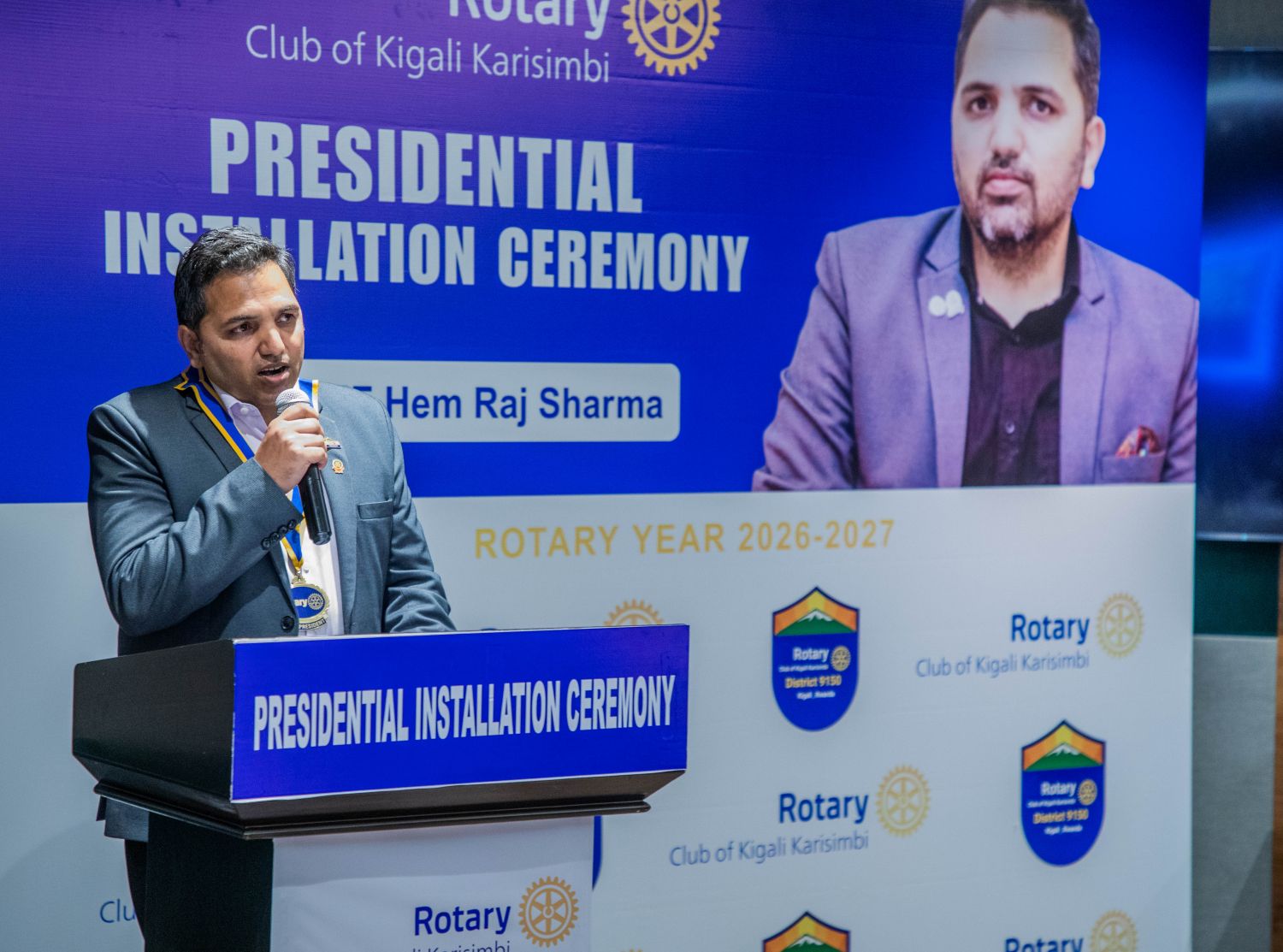
In his inaugural address, Rtn. PHF Hem Raj Sharma expressed gratitude for the trust placed in him and paid tribute to the outgoing leadership for laying a strong foundation of service and growth.
He reaffirmed that Rotary’s mission goes beyond titles and formal roles, stressing that the organisation’s true purpose lies in community impact.
“Rotary is about touching lives and responding to real needs in society,” he said.
For the 2026–2027 Rotary year, Sharma outlined two flagship priorities that will guide his presidency: education support and clean water access.
The club, which also unveiled a new board during Sunday’s installation, plans to expand educational sponsorships for underprivileged but high-potential students across Rwanda, ensuring access to quality education for those facing financial barriers.
In addition, the club is advancing a clean water project in the Karisimbi area, valued at over 30 million Rwandan francs. The project, which is already underway, is expected to be completed and handed over to the community by early 2027.
“These projects are not just interventions; they are long-term investments in dignity, opportunity, and public health,” Sharma noted.
With new leadership in place, the Rotary Club of Kigali Karisimbi is positioning itself to build on its recent achievements while deepening its impact in education, health, environment, and community empowerment.
As members transition into the new Rotary year, the club’s leadership emphasised continuity, collaboration, and sustained service delivery as guiding principles.
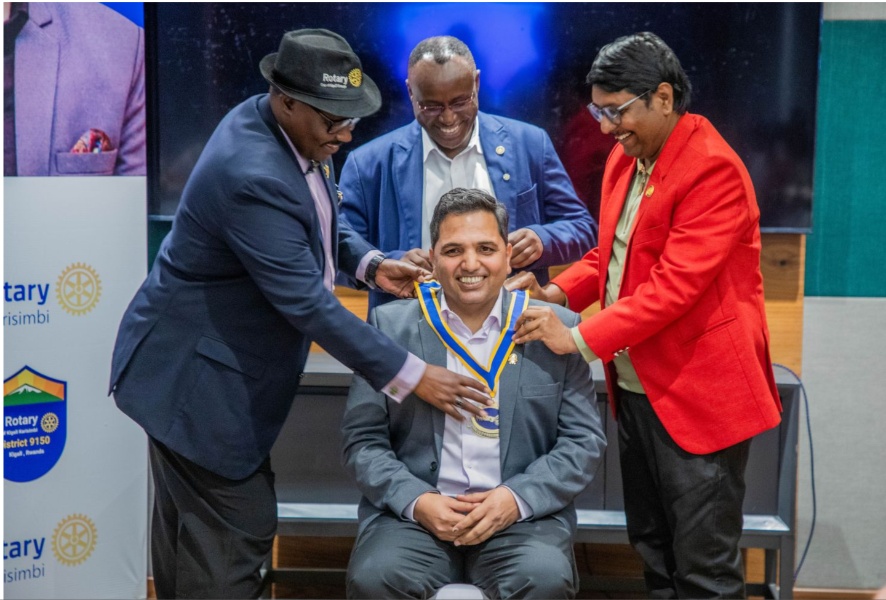
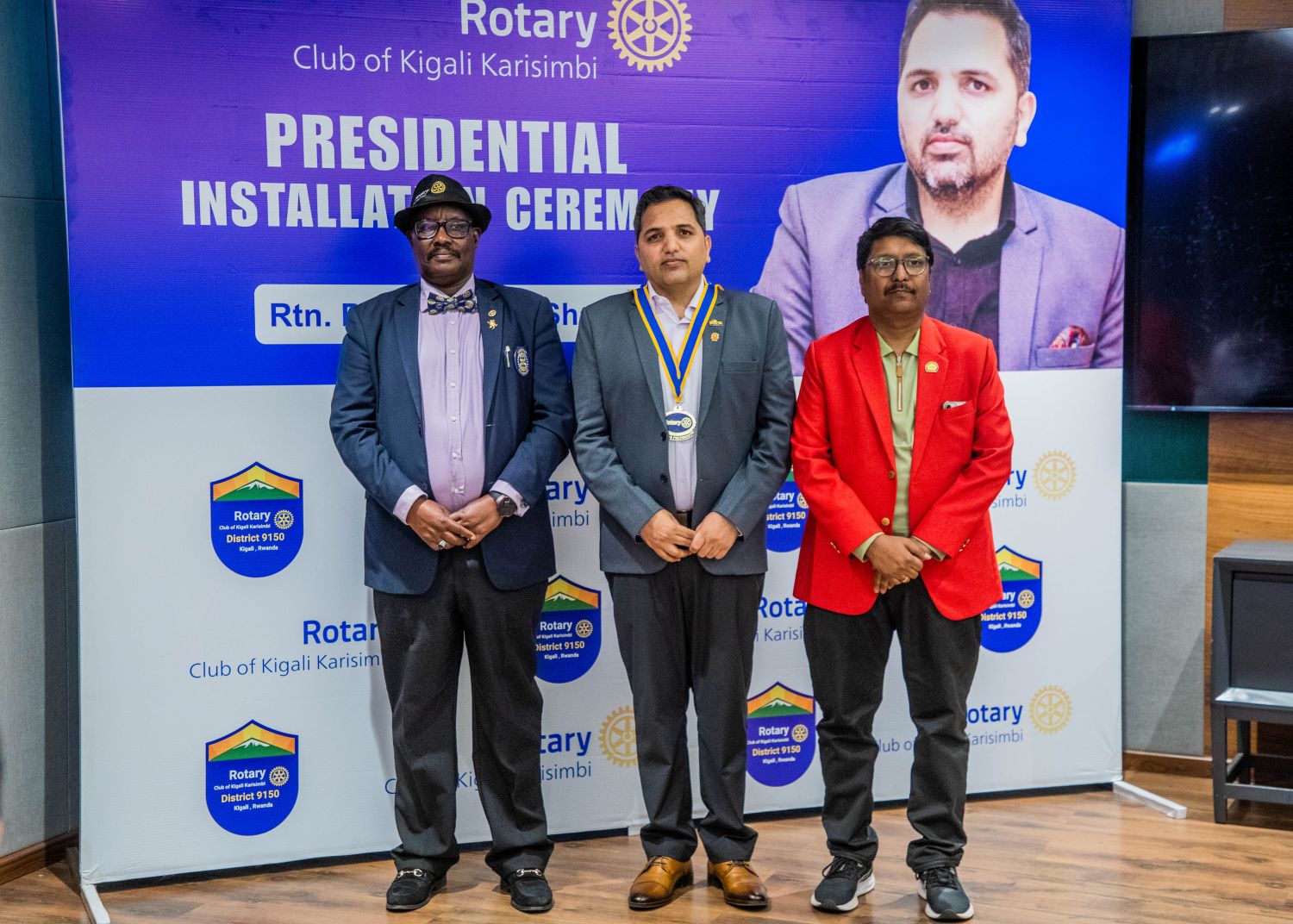
Rtn. PHF Hem Raj Sharma installed as the new president of the Rotary Club of Kigali Karisimbi for the 2026–2027 Rotary year.
, Rtn. PHF Hem Raj Sharma expressed gratitude for the trust placed in him and paid tribute to the outgoing leadership for laying a strong foundation of service and growth.The installation ceremony, held on Sunday, July 5, 2026, at Four Points by Sheraton Kigali, brought together senior Rotary leaders, club members, Rotaractors, Interactors, and friends of Rotary from across the country. The event celebrated the outgoing leadership’s achievements while setting the tone for a new year of service-driven initiatives.Outgoing club president Rtn. PHF Samuel Nzeki Munyao highlighted a year marked by strategic growth, expanded membership, and increased community impact. Assistant District Governor (ADG) Rtn. Jwala Vijay Kumar praised Rotary’s sustained impact in Rwanda.
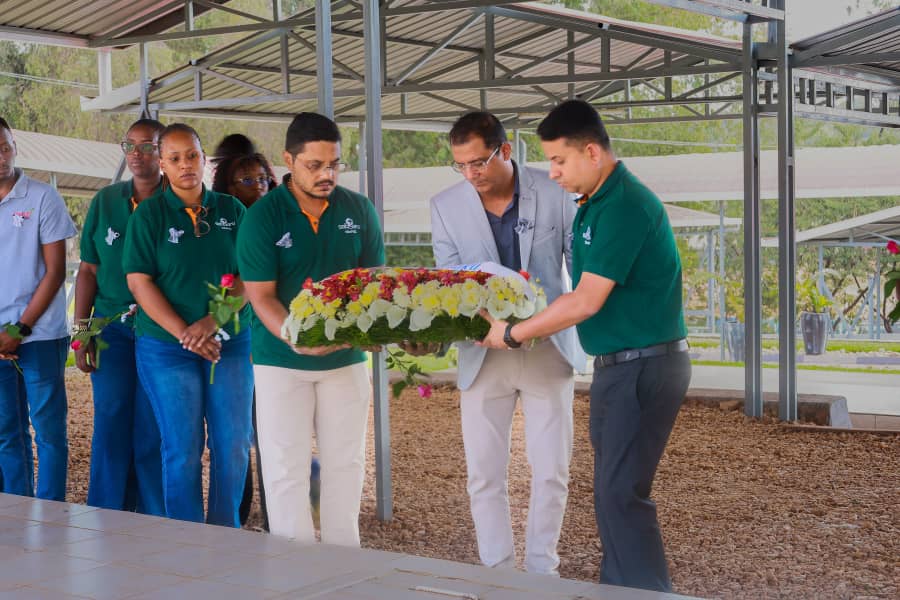
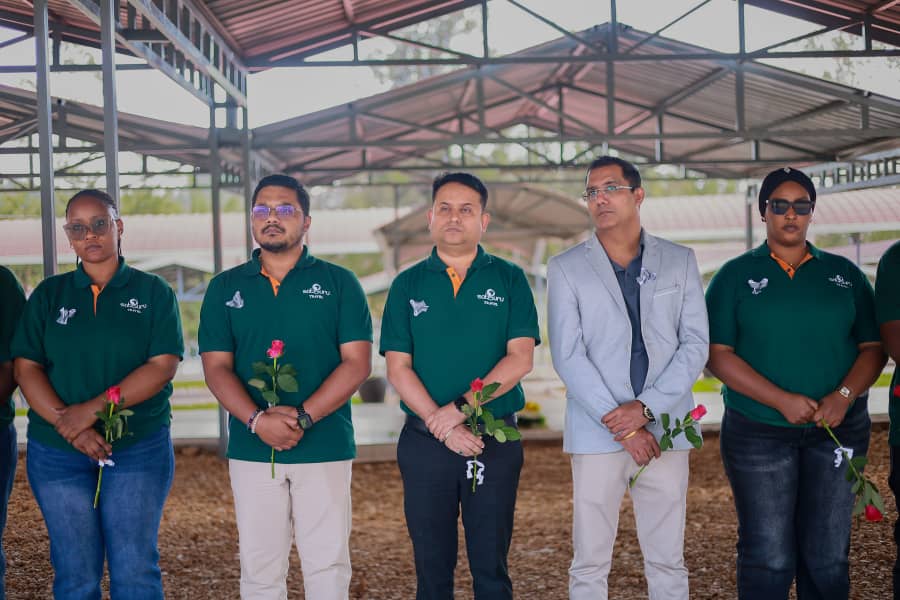
The delegation, led by Satguru Travels Rwanda Country Manager Sunil Kumar Nair alongside Satguru Cargo Regional Manager Ravi Tejwani and Satguru Travels Rwanda Managing Director Bharat Tolani, brought together employees from different business divisions of Satguru Travel Group, which has operated in Rwanda since 1989.
Company officials said the visit, which took place on June 26, reflects Satguru’s long-standing connection to Rwanda, where the firm was founded and continues to operate, with the majority of its workforce made up of Rwandan nationals.
Speaking about the initiative, Sunil Kumar Nair said the visit was rooted in the company’s responsibility to honour the country’s history and support values of peace and unity.
“Satguru was founded in Kigali in 1989, making Rwanda the birthplace of our organization. Even as we have grown globally, Rwanda remains our home. With more than 90% of our workforce being Rwandan nationals, we believe it is our responsibility to honour the country’s history and reinforce the values of peace, unity and humanity,” he said.
The visit has now become an annual remembrance initiative for the company. Last year, Satguru combined the memorial visit with direct support to a survivor family, including medical insurance.
The team moved through key sections of the memorial, including the mass graves and the Garden of Memory, where they were briefed on the history of the 1994 Genocide against the Tutsi and its planning by the then extremist regime.
They paid their respects by laying wreaths at the mass graves, where the remains of more than 100,000 victims from Nyanza Hill and surrounding communities are buried. Many of the victims were killed after UN peacekeepers abandoned them at the former ETO Kicukiro site.
The Garden of Memory, which spans several symbolic landscapes, was highlighted as a central educational space. Its features, including dry gardens representing lost lives, water elements symbolising rivers where victims were thrown, and monuments reflecting resilience, are designed to teach visitors about the scale of the tragedy and Rwanda’s path to recovery. A prominent Flame of Hope monument stands as a symbol of dignity and national renewal.
Participants also reflected on lessons of unity, with employees noting the importance of rejecting division and safeguarding peace.
Flavia Umutesi of Satguru Holidays said the visit provided a powerful learning experience about Rwanda’s history and reconciliation journey.
“Rwandans are no longer divided. There is no Tutsi, there is no Hutu; they are all one. We learned resilience and the importance of ensuring genocide never happens again anywhere,” she said.
Another employee, Rwagasana Alexandre, urged young people to remain vigilant against genocide ideology and to keep engaging with memorial sites to understand history and prevent repetition of such atrocities.
“We urge Rwandan youth not to fall into the temptations that led to the 1994 Genocide against the Tutsi. We should keep visiting these places so that we understand and avoid any behaviour that undermines its lessons,” he said.
Company management reaffirmed that remembrance will remain part of Satguru’s long-term corporate culture, coupled with continued support to survivor communities through employee engagement and social responsibility initiatives.
Nair emphasized that the experience was humbling for staff, adding that remembrance must be paired with action.
“We honour the memory of the victims, pay tribute to the resilience of survivors, and recognize Rwanda’s extraordinary journey of reconciliation. May we remember the past with dignity, live the present with compassion, and build the future with unity. Never Again,” he said.
The delegation, led by Satguru Travels Rwanda Country Manager Sunil Kumar Nair alongside Satguru Cargo Regional Manager Ravi Tejwani and Satguru Travels Rwanda Managing Director Bharat Tolani, brought together employees from different business divisions of Satguru Travel Group, which has operated in Rwanda since 1989.