Speaking to IGIHE, Dr. Nsanzimana said authorities examined every link in the chain, from consumers and manufacturers to regulators, local leaders and institutions responsible for enforcing food and beverage safety standards.
“There were things all of us were supposed to do but didn’t do. We all have a responsibility, including those who don’t drink and local leaders in every village. Everyone has a role to play. Now we have all risen together to address this,” he said.
He said the illicit drinks have contributed to a growing burden of non-communicable diseases, while deaths linked to their consumption continue to rise.
“From January through July, more than 500 people sought medical treatment after consuming these alcoholic drinks,” he said.
“They arrived in critical condition, vomiting, suffering from severe diarrhoea; some had lost their eyesight, while others were brought to hospital on stretchers after collapsing at social gatherings, including weddings. Investigations consistently found links to adulterated alcoholic drinks.”
According to the minister, more than 50 people have died after consuming the toxic beverages.
He added that the government’s assessment also identified a far broader group of people whose lives have been severely affected by alcohol dependence.
“We asked ourselves whether there were people who had not been hospitalised but were slowly dying because of alcohol addiction. We have so far identified more than 10,000, close to 11,000 people across the country who are addicted to alcohol,” he said.
“These are only the cases we know about and represent just a small fraction of the actual number. They are people who spend much of their lives intoxicated.”
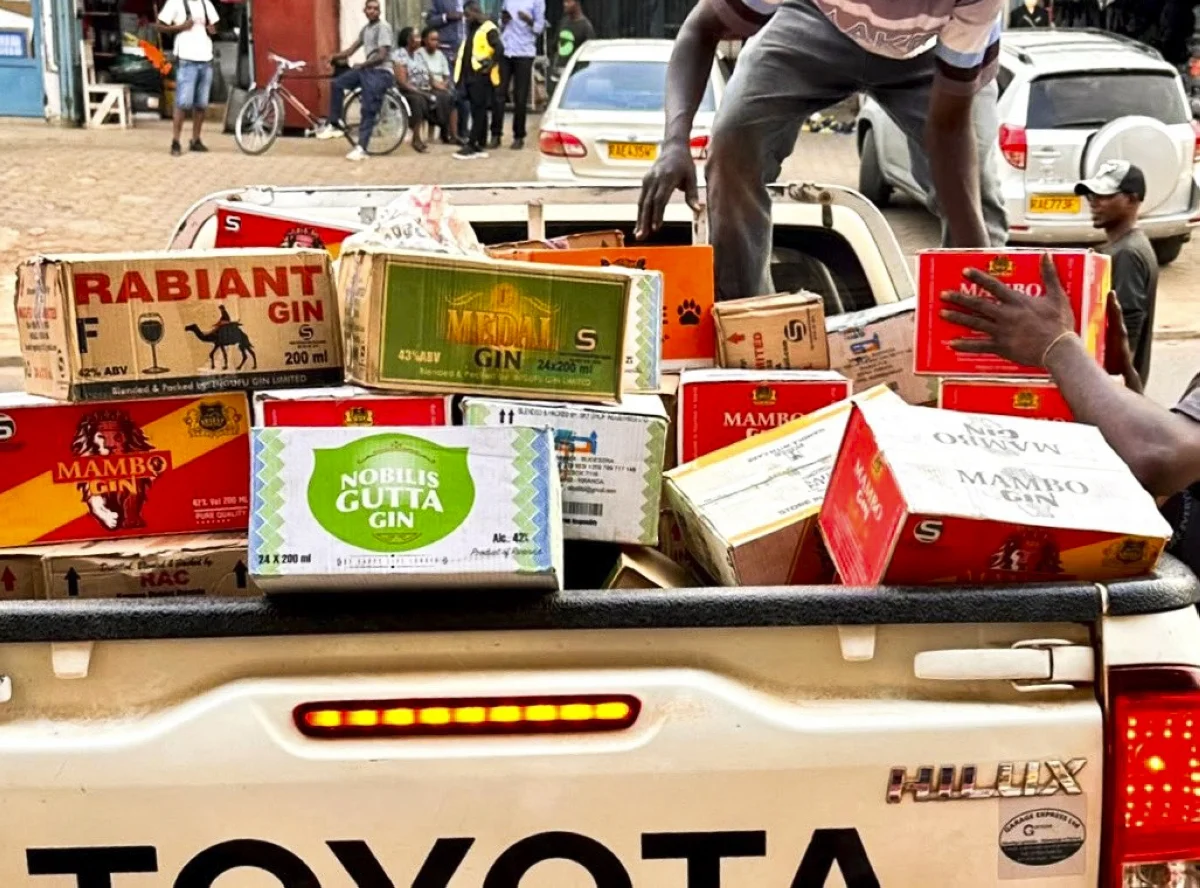
Dr. Nsanzimana noted that non-communicable diseases now claim more lives in Rwanda than infectious diseases, with harmful alcohol consumption among the major contributing factors.
“We are seeing young people develop kidney disease because of these alcoholic drinks,” he explained.
He further disclosed that more than 100 people lost their eyesight after consuming the illicit alcohol during the first seven months of the year.
Inspections expose widespread violations
As the crisis deepened, the government ordered the closure of factories producing the drinks after inspections found widespread non-compliance with manufacturing standards.
“Every factory inspected so far failed to meet the conditions it had committed to when obtaining its operating licence,” Dr. Nsanzimana said.
He explained that while each factory is required to employ qualified technical personnel, investigators found instances where the same professional had been listed as responsible for more than 10 factories simultaneously, making effective oversight impossible.
Inspectors also found poor hygiene standards and unsafe storage of raw materials at many production sites.
Laboratory tests further revealed serious discrepancies between product labels and actual alcohol content.
“In some cases, bottles labelled as containing 40% alcohol were found to contain 70%,” he revealed.
“Others used labels that did not match the contents or even counterfeited established brands by refilling bottles from legitimate manufacturers with their own products before attaching counterfeit labels.”
He described the scheme as a coordinated network involving licensed manufacturers, unlicensed producers and distributors.
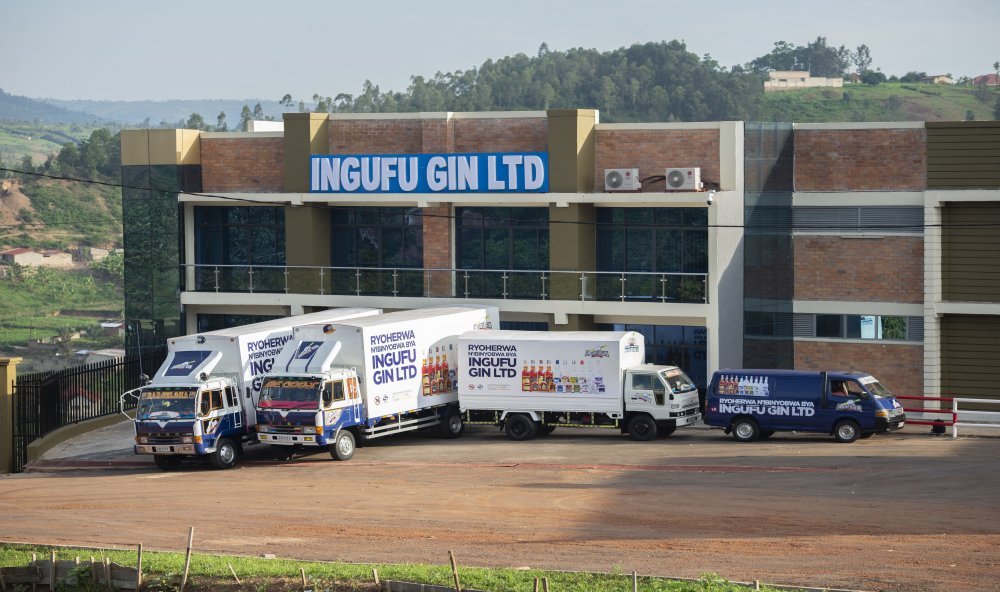
Sophisticated distribution network
The minister also revealed that some large manufacturers imported industrial alcohol, used part of it in licensed production and illegally diverted the remainder for distribution across the country.
“You would find motorcycles transporting four jerrycans to Nyagatare, Rusizi or Nyabihu. These deliveries were carried out at night through a highly organised network,” he said.
“The operation was only uncovered after an extensive investigation that went beyond the institutions responsible for issuing licences.”
According to Dr. Nsanzimana, alcohol found in remote communities could often be traced back to factories in Kigali, with those involved driven by the significant profits generated by the illegal trade.
He warned that producers deliberately manufactured highly intoxicating drinks because they understood their addictive effects.
“They know these drinks create dependency,” he said.
“The stronger the intoxication, the more likely the consumer is to crave another drink the following day. They keep returning in search of that feeling until they eventually become addicted.”
The Rwanda Food and Drugs Authority (Rwanda FDA) has so far shut down more than 100 alcoholic beverage manufacturers for regulatory non-compliance as part of an ongoing crackdown.
The regulator has also ordered the immediate recall of their products from the market and banned all advertising of the affected products.

Leave a Reply