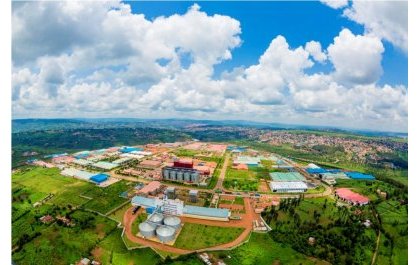
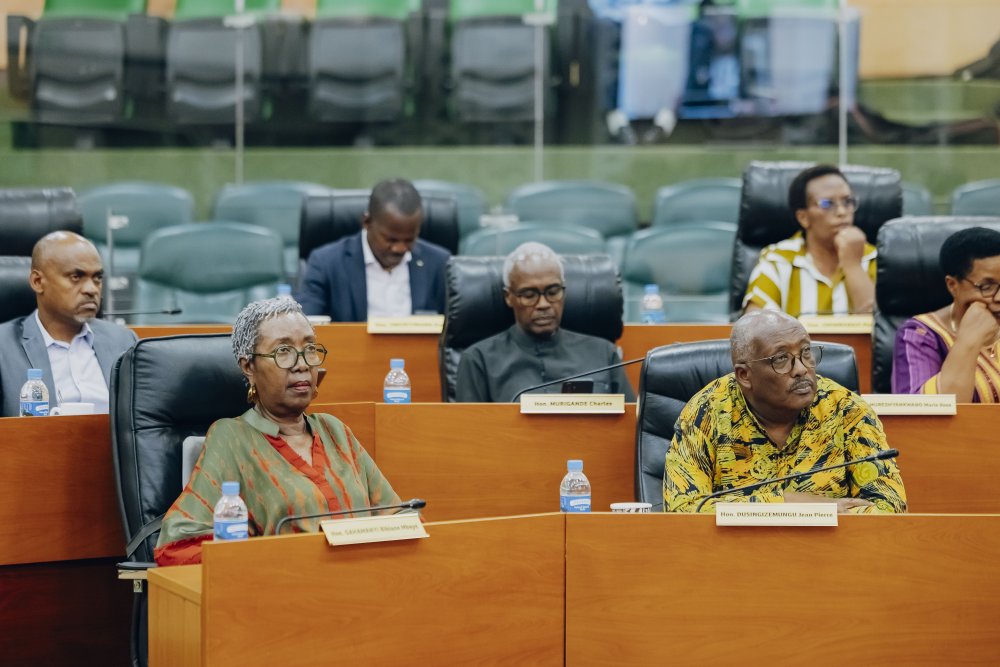
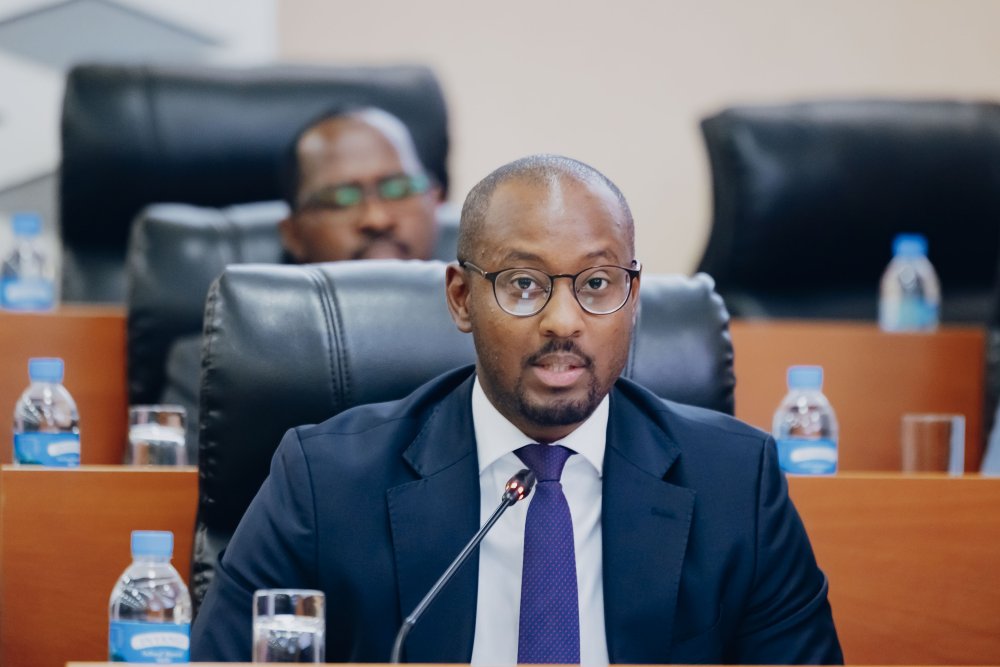
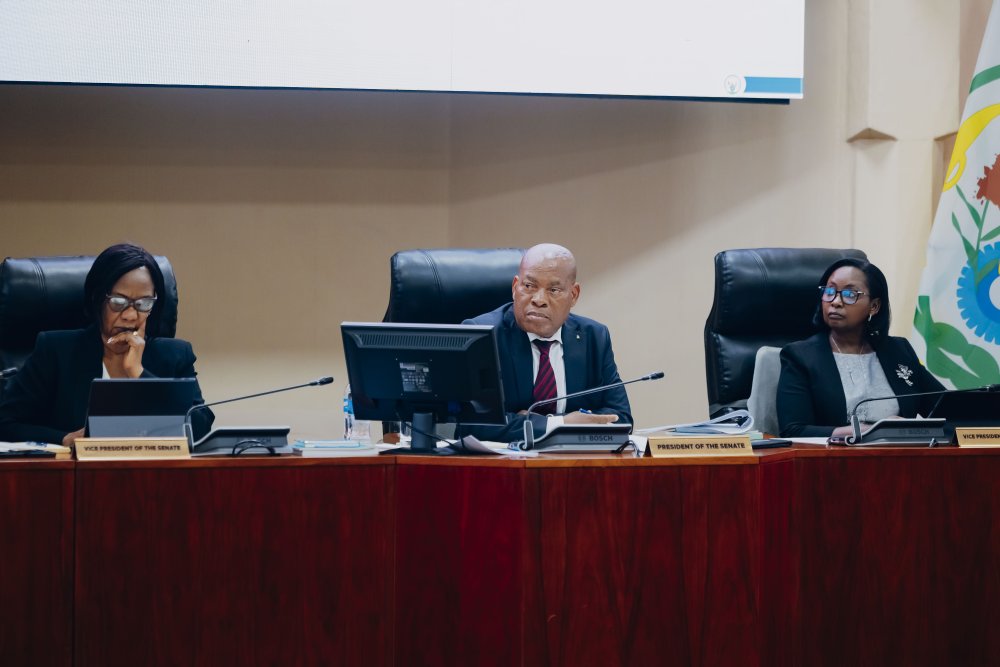
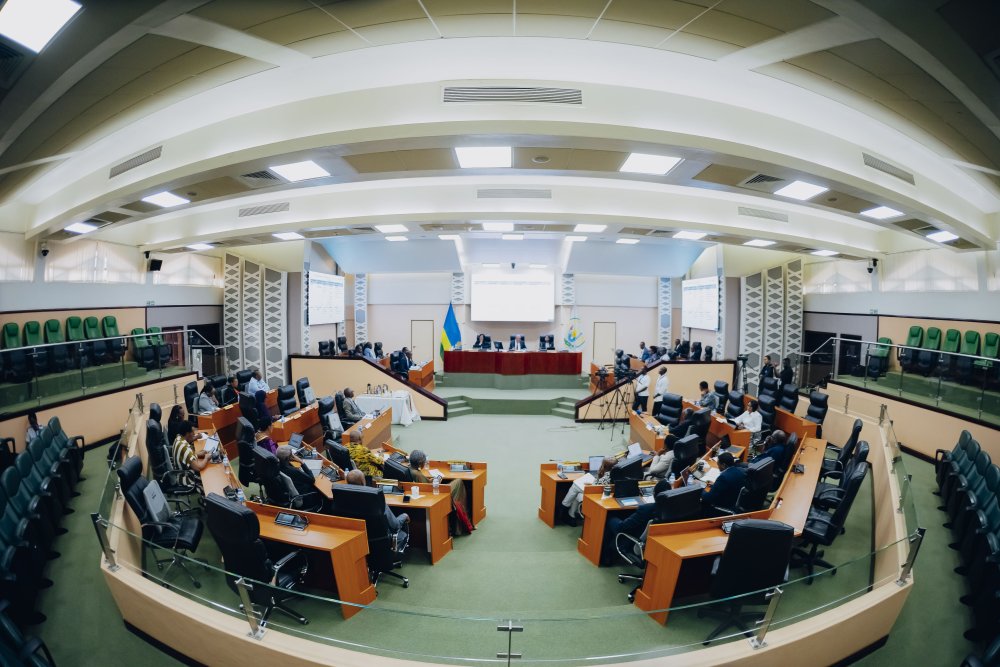
The minister disclosed the figures on August 3, 2026, while appearing before the Senate Plenary to present progress made in addressing challenges facing industrial parks and outline measures being taken to resolve infrastructure gaps that have slowed their development.
During the session, senators observed that while all industrial parks are connected to electricity and equipped with water supply infrastructure, water shortages remain a persistent challenge in many of the zones.
Kajangwe said the government’s Second National Strategy for Transformation (NST2) prioritises the development of infrastructure in four industrial parks located in Muhanga, Bugesera, Rwamagana and Musanze.
He added that the government will continue expanding infrastructure to other industrial parks as resources become available.
The minister also said the government has introduced a digital investment project monitoring system to improve services for both existing and prospective investors and accelerate the productive use of industrial parks.
“To date, 405 investors have been allocated land across all industrial parks in the country. Of their projects, 193 have been completed, 99 are currently under construction, while 122 have not yet started,” Kajangwe told senators.
He revealed that 15 projects have experienced significant delays despite investors having already received land from the government. These include five projects in Rwamagana, four in Bugesera, four in Rusizi and two in Huye.
Kajangwe said the government has adopted a firm approach toward investors who fail to develop their allocated plots within the agreed timeframe.
“Where projects are delayed, the government repossesses the land and reallocates it to investors who are ready to implement their projects without delay,” he said.
So far, the government has repossessed six plots, including five in Rwamagana Industrial Park and one in Musanze Industrial Park.
“These plots have already been allocated to other investors who demonstrated both interest and the capacity to fast-track their projects,” he added.
Senator Evode Uwizeyimana welcomed the move, saying reclaiming land from investors who acquire plots for speculation rather than development was a positive step. However, he argued that the number of repossessed plots remains too low.
“Six is still a small number. You mentioned Rwamagana, but this exercise should be extended to other industrial parks as well,” Uwizeyimana said.
Responding to the concerns, Kajangwe said the ministry is monitoring several other investors who have failed to honour their contractual obligations and that more repossessions will follow.
“Investors who have exceeded the construction deadlines and have not presented any clear plans for developing their plots will have their land repossessed. This is a commitment we have made as the Ministry of Trade and Industry,” he said.
He explained that every investor allocated land in an industrial park signs a contract specifying when construction must begin. The government also reclaims plots from investors who fail to fulfil their financial obligations, including payments owed to the state.
Kajangwe noted that authorities have already identified additional investors who have exceeded the deadlines set in their contracts without starting construction and that they will also lose their plots.
Rwanda currently has 10 industrial parks across the country. Investors are allocated space based on the type of manufacturing activities they intend to undertake. The industrial parks in Nyagatare and Nyabihu are designated for agro-processing industries, while the Musanze Industrial Park primarily hosts manufacturers of construction materials.
Leave a Reply