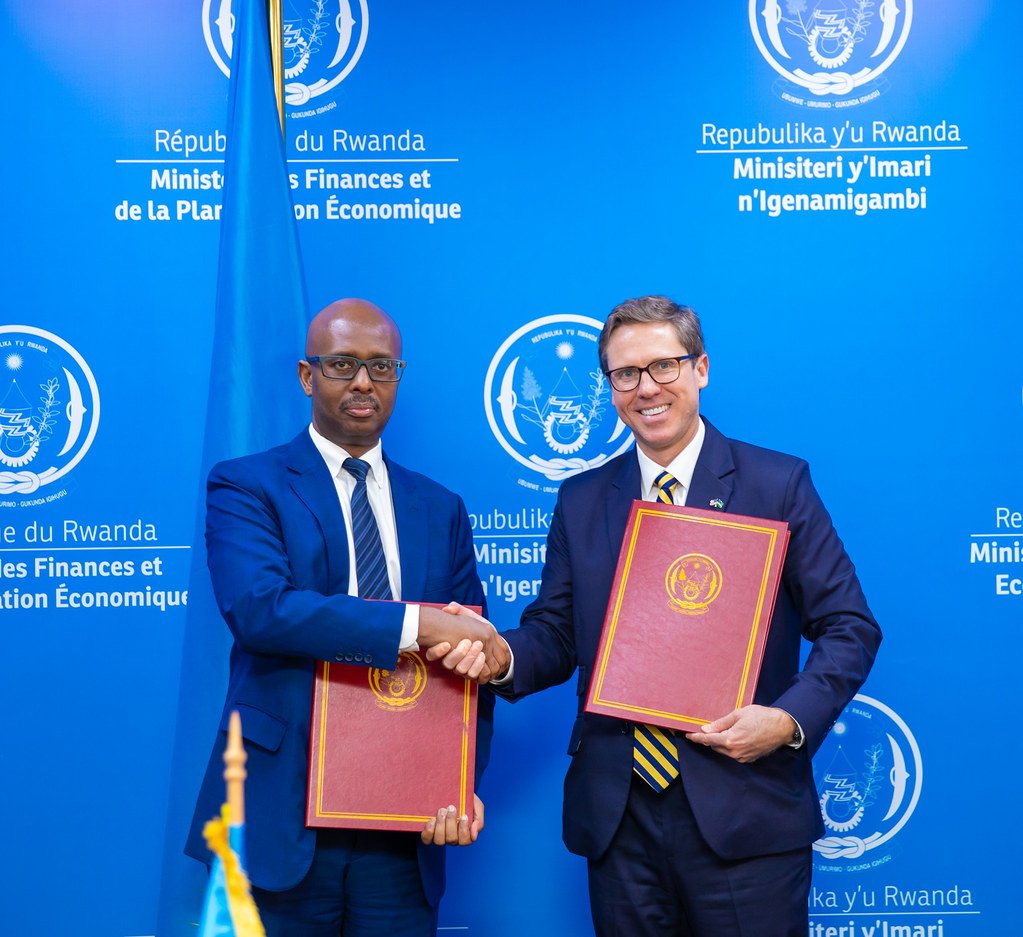
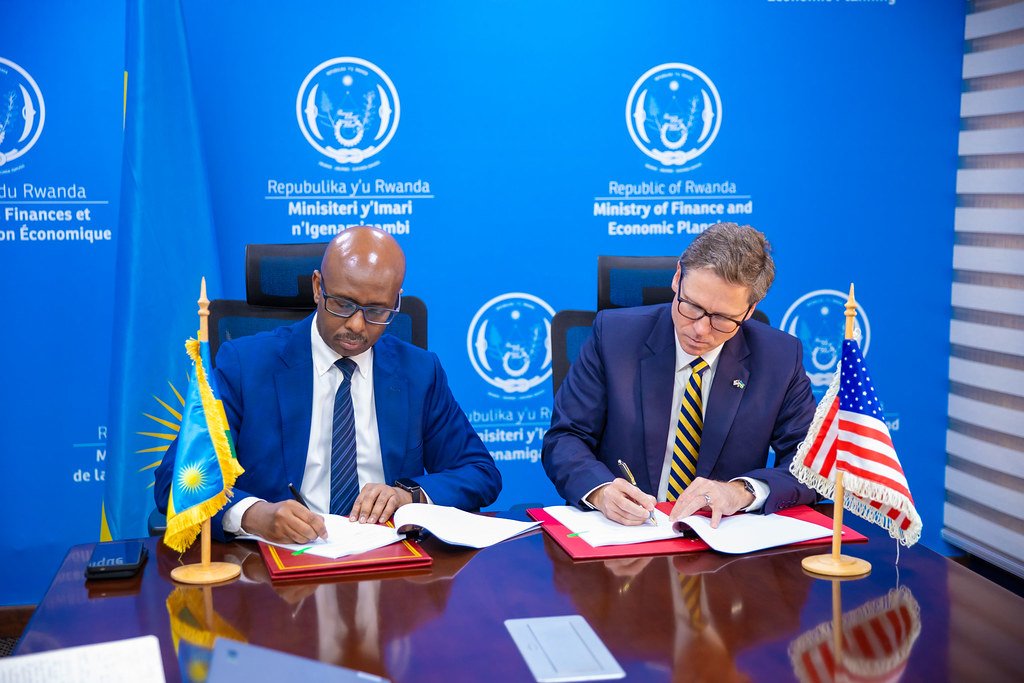
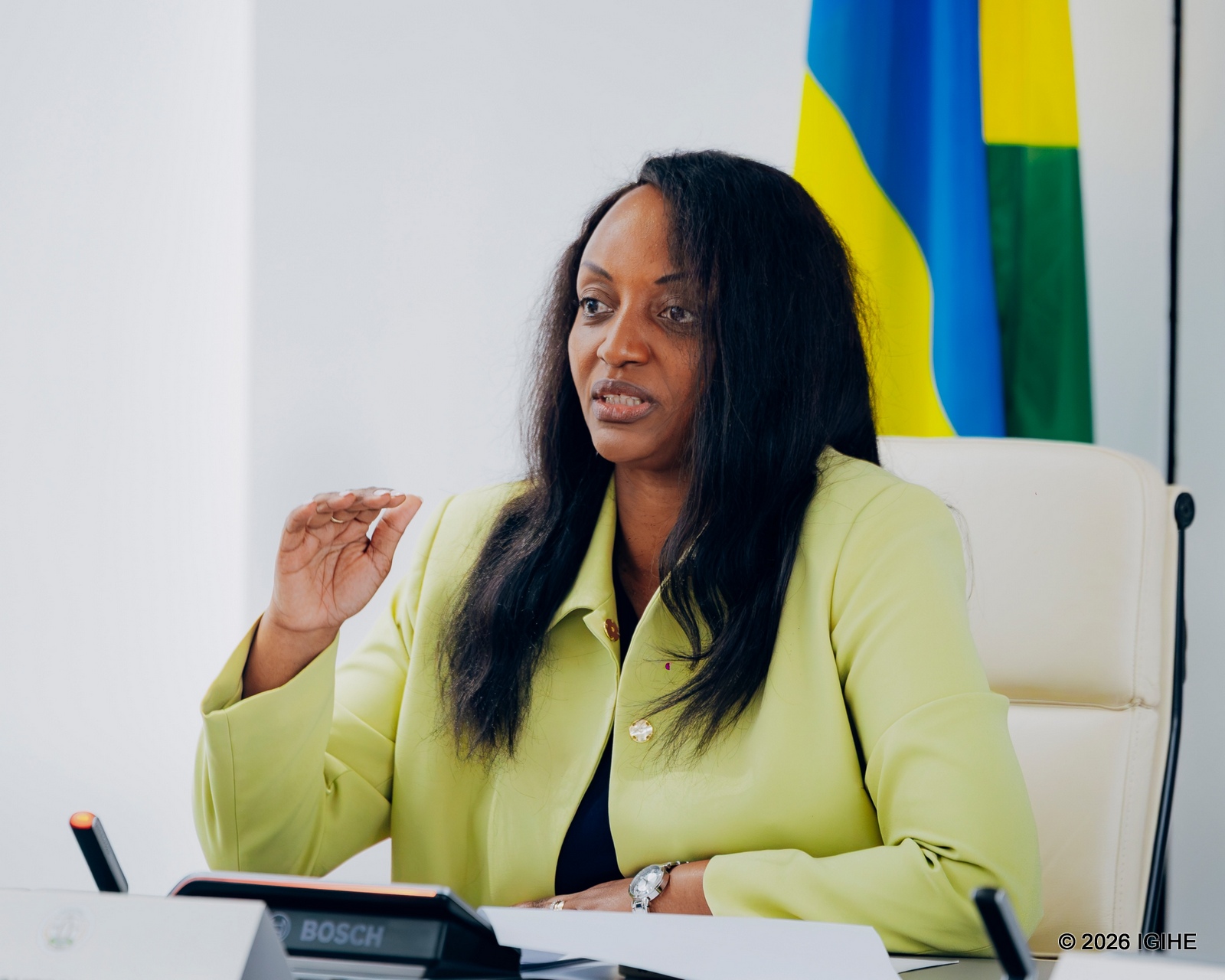
The Ministry of Finance and Economic Planning announced the development on Friday, saying the new agreement, signed by Minister Yusuf Murangwa and U.S. representatives, provides a framework for advancing cooperation and supporting Rwanda’s health sector priorities.
“Building on the five-year Health Cooperation MoU signed between Rwanda and the United States in December 2025, the two countries have signed a Strategic Objective Agreement (SOAG) to translate their shared commitments into action,” the ministry said in a post on X.
The SOAG builds on a $228 million bilateral health cooperation agreement under the US administration’s America First Global Health Strategy. The partnership provides for up to $158 million in US support over five years, while Rwanda committed $70 million from its domestic health budget.
The broader agreement focuses on strengthening Rwanda’s health system, combating HIV/AIDS, malaria and other infectious diseases, and improving disease surveillance and outbreak response.
It also places emphasis on greater national ownership of healthcare delivery and a gradual shift toward Rwanda assuming increased responsibility for financing and managing key health programmes.
Under the partnership, Rwanda is expected to take full control of its HIV/AIDS response by the fourth year, as US financial support declines.
The cooperation also includes investments in health infrastructure, next-generation HIV treatments and the use of artificial intelligence in healthcare.
The December 2025 agreement further provided for initiatives involving US companies, including support for advanced medical delivery infrastructure through Zipline and disease outbreak surveillance through Ginkgo Bioworks.
The signing of the SOAG marks a further step in implementing the commitments made under the five-year partnership and provides an operational framework for advancing the two countries’ health cooperation.
The new agreement, signed by Yusuf Murangwa and U.S. representatives, provides a framework for advancing cooperation and supporting Rwanda’s health sector priorities.
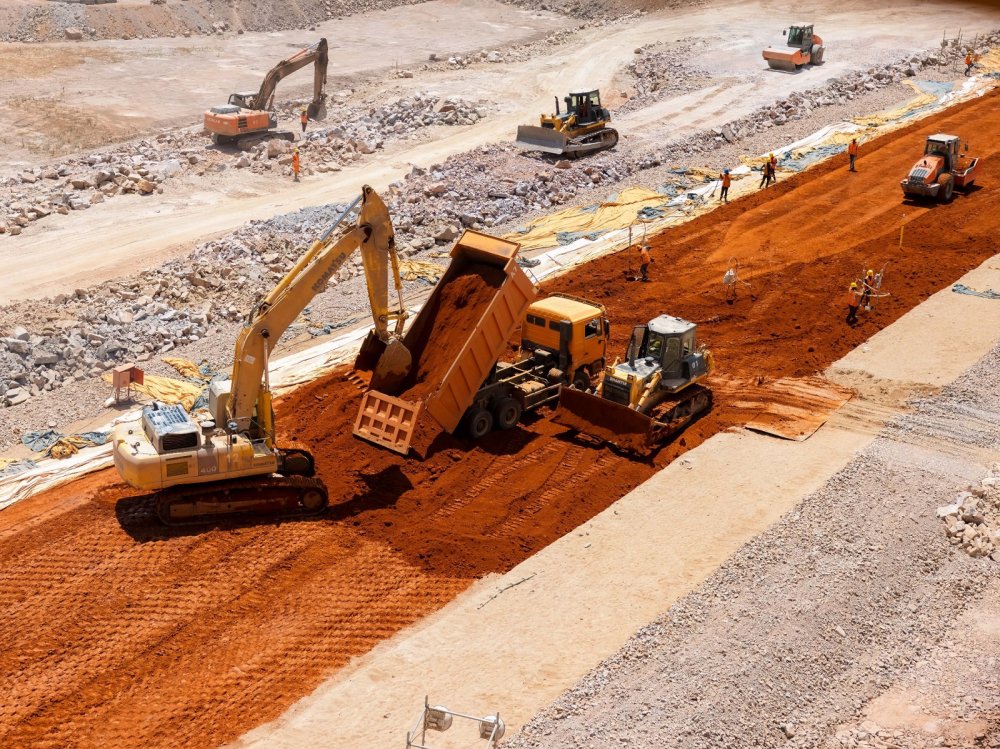
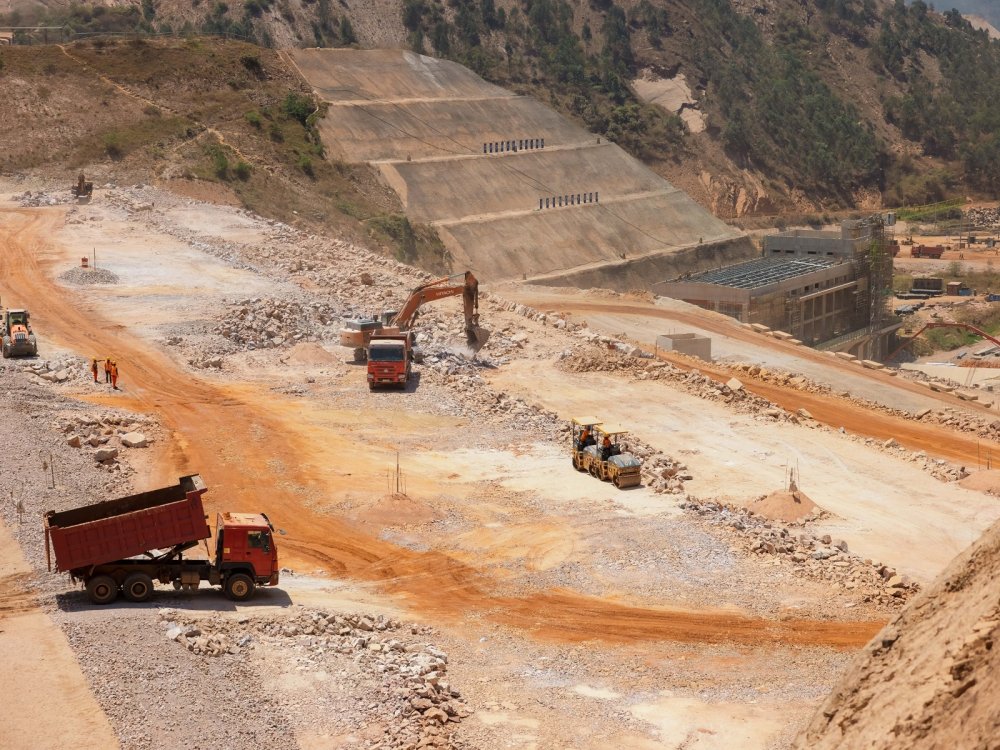
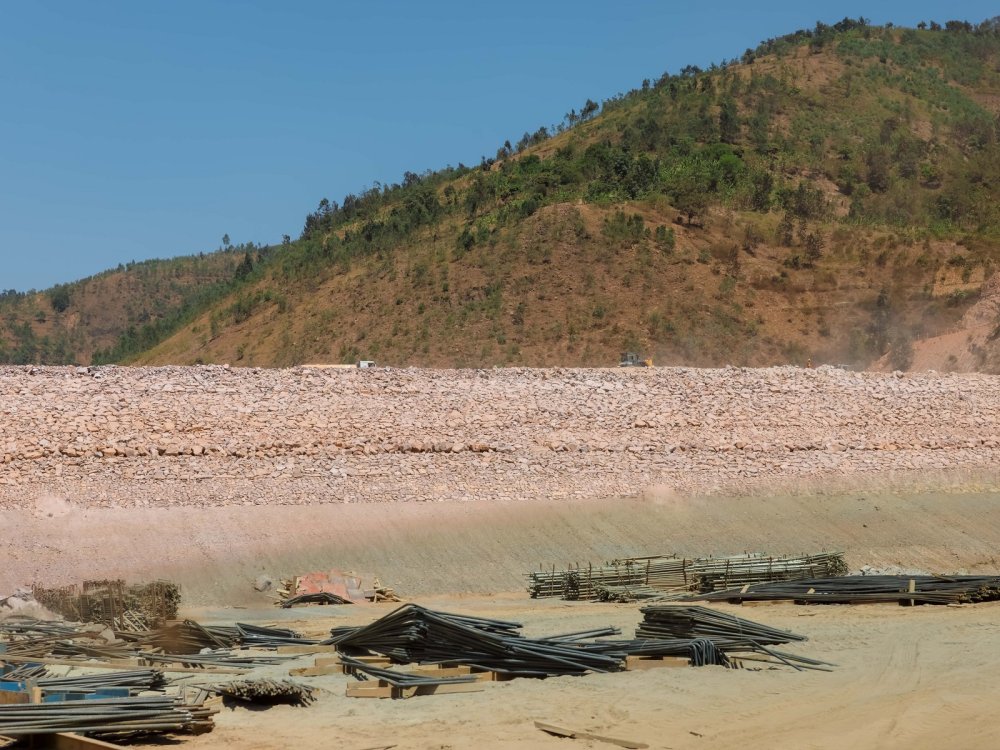
The Rwanda Energy Group (REG) said construction is progressing well, with work being accelerated to ensure the dam starts generating electricity as scheduled.
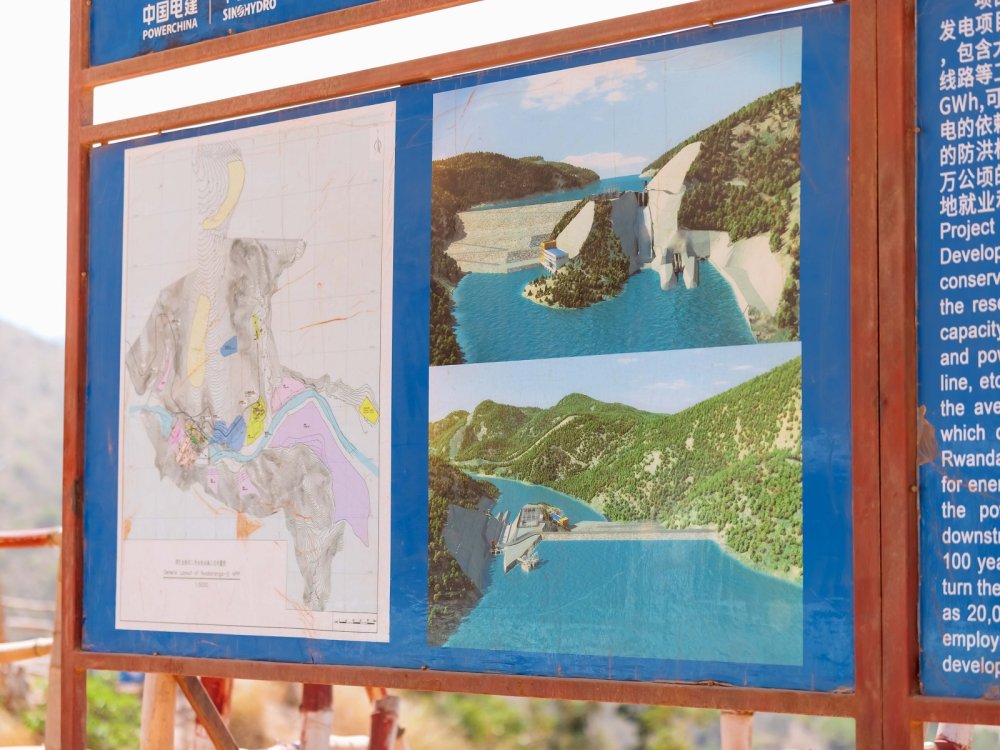
Once completed, Nyabarongo II will generate 43.5 megawatts (MW) of electricity, making it one of Rwanda’s major energy infrastructure projects.
The project will also create a 68-kilometre-long artificial lake with a storage capacity of 800 million cubic metres of water.
Beyond power generation, the reservoir is expected to support irrigation, flood control, water supply and water transport linking Rwanda’s Northern Province with Kigali.
Water from the project will benefit five districts: Kamonyi, Muhanga, Gakenke, Nyabihu and Ngororero, where it is expected to support various development activities.
REG said tourism and other economic activities are also planned around the lake, creating additional opportunities for communities living in the surrounding areas.
Nyabarongo II is expected to boost Rwanda’s electricity generation capacity and support the country’s efforts to expand access to reliable energy for economic development.
The project has been allocated Rwf149.81 billion.
The Rwanda Energy Group (REG) said construction is progressing well, with work being accelerated to ensure the dam starts generating electricity as scheduled.The dam is expected to create a 68-square-kilometre artificial lake once it is fully filled.The project has a total budget of Rwf149.81 billion.
Helberg made the remarks while responding to a post by Trinity Metals on X featuring an interview with its Chairman Shawn McCormick, who discussed the company’s growing role in supplying tungsten to the United States and its allies.
“The U.S. Government is working with companies like Trinity Metals to help build supply chains free from non-market distortions,” Helberg wrote on August 26.
“Take tungsten. It powers the conductive films for modern semiconductors. Diversified, secure sourcing of inputs like this isn’t optional — it’s foundational to Pax Silica’s objectives to build secure, resilient, and innovation-driven supply chains for AI infrastructure and advanced manufacturing.”
The remarks place Trinity Metals within the broader U.S. strategy to diversify sources of critical minerals as Washington seeks to reduce vulnerabilities associated with concentrated global supply chains.
Trinity Metals operates three mines in Rwanda, including the Nyakabingo tungsten mine, and has become an increasingly important supplier to the U.S. market.
In an interview with National Security News, McCormick said the company currently accounts for about 20% of tungsten concentrate consumed in the United States.
“We currently represent about 20 percent of all tungsten concentrate consumed in America,” he said, noting that the United States currently produces no tungsten.
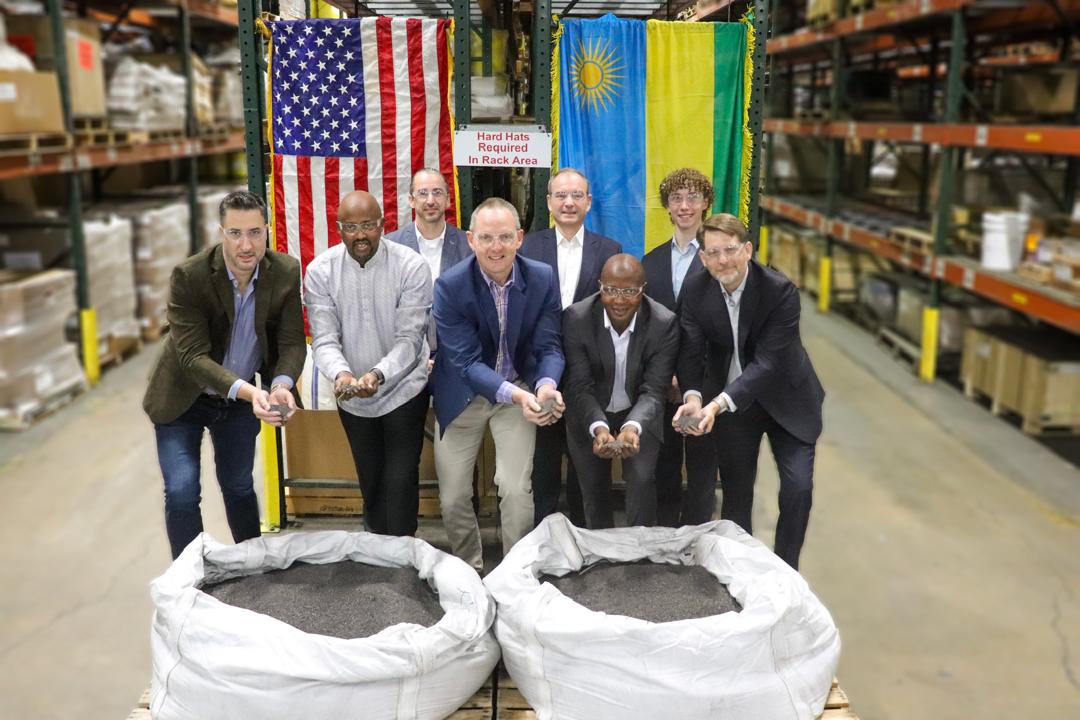
Trinity Metals began shipping tungsten concentrate from Rwanda to the United States in 2025 under an agreement involving Global Tungsten & Powders (GTP) and commodities trader Traxys.
More than 320 tonnes of high-grade tungsten concentrate have since been shipped from Rwanda to GTP’s processing facilities in Towanda, Pennsylvania, where the material is refined for use in industrial and defence applications.
McCormick said Trinity Metals deliberately sought to redirect some of its production toward the United States and its allies after examining where the company’s minerals were being sold.
“I wanted to personally make sure that the flow of the product was going to the US and its allies,” he noted.
He said Trinity Metals is currently the only tungsten producer in Africa sending its product to the United States.
Tungsten is considered strategically important because of its use in manufacturing, aerospace, electronics and defence systems. McCormick cited applications ranging from industrial drilling equipment to missile systems and other military technologies.
He also pointed to the concentration of global tungsten production in countries including China, Russia and North Korea as a reason for developing alternative sources.
“Over 90% of the tungsten produced in the world today comes from three countries, China, Russia, and North Korea, not great friends of the US and the West,” McCormick said.
China alone accounts for more than 80% of global tungsten supply, according to Trinity Metals.
The company has sought to position Rwanda as an alternative source by emphasising traceability and standards across its operations.
McCormick said Trinity Metals does not purchase minerals from outside its mine gates and uses Better Mining for monitoring and verification. He said the system provides continuous oversight of the company’s mining and processing activities.
“We are fully conflict-free and fully child labour free in our production,” he said.
Trinity Metals was formed in 2022 through the merger of Nyakabingo Tungsten Mine, Rutongo Tin Mine and Musha Tin and Tantalum Mine. The company employs more than 6,500 people, the overwhelming majority of them Rwandans.
The company has also received U.S. government support. In 2024, it secured $3.865 million in technical assistance funding from the U.S. International Development Finance Corporation (DFC), becoming the first operating mine in Africa to receive such funding.
McCormick said the DFC involvement helped signal that Trinity Metals operates according to international standards.
“What the DFC involvement gave us was the flag. You plant the flag on the company,” he said, referring to the U.S. government’s involvement.
Beyond tungsten, Trinity Metals is seeking to expand its role in U.S.-aligned critical mineral supply chains.
The company has signed an agreement with U.S. tin manufacturer Nathan Trotter, which is developing a new tin processing facility with support from the U.S. Department of Defence.
McCormick revealed that Trinity Metals intends to supply the U.S. market once the facility becomes operational and commercial terms are agreed.
The company is also exploring lithium after identifying a high-grade spodumene deposit at its Musha concession in Rwanda.
For Washington, the growing relationship with Trinity Metals fits into the objectives of Pax Silica, a U.S.-led initiative focused on building secure and resilient supply chains for artificial intelligence infrastructure and advanced manufacturing.
Trinity Metals‘ Nyakabingo mine supplies up to 20% of monthly primary tungsten demand in the United States.
Through Higa, customers can earn up to 7.5% per annum, credited monthly. The account is designed to provide groups with a structured and reliable way to grow their collective savings while reducing the risks associated with informal fund management.
Speaking about the launch, Yves Kayihura, Head of Retail Banking at I&M Bank (Rwanda) Plc said: “We believe that every saving, no matter its size, is a step towards a stronger financial future. Higa is designed to give savings groups the security of a trusted banking partner while rewarding them for building their savings. By bringing group savings into a structured banking environment, we are helping our customers save with confidence and grow together.”
Higa is available to Ibimina, informal savings groups, cooperatives, associations, clubs, professional groups and collective savings schemes.
The account offers no maintenance fee, monthly interest payouts and the flexibility of a continuing savings account with no maximum holding period.
Opening a Higa account is simple. Customers can visit their nearest I&M Bank branch and complete the standard account opening process. Groups will be required to provide the relevant identification and supporting documentation based on their group structure.
With Higa, I&M Bank continues to expand access to relevant and inclusive financial solutions that respond to the needs of communities and group-based savers.
Incorporated in 1963, I&M Bank (Rwanda) Plc is the oldest Bank in Rwanda. It is today one of the leading players in the industry with a strong footprint across the country.
The bank offers a full range of personal, business, institutional, and corporate banking products throughout its locations. The Bank has been listed on the Rwanda Stock Exchange since March 2017.
The bank is also a subsidiary of I&M Group PLC, a leading regional financial services group in Eastern Africa with a presence in Kenya, Tanzania, and Uganda as well as a joint venture in Mauritius.
I&M Group has a long history in banking and has established a wide network of correspondent banks across the globe and enjoys a strong relationship with leading international Development Financial Institutions.
Incorporated in 1963, I&M Bank (Rwanda) Plc is the oldest Bank in Rwanda.
The Monetary Policy Committee (MPC), which met on August 26, increased the Central Bank Rate from 8.25 percent, citing persistent inflationary pressures and risks to the outlook.
Inflation rose from 9.1 percent in the first quarter of 2026 to 13.2 percent in the second quarter before reaching 14.5 percent in July, according to the National Bank of Rwanda (NBR). The rate is significantly above the central bank’s target range of 2 to 8 percent.
The latest increase follows rate hikes of 50 basis points in February and 100 basis points in May. Since November 2025, the central bank has raised the policy rate by a cumulative 175 basis points.
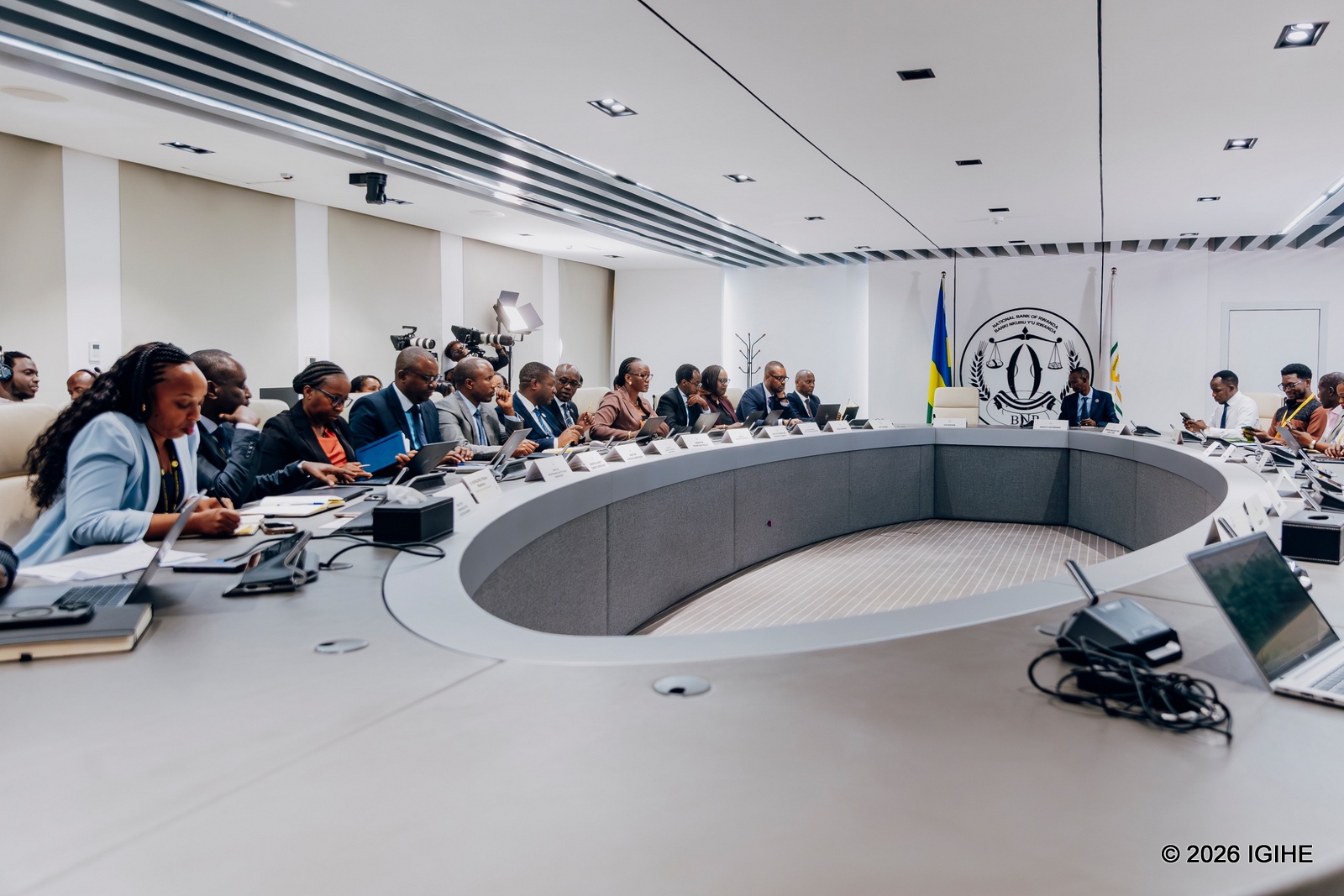
The NBR Governor Soraya Hakuziyaremye said the latest decision was intended to anchor inflation expectations, limit second-round effects and support the return of inflation to the target range in the second half of 2027.
“Inflation is currently elevated but expected to return to the target range in the second half of 2027,” the central bank boss told journalists during a press conference on Thursday.
Inflation is projected to average 13.1 percent in 2026, slightly lower than the previous forecast of 13.9 percent, before declining to 7.9 percent in 2027.
The central bank, however, warned that inflation could remain under pressure from external and domestic factors.
It identified the onset of the El Niño climate pattern as a key risk, saying droughts and heavy rainfall could affect food supplies and prices for commodities such as rice, cooking oil and sugar.
Continued tensions in the Middle East could also keep global commodity and oil prices elevated, potentially pushing up fuel, transport and import costs.
The NBR said core inflation rose to 12.3 percent in the second quarter from 9.3 percent, driven mainly by higher prices for transport, housing and food. Fresh food inflation increased to 7.3 percent from 5.2 percent, while energy inflation more than doubled to 45.7 percent from 21.1 percent.
Meat prices also came under pressure after supplies were temporarily affected by an outbreak of Rift Valley Fever, although the disease has gradually been contained.
Despite the inflationary pressures, Rwanda’s economy maintained strong momentum.
The economy grew by 10 percent year-on-year in the first quarter of 2026, while the Composite Index of Economic Activities increased by 10.9 percent year-on-year in the second quarter, indicating continued expansion despite heightened global uncertainty.
Merchandise exports also performed strongly, increasing by 51 percent in the second quarter, mainly due to higher mineral exports amid favorable international prices.
However, imports rose by 28 percent, driven by demand for essential food products, construction materials, medical equipment and information technology equipment. The trade deficit consequently widened by 13.8 percent to $821.9 million, from $722.3 million in the same period of 2025.
The Rwandan franc meanwhile remained relatively stable. It depreciated by 0.87 percent against the US dollar in the first half of 2026, compared with 2.96 percent during the same period in 2025.
International reserves stood at a level equivalent to 4.2 months of imports at the end of June, above the NBR’s four-month benchmark.
The latest rate increase has already been reflected in money market conditions. The interbank rate rose to 7.73 percent in the second quarter, from 6.30 percent in the corresponding period of 2025.
However, retail lending and deposit rates remained broadly stable, suggesting that previous policy rate increases have yet to be fully transmitted to consumers and businesses.
The average lending rate stood at 15.88 percent in the second quarter, compared with 15.96 percent a year earlier, while deposit rates increased marginally to 9.79 percent from 9.75 percent.
The NBR said it would continue monitoring economic conditions and remains prepared to take further measures to safeguard price stability.
Separately, the central bank’s Financial Stability Committee said Rwanda’s financial sector remained stable and resilient despite global uncertainty.
The sector’s total assets grew by 22.7 percent to Rwf17 trillion in the first half of 2026, while outstanding loans from credit institutions increased by 22.6 percent to Rwf6.9 trillion.
Banks accounted for 87 percent of outstanding credit, with lending increasing by 22 percent to Rwf6.1 trillion.
The NBR said banks continued to maintain strong capital and liquidity buffers, although the non-performing loan ratio increased to 3 percent in June 2026 from 2.6 percent a year earlier.
The central bank’s latest decision continues a tightening cycle aimed at bringing inflation back within its target range while maintaining economic and financial stability.
“The National Bank of Rwanda remains committed to safeguarding financial stability. The FSC will continue to closely monitor credit growth, liquidity and funding conditions, emerging risks in non-bank financial institutions, investment concentration as well as fraud, cyber risks and other operational vulnerabilities,” Governor Hakuziyaremye noted.
Addressing journalists on Thursday, the NBR Governor Soraya Hakuziyaremye said the latest decision was intended to anchor inflation expectations, limit second-round effects and support the return of inflation to the target range in the second half of 2027.
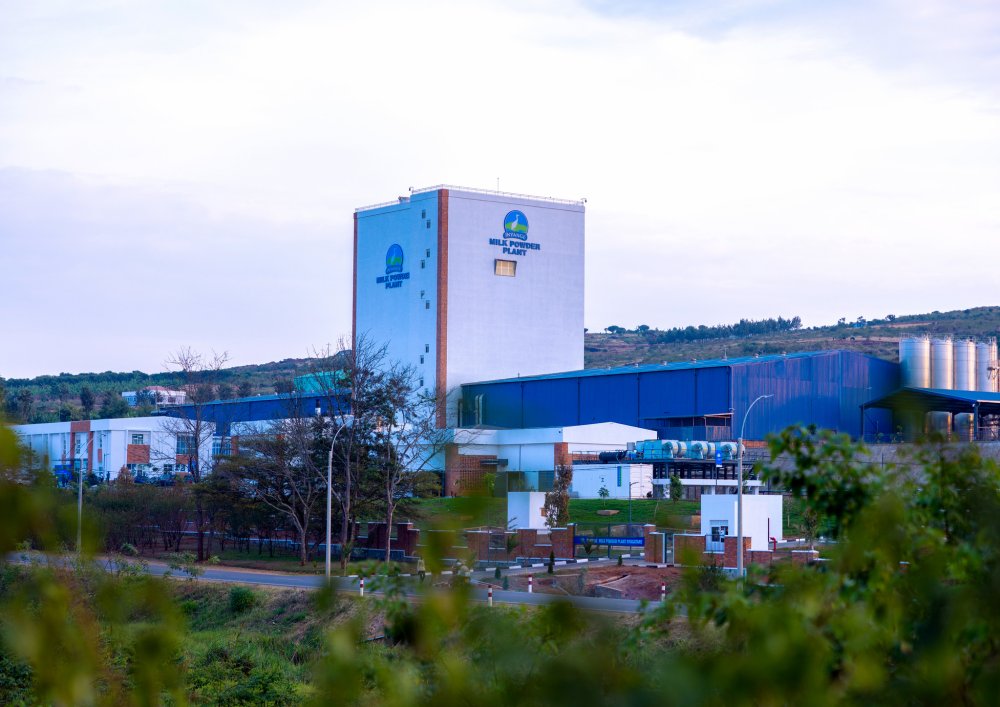
The acquisition, announced through a statement released on August 27, 2026, follows RSSB’s previous ownership of 40% in Inyange Industries and 50% in Ruliba Clays.
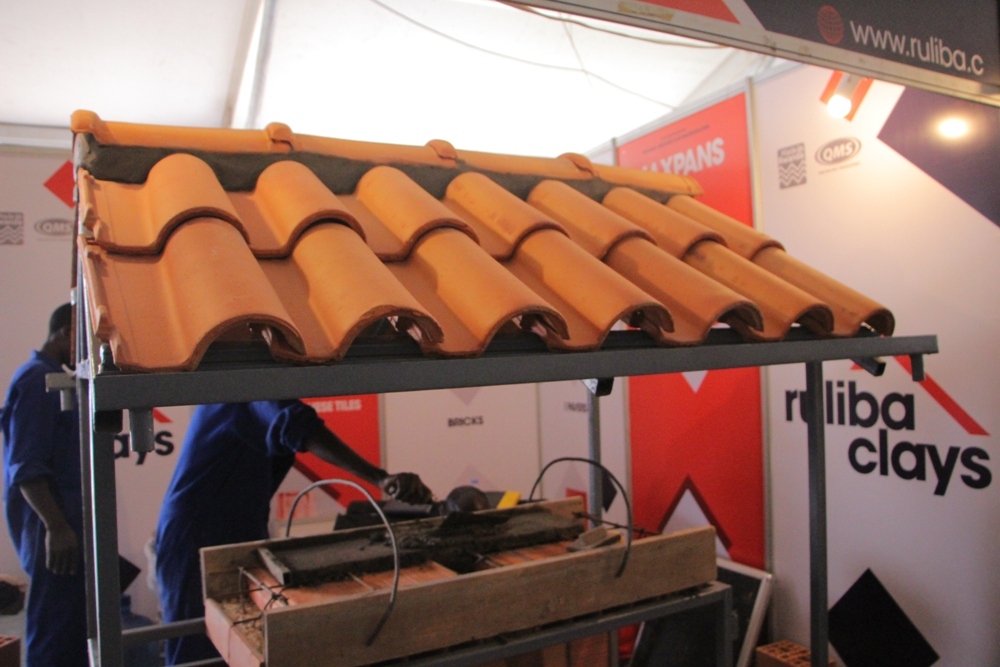
Inyange Industries is one of Rwanda’s major food and beverage processing companies, having built a strong reputation in both the local and regional markets. Meanwhile, Ruliba Clays plays an important role in the construction industry, particularly in the production of building materials.
RSSB said the move reflects its confidence in the long-term growth potential of the two companies and is in line with its mandate to protect and grow members’ funds through investments that can generate sustainable, risk-adjusted returns.
Inyange Industries has established a strong position in the market and continues to record business growth, according to RSSB.
Ruliba Clays, meanwhile, is entering a new phase of expansion following the completion of its second manufacturing plant, which has doubled its initial production capacity and positioned the company to meet growing demand in Rwanda and the region.
With full ownership, RSSB said it will support the companies’ next phase of development, focusing on stronger governance, operational performance, disciplined use of capital, regional expansion and sustainable profitability.
The pension fund also said it will explore strategic partnerships and capital-market opportunities over time, including the possible involvement of institutional investors or public listings where such moves can create long-term value for its members.
RSSB has co-invested with CVL in Inyange Industries since 2014 and in Ruliba Clays since 2009. The transaction is also consistent with CVL’s strategy of divesting from mature businesses after they reach an appropriate level of scale and stability.
RSSB Chief Executive Officer Regis Rugemanshuro said the acquisition demonstrates the institution’s confidence in the future of the two businesses.
“Moving to full ownership reflects our conviction in the long-term potential of these businesses,” Rugemanshuro said.
He added that RSSB’s ambition is to help build stronger, more competitive and profitable companies that can expand beyond their current markets, attract strategic partners and generate sustainable returns for members.
Beyond financial returns, RSSB said the continued growth of the two companies is expected to contribute to Rwanda’s industrial development through stronger domestic manufacturing, support for local value chains, job creation and improved competitiveness of Rwandan products in regional markets.
RSSB said it will continue to pursue prudent and active investment management aimed at protecting and growing members’ funds while supporting the long-term financial sustainability of the social security schemes it manages.
Inyange Industries has established a strong market position and continues to demonstrate robust business performance and growth.Ruliba Clays is entering a new phase of expansion after completing its second manufacturing plant, which has doubled its initial production capacity.RSSB has acquired the remaining shares in Inyange Industries and Ruliba Clays, bringing its ownership of both companies to 100%.
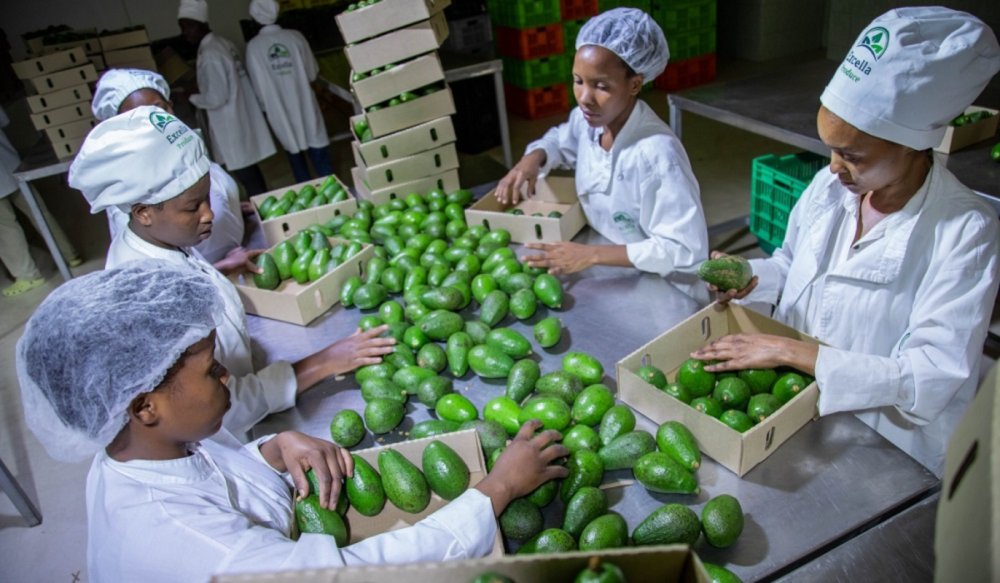
During the five-day period, the country exported 9,629 tonnes of agricultural and livestock products to international markets.
Coffee was the biggest contributor to export earnings, generating $4.94 million from 851 tonnes shipped abroad.
Tea exports generated more than $1.2 million from 426 tonnes. Rwanda also exported 657 tonnes of vegetables worth $497,200. The vegetables were sold in markets including the United Kingdom, the Netherlands, France and several African countries.
Fruit exports stood at 321 tonnes and generated $521,900. The produce was shipped to markets in the United Arab Emirates, Japan and Africa.
The country exported five tonnes of flowers worth $29,668, with the shipments going to the Netherlands and the United Kingdom.
Livestock products accounted for 300 tonnes and generated $515,200 in export revenue. These products were destined for markets across Africa.
Other agricultural products accounted for the largest export volume, with 7,069 tonnes generating more than $4.2 million. The shipments went to Bangladesh and various African markets.
Rwanda exported 9,629 tonnes of agricultural and livestock products to international markets within five days.
For young entrepreneurs, women-led businesses and micro, small and medium enterprises, AfCFTA could open doors to markets far beyond their home countries. However, accessing those opportunities will require more than simply knowing that the agreement exists. Businesses will need quality products, market knowledge, innovation and an understanding of the rules governing cross-border trade.
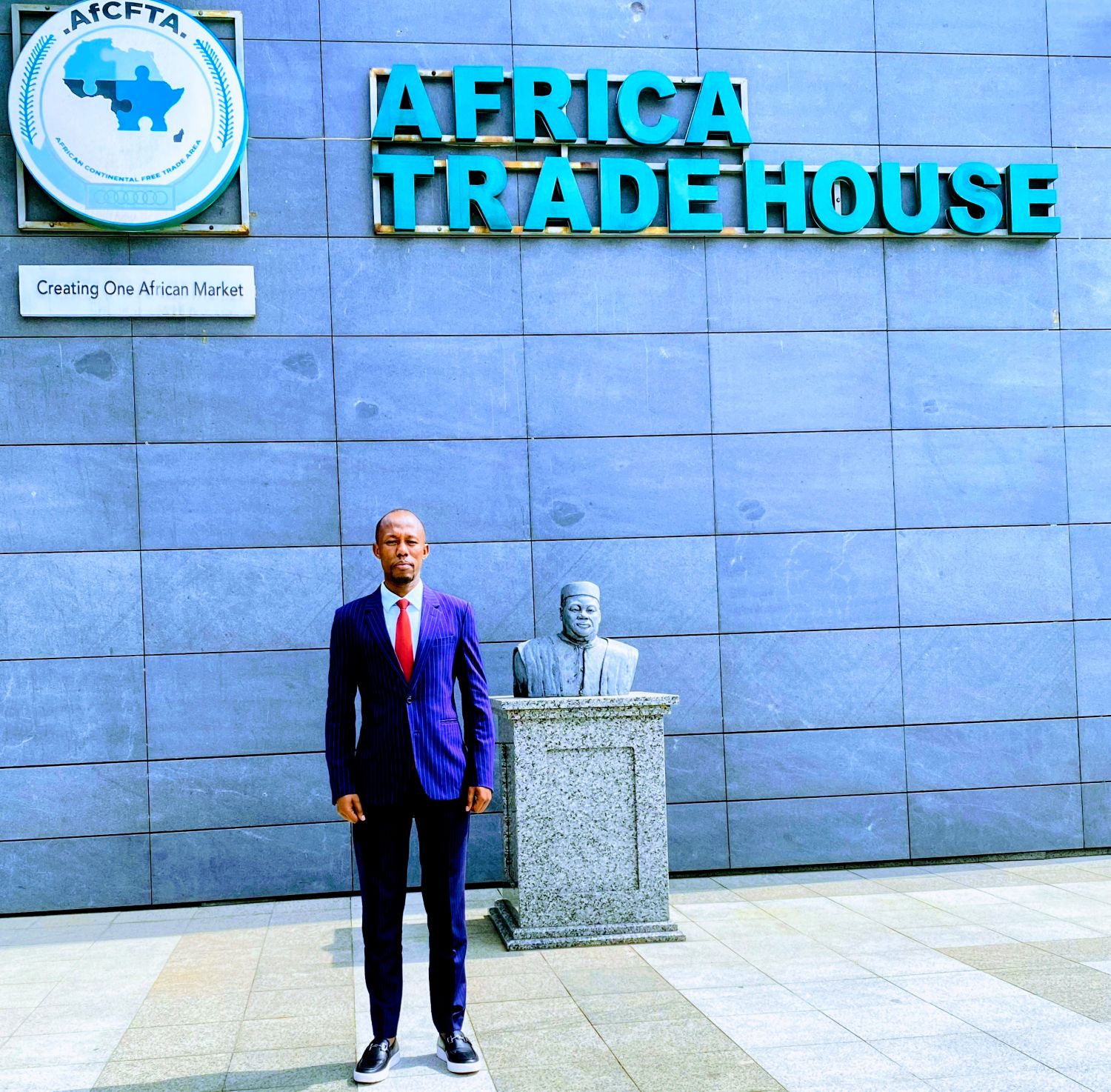
In an exclusive interview with IGIHE, National AfCFTA Youth and Women Champion Amos Akandwanaho Seromba encouraged young Africans to think beyond their domestic markets and take advantage of the opportunities presented by continental trade.
Seromba described AfCFTA as an important framework for strengthening trade among African countries by reducing barriers and making it easier for businesses to access markets across the continent.
“Governments sign agreements; it is businesses that actually trade,” Seromba said, stressing that the success of AfCFTA will ultimately depend on how effectively businesses use the opportunities created by the agreement.
Trading under the AfCFTA framework began in 2021, marking an important step from negotiations towards practical implementation. The agreement seeks to progressively reduce tariffs, facilitate trade in goods and services and strengthen economic integration among African countries.
For entrepreneurs, the potential is significant. A business established in Rwanda can seek opportunities in other African markets, provided its products meet the relevant rules, standards and requirements in the countries where it intends to operate.
Rwanda has played a prominent role in the AfCFTA process. The agreement was signed in Kigali in 2018, placing the country at the centre of an initiative considered one of Africa’s most important efforts towards economic integration.
The country has also worked to improve its business environment and facilitate the establishment and operation of businesses.
Seromba believes these efforts can provide a foundation for Rwandan entrepreneurs to expand beyond the domestic market.
He argues that businesses should not view Rwanda as the end of their commercial journey but as a starting point for reaching customers across Africa.
For young entrepreneurs, this requires a change in mindset. Rather than waiting for opportunities to come to them, they need to identify markets where their products or services can solve real problems.
AfCFTA is not only for governments and large companies
Seromba emphasised that AfCFTA is not an initiative meant exclusively for governments or large corporations.
Young people, women entrepreneurs, innovators and MSMEs have an important role to play in making the continental market a reality.
The agreement covers areas including trade in goods and services, intellectual property and digital trade, creating opportunities for businesses in a wide range of sectors.
Preferential tariff arrangements for qualifying products, improved customs procedures and efforts to address trade barriers could make it easier for businesses to reach customers in other African countries.
But access to a larger market does not automatically translate into success.
Entrepreneurs must first understand what consumers in their target markets need and whether their products can compete in terms of quality, price, packaging and reliability.
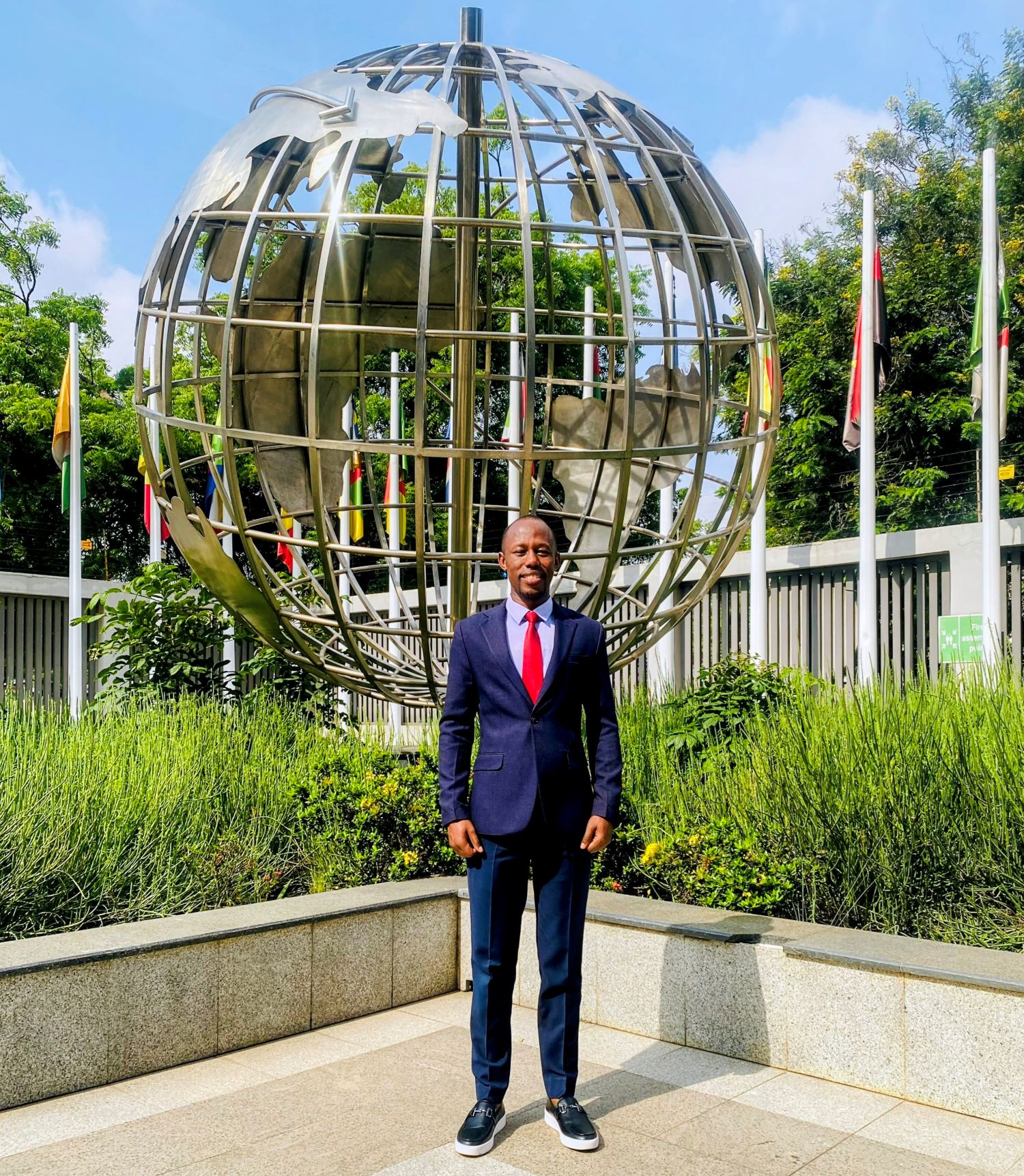
National AfCFTA Youth and Women Champion Amos Akandwanaho Seromba encouraged young Africans to think beyond their domestic markets and take advantage of the opportunities presented by continental trade.
Market research remains essential
Seromba urged African entrepreneurs to conduct proper market research before attempting to enter new markets.
A product that performs well in Rwanda, for instance, may not necessarily have the same demand in another African country.
Entrepreneurs therefore need to study consumer preferences, competitors, regulations, standards and purchasing power before investing in a new market.
Value addition is also critical.
Africa has significant natural resources, but much of the continent’s economic potential remains tied to the export of raw materials. By processing and packaging products locally, entrepreneurs can create greater value and improve their competitiveness.
Seromba also sees technology as an important tool for young businesses.
Artificial intelligence and other digital technologies can help entrepreneurs research markets, improve productivity, develop products, reach customers and make better business decisions.
His message to young entrepreneurs is centred on preparation and competitiveness.
“Focus first on high-quality products and genuine value addition,” he said, urging businesses to ensure that what they offer can compete in an increasingly connected African market.
Businesses still face barriers
Despite the opportunities created by AfCFTA, businesses still face significant obstacles when trading across African borders.
Non-tariff barriers remain among the challenges affecting intra-African trade. Businesses may encounter different regulatory requirements, product standards, documentation procedures and customs processes from one country to another.
The movement of people also remains an important issue for entrepreneurs who need to travel to meet customers, establish partnerships and develop markets.
Insecurity in some parts of the continent can further discourage investment and make the transportation of goods more difficult.
Seromba also identified limited awareness as a major challenge.
While many young Africans have heard about AfCFTA, fewer may understand the practical steps required to benefit from it.
Knowing about the agreement is not enough. Entrepreneurs need to understand issues such as certificates of origin, product standards, market access requirements and procedures for addressing trade barriers.
Seromba urged African entrepreneurs to conduct proper market research before attempting to enter new markets.
Governments and businesses must act together
Seromba believes governments and businesses must work together to ensure that AfCFTA delivers tangible benefits.
Governments have a responsibility to create supportive policies, simplify trade procedures, improve infrastructure and address barriers that make cross-border commerce difficult.
The private sector, on the other hand, must develop competitive products, comply with standards and actively seek opportunities in other African markets.
Regular engagement between policymakers and businesses is particularly important for youth, women and MSMEs because their experiences can help identify barriers that may not always be visible at the policy level.
“The private sector, particularly MSMEs, must be at the forefront of this opportunity,” Seromba noted, highlighting the importance of ensuring that smaller businesses are not left behind as continental trade expands.
Kagame calls for action on AfCFTA
President Kagame recently also stressed that the success of AfCFTA will depend on how effectively it is implemented.
Speaking during a press conference at the Kigali Convention Centre on Monday, Kagame said the agreement was an important step towards boosting trade among African countries, while acknowledging concerns over the slow pace of progress and persistent non-tariff barriers.
He called on African countries to work together to address the remaining challenges and deliver on the agreement’s ambitions.
“We can’t just keep complaining. We have to find a way of getting together and doing what we have to do,” Kagame said.
Looking beyond national markets
Looking towards the next five to 10 years, Seromba hopes to see further progress towards the free movement of people, goods and services across Africa.
He believes that reducing remaining trade barriers, improving security, closing regulatory gaps and strengthening implementation will be essential if the continent is to realise the full potential of AfCFTA.
A more integrated market could allow African businesses to expand more easily, increase production, create jobs and contribute to economic growth.
For Rwanda, the opportunity is particularly relevant to young entrepreneurs and women-led businesses seeking to move beyond a relatively small domestic market.
For Seromba, the success of AfCFTA will depend on whether African businesses, particularly young people, women and MSMEs, can turn the opportunities created by the agreement into real trade, investment and jobs.
Canadian officials said the countermeasures match the total value of Canadian products targeted by the latest 50-percent U.S. tariffs, achieving a “dollar-for-dollar, rate for rate” response. The counter-tariffs are scheduled to take effect officially on Sept. 8.
Canadian Finance Minister Francois-Philippe Champagne said the reciprocal tariffs as well as the multi-billion-dollar support package will protect workers, farmers, families and businesses.
According to a list released by the Finance Ministry, the new targeted counter-tariffs are concentrated in sectors such as steel, dairy, appliances, agricultural equipment, pulp and paper, and electronics, with tariff rates set at three tiers: 15 percent, 25 percent and 50 percent.
In certain sectors, such as steel and aluminum, existing counter-tariffs will increase from 25 percent to 50 percent to match U.S. rates. Other existing counter-tariffs, including those against U.S. autos, will also continue to apply, said the ministry.
A 25-percent tariff will be levied on dairy products such as cheese, fish, seafood, and certain steel and aluminum derivatives.
In addition to the tariffs, the federal government announced a 7.5-billion-Canadian-dollar relief package, primarily targeting small and medium-sized enterprises. Ottawa promised to help companies avoid layoffs, enable more workers to upgrade skills, and increase flexibility for accessing employment insurance.
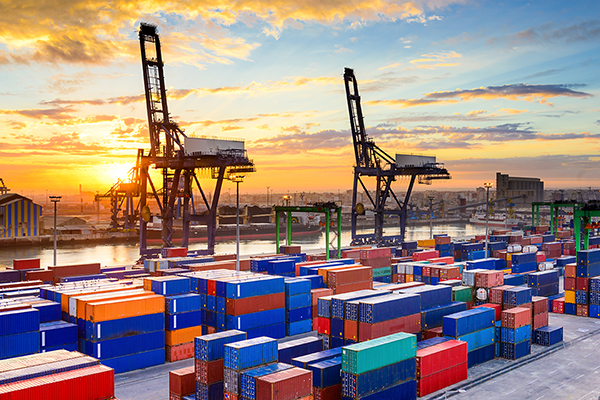
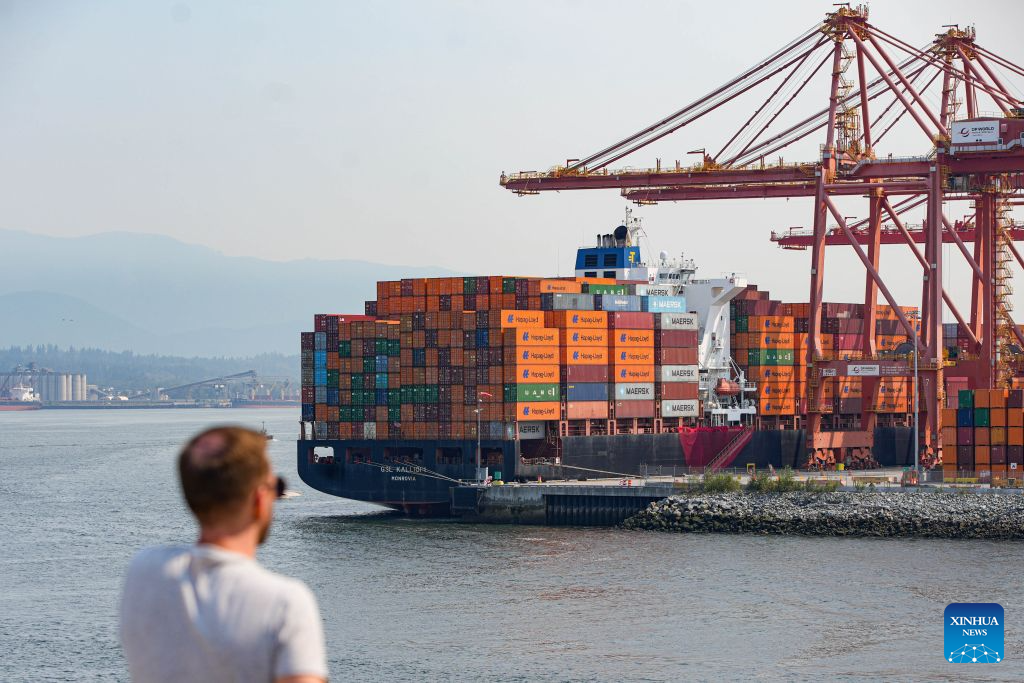
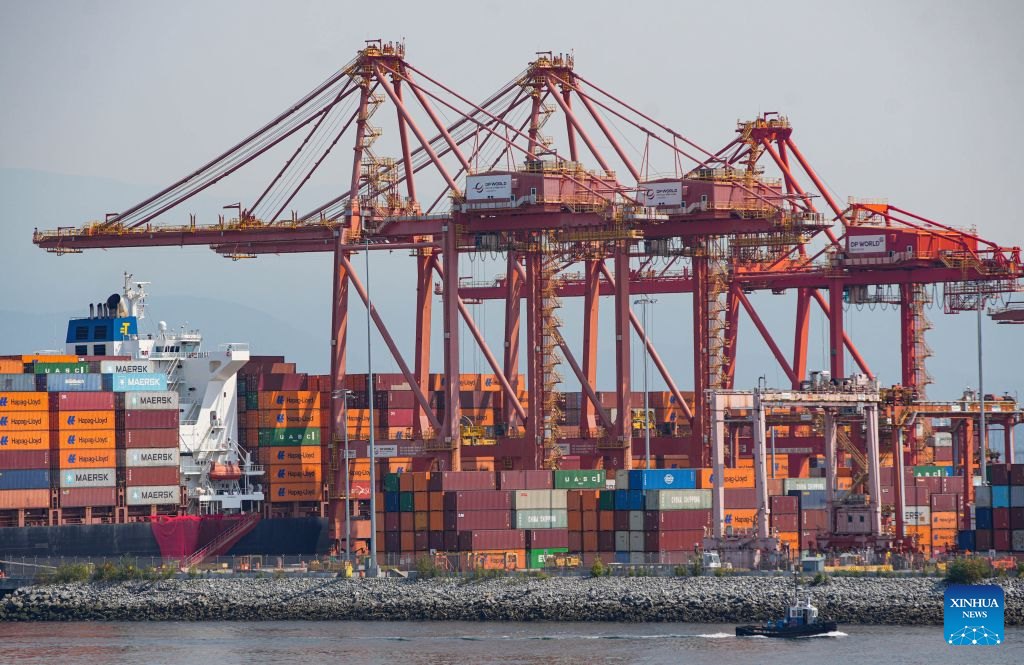
Cargo containers are stacked at a container terminal at the Port of Vancouver in Vancouver, British Columbia, Canada, Aug. 25, 2026. The Canadian federal government on Tuesday announced retaliatory tariffs on over 700 U.S. goods valued at 27.6 billion Canadian dollars (about 20 billion U.S. dollars), alongside a 7.5-billion-Canadian-dollar assistance package for domestic businesses and workers. (Photo by Liang Sen/Xinhua)
According to a Reuters analysis published on August 25, 2026, about 43% of global oil production is now linked to countries affected by conflict.
The situation has been worsened by the war involving Iran, alongside ongoing conflicts and disruptions in other major oil-producing countries, including Russia, Libya and Venezuela.
The developments have placed significant pressure on global oil supplies, refining capacity and fuel markets, raising concerns about higher energy prices and prolonged shortages.
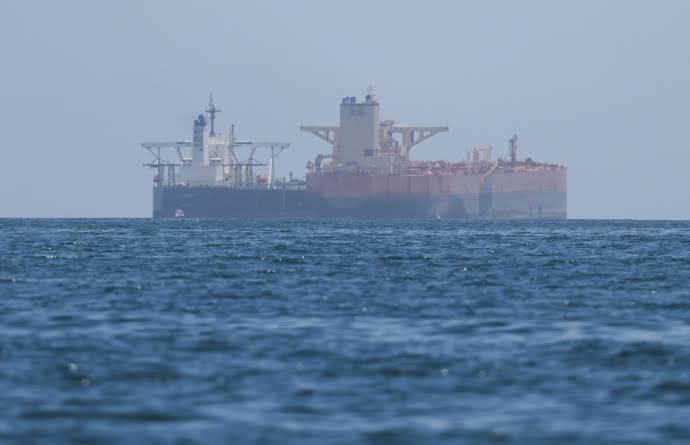
The conflict involving Iran has particularly affected oil transportation through the Strait of Hormuz, one of the world’s most important energy shipping routes.
The waterway previously handled a significant share of global crude oil and liquefied natural gas shipments.
Although some oil continues to move through the region, the security risks have increased transportation costs and forced energy companies and governments to look for alternative routes.
The crisis is also affecting oil refining. Ukrainian attacks on Russian energy infrastructure have reduced Russia’s refining capacity, while damage and disruptions in the Middle East have further tightened supplies of refined fuels.
Reuters reported that Russia has also restricted fuel exports because of domestic supply concerns, adding another layer of pressure to an already strained global market.
The impact is being felt beyond crude oil. Shortages of refined products such as diesel and gasoline have pushed fuel prices higher in several markets.
The International Energy Agency has responded by releasing emergency oil reserves in an effort to compensate for disrupted supplies.
However, global inventories have continued to decline, reducing the buffer available to protect consumers from further shocks.
The Strait of Hormuz remains a major concern. Gulf countries have explored alternative routes and pipelines to reduce their dependence on the waterway, but building or expanding such infrastructure takes time.
Energy companies are also facing higher transportation and insurance costs because of the security risks surrounding major shipping routes.
The situation has already contributed to elevated oil prices and growing concerns about inflation.
If disruptions continue, analysts warn that the pressure could spread further through the global economy as higher energy costs raise transportation, manufacturing and consumer prices.
For countries that rely heavily on imported fuel, prolonged disruptions could be particularly challenging.
The crisis therefore represents more than a regional conflict. With around 43% of global oil production now connected to conflict-affected countries, instability in several major energy-producing regions has created an unusually fragile global oil market.
As the Iran war enters its sixth month, the ability of producers to maintain supplies and of governments to keep alternative energy routes open will be critical in determining how much longer the global energy market can withstand the pressure.
Nearly 43% of global oil production comes from conflict-affected countries.