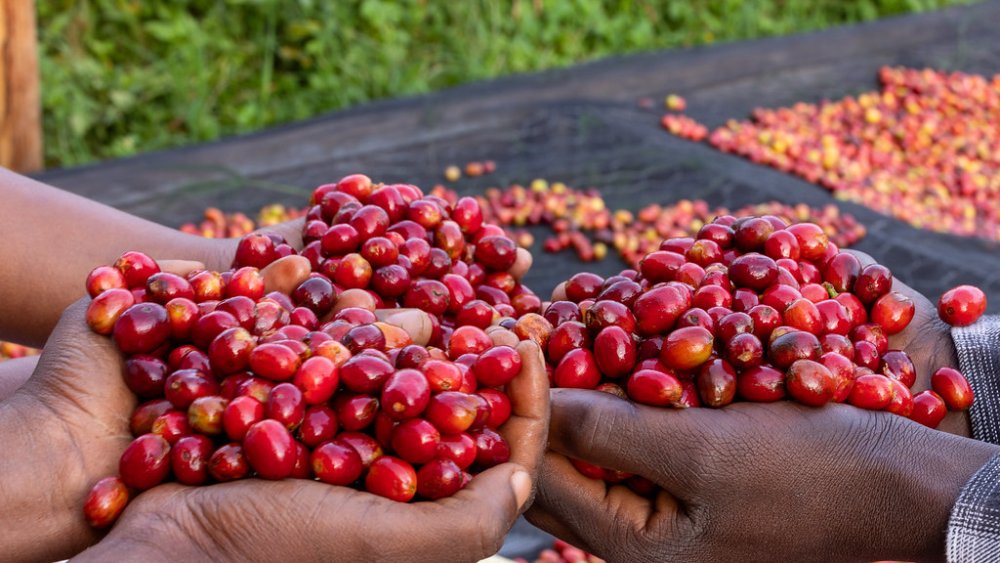
Coffee was the country’s top agricultural export during the five-day period, with 816 tonnes shipped to international markets for $5.51 million, accounting for about 42.5% of total export earnings.
Other agricultural products generated $4.76 million from 7,404 tonnes exported, with major shipments destined for Bangladesh and several African countries.
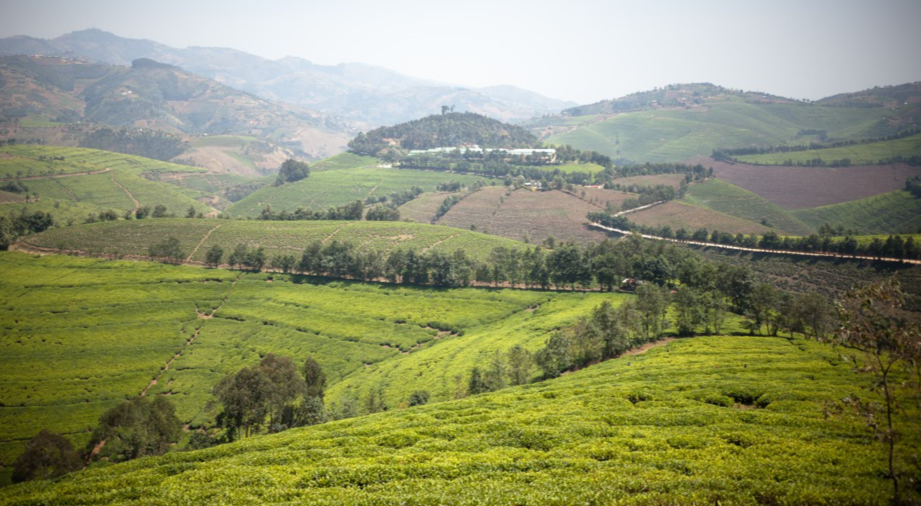
Tea ranked third in export earnings, with Rwanda shipping 437 tonnes worth $1.27 million to international markets.
The country also exported 576 tonnes of vegetables, earning $563,649. The vegetables were shipped to markets in the United Kingdom, the Netherlands, India, France and several African countries.
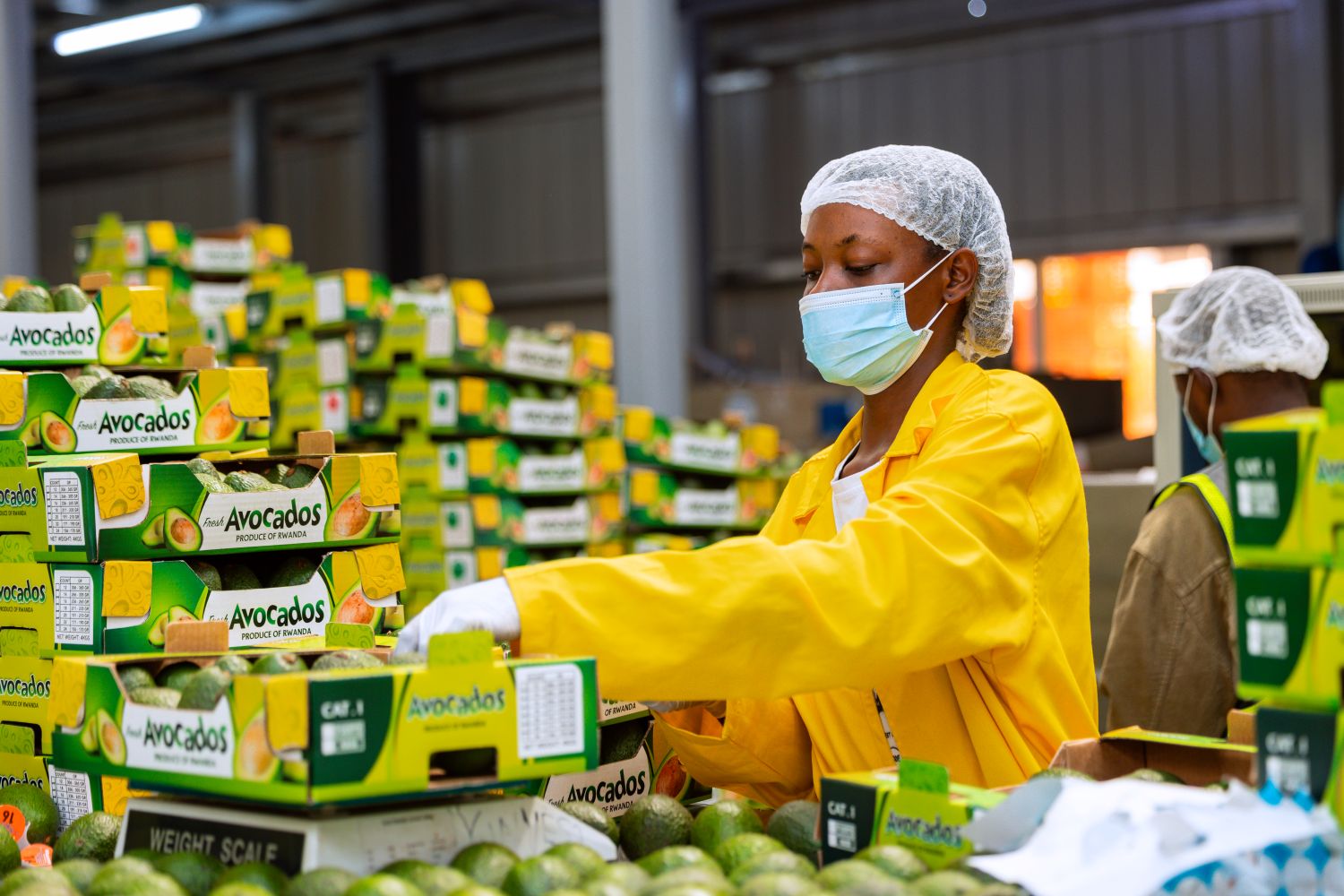
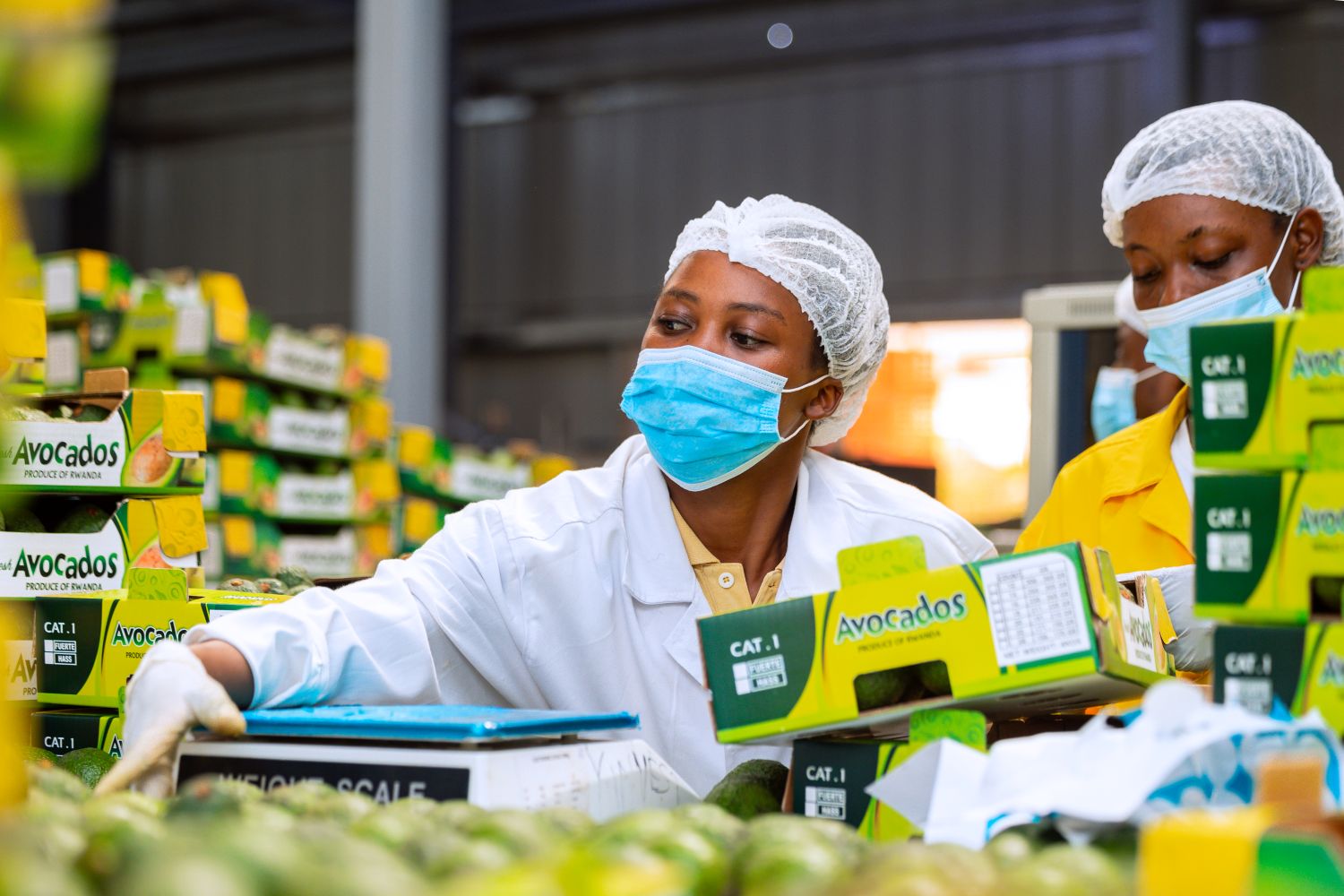
Fruit exports generated another $472,759 from 443 tonnes shipped to the United Arab Emirates, China and African markets.
Livestock products earned $349,313 from 220 tonnes exported to various African countries.
Rwanda also exported five tonnes of flowers, generating $30,938, with shipments going to Nigeria, the Netherlands and the United Kingdom.
The figures highlight the growing contribution of agricultural exports to Rwanda’s foreign exchange earnings, with the country continuing to expand markets for locally produced commodities.
Rwanda has set a target of generating $1.5 billion annually from agricultural and livestock exports by 2029, signalling ambitions to further increase production, processing and access to international markets.
Coffee was the country’s top agricultural export during the five-day period, with 816 tonnes shipped to international markets for $5.51 million.
The telecommunications company is among the businesses supporting Rwanda’s development and its ambition to become a technology hub by providing fast and reliable internet services.
Beyond its core business in technology, Kopa Telecom also seeks to contribute to the well-being of communities through initiatives that promote better health and improve people’s livelihoods.
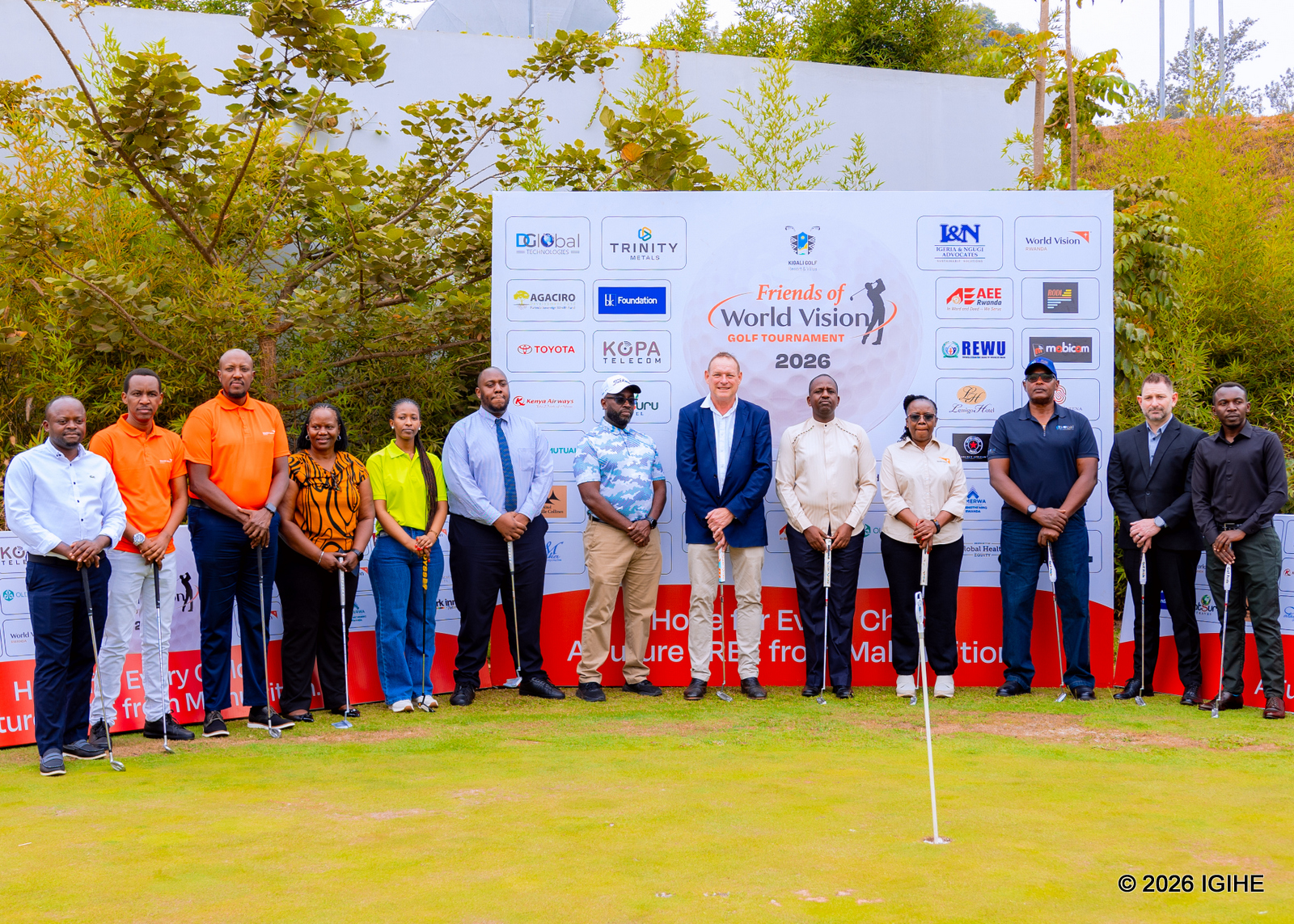
As part of these efforts, Kopa Telecom is supporting the Friends of World Vision Rwanda Annual Golf Tournament, which will be held at Kigali Golf Resorts & Villas on August 22, 2026.
Speaking to IGIHE, Kopa Telecom’s Head of Marketing and Sales, Rusaro Jesca, said the partnership with World Vision provides the company with an opportunity to strengthen its contribution to communities where it operates.
“We are partners with World Vision in this tournament so that, in the communities where we operate, we can give back and contribute to their development. This includes efforts to combat stunting and malnutrition. This is just the beginning, and we will do much more in the days ahead,” she said.
Rusaro said Kopa Telecom’s internet services mainly target large companies, offices, schools, hotels, financial institutions and other organisations that require fast, stable and reliable connectivity.
She added that the company’s services reach customers across Rwanda, with coverage of 99.8 percent of the country, including remote areas and communities located near Rwanda’s borders.
World Vision organised the golf tournament with the goal of raising $500,000 to support children affected by malnutrition. The funds will support various interventions, including the construction of a modern kitchen to prepare nutritious meals for children, among other initiatives.
As part of its broader programme, World Vision plans to support up to 2.5 million families between 2026 and 2030, with a focus on improving the well-being and living conditions of vulnerable communities.
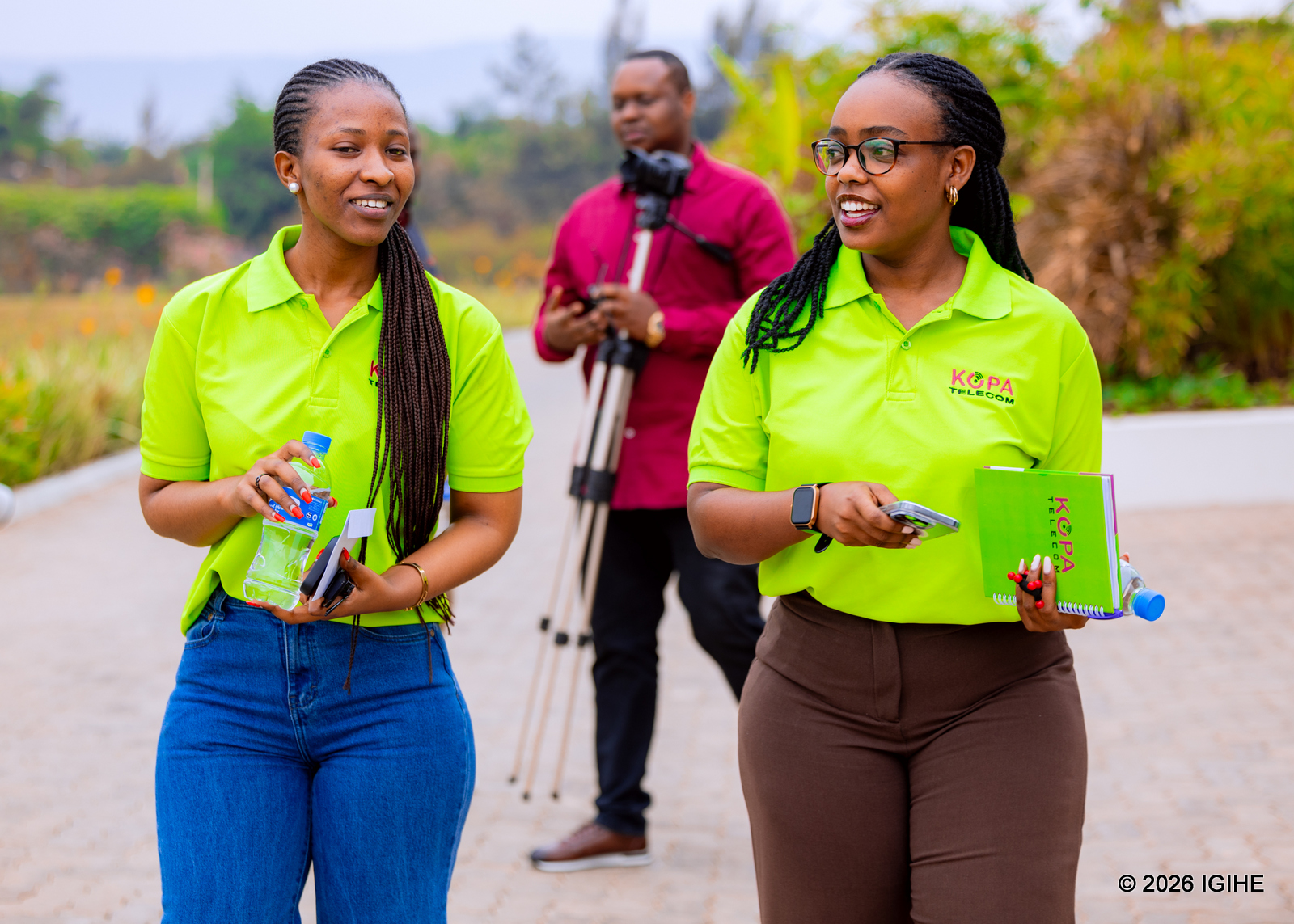
Kopa Telecom staff explained what sets their internet service apartKopa Telecom Head of Marketing and Sales, Rusaro Jesca, plays golfKopa Telecom representatives also took part in the golf tournament.Kopa Telecom is one of the sponsors of the World Vision golf tournament.
The company’s service revenue reached Rwf167.5 billion in the six months ended June 30, 2026, up from the same period last year, while profit after tax stood at Rwf17.2 billion.
The performance comes as the use of digital services continues to expand in Rwanda, with individuals and businesses increasingly relying on mobile connectivity and digital payments for communication, commerce and other daily activities.
MTN Rwanda’s subscriber base grew by 11.4 percent to 8.7 million during the period. Active data subscribers increased by 14.5 percent to 2.7 million, while active Mobile Money users rose by 14.9 percent to 6.4 million.
Data remained an important source of growth, with data revenue increasing by 14.3 percent to Rwf26.7 billion.
The increase was supported by a 63.6 percent rise in data traffic, as more customers adopted smartphones and made greater use of affordable data bundles.
Voice revenue also increased by 7.1 percent, supported by subscriber growth and the reintroduction of mobile termination rates in August 2025.
MTN Rwanda CEO Monzer Ali said the company’s performance reflected more than financial growth, pointing to the expanding role of digital services in the economy.
“Every new smartphone connected, every entrepreneur paid through Mobile Money, and every community reached through our network represents another step towards a more connected, inclusive and digitally empowered Rwanda,” Ali said.
He said MTN Rwanda would continue investing in its network, technology and partnerships to expand access to digital services and support Rwanda’s ambitions for a digitally enabled economy.
Mobile Money becomes bigger revenue driver
Mobile Money continued to be one of the strongest performers, with Mobile Money Rwanda Ltd (MMRL), MTN Rwanda’s subsidiary, reporting a 31.3 percent year-on-year increase in MoMo revenue to Rwf90.1 billion.
MoMo accounted for 53.8 percent of MTN Rwanda’s service revenue in the first half, up from 49.9 percent during the same period in 2025.
The platform’s active merchant base increased by 19.2 percent to 682,000, highlighting the growing use of mobile payments among businesses and consumers.
Advanced services, including remittances and lending, also recorded strong growth, increasing by 28.1 percent and accounting for 28.4 percent of MoMo revenue.
Chantal U Kagame, CEO of Mobile Money Rwanda Ltd, said the expansion of the merchant network demonstrated how deeply mobile money has become embedded in Rwanda’s economy.
“Growing to 682,000 active merchants shows how deeply mobile money has become embedded in the way Rwandans transact, run businesses and participate in the economy,” she said.
She added that the company would continue working to make MoMo services simpler, more secure and accessible.
MTN Rwanda also recorded significant improvements in profitability and cash generation during the period.
Earnings Before Interest, Taxes, Depreciation and Amortisation (EBITDA) increased by 30.4 percent to Rwf70.5 billion, while the EBITDA margin expanded by 2.8 percentage points to 41.8 percent.
The company attributed the improvement partly to savings generated through its Expense Efficiency Programme.
Capital expenditure, excluding leases, remained largely unchanged at Rwf11.2 billion, while adjusted free cash flow increased by 38.7 percent to Rwf59.3 billion.
MTN Rwanda Chief Financial Officer John Bugunya said the results demonstrated the company’s ability to combine commercial growth with tighter financial management.
He said the stronger free cash flow provided a solid financial base for continued investment in network and digital infrastructure.
Digital growth alongside community investment
MTN Rwanda’s activities during the first half also included initiatives aimed at supporting communities.
In June, the company conducted its annual 21 Days of Y’ello Care campaign under the theme “Expanding Equitable Health for Every Community.”
As part of the campaign, MTN Rwanda supported the renovation of the maternity ward and expansion of the laboratory at Kigese Health Centre in Rugarika Sector, Kamonyi District. The facility serves approximately 61,000 people and handles between 50 and 60 deliveries each month.
As it enters the second half of 2026, MTN Rwanda said it will focus on sustaining its commercial growth, expanding financial inclusion through Mobile Money and improving the quality and reach of its network.
The company said continued investment in connectivity and digital financial services will remain central to its role in Rwanda’s digital transformation, while supporting individuals, businesses and communities to participate more fully in the modern economy.
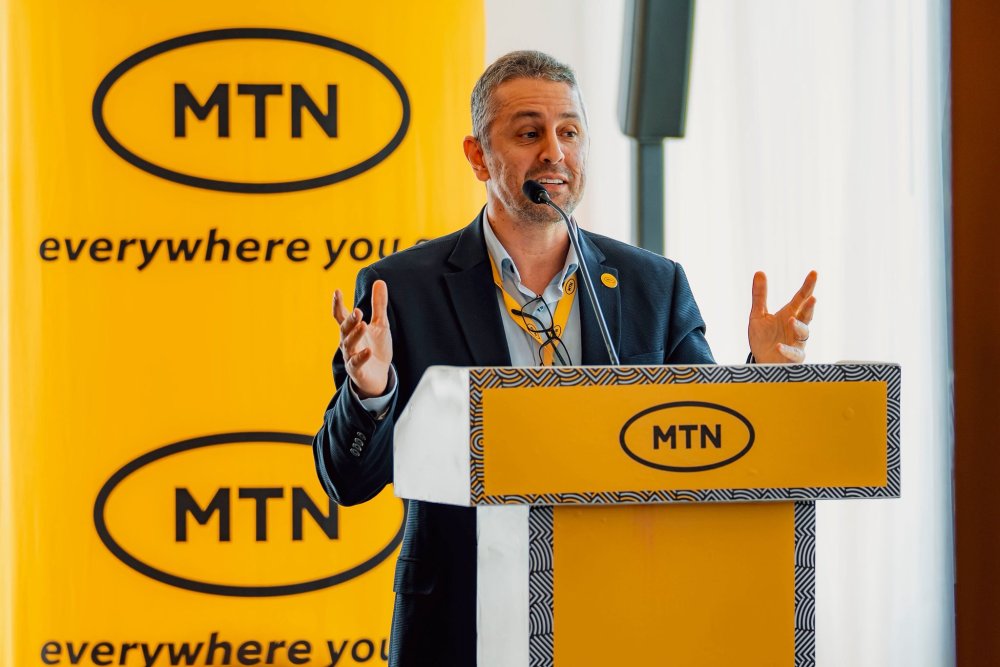
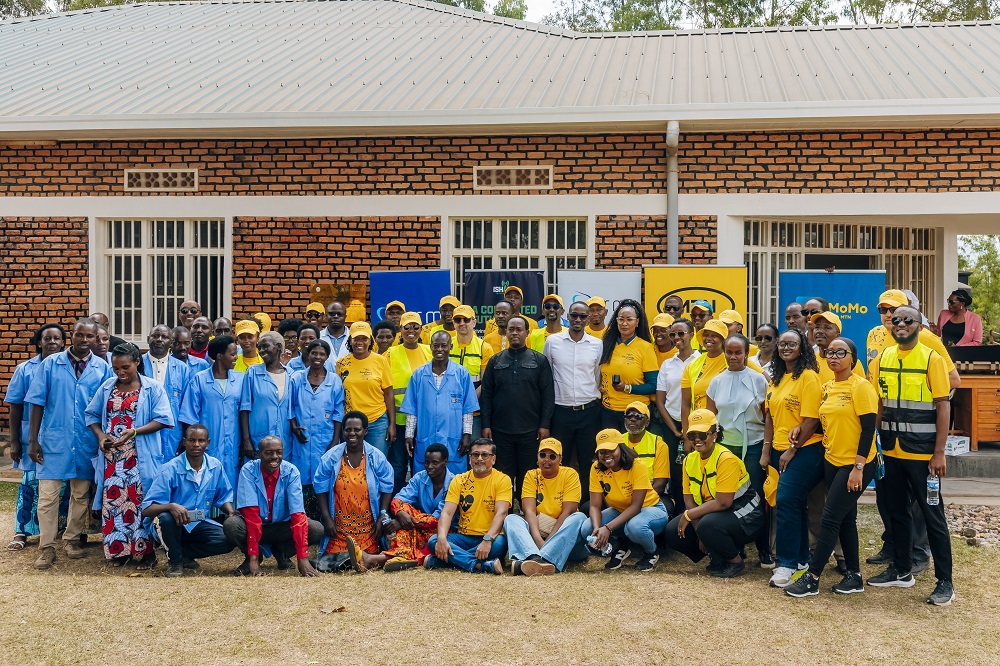
MTN Rwanda’s 21 Days of Y’ello Care campaign supported the renovation of the maternity ward and expansion of the laboratory at Kigese Health Centre in Kamonyi District.MTN Rwanda CEO Monzer Ali has highlighted the company’s growth in connectivity, data and Mobile Money services during the first half of 2026.
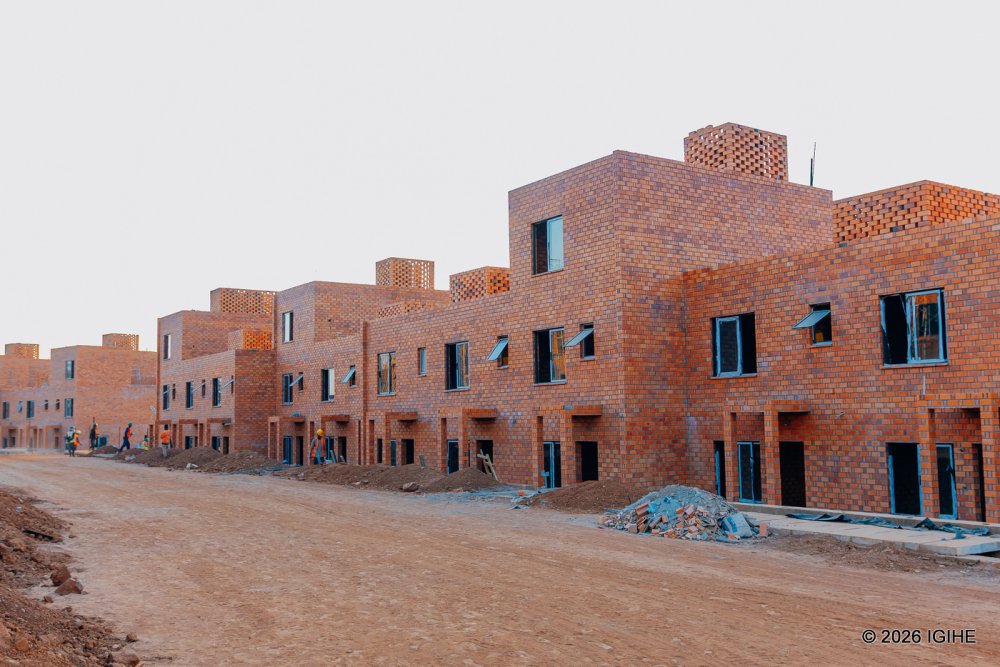
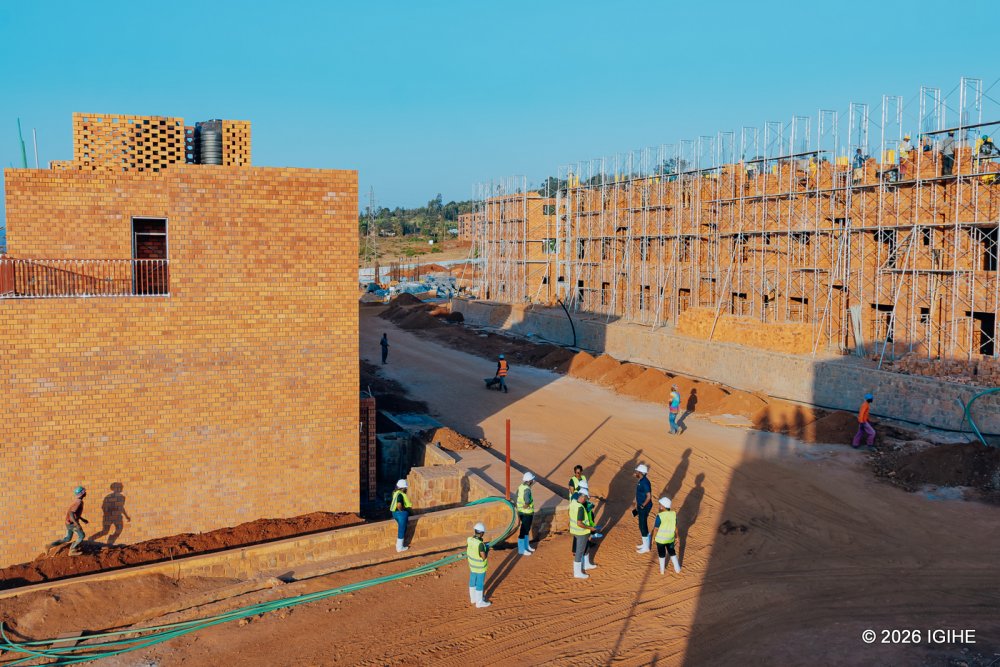
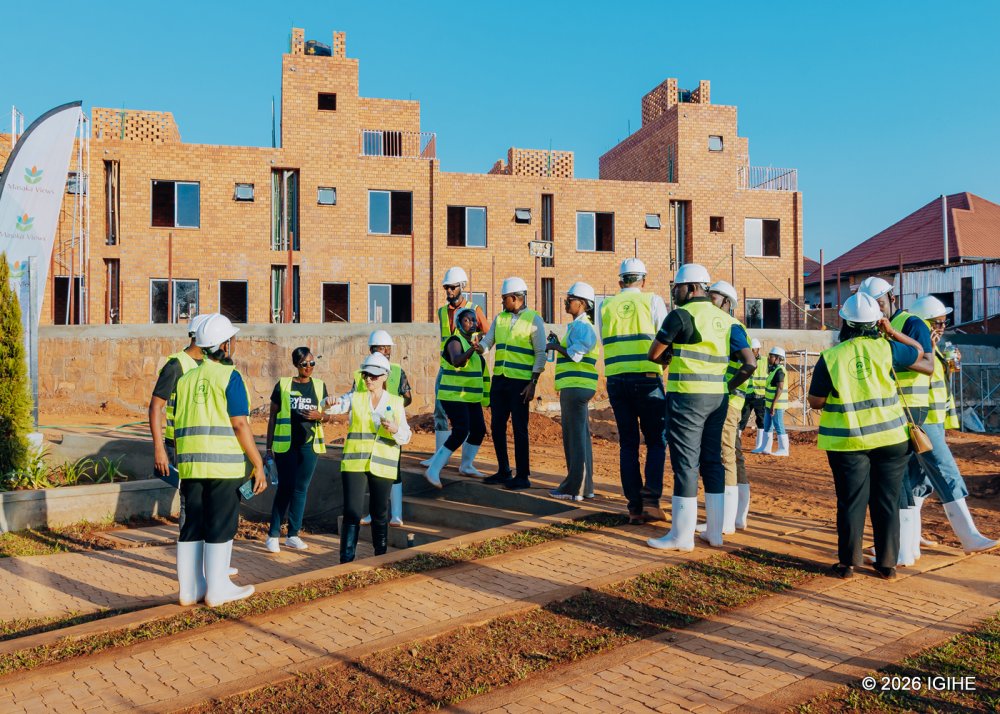
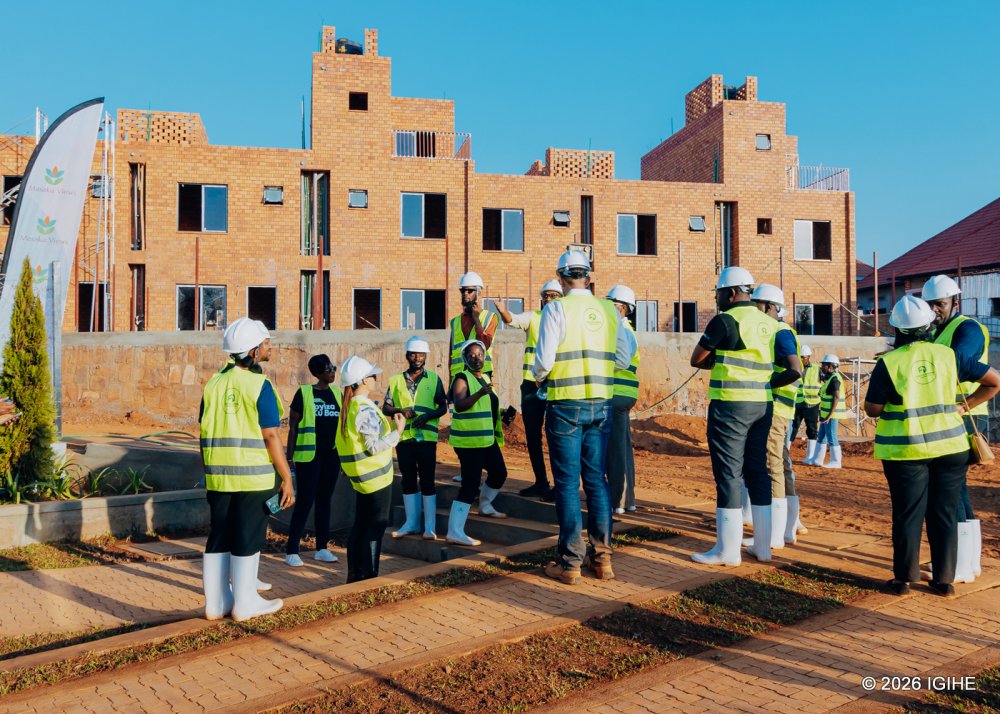
The partnership was launched on August 13, 2026, when BPR Bank Rwanda Plc management visited the site of the housing project in Masaka, Kicukiro District.
Masaka Views Eco Estate is a residential development comprising a 302-unit apartment block with one- to three-bedroom apartments, 51 standalone family houses and 33 townhouses.
Under the partnership, BPR Bank Rwanda will provide financing options to prospective homeowners through its existing housing loan products, including loans for construction and home purchases.
The arrangement is intended to help people who want to buy homes in the estate but may not have enough funds to make an upfront payment.
Eligible buyers can access financing and repay the loan over an agreed period. The bank said the partnership will also give prospective buyers an opportunity to secure homes early, given the limited number of units available in the development.
BPR Bank Rwanda said the partnership supports its efforts to help Rwandans achieve their homeownership goals while promoting access to modern, comfortable and environmentally sustainable housing.
Patience Mutesi, Managing Director of BPR Bank Rwanda Plc, said access to appropriate and affordable financing is an important factor in helping more Rwandans achieve their homeownership goals.
“Our partnership with Fortis Green Housing will enable us to provide financial solutions tailored to the needs of our customers across the different categories of this project. By combining accessible home financing options with quality and sustainable housing developments, we are creating more opportunities for people to invest in homes that meet their needs,” Mutesi said.
As part of the partnership, BPR Bank Rwanda will advise customers on the most suitable loan options based on the type of house they intend to purchase within the estate.
Customers who choose homes that are still under construction will also receive support to finance the purchase and follow the progress of construction until the property is completed and handed over.
Construction of Masaka Views Eco Estate began in 2025. The homes currently on sale are priced between Rwf 103 million and Rwf 235 million.
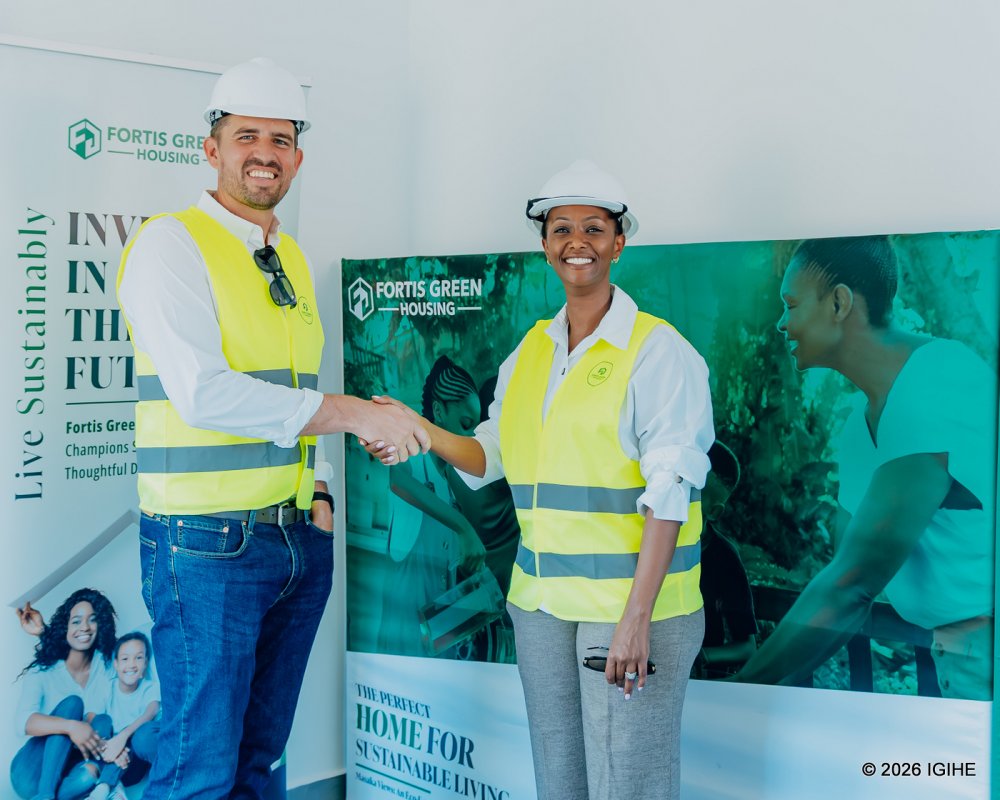
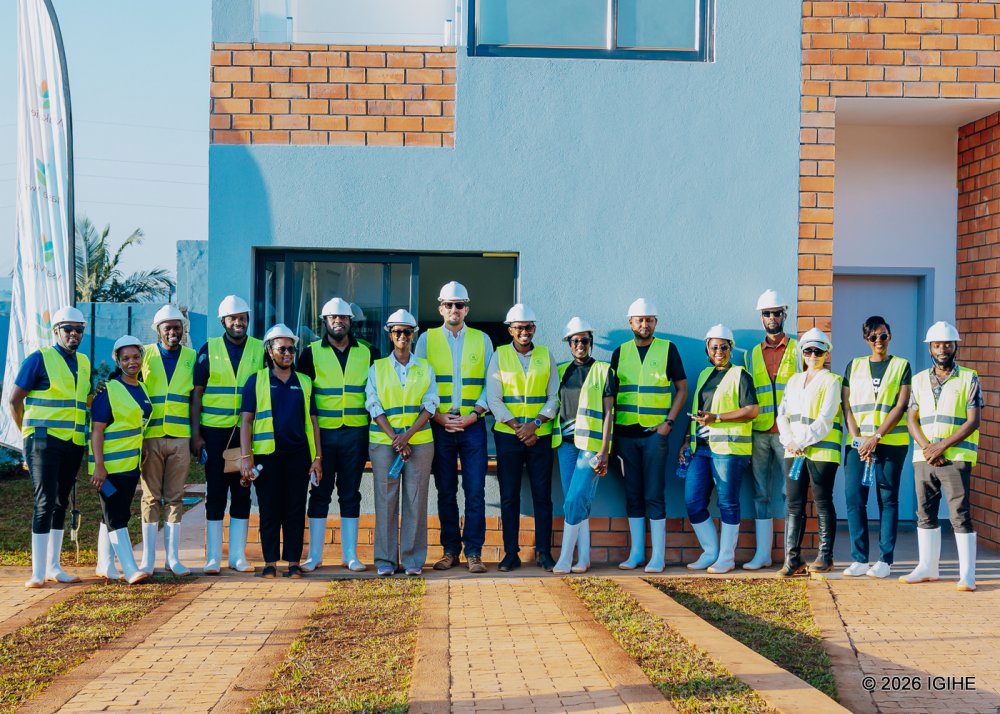
BPR Bank Rwanda Plc and Fortis Green Housing have partnered to help Rwandans access modern, quality homes.Masaka Views Eco Estate features townhouses with two or three bedrooms.BPR Bank Rwanda Plc and Fortis Green Housing have partnered to make homeownership more accessible to Rwandans.Masaka Views Eco Estate is a model residential development under construction in Masaka, Kicukiro.BPR Bank Rwanda Plc staff toured different sections of the housing development under construction in Masaka.
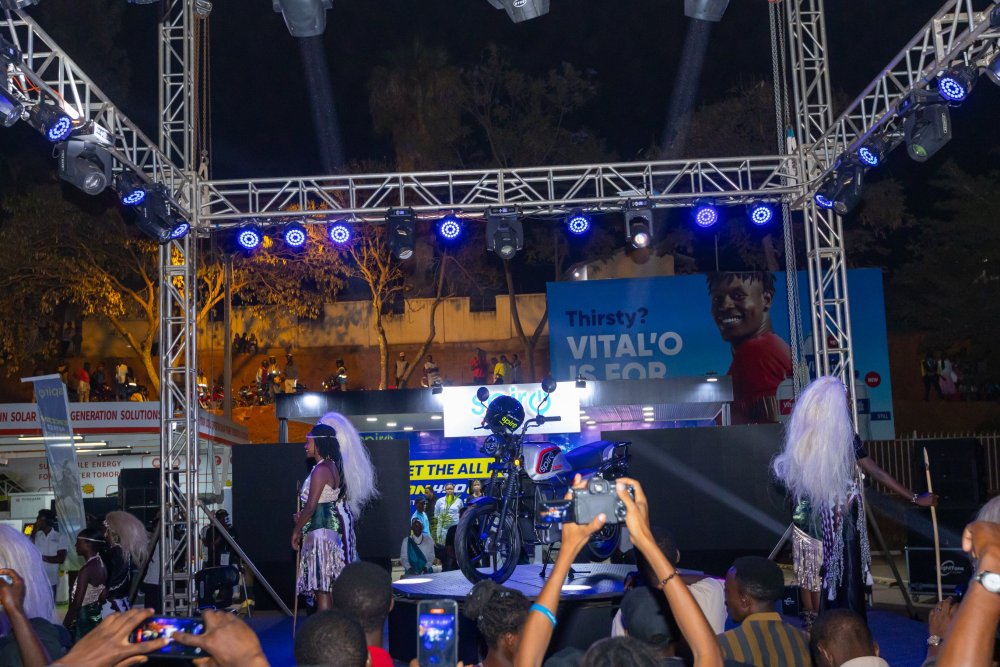
Africa’s leading electric motorcycle manufacturer, Spiro, has unveiled the EKON M1 V3, a new e-bike designed to meet the demands of Rwanda’s varied terrain and the needs of local riders.
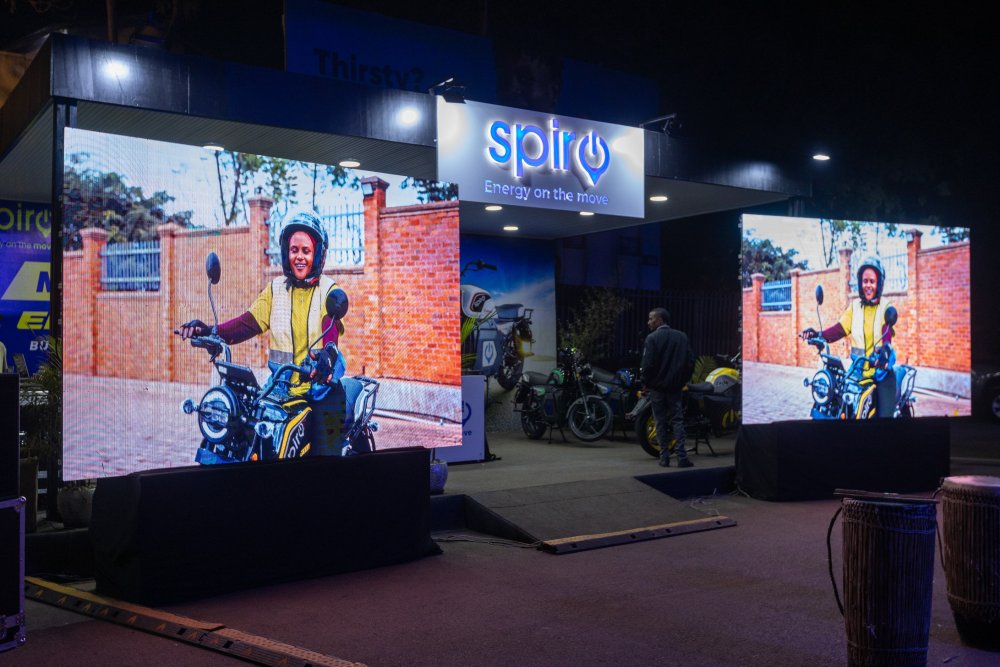
The motorcycle was unveiled on August 14, 2026, at Spiro’s stand during the ongoing International Trade Fair in Gikondo, Kigali.
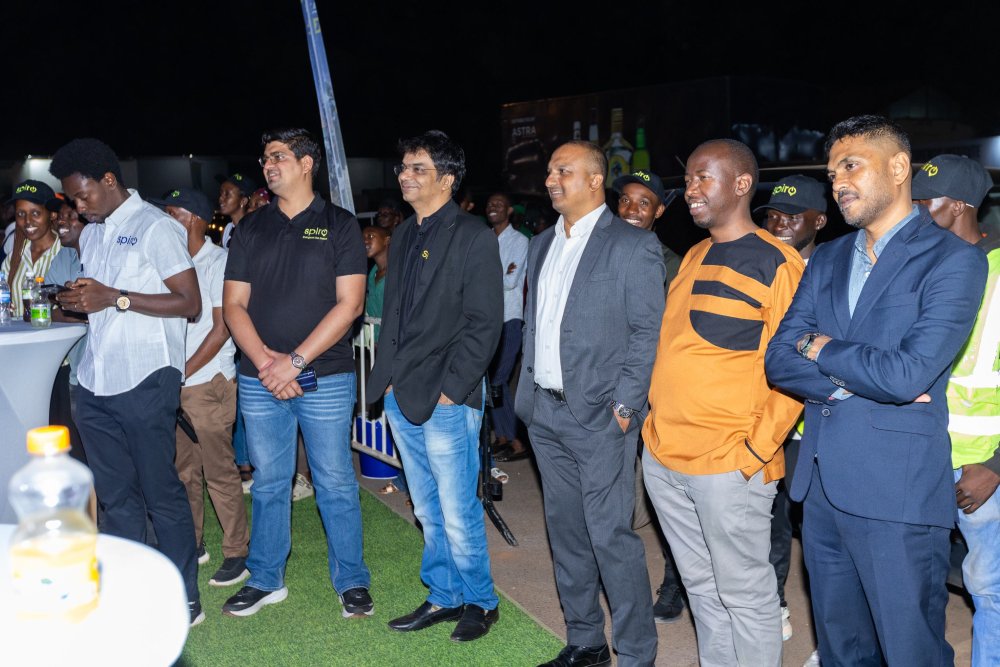
The launch brought together Spiro staff, customers and partners, as well as visitors attending the trade fair.
According to Spiro, the EKON M1 V3 was developed with Rwanda’s mountainous landscape in mind. The country, known as the “Land of a Thousand Hills,” has varying terrain and road conditions, including steep slopes and uneven or challenging surfaces.
The company said the motorcycle was designed to handle these conditions and has been given the nickname “The Motorcycle of a Thousand Hills.”
Spiro Rwanda Managing Director Amit Chawla said the new model was developed after considering the daily challenges faced by motorcycle taxi riders.
“This motorcycle is different from the ones we have previously brought to the market. When we looked at what our riders face every day, from navigating hills and different types of terrain to the need for a motorcycle that is affordable and easy to maintain, the Ekon M1 V3 is the answer,” Chawla said.
Some motorcycle taxi riders who were among the first to test the EKON M1 V3 said its design sets it apart from other Spiro motorcycles previously introduced in Rwanda.
Mfashwenimana Amiel said the motorcycle’s higher ground clearance makes it better suited to uneven and difficult terrain.
“With other motorcycles, when you reach an uphill area or a bad road, the motorcycle can sometimes hit the ground. But the EKON M1 V3 is high enough that even when you ride on uneven roads, it does not hit the ground. That makes it the best for our roads,” he said.
Spiro says the EKON M1 V3 can help users save up to 35 percent compared with using a petrol-powered motorcycle in the same category.
The company also says replacement parts for the model can cost up to 40 percent less, potentially reducing maintenance and operating costs for users.
The launch comes as Spiro continues to expand Rwanda’s electric mobility infrastructure.
Over the past three years, the company says it has invested in developing and expanding electric transport infrastructure across the country, including battery-charging stations in different locations.
Spiro has also launched seven large “mega stations” as part of efforts to strengthen the infrastructure supporting electric motorcycles in Rwanda.
The company plans to continue promoting the EKON M1 V3 across the country, giving motorcycle riders and other potential customers an opportunity to learn more about the model and its features.
Spiro’s management in Rwanda affirmed that the new EKON M1 V3 is designed to handle Rwanda’s hilly terrain.Spiro Rwanda officials attended the unveiling of the new motorcycle.Riderman entertained those in attendance.Expo attendees in Gikondo also attended the unveiling of Spiro’s new motorcycle.These motorcycles were designed with Rwanda’s terrain in mind.
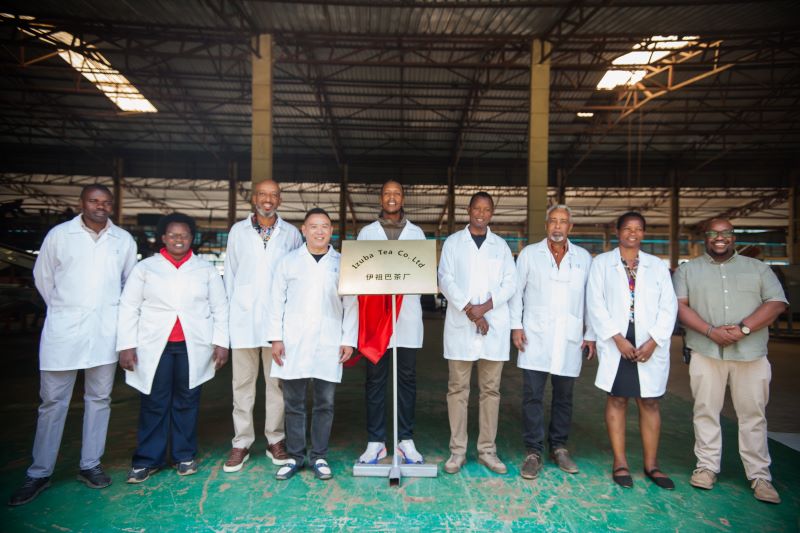
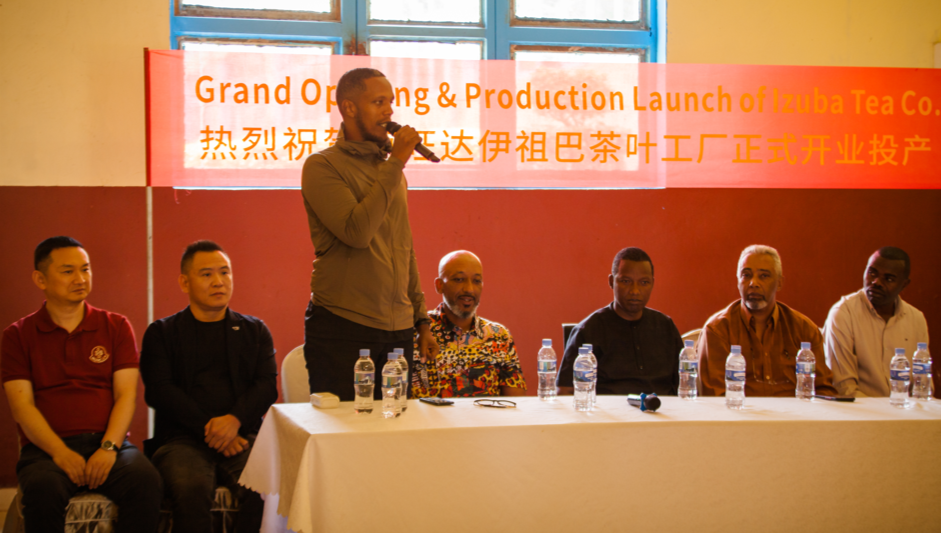
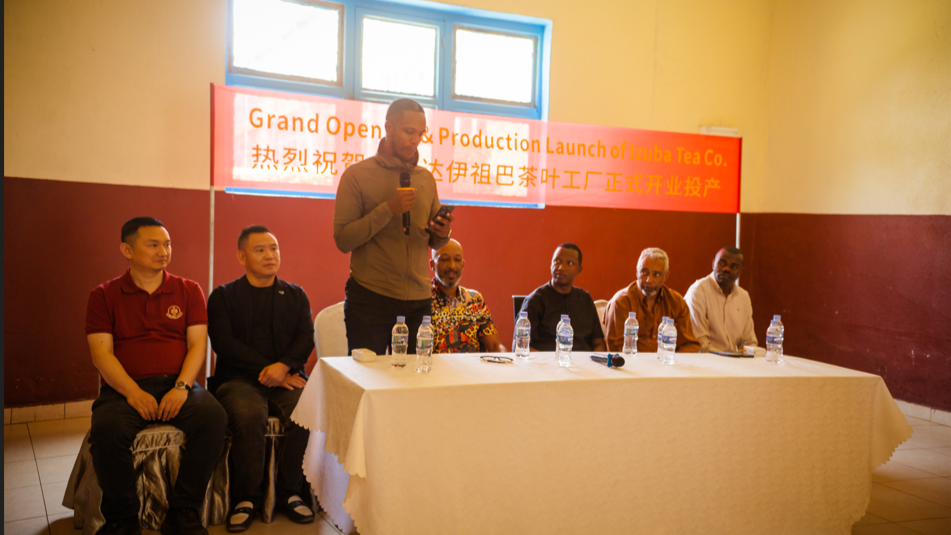
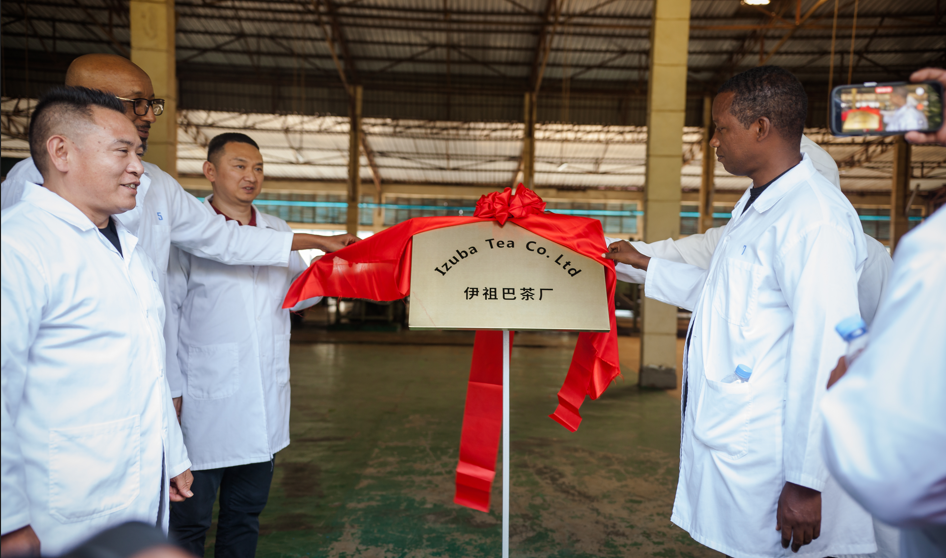
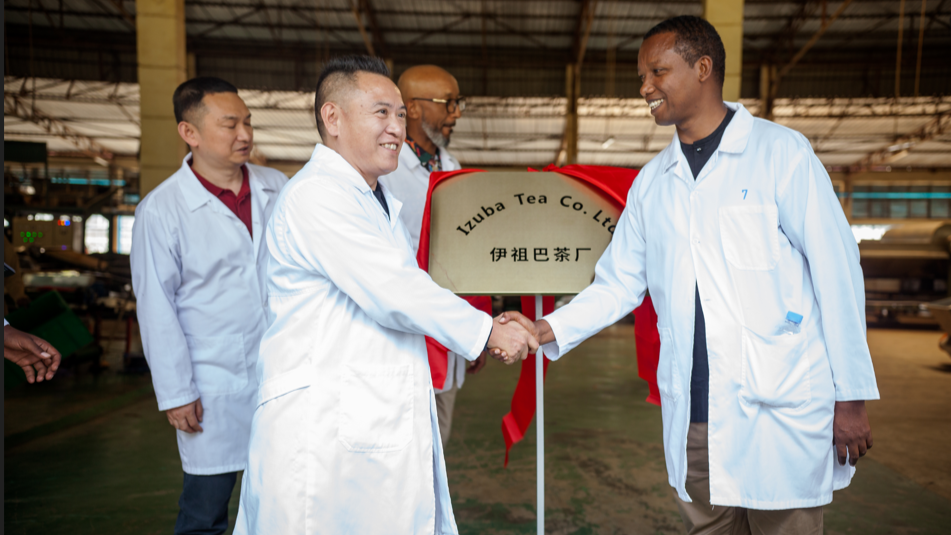
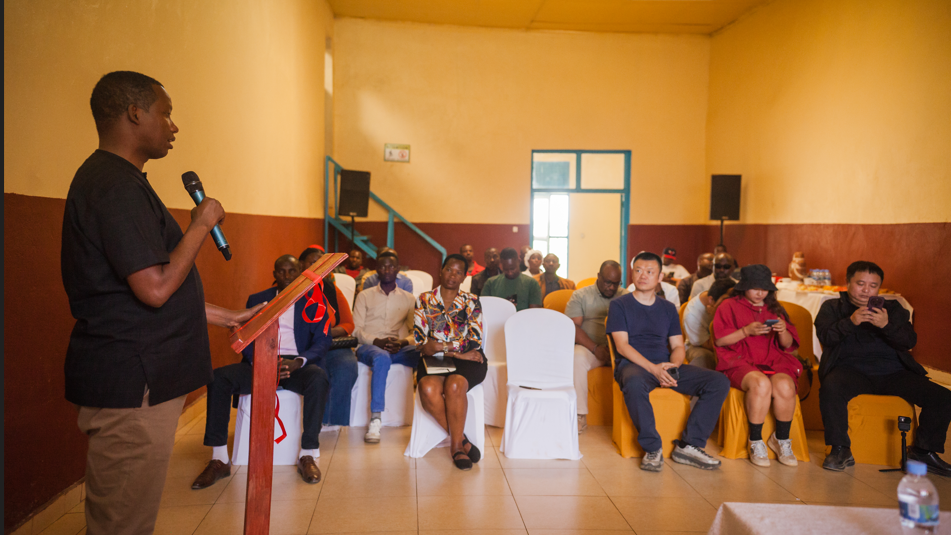
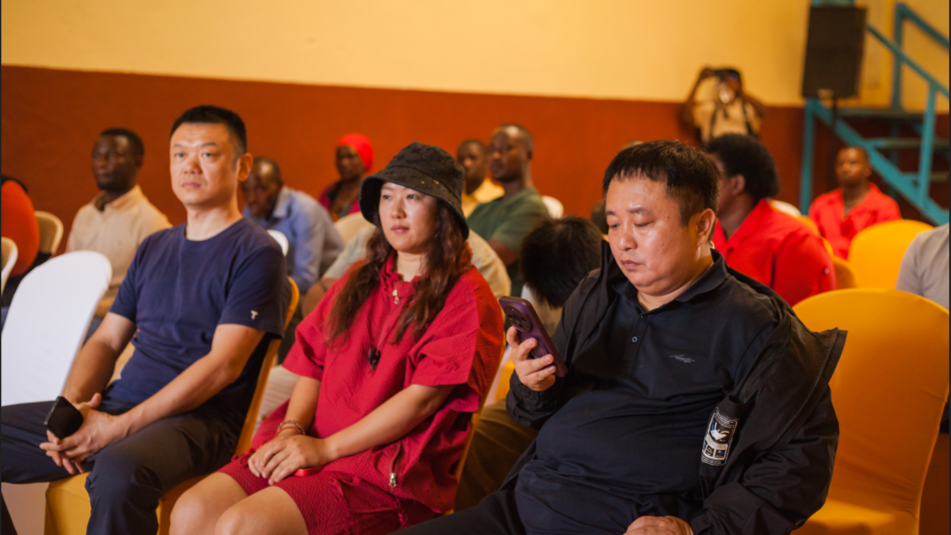
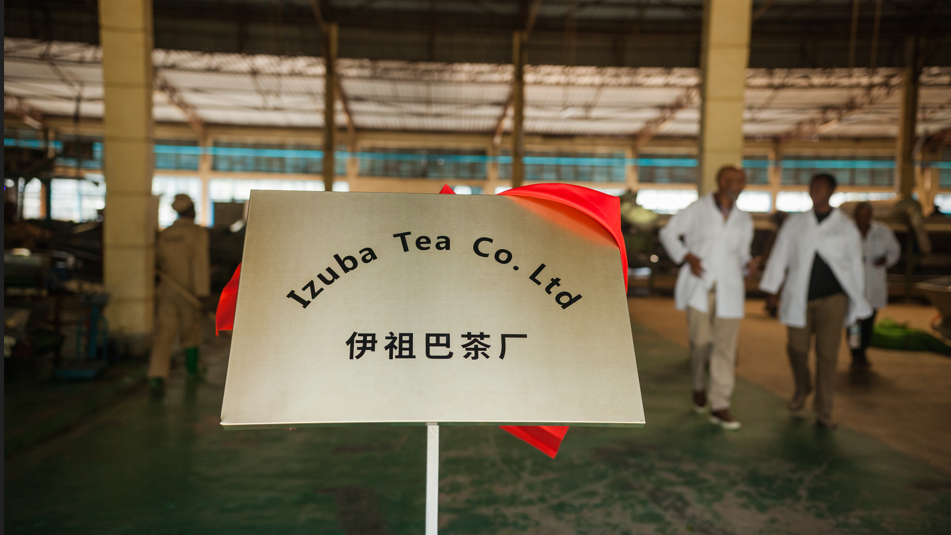
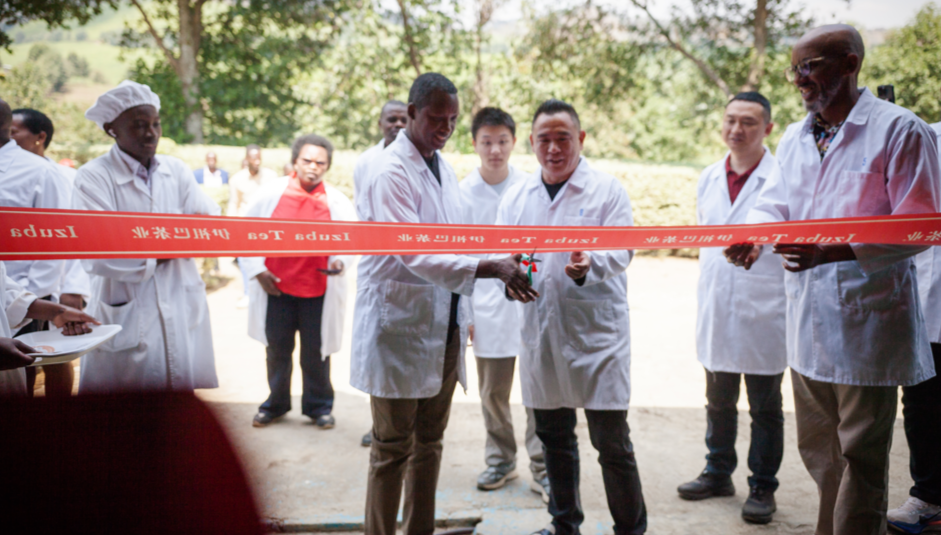
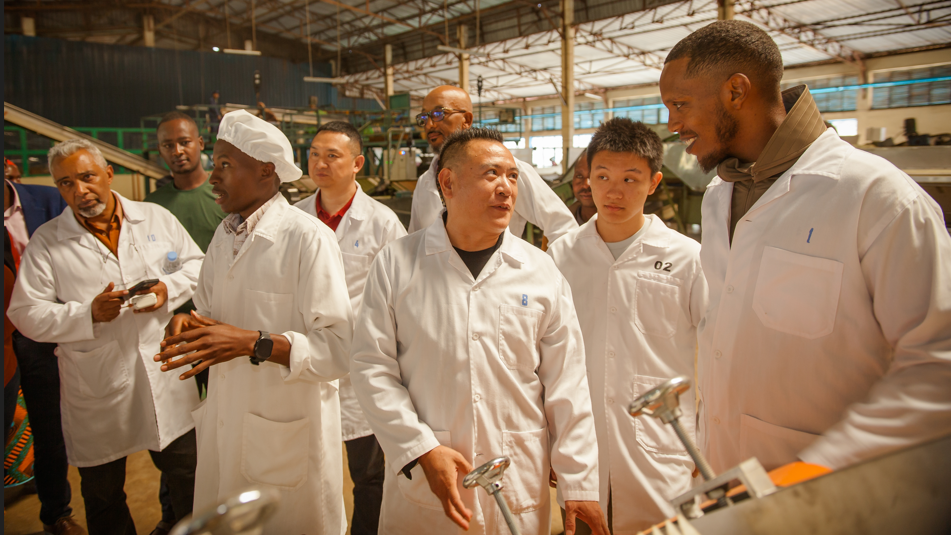
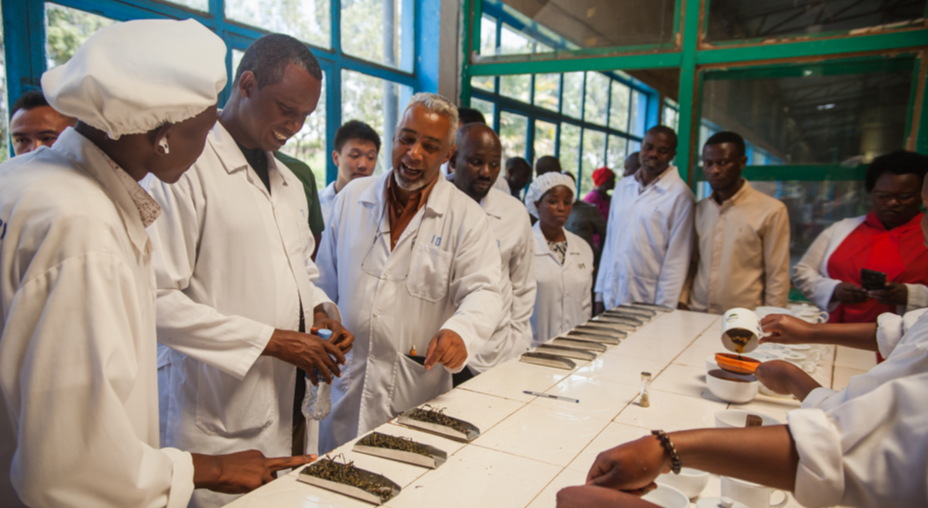
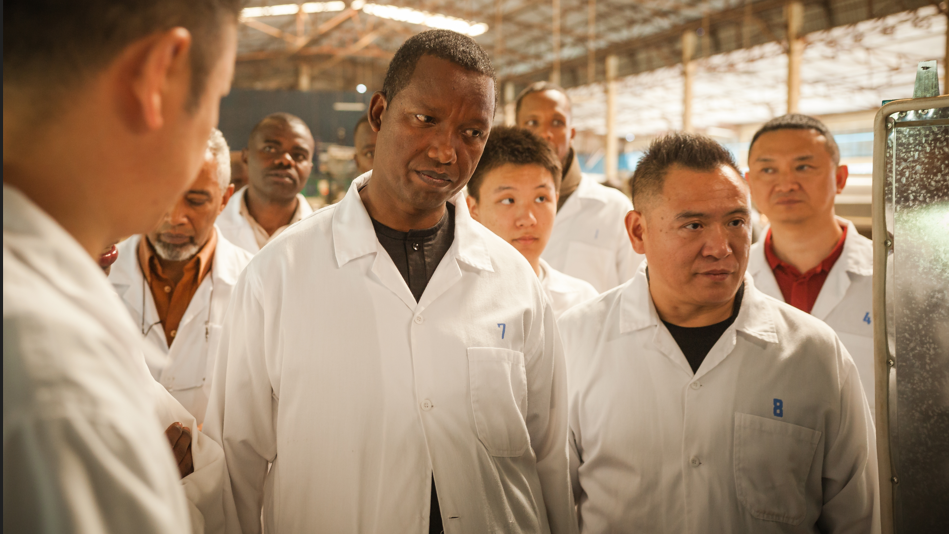
The partnership was launched on August 12, in a ceremony attended by representatives of Karongi Tea Factory and Izuba Tea Co. Ltd, Chinese investors, Karongi District Mayor Gerald Muzungu, tea producers organised under the KATECOGRO cooperative, and other stakeholders in the tea sector.
The joint venture brings together Rwanda’s long-standing experience in tea cultivation and processing with Chinese technology, technical expertise, international trade knowledge and access to one of the world’s largest tea markets.
Partnership driven by quality of Rwandan tea
David Mutangana, Managing Director of Karongi Tea Factory, said the partnership was partly driven by Chinese investors’ interest in the quality of Rwandan tea.
“Tea is an important crop for the country. It contributes to the development of producers and the region as a whole. That is why we decided to look for investors in China. When they came here, they visited the tea plantations and were impressed by the quality of the product. That is what convinced them to invest in this sector,” he said.
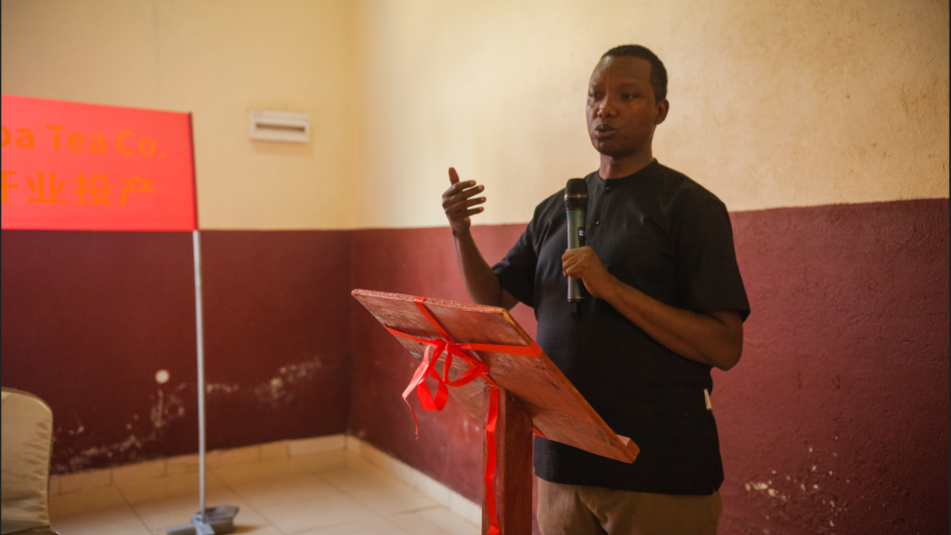
Mutijima Bryon, Managing Director of Izuba Tea Co. Ltd, highlighted the importance of working with Chinese experts, describing the partnership as a “strong technical and commercial bridge to China.”
The collaboration is expected to help Izuba Tea add greater value to tea produced in Rwanda and strengthen its presence on international markets.
The company aims to become “a globally recognised Rwandan tea company” within the next five years, targeting markets across Asia, Africa, Europe and the Middle East.
“Our role is to combine this natural advantage with the technologies, expertise, investments and access to international markets that are necessary,” Bryon said.
Liu Quiming, speaking on behalf of the Chinese investors, said the partnership followed positive results from tests conducted on Rwandan tea.
“We are very happy about this partnership. When we came to Rwanda to test the tea, we were very satisfied. We took samples to China, where they were very well received. We found that the Karongi factory perfectly matched our expectations in terms of its operations and production capacity, which is why we are here today to launch this partnership,” he said.
Expanding production and value addition
Located in Karongi District in Rwanda’s Western Province, near Nyungwe Forest, Karongi Tea Factory began operations in 2012 and specialises in tea processing.
The factory produces several varieties of high-quality tea and has a production capacity of several dozen tonnes per day.
The partnership is also expected to create additional value in the tea sector, increase farmers’ incomes, strengthen their economic independence and create jobs.
As production expands, improving the transportation of tea from farms to the factory will be important to supporting the sector’s growth and ensuring that farmers can fully benefit from new market opportunities.
Mutangana said the factory is already working with the KATECOGRO cooperative and that continued improvements in transport infrastructure would help facilitate the movement of tea from farms to the factory and strengthen access to markets.
“The factory started operations in 2012. We already work with the KATECOGRO cooperative, and as the sector grows, continued improvements in infrastructure will be important in facilitating the movement of produce to the factory and connecting farmers to expanding markets,” he said.
Karongi District Mayor Gerald Muzungu said local authorities would continue working with stakeholders to support the development of the project and create an enabling environment for its growth.
“We will do everything necessary to ensure the success of this project,” he said, emphasising the initiative’s potential to generate economic opportunities for local communities and contribute to the development of the district.
Building a bridge to the Chinese market
In its first phase, Izuba Tea plans to reach an annual production capacity of about 1,000 tonnes.
The initial phase will form the basis for a broader expansion programme. Shareholders plan to reinvest up to $10 million across four development phases to progressively increase production capacity, modernise technology, expand the product range and strengthen the company’s international distribution network.
The company also plans to move beyond conventional tea production by developing speciality and value-added products, including matcha.
Izuba Tea intends to adapt its production capacity and product portfolio to meet the requirements of different international markets, positioning the joint venture as a potential channel for increasing the global reach of Rwandan tea.
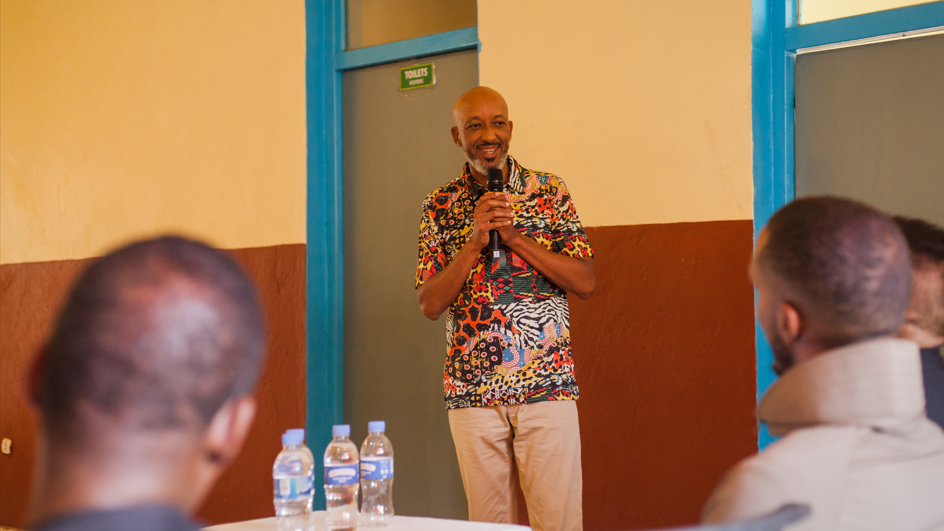
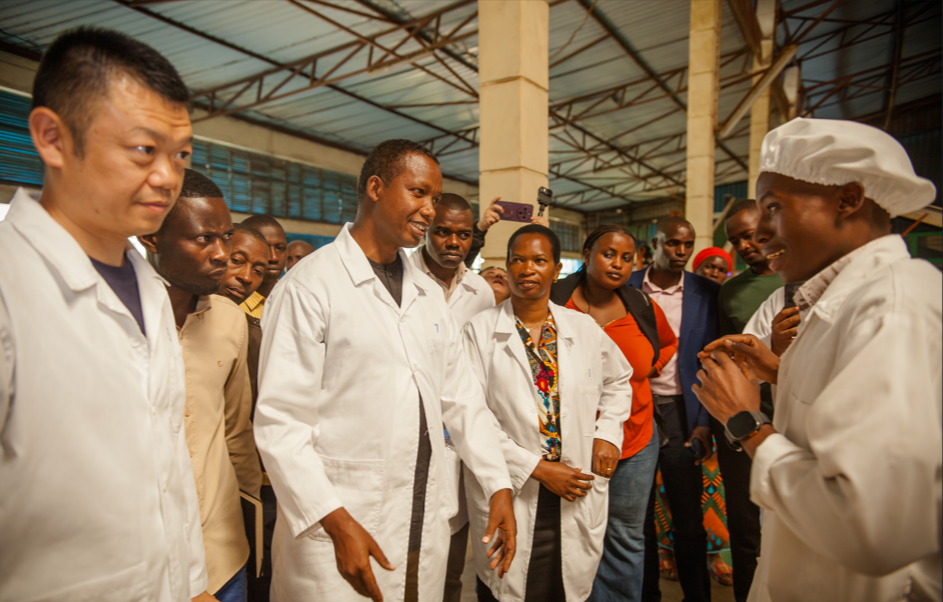
Chinese investors expressed satisfaction with the quality of Rwandan tea.For David Mutangana, Managing Director of Karongi Tea Factory, the partnership was partly driven by Chinese investors’ interest in the quality of Rwandan tea.Mutijima Bryon, Managing Director of Izuba Co Ltd, emphasised the importance of the partnership with Chinese experts.
Karongi District authorities officially launch a joint venture between Karongi Tea Factory and Izuba Tea Co. Ltd.
Karongi District Mayor Gerald Muzungu said local authorities would continue working with stakeholders to support the development of the project and create an enabling environment for its growth.Located in Karongi District, in Rwanda’s Western Province, near Nyungwe Forest, Karongi Tea Factory began operations in 2012 and specialises in tea processing.
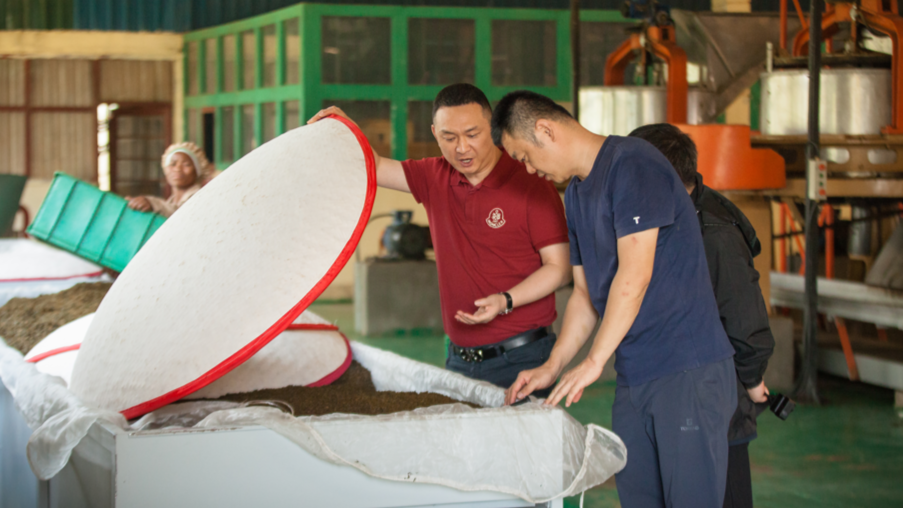
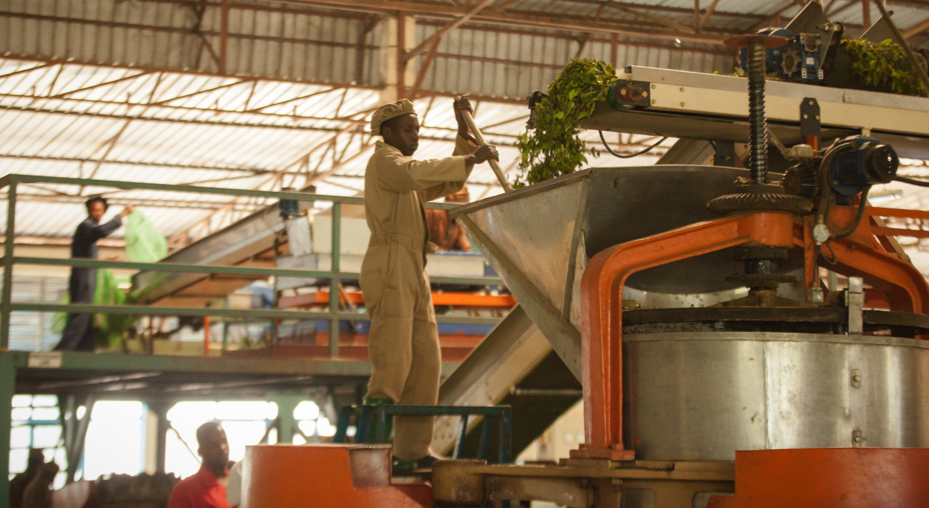
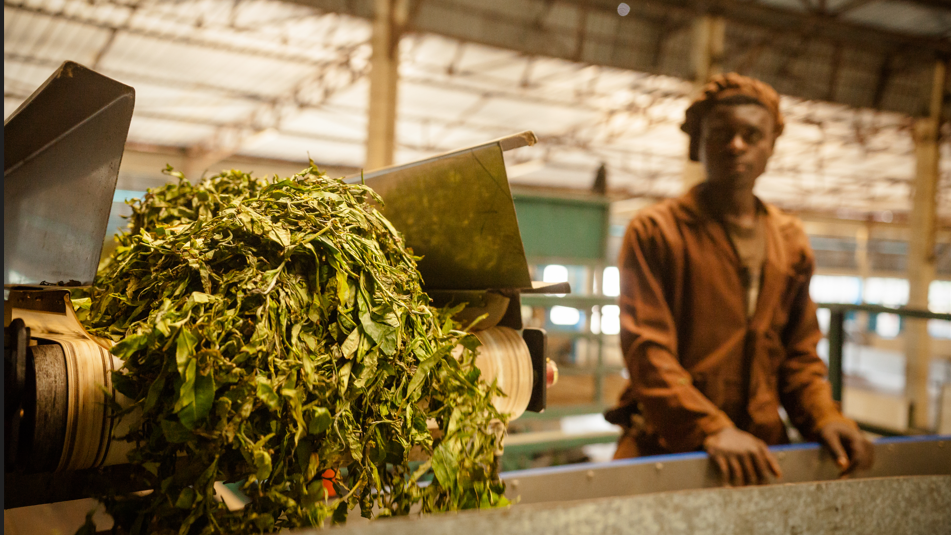
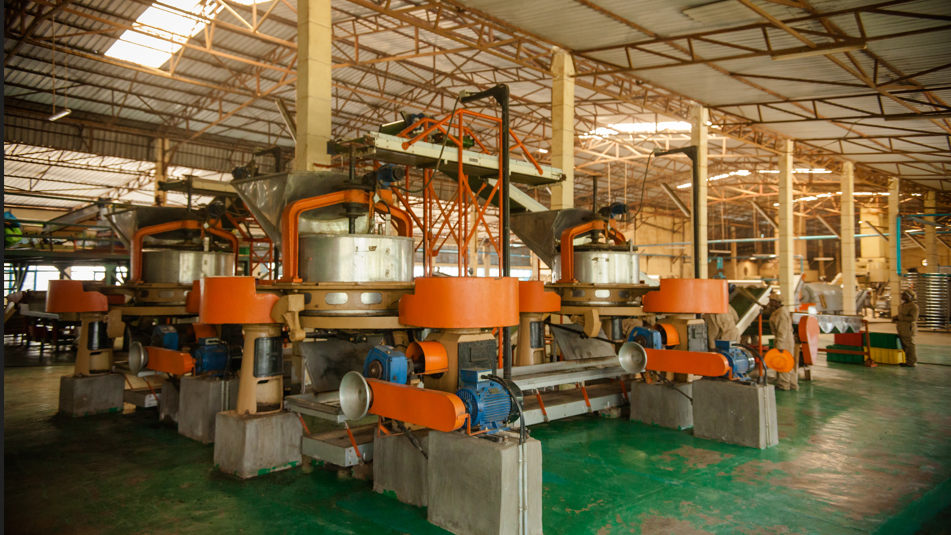
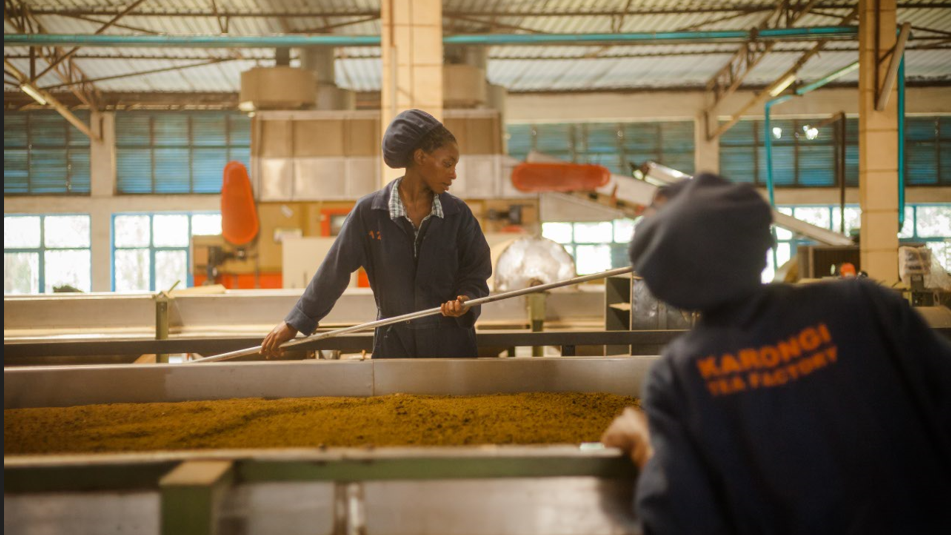
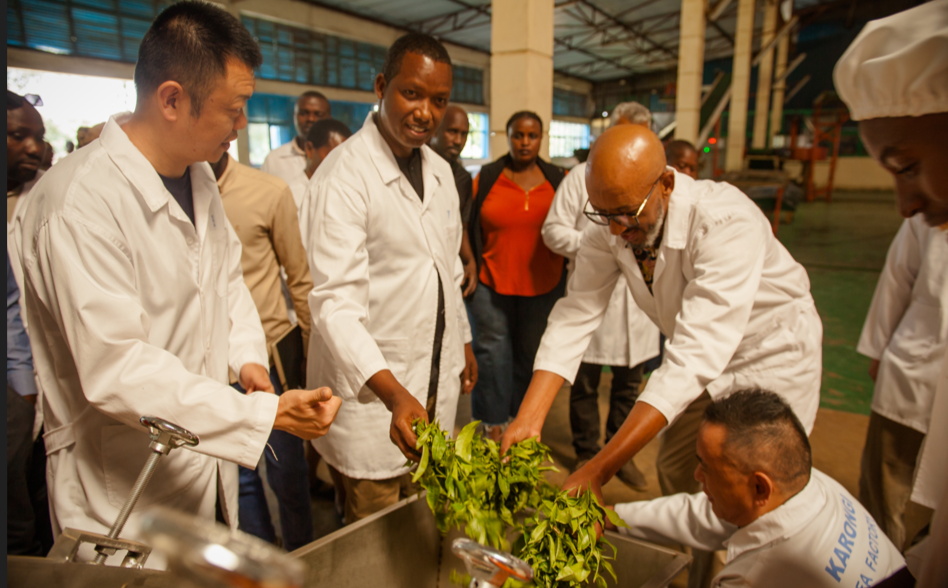
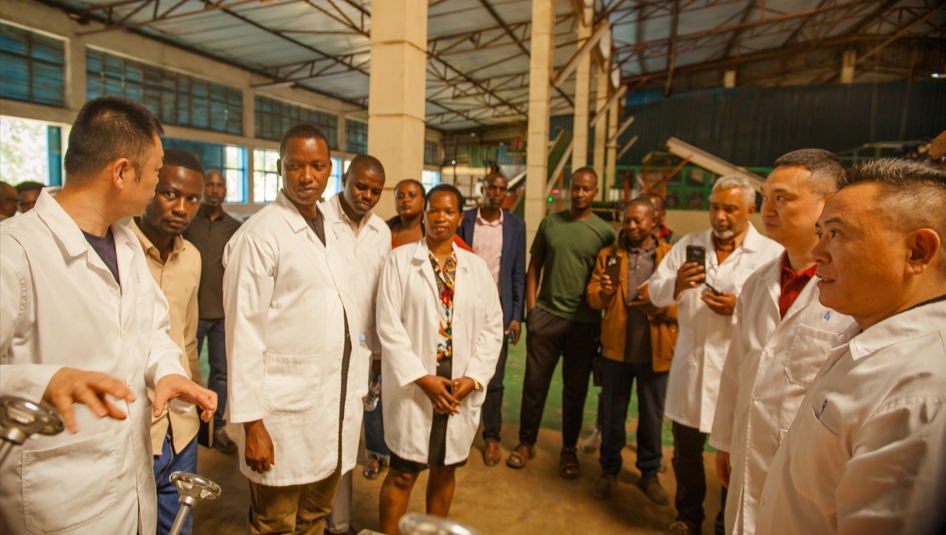
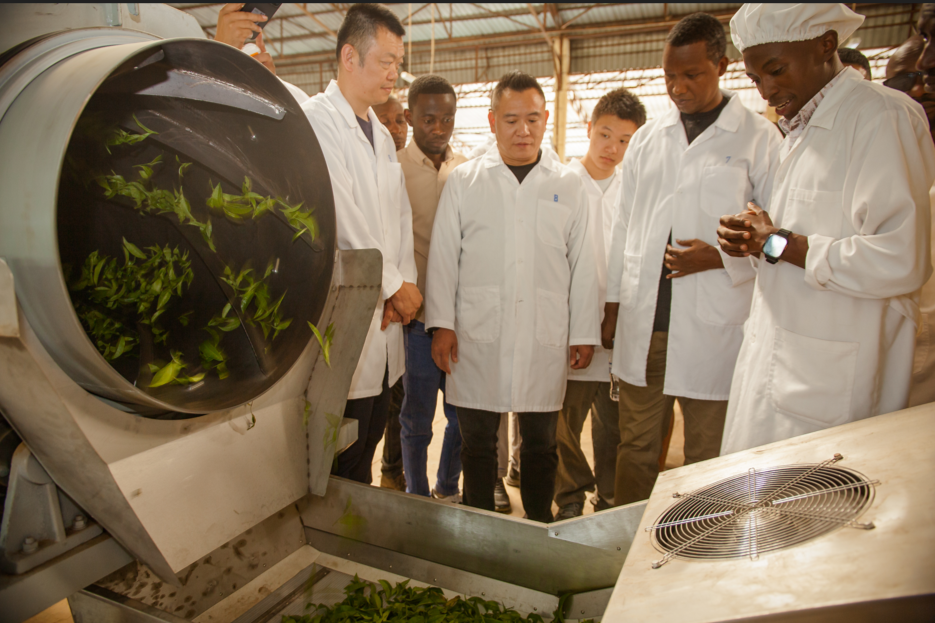
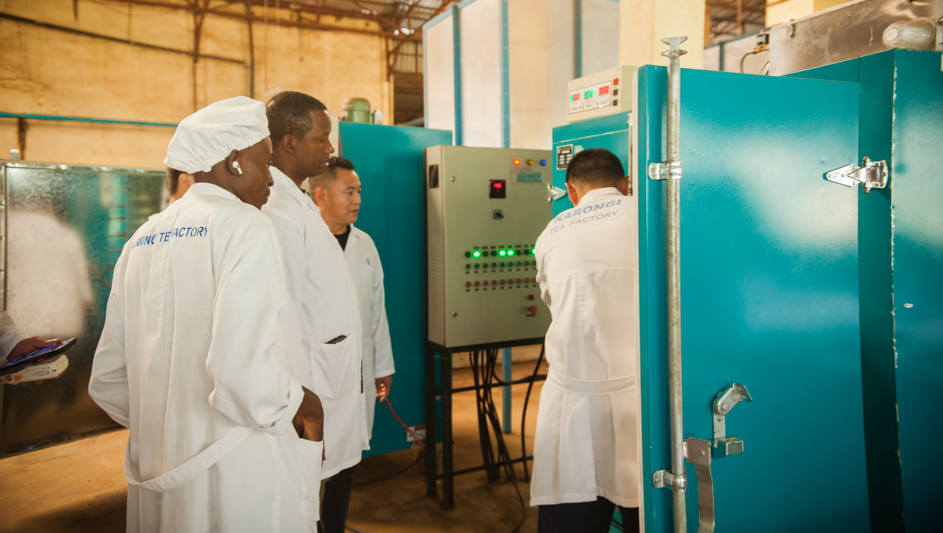
Karongi Tea Factory is also renowned for producing high-quality tea in a range of varieties, with a production capacity of several dozen tonnes per day.Chinese experts have provided specialized machinery to support tea processing.
In its initial phase, Izuba Tea plans to reach an annual tea production capacity of approximately 1,000 tonnes.
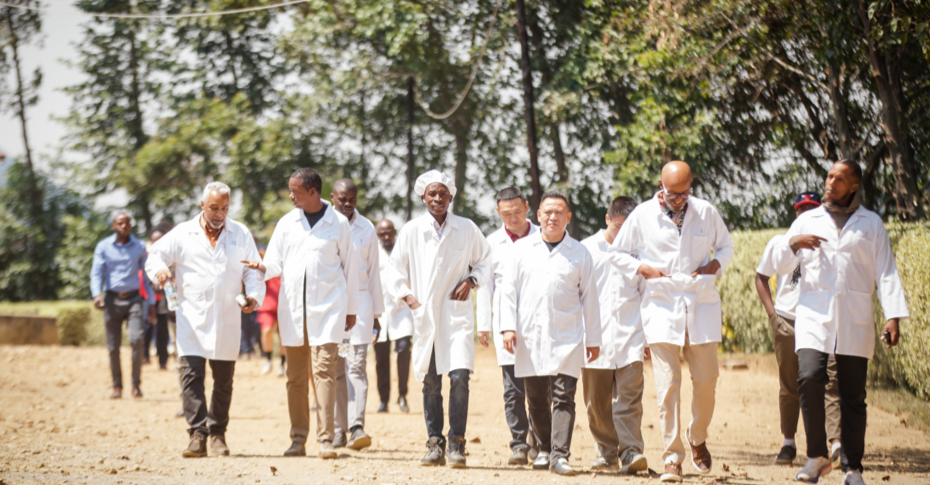
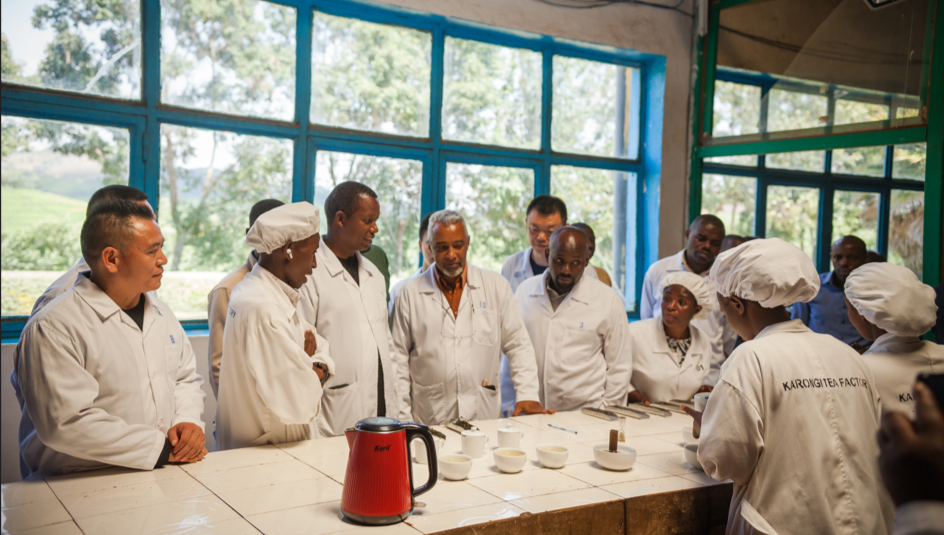
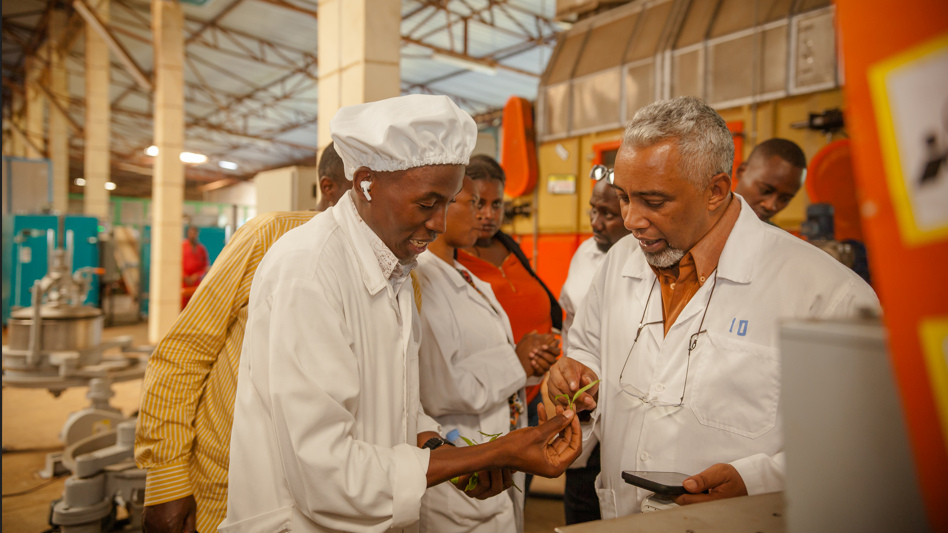
The participants also toured the tea processing facilities.
The Karongi District mayor also toured the factory to learn more about its tea processing operations.
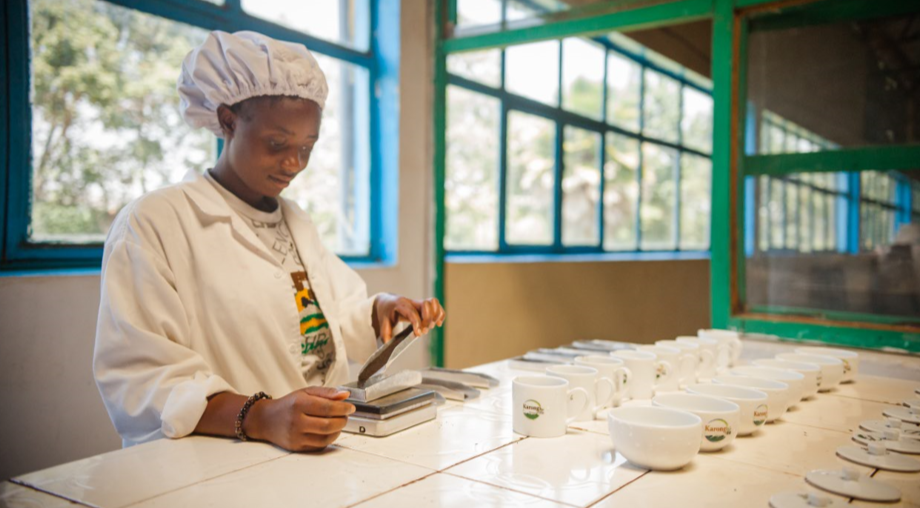
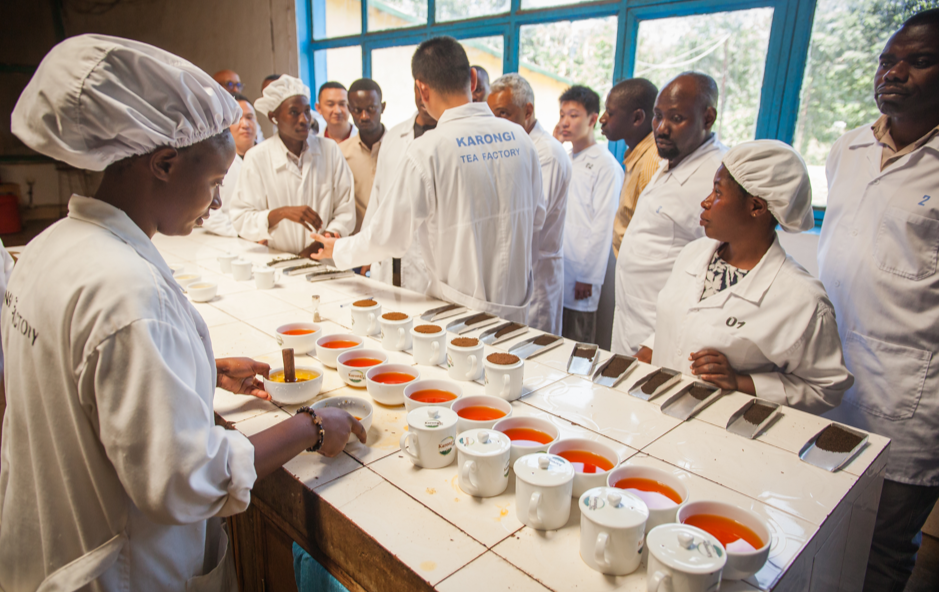
The participants also sampled a selection of teas produced by the factory.
Tea is one of Rwanda’s long-established export crops and remains an important contributor to the country’s export earnings.
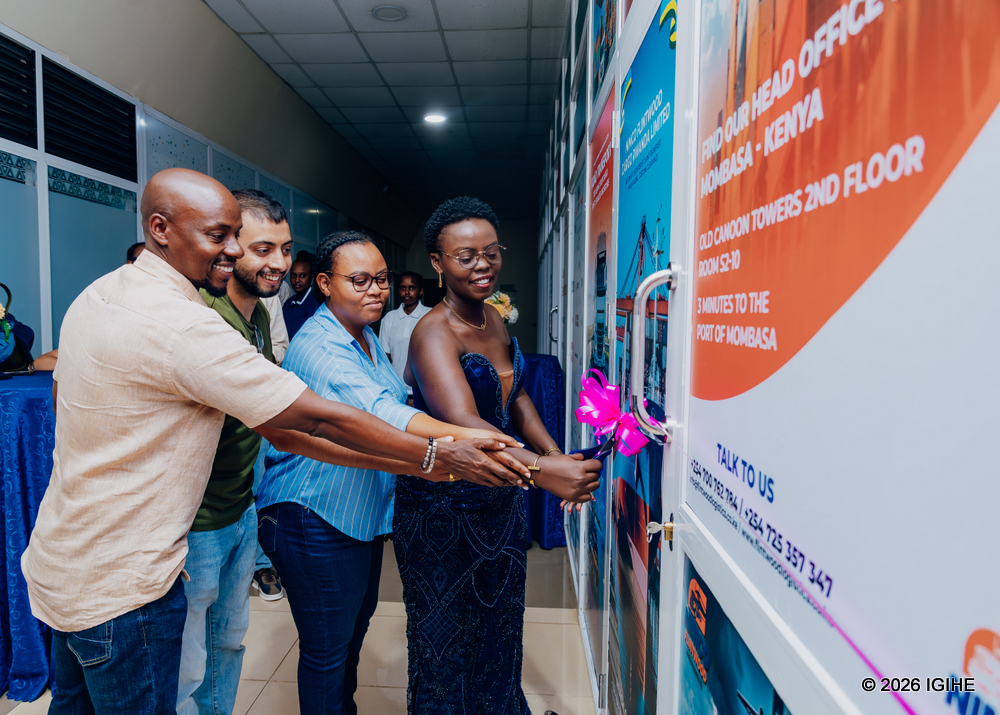
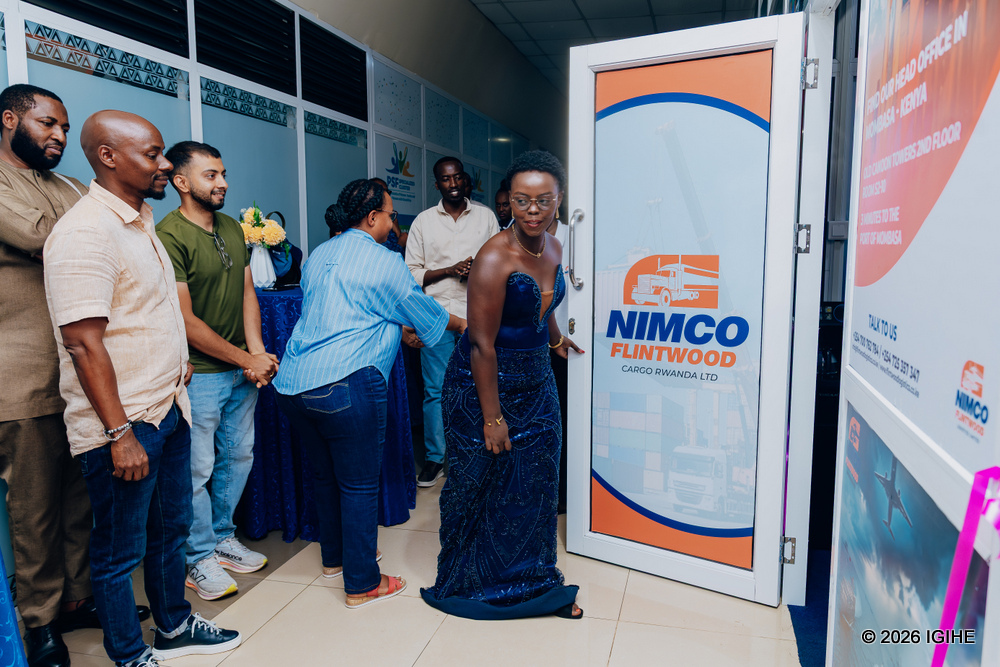
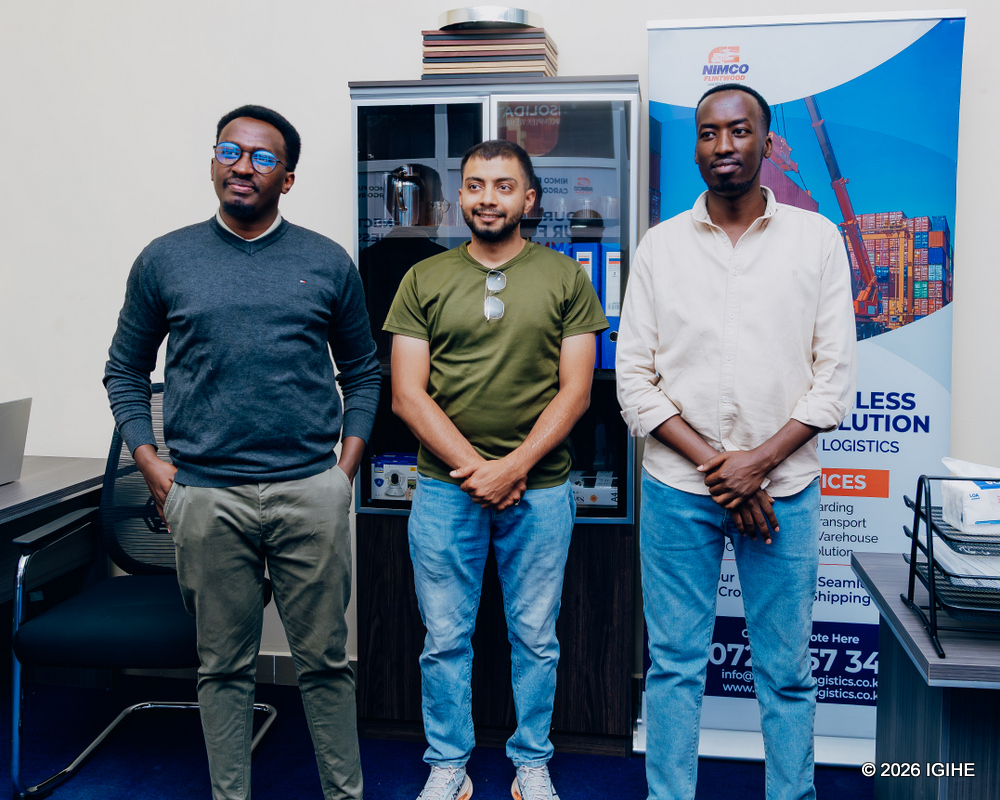
The company officially opened its Rwanda office on Friday, August 14, 2026, at the MIC Building in Nyarugenge District, Kigali.
The Kigali office gives NIMCO Flintwood a physical presence in a market where it already serves customers and comes as the company plans to relocate its headquarters from Mombasa, Kenya, to Rwanda within the next five years.
“Within the next five years, Rwanda will be our headquarters. Our headquarters will no longer be in Mombasa because I will also be working here in Rwanda,” NIMCO Flintwood Founder and CEO Nimmoh Muriithi stated.
Muriithi said the decision to establish a permanent physical presence in Rwanda was influenced by the large share of the company’s customers based in the country, as well as Rwanda’s business environment, operational systems and strategic position in regional trade.
The Kigali office is expected to bring the company closer to its customers and make it easier for them to access services, obtain information and track their cargo without having to contact the company’s offices in Mombasa.
“When your partner from Mombasa is sitting in an office in Kigali, you no longer need to call them on the phone or send them a WhatsApp message to get answers. Instead, you can go to the office and they can help you resolve your issues,” Muriithi remarked.
NIMCO Flintwood Country Sales Manager Marcelin Mudatenguha said the company’s immediate priority would be to strengthen customer confidence by improving service delivery.
“The first thing we need to do is take the lead in providing efficient services to our customers when they place their cargo orders,” he noted.
The company has also introduced a rail-based cargo transportation service from Mombasa through Naivasha and Malaba. Cargo will then be transferred to trucks for onward transportation to Kigali, a model expected to reduce transportation costs.
NIMCO Flintwood also plans to expand into other sectors, including petroleum products, as Rwanda and Kenya continue to strengthen economic cooperation.
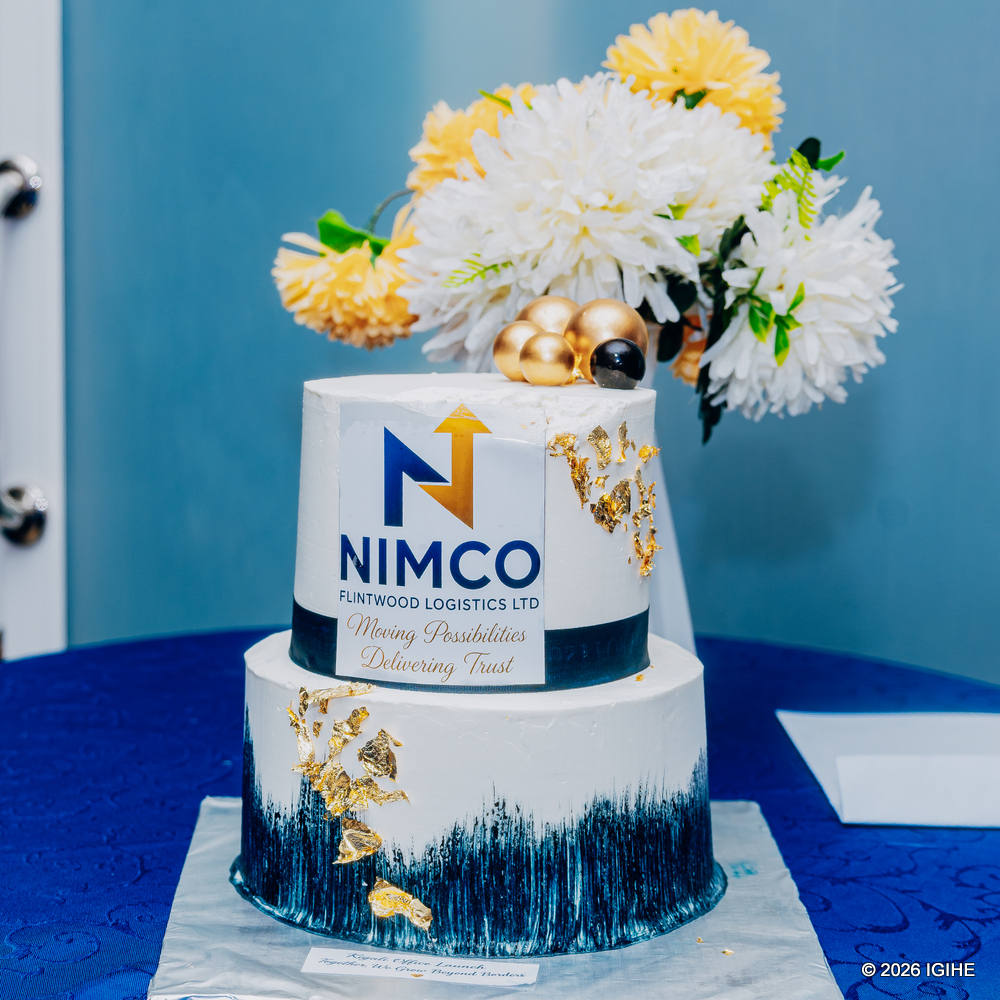
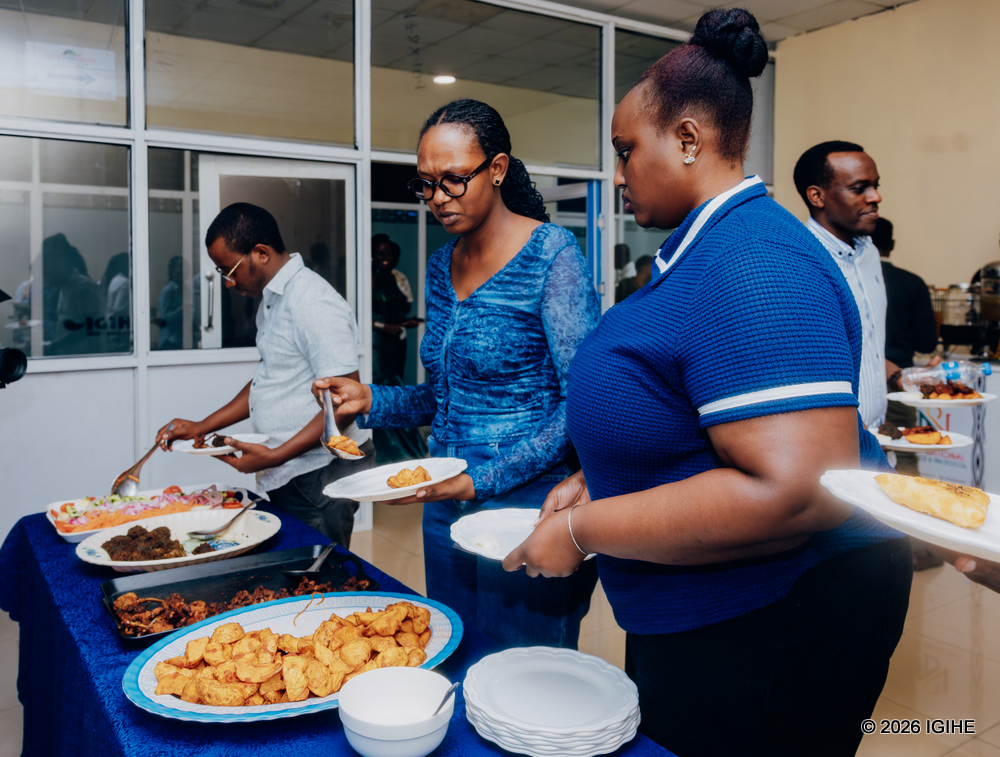
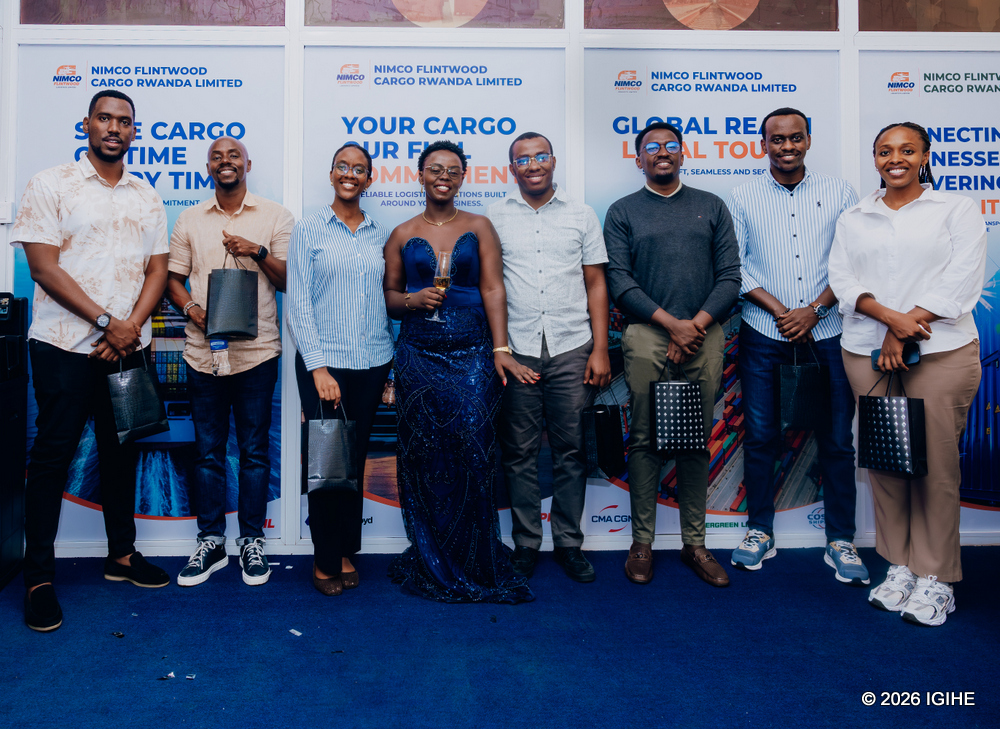
The company officially opened its Rwanda office on Friday, August 14, 2026, at the MIC Building in Nyarugenge District, Kigali.The Kigali office gives NIMCO Flintwood a physical presence in a market where it already serves a large customer base.A cake prepared for the opening of NIMCO Flintwood’s Kigali branch. NIMCO Flintwood management cuts a cake to mark the official opening ceremony. Guests gathered to celebrate NIMCO Flintwood’s milestone.
The Kigali office is expected to bring the company closer to its customers and make it easier for them to access services, obtain information and track their cargo without having to contact the company’s offices in Mombasa.
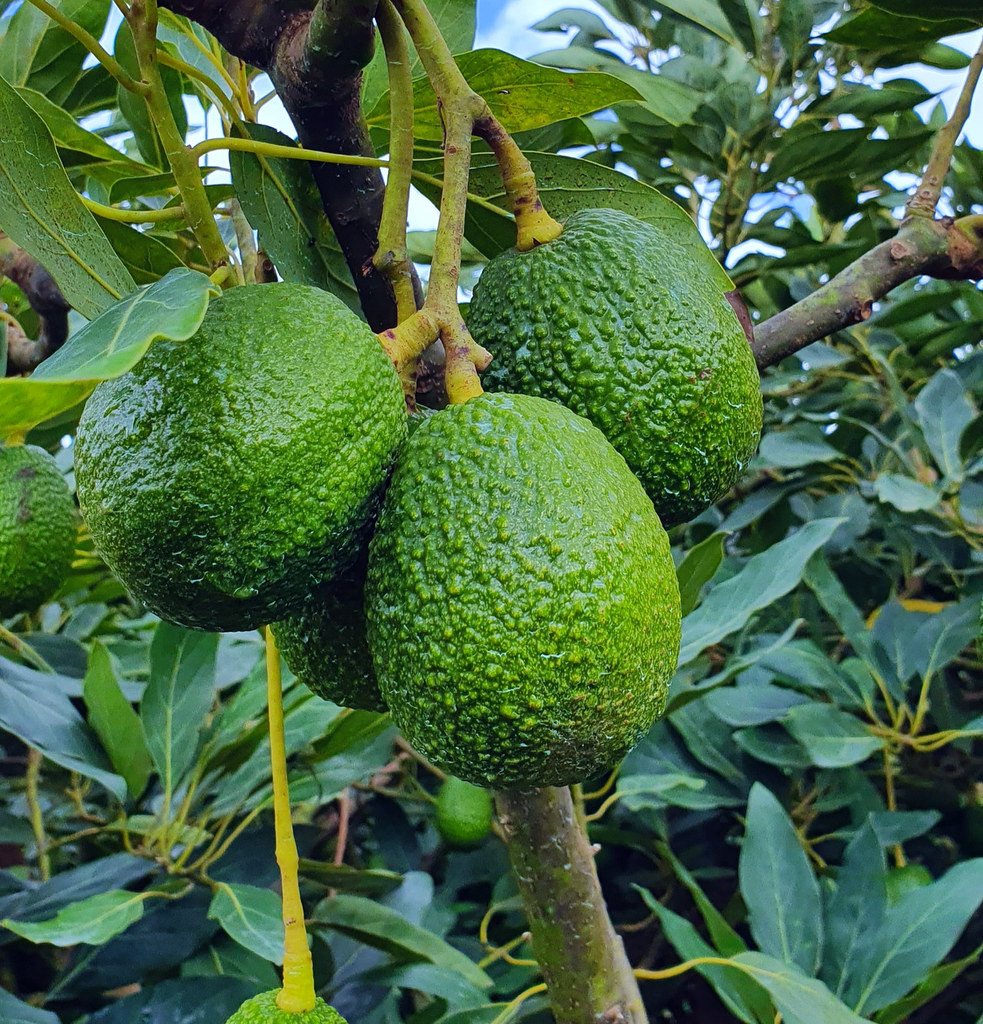
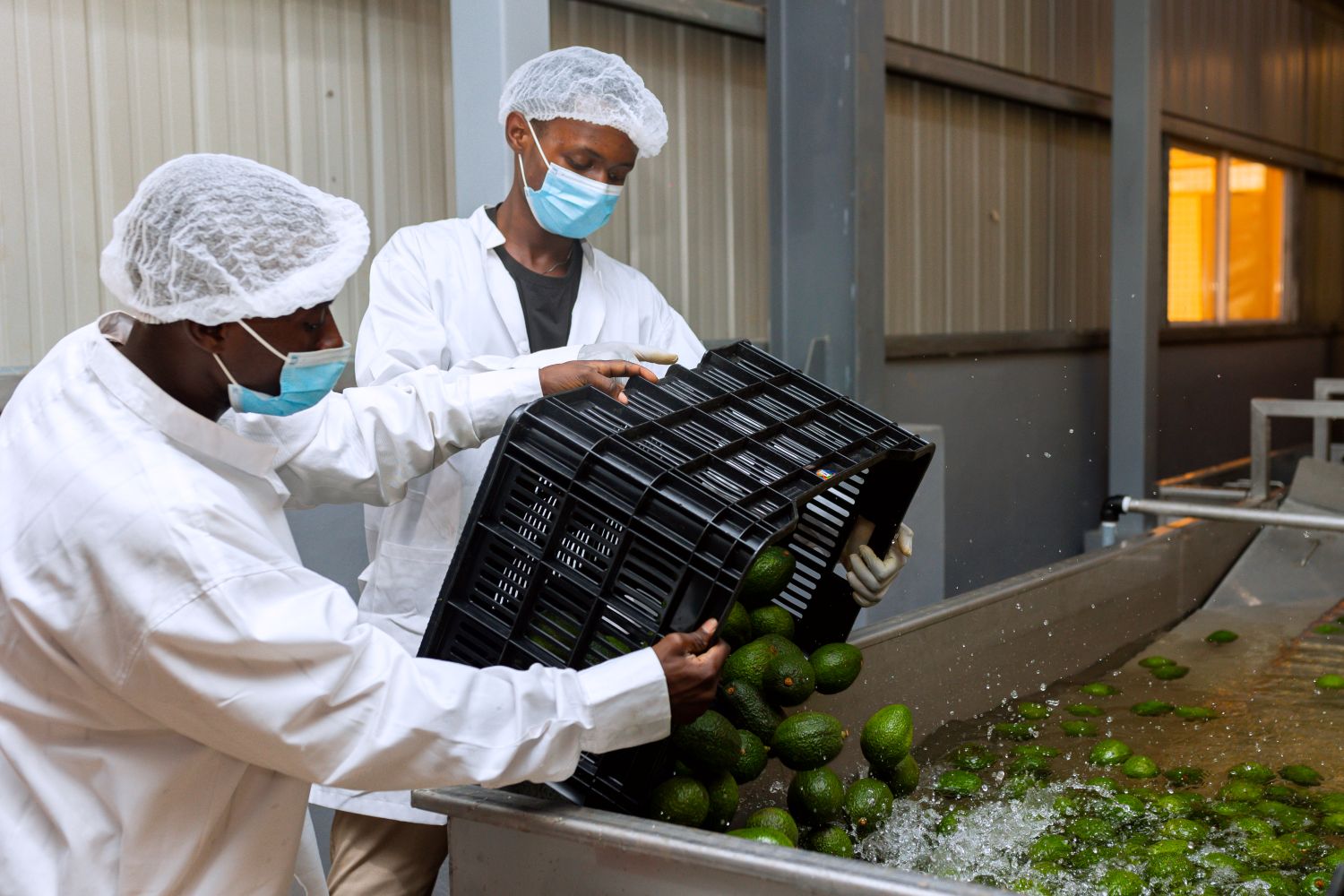
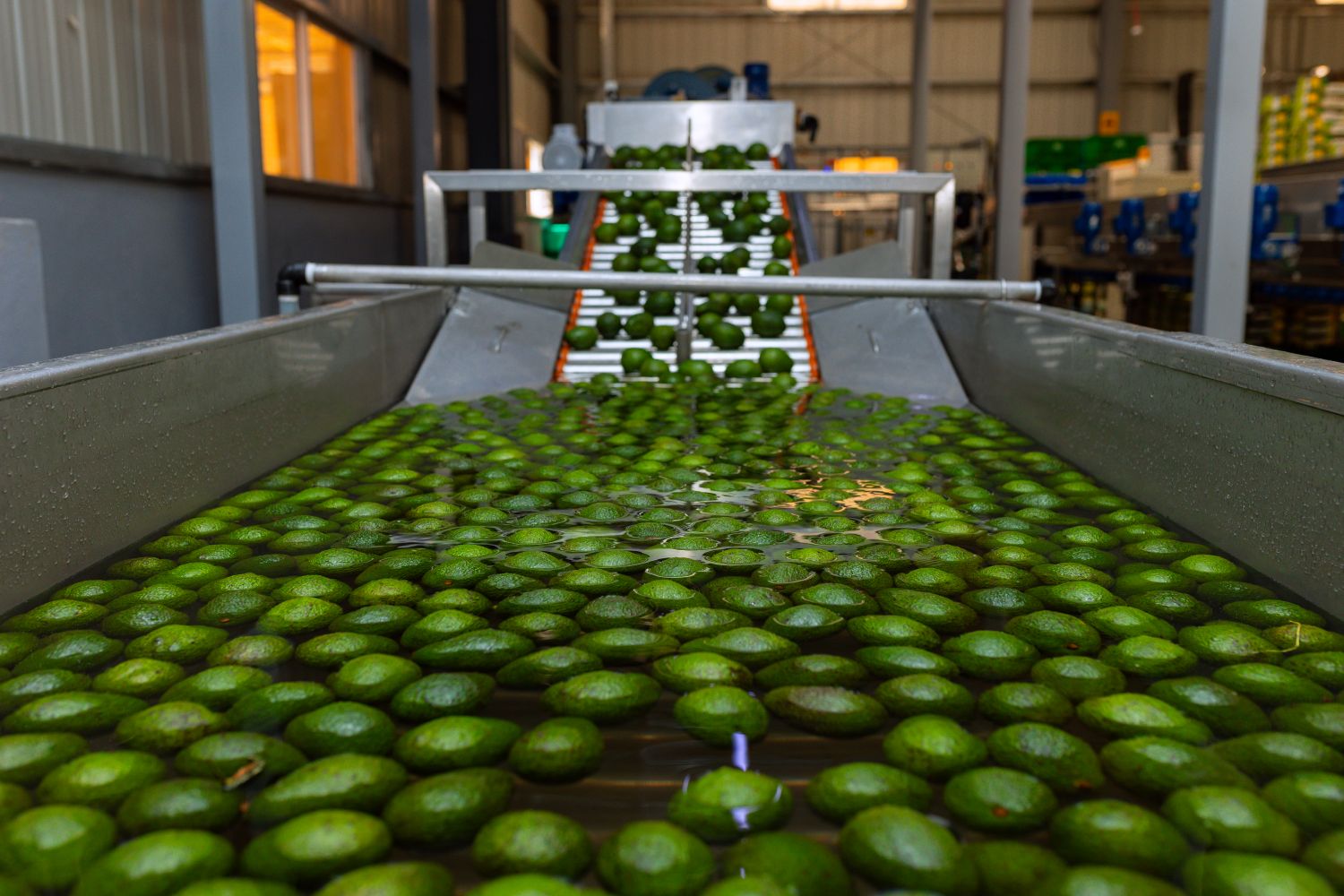
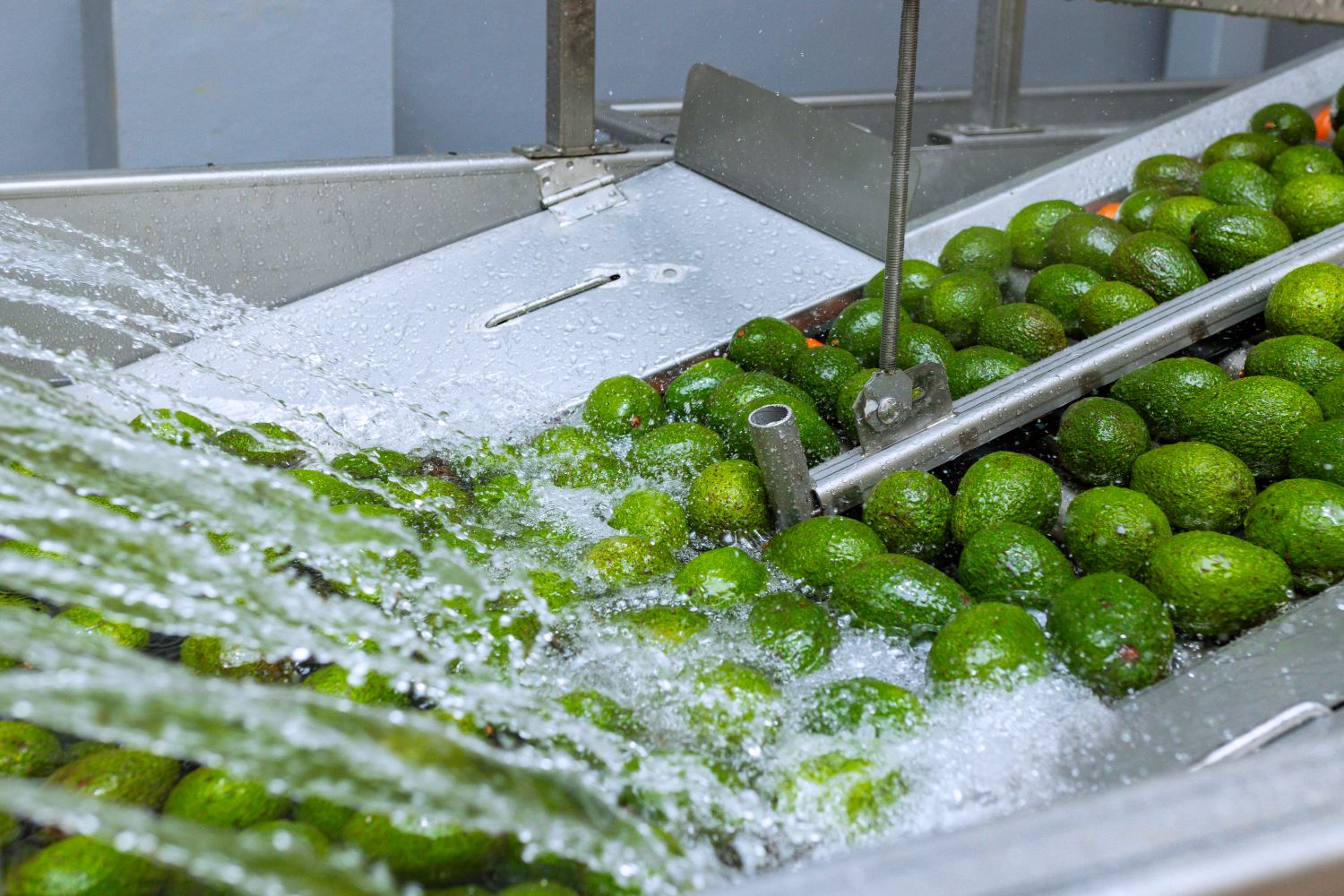
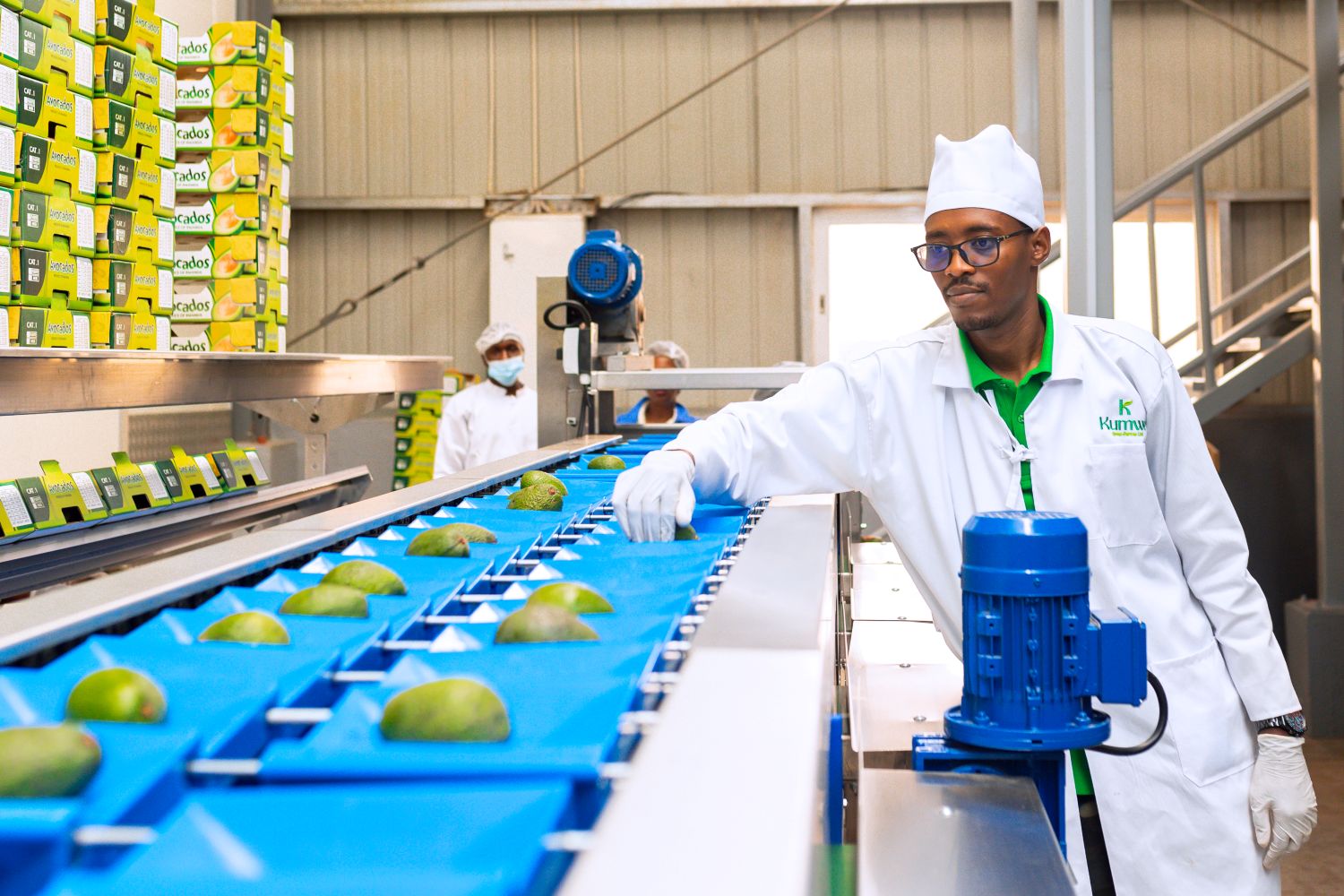
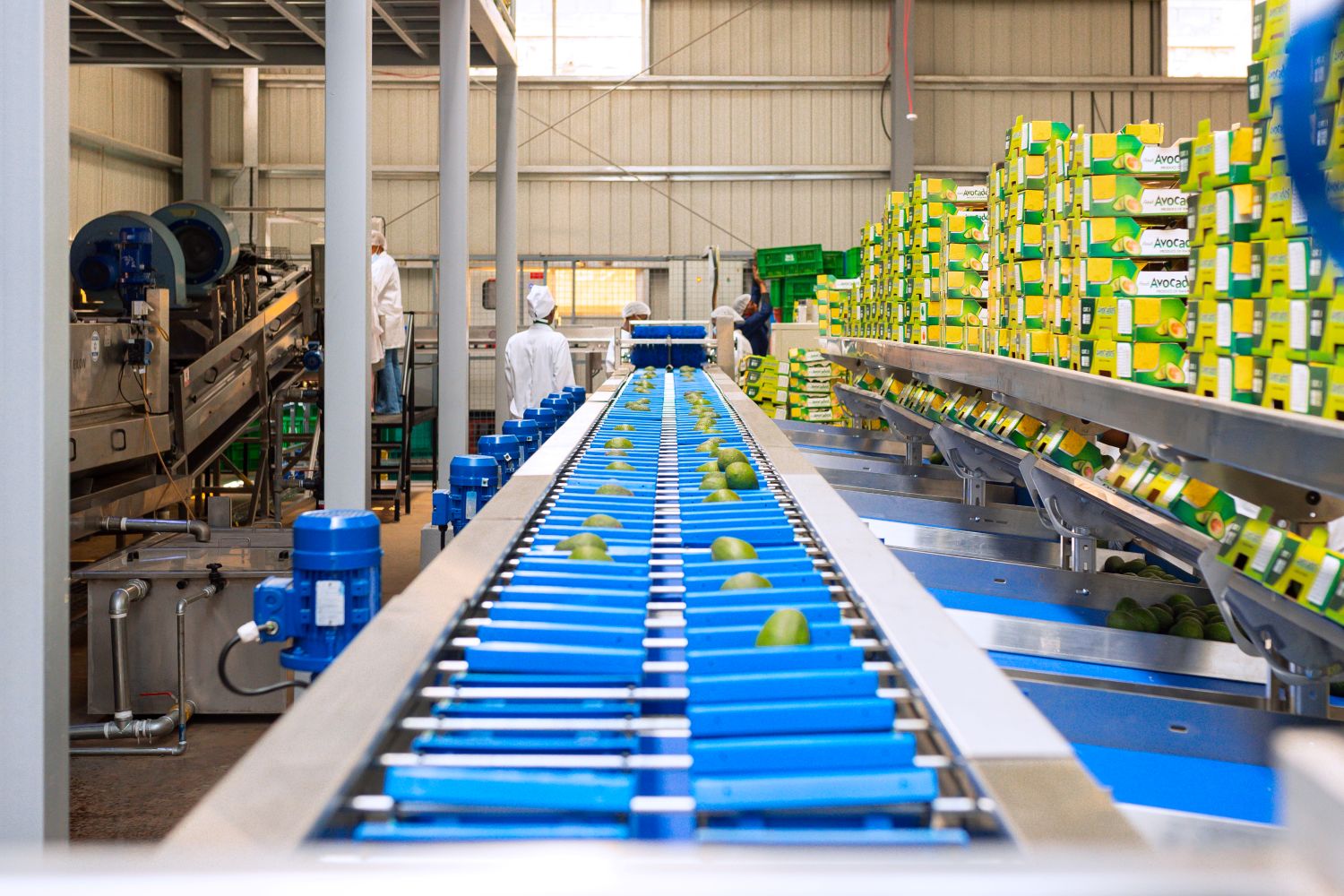
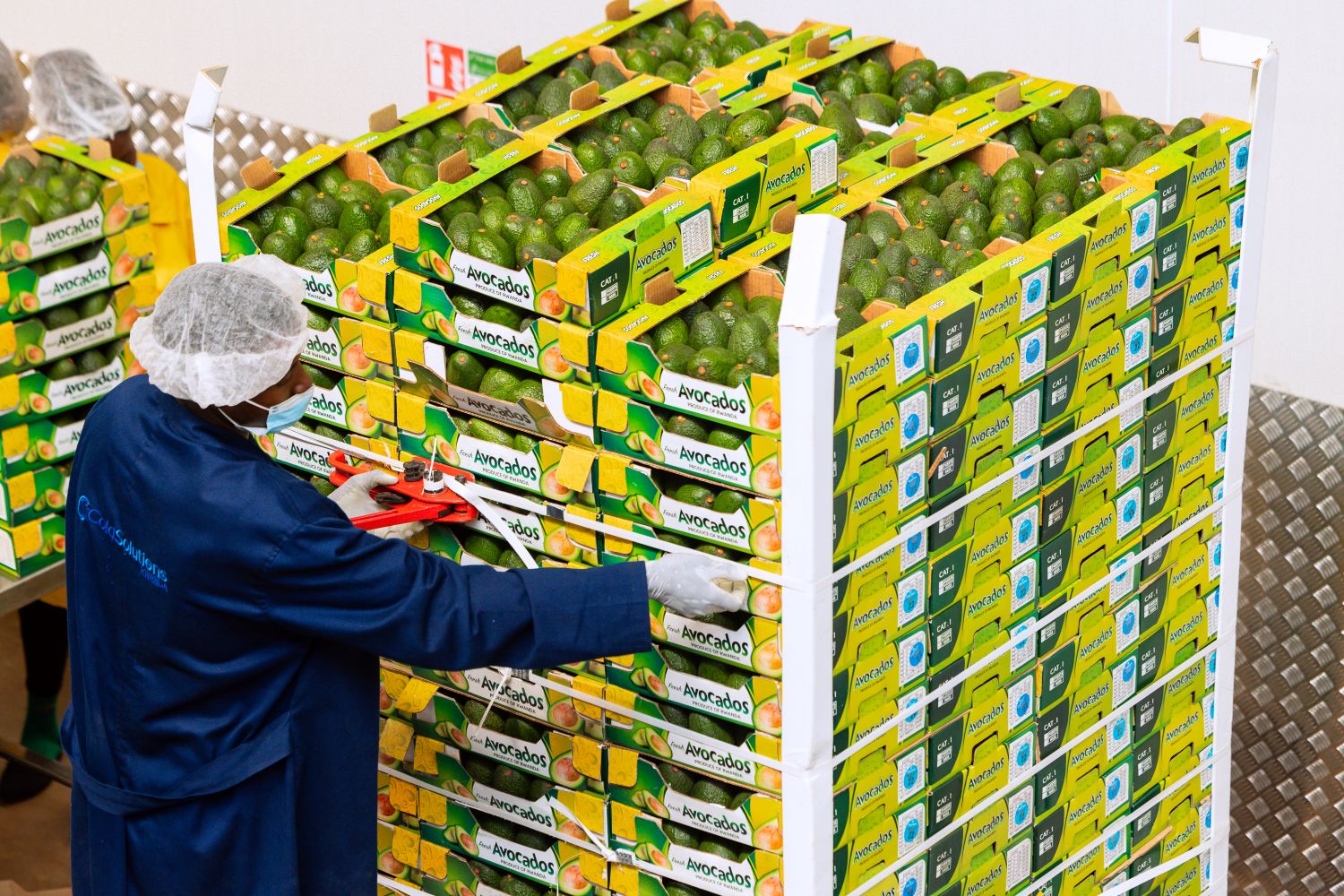
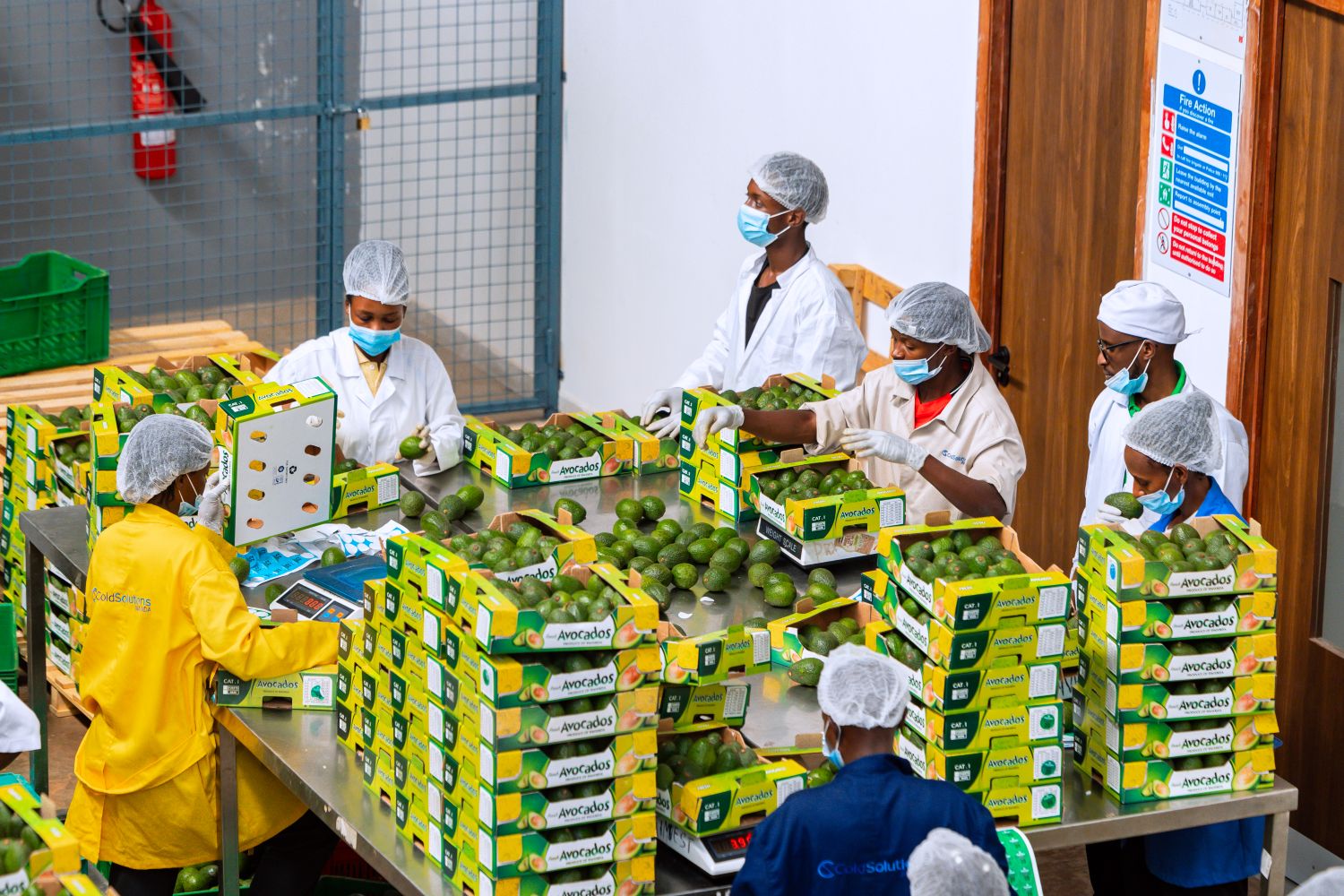
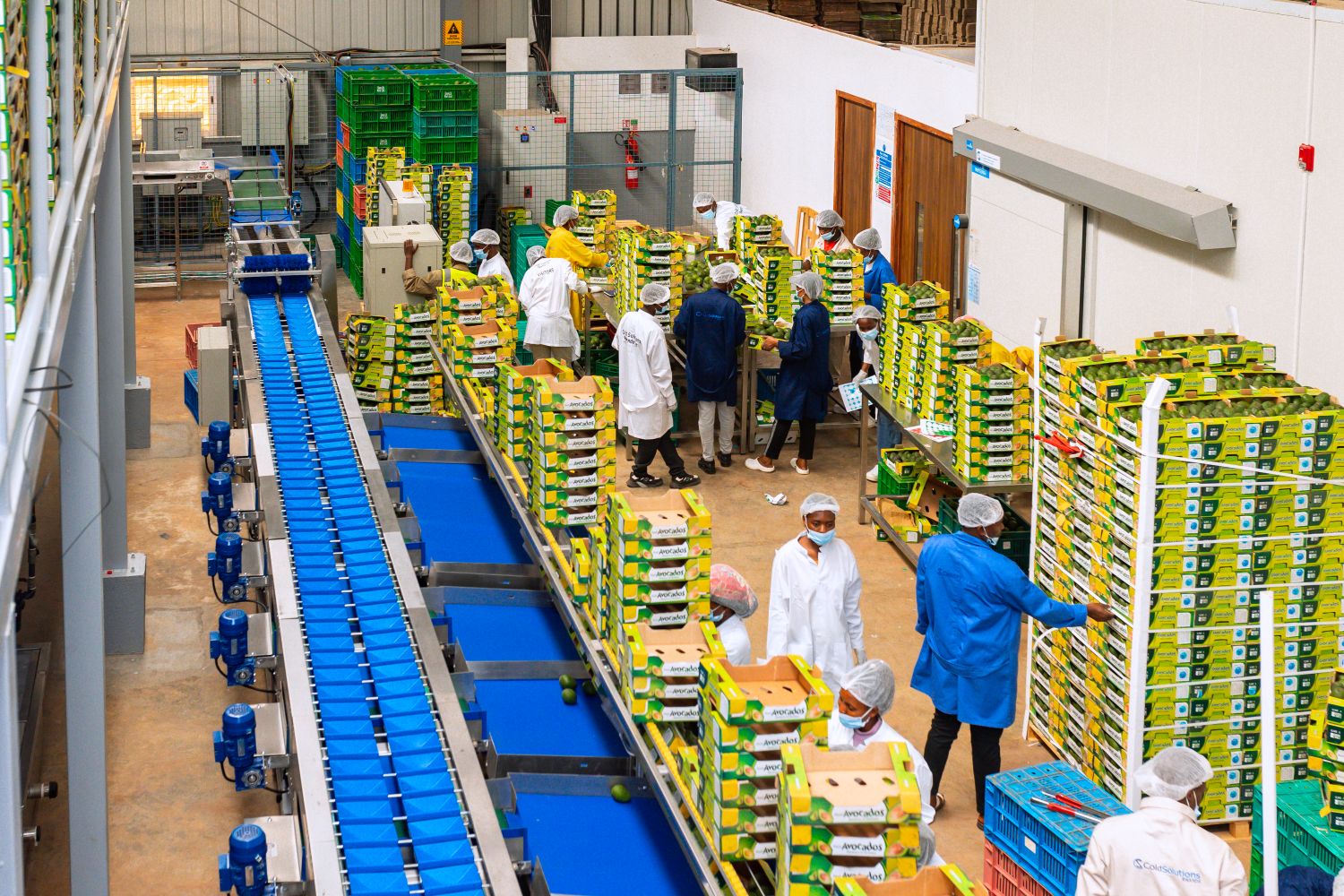
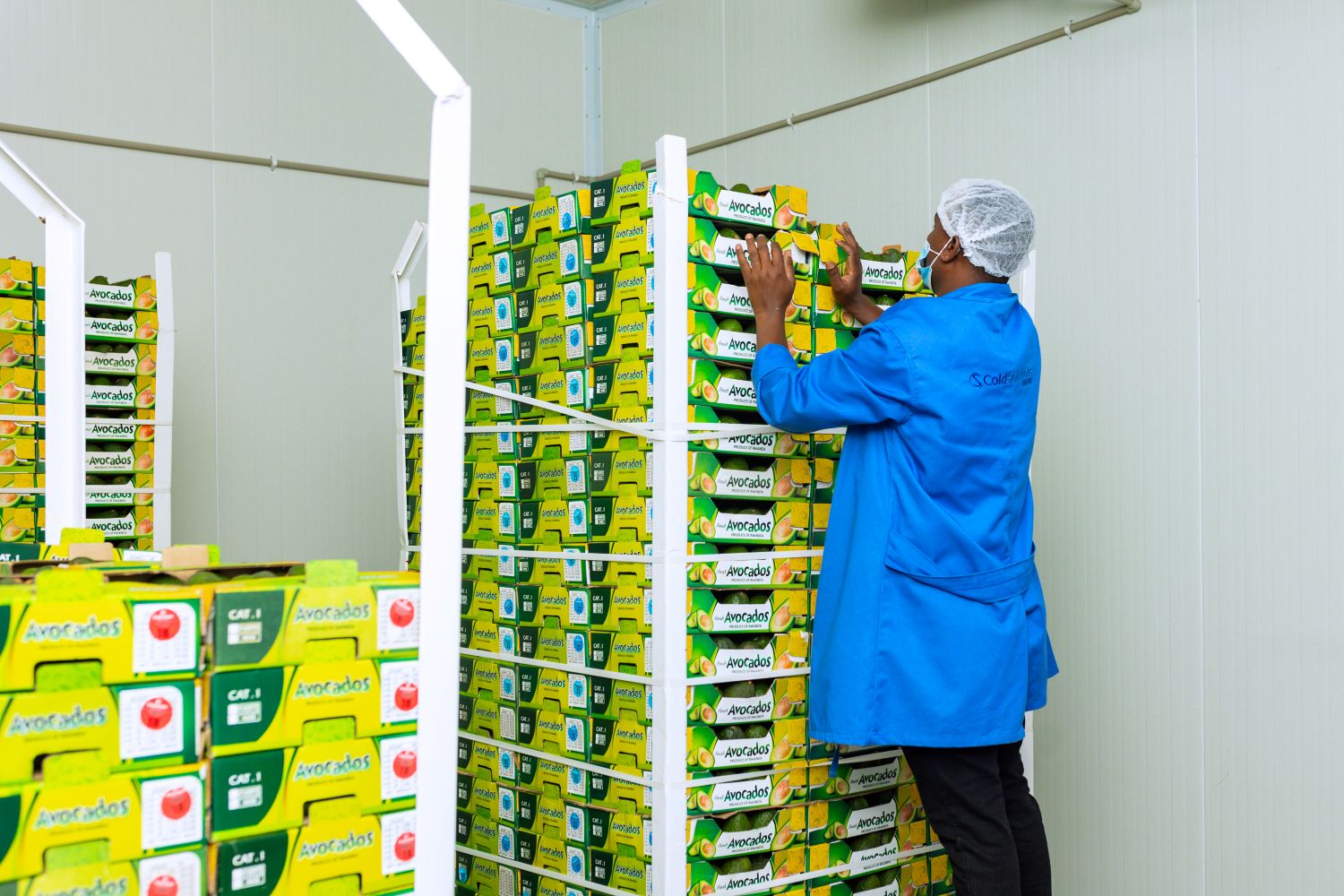
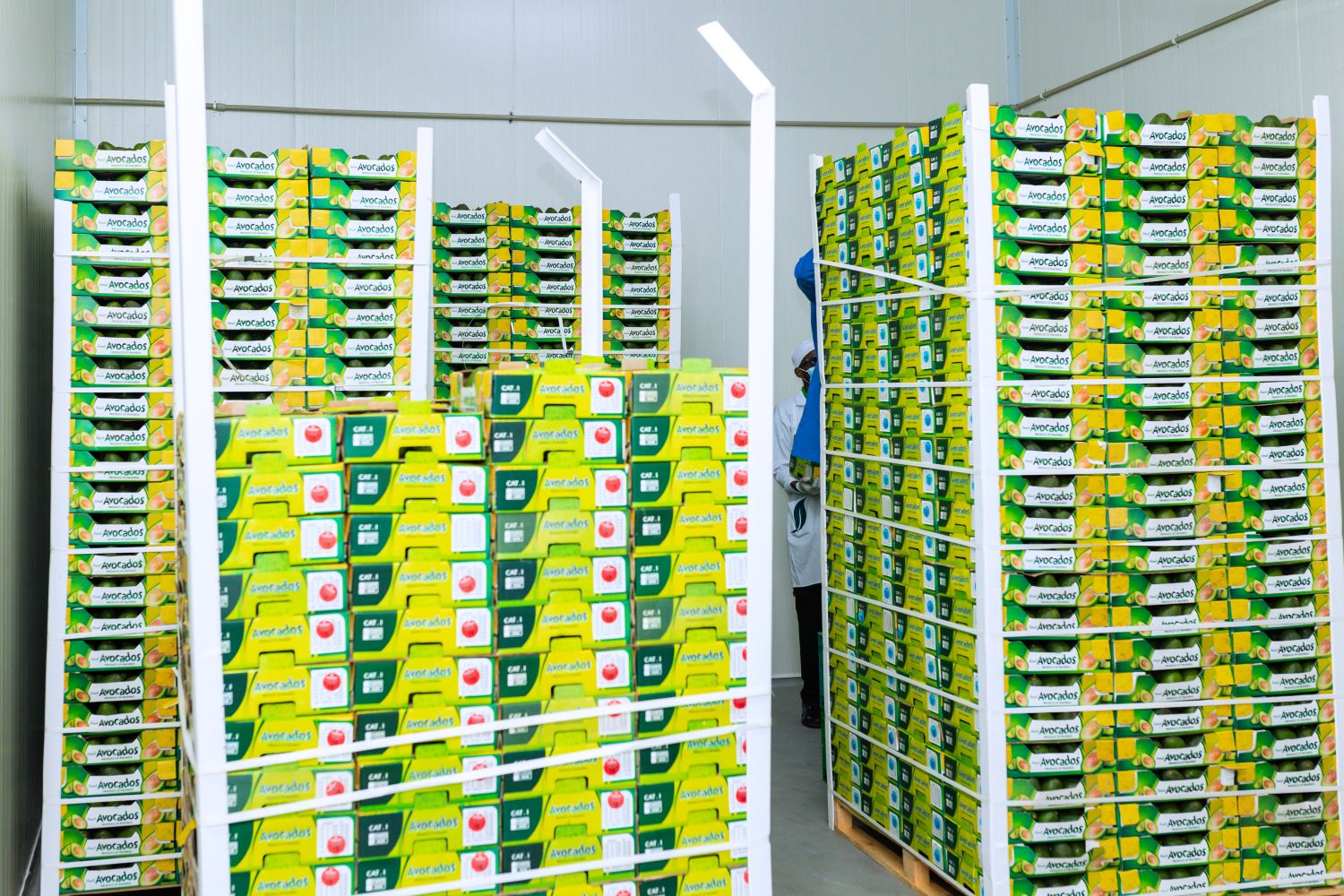
The facility became operational in March 2026, while its avocado and fruit processing equipment line was launched in August 2026. The facility is equipped with modern fruit processing, grading, packaging and cooling equipment designed to prepare avocados and other fruits for international markets.
It is already serving several fruit export companies, including Kumwe Green Farms Ltd, Souk Farms, Kinvest, Proxifresh, Bahage Foods, Sunripe and Green Life.
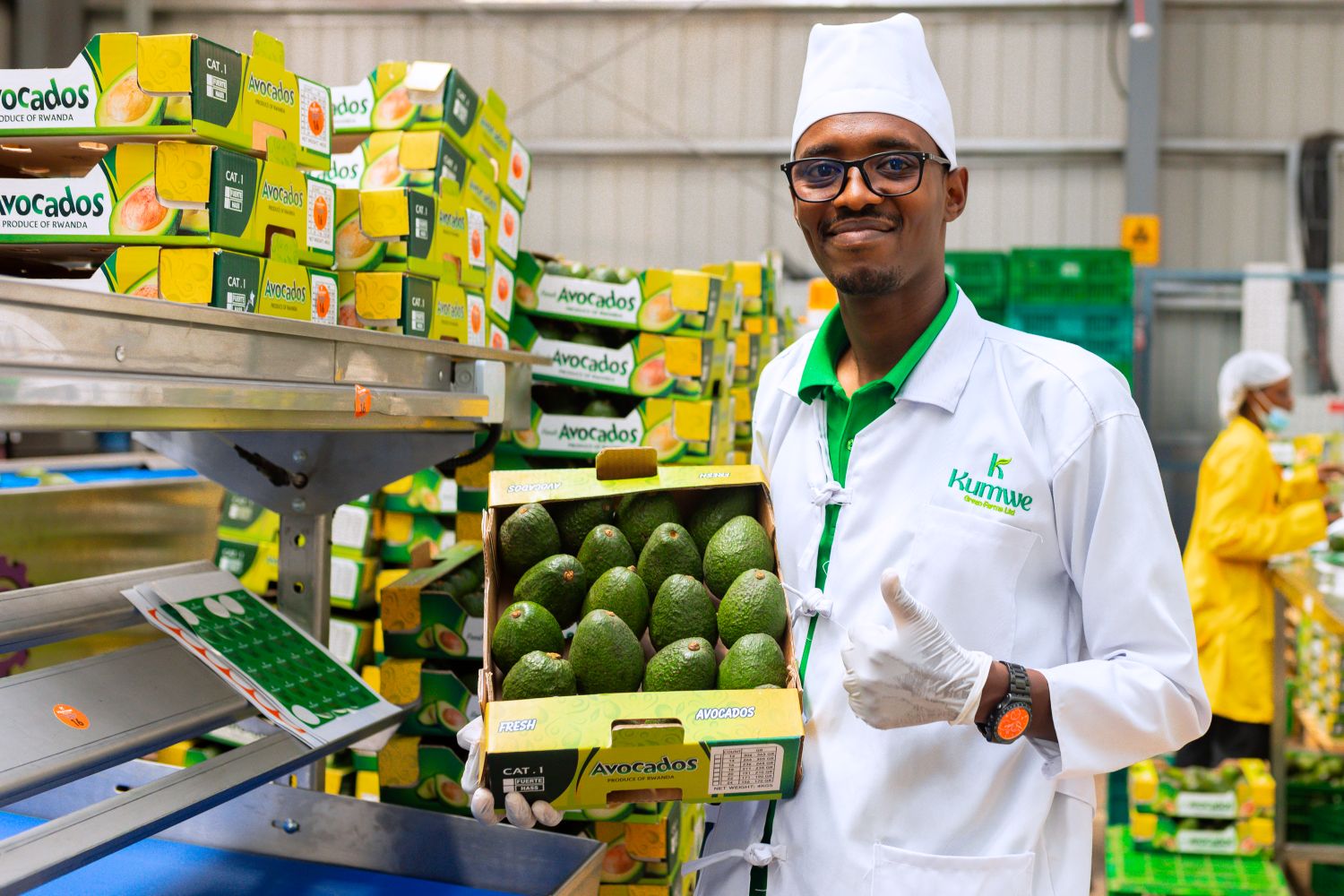
Among its early clients is Kumwe Green Farms, an exporter of Hass and Fuerte avocados as well as other fresh produce, which now uses the facility to process its exports before shipment.
Founder and CEO of Kumwe Green Farms Ltd, Fred Rwigamba, said the new facility has transformed the company’s operations by replacing labour-intensive manual processes with mechanised systems.
“Previously, we used a traditional method where we spread the avocados on tarpaulins and had people sit down and process them manually,” he said.
“Now, we use these machines, which make the process much faster. It used to take us between five and six days to fill a container, but now it can be done in just one or two days.”
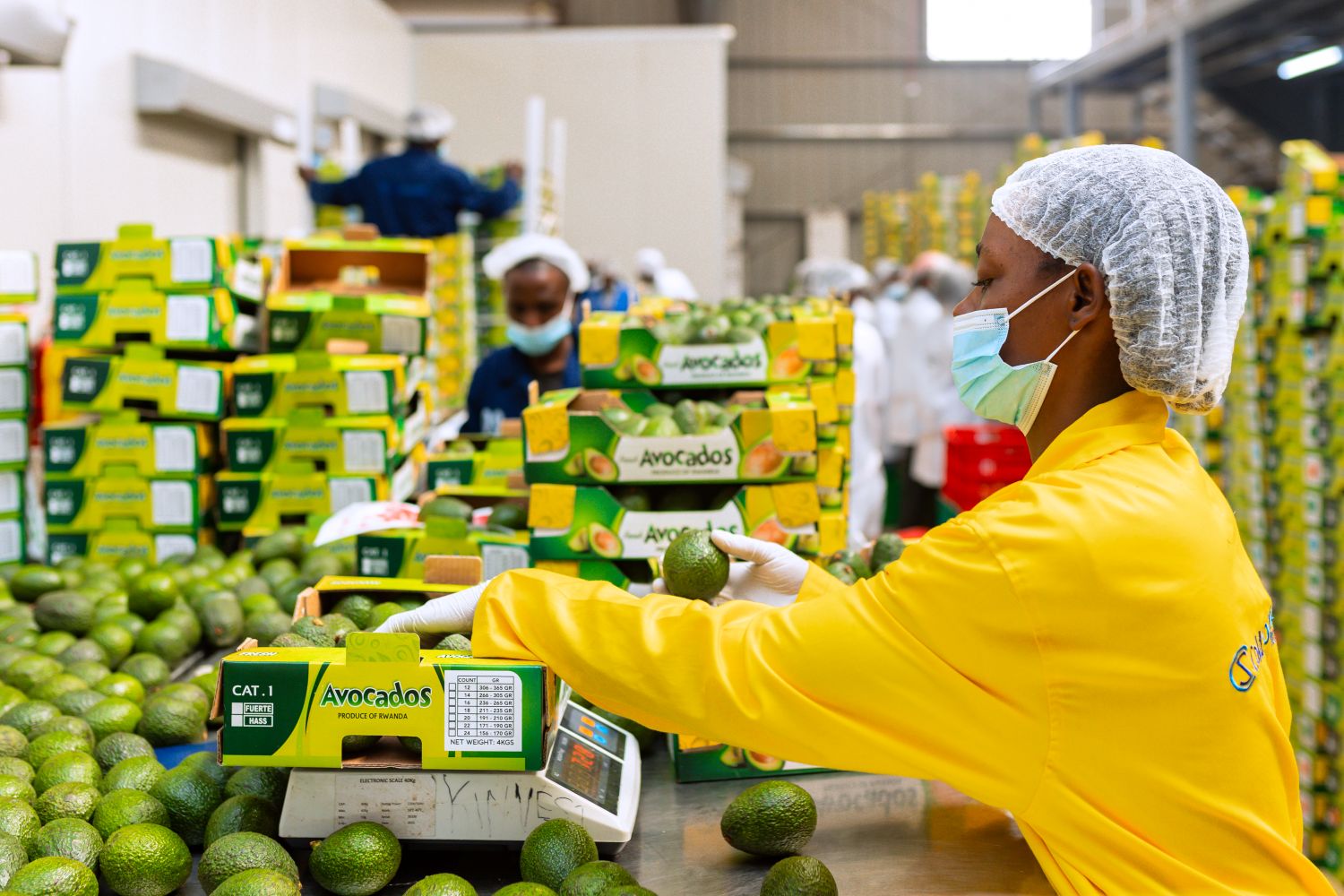
Rwigamba said the equipment has also improved the accuracy of weighing and packaging produce.
“Each carton transported by ship contains four kilograms. Previously, workers estimated the weight by looking at the avocados, and there was no guarantee the measurements were accurate. That was a challenge, but now the machines handle the process, giving us confidence that every carton meets the required standard,” he said.
Beyond processing, Rwigamba said the availability of cold storage is equally important for exporters handling highly perishable produce.
“As you know, fruits are highly perishable agricultural products and need to be stored in a cool environment to prevent them from going bad,” he said.
“We did not have such storage facilities before, and that was one of the reasons some exporters were reluctant to use sea freight. Although shipping by sea takes longer, it is much more affordable.”
He explained that avocados are cooled immediately after processing to maintain their quality throughout the export journey.
“After processing, the avocados are cooled to the required temperature because they spend about three days being transported by truck before reaching Mombasa. Maintaining that temperature is essential to prevent deterioration,” he said.
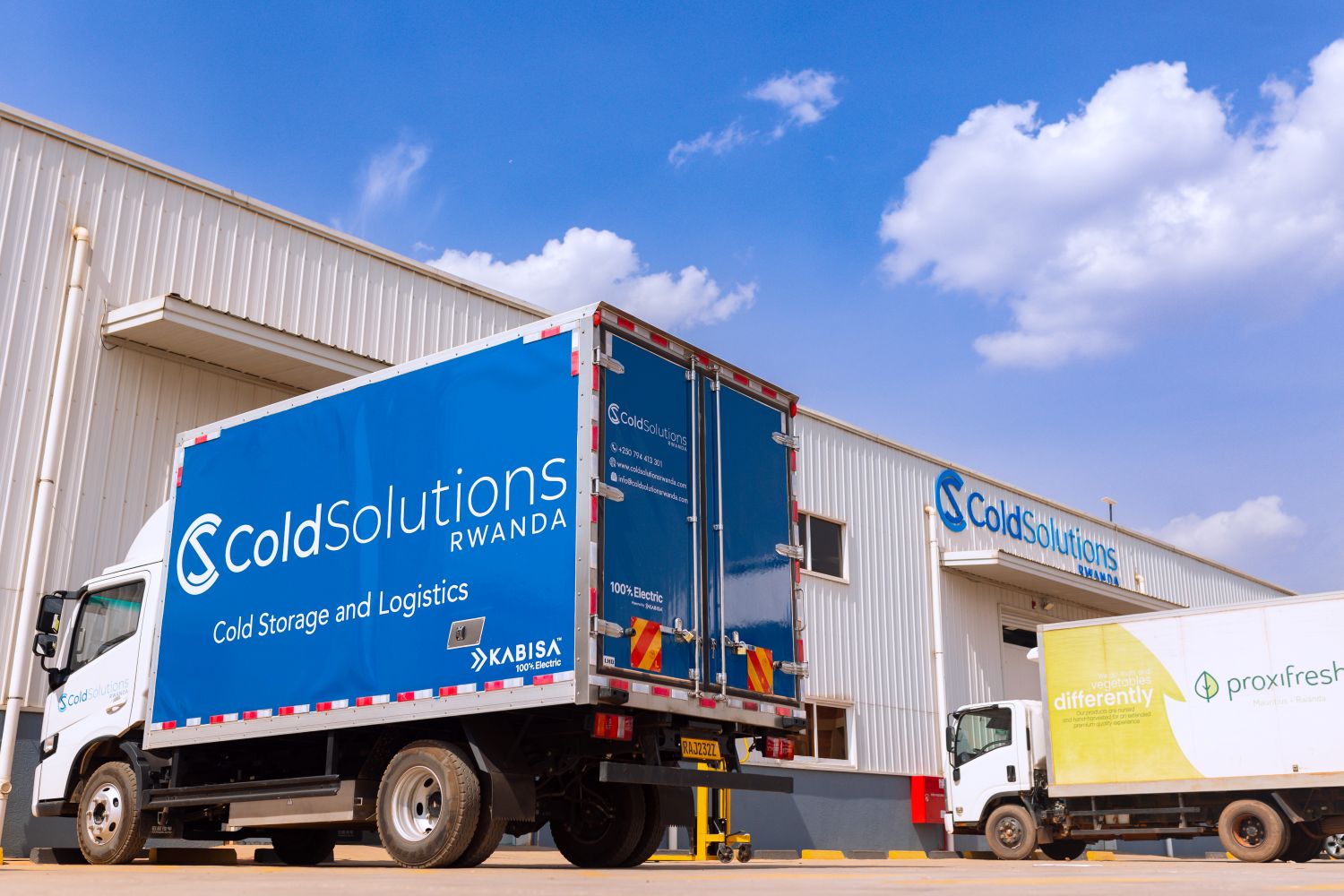
Cold Solutions Rwanda is located in the Kigali Special Economic Zone in Masoro and forms part of the ARCH Cold Solutions East Africa Fund, managed by UK-based investment firm ARCH Emerging Markets Partners. The fund seeks to expand cold storage infrastructure across East Africa to reduce post-harvest losses and strengthen regional agricultural value chains.
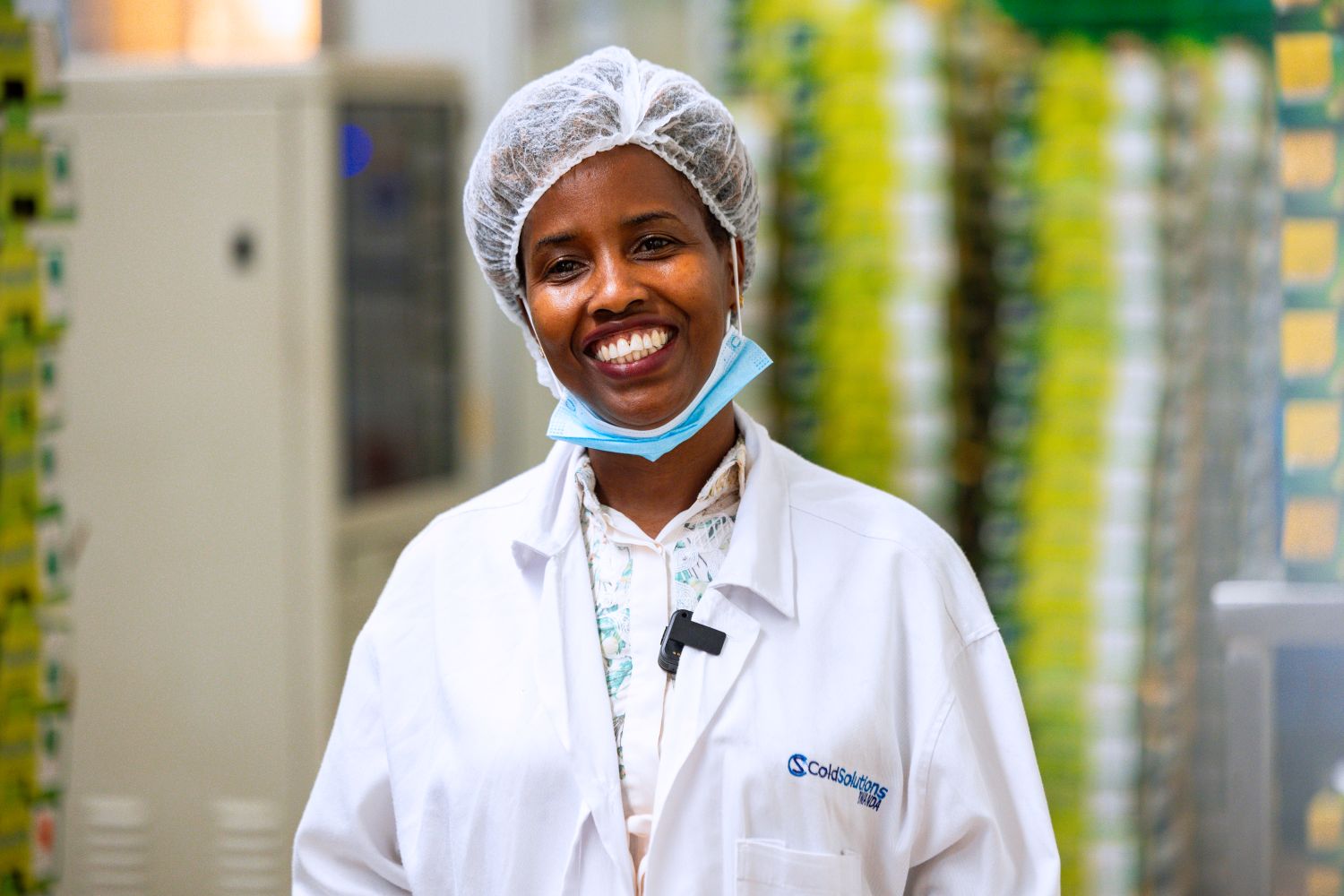
Cold Solutions Rwanda Country Director Julie Igiraneza said the company introduced the fruit processing facility after receiving strong demand from exporters seeking reliable processing and cold chain services.
“We had many people asking us for this service. Some customers even approached us while the project was still under development and told us they wanted to be among the first to use the machines once they arrived. They included Souk Farms, Kumwe Farms and others,” she said.
She said the company plans to expand the facility further by installing more advanced equipment to increase processing capacity.
“We realised this is a very important service, so we are expanding our operations and planning to bring in more advanced equipment that can serve more people at the same time. This is a service that is highly needed in Rwanda and across East Africa,” she said.
The facility is expected to enhance Rwanda’s capacity to preserve fresh produce, reduce post-harvest losses caused by spoilage and improve the competitiveness of the country’s fruit exports.
Cold Solutions Rwanda’s newly opened fruit processing facility in the Kigali Special Economic Zone.Avocados washed and prepared for export at the Cold Solutions Rwanda facility.Workers process avocados using specialised machinery at Cold Solutions Rwanda.The facility strengthens Rwanda’s agricultural value chain and supports the country’s growing horticulture sector.Cold Solutions Rwanda Country Director Julie Igiraneza said the company introduced the fruit processing facility after receiving strong demand from exporters seeking reliable processing and cold chain services.
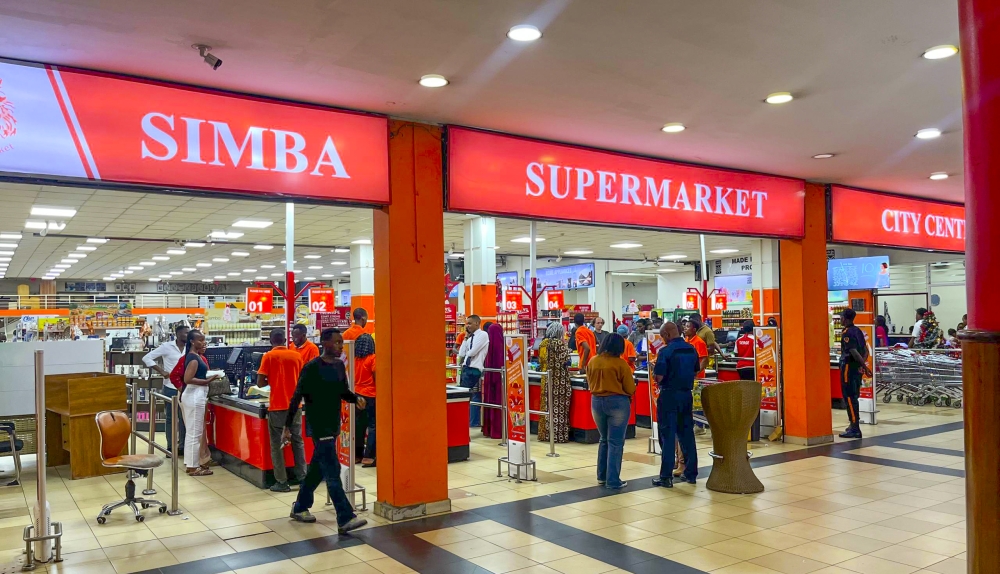
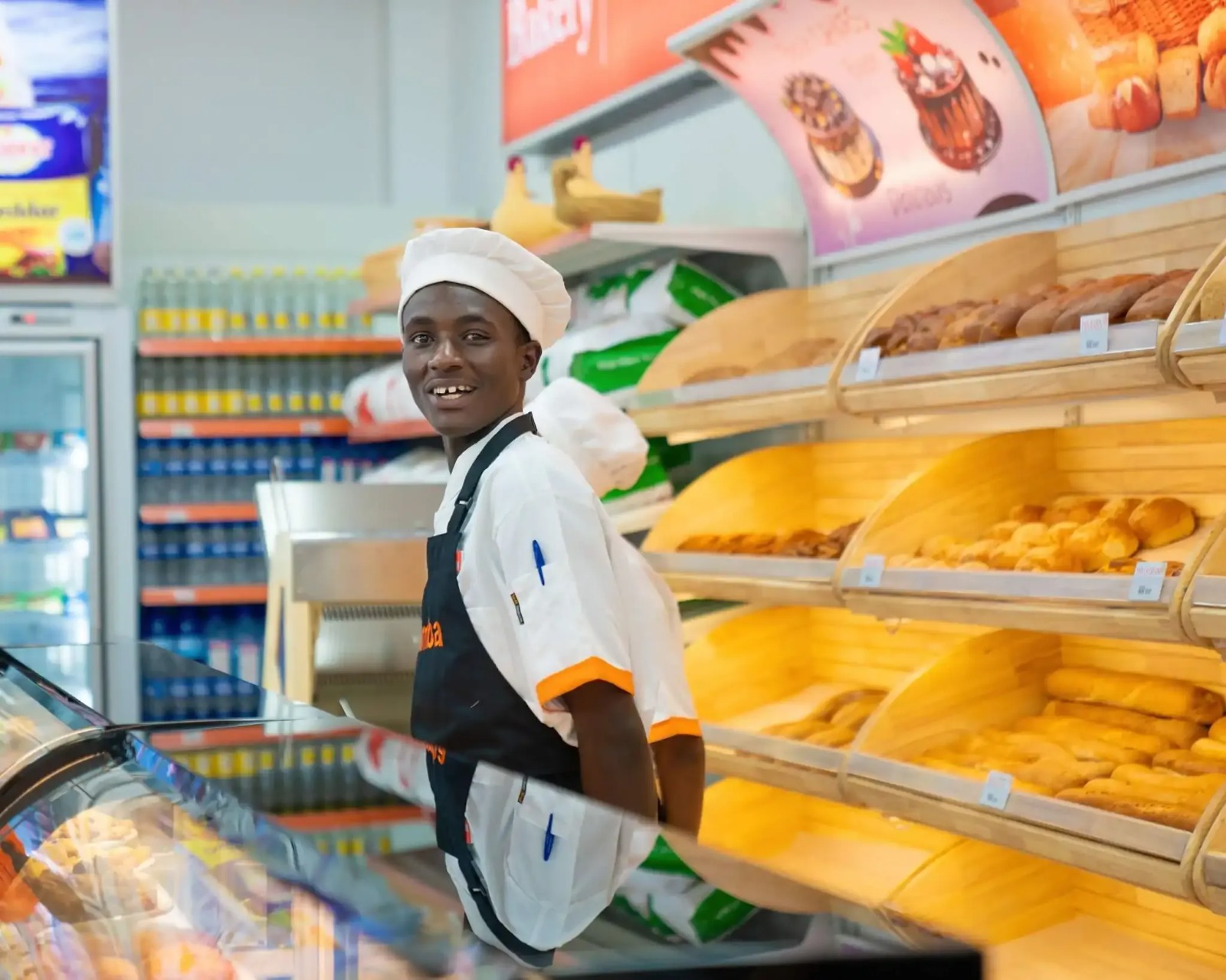
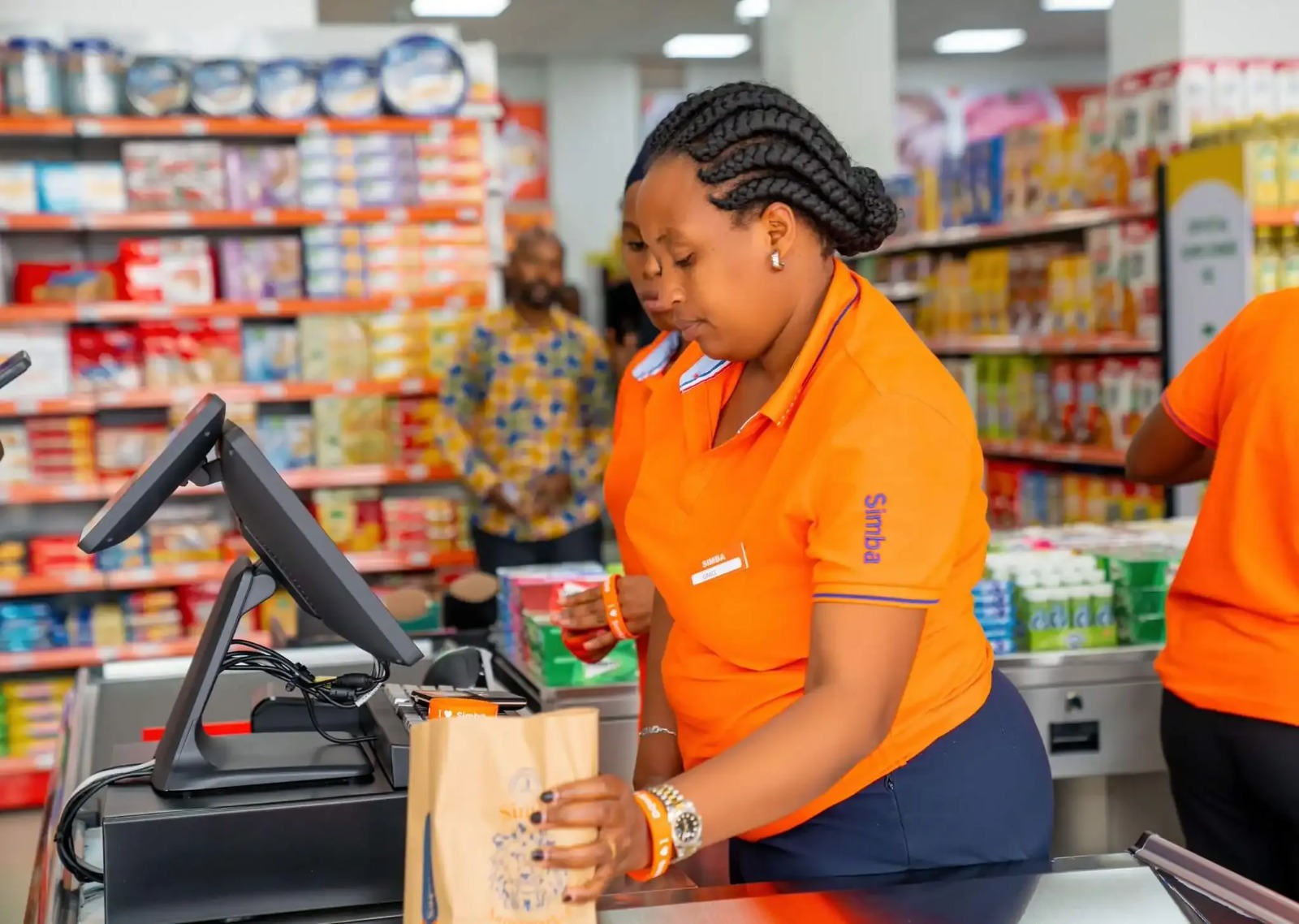
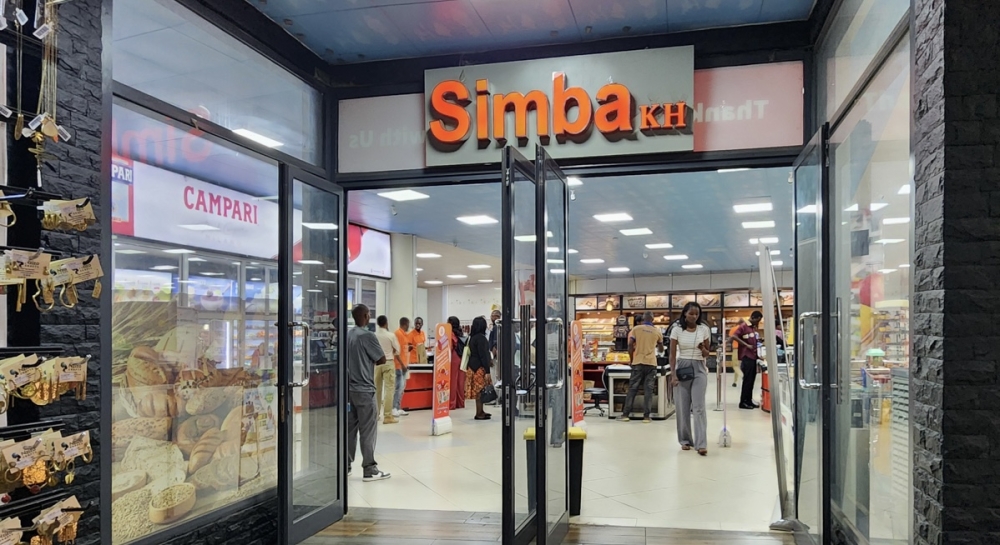
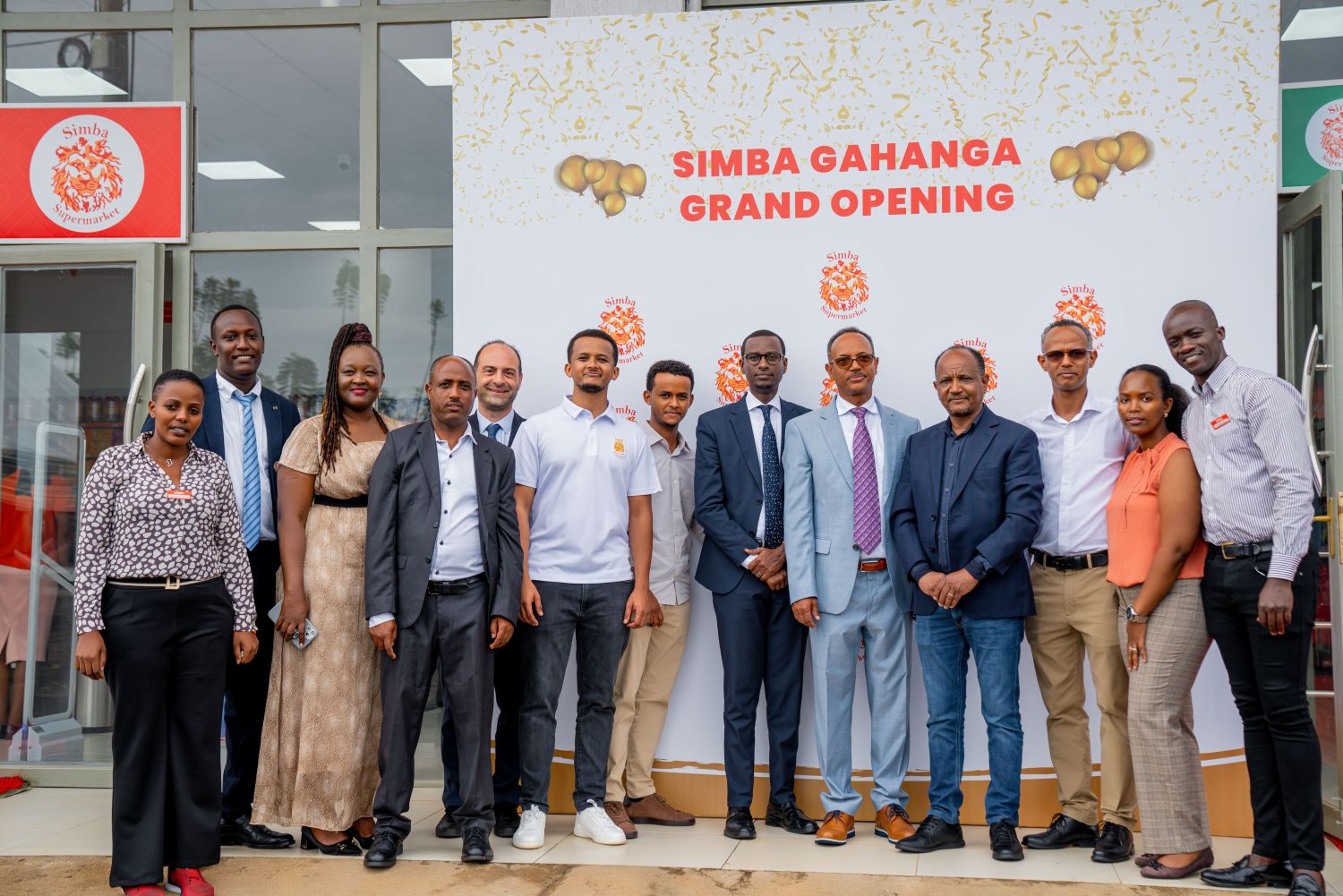
The milestone celebrates Simba’s 18-year journey of growth, quality, affordability and convenience, with celebrations continuing throughout the week.
Over the years, Simba has expanded its presence and today operates 15 branches across the country, bringing its services closer to communities while responding to the changing needs of Rwandan consumers.
From everyday household essentials and fresh produce to premium local and international brands, Simba has built its offering around giving customers greater choice under one roof.
18 years of growing with customers
At the heart of Simba Supermarket’s journey has been its relationship with customers.
As Simba celebrates 18 years, the anniversary is not only an opportunity to reflect on its growth, but also to recognise the customers, employees, suppliers and partners who have contributed to the journey.
Speaking about the milestone, Simba Supermarket Managing Director Joseph Mutabazi said reaching 18 years is an achievement the company shares with the people who have supported it throughout its journey.
“Eighteen years is more than a milestone for us. It represents 18 years of trust from our customers, commitment from our employees and strong relationships with our partners and suppliers. Simba would not be where it is today without the people who have chosen to grow with us,” Mutabazi said.
Simba has continued to position itself as a neighbourhood supermarket, strategically bringing its outlets closer to residential communities and making everyday shopping more convenient for families.
For Mutabazi, expansion is not simply about increasing the number of stores.
“Our growth has always been driven by one question: how can we serve our customers better? Opening closer to where people live means making shopping more convenient, saving families time and ensuring that quality products are within their reach,” he said.
Beyond traditional retail, it has increasingly developed its stores into spaces where customers can combine shopping with other experiences, including dining and family entertainment.
Quality, affordability and variety
Throughout its growth, Simba Supermarket has maintained a focus on balancing quality with affordability.
Its stores bring together locally sourced products and a diverse selection of international brands, allowing customers to access everyday essentials as well as premium products from different markets around the world.
Through direct sourcing, partnerships with suppliers and an efficient supply chain, it continues to work towards keeping quality products accessible to Rwandan households.
Simba has also continued to strengthen partnerships with local and international businesses as part of efforts to improve customer experience and provide greater value.
Celebrating the people behind the journey
As part of its 18th anniversary, Simba is putting customers and the people who have contributed to its journey at the centre of the celebration.
The milestone provides an opportunity to appreciate long-serving employees, loyal customers, suppliers and business partners who have played a role in the supermarket’s growth over the years.
“This anniversary is an opportunity for us to recognise our employees who serve our customers every day, our suppliers and partners who have believed in our vision, and above all, our customers who continue to choose Simba,” Mutabazi noted.
Among the partners Simba recognises as part of this journey is I&M Bank Rwanda, for its continued partnership which has contributed to the supermarket’s efforts to provide customers with greater convenience over the years.
The anniversary will also be reflected through customer-focused activities and special experiences aimed at thanking shoppers for their continued trust and loyalty.
Looking to the future
At 18, Simba Supermarket says the milestone is as much about the future as it is about celebrating the past.
As Rwanda’s retail sector continues to evolve, changing lifestyles, digital payments and growing consumer expectations are reshaping the shopping experience.
Simba plans to continue responding to these changes by strengthening accessibility, expanding its product offering and improving the overall experience across its stores.
“We are proud of what the past 18 years represent, but we are even more excited about what comes next. Our ambition is to keep evolving with our customers, reach more communities and continue raising the standard of the shopping experience in Rwanda,” Mutabazi said.
After 18 years, Simba Supermarket enters its next chapter with a message of appreciation to the customers and communities that have been part of its journey.
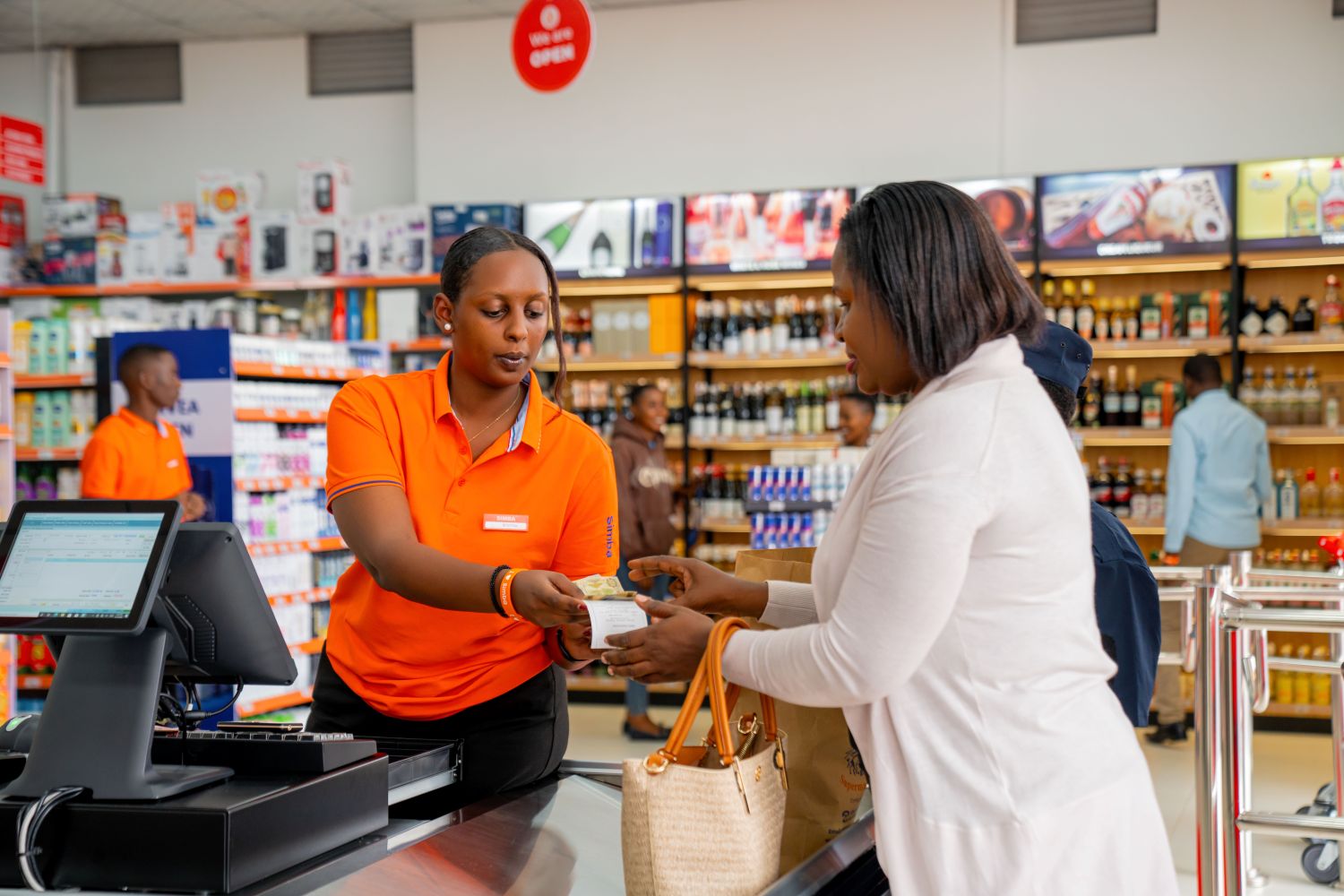
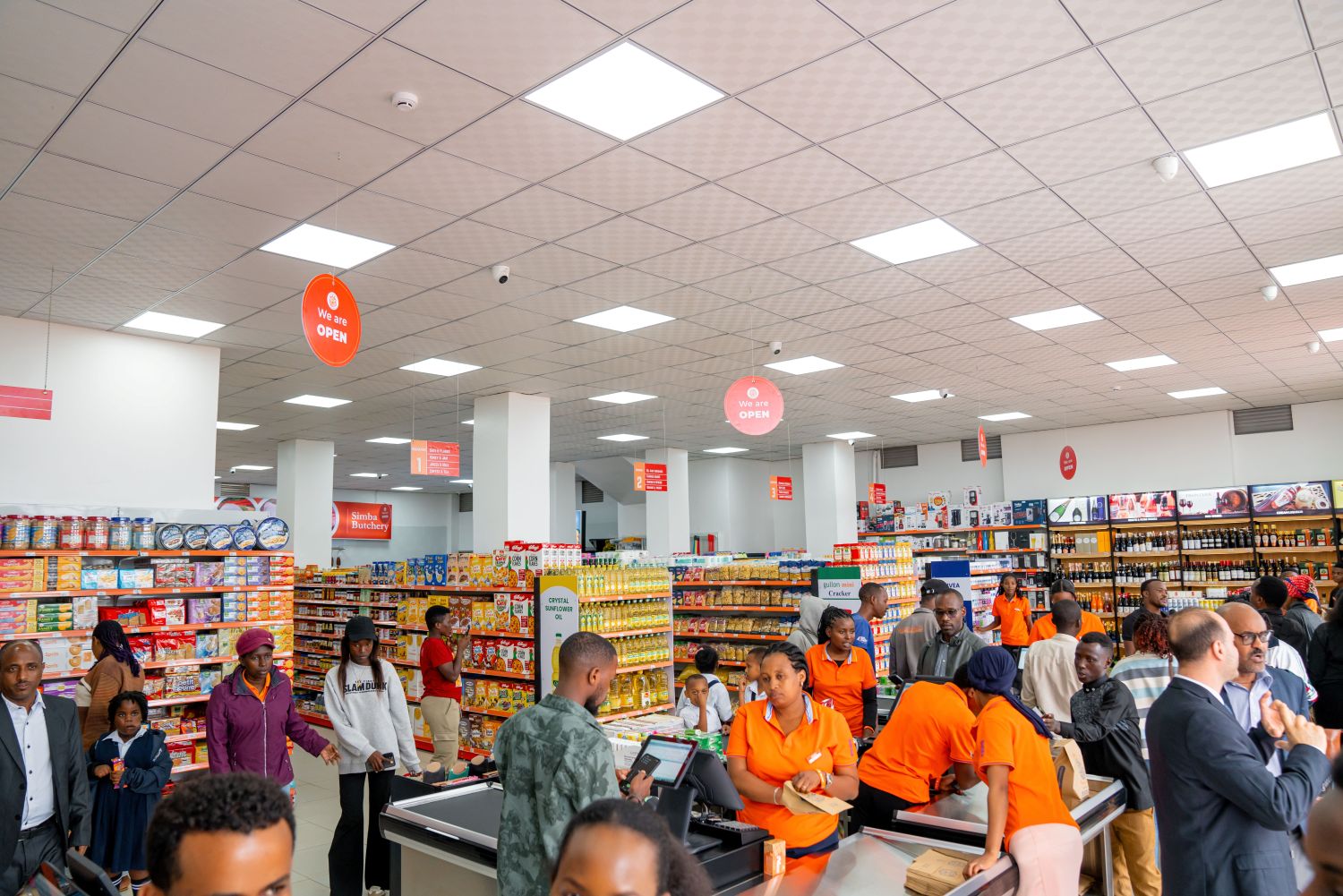
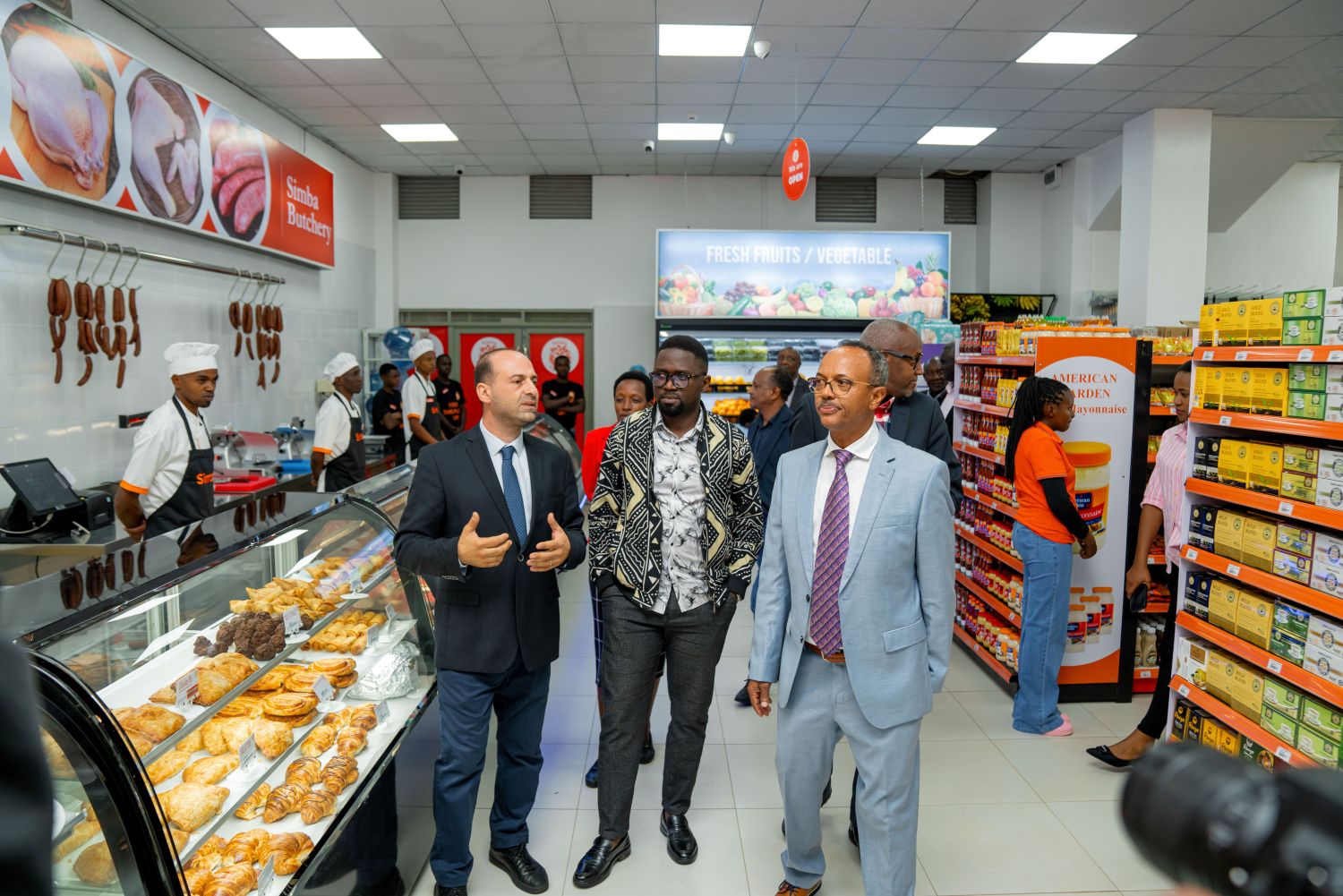
Simba Supermarket has marked its 18th anniversary, celebrating nearly two decades of serving Rwandan households while growing its footprint and strengthening its position as one of the country’s leading retail brands.Simba has built its offering around giving customers greater choice under one roof.Throughout its growth, Simba Supermarket has maintained a focus on balancing quality with affordability.As part of its 18th anniversary, Simba is putting customers and the people who have contributed to its journey at the centre of the celebration. Simba operates 15 branches across the country.
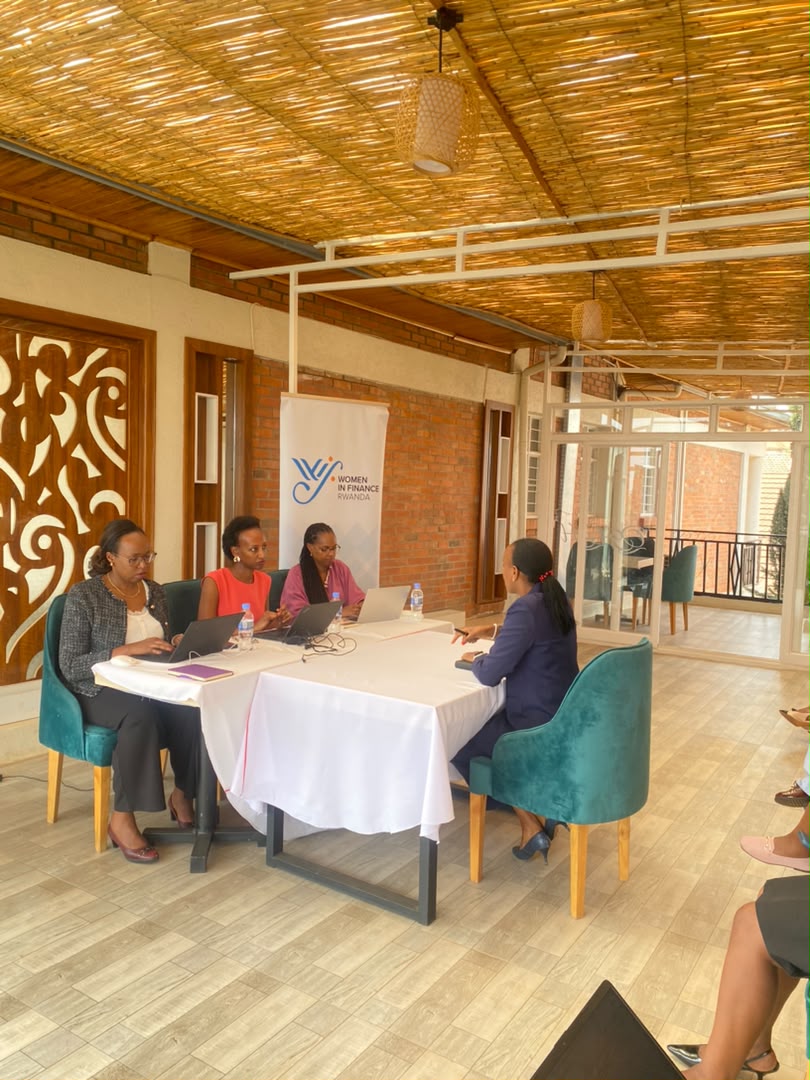
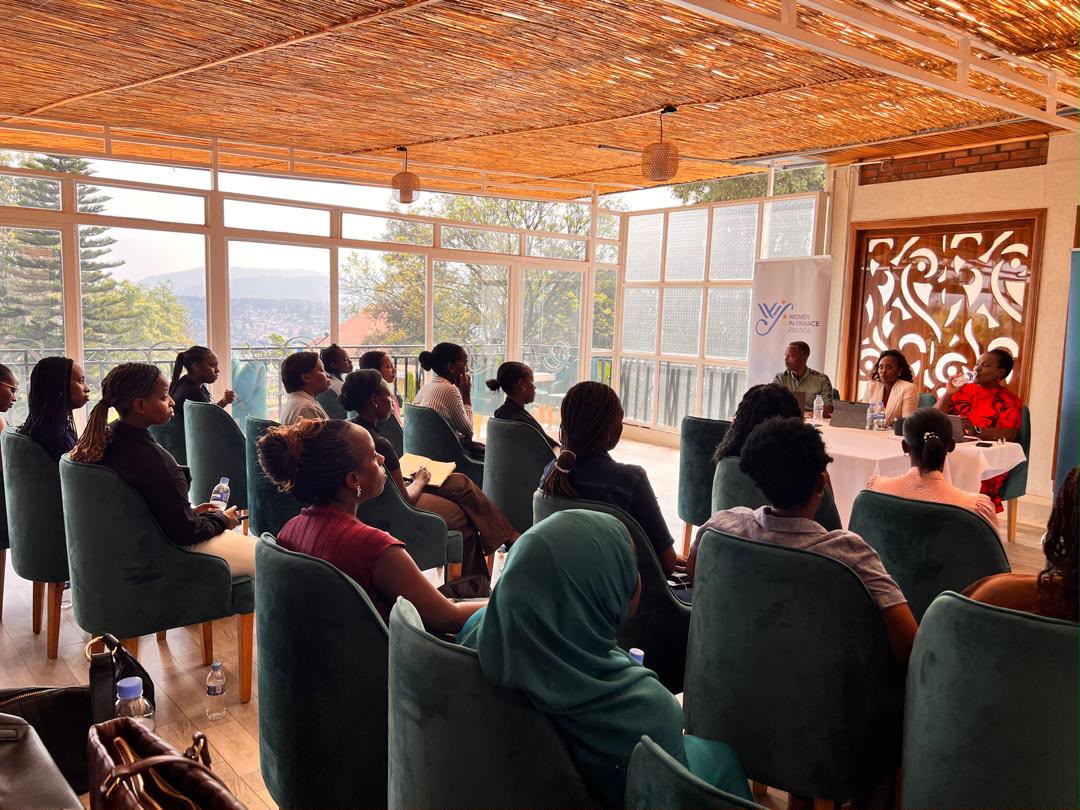
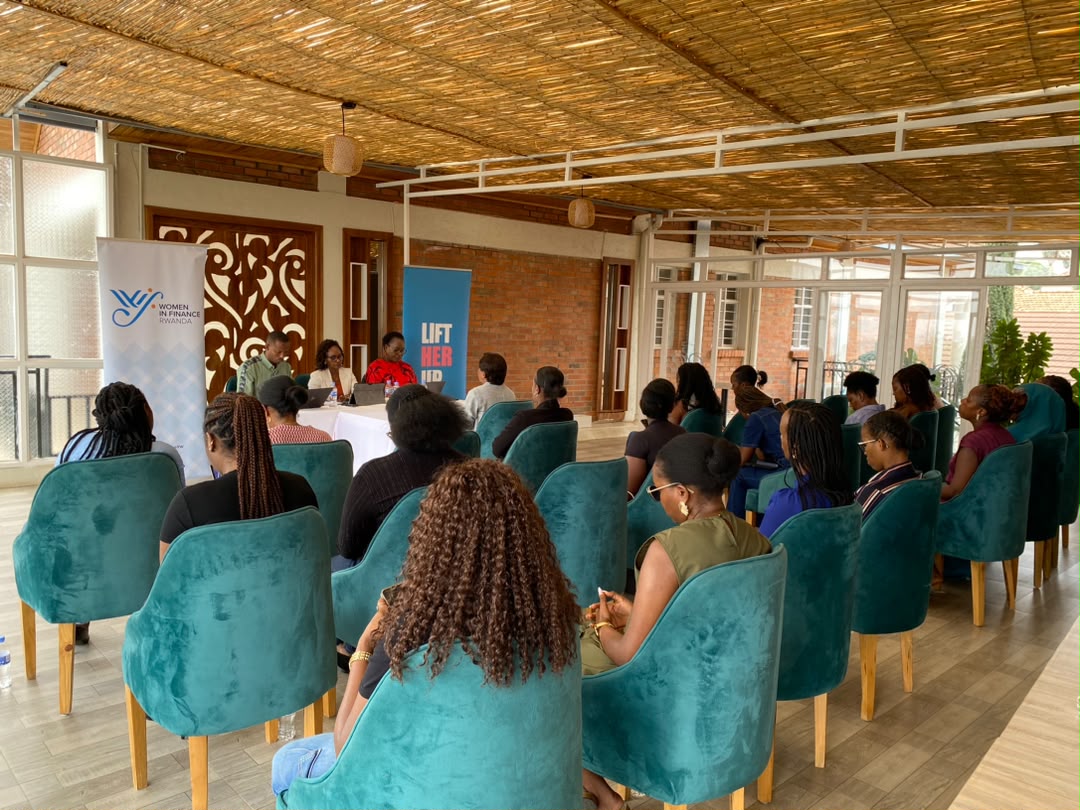
The initiative, launched in July 2026 under the LiftHerUp Mentorship Programme, gives women an opportunity to experience a realistic interview environment, receive direct feedback from senior executives and strengthen how they communicate their experience, achievements and career ambitions.
Participants in the first edition came from banking and financial services as well as telecommunications, education, technology, development organisations, communications and other industries.
The initiative is one practical response to evidence emerging from the landmark Women in Financial Services Rwanda 2025 study.
Based on responses from more than 50 financial institutions and over 1,500 professionals, the study found that while Rwanda has made significant progress in women’s participation and representation, the leadership pipeline remains constrained.
Women’s representation in executive committees and senior management remains below 40 percent, women account for 64 percent of exits at the non-managerial level, and women receive 30 percent fewer promotions overall than men.
The findings reinforce an important message: getting women into organisations is only the beginning. Attention must also be paid to how women progress, gain visibility, prepare for opportunities and move into leadership.
This challenge is not unique to Rwanda or to financial services.
McKinsey’s latest Women in the Workplace research similarly points to the first steps into management as a critical point in the leadership pipeline. Its research has highlighted the importance of career development, mentorship, sponsorship, stretch opportunities and access to senior leaders in supporting women’s progression.
The Gate Consulting Group-WIFR partnership therefore seeks to turn mentorship into practical experience.
Rather than encountering a high-stakes interview for the first time when an important promotion or career opportunity arises, women participating in the Mock Interview Experience are able to practise beforehand. They respond to questions from experienced executives, receive candid feedback, learn how employers evaluate candidates and reflect on how effectively they communicate their own leadership potential.
The July edition directly supported 31 women, many within their first seven years of professional experience. More than 70 additional women participated as observers, meaning over 100 women benefited from the first edition.
Participants represented organisations including I&M Bank, Development Bank of Rwanda, Bank of Kigali, TransAfrica Communications, Equity Bank, Education First, MTN Rwanda, BRALIRWA, Kepler, Urwego Finance, Irembo and NCBA Bank.
The cross-sector character of the programme was also reflected in its interview panels.
Senior leaders and professionals from One Acre Fund, I&M Bank, Ecobank, Bank of Kigali, MTN Rwanda, Mastercard Foundation, ZEP-RE, Airtel, BPR, GanzAfrica Foundation, Ishara Towers, African Management Institute, Equity Bank, iDebate Rwanda and UNICEF volunteered their time and expertise.
Many of these executives form part of the wider LiftHerUp mentorship community, creating an opportunity for mentorship to move beyond advice into exposure, practice and actionable feedback.
For participants, the experience produced immediate lessons.
Nancy Michaelle Gatete of BRALIRWA said the experience strengthened her confidence and helped her become more concise in communicating her experience. She also learnt to improve her CV by focusing more clearly on meaningful achievements and became more comfortable discussing salary expectations.
Olive Murekatete of Equity Bank said interaction with the panel helped her visualise the pathway towards her longer-term career ambition and encouraged her to set more deliberate goals and take intentional steps towards achieving them.
Professionals and senior leaders who participated in the LiftHerUp Mentorship Programme, supporting women’s career growth and leadership development.
For Brenda Uwera Kayinamura of Education First, an important lesson was that identifying a career destination is not enough; women also need to deliberately build the experiences that will enable them to get there. Following the session, she began volunteering for presentations and other initiatives at work to strengthen her confidence, visibility and leadership experience.
Panelists saw a similar opportunity.
Serge Mukiza, Head of Risk Management at Bank of Kigali, observed that participants demonstrated strong technical knowledge and clear career aspirations, while confidence in presenting themselves remained an area where further development could make a significant difference.
Rose Karugu, an HR expert at Ishara Towers Rwanda, saw the intervention as an opportunity to use her HR and leadership experience to help women better understand what employers look for and prepare more effectively for future opportunities.
Leonard Gahonzi, Head of Premier Banking and Affluent Markets at Ecobank, highlighted the importance of giving young women a safe environment in which to practise, receive candid feedback and strengthen their communication skills.
The participation of senior executives from different sectors highlights that developing women leaders is a shared responsibility, where employers, mentors and institutions all have a role in creating opportunities for women to grow and advance.
For WIFR and Gate Consulting Group, the Mock Interview Experience demonstrates the value of partnership by combining mentorship, leadership development, and professional networks to support women across sectors.
The next edition is planned for November 2026, with the partnership aiming to reach more women and engage more senior leaders across Rwanda’s economy.
Senior professionals and mentors engage with participants during the LiftHerUp Mock Interview Experience organized by WIFR and Gate Consulting Group.The LiftHerUp Mock Interview Experience brought together women professionals and senior leaders to strengthen confidence, communication and career readiness.