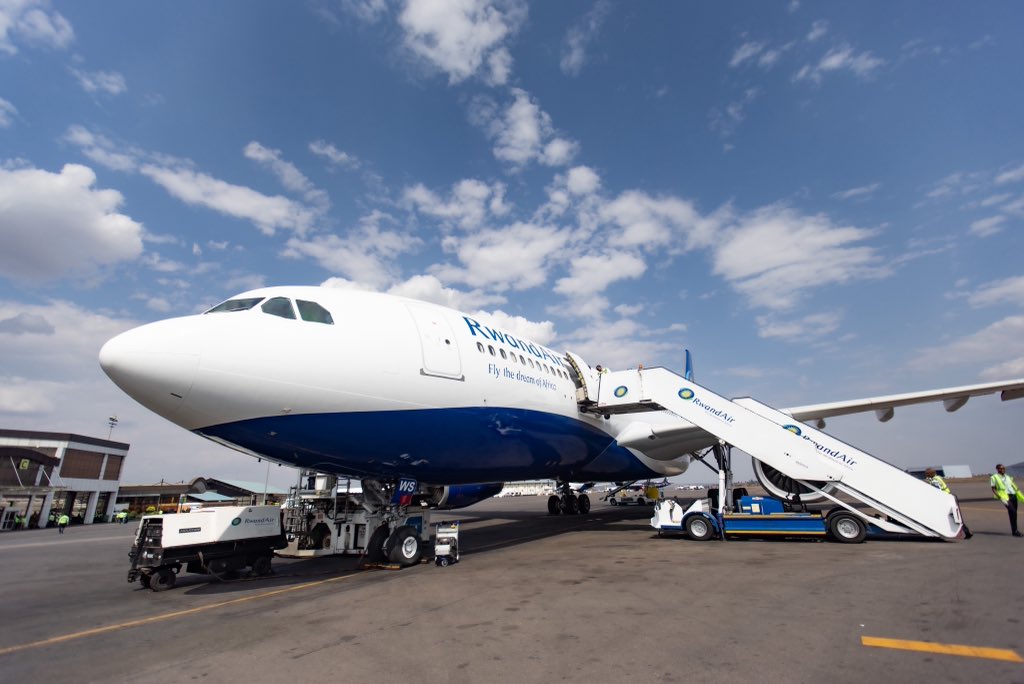
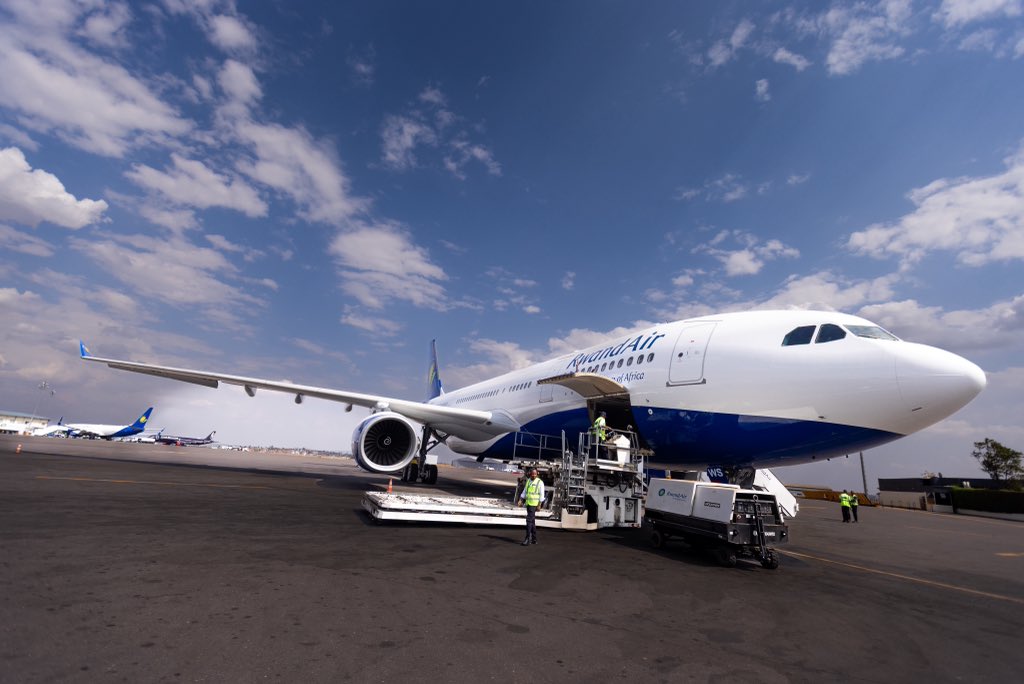
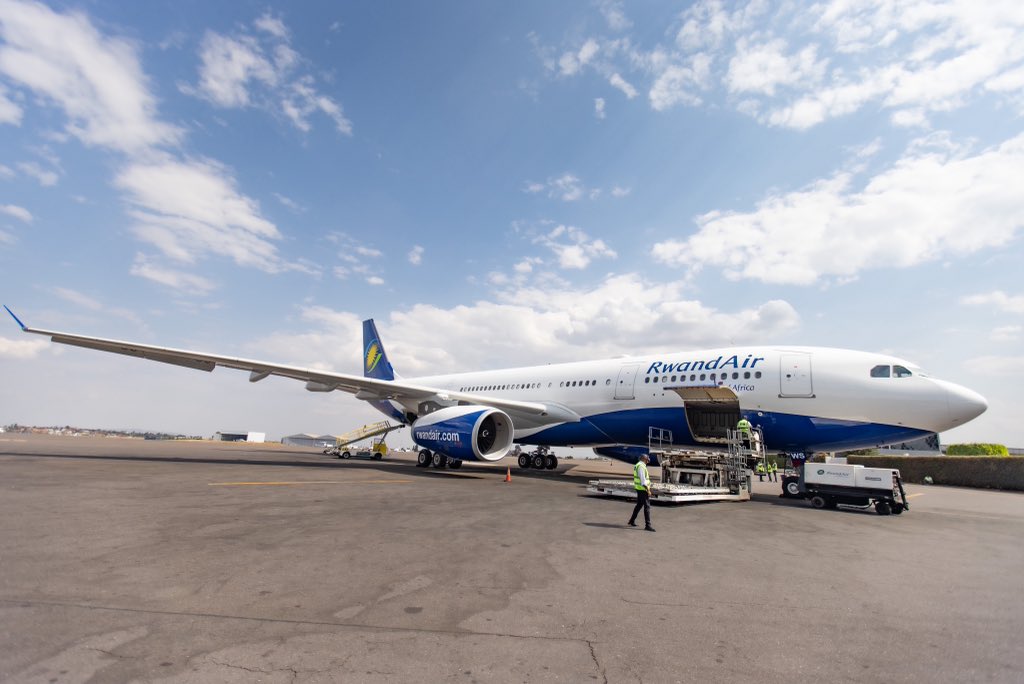
In a statement shared on Monday, August 24, RwandAir said the aircraft is the first of five A330s scheduled to join its fleet as part of efforts to support its continued expansion.
The airline said the addition will enhance passenger comfort and reliability while improving onboard connectivity, allowing travellers to stay connected throughout their journeys.
“This aircraft is the first of five A330s scheduled to join the fleet, strengthening our long-haul capabilities and supporting our continued growth,” RwandAir said.
The latest addition comes as the national carrier continues to expand its fleet to meet growing demand across its network.
In August 2025, RwandAir added two Boeing 737-800 aircraft to its fleet, primarily to serve short and medium-haul routes. Each of the aircraft has a passenger capacity of 174.
The fleet expansion is part of RwandAir’s broader growth strategy, with the airline investing in additional aircraft to enhance connectivity within Africa and beyond. In June 2025, the airline’s Chief Commercial Officer, Fouad Caunhye, said new aircraft would be delivered in phases to meet rising regional and international demand.
RwandAir operates a diverse fleet that includes A330-200s, A330-300s, Boeing 737 Next Generation jets, Bombardier CRJ900s and De Havilland Dash 8-400s, serving destinations across Africa, Europe, Asia, the Americas and the Middle East.
RwandAir said the aircraft is the first of five A330s scheduled to join its fleet as part of efforts to support its continued expansion.The airline said the addition will enhance passenger comfort and reliability while improving onboard connectivity, allowing travellers to stay connected throughout their journeys.
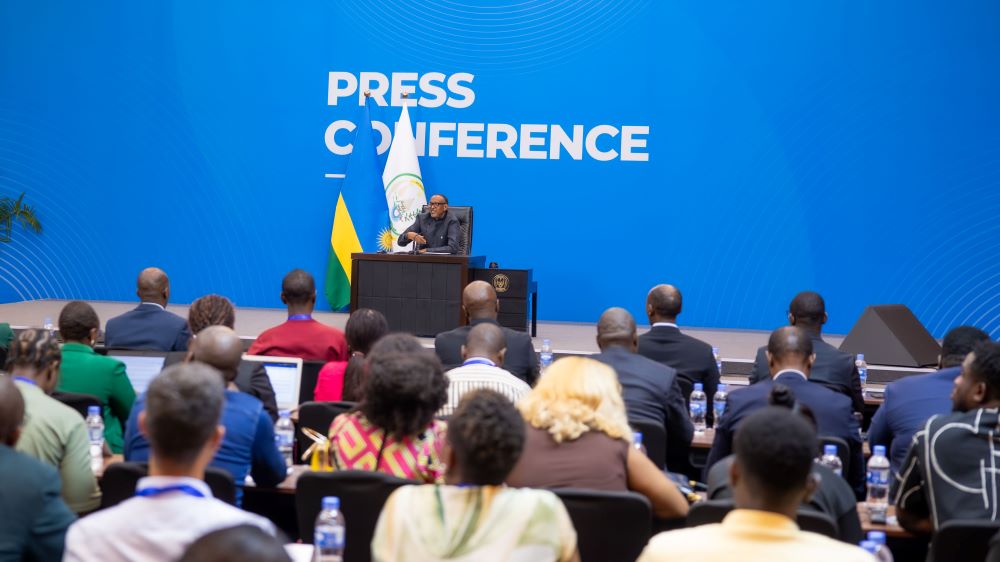
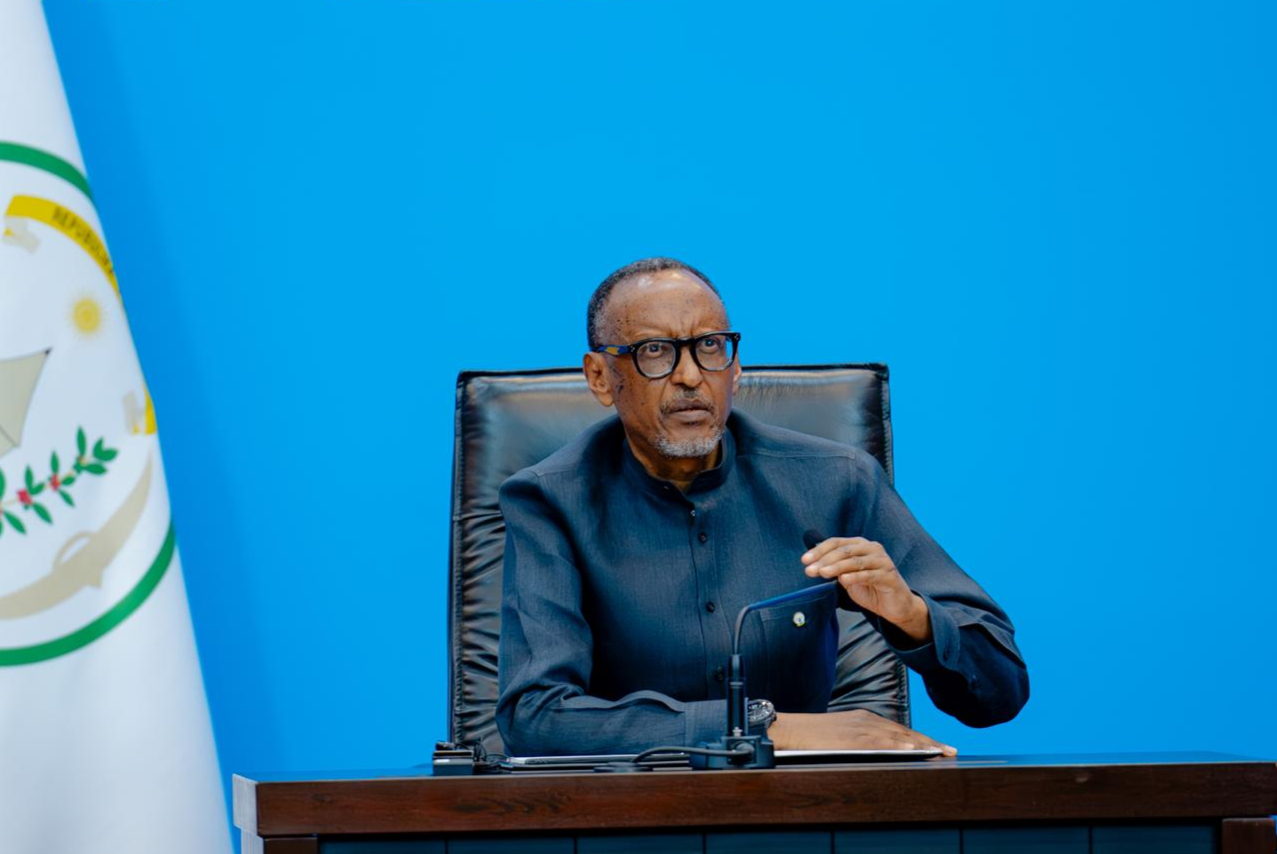
Responding to a question about reports that Rwanda could acquire a stake in the refinery during a press conference in Kigali on Monday, President Kagame said discussions were still at an early stage and that it was too soon to provide further details.
“In a way, there has been. But it is too early to talk about the details, because I think it is a work in progress. Things are still being thought out,” Kagame said during the press conference at the Kigali Convention Centre.
“But what I can say is that Rwanda would be very happy to be part of that kind of investment.”
His remarks follow reports that the Nigerian businessman is seeking regional partners for a major refinery project planned for Kenya’s northern coast.
Dangote has reportedly offered East African countries a combined 30 percent equity stake in the project, with Kenya, Rwanda and Ethiopia among the countries reported to have expressed interest.
According to reports, Kenya could take a 10 percent stake worth about $500 million, while the combined regional stake would be valued at approximately $1.5 billion.
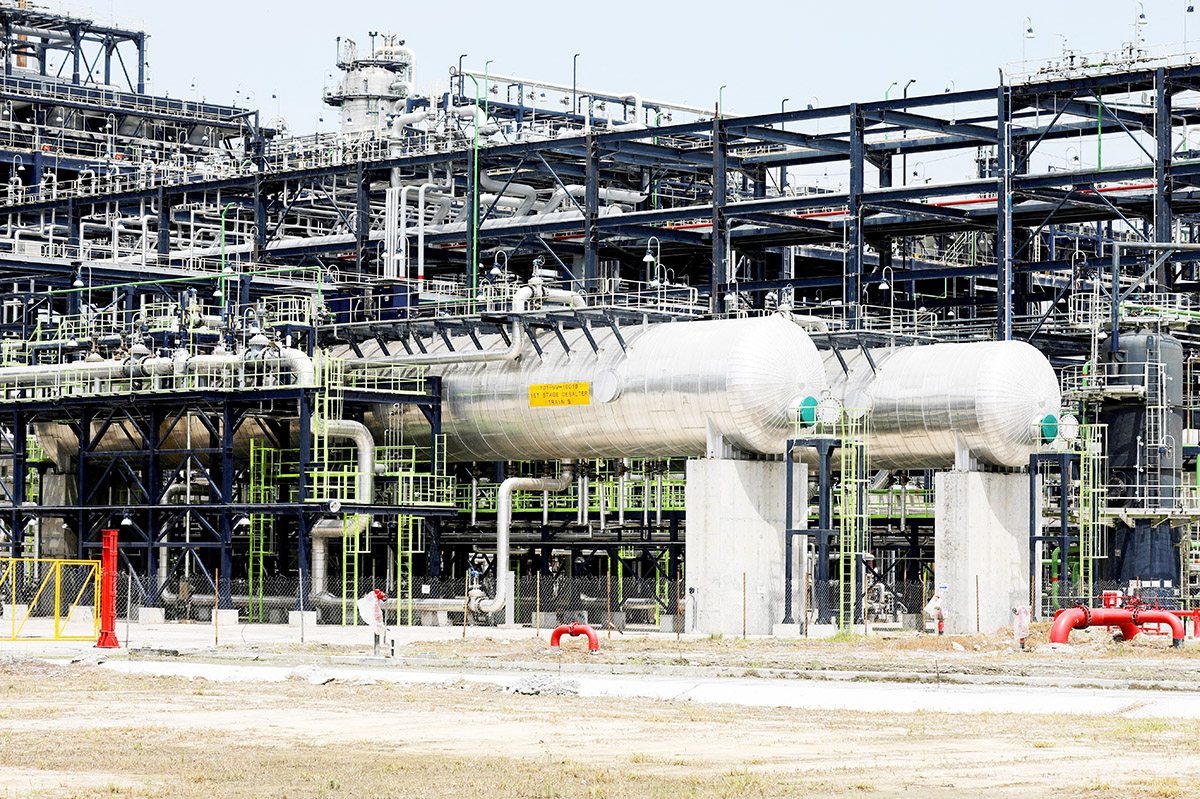
The refinery is planned for Lamu and is expected to have a processing capacity of up to 700,000 barrels per day, potentially making it one of Africa’s largest refining facilities.
The refinery itself is estimated to cost up to $16 billion, while the broader petrochemical complex and additional port infrastructure could bring the total investment to around $20 billion.
If completed, the project could help reduce East Africa’s dependence on imported refined petroleum products and strengthen the region’s energy security by creating a major source of fuel closer to regional markets.
President Kagame did not provide details on the size of a potential Rwandan investment or the stage of the discussions, stressing that the plans were still being considered.
Responding to a question about reports that Rwanda could acquire a stake in the refinery during a press conference in Kigali on Monday, President Kagame said discussions were still at an early stage and that it was too soon to provide further details.President Paul Kagame said Rwanda would be “very happy” to participate in the project.
The prime minister said the counter-tariffs will cover a wide range of sectors, including dairy, steel, appliances, pulp and paper, and electronics.
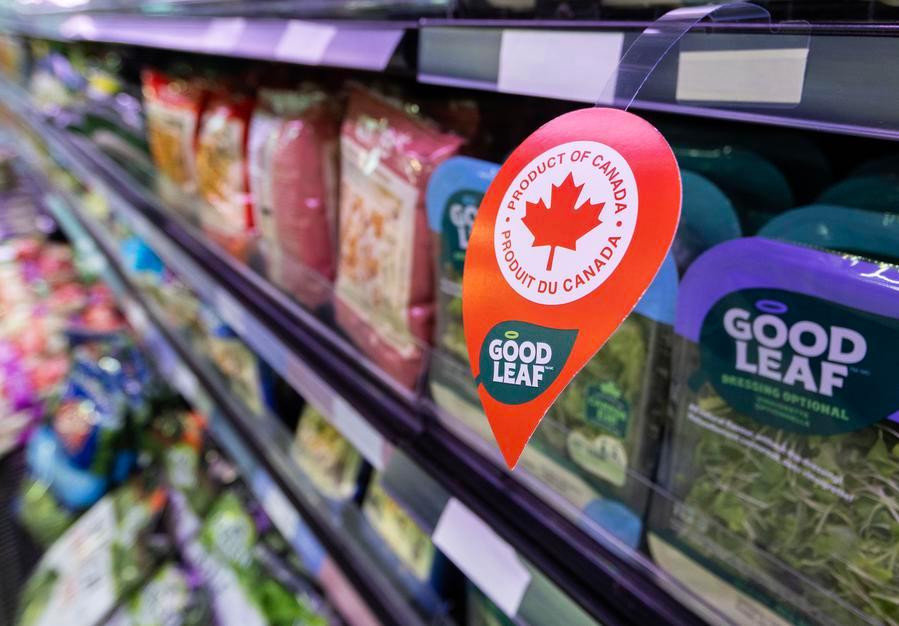
The United States and Canada failed to reach a trade deal on Friday, and the United States imposed a 50-percent tariff on 20 billion U.S. dollars’ worth of Canadian goods on Saturday which took effect just after midnight (0400 GMT).
Explaining why negotiations broke down at the last minute, Carney said that while both sides were close to a mutually beneficial agreement earlier this week, the U.S. side introduced last-minute changes that were “unfair, uneconomic and called into question the reliability of any deal.”
The U.S. side’s repeated disregard for existing free trade agreements such as the Canada-United States-Mexico Agreement (CUSMA) sends a bad signal to international businesses and is “certainly not good news” for renewing the agreement in the future, Carney warned.
The rift comes as the United States, Mexico and Canada are trying to renew the CUSMA, a trade agreement that Trump negotiated in his first term and once praised as a triumph.
The United States has begun formal talks with Mexico to revamp the agreement, but talks with Canada have not yet begun.
The CUSMA is a trilateral trade pact that replaced the North American Free Trade Agreement when it took effect on July 1, 2020. On July 1, 2026, the United States officially declined to renew the agreement for another 16-year term, triggering an annual review process until the pact expires in 2036.
When asked why Canada was entering a trade dispute, the prime minister stated flatly: “Because we were attacked.”
Carney reiterated his confidence in Canada’s economic resilience, pointing out that Canada is creating jobs at four times the rate of the United States, with foreign direct investment reaching a 20-year high.
“Canada is becoming stronger and less dependent on America,” he said.
The United States and Canada failed to reach a trade deal on Friday, and the United States imposed a 50-percent tariff on 20 billion U.S. dollars’ worth of Canadian goods on Saturday which took effect just after midnight (0400 GMT).
The move marks a fresh escalation in trade tensions between US President Donald Trump and Canadian Prime Minister Mark Carney, despite several days of intensive negotiations aimed at reaching a deal before the tariff deadline.
US and Canadian trade officials held negotiations in Washington for several days, with hopes of resolving major disagreements over tariffs and access to each other’s markets.
The talks had initially appeared promising. Canadian Trade Minister Dominic LeBlanc said the two countries were “very close” to reaching an agreement.
A proposed deal was expected to reduce tariffs on Canadian-built vehicles from 25% to 15% and cut tariffs on Canadian steel and aluminum to 25%.
However, the negotiations broke down after disagreements over changes proposed by the US side late in the discussions.
Canada said it could not accept the changes, while Washington accused Ottawa of seeking concessions beyond what the United States was prepared to offer.
Following the collapse of the talks, Carney announced that Canada would suspend negotiations with Washington and respond to the new US tariffs with measures on a dollar-for-dollar basis.
The newly imposed US tariffs affect about 5% of Canada’s exports to the United States.
Although most Canadian exports are not covered by the new measures, the tariffs could increase costs for businesses and put pressure on affected industries and jobs.
The dispute adds pressure to the broader economic relationship between the two countries and could complicate future negotiations over the United States-Mexico-Canada trade agreement.
The two governments had also been discussing issues including Canadian restrictions on US alcohol sales and rules governing automotive trade.
With the negotiations suspended and no new talks scheduled, businesses on both sides of the border now face increased uncertainty as the latest tariffs take effect.
US has imposed 50% tariffs on Canadian goods after trade talks fail
The commitment is contained in the AfDB Group’s 2025 Country Portfolio Performance Review (CPPR) report for Rwanda, released on August 20, 2026, which assesses the performance of Bank-funded operations in the country as of November 2025.
According to the report, Rwanda’s active AfDB portfolio is heavily concentrated in infrastructure, which accounts for 87% of total commitments. Water supply and sanitation alone represents 34% of the portfolio, followed by energy at 30%, multi-sector operations at 11%, finance at 10%, and transport at 9%. By contrast, agriculture, communications, social and urban development together make up just 6% of the portfolio’s value.
The report describes this infrastructure dominance as reflecting the Bank’s “longstanding support to the government’s foundational utility priorities,” but warns that such concentration “poses a significant risk, potentially constraining the case for additional stand-alone infrastructure investments.”
In response, and in direct alignment with Rwanda’s Second National Strategy for Transformation (NST2, 2024/25–2028/29), the Government of Rwanda has requested a strategic pivot toward agriculture. The reorientation is intended to rebalance the portfolio, mitigate concentration risk, and “catalyse transformative growth in high-priority productive sectors,” the report states.
NST2 itself prioritises private sector-led growth, agricultural modernisation, and export-oriented manufacturing, alongside efforts to accelerate inclusive growth and create jobs for youth and women.
Existing agriculture pipeline
The planned $400 million push builds on a currently modest agriculture portfolio. As of January 2026, AfDB-financed agriculture operations in Rwanda stood at just UA 11.2 million (approximately $15.2 million), representing only 9.2% disbursement, and centred on the Development of Agroforestry and Sustainable Agriculture project.
A larger agriculture operation is already in the pipeline: the Climate Smart Agriculture Results-Based Financing (RBF) programme, valued at USD 348 million (UA 254 million), blending ADF and ADB loan financing, according to the report’s annex on the Indicative Operations Programme.
Wider portfolio
The agriculture pivot comes against the backdrop of a rapidly growing but increasingly strained AfDB portfolio in Rwanda. As of 31 January 2026, the Bank’s active portfolio comprised 29 operations, 27 public sector and 2 private sector, with total commitments $2.6 billion), a 71% increase from $1.49 billion) in November 2023.
However, the share of red-flagged projects facing performance challenges doubled from 13% in 2023 to 26% in 2025, driven largely by procurement delays and weaknesses in contract management. The cumulative disbursement rate across the portfolio currently stands at 36%.
The Bank and the Government of Rwanda, through the Ministry of Finance and Economic Planning (MINECOFIN), have endorsed a 2025 Country Portfolio Improvement Plan (CPIP) aimed at addressing these bottlenecks, including measures to fast-track project readiness, strengthen contract management, and streamline procurement processes.
The 2025 CPPR report has been submitted for information to the AfDB’s Committee on Operations and Development Effectiveness (CODE).
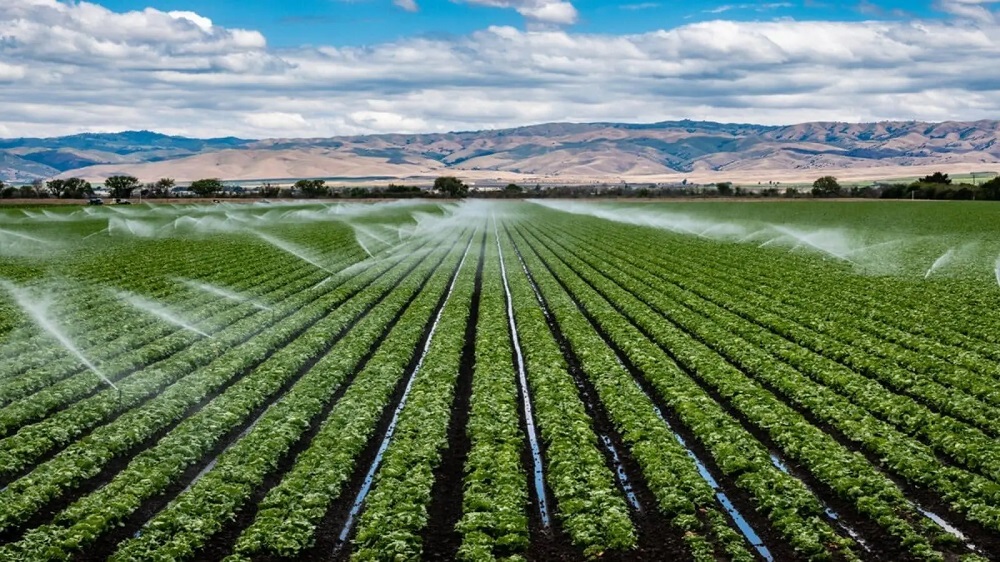
The African Development Bank (AfDB) plans to invest over $400 million (approximately Rwf590 billion) in Rwanda’s agriculture sector over the next three years, as part of efforts to rebalance a portfolio currently dominated by infrastructure, which accounts for 87% of total commitments.
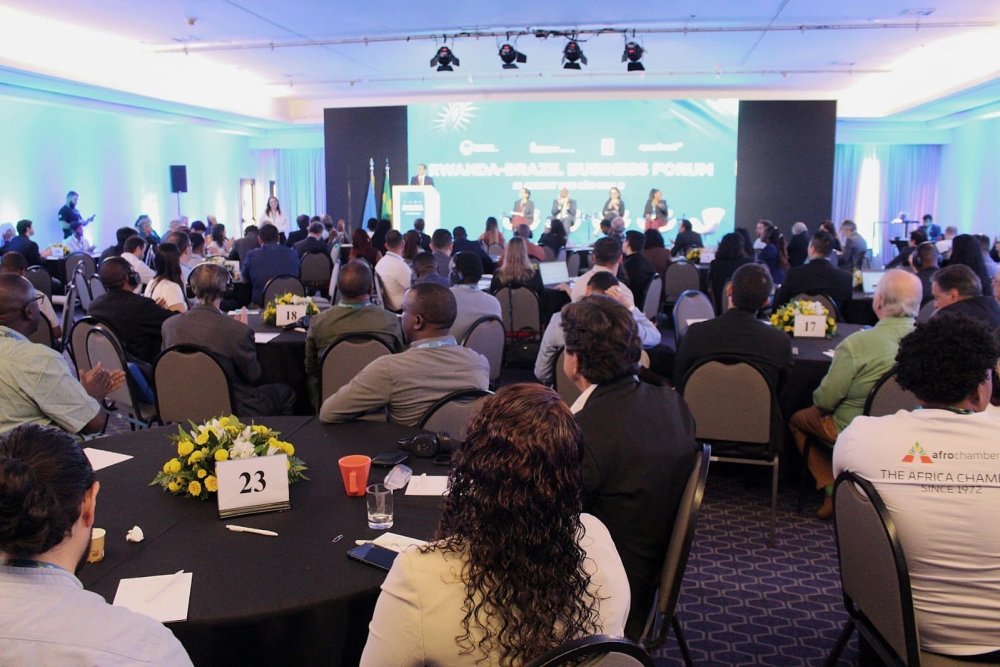
The forum took place on August 20, 2026, according to the Rwanda Development Board (RDB).
The event aimed to explore ways to further strengthen cooperation between Rwanda and Brazil while showcasing opportunities available in the African market.
Rwanda’s Ambassador to Brazil, Lawrence Manzi, said Rwanda offers Brazilian businesses seeking a foothold in Africa a strategic gateway.
“For Brazilian businesses seeking a foothold in Africa, Rwanda is the gateway of choice. Our ease of doing business and strategic location make Rwanda the perfect bridge to the continent,” Manzi said.
Claver Tuyishimire, Permanent Secretary at the Ministry of Trade and Industry, said Rwanda’s small size does not limit its investment opportunities.
“While Rwanda is small in size, it is vast in opportunity. Positioned at the heart of Africa and connected through the AfCFTA and regional markets, Rwanda provides a gateway to over 1.3 billion consumers across the continent,” Tuyishimire said.
The forum comes as Rwanda continues to encourage international investors to take advantage of opportunities in the country and its position as a bridge to different African markets.
In 2025, Rwanda registered investments worth $2.62 billion across 799 projects, up from 612 projects in 2024.
The newly registered investments were concentrated in sectors including real estate, manufacturing and mining.
Rwanda has set a target of doubling private investment to $4.6 billion by 2029.
Rwanda-Brazil ties
Rwanda and Brazil established diplomatic relations in 1981, and the two countries have since signed several agreements to strengthen bilateral cooperation.
In 2019, the two countries signed a Bilateral Air Services Agreement (BASA).
In 2011, Rwanda and Brazil also signed an agreement on cooperation aimed at strengthening food security.
Brazil is the world’s leading producer of coffee, soybeans, sugarcane and oranges.
Since 2022, Rwanda has imported wheat from Brazil after imports from Ukraine declined. Rwanda also imports products including sugar from Brazil.
In February 2026, the governments of Rwanda and Brazil signed an agreement providing a framework for cooperation in promoting trade, facilitating investment and strengthening cooperation in various sectors.
More than 200 Brazilian investors have discussed how to tap into opportunities offered by Rwanda.
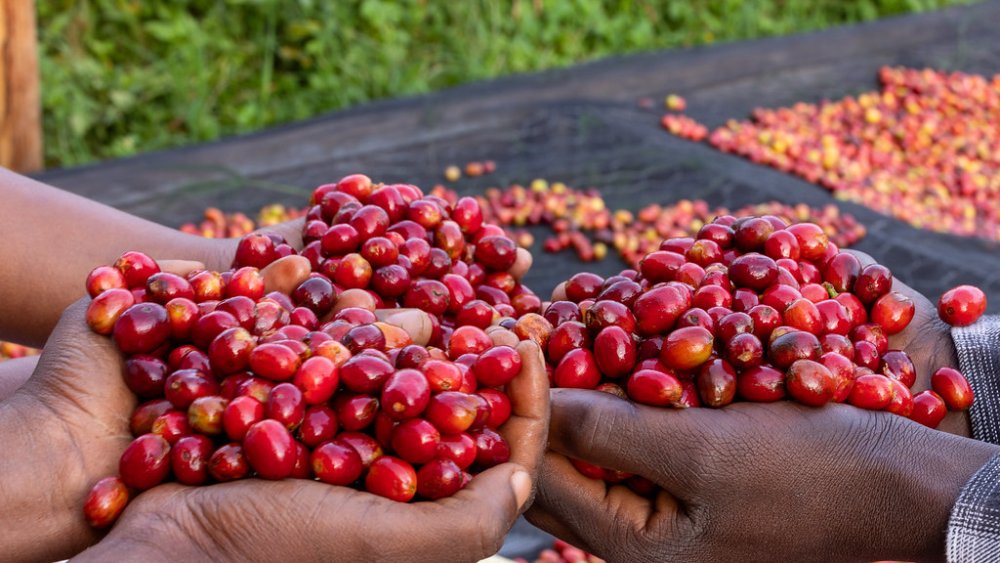
Coffee was the country’s top agricultural export during the five-day period, with 816 tonnes shipped to international markets for $5.51 million, accounting for about 42.5% of total export earnings.
Other agricultural products generated $4.76 million from 7,404 tonnes exported, with major shipments destined for Bangladesh and several African countries.
Tea ranked third in export earnings, with Rwanda shipping 437 tonnes worth $1.27 million to international markets.
The country also exported 576 tonnes of vegetables, earning $563,649. The vegetables were shipped to markets in the United Kingdom, the Netherlands, India, France and several African countries.
Fruit exports generated another $472,759 from 443 tonnes shipped to the United Arab Emirates, China and African markets.
Livestock products earned $349,313 from 220 tonnes exported to various African countries.
Rwanda also exported five tonnes of flowers, generating $30,938, with shipments going to Nigeria, the Netherlands and the United Kingdom.
The figures highlight the growing contribution of agricultural exports to Rwanda’s foreign exchange earnings, with the country continuing to expand markets for locally produced commodities.
Rwanda has set a target of generating $1.5 billion annually from agricultural and livestock exports by 2029, signalling ambitions to further increase production, processing and access to international markets.
Coffee was the country’s top agricultural export during the five-day period, with 816 tonnes shipped to international markets for $5.51 million.
The telecommunications company is among the businesses supporting Rwanda’s development and its ambition to become a technology hub by providing fast and reliable internet services.
Beyond its core business in technology, Kopa Telecom also seeks to contribute to the well-being of communities through initiatives that promote better health and improve people’s livelihoods.
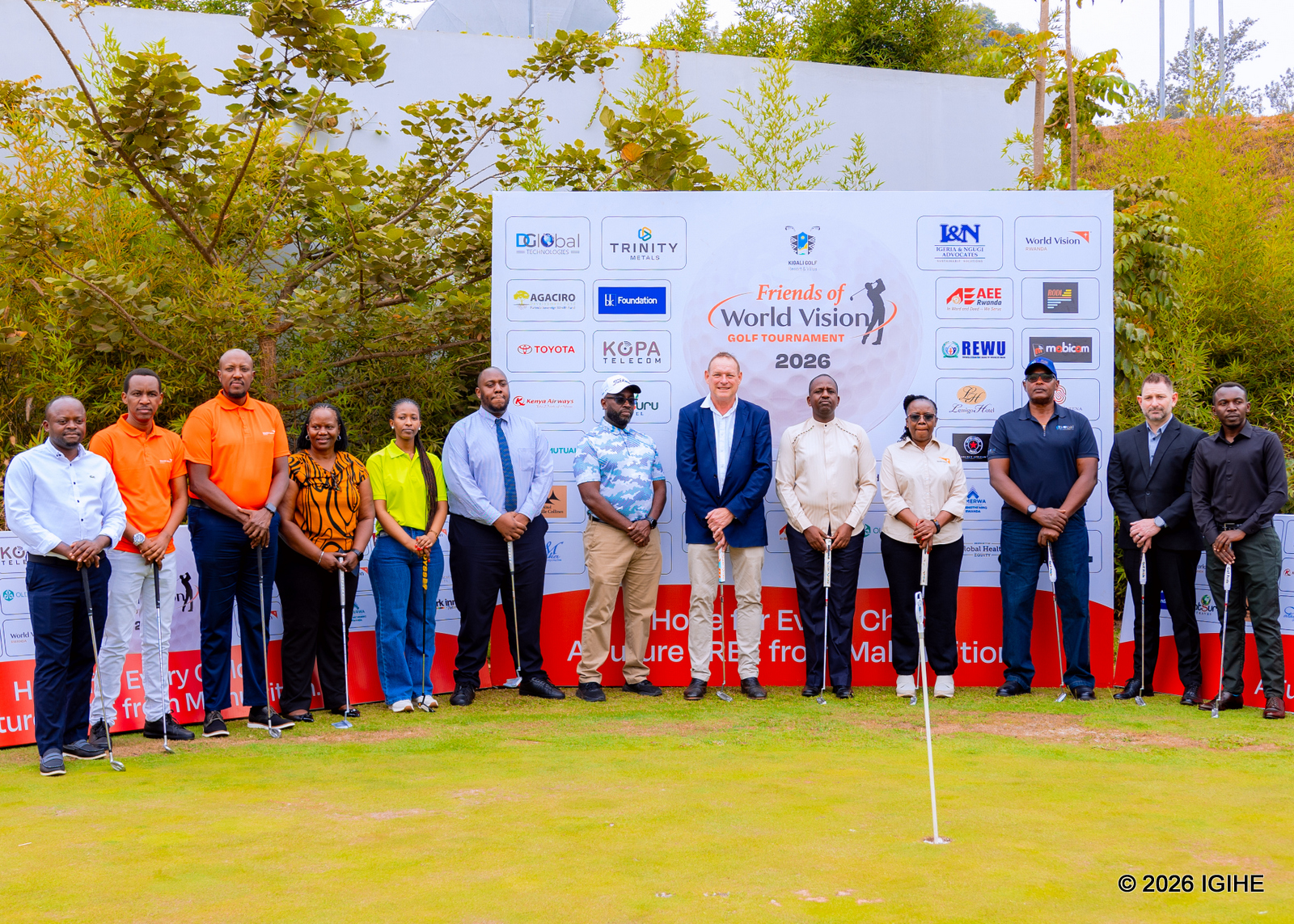
As part of these efforts, Kopa Telecom is supporting the Friends of World Vision Rwanda Annual Golf Tournament, which will be held at Kigali Golf Resorts & Villas on August 22, 2026.
Speaking to IGIHE, Kopa Telecom’s Head of Marketing and Sales, Rusaro Jesca, said the partnership with World Vision provides the company with an opportunity to strengthen its contribution to communities where it operates.
“We are partners with World Vision in this tournament so that, in the communities where we operate, we can give back and contribute to their development. This includes efforts to combat stunting and malnutrition. This is just the beginning, and we will do much more in the days ahead,” she said.
Rusaro said Kopa Telecom’s internet services mainly target large companies, offices, schools, hotels, financial institutions and other organisations that require fast, stable and reliable connectivity.
She added that the company’s services reach customers across Rwanda, with coverage of 99.8 percent of the country, including remote areas and communities located near Rwanda’s borders.
World Vision organised the golf tournament with the goal of raising $500,000 to support children affected by malnutrition. The funds will support various interventions, including the construction of a modern kitchen to prepare nutritious meals for children, among other initiatives.
As part of its broader programme, World Vision plans to support up to 2.5 million families between 2026 and 2030, with a focus on improving the well-being and living conditions of vulnerable communities.
Kopa Telecom staff explained what sets their internet service apartKopa Telecom Head of Marketing and Sales, Rusaro Jesca, plays golfKopa Telecom representatives also took part in the golf tournament.Kopa Telecom is one of the sponsors of the World Vision golf tournament.
The company’s service revenue reached Rwf167.5 billion in the six months ended June 30, 2026, up from the same period last year, while profit after tax stood at Rwf17.2 billion.
The performance comes as the use of digital services continues to expand in Rwanda, with individuals and businesses increasingly relying on mobile connectivity and digital payments for communication, commerce and other daily activities.
MTN Rwanda’s subscriber base grew by 11.4 percent to 8.7 million during the period. Active data subscribers increased by 14.5 percent to 2.7 million, while active Mobile Money users rose by 14.9 percent to 6.4 million.
Data remained an important source of growth, with data revenue increasing by 14.3 percent to Rwf26.7 billion.
The increase was supported by a 63.6 percent rise in data traffic, as more customers adopted smartphones and made greater use of affordable data bundles.
Voice revenue also increased by 7.1 percent, supported by subscriber growth and the reintroduction of mobile termination rates in August 2025.
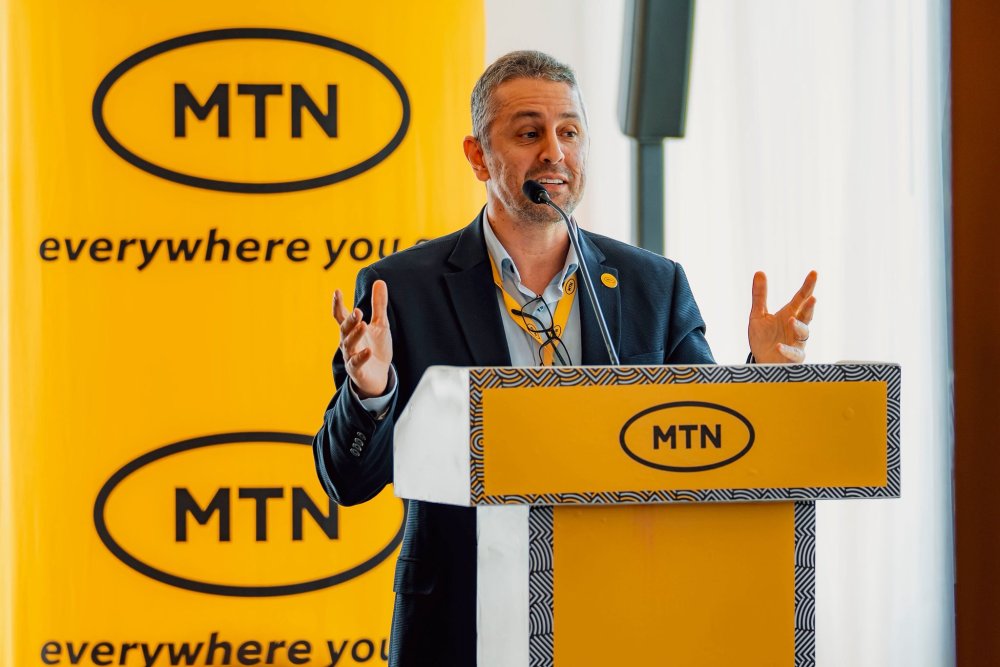
MTN Rwanda CEO Monzer Ali said the company’s performance reflected more than financial growth, pointing to the expanding role of digital services in the economy.
“Every new smartphone connected, every entrepreneur paid through Mobile Money, and every community reached through our network represents another step towards a more connected, inclusive and digitally empowered Rwanda,” Ali said.
He said MTN Rwanda would continue investing in its network, technology and partnerships to expand access to digital services and support Rwanda’s ambitions for a digitally enabled economy.
Mobile Money becomes bigger revenue driver
Mobile Money continued to be one of the strongest performers, with Mobile Money Rwanda Ltd (MMRL), MTN Rwanda’s subsidiary, reporting a 31.3 percent year-on-year increase in MoMo revenue to Rwf90.1 billion.
MoMo accounted for 53.8 percent of MTN Rwanda’s service revenue in the first half, up from 49.9 percent during the same period in 2025.
The platform’s active merchant base increased by 19.2 percent to 682,000, highlighting the growing use of mobile payments among businesses and consumers.
Advanced services, including remittances and lending, also recorded strong growth, increasing by 28.1 percent and accounting for 28.4 percent of MoMo revenue.
Chantal U Kagame, CEO of Mobile Money Rwanda Ltd, said the expansion of the merchant network demonstrated how deeply mobile money has become embedded in Rwanda’s economy.
“Growing to 682,000 active merchants shows how deeply mobile money has become embedded in the way Rwandans transact, run businesses and participate in the economy,” she said.
She added that the company would continue working to make MoMo services simpler, more secure and accessible.
MTN Rwanda also recorded significant improvements in profitability and cash generation during the period.
Earnings Before Interest, Taxes, Depreciation and Amortisation (EBITDA) increased by 30.4 percent to Rwf70.5 billion, while the EBITDA margin expanded by 2.8 percentage points to 41.8 percent.
The company attributed the improvement partly to savings generated through its Expense Efficiency Programme.
Capital expenditure, excluding leases, remained largely unchanged at Rwf11.2 billion, while adjusted free cash flow increased by 38.7 percent to Rwf59.3 billion.
MTN Rwanda Chief Financial Officer John Bugunya said the results demonstrated the company’s ability to combine commercial growth with tighter financial management.
He said the stronger free cash flow provided a solid financial base for continued investment in network and digital infrastructure.
Digital growth alongside community investment
MTN Rwanda’s activities during the first half also included initiatives aimed at supporting communities.
In June, the company conducted its annual 21 Days of Y’ello Care campaign under the theme “Expanding Equitable Health for Every Community.”
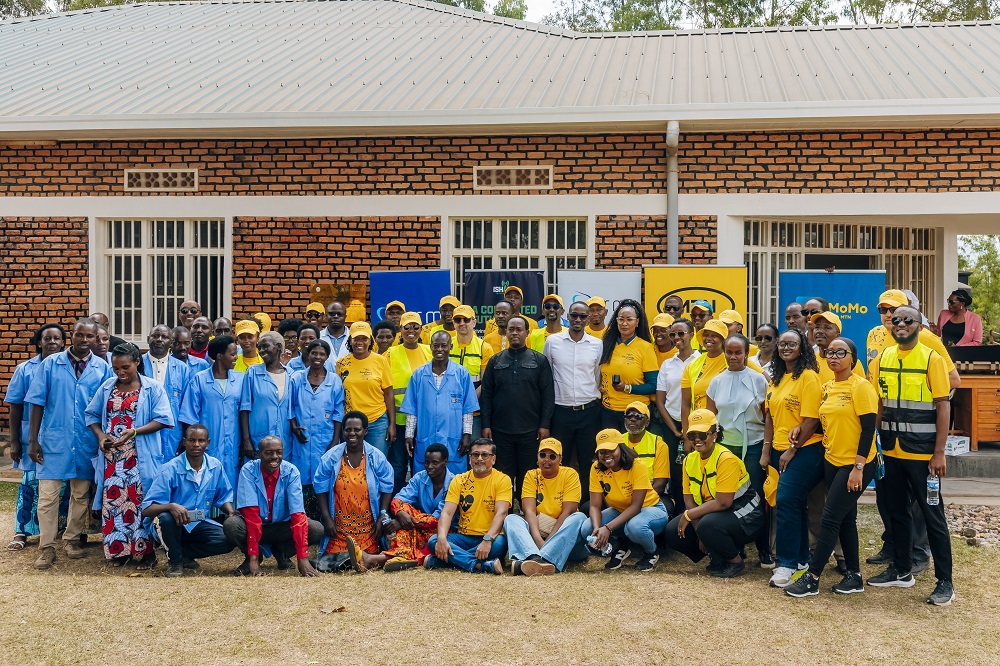
As part of the campaign, MTN Rwanda supported the renovation of the maternity ward and expansion of the laboratory at Kigese Health Centre in Rugarika Sector, Kamonyi District. The facility serves approximately 61,000 people and handles between 50 and 60 deliveries each month.
As it enters the second half of 2026, MTN Rwanda said it will focus on sustaining its commercial growth, expanding financial inclusion through Mobile Money and improving the quality and reach of its network.
The company said continued investment in connectivity and digital financial services will remain central to its role in Rwanda’s digital transformation, while supporting individuals, businesses and communities to participate more fully in the modern economy.
MTN Rwanda’s 21 Days of Y’ello Care campaign supported the renovation of the maternity ward and expansion of the laboratory at Kigese Health Centre in Kamonyi District.MTN Rwanda CEO Monzer Ali has highlighted the company’s growth in connectivity, data and Mobile Money services during the first half of 2026.
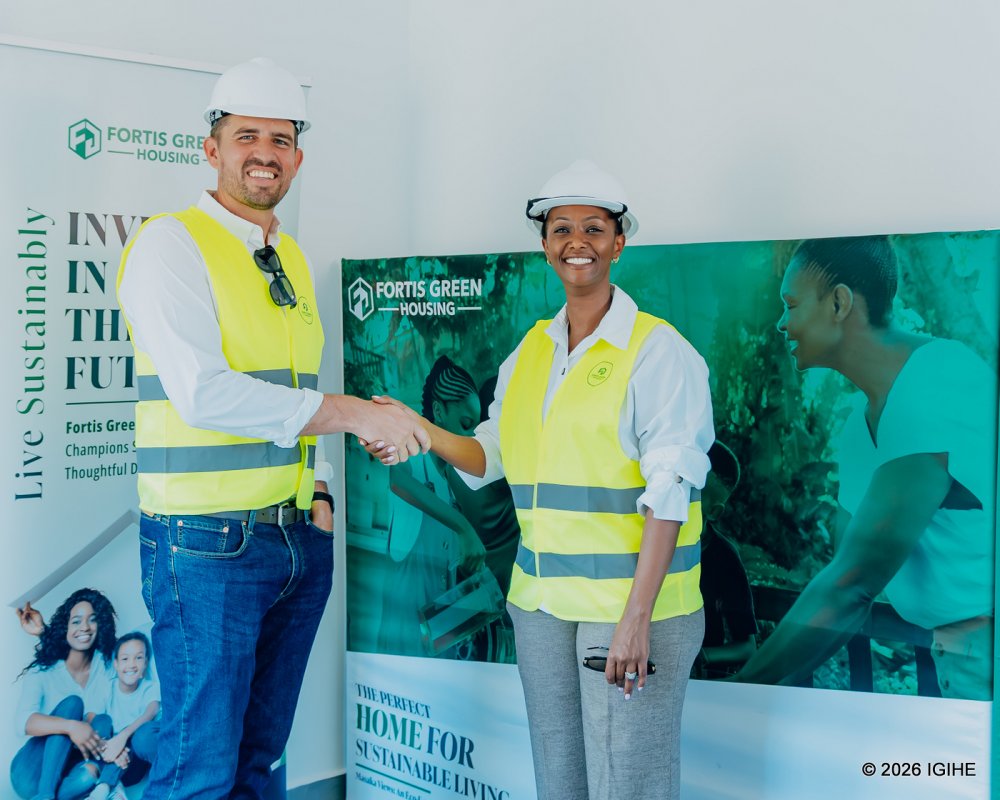
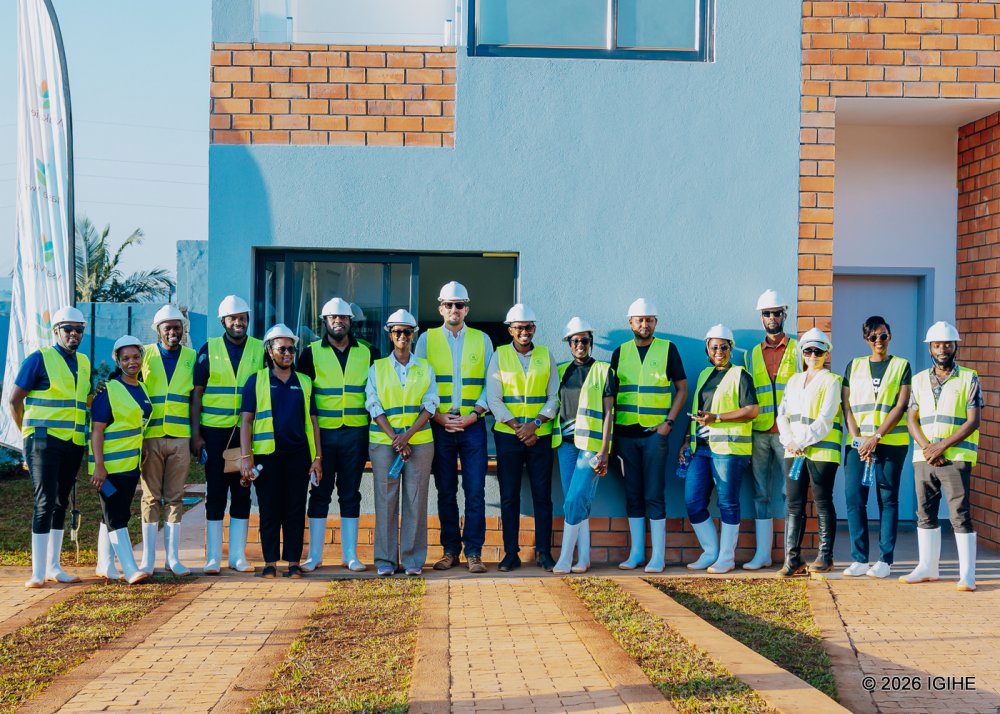
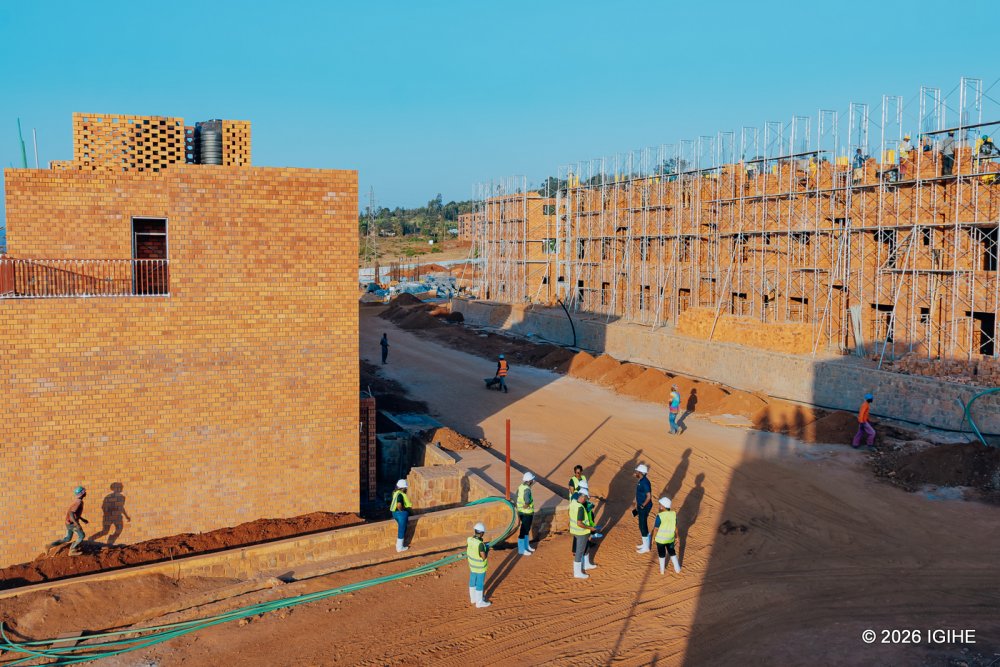
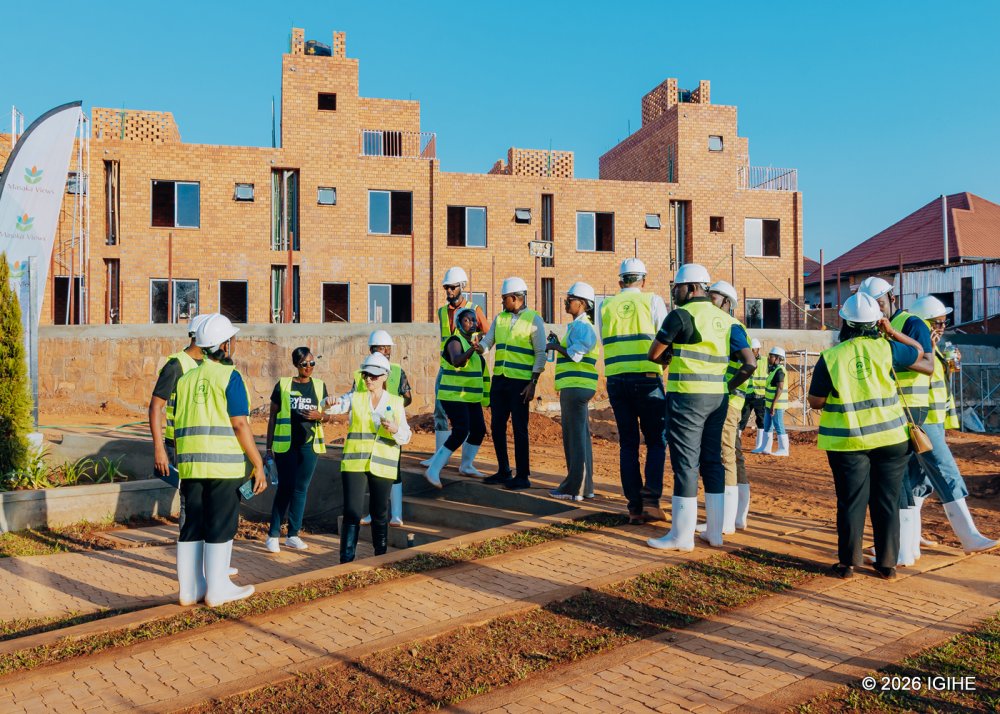
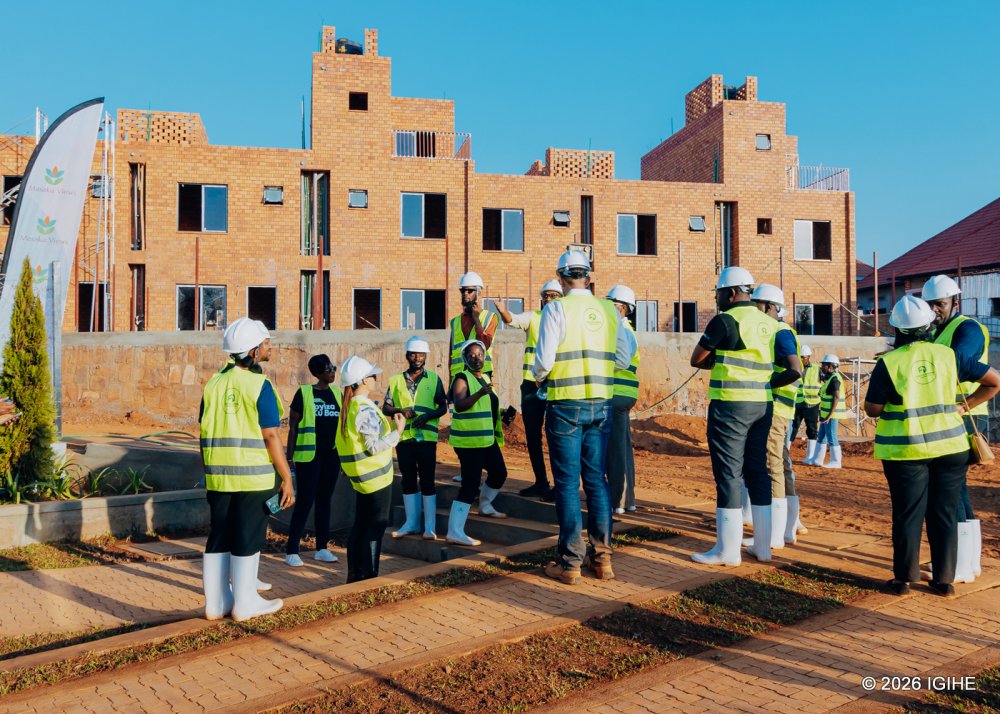
The partnership was launched on August 13, 2026, when BPR Bank Rwanda Plc management visited the site of the housing project in Masaka, Kicukiro District.
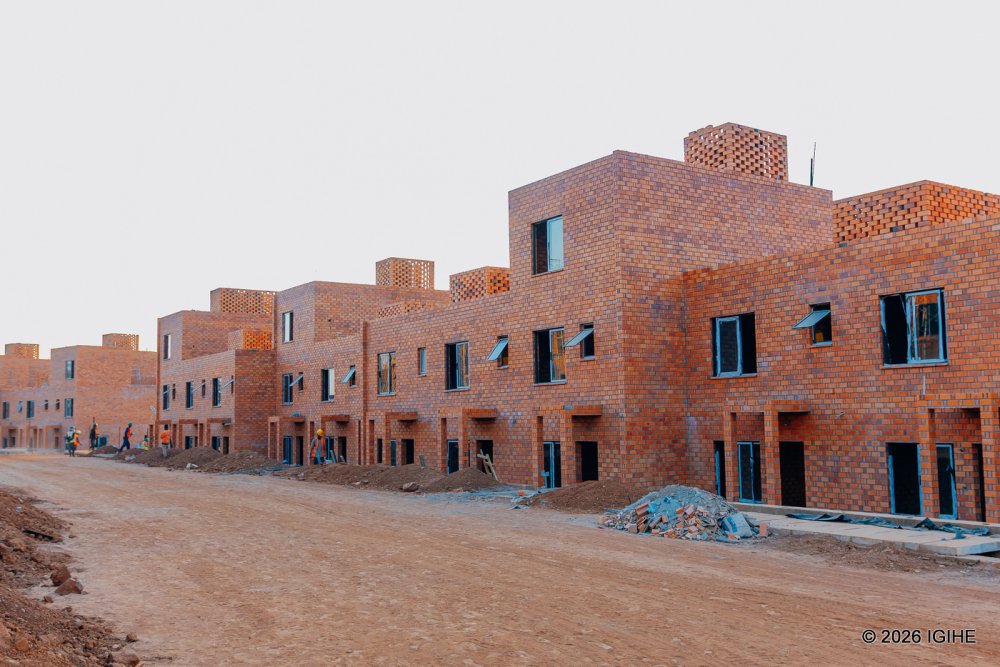
Masaka Views Eco Estate is a residential development comprising a 302-unit apartment block with one- to three-bedroom apartments, 51 standalone family houses and 33 townhouses.
Under the partnership, BPR Bank Rwanda will provide financing options to prospective homeowners through its existing housing loan products, including loans for construction and home purchases.
The arrangement is intended to help people who want to buy homes in the estate but may not have enough funds to make an upfront payment.
Eligible buyers can access financing and repay the loan over an agreed period. The bank said the partnership will also give prospective buyers an opportunity to secure homes early, given the limited number of units available in the development.
BPR Bank Rwanda said the partnership supports its efforts to help Rwandans achieve their homeownership goals while promoting access to modern, comfortable and environmentally sustainable housing.
Patience Mutesi, Managing Director of BPR Bank Rwanda Plc, said access to appropriate and affordable financing is an important factor in helping more Rwandans achieve their homeownership goals.
“Our partnership with Fortis Green Housing will enable us to provide financial solutions tailored to the needs of our customers across the different categories of this project. By combining accessible home financing options with quality and sustainable housing developments, we are creating more opportunities for people to invest in homes that meet their needs,” Mutesi said.
As part of the partnership, BPR Bank Rwanda will advise customers on the most suitable loan options based on the type of house they intend to purchase within the estate.
Customers who choose homes that are still under construction will also receive support to finance the purchase and follow the progress of construction until the property is completed and handed over.
Construction of Masaka Views Eco Estate began in 2025. The homes currently on sale are priced between Rwf 103 million and Rwf 235 million.
BPR Bank Rwanda Plc and Fortis Green Housing have partnered to help Rwandans access modern, quality homes.Masaka Views Eco Estate features townhouses with two or three bedrooms.BPR Bank Rwanda Plc and Fortis Green Housing have partnered to make homeownership more accessible to Rwandans.Masaka Views Eco Estate is a model residential development under construction in Masaka, Kicukiro.BPR Bank Rwanda Plc staff toured different sections of the housing development under construction in Masaka.