The last adjustment to fuel prices was made on March 4, 2026, when petrol was priced at Rwf 1,989 per litre and diesel at Rwf 1,948 per litre.
In a statement released on April 3, 2026, RURA indicated that the new prices will take effect from April 4 at 6:00 a.m.
“These adjustments reflect the prevailing international market trends as well as government measures to mitigate the impact of global price fluctuations,” reads the statement.
“The public is encouraged to plan travel efficiently, use public transport and avoid unnecessary trips and in order to reduce fuel consumption,” the statement adds.
RURA also noted that the changes in fuel prices have led to a revision of the base fare in public transport. In the City of Kigali, passengers will now pay Rwf 59.28 per kilometre, while intercity travels will cost a passenger Rwf 41.58 per kilometre.
As of April 3, 2026, the price of a barrel of crude oil on the international market had reached $112.4 up from about $70.
The ongoing conflict involving the United States, Israel, and Iran, now entering its second month, has led to the blockage of the Strait of Hormuz, a critical passage through which 20% of the world’s daily oil supply passes.
On April 3, 2026, Prime Minister Dr. Justin Nsengiyumva told members of the press that the situation is already impacting Rwanda’s economy.
“This issue is affecting international trade, particularly in energy and transport, and has already caused noticeable changes in global market prices, especially for petroleum products and gas,” he said.
He further explained that the conflict is disrupting Rwanda’s exports, with some trade routes, including those to the United Arab Emirates, already affected.
Imports are also impacted, as rising global prices are expected to translate into higher costs within Rwanda.
“These are some of the effects we are observing that could impact our national economy. It is projected that global economic growth could decline from 3.3% to 2.7%. This will also contribute to rising prices in Rwanda, meaning it will affect nearly every Rwandan. We must be prepared, but without panic,” he added.
RURA has announced new fuel prices, with the cost of petrol rising to Rwf 2,303 per litre, an increase of Rwf 314. Diesel has also gone up to Rwf 2,205 per litre, reflecting an increase of Rwf 257.
The tour ran from March 25 to March 28, 2026, and included women involved in horticulture, as well as coffee production.
During the trip, participants visited markets in London and Birmingham, learning about how international markets operate, customer preferences, the requirements for exporting products, and networking opportunities, all designed to strengthen their business knowledge and expand their trade.
Gisele Umuhoza, programme management adviser for ITC SheTrades, highlighted that the study tour enhances women entrepreneurs’ market access and boosts their businesses.
“By connecting women exporters with buyers and traders, we are creating tangible opportunities for these entrepreneurs to grow,” she said.
Rwandan High Commissioner to UK, Johnston Busingye, emphasized that the initiative aligns with Rwanda-UK trade cooperation.
“The UK remains a key trade partner with Rwanda, and programs like SheTrades complement our economic cooperation policies, offering meaningful opportunities to expand trade relations. We are thrilled to see women entrepreneurs taking the lead, showcasing the quality of Rwandan coffee and other products, while building new partnerships with UK buyers.”
Meanwhile, in collaboration with the National Agricultural Export Development Board (NAEB), 20 Rwandan women traders participated in the International Food and Drink Event (IFE) in London from March 30 to April 1, 2026. The event provided international exposure for Rwandan coffee and other agricultural products.
Janet Basiima, Division Manager of Export Market Development and Innovation Division at the National Agricultural Export Board (NAEB) explained that these initiatives aim to support women-led businesses.
“By helping women entrepreneurs access key markets like the UK, we not only promote Rwandan coffee and other products but also strengthen relationships and partnerships that help meet international market demands,” she said.
Connecting Rwandan women entrepreneurs to buyers through the SheTrades program creates opportunities for export growth while contributing to Rwanda’s overall economic advancement.
A group of 15 Rwandan women traders explored market trends and export opportunities during a study tour across London and Birmingham.Rwandan High Commissioner to UK, Johnston Busingye, emphasized that the initiative aligns with Rwanda-UK trade cooperation. By connecting with UK buyers, Rwandan women entrepreneurs are building partnerships that could drive long-term export growth.The SheTrades initiative is opening doors for Rwandan women by linking them directly with international buyers and trade networks.
The program comes at a critical moment as Rwanda navigates the global economic ripple effects of the ongoing war in the Middle East, declining budget support, and rising domestic inflation. It aims to support Rwanda’s reform momentum, maintain prudent economic management, rebuild financial buffers, and safeguard growth ambitions.
Structured around three key pillars; strengthening coherent economic policies, managing fiscal and debt risks, and promoting private-sector-led growth with transparent oversight of state-owned companies, the program seeks to provide both stability and opportunity for the country’s economy.
“We are pleased with the progress on the ECF program, which will cushion the impact of the Gulf war and declining budget support while sustaining Rwanda’s growth, investment ambitions and structural transformation,” said Yusuf Murangwa, Minister of Finance and Economic Planning.
Rwanda’s economy demonstrated remarkable resilience in 2025, growing by 9.4%, well above expectations. Inflation, however, rose to 9.2% in February 2026, surpassing the central bank’s target.
Strong exports of coffee and minerals improved the country’s external position, while imports, mainly of equipment and business materials, remained high.
Foreign exchange reserves remain comfortable, covering more than four months of imports, and recent tax reforms have strengthened domestic revenue collection.
“Rwanda’s economy remains resilient with strong 2025 growth, but prolonged war in the Middle East and tighter financing could pressure inflation, external balance, and debt. […] The IMF is committed to continue supporting the country in strengthening its policy foundations for advancing its reform and development agenda,” said Albert Touna Mama, IMF mission chief.
The war in the Middle East has contributed to expectations that growth will moderate to 6.8% in 2026. Rising global oil and fertilizer prices, combined with financing needs for strategic investments, continue to pressure the budget and trade balance.
Other risks include volatile commodity prices, weak global demand, and geopolitical tensions. Yet, Rwanda’s sound economic adjustments, ability to attract private investment, and supportive trade flows provide avenues for positive outcomes.
Under the new ECF program, Rwanda will pursue reforms aimed at durable private-sector-led growth, economic stability, external balance, and rebuilding policy buffers.
Key measures include implementing a credible medium-term budget plan, including the Medium Term Revenue Strategy (MTRS-2), tightening control over foreign-funded capital spending, strengthening risk management, and safeguarding social and priority expenditures to maintain debt sustainability.
Given inflation pressures, the National Bank of Rwanda will maintain appropriately tight monetary policy to bring inflation down to the medium-term target of 5%. Enhanced exchange rate flexibility, supported by regular price-based auctions, will help absorb economic shocks and rebuild reserves.
“The Government remains committed to implementing the reforms under this program to protect Rwandans from external shocks while building a stronger, more self-reliant economy,” Minister Murangwa added.
Rwanda’s economy demonstrated remarkable resilience in 2025, growing by 9.4%, well above expectations. This photo shows the bird’s eye view of Kigali Special Economic Zone.
The program aims at preparing women for career advancement while achieving balance and success in their personal lives.
Launched in 2022 by Gate Consulting Group, a Rwandan firm specializing in leadership training, coaching, and strategic advisory services, LiftHerUp is a flagship initiative that equips women in the workforce with the skills needed to compete for leadership positions, prepares female university graduates to confidently enter the job market, and supports women entrepreneurs in scaling their businesses.
The LiftHerUp Women Professionals Mentorship Program is a nine-month training and mentorship journey that brings together accomplished women leaders and male allies who champion gender equality, ensuring participants gain both practical skills and diverse perspectives.
Participants are selected through a competitive application process, with organizations nominating high-potential female employees. The program is designed with flexibility in mind, enabling participants to balance their professional responsibilities alongside the training.
This year marks the second collaboration between Gate Consulting Group and Women in Finance Rwanda (WIFR), an organization committed to advancing gender equality in the financial sector.
The fifth cohort, launched on March 18, 2026, is the largest to date, bringing together over 130 women from more than 20 organizations, supported by 40 experienced mentors. So far, the program has impacted 730 participants in 5 years.
The launch event featured insights from distinguished leaders, including Aïssa Touré, Country Manager of the African Development Bank Group in Rwanda; Judith Muhongerwa, HR Strategist and Founder of Agile People Pro™ (UK); and Pierre Kayitana, Country Director of Zipline Rwanda. Their contributions set the tone for a powerful and impactful journey ahead for participants.
Salma Habib Nkusi, CEO of Gate Consulting Group and founder of the program, highlighted the program’s growth and impact over the past four years.
“Many women who have gone through this program have advanced in their careers because we prepare them for leadership roles. They now have the skills to excel in those positions,” she said.
She also noted that while the program has made significant progress, growing from an initial cohort of 30 participants, it aims to expand its reach beyond Kigali to support more women across Rwanda.
Participants in the fifth cohort have already expressed strong expectations for the journey ahead.
Umuringa Iriza Lucille, an employee at the Development Bank of Rwanda, shared that her experience at the launch highlighted the importance of working with structure and direction, not just effort.
“I expect to gain knowledge in decision-making and leadership. I want to ask questions, learn from my peers, and grow professionally. I am confident this experience will help me advance in my career,” she said.
Janet Ishiywe, who works at One Acre Fund Rwanda, said that doing the work alone is not enough; what really matters is keeping outcomes at the forefront when advancing your career.
She added that confidence in professional spaces comes from staying curious and continuously consuming a wide range of content, which helps you fit into different rooms and contribute meaningfully with your own perspective.
Kirabo Ritha, who works at Andersen, also shared that seeing that most of the trainers are capable women gave her confidence that it is possible. She added that she looks forward to learning from their experiences and how they overcame challenges
By the end of 2025, LiftHerUp had already trained over 600 women and girls, including 102 graduates from that year alone.
As the program continues to grow, it remains a key driver in empowering women across Rwanda, equipping them to break barriers, lead with confidence, and thrive in their respective fields.
The fifth cohort launch highlighted LiftHerUp’s growing impact in equipping women with leadership and entrepreneurial skills.Young women and professionals attend the LiftHerUp cohort five launch, ready to begin their nine-month training journey.Leaders and participants gather at the fifth cohort launch of LiftHerUp, a program empowering women across Rwanda.The expansion of LiftHerUp reflects increasing efforts to empower women in leadership and entrepreneurship across Rwanda.Participants engage during the official launch of LiftHerUp’s fifth cohort, aimed at building future women leaders.A cross-section of attendees follows proceedings at the LiftHerUp fifth cohort launch event.
The agreement, signed on March 26, 2026, in Kigali, marks a strategic partnership that brings together EADB’s financial expertise and the UN’s technical capacity and convening power to support the growth and development of SMEs in Rwanda.
The two institutions said the collaboration seeks to strengthen support for SMEs, which are widely regarded as the backbone of Rwanda’s economy, driving job creation, innovation and inclusive growth.
Speaking at the signing ceremony, EADB Acting Director General Benard Mono said the partnership is designed to provide a more coordinated and impactful response to barriers affecting SMEs.
“By combining the UN’s strength in technical expertise, capacity building, and social development with EADB’s role as a development finance institution, we are working to expand access to tailored financing, strengthen entrepreneurial skills, and support innovation, especially among youth and women-led enterprises. It will also address challenges faced by SMEs such as access to finance and capacity building,” he said.
Mono noted that the initiative will also help SMEs integrate into value chains, enabling them to scale and compete more effectively both regionally and globally.
EADB Director General Mr. Benard Mono and UN Rwanda Resident Coordinator Dr. Fatmata Lovetta Sesay shake hands at the signing ceremony.
The partnership aligns with Rwanda’s broader national priorities of promoting private sector growth and building a resilient economy.
On her part, Fatmata Lovetta Sesay, the UN Resident Coordinator, described the MoU as a shared commitment to unlocking the full potential of SMEs and entrepreneurs across the country.
“Ultimately, this collaboration will contribute to job creation, strengthen SME growth and sustainability, and expand economic opportunities on a larger scale,” Sesay said.
Sesay noted that the partnership builds on engagements between the two institutions since 2024, anchored on EADB programmes that already support over 500 SMEs across sectors such as agriculture, commerce, transport and manufacturing.
She added that the partnership will be implemented through a clear plan, with a steering committee providing strategic guidance and a technical working group managing day-to-day activities.
Under the agreement, the partners will co-develop tailored financial solutions such as concessional loans, blended finance, guarantees and equity instruments, alongside targeted technical support and knowledge-sharing initiatives.
SMEs remain central to Rwanda’s economic transformation, and this partnership is expected to unlock new opportunities, strengthen their growth, and accelerate inclusive development across the country.
Established in 1967, the East African Development Bank is owned by its four member states including, Rwanda, Kenya, Uganda and Tanzania, as well as other development and commercial financial institutions. The Bank provides financial and technical support to projects that contribute to socio-economic development and regional integration across the region.
EADB Acting Director General Benard Mono said the partnership is designed to provide a more coordinated and impactful response to barriers affecting SMEs.EADB Director General Mr. Benard Mono (left) and UN Rwanda Resident Coordinator Dr. Fatmata Lovetta Sesay display their copies of the signed agreement.
He made these remarks on March 31, 2026, during his visit to Rwandan exhibitors participating in a food and beverage trade fair taking place in the United Kingdom.
This year’s edition of the exhibition, known as the International Food and Drink Event (IFE), ran from March 30 to April 1, 2026 at ExCeL London.
Rwanda is represented by around 20 participants from the agriculture and agro-processing sectors.
In an interview with IGIHE, Amb. Busingye noted that participation in such exhibitions has helped Rwandans build confidence and gain visibility.
“Since Rwandans started participating, there are clear achievements. The first is confidence, coming to showcase the food and beverage products made in Rwanda.
“This is very significant because historically we were not present in these markets. Today, especially young people, have stepped up and are actively engaged with strong expertise,” he said.
He added that the exhibition has also highlighted the strong demand for Rwandan products in the UK, which is difficult to meet.
“The second is the market. Everyone I visited told me the same thing: demand here exceeds supply. This is a country that relies heavily on imported food. Everywhere I went, whether in food, beverages, or coffee, what they showed me is that there is a market they cannot satisfy,” he explained.
Amb. Busingye also pointed out that the UK offers a favorable environment for international trade, making it easier for Rwandan products to access the market.
He emphasized the importance for Rwandan producers to improve packaging and preservation to maintain product quality and appeal.
“What Rwandans need to learn is how to add value to their agricultural products, preserve them properly, and package them well so they can withstand transport, whether by air or sea, and remain attractive on shelves. Packaging is as important as the product itself, sometimes even more important,” he stressed.
UK as an alternative
The Ambassador also addressed the challenges exporters are facing due to the ongoing conflict in the Middle East.
This situation has significantly affected Rwandans who export fruits and vegetables to the United Arab Emirates and other countries in the region.
According to him, the UK can serve as a viable alternative while the situation remains unresolved.
“You can see that trade routes to the Middle East are currently disrupted, but here there is a very quick solution. Some have even told me they are ready to buy immediately if products are available.
“Among those here, some were already exporting to the Middle East. If we coordinate our efforts, the UK market can provide a short-term solution, because demand for food and agricultural products here cannot be fully met,” he said.
Amb. Busingye also noted, as per information from NAEB, discussions are ongoing to encourage Rwandan exporters to explore this market while awaiting stability in the Middle East.
Amb. Busingye also visited the youth showcasing agricultural products at the exhibition. Ambassador Busingye interacted with women showcasing Rwandan coffee in the United Kingdom.Janet Basiima, Export Market Development and Innovation Division Manager at NAEB in a conversation with Ambassador Busingye. Amb. Busingye in an interview with IGIHE
The company’s revenues grew by 22.1%, driven by increased sales of both alcoholic and non-alcoholic beverages, as well as pricing strategies designed to remain affordable for consumers.
BRALIRWA indicates that production increased in line with higher sales volumes, but this growth was constrained by a 23.6% rise in production costs compared to the previous year. This was largely attributed to rising global prices of raw materials and packaging inputs.
The company also reported a 39% rise in distribution and selling expenses, mainly due to increased investment in market operations and higher transportation costs associated with delivering products to customers.
Administrative expenses, however, declined slightly by 1.5%, largely due to a reclassification of inventory variance accounting into the cost of sales following operational changes implemented in 2025. Excluding this adjustment, administrative costs would have increased by 5.1%, primarily driven by higher staff-related expenses.
As a result, BRALIRWA recorded an operating profit of Rwf 70.9 billion in 2025, up from Rwf 59.4 billion in 2024. This growth contributed to a 23.1% increase in profit before tax, which in turn led to a 44.8% rise in income tax compared to the previous year.
The Managing Director of BRALIRWA Plc, Ethel Emma-Uche, described 2025 as a strong year for the company’s performance, crediting customer loyalty, a supportive business environment, and effective price management strategies.
Despite continued pressure from high input costs, she said, the company’s strong performance reflects the sustained efforts made in cost management and operational efficiency.
She also expressed gratitude to customers for their continued trust in the beverage manufacturer’s products.
In addition to its improved earnings, the company also reported an increase in dividends to shareholders, rising to Rwf 41.63 per share from Rwf 35.96 in 2024. Subject to approval at the Annual General Meeting scheduled for June 29, 2026, the dividend is expected to be paid on July 15, 2026.
BRALIRWA’s revenues grew by 22.1%, driven by increased sales of both alcoholic and non-alcoholic beverages
According to the company’s financial statement, insurance revenue for 2025 reached Rwf24.23 billion, up from Rwf22.33 billion in 2024, driven by increased underwriting activities. Profit before tax rose to Rwf 7.03 billion, while net profit after tax stood at Rwf4.92 billion, compared to Frw 4.42 billion in the previous year.
The company’s balance sheet also reflected a stronger financial position, with total assets rising to Rwf43.94 billion from Rwf38.19 billion, and total equity increasing to Rwf20.15 billion. Insurance liabilities accounted for Rwf 16.21 billion, while cash and cash equivalents amounted to Rwf 2.67 billion, underscoring improved liquidity.
The 2025 results demonstrate Prime Insurance’s sustained profitability, operational efficiency, and compliance with the IFRS 17 Insurance Contracts standard. The company also reported growth in its investment portfolio, supporting long-term stability.
Camille Karamaga, Chairman of the Board expressed satisfaction with the results, highlighting disciplined underwriting, prudent financial management, and a strengthened capital base.
“The company remains well-capitalized, financially sound, and strategically positioned to continue delivering sustainable growth and value to its shareholders and policyholders,” he stated.
Prime Insurance has also declared a dividend payout of Rwf1.5 billion, signaling a commitment to shareholder value creation.
Looking ahead, Prime Insurance has affirmed commitment to expand market share across Rwanda, enhance customer-centric insurance solutions, drive innovation and digital transformation, strengthen property and medical insurance offerings, and build strategic partnerships across sectors.
More details about the financial statement can be accessed here
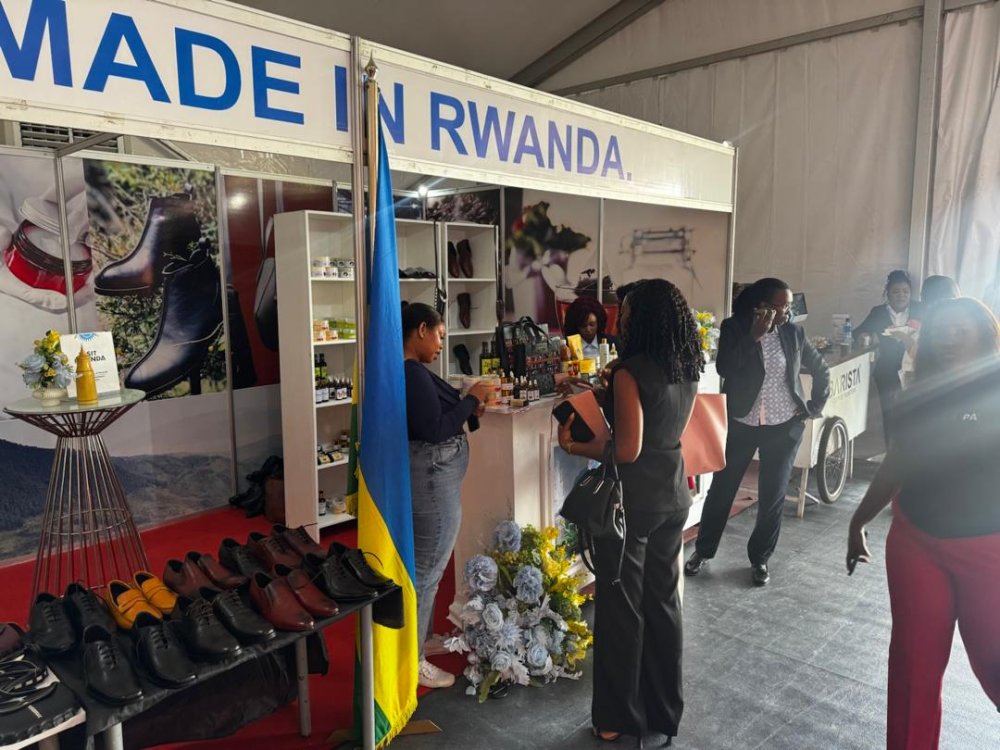
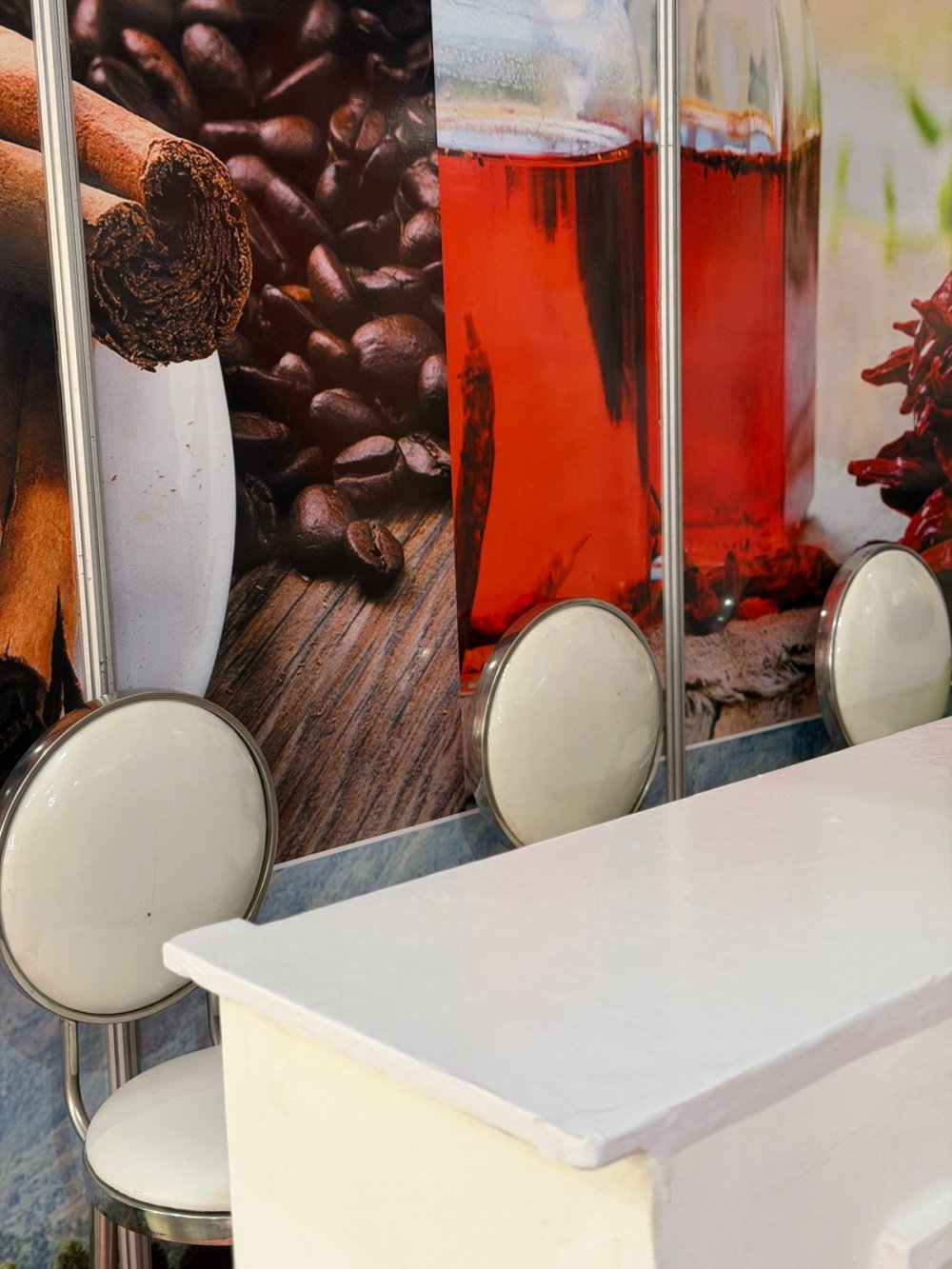
This exhibition taking place in London, United Kingdom, officially opened on March 30, 2026, and runs through April 1, 2026, at the ExCeL London exhibition centre.
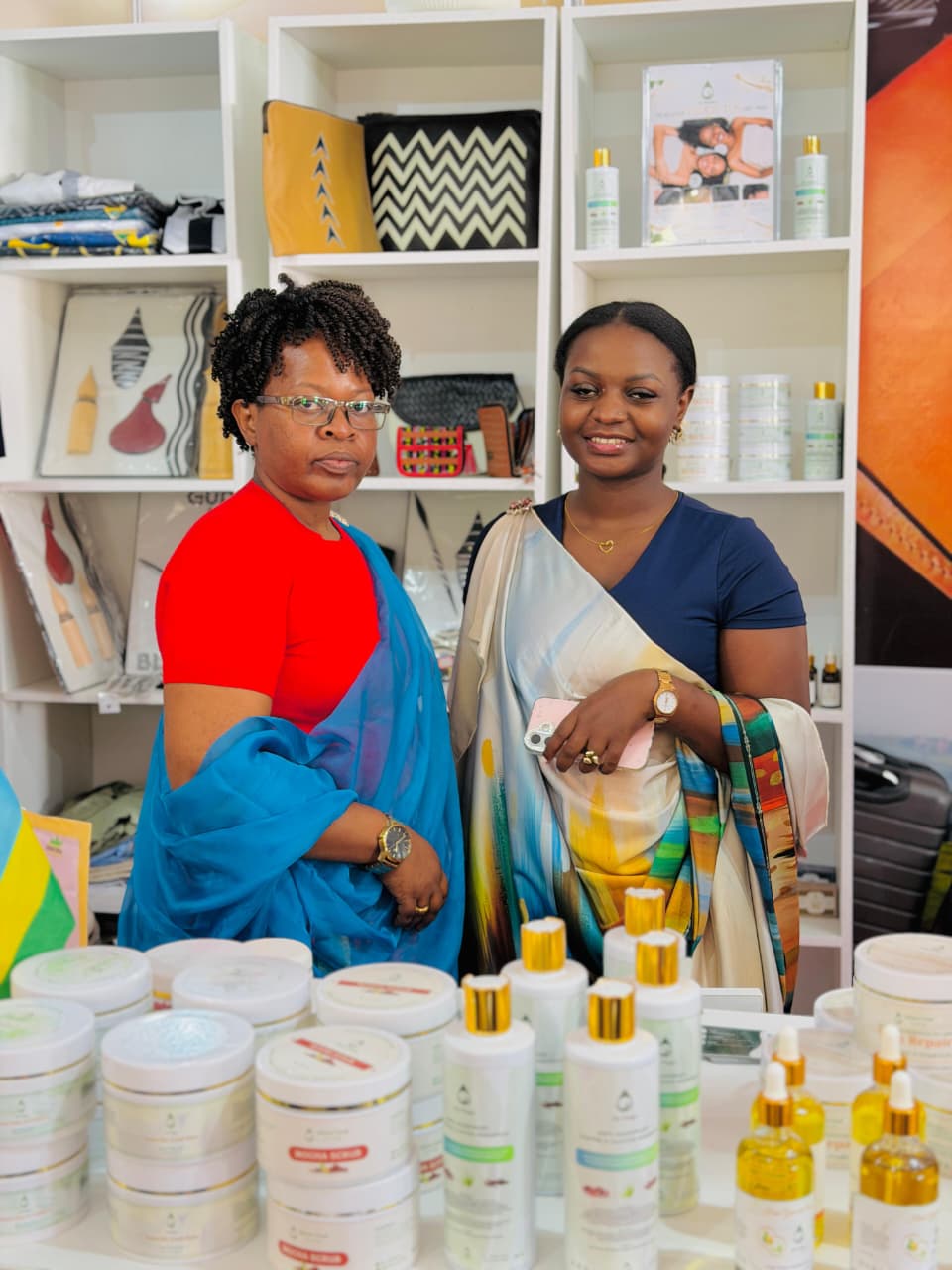
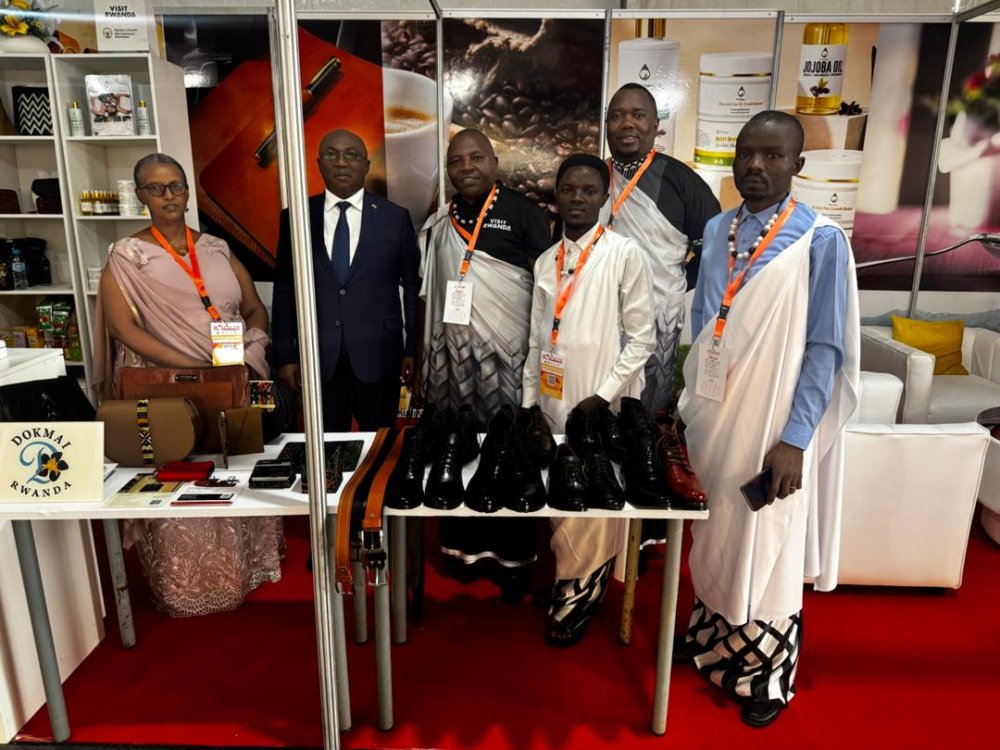
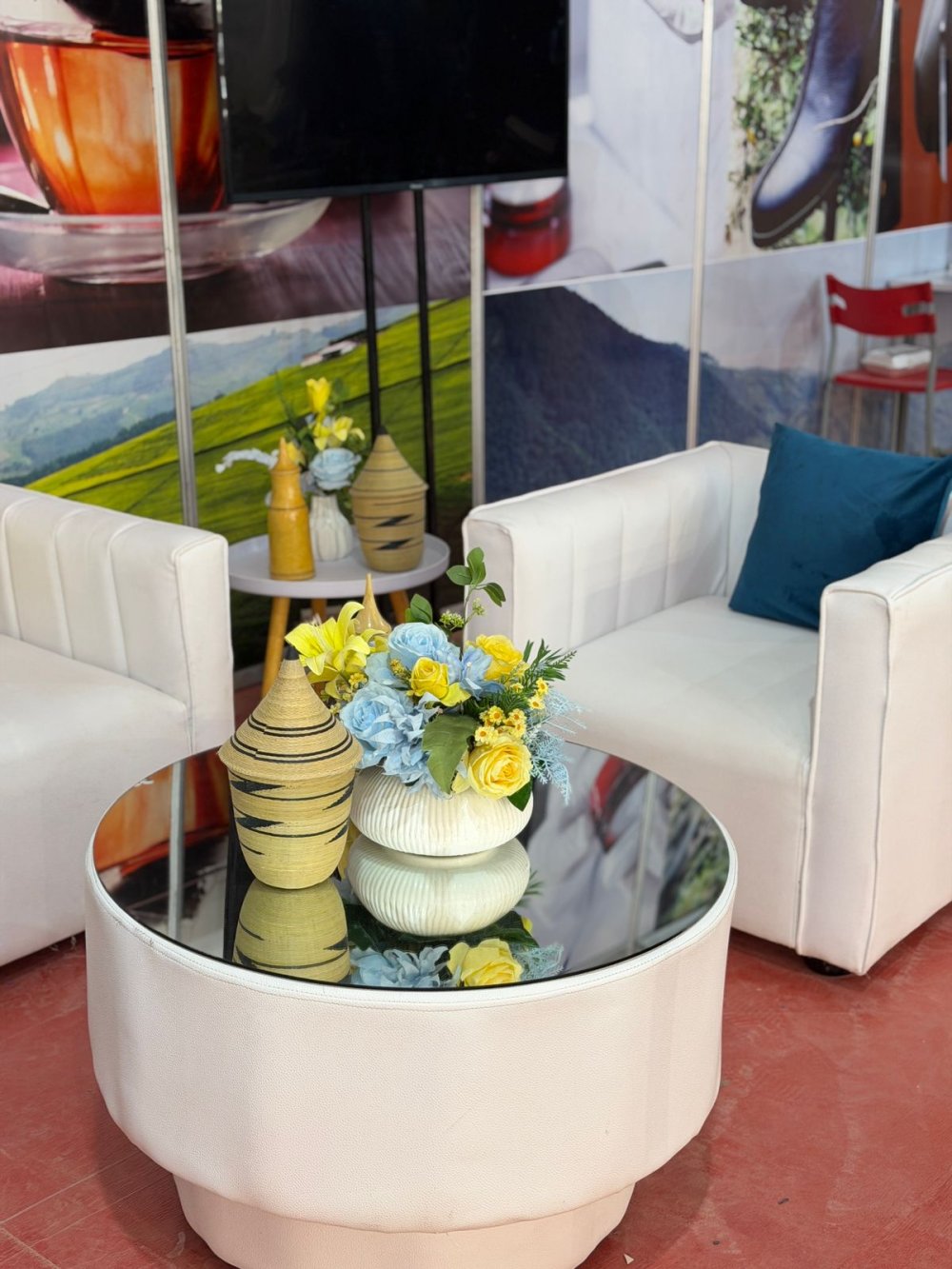
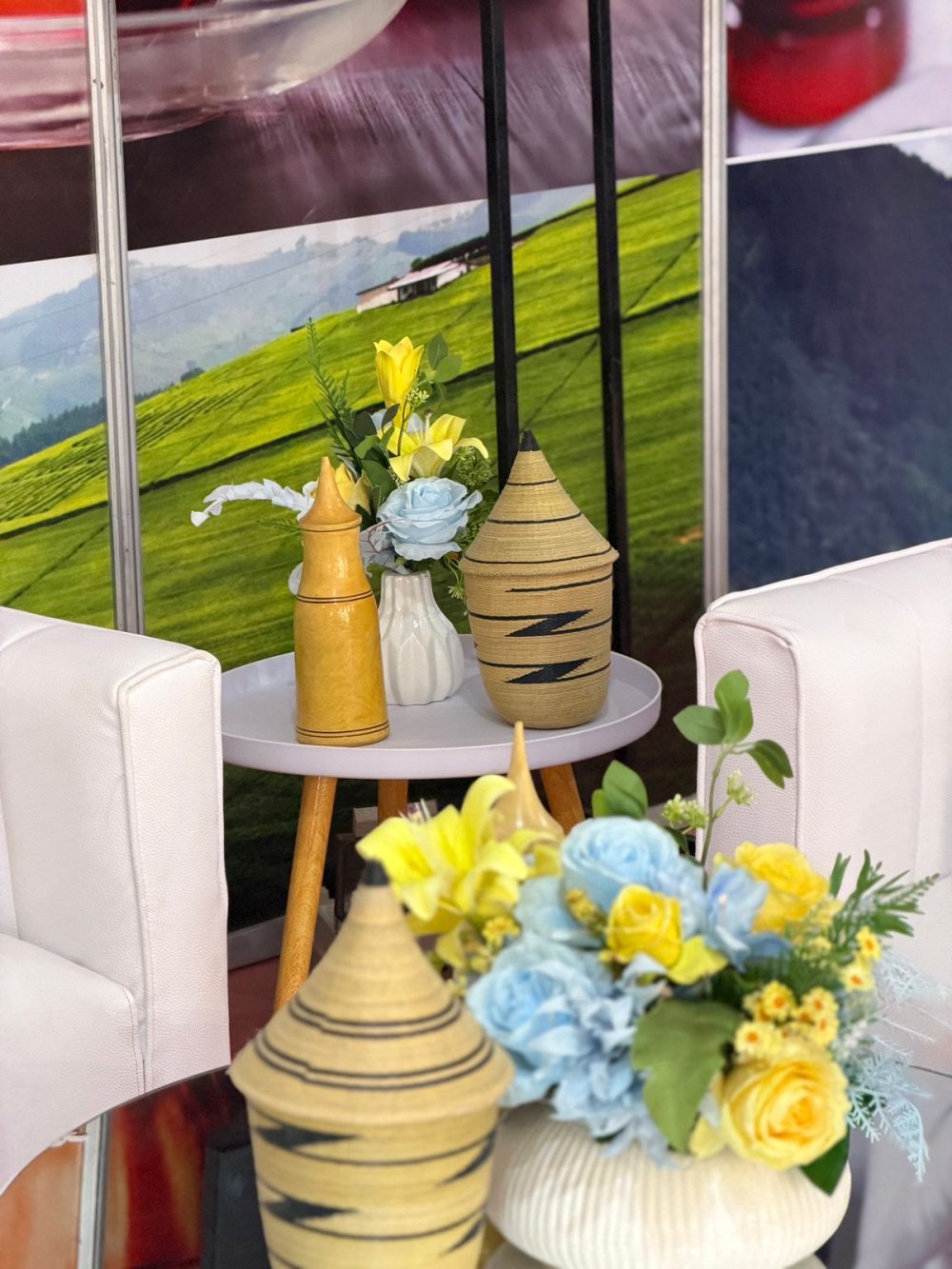
At the trade fair, a delegation from Rwandan companies is showcasing a range of locally produced goods and engaging directly with international partners.
Rwanda’s participation is coordinated by the Embassy of Rwanda in the United Kingdom, in collaboration with NAEB.
The event aims to support Rwanda’s ambition to boost agricultural exports, strengthen its presence on the international stage as a competitive food-processing nation, and attract new buyers for Rwandan products.
IFE brings together thousands of professionals each year from the food, beverage, and hospitality sectors across all continents. For Rwanda, this is not only an opportunity for visibility but also a strategic platform to increase exports, build new partnerships, and showcase the quality of its products to the global market.
This participation comes at a time when the Middle East, previously a key export market for Rwanda’s agricultural products, is facing instability due to ongoing conflict. Exploring new markets in Europe could help Rwanda mitigate the potential impact of these disruptions and sustain its export growth.
This facility, which is part of the company’s phased development plan, will provide essential support for the efficient handling, aggregation, and movement of temperature-sensitive products, specifically for the domestic and export markets.
The new packhouse is the first step in Cold Solutions’ strategy to expand its cold storage capacity and logistics services in Rwanda. It will strengthen the country’s cold chain infrastructure and offer reliable solutions for horticultural produce, food manufacturers, and pharmaceutical companies.
Cold Solutions Rwanda has been at the forefront of providing world-class temperature-controlled storage and logistics solutions across East Africa, playing a pivotal role in handling and storing perishable goods.
Speaking to IGIHE, Julie Igiraneza, Commercial Director at Cold Solutions Rwanda, shed light on the company’s commitment to supporting the local and regional supply chains.
“As part of our phased development, we have commissioned a modern, fully equipped packhouse facility to support the handling and export of horticultural produce. This will provide exporters with reliable, high-quality services while our flagship temperature-controlled complex in Rwanda remains under construction and will be launched in 2027,” she noted.
This packhouse not only addresses a key market gap in the cold storage sector but also introduces cold chain logistics services, such as intercity, long-haul, and cross-border transportation. These services are designed to ensure product quality and integrity throughout the entire value chain, from production to export.
“Our operations are powered by advanced technologies, including a robust warehouse management system, blast chilling, and blast freezing capabilities, with temperature control ranging from ambient to -40°C,” added Igiraneza.
Cold Solutions’ broader vision includes expanding its operations through the development of a 4,000-pallet position temperature-controlled warehouse.
This new facility, which will be launched in Q3 2027, will significantly increase the company’s storage capacity and integrated logistics offerings, enabling it to cater to Rwanda’s growing horticulture, food, and pharmaceutical sectors.
Azhar Rifai, Managing Director of Cold Solutions Rwanda, emphasized the importance of this expansion, stating, “This milestone marks a defining moment in bringing our packhouse vision to life. It reflects our ambition to set new benchmarks in quality, efficiency, and innovation within the industry. As we move toward completion of the full facility, we are building more than infrastructure; we are shaping the future of our operations and unlocking long-term value for our partners and stakeholders.”
Fredd Kambo, Managing Director of ARCH Emerging Markets Partners, also commented on the significance of the new packhouse, saying, “The opening of our 1,400 sq m packhouse in Kigali is an important milestone in our strategy to build a modern, integrated cold chain platform in Rwanda. Through Cold Solutions Rwanda Limited, we are establishing critical handling infrastructure while also launching dedicated cold chain logistics services to support the movement of temperature-sensitive goods.”
This development is part of a broader regional initiative aimed at enhancing cold storage infrastructure across East Africa.
Cold Solutions Rwanda Limited (CSRL) operates as the Rwandan platform of the ARCH Cold Solutions East Africa Fund, which is managed by ARCH Emerging Markets Partners, a private equity firm dedicated to building and growing market-leading businesses across Africa.
The packhouse caters to Rwanda’s growing horticulture, food manufacturing, and pharmaceutical sectors, supporting both local and export supply chains.The new facility provides advanced cold storage and logistics solutions for temperature-sensitive products such as French beans.Julie Igiraneza, Commercial Director at Cold Solutions Rwanda, highlighted that the packhouse supports the handling and export of horticultural produce for domestic and regional markets.Fredd Kambo, Managing Director of ARCH Emerging Markets Partners, noted that the Kigali packhouse is a critical step in building an integrated cold chain platform in Rwanda.Azhar Rifai, Managing Director of Cold Solutions Rwanda, described the expansion as a milestone in delivering efficient, high-quality cold chain services.