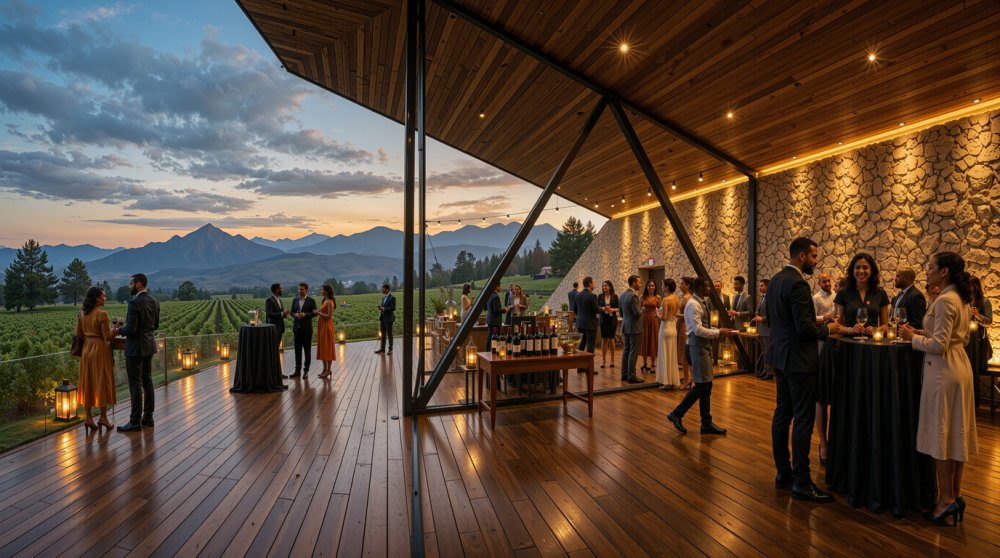
Held over three days, the exhibition provided a strategic platform for participants to strengthen their position in the U.S. market, the world’s largest coffee importer. Rwandan exporters engaged directly with buyers, roasters, and importers, reinforcing existing partnerships while exploring new business opportunities.
Rwanda’s participation stood out during cupping sessions, where its coffees received strong recognition. Notably, an anaerobic natural-processed Rwandan coffee ranked among the top five out of 48 lots, highlighting the country’s exceptional quality and growing competitiveness in the specialty coffee segment.
The U.S. coffee market, valued at over $23 billion in 2025, continues to expand, particularly within the speciality segment. Rwandan coffees, renowned for their premium quality, traceability, and distinctive flavour profiles, align well with evolving consumer preferences for high-quality, sustainably sourced products.
Although the event has concluded, its impact is already evident through increased visibility and new commercial prospects. Strengthening Rwanda’s presence in the U.S. market could translate into higher export revenues and improved incomes for coffee producers.
Rwanda’s participation at World of Coffee San Diego reinforces its strategic approach to market diversification and positioning in high-value markets, underscoring the importance of global platforms in elevating the country’s coffee profile worldwide.
karirima@igihe.com
Rwanda reaffirmed its presence on the global coffee stage last week at the World of Coffee San Diego, held in the United States.The National Agricultural Export Development Board (NAEB), represented by its Chief Executive Officer, Bizimana Claude, led a delegation of Rwandan coffee exporters to the premier industry event.Rwandan exporters engaged directly with buyers, roasters, and importers, reinforcing existing partnerships while exploring new business opportunities.Rwanda’s participation stood out during cupping sessions, where its coffees received strong recognition.The cupping competition evaluates coffee through blind tasting by professional cuppers who assess aroma, acidity, body, and flavour complexity. NAEB CEO Bizimana Claude engages in one-on-one discussions with coffee buyers and stakeholders during the World of Coffee San Diego exhibition, strengthening trade connections and exploring new market opportunities.
“The global financial system is confronting the ongoing war in the Middle East, potential inflationary pressures, rising risks of further tightening in financial conditions, and several channels through which market turmoil could escalate into financial instability,” the report said.
The longer the conflict continues, the greater the risk that global financial conditions could tighten further and more abruptly, it suggested.
The report listed several channels that could test the financial system’s resilience and lead to financial stability risks.
First, greater bond market volatility could tighten funding markets, as rising debt-to-GDP levels have led to larger bond yield gyrations.
Second, emerging markets may face currency and capital outflow pressures as carry trades unwind and terms of trade worsen.
Third, an abrupt tightening of financial conditions can lead to forced selling by hedge funds, option sellers, leveraged exchange-traded funds and other nonbank financial intermediaries (NBFIs) that have expanded through leverage.
Fourth, signs of more borrower defaults in private credit could cascade into broader concerns about corporate credit, particularly for highly leveraged borrowers subject to the artificial intelligence (AI) disruption.
Also, booming investments in AI may slow significantly if the Middle East conflict were to persist.
The IMF urged policymakers to act decisively to bolster resilience amid the Middle East conflict, suggesting that monetary policy preserve price stability and be attuned to spillovers from actual inflation to inflation expectations, while remaining data dependent.
It also recommended a fiscal stance shift toward appropriately tight settings to place public debt on a stable path, with new spending focused on protecting vulnerable groups from the inflation shock.
Closing data gaps, improving cross-jurisdictional data sharing, and enhancing oversight are critical, as NBFIs grow more leveraged and more connected to banks, the report said.
Tobias Adrian (3rd R), director of the International Monetary Fund’s (IMF’s) Monetary and Capital Markets Department, speaks at a press briefing on Global Financial Stability Report in Washington, D.C., the United States, on April 14, 2026. IMF on Tuesday released its Global Financial Stability Report, warning that risks to global financial stability are rising amid the current situation in the Middle East. (Xinhua/Li Rui)
The approval was made on April 13, 2026, following a majority vote by Members of Parliament after the Government presented the financing proposals.
The agreements were tabled before the House by the Minister of State for National Treasury in the Ministry of Finance and Economic Planning, Godfrey Kabera, who outlined how the funds will be allocated across priority development areas.
The largest share of the financing is a loan of over €213 million to be provided by Standard Chartered Bank in partnership with Société Générale, and backed by an international development fund. The facility will be repaid over 15 years, including a six-year grace period before repayment begins.
A second loan of 15.3 billion Japanese yen has been secured from an international development fund to support policies promoting inclusive and sustainable employment in Rwanda. It carries a 31-year repayment period, with an eight-year grace period.
In addition, the Asian Infrastructure Investment Bank will provide a loan of 14.8 billion Japanese yen to support development initiatives. This facility will be repaid over 29 years, with a five-year grace period.
According to Kabera, the financing package is expected to significantly strengthen Rwanda’s economy by supporting key national priorities, including job creation, digital connectivity, and productivity improvements in agriculture.
He noted that part of the funds will be used to expand inclusive and sustainable employment opportunities, strengthen collaboration between public and private sector actors, improve access to high-speed internet, and promote the adoption of modern technologies in agriculture and livestock farming.
A portion of the financing will also go toward the energy sector, with a strong focus on clean and sustainable solutions.
“These funds will support a project aimed at expanding and strengthening electricity transmission networks to improve power distribution in densely populated areas. The project will also increase access to electricity for both on-grid and off-grid users, while promoting clean cooking solutions in rural communities,” Kabera said.
The project is expected to provide electricity to around 200,000 households, as well as 850 businesses and industries. It will also extend off-grid electricity access to 50,000 people, enable 100,000 households to access clean cooking equipment, and supply such equipment to 310 schools and health facilities.
Additionally, about 200 kilometres of street lighting will be installed in secondary cities surrounding Kigali.
Other components of the financing will support improvements in public financial management, expansion of essential infrastructure, and investments aimed at positioning Rwanda as a regional hub for transport and tourism.
The funds will also support agricultural and livestock development, including improved access to inputs and enhanced productivity in areas such as fish farming.
Minister of State for National Treasury in the Ministry of Finance and Economic Planning, Godfrey Kabera, who outlined how the funds will be allocated across priority development areas.The approval was made on April 13, 2026, following a majority vote by Members of Parliament after the Government presented the financing proposals.
In a statement on Monday, April 13, 2026, NAEB confirmed that Rwanda coffee captured global attention with an anaerobic natural processed lot that placed in the top five out of 48 competing samples.
“Rwanda coffee ranked among the winners at the World of Coffee San Diego 2026 cupping competition, capturing global attention with an anaerobic natural processed lot that placed in the top 5 out of 48 samples,” NAEB said. “This achievement reflects Rwanda’s continued commitment to quality, innovation, and strong competitiveness on the global market.”
NAEB confirmed that Rwanda coffee captured global attention with an anaerobic natural processed lot that placed in the top five out of 48 competing samples.
The World of Coffee San Diego 2026, organised by the Speciality Coffee Association (SCA), is regarded as North America’s leading speciality coffee trade event. Held from April 10–12 at the San Diego Convention Centre in California, the exhibition brought together more than 650 exhibitors and over 15,000 participants from 90 countries, making it one of the most influential gatherings in the global coffee value chain.
NAEB Director General Claude Bizimana attended the three-day event and led a delegation of Rwandan coffee exporters, engaging with international buyers and stakeholders across the speciality coffee industry.
The cupping competition, where Rwanda’s entry stood out, evaluates coffee through blind tasting by professional cuppers who assess aroma, acidity, body, and flavour complexity. The process is widely regarded as one of the most rigorous methods for identifying premium speciality coffee lots.
The World of Coffee San Diego 2026, organised by the Speciality Coffee Association (SCA), is regarded as North America’s leading speciality coffee trade event.
The awarded lot was also previously recognised in the 2025 Rwanda Coffee Excellence Competition, highlighting its consistent quality performance across different stages of evaluation.
Beyond the competition, WOC San Diego served as a major platform for global coffee trade, innovation, and networking, helping producing countries like Rwanda access new markets and strengthen their international visibility in the speciality coffee sector.
During the event, NAEB also highlighted a key milestone in coffee sector cooperation. Bizimana, who also serves as Executive Director of the African Coffee-producing Countries Organisation, oversaw the signing of a cooperation agreement with the International Coffee Organisation (ICO).
The agreement aims to strengthen collaboration in the global coffee sector through improved data collection and analysis, support for farmers and traders in meeting international trade regulations, promotion of research on climate-resilient coffee, and capacity building across the entire coffee value chain.
Under Rwanda’s National Strategy for Transformation (NST2), the country aims to export more than 32,000 tons of coffee annually and generate over $115 million in foreign exchange earnings by 2029.
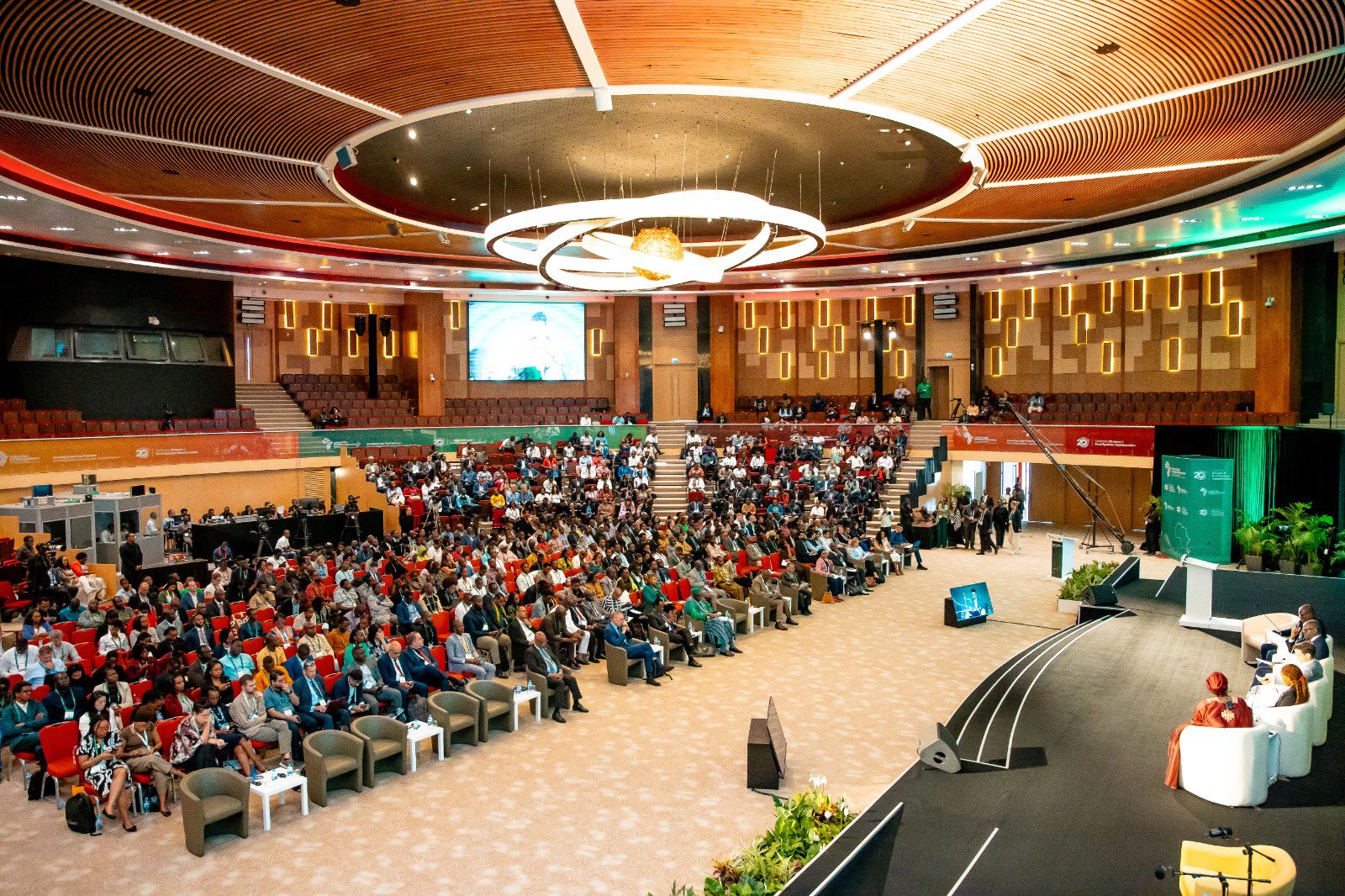
Organisers have confirmed this year’s summit will be held under the theme, “The Scale Imperative: Why Africa Must Embrace Shared Ownership,” placing business expansion, cross-border investment and regional integration at the centre of discussions on Africa’s economic future.
The forum comes at a time of shifting global economic dynamics, with organisers arguing that African economies and businesses must achieve greater scale to remain competitive in an increasingly fragmented global marketplace.
Hosted by Jeune Afrique Media Group and co-organised with the International Finance Corporation (IFC), the event is expected to draw several of Africa’s top political and business leaders.
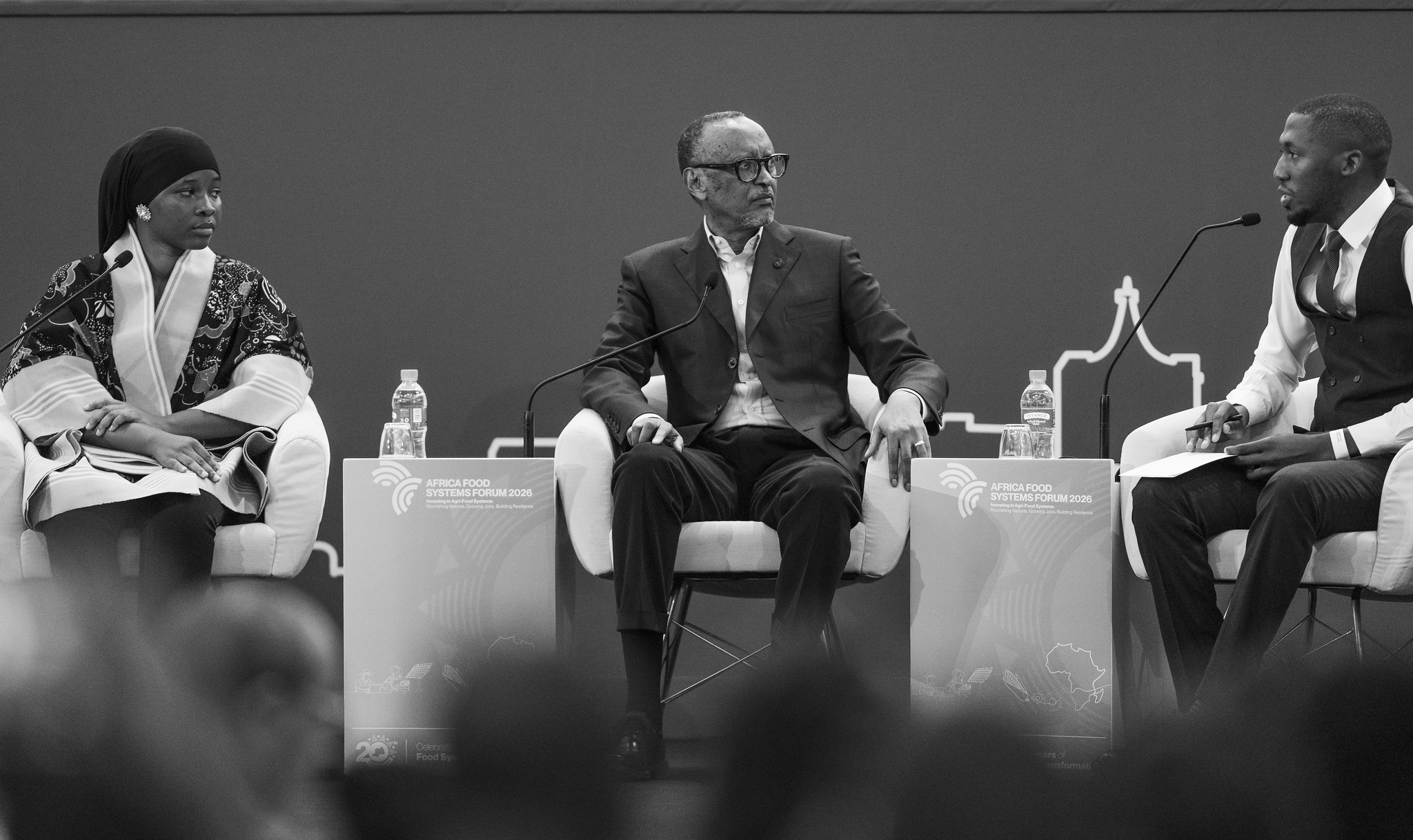
Among those already confirmed are host President Paul Kagame and President Bola Ahmed Tinubu of Nigeria, alongside Prime Ministers Maria Benvinda Levi of Mozambique, Robert Beugré Mambé of Côte d’Ivoire, and Amadou Oury Bah of Guinea.
Senior ministers from Angola, Senegal, Guinea, Nigeria and Gabon are also expected to attend.
According to organisers, the 2026 edition will focus on how African governments and private sector leaders can collaborate to build larger, more competitive continental enterprises through shared ownership models and cross-border partnerships.
The agenda will revolve around three strategic priorities: shared equity, which focuses on promoting cross-border investment to create multinational African firms; shared infrastructure, aimed at developing regional infrastructure projects to integrate value chains; and shared frameworks, which seek to harmonise regulations and standards to facilitate the movement of capital, goods and services across borders.
Amir Ben Yahmed, President of the Africa CEO Forum, said Africa must move beyond fragmented national approaches if it hopes to compete globally.
“If Africa wants to compete in a world defined by scale, it must move beyond economic patriotism and embrace a new model: African capital investing together,” he said.
“Shared ownership, cross-border partnerships and continental ambition will define the economic future of Africa and the next generation of African champions.”
Makhtar Diop, Managing Director of IFC, said the continent already has the capital and economic opportunity needed for growth and create quality jobs, but must deploy both more effectively.
“What matters now is putting that capital to work at scale. That means building trust, sharing risk, and investing across borders,” he said.
The Africa CEO Forum has grown into one of the continent’s most influential platforms for public-private dialogue and dealmaking, often shaping conversations around Africa’s investment climate, industrial policy and regional economic integration.
The 2026 gathering marks Kigali’s third time hosting the forum, further cementing Rwanda’s position as a regional hub for major international business and policy events.
Kigali first hosted the Africa CEO Forum in 2019, the first time the summit was held in East Africa, with discussions then centred on regional integration and implementation of the African Continental Free Trade Area (AfCFTA).
The forum returned to Rwanda in 2024 under the theme “At the Table or On the Menu? A Critical Moment to Shape a New Future for Africa.”
Its 2025 edition was held in Abidjan, Côte d’Ivoire.
Organisers say the 2026 summit, coming a decade after the launch of AfCFTA negotiations, will seek to convert years of integration rhetoric into concrete commitments by business and political leaders.
The 2024 edition of the Africa CEO Forum was held in Kigali under the theme “At the Table or on the Menu? A Critical Moment to Shape a New Future for Africa.”President Paul Kagame during the opening ceremony of the Africa CEO Forum in Kigali in 2024.
The plant, named Marecom Rice, has been established by two Rwandan investors along the Rwamagana–Kayonza tarmac road in Muhazi Sector.
Built on an 8,000-square-meter site, the factory is expected to process up to 60 tonnes of rice per day once fully operational.
Beyond processing capacity, the facility is projected to create at least 30 permanent jobs while working closely with rice farmers from Rwamagana, Ngoma, Gatsibo, and Kirehe districts.
Rwagahungu Eugène, the Managing Director of Marecom Rice and one of its investors, told IGIHE that construction began on September 17, 2025, with total investment costs estimated at Rwf 2 billion. The first phase, valued at Rwf 1.2 billion, is scheduled for completion in June this year.
“We have already completed the installation and testing of machinery. During this season, we have started purchasing farmers’ produce for trial runs to ensure the factory operates efficiently,” he said. “With a daily processing capacity of 60 tonnes, we are confident that there will be no surplus left unprocessed, both for farmers in Rwamagana and across the Eastern Province.”
Rwagahungu emphasized that the factory aims to address long-standing challenges where harvested rice would deteriorate due to delays in processing. He added that the company is committed to purchasing rice from farmers at fair prices, thereby encouraging increased production.
“Farmers used to travel long distances to sell their harvest. We are bringing the solution closer to them. If they increase production, we are ready to buy. We are also creating employment opportunities for them and their children. Additionally, we will help process part of their harvest for personal consumption so they can enjoy high-quality rice,” he noted.
Farmers have welcomed the development with optimism. Ngabonziza Augustin, who cultivates rice in Cyimpima marshland in Rwamagana District, expressed satisfaction, saying the factory’s proximity will ease access to reliable markets and improve their livelihoods.
“We are very happy because this factory is close to us. We will have consistent buyers and easier access to our produce. Previously, our rice was bought by traders who transported it to Huye. Now, having a nearby factory will encourage us to increase production. We only ask that they operate fairly and pay us well,” he said.
Another farmer, Gahiza Appolinaire, who works in Cyaruhogo marshland, described the factory as a major opportunity. He highlighted that by-products from rice processing, such as rice bran (locally known as sondori), will now be readily available nearby, supporting livestock farming and further improving incomes.
The Vice Mayor of Rwamagana District in charge of Economic Development, Kagabo Rwamunono Richard, also welcomed the project, describing it as a timely solution to challenges faced by local farmers.
“This factory provides an additional solution for rice production and processing. Our farmers previously had to sell their rice in the Southern Province after the existing local factory showed limitations. Often, harvested rice would stay too long on drying grounds and sometimes spoil. Now, they have a nearby facility that can quickly take and process their produce,” he said.
The factory is expected to start with a storage capacity of 2,500 tonnes, eventually expanding to accommodate up to 5,000 tonnes. Currently, Rwamagana District cultivates rice on more than 460 hectares, and the new plant is anticipated to significantly strengthen the value chain in the region.
The plant, named Marecom Rice, has been established by two Rwandan investors.Beyond processing capacity, the facility is projected to create at least 30 permanent jobs while working closely with rice farmers.The factory is expected to process up to 60 tonnes of rice per day once fully operational.
According to a presidential communique, this situation is attributable in particular to the repercussions of the conflict in the Middle East, which have disrupted energy supplies and public services in Madagascar.
The government said that this state of emergency would allow for the implementation of rapid and targeted measures to restore energy supplies, ensure the continuity of essential services, and maintain the proper functioning of the national economy.
The ongoing energy crisis also impacts public order, security, and institutional stability, the communique added.
The government reaffirmed its commitment to mobilize all necessary resources to overcome this crisis and limit its effects on the daily lives of the population.
According to local media, since mid-March, petroleum stations in Madagascar have faced insufficient storage capacity or temporary stock shortages. The country’s supply of refined petroleum depends heavily on imports, particularly from Oman.
Madagascar declared a two-week nationwide energy emergency on Tuesday, as global tensions in the Middle East disrupted fuel supplies and strained the island’s economy.
Umurerwa’s path to Zoe Wellness Studio began when she found herself at a crossroads in life. Living in Nigeria, she was battling a deep sense of loss and disconnection. “I was going through a serious depression. I felt lost. I didn’t know what I was doing with my life,” she recalls. Gym sessions felt overwhelming, and yoga didn’t resonate with her. After exhausting other avenues, a chance encounter at a sip-and-paint event would change everything. When a stranger introduced her to Pilates, Celine was intrigued. She attended a class, and the experience proved to be transformative. “For a whole hour, I didn’t think of myself. I was just trying to breathe and move my body. And from there, I knew this was something I could do.”
Pilates became more than just physical exercise for Umurerwa; it was a mental anchor. The focus on controlled movements, deep breathing, and posture restoration helped her rebuild not only her body but also her mind. Determined to share this healing practice, Celine returned to Rwanda with a clear vision: to offer women a safe space where they could connect with their bodies and find mental clarity, free from the intimidation often felt in traditional gyms. This led to the opening of Zoe Wellness Studio in Kigali.
Pilates transformed Celine’s life, and now she’s bringing its power to women in Kigali.
“When I started Zoe Wellness Studio, I wanted to create a safe space for women who want to move their bodies but don’t always feel comfortable in a gym setting,” Umurerwa shares. “Pilates isn’t just a movement; it helps with core strength and mental health. We do a lot of breathing in Pilates, which is essential for mental well-being.” Inside the studio, clients are greeted by a calming, light-filled space where they can slip off their shoes, leave their bags behind, and step onto the reformer beds. The sessions are gentle yet powerful, emphasizing slow, intentional movements that strengthen the body and quiet the mind.
Umurerwa personally guides beginners with patience and encouragement, emphasizing that “everything here is going to be a slow movement.”
Umurerwa is quick to dispel the misconception that Pilates is only for women, stating, “Pilates is for everyone, men, women, the elderly, and young people. If you want to move your body, it doesn’t matter who you are.”
Since its inception, Zoe Wellness Studio has grown exponentially, drawing full classes every day. The community that has developed around the studio is one of warmth and support. “We want to create a space where women can come in and feel safe to talk about what they’re going through. A lot of women don’t open up about their struggles, but in this space, they can,” says Umurerwa. In addition to reformer Pilates, the studio also offers aerial yoga, where clients can stretch and relax in hammocks, further promoting deep relaxation and well-being.
Zoe Wellness Studio is a safe haven for women to reconnect with their bodies, breathe deeply, and find strength.
Umurerwa’s commitment to cleanliness and safety is reflected in the studio’s meticulous care after each session, ensuring a safe and nurturing environment for every client. “It really, really changed my life in so many ways,” Celine shares, speaking about the impact Pilates had on her. “I knew that if it helped me, it could help other women who are going through the same things I went through.”
As Zoe Wellness Studio celebrates its first anniversary, Celine’s vision continues to expand. Plans for online classes will allow women, whether at home or on lunch breaks at work, to access the transformative benefits of mindful movement. From a woman who once felt lost to the founder of a growing community of strength and sisterhood, Celine Umurerwa’s story is a powerful reminder: sometimes, the gentlest movements, a deep breath, a slow stretch, a reformer glide can guide us back to ourselves.
For those in Kigali ready to reconnect with their body and mind, Zoe Wellness Studio is waiting.
Celine’s dream of building a supportive community where women can thrive physically and mentally is becoming a reality.From personal healing to empowering others, Celine Umurerwa’s journey led to the creation of Zoe Wellness Studio in Kigali.
Each year, new structures rise across the country, accompanied by ambitious real estate developments designed to meet the demands of a modern urban population.
Among the most anticipated of these is Lakeside Residence, a contemporary housing project taking shape in Kacyiru, Gasabo District, near the former La Colombière School.
Developed by Nile Concept, a Rwandan firm with a solid reputation in construction and engineering, Lakeside Residence represents the company’s expansion into property development.
Known for its expertise in civil and geotechnical engineering, as well as the renovation of residential and commercial buildings, Nile Concept is now channeling its experience into building and selling modern homes tailored to Kigali’s evolving lifestyle.
The project brings together two types of residences: standalone villas and apartment units, all set on an 8,000-square-meter site.
The villas, which number seven, are designed as spacious two-level homes that combine comfort with functionality. On the ground floor, each villa features a large living room, a well-designed kitchen with storage space, and a guest bedroom with its own bathroom.
This level also opens onto a generous veranda, offering a seamless connection between indoor and outdoor living. Upstairs, the layout includes a master bedroom with an en-suite bathroom, along with two additional bedrooms, creating a well-balanced living space suitable for families.
In total, each villa offers four bedrooms, three bathrooms, and ample living and dining areas, complemented by verandas on both levels. Outside, each home is equipped with parking space for two vehicles and a private garden, adding to the sense of exclusivity and comfort.
Beyond the villas, the development also includes 30 apartment units designed to suit different needs. These apartments are available in two configurations, offering either two or three bedrooms, each with a thoughtfully arranged interior that includes a kitchen, bathrooms, and a living area. The design emphasizes both functionality and modern aesthetics, ensuring residents enjoy a comfortable and practical living environment.
What truly sets Lakeside Residence apart is not only its design but also the level of technical precision behind its construction. Nile Concept has applied its specialized knowledge in geotechnical engineering to prepare the site thoroughly before building began.
This process involved stabilizing the soil, implementing advanced drainage systems to manage rainwater and underground water, and reinforcing the land to prevent risks such as erosion or structural instability.
These measures ensure that the homes are protected from common issues like moisture damage or ground shifting, offering long-term durability and safety.
Architecturally, the project draws inspiration from the Mediterranean style, widely recognized in countries such as Spain, Italy, and Greece.
This approach is characterized by tiled roofs, timeless design elements, and interiors that maximize natural light, creating bright and inviting spaces. The result is a harmonious blend of elegance and practicality that stands out within Kigali’s growing urban landscape.
The location of Lakeside Residence further enhances its appeal. Situated in Kacyiru, the development offers convenient access to some of Kigali’s key landmarks and infrastructure, including the Nyarutarama Golf Course, the Kigali Convention Centre, and the city center. It is also close to a rehabilitated wetland that is being transformed into a public park, adding a natural and recreational dimension to the living experience.
According to Claudine Bagwire, the Commercial Manager at Nile Concept, the project was carefully designed with accessibility and convenience in mind, ensuring that residents can easily connect to essential services and amenities across the city.
She also noted that construction is progressing steadily, with the villas expected to be completed by July 2026, followed by the apartments in December of the same year.
As construction advances, some of the units have already been introduced to the market, signaling strong interest from prospective homeowners and investors.
He called on private investors to take advantage of the growing business opportunities linked to this increase.
Located in Kirehe District along Rwanda’s border with Tanzania, Rusumo is the country’s busiest and most strategic crossing point for imports. Over the past three years, daily truck traffic has doubled, reflecting the growing volume of goods entering Rwanda.
Rangira noted that three years ago, the border handled between 300 and 400 heavy trucks per day, but that figure has now surpassed 600. He projected that within the next three years, daily traffic could reach as many as 1,000 trucks. He emphasized the need for the private sector to invest in supporting infrastructure, including parking facilities and other services required by truck drivers and logistics operators.
“One of the biggest opportunities Kirehe District has is its location on the borders with Tanzania and Burundi, particularly along the busy corridor from the Port of Dar es Salaam,” he said.
“We encourage private investors to capitalize on these opportunities. There is a need for expanded parking, as the number of trucks continues to grow. There is also an opportunity to build more storage facilities here, as not all trucks need to offload their cargo in Kigali.”
The First Vice Chairperson of the Private Sector Federation (PSF) in Eastern Province, Gakuba Francis, said that during their recent district visits, they observed the increase in truck traffic at Rusumo and pledged to work closely with investors to maximize these opportunities.
“We were informed that about 700 trucks enter through the border daily. When you see such numbers and are told that parking space is already insufficient, it becomes clear that expansion is necessary, and this is something we are considering,” he said.
Rwanda and Tanzania maintain strong trade relations, with Rwanda heavily relying on the Port of Dar es Salaam for imports. A significant portion of goods entering the country, particularly petroleum products, comes through Tanzania.
It is estimated that Rwanda imports at least 60 million liters of petroleum products each month, most of which are sourced via Tanzania. This is largely because Dar es Salaam hosts major fuel storage facilities supplied by countries such as Saudi Arabia.
Another advantage is the flexible payment arrangements offered by Tanzanian traders, who often allow Rwandan importers to pay after delivery, unlike in Kenya, where upfront payment is typically required.
In the fourth quarter of 2023, Rwanda imported goods worth $228.26 million from Tanzania, second only to imports from China, which totaled $328.17 million.
In addition, the Port of Dar es Salaam is closer to Rwanda than the Port of Mombasa, making it a more efficient route. Transport via Dar es Salaam takes approximately 90 hours, compared to about 180 hours from Mombasa to Kigali.
Located in Kirehe District along Rwanda’s border with Tanzania, Rusumo is the country’s busiest and most strategic crossing point for imports.