The urban index, which serves as the headline measure for monetary policy, rose 0.9 percent on a monthly basis compared to June 2026. The annual average inflation rate between July 2026 and July 2025 stood at 9.9 percent, while the annual average underlying inflation rate was 10 percent.
Nationally, the overall Rwanda CPI increased by 13.8 percent year-on-year and 0.3 percent month-on-month. Rural inflation rose 13.3 percent annually but eased 0.2 percent from June, pulled down by a 3.6 percent monthly drop in rural housing, water, electricity, gas and other fuel costs.
Transport and housing costs continue to lead the increase. Urban transport prices jumped 24.2 percent year-on-year, while housing, water, electricity, gas and other fuels rose 21 percent. Transport costs have been under pressure since February, linked to disruptions in oil flows through the Strait of Hormuz amid the Middle East conflict.
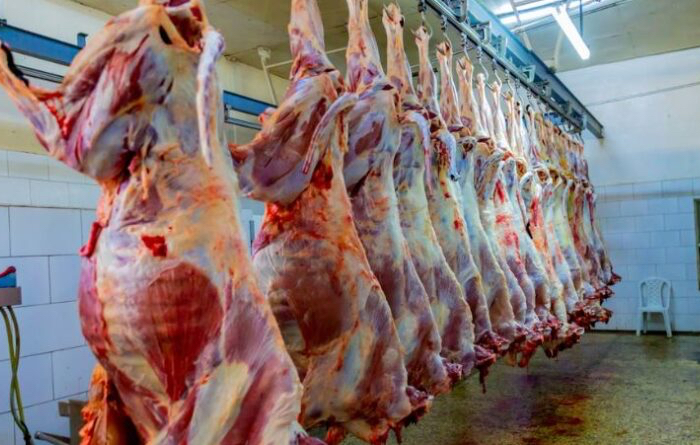
Meat prices surged 33.8 percent annually and spiked 17.8 percent in a single month, while vegetables were up 19.8 percent year-on-year, though they eased 0.8 percent from June. The sharp monthly rise in meat prices has been linked to strict livestock movement restrictions and quarantine measures imposed to contain Rift Valley Fever, a contagious animal disease that has significantly reduced the number of cattle, goats and sheep reaching Kigali’s abattoirs.
Food and non-alcoholic beverages, the largest component of the urban basket at 27 percent weight, increased 13.1 percent annually and 1.5 percent monthly, making it the biggest driver of July’s monthly rise. Restaurants and hotels rose 14.2 percent year-on-year.
NISR’s core index, which strips out fresh food and energy prices to capture underlying price trends, rose 11.4 percent year-on-year and 0.6 percent month-on-month, up from 5.8 percent a year earlier, signalling that price pressures have broadened beyond volatile categories.
The energy index rose sharply, up 44.5 percent annually, while the local goods index increased 15.8 percent and the imported goods index rose 10.7 percent over the same period.
NISR’s CPI is based on a basket of 1,622 products, with more than 29,482 prices collected each month in urban areas and 10,744 in rural areas. The urban CPI serves as the headline index for monetary policy purposes.
Meat prices surged 33.8 percent annually and spiked 17.8 percent in a single month. The sharp monthly rise in meat prices has been linked to strict livestock movement restrictions and quarantine measures imposed to contain Rift Valley Fever.
The latest enforcement action, announced on Thursday, marks the fourth list of local manufacturers affected by the nationwide operation. Rwanda FDA had previously closed 101 manufacturers in the first phase, followed by another eight in the second and 27 in the third.
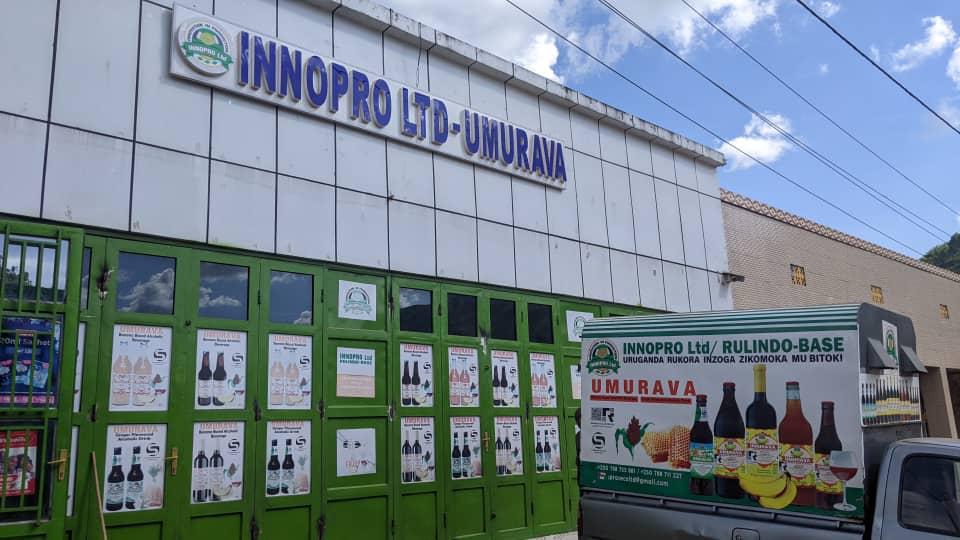
The newly closed manufacturers are INNOPRO Ltd, Rwamagana Banana Wine CPC Company Ltd, Inganzo Flower Drinks Ltd, ALKO Vintage R Ltd, CFRDTA Ltd, J.H Production Ltd, GACELEMUTERI Ltd, Urakire Business Center Ltd, WIPROCO, Ibyiwacu Product Ltd, EMEFRA Company Ltd and USALAMA Ltd.
Their products include a range of banana-based alcoholic beverages, ginger-flavoured alcoholic drinks, wines and other locally produced alcoholic beverages.
In a public announcement, Rwanda FDA said all manufacturing licenses associated with the facilities had been revoked with immediate effect and ordered the withdrawal of all products originating from the affected manufacturers.
The regulator instructed manufacturers to initiate a full product recall, work with distributors to retrieve products already supplied to retailers and consumers, and submit recall reports within three working days.
Distributors and retailers were ordered to immediately stop selling and distributing the affected products and return remaining stock to their suppliers, while consumers were advised to stop consuming the listed beverages immediately.
Rwanda FDA also directed that all advertisements and promotional materials for alcoholic beverages produced by manufacturers listed in the first, second, third and fourth enforcement notices be removed without delay.
“Non-compliance with all the above will result in measures under applicable regulatory provisions,” the regulator warned, adding that additional lists of manufacturers could be published as inspections and regulatory enforcement continue.
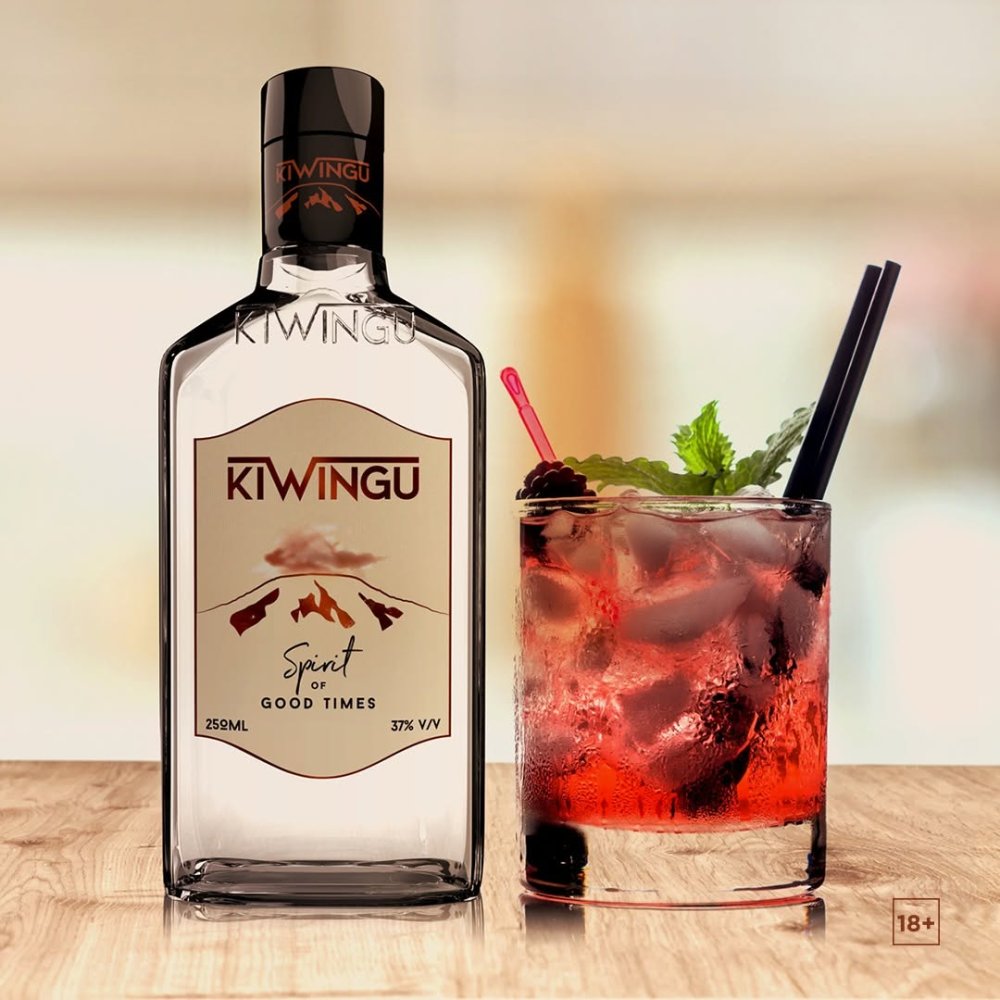
The latest action comes a day after the government suspended the importation of 52 alcoholic beverage brands from international markets, including Gilbeys Gin, Konyagi, Kiwingu and 49 other brands, and ordered their immediate nationwide recall.
The suspended products originate from Burundi, India, Kenya, Poland, Tanzania and Uganda, extending the crackdown beyond locally manufactured alcoholic beverages.
The ongoing enforcement campaign is part of government efforts to remove unsafe alcoholic beverages from the market and protect public health.
Speaking to IGIHE earlier this week, Minister of Health Dr. Sabin Nsanzimana said investigations had established links between unsafe alcoholic drinks and more than 50 deaths recorded between January and July.
He added that more than 500 people sought medical treatment after consuming the drinks, over 100 people lost their eyesight, and a nationwide assessment identified nearly 11,000 people struggling with alcohol addiction.
INNOPRO Ltd’s manufacturing plant in Rulindo District, Northern Province, Rwanda, is among those closed in the ongoing crackdown.
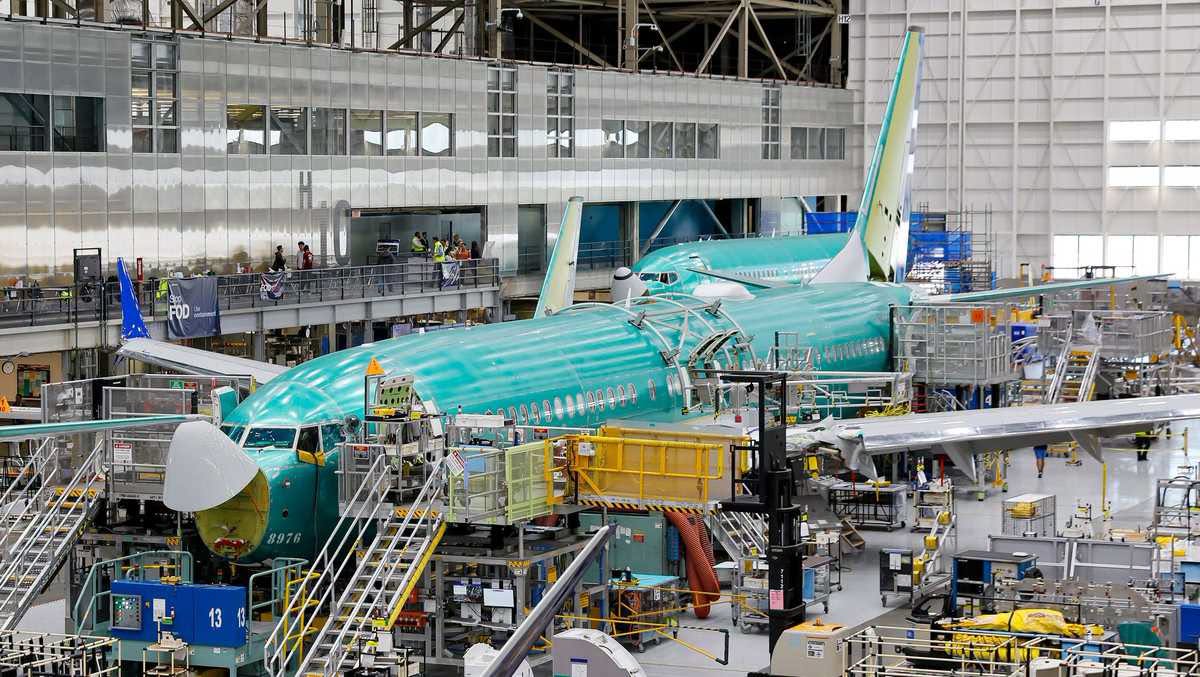
The new Airworthiness Directive (AD), issued on Thursday, applies to an estimated 471 U.S.-registered Boeing 737 MAX 8, MAX 9 and MAX 8-200 aircraft. The directive takes effect on September 10.
According to the FAA, the inspections were prompted by reports of cracks in the bear strap and fuselage skin around the forward upper corner of the forward galley door cutout, located near the forward service door on the right side of the aircraft.
“The FAA is issuing this AD to address cracks in the fuselage skin and bear strap, which may lead to the inability of the principal structural element to sustain limit loads and adversely affect the structural integrity of the airplane,” the agency said.
Airlines have been instructed to inspect the affected area based on each aircraft’s usage and repair any cracks before returning the airplane to service. However, the FAA did not ground the affected aircraft, saying the inspection intervals provide multiple opportunities to detect damage before it poses a safety risk.
Boeing said it has completed an engineering analysis to determine the cause of the cracking and is developing design changes to prevent similar issues in the future.
“This issue has not been observed on the 737 MAX fleet, but Boeing extended the inspections to 737 MAX airplanes as the model shares a similar design and build process,” the company said. “We support both directives and continue to support our airline customers.”
The latest directive adds to Boeing’s ongoing safety challenges. In 2019, the FAA ordered inspections of certain Boeing 737-700, 737-800 and 737-900 aircraft after structural cracks were found in a component linking the fuselage to the wings.
Last month, the FAA also proposed another airworthiness directive requiring inspections of seat assemblies on 453 Boeing 737 MAX aircraft over concerns they may have been installed incorrectly.
Boeing has remained under heightened regulatory scrutiny since a door plug detached from an Alaska Airlines 737 MAX 9 shortly after takeoff in January 2024. Investigators later found that four bolts intended to secure the door plug were missing when the aircraft was delivered to the airline in October 2023.
The new Airworthiness Directive (AD), issued on Thursday, applies to an estimated 471 U.S.-registered Boeing 737 MAX 8, MAX 9 and MAX 8-200 aircraft.
The platform, RydeXpress, allows individuals with vehicles to list them online by providing details such as rental prices and other basic information, while customers can search for available cars and choose those that suit their needs.
The service is free for vehicle owners and users, and can be accessed by people within Rwanda as well as those abroad looking for rental options before travelling to the country.
The launch comes as the number of passenger vehicles in Rwanda continues to increase.
According to data from the National Institute of Statistics of Rwanda (NISR), the number of ordinary passenger vehicles rose from 43,182 in 2021 to 47,098 in 2022, before reaching 51,262 in 2023.
While many of these vehicles are used for personal transportation, some owners have turned to car rentals as a way of generating income. However, finding customers has remained a challenge for some owners, while renters often struggle to identify reliable vehicles and trusted rental services.
RydeXpress Chief Operations Officer, Ephron Nshimyumuremyi, said the company introduced the platform after identifying a gap in Rwanda’s car rental market.
He said the challenge was particularly common among members of the Rwandan diaspora, tourists and other visitors who often faced difficulties finding convenient and reliable vehicles to rent while in the country.
“The management of RydeXpress saw the need for a platform that connects vehicle owners with people who need cars, using technology that makes the process easier, faster and more reliable,” Nshimyumuremyi said.
He added that the platform is also expected to contribute to the growth of tourism by making transportation options more accessible, especially as Rwanda continues to host international conferences and attract visitors.
Nshimyumuremyi explained that registering vehicles on the platform does not require payment, while owners remain in control of their vehicles.
“The vehicle owner keeps the freedom to manage their asset, while RydeXpress helps them reach more customers,” he said.
The company plans to expand the platform by introducing truck rental services to support individuals and businesses that need vehicles for transporting goods and cargo.
It also intends to introduce a vehicle marketplace where people can buy and sell cars, allowing sellers to advertise their vehicles and buyers to access more options.
Nshimyumuremyi said the company’s long-term vision is to develop RydeXpress into a leading technology platform for transport and vehicle-related services in Rwanda and eventually across Africa.
“We want to start in Rwanda and later expand to other African countries, using technology to support the transport sector and create new opportunities for vehicle owners, businesses and customers,” he said.
RydeXpress offers a convenient way for interested people to rent vehicles
According to performance targets set by the Ministry of Infrastructure (MININFRA), the phase had reached 14.48% completion at the beginning of the financial year. Progress is expected to rise to 34.14% in the first quarter, 45.39% in the second quarter, and 67.36% in the third quarter, before reaching the 75.4% target by June 2027.
To meet the target, Bugesera Airport Company plans to increase the pace of construction by introducing two daily shifts and extending works into the night.
The company will also undertake preparations for the airport’s eventual operations, including building the capacity of personnel who will work at the facility and coordinating different institutions involved in its operations.
MININFRA’s performance targets did not disclose the budget allocated for this phase of the airport project.
Airport access road expected to reach 50%
Alongside airport construction, the access road connecting to Bugesera International Airport is expected to reach 50% completion during the 2026/27 financial year.
The road project has been allocated more than Rwf3.26 billion for the year, which will support activities including compensation payments, commencement of construction works, and completion of studies for a proposed toll collection system.
The plans indicate that authorities are considering introducing toll fees for road users, although details on the proposed charges and payment mechanism have not yet been disclosed.
Power projects to support airport operations
Two electricity infrastructure projects linked to the airport development are also included in the government’s 2026/27 targets.
The Bugesera Industrial Park substation, with a capacity of 3x30MVA and 110/30kV, is expected to progress from 61.23% completion to full completion during the financial year. The project has been allocated more than Rwf3.55 billion.
Meanwhile, the 110kV transmission line connecting Bugesera Industrial Park to the airport is expected to move from 53.42% completion to 100%, with Rwf4.55 billion allocated to the project.
Combined, the access road, electricity substation and transmission line supporting the airport have been allocated at least Rwf 11.37 billion during the financial year.
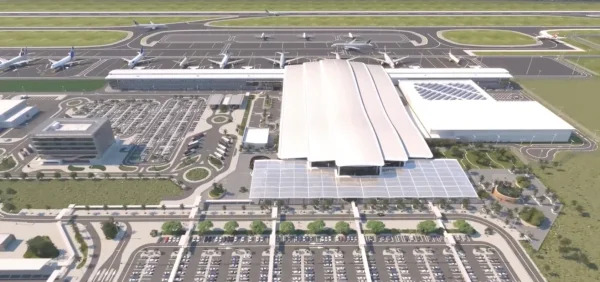
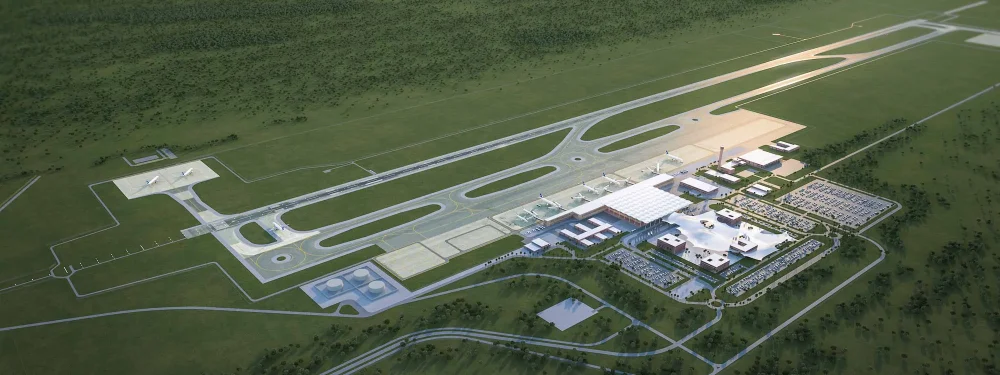
Bugesera International Airport is designed with a 4,200-metre runway. In its first phase, the facility is expected to handle up to seven million passengers annually and 150,000 tonnes of cargo. A second phase, planned for completion in 2032, is expected to expand capacity to 14 million passengers per year.
In a performance update issued on August 5, BNR Governor Soraya Hakuziyaremye said eKash has maintained an average transaction success rate of 98.6%, highlighting the growing use of interoperable digital payments across Rwanda’s banking and mobile money ecosystem.
The central bank boss also revealed that the number of active users of interoperable digital payment services increased by 166% within weeks of the launch, rising from 740,787 users during the corresponding period in June to 1,971,522 by the end of July.
The central bank attributed the strong uptake to public confidence in the new payment system and thanked customers for their trust and constructive feedback, noting that user input has helped identify areas requiring further refinement.
While the majority of transactions have been completed successfully, NBR acknowledged that some customers experienced delays and failed transactions during the initial rollout.
The regulator said participating financial institutions and the system operator are working under its oversight to resolve the issues, with ongoing measures aimed at strengthening system performance and improving customer service.
“NBR acknowledges the positive response to eKash and thanks the public for their continued trust and constructive feedback, which has contributed to the ongoing improvement of the service,” the governor said in a statement.
She added that a nationwide public awareness campaign is underway to help the public better understand the interoperable instant payment system and the changes it introduces.
Customers who experience challenges while using eKash have been encouraged to first contact their bank or mobile money provider for assistance.
“If the issue is not resolved, they may submit a complaint to the National Bank of Rwanda through the Intumwa chatbot, available via SMS (6005), WhatsApp (+250791700721), and NBR website and official social media platforms,” the governor added.
Launched nationwide on July 14, the unified national digital payment system enables instant person-to-person transfers between bank accounts and mobile wallets across licensed financial institutions, regardless of the service provider.
The interoperable platform allows customers to transfer money from a bank account to a mobile wallet, from a mobile wallet to a bank account, or between accounts and wallets held with different financial institutions without opening new accounts or downloading additional applications.
NBR has capped the maximum transfer amount at Rwf 10 million per transaction, while the highest fee that financial institutions can charge customers is Rwf 20 per transfer, although providers are free to charge less or waive the fee altogether.
The central bank expects eKash to strengthen Rwanda’s payment ecosystem by making digital transactions faster, more accessible and affordable, while advancing financial inclusion across the country.
Governor Hakuziyaremye affirmed that the regulator will continue working with banks, electronic money issuers and other stakeholders to ensure eKash delivers a secure, reliable and seamless payment experience for all users.
In a performance update issued on August 5, BNR Governor Soraya Hakuziyaremye said eKash has maintained an average transaction success rate of 98.6%, highlighting the growing use of interoperable digital payments across Rwanda’s banking and mobile money ecosystem.
Commenting on the results, NCBA Group Managing Director John Gachora said: “The first half of 2026 was marked by a dynamic operating environment with pressure on inflation and a cautious policy approach by the regional Central Banks. Our focused execution of the UBUNTU strategy has ensured that we delivered a resilient total income growth of 15.1 per cent reflecting healthy business volumes, improved margins and continued customer activity.”
“Our balance sheet momentum remained strong, anchored on disciplined growth in quality lending demonstrated by well-managed non-performing loans of 10.5 per cent compared to the market`s 15.3 per cent (Kenya) and stable funding provided by customer deposit growth. We have increased provisions to KES 5.2 billion reflecting the realities of the current operating environment which positions us well to absorb potential risks.”
“We are also encouraged by the strength of our return on average equity at 19.0 per cent while maintaining a strong capital adequacy position of 21.7 per cent providing a solid foundation to support future growth and strategic investment opportunities.”
Subsidiary performance
The Kenya Bank subsidiary continued to be the Group’s key profit driver powered by disciplined cost of funds management and grew profitability by 24.3 per cent year-on-year to reach KES 13.7 billion. The regional subsidiaries (Uganda, Tanzania, Rwanda) delivered a combined KES 1.6 billion in profitability on the back of strong lending growth + 25 per cent year-on-year, income momentum +11 per cent and recovery opportunities.
The Non-banking subsidiaries (NCBA Investment Bank, Leasing, Bancassurance and NCBA Insurance) continued their strong performance momentum delivering profitability of KES 1.1 billion collectively, a growth of 40 per cent year- on- year reinforcing the value of NCBA’s diversified business model.
Strategic Priorities Highlights
The Group invested KES 2.4 billion in technology infrastructure to accelerate AI adoption, strengthen cyber resilience and fortify its core operations. This resulted in strengthened service resilience, delivering 99.68 per cent system uptime and higher customer advocacy with Digital Net Promoter Score rising to 69 per cent. NCBA ConnectPlus, the recently launched best in class business banking platform was scaled across the region to create a seamless and standardized offering.
The Group scaled high-growth segments by expanding its wealth Assets Under Management to KES 101 billion and surpassing 60,000 active wealth clients. Simplified automated customer journeys accelerated digital adoption with mobile banking accounting for 94 per cent of transaction volumes.
Embedding insurance in every relationship contributed to the growth of NCBA Insurance and Bancassurance Gross Written Premiums to KES 2.1 billion and KES 2.3 billion respectively. The priority on deepening focus in supporting small scale businesses contributed to a 12 per cent year-on-year growth in the Group`s SME loan book to KES 44.7 billion up from KES 39.9 billion.
NCBA unlocked new growth through strategic partnerships in Asset Finance to accelerate electric vehicle adoption and solar leasing uptake resulting to 30 per cent Asset Finance market leadership in Kenya. The digital marketplace CarDuka sold vehicles worth KES 1.94 billion while the KOMIUT digital transport platform processed over KES 117 million in collections.
In Retail Banking, the 123 branches across the region, digital onboarding and campaigns including BOOSTA for SMEs, EasyBuild for property finance, diaspora banking and segmented engagements helped acquire +10,000 new core bank customers per month and expand the retail loan book by 54 per cent.
The proposed Nedbank transaction is progressing as planned with the tender offer successfully closing on 10 July 2026, attracting strong shareholder support of a 121 per cent oversubscription. Completion of the transaction remains subject to the fulfilment of remaining conditions and regulatory approvals.
On building a Future-Ready organization, NCBA improved its operating efficiency reflected in a 130-bps cost-to-income ratio growth year-on-year. The Group scaled its Change The Story sustainability agenda through green financing including the oversubscribed KES 3 billion KMRC bond and regional electric vehicle financing.
Over 340,000 trees were nurtured and planted and more than 400,000 livelihoods impacted through community engagements including sports activations in golf and cycling. The momentum to build an iconic regional brand resulted to brand health growing to 7.1 per cent demand power and 49 per cent consideration in Kenya. As a certified Top Employer of the Year, NCBA invested +100,000 learning hours for its +4,000 employees and achieved a 91 per cent retention rate.
Looking forward
Looking ahead, Mr. Gachora said: “While the global macroeconomic environment signals uncertainty leading to a softer growth projection of 3.1 per cent for 2026, the investor landscape remains vibrant with major regional expansion transaction deals expected to close in the second half of the year.”
“We remain confident in the strength of our UBUNTU strategy enabled by a projected optimistic business outlook (Kenya private sector credit growth at 9.3 per cent) and our ability to unlock new growth opportunities which will generate enduring value for customers, shareholders, and the communities we serve.”
About NCBA Group PLC
NCBA is a full-service banking group providing a broad range of financial products and services to Corporate, Institutional, SME and Consumer banking customers.
NCBA operates a network of more than 100 branches across five countries, including Kenya, Uganda, Tanzania, Rwanda, and the Ivory Coast. Serving over 60 million customers, NCBA is the largest banking group in Africa by customer numbers.
NCBA Bank Kenya is among the leading banks by assets. The Group continues to play a key role in empowering Africa’s economic ambitions. NCBA is a Market Leader in corporate banking, asset finance, and Digital Banking.
NCBA Group CEO John Gachora attributed the strong H1 2026 performance to the execution of the bank’s UBUNTU strategy, which supported business growth, improved margins and customer activity.
Approximately 100 billion dollars of refunds, including duties plus interest, have been completed as of July 31, said Brandon Lord, an official with the U.S Customs and Border Protection (CBP).
Meanwhile, around 128.68 billion dollars in both potential and certified refunds have been accepted for processing through the Consolidated Administration and Processing of Entries system, said the official.
The Trump administration started to issue the first tariff refund payment around May 11 after the U.S. Supreme Court ruled on Feb. 20 that President Trump’s tariff policies under IEEPA are unconstitutional.
The CBP was projected to hand out up to 175 billion dollars of IEEPA tariffs in total, according to an earlier estimate issued by Penn Wharton Budget Model at the Wharton School of the University of Pennsylvania.
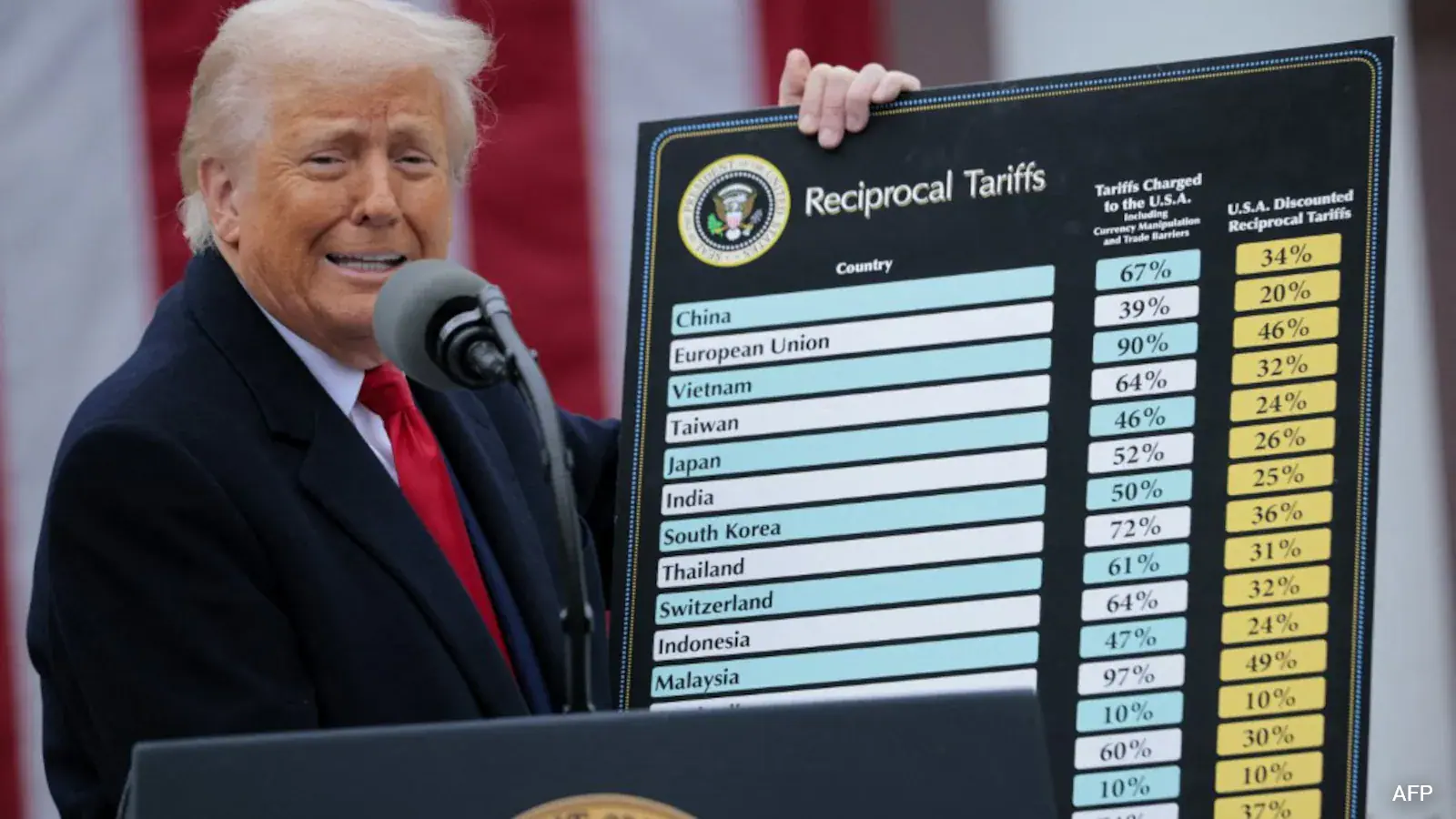
US President Donald Trump’s administration has refunded about $100 billion in tariffs since the Supreme Court struck down a wave of his duties this year, court filings show.
In a public announcement issued on Wednesday, August 5, Rwanda FDA said the suspension takes immediate effect in the interest of protecting public health.
The regulator directed importers to immediately recall all affected products and instruct distributors to withdraw them from retailers and consumers. Importers must submit recall reports within three working days.
Distributors and retailers have been ordered to immediately stop selling the listed products and return all remaining stock to importers, while consumers have been advised to stop consuming the affected alcoholic beverages.
Rwanda FDA also ordered the immediate removal of all advertisements and promotional materials for the listed products.
The suspended products originate from Burundi, India, Kenya, Poland, Tanzania and Uganda.
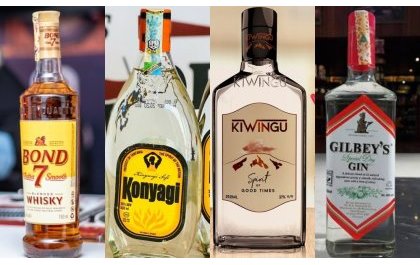
Among the most recognisable brands affected are Gilbeys Gin, imported from Kenya and Uganda, as well as Tanzania’s Konyagi and Kiwingu Spirit. The suspension also covers Safari Gin, Kenya King, Bond 7 Whisky, Magic Moments Chocolate Vodka, Club 5 Gin, Tembo Liqueur, Campfire Gin, X5 Gin and several other spirits, whiskies, vodkas and liqueurs.
Among the most recognisable brands affected are Gilbeys Gin, imported from Kenya and Uganda.
The latest move comes a day after Rwanda FDA shut down 27 additional alcoholic beverage manufacturers, bringing the total number of manufacturers closed in the past three days to 136. The regulator has also ordered the recall of all products manufactured by the affected companies as part of an intensified enforcement campaign.
“Non-compliance with all the above will result in measures under applicable regulatory provisions,” the regulator warned.
The crackdown follows growing concerns over toxic alcoholic beverages, locally known as ibyuma, which authorities say have claimed more than 50 lives this year.
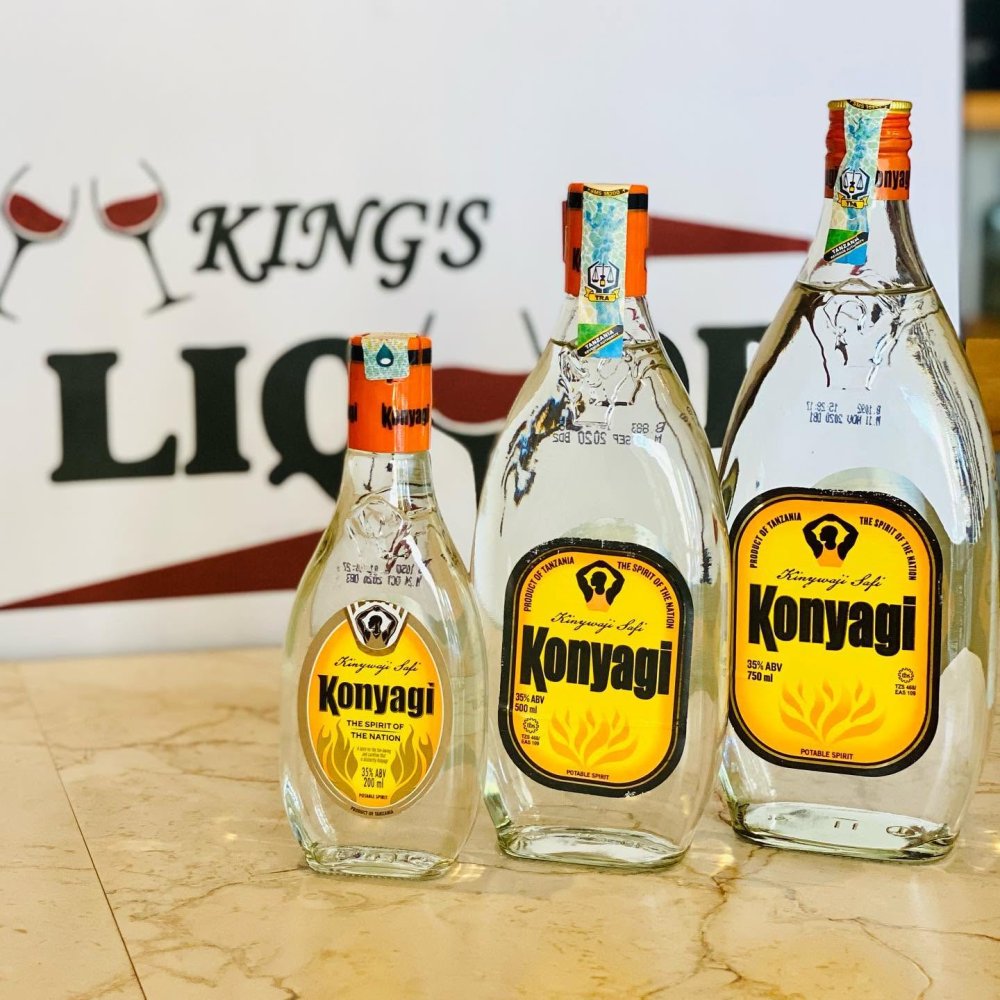
Konyagi from Tanzania has also been blacklisted.
Speaking to IGIHE earlier this week, Minister of Health Dr. Sabin Nsanzimana said investigations found links between unsafe alcoholic drinks and more than 50 deaths recorded between January and July. He added that more than 500 people sought medical treatment after consuming the drinks, over 100 people lost their eyesight, and a nationwide assessment identified nearly 11,000 people struggling with alcohol addiction.
Rwanda FDA said additional products could also face regulatory action as enforcement continues.
The report released on Tuesday, August 4, shows that manufacturing drove the expansion, growing 21.5% year-on-year and contributing 1.9 percentage points to the overall index. The sub-sector carried a weight of 68.1% within the general index, making it by far the largest component of industrial activity.
Electricity output rose 16.5%, contributing 3.3 percentage points to the annual change despite holding a smaller 12.8% weight in the index, the single largest contribution of any activity tracked. Water and waste management increased 11.3%, while mining and quarrying grew 6.9%.
Within manufacturing, chemicals, rubber and plastic products rose 6.3%, non-metallic mineral products increased 6.1%, food processing grew 2.2%, wood, paper and printing rose 2.5%, and metal products, machinery and equipment increased 2.3%. Furniture and other manufacturing was the only sub-sector to contract, falling 5.3% and shaving 0.2 percentage points off the annual change.
On a month-on-month basis, the general index fell 1.9% against May 2026, with manufacturing down 2.7% and electricity down 2.0%. Mining and quarrying rose 37.4% on the month.
The Index of Industrial Production is one of the earliest indicators of economic activity, providing insights into the performance of Rwanda’s industrial sector before broader economic growth data is released. It is closely watched by businesses, investors and policymakers to assess production trends and guide investment and policy decisions.
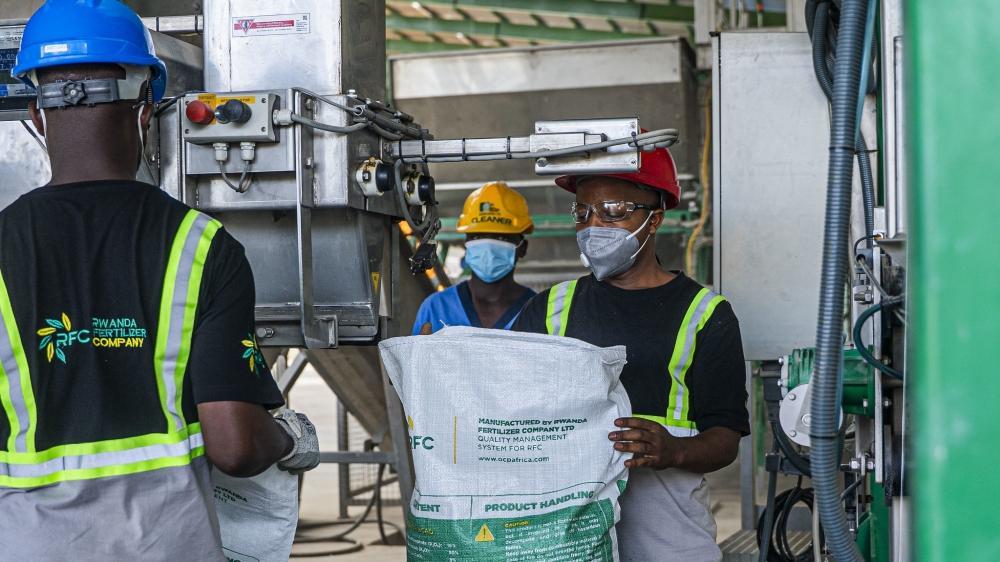
Workers package fertilizer at the Rwanda Fertilizer Company (RFC) in the Bugesera Special Economic Zone.