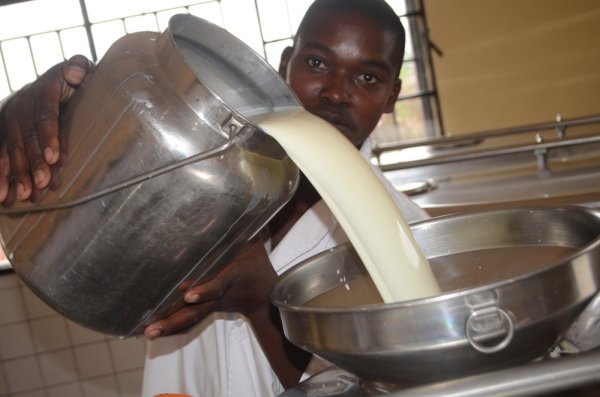
The ministry says national milk production has increased sharply over the past two decades, rising from about 332,000 litres per day in 2005 to approximately 2.9 million litres in 2025.
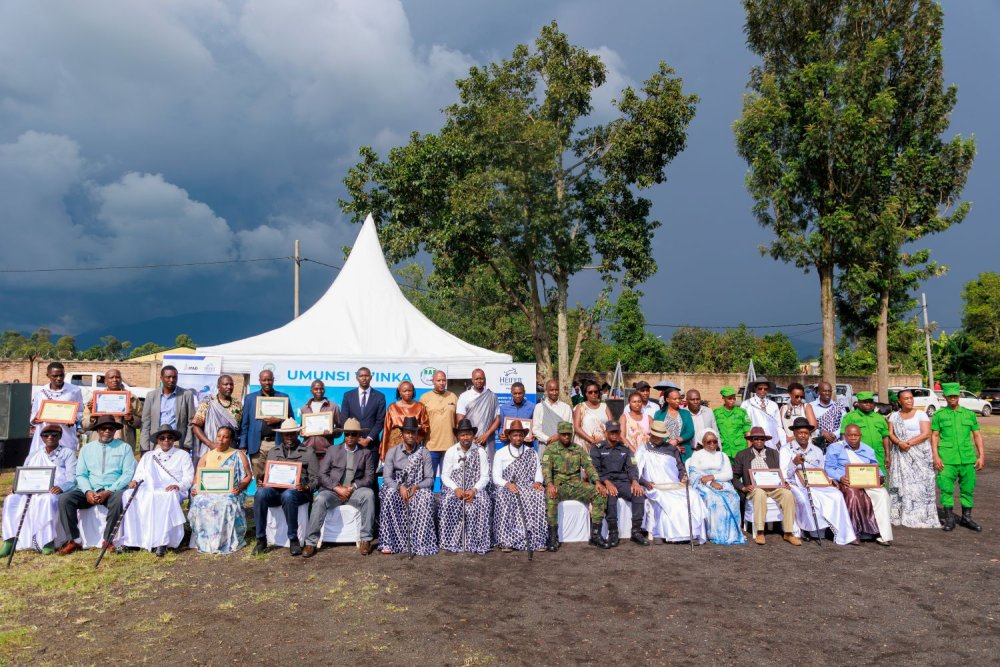
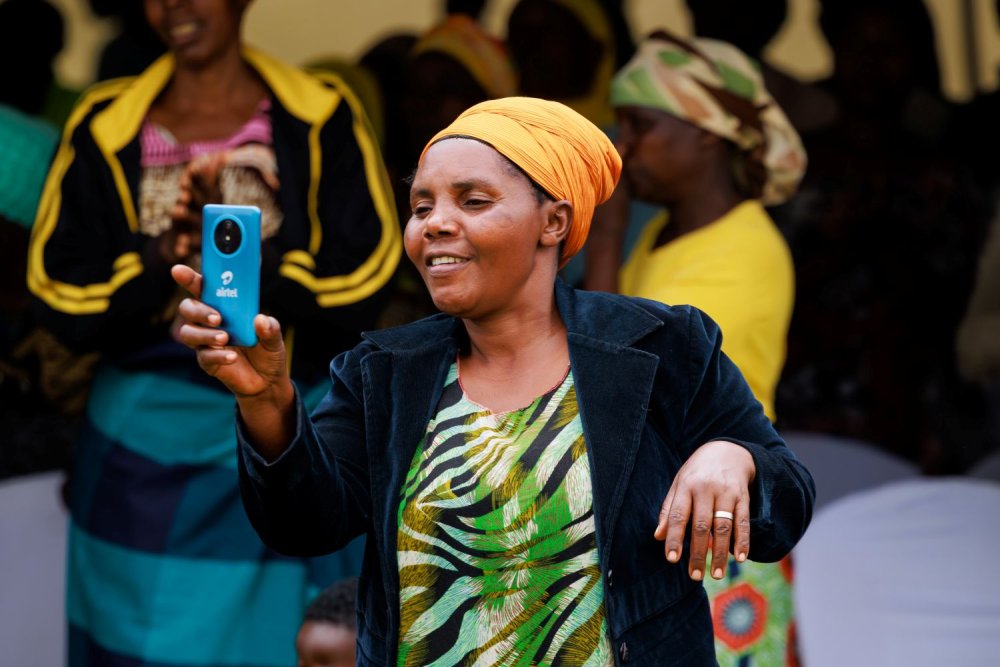
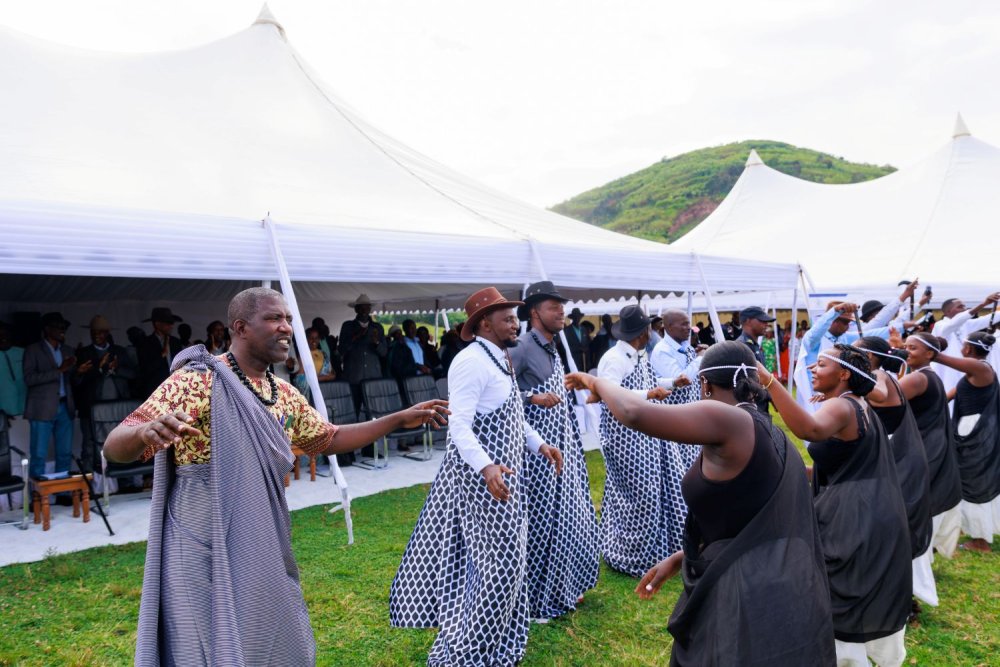
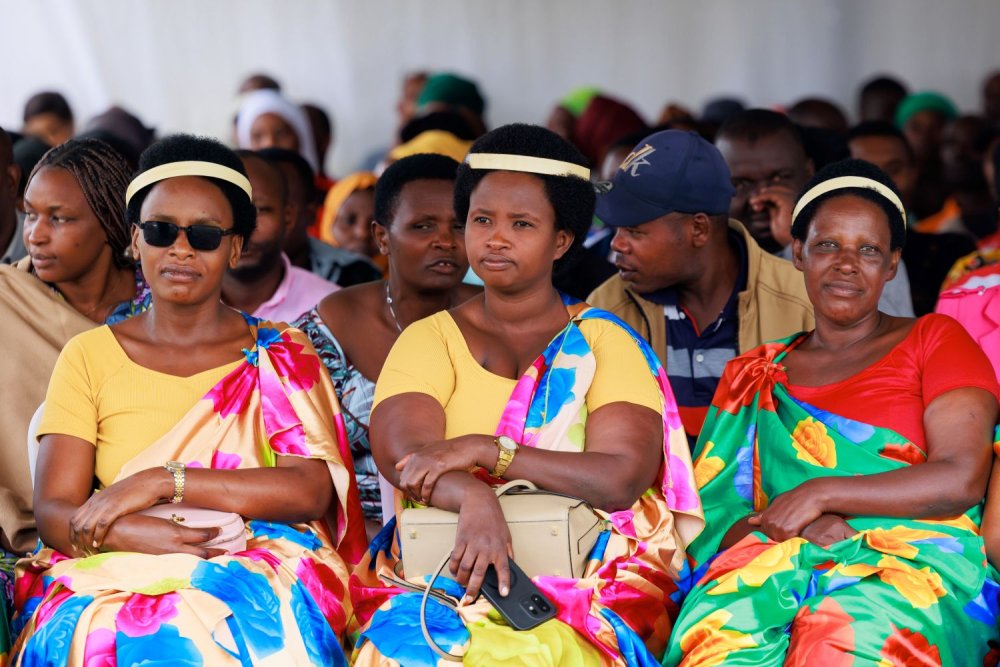
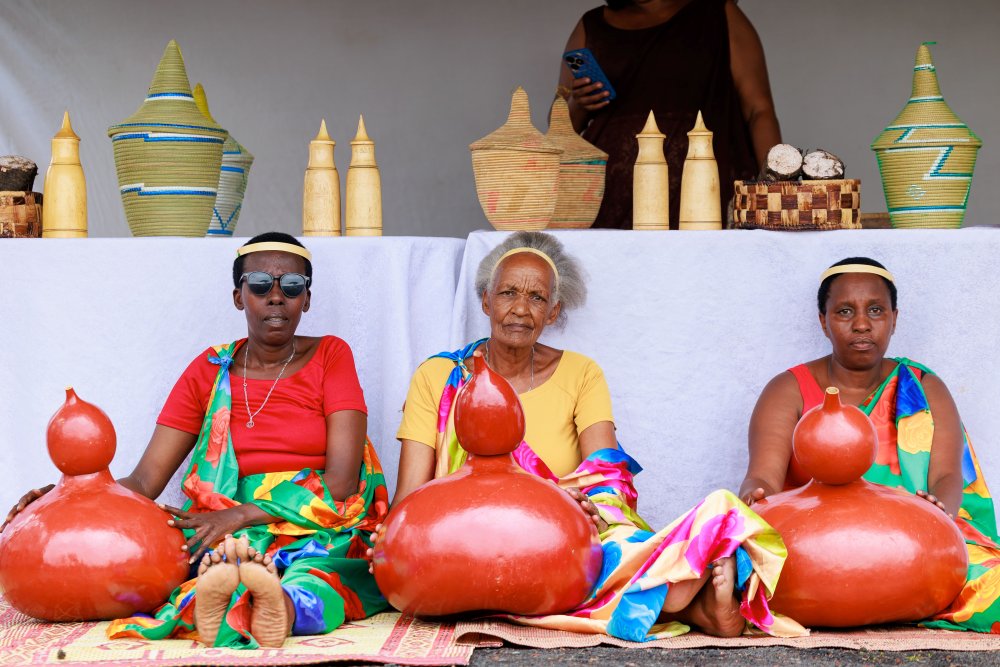
The figures were highlighted on May 21, 2026 during the second celebration of “Cow Day,” an event initiated by Rubavu District to showcase the importance of cattle in improving livelihoods and driving local development.
Jean Claude Ndorimana is the Director General, Animal Resources Development for MINAGRI, praised the initiative and said there is a need to elevate the celebration to the national level.
He noted that cattle play a wide-ranging role in society, contributing not only to nutrition through milk but also to economic development through income generation, improved crop production via manure, and even social cohesion through practices such as bride price and livestock sharing.
“The benefits of cattle are well known. They provide milk that improves health and helps prevent child stunting, generate income, and produce manure that improves agricultural productivity. They also strengthen family and social ties,” he said.
Ndorimana attributed the rise in milk production largely to improvements in livestock farming, particularly the Girinka programme, which has transformed dairy production across the country.
He also urged farmers to take up livestock insurance, noting that the government subsidises 40% of the cost, while farmers contribute the remaining 60%.
Rubavu District Mayor Prosper Mulindwa said cattle play a central role in the district’s economy and culture, describing them as symbols of nutrition, unity, and agricultural productivity.
“A cow is like a factory. It is not an exaggeration to say so. That is why it deserves a special day, and it should reach everyone, as envisioned by the President who launched the Girinka programme,” he said.
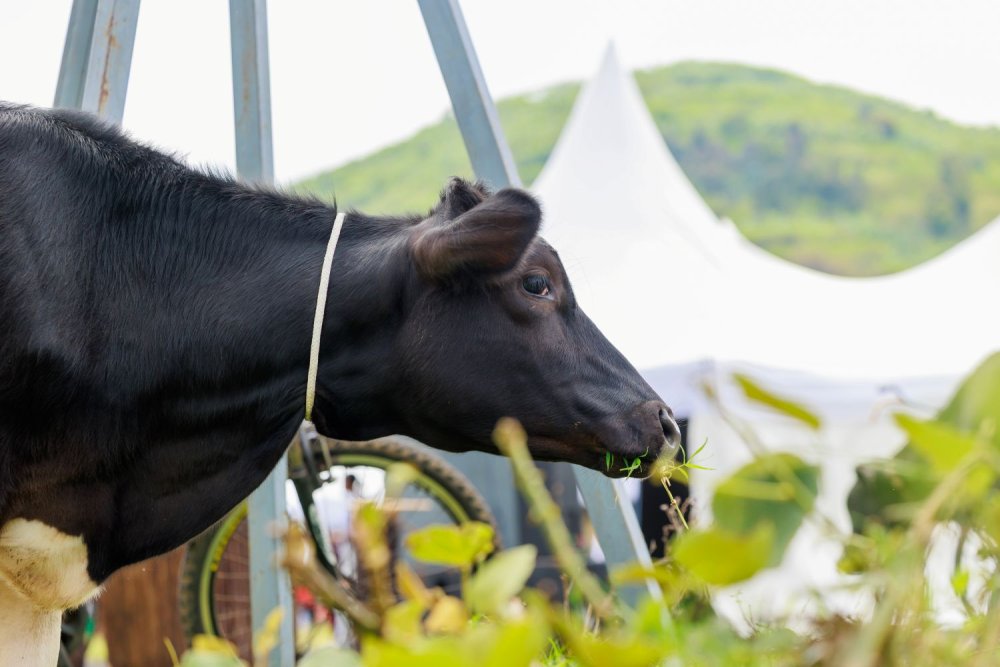
He added that modern dairy cattle in the district can produce 35 litres of milk or more per day.
Mulindwa also said Cow Day celebrations in Rubavu will be aligned with the number of cows ready to be passed on under the Girinka programme, to strengthen the system of cattle redistribution.
The Ministry of Agriculture and Animal Resources further said Cow Day should be aligned with national development programmes, including the Rwanda Dairy Development Project Phase II (RDDP2), which aims to boost milk production in collaboration with the International Fund for Agricultural Development (IFAD) and is implemented by the Rwanda Agriculture and Animal Resources Development Board (RAB).
According to a 2025 MINAGRI report, Rwanda had an estimated 1,727,913 cattle nationwide.







Leave a Reply