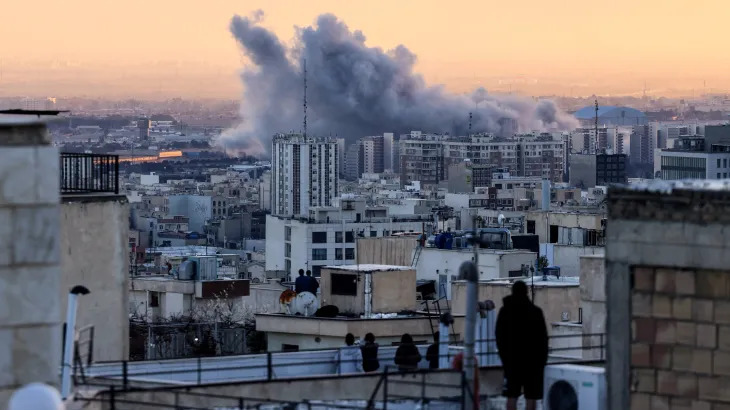
The official news agency IRNA, citing Iranian officials, reported that the total death toll stood at 3,468, including 1,460 civilians.
Jamshid Nazmi, a senior adviser to the head of Iran’s Foundation of Martyrs and Veterans Affairs, gave the figures at a press conference in Tehran, according to IRNA.
He said the civilian dead included women, men, children and older adults, and added that citizens of Lebanon, Palestine, Iraq and Pakistan were also among those killed.
At the same briefing, Farideh Oladqobad, a deputy head at the foundation, said 499 of the victims were women and 2,969 were men. She also said the military death toll was 2,008.
The report did not provide details on how the figures were verified or independently confirmed.
Iranian officials have said the fighting began on February 28, when Israel and the United States launched joint strikes on Tehran and other Iranian cities. Iranian authorities said senior military figures were killed in the opening attacks.
Iran responded with waves of missile and drone strikes targeting Israel and U.S. bases and military assets in the Middle East, according to officials on both sides.
A ceasefire was reached on April 8, and follow-up talks were held in Pakistan on April 11 and 12, but they ended without an agreement, according to previous reports.
The official news agency IRNA, citing Iranian officials, reported that the total death toll stood at 3,468, including 1,460 civilians.
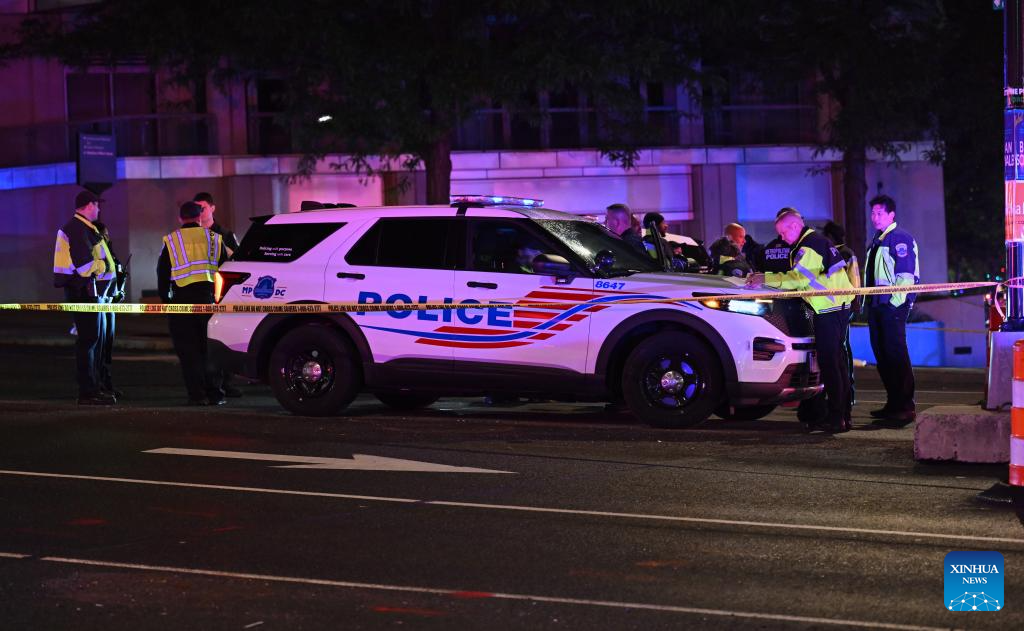
A U.S. Secret Service agent was shot in protective gear on Saturday at the White House Correspondents’ Dinner and has been hospitalized, U.S. media reported.
In a post on Truth Social, Trump shared a photo of the suspected gunman, who appears to have been subdued, with his hands bound behind his back and lying face down on the ground.
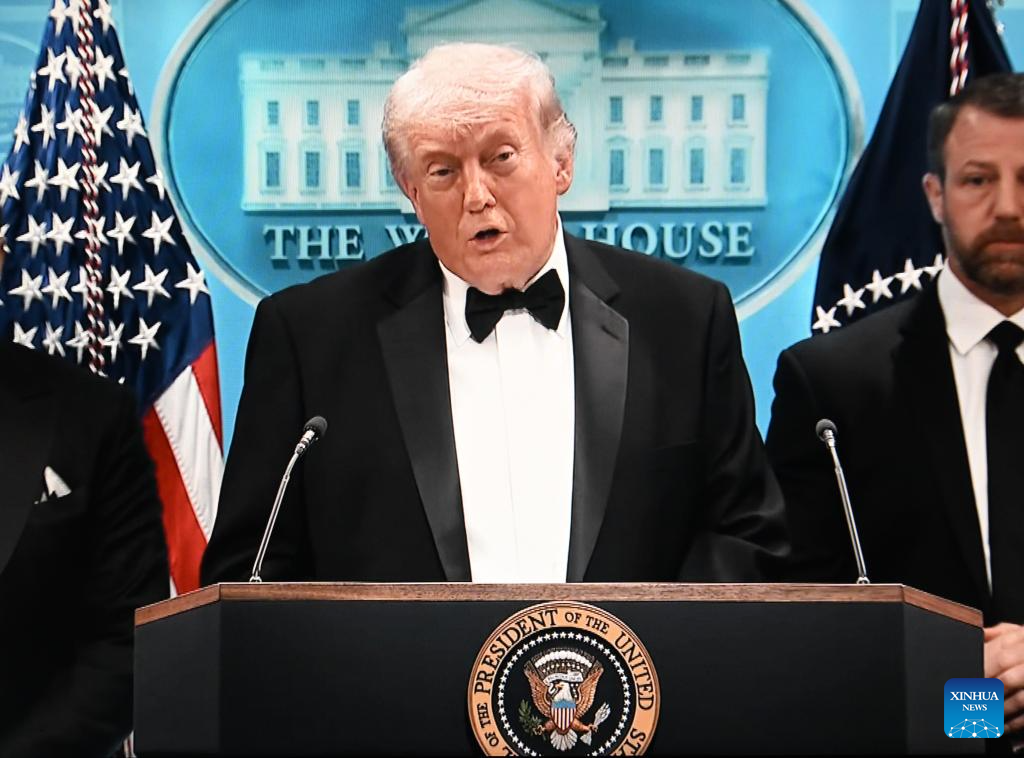
In a press conference at the White House late Saturday evening, Trump said that the alleged shooter lives in the state of California and law enforcement agents went to his apartment.
When asked by a reporter whether the shooter acted alone, Trump said that “they seem to think he was a lone wolf, and I feel that too.”
In response to a question about whether this shooting could have been linked to the war in Iran, Trump said, “I don’t think so. But you never know.”
“Quite an evening in D.C. Secret Service and Law Enforcement did a fantastic job. They acted quickly and bravely. The shooter has been apprehended,” Trump said in an earlier post on Truth Social shortly after the incident.
In another post later, Trump said that “law enforcement has requested that we leave the premises, consistent with protocol, which we will do, immediately,” noting that “The First Lady, plus the Vice President, and all Cabinet members, are in perfect condition.”
He added that the White House Correspondents’ Dinner will be rescheduled within 30 days.
The U.S. Secret Service said in a post on X that it is investigating “a shooting incident near the main magnetometer screening area” at the White House Correspondents’ Dinner, in coordination with the Metropolitan Police Department.
“The president and the first lady are safe along (with) all protectees,” the statement said. “One individual is in custody. The condition of those involved is not yet known, and law enforcement is actively assessing the situation.”
Trump has been evacuated from the Dinner after the shooting at the Washington Hilton Hotel. Attendees were seen on the live broadcast ducking around their tables and taking cover.
This would mark Trump’s first time attending the White House Correspondents’ Dinner.
In a joint press conference, Washington, D.C. Mayor Muriel Bowser said all guests at the dinner were safe, while U.S. Attorney for D.C. Jeanine Pirro said the suspect now faces charges including using a firearm during a crime of violence and assault on a federal officer with a dangerous weapon.
The suspect named Cole Allen by U.S. media, 31, of Torrance, California, was armed with a shotgun, a handgun and multiple knives, police said.
Political violence has been frequent in the U.S. in recent years. Trump has been the target of multiple assassination attempts and death threats during his presidential campaign and as the president.
The most prominent example is the July 2024 assassination attempt in Butler, Pennsylvania, which Trump narrowly survived while campaigning for president.
In a press conference at the White House late Saturday evening, Trump said that the alleged shooter lives in the state of California and law enforcement agents went to his apartment. When asked by a reporter whether the shooter acted alone, Trump said that “they seem to think he was a lone wolf, and I feel that too.” Police officers stand guard near the Washington Hilton Hotel, where the White House Correspondents’ Dinner was held, in Washington, D.C., the United States, April 25, 2026.
During this period, the park received more than 11,700 visitors, with Rwandan tourists accounting for the largest share. The figures highlight continued growth in domestic tourism and the park’s rising appeal.
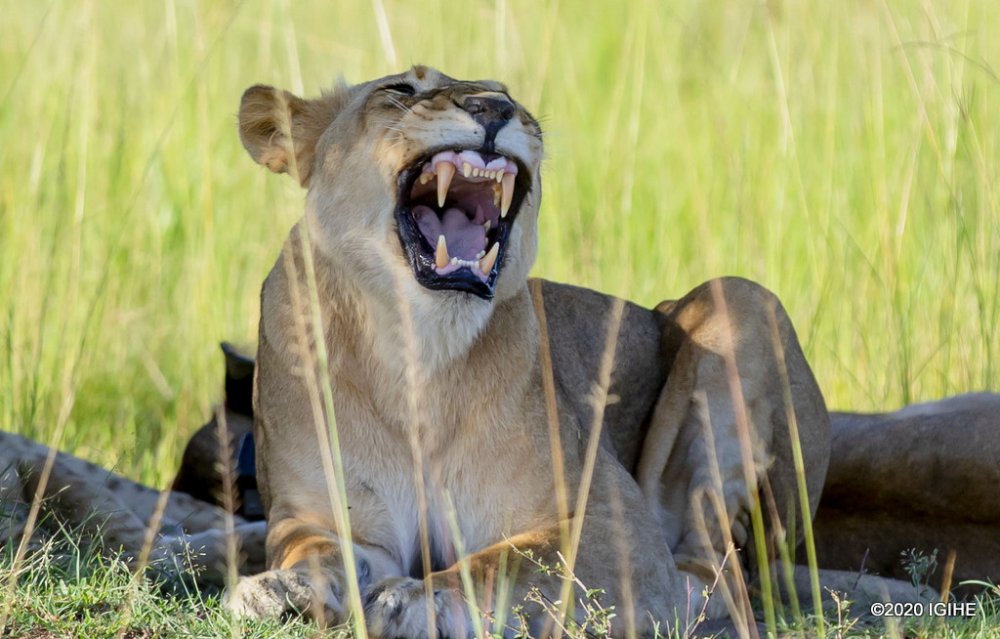
Park authorities attribute this growth to the presence of the “Big Five” species, lions, elephants, buffaloes, leopards, and rhinos, as well as ongoing conservation efforts and tourism promotion campaigns, including the Visit Rwanda initiative.
Compared to the same period in 2025, revenue increased by 8%, with earnings from tourism and related commercial activities reaching approximately $1.33 million.
National Geographic further boosted the park’s global profile by listing Akagera among the 25 must-visit destinations in the world for 2026, citing its exceptional biodiversity and scenic landscapes.
Local communities benefit from tourism revenue
Communities surrounding Akagera National Park also reported significant earnings during the first quarter of 2026, collectively generating over $168,220 through conservation-linked income-generating activities.
Fishing groups earned $59,770, while beekeepers made $17,309. Income from crafts, poultry farming, and accommodation services totaled $16,998.
In addition, local tour guides earned $31,922, and cooperatives involved in construction and casual labor generated $42,227. These figures reflect the growing role of community participation in conservation-based tourism.
Wildlife monitoring strengthened with technology
Akagera’s wildlife continues to roam freely within its open ecosystem, meaning animal sightings vary across time and location.
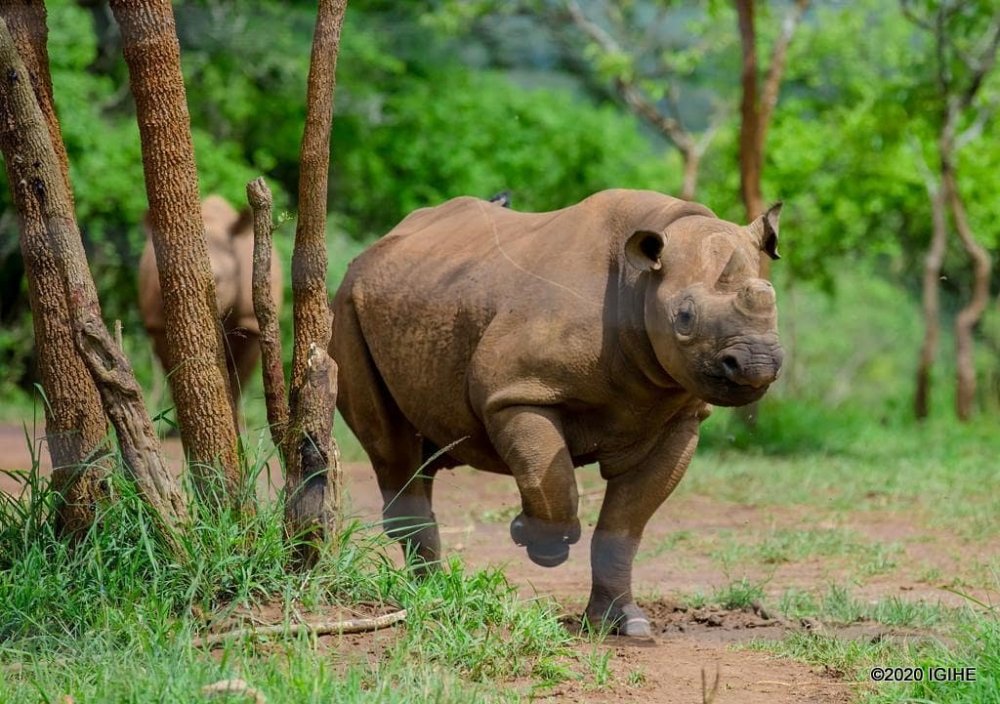
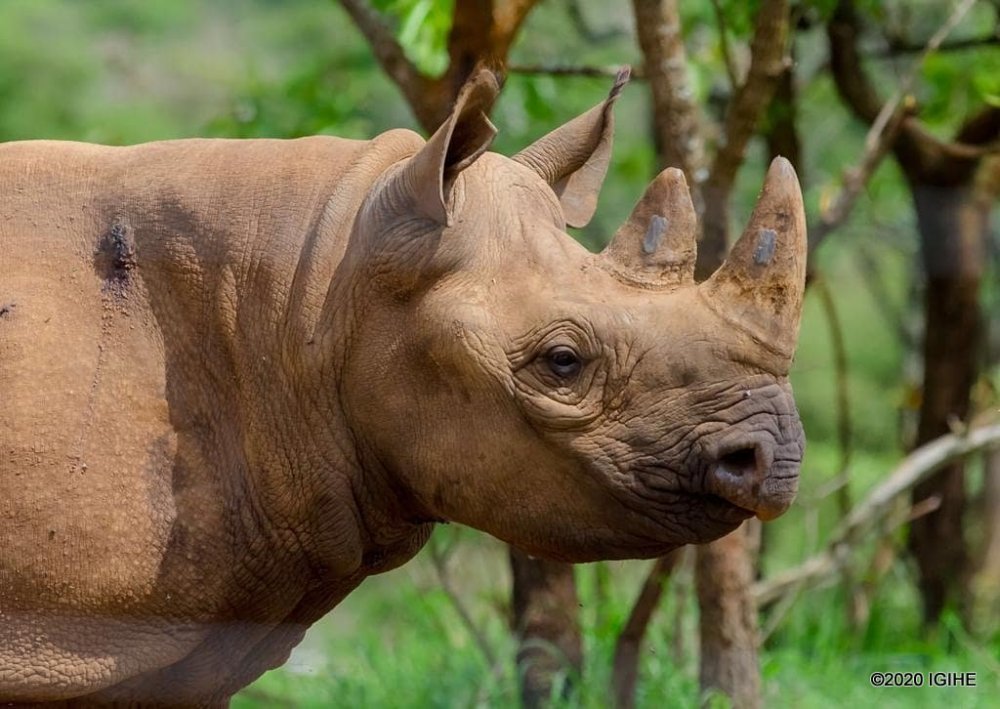
Between January and March 2026, conservation teams fitted GPS collars on three lions and one elephant to enhance tracking and research efforts. In addition, 17 black rhinos were equipped with VHF transmitters attached to their horns to support monitoring and protection efforts.
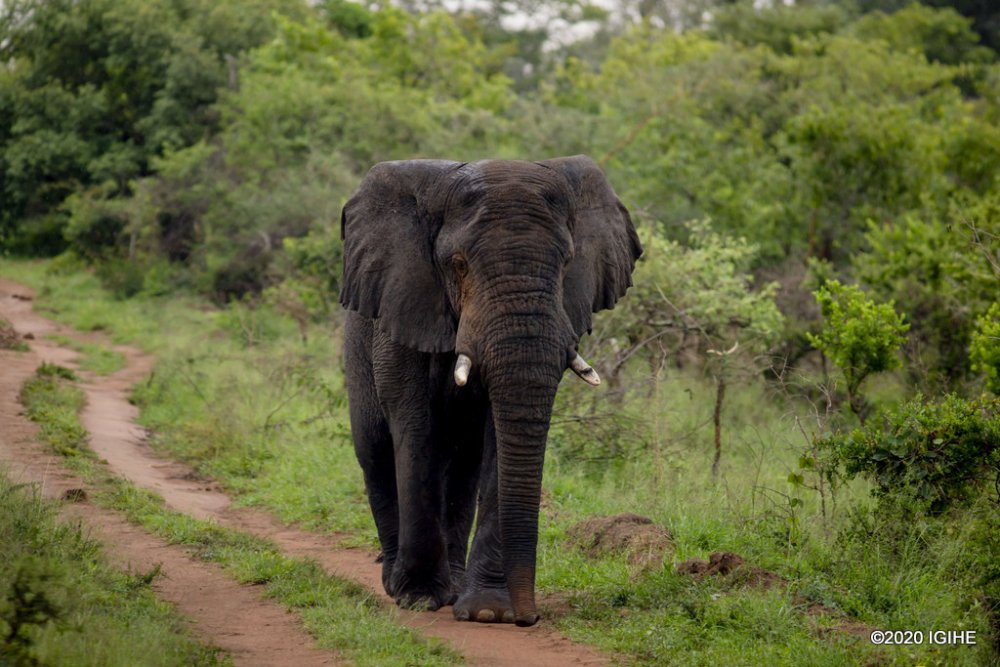
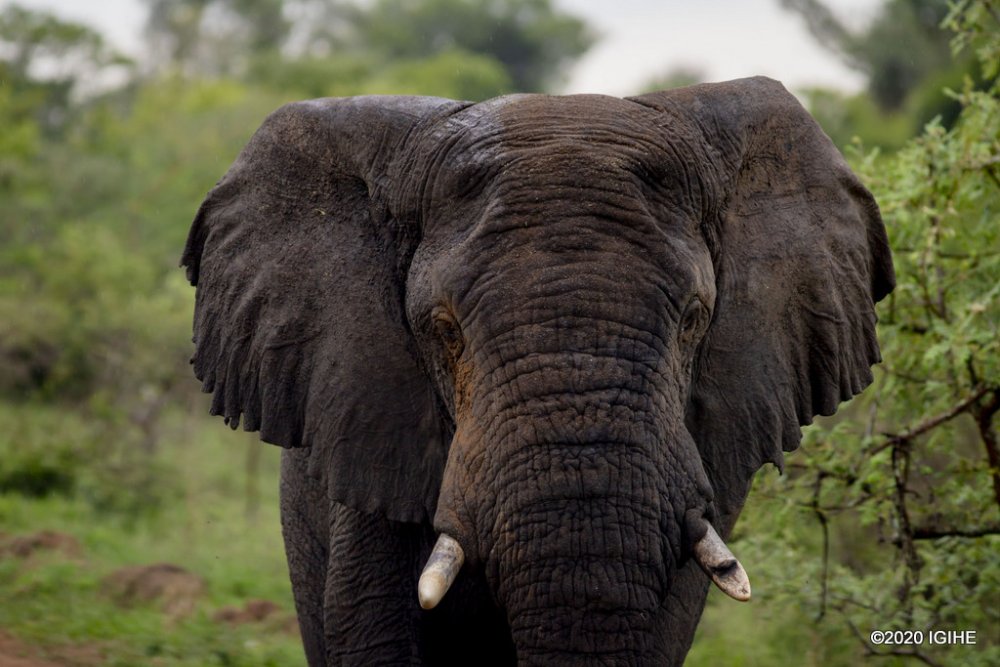
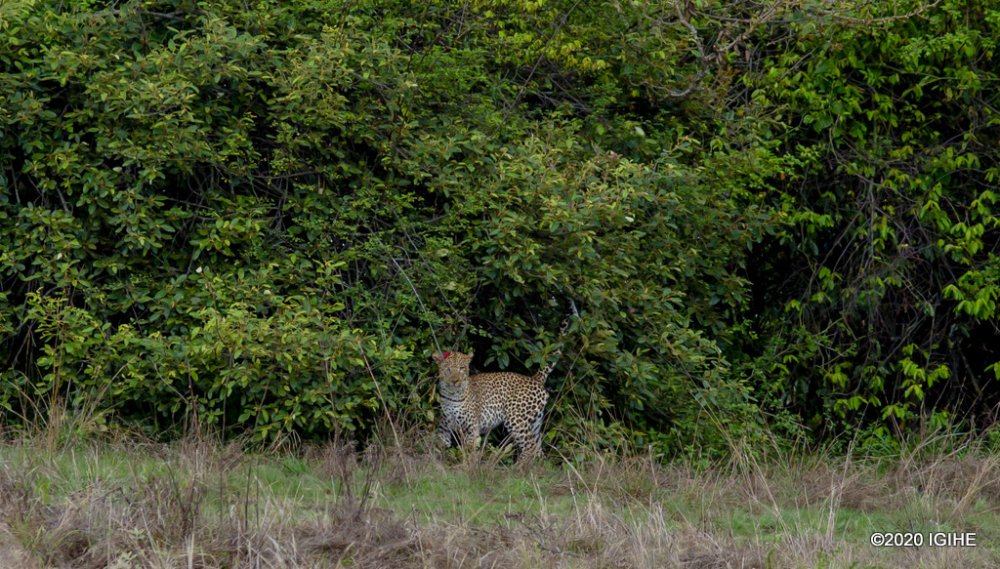
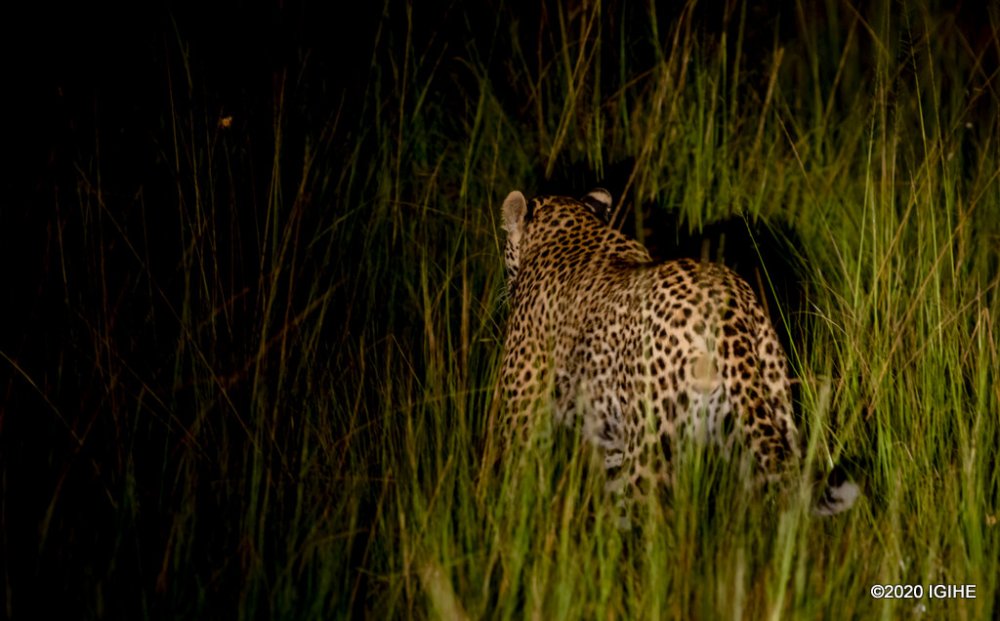
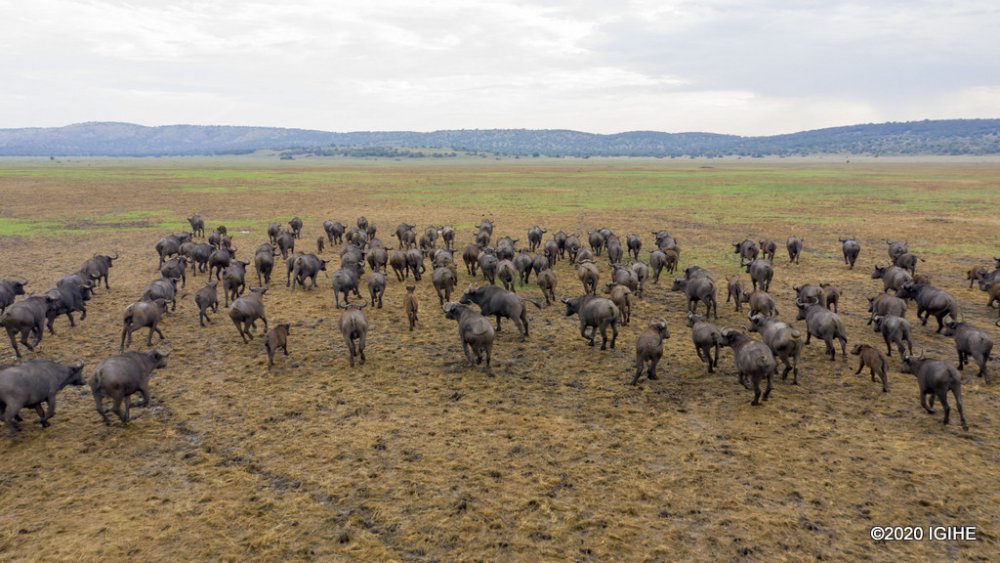
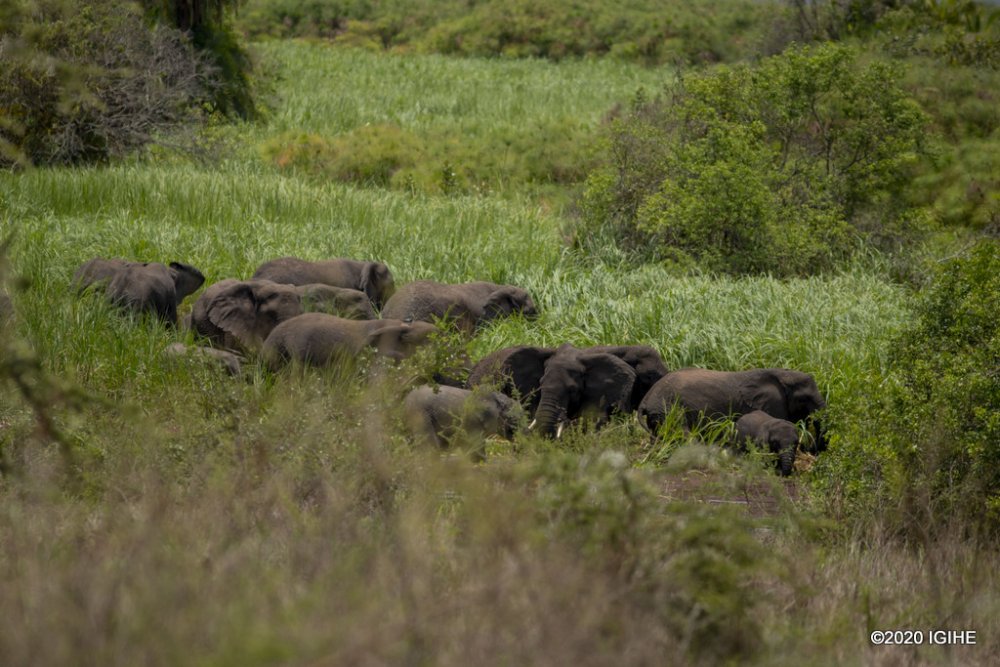
Established in 1934, Akagera National Park spans 1,122 square kilometers and is one of Rwanda’s most biodiverse protected areas. It is home to more than 11,300 recorded animals, including approximately 60 lions, 142 elephants, 4,000 buffaloes, 115 giraffes, between 80 and 100 leopards, and 145 rhinos.
Other species include around 2,000 impalas, 1,500 antelopes, and between 120 and 150 hyenas. The park also supports an estimated 1,500–1,800 hippos, 1,000 waterbucks, and over 1,000 additional antelope species.
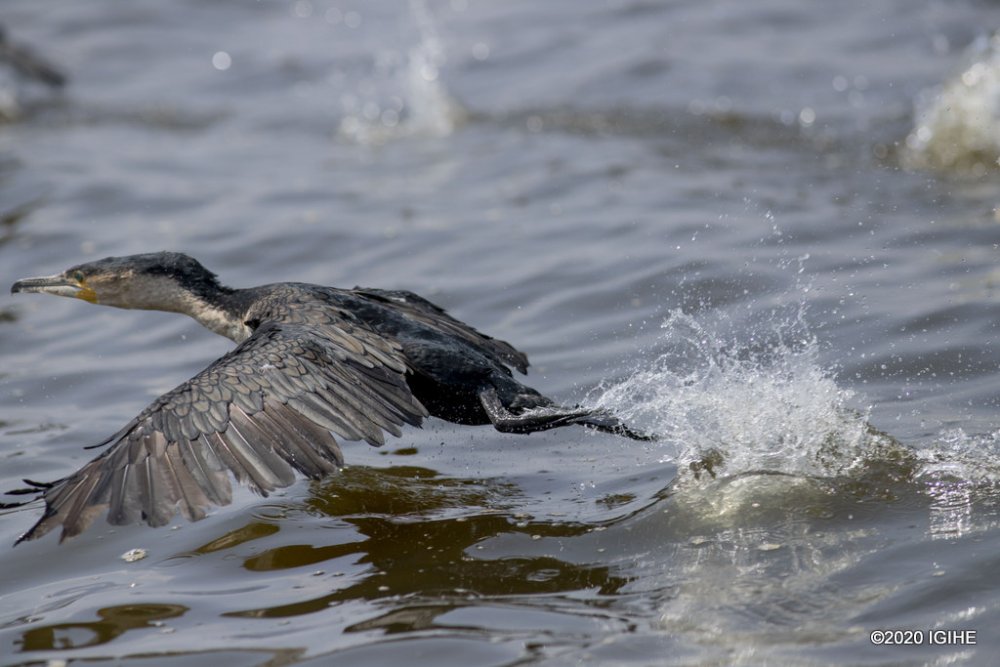
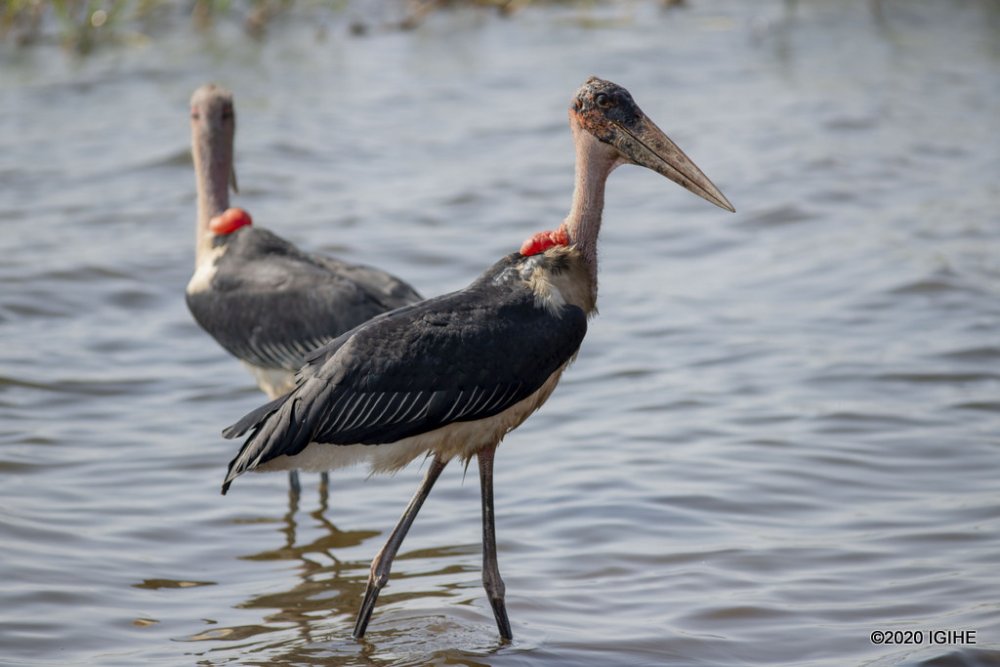
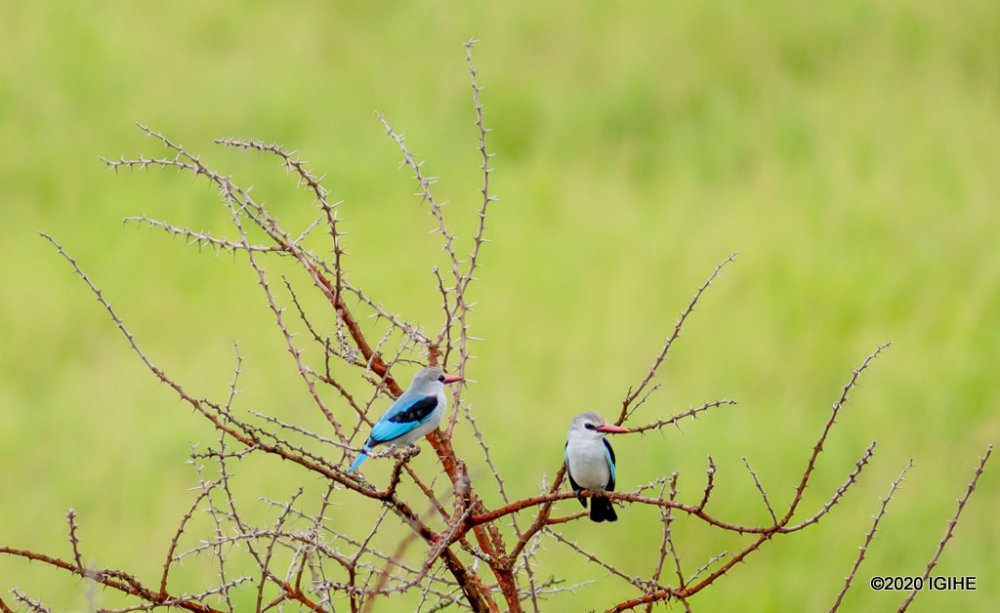
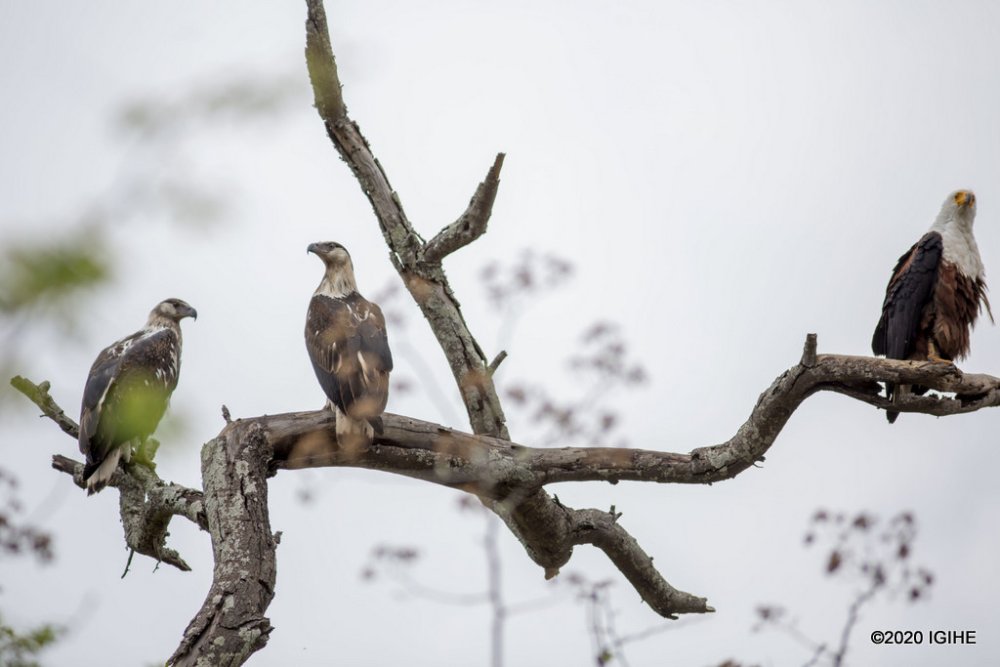
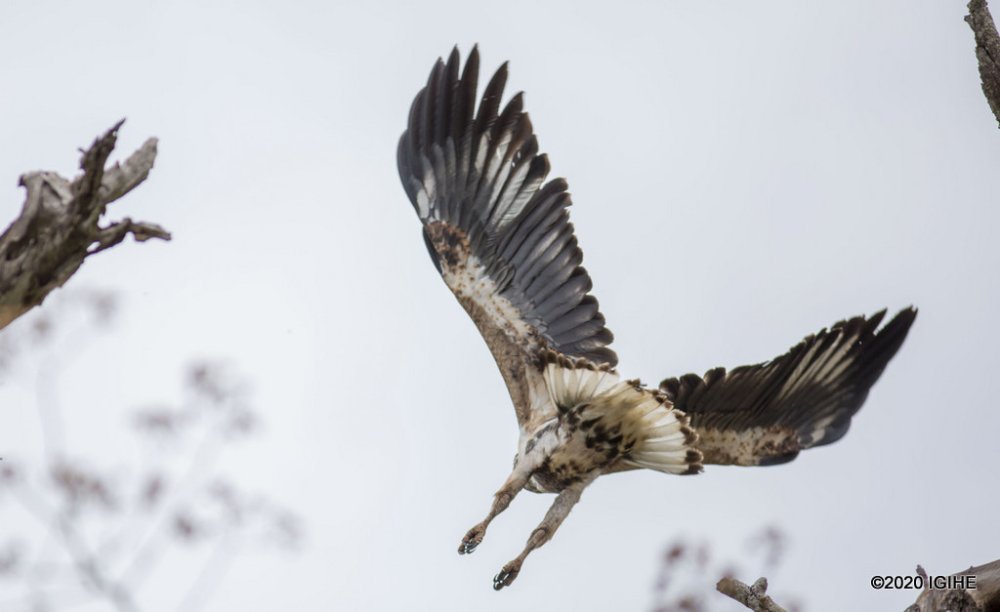
Akagera is also a major birding destination, hosting about 500 bird species, the highest number recorded in any national park in Rwanda. By comparison, Nyungwe National Park hosts around 300 species, while Gishwati and Volcanoes National Parks have fewer.
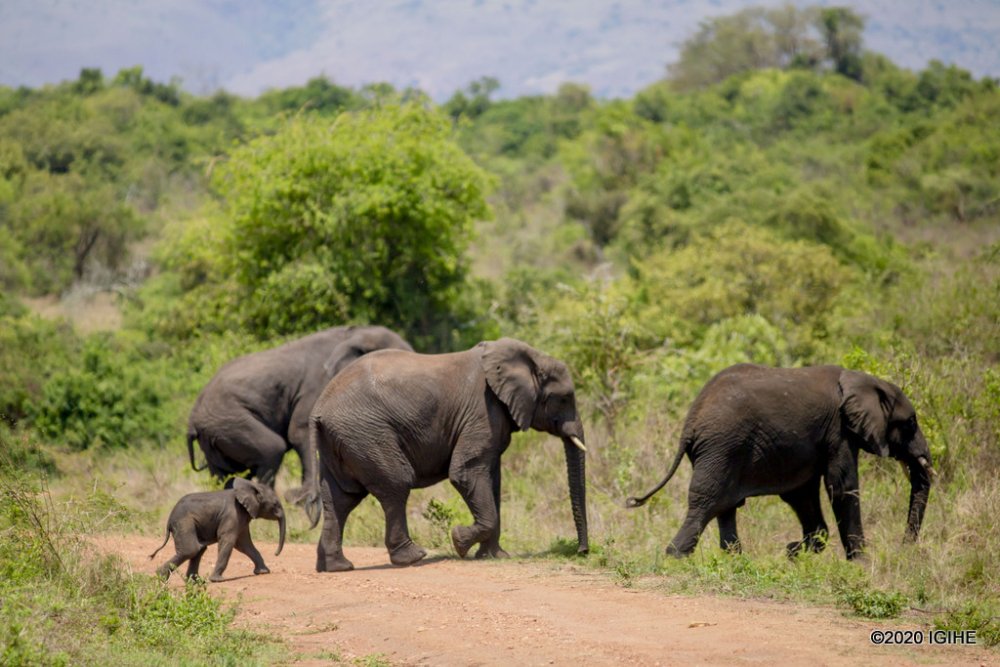
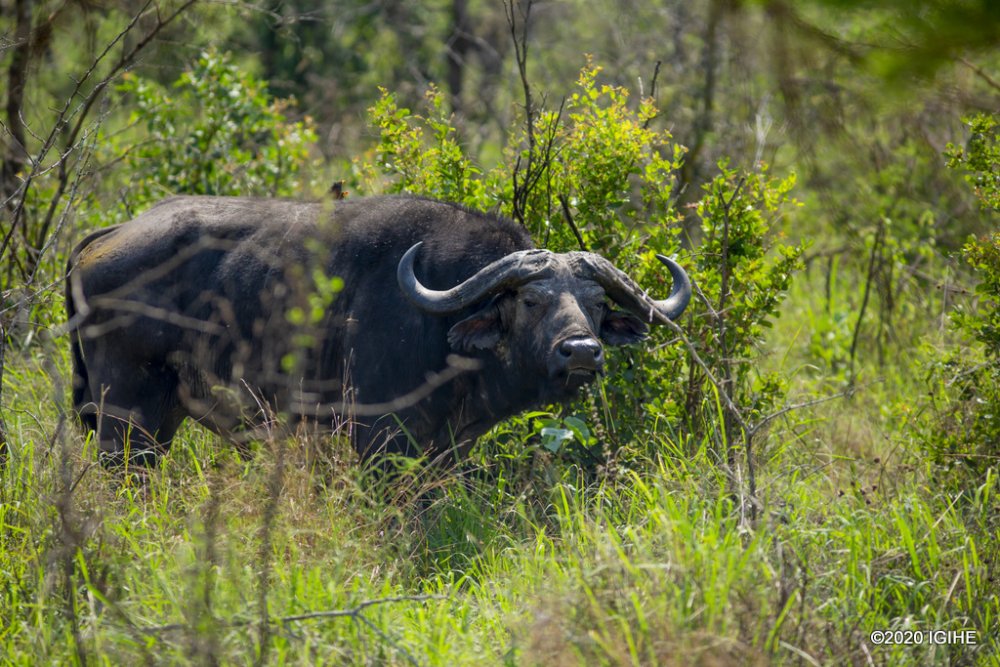
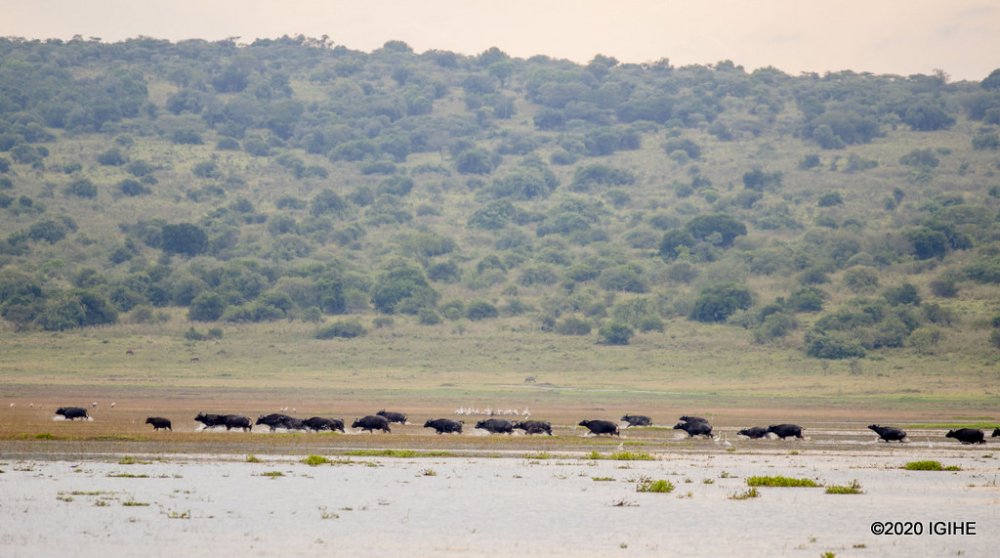
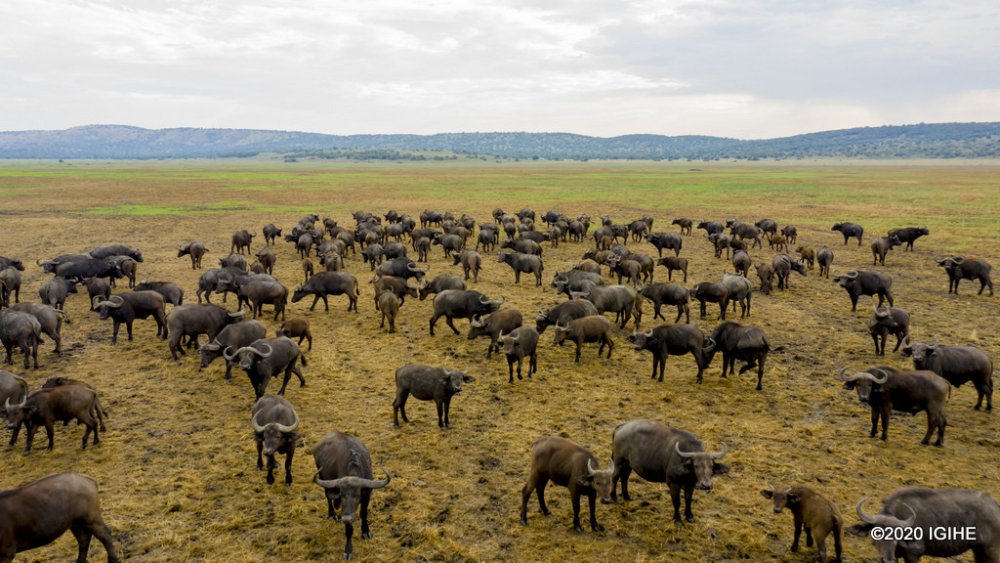
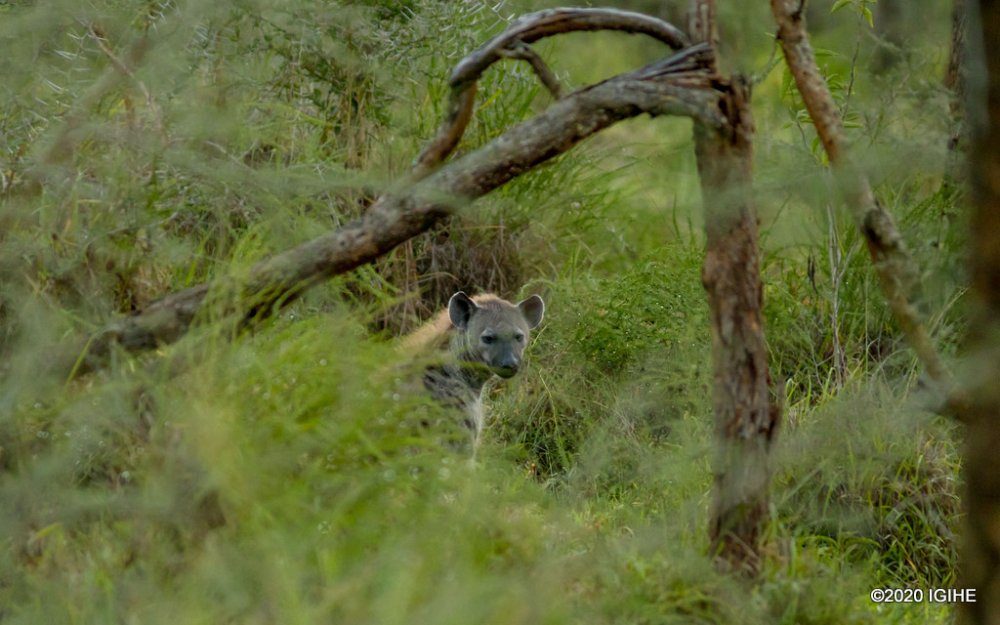
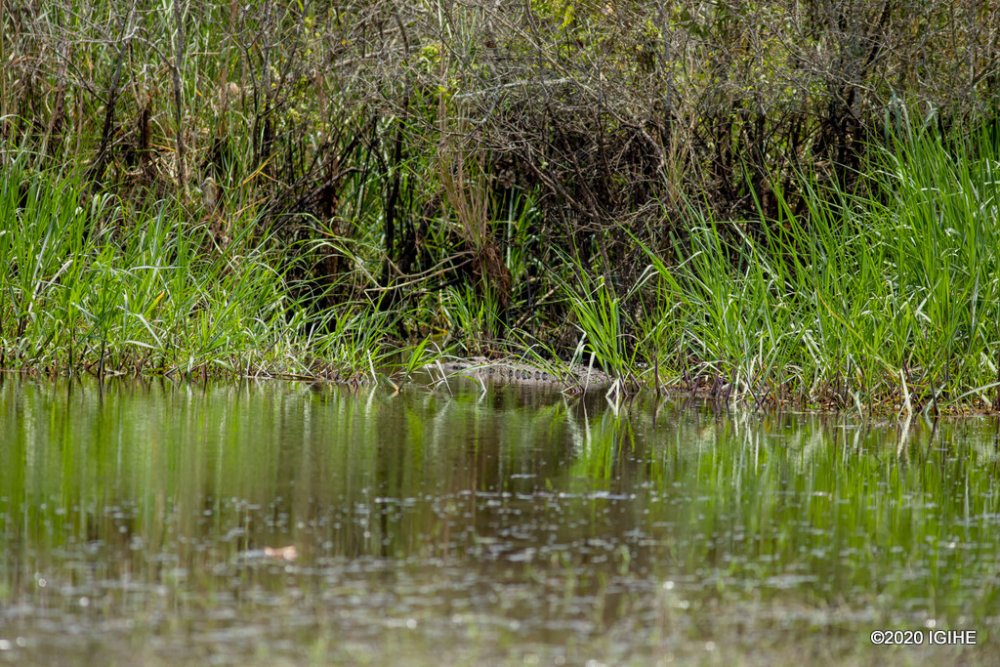
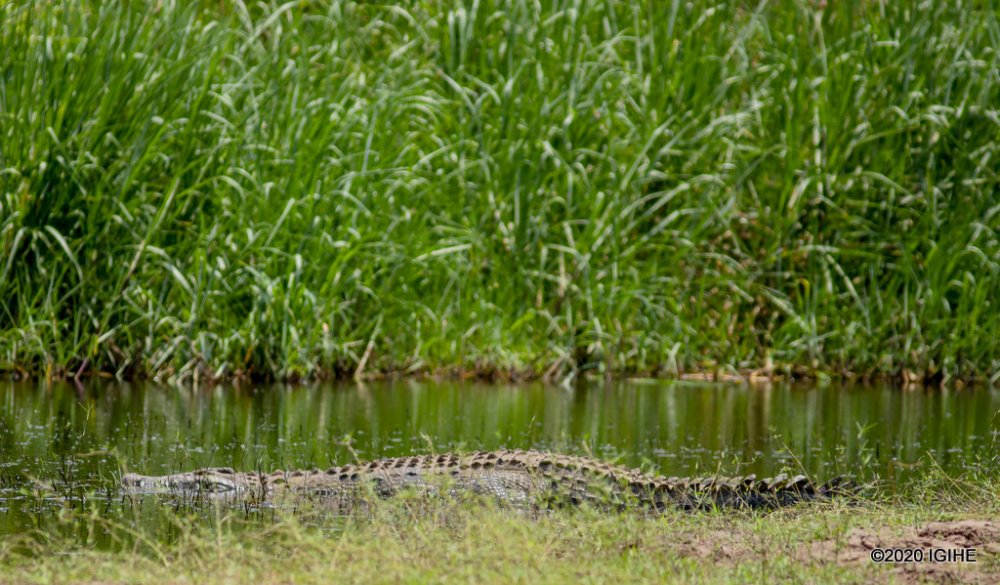
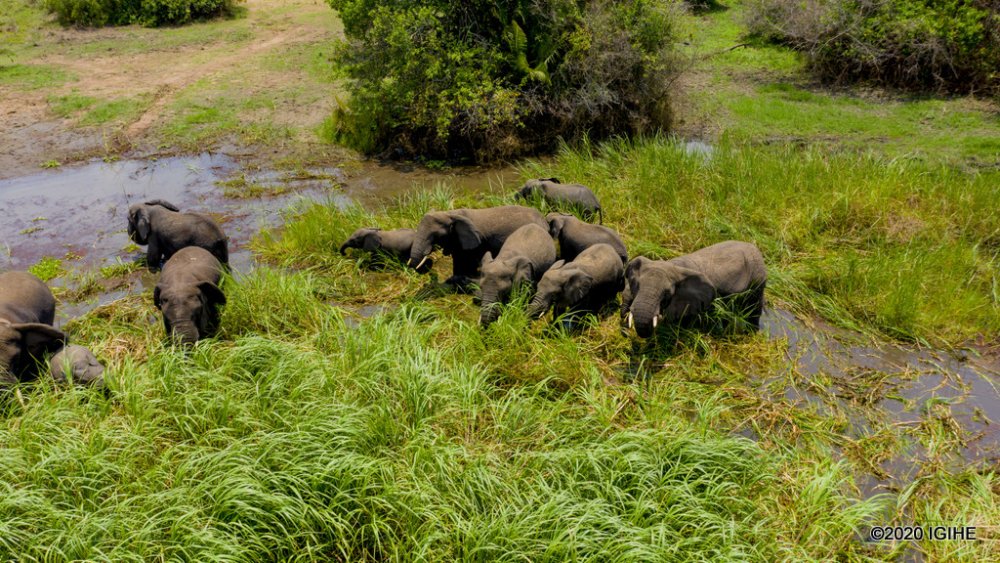
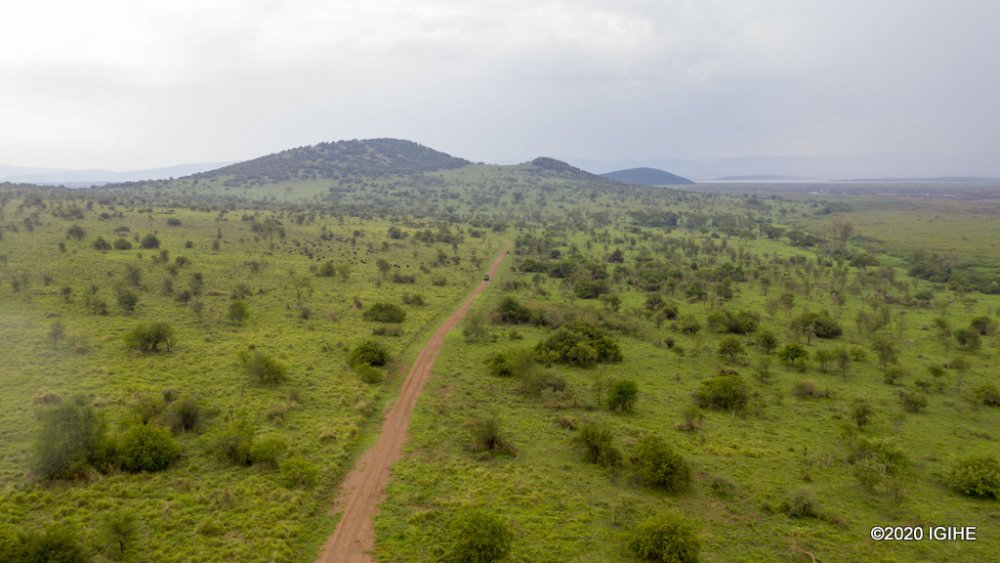
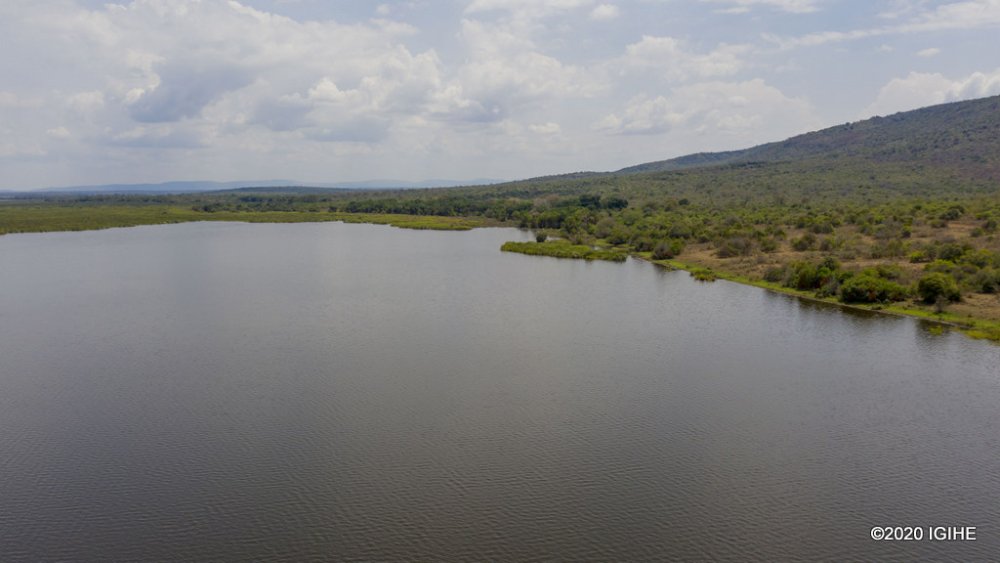
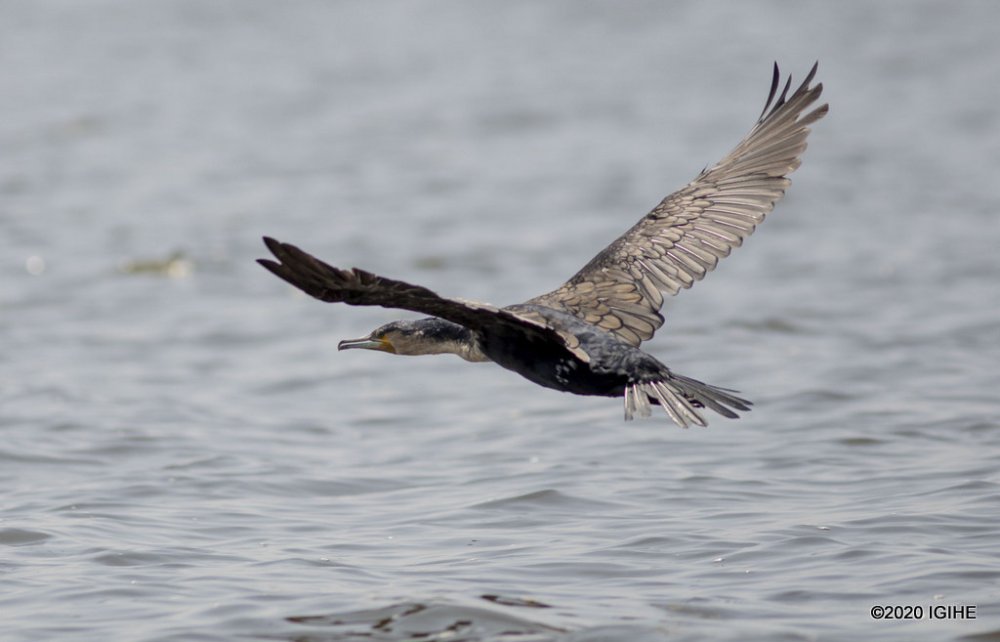
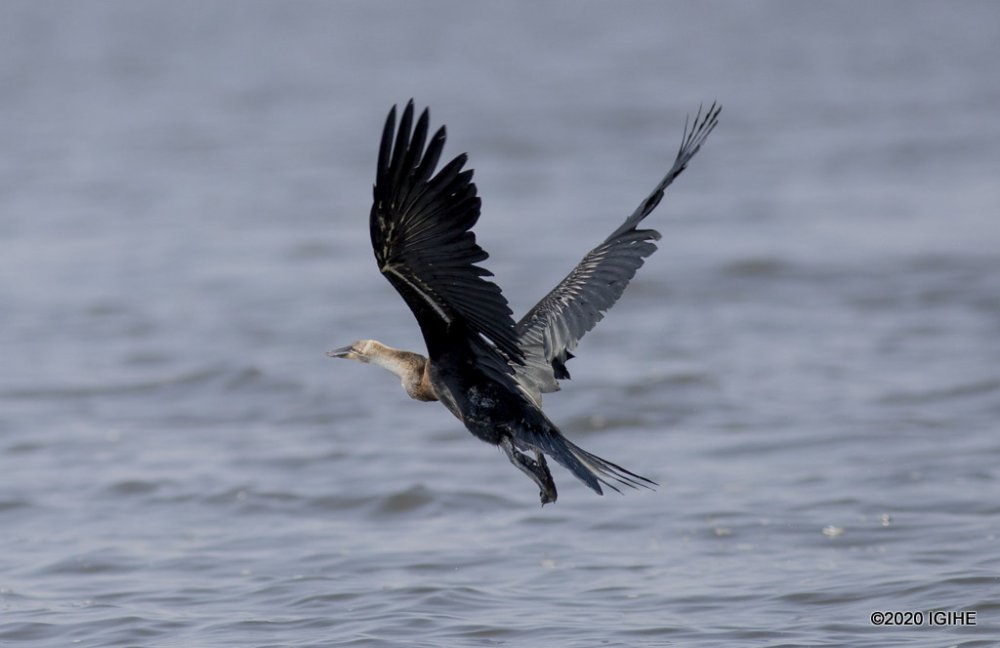
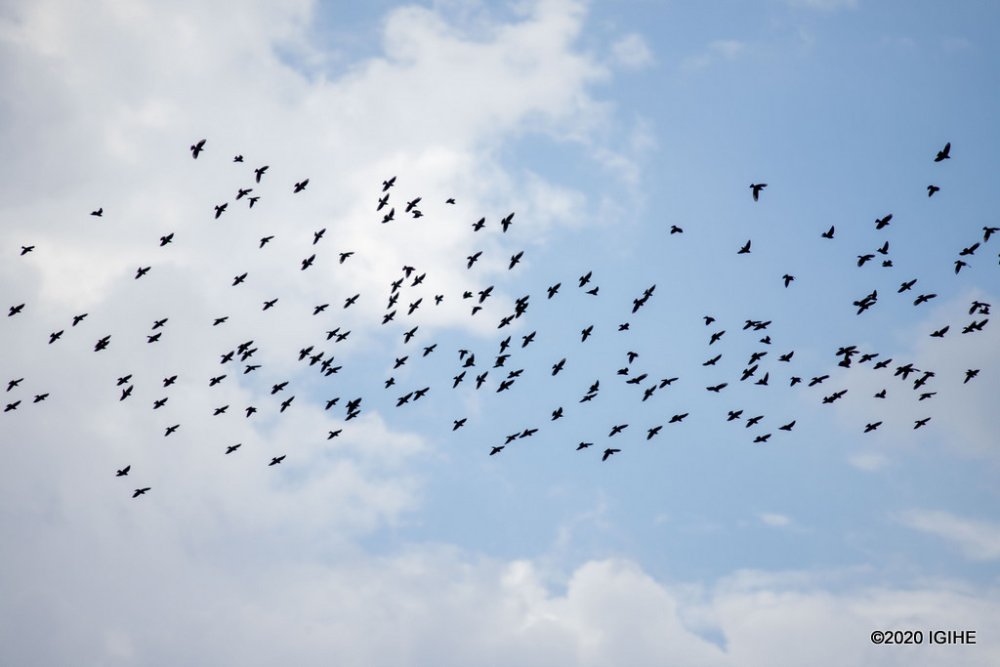
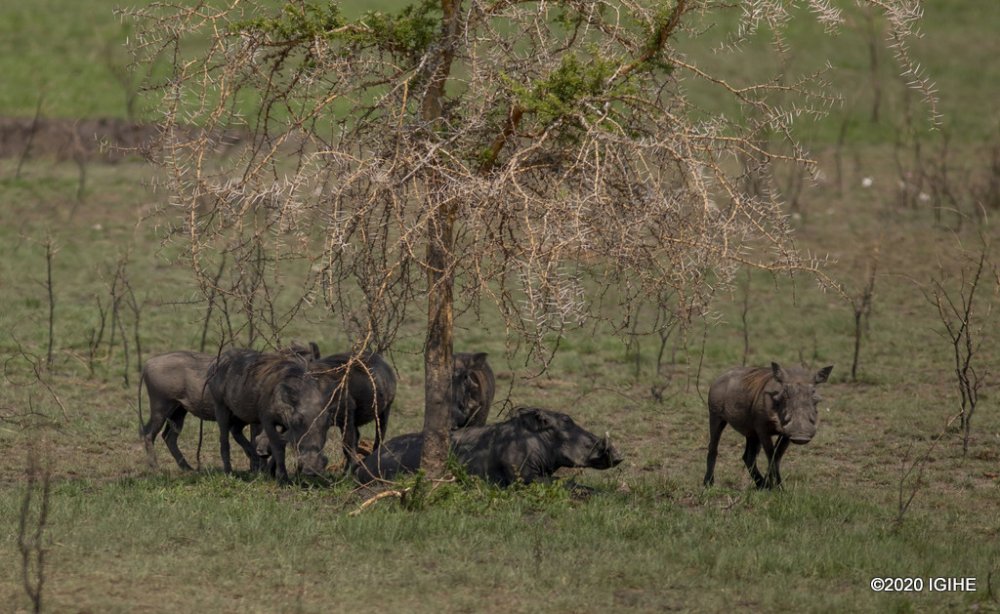
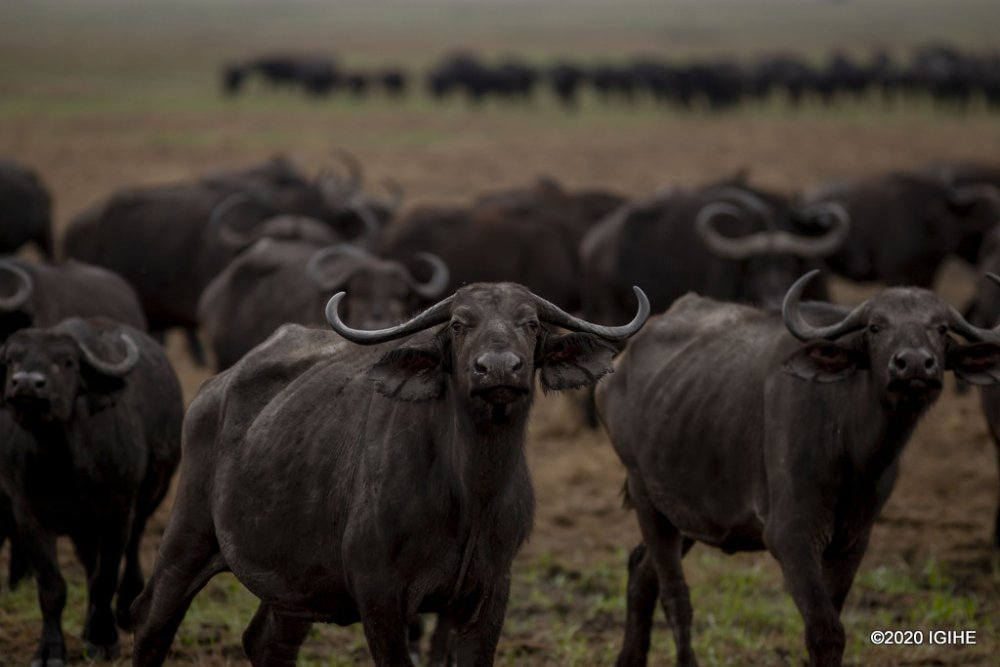
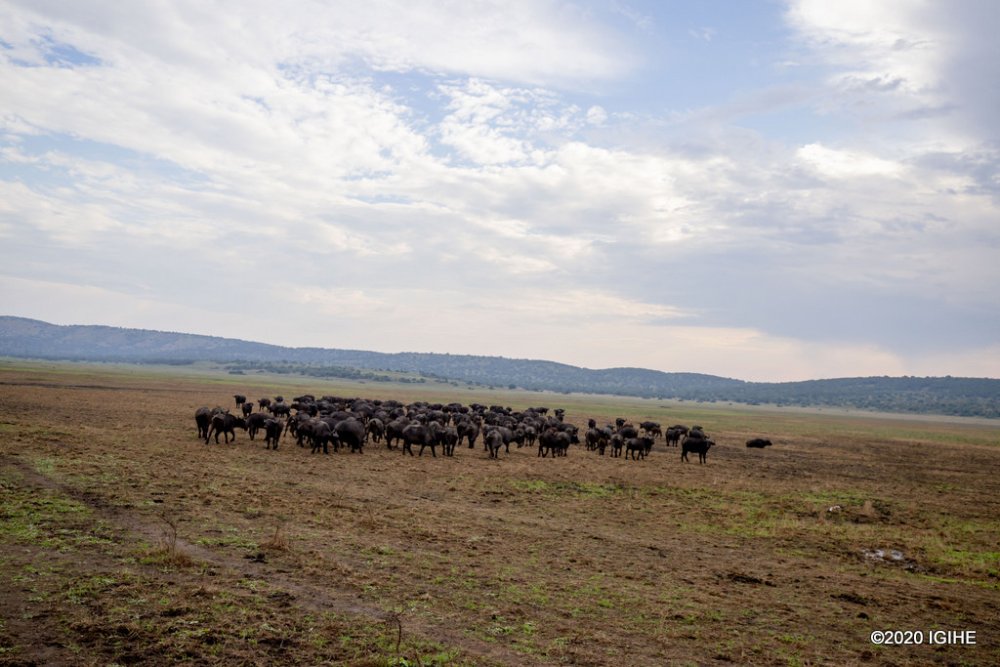
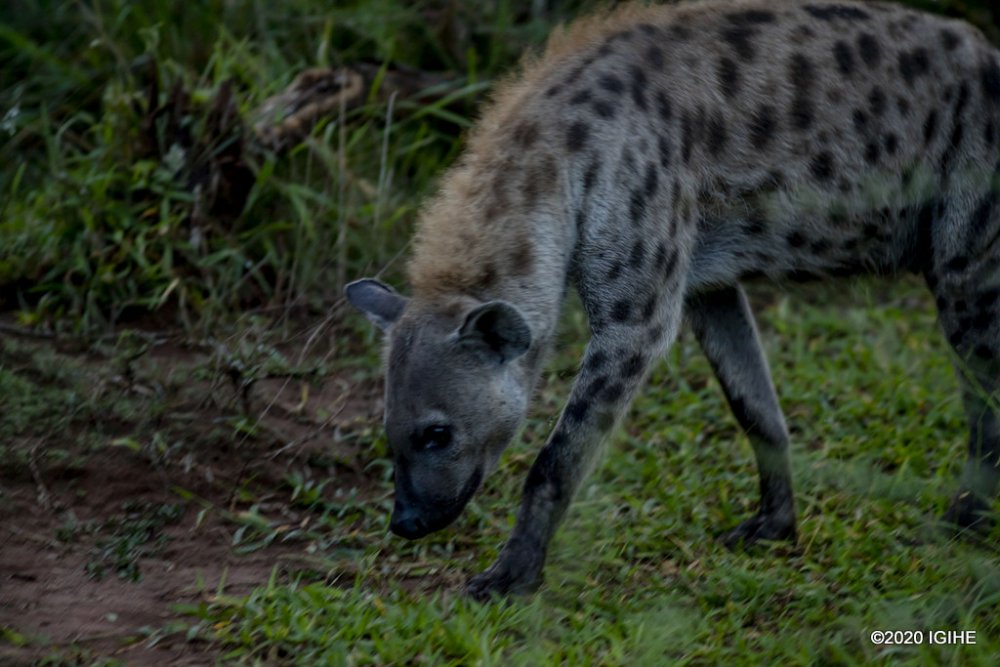
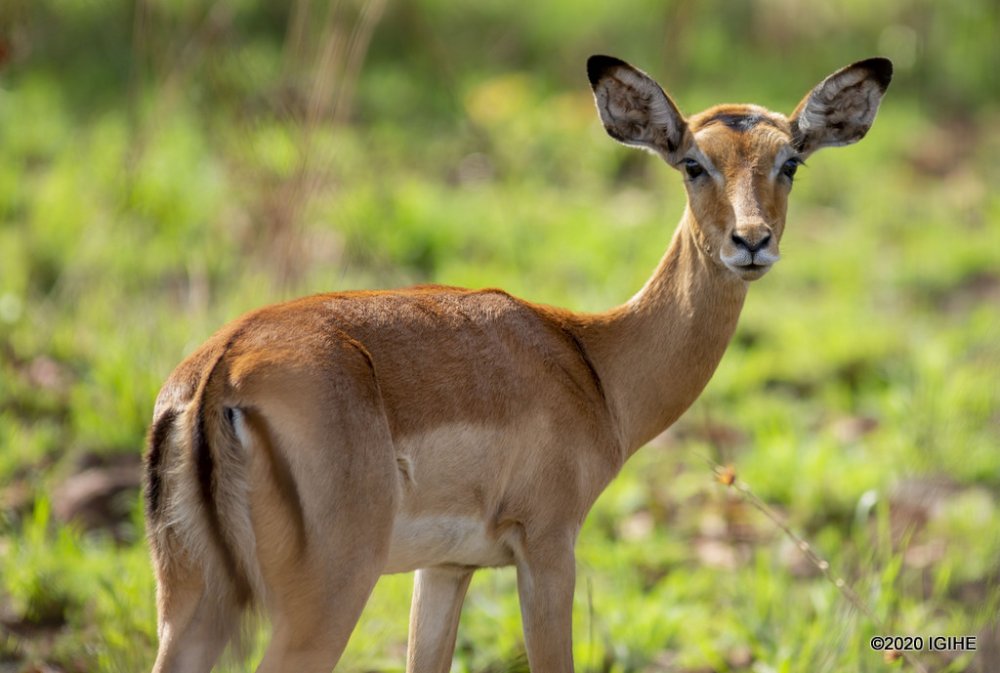
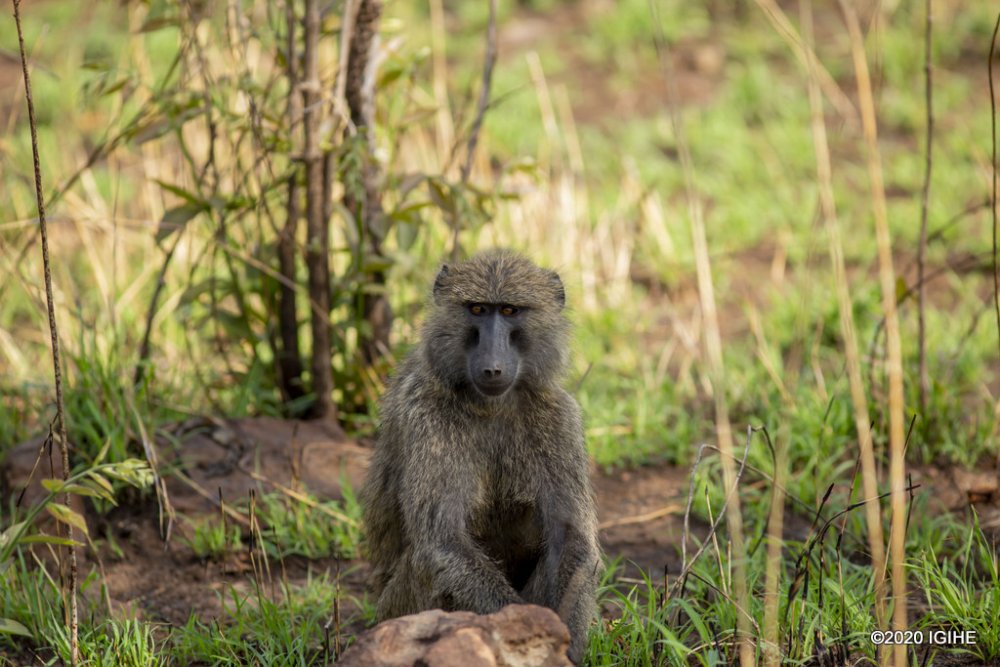
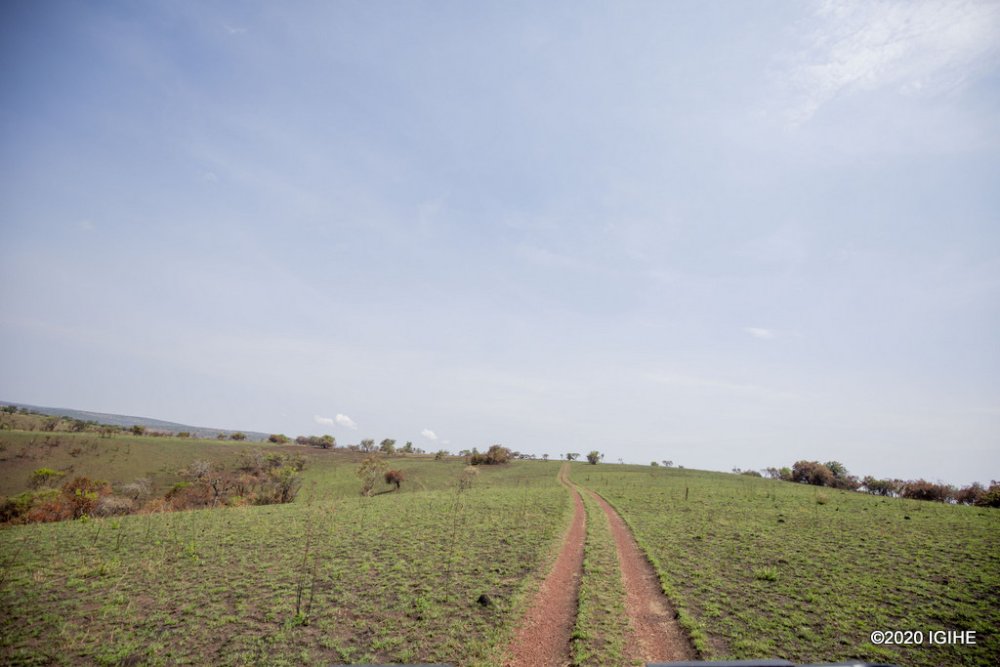
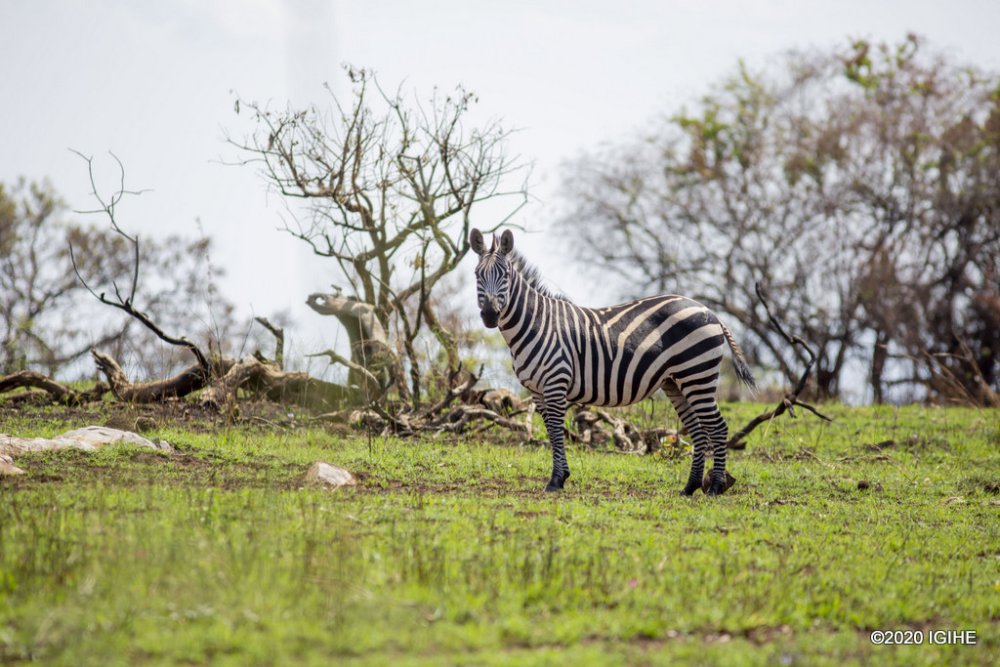
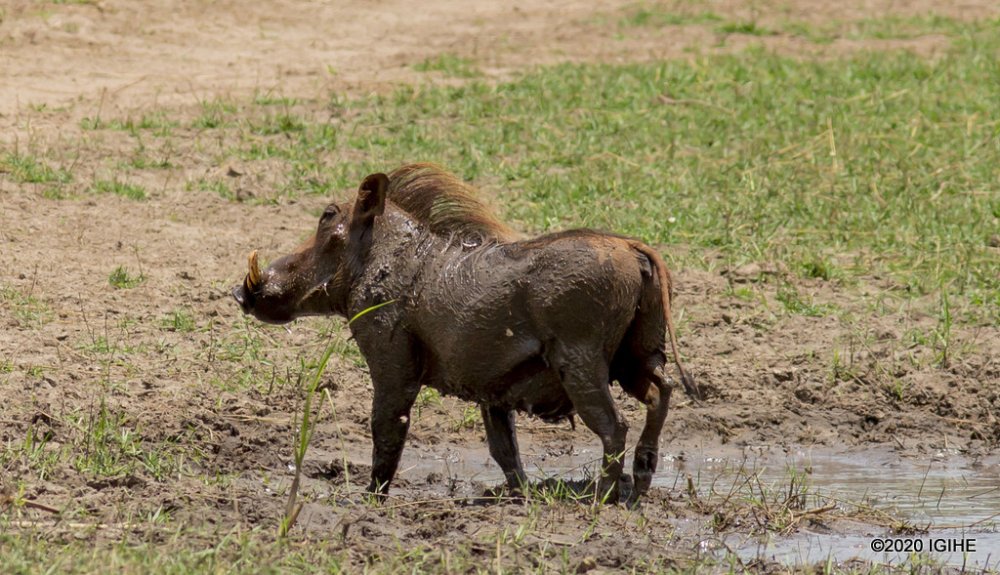
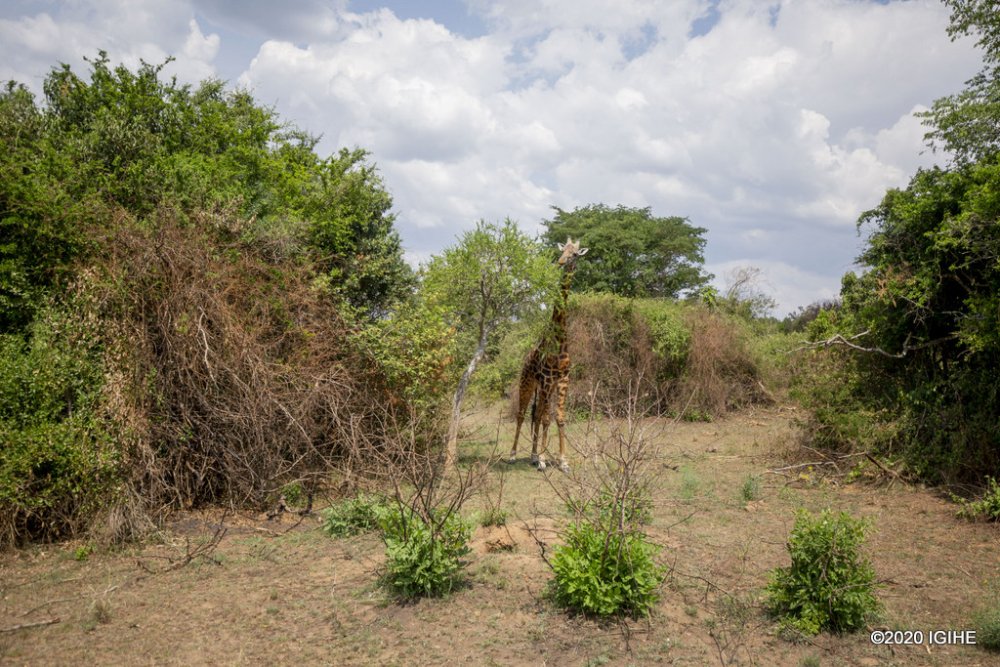
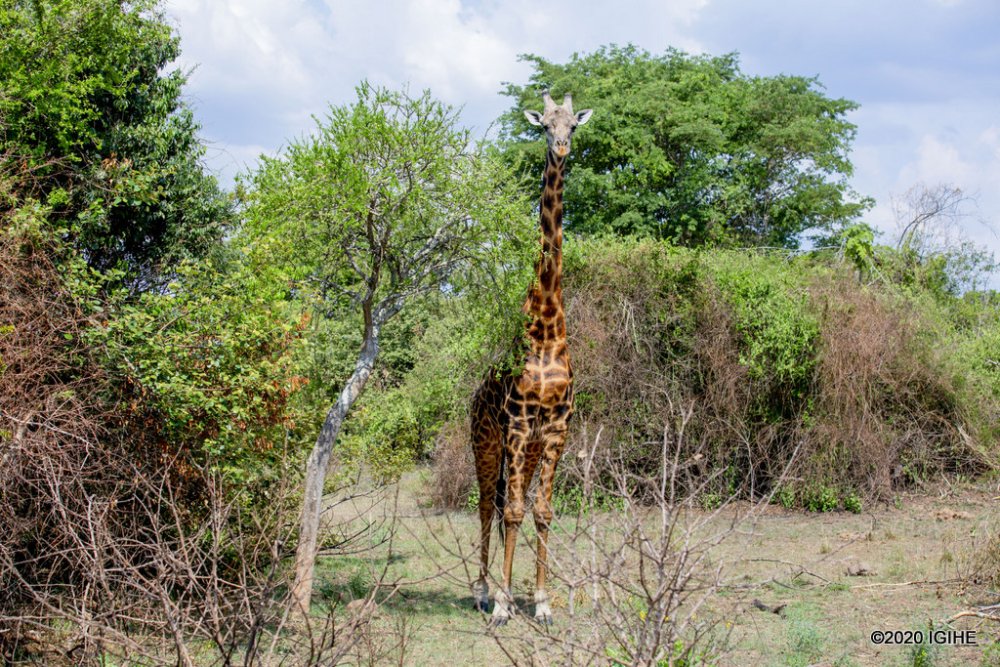
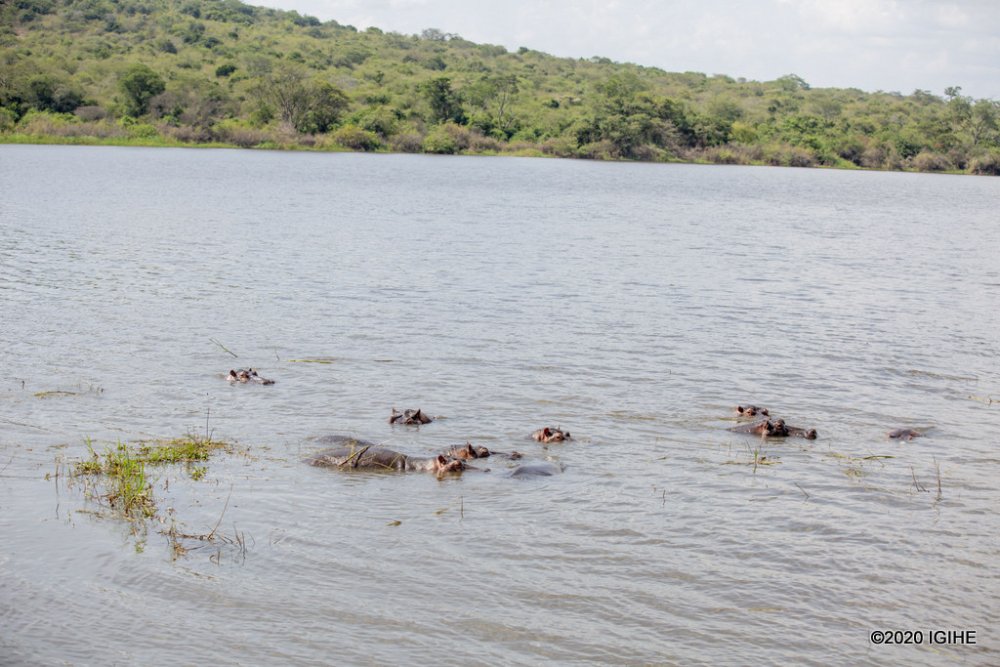
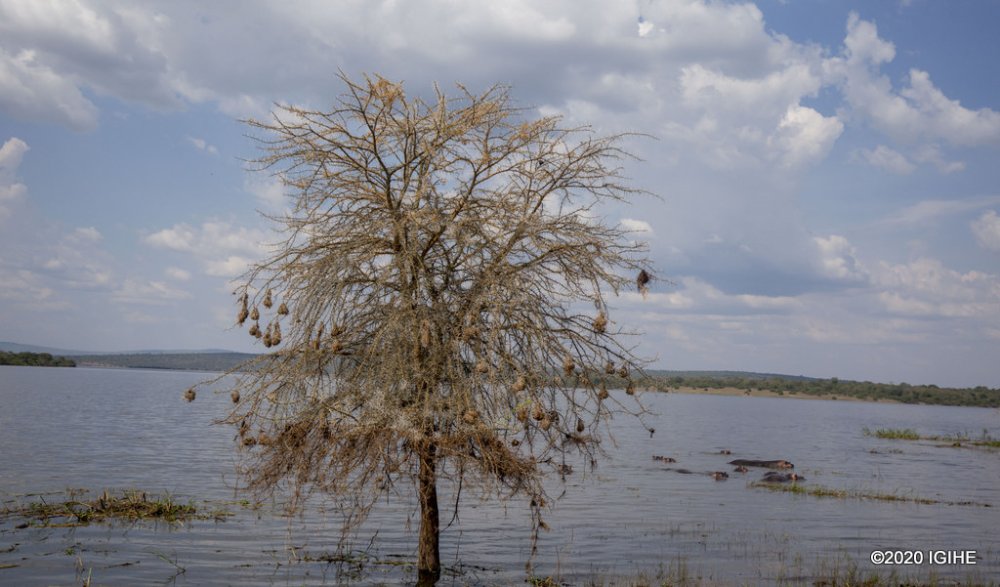
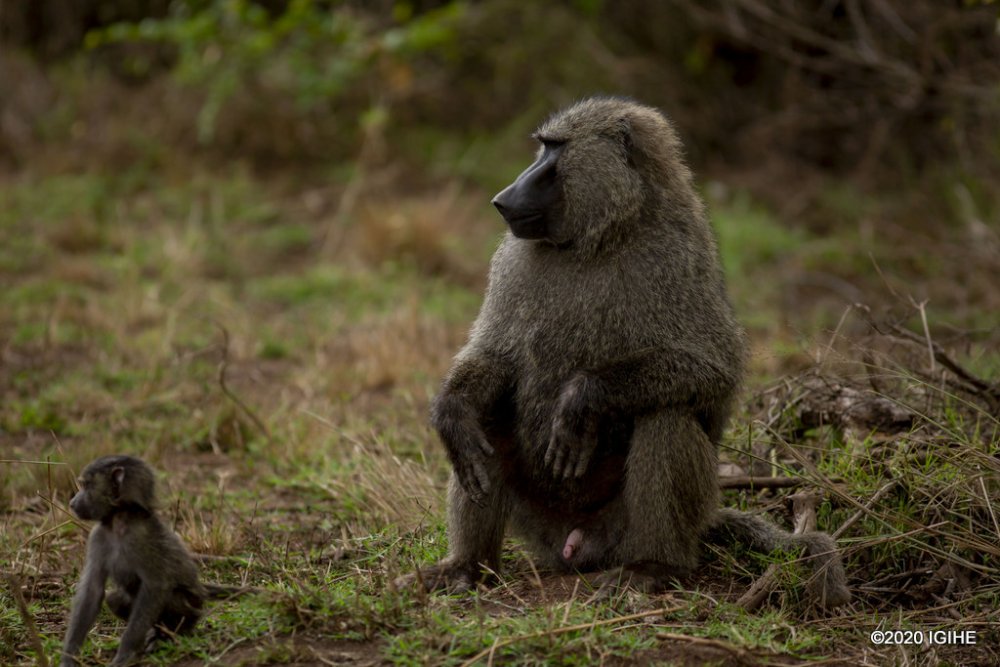
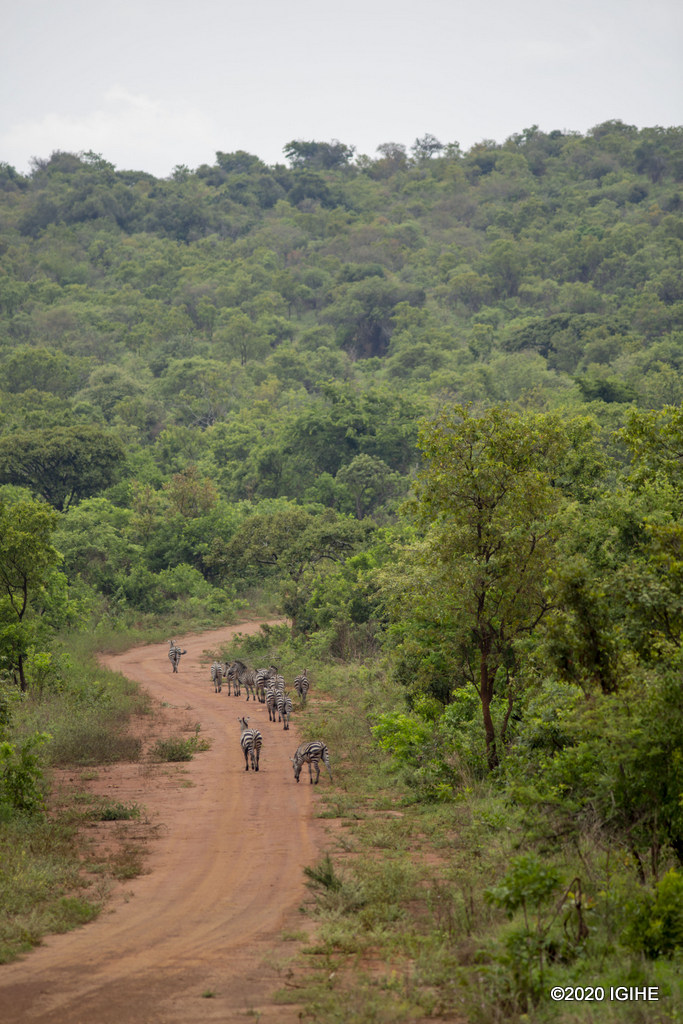
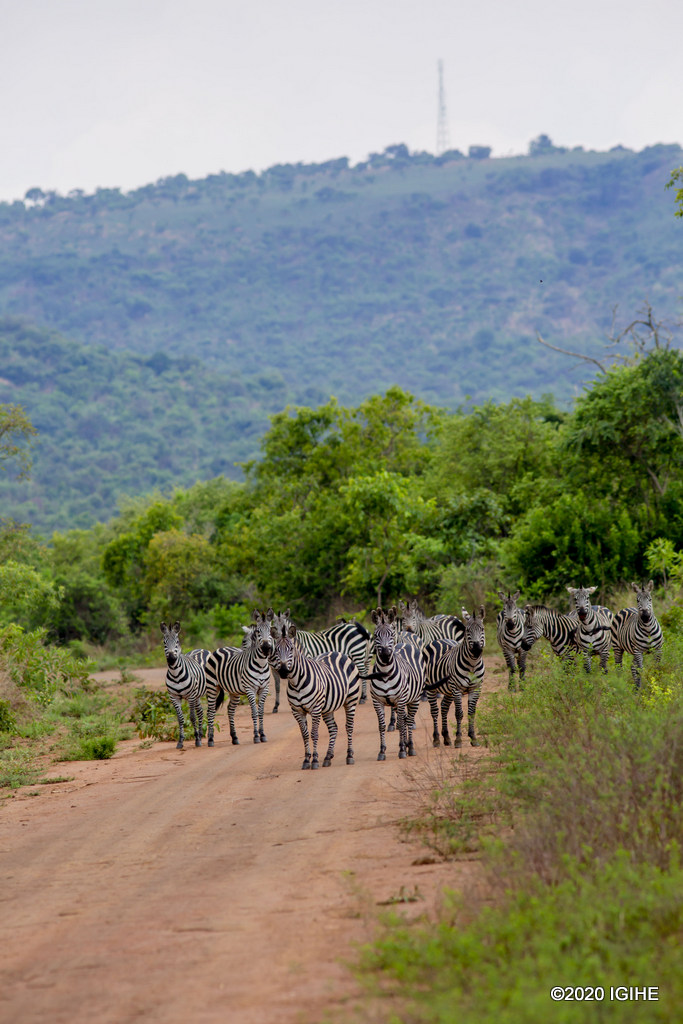
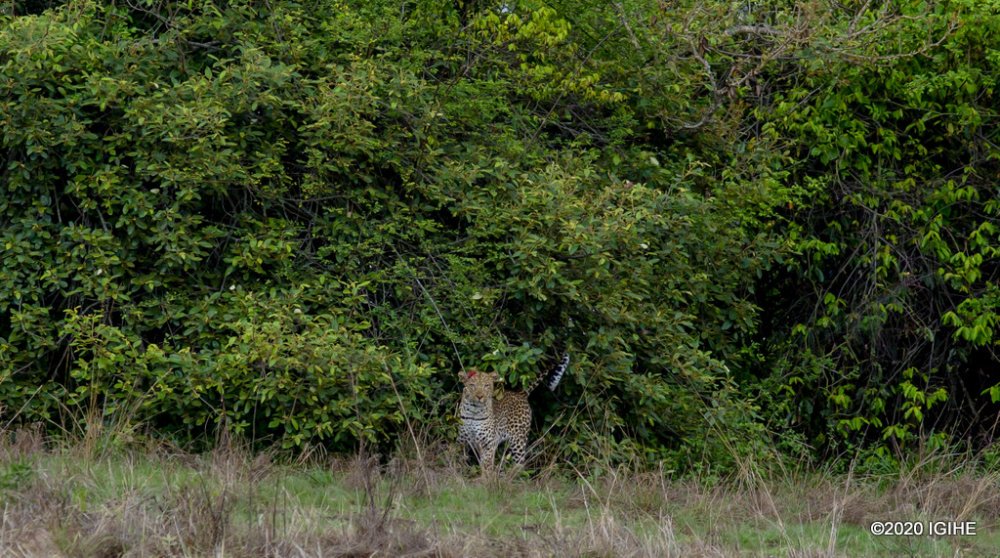
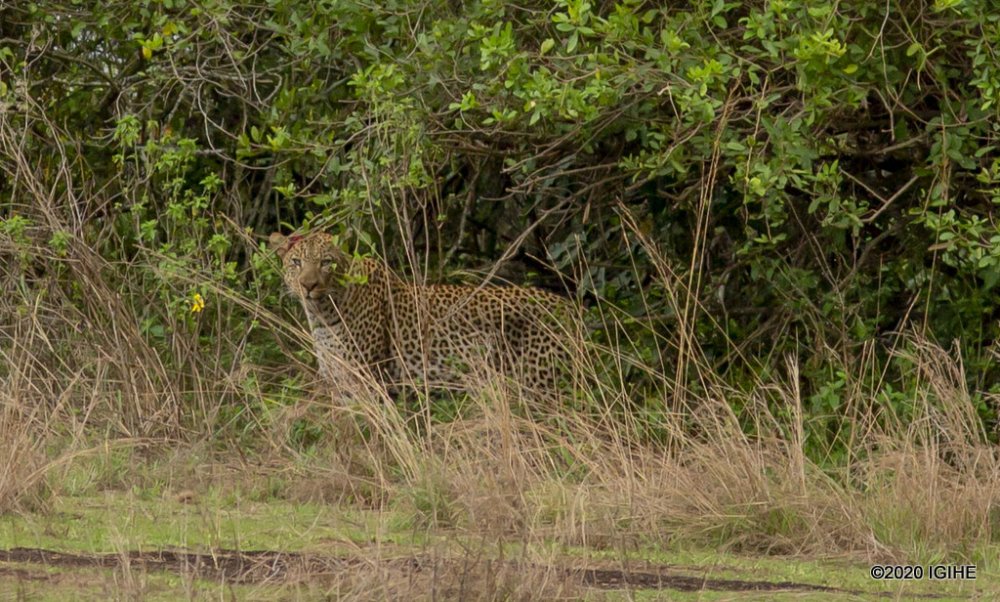
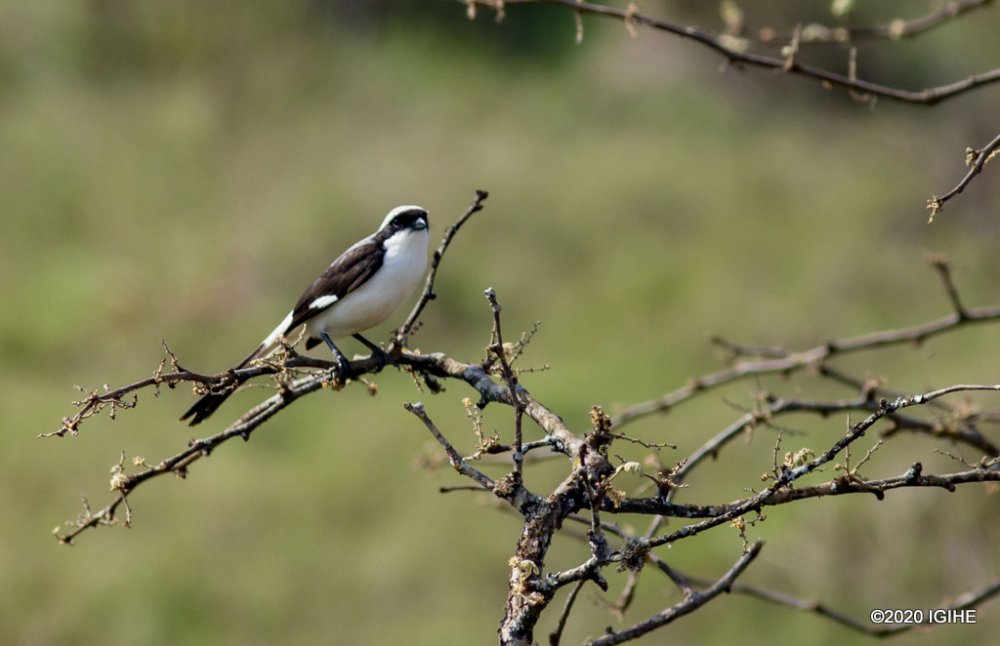
Hippos are among Africa’s most iconic and powerful animals.Lions are among the Big Five species found in Akagera National Park.Elephants cross a road in Akagera National Park, with a calf following behind.Elephants are among the most iconic animals in the park.A buffalo grazes in Akagera National Park.Hyenas are also common in Akagera National Park.A rhinoceros, known for its great strength, uses its horn for defense and fighting.The leopard is a rarely seen animal, with estimates suggesting that only 100 individuals remain in the park.Leopards are among the most commonly seen at night due to their nocturnal and elusive nature.” A crocodile in the waters of Akagera National Park.Elephants often move in groups.Akagera National Park is characterized by a diverse landscape of savannah plains, low-lying hills, and a network of lakes and wetlands.Buffaloes often graze in herds, especially in the valleys.Akagera National Park is home to a network of lakes, including Lake Ihema, the largest in the park. The name “Ihema” means “tent” in Kinyarwanda and is linked to early expeditions that camped in the area.Akagera National Park is also home to a wide variety of bird species, including the marabou stork.Elephants gather to feed on fresh vegetation.Giraffes feed on leaves high in the treetops.This large bird, the African darter, is found in Akagera National Park.A flock of birds flies over Akagera National Park.Warthogs, often referred to as “wild pigs,” are also found in Akagera National Park.A hyena hunting at Akagera National Park.Impala at Akagera.Zebras are also common at Akagera.Warthogs, sometimes referred to as “wild pigs,” are also found in Akagera National Park.Akagera is also a major birding destination, hosting about 500 bird species.
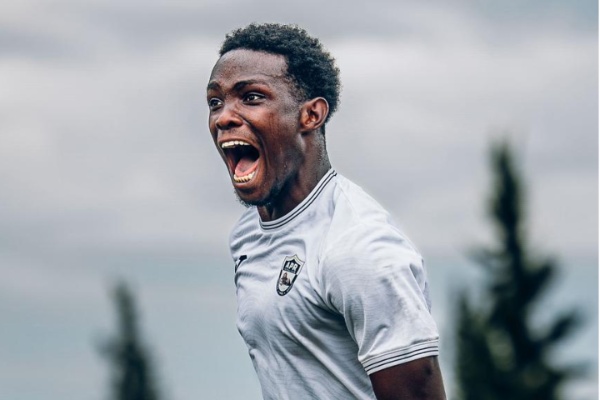
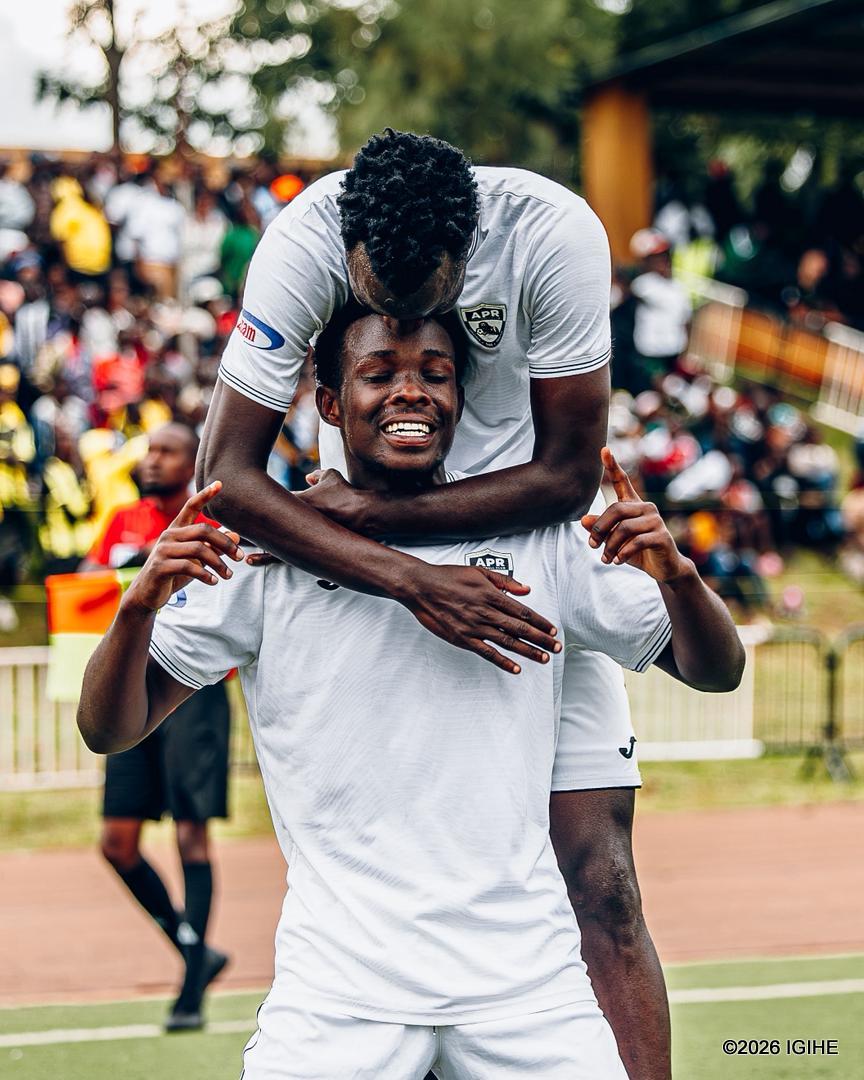
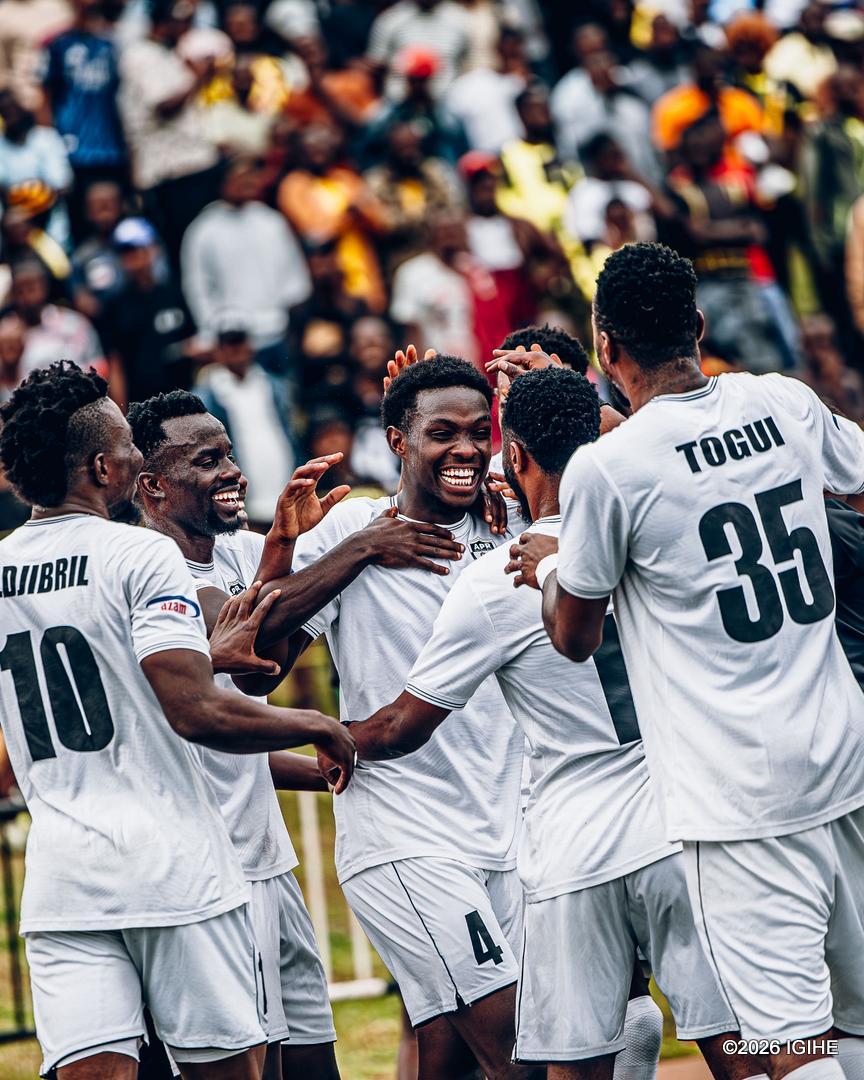
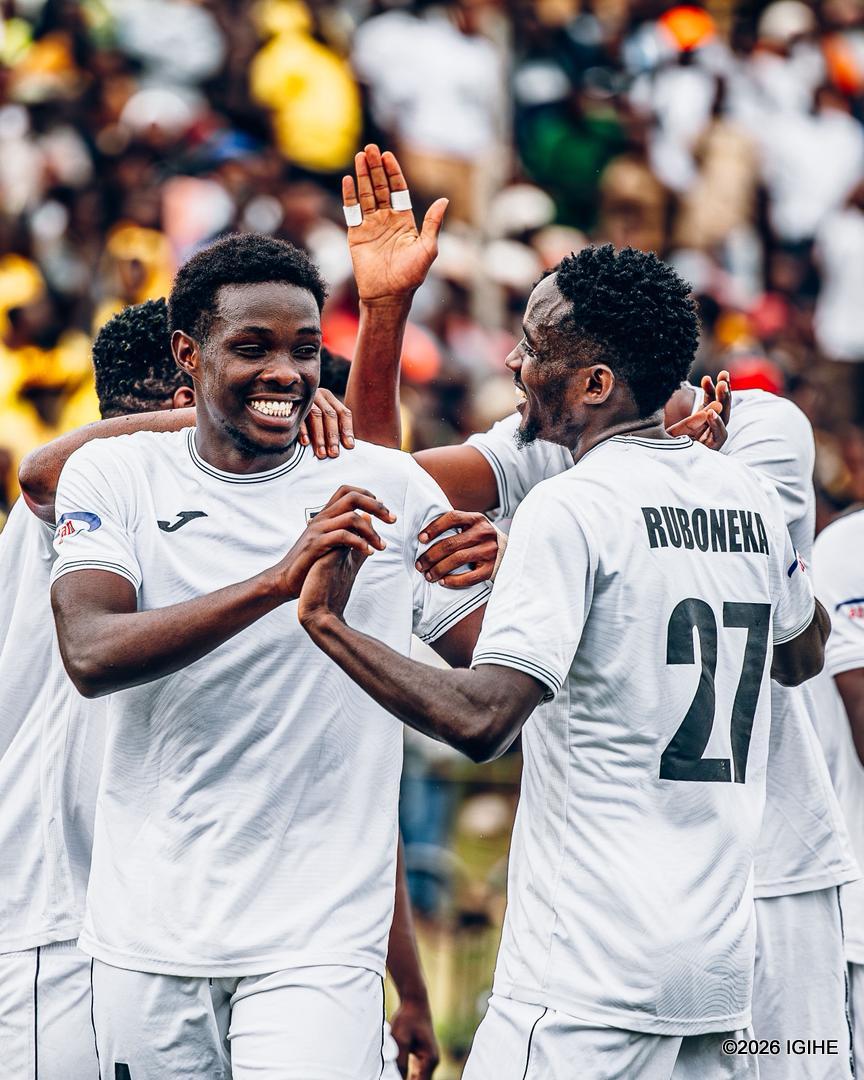
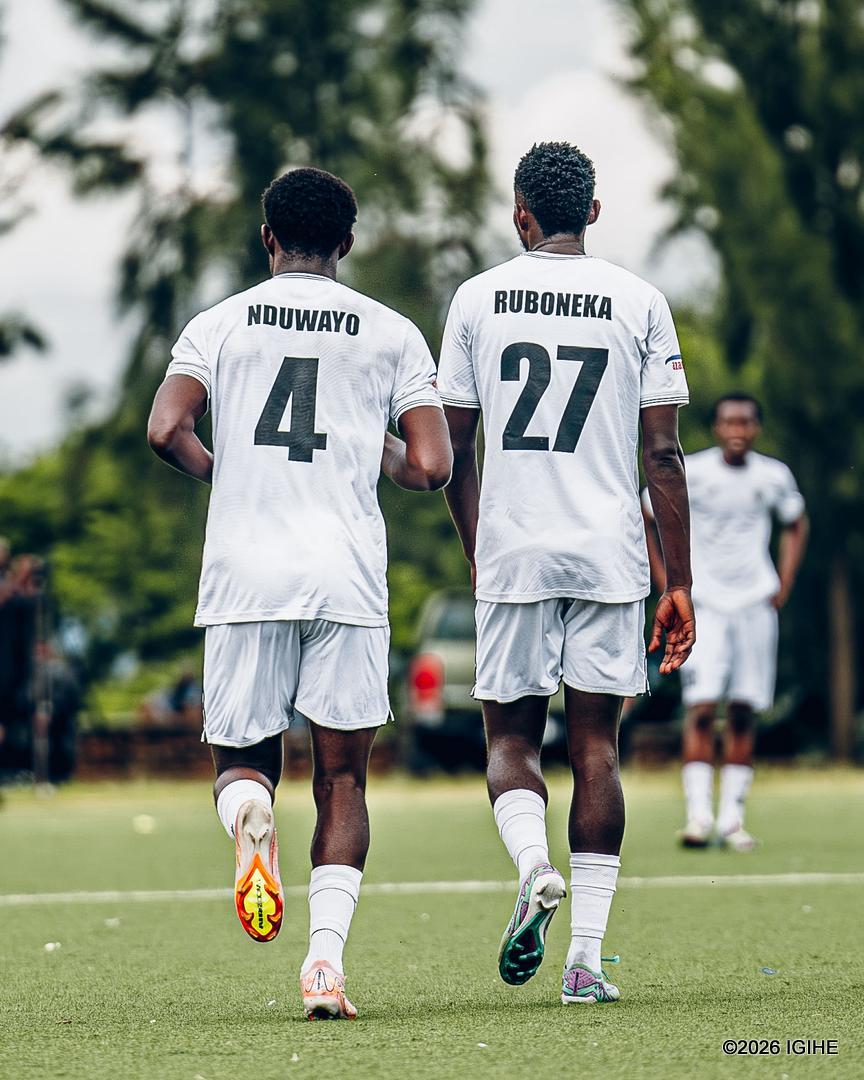
The Matchday 28 fixture of the BK Premier League, played at Kamena Stadium, saw Nduwayo net the third goal in the 61st minute. The goal came from a well-delivered corner kick taken by Ruboneka Bosco, which he successfully converted.
It marked the defender’s first goal for APR FC, coming in just his second start in the Rwanda Premier League since joining the club.
His debut appearance came earlier in the season during APR FC’s 2–1 win over Marine FC.
Speaking after the match, Nduwayo described the moment as an important step in his development.
“It’s just the beginning of a journey. I will keep working hard. I am being given opportunities, and I need to make the most of them,” he said.
The defender also credited his teammates for helping him settle and perform confidently on the pitch.
Nduwayo started due to Niyigena Clément’s injury, while Nshimiyimana Yunussu missed the match after picking up three yellow cards.
Since joining APR FC from Gasogi United during the summer transfer window, the young defender has quickly risen through the ranks, earning a national team call-up with the Amavubi. On Saturday, he delivered a composed display at the heart of defence alongside Ishimwe Abdoul, contributing to a clean sheet for APR FC.
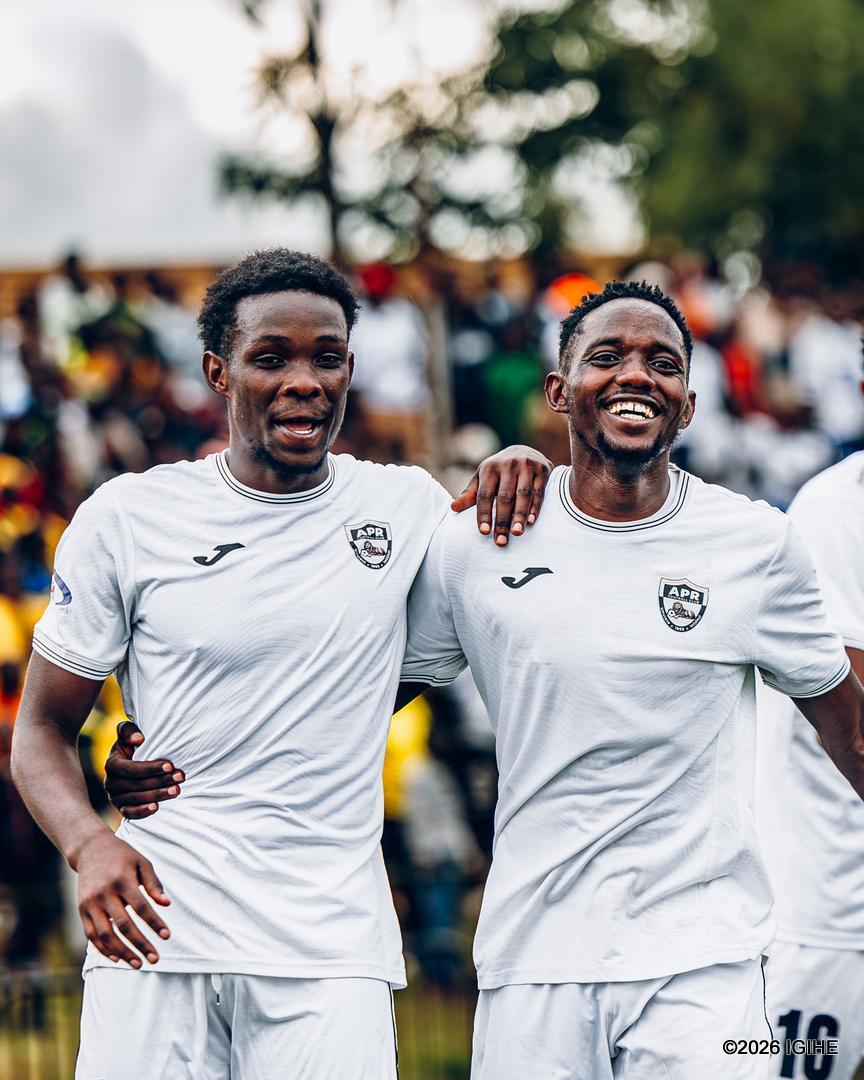
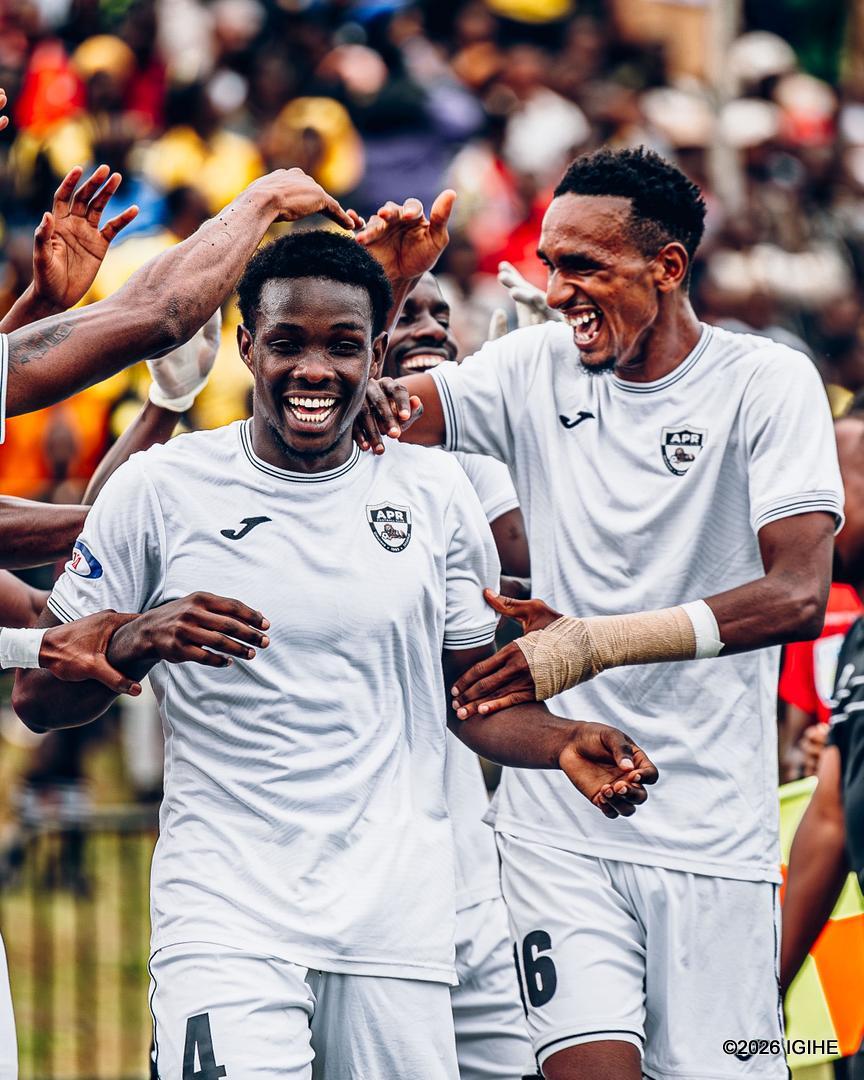
It was a special moment of joy for Nduwayo Alexis, who scored APR FC’s third goal at Kamena Stadium.Nduwayo was making his second league appearance since joining APR FC.APR FC players were delighted to see the young defender score.
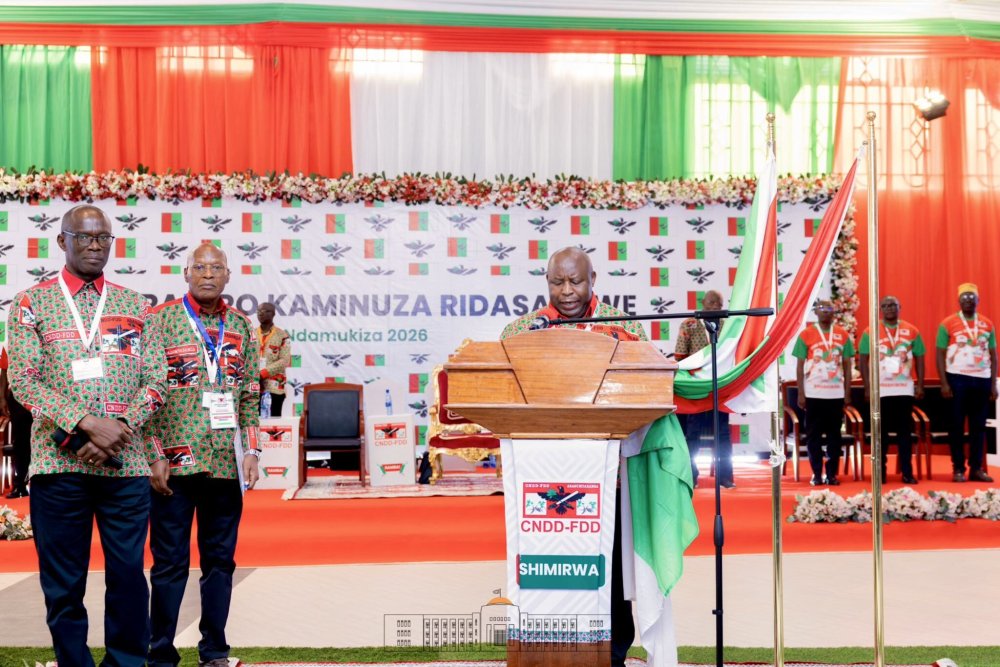
The decision was announced on Sunday, April 26, 2026, following an Extraordinary National Congress of the Party.
A statement posted on the party’s official X account confirmed that Ndayishimiye will represent the CNDD-FDD in the upcoming presidential poll.
Among those considered as potential candidates was the party’s Secretary-General, Révérien Ndikuriyo. Reports indicate there have been disagreements between him and the President over certain policy directions and their implementation.
If re-elected in 2027, Ndayishimiye would serve a second term as President of Burundi. He first assumed office in 2020 following a general election victory.
Burundi’s ruling party, CNDD-FDD, has officially designated President Évariste Ndayishimiye as its candidate for the 2027 presidential election.
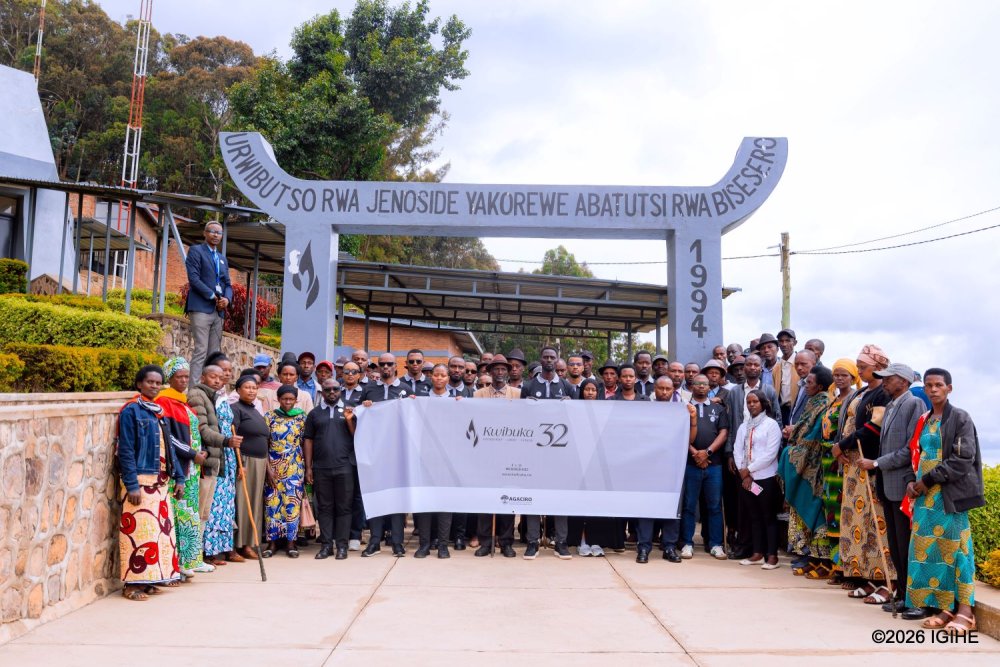
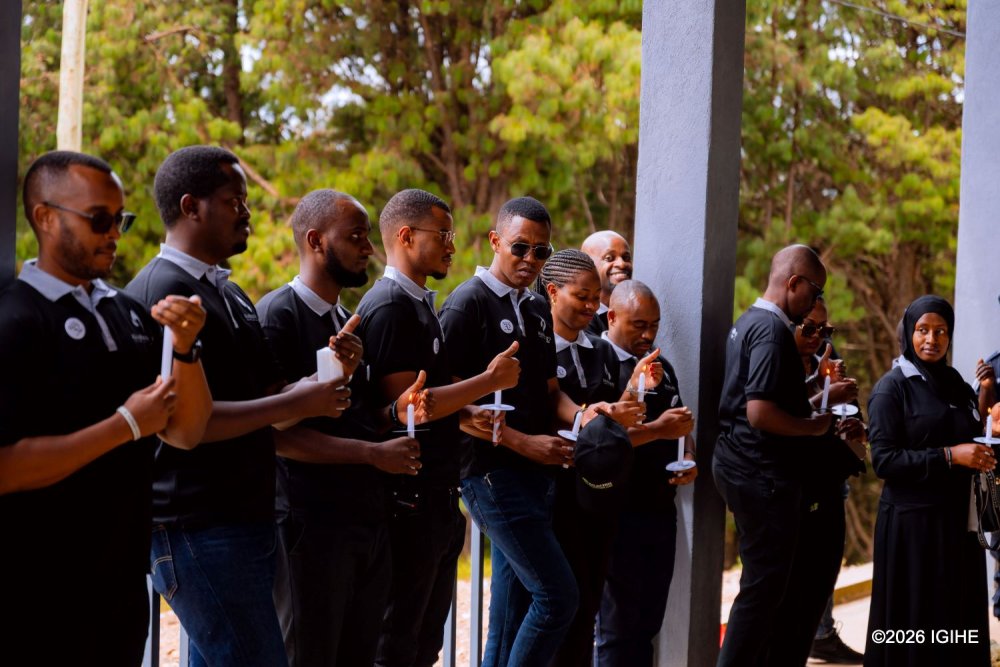
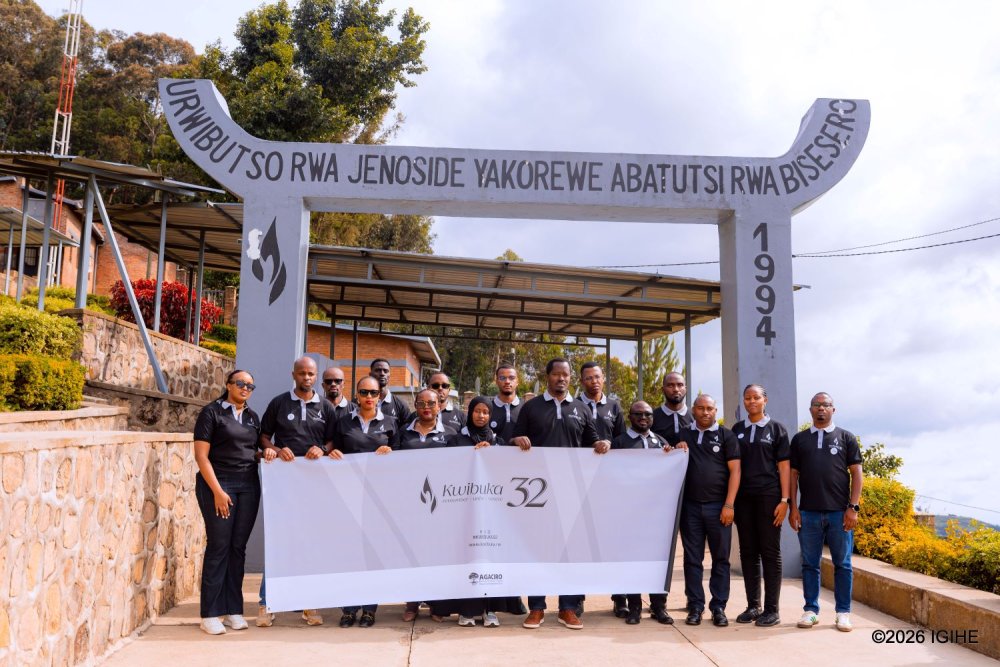
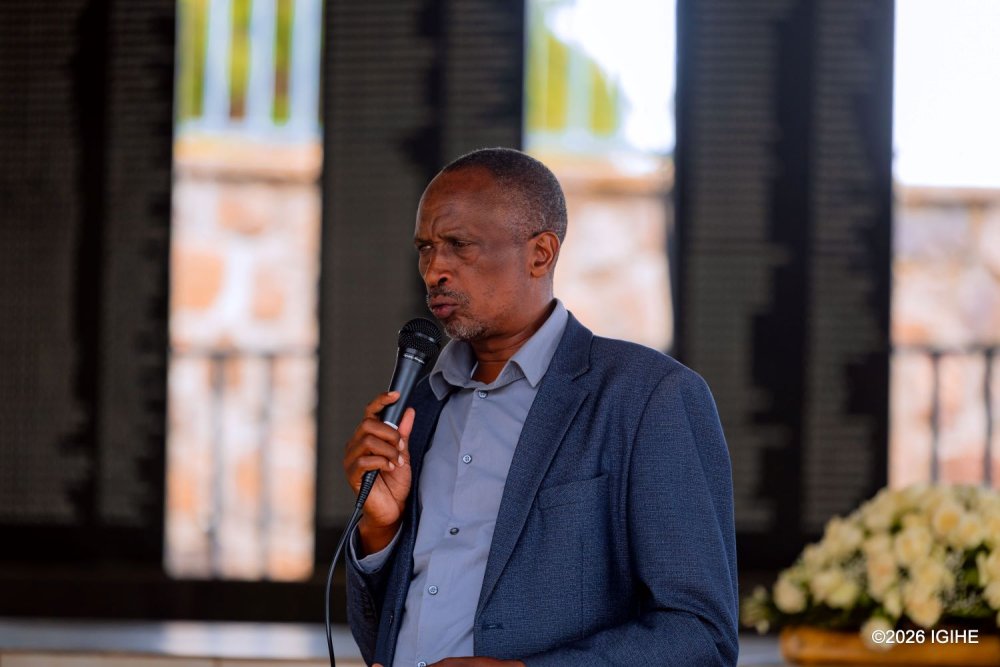
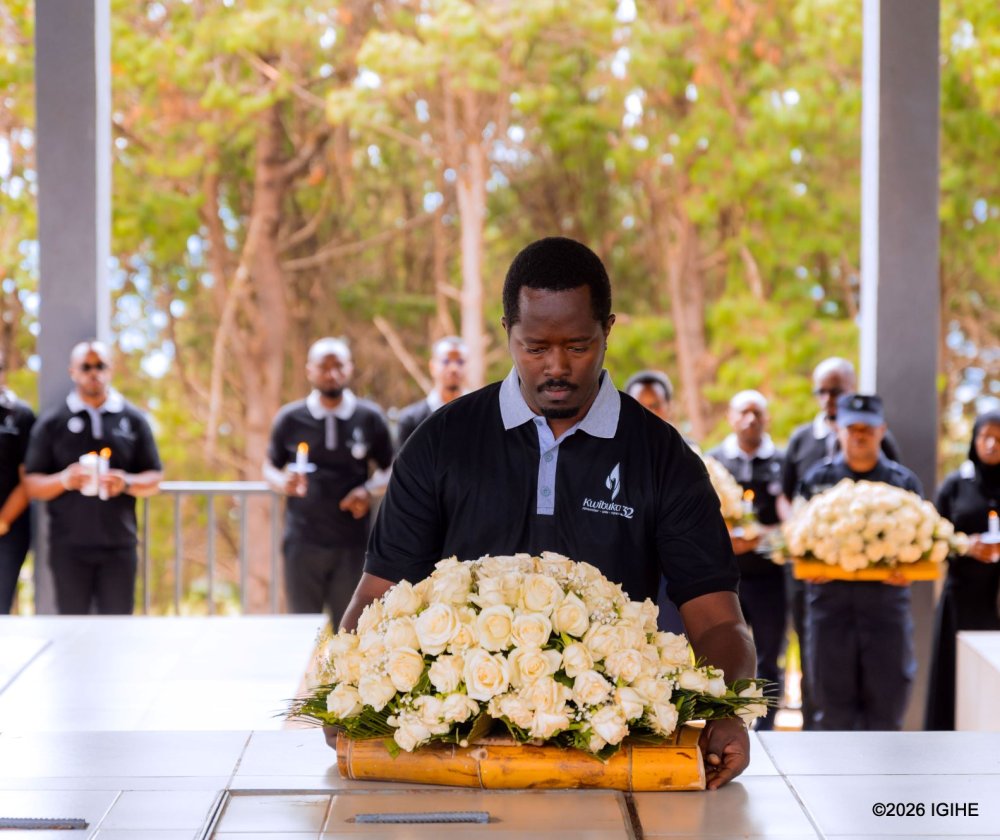
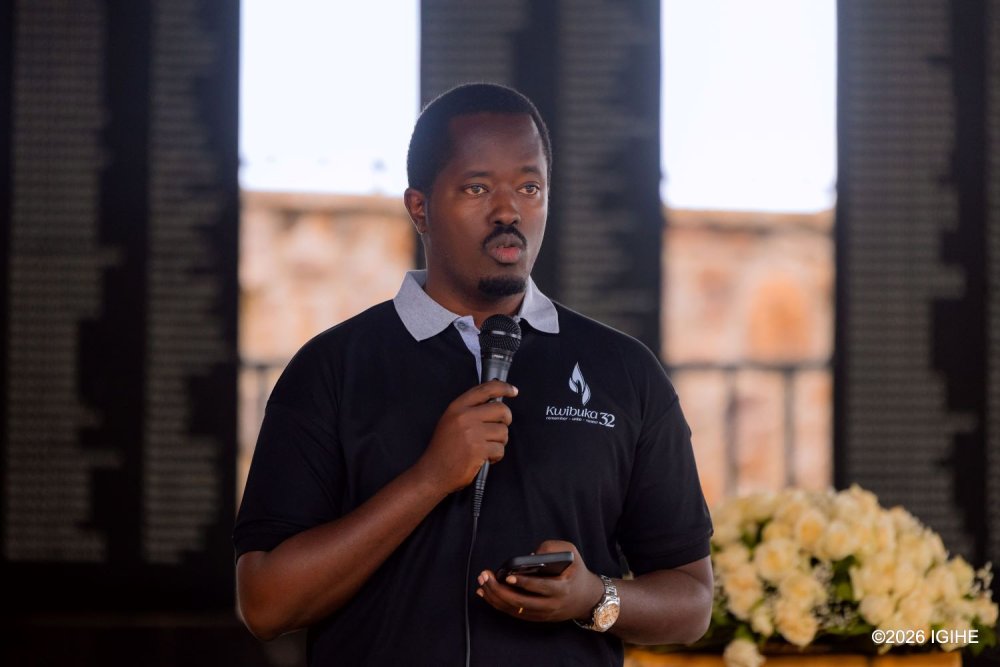
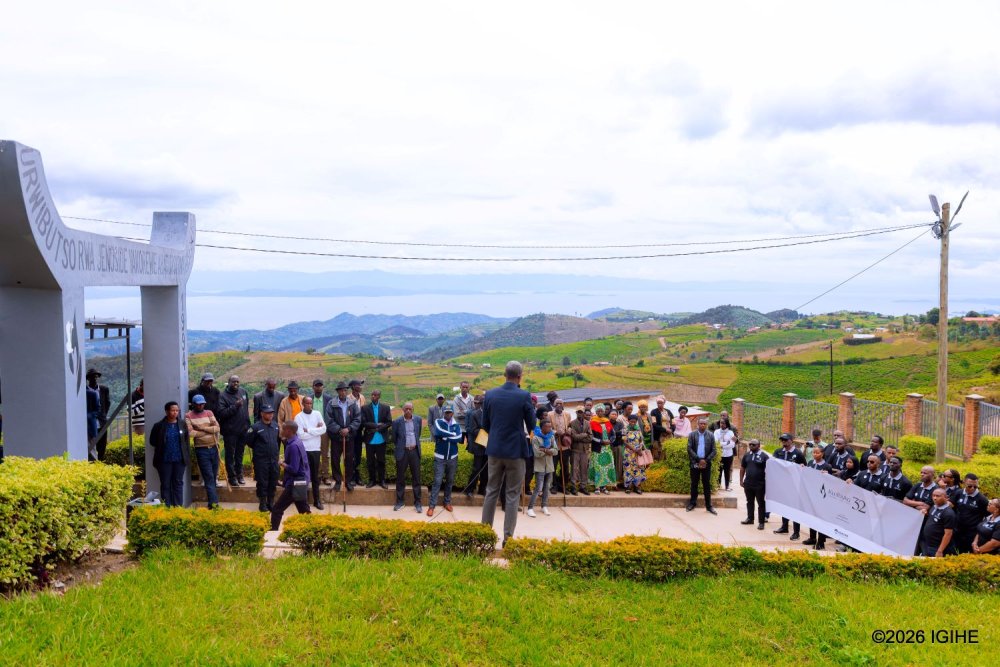
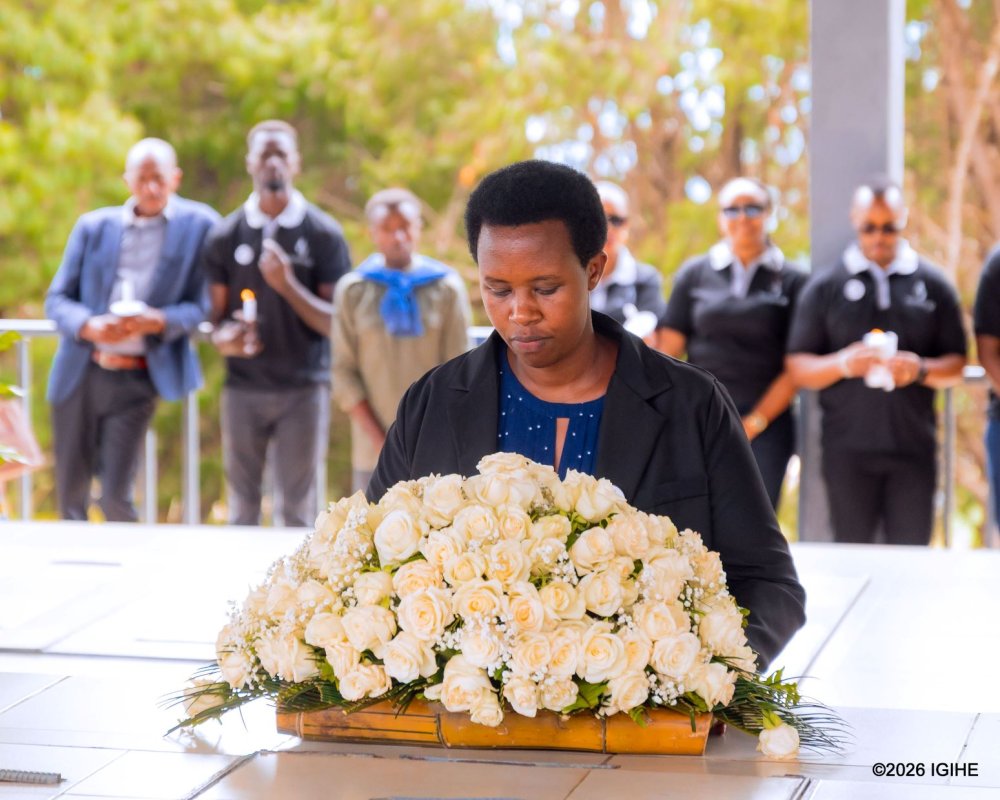
A delegation of staff from Rwanda’s sovereign wealth fund visited the memorial on April 24, 2026, where they received a historical briefing on the Genocide against the Tutsi in the area. The delegation paid tribute to the victims and provided assistance to survivors.
Emmy Musinguzi, the manager of the Bisesero Memorial, explained that attacks against Tutsi in Bisesero began on April 8, 1994. He noted that residents initially resisted using rudimentary weapons such as spears, sticks, and stones, managing to repel Interahamwe militia attacks by the end of April.
However, this resistance prompted local leaders to convene a meeting in Kibuye attended by 188 participants. The meeting resolved to deploy heavily armed forces and soldiers to Bisesero. A large-scale assault was subsequently launched on May 13, 1994, during which more than 30,000 people were killed.
AgDF Chief Executive Officer Ulrich Kayinamura said the institution chose to commemorate at Bisesero because of its distinct historical significance.
“Commemoration is a responsibility for every Rwandan. It provides an opportunity to reflect on our country’s painful history and strengthens efforts to combat genocide ideology that led to the loss of more than one million lives,” he said.
Kayinamura added that AgDF remains committed to supporting national development and standing in solidarity with survivors.
“By visiting memorials and supporting survivors of the 1994 Genocide against the Tutsi, we reaffirm our solidarity with them in the journey of remembrance and rebuilding. We also extend our condolences to survivors’ families and reiterate our commitment to ensuring that such atrocities never happen again,” he said.
Esther Uwayisenga, one of the beneficiaries, expressed appreciation for the support, noting that it would help her continue rebuilding her life.
“Visits like these help survivors overcome isolation and remind them that they are not alone and that the country cares about them,” she said, offering gratitude and blessings to the donors.
Julienne Ntakirutimana, Vice Mayor of Karongi District in charge of Economic Development, also praised the initiative, describing it as exemplary.
“They are the first group to visit us during this year’s 100 days of commemoration. Last year, we also received many visitors who provided support, including over 100 cows and financial assistance to various individuals. Today, AgDF has donated five million Rwandan francs to five beneficiaries, meaning each received one million francs,” she said.
The Bisesero Genocide Memorial is one of four memorial sites in Rwanda recognised as UNESCO World Heritage sites. It is the final resting place of more than 50,000 victims.
AgDF staff take part in candle-lighting to honor victims of the 1994 Genocide against the Tutsi laid to rest at the Bisesero Genocide Memorial.Gasimba Narcisse, a survivor of the 1994 Genocide against the Tutsi in Bisesero, commended the government for its continued support and solidarity with Bisesero survivors.AgDF Chief Executive Officer Ulrich Kayinamura laid a wreath in honour of the victims of the 1994 Genocide against the Tutsi at Bisesero.The CEO said the institution chose to commemorate at Bisesero because of its distinct historical significance.Survivors of the 1994 Genocide against the Tutsi in Bisesero have commended staff from the Agaciro Development Fund (AgDF) for their visit to the Bisesero Genocide Memorial.Julienne Ntakirutimana, Vice Mayor of Karongi District in charge of Economic Development, also praised the initiative, describing it as exemplary.
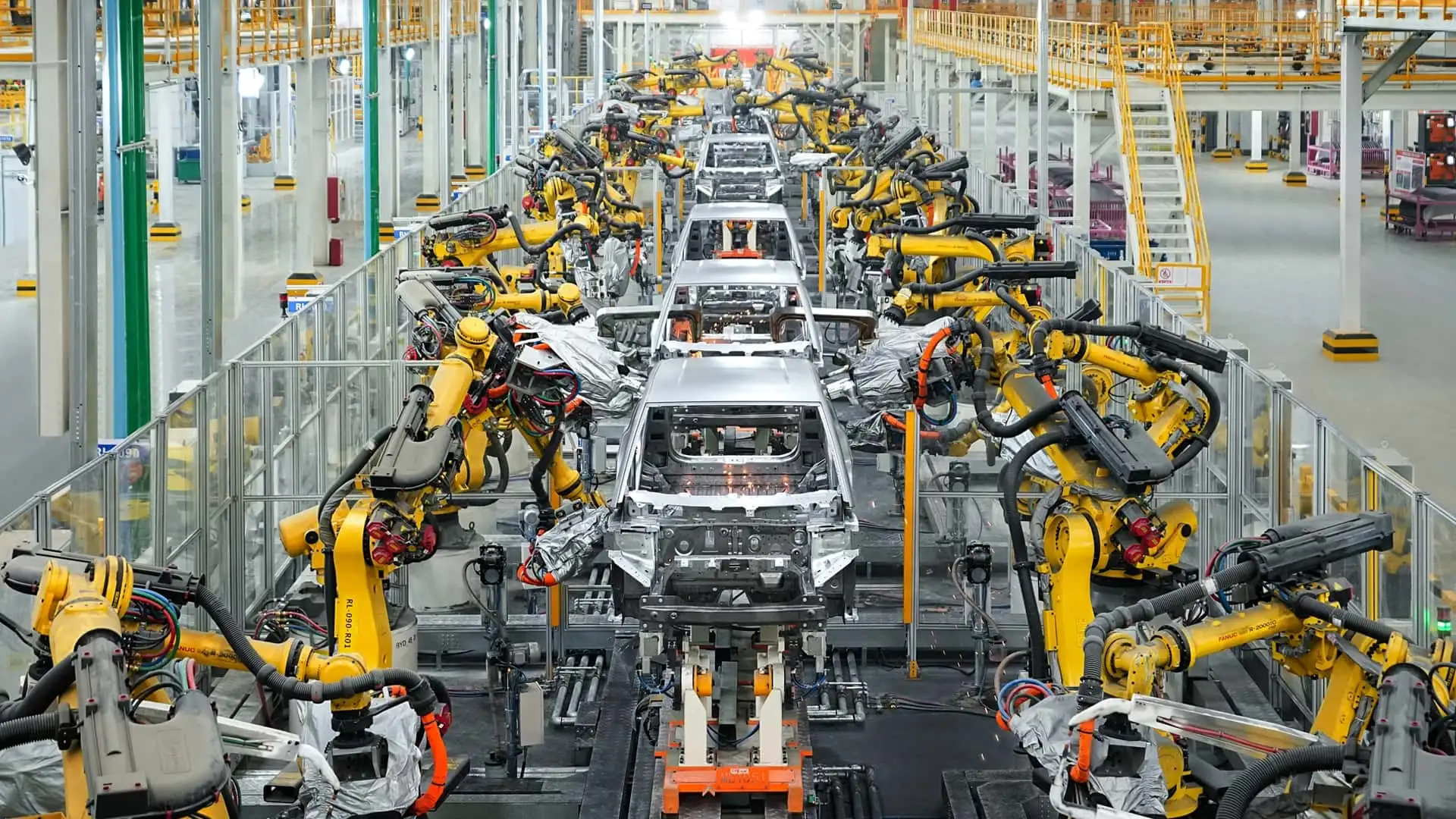
Looking across rows of robotic arms operating with minimal human intervention, he remarked: “We have no chance against this.”
The statement was more than corporate humility. It was a recognition that the global automotive order, long dominated by Detroit, Tokyo, and Stuttgart, is being fundamentally reshaped by China.
For decades, legacy automakers such as Toyota, Ford Motor Company, Honda, Volkswagen, and BMW set the pace of the global industry. Today, Chinese manufacturers like BYD, Xiaomi, XPeng, and Geely are changing the rules entirely.
The pressure is so intense that executives across the world are no longer speaking in terms of competition but survival.
Robotic arms assemble cars in the production line for Leapmotor’s electric vehicles at a factory in Jinhua, Zhejiang province, China.
The rise of “China Speed”
For years, developing a new vehicle model, from concept to showroom, typically took between five and seven years.
Today, Chinese EV makers are compressing that cycle to less than 24 months. This pace, often referred to as “China Speed,” is not simply about faster production. It reflects a deeper shift in how vehicles are designed and sold.
At the 2026 Auto China exhibition in Beijing, Chinese firms showcased vehicles that looked less like traditional cars and more like fully connected digital platforms.
BYD’s latest battery technology now allows some flagship models to reach near-full charge in under ten minutes, significantly reducing one of the biggest barriers to EV adoption: charging anxiety.
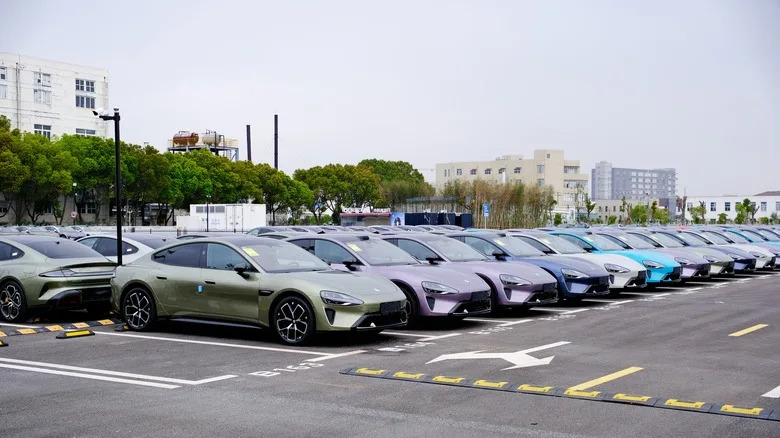
Meanwhile, Xiaomi’s SU7 has become one of the most talked-about vehicles in the industry. Jim Farley, CEO of Ford, publicly said he imported one to the United States and drove it for months, describing it as “fantastic.”
The car’s appeal lies not just in design, but in software integration, artificial intelligence, seamless connectivity, and a user experience that many traditional manufacturers are struggling to match.
Chinese firms also benefit from vertical integration, controlling everything from battery supply chains and mineral sourcing to vehicle software and assembly. That allows them to produce advanced EVs at prices many Western manufacturers cannot compete with profitably.
Japan’s warning signs
The concern is especially visible in Japan.
In March 2026, Toyota CEO Koji Sato warned hundreds of suppliers that unless the company adapted quickly, “we will not survive.”
For the world’s largest automaker, the challenge is not quality, it is speed.
Toyota’s long-standing philosophy of kaizen, or continuous improvement, is now being tested by the aggressive pace of Chinese competitors. The company has even begun reconsidering strict production standards on non-visible parts to improve speed and reduce costs.
“This is not a drill,” Sato told partners. “It is a difficult battle for the future of our industry.”
China’s electric vehicle market is the world’s largest and fastest-growing.
America’s growing concern
In the United States, the tone is equally serious.
Ford’s Jim Farley recently warned that China’s manufacturing capacity, estimated at more than 50 million vehicles annually, is large enough to supply the entire U.S. market and still have millions left over.
“They could put us all out of business,” he said.
For Farley, the issue is not only about competition but also about jobs and industrial survival. If U.S. automakers fail to compete, the country risks losing the manufacturing backbone that has supported its middle class for generations.
Ford is now betting heavily on a lower-cost EV strategy, including plans for a more affordable electric pickup platform capable of competing with Chinese pricing.
Rwanda is already seeing the shift
While the global debate often focuses on Beijing, Detroit, and Tokyo, the effects of China’s automotive rise are already visible in Rwanda.
As of early 2026, Rwanda has recorded a sharp increase in electric vehicles, with rising number of fully electric cars operating in the country, many of them from Chinese brands such as BYD, Dongfeng, and Yutong.
Data from the Rwanda Revenue Authority (RRA) show that the combined number of electric and hybrid vehicles reached 7,172 in 2024. Official data also indicates that hybrids account for a significant share of low-emission vehicle imports, estimated at about 43 percent.
Electric buses have become increasingly visible in public transport across Kigali, while thousands of electric motorcycles are also entering the market as the country pushes for cleaner mobility solutions.
Chinese brands are playing a major role in that transition.
Popular EV models such as the BYD Atto 3 and Dolphin, alongside Dongfeng vehicles and Yutong buses, are becoming more common, often imported through dealers such as China Electric Vehicle Rwanda (CEVR). Charging infrastructure has also expanded rapidly.
A BYD assembly line.
Financial institutions are also adjusting. Equity Bank Rwanda has partnered with Chinese EV dealers, including CEVR, to provide financing options aimed at making electric vehicle ownership more accessible.
Government incentives, including VAT exemptions on EVs, batteries, spare parts, and charging equipment, have further accelerated adoption.
The momentum is also attracting larger industrial ambitions.
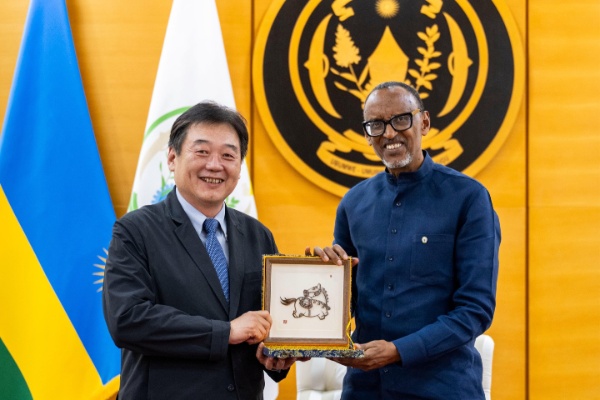
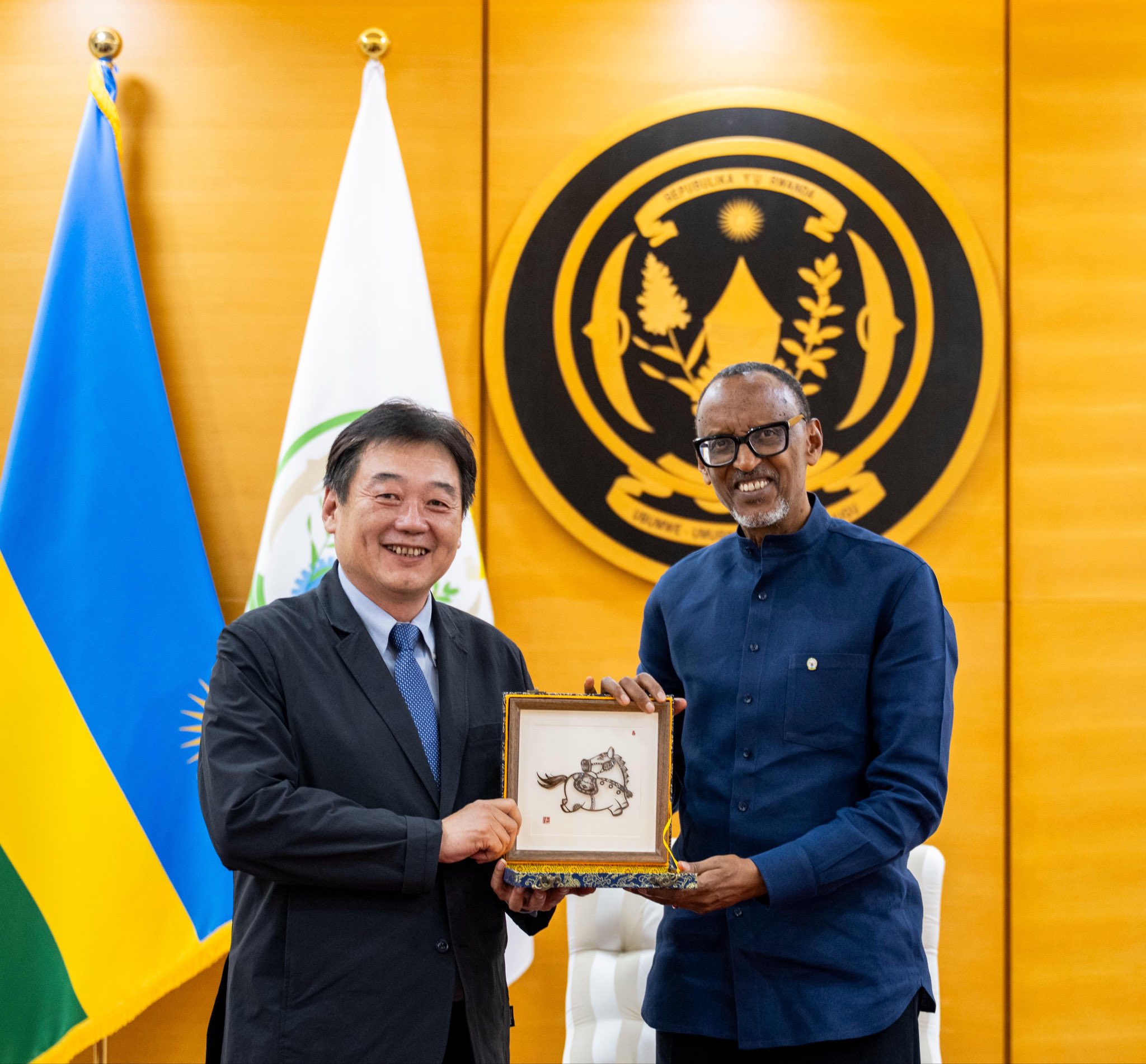
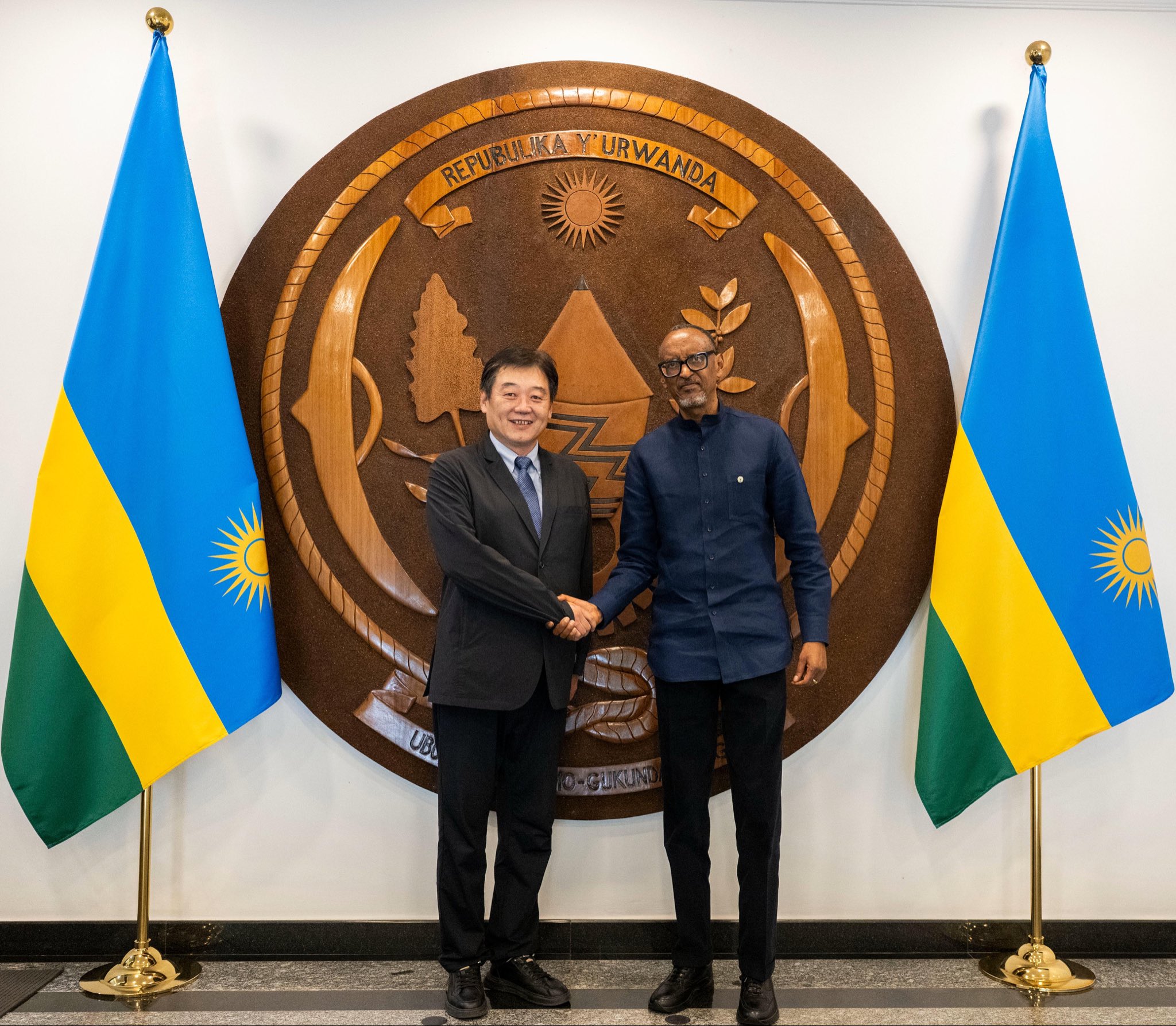
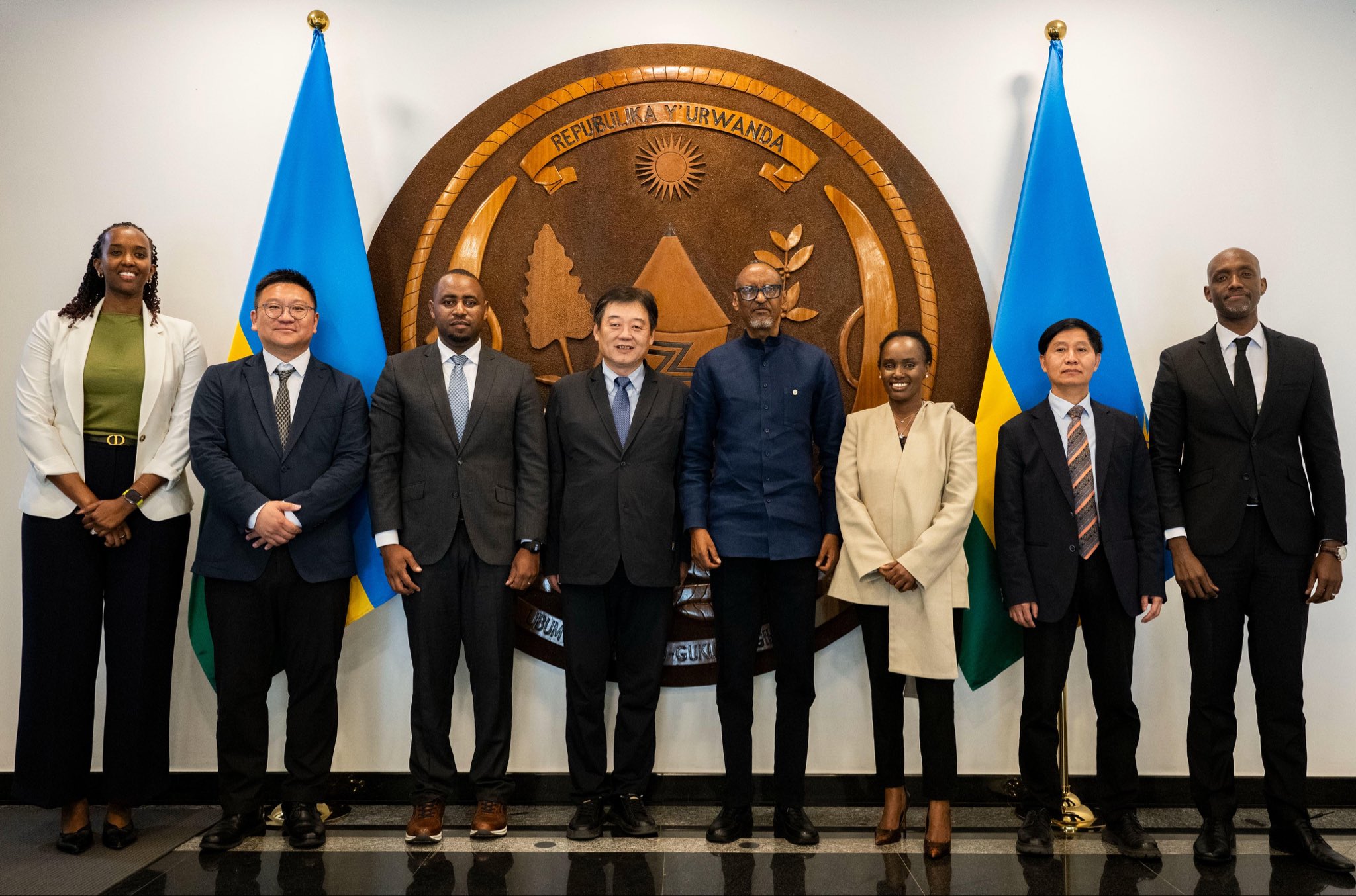
On April 23, 2026, President Paul Kagame received Xu Hui, head of Rich Resource International Investments, alongside senior leadership from Chery Holding at Urugwiro Village.
Discussions focused on potential investment opportunities, including plans to establish an electric vehicle assembly plant in Rwanda, an initiative that aligns with the country’s broader strategy to expand industrialisation and position itself as a regional hub for e-mobility.
The Ministry of Infrastructure recently also mandated that all public institutions ensure at least 30% of newly purchased vehicles are fully electric (EVs), effective April 2026. This initiative aims to reduce fossil fuel dependency, cut greenhouse gas emissions, and promote sustainable, clean mobility.
The end of legacy advantage
The concern expressed by executives in Japan, Europe, and the United States reflects a simple reality that history is no longer enough.
A century-old badge no longer guarantees relevance when consumers are prioritising battery performance, software experience, and affordability.
And as Rwanda’s own EV market shows, this transformation is no longer confined to major global economies. It is reshaping mobility choices, investment priorities, and industrial strategies across Africa as well.
The question is no longer whether Chinese companies will disrupt the global car market. They already have. The real question is which of the old giants will adapt fast enough to survive.
The Israeli military said in a statement on Saturday afternoon that it had killed more than 15 Hezbollah militants over the weekend.
In another statement, the IDF said it struck Hezbollah infrastructure used for military purposes across southern Lebanon earlier Saturday, and will continue to operate decisively against threats in accordance with directives from the political echelon.
According to the local news website Lebanon Debate, one person was killed and another wounded in an Israeli airstrike on the town of Hadatha in southern Lebanon on Saturday night.
Earlier in the day, Israeli aircraft struck Hadatha twice within less than 10 minutes.
Israeli warplanes also carried out airstrikes on the village of Zebqine, the town of Bazourieh, the town of Al Sultaniyah, and the Dabsha area near a waste treatment facility in Khirbet Selm, Lebanese media reported.
Also in the day, the Israeli army carried out a controlled explosion in the town of Khiam, while reportedly dismantling solar panels and damaging municipal vehicles in the border town of Debel.
On Saturday evening, Israel’s state-owned Kan TV News quoted Israeli security officials as saying that they fear the ceasefire with Lebanon could collapse.
The sources added that Israel demands that the United States put pressure on the Lebanese army to act against Hezbollah in areas north of the Israeli-controlled “security strip” in southern Lebanon, which stretches, according to Israeli statements, from the western coast to the Mount Hermon area and the Syrian border in the east.
The violence came despite a ceasefire between Israel and Lebanon that took effect at midnight between April 16 and 17, following weeks of intensified cross-border fighting linked to the U.S.-Israeli war with Iran.
U.S. President Donald Trump said Thursday that the current 10-day ceasefire would be extended by three weeks.
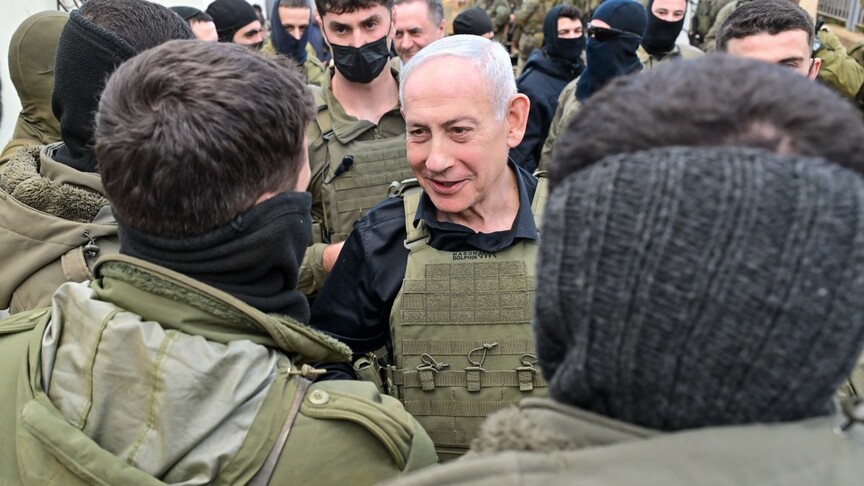
Israeli soldiers patrol along the border with southern Lebanon, in the Upper Galilee of northern Israel, on Saturday, April 25, 2026. Israeli Prime Minister Benjamin Netanyahu has ordered the military to forcefully strike Hezbollah targets in Lebanon.
To put that figure into a local context, at current exchange rates, the sale represents approximately 658.2 billion Rwandan Francs, a sum that rivals the infrastructure budgets of massive projects in the continent.
The divine composition
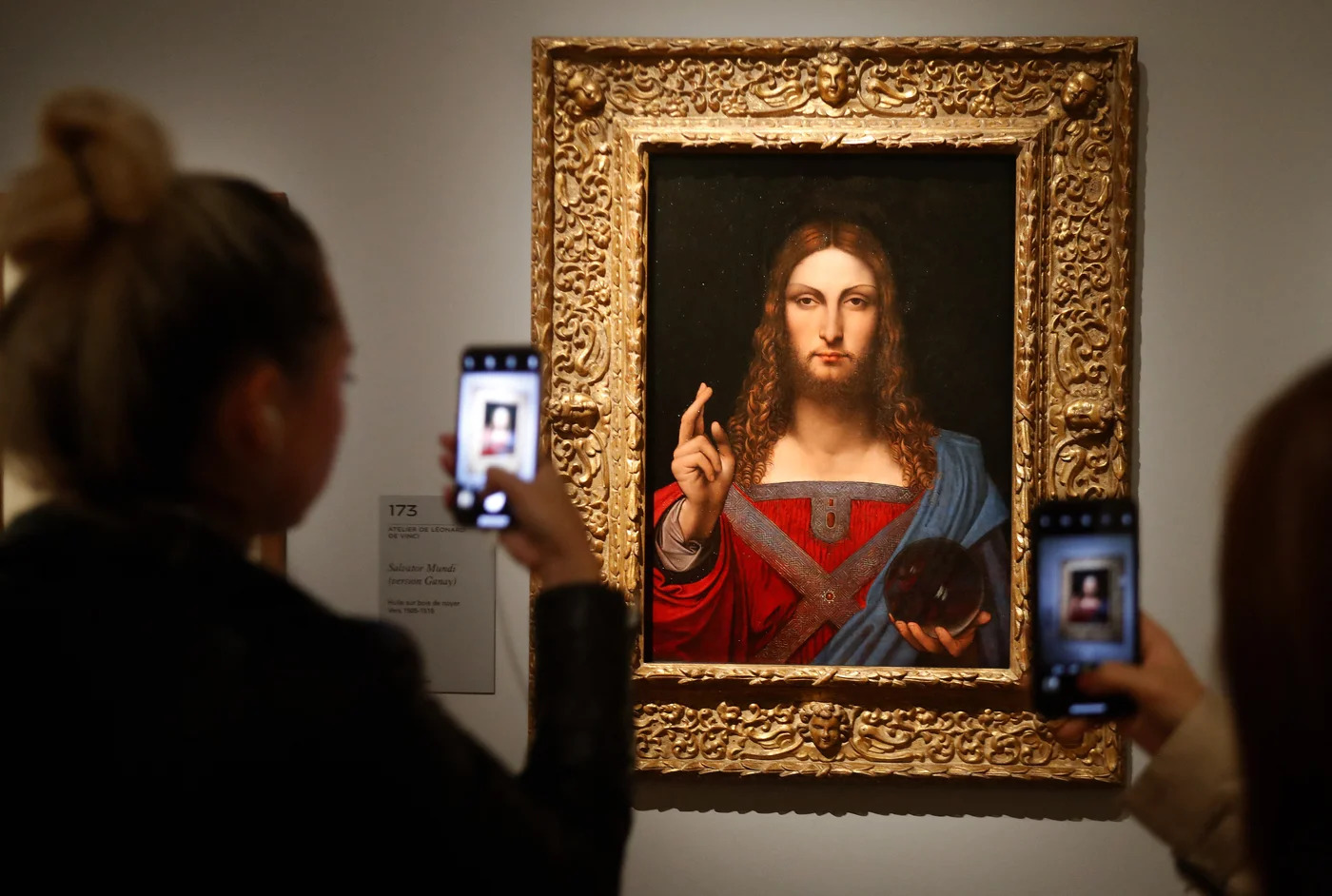
At its core, Salvator Mundi (Latin for “Savior of the World”) is a powerful theological statement. The painting depicts Jesus Christ in Renaissance-era dress, facing the viewer with a steady, ethereal gaze. In his left hand, he holds a transparent rock crystal orb, representing the celestial sphere of the heavens and the entirety of the universe.
The painting was auctioned for approximately 658. 2 billion Rwandan Francs.
His right hand is raised in a traditional gesture of blessing, with two fingers extended. This specific composition was meant to convey Christ’s role as the divine guardian of the world, balancing the physical realm with the spiritual.
A lost masterpiece found
The journey of Salvator Mundi is as cinematic as its price tag. For centuries, the painting was considered lost or destroyed. It reappeared in 1958 at an auction in London, where it was sold for a mere £45. At the time, it was dismissed as a poor copy made by one of Leonardo’s students, heavily overpainted and damaged.
It wasn’t until 2005, after being purchased by a consortium of art dealers for less than $10,000, that the painting underwent extensive restoration. Layers of grime and secondary paint were stripped away to reveal brushwork that many experts identified as the hand of Leonardo himself, specifically the ethereal sfumato technique and the intricate detail of the crystal orb held by Christ.
The auction in 2017 lasted nearly 20 minutes, an eternity in the world of professional bidding. While the buyer used a proxy to remain anonymous, intelligence assessments and investigative reports later linked the winning bid to the Saudi Crown Prince, Mohammed bin Salman.
The acquisition was seen by many as a major cultural power move, signalling a desire to turn the region into a global arts destination. Loïc Gouzer, the Chairman of Post-War and Contemporary Art at Christie’s, who secured the work for the auction, captured the weight of the moment perfectly: “Salvator Mundi is a painting of the most iconic figure in the world by the most important artist of all time. The opportunity to bring this masterpiece to the market is an honour that comes around once in a lifetime.”
Despite the record-breaking price, the art world remains divided. Some scholars argue that while Leonardo likely designed the composition, much of the execution may have been handled by his workshop assistants. This debate has kept the painting out of major museum exhibitions recently, adding a layer of mystery to its status.
Beyond the price tag
While $450 million is a figure that captures headlines, the sale of Salvator Mundi represents a broader trend: the treatment of masterpiece-level art as a primary global asset class. It raises fundamental questions about the intersection of cultural heritage, historical truth, and extreme wealth.
Whether it is viewed as the ultimate Renaissance discovery or what art advisor Todd Levin described as a “thumping epic triumph of branding and desire over connoisseurship,” Salvator Mundi remains the singular benchmark for value in the art world today, proving that even in a digital age, the allure of the “Old Masters” remains untouchable.
People take pictures of a copy of Leonardo Da Vinci’s Salvator Mundi, the world’s most expensive painting.
According to a communique from the office of the president, the proposed investment aligns with the “country’s industrialisation and e-mobility priorities.”
Chery Holding is one of China’s largest automotive manufacturing groups and a globally expanding mobility player. Founded in 1997 in Wuhu, Anhui Province, the company has grown into a Fortune Global 500 enterprise, producing more than 2.6 million vehicles annually and exporting to markets across Asia, Africa, Europe, and Latin America.
The group operates a multi-brand portfolio spanning conventional vehicles, hybrid models, and electric mobility solutions, including Chery New Energy, Exeed, Jetour, Omoda, and other emerging EV-focused brands. It has also developed joint ventures and technology partnerships in advanced driver assistance systems and electrification, reflecting its growing emphasis on smart and low-carbon mobility.
Chery has been among the earlier Chinese automakers to invest in electric vehicle development, launching EV programs as early as the late 2000s and gradually scaling up its new energy vehicle platforms and battery-electric technologies. In recent years, the company has accelerated its global EV strategy, including partnerships and investments aimed at expanding production capacity and strengthening its technological footprint.
The discussions in Kigali also come as Rwanda intensifies its push toward green mobility and industrial transformation. The government has recently directed public institutions to ensure that at least 30 percent of newly procured vehicles are electric, a policy aimed at reducing emissions and accelerating the transition away from fossil fuels.
The potential establishment of an electric vehicle assembly plant aligns with Rwanda’s broader ambition to position itself as a regional hub for e-mobility manufacturing, assembly, and innovation, while supporting job creation and technology transfer in the automotive sector.
President Paul Kagame meets Xu Hui, Chairman of Rich Resource International Investments (RRII), Vice President and Board Secretary of Chery Holding.The office of the president said discussions focused on potential investment opportunities.