Uncertainty over Iran’s participation has persisted due to the ongoing war involving the United States and Israel. However, FIFA has maintained that the team is expected to compete as scheduled.
US special envoy Paolo Zampolli told the Financial Times that he had suggested to US President Donald Trump and FIFA president Gianni Infantino that Italy could take Iran’s place.
“I confirm I have suggested to Trump and Infantino that Italy replace Iran at the World Cup,” Zampolli said. “I’m an Italian native and it would be a dream to see the Azzurri at a US-hosted tournament. With four titles, they have the pedigree to justify inclusion.”
FIFA did not formally respond to the proposal but pointed to remarks by president Gianni Infantino, who said last week: “The Iranian team is coming, for sure.”
Zampolli’s suggestion was reportedly linked to diplomatic tensions between Washington and Rome, following criticism by Italian Prime Minister Giorgia Meloni of comments made by Trump regarding Pope Leo XIV.
Four-time champions Italy failed to qualify for the tournament after losing a playoff against Bosnia and Herzegovina last month, marking their third consecutive World Cup absence.
Iran are scheduled to face New Zealand and Belgium in Los Angeles on June 15 and June 21 respectively, before meeting Egypt in Seattle on June 26. The tournament begins on June 11 and will be co-hosted by the United States, Canada and Mexico.
Under FIFA regulations, the governing body holds sole discretion over any replacement if a team withdraws or is excluded. Article Six of the World Cup rules states that FIFA “may decide to replace the Participating Member Association in question with another association.”
Speaking in Washington last week, Infantino reiterated FIFA’s position on Iran’s participation.
“We hope that by then the situation will be a peaceful one. That would definitely help. But Iran has to come if they are to represent their people,” he said. “They have qualified. They’re a good team and they really want to play. Sport should be outside politics.”
In March, FIFA confirmed Iran’s fixtures would proceed as scheduled in the United States after reports that the Iranian federation had sought to move matches to Mexico due to safety concerns.
Iranian officials have since said the team is continuing preparations for the tournament, with football federation president Mehdi Taj stating that the squad remains committed to participation.
The idea of Italy replacing Iran has previously surfaced in past tournaments but has never been acted upon by FIFA. In this case, sources say there is currently no indication that Iran will withdraw or be excluded from the competition.
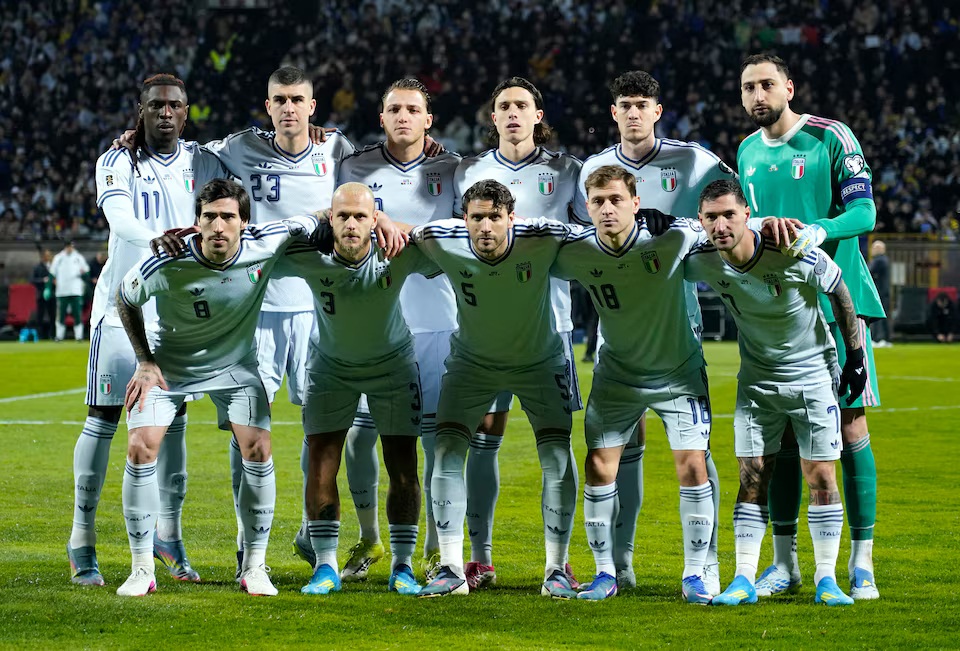
Italy players pose for a team group photo before a past match.
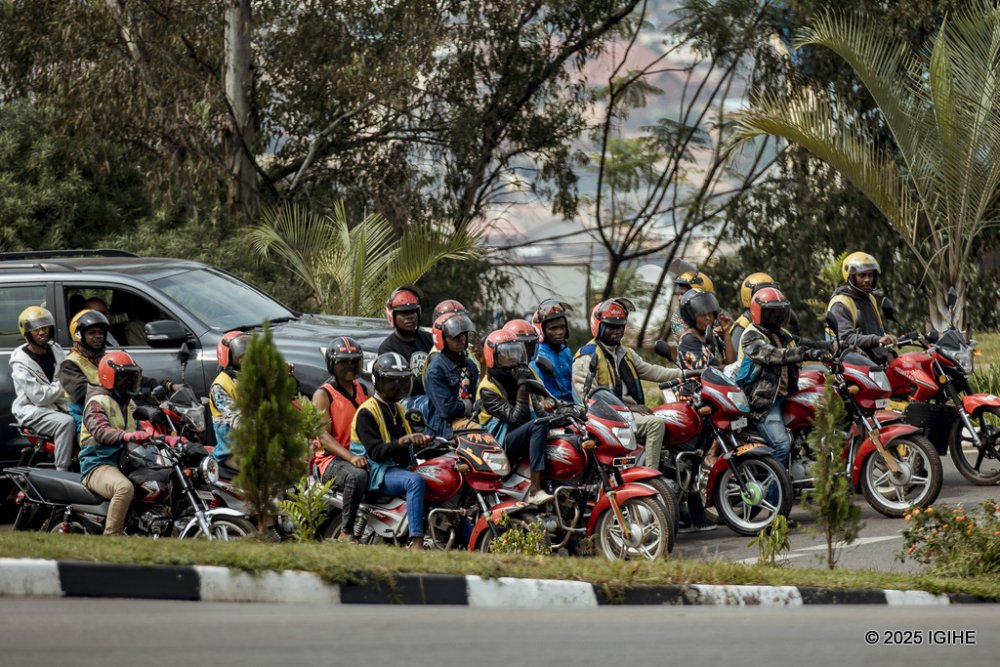
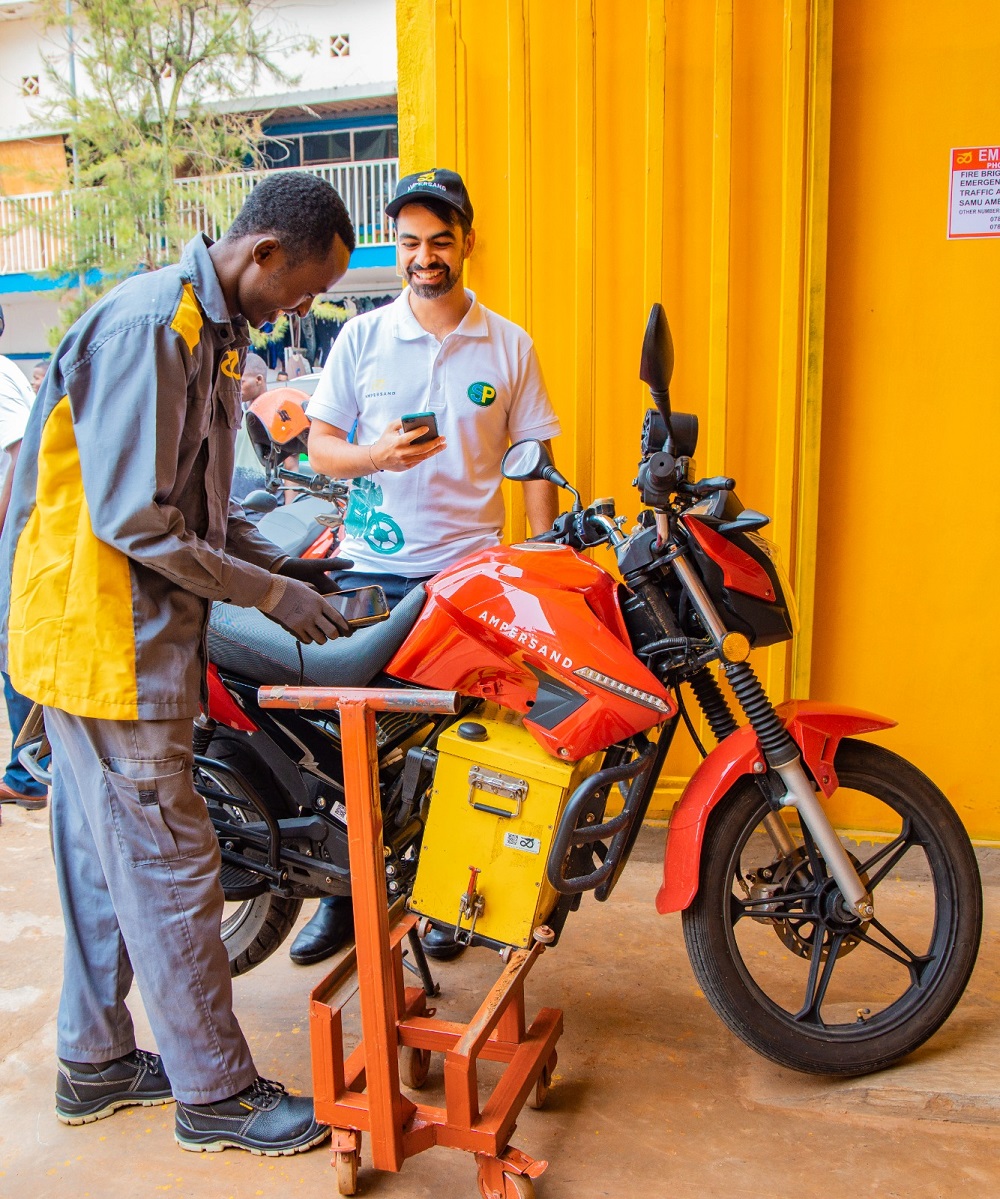
The move follows a January 2025 decision to stop issuing licenses for new petrol-powered commercial motorcycles, commonly known as moto taxis, in the City of Kigali.
The directive applies to new entrants into the motorcycle taxi business, meaning that anyone seeking authorisation from the Rwanda Utilities Regulatory Authority (RURA) to operate as a moto taxi rider must use an electric motorcycle.
Speaking on the development, Amb. Uwihanganye said the policy is already delivering results and will soon be expanded beyond Kigali to cover the entire country.
“As you know, the government decided that passenger motorcycles must be electric, especially in the City of Kigali. In the coming days, we will scale up this measure to the national level. No motorcycle that is not electric will be allowed to enter the country, and this will apply to passenger motorcycles across Rwanda,” he said.
He noted that the market for electric motorcycles has matured significantly, making nationwide implementation possible.
“The market has already responded. There are importers bringing in motorcycles, and companies providing charging services. While everything may not yet be perfect, the sector has grown enough for us to expand the policy,” he added.
Statistics show that at least 14,031 motorcycles were sold in Rwanda in 2025, marking a 28 percent increase compared to the previous year.
A significant share of these were electric motorcycles, whose sales have surged by 686 percent since they were introduced in Rwanda, according to data from MotorcyclesData.
Under the policy, motorcycles already registered and operating on fuel will be allowed to continue their services. The restriction mainly targets new registrations of petrol- and diesel-powered motorcycles used for passenger transport.
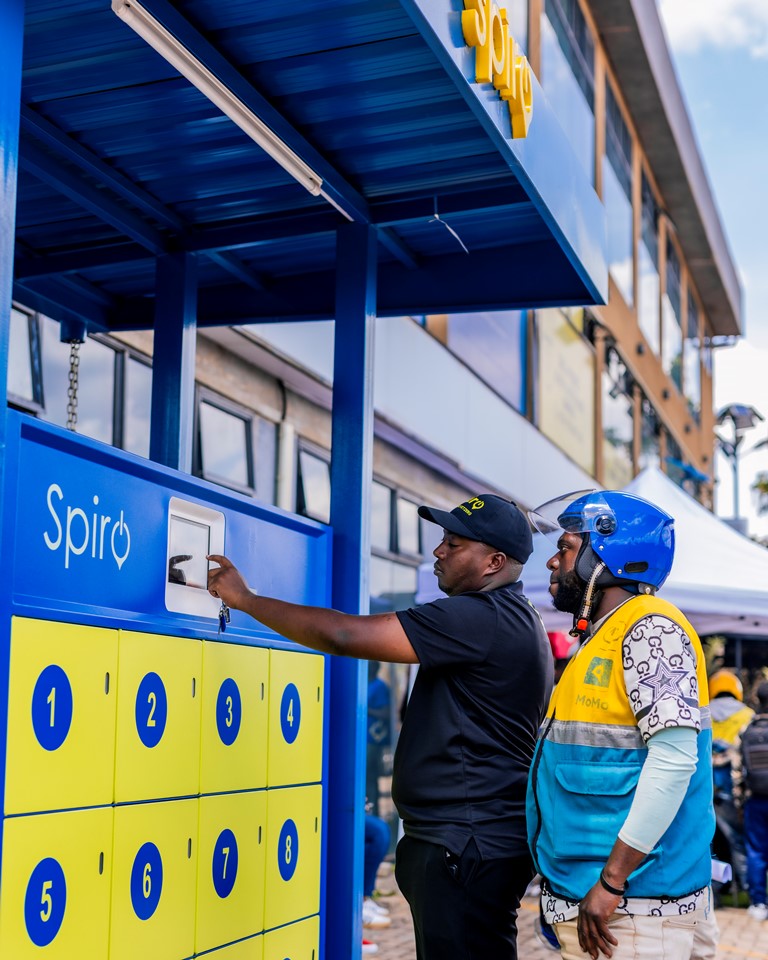
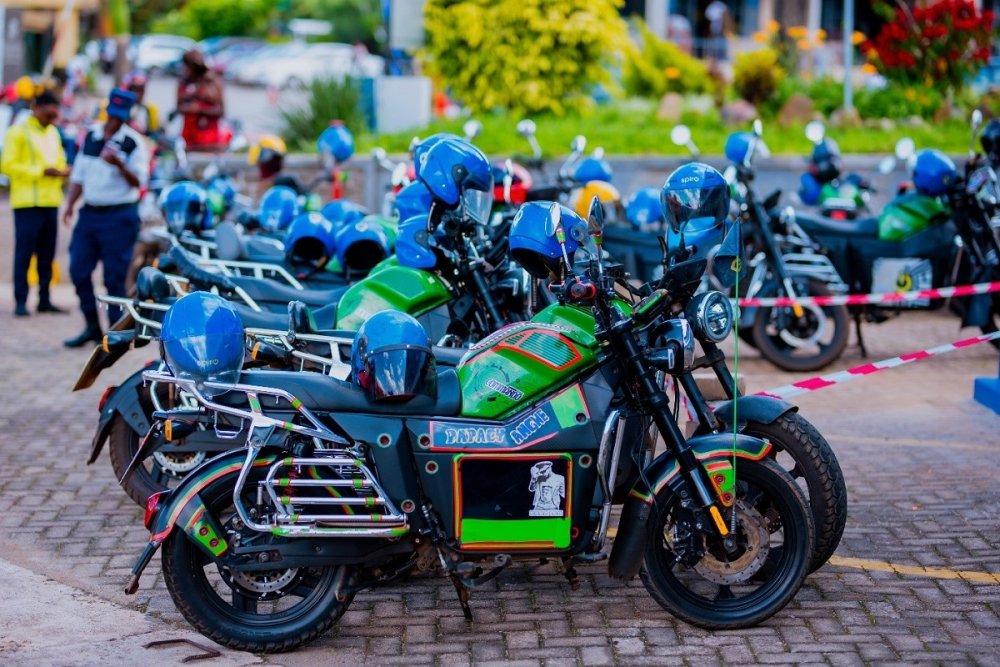
Petrol-powered motorcycles are set to be phased out of Rwanda’s market.Spiro, an e-mobility company, is a dominant player in the Rwandan market.Ampersand is also gaining traction in the Rwandan market.
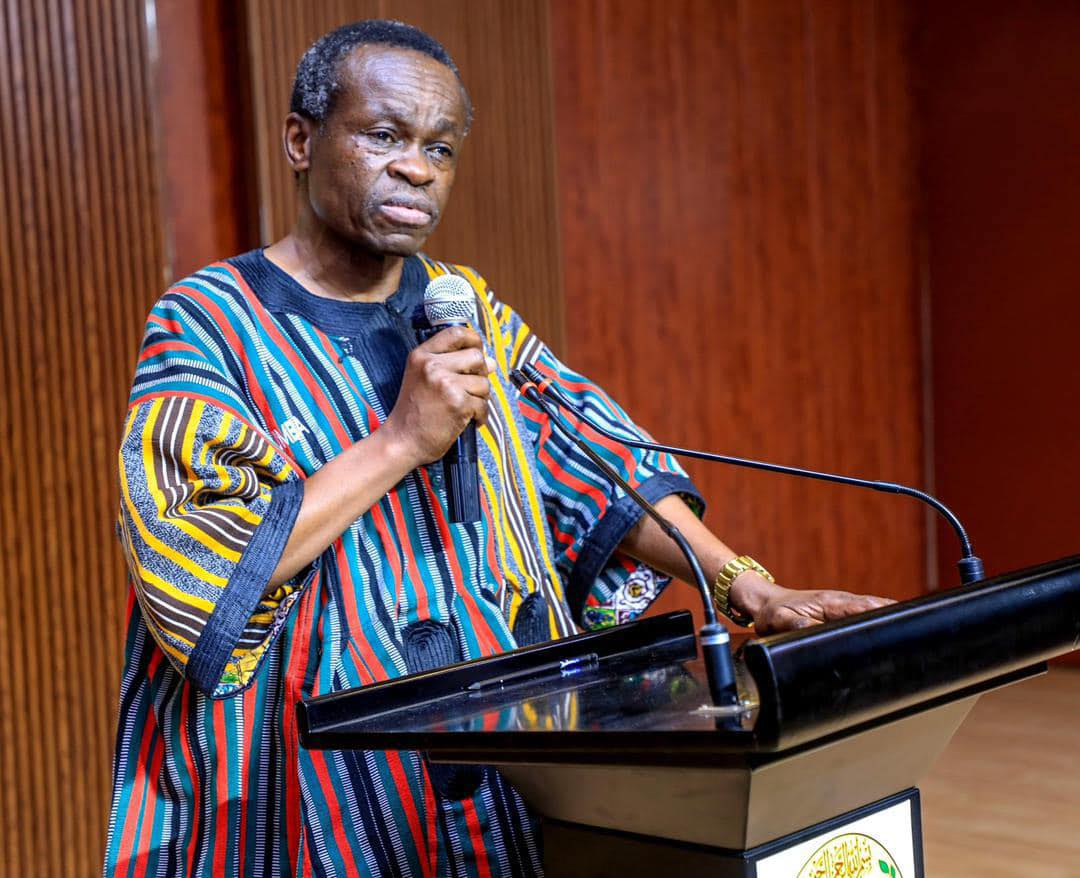
Speaking at a Symposium on Genocide Prevention organised by the Embassy of Rwanda in Kenya as part of the 32nd commemoration of the Genocide against the Tutsi, Lumumba urged the international community to move beyond rhetoric and ensure practical measures are taken to prevent future atrocities.
“We are not gathered here because it is an annual jamboree at which we congregate and make speeches to ourselves,” he said, stressing that the commemoration must serve as a serious reminder of humanity’s failures and responsibilities.
Warning against historical amnesia
Lumumba cautioned against revisionism and denialism, arguing that forgetting history increases the risk of repeating it.
“We are gathered here because history has taught us that if we are not careful, the only thing we learn from history is that we learn nothing from history,” he said.
He pointed to past global failures, including the inability of the international community to prevent the 1994 Genocide against the Tutsi, where a million people were killed over a 100-day period.
The scholar criticised the role of international institutions during the genocide, saying the world “watched in eloquent silence” as violence unfolded.
“The United Nations, East Africa, Africa, and the big powers with nuclear weapons watched,” he said, adding that places of worship were turned into sites of mass killings while the world remained paralysed.
He also referenced broader historical injustices, including slavery, colonial partitioning of Africa, and genocides in other parts of the world, arguing that global systems have repeatedly failed to prevent mass atrocities.
*Call for stronger international responsibility*
Lumumba urged international and regional bodies to take a more proactive role in preventing genocide, rather than issuing declarations without implementation.
“It is not the function of the international community to issue diktats without understanding circumstances on the ground,” he said, calling instead for meaningful engagement with local realities amid concerns over rising ethnic slurs targeting Banyamulenge and Tutsi communities in eastern DRC.
He stressed that prevention requires moral responsibility rooted in shared human values found across all major religions and philosophies.
Lessons from Rwanda’s recovery
While reflecting on the 1994 Genocide against the Tutsi, Lumumba also highlighted Rwanda’s recovery as a powerful example of resilience and reconstruction.
He praised the country’s leadership, led by President Paul Kagame and citizens for rebuilding a nation once devastated, noting that Rwanda has become a model of governance, order, and development.
“Rwanda, like the phoenix, rose from the ashes,” he said, describing Kigali as a benchmark for urban planning, infrastructure, and institutional efficiency.
He further commended Rwanda’s use of the Gacaca courts, which he described as an African-rooted system that contributed to reconciliation and justice by handling millions of cases at the community level.
Technology and new risks
Lumumba also warned that modern technology could accelerate the spread of hate and violence if misused.
“We are today in the era of artificial intelligence… if those who wanted to commit genocide decided to do so, they would do it in the twinkling of an eye,” he cautioned, highlighting the risks posed by social media and digital platforms in spreading misinformation and hate speech.
Concluding his remarks, Lumumba insisted that remembrance must be tied to responsibility.
“Never again must not be a slogan; it must be action,” he said, urging governments, institutions, and citizens to actively work to prevent the conditions that lead to genocide.
He ended with a call for unity and vigilance, emphasising that the lessons of history must be translated into sustained global action to ensure such atrocities are never repeated.
PLO Lumumba cautioned against revisionism and denialism, arguing that forgetting history increases the risk of repeating it.
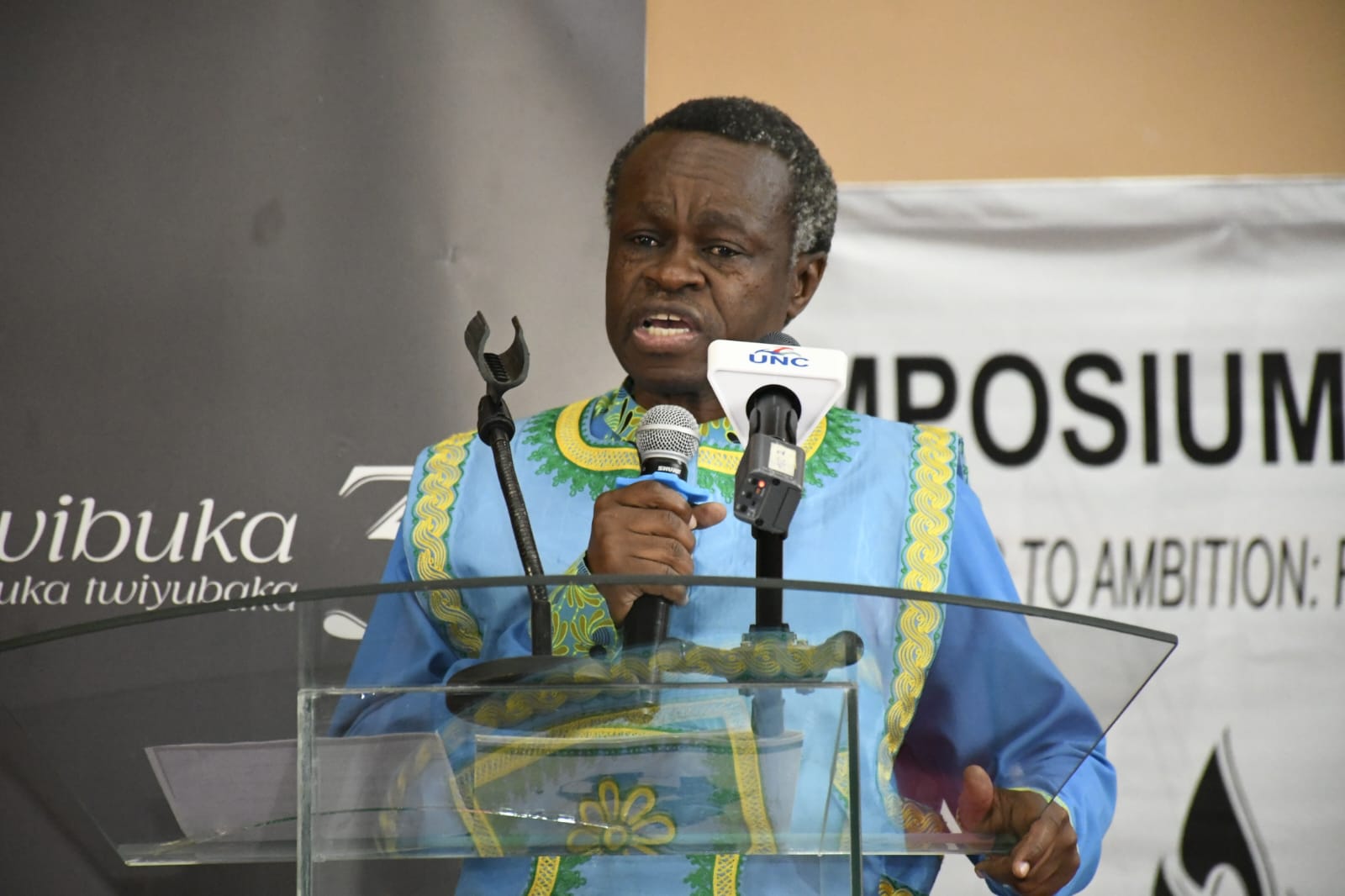
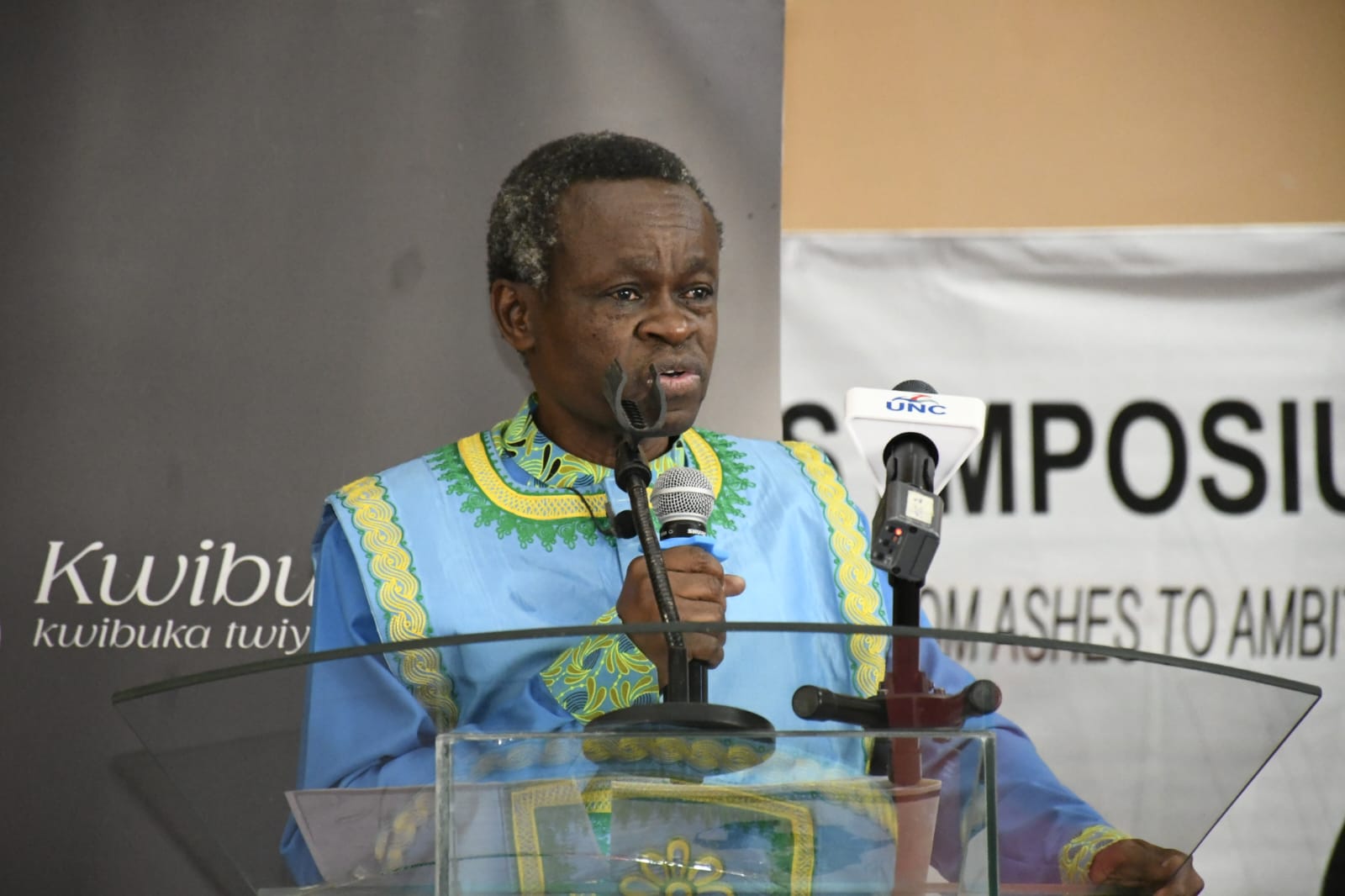
Speaking at a Symposium on Genocide Prevention organised by the Embassy of Rwanda in Kenya as part of the 32nd commemoration of the Genocide against the Tutsi on Wednesday, Lumumba paid tribute to Rwanda’s recovery journey, saying the country has risen “like the phoenix from the ashes” to become a reference point for effective governance and development.
“We are gathered here 32 years since the genocide against the Tutsi in Rwanda,” Lumumba said, noting that the commemoration is not ceremonial but a reminder of humanity’s duty to prevent recurrence of such atrocities.
He warned against historical revisionism and denialism, stressing that the world must remain vigilant.
“If we choose to consign these things to the museums of history, then it will be repeated again,” he said.
Global failures and lessons from history
Lumumba traced the roots of genocide and mass atrocities to historical injustices, including slavery, colonial partitioning of Africa at the Berlin Conference of 1884–1885, and global failures to act decisively in the face of warning signs.
He criticised the international community for its inaction during the 1994 Genocide against the Tutsi, saying world powers, the United Nations, and regional actors “watched in silence for 100 days” as atrocities unfolded in Rwanda.
More than a million people were killed during the 1994 Genocide against the Tutsi, while survivors continue to live with the scars of one of the worst tragedies of modern history.
Critique of international justice systems
The scholar also questioned the effectiveness of international legal systems in delivering justice and preventing atrocities, arguing that global institutions have often failed to act in time.
He contrasted international mechanisms with Rwanda’s community-based Gacaca courts, which he praised as an example of African-led justice and reconciliation.
“The Gacaca system is African, Afrocentric, and authentic,” Lumumba said, noting that while international tribunals handled fewer than 100 cases, Gacaca courts processed nearly 1.9 million, helping communities begin the process of healing.
Rwanda’s reconstruction as a model
Lumumba lauded Rwanda’s post-genocide reconstruction, crediting national leadership led by President Paul Kagame and citizen resilience for the country’s transformation.
“Rwanda, like the phoenix, rose from the ashes,” he said, highlighting improvements in infrastructure, governance, public service delivery, and technology adoption.
He described Kigali as a “model city” for urban planning, infrastructure development, and anti-corruption enforcement, saying it has become a benchmark for African development.
“If you want to see how roads ought to be built, you go to Kigali. If you want to see how roundabouts are manicured, you go to Kigali. If you want to move away from the disorderly borders, you go to Kigali,” he remarked.
“If you want to see policemen who reject your money when you want to corrupt them, you go to Kigali. If you want to see how football stadia and basketball pitches are built within time and within budget, you go to Kigali. Kigali has become our pride.”
While praising Rwanda’s progress, Lumumba cautioned that the risk of mass atrocities persists in the modern era, especially with the rise of digital technology and misinformation.
“We are today in the era of artificial intelligence. Today it would be quicker. Today, in the days of fake news, in the days of Instagram, in the days of WhatsApp, in the days of all these things, if the genocide wanted to commit genocide, they would do it in the twinkling of an eye. Today they would use drones,” he warned, amid concerns over rising ethnic slurs targeting Banyamulenge and Tutsi communities in the eastern DRC.
He urged global institutions and regional bodies, including the East African Community, to move beyond rhetoric and take concrete action to ensure prevention of future atrocities.
Lumumba emphasised that genocide prevention is a shared moral duty rooted in all major faith traditions and ethical systems, citing teachings from Christianity, Islam, Judaism, Hinduism, and African traditional beliefs.
“Never again must not be a slogan; it must be a commitment,” he said, urging the international community to uphold its responsibility to protect vulnerable populations.
Speaking at a Symposium on Genocide Prevention organised by the Embassy of Rwanda in Kenya on Wednesday, Lumumba paid tribute to Rwanda’s recovery journey, saying the country has risen “like the phoenix from the ashes” to become a reference point for effective governance and development.
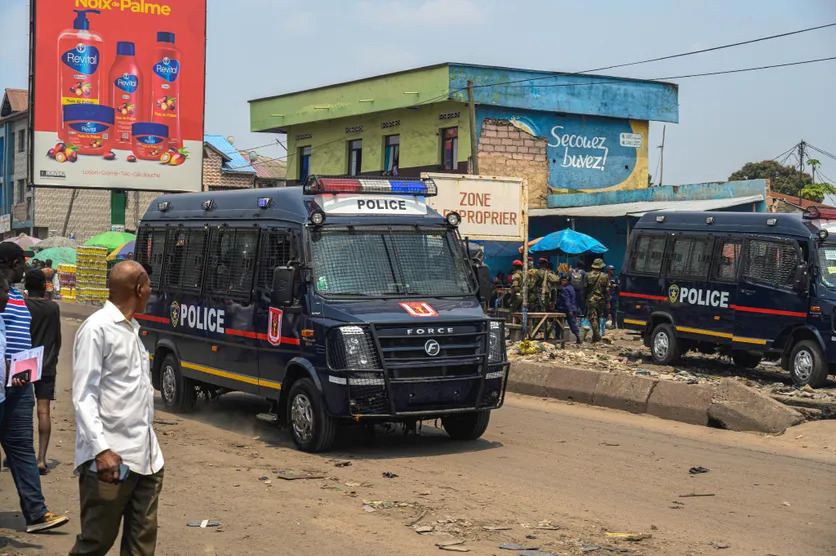
The unrest, which involved heavy exchanges of gunfire between the two branches of the Democratic Republic of the Congo’s (DRC) security forces, reportedly stemmed from a disputed arrest operation.
The clashes ignited on the afternoon of April 21 in the Mabulu area along Elengesa Road. According to local reports, officers from a police rapid response unit were in the process of arresting several youths suspected of theft.
The situation escalated when FARDC soldiers stationed nearby intervened to obstruct the arrests. Witnesses noted a troubling development as some of the youths, allegedly members of the notorious Kuluna criminal gangs, aligned themselves with the soldiers to confront the police.
The fighting quickly spread from Elengesa Road toward Kibambi 1 Road, eventually reaching a police station on Kimfumu Road. As the gunfire intensified, students at a nearby school were forced to lie on the floor to avoid stray bullets, while residents fled the area or barricaded themselves in their homes as the standoff transitioned from a local dispute into a broader tactical skirmish.
The violence resulted in significant property damage, including the complete destruction of a small police station and the reported looting of several residential houses during the chaos.
Makala Mayor Ngudia Kabongo confirmed the extent of the damage on April 22 but offered a reprieve regarding casualties.
“No fatalities have been recorded in these clashes,” Kabongo stated, though he acknowledged that the destruction of the police post and the trauma to the community were significant.
By the evening of April 22, the central government moved to de-escalate the situation. A joint team of senior military and police officials was deployed to Makala to conduct coordinated security operations and re-establish a unified command structure.
The clashes ignited on the afternoon of April 21 in the Mabulu area along Elengesa Road. According to local reports, officers from a police rapid response unit were in the process of arresting several youths suspected of theft.
While the move is welcome, it has yet to generate momentum for dialogue. Iran has made it clear that it will not engage in a new round of talks unless Trump lifts his blockade on ships entering or exiting Iranian ports in the Strait of Hormuz. The contrast between a prolonged ceasefire and stalled diplomacy underscores the fragility of the current situation.
Against this backdrop, several key questions arise: Why has Tehran refused to attend the talks? What is Washington’s real intention in extending the ceasefire while maintaining pressure? And where might the situation head next?
Why Iran refuses to negotiate
Iranian Foreign Ministry spokesperson Esmaeil Baghaei said Monday that Iran currently has no plan for the second round of peace negotiations with the United States.
Tehran’s attendance depends on Washington meeting preconditions, Iran’s semi-official Tasnim news agency reported, citing the U.S. naval blockade and “excessive demands” as key obstacles.
Iran’s Foreign Minister Seyed Abbas Araghchi said Monday that U.S. “provocative actions” and ceasefire violations are major obstacles to continuing peace negotiations between the two countries.
The United States takes actions that are in no way indicative of its seriousness in pursuing a diplomatic process, Baghaei said, noting that since the ceasefire took effect on April 8, “we have been faced with the breaking of promises and nagging by the United States.”
He also noted an attack against an Iranian commercial ship earlier in the day, which he said is also considered a violation of the ceasefire.
Baghaei said that under UN General Assembly resolutions, the blockade of a country’s seas and ports is an act of aggression. He said Iran will carefully decide on how to proceed based on a single guiding principle: safeguarding the Iranian nation’s interests.
He said the issue of transferring Iran’s enriched uranium has never been an option in any of the negotiations, stressing the importance for Iran to maintain its nuclear, industrial and scientific achievements.
This file photo taken on Feb. 19, 2025 shows the Strait of Hormuz.
What’s Washington’s real intention?
The U.S. decision to extend the ceasefire indefinitely has been widely interpreted as an attempt to preserve a diplomatic window, but analysts caution that it also serves broader strategic purposes.
“Trump … remains eager for a diplomatic solution to the war, wary of reviving an unpopular conflict he’s claimed the United States already won,” CNN reported Wednesday.
However, the United States has not scaled back its military posture in the region. Multiple media outlets reported that U.S. naval deployments and surveillance activities in the Gulf have been maintained—and even intensified—during the ceasefire, suggesting continued pressure and the retention of military options.
The United States is expected to deploy three aircraft carrier strike groups simultaneously in the Middle East in the coming days, NBC reported on Monday.
The U.S. military will continue the blockade against Iran and “remain ready and able,” Trump said Tuesday, although Pakistan’s Army Chief, Field Marshal Asim Munir, told him that the blockade of Iranian ports would remain a major obstacle to meaningful diplomatic progress.
In this sense, the ceasefire extension is less a definitive step toward peace than a tactical maneuver to buy time for both negotiation and contingency planning.
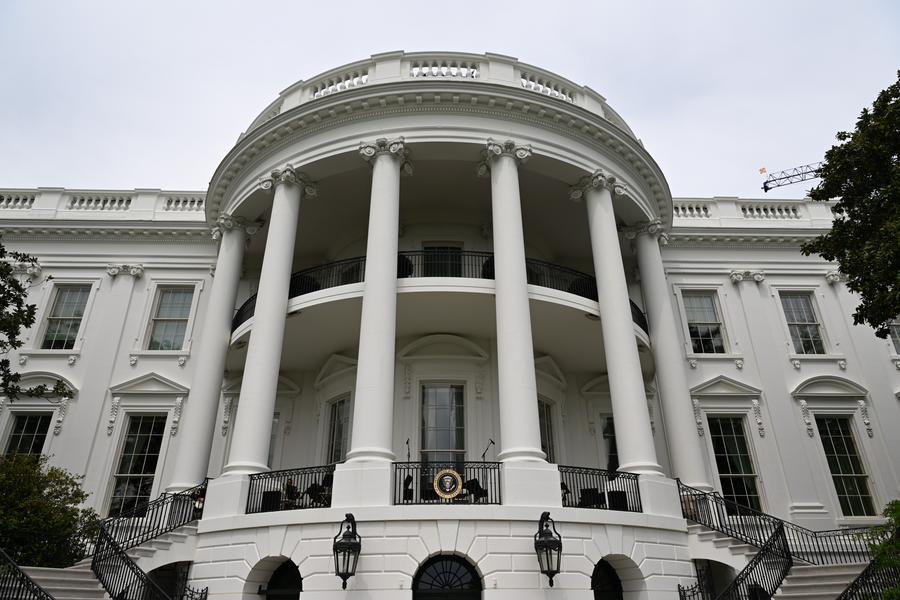
This photo taken on April 18, 2026 shows a view of the White House in Washington, D.C., the United States.
Where are U.S.-Iran talks headed?
“Trump’s ceasefire extension means nothing,” said Mahdi Mohammadi, an adviser to Iranian Parliament Speaker Mohammad Baqer Qalibaf, who led the Iranian negotiating delegation.
“The losing side cannot dictate terms. The continuation of the siege is no different from bombardment and must be met with a military response,” he added.
Araghchi said Monday that Iran would decide whether to continue diplomacy based on “all aspects of the issue” and U.S. behavior, adding that Tehran would take steps to protect its interests and national security.
“Honoring commitments is the basis of meaningful dialogue,” Iranian President Masoud Pezeshkian wrote in a post on X on Monday. He said deep mistrust of U.S. conduct persists in Iran, with “unconstructive and contradictory signals” from American officials suggesting they seek Iran’s surrender.
Despite significant hurdles, a U.S. official said there is still a chance that U.S. and Iranian negotiators will meet soon, though whether and when such talks might occur is far from certain, according to CNN reports.
“The question now is not whether diplomacy has failed, but whether both sides are willing to keep trying despite that failure,” said an analysis article published by Geojuristoday, a non-partisan think tank based in New Delhi.
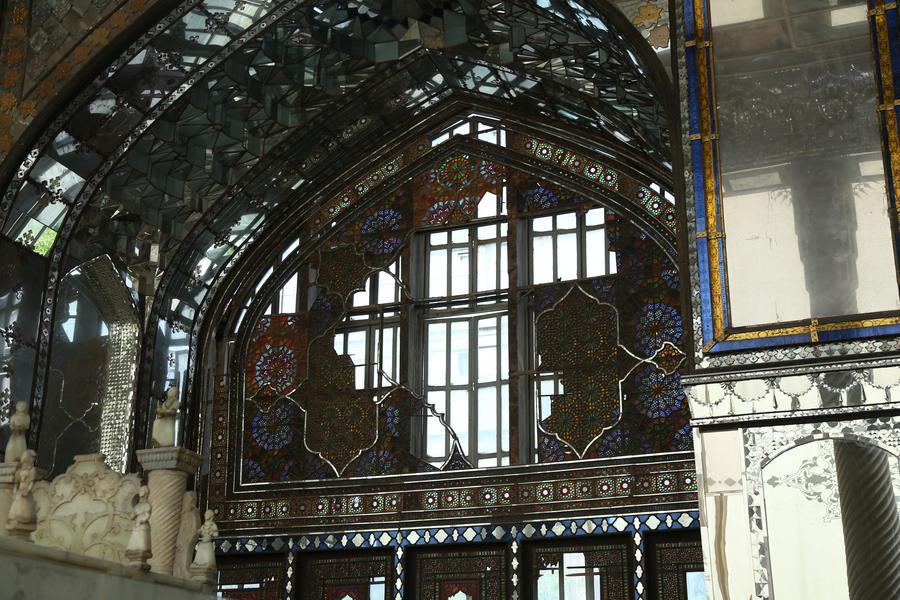
This photo taken on April 20, 2026 shows an interior view of the Golestan Palace damaged by the U.S.-Israeli attacks, in Tehran, Iran.
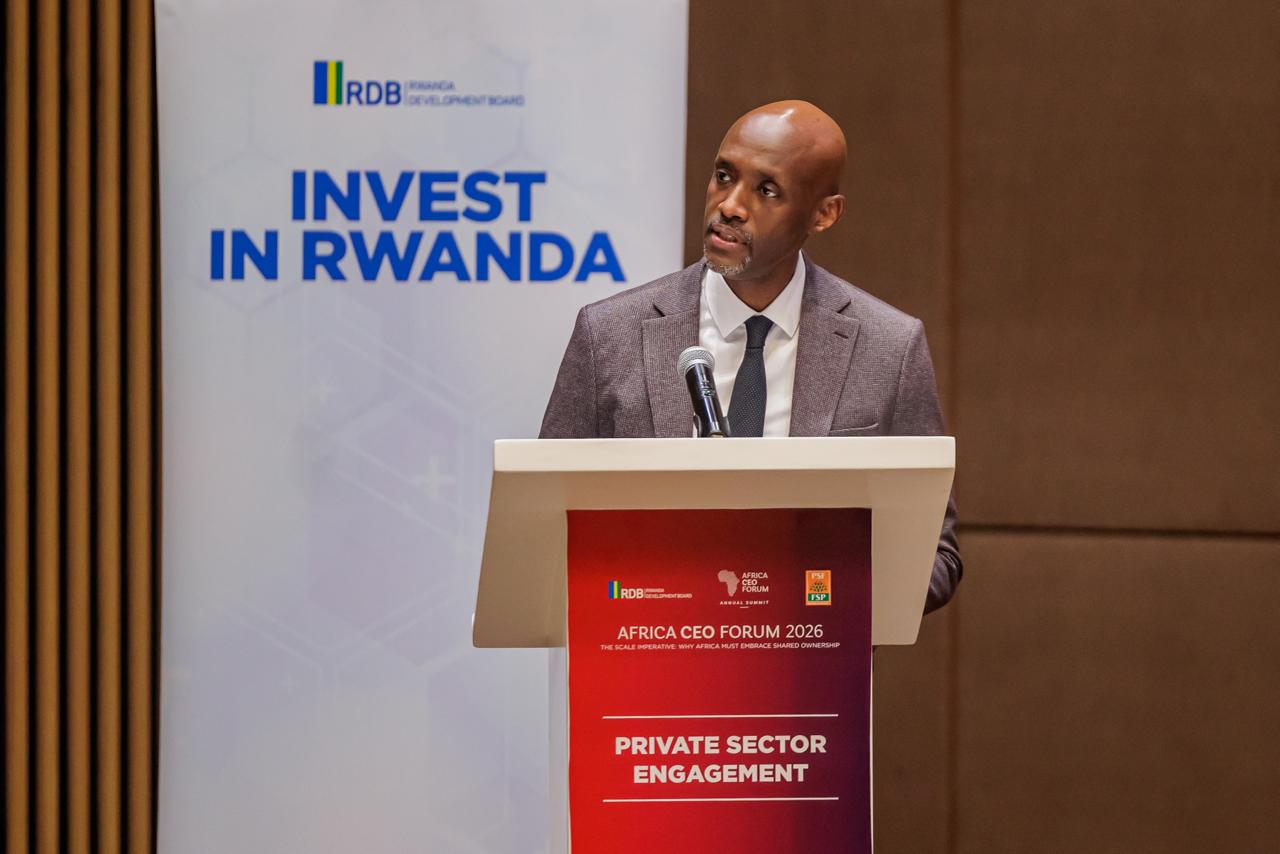
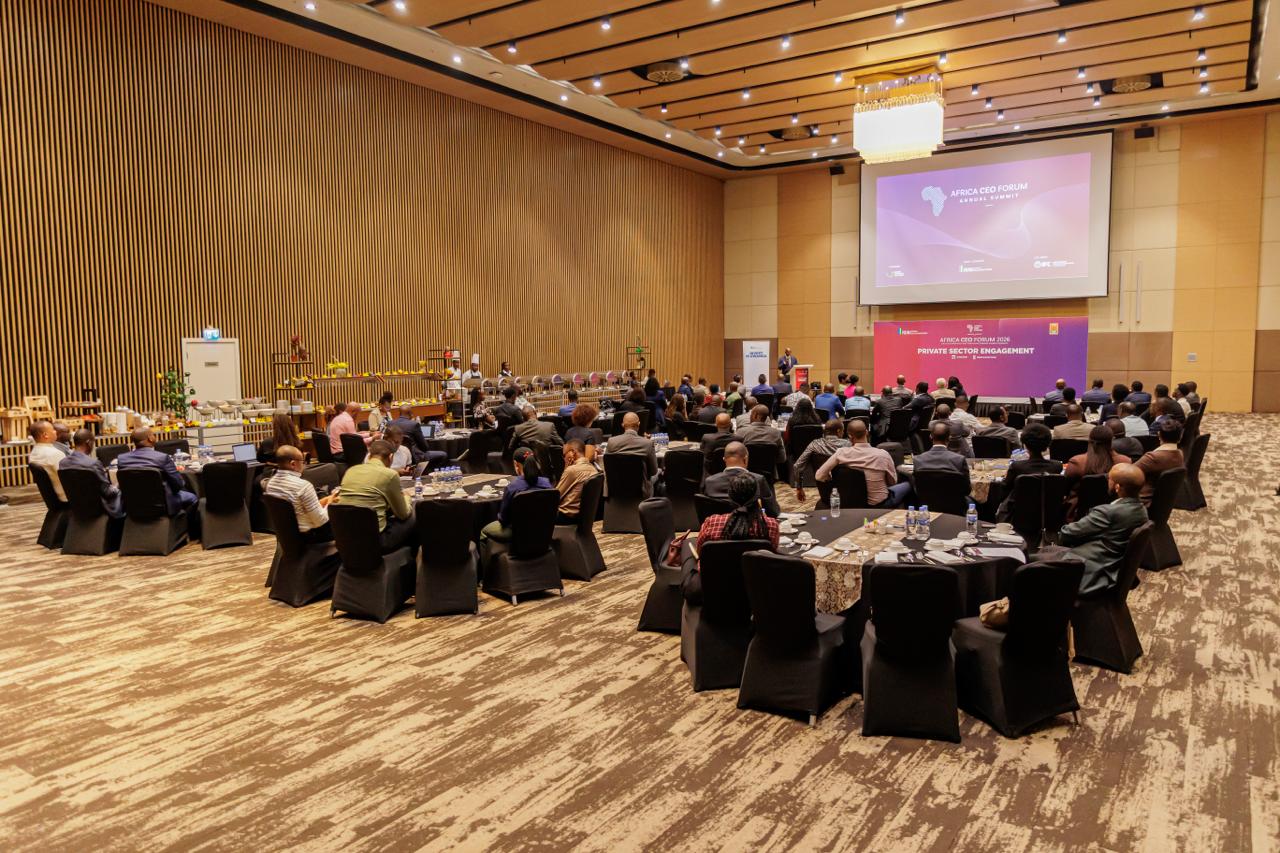
The Rwanda Development Board (RDB), together with private-sector stakeholders, held an engagement session with members of the Private Sector Federation (PSF) on Wednesday to discuss expectations and preparations for the upcoming Africa CEO Forum Annual Summit, scheduled for May 14–15, 2026, at the Kigali Convention Centre.
The summit, one of Africa’s leading platforms for high-level business dialogue and deal-making, is expected to bring together more than 2,000 chief executives, investors, policymakers and heads of state from over 75 countries.
Speaking during the engagement session, RDB Chief Executive Officer Jean-Guy Afrika said the forum presents a rare opportunity for Rwandan businesses to directly engage with leading African and global investors, financiers and decision-makers in one place.
“For Rwandan firms, the value of the forum is practical and immediate. It offers a rare opportunity to meet potential investors, identify strategic partners, open new commercial partnerships, and present concrete projects or expansion plans to decision-makers who are otherwise difficult to access in a single setting,” he said.
The Rwanda Development Board (RDB), together with private sector stakeholders, on Tuesday held an engagement session with members of the Private Sector Federation (PSF) to discuss expectations and preparations for the upcoming Africa CEO Forum Annual Summit.
Afrika noted that the forum goes beyond networking, providing businesses with a chance to benchmark themselves against leading firms across the continent, understand where capital is moving, and sharpen their growth ambitions.
He also highlighted the event’s advanced matchmaking technology, which allows registered participants to access profiles of investors, policymakers and financiers before the summit and request one-on-one meetings.
“They have coupled the forum with sophisticated matchmaking technology that suggests people who could be of interest to your business,” he said, urging businesses to register early and approach the event with clear targets and defined business goals.
“This is not a platform to attend passively. Firms should come prepared with clear objectives, targeted meetings, and a strong sense of what partnerships, capital, market access or commercial opportunities they want to pursue.”
This will be the third time Rwanda hosts the Africa CEO Forum, reinforcing Kigali’s growing role as a regional hub for investment, conferencing, tourism and business diplomacy.
The Africa CEO Forum is scheduled for May 14–15, 2026, at the Kigali Convention Centre.
Afrika said the organisers’ decision to return to Kigali reflects confidence in Rwanda’s logistics capacity and ability to host major continental events.
“This event is happening in Kigali for the third time because the organisers trust our ability, our logistics capabilities, and our ability to organise events of this scale,” he said.
He noted that Rwanda has sufficient conferencing and hospitality capacity and that authorities are closely monitoring registrations and visitor arrivals to ensure a smooth experience for delegates.
The 2026 summit will be held under the theme, “The Scale Imperative: Why Africa Must Embrace Shared Ownership,” with discussions expected to focus on business expansion, cross-border investment and regional integration.
The agenda will centre on three priorities: shared equity to promote multinational African firms, shared infrastructure to strengthen regional value chains, and shared frameworks aimed at harmonising regulations and standards across borders.
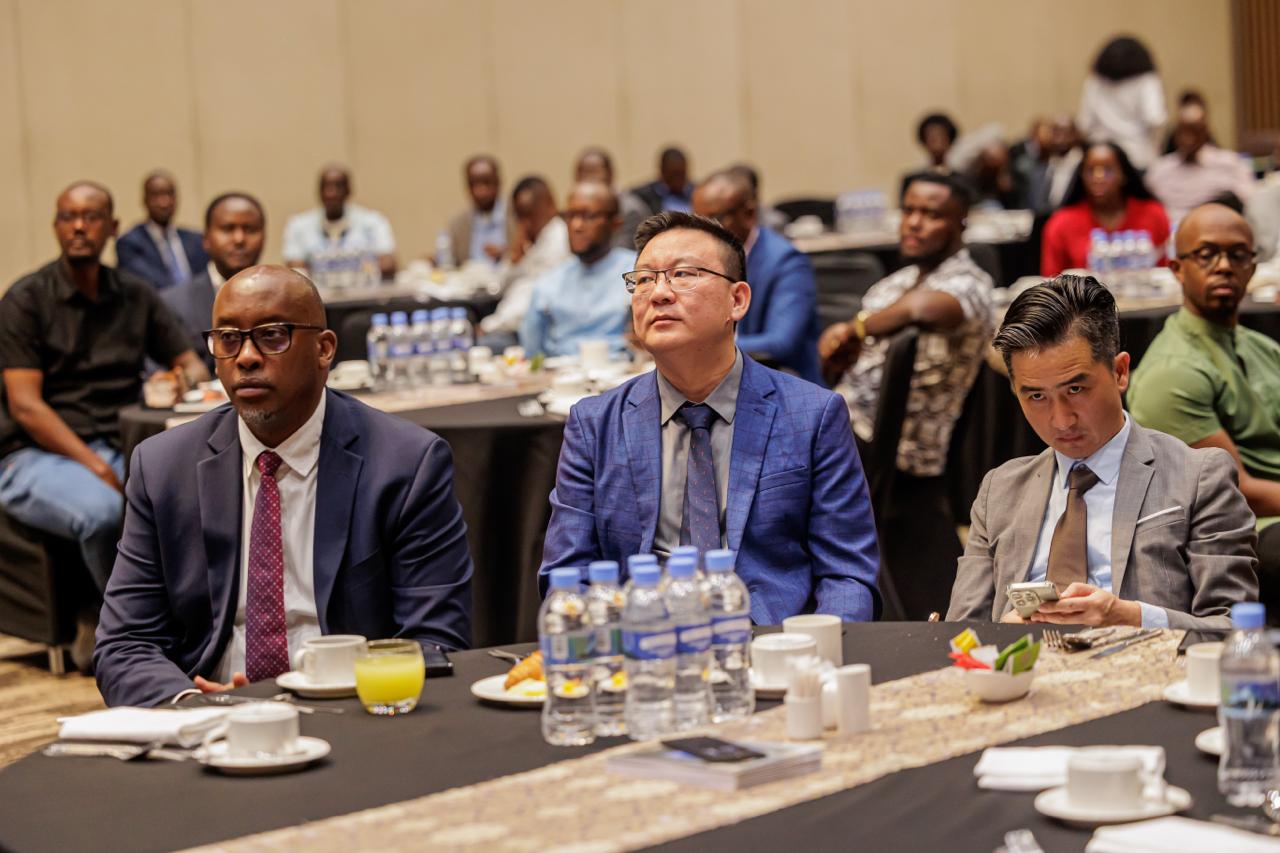
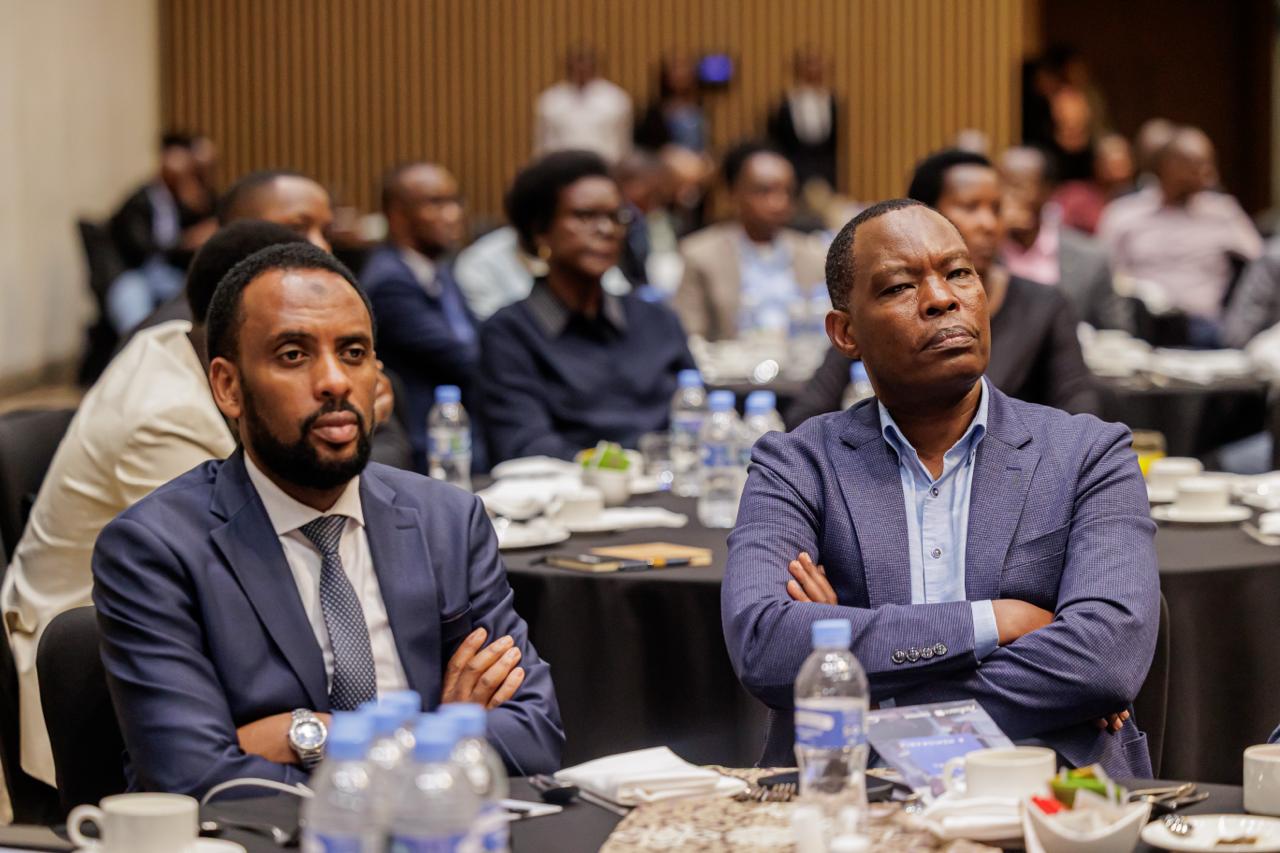
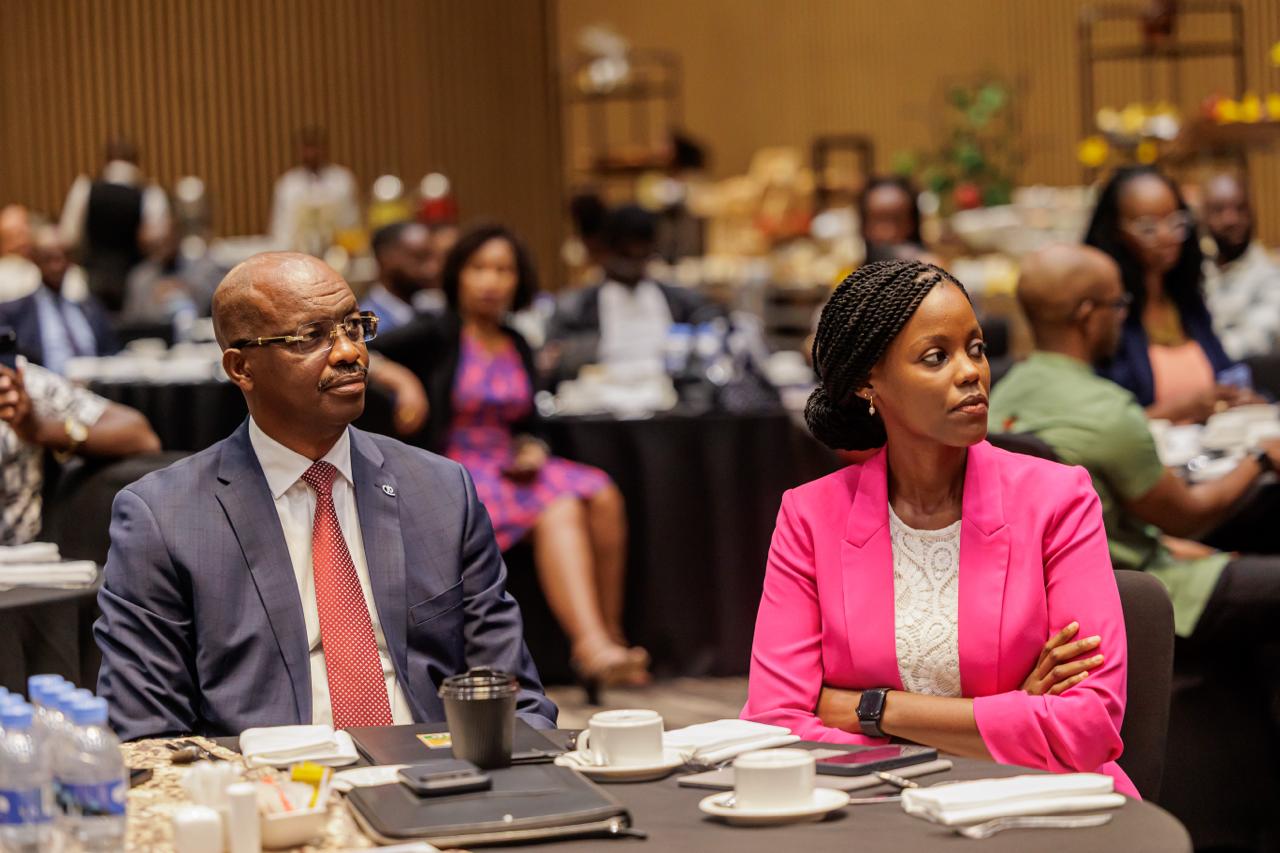
Various private sector stakeholders attended the meeting on Tuesday, April 22, 2026.
PSF urges businesses to prepare
Private Sector Federation Chairperson François Twagirumukiza said the forum, co-organised by Jeune Afrique Media Group and the International Finance Corporation (IFC), offers a strategic gateway for Rwandan businesses to move from ambition to execution.
“This forum matters because it provides a powerful gateway to new partners, new suppliers, new clients and new technologies. It connects our businesses to the networks and capabilities they need to grow significantly and compete,” he said.
He urged businesses to approach the summit with intent by identifying the partners they want to meet and booking meetings in advance.
“The value you derive will depend on the level of preparation you put in,” he said.
The Africa CEO Forum 2026 is expected to position Rwanda’s private sector at the centre of some of the continent’s most important investment conversations.
Businesses share past gains
Several business leaders shared testimonies of how previous editions of the Africa CEO Forum created tangible results for their companies.
Fabrice Shema, CEO and founder of Africa Medical Supplier Ltd, said attending the 2019 forum in Kigali helped him secure a $5 million in financing from a private investment fund without collateral requirements.
“I attended Africa CEO Forum 2019 here in Rwanda and it brought significant opportunities. I was able to connect with an institution that helped me secure $5 million in financing without providing collateral,” he revealed, adding, “That alone was a major milestone and gives us confidence that the 2026 edition will deliver even greater value.”
Julie Mutoni, Deputy Group CEO of Multilines International, said the last forum helped her logistics company secure new international partners and business leads that continue to support operations today.
“Through networking, I managed to get partners that I’m still working with today. In countries where I could not even reach, I was able to reach there through partnerships,” she said.
This will be the third time Rwanda is hosting the Africa CEO Forum.
For the 2026 edition, Mutoni said she is targeting more logistics partners across global markets as well as potential financing opportunities to expand and diversify her business.
“I’ll be looking at getting more partners, and depending on who is attending, I may also look for funding to expand my business. I’m just going to keep my eyes open and ensure that I grab the opportunities,” she said.
With President Paul Kagame, Nigerian President Bola Ahmed Tinubu and several other African leaders expected to attend, the Africa CEO Forum 2026 is expected to position Rwanda’s private sector at the centre of some of the continent’s most important investment conversations.
For many businesses, the goal is to turn two days of meetings in Kigali into partnerships and deals that last well beyond the summit itself.
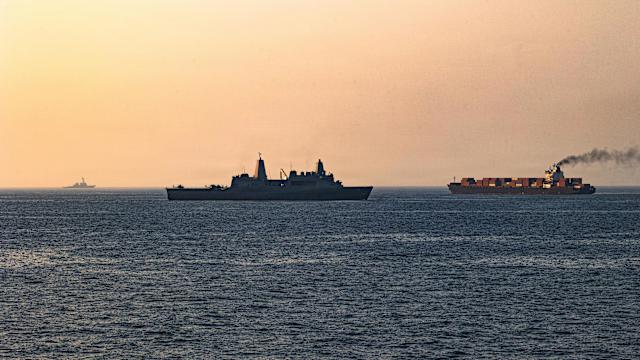
The UKMTO said it had received a report of an incident about 8 nautical miles west of Iran. The master of a cargo ship outbound from the Gulf reported that the vessel came under fire and was stopped in the water.
All crew members are safe and accounted for, and there are no reports of damage to the vessel, it said.
In a separate incident, a container ship was fired upon by a gunboat believed to be linked to Iran’s Islamic Revolution Guard Corps off the coast of Oman, damaging the vessel’s bridge.
The ship’s master reported that the gunboat approached and opened fire without issuing any VHF challenge, the UKMTO said.
All crew members are safe, and no fire or environmental damage has been reported, it added.
The International Maritime Organisation has warned that the situation remains volatile and urged vessels to exercise maximum caution when transiting the area.
Two commercial vessels were reportedly fired upon in separate incidents near the Strait of Hormuz, with all crew members safe, according to warnings issued Wednesday by the United Kingdom Maritime Trade Operations (UKMTO).
The messaging service, owned by Meta Platforms, is trialling a plan called WhatsApp Plus, similar in concept to subscription offerings on platforms like Instagram and Snapchat, where users pay for enhanced customisation rather than core functionality improvements.
The company confirmed the test in a statement to TechCrunch, describing WhatsApp Plus as an optional subscription designed to give users “more ways to organise and personalise their experience.”
“Premium features include expanded pinned chats, custom lists, new chat themes, and more,” a Meta spokesperson said. “We’re starting with a small test to gather feedback and ensure we’re building something people find genuinely valuable.”
Mostly cosmetic upgrades
Early details show that WhatsApp Plus is heavily centred on personalisation. Users would be able to access custom icons, themes, wallpapers, ringtones, and exclusive stickers. However, these upgrades do not significantly change the core messaging experience.
One of the more functional additions is the ability to pin up to 20 chats, compared to the current free-tier limit of three. Users may also be able to apply themes and notification tones across chat lists for a more customised interface.
Pricing has not been confirmed for African markets, including Rwanda, while early reports suggest it could be around €2.49 (approximately Rwf 4,300 ) per month in Europe.
Limited rollout and platform scope
The feature is currently being rolled out to a small number of Android users, with iOS support expected at a later stage. It is also limited to the standard WhatsApp Messenger app and does not extend to WhatsApp Business.
Meta emphasised that the subscription will not affect the core WhatsApp experience for non-paying users.
“The WhatsApp you know and rely on remains free, simple, reliable, private messaging and calling,” the company noted in its FAQ. “This subscription does not change your core experience.”
Part of a broader monetisation push
The test comes as Meta continues expanding paid features across its apps. The company has already explored similar subscription models under branding like Instagram Plus, focusing on exclusive social and customisation tools.
More broadly, Meta has been strengthening its monetisation strategy across messaging services. WhatsApp revenue has grown significantly in recent years, driven by business messaging and click-to-WhatsApp advertising tools. The company has previously said WhatsApp now generates over $2 billion in annualised revenue.
While WhatsApp Plus is still in early testing and limited to a small user base, it signals Meta’s ongoing effort to diversify revenue without disrupting the app’s free core messaging service.
For now, the experiment appears focused on one question: how much users are willing to pay just to make WhatsApp look and feel different.
The messaging service, owned by Meta Platforms, is trialling a plan called WhatsApp Plus, similar in concept to subscription offerings on platforms like Instagram and Snapchat, where users pay for enhanced customisation rather than core functionality improvements.
The change will take effect on September 1, 2026, marking the end of one of the most consequential leadership periods in the tech giant’s history. Cook will remain CEO until then to oversee a smooth handover before assuming a more strategic position focused on governance and engagement with policymakers.
John Ternus, Apple’s senior vice president of hardware engineering, has been appointed as Cook’s successor. The appointment, approved unanimously by Apple’s board, makes Ternus the company’s next chief executive and signals the first leadership change since Cook succeeded Steve Jobs in 2011.
Apple said the transition reflects long-term succession planning rather than a dramatic strategic shift, with continuity expected across its core operations and business model.
A defining Cook era
Cook, only the second CEO in Apple’s history, took over following Steve Jobs’ resignation in 2011. Over his tenure, Apple evolved into one of the world’s most valuable companies, expanding its reach to more than 200 countries and territories and growing its active device base to over 2.5 billion.
Under his leadership, Apple’s market value surged from around $350 billion to approximately $4 trillion, while annual revenue rose from $108 billion in fiscal 2011 to more than $416 billion in fiscal 2025.
Cook is widely credited with strengthening Apple’s global supply chain, scaling its operations, and reshaping its business model through a major shift toward services. Products such as iCloud, Apple Music, Apple TV, and Apple Pay helped build a services division generating over $100 billion annually, providing stable, high-margin revenue beyond hardware sales.
Apple also expanded into new product categories, including the Apple Watch, AirPods, and Apple Vision Pro during his tenure, while increasing its retail footprint to more than 500 stores globally. The company also reported a significant reduction in its carbon footprint, cutting emissions by more than 60% compared to 2015 levels.
Ternus takes over as Apple’s hardware leader
John Ternus, who has spent more than two decades at Apple, brings a deeply technical and engineering-focused background to the top role. Joining the company in 2001, he rose through the hardware engineering ranks before becoming vice president in 2013 and joining the executive team in 2021.
Ternus has overseen development across Apple’s major product lines, including the iPhone, iPad, Mac, Apple Watch, and AirPods. He has also been associated with key innovations in materials, durability, and performance.
Recent product milestones under his leadership include the MacBook Neo and the iPhone Air, as well as improvements to AirPods featuring advanced noise cancellation technology. Apple also credits him with driving efforts in sustainability, including the use of recycled materials and extended product durability.
His appointment is widely viewed as a move toward reinforcing Apple’s engineering and product-led culture.
Balancing services growth with product innovation
Ternus takes over at a time when Apple faces growing pressure to accelerate innovation. While Cook’s tenure transformed Apple into a services-powered ecosystem, critics have argued that the company has recently relied on incremental product updates compared to earlier breakthrough eras.
At the same time, competitors such as Google and Microsoft are advancing rapidly in artificial intelligence, intensifying pressure on Apple to respond more aggressively in the AI space. The company is reportedly exploring partnerships, including integrating Google’s Gemini model into its next-generation Siri assistant.
Slower consumer upgrade cycles and global supply chain risks also present challenges. Apple has already begun diversifying manufacturing away from China to markets such as Vietnam in response to geopolitical uncertainty.
Analysts expect Ternus to emphasise hardware innovation while maintaining Apple’s highly profitable services ecosystem, striking a balance between product reinvigoration and stable recurring revenue.
Cook described the transition as “the greatest privilege of my life,” while praising Ternus as a leader with a strong engineering mindset. Ternus, in turn, expressed gratitude for the opportunity and pledged to build on Apple’s long-standing values.
As Apple prepares for this leadership shift, the company enters a new chapter shaped by continuity at the top, but with renewed expectations around innovation in an increasingly competitive global tech landscape.
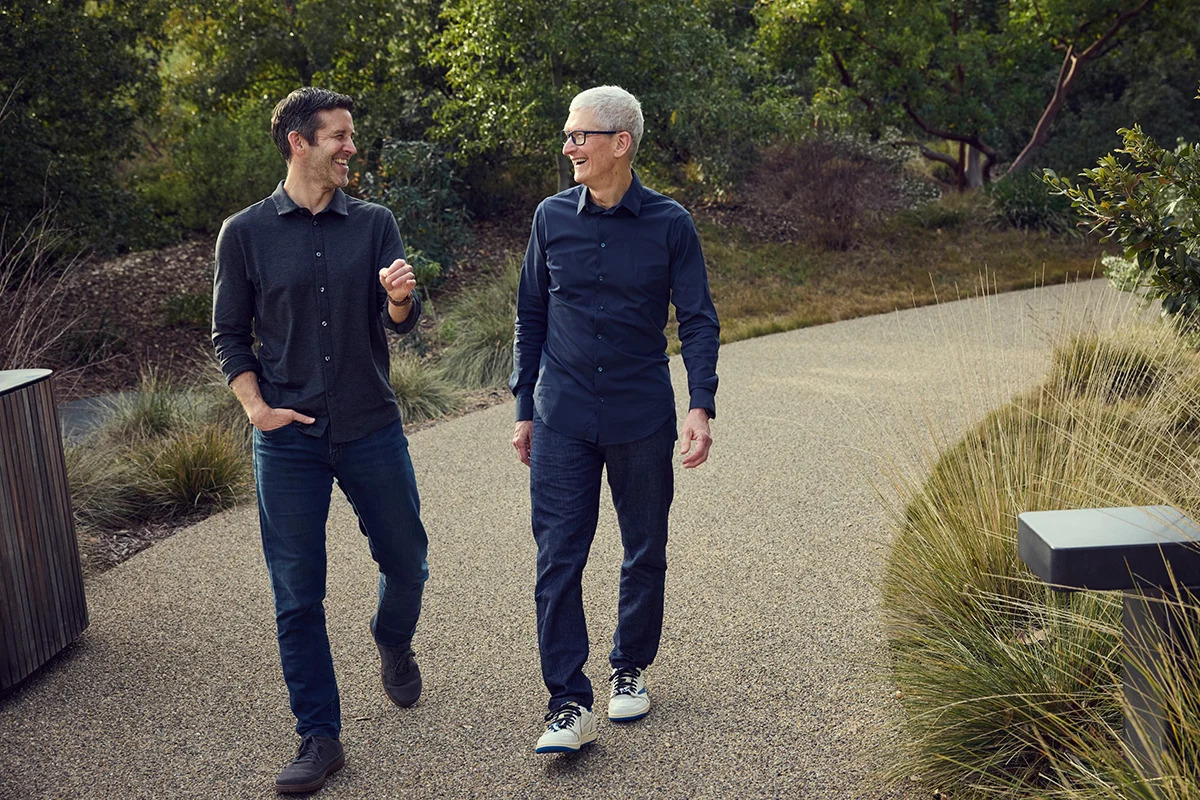
Tim Cook (right) and John Ternus at Apple Park. Apple has appointed Senior Vice President of Hardware Engineering John Ternus as CEO effective September 1, 2026. The board is handing the 25-year company veteran control of Apple as Tim Cook exits the top operating role after 15 years.