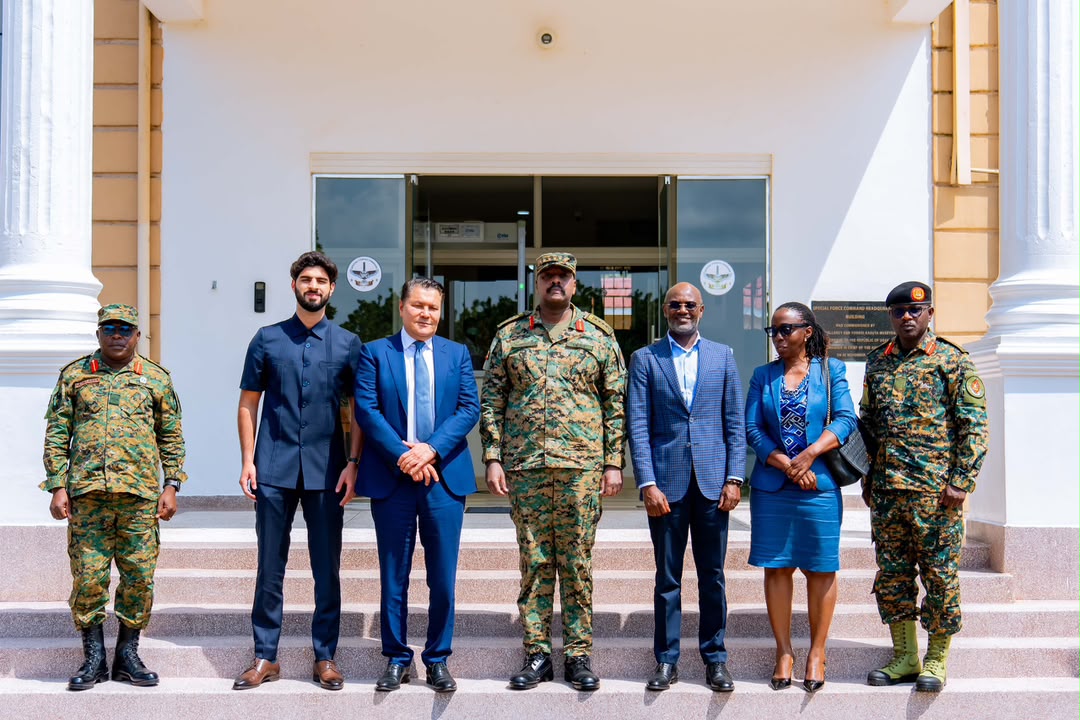
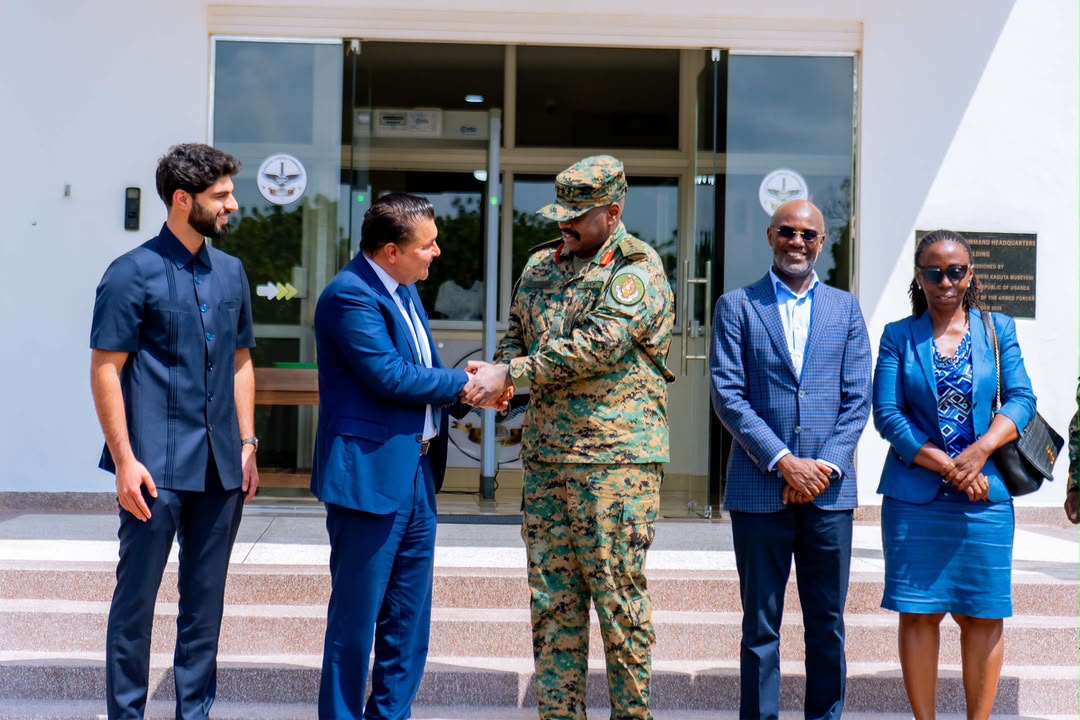
The meeting took place at the Special Forces Command headquarters in Entebbe and brought together NMG owner Rostam Aziz and his son Saam Aziz, alongside Georgia Mutagaywa, the Chief of Staff of Taarifa Limited, the parent organisation of NMG.
Also in attendance were veteran journalist and Patriotic League of Uganda (PLU) leader Andrew Mwenda, as well as the Acting UPDF/Defence Public Information Director, Col. Chris Magezi.
The discussions follow the recent shutdown of NMG Uganda’s operations by security forces, an action ordered by Gen. Muhoozi. The closure came after allegations by the CDF that the media group had engaged in what he described as a sustained blackmail campaign against the government of Uganda and its leadership, while also promoting opposition and foreign interests.
During the meeting, both sides are said to have reviewed reporting that government officials consider biased and malicious, with the media owners expected to adopt a more patriotic, balanced, and objective approach in their reporting.
The meeting forms part of ongoing efforts to resolve the standoff between the media group and the government following the shutdown of its outlets. A final decision on the reopening of the affected media premises is expected to follow a presidential review.
The closure of NTV Uganda, Spark TV and the Daily Monitor earlier this week came after security personnel carried out an overnight operation at NMG offices in Namuwongo, Kampala. The shutdown followed a series of posts by Gen. Muhoozi announcing the suspension of operations of the outlets, citing critical reporting and alleging biased coverage.
In earlier remarks shared online, Gen. Muhoozi said media reporting on Uganda would require clearance from his office and asserted that he had authority to shut down any media house in the country, claims that have drawn widespread attention.
Nation Media Group Uganda operates several outlets, including NTV Uganda, Daily Monitor, The EastAfrican, Dembe FM and Spark TV.
The developments echo previous tensions in 2013, when security agencies temporarily closed the Daily Monitor and affiliated stations following the publication of a controversial letter attributed to former intelligence official Gen. David Sejusa.
The figure, drawn from HIV serology testing of nearly 13,000 women and men, confirms a steady decline in the country’s epidemic: prevalence held at 3.0% from 2005 through 2014–15, before easing to 2.7% in the 2019–20 RDHS and now 2.2% in 2025. The report describes the drop between 2019–20 and 2025 as statistically significant.
But the national average masks wide disparities that the survey’s authors say still call for targeted intervention, by sex, by geography, and by wealth and education.
A persistent gender gap
Women continue to bear a heavier burden of HIV. The survey found prevalence among women aged 15–49 at 2.8%, nearly double the 1.5% recorded among men.
This gap persists even though women account for a slight majority of Rwanda’s population. The 2022 Rwanda Population and Housing Census recorded 13,246,394 people, comprising 6,817,067 females (51.5%) and 6,429,326 males (48.5%).
Compared with the 2019–20 survey, HIV prevalence among women declined from 3.5% to 2.8%, a statistically significant reduction, while prevalence among men decreased slightly from 1.7% to 1.5%, a change that was not statistically significant.
The gap widens further with age. Among women aged 45–49, prevalence reaches 7.8%, compared with 3.5% among men in the same age bracket, and 4.3% among men aged 50–59. Prevalence generally climbs with age for both sexes, from under 1% among teenagers to its peak in the 40s and 50s.
Marital and relationship status also shapes risk. Widowed respondents have the highest prevalence of any group at 10.9%, followed by those who are divorced or separated at 7.3%. Women in polygynous unions show notably higher prevalence (6.5%) than those in non-polygynous unions (2.3%).
Male circumcision continues to show a protective association: HIV prevalence is 1.2% among circumcised men, compared with 2.5% among men who are not circumcised or do not know their status.
Cities carry a heavier burden than the countryside
Geography remains one of the sharpest dividing lines in Rwanda’s HIV epidemic. Prevalence in urban areas stands at 3.3%, almost double the 1.7% recorded in rural areas, a pattern consistent with previous rounds of the survey and with the country’s broader urban–rural health disparities.
The provincial breakdown tells a similar story. The City of Kigali has the highest prevalence in the country at 3.7%, more than triple the 1.0% recorded in the Northern Province, which posts the lowest rate nationally. Southern Province (2.3%), Western Province (2.2%), and Eastern Province (2.0%) fall in between.
Education levels also showed clear differences in HIV prevalence. The survey found HIV prevalence was highest among people with no formal education (4.9%), followed by those with primary education (2.4%), secondary education (1.6%), and more than secondary education (0.9%). By household wealth, the poorest quintile recorded the highest prevalence (3.3%), though the pattern across the remaining wealth groups was less consistent.
Testing coverage remains high
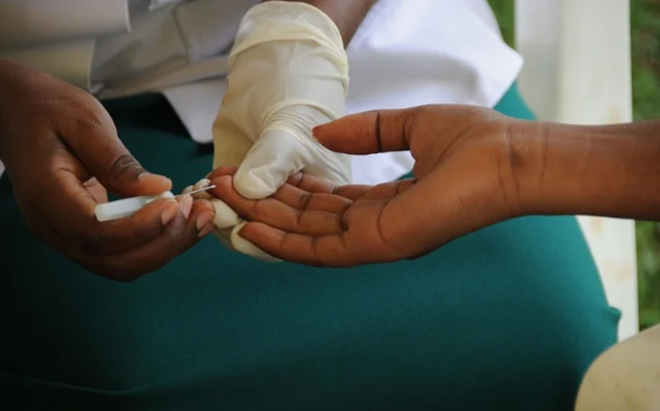
The survey’s underlying data quality is bolstered by near-universal participation: 99% of eligible women and 97% of eligible men consented to HIV testing and provided a blood sample for the survey’s testing algorithm, carried out through Rwanda’s National Reference Laboratory. Fewer than 1% of eligible respondents refused testing outright.
Rwanda has been widely recognized as a regional leader in HIV control, having met the UNAIDS 95–95–95 targets for diagnosis, treatment, and viral suppression ahead of the 2025 deadline.
With prevalence now confirmed at 2.2% nationally, the survey gives policymakers a clearer map of where continued gains are still to be made, particularly among older women, urban populations, and the City of Kigali, building on a strategy that has already brought the country this far.
Meanwhile, the HIV findings sit alongside a wider set of health gains captured in the 2025 RDHS. Fertility has continued its long decline, with the total fertility rate now at 3.7 children per woman. Child survival has also improved: under-5 mortality has fallen to 36 deaths per 1,000 live births, down from 45 in the previous survey, while infant and neonatal mortality have declined in tandem.
Chronic child malnutrition is down too, 27% of children under five are stunted, compared with 51% two decades ago, and contraceptive use among married women has climbed to 69%, with the government sector remaining the primary source of family planning services nationwide.
Women continue to bear a heavier burden of HIV. The survey found prevalence among women aged 15–49 at 2.8%, nearly double the 1.5% recorded among men.
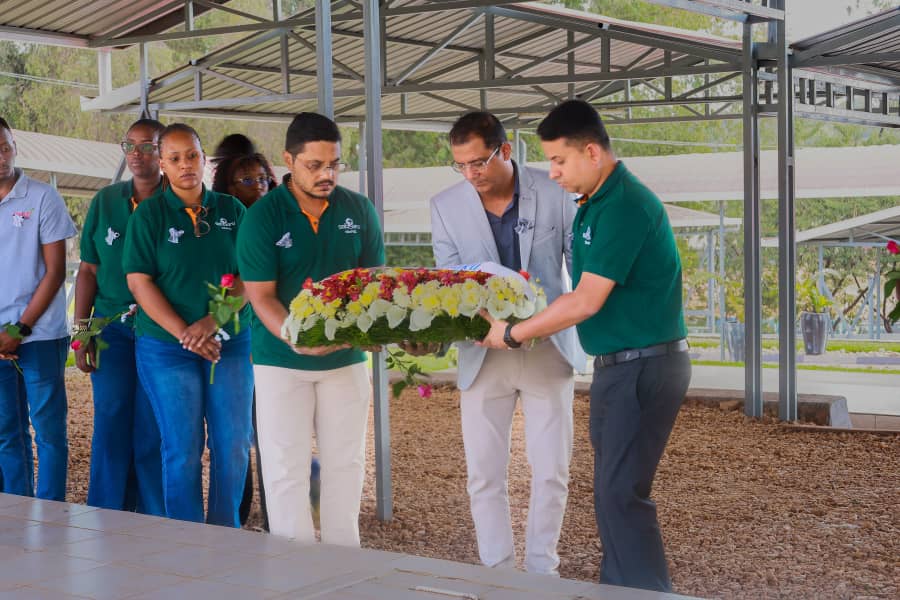
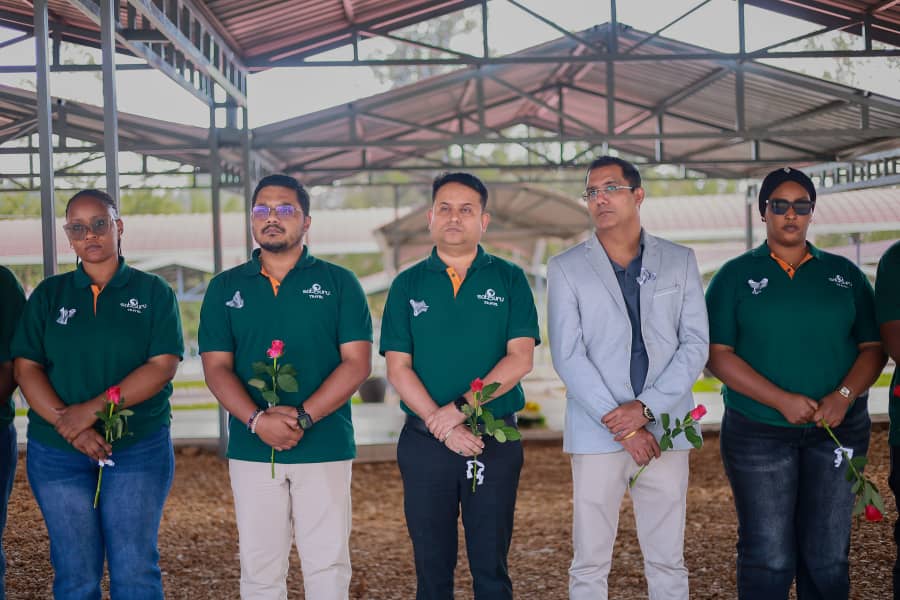
The delegation, led by Satguru Travels Rwanda Country Manager Sunil Kumar Nair alongside Satguru Cargo Regional Manager Ravi Tejwani and Satguru Travels Rwanda Managing Director Bharat Tolani, brought together employees from different business divisions of Satguru Travel Group, which has operated in Rwanda since 1989.
Company officials said the visit, which took place on June 26, reflects Satguru’s long-standing connection to Rwanda, where the firm was founded and continues to operate, with the majority of its workforce made up of Rwandan nationals.
Speaking about the initiative, Sunil Kumar Nair said the visit was rooted in the company’s responsibility to honour the country’s history and support values of peace and unity.
“Satguru was founded in Kigali in 1989, making Rwanda the birthplace of our organization. Even as we have grown globally, Rwanda remains our home. With more than 90% of our workforce being Rwandan nationals, we believe it is our responsibility to honour the country’s history and reinforce the values of peace, unity and humanity,” he said.
The visit has now become an annual remembrance initiative for the company. Last year, Satguru combined the memorial visit with direct support to a survivor family, including medical insurance.
The team moved through key sections of the memorial, including the mass graves and the Garden of Memory, where they were briefed on the history of the 1994 Genocide against the Tutsi and its planning by the then extremist regime.
They paid their respects by laying wreaths at the mass graves, where the remains of more than 100,000 victims from Nyanza Hill and surrounding communities are buried. Many of the victims were killed after UN peacekeepers abandoned them at the former ETO Kicukiro site.
The Garden of Memory, which spans several symbolic landscapes, was highlighted as a central educational space. Its features, including dry gardens representing lost lives, water elements symbolising rivers where victims were thrown, and monuments reflecting resilience, are designed to teach visitors about the scale of the tragedy and Rwanda’s path to recovery. A prominent Flame of Hope monument stands as a symbol of dignity and national renewal.
Participants also reflected on lessons of unity, with employees noting the importance of rejecting division and safeguarding peace.
Flavia Umutesi of Satguru Holidays said the visit provided a powerful learning experience about Rwanda’s history and reconciliation journey.
“Rwandans are no longer divided. There is no Tutsi, there is no Hutu; they are all one. We learned resilience and the importance of ensuring genocide never happens again anywhere,” she said.
Another employee, Rwagasana Alexandre, urged young people to remain vigilant against genocide ideology and to keep engaging with memorial sites to understand history and prevent repetition of such atrocities.
“We urge Rwandan youth not to fall into the temptations that led to the 1994 Genocide against the Tutsi. We should keep visiting these places so that we understand and avoid any behaviour that undermines its lessons,” he said.
Company management reaffirmed that remembrance will remain part of Satguru’s long-term corporate culture, coupled with continued support to survivor communities through employee engagement and social responsibility initiatives.
Nair emphasized that the experience was humbling for staff, adding that remembrance must be paired with action.
“We honour the memory of the victims, pay tribute to the resilience of survivors, and recognize Rwanda’s extraordinary journey of reconciliation. May we remember the past with dignity, live the present with compassion, and build the future with unity. Never Again,” he said.
The delegation, led by Satguru Travels Rwanda Country Manager Sunil Kumar Nair alongside Satguru Cargo Regional Manager Ravi Tejwani and Satguru Travels Rwanda Managing Director Bharat Tolani, brought together employees from different business divisions of Satguru Travel Group, which has operated in Rwanda since 1989.
The agreement was concluded on June 29, 2026, during the inaugural Joint Coordination Committee (JCC) meeting on peaceful nuclear cooperation between Rwanda and Rosatom in Moscow. The meeting was co-chaired by Dr. Lassina Zerbo of the Rwanda Atomic Energy Board and Rosatom First Deputy Director General Kirill Komarov.
The JCC reviewed progress across Rwanda’s nuclear programme, including plans for a nuclear power project, the establishment of a Centre for Nuclear Science and Technology, regulatory development, and workforce training. The session ended with the signing of a JCC protocol and an SMR-focused roadmap outlining next steps for implementation.
Komarov said the partnership has shifted from broad agreements to “systemic” cooperation focused on concrete projects, including infrastructure development and specialist training. He noted Rosatom’s readiness to support Rwanda through each stage of its nuclear programme.
Zerbo said the roadmap builds on cooperation dating back to 2018 and reflects Rwanda’s goal of incorporating nuclear power into its energy mix by the early 2030s. He emphasised that the programme is also an investment in science, skills, and long-term national development.
“Implementing a nuclear energy programme is first and foremost an investment in people, in science and in the country’s long-term development. The Joint Coordinating Committee allows us to move to substantive work across every track of our programme,” he noted.
The agreement consolidates earlier milestones, including a 2018 intergovernmental nuclear cooperation framework and a 2019 roadmap for establishing a Centre for Nuclear Science and Technology in Rwanda, which is expected to include a research reactor and supporting laboratories. More recently, in May 2026, both countries signed an MoU in Kigali focusing on nuclear medicine and advanced training.
The Rwandan delegation’s visit to Russia also included participation in the Obninsk New 2026 youth forum and technical tours of Rosatom facilities, aimed at strengthening expertise and institutional capacity.
The latest SMR roadmap is expected to guide the next phase of cooperation, aligning infrastructure development, regulatory readiness, and human resource training under a coordinated implementation framework for Rwanda’s emerging nuclear energy programme.
The agreement was concluded on June 29, 2026, during the inaugural Joint Coordination Committee (JCC) meeting on peaceful nuclear cooperation between Rwanda and Rosatom in Moscow.
The three companies—Astrobotic, Firefly Aerospace, and Intuitive Machines—will deliver NASA science payloads to the lunar surface as the agency works toward establishing its first outpost on another celestial body.
According to NASA, Astrobotic has been awarded 297.9 million U.S. dollars for two deliveries, while Firefly Aerospace will receive 144.2 million dollars and Intuitive Machines 148.3 million dollars, each for one delivery. Each mission will use upgraded versions of previously flown lunar lander designs to support increased mission cadence.
Each delivery will carry three NASA payloads to the lunar surface, including Stereo Camera for Lunar Plume Surface Studies, Laser Retroreflector Array, and Linear Energy Transfer Spectrometer.
NASA said the newly announced awards will play a critical role in establishing the infrastructure for lunar surface operations.
“By flying the same science instruments on multiple landers, we will better understand potential hazards during landing and build out a global network of environmental data and location markers on the Moon,” said Joel Kearns, deputy associate administrator for exploration at NASA Science Mission Directorate.
NASA is advancing the Moon Base program, a long-term lunar exploration and infrastructure initiative designed to enable sustained human presence and expanded scientific and commercial activity on the lunar surface.
This push for robotic infrastructure follows on the heels of NASA’s historic Artemis II mission in April, which successfully sent a four-person crew on a nine-day lunar flyby.
The data collected from these upcoming 2028 commercial deliveries will be critical in future-proofing surface operations ahead of the planned Artemis IV mission, which aims to return humans to the lunar surface.
Three artist renderings depict commercial lunar landers from Astrobotic, Intuitive Machines, and Firefly on the Moon. NASA announced June 30 the landers will deliver more NASA science investigations and technology demonstrations to the lunar surface for NASA’s Moon Base Program.
The resolutions were adopted during a Cabinet meeting chaired by President Paul Kagame at Urugwiro Village on Tuesday, June 30.
A key outcome of the meeting was the approval of a ministerial order introducing stronger incentives for reporting cases of tax evasion as part of ongoing efforts to reinforce tax compliance and safeguard domestic revenue.
According to a communiqué from the Office of the Prime Minister, the reforms are intended to further strengthen tax administration while simplifying compliance procedures for businesses and improving stakeholder engagement in tax policy formulation through the establishment of a permanent Tax Policy Committee.
Cabinet also approved simplified conditions for extending tax holidays for deposit-taking microfinance institutions, allowing eligible institutions to continue benefiting from a zero percent corporate income tax rate. In addition, it approved an increase in the annual turnover threshold required for certification of financial statements for tax purposes, easing compliance requirements for smaller businesses.
The government said the measures are aimed at improving compliance while maintaining a more efficient and business-friendly tax system.
Separately, Rwanda already operates a Value Added Tax (VAT) Reward Scheme designed to encourage consumer participation in tax compliance. Under the existing programme, consumers who request an Electronic Billing Machine (EBM) invoice with their registered phone number receive a reward equivalent to 10 percent of the VAT shown on the receipt.
The system also includes a whistleblowing mechanism through which consumers can report traders who fail to issue EBM invoices or under-declare sales. Verified reports submitted to the Rwanda Revenue Authority (RRA) via WhatsApp on 0739008010 may result in a reward equivalent to 50 percent of the penalty imposed on the non-compliant trader.
On governance, Cabinet approved a Presidential Order relating to elections of local administrative entities and a Prime Minister’s Order governing elections of members of the Executive Committees of the National Women Council, National Youth Council and National Council of Persons with Disabilities.
The updated framework is intended to strengthen representative participation from the grassroots to the national level, with emphasis on women, youth and persons with disabilities. It also introduces clearer eligibility requirements and procedures for filling vacancies, aimed at reinforcing transparency and the integrity of local leadership structures.
Cabinet further approved four draft laws authorising the ratification of financing agreements with international development partners supporting health, agriculture and social protection programmes.
These include a credit facility from Agence Française de Développement (AFD) to strengthen the resilience of Rwanda’s healthcare system, as well as grant and financing agreements with the International Bank for Reconstruction and Development (IBRD) and the International Development Association (IDA) covering health emergency preparedness, agricultural transformation and social protection reforms.
Cabinet also approved applications for mineral and quarry licences.
In diplomatic matters, it granted agrément to four proposed representatives, including ambassadors from Sudan and the Republic of Korea, the Chief Representative of the Japan International Cooperation Agency (JICA) Rwanda Office, and Rwanda’s proposed Honorary Consul to Ireland.
Ministers also briefed Cabinet on upcoming national programmes, including the 16th cohort of Itorero Indangamirwa, the nationwide rollout of the 2026 Defence and Security Citizen Outreach Programme (DSCOP), and the upcoming Rwanda Agricultural Show in Kigali.
Cabinet was further briefed on Rwanda’s economic performance in the first quarter of 2026, which recorded 10 percent growth driven by strong performance across agriculture, industry and services.
According to the National Institute of Statistics of Rwanda (NISR), Gross Domestic Product (GDP) at current market prices was estimated at Rwf 6.3 trillion in Q1 2026, up from Rwf 5.3 trillion recorded in the same period of 2025.
The services sector remained the largest contributor to the economy at 52%, followed by industry at 24%, agriculture at 19%, while net direct taxes accounted for 5%.
Foreign ministers from OIF member states are gathered in Paris today for an unprecedented exercise in which each candidate will present their vision for the organisation’s future ahead of the election scheduled to take place during the Summit of Heads of State and Government in Phnom Penh, Cambodia, in November 2026.
For the first time, candidates seeking to lead the Francophonie will address representatives of member states in a formal presentation process, reflecting sweeping electoral reforms that have transformed how the organisation selects its Secretary-General.
The race features four candidates: incumbent Secretary-General Louise Mushikiwabo of Rwanda, Juliana Amato Lumumba of the Democratic Republic of the Congo (DRC), Coumba Ba of Mauritania, and former Romanian Prime Minister Dacian Cioloș.
Each candidate is allocated 45 minutes before the ministers—five minutes for a personal introduction, 20 minutes to present their programme, and another 20 minutes to answer questions from delegates representing member states.
Following the presentations, the ministers are expected to meet behind closed doors to assess the candidates and prepare recommendations for heads of state and government, who will make the final decision at the November summit.
End of the consensus era
Unlike previous OIF leadership contests, the 2026 election is being conducted under new rules that replace the organisation’s long-standing consensus-based system with a one-country, one-vote process.
Previously, member states sought to agree on a single candidate before an election, leaving little room for genuine competition. The revised electoral framework eliminates that requirement, giving each voting member an equal say regardless of its political influence.
The reforms were introduced during Mushikiwabo’s tenure as Secretary-General to address longstanding concerns about the organisation’s electoral process and strengthen transparency in leadership selection.
The new system was technically in place during Mushikiwabo’s re-election for a second term, but it was never put to the test because she ran unopposed.
This year’s contest therefore marks the first time member states will choose among multiple candidates through a competitive vote, making it one of the most significant institutional changes in the organisation’s history.
The OIF comprises 90 member states and governments, with 56 holding voting rights. African countries account for the majority of the electorate.
Mushikiwabo seeks third term
Much of the attention remains focused on Mushikiwabo, who has led the OIF since 2018 and is seeking a third mandate.
Her candidacy was endorsed by Rwanda after numerous member states encouraged her to seek another term during the Ministerial Conference of La Francophonie held in Kigali in November 2025.
Initially, only two countries had proposed that she run again. By the end of the meeting, however, more than 15 member states had expressed support for her candidacy.
Supporters argue that Mushikiwabo has strengthened institutional governance within the OIF, improved financial management and maintained stability throughout her two terms in office.
Her experience and backing from Rwanda, together with support from several influential partners, have made her widely viewed as one of the leading contenders.
Politics shapes the race
While four candidates are competing, the contest has also taken on a geopolitical dimension following the DRC’s decision to field Juliana Amato Lumumba.
Lumumba has built her campaign around the legacy of her father, Patrice Lumumba, and the DRC’s status as the world’s largest French-speaking country by population.
Observers say Kinshasa has invested significant political capital in her candidacy, with some viewing it as an extension of the broader diplomatic tensions between Rwanda and the DRC.
France, traditionally one of the OIF’s most influential members, has so far refrained from publicly backing any candidate ahead of the election, while analysts suggest Canada’s position may have evolved following the change in government from former Prime Minister Justin Trudeau to Prime Minister Mark Carney.
Mauritania’s Coumba Ba is also seeking the position, although she is not widely regarded as a frontrunner.
Meanwhile, Dacian Cioloș brings extensive European political experience to the race, but his candidacy faces scepticism from some African member states, which argue that the organisation’s leadership should continue reflecting the priorities of the continent that is home to the largest French-speaking population.
For Mushikiwabo, the election is an opportunity to secure a third term, following the precedent of former Secretary-General Abdou Diouf.
In the weeks leading up to today’s presentation, Rwandan officials have travelled extensively across OIF member states to rally support for Mushikiwabo’s candidacy while encouraging leaders to attend the November summit in Cambodia, where the organisation’s next Secretary-General will be elected.
Louise Mushikiwabo is seen as frontrunner for third term at the helm of the OIF. Juliana Lumumba has built her campaign around the legacy of her father, Patrice Lumumba, and the DRC’s status as the world’s largest French-speaking country by population.Coumba Ba is Mauritania’s candidate for the position. Former Romanian Prime Minister Dacian Cioloș is the only male candidate in the race.
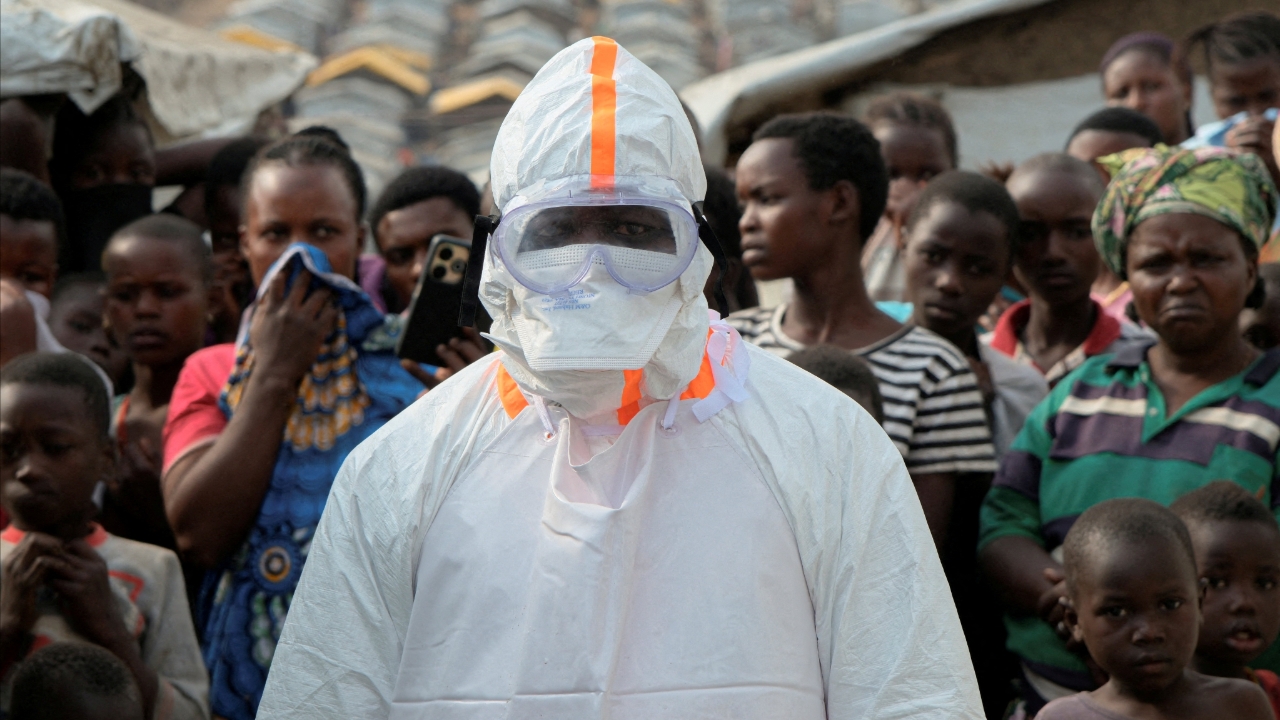
As of Sunday, 180 people had recovered, while 615 patients were receiving treatment or under care. The fatality rate stood at 28.8 percent, and the contact follow-up rate reached 81.3 percent, the government said.
As part of the control measures, the government has banned mass gatherings in the capital and the provinces of Tshopo, Haut-Uele and Bas-Uele, local media reported, citing a circular from the Ministry of Interior.
Interior Minister Jacquemain Shabani notified governors of the affected provinces of the decision, saying the restriction was imposed due to heightened health risks posed by the spread of the virus.
The measure covers political rallies, public marches and other events in an effort to limit physical contact and curb the spread of the virus.
President Felix Tshisekedi said on Monday that a comprehensive response plan, with a budget of 319 million U.S. dollars, had been drawn up, with initial emergency funds already mobilized to support field operations, contain the outbreak and save lives.
“Ebola is neither a rumor nor a shame. It is a health emergency that demands responsibility, solidarity and truth,” Tshisekedi said in a speech marking the country’s Independence Day, calling on the public to follow health instructions, report suspected cases and resist disinformation.
The DRC declared the current Ebola outbreak in mid-May. Health authorities have since warned that the response has been challenged by community transmission, population movement and limited access in some affected areas.
Authorities in DR Congo have banned large gatherings in the capital, citing prevention of Ebola virus spread.
In a blog post dated Monday, June 29, 2026, the Meta-owned messaging platform said the username update is designed to make it easier and safer for users to interact with new contacts and group conversations, where sharing a personal number can often feel intrusive.
“When someone new walks into your life – a classmate, a neighbour, someone you meet at an event – sharing a phone number can feel like a big step,” WhatsApp noted. “Sometimes you just want to chat without handing over your digits.”
The company said the same concern applies to group chats, such as school or community groups, where users may prefer to participate without exposing their personal contact details.
Under the new system, users will be able to reserve a unique username ahead of the full rollout later this year. WhatsApp said early reservations are being introduced due to the platform’s scale, with more than three billion users leading to high demand and overlapping name choices.
“For most people, choosing a WhatsApp username should be something unique that only people you want to contact you will know,” the company said, adding that a username generator will also be available to help users create suitable handles.
WhatsApp also confirmed that creators, small businesses, and organisations will be able to maintain consistency across platforms by reserving usernames matching their Instagram or Facebook handles.
The company emphasised that usernames are a key part of its broader privacy strategy, noting that there will be no public directory or search function to browse users. Instead, individuals will need to know the exact username to initiate contact.
To further enhance privacy controls, WhatsApp is introducing an optional “username key” that users can share with select contacts to determine who can reach them.
Once fully rolled out, users who enable usernames will also have their phone numbers hidden from first-time contacts.
“Once we launch usernames, when you message a person or business for the first time they will no longer see your phone number, if you enabled your username,” the company said.
Setting up a username reservation is available from this week via the app’s settings menu by navigating to Settings > Account > Username. WhatsApp said the process takes just a few seconds on the latest version of the app.
The feature will be rolled out gradually over the coming months, with users expected to receive notifications when it becomes available in their respective countries.
The Meta-owned messaging platform said the username update is designed to make it easier and safer for users to interact with new contacts and group conversations, where sharing a personal number can often feel intrusive.
The case, filed on June 26, 2026, accuses Rwanda of carrying out “genocidal campaign in eastern Congo since 1996,” marking the third ICJ filing by the DRC against Rwanda.
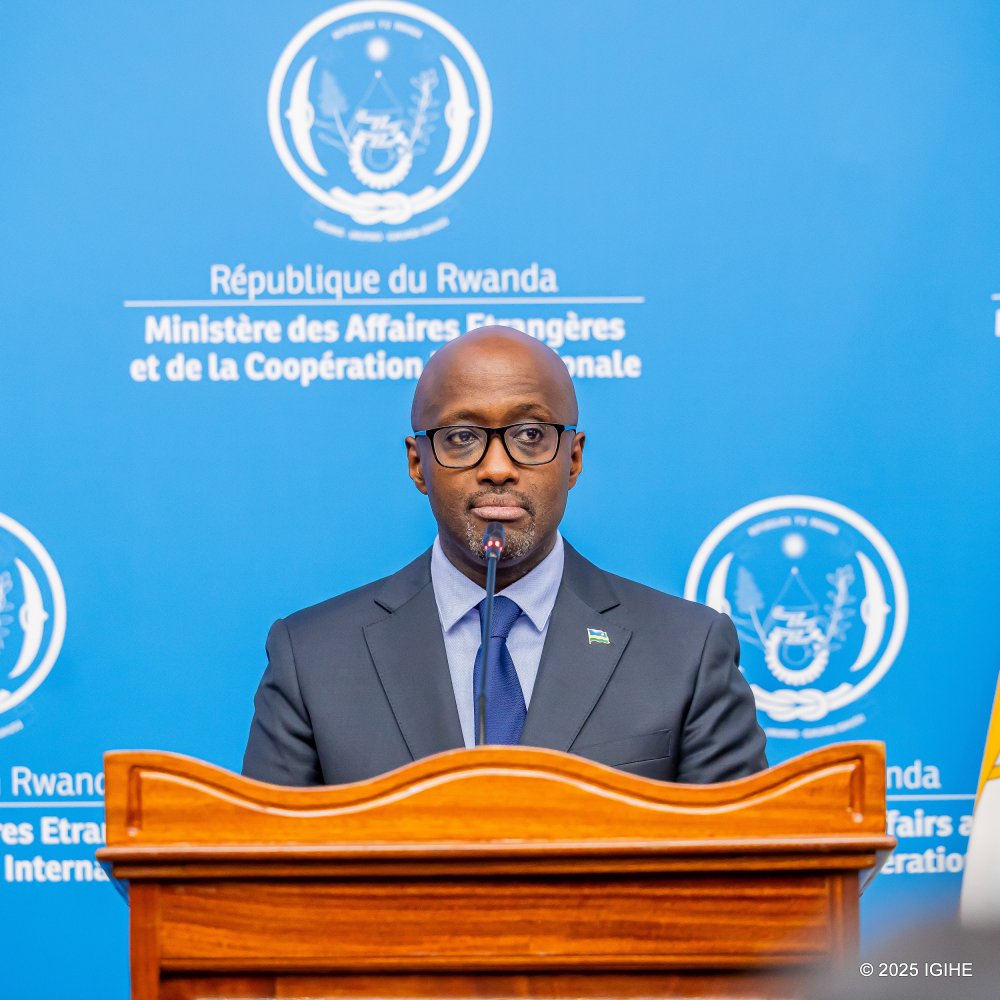
Speaking to France 24, Nduhungirehe rejected the allegations and said the case reflects political deflection rather than legal substance.
“It is a political manoeuvre by the DRC, which is collaborating with the genocidal movement, the FDLR,” he said, adding that the Congolese government has failed to fulfil its commitments to neutralise the armed group linked to the 1994 Genocide against the Tutsi.
Nduhungirehe also linked Congolese authorities to violence against civilians in eastern DRC, including the Banyamulenge community in South Kivu, and accused officials linked to President Félix Tshisekedi of fueling ethnic hatred.
Citing former army spokesperson Sylvain Ekenge, he also pointed to inflammatory rhetoric and collaboration between state actors, militias such as Wazalendo, and mercenary forces.
Maj Gen Ekenge appeared on Congolese national television on December 27, 2025, during a programme discussing the security situation in eastern DRC, particularly in areas affected by the conflict in South Kivu Province. During the broadcast, he made an ethnic slur targeting Congolese Tutsis, including comments discouraging intermarriage with Tutsi women.
The statements triggered widespread criticism and diplomatic pressure, prompting Congolese authorities to suspend Maj Gen Ekenge from his duties.
“How can you violate, on a daily basis, basic human rights and pretend to file a complaint against the other party?” Nduhungirehe said.
Nduhungirehe added that Rwanda would not engage on the substance of the case at this stage, noting that jurisdictional issues would be left to competent authorities.
During the interview, Nduhungirehe also described U.S. sanctions against Rwandan entities as biased, unfair and counterproductive.
According to the minister, the sanctions risk undermining the mediation process under the Washington Accords signed in December last year.
“Those sanctions are unfair, one-sided and counter-productive,” he stated, warning that pressure on one party could embolden the other and worsen insecurity.
Rwanda’s Minister of Foreign Affairs and International Cooperation, Olivier Nduhungirehe, rejected the DRC’s allegations, saying the case reflects political deflection rather than legal substance.