“Today, the final contact of a person exposed to hantavirus on the cruise ship MV Hondius completed their quarantine period, tested negative and returned home. No further cases have been reported since May 25. We are therefore very pleased to say that WHO considers the outbreak of hantavirus over,” said WHO Director-General Tedros Adhanom Ghebreyesus during his opening remarks at the media briefing on Thursday.
The WHO was notified of the outbreak on May 2 by Britain’s International Health Regulations (IHR) National Focal Point. It involved a cluster of severe acute respiratory illness aboard the Dutch-flagged cruise ship.
A total of 13 cases were recorded, including three deaths. More than 650 contacts were identified and followed up by health authorities.
The outbreak response was supported by multiple countries in line with the International Health Regulations, including Argentina, Cabo Verde, Chile, the Netherlands, South Africa, Britain, and notably Spain, which demonstrated “incredible solidarity in supporting the safe disembarkation and repatriation of passengers and crew in Tenerife,” the director-general said.
Although the outbreak is now over, WHO will continue working with governments and partners to advance understanding of this outbreak and of hantavirus more generally.
WHO is coordinating a study involving 21 countries to understand how the disease develops, which will support the development of diagnostics, therapeutics, and vaccines for future outbreaks.
The World Health Organization (WHO) on Thursday declared the hantavirus outbreak linked to the cruise ship MV Hondius officially over, following the completion of quarantine for the final contact and no new cases reported for more than five weeks.
This breakthrough, published in the U.S. scientific journal Proceedings of the National Academy of Sciences, is expected to significantly accelerate medical research and reduce costs in drug discovery and biotechnology, the researchers said.
Proteins are essential to biological functions and underpin medical advances such as the diabetes drug Ozempic.
However, despite the existence of billions of proteins in nature, scientists have identified the functions of only a small fraction, largely due to years of costly lab work.
“BetaDescribe” works like a specialized translator, turning raw biological data into clear, detailed descriptions of a protein’s function, metabolic role, and medical potential, according to the researchers.
The AI’s ability to rapidly generate evidence-based hypotheses about the functions of unknown proteins could significantly shorten the path from basic discovery to medical and industrial applications, the researchers concluded.
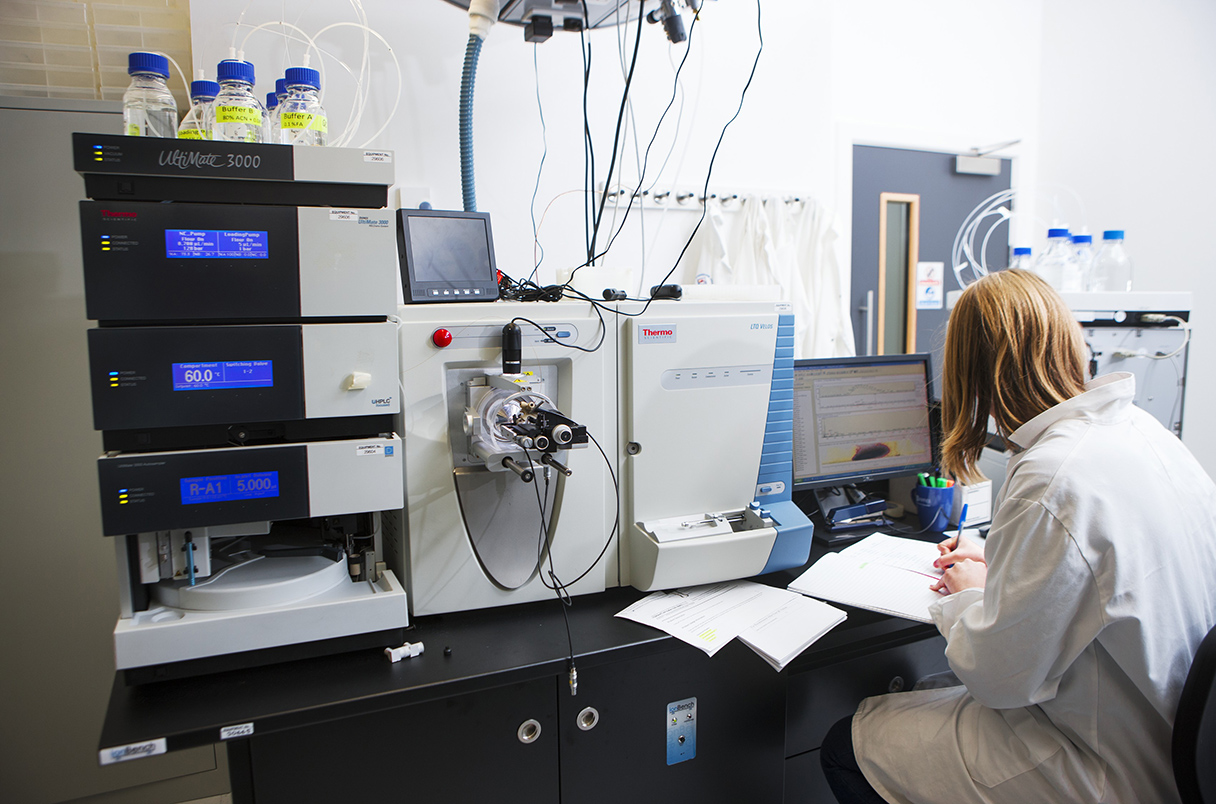
A researcher using a mass spectrometer to analyse proteins. Researchers have developed an AI system called “BetaDescribe” that translates complex protein sequences into readable natural-language descriptions, the Israel Institute of Technology said in a statement on Thursday.
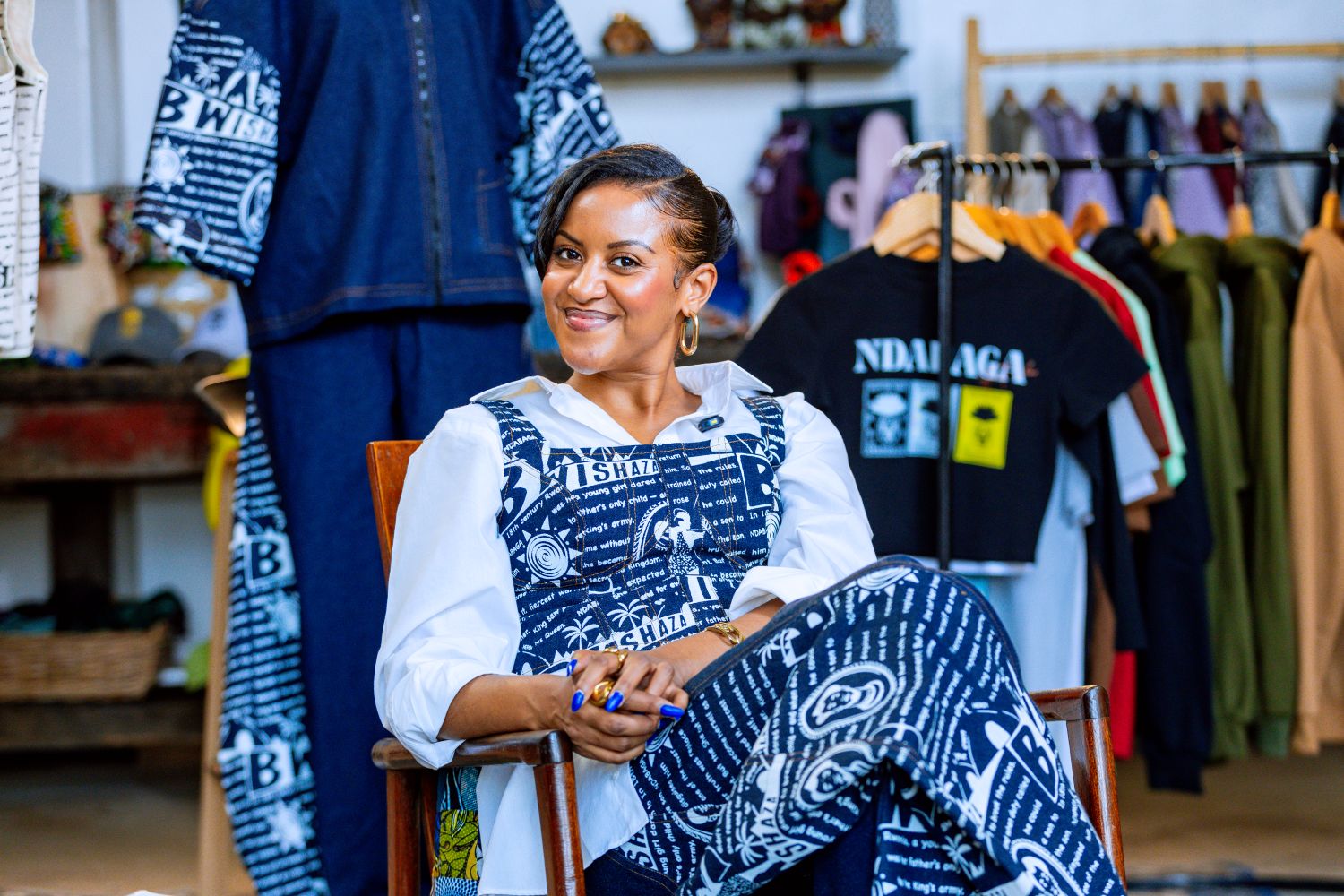
Born of a multicultural background and shaped by experiences across France, Cameroon, the United Kingdom, and Rwanda, Elodie describes herself as someone whose identity has always been deeply connected to fashion.
“I literally used to dress myself from the age of three… I was very much of a tomboy when I was young,” she recalls, explaining that her creative instincts started early and were influenced by a mix of cultures and personal expression.
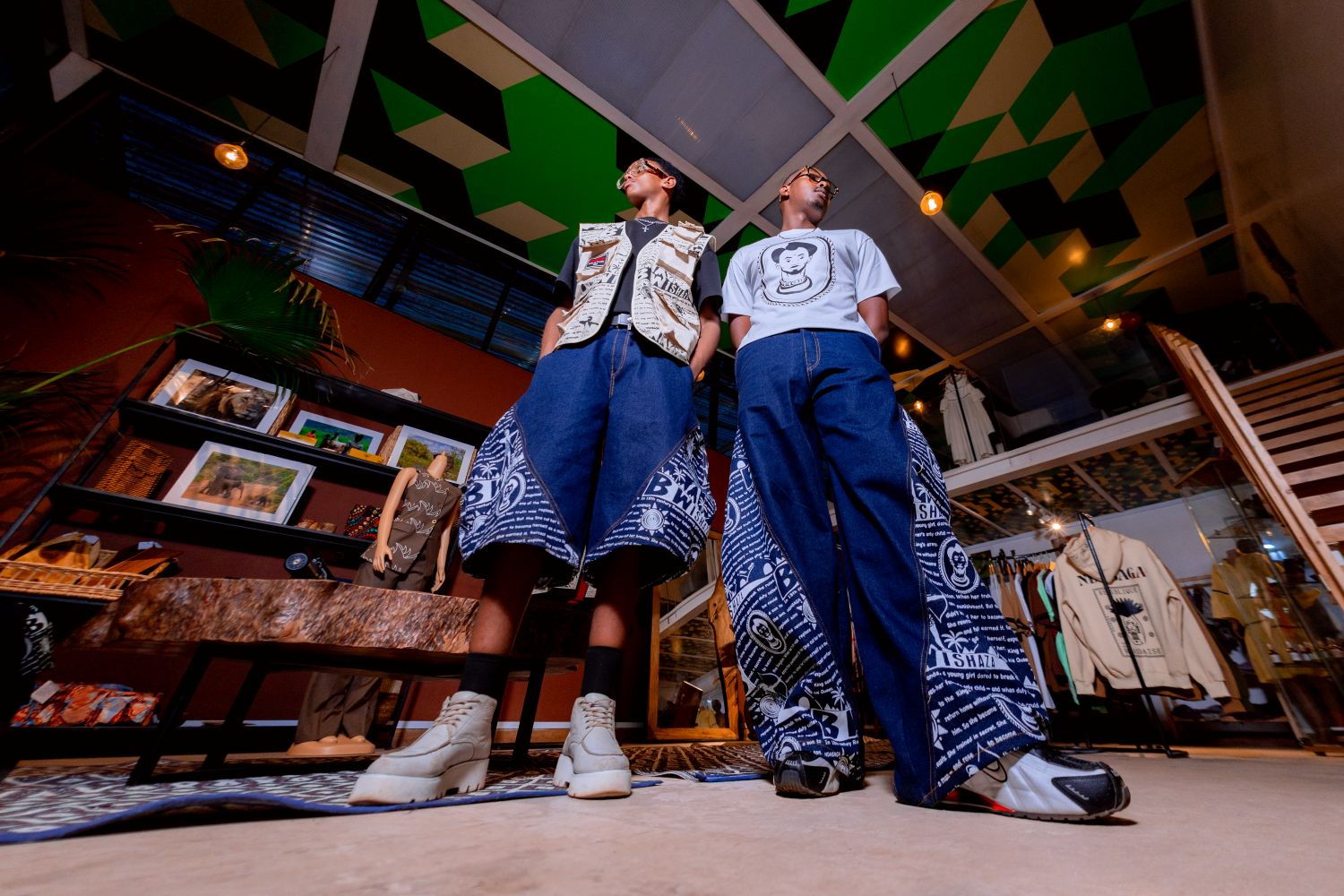
Before Ndabaga Streetwear became an independent brand, it began as a collection under her earlier fashion label, Izubaa. It was during her design exploration in Rwanda that Elodie discovered the inspiration that would define her next chapter.
While researching Rwandan cultural narratives, she encountered the story of Ndabaga, a legendary female warrior whose courage and sacrifice deeply resonated with her.
“It was just an animation that I found on YouTube, but I strongly connected with it, and I knew from the moment that I connected with it, I had to do something with it,” she explains.
That emotional connection became the foundation of what is now Ndabaga Streetwear. Initially a collection, it later evolved into a standalone brand in 2025, driven by growing demand and a clear creative direction.
For Elodie, streetwear is not just fashion; it is accessibility, identity, and everyday expression.
Why streetwear?
Elodie’s shift into streetwear was not accidental; it was informed by consumer behavior and her own design instincts.
“When I released the collection… we realised that our best sellers were our t-shirts,” she says, referring to early designs that resonated strongly with young audiences.
She adds that streetwear felt like the most natural evolution: “When I think of something that is modern, I think about streetwear… everybody wears jeans, hoodies… it’s very now, it’s just who I am.”
For Elodie, streetwear is not just fashion; it is accessibility, identity, and everyday expression.
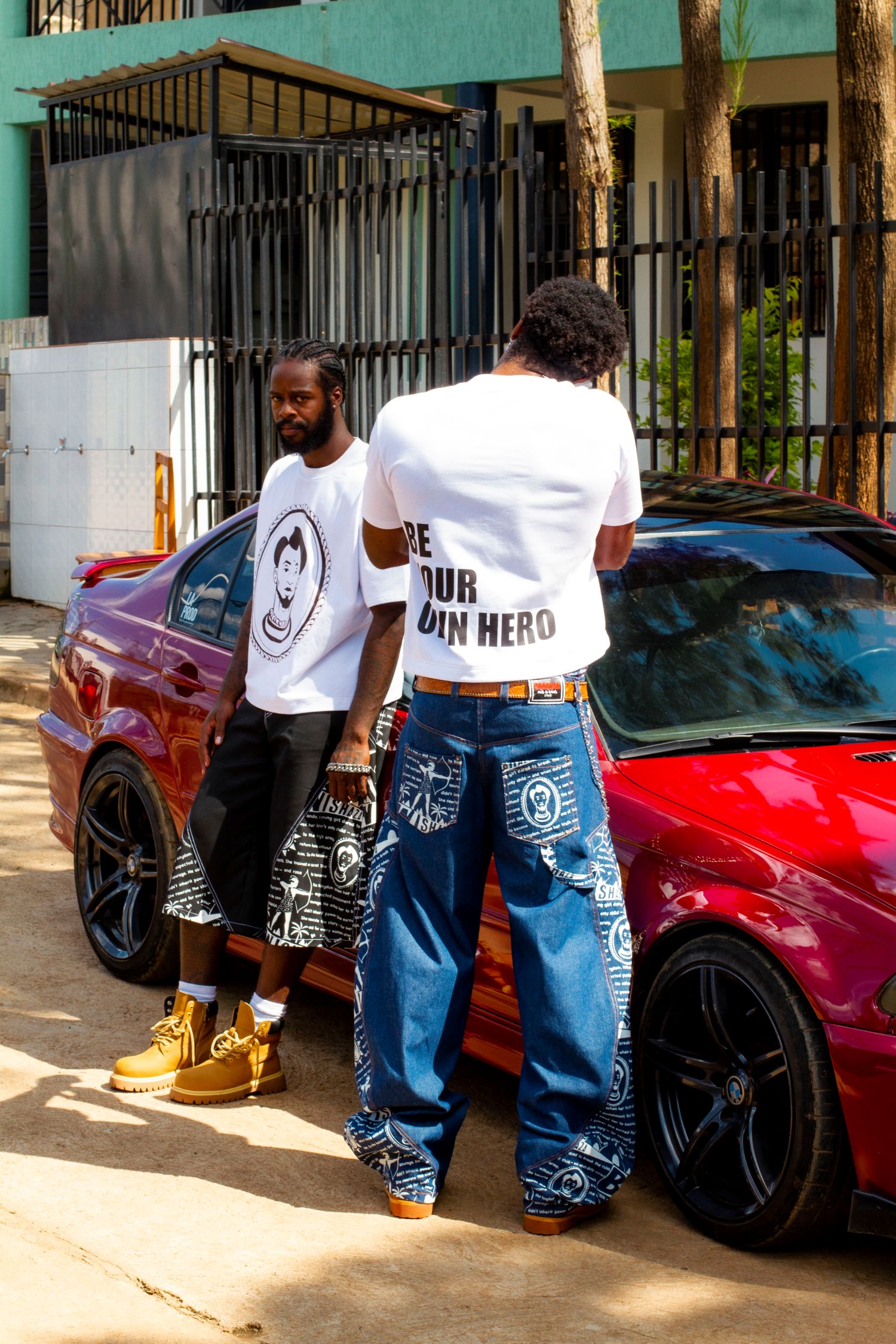
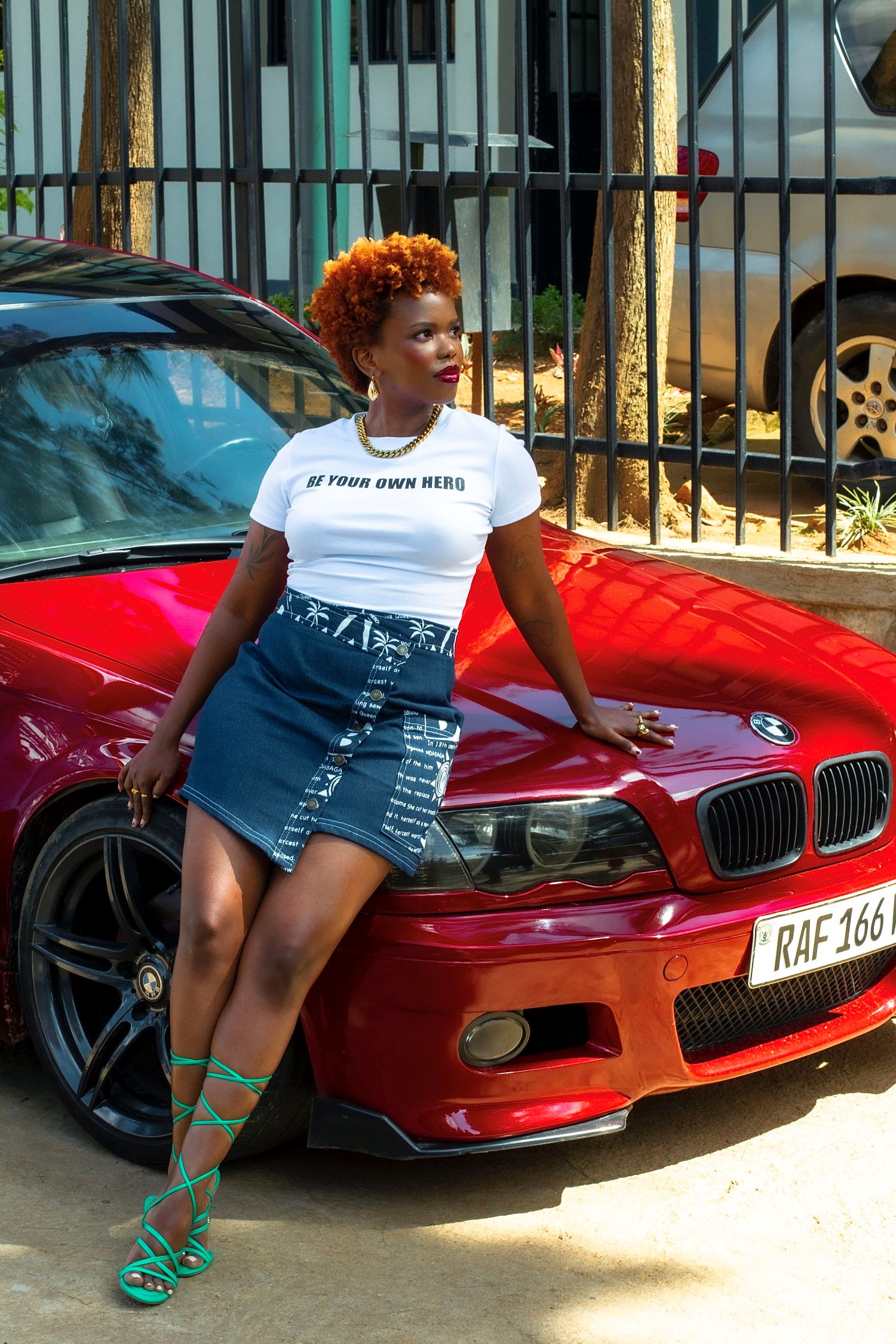
At the core of Ndabaga Streetwear is a deeper philosophy that goes beyond garments. Elodie emphasizes that the brand is not just about clothes, but about meaning: “Ndabaga is more than fashion; it’s a story of resilience, it’s a story of courage and strength, and we want to inspire everybody to be their own heroes.”
This idea of personal empowerment runs through every design. The brand encourages people to see themselves as “their own heroes,” regardless of their background or challenges.
The brand encourages people to see themselves as “their own heroes,” regardless of their background or challenges.
A creative process rooted in storytelling
Elodie’s design process is highly narrative-driven. Each collection begins with a story before evolving into visuals and garments.
“For me, it starts with storytelling… what am I saying through the clothing?” she explains.
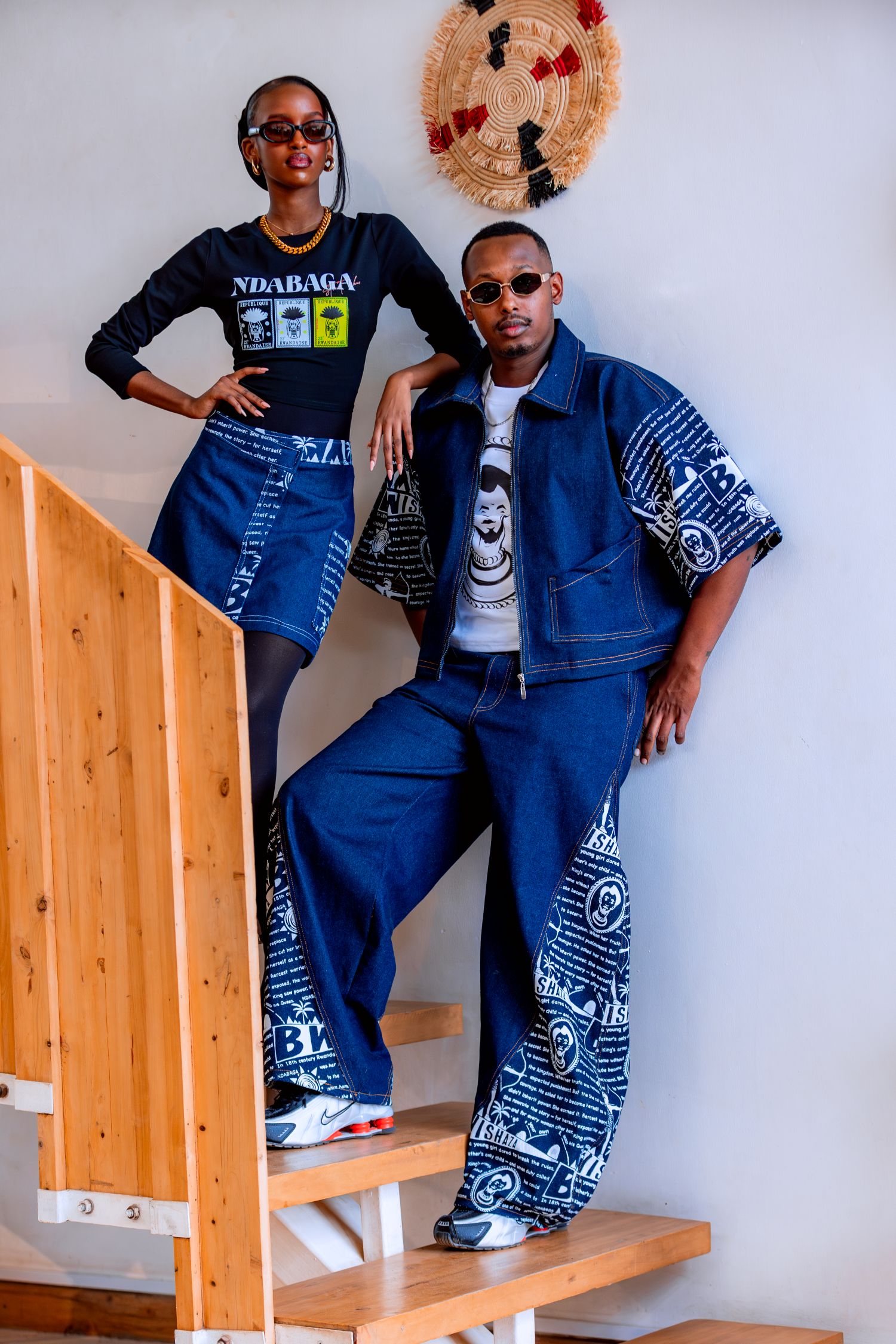
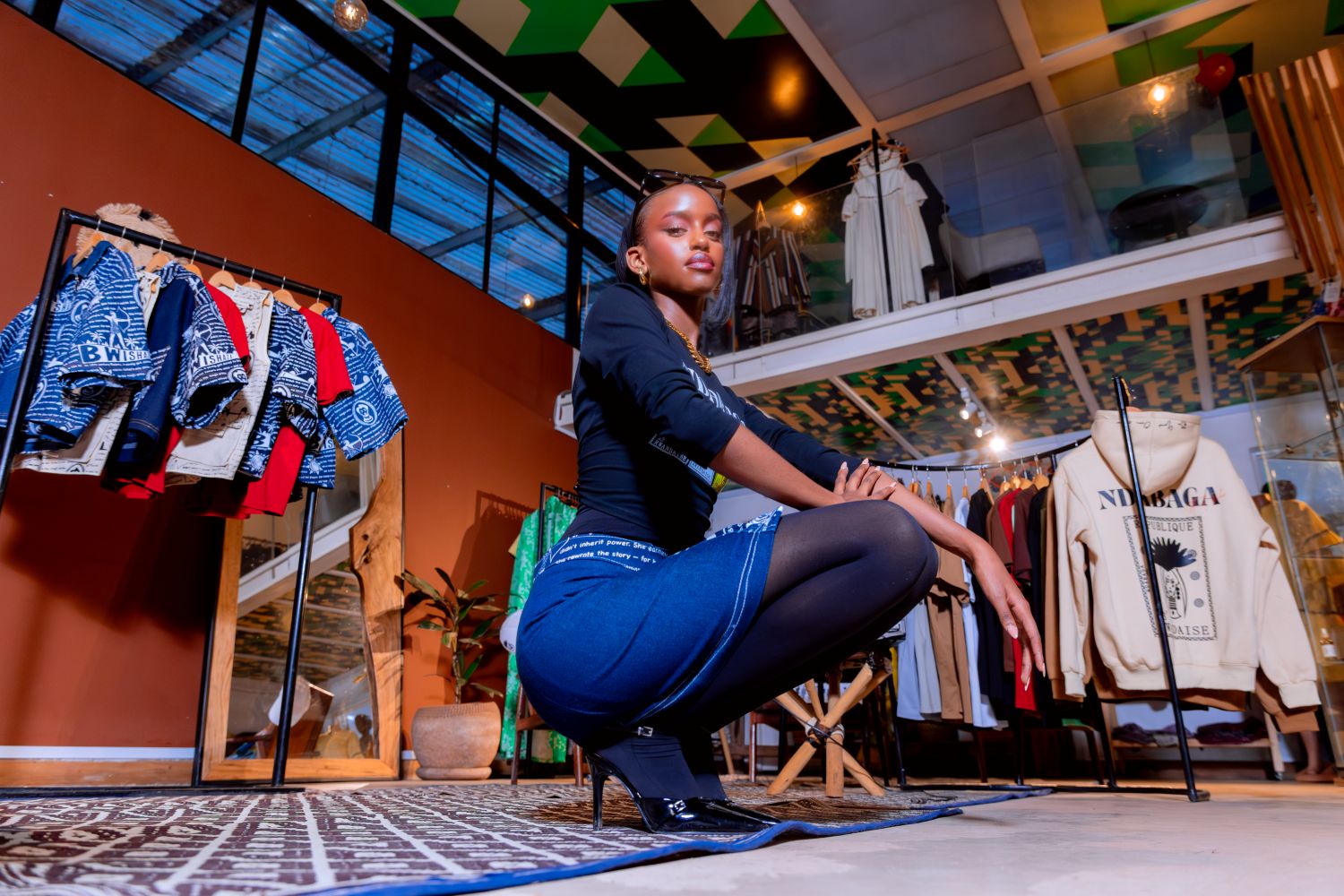
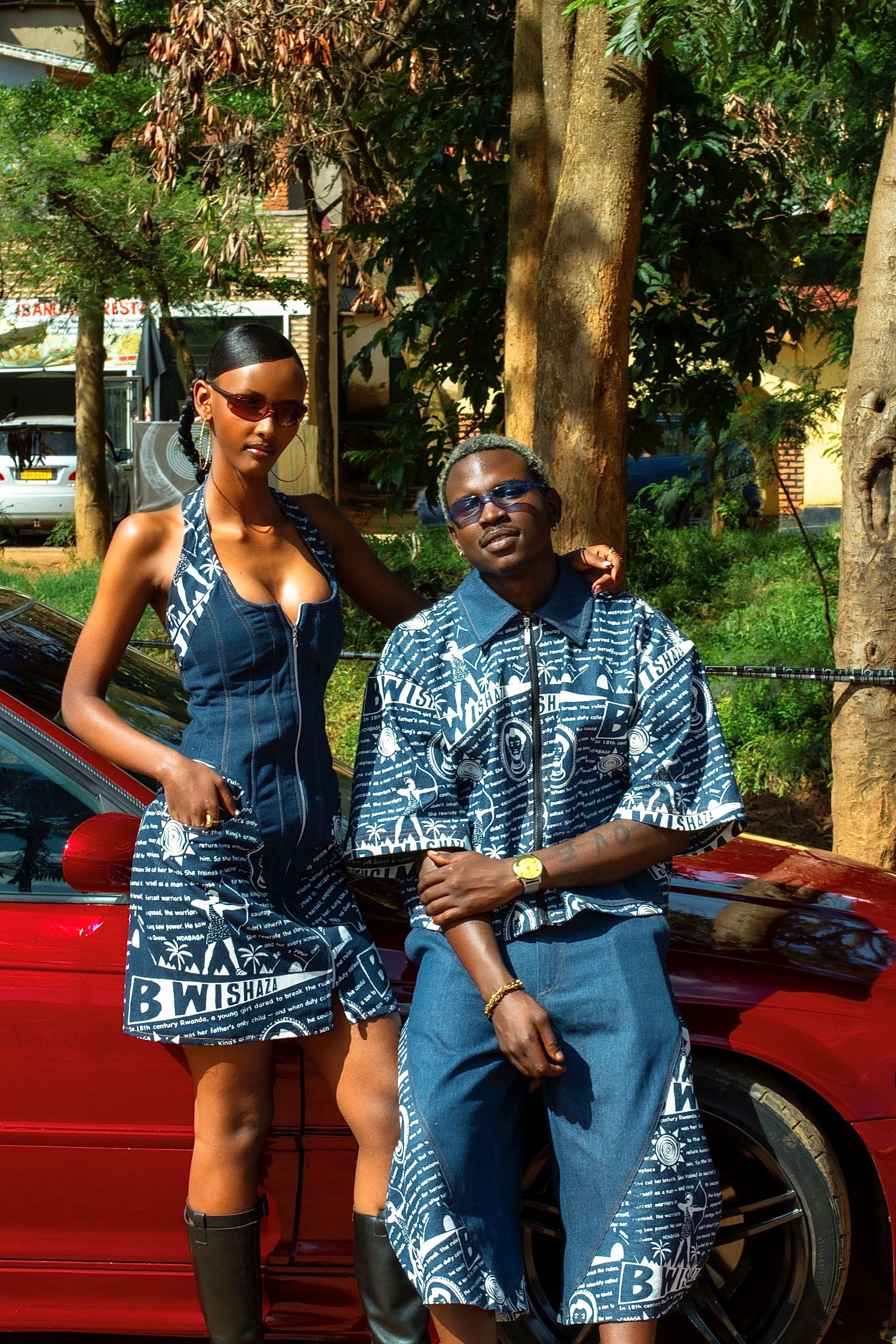
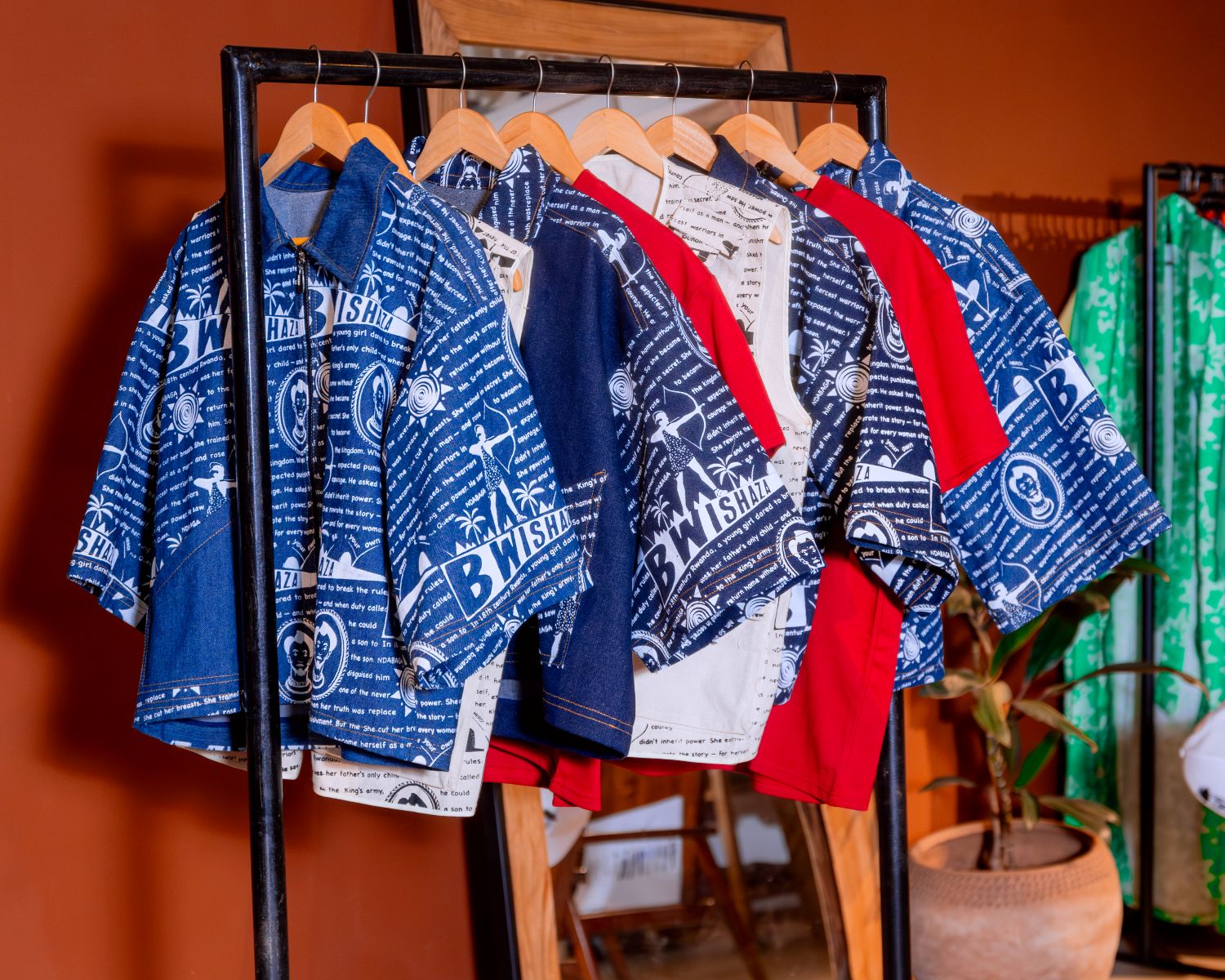
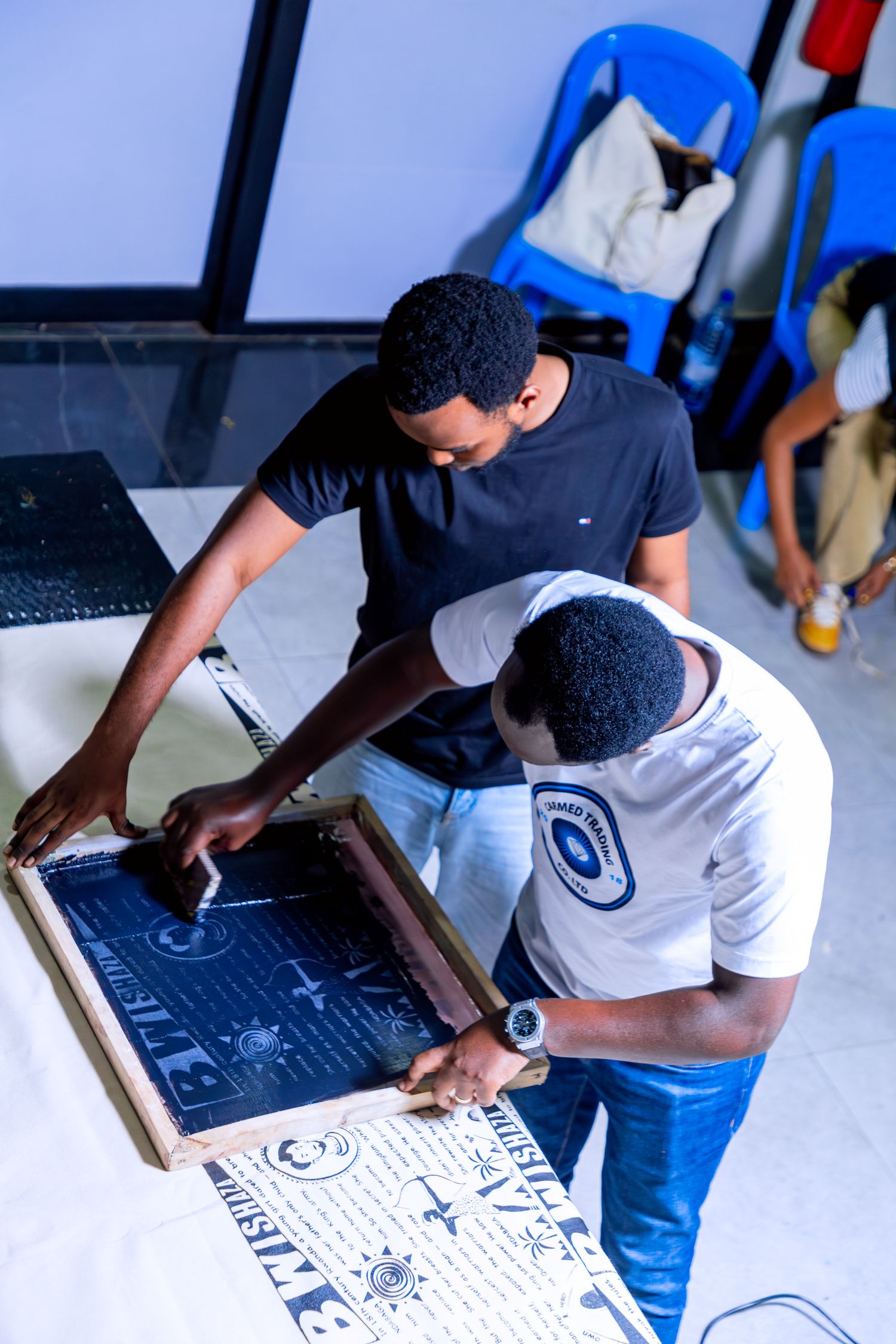
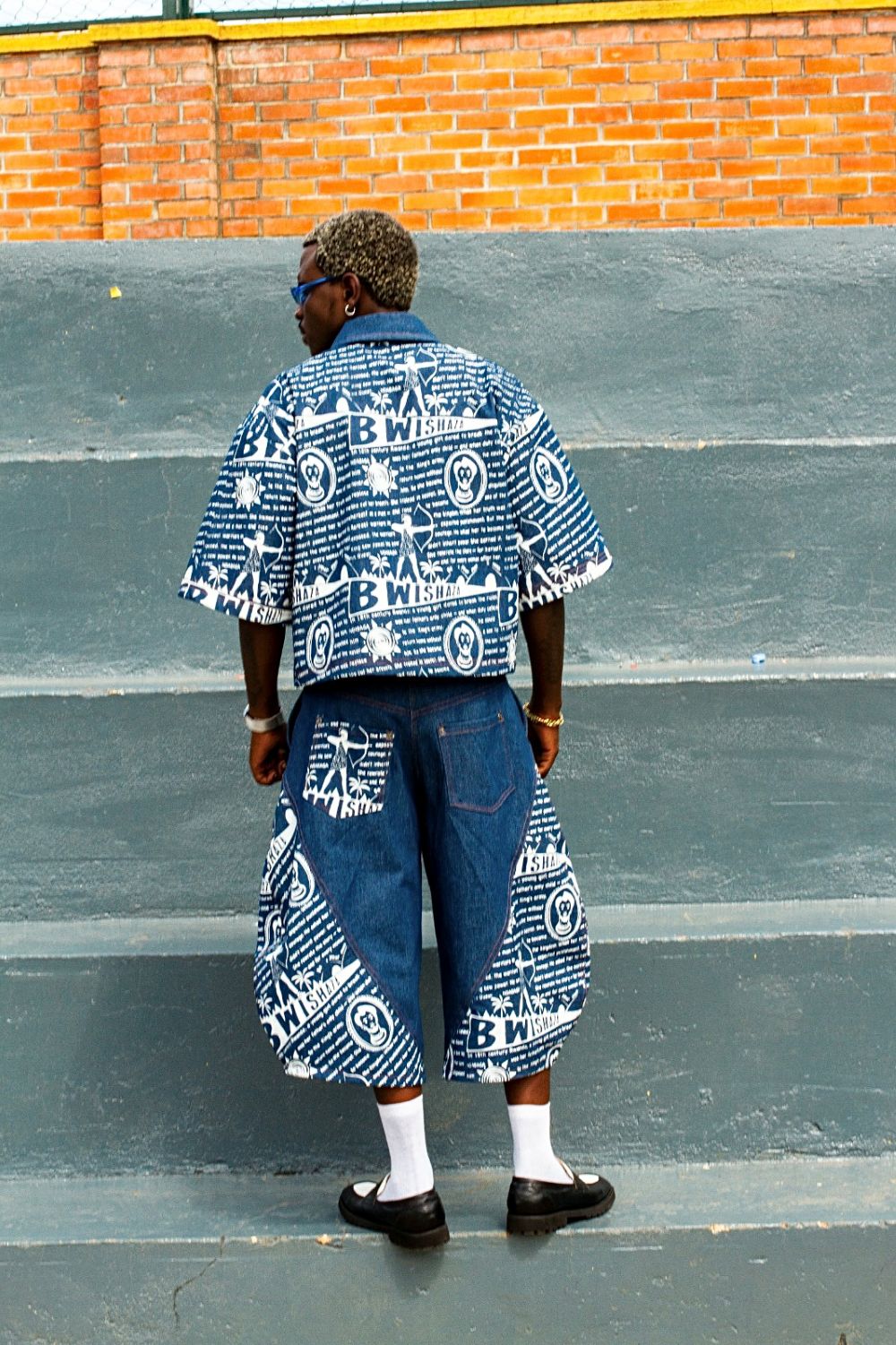
One of her most notable collections, Ndabaga: The Story, takes consumers through the life of the warrior figure through printed visuals and written elements directly on garments.
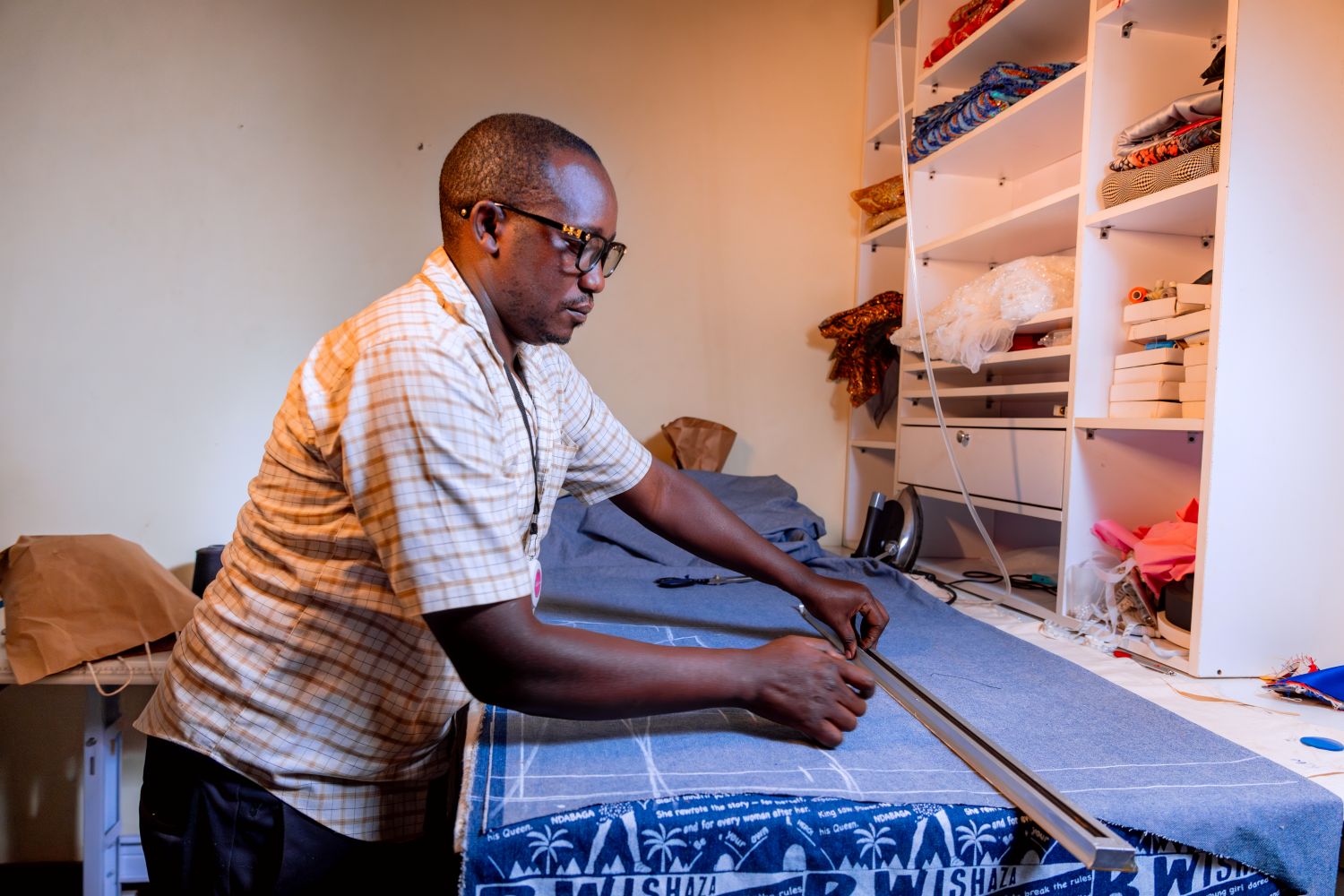
Every piece is designed and produced in Rwanda using premium materials and meticulous craftsmanship, reflecting the brand’s commitment to quality as much as storytelling.
She describes how personal history also influences her work. One of the prints, she explains, was inspired by a shirt her father used to wear in Burundi. That emotional link helped shape the visual identity of the collection, merging personal memory with cultural storytelling.
While deeply connected to Rwanda, Elodie’s ambition extends far beyond local borders. She sees Ndabaga Streetwear becoming a global African fashion brand.
Her international ambitions are already taking shape. Earlier this month, Fromenteau collaborated on the creative design of the Visit Rwanda × Paris Saint-Germain (PSG) “Ici C’est Paris” collection, further strengthening her growing international profile.
“Our vision is quite simple. We want to go global… to establish Ndabaga Streetwear as one of the biggest African fashion brands globally,” she says.
Her expansion goals include establishing stores in major fashion capitals such as New York, London, Paris, Belgium, South Africa, and Kenya. She also envisions collaborations with artists across music, sports, and creative industries.
Rwanda’s fashion industry: growing, but full of potential
Elodie is optimistic about the current state of Rwanda’s fashion ecosystem. She believes it is still in its early stages but filled with opportunity.
“It is very exciting to be a designer in Rwanda at the moment… there’s still a lot of opportunities for new upcoming designers,” she notes.
She also highlights the growing appreciation for locally made products, particularly among young people, saying there is a rising pride in “Made in Rwanda” fashion.
Looking ahead, Elodie sees Ndabaga Streetwear contributing not only to fashion but also to broader creative and economic growth.
“As we grow, we’re going to hire a lot more people… and collaborate with artists, connecting global creatives with local talent,” she explains.
For her, the brand is part of a bigger ecosystem: one where storytelling, identity, and collaboration drive both cultural and economic impact.
“Go big or go home”
Reflecting on her journey so far, Elodie expresses gratitude for the rapid growth and emotional connection people have formed with the brand.
“We’ve received so much love… people really connect with the story,” she says.
That emotional connection, she believes, is what has fueled the brand’s early growth. “People don’t just buy the clothes, they buy into the story,” she says.
And when asked about her long-term ambition, her response is direct: “We want to go big. And that’s it. That’s the only way.”
From a personal inspiration discovered in cultural research to an emerging African fashion label with global ambition, Ndabaga Streetwear is positioning itself as more than a brand; it is a narrative of identity, resilience, and creative evolution led by Elodie Fromenteau.
Watch the full video below to learn more about Elodie Fromenteau’s journey building Ndabaga Streetwear.
Born of a multicultural background and shaped by experiences across France, Cameroon, the United Kingdom, and Rwanda, Elodie describes herself as someone whose identity has always been deeply connected to fashion.Elodie sees Ndabaga Streetwear contributing not only to fashion but also to broader creative and economic growth.
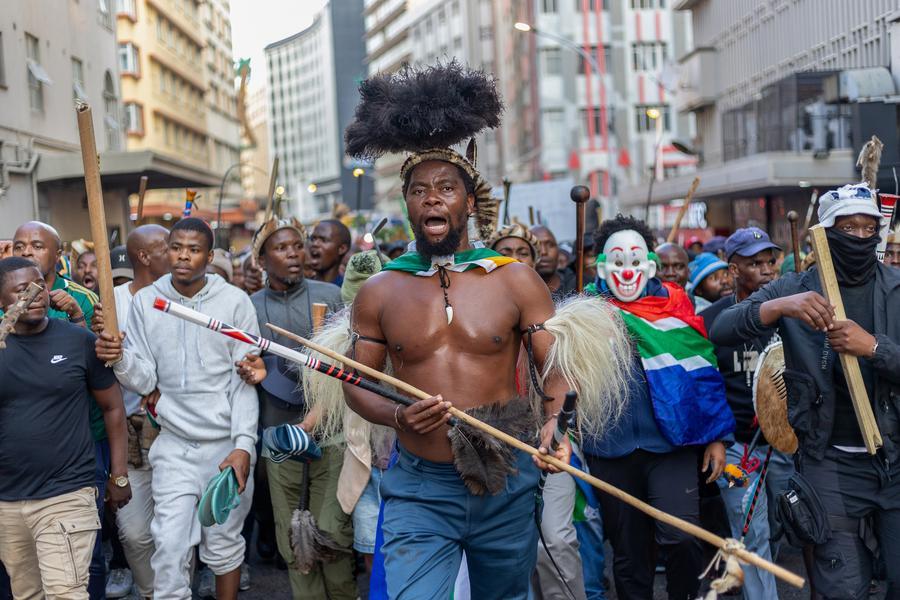
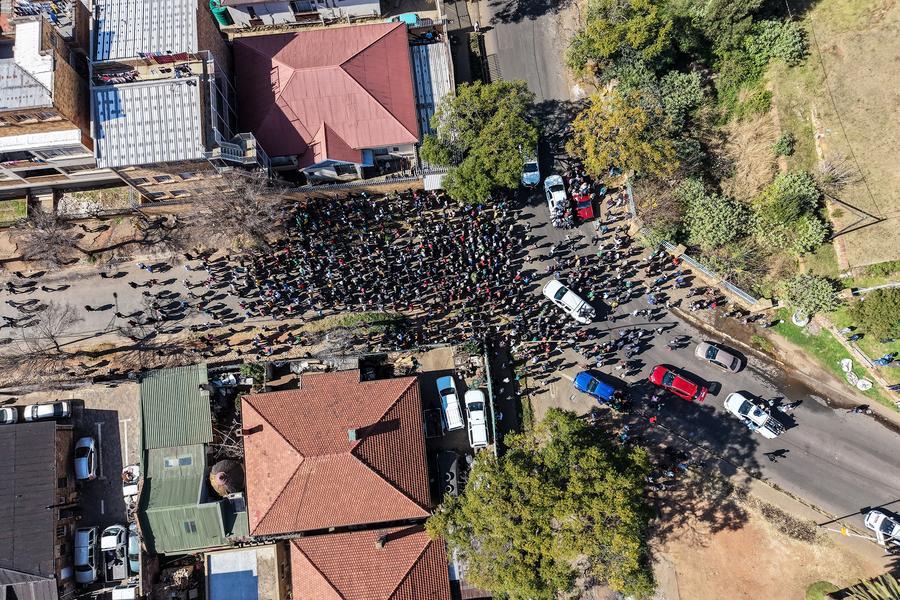
Addressing a media briefing, Deputy National Police Commissioner Tebello Mosikili, who also serves as co-chairperson of the National Joint Operational and Intelligence Structure, said 120 protest marches were held across the country on Tuesday, with 108 proceeding peacefully while 12 required intervention by law enforcement following incidents of unrest.
An aerial drone photo taken on June 30, 2026 shows protesters marching during a massive demonstration against illegal immigration in Johannesburg, South Africa.
“Some were arrested for public violence, some for harboring illegal immigrants, and business robbery at spaza shops,” Mosikili said.
Three suspects were arrested after allegedly opening fire on protesters in Johannesburg’s Hillbrow on Tuesday, injuring two people, including a 17-year-old, she said, adding that police seized two licensed firearms believed to have been used in the shooting, and the suspects are expected to face attempted murder charges.
Police also reported incidents of looting and arson targeting foreign-owned businesses in Alexandra township, north of Johannesburg, on Tuesday night. One person was killed during the unrest, and investigations are ongoing.
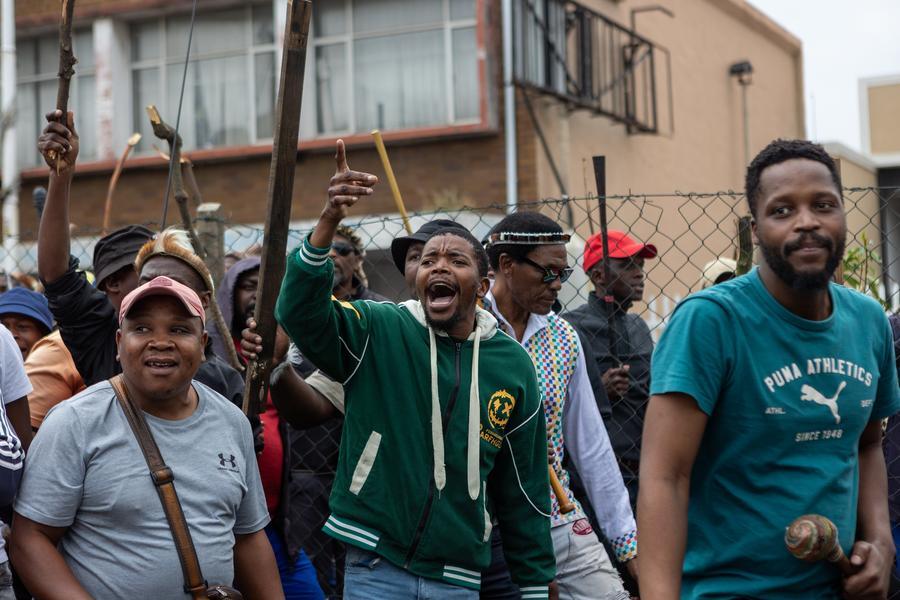
Protesters march during a demonstration against illegal immigration in Durban, South Africa, June 30, 2026.
The demonstrations were organized by anti-immigration groups, including March and March, which had declared June 30 as a deadline for undocumented migrants to leave South Africa.
The protests followed months of heightened tensions over illegal immigration, prompting authorities to deploy thousands of police officers nationwide to maintain public order.
REMA Director General Juliet Kabera disclosed this on Tuesday, June 30, while briefing the Senate Committee on Foreign Affairs, Cooperation and Security on disaster risk reduction strategies.
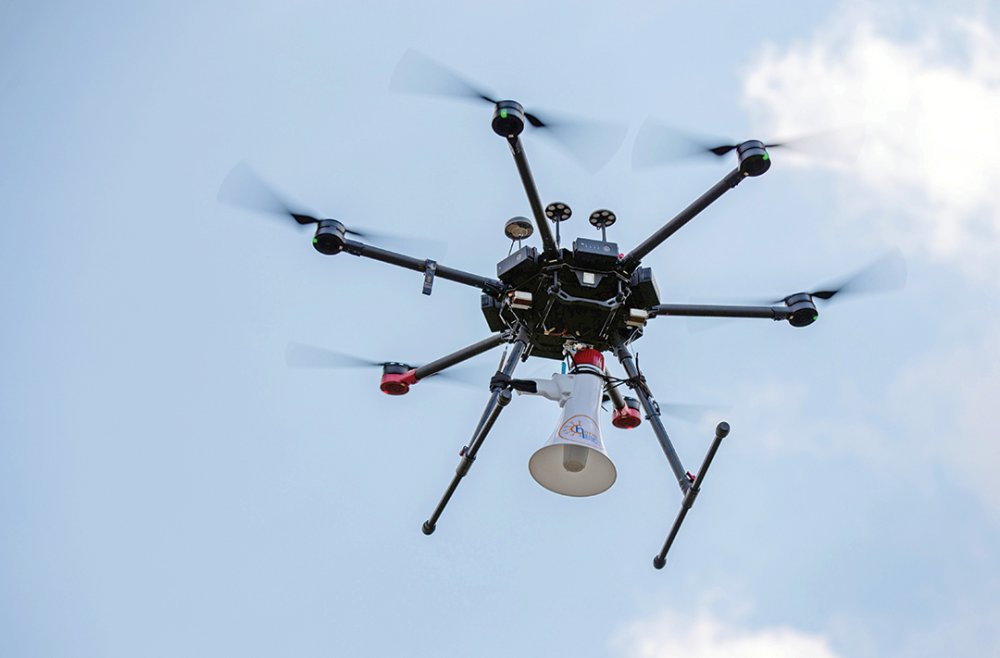
She said the introduction of drone technology will strengthen environmental monitoring and improve enforcement of regulations on waste management.
“We are introducing new technology, and by the end of August we will have the first drones that will help us monitor those illegally burning waste. This will help us catch those who do it at night,” she said.
Kabera noted that the technology will also be used to detect the burning of hazardous waste, including waste generated by health facilities, which is often difficult to identify through routine inspections.
“There is also hazardous waste that people burn, such as that from health facilities. It is difficult to detect through normal inspections, but technology will help us address that,” she said.
She further highlighted that the deployment of drones is expected to address staffing constraints within the agency’s inspection system.
According to Kabera, REMA currently has only 13 environmental inspectors, supported by a broader workforce of about 120 staff members engaged in different projects.
“We will continue strengthening the use of technology, and working with service providers will also help us as we continue to look for sustainable solutions,” she added.
The initiative forms part of broader government efforts to strengthen air quality monitoring and improve compliance with environmental protection laws.
REMA is also working to expand its air pollution monitoring framework beyond vehicle emissions to include industries and other sources of pollution, as part of ongoing measures to reduce air contamination.
In recent years, Rwanda has increasingly adopted drone technology across multiple sectors.
Drones are currently used to monitor illegal mining activities and support the Rwanda National Police in traffic surveillance. They also play a key role in the health sector, delivering blood, medicines, and other medical supplies to health facilities, as well as in agriculture, where they support various field operations.
The Rwanda Environment Management Authority (REMA) plans to deploy drones by August 2026 to detect and prevent illegal waste burning, with a particular focus on nighttime offenders.
An estimated 185,000 children were adopted in England and Wales between 1949 and 1976, when pregnancy outside marriage carried a strong social stigma. Many mothers, some of them still teenagers, were pressured or coerced into giving up children they wanted to keep.
“What happened to them, and to tens of thousands of mothers, children and families, should never have happened. It is a stain on our history,” Starmer told parliament.
He said the practices were neither isolated nor accidental, but were embedded in systems involving local authorities, voluntary and faith-based organizations, and health and social care services, including parts of what later became the National Health Service.
The government acknowledged that successive administrations had funded, enabled and relied on systems that were not properly overseen. The state had failed to prevent the harm from continuing and had not done enough to protect mothers, children and families, Starmer said.
“On behalf of the whole country, I say it to every single person impacted: we are deeply and profoundly sorry,” he said.
Starmer said the shame belonged not to the mothers or their children, but to the state and the institutions responsible. Some adopted people had grown up believing they had been unwanted, while many mothers had carried feelings of loss, guilt and shame for decades.
He also acknowledged the difficulties many adopted people still face when trying to obtain records or trace their biological families. Some records have been lost, altered or remain difficult to access, while requests can take months or even years to process.
In 2022, UK Parliament’s Joint Committee on Human Rights called on the government to issue a formal apology, concluding that it bore “ultimate responsibility for the pain and suffering caused by public institutions and state employees that railroaded mothers into unwanted adoptions.”
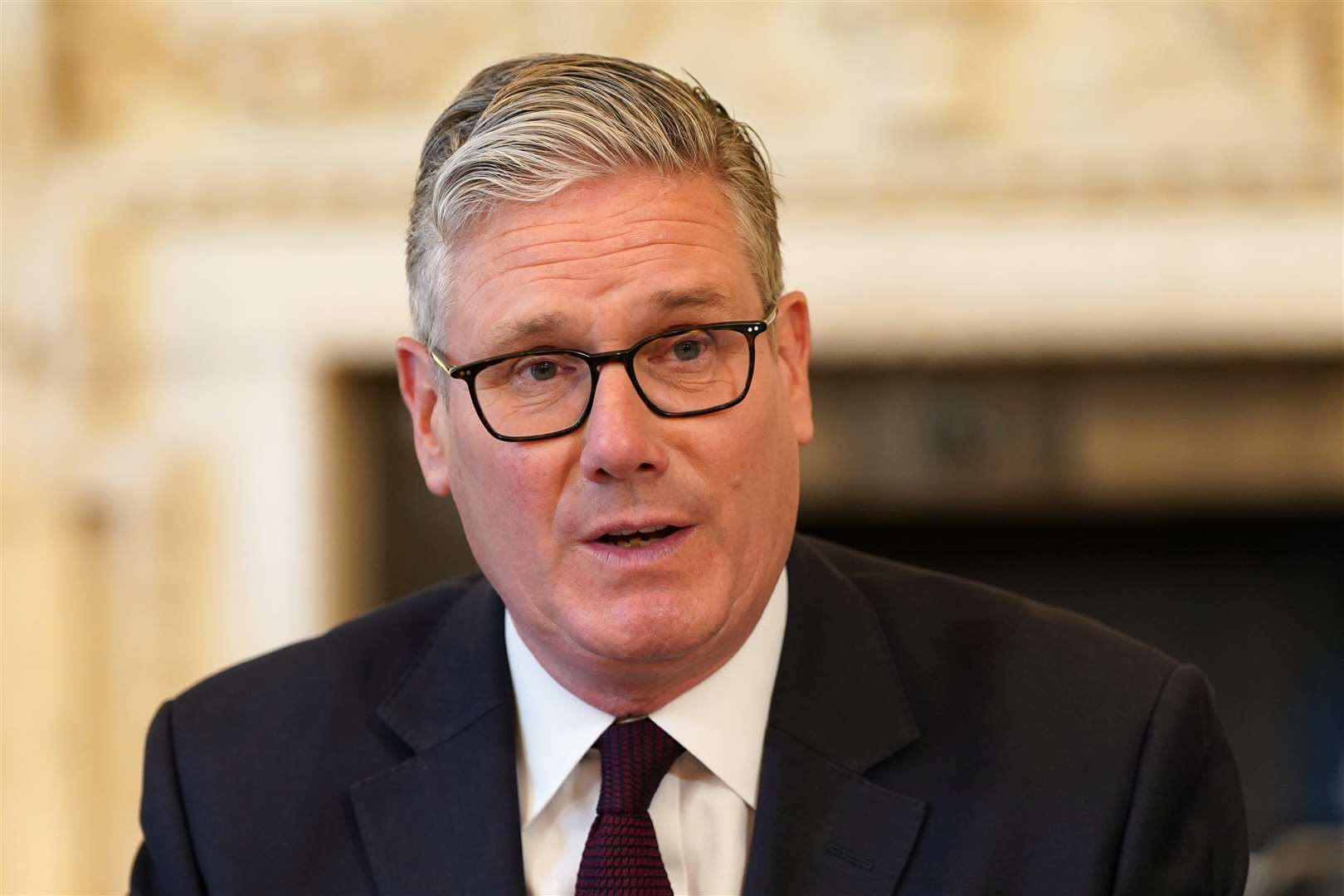
Outgoing British Prime Minister Keir Starmer on Thursday formally apologized for the state’s role in historic forced adoptions that separated unmarried mothers from their babies.
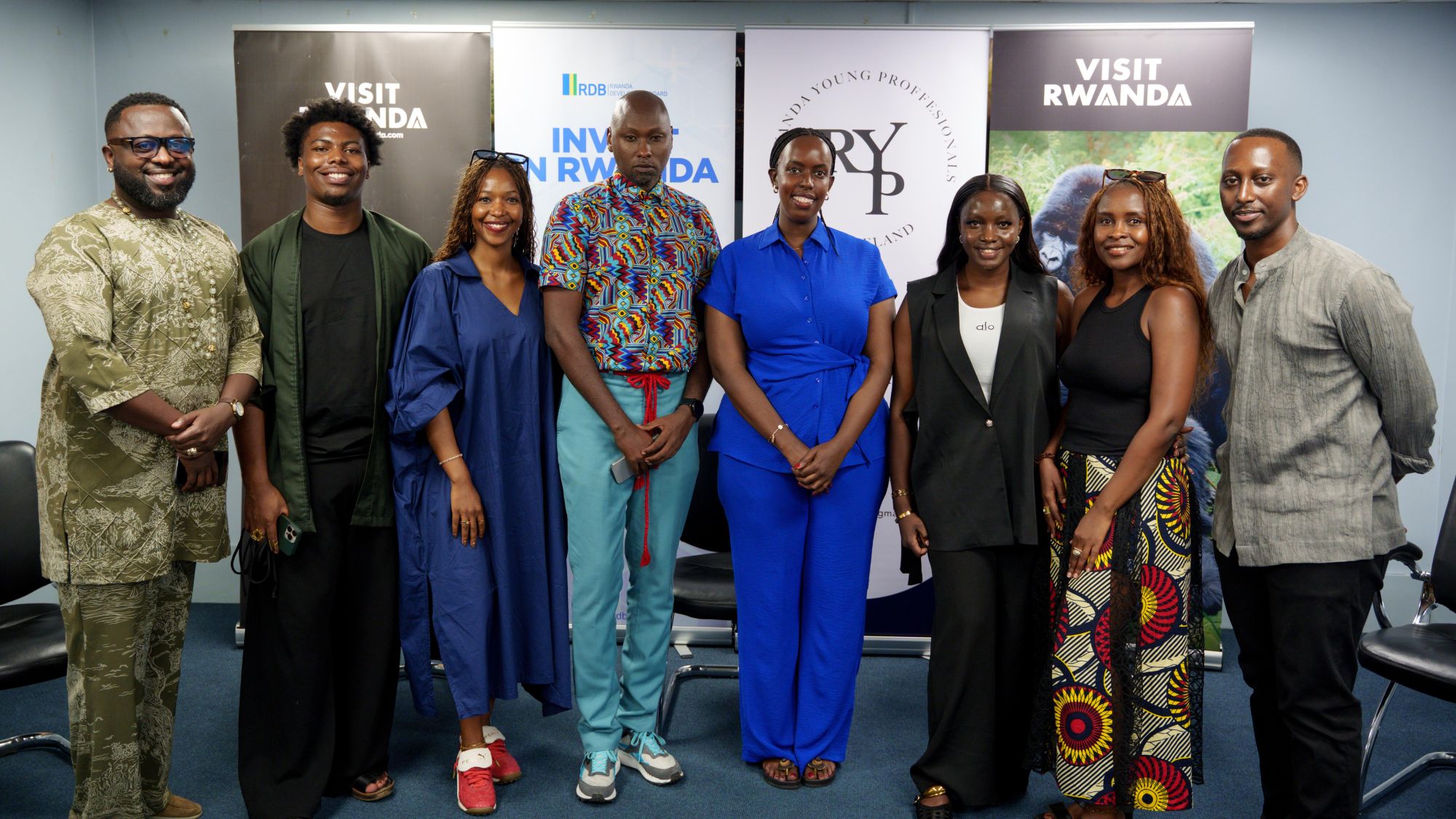
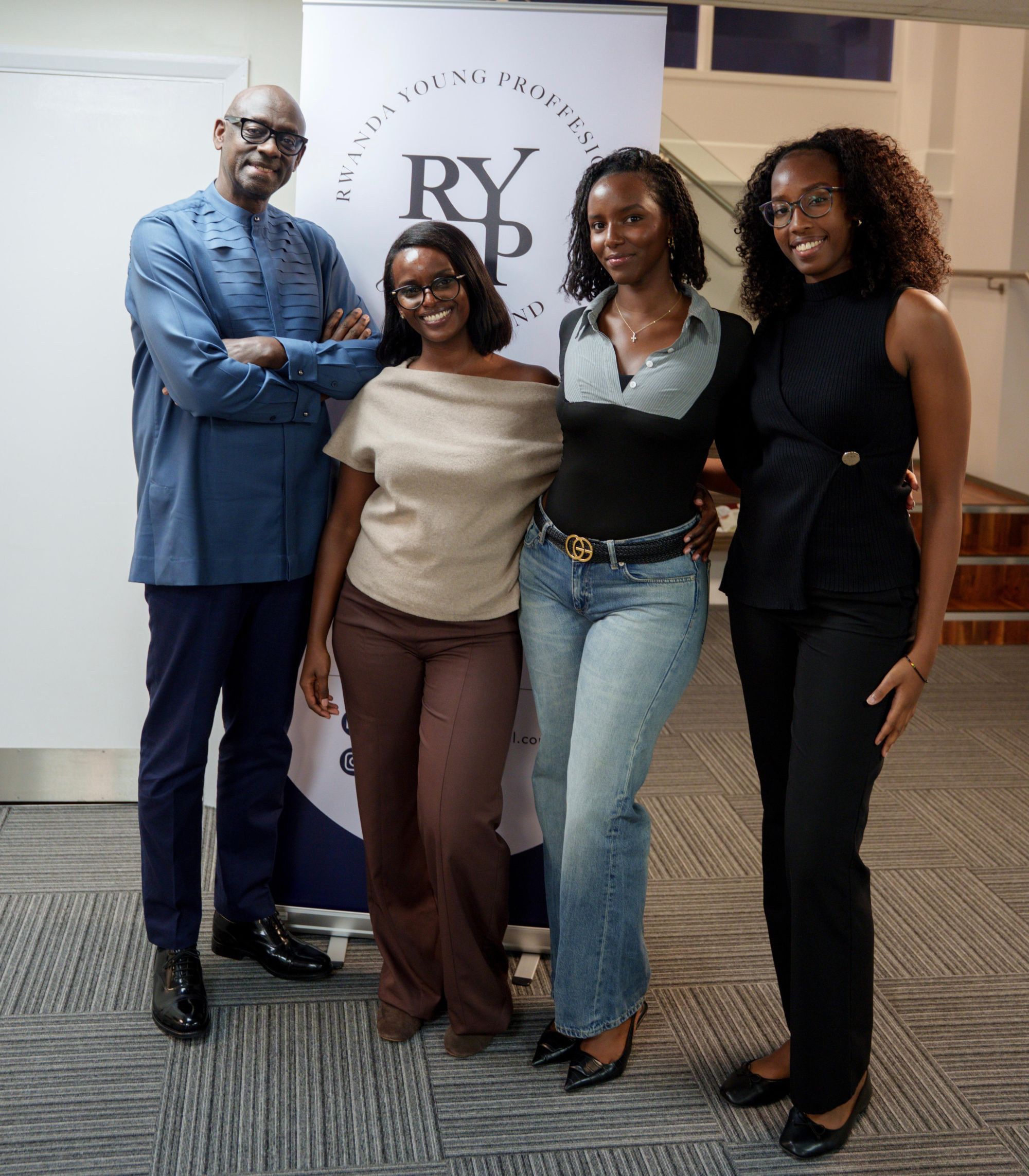
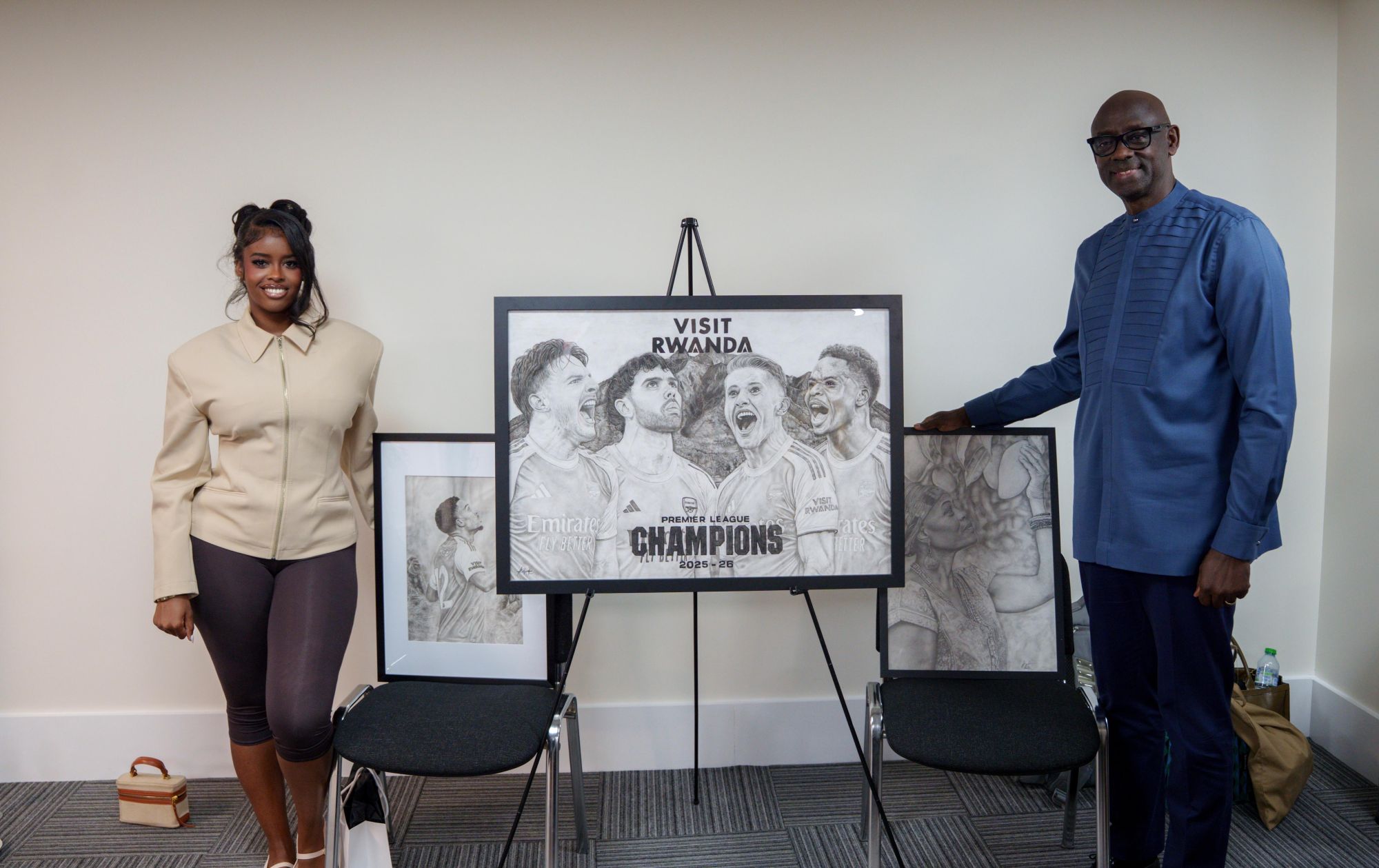
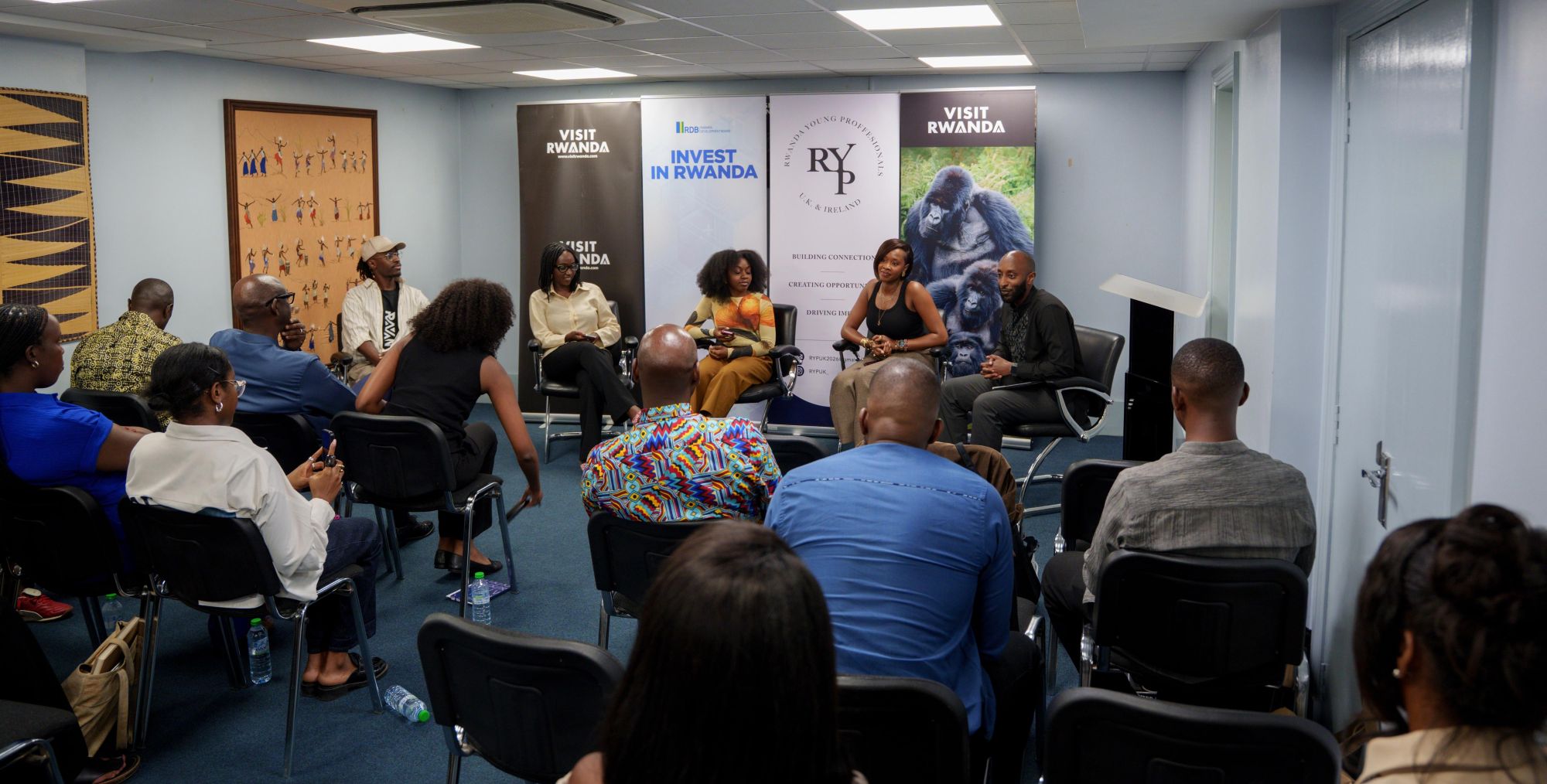
The initiative was welcomed during an event hosted by the Rwanda High Commission in London in partnership with Inzira Creative Partners and the Rwanda Young Professionals Network UK & Ireland (RYPN UK & Ireland).
The gathering brought together entrepreneurs, creatives, business leaders, academics, diplomats, and members of the Rwandan diaspora to discuss the future of Rwanda’s creative economy and strengthen ties between Rwanda and the United Kingdom.
The evening also marked the official reception of a delegation of Rwandan fashion entrepreneurs and designers visiting the UK. As one of the first organised initiatives of its kind, the programme aims to introduce Rwanda’s fashion industry to the British market while creating opportunities for collaboration, business partnerships, and international expansion.
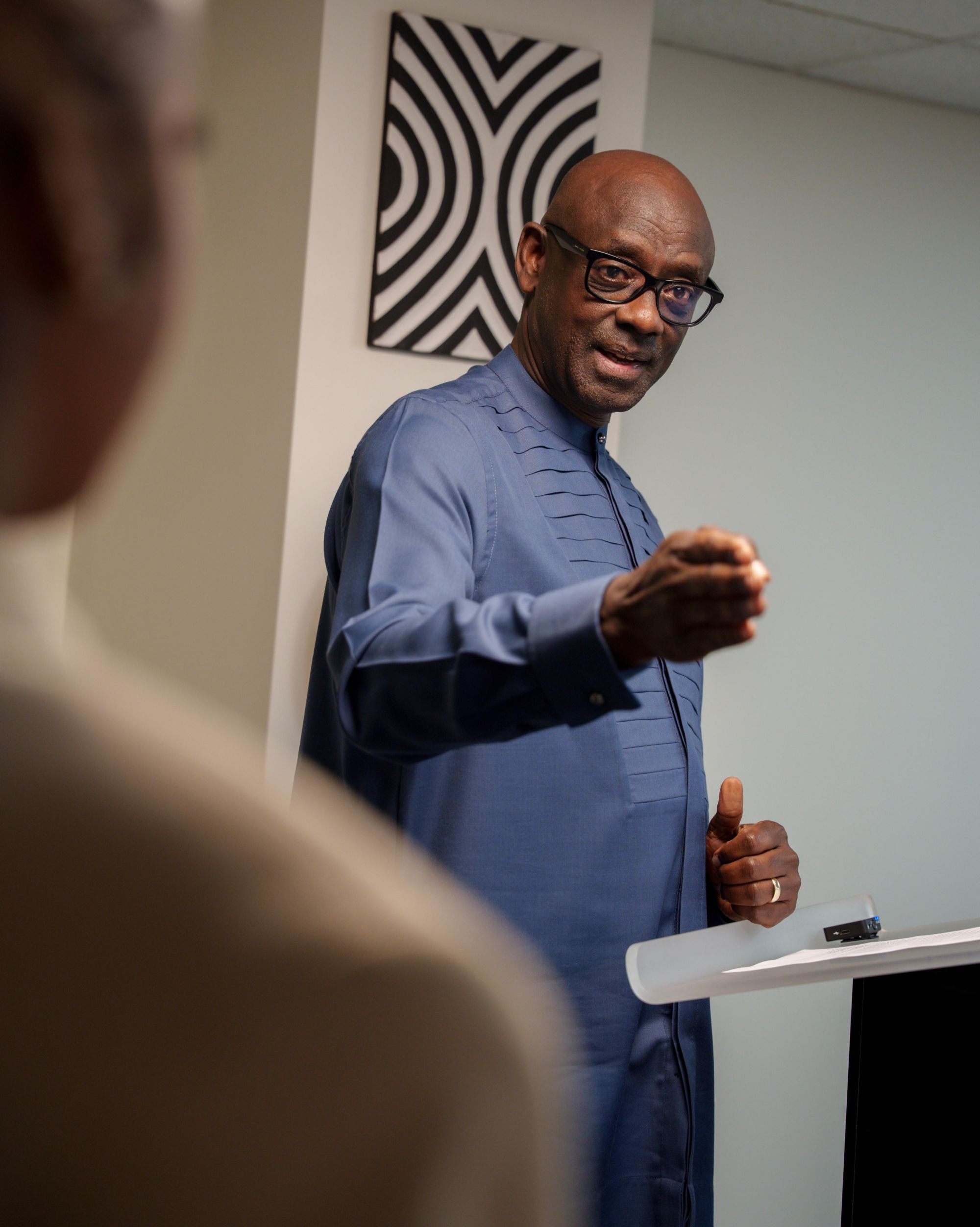
Speaking at the event, Rwanda’s High Commissioner to the United Kingdom, Johnston Busingye, reaffirmed the Government of Rwanda’s commitment to developing the creative economy as a key driver of economic transformation, job creation, and the country’s global visibility.
“Rwanda has made a deliberate investment in building its creative economy because we recognise the immense talent and potential of our young people. Our role is to create an environment where creativity can grow into sustainable businesses through access to markets, investment, skills, and international partnerships,” the High Commissioner said.
He described the visit by the fashion delegation as an important milestone for Rwanda’s creative industries and expressed hope that it would be the first of many exchanges between Rwanda and the United Kingdom.
The UK visit forms part of a pilot programme developed and led by the University of Westminster, with support from the Rwanda High Commission in London and the British High Commission in Kigali. The initiative is designed to connect Rwandan fashion entrepreneurs with international institutions, industry leaders, and new markets while laying the foundation for long-term collaboration between the two countries.
As the first exchange under the pilot programme, the visit is expected to become the foundation of a sustainable platform that will help Rwanda’s fashion industry expand its international reach through partnerships, learning opportunities, and commercial growth.
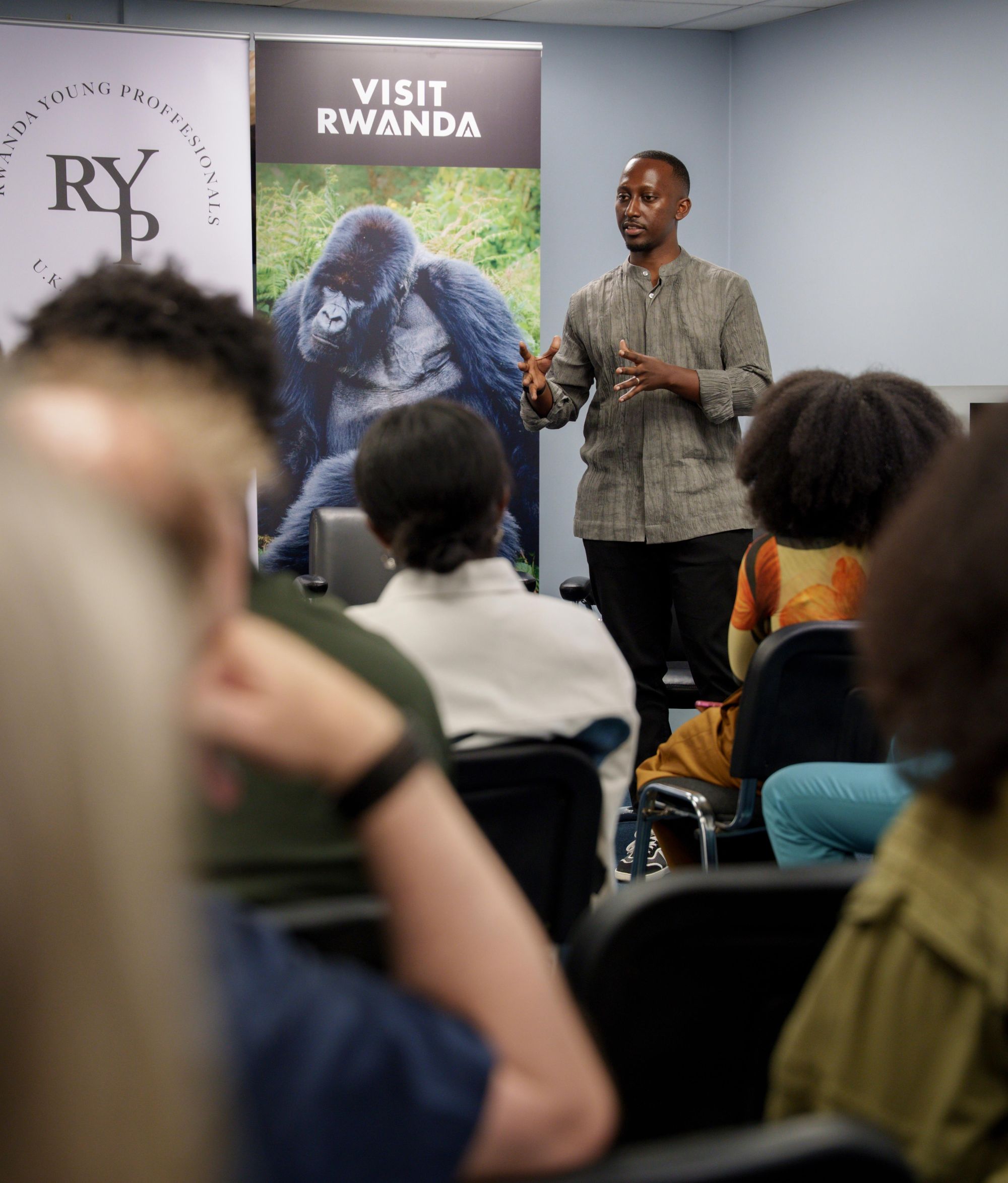
Throughout the evening, panel discussions focused on entrepreneurship, fashion, luxury branding, technology, investment, and the practical steps needed for Rwandan creative businesses to compete globally. Speakers shared insights on building internationally recognised brands while remaining authentic to their cultural identity and heritage.
Participants also acknowledged the contribution of Inzira Creative Partners, whose collaboration with the Rwanda High Commission was instrumental in organising the event. Through its broader programme, the organisation continues to champion market access as a critical component of creative sector development, emphasising the importance of international partnerships and access to finance for sustainable business growth.
The Rwanda Young Professionals Network UK & Ireland was also recognised for its role in strengthening relationships between Rwanda, its diaspora, and international partners. Guided by its three core pillars—Building Connections, Creating Opportunities, and Driving Impact—the network provides a platform for professionals to exchange ideas, establish partnerships, and contribute to Rwanda’s long-term development.
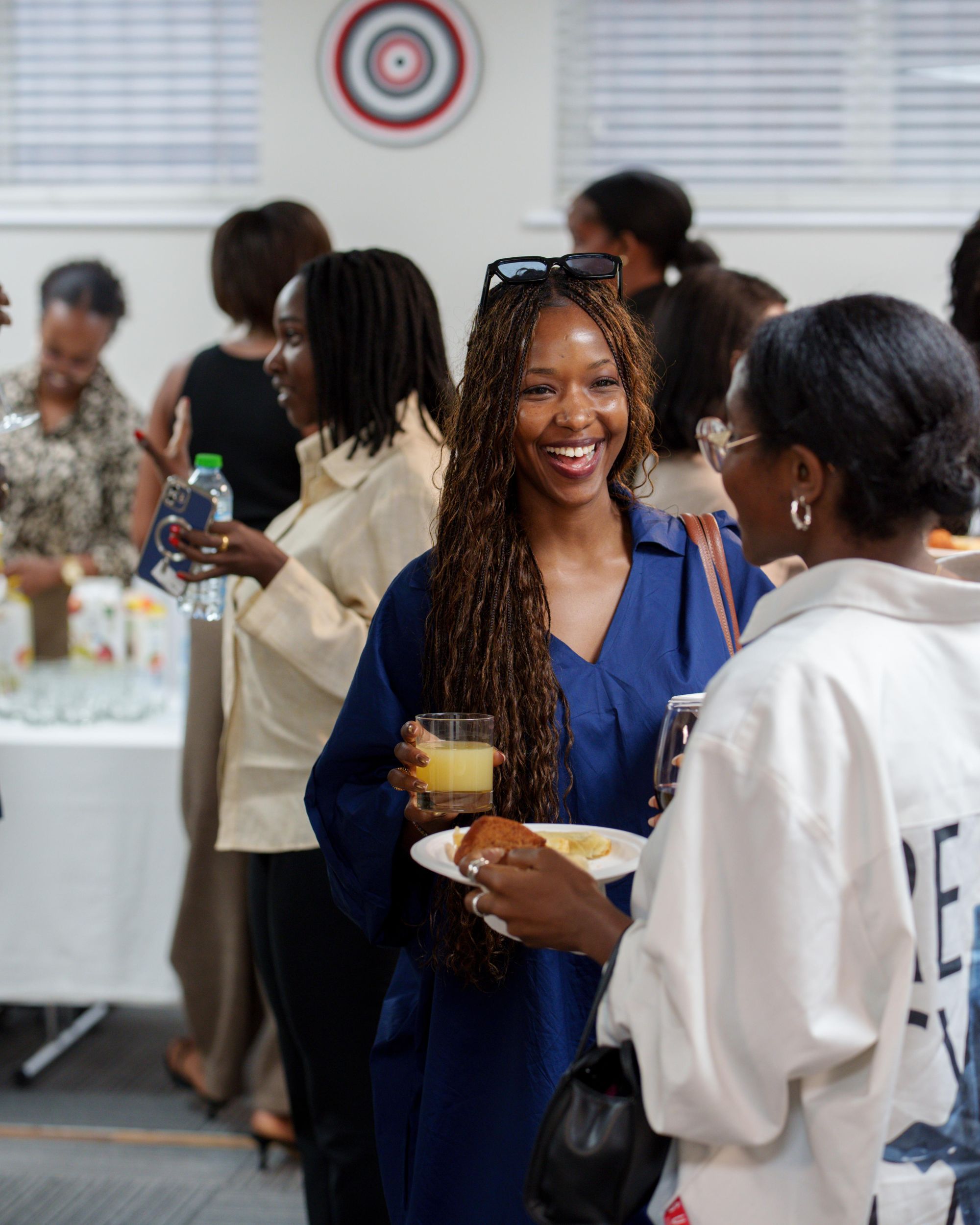
The evening concluded with a networking reception, giving participants the opportunity to engage directly with designers, entrepreneurs, investors, and institutional partners. Many expressed optimism that the pilot initiative would evolve into a long-term programme capable of opening new markets, attracting investment, and creating lasting opportunities for Rwanda’s fashion industry.
As Rwanda continues to invest in its creative economy, partnerships involving government institutions, universities, the private sector, and development partners are creating new pathways for Rwandan talent to compete on the global stage. The arrival of the first delegation in London marks the beginning of what many hope will become a lasting bridge between Rwanda’s fashion industry and international markets.
Speaking at the event, Rwanda’s High Commissioner to the United Kingdom, Johnston Busingye, reaffirmed the Government of Rwanda’s commitment to developing the creative economy as a key driver of economic transformation, job creation, and the country’s global visibility.The evening marked the official reception of a delegation of Rwandan fashion entrepreneurs and designers visiting the UK.The gathering brought together entrepreneurs, creatives, business leaders, academics, diplomats, and members of the Rwandan diaspora to discuss the future of Rwanda’s creative economy and strengthen ties between Rwanda and the United Kingdom.The visit is expected to become the foundation of a sustainable platform that will help Rwanda’s fashion industry expand its international reach.Panel discussions focused on entrepreneurship, fashion, luxury branding, technology, investment, and the practical steps needed for Rwandan creative businesses to compete globally.
Presenting her vision in Paris on June 30 before foreign ministers of member states, Mushikiwabo warned that the Francophonie must adapt to a world defined by rapid technological change, economic uncertainty, and rising disinformation. She said the organisation can no longer operate at the same pace as in previous decades.
“We are living in an unprecedented period where alliances and coalitions are formed and undone without anticipation,” she told ministers, adding that the OIF must become more influential, more agile, better governed, and aligned with the challenges of its time.
Her address placed particular emphasis on artificial intelligence and digital transformation, youth employment, and governance reform, framing them as the core priorities for her next mandate.
The hearing formed part of a historic ministerial session in Paris where four candidates are competing to lead the organisation in what is widely regarded as the first genuinely competitive election in the OIF’s 56-year history.
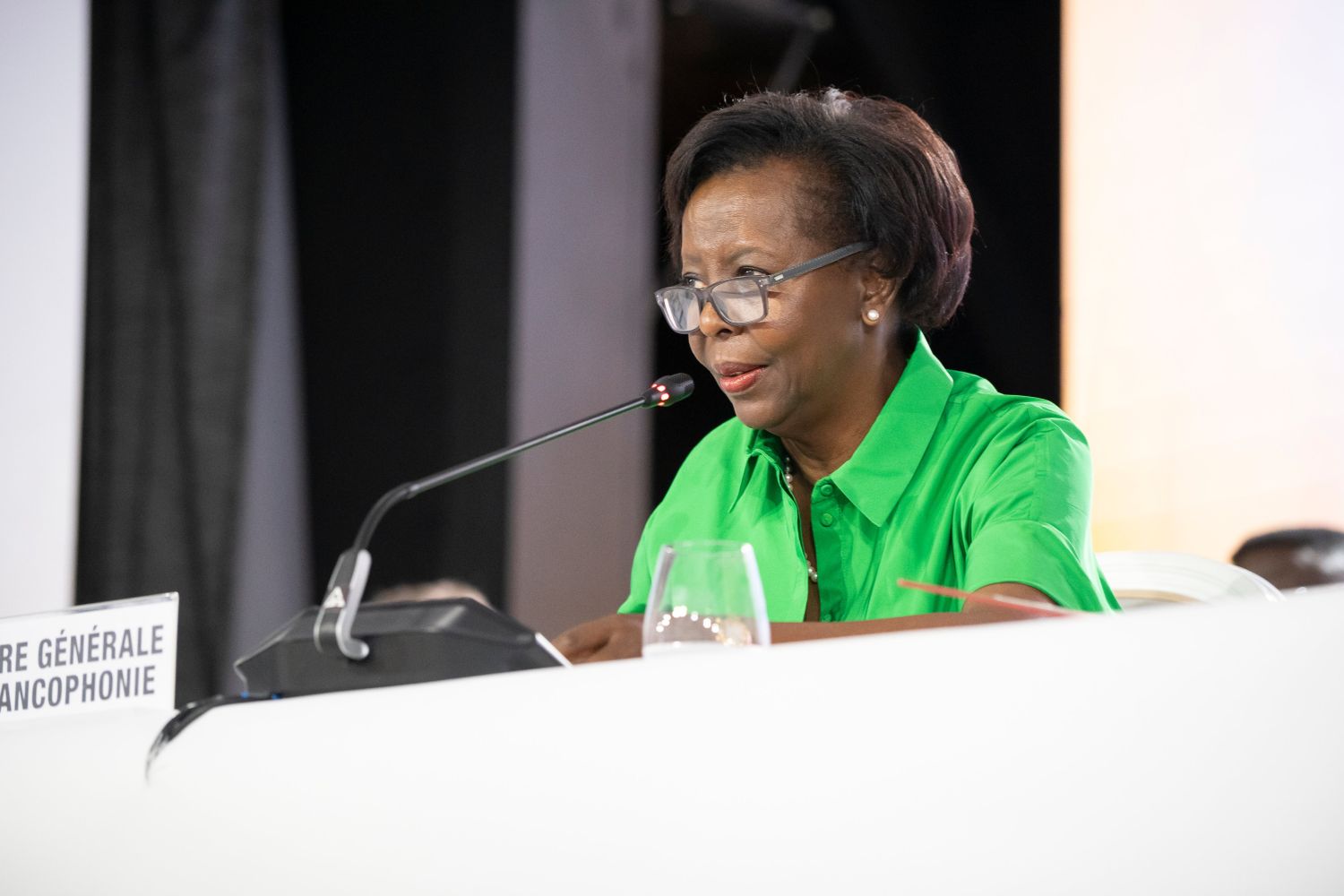
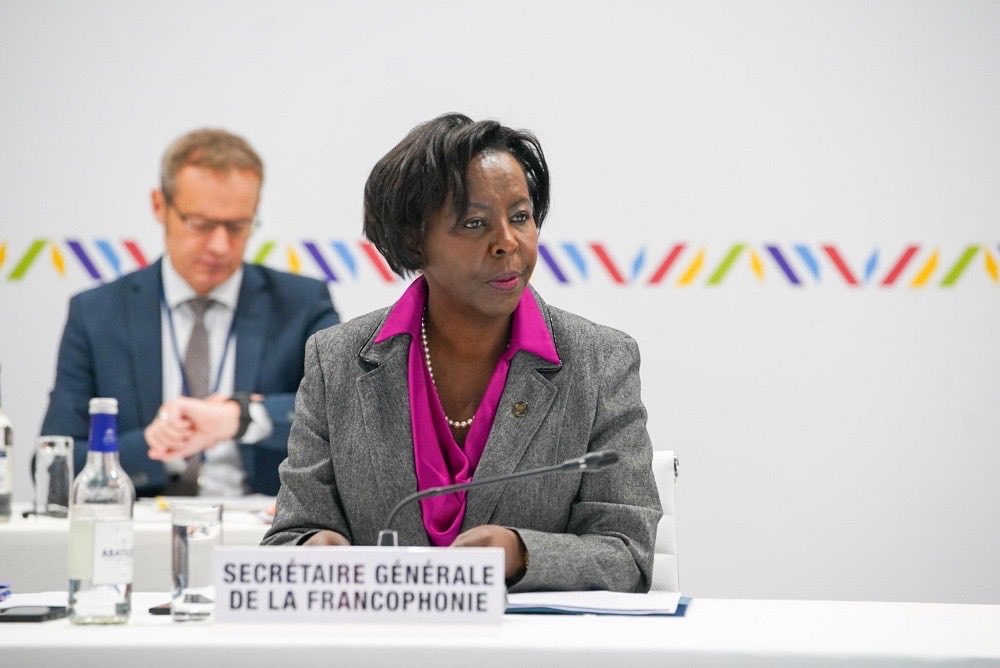
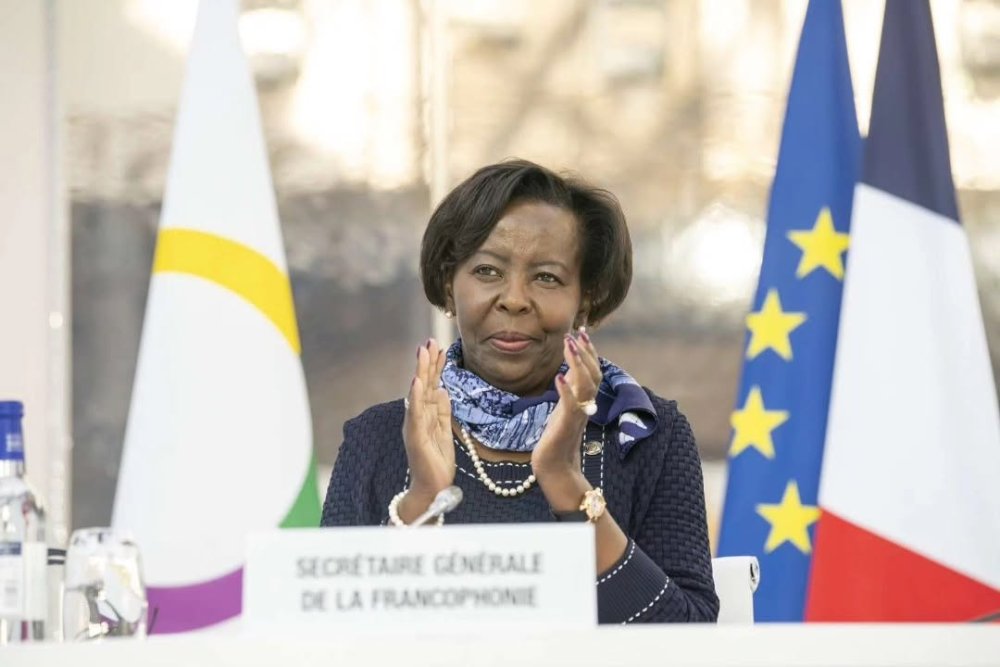
Louise Mushikiwabo has led the OIF since 2018.
Historic leadership contest under new voting rules
Foreign ministers from OIF member states gathered for an unprecedented exercise in which each candidate presented their vision ahead of the election scheduled for the Summit of Heads of State and Government in Phnom Penh, Cambodia, in November 2026.
The race features Mushikiwabo, Juliana Amato Lumumba of the Democratic Republic of the Congo (DRC), Coumba Ba of Mauritania, and former Romanian Prime Minister Dacian Cioloș.
Unlike previous leadership selections, the 2026 election will be conducted under a reformed “one country, one vote” system that replaces the organisation’s long-standing consensus-based approach. The reform gives equal voting weight to all 56 eligible member states, marking a major institutional shift intended to strengthen transparency and competitiveness.
The changes were introduced during Mushikiwabo’s tenure as part of broader governance reforms within the Francophonie. Although the system was in place during her previous re-election, she ran unopposed at the time, meaning it has never been tested in a fully competitive race.
Much of the attention in Paris remains on Mushikiwabo, who has led the OIF since 2018 and is seeking a third term. Her candidacy was endorsed by Rwanda following encouragement from several member states during the Ministerial Conference of La Francophonie held in Kigali in November 2025.
She told ministers that her experience within international organisations, including reform work, had shaped her approach to leadership. “My knowledge of the multilateral system and my long experience in government focused on improving citizens’ daily lives have served as my compass,” she said.
Supporters credit her tenure with strengthening financial management, improving governance systems, and refocusing cooperation programmes to increase impact.
AI and digital transformation as a defining priority
A central theme of her vision was the acceleration of artificial intelligence and digital transformation across Francophone countries. Mushikiwabo said the OIF must prepare member states not only to use new technologies but also to help shape global rules around them.
“We must prepare our societies for the era of artificial intelligence,” she said, calling for AI to be treated as a cross-cutting issue across education, governance, and development programmes.
She highlighted ongoing initiatives such as digital governance programmes and youth training efforts, and urged their expansion through stronger funding and partnerships.
Louise Mushikiwabo revealed that Artificial intelligence (AI), youth employment, and institutional governance reform will define the next phase of La Francophonie if she is reelected.
Youth employment and economic opportunity
Youth employment was another major pillar of her address. Mushikiwabo said job creation for young people remains one of the most urgent expectations from member states.
She pointed to existing programmes in entrepreneurship, skills development, and startup support that have already reached tens of thousands of beneficiaries, but said these must be scaled up significantly.
“We must now scale up these efforts,” she said, noting that partnerships with development banks and the private sector would be key to expanding opportunities across the Francophone space.
Mushikiwabo also defended reforms implemented during her tenure, including tighter financial controls, annual certification of OIF accounts, and a streamlined cooperation portfolio designed to improve efficiency.
She called for more agile decision-making structures, including stronger engagement among foreign ministers beyond the annual meeting cycle.
“In an increasingly complex international context, the credibility of La Francophonie rests both on the consistency of its principles and on its ability to remain a useful interlocutor for all member states,” she said.
She also argued that the organisation should move away from rigid systems and adopt more continuous monitoring of political transitions and crises.
Rwanda in focus: education, language, and programme impact
Responding to questions from ministers, Mushikiwabo also highlighted Rwanda’s experience within OIF programmes, particularly in education and language policy.
She noted that Rwanda was the first beneficiary of the French teacher mobility programme, which was later integrated into national education planning. According to her, the initiative has helped strengthen the role of French in Rwanda’s multilingual education system alongside English, Kinyarwanda, and Swahili.
“If a programme proves successful, countries tend to request more teachers,” she said, adding that such initiatives must be expanded through digital tools, online training, and improved pedagogy.
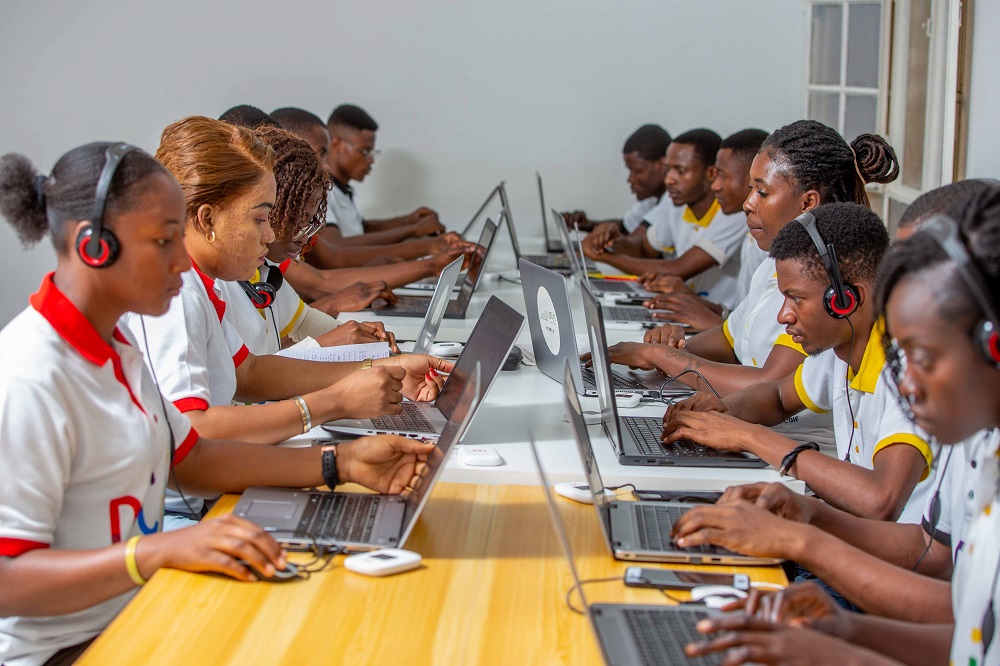
If re-elected for a third term, Mushikiwabo plans to expand youth empowerment through initiatives including D-Clic and CAP Innovation.
She also emphasized that Rwanda’s experience demonstrates how OIF programmes can be adapted to multilingual environments facing similar challenges across the Francophone world.
Economic cooperation and disinformation concerns
During exchanges with ministers, Mushikiwabo also addressed broader institutional priorities, including economic cooperation and the fight against disinformation.
Responding to a question from Djibouti on economic cooperation, she said small and medium-sized enterprises remain the key target for Francophone economic initiatives, noting that large companies already have global access. She emphasized the need to strengthen follow-up after trade missions and build long-term business networks across regions.
On governance concerns, she highlighted the growing threat of disinformation, describing it as a global challenge affecting democratic systems, public trust, and elections. She said the OIF is already supporting programmes in multiple countries and must expand them urgently.
The 2026 race is expected to reshape internal dynamics within the organisation, whose 90 member states and governments include 56 voting members, with African countries forming the majority of the electorate.
As the contest moves toward the November 2026 summit in Phnom Penh, Mushikiwabo’s campaign is anchored on continuity and expansion of reforms, with a strong emphasis on artificial intelligence, youth employment, and institutional governance as defining priorities for the Francophonie’s future.
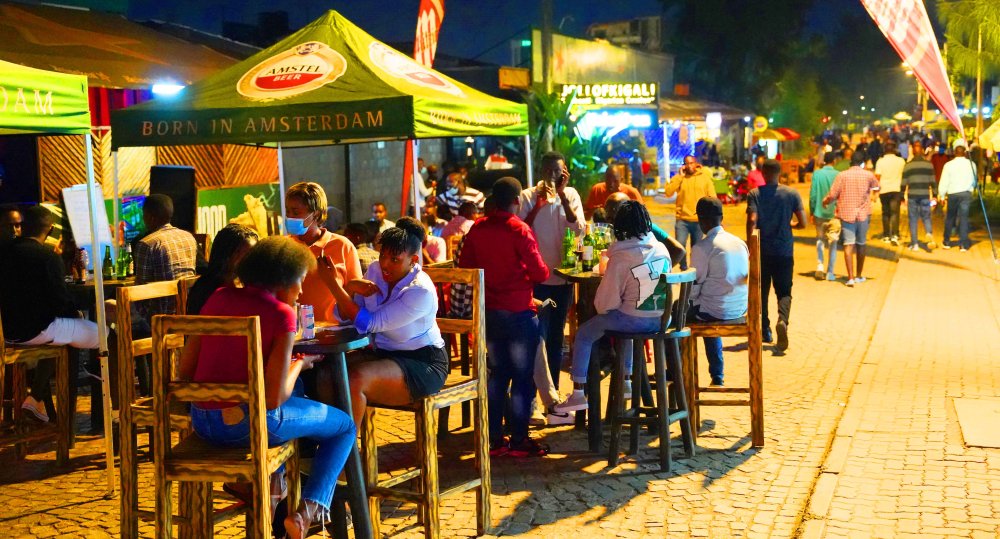
The findings, drawn from a nationally representative sample of over 20,000 women and men, show that 50% of men and 18% of women aged 15–49 drank alcohol in the last month, figures that point to a wide and persistent gender gap in drinking habits, even as frequency patterns look broadly similar across the two groups.
Frequency over volume
Most Rwandans who drink do so occasionally rather than heavily. Among those who consumed alcohol, 78% of women and 51% of men drank on just one to five days in the preceding month. Daily or near-daily drinking was reported by 7% of women and 15% of men.
When they did drink, men were more likely than women to have several drinks in one sitting. Among male drinkers, 32% had no more than one drink per session, compared with 48% of female drinkers. At the other end of the scale, 12% of men and 14% of women who drank consumed six or more drinks on a typical drinking day.
Drinking rises sharply with age
The survey shows a clear age gradient for both sexes. Among women, alcohol consumption climbs from 7.5% among 15–19-year-olds to 28.9% among those aged 45–49. Among men, the increase is steeper and comes earlier: from 22.2% among teenagers to over 60% by their early 30s, peaking at 64.8% among men aged 40–44.
Regional and economic divides
Alcohol use varies markedly by province, and the pattern looks different for men and women.
Among women, Northern Province (26.1%) and Southern Province (25.6%) recorded the highest rates of alcohol consumption, more than double the 10.5% recorded in the City of Kigali, the lowest of any province. Western and Eastern Provinces fell in between, at 13.3% and 15.6% respectively.
Among men, the geography shifts, though Northern Province again tops the list, at 59.4%. It is followed by Southern Province (54.1%), Eastern Province (45.7%), Kigali (49.7%), and Western Province, which recorded the lowest male consumption at 45.3%. Notably, Kigali records the lowest alcohol use among women but sits roughly in the middle among men, while Western Province is consistently the lowest- or near-lowest-consuming province for both sexes.
The rural-urban split tells a smaller but still notable story. Rural women were more likely to drink than urban women (20.5% versus 12.7%), while the gap between rural and urban men was minimal (50.9% versus 48.8%), suggesting alcohol use among men is fairly evenly distributed regardless of setting, whereas for women, urban residence appears to correlate with lower consumption, mirroring the wealth pattern seen nationally.
Wealth shapes drinking for both sexes, though the pattern is clearer among women. Women in the poorest wealth quintile were roughly twice as likely to have consumed alcohol in the last month (24.4%) as those in the wealthiest quintile (11.8%). Among men, consumption was also highest in the poorest quintile (59.3%) and lowest among the wealthiest (41.7%), though the decline was less consistent in between, dipping to 49.4–49.5% in the middle quintiles before falling further at the top.
Education shows a similar gradient for women, alcohol use falls steadily from 24.9% among those with no education to 11.5% among those with more than secondary education. Among men, the pattern is less consistent: consumption drops from 62.5% (no education) to 41.3% (secondary), then rises again to 50.3% among the most educated group.
A different picture from tobacco use
The RDHS report notes that alcohol consumption is far more widespread than tobacco use in Rwanda, where just 1% of women and 6% of men aged 15–49 currently smoke or use tobacco products. Tobacco use among men has declined slightly since the previous survey, from 7% in 2019–20 to 6% in 2025.
Unlike tobacco, which is most heavily concentrated among older, less educated and lower-income men, alcohol consumption follows a somewhat similar socioeconomic gradient among women, while showing a less consistent pattern among men.
The report cautions that heavy alcohol intake carries significant health risks, including increased risk of alcoholism, malnutrition, chronic pancreatitis and liver disease, as well as risks to maternal and child health when consumed during pregnancy.
The 2025 RDHS was implemented by the National Institute of Statistics of Rwanda (NISR) in collaboration with Rwanda’s Ministry of Health.
Half of Rwandan men and nearly one in five women aged 15–49 consumed alcohol in the month before they were interviewed for the 2025 Rwanda Demographic and Health Survey (RDHS), according to the survey’s final report released on June 30, 2026.
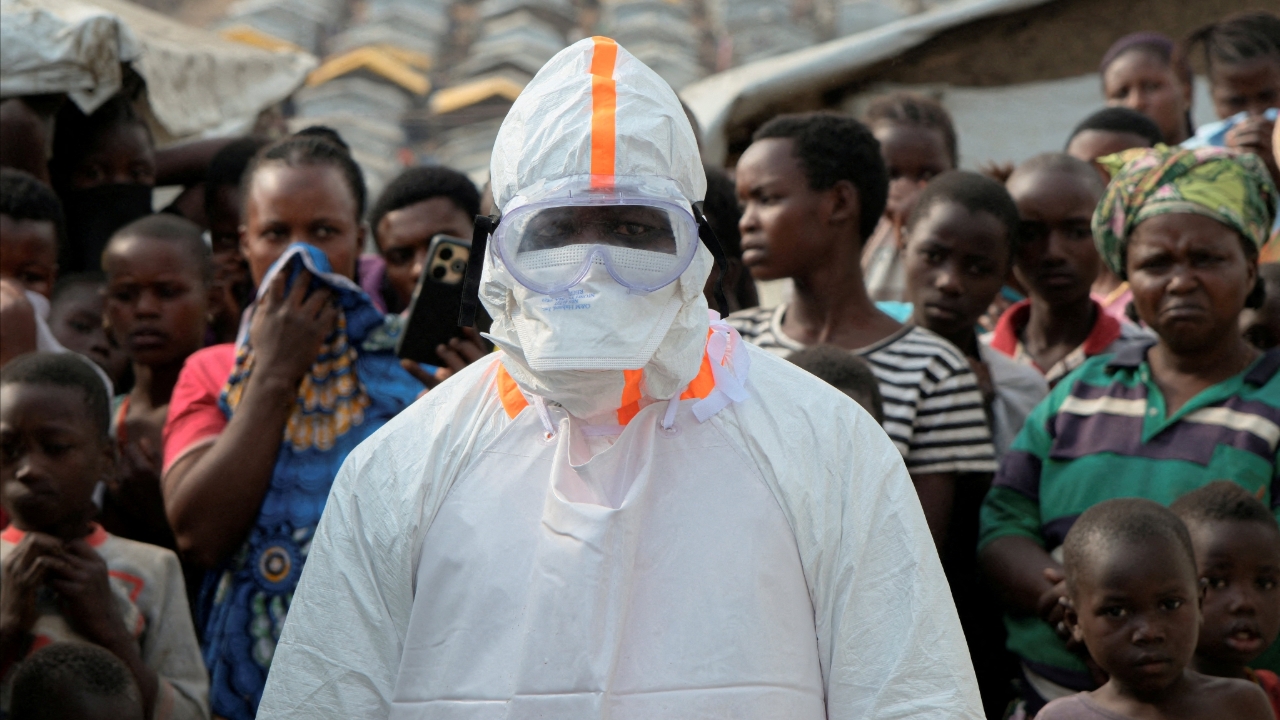
The figures showed that 192 patients had recovered, while 609 others were receiving treatment or under care.
The outbreak remains concentrated in the eastern provinces of Ituri, North Kivu and South Kivu, where surveillance, medical care and response operations are continuing.
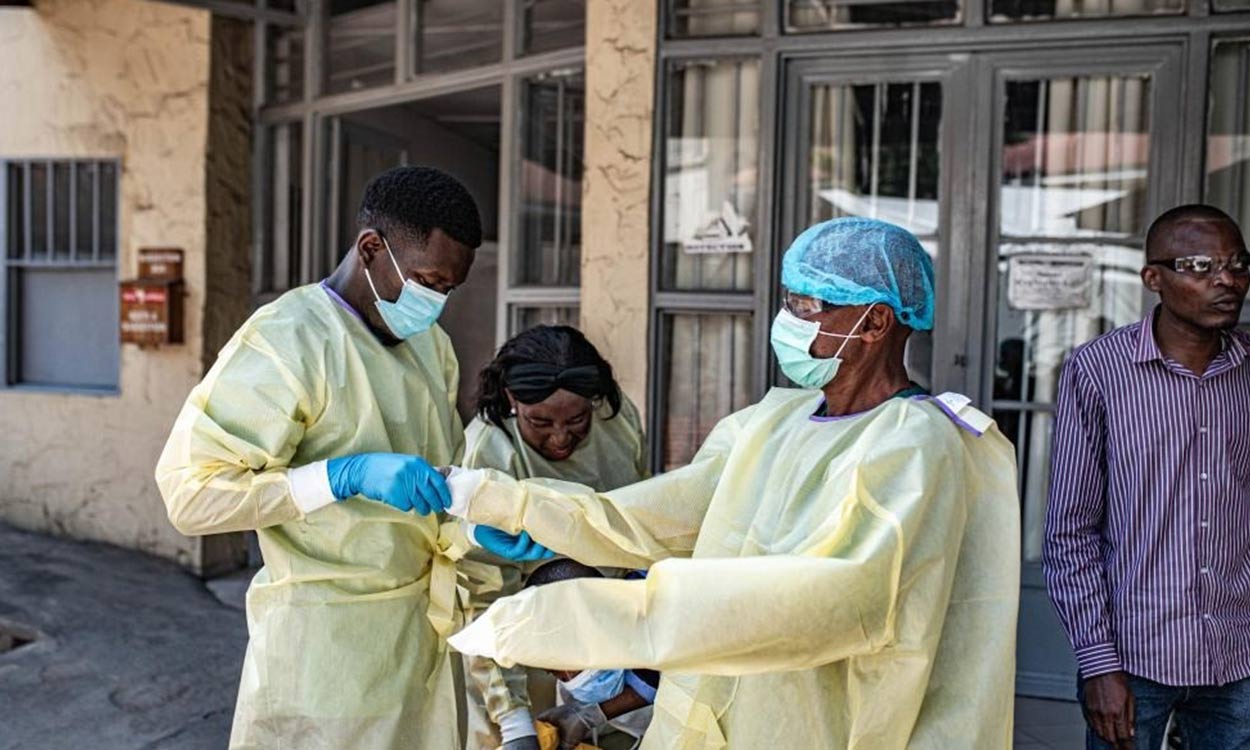
The government said response capacity is being strengthened through the deployment of vehicles and ambulances, the supply of medicines and personal protective equipment, and intensified communication and community mobilization efforts.
The DRC declared the outbreak in mid-May. Health authorities and international partners have repeatedly warned that insecurity, population movement, pressure on health facilities and incomplete contact tracing continue to complicate the response.
The outbreak remains concentrated in the eastern provinces of Ituri, North Kivu and South Kivu, where surveillance, medical care and response operations are continuing.