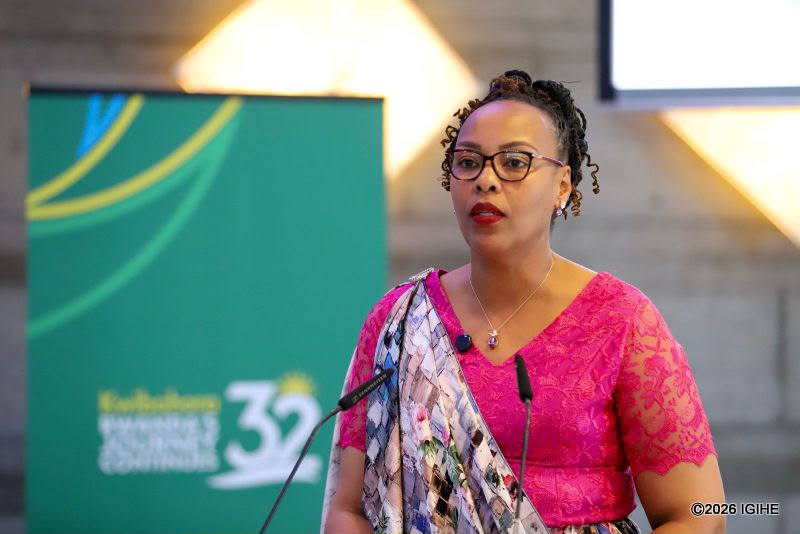
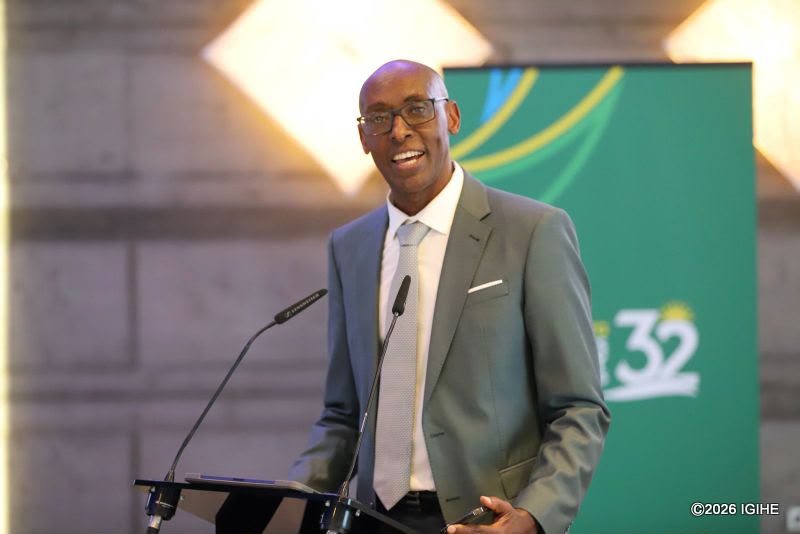
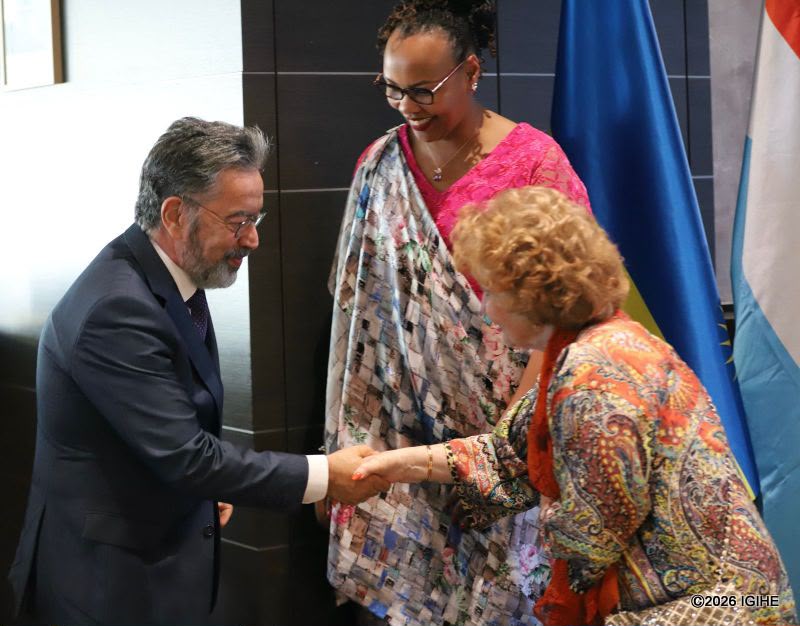
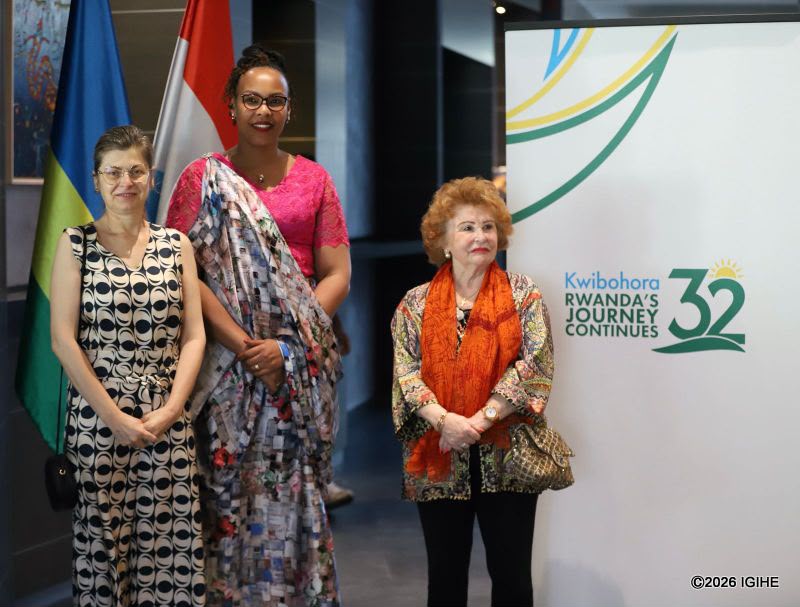
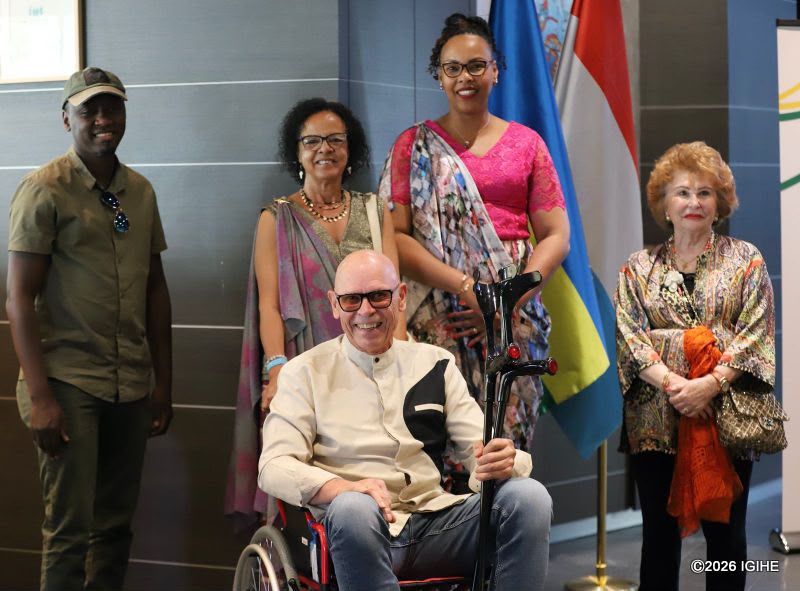
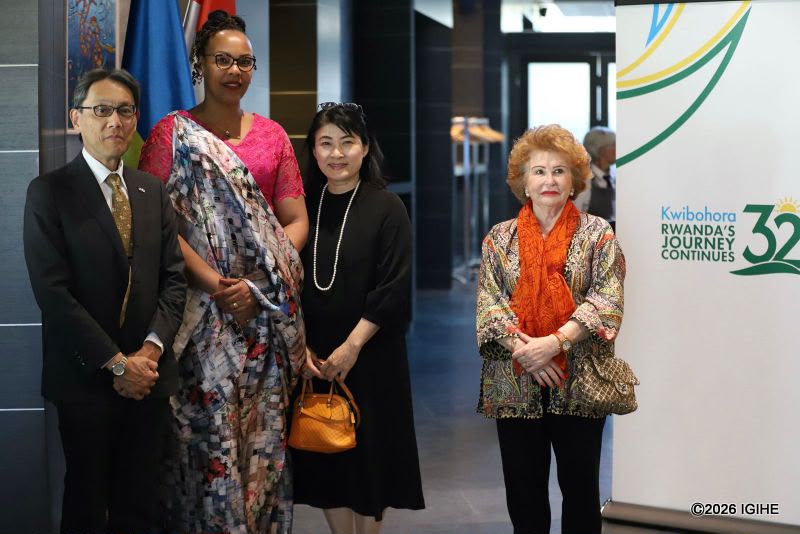
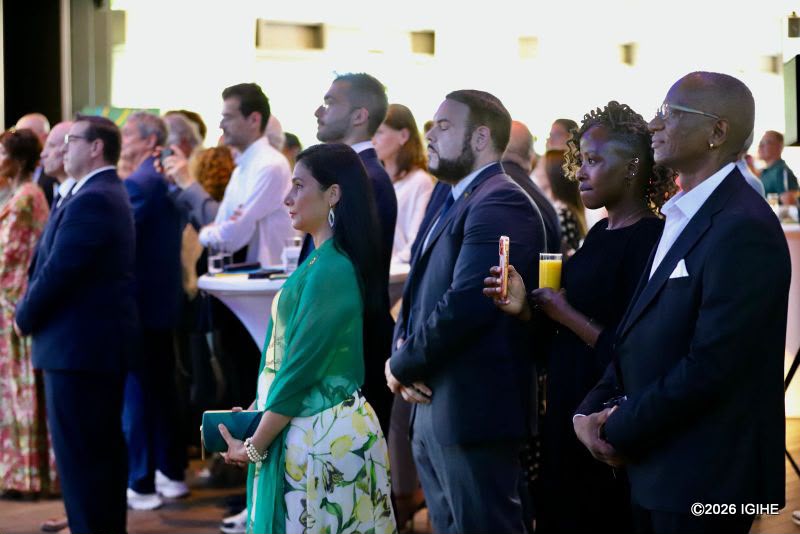
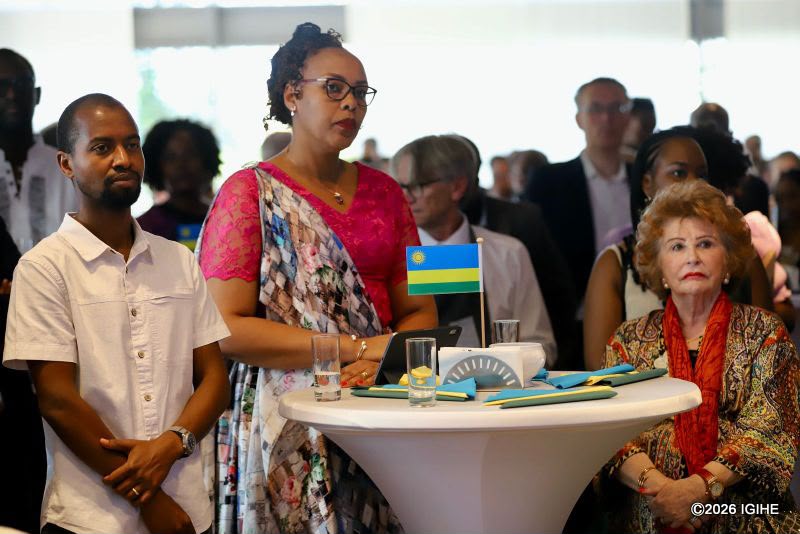
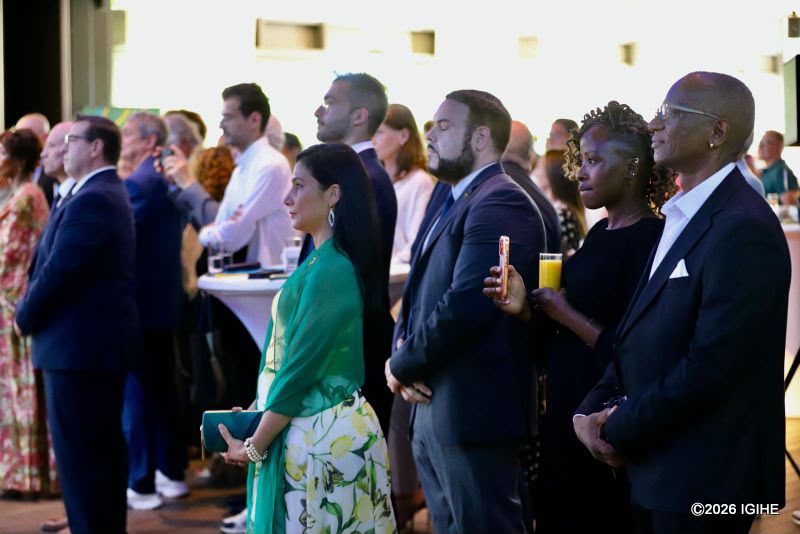
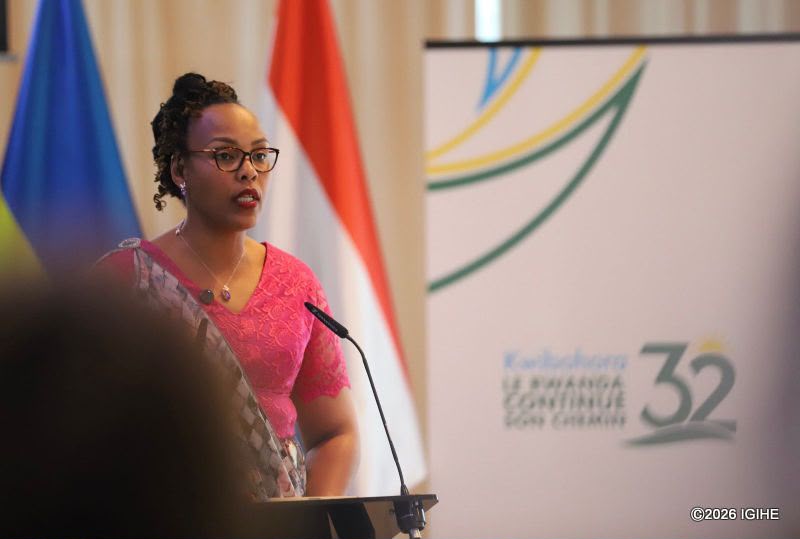
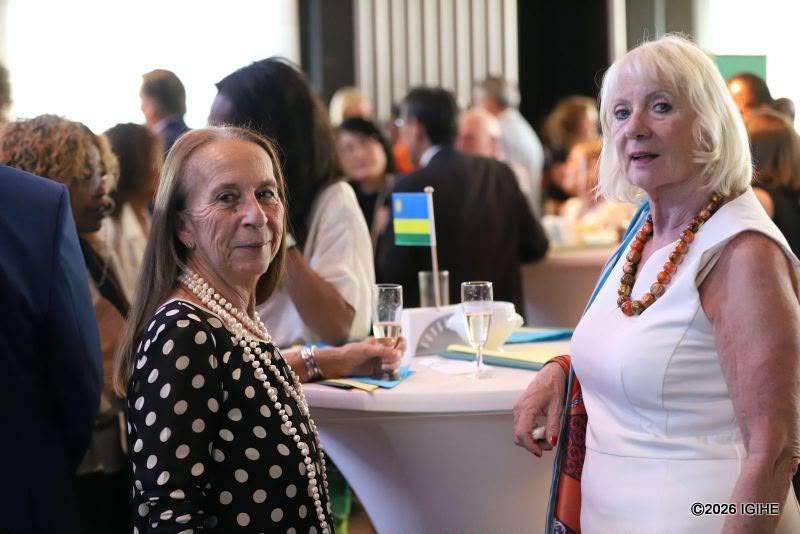
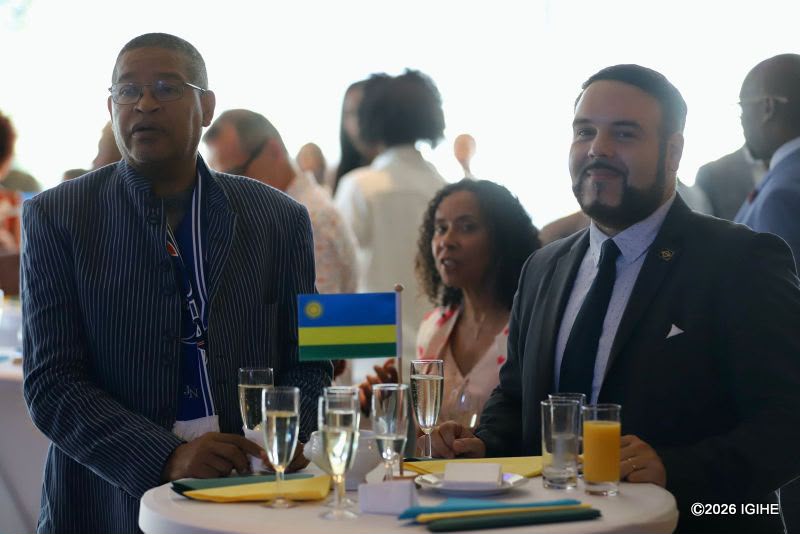
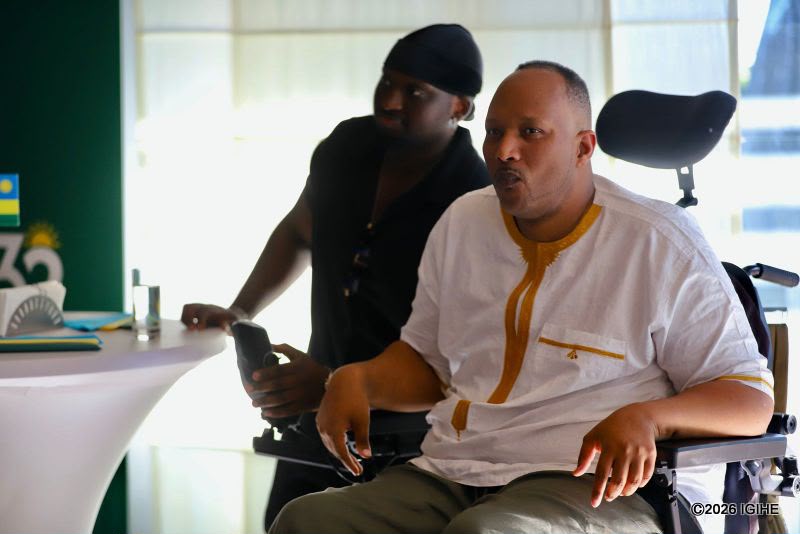
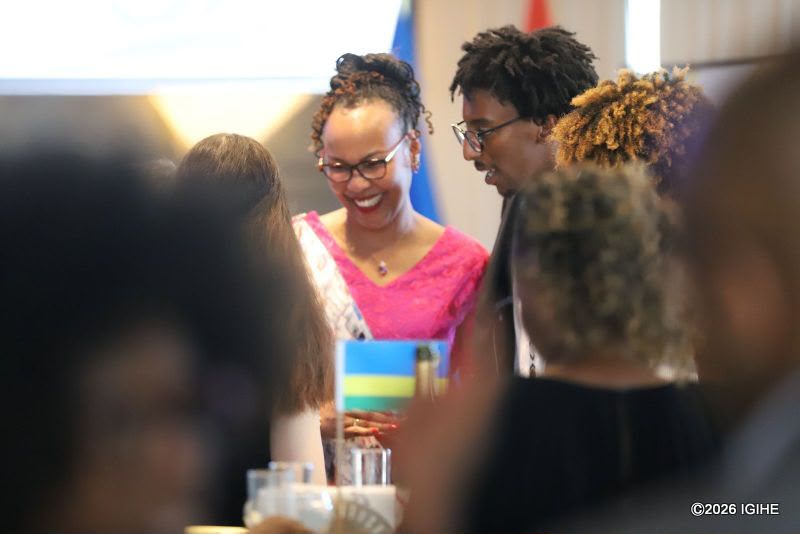
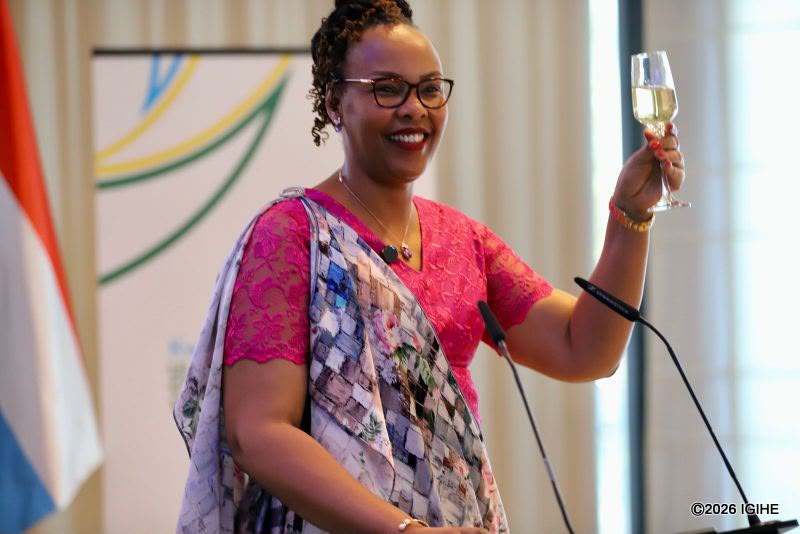
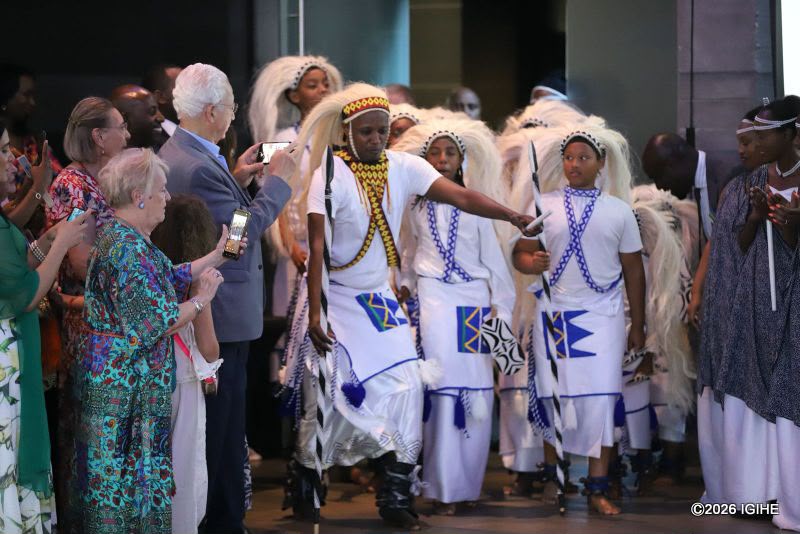
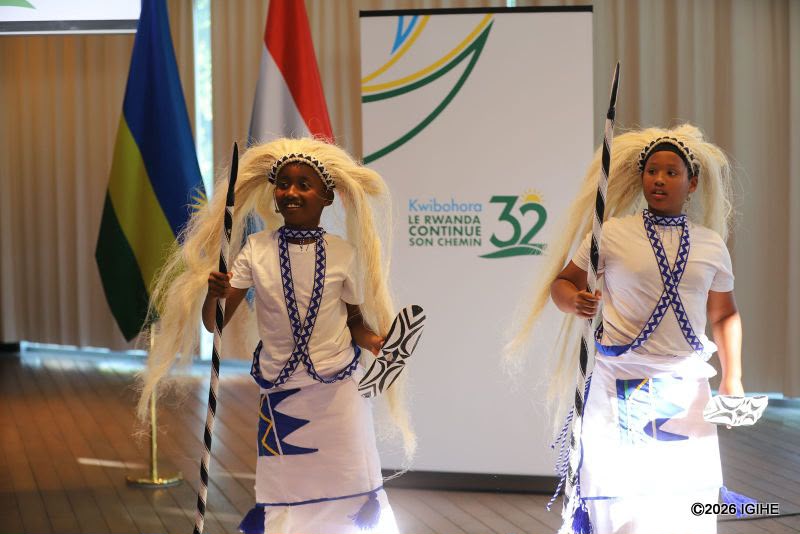
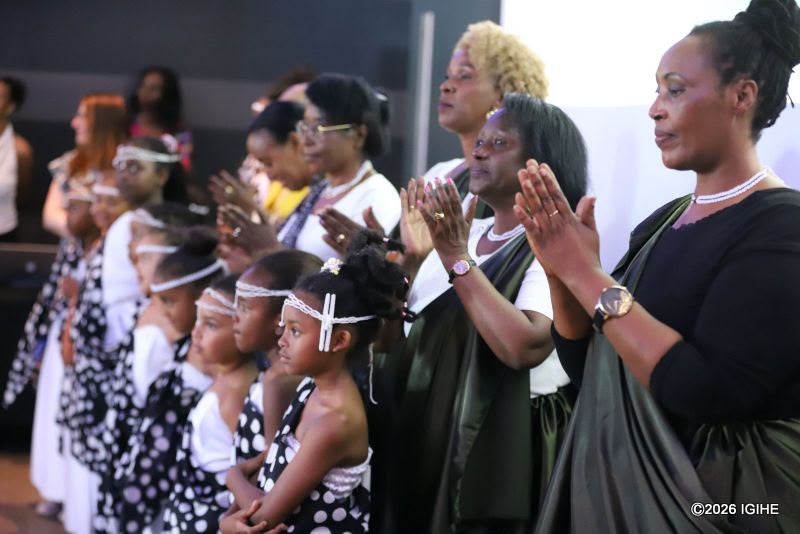
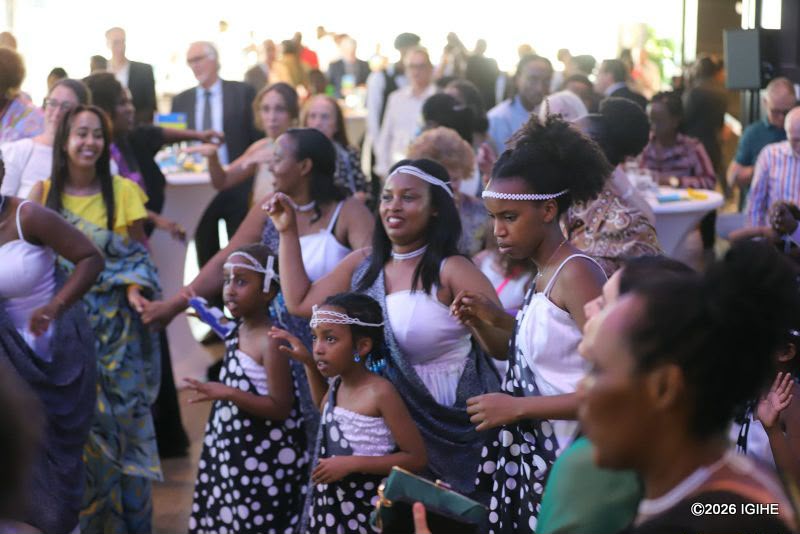
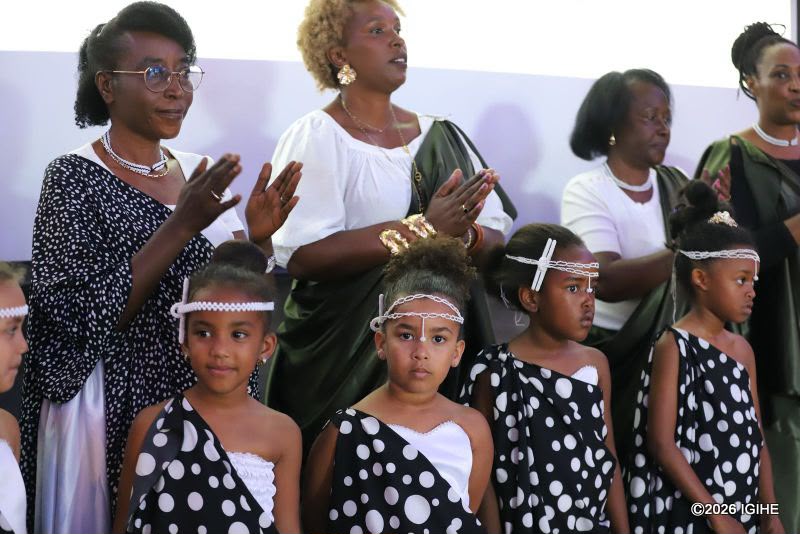
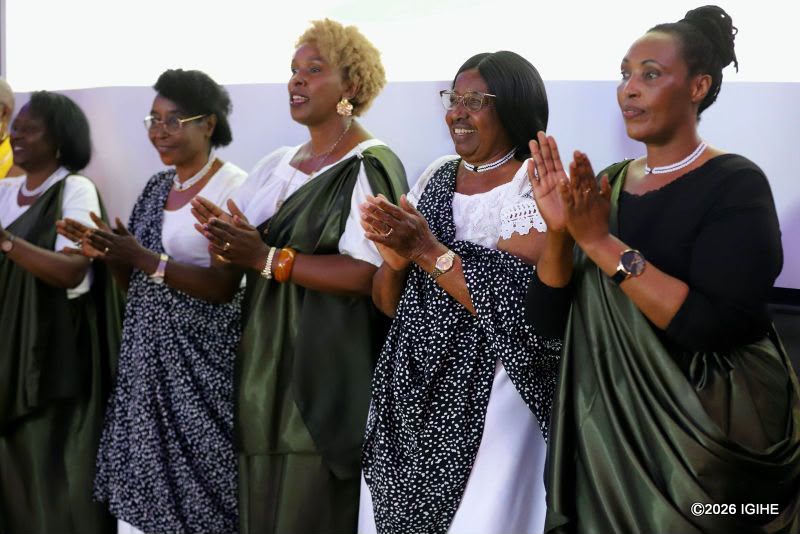
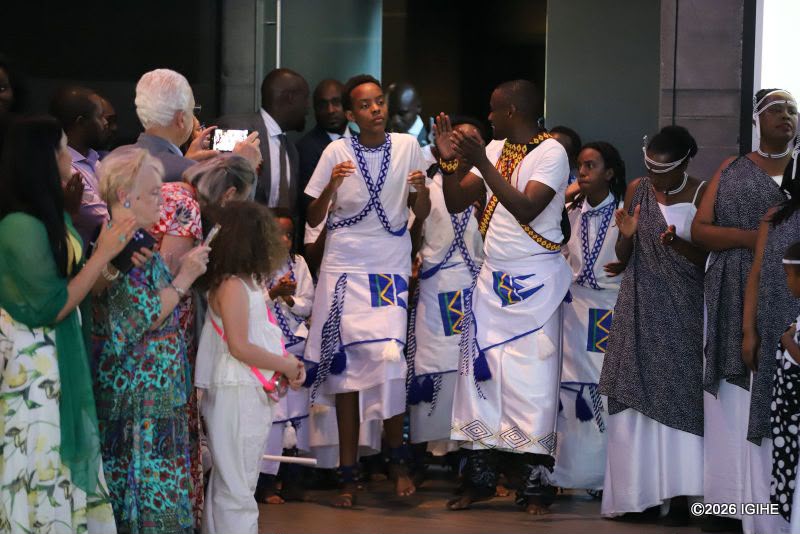
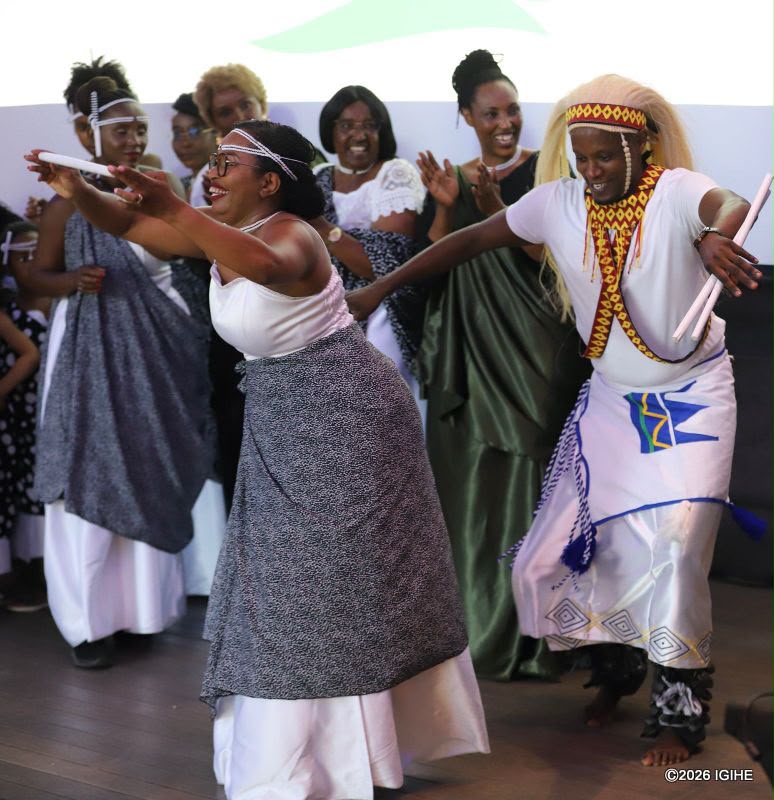
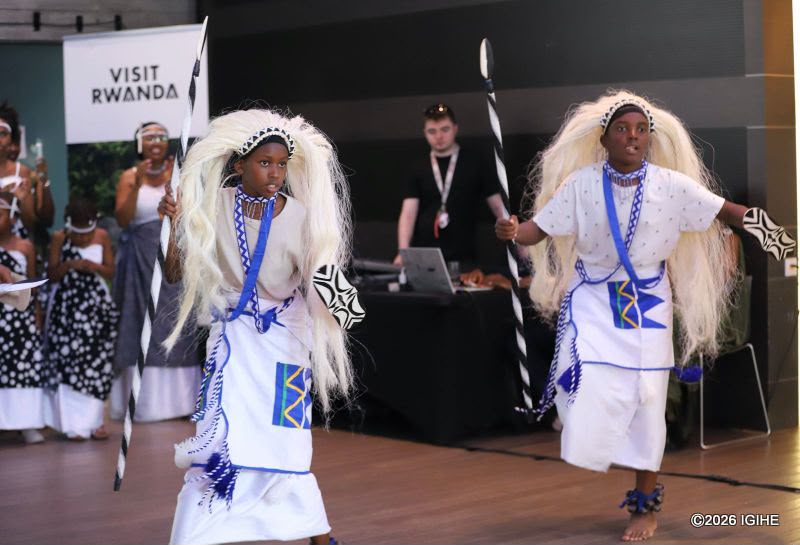
As is tradition, the 21st edition of the ceremony will take place in Kinigi Sector, Musanze District, at the foothills of Volcanoes National Park.
“Join us in Kinigi, @MusanzeDistrict for the 21st @KwitaIzina, Rwanda’s annual baby gorilla naming ceremony, celebrating community-centred conservation and the collective responsibility to protect mountain gorillas and their habitat at @VolcanoesPark,” RDB said in a post on X on Monday, May 4, 2026.
The 20th edition of Kwita Izina took place on September 5, 2025, during which 40 baby gorillas from 15 families were named.
Prime Minister Dr Justin Nsengiyumva served as the guest of honour at the ceremony, which was also attended by several high-level dignitaries, including First Lady Jeannette Kagame.
In his address, PM Nsengiyumva highlighted the global significance of the event:
“Thanks to the leadership of Rwanda, the dedication of conservationists, and the commitment of our communities, mountain gorillas have come back from the brink. Today, there are over a thousand mountain gorillas worldwide, including more than 600 in the Virunga Massif,” he said.
The Prime Minister also affirmed a bold plan to expand Volcanoes National Park by nearly 25%, ensuring future generations of gorillas have secure habitats while simultaneously improving local livelihoods.
Since its launch in 2005, Kwita Izina has become a flagship conservation event, with 435 baby gorillas named to date.
Tourism revenues continued to grow in 2025, reaching $685 million, up from $647 million in 2024, representing a 6 percent increase.
Visitor arrivals also rose by 9 percent to 1.49 million, with a significant share visiting Volcanoes National Park, known for gorilla trekking, as well as other national parks.
Gorilla trekking permits are priced at $1,500 for foreign non-residents. Reduced rates of $500 apply to foreign residents living in Rwanda, other African nationals, and foreigners residing elsewhere in Africa. Citizens of Rwanda and the East African Community (EAC) qualify for the lowest rate of $200.
The court ordered his immediate release following the pronouncement of the judgment.
DJ Toxxyk was facing charges including involuntary manslaughter, drug-related offenses, fleeing the scene after causing or being involved in an accident, and refusing to undergo an alcohol test.
The charges stem from a road accident that occurred in the early hours of December 20, 2025, which claimed the life of a police officer. Investigations following the incident also uncovered narcotic substances at the DJ’s residence.
Under Article 111 of Rwanda’s penal code, involuntary manslaughter occurs when a person causes death through negligence, recklessness, or failure to observe regulations, without intent to kill. The offense carries a penalty of six months to two years in prison and a fine ranging from Rwf 500,000 to Rwf 2,000,000, or one of these penalties.
Regarding drug use, Article 263 provides that any person who consumes or is found in possession of narcotic drugs or similar substances commits an offense punishable by one to two years’ imprisonment or community service.
On the charge of fleeing the scene, Article 5 of the 1987 road traffic law stipulates that any person who leaves the scene of an accident to avoid identification commits an offense, punishable by three months to one year in prison and a fine of between Rwf 10,000 and Rwf 30,000. The court applied this law as it was in force at the time of the offense.
After reviewing submissions from both the prosecution and the defense, the court found DJ Toxxyk guilty on all counts. However, the court suspended the three-month community service sentence for six months, meaning it will only be enforced if he fails to comply with the conditions set during the suspension period.
The court ordered his immediate release, effectively accounting for the time DJ Toxxyk had already spent in pre-trial detention. He was arrested on December 21, 2025, and had been held at the Nyarugenge Correctional Facility since February 9, 2026.
The Nyarugenge Primary Court found Arnaud Shema De Bosscher, DJ Toxxyk, guilty on all four charges related to a fatal road accident and drug-related offences. The court sentenced him to a fine of Rwf 1,050,000 and three months of community service, which has been suspended for six months.The court also ordered his immediate release following the pronouncement of the judgment.
The high-level meeting, which opened at the Kigali Marriott Hotel on Monday, May 4, 2026, brings together government officials, regulators, industry executives, and development partners to discuss how insurance can better support African economies facing increasing climate shocks, fiscal pressures, and development challenges.
Insurance gap at the centre of debate
Opening the meeting, ZEP-RE Managing Director and Group CEO Hope Murera said Africa continues to face a recurring cycle where governments are forced to fund disaster recovery after events occur, often through costly borrowing, while vulnerable populations remain largely unprotected.
“When disasters happen, governments step in to rebuild… resources are eventually found, but sometimes too late,” Murera said. “In many cases, this comes as expensive debt that remains long after the disasters.”
ZEP-RE Managing Director and Group CEO Hope Murera said Africa continues to face a recurring cycle where governments are forced to fund disaster recovery after events occur, often through costly borrowing.
She noted that insurance penetration remains low across the continent, leaving smallholder farmers, women, youth, and small businesses particularly exposed to shocks such as droughts, floods, and other climate-related events.
Murera emphasised that insurance should play a stronger role in absorbing risks and de-risking African economies, but said fragmented risk financing systems and limited affordability continue to hinder progress.
“This is the gap that we, as an industry, seek to address and help close,” she said.
Call for collective action
ZEP-RE Vice-Chair Simon Chikumbu, speaking on behalf of the Board Chairperson, said Africa remains significantly underinsured, adding that the consequences are widely felt across economies and communities.
He stressed that addressing the challenge requires coordinated action across governments, regulators, insurers, and development partners.
“The challenges before us are significant. Africa remains underinsured to a great extent,” he said. “Addressing this requires more than individual effort. It requires collective engagement and purposeful dialogue.”
The high-level meeting brought together government officials, regulators, industry executives, and development partners to discuss how insurance can better support African economies facing increasing climate shocks, fiscal pressures, and development challenges.
Chikumbu also underscored ZEP-RE’s founding mandate to build African reinsurance capacity, noting that while the institution has made progress, the continent’s insurance gap remains a major concern.
Delivering a keynote address, Rwanda’s Minister of Finance and Economic Planning, Yusuf Murangwa, highlighted the scale of the challenge, noting that Africa’s insurance penetration stands at about 2.7%, compared to a global average of 7%.
He warned that the gap leaves hundreds of millions of people exposed to financial hardship when disasters strike.
“The informal sector, the market stall owner, the smallholder farmer, the motorcyclist, taxi drivers, is not uninsurable; it is simply uninsured,” Murangwa said, adding that this distinction represents a major opportunity for industry growth and innovation.
Rwanda’s Minister of Finance and Economic Planning, Yusuf Murangwa, highlighted the scale of the challenge, noting that Africa’s insurance penetration stands at about 2.7%, compared to a global average of 7%.
He also pointed to climate-related losses that continue to strain public finances, noting that most catastrophe-related costs in Africa are borne by governments, households, and businesses rather than insurers.
Murangwa called for faster and more ambitious action beyond pilot projects, urging stakeholders to scale up solutions that address climate risks and disaster preparedness.
Insurance as a resilience tool
Governor of the National Bank of Rwanda, Soraya Hakuziyaremye, who opened the high-level panel discussions, said insurance must no longer be viewed as a niche financial product but as a strategic tool for economic resilience and growth.
She highlighted that Africa is increasingly exposed to climate shocks, citing floods, droughts, and storms that are becoming more frequent and severe.
“These shocks are no longer rare events, they are part of our new normal,” she said.
She added that more than 80% of catastrophe-related losses in Africa remain uninsured, shifting the financial burden to households and governments at times when they are least able to absorb it.
Hakuziyaremye also noted that Africa carries 19% of the global population and is expected to account for one in four people globally by 2050, increasing the urgency for scalable insurance solutions.
Governor of the National Bank of Rwanda, Soraya Hakuziyaremye, said insurance must no longer be viewed as a niche financial product but as a strategic tool for economic resilience and growth.
Innovation and regional solutions
Discussions at the meeting highlighted ongoing efforts to address Africa’s risk financing gap through insurance-based solutions, particularly index insurance models being developed in the agricultural sector.
Dr. Grace Muradzikwa, Commissioner of Insurance, Pensions and Provident Funds in Zimbabwe, noted that index insurance products have been developed with support from partners, including the World Bank, to help farmers manage climate-related risks. She cited agricultural insurance initiatives such as the
“Farmers Basket” scheme, which was first launched in one province and progressively expanded to eight provinces with support from multiple stakeholders.
According to Dr. Muradzikwa, such initiatives demonstrate how insurance can shift from post-disaster response to more proactive risk management, as governments, regulators, insurers, and development partners work together to structure more sustainable agricultural protection mechanisms.
Speakers also referenced regional insurance and risk-sharing frameworks, including the Common Market for Eastern and Southern Africa (COMESA) Yellow Card system, the Regional Compensation Transit Guarantee (RCTG), and African Risk Capacity (ARC) initiatives, aimed at strengthening resilience and facilitating risk pooling across African economies.
Moving from pilots to systemic impact
Participants agreed that while progress has been made in developing innovative insurance products, Africa must move beyond small-scale, pilot-driven approaches toward system-wide solutions that can deliver broader impact.
They emphasised the need for stronger collaboration between governments, regulators, insurers, and development partners to scale up insurance solutions that serve both agricultural producers and wider vulnerable populations.
However, challenges such as affordability, data limitations, low insurance awareness, and fragmented implementation across markets remain key barriers.
“In the world we are experiencing more than 10 types of disasters, such as floods, landslides, strong winds, lightning, and many others… In 2023, we experienced one of the strongest hazards in this country. In a single night, we lost more than 135 lives,” said Adalbert Rukebanuka, Director General of Policy, Planning and Risk Reduction at Ministry in charge of Emergency Management (MINEMA).
He noted that disasters are becoming more frequent and complex, placing increasing pressure on governments that already bear a significant share of recovery costs, underscoring the urgency of strengthening disaster risk financing systems that can deliver faster and more predictable responses while reducing pressure on public finances.
The AGM continues on Tuesday, May 5, with a closed session and concludes with the adoption of key resolutions.
ZEP-RE is a pan-African reinsurer established in 1990 under COMESA, operating in more than 45 African countries. It plays a central role in supporting insurance market development and building risk capacity across the continent.
Participants agreed that while progress has been made in developing innovative insurance products, Africa must move beyond small-scale, pilot-driven approaches toward system-wide solutions that can deliver broader impact.
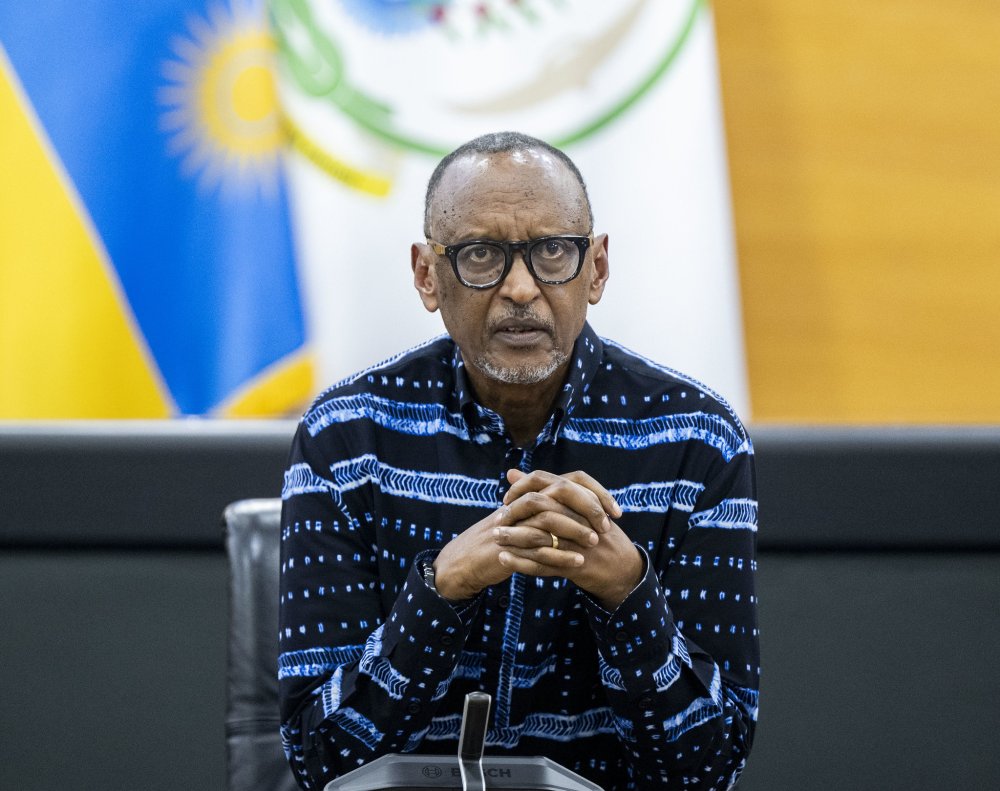
The announcement was made by President Paul Kagame during a joint press briefing in Dar es Salaam on Sunday, following high-level talks with his host President Samia Suluhu Hassan.
Rwanda, President Kagame said, will soon publicly honour Tanzanians whose actions during that time demonstrated exceptional heroism and compassion.
“Rwanda is currently in the period of commemoration of the Genocide against the Tutsi of 1994, and we shall soon have the opportunity to publicly recognise some Tanzanian citizens whose actions during that time demonstrated exceptional heroism and compassion,” he stated.
Tanzania was among the countries that hosted Rwandan refugees during the 1994 Genocide against the Tutsi.
Previously, particularly during the 30th commemoration in 2024, President Kagame highlighted Tanzania’s role in supporting Rwanda during that period, especially in facilitating the Arusha Peace Process, and paid tribute to the late former Tanzanian President Julius Nyerere for his contribution to laying the foundation for that process.
Speaking on Sunday, the Head of State also thanked Tanzania for its longstanding partnership, noting that the two countries share historic ties rooted in friendship, culture, and decades of cooperation.
President Kagame said discussions with President Samia were constructive and focused on strengthening the long-standing relationship between the two countries.
“Today, the President and I had a very constructive discussion building on the long-standing relationship between our two countries,” he said, adding that Tanzania remains a key partner for Rwanda across multiple sectors, particularly trade and logistics.
On her part, President Samia Suluhu Hassan said bilateral trade between the two countries has continued to grow steadily, reaching significant levels in recent years.
“Trade between our two countries has grown strongly, reaching about 644 billion Tanzanian shillings (approximately Rwf 360 billion) last year,” she said, noting that this reflects deepening economic cooperation and increased private sector engagement on both sides.
She added that Tanzania remains committed to further strengthening trade and investment ties with Rwanda through improved infrastructure and removal of trade barriers.
Kagame highlighted progress in trade and logistics cooperation, noting that discussions focused on strengthening systems to manage the growing volume of business between the two countries and advancing joint development projects.
He also underscored the importance of regional integration, citing collaboration within the East African Community and the African Union as key frameworks supporting bilateral relations.
The two leaders reaffirmed their commitment to ensure the full implementation of agreed projects, amid what they described as a period of global geopolitical uncertainty that calls for regional unity and shared purpose.
On economic cooperation, both sides agreed to deepen trade and investment ties, improve transport and logistics systems, and enhance infrastructure connectivity, including road and rail networks such as the Isaka–Kigali railway project.
Energy cooperation also featured in the discussions, including the Rusumo Hydropower Project involving Rwanda, Tanzania, and Burundi, as well as plans to expand electricity trade between TANESCO and the Rwanda Energy Group (REG).
The leaders also discussed telecommunications infrastructure, including strengthening cross-border fibre optic connectivity to improve digital services.
Kagame said Rwanda remains committed to working closely with Tanzania for the benefit of citizens in both countries and expressed appreciation for the warm reception extended to him and his delegation.
President Kagame said Rwanda will soon recognise Tanzanian citizens for their acts of courage and compassion during the 1994 period of the Genocide against the Tutsi.President Kagame arrived in Tanzania on Sunday for a one-day working visit.
Heightened insecurity and instability around key Gulf routes, including the Strait of Hormuz, have disrupted maritime traffic. Rising fuel, food and freight costs worldwide are driving up prices and delaying the delivery of critical supplies, Carlotta Wolf said at a regular press briefing.
These rising costs “disproportionately affect people who are already living in emergencies, including millions of refugees and displaced people who are among the hardest hit, while also reducing the ability of aid agencies to deliver timely assistance,” she said.
The closure of key maritime routes has forced greater use of longer and more expensive alternatives, leading to increased transit times and operational complexity. Freight rates from key sourcing countries have risen by nearly 18 percent since the start of hostilities, while the capacity of UNHCR’s global transport providers has dropped from 97 to 77 percent since the start of this year, Wolf said.
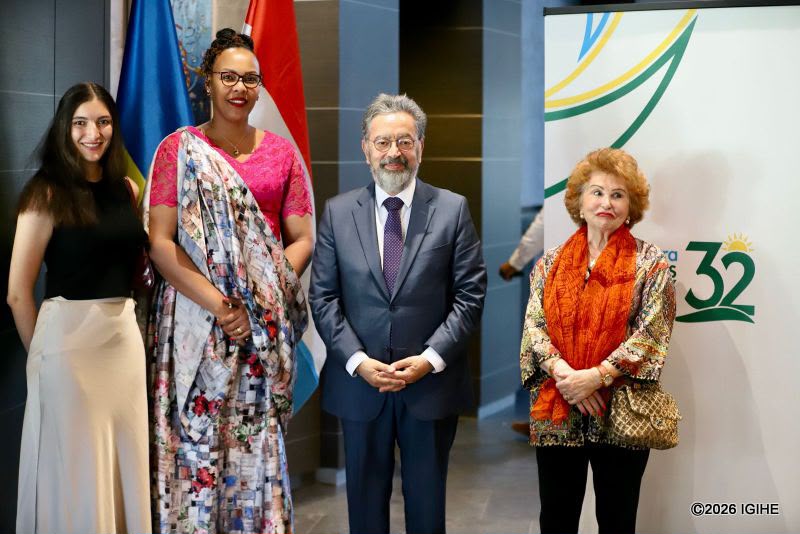
“For some shipments, costs have more than doubled, such as transport costs for relief items from UNHCR global stockpiles in Dubai to our Sudan and Chad operations,” Wolf said.
The UNHCR spokesperson expressed particular concern about the situation for Africa, home to many overlapping, “often tragically neglected” displacement crises.
In Kenya, where one of UNHCR’s global stockpiles is located, a recent fuel price increase of around 15 percent triggered delays and reduced truck availability for shipments to Ethiopia, the Democratic Republic of the Congo, and South Sudan. In Sudan, the cost of delivering aid has doubled in recent months, while rerouting shipments around the Cape of Good Hope adds up to 25 days in delivery times.
“If instability in the Middle East persists, rising costs, delays and limited transport capacity are likely to constrain humanitarian operations further,” Wolf stressed.
The Middle East crisis has generated far-reaching ripple effects well beyond the region, with growing consequences for global humanitarian supply chains and the delivery of aid, the United Nations High Commissioner for Refugees (UNHCR) spokesperson warned on Friday.
President Kagame is in Tanzania for a one-day working visit, where he held talks with President Suluhu before addressing a joint press conference on Sunday afternoon.
Welcoming the Rwandan leader, President Samia described Tanzania and Rwanda as long-standing partners and historic friends whose relations are anchored in shared culture, close people-to-people ties, and decades of cooperation dating back to pre-colonial times.
“Tanzania and Rwanda are not only neighbours, but also brothers and friends. Our brotherhood and friendship is historic and rooted in shared history and values,” President Samia said.
She noted that the two countries continue to work closely at bilateral, regional, and multilateral levels, including within the East African Community (EAC), the African Union (AU), the Non-Aligned Movement, and the United Nations.
The leaders highlighted the role of the Joint Permanent Commission for Cooperation (JPC), established in 1976, which remains the main framework guiding collaboration across sectors such as trade, investment, agriculture, energy, petroleum, transport infrastructure, defence, security, and immigration. The 16th session of the commission was held in Kigali last July.
Trade and investment featured prominently in the discussions, with President Samia noting that bilateral trade reached 644 billion Tanzanian shillings last year (approximately Rwf 360 billion).
“We are encouraged by the steady growth in trade between our two countries, which reflects the strength of our partnership,” she said.
She also pointed to growing investment flows, including 42 projects from Rwanda worth 325.5 million US dollars registered since March, which have created more than 2,200 jobs in Tanzania.
She further highlighted Tanzanian investments in Rwanda, including companies such as Bakhresa, Magodoro Dodoma, Discount Centre, Jambo Plastics, Sagar Enterprises, Buffalo Travel & Tours, Maxcom Africa, Gasabo Grain Milling Company, LCM Delta Company, and Matrix Integrated Consultancy, underscoring expanding private sector participation in both economies.
A central focus of the talks was transport and logistics, particularly the role of Tanzanian ports in facilitating regional trade. President Samia noted that about 70 percent of Rwanda’s cargo passes through Tanzanian ports, amounting to approximately 1.6 million tonnes annually.
“It is our responsibility, as we are the ones with ports in this region, to ensure efficient and reliable services to our neighbours who are land-linked,” she said.
The two leaders agreed to strengthen port operations through special logistics arrangements to improve the efficiency of cargo handling for Rwanda. They also reaffirmed commitment to advancing road and rail connectivity, with particular attention to the Isaka–Kigali railway project, which is expected to significantly improve the speed and cost of transporting goods between the two countries.
Energy cooperation was another key area of discussion, with both leaders reaffirming commitment to the Rusumo Hydropower Project, a regional initiative involving Rwanda, Tanzania, and Burundi that generates 80 megawatts of electricity.
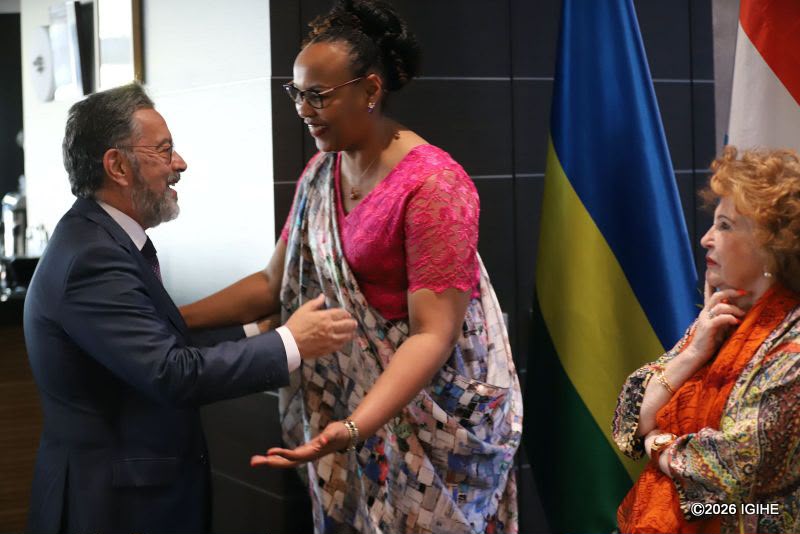
“We are committed to ensuring that regional energy projects like Rusumo deliver shared benefits to our people,” President Samia said.
They also agreed to strengthen electricity trade between TANESCO and the Rwanda Energy Group (REG) to support industrial growth and regional energy integration.
President Kagame welcomed the progress in bilateral cooperation, noting that Tanzania remains a key partner for Rwanda in trade and logistics.
“Tanzania has been a key partner for Rwanda. Over the years, we have strengthened our cooperation across many sectors, particularly trade and logistics, which has helped connect Rwanda to global markets,” he said.
He emphasized the need to further improve systems that can efficiently manage growing trade volumes and ensure full implementation of joint development projects.
“Our discussions focused on how to build further on this foundation and ensure our systems are well equipped to handle the growing volume of business between our two countries,” he added.
In the communications sector, the leaders discussed expanding telecommunications infrastructure, including enhanced use of Tanzania’s fibre optic network in Rwanda to improve digital connectivity and service delivery.

Beyond economic cooperation, President Samia and President Kagame also exchanged views on peace, security, and regional stability, reaffirming their commitment to continued collaboration within international frameworks.
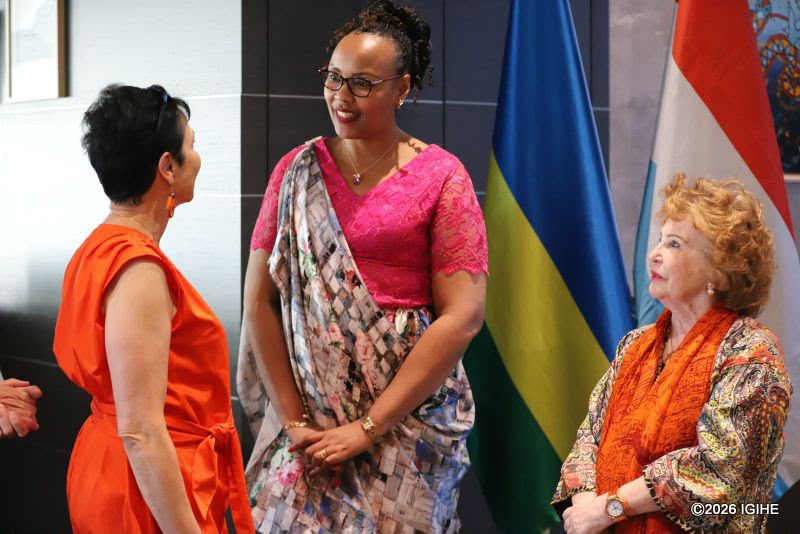
Additionally, President Kagame noted that Rwanda, currently in the commemoration period of the 1994 Genocide against the Tutsi, would soon recognise Tanzanian citizens who demonstrated exceptional courage and humanity during the time.
President Kagame is in Tanzania for a one-day working visit,President Kagame held bilateral talks with his Tanzanian counterpart, Samia Suluhu, before addressing a joint press conference on Sunday afternoon.
The visit follows that of Tanzania’s Minister of Foreign Affairs and East African Cooperation, Mahamoud Thabit Kombo, who visited Rwanda at the end of March 2026, with the aim of advancing cooperation between the two nations.
Upon arrival at Dar es Salaam International Airport, President Kagame was received by Minister Kombo and other senior officials.
He is expected to hold talks with his counterpart, President Dr. Samia Suluhu Hassan, focused on deepening bilateral cooperation and strengthening existing partnerships, which will be followed by a joint press conference.
Rwanda has consistently highlighted the strong and long-standing relations with Tanzania, particularly appreciating access to the Port of Dar es Salaam on the Indian Ocean, through which about 70% of its imports are routed.
Citizens of both countries have also established two friendship associations aimed at fostering closer ties: RWATAFA (Rwanda–Tanzania Friendship Association) and TARAFA (Tanzania–Rwanda Friendship Association).
The two countries have signed multiple cooperation agreements in key sectors, including trade, agriculture, security, technology, transport, and industrial development, concluded over different periods.
In July 2025, Rwanda and Tanzania agreed to establish a Tanzania Ports Authority (TPA) office in Kigali, a move expected to enhance and accelerate trade facilitation between the two countries.
As members of the East African Community (EAC), Rwanda and Tanzania also continue to collaborate on major regional infrastructure projects, including the planned railway line linking Isaka and Kigali, aimed at improving the movement of goods and boosting regional integration.
President Paul Kagame arrived in Tanzania on May 3, 2026, for a one-day working visit.The visit follows that of Tanzania’s Minister of Foreign Affairs and East African Cooperation, Mahamoud Thabit Kombo.President Kagame and his host, President Samia Suluhu Hassan of the United Republic of Tanzania, are scheduled to hold a tête-à-tête meeting, which will be followed by a joint press conference.The talks will be focused on deepening bilateral cooperation and strengthening existing partnerships.
The company, which began operations in 2018, is based in the Bugesera Industrial Zone and currently collects at least 40% of obsolete electronic waste generated in the country. Its operations aim to reduce environmental pollution linked to electronic waste while recovering valuable materials and extending the lifespan of usable devices.
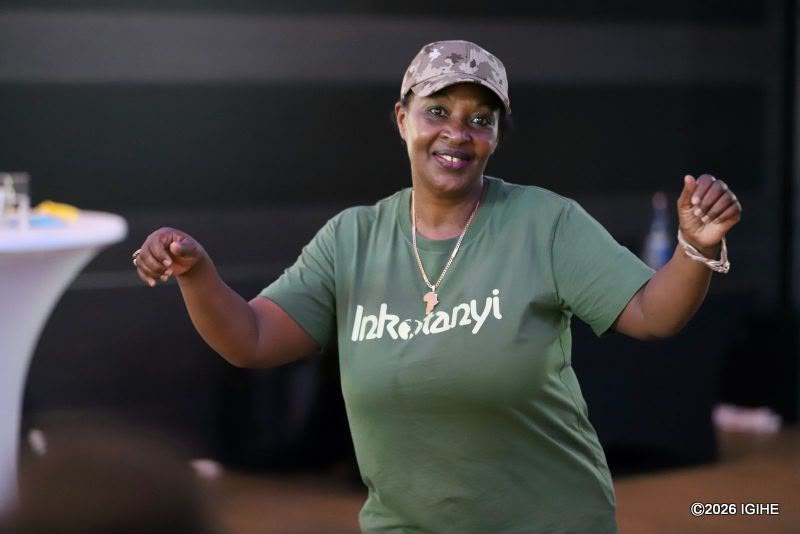
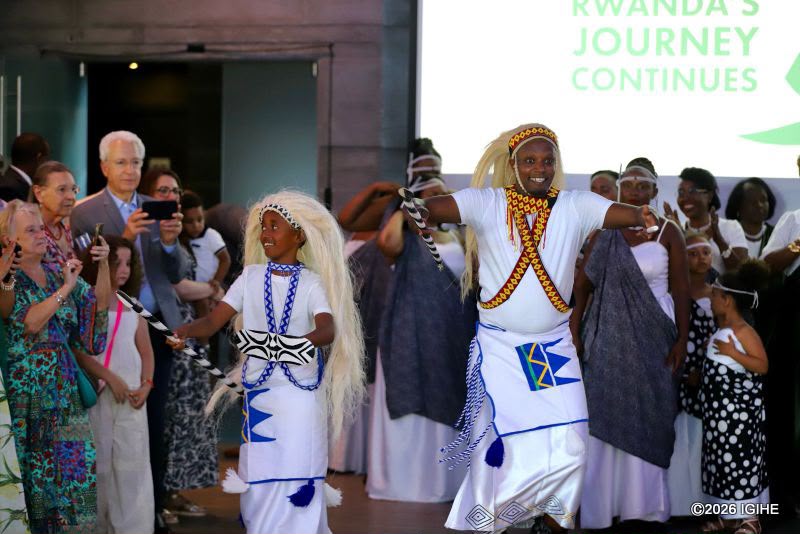
Electronic waste, commonly referred to as e-waste, includes discarded devices such as mobile phones, computers, televisions, kettles, refrigerators, microwaves, irons, printers and other household electronics that are no longer in use but often remain stored in homes.
According to Enviroserve Rwanda Country General Manager Olivier Mbera, many households continue to keep unused electronics despite the environmental and health risks associated with prolonged storage of such items.
“We have collected up to 8,500 tonnes of electronic waste since we started operating,” Mbera said. “Once these items arrive at the facility, they are either refurbished or dismantled to recover useful components. Each year, we refurbish about 10,000 computers, around half of which are reused in schools, while the rest are sold for use by the general public.”
He added that the company has already refurbished and redistributed about 40,000 computers since its establishment, contributing to digital access in schools and communities. Other materials recovered from e-waste are channelled back into industrial recycling streams, while hazardous substances are safely extracted and managed to prevent environmental contamination.
Mbera cautioned against the long-term storage of obsolete electronic devices in households, warning that they may contain hazardous substances that pose risks to both human health and the environment.
“It is not advisable to keep unused electronic devices at home because they contain harmful chemicals that can affect people’s health,” he said. “As devices age, these substances may begin to leak. For example, a swollen phone battery or a refrigerator losing gas can release toxic elements that may contribute to serious health risks and environmental damage.”
Environmental experts also warn that improper handling of e-waste can lead to soil and water contamination due to heavy metals and toxic compounds contained in electronic components.
Government push for safe e-waste management
Beatha Akimpaye, the Division Manager of Environmental Compliance and Enforcement Division at Rwanda Environment Management Authority (REMA), said Rwanda’s e-waste recycling programme was introduced as part of broader efforts to strengthen environmental protection and promote responsible waste management.
She urged the public to properly dispose of electronic devices through designated collection systems instead of keeping them in homes.
“While we depend on electronic devices to keep up with modern technology, when they become waste and are not properly managed, they can harm both the environment and human health,” she said. “People should take such devices to collection centres established by Enviroserve Rwanda so they can be safely recycled or dismantled in an environmentally sound manner.”
Enviroserve Rwanda currently operates 26 e-waste collection centres across the country. Through these centres, the company collects obsolete electronic equipment for sorting, refurbishment, dismantling and recycling. Devices that can be repaired are refurbished and reused, while non-repairable materials are broken down and either recycled locally or exported for further processing.
After collection, some of the materials are shredded, and the recovered components are sold.Old bulky televisions and CRT computer monitors account for a large share of the items collected.According to Enviroserve Rwanda Country General Manager Olivier Mbera, many households continue to keep unused electronics despite the environmental and health risks associated with prolonged storage of such items.
“The U.S. president escalates his threats of military aggression against Cuba to a dangerous and unprecedented scale,” Cuban President Miguel Diaz-Canel wrote on X.
Diaz-Canel called on the international community and the American people to decide whether they would allow “such a drastic criminal act” to serve the interests of a small but wealthy and influential group seeking revenge and domination.
He said that no aggressor, “no matter how powerful,” would find surrender in Cuba, but rather “a people determined to defend sovereignty and independence.”
Cuban Foreign Minister Bruno Rodriguez also said on X the same day that Trump’s “clear and direct” threat of a military attack had raised aggression against Cuba to dangerous levels.
Rodriguez said popular support for the Cuban Revolution was demonstrated “massively” during May Day celebrations on Friday.
Speaking at an event in Palm Beach, Florida, Trump said the United States would take control of Cuba “almost immediately” after “finishing a job,” referring to the conflict with Iran in the Middle East.
He added that he “could” send the aircraft carrier USS Abraham Lincoln to the Caribbean and have it stop about 100 yards off Cuba’s coast “on the way back from Iran.”
Cuban President Miguel Diaz-Canel on Saturday denounced the escalation of Washington’s military threats against the country by US President Donald Trump.
The two suspects are being investigated on allegations of disseminating false information, RIB spokesperson Dr Murangira B. Thierry confirmed to IGIHE.
“It is true that on May 1, 2026, RIB arrested Nsanzimana Augustin and Niyonshuti Emmanuel, suspected of spreading false information that could cause public fear. The offences were committed through social media platforms,” Dr Murangira said.
He added that the suspects are currently being held at RIB’s Remera station as investigations continue.
Spreading false information that may incite fear, unrest, or public disorder through a computer system is an offence punishable under Rwandan law.
The offence is outlined in Law No. 60/2018 of August 22, 2018, on the prevention and punishment of cybercrimes.
If found guilty, a person is liable to a prison sentence of between three and five years, and a fine ranging from 1 million to 3 million Rwandan francs.
Nsanzimana Augustin was arrested alongside Niyonshuti Emmanuel. They are being investigated over allegations of spreading false information through the YouTube channel ‘Imbarutso ya demokarasi’.